For Sale
2 days
- $1,848,800
- 2 bed
- 3 bath
- 1449 sqft
MLS® R3164516
•Oakwyn Realty Ltd.
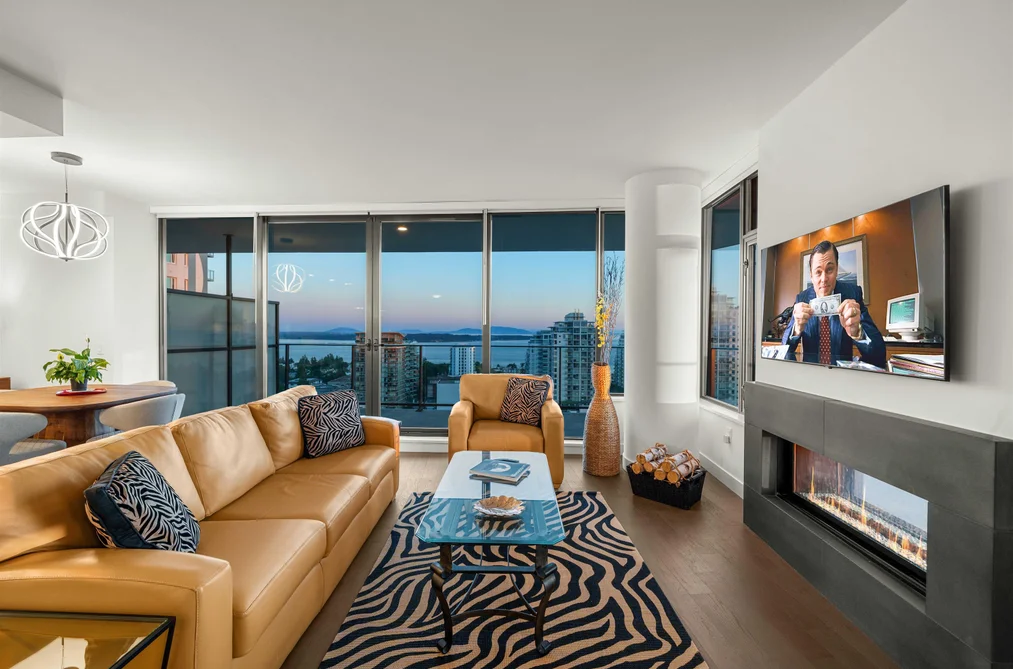
Browse High-Rise condos for sale in the Lower Mainland and compare floor, exposure and strata fees before you book a showing in a residential tower.
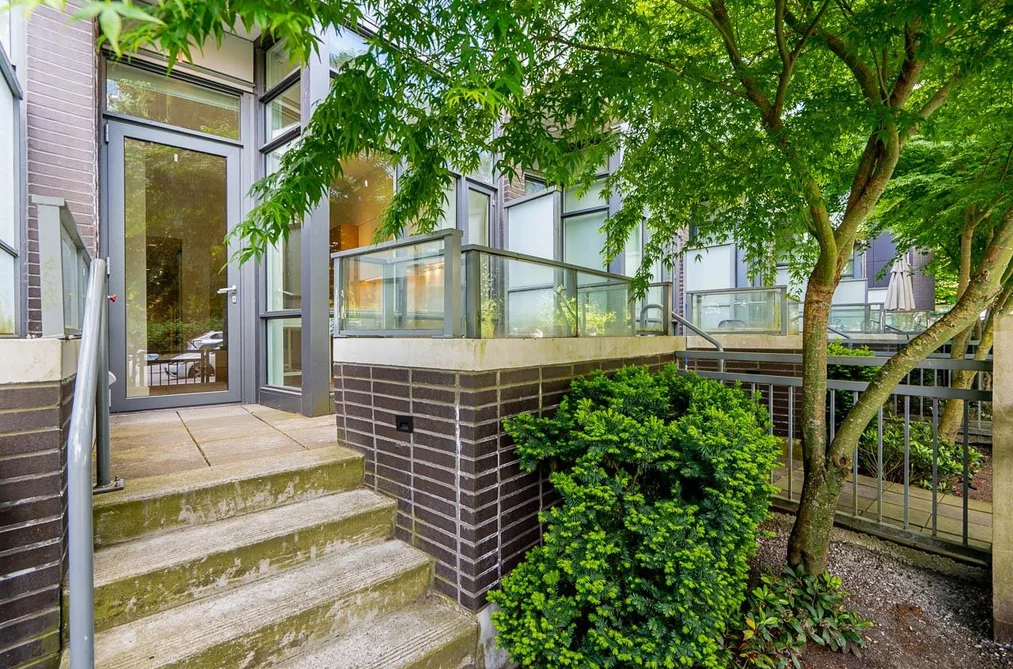
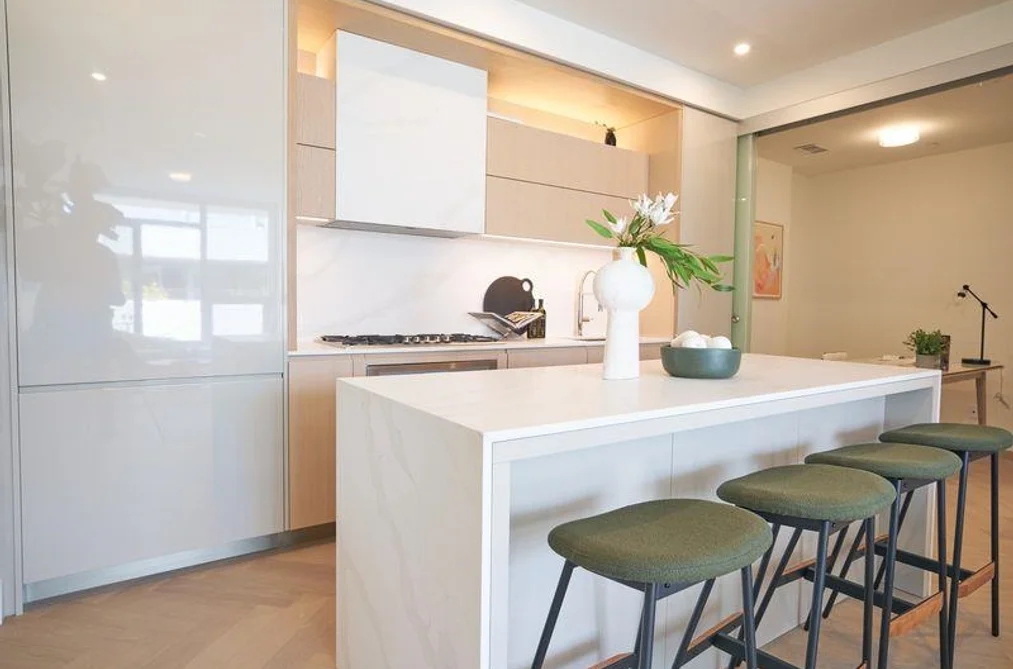
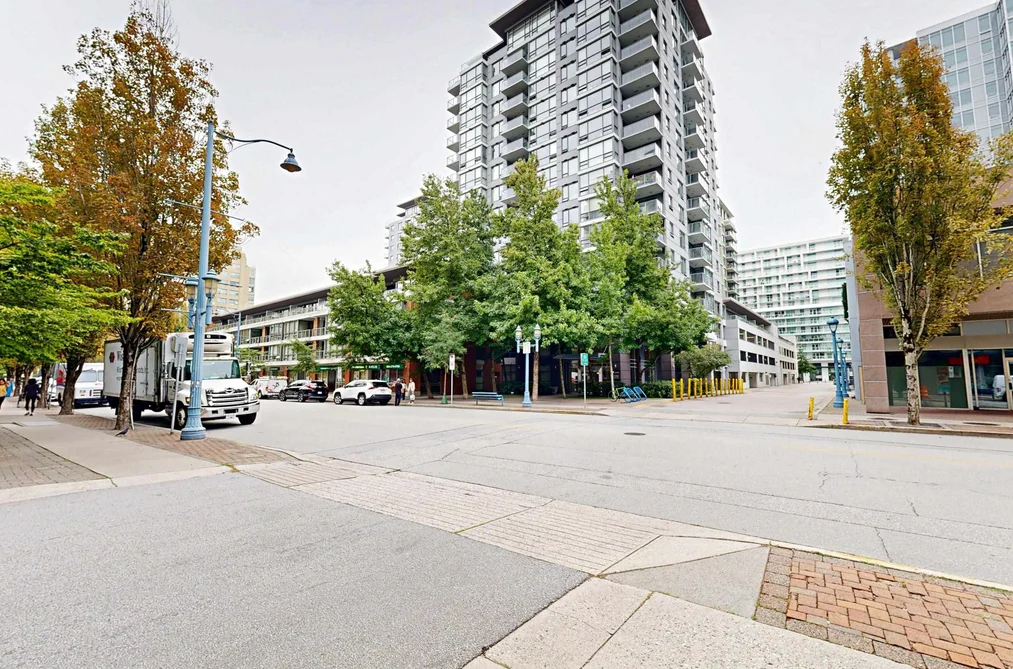
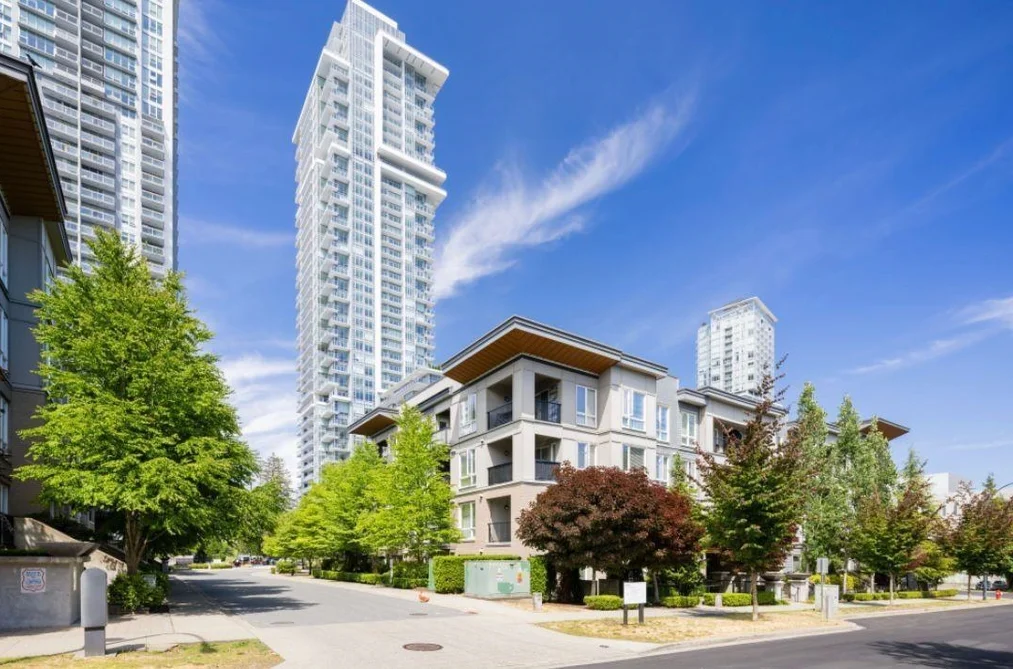
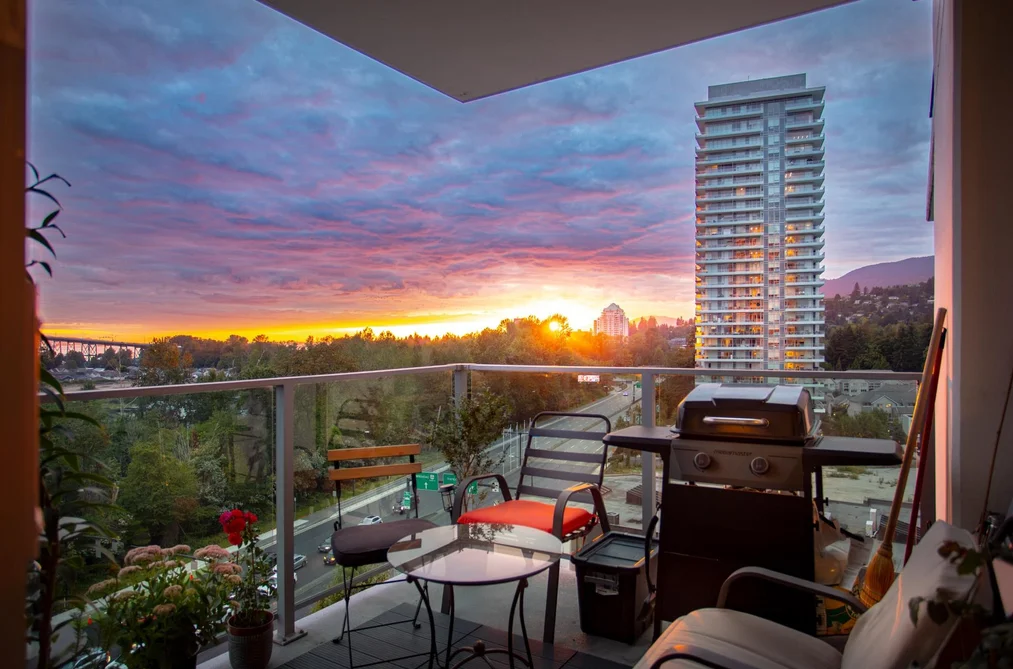
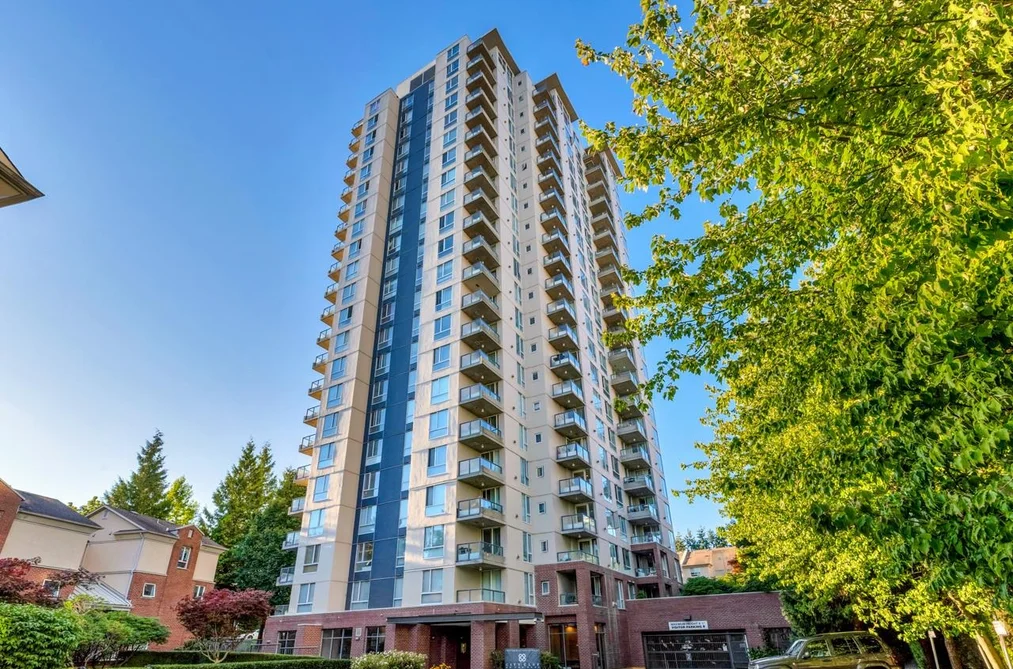
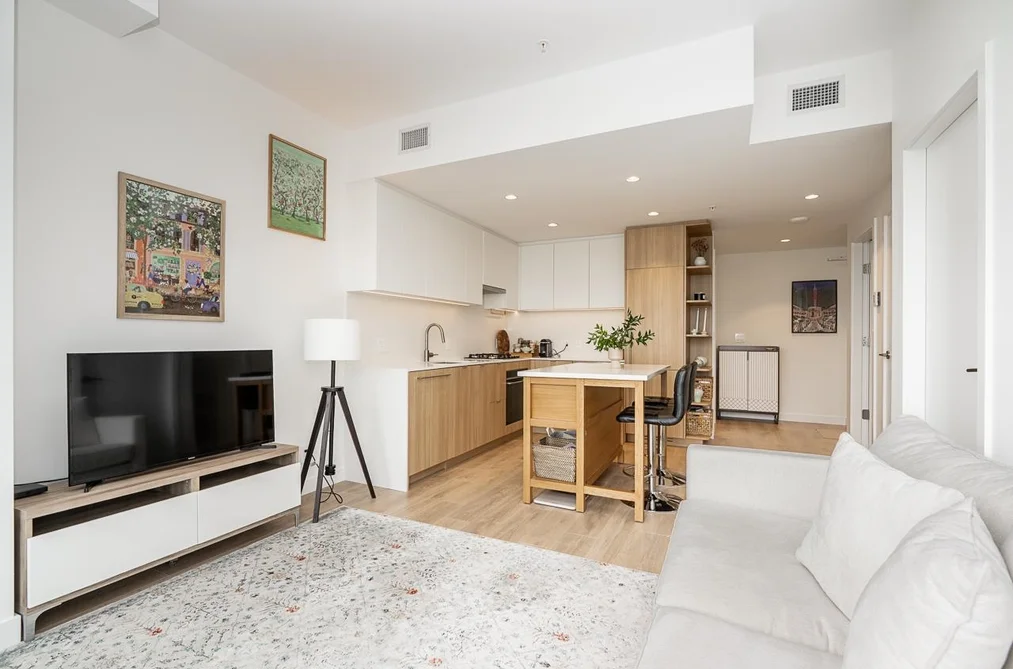
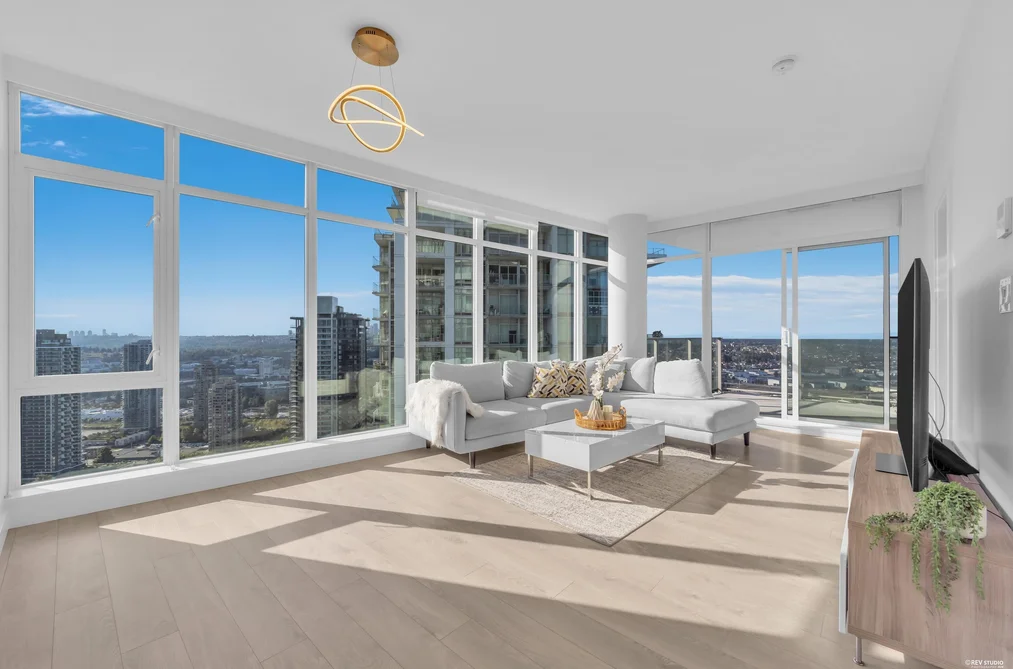
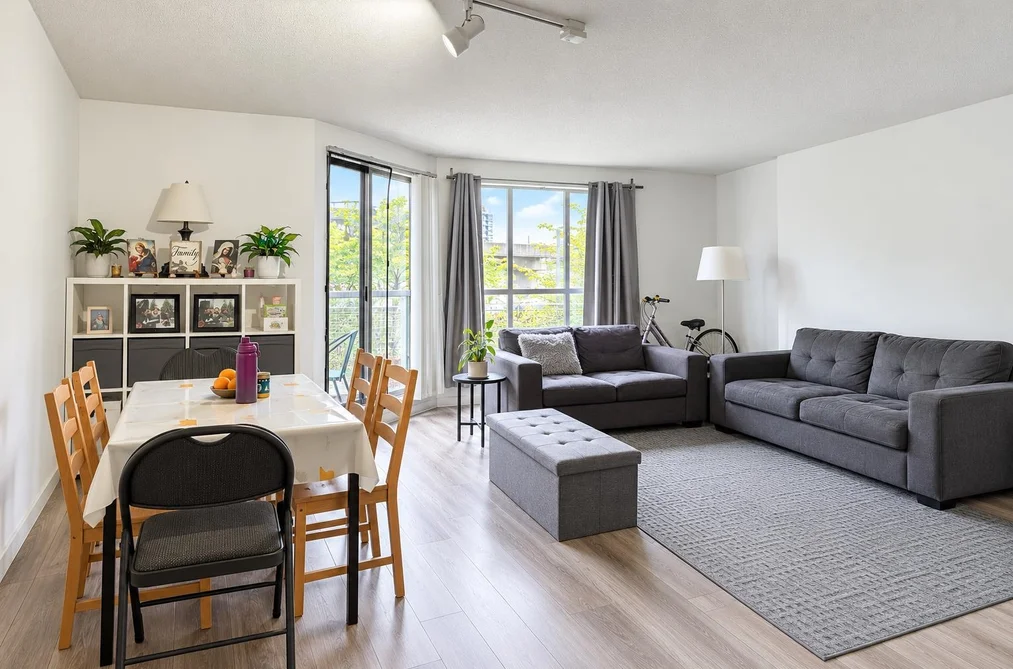
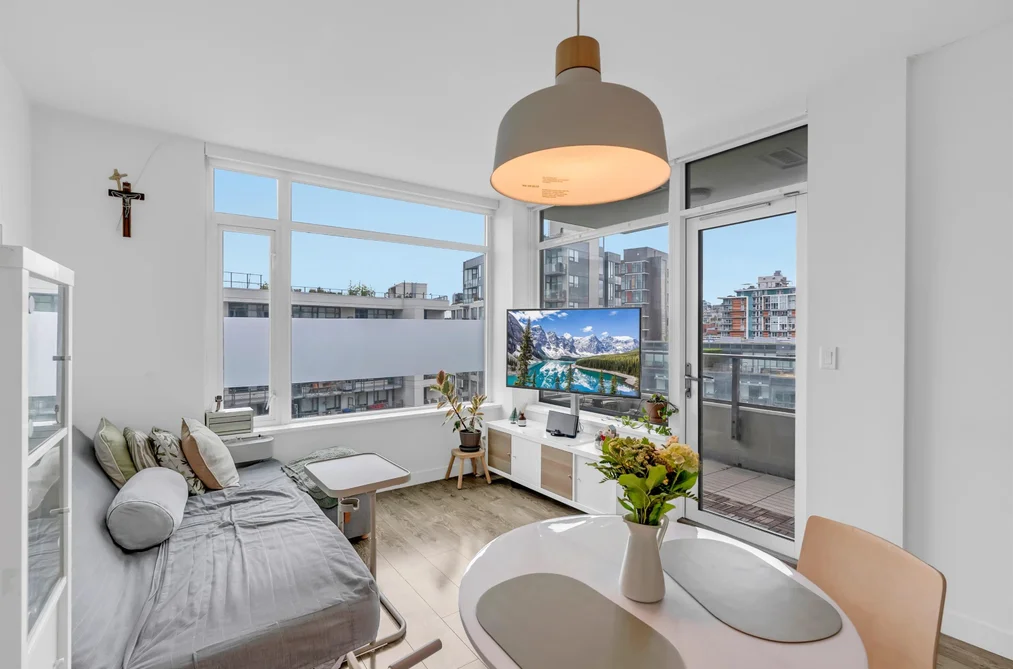
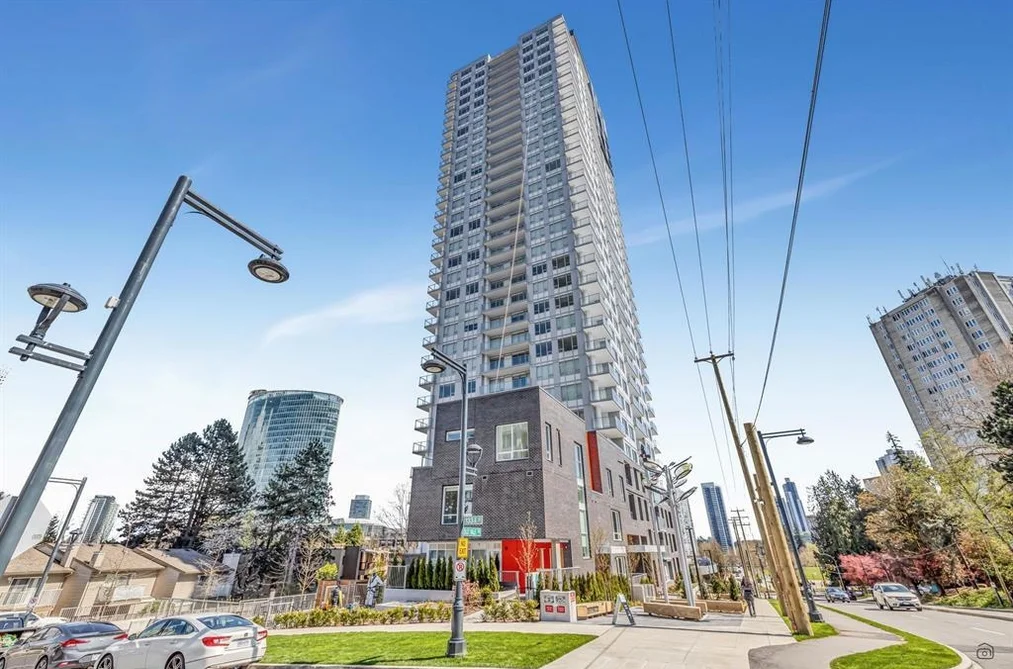
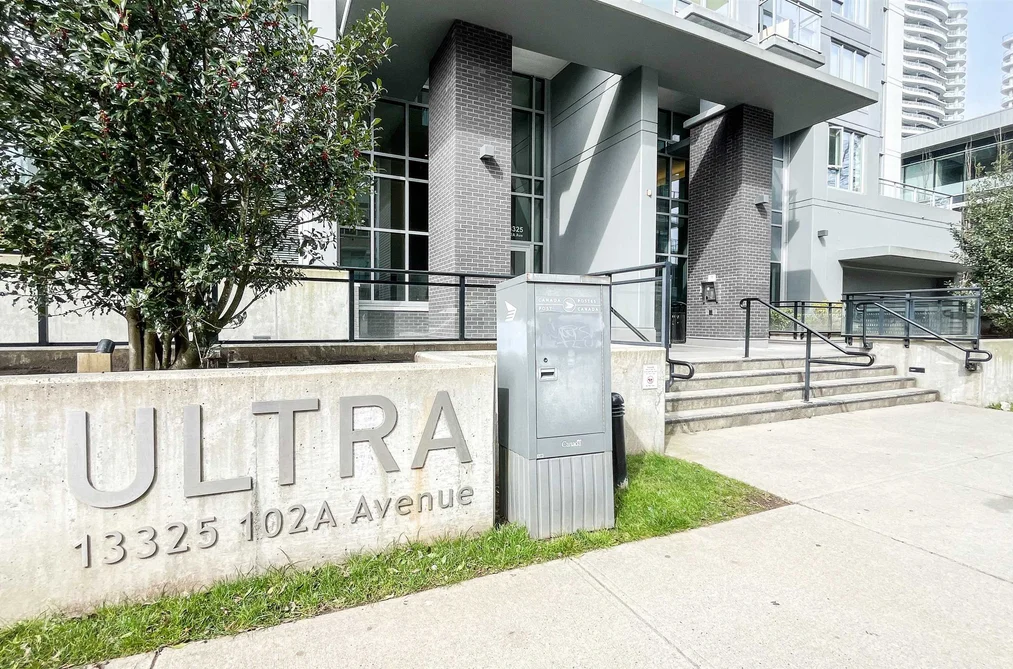
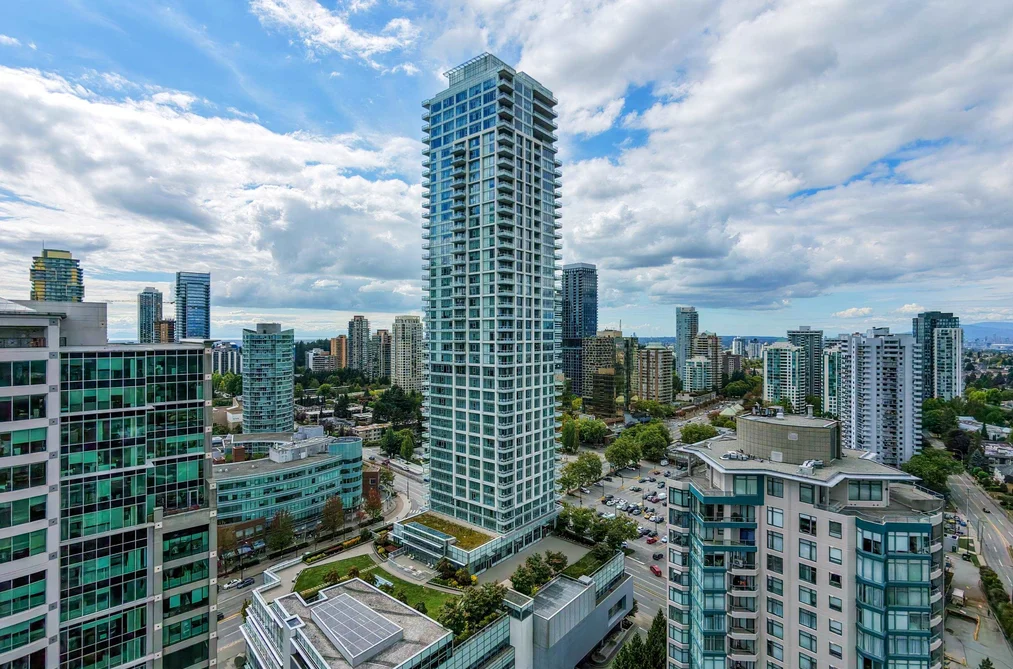
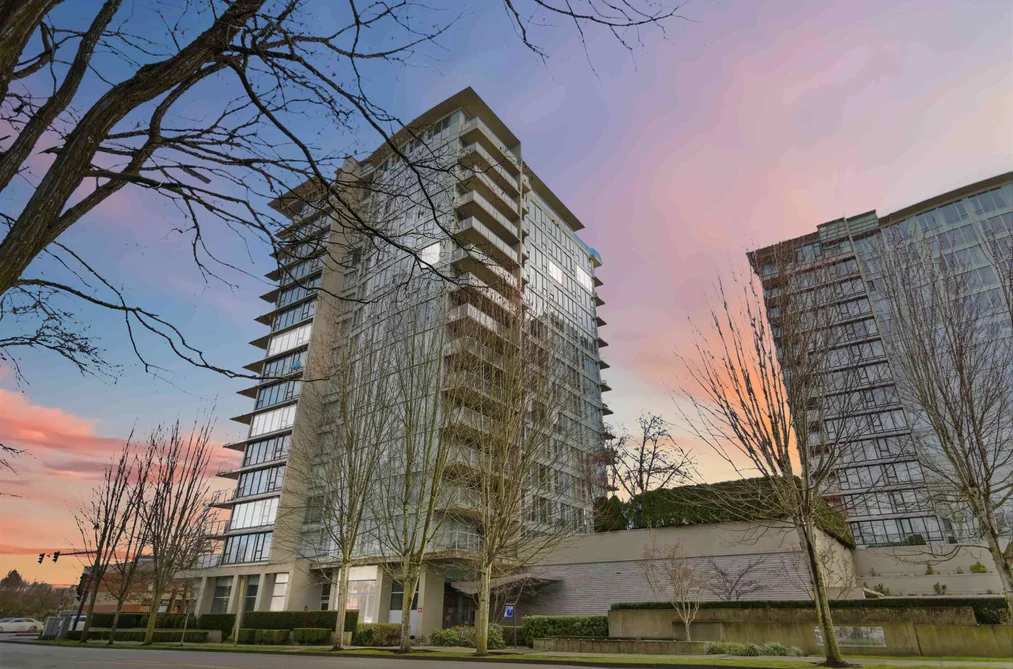
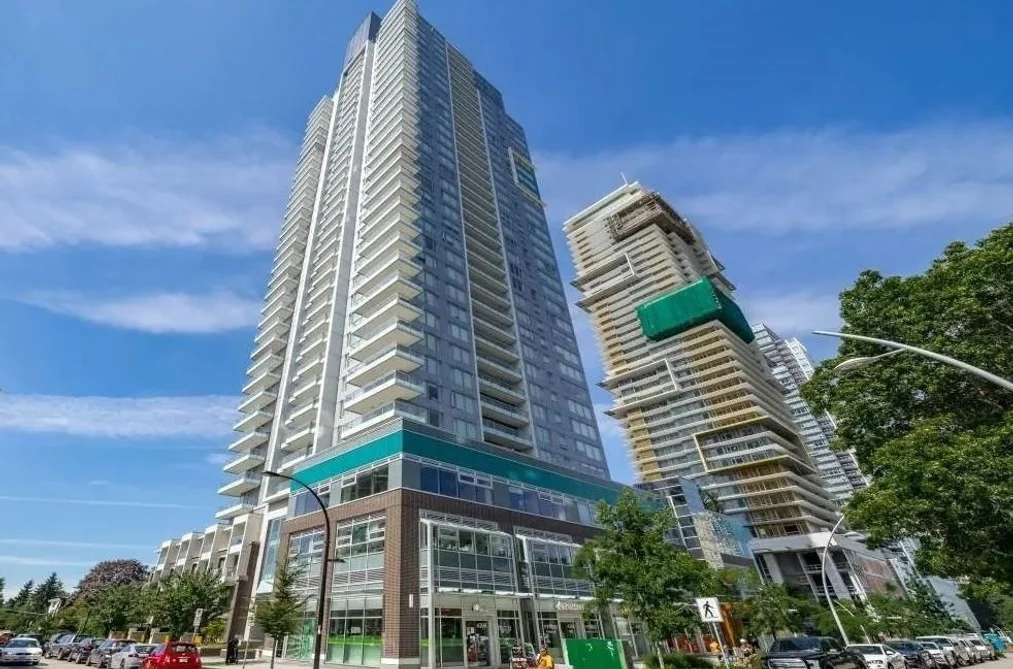
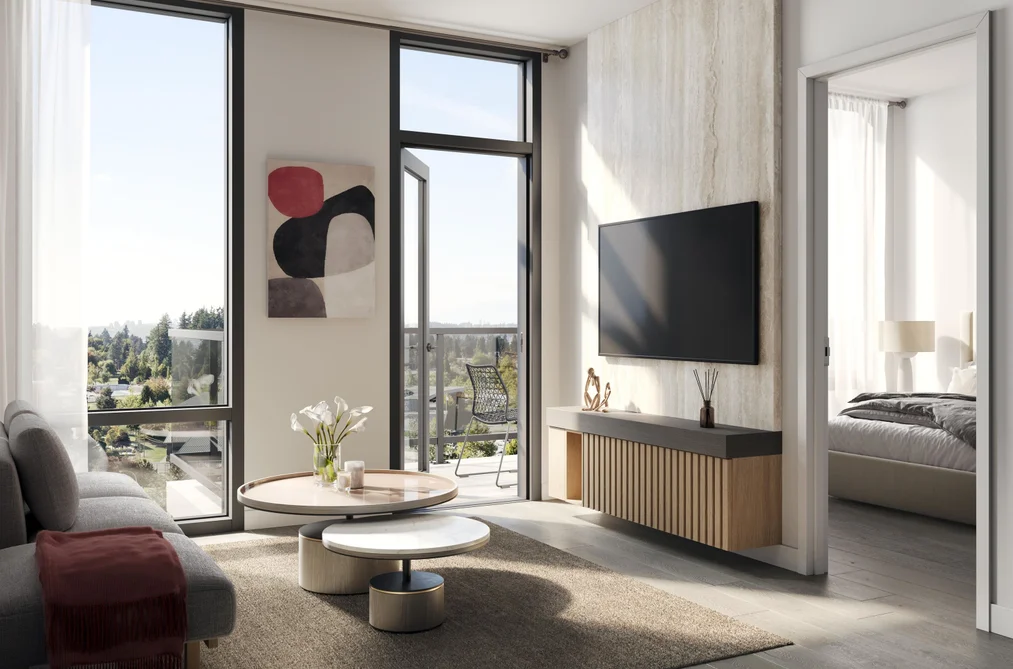
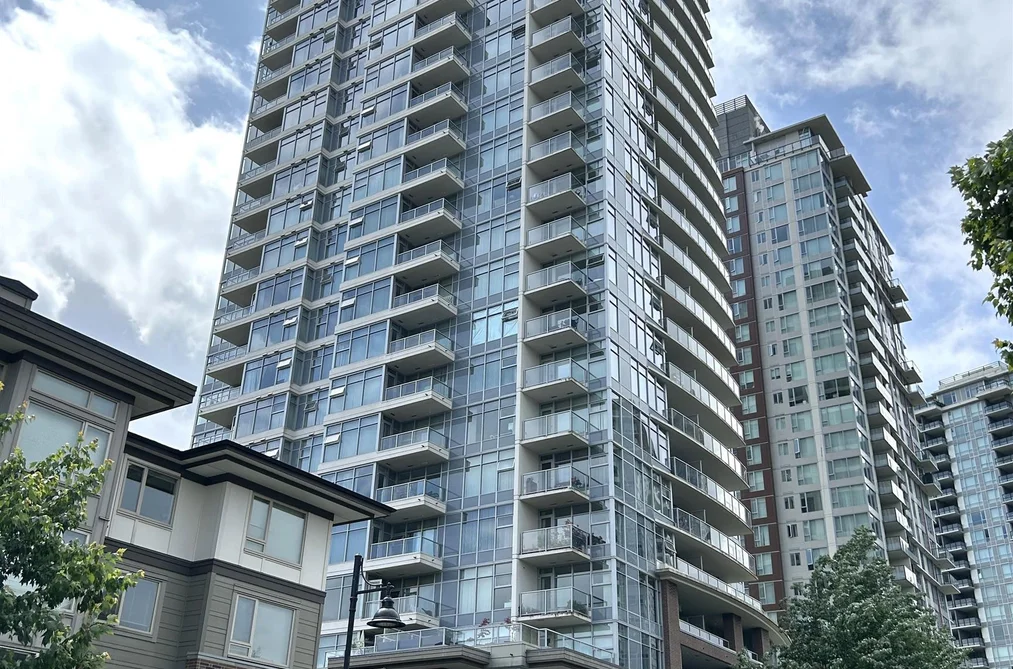
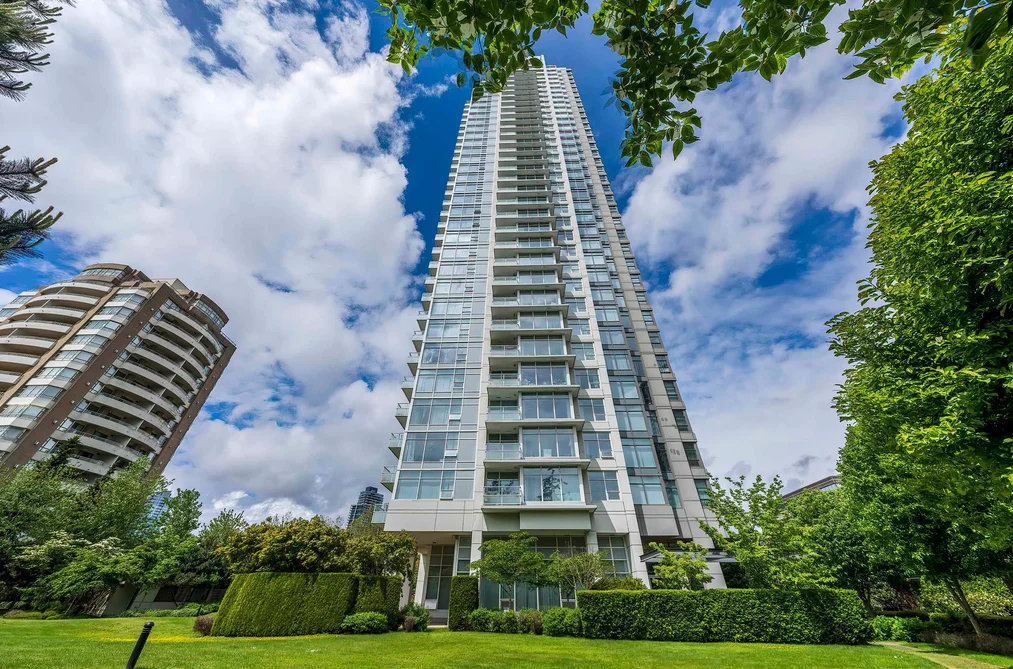
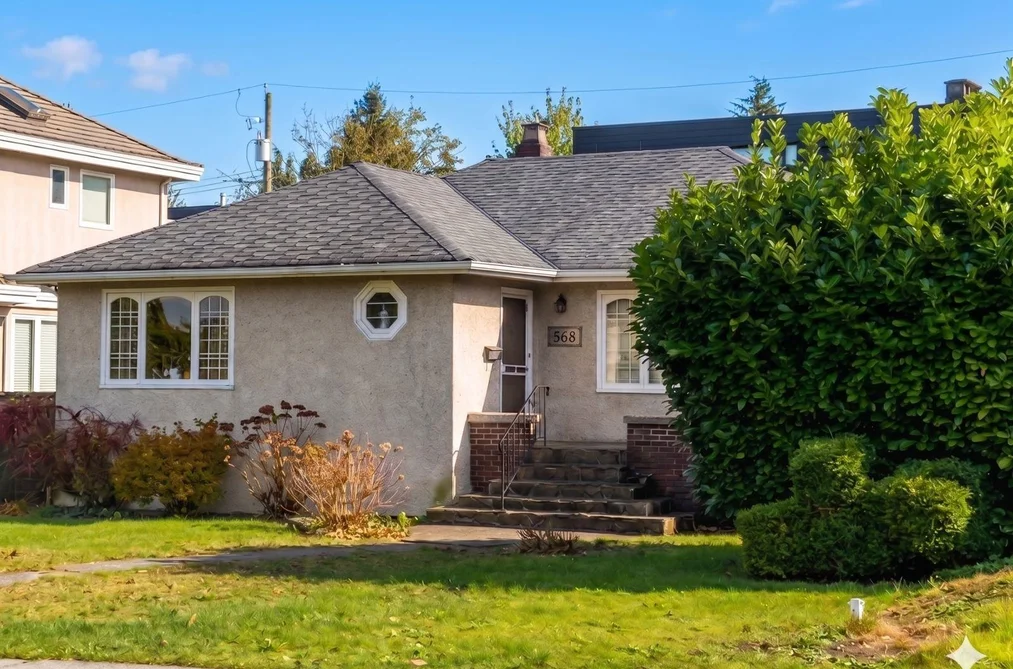
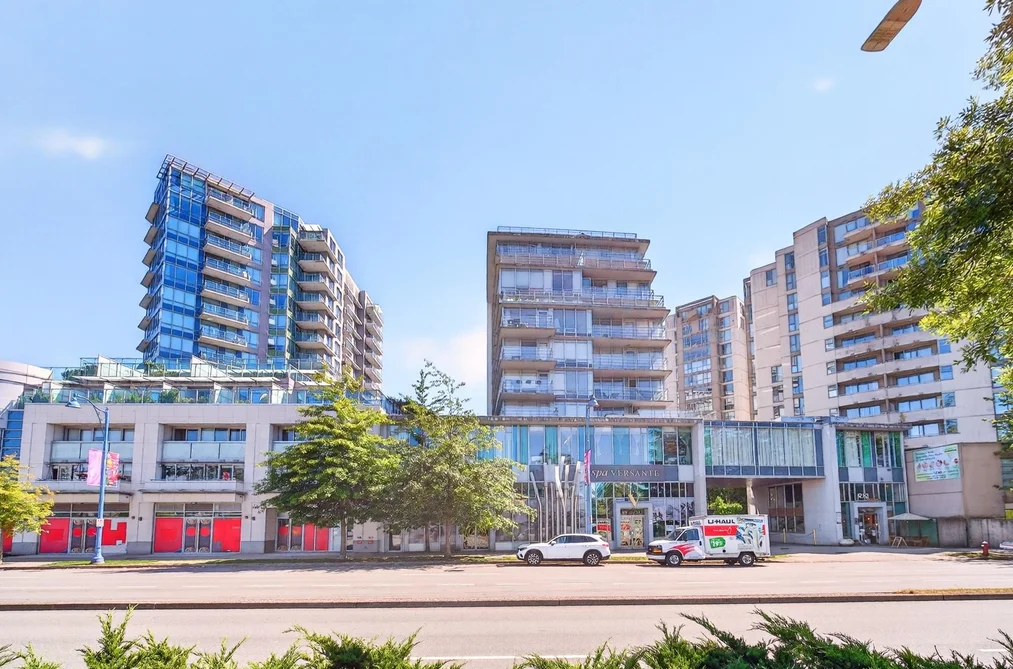
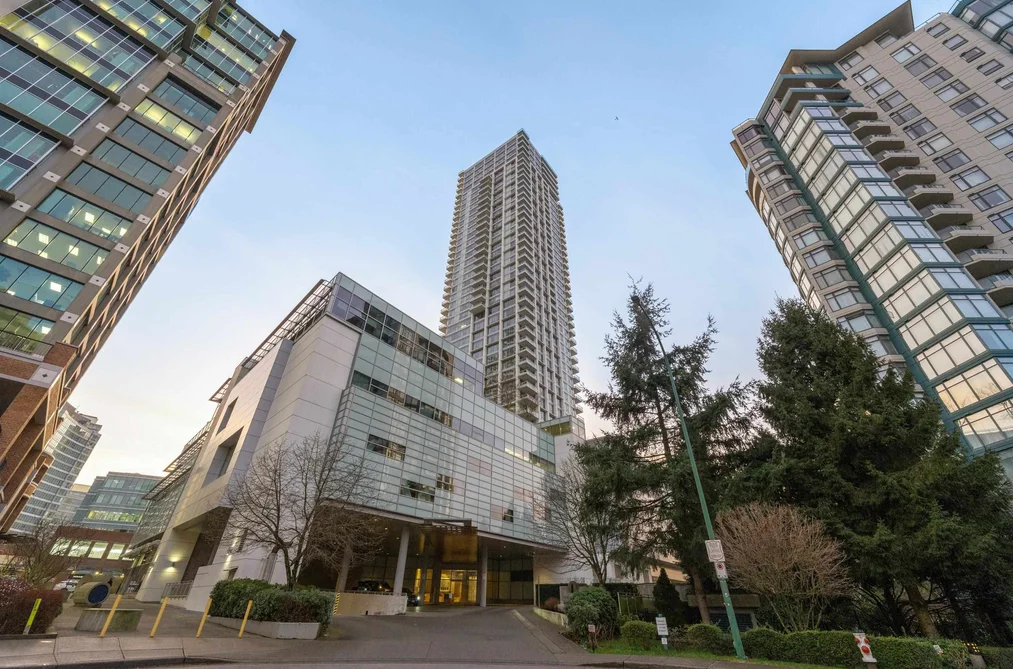
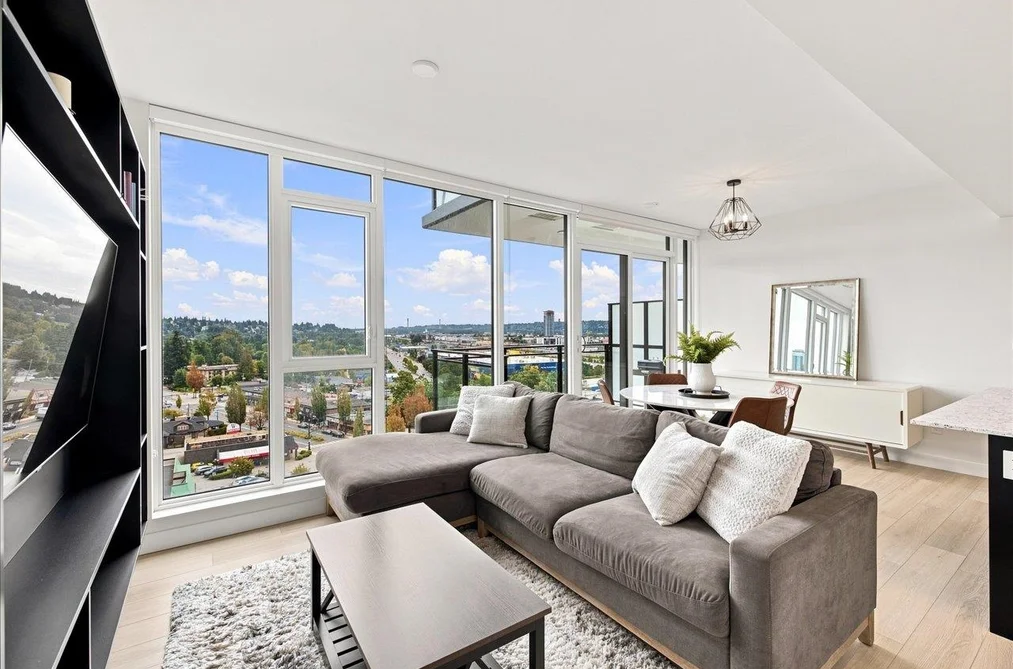
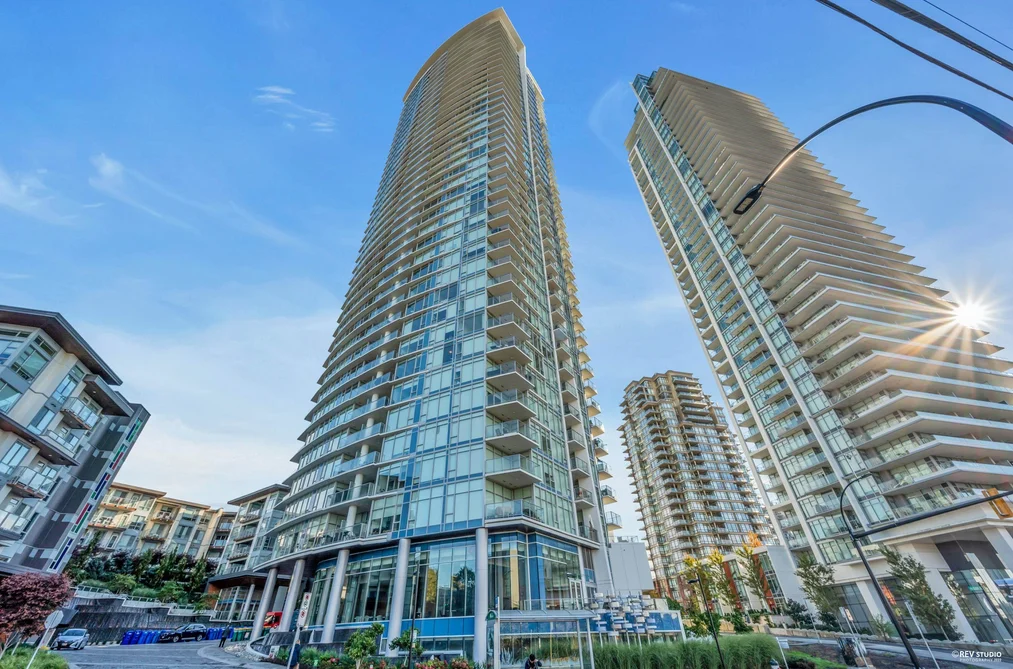
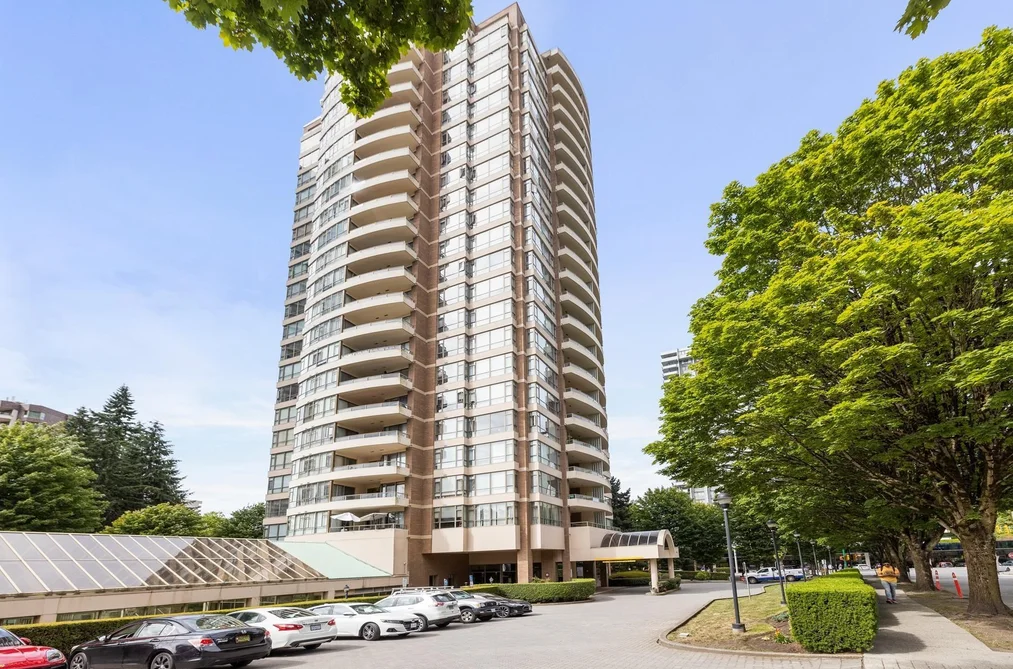
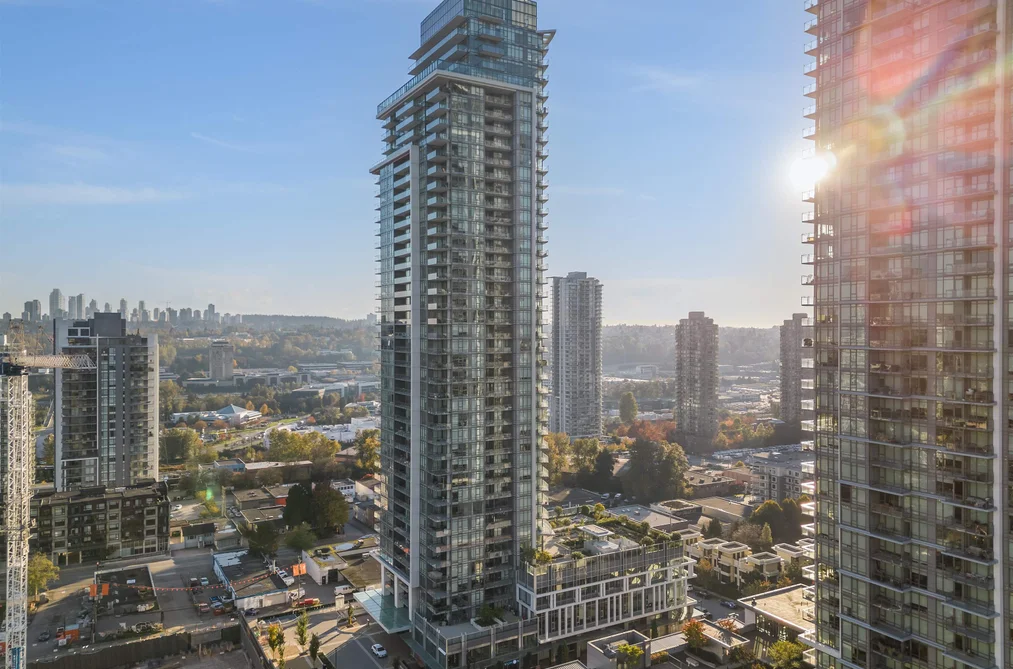
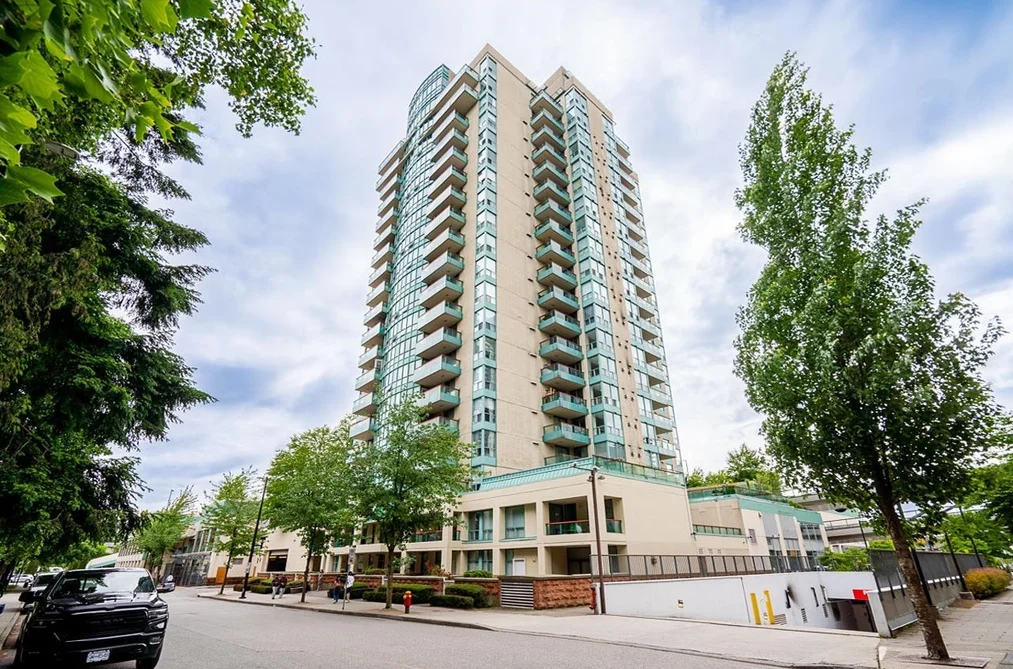
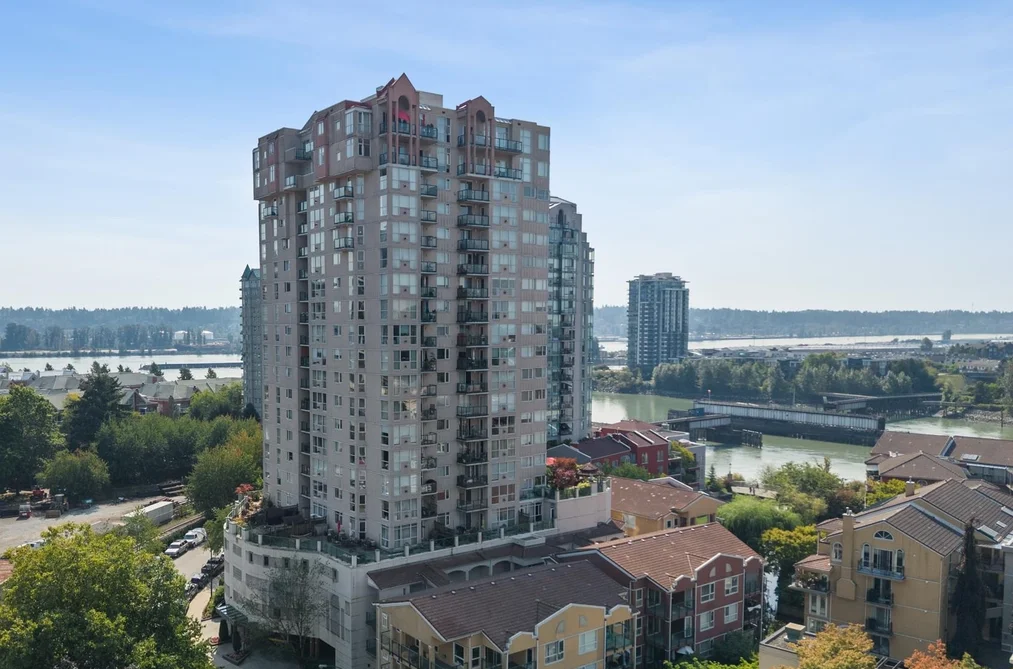
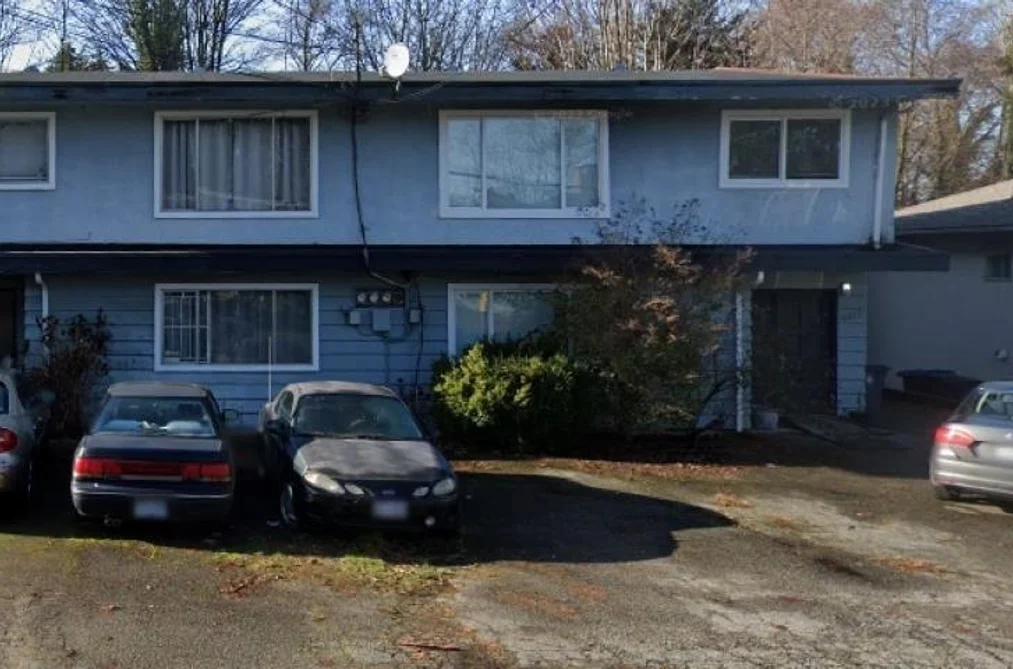
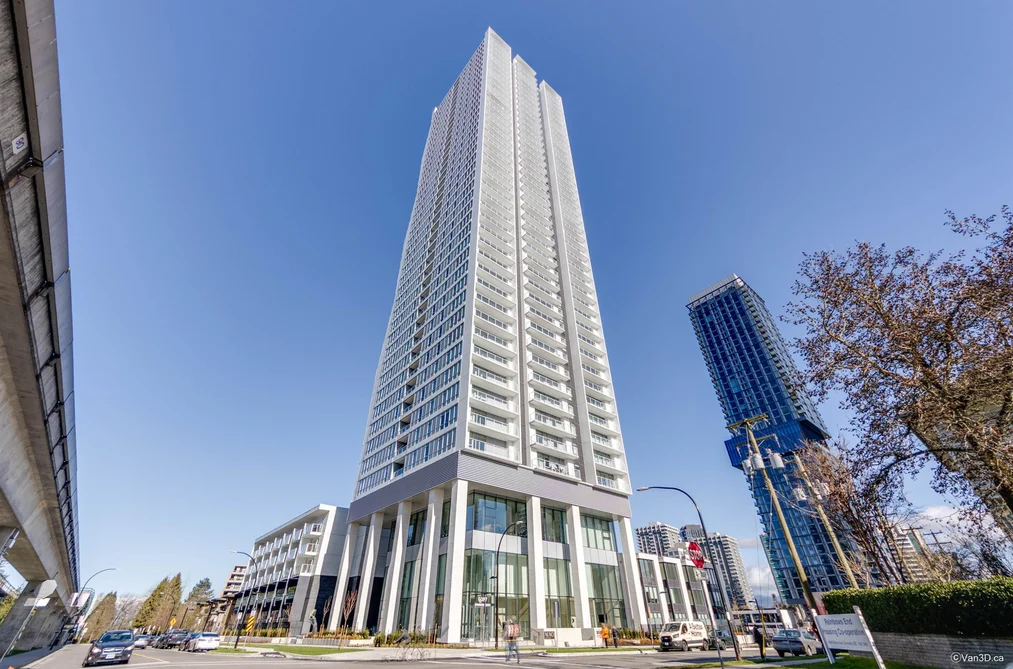
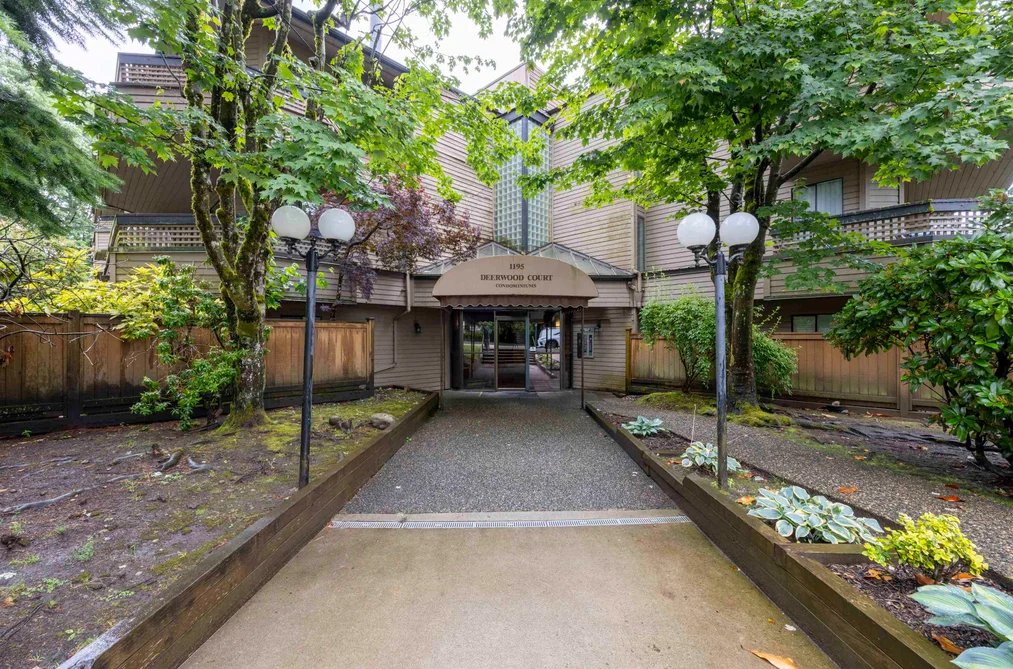
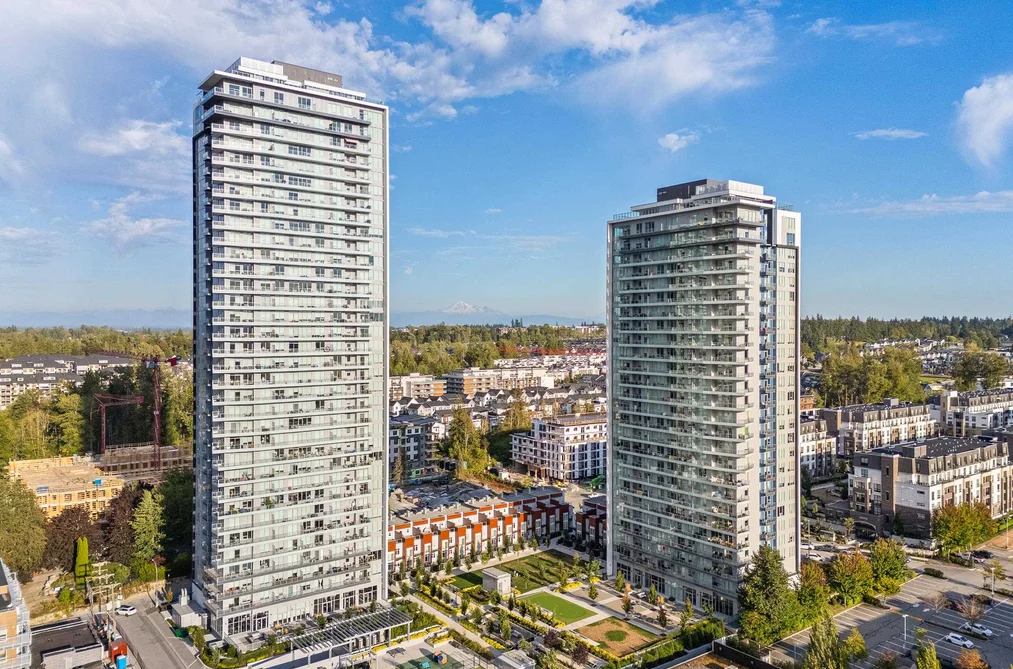
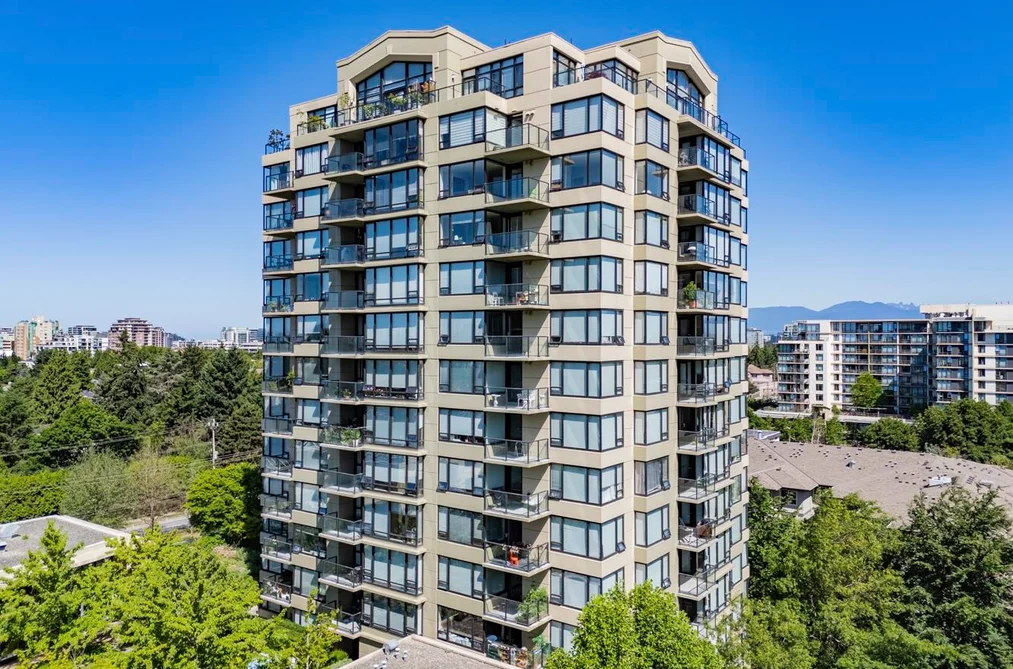
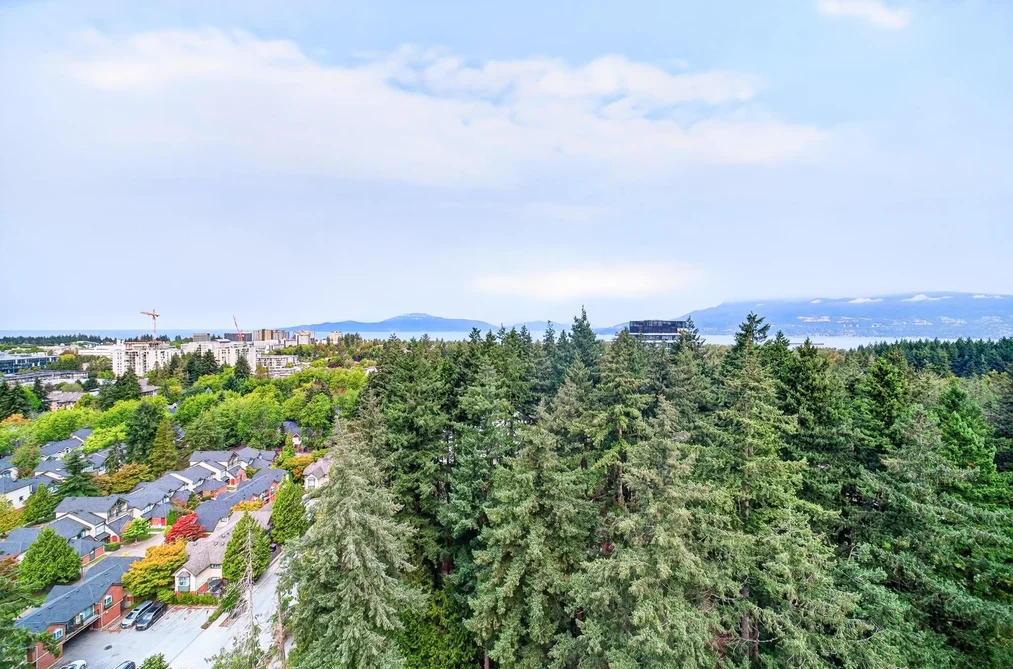
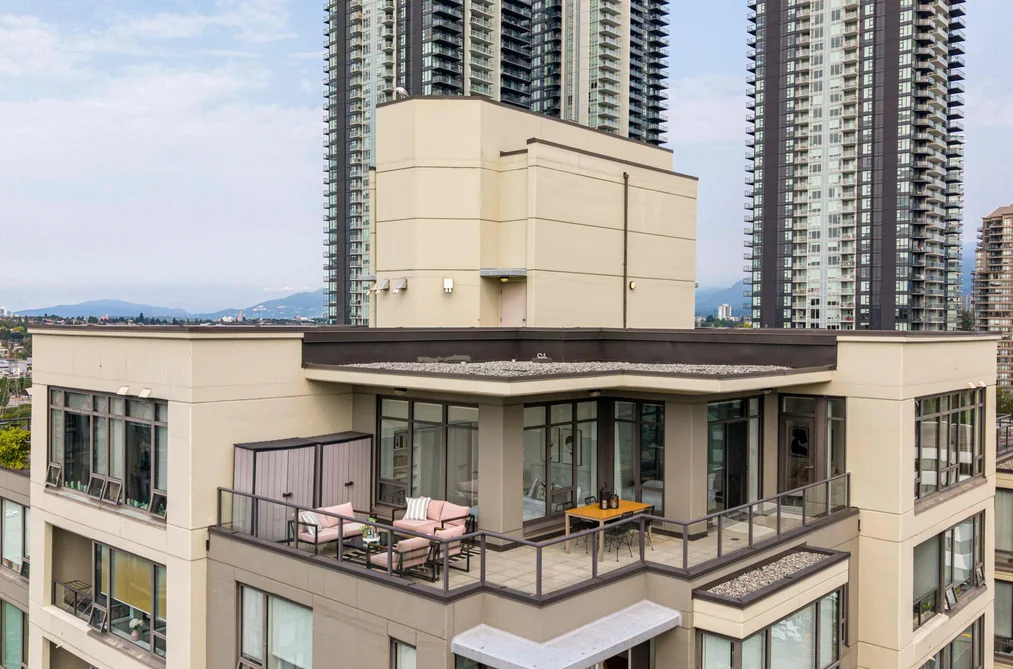
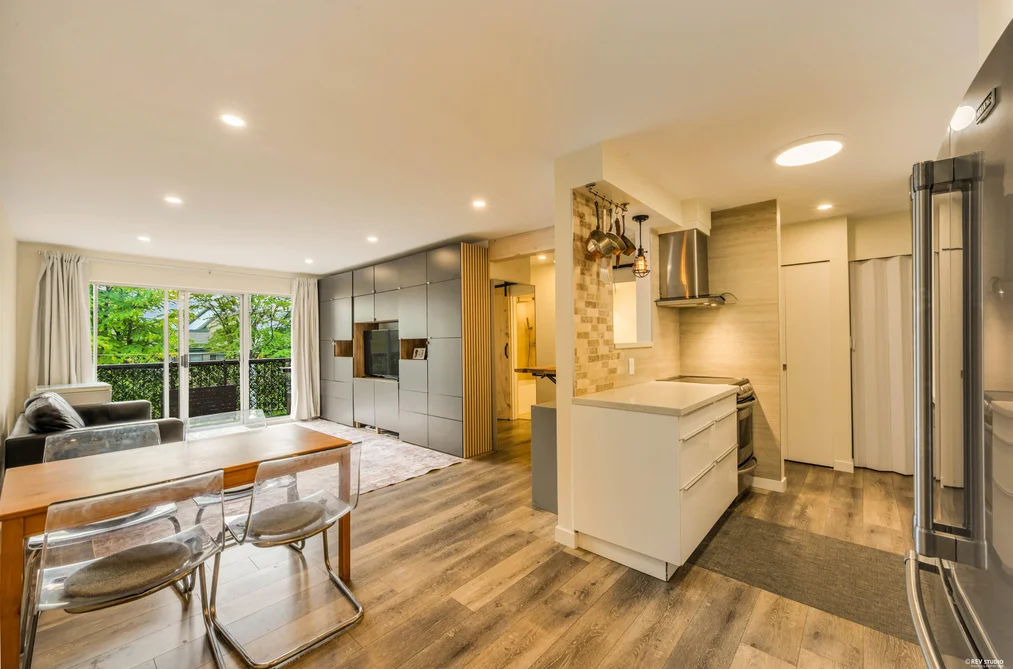
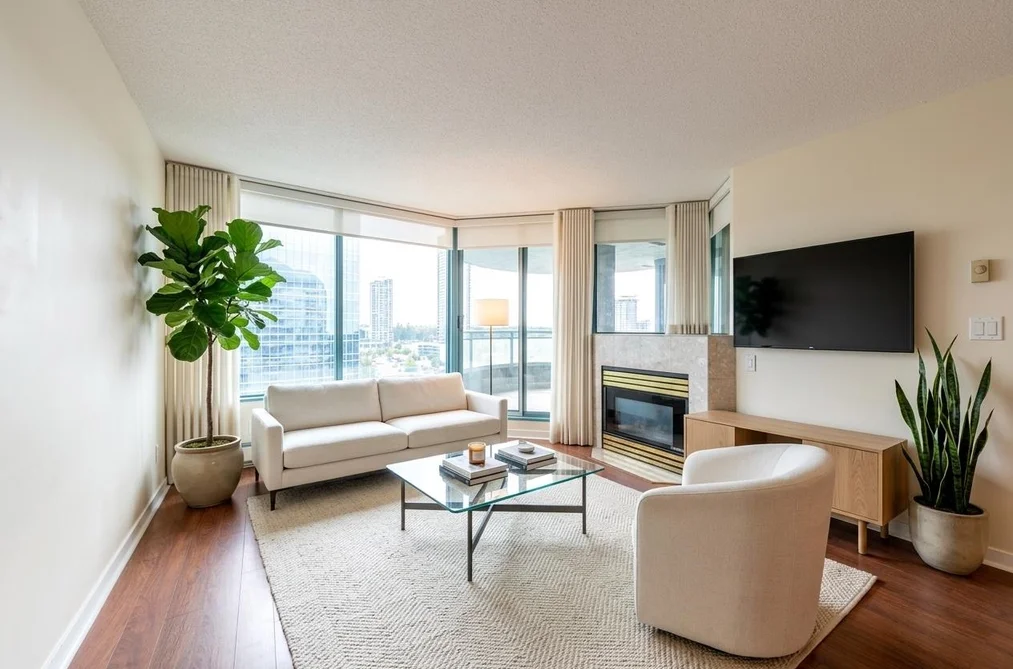
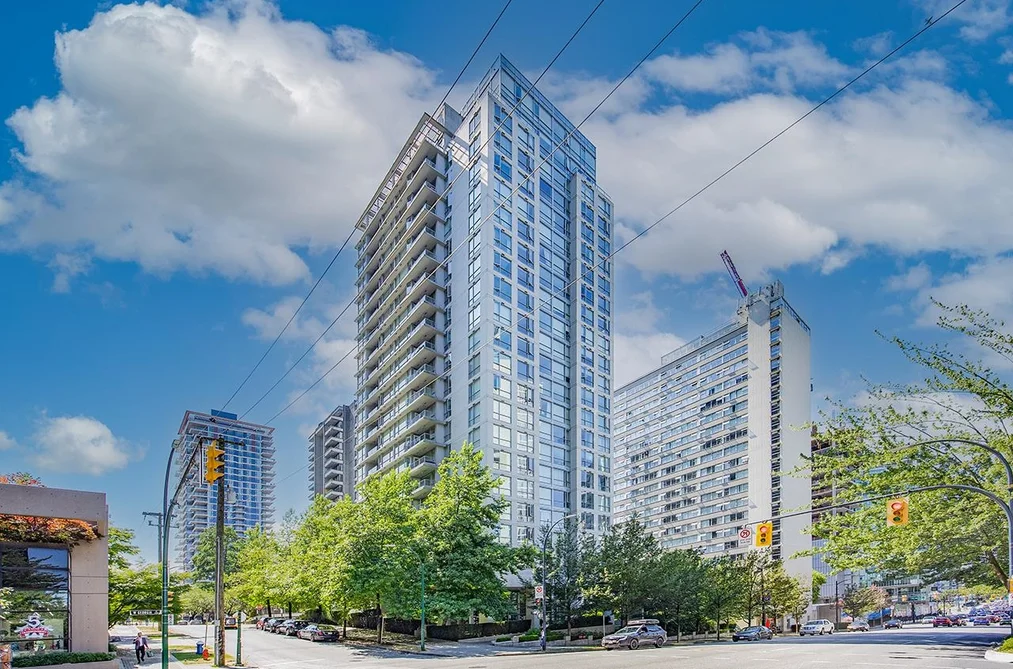
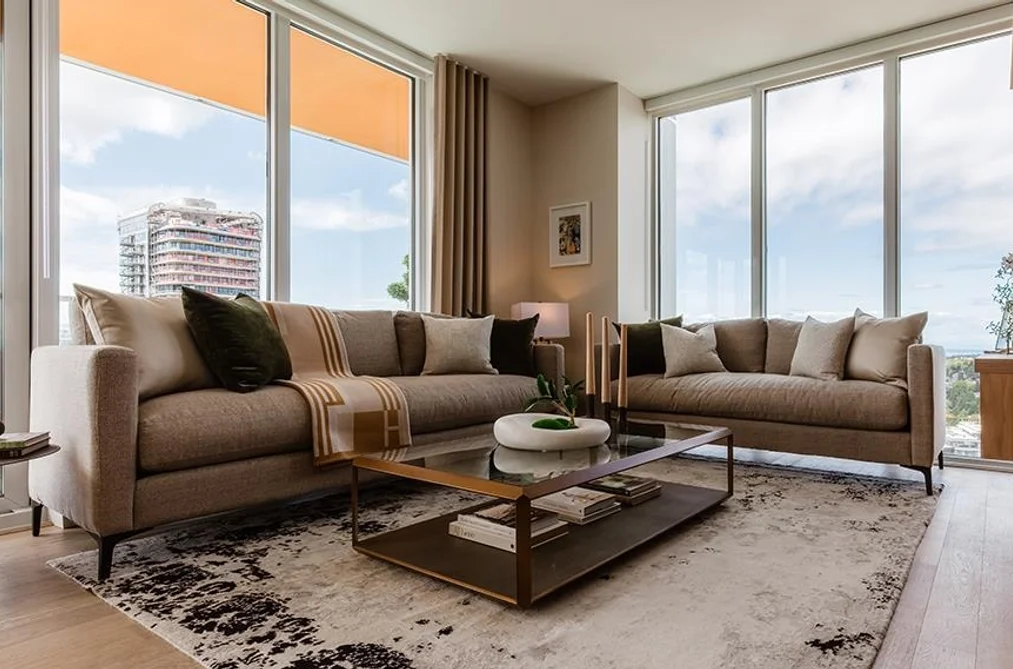
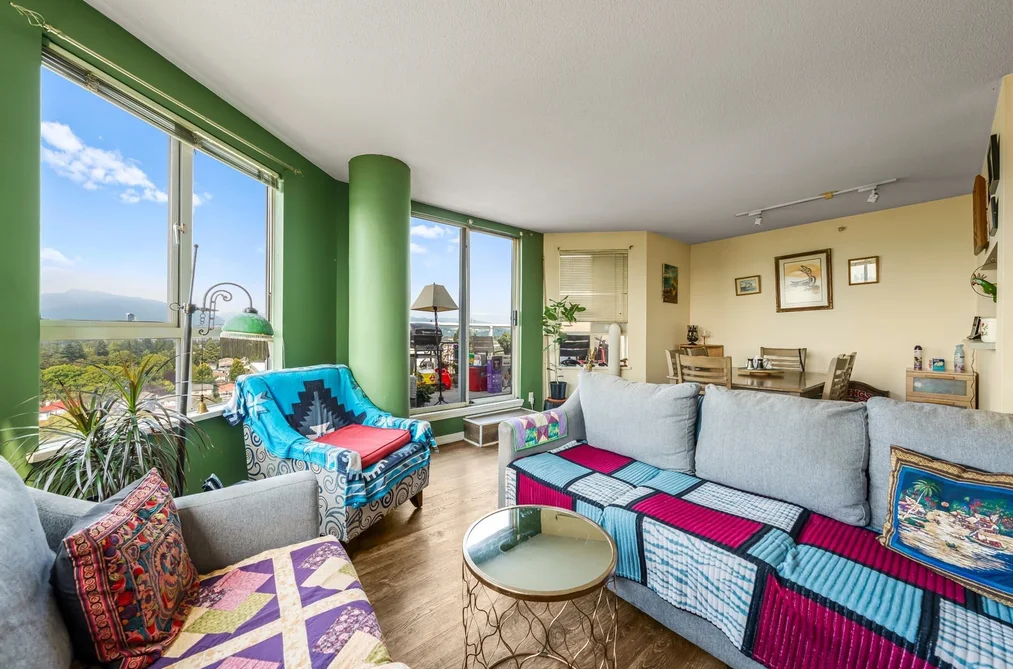
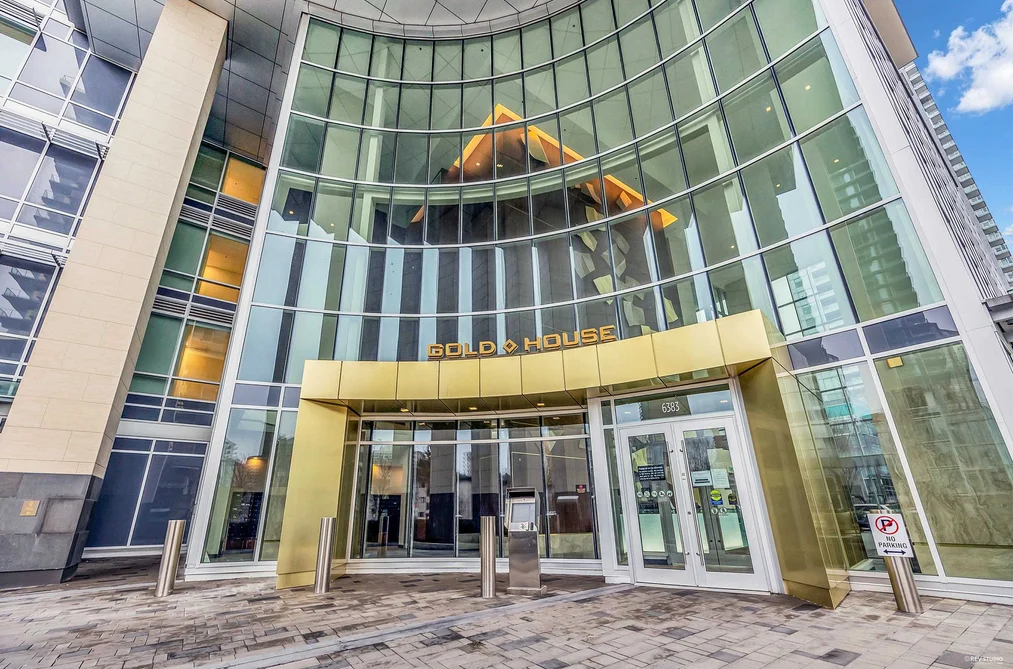
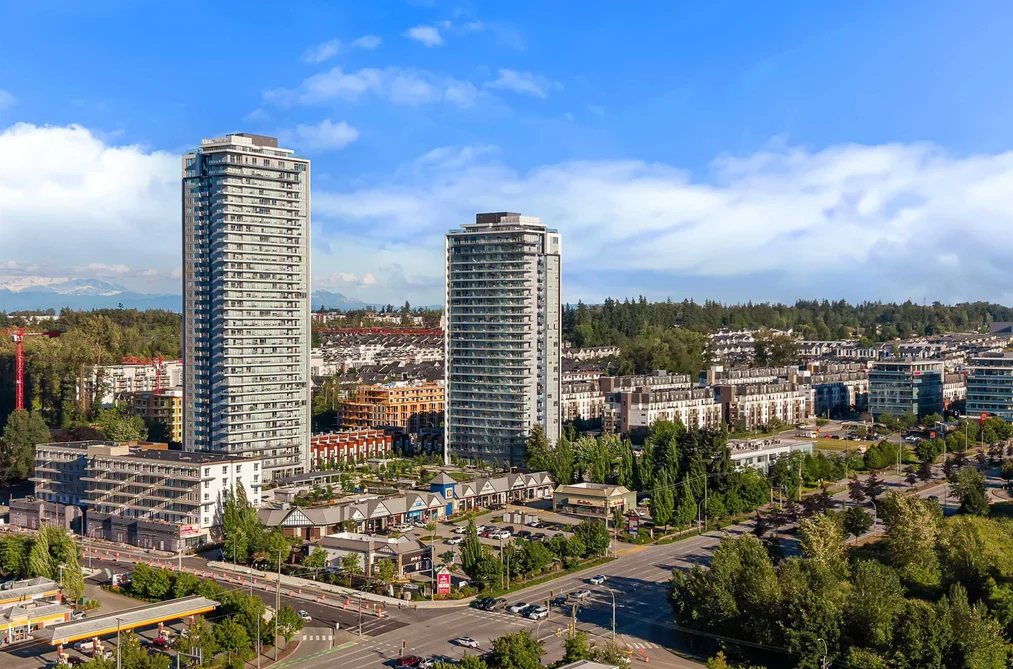
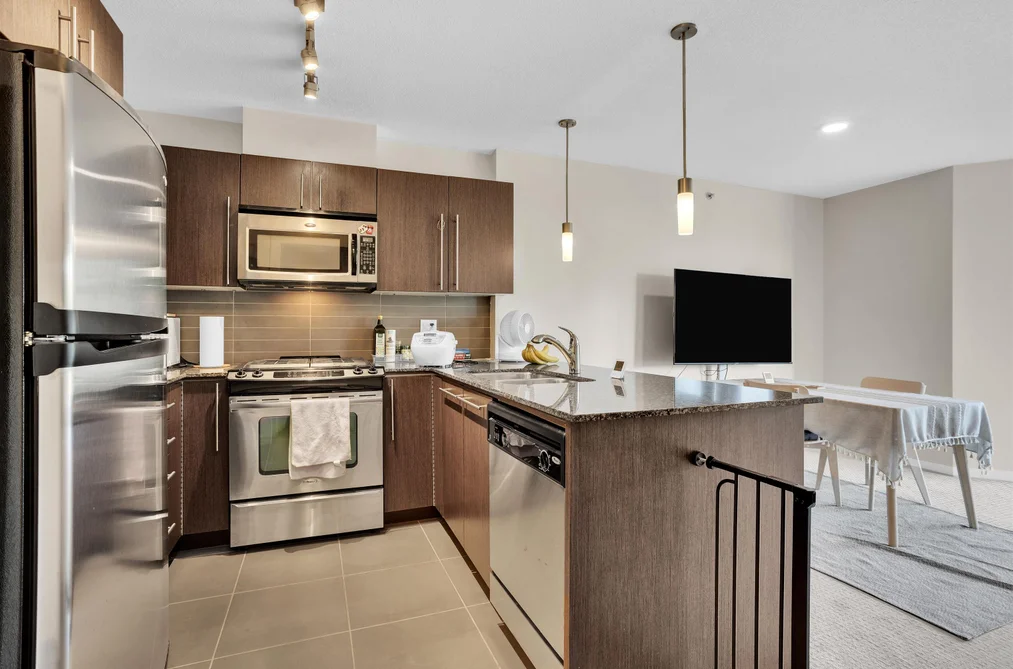
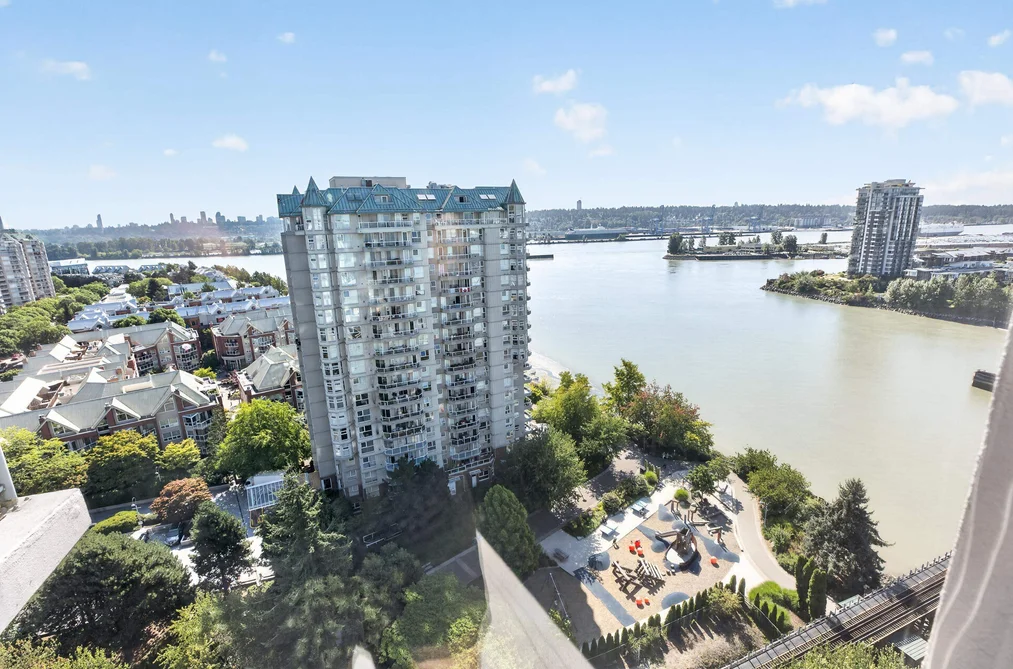
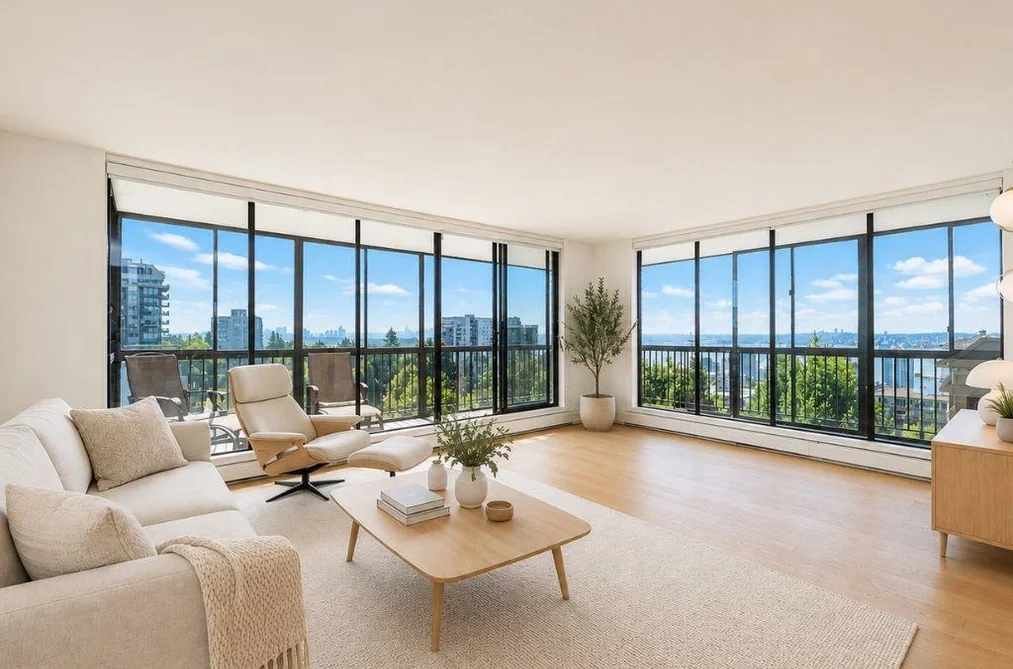
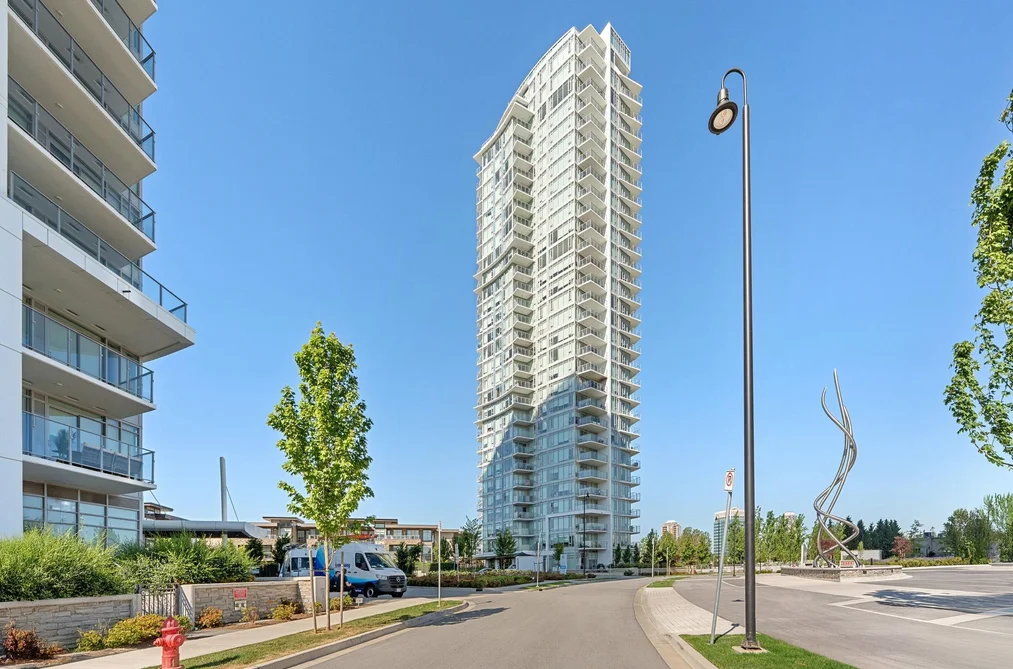
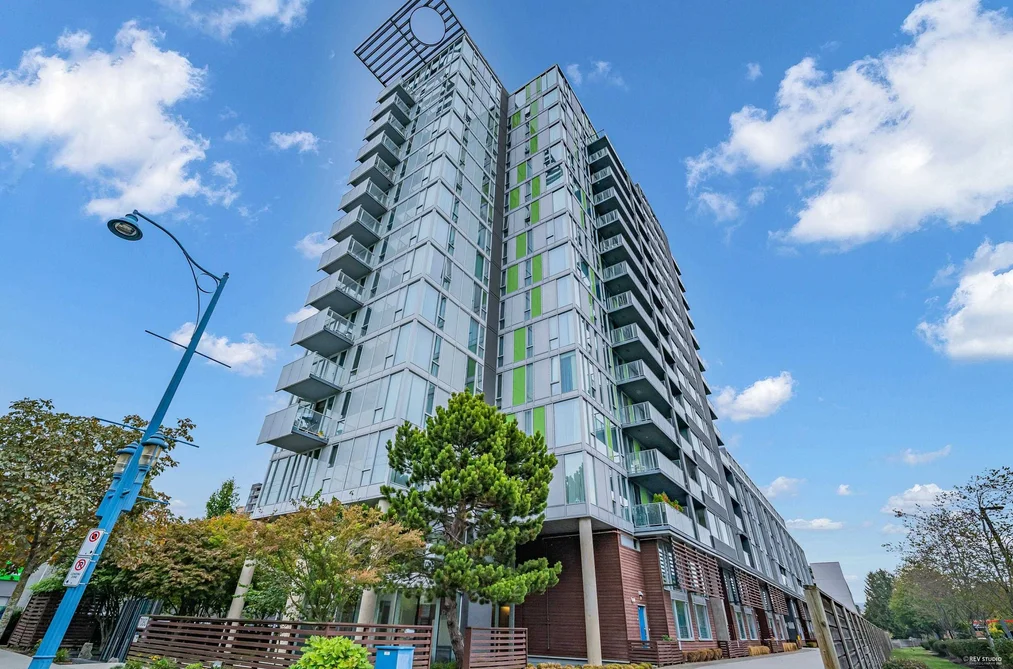
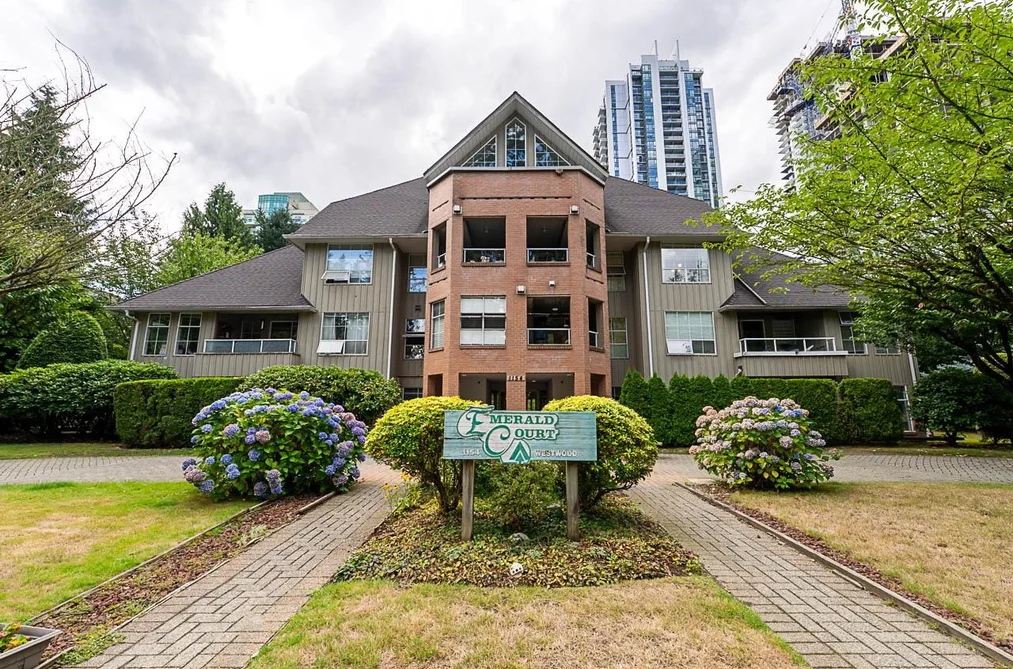
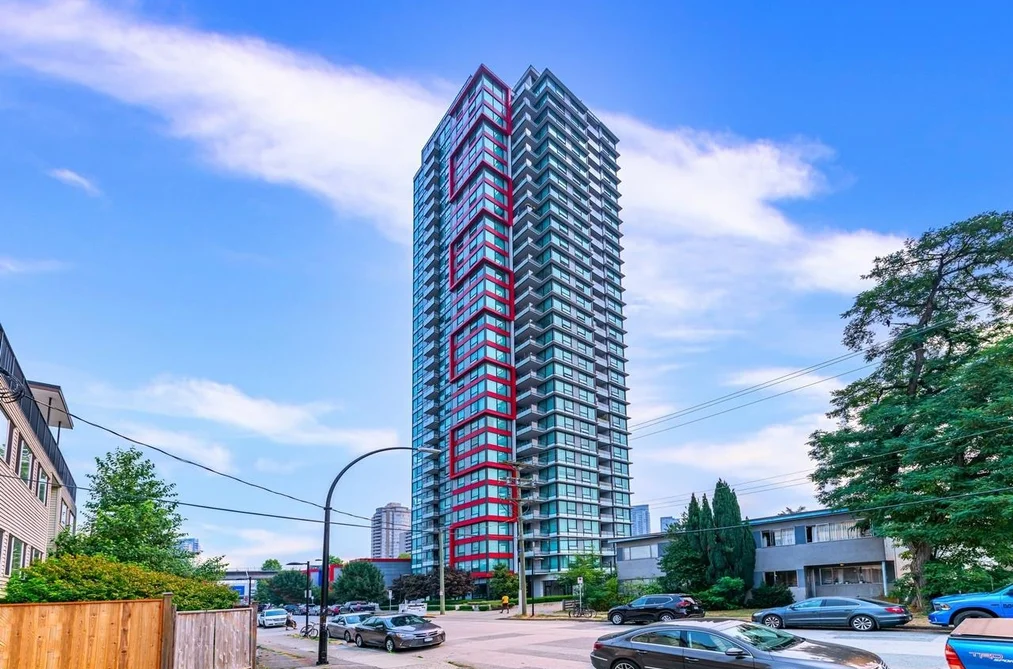
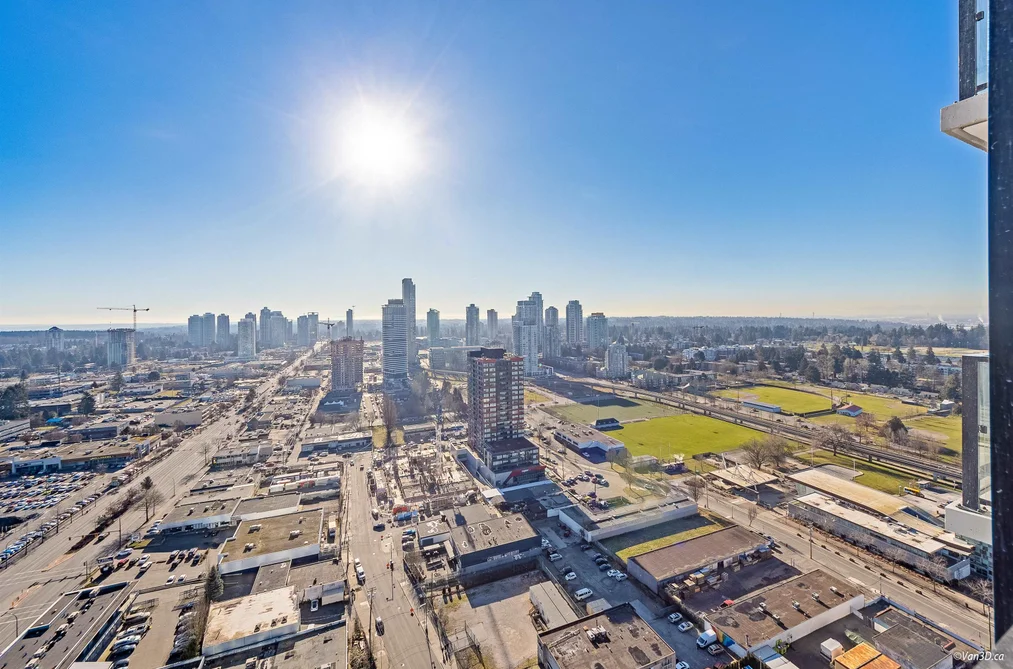
High-Rise listings put most homes well above the street, so compare the floor, the outlook and what the building costs to run before you judge the price.
Height is what you are paying for, and it is priced floor by floor. The same apartment layout can differ substantially in price between the low floors and the upper floors of one building, because the view, the light and the distance from street noise all improve as you go up. Ask the listing agent for the floor and the exposure before you book a showing, and compare against sold prices for the same stack in the same building rather than the neighbourhood average.
Then look at what the outlook actually is. A city view that clears the surrounding towers is a different asset from one that looks straight into the next building, and a water view toward the inlet or False Creek carries a premium of its own. Stand at the window rather than trusting the listing photograph.
Strata fees in a tower cover more than in a low-rise: elevators, a concierge in many buildings, mechanical systems, window washing on a building that needs specialist access, and in some cases a pool and gym. Request the minutes, the budget, the contingency reserve fund balance and the depreciation report, and read them for elevator modernisation, envelope and window replacement, and any pending special levy.
Ask how many elevators serve the building and how the strata handles an outage, because on a high floor a single elevator out of service is a genuine problem. Ask how the parking and storage allocation works and whether each unit's stall is on title or assigned by the strata.
Many residential towers sit on a commercial podium with shops, restaurants or offices below. That is convenient and it brings loading traffic, late hours and a busier lobby. Ask whether the residential entrance and elevators are separate from the commercial ones, and how the building expenses are split between the two.
Some towers also include townhouse-style homes at the base, facing the street with their own doors. Those are a different housing type inside the same building, with a different fee share and a very different experience from a unit on the thirtieth floor.
Almost every tower in Greater Vancouver is concrete, which generally means better sound separation between units and better fire resistance than wood-frame housing. It also means the building ages in its own way, and a thirty-year-old tower carries different repair costs from a new one. The luxury end of the market and the entry-level studio market both live in towers, so building age and quality matter more than the category label.
Ask for the year of completion and the builder, then look at how the building has been maintained rather than how it was marketed. Two towers finished in the same decade can be in very different condition depending on whether the strata kept up with its depreciation report.
The inventory concentrates in downtown Vancouver, Metrotown and Brentwood in Burnaby, and the transit-oriented centres across the region where residential density is highest. Prices in this housing market move with each neighbourhood rather than with the region, so a tower home in one city centre and a similar one a few stops away can sit far apart.
Browse and compare current high-rise real estate listings on Strawhomes, filter by neighbourhood and building, and shortlist by the floor, exposure and strata history you have actually confirmed.