For Sale
2 days
- $409,000
- 1 bed
- 1 bath
- 823 sqft
MLS® R3169576
•Royal LePage Regency Realty
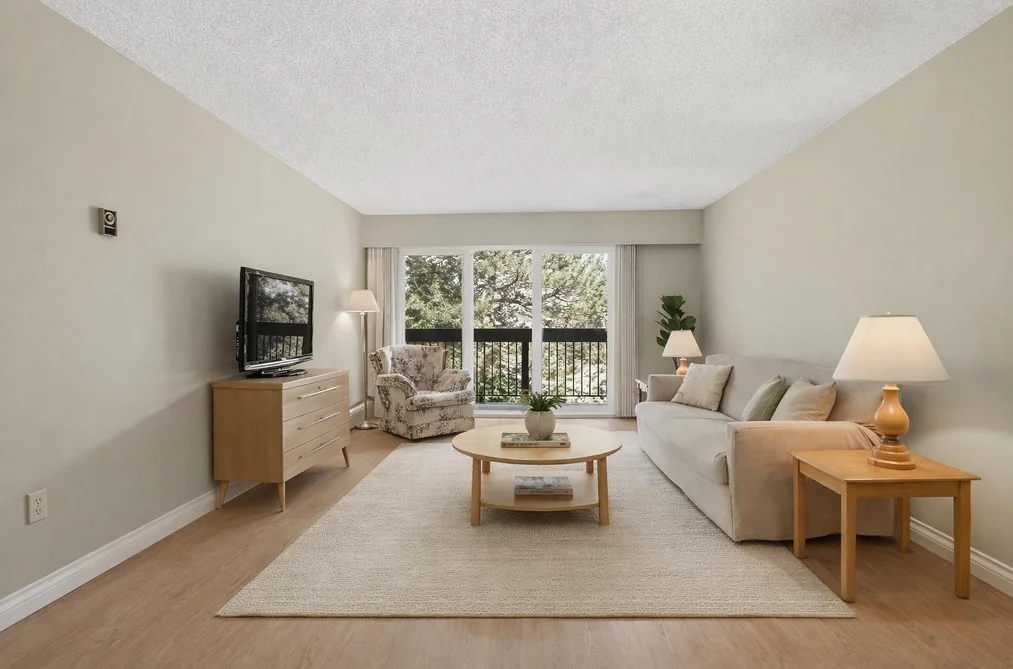
Browse Top Floor homes for sale in British Columbia and check the roof above, the summer heat and the elevator before you pay for no neighbours overhead.
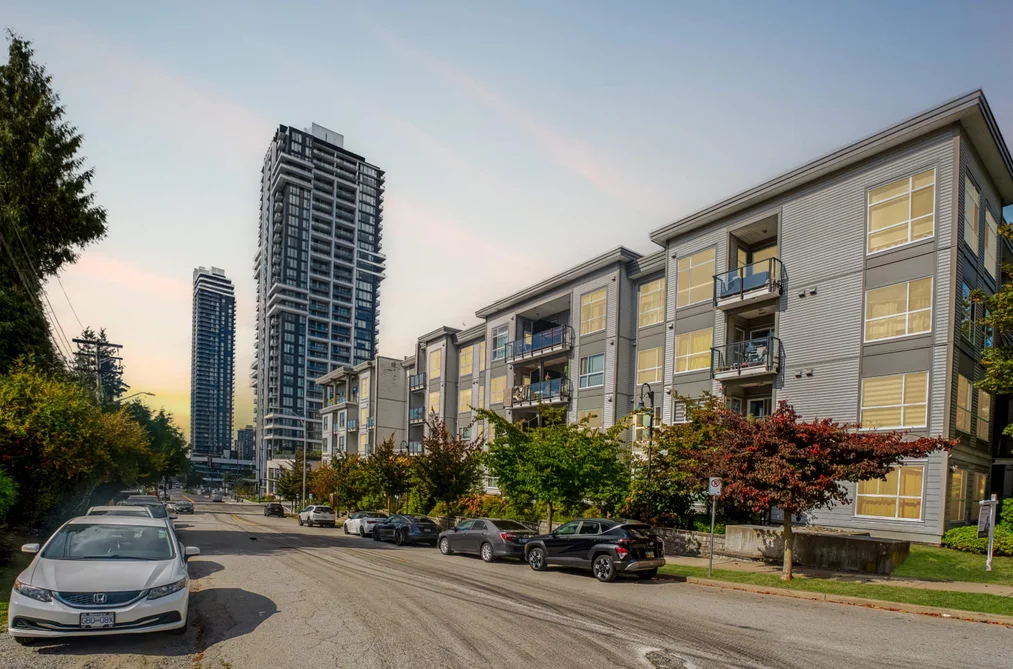
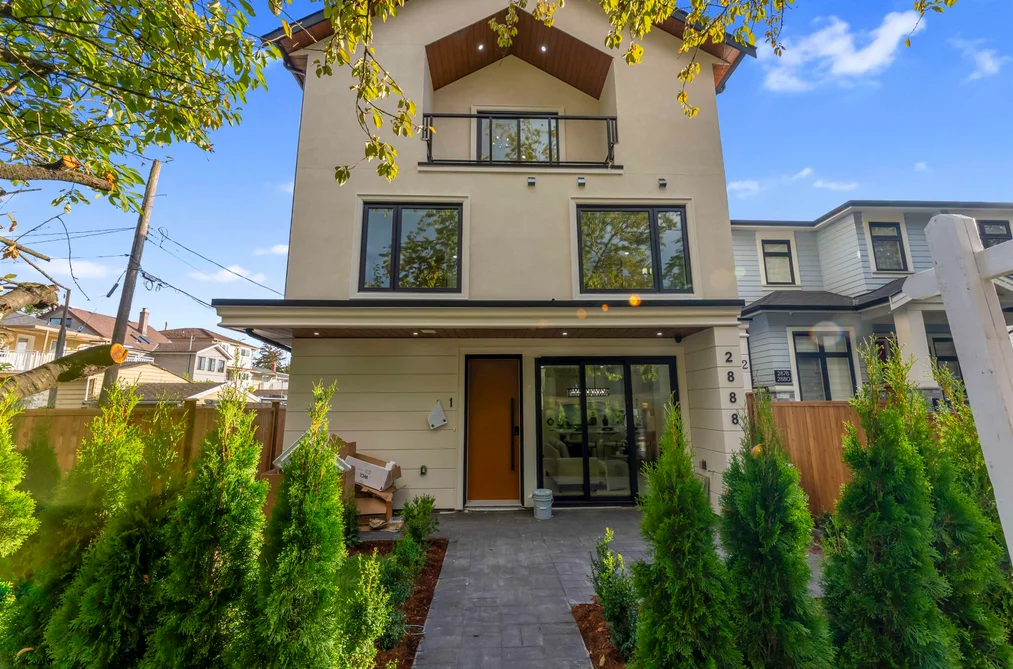
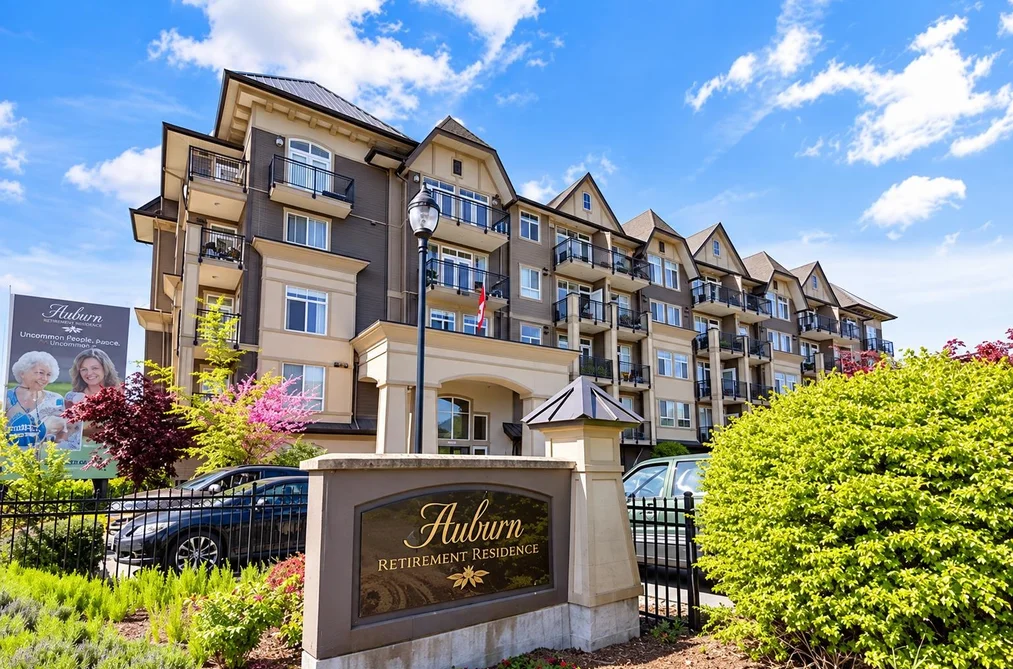
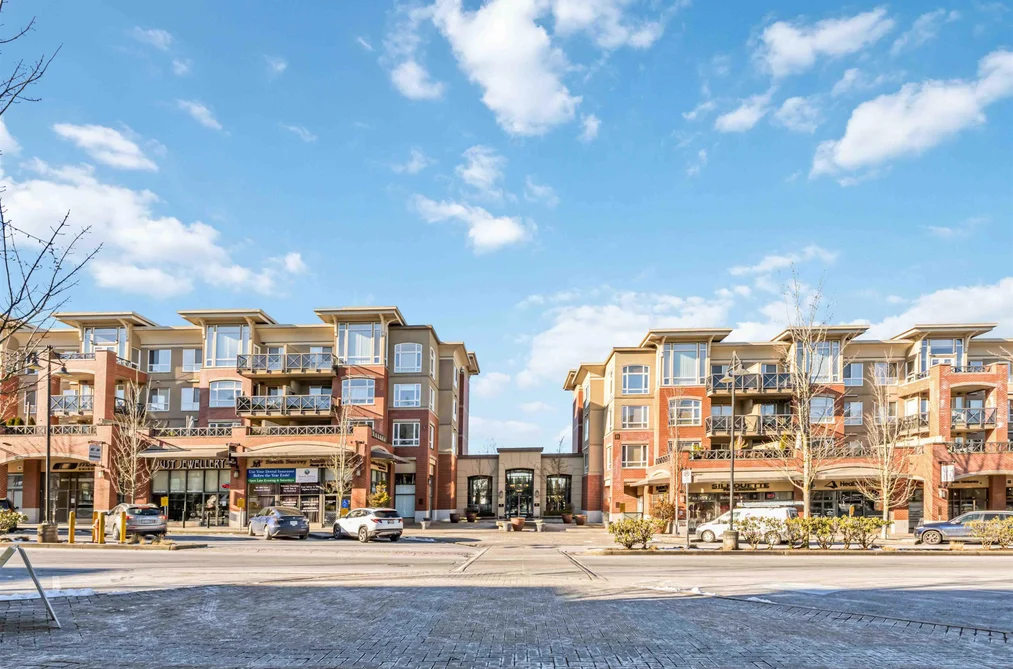
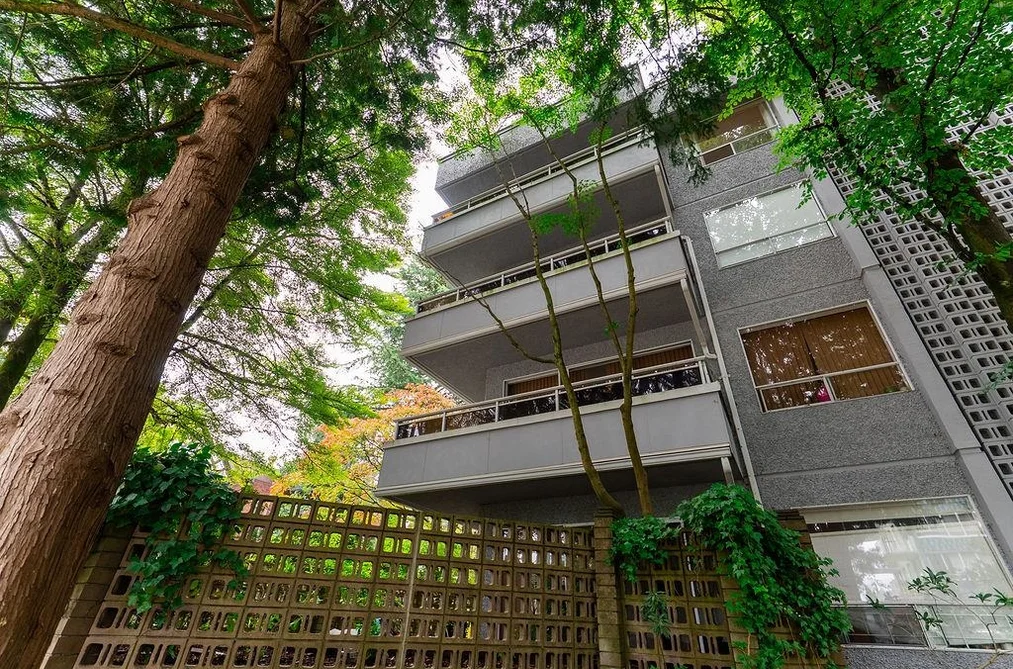
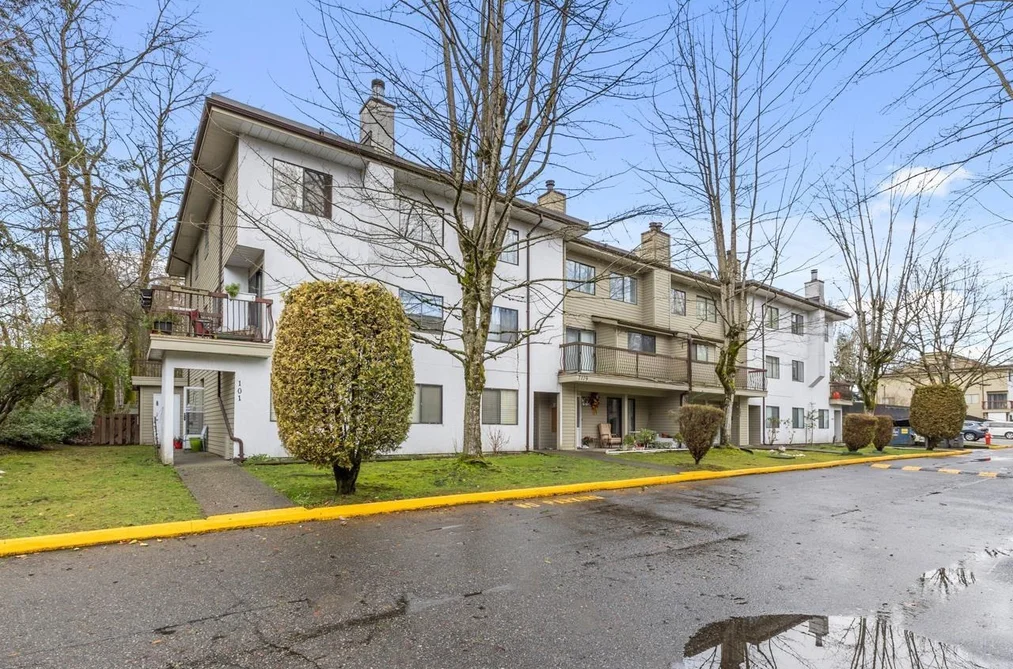
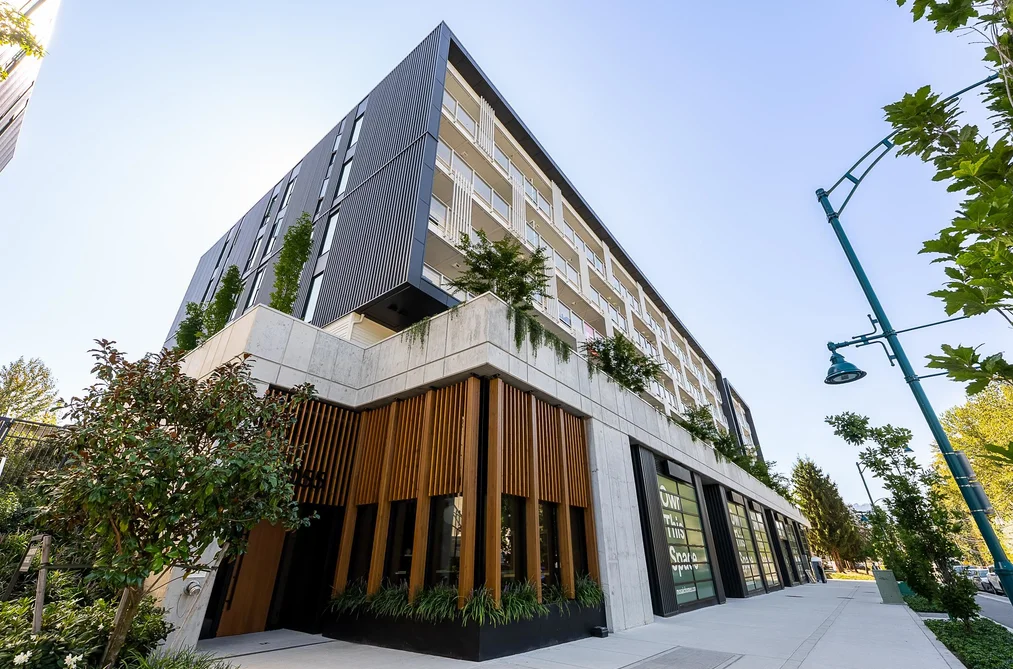
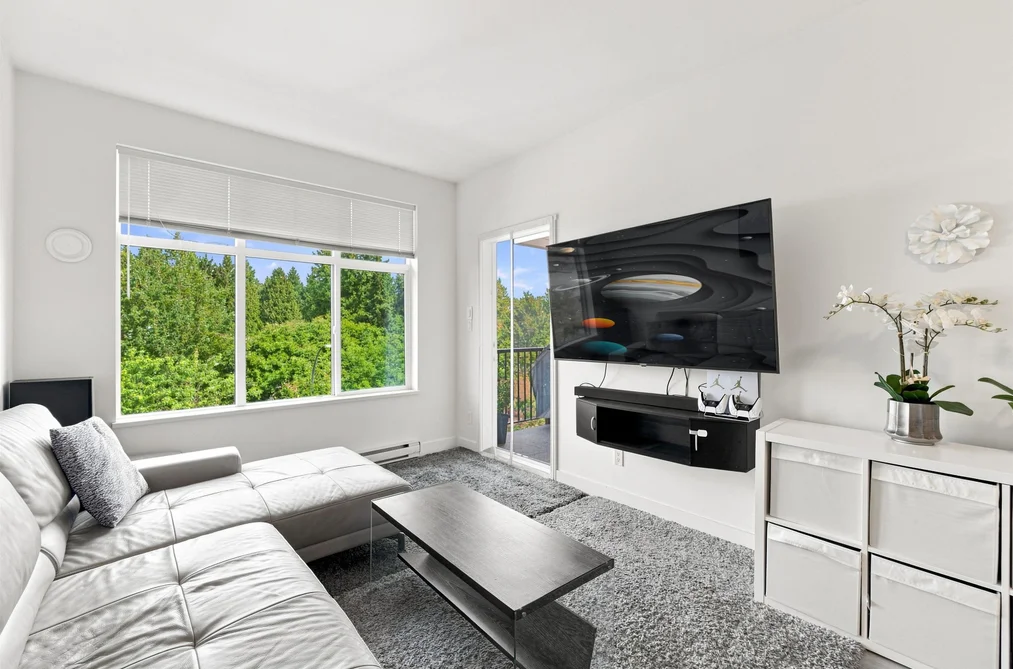
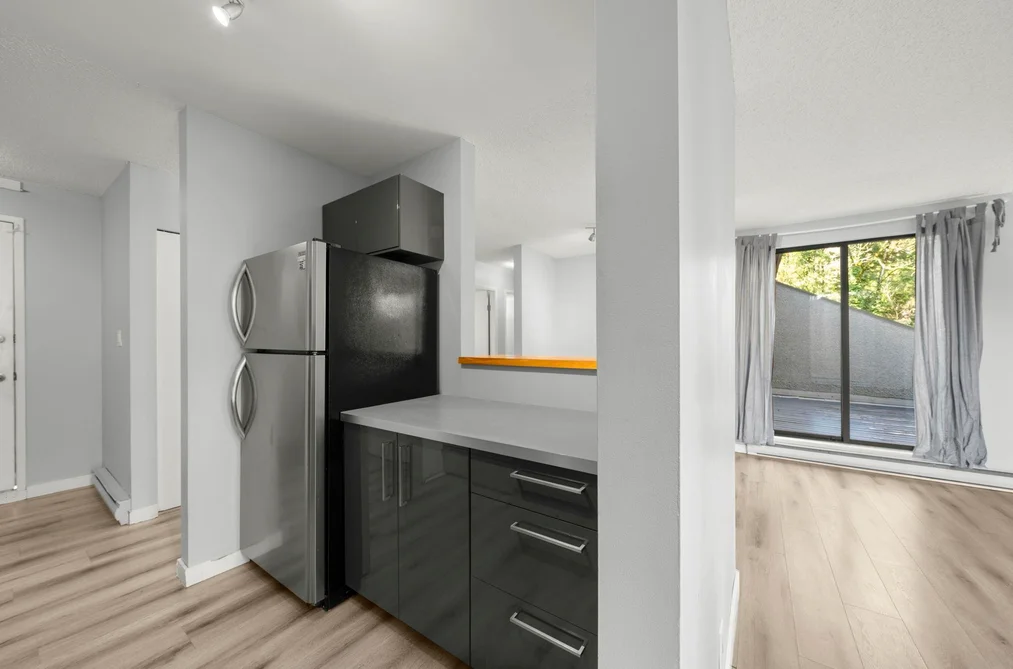
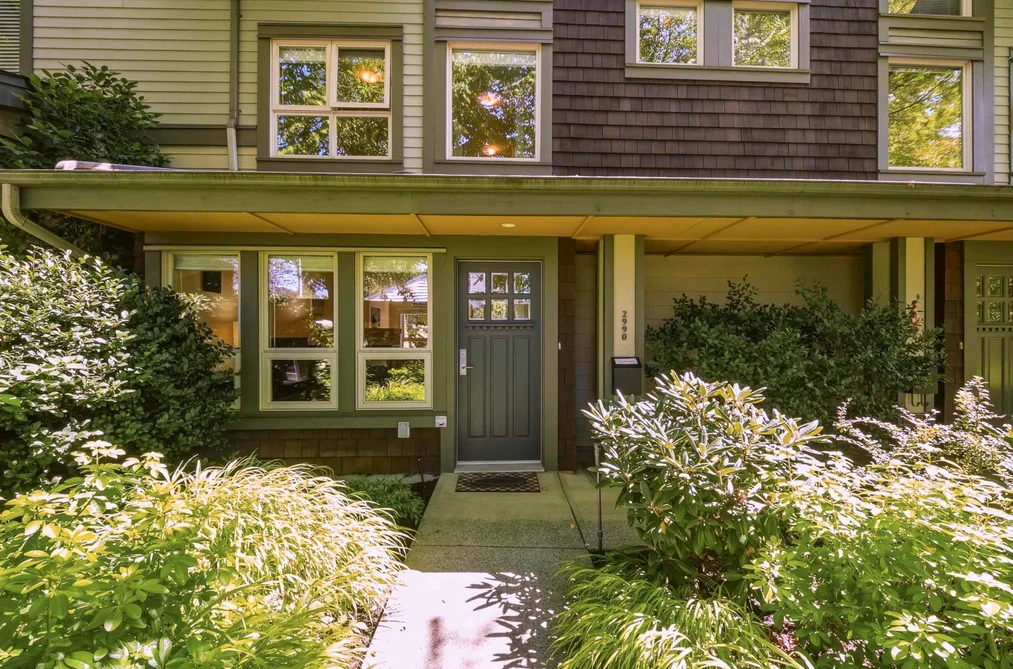
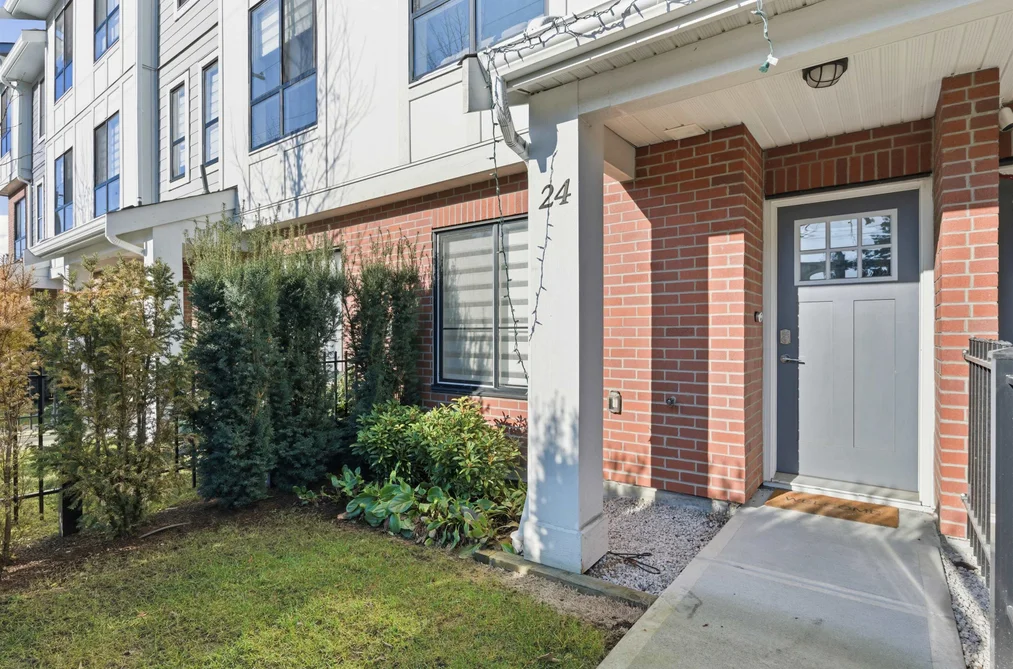
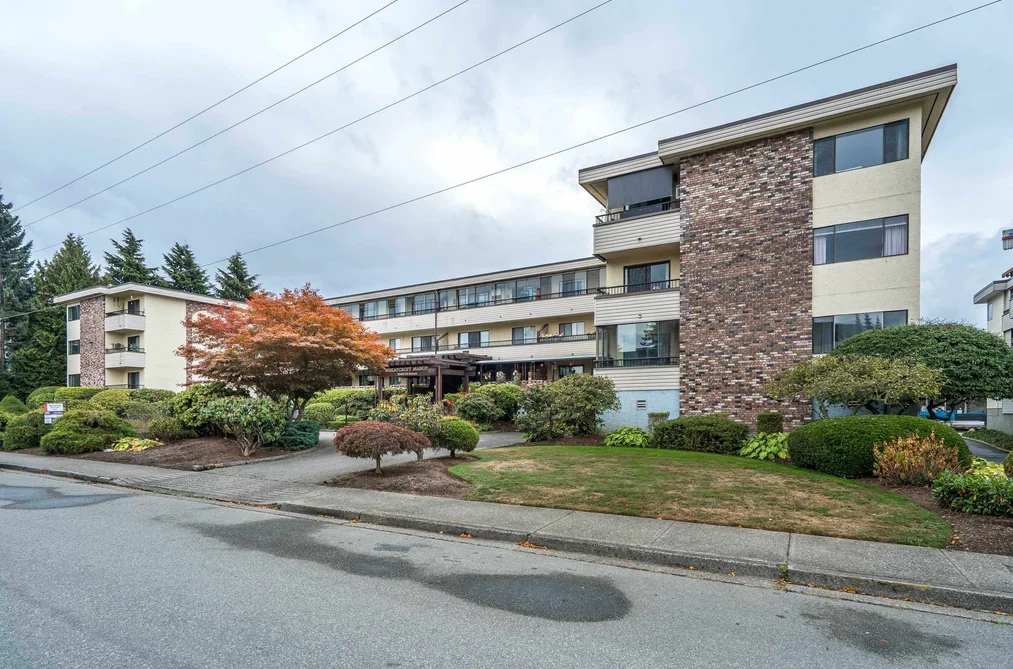
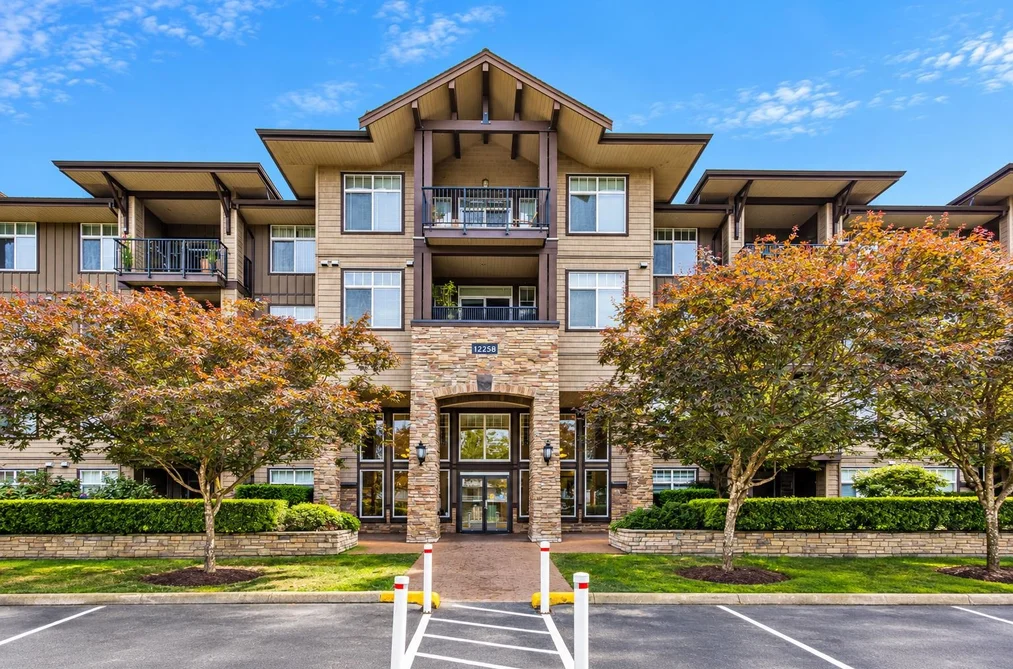
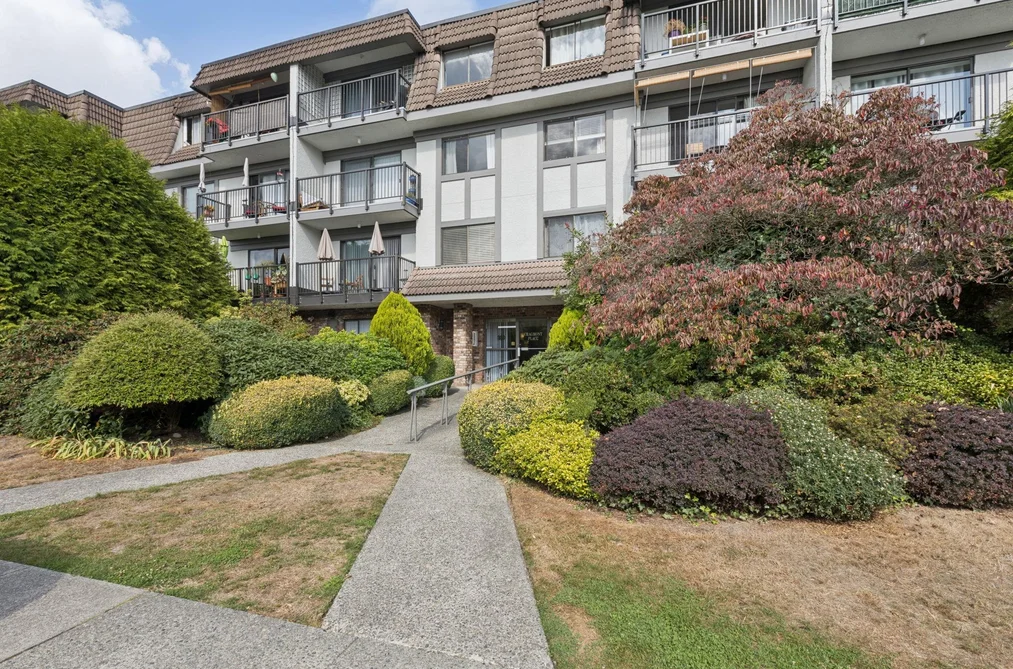
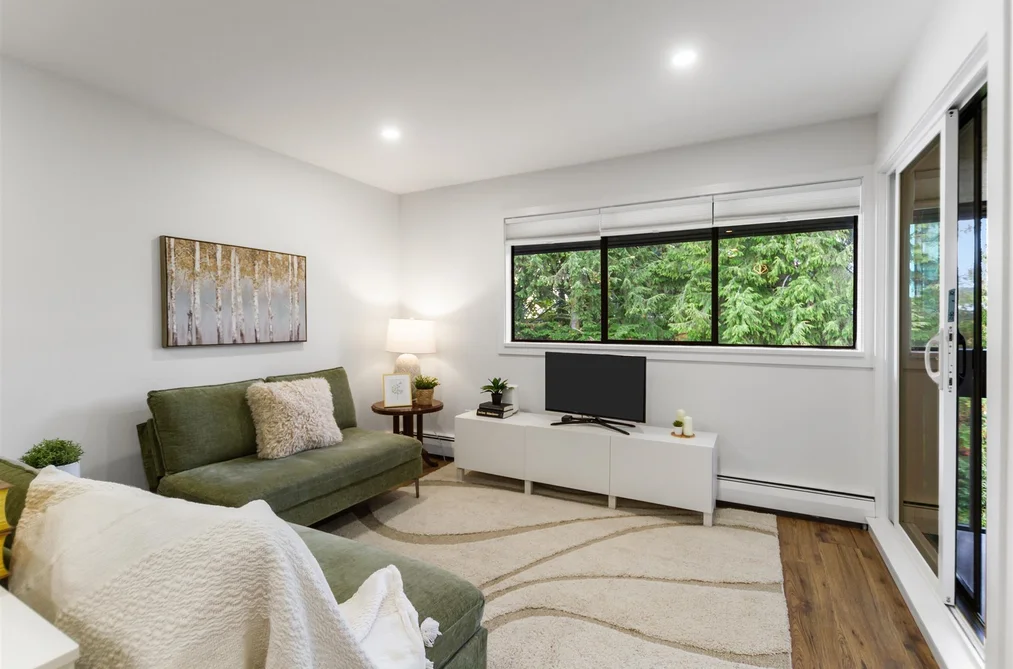
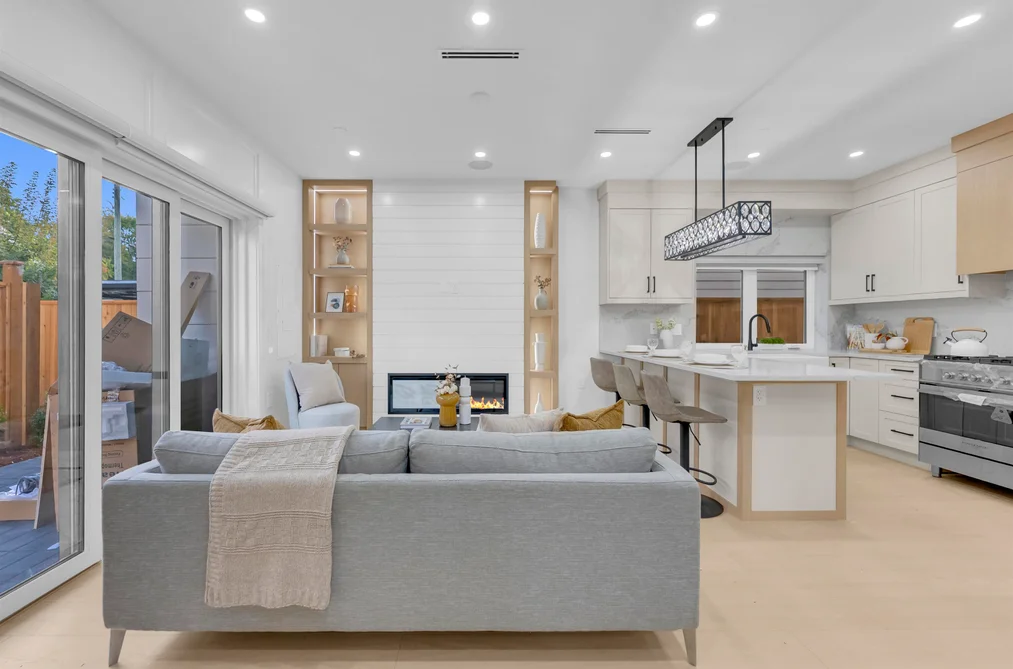

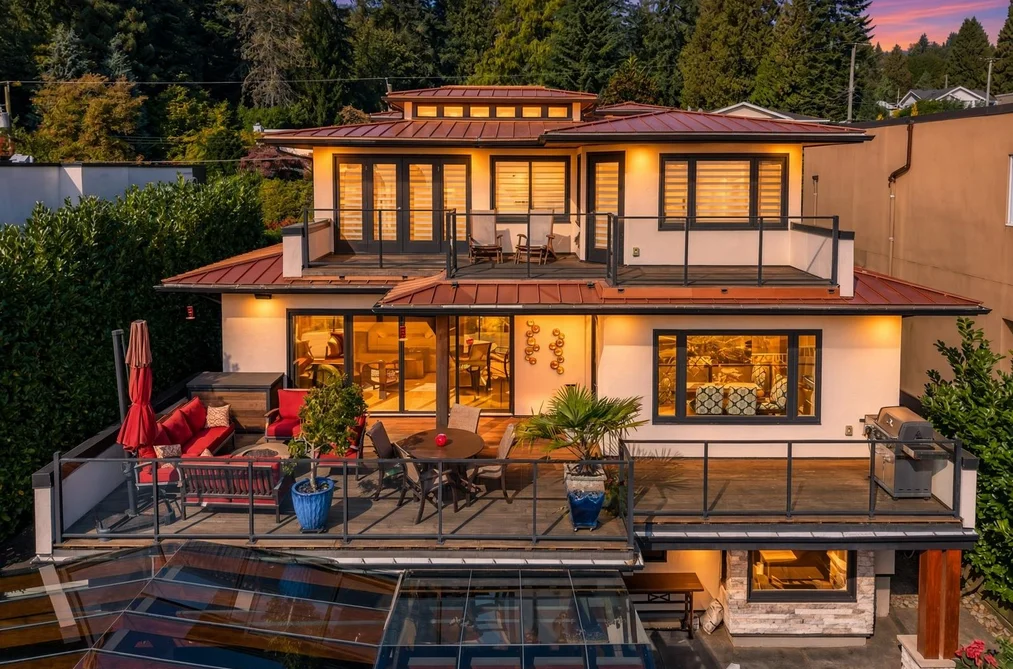
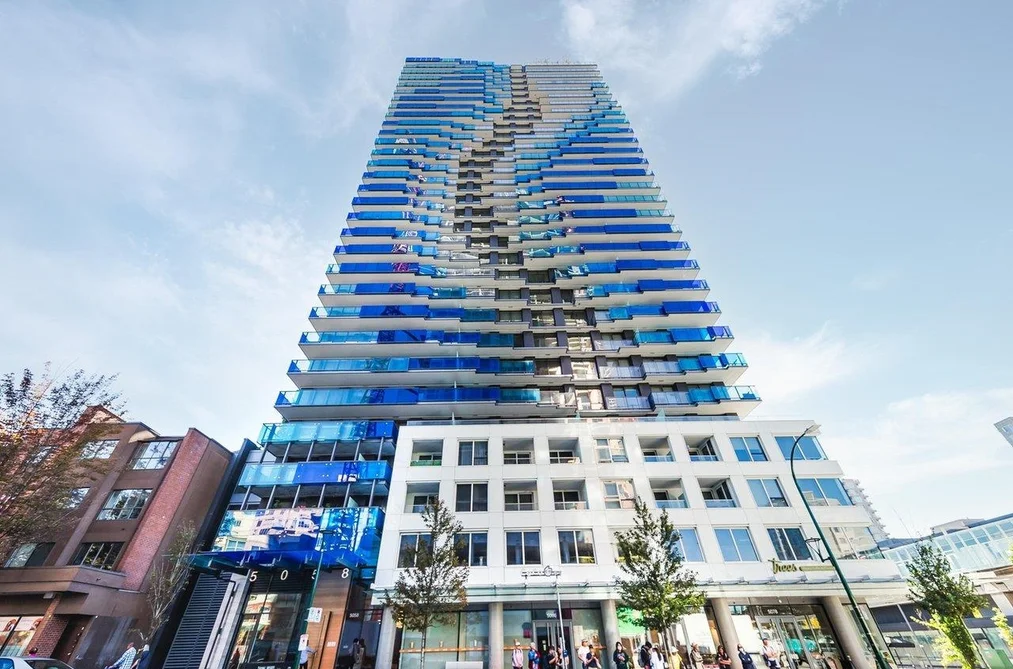
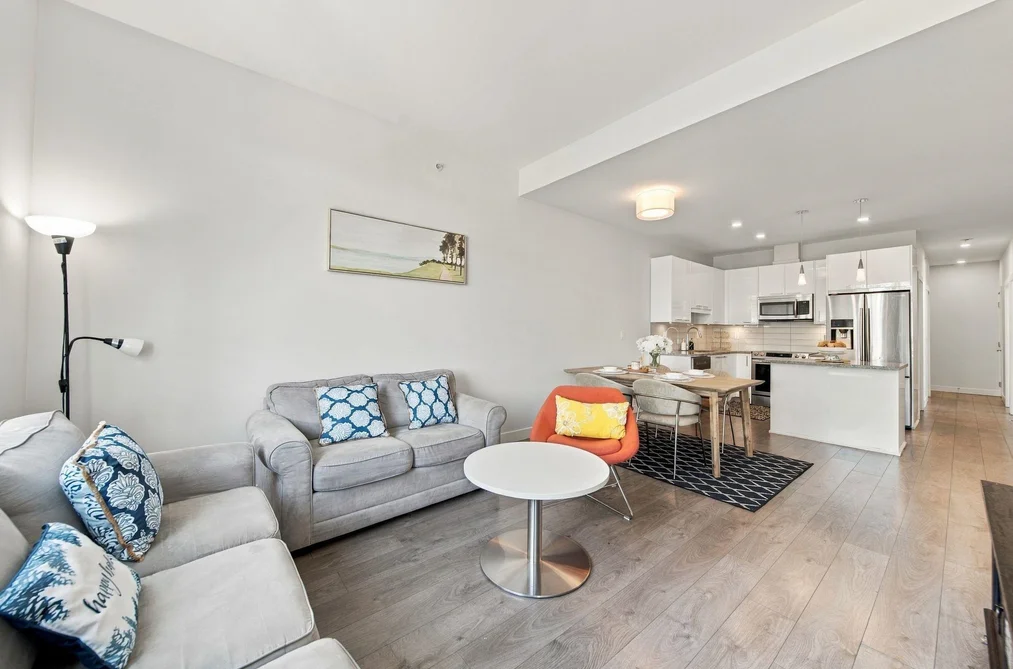
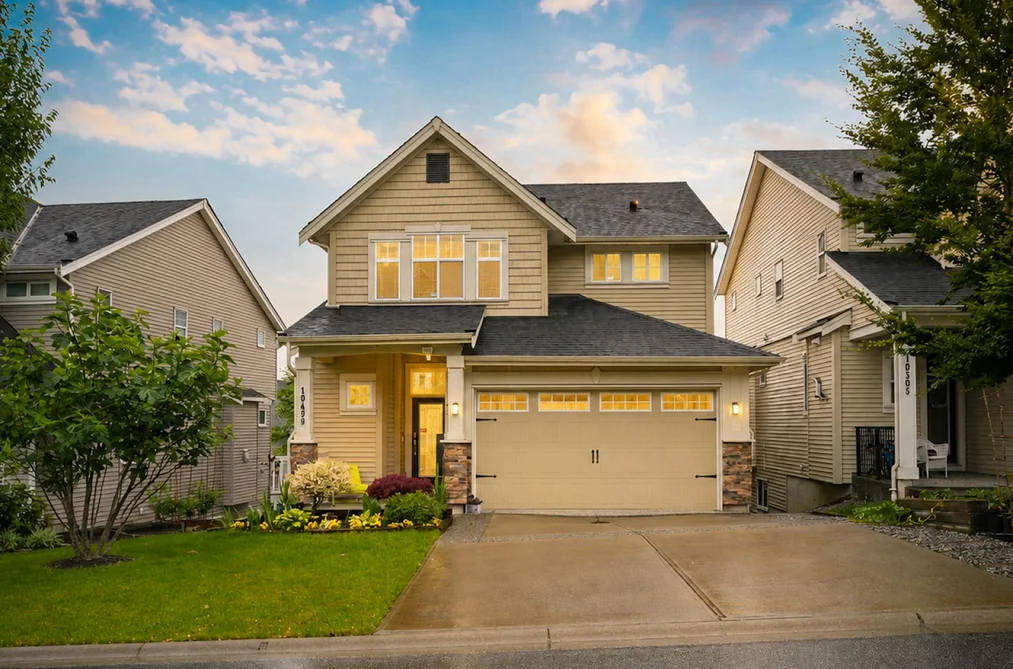
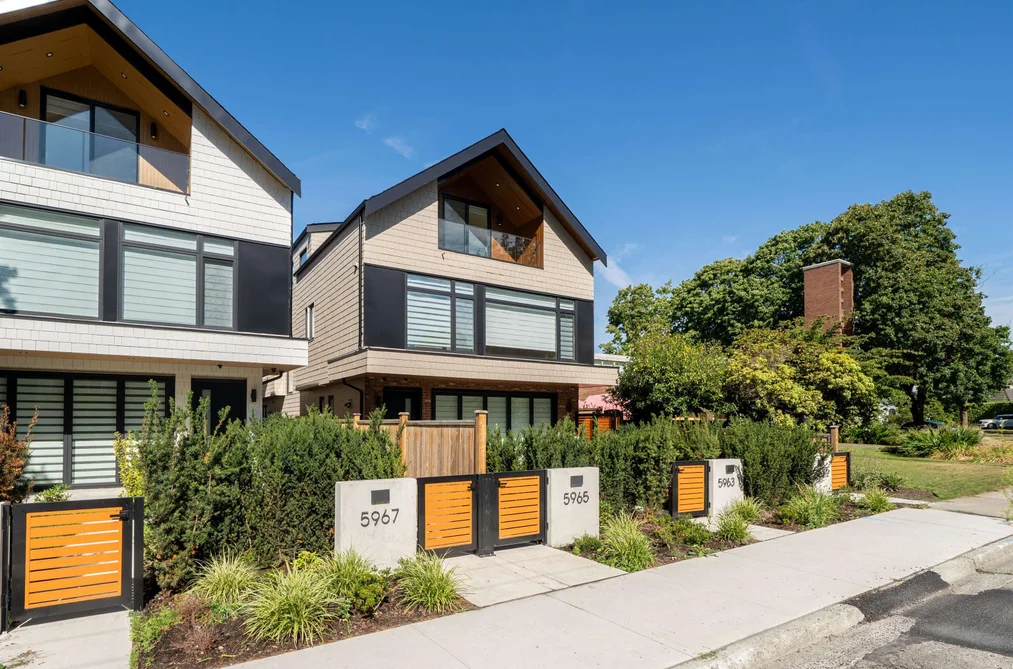
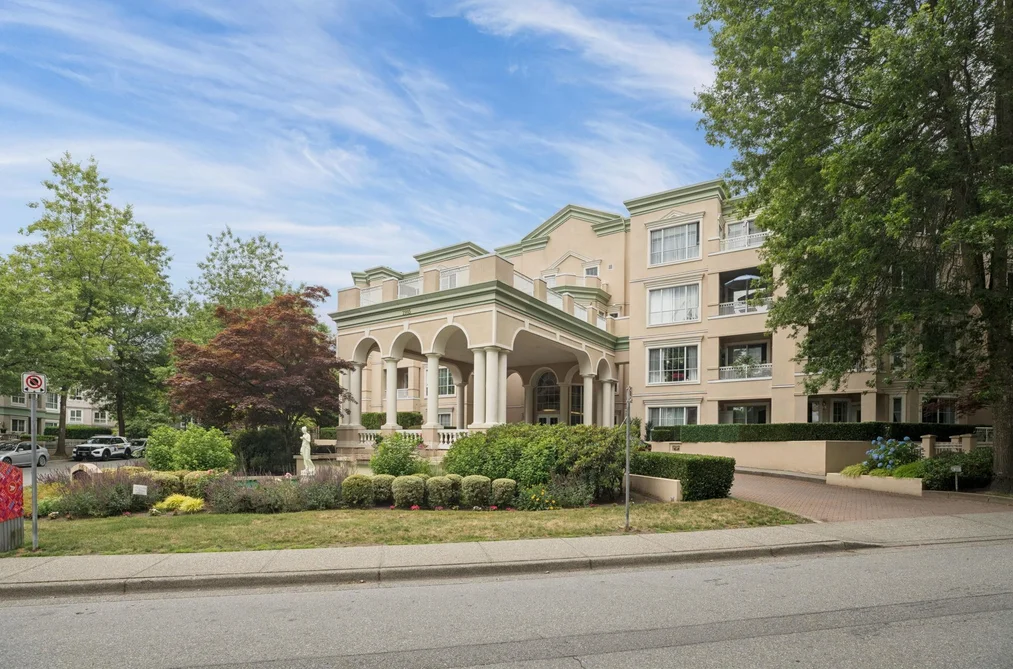
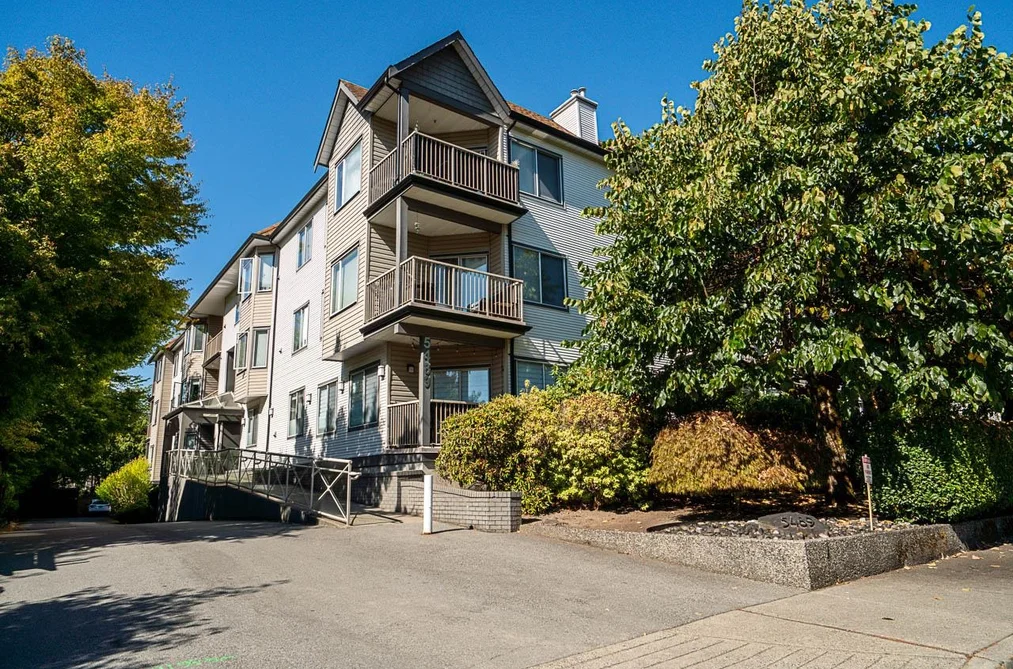
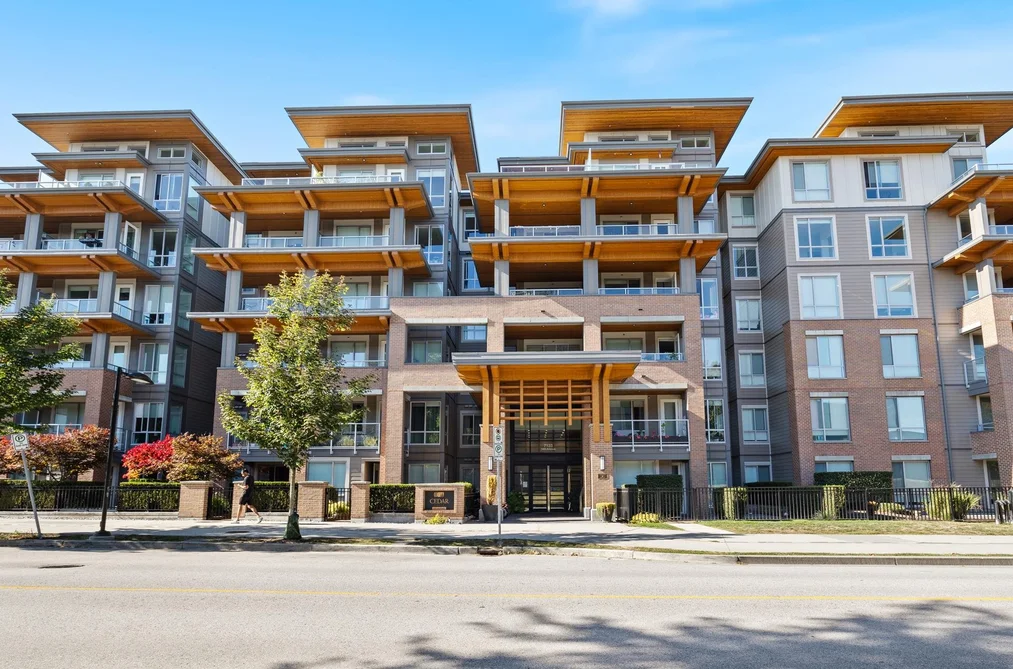
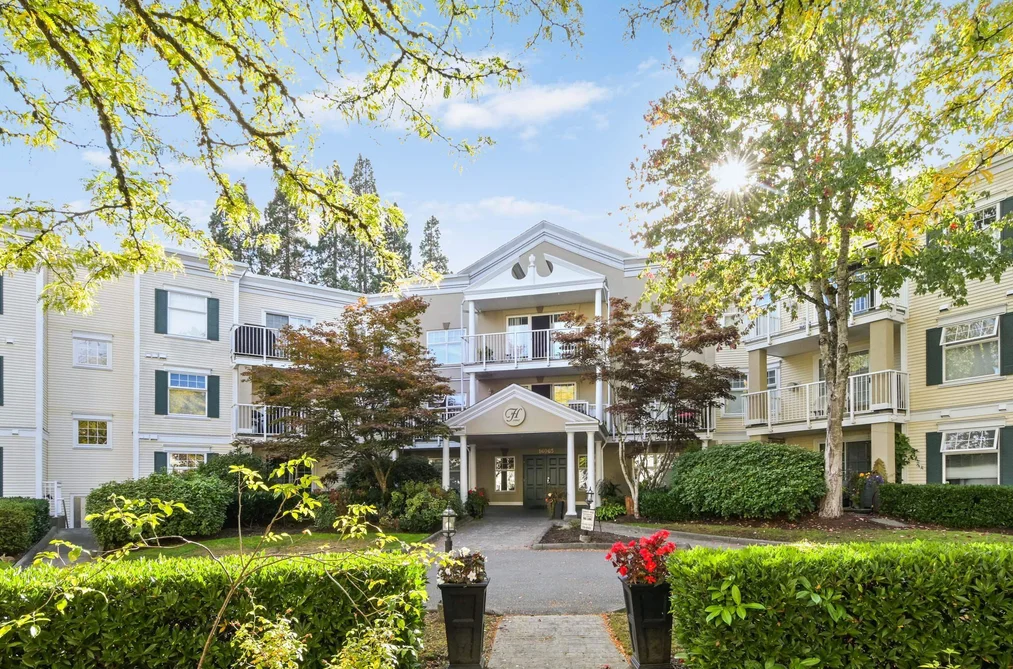
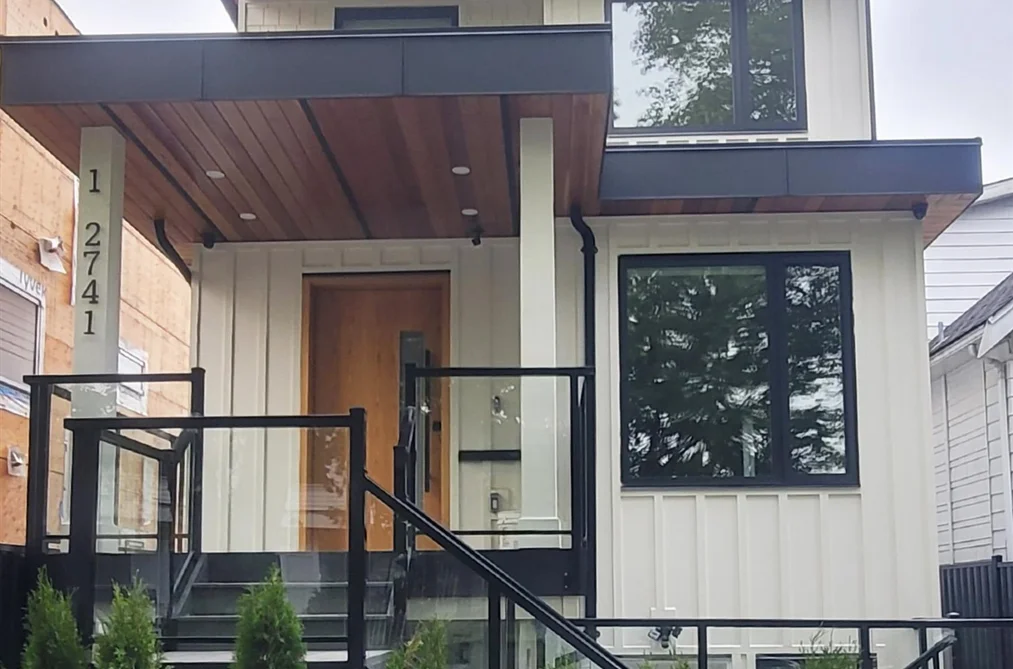
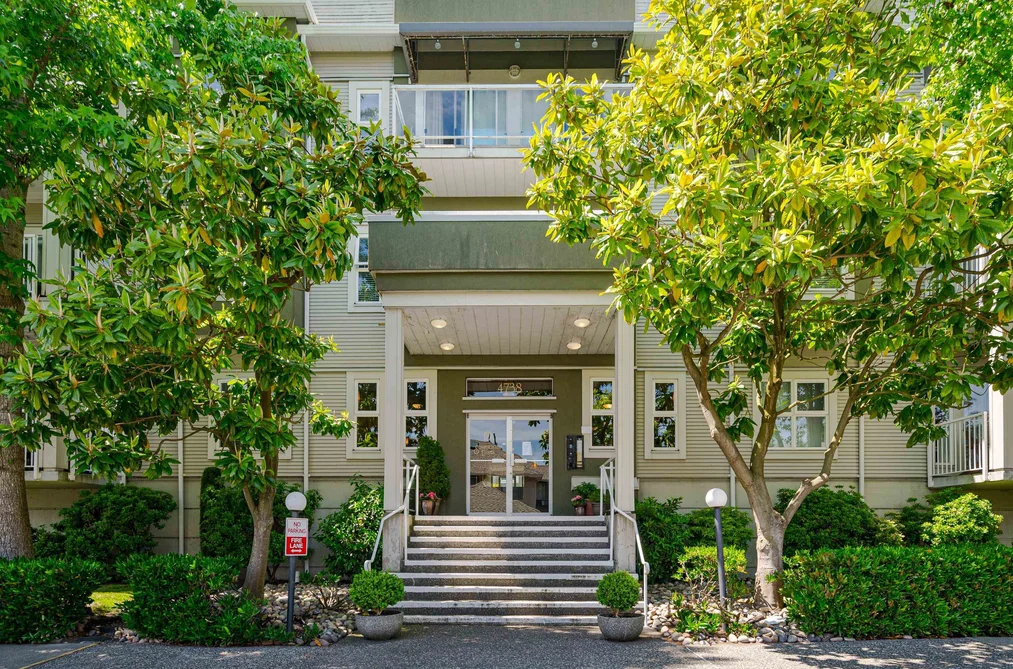

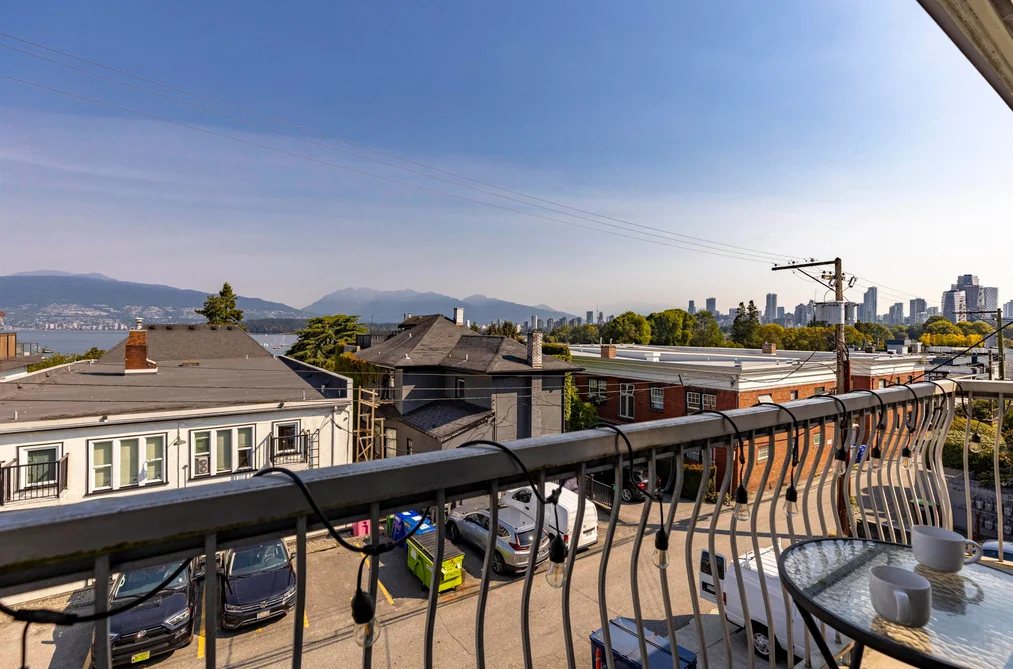
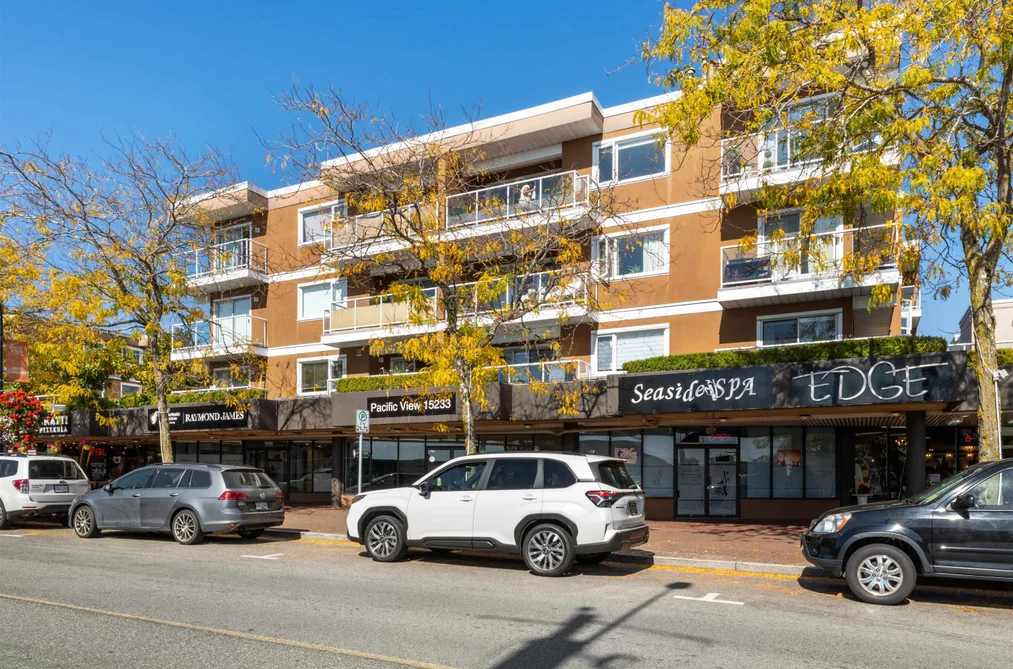
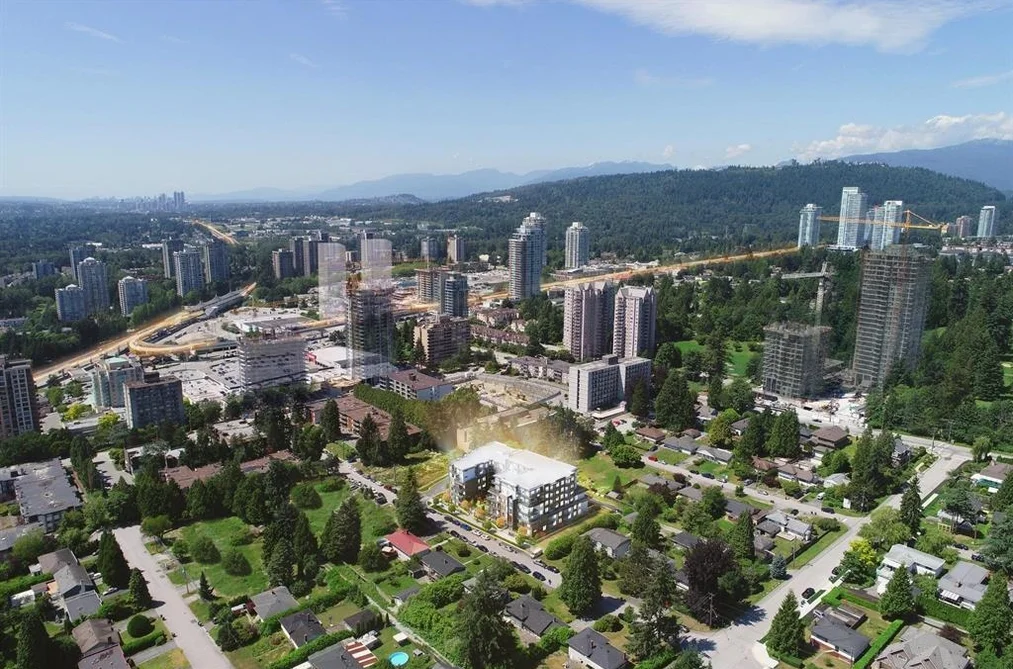
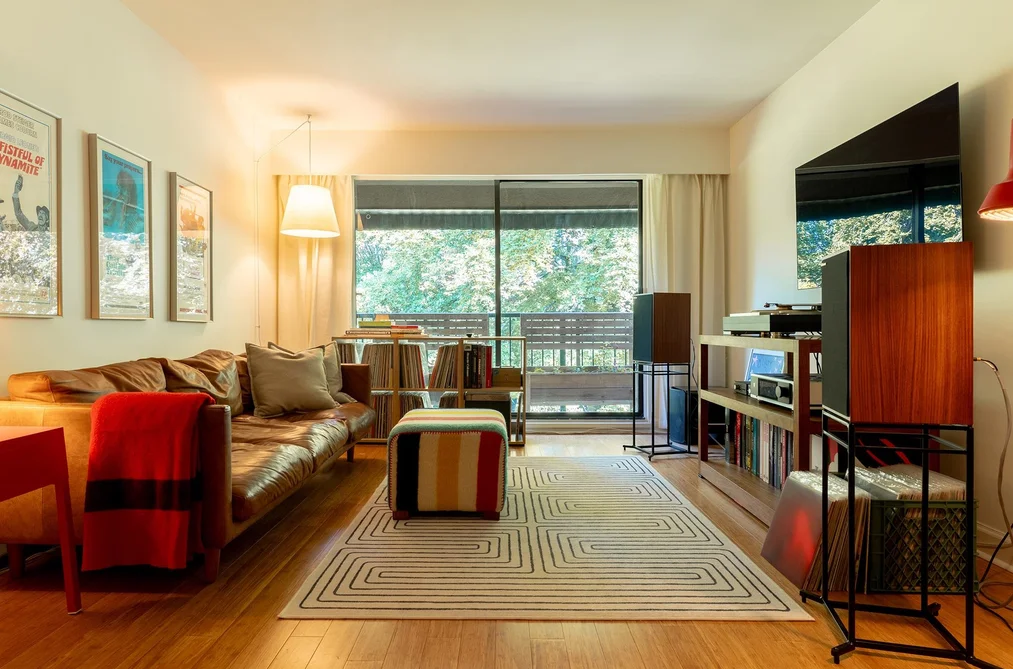
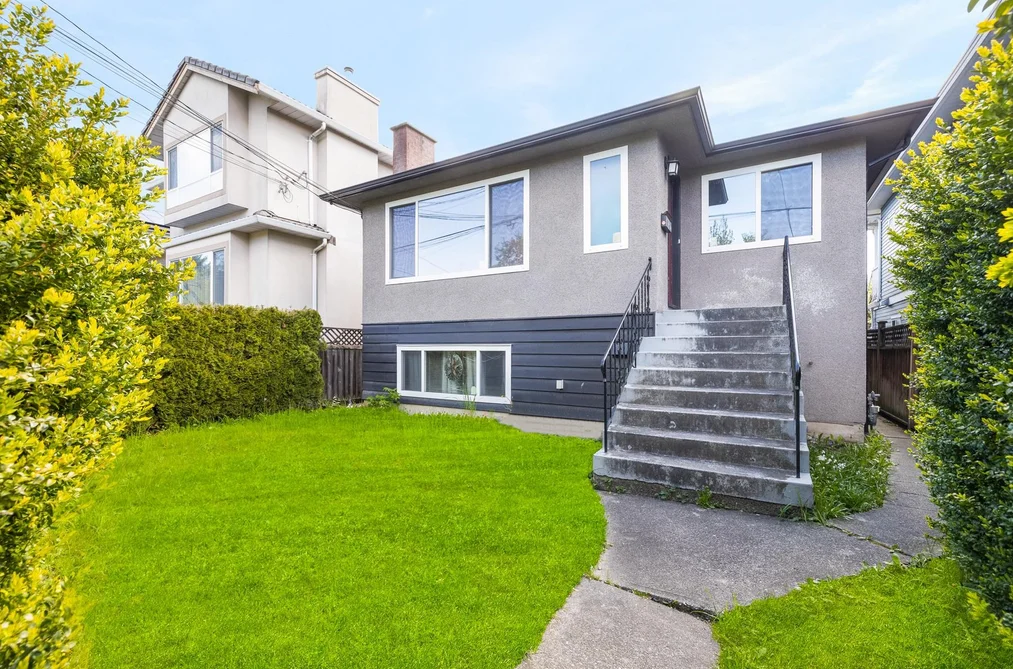
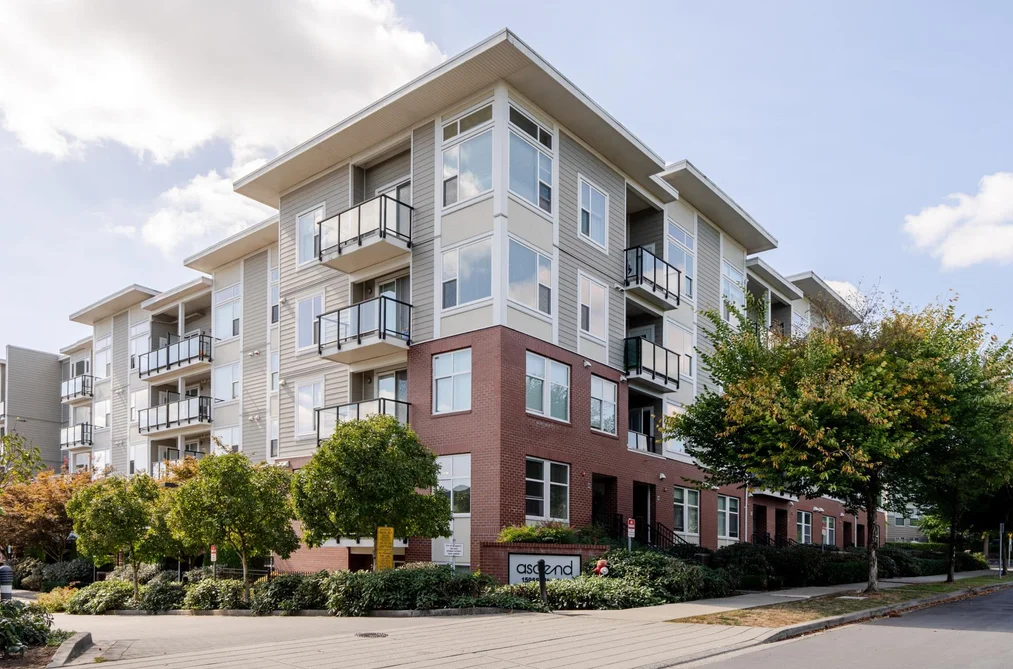
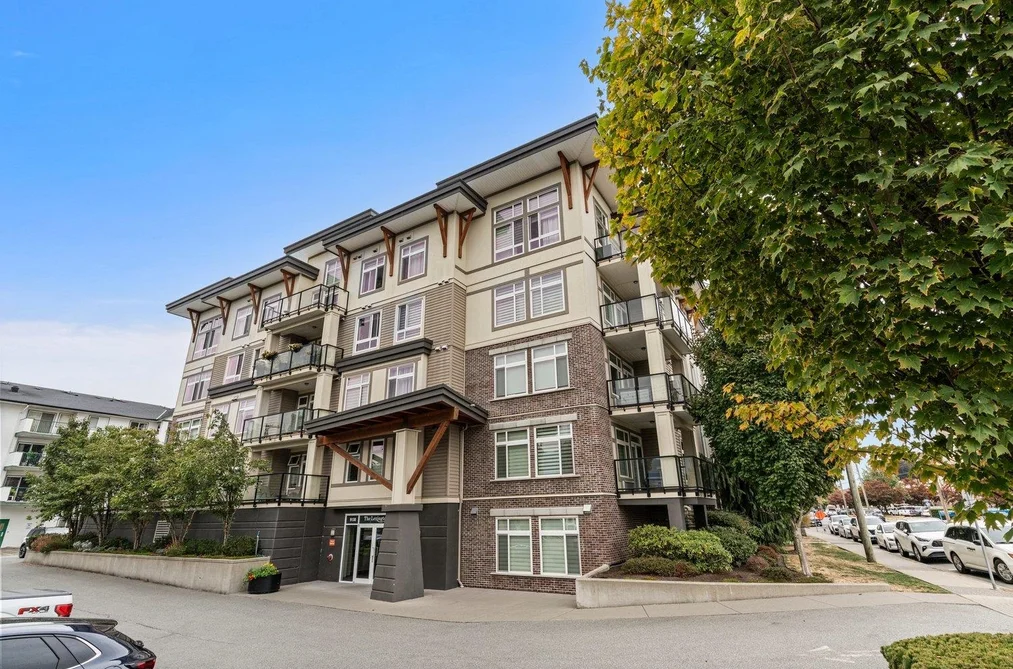
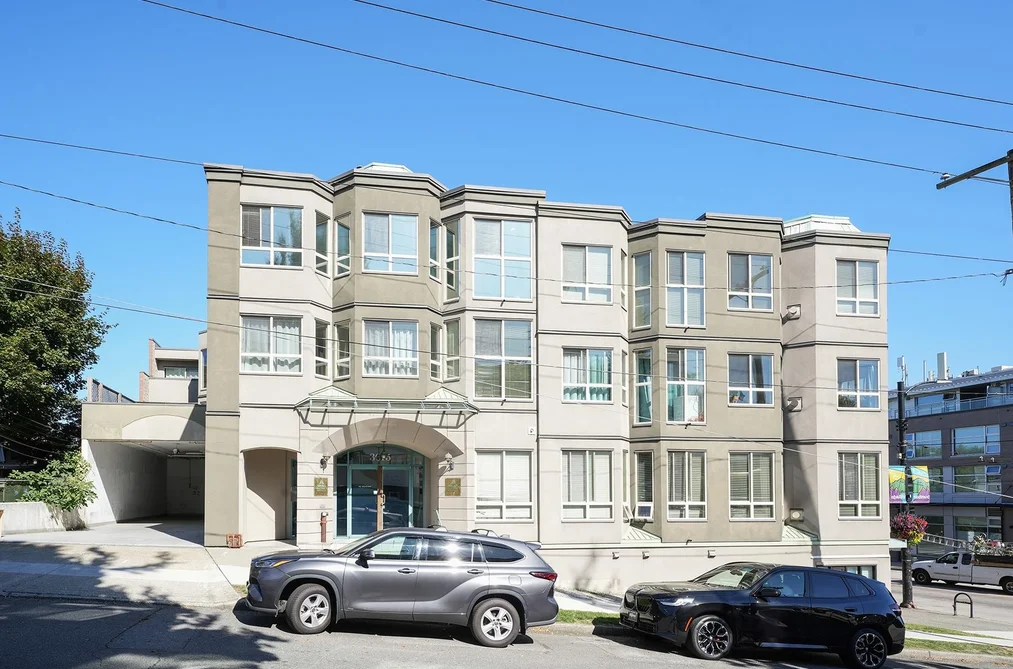

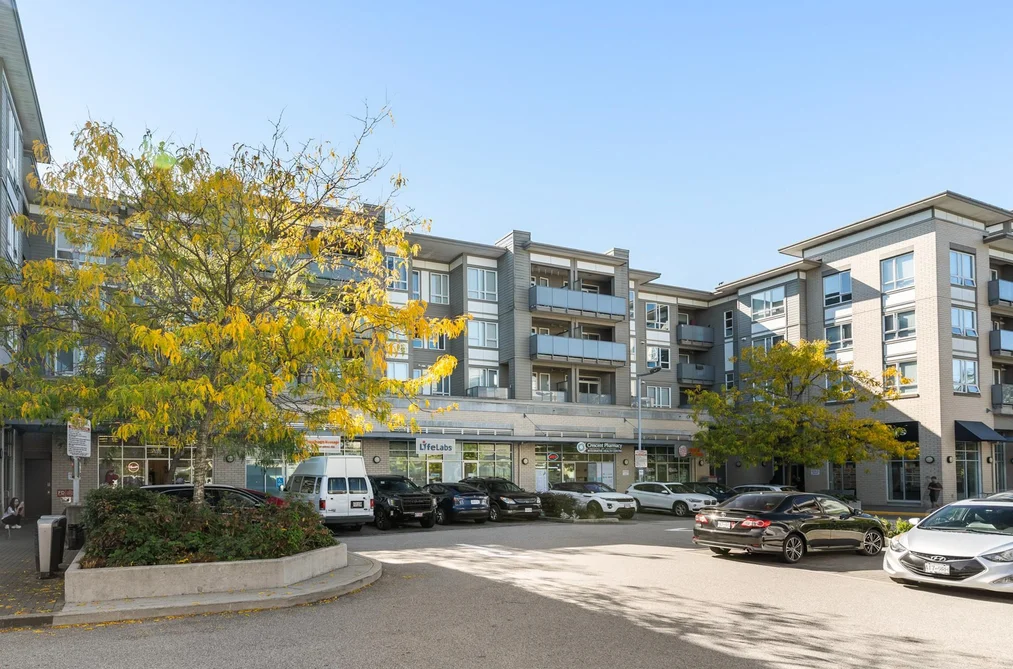
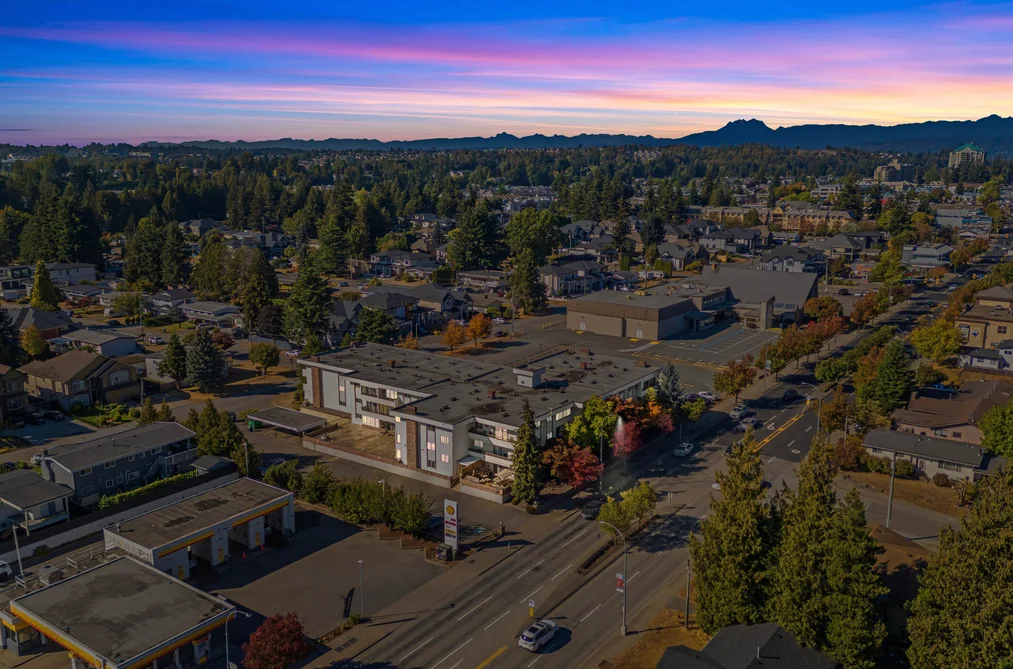
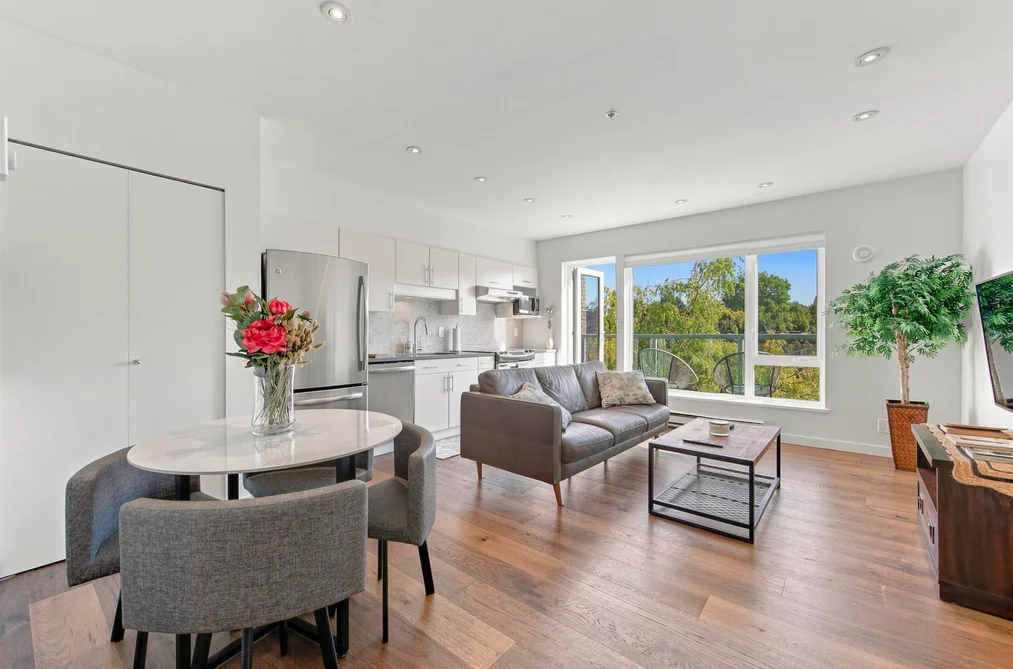
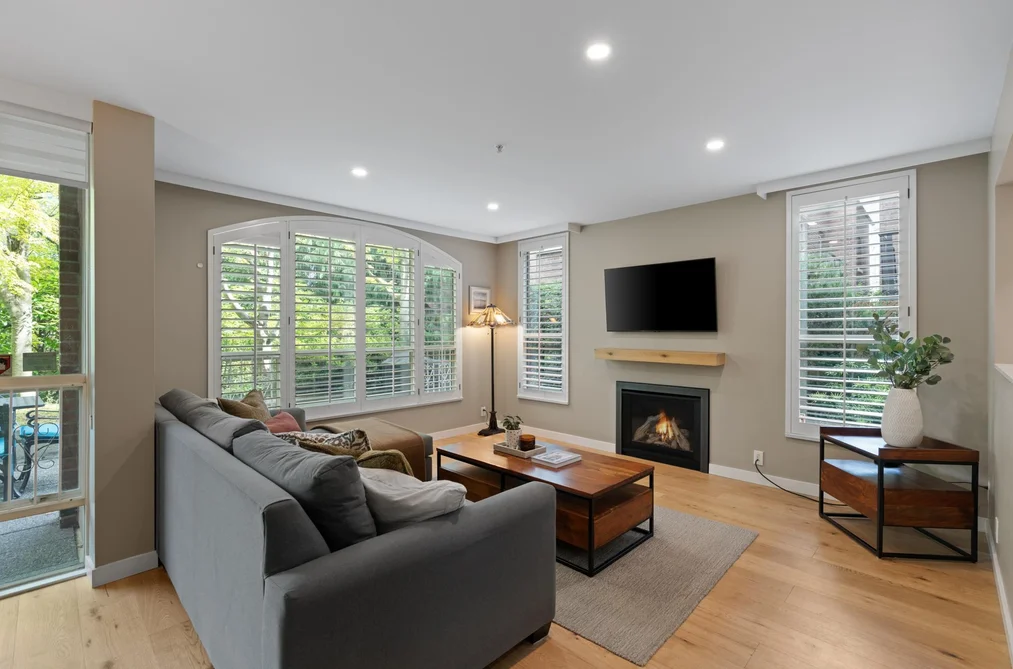
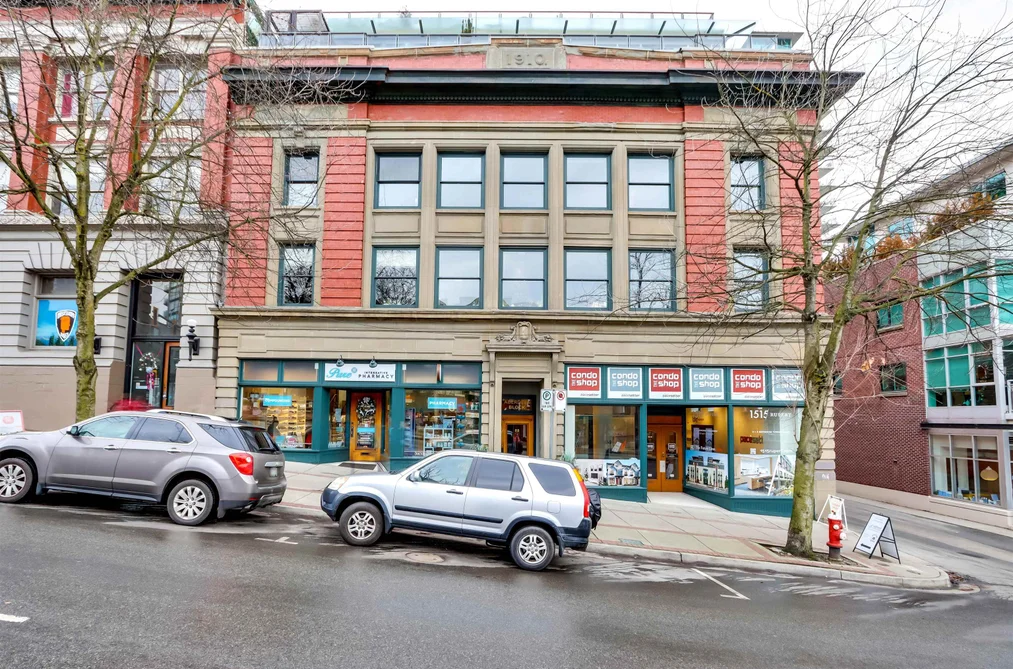
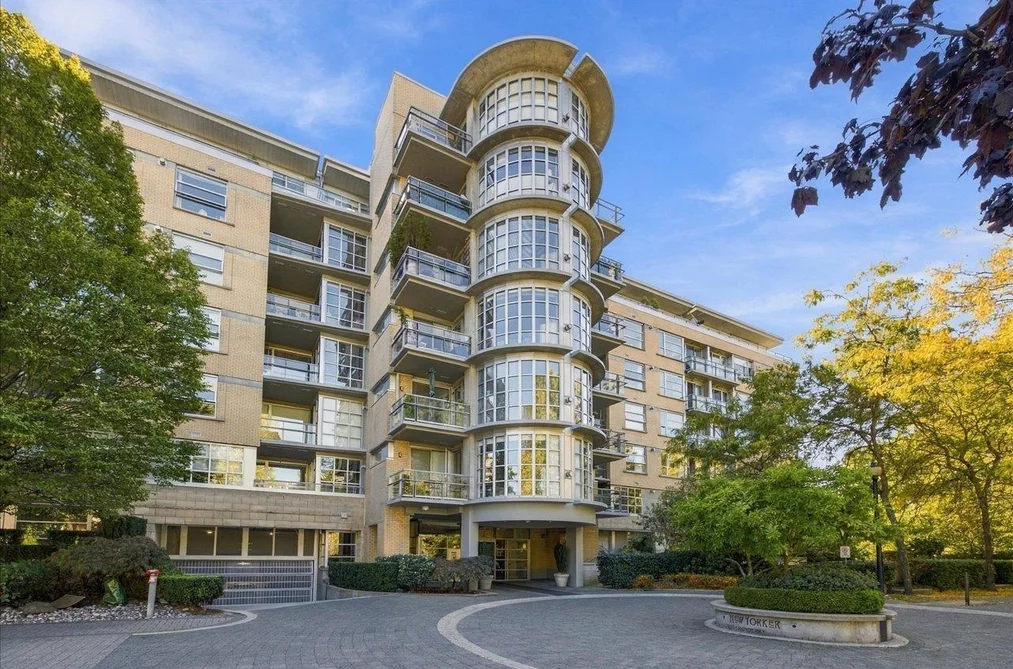
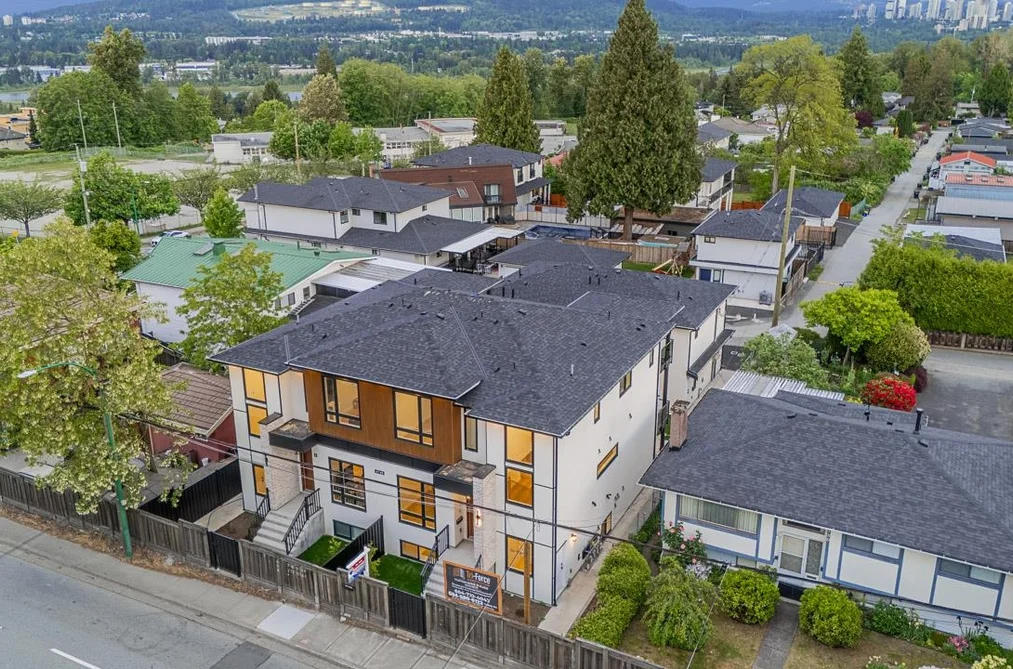
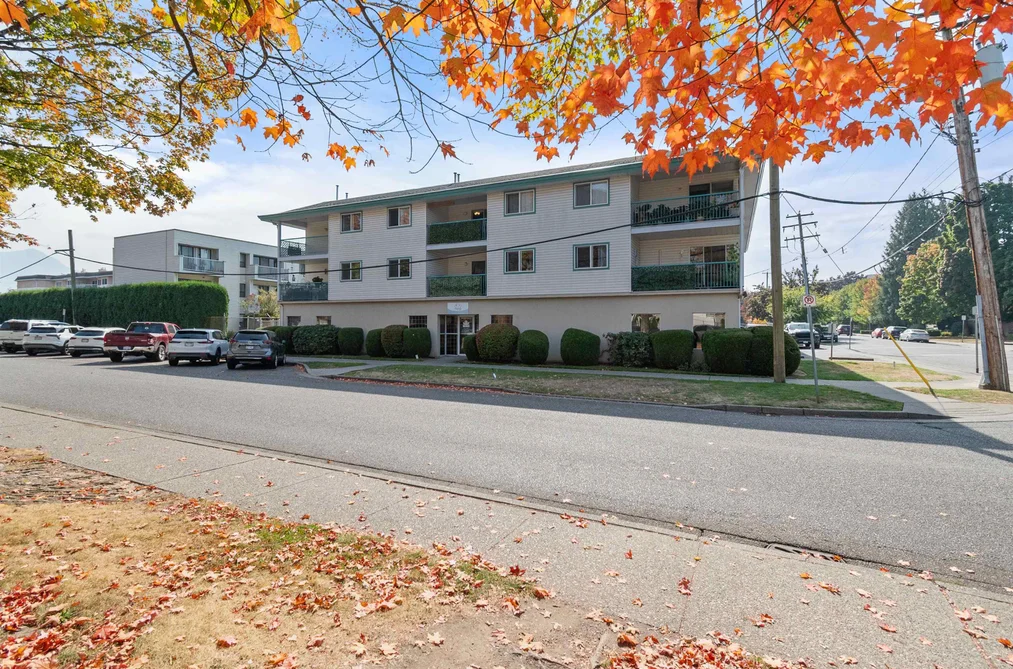
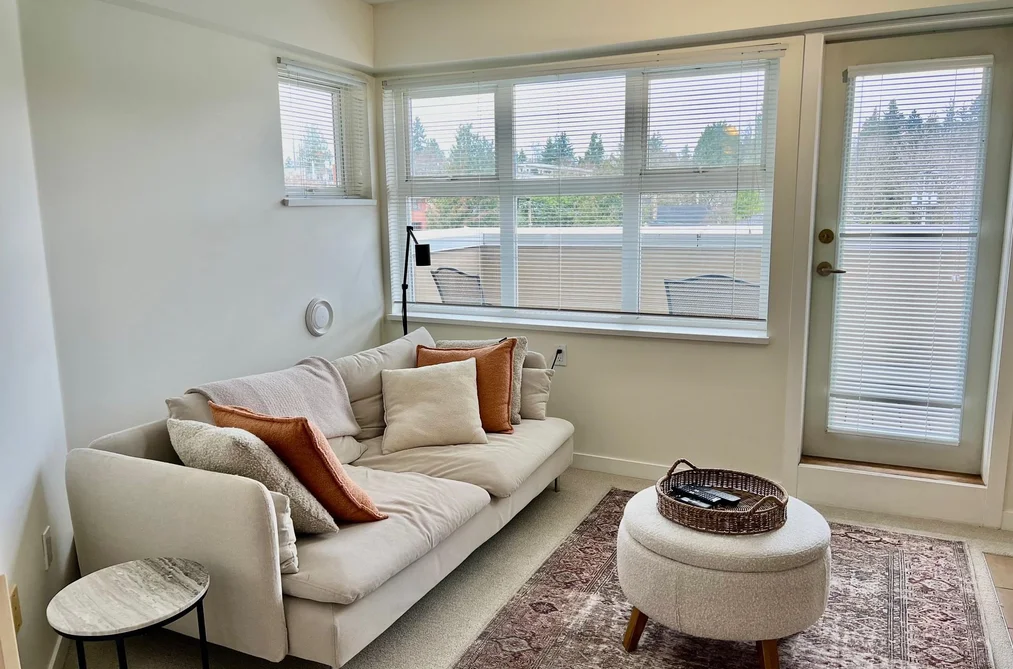
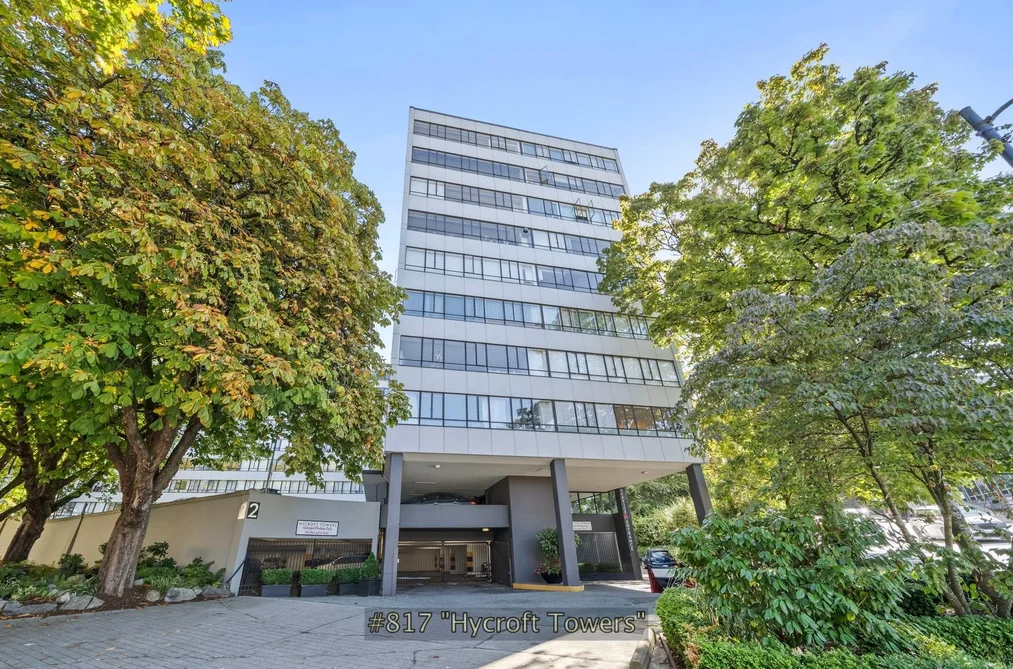
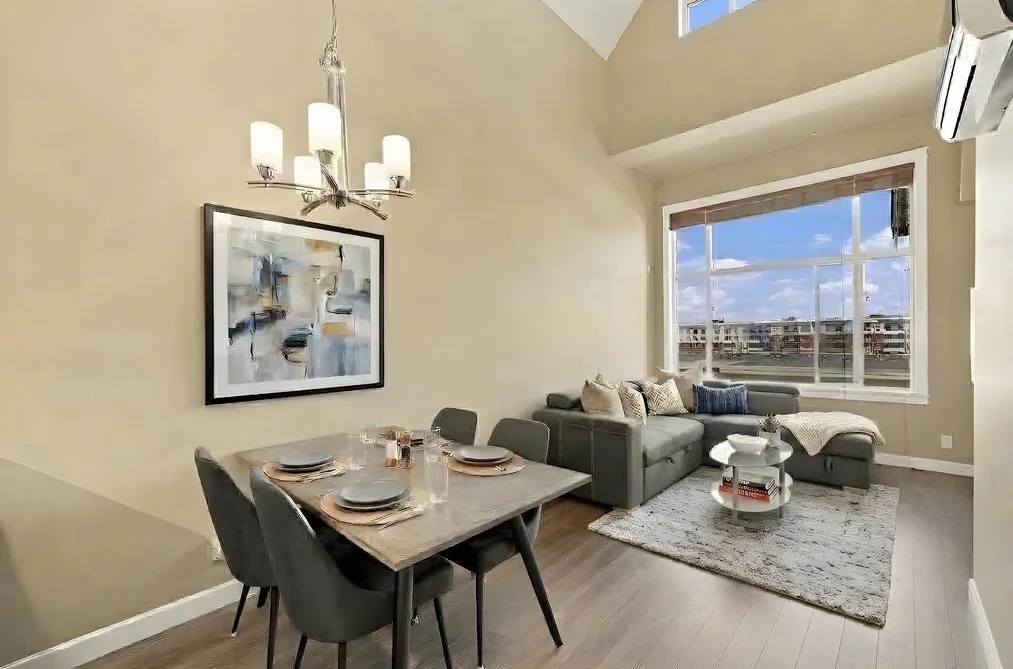
Top Floor listings describe homes on the highest level of their building, mostly condos along with upper-level townhomes, so weigh the quiet, the light and the views against the roof directly overhead and the heat that rises to meet you.
The main appeal is having no one above you: no footsteps, no dropped objects and no water from an overflowing bathtub upstairs. What sits above instead is the roof, and in some buildings the mechanical equipment, a rooftop terrace or an amenity space. Ask the listing agent what is directly overhead and whether owners have reported noise from equipment or terrace users.
Ask about the roof itself: its age, when it was last inspected, whether any leaks have been reported in top floor units, and whether roof replacement appears in the depreciation report. Look for stains on the ceilings and around skylights during your viewing.
Heat rises through a building and collects under the roof, so the top floor is often the warmest in summer. Large windows facing south or west add to it. Ask whether the home has air conditioning or a heat pump, whether the strata allows portable units, and how the home feels on a hot afternoon. Check the insulation above the ceiling if the building is older.
In winter the same position can mean lower heating bills, since warmth from the units below rises into your floor.
The top floor usually offers the best outlook in the building, with mountain views, water or the skyline, and the most natural light. In low-rise buildings, top floor homes often have vaulted ceilings, skylights or a loft that the floors below cannot offer. Some come with a private terrace or rooftop access, which adds outdoor living space but also a membrane to maintain.
Compare the floor plan and the living space with similar homes lower in the same building, and check the price difference. The premium for the top floor varies from building to building. A thoughtfully designed top floor home, ideally located in its building away from the elevator and garbage chute, often pairs an open-concept living area with a spacious primary bedroom and ensuite bathroom, and in some buildings a touch of sophistication in the finishes that lower floors lack. Check whether those upgrades are real or only in the listing photographs.
In a building with an elevator, the top floor is the furthest ride and the most affected by an outage. Ask how many elevators serve the building and how long past repairs have taken. In a walk-up, the top floor means climbing every flight with groceries, strollers and furniture, which suits some buyers and rules the home out for others.
Request the minutes, budget, contingency reserve fund and depreciation report. Look closely for roof replacement, membrane work and any special levies planned in BC buildings of this age, since these affect top floor owners most directly if leaks occur. Check the bylaws on air conditioning units, hot tubs on terraces and noise.
Supply is broad, from top floor condos across Vancouver, Burnaby and North Vancouver to upper-level townhomes in the suburbs. Browse and compare current listings on the MLS® through Strawhomes, filter by bedroom count and building, and visit at an open house if one is held. Shortlist only the homes whose roof, heat and access you have checked. Compare them against a penthouse for more space or a corner unit lower down for light on two sides.