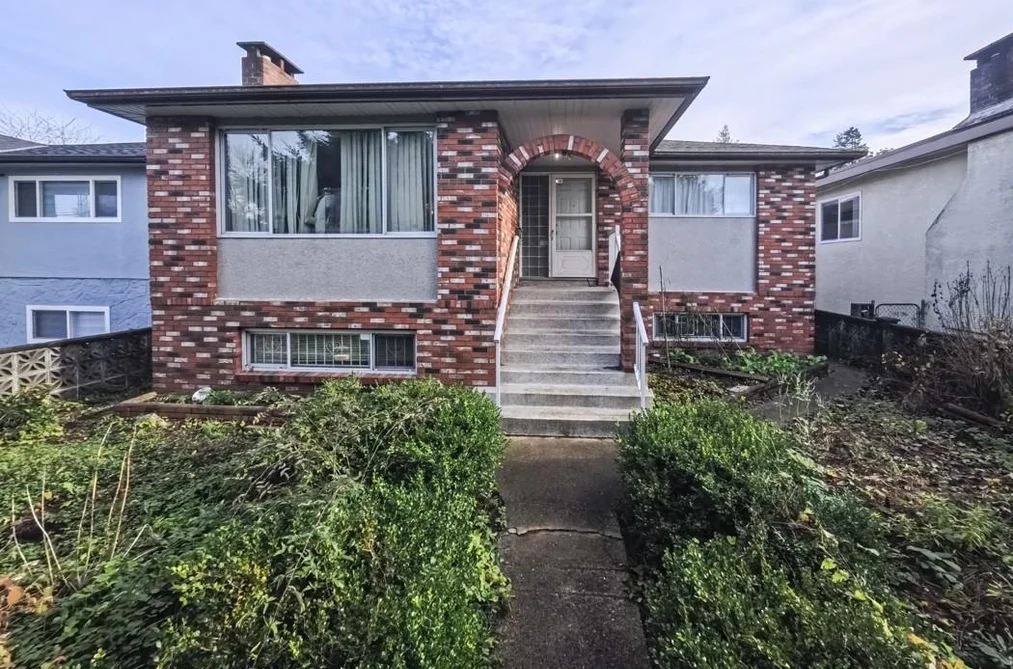
For Sale
2 days
- $1,978,000
- 6 bed
- 4 bath
- 3546 sqft
MLS® R3169789
•Royal LePage West Real Estate Services
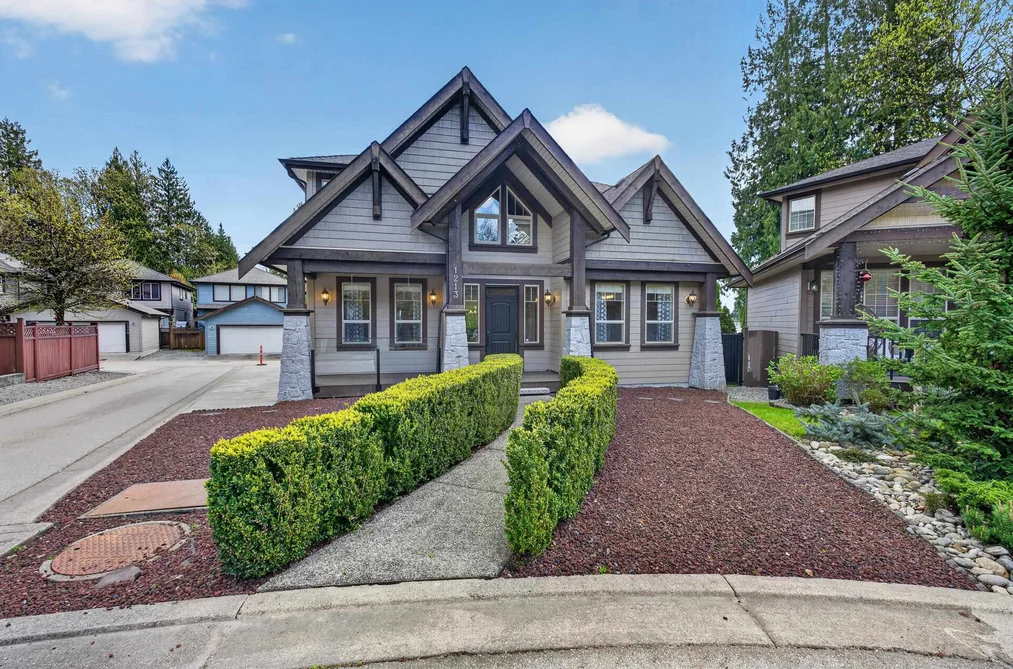
Browse homes with High Ceilings for sale in the Lower Mainland and check the real height, the heating and the upkeep before you pay for the extra volume.
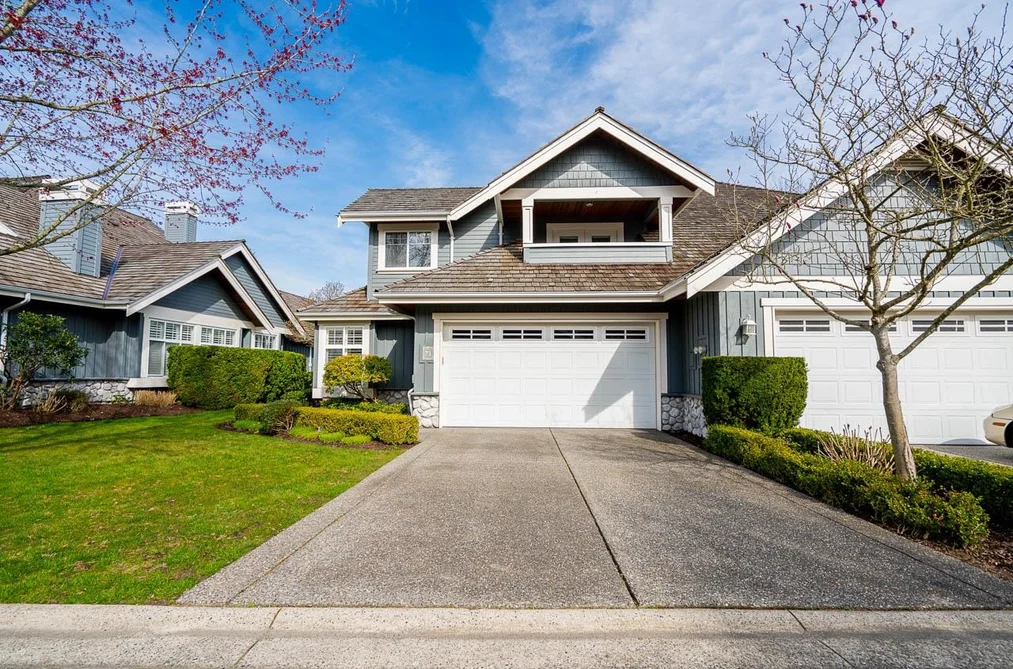

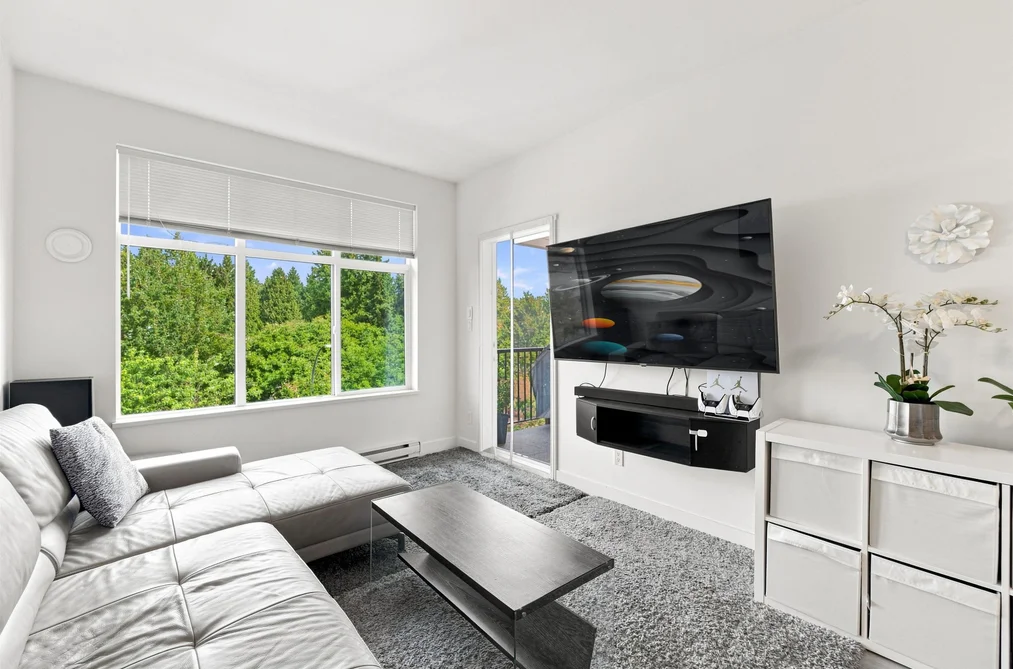
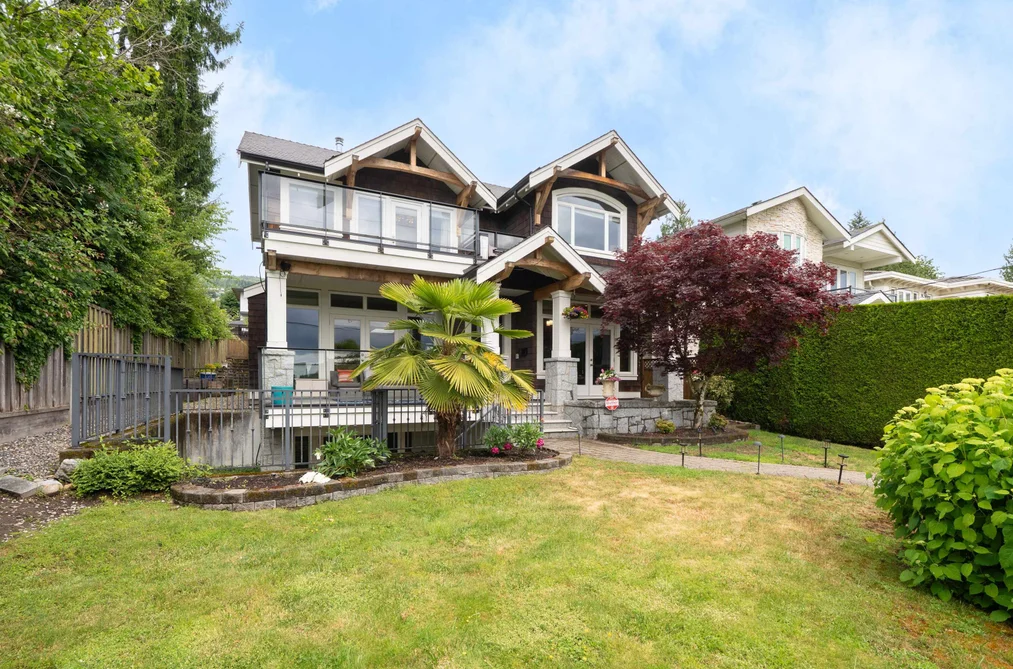
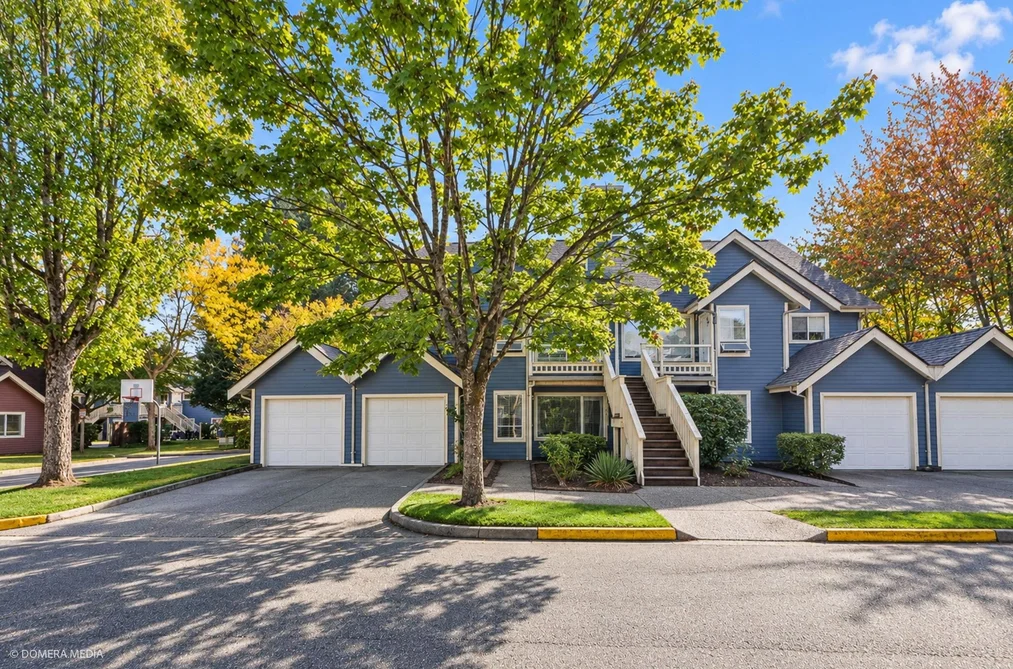
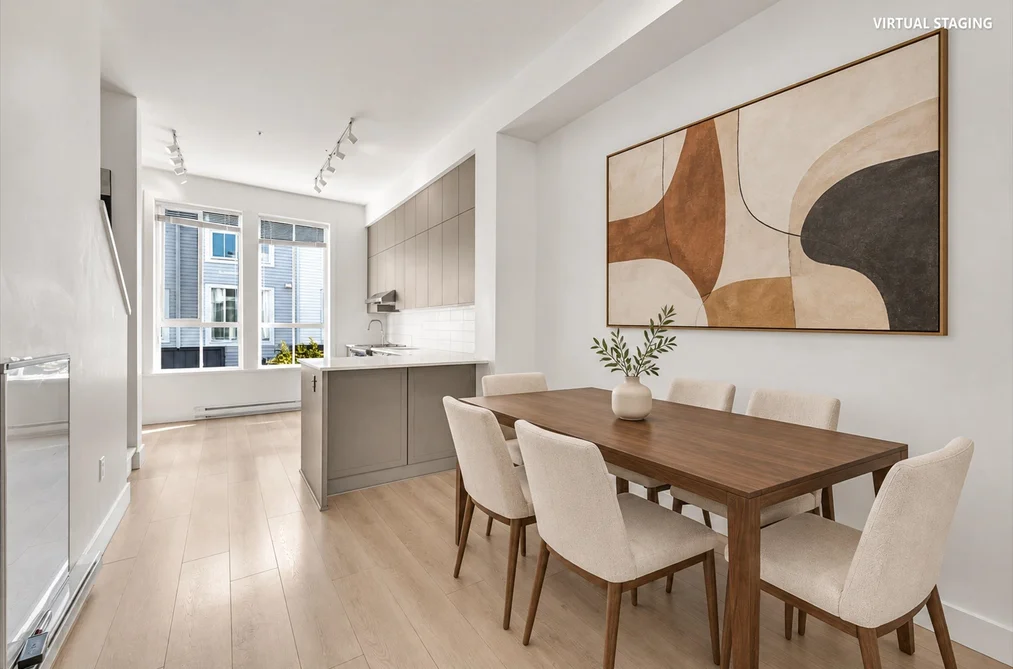
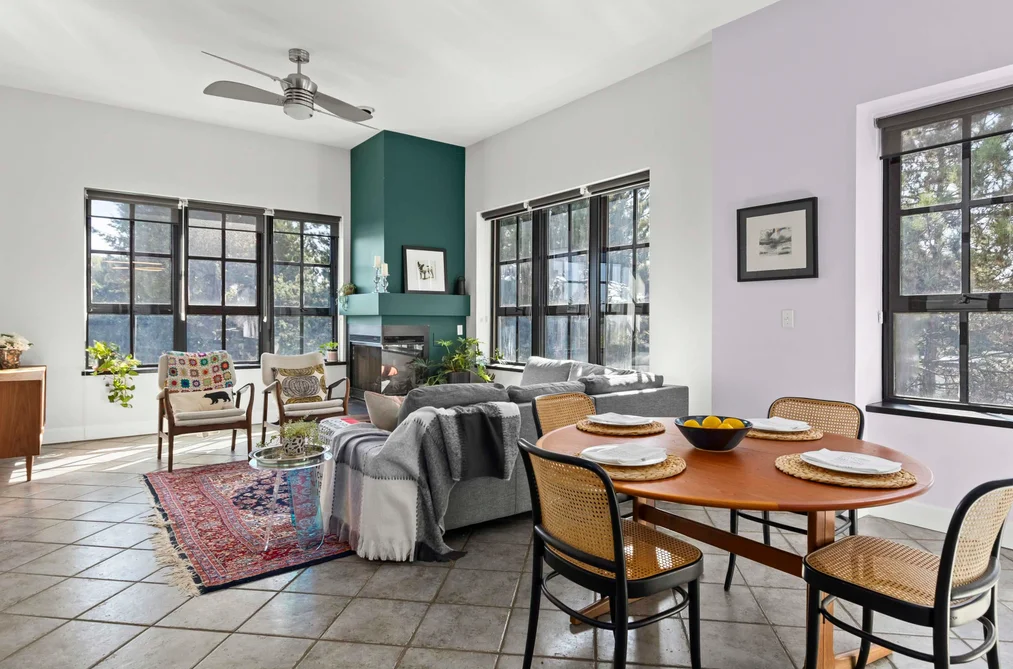
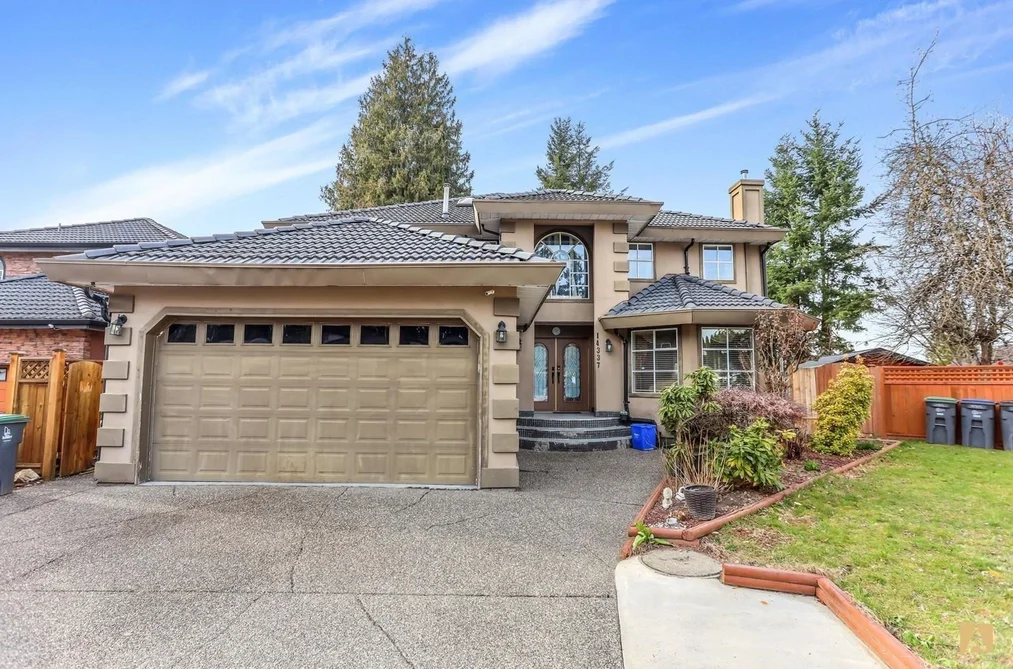
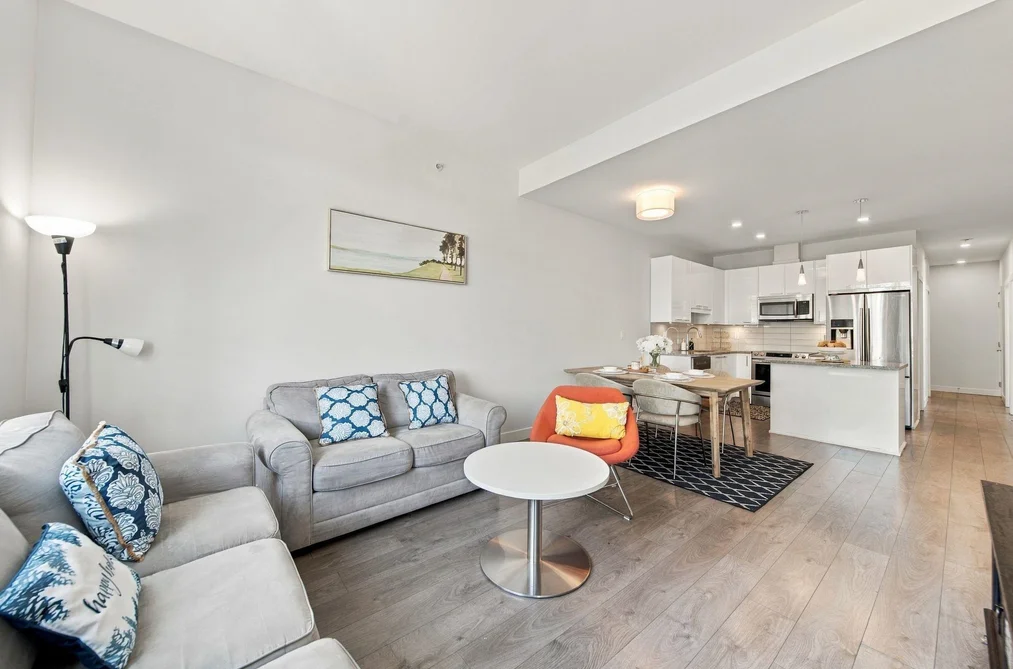
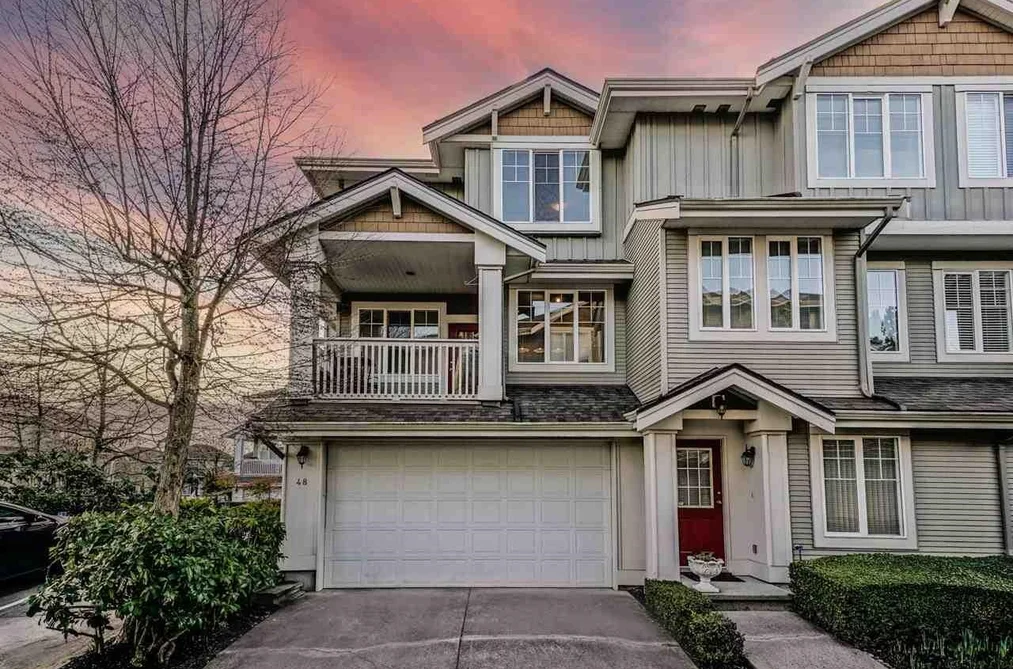
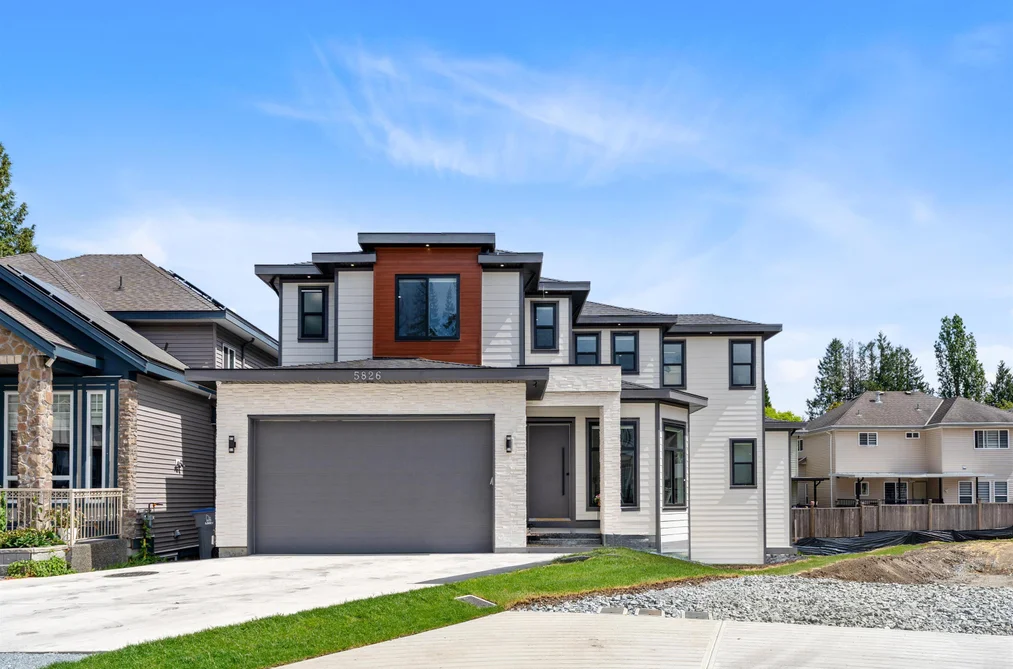
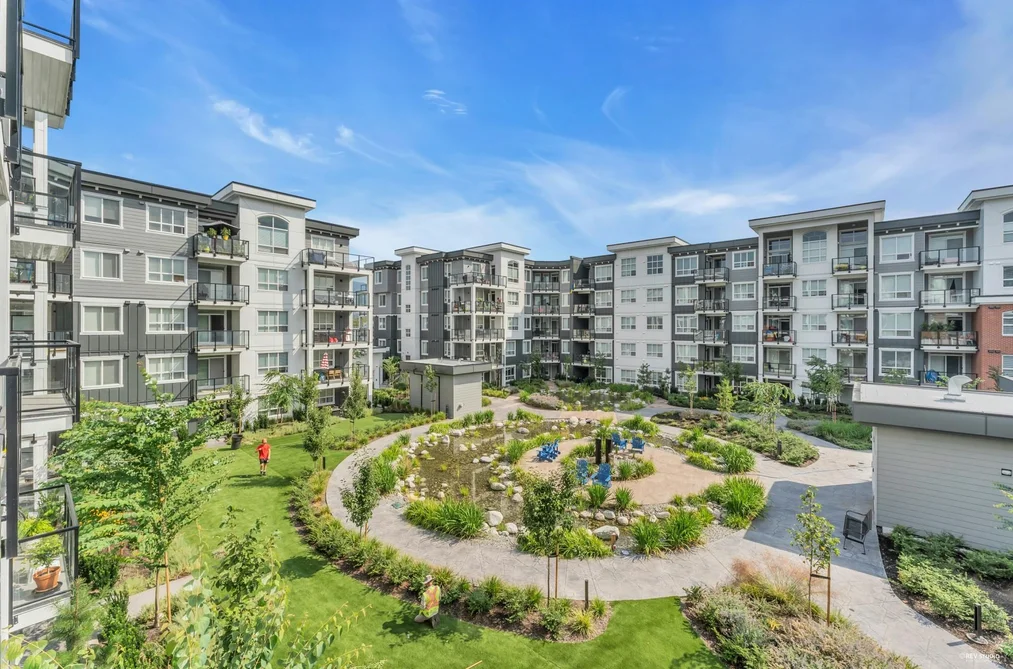
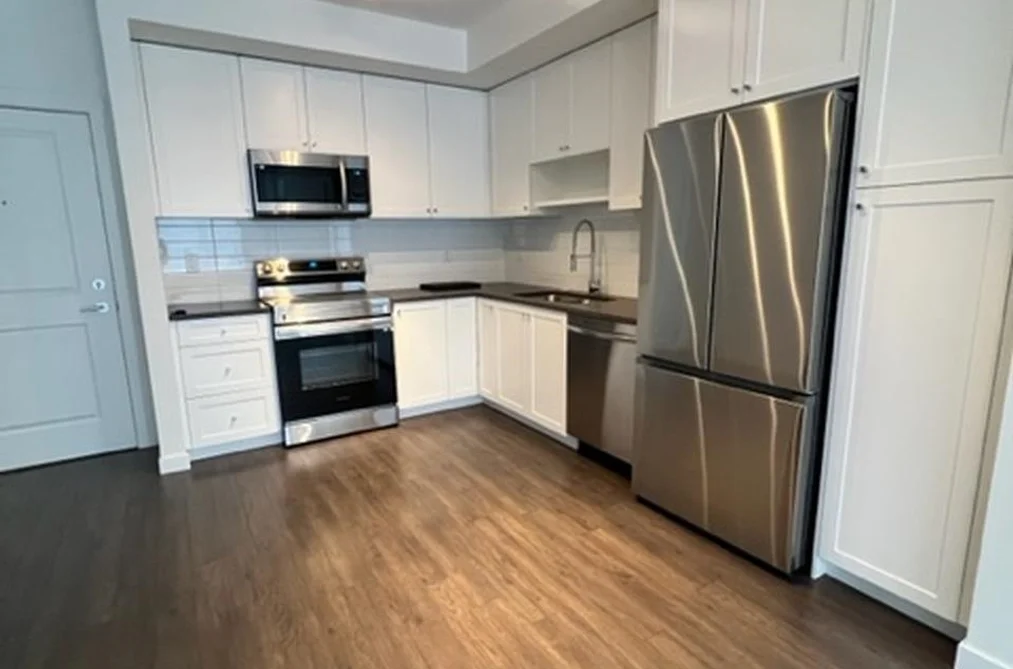
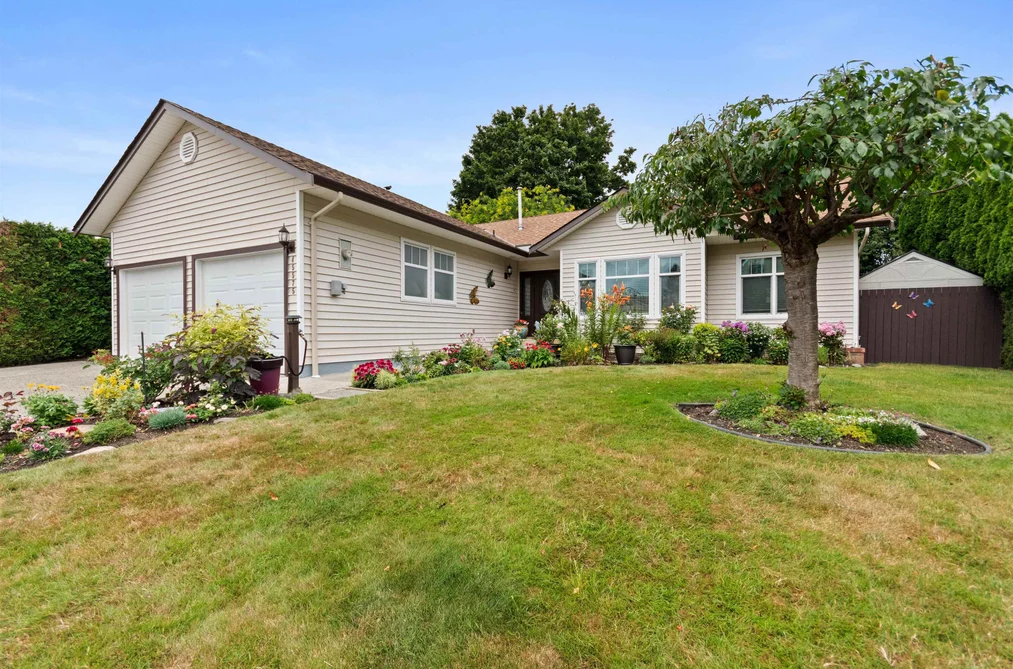
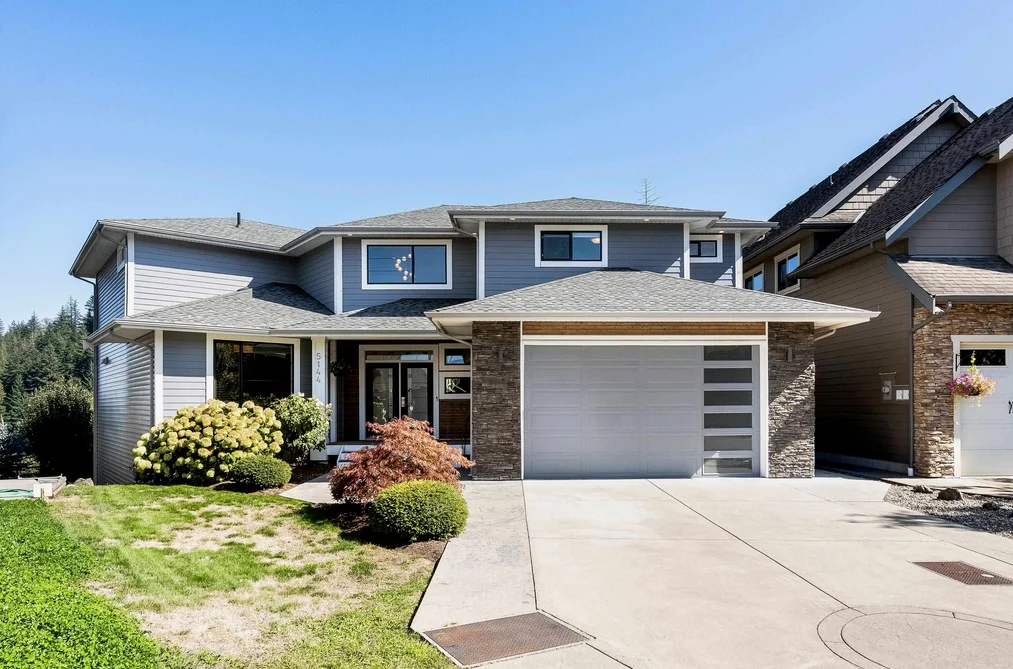
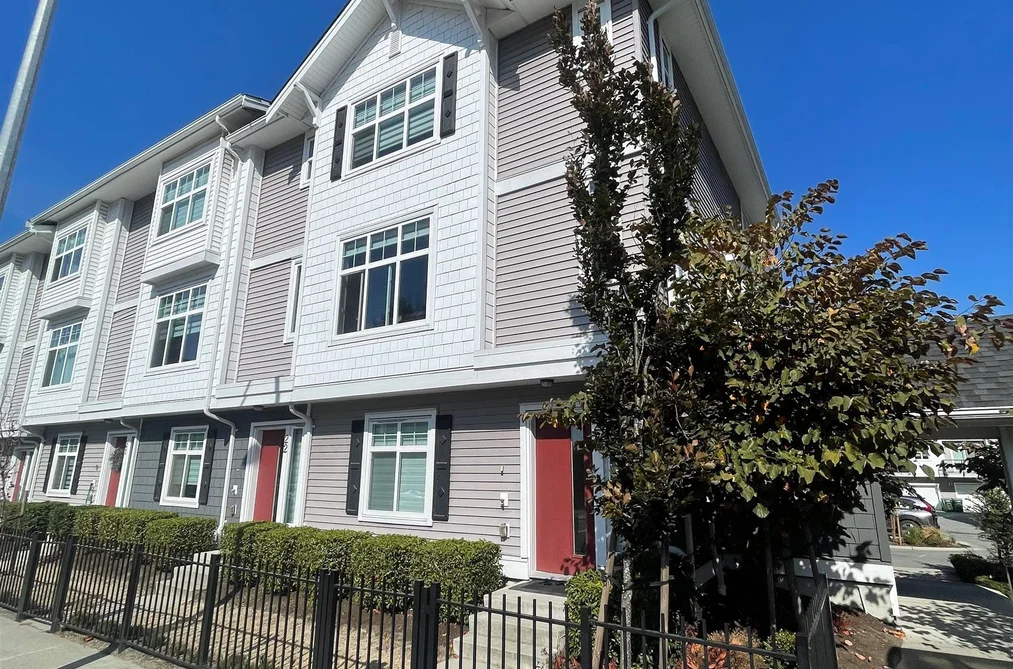
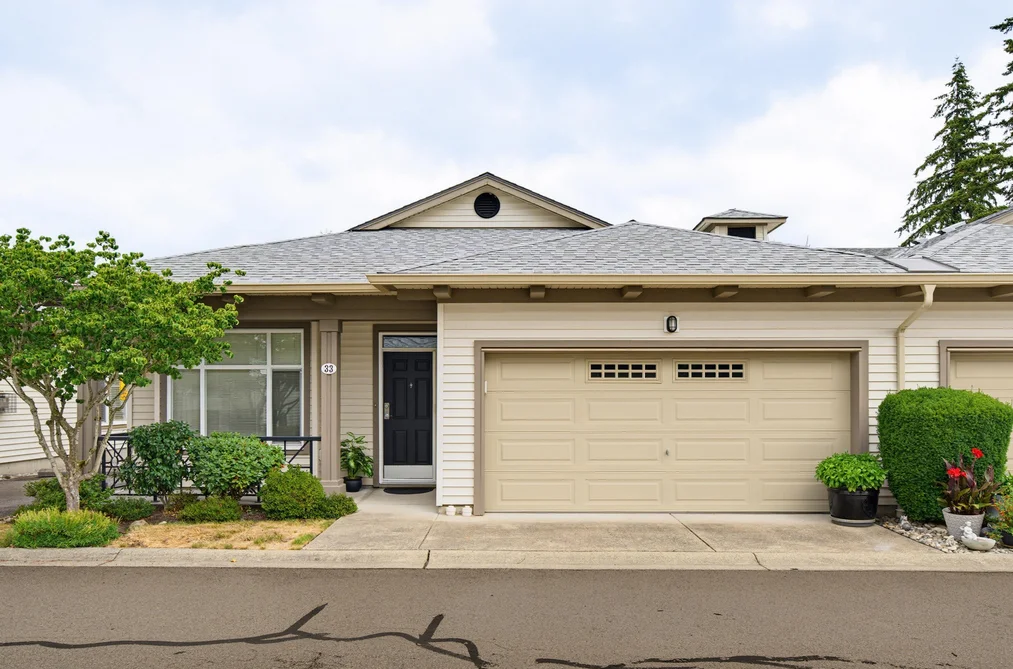
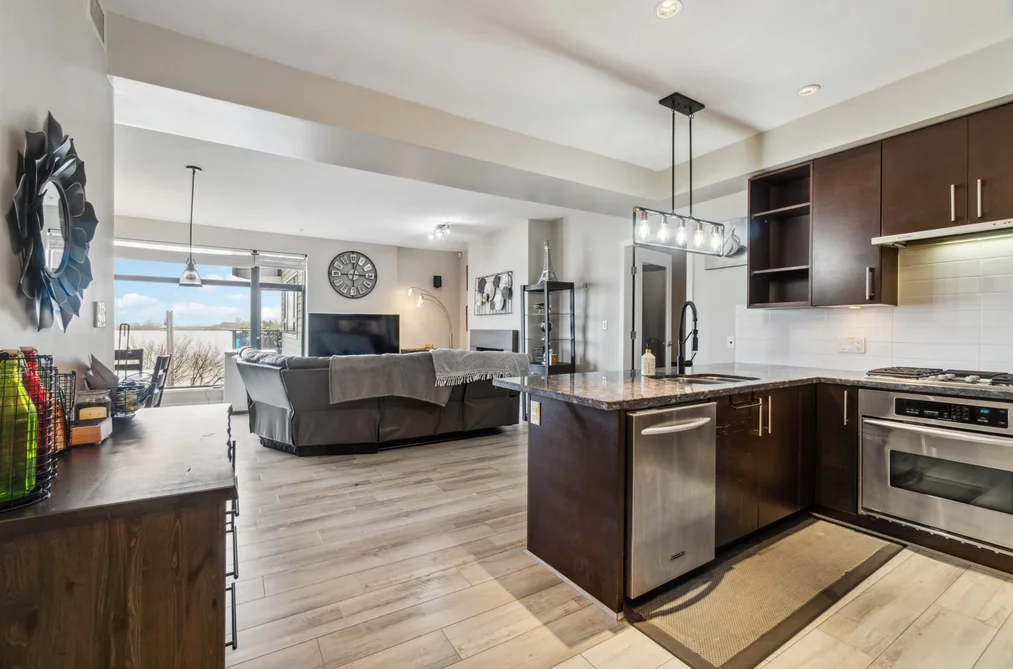
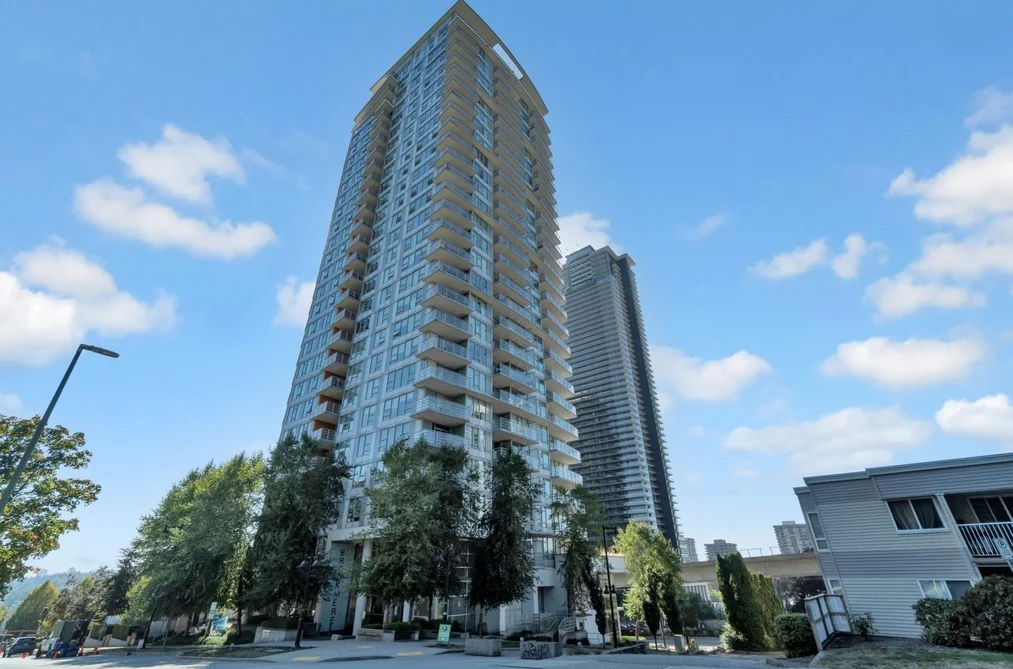
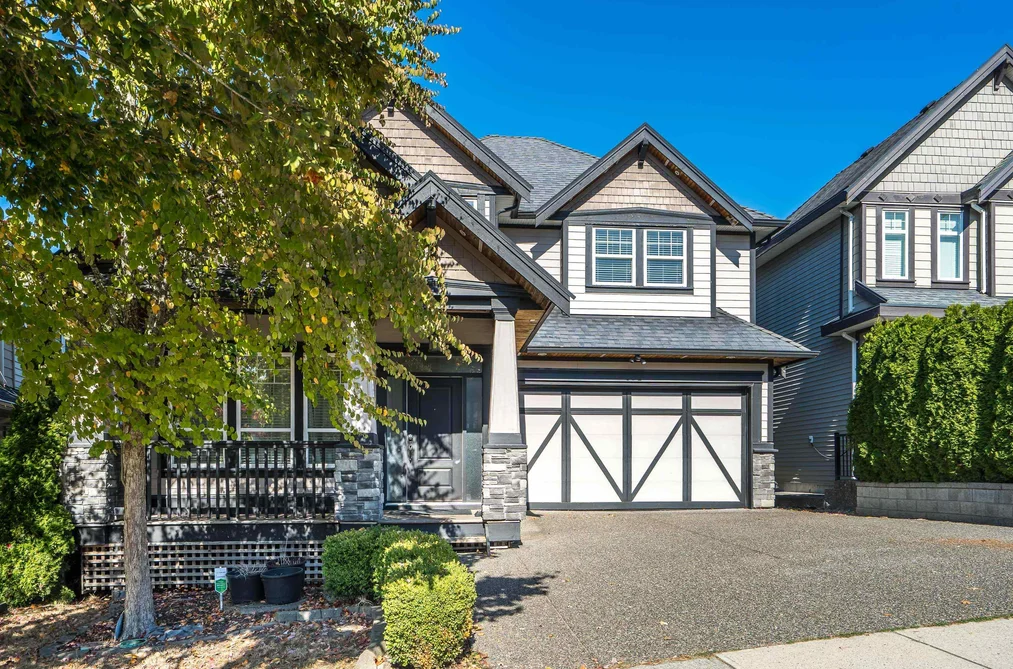
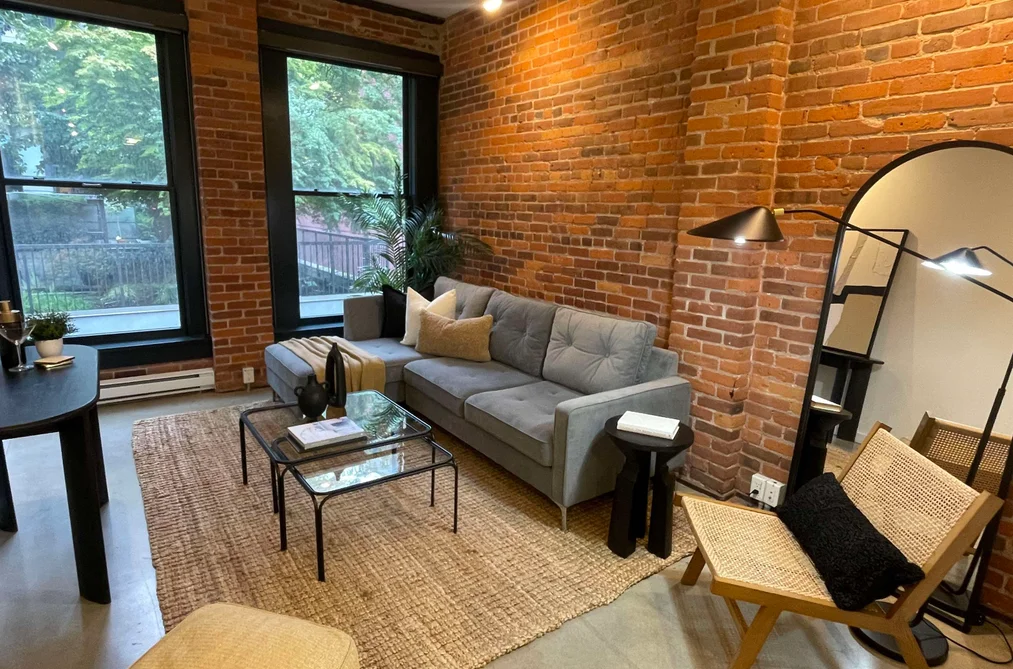
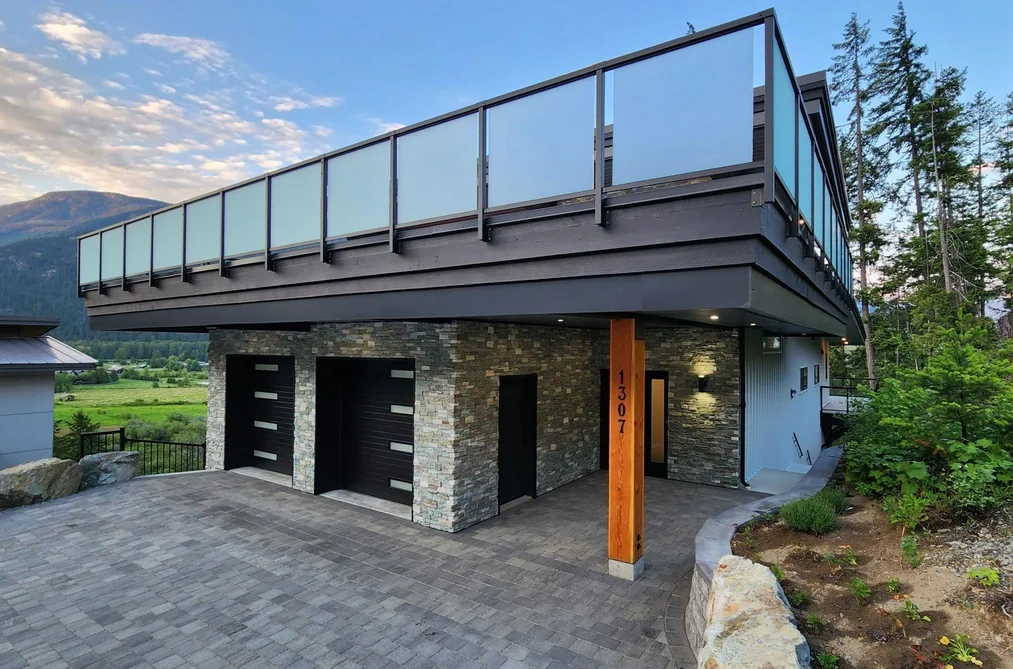
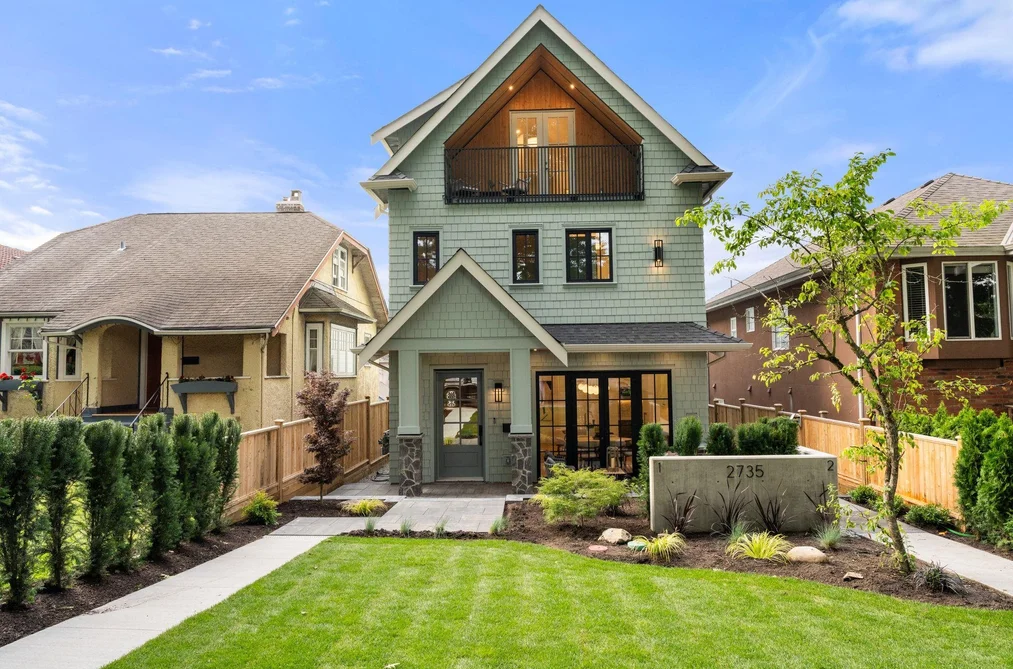
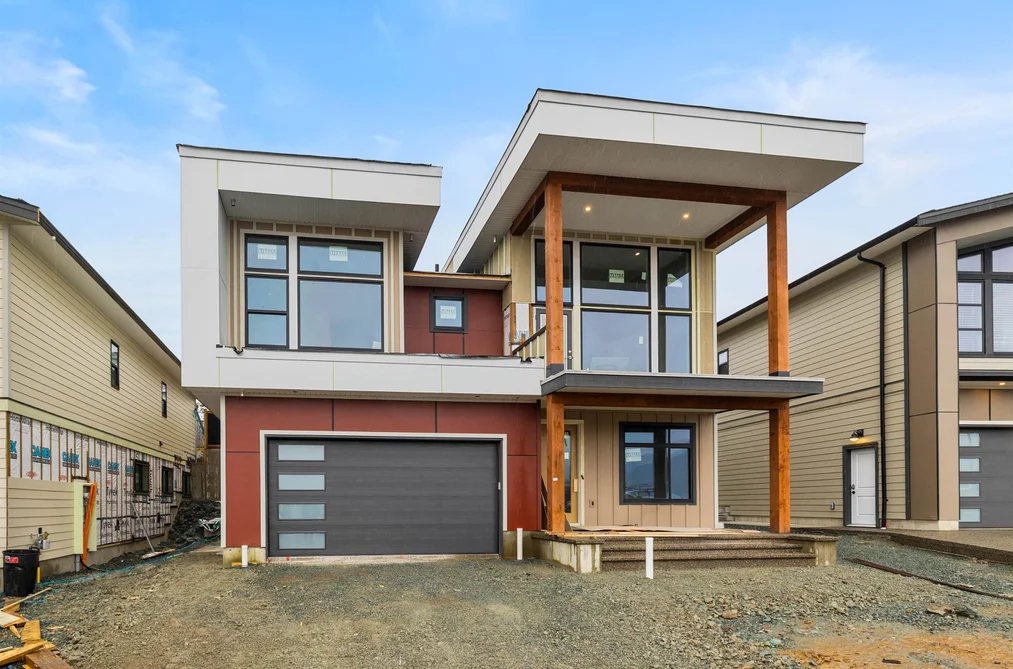
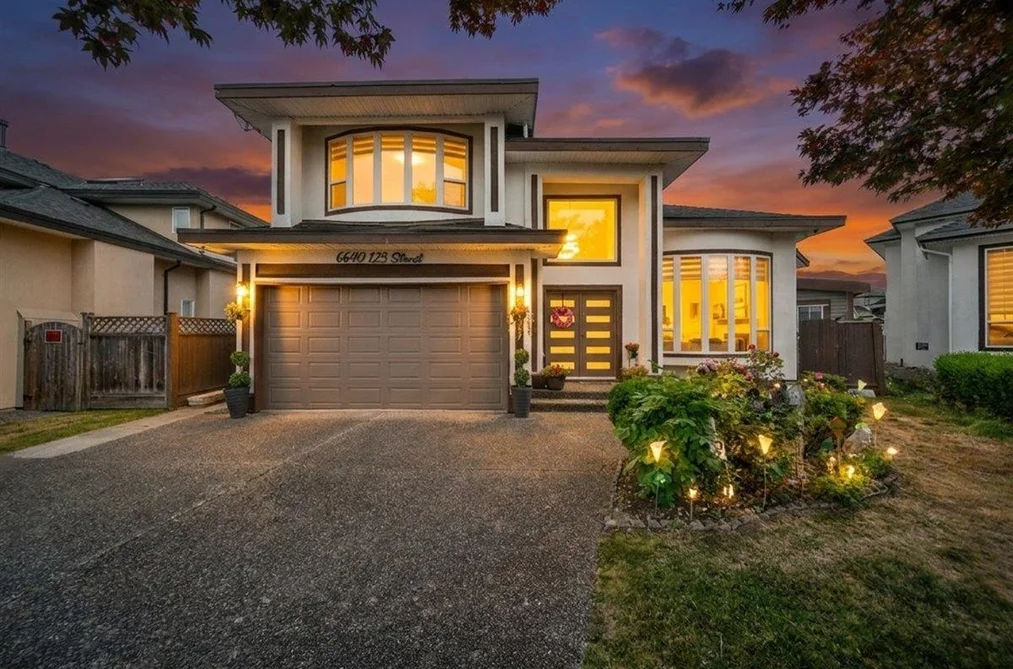
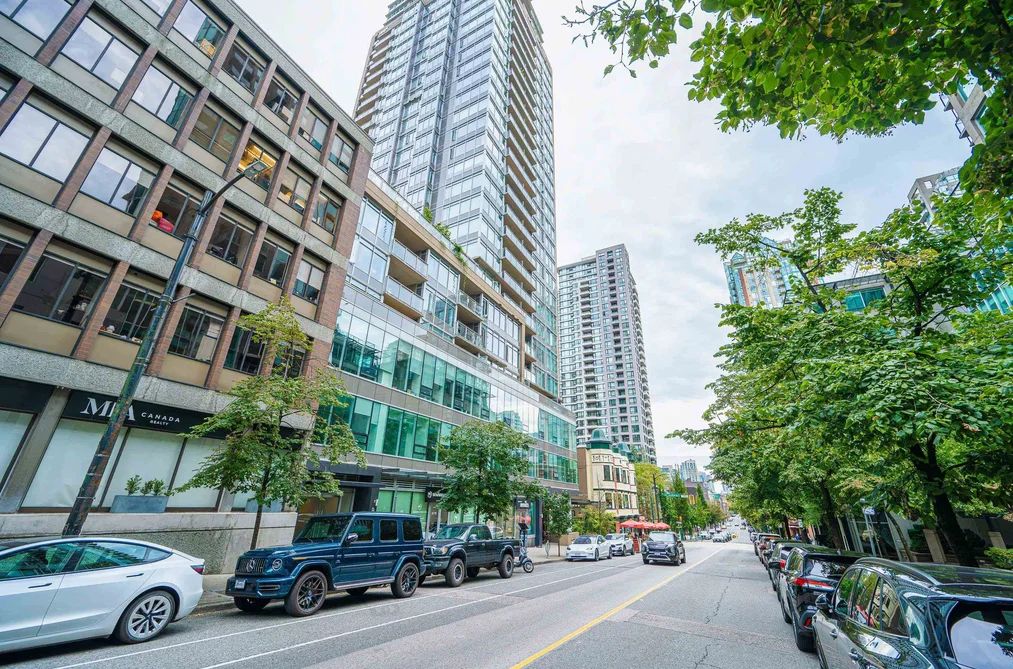
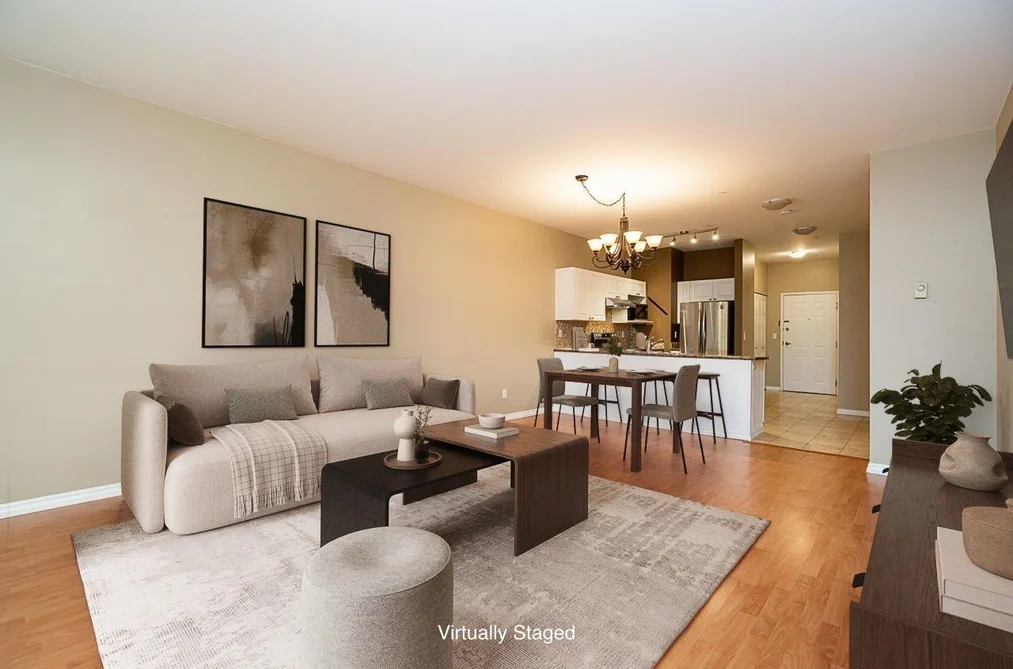
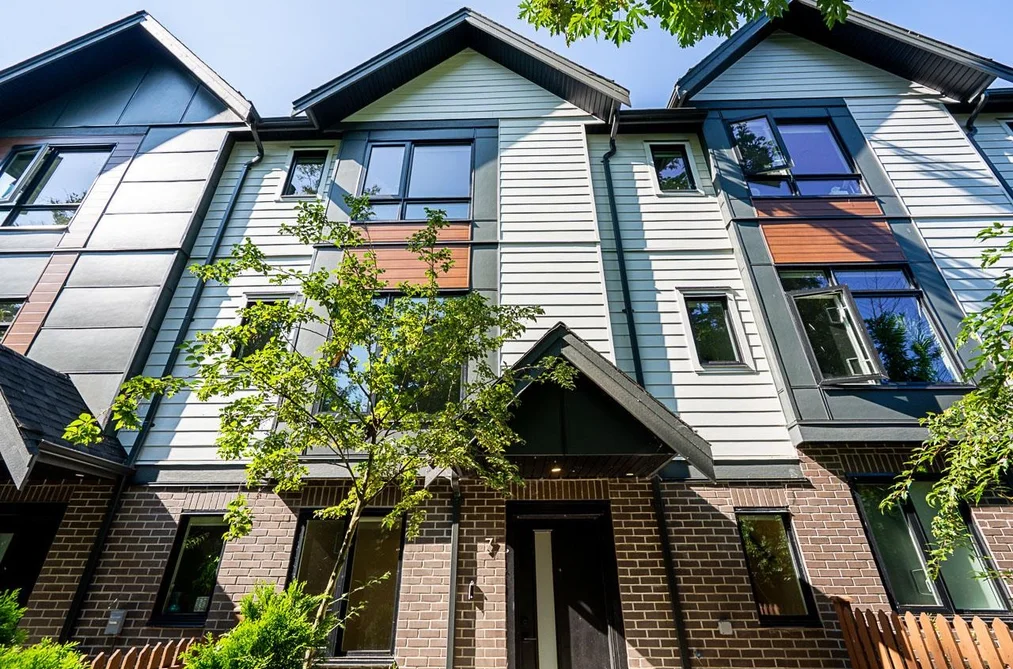
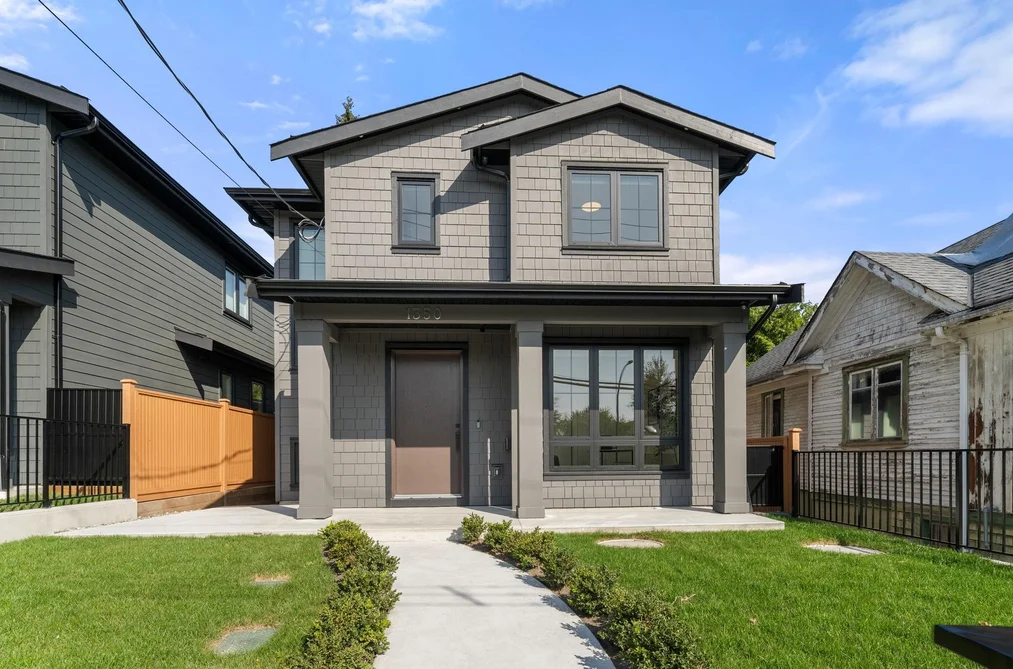
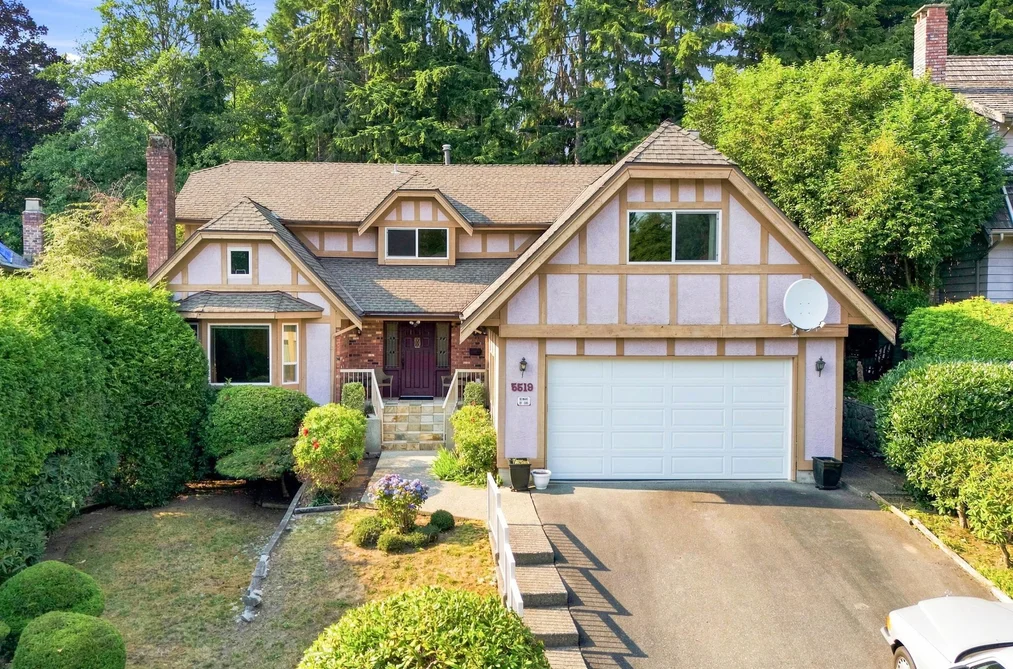
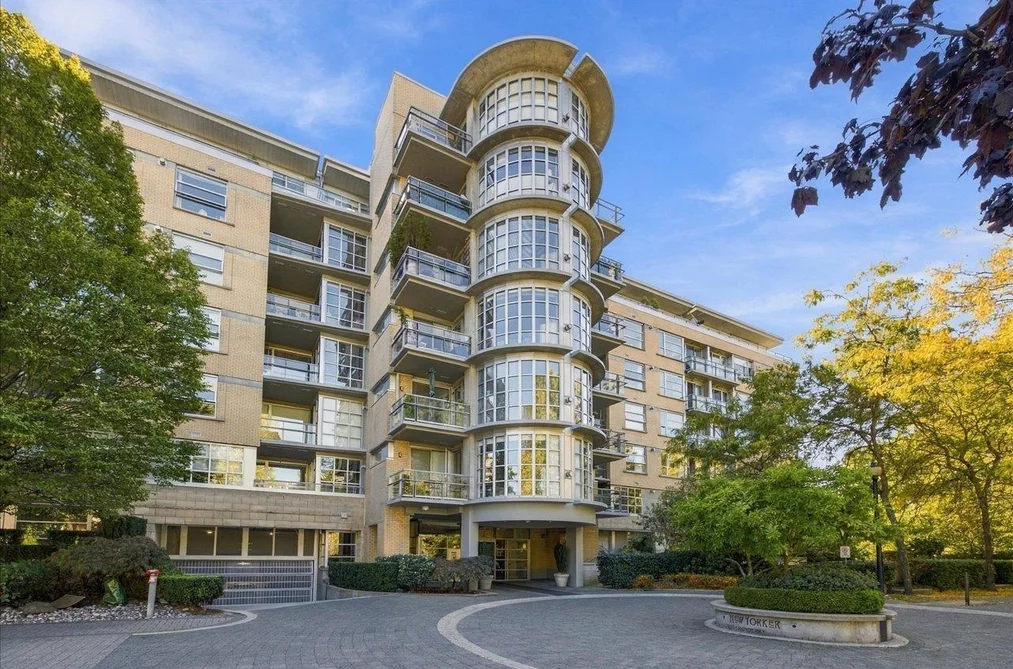
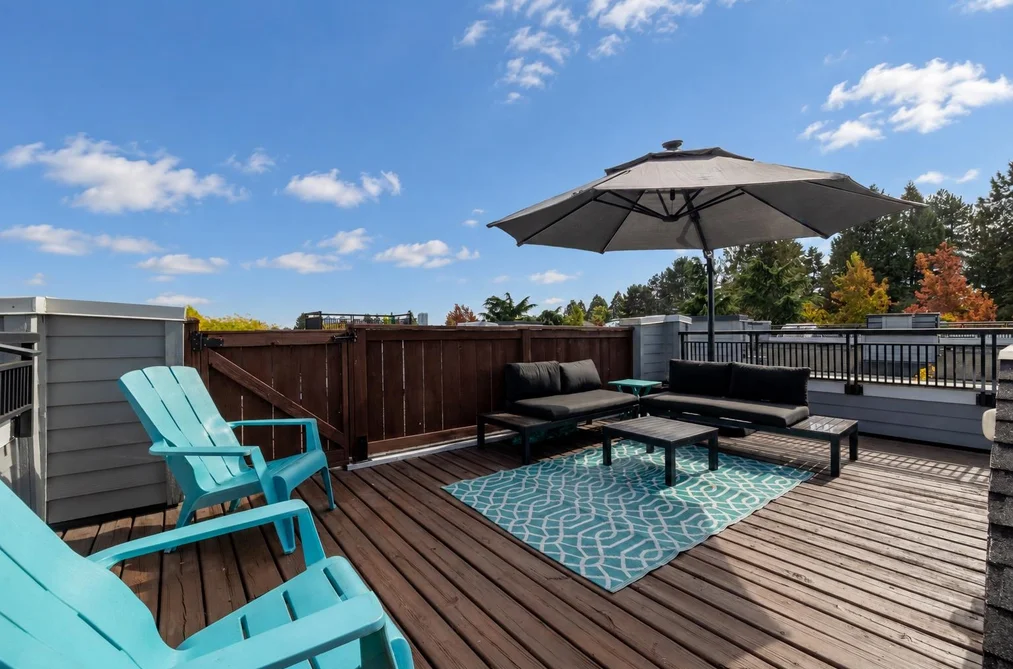
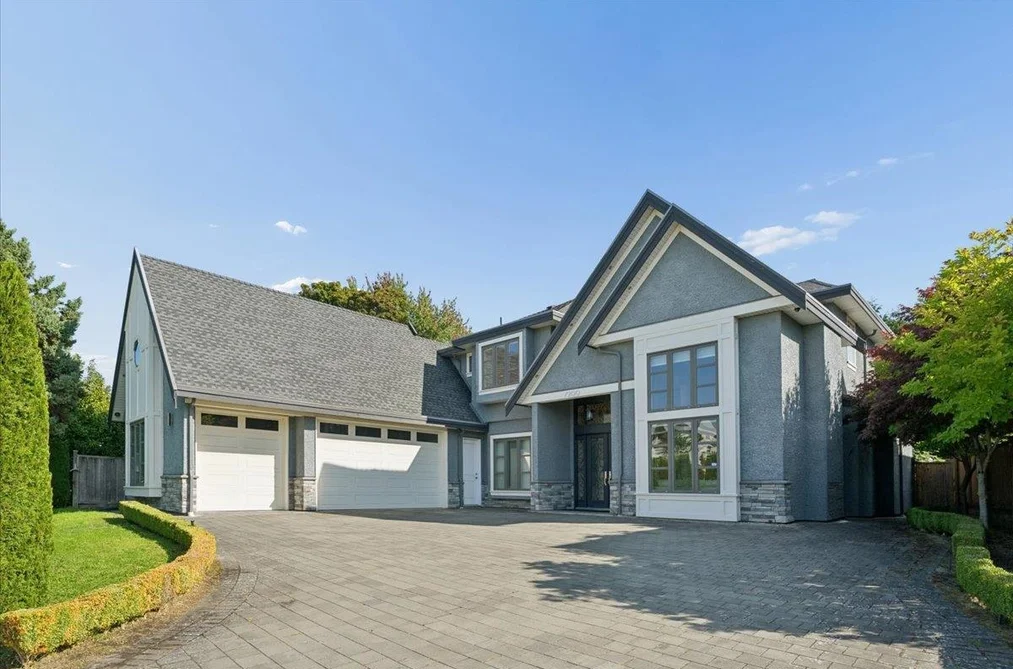
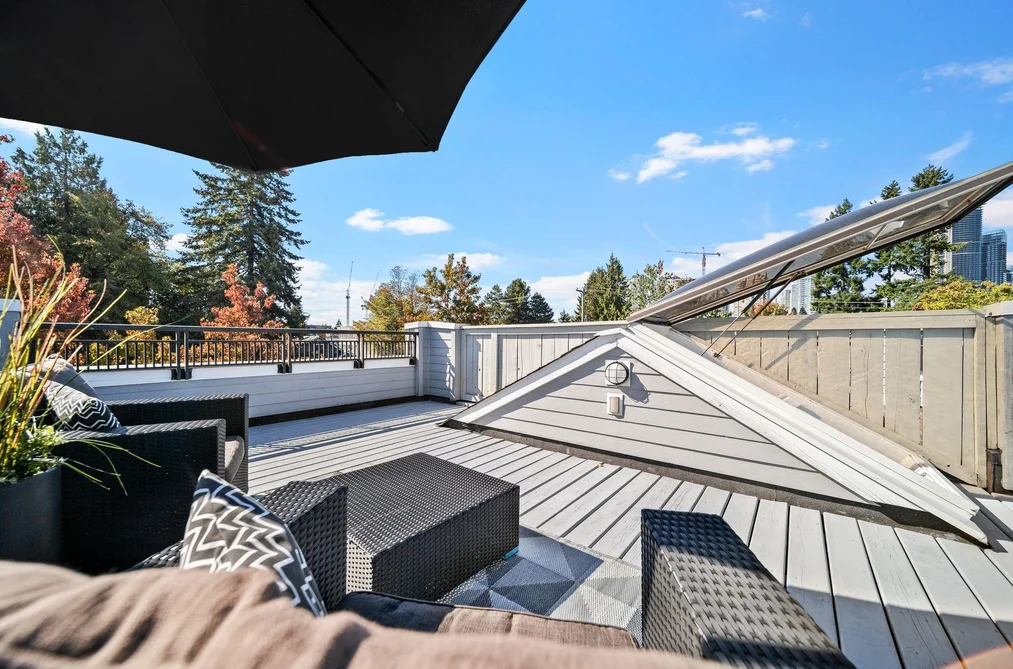
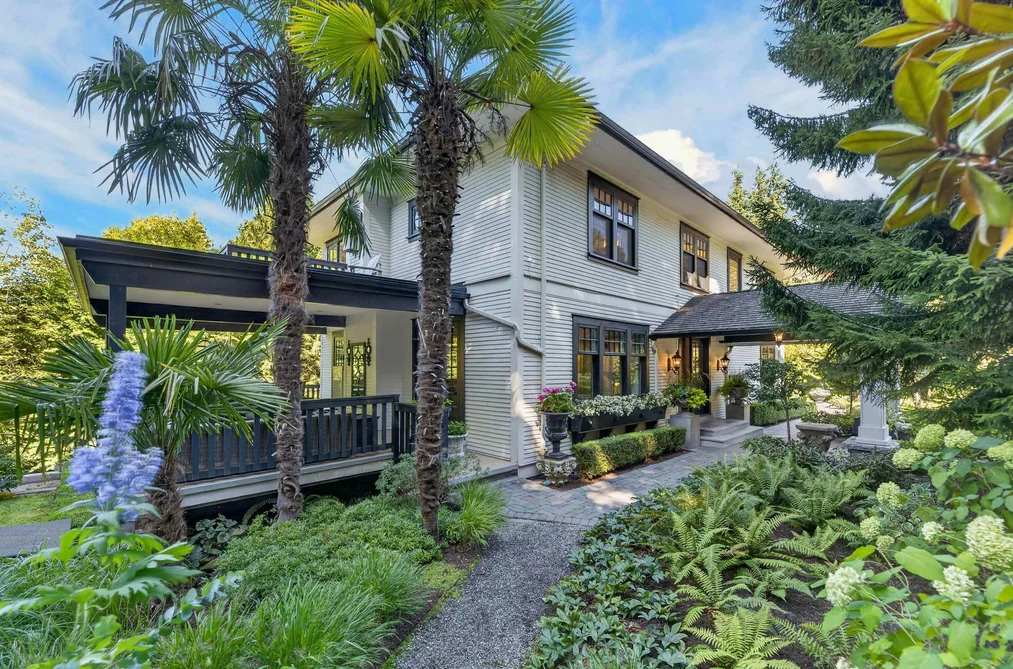
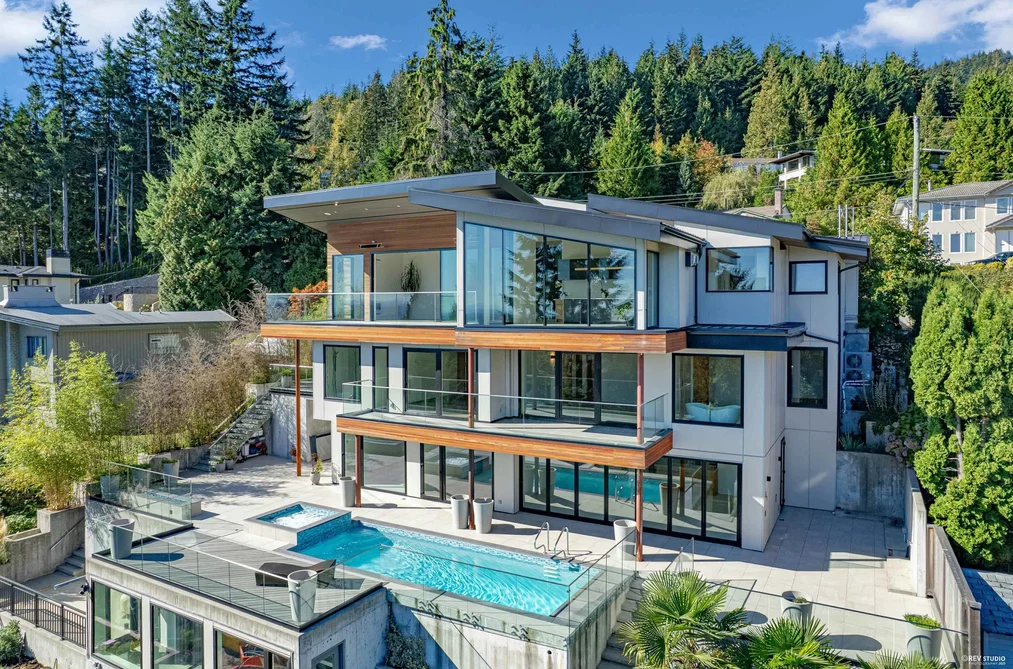
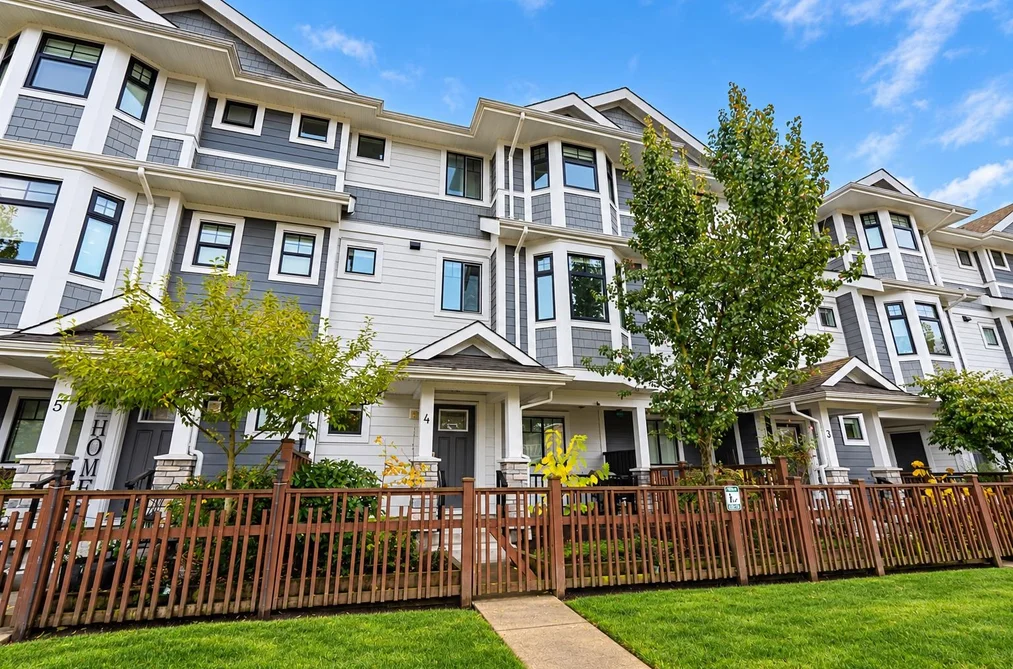
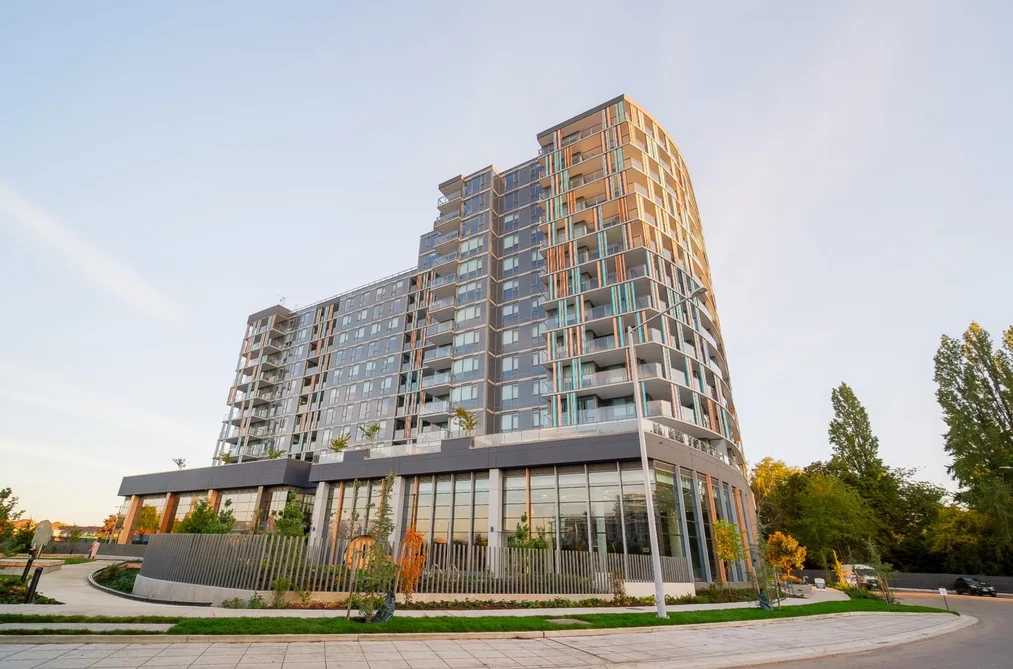
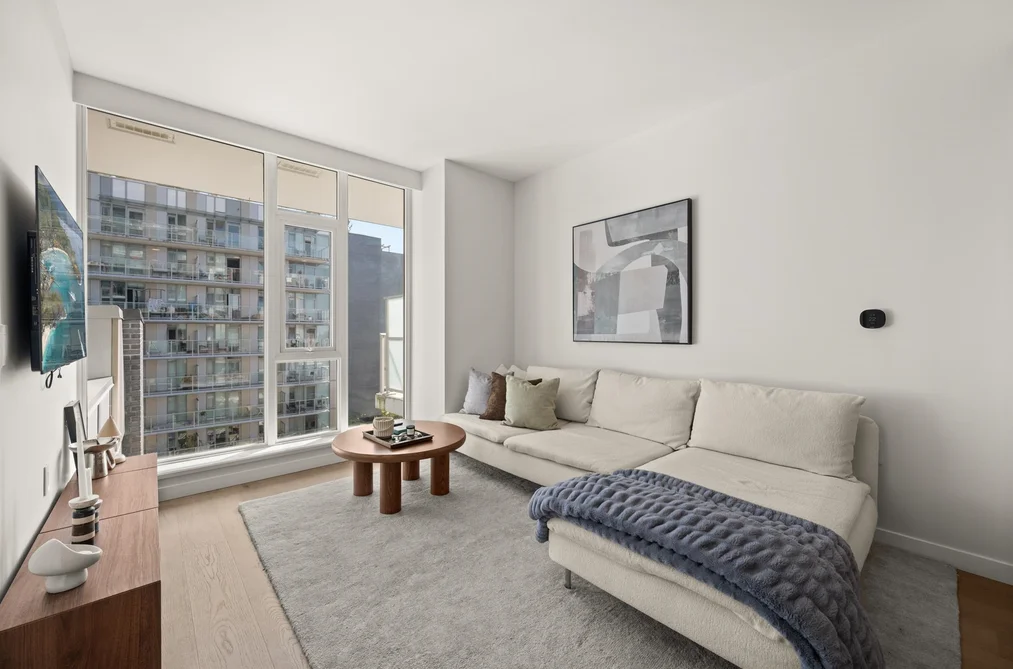
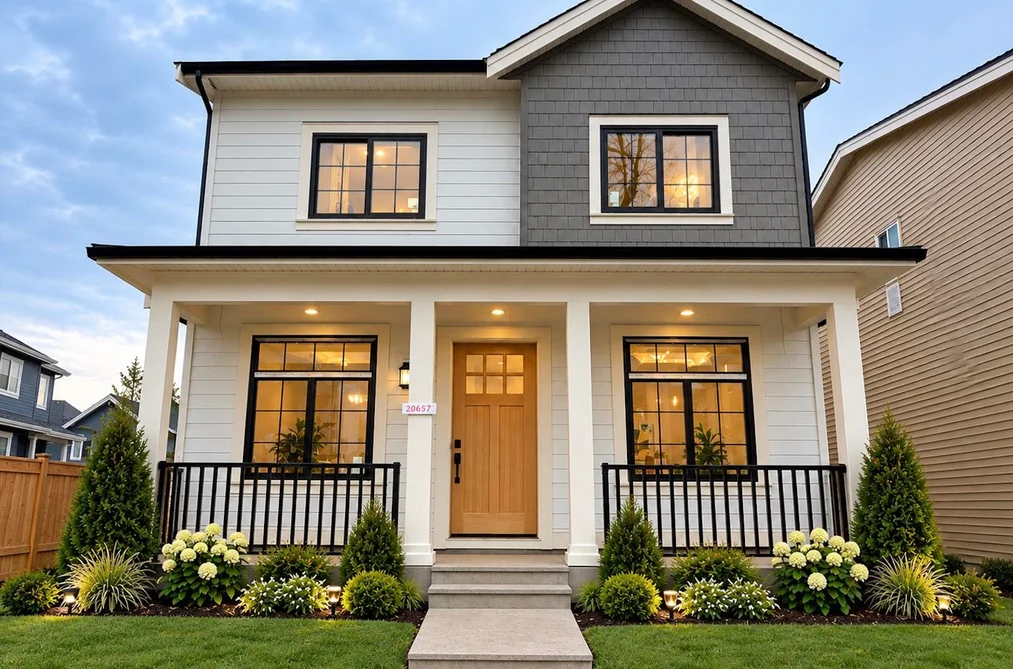
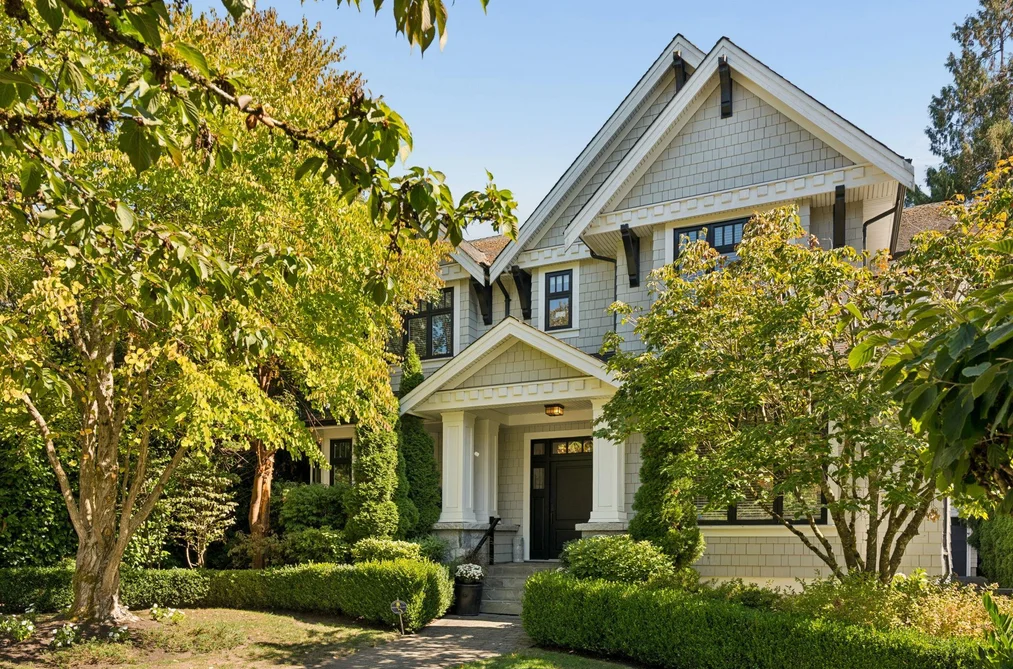
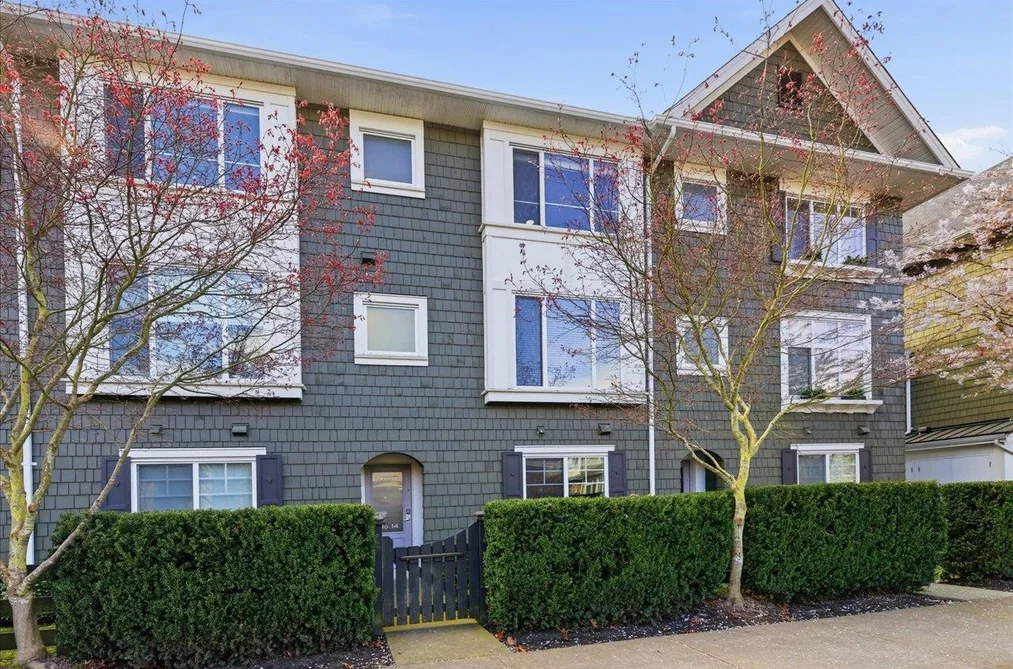
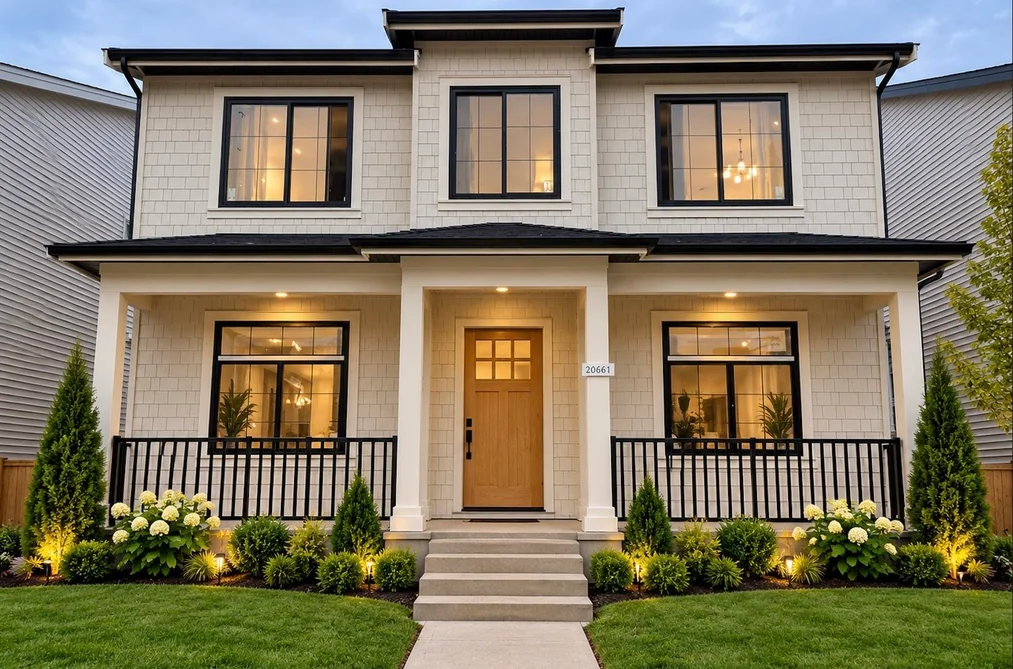
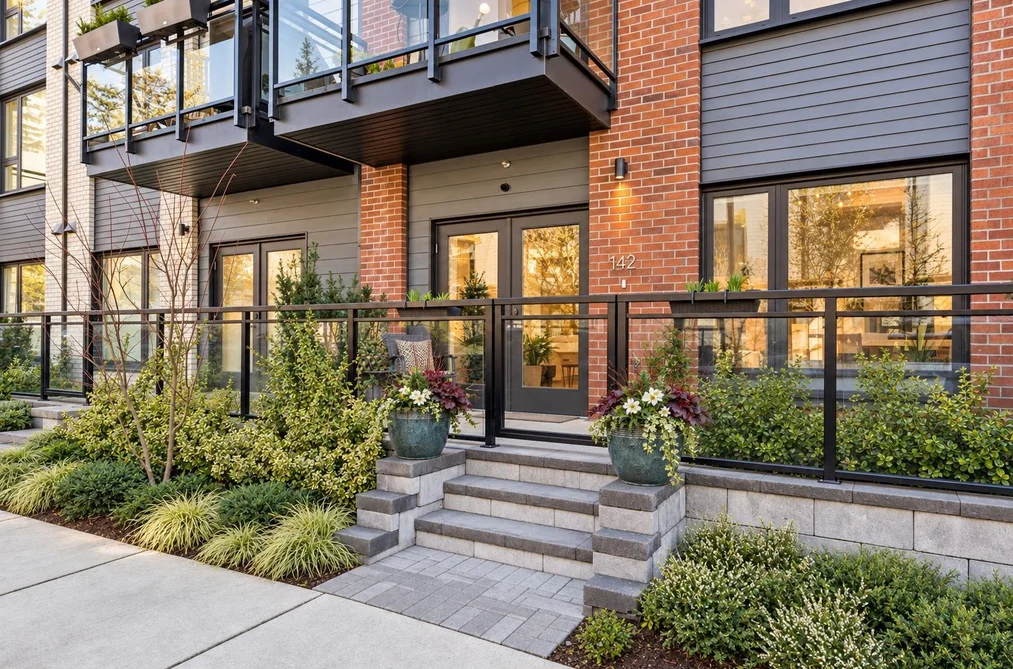
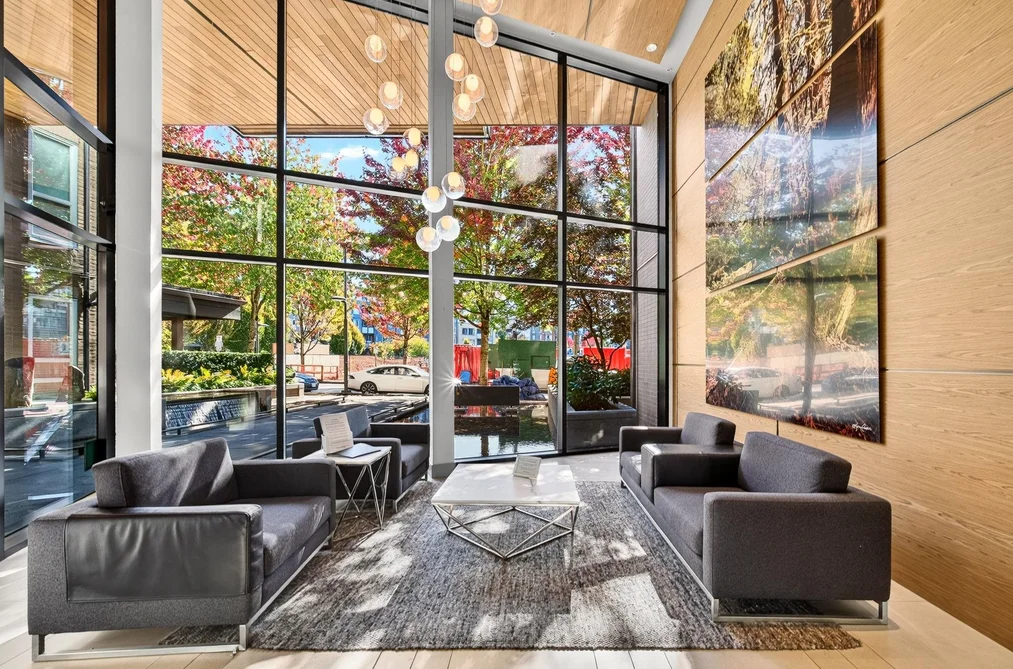
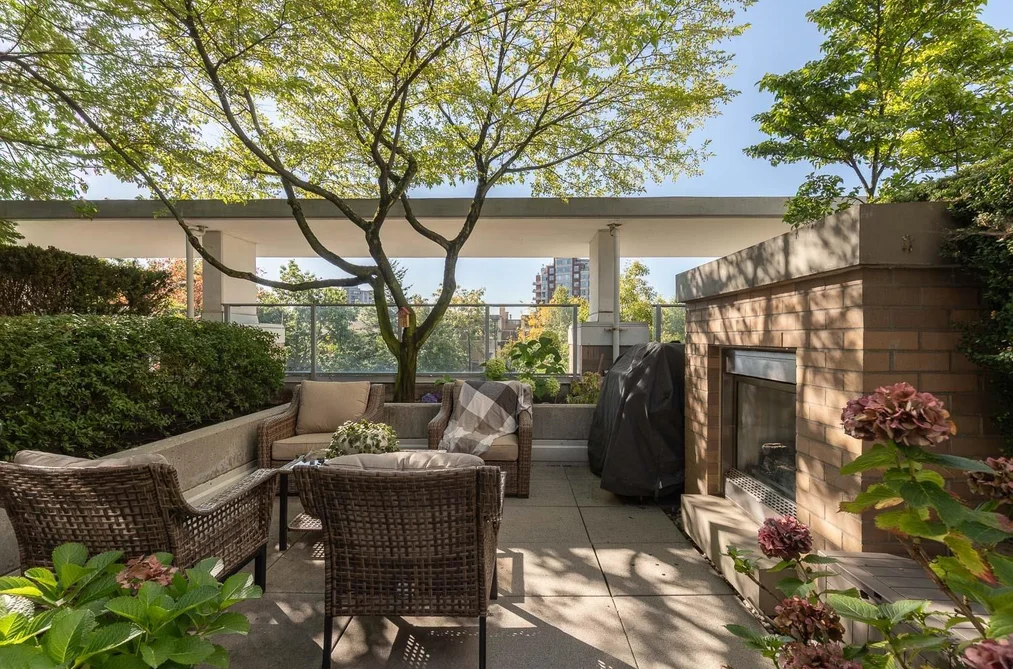

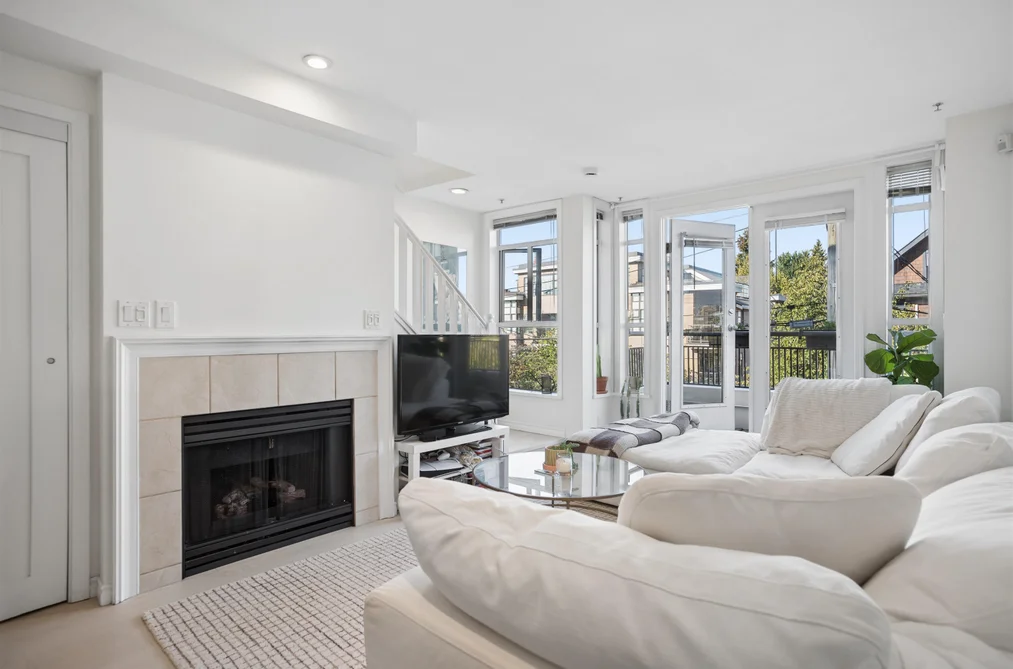
High Ceilings listings describe homes with more height than the standard room, from condos with tall main rooms to houses with vaulted living areas, so measure the actual height and think about heating and upkeep before you pay for the sense of space.
A standard ceiling in many older homes is about eight feet. Listings describe nine or ten feet as high, and some homes reach well beyond that in a double-height living room, a vaulted ceiling or a converted warehouse loft. Ask the listing agent for the actual heights, room by room, and check them against the floor plan. Some homes have tall ceilings only in the main living area, with standard heights in the bedrooms and basement.
In a condo, higher ceilings are often a feature of the upper floors, penthouses or ground-level units with extra height. Ask whether the height applies to the whole home or to certain rooms.
Warm air rises, so tall rooms can feel cooler at floor level in winter while heat collects near the ceiling. Ask how the home is heated and whether it has ceiling fans, a heat pump or radiant floor heating, which suit tall spaces. Ask for recent utility bills, since heating more volume costs more.
In summer the opposite happens: upper-floor rooms with high ceilings and large windows can trap heat. Check for air conditioning, operable windows near the top of the room, and a ventilation system such as a heat recovery ventilator.
Height is at its best with light. Tall windows and clerestories bring daylight deep into a room and make a modest floor area feel spacious. Look at how the height works with the room's width and the windows, since a tall, narrow room can feel like a corridor. Visit on a grey day to judge the light honestly, and again in the evening to see how the room feels under its own lighting.
Consider the practical side too. Changing bulbs, cleaning high windows, painting and hanging window coverings all need ladders or professionals. Sound can echo in tall rooms with hard floors, so rugs and soft furnishings matter more.
Buyers often pay more for high ceilings, especially in newer homes and lofts, because the space feels larger than the square footage suggests. Compare the listing with similar homes of standard height in the same building or neighbourhood to see what the market pays. Remember that property tax follows the assessed value, not the ceiling height, and that the year built often tells you as much about a home's ceilings as the listing does.
Tall rooms are a pleasure, but the home still has to work. Compare the bedrooms, storage, parking and condition, and in a strata read the minutes, budget and depreciation report. A home with dramatic height and poor storage can feel less practical than it looks in photographs, so ask whether the extra height has been used for lofts, tall cabinets or high shelving.
Supply is broad across Metro Vancouver, from condos and lofts in Vancouver and Burnaby to newer family homes across British Columbia and the Fraser Valley. Browse and compare current homes for sale on the MLS® through Strawhomes, filter by property type and year built, and shortlist only the homes whose height, heating and upkeep you have checked. Compare them against a home with a vaulted ceiling or over height ceilings for even more volume.