For Sale
3 days
- $749,000
- 1 bed
- 1 bath
- 676 sqft
MLS® R3169266
•The Agency Vancouver
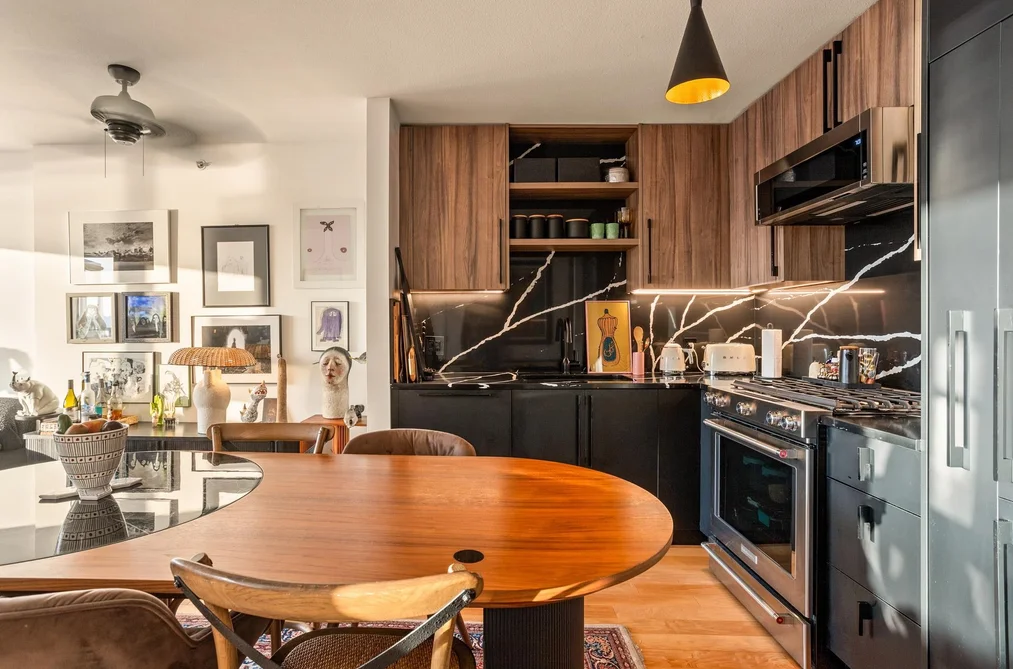
Open Sun, Sep 27, 2 p.m.
Browse Sub-Penthouse condos for sale in the Lower Mainland and compare the views, ceilings, terraces and strata fees with the floor above before you offer.
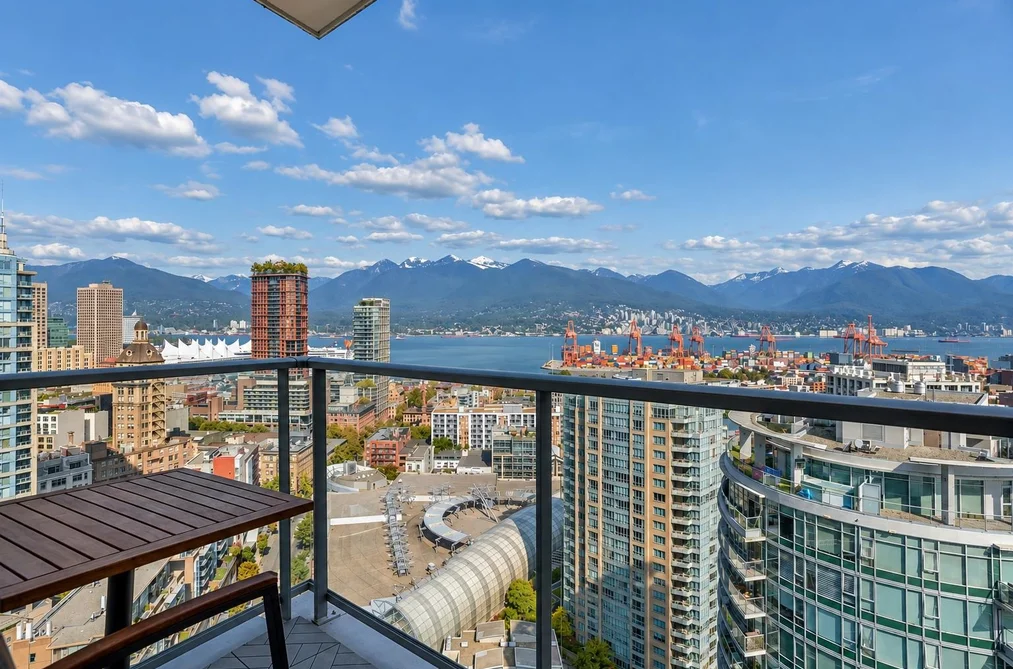
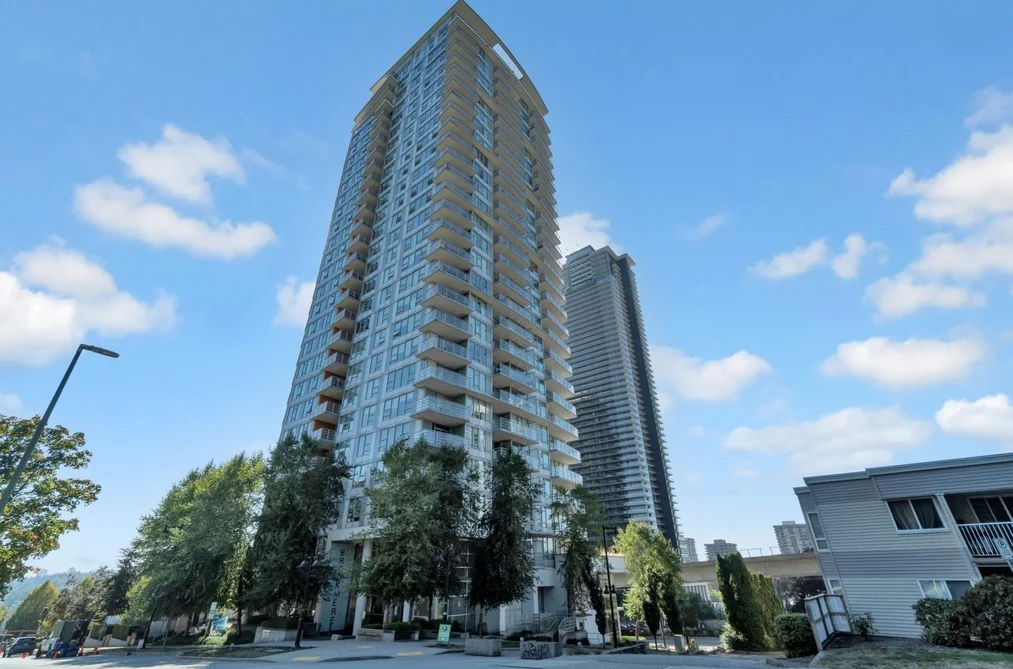
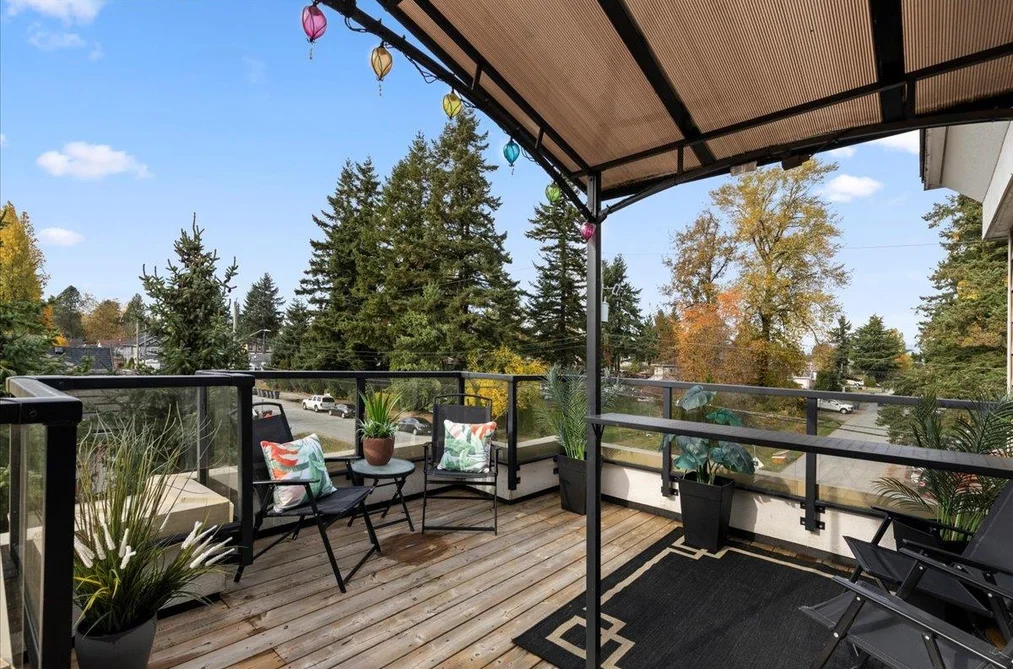
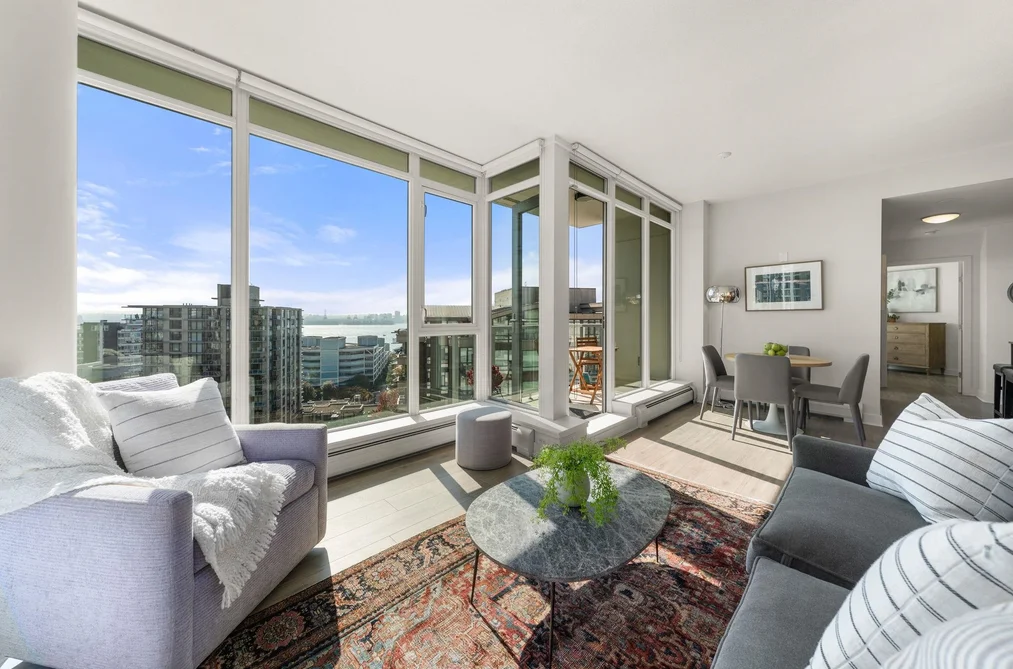
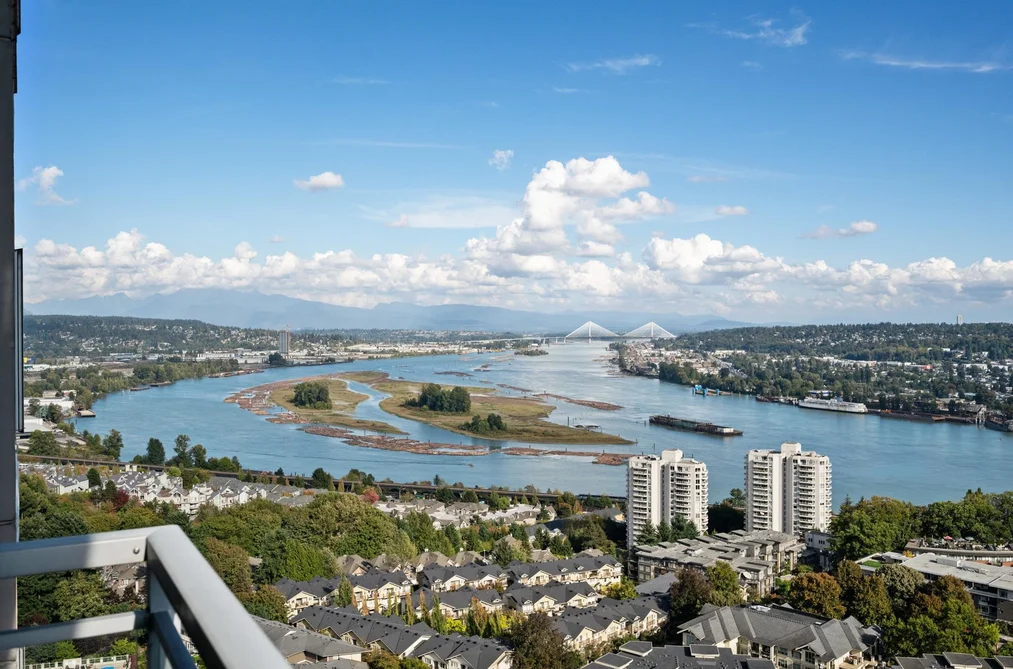
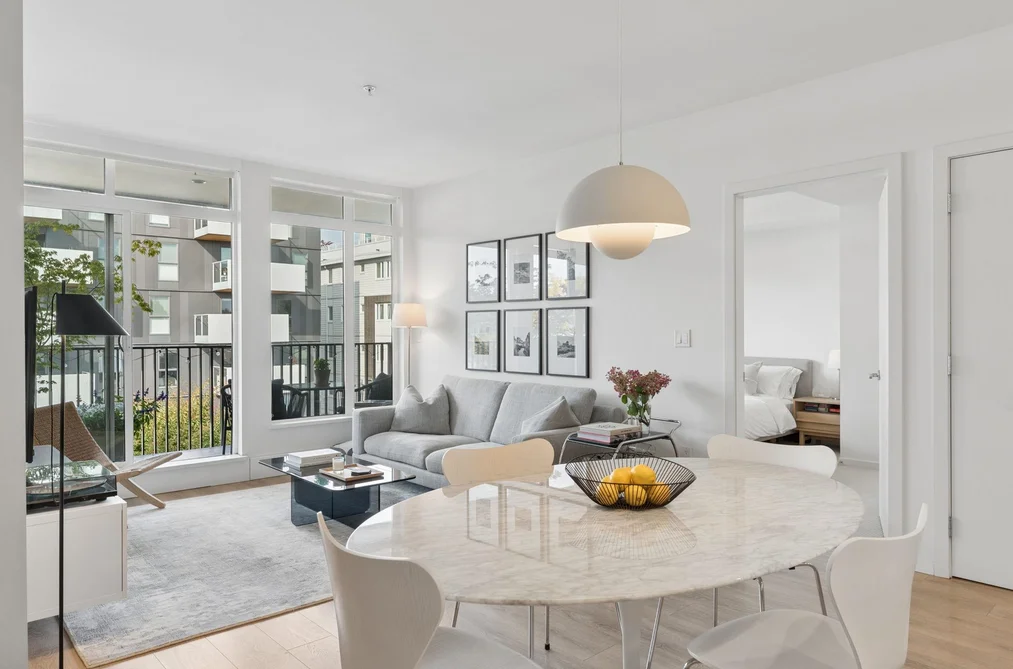
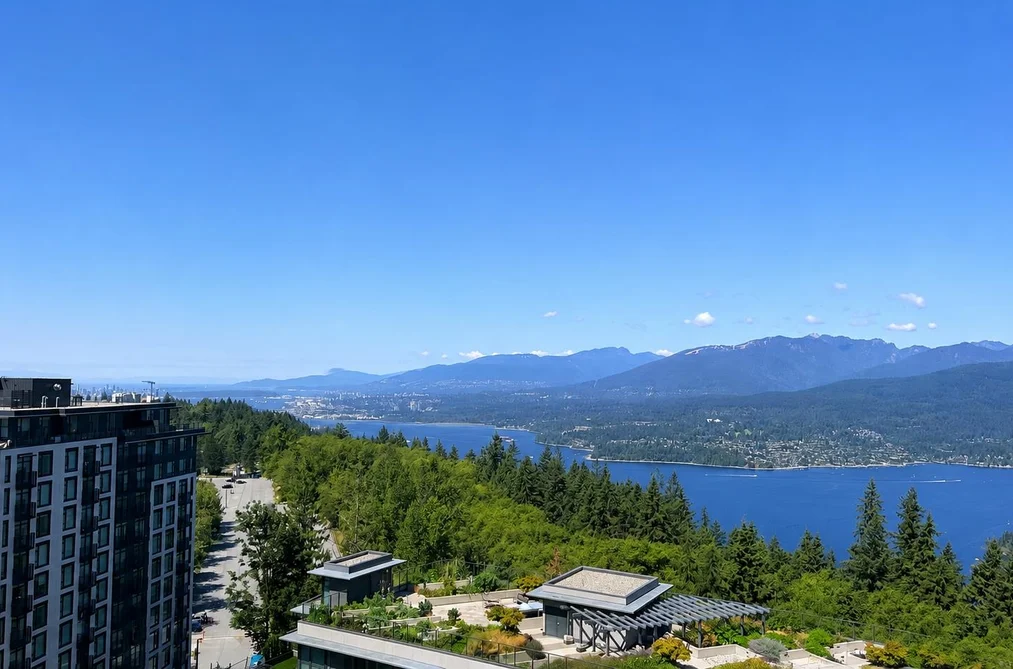
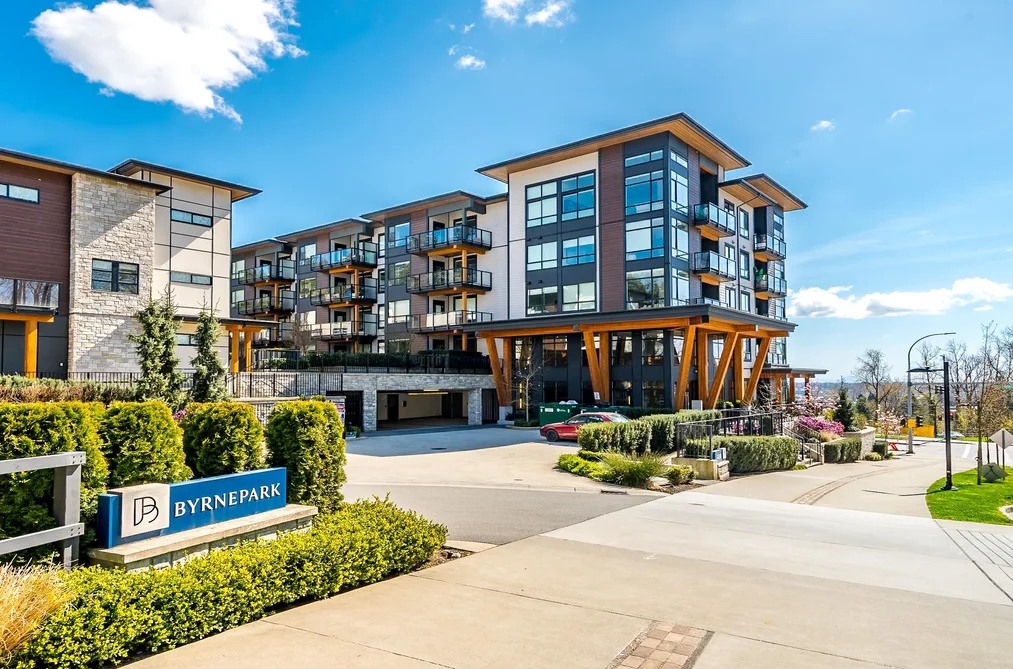
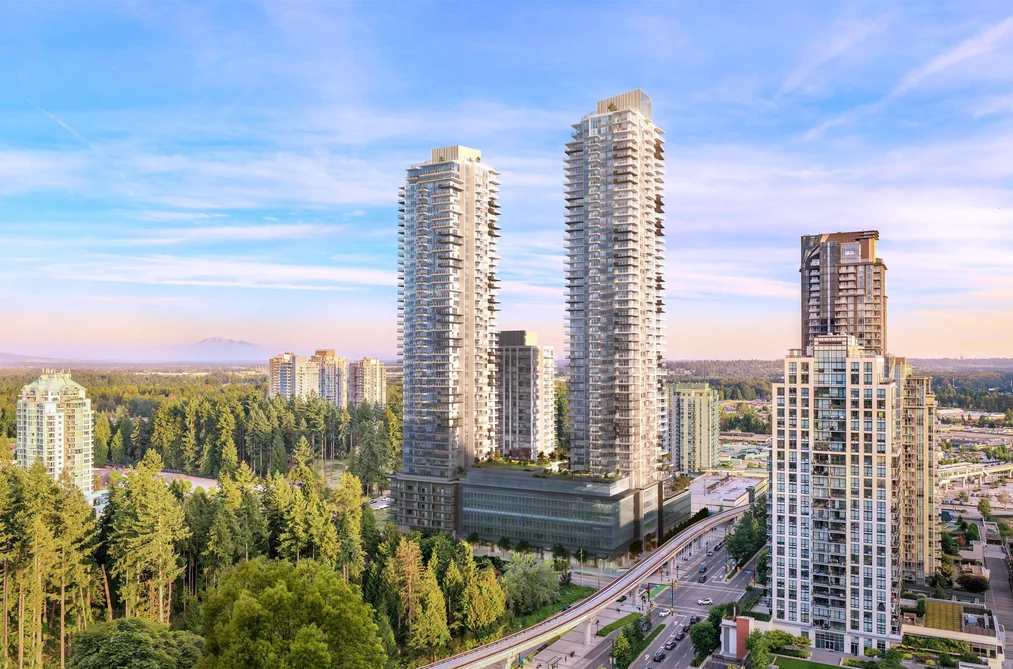
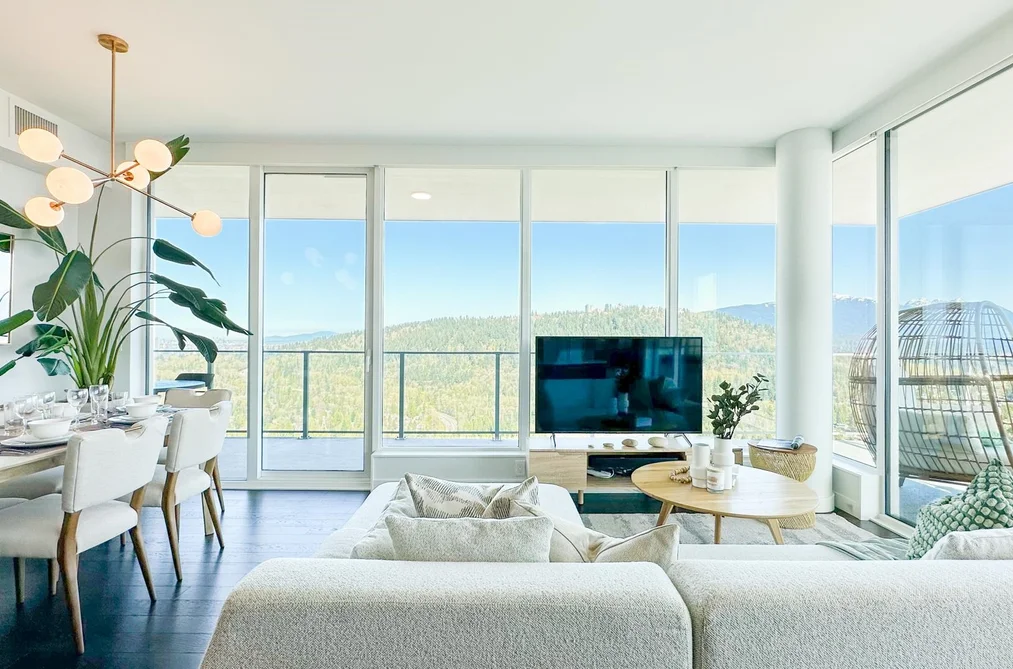
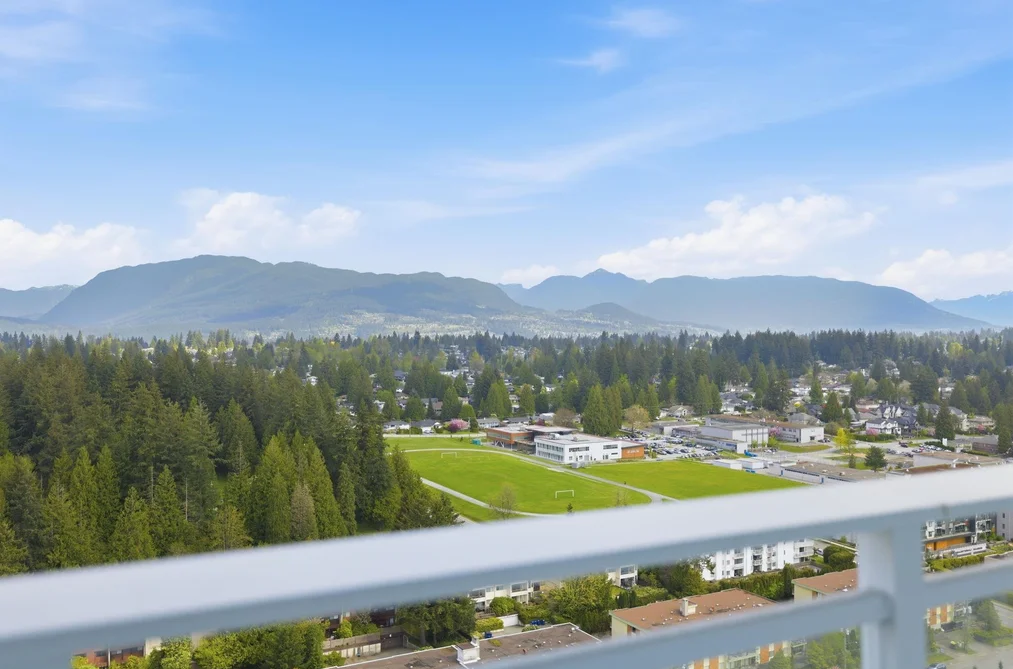
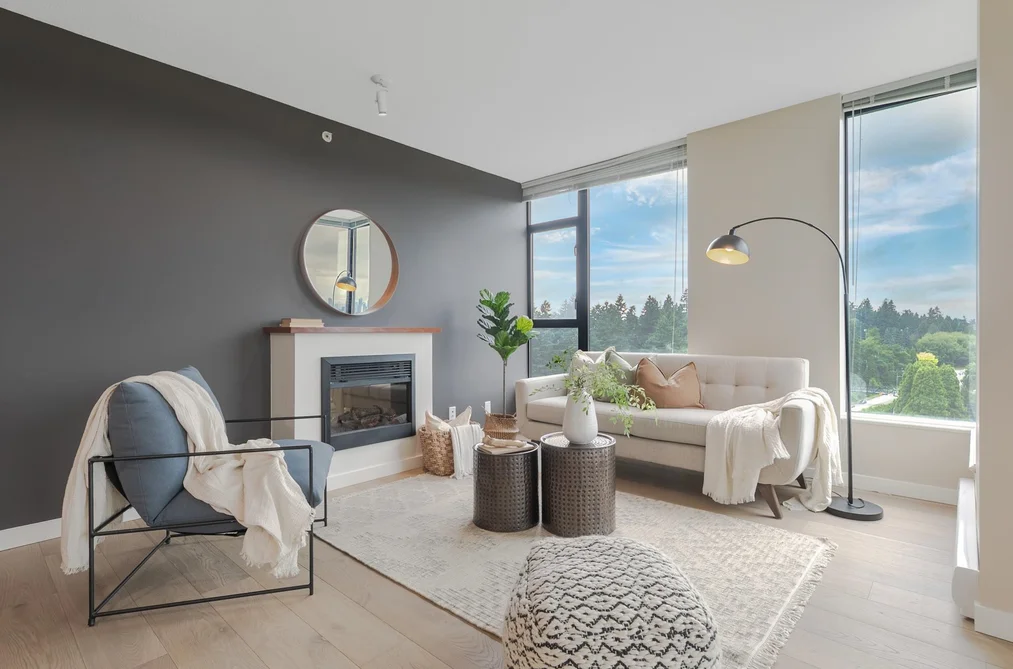
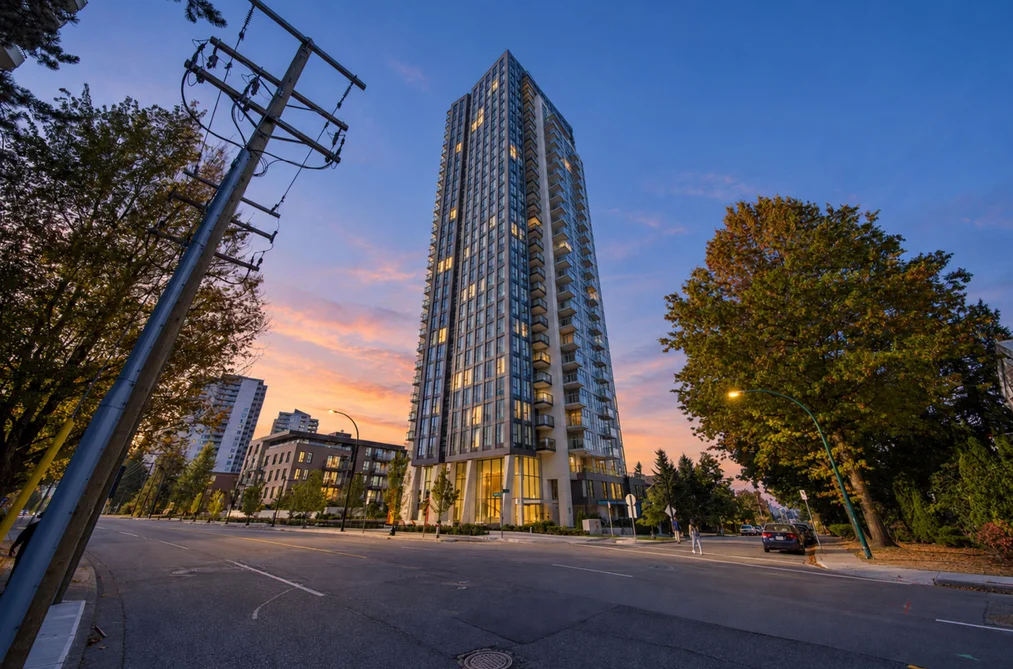
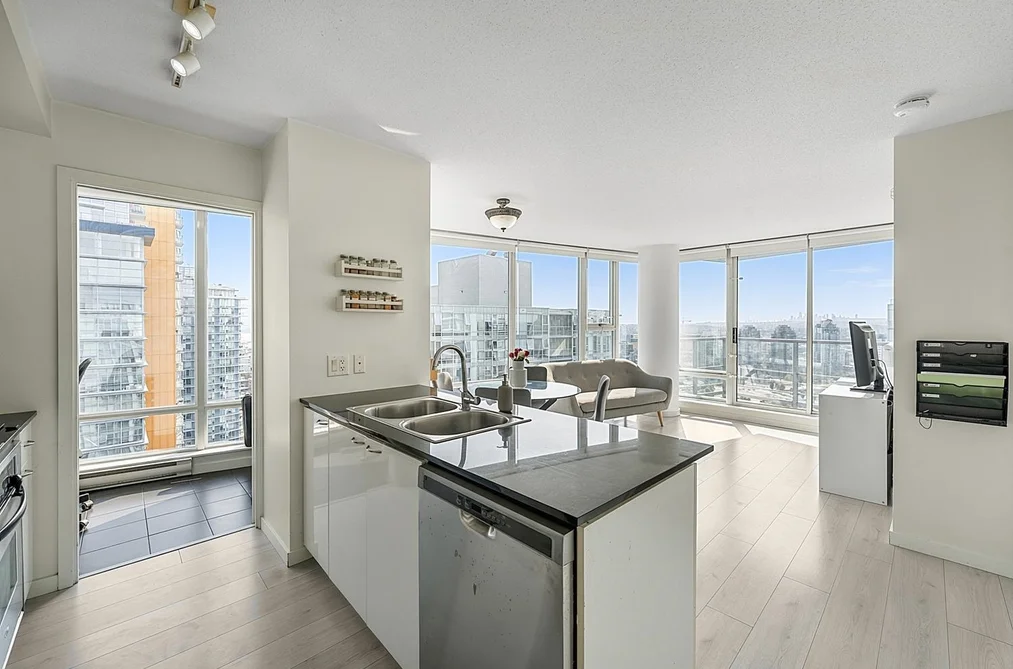
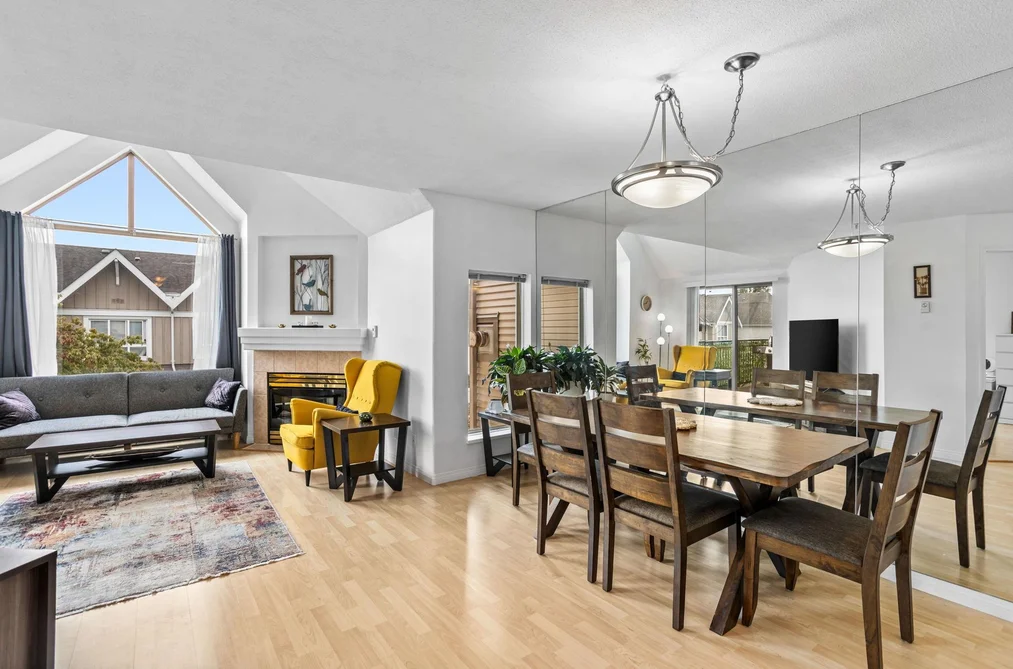
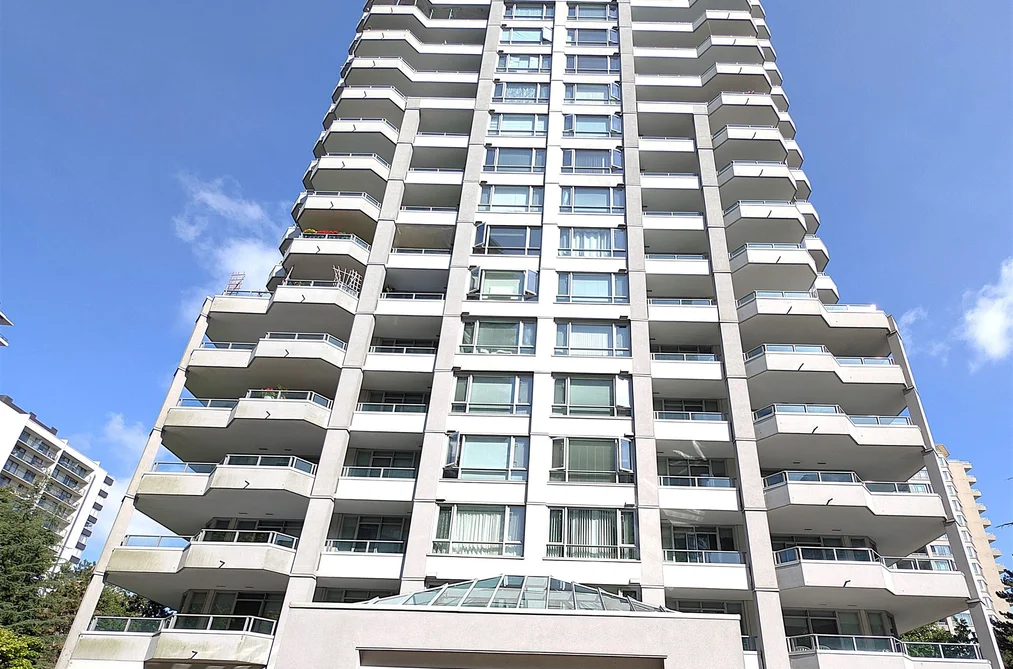
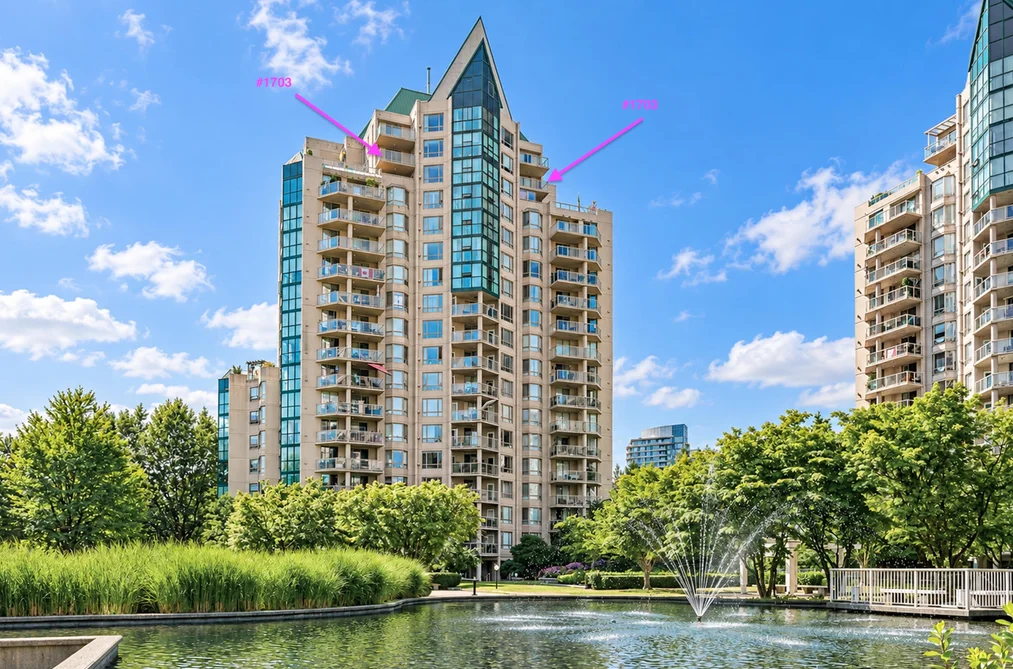
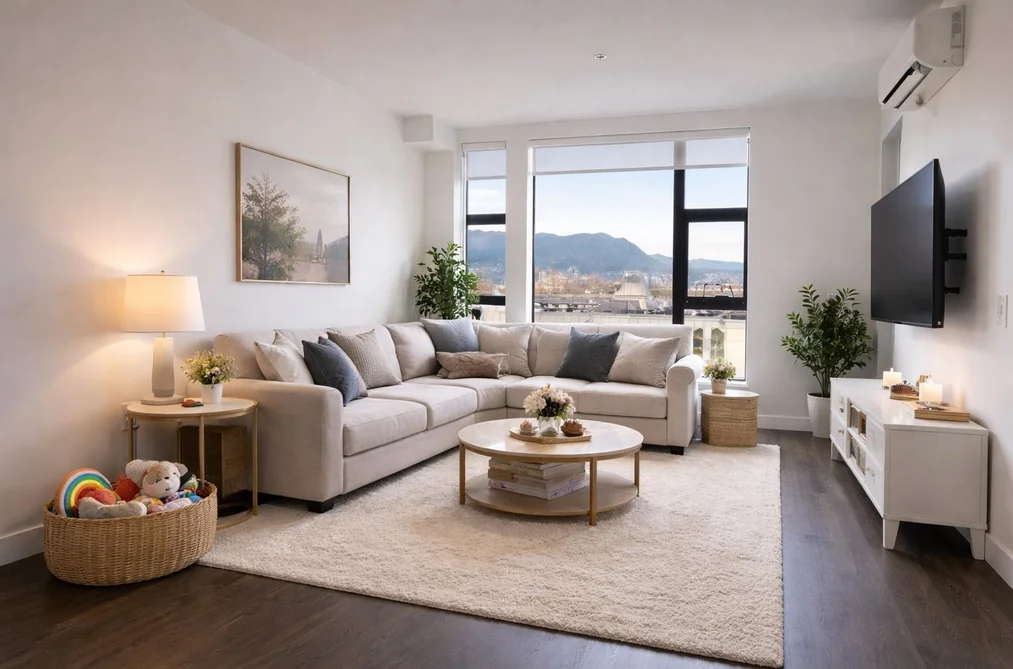
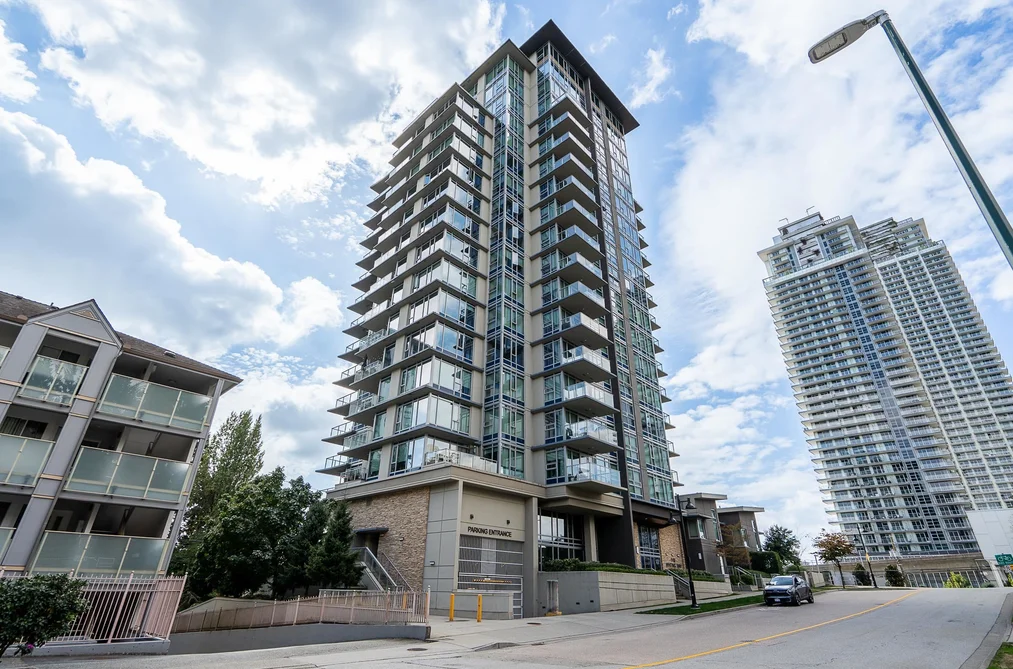
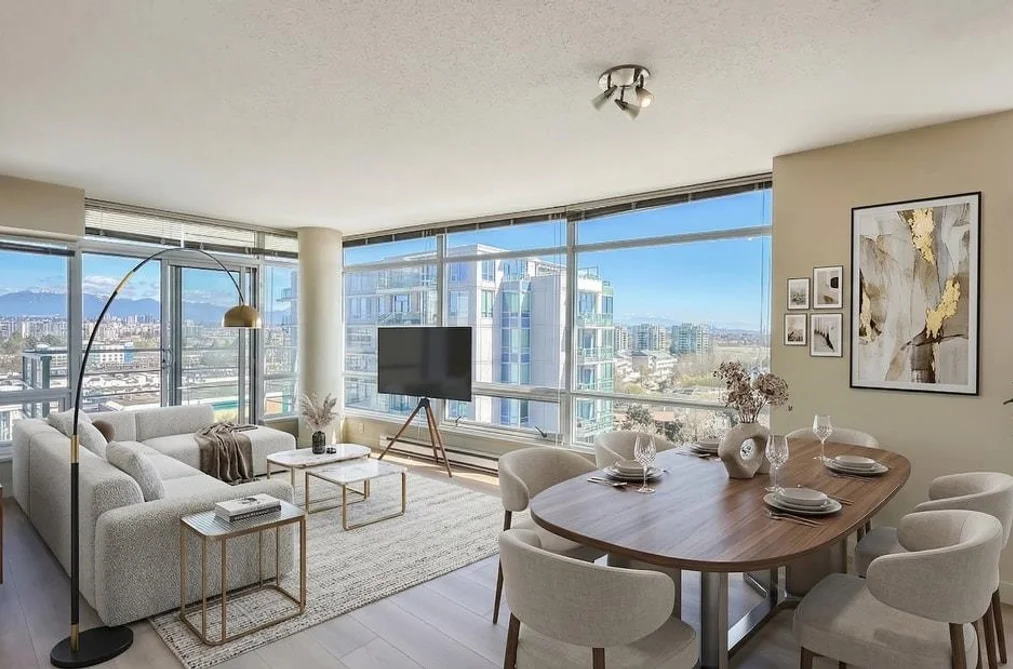
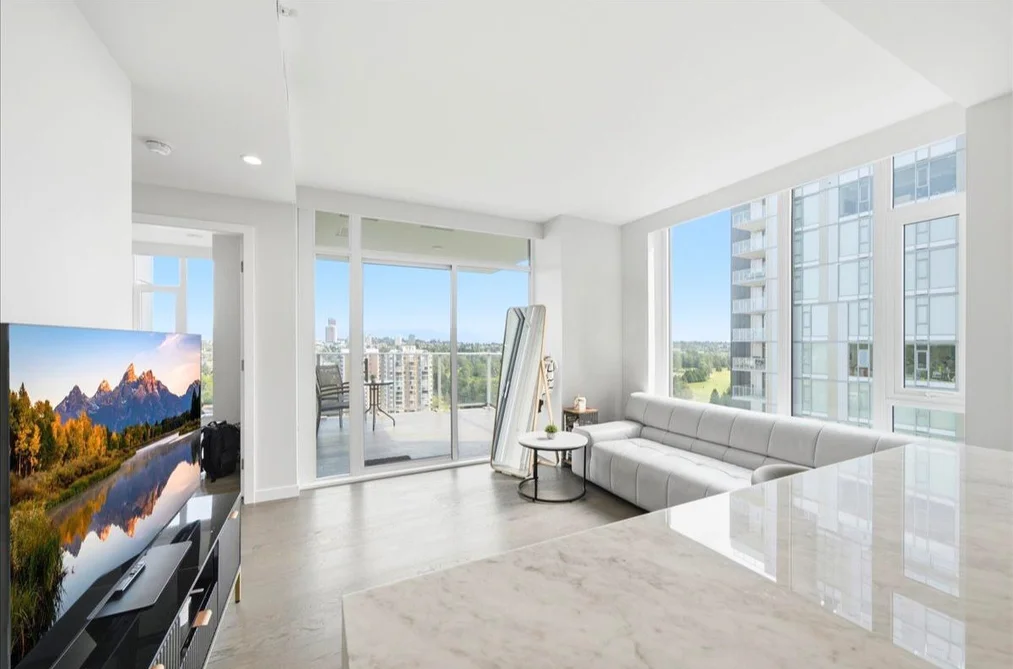


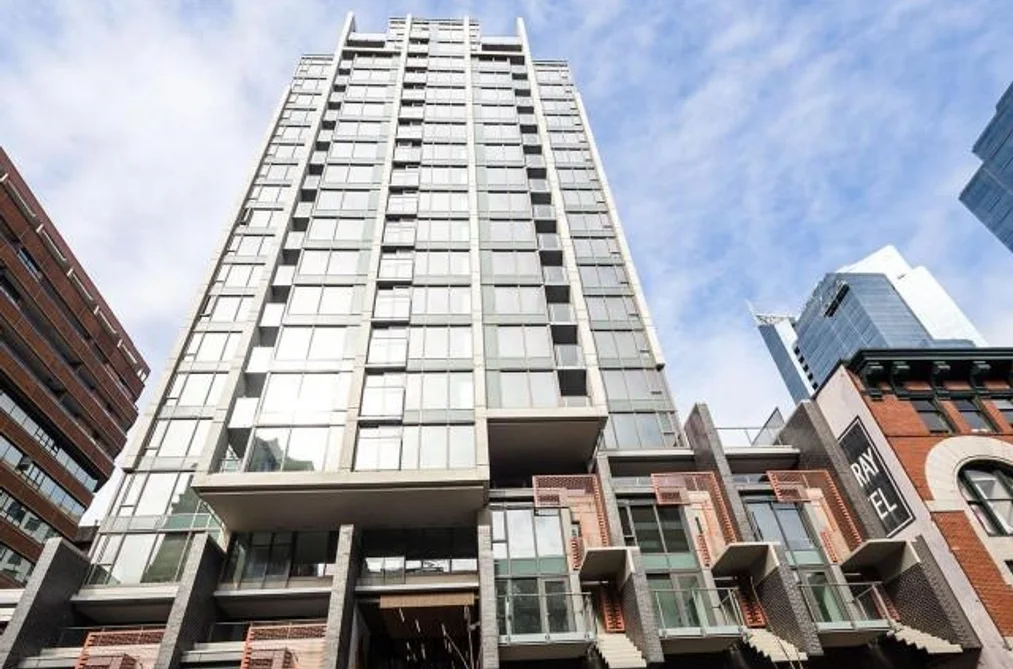
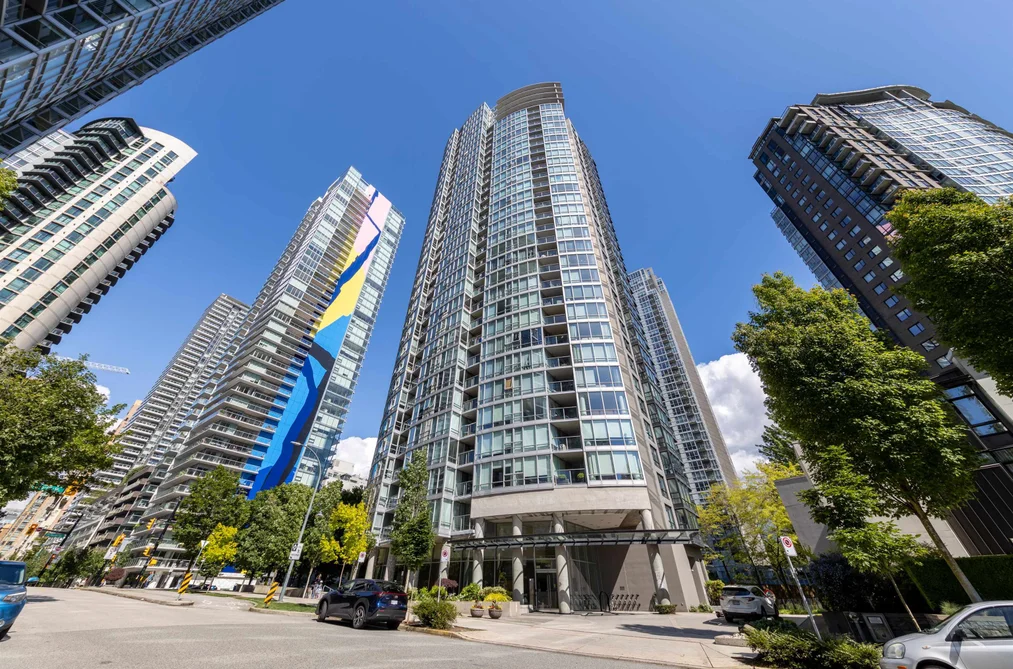
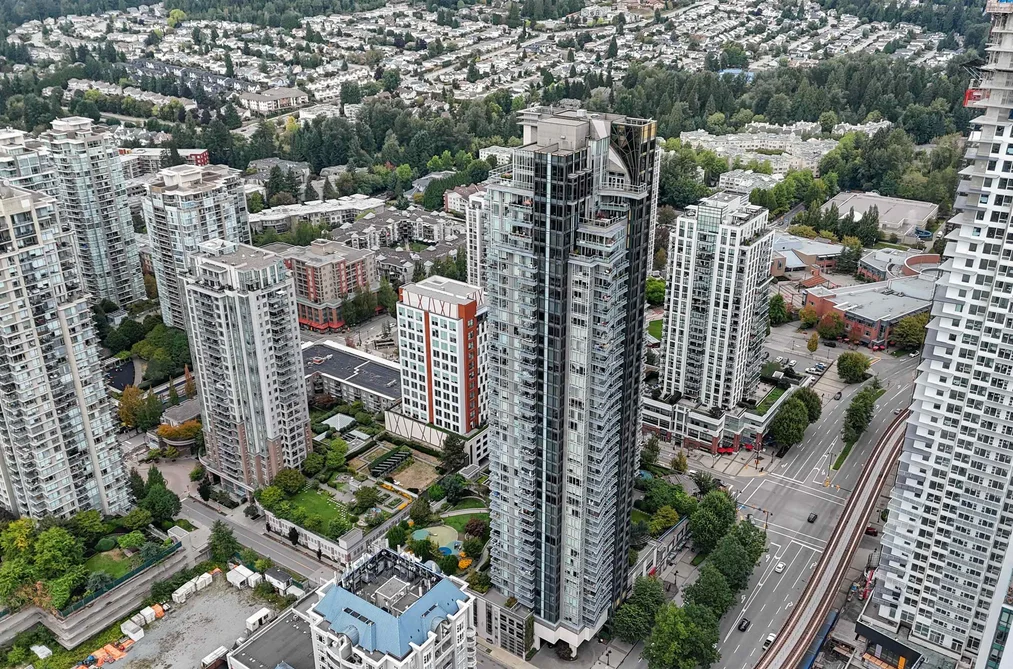
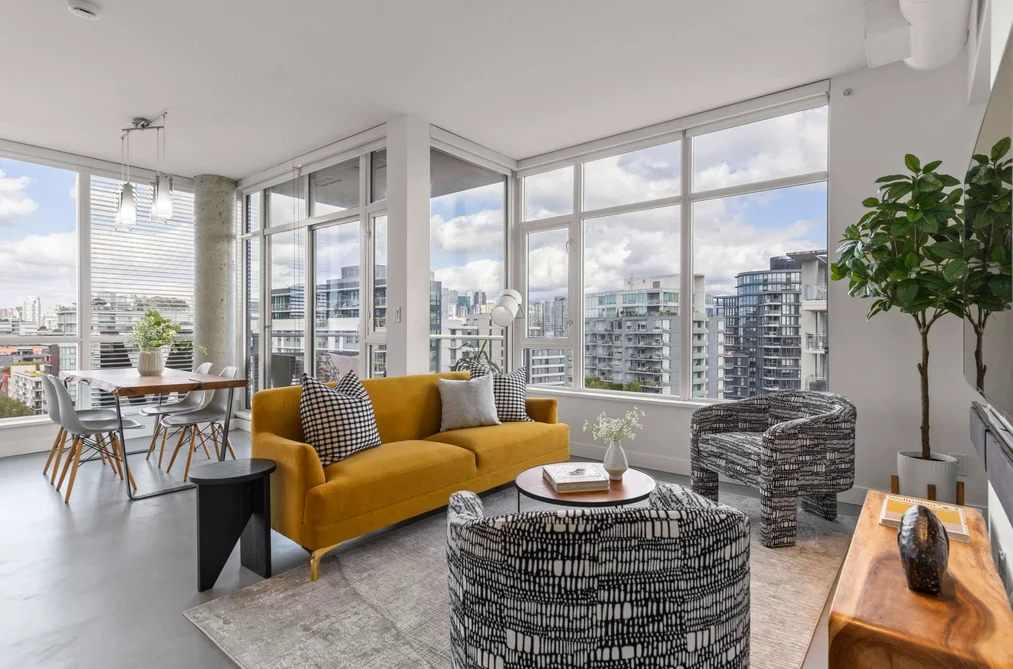
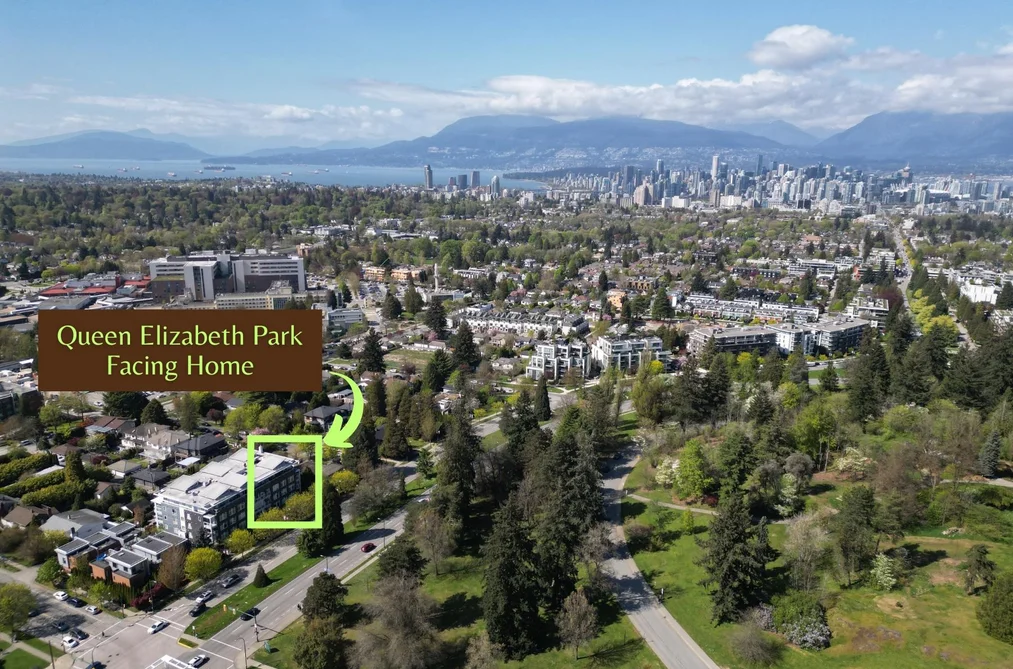
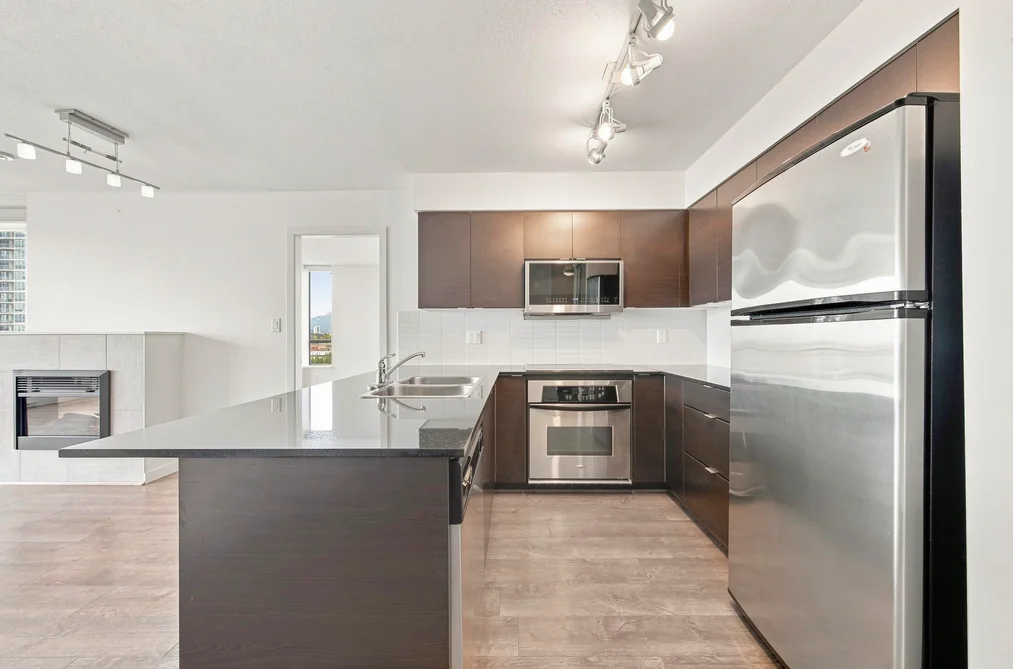
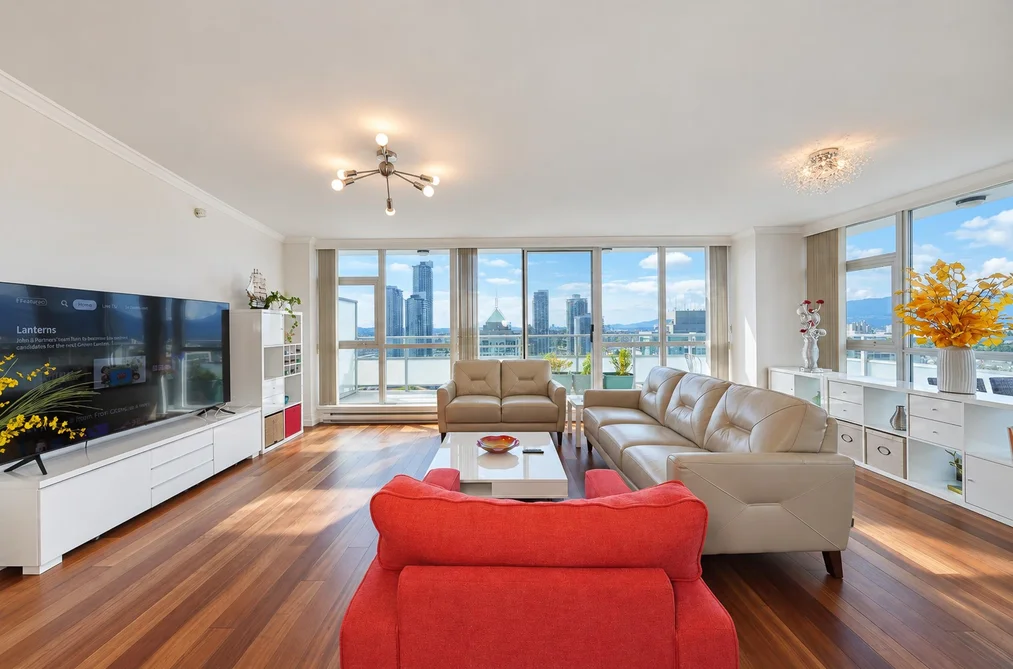
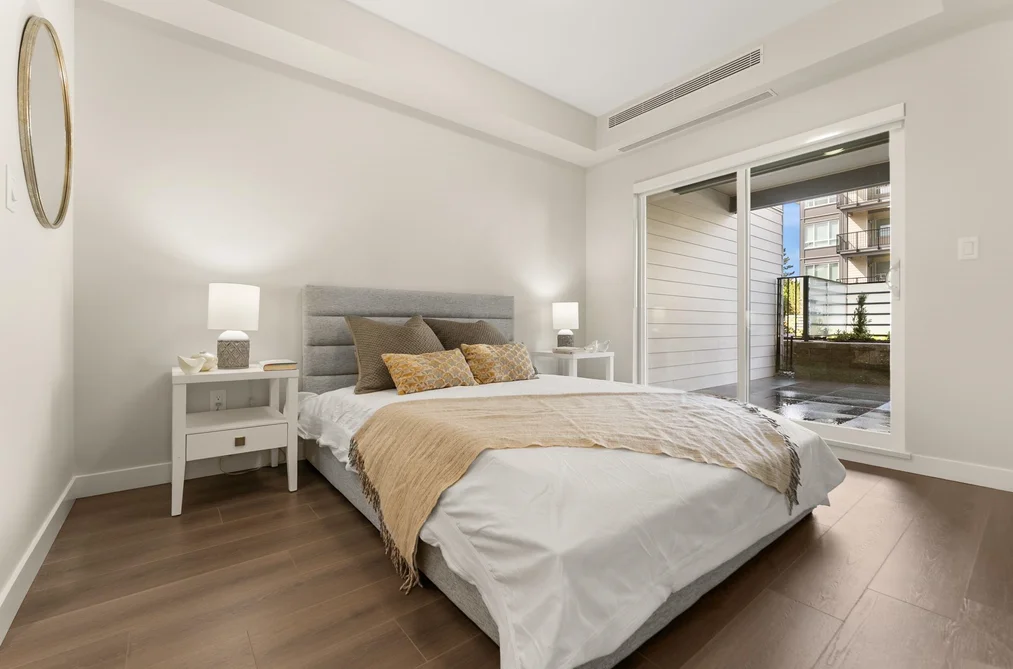
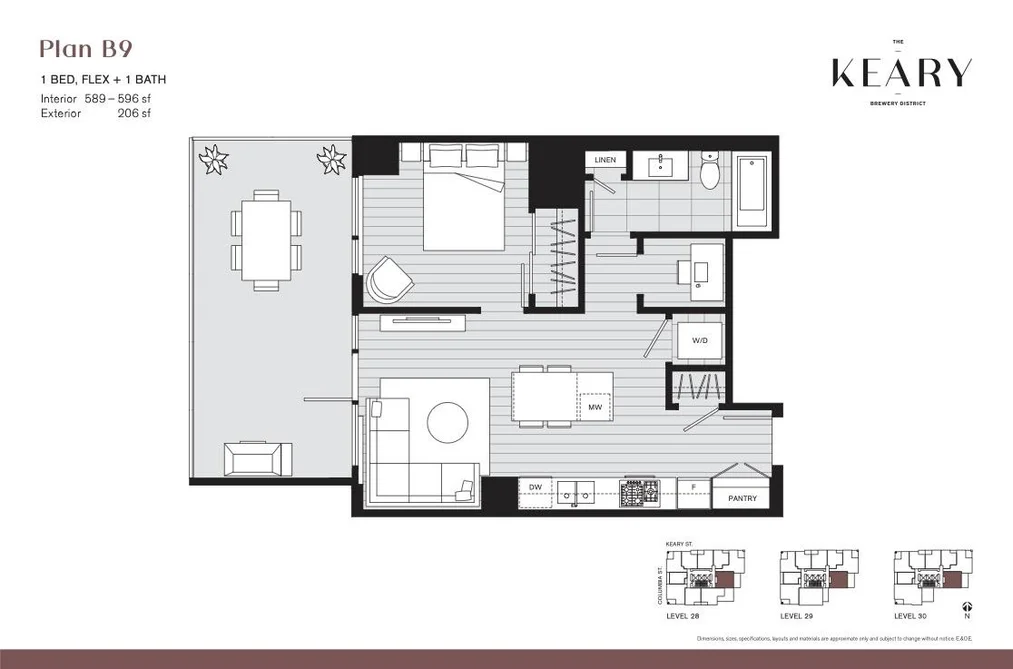
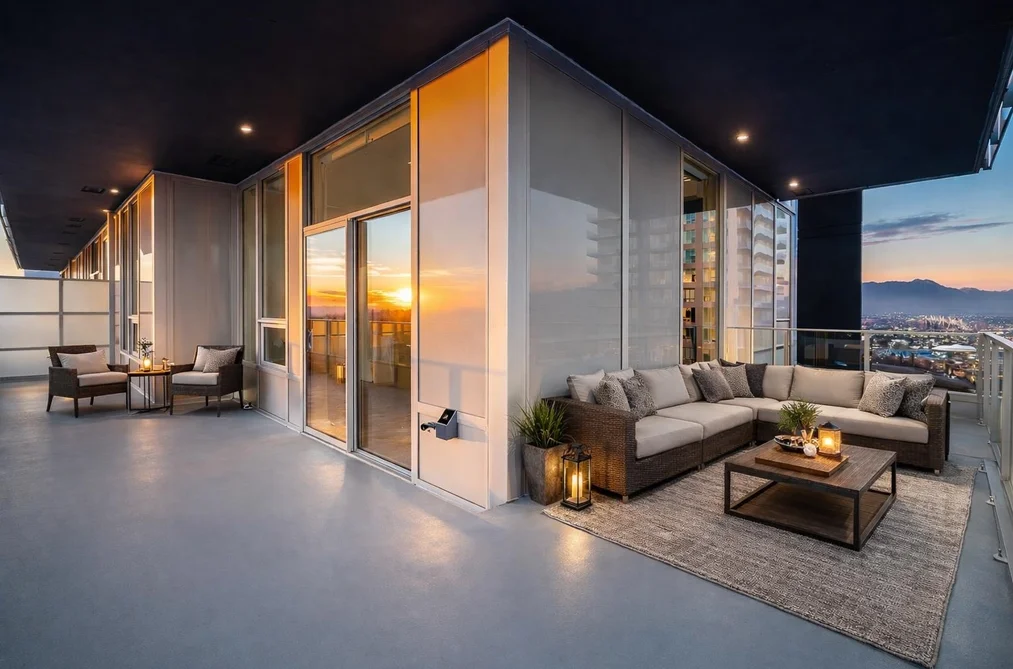
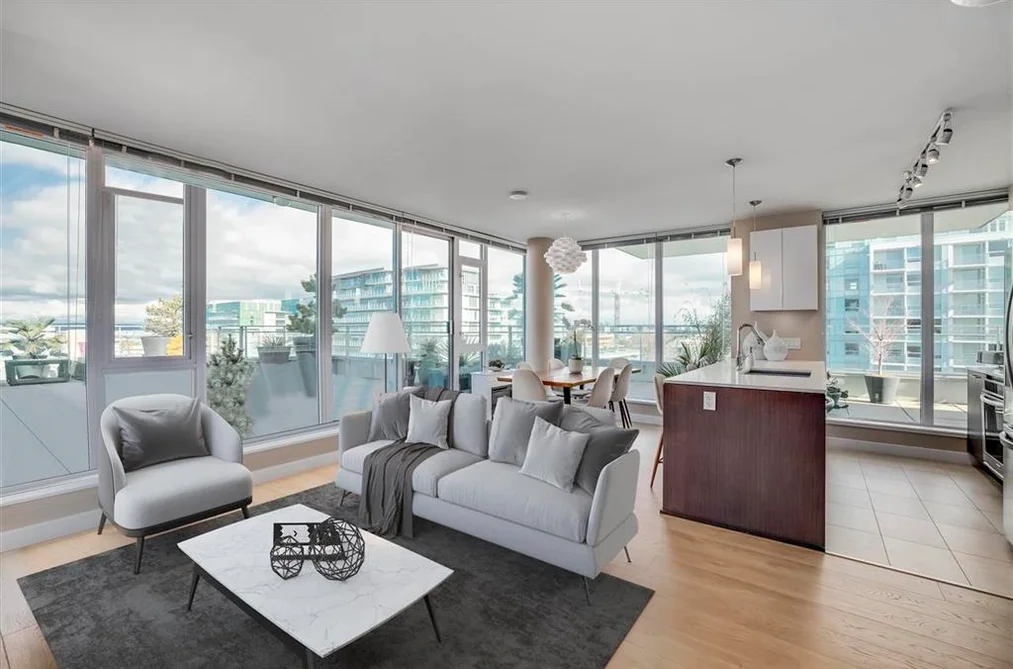
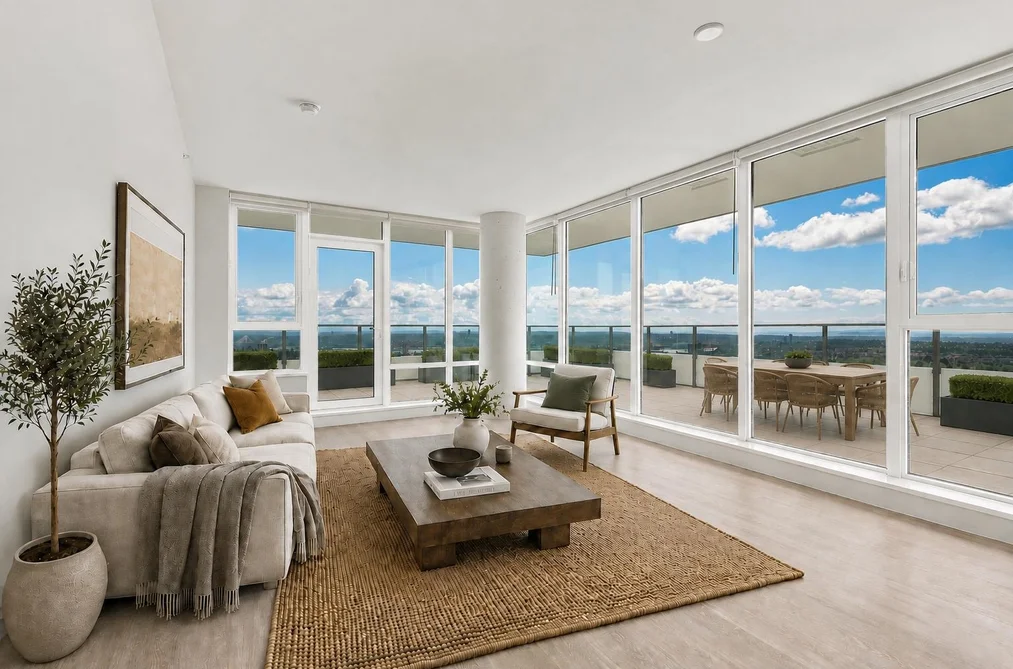
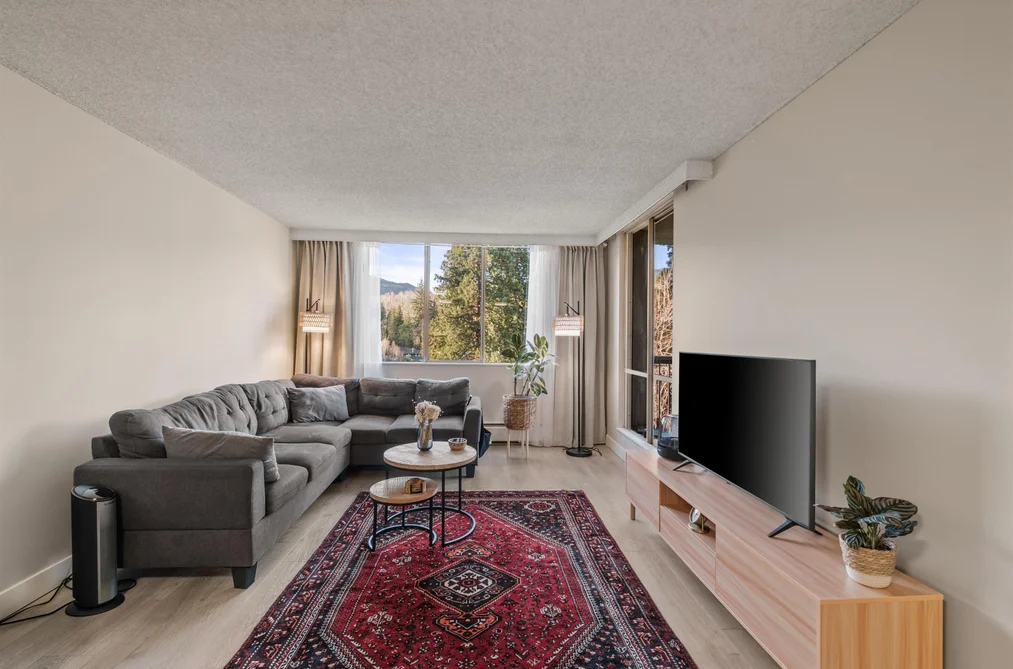
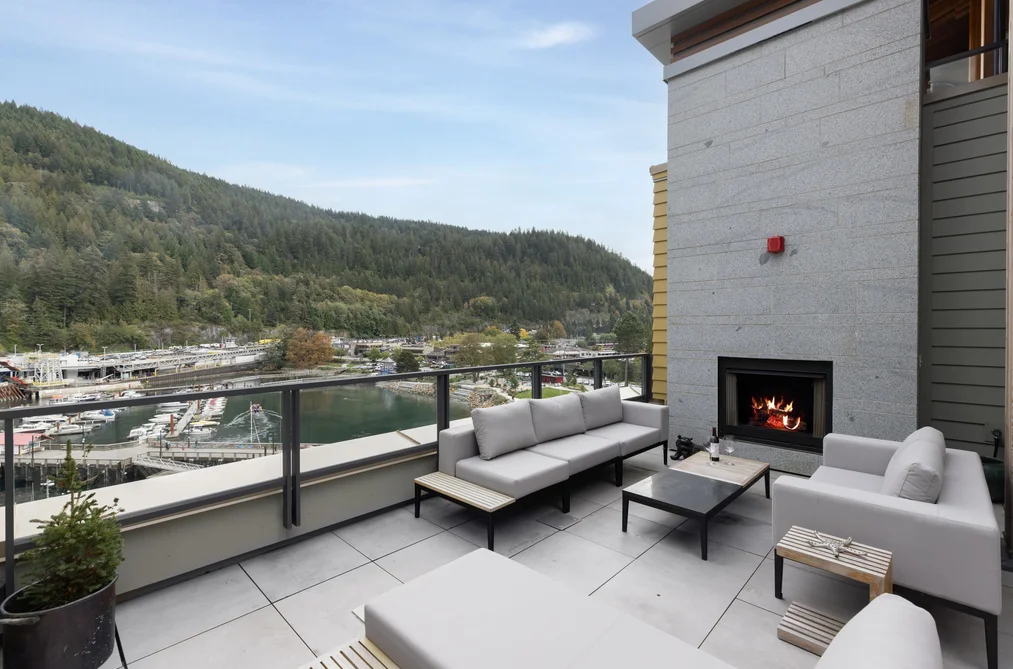
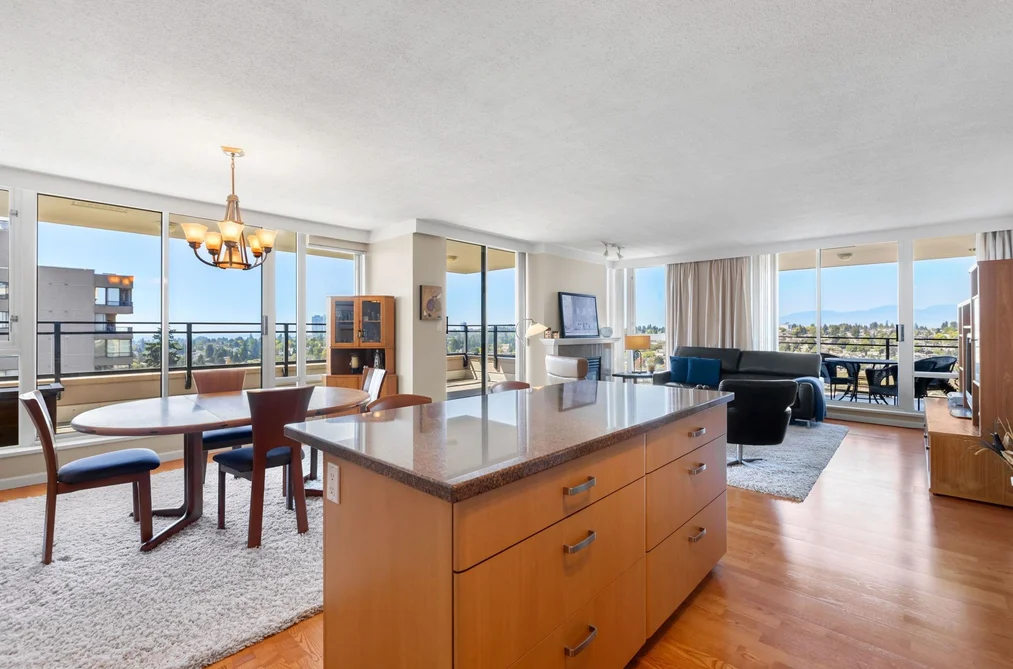
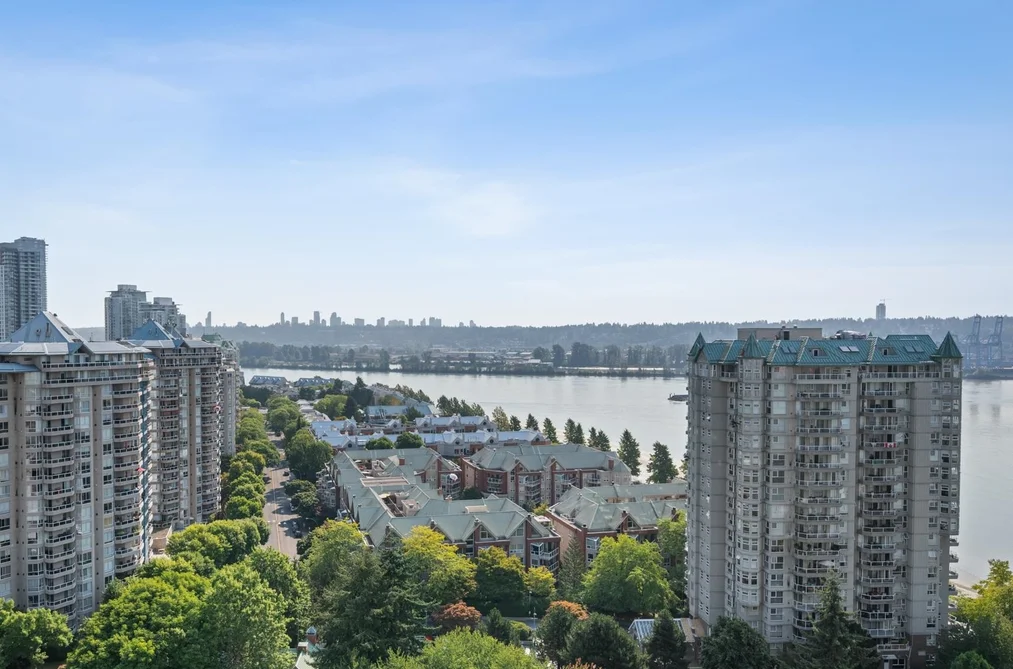
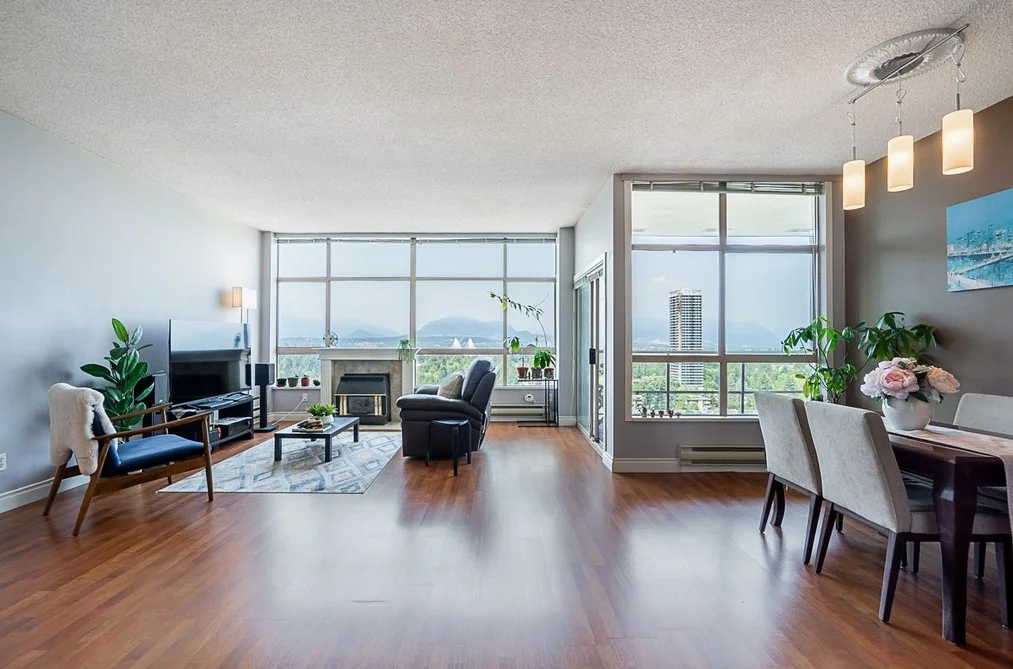
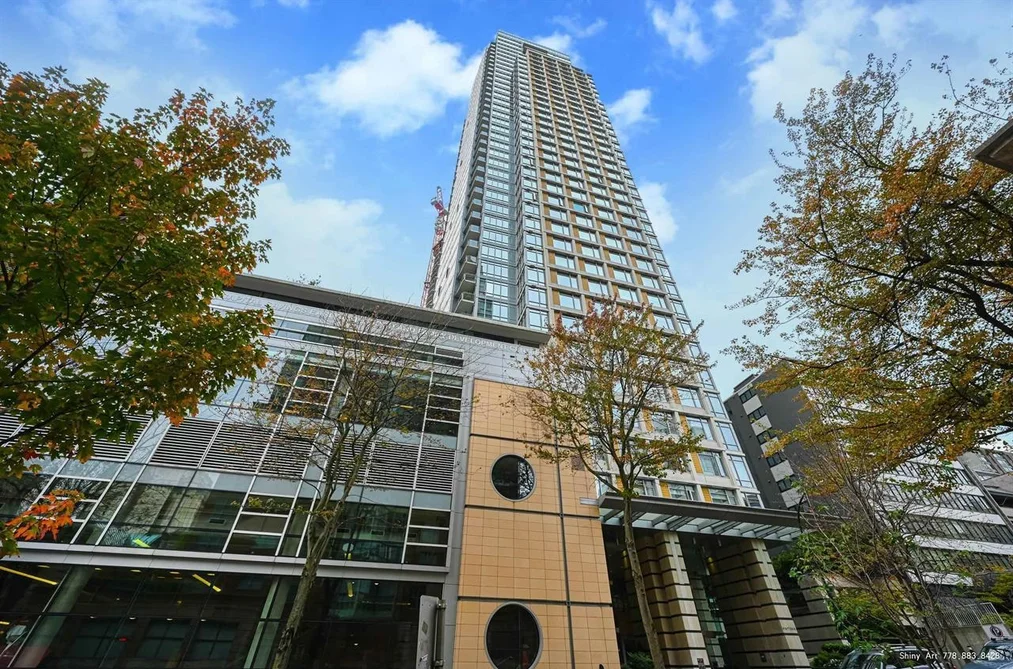
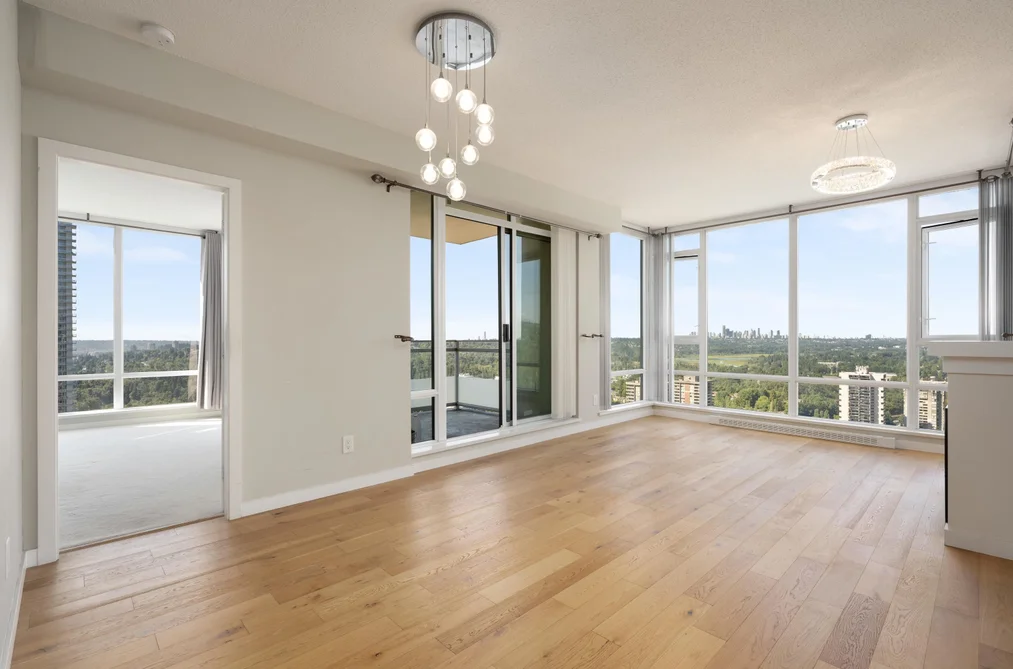
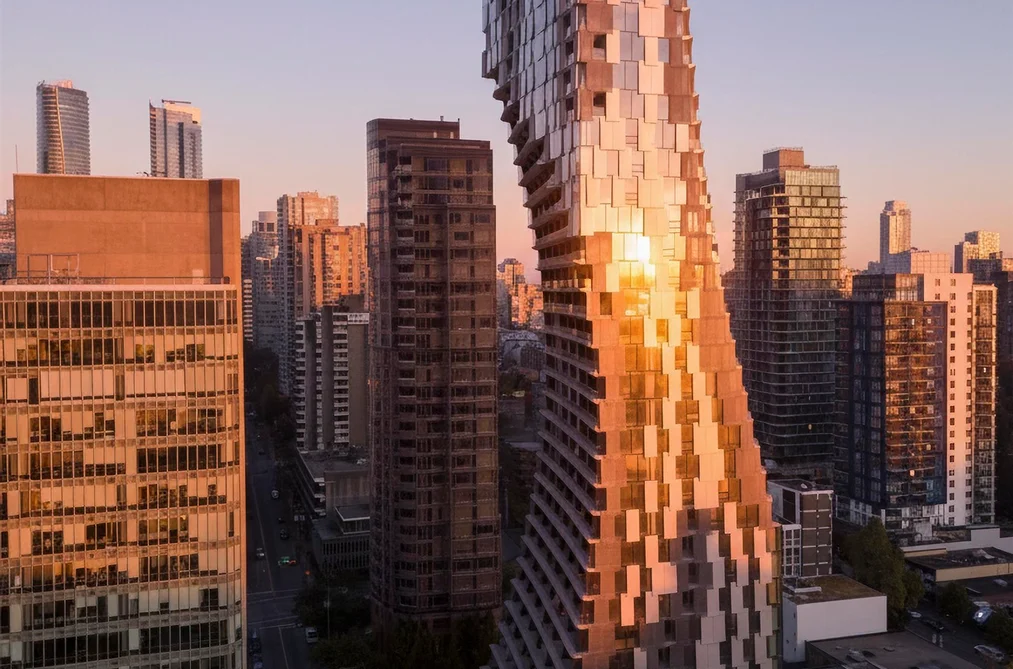
Sub-Penthouse listings sit on the floor just below a tower's penthouses, so compare what you actually get against the level above before you pay a premium for the name.
The term is not standardised. In some towers it describes a single floor directly below the penthouse level, with its own finishes, ceiling height and floor plans. In others it is a marketing label for the top several floors, sold as a collection. Ask the listing agent which floor the home is on, how the developer defined the sub-penthouse level, and what, if anything, sets it apart from the standard floors below.
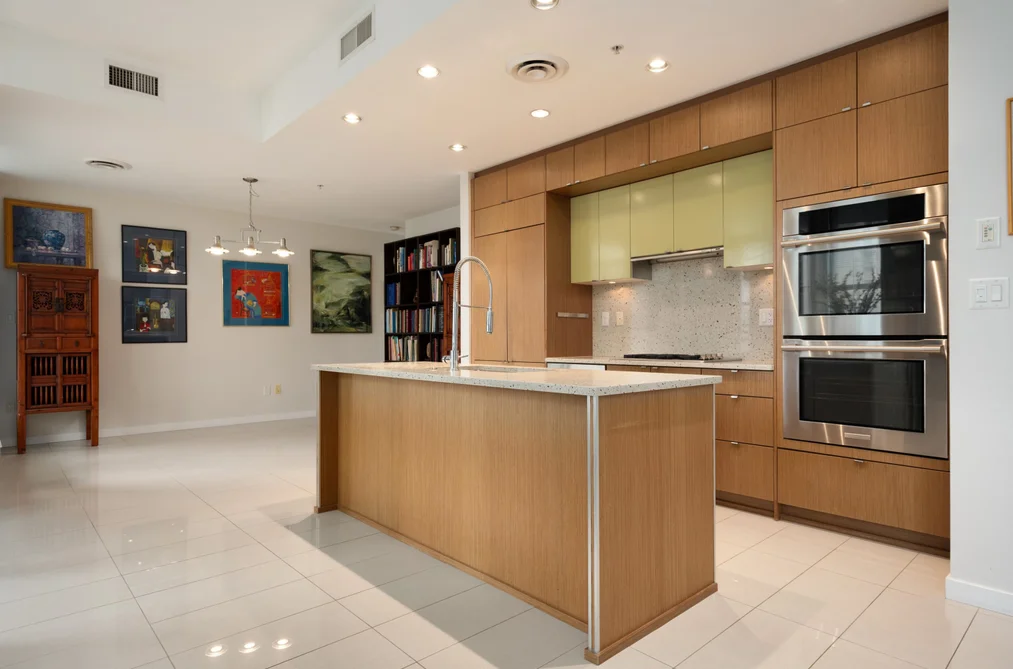
Then look at the building's drawings or the disclosure statement if it is recent. Those tell you whether the ceiling height, the appliance package and the finishes differ from the rest of the tower, which is what justifies a higher price per square foot.
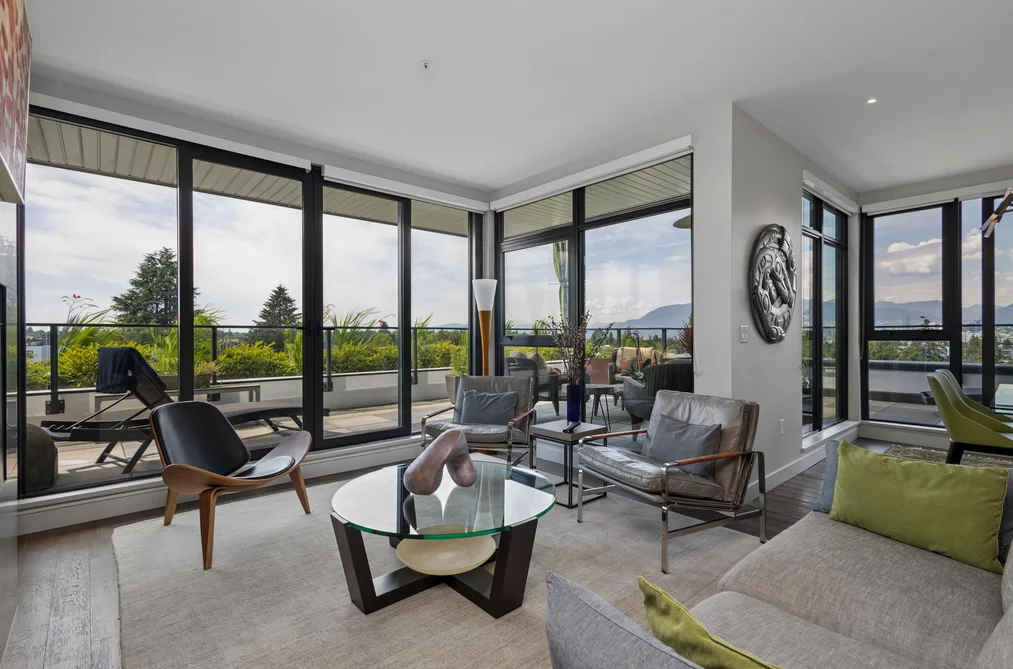
The case for a sub-penthouse is simple: most of the view and much of the finish of a penthouse at a lower price. Compare the two directly. Look at the recent sales of penthouses and sub-penthouses in the same building, the price per square foot of each, and what the difference buys. Often the penthouse gains a larger terrace, higher ceilings and roof access, while the view from one floor lower is nearly identical.
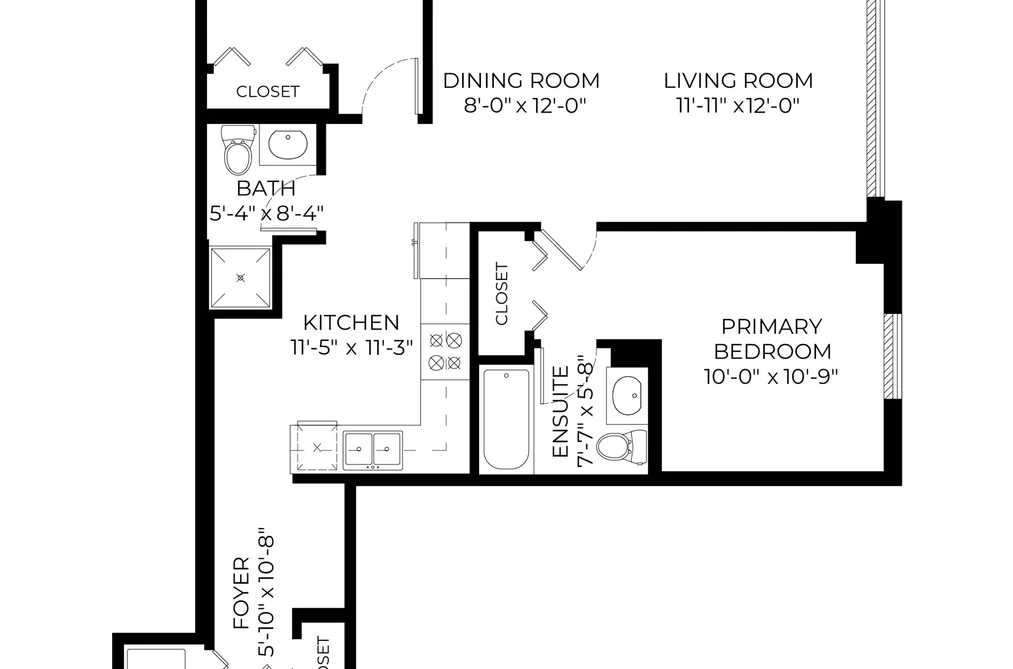
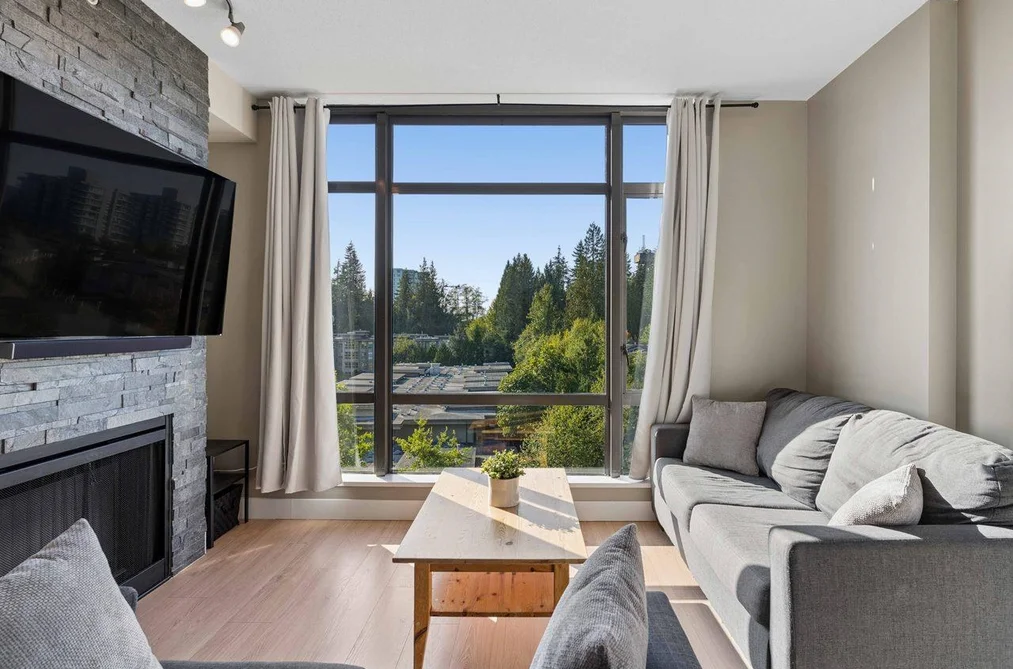
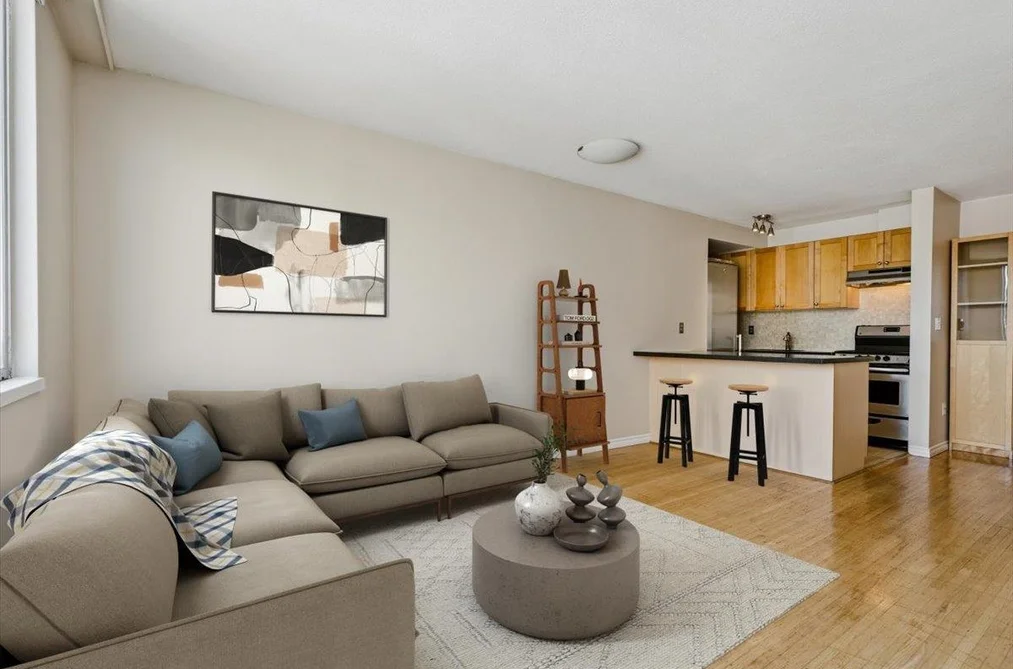
Compare the living space as well as the outlook. Measure the sqft of each room against the floor plan, count the bedrooms and bathrooms, and check whether the luxury finishes promised for the upper floors actually appear in this condo or only in the penthouses. Stand at the windows. A sub-penthouse on a tall tower keeps panoramic mountain views, water and city outlooks that lower floors lose, and on a waterfront tower in BC the outlook from this height can be breathtaking. On a shorter building a neighbouring tower can still block part of the outlook, so confirm the view in person rather than relying on the listing photographs.
Many towers step back near the top, and a sub-penthouse can carry a large terrace where the floor plate narrows. Ask whether outdoor space is part of the strata lot or limited common property, and who maintains the waterproofing beneath it.
Living below the penthouse brings its own questions. Ask how sound travels between the floors, whether the penthouses above have large terraces where people entertain, and whether the building's mechanical equipment sits on the roof above. A bedroom beneath a busy terrace or a rooftop unit can be noisier than the brochure suggests.
Strata fees are set by unit entitlement, so a large sub-penthouse pays more than a typical suite below. Ask for the fee, what it covers, and the building's minutes, budget, contingency reserve fund balance and depreciation report. A high-rise with an expensive envelope, window or elevator replacement ahead can issue a special levy, and your share is larger on a larger home.
Check the practical details too: the number of parking stalls and storage lockers that come with the home, how many elevators serve the tower and how long you wait for one at busy times, and whether the amenity package, concierge and guest suite match the price.
Supply is concentrated in the towers of downtown Vancouver, Coal Harbour, Metrotown, Brentwood, Richmond and the North Shore, with a smaller number across the Fraser Valley and Okanagan Lake communities. Every building offers only a handful of these homes, so listings on the MLS® appear steadily but not in large numbers. Browse and compare current real estate listings on Strawhomes, filter by building and view, and shortlist only the homes whose view, ceilings and strata record you have confirmed. Compare them against a penthouse and a corner unit on a lower floor of the same tower.