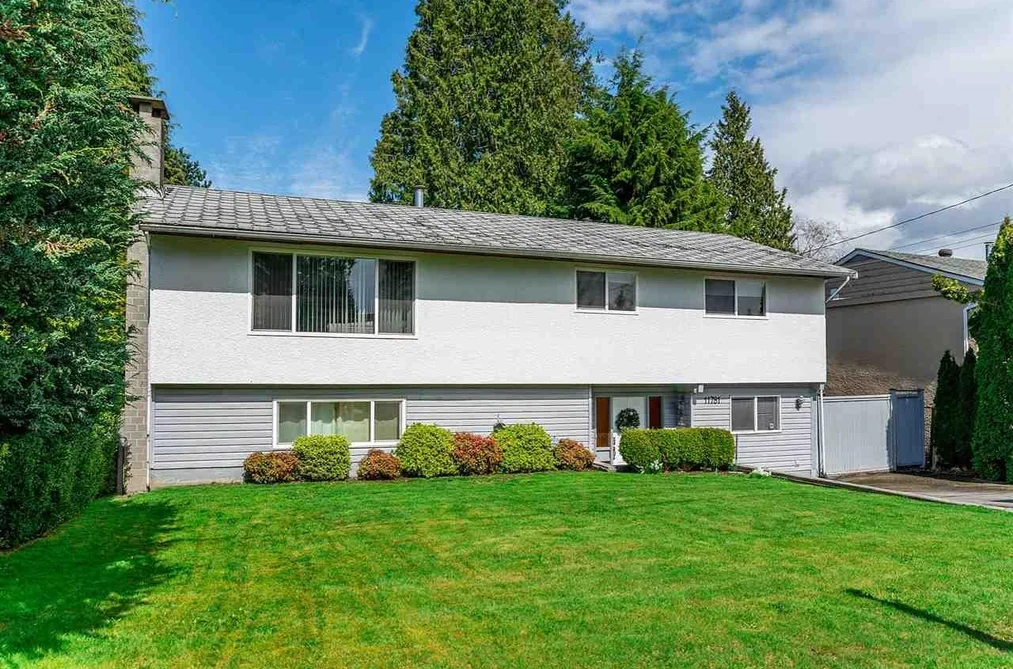
For Sale
2 days
- $1,995,000
- 3 bed
- 3 bath
- 1780 sqft
MLS® R3164478
•Whistler Real Estate Company Limited
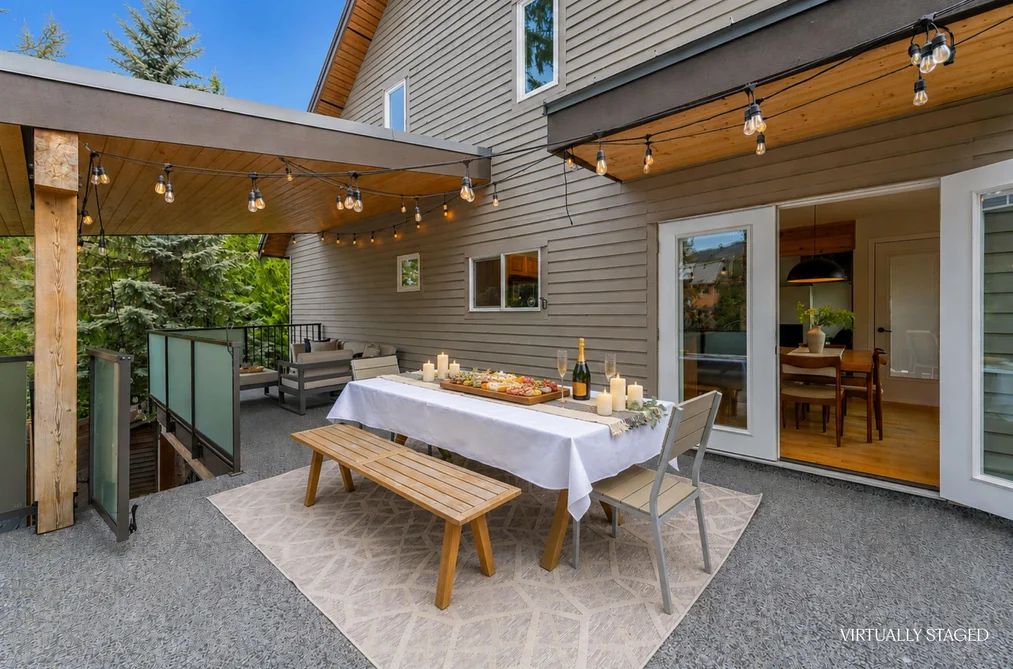
Browse multi-family properties for sale in Greater Vancouver and check the zoning, permits and rental income before you make an offer on a building.
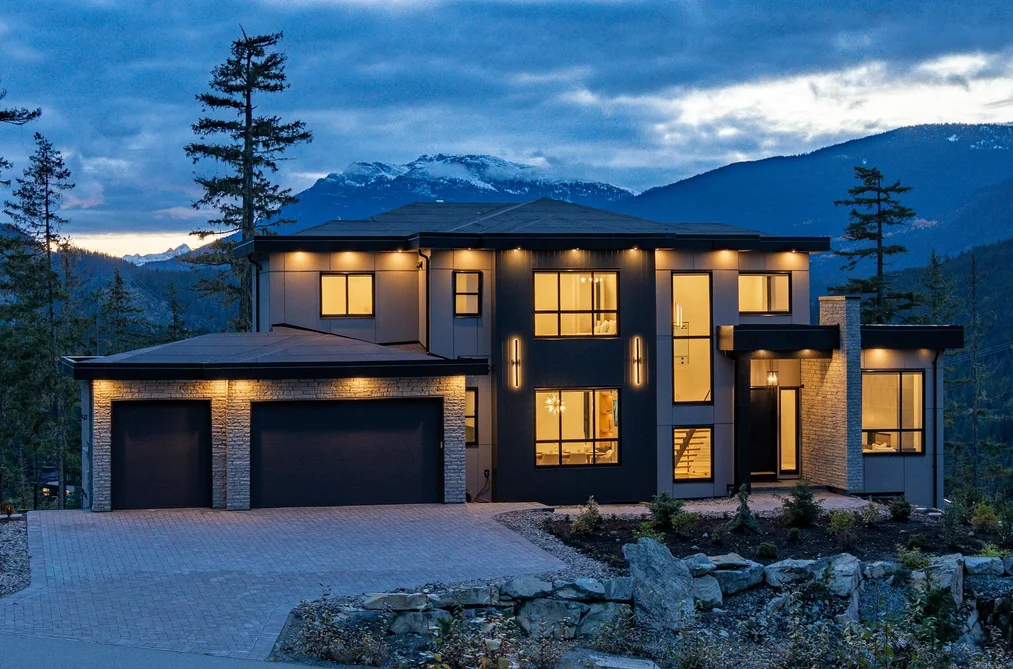
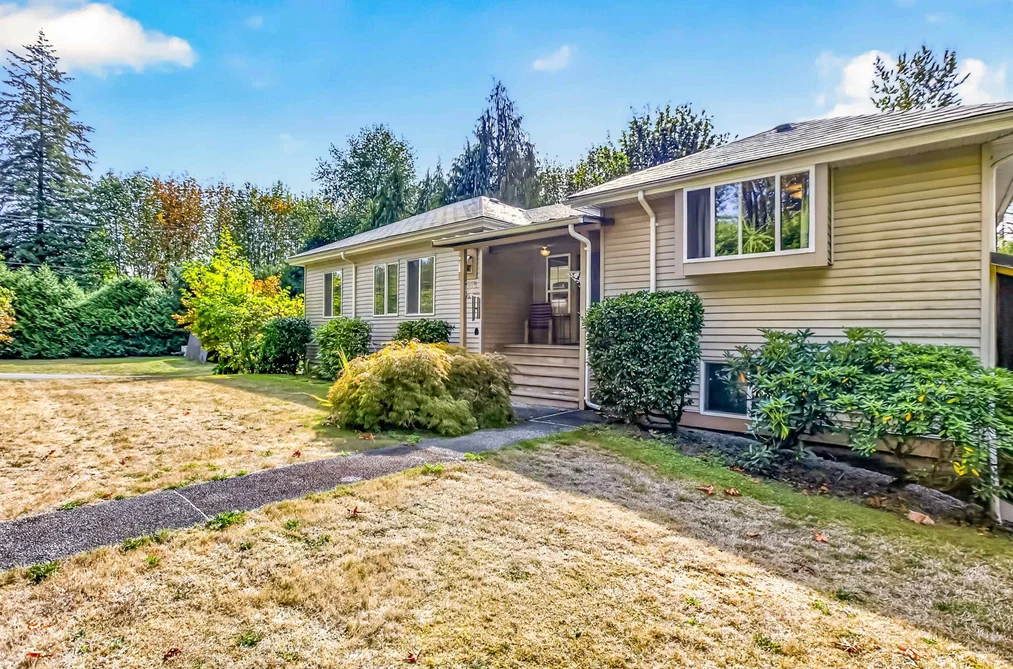
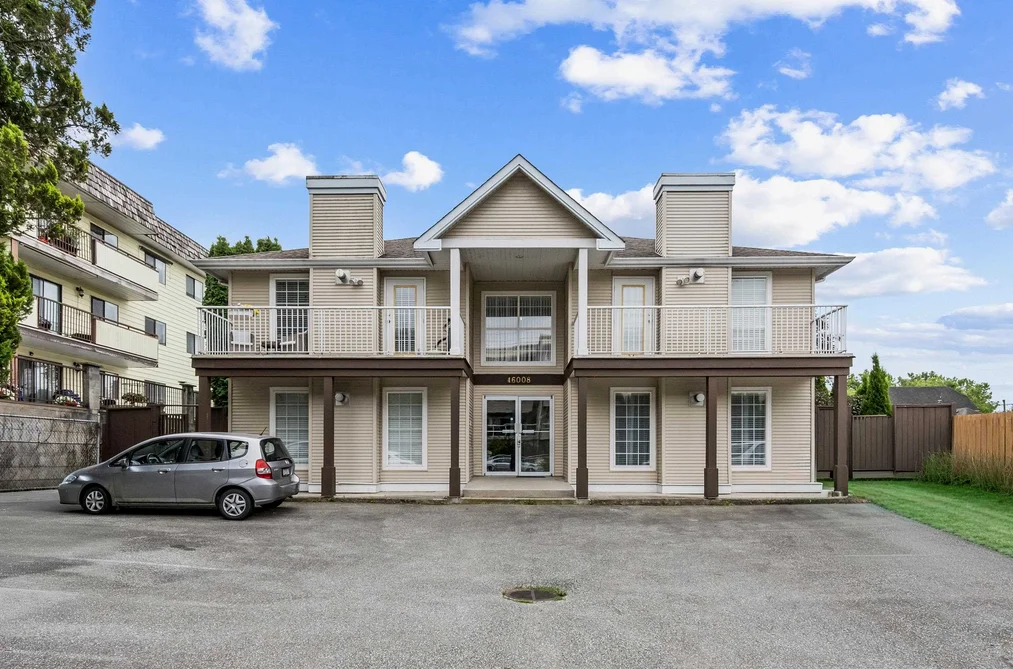
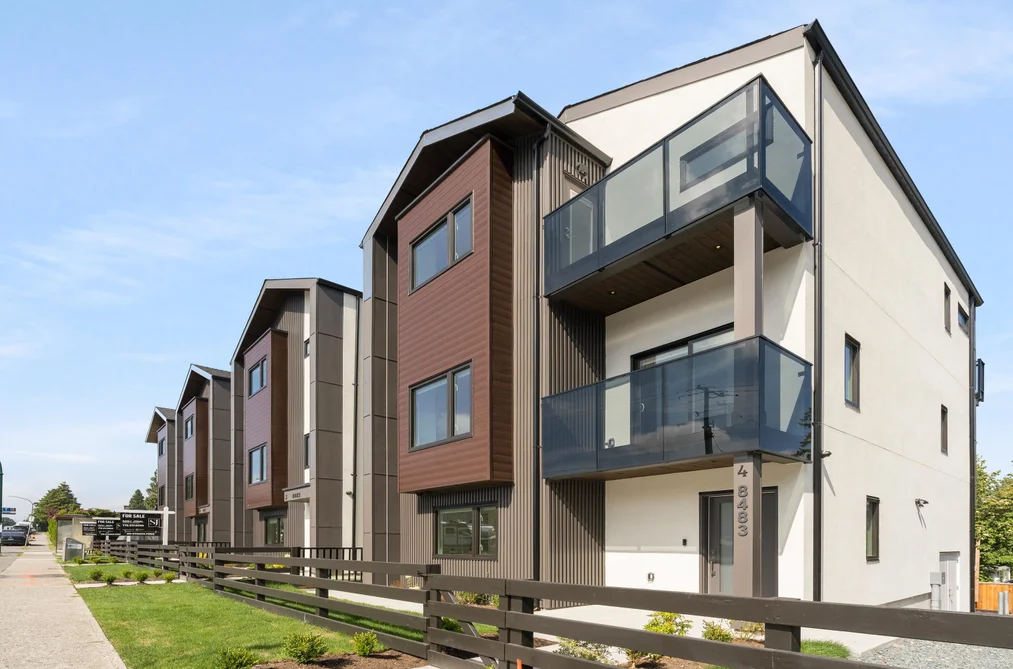
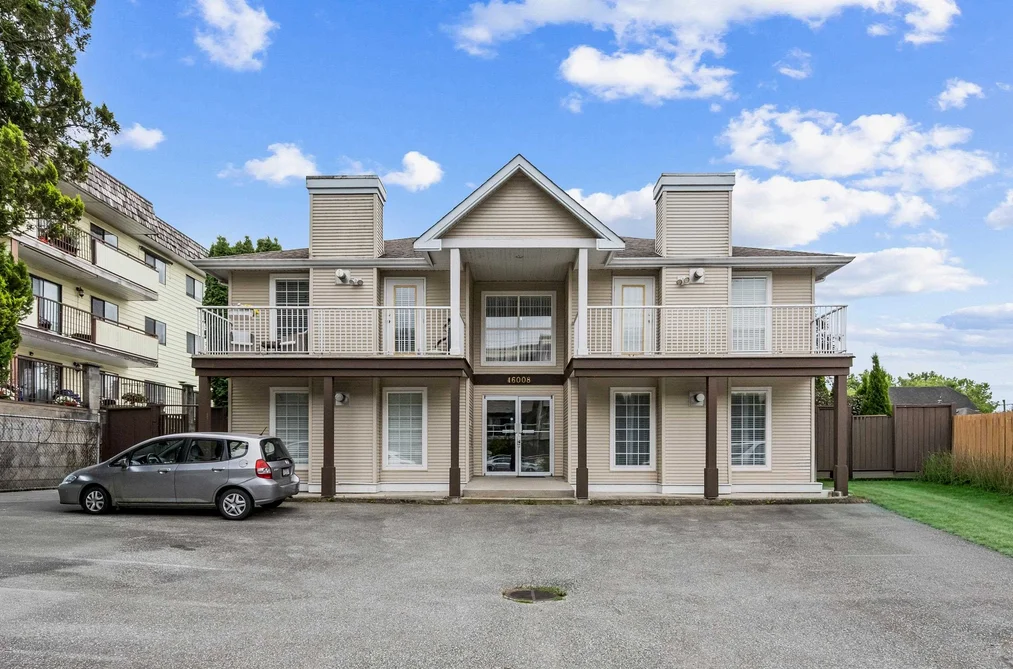
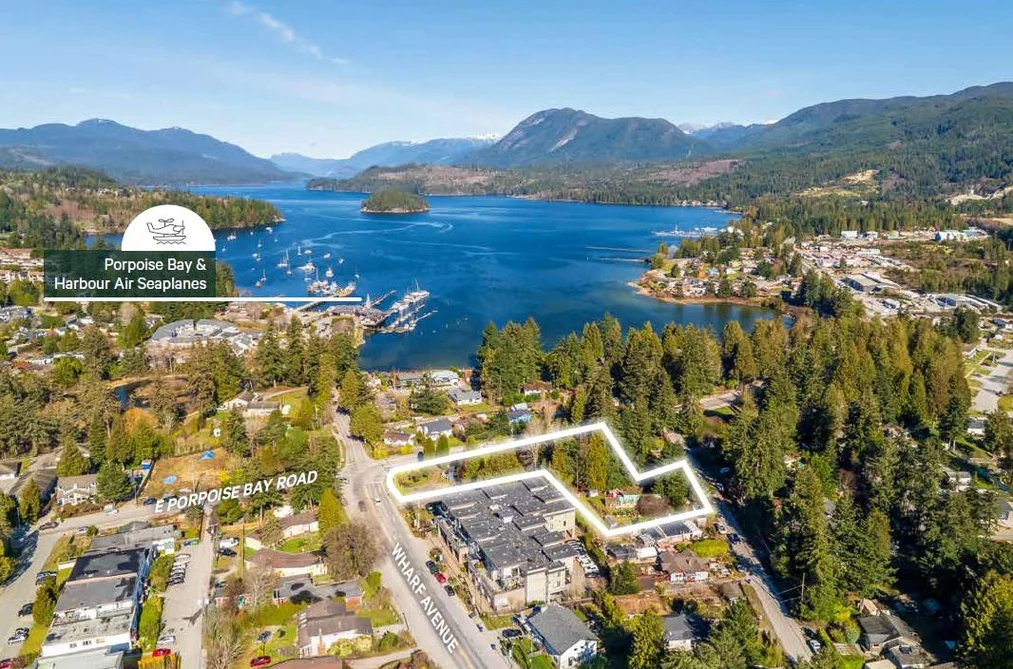
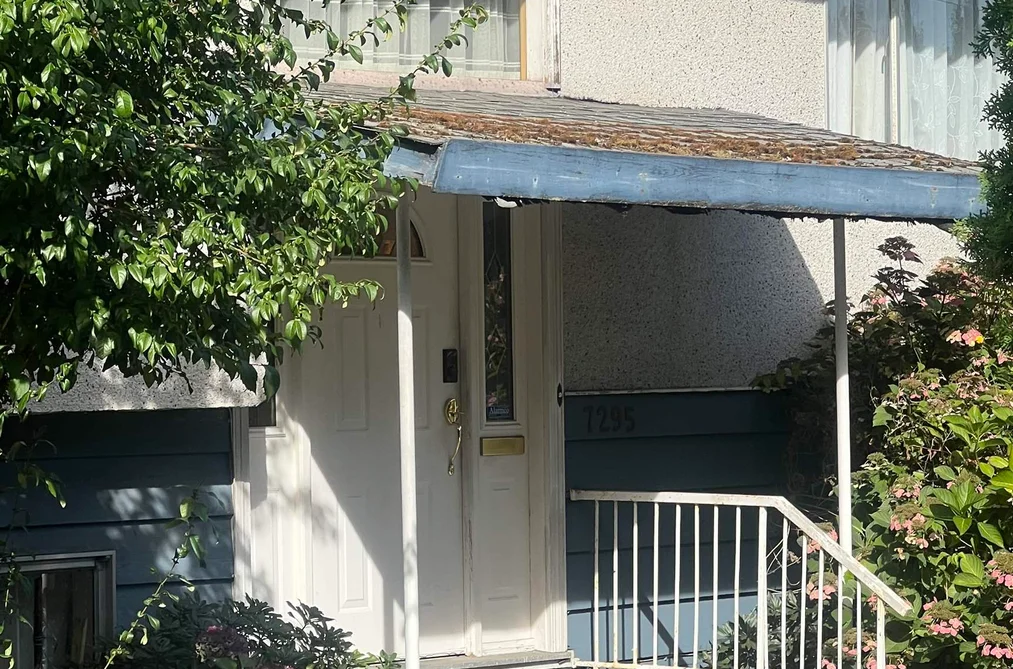
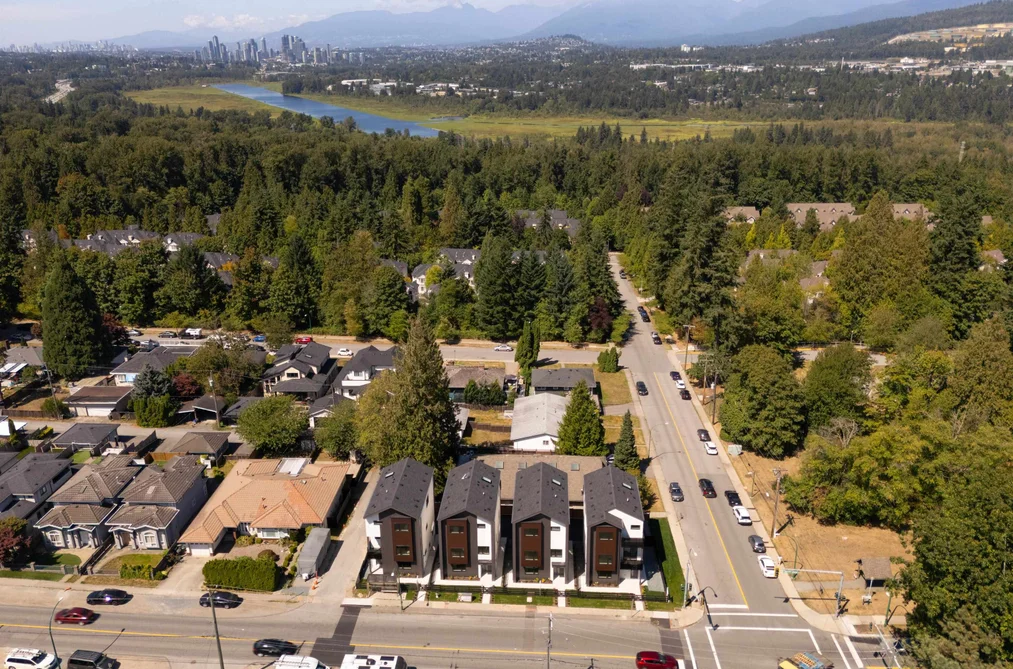
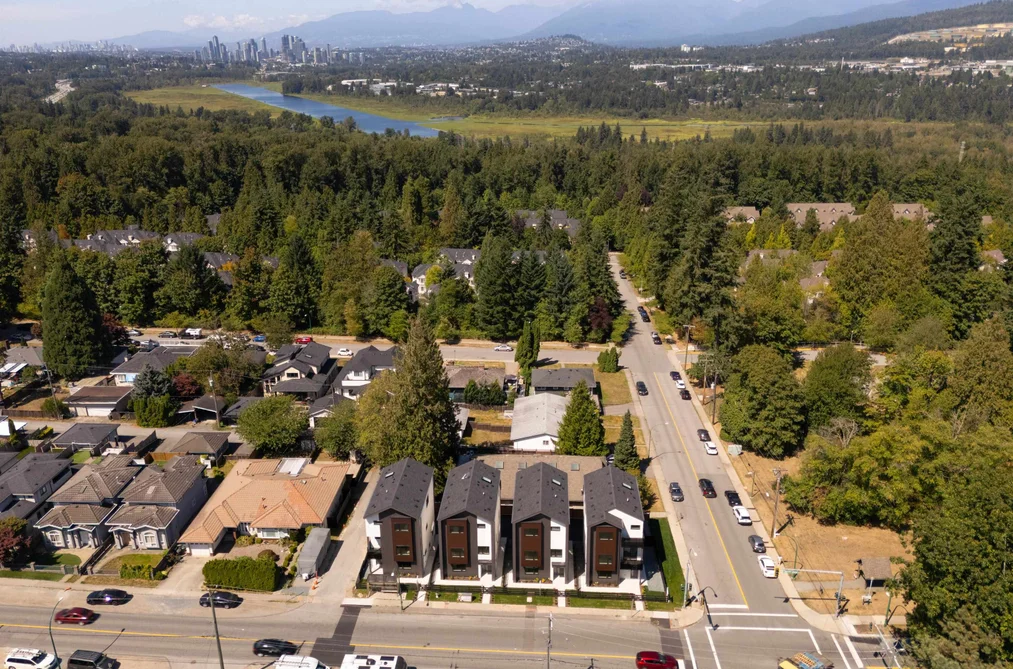
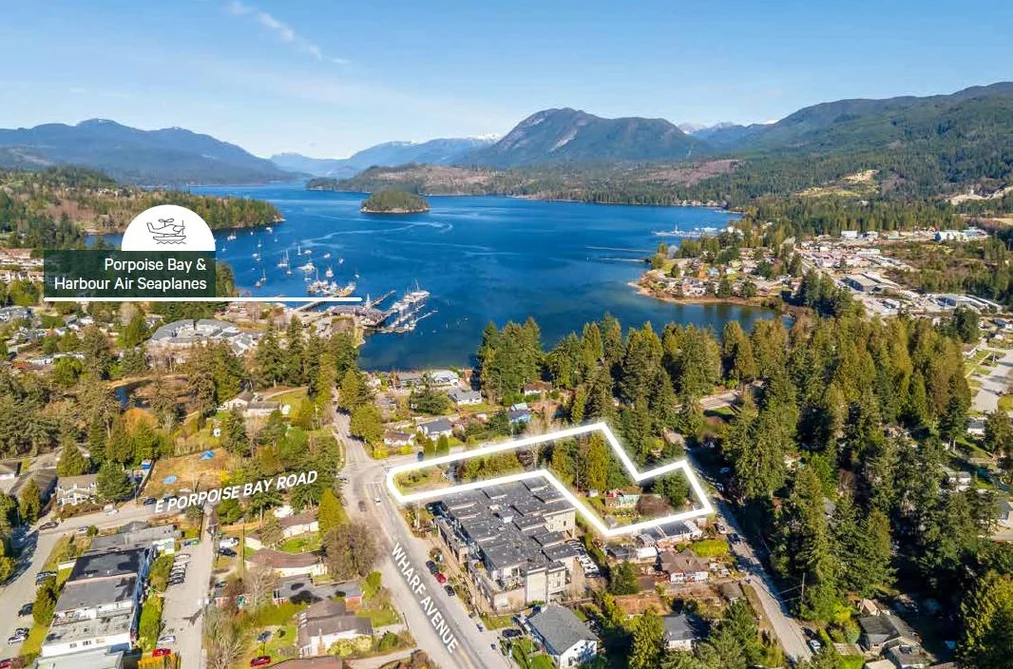
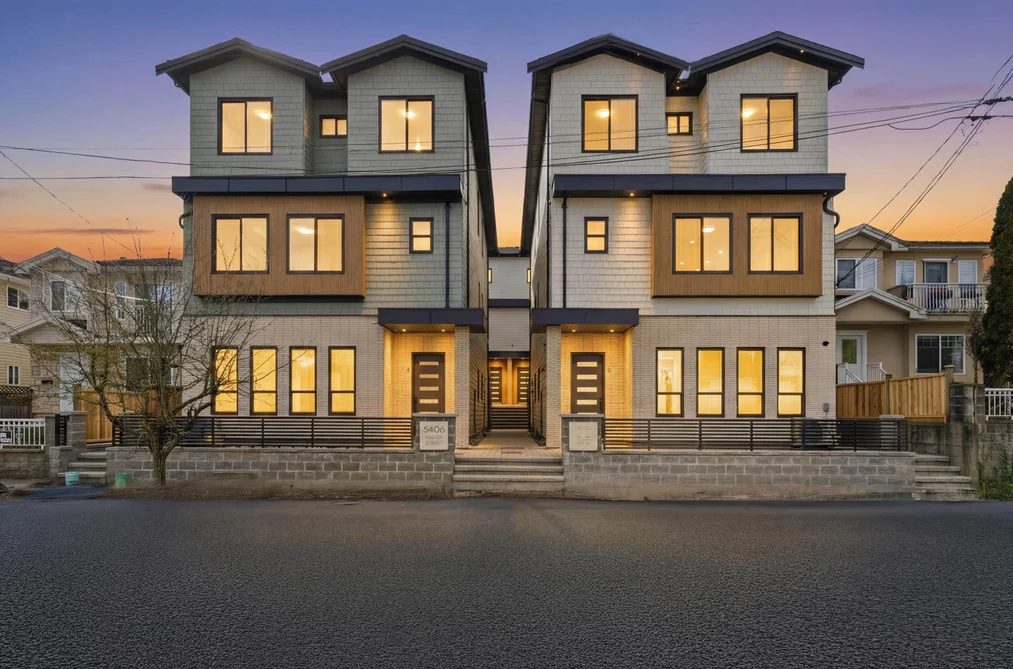
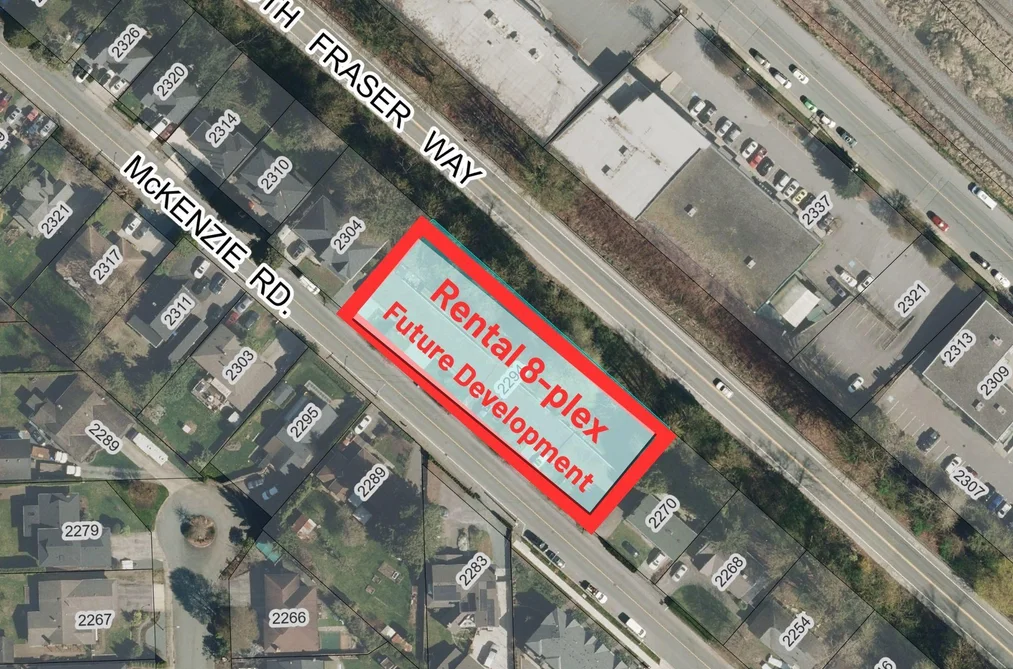
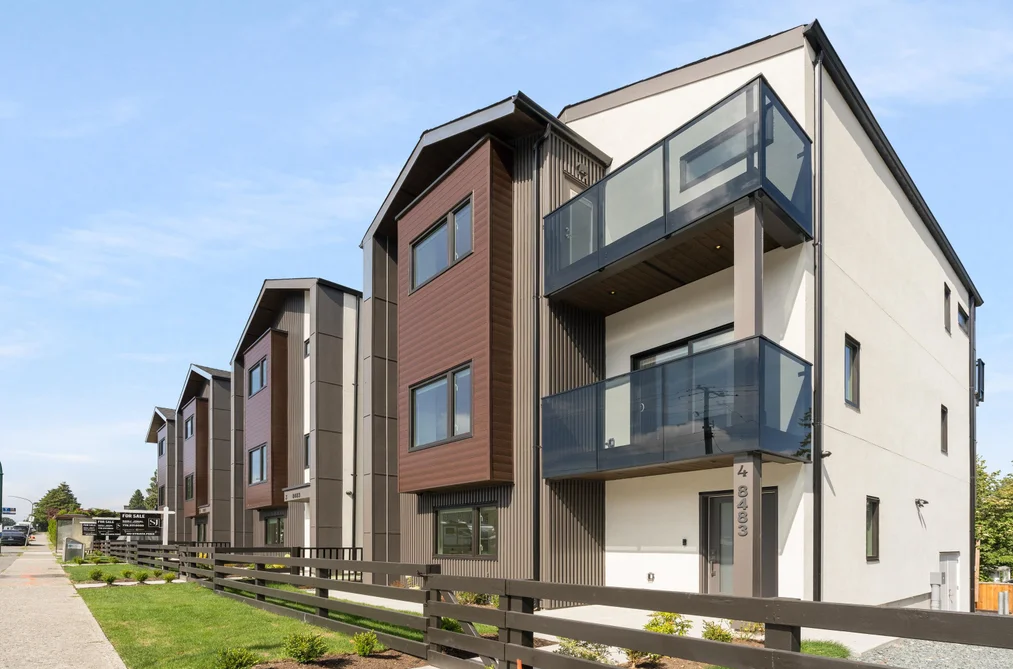
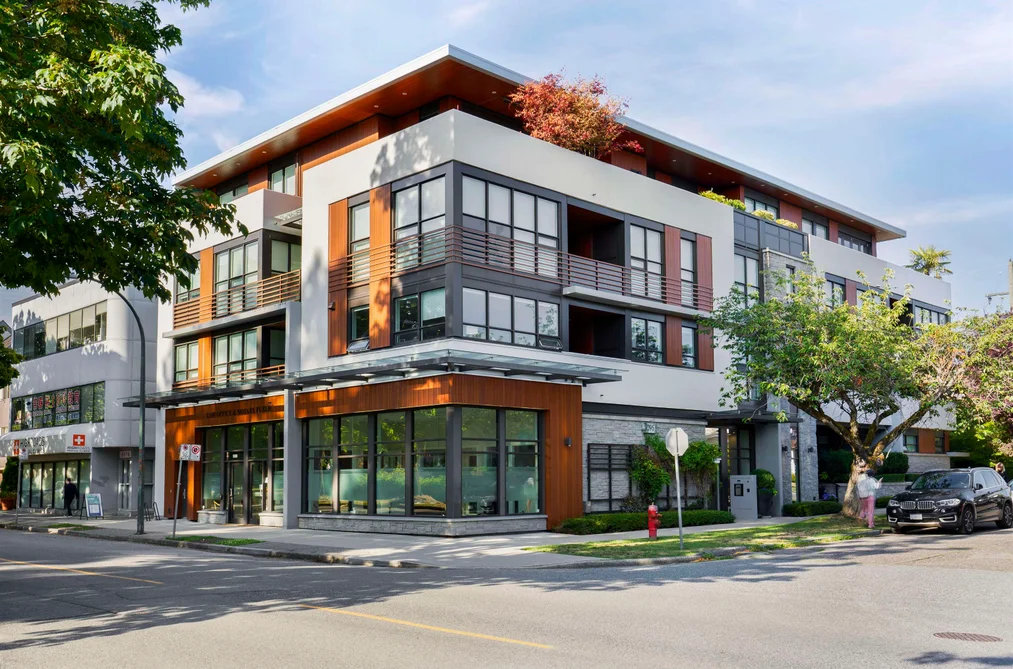
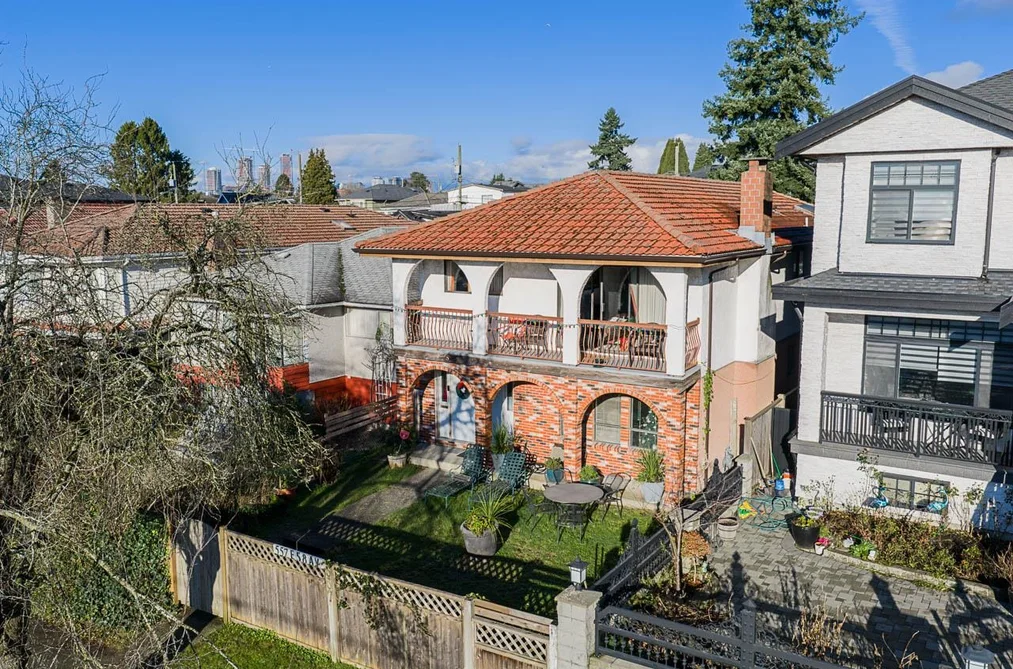
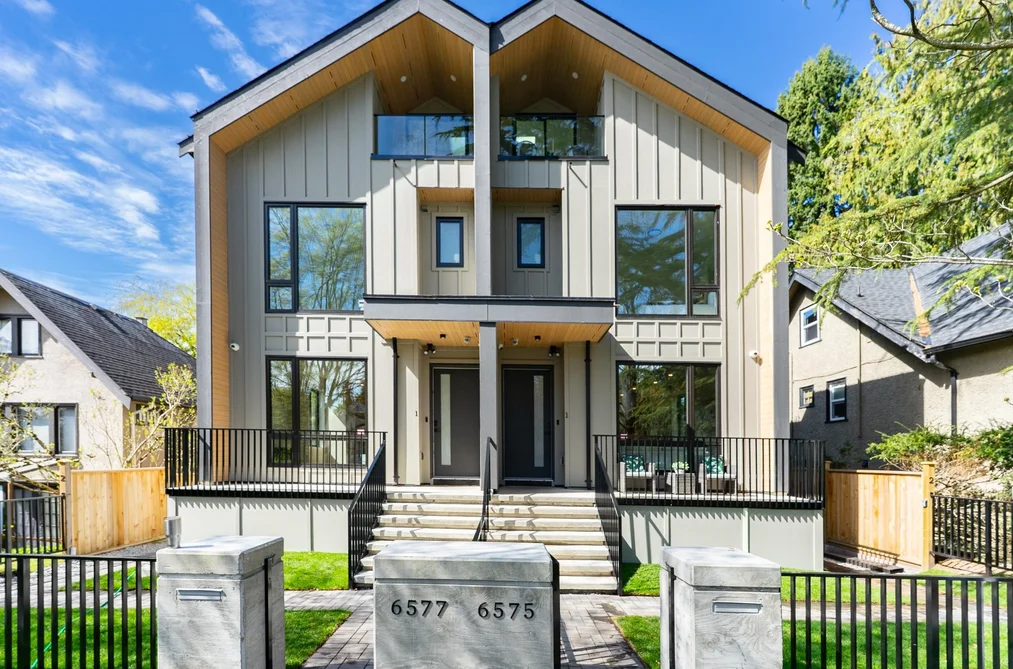
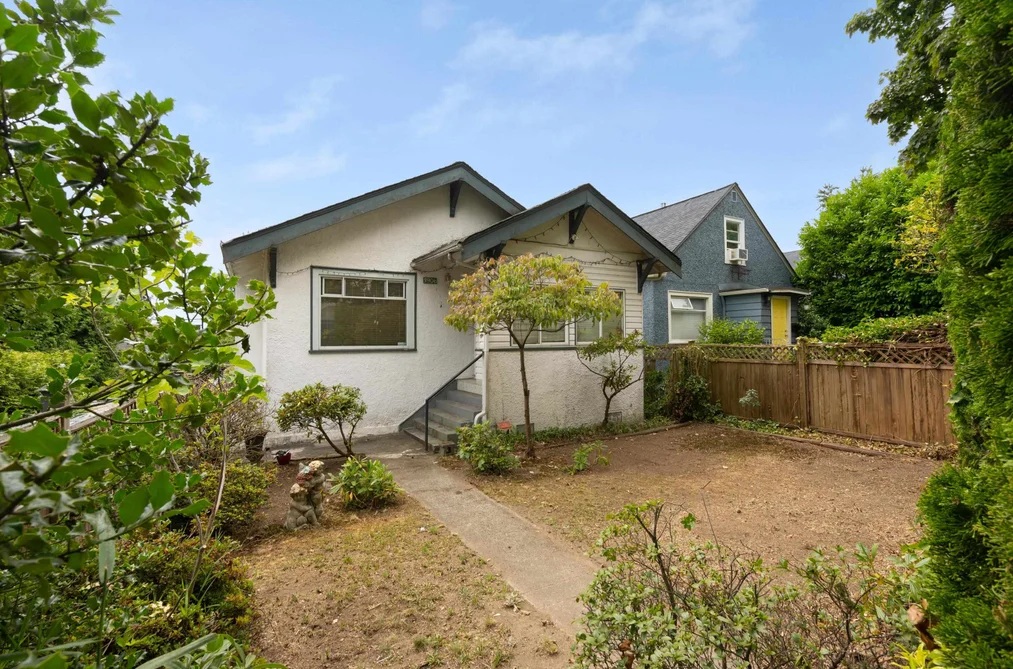
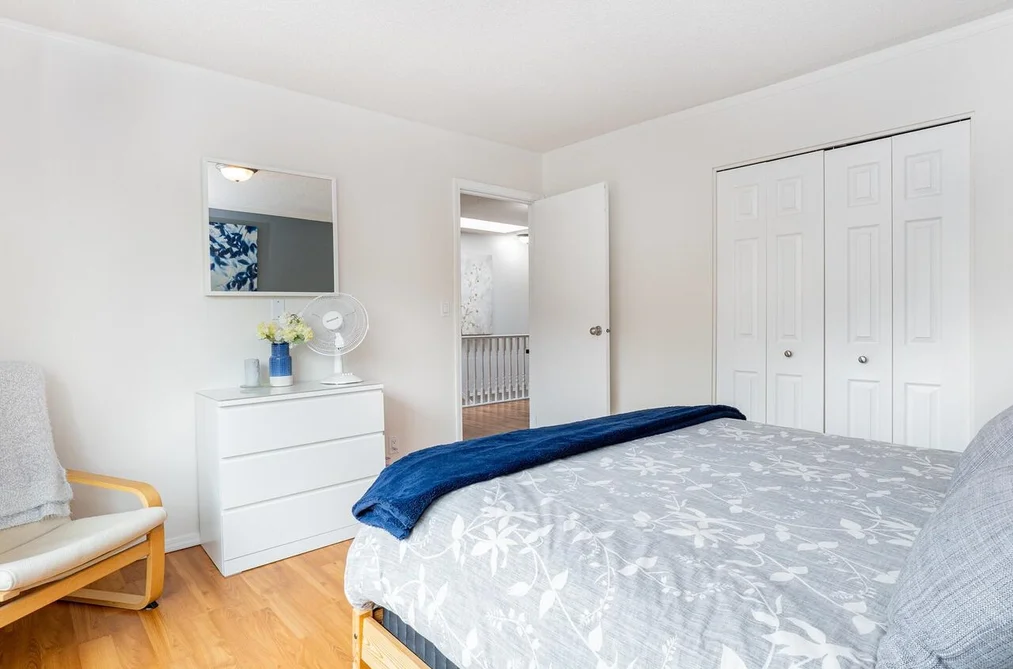
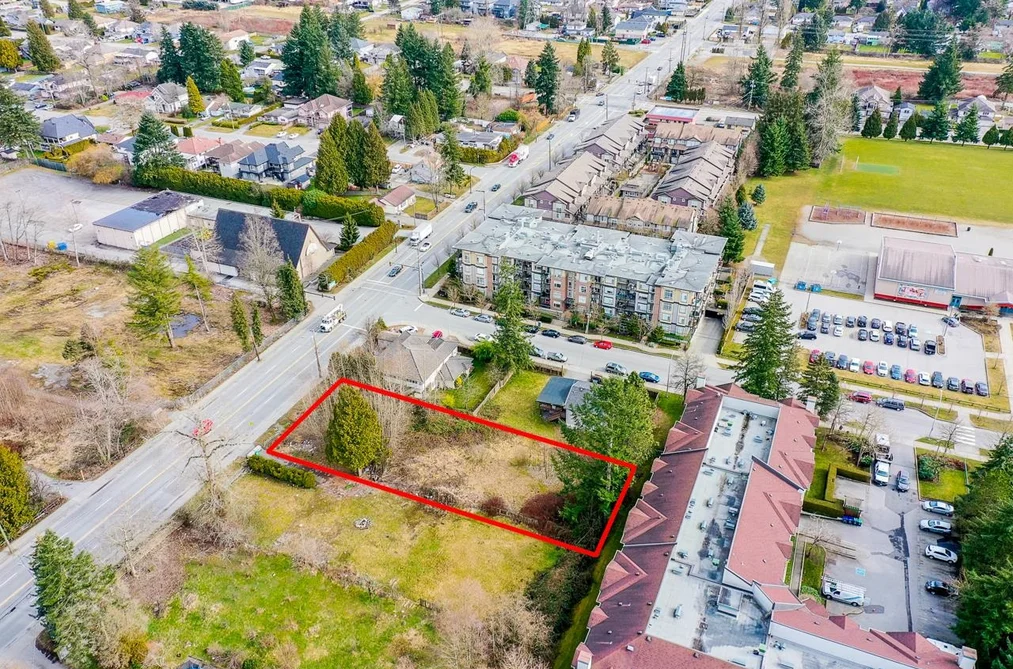
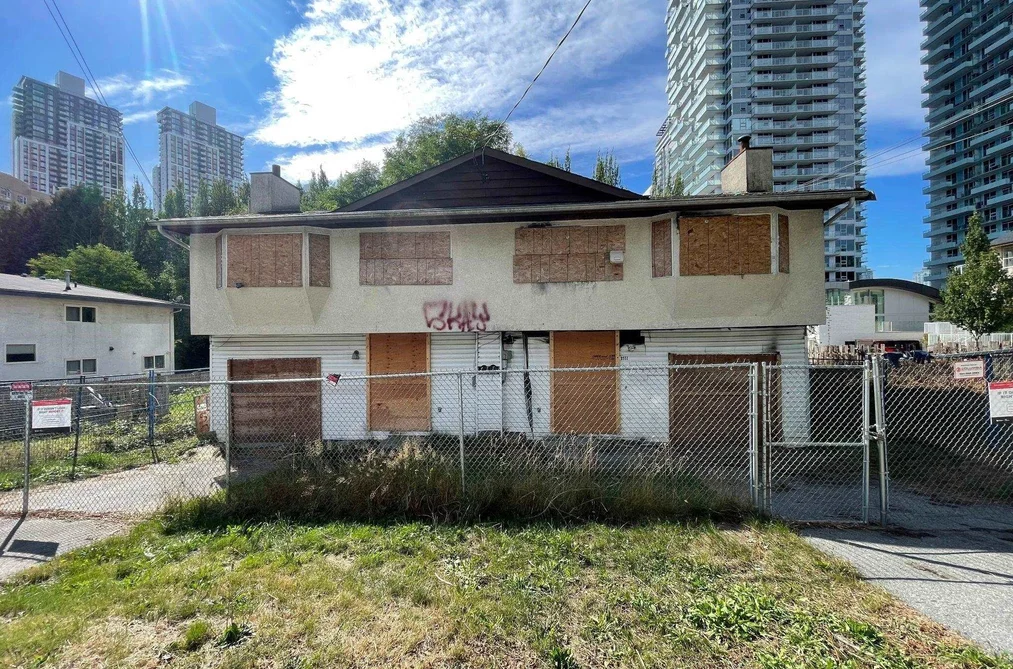
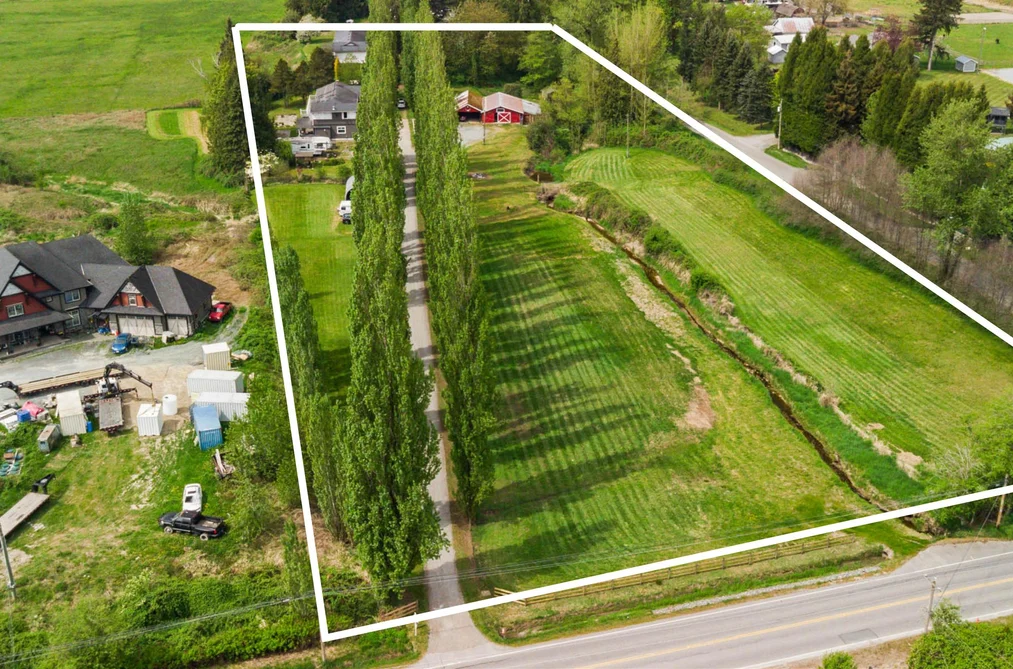
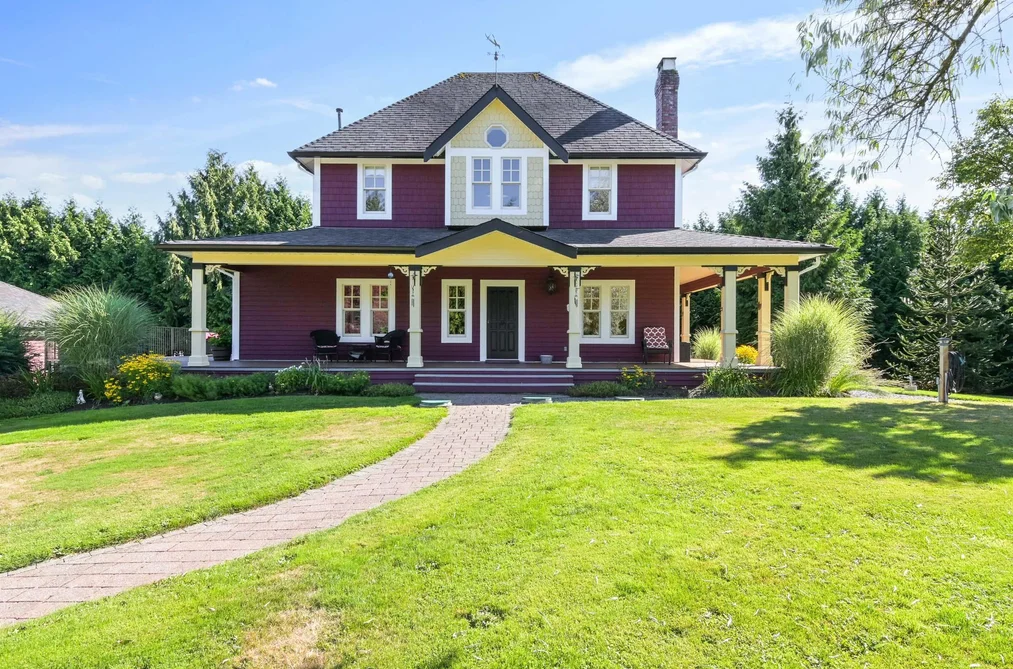
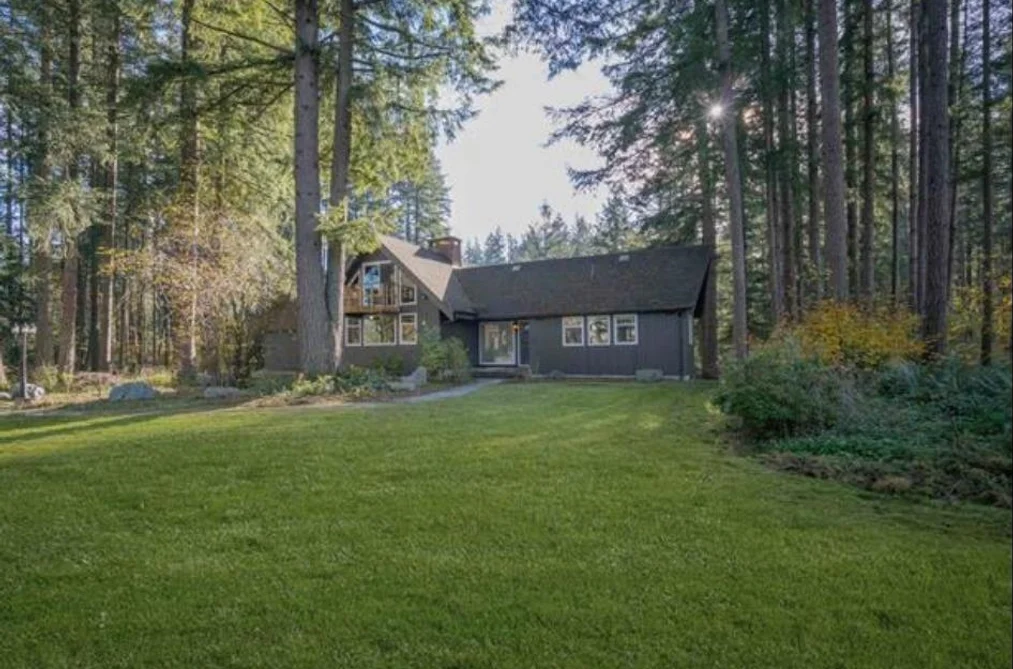
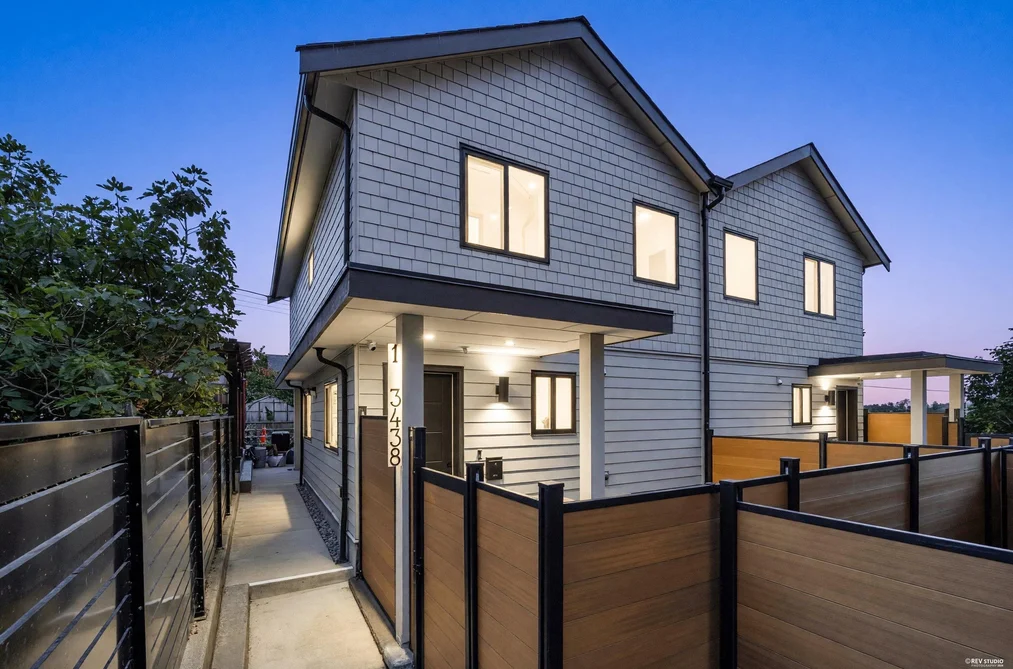
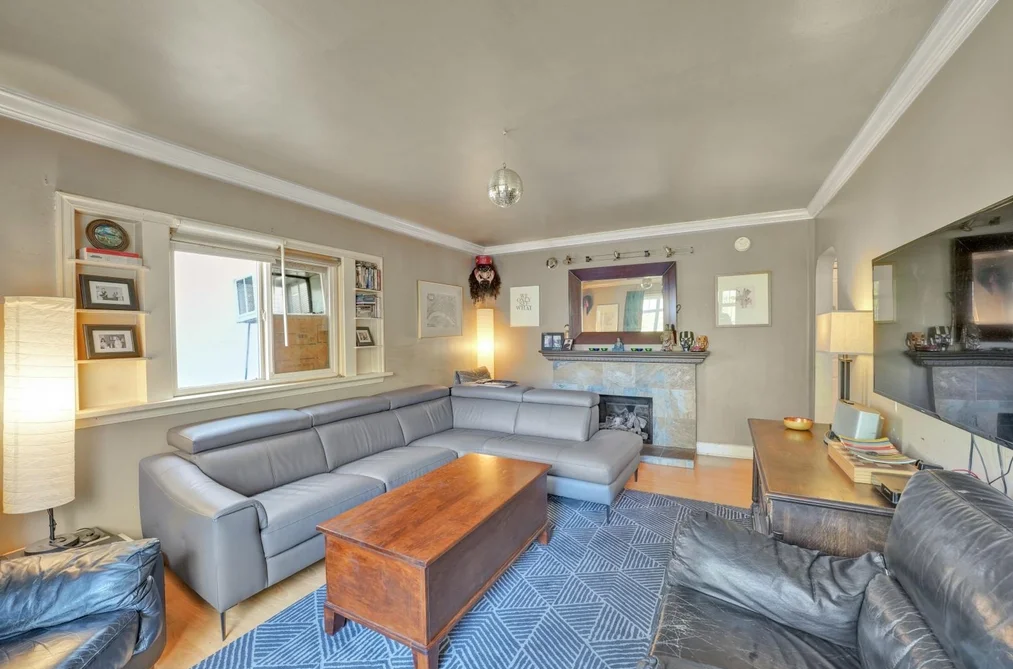
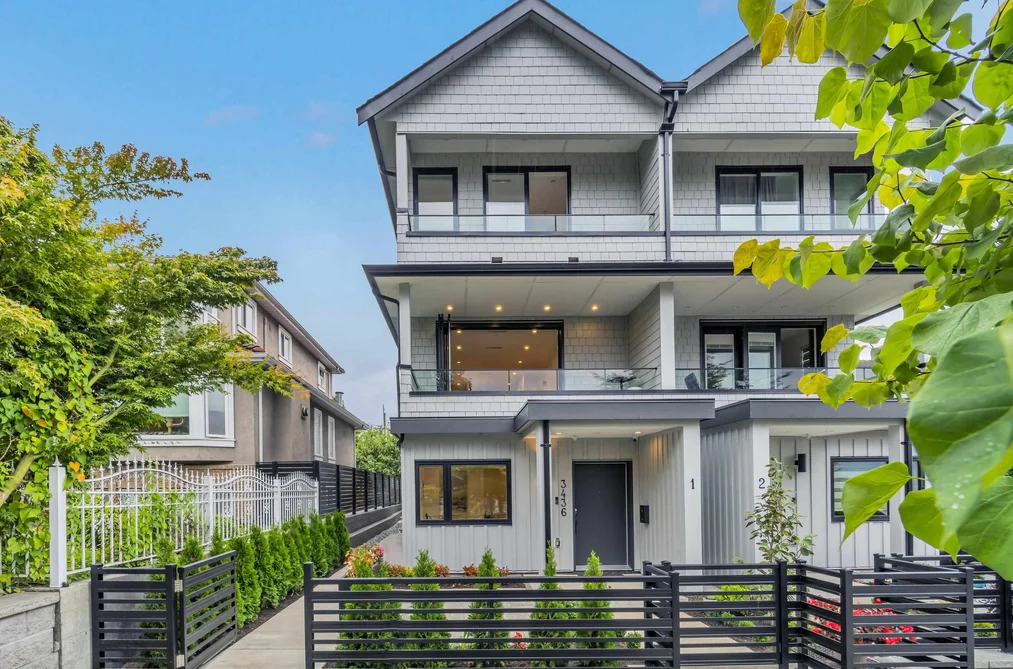
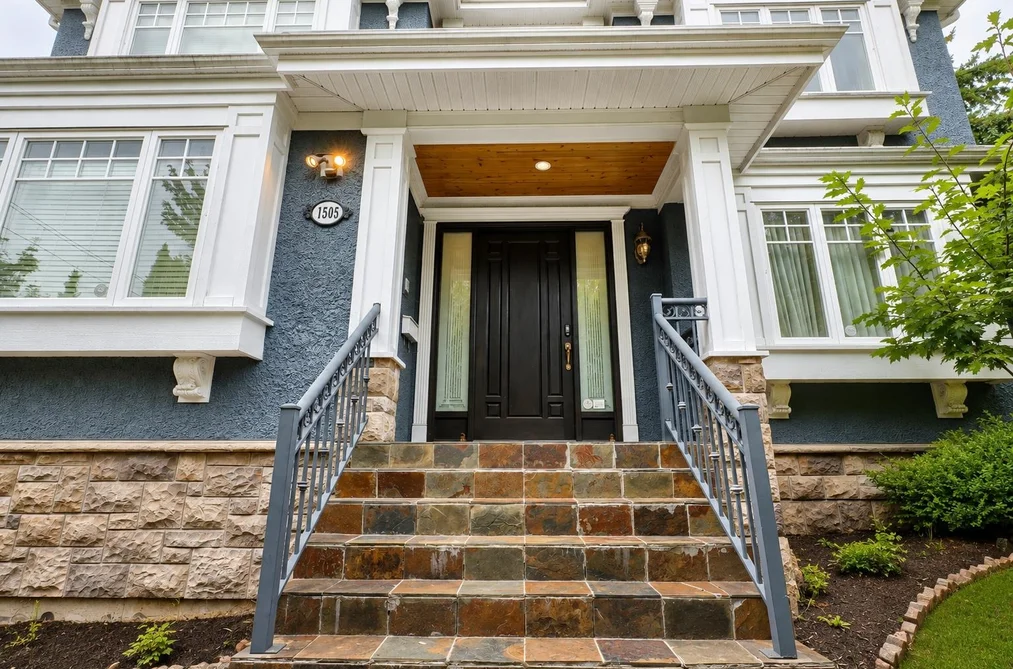
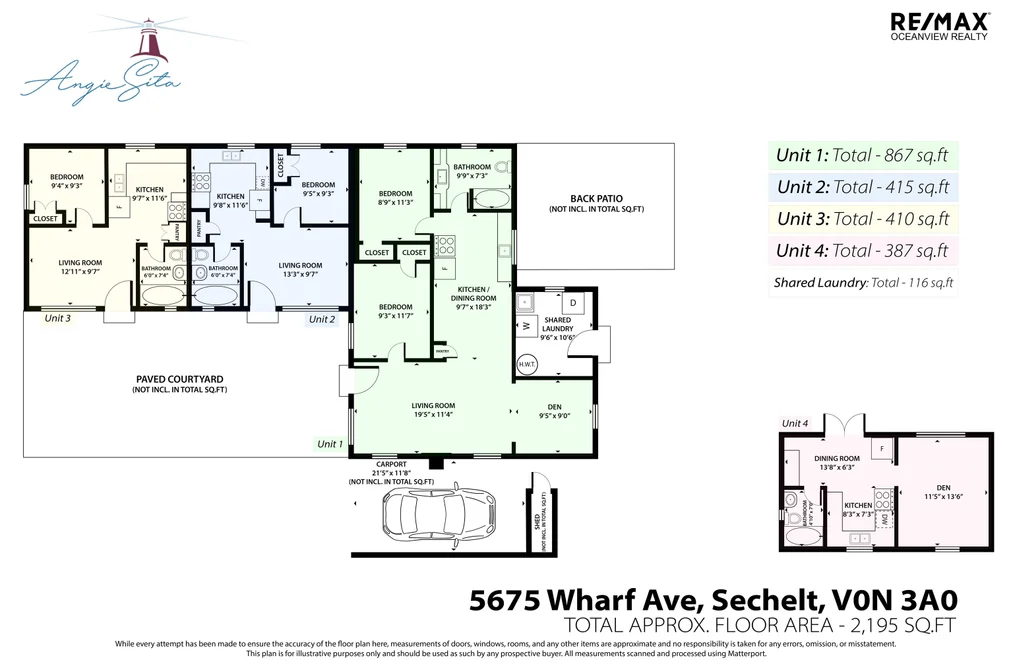
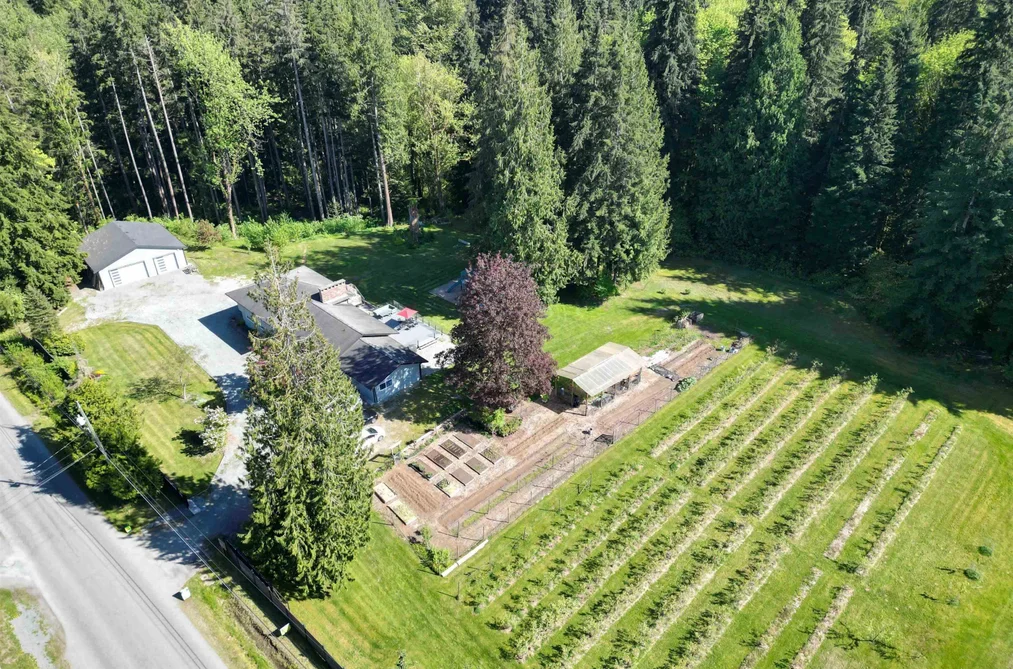
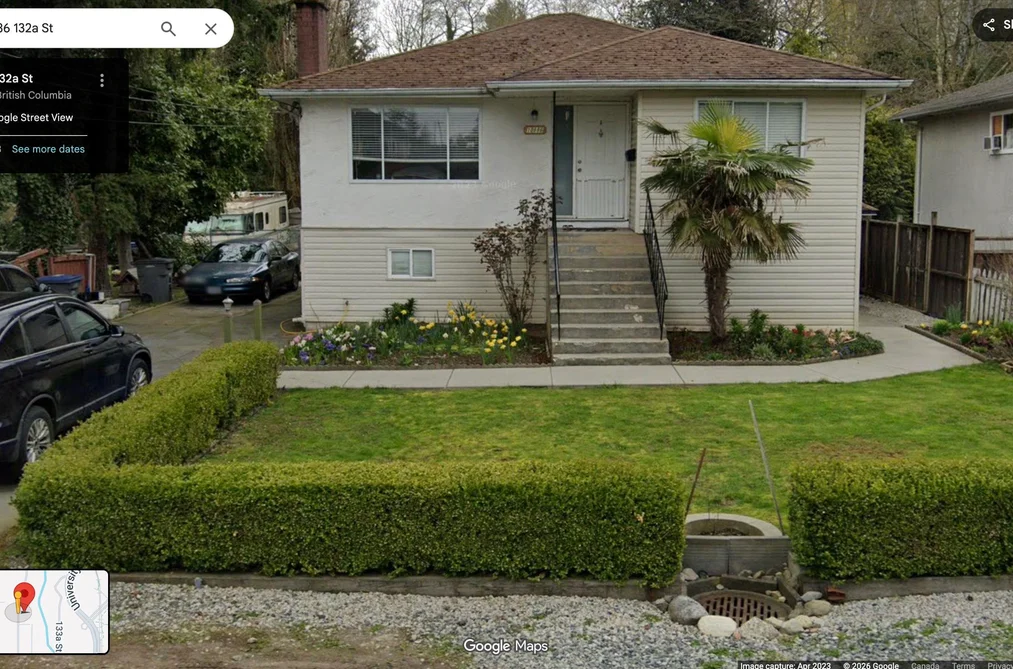
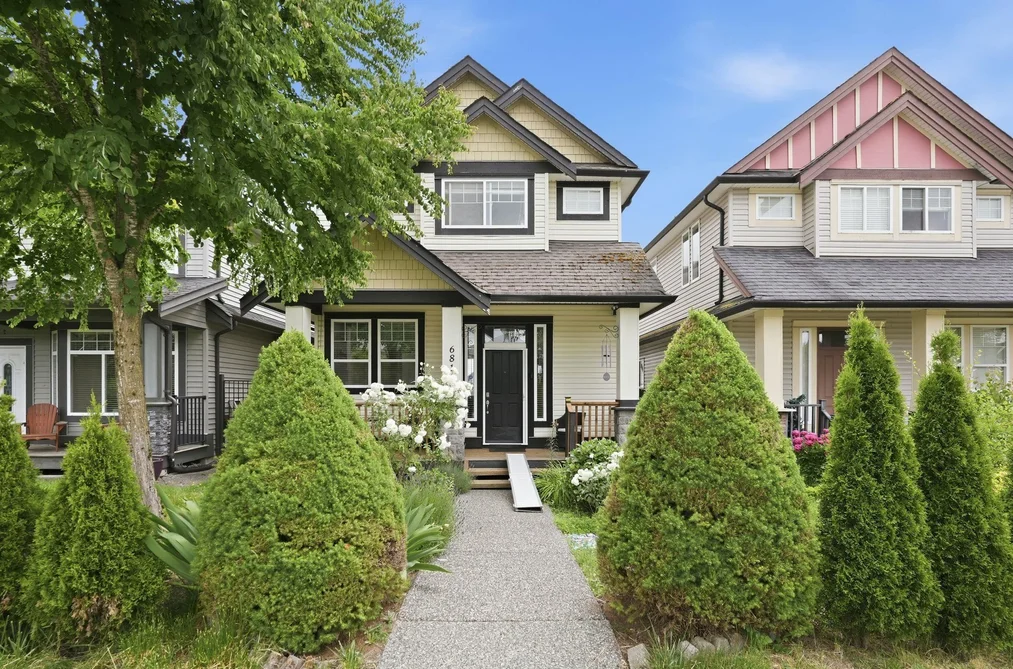
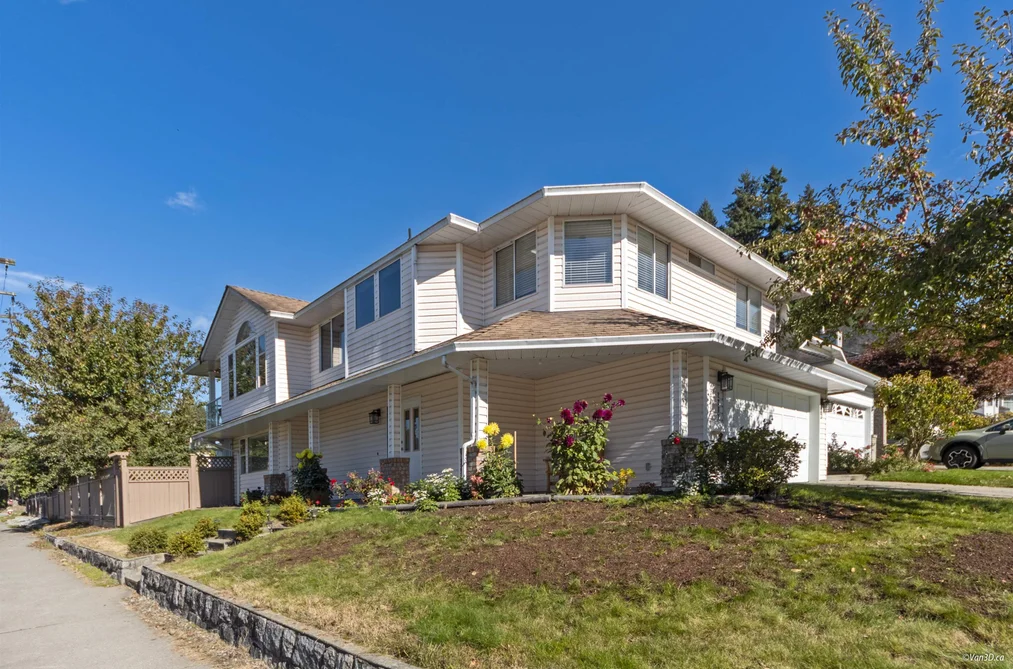
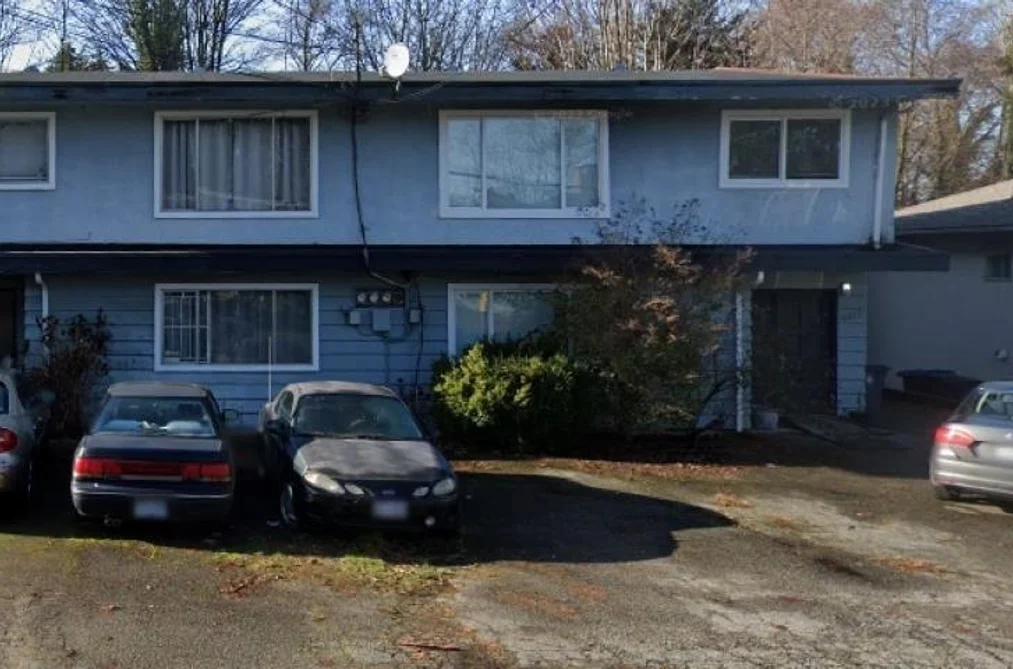
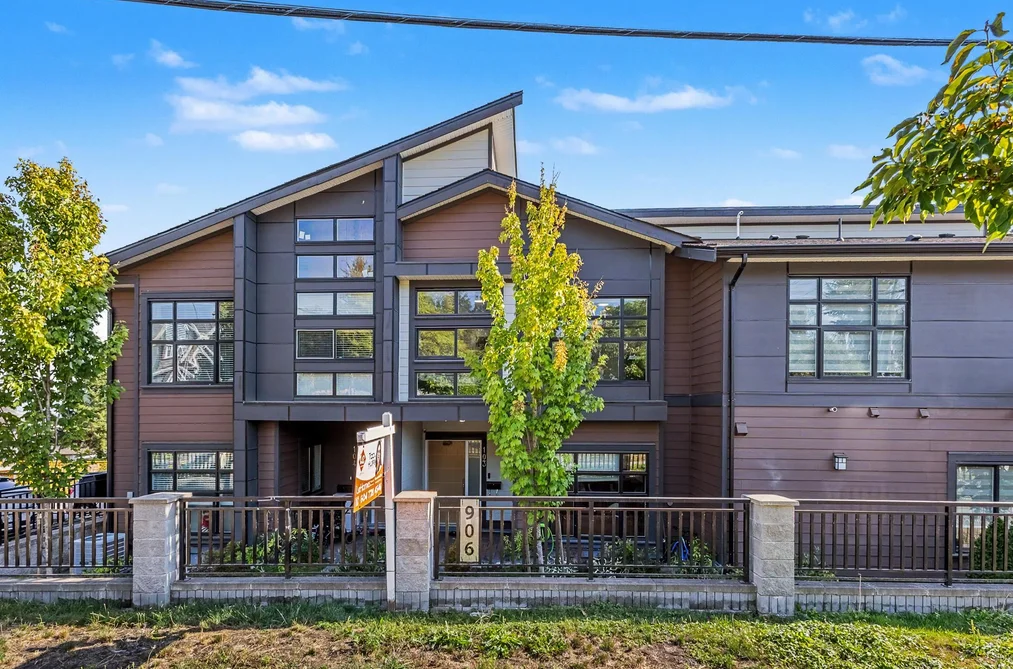
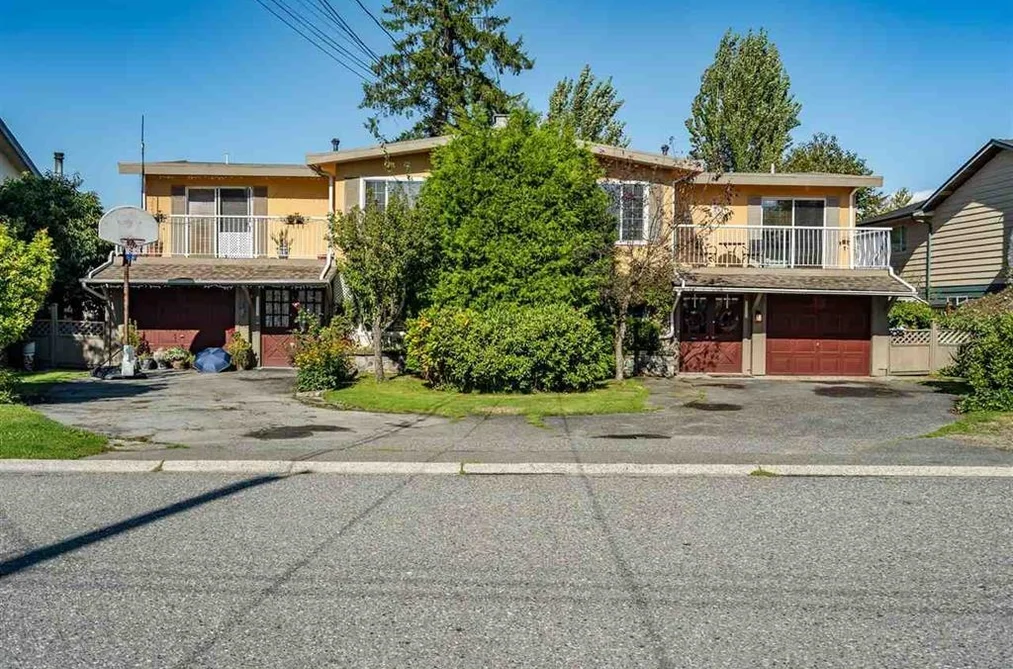
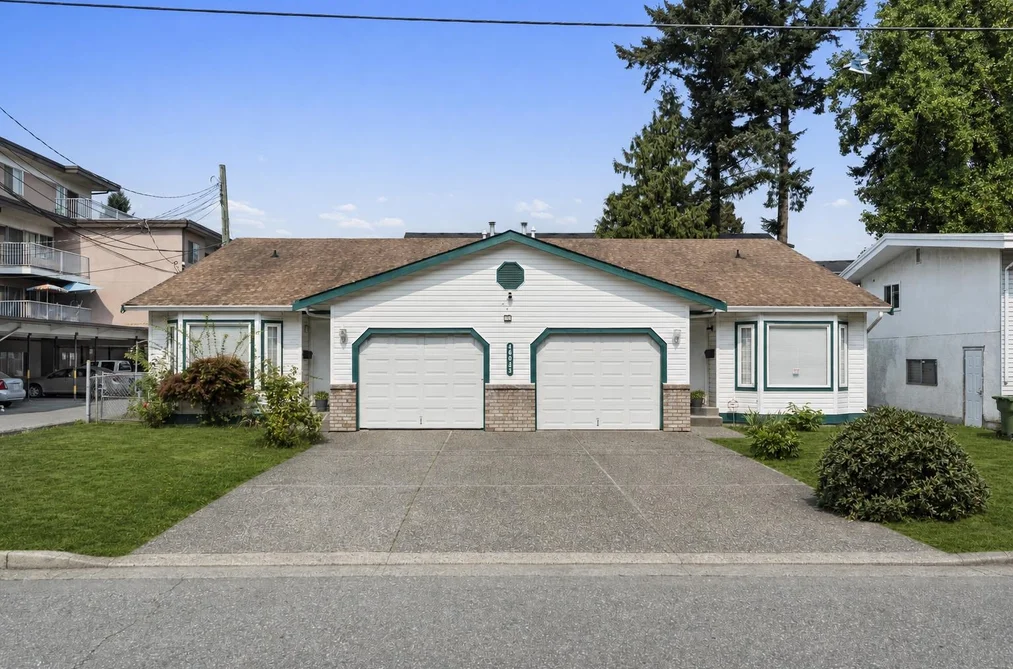
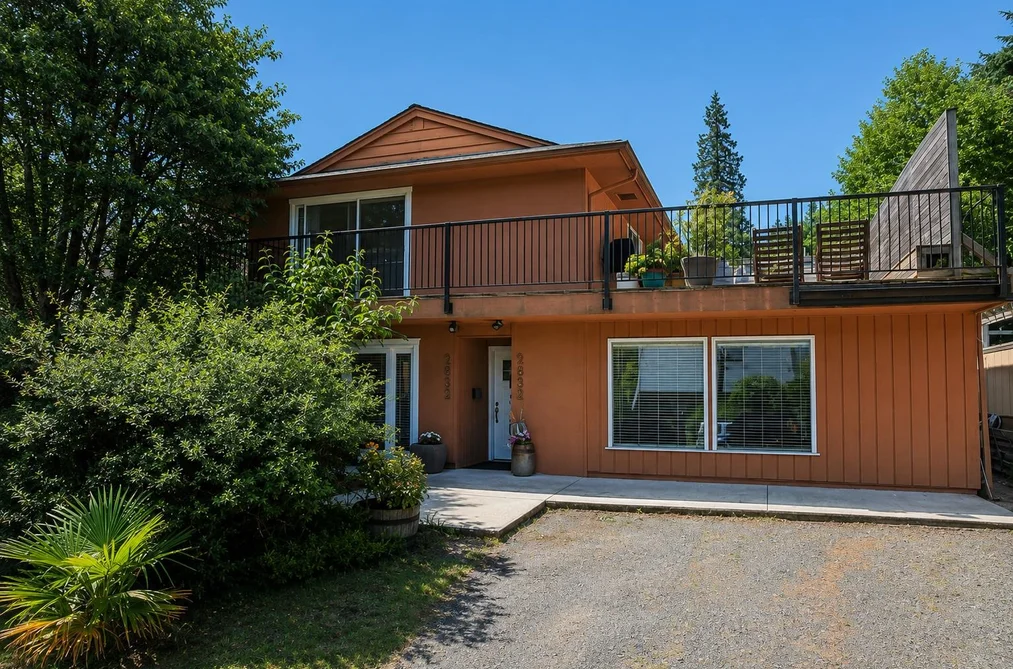
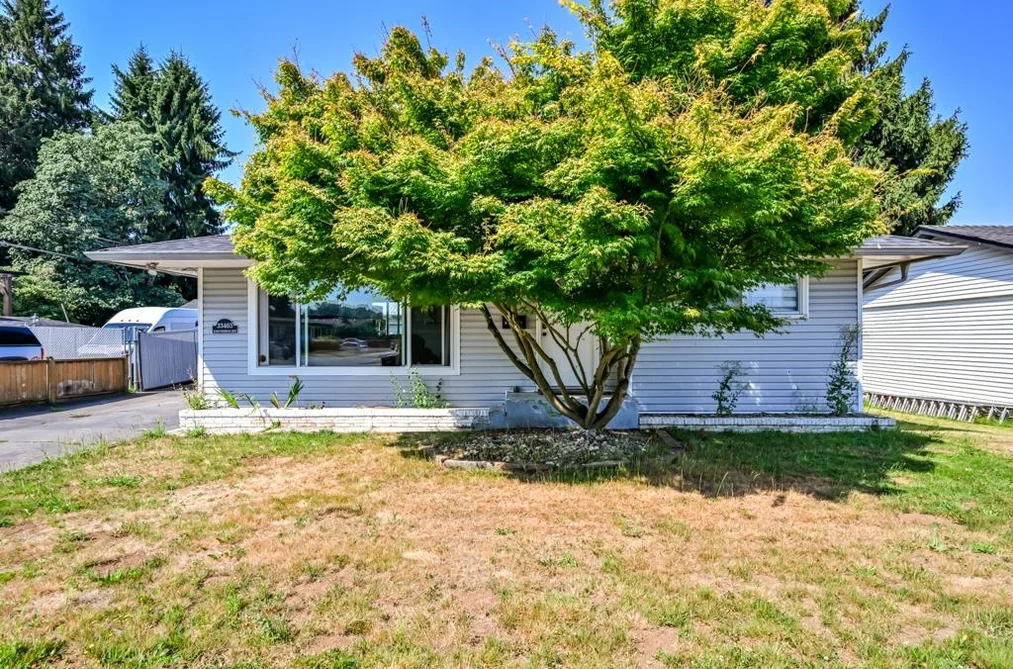
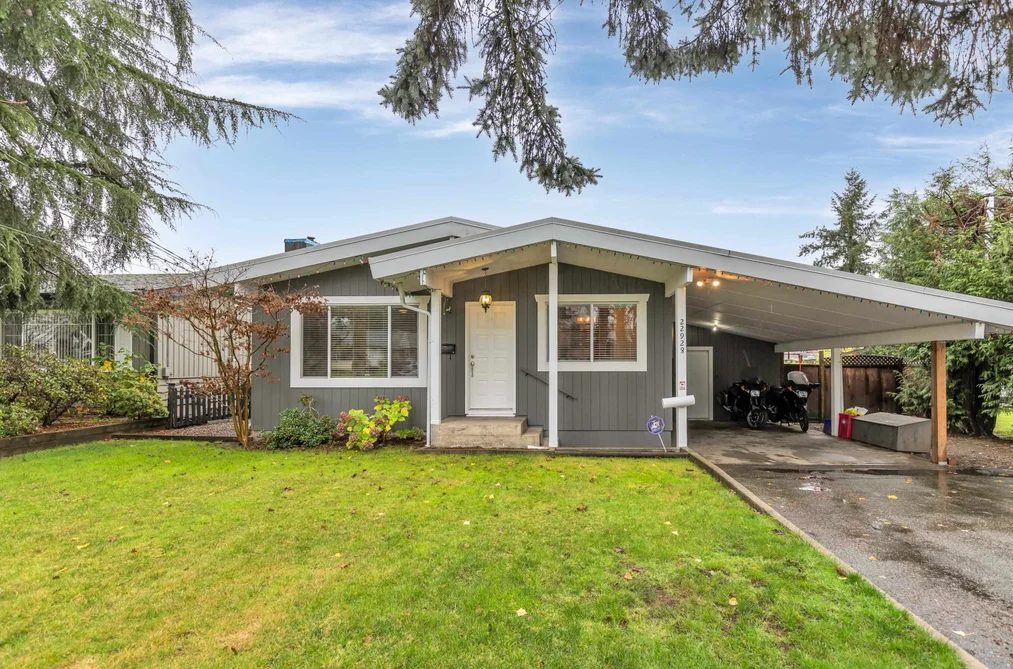
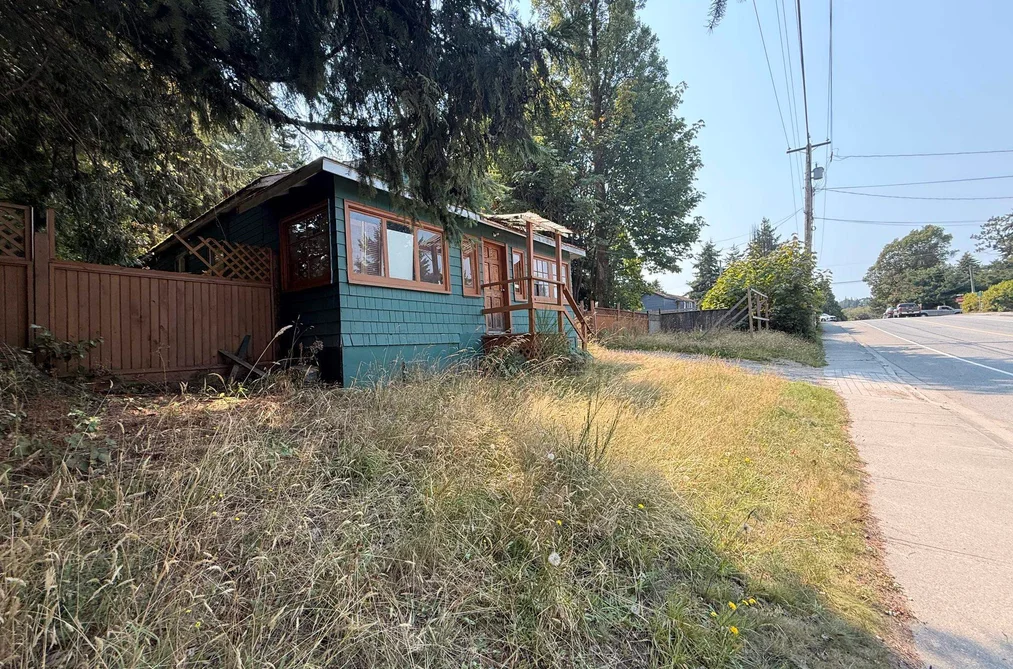
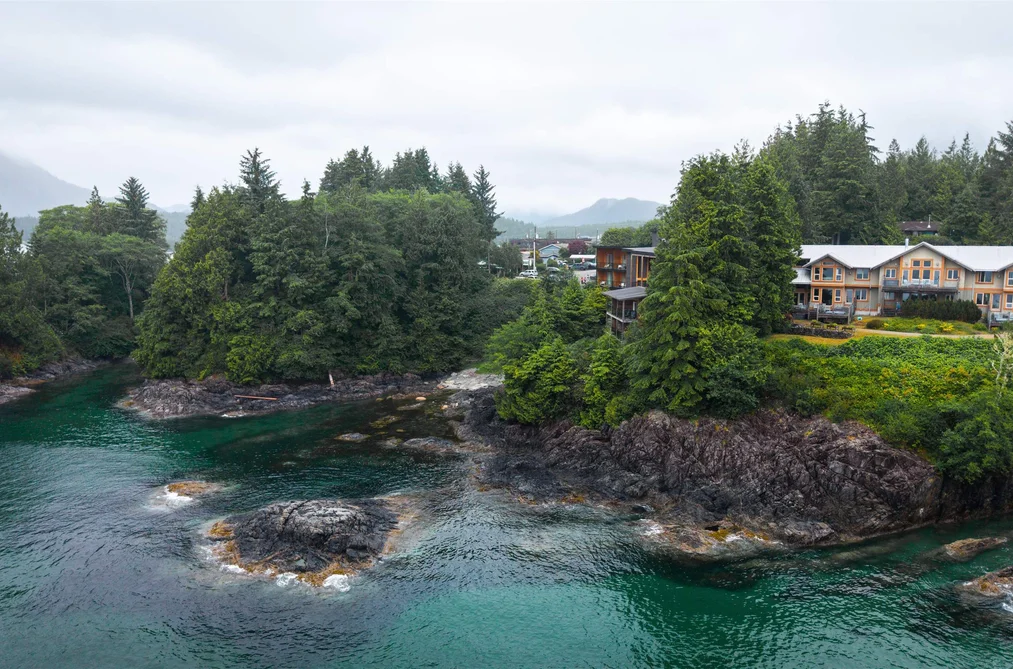
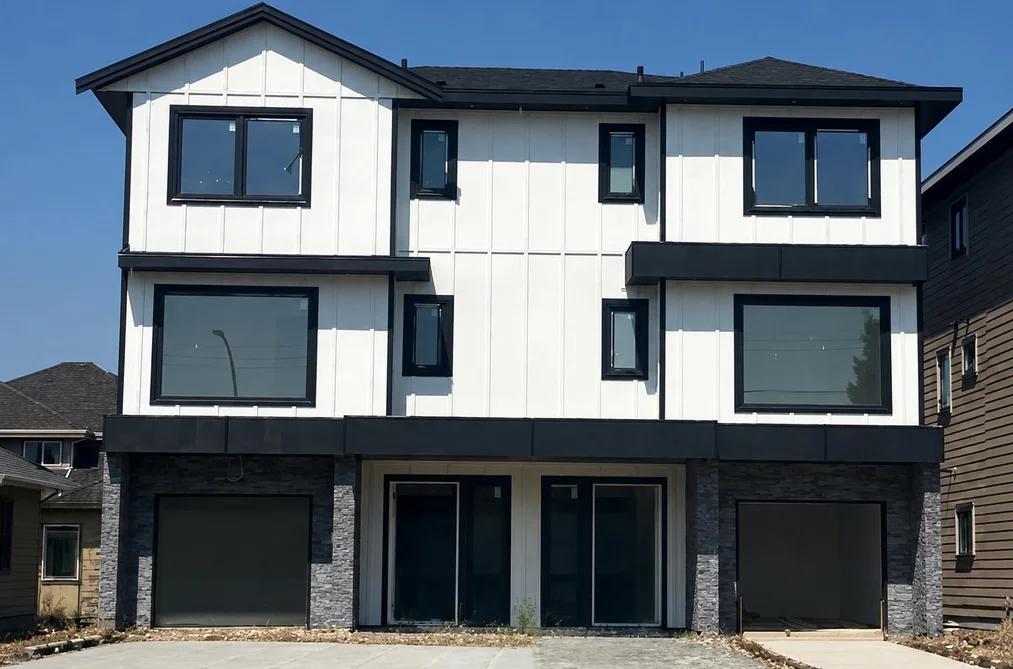
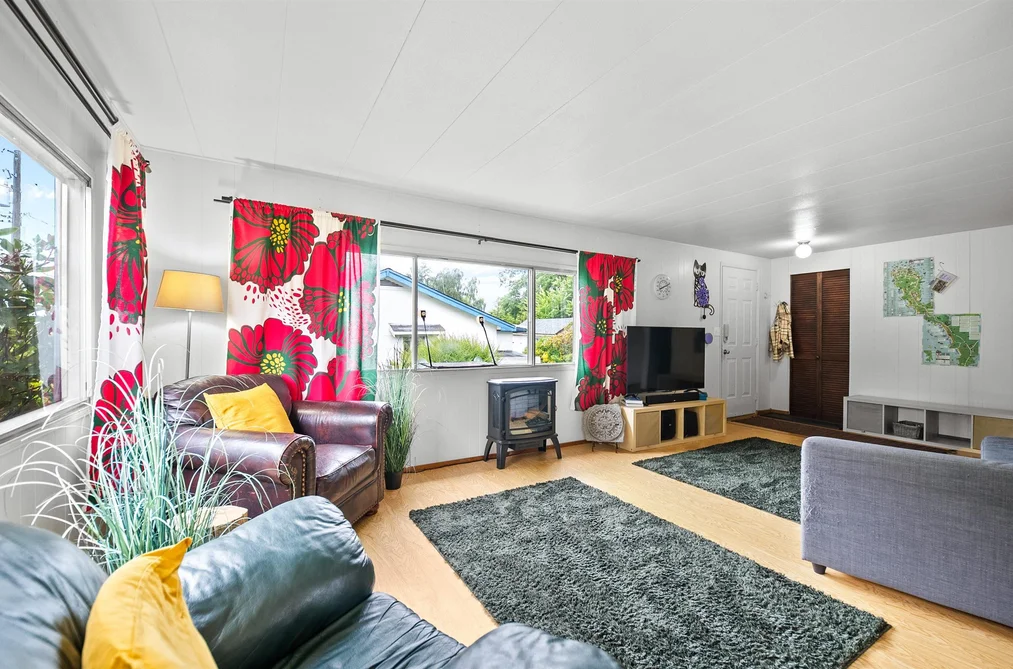
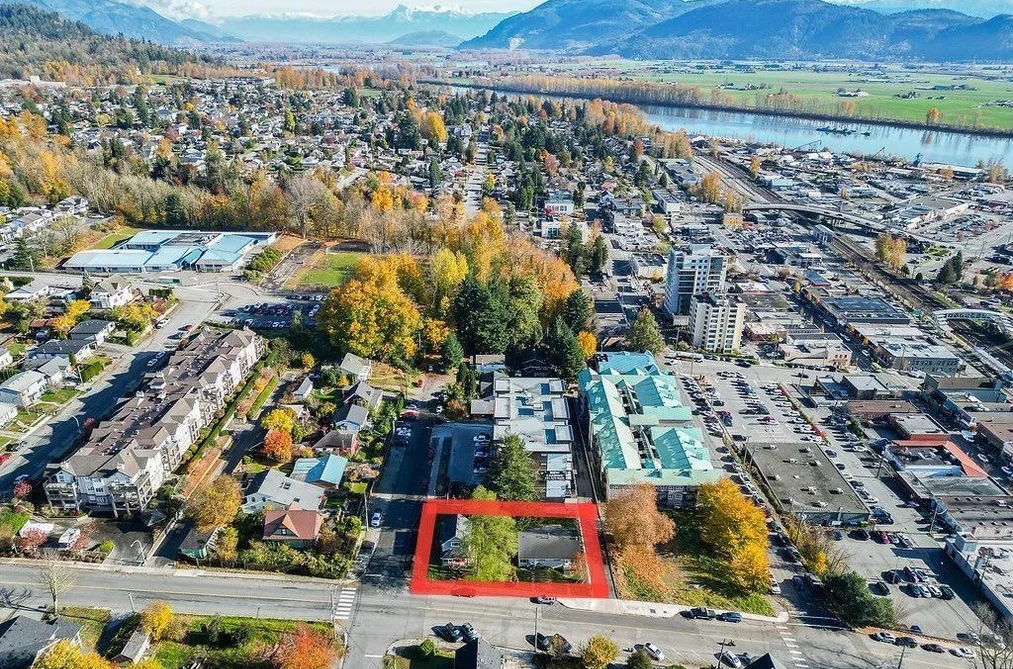
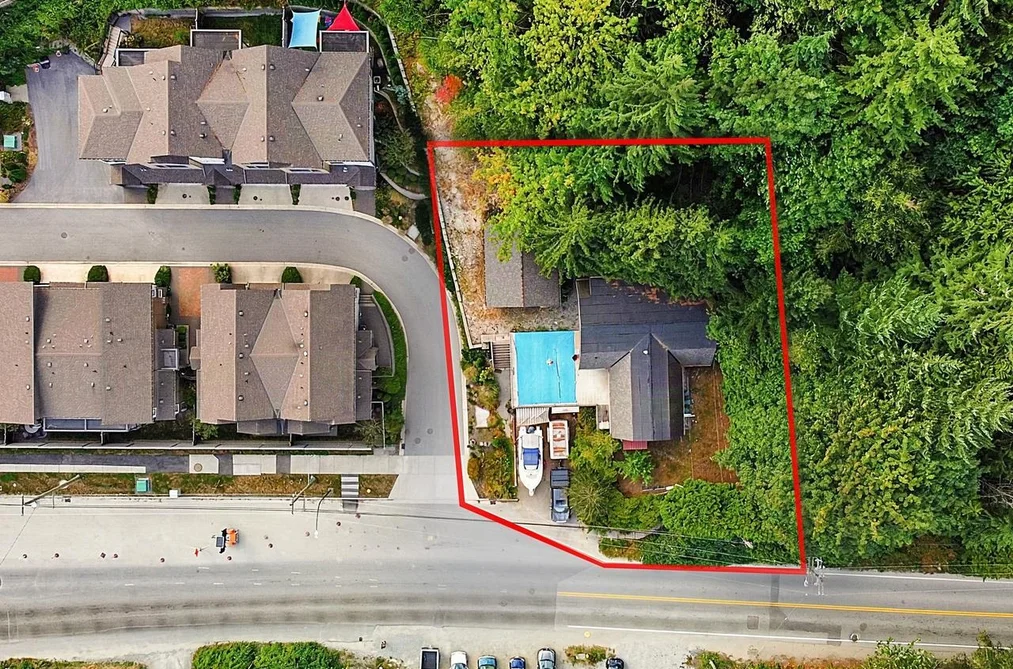
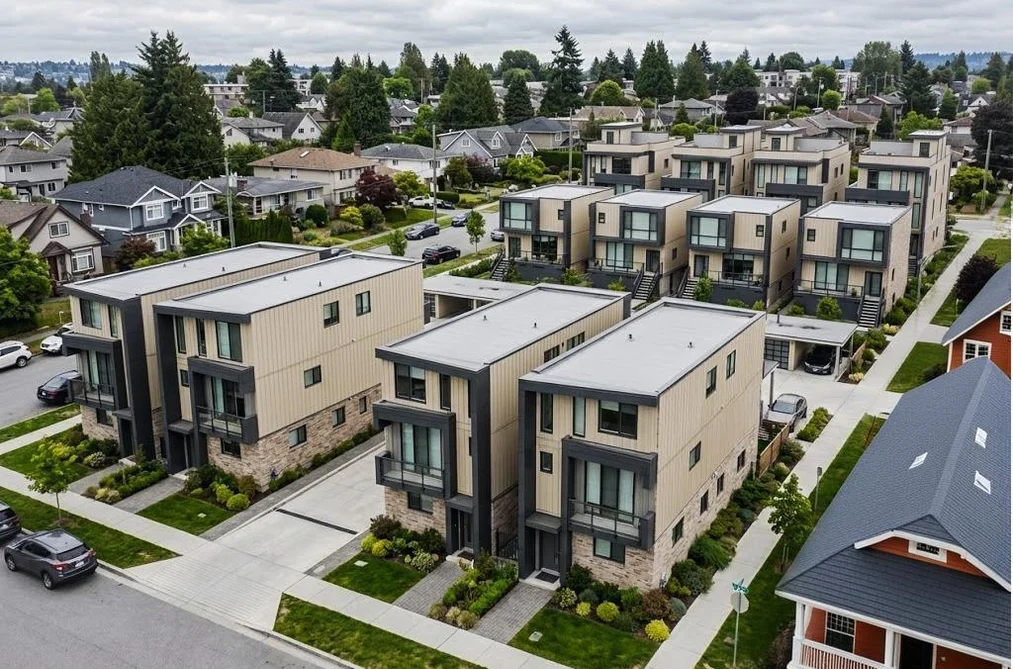
Multi-Family listings gather every property that holds more than one self-contained home under a single title, from a side-by-side duplex to a small apartment building, so start by deciding which scale you are actually buying.
The range inside this one label is enormous. A duplex is a house-scale purchase most buyers can finance conventionally. A triplex or fourplex sits at the boundary where lenders begin applying different rules. Above that, a building is treated as commercial regardless of the fact that people live in it, and the whole process changes.
Within any of those, condition decides more than the unit count. One roof, one service and often one heating system serve every home in the building, so a single deferred repair is a whole-building repair. Ask when the roof, the electrical service and the hot water system were last replaced, and have an inspector who works on multi-unit buildings look at them.
Confirm that each home in the building is legally recognised. A property can physically contain three or four households while the permits show fewer, and the gap decides whether a lender will finance it and whether the municipality will let the arrangement continue. Ask the municipality directly rather than reading it from the listing.
Zoning across British Columbia has been changing quickly, and lots that could not hold multiple homes a few years ago now can. Ask your REALTOR® to pull the current zoning and any recent amendments, because that is where the genuine opportunities in this market have been coming from.
Speak to a broker before you speak to anyone else. Down payment requirements, amortisation and how much of the rent a lender will count all differ from a single-family purchase, and the thresholds shift with the number of units. Discovering this after an accepted offer is expensive.
Then budget the running costs honestly: insurance on a multi-unit building, property tax, maintenance across several kitchens and bathrooms, and the vacant weeks between households. Investors and owner-occupiers alike are caught out by treating the current rent roll as a fixed figure.
Ask for the actual rents rather than market estimates, and find out who is living in the building now. Existing tenancies continue after a sale on their existing terms, so the rental income you inherit is the one on the current agreements, not the one a listing projects. Ask whether any unit is vacant, and why.
Ask about metering as well. Where one service covers the whole building you pay for usage you do not control, and separating services afterwards costs real money.
Ask how the building is arranged before you assume you could live in part of it. Side-by-side homes each with their own entrance are a very different proposition from stacked units sharing a stairwell, and it decides whether owner-occupancy is comfortable or merely possible. Check parking against the household count rather than the driveway, and find out where the laundry is and who has access to it.
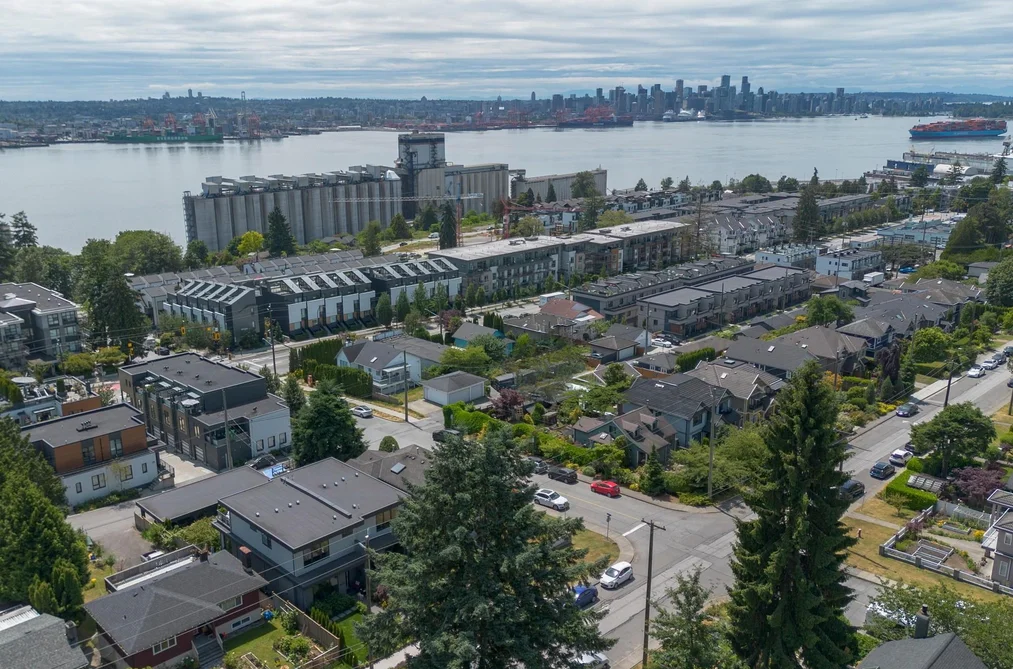
Inventory is uneven across the region. Vancouver itself is thin and expensive, while Burnaby, Coquitlam, Surrey and out through the Fraser Valley to Chilliwack carry more of this housing type and price it differently. Widening the search by a few municipalities usually does more for what you can buy than waiting for the right listing in one neighbourhood.
Browse and compare current multi-family real estate listings on Strawhomes, filter by area and property type, and shortlist by what the permits and the rent agreements actually confirm.