For Sale
1 day
- $999,990
- 3 bed
- 3 bath
- 1729 sqft
MLS® R3169871
•RE/MAX Sea to Sky Real Estate
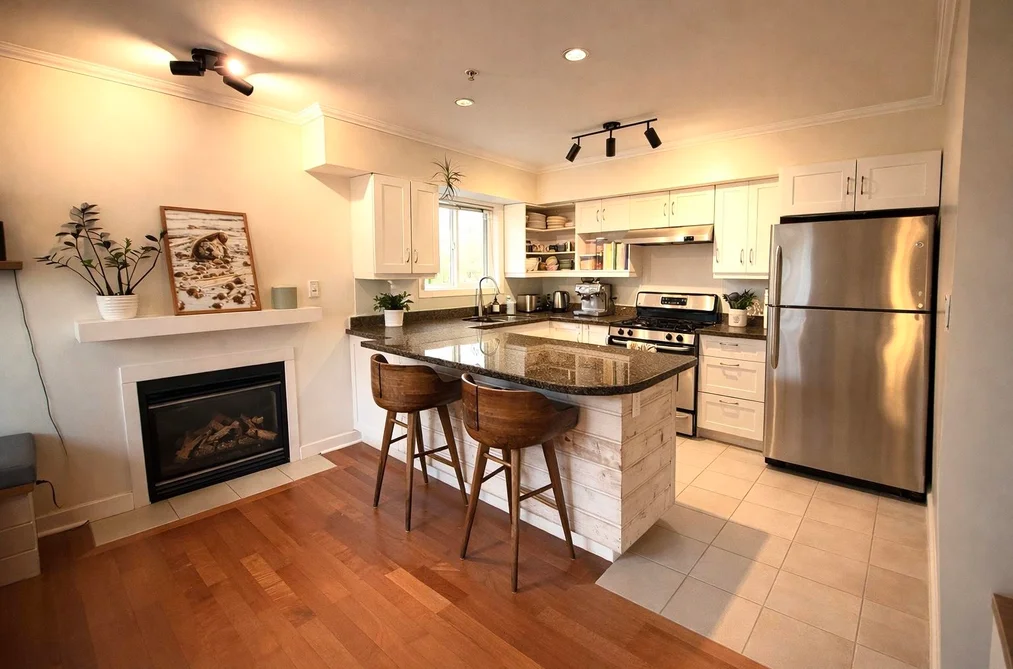
Browse Corner Unit condos for sale in the Lower Mainland and compare the exposure, window count and noise before you pay the premium a corner position carries.
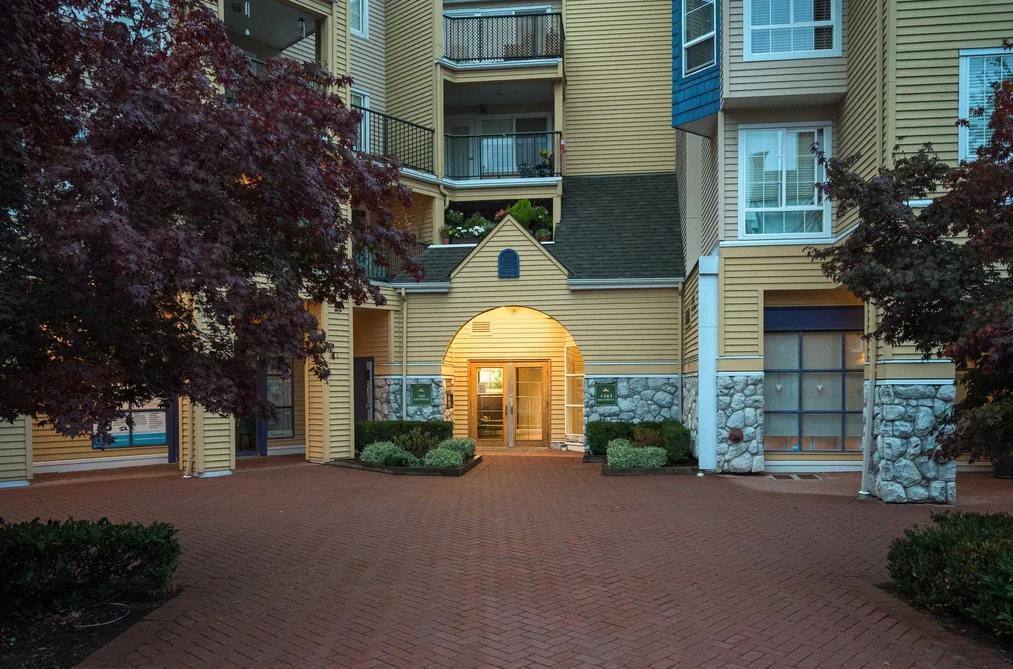
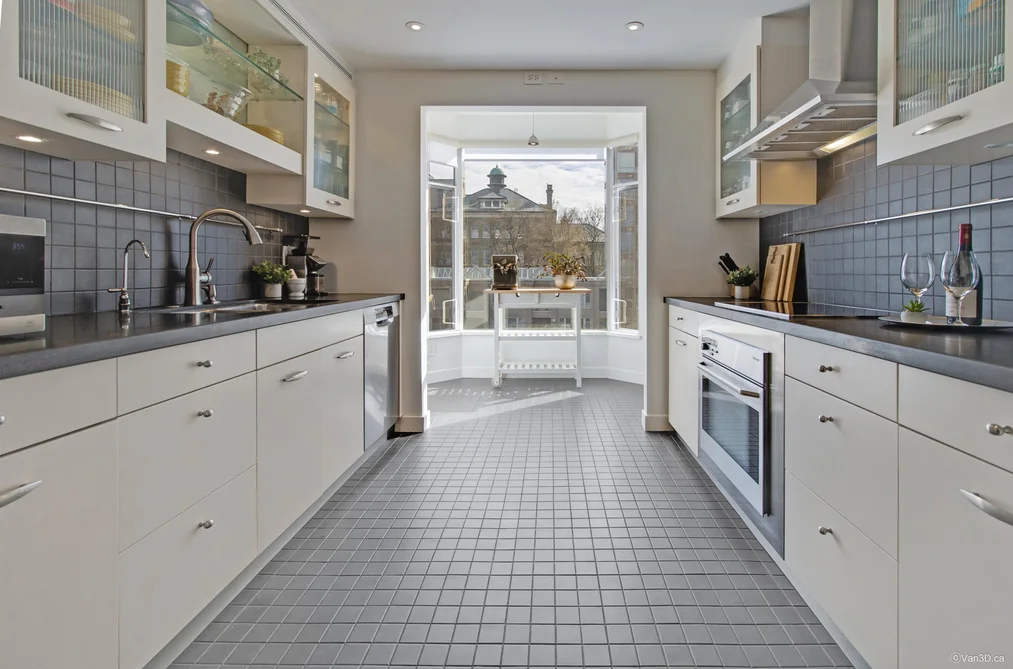
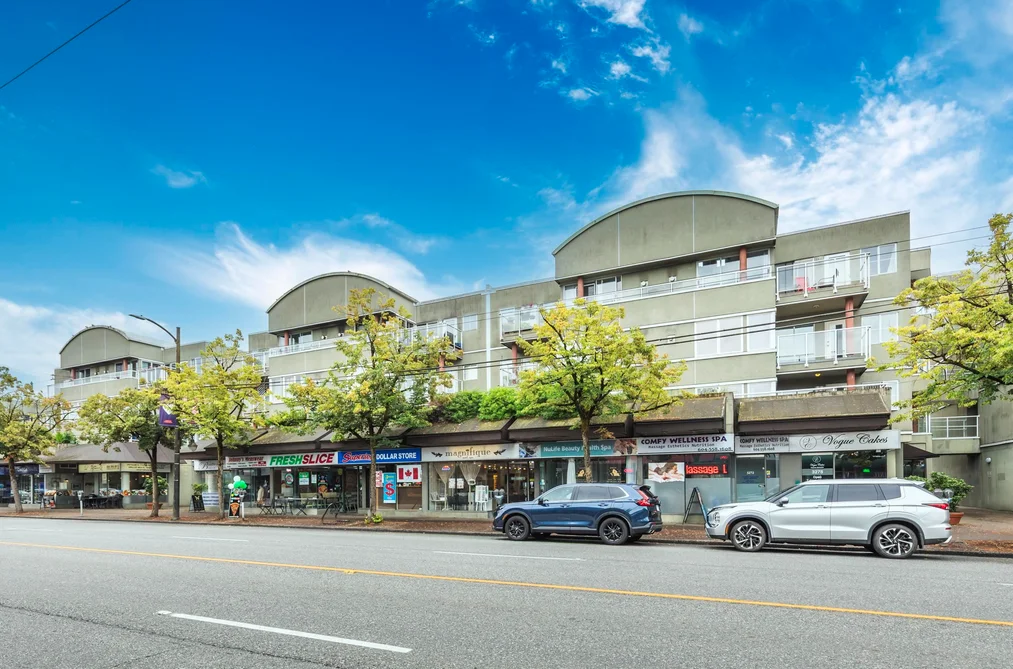
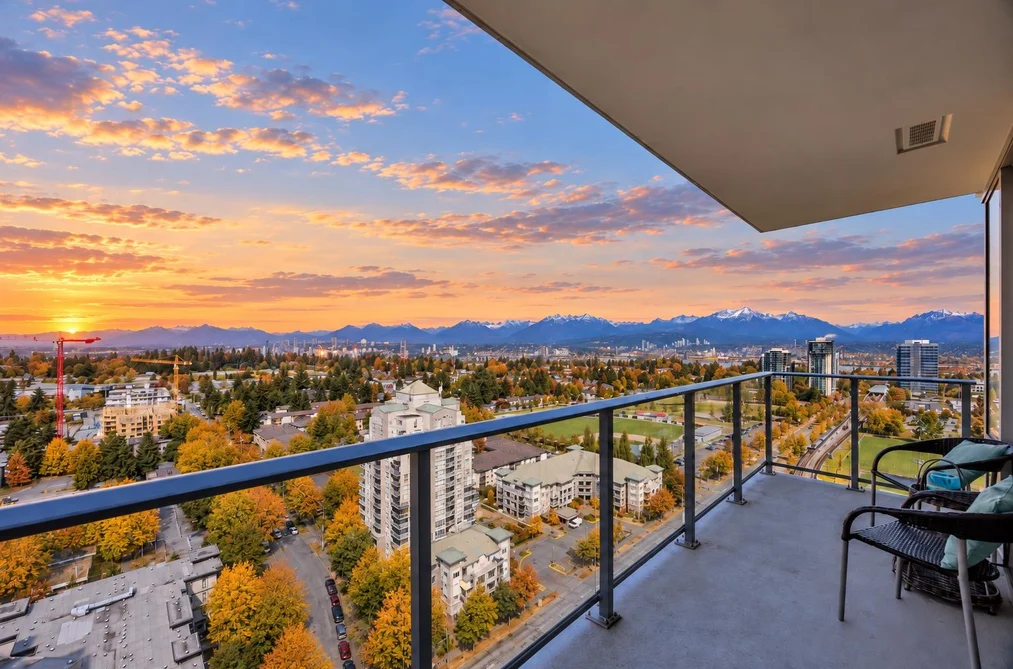
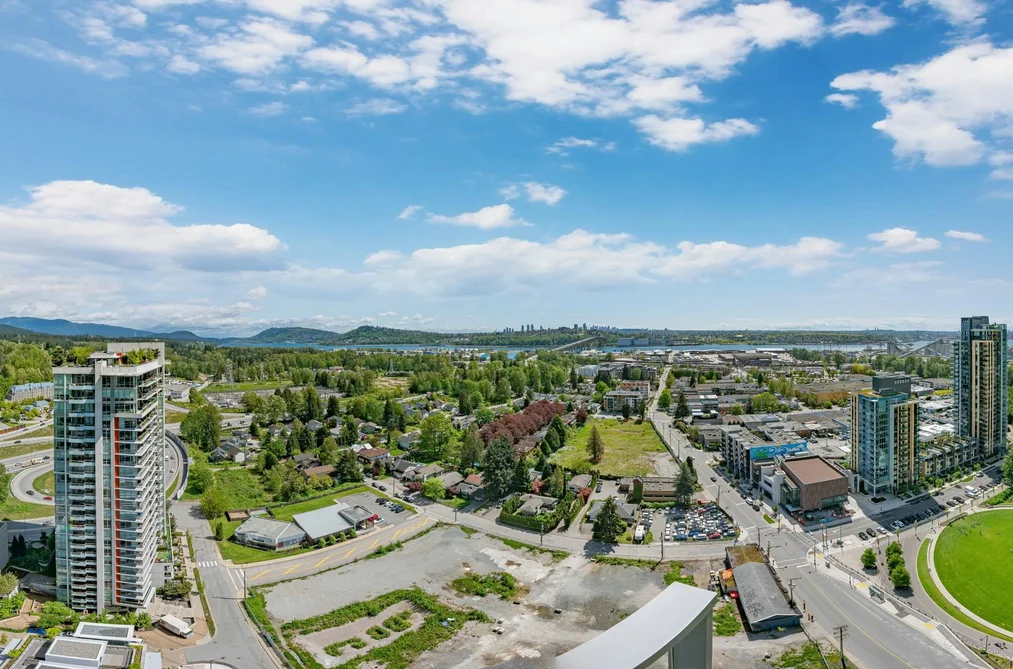
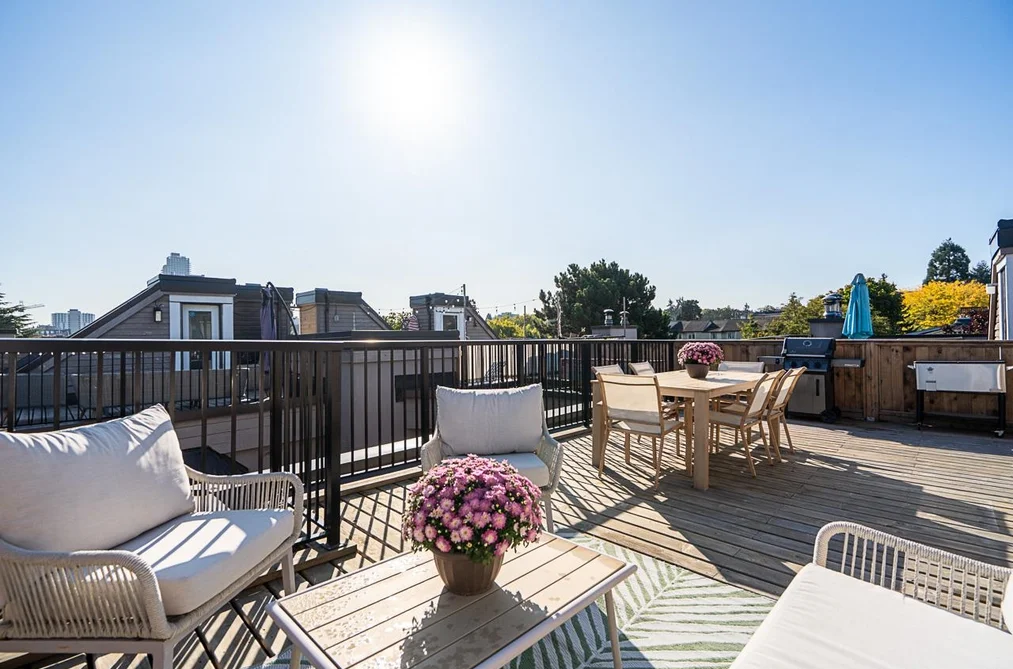
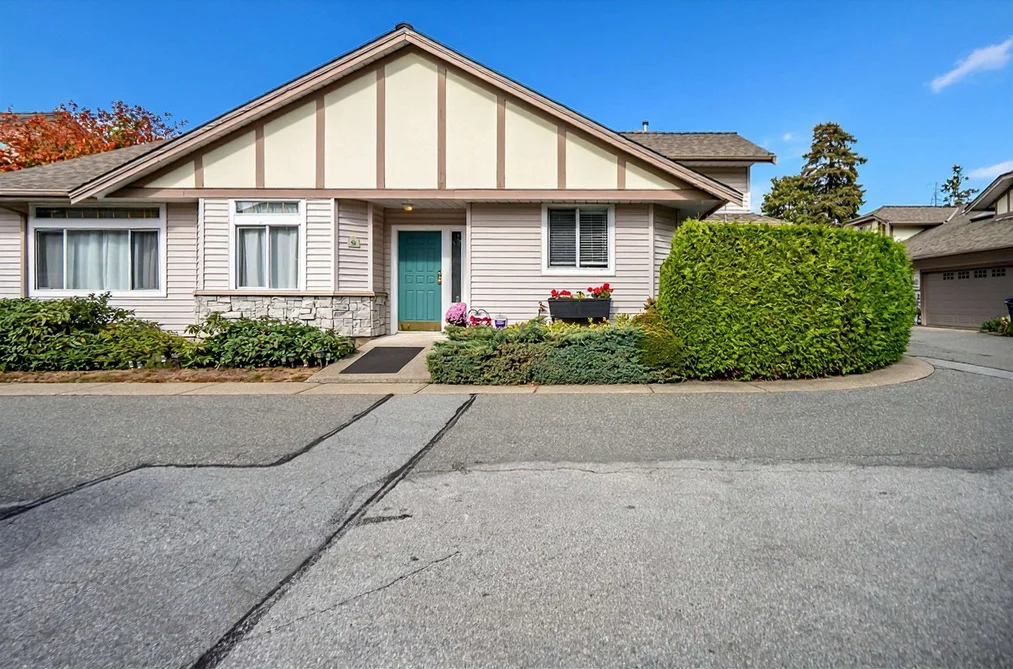
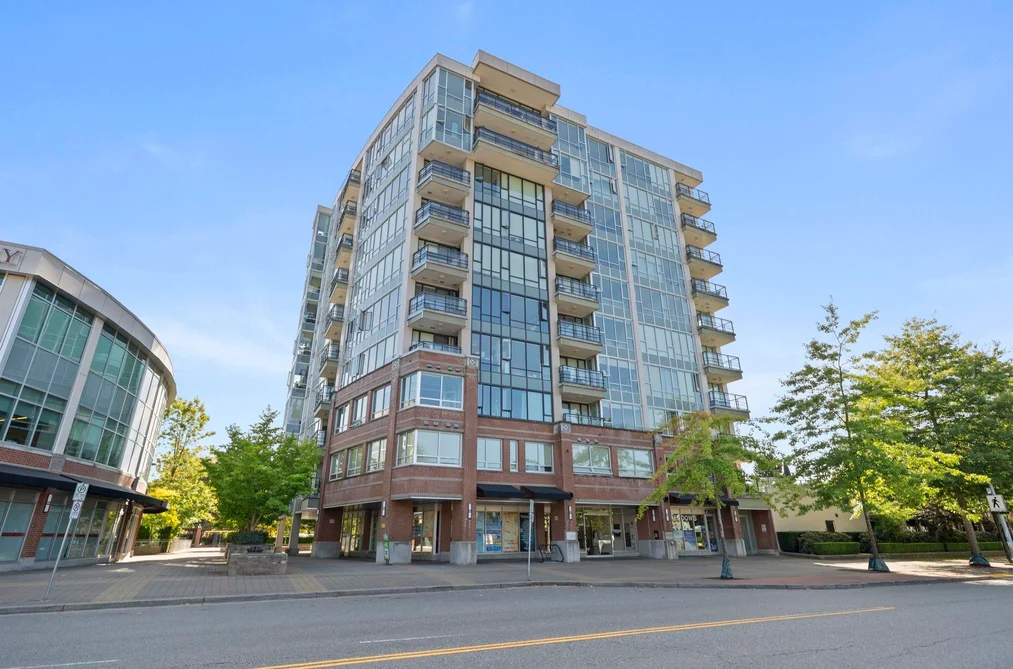
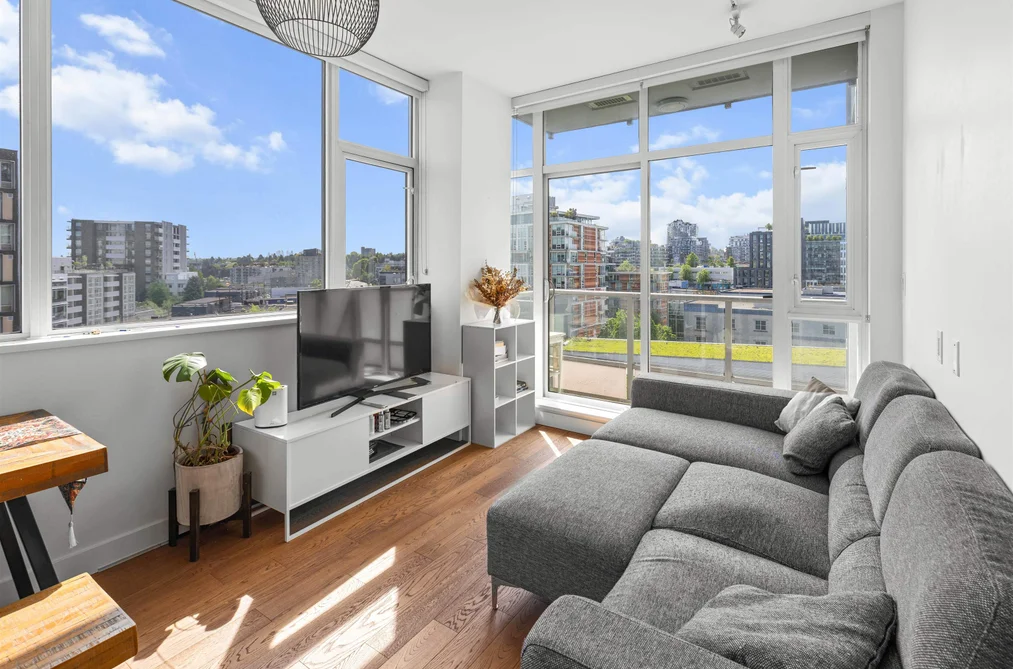
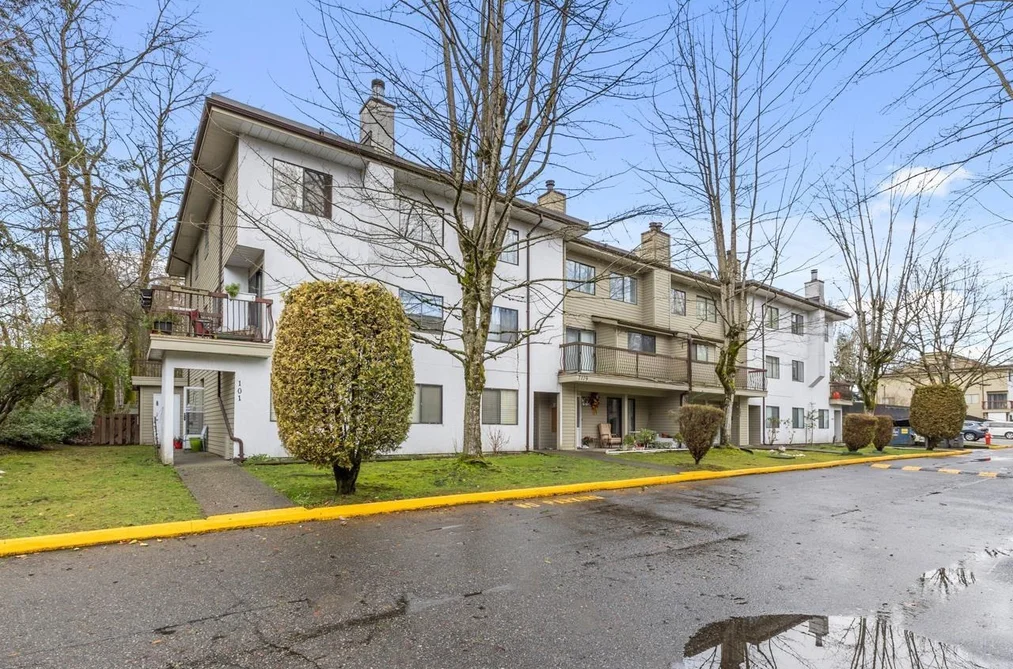
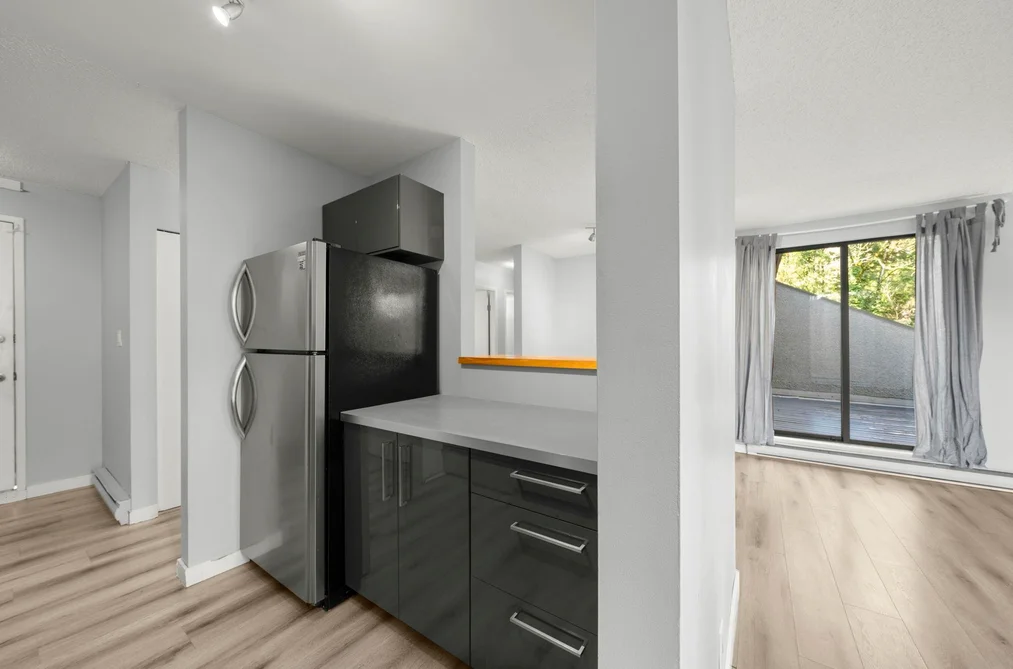
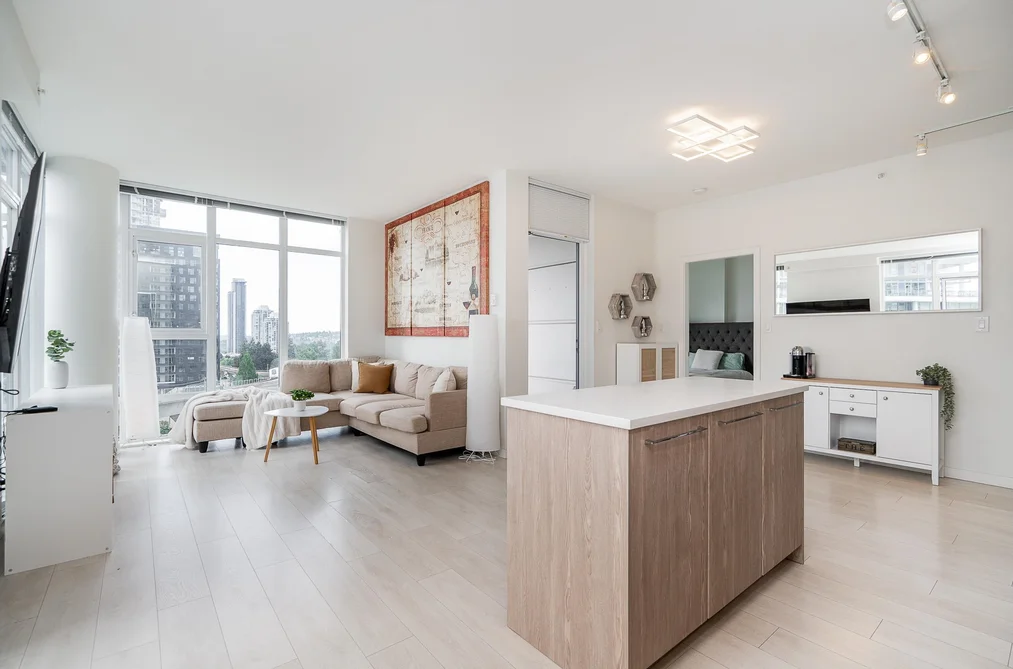
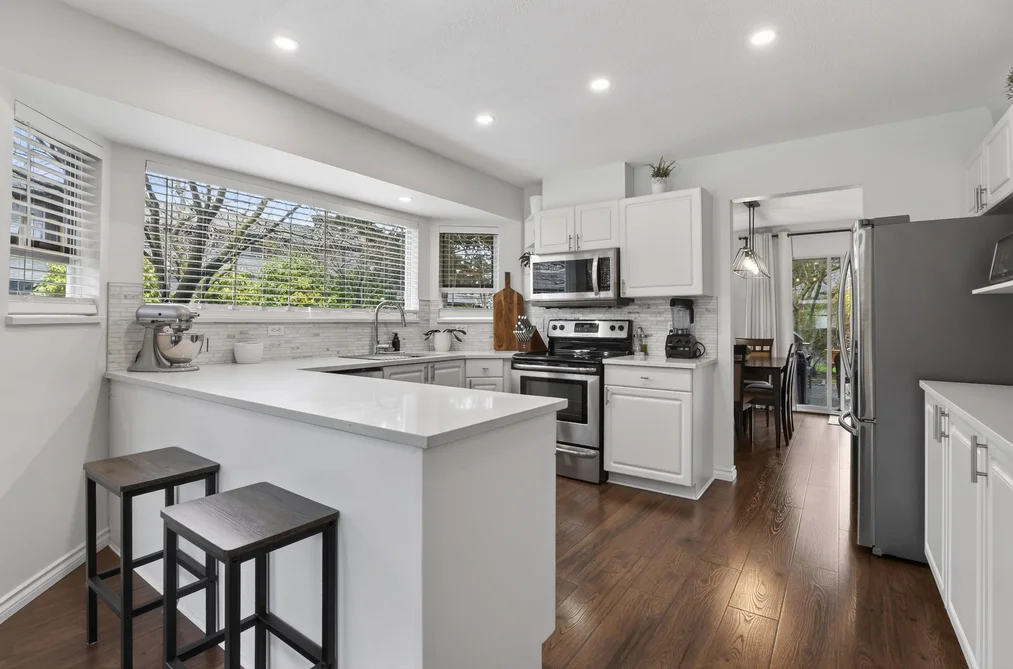
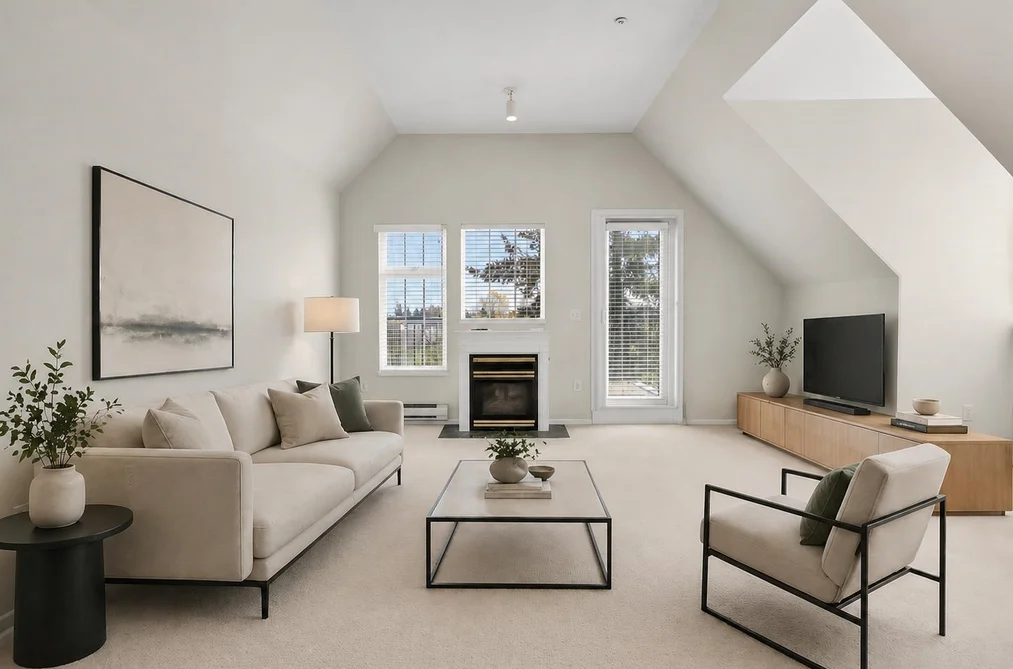
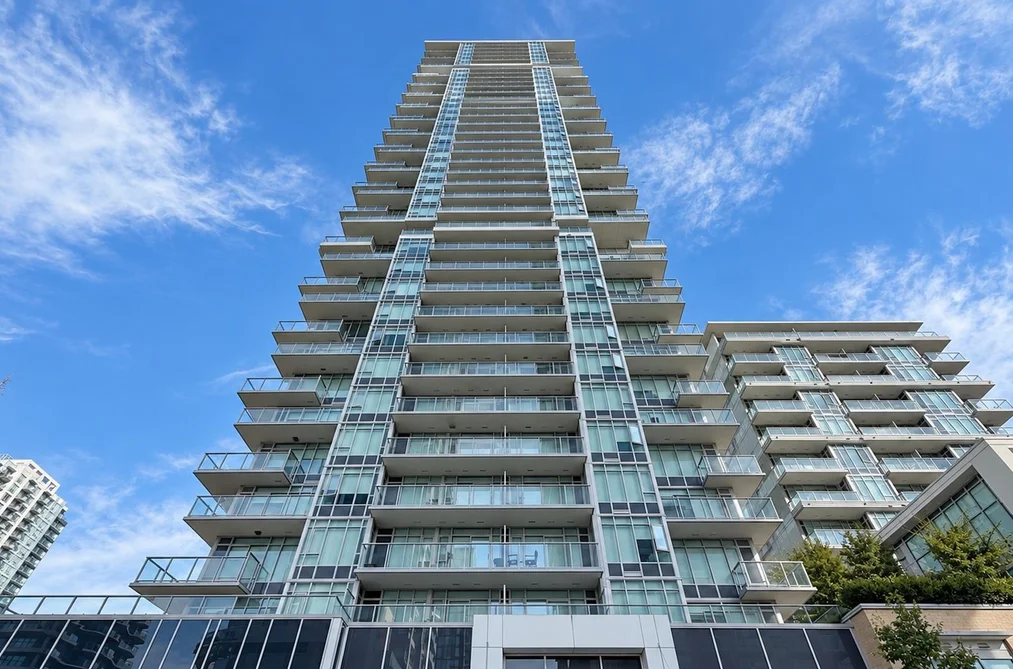
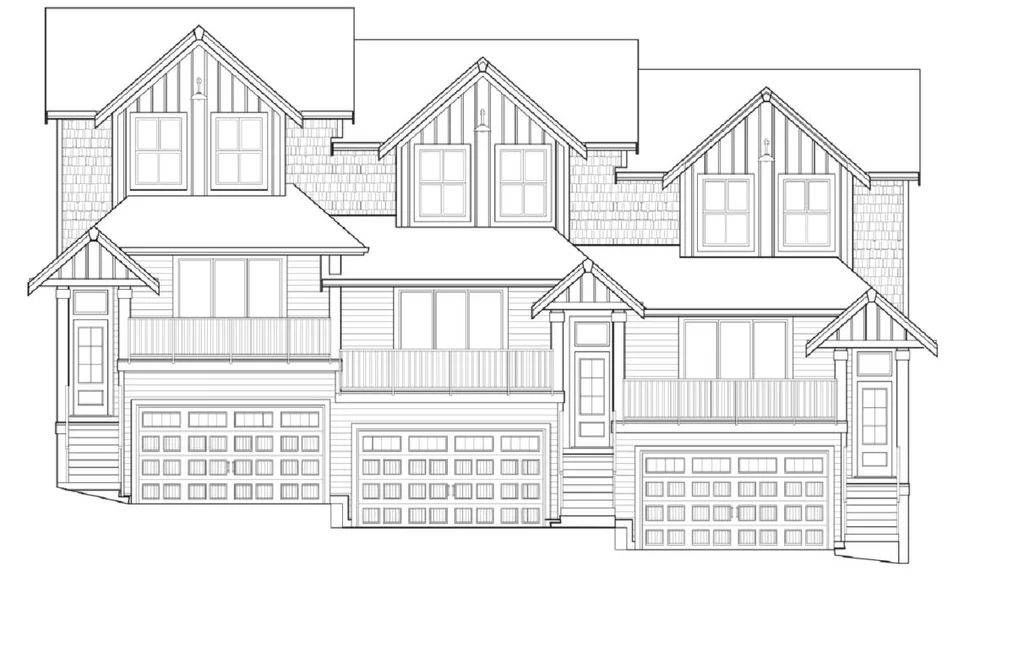
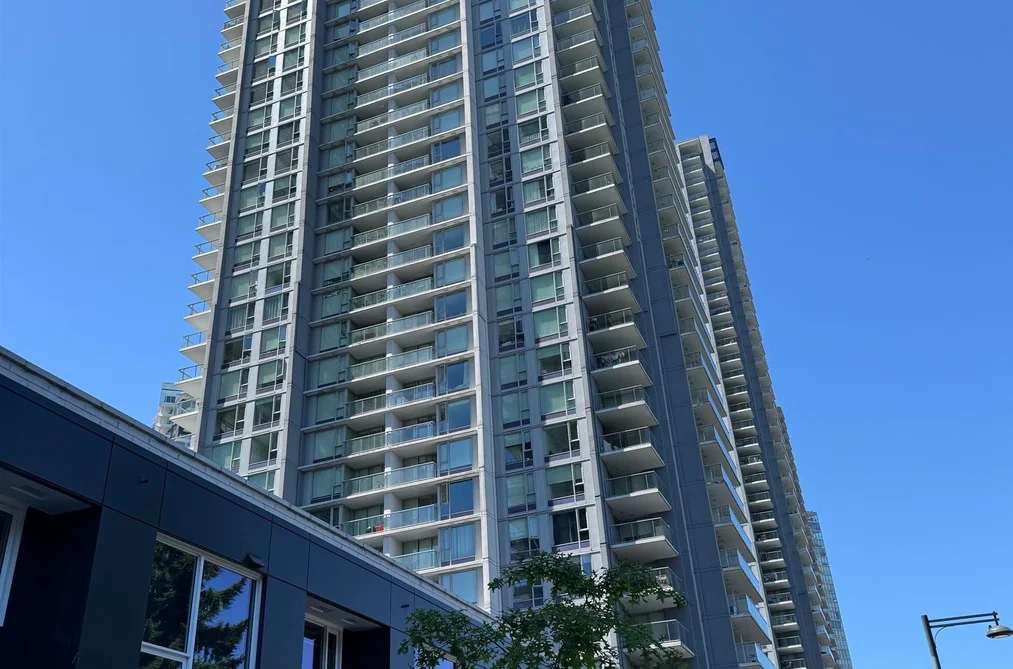
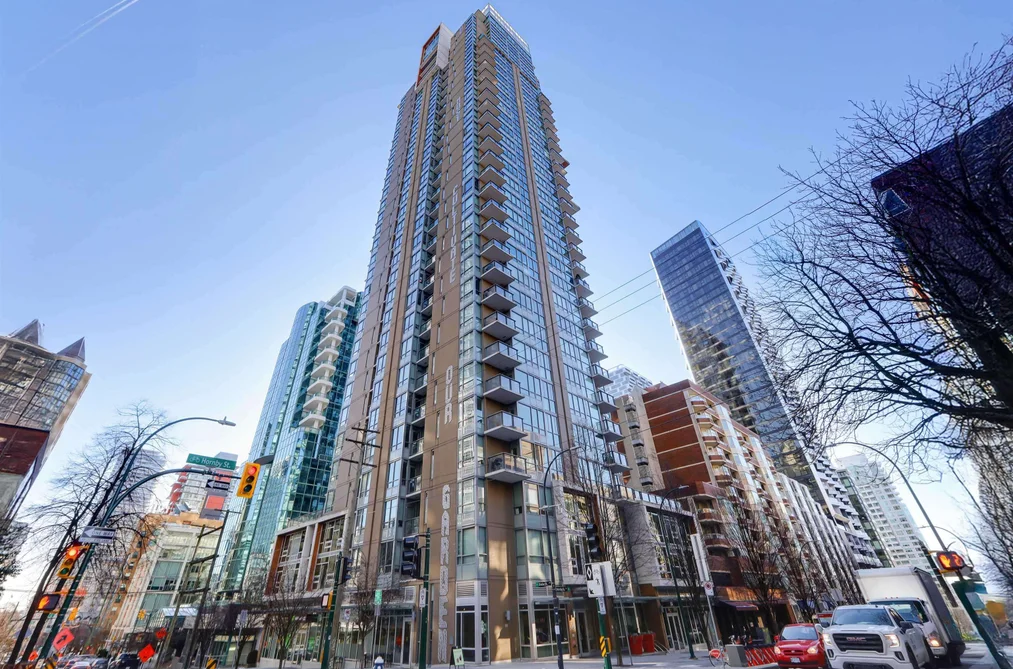

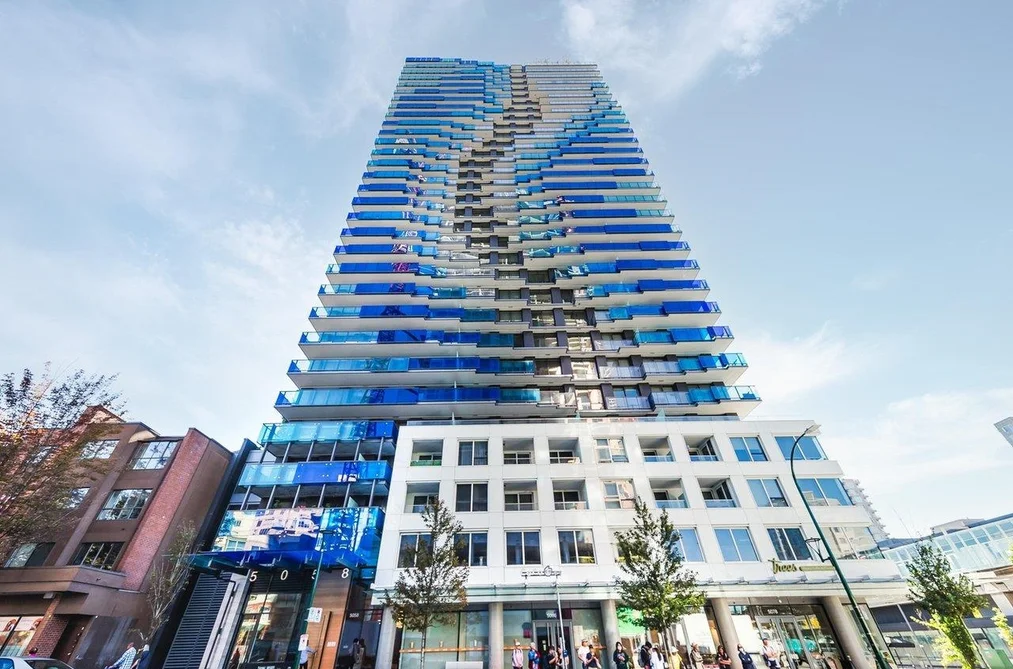
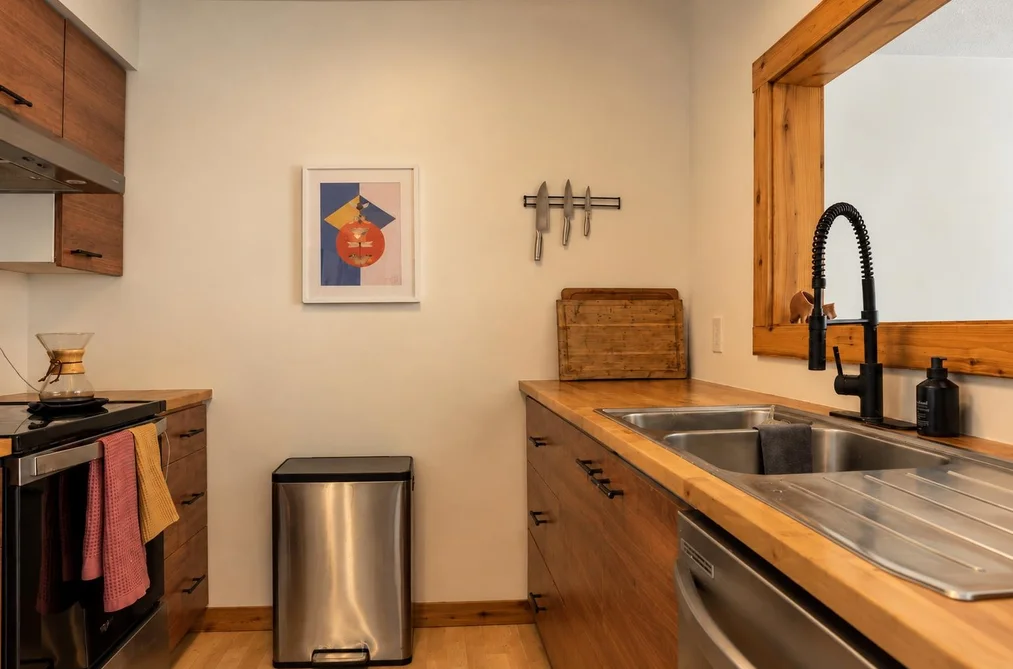

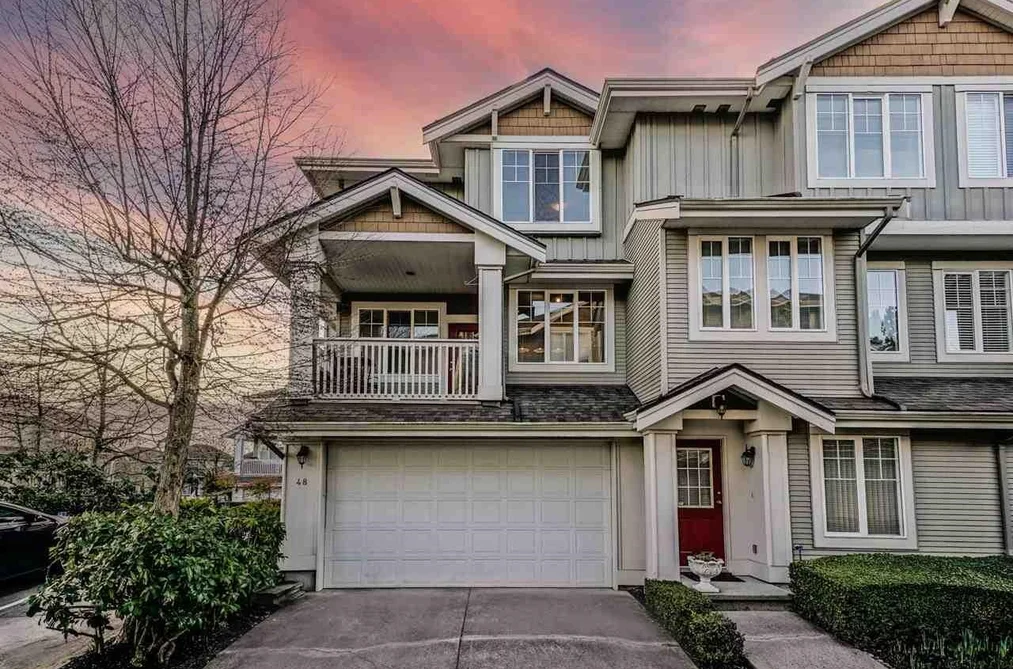
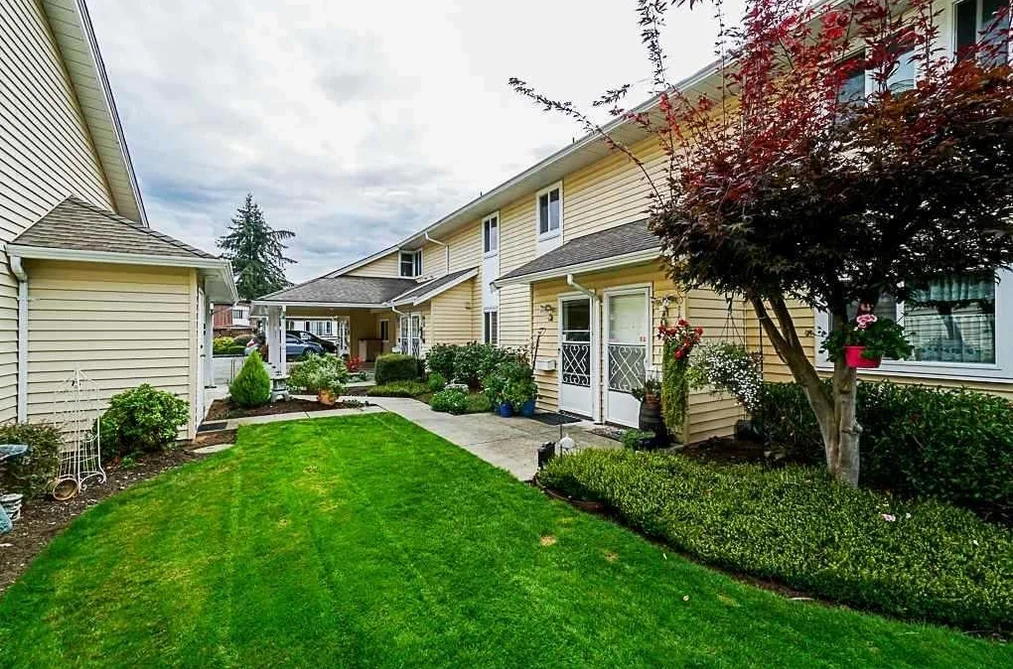
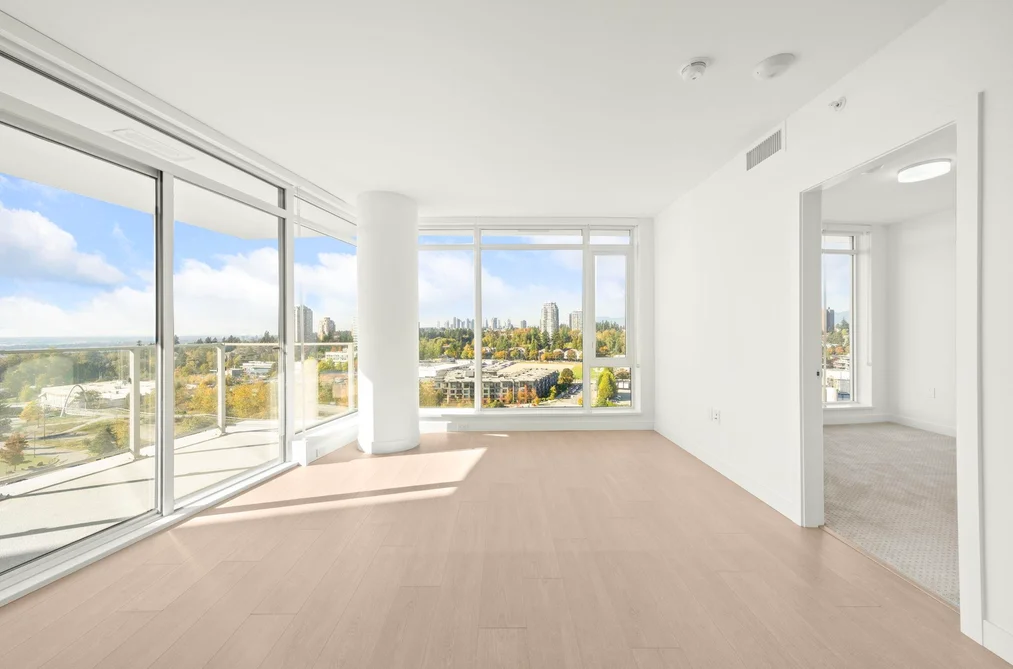
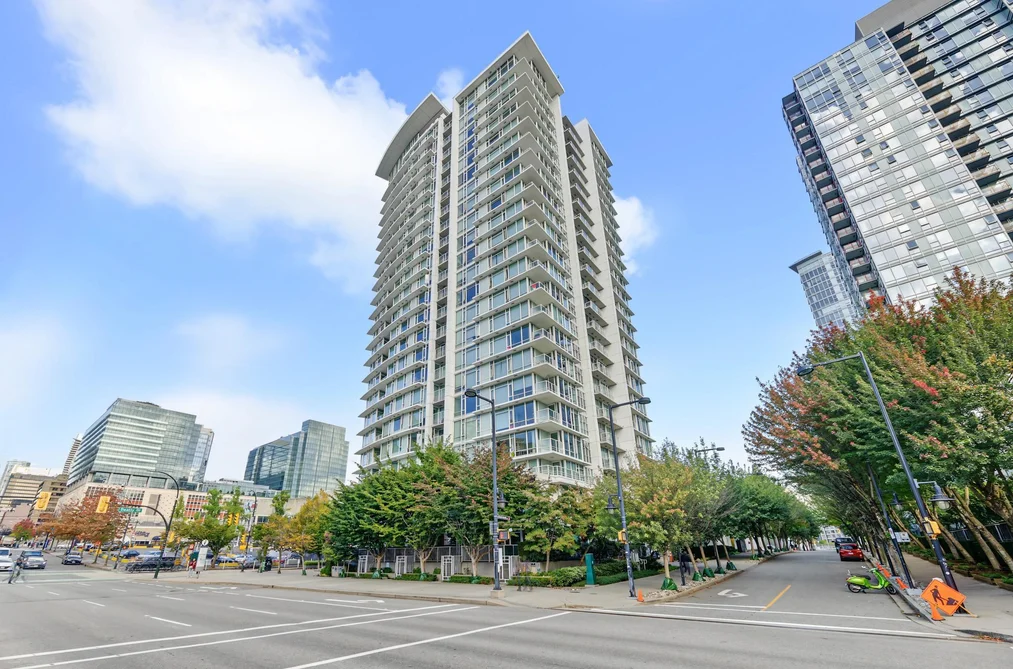
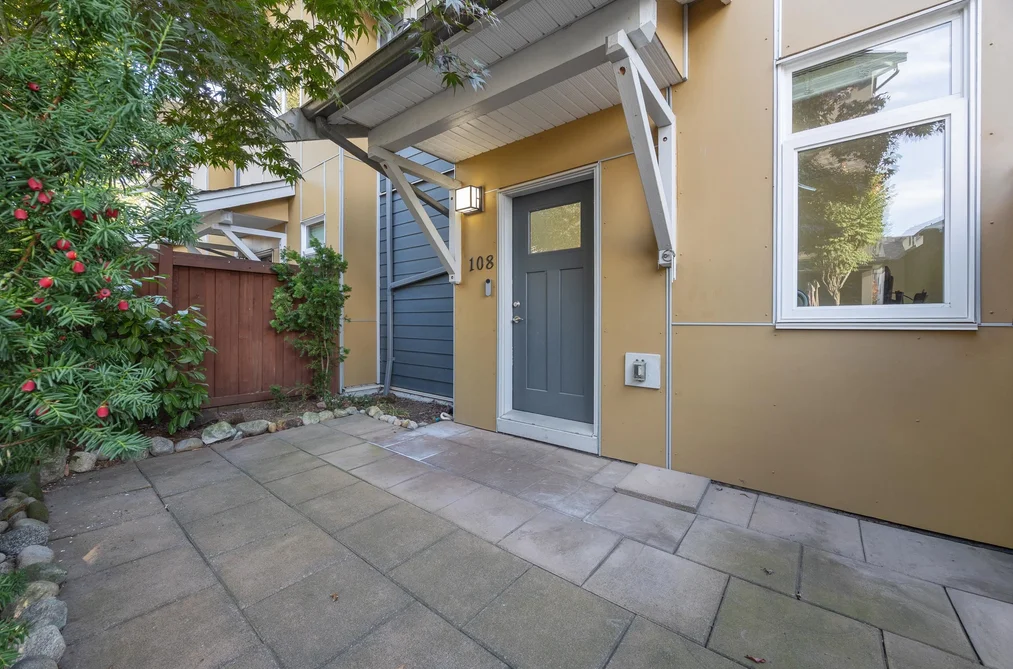
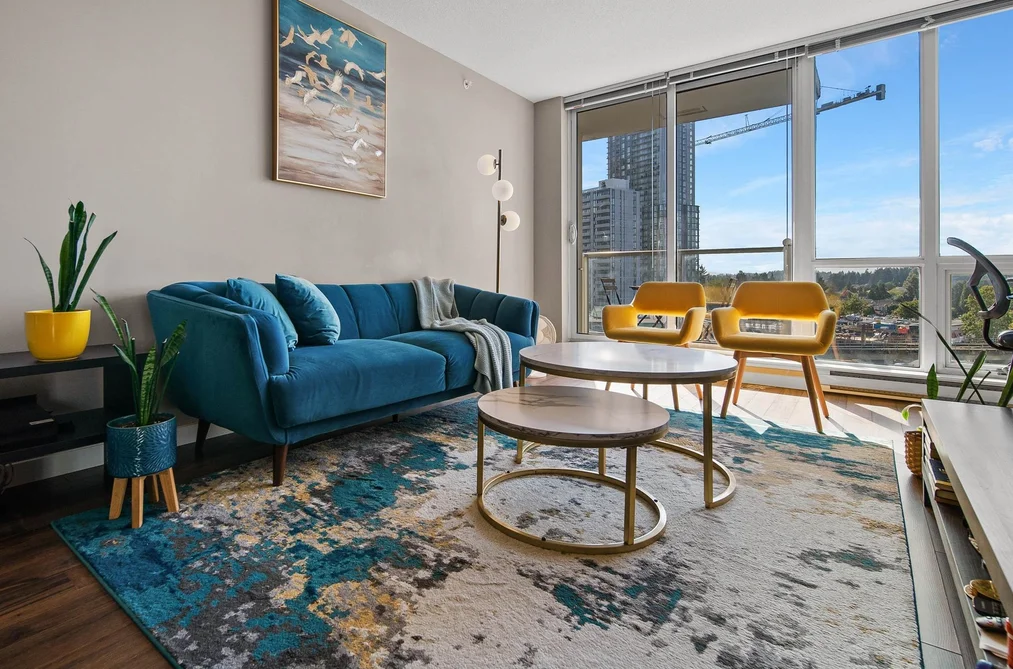
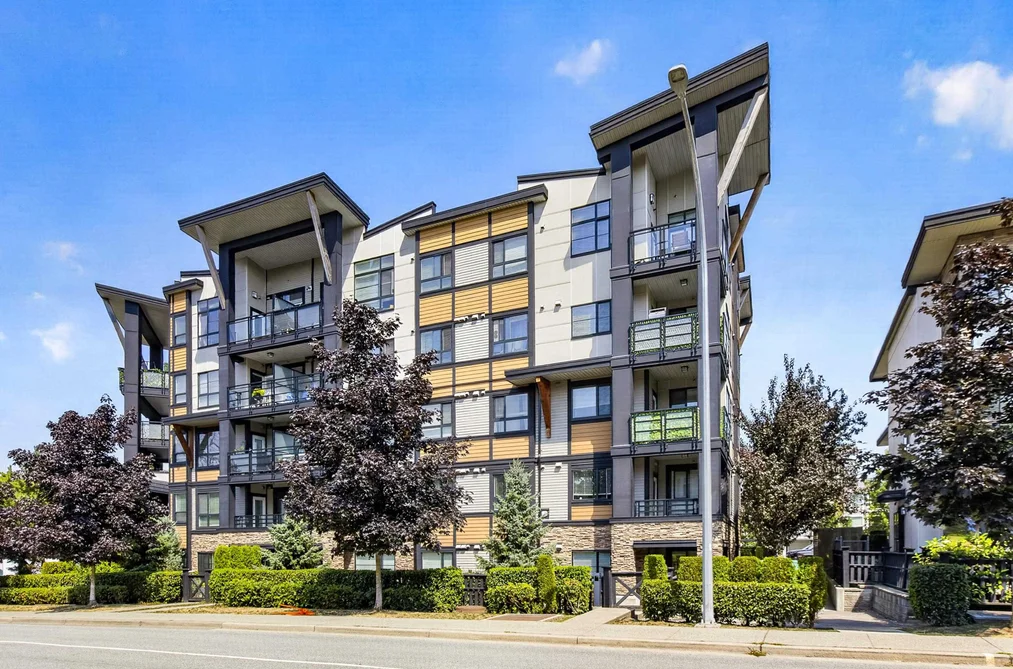
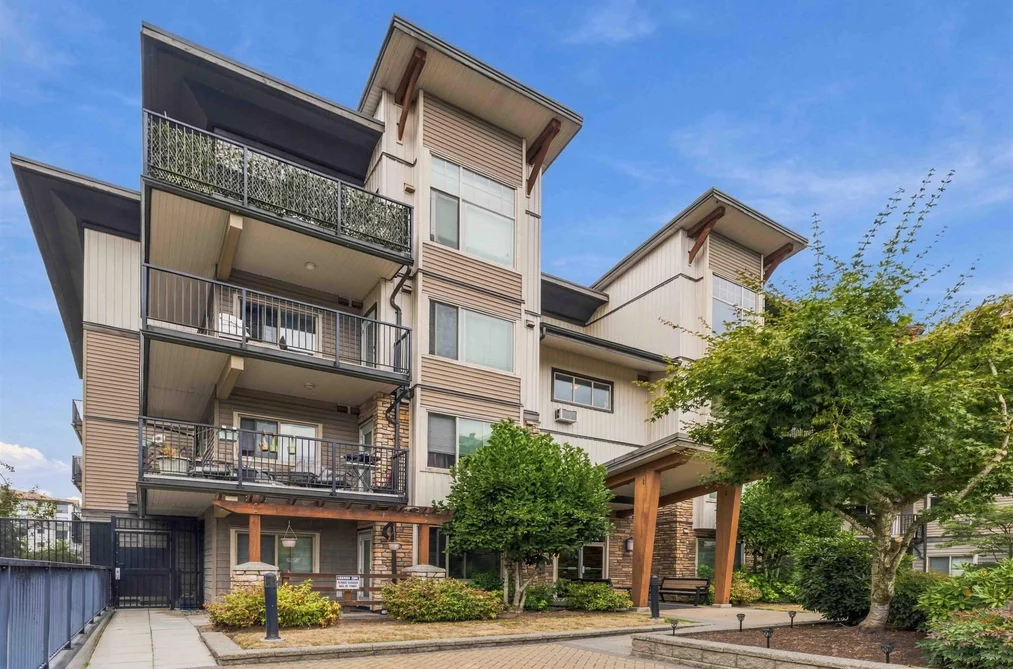
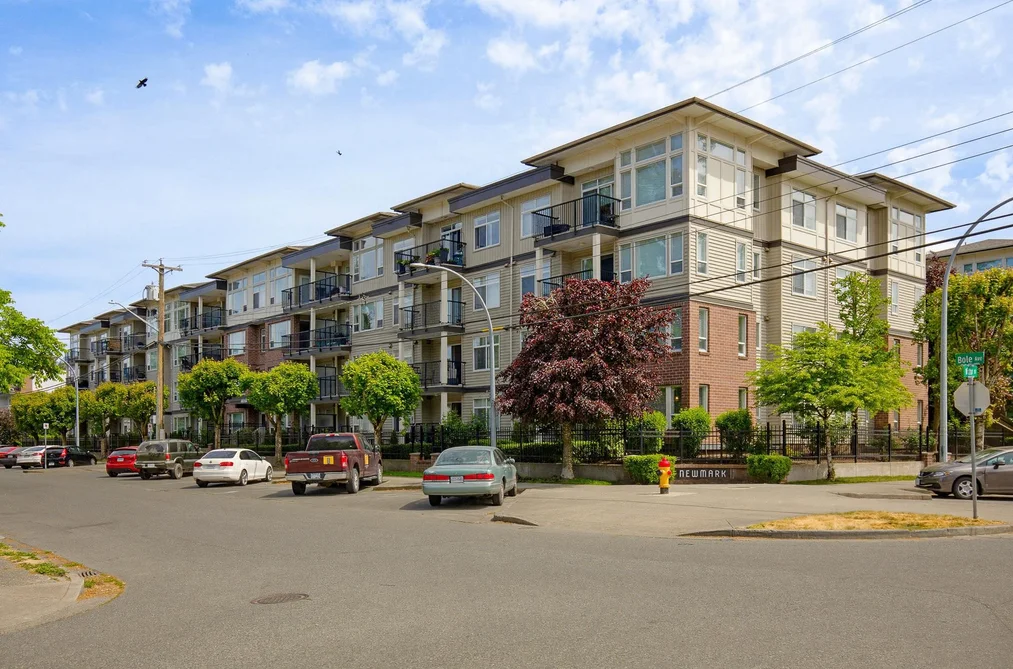
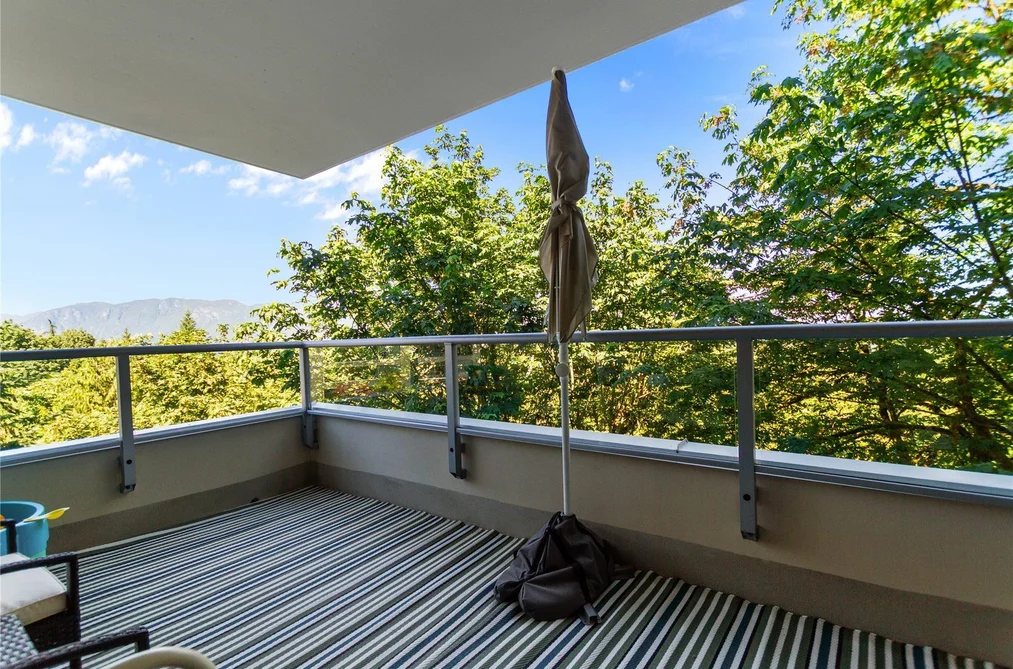
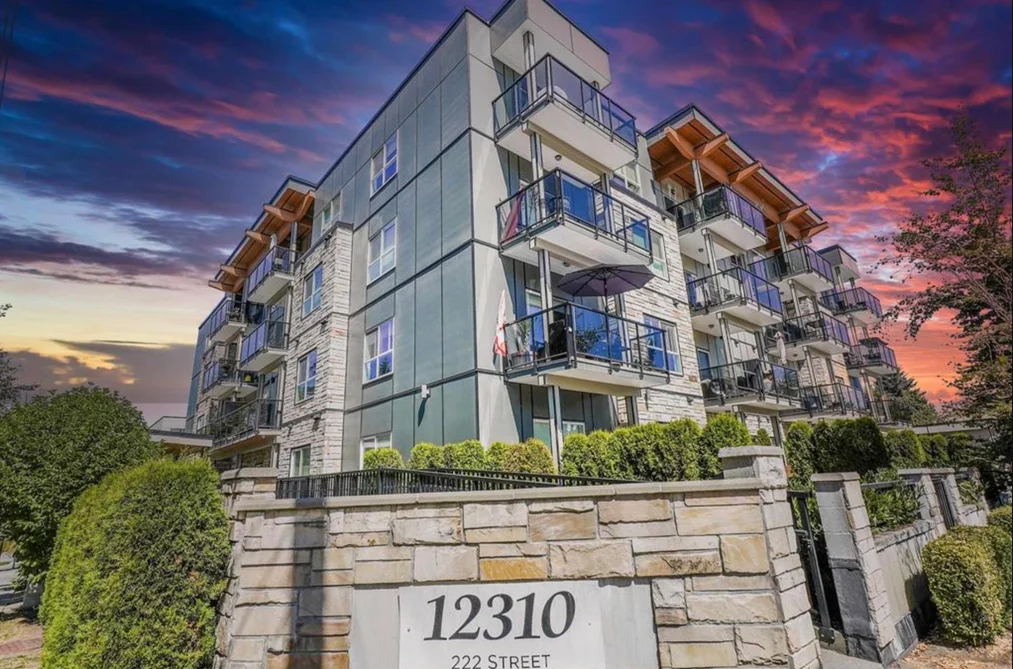
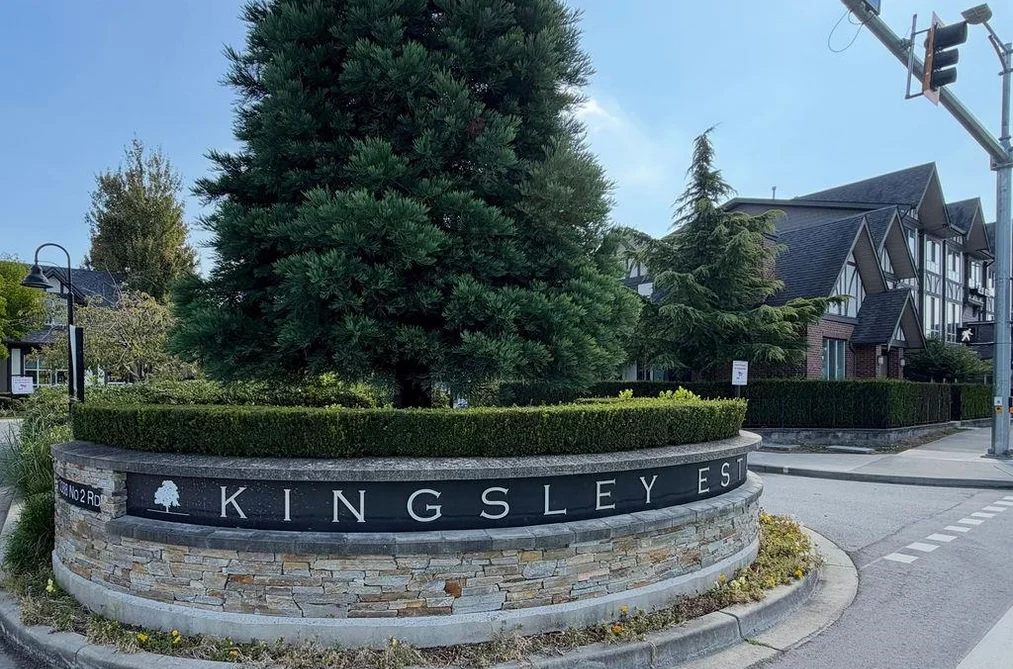
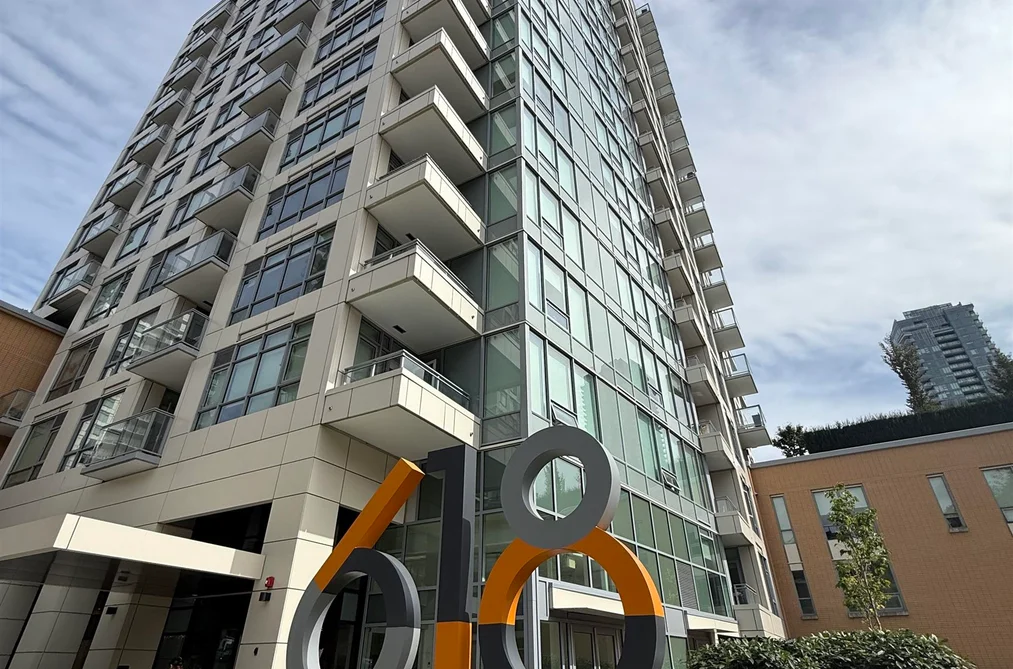
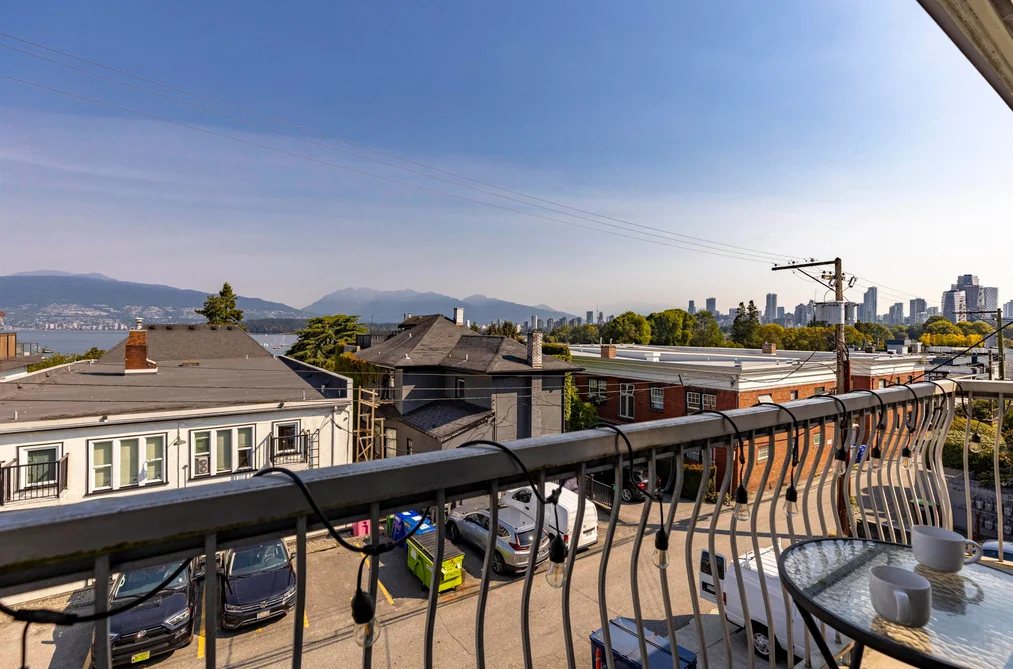
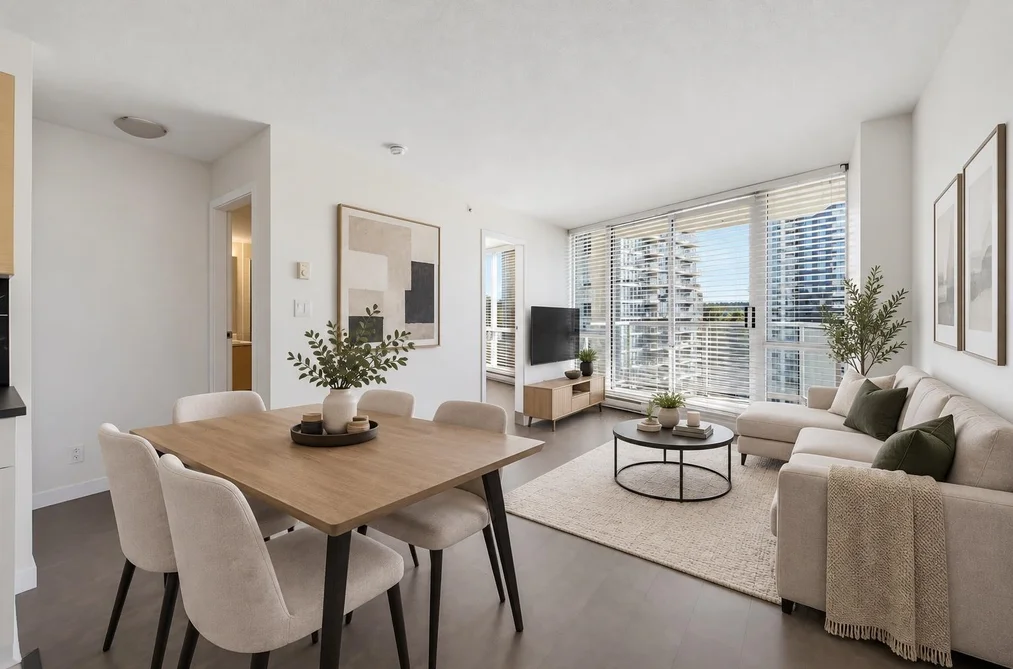
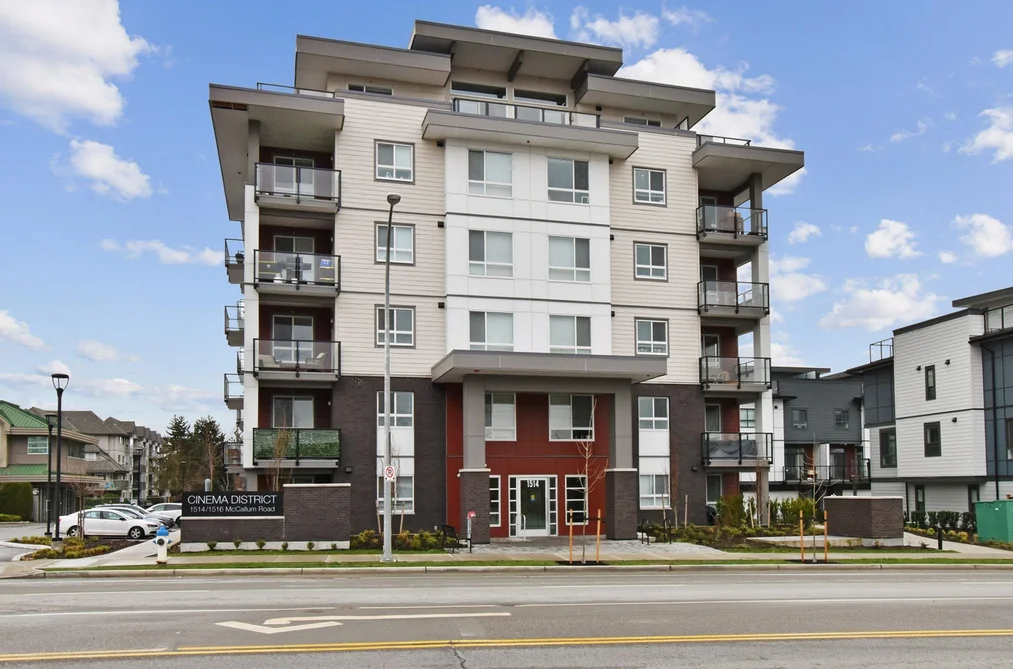
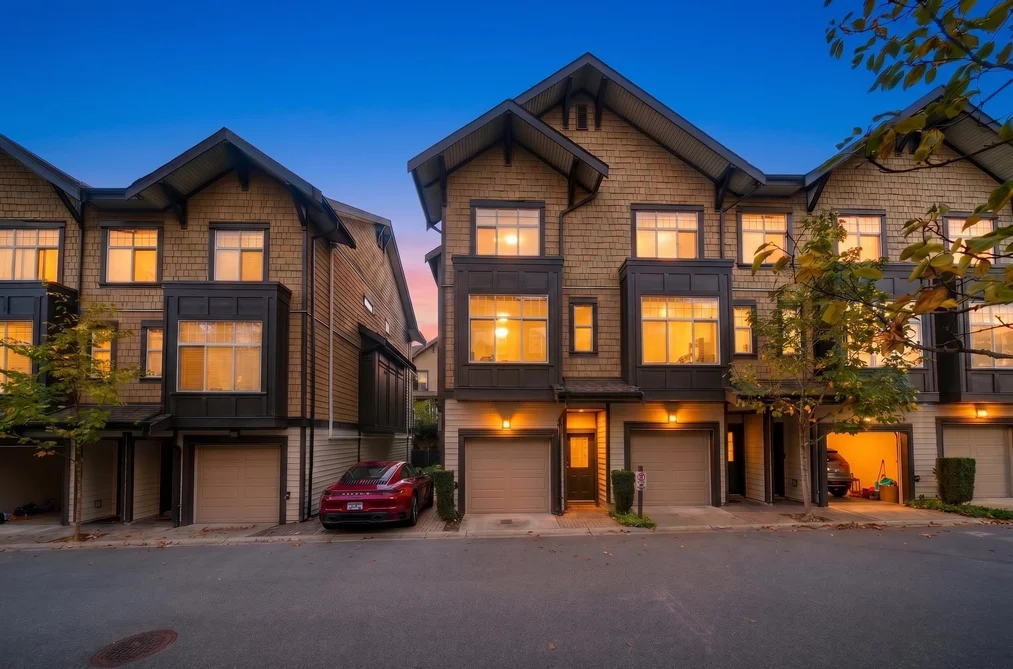
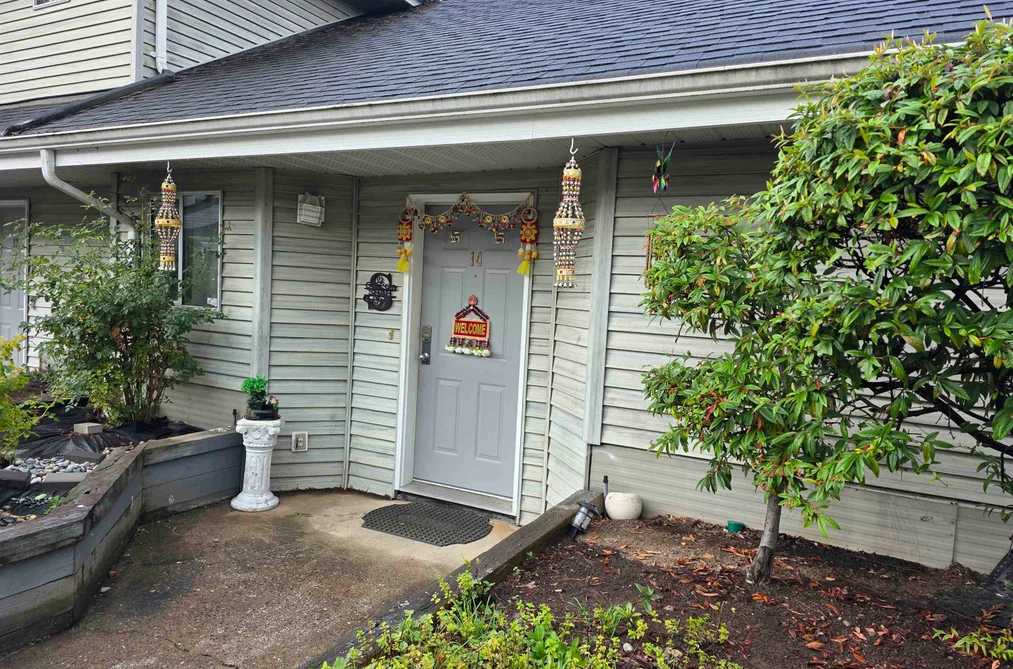
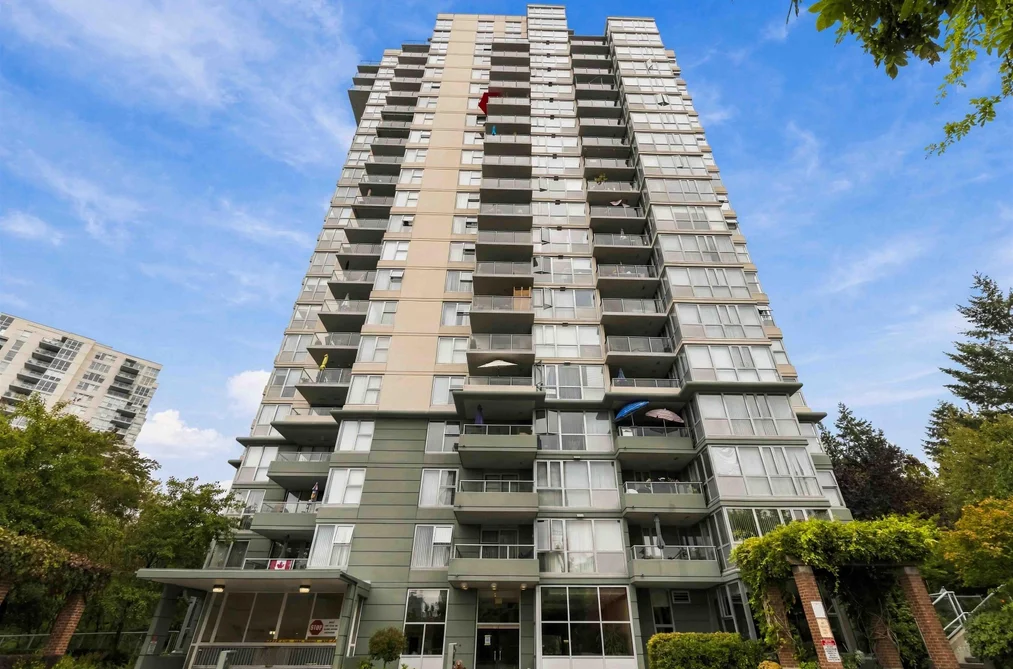
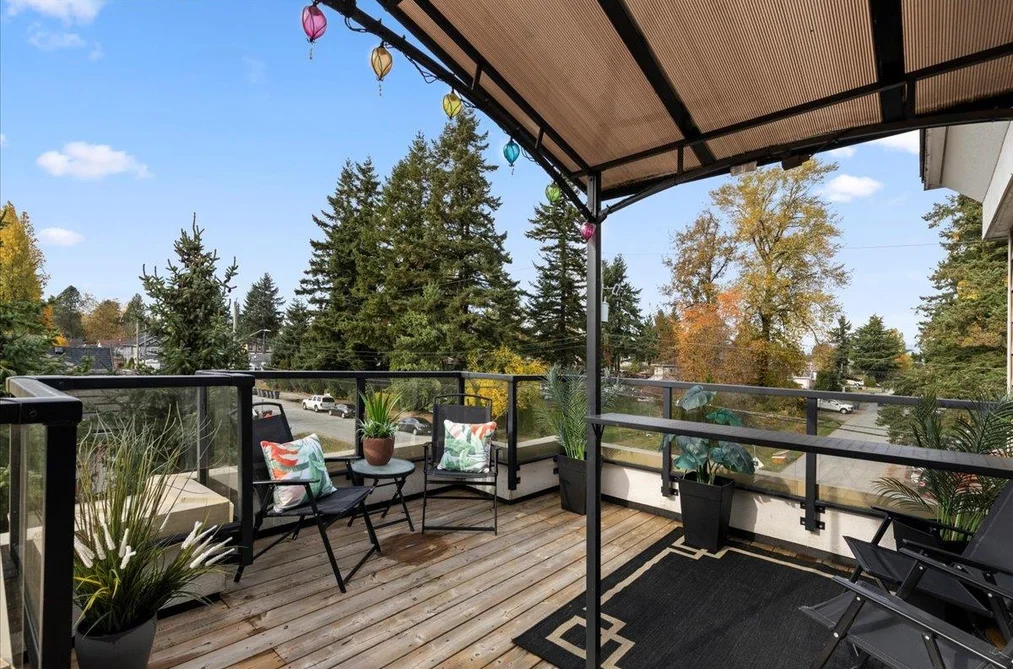
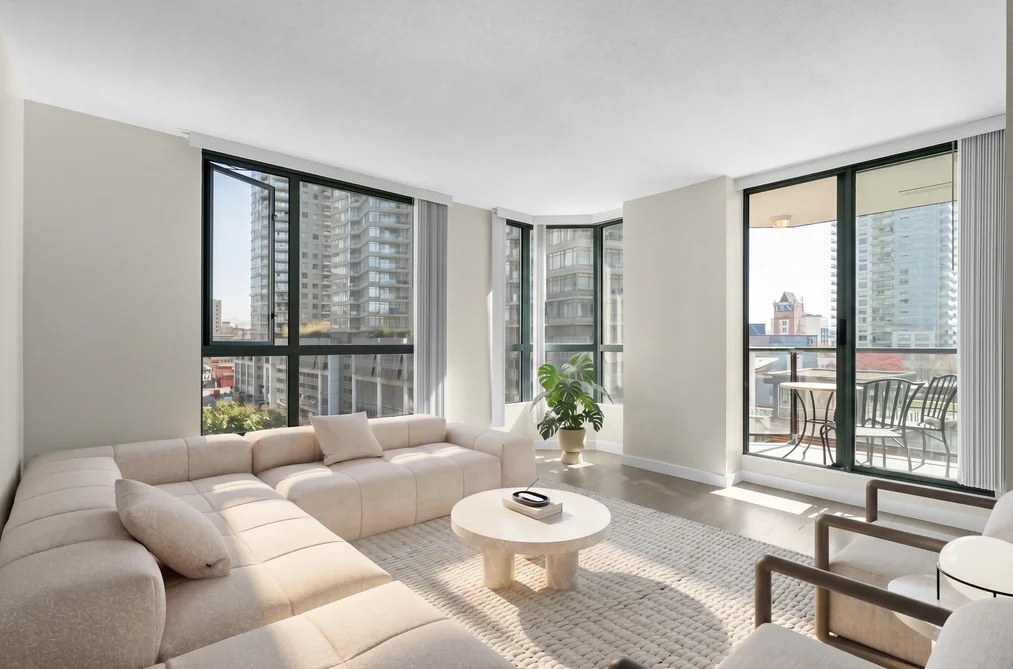
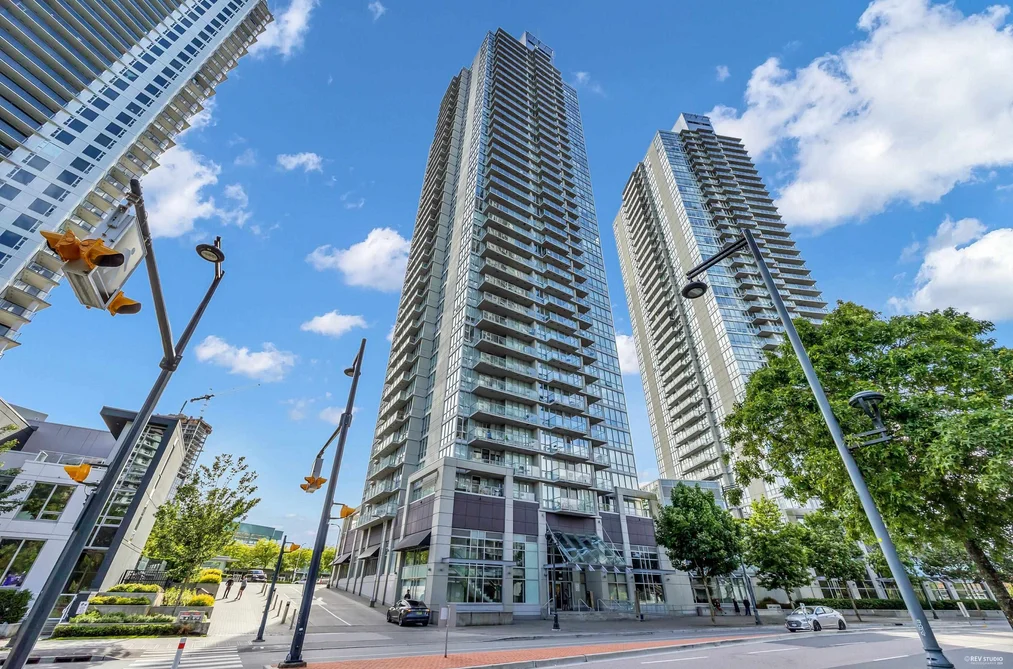

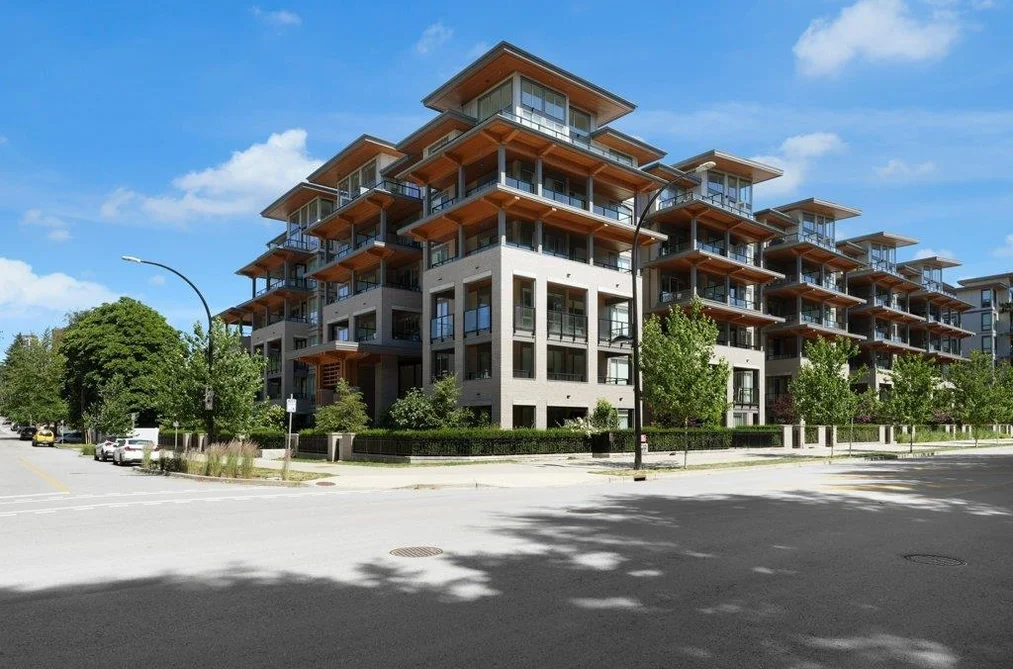
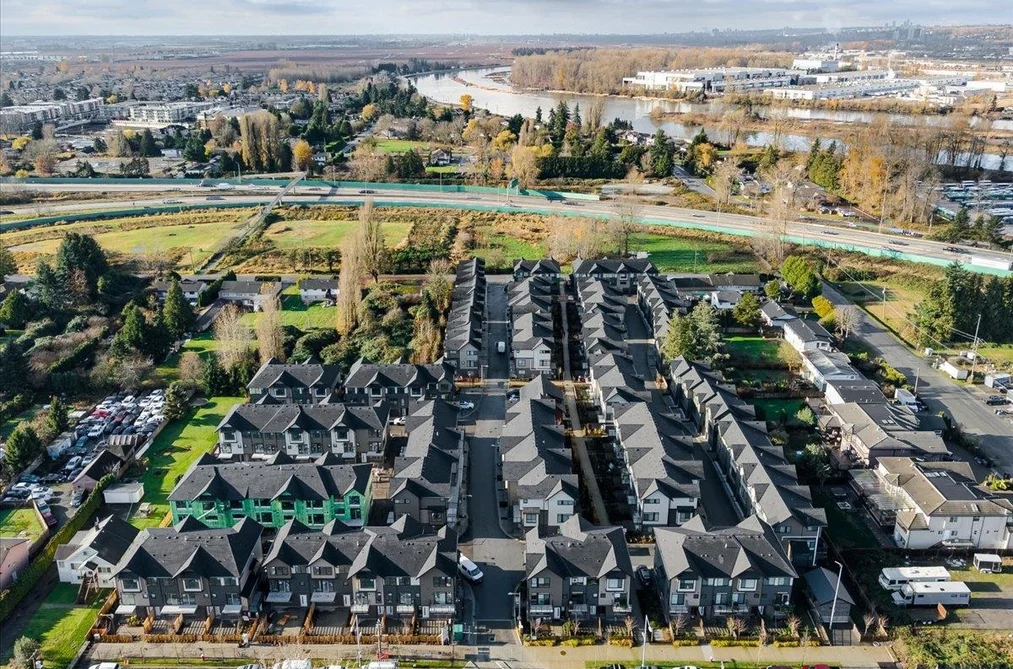
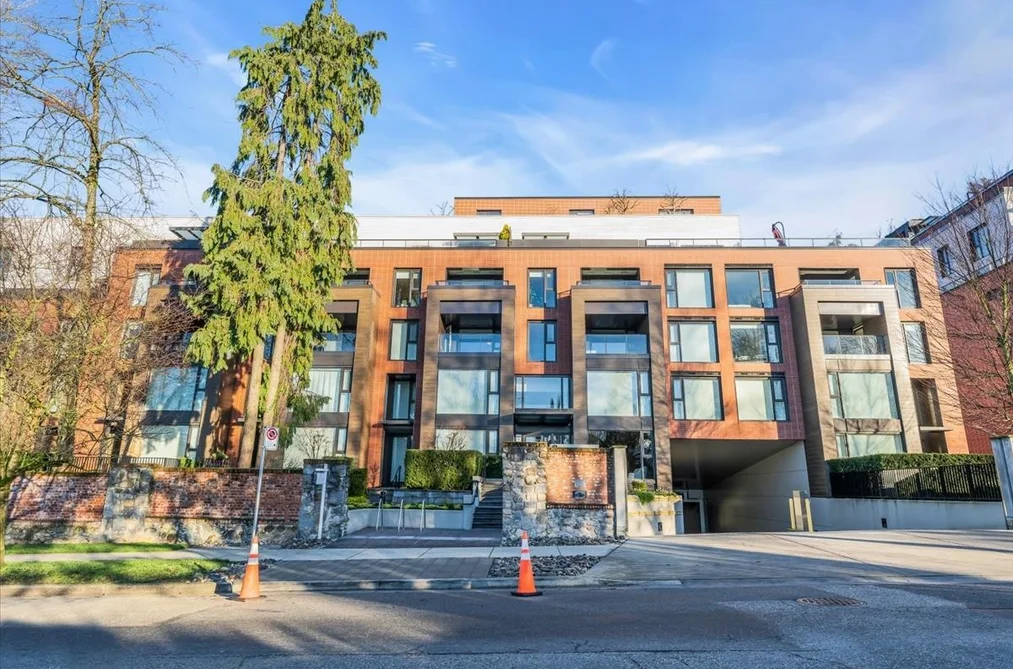
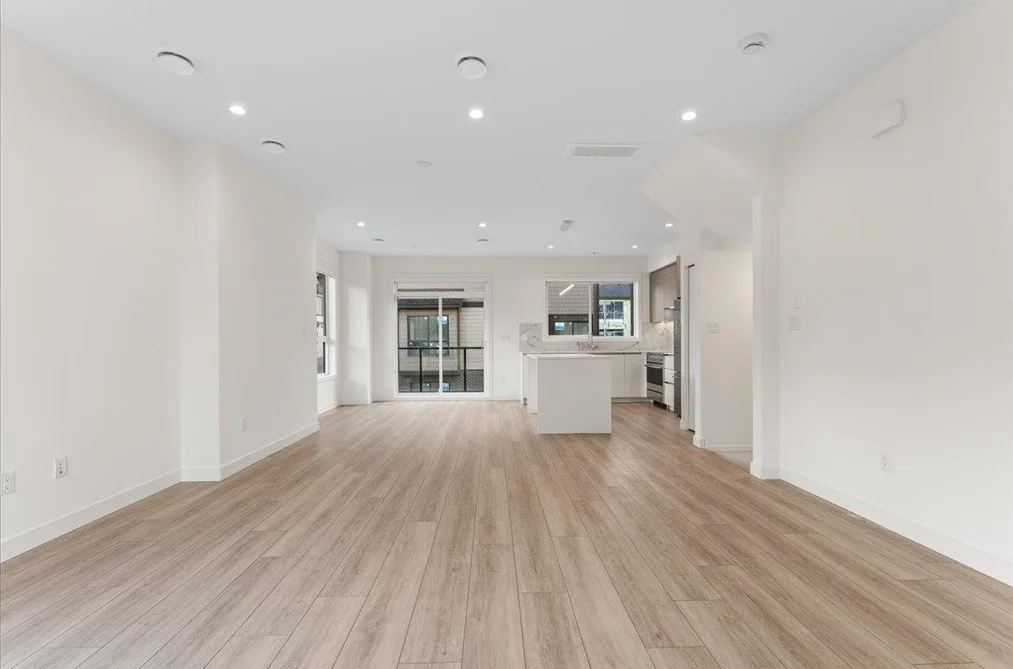
Corner Unit listings put windows on two exterior walls instead of one, so work out which two directions they face and what that does to light, heat and noise before you pay the premium.
The appeal is real and it is mostly about light. A second exterior wall means windows on two sides, cross ventilation in summer, and a living space that feels far more spacious than its square footage suggests. That is why these homes carry a premium in almost every building across British Columbia, and why they tend to sell faster than the interior units beside them.
Not every corner delivers it, though. Ask which two directions the unit faces, because a south-west corner and a north-east corner are different homes at the same price. Then count the windows rather than trusting the description: some corners have a full wall of glass on both sides, others add a single small window on the second wall and little else. The listing photographs will show you the best of them, not the count.
More glass means more heat gain in summer and more heat loss in winter, and in an older building with original windows the difference shows up on the utility bill. Ask what the cooling actually is, visit on a warm afternoon if you can, and ask current owners what a winter month costs to heat. A corner that faces west can be very hard to keep comfortable without it.
Look at privacy on both sides as well. A corner often looks straight into the neighbouring building, and two exposed walls mean two directions of sightline. Stand in the bedroom and look out before you decide how much the extra light is worth to you.
The layout of the floor matters as much as the unit. In many buildings the corner position is where the elevator core, the garbage chute or the stairwell sits, and a home that shares a wall with any of them hears it. Walk the corridor and find out what is on the other side of each interior wall before you book a second showing.
A corner at the end of a townhouse row or a half duplex works the same way, trading a shared wall for a second exposed one. It gains light and privacy on one side and gives up some of the insulation a shared wall provides.
Ask your REALTOR® for the sold history on comparable corner and interior units in the same building rather than the neighbourhood, so you can see the actual premium rather than an assumed one. Then decide whether the light and the layout are worth that difference to you specifically. A move-in ready corner with good exposure is usually worth it; a dark corner beside the chute rarely is.
Read the strata documents the same way you would for any listing: the minutes, the budget, the contingency reserve fund balance and the depreciation report. Corners carry more exterior wall and more windows per unit, so envelope and window work tends to fall on them first.
Supply is spread across every building type, from a concrete tower downtown to a low-rise in the suburbs, and each amenity package changes the fee differently. Corners high in a high-rise often pair their extra glass with a city view, and a top-floor corner adds roof exposure on top of the two walls.
Browse and compare current corner unit listings on Strawhomes, filter by building and exposure, and shortlist only the homes where you have confirmed the window count and what sits on the other side of each wall.