For Sale
2 days
- $594,900
- 2 bed
- 2 bath
- 1557 sqft
MLS® R3163857
•Century 21 Coastal Realty Ltd.

Open Sun, Sep 13, 1 p.m.
Browse End Unit homes for sale in Greater Vancouver and weigh the extra windows, the exposed wall and the premium you pay before you write an offer.
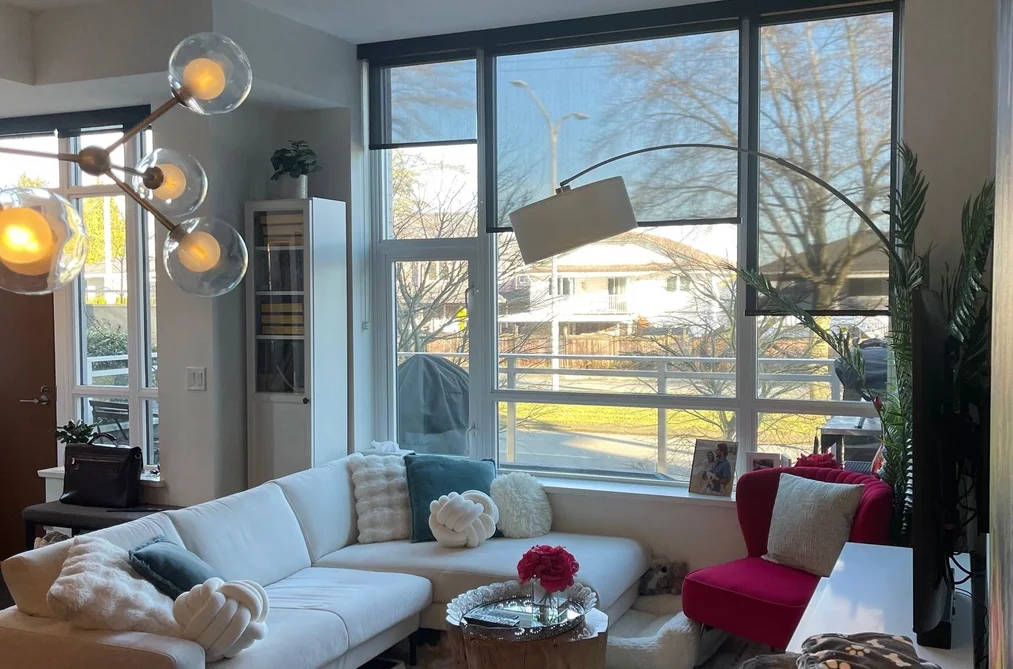
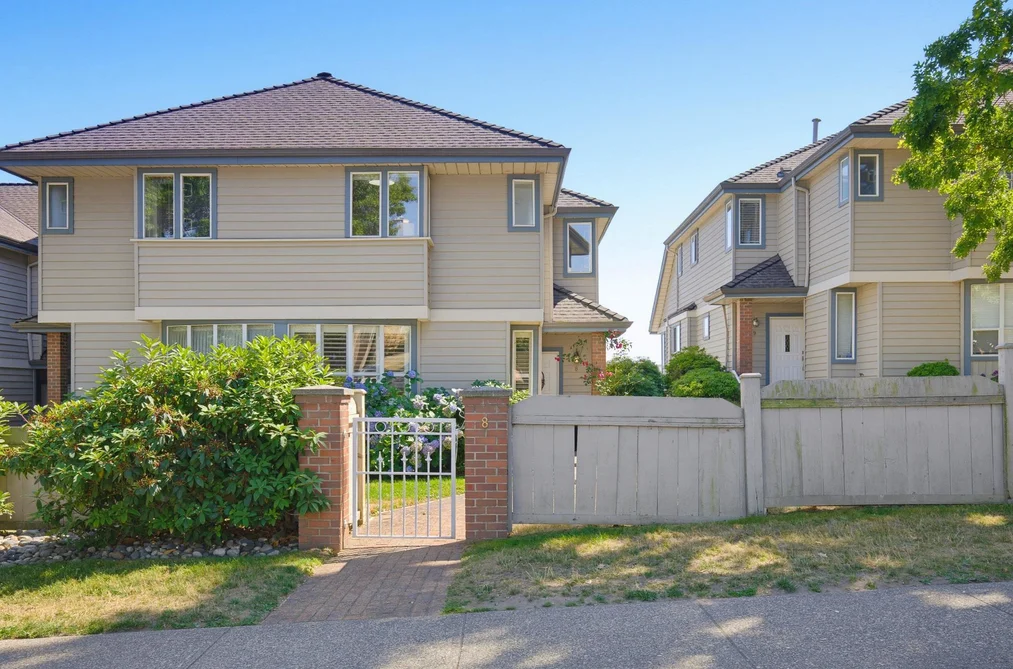
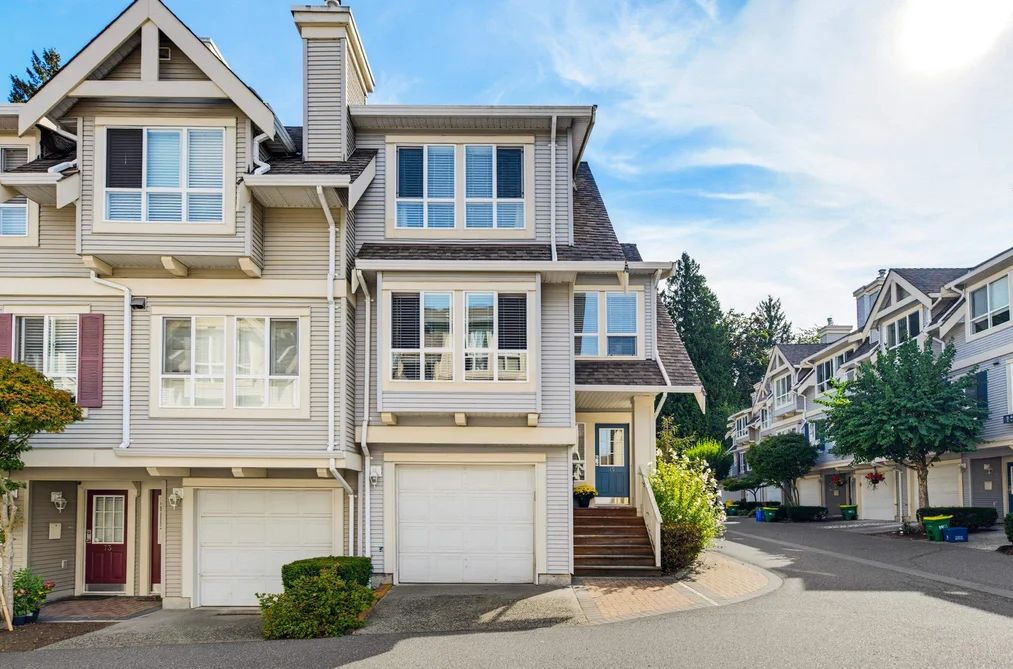
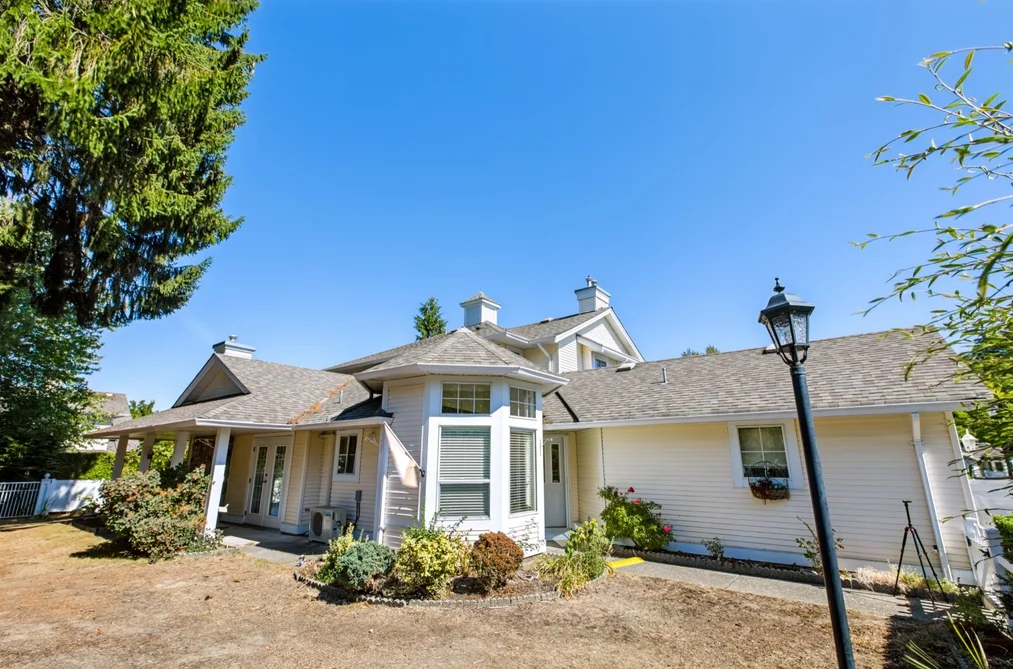
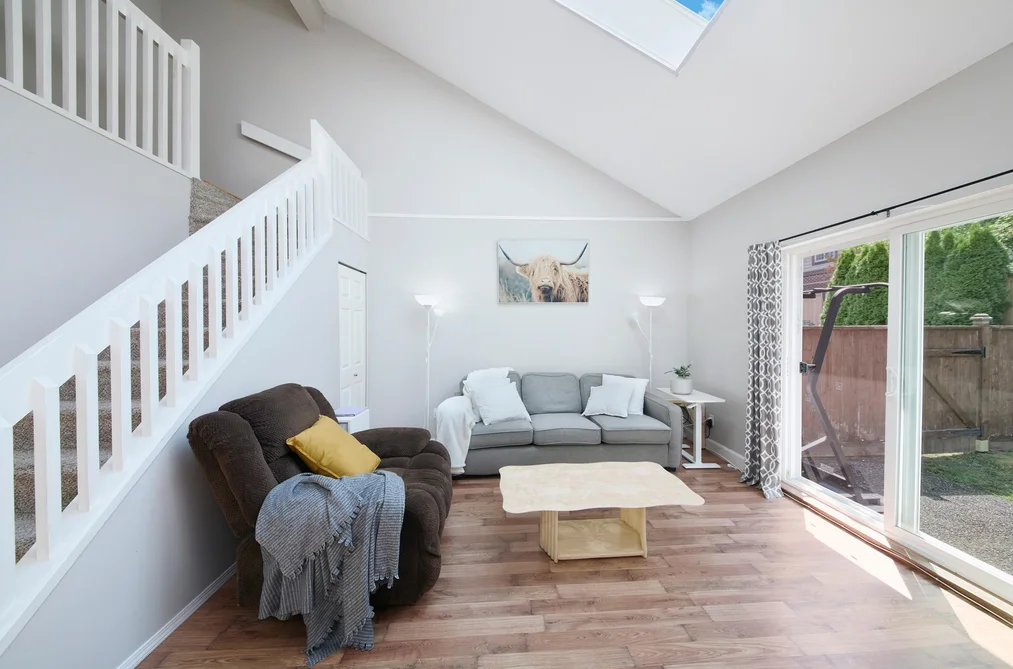
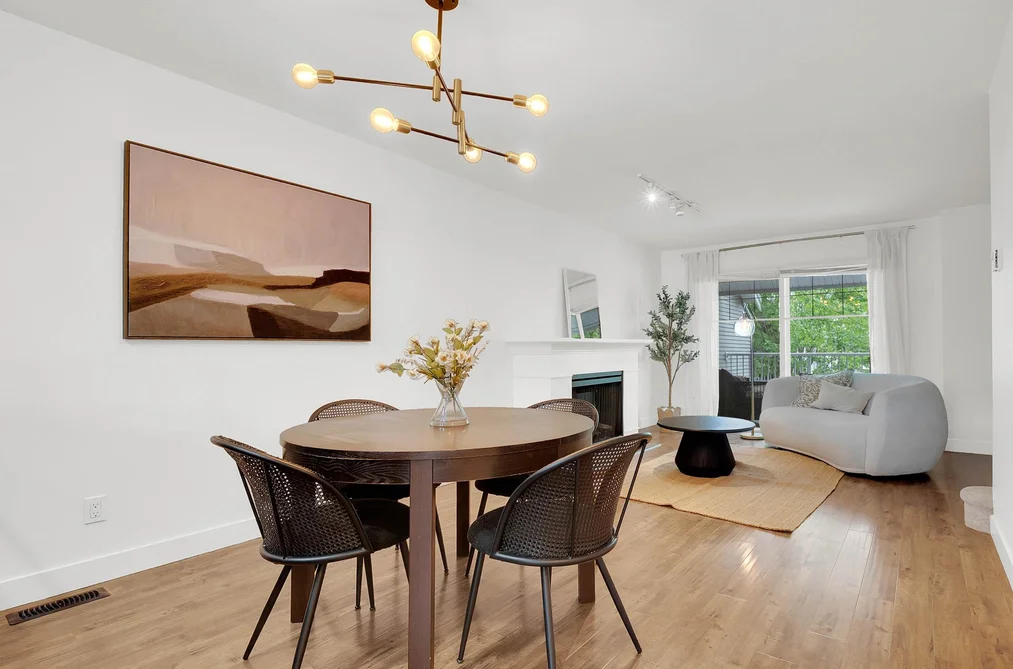

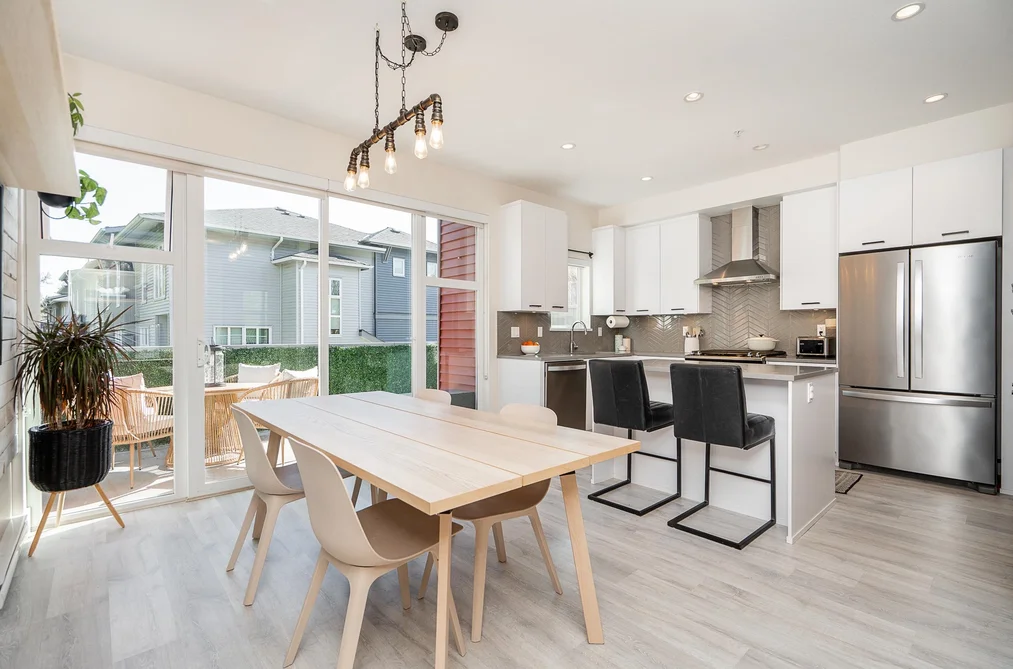
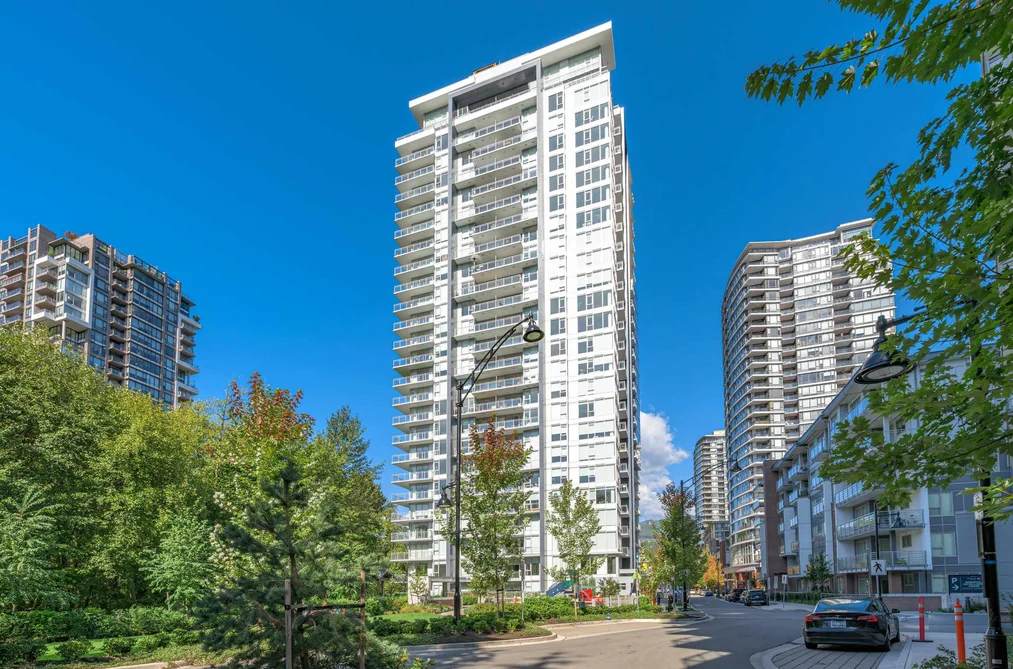
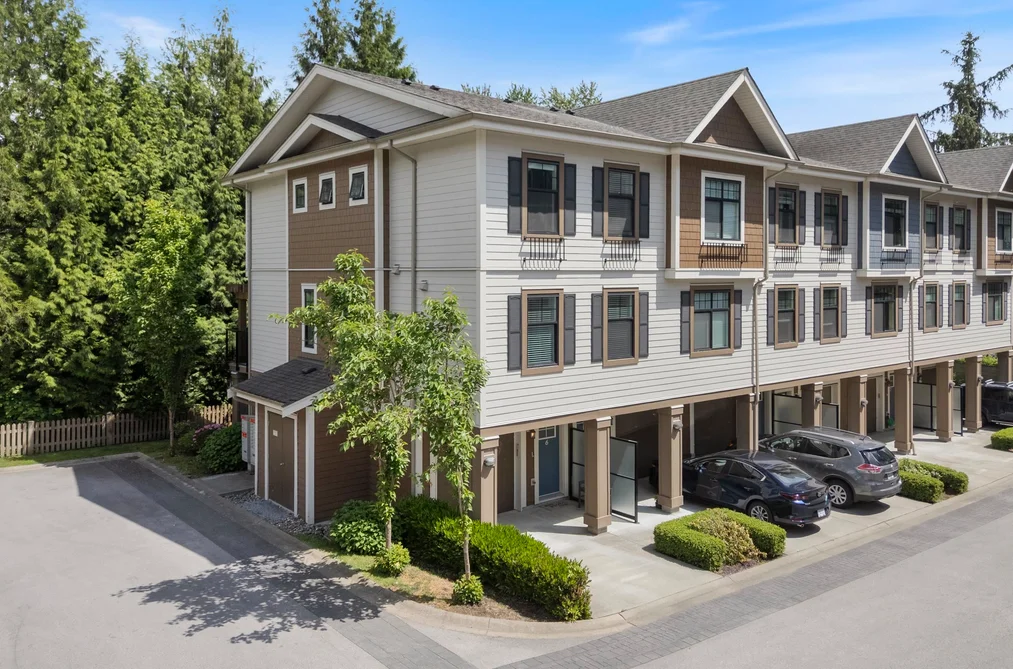
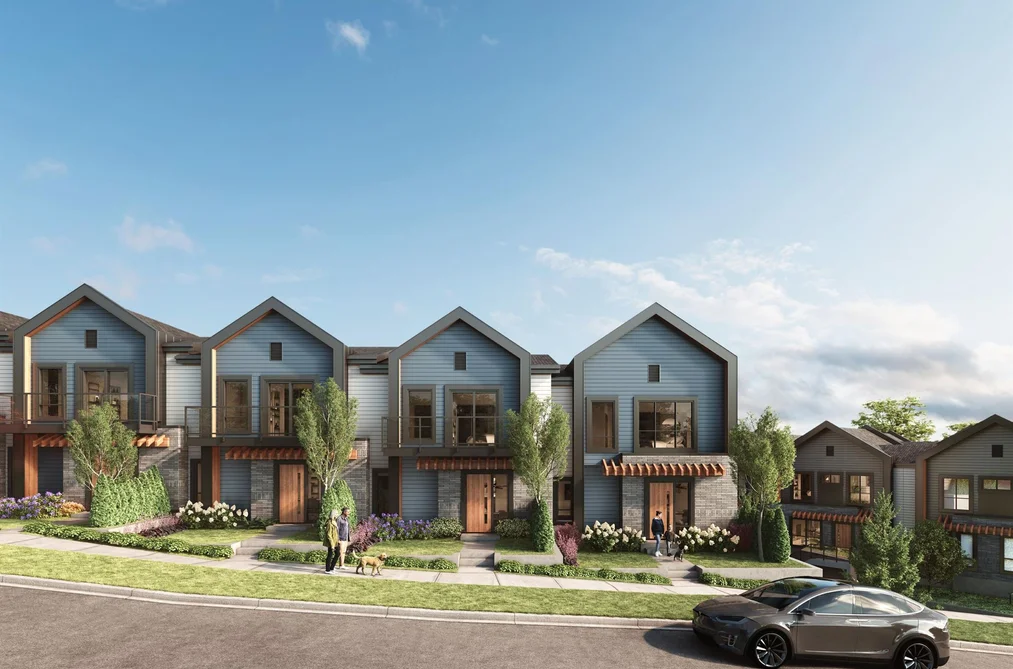
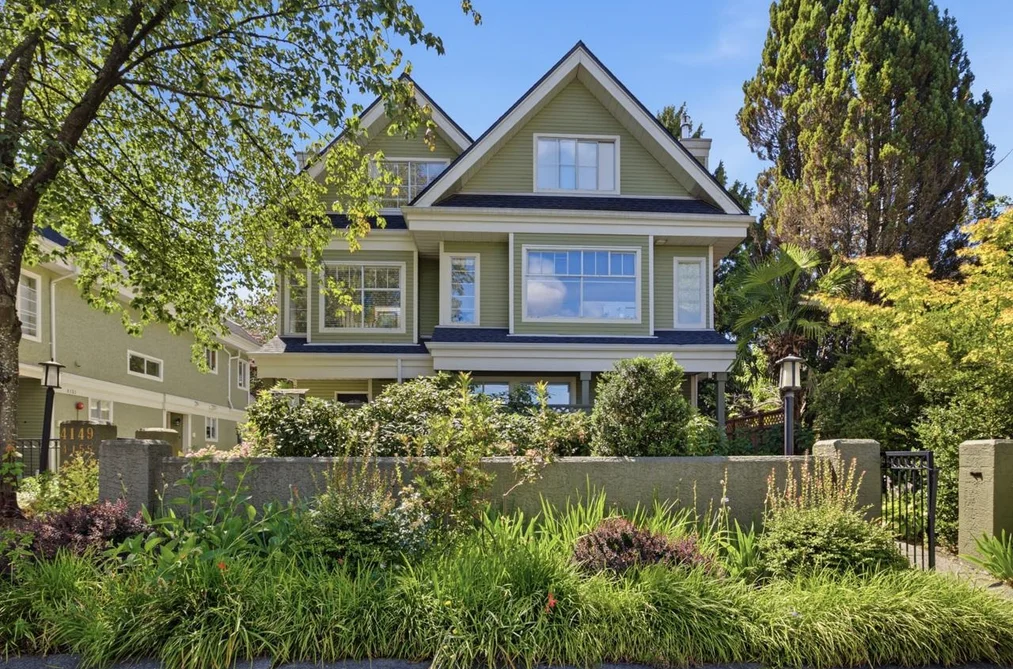
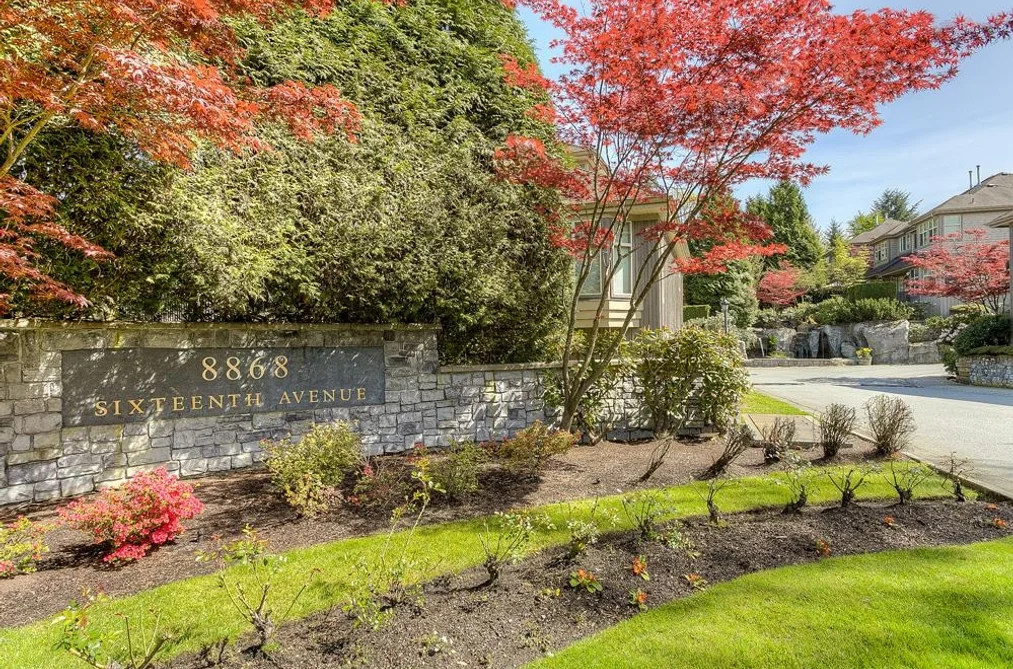
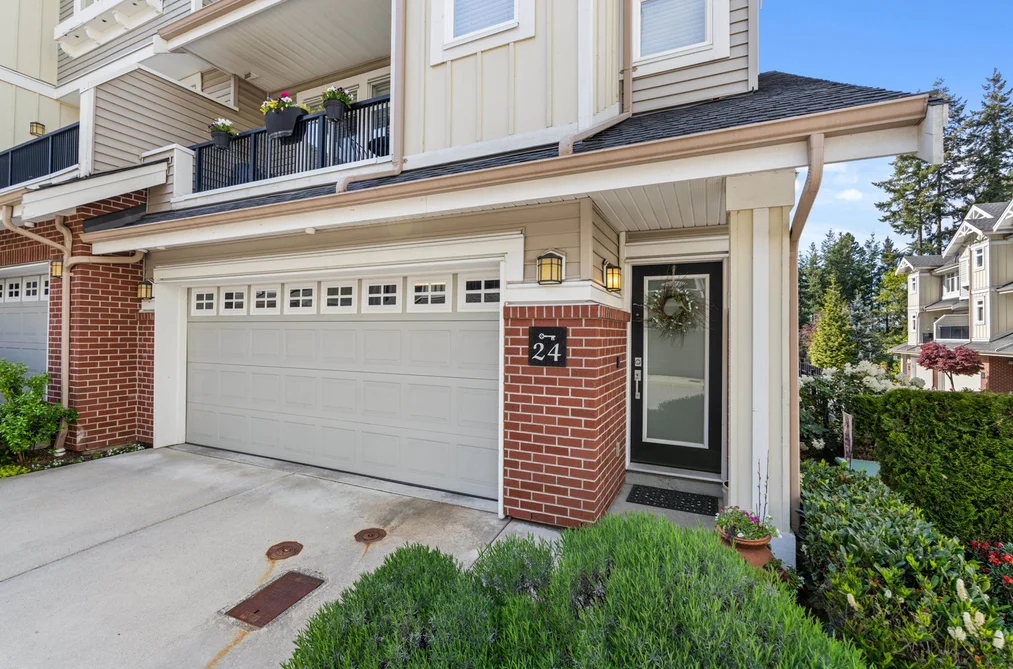
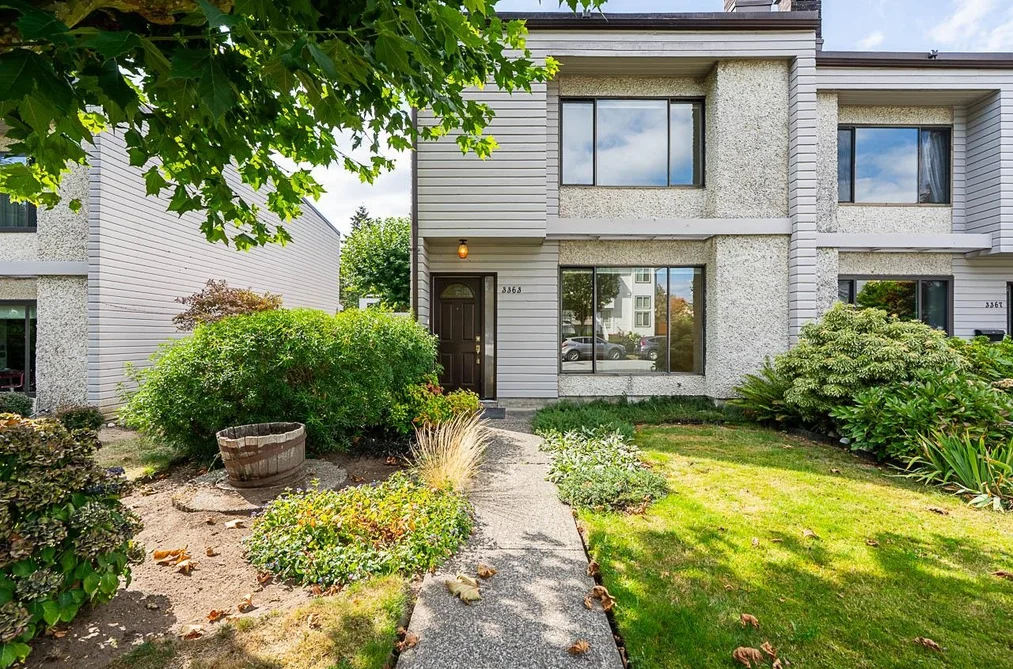
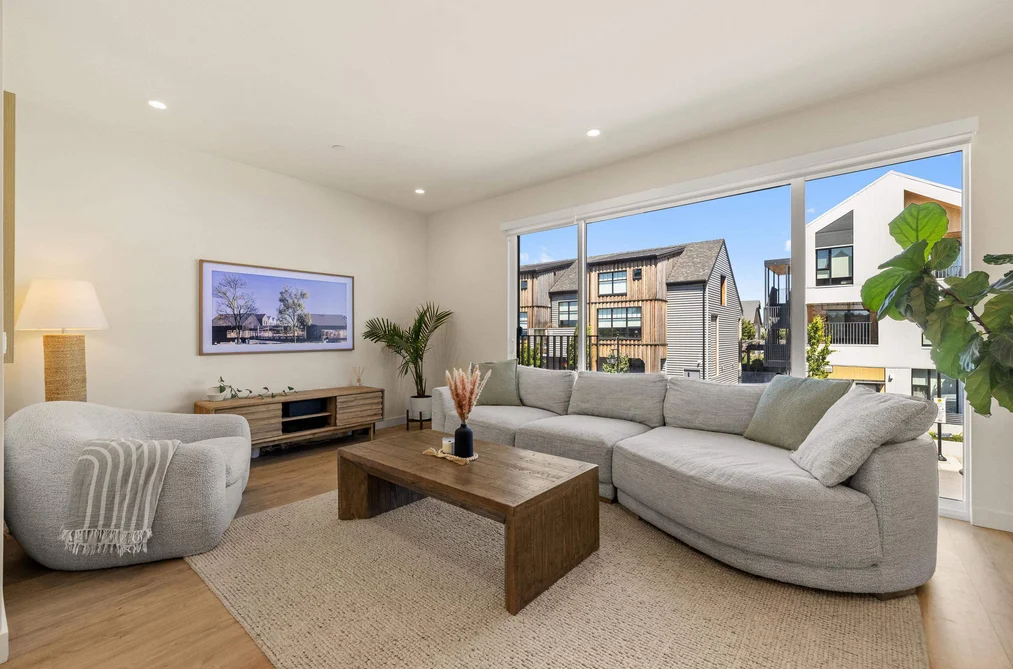
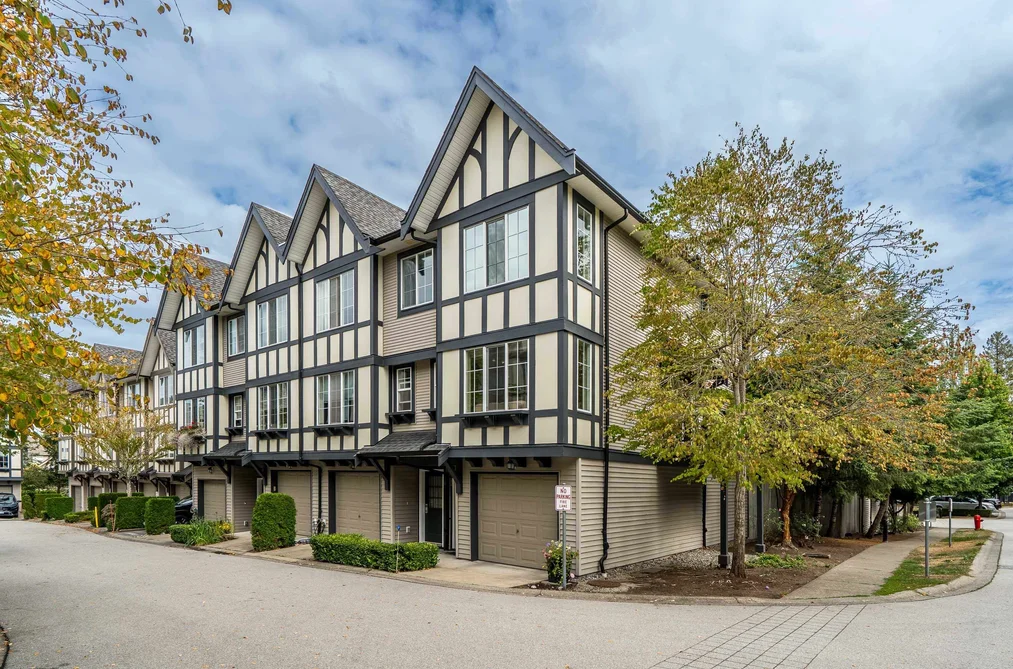
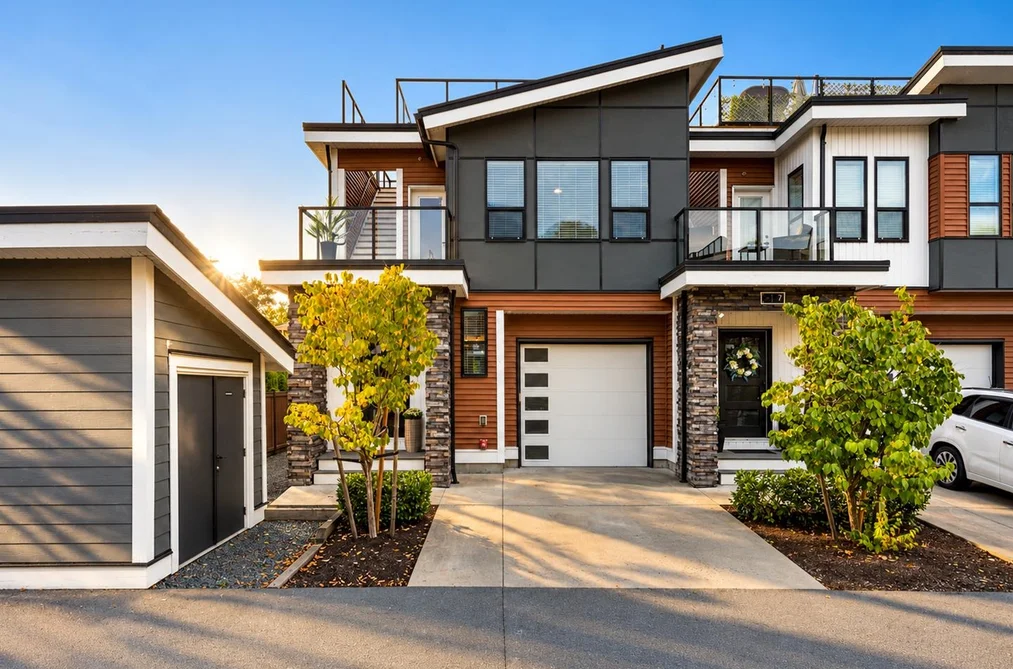
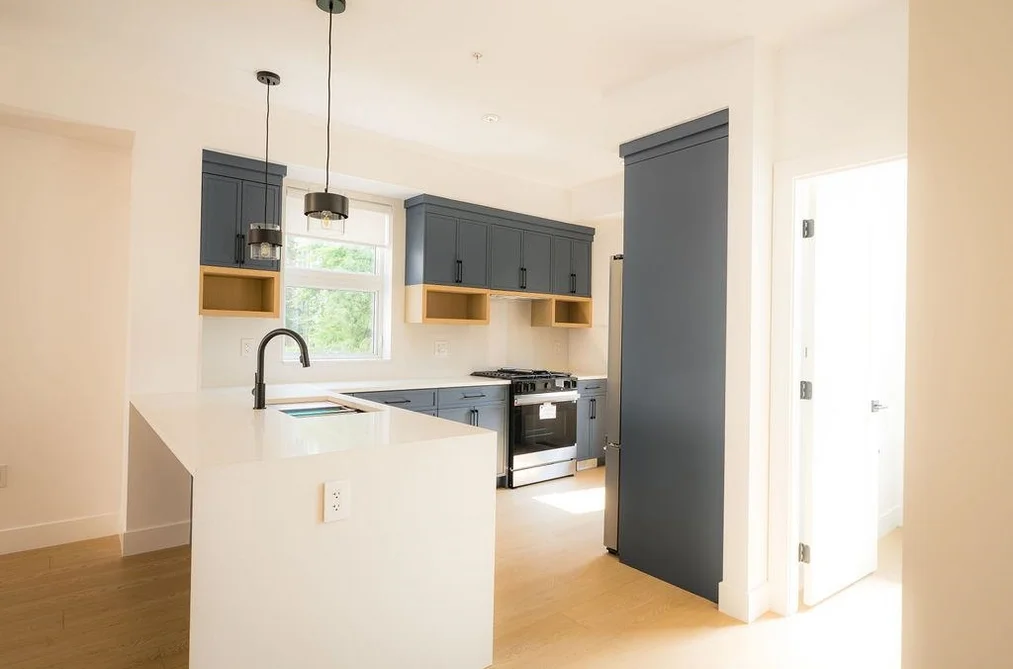
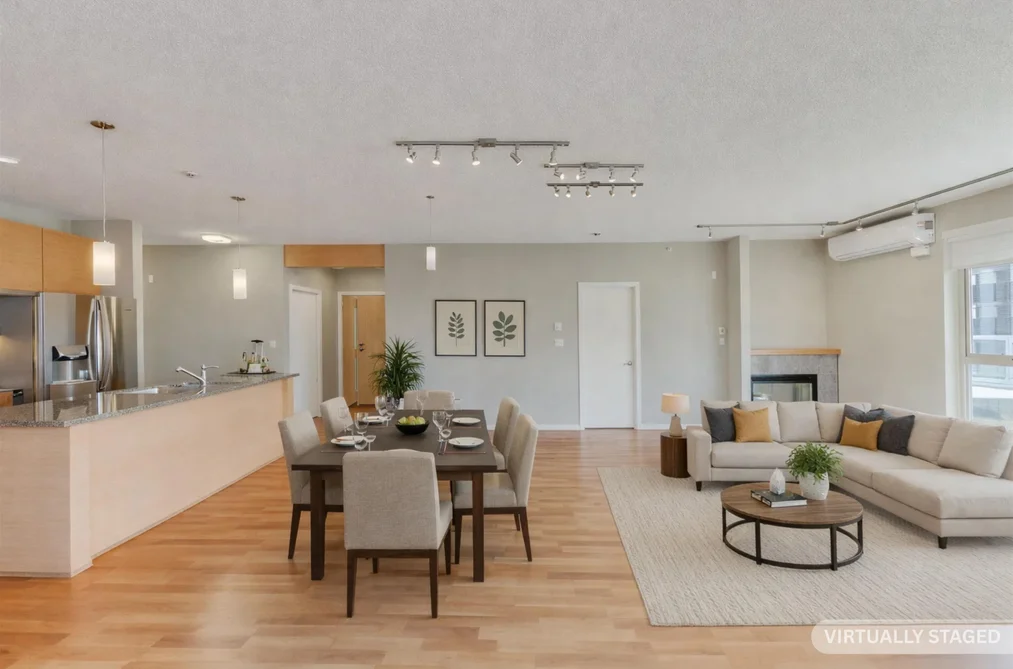
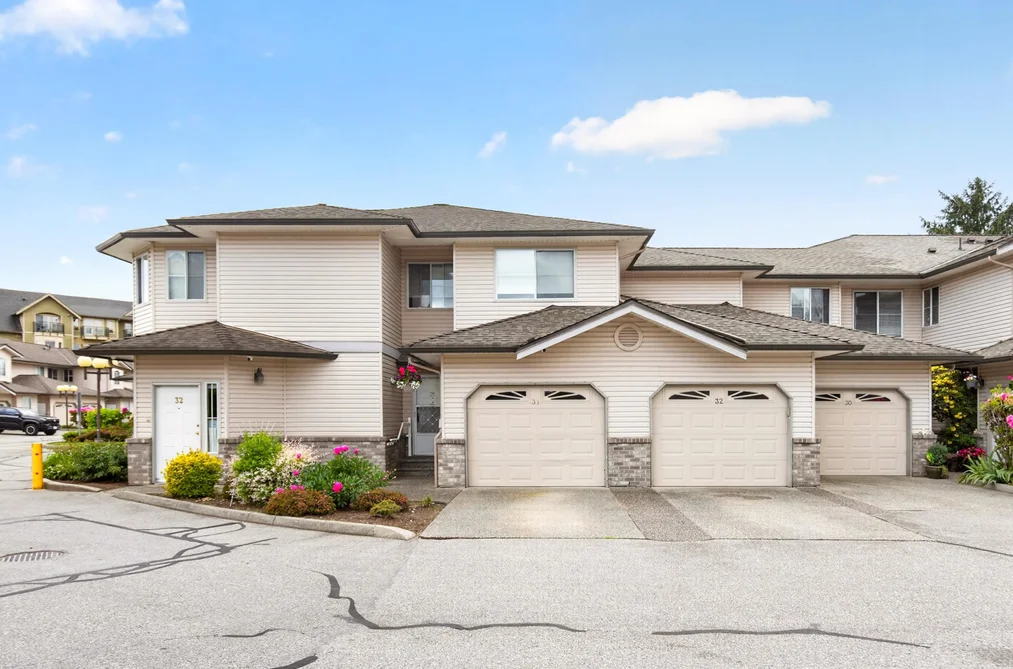
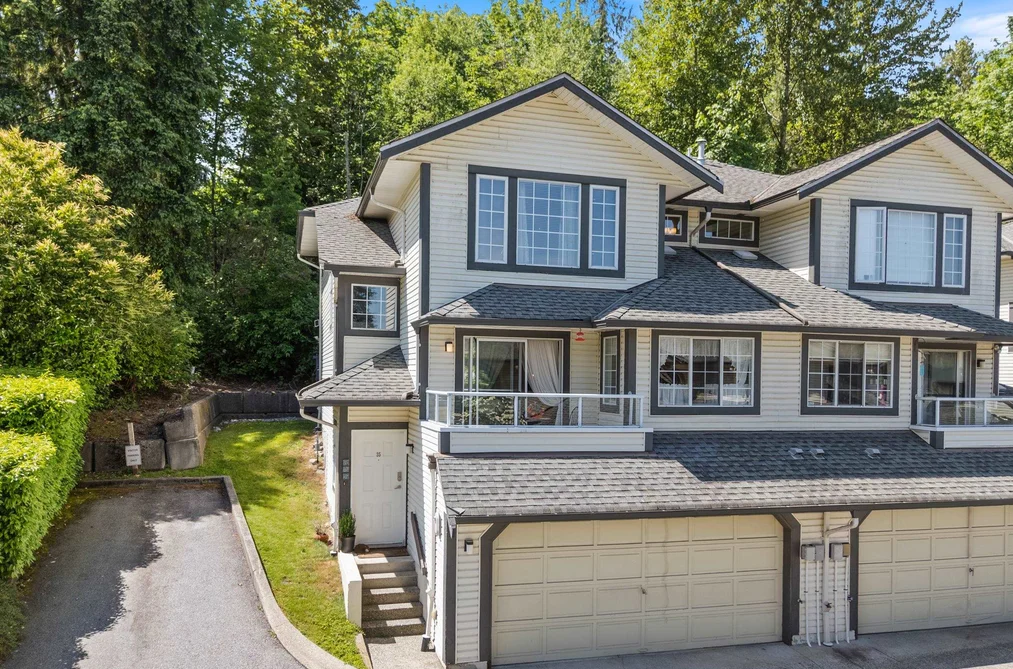
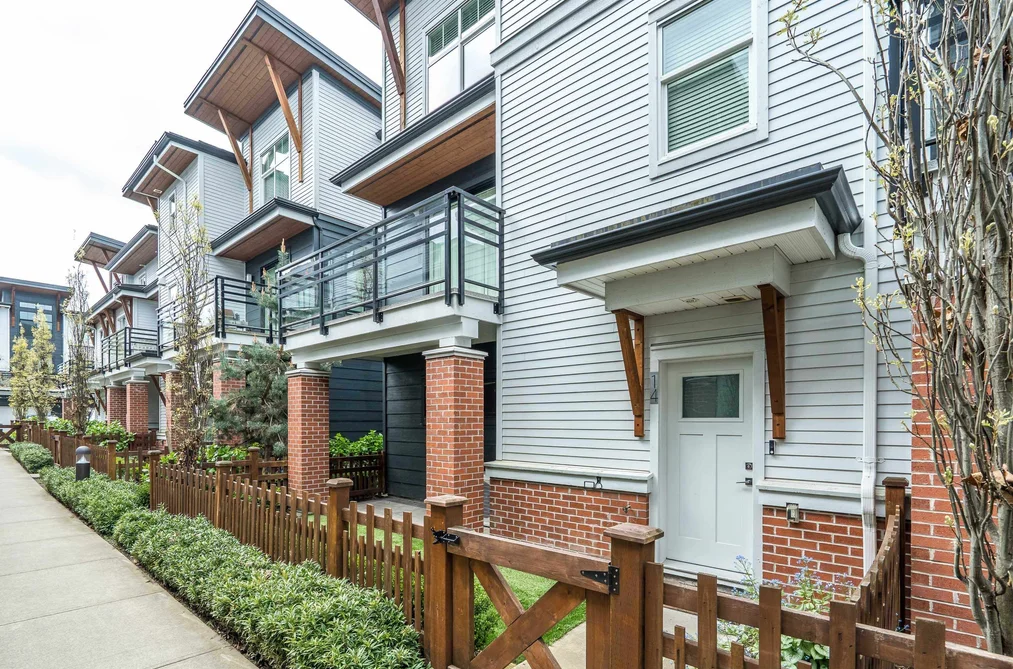
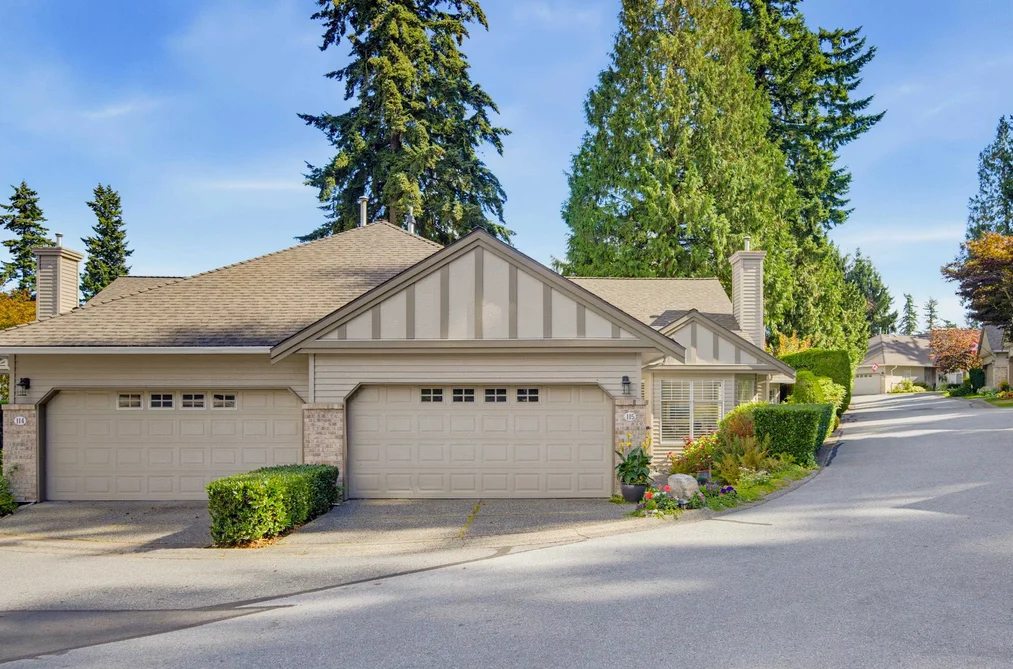
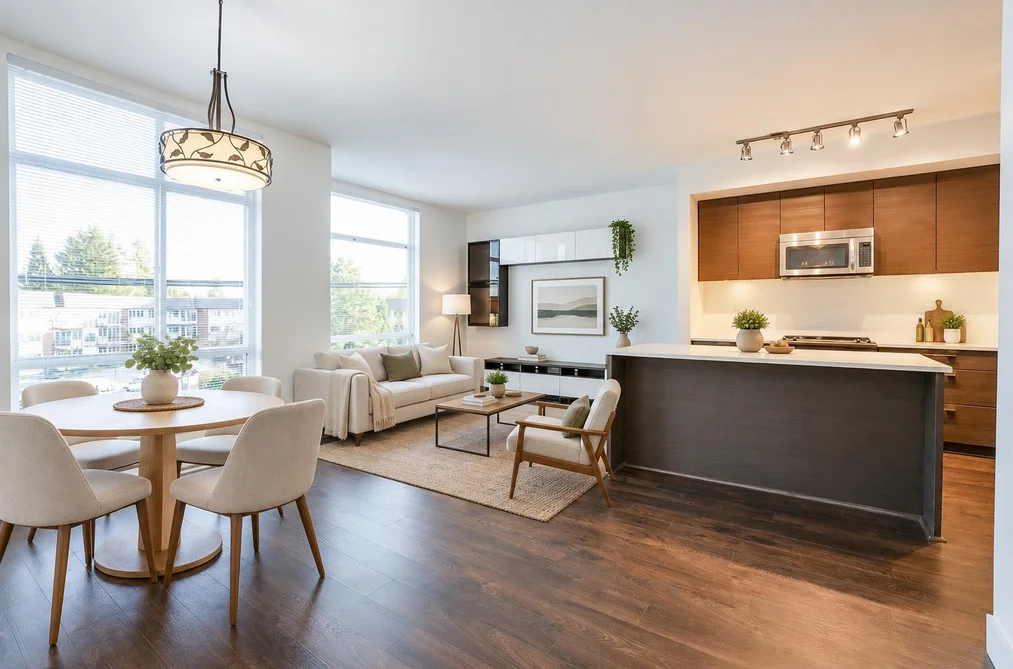
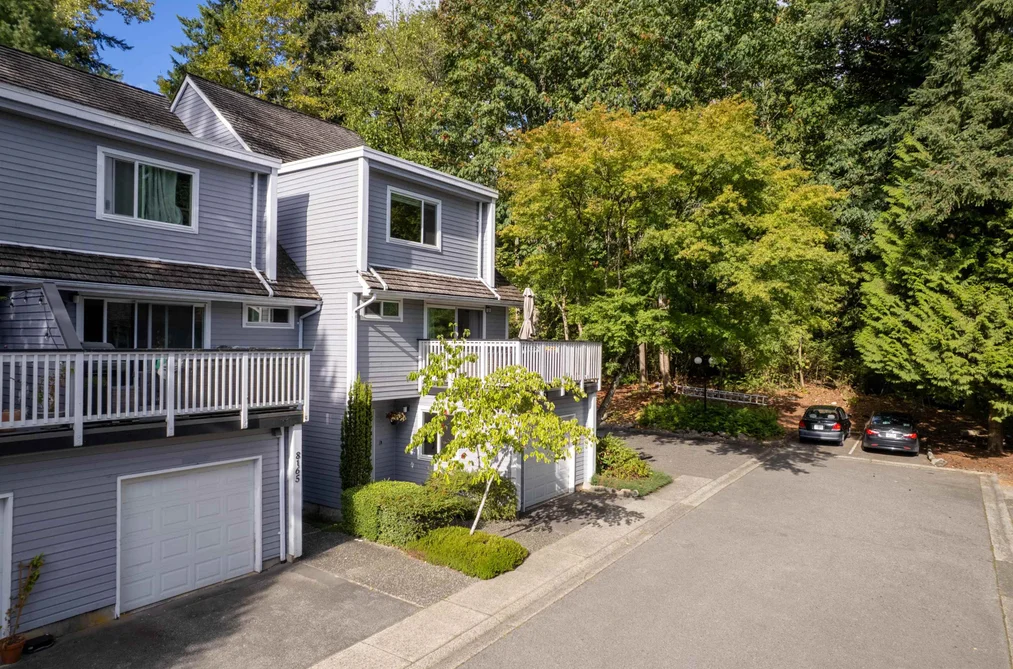
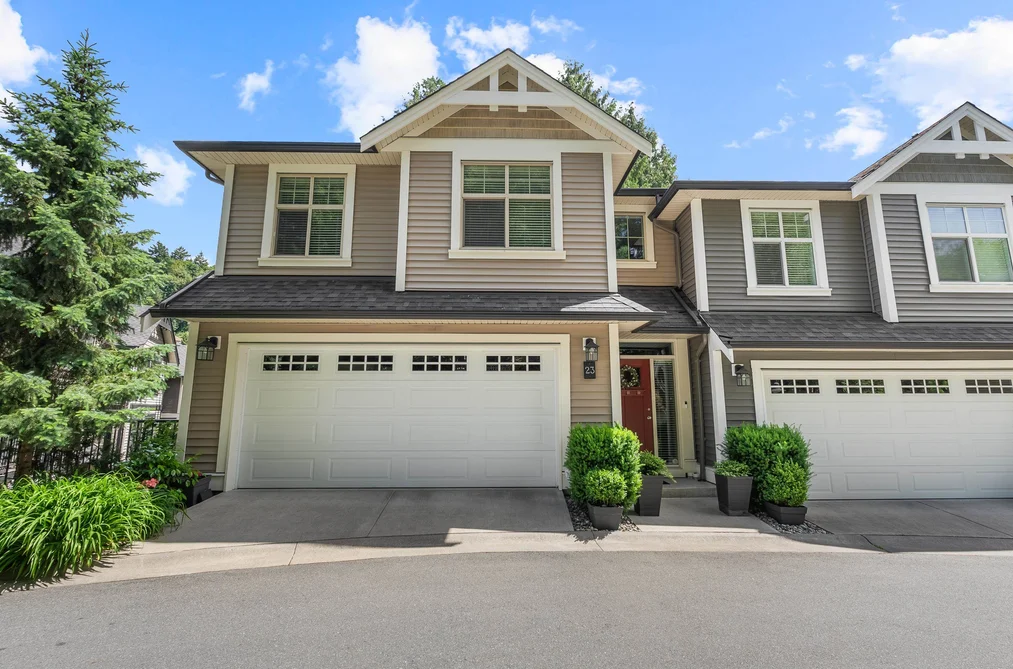
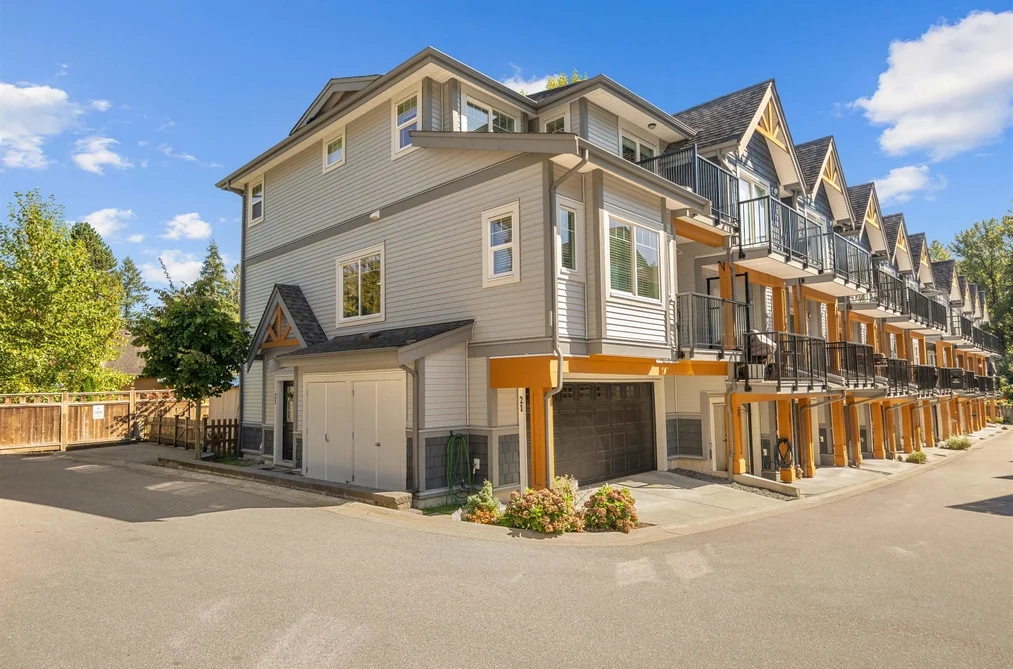
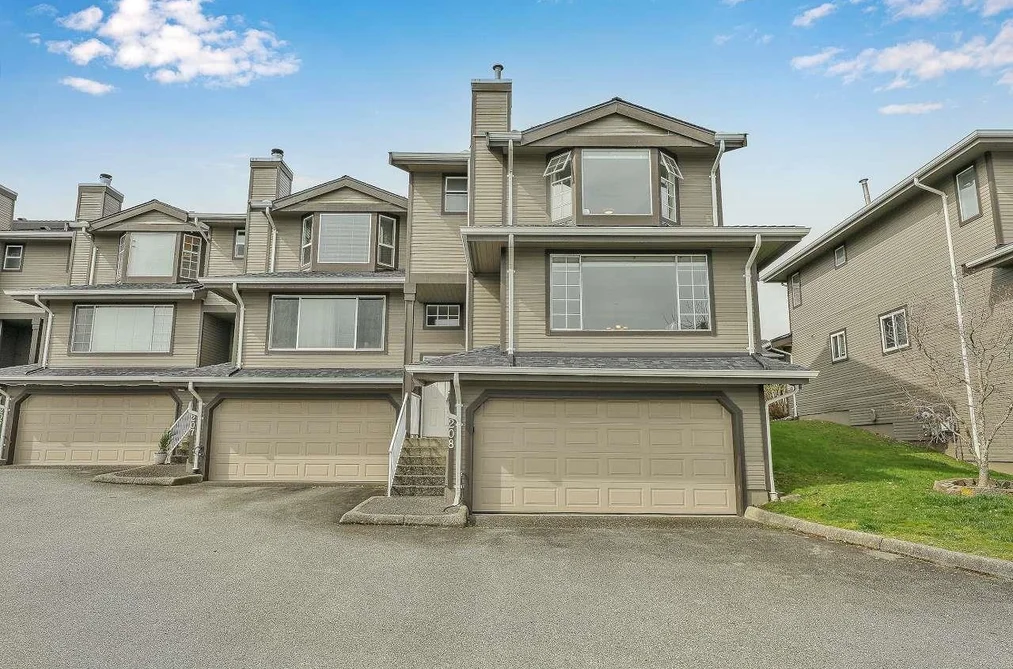
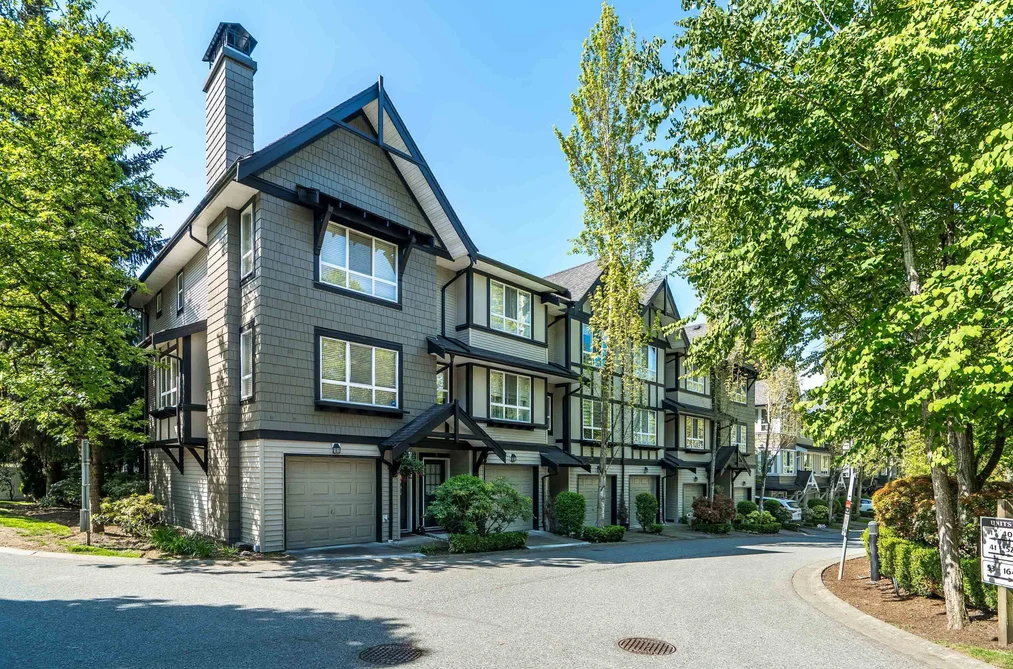
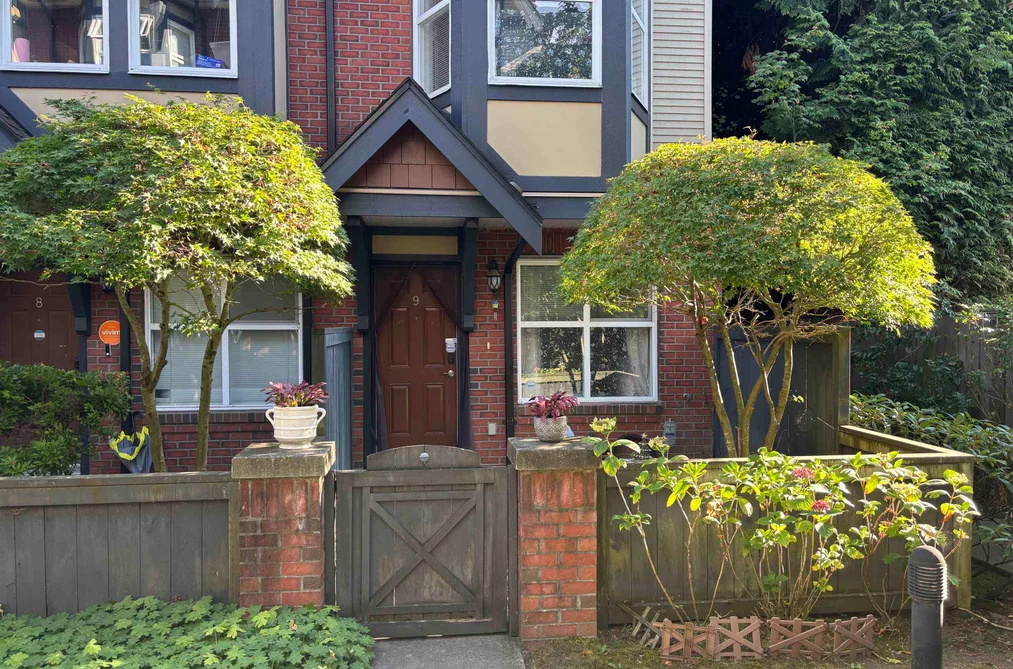
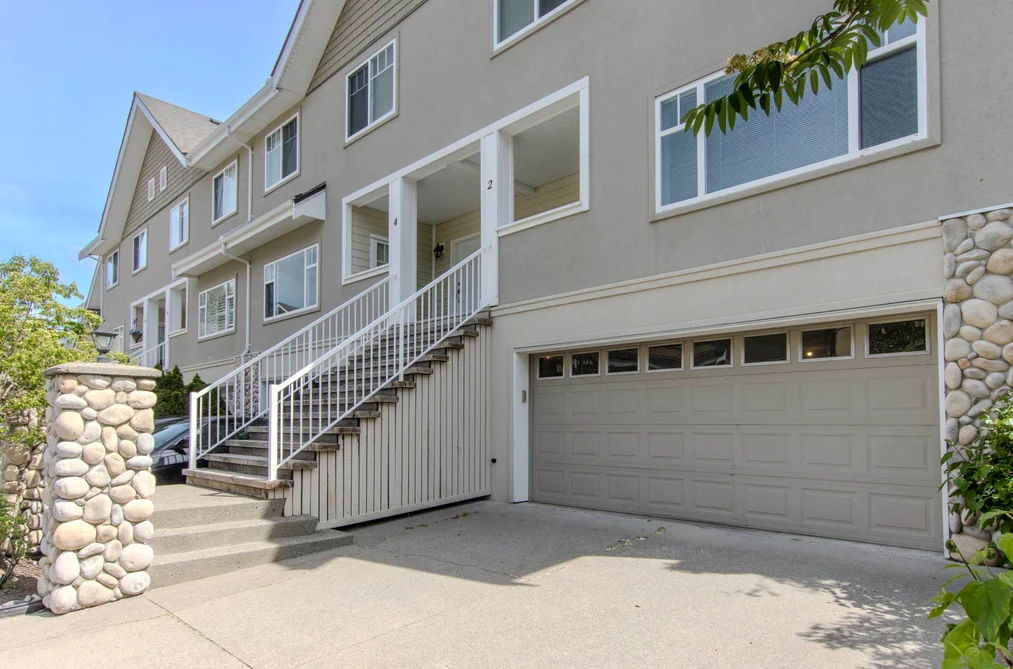
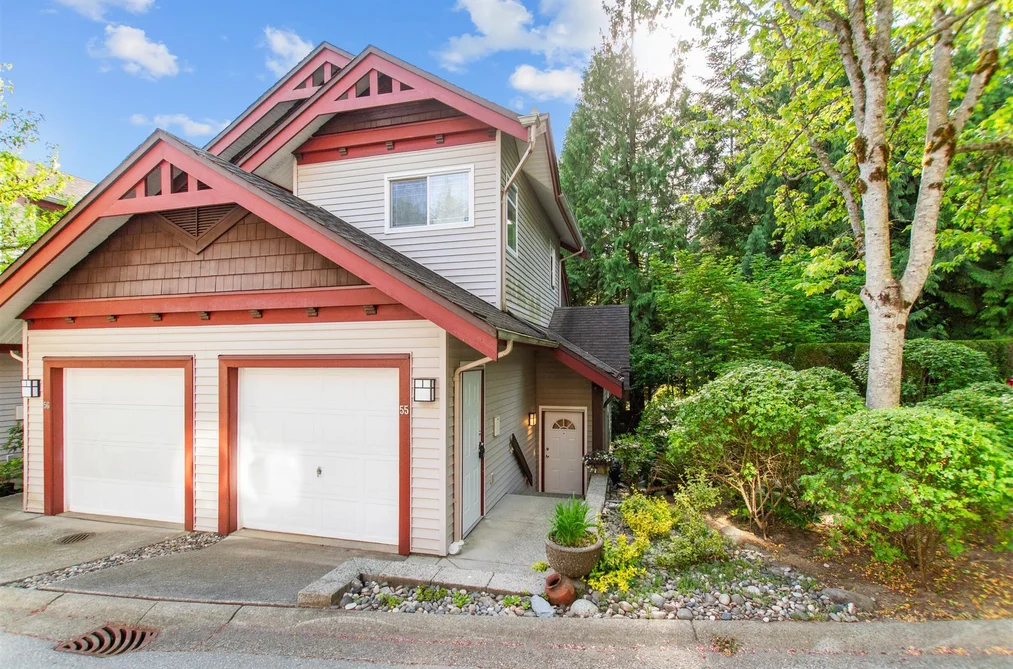
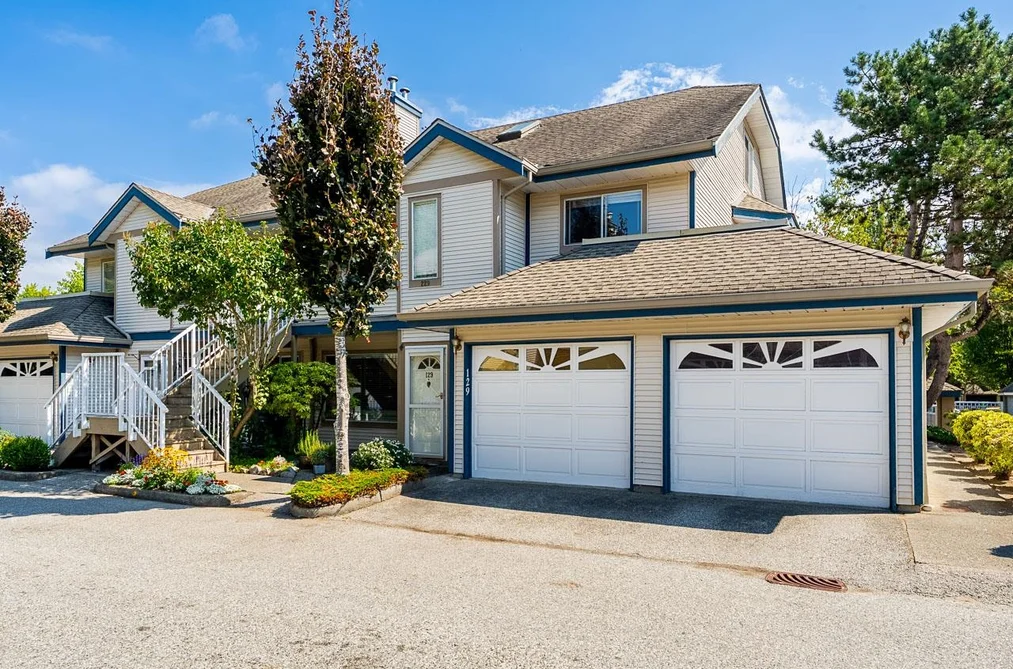
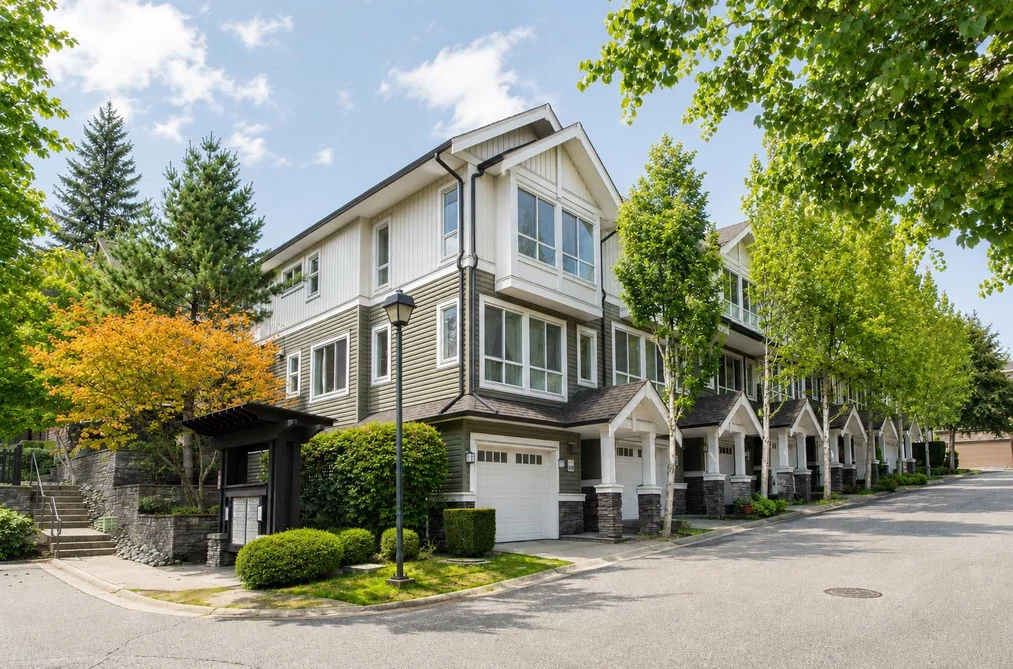
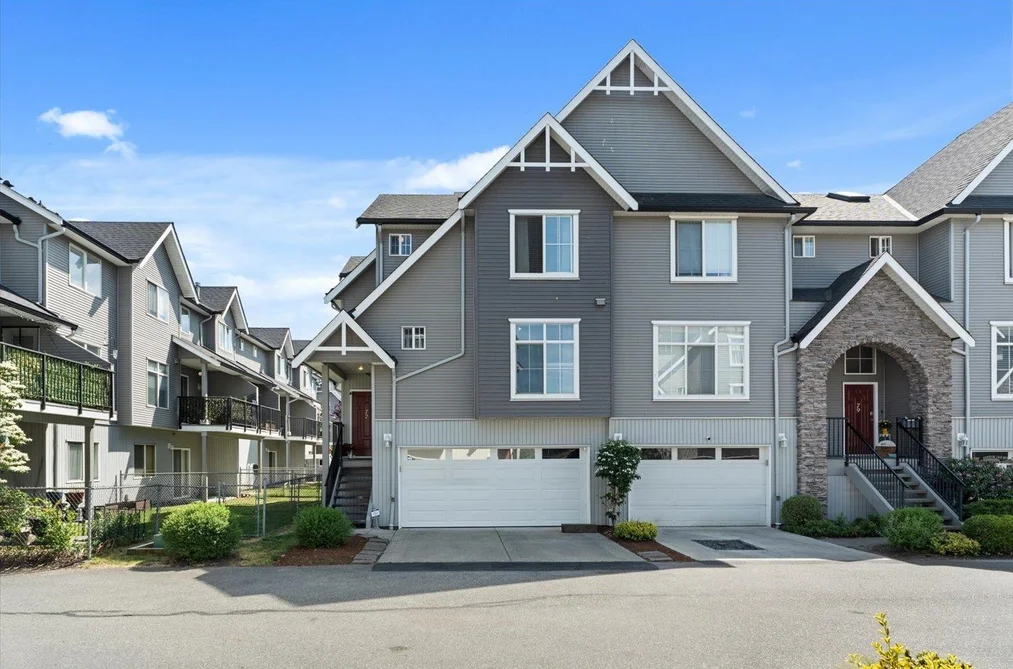
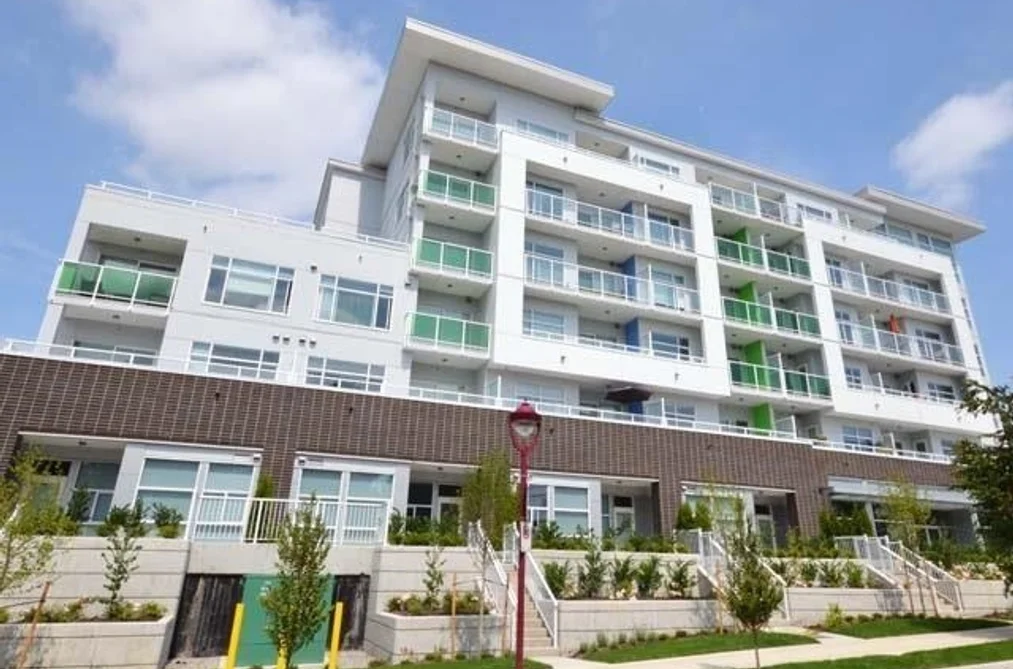
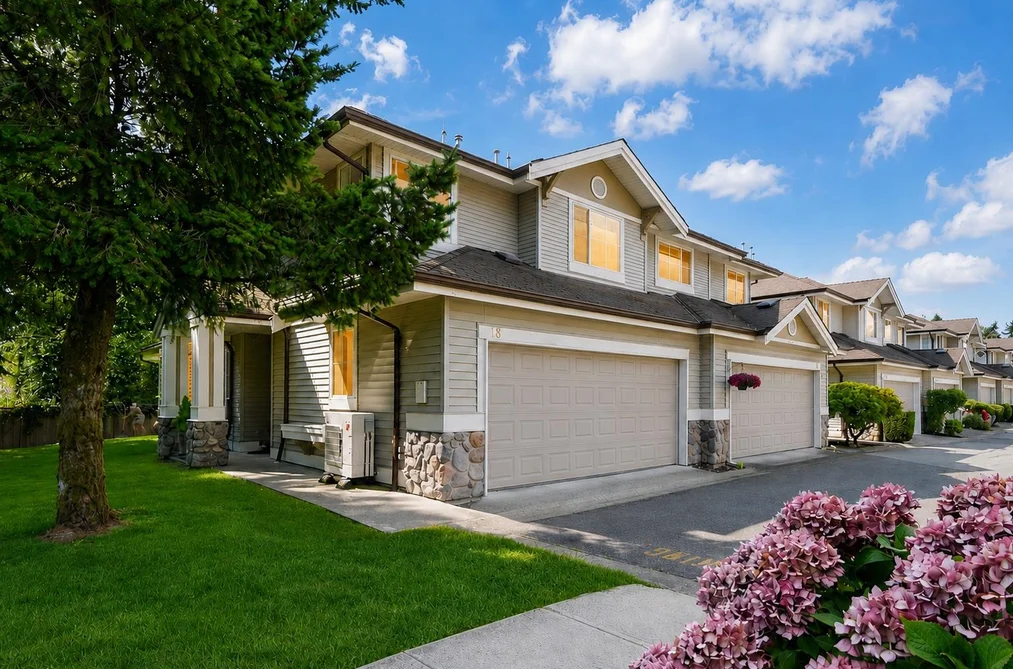
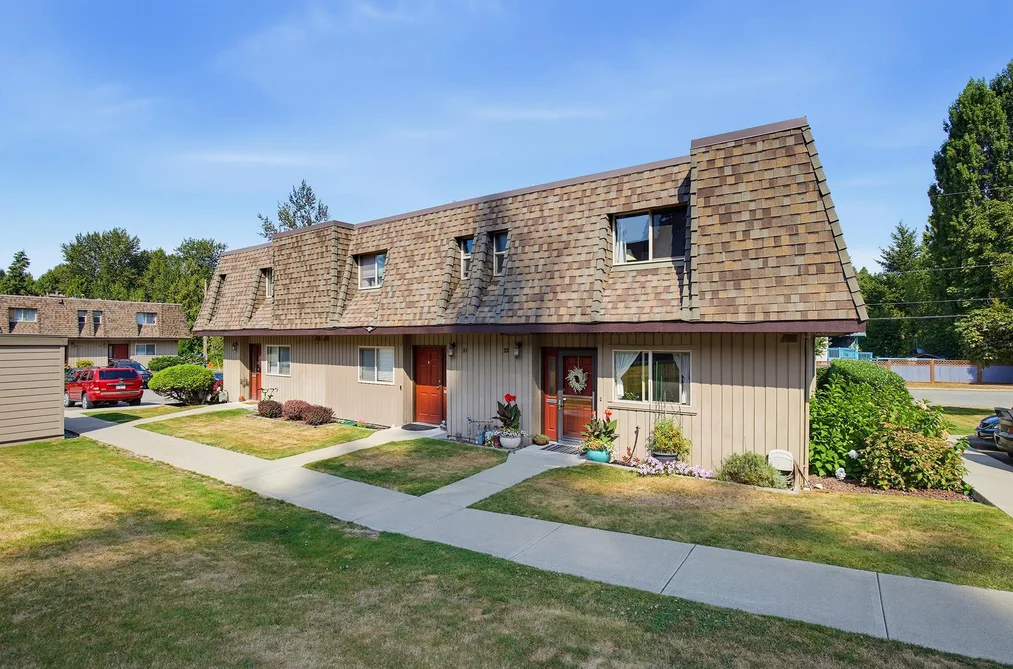
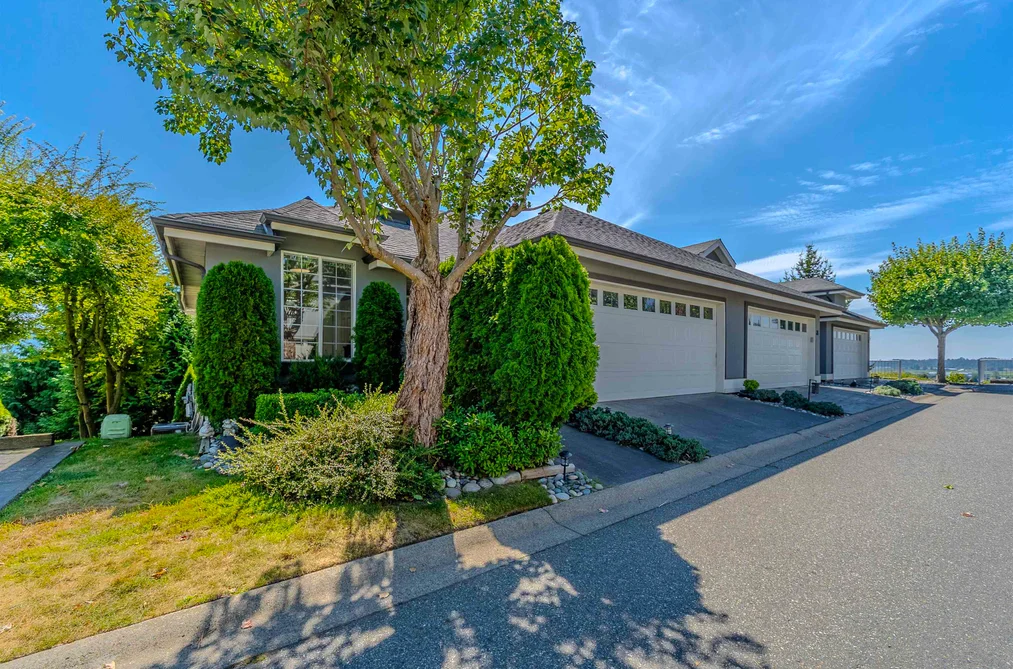
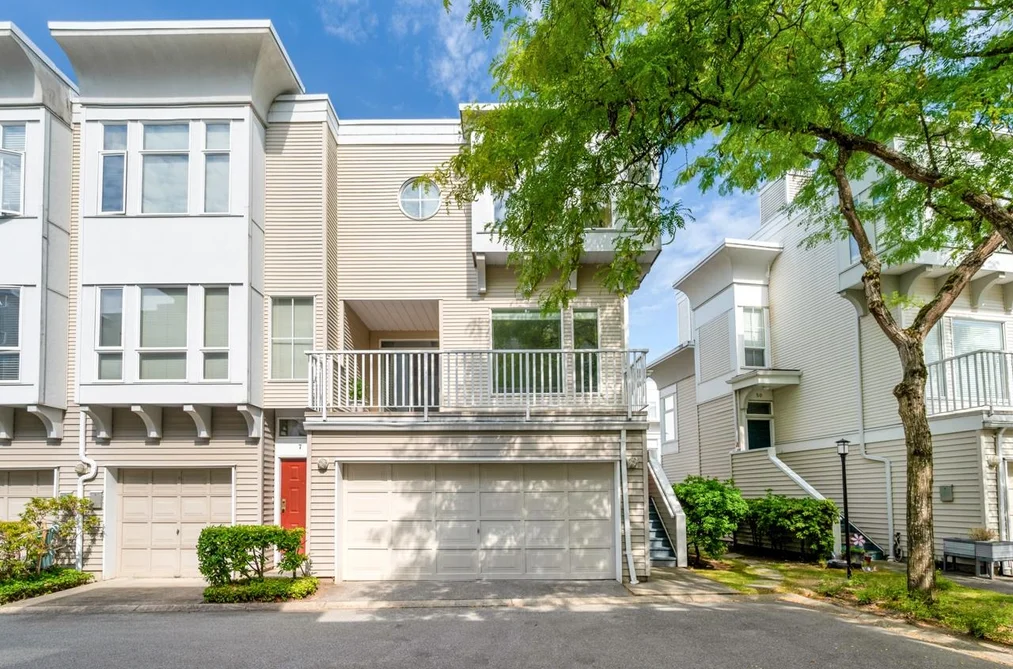
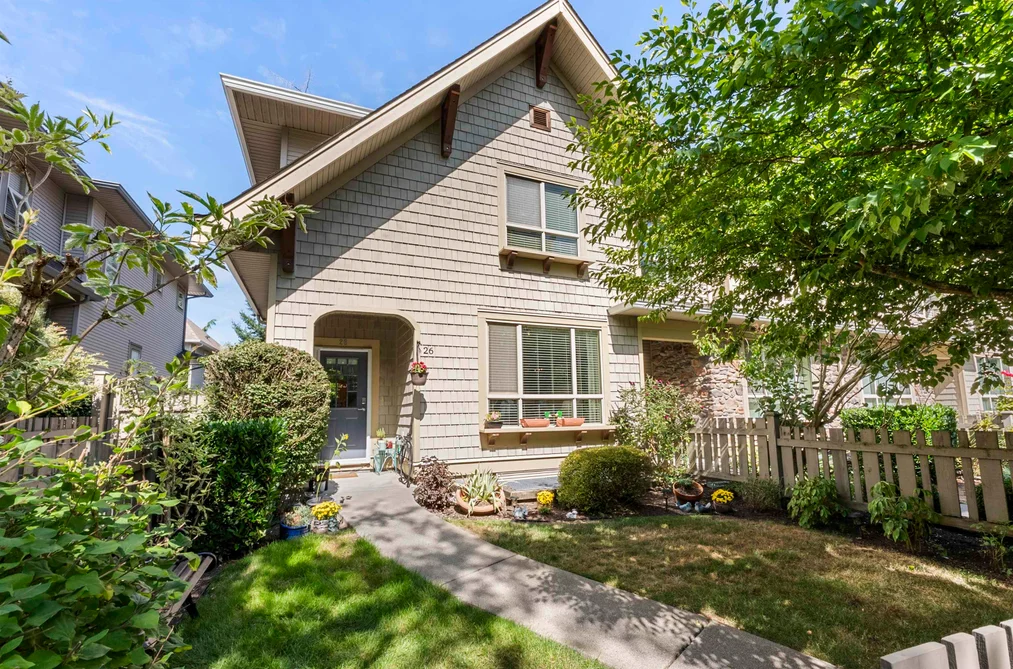
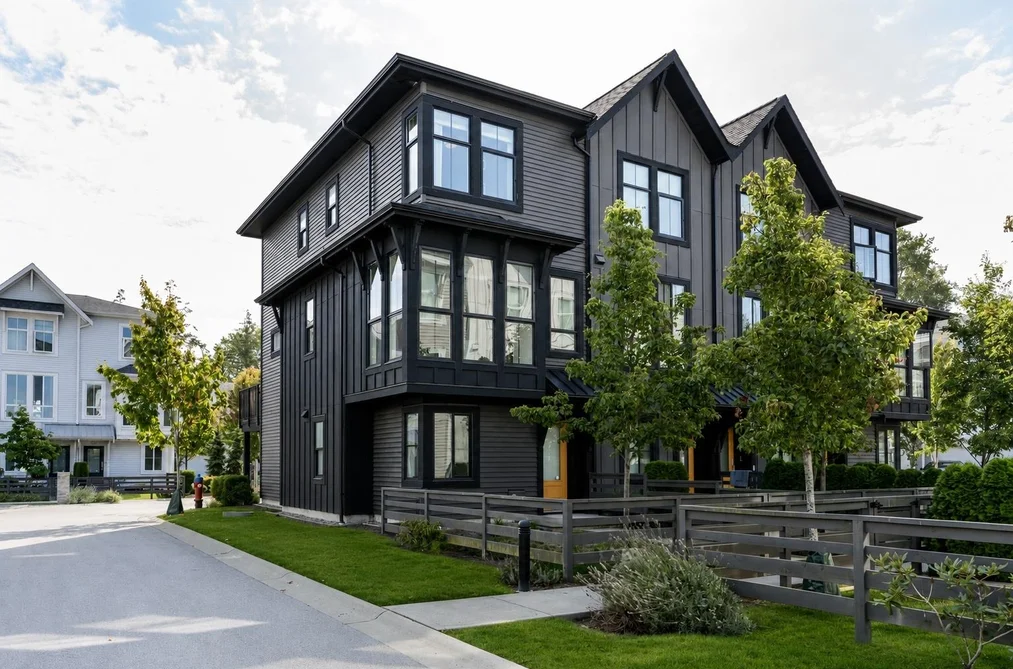
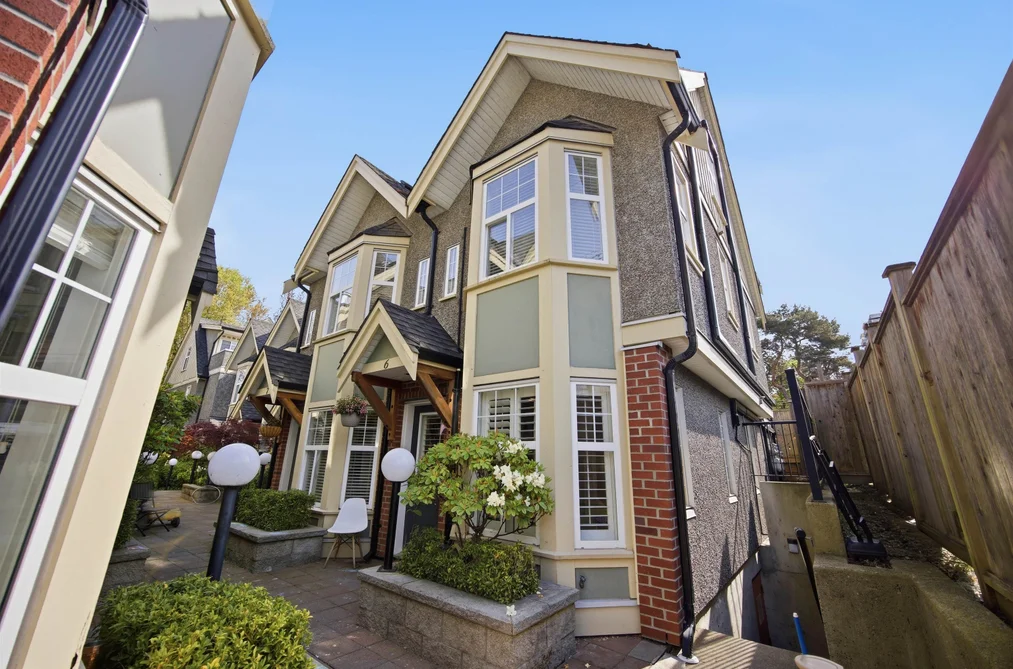
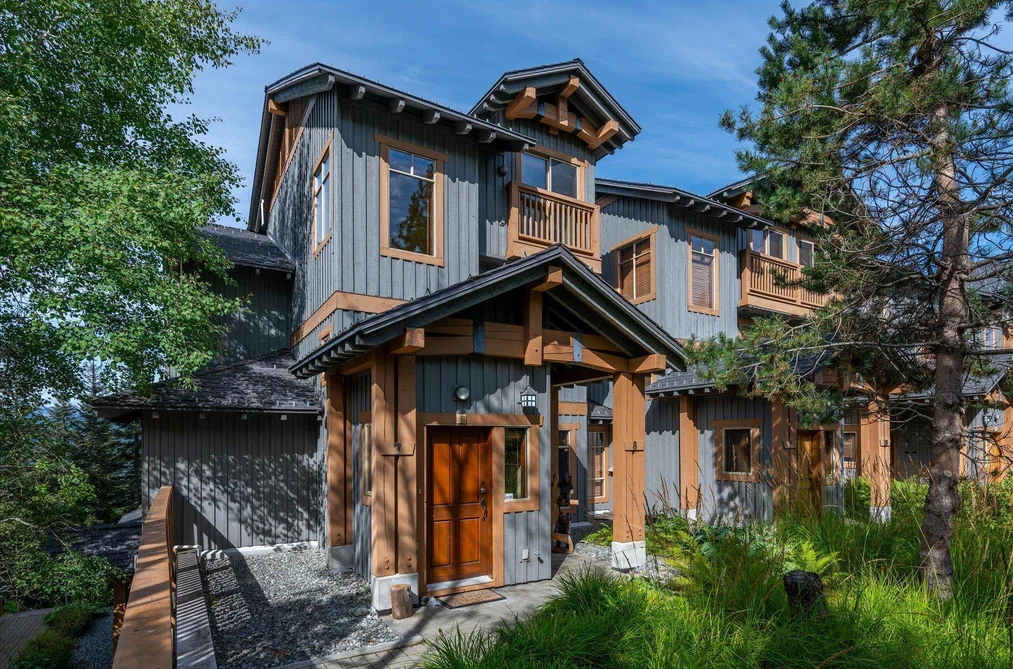
End Unit homes for sale in Greater Vancouver share one wall instead of two, and buyers pay a premium for that difference, so work out what the extra exposure is actually worth to you.
The gain is light. A townhouse at the end of a row usually adds windows on a third elevation, which makes the same floor plan feel far more spacious and gives you a room that works as an office without an artificial light on all day. Many end positions also take a larger side yard, an extra parking stall or a quieter aspect away from the drive aisle. Compare the listing floor plan against the inside unit next door, because they are often mirrored rather than identical.
More exterior wall means more heat loss and more building envelope to maintain, which the strata pays for out of everyone's fees. Ask for the depreciation report and read what it says about windows, cladding and the end walls specifically, since corner positions weather hardest. Ask about heating costs across a winter, look at the bathroom and bedroom windows for condensation staining, and check the floor above any tuck-under garage for cold transfer.
End positions in a townhome complex and in a duplex-style row both tend to resell faster than inside units, and townhomes generally hold that advantage through slower markets. Ask your agent for sold prices on both positions in the same complex rather than relying on figures from the real estate board for the whole neighbourhood. That gap tells you what the premium is really worth, and whether the one on your listing is fair.