For Sale
10 days
- $674,900
- 3 bed
- 2 bath
- 1159 sqft
MLS® R3166774
•Century 21 Creekside Realty
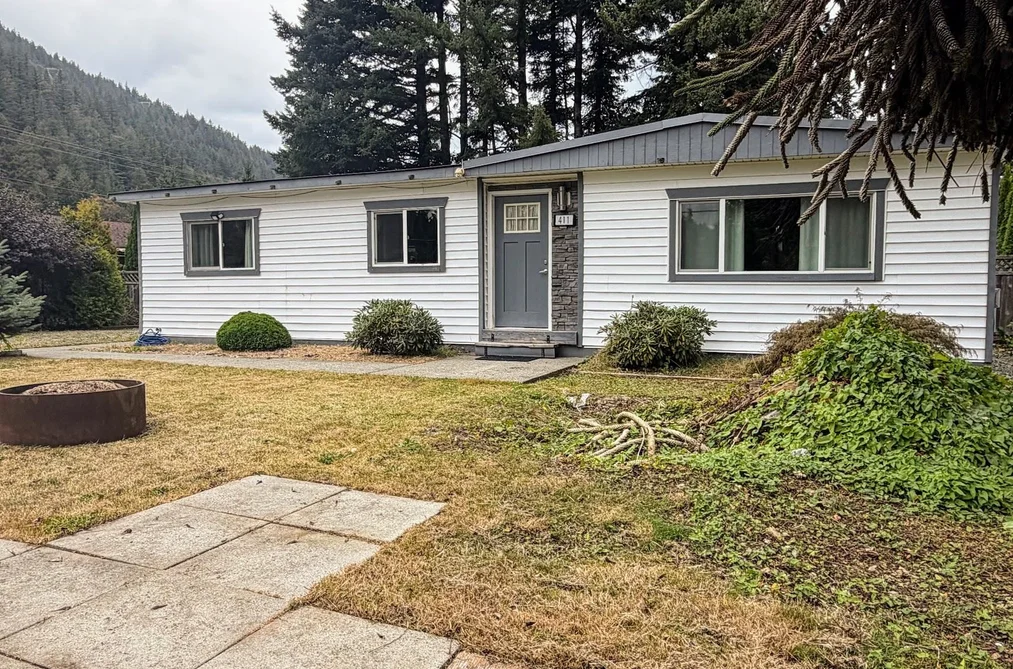
Browse subdivided lots and homes for sale in Greater Vancouver and confirm the registered plan, the servicing and any easements on title before you make an offer.
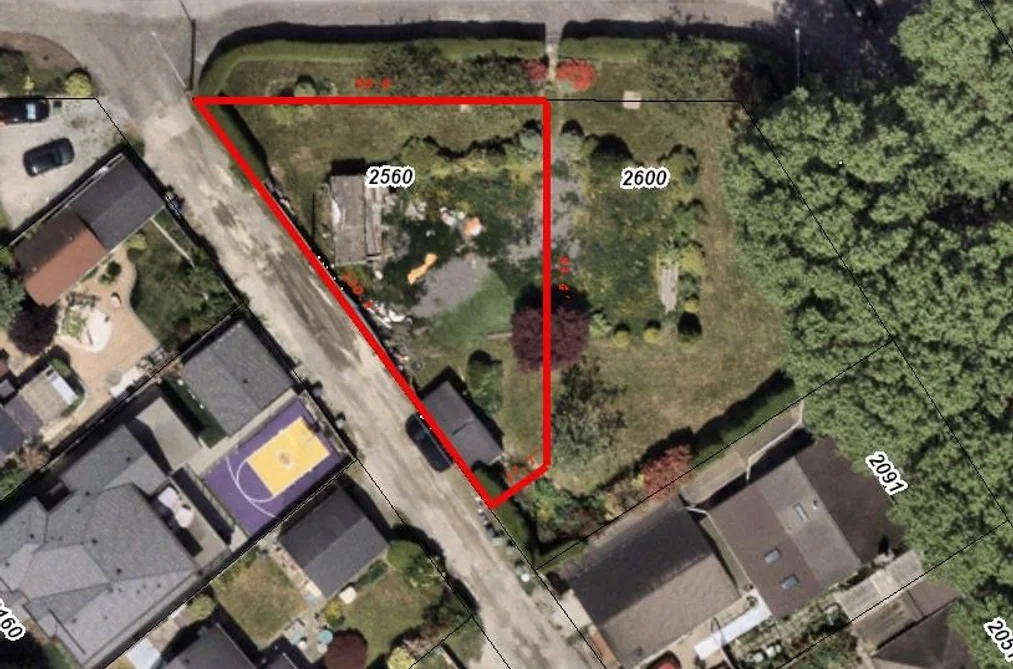
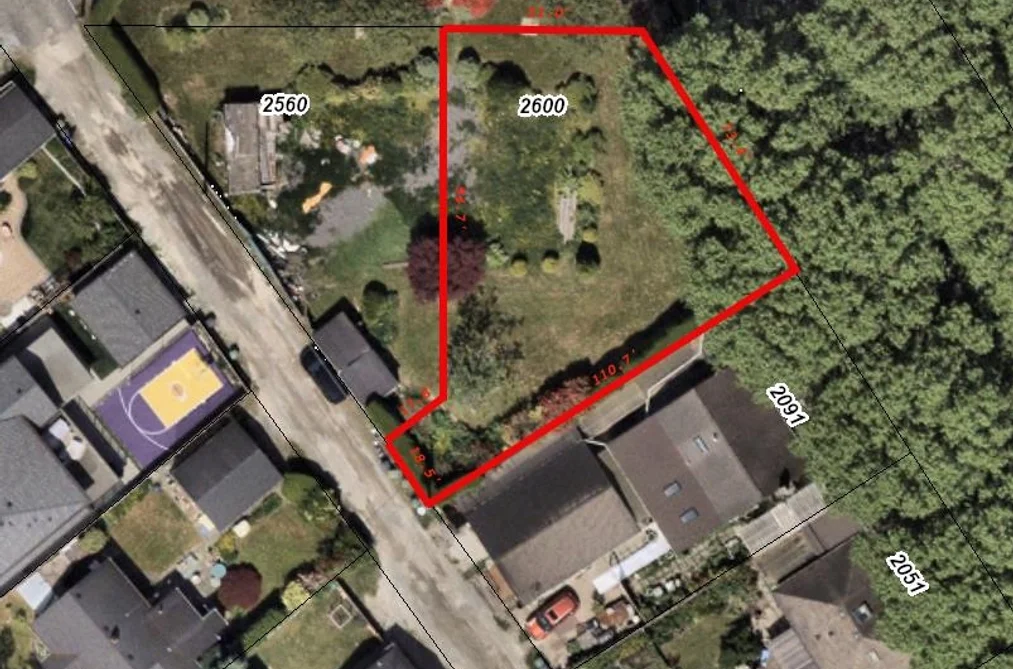
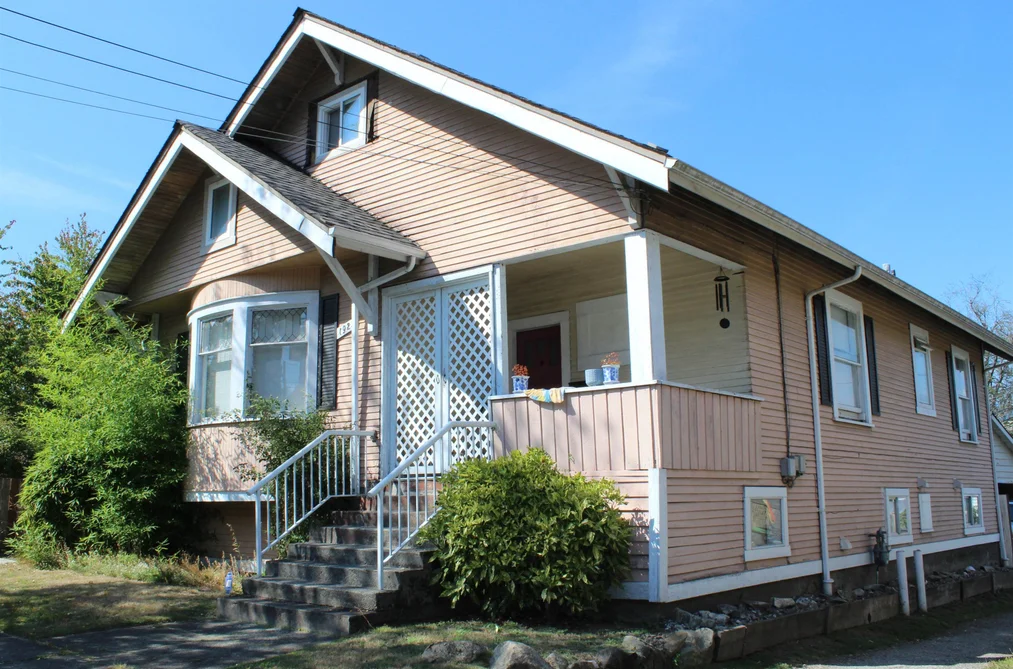
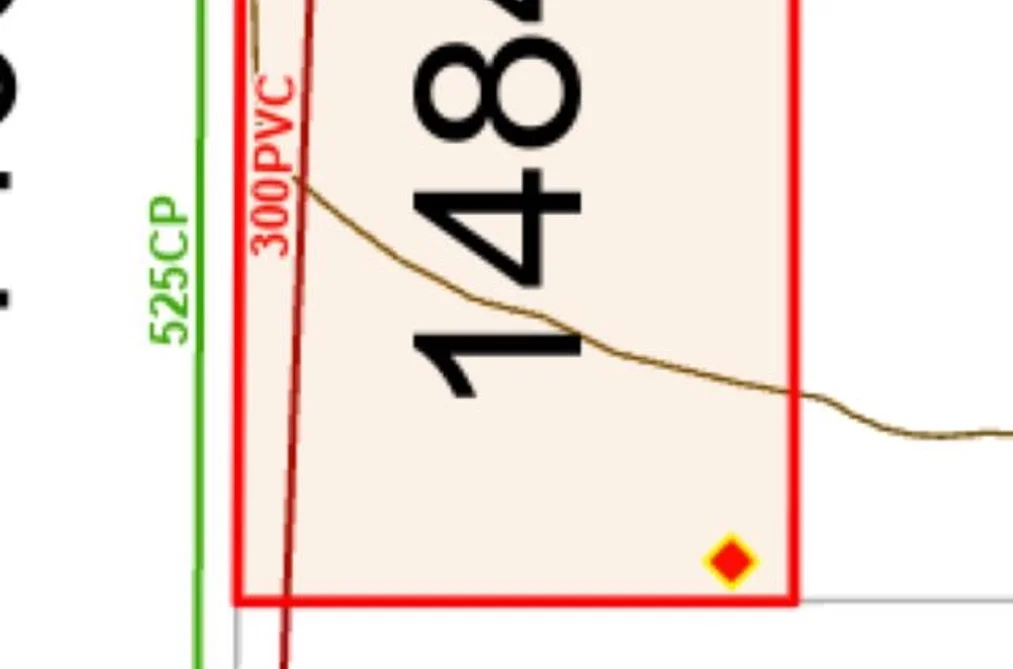
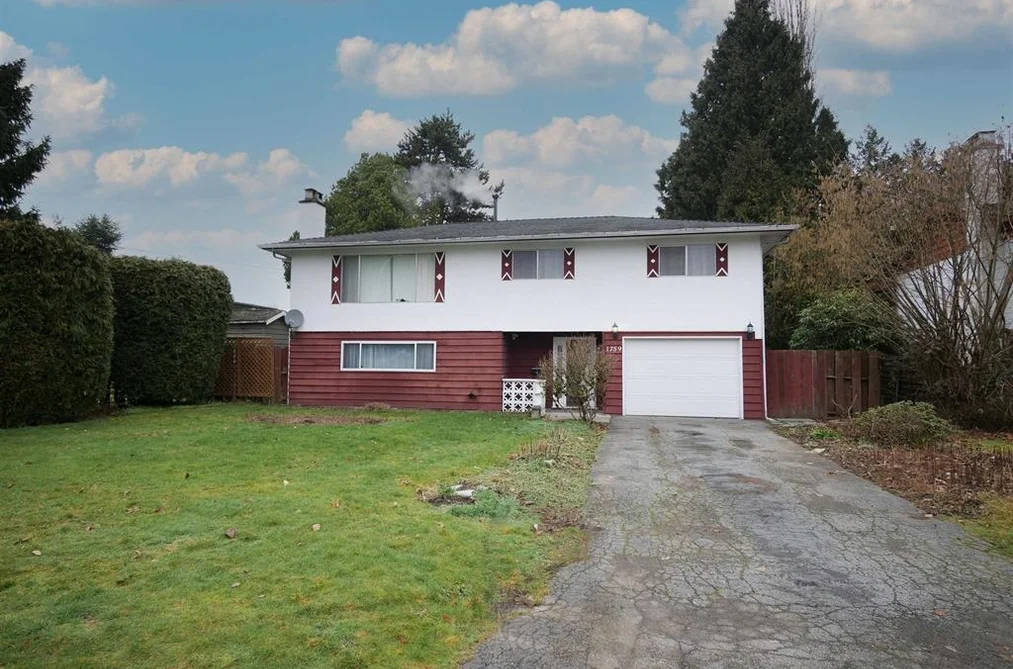
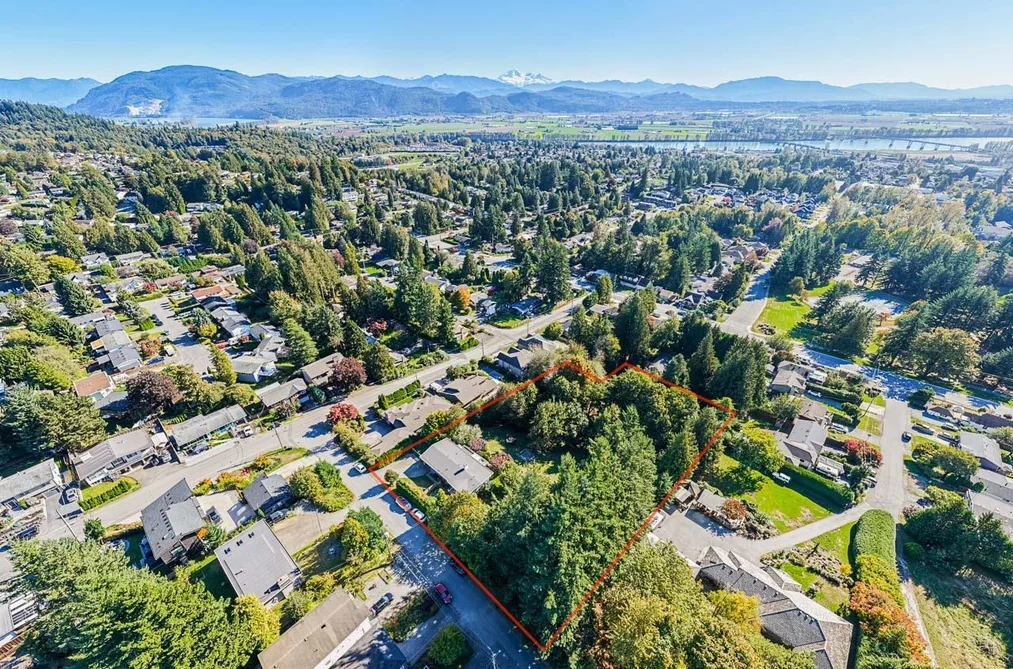
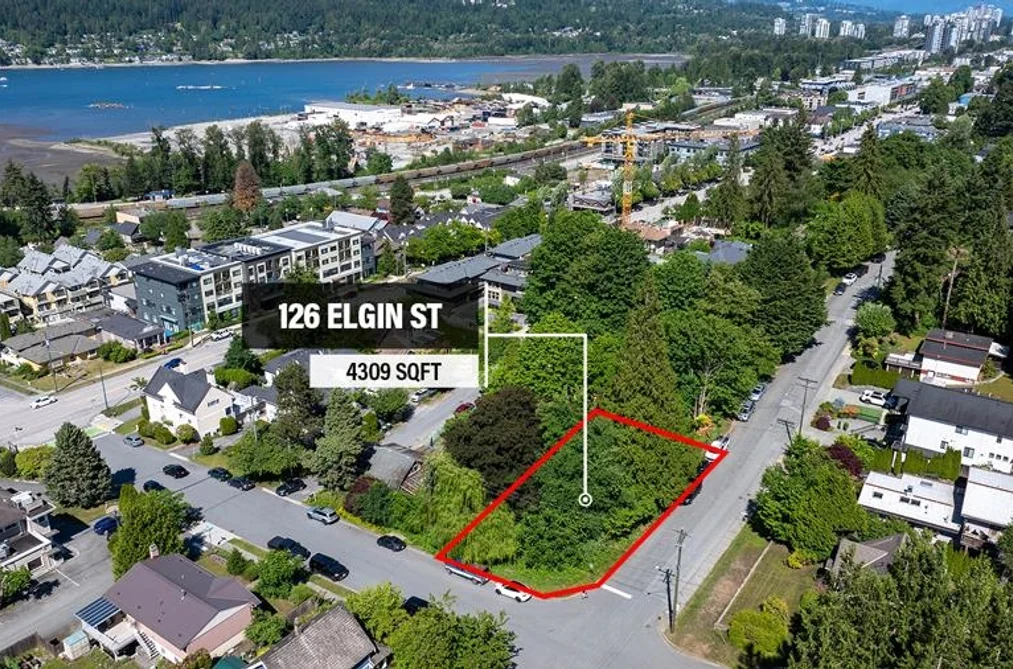
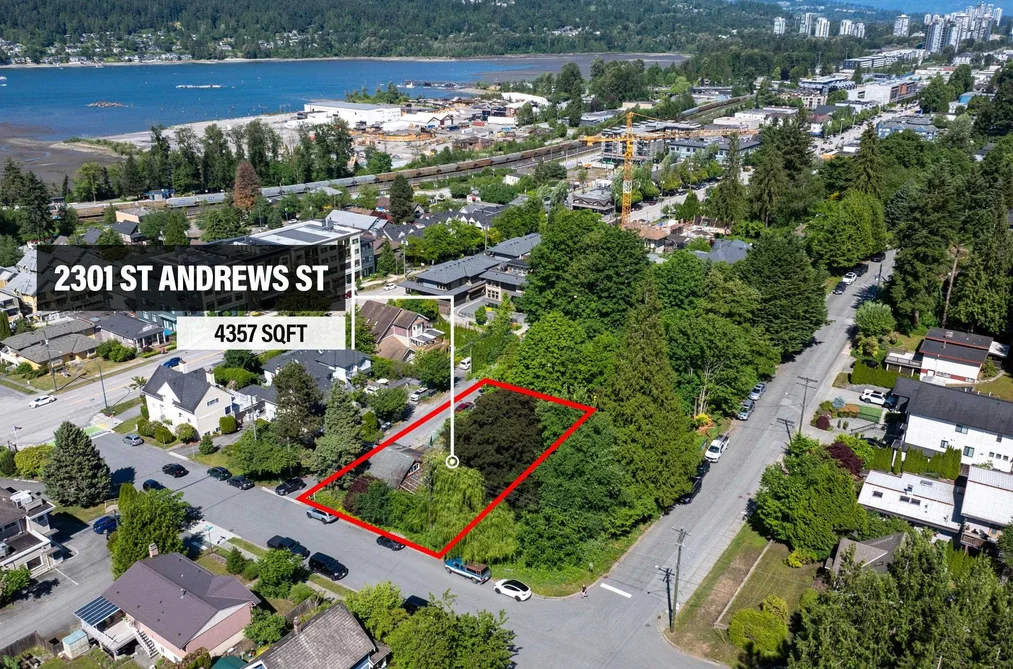
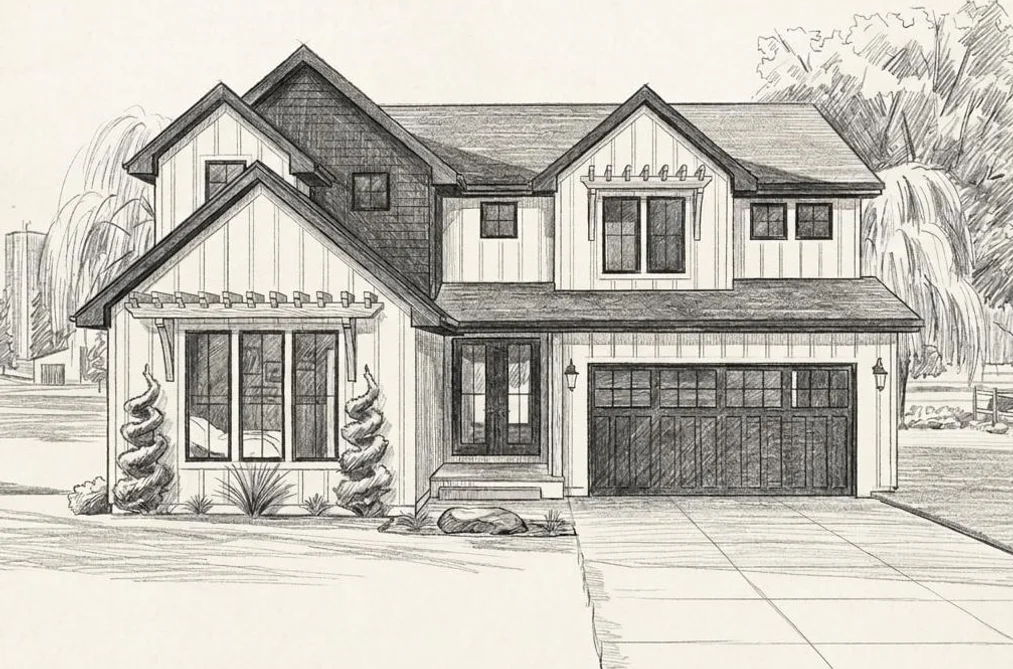
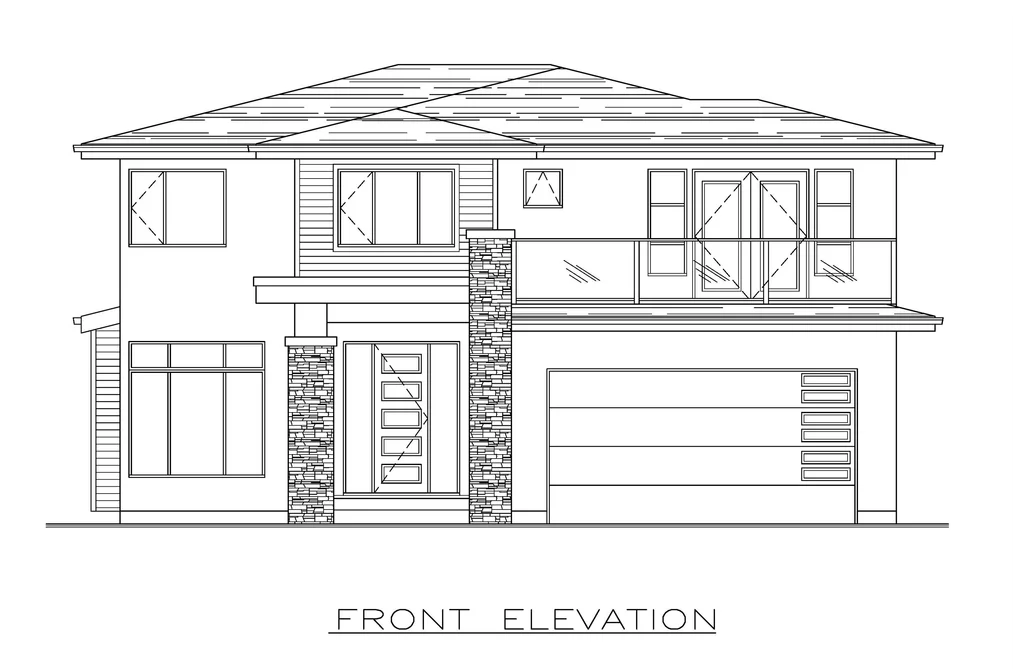
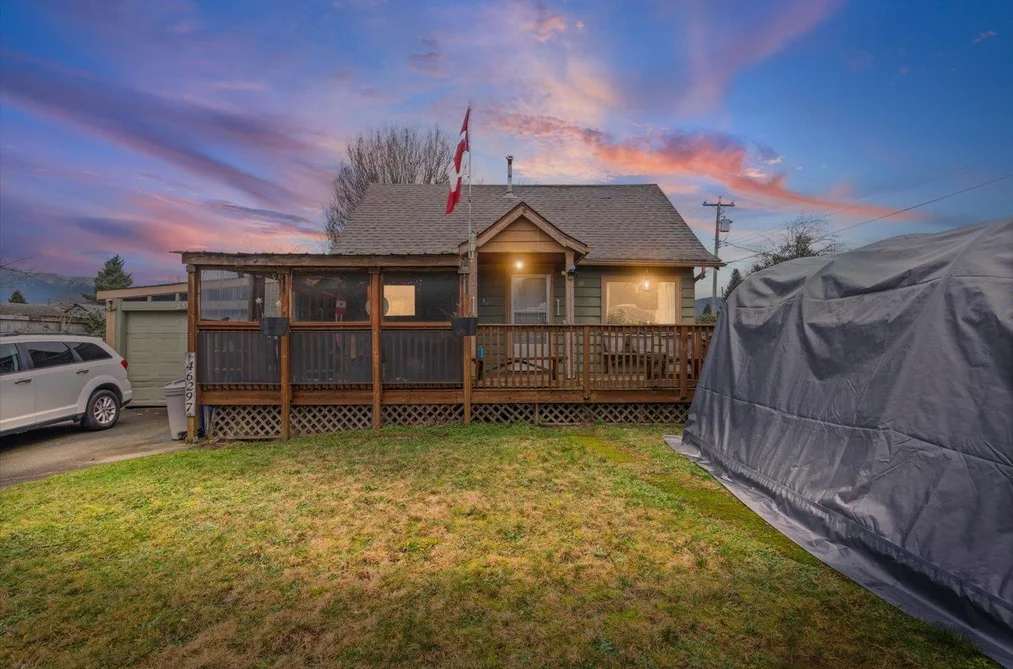
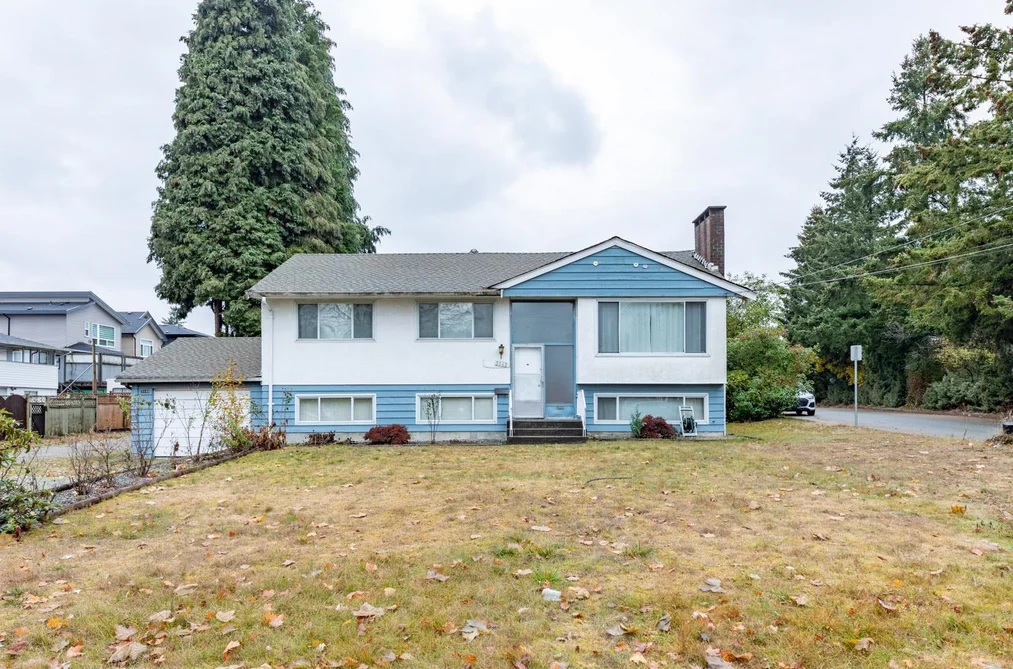
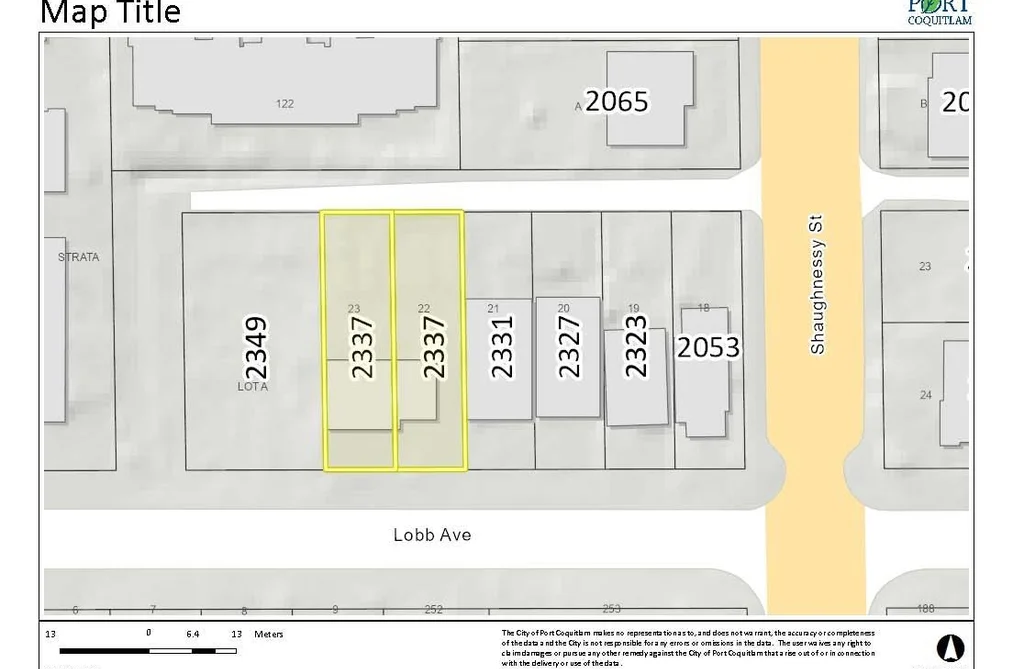
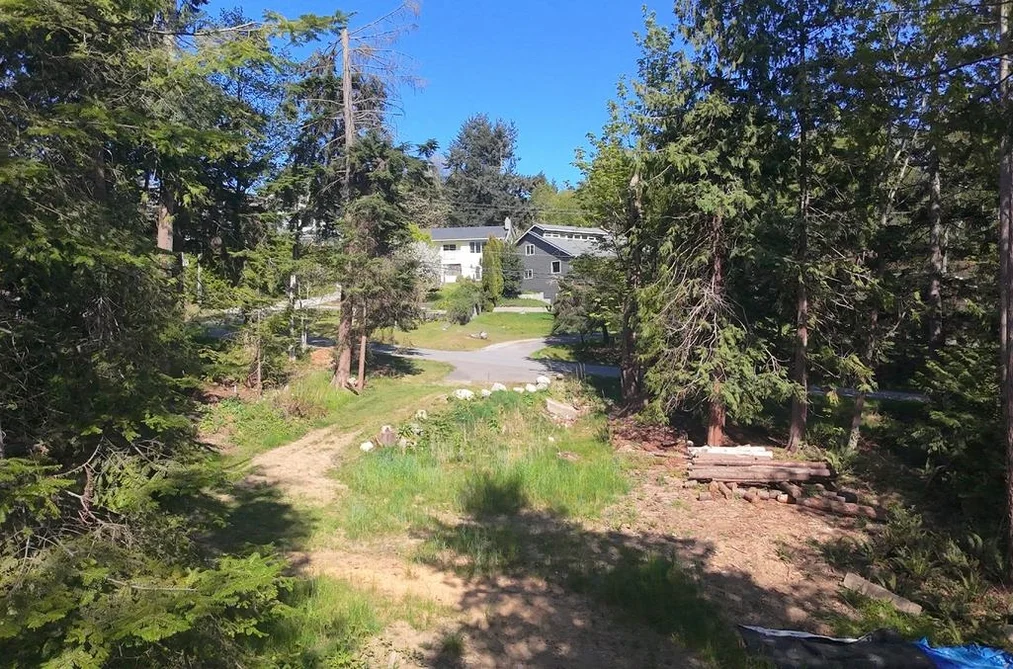

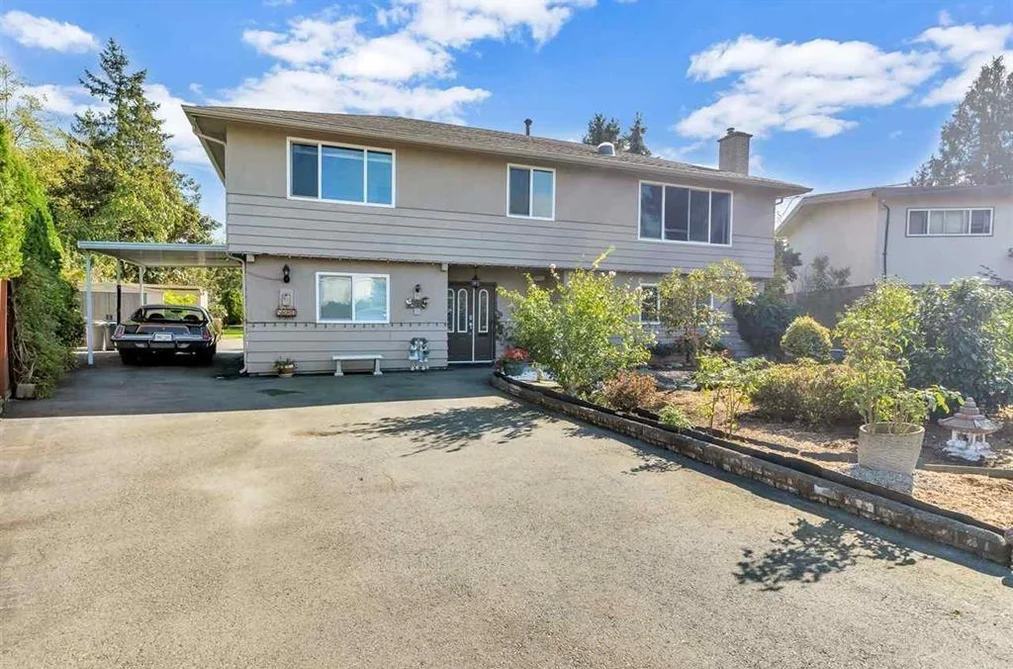
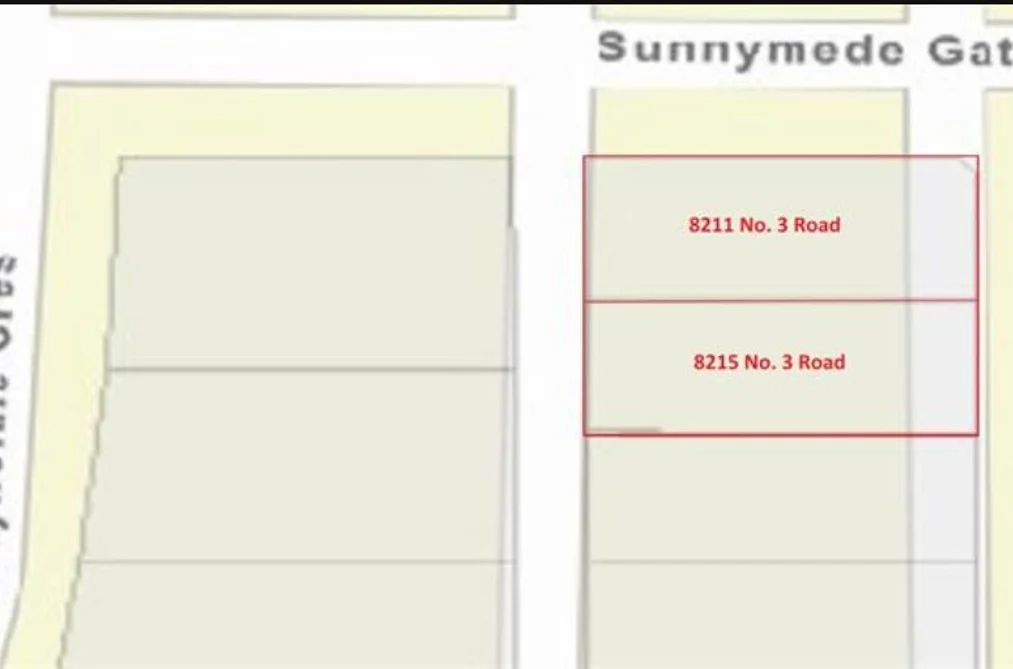
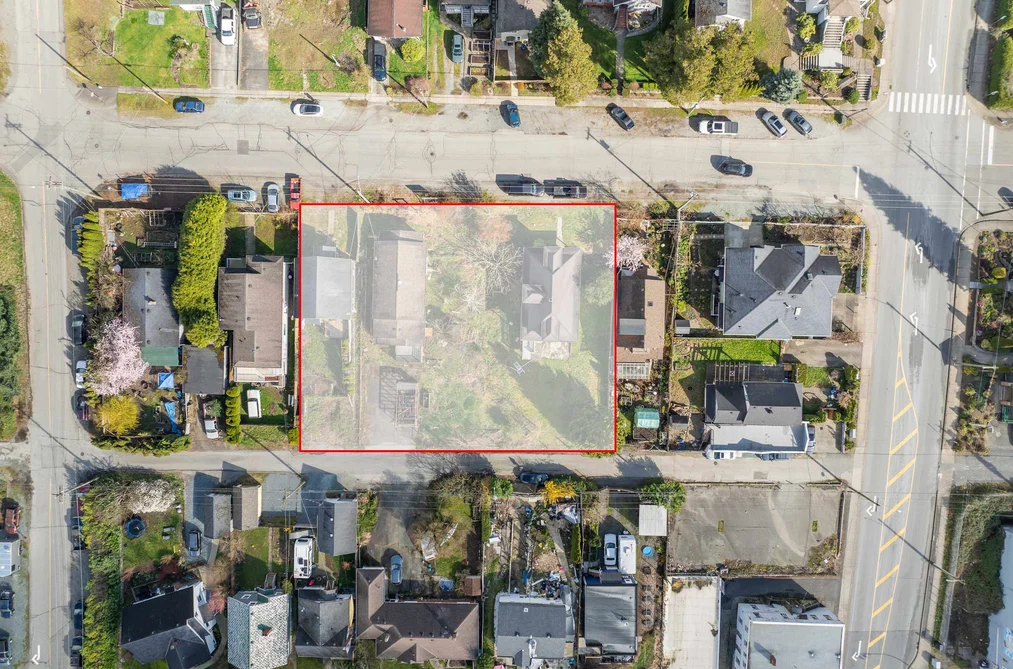
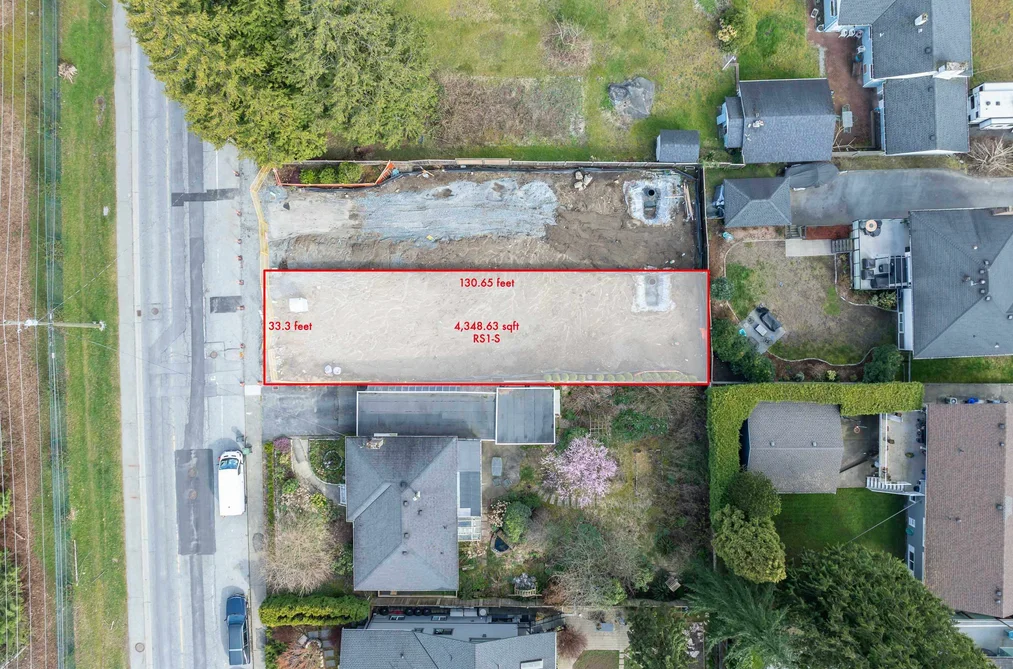
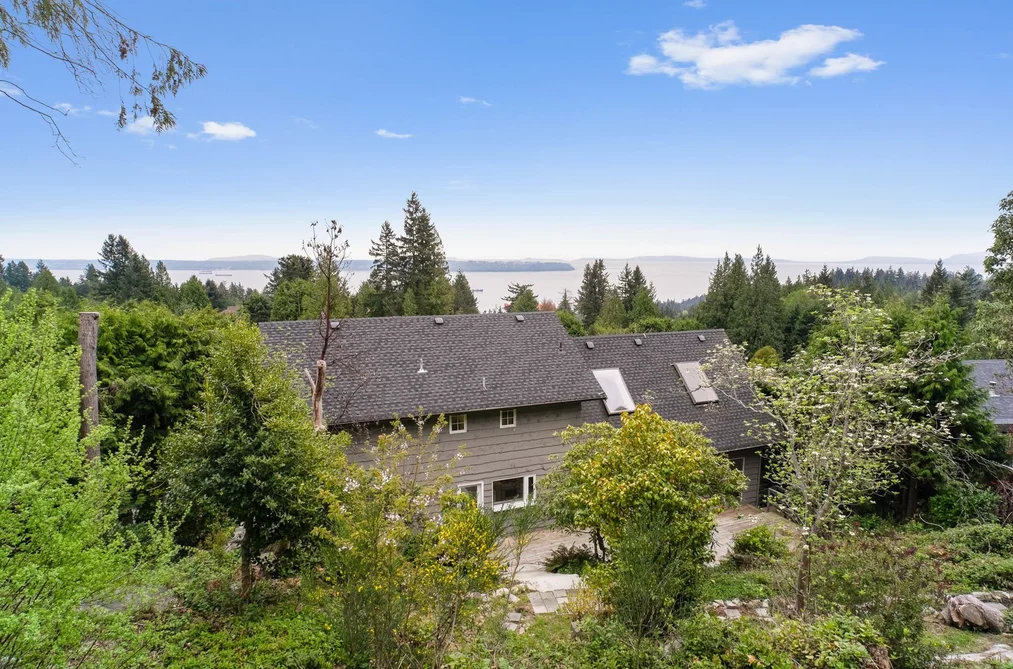
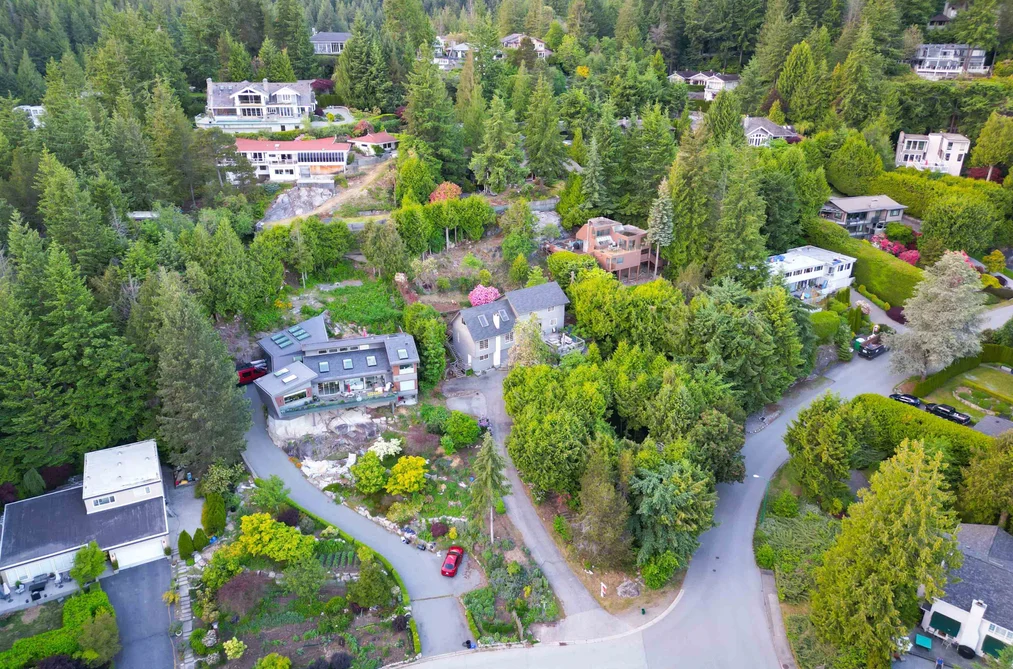
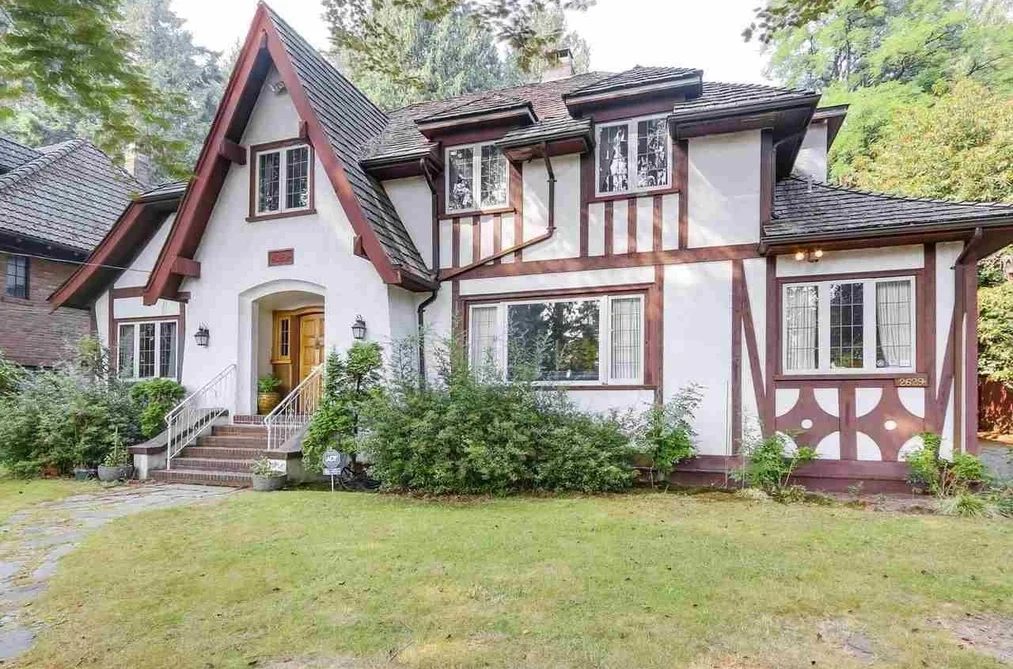
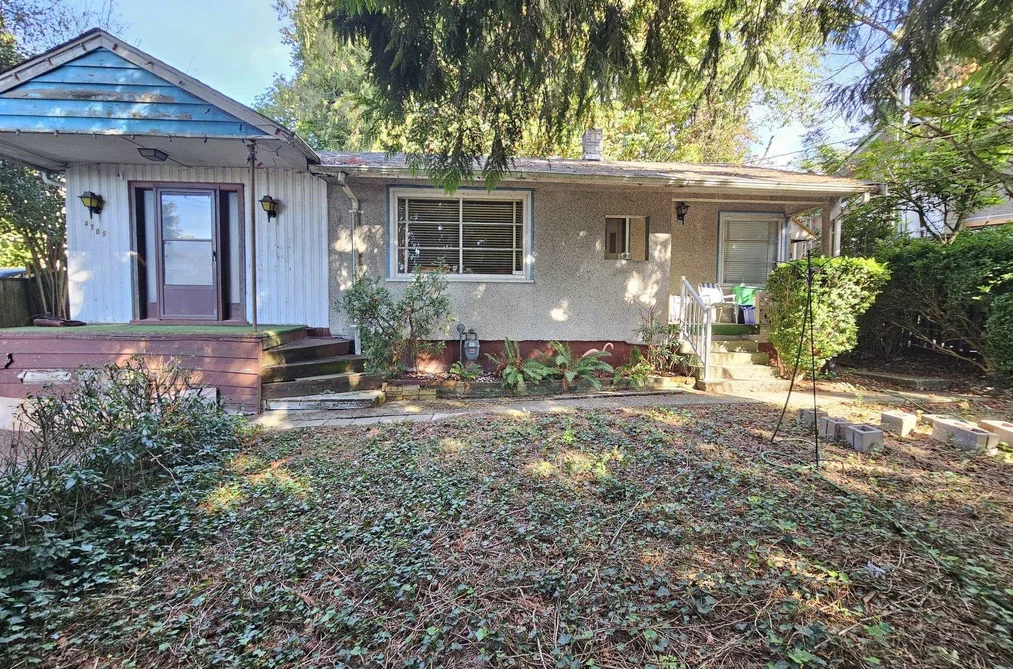
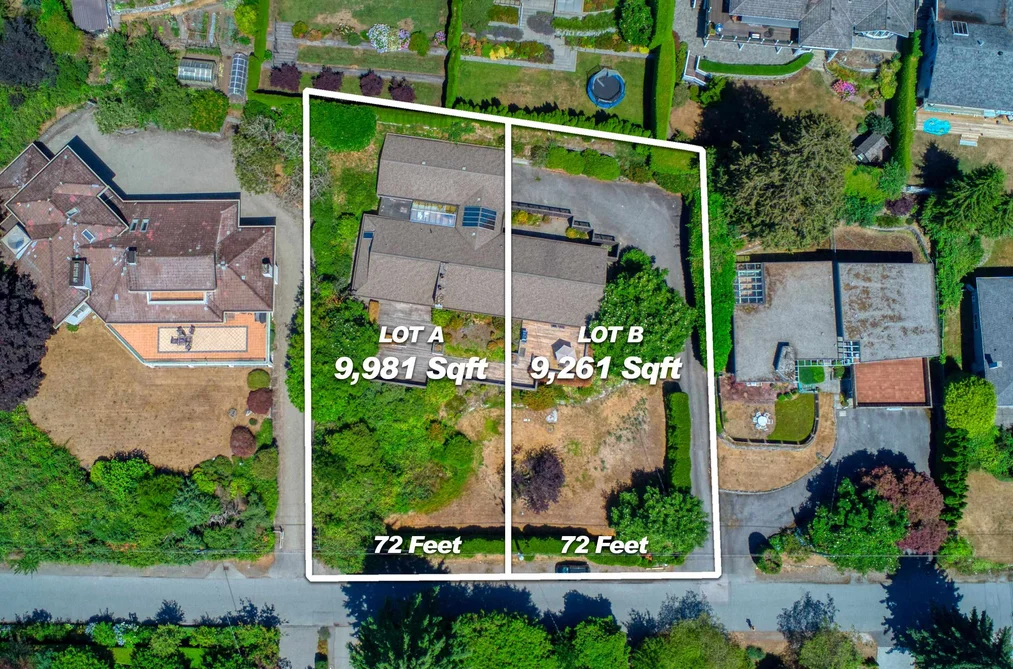

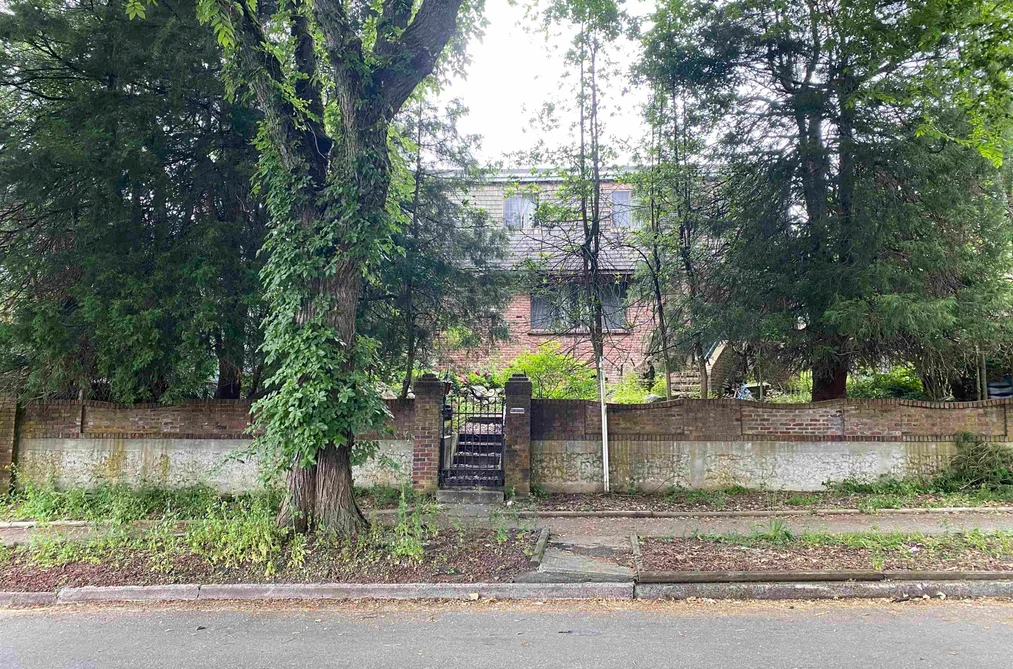
Subdivided land in Greater Vancouver is compared on whether the new plan is actually registered, how each parcel is serviced and what easements now cross it — confirm all three on title before you write an offer.
The word gets used loosely. A property described as subdivided may already hold its own legal description and parcel identifier, or the owner may only have an application in progress at city hall. Those are completely different purchases. Ask your agent to pull title for the exact address and check that the parcel you are buying exists as a registered lot rather than as a line on a proposed plan.
Where approval is still pending, the timeline and the conditions belong to the current owner, and any of them can change. Municipal requirements around frontage, lot width, tree retention and servicing are decided during that process, and a condition of approval can turn into a cost you inherit. Ask what has been approved in writing, what remains outstanding and who is responsible for finishing it.
Confirm the zone as well. Subdivision and zoning are separate questions, and a smaller lot created under one set of rules may not allow the house or suite you have in mind. Pull the zoning for the address, and if a rezoning is part of the story, treat it as an application rather than an outcome. Ask your realty brokerage how similar sites nearby were handled.
Every new parcel needs its own water, sewer, drainage and hydro connection, and on an older site those may still run through the neighbouring lot. Ask whether separate laterals have been installed and paid for, because connecting later is a real estate cost that rarely appears in the listing.
Then look at how you get in. A rear parcel may depend on a shared driveway, a statutory right of way or lane access that is registered rather than assumed, and title will show any easement crossing the land. Have your lawyer read the charges before subject removal, and if the site is really a building lot rather than a home, budget an update to your financing plan with your mortgage professional early.