For Sale
3 days
- $989,900
- 3 bed
- 4 bath
- 1842 sqft
MLS® R3169508
•Oakwyn Realty Ltd.

Browse Low Strata Fee homes for sale in Greater Vancouver and check whether the fee is low for a good reason or because the reserve fund is short.
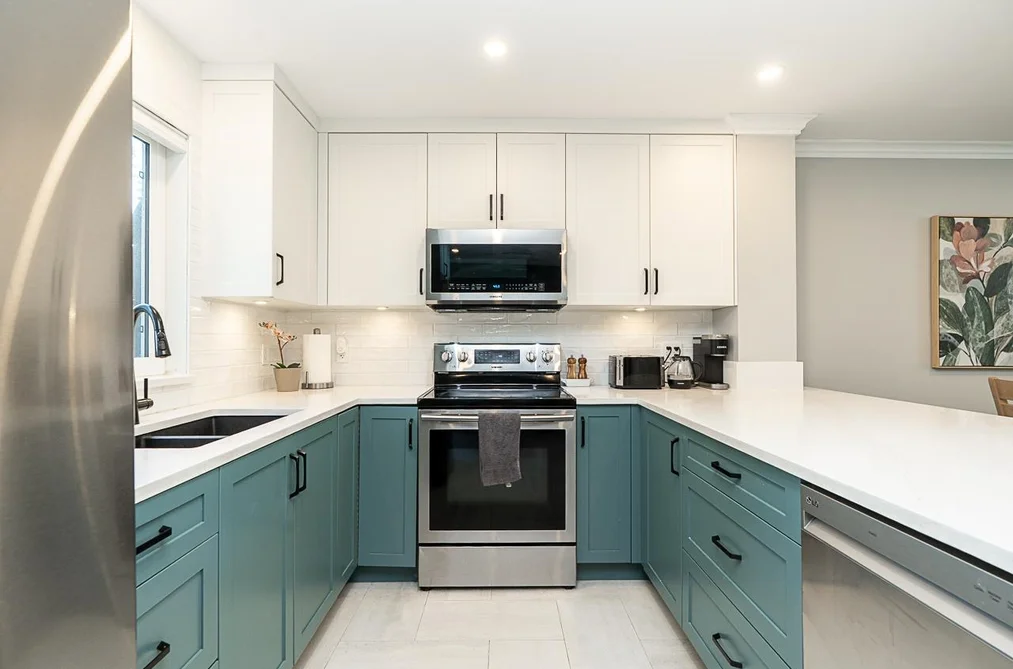
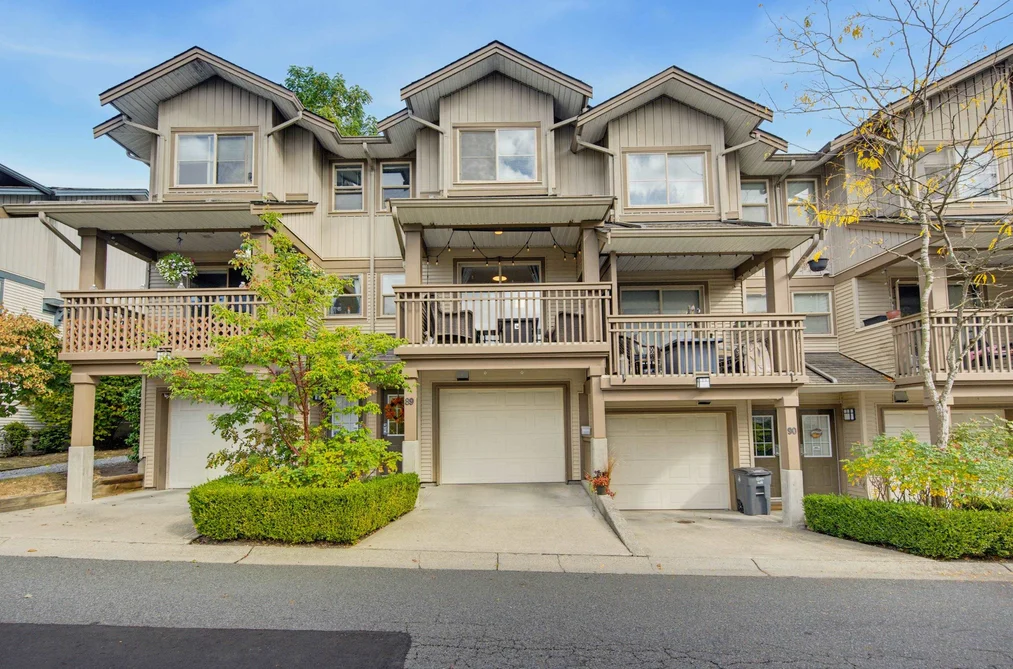

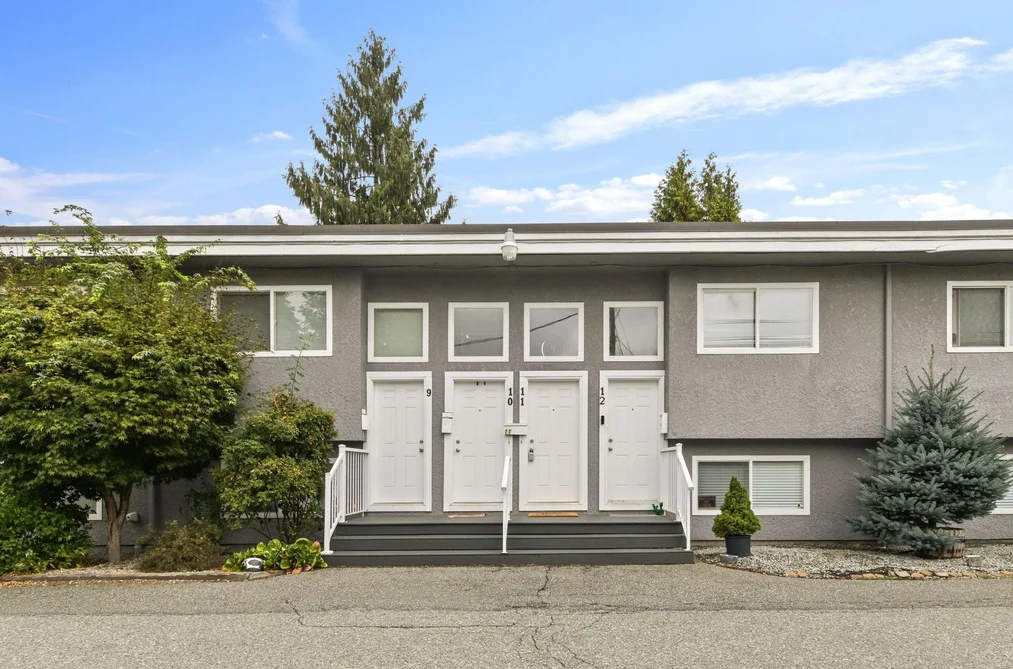
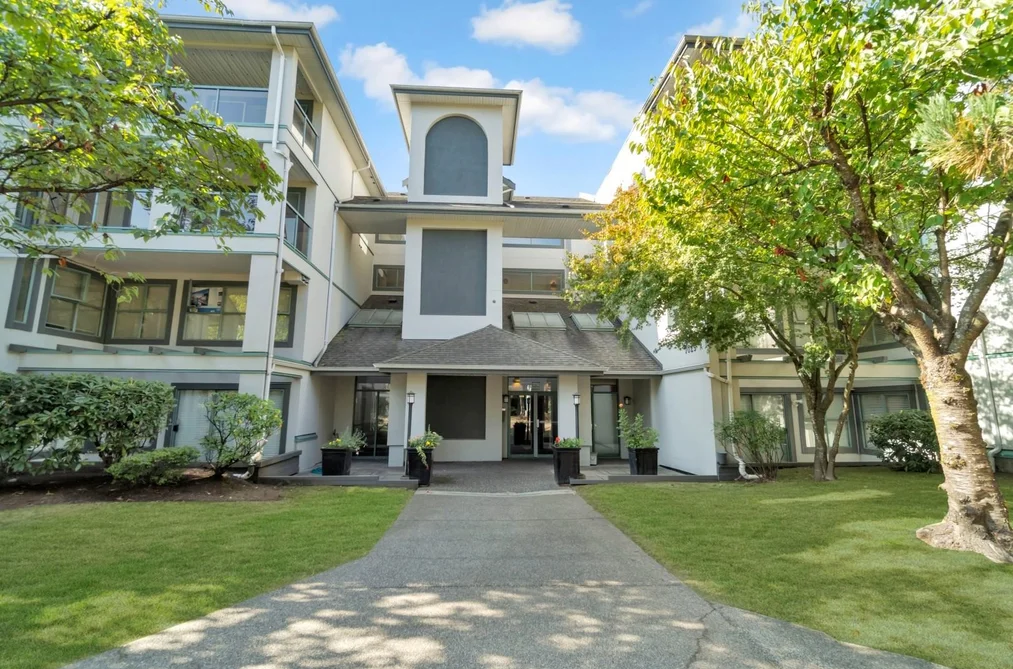
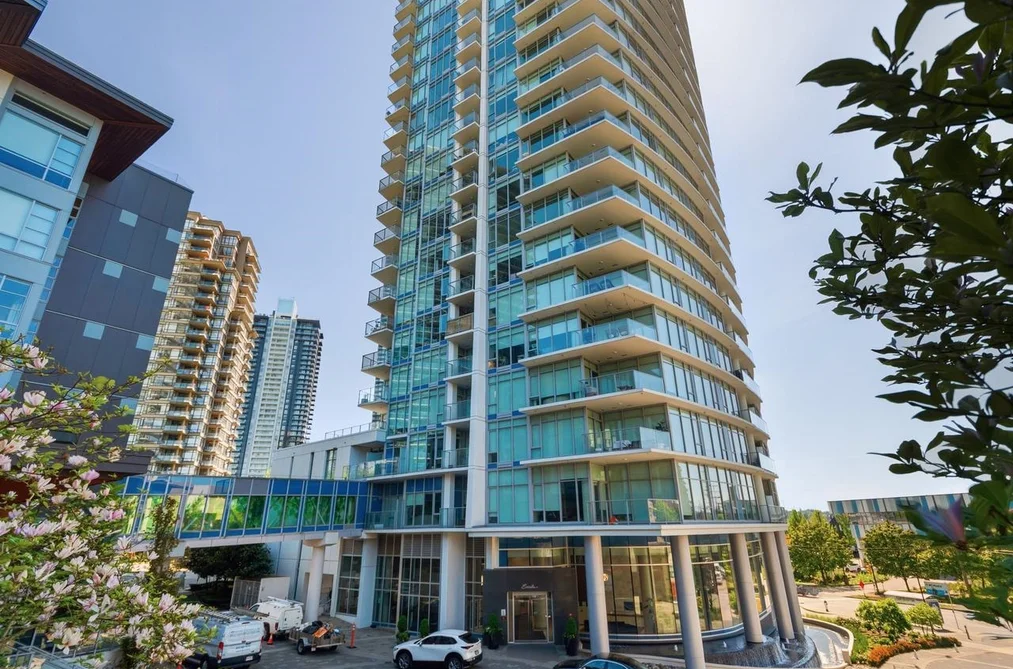
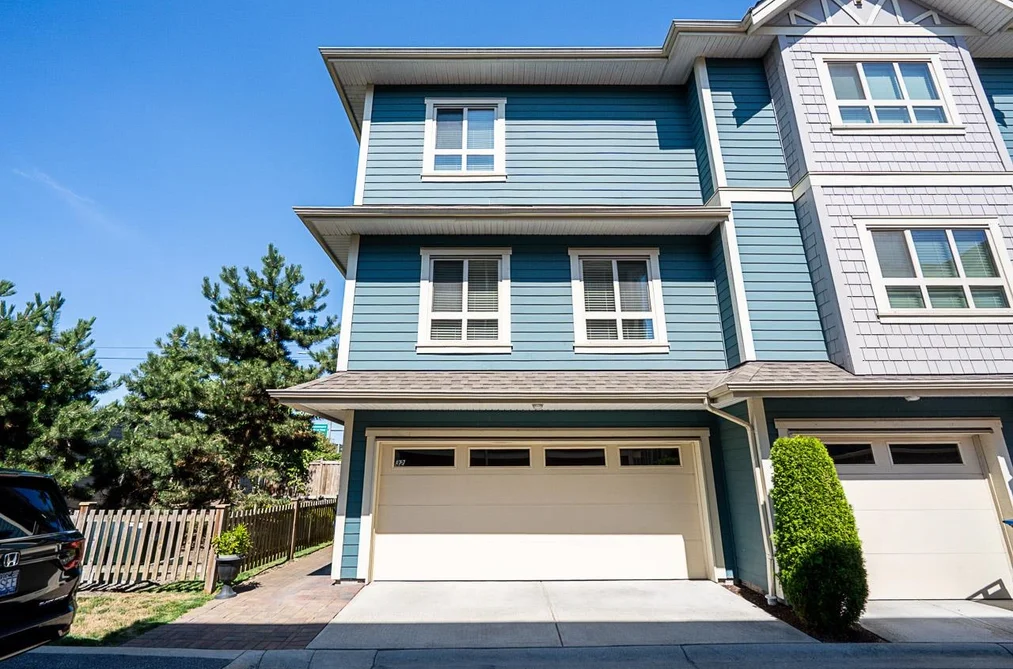
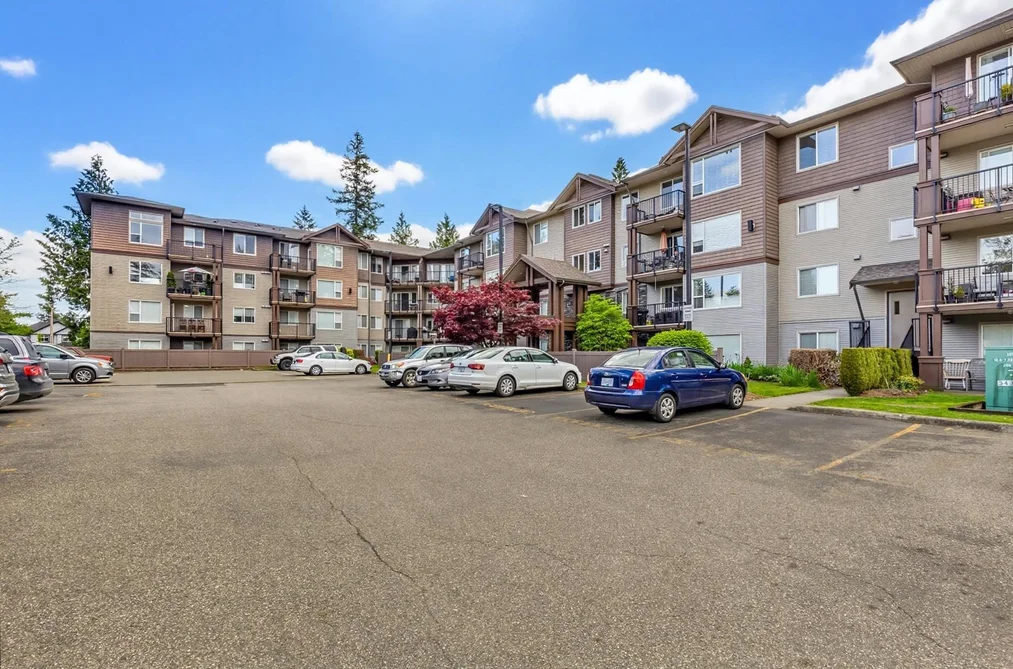

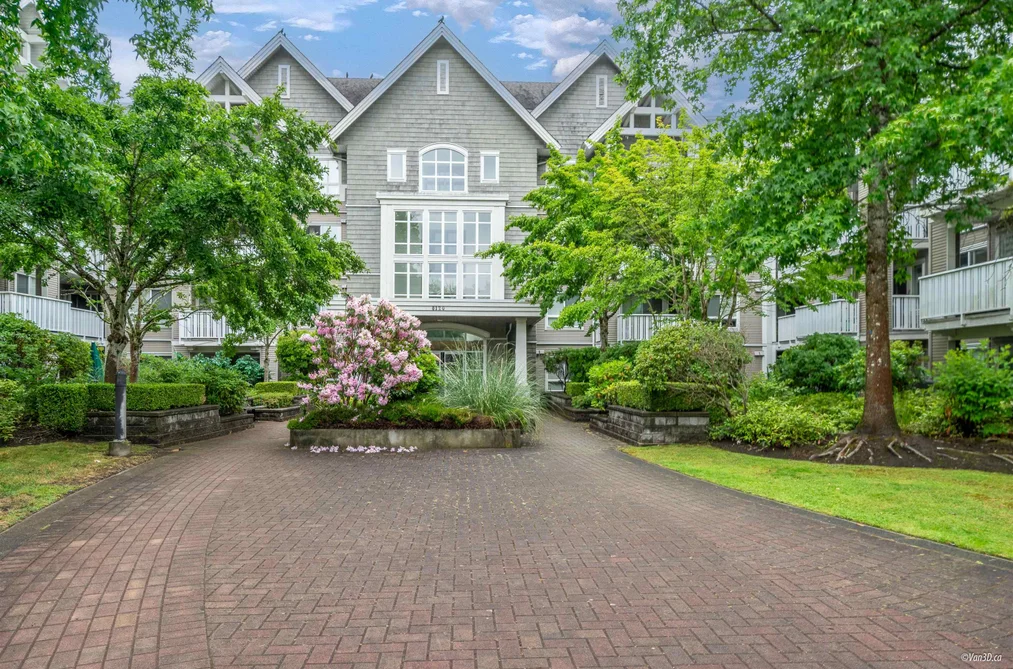
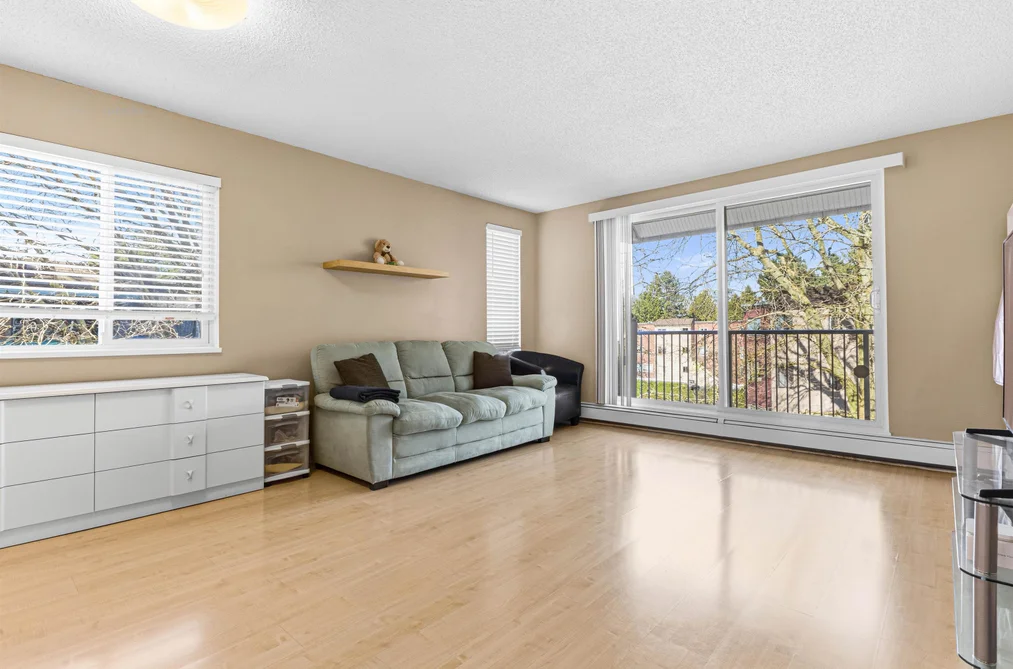
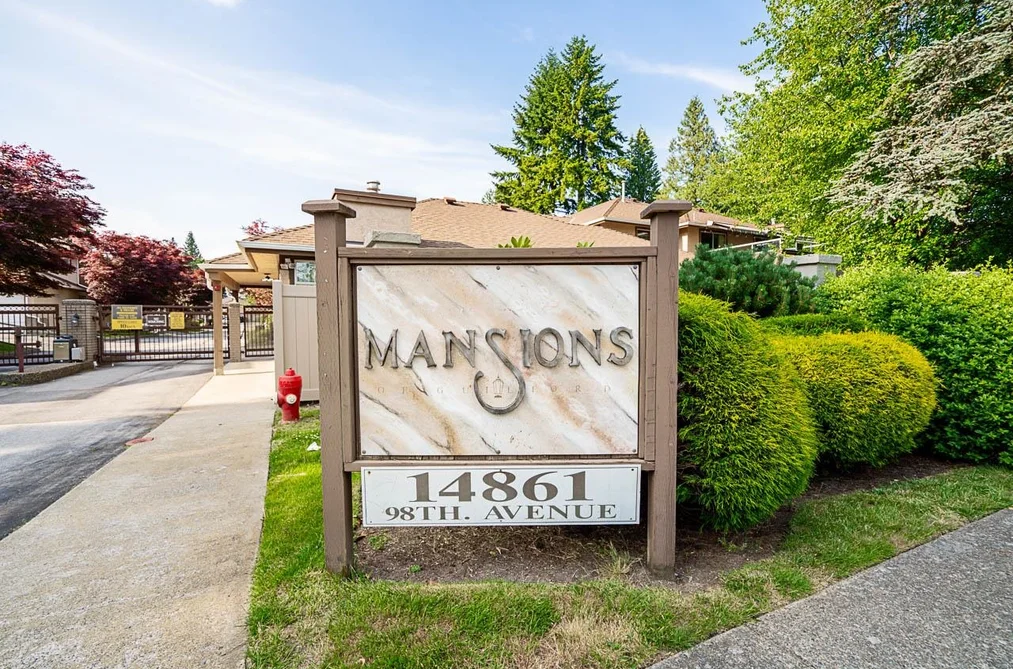

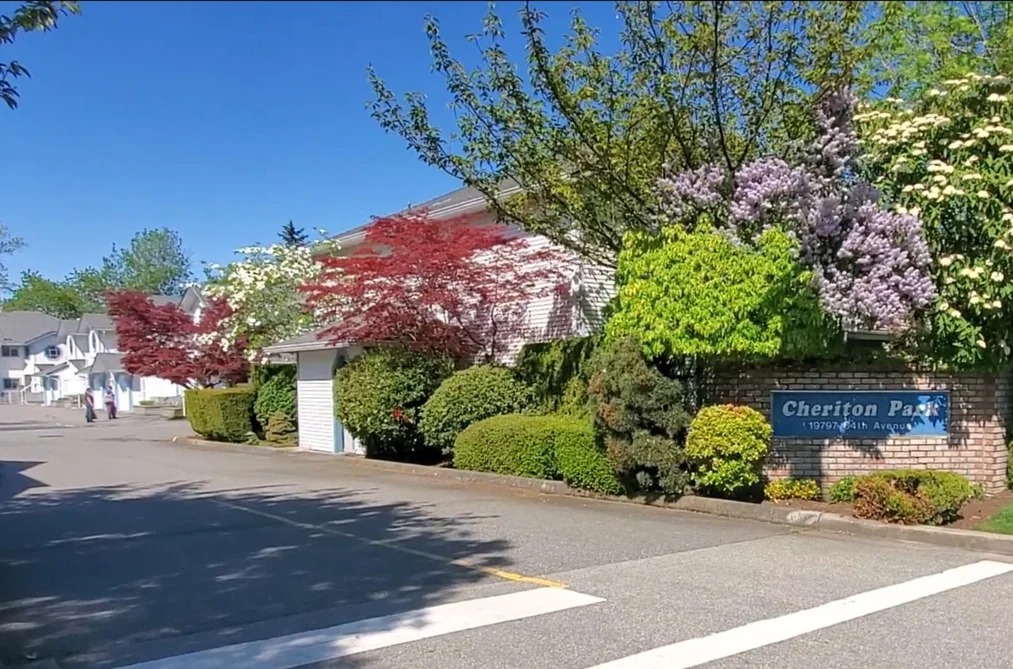
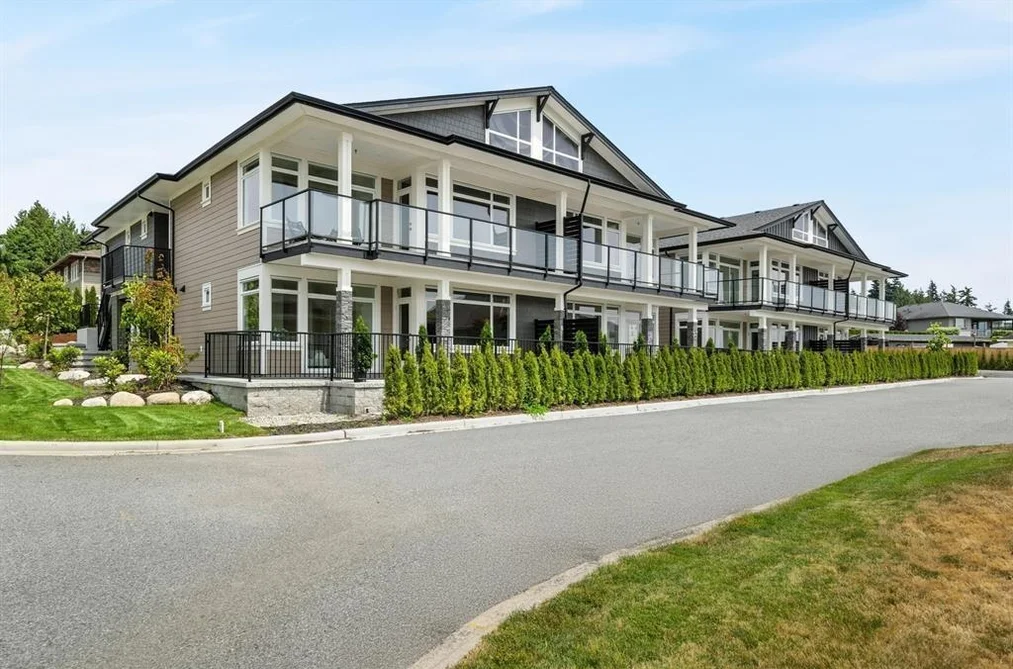
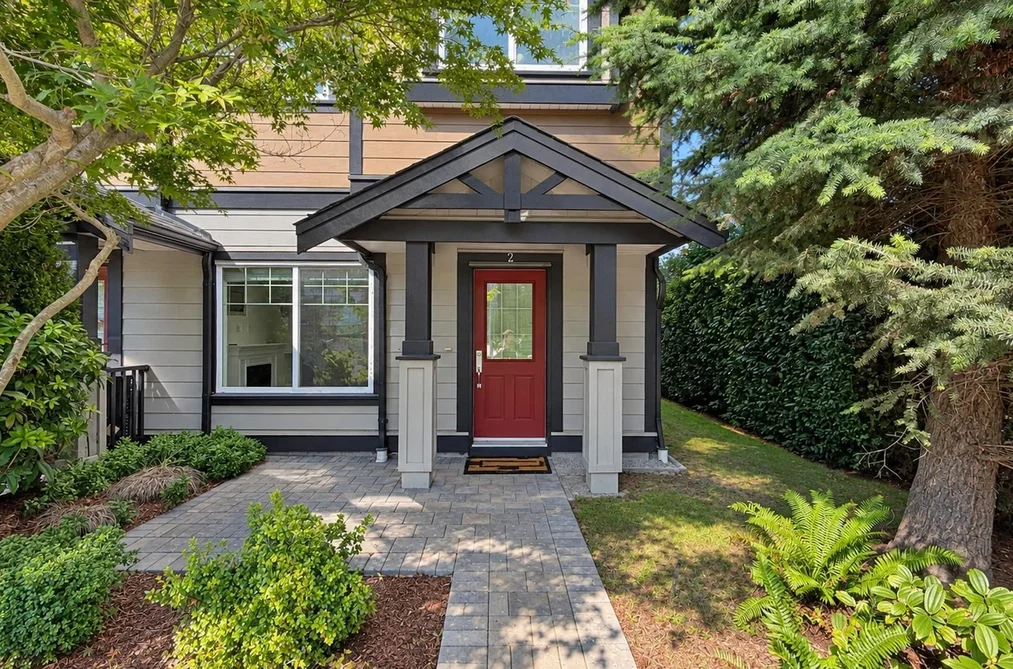
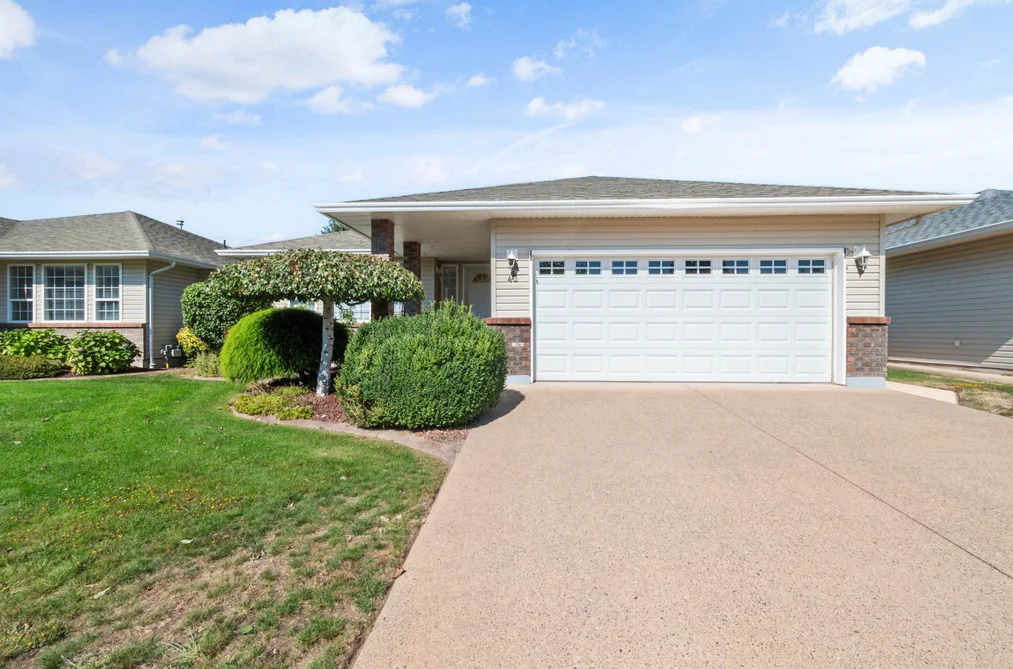
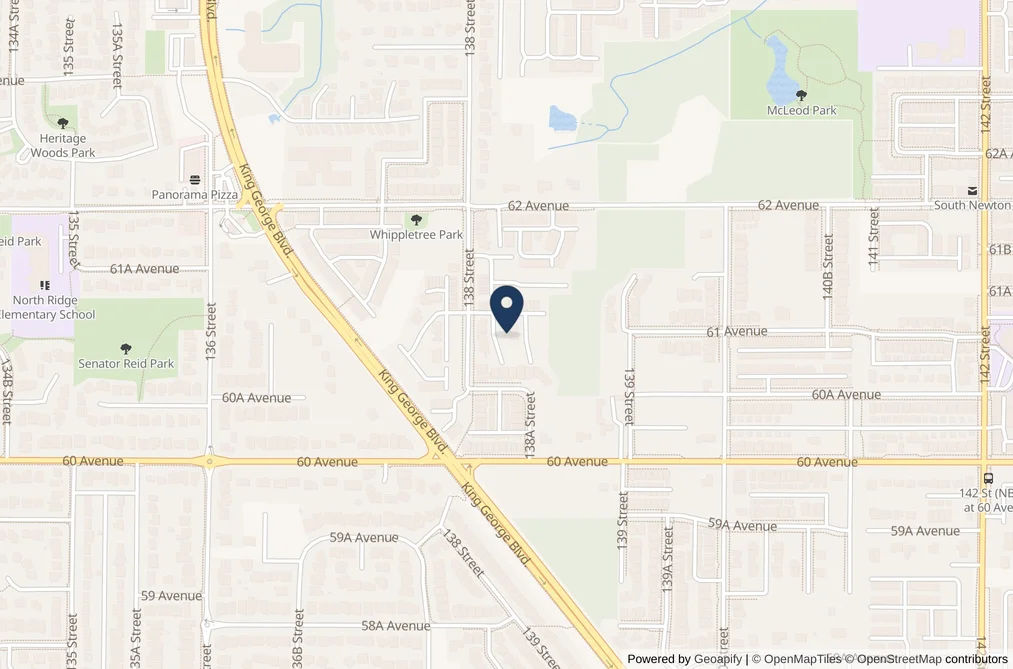

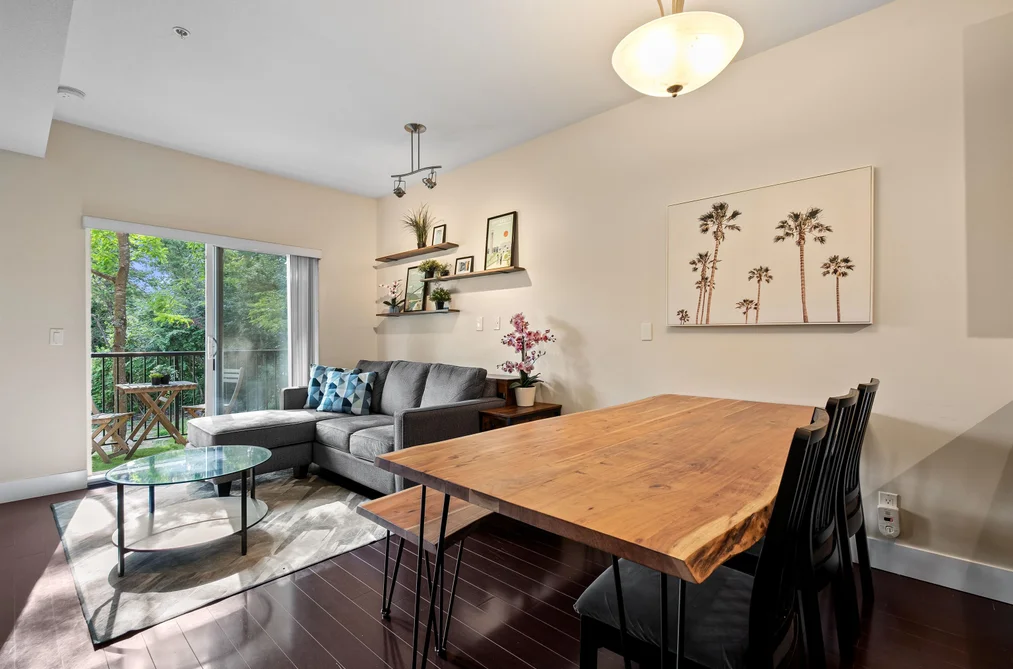

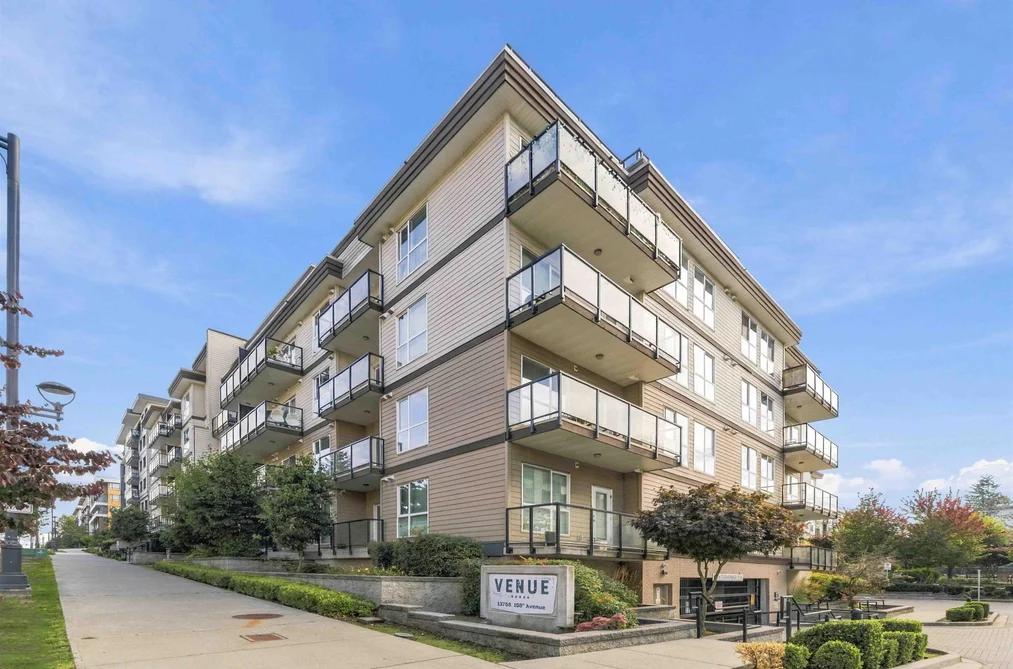
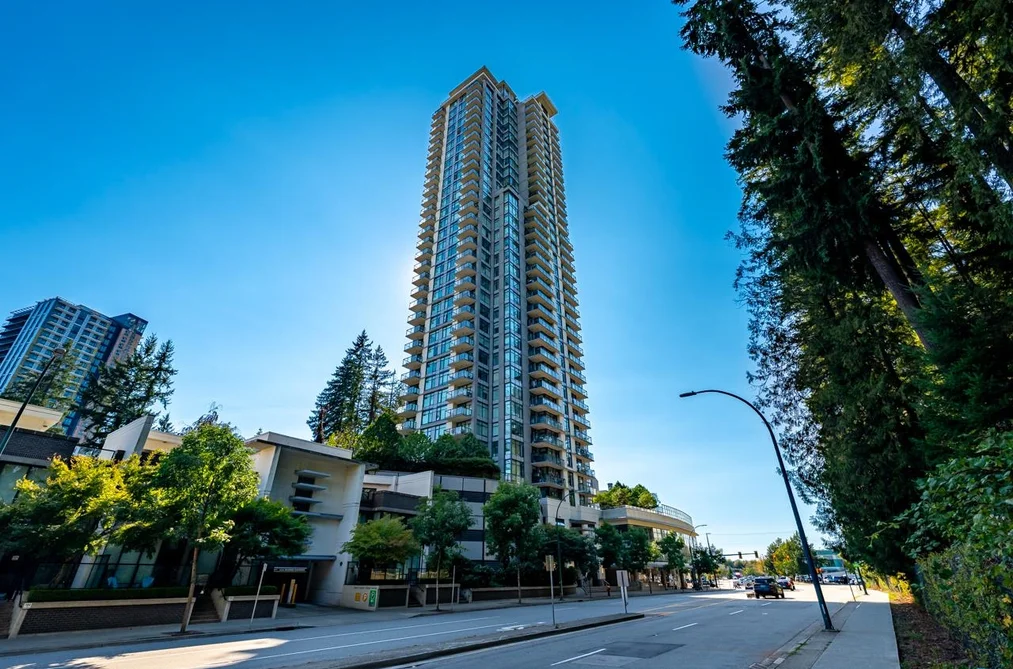

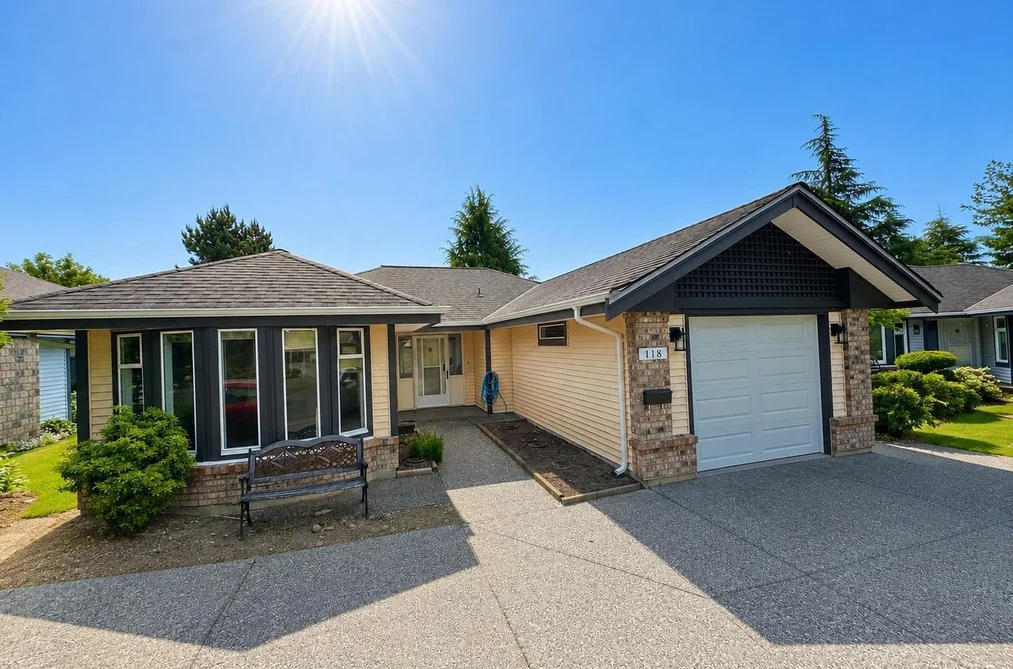
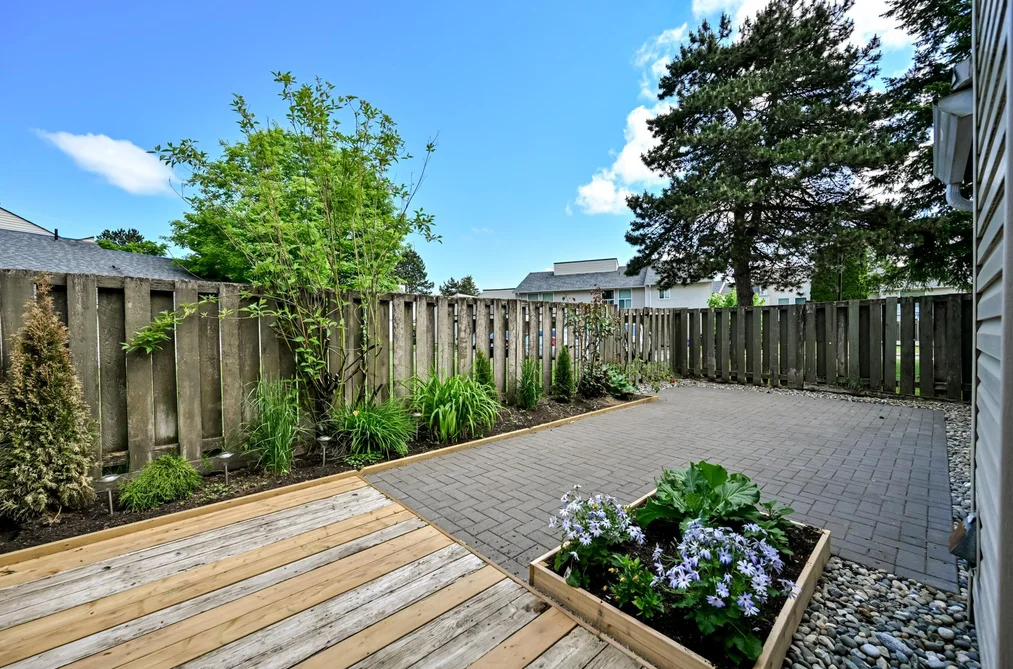
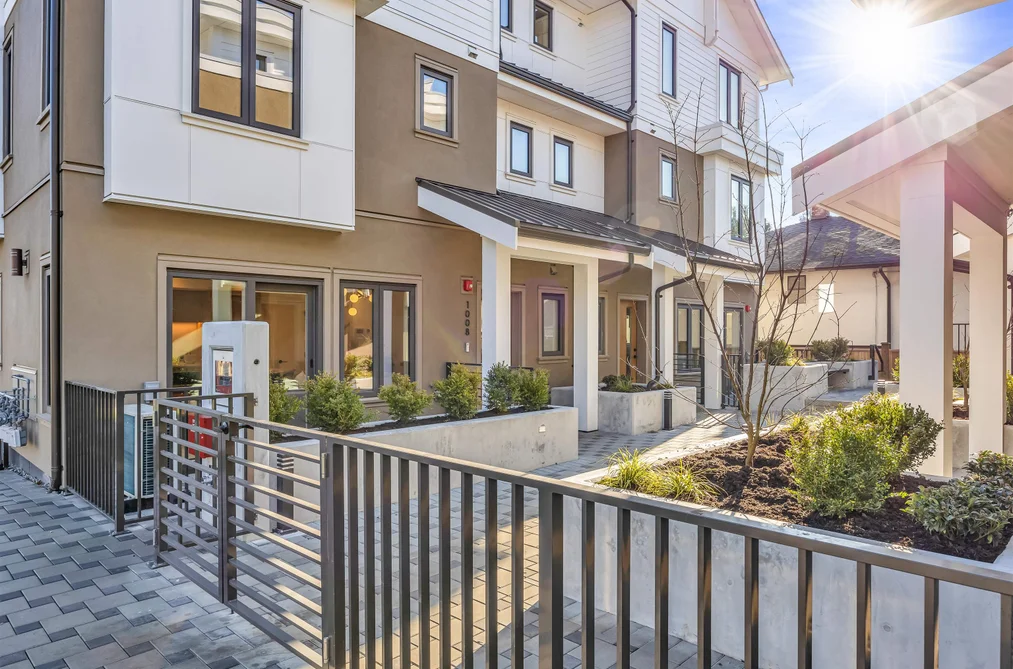
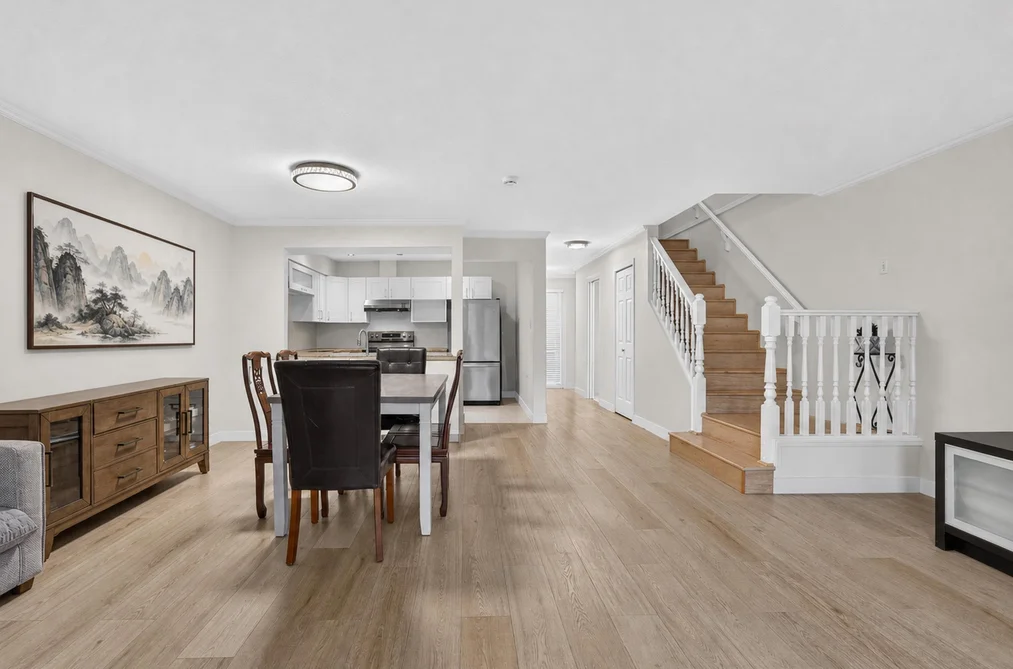


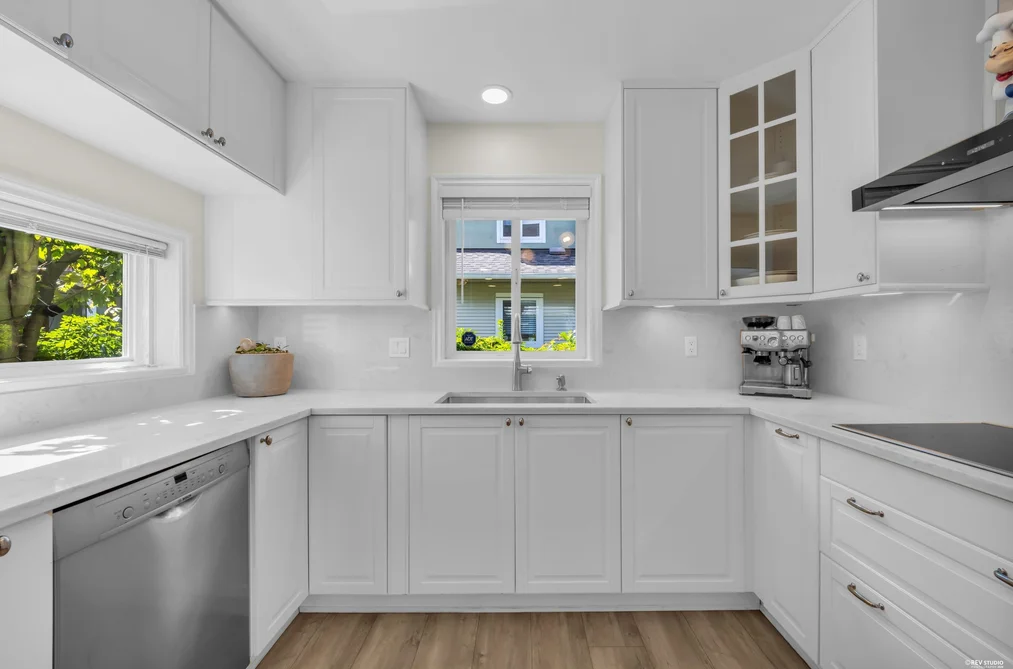
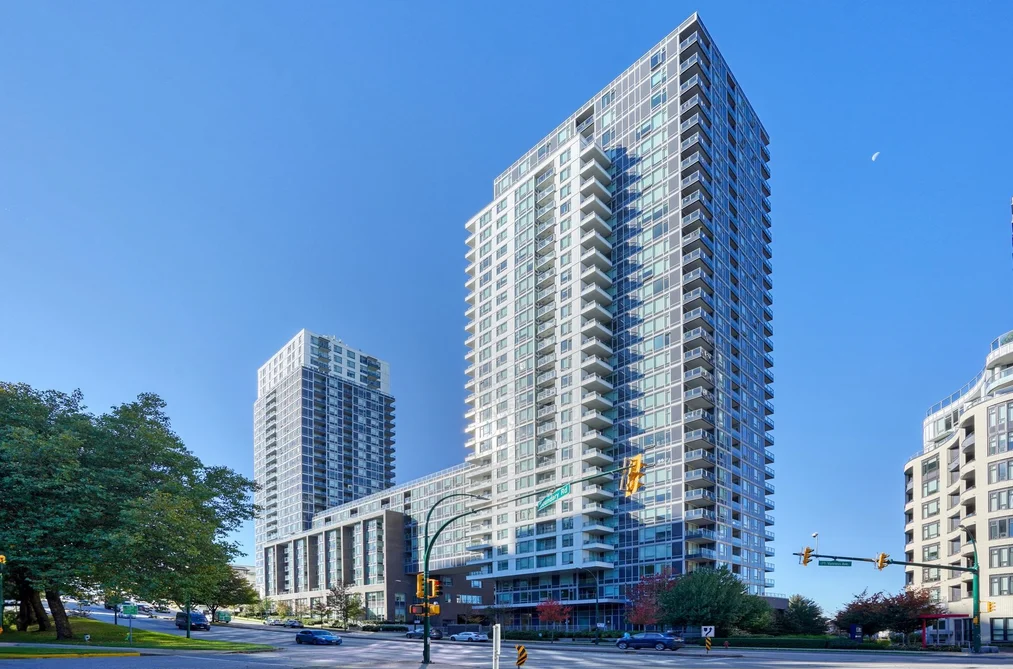

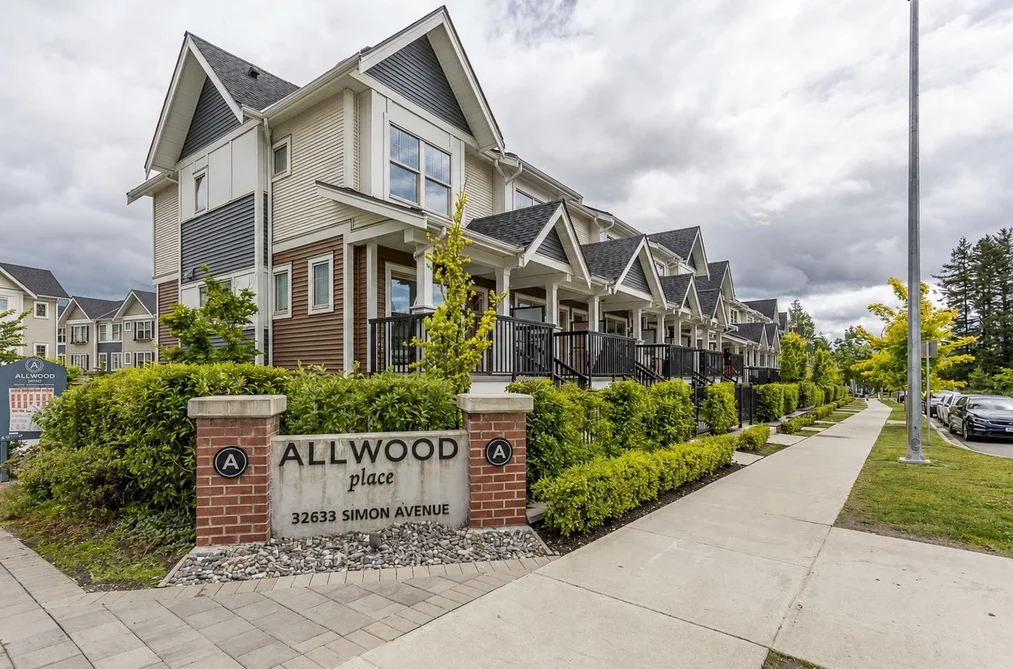

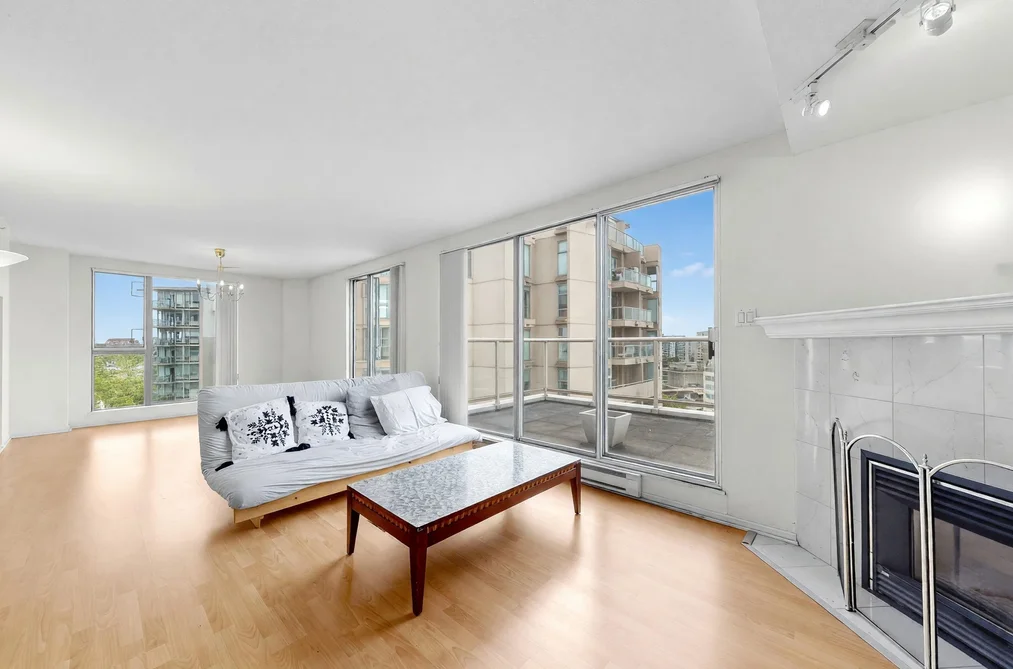
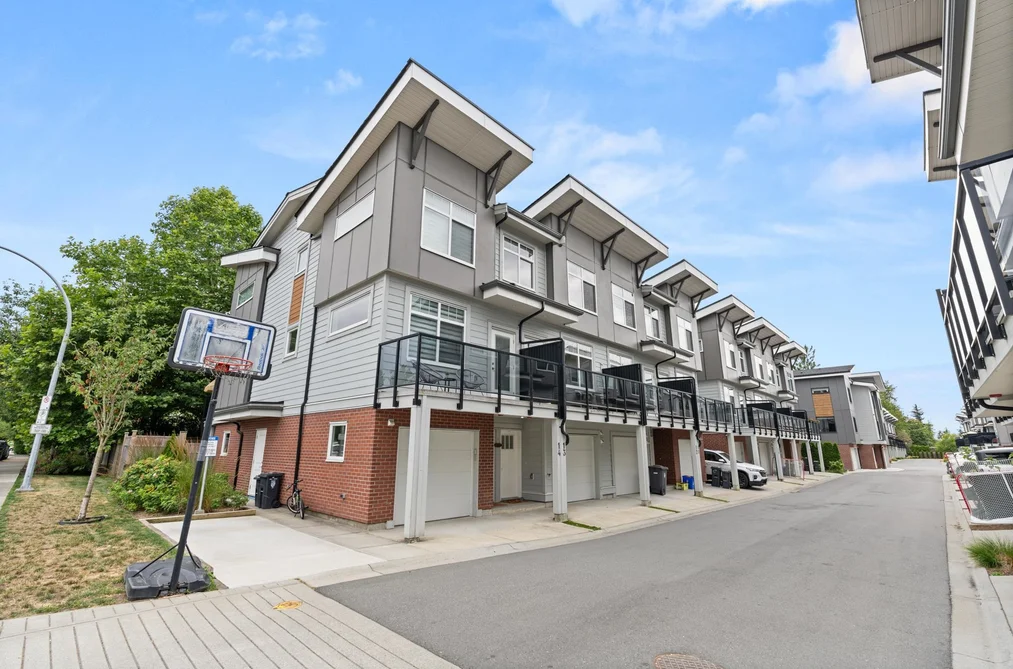
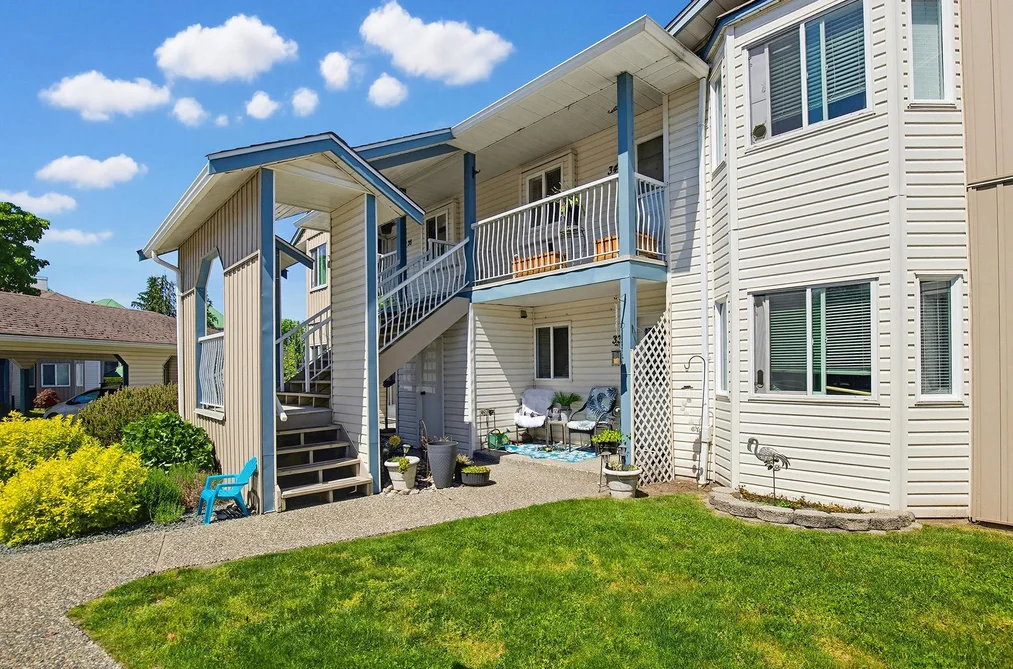


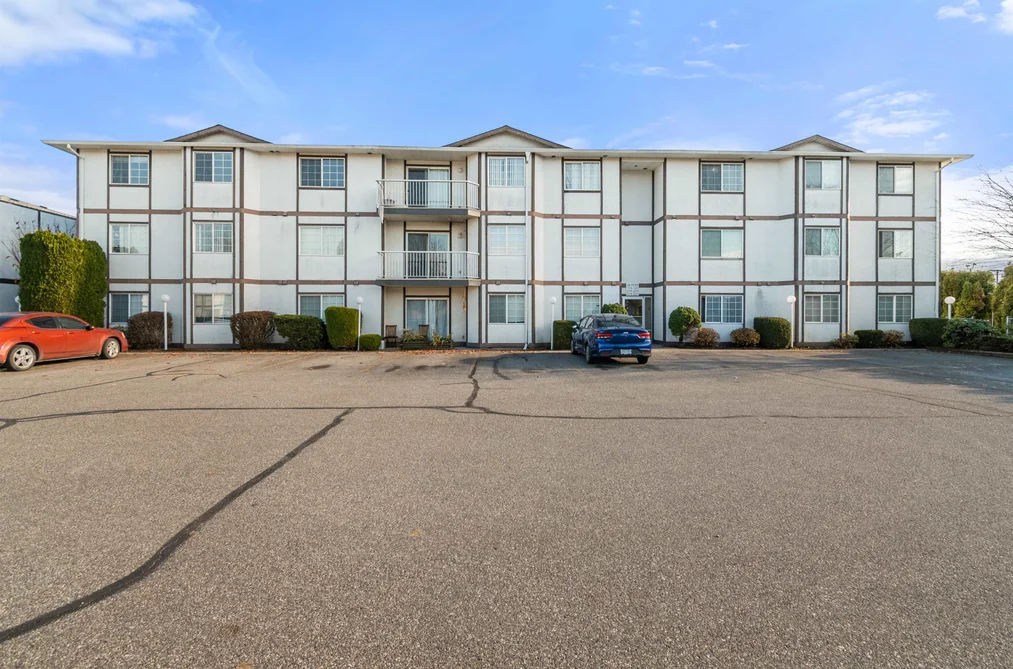
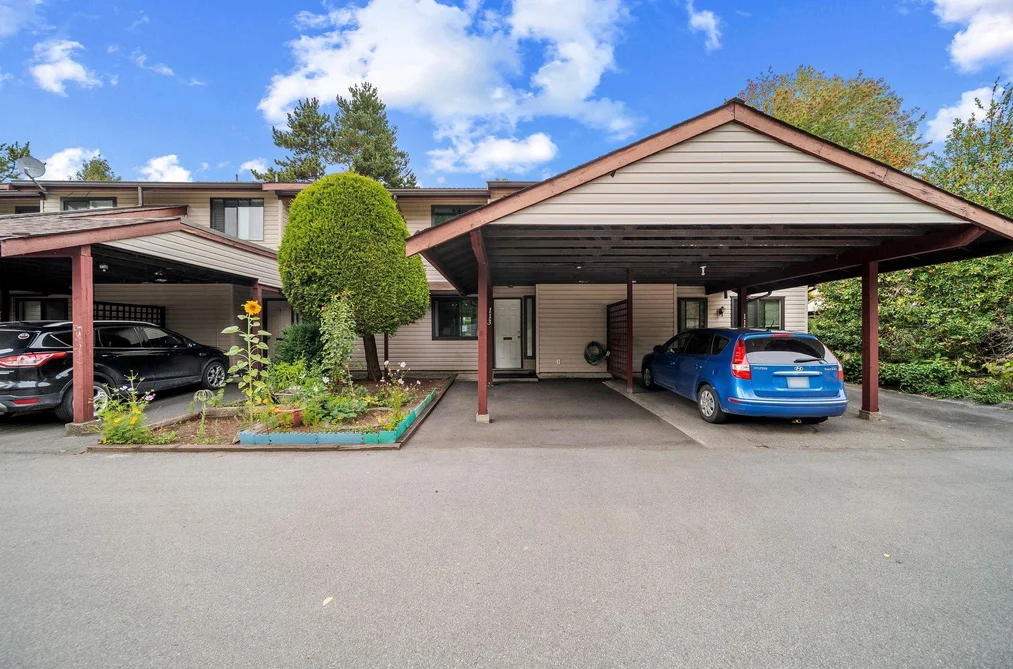


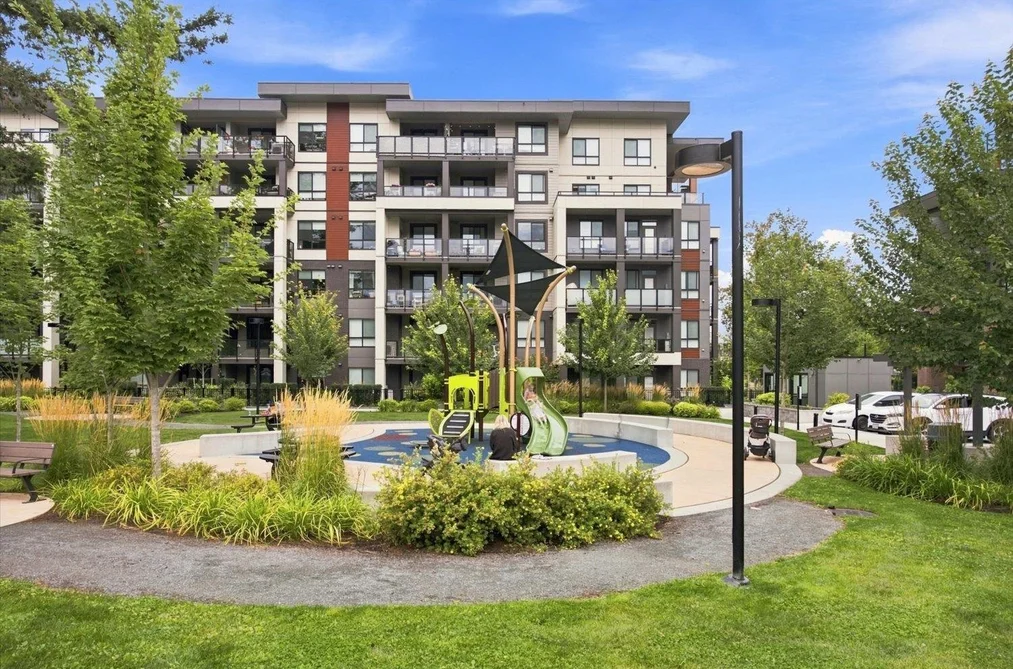

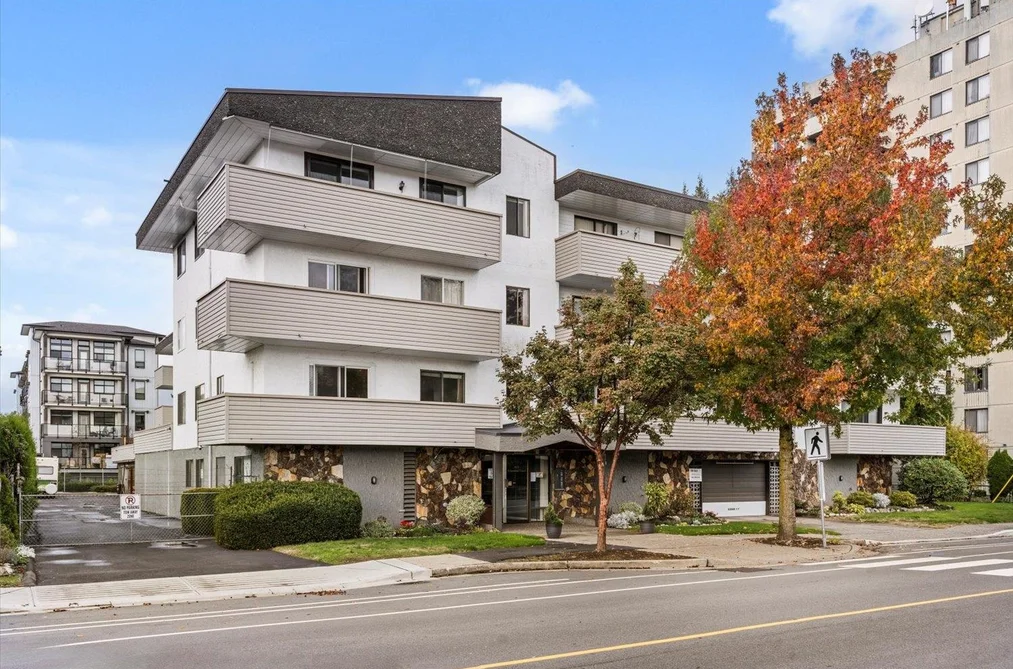
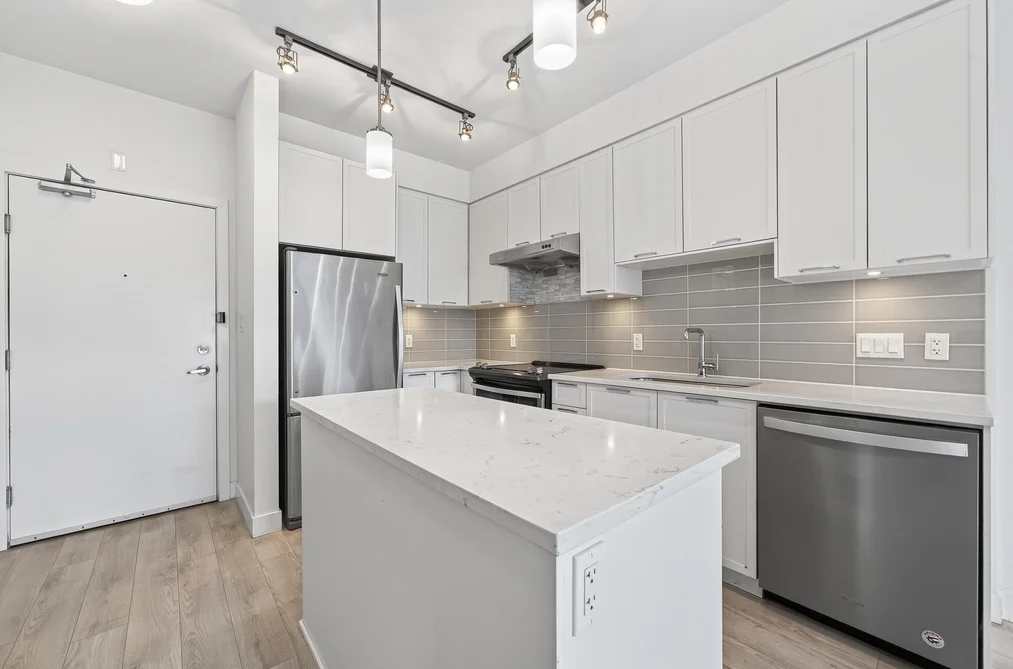
Low Strata Fee listings promise a smaller monthly cost than similar homes nearby, so find out why the fee is low before you treat it as savings, because an underfunded strata passes its costs to owners later as special levies.
There are good reasons and bad ones. A small building with no pool, gym or concierge, a self-managed strata, a newer building with little maintenance yet, or a townhouse strata where owners handle their own exteriors can all carry genuinely lower fees. Those are real savings.
The other reason is a strata that keeps fees low by not saving. A contingency reserve fund with little in it, a depreciation report whose recommendations the council has not followed, and repair work deferred year after year all make the monthly fee look attractive while the bill grows. When the roof, the envelope or the elevator comes due, owners pay through a special levy instead.
Request the last two years of strata council minutes, the annual general meeting minutes, the current budget, the contingency reserve fund balance, the depreciation report and a Form B information certificate. Read them for any mention of leaks, envelope work, special levies, insurance claims or disputes. Compare the reserve fund against what the depreciation report recommends, and check whether the operating budget has been running a deficit.
Recent provincial changes require most strata corporations in British Columbia to obtain depreciation reports on a regular cycle and to contribute more to the contingency reserve fund, so fees in underfunded buildings may rise. A fee that is artificially low today can increase sharply once those rules apply.
Fees are set by unit entitlement and cover different things in different buildings. Some include heat, hot water, gas or strata insurance; others cover little beyond common property maintenance and management fees. Compare what each fee includes, not the number alone. A fee that includes heating may be cheaper overall than a lower fee that leaves you paying a separate gas bill.
Check the strata insurance too. Premiums and deductibles have risen across Metro Vancouver, and a high deductible can fall on an owner whose unit causes a claim. Ask for the insurance summary and the deductibles for water damage.
A low fee in a well-run strata is a real benefit and it helps with mortgage qualification, since lenders include strata fees in your debt ratios. In a poorly funded building, a buyer who chose it for the fee can end up paying more than in the building next door. In any real estate market, a higher strata fee in a building with a healthy contingency fund often costs less over time than a low maintenance fee followed by levies. Before you buy a condo or townhouse on the strength of low strata fees, look at the monthly strata fees as one line in a full budget alongside repair and maintenance, property management and insurance costs, and ask how the fee might change once the next depreciation report arrives. Ask your realtor to compare fees and reserve funds across similar buildings nearby, and have a lawyer or strata document reviewer read the documents with you.
Supply includes condos in smaller buildings and townhouses across Burnaby, Surrey, Langley, Coquitlam and the Fraser Valley. Browse and compare current listings on Strawhomes, filter by area and property type, and shortlist only the homes whose documents show a funded reserve and a realistic budget. Compare them against buildings with a proactive strata that has already completed its major repairs.