For Sale
2 days
- $749,800
- 4 bed
- 3 bath
- 1655 sqft
MLS® R3169554
•RE/MAX 2000 Realty
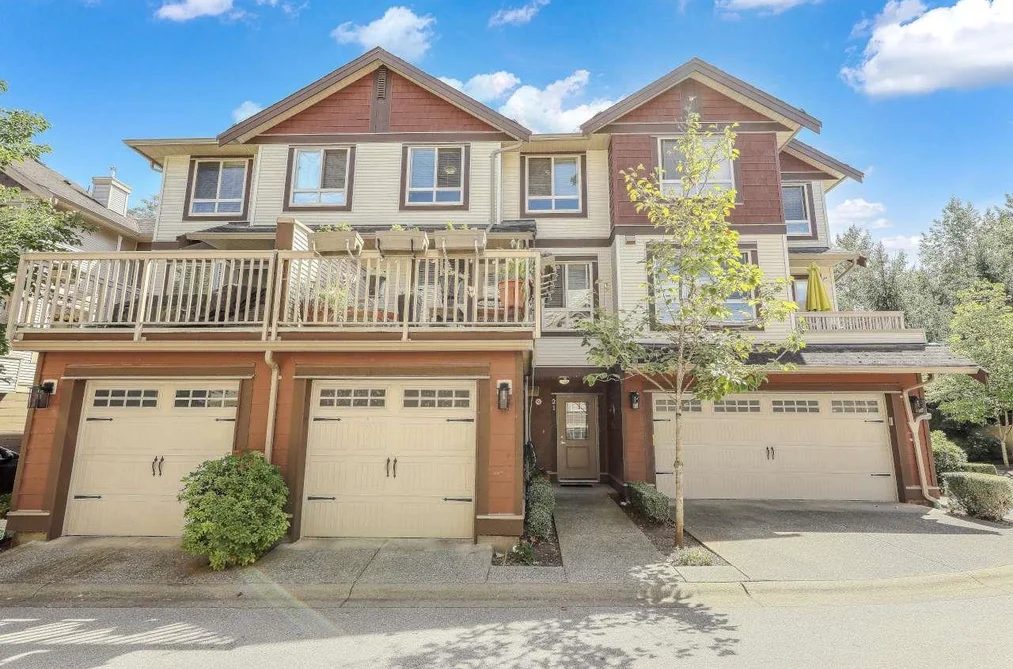
Browse pet friendly homes for sale in Greater Vancouver and read the strata bylaw on size, breed and number limits before you make an offer on a home.
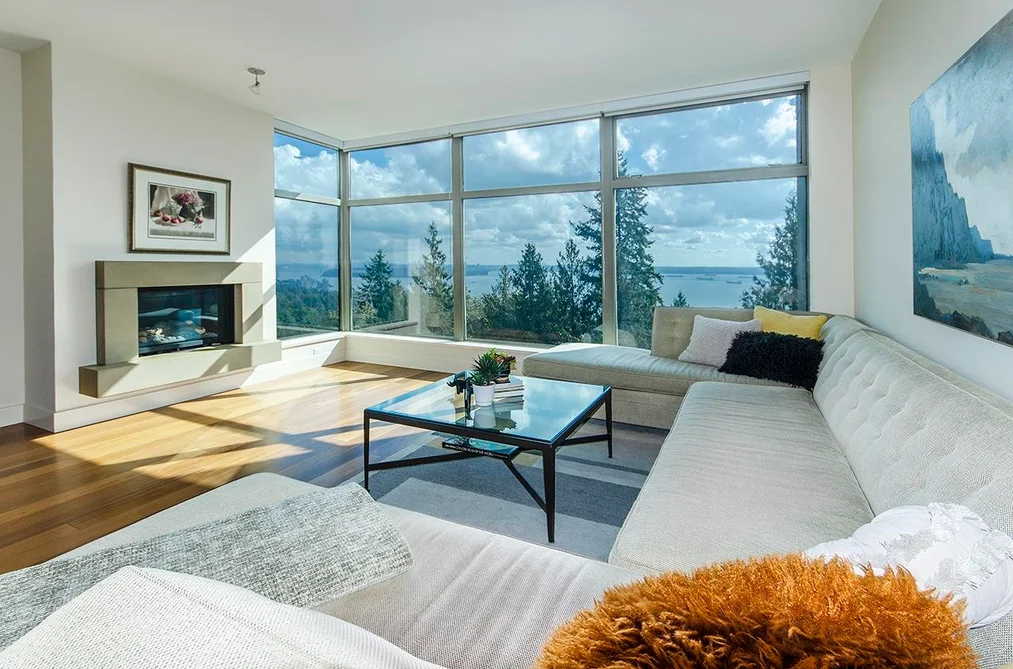
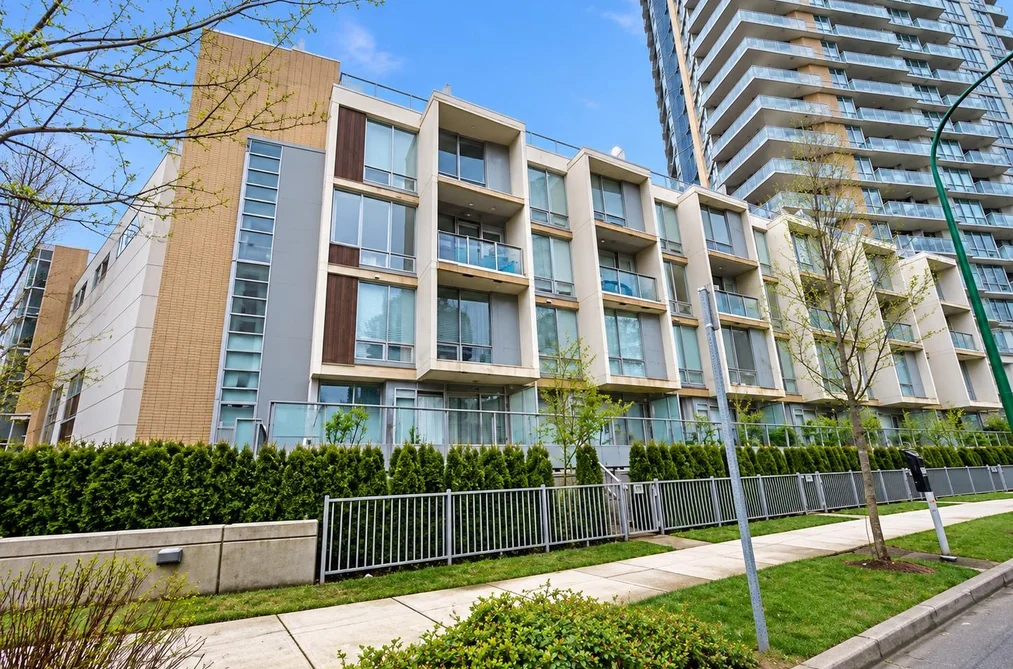
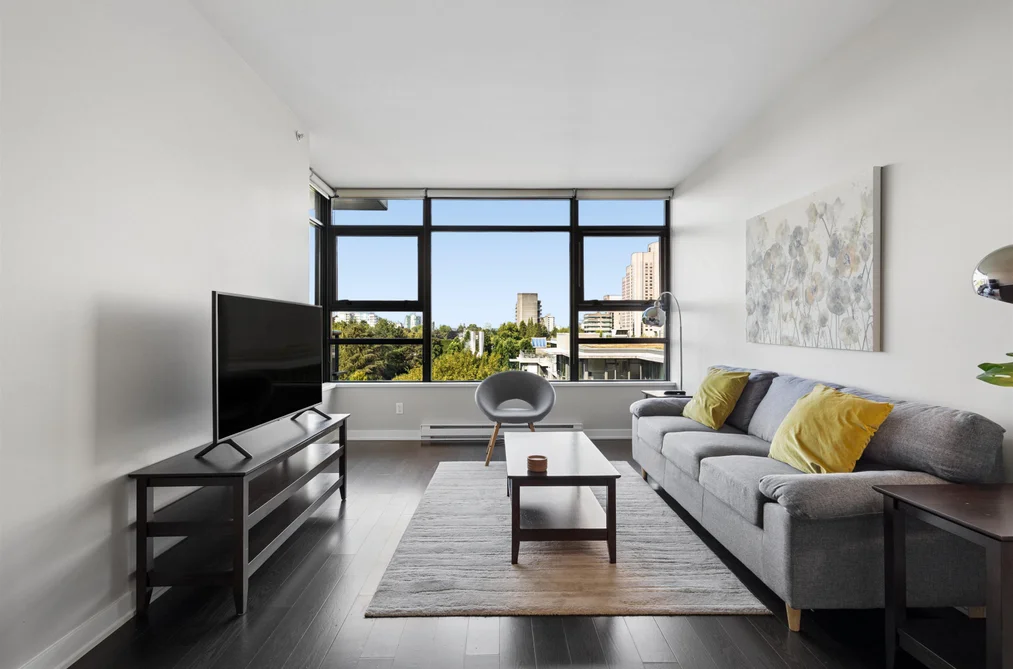
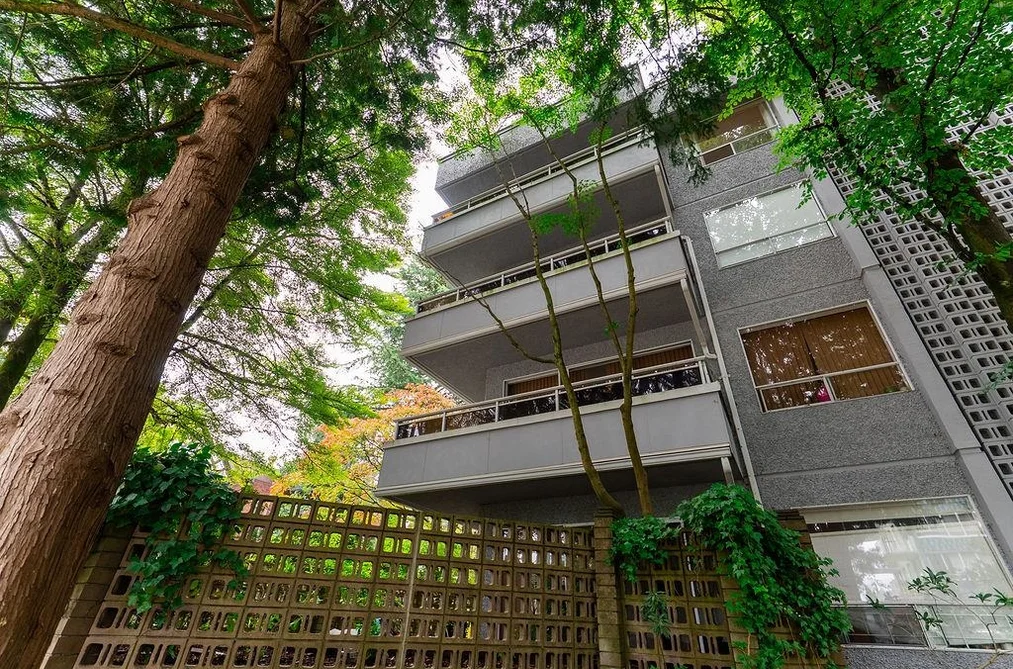
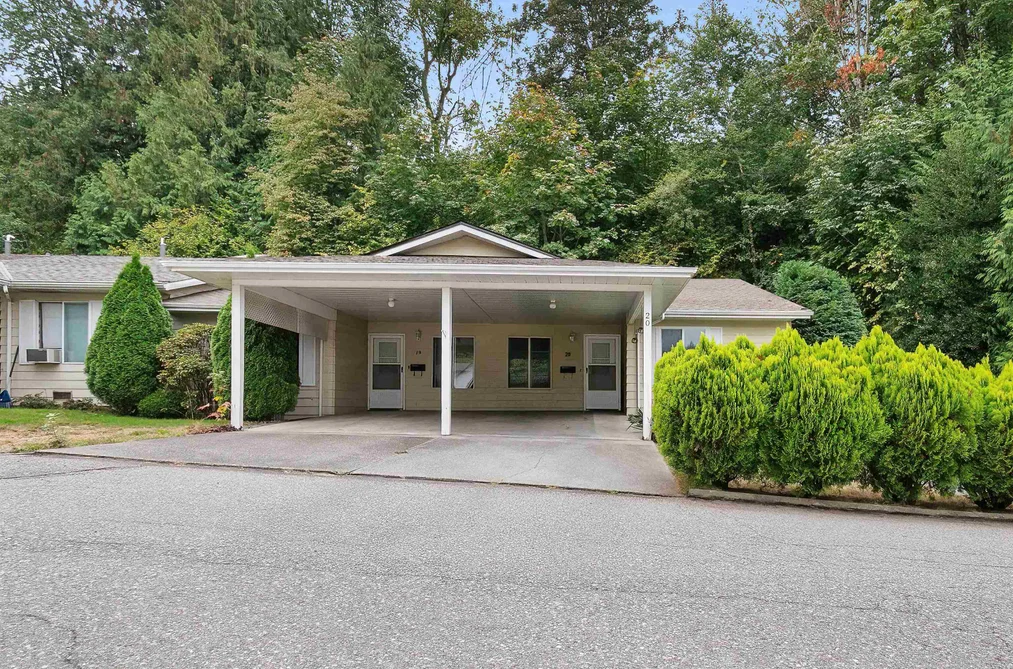
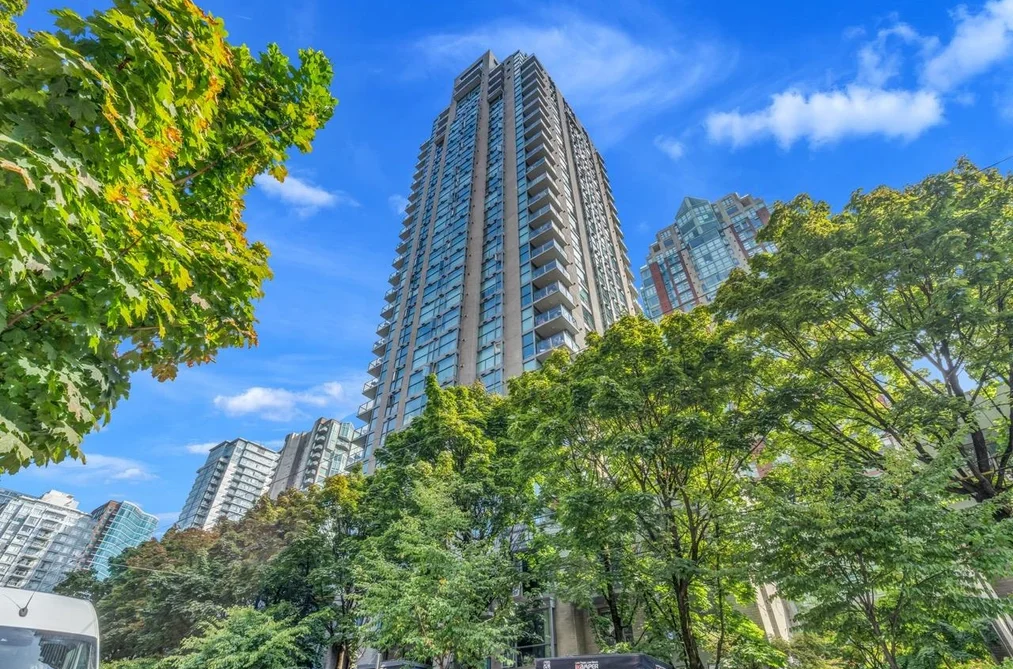
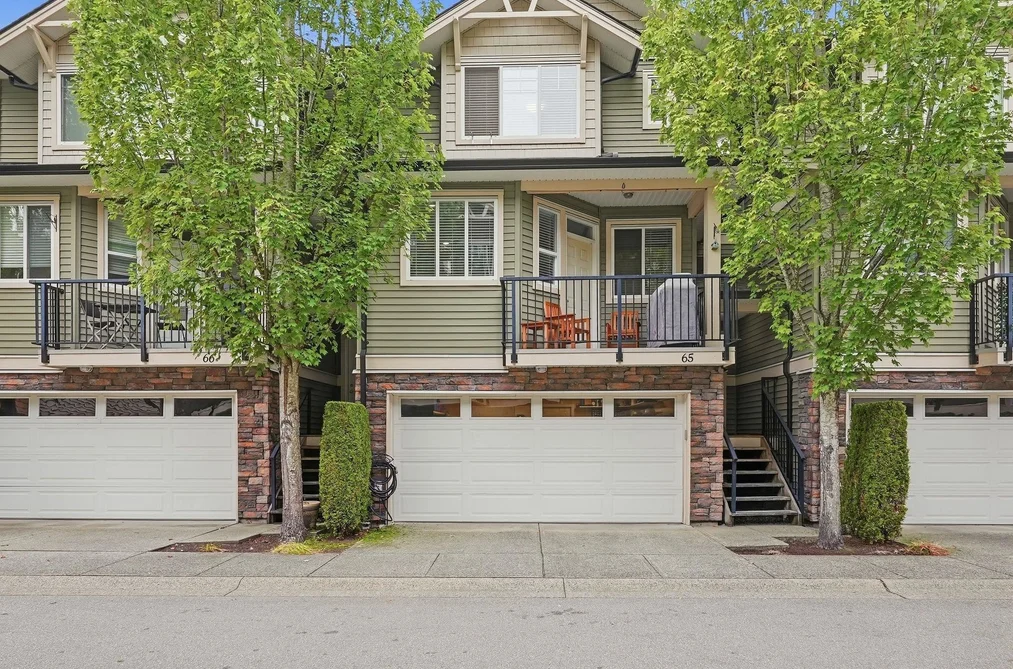
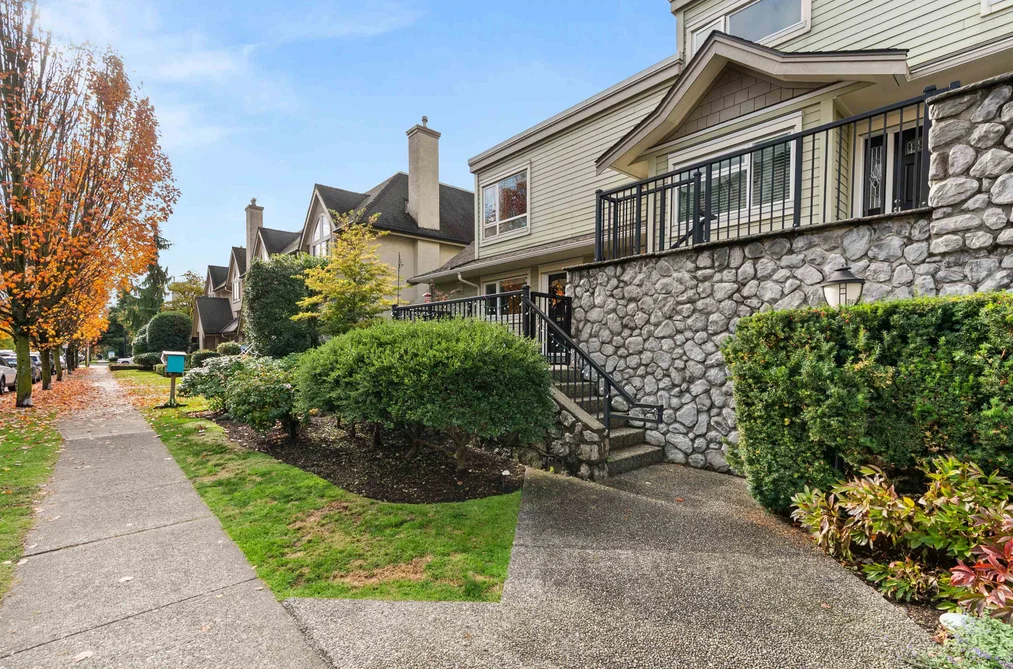
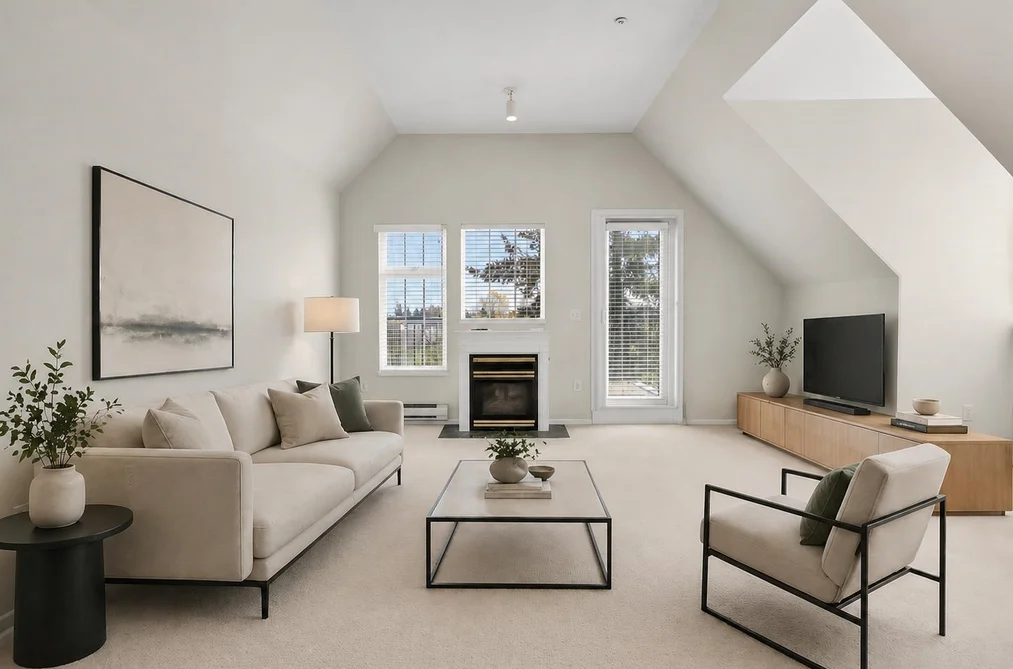
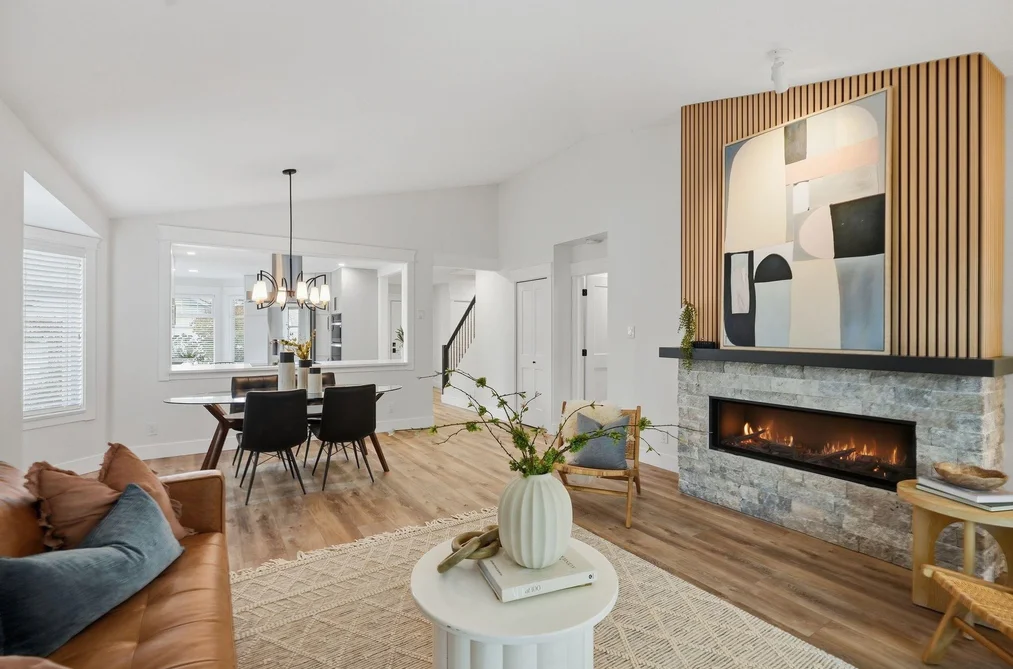
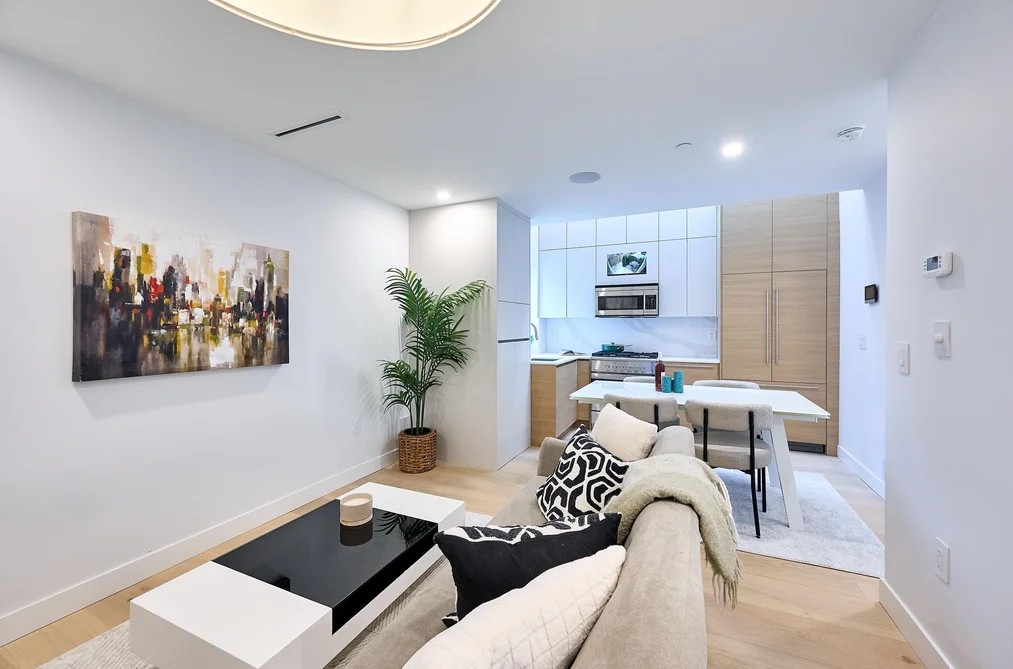
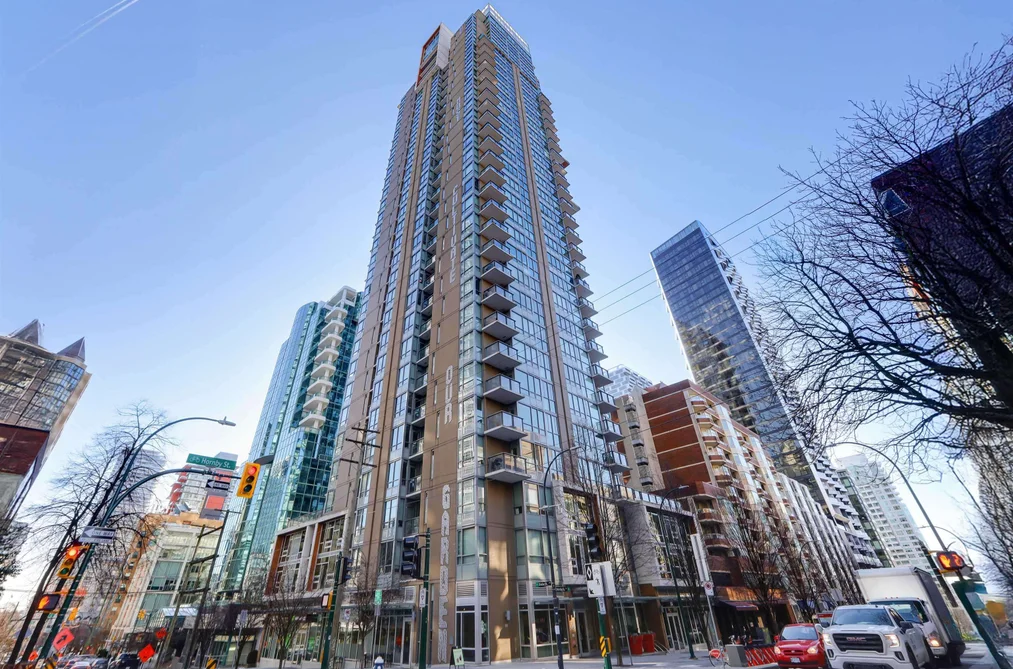
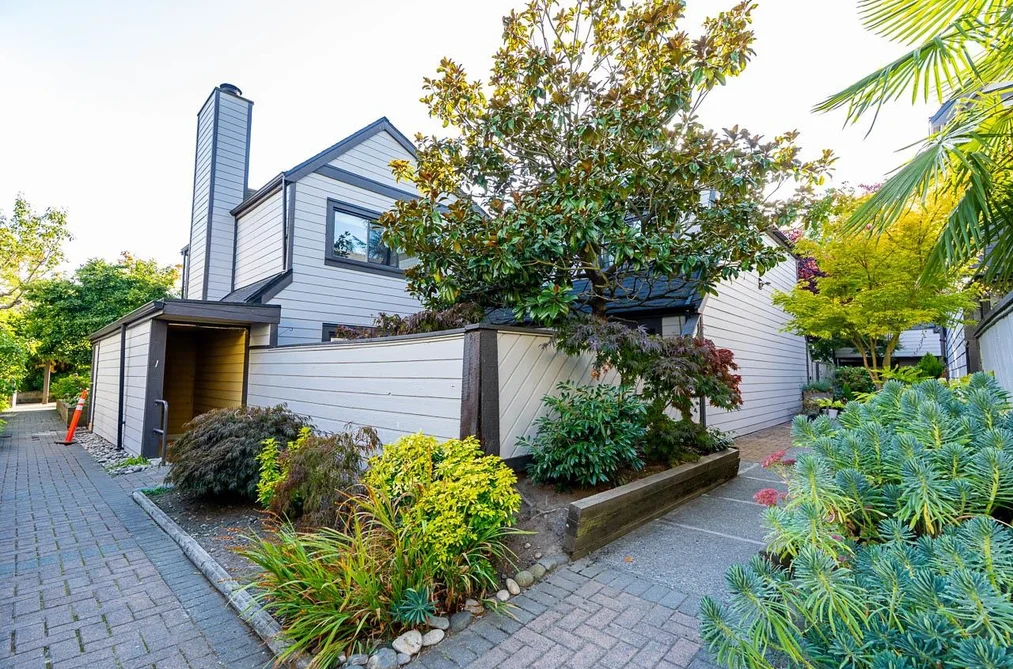
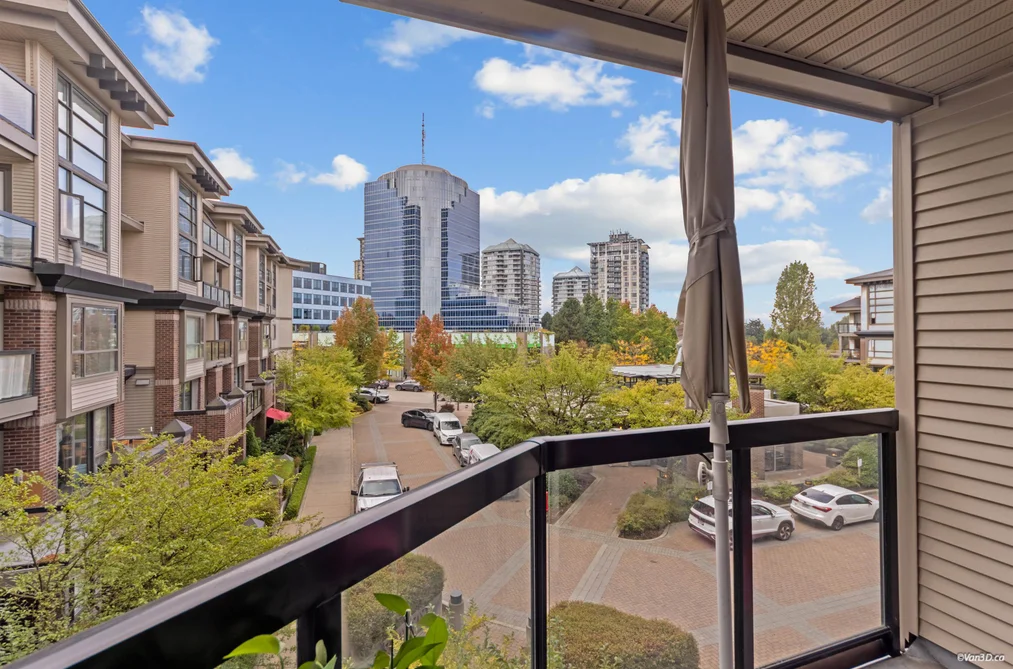
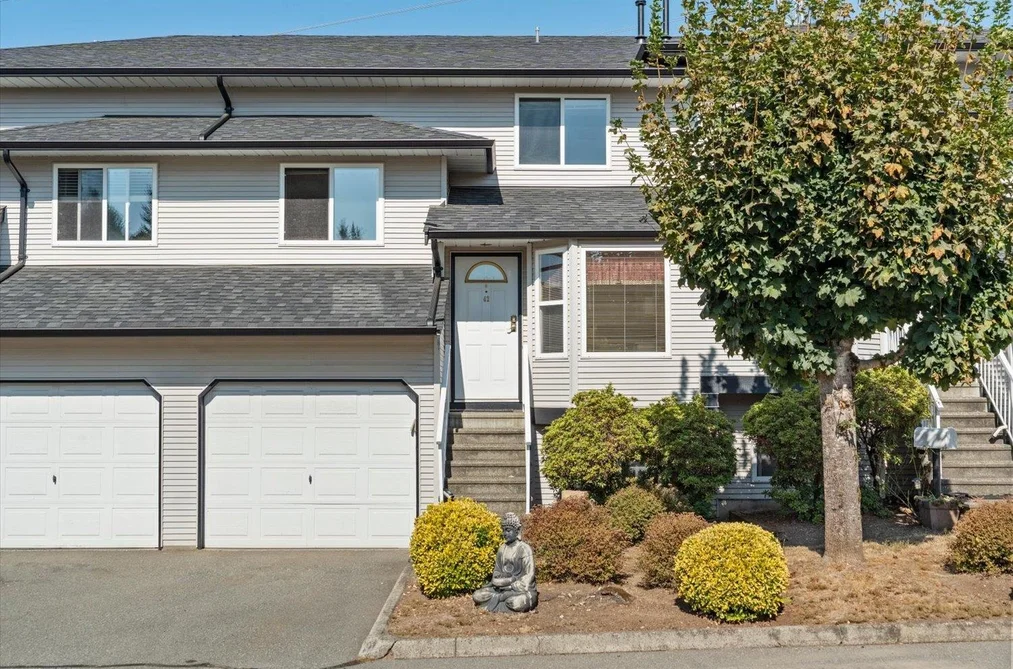
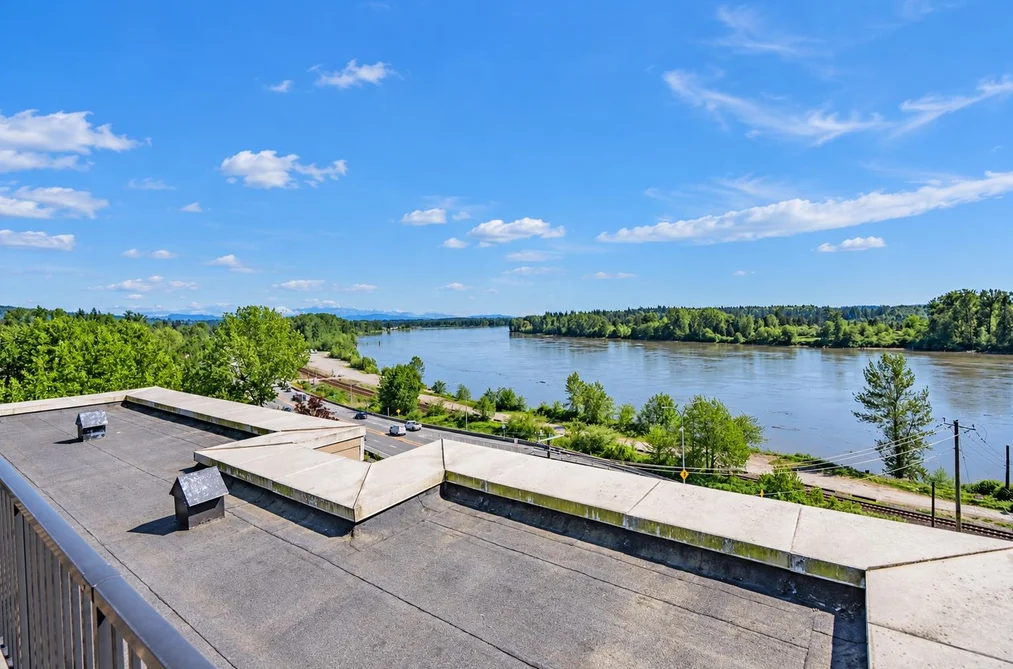
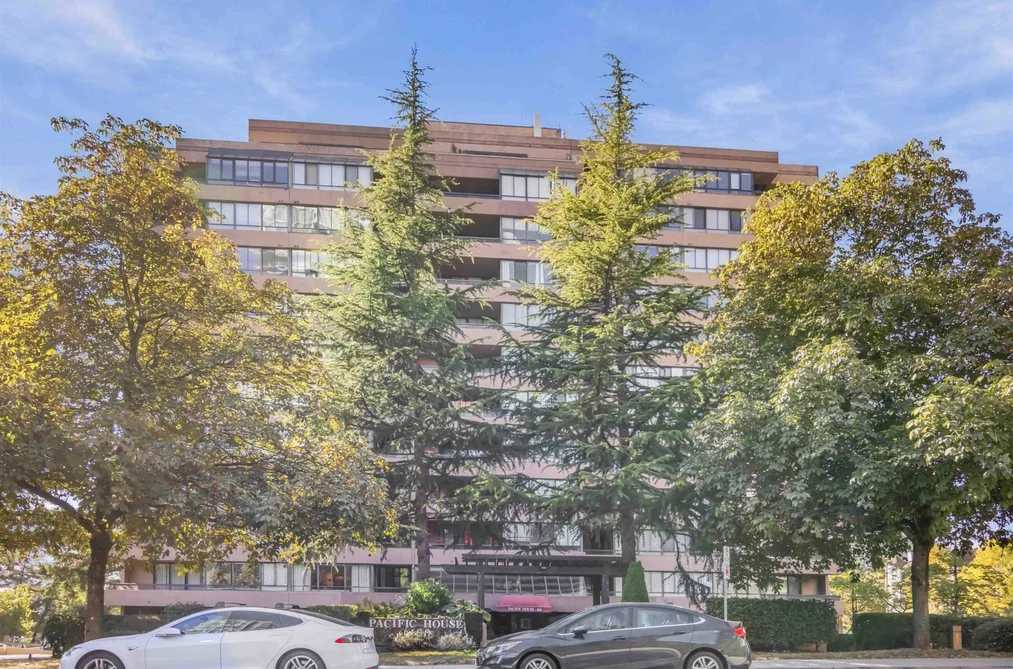
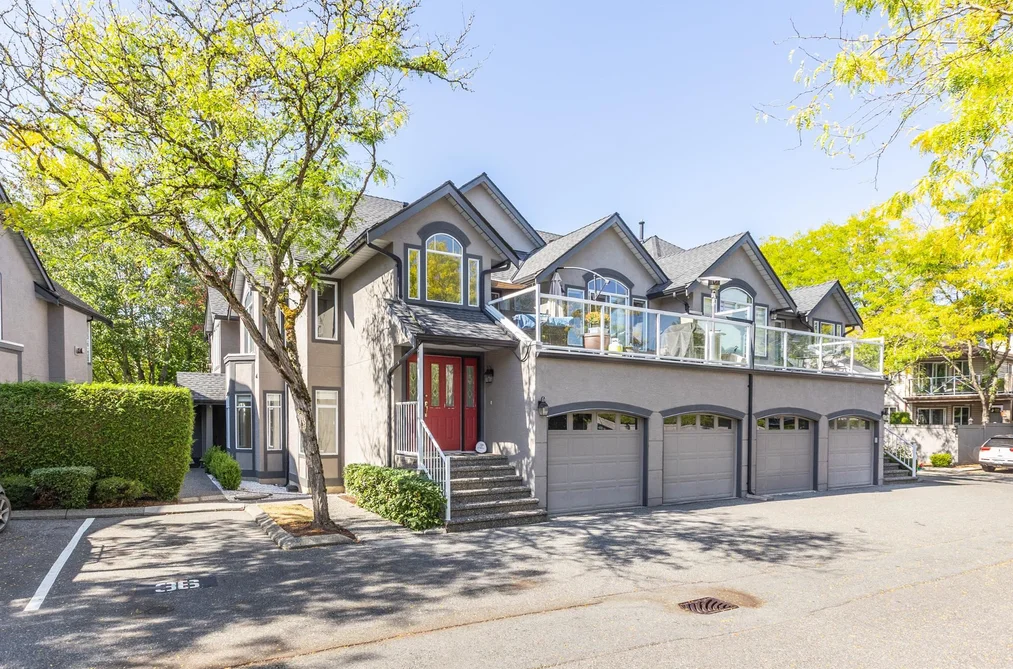
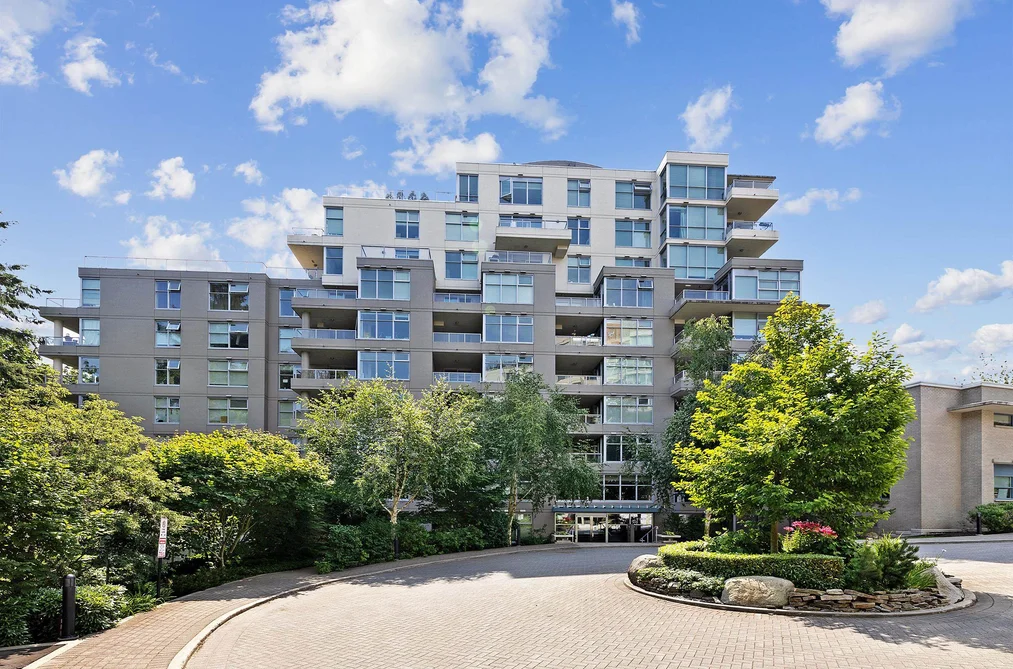
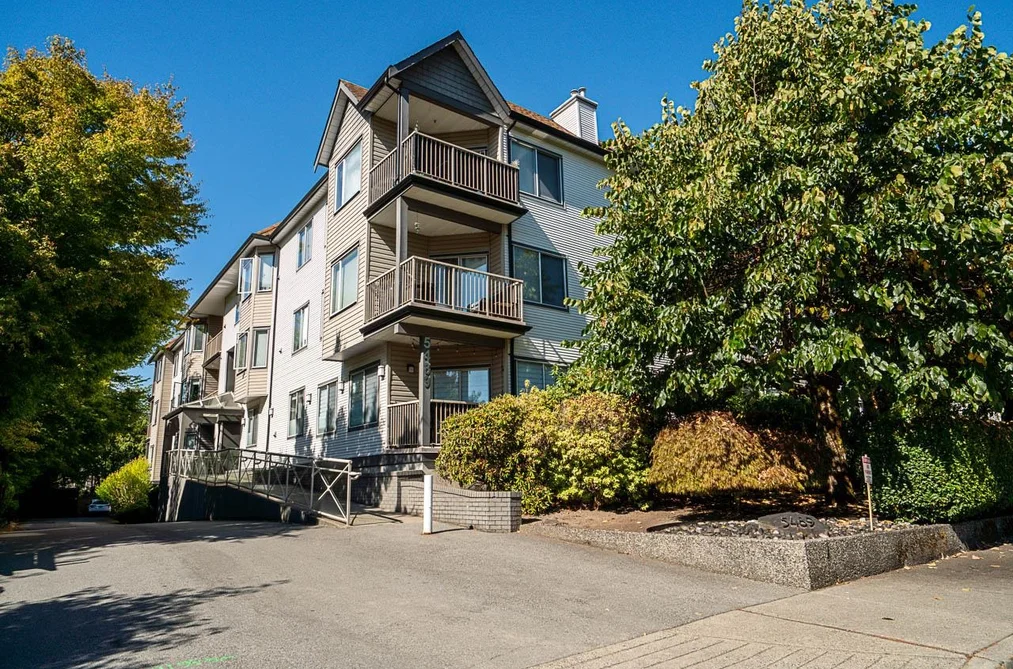
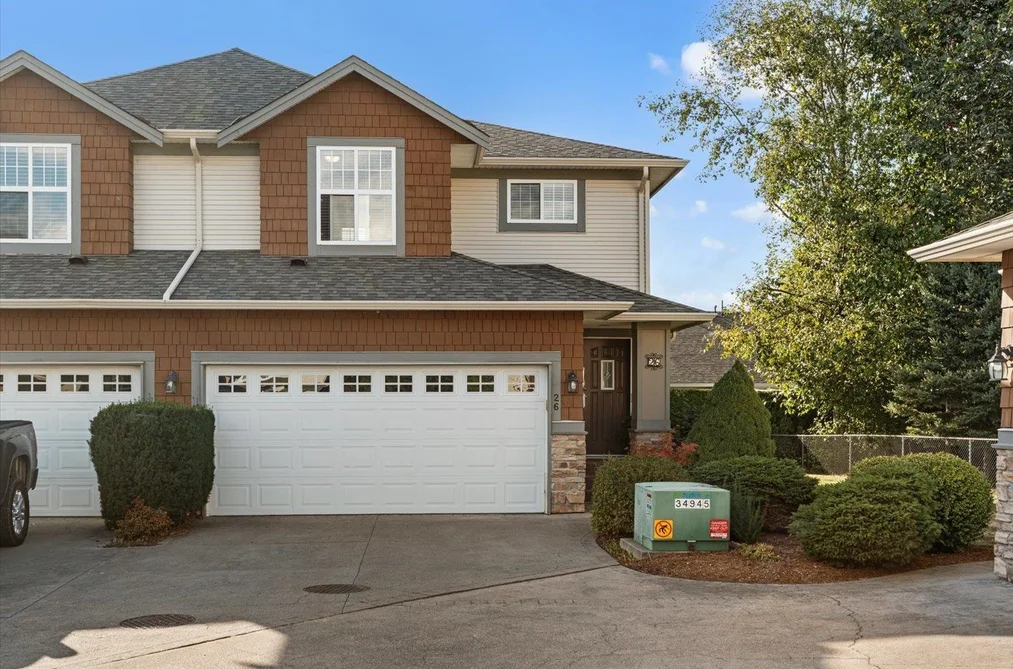
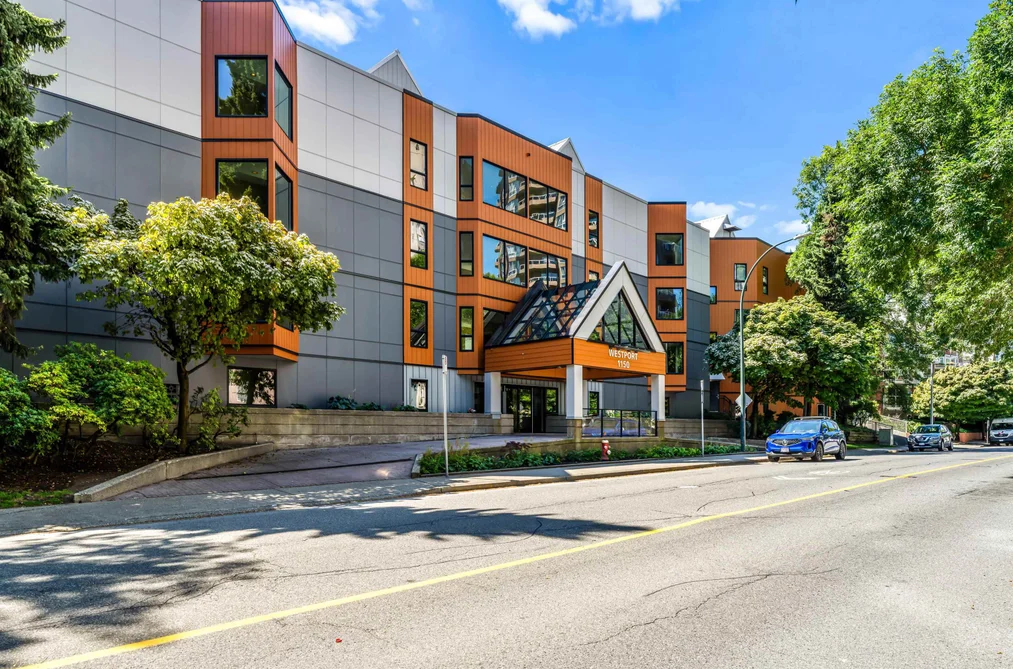
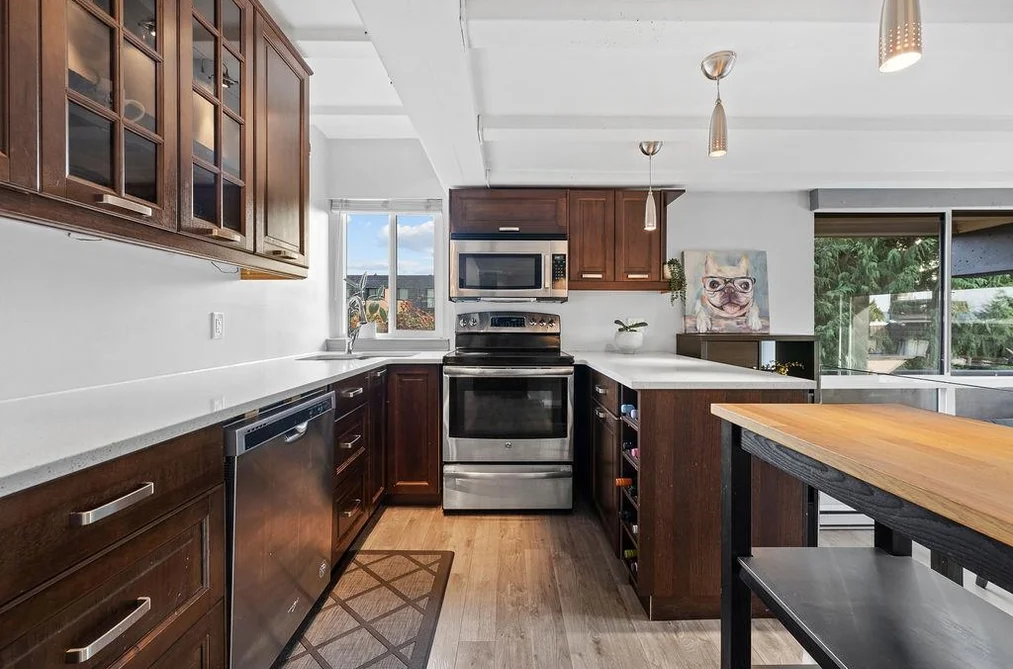
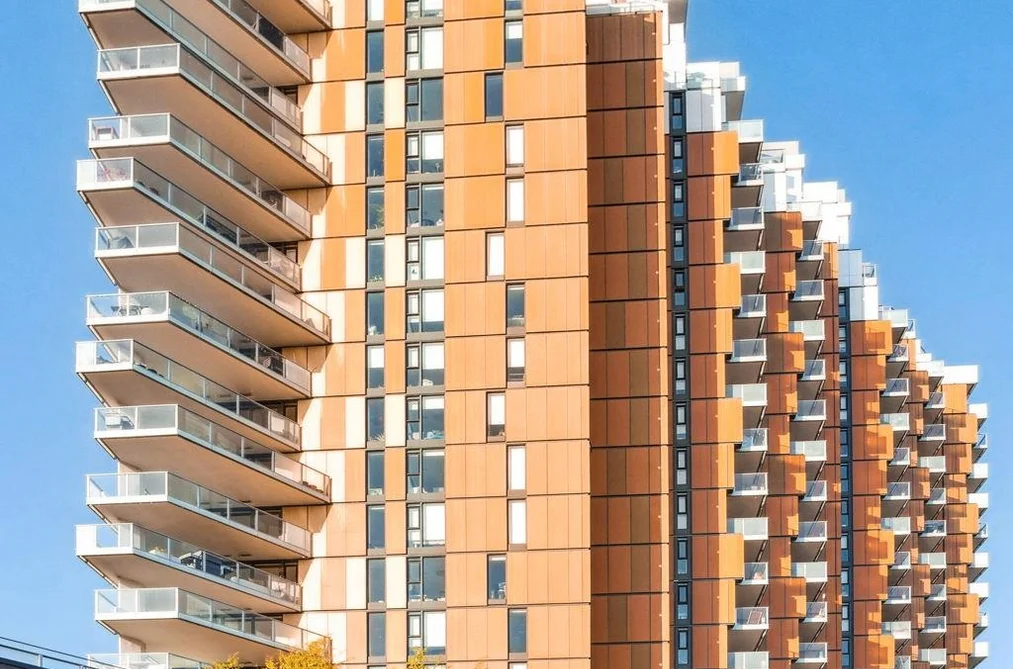
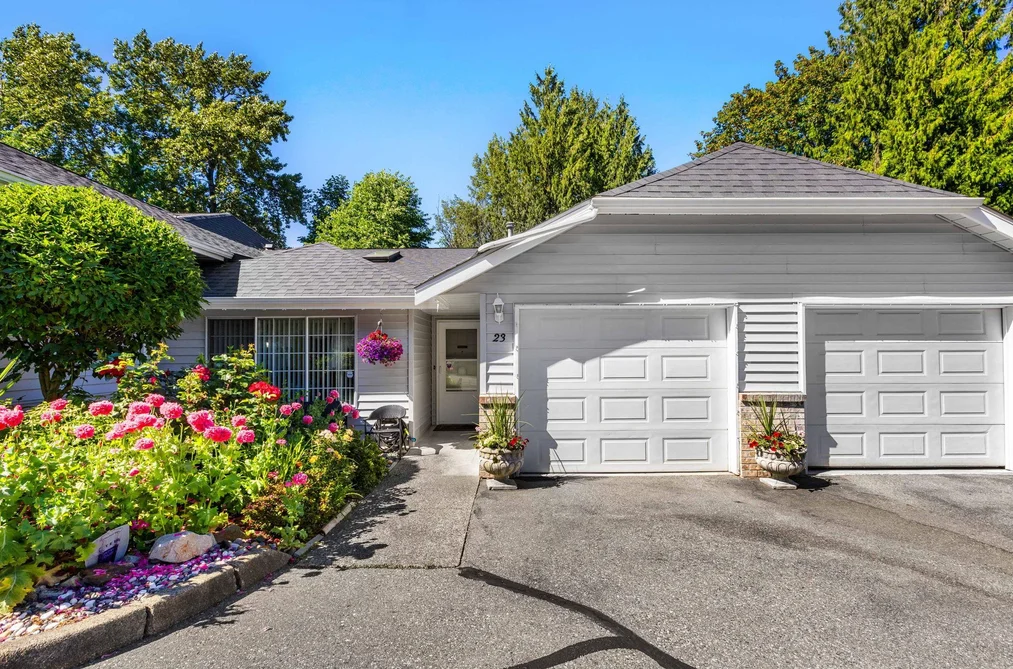
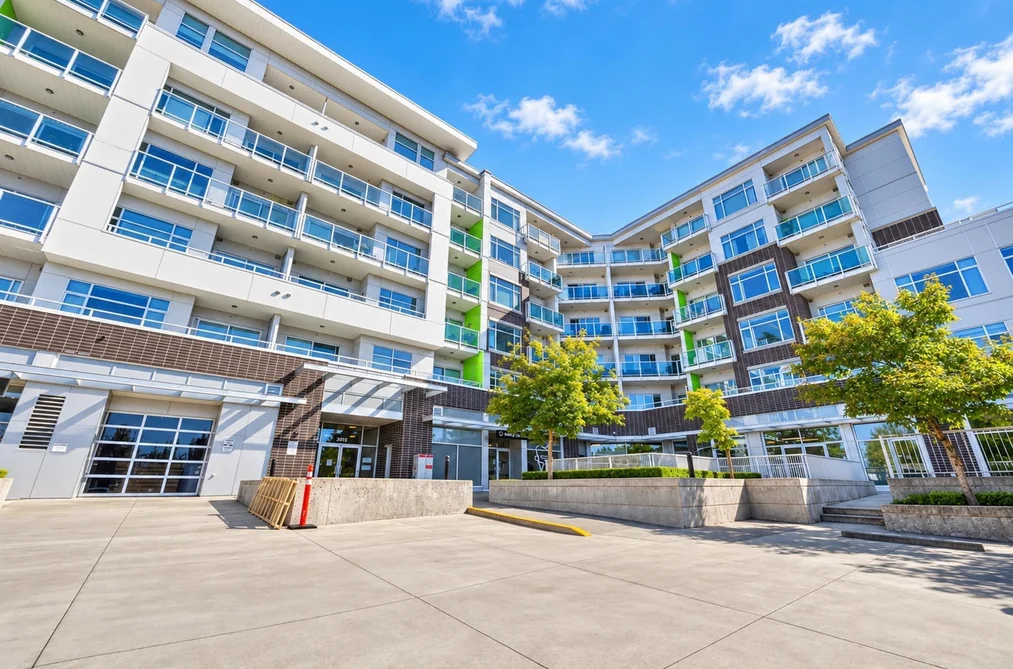
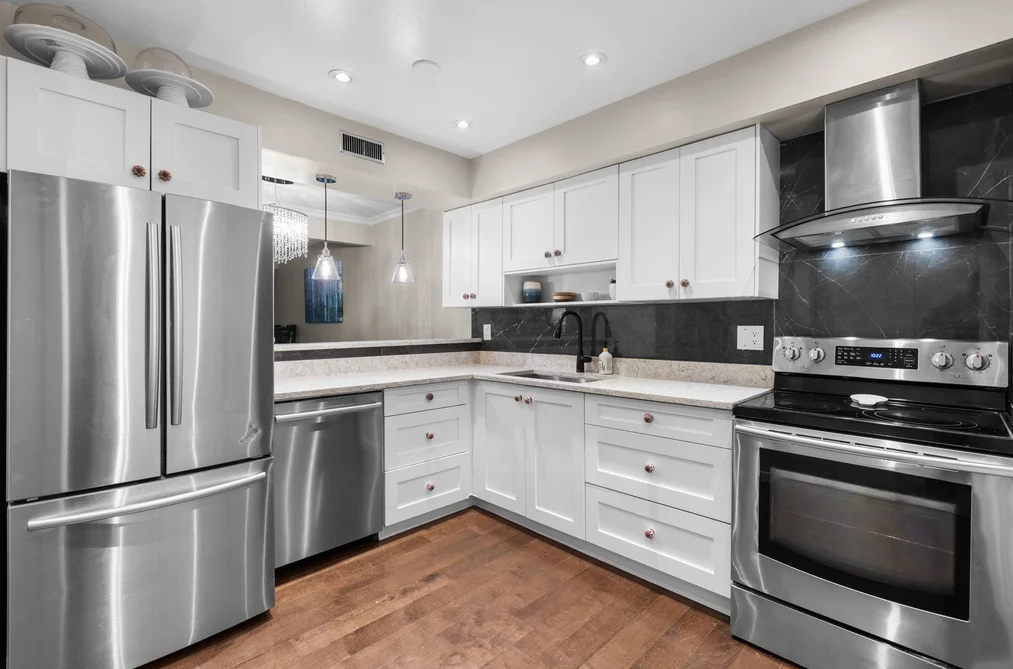
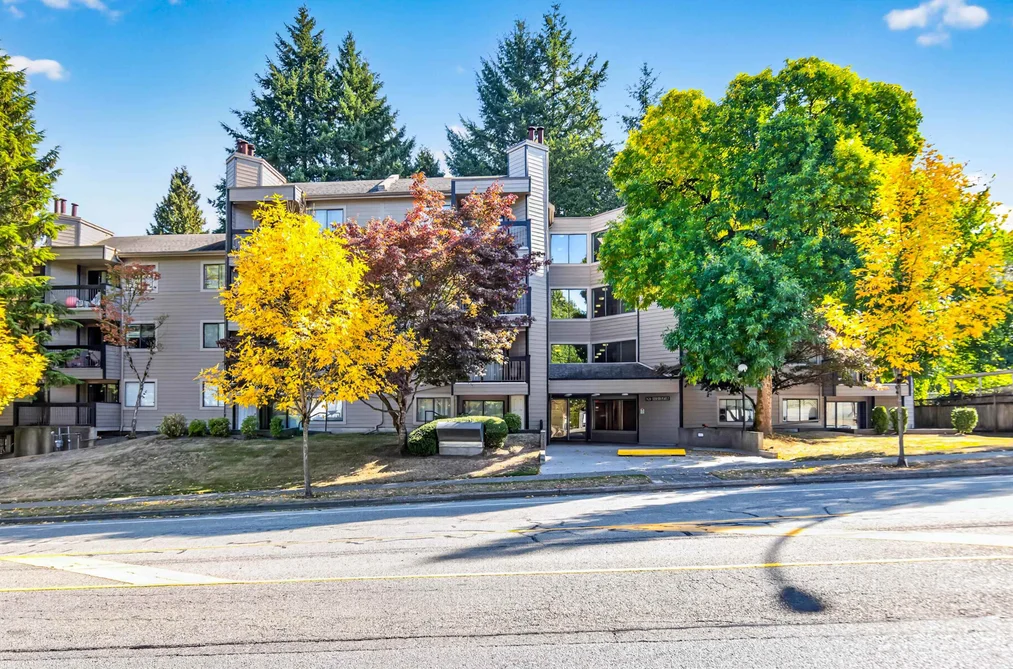
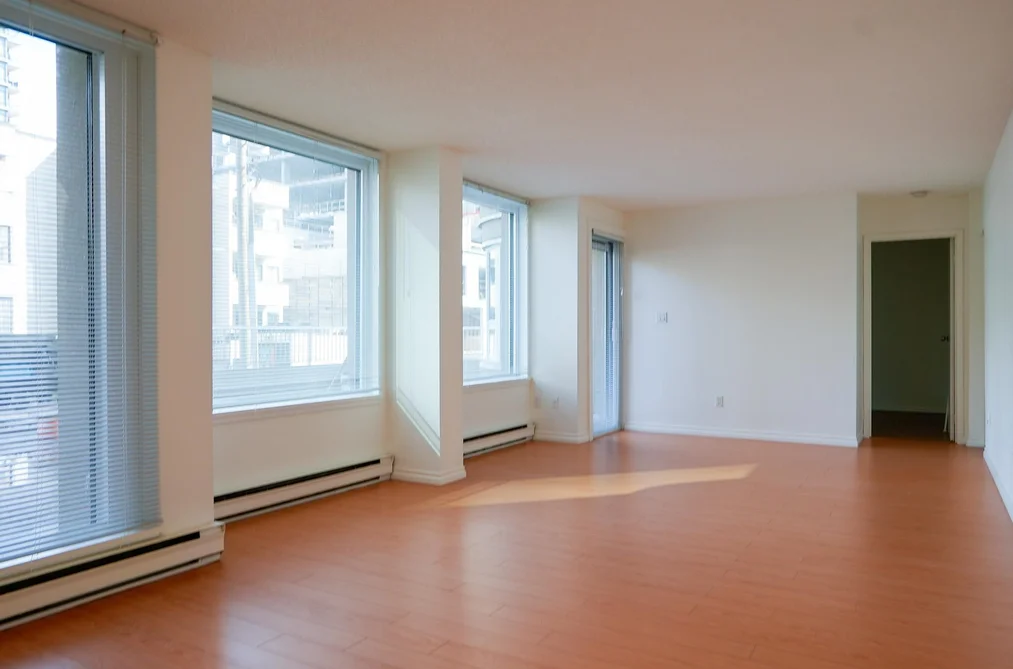
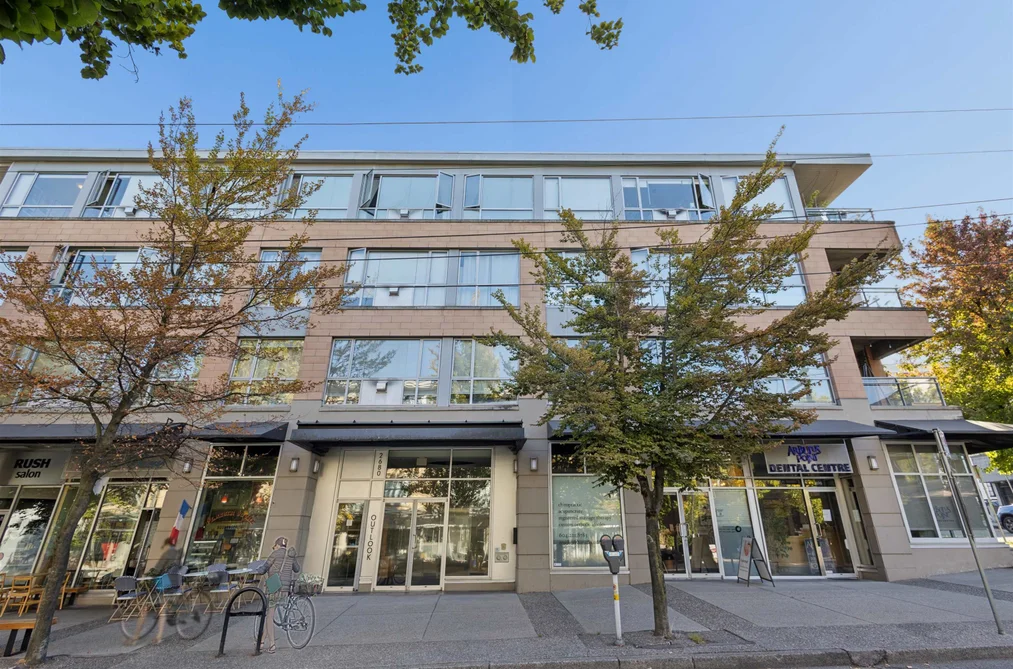
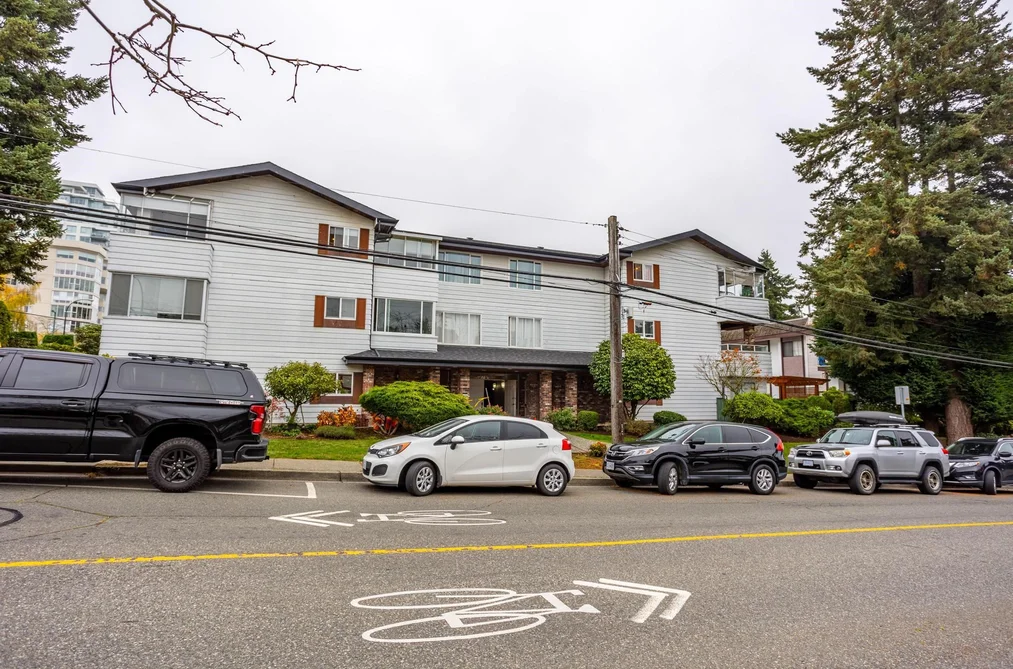
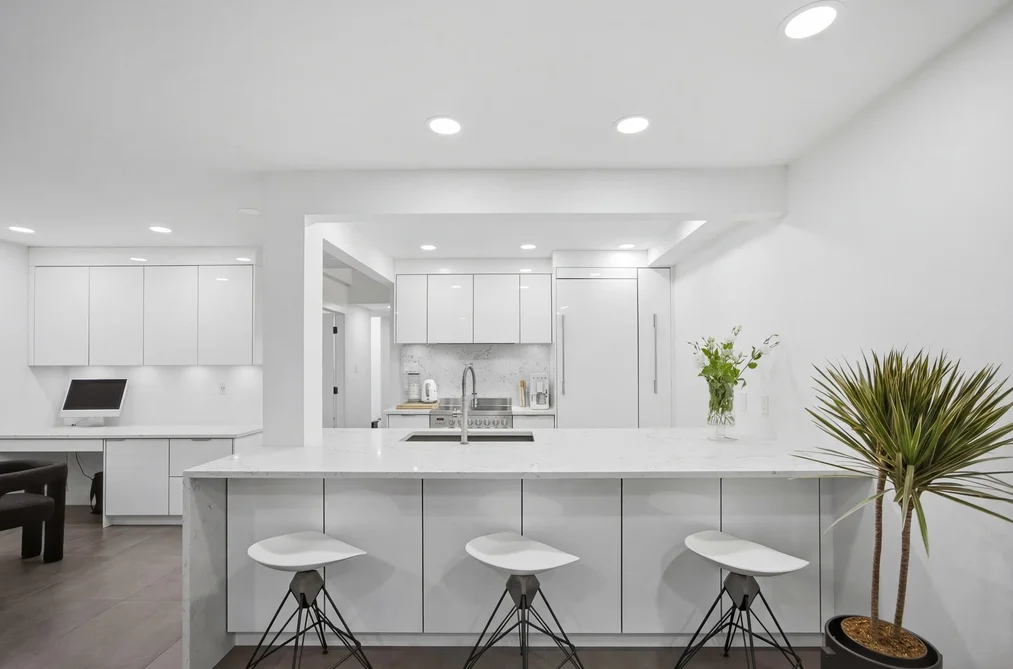
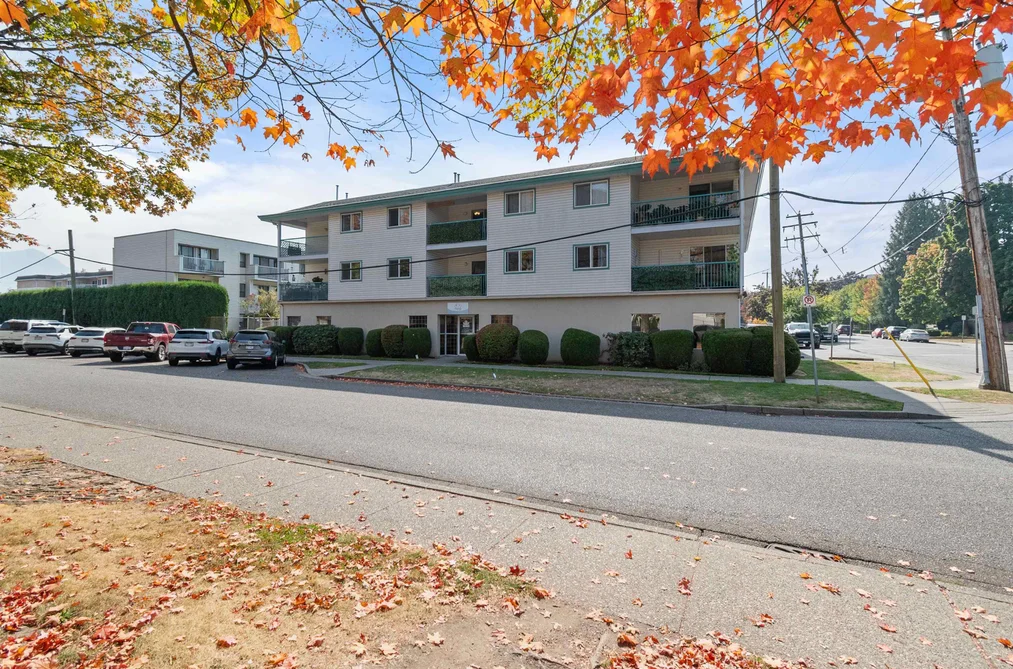
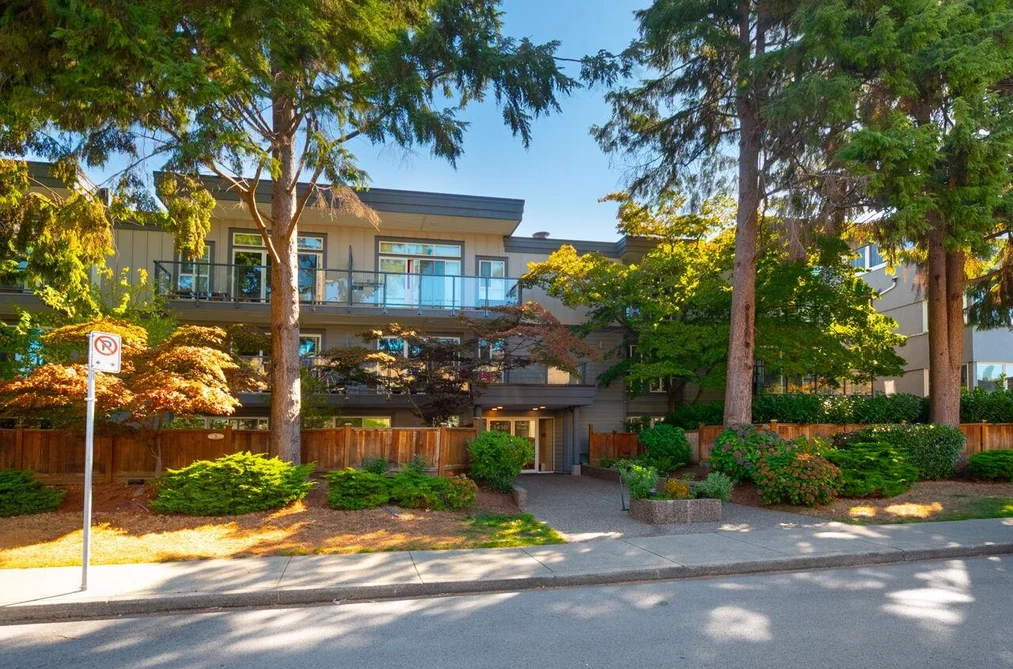
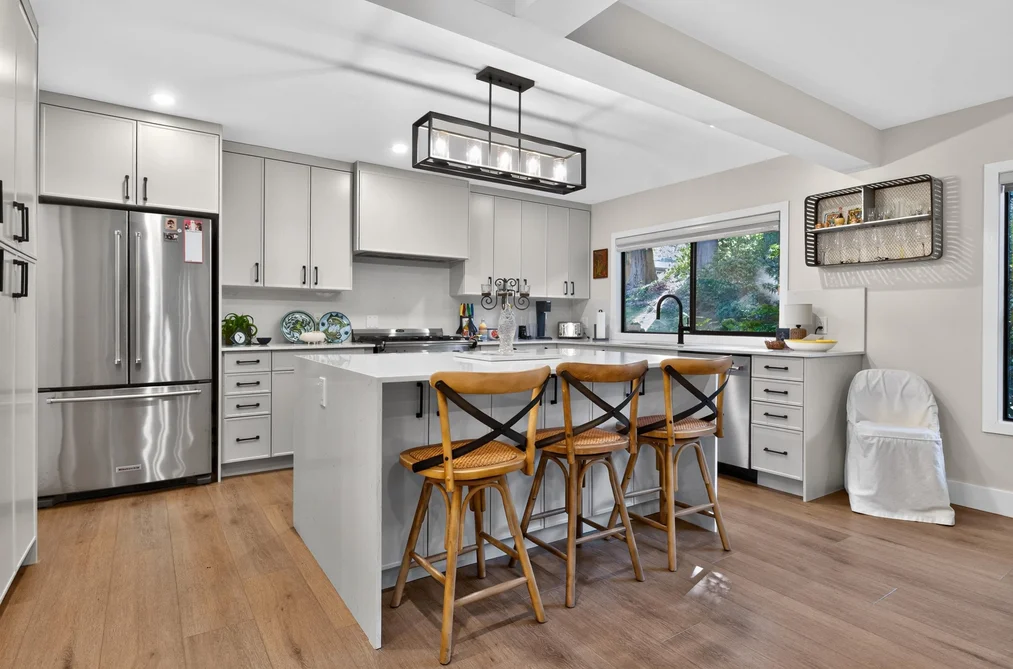
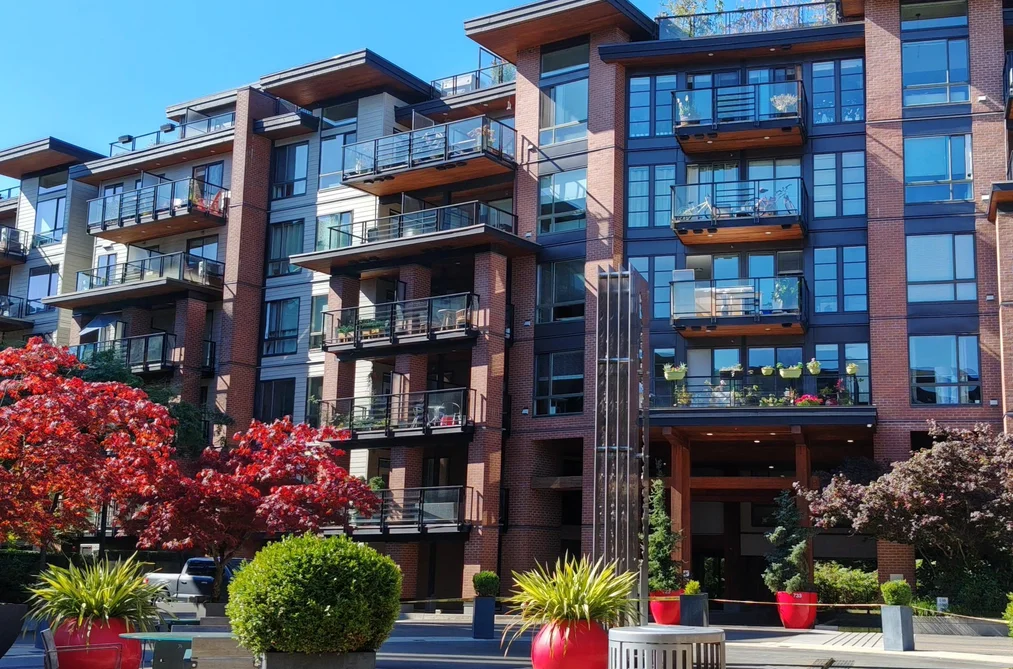
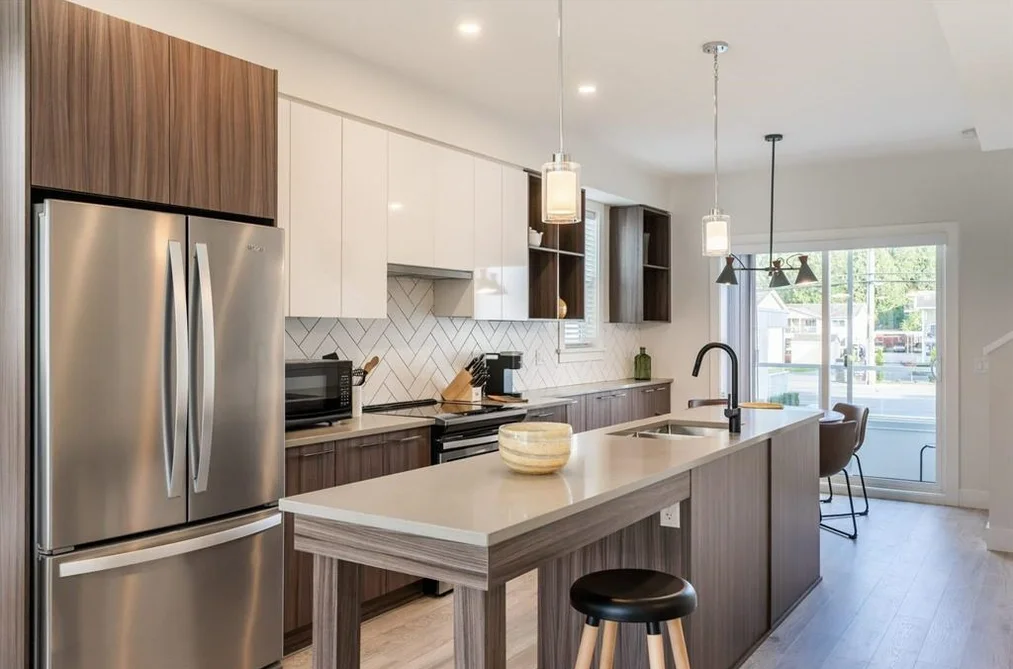
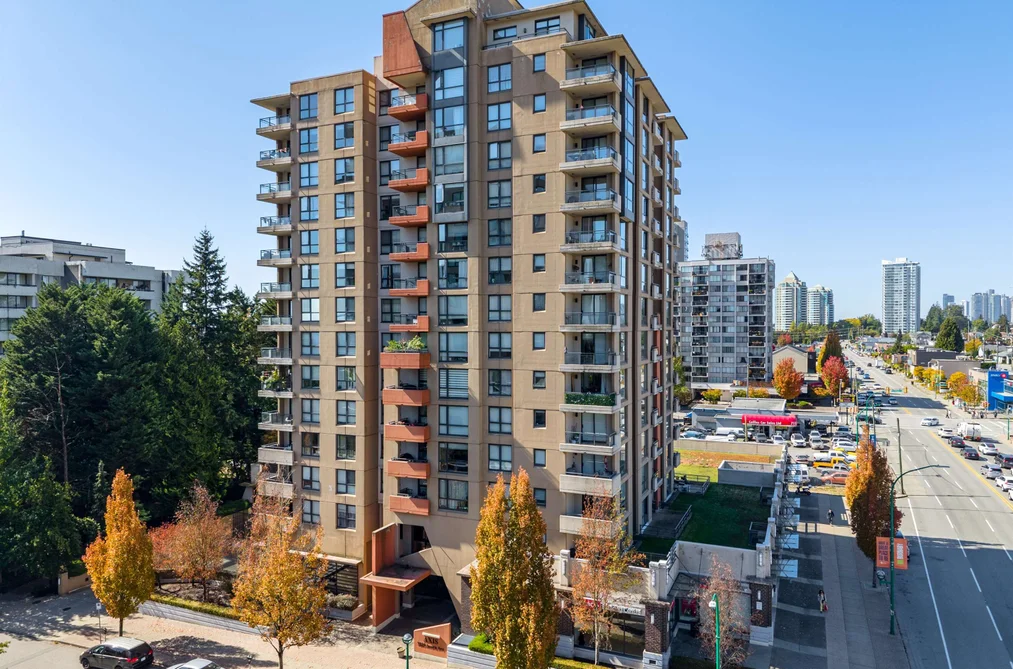
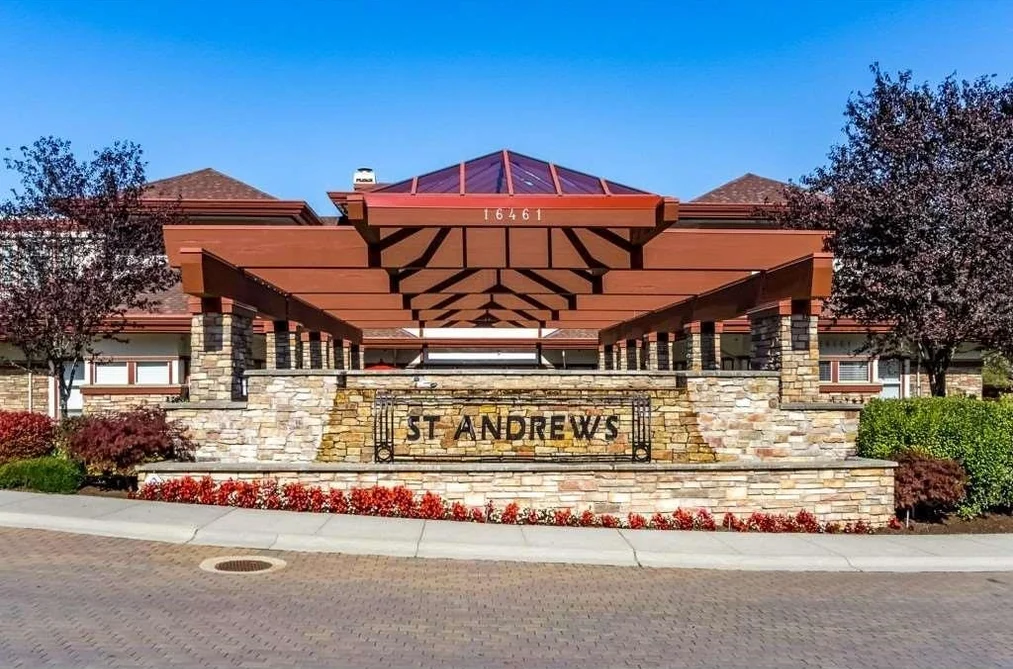
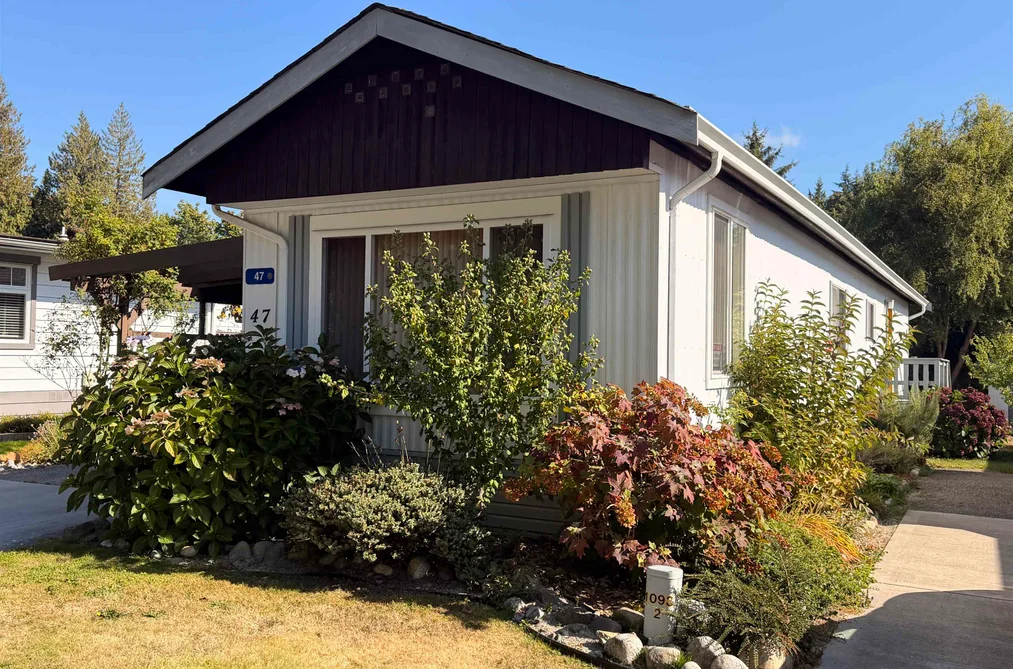
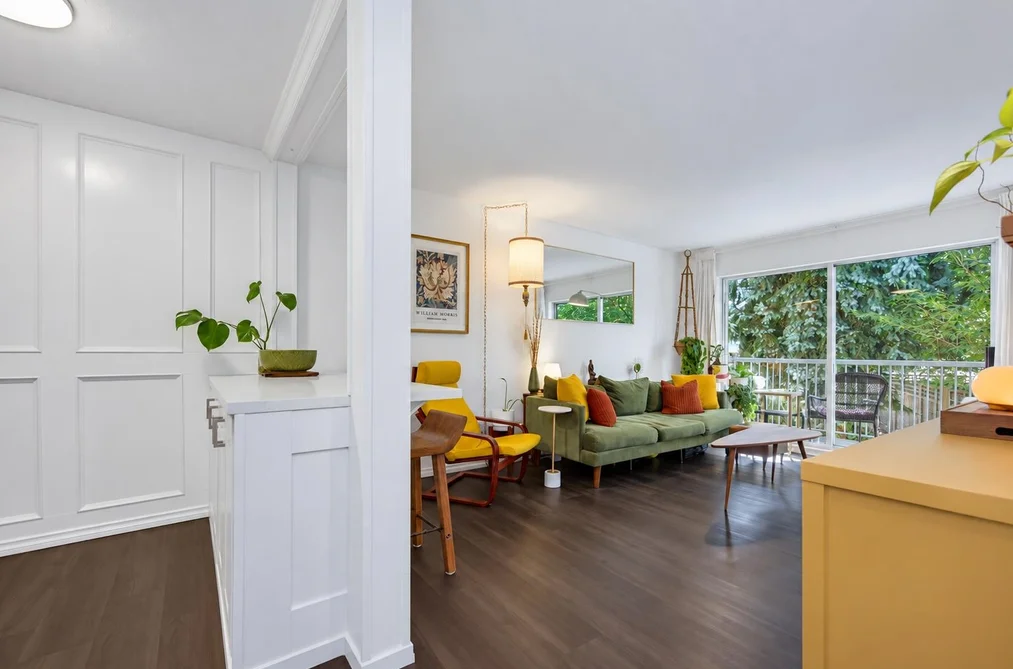
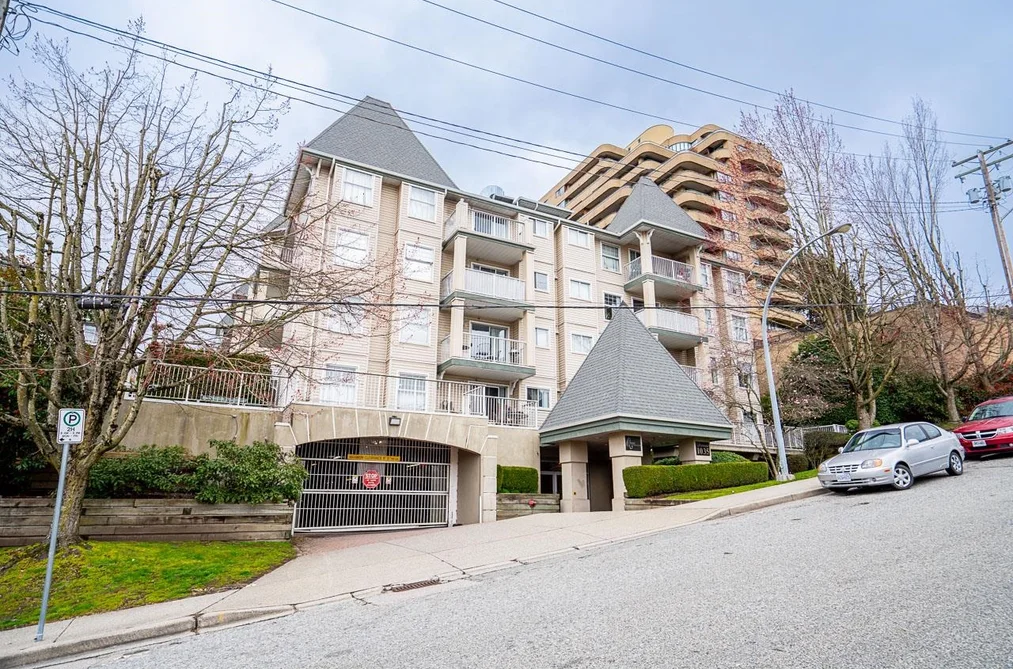
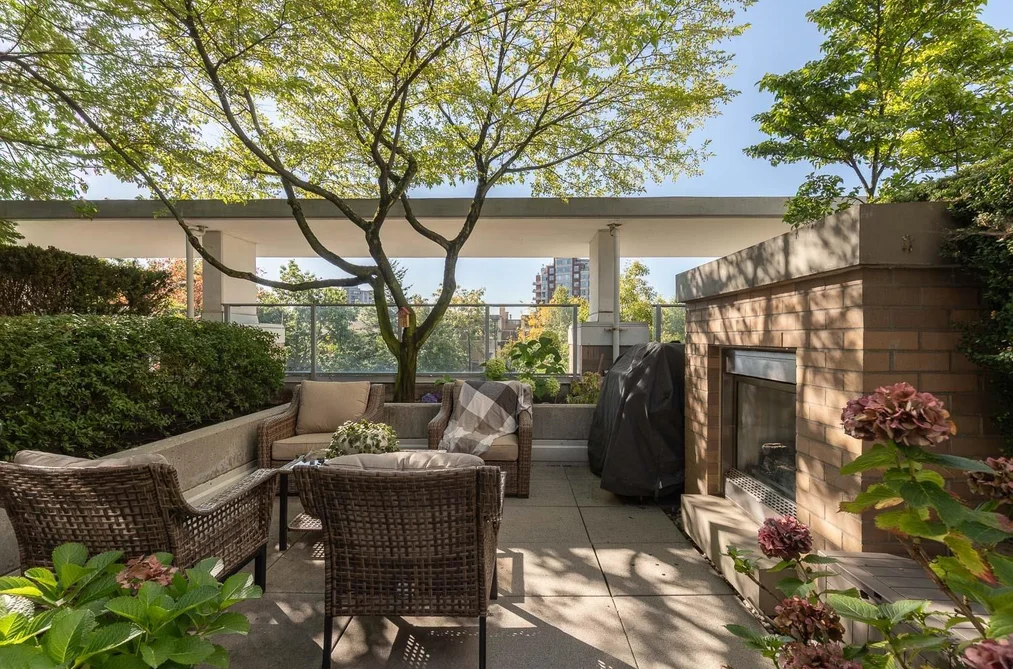
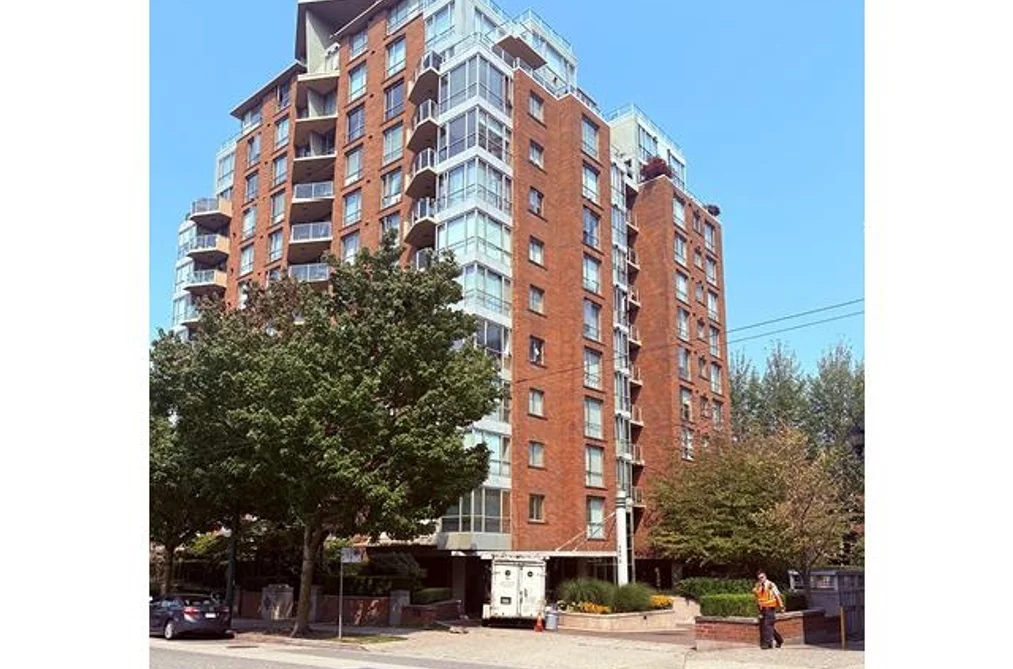
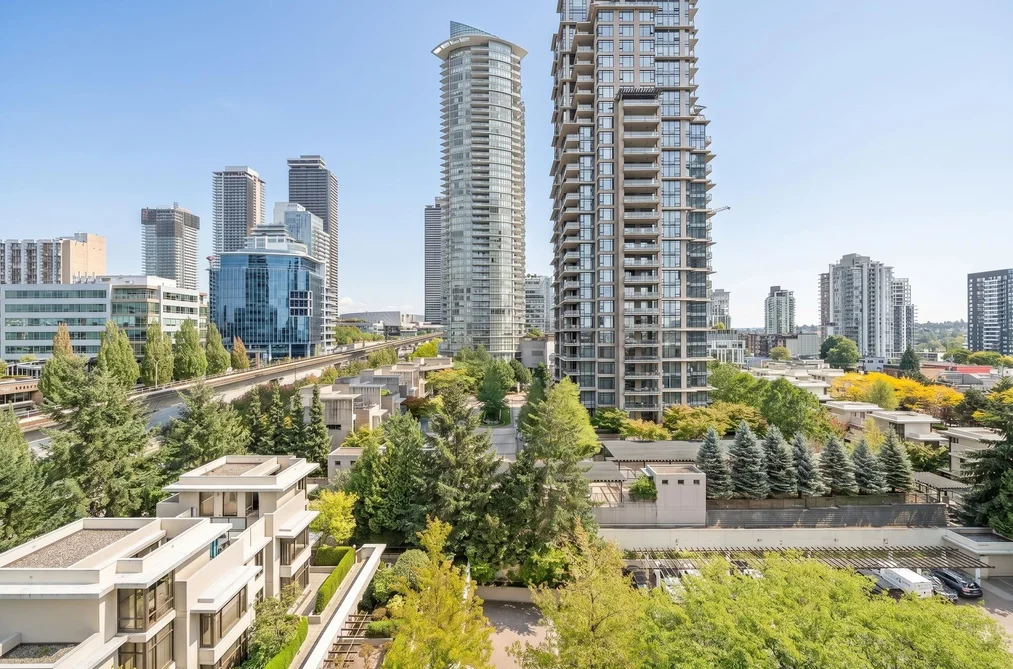
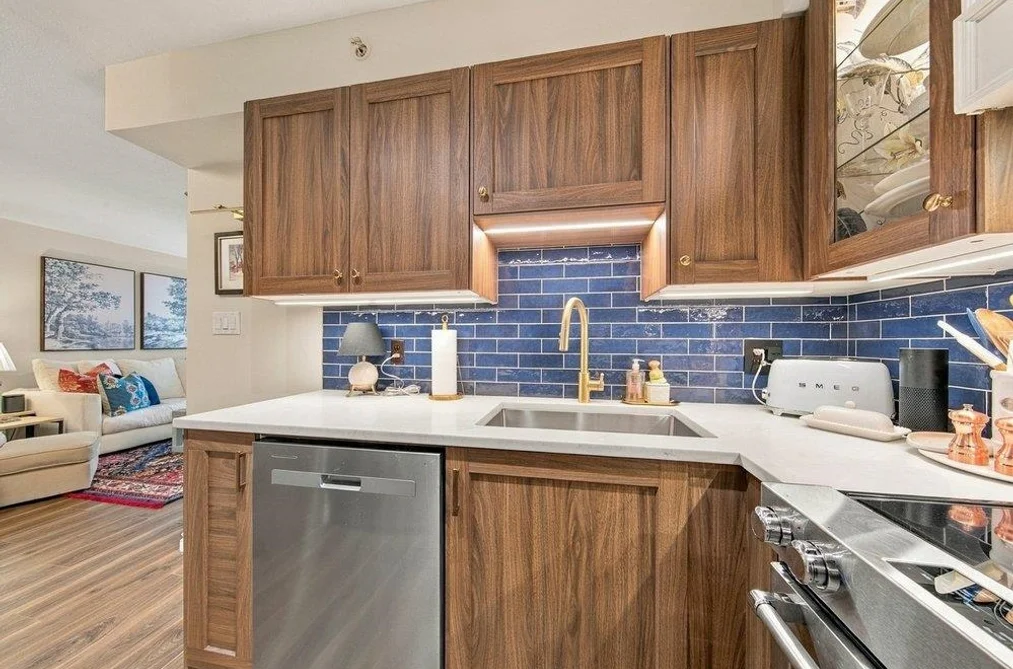
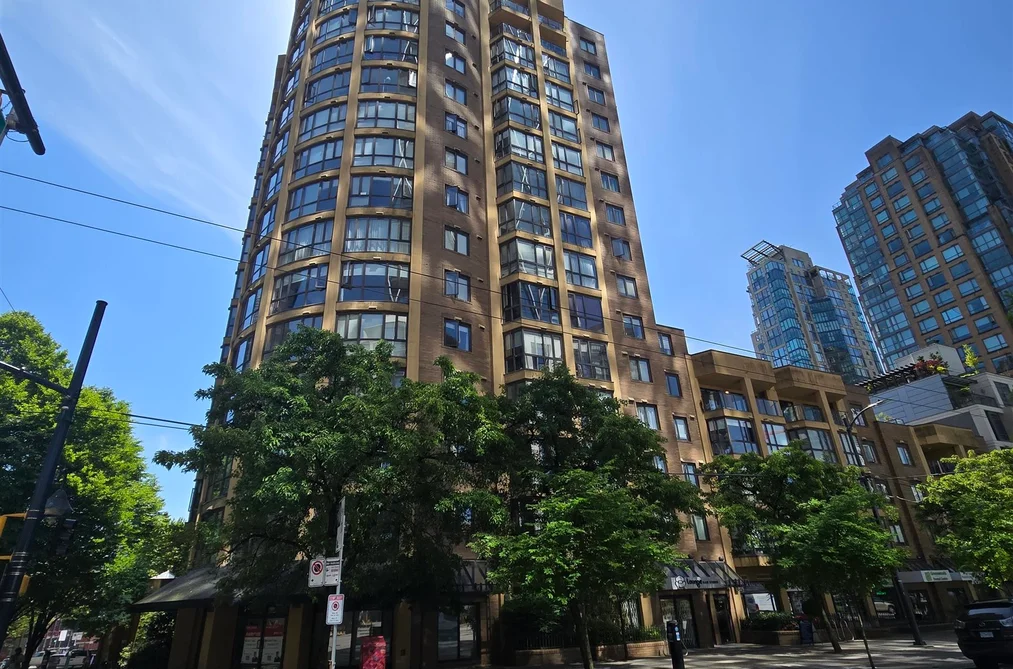
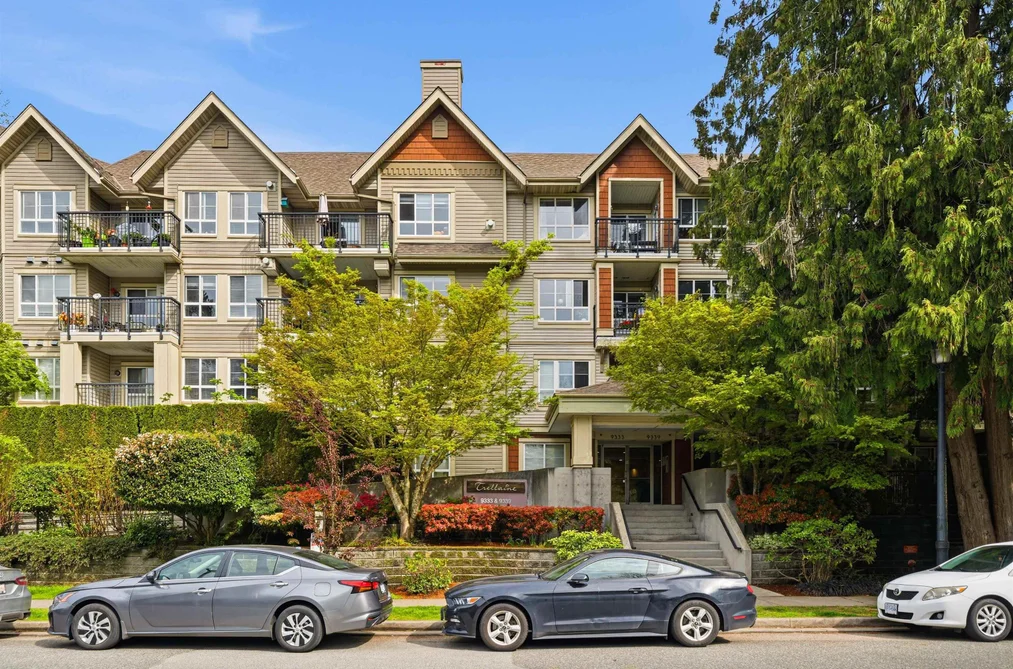
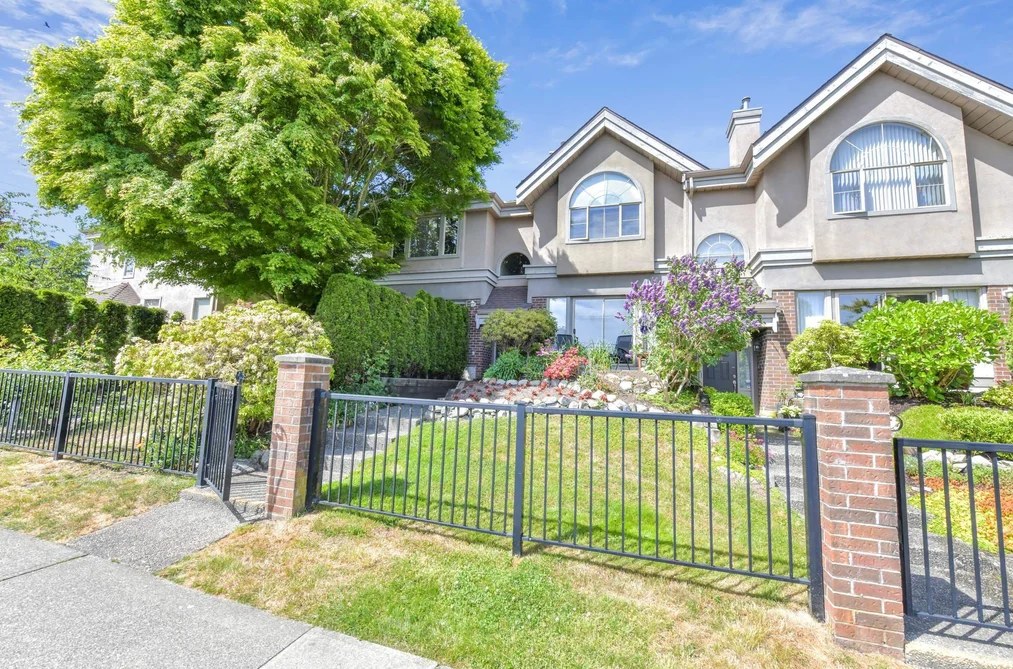
Pet Friendly listings mean the building allows animals in some form, so read the actual bylaw before you assume your own pet qualifies under it.
Pets allowed is a description, not a rule. The rule is the registered strata bylaw, and it is far more specific than any listing: it will set how many animals a home may keep, what kinds, and often a weight or height limit measured at the shoulder. Ask for the bylaws in writing and read the pet section yourself rather than accepting a summary from anyone.
Then check whether the bylaw has changed recently. A strata can amend its pet rules by vote, and existing animals are sometimes grandfathered while future ones are not, which matters if you plan to have another animal later. The minutes will show whether the subject has come up, and a council that has debated it twice may well debate it again.
Restrictions vary enormously between buildings on the same street. Some allow cats and dogs without limit, some allow one animal of either kind, some cap the weight, and a few name specific breeds. Older buildings are often more restrictive than newer ones, which were frequently built to attract pet owners deliberately.
If your animal sits near a limit, get the answer before you write an offer rather than after. A landlord in the same building faces the same bylaw you would, so the rule is not something anyone can waive for you, and a strata that discovers a non-conforming animal can require its removal.
A townhouse or townhome solves several problems a condo does not. Ground-level access means no elevator and no lobby to cross at six in the morning, and many come with private outdoor space that belongs to the home rather than to the common areas. That combination is why this housing type carries a premium among pet owners across British Columbia.
Check what the outdoor space actually is, though. A patio that is limited common property still falls under the strata rules, and some bylaws restrict what may be left outside or require animals to be leashed the moment they step out of the door.
Newer buildings increasingly include real pet-friendly features: washing stations, a dedicated relief area, wide corridors and a service entrance that avoids the main lobby. These are worth more day to day than the marketing suggests, particularly through a wet winter.
Look at the surroundings as well as the building. Proximity to parks and green space and a safe walking route matter more than any amenity inside, and a home on a busy arterial with nowhere to walk is a poor fit however welcoming the bylaw is.
Ask the strata how animals are handled in practice, not only on paper. Whether the elevator has a designated time, whether the corridors are carpeted, and whether the council has fined anyone recently all tell you more about living there than the bylaw text does. A building that permits pets grudgingly is a different home from one that was designed around them.
Browse and compare current pet friendly real estate on Strawhomes, filter by neighbourhood and property type, and shortlist only after you have read the bylaw for each building. If the search is tight, widen it to a duplex or a home with a garden, where the rules are set by the property rather than by a strata council.