For Sale
0 days
- $1,899,000
- 4 bed
- 2 bath
- 1651 sqft
MLS® R3164744
•Oakwyn Realty Ltd.

Browse Character Home listings across Greater Vancouver and check the foundation, wiring and drainage before you pay a premium for period detail.
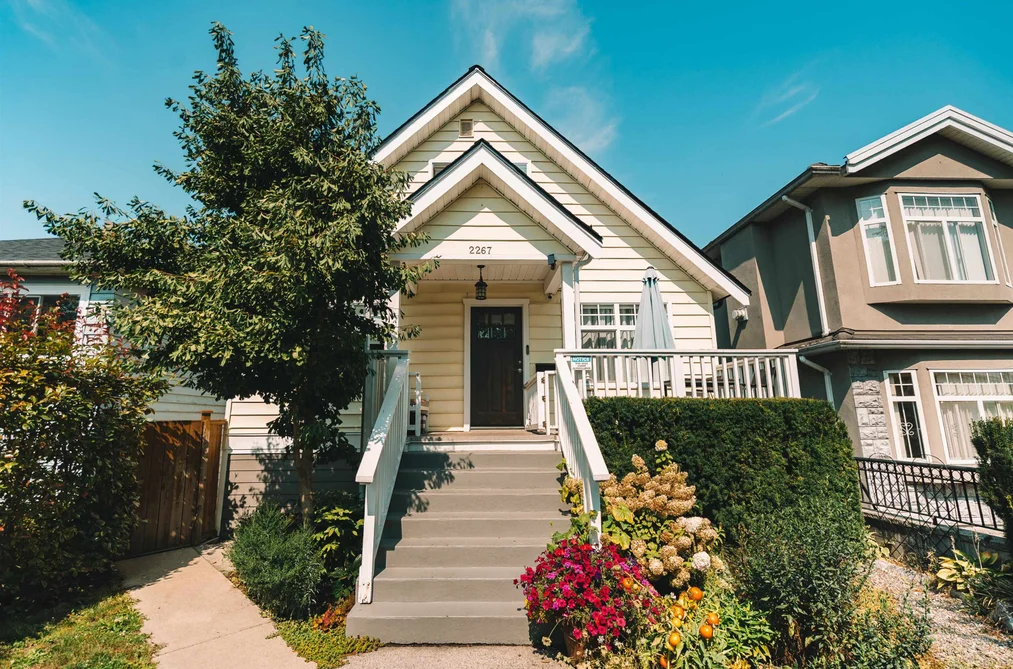
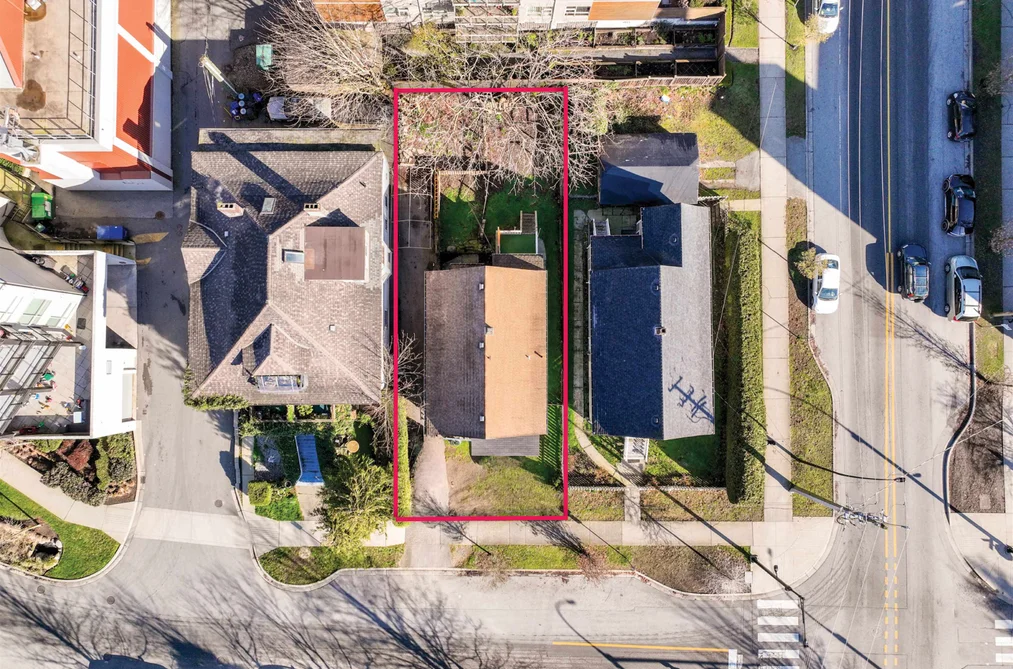
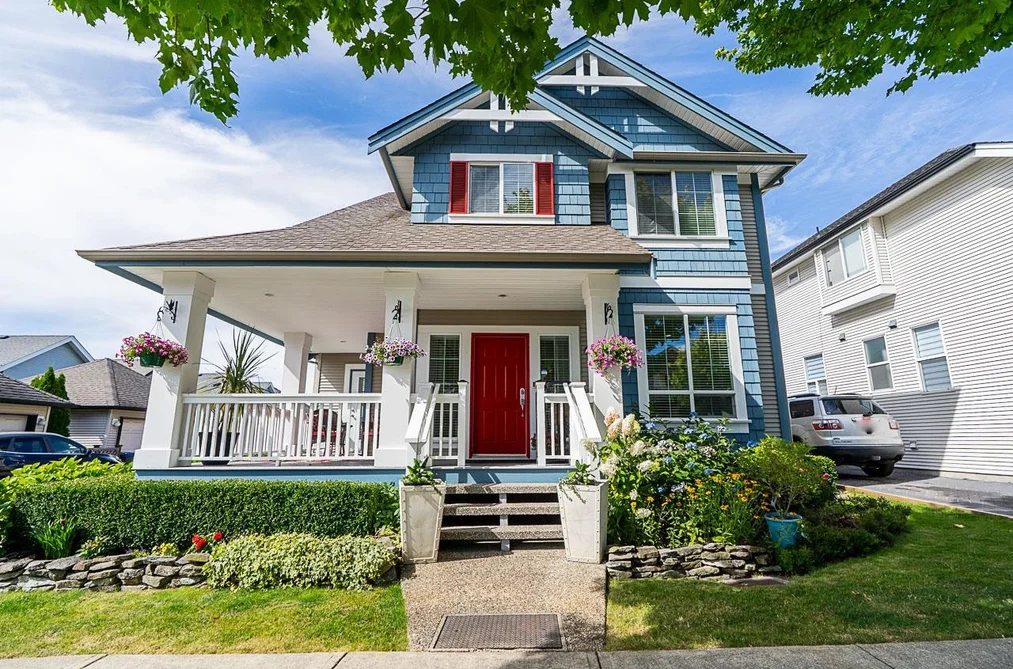
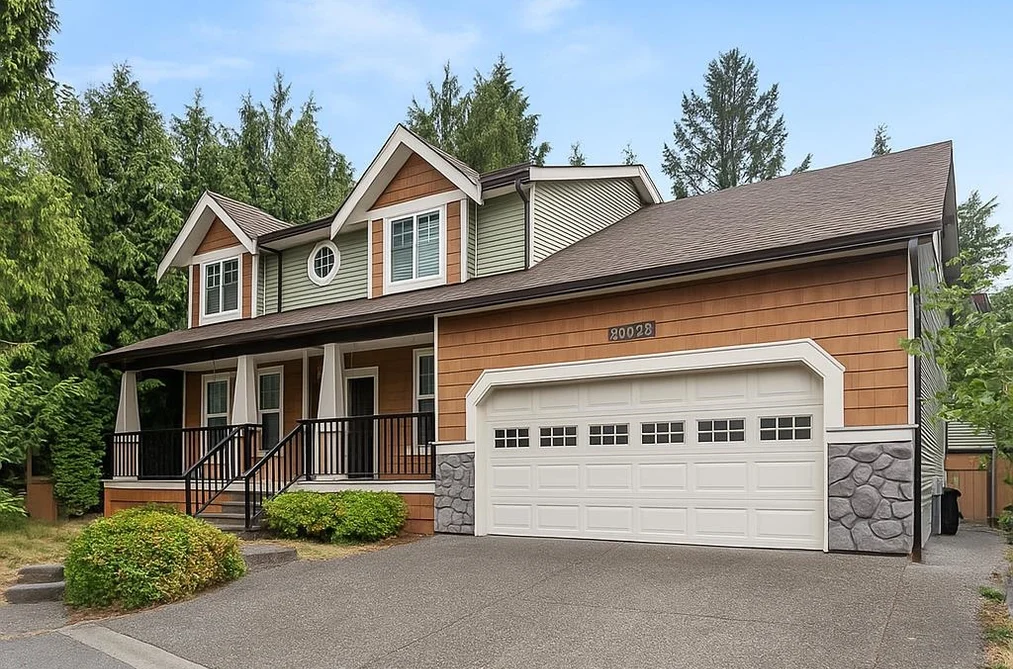
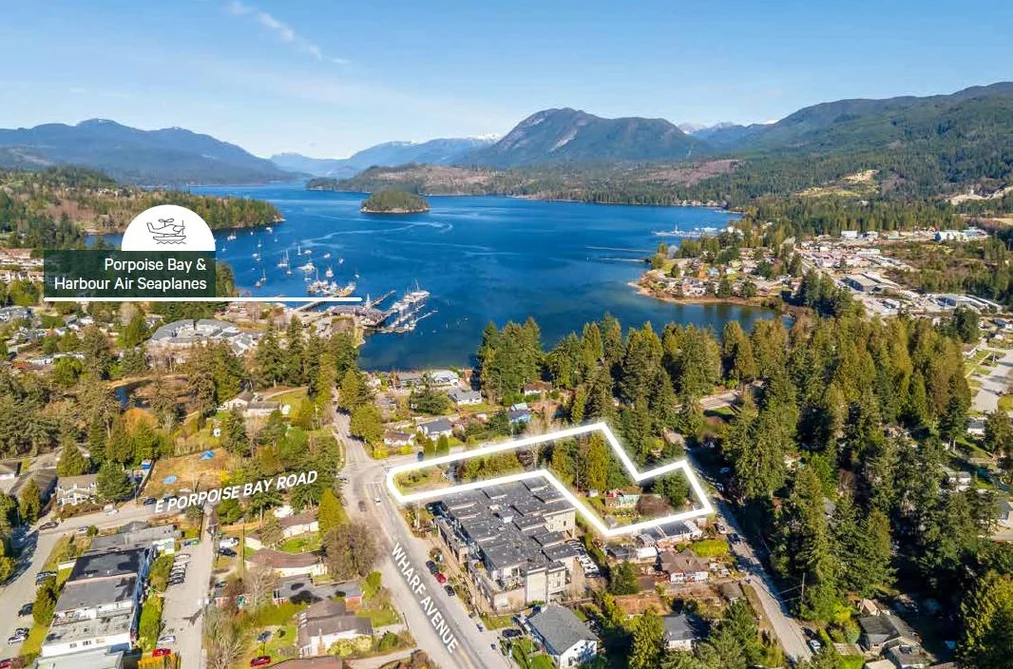
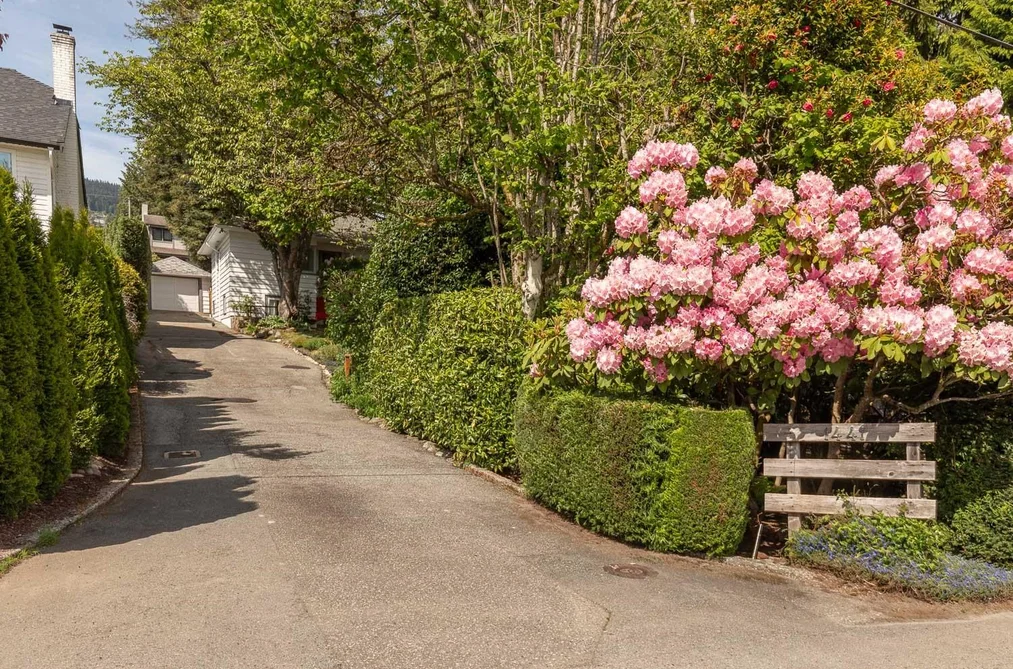
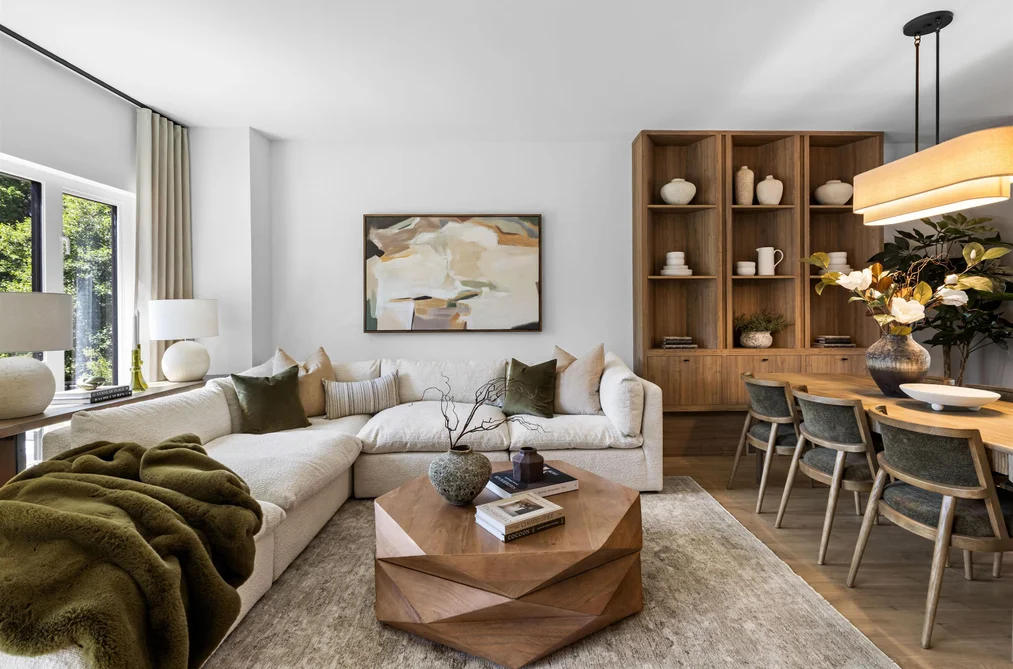
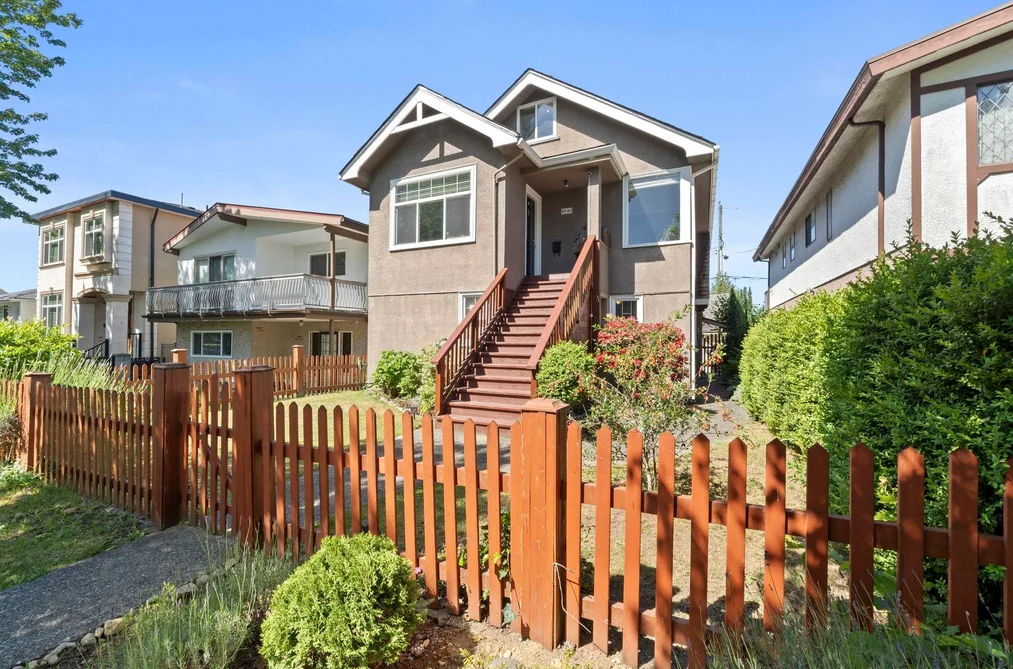
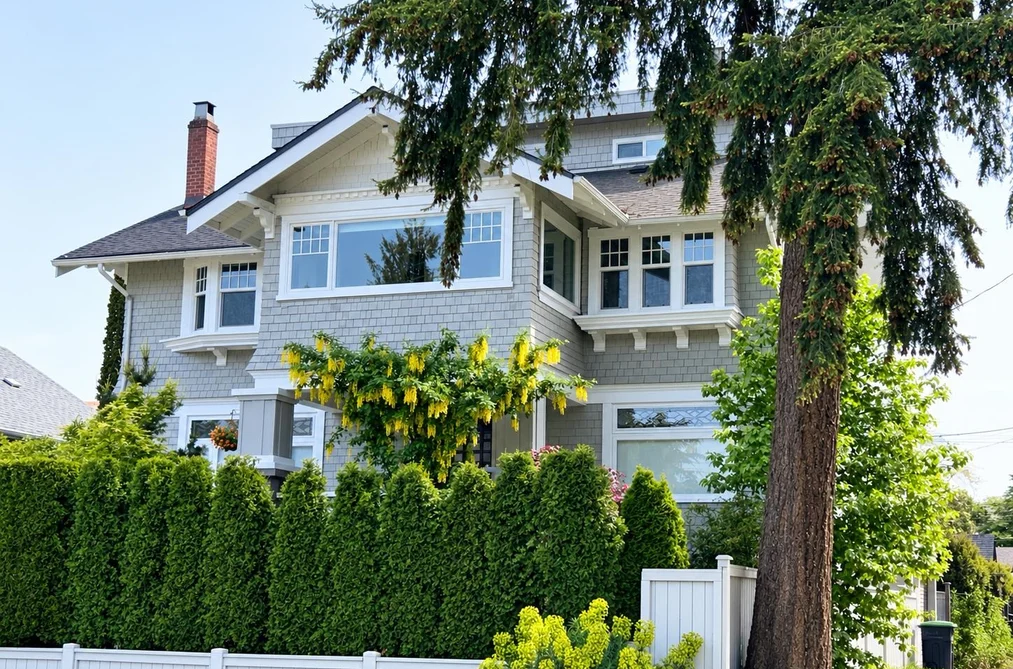
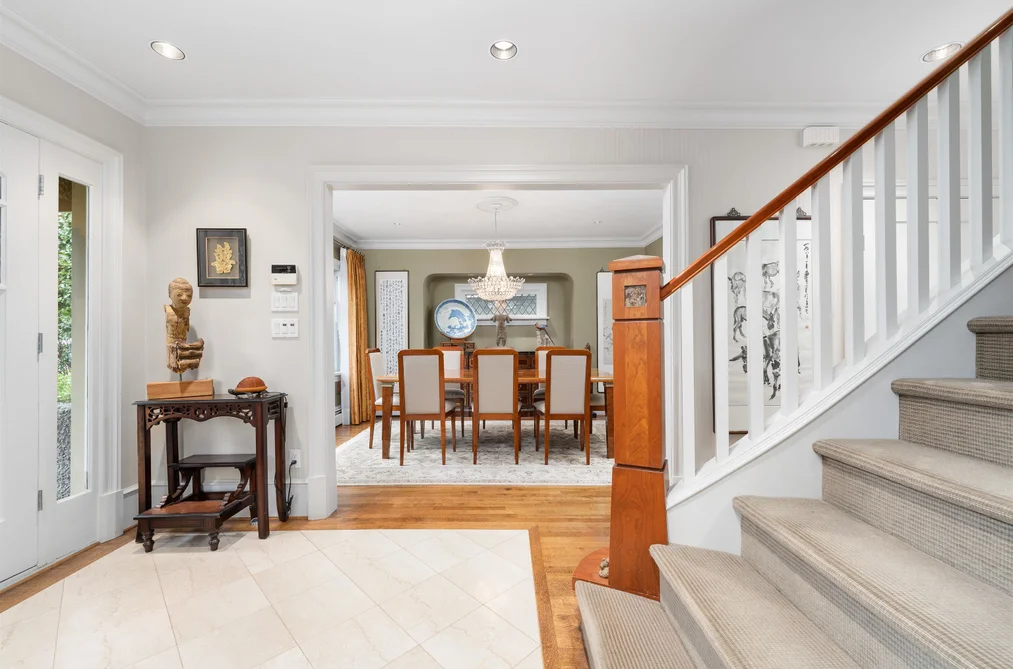
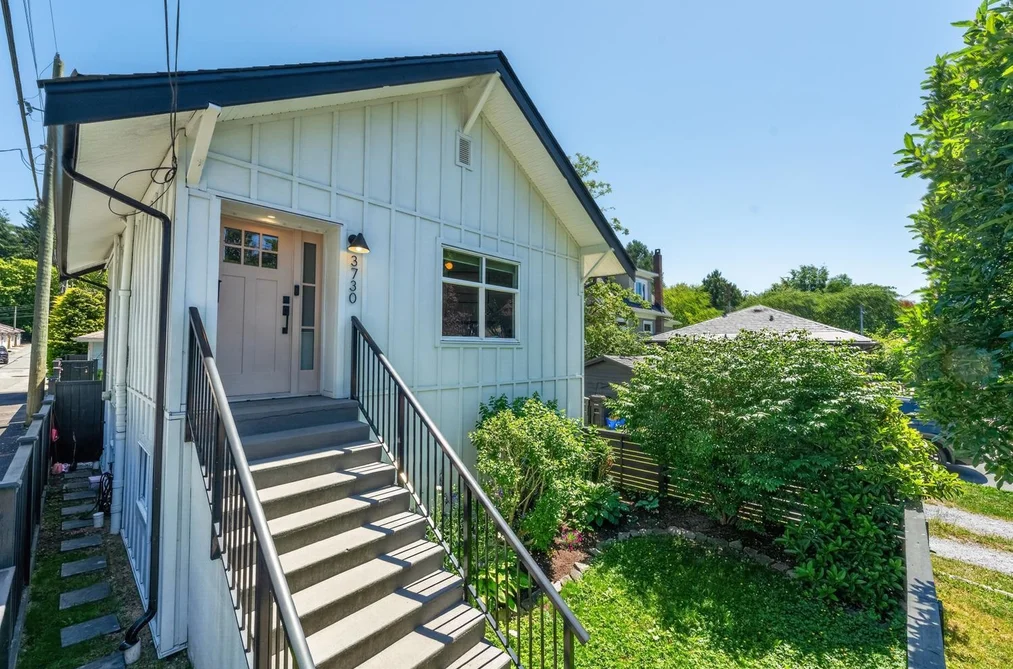
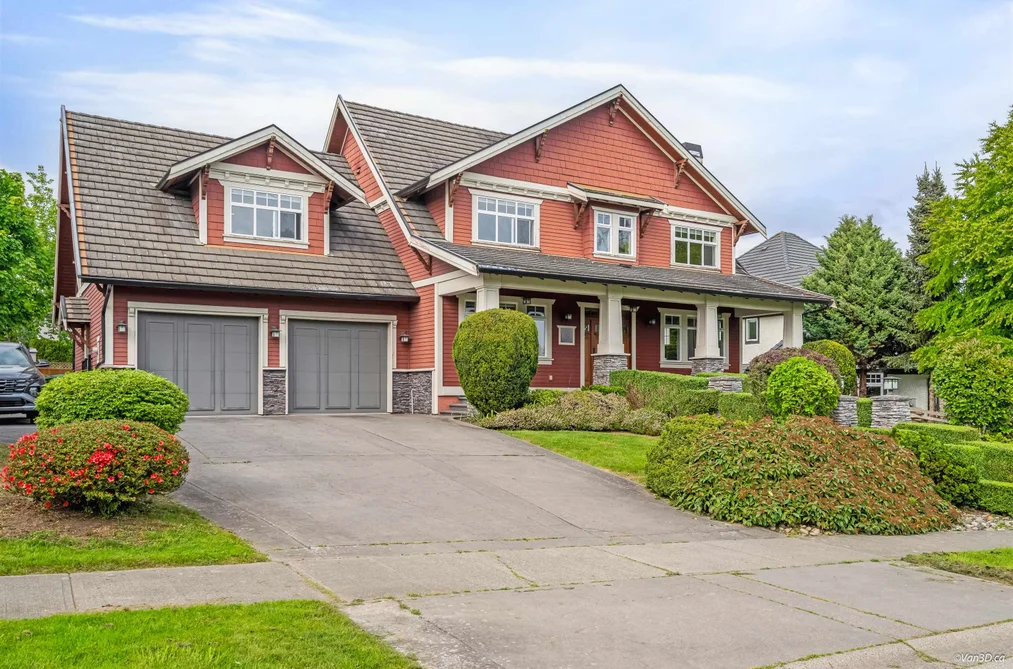
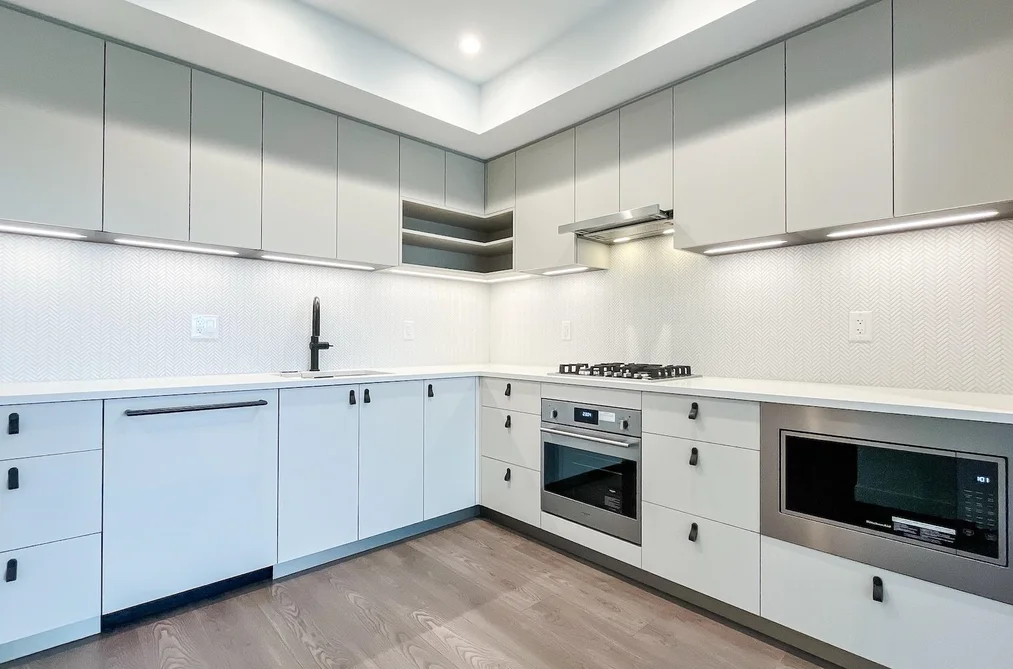
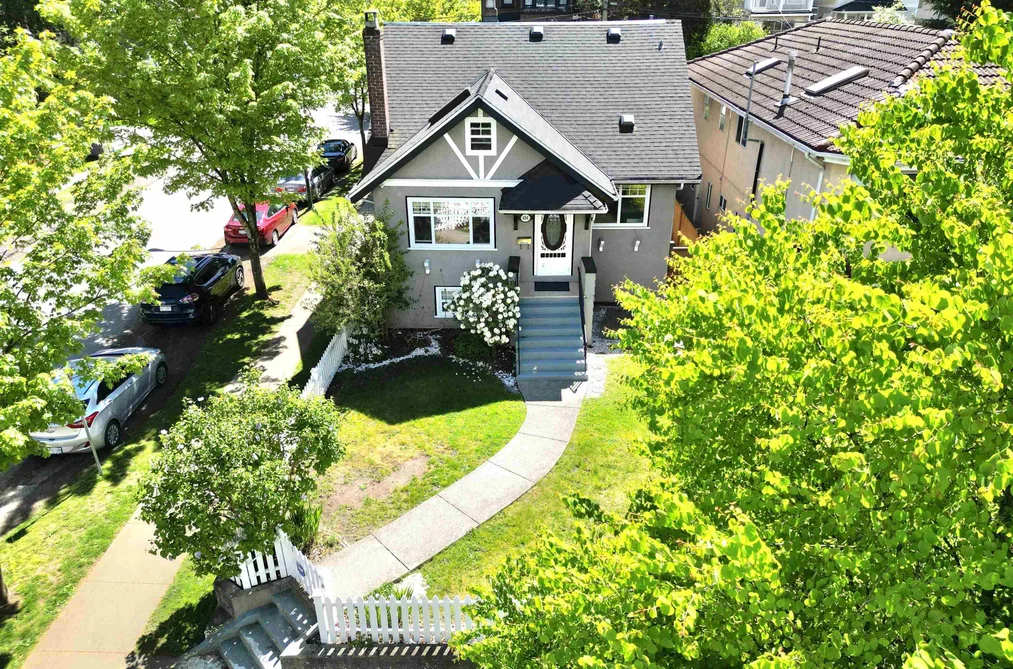
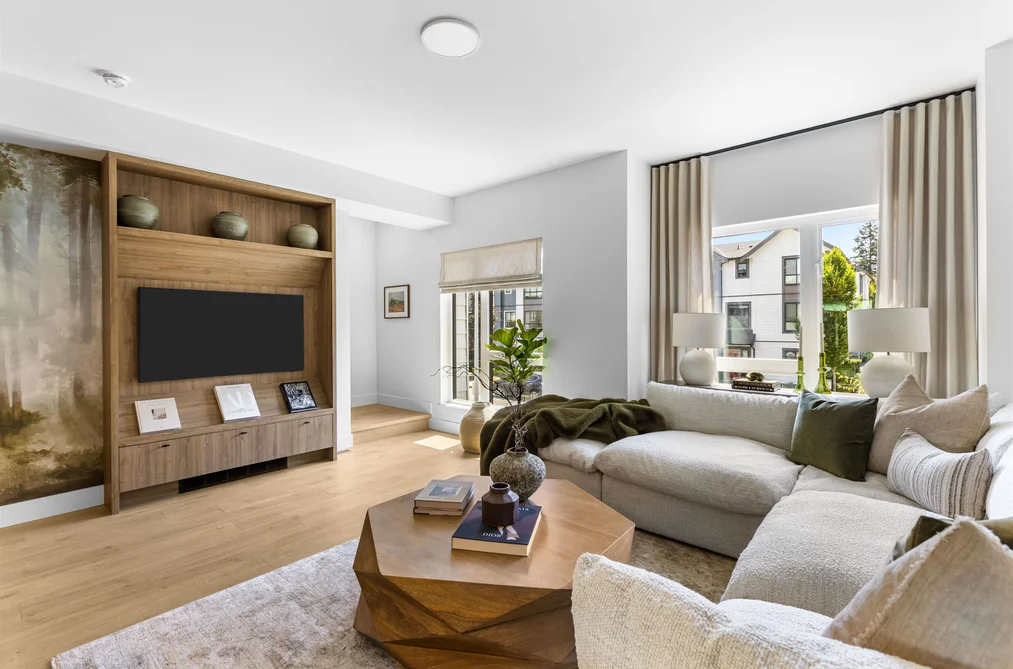
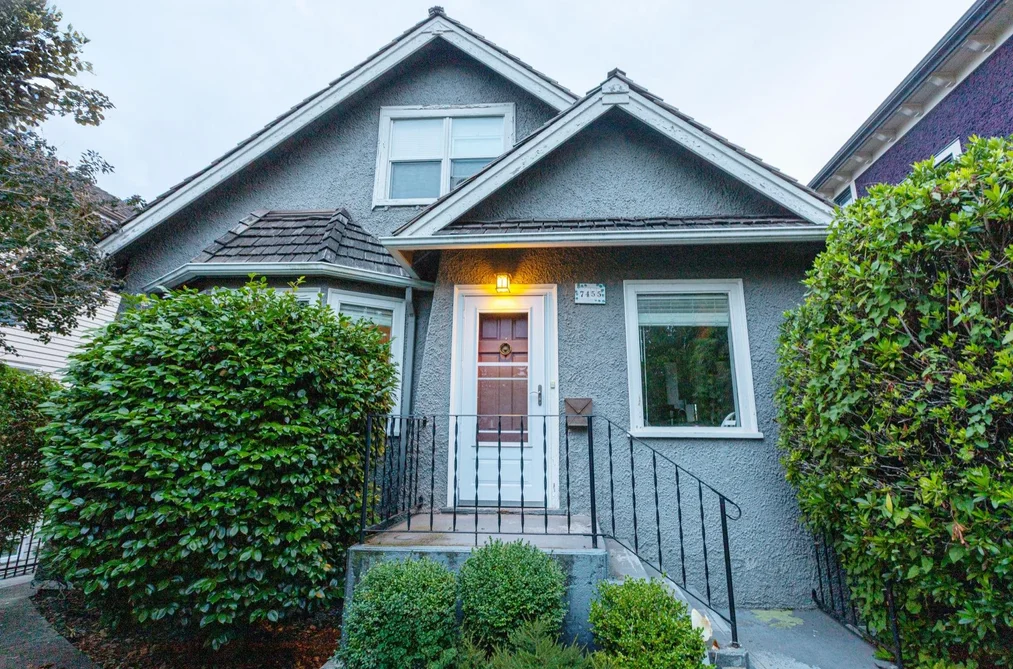
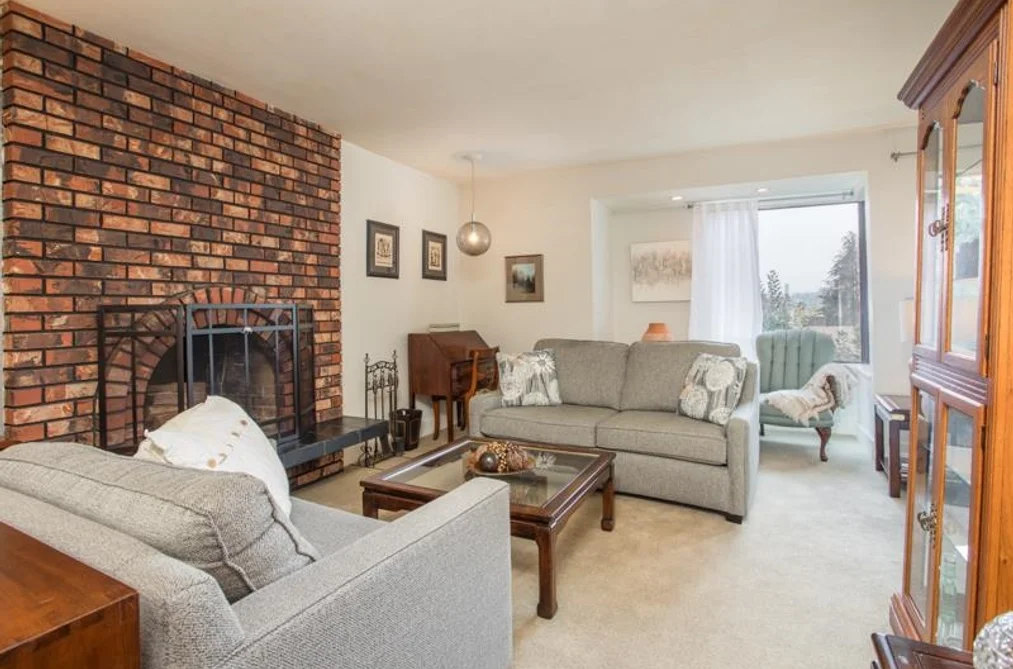
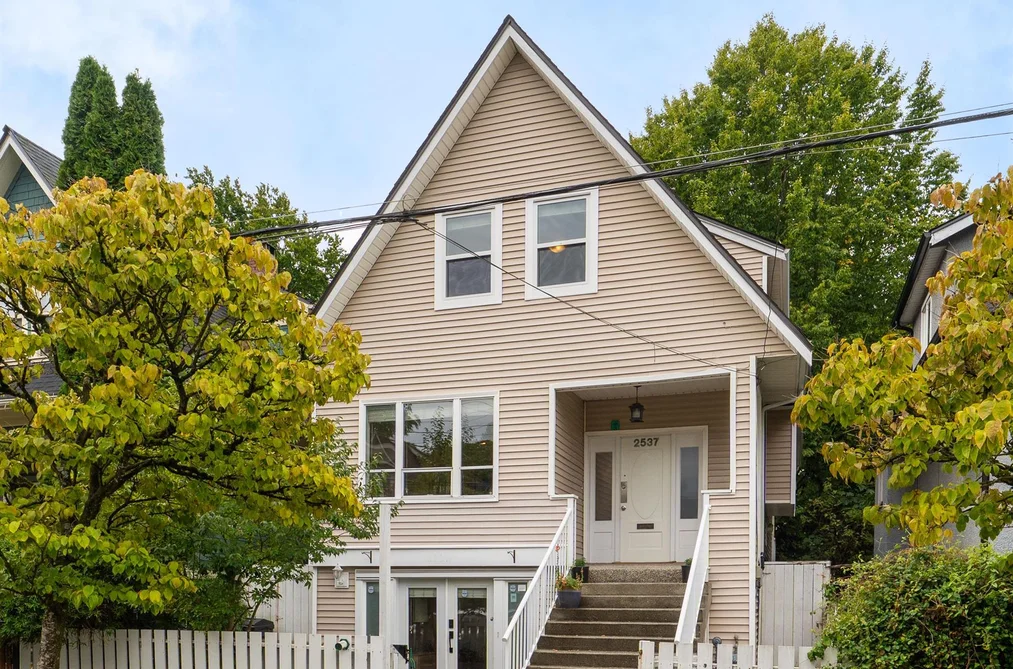
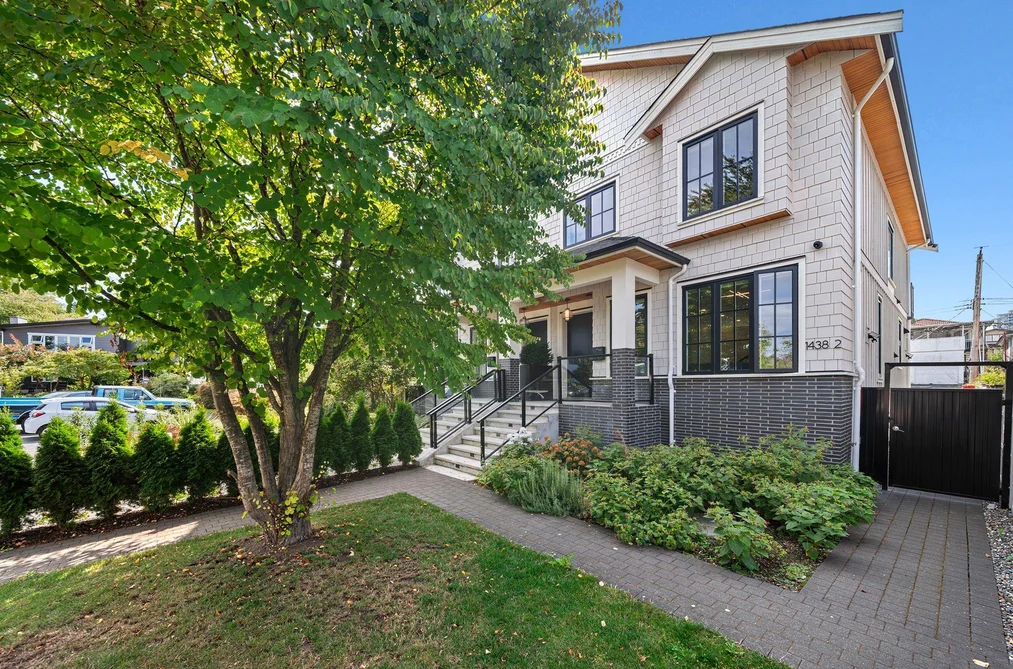
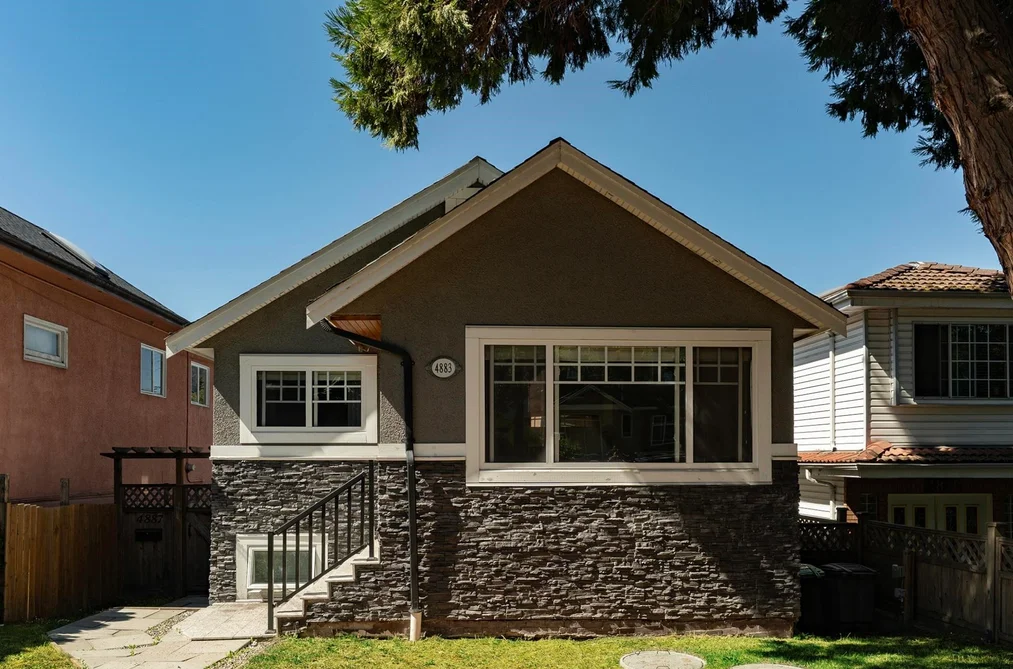
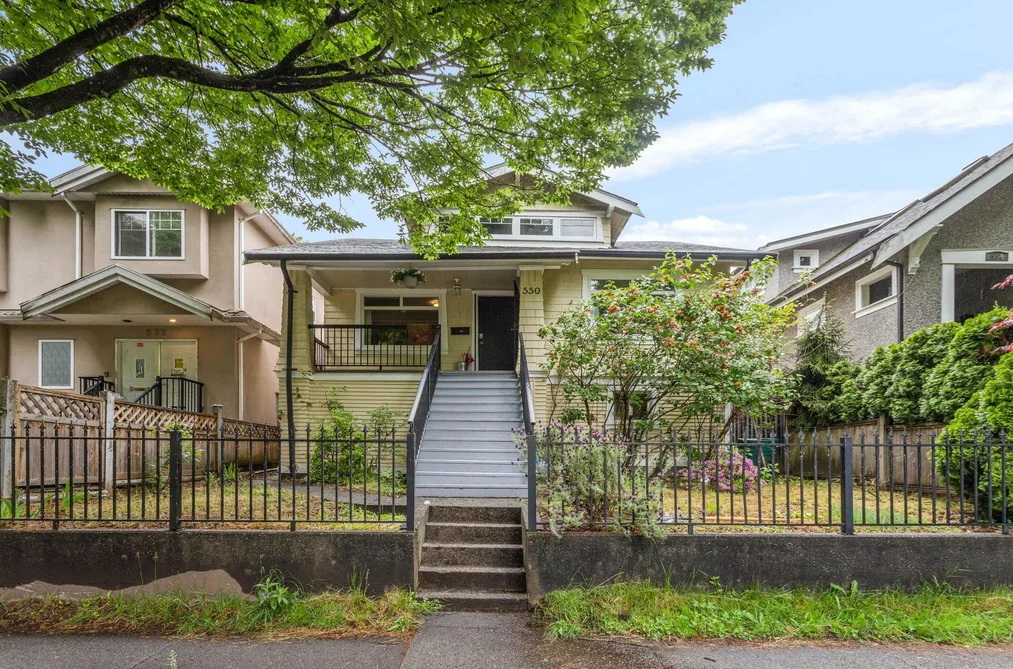
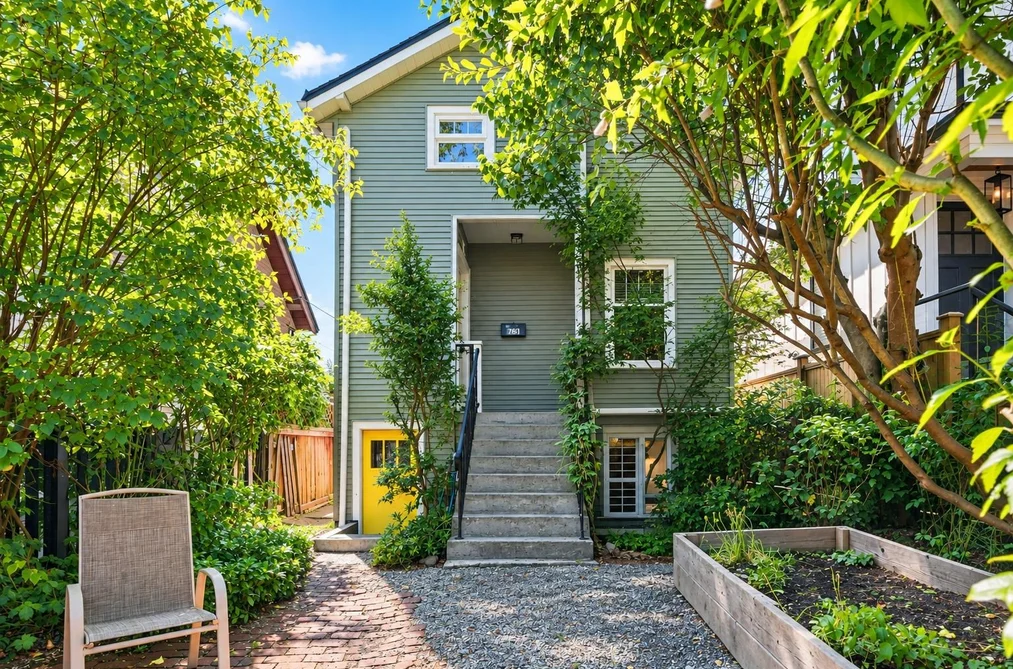
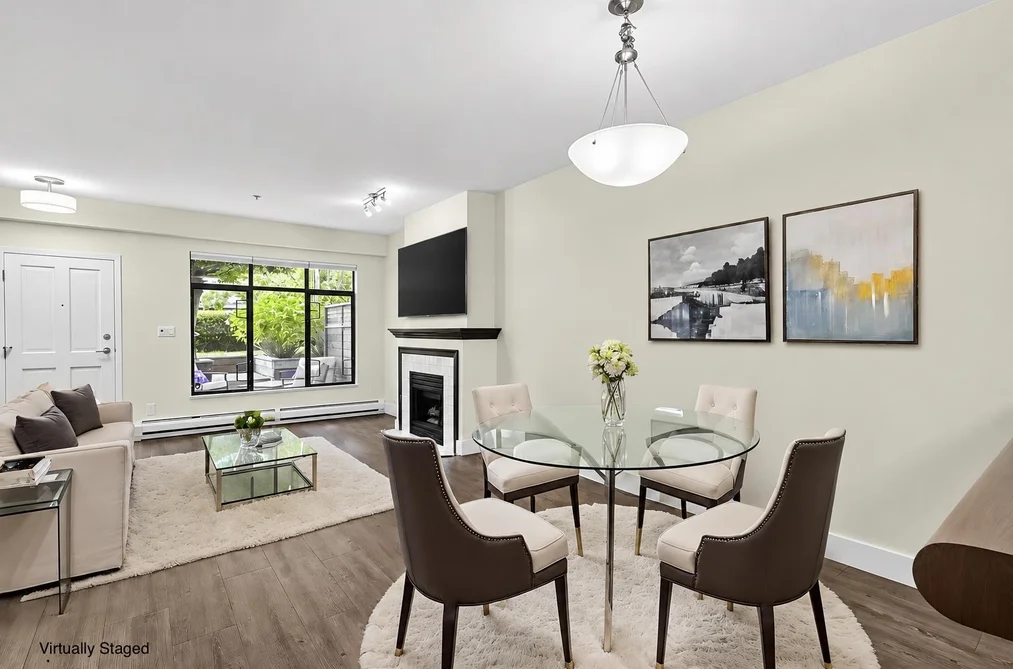
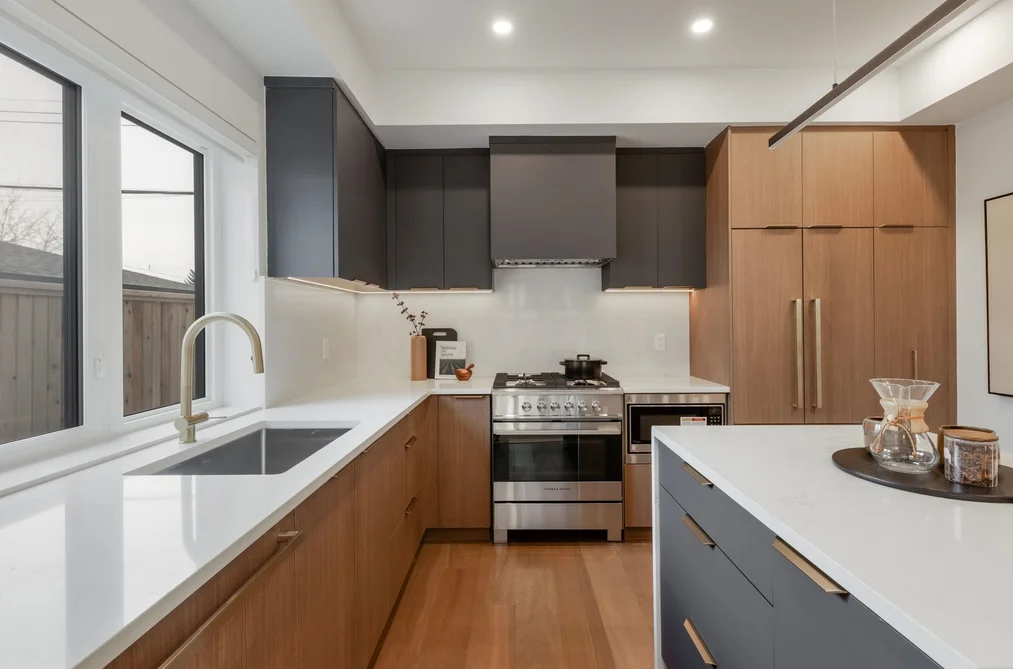
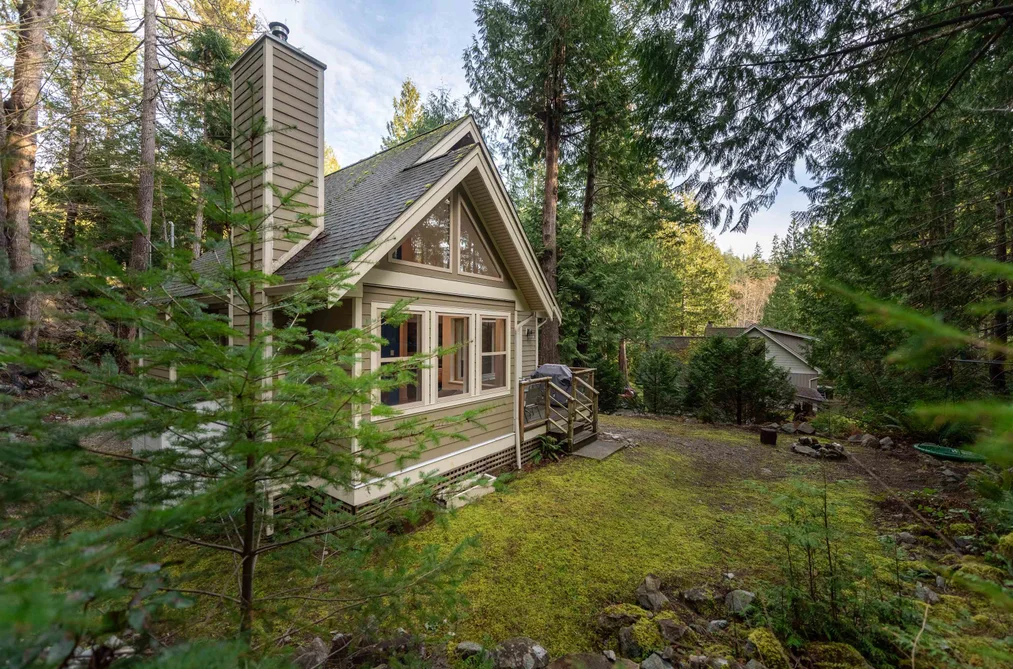
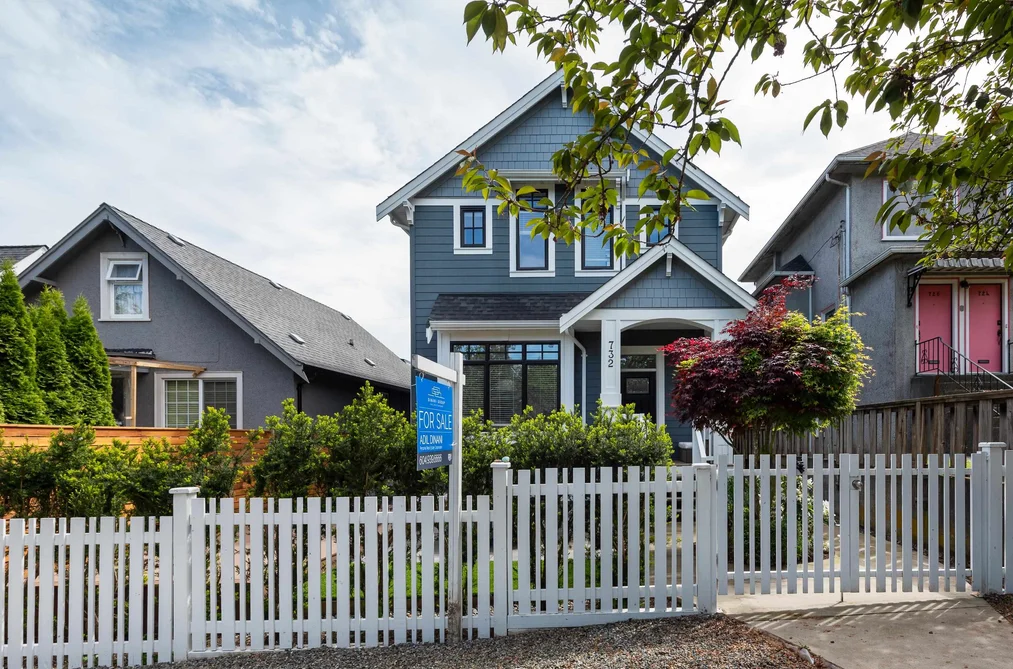
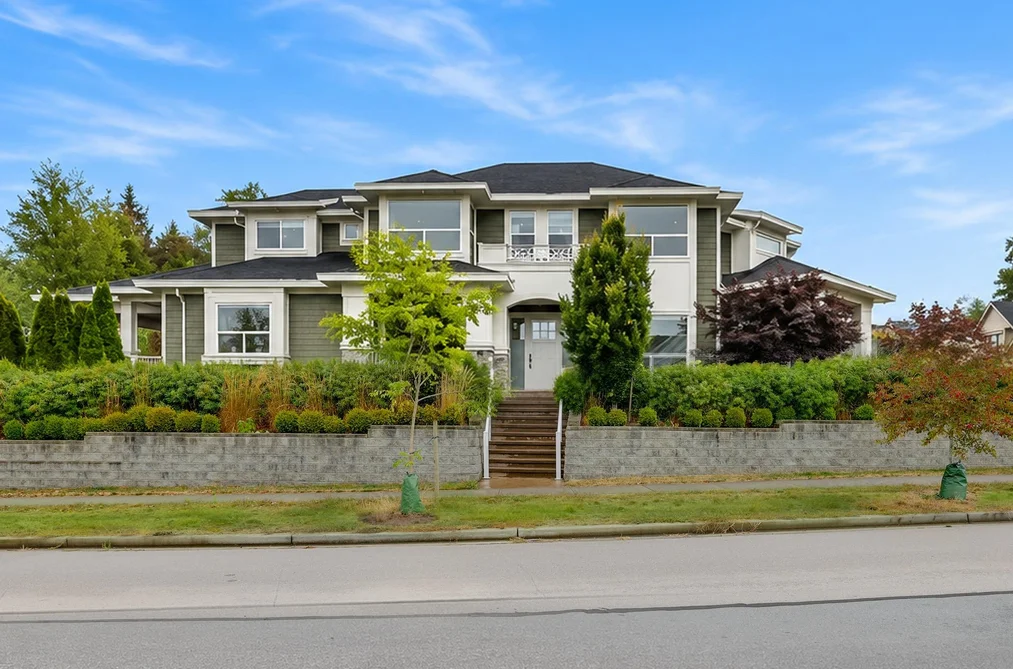
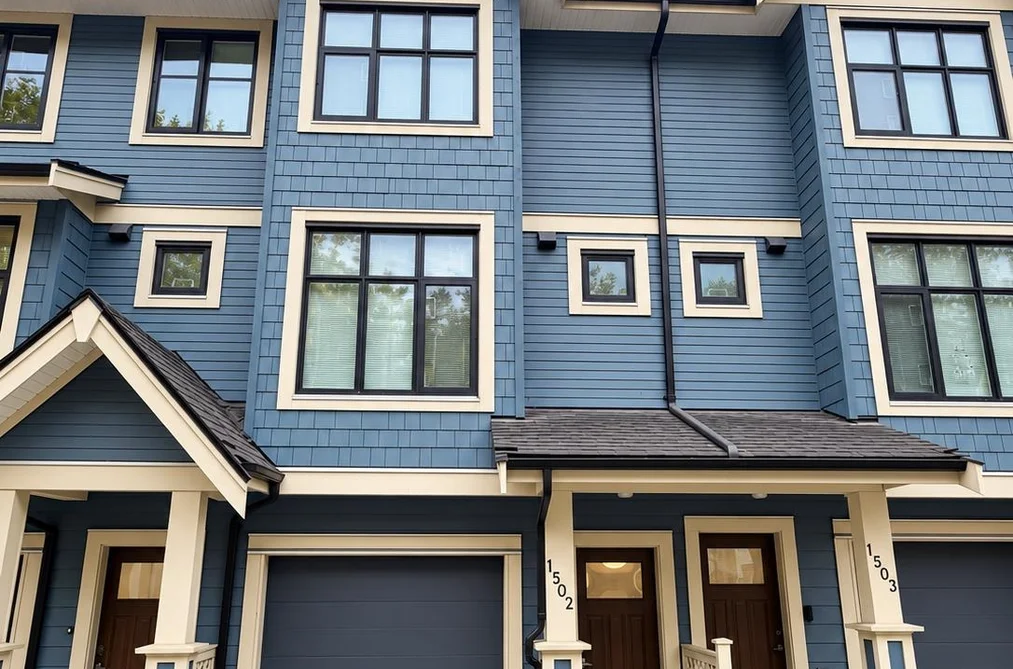
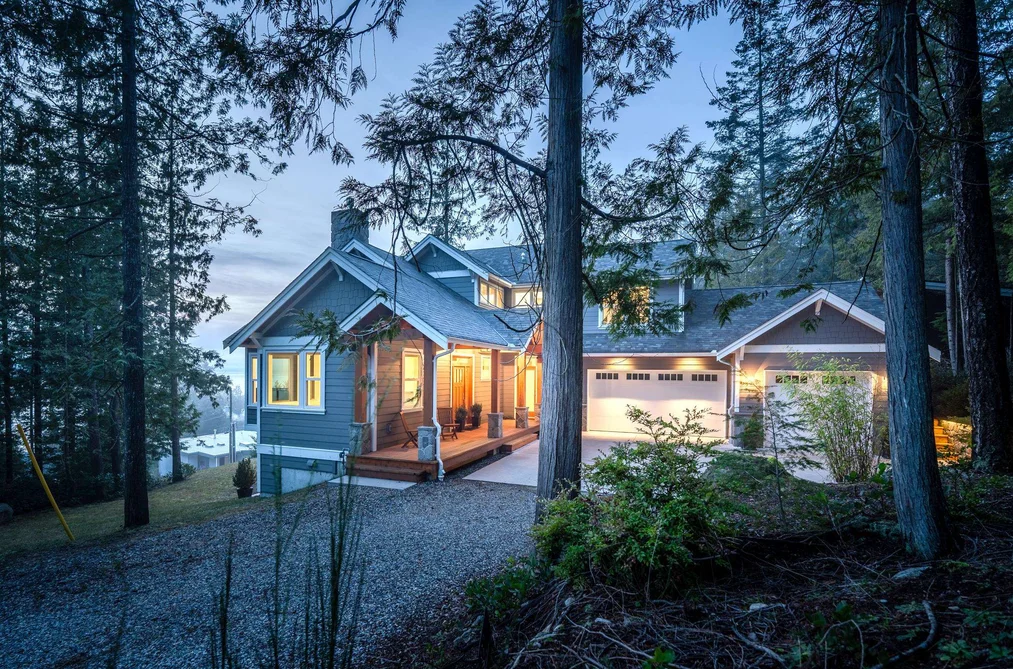
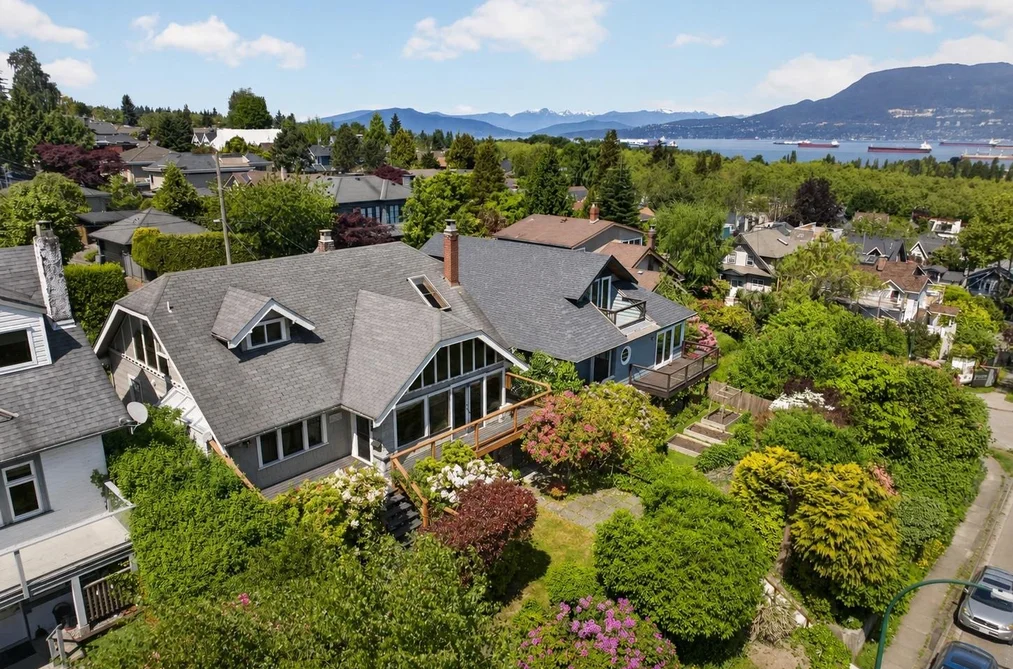
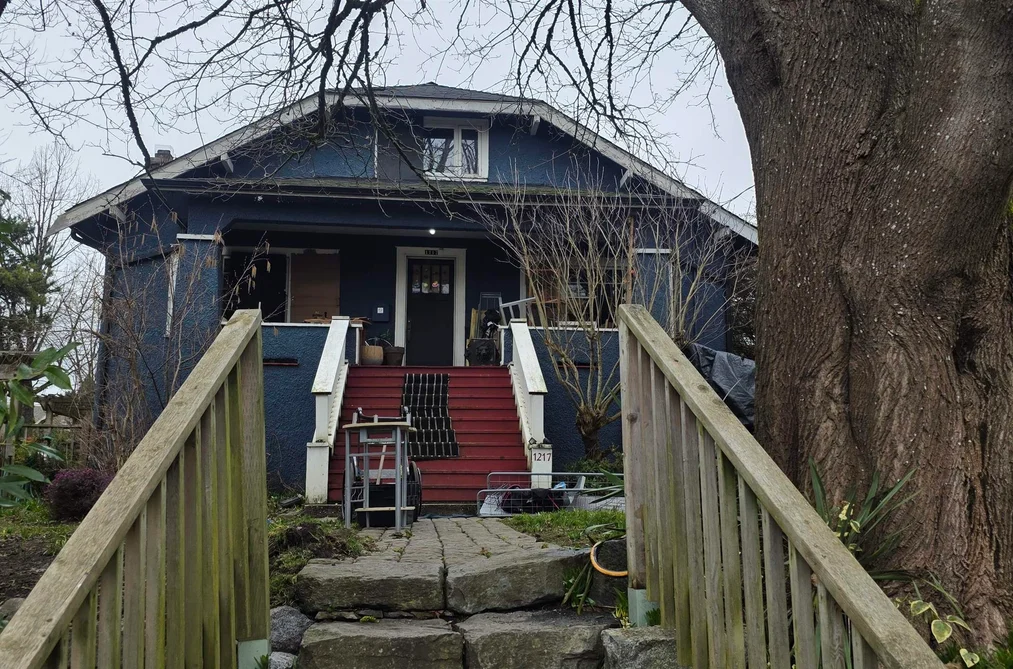
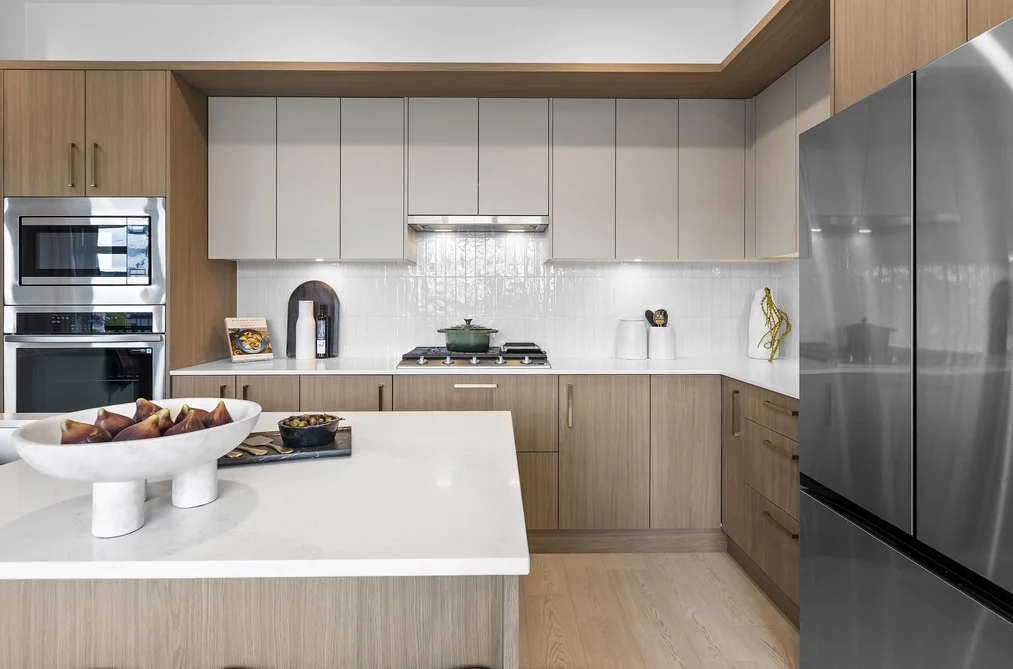
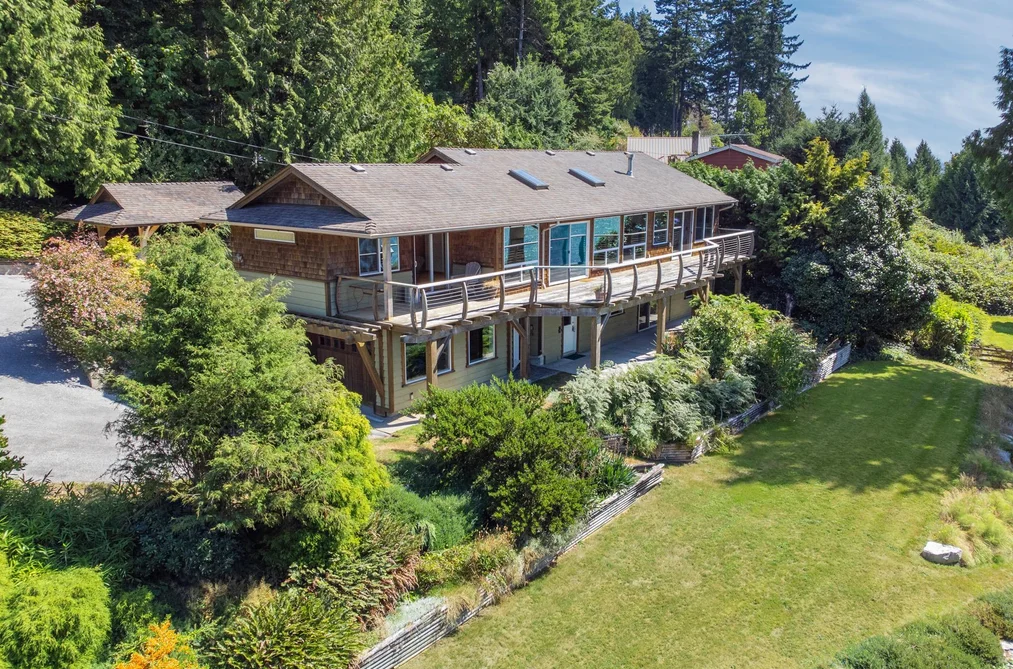
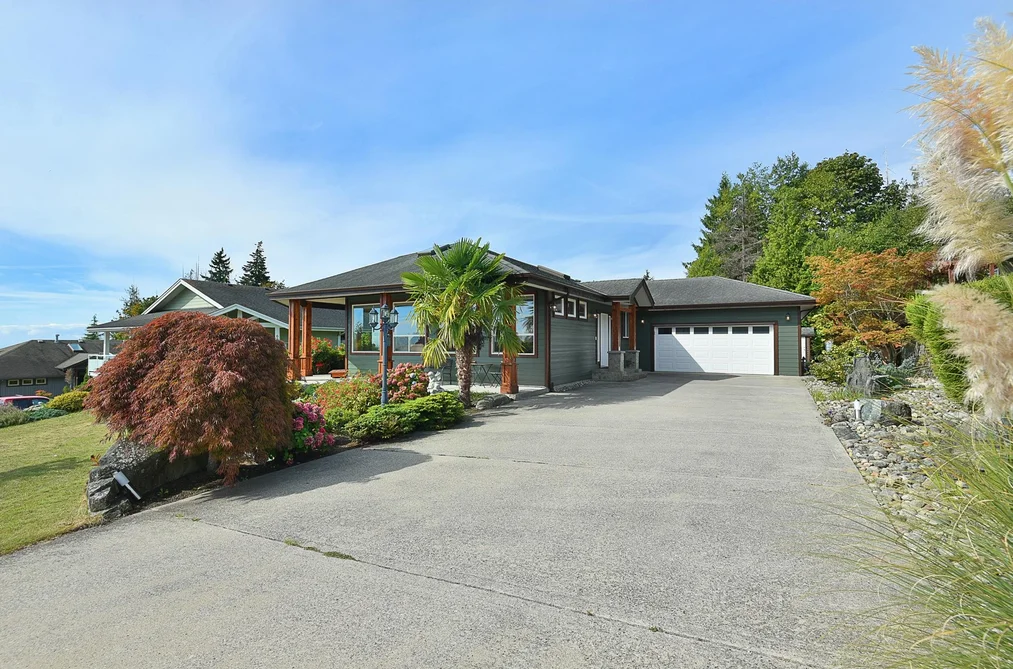
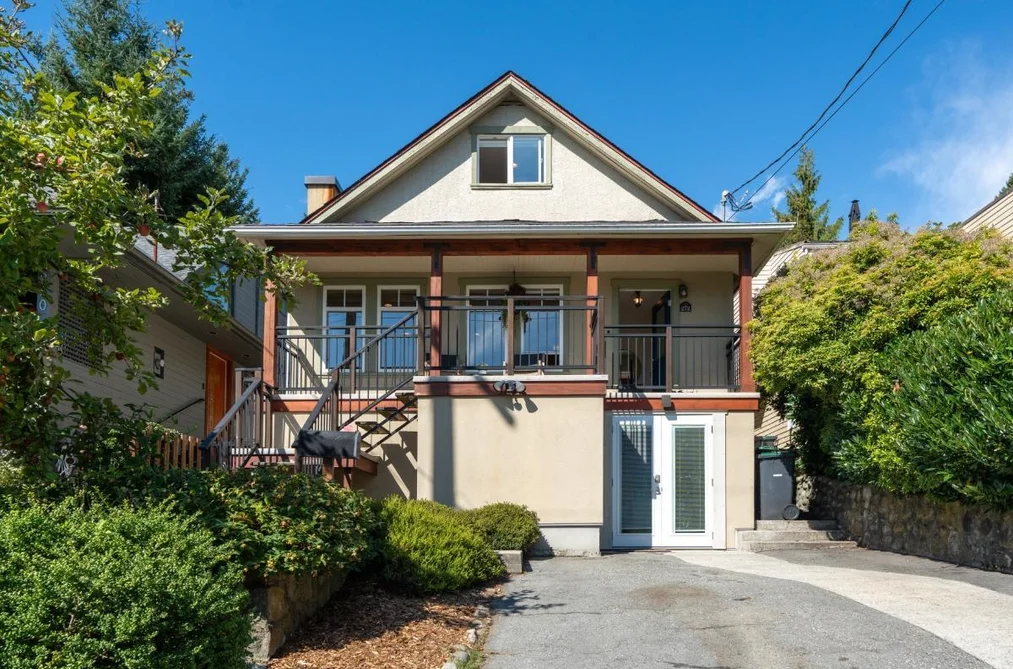
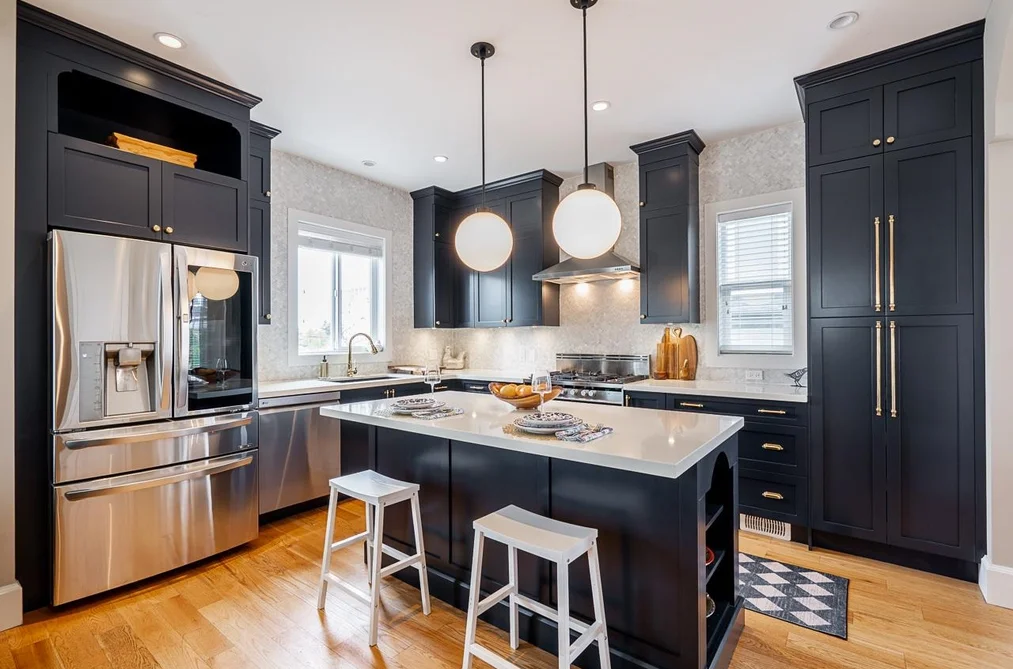
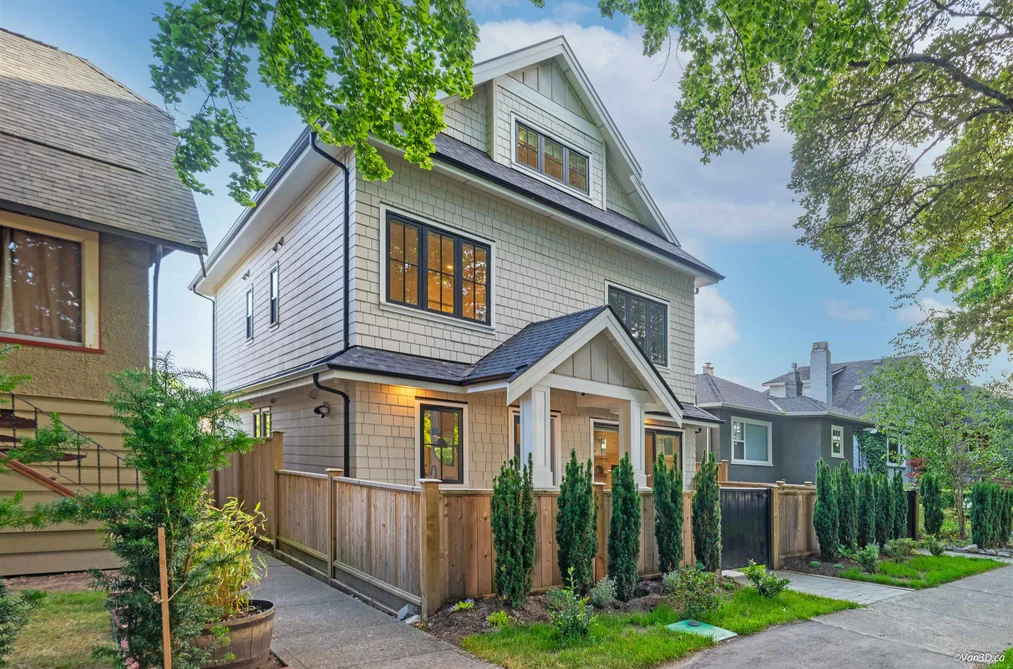
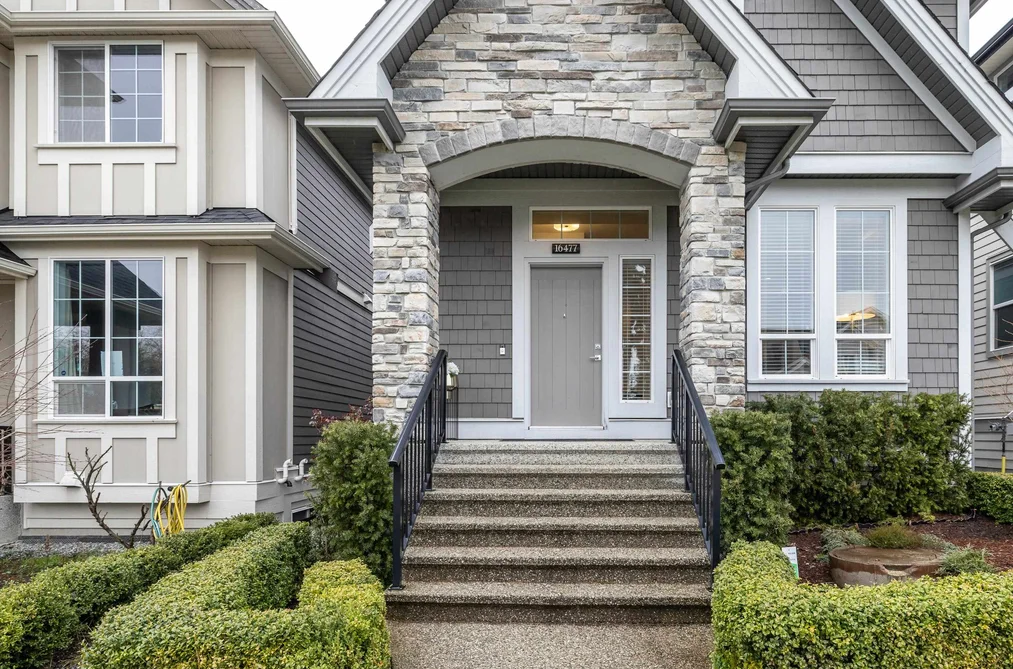
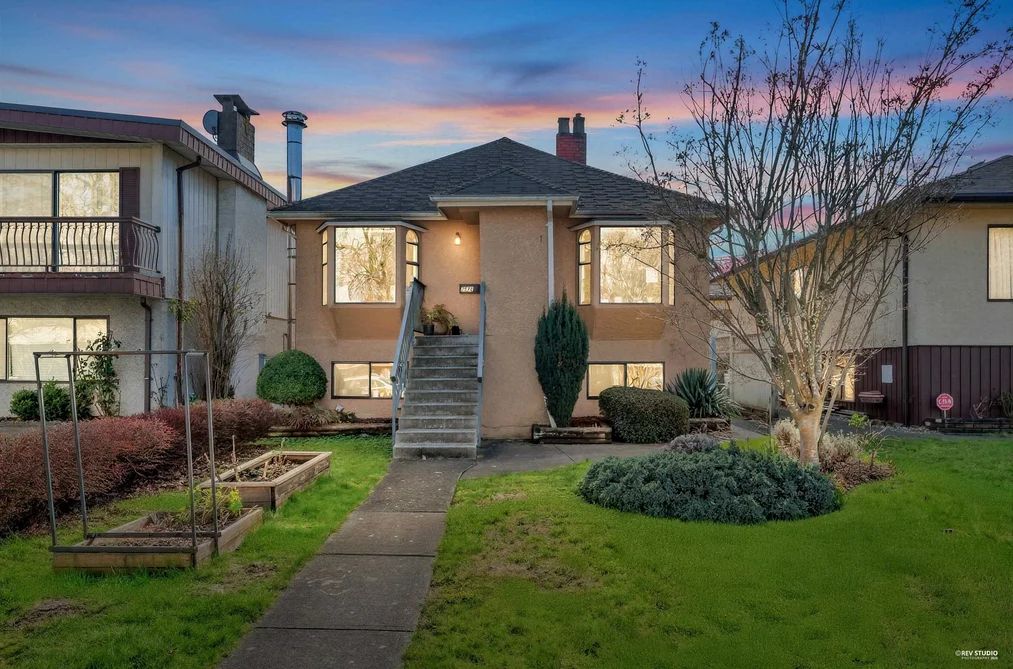
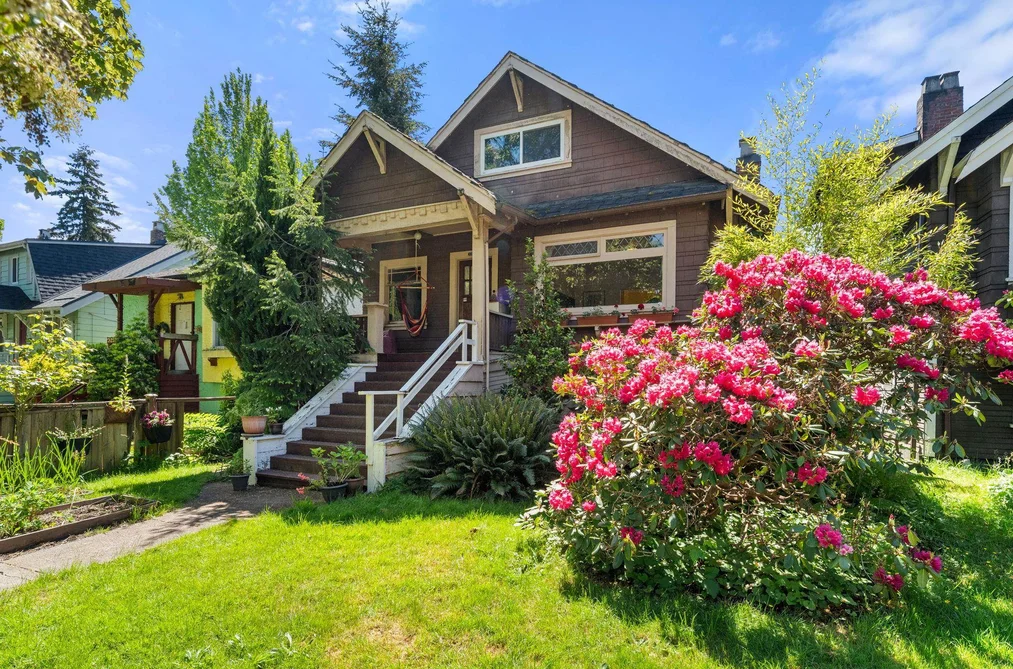
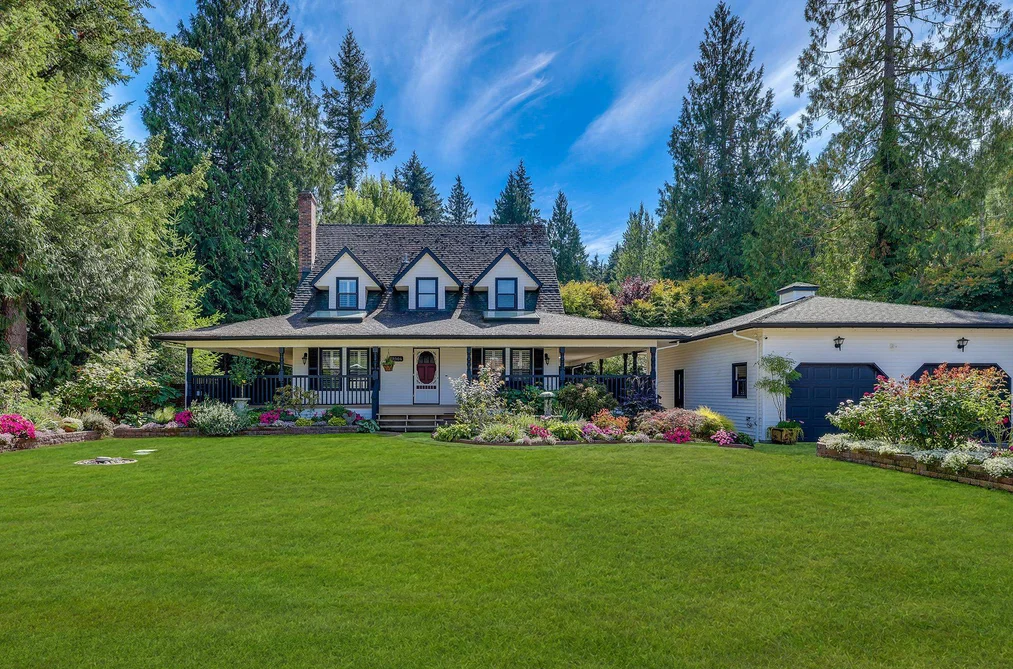
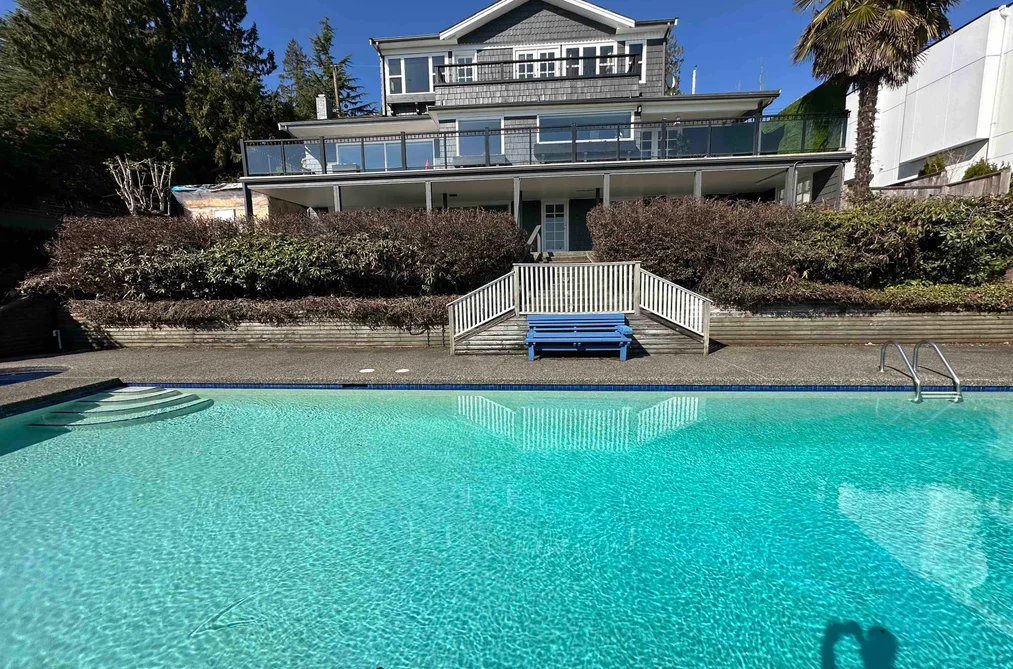
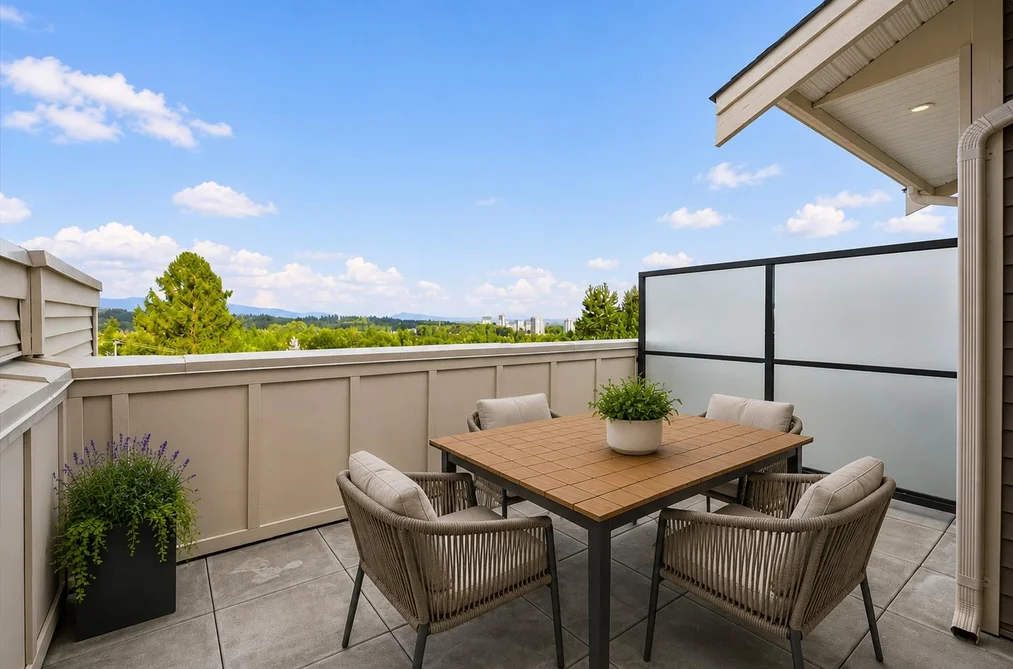
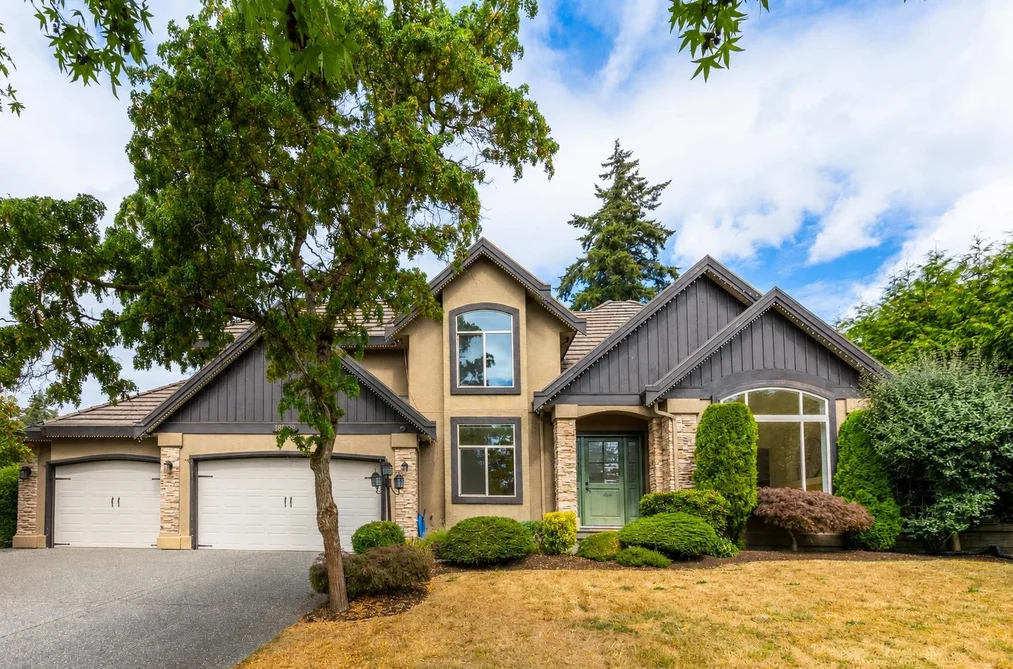
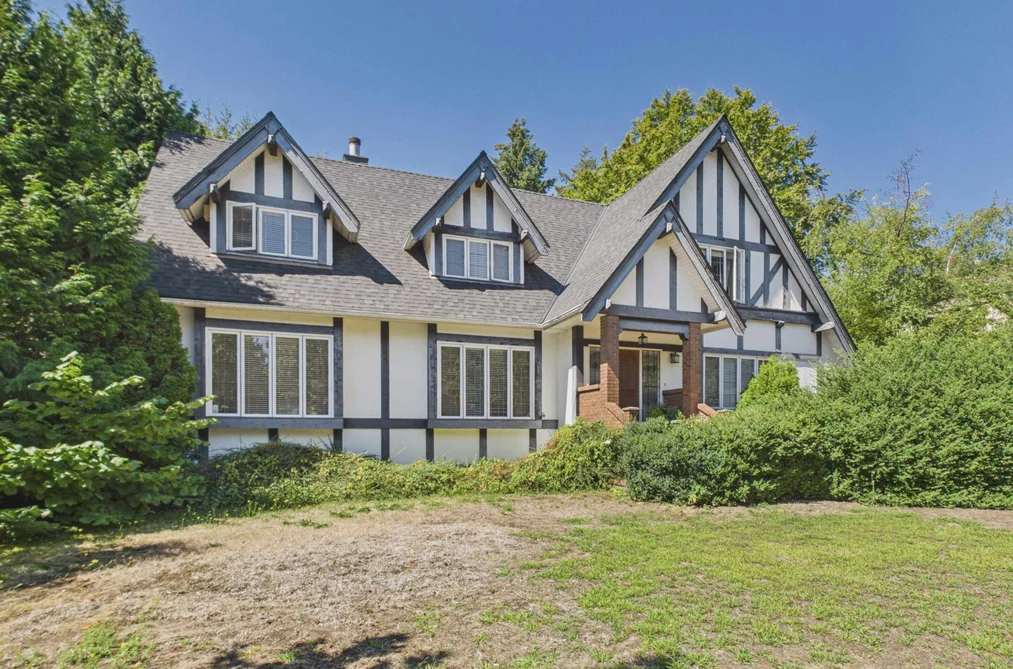
Character Home listings describe period houses that kept their original detail, so separate what is genuinely original from what was added later before you pay a premium for it.
The appeal is real: leaded glass, fir floors, box beams, a front porch and rooms with actual walls. None of that tells you anything about the parts you cannot see. Book an inspector who works on pre-war housing specifically, because a general inspection will not know what to look for in a house of this age.
Start with the foundation. Many of these houses sit on the original concrete or on a rubble foundation, and settlement, cracking and moisture ingress are the expensive problems. Then the systems: knob-and-tube wiring, galvanised supply plumbing and a drainage system that predates modern standards each carry a cost that is not optional, and your insurer will ask about at least two of them before it will write a policy.
Price the work before you offer, not after. A perimeter drain replacement, a rewire, a new sewer line and roof work are the four that recur across these properties, and any of them can arrive in the first years of ownership. Ask when each was last done and get the answer documented.
Then think about how you will live in it. Original layouts put small rooms off a central hall and a single bathroom upstairs, which suits some households and not others. Opening that up is possible but it is structural work, and in some cases it removes exactly the character you paid for. Walk it deciding whether you want the house as it is.
The same era of house costs very different money depending on where it stands. The Westside carries the highest prices, East Vancouver and Hastings-Sunrise sit below it, and the Fraser corridor, the North Shore and out through the Fraser Valley to Chilliwack each price differently again. A house with a mountain outlook or a lot that could hold more than it currently does carries a premium of its own.
Ask your REALTOR® for the sold history on comparable houses in that specific neighbourhood rather than a city average, because the spread across Greater Vancouver is wide enough to make an average meaningless. Search by street as much as by area.
A renovation done well adds value; one done over the top of a problem hides it. Ask for permits on every visible update, particularly a finished basement, a bathroom addition or a bedroom created in the attic. Unpermitted work becomes yours at completion, and a lender or insurer that discovers it later will treat it as your problem.
Look at what an update replaced, too. New flooring laid over original fir, vinyl windows in openings sized for wood sash, and a kitchen that removed the pantry all reduce what a future buyer is paying the premium for.
This part of the market rewards patience. Supply is finite and shrinking, so the property that suits you may not be listed this month. Many of these lots also carry income potential through a legal suite or a laneway home, which changes what a mortgage on the house actually costs you each month.
Browse and compare current character home real estate listings on Strawhomes, filter by area and bedroom and bathroom count, and shortlist only the houses whose inspection and permits you have seen. Look at formally designated properties alongside them, since the two overlap and the obligations are not the same.