For Sale
2 days
- $9,980,000
- 5 bed
- 6 bath
- 4148 sqft
MLS® R3169723
•Rennie & Associates Realty Ltd.
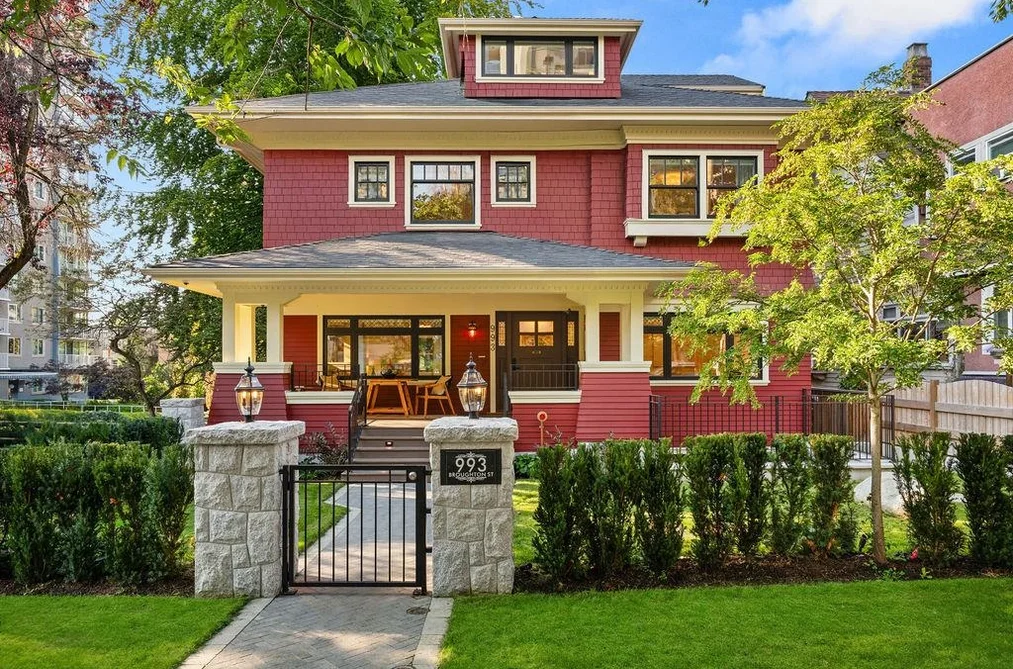
Browse Legal Suite homes for sale in British Columbia and verify the permit, the final inspection and the municipal fees before you rely on the suite.
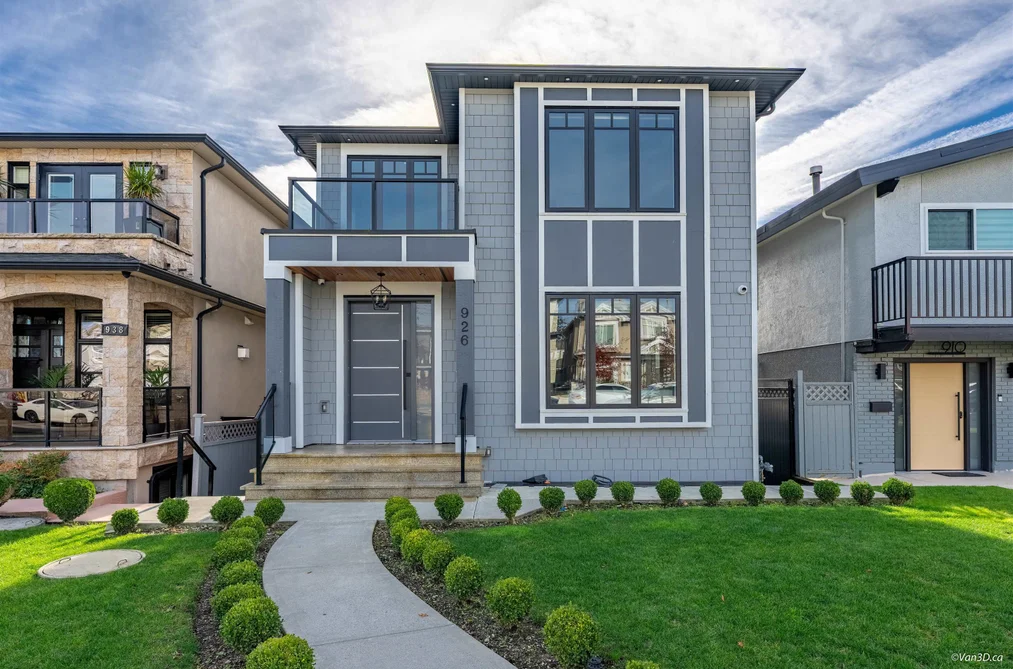
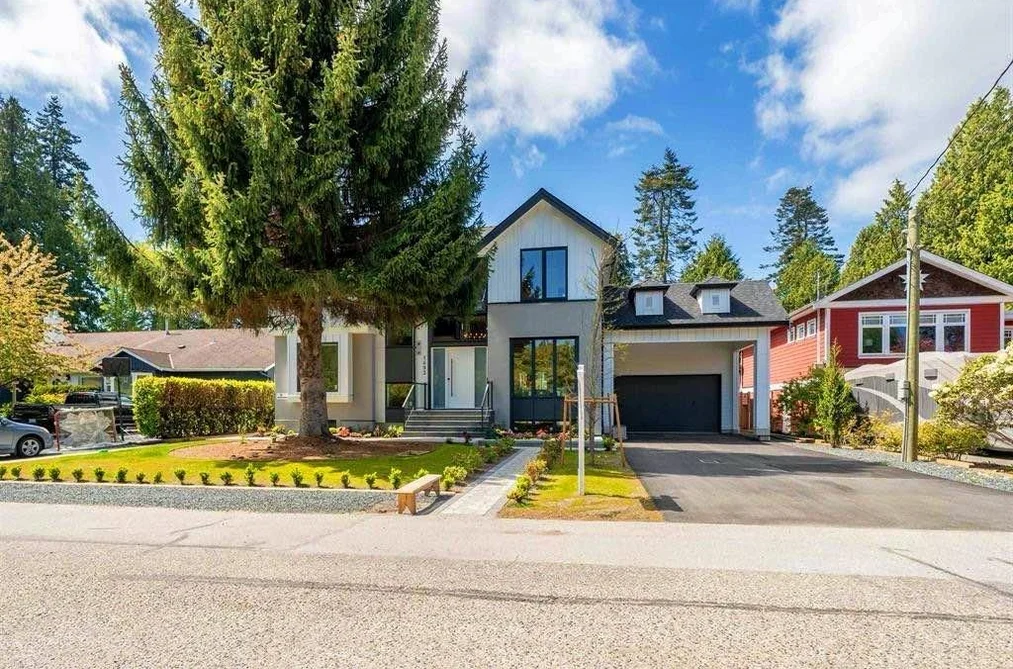
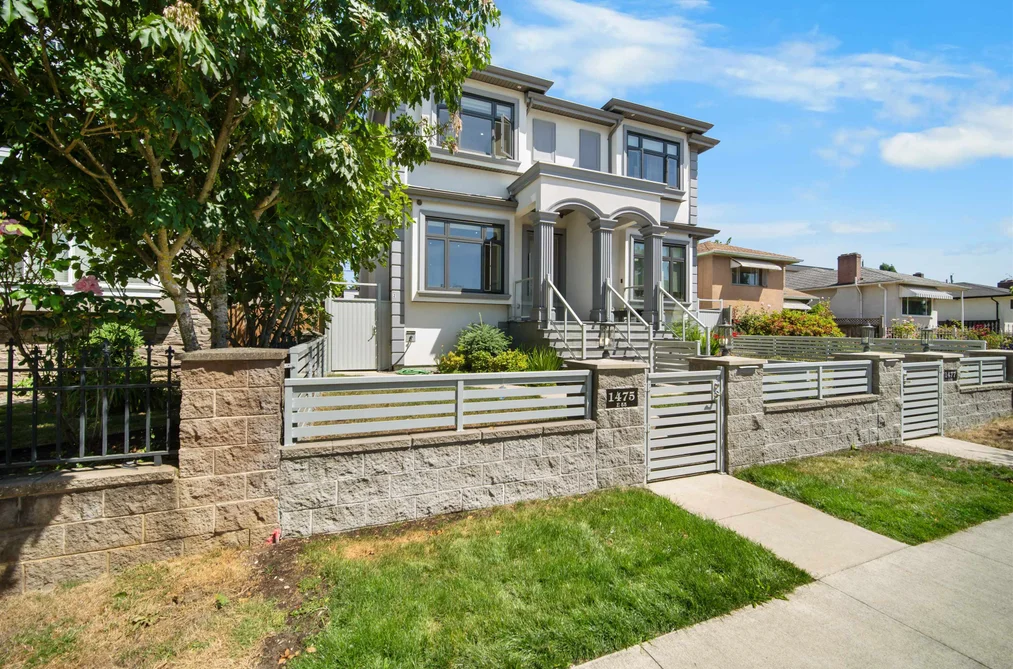
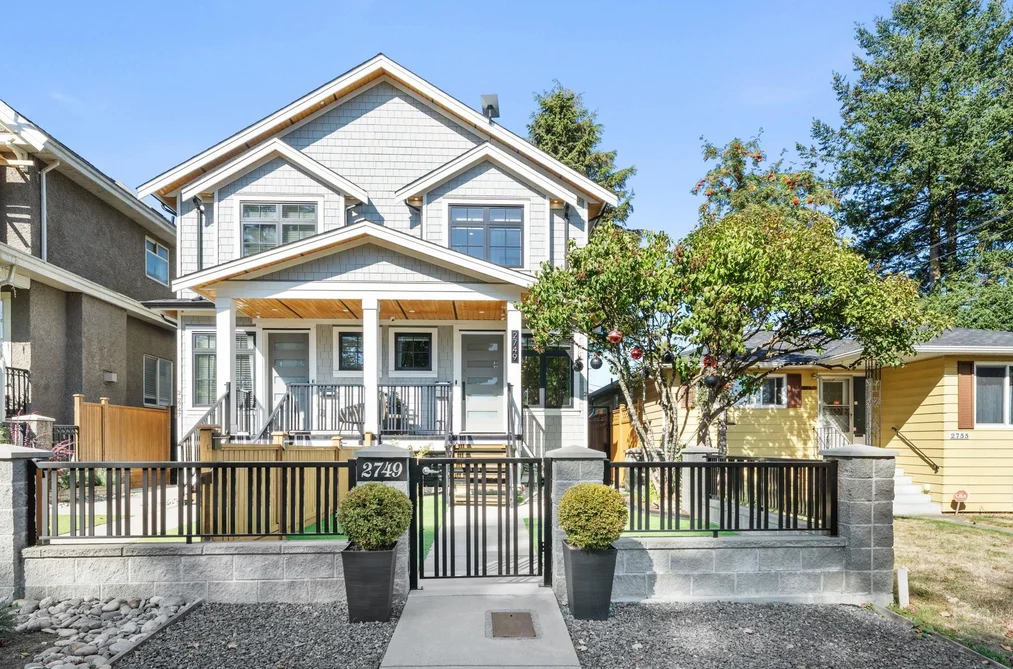
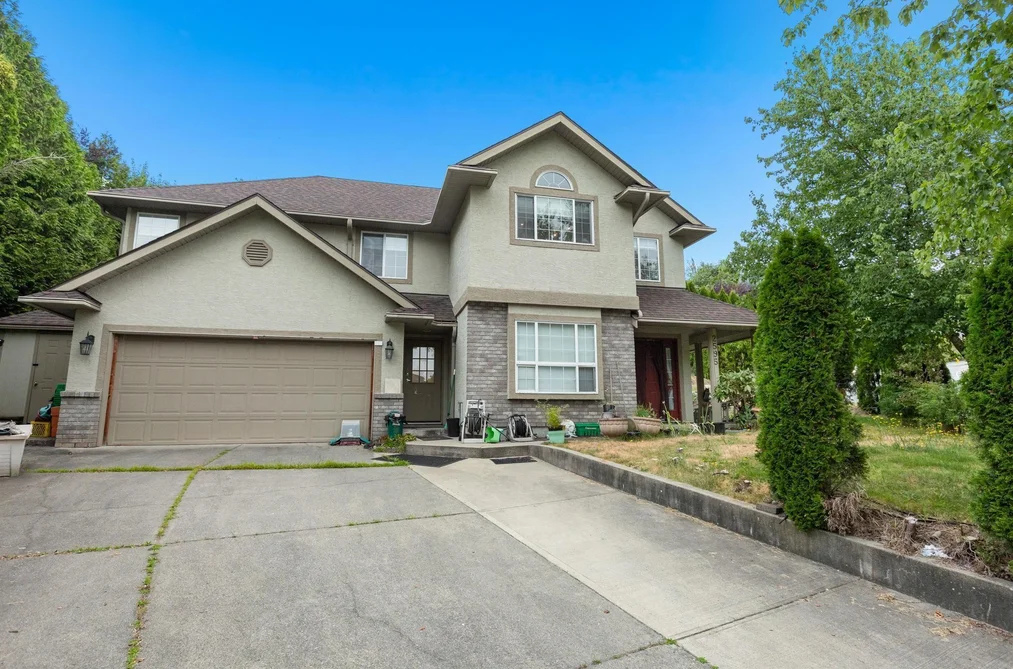
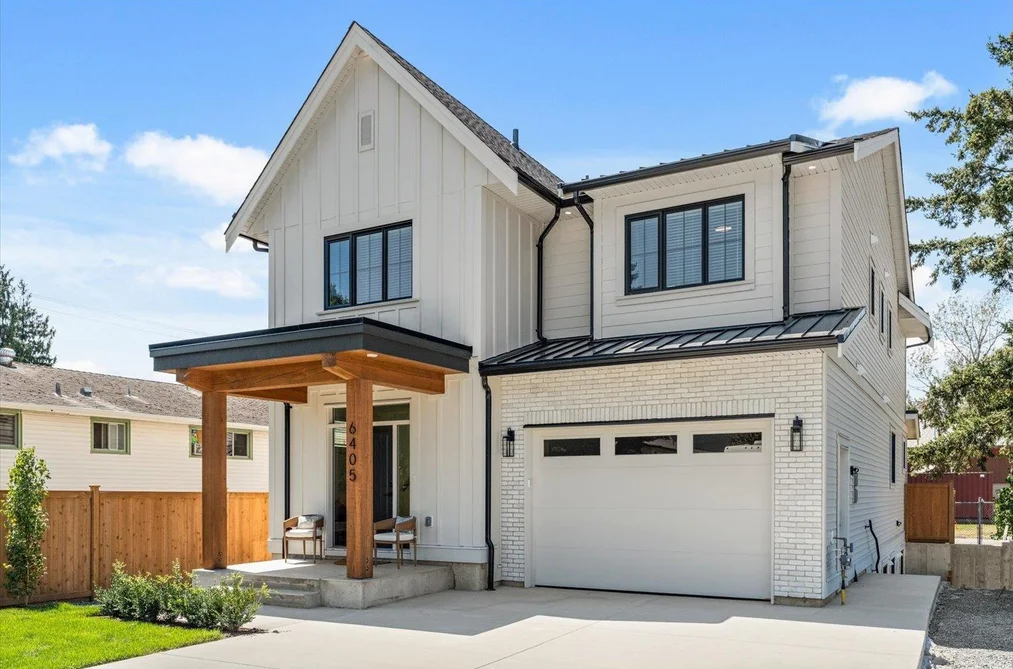
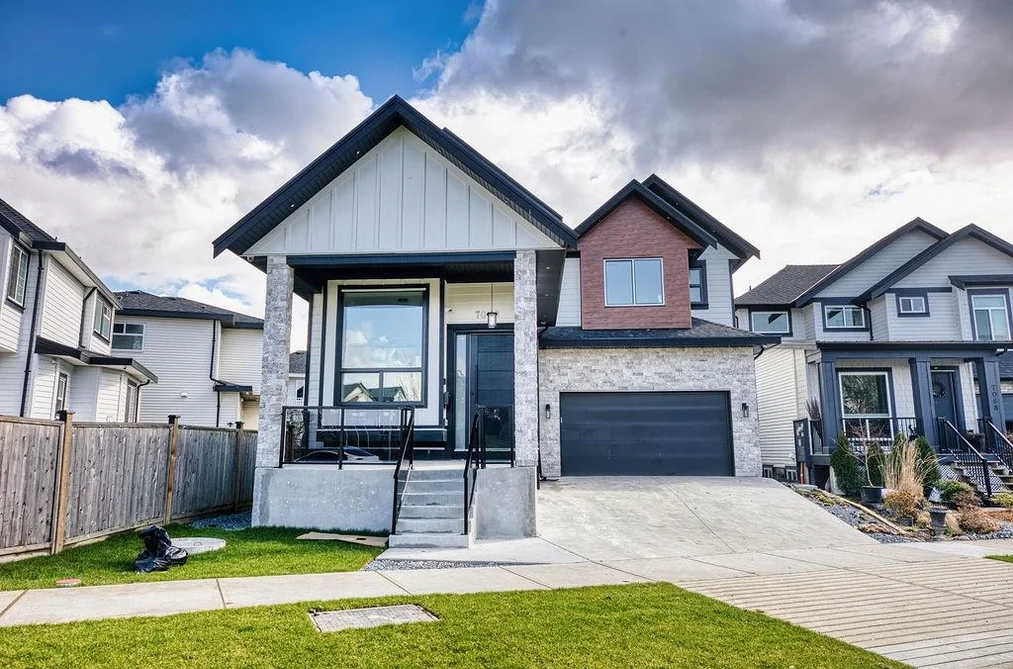
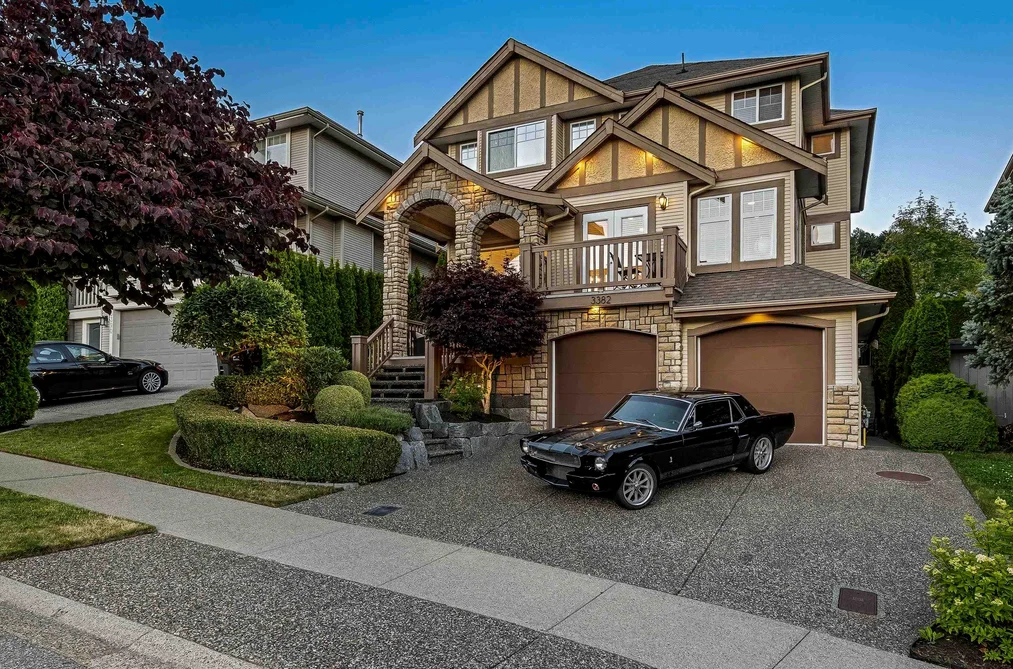
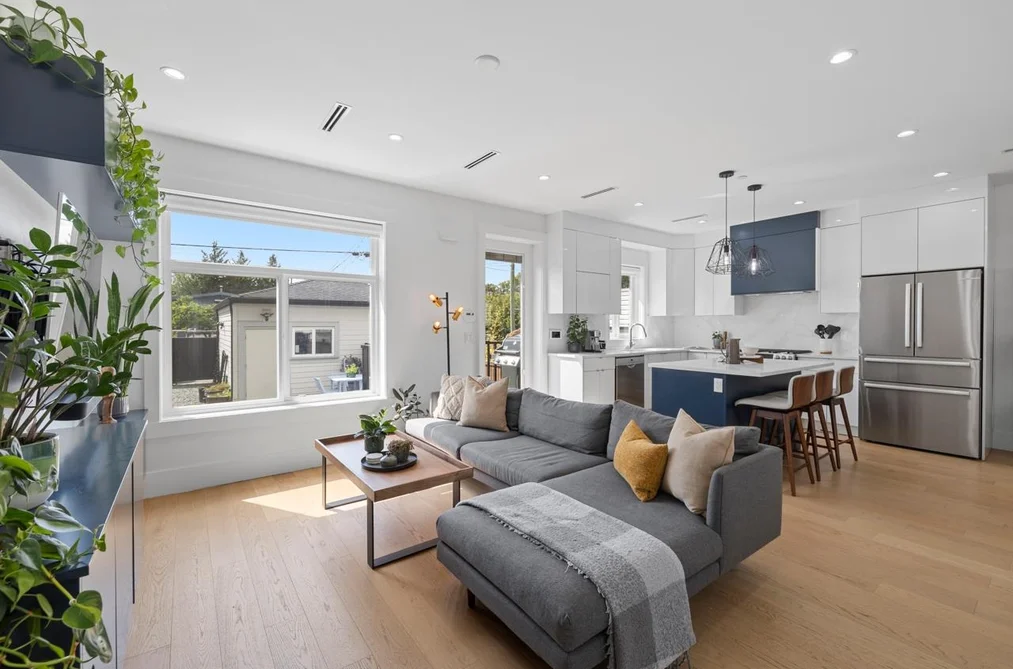

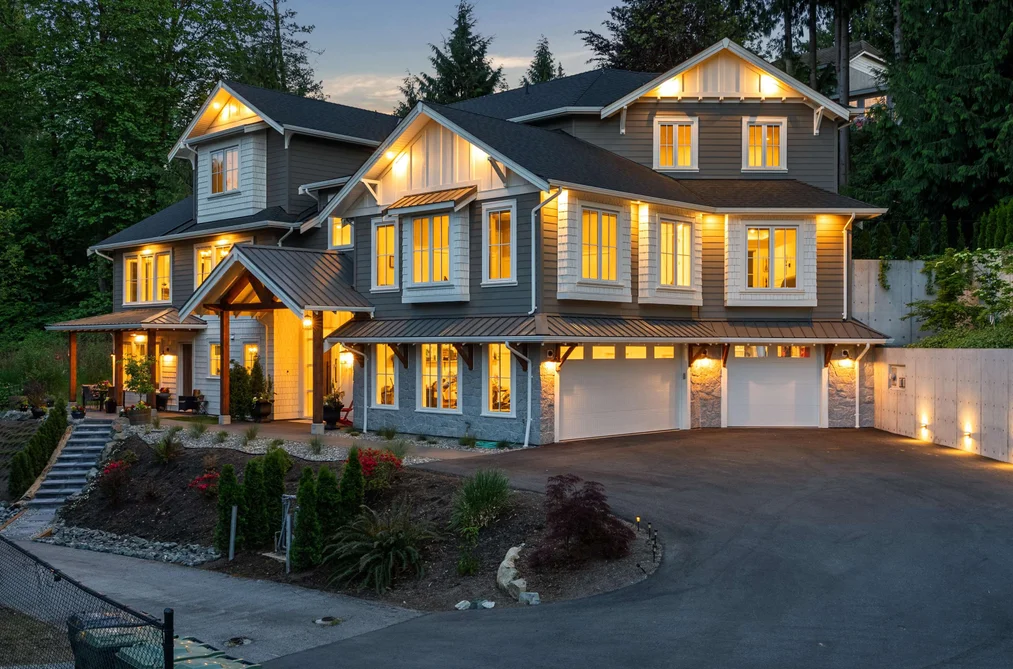
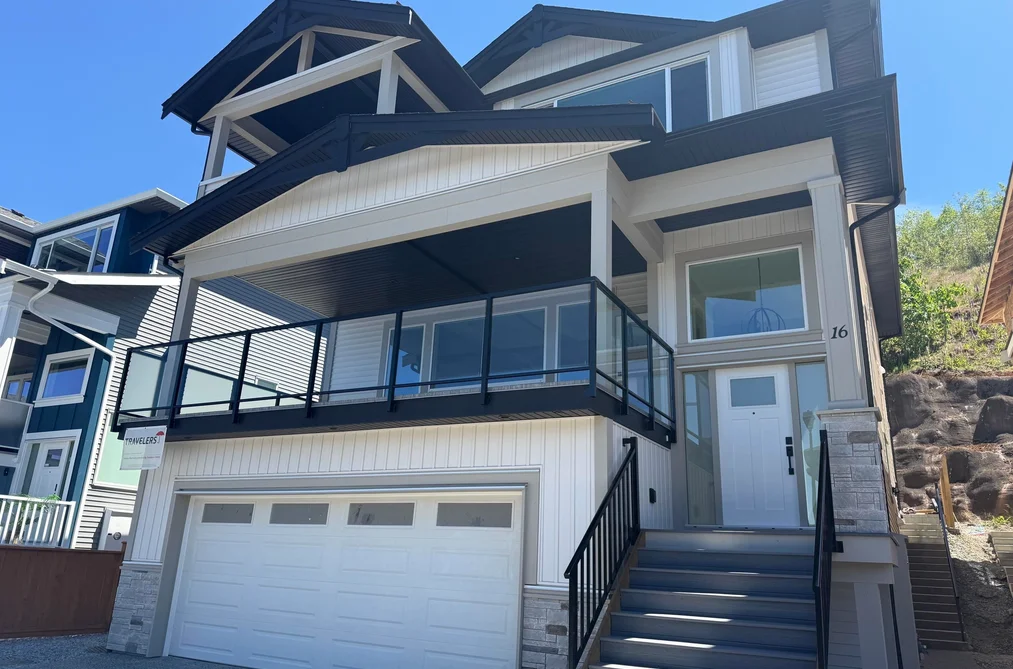
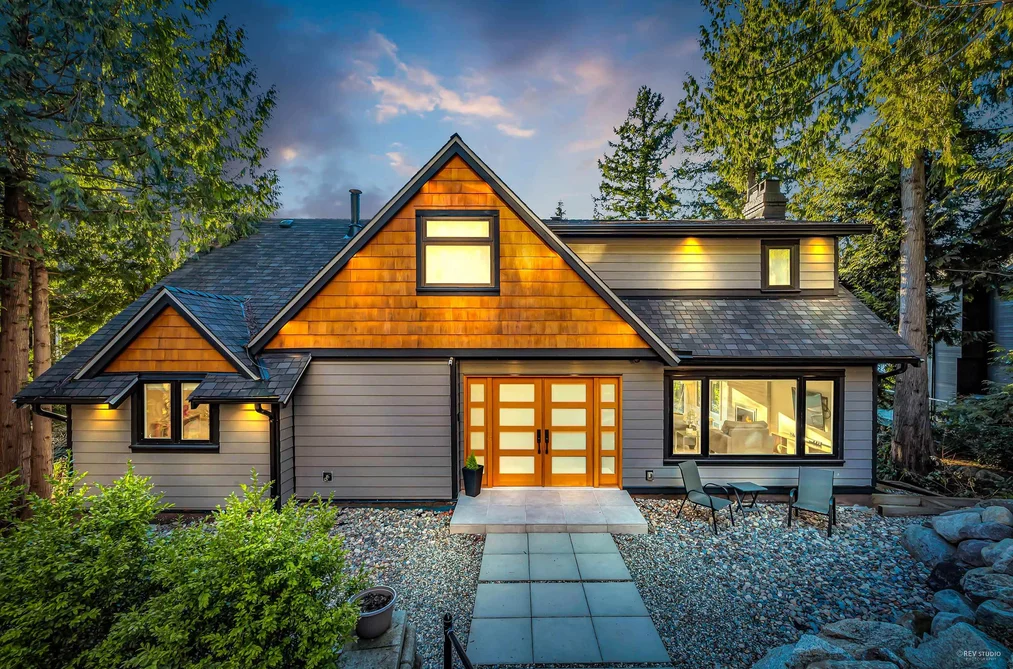
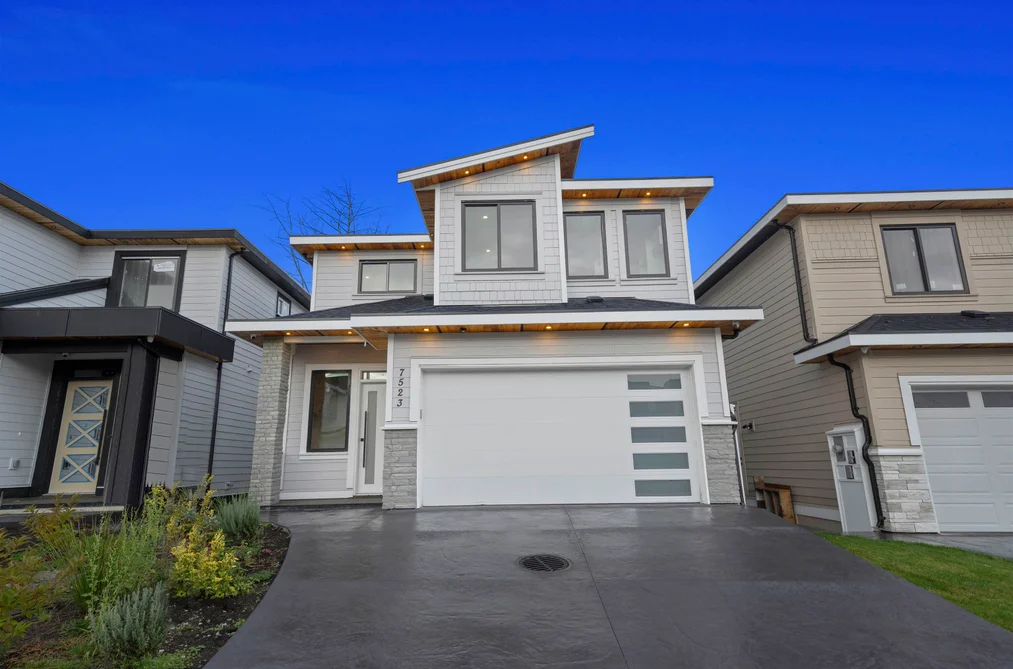
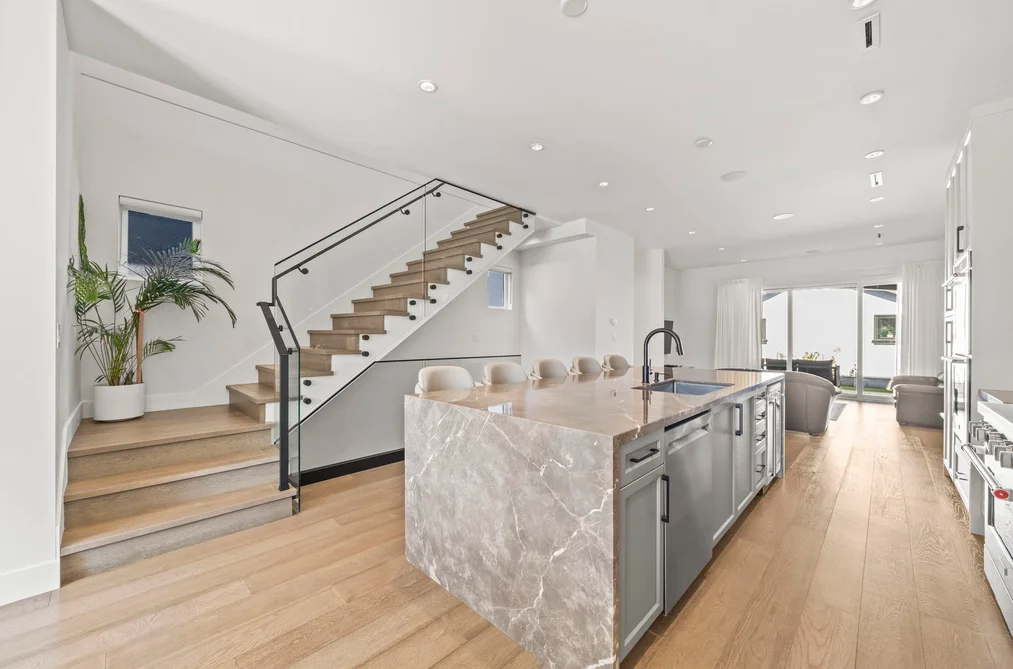
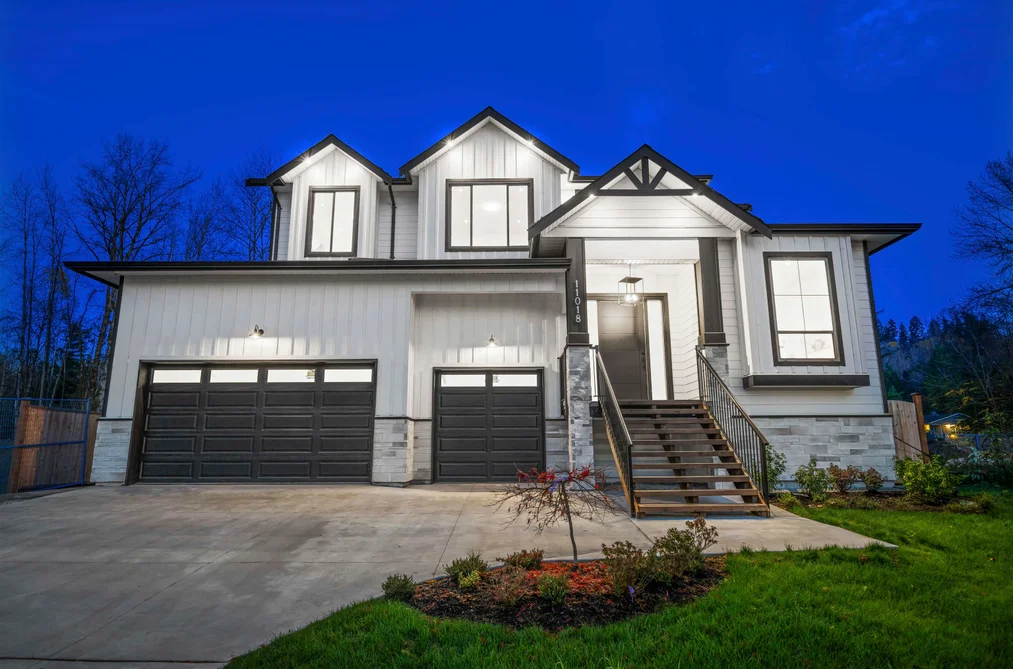
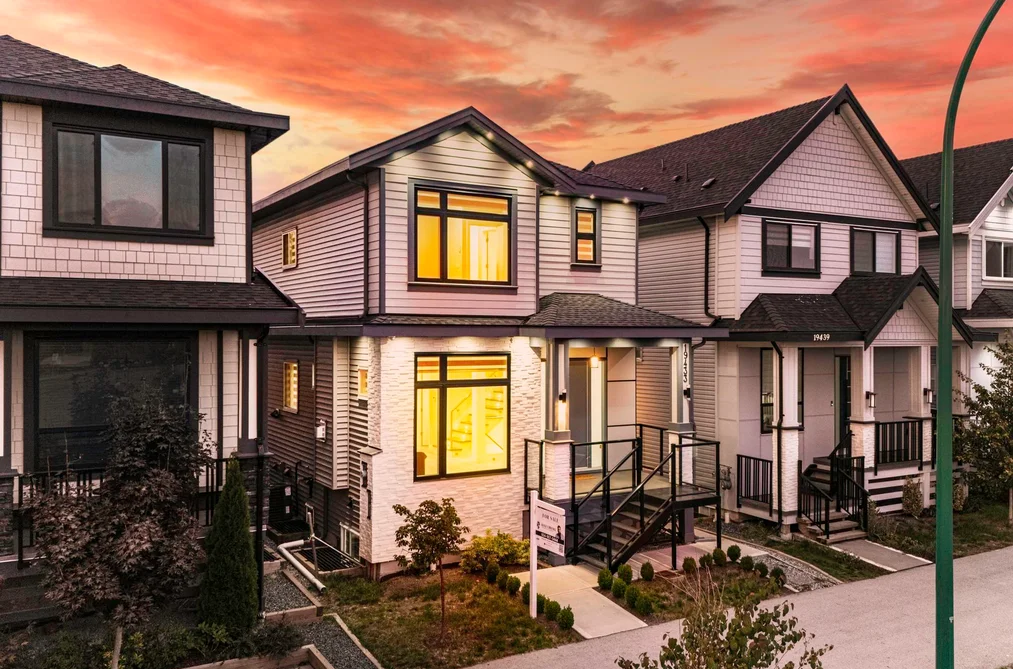
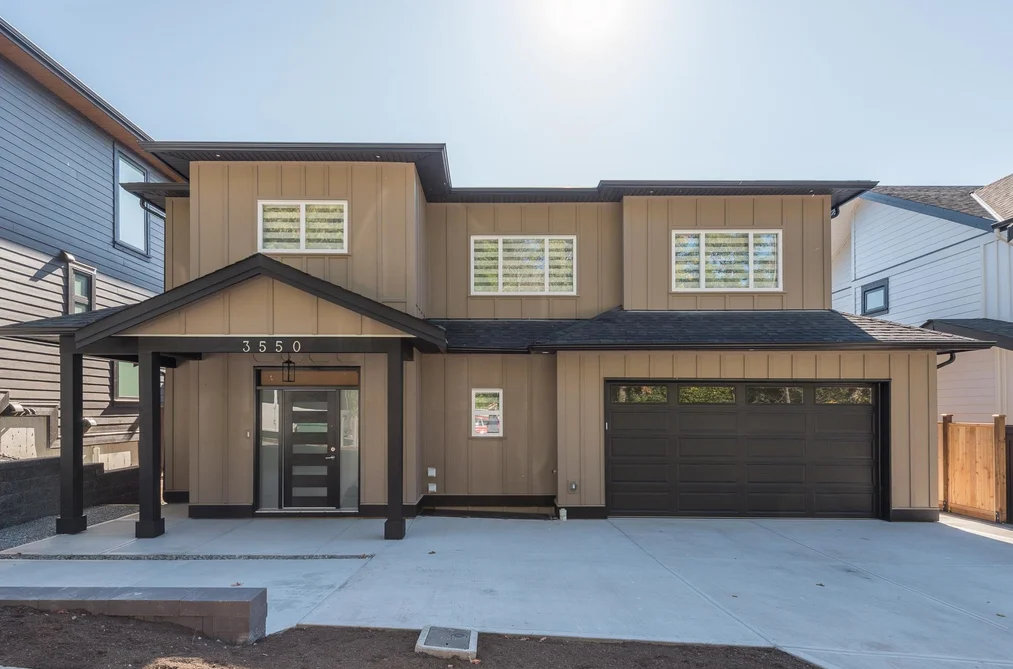
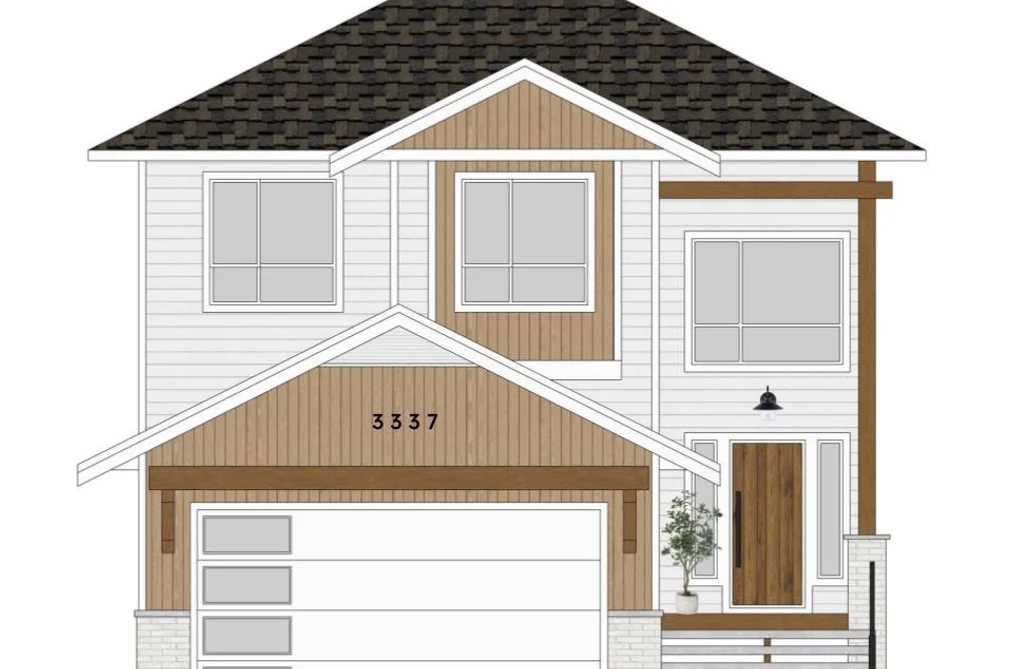
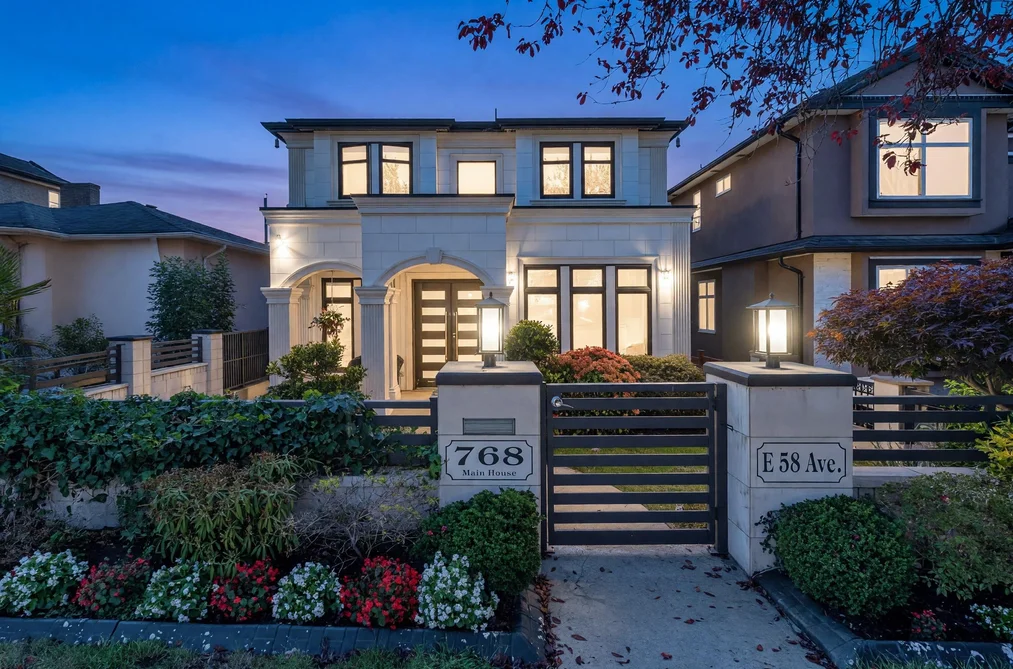
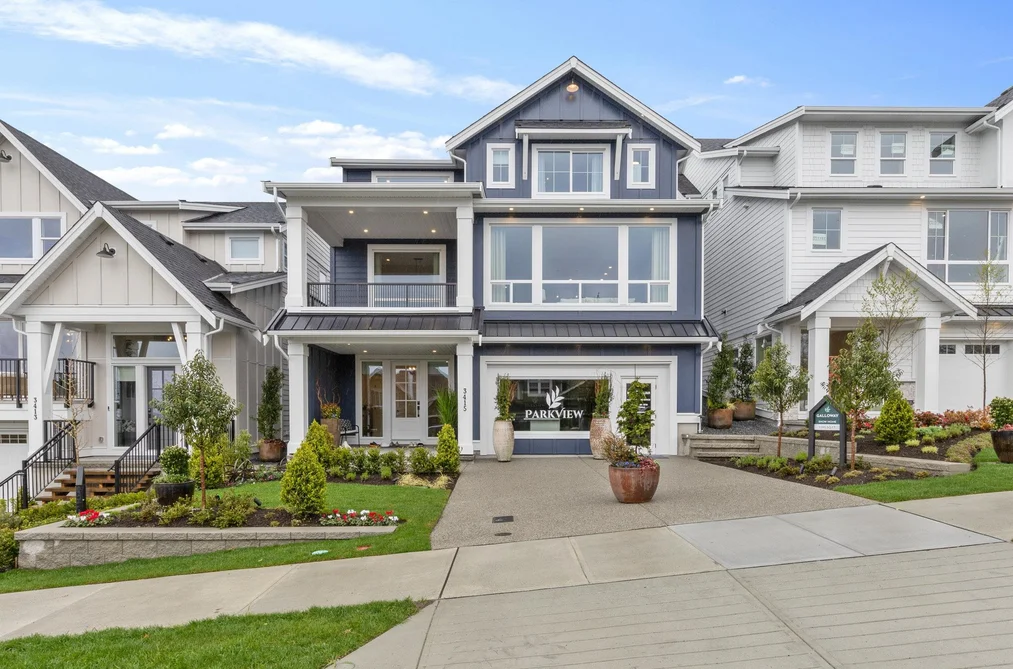
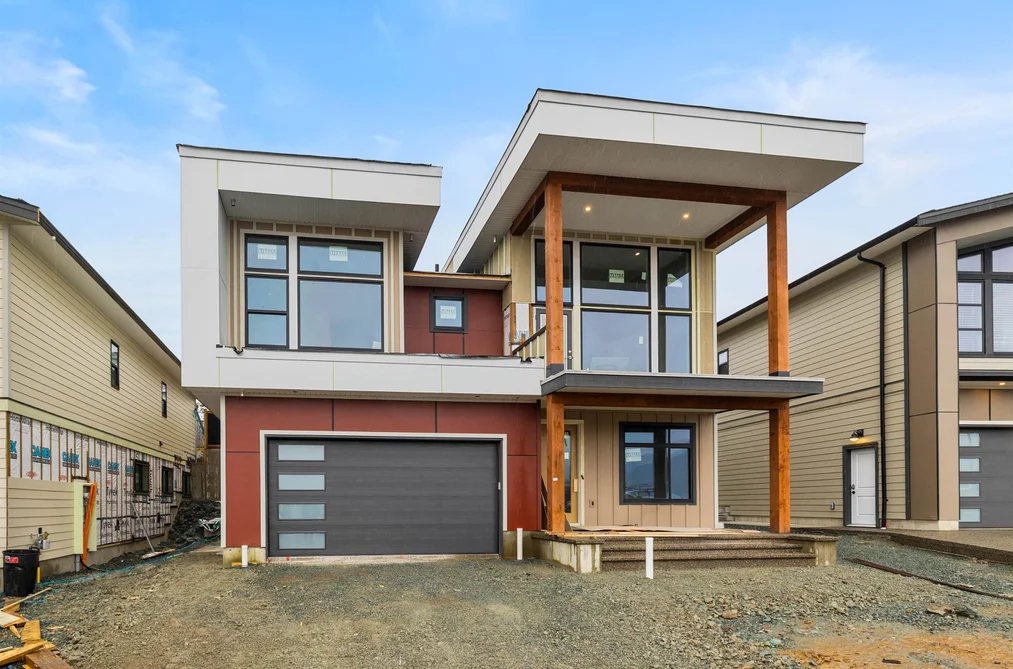
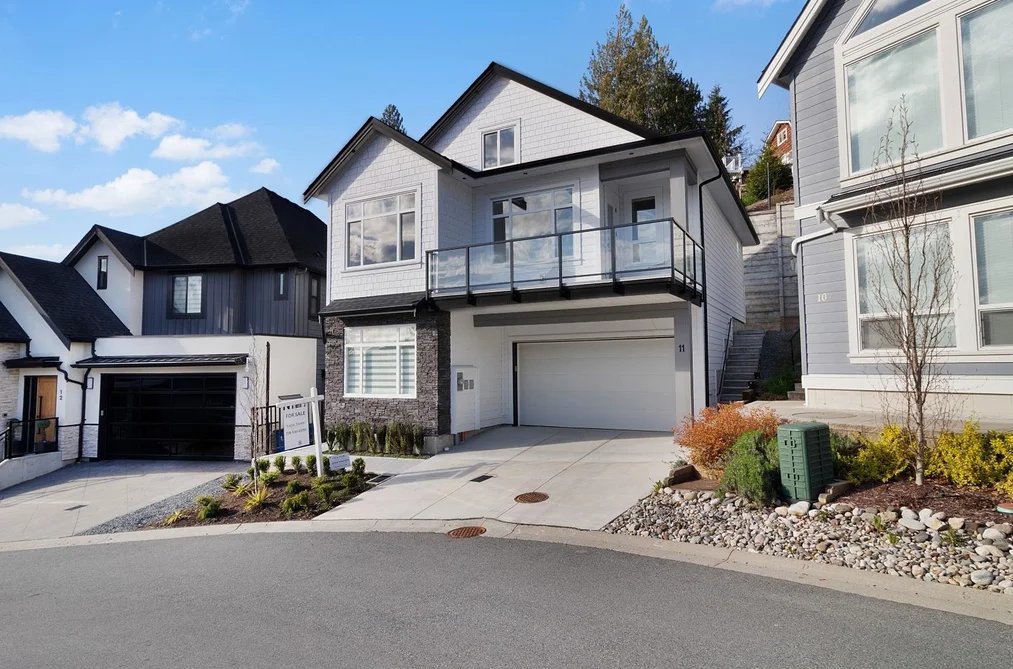
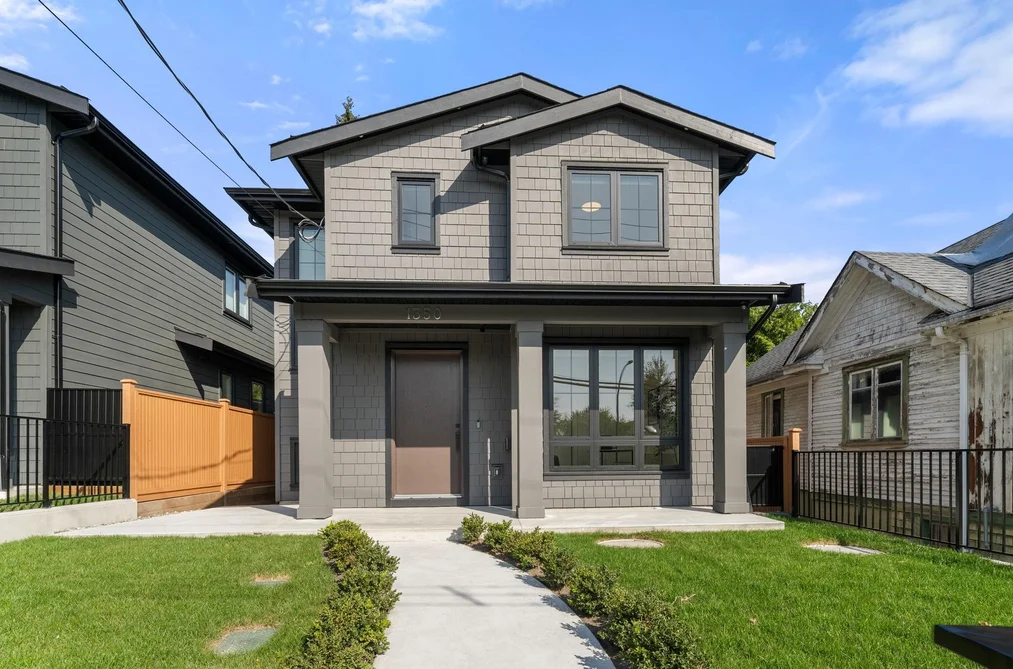
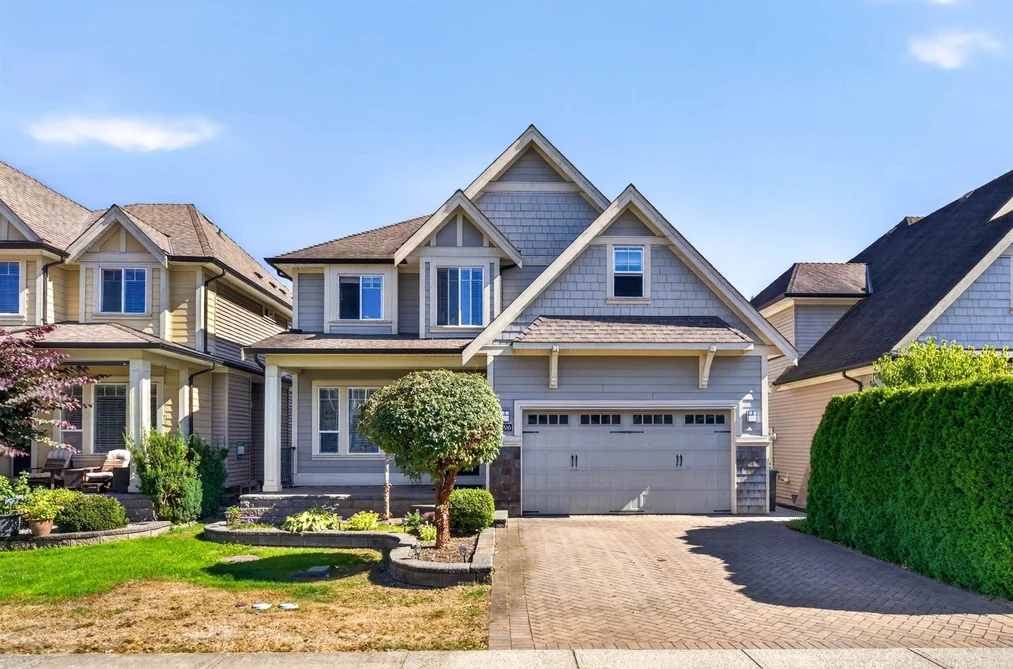
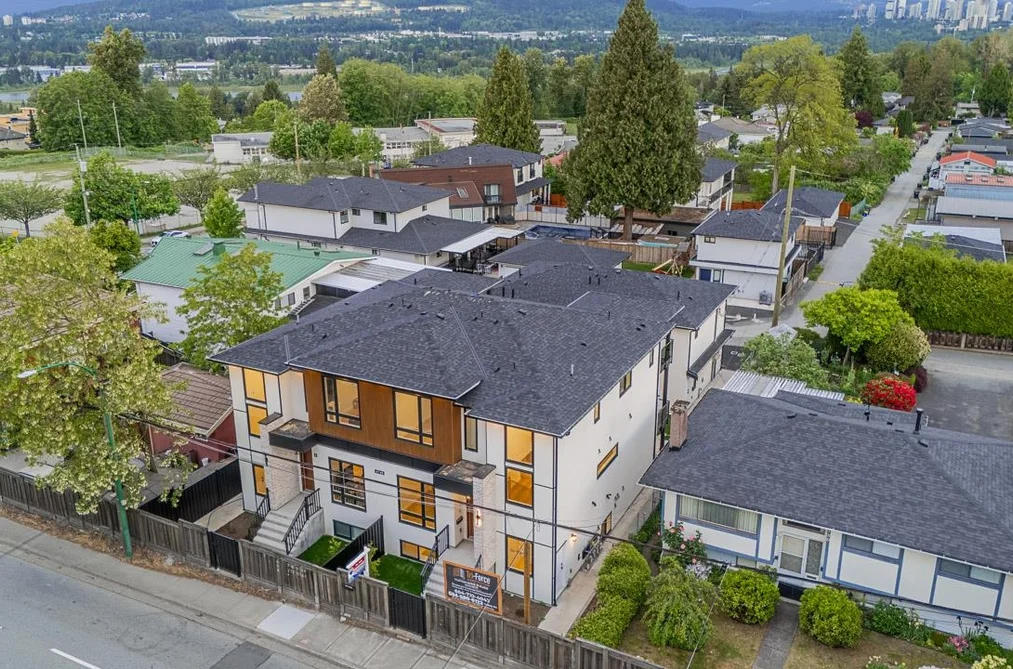
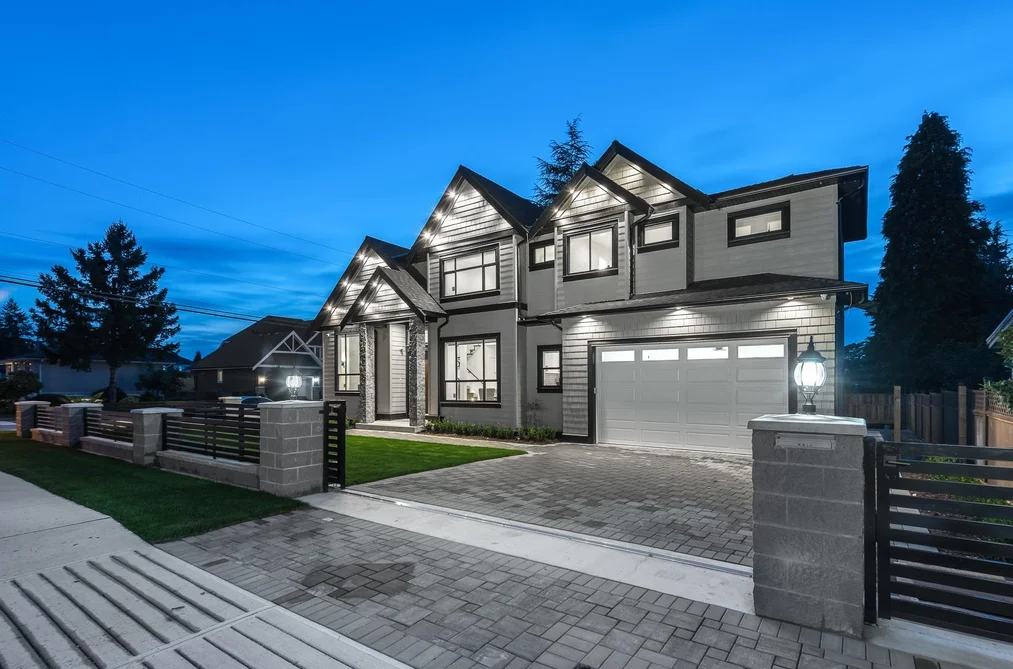
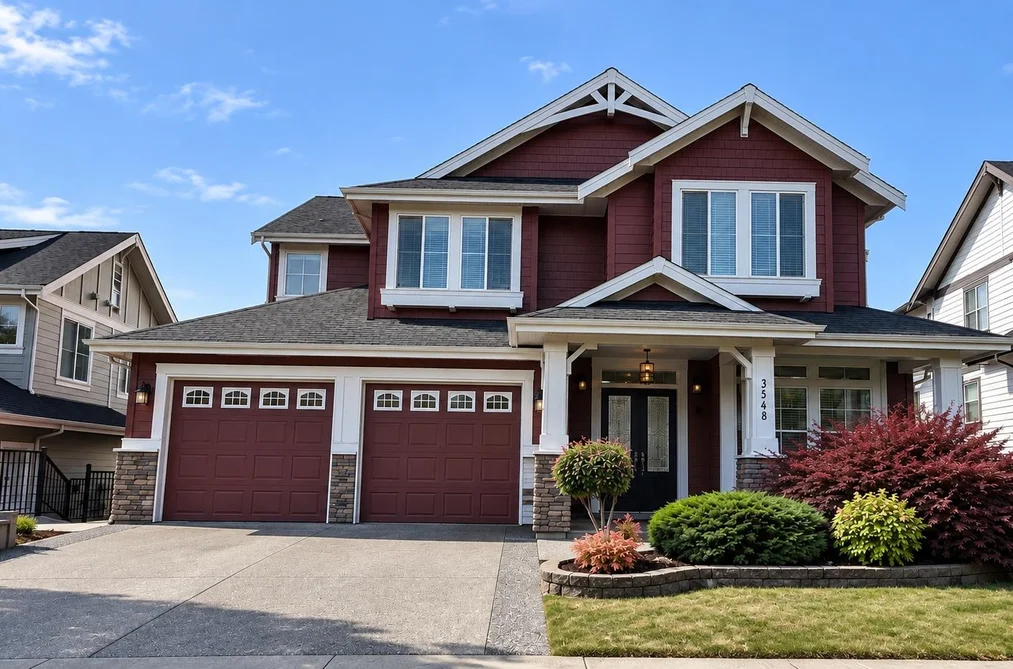
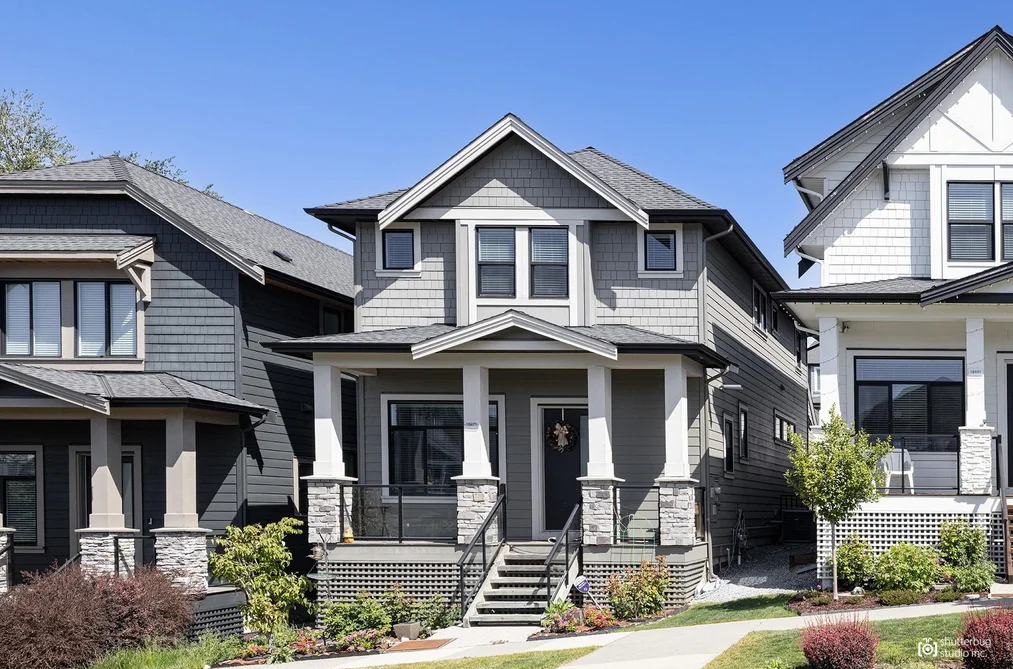
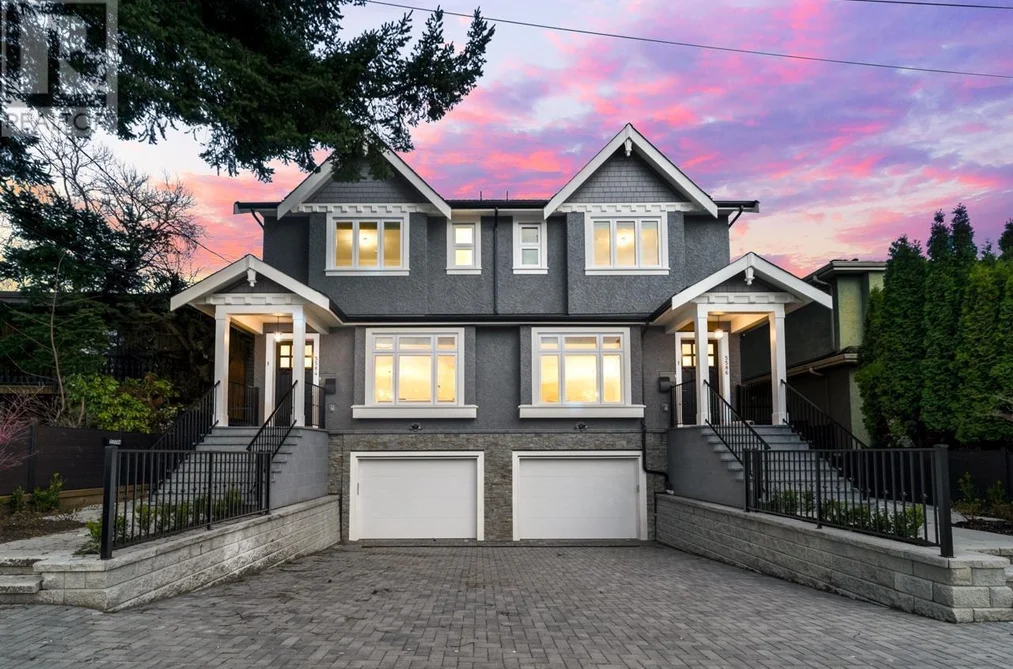
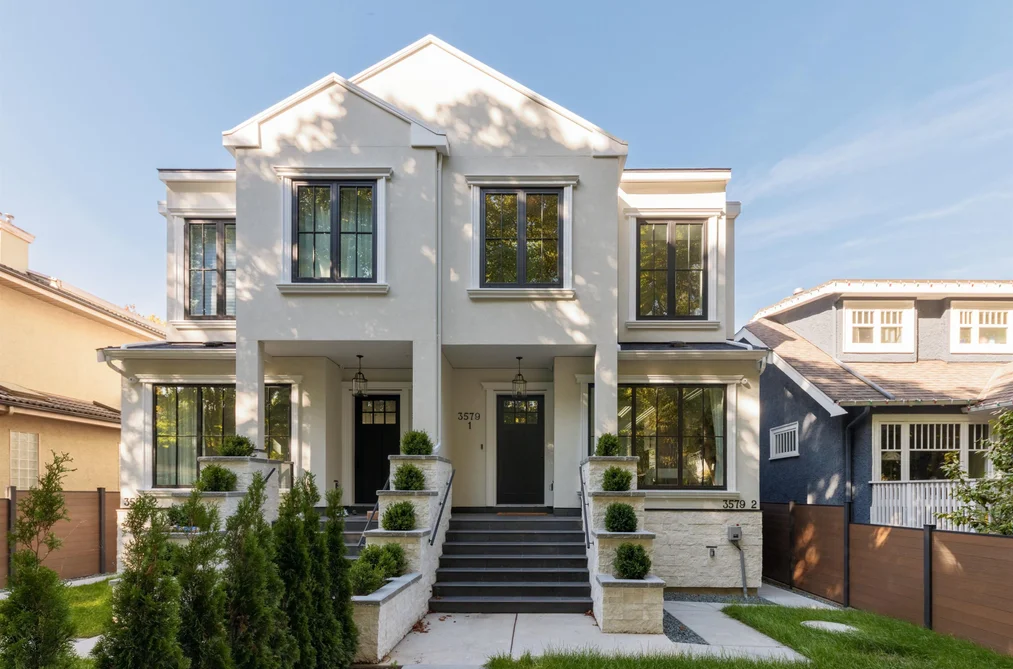
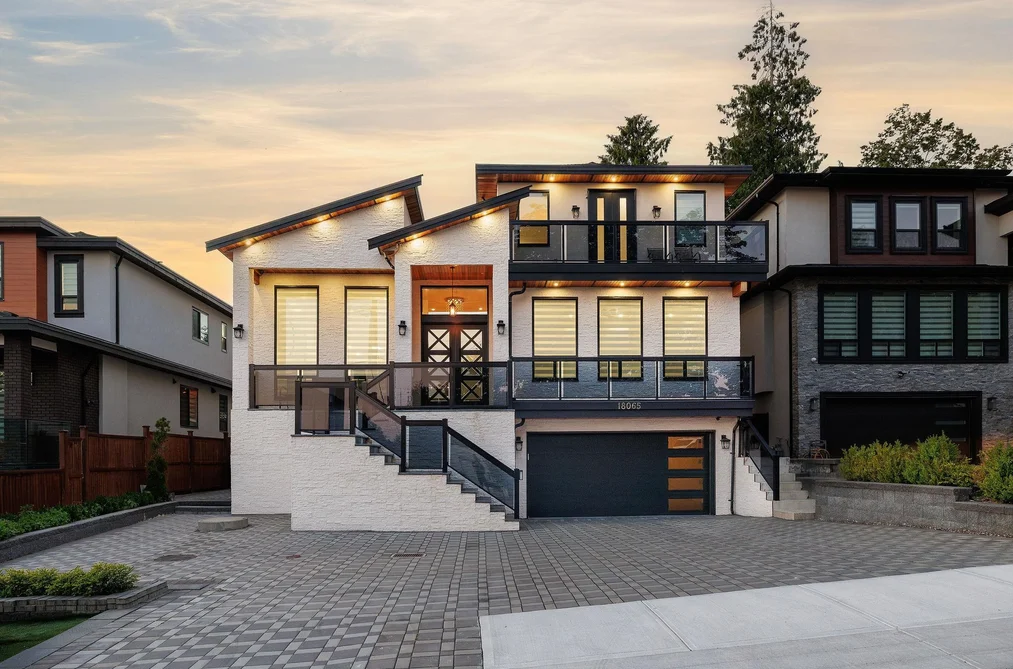
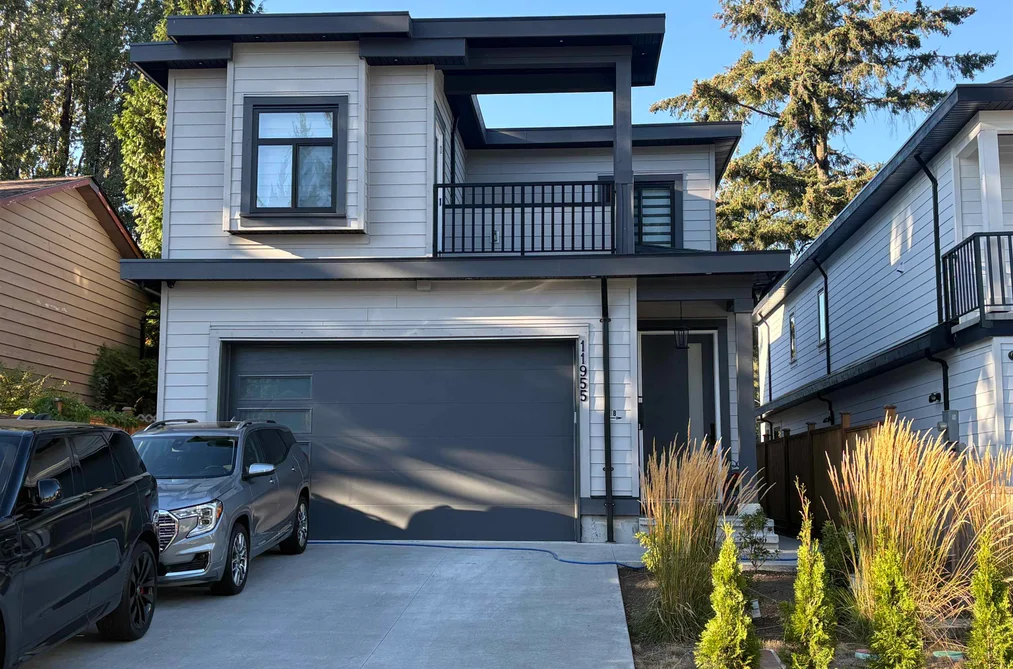
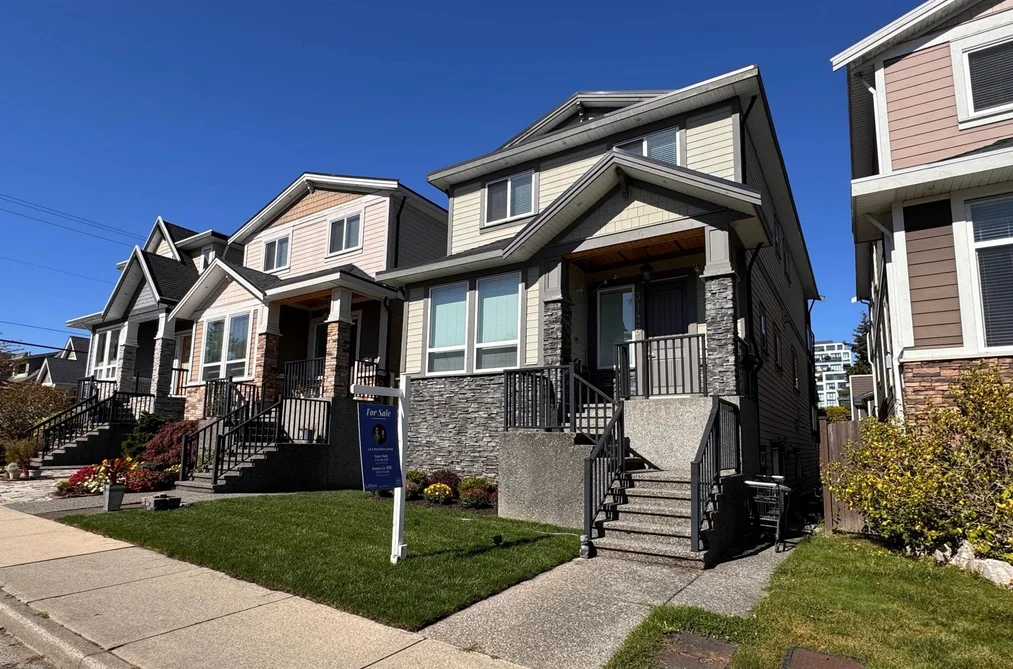
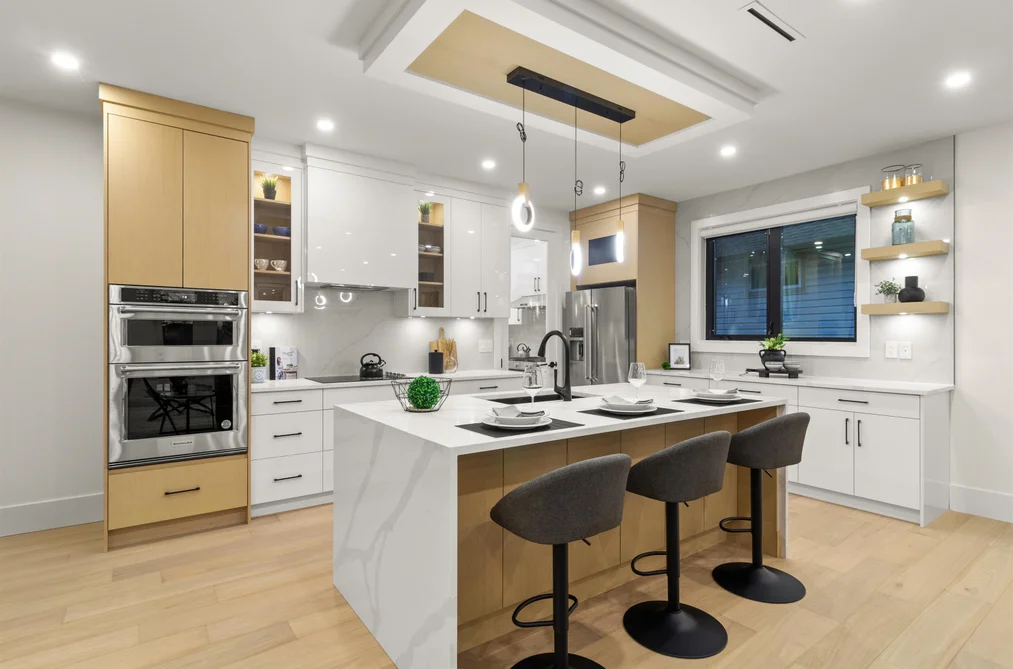
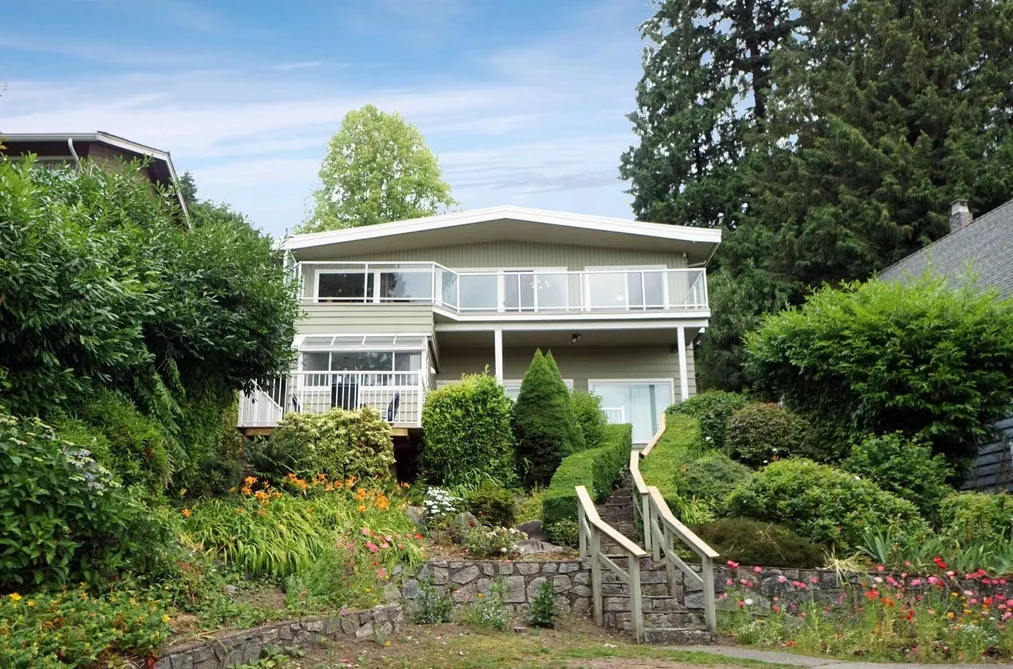
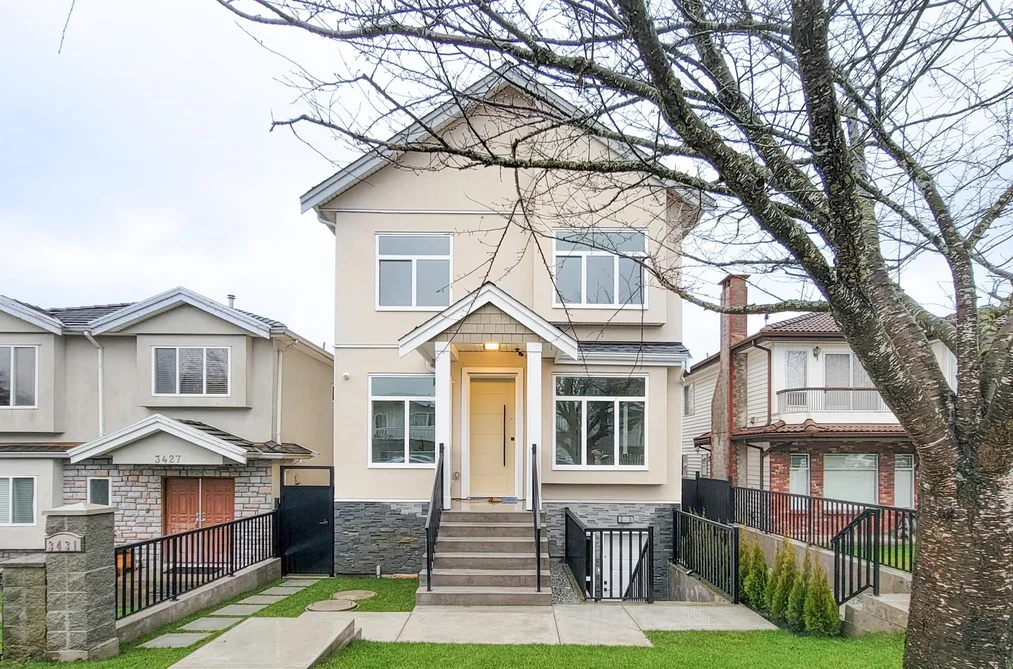
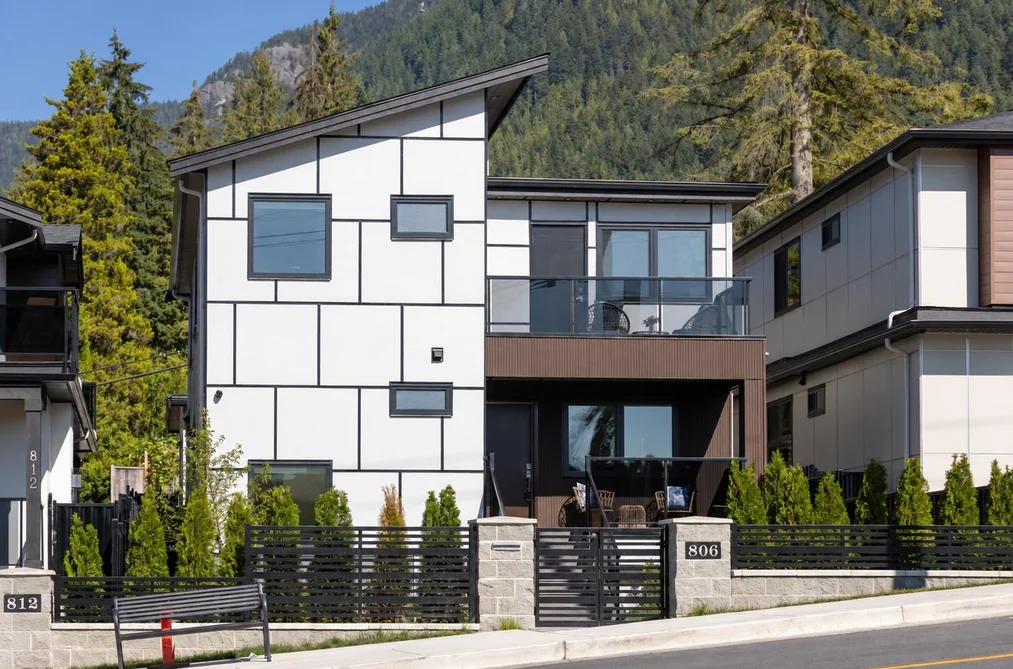
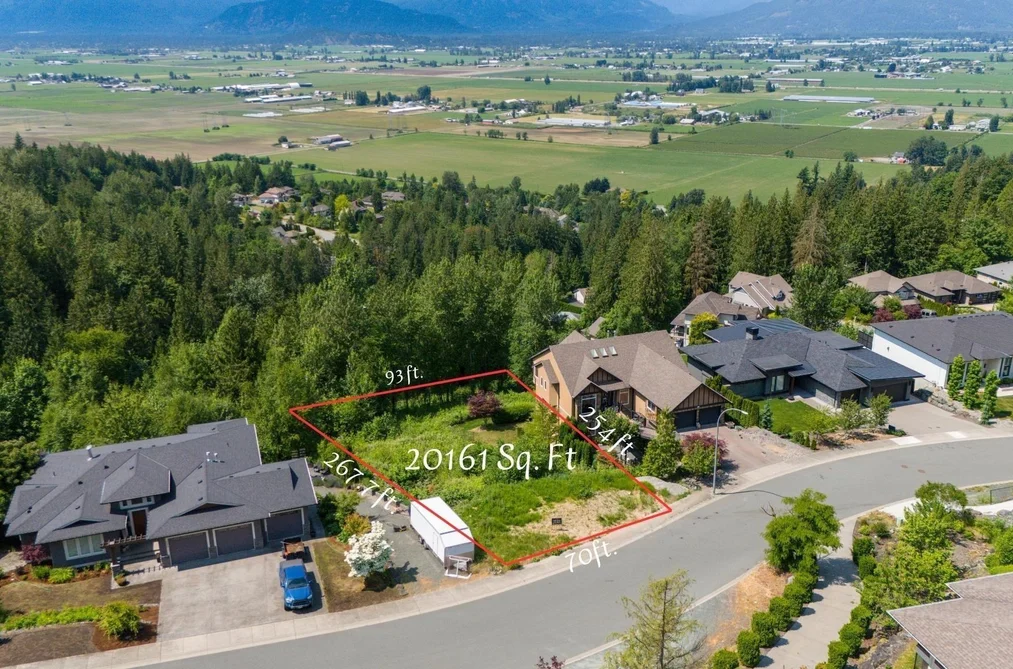
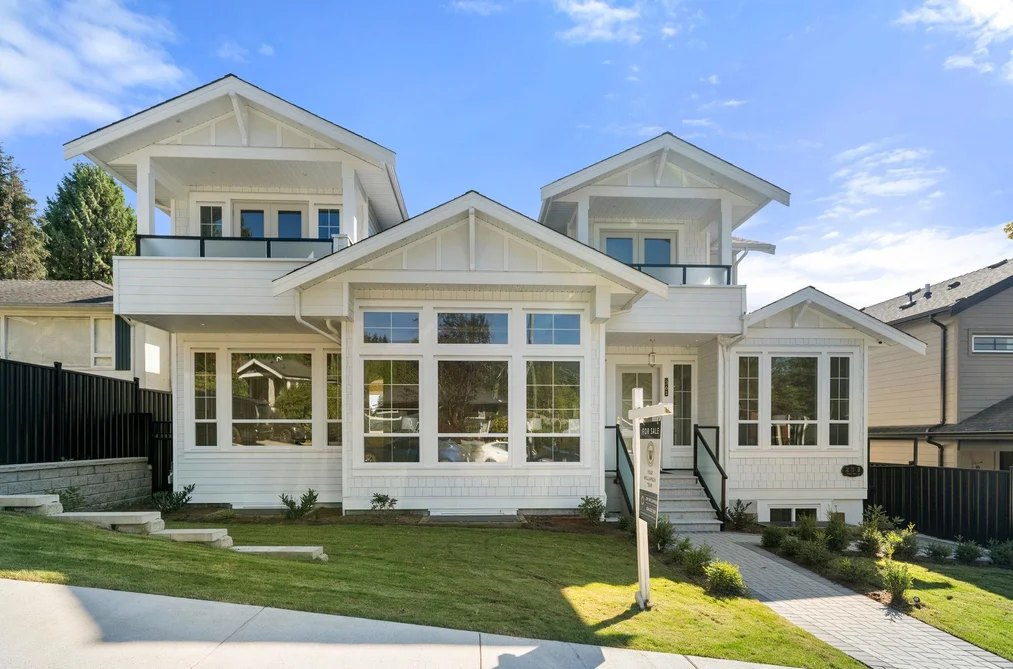
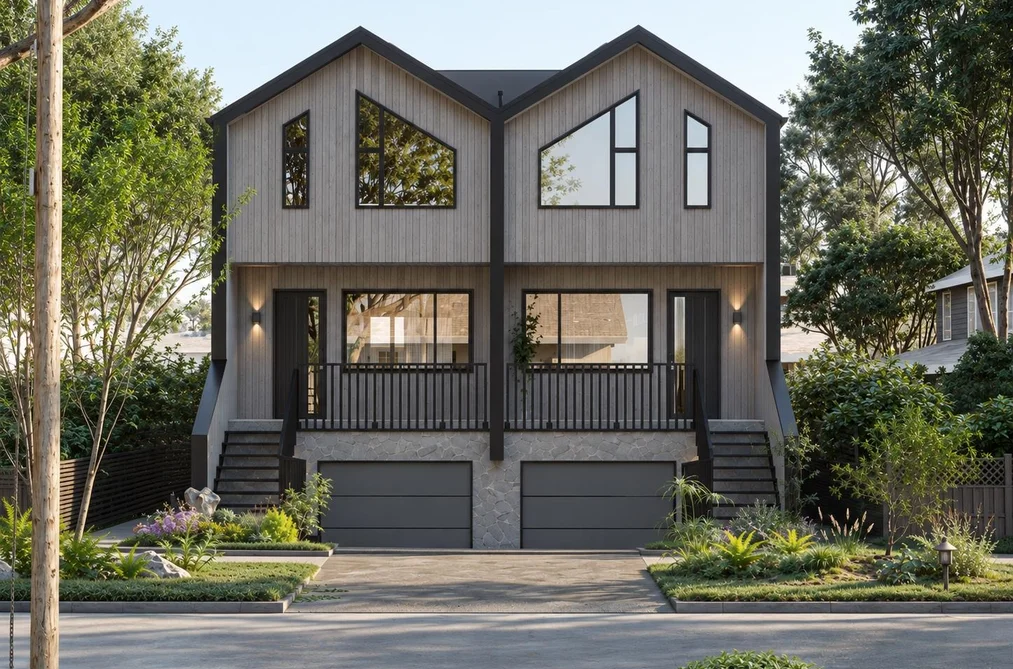
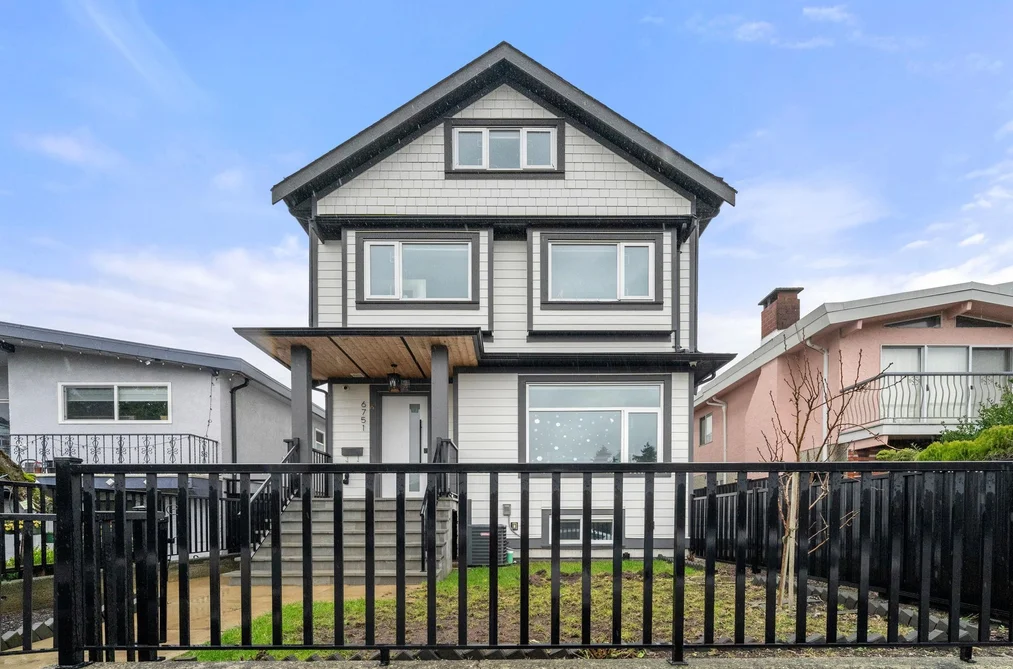
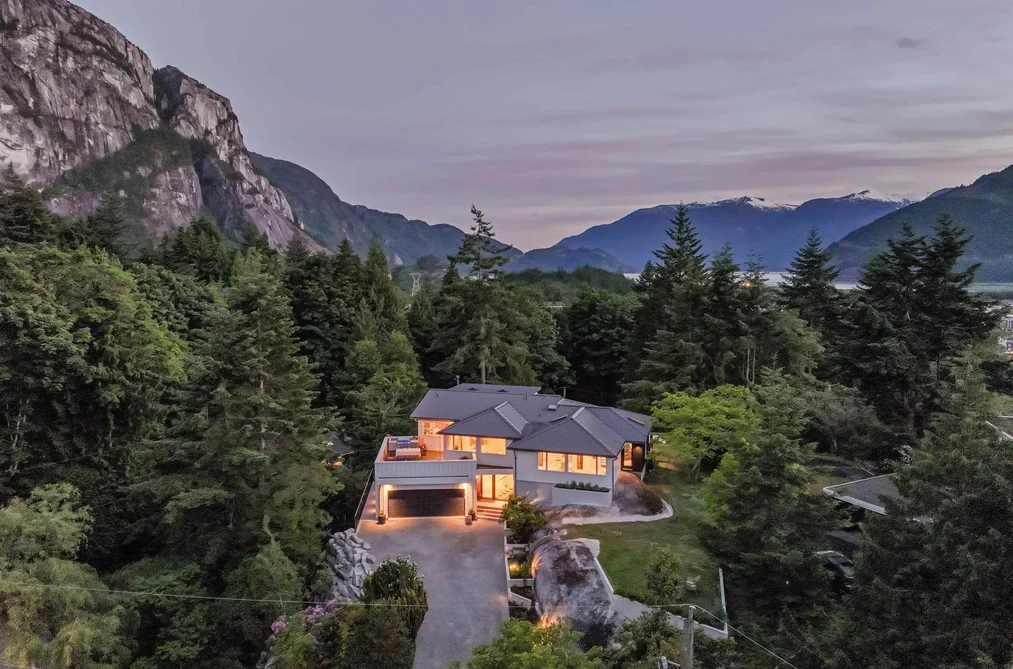
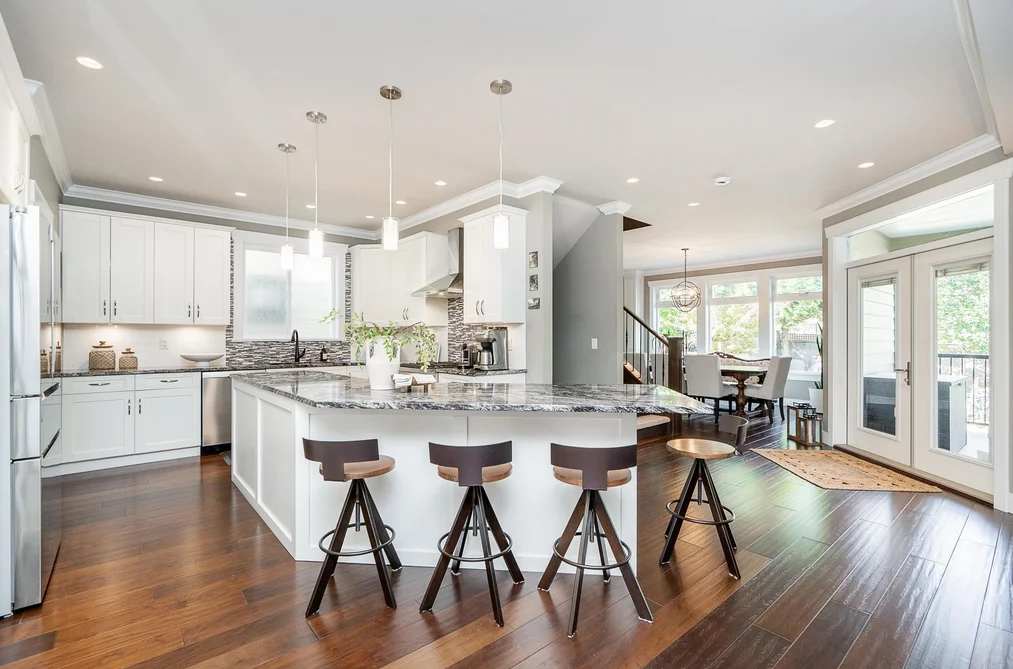
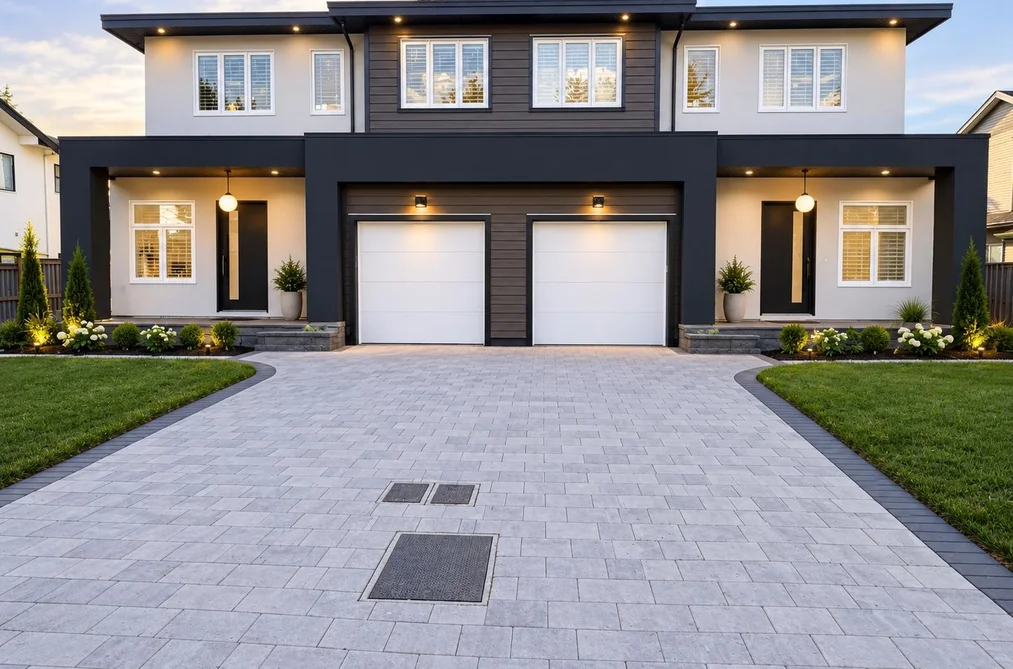
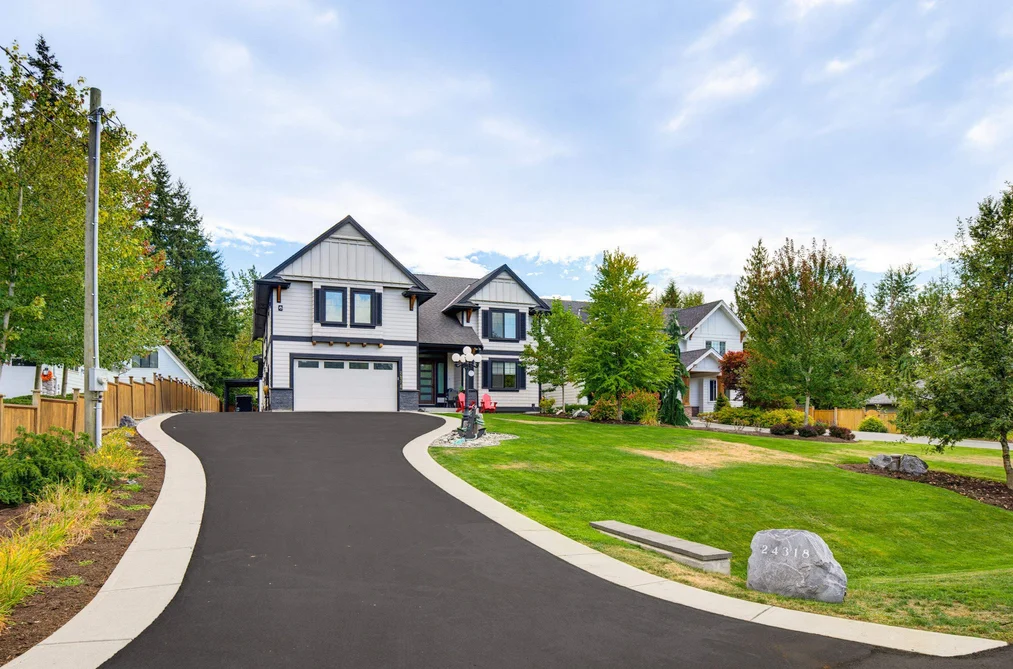
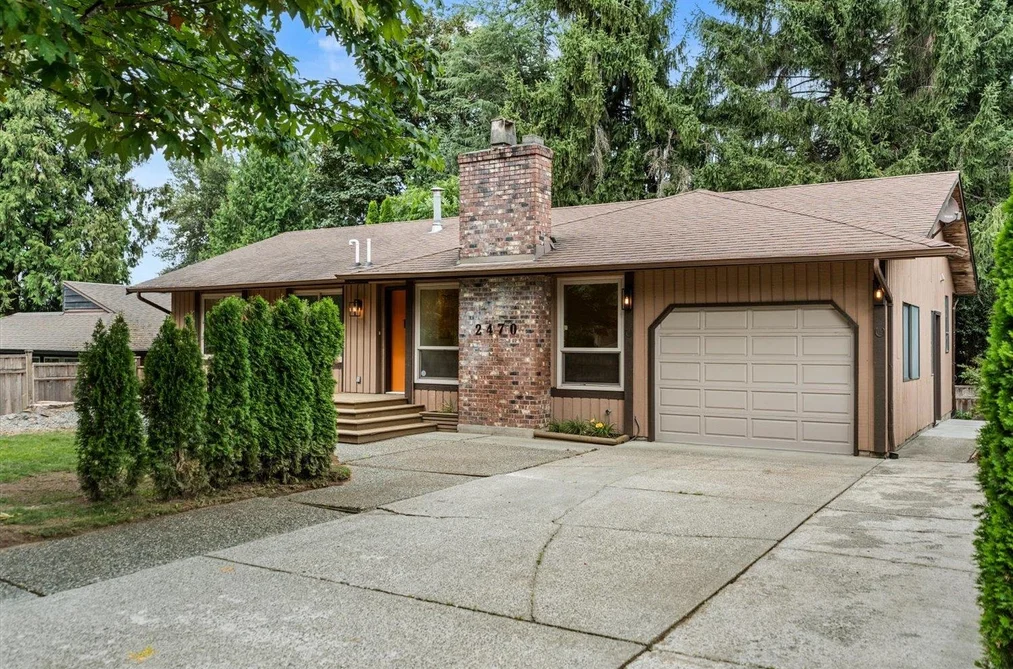
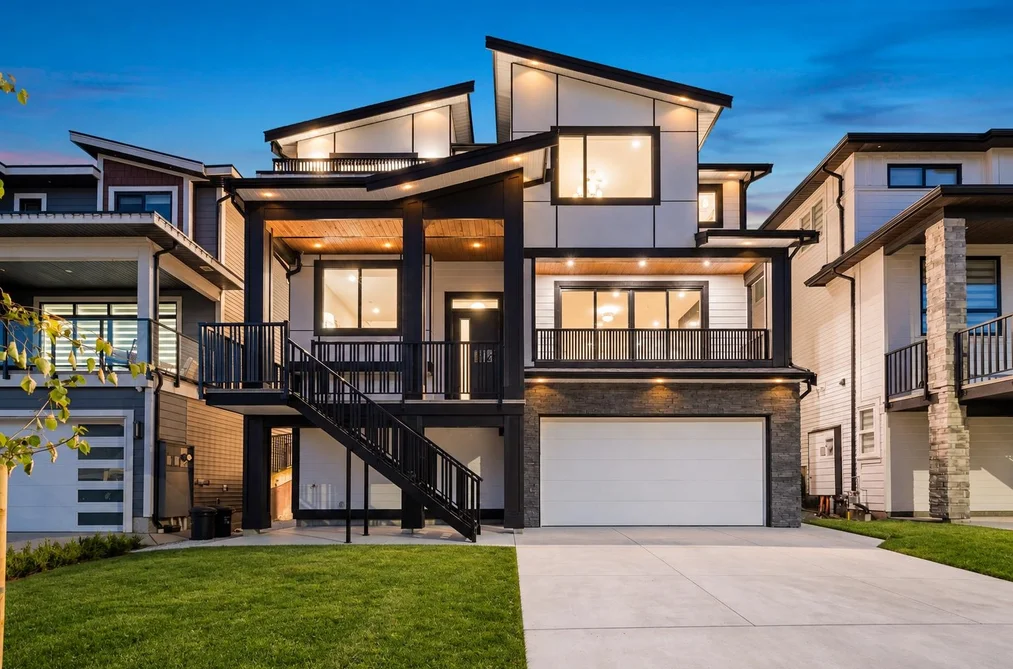
Legal Suite listings claim a secondary suite that was permitted and passed inspection, so verify that claim with the municipality yourself before you plan around extended family living or rental income.
A suite is legal when it was built or converted under a building permit, passed final inspection, and is recognised by the municipality as a secondary suite. The BC Building Code sets the requirements: adequate ceiling height, fire separation between the suite and the main home, interconnected smoke alarms, safe exits and windows that meet egress rules. Zoning must allow the suite as well, and provincial changes now permit a secondary suite in most single-family zones across British Columbia.
The word legal in a listing is a claim, not proof. Ask the listing agent for the permit number and the final inspection record, then confirm both with the municipality. Some suites were permitted years ago and altered since without permits, which can undo their status.
Many municipalities charge extra for a registered suite. Surrey, for example, adds a secondary suite fee to utility bills, and other municipalities charge additional water, sewer and garbage fees. Ask for the recent utility and tax bills so you see the real cost, and check whether BC Assessment has valued the property as a home with a suite.
A legal suite can also affect your insurance. Tell your insurer about the suite and any tenant, since coverage for a home with a rental unit differs from a standard policy.
Permits confirm safety, not quality. Compare the size, the number of bedrooms, the natural light, the laundry, the entrance and the outdoor space of each suite. A bright, self-contained suite suits an adult child, a parent or a tenant far better than a dim room below grade. Check the sound separation between the floors, since you will live with it daily, and whether the suite has its own heating controls, since shared heat is a common source of friction between households.
For accommodation for extended family or rental income, the suite's layout matters as much as its status. An in-law suite built for family may share laundry or an entrance, which suits relatives but not always a tenant.
A legal suite is the kind lenders are most comfortable counting. Depending on the lender and the mortgage insurer, part of the rent can be added to your income or offset against the payment, which can help you qualify for a larger mortgage. Most will want a lease or an appraiser's estimate of market rent. Speak to a mortgage broker early, and get approval based on the actual suite in the home you want.
If the suite is rented when you buy, the tenancy continues after completion under the Residential Tenancy Act. Ask for the lease, the rent and the deposit held, and plan your possession date around any notice needed. Ask whether rent has been paid on time and whether there are any disputes before the Residential Tenancy Branch, since you take on the tenancy as it stands.
Supply is broad across the province, with homes with suites for sale throughout Surrey, Burnaby, Coquitlam and Richmond, and across Vancouver Island in Victoria, Nanaimo and the Comox Valley. Browse and compare current listings on Strawhomes, filter by area and property type, and shortlist only the homes whose suite permit you have confirmed. Compare them against a mortgage helper home or a laneway property with the rental in a separate building.