For Sale
2 days
- $2,848,888
- 9 bed
- 10 bath
- 7005 sqft
MLS® R3169598
•Homelife Benchmark Realty Corp.
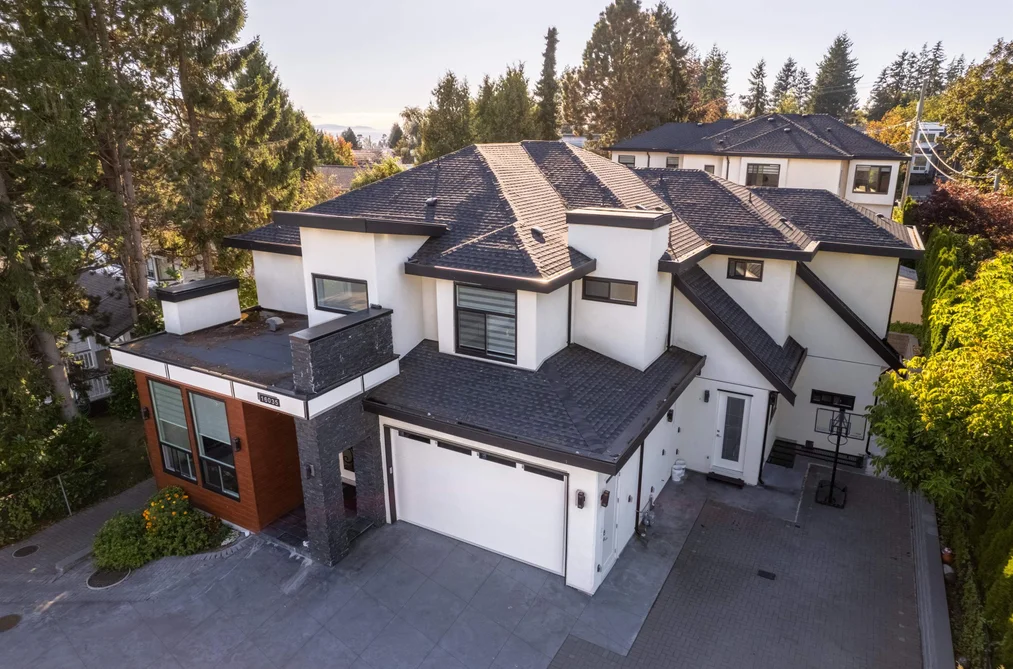
Browse Mortgage Helper houses for sale in the Lower Mainland and confirm the suite is permitted and that your lender will count the rent before you offer.
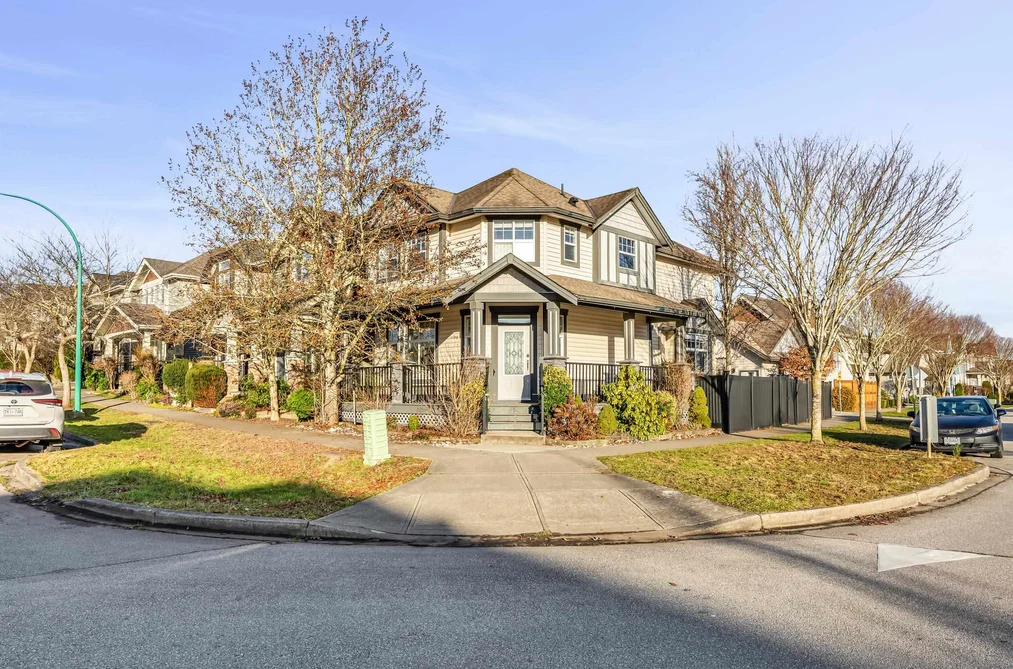
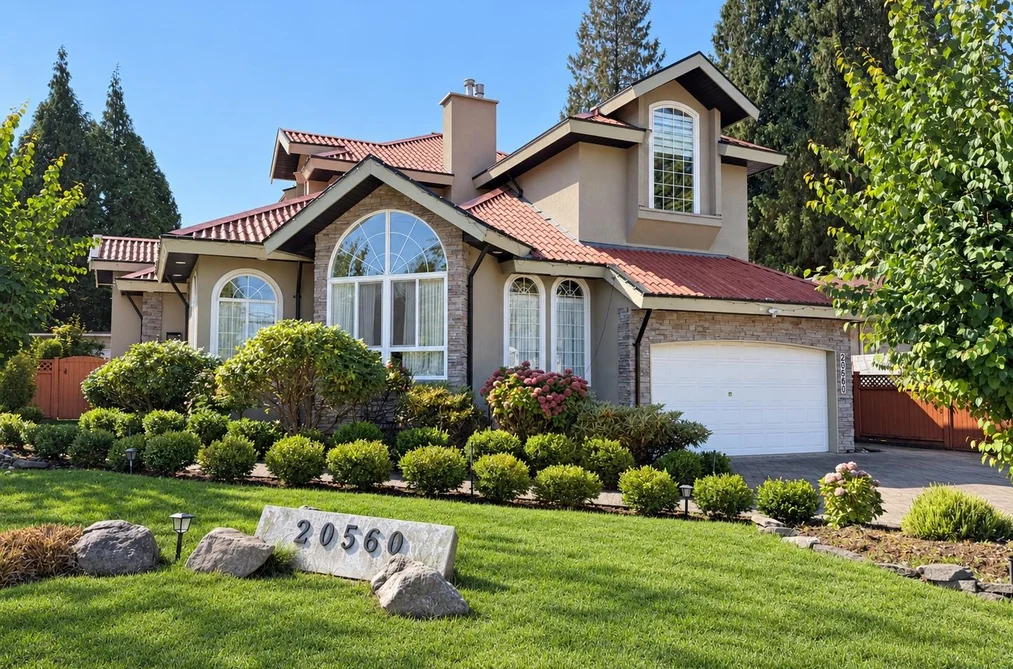
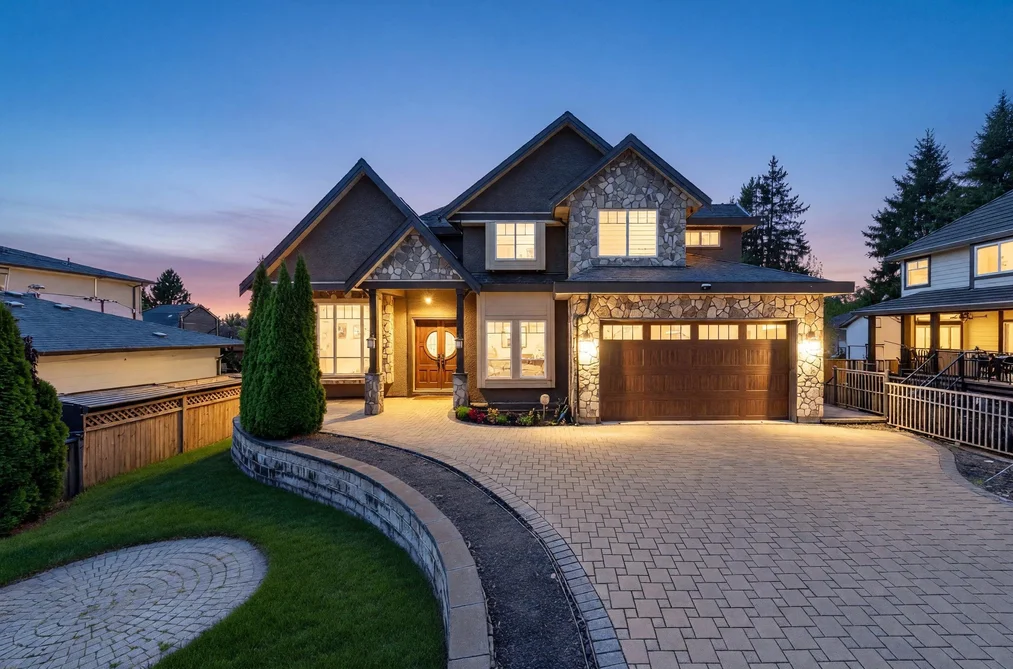
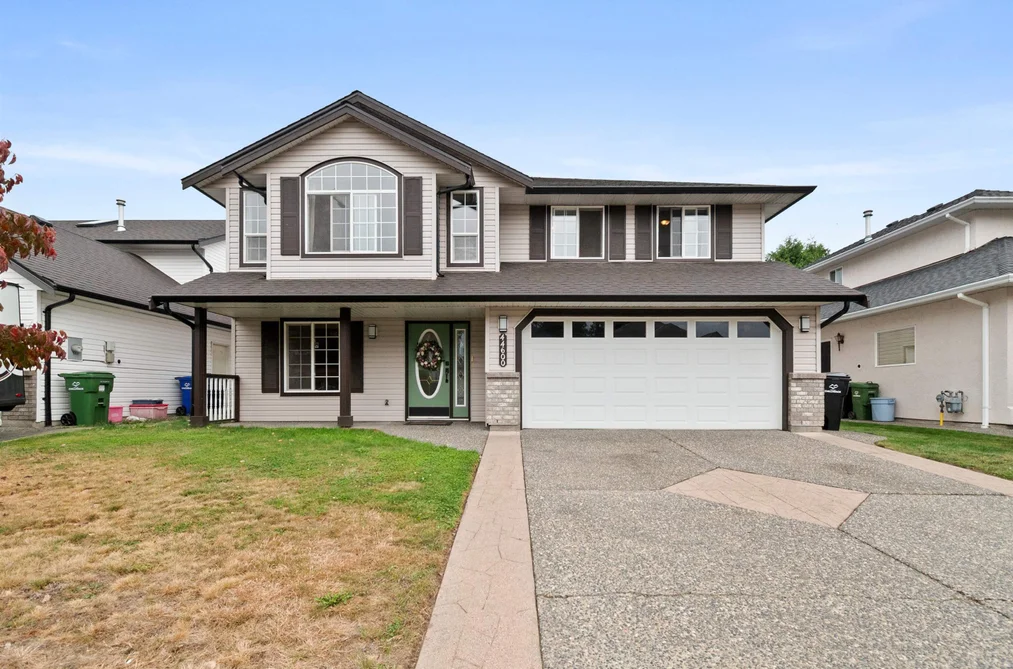
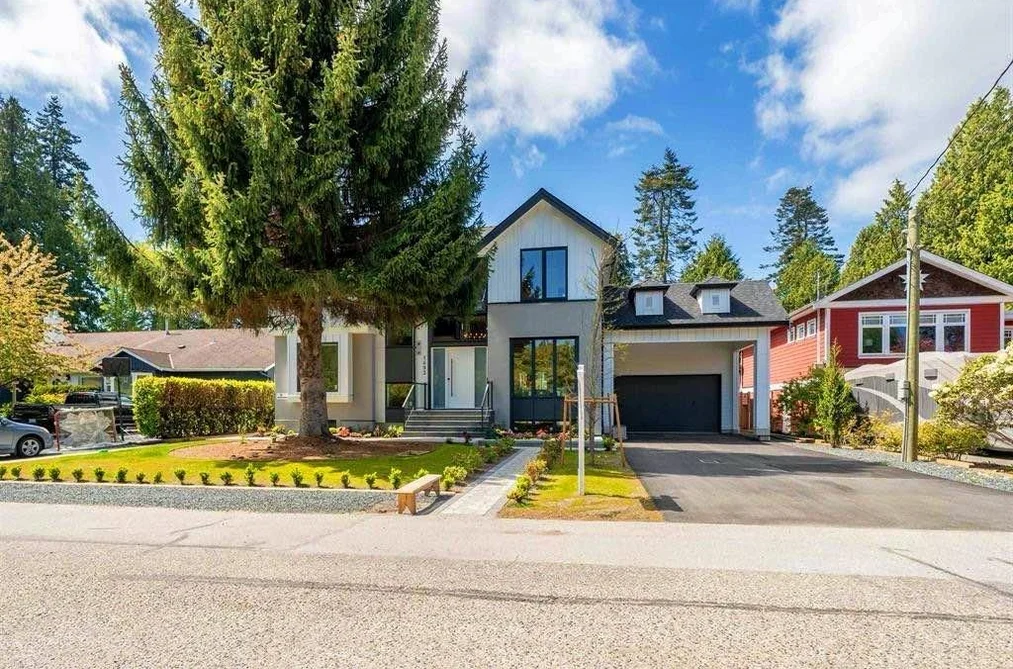
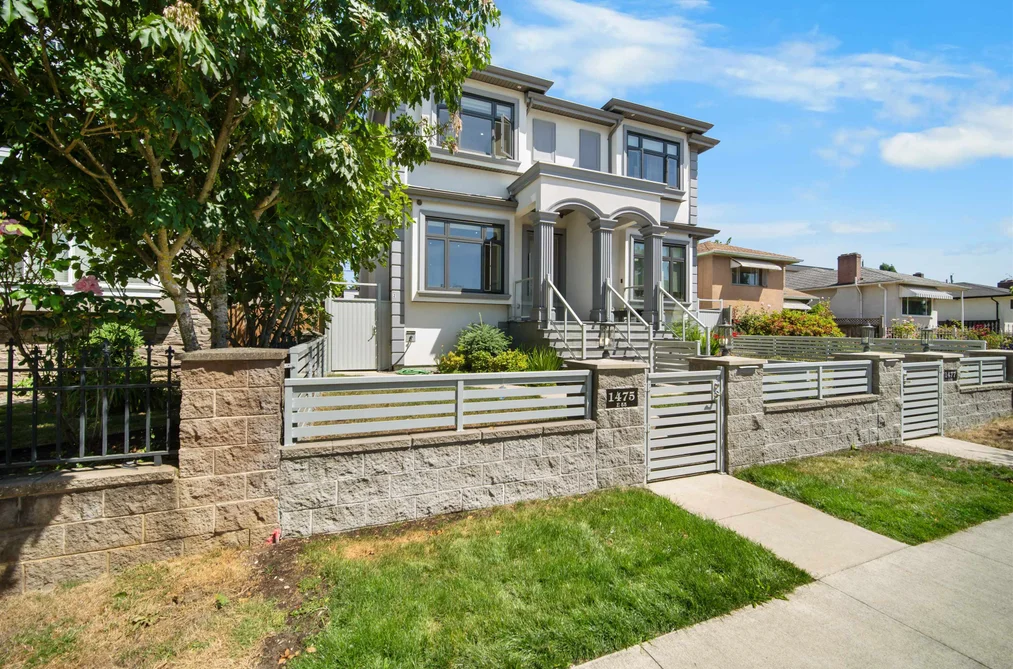
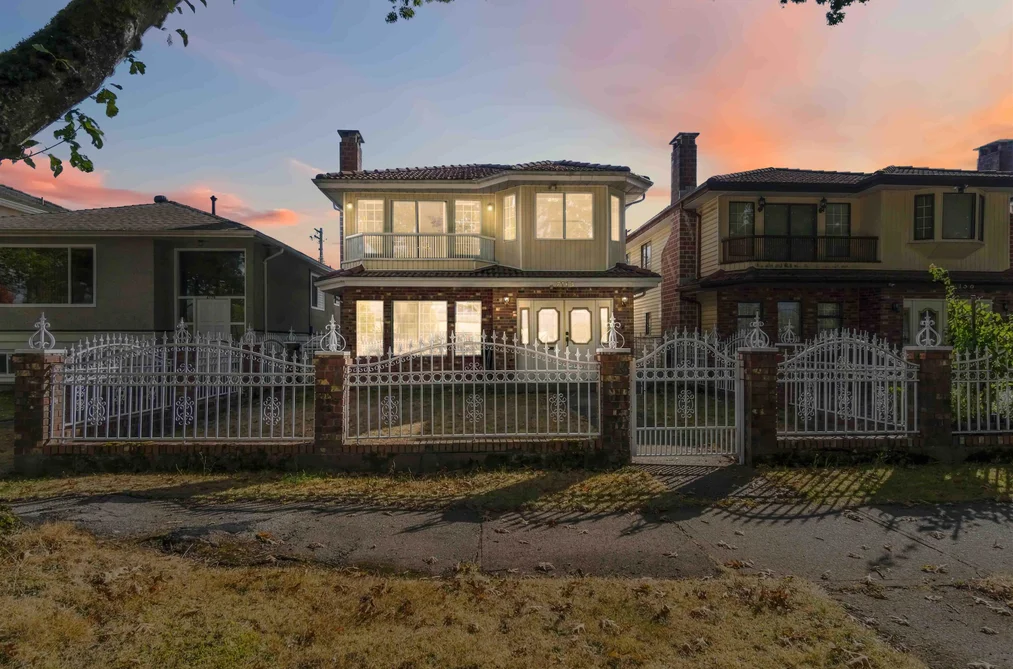
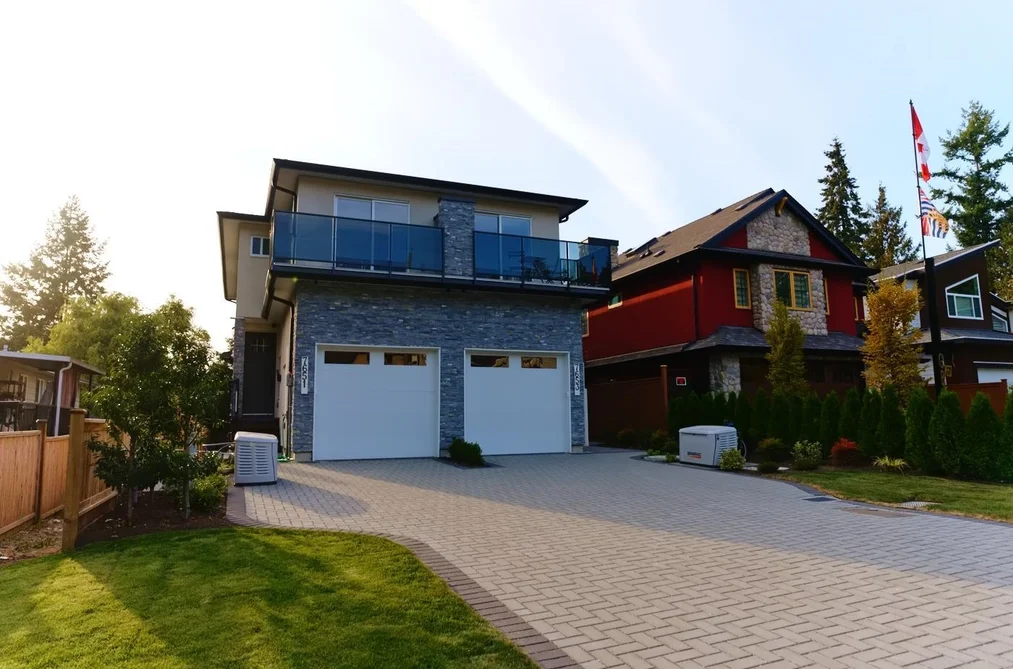
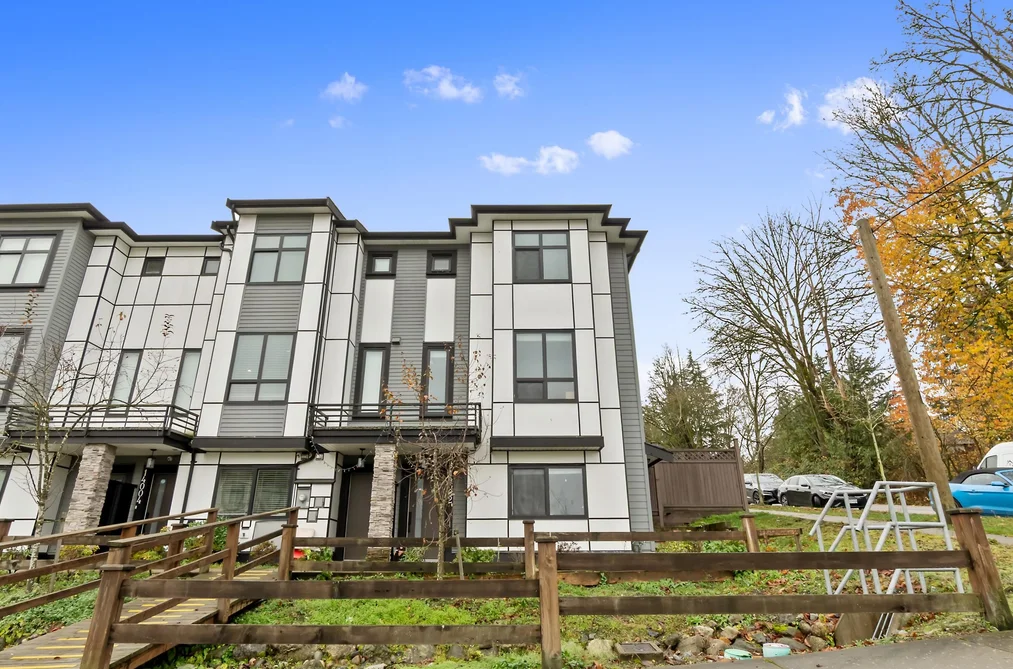
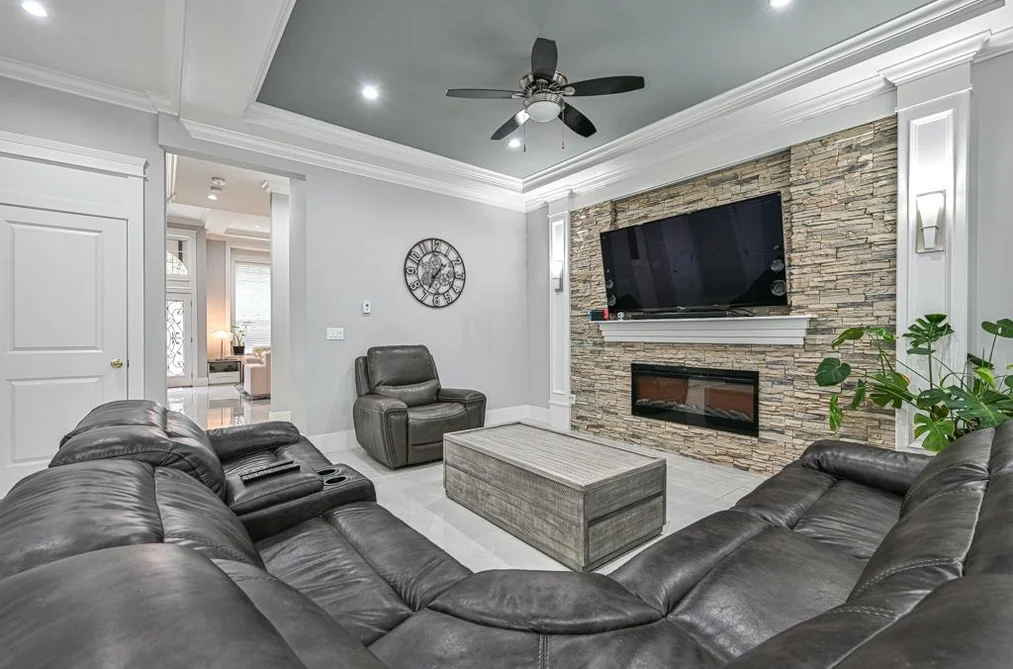
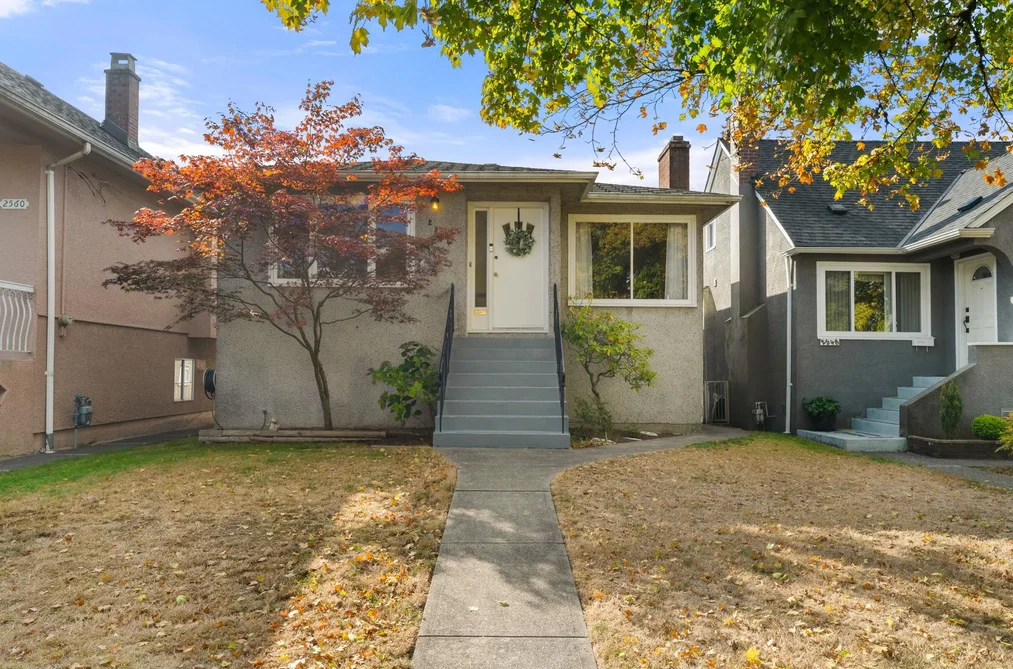
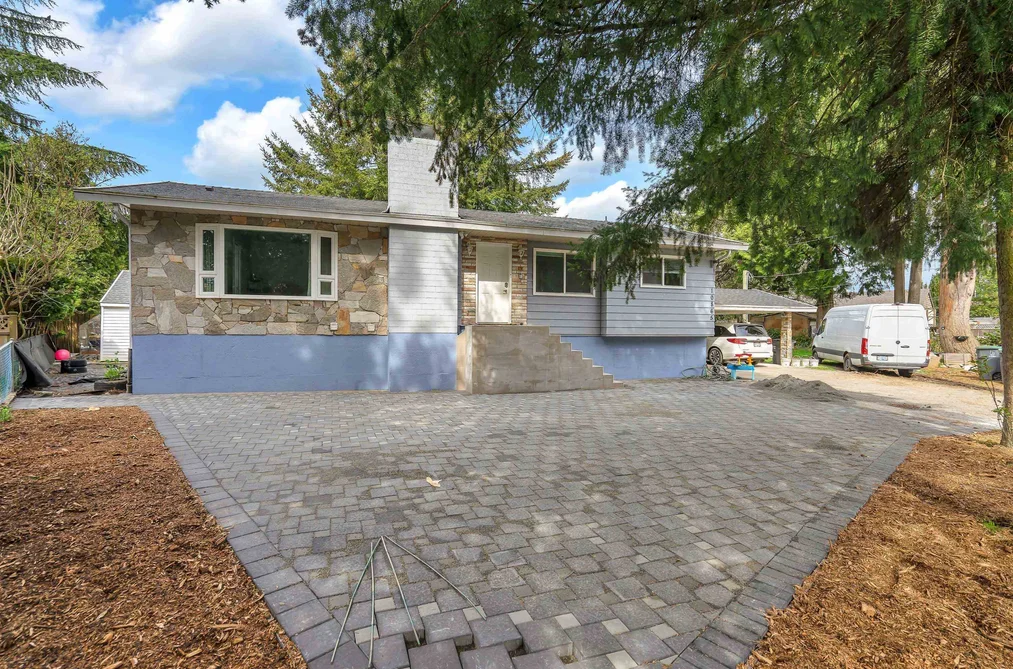
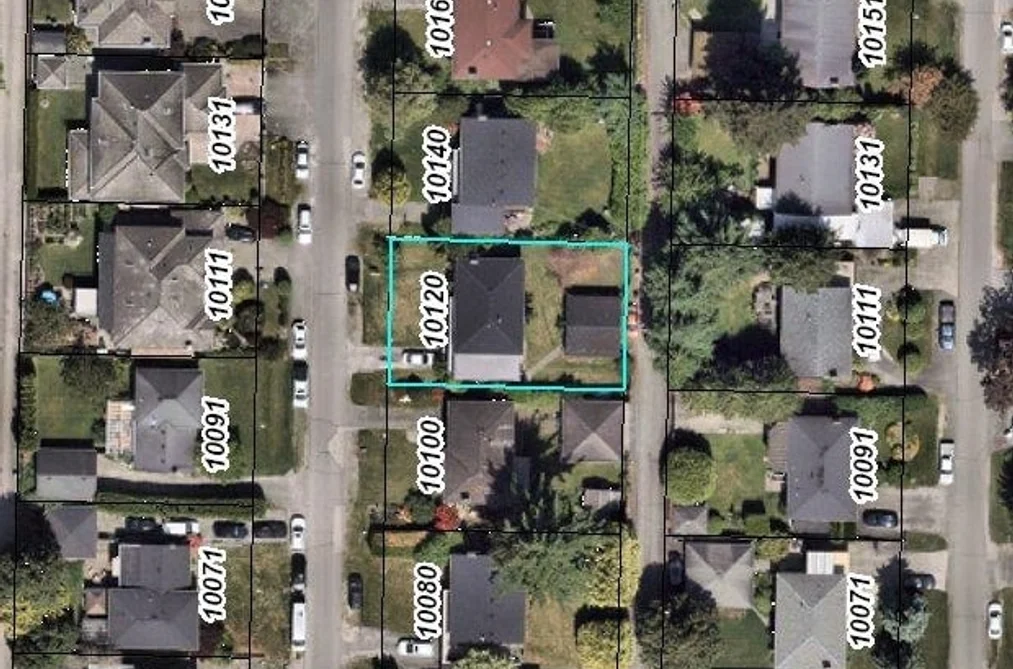
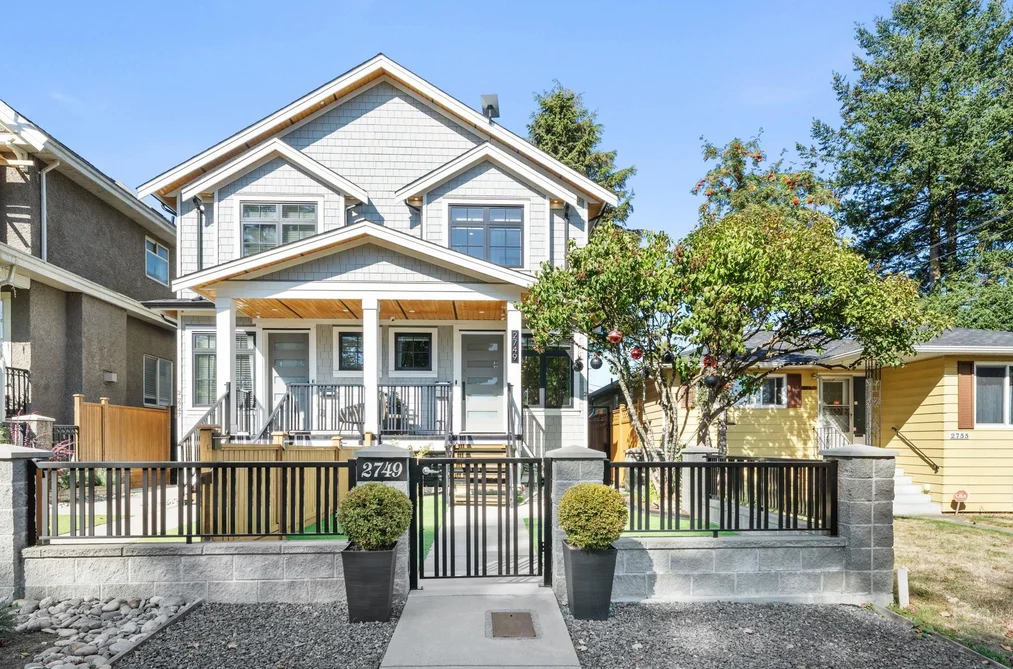
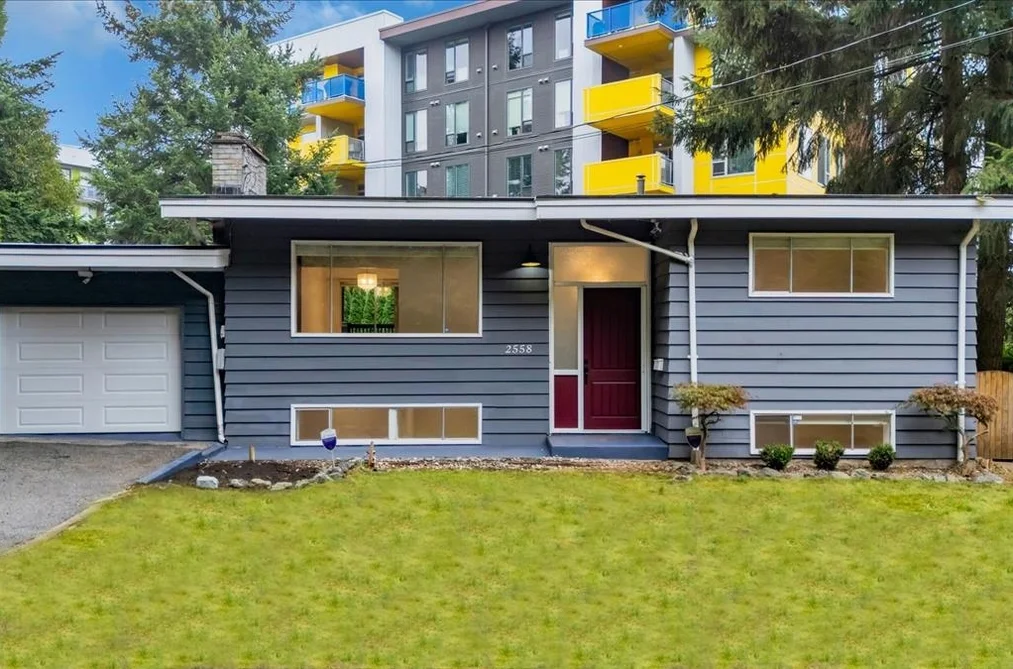
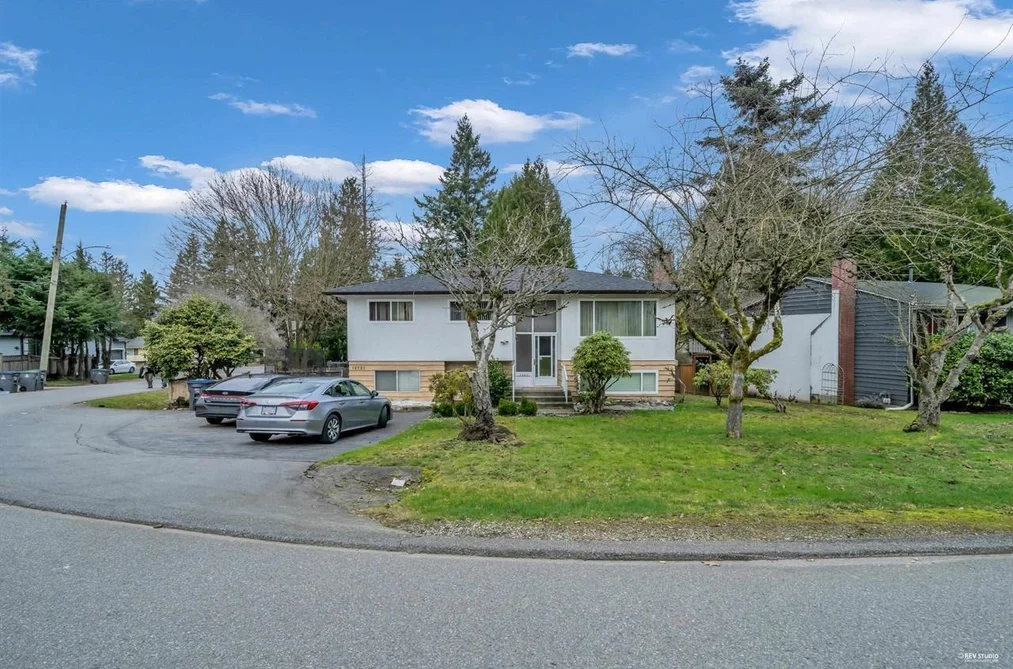
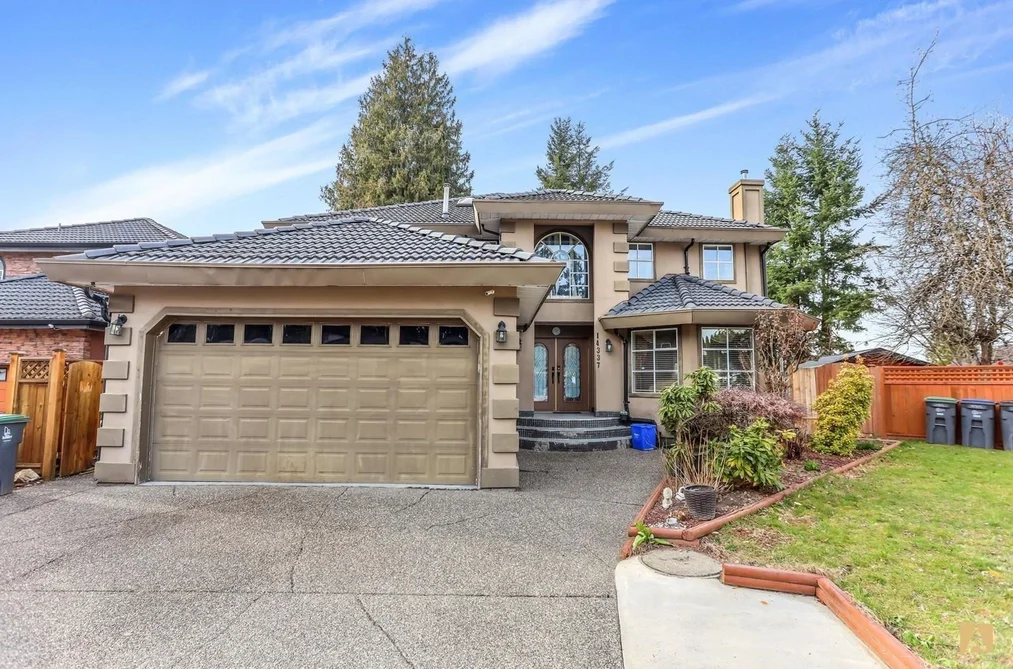
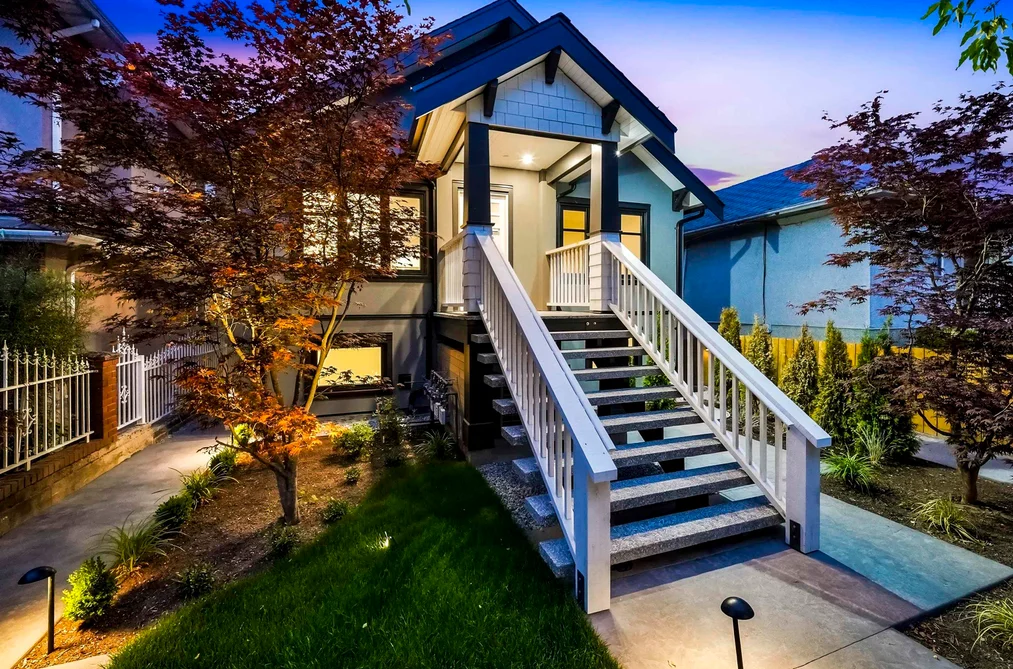
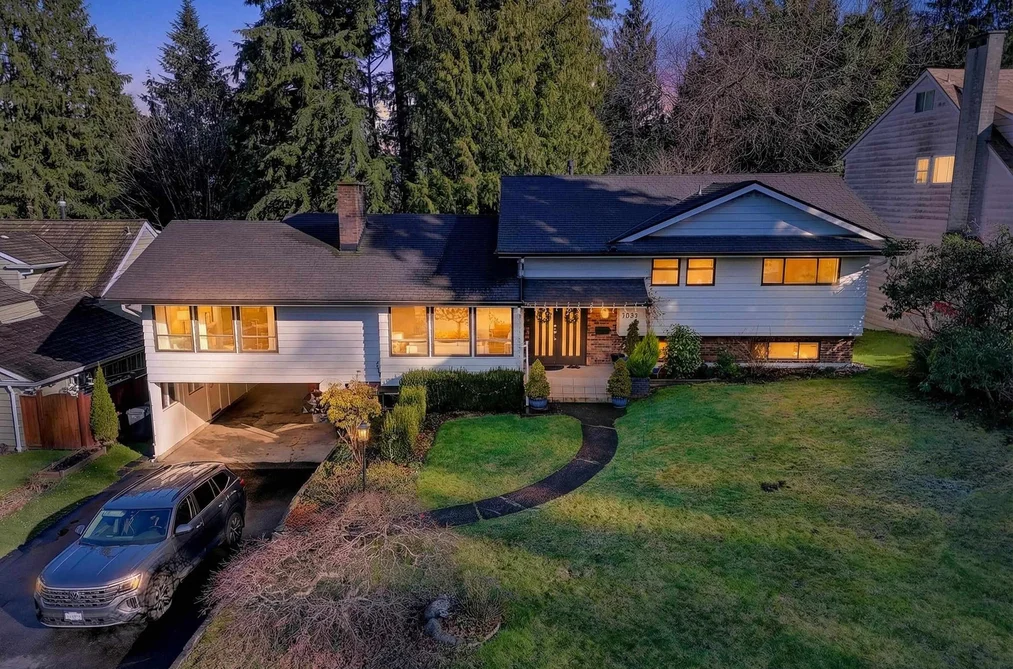
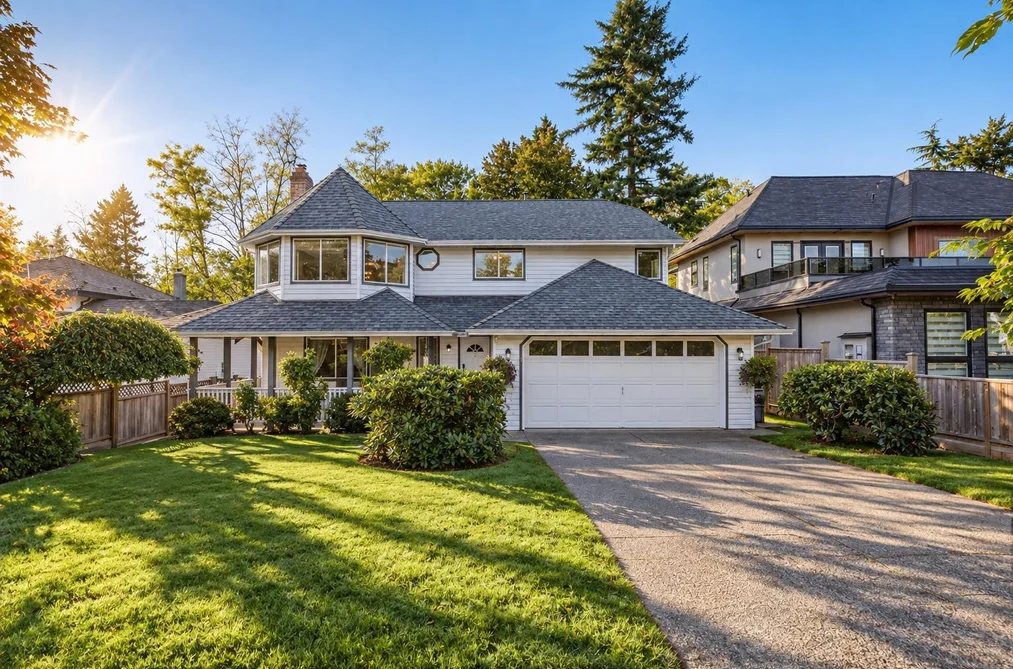
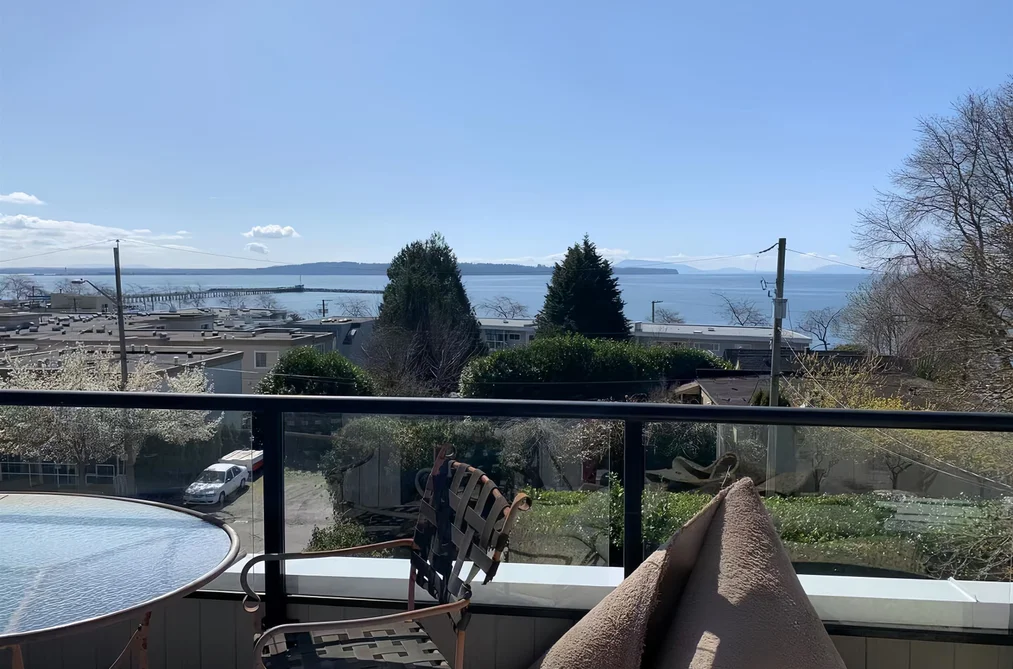
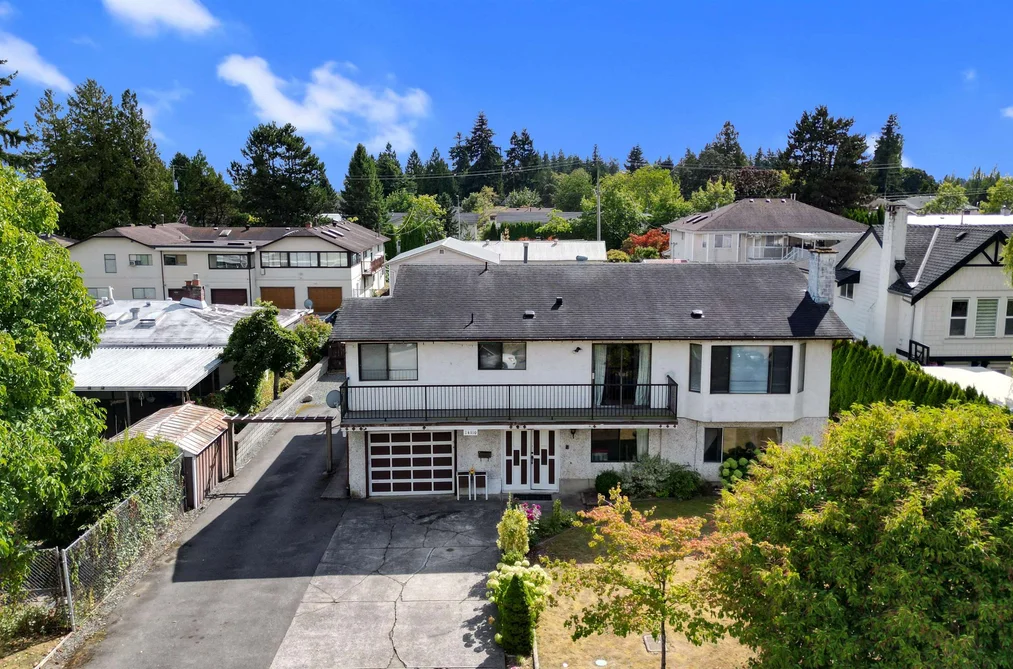
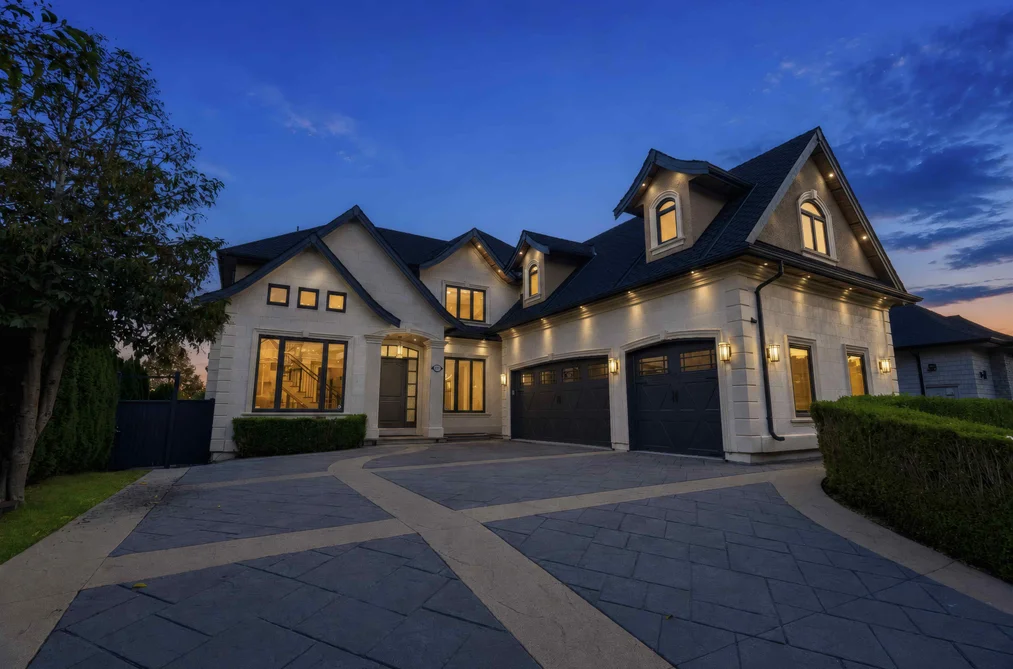
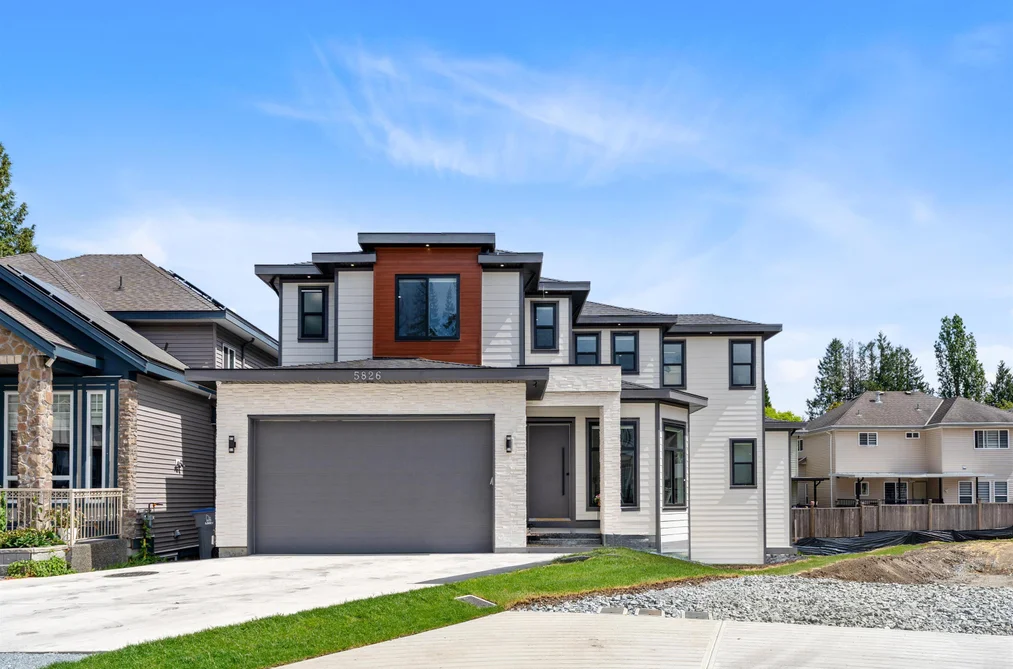
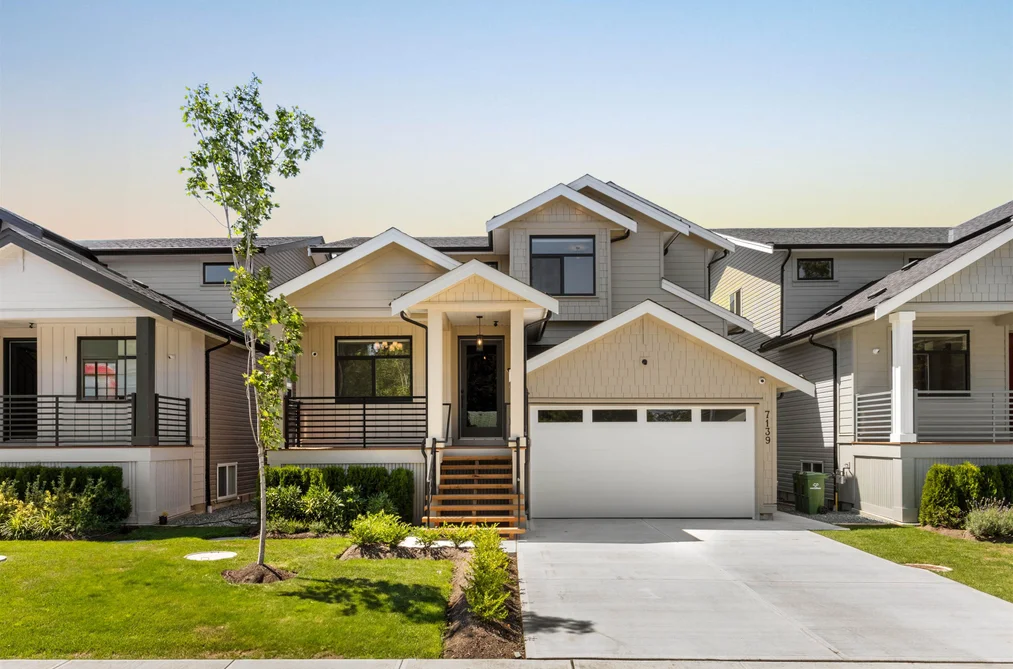
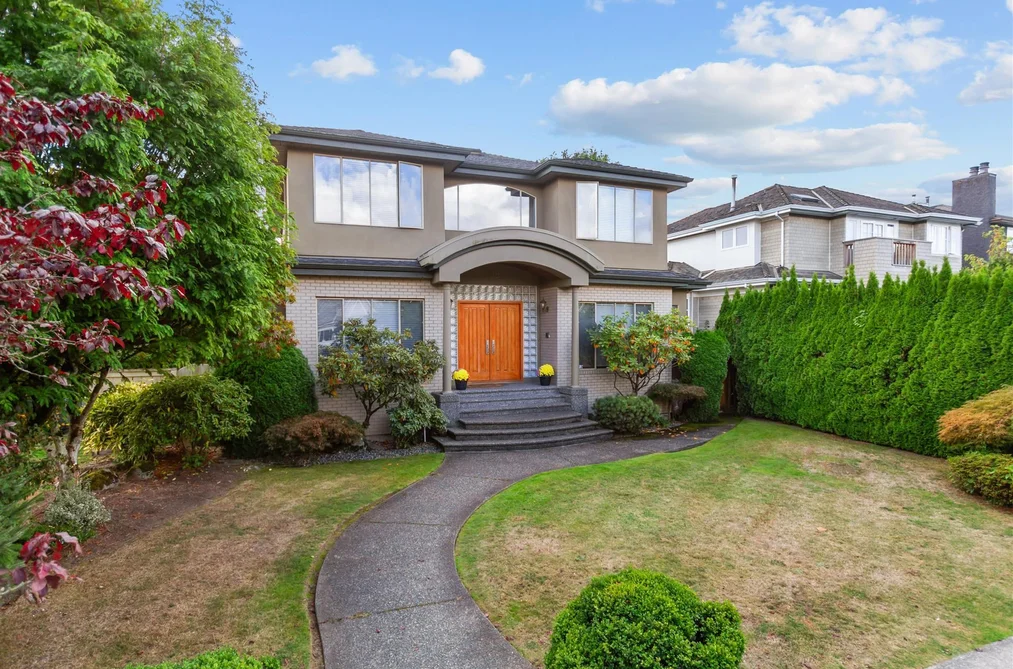
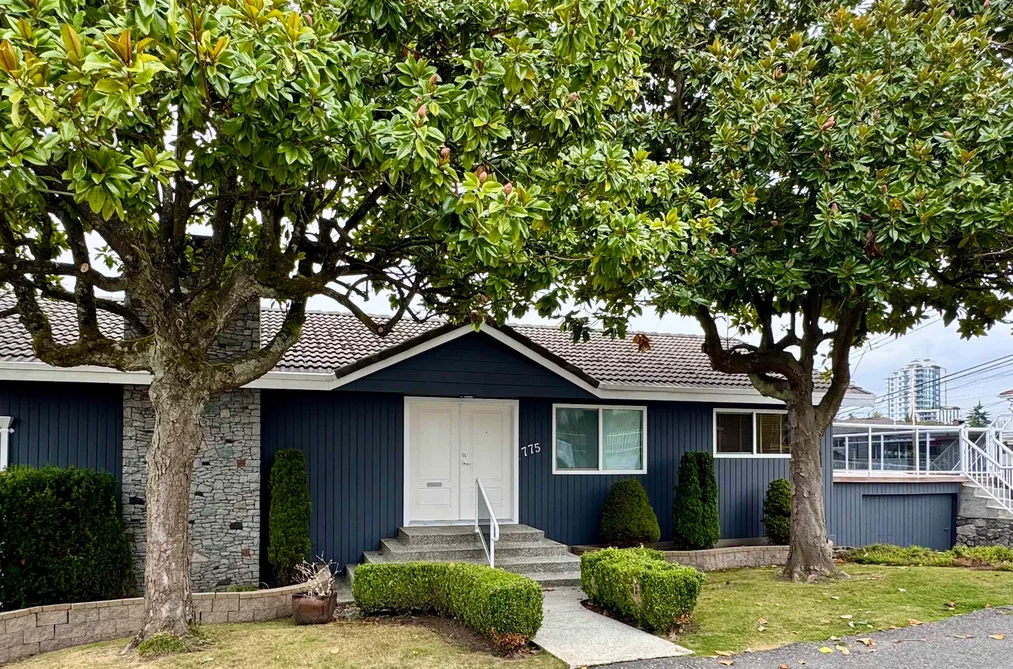
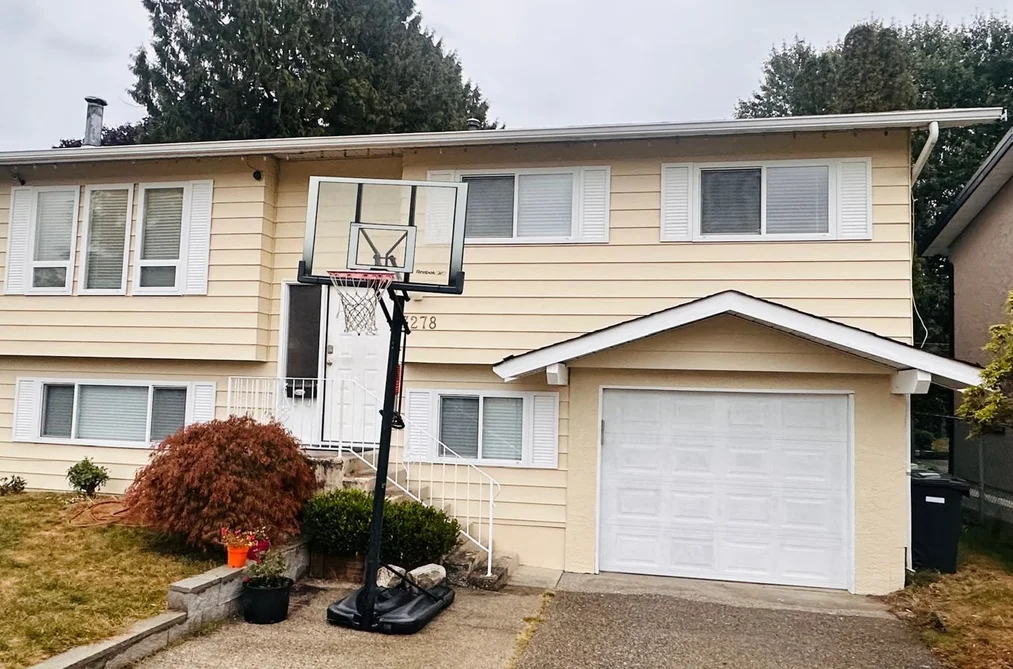
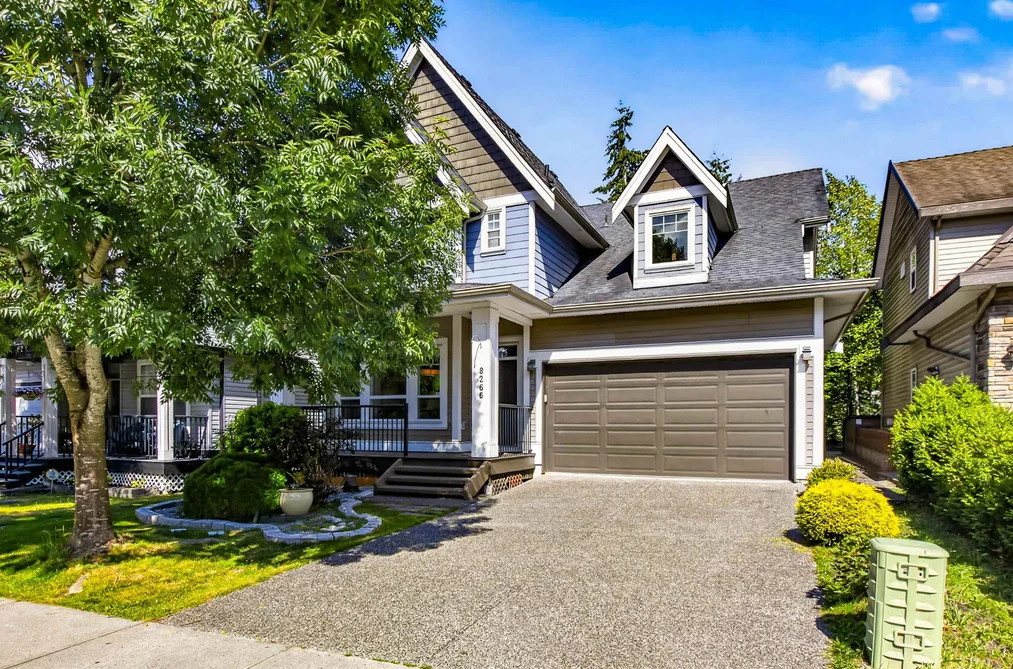
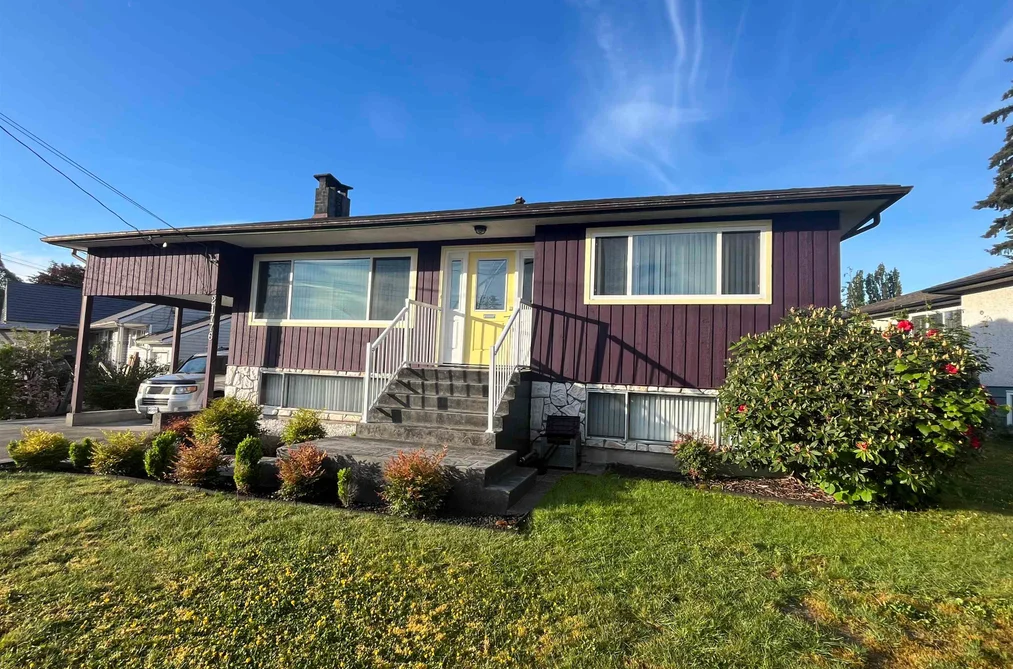
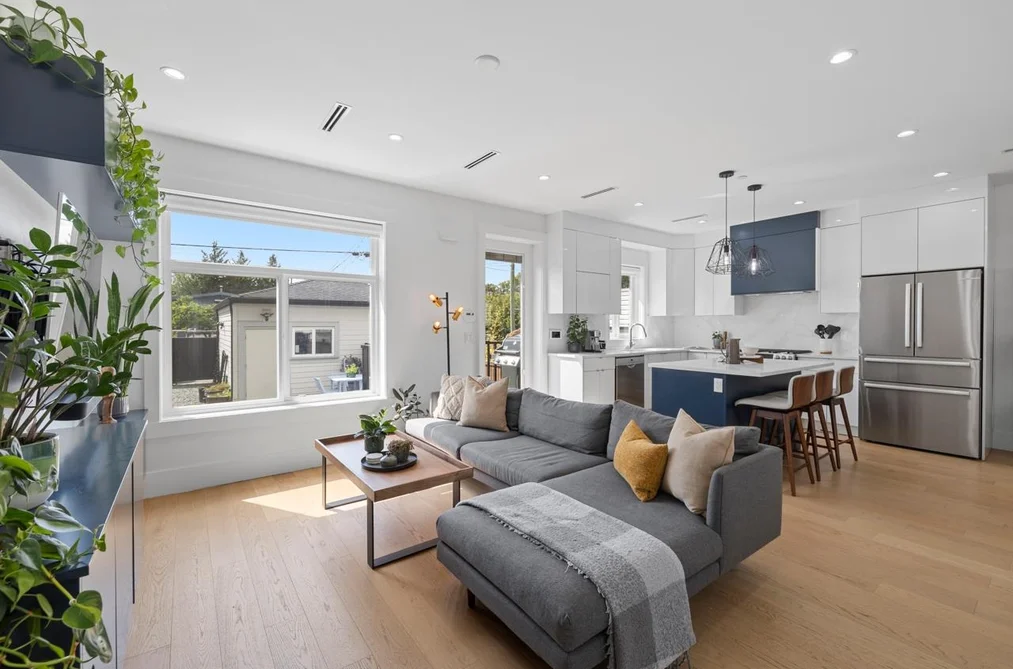
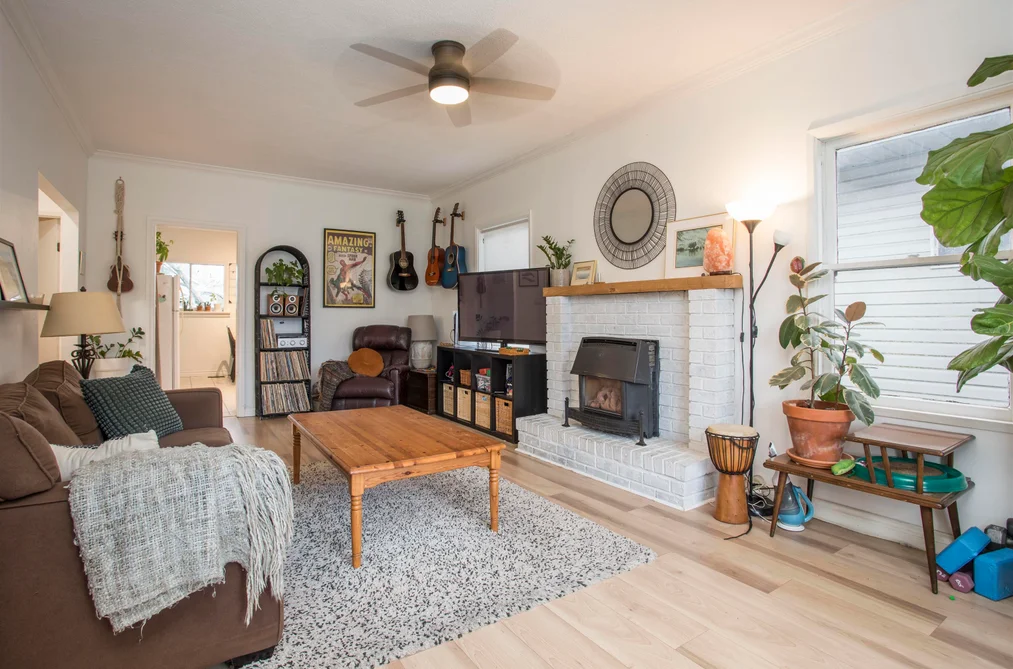
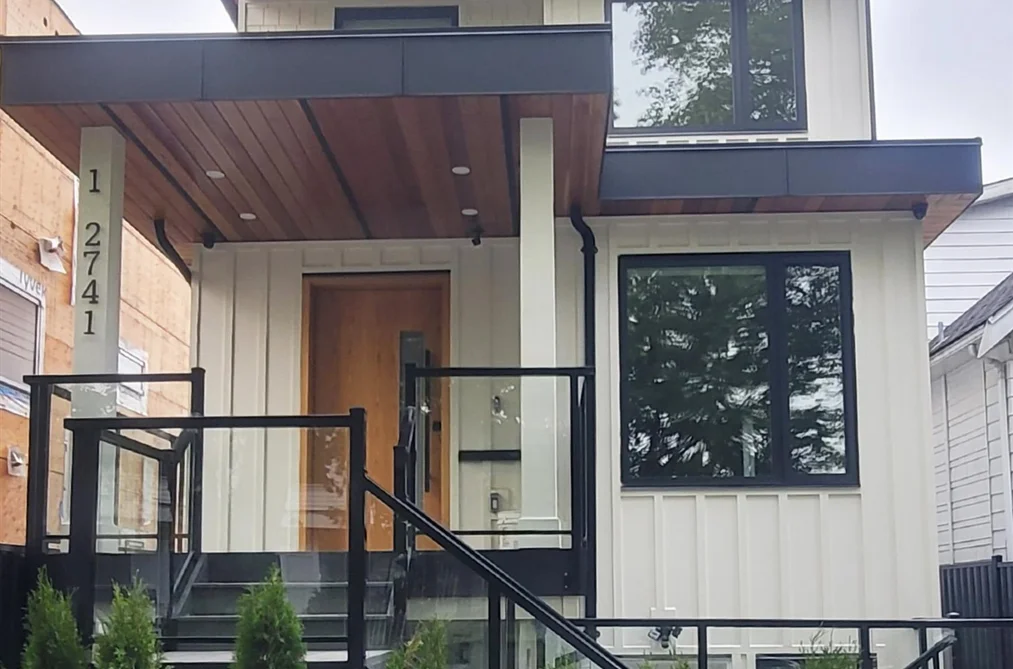
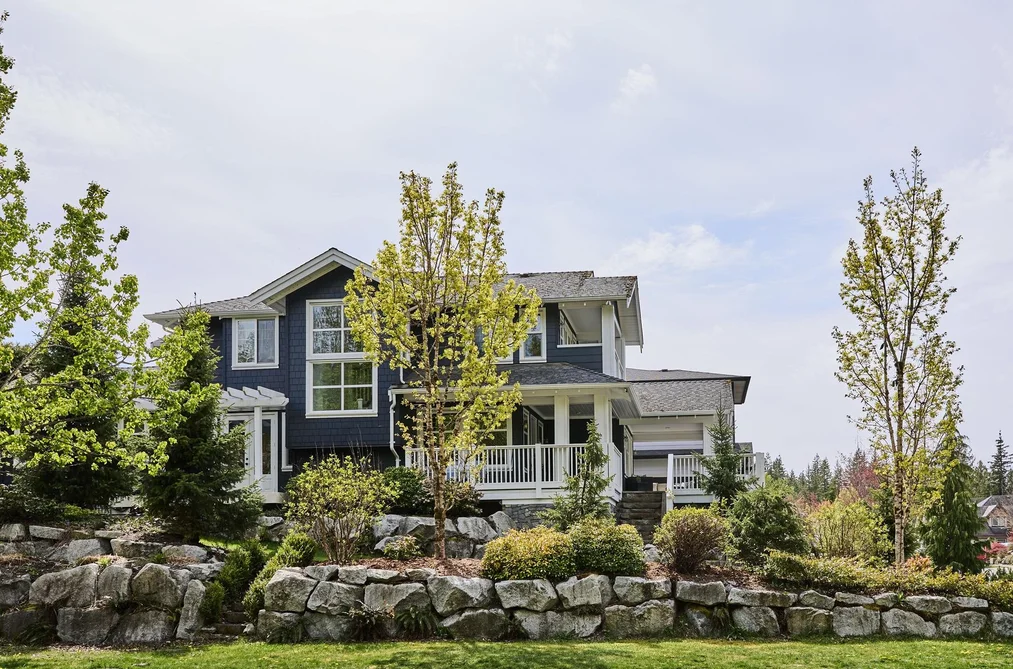
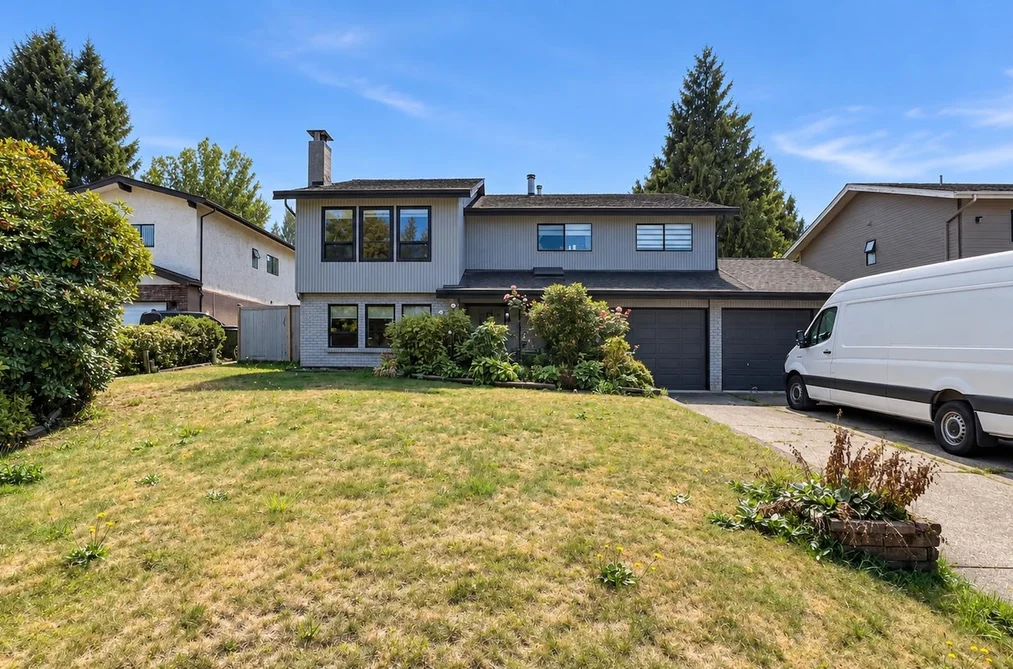
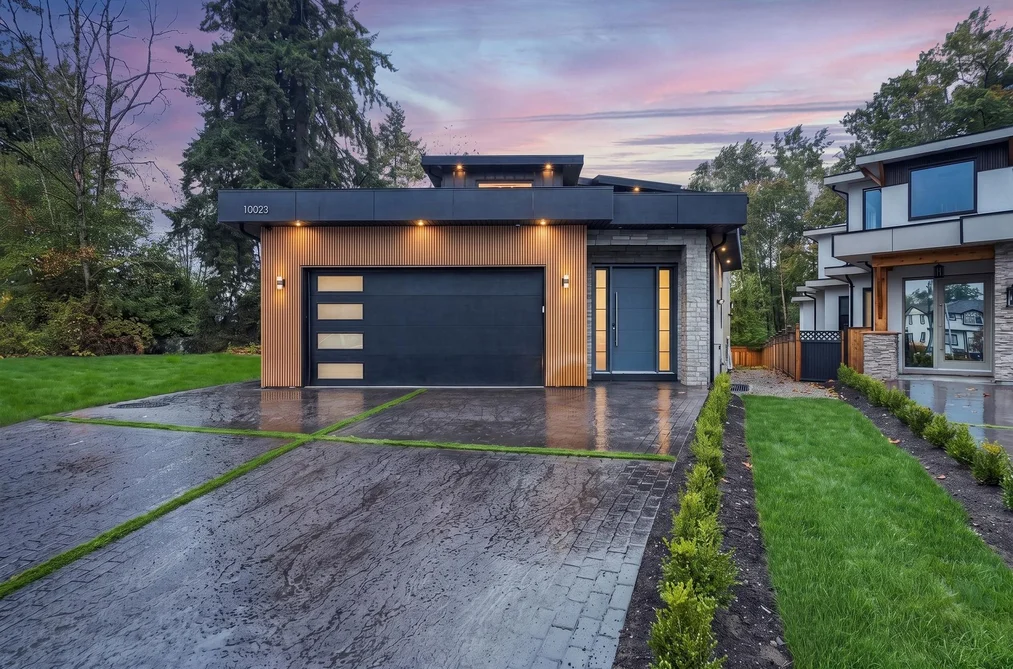
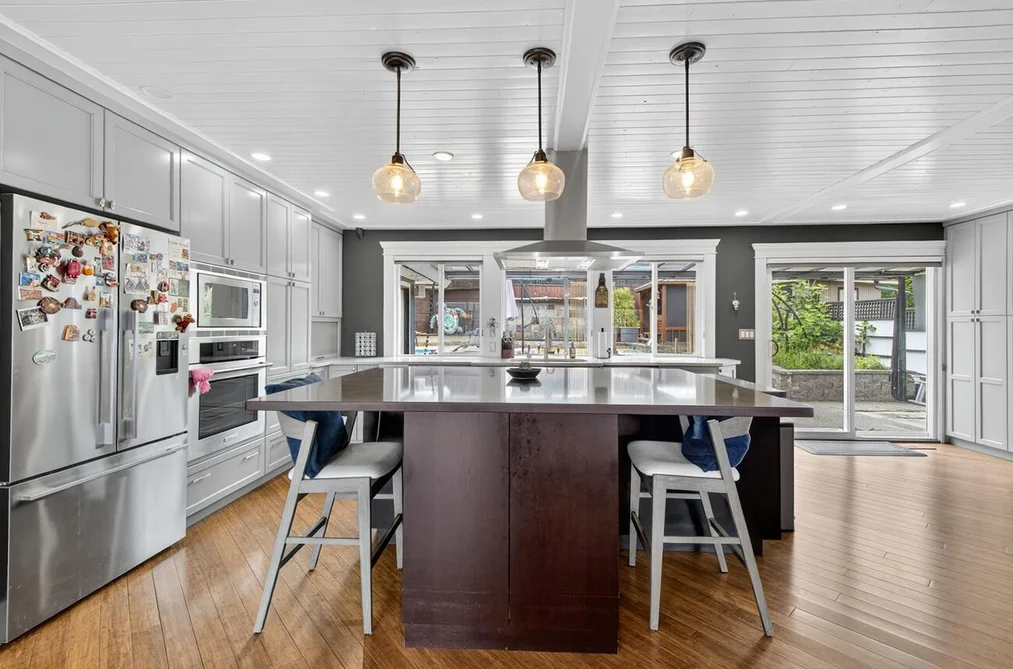
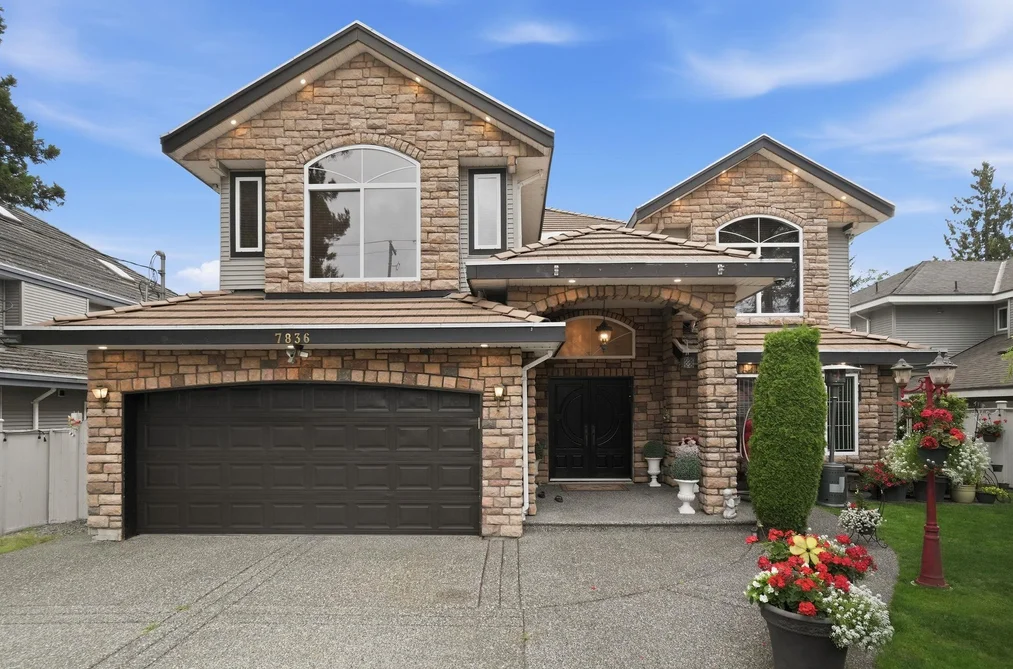
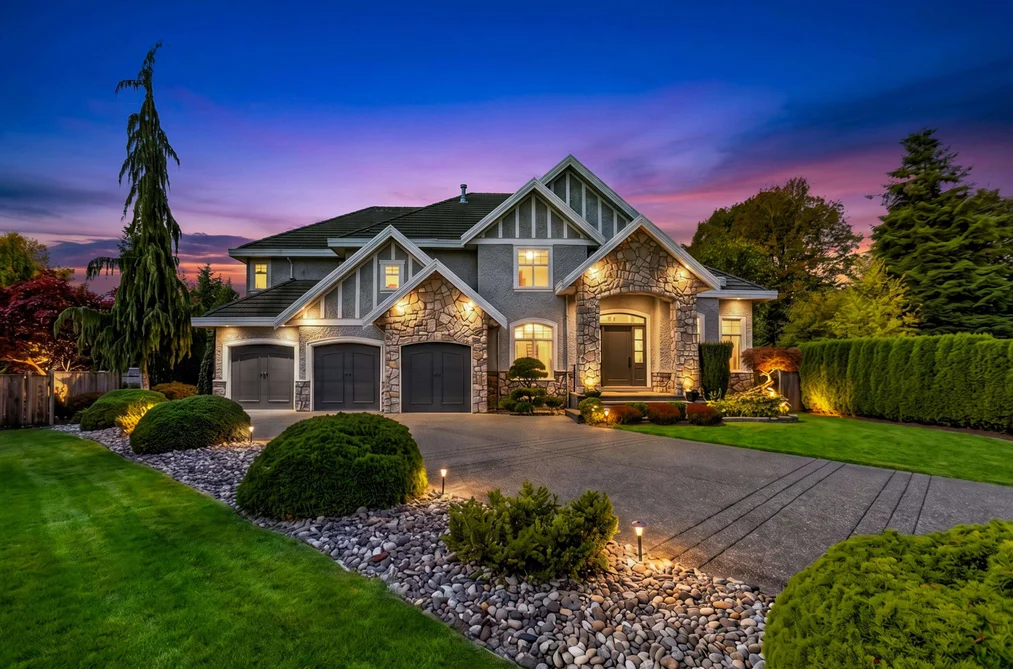
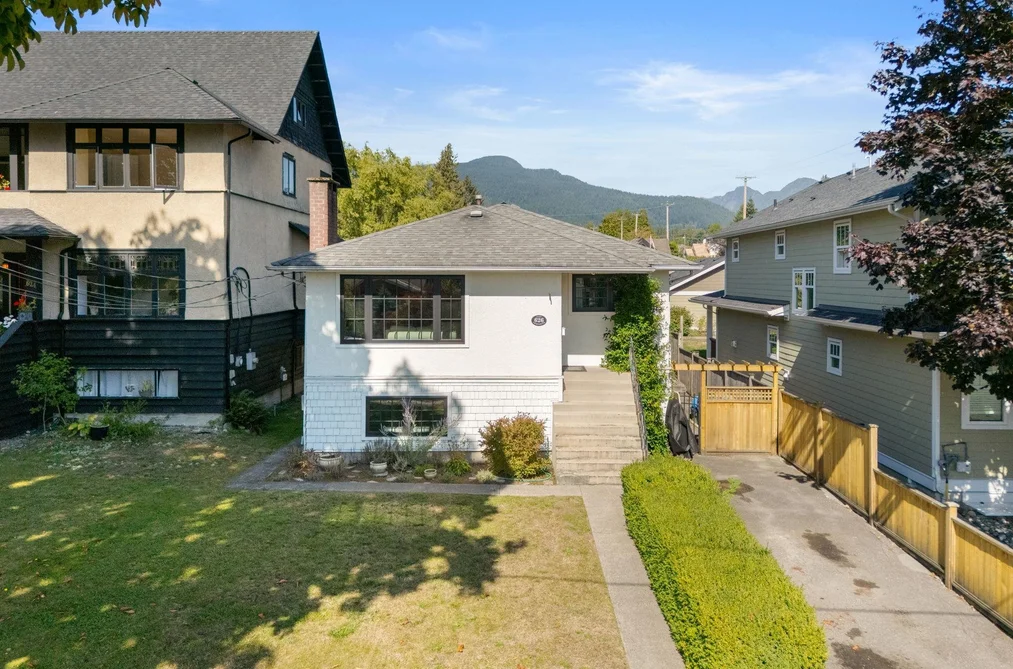
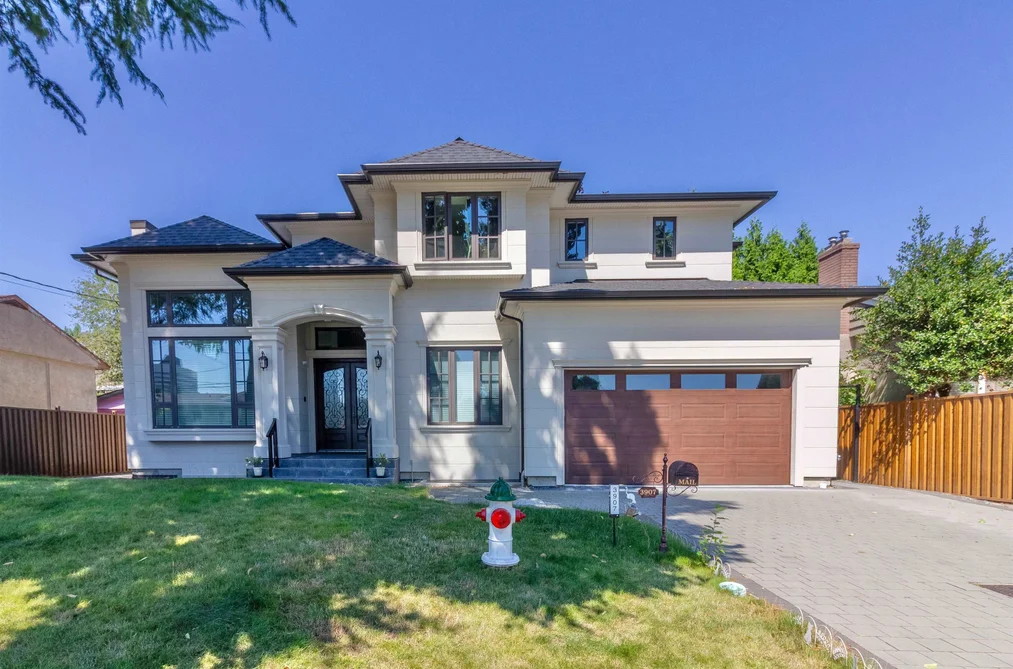
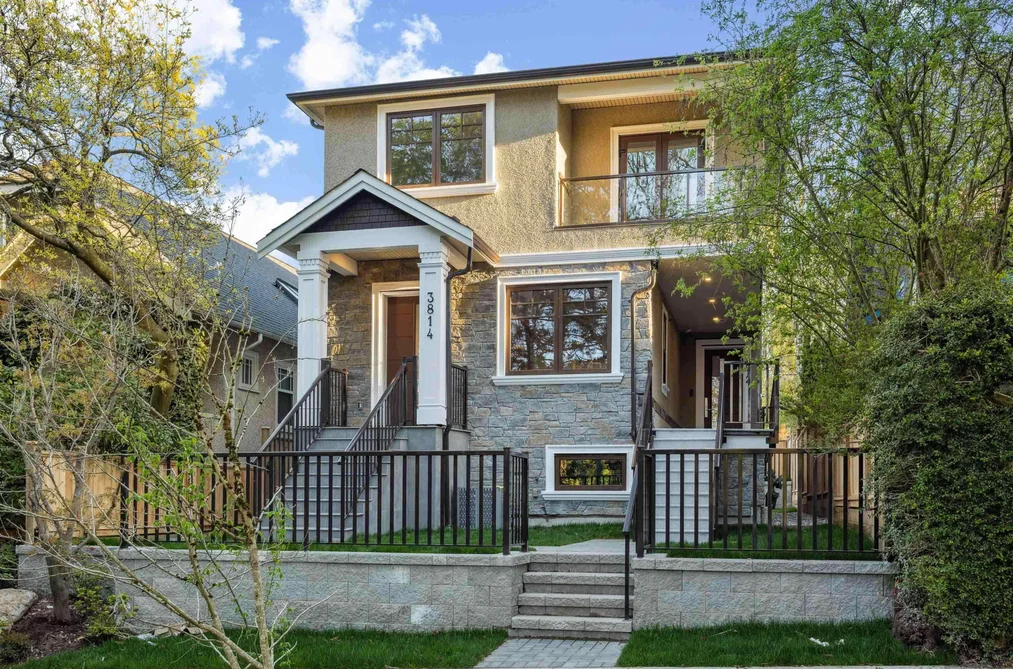
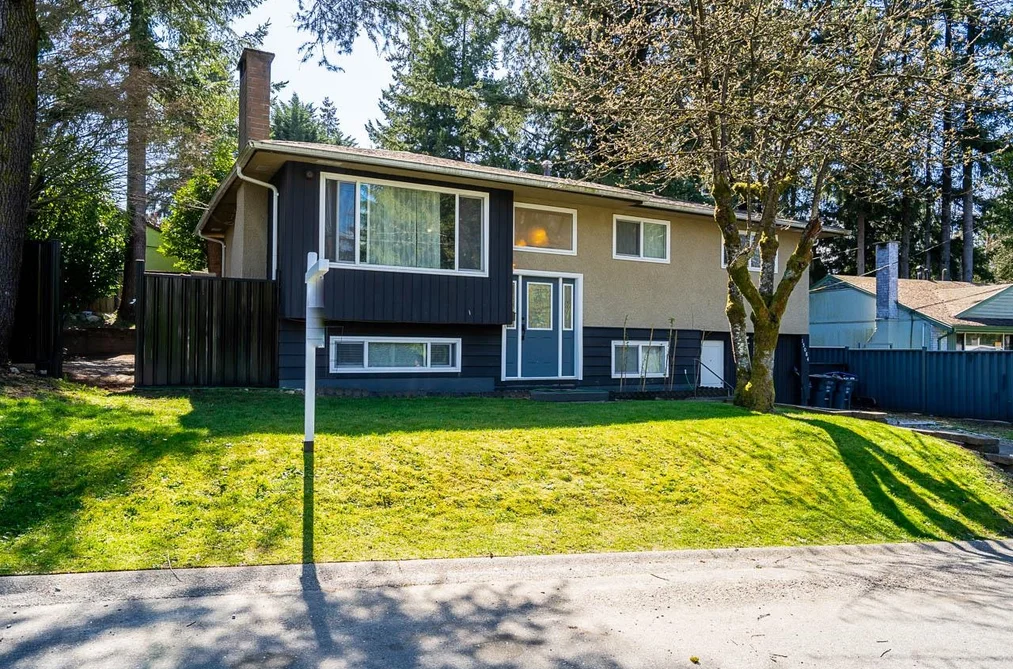
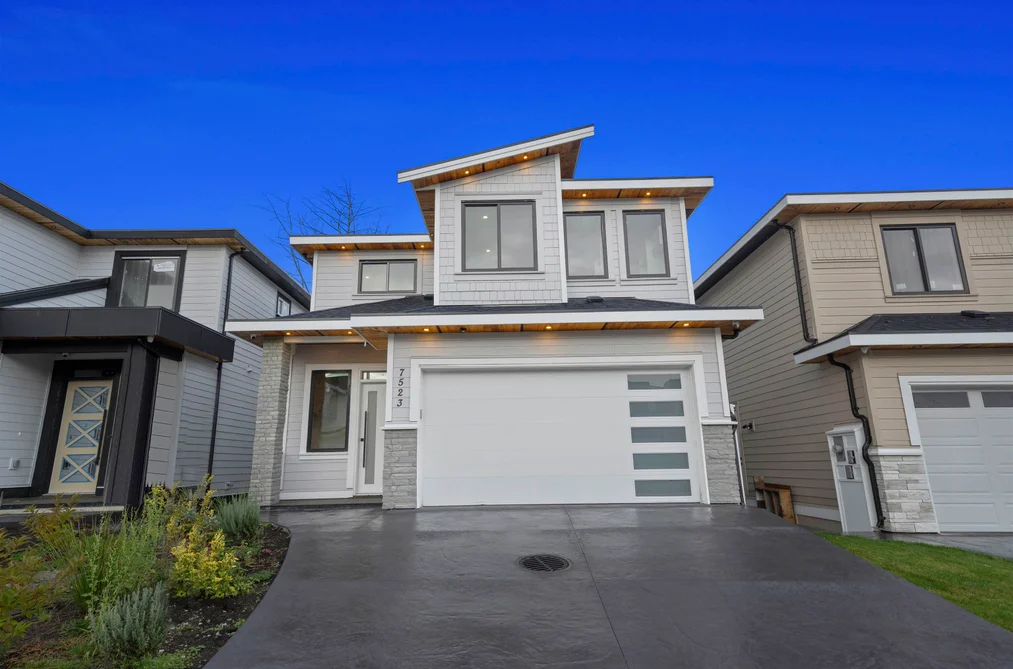
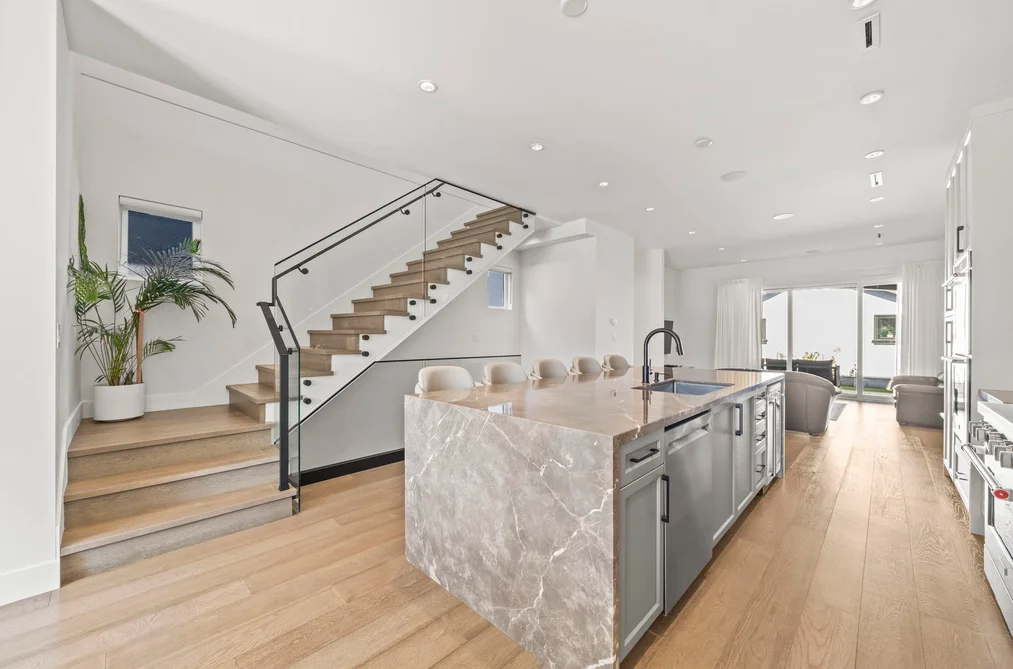
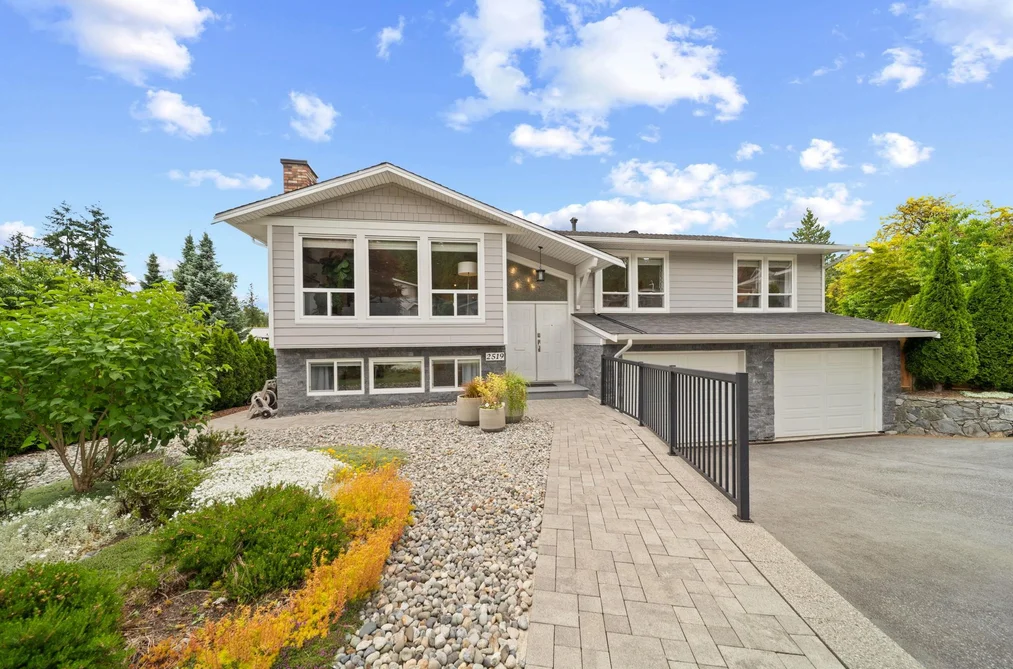
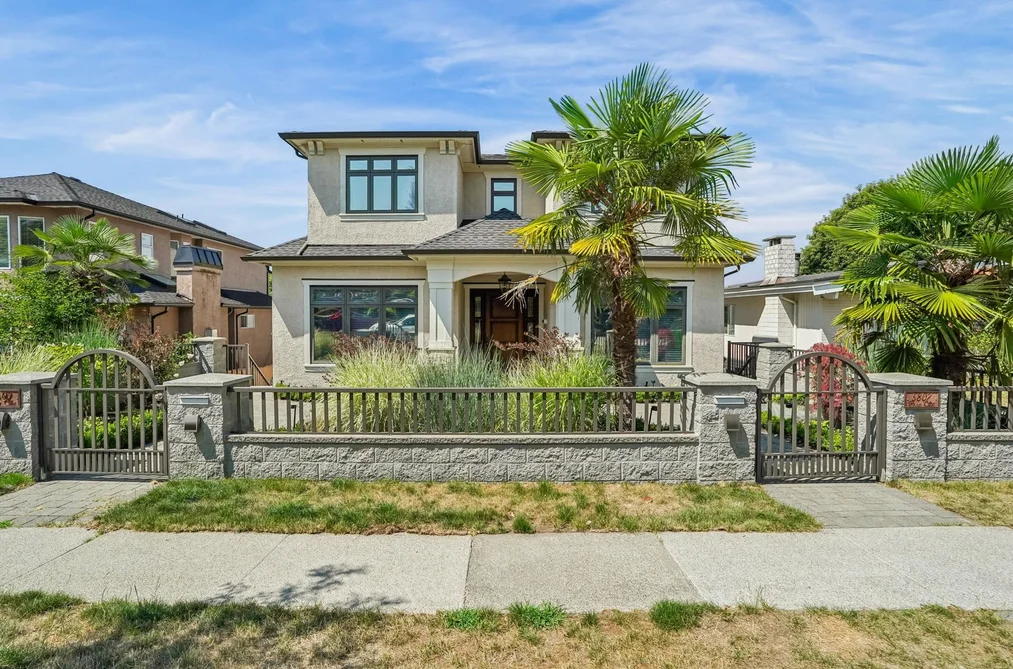
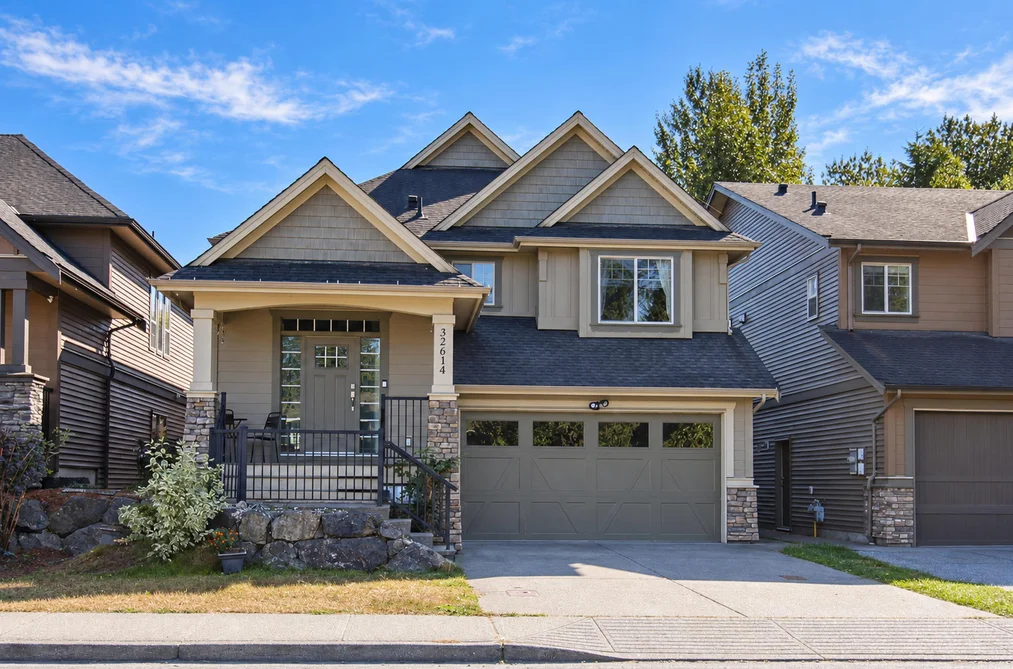
Mortgage Helper listings describe a home with a rental suite whose rent can offset your mortgage payments, so confirm the suite is permitted and that your lender will count the income before you rely on it.
The single most important question on any mortgage helper home is whether the secondary suite is legal. A permitted suite appears on the municipal records, meets the building code for ceiling height, egress windows, fire separation and a separate entrance, and has passed inspection. An unauthorized suite may look identical, but the municipality can order it closed, your insurer may not cover it, and a lender may ignore its rent entirely.
Ask the listing agent for the permit history, then confirm it with the municipality yourself. Provincial changes have made suites allowed in most single-family zones across British Columbia, but being allowed in the zone is not the same as this particular suite having been built to code. Compare listings described as a legal suite against those that only mention a suite.
The appeal of a mortgage helper is qualifying for a larger mortgage because the rent counts toward your income. How much it counts depends on the lender, the insurer and the paperwork. Some lenders add a portion of the gross rental income to your income; others subtract it from the payment. Most want a signed lease, proof of the rent, or an appraiser's estimate of market rent, and some will not count a suite without a permit.
Speak to a mortgage broker before you shop, and get approved for the mortgage on the basis of the actual suite in the home you want, not an estimate. If your down payment is under twenty percent, mortgage insurance through CMHC or a private insurer applies, and the insurer's rules on rental income matter as much as the lender's.
Suites vary as much as houses do. Compare the number of bedrooms, the ceiling height, the natural light, the laundry arrangement and whether the suite has its own entrance and outdoor space. A bright, self-contained suite with its own laundry rents more easily and for more than a dim basement room with a shared washer.
Check the sound separation between floors too. Living above a tenant is a daily experience, and a suite with poor insulation between levels will cost you in comfort what it earns you in rent. An in-law suite built for family may need work before it suits an unrelated tenant.
If the suite is rented when you buy, the tenancy usually continues after completion under the Residential Tenancy Act. Ask for the lease, the rent, the deposit held and how long the tenant has lived there. If you want the suite empty, the rules for ending a tenancy for the buyer's own use require a written request to the seller and a set notice period, so build that into your timeline and possession date.
Becoming a landlord brings obligations: repairs, rent increases capped by the province, and the rent is taxable income you will report. An accountant can explain how the suite affects your taxes and the principal residence exemption before you commit.
Tell your insurer about the suite, since home insurance for an owner-occupied house with a tenant differs from a standard policy. Budget for a vacancy month now and then, for wear between tenants, and for the separate utilities or the arrangement for sharing them. A realistic budget treats the rent as help, not a guarantee.
Supply runs across Surrey, Burnaby, Coquitlam, Richmond, the North Shore and much of Vancouver, where the basement suite is a long-standing part of the detached home. Browse and compare current real estate listings on the MLS® through Strawhomes, filter by neighbourhood, and shortlist only the homes whose suite and financing you have confirmed. Compare them against a laneway or a duplex if you want the rental in a separate structure.