For Sale
2 days
- $749,000
- 2 bed
- 1 bath
- 855 sqft
MLS® R3169684
•Dexter Realty
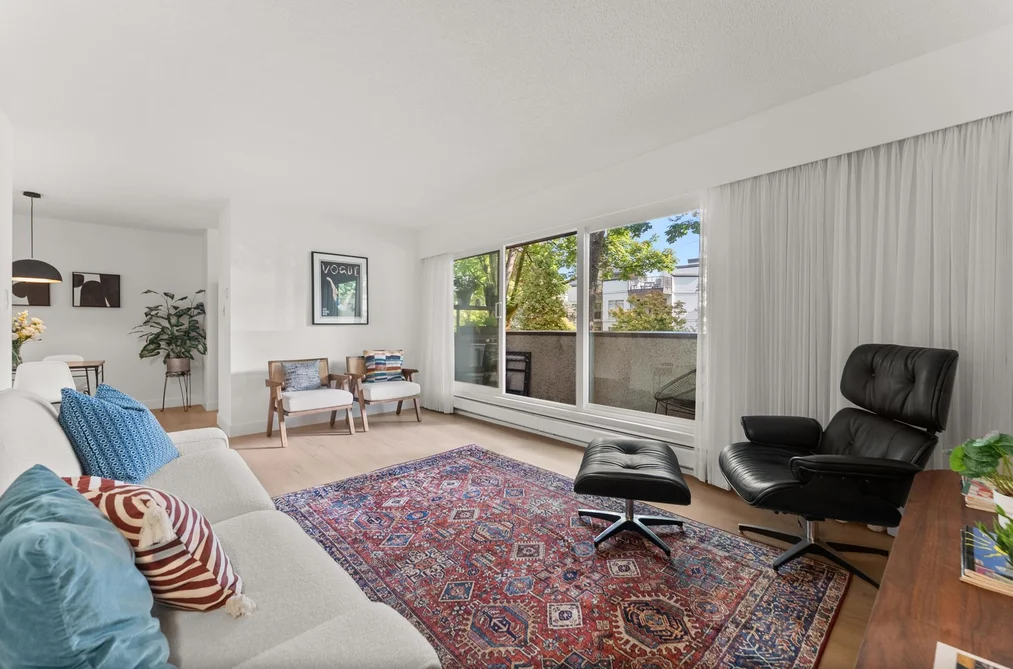
Open Tue, Sep 29, 6 p.m.
Browse Renovation listings across Greater Vancouver and check which upgrades were permitted and what still needs doing before you weigh the purchase price.
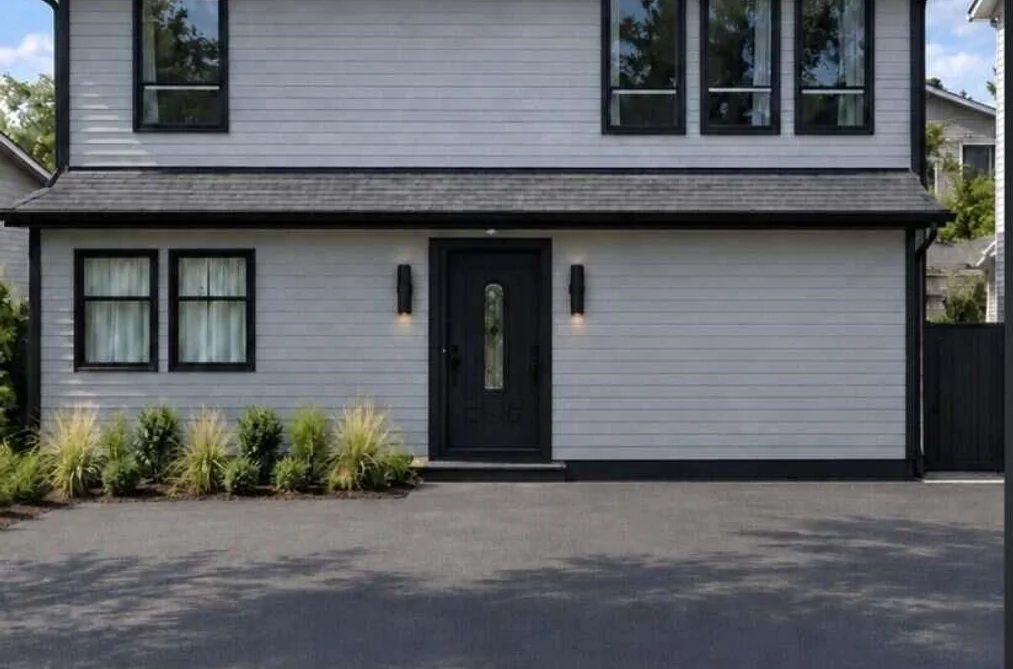
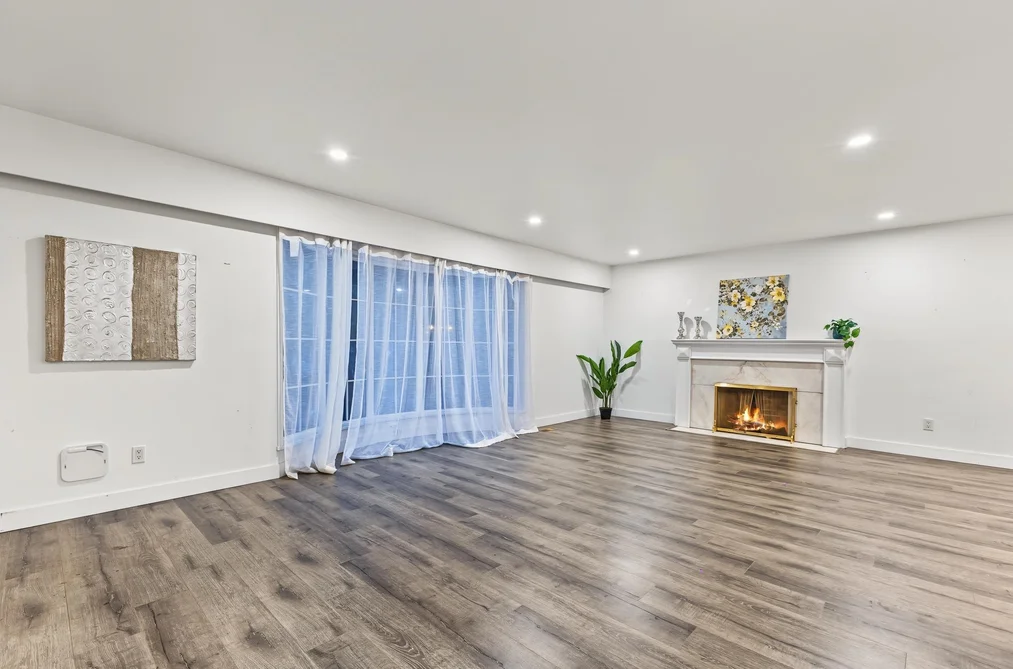
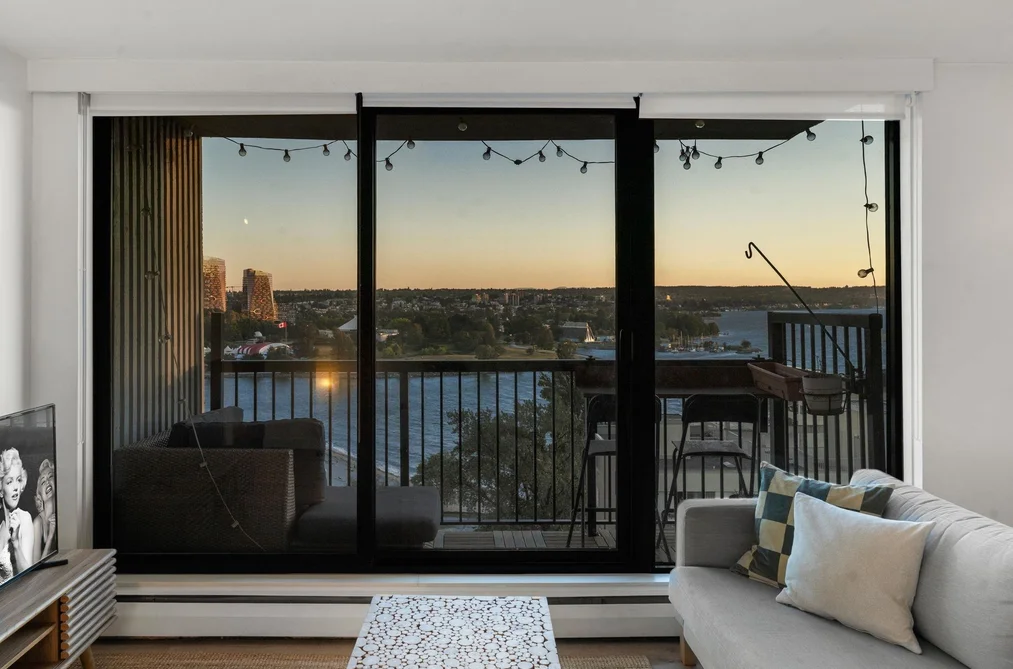
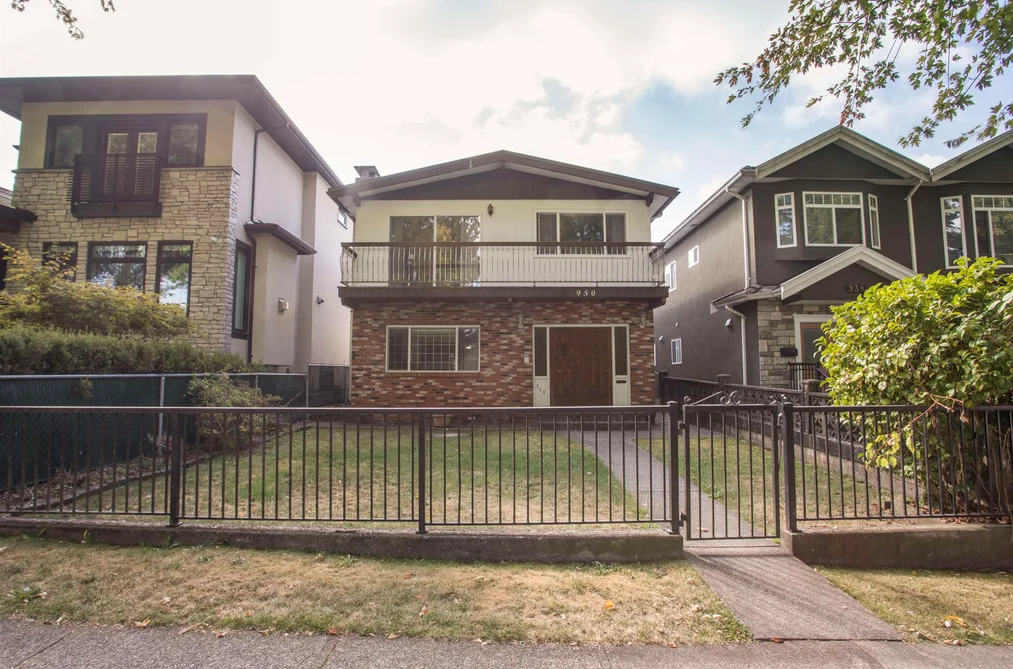
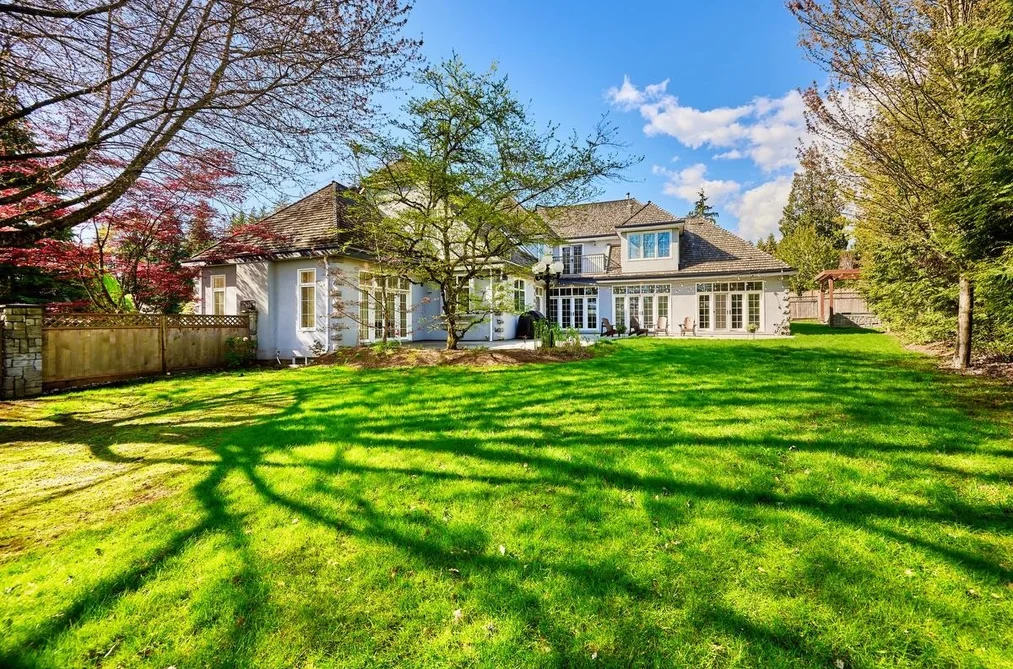
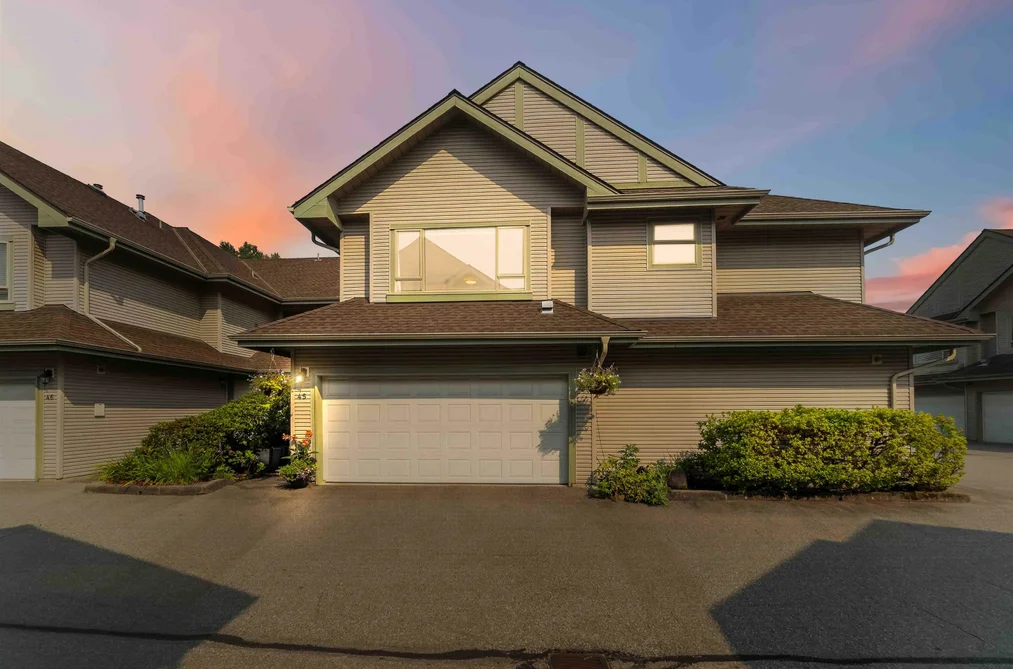
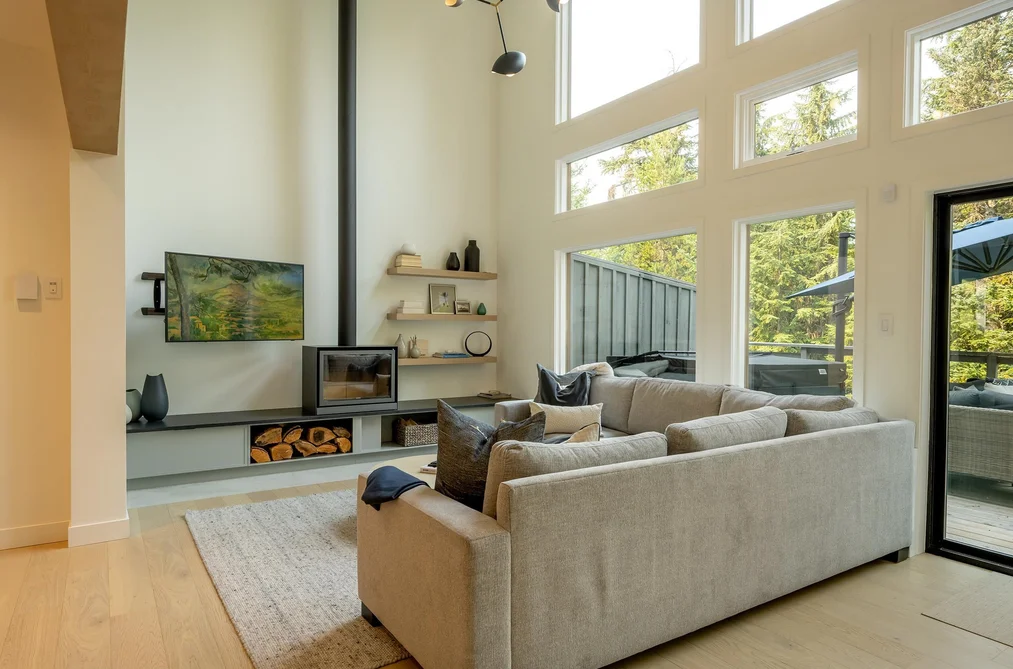
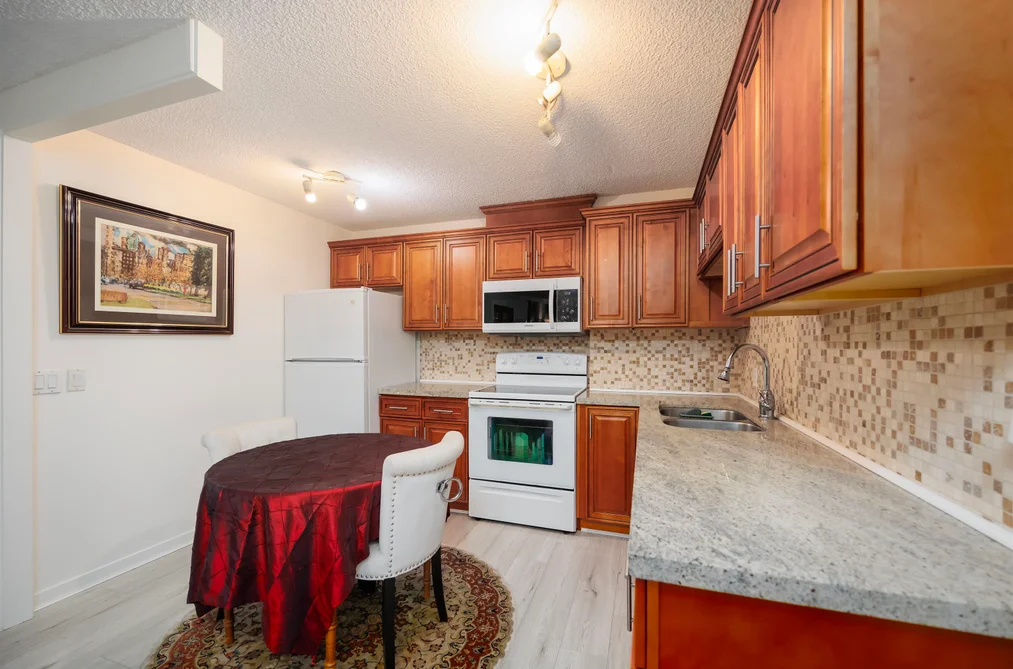
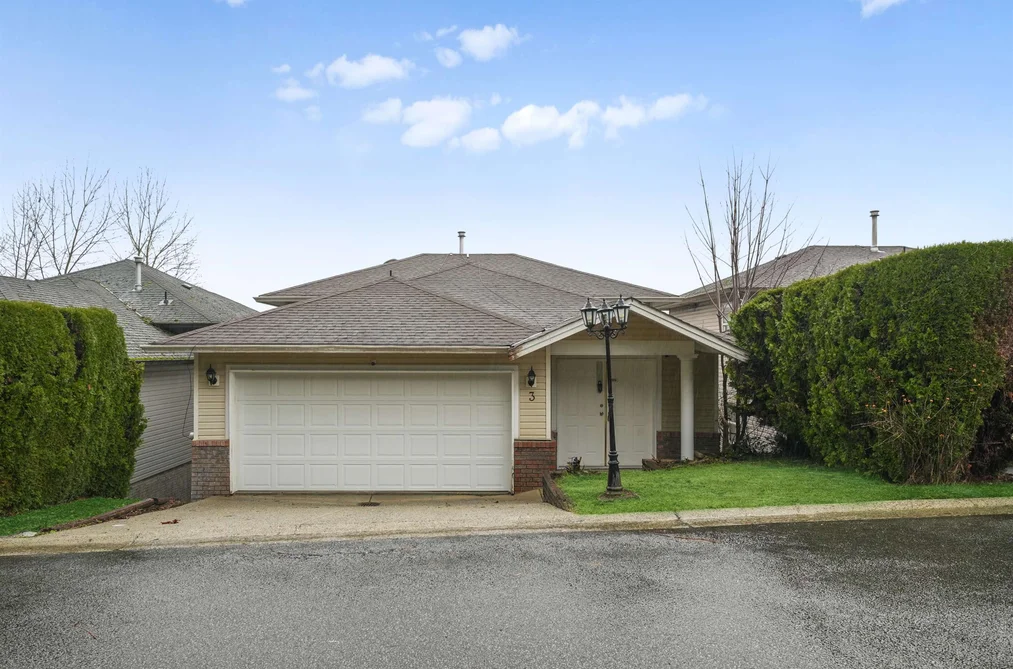
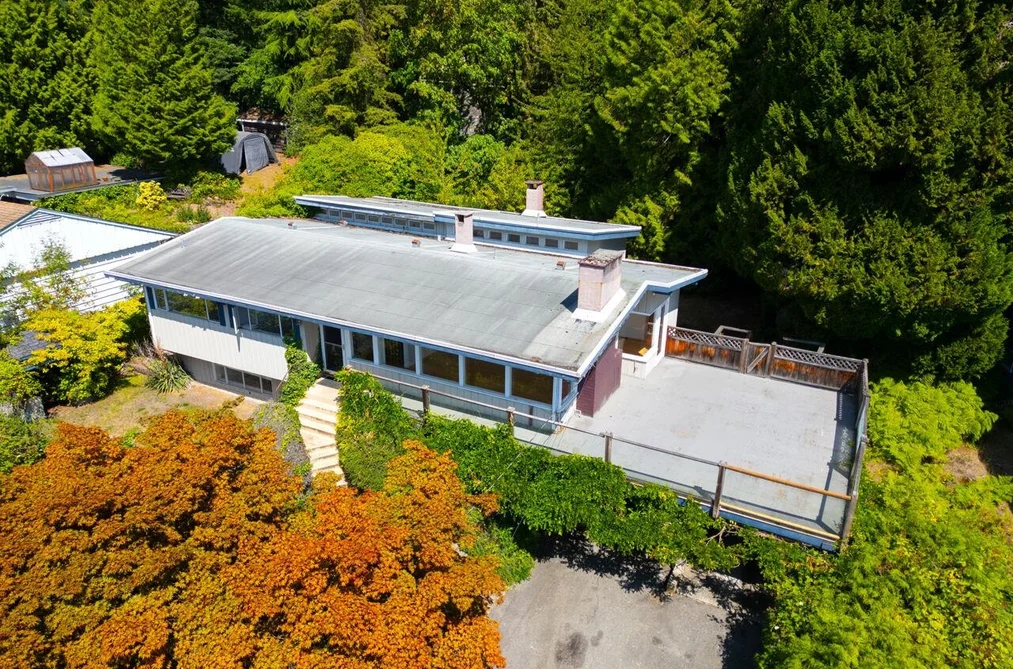
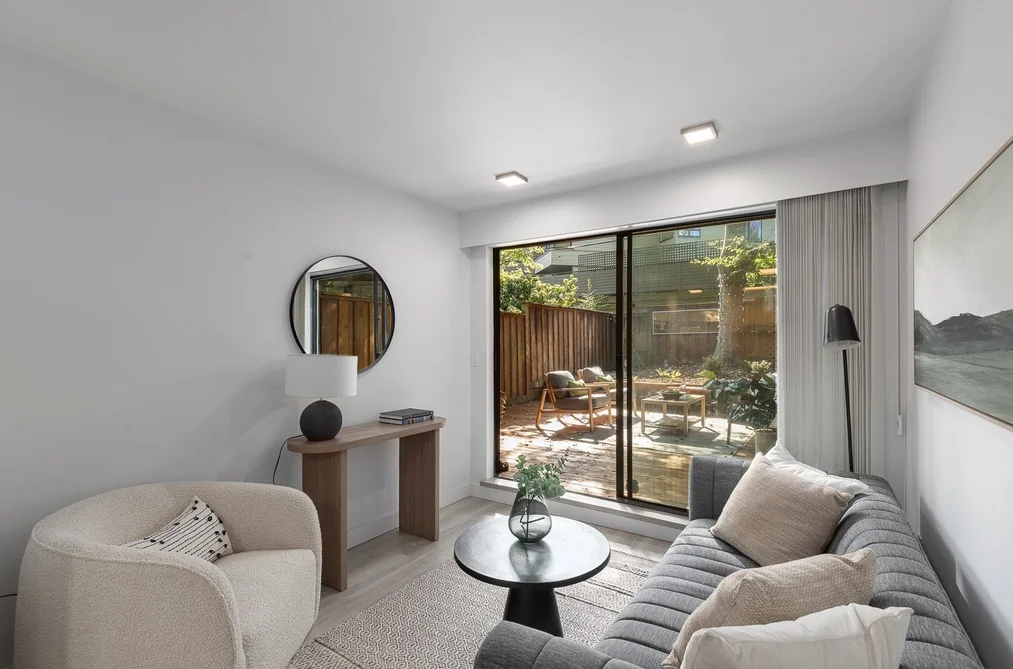
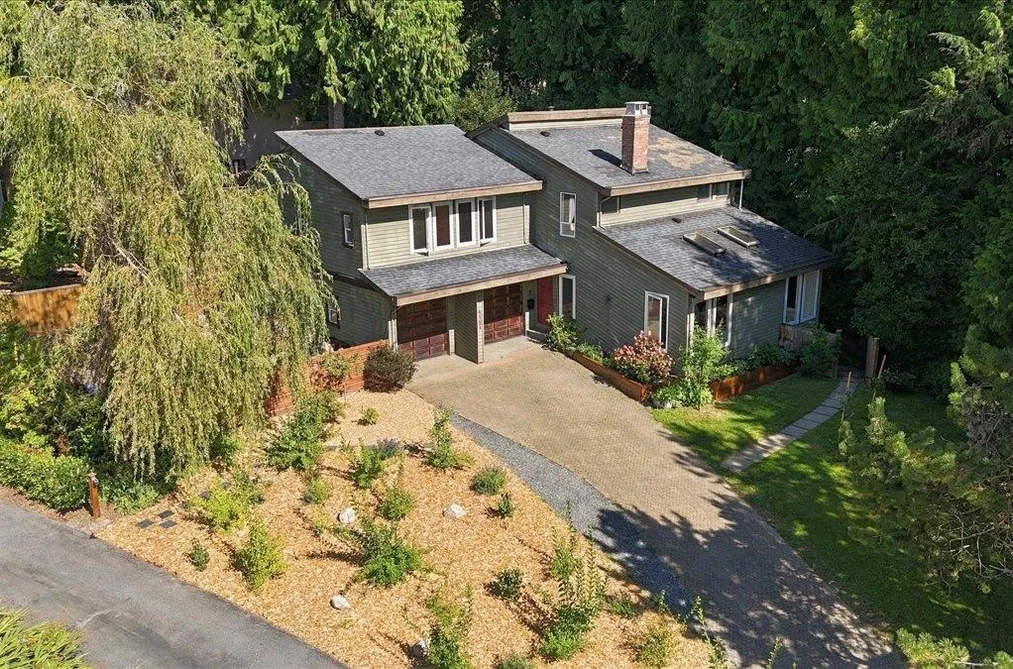
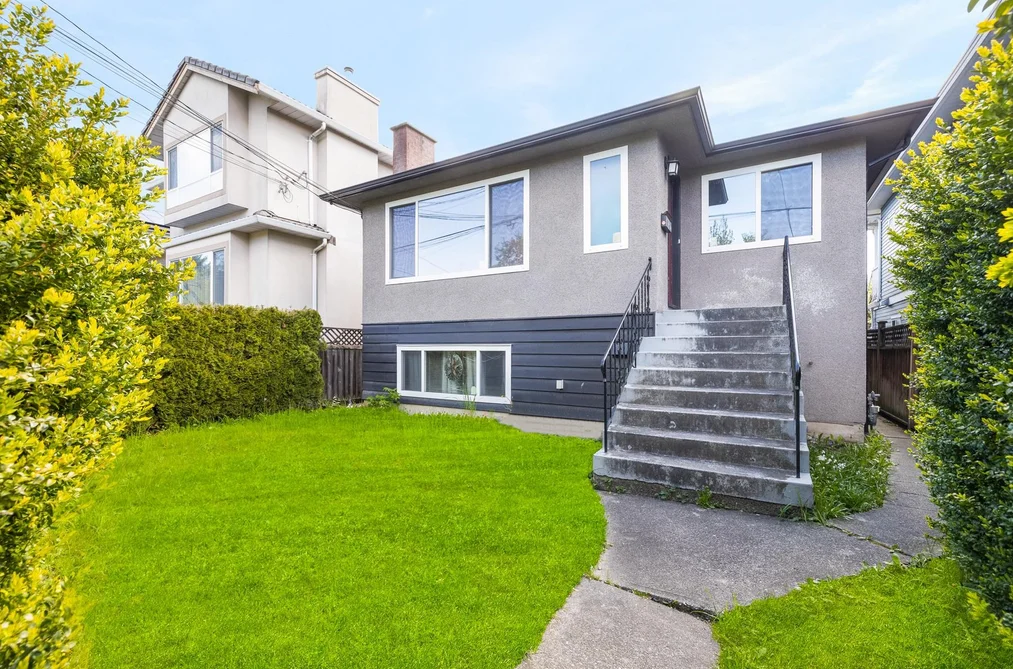
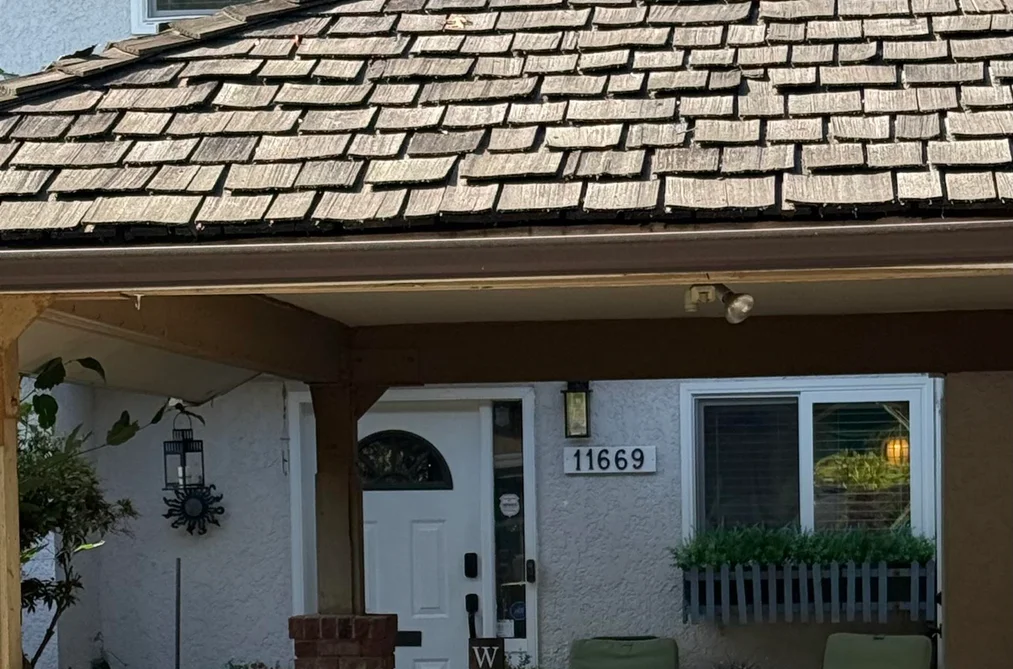
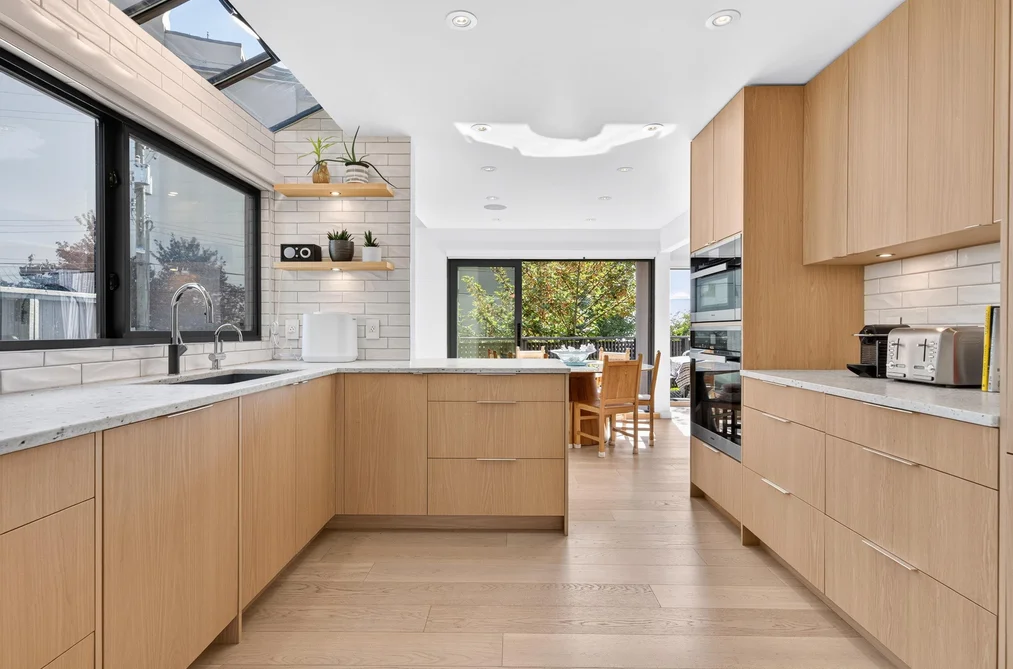
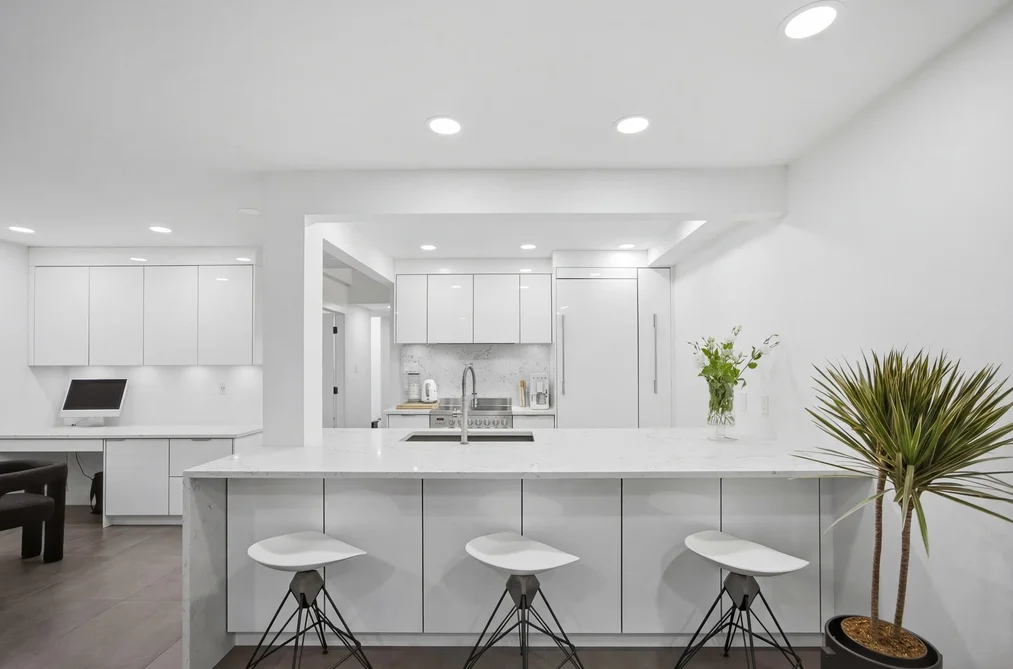

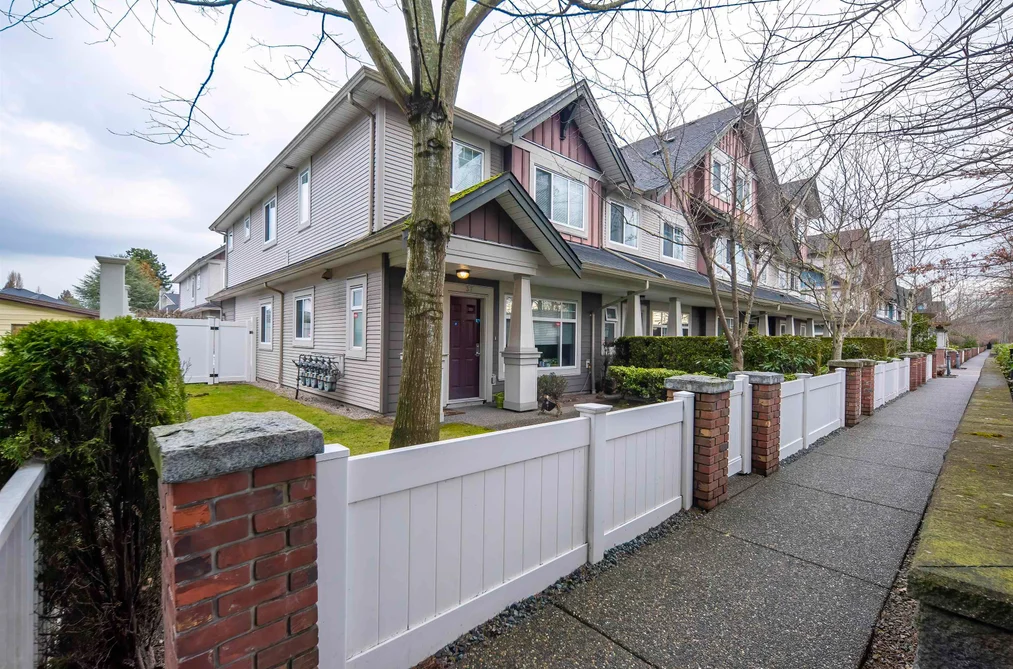
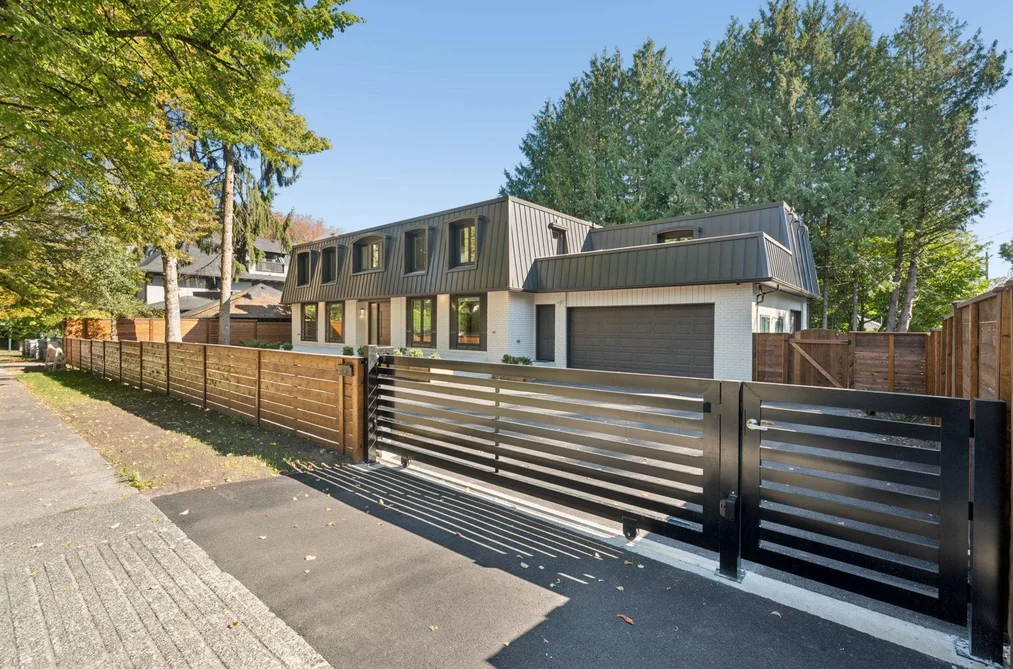
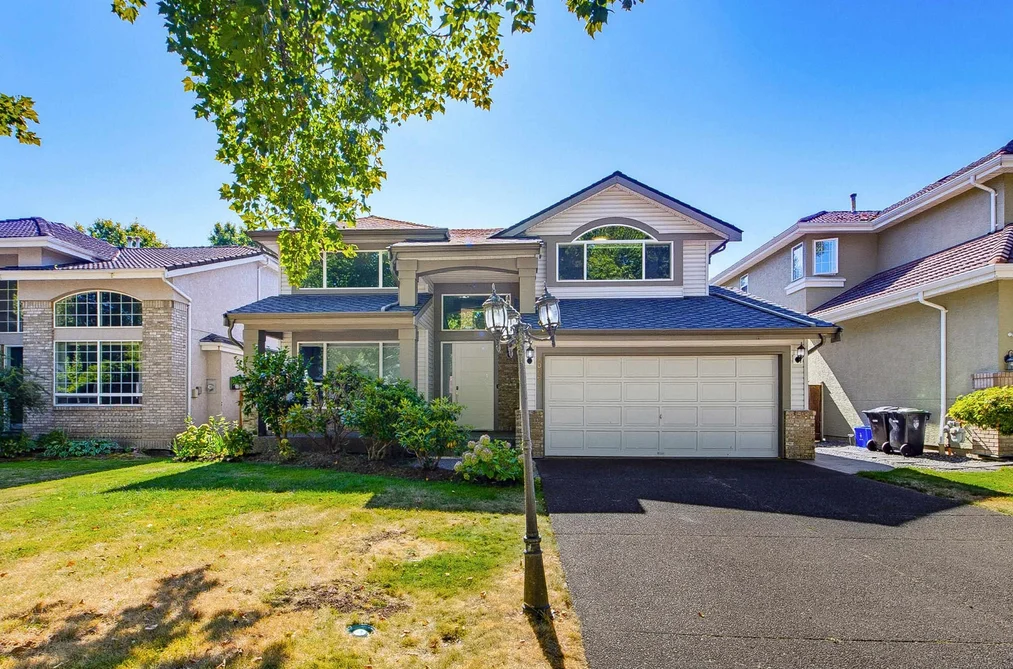
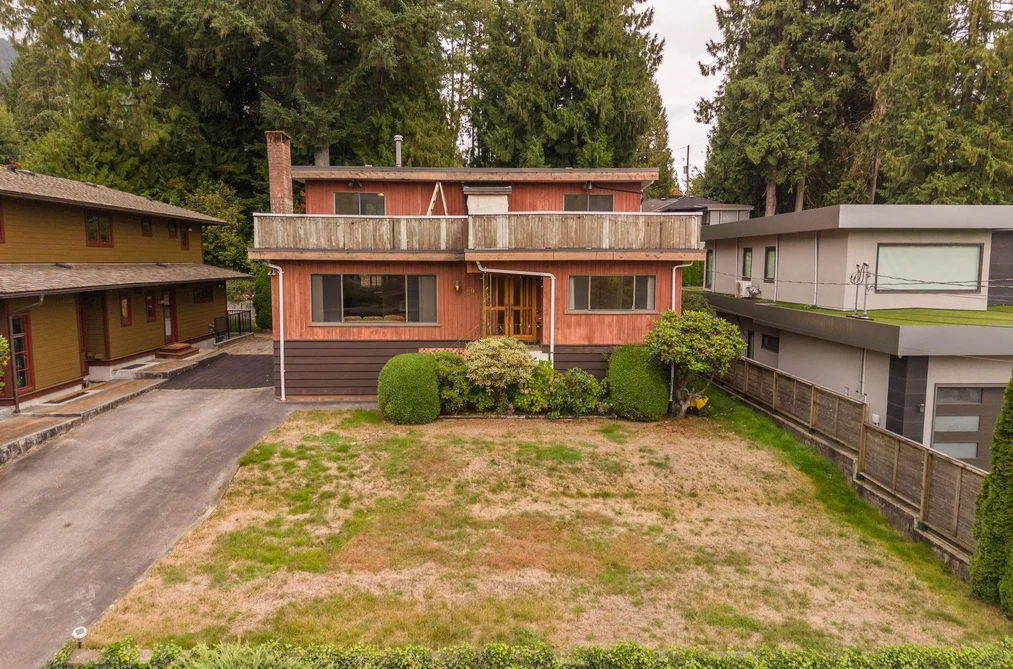
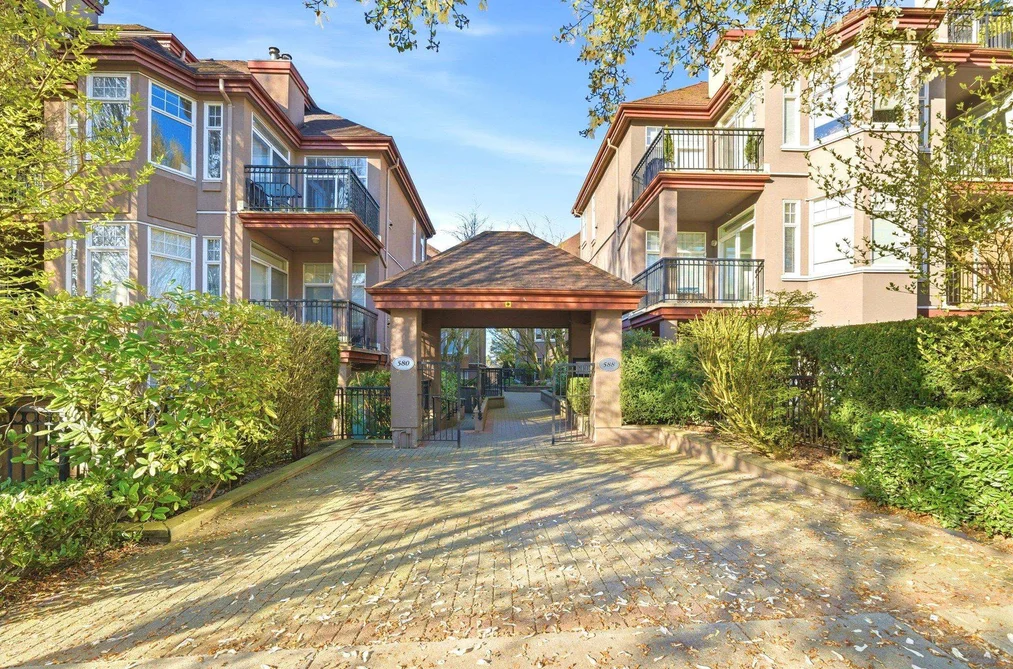
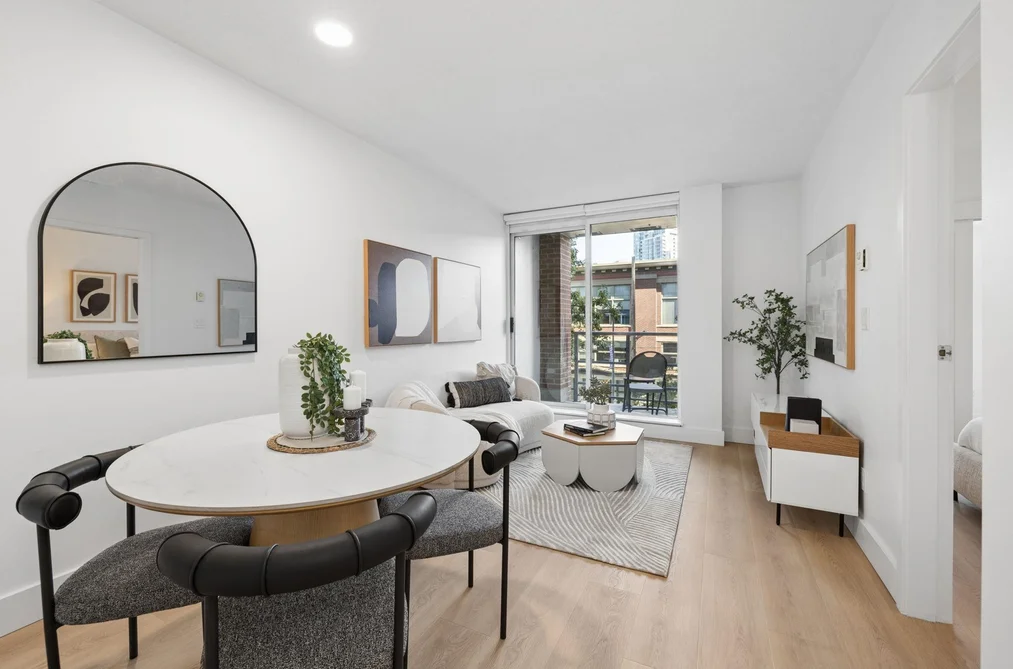
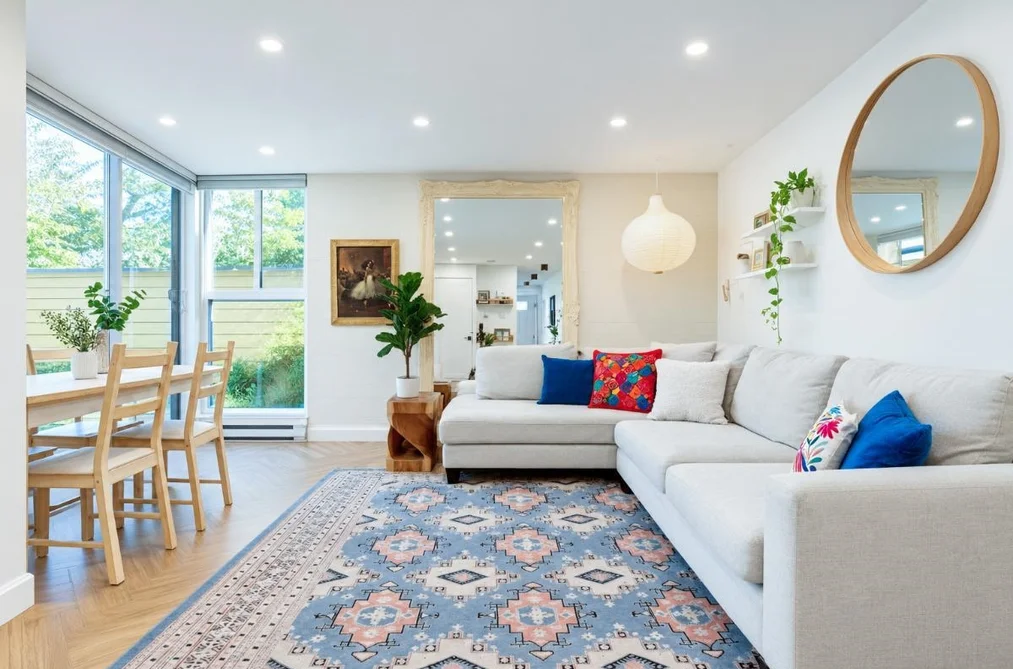
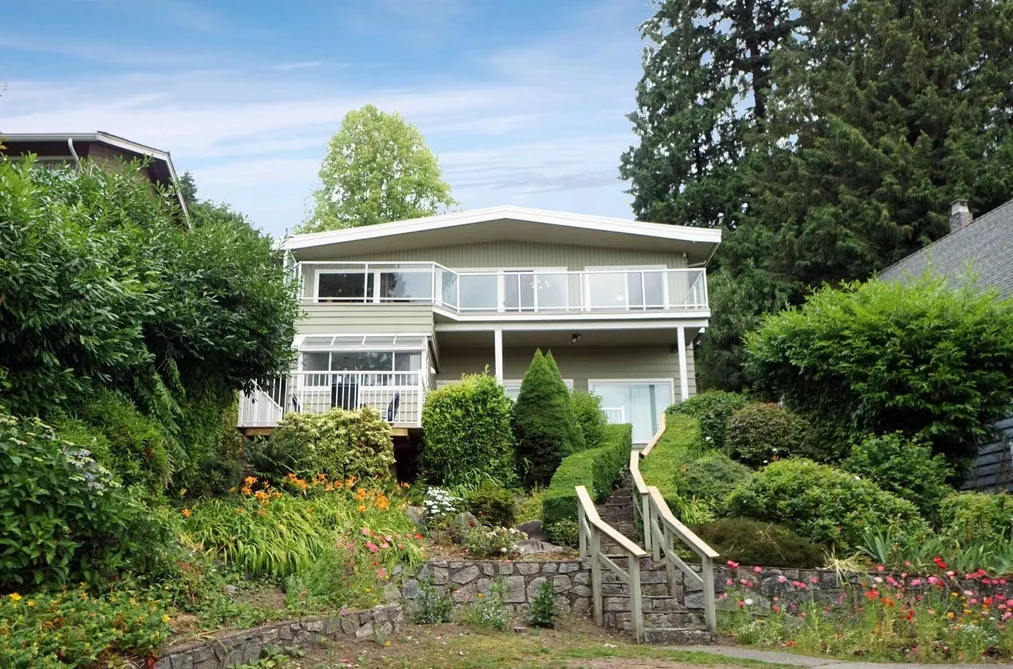
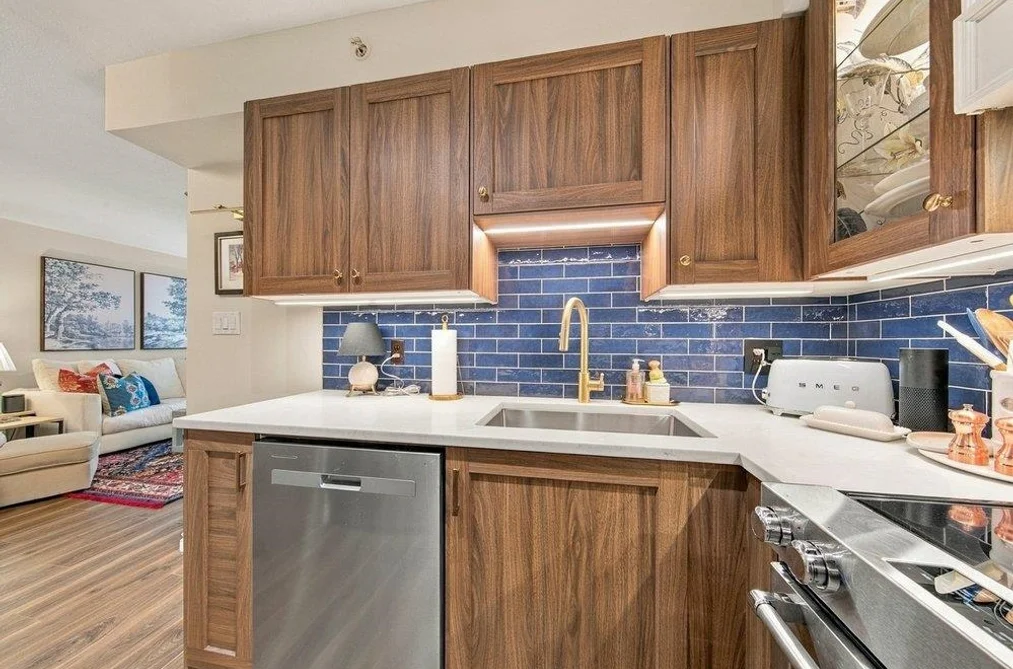
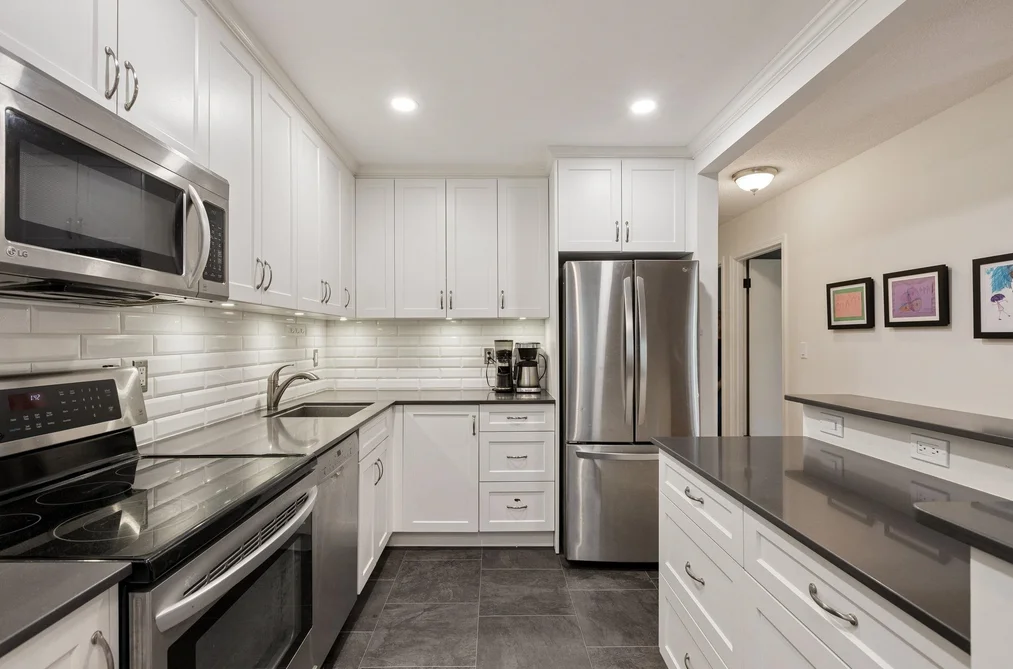
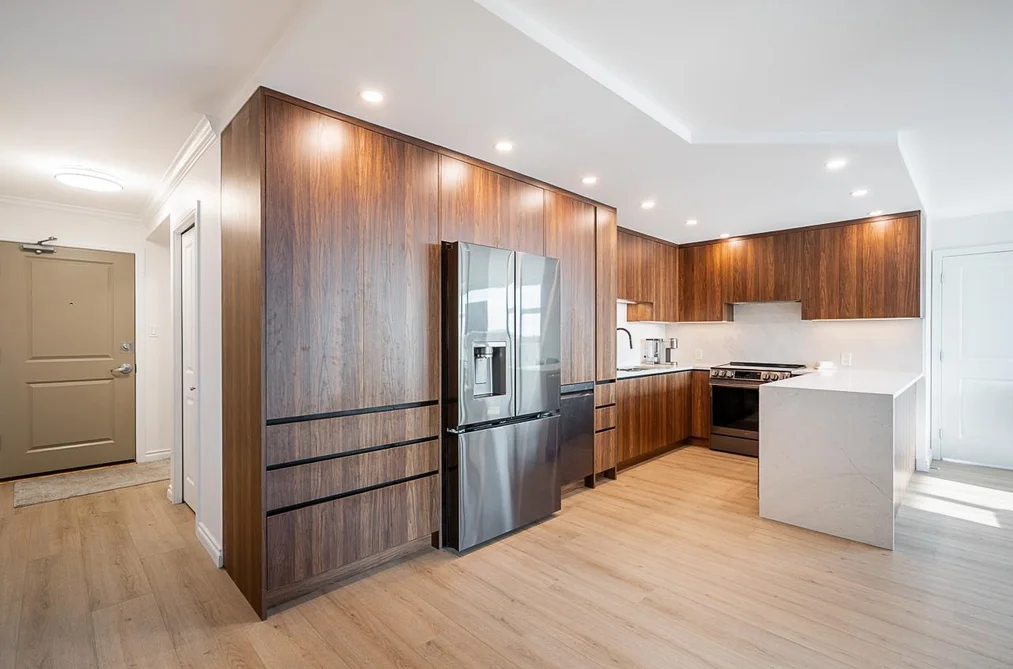
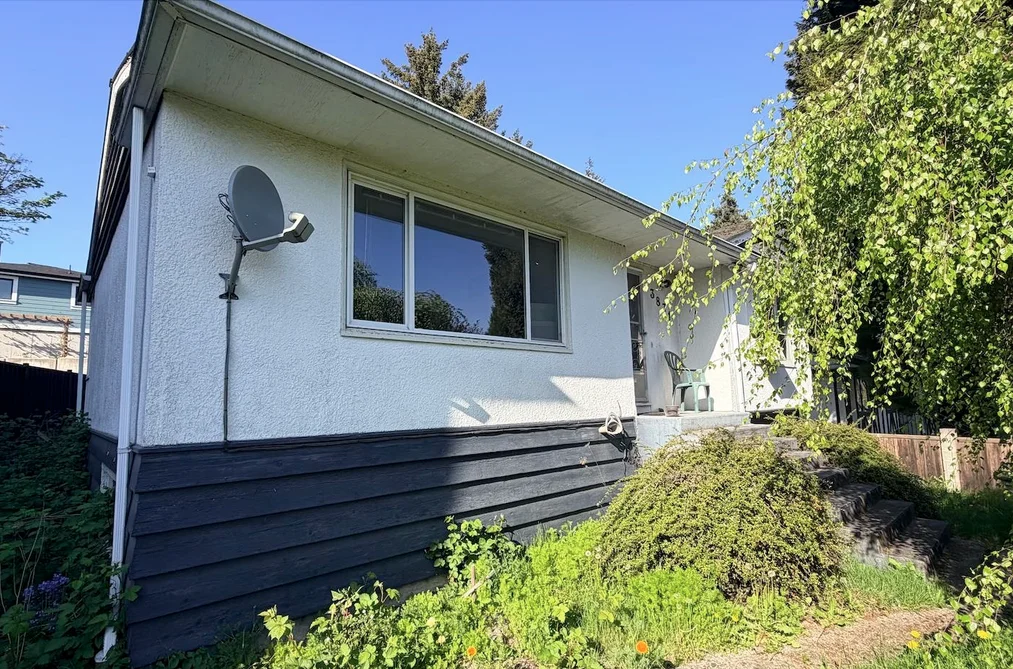
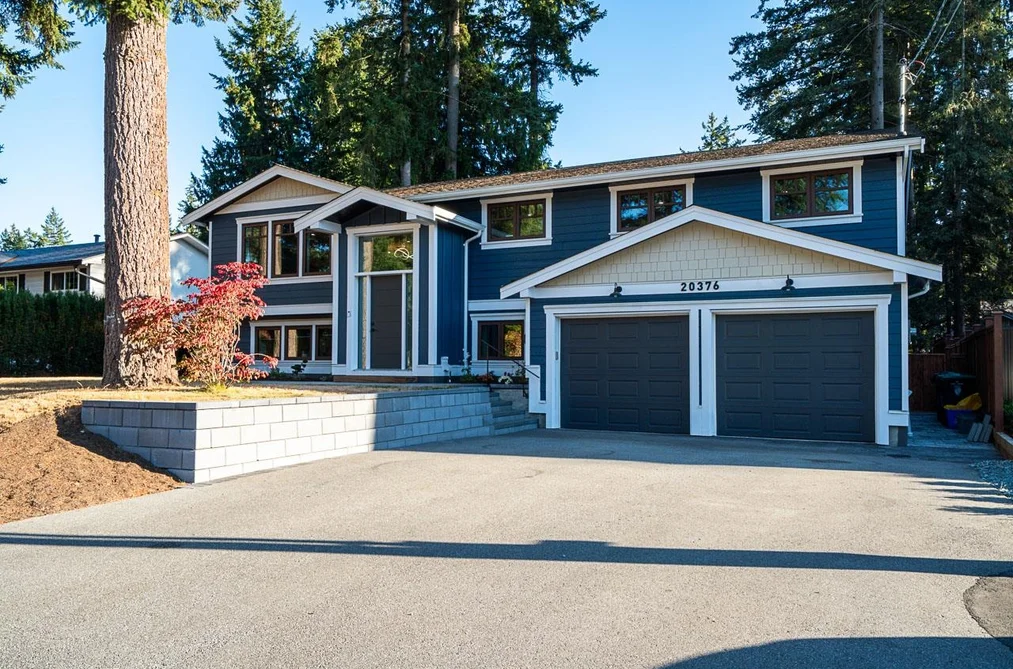
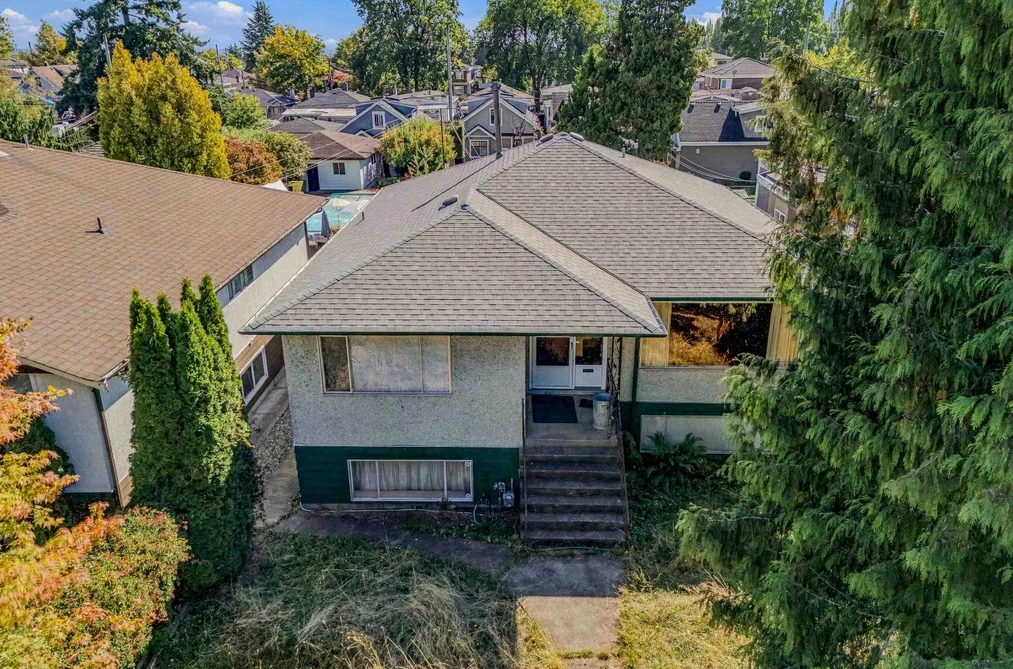
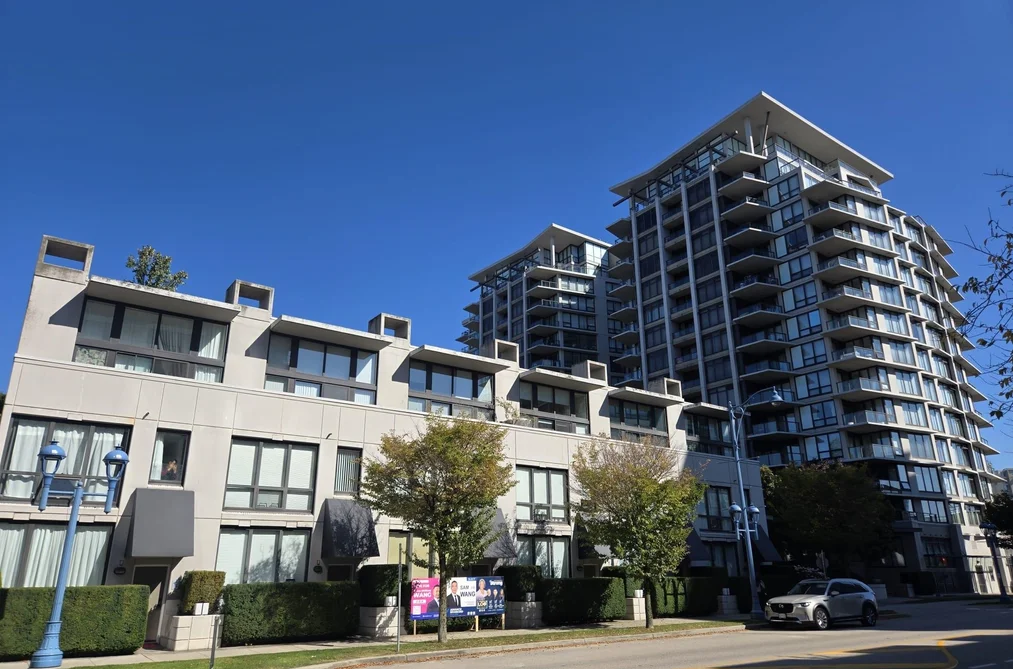
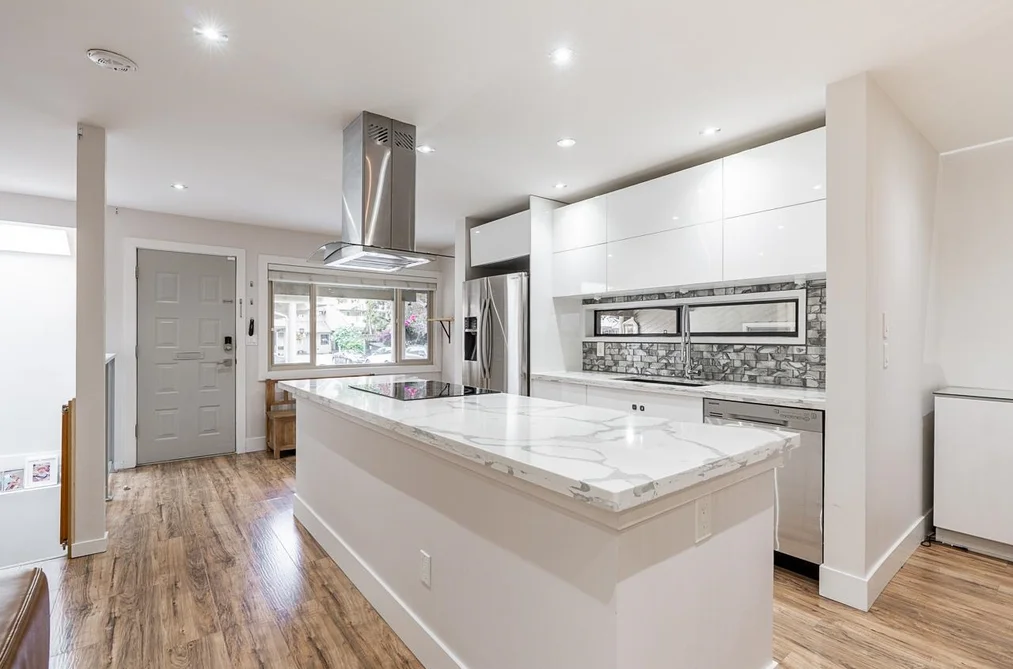
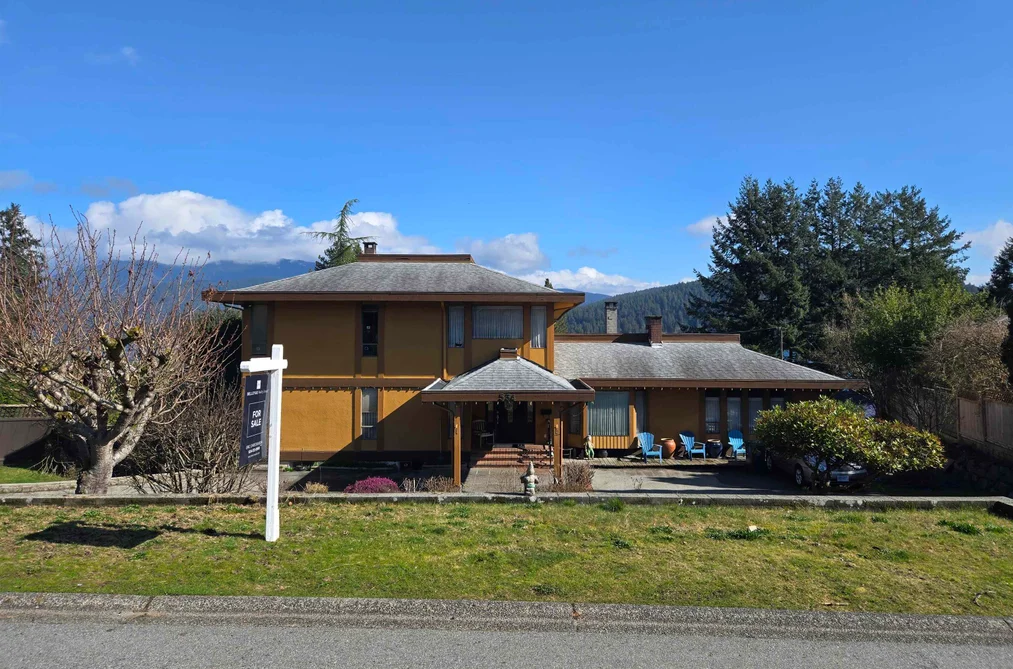
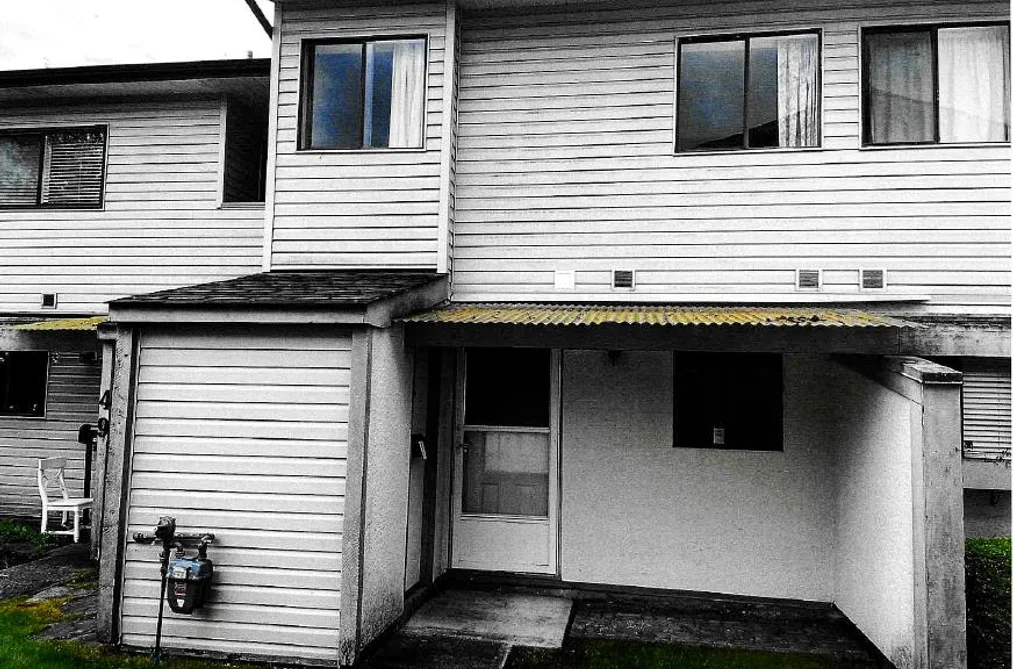
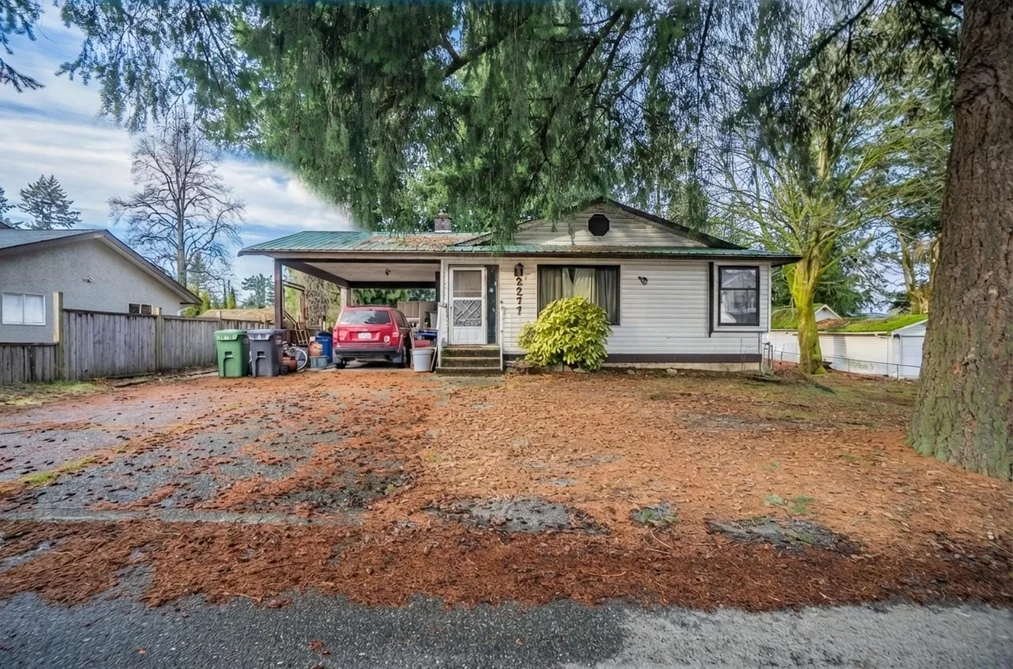
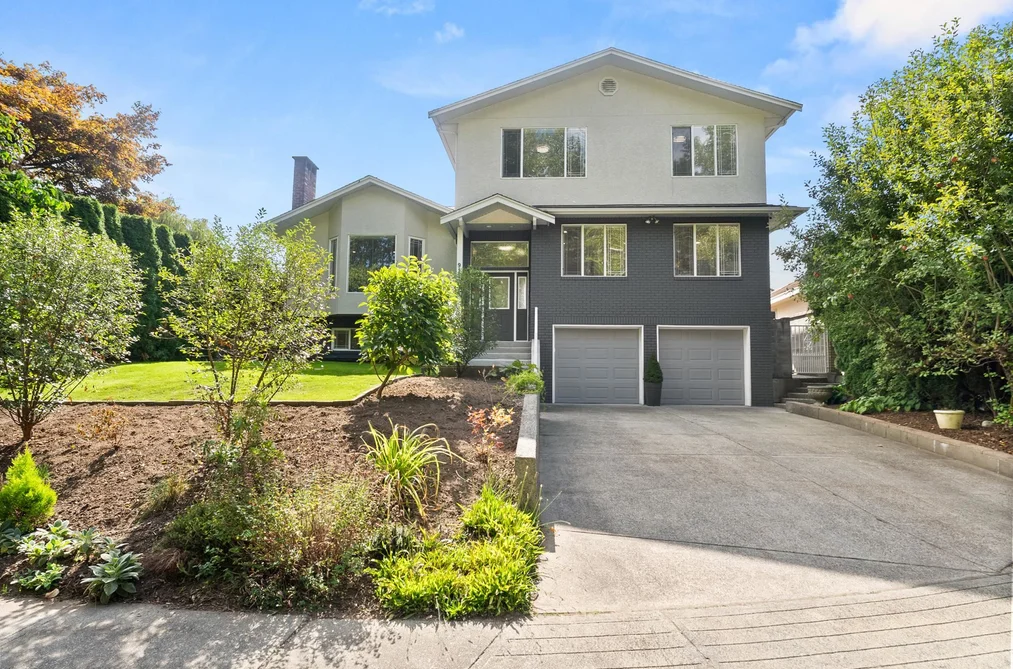
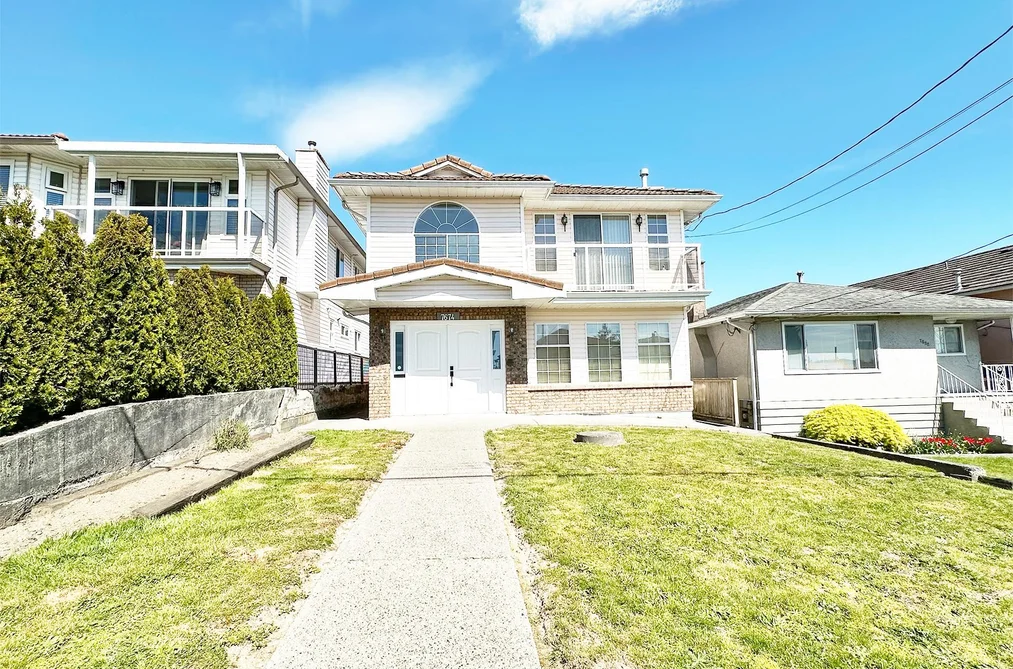
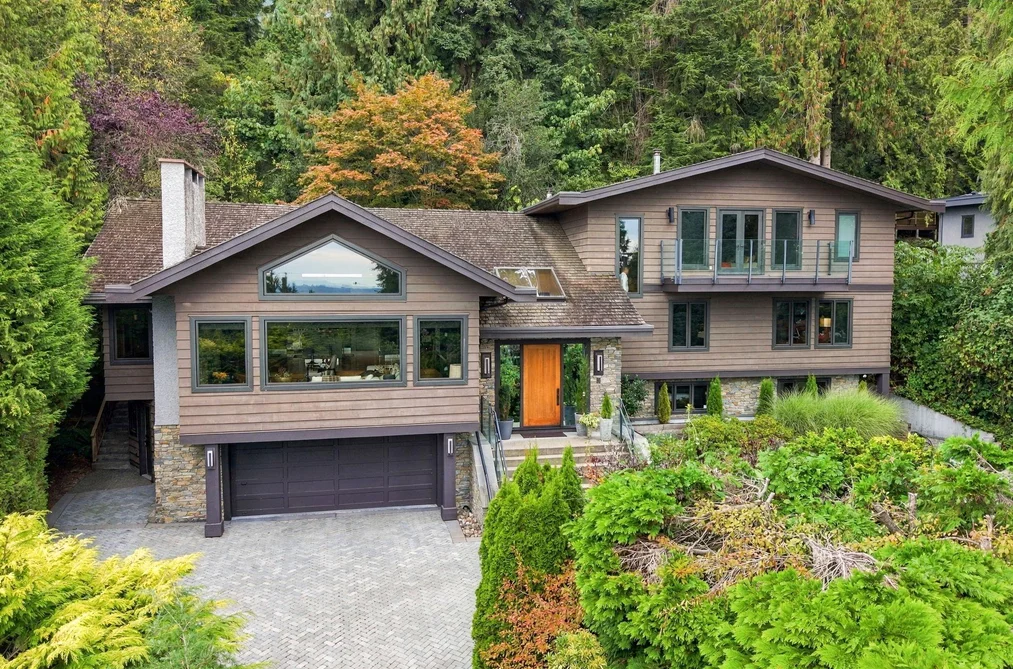
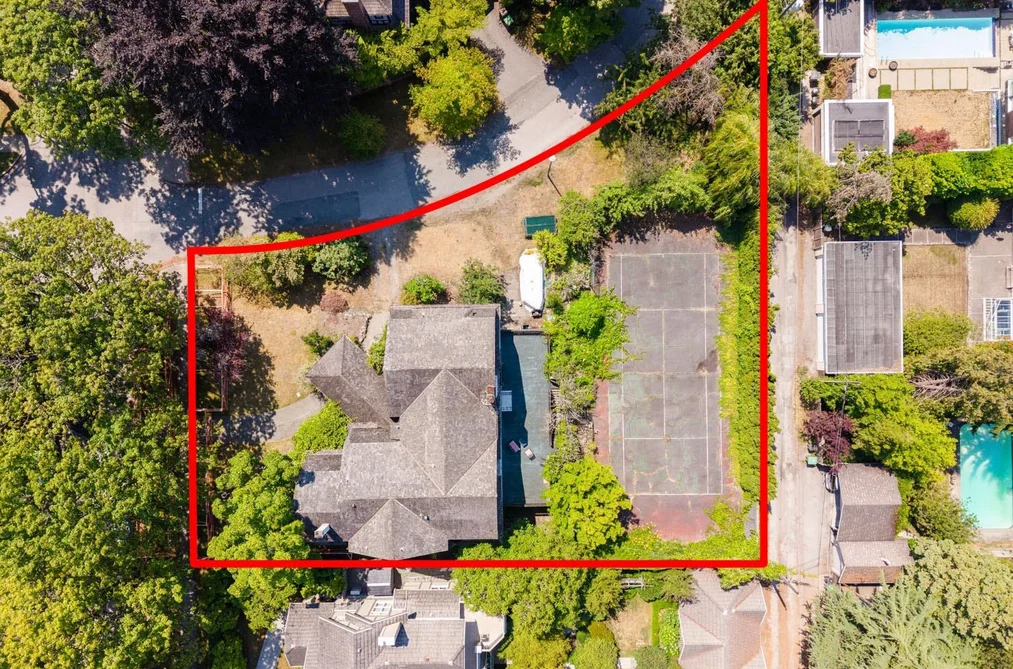
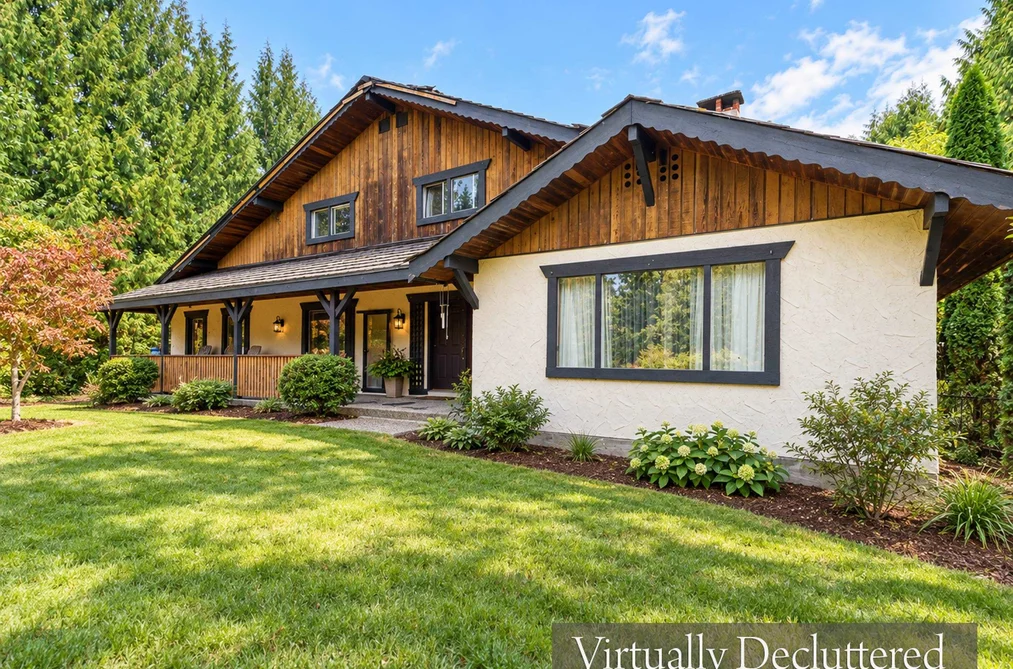
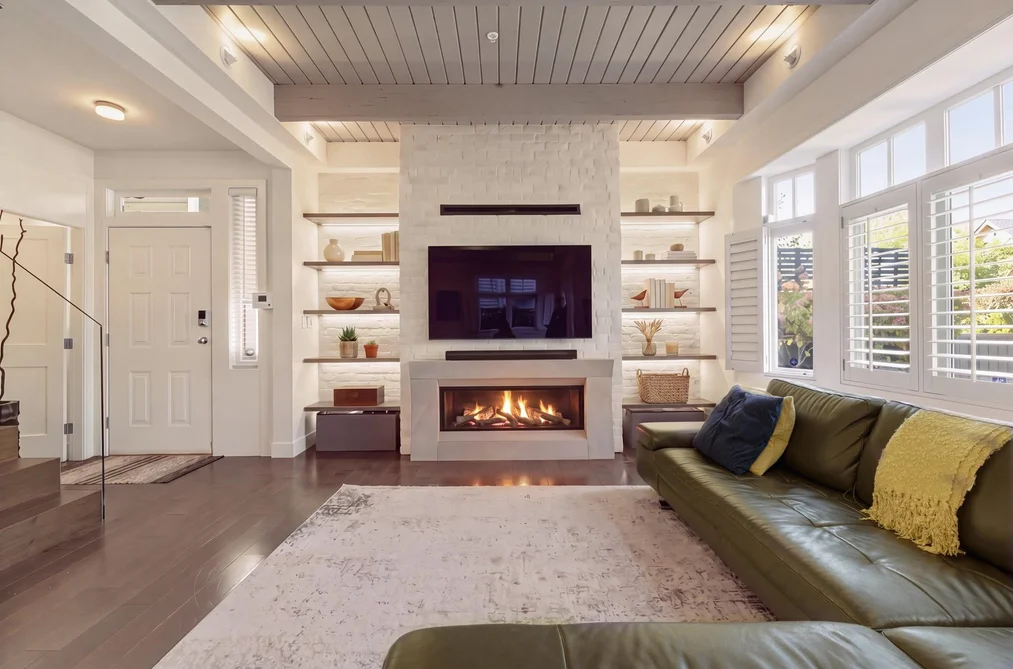
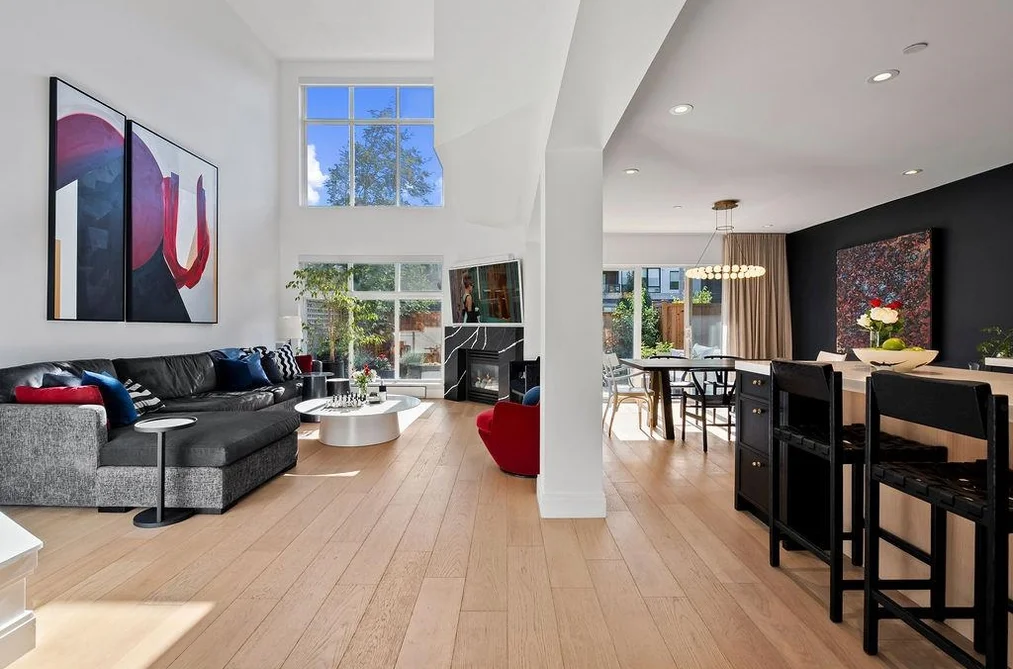
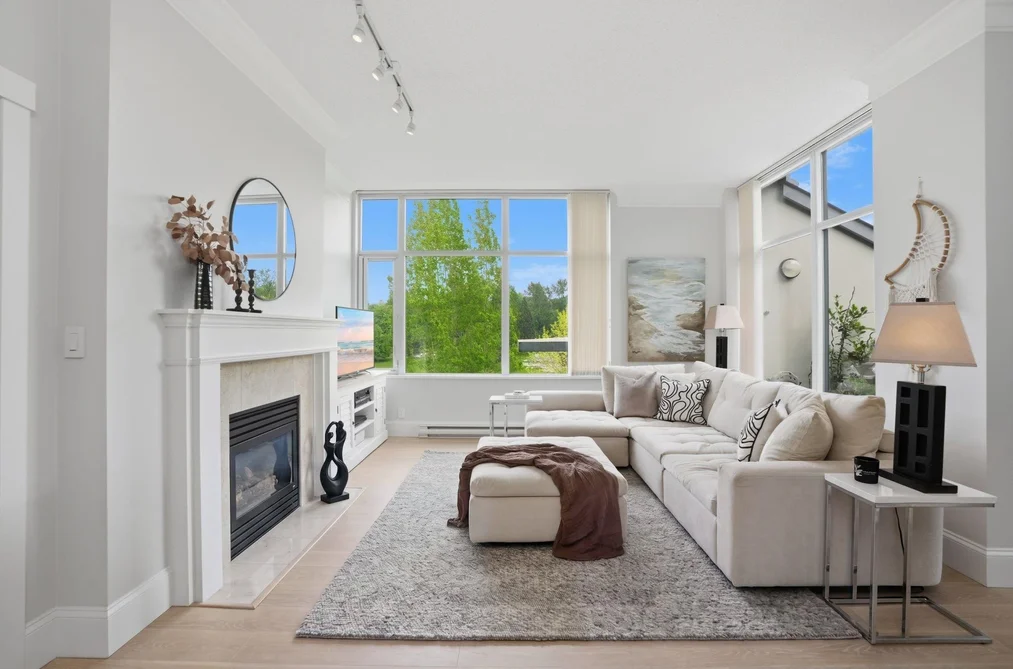
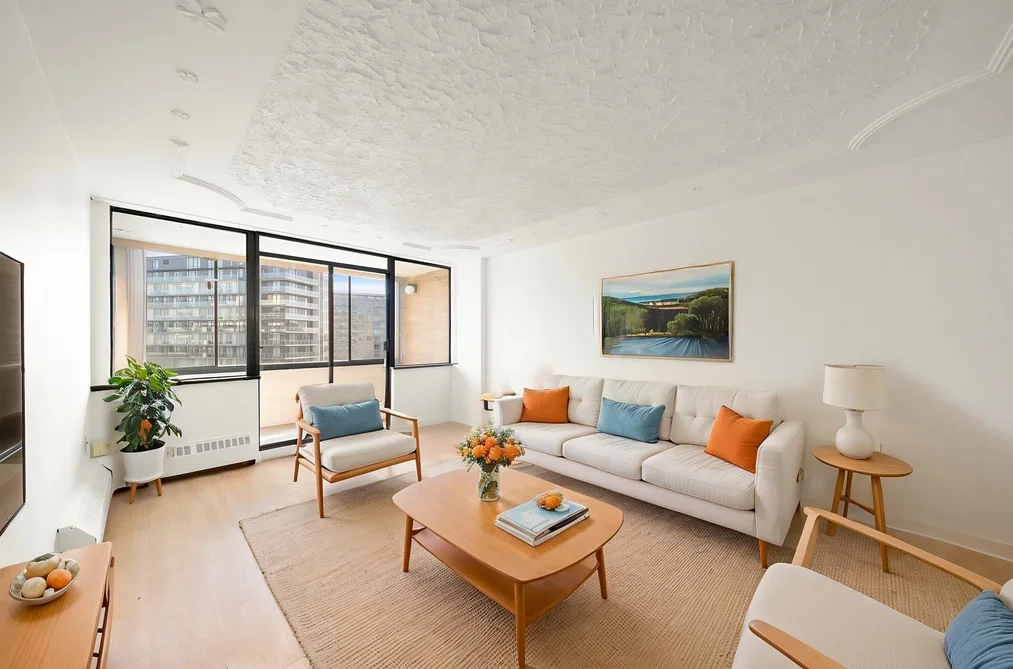
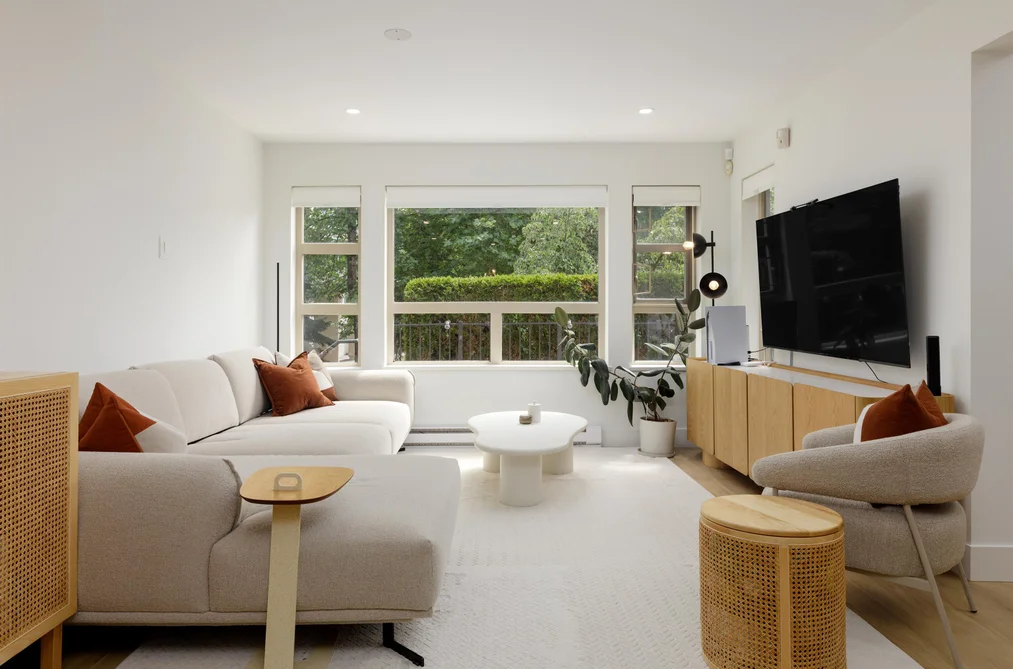
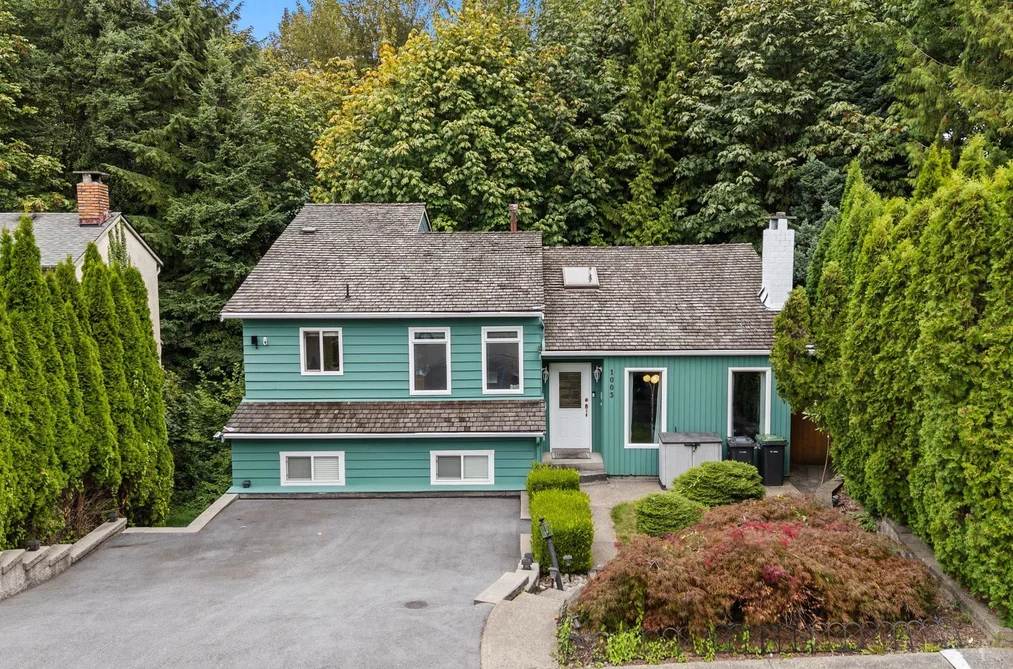
Renovation listings cover homes marketed on work already done, so separate what was genuinely upgraded and permitted from what was only refreshed before you accept the purchase price.
This is the question that protects a buyer most. Structural changes, new bathrooms, moved plumbing, electrical work, suites and additions all require a permit, and work done without one becomes your responsibility at completion. Ask the listing agent for the permit history on every item the listing describes, then check it with the municipality rather than relying on a list.
Unpermitted work is not always a reason to walk away, but it is always a reason to price differently. A lender, an insurer and a future buyer will all treat it as a risk, and the cost of bringing it up to code can be substantial.
A fresh kitchen and new flooring photograph well. What matters over years of ownership is the part you cannot see: the electrical service, the plumbing, the drainage, the roof and the envelope. Ask when each was last replaced and whether that work was part of the renovation or left as it was. A cosmetic refresh over an old system is a different purchase from a full upgrade.
Book an inspector and ask them to look behind the finishes where they can. New drywall and paint can hide moisture, and a thorough inspection is the cheapest protection a buyer has.
Ask who did the work, too. A renovation by a licensed contractor with a warranty and receipts is a different proposition from one done by the previous owner over several weekends. Request the invoices and any warranty documents, since they tell you what standard the work was done to and who stands behind it if something fails in the first years.
The housing market prices renovated homes at a premium, and the question is whether the premium matches the work. Compare the asking price against similar unrenovated homes on the same street, then estimate what the same upgrades would cost you to do yourself. Where the gap is larger than the work, you are paying for the convenience of not managing a project.
In condos, the unit renovation sits inside a building you do not control. A new kitchen in a building facing envelope repairs is still exposed to the special levy, so read the strata documents as carefully as you look at the finishes.
Renovations are rarely complete. A home with a new kitchen may still need a furnace, a hot water tank or windows, and a listing will describe what was done rather than what was not. Make a list of the major systems and their age, and budget for whatever the renovation did not reach. A home that looks finished can still carry a large bill in its first two winters.
If you plan further work yourself, ask the municipality what is permitted on the lot before you buy, since zoning and the existing permit history both limit what you can do next.
Supply runs across every housing type, from a character house restored top to bottom to a condo with a new kitchen. Browse and compare current listings on Strawhomes, filter by area and property type, and shortlist by what the permits and the inspection confirm rather than by the photographs. Compare each against a heritage property if period detail is part of the appeal, since restoration there carries different rules.