For Sale
5 days
- $799,000
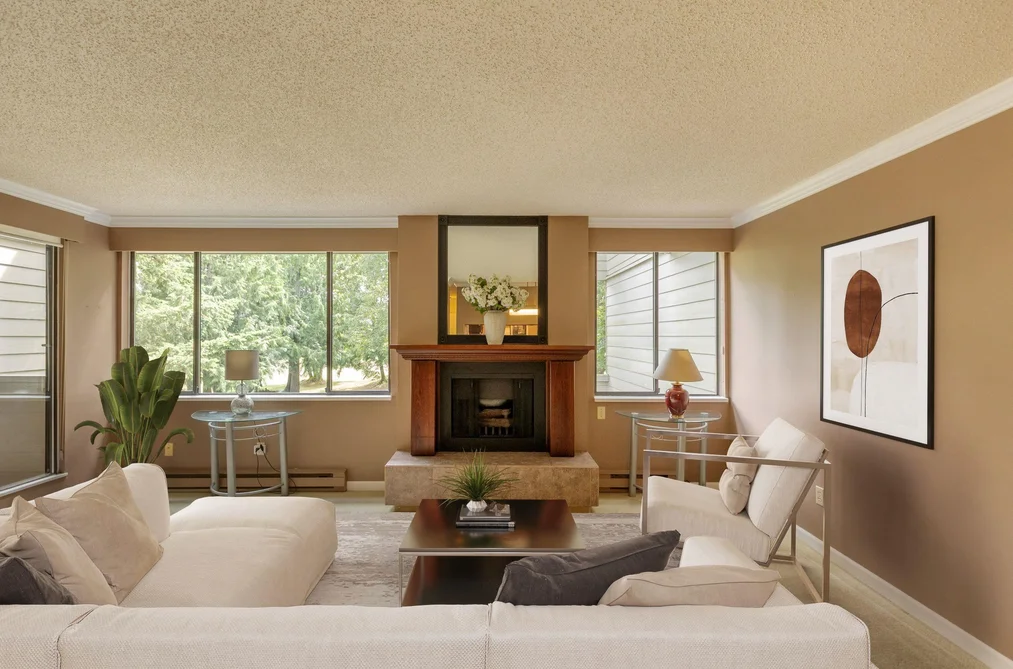
- 2 bed
- 2 bath
- 907 sqft
MLS® R3162168
•Stilhavn Real Estate Services
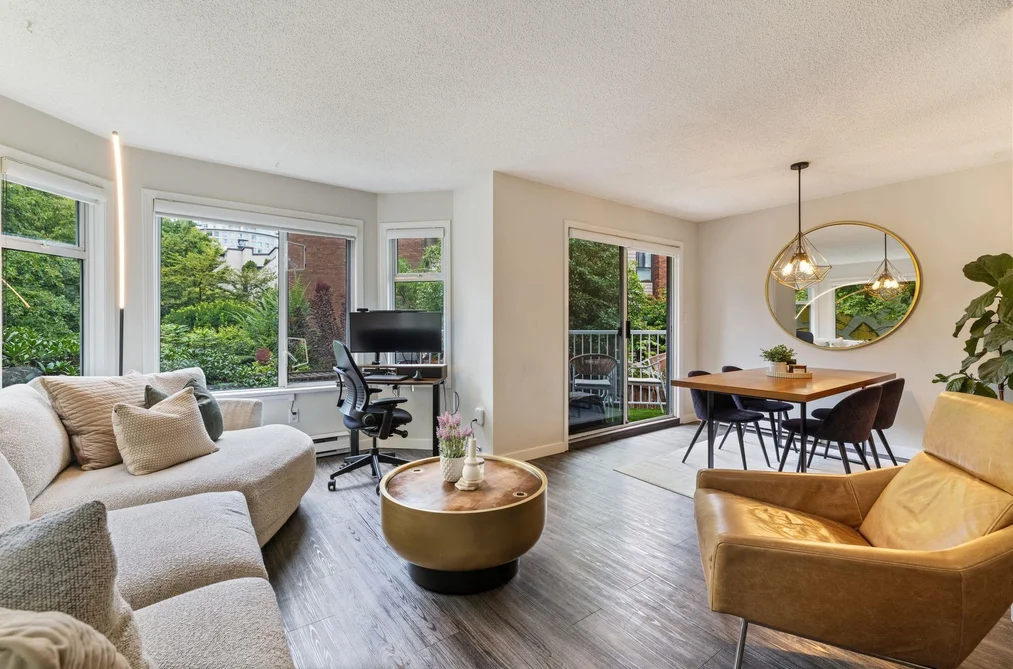
Open Sun, Sep 13, 2:30 p.m.
Browse Rainscreen condos for sale in the Lower Mainland and confirm whether the envelope retrofit is complete, warrantied and paid for before you write an offer.
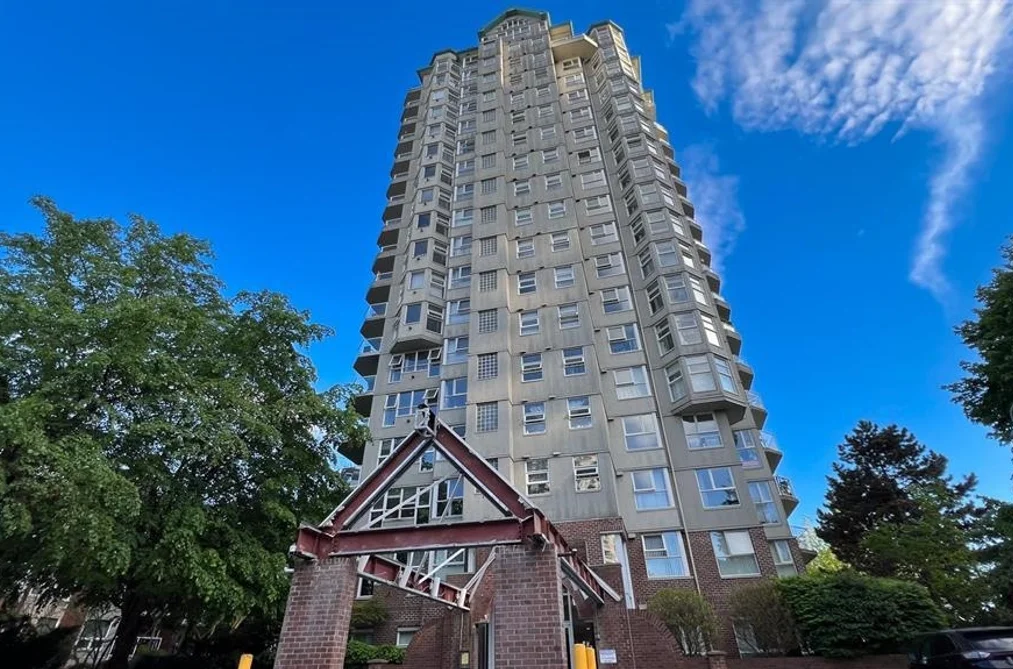
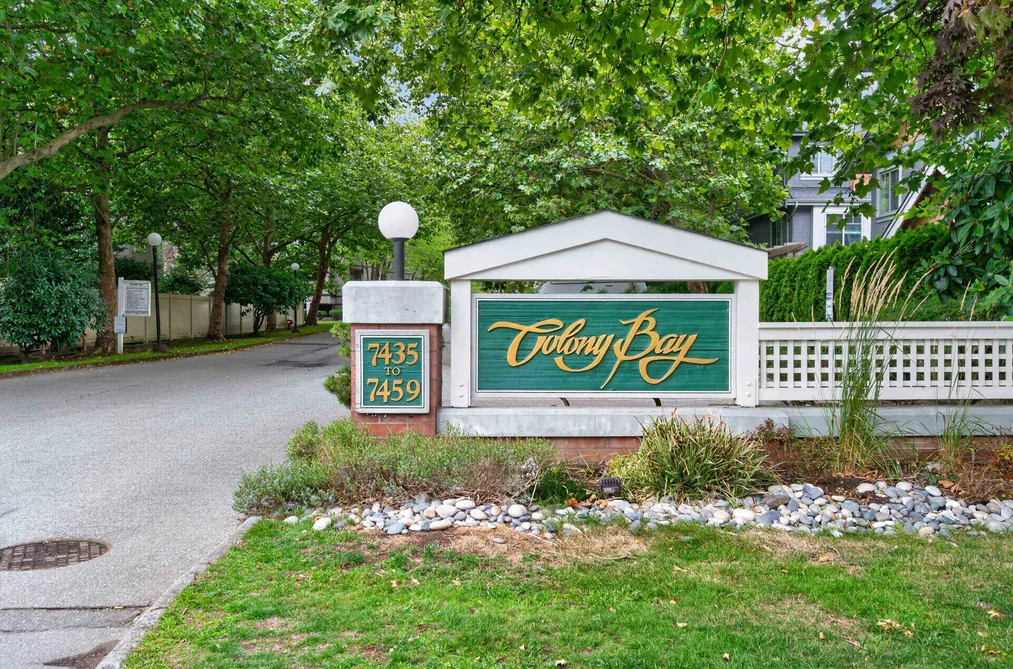
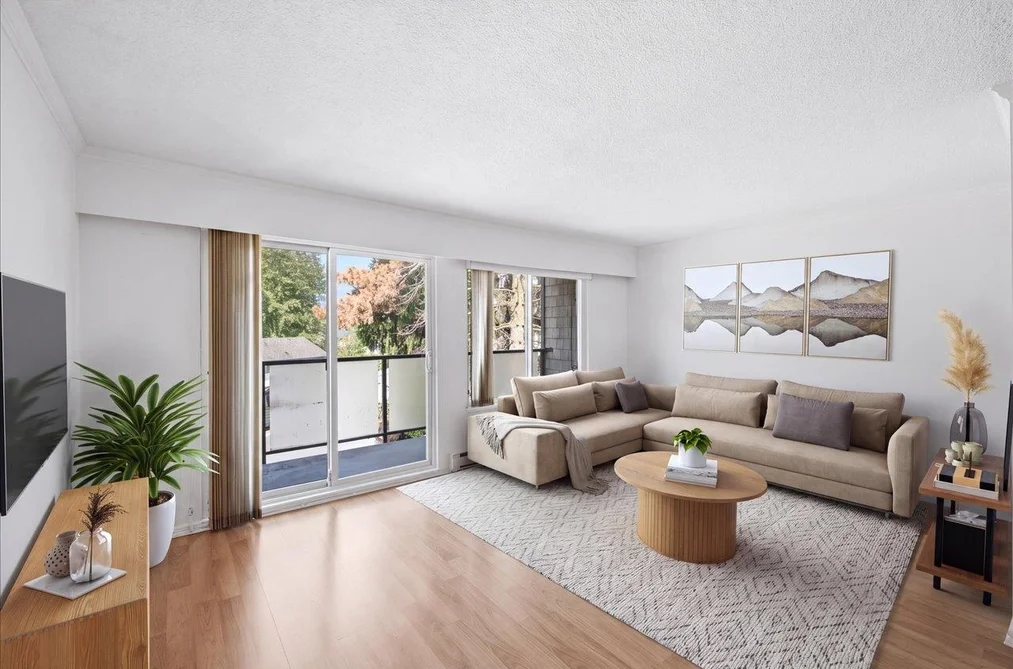
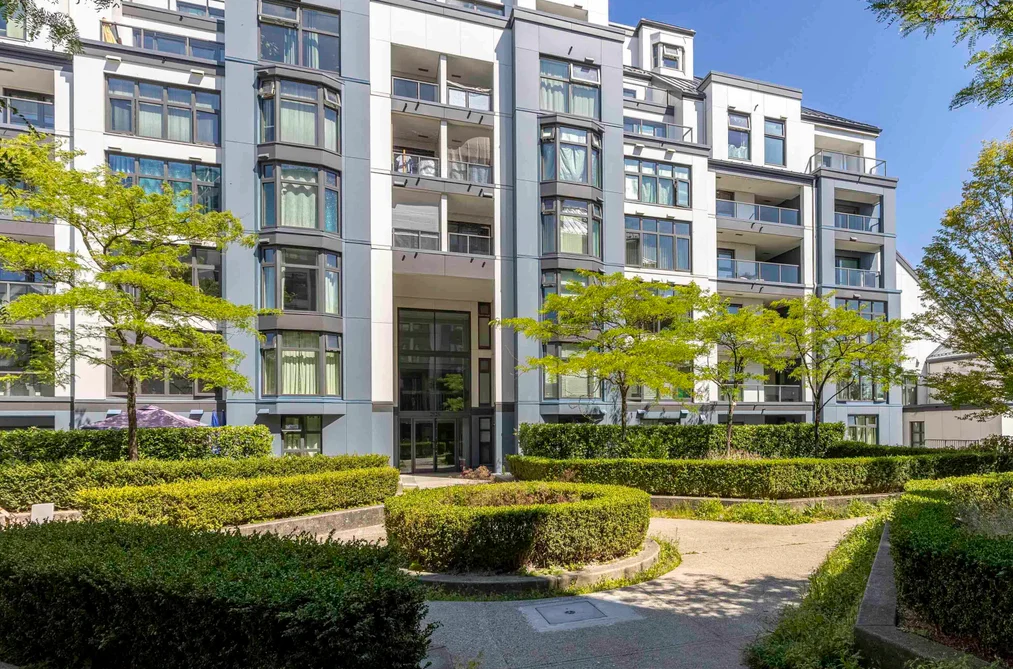
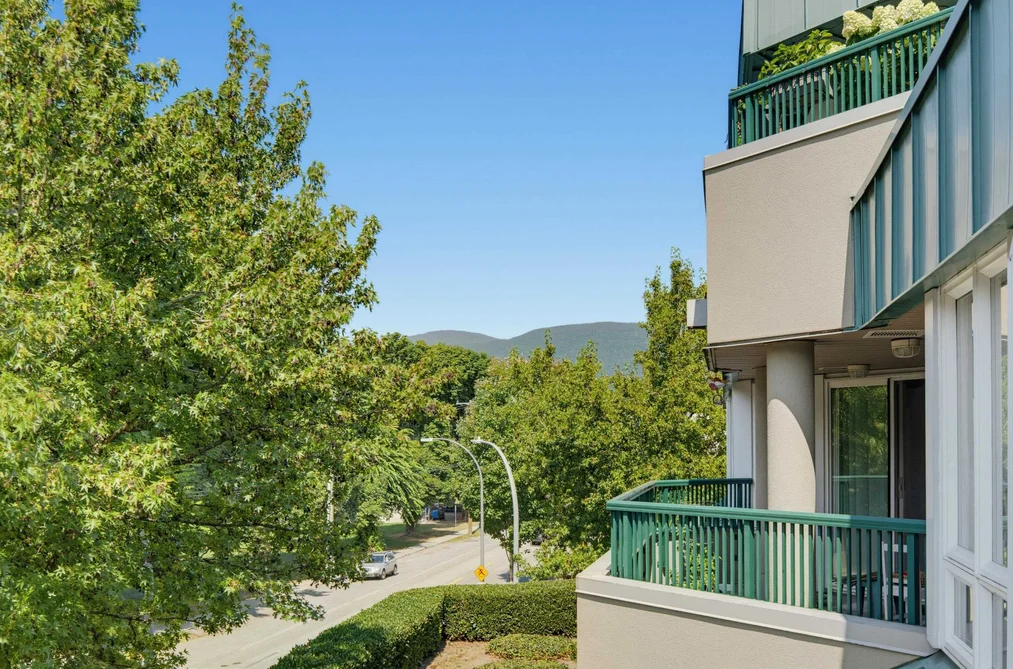
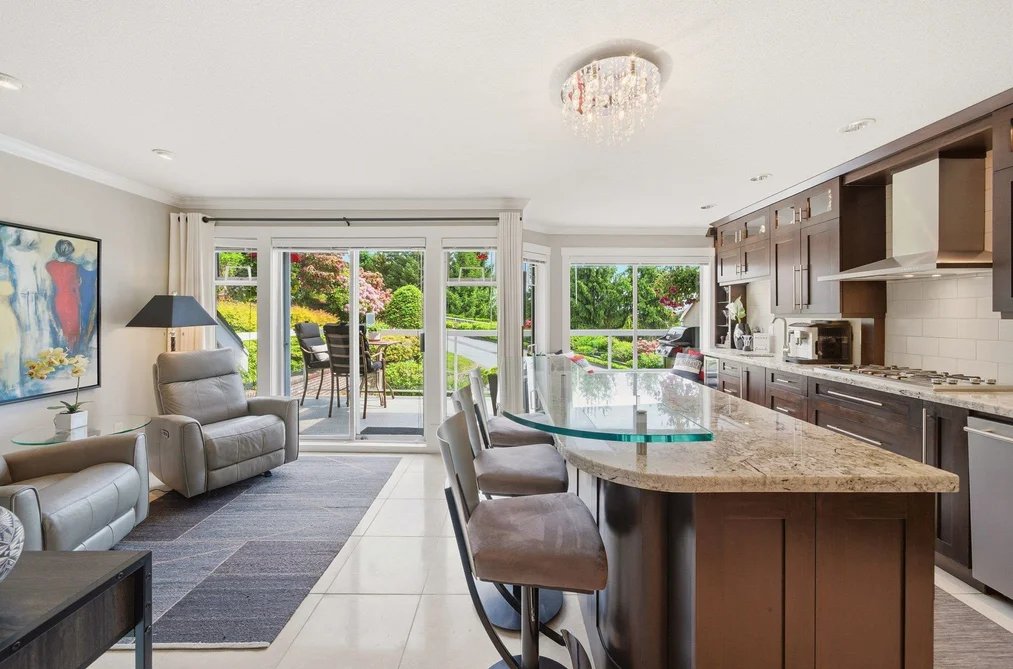
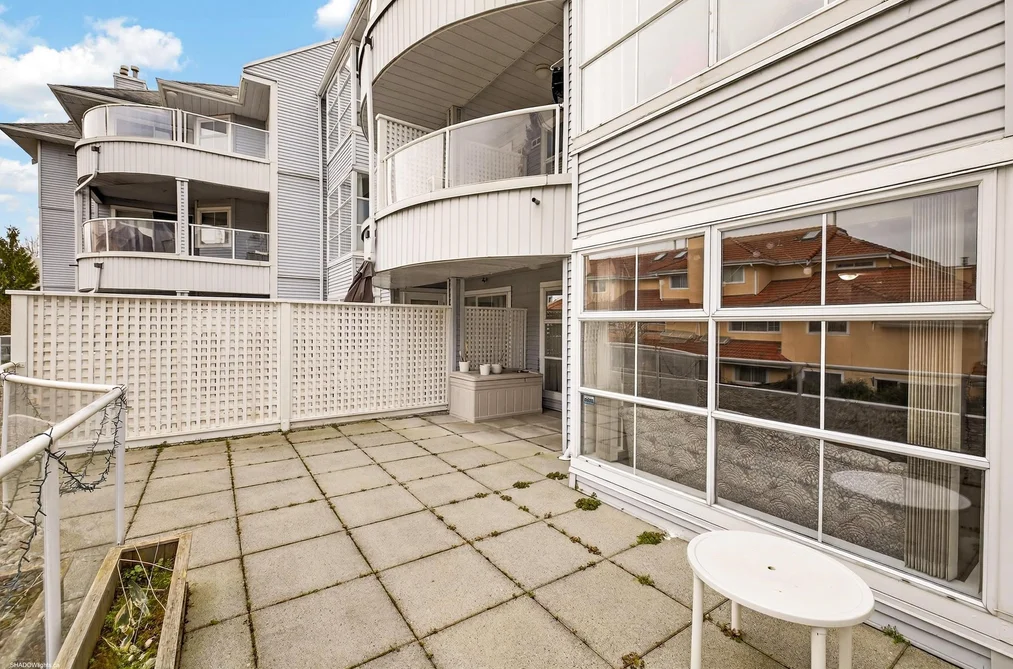
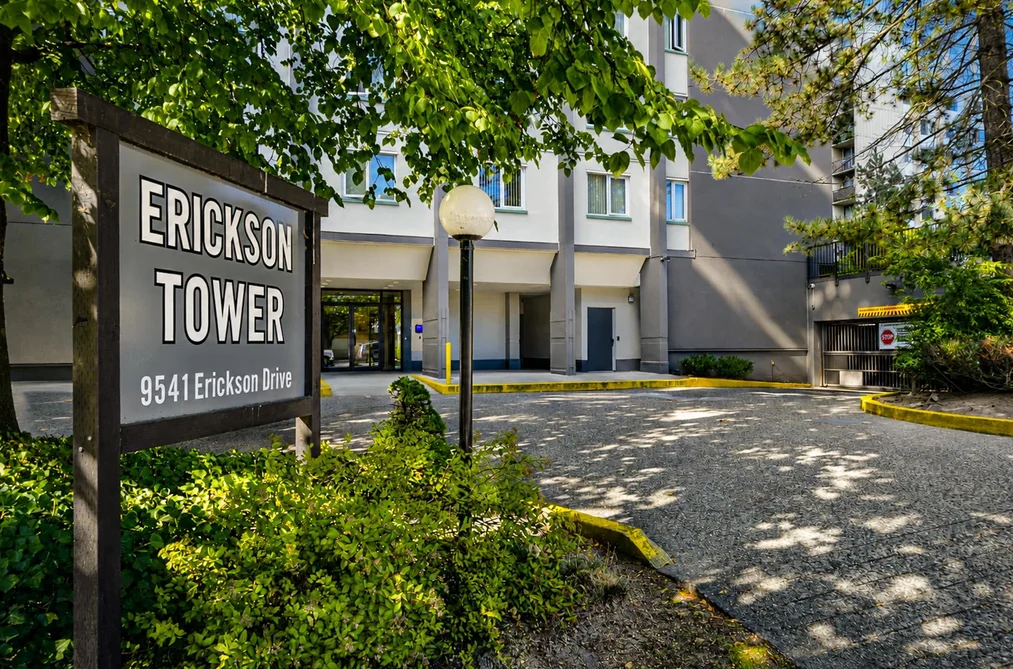
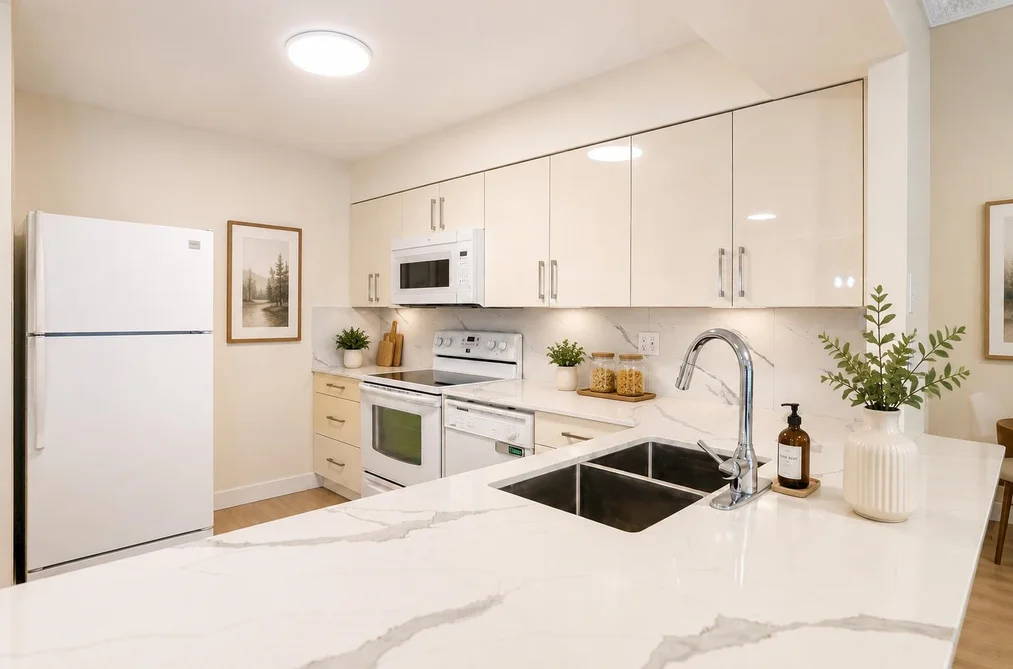
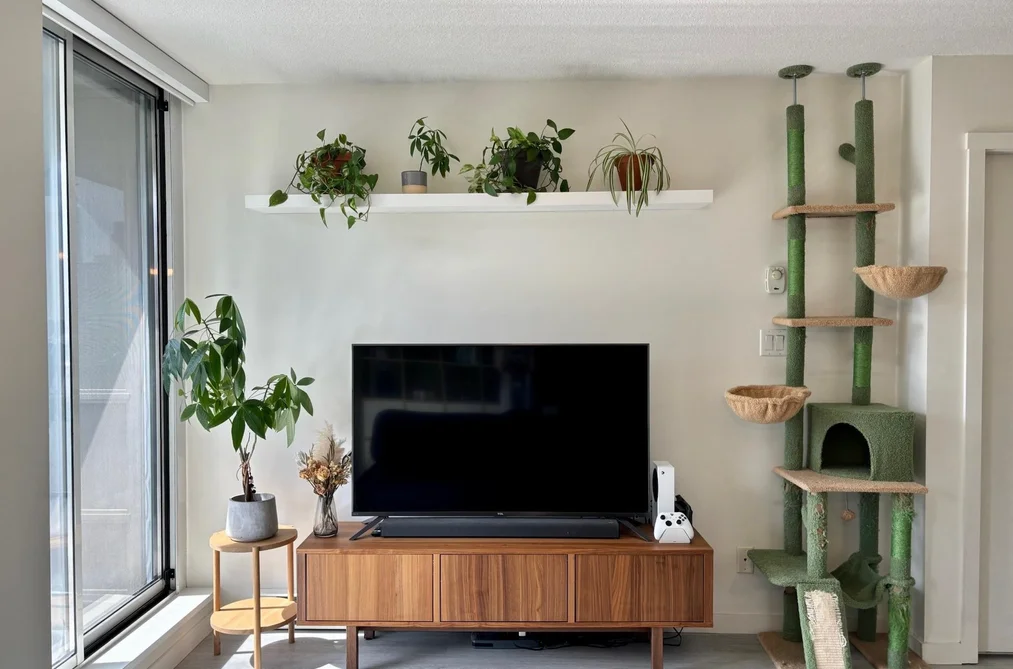
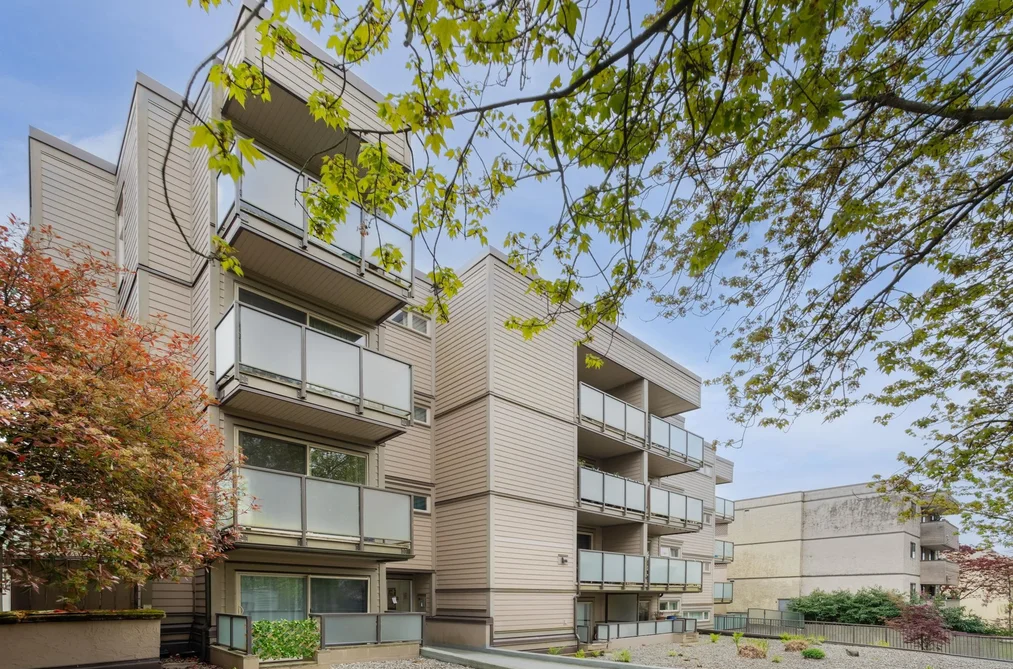
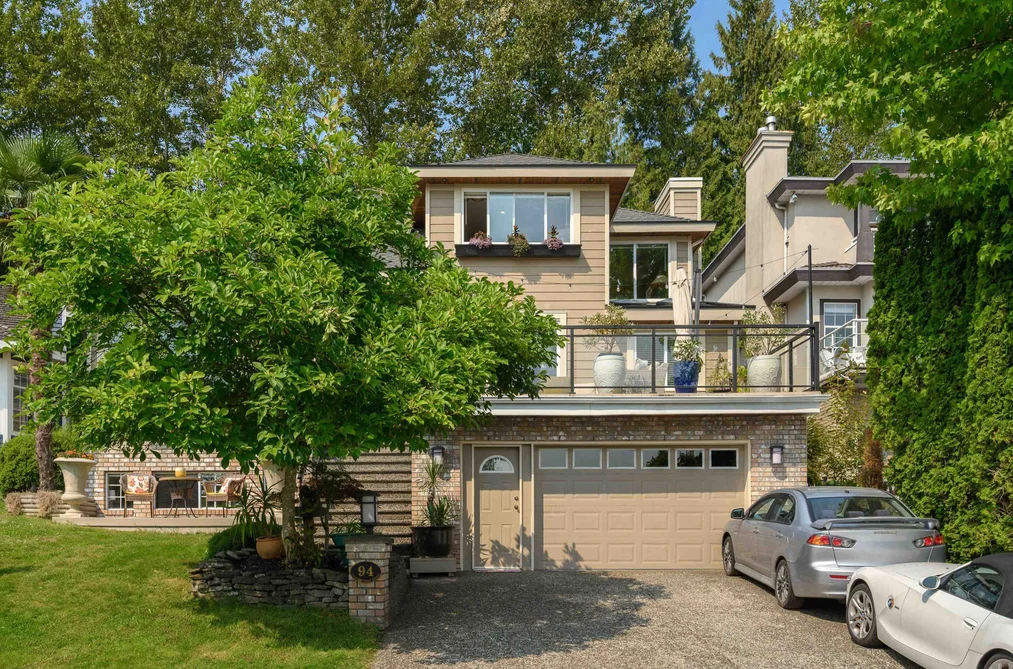
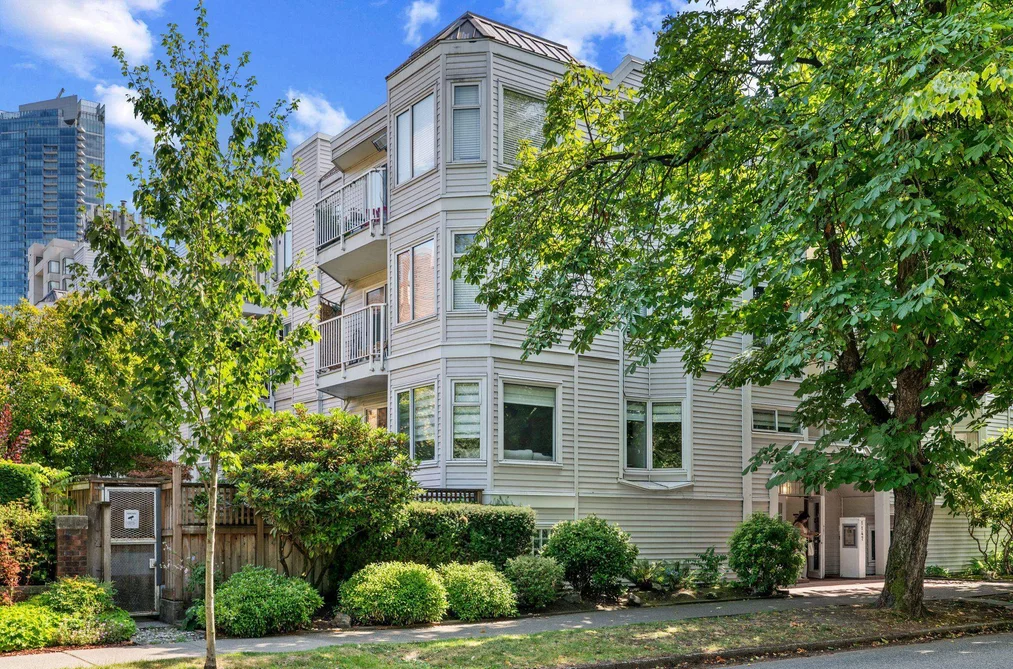
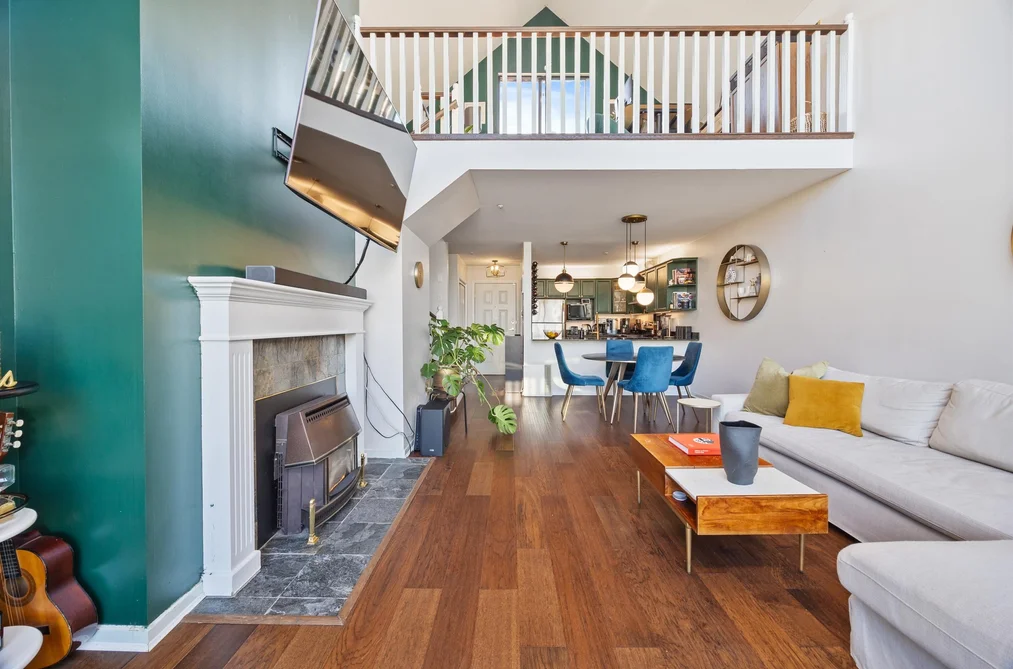
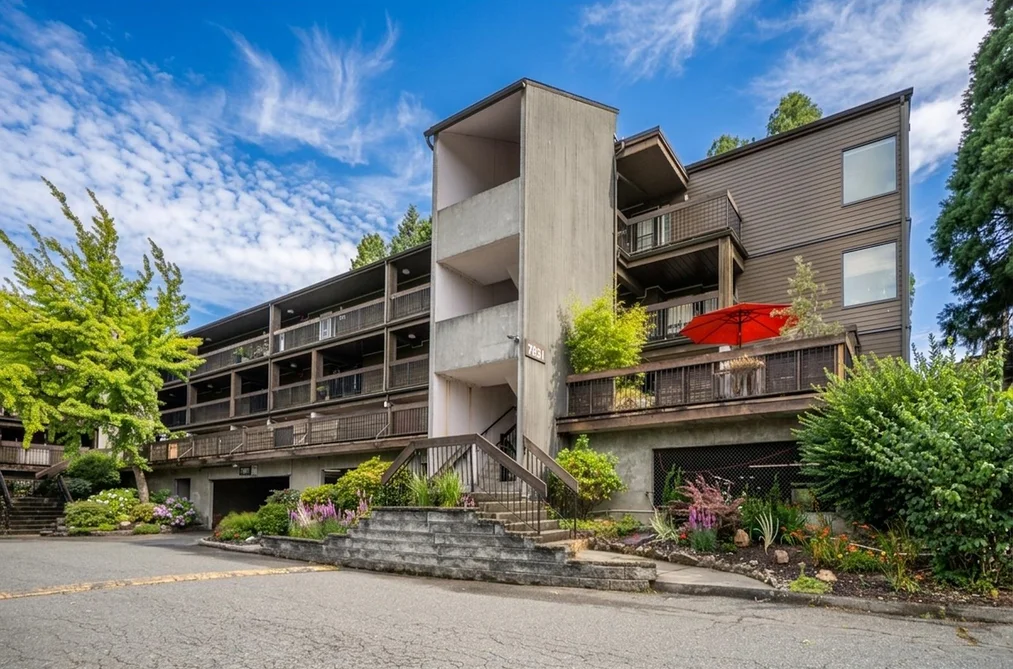
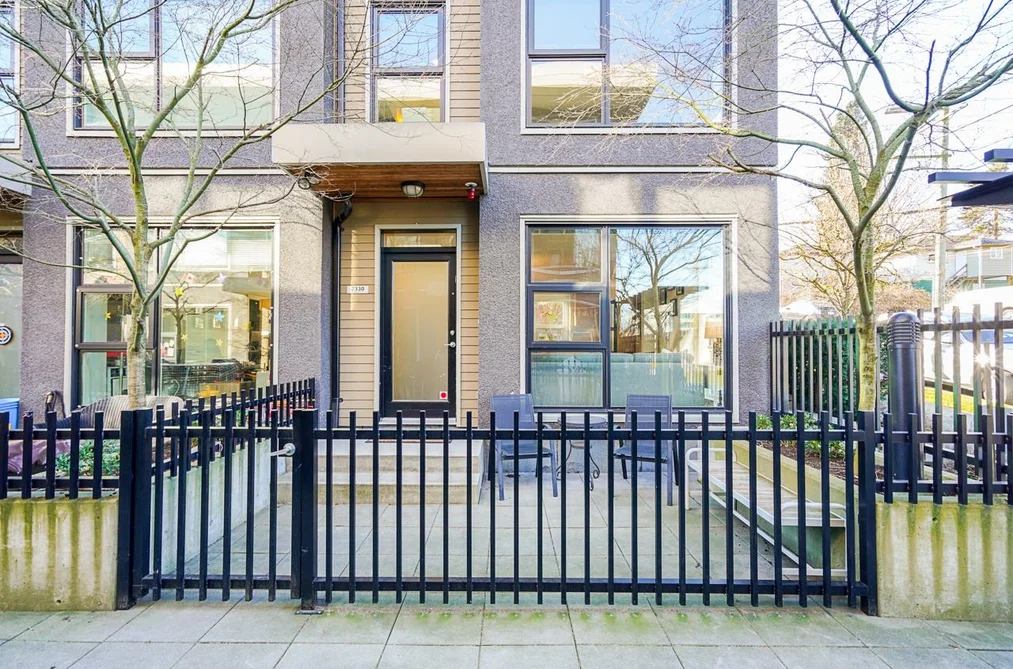
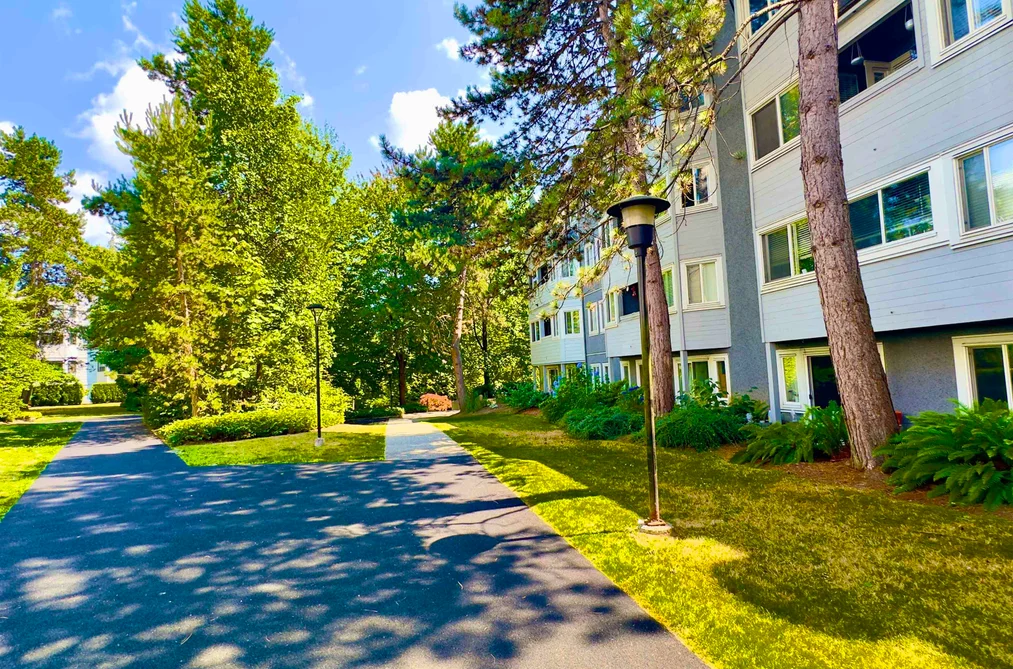
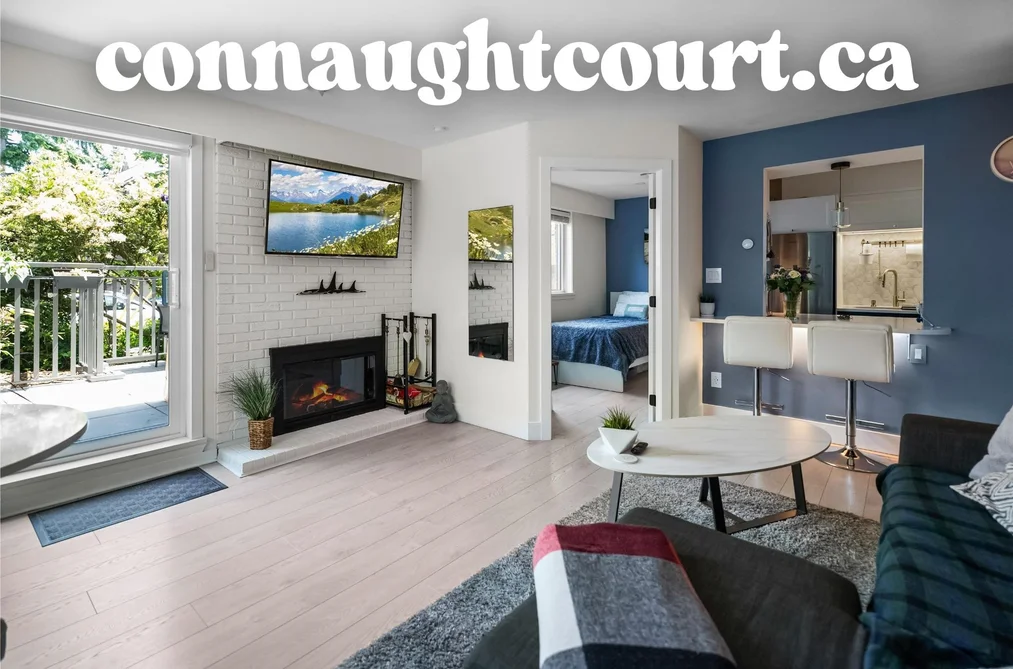
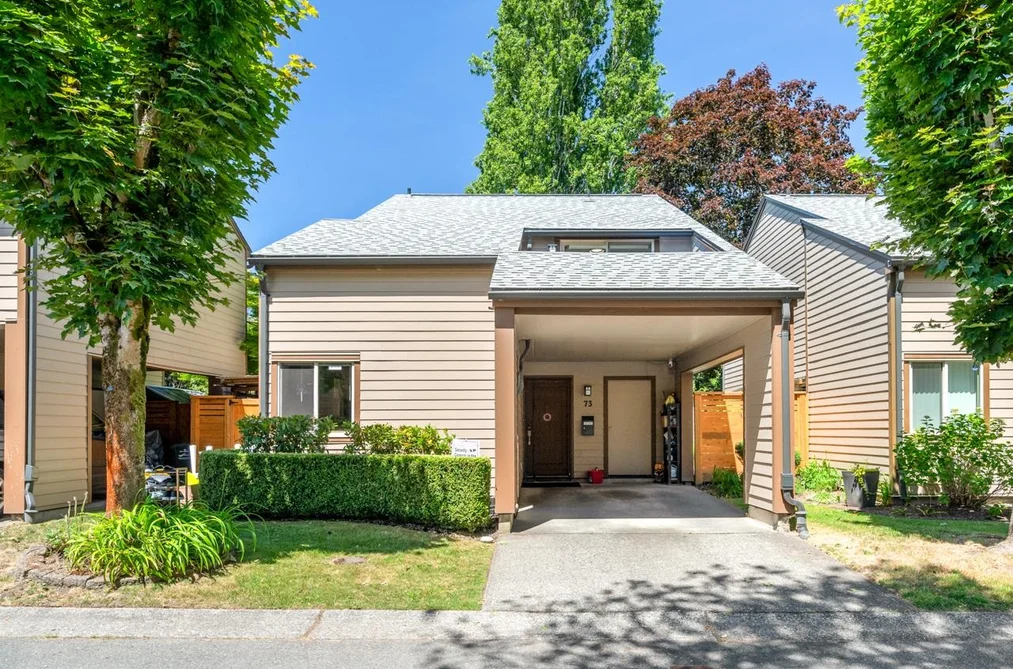
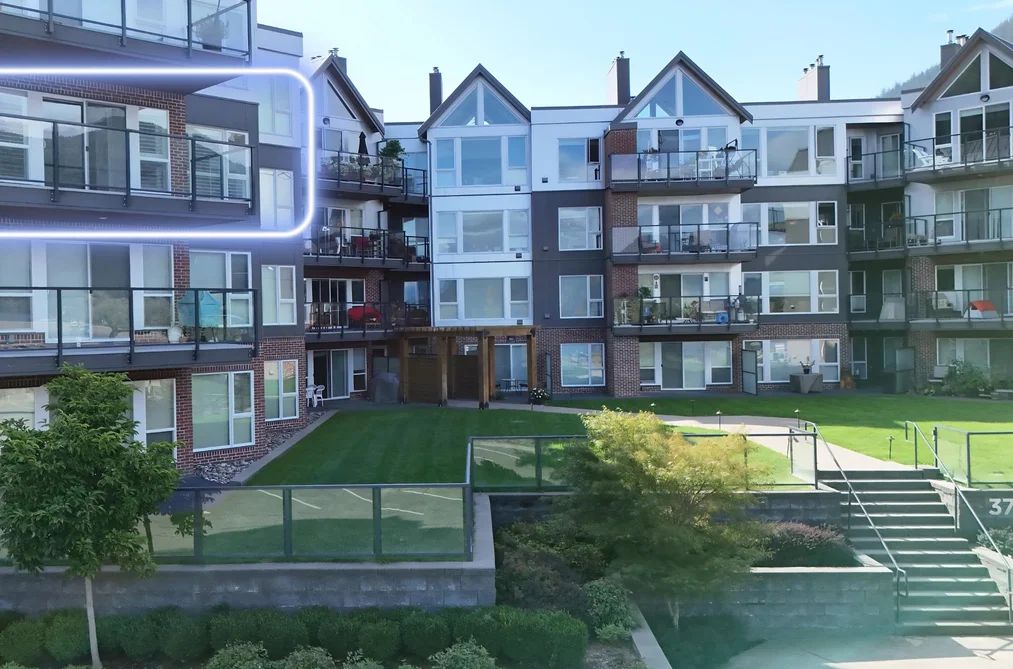
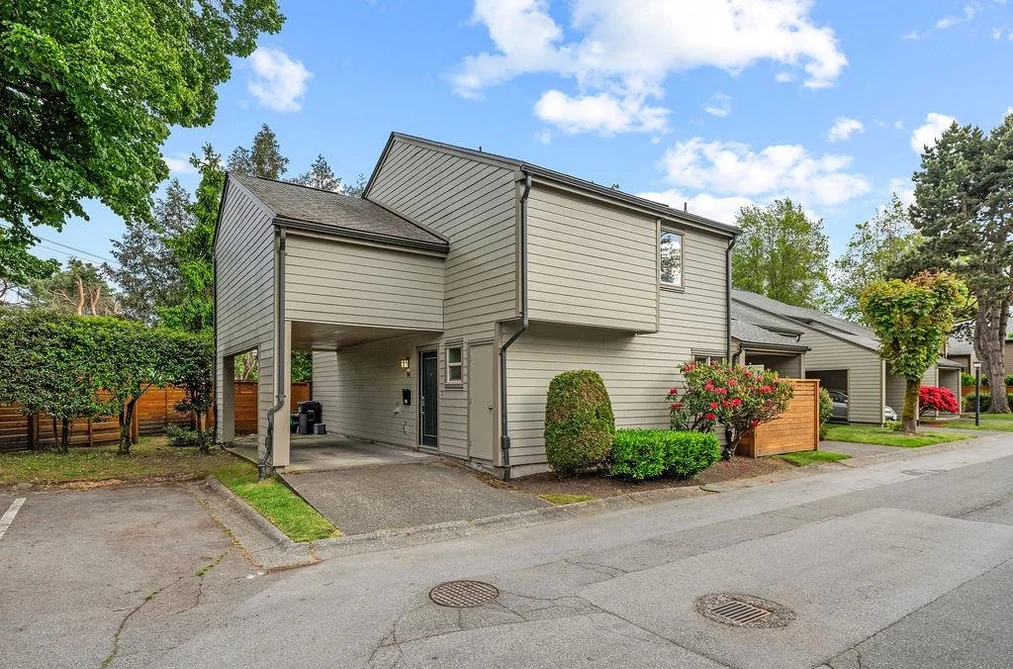
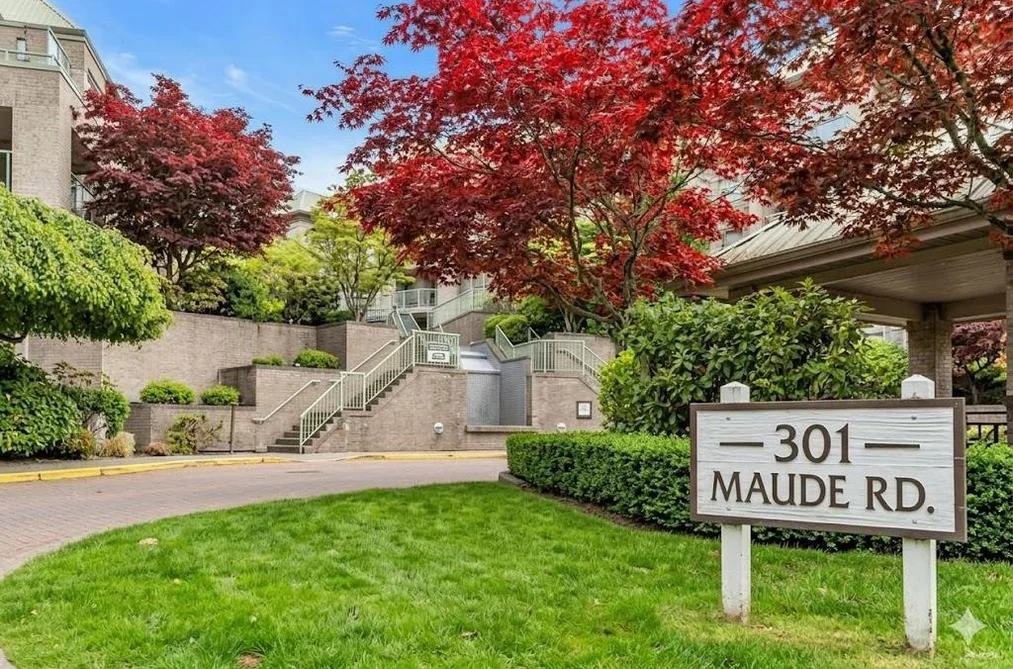
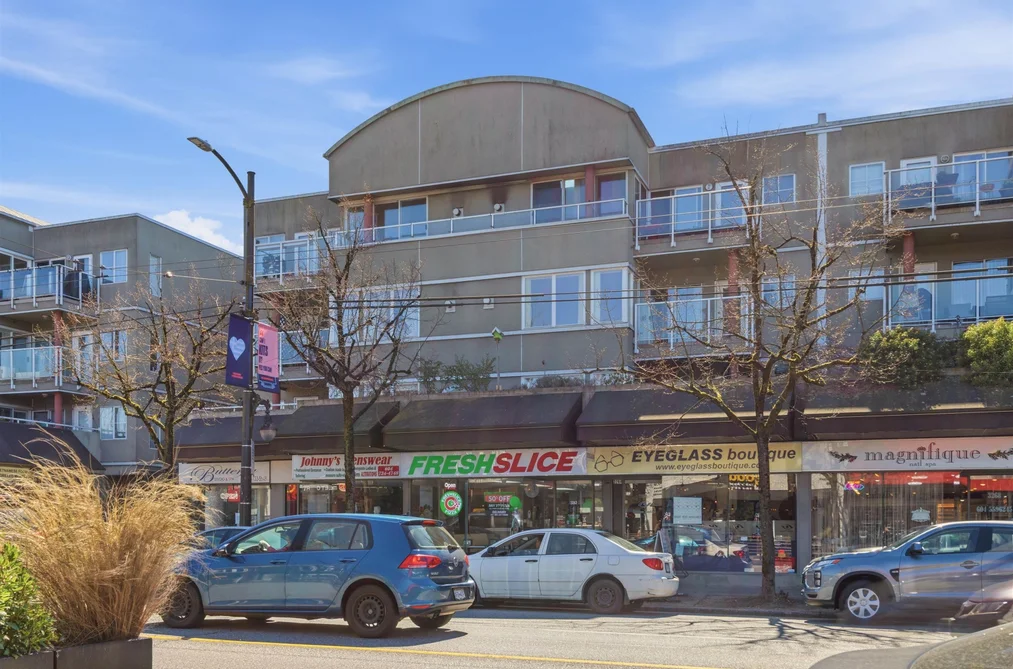
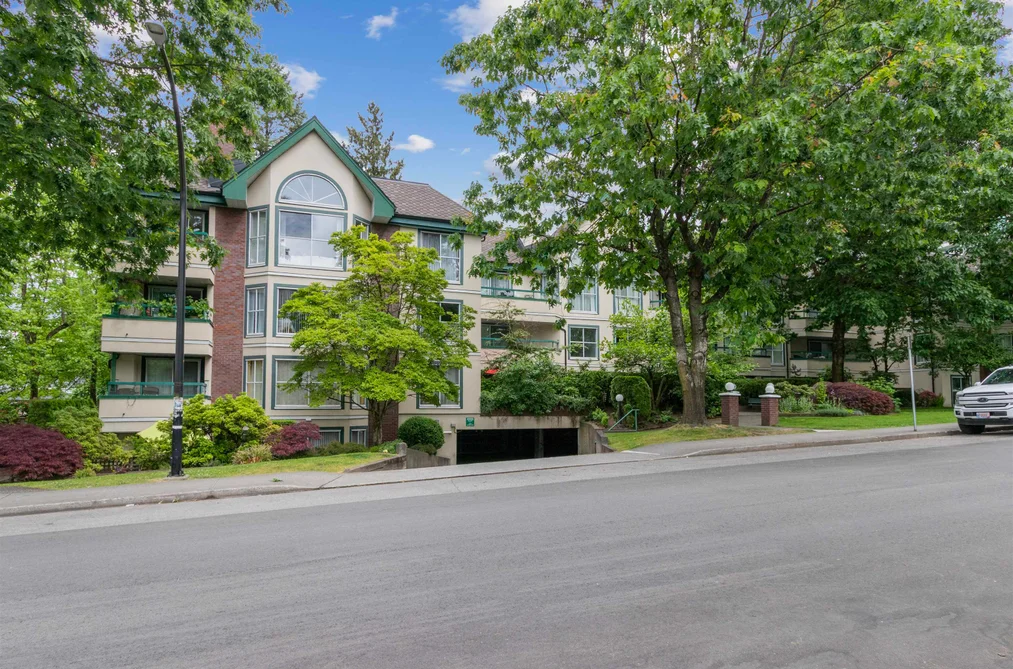
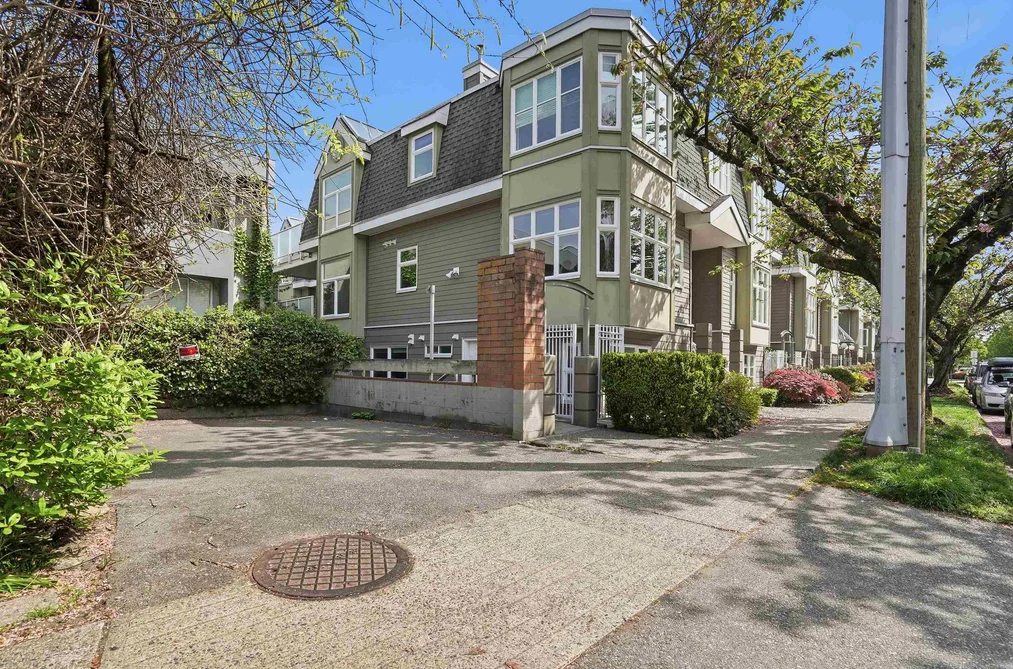
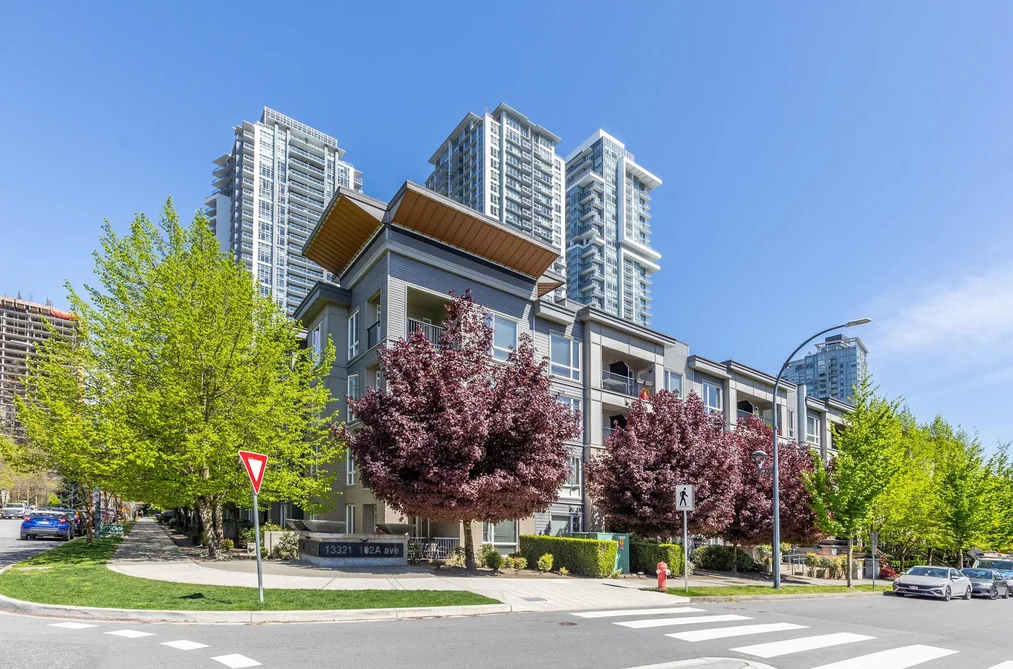
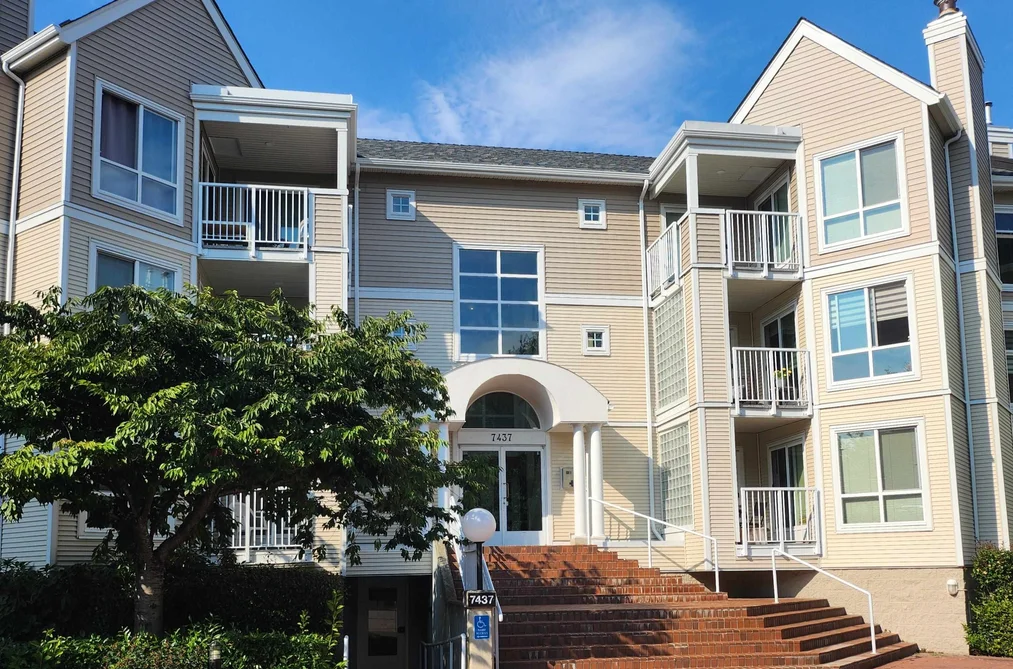
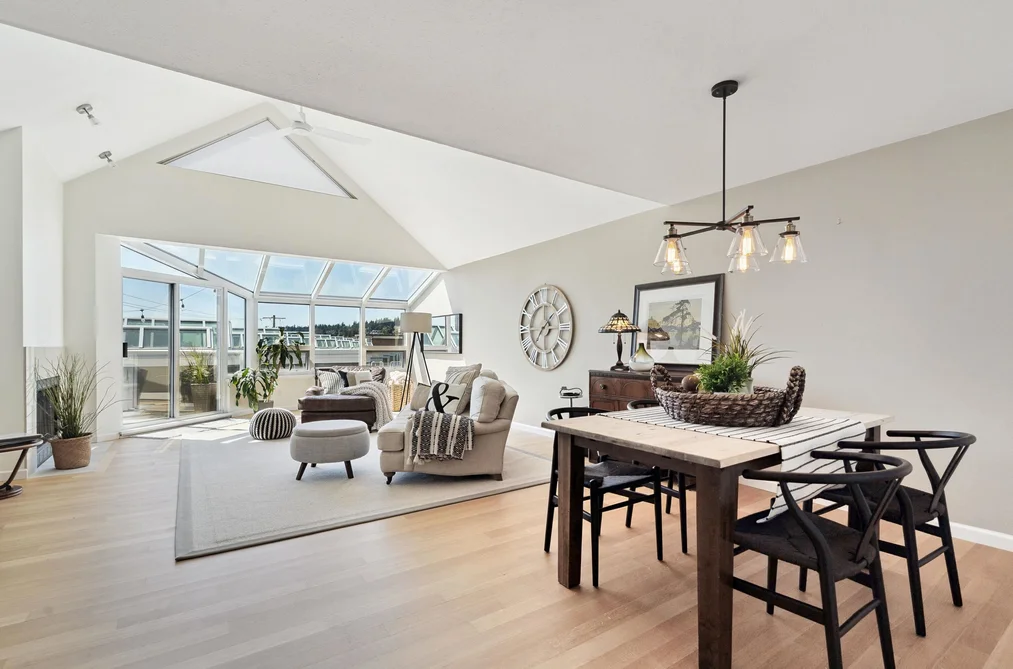
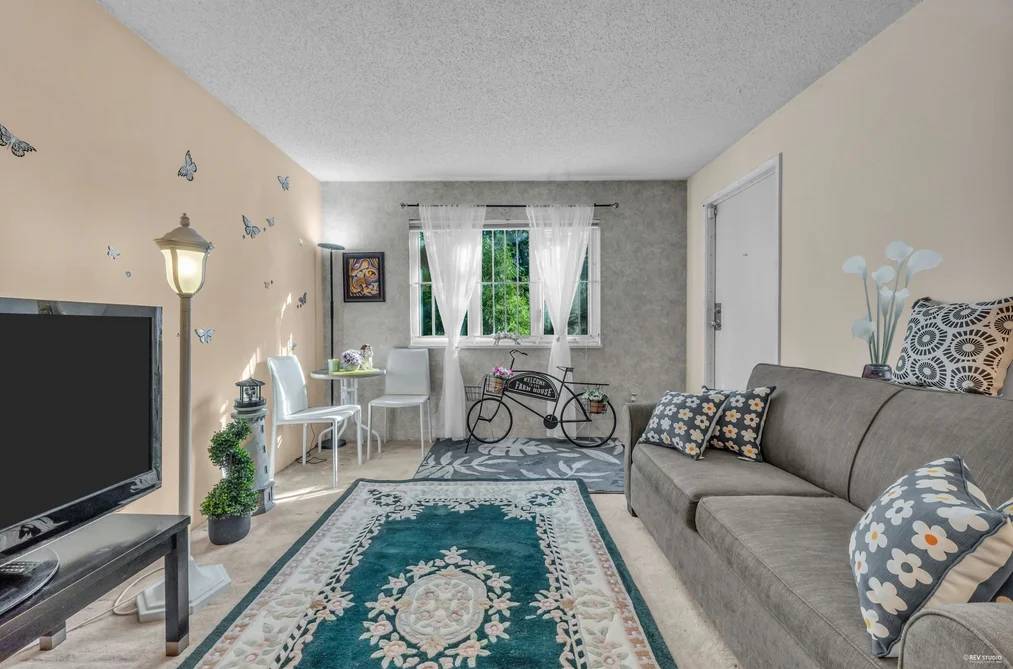
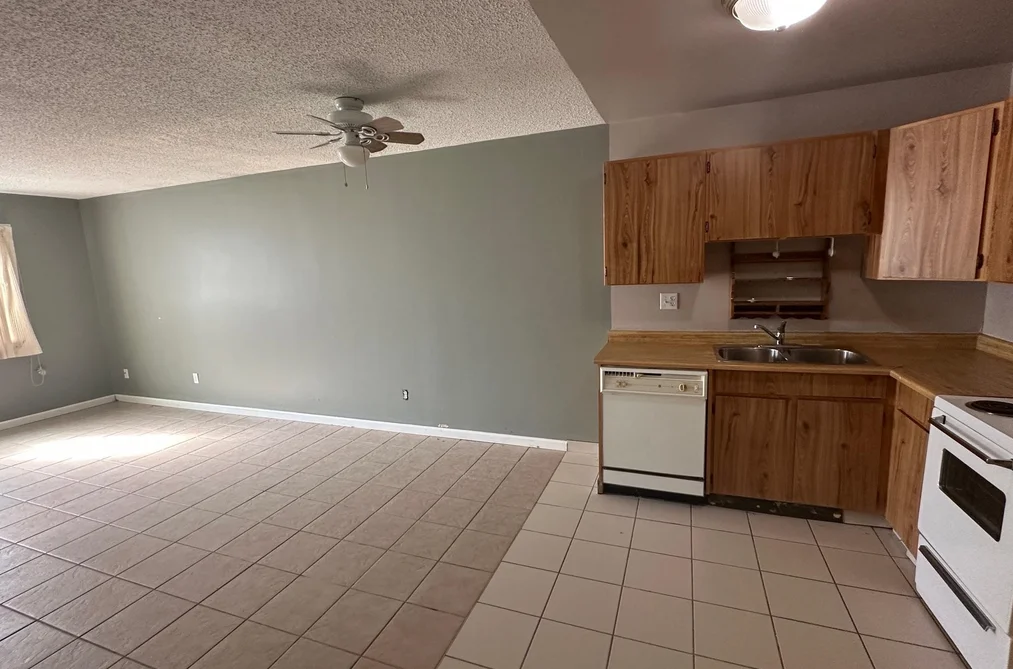
Rainscreen work on a Greater Vancouver building tells a buyer whether the envelope repair sits behind them or ahead, so find it in the strata minutes before you offer.
Rain is the defining construction problem on this coast. A rainscreen assembly puts a drained and vented cavity behind the exterior cladding so water that gets past the siding can escape instead of soaking the sheathing. Buildings in British Columbia put up before that became standard practice were often sealed rather than drained, and many have since been rebuilt. Ask the listing agent for the completion date of the work, the scope, the consultant's report and the warranty, and confirm all of it in the minutes rather than accepting a note on the listing.
A completed retrofit removes the largest single risk in an older condo, but only if it was done properly and paid for. Check whether a special levy funded it and whether every strata lot has paid, since an unpaid share can attach to the property you are buying. Read the depreciation report for the remaining life of the cladding, the windows and the roof, and look at the contingency reserve balance against those dates. Where the work has not been done, the report will usually name the year it is expected.
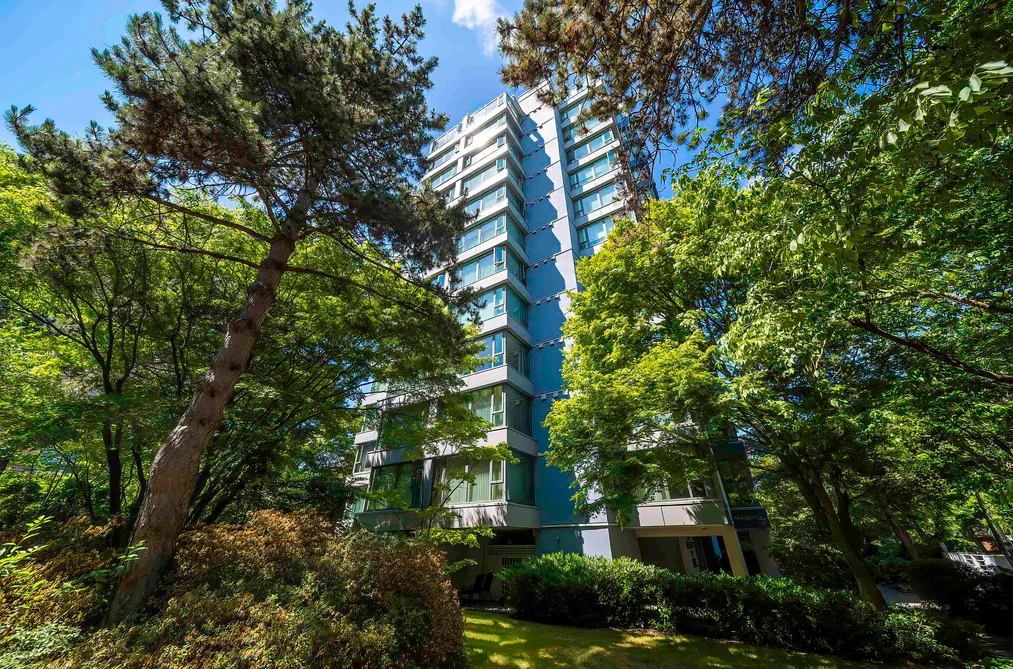
A concrete tower with an original envelope and a wood-frame low-rise from the same era carry different exposure, and neither is visible from the lobby. Have your inspector look at the exterior for staining below windows, at balcony membranes and at sealant condition, and ask whether any unit has reported water ingress. Then treat the building envelope as part of the purchase price: a home that still faces the work is not the same investment as one that has finished it, and your offer should say so.