For Sale
2 days
- $615,000
- 1 bath
- 452 sqft
MLS® R3169822
•RE/MAX Select Properties
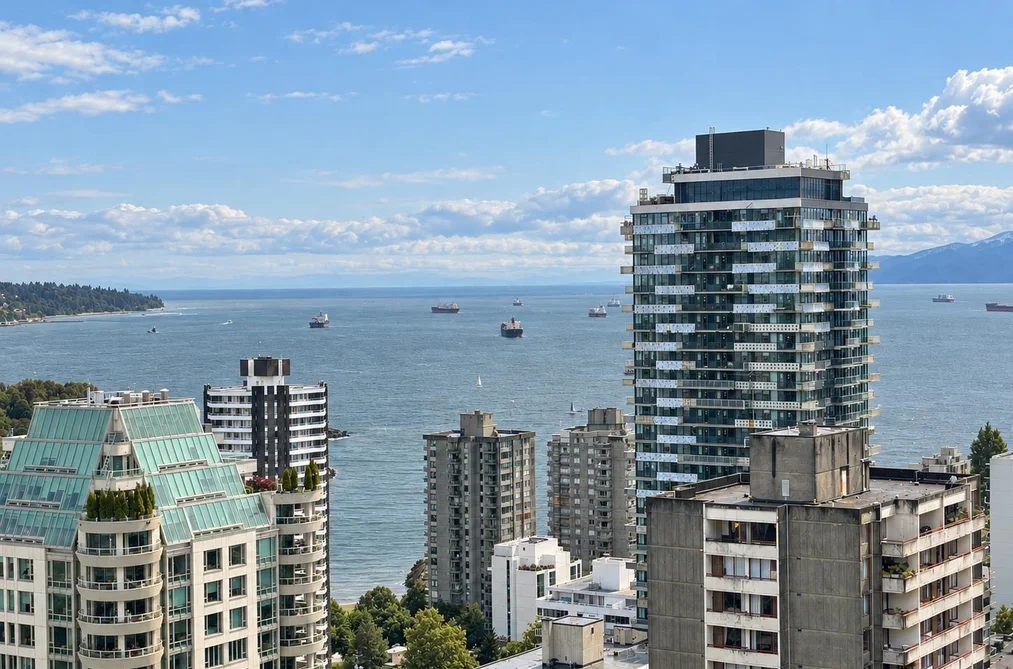
Browse Rooftop Terrace condos for sale in the Lower Mainland and check whether the terrace is private or shared, who maintains it and what the bylaws allow.
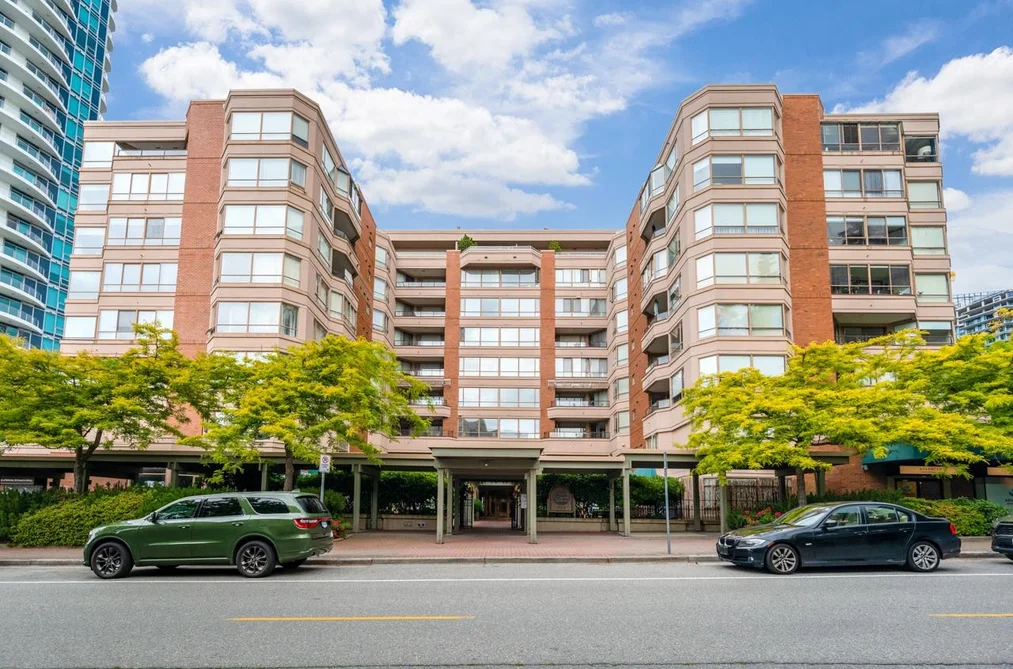

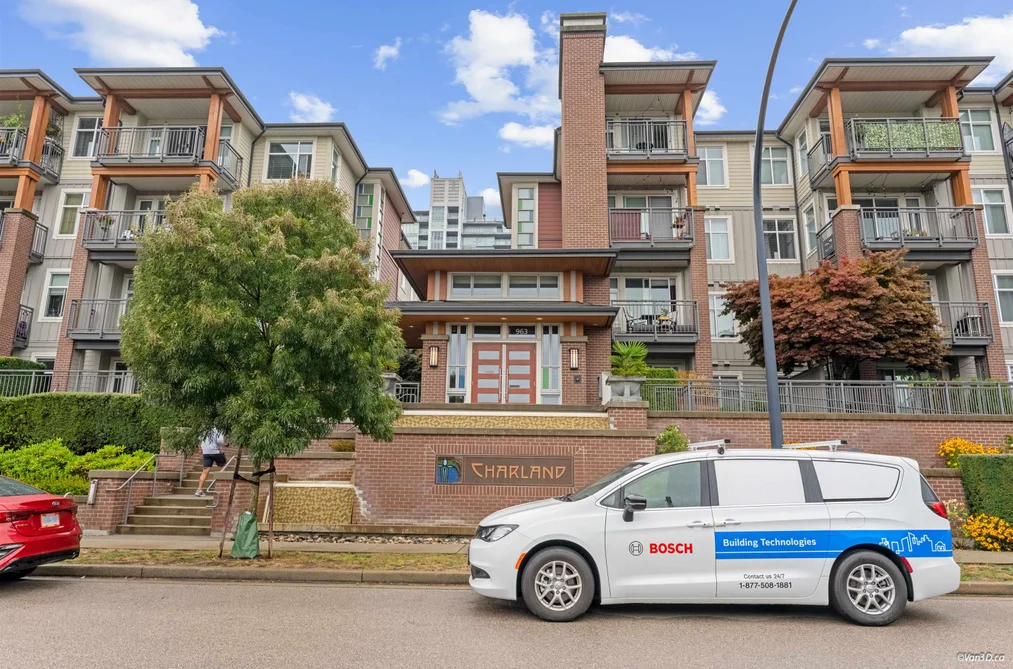
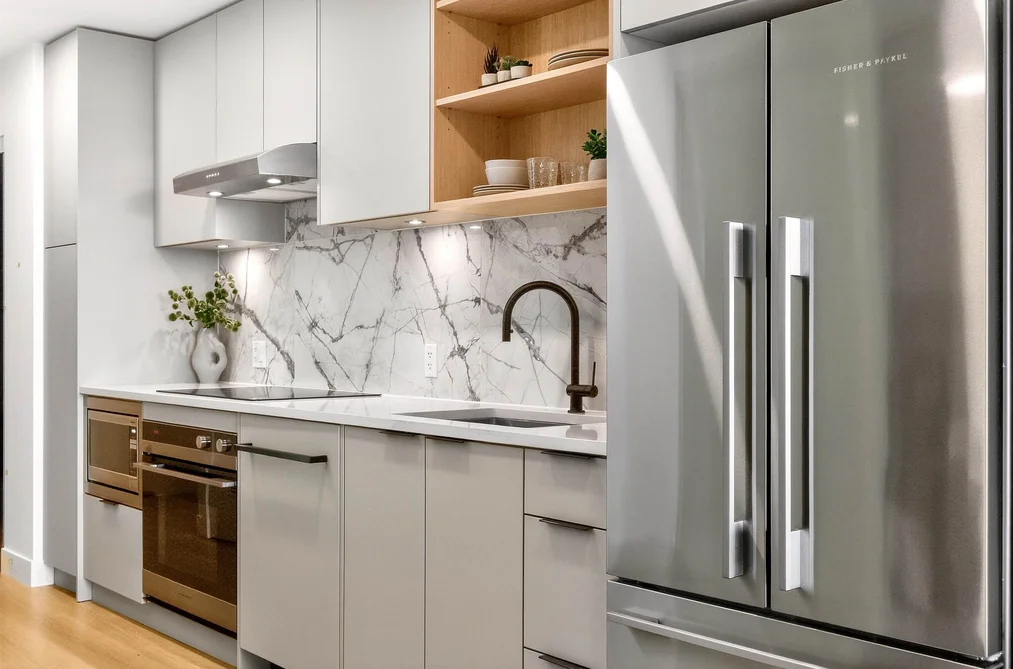
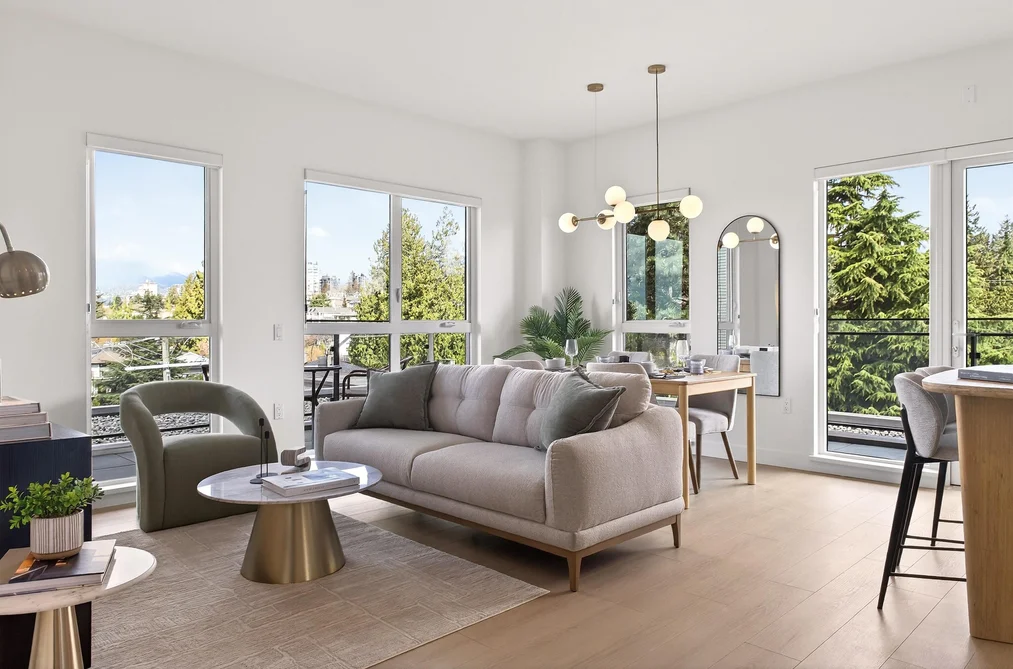
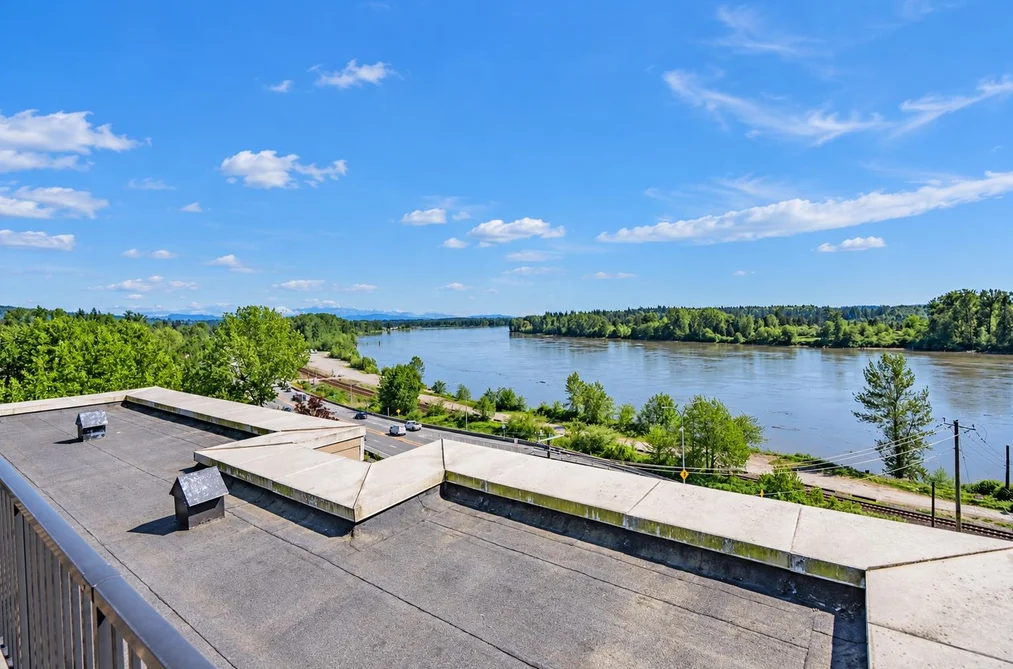
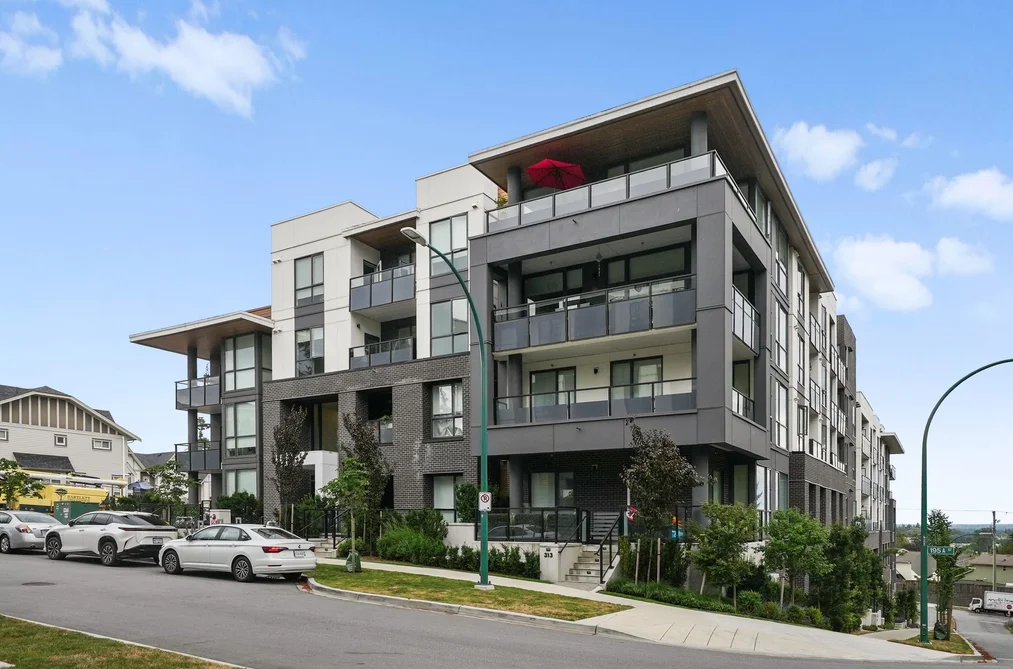

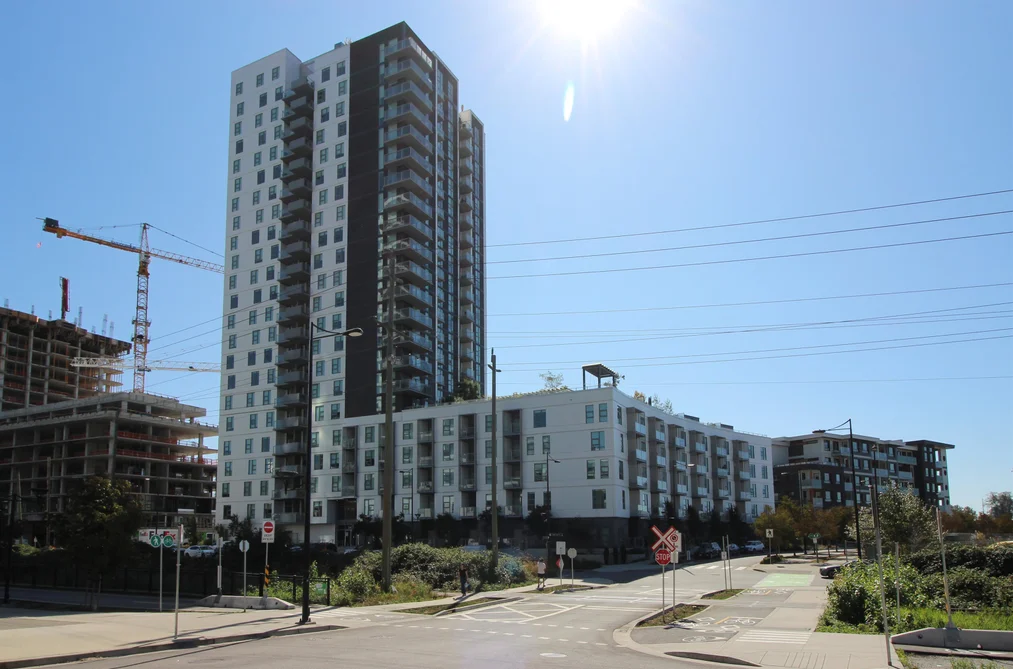
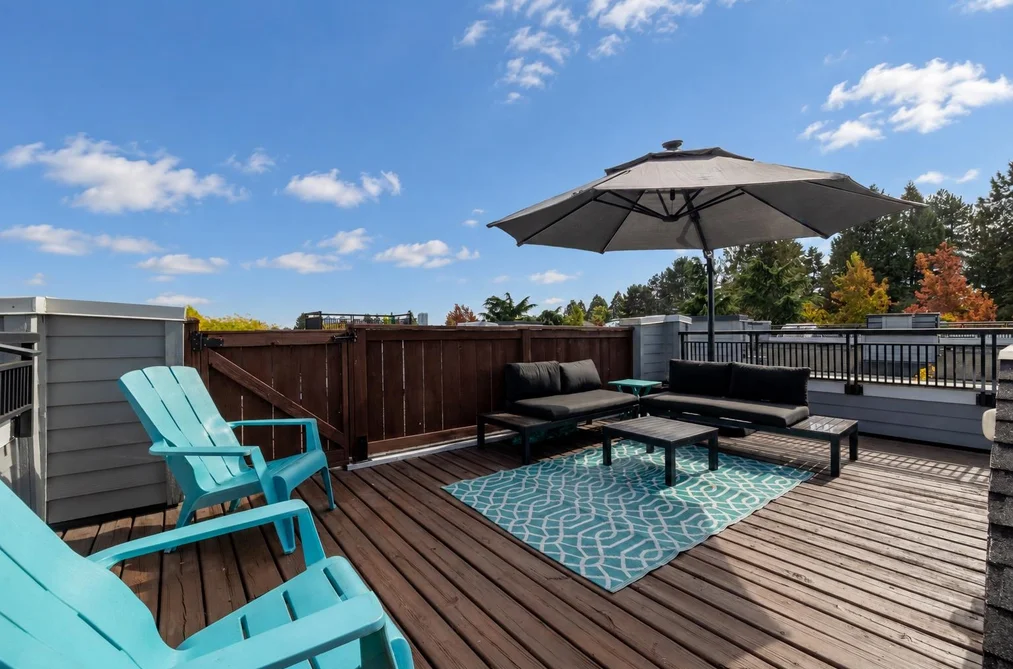
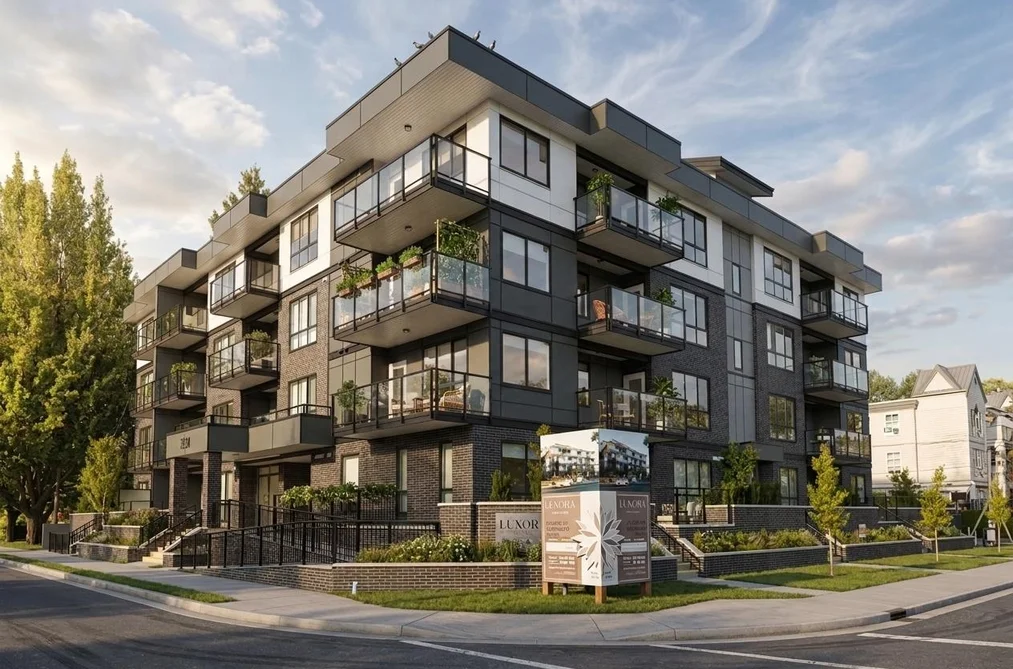
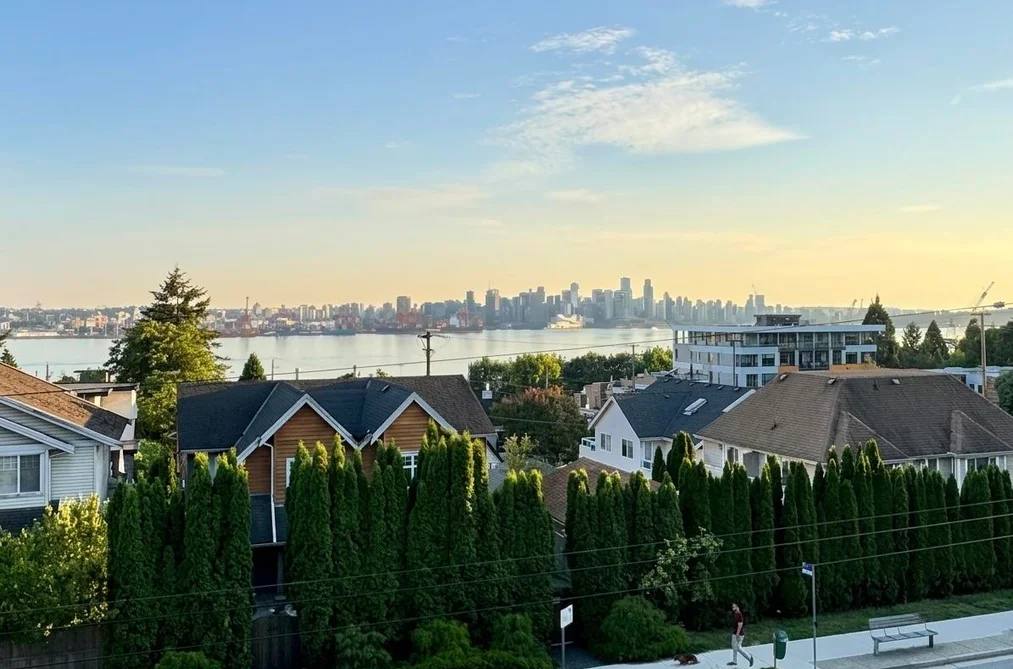
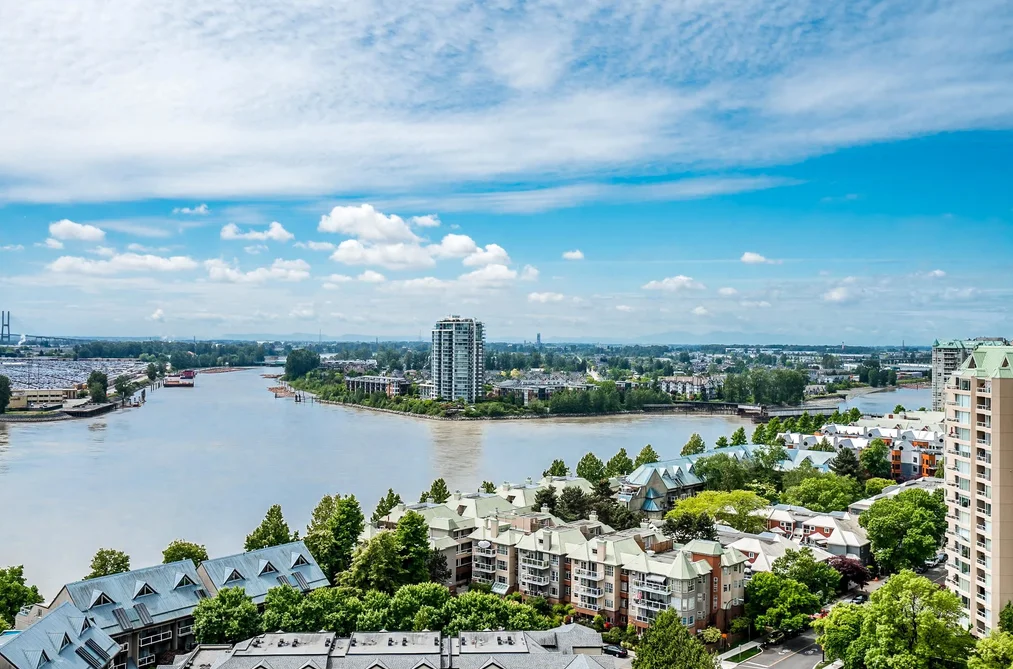
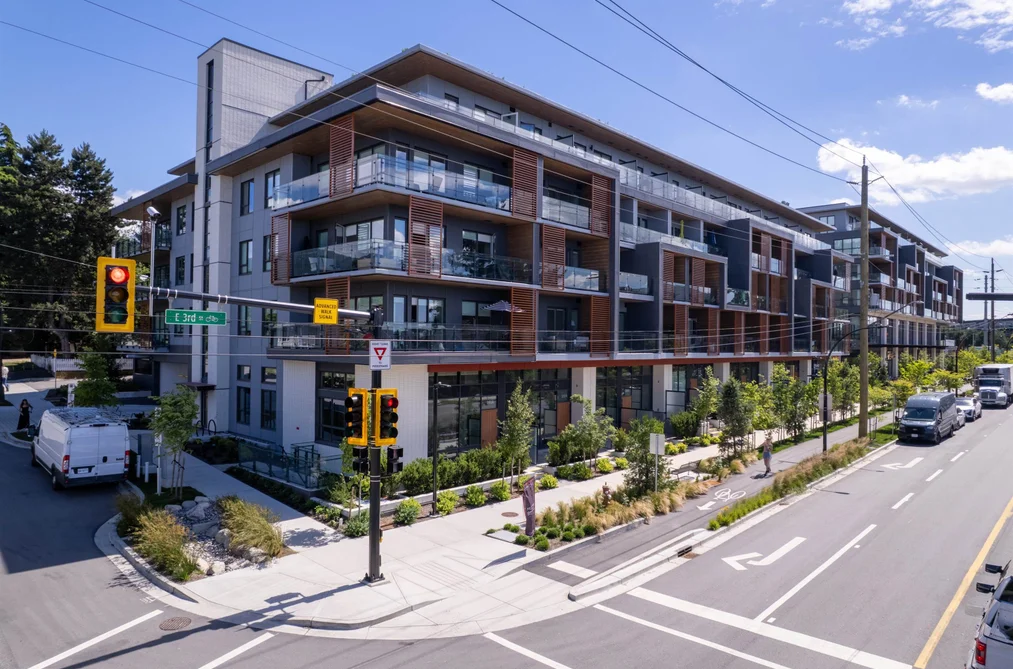
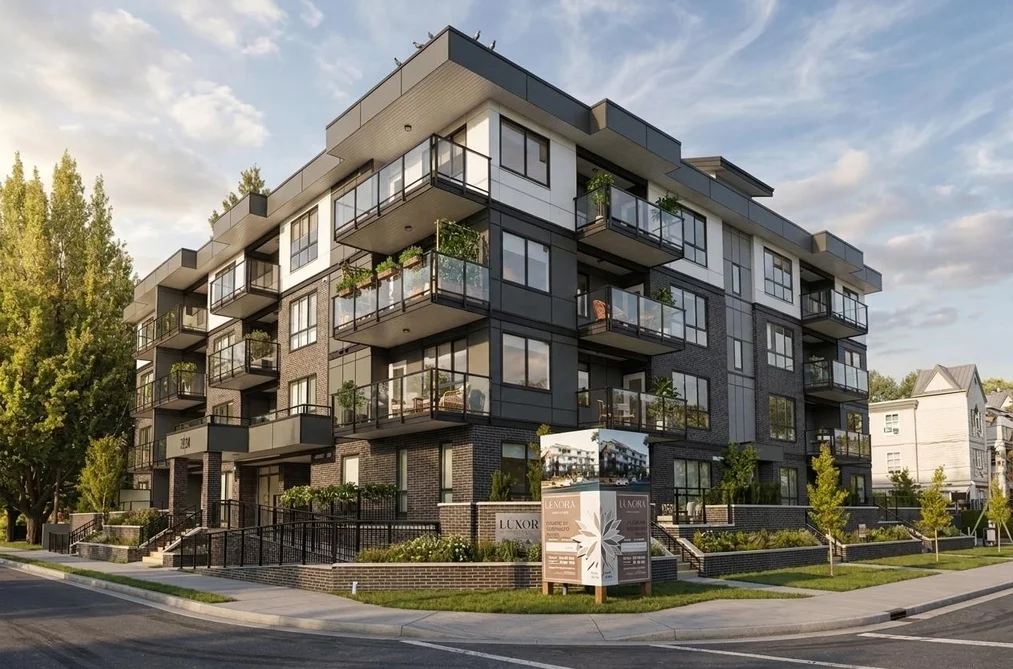
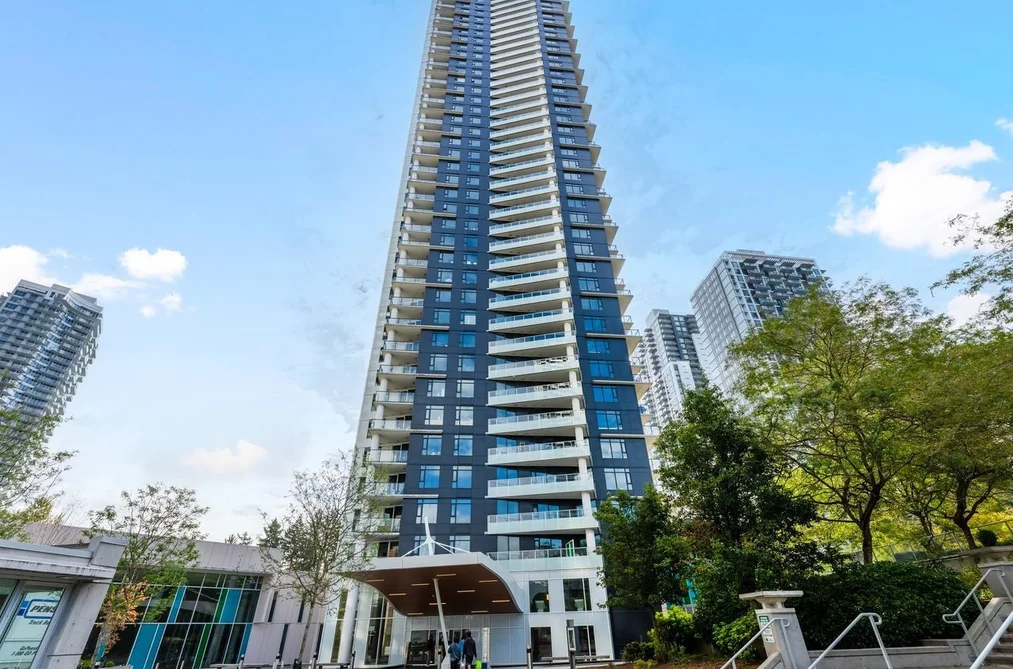
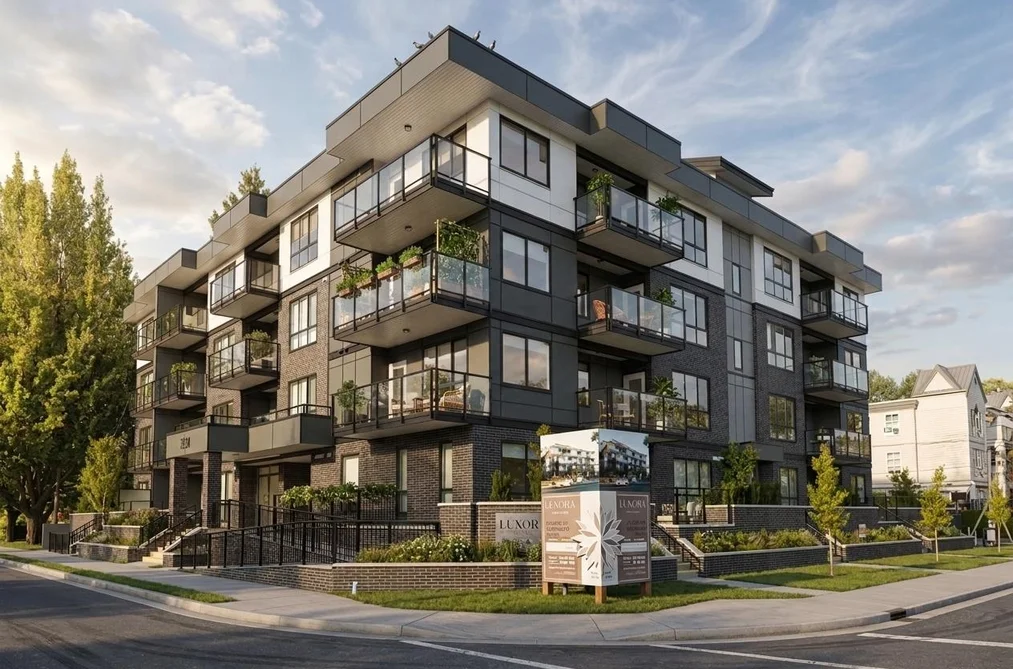
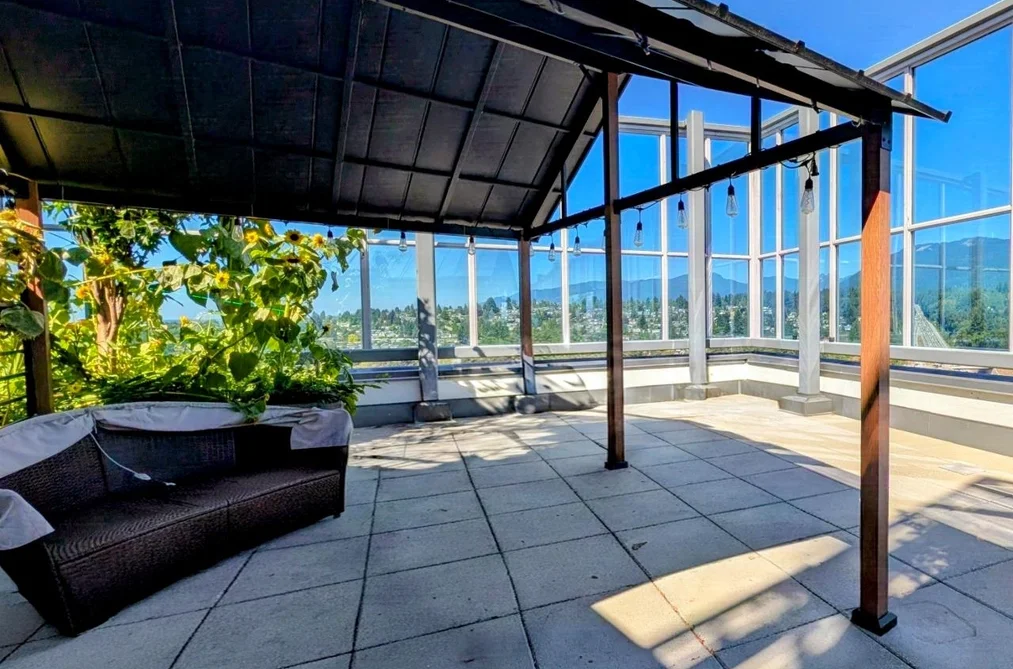
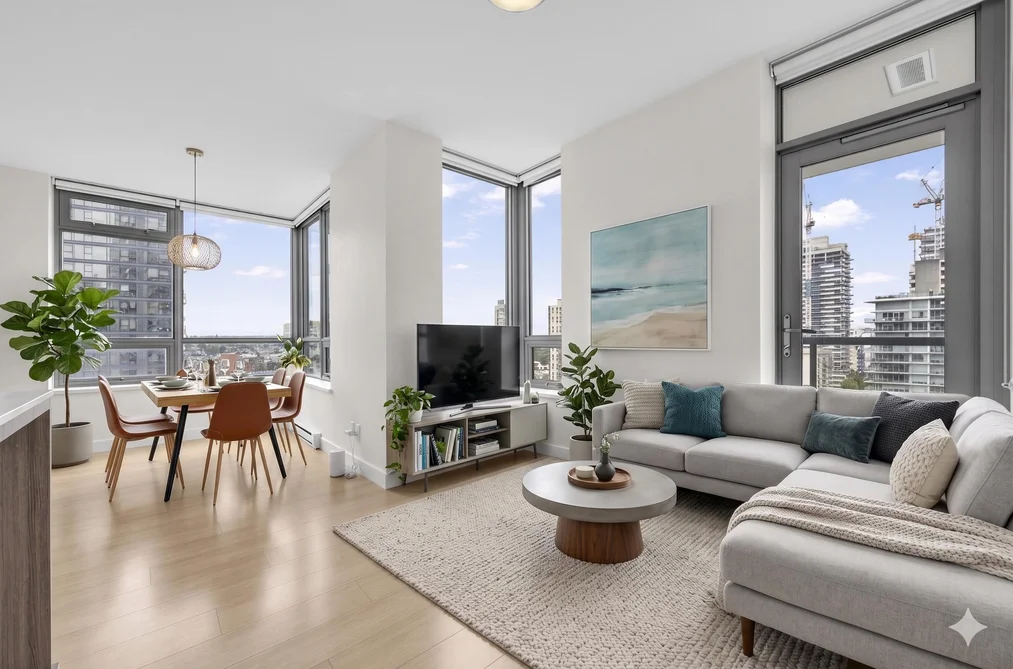
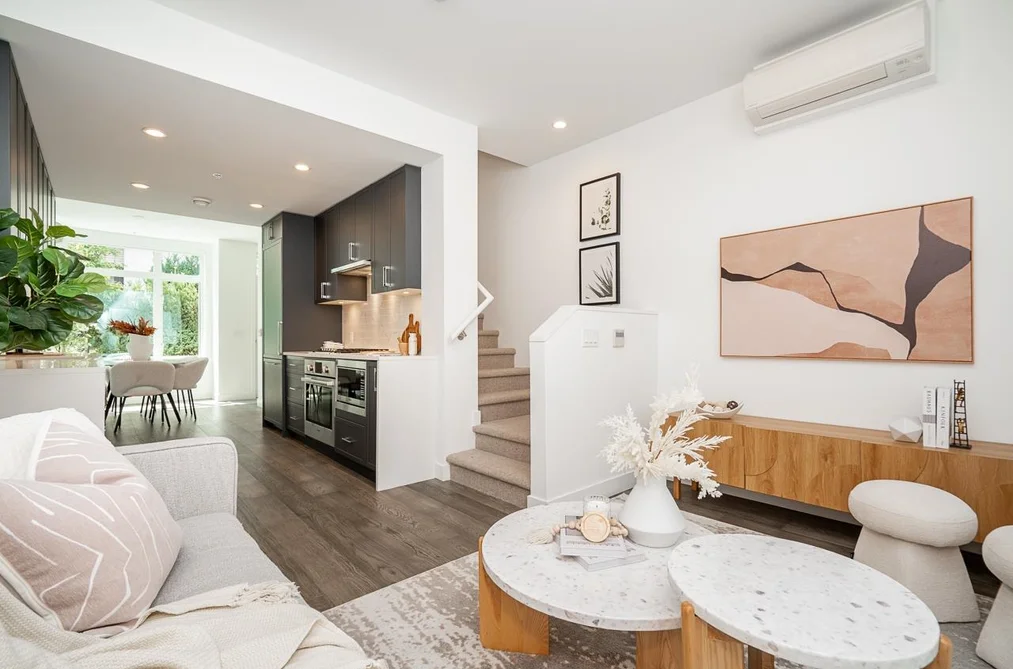
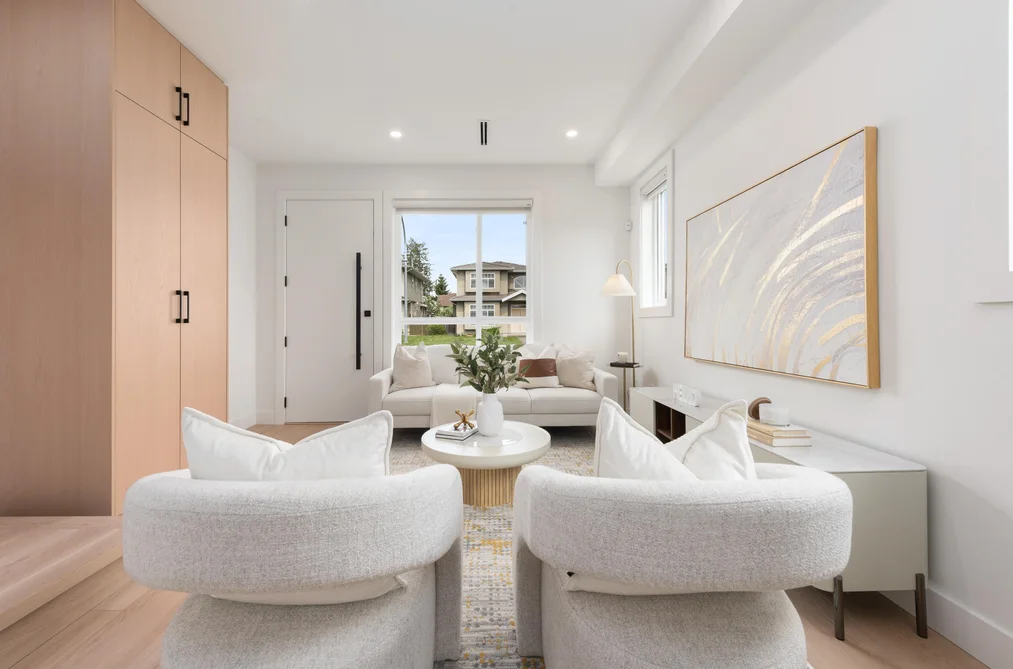
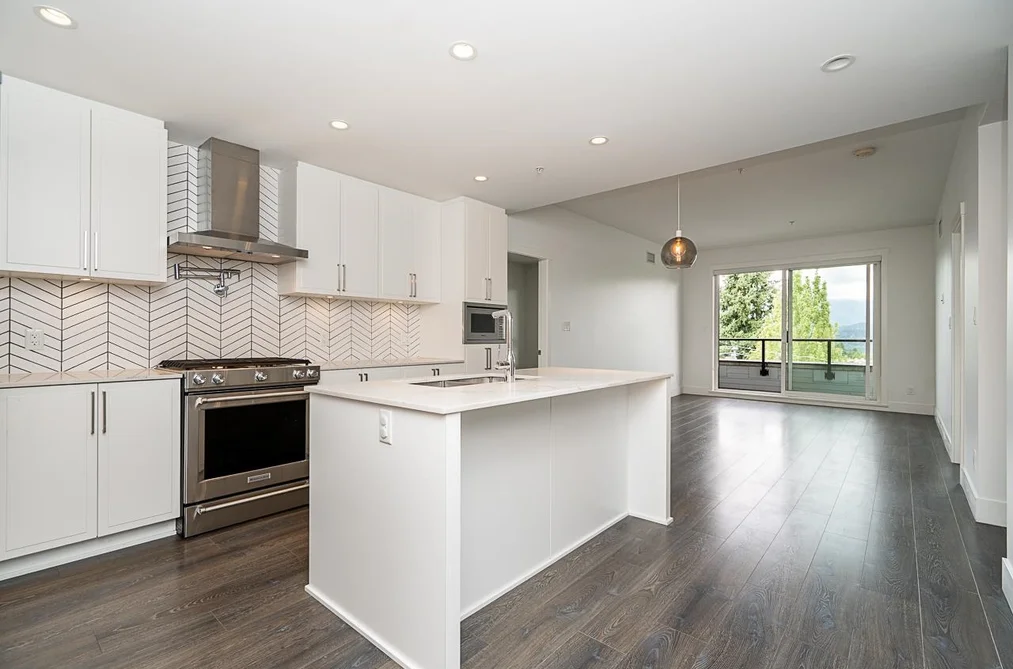
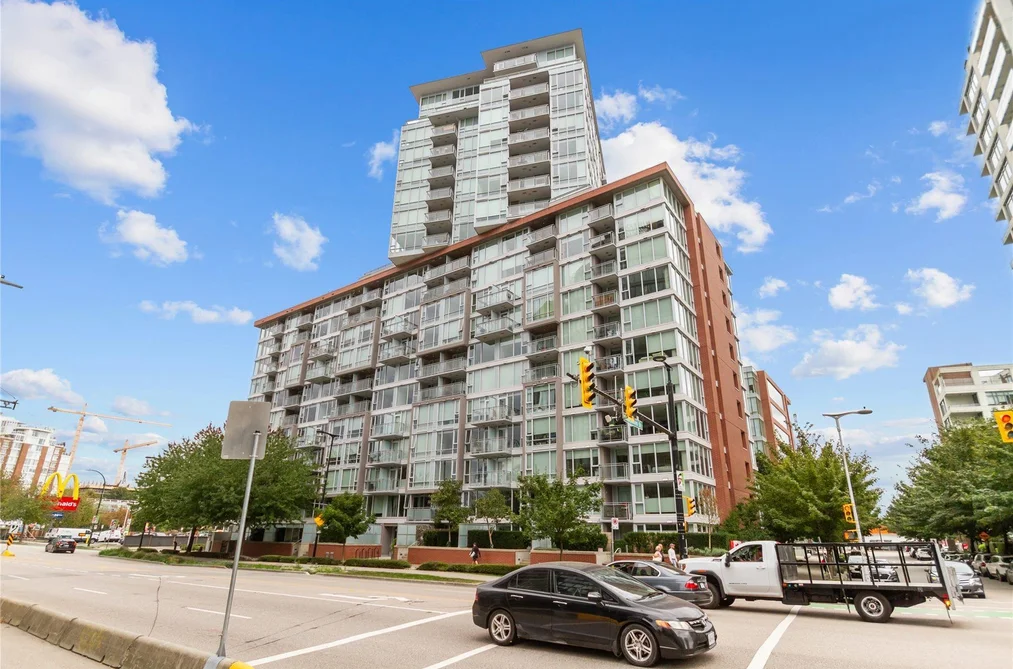
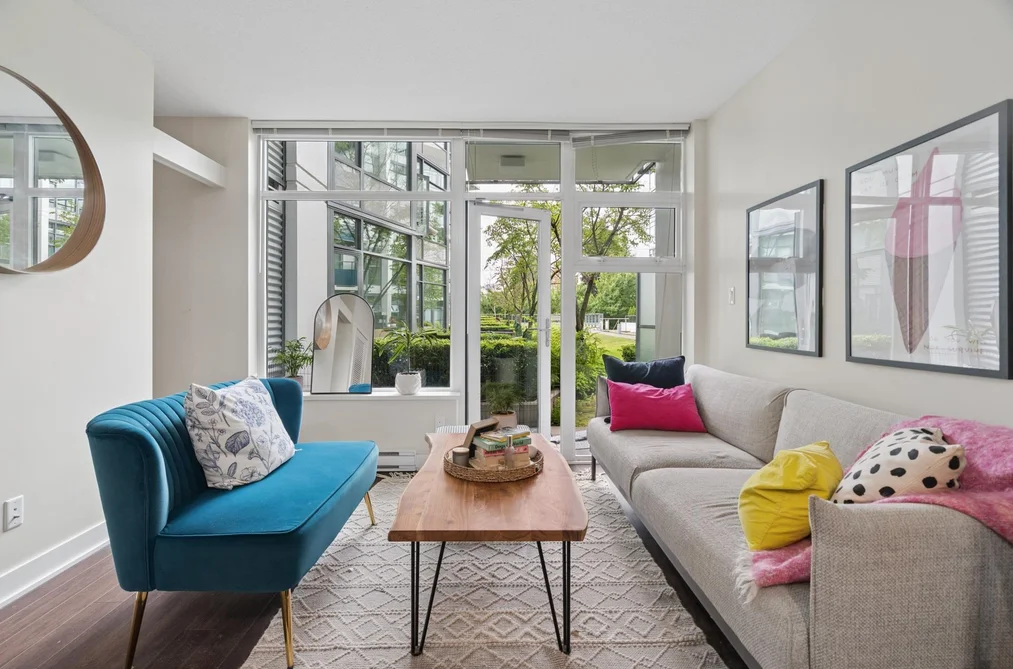
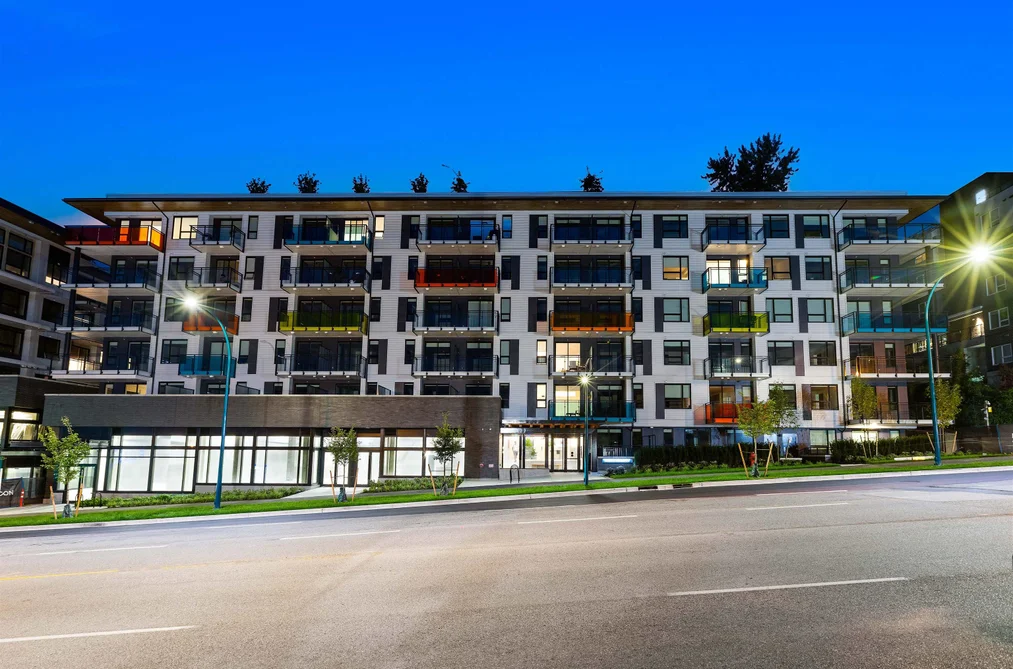
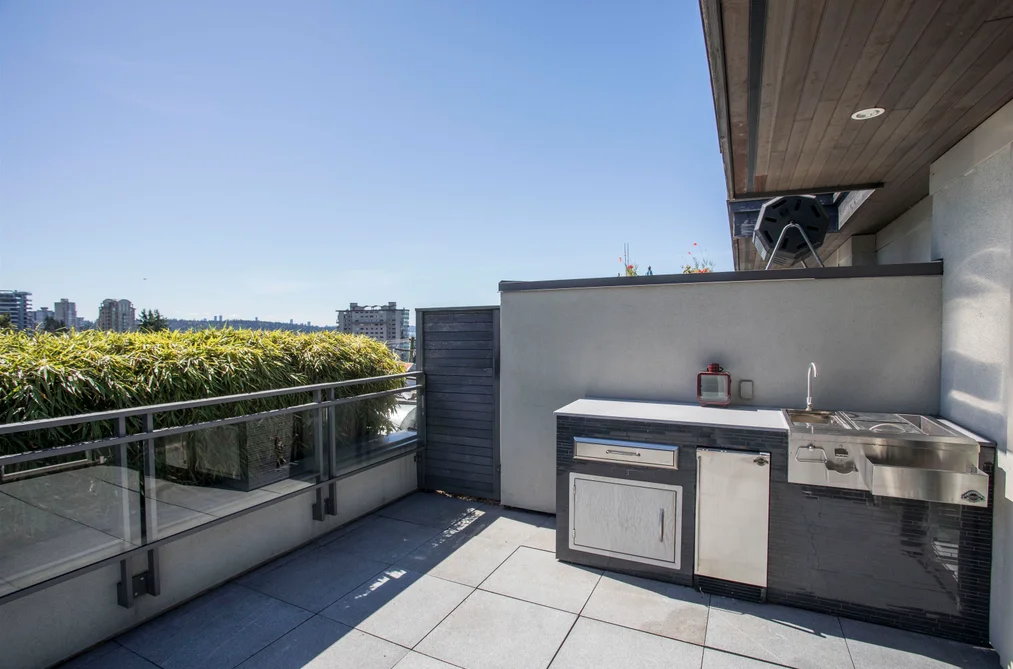
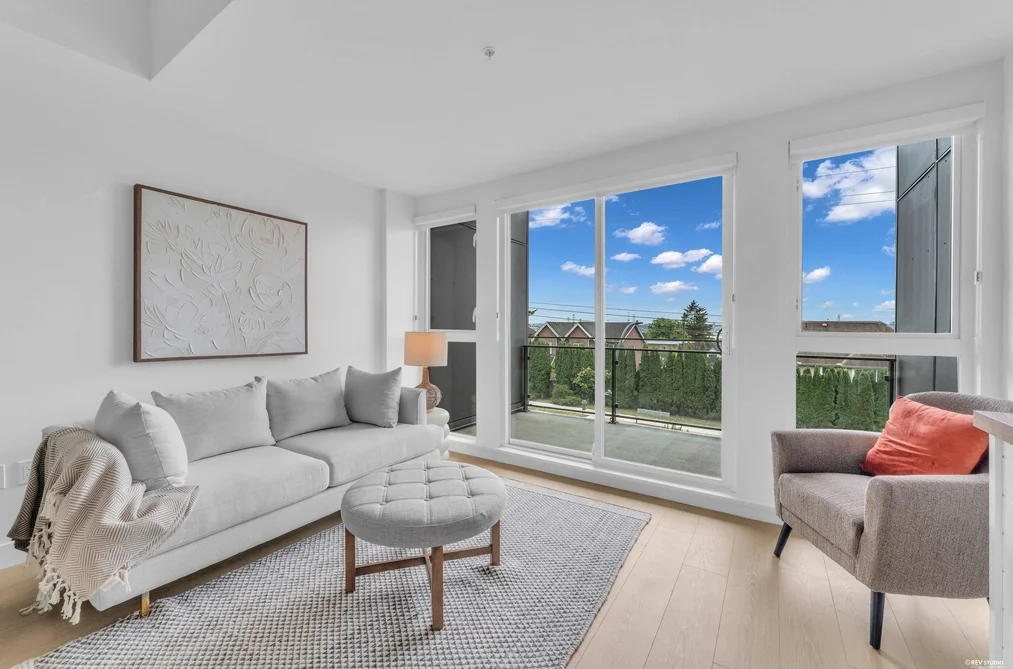
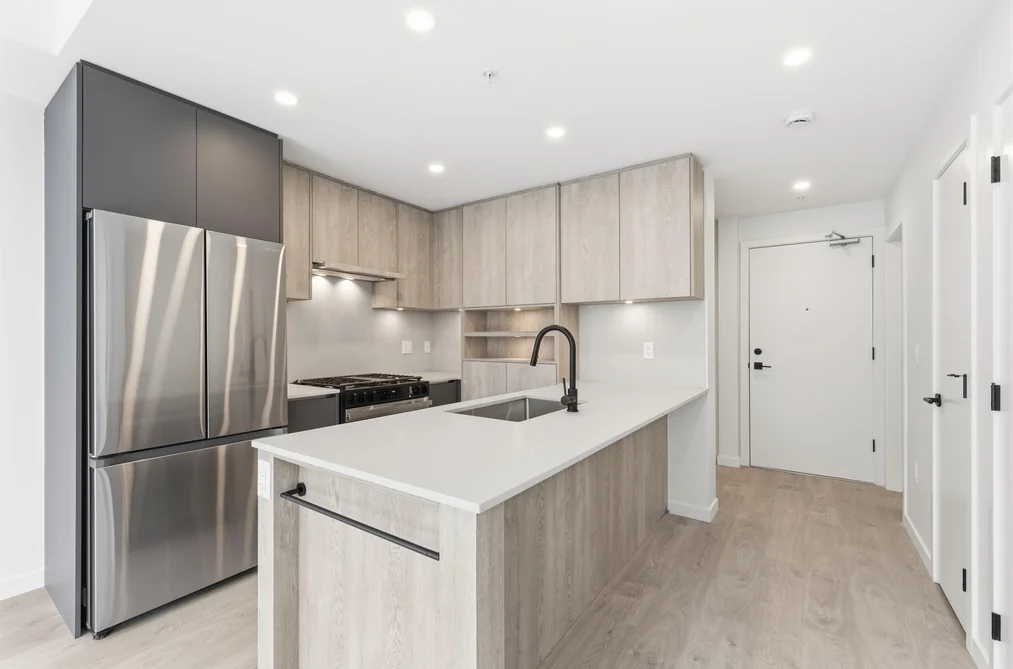
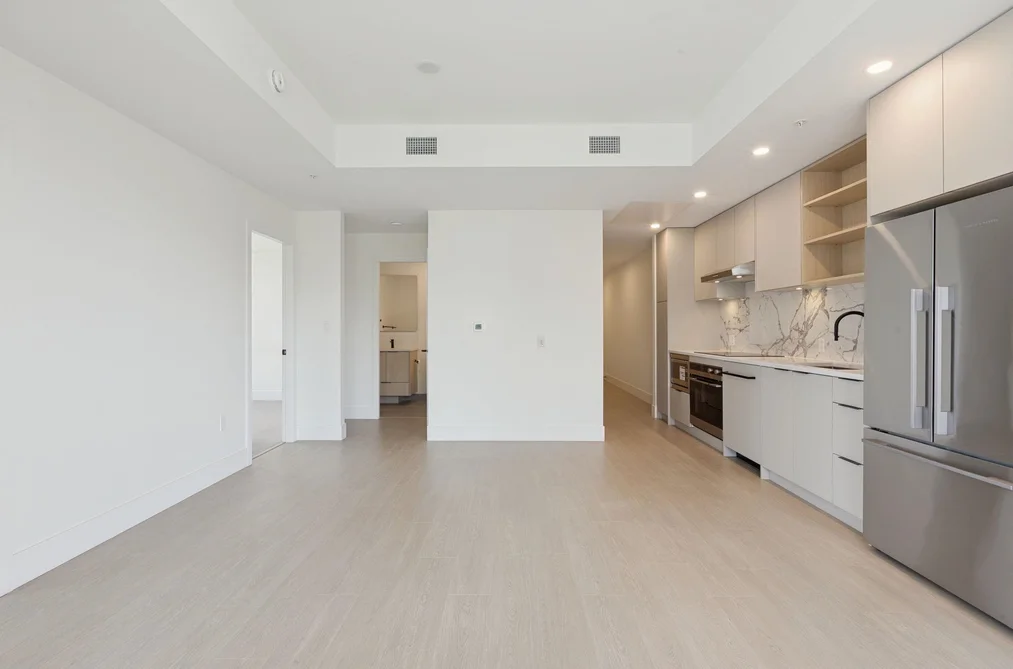
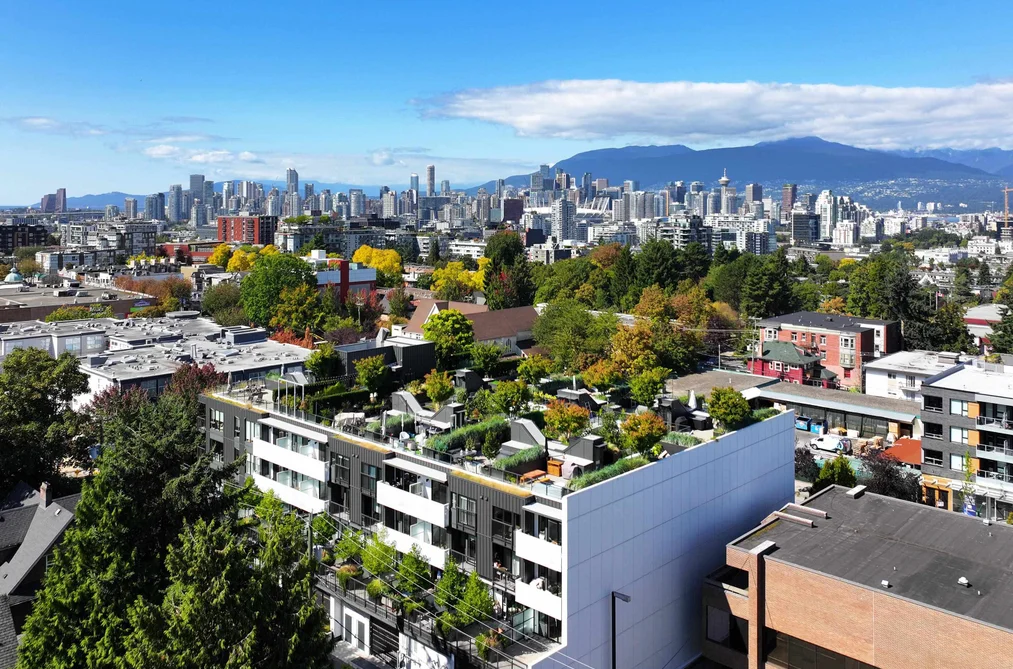
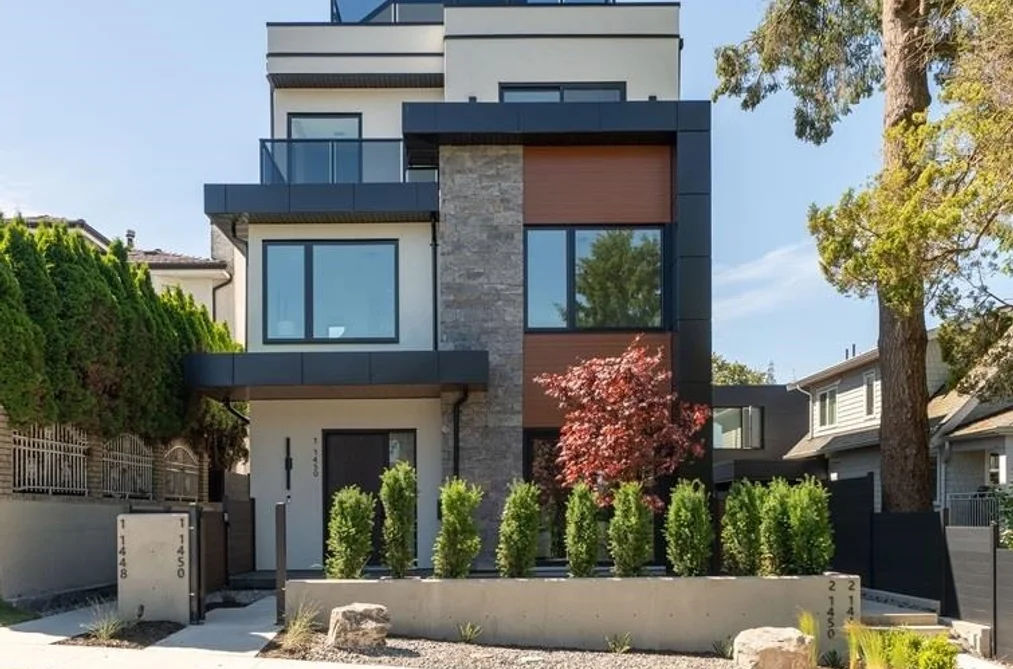
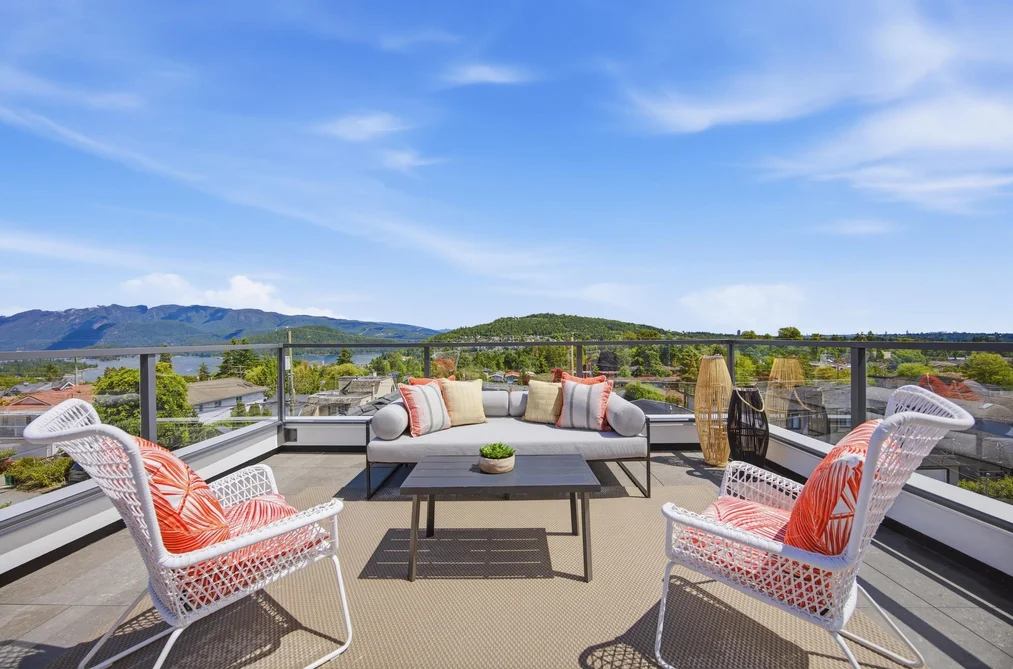
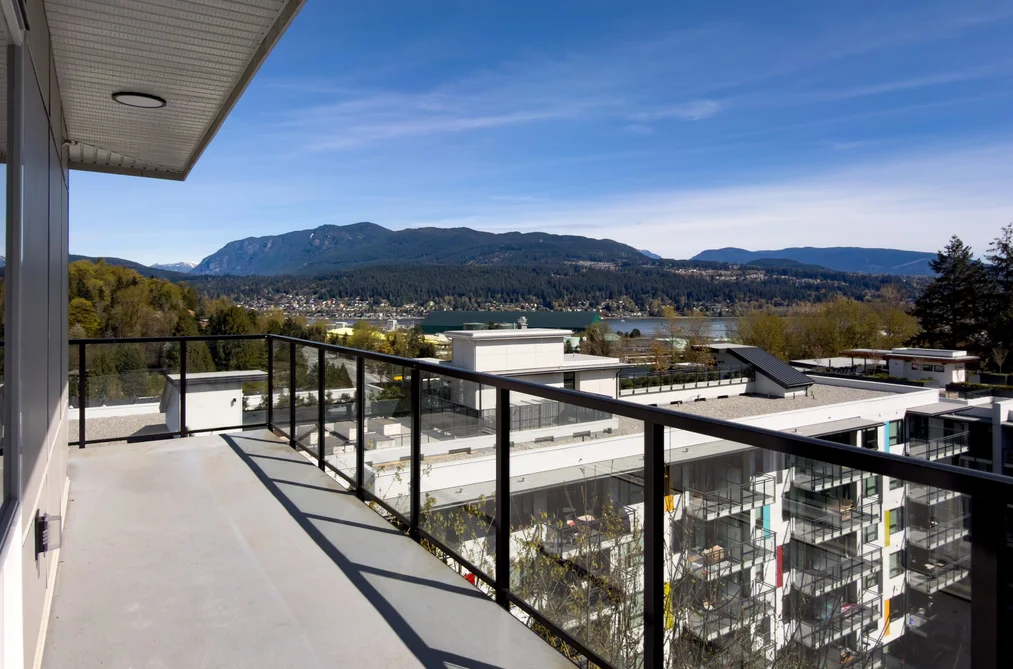
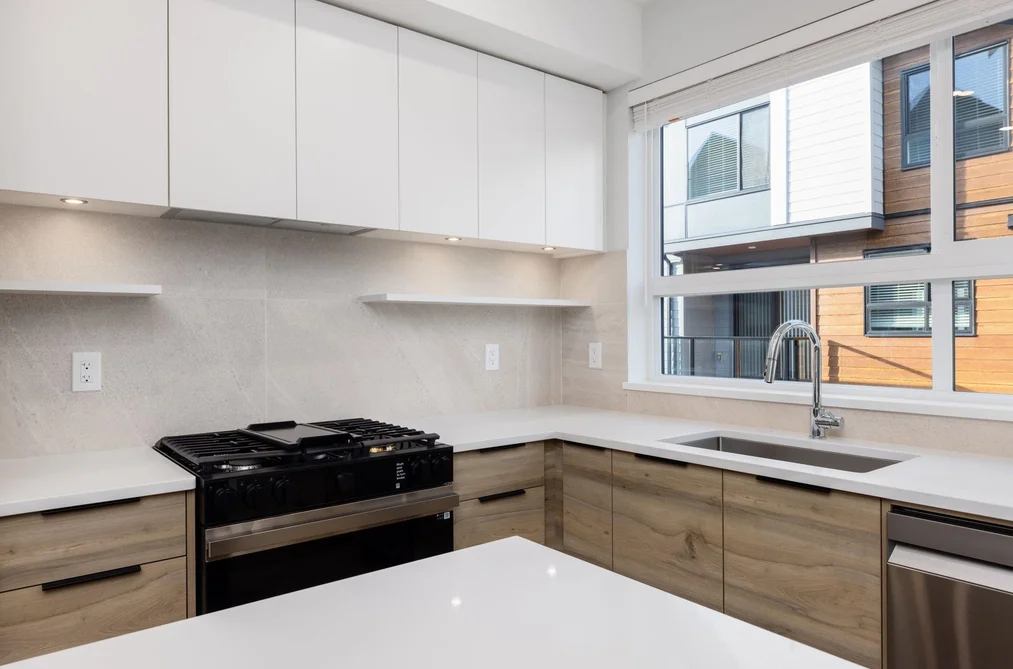
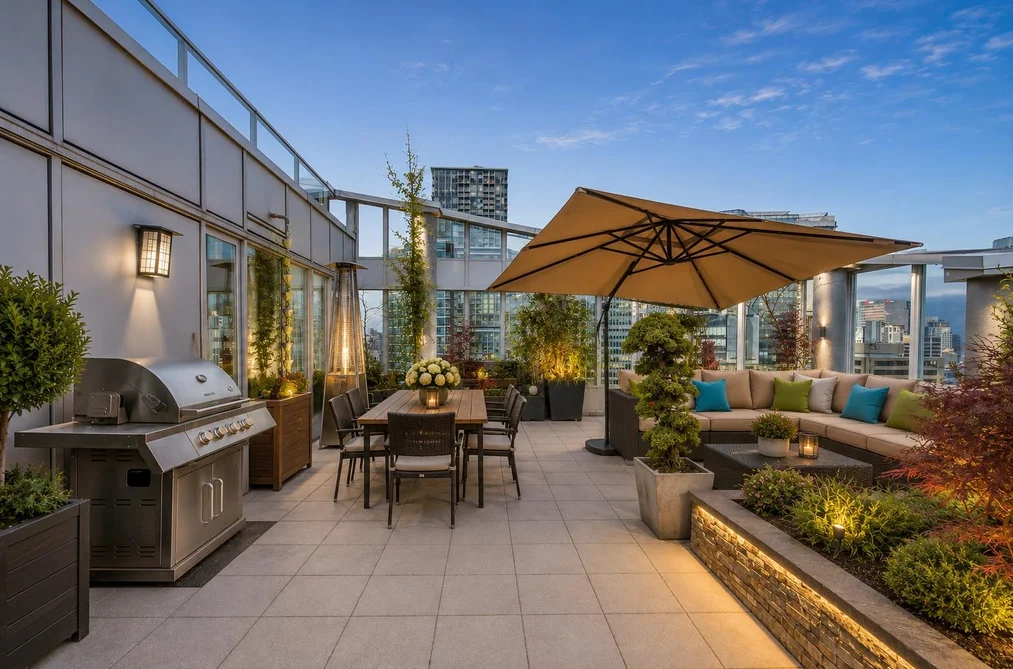
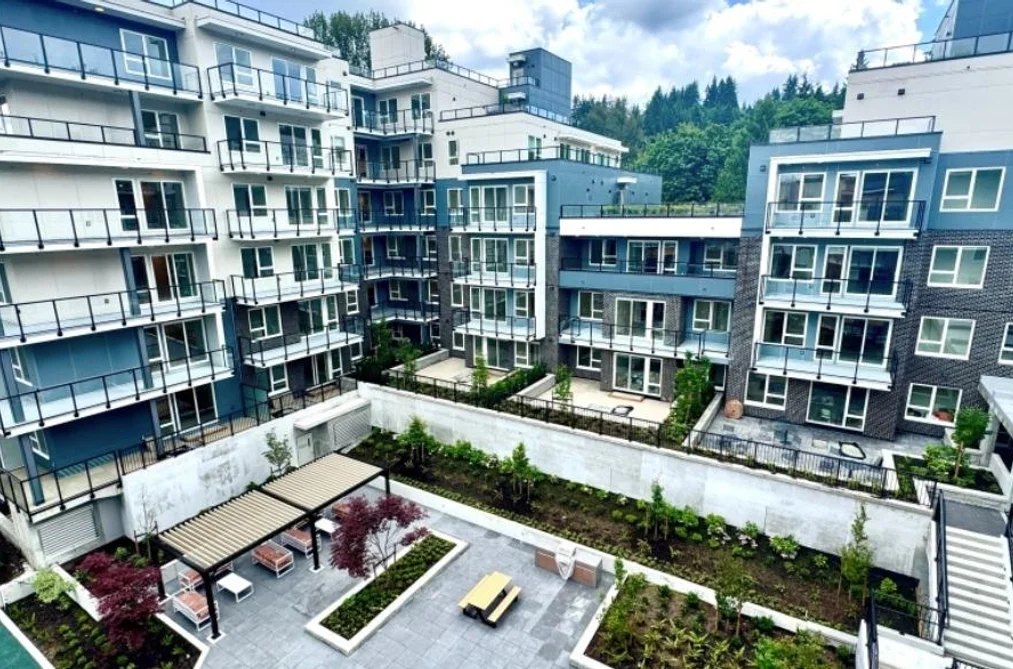
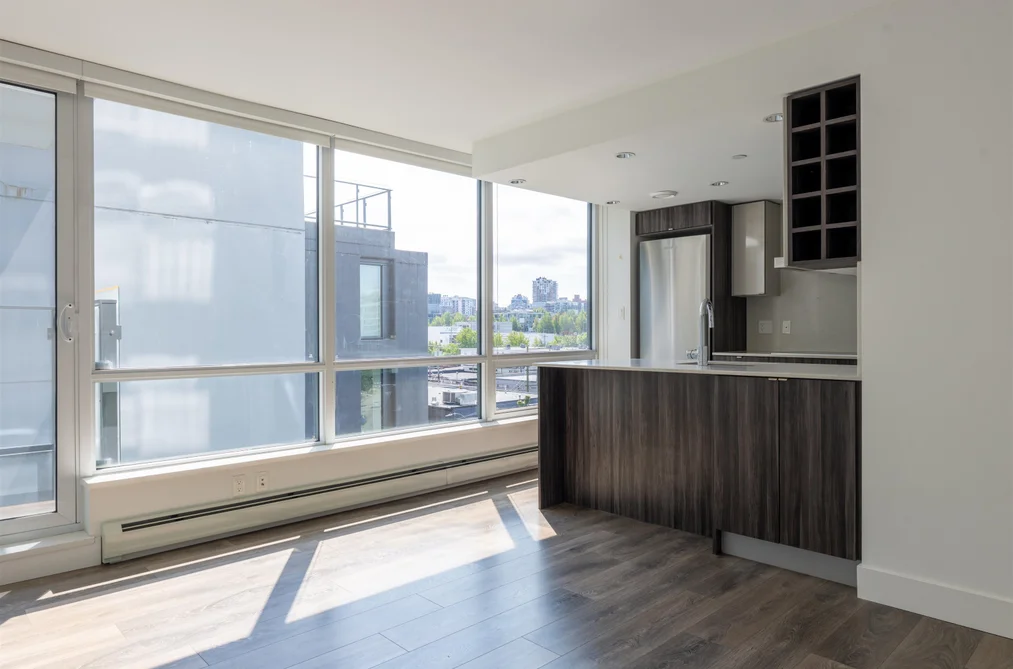
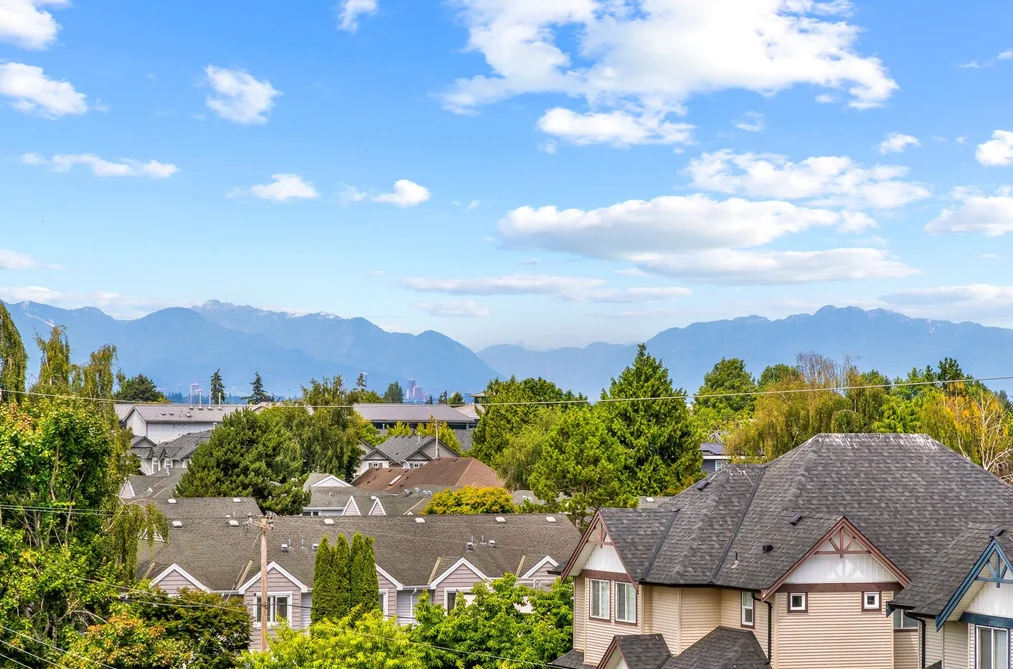
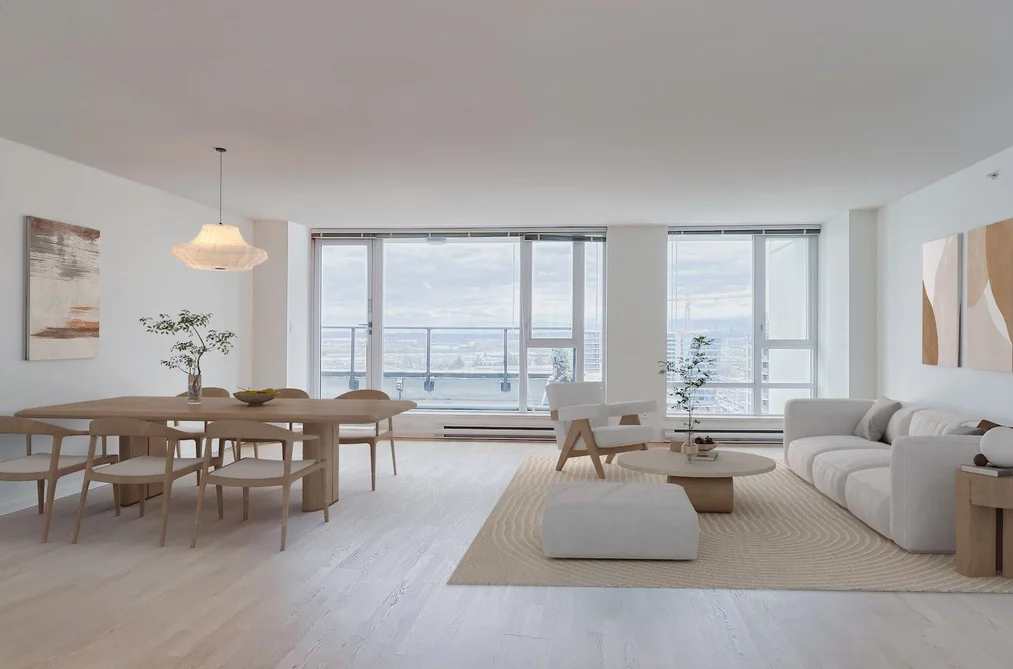
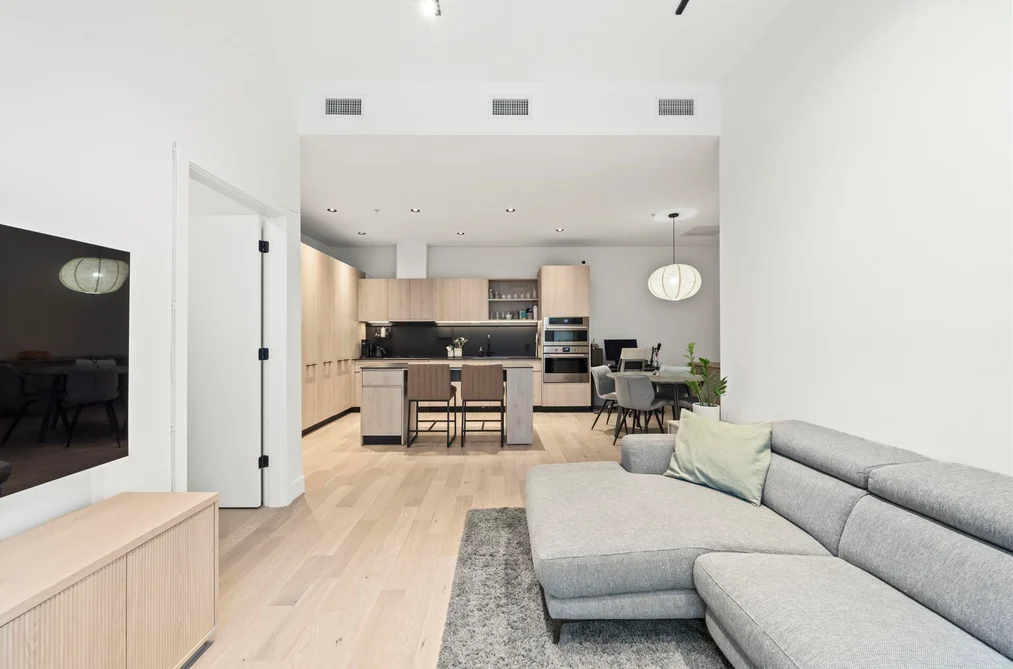
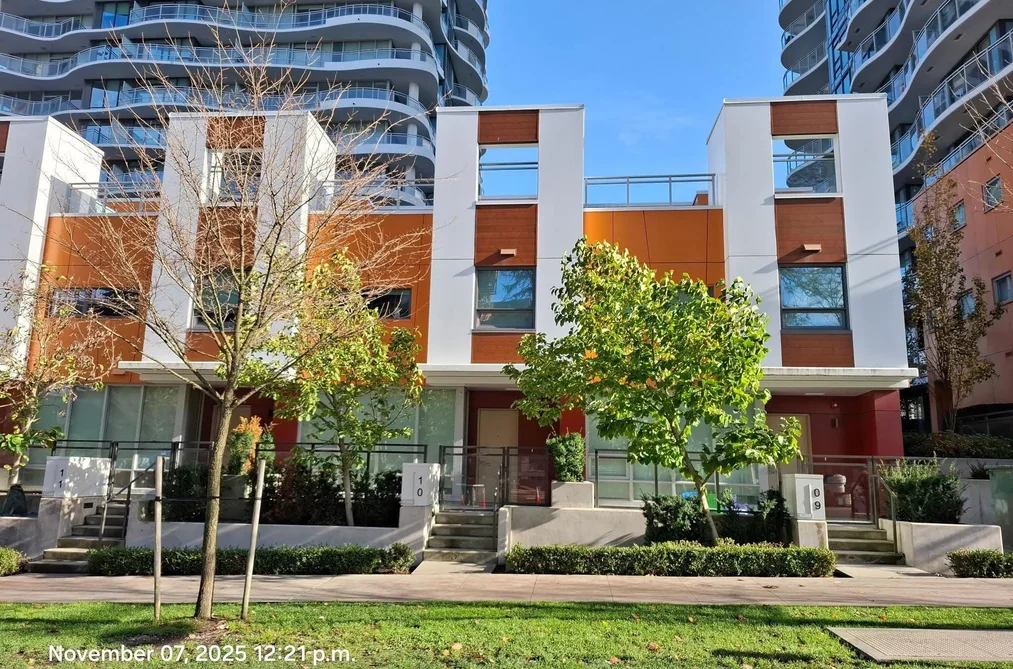
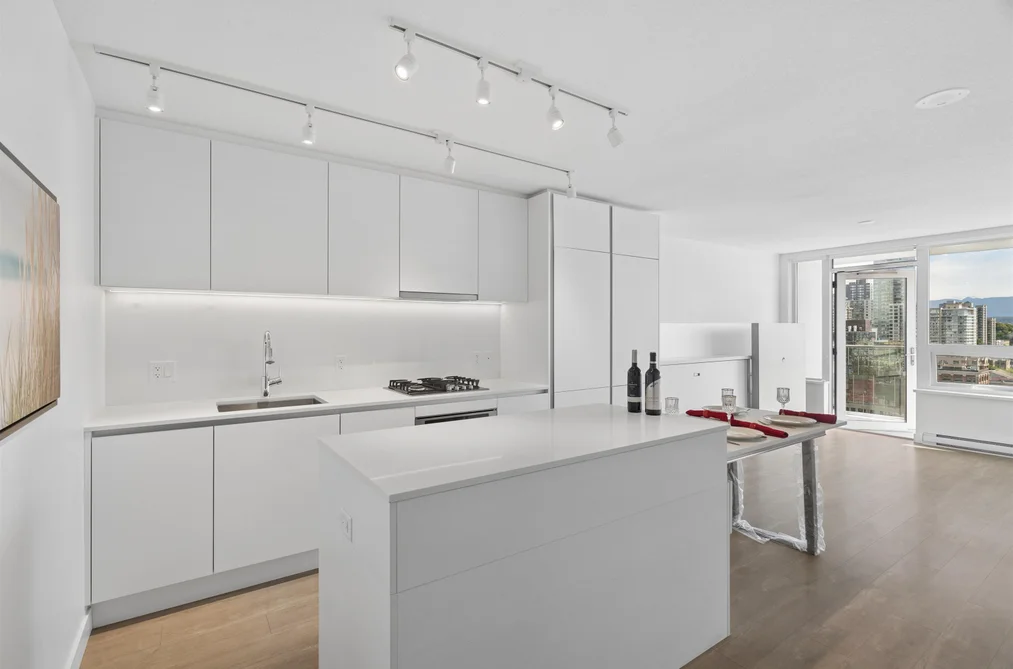
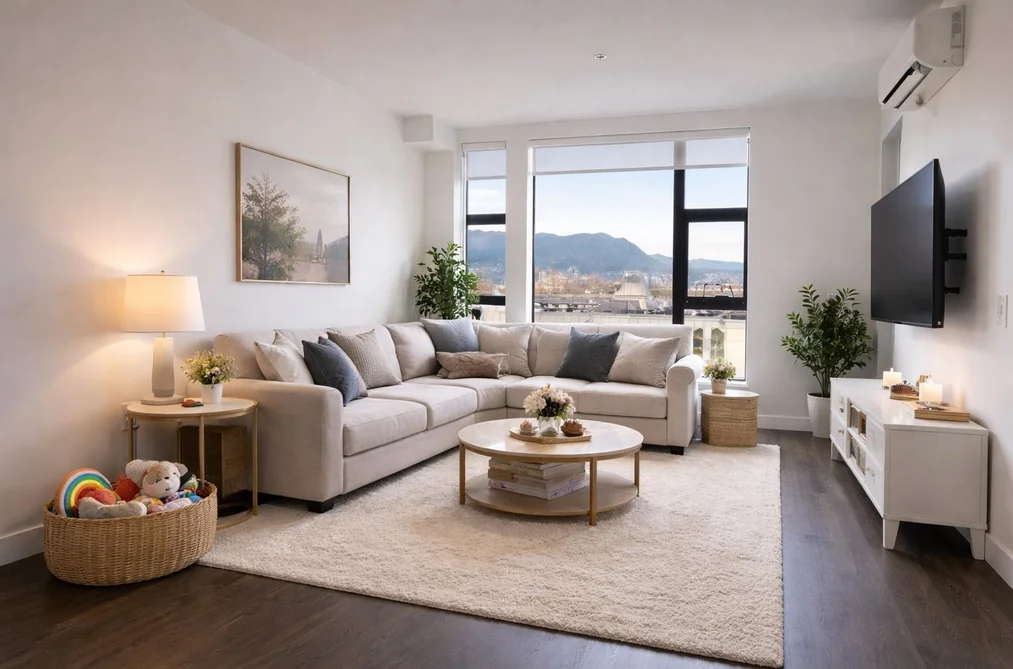
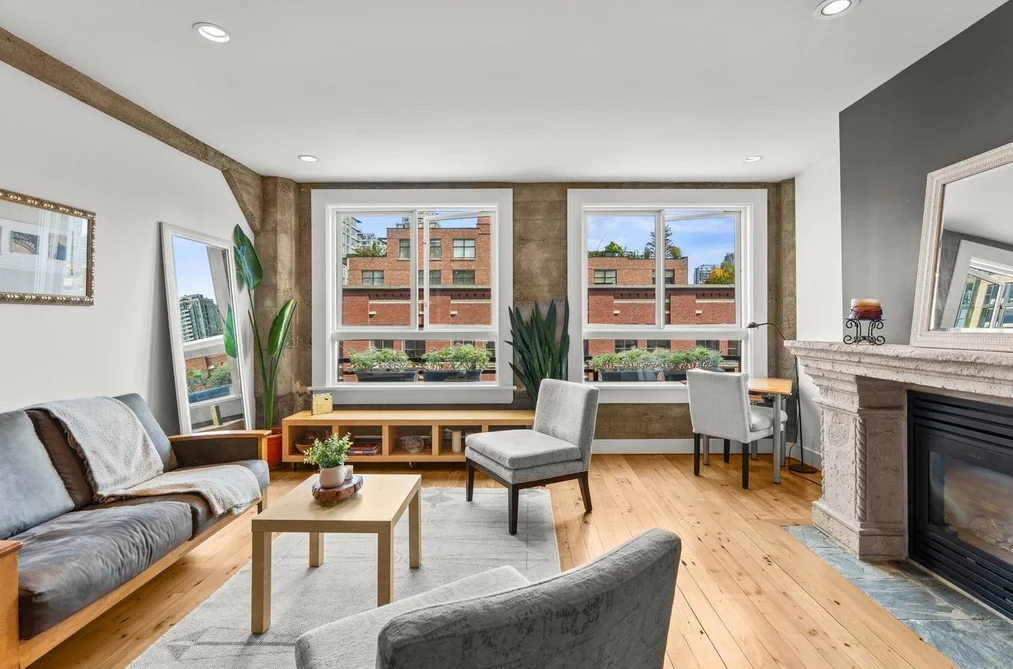
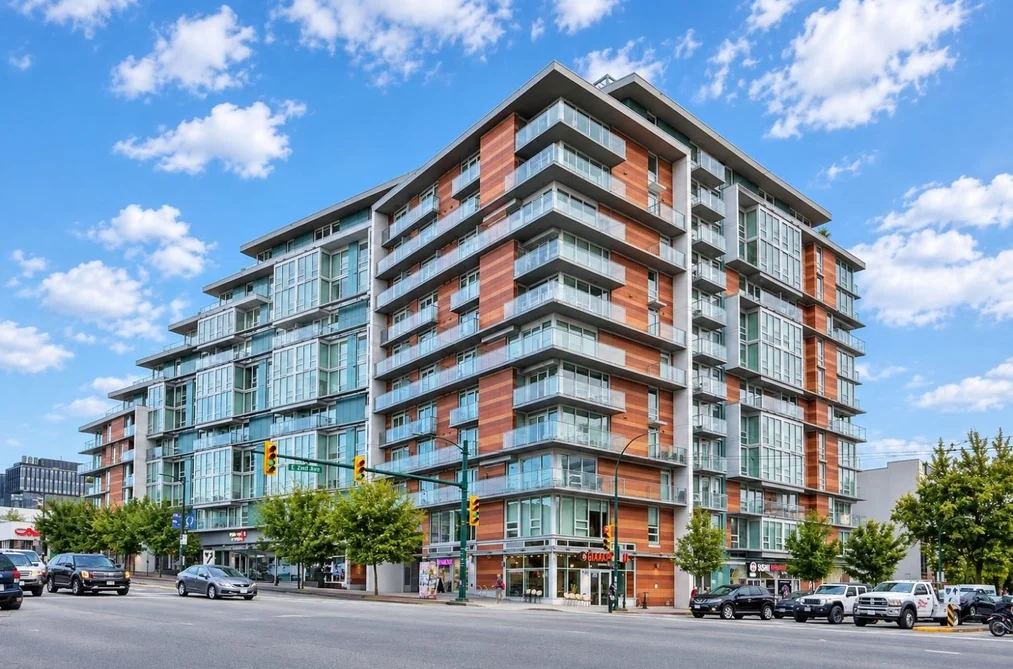
Rooftop Terrace listings cover two very different things, a private terrace on top of your own home and a shared terrace on the roof of the building, so establish which one a listing means before you value it.
In many condo buildings the rooftop terrace is an amenity: a landscaped common area with seating, barbecues and city views that every owner can use. In others it is a private terrace reserved for one top-floor home. Ask the listing agent which it is and confirm it on the strata plan. A private terrace is usually limited common property, yours to use but owned by the strata, while a shared one is common property governed entirely by the bylaws.
Both are valuable, but they are worth very different amounts. A private terrace can add significantly to a home's price; a shared one is part of the building's amenity package and is reflected in the strata fees.
For a shared terrace, read the bylaws and rules: the hours, whether you can book it for events, how many guests you may bring, and whether barbecues and alcohol are allowed. Ask how busy it gets on summer evenings. If you are considering a top-floor home directly below the terrace, ask about noise from people and furniture overhead.
Maintenance of a shared terrace is a common expense. Read the depreciation report and minutes for landscaping, membrane and furniture replacement, since a large planted roof carries real costs.
A private terrace is only as good as its access. A dedicated stair or private elevator from inside the home is far more useful than a hatch or a trip through a common corridor. Check whether there is water, power and a gas line for a barbecue, and where outdoor furniture can be stored in winter.
The waterproofing membrane beneath the terrace protects the home below. Ask how old it is, who pays to replace it, and whether the pavers and planters must be lifted to do the work. Read the bylaws on hot tubs, planters, pergolas and privacy screens, which many strata corporations restrict because of weight and roof warranties.
A rooftop terrace brings the best view in the building: the skyline, the mountains or the water. It also brings full sun, wind and rain. Visit on a windy day and a hot afternoon, and consider how much shade or shelter you would need to use the space. Ask what is planned on neighbouring sites, since a taller building next door can shadow a terrace or overlook it.
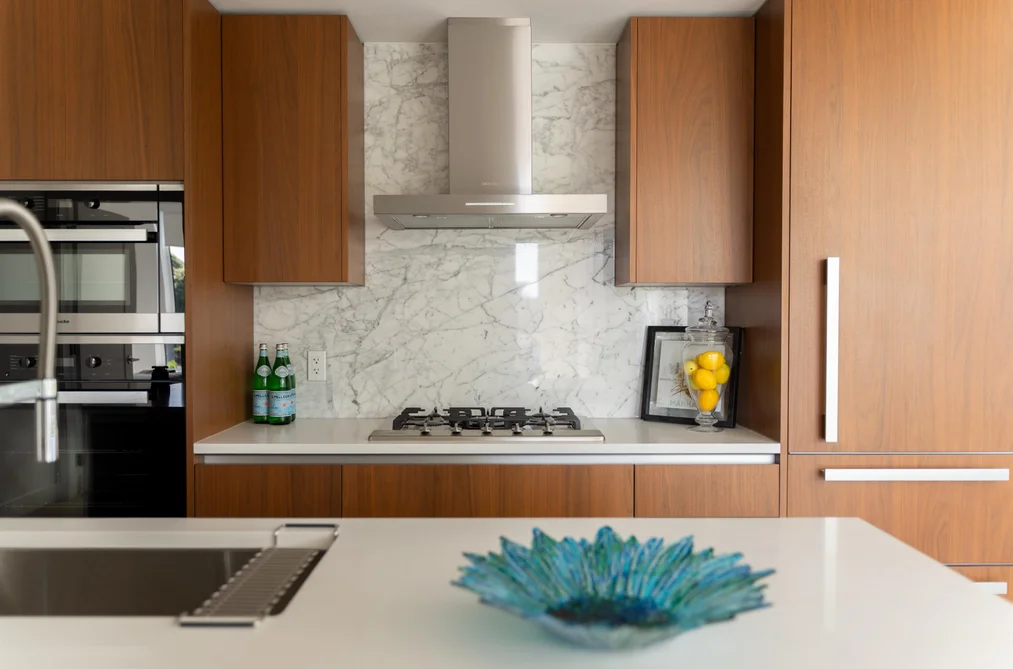
Compare the home underneath as carefully as the terrace: the floor plan, the parking and storage that come with it, the strata fees and the building's condition. A terrace should add to a good home, not compensate for a weak one. Ask the current owners how many months of the year they actually use the space, and what they would change about it, since the answer tells you more than any listing photograph taken on a clear July evening.
Supply is concentrated in downtown Vancouver, Mount Pleasant, Burnaby, Richmond and North Vancouver, with private terraces on top-floor homes and shared terraces in many newer buildings. Browse and compare current real estate listings on Strawhomes, filter by building and neighbourhood, and shortlist only the homes whose terrace, access and bylaws you have confirmed. Compare them against a top floor home without a terrace or a building with a rooftop garden.