For Sale
2 days
- $1,699,000
- 4 bed
- 2 bath
- 2436 sqft
MLS® R3169634
•RE/MAX Select Realty
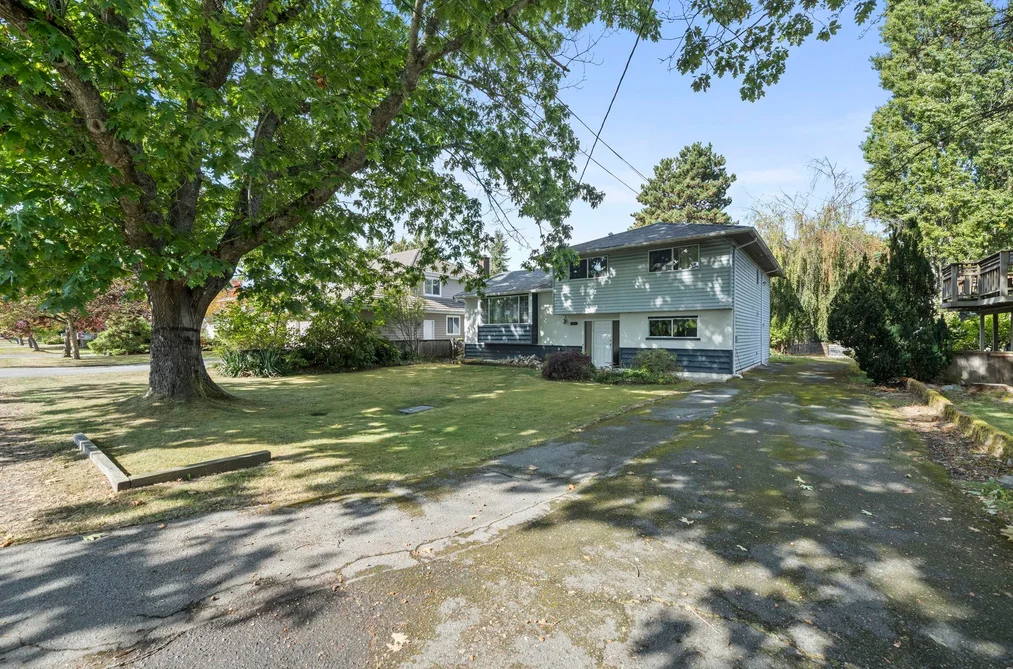
Browse waterfront homes for sale in British Columbia and check the shoreline rights, access and insurance before you make an offer on a property.
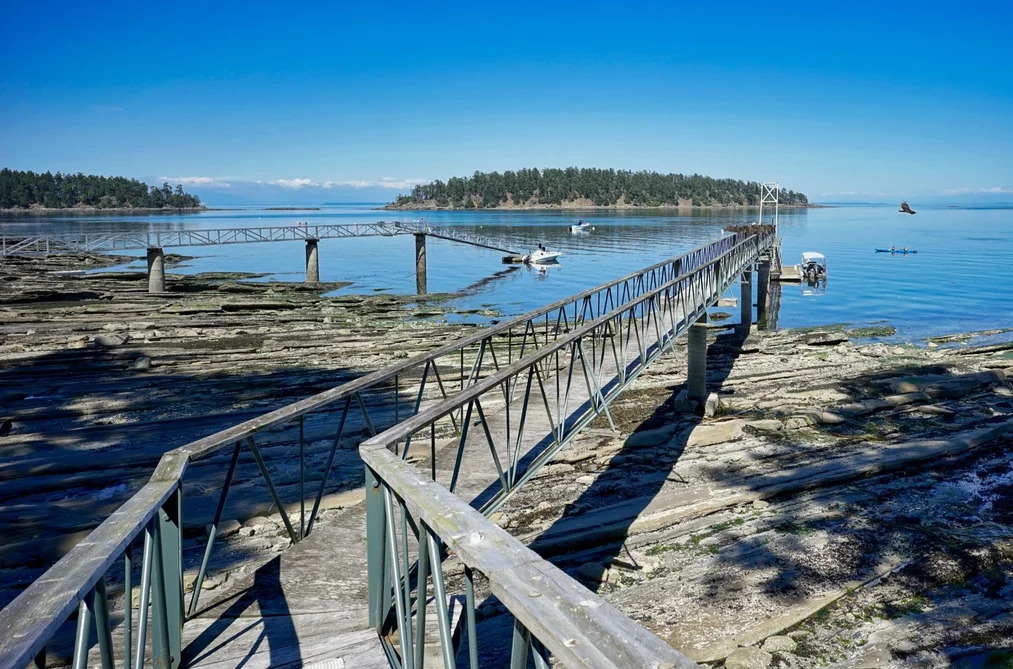
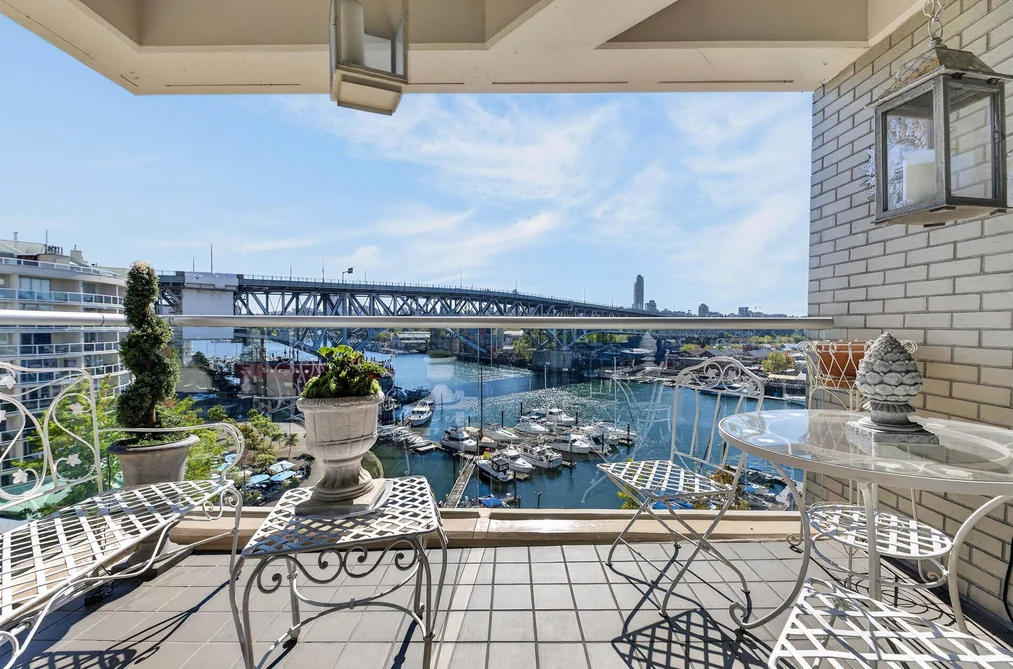

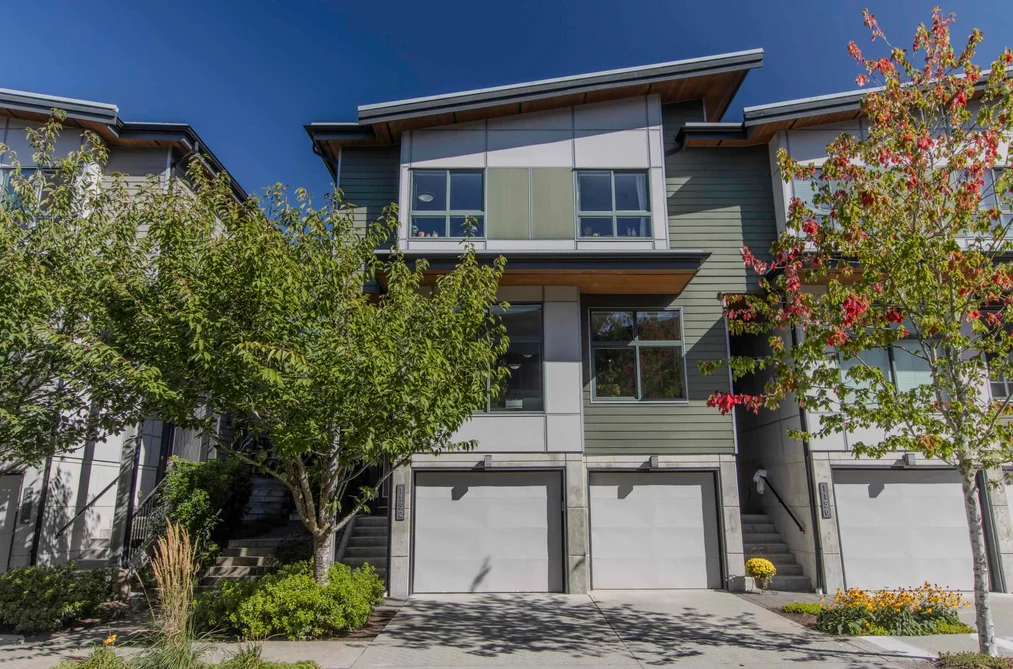
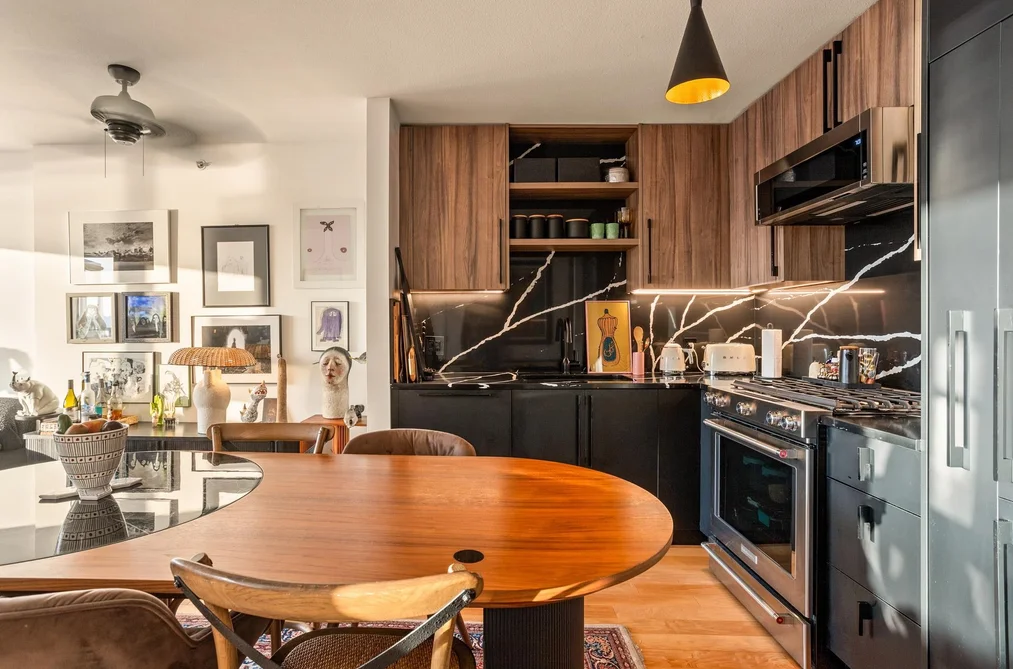
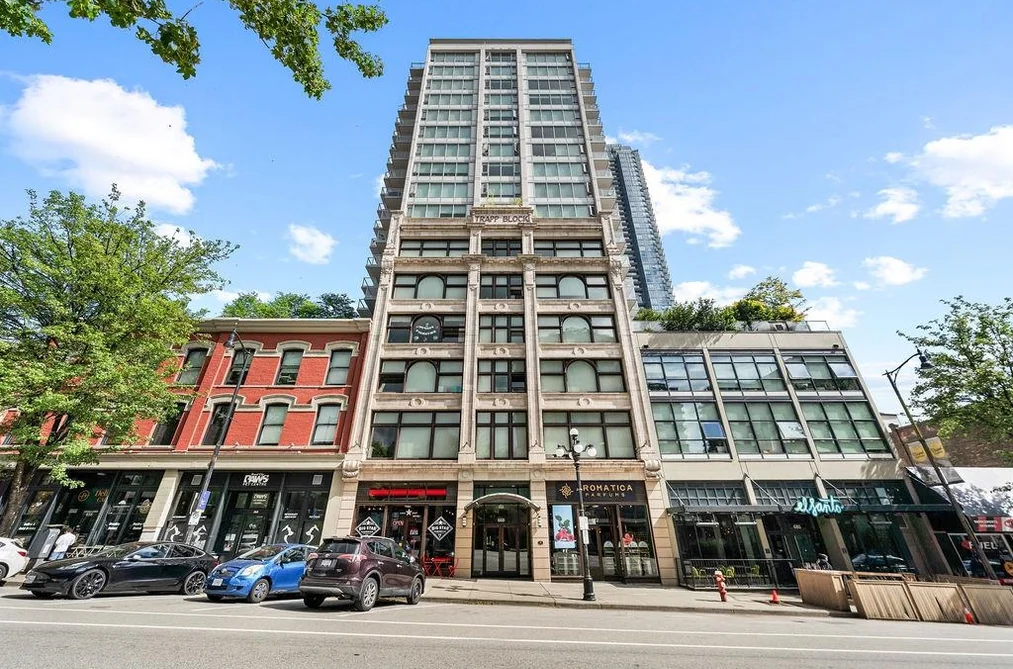
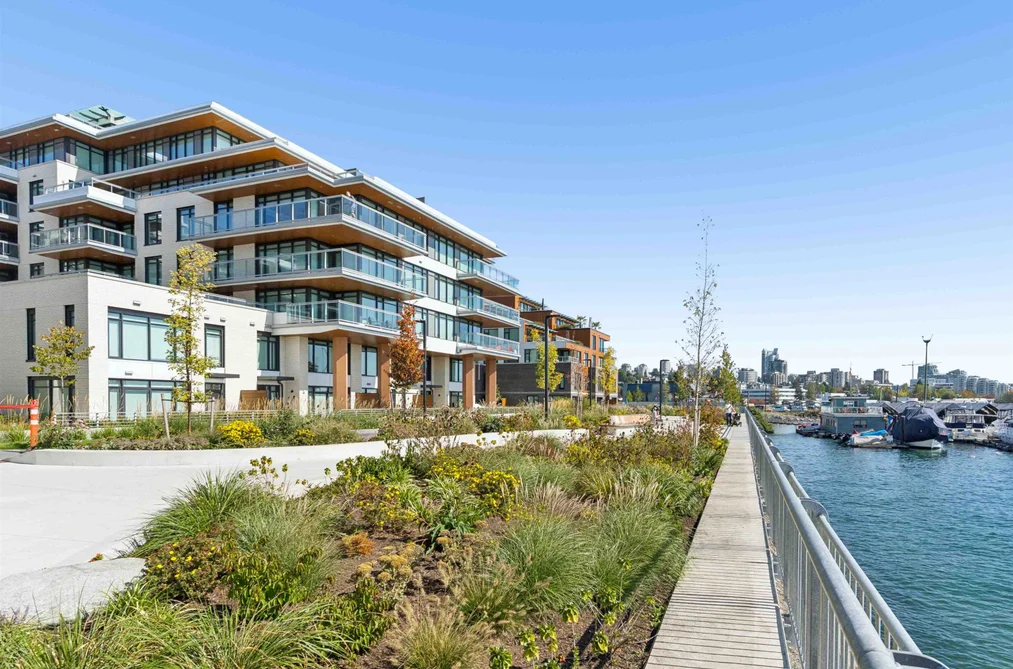
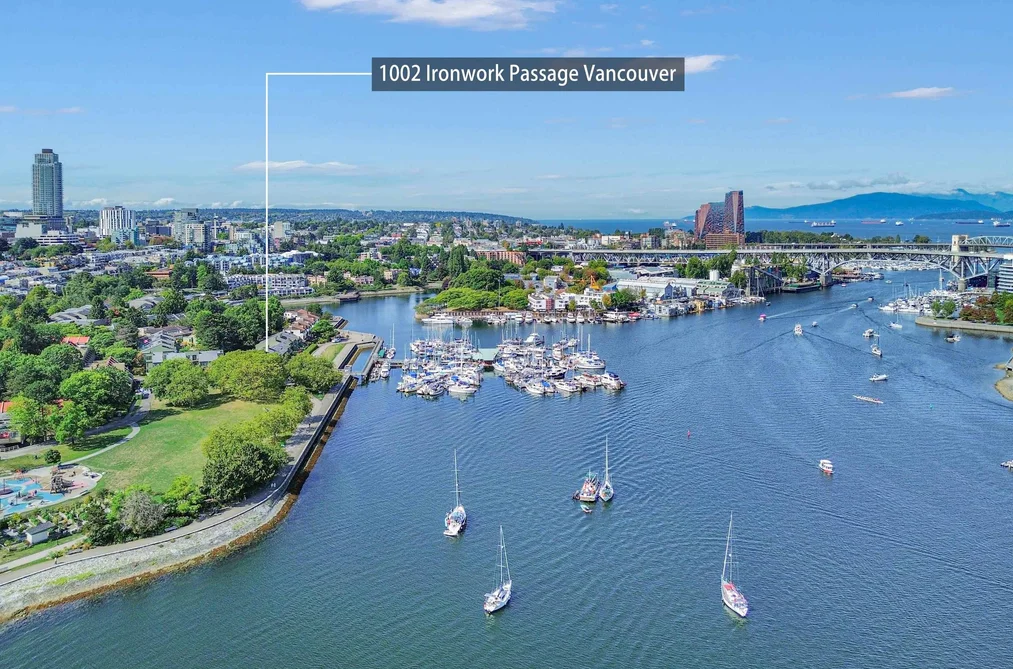
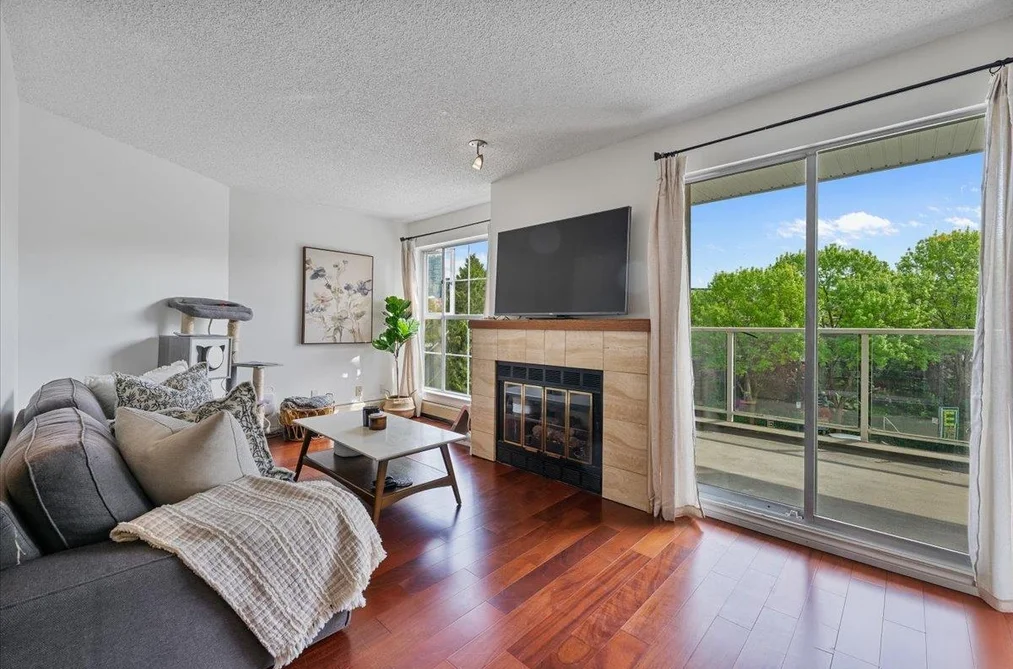
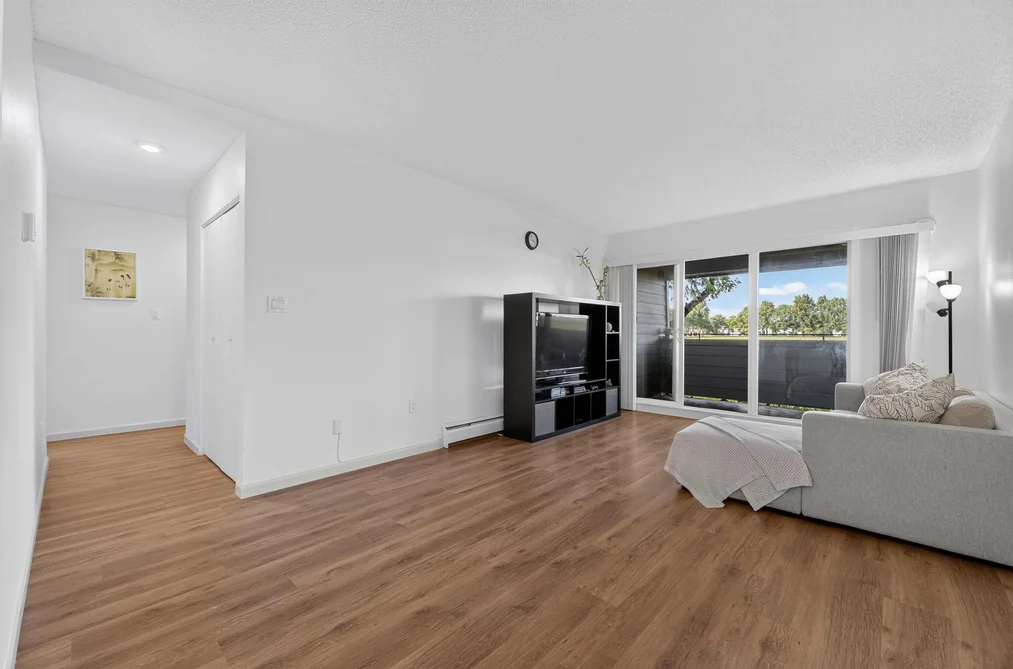
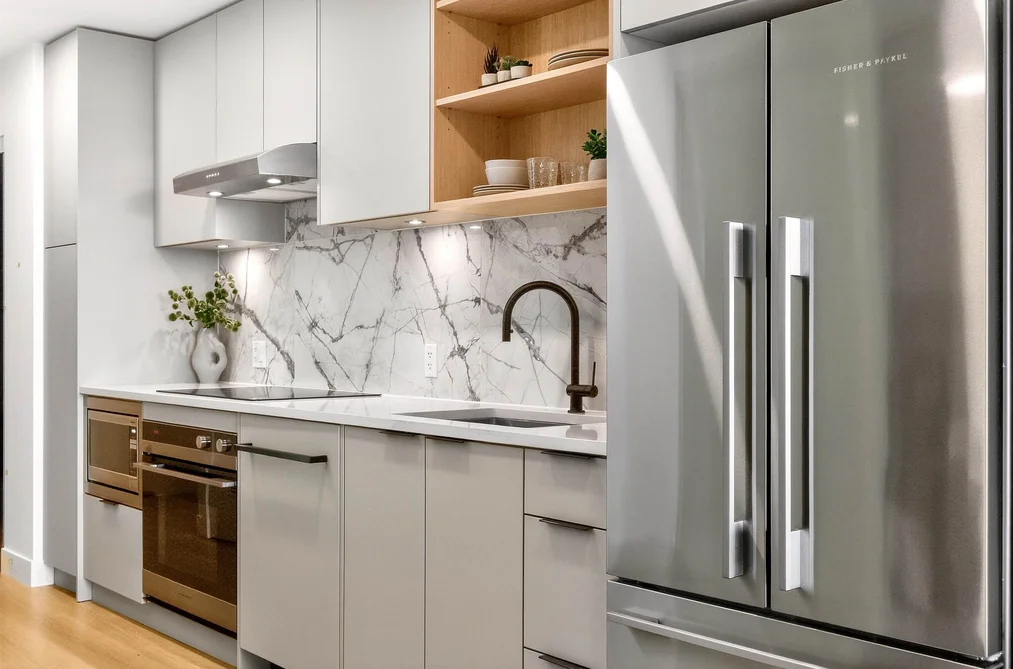
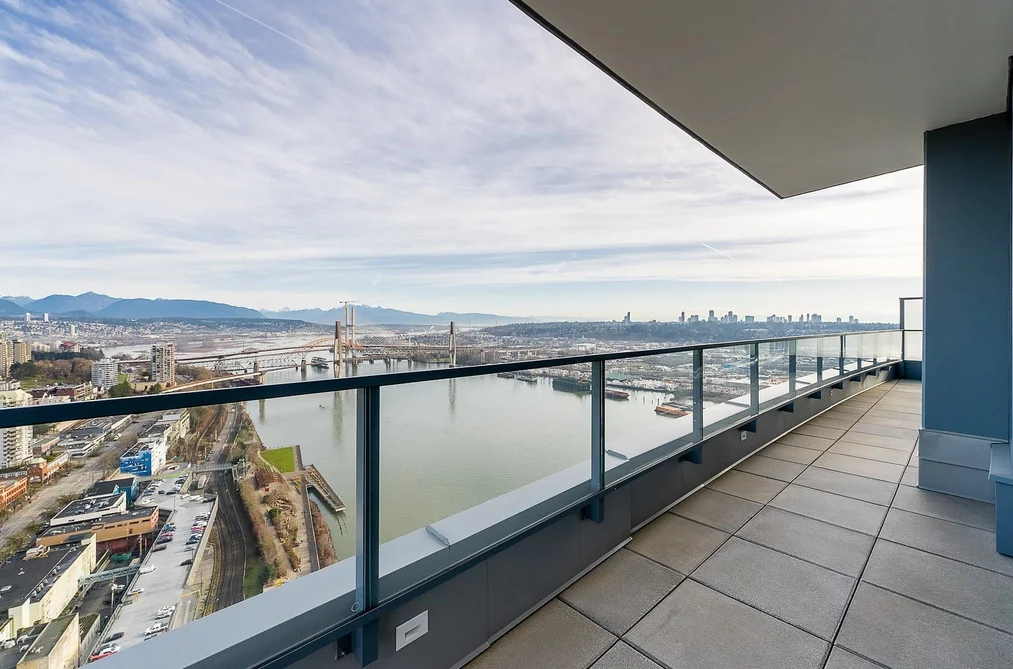
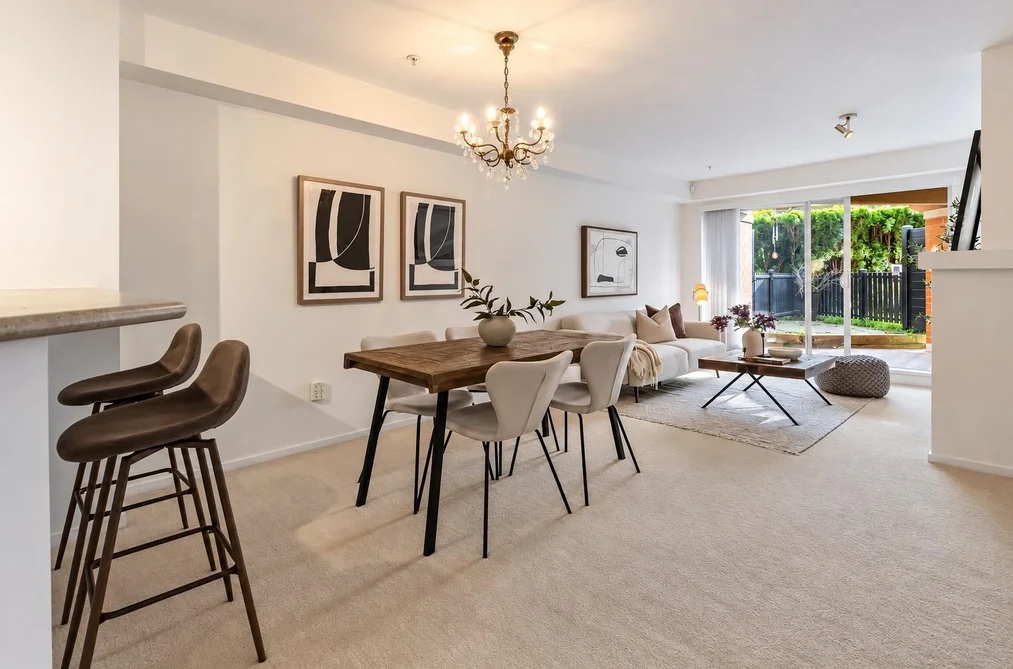
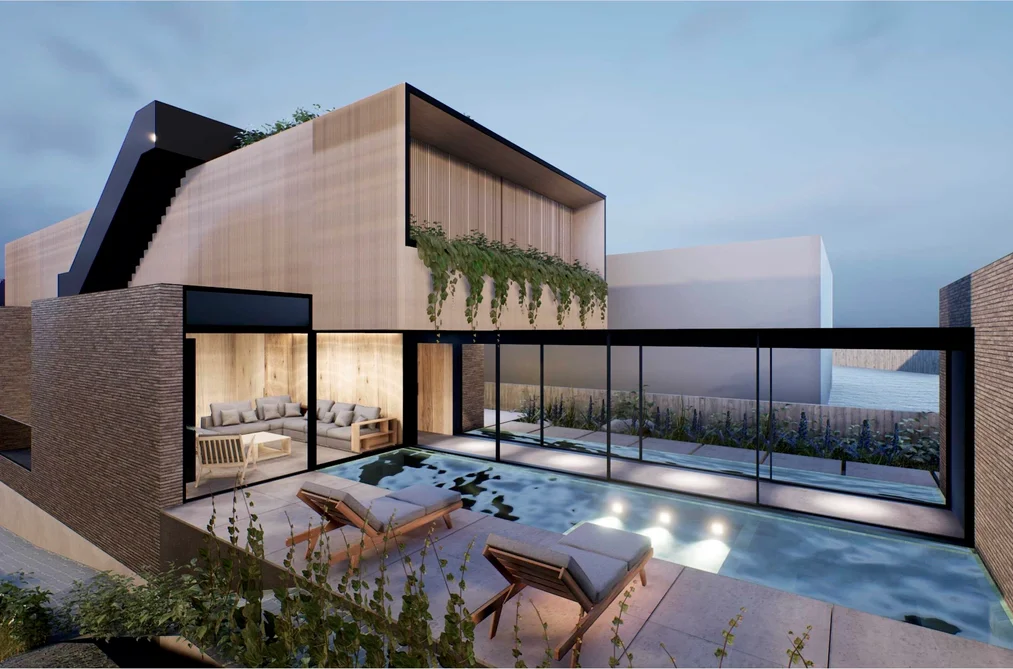
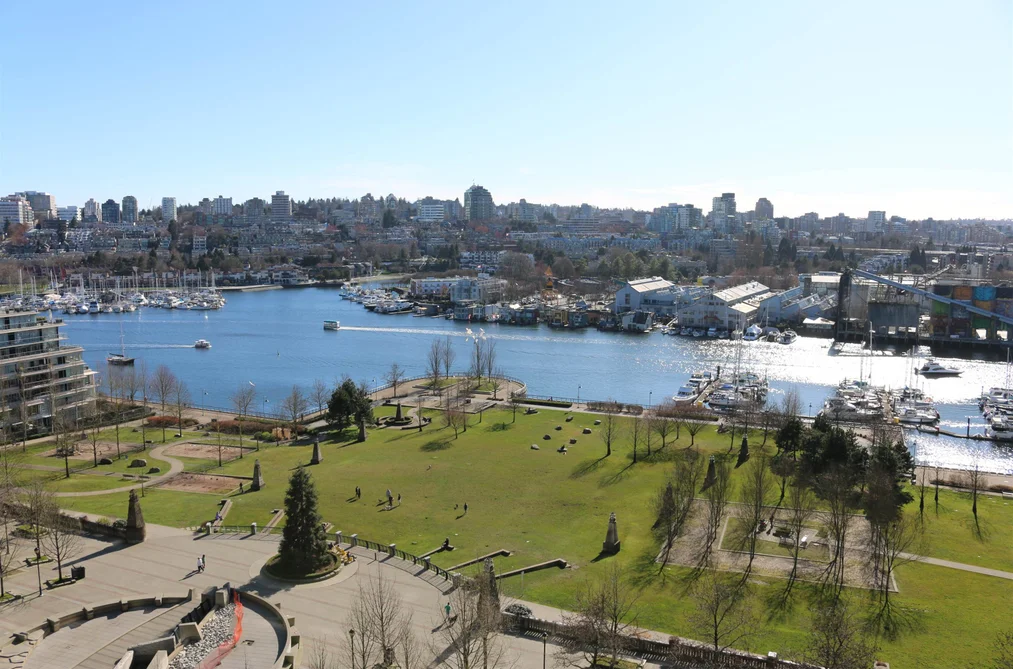
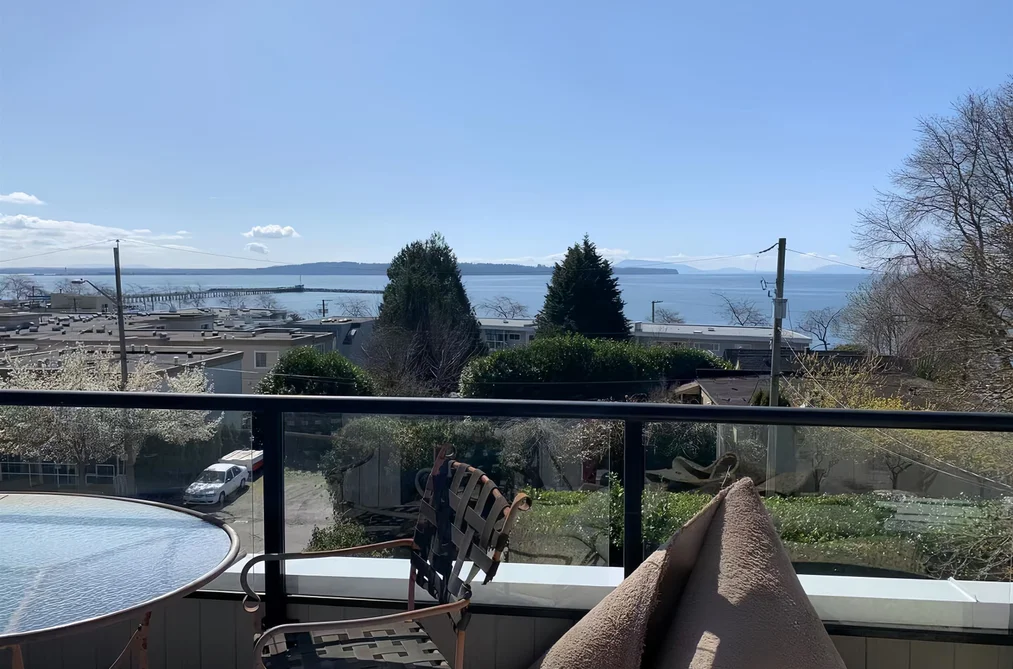
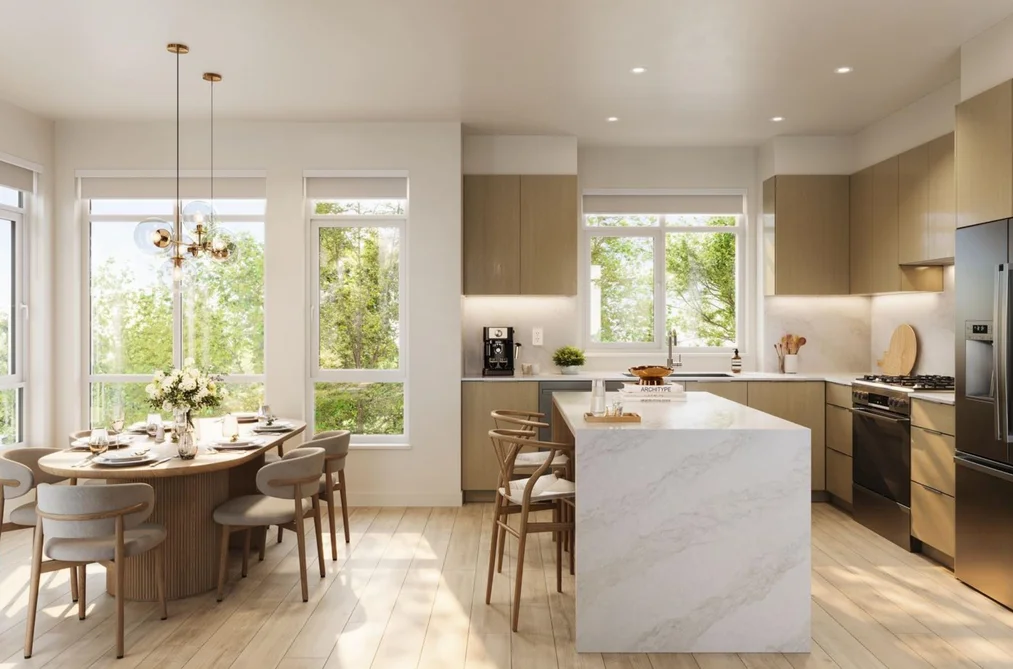
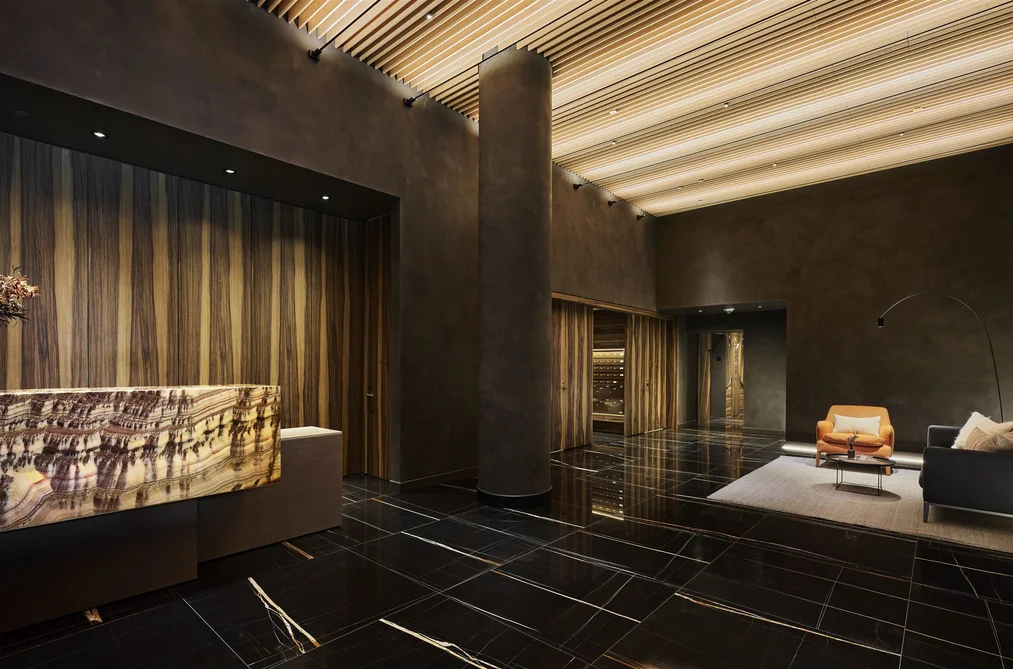
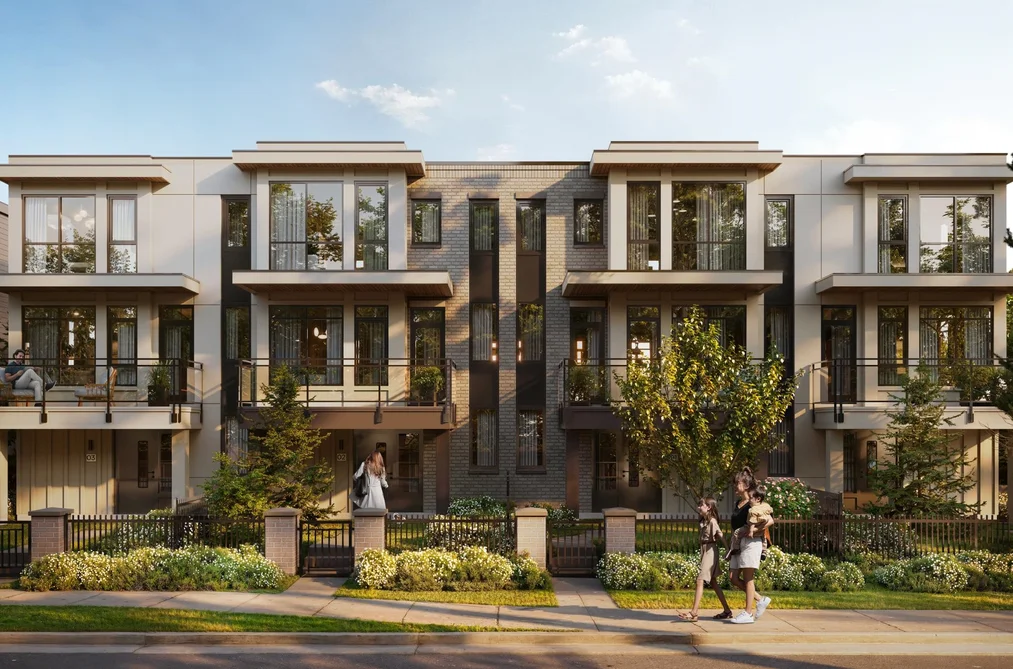
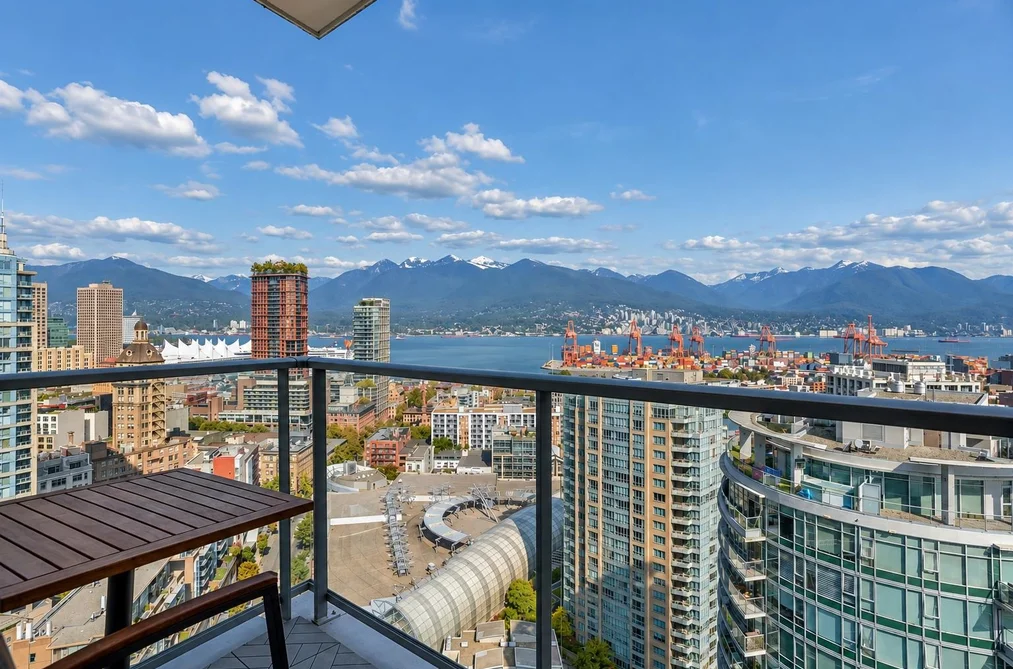
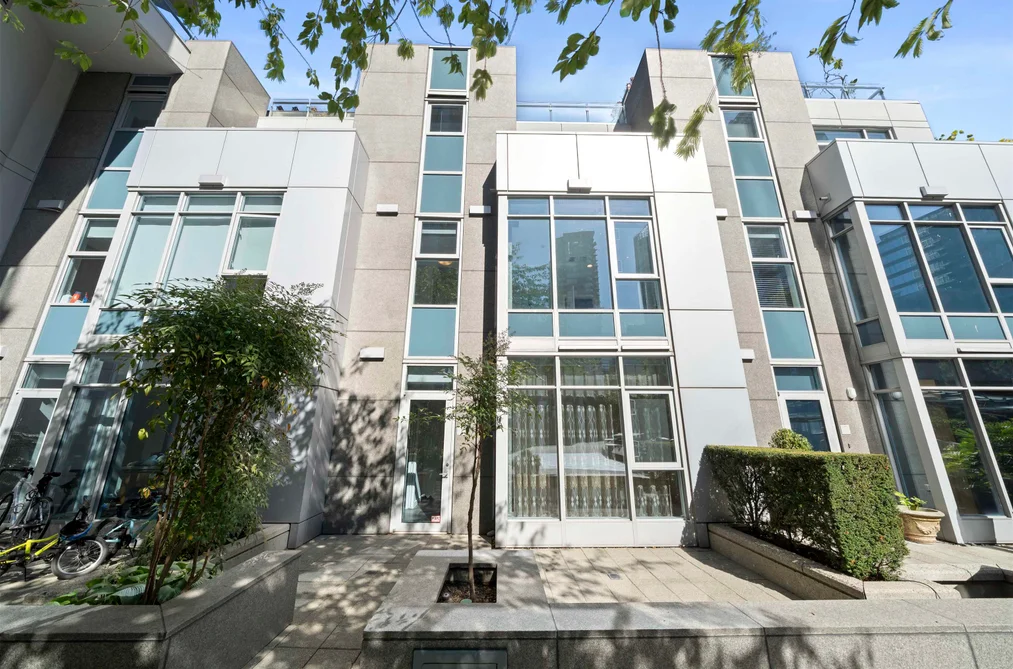
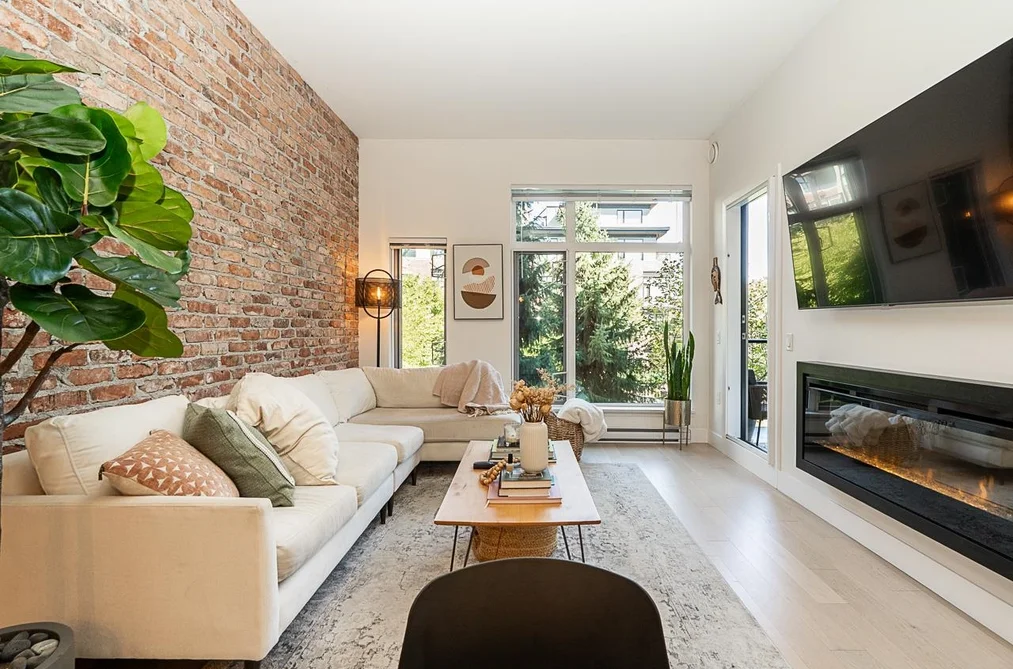
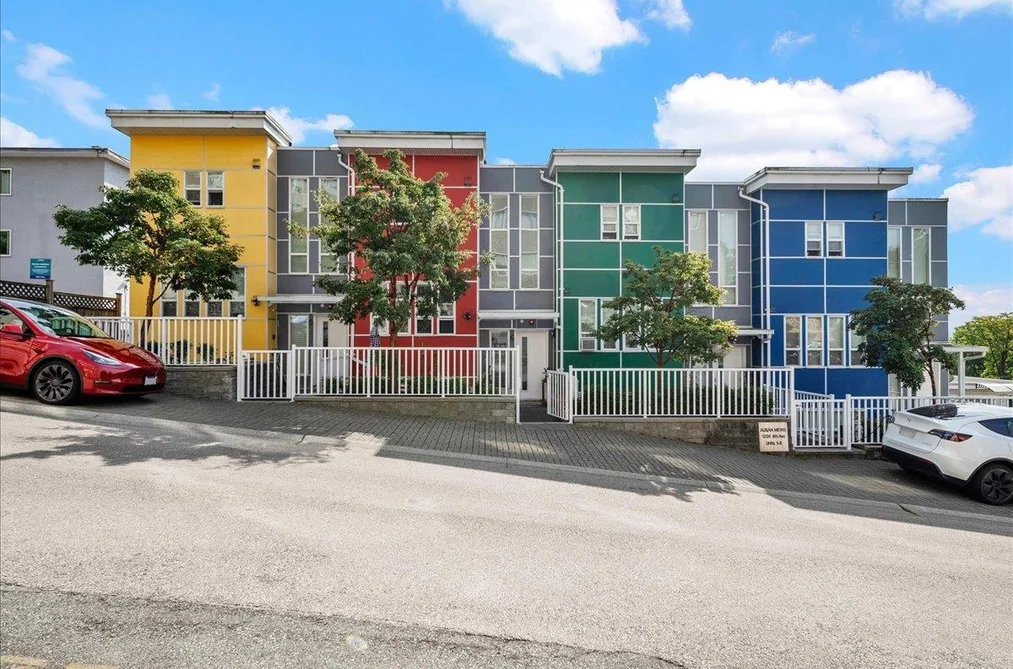
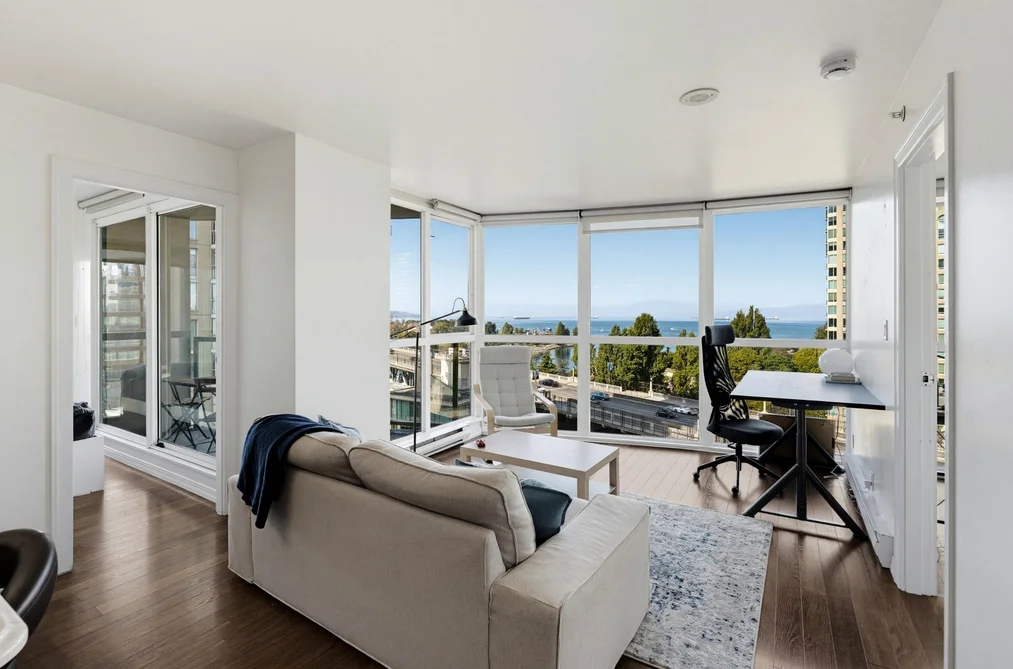

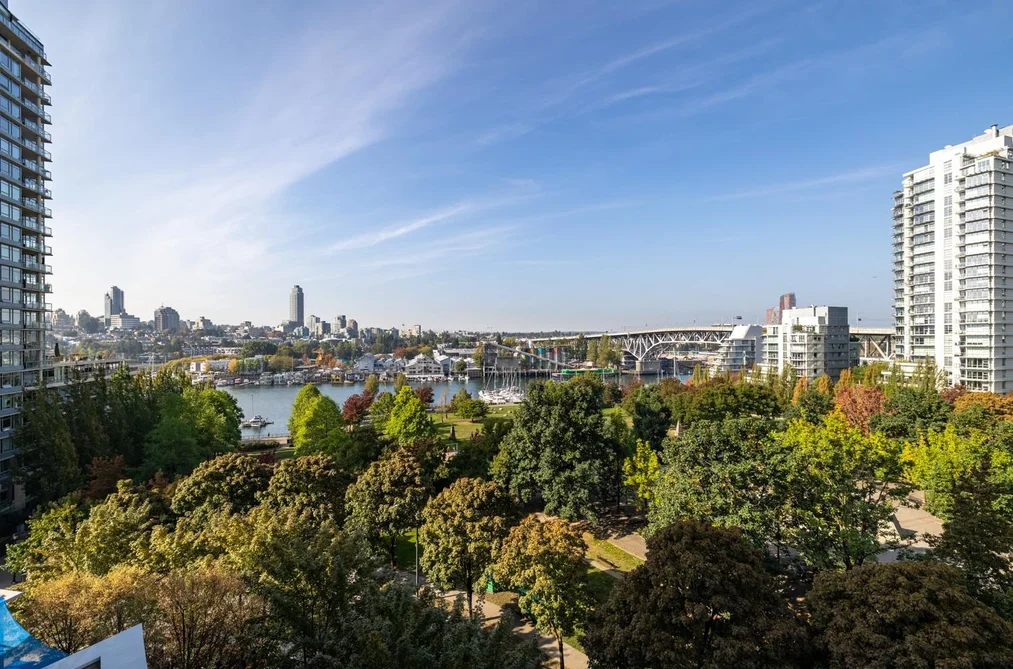
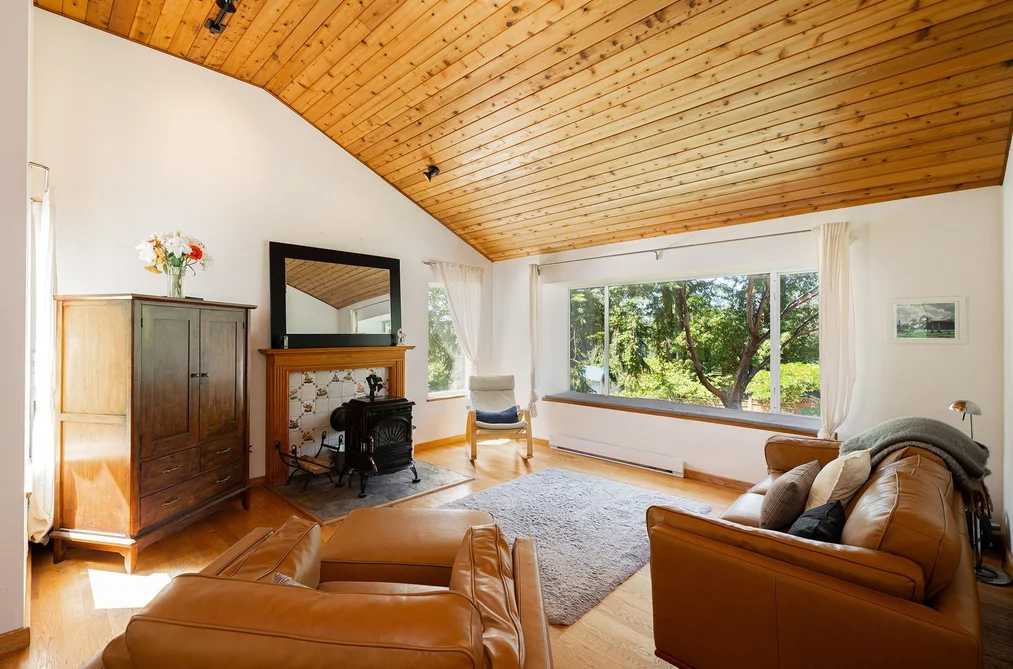
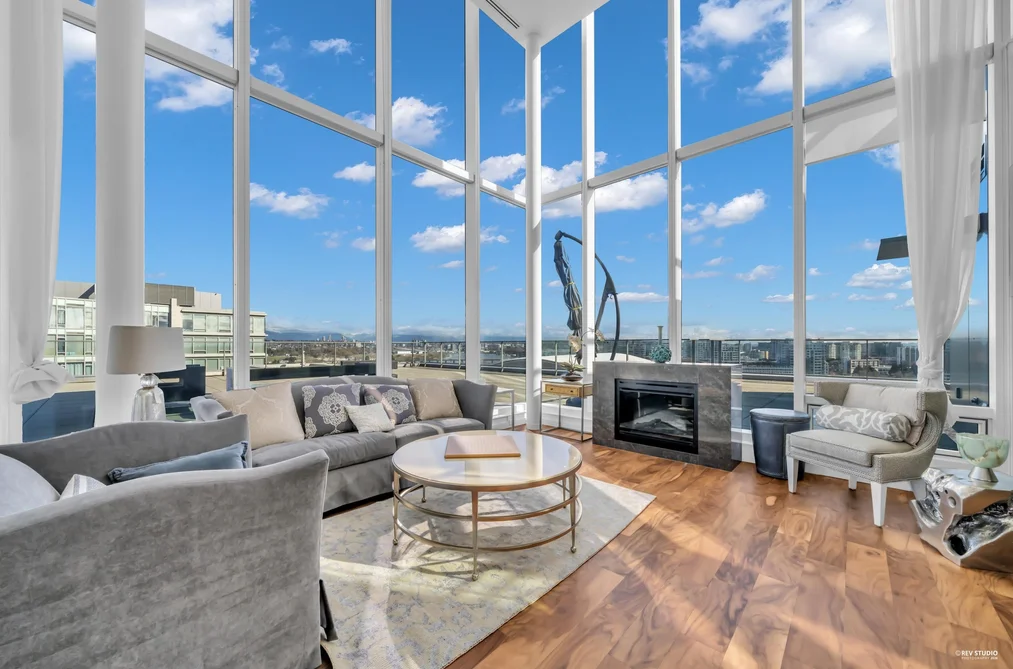
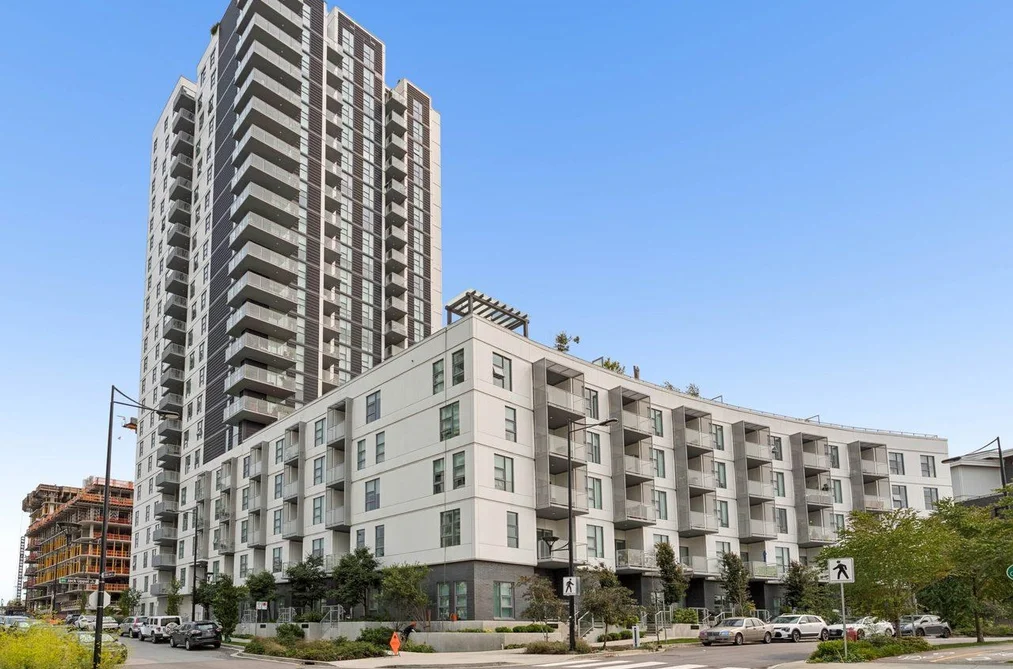
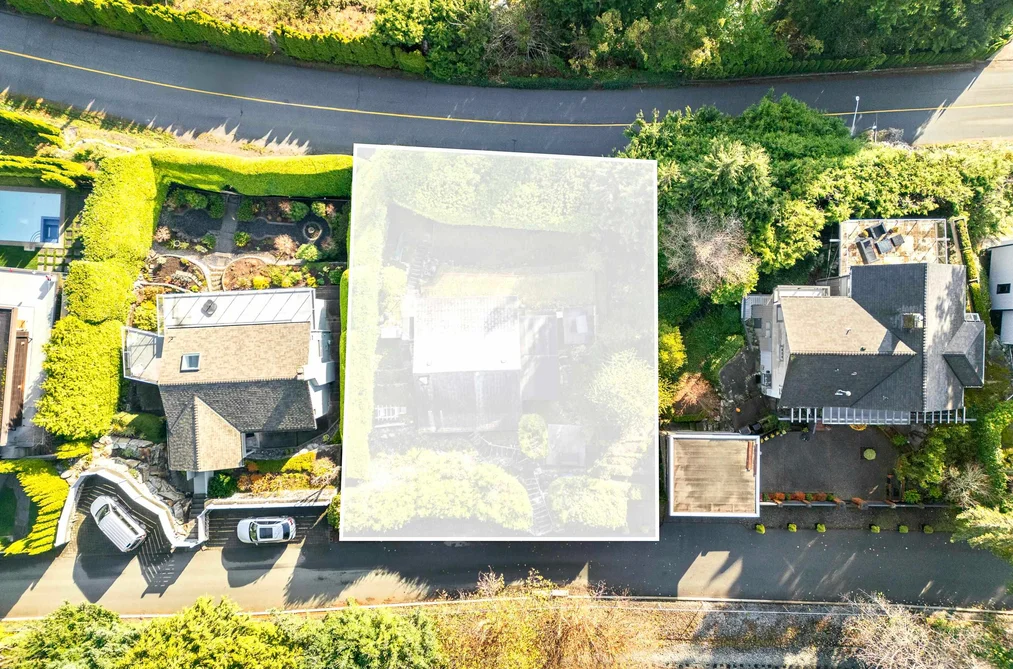
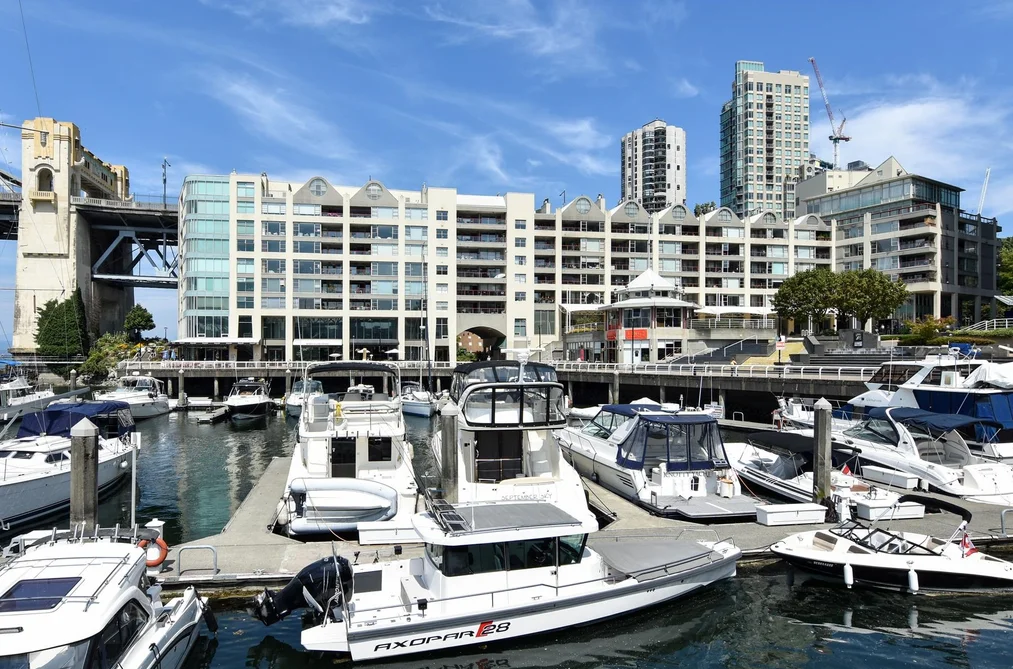

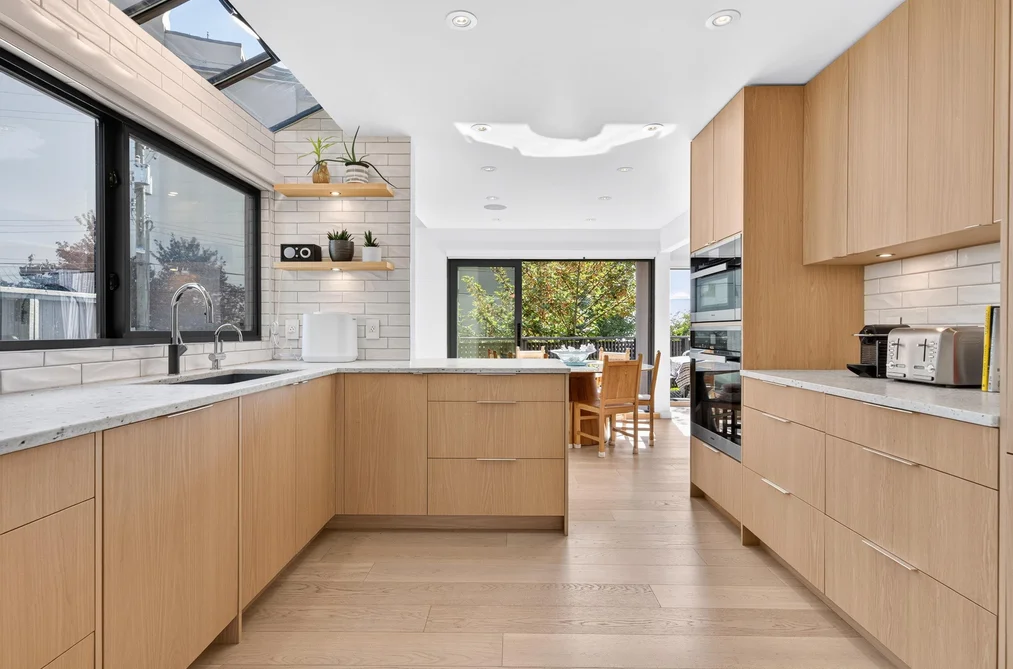
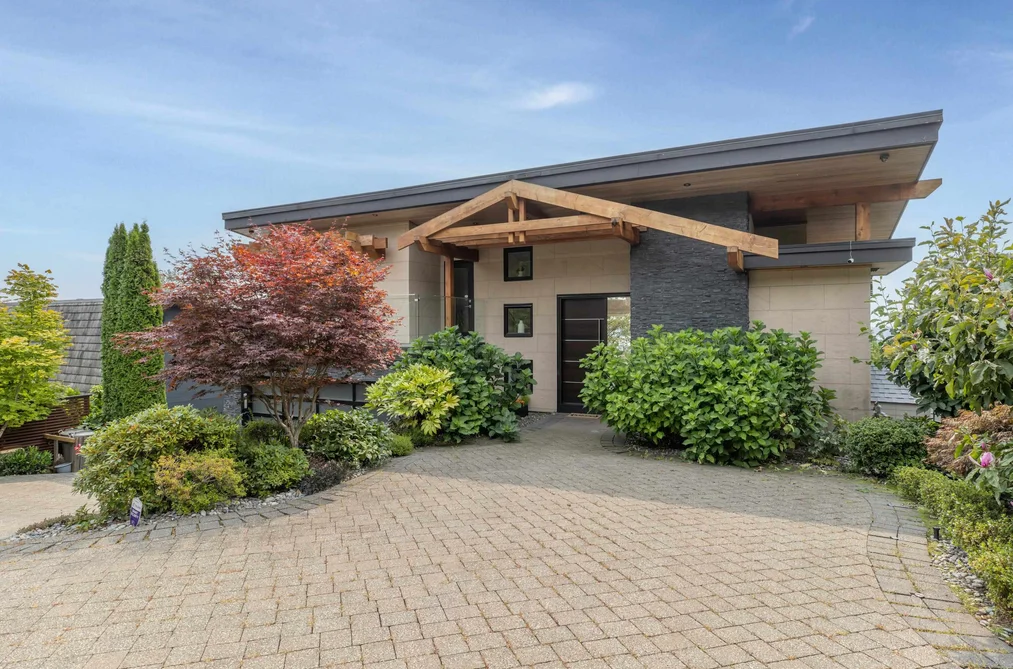
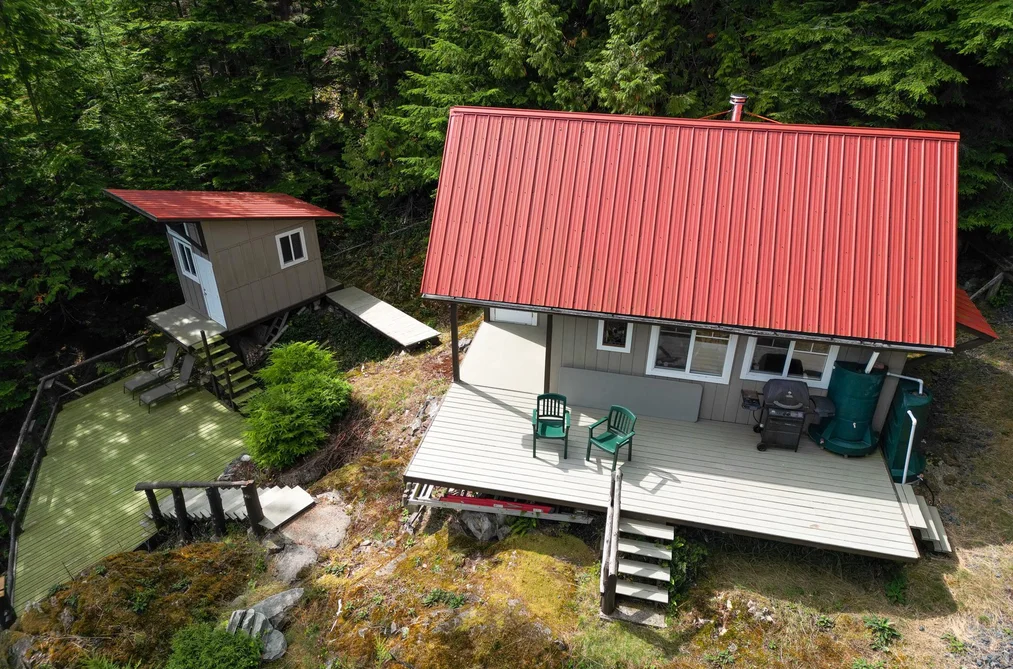
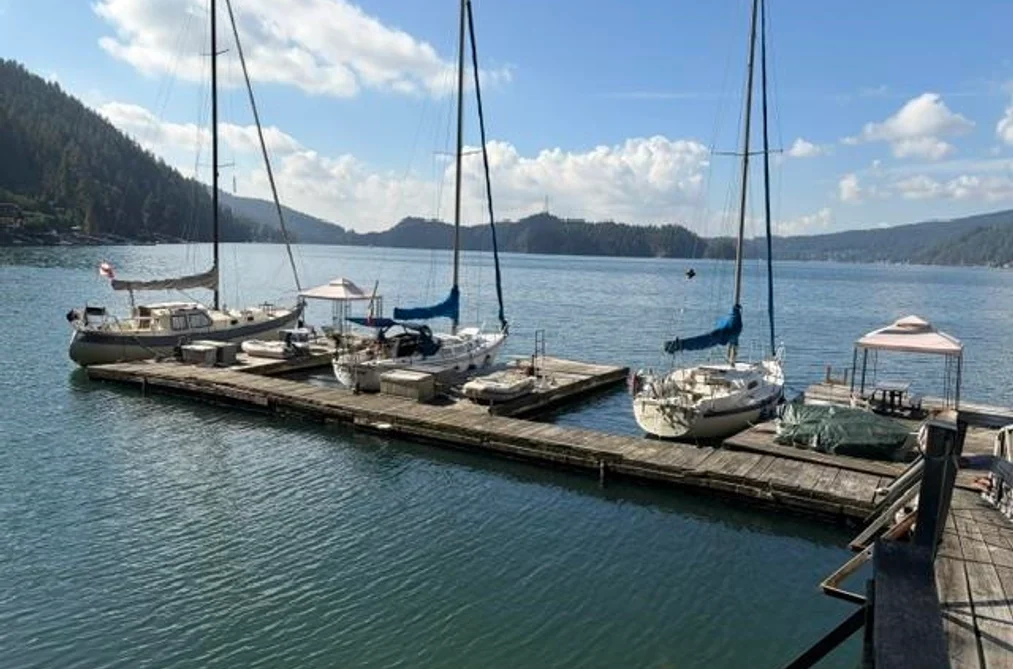
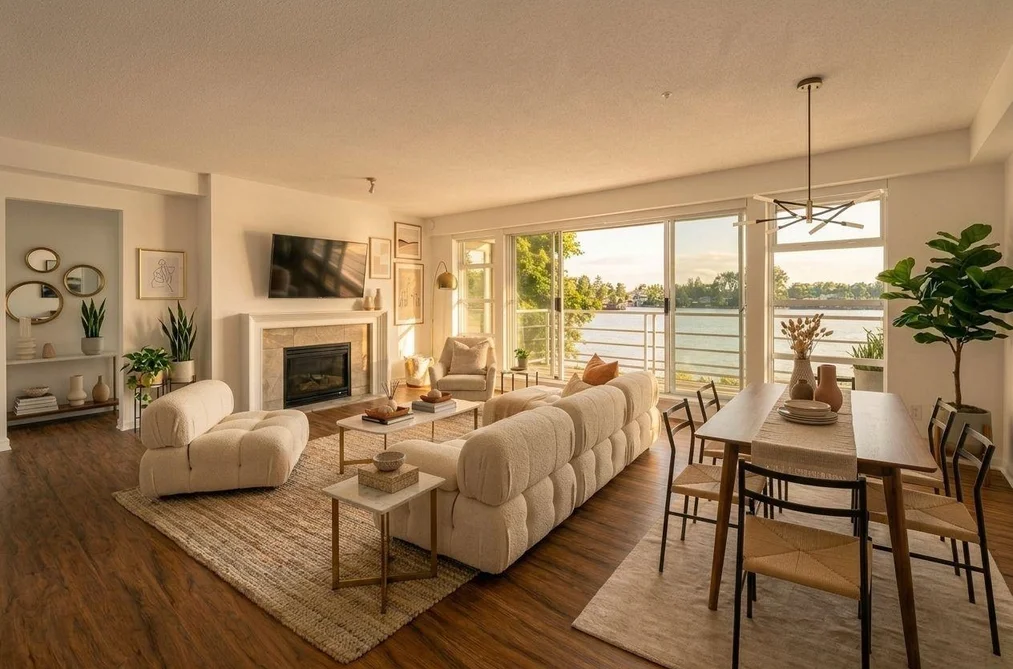
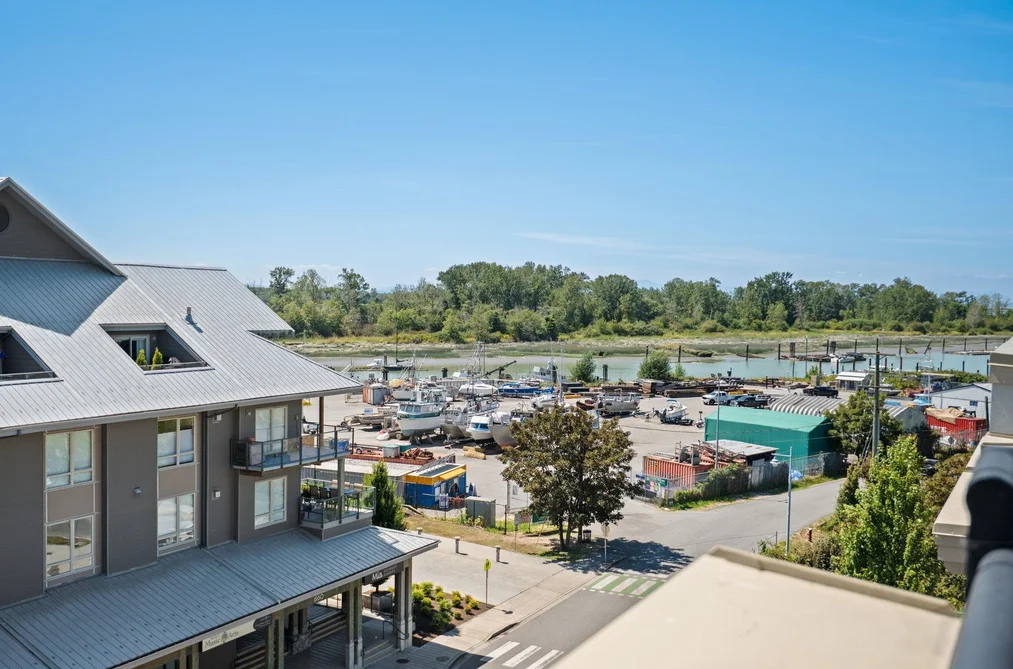
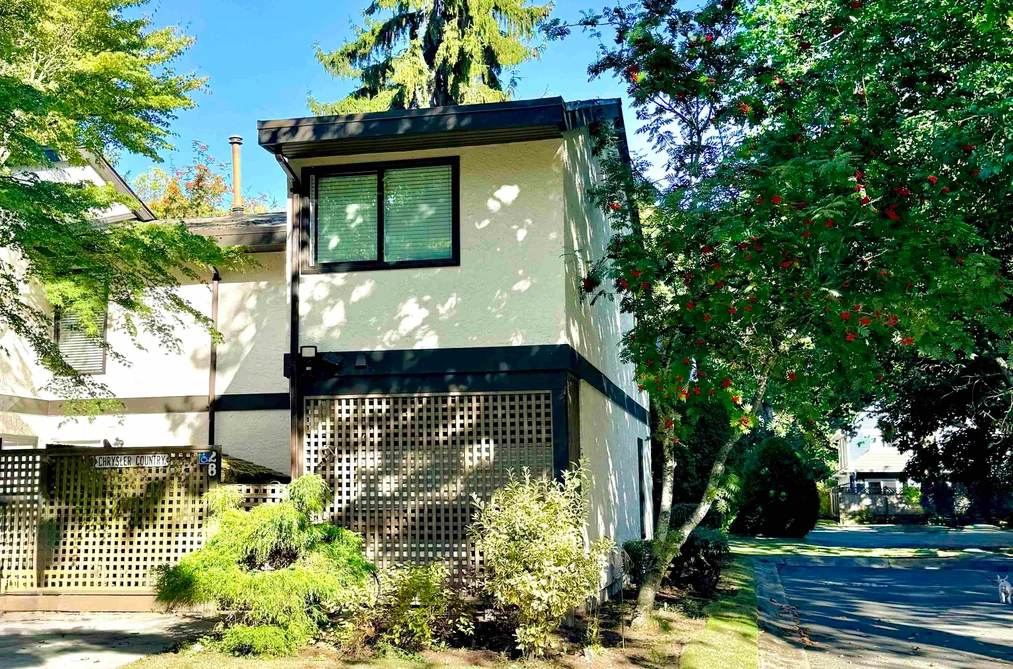
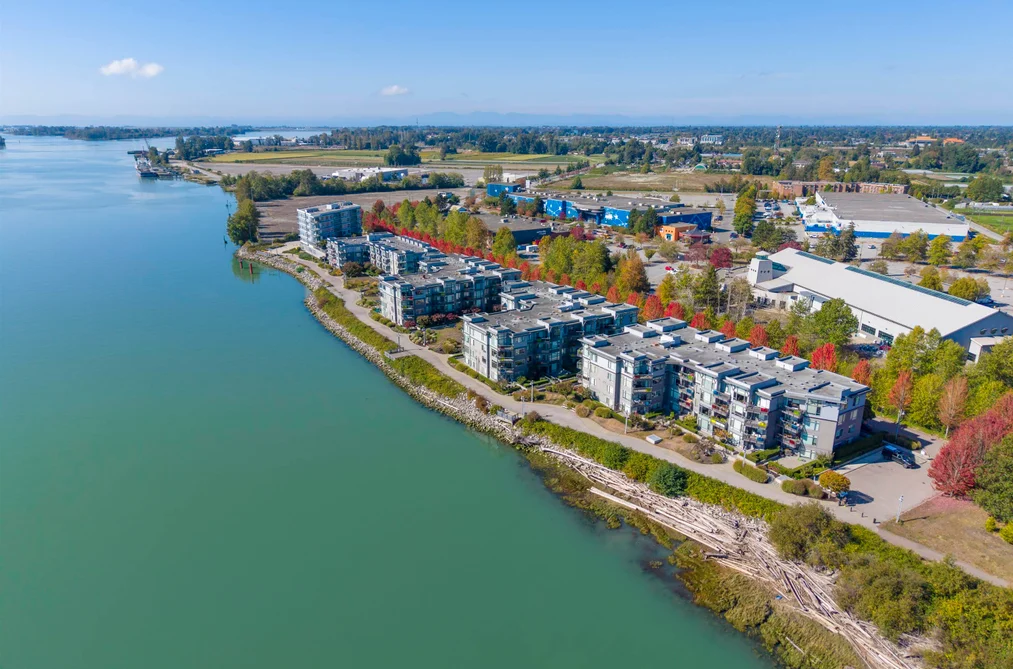
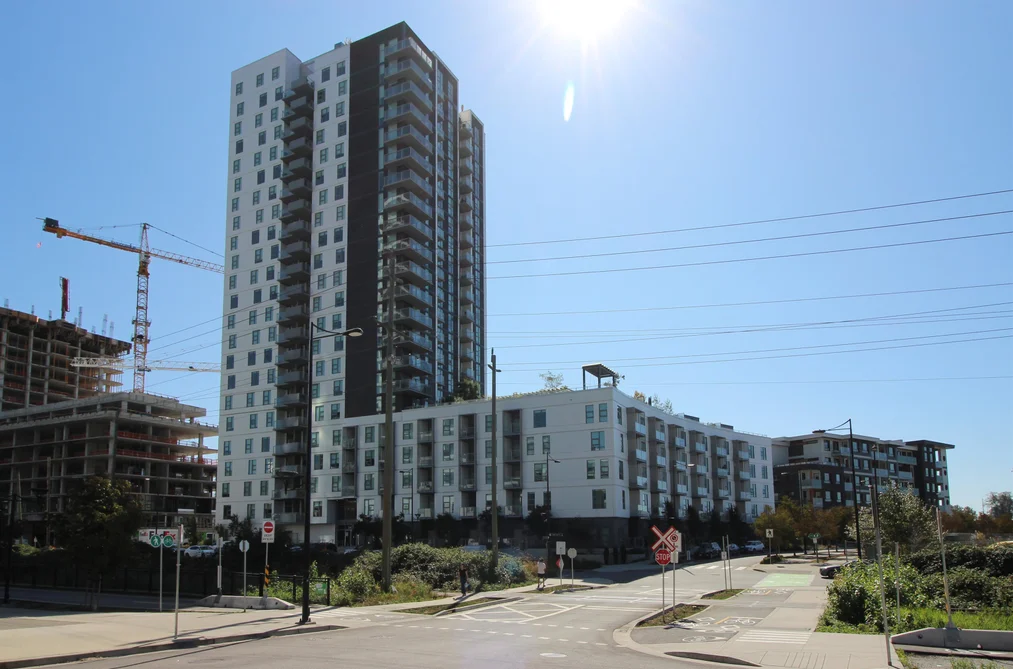
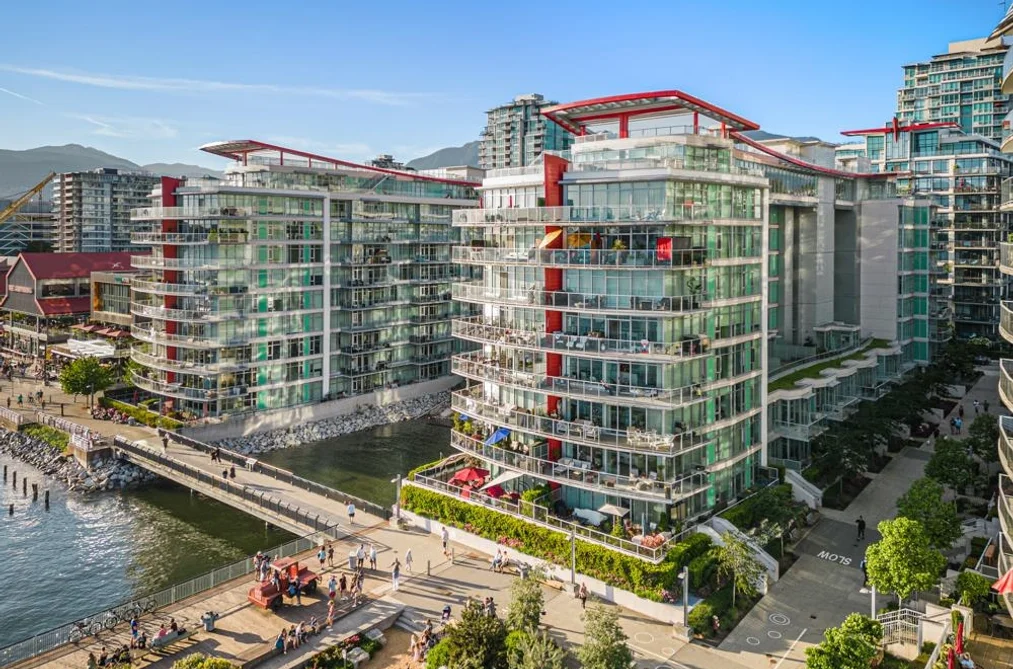
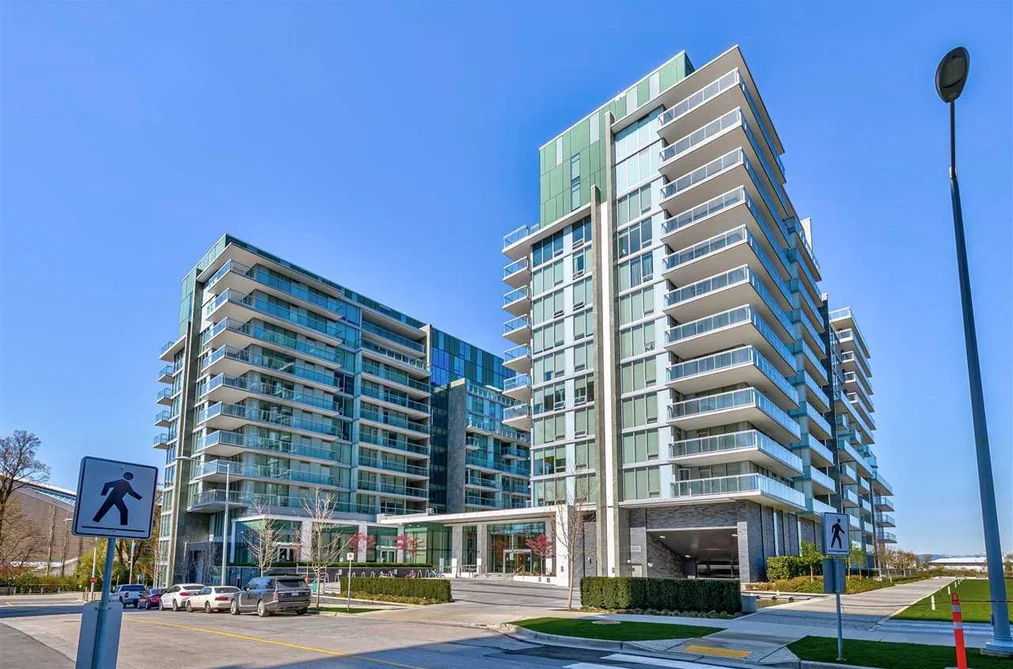
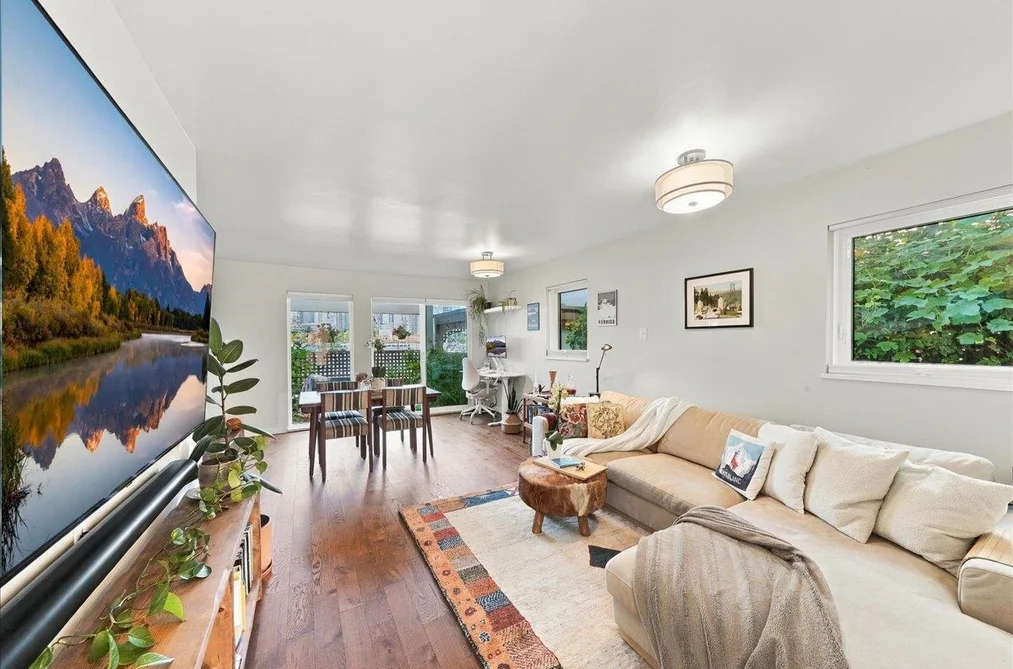

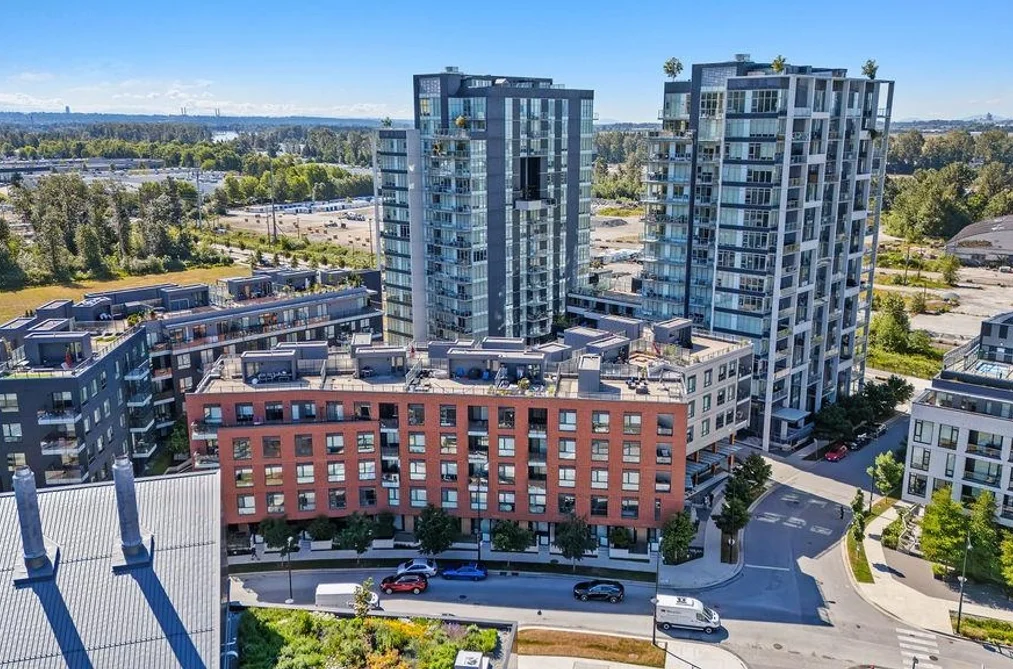
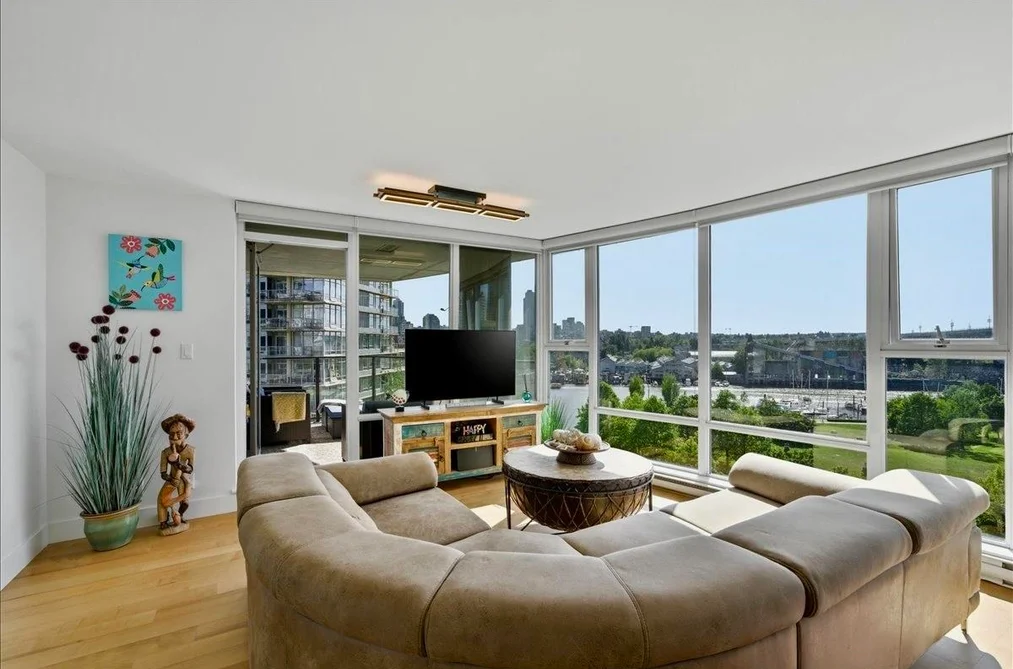
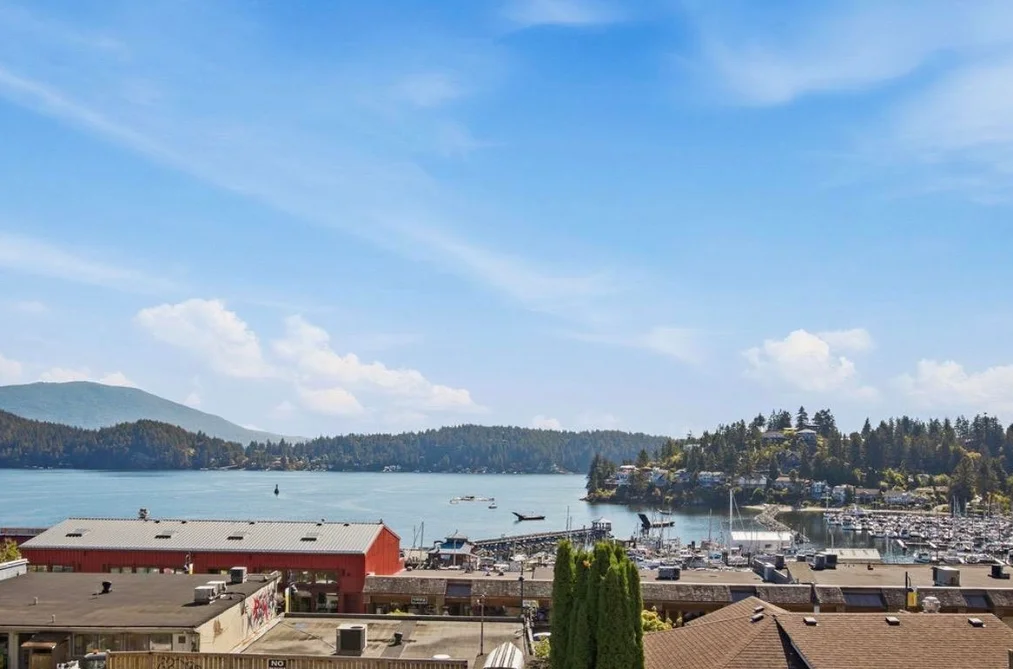
Waterfront listings run from an oceanfront residence with private moorage to a lakefront cabin at the end of a gravel road, so establish what the shoreline actually gives you before you judge the price.
The word covers wildly different property. A home with a usable beach, a dock and deep water is a different asset from one on a high bank with a view and no practical way down, even where both face the same bay. Ask what the frontage is, what the foreshore is like at low tide, and whether the water is deep enough for a boat if that is part of the appeal.
Then find out who owns the shoreline. In British Columbia the land below the natural boundary is generally Crown land, so a dock or private moorage usually depends on a tenure that has to be checked, transferred and sometimes renewed. Ask for the paperwork rather than accepting that the dock in the listing photograph comes with the sale.
Road access is the question that catches buyers on rural and recreational listings. Ask whether the road is public or private, who maintains it, what that costs, and whether it is passable year round. Some parcels are water access only, which changes everything about how the property is used and financed.
Services matter just as much. Ask whether the home is on a community water system, a well or a lake draw, whether it has a septic field and when it was last inspected, and whether it is grid-connected or off-grid. Then get an insurance quote before you remove conditions, because coastal exposure, flood mapping and wildfire risk all move premiums sharply and some homes are difficult to insure at any price.
Each behaves differently. Oceanfront brings salt air that is hard on windows, decks and metal, along with wind and, in exposed positions, erosion. Lakefront on Shuswap Lake or the interior lakes is seasonal in a way the coast is not, with a short intense summer and a very quiet winter. Riverfront carries flood considerations and changing banks.
Match that to how you will actually use the place. A year round residence and a summer retreat have almost nothing in common as purchases, and the maintenance a coastal property demands is not optional.
Budget for the water working against the building. Decks, railings and floor-to-ceiling windows facing weather need attention on a cycle that inland homes do not, and a dock is a structure with its own inspection and replacement schedule. Ask when each was last renewed and what the owner has been spending.
Ask about what may be built or cut, too. Riparian rules restrict work near the water, including tree removal that would open a view, and permits are required for changes many buyers assume are theirs to make.
The inventory spans the region: an ocean frontage on the coast and the islands, lakefront through the interior, and riverfront along the Fraser, ranging from a luxury residence to an acreage retreat with forest behind it. Prices reflect access and usability far more than raw frontage.
Browse and compare current waterfront real estate on Strawhomes, filter by area and property type, and shortlist by what the tenure, the access and the insurance quote confirm rather than by what the view promises. A water view home set back from the shoreline often delivers most of the appeal with none of the shoreline obligations.