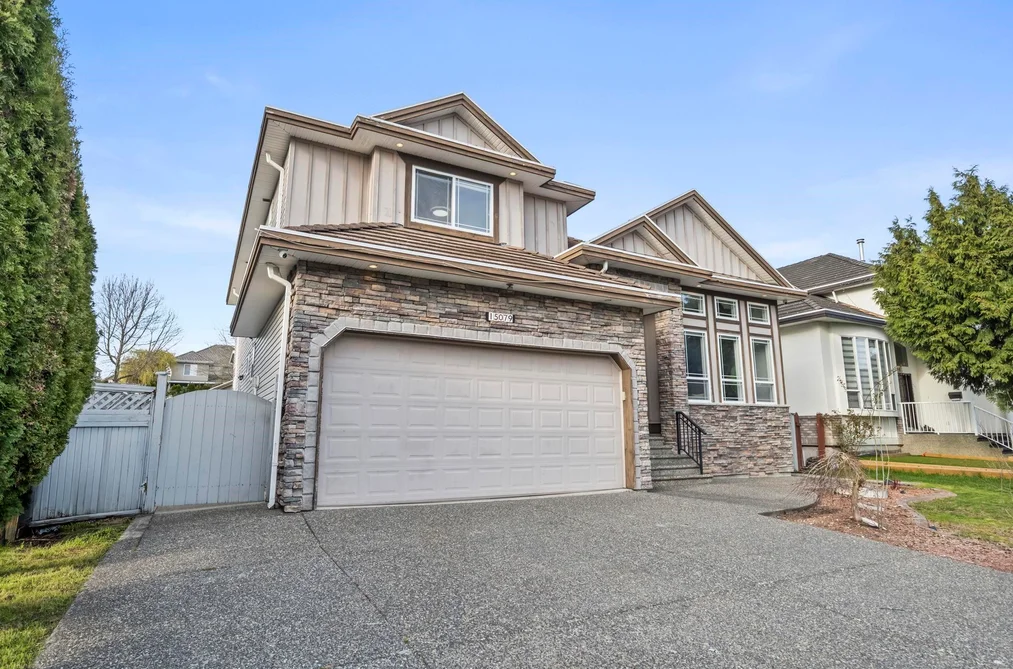
For Sale
2 days
- $919,000
- 4 bed
- 3 bath
- 1859 sqft
MLS® R3169223
•The Agency White Rock
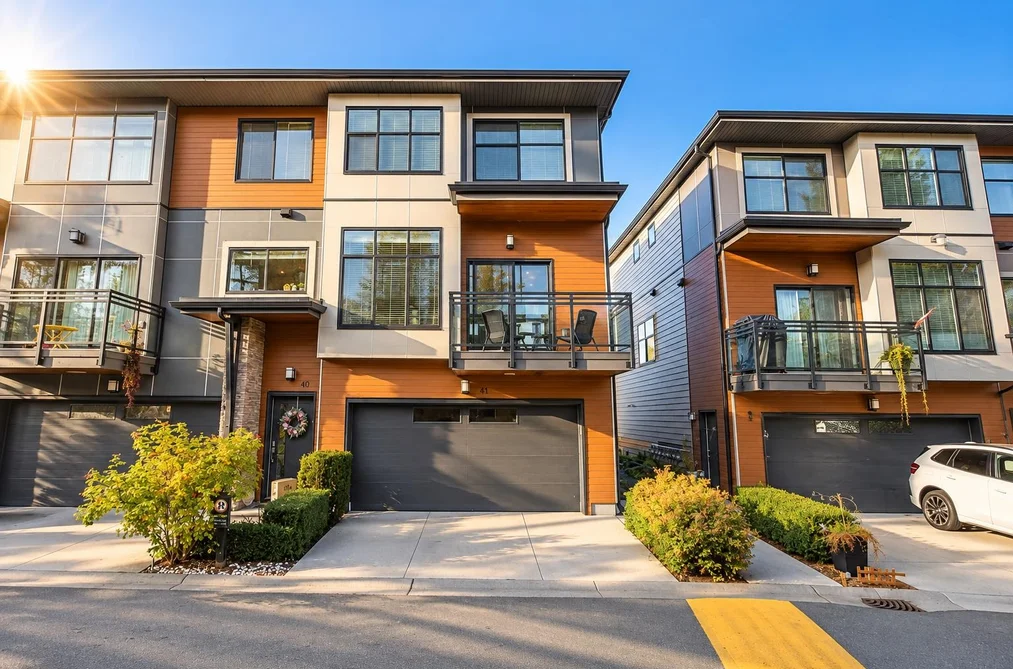
Open Sat, Oct 3, 2 p.m.
Browse homes with a large Balcony for sale in British Columbia and check the usable depth, the exposure and the bylaws before you plan to live outdoors.
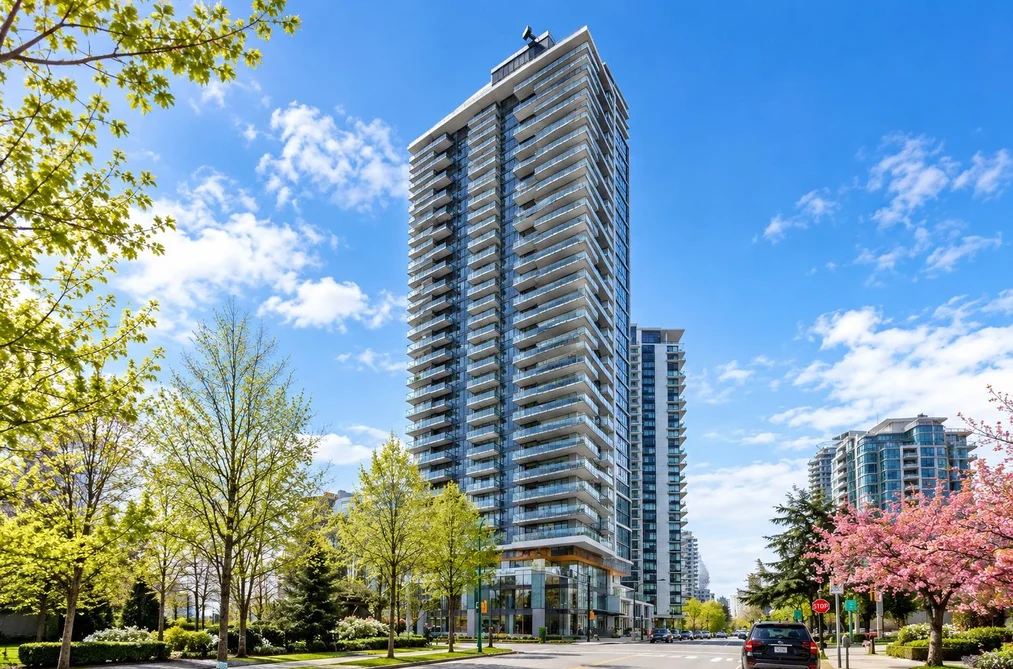
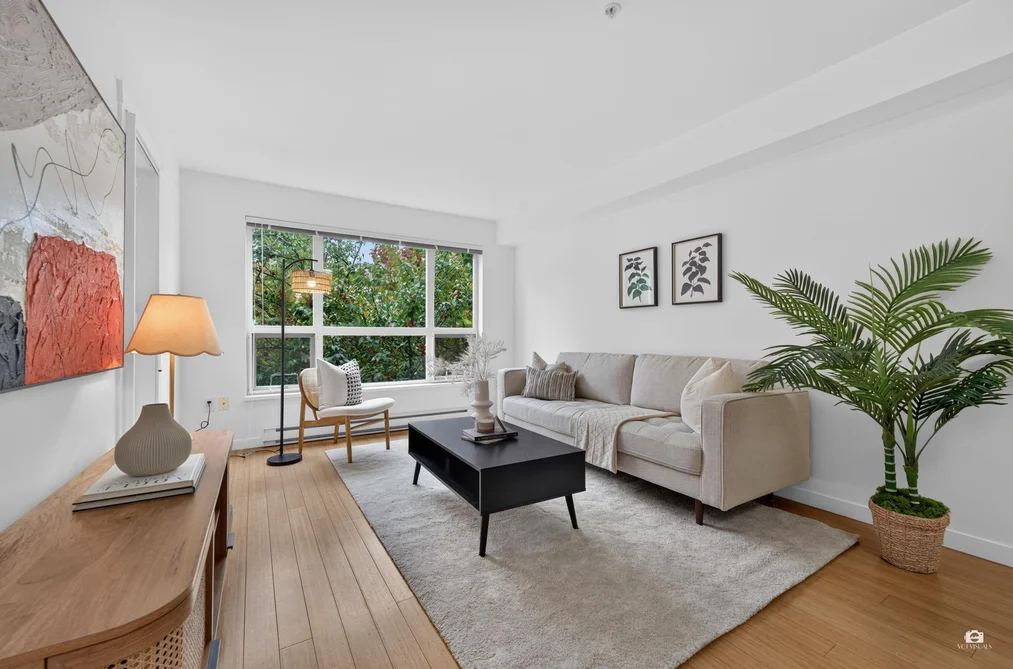
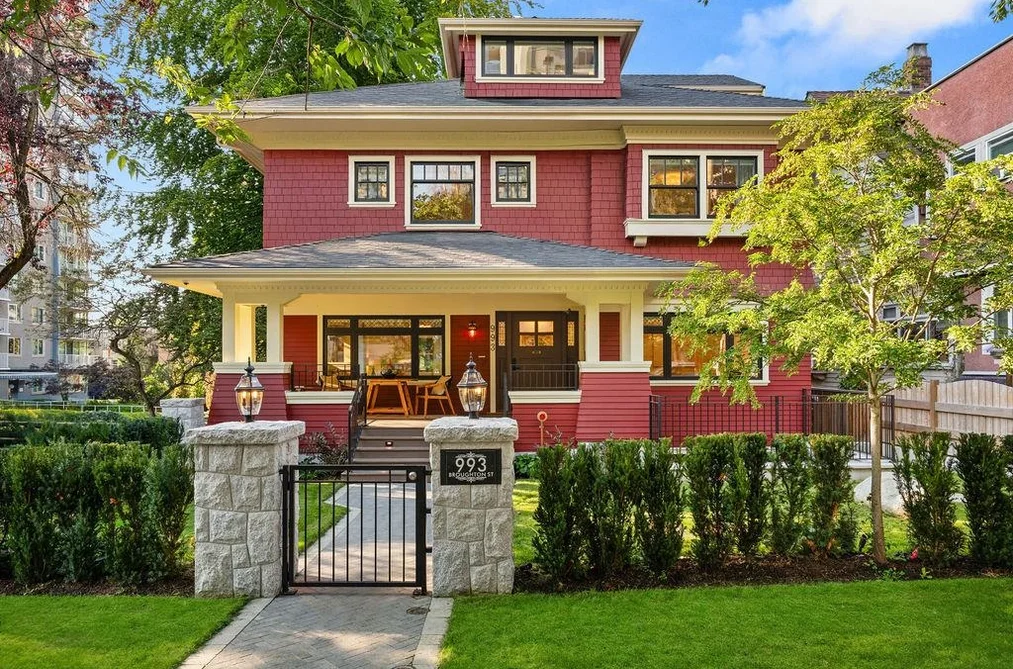
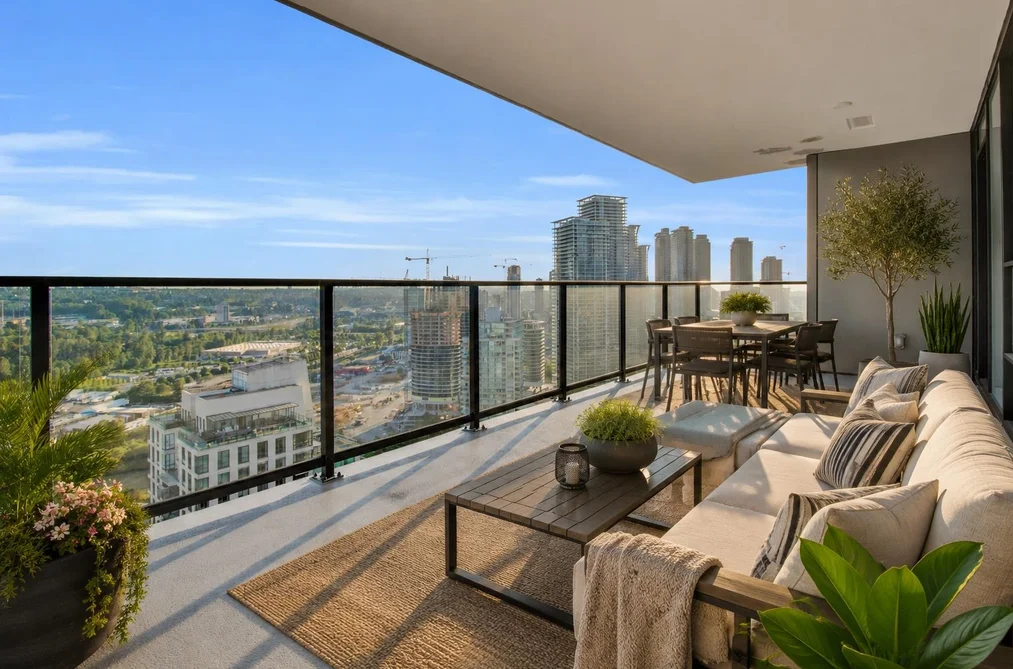
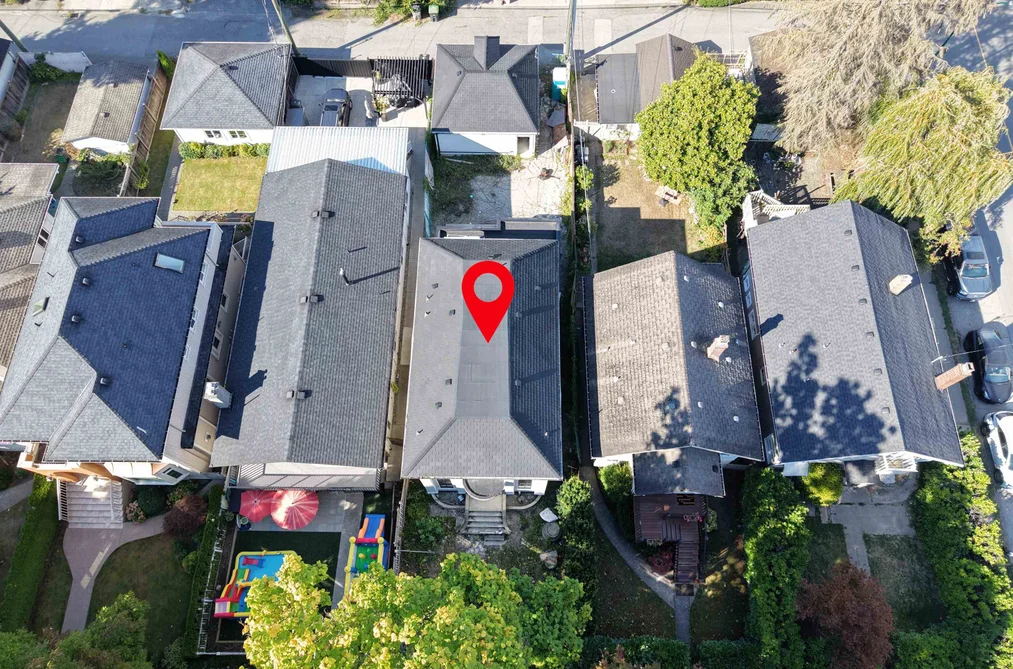
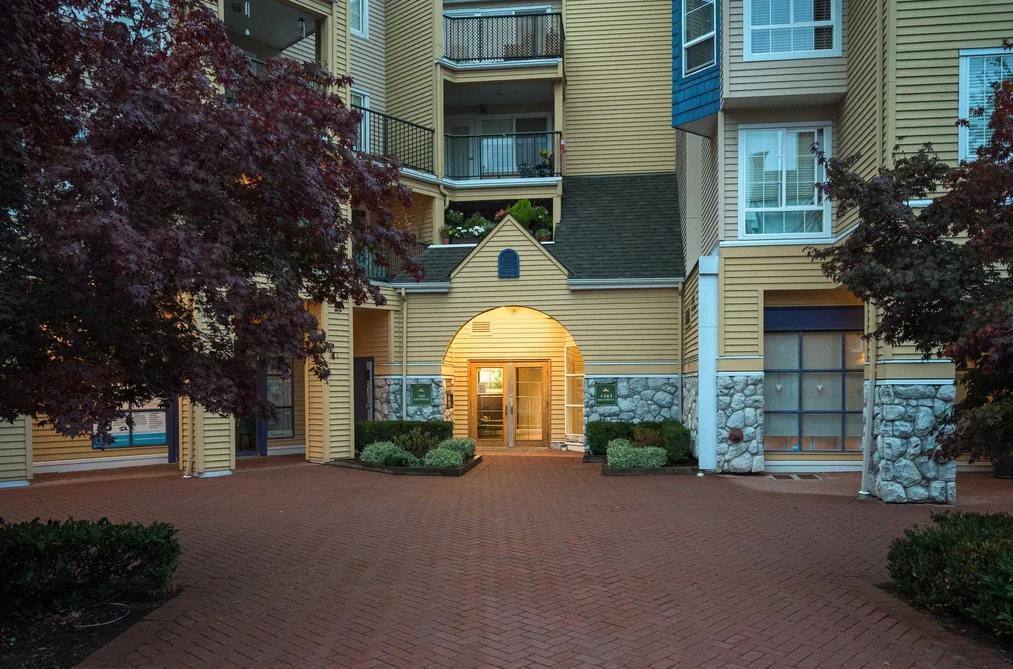
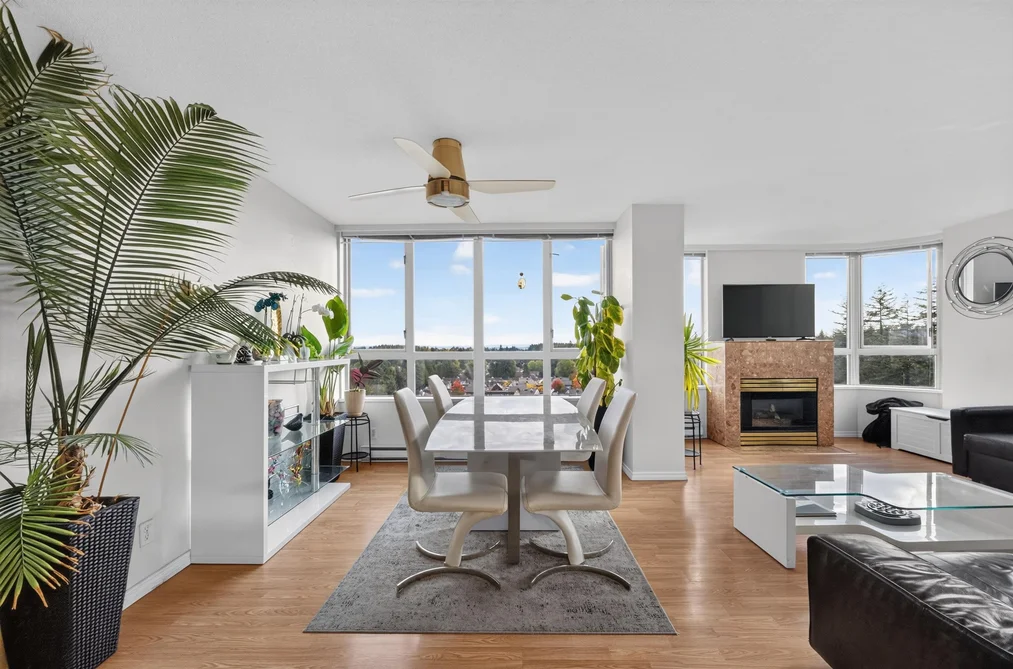
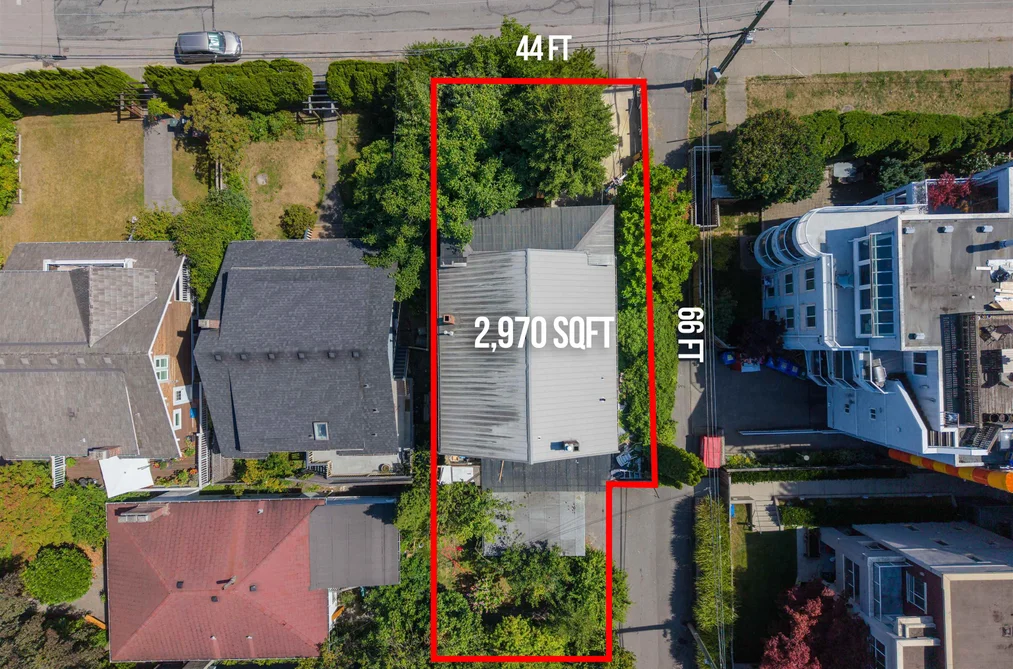
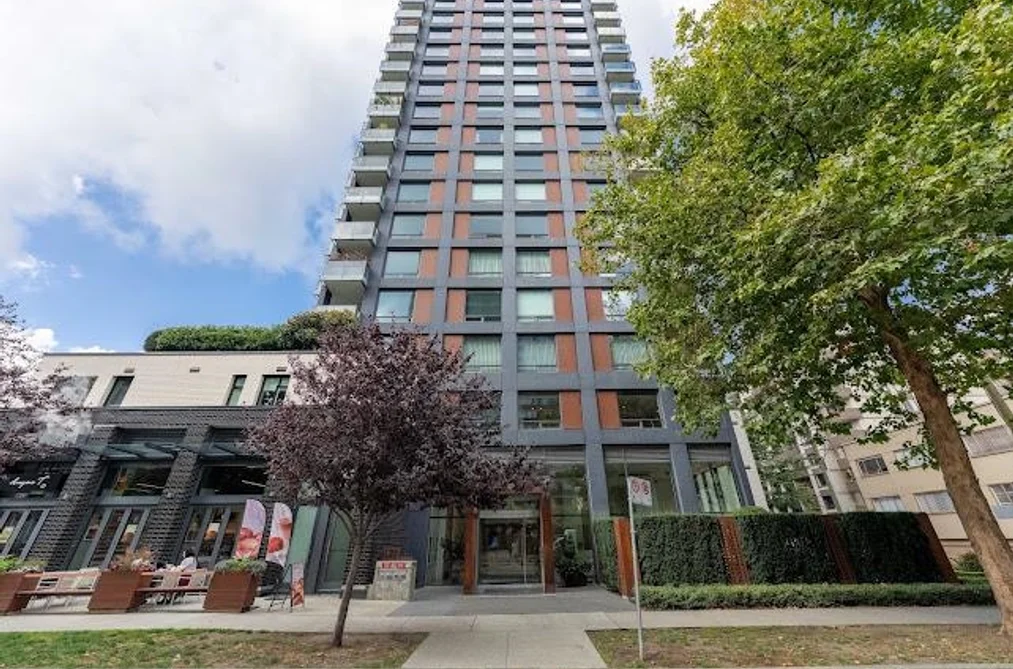
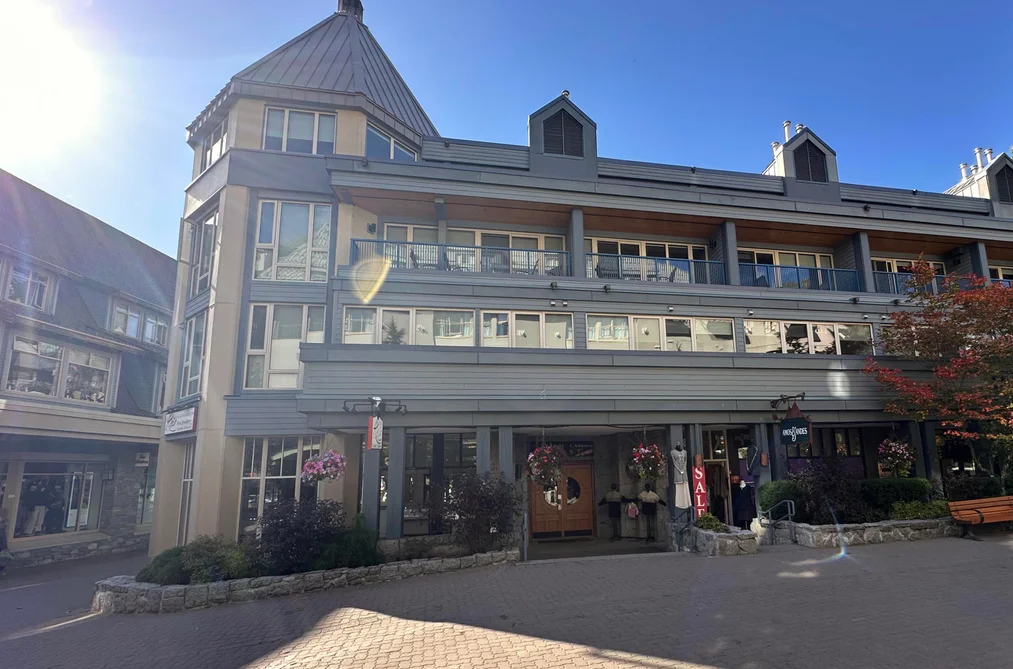

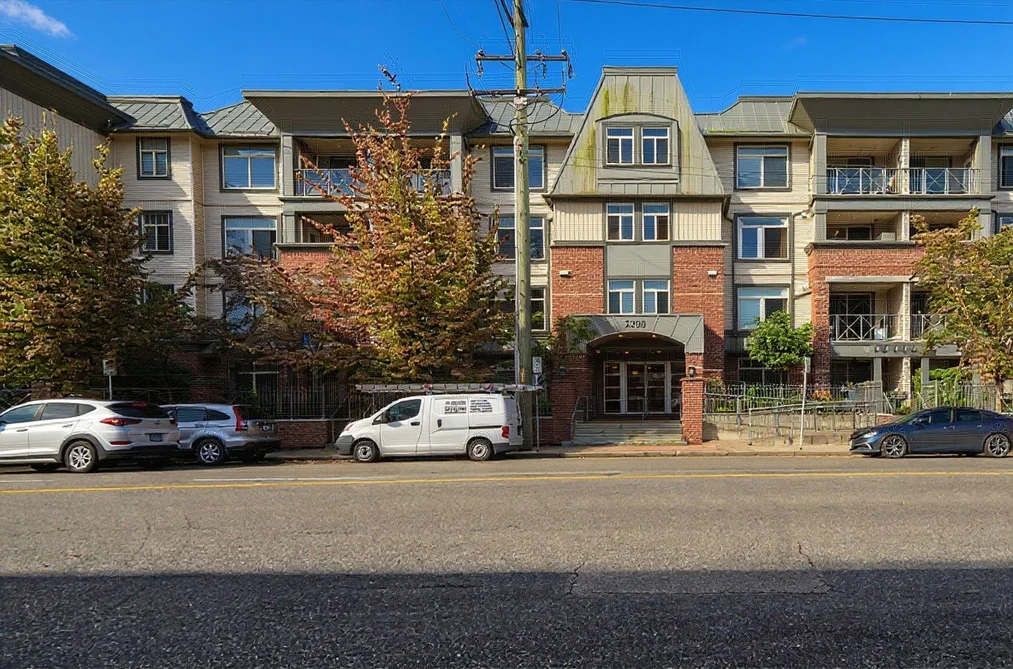
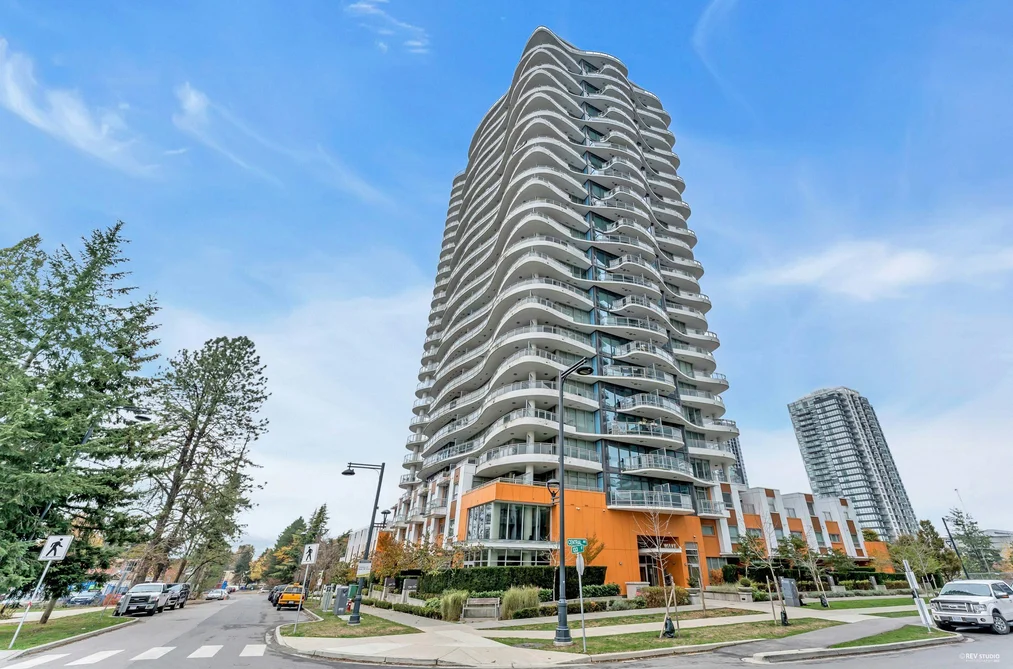
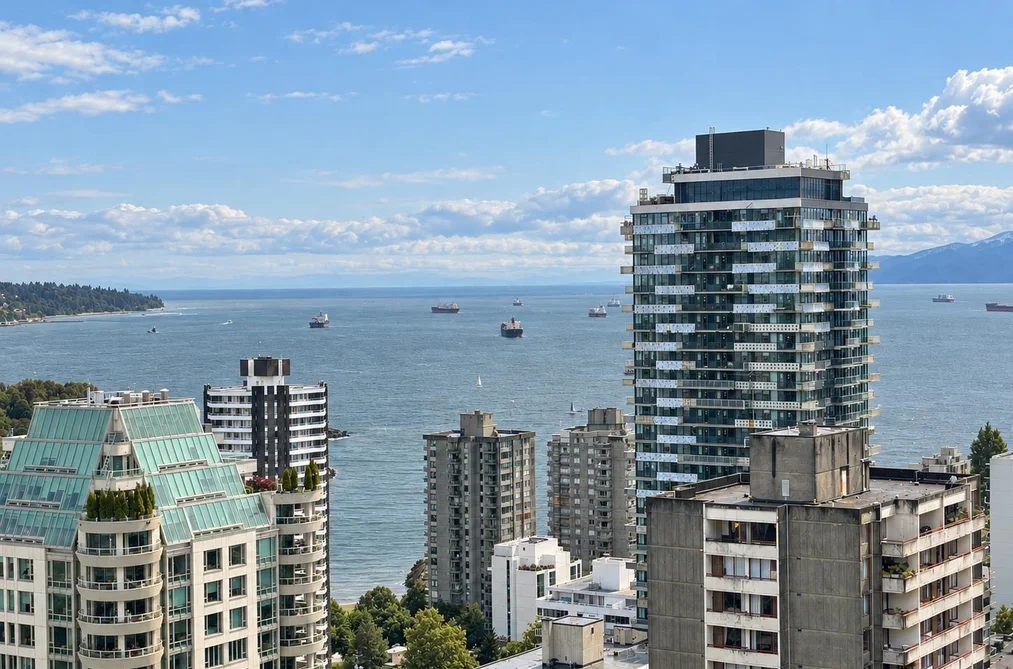
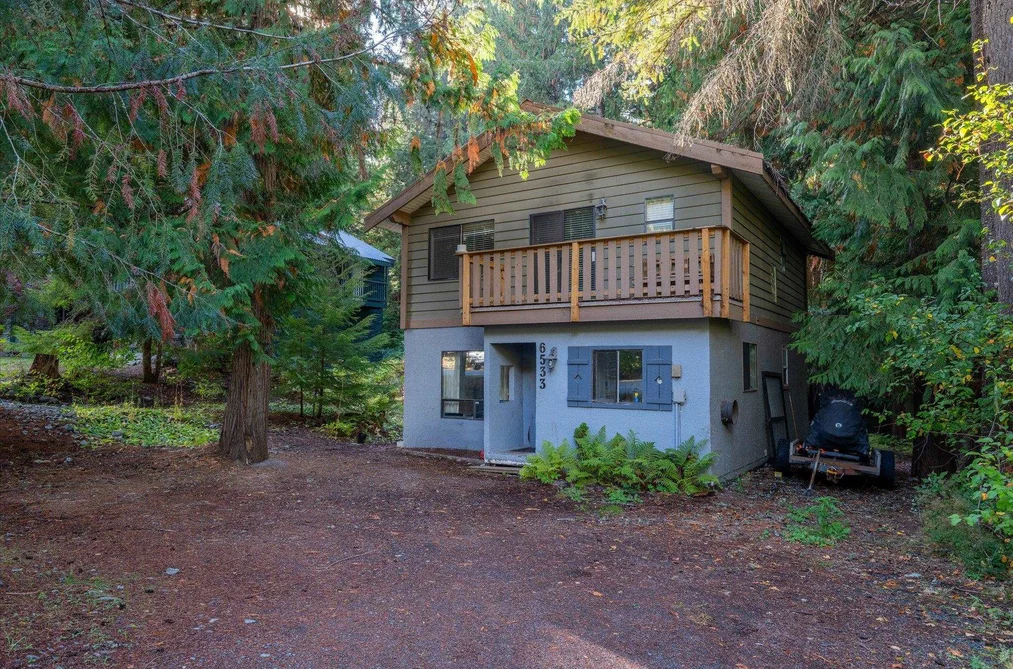
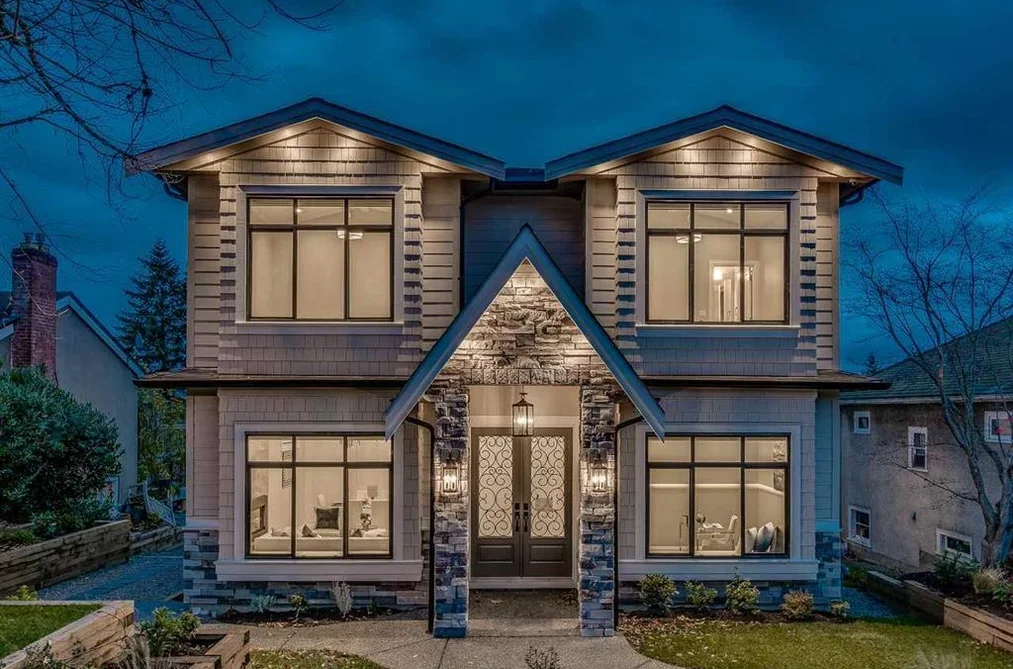
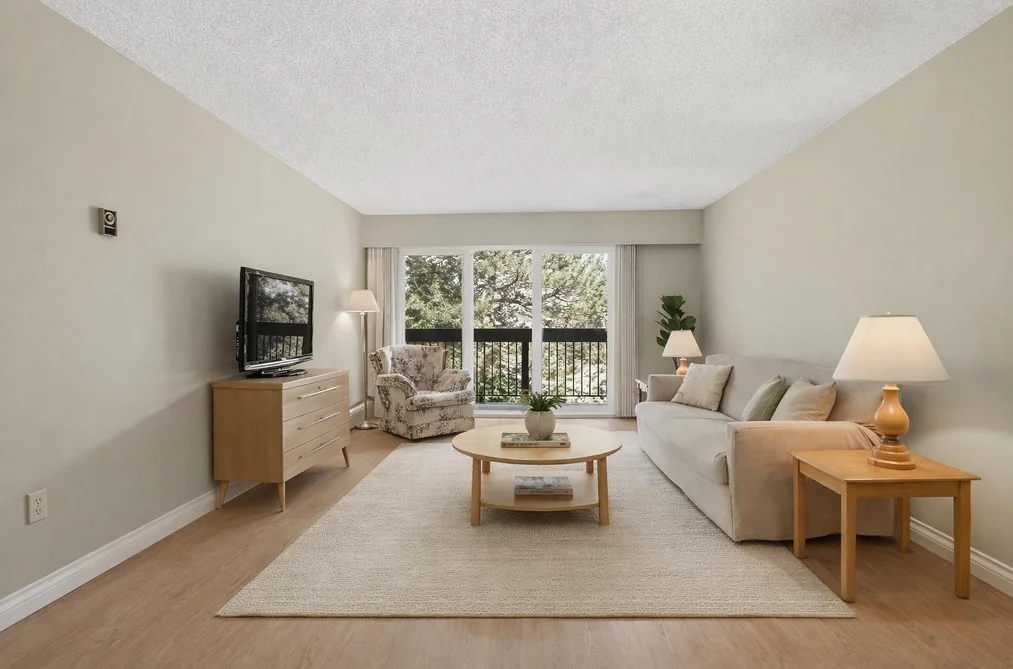
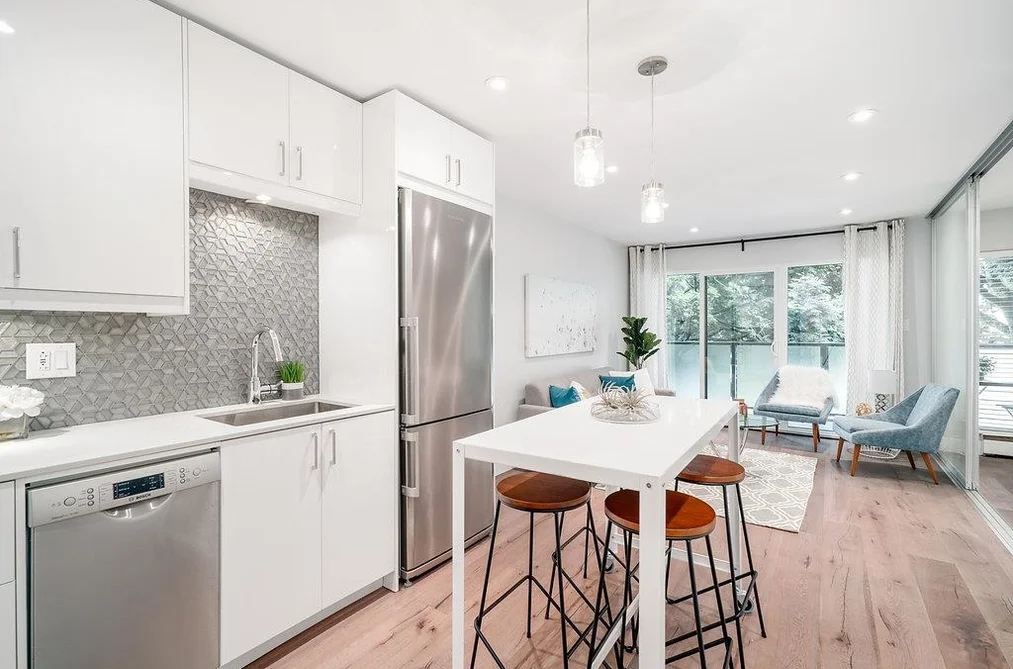

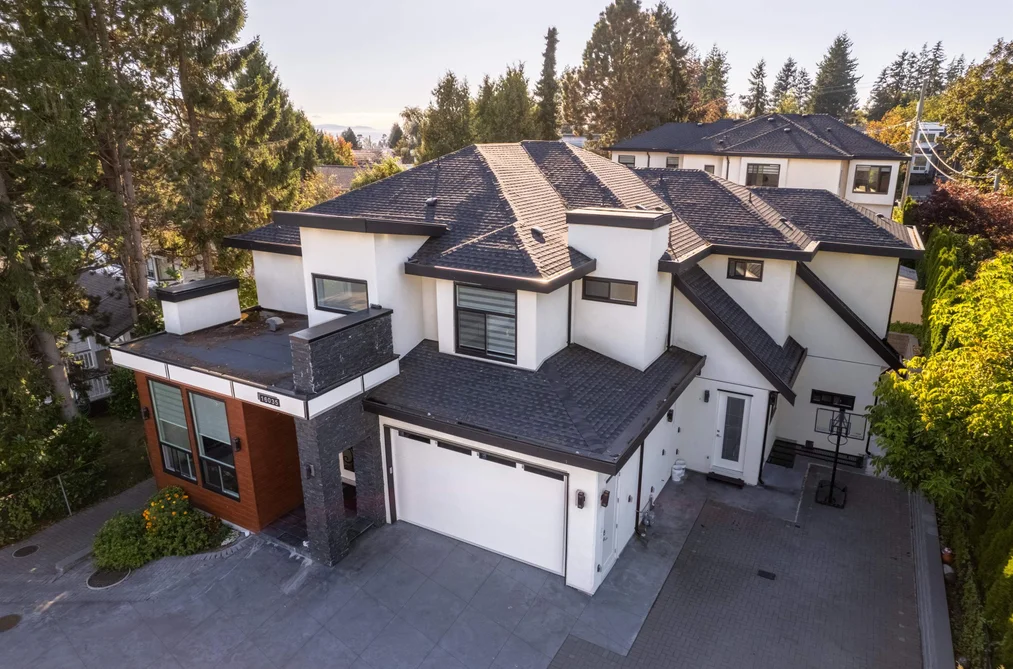
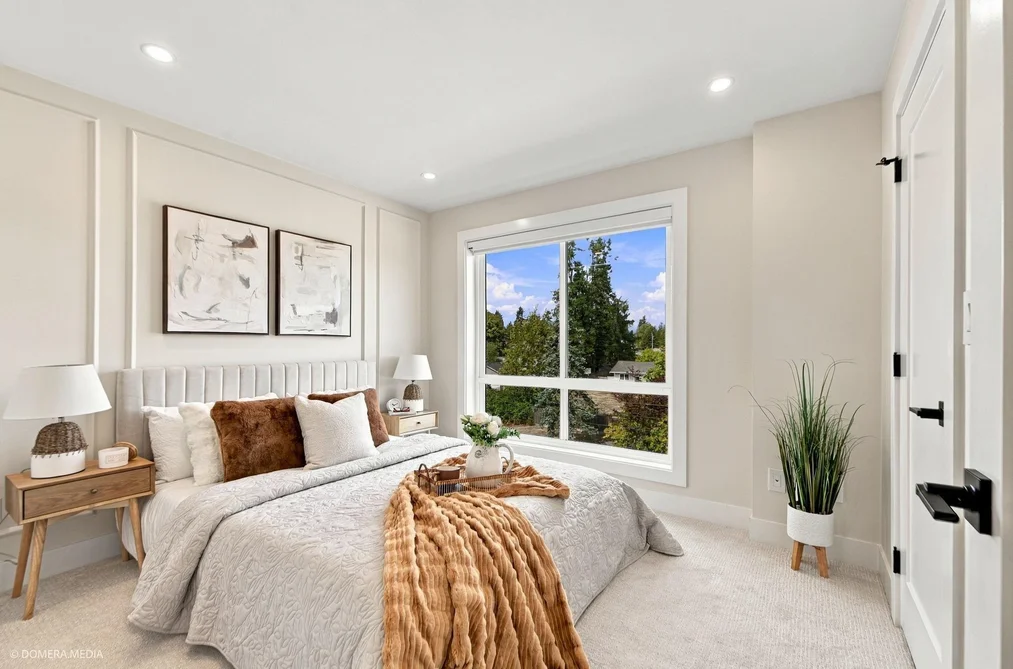
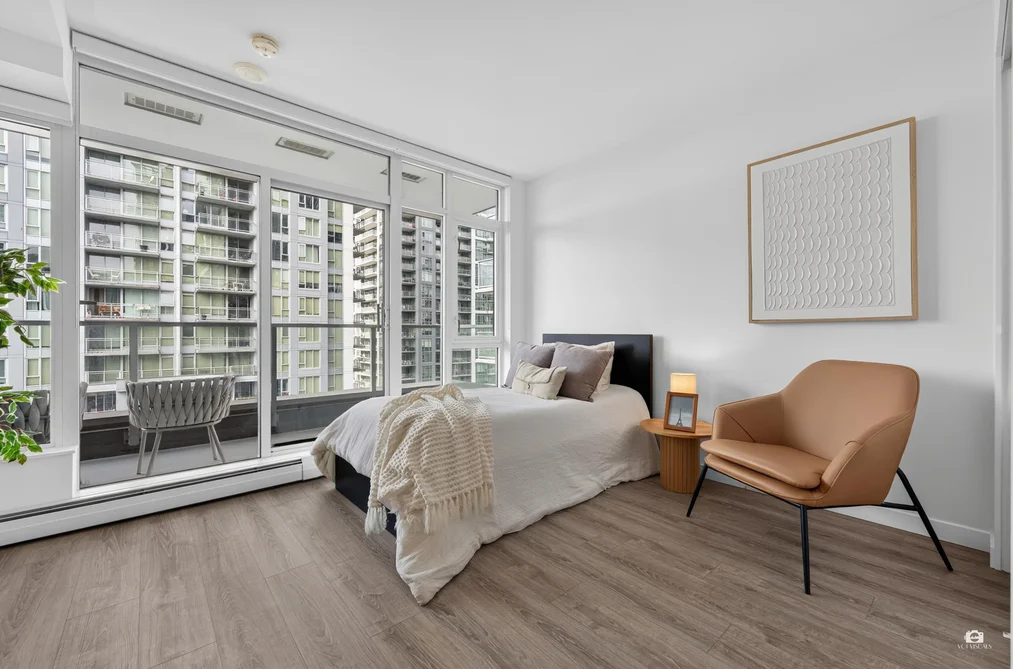
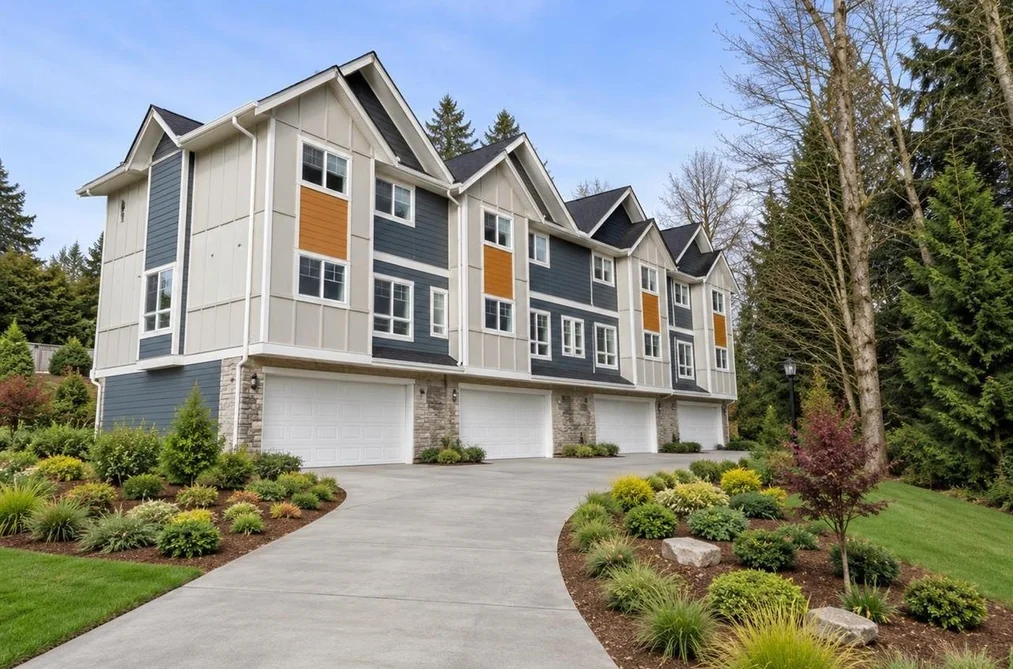
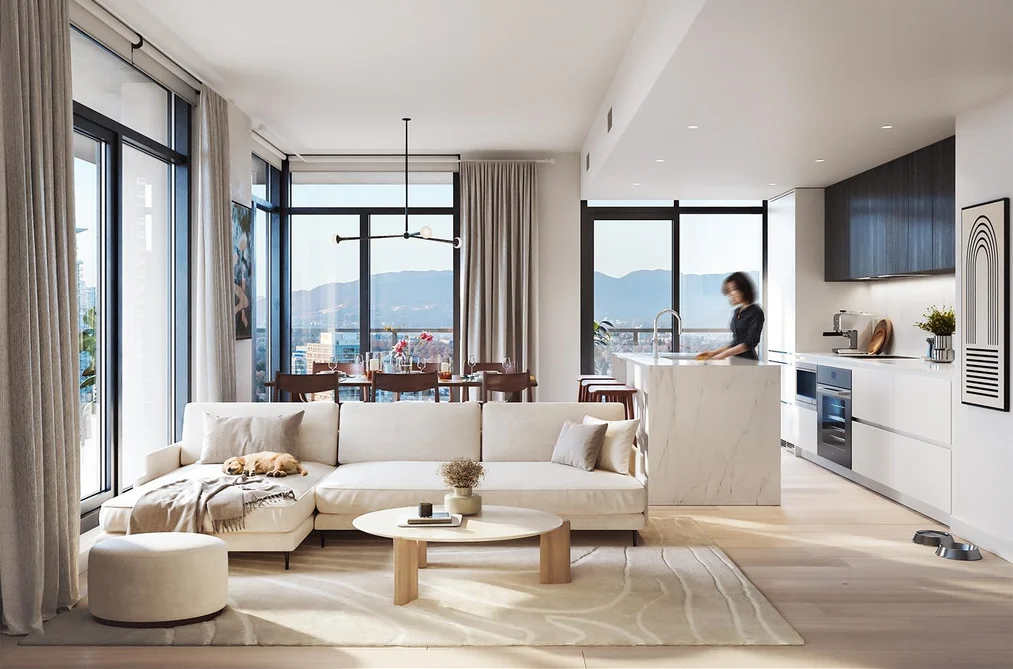
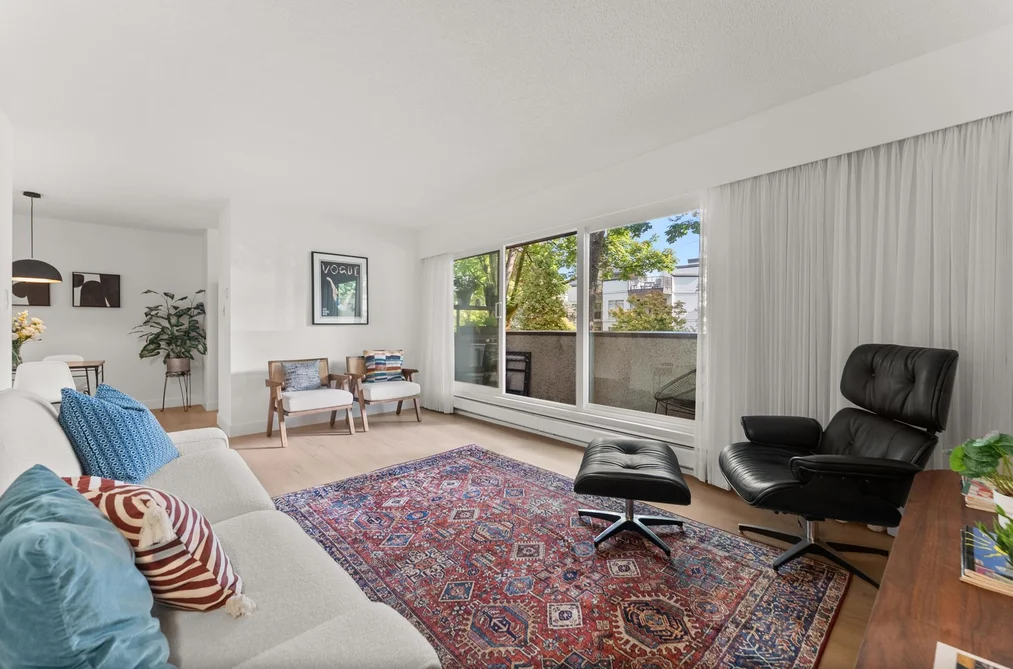
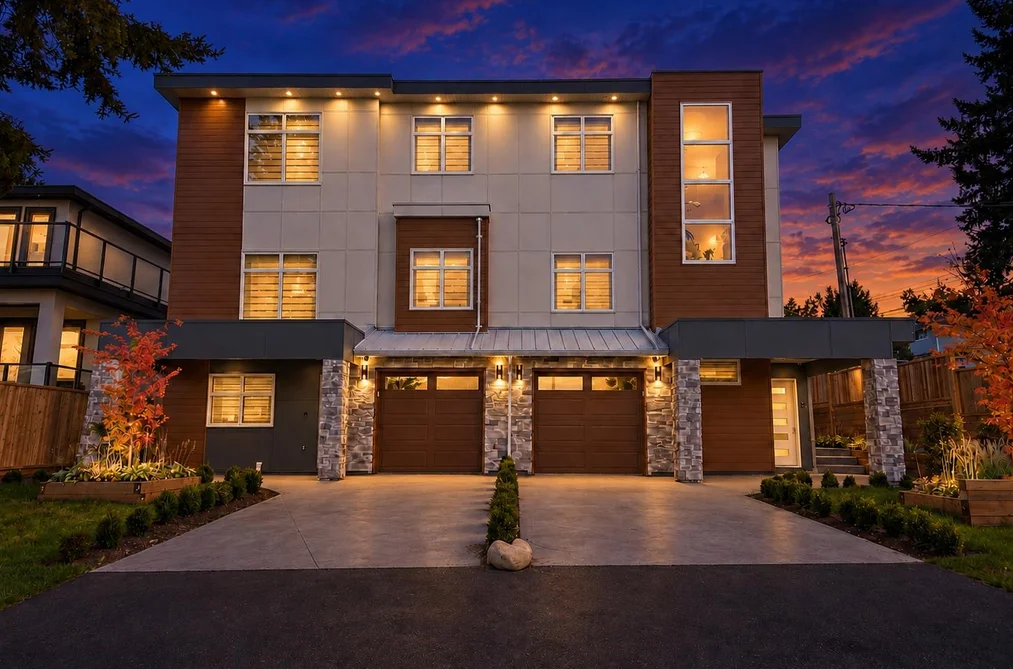
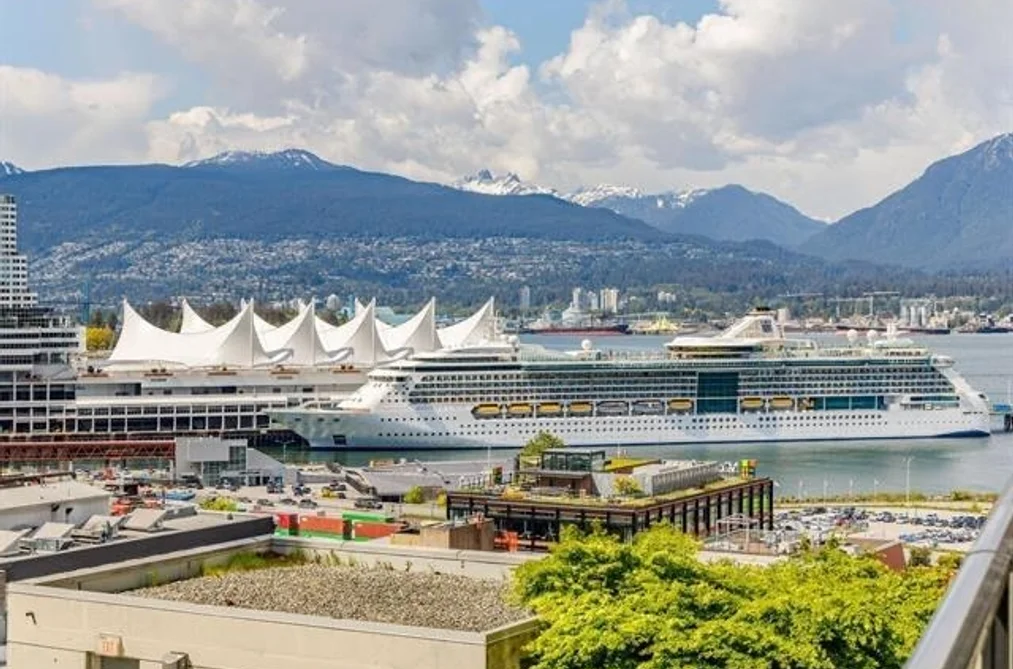
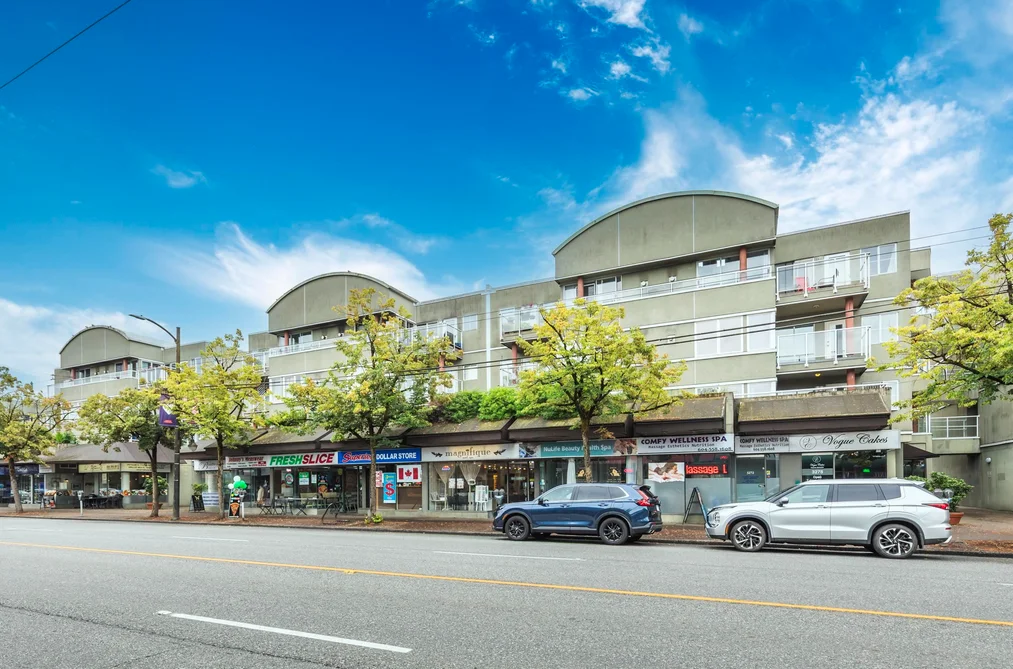
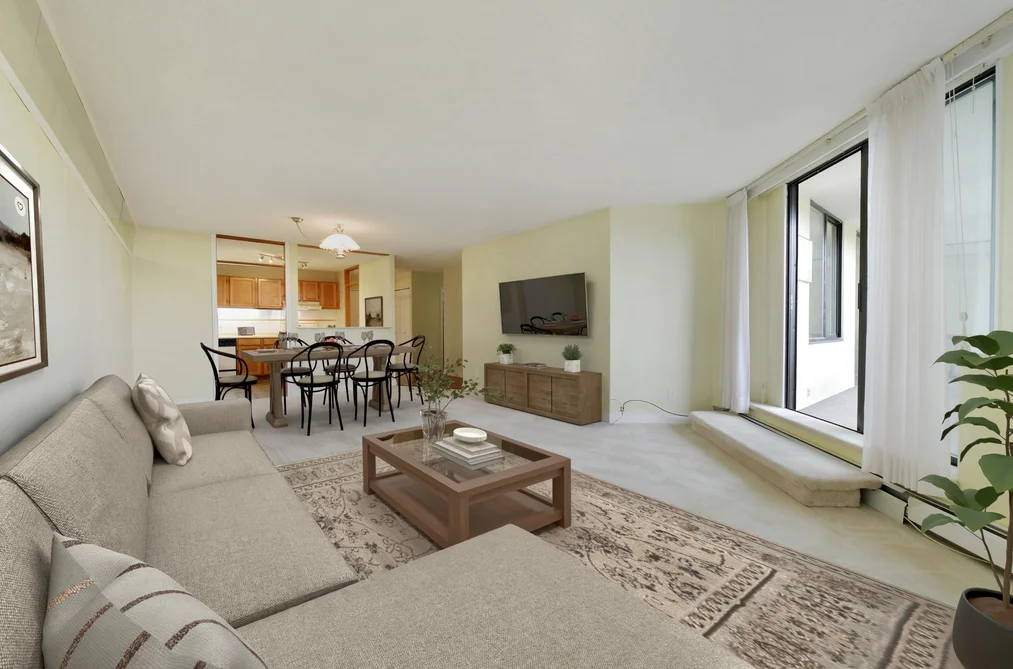
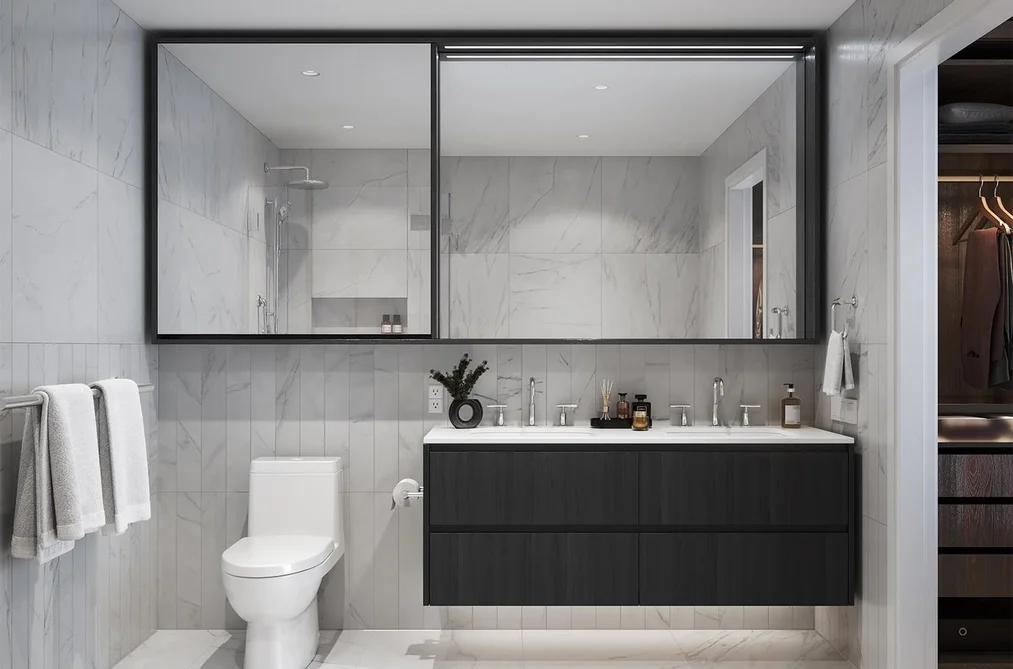
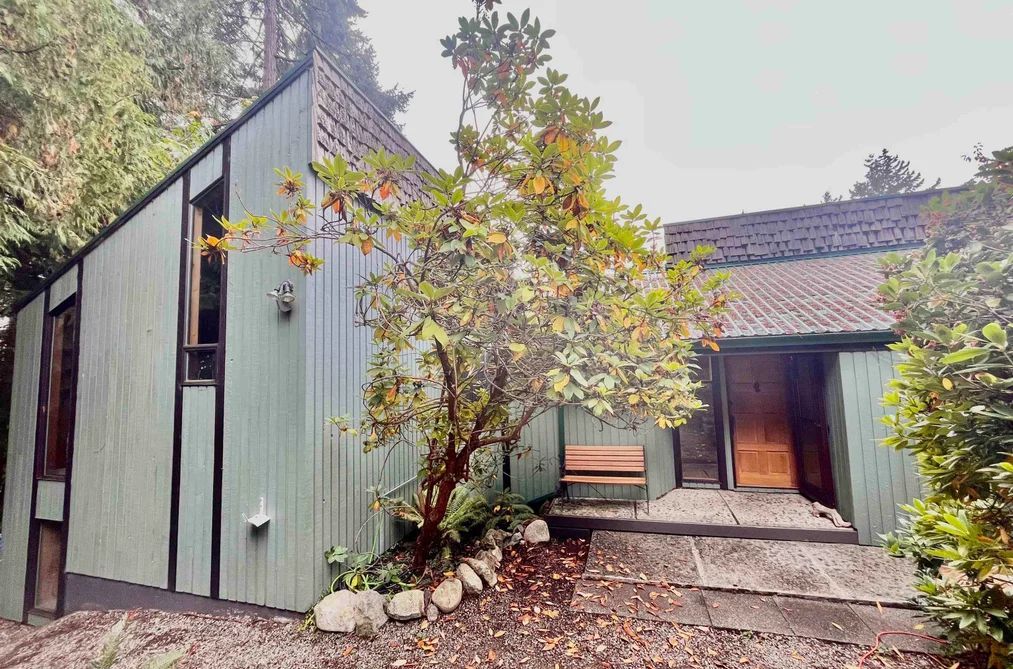
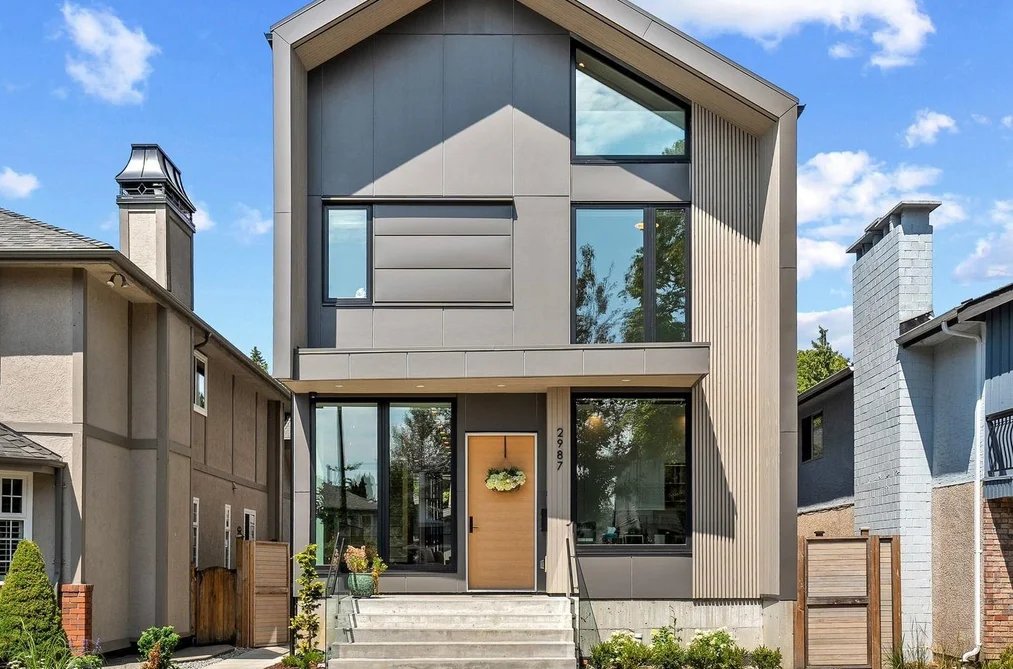
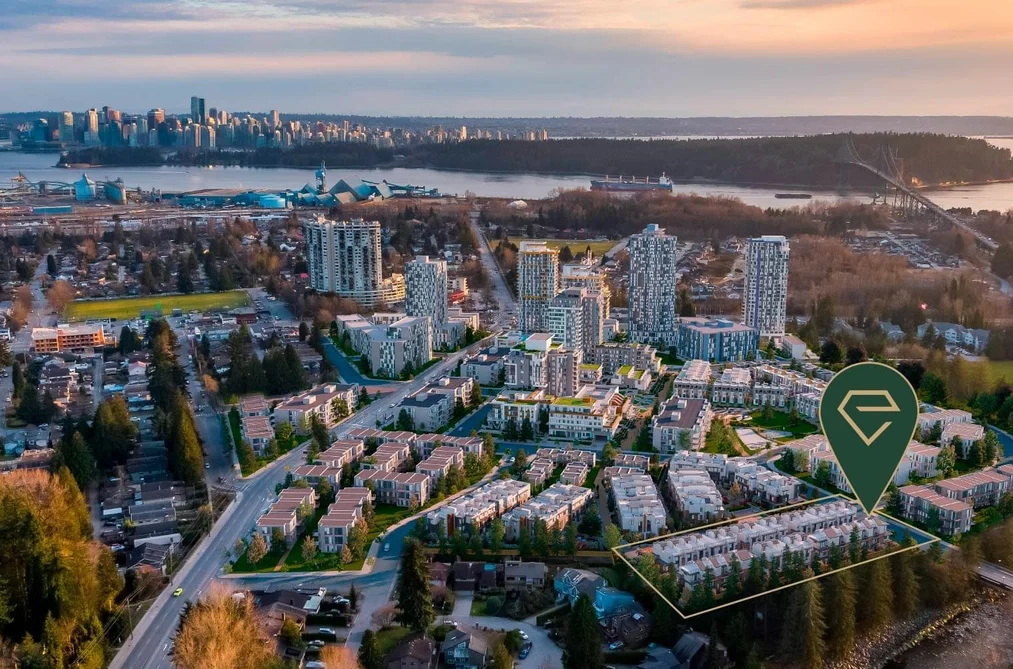
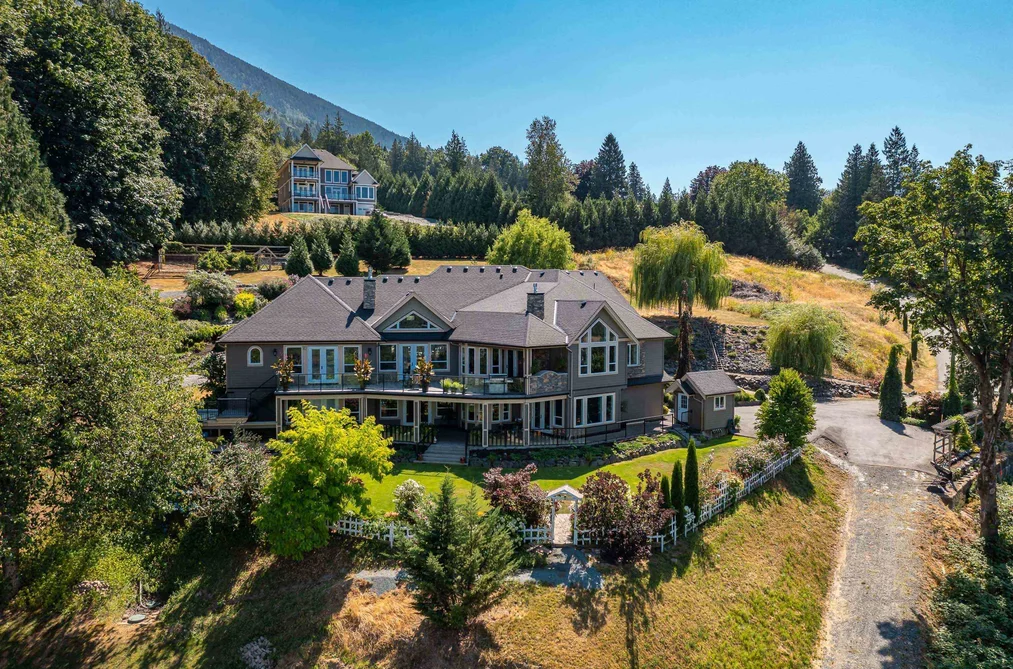
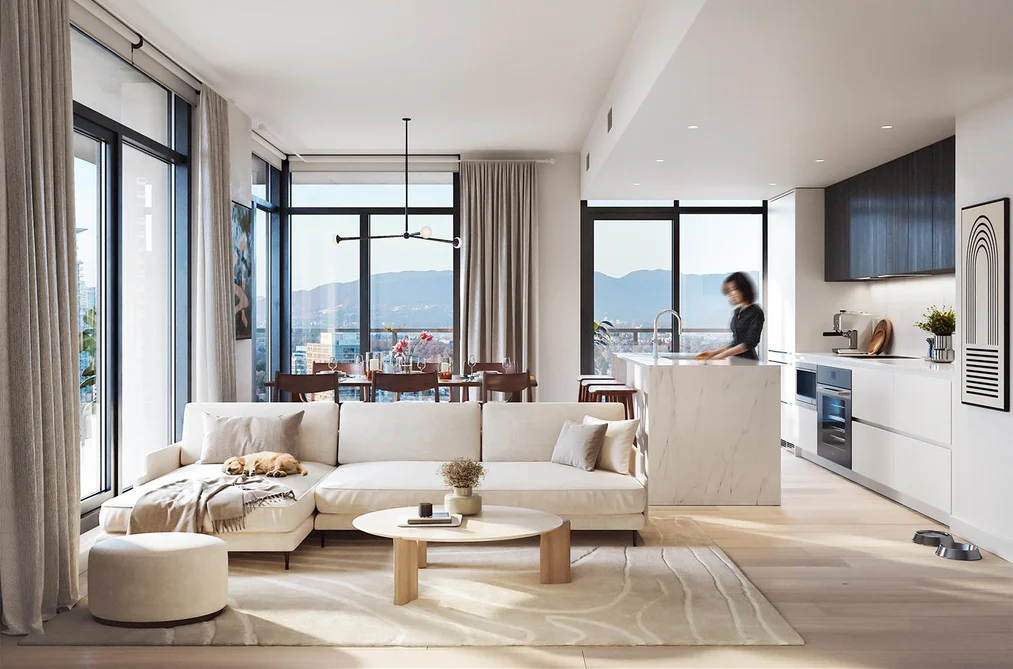
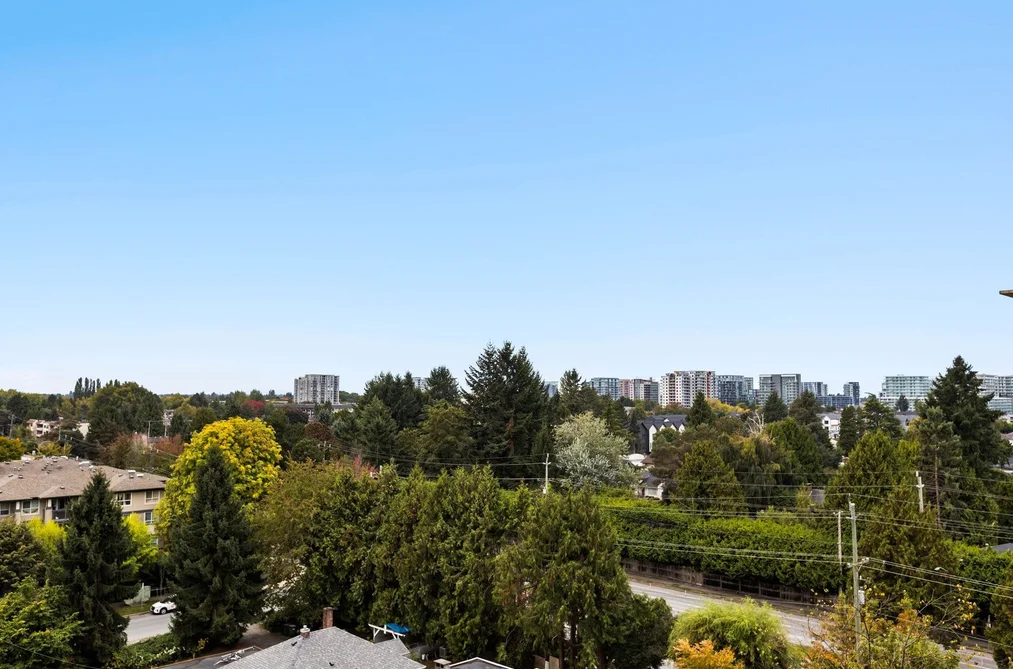
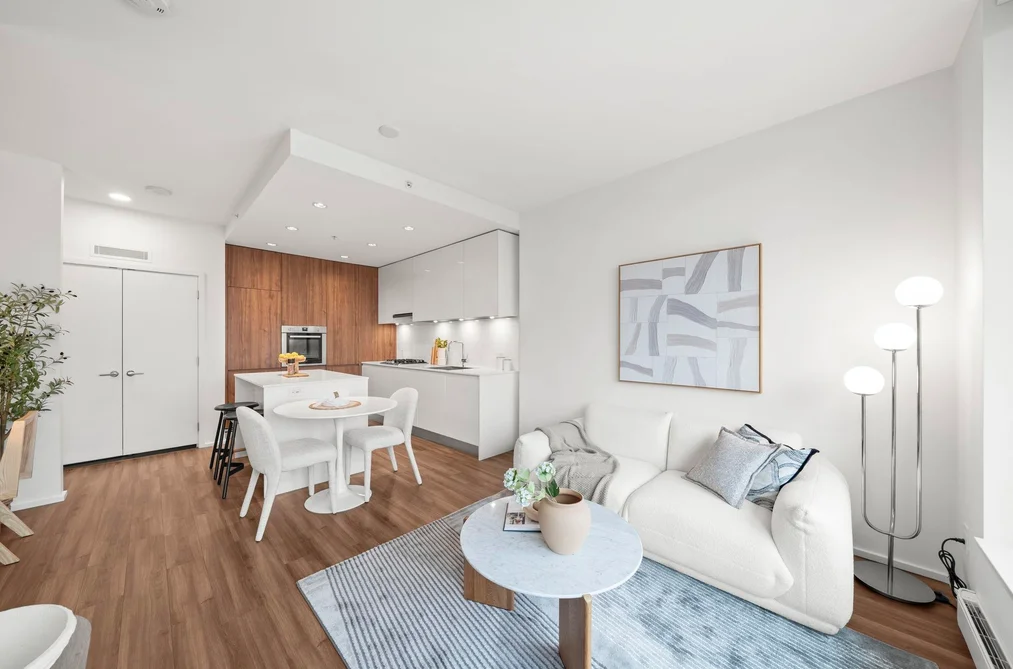
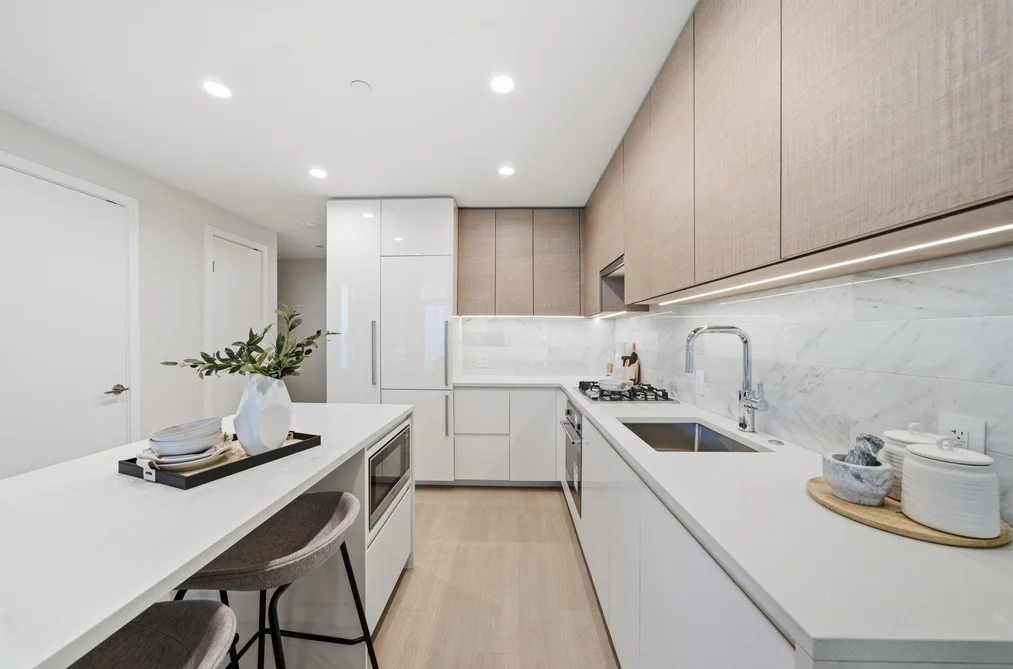
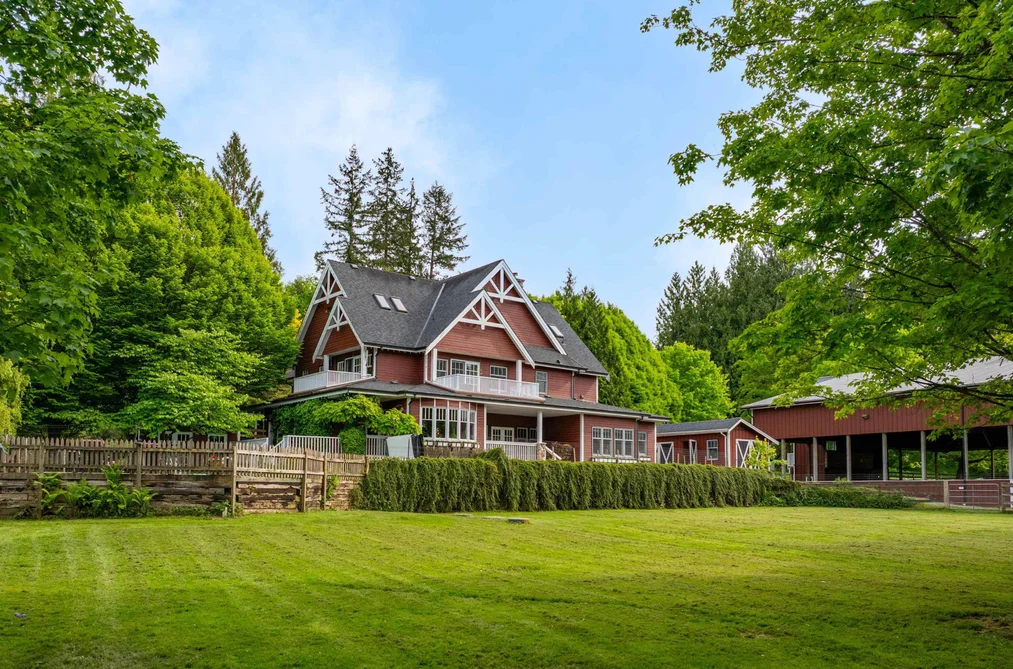
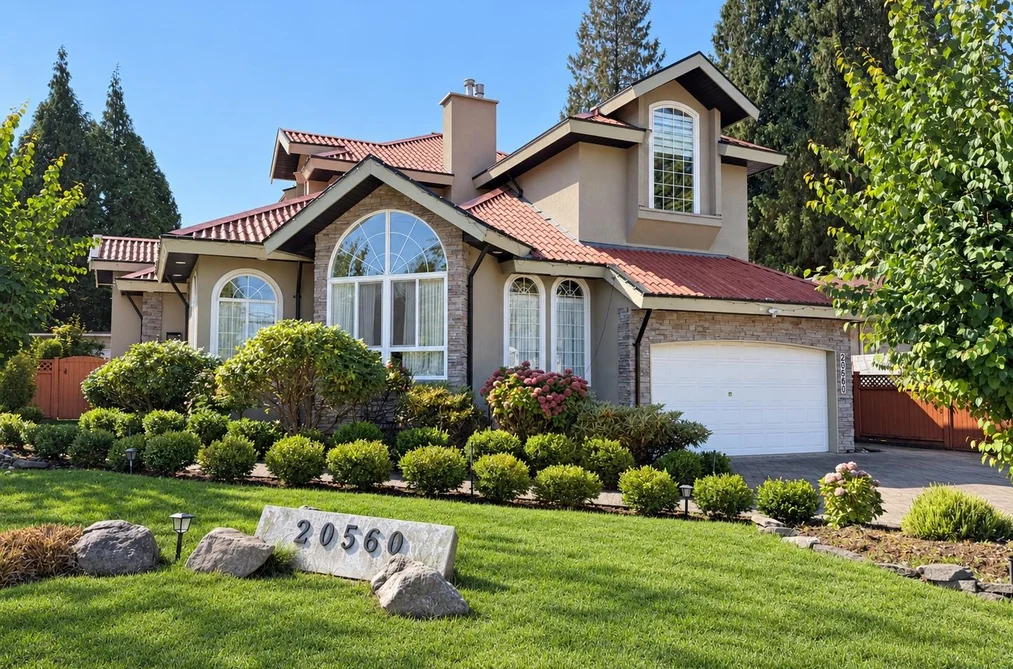

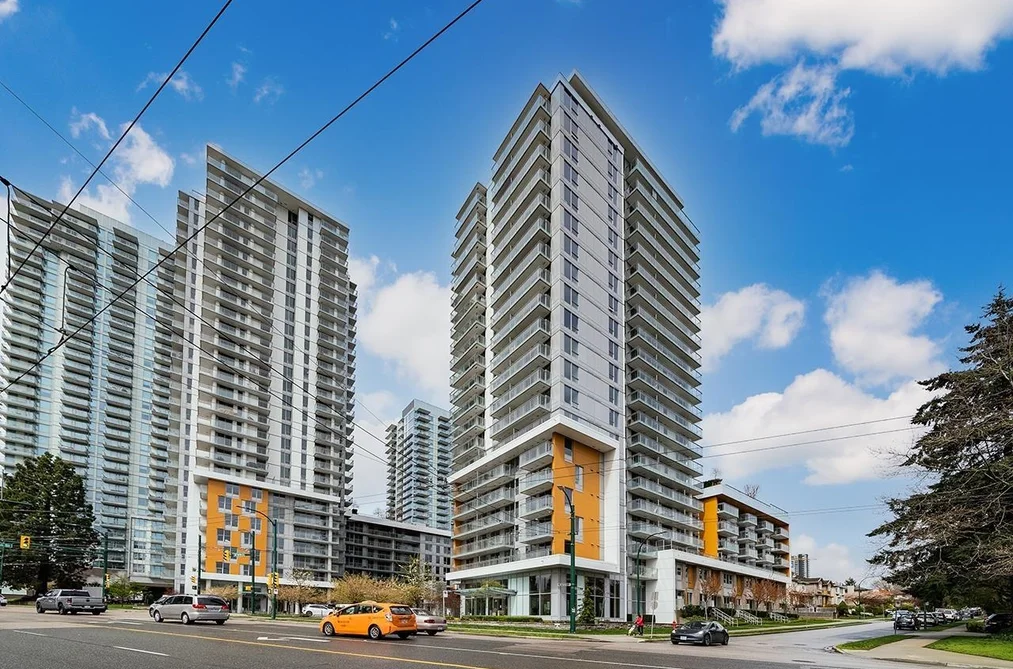
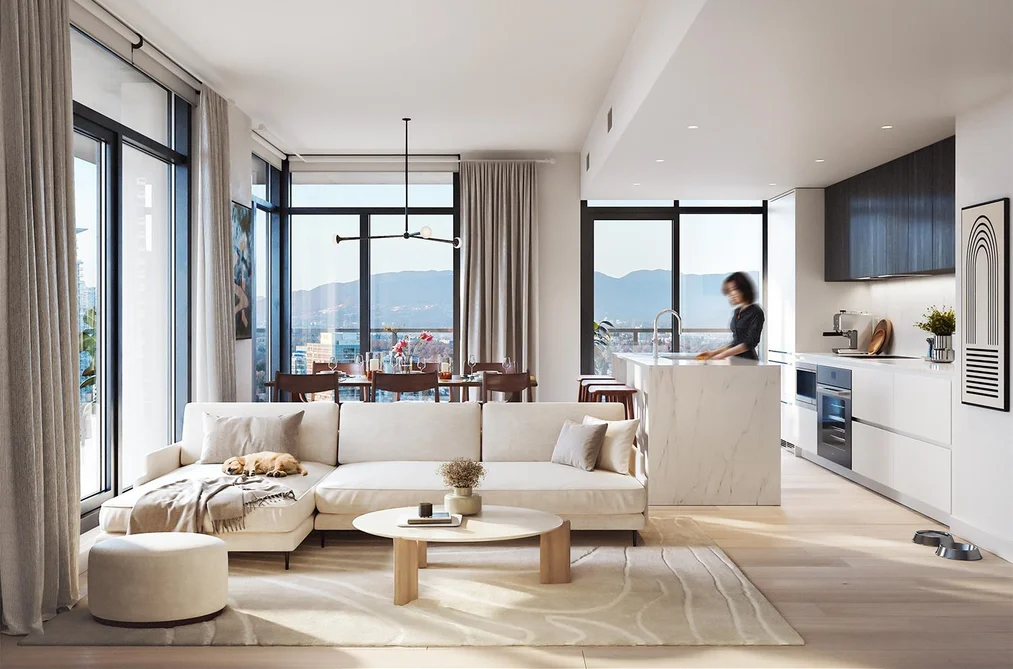
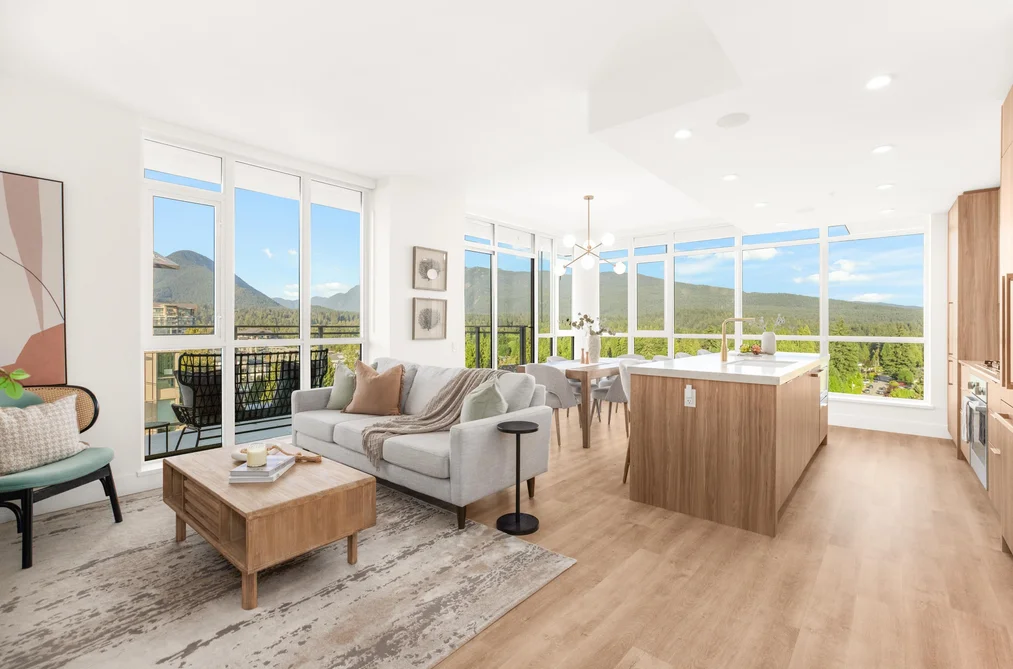
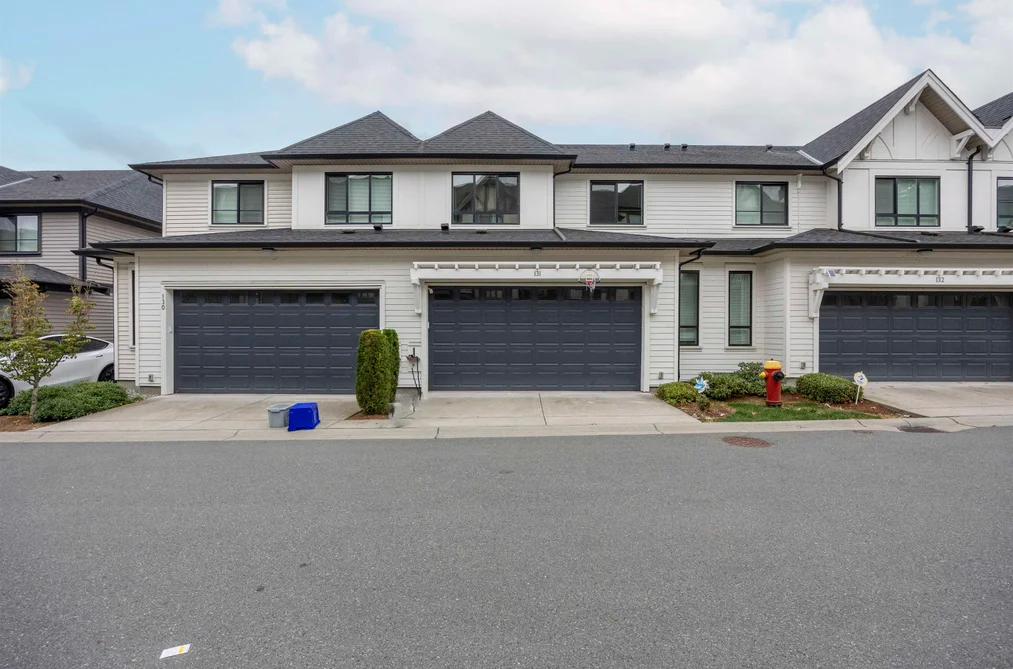
Balcony listings highlight homes whose outdoor space above ground is generous enough to use, mostly condos along with townhouses and houses with upper decks, so check how much of it you can really use and what the rules allow before you pay for it.
Depth matters more than length. A long, narrow balcony may fit only a row of chairs, while a deeper one holds a dining table with room to walk around it. Ask the listing agent for the dimensions and measure during your viewing. In condo buildings, corner homes and those above a setback in the tower often have the largest balconies.
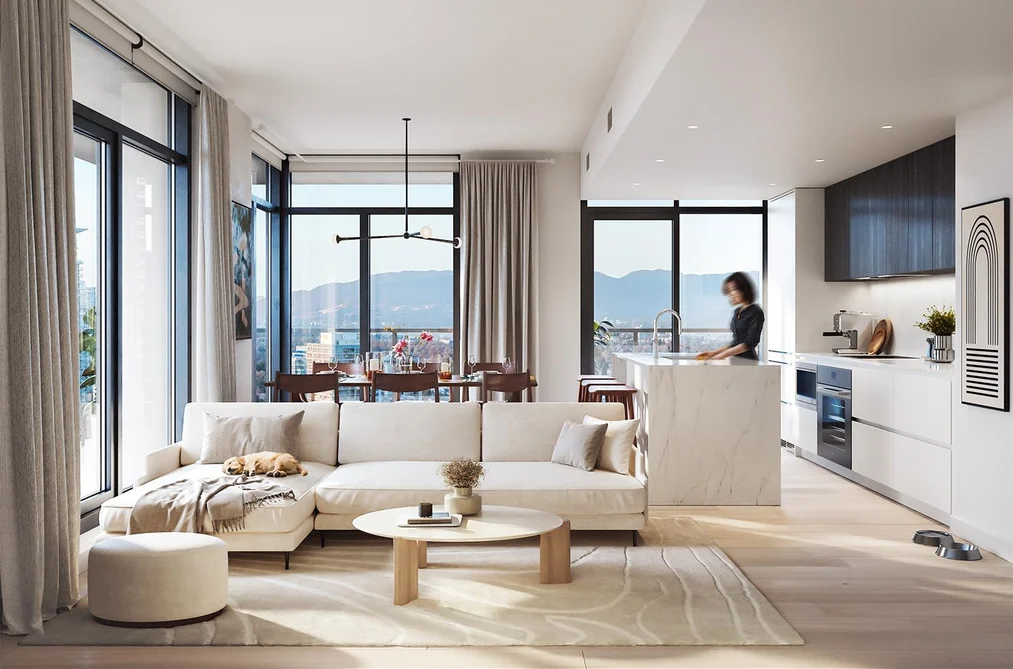
Look at how the balcony connects to the home, since a balcony off the living room and one off a bedroom are used very differently in daily life and valued differently in real estate terms. A wide sliding door from the living room makes it part of daily life; a narrow door from a bedroom makes it a place you rarely use.
A balcony in a strata is almost always limited common property: yours to use, but governed by the bylaws. Read them for barbecues, planters and their weight, privacy screens, smoking, drying laundry, bird netting, lighting and furniture. Some buildings restrict what can be seen from the street, and many ban open flame. Ask whether any existing fixtures were approved.
A south or west-facing balcony catches the sun and warm evenings; a north-facing one stays shaded. Higher floors are windier, which affects umbrellas, plants and how often you will sit out. Check what the balcony looks at and who looks at it: neighbouring balconies, towers across the street or a quiet garden.
Listen for noise from traffic, SkyTrain or neighbouring patios, and visit at the times you would use the space. In BC buildings near busy roads, a balcony facing the courtyard is often worth more to a buyer than a larger one facing the street, so compare both sides of the building before you decide.
Balconies are exposed to every storm, and their membranes, drains and railings need replacing over the life of a building. Balcony remediation can bring a large special levy, and owners with large balconies may carry a bigger share. Read the depreciation report, minutes and contingency reserve fund for balcony work, and ask whether glass railings have had breakages or clip failures.
For a house or townhouse, check the balcony's structure and whether it sits over living space, where a leak would reach the rooms below. Ask whether it was built with a permit and when the surface and railings were last redone, and look at the soffit underneath for staining. A balcony off a bedroom and bath upstairs is a pleasure on a summer morning, but only if it drains properly.
A large balcony adds outdoor living that many condos lack and often carries a premium. Compare the listing with similar homes in the same building with smaller balconies, and speak to your realtor about how buyers in the neighbourhood value it, and how it compared at recent open house showings. Remember that lenders base the mortgage on the whole home, so the balcony should add to a good purchase rather than justify a weak one.
Supply is very broad, from condos across Greater Vancouver to townhouses and houses for sale in Surrey, Langley and Chilliwack. Browse and compare current listings on the MLS® through Strawhomes, visit at an open house if one is held, and shortlist only the homes whose balcony size, exposure and repair record you have checked. Compare them against an enclosed balcony you can use in the rain or an open balcony with fewer rules.