For Sale
3 days
- $14,995,000
- 5 bed
- 7 bath
- 5705 sqft
MLS® R3164719
•Engel & Volkers Whistler
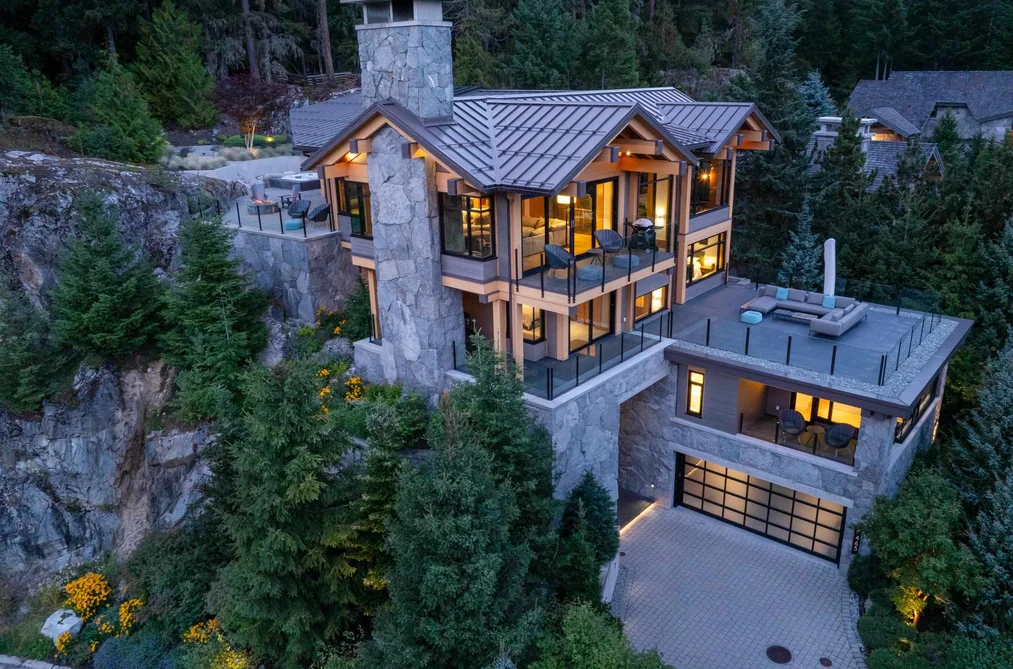
Browse homes for sale with a wine cellar in Greater Vancouver and check cooling, insulation, drainage and what stays with the home before you write an offer.
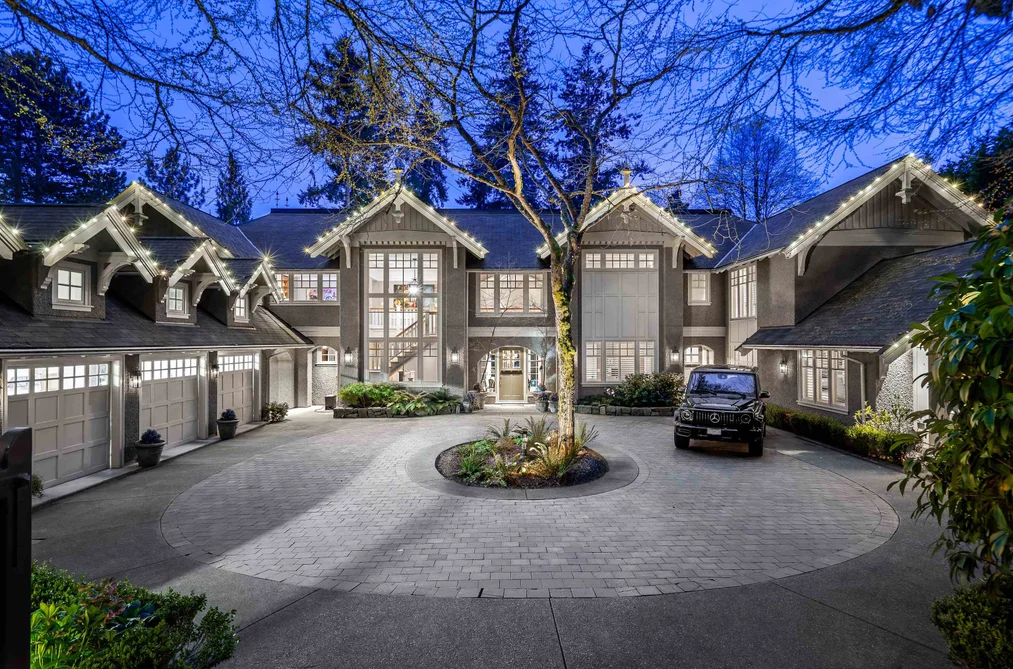
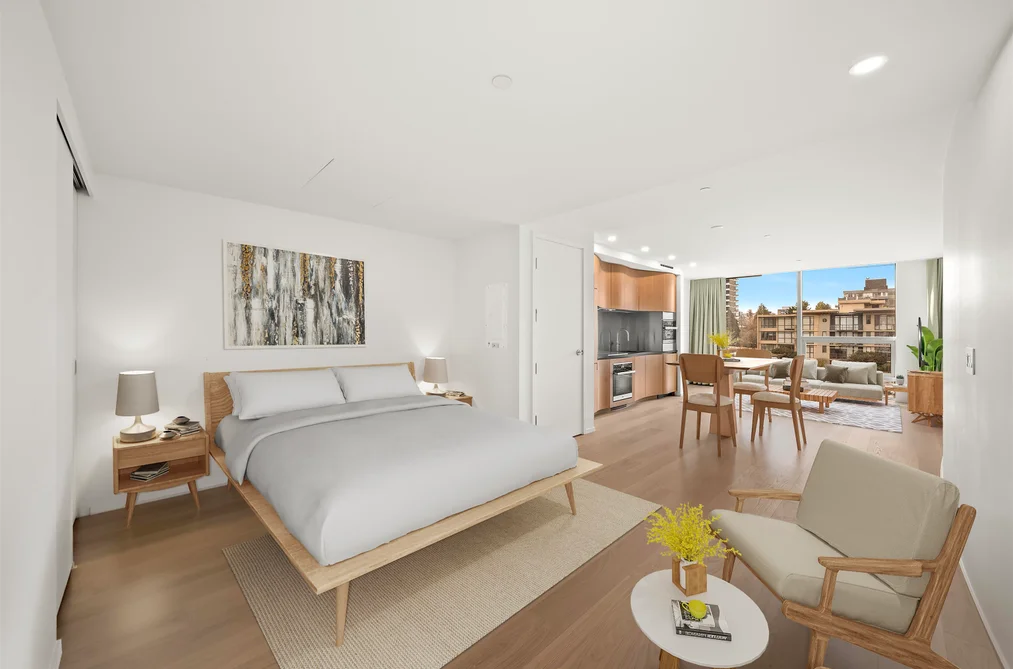
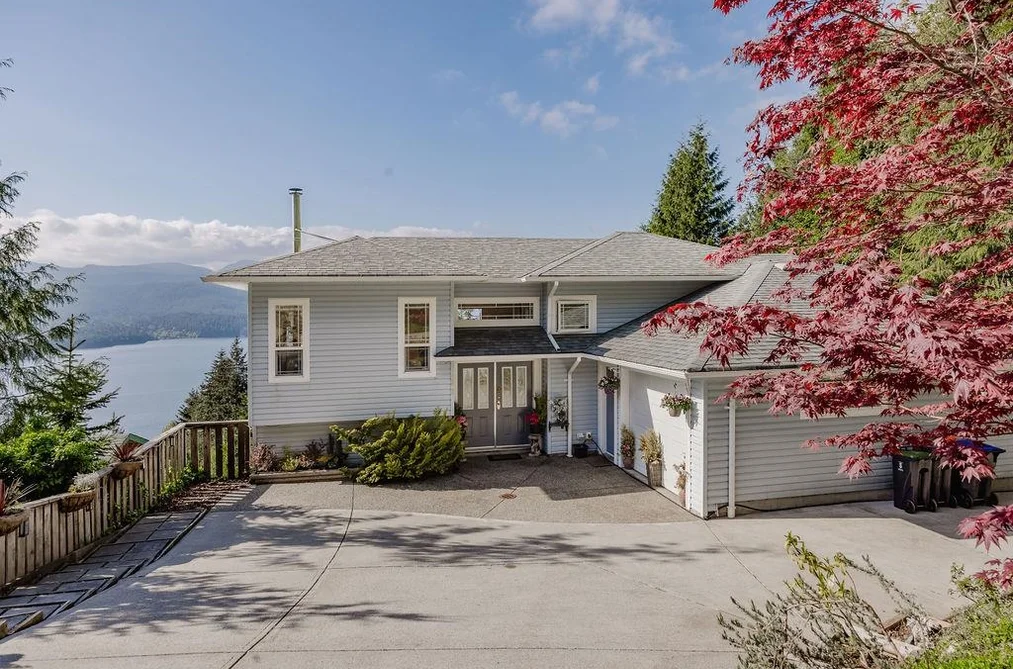
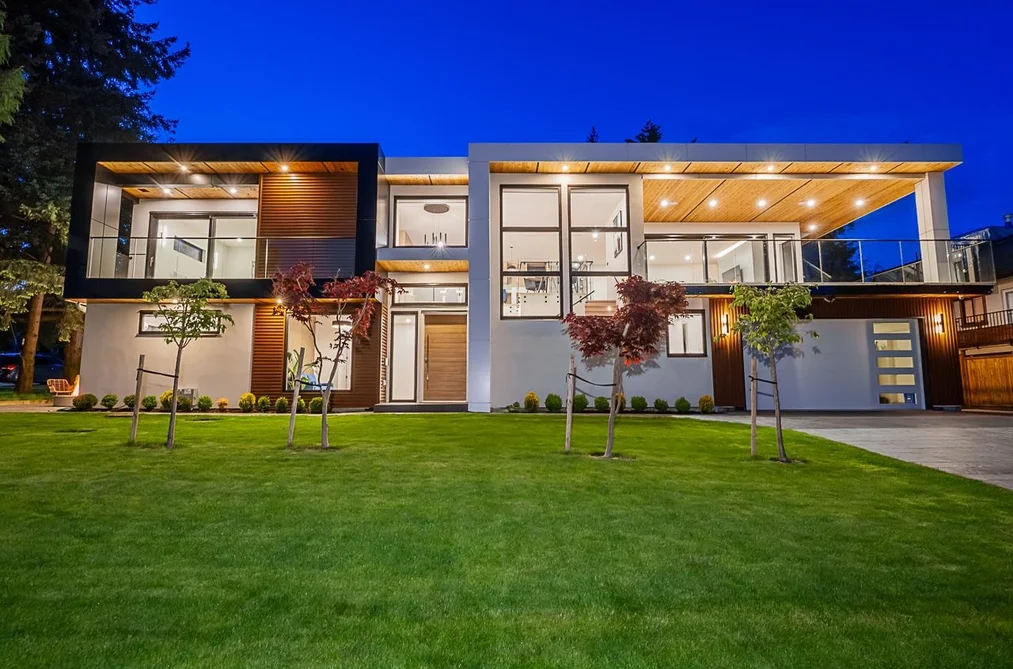
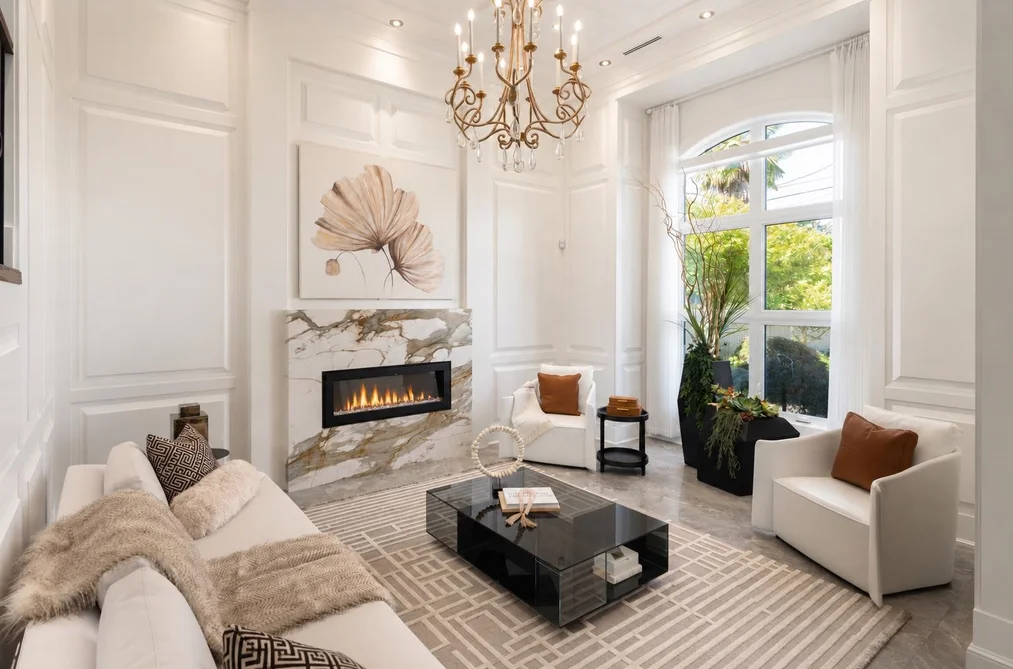
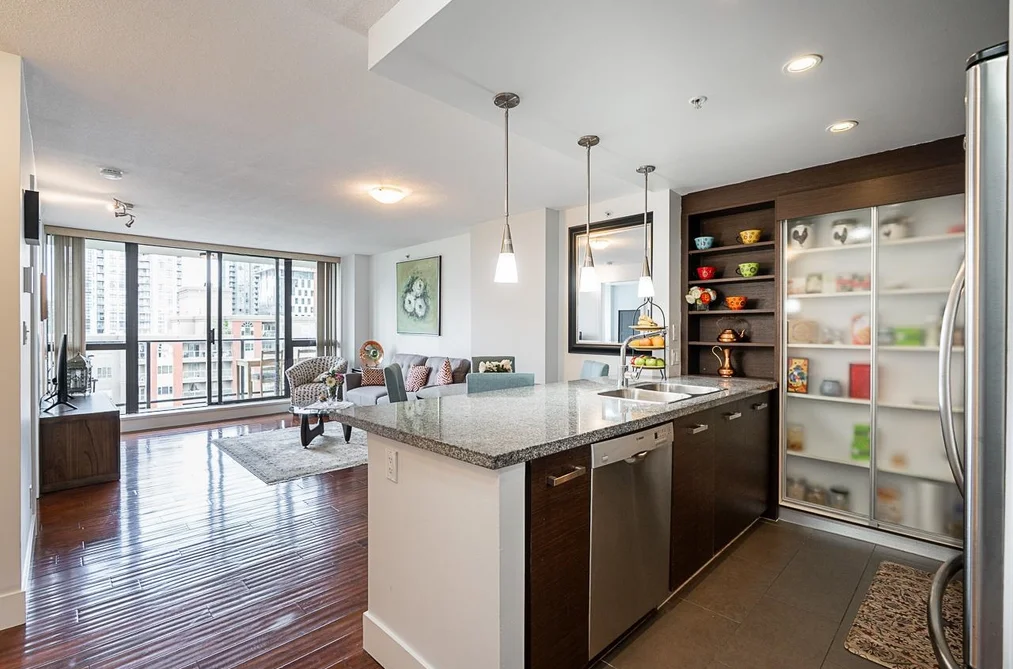
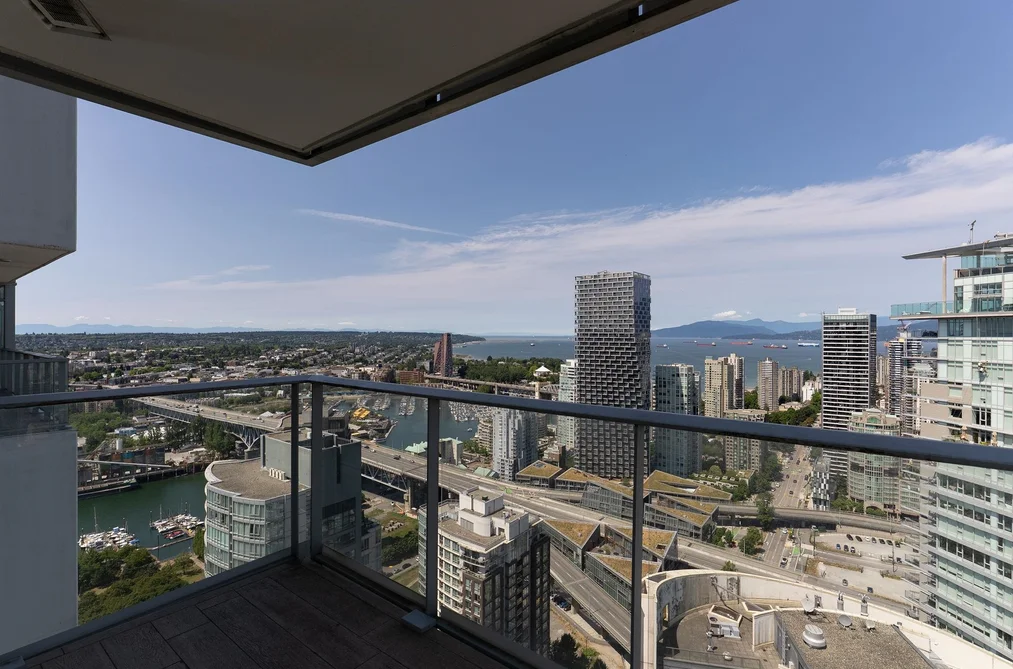
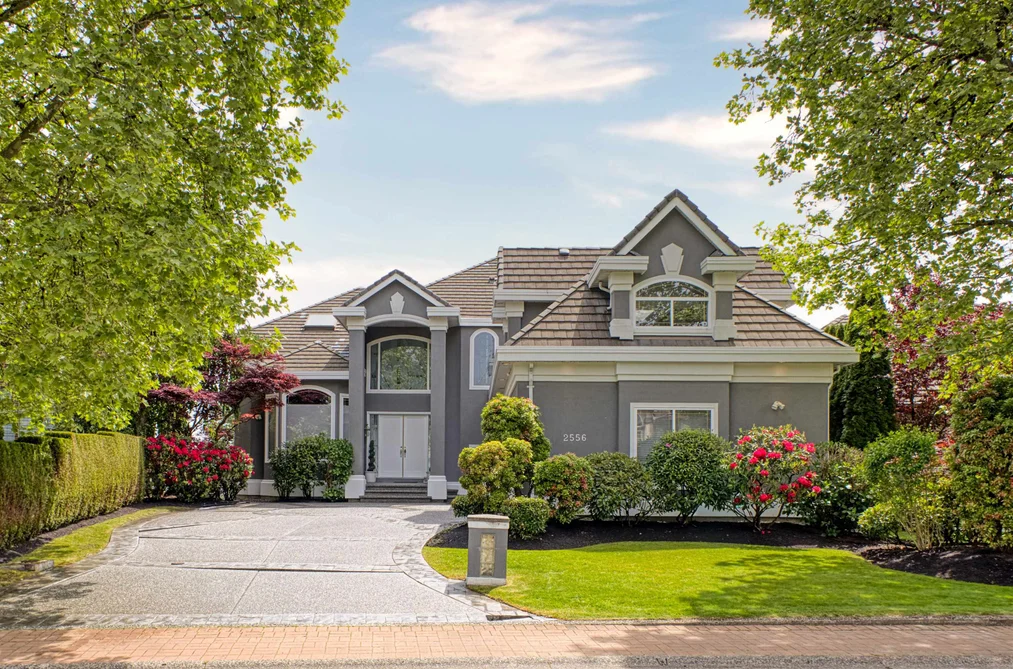
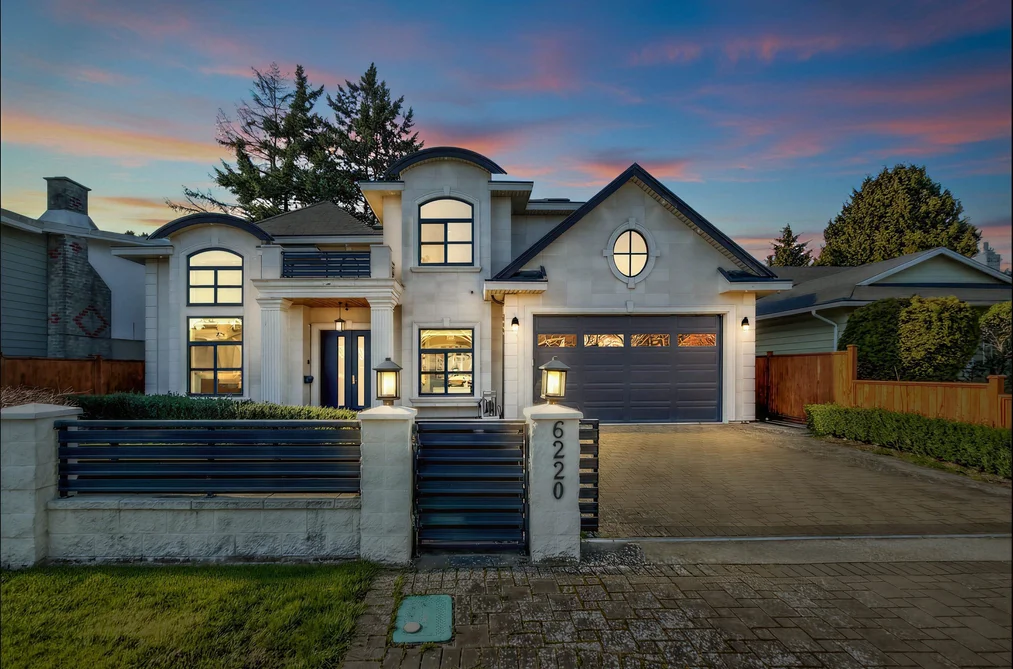
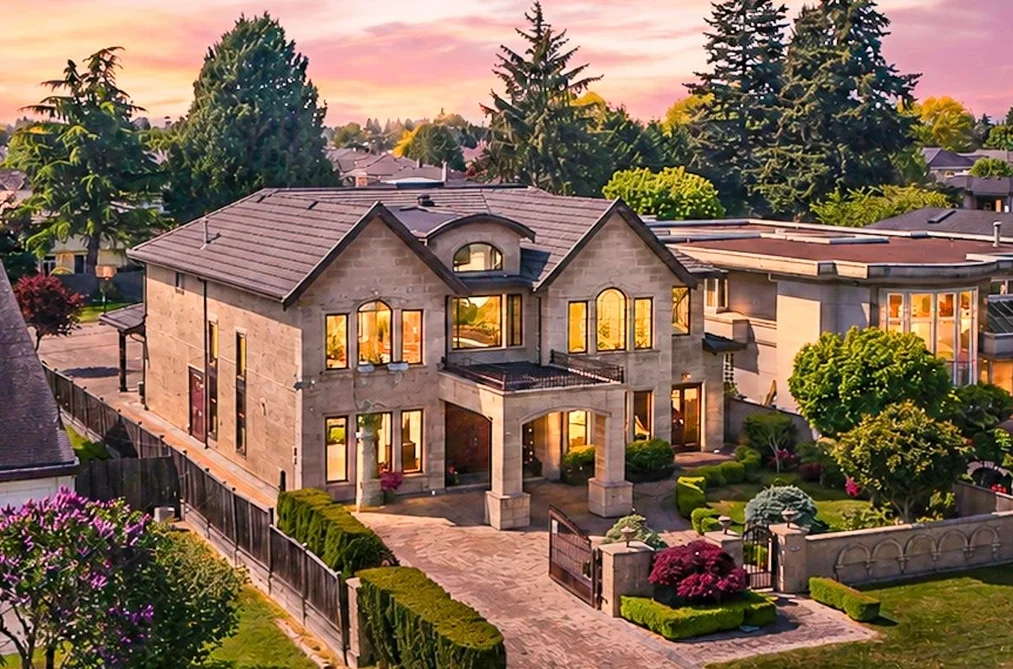
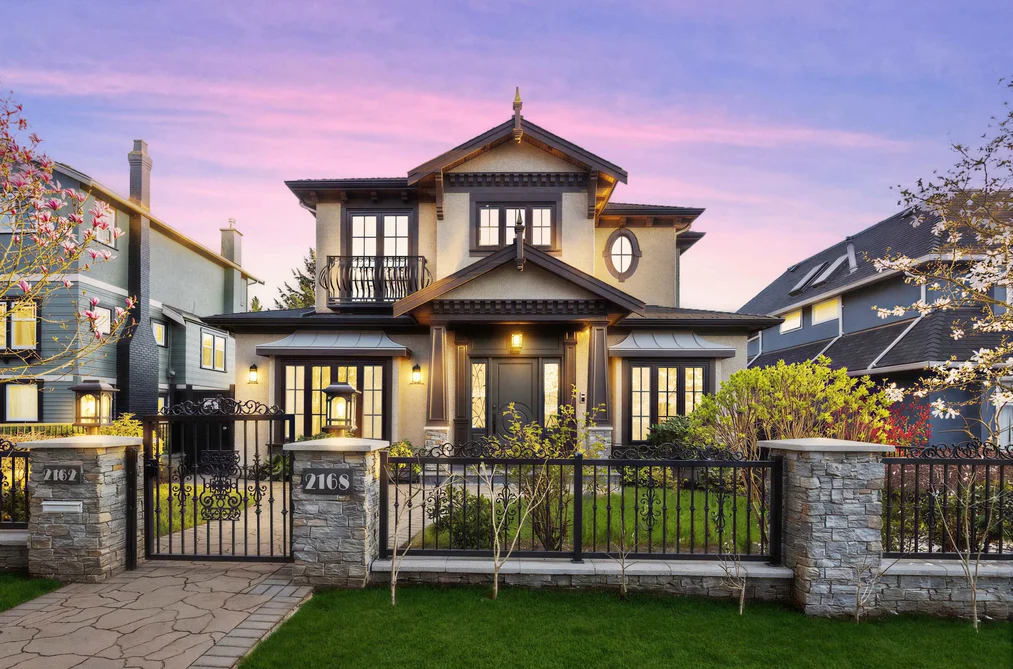
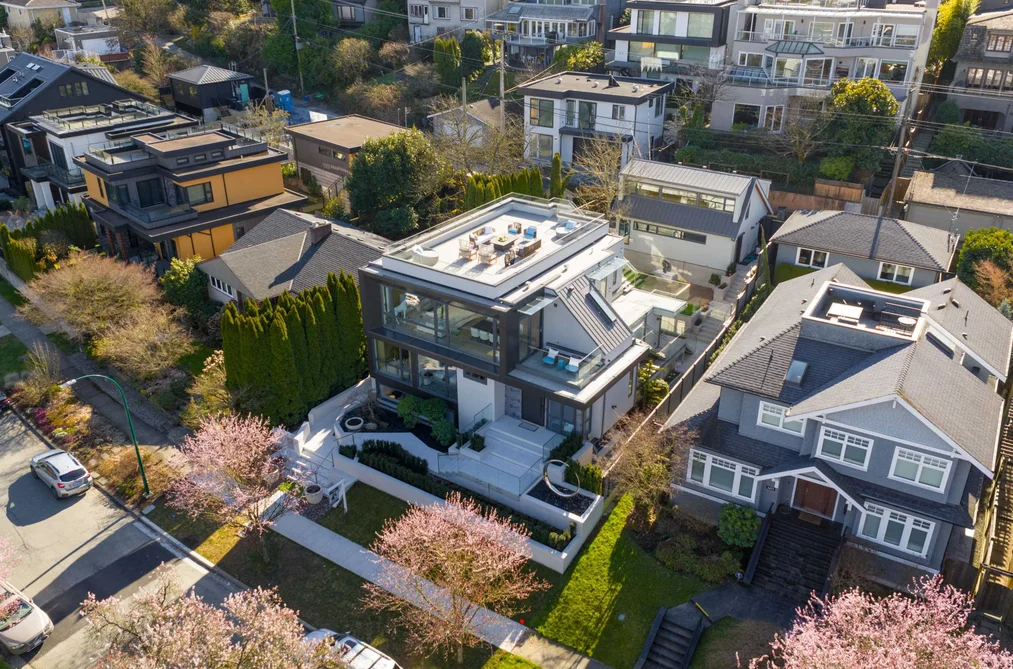
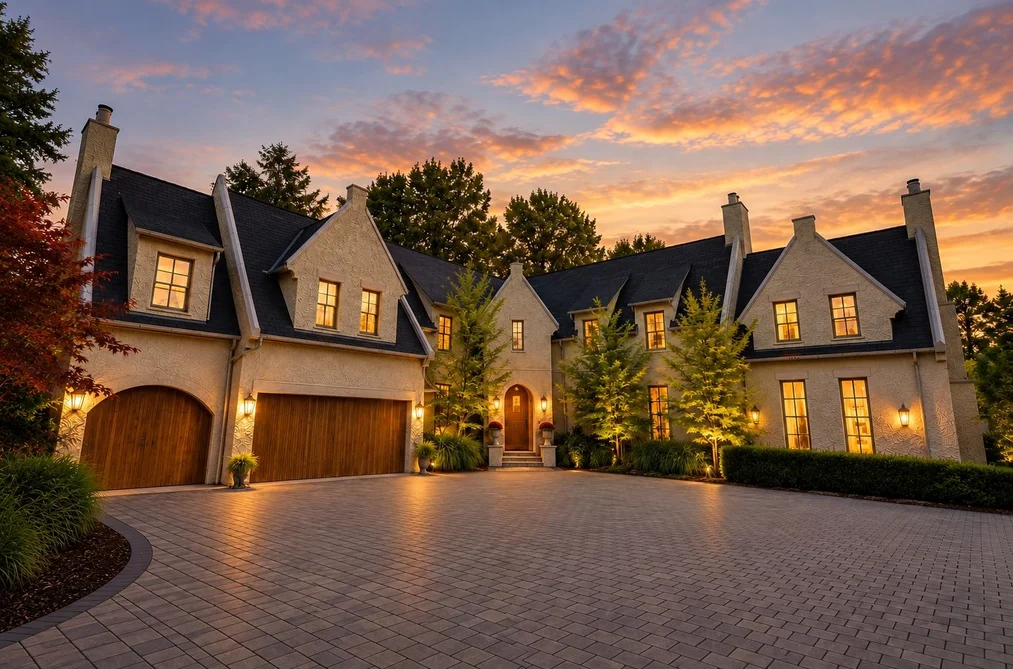
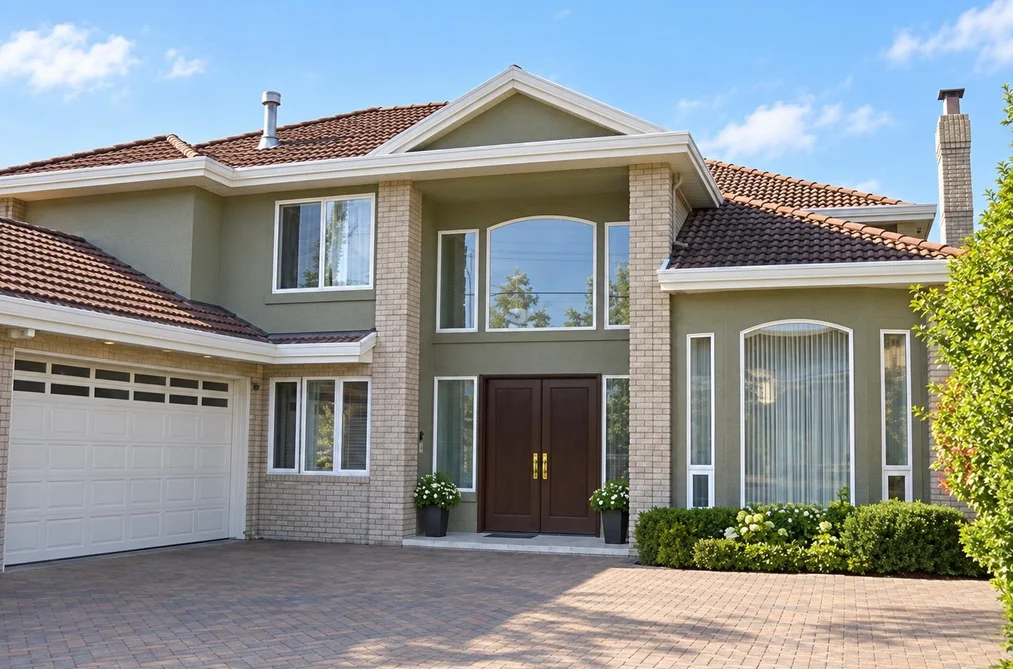
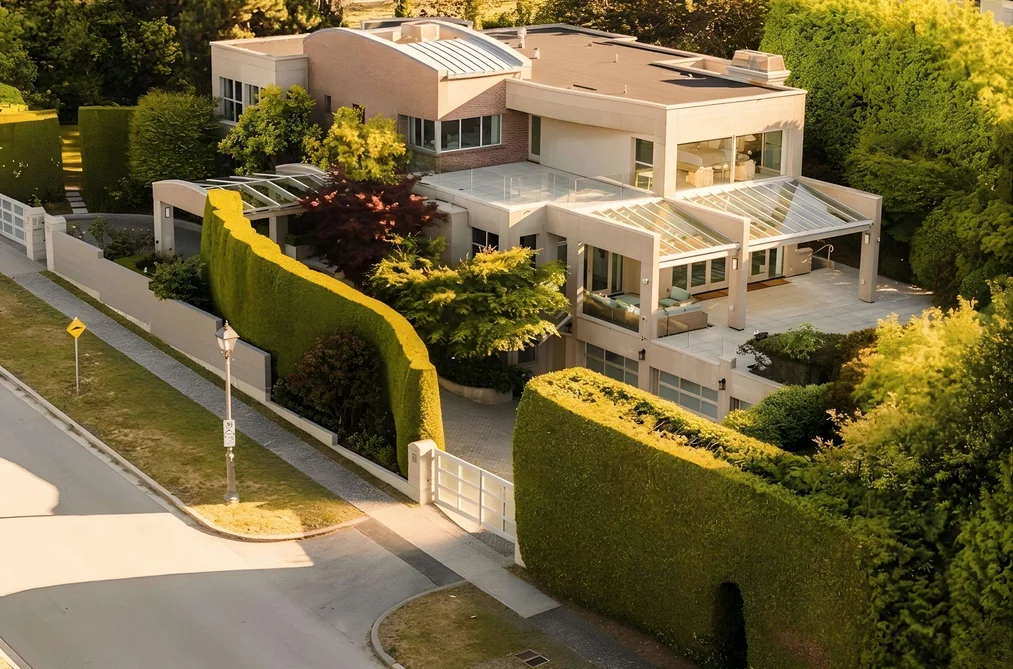
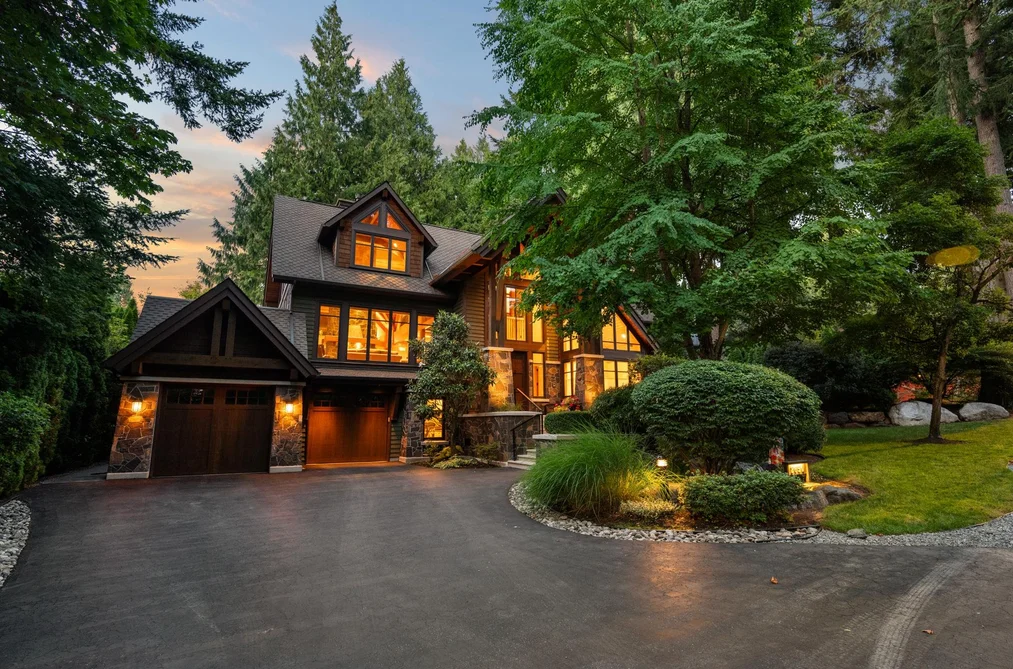
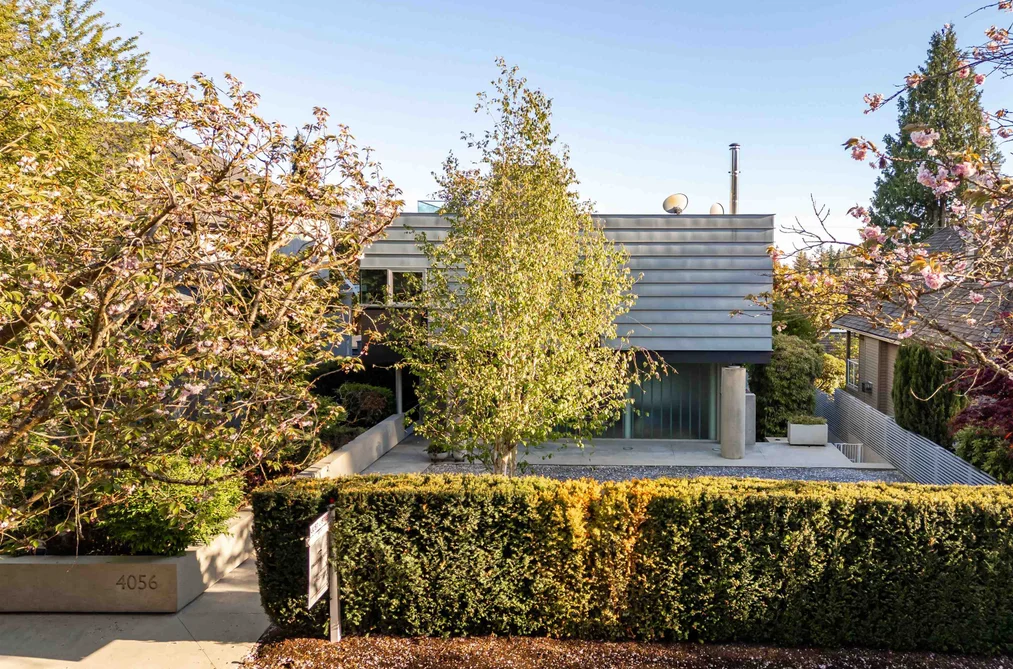
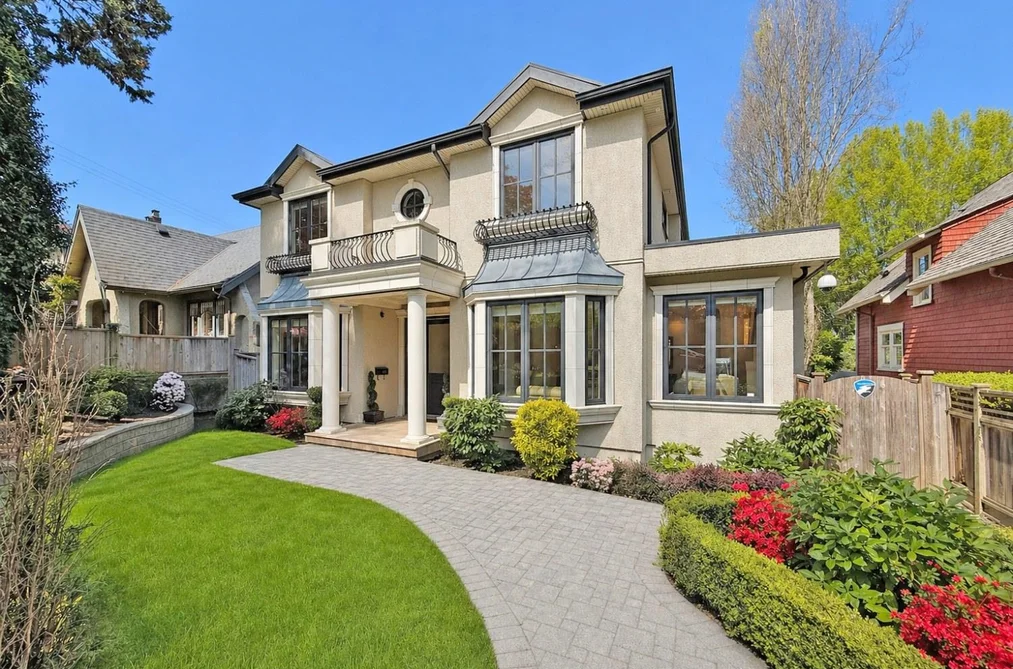
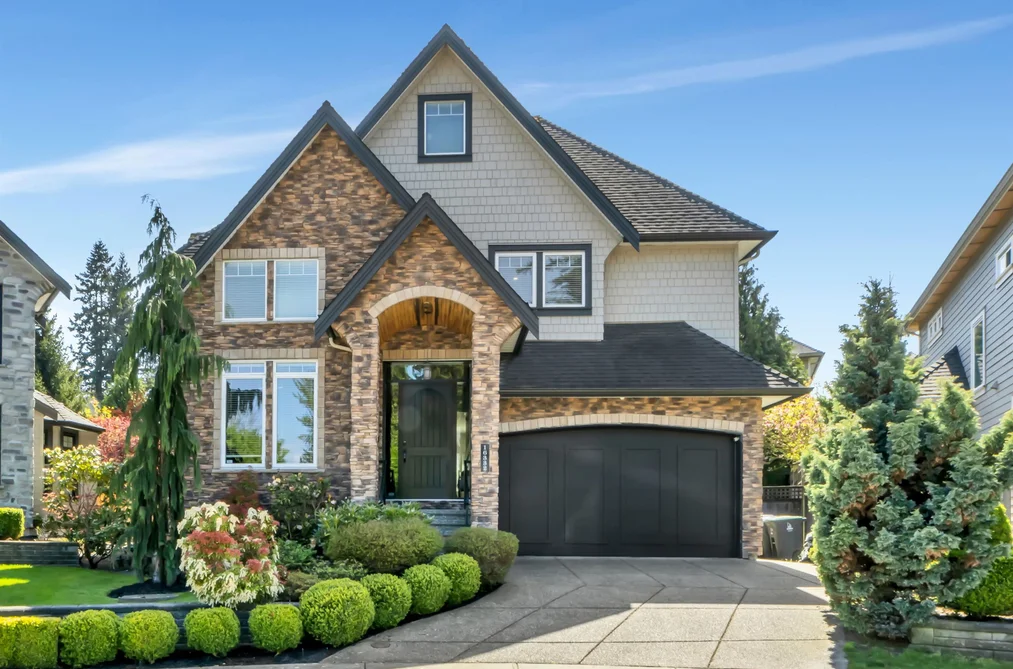
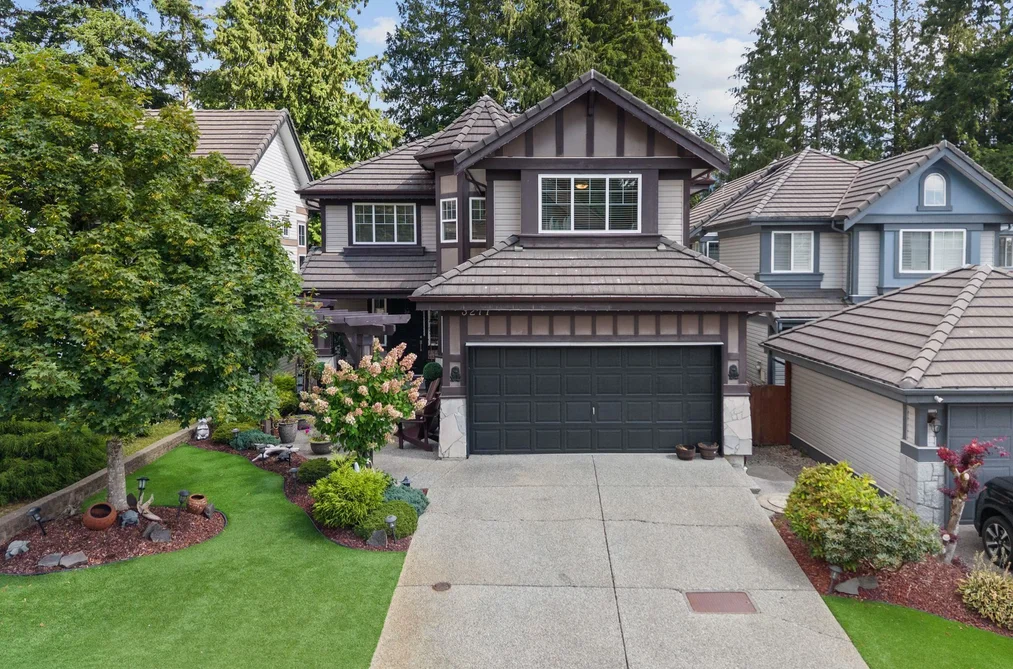
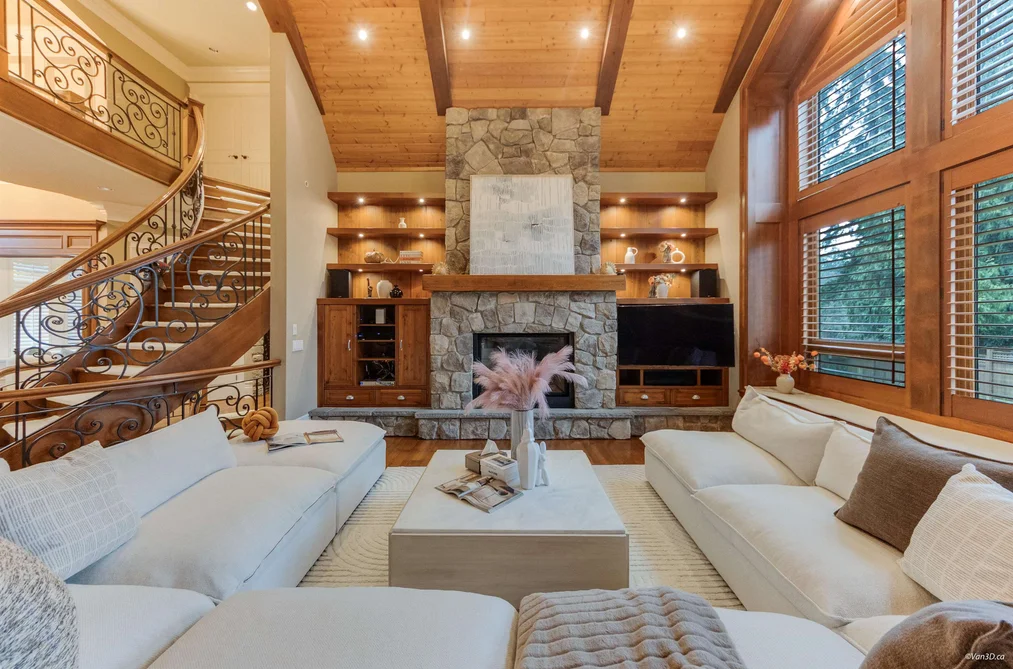
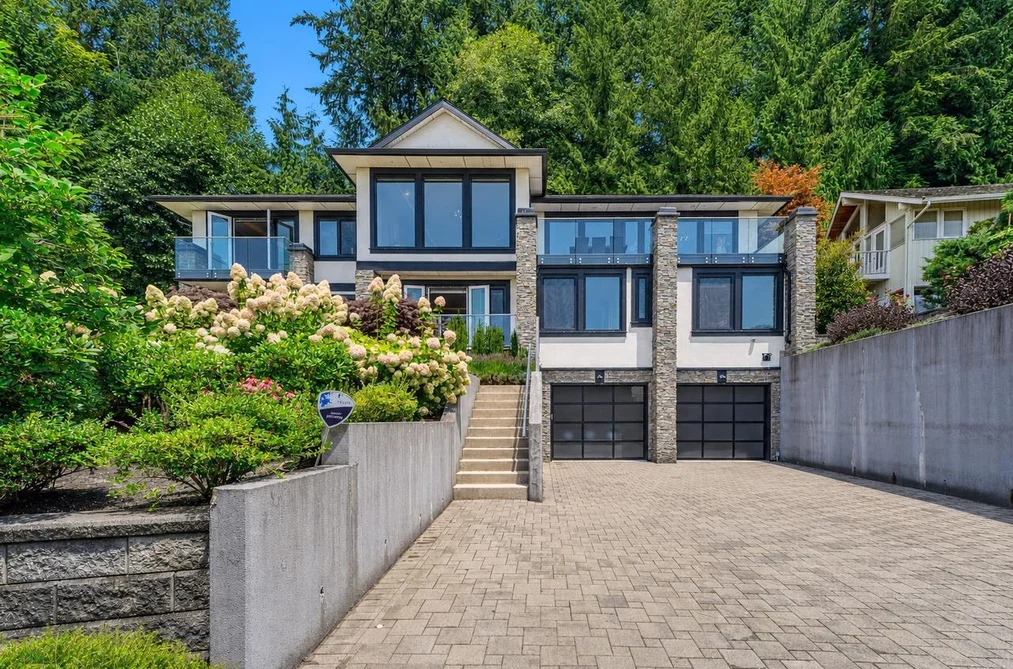
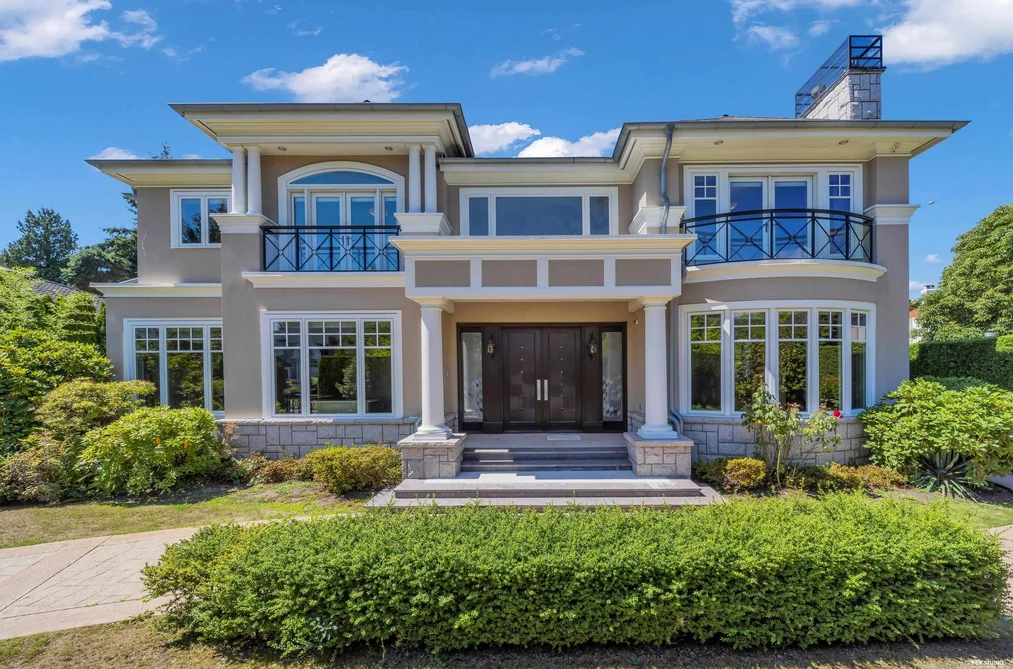
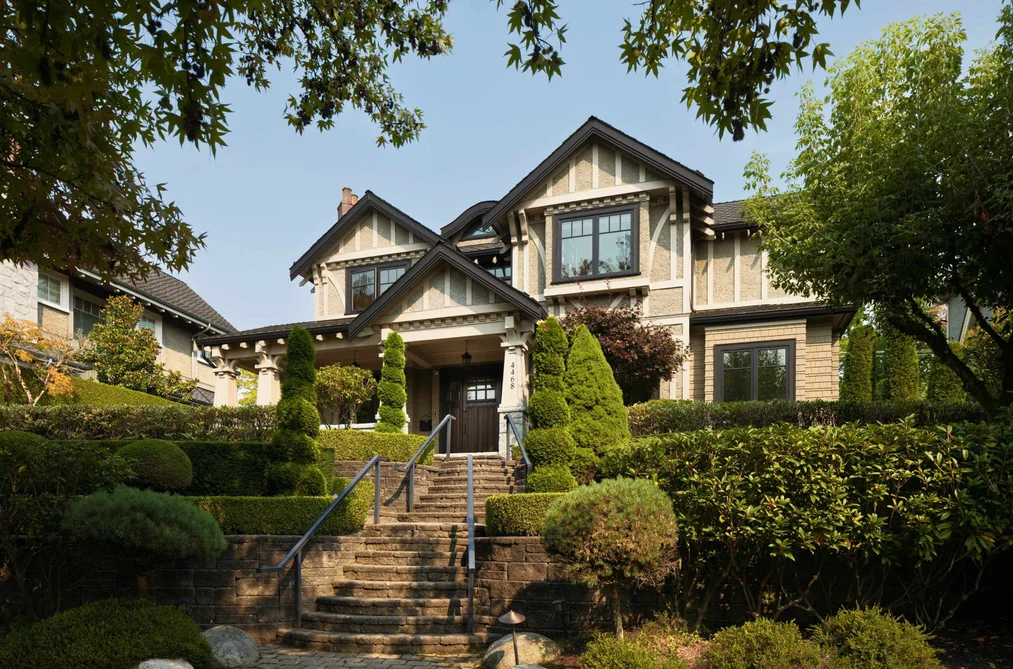

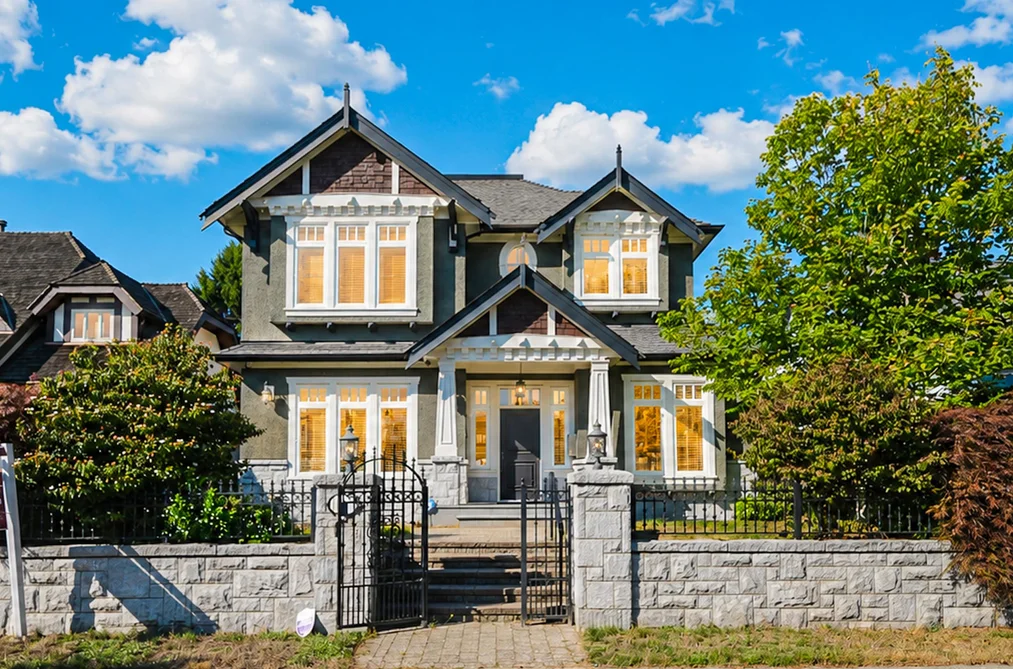
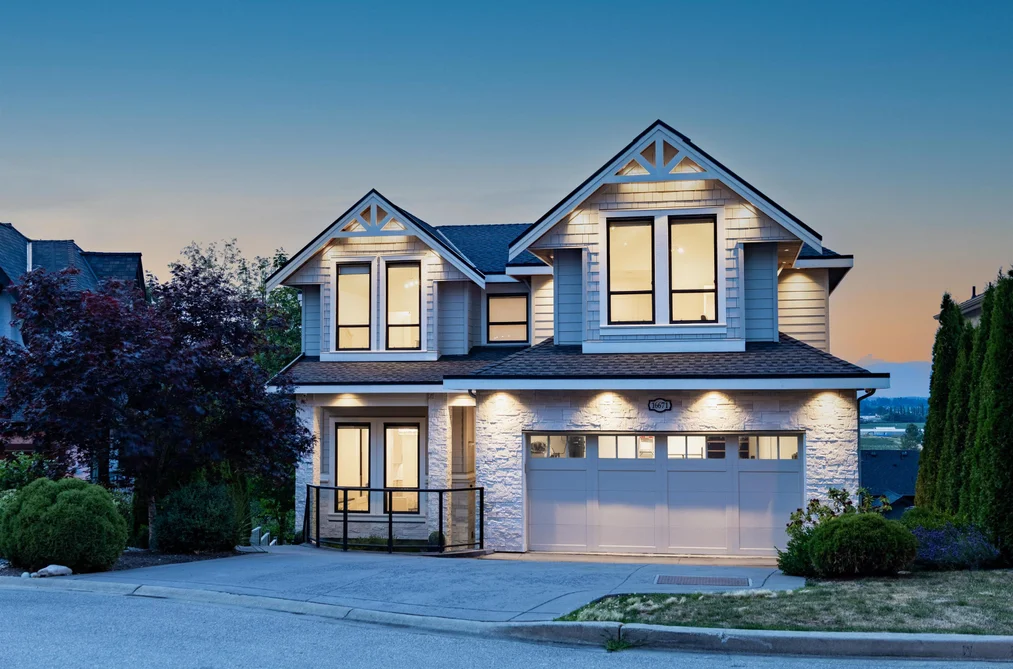
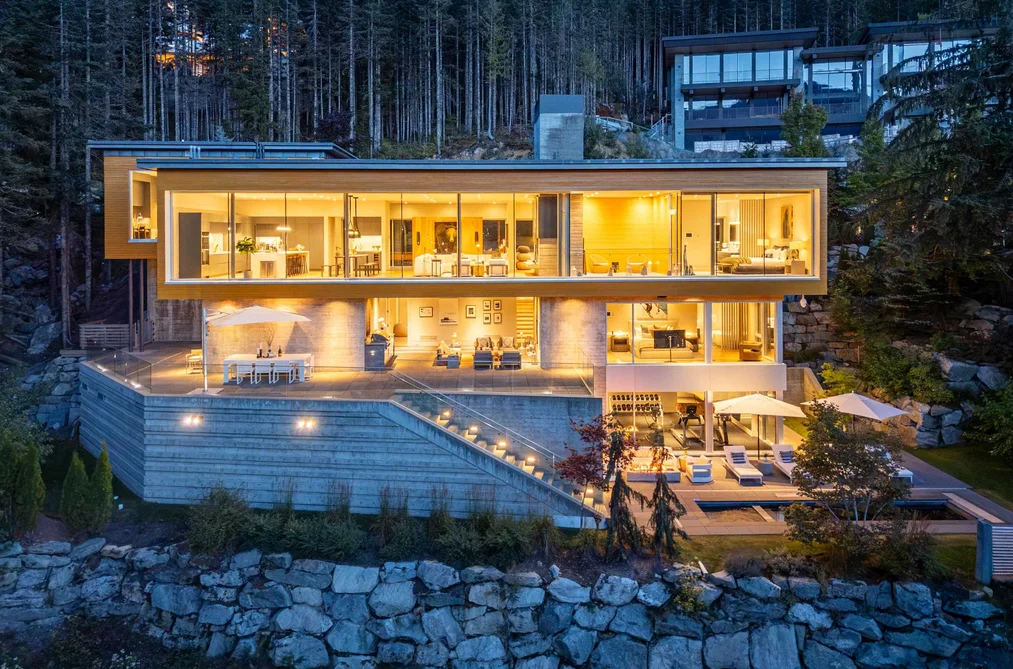
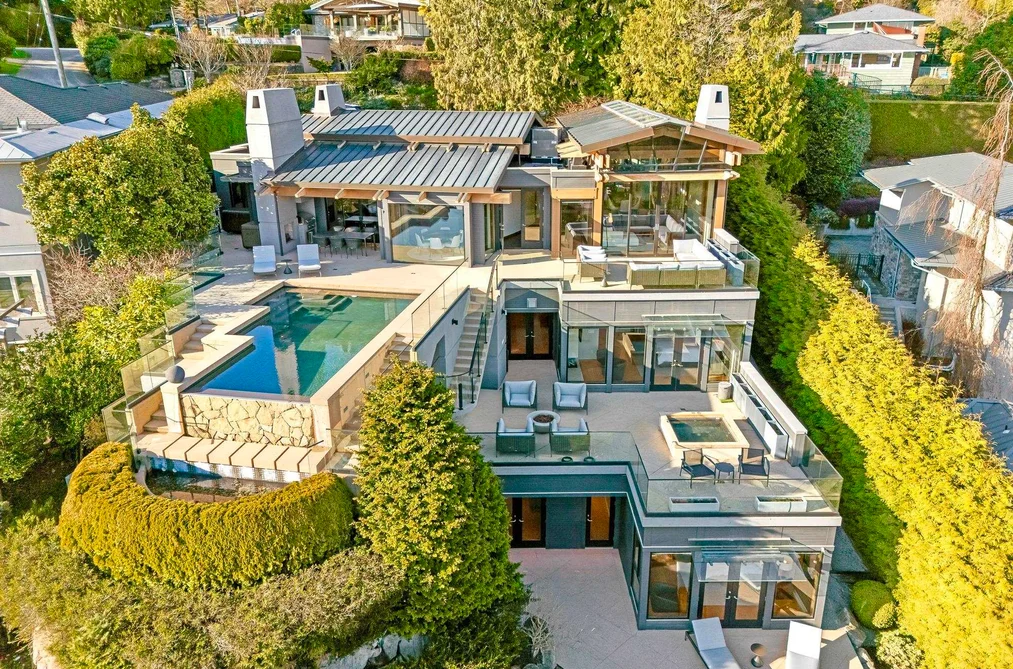

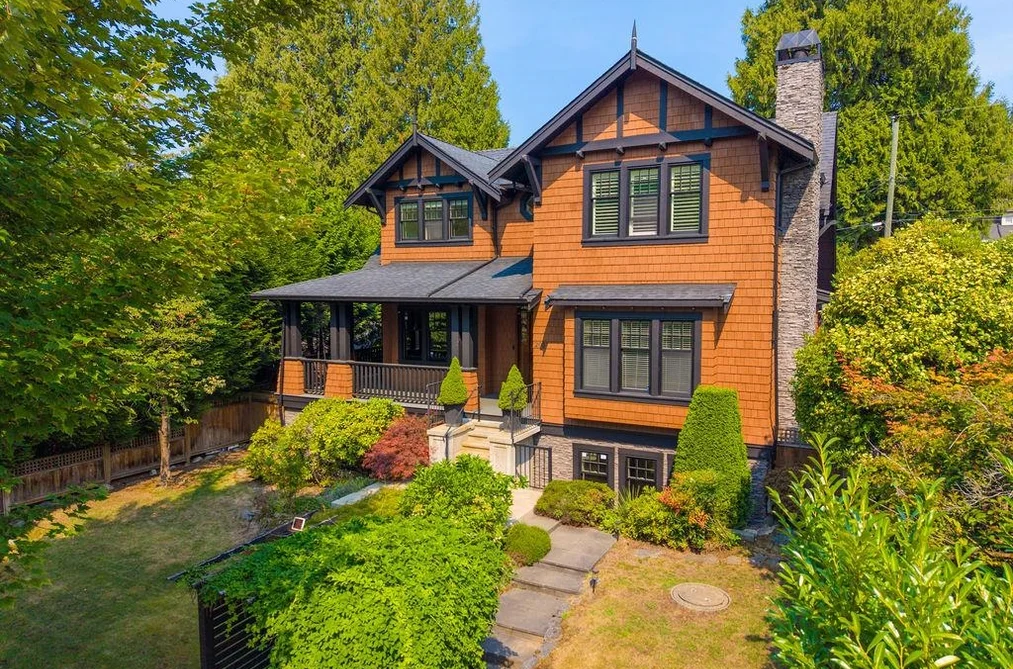
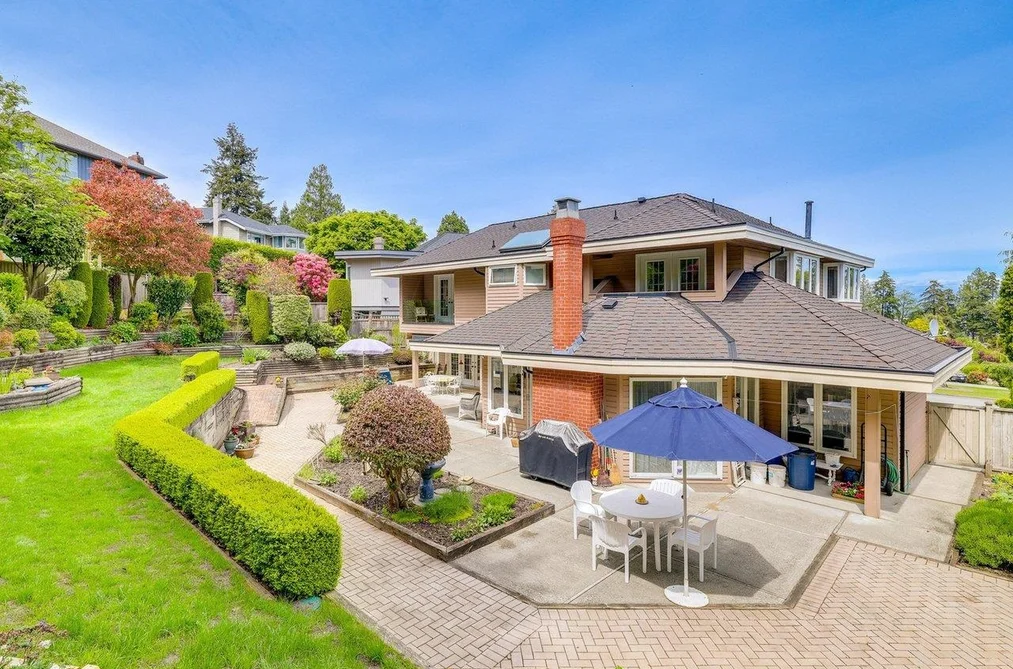
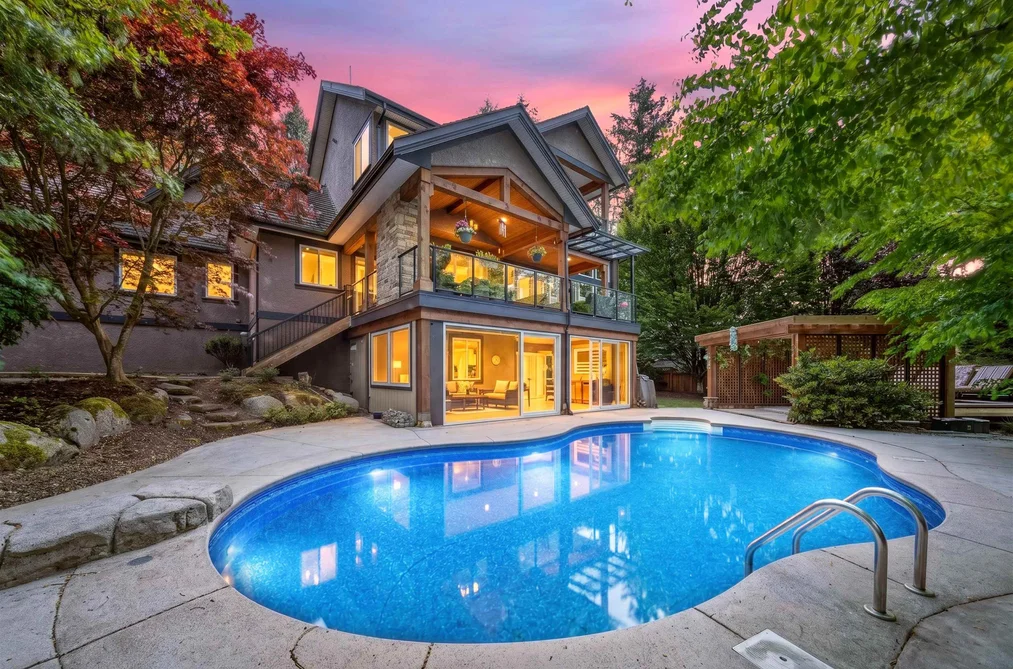
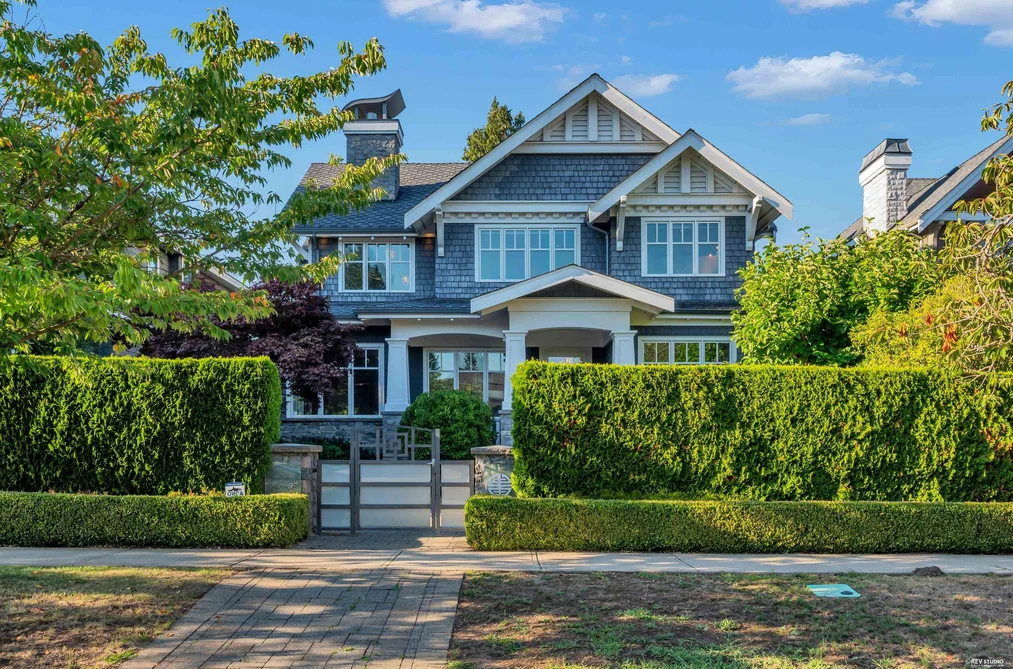
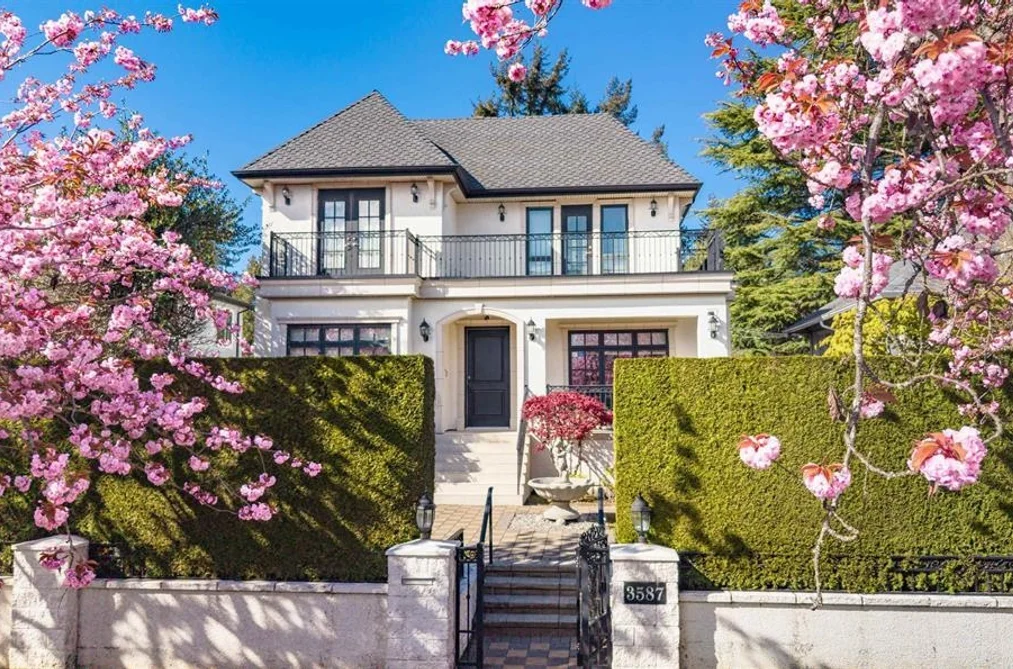
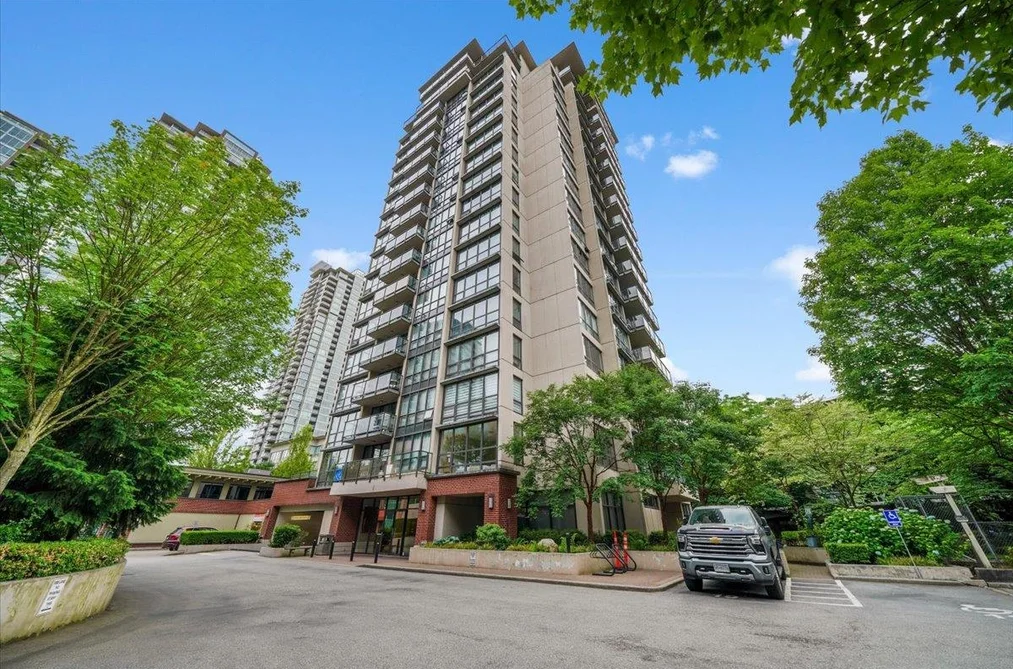
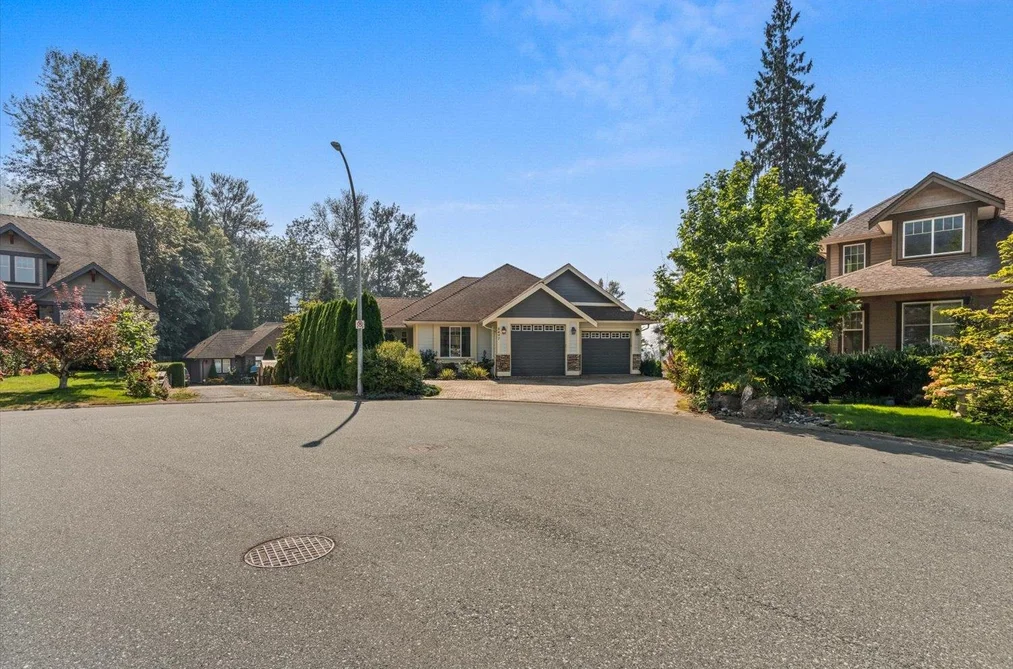
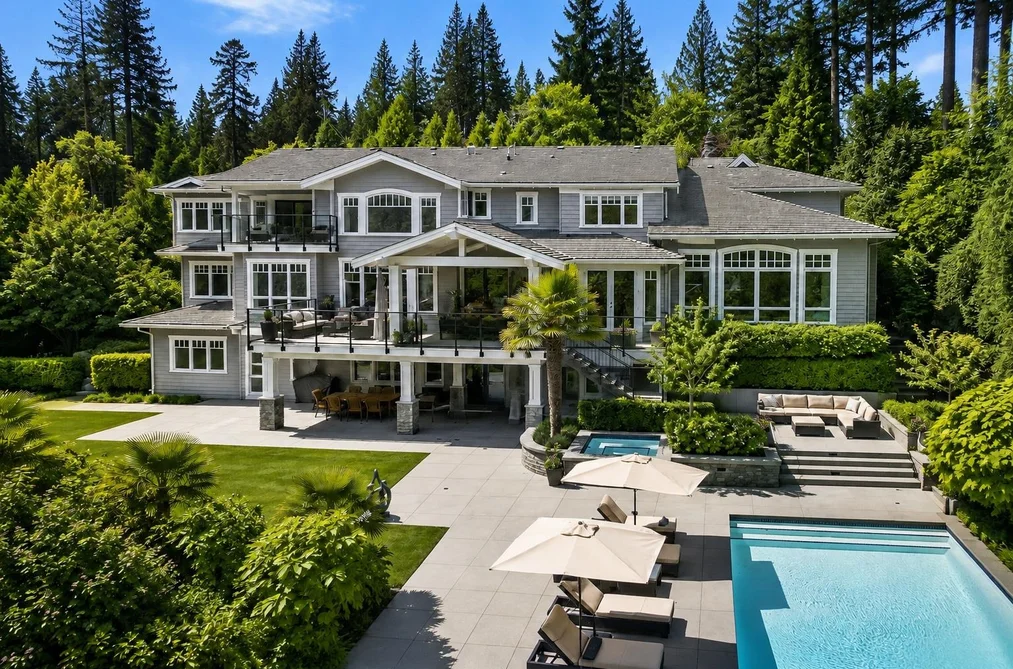
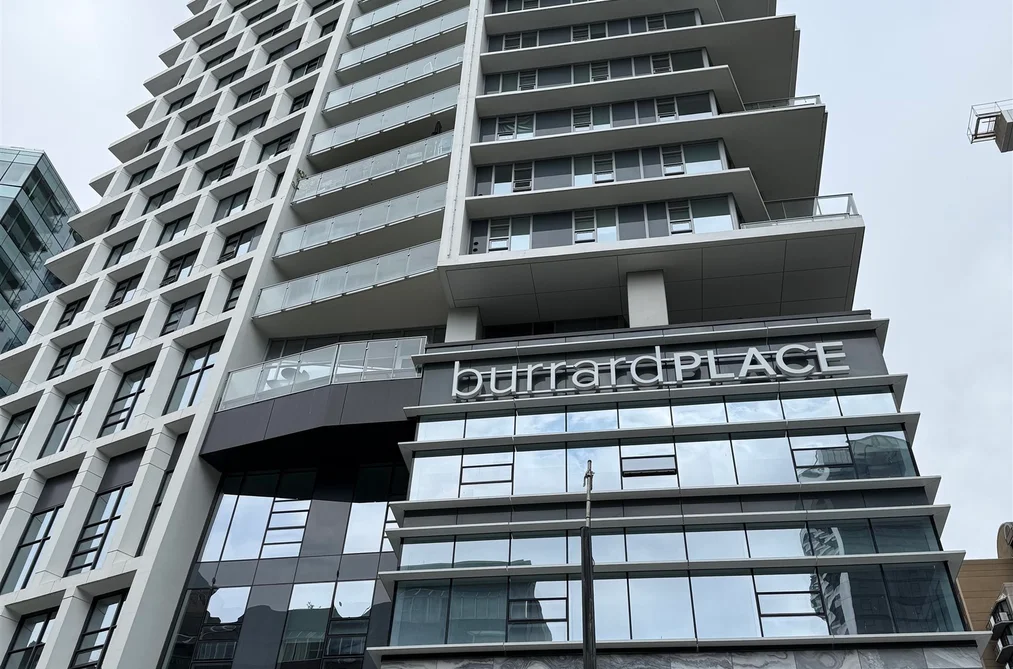
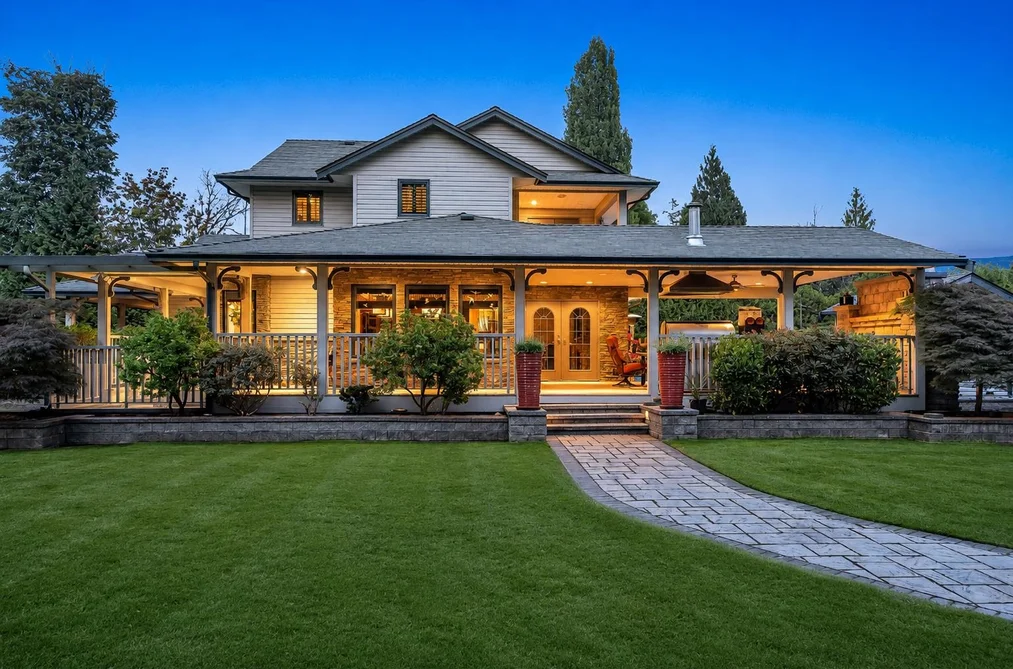
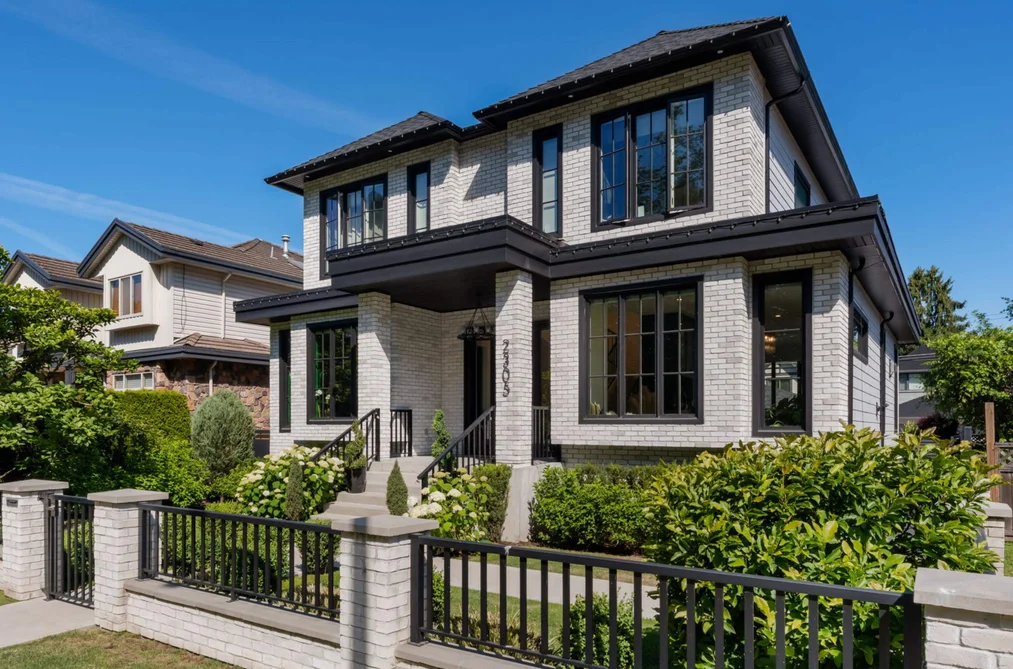
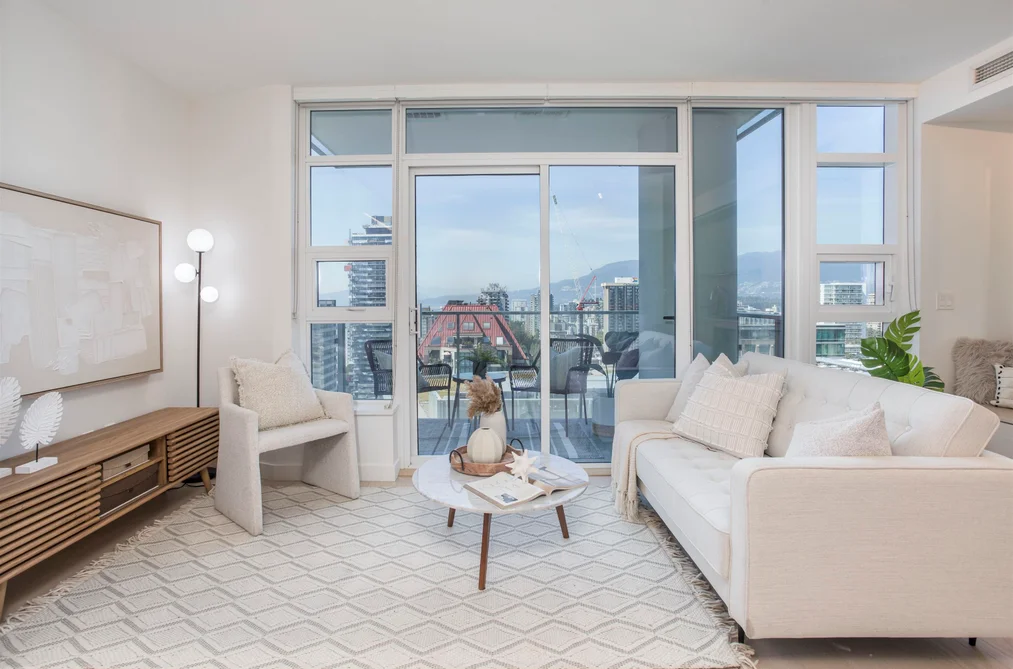
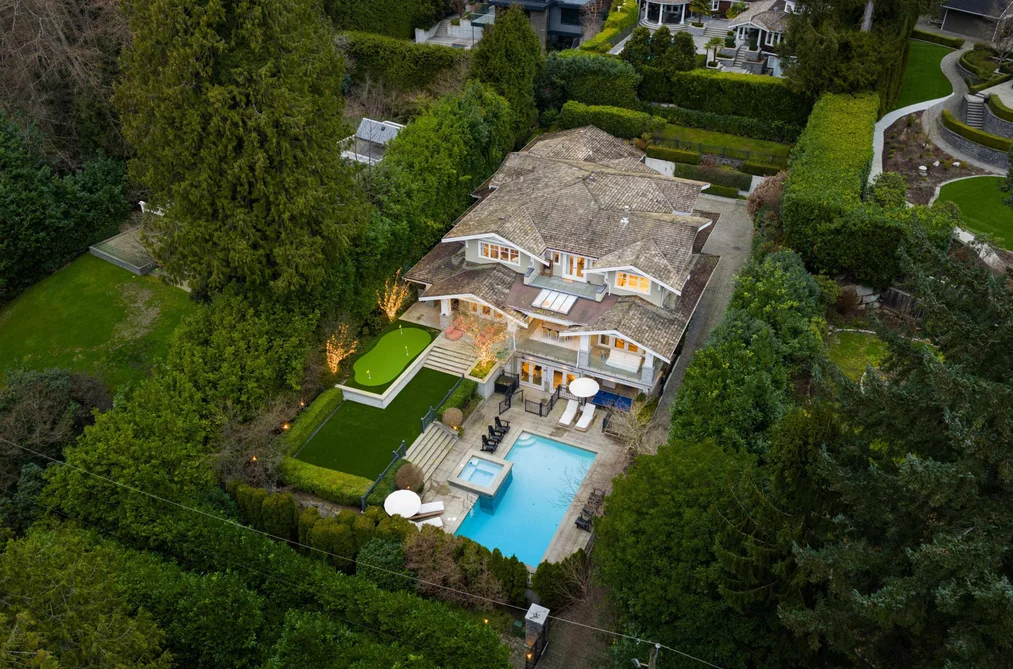
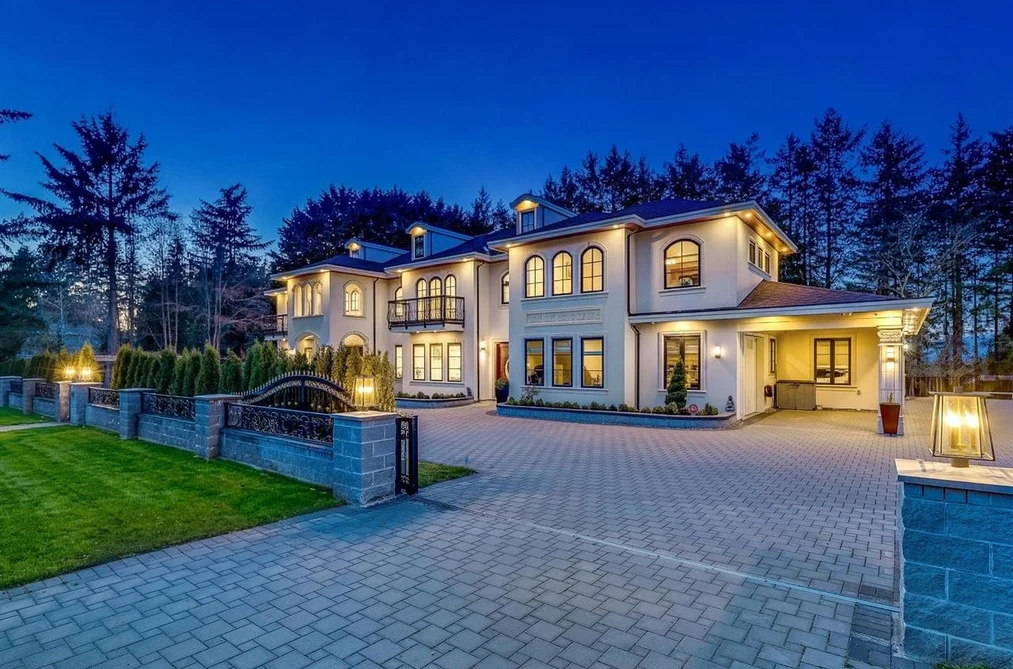
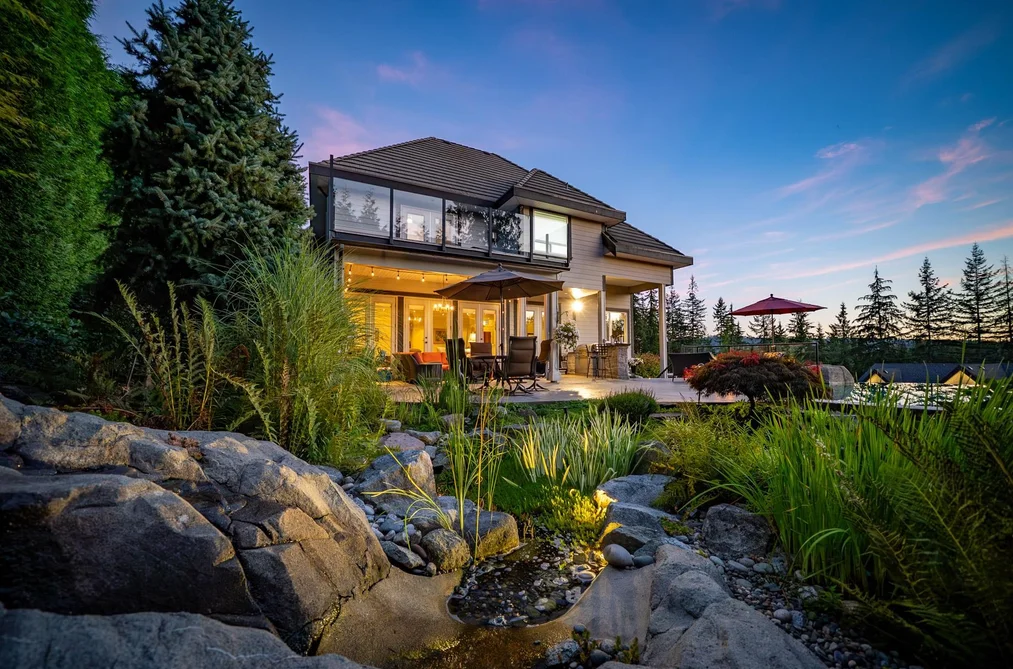
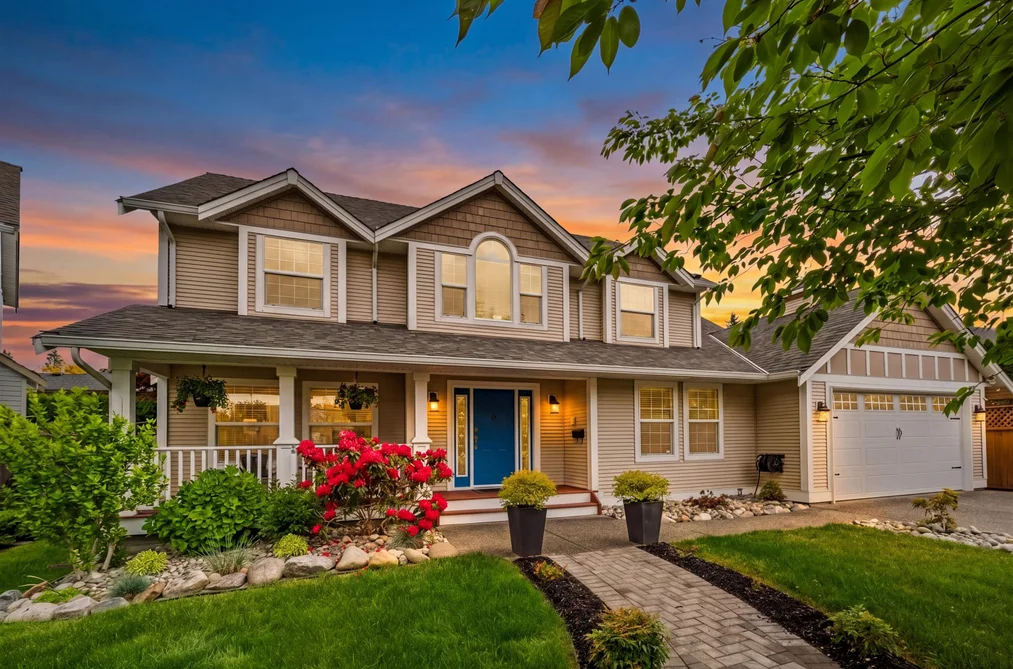
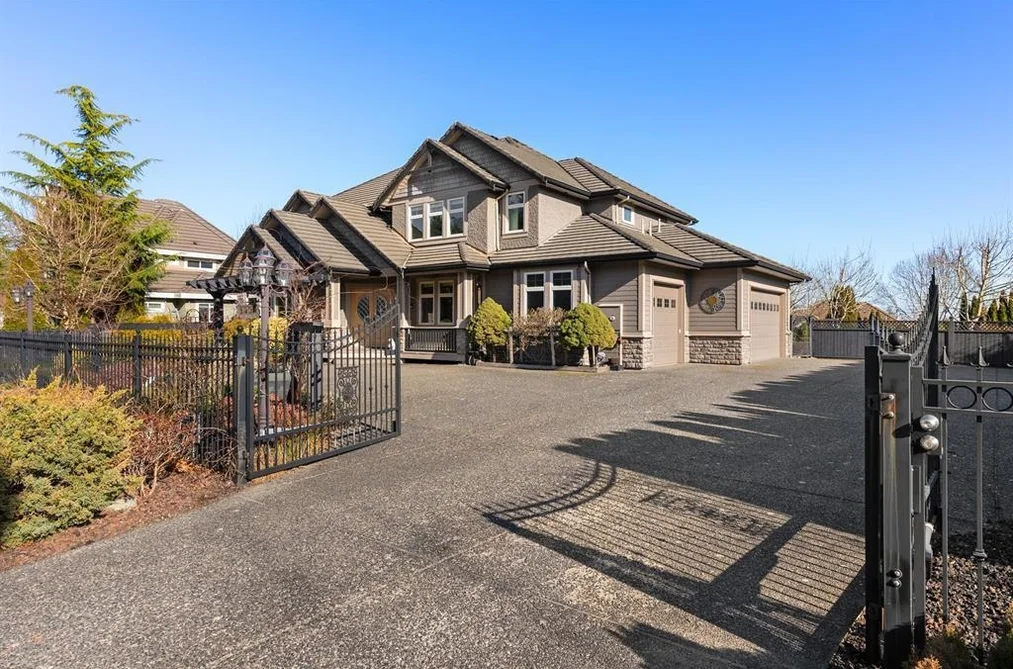
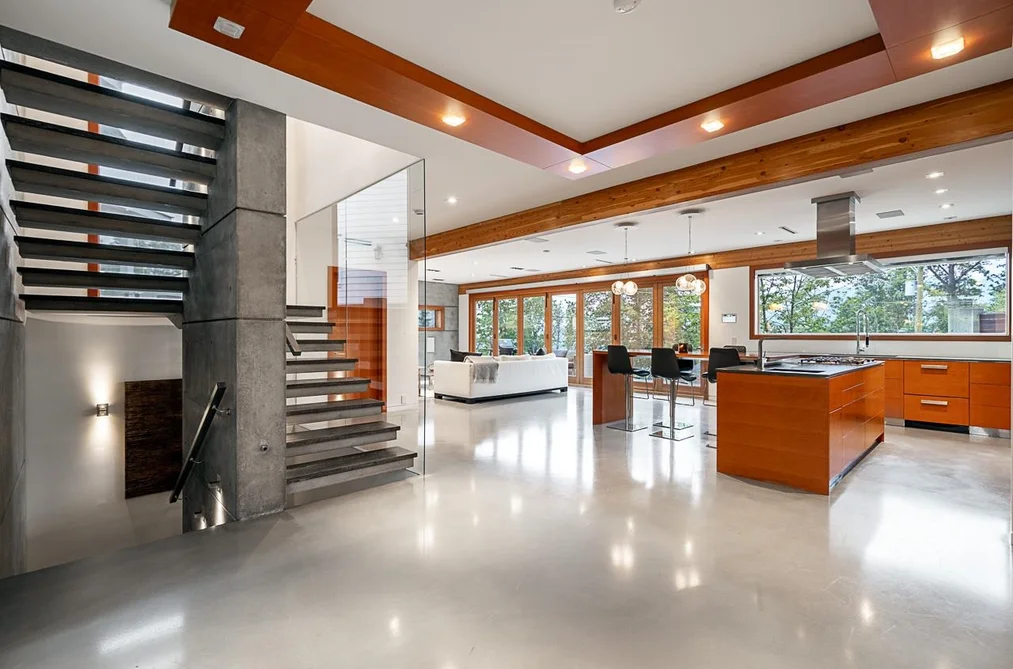
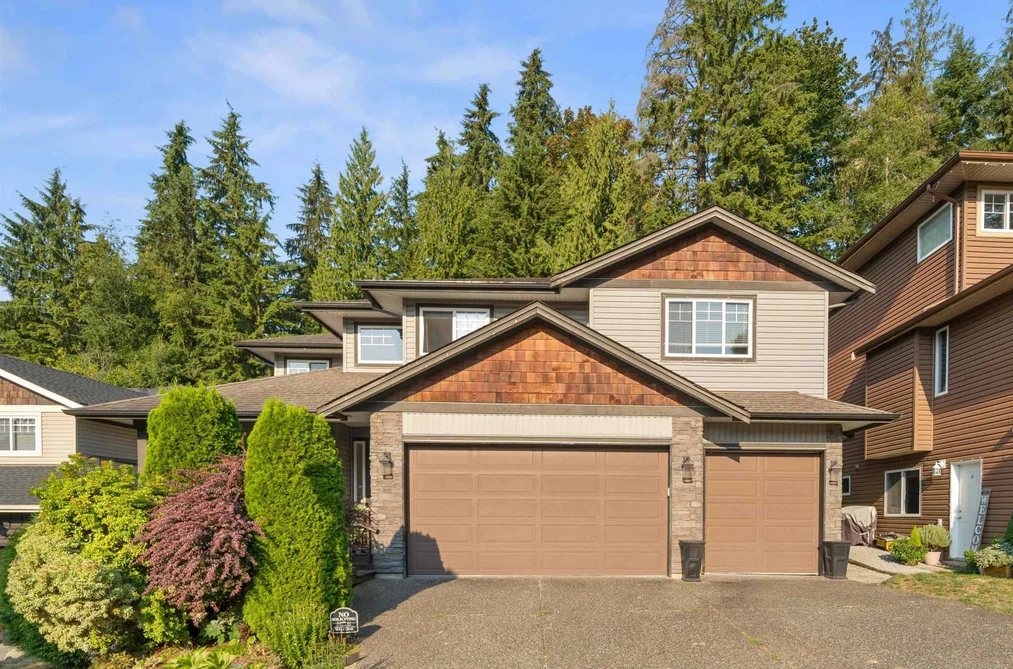
Wine Cellar on a listing can describe a purpose-built room or a cupboard with a cooling unit bolted to it, so check the temperature control, the insulation and the drainage before you value it.
A working cellar is a small, sealed, insulated box with its own cooling. What makes it work is a vapour barrier on the warm side, insulation in the walls and ceiling, a properly sealed and weather-stripped door, and no exterior window. A closet lined with racking and a portable unit will not hold temperature through a warm week, whatever the listing calls it.
Ask what sits behind the finish. Racking installed over uninsulated concrete in an older lower level will sweat, and a room built inside a damp basement moves that moisture into the finished space. Have your inspector look at the wall assembly, the floor and any sign of condensation at the door.
The cooling unit is the part that fails. Ask for the make, the age and the service history, whether it is a through-wall unit or a split system, and where it rejects its heat, because a unit dumping warm air into a finished room next door becomes a problem you inherit. Confirm there is a dedicated circuit and a condensate drain rather than a tray someone has to empty.
Then ask what happens to the equipment. Racking, the cooling unit, a tasting counter and any furniture may be chattels rather than fixtures, so name in the contract of purchase and sale exactly what stays, and check for each item again at the final walkthrough.
Finally, weigh it as something you will actually use. A converted room takes space from storage or a bedroom, adds an appliance to maintain, and appeals to a narrower group of buyers on resale. Ask your agent how comparable homes without one have sold on the same streets, and make sure any premium you pay reflects the build quality rather than the shelving.