For Sale
6 days
- $569,000
- 1 bed
- 1 bath
- 729 sqft
MLS® R3162072
•Sutton Premier Realty
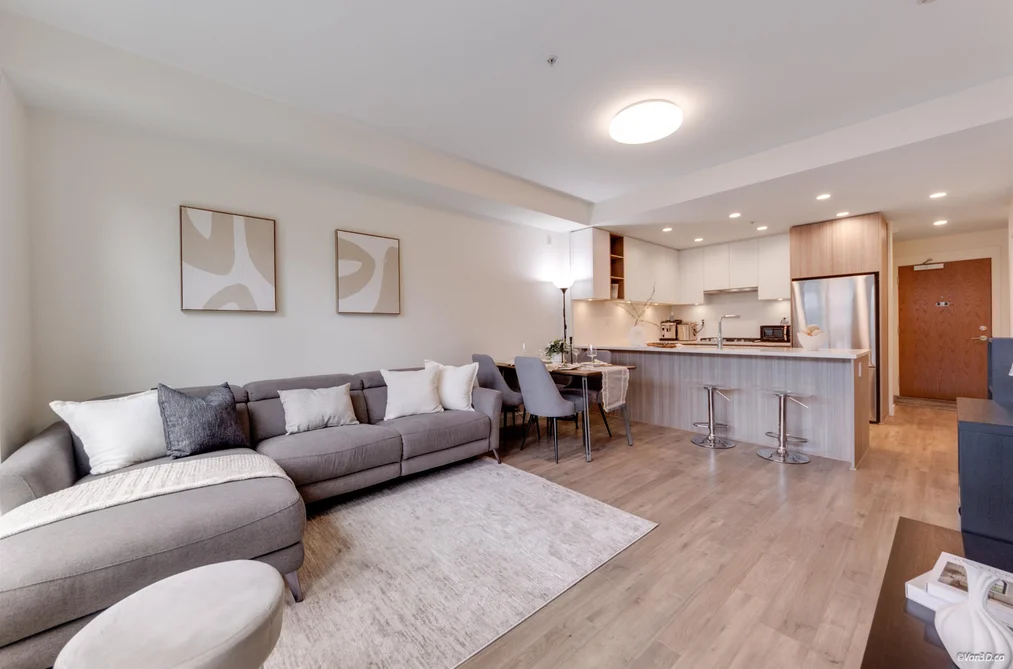
Browse homes with a Social Room for sale in Greater Vancouver and check the booking rules, the noise bylaws and which units sit beside it before you offer.
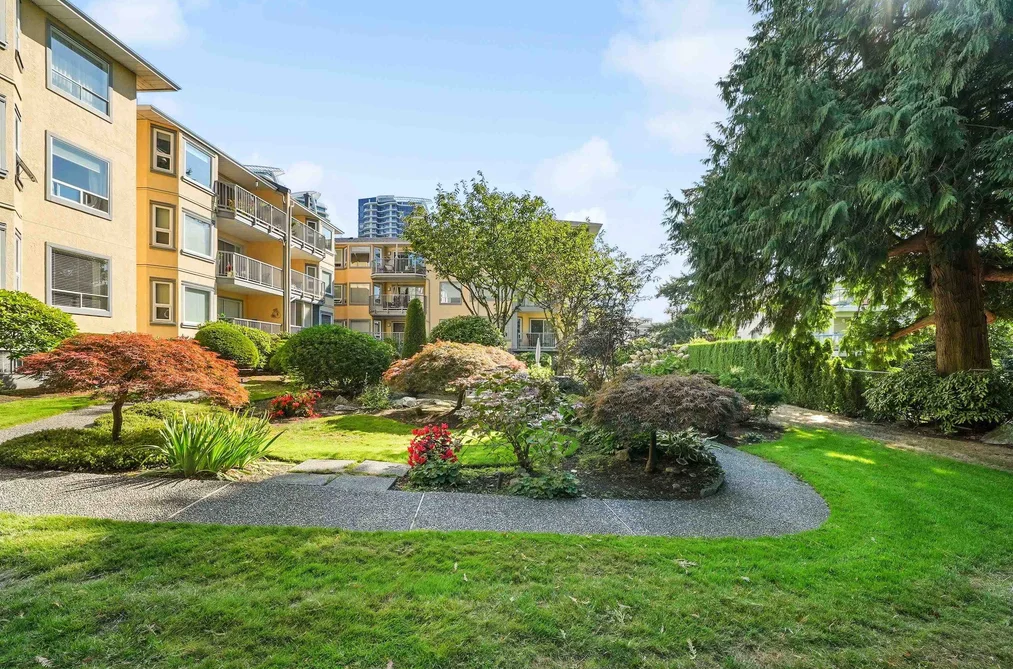
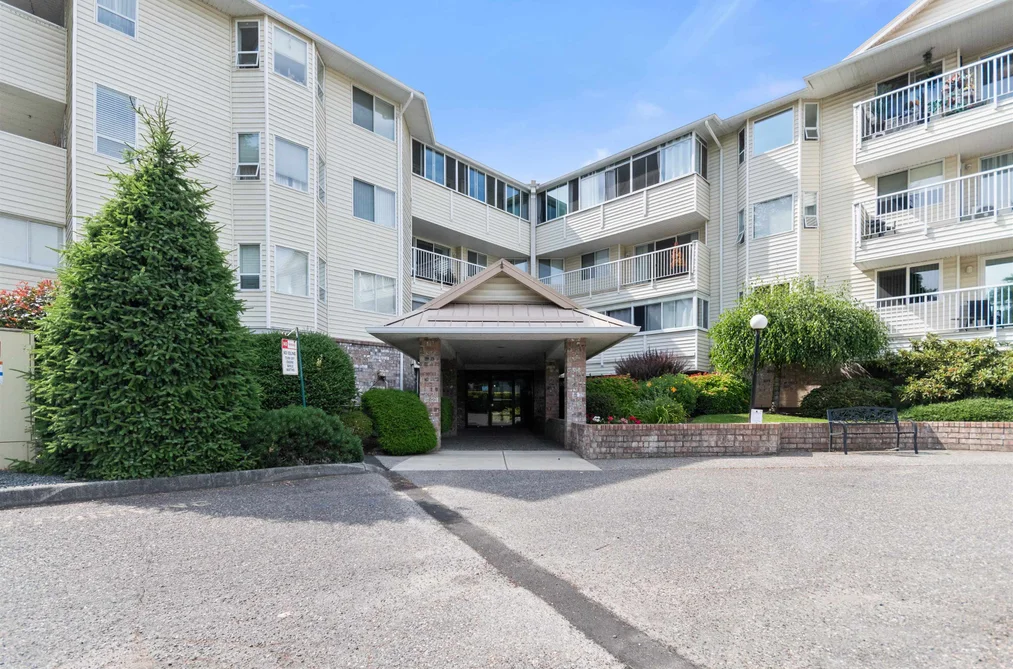
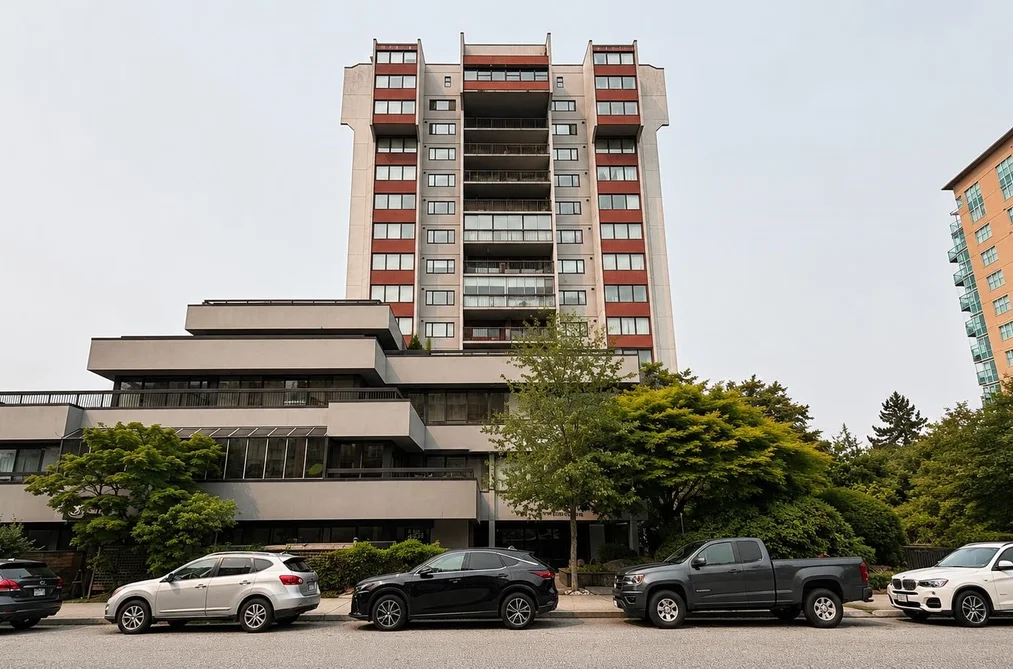
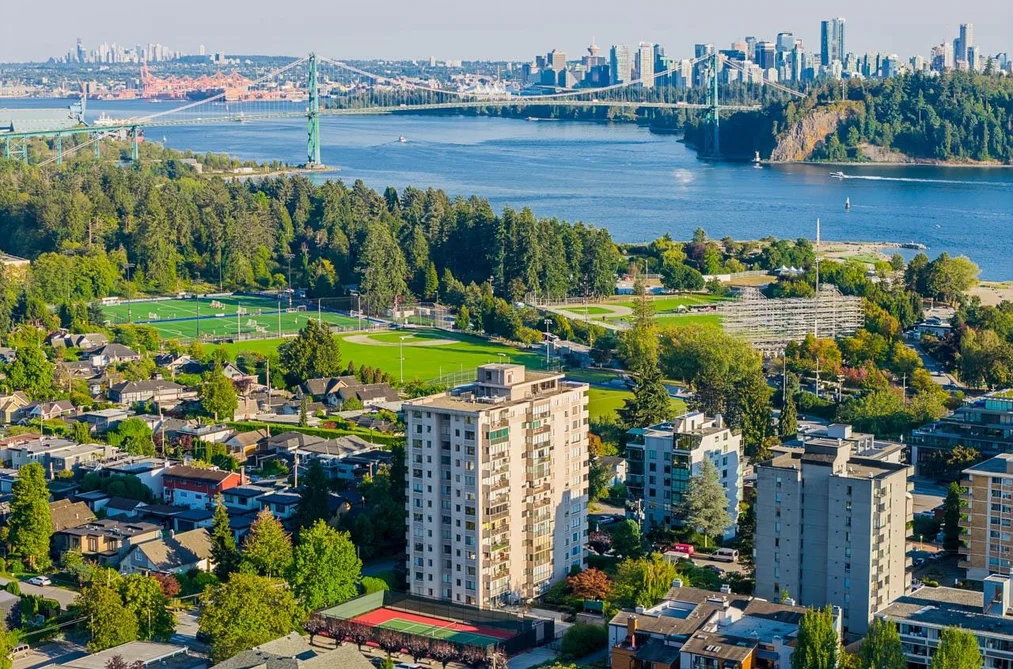
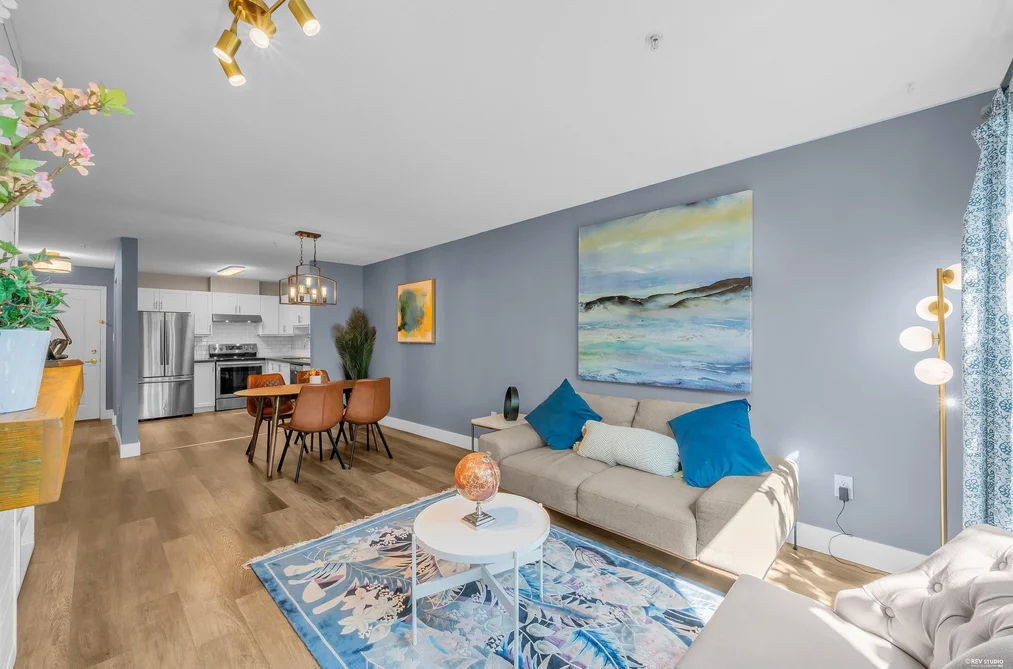
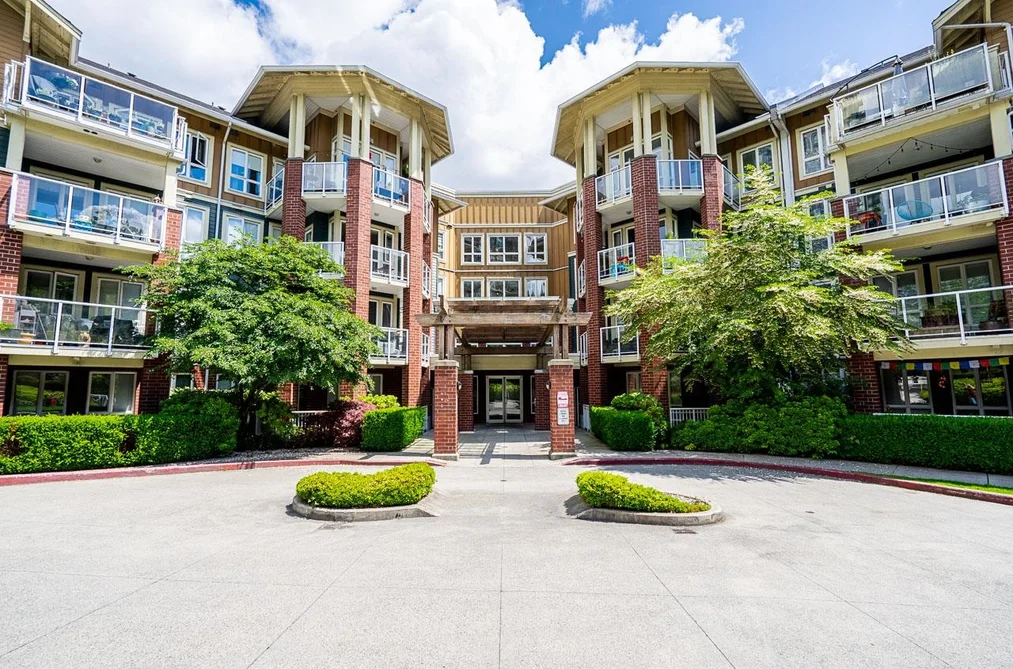
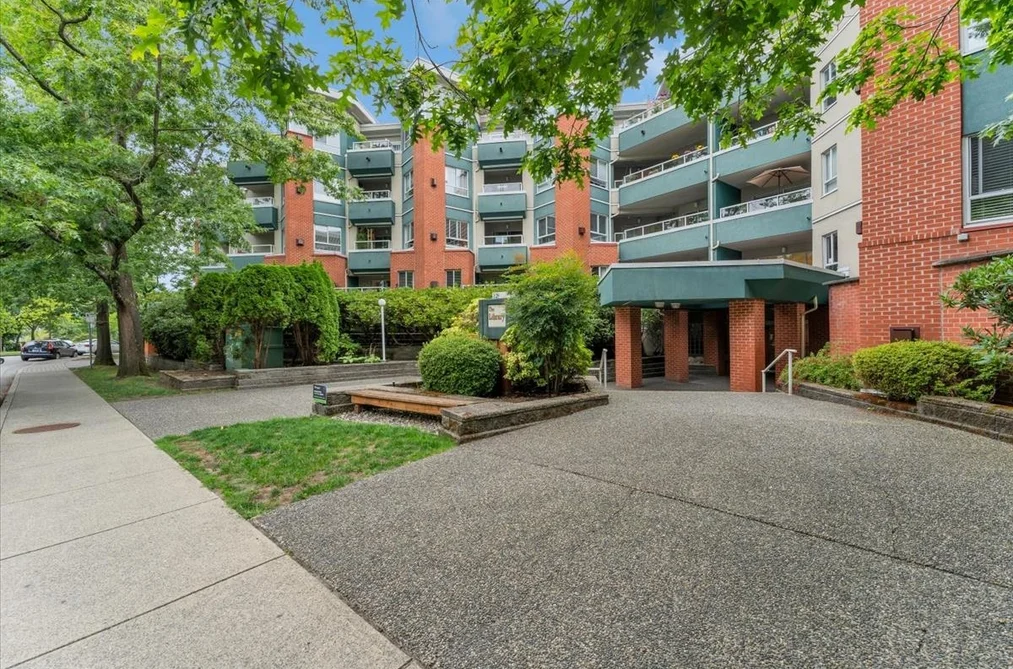
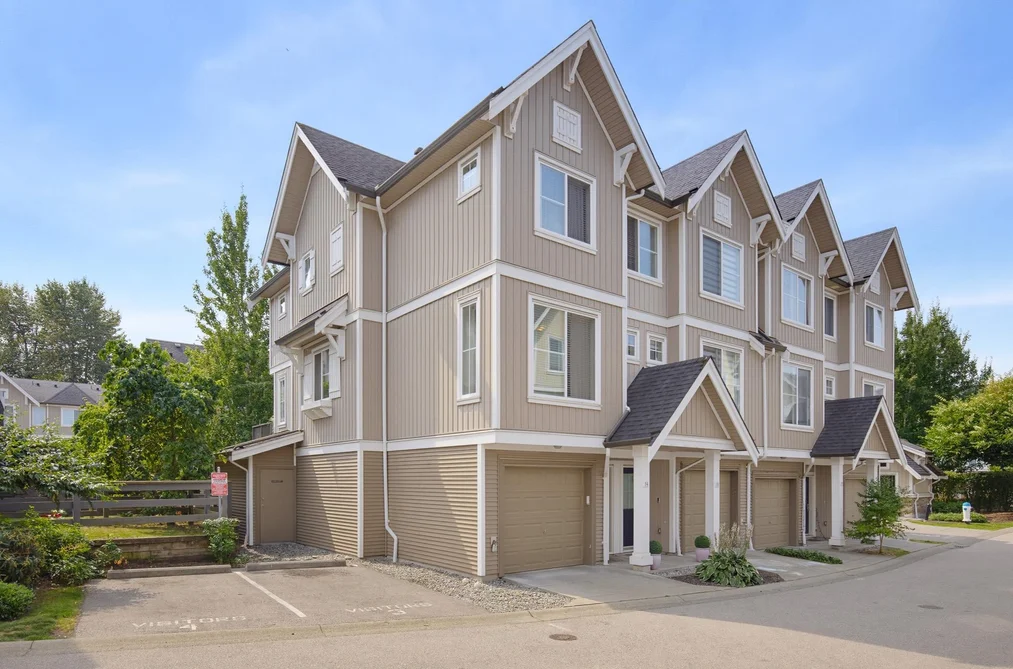
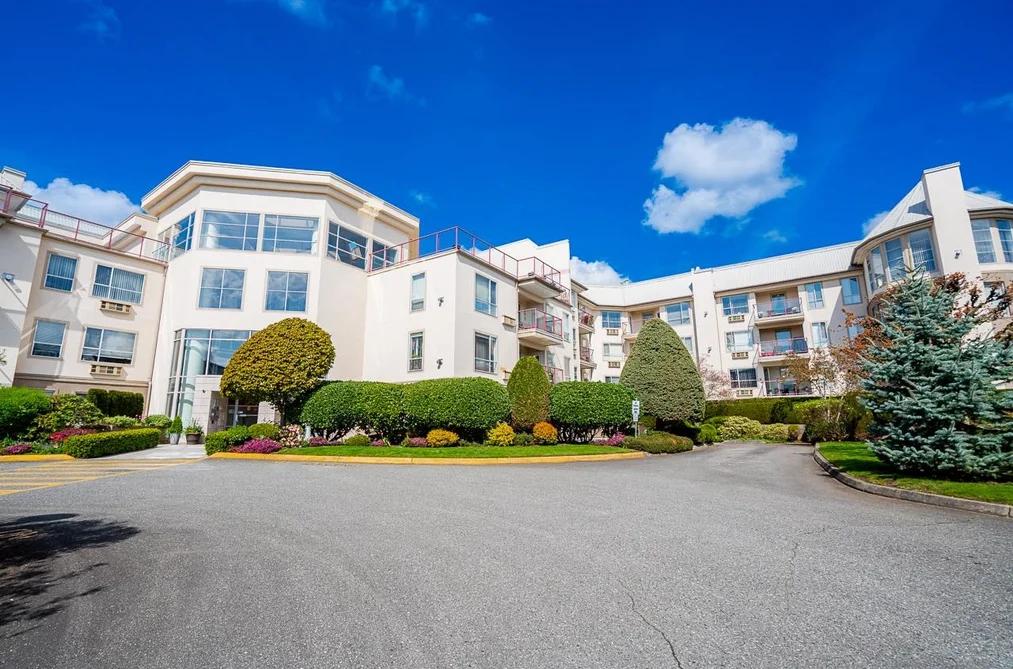
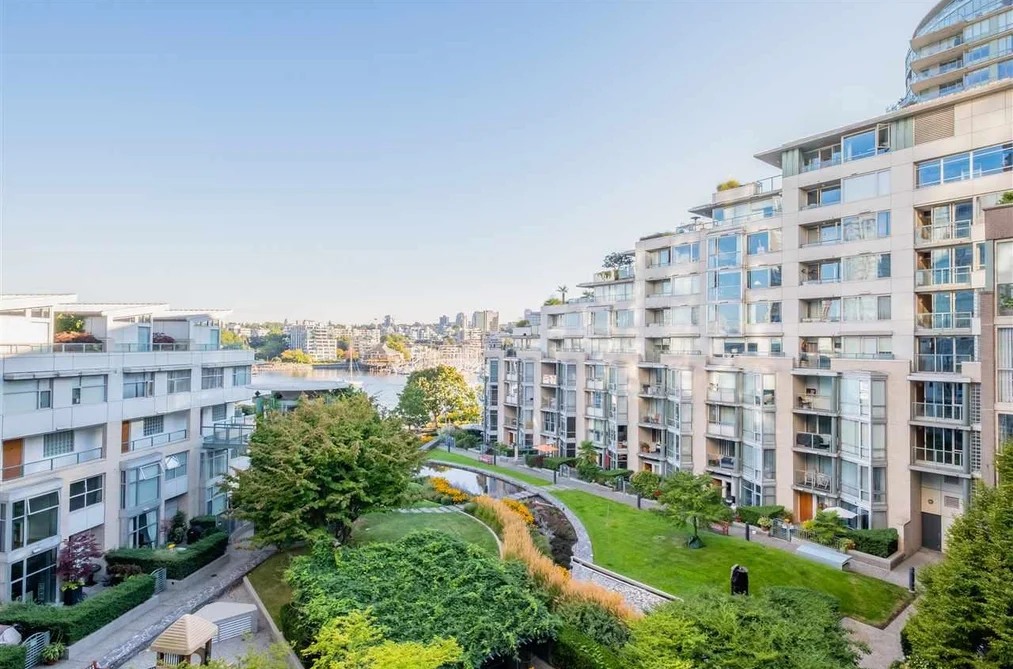
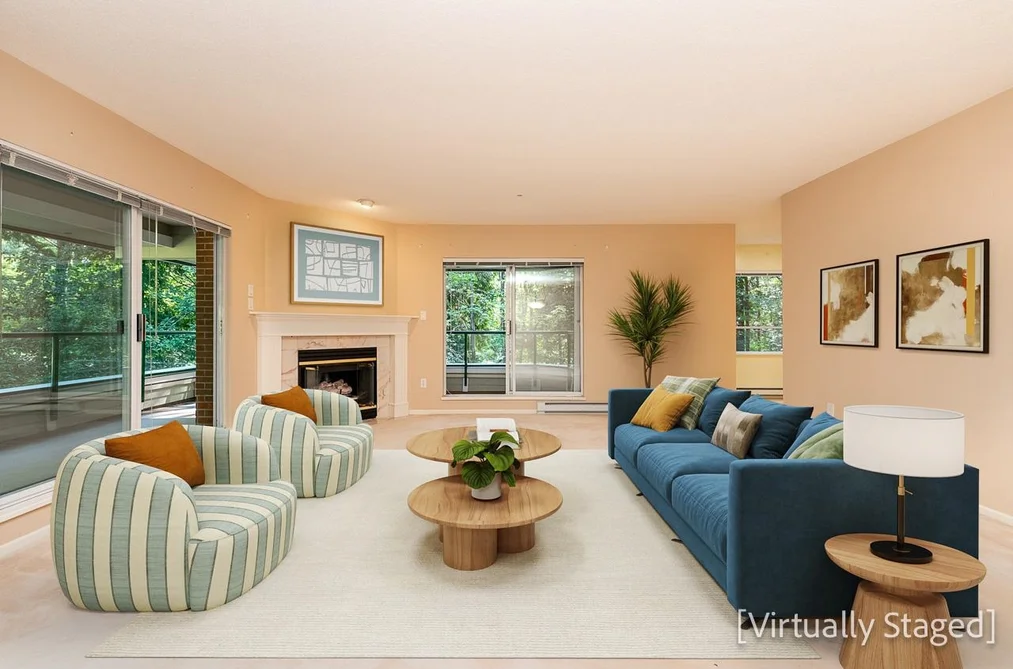
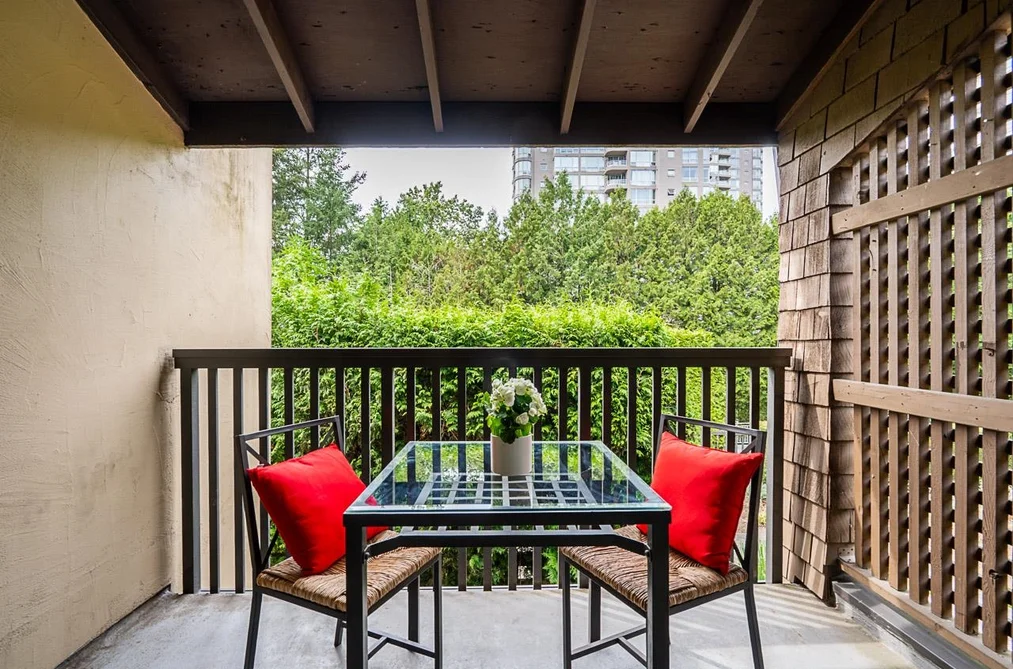
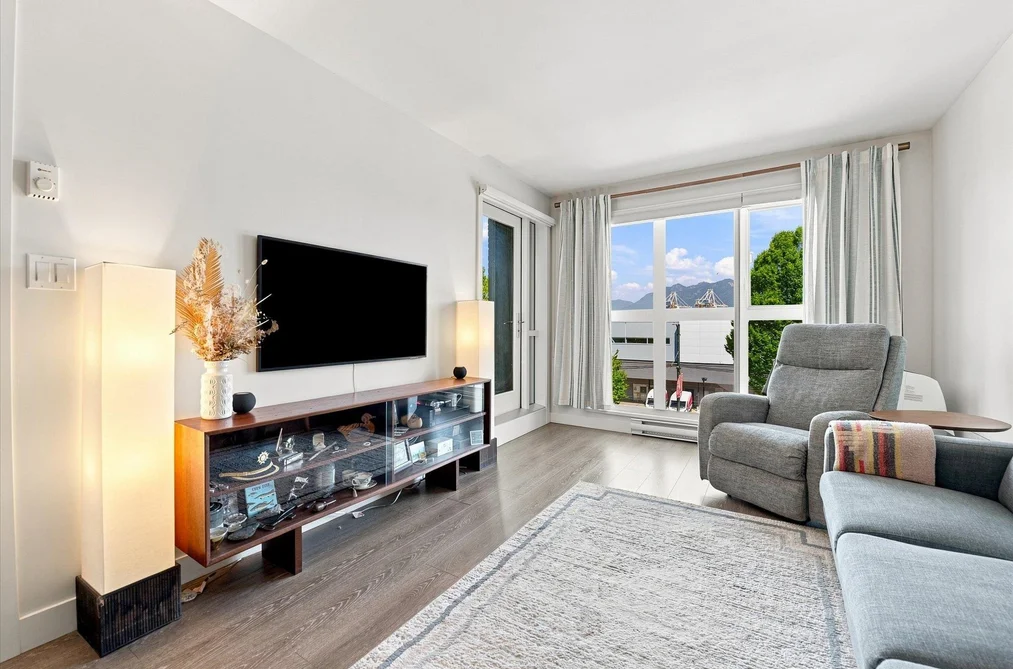
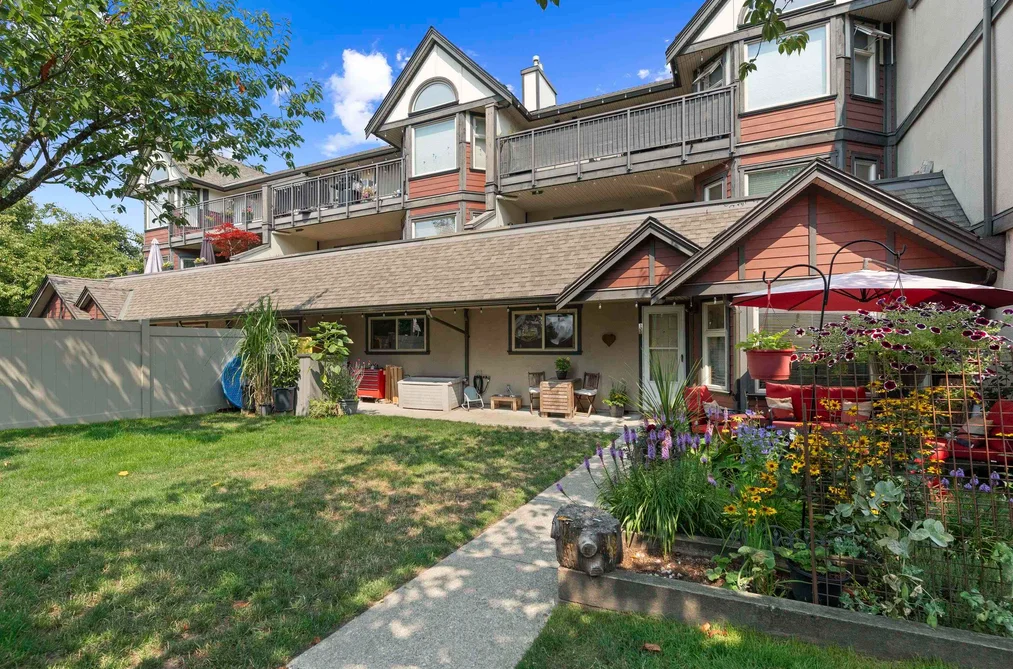
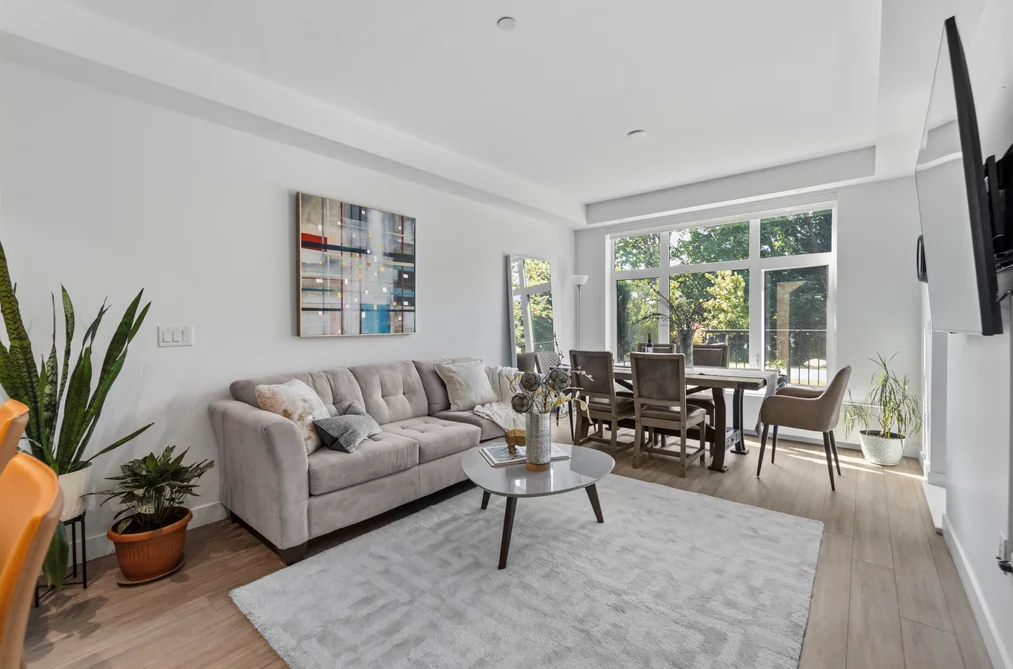
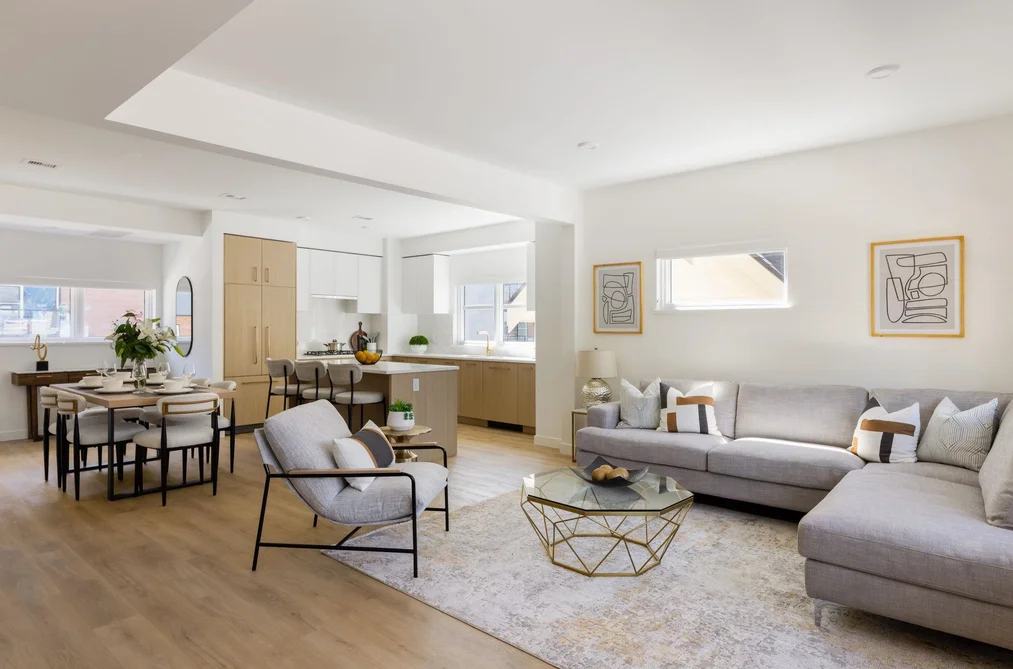
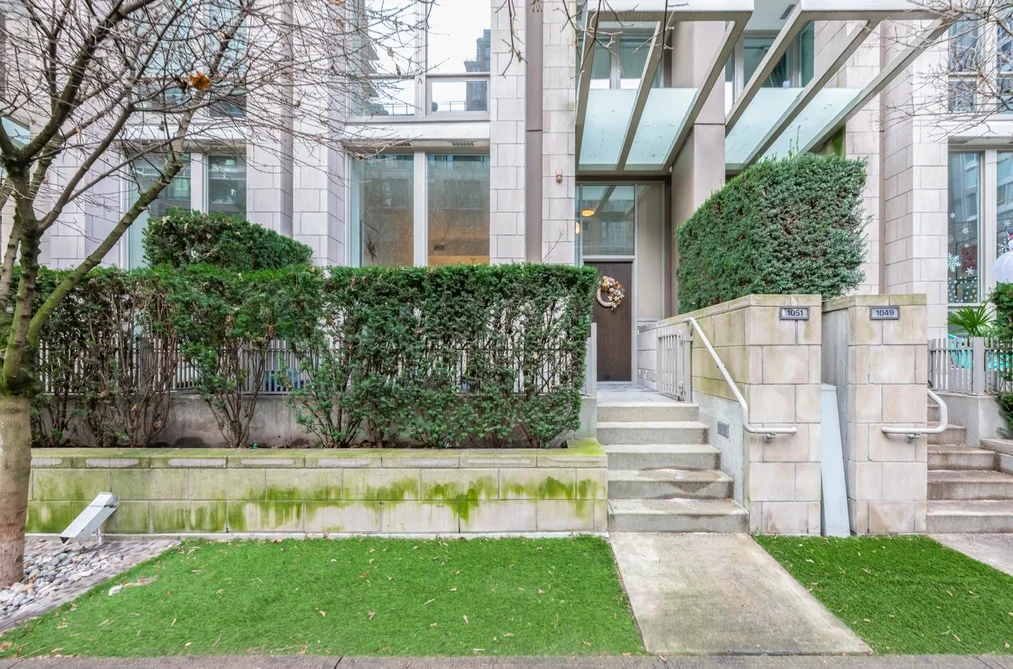
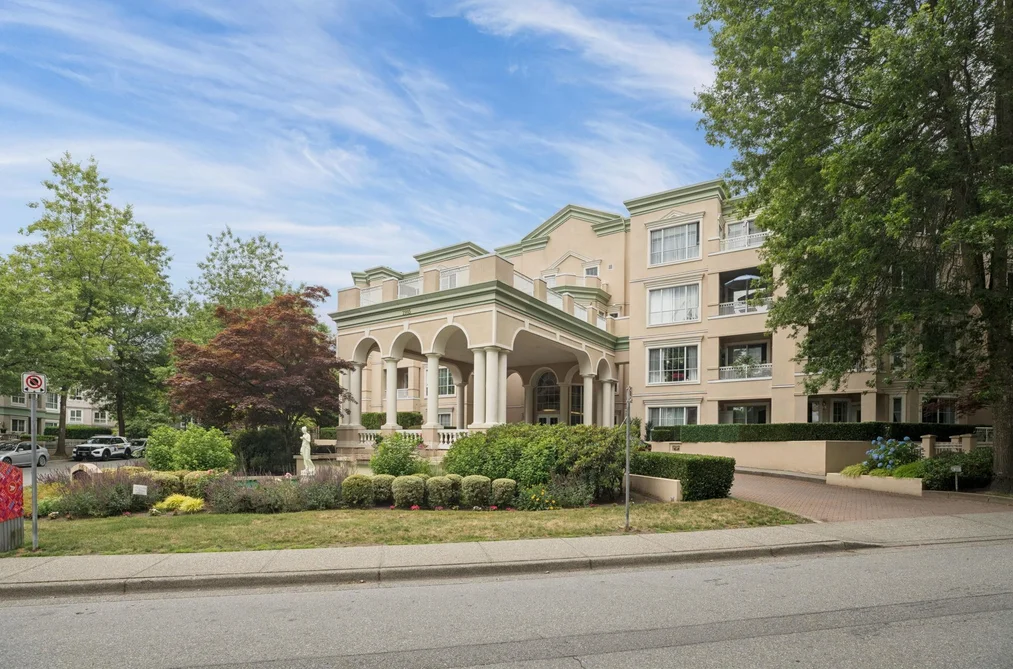
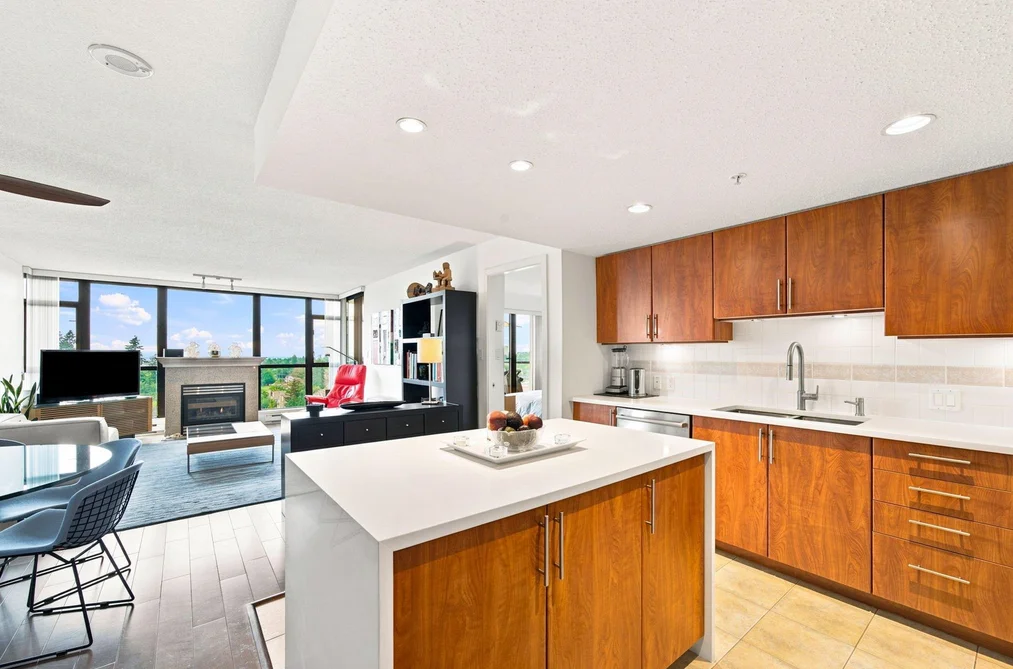
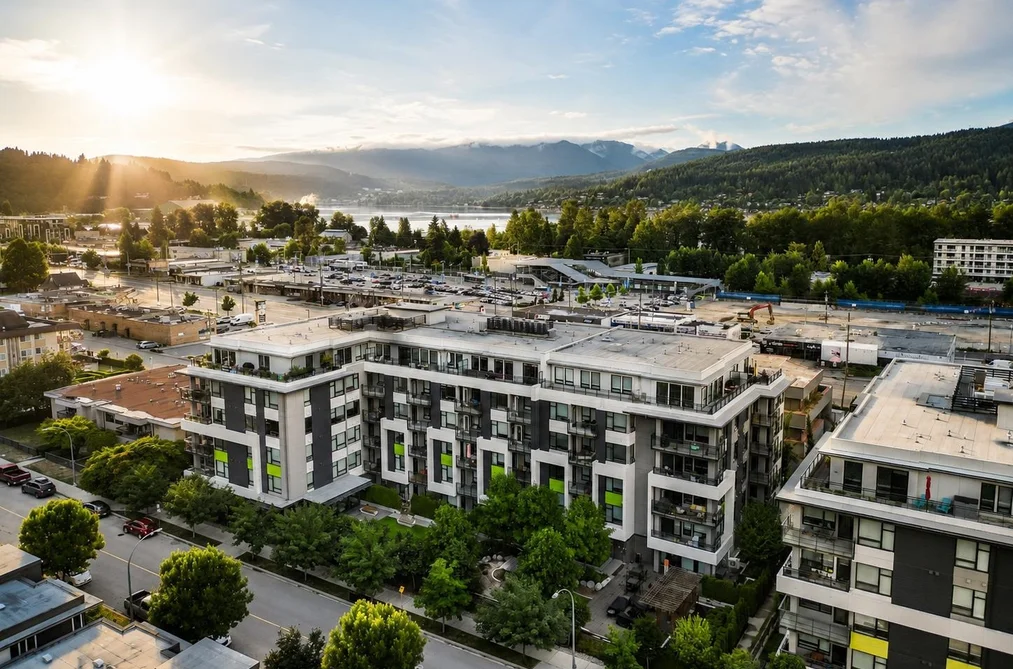
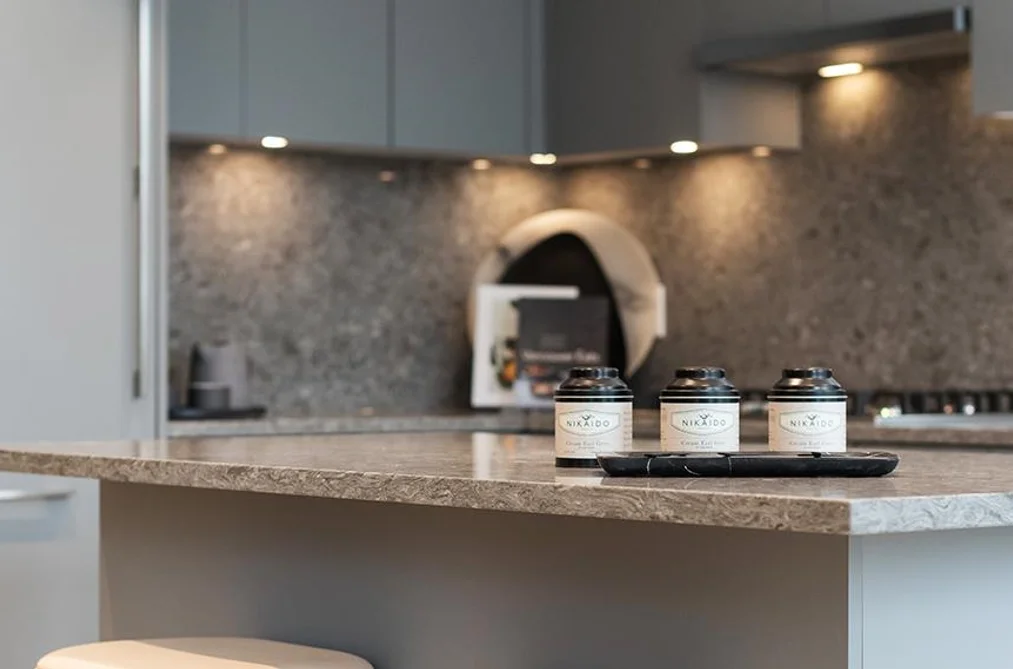
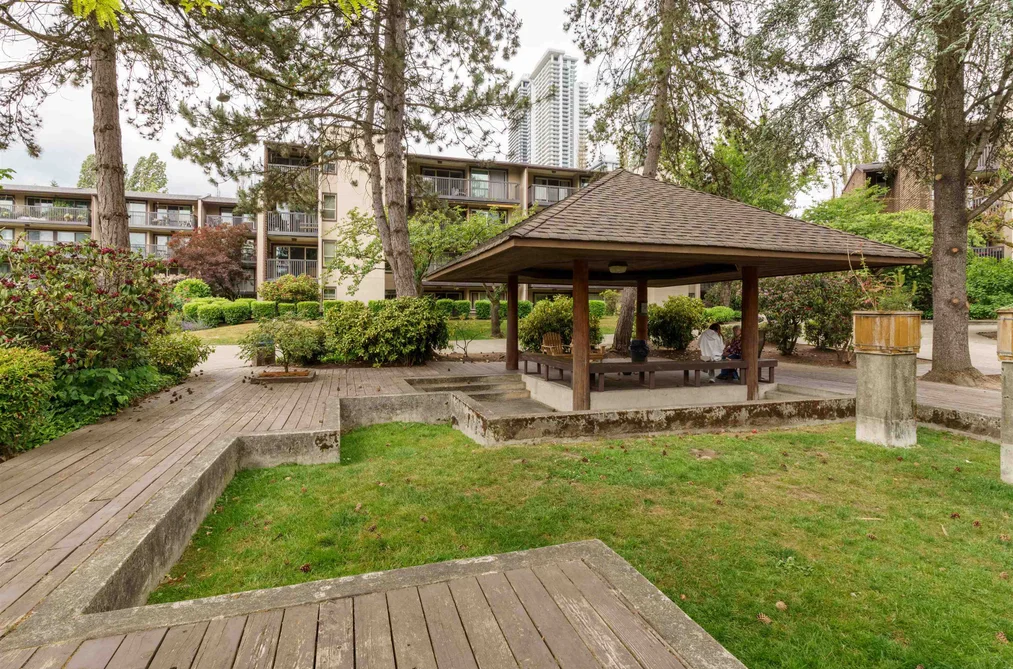
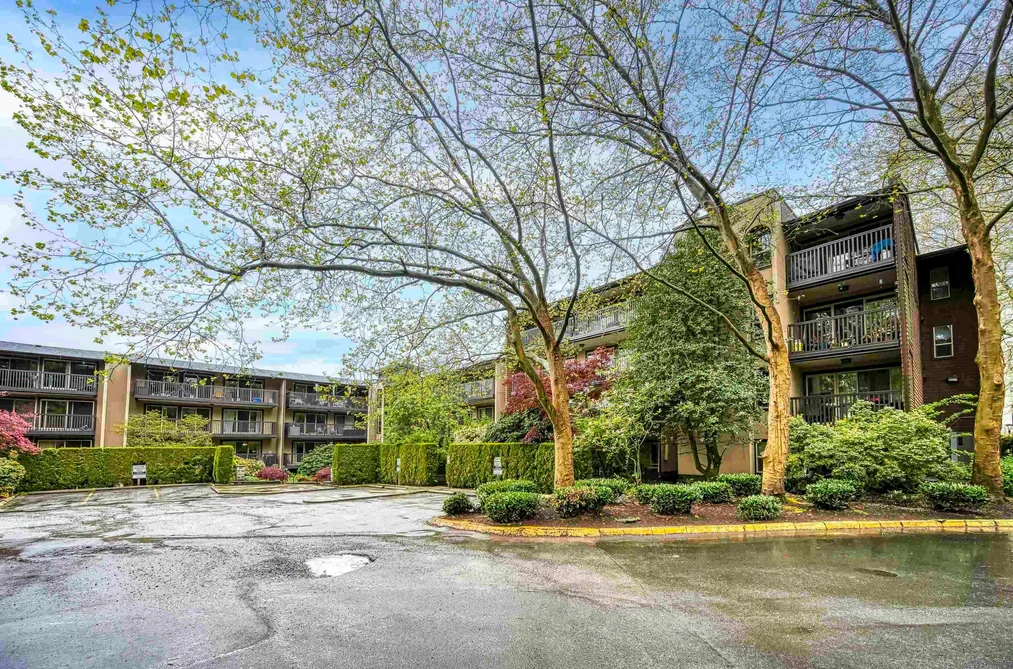
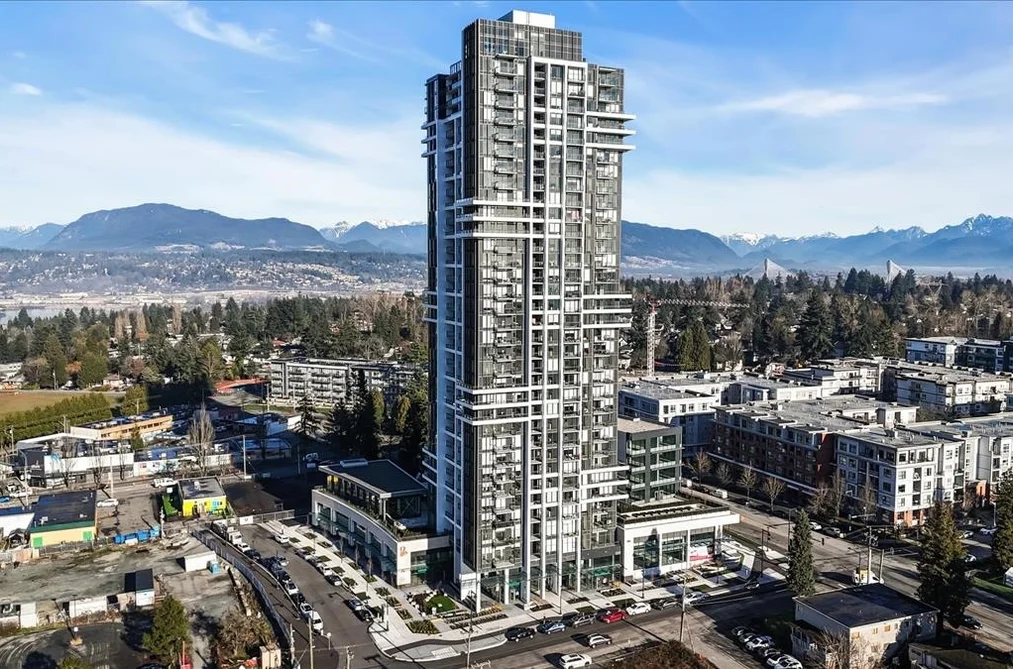
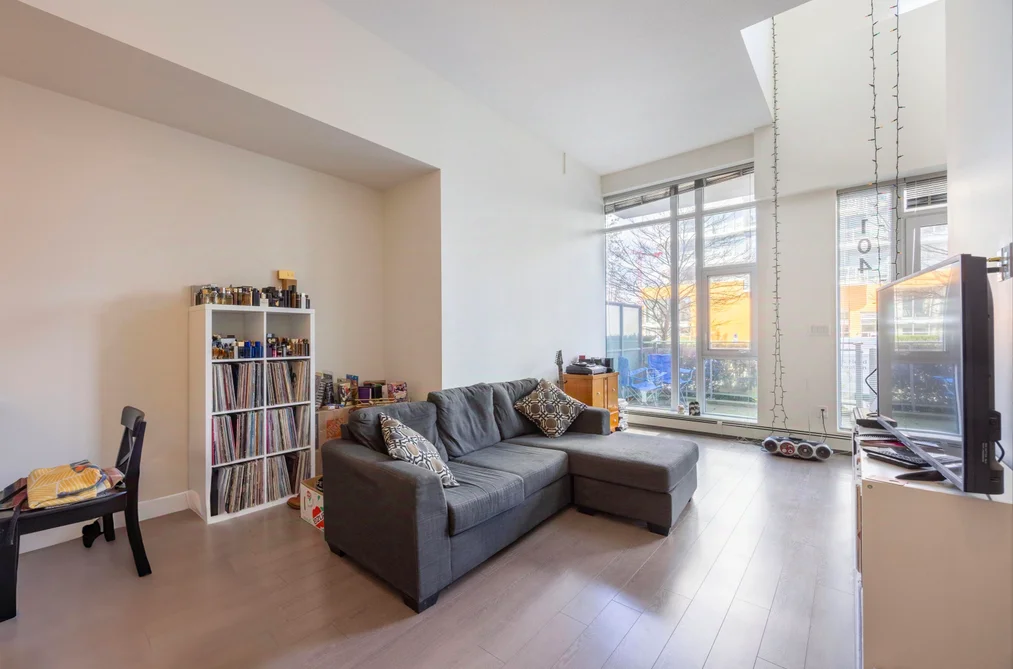
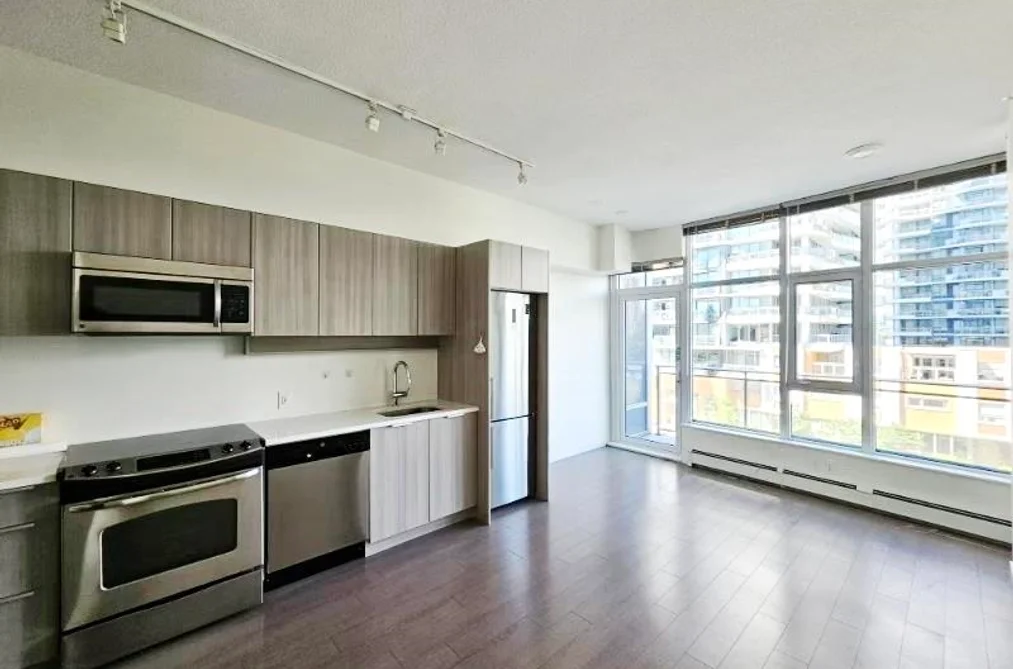
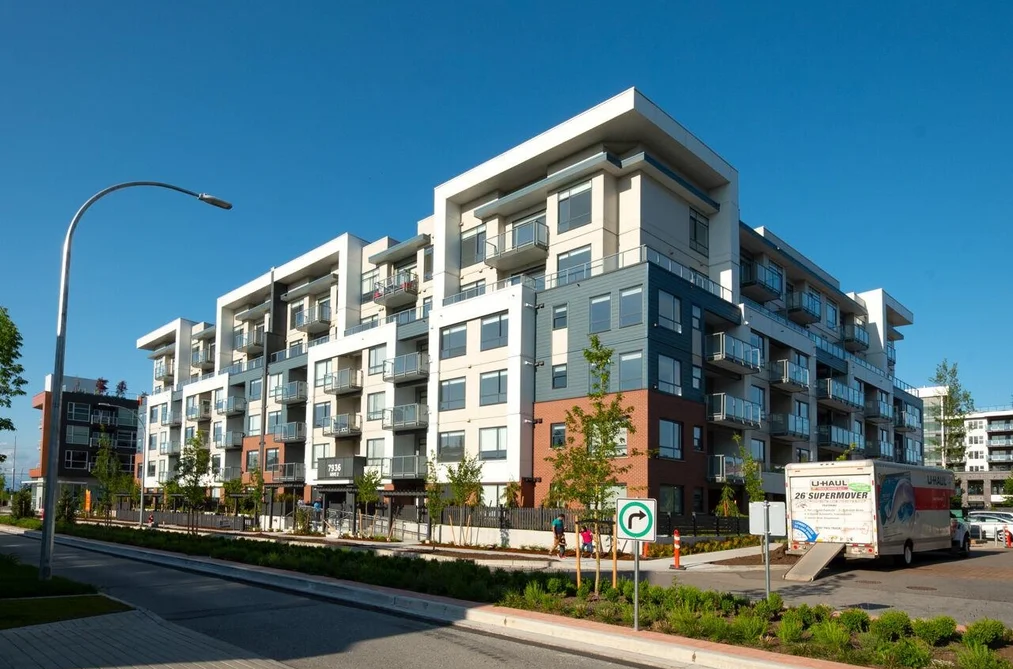
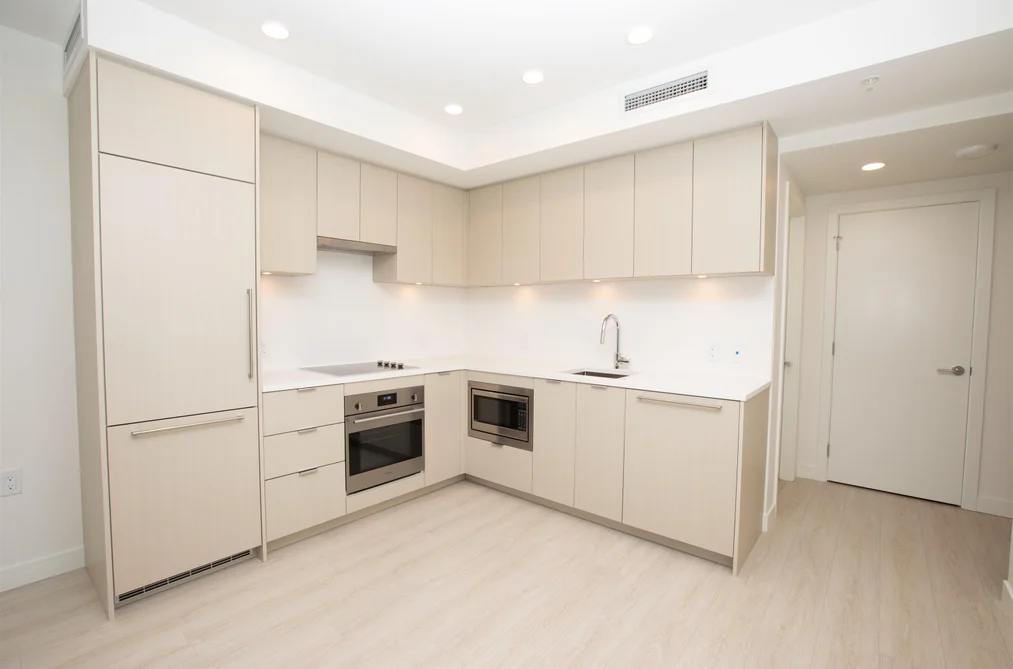
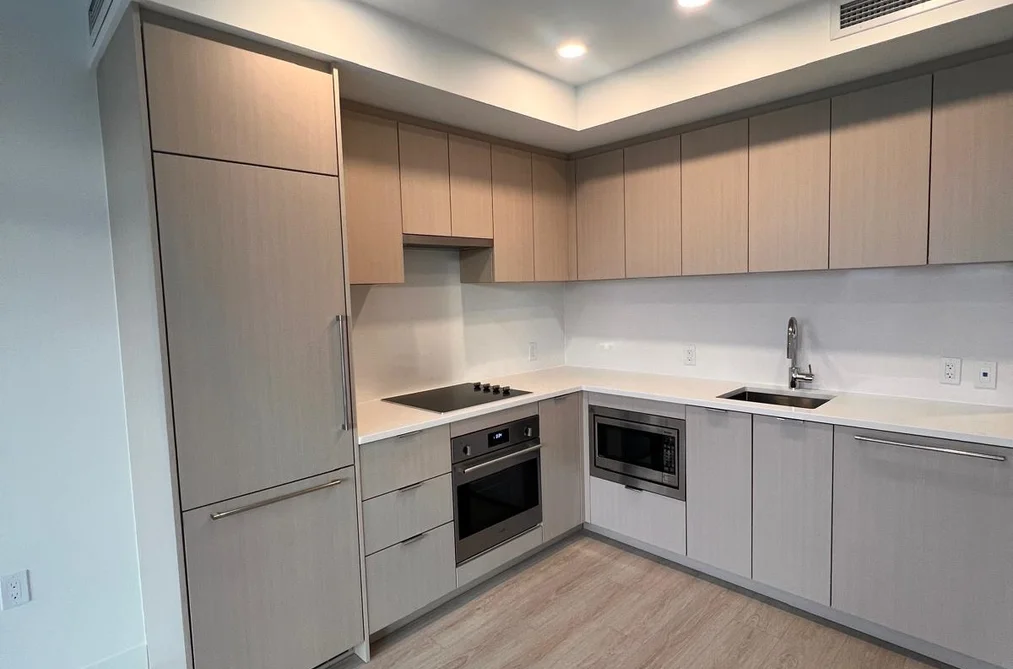
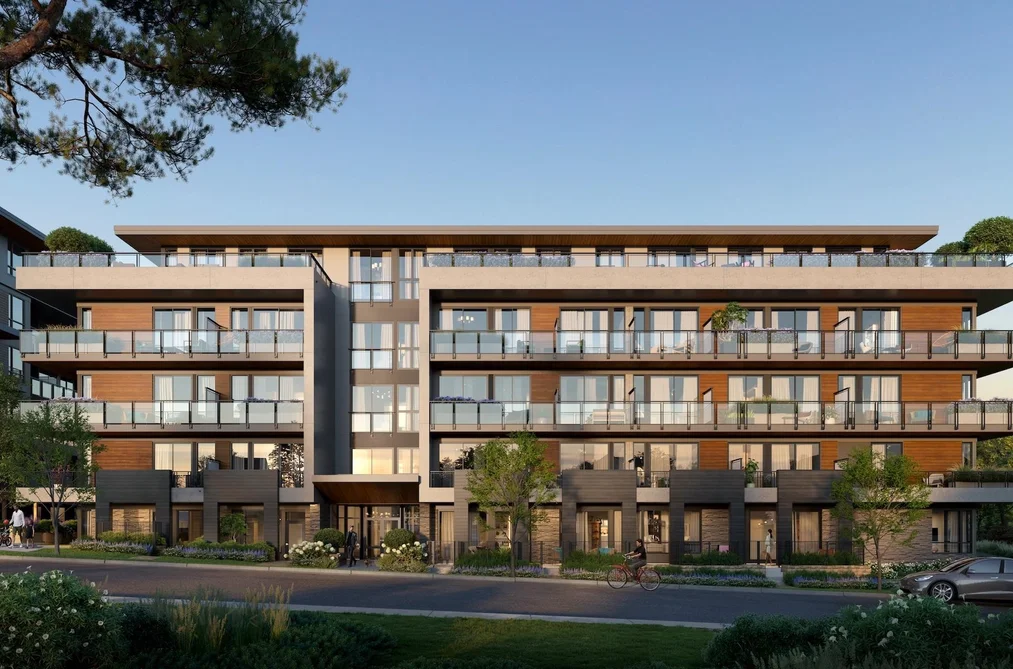
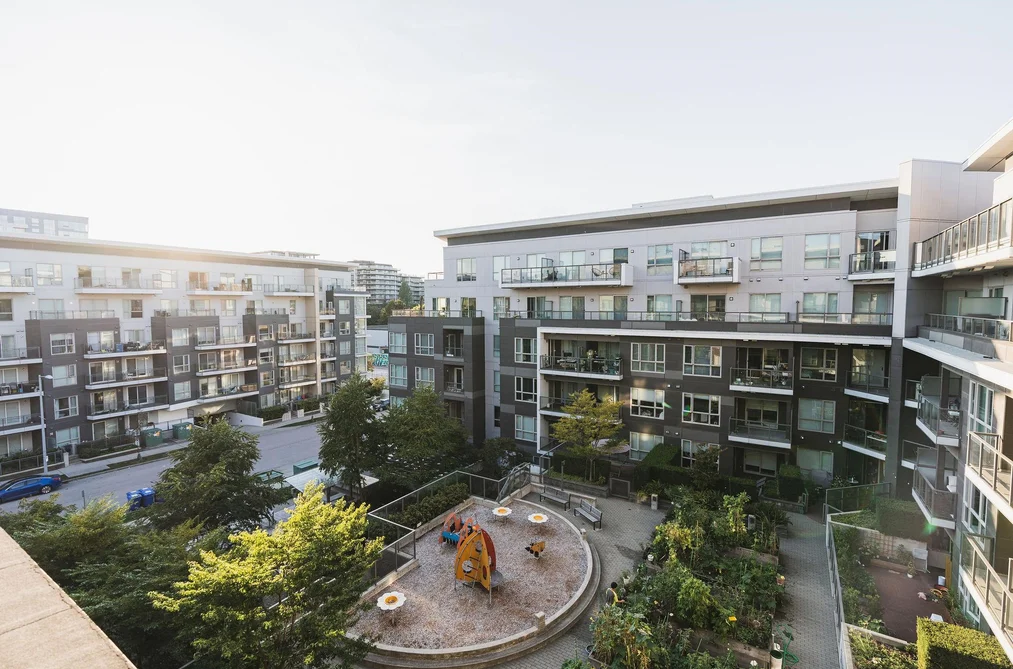
Social Room amenities appear on condo listings right across Greater Vancouver, so find out how the space is actually booked and what it costs before you treat it as a reason to buy.
Ask for the amenity bylaws and rules rather than the marketing sheet. They will tell you the booking window, whether a deposit is required, what hours the room may be used, how many guests are allowed and whether anyone is permitted to charge for an event. Some buildings restrict use to residents only, some require a council member to be present, and a few have closed the space outright after damage. Read the recent minutes, because a room that generates complaints usually appears there first.
The most important question is whether the unit you are buying is one of the neighbours. Ask the listing agent where the space sits in the building and check the strata plan yourself rather than guessing from the floor number. A unit sharing a wall with a recreation and gathering space takes evening noise, chair scraping and corridor traffic. Where the room includes a kitchen or a bathroom, there is plumbing running through the structure around it, and any leak upstream lands in the units below.
An amenity costs money whether or not you use it. Cleaning, furniture replacement, heating and the eventual renovation of the space all come out of the operating budget and the contingency reserve fund you contribute to every month. Read the depreciation report for what is scheduled, then decide honestly how often you would book it. A well-used room supports the building; a tired one that nobody books is a line on your fee statement.