For Sale
0 days
- $4,498,000
- 9 bed
- 6 bath
- 4606 sqft
MLS® R3165238
•RE/MAX Select Realty
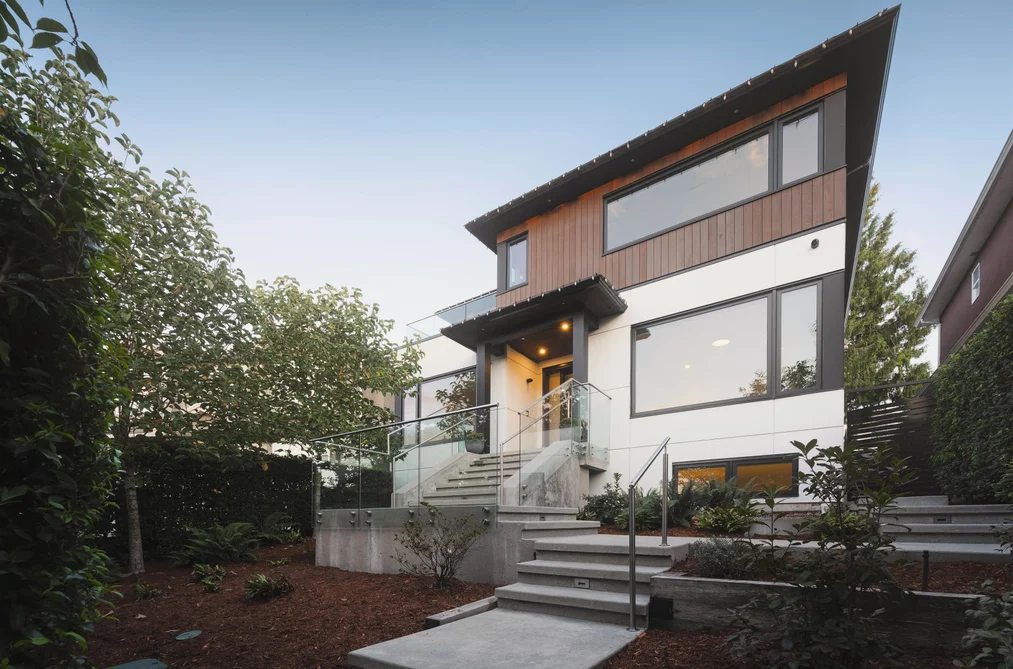
Open Sat, Sep 19, 2 p.m.
Browse homes for sale with a smoke alarm in Greater Vancouver and check placement, interconnection, power supply and suite requirements before you offer.
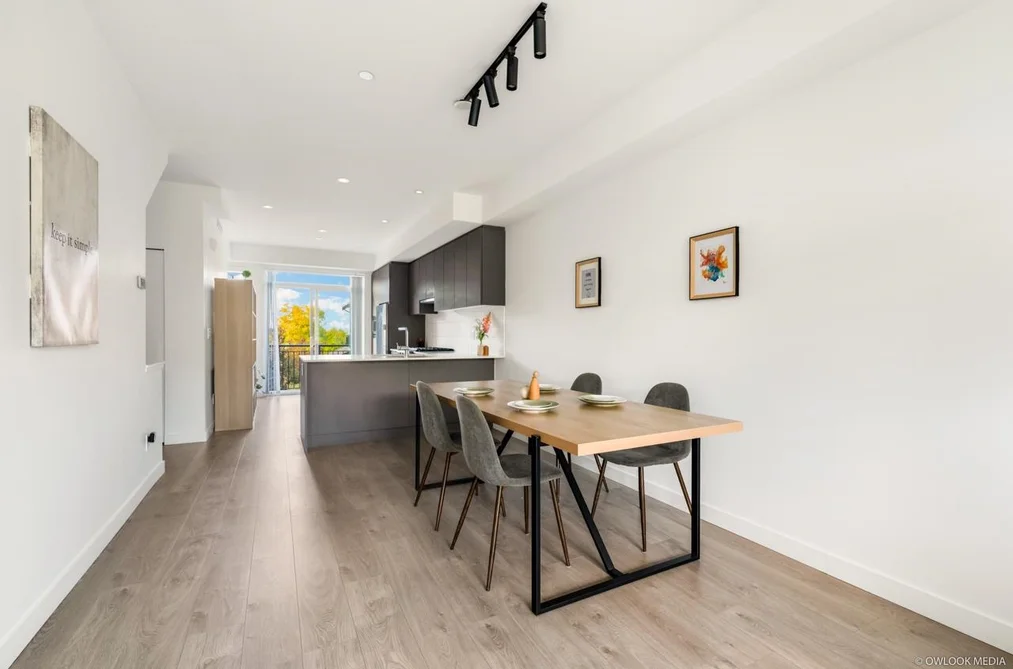
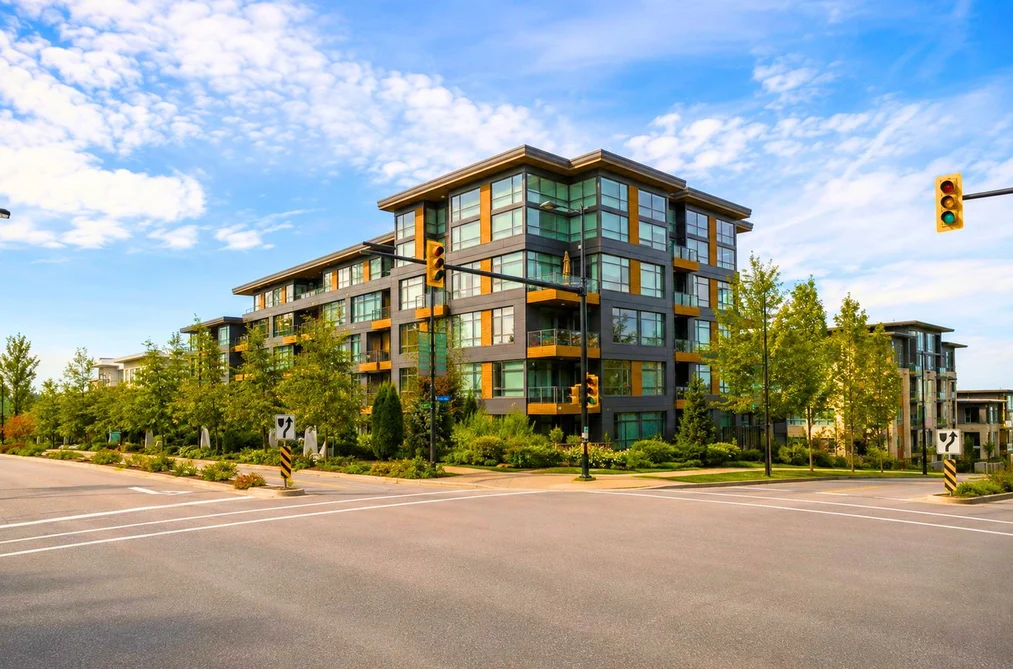
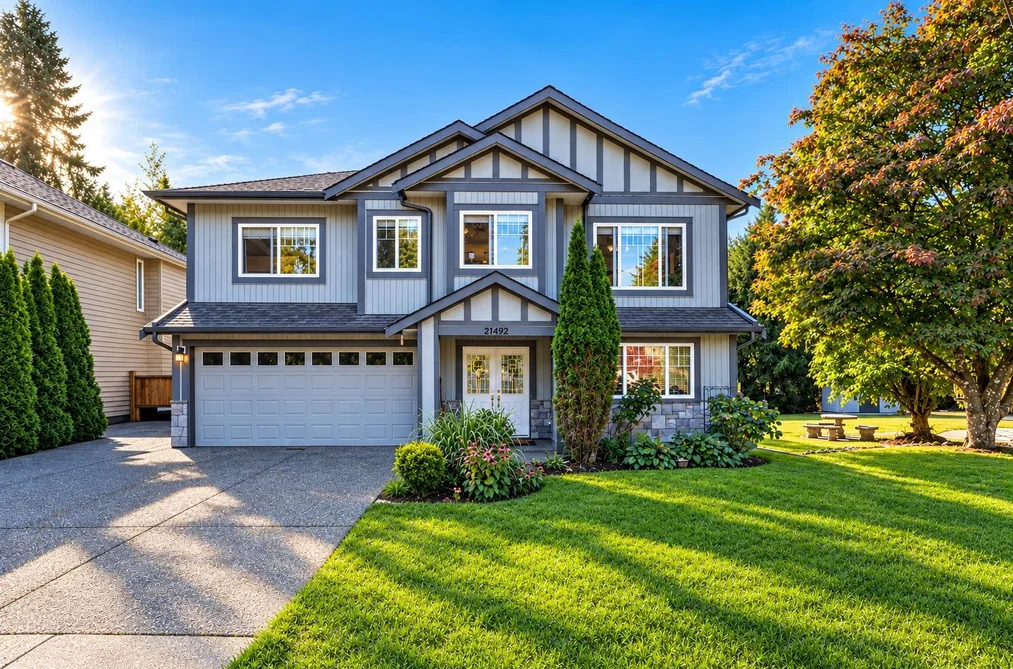
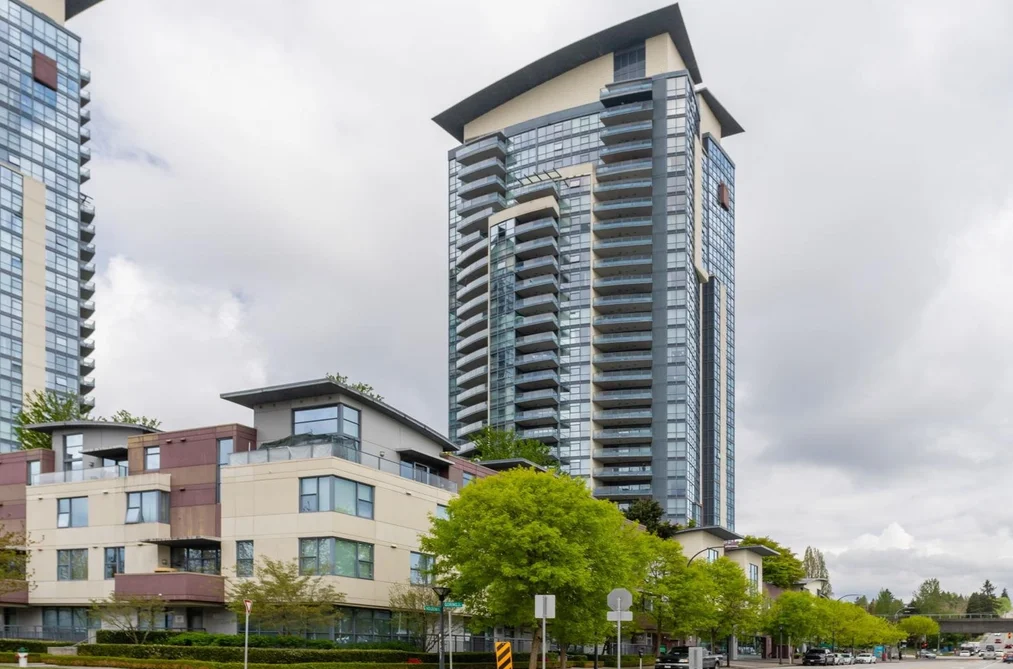
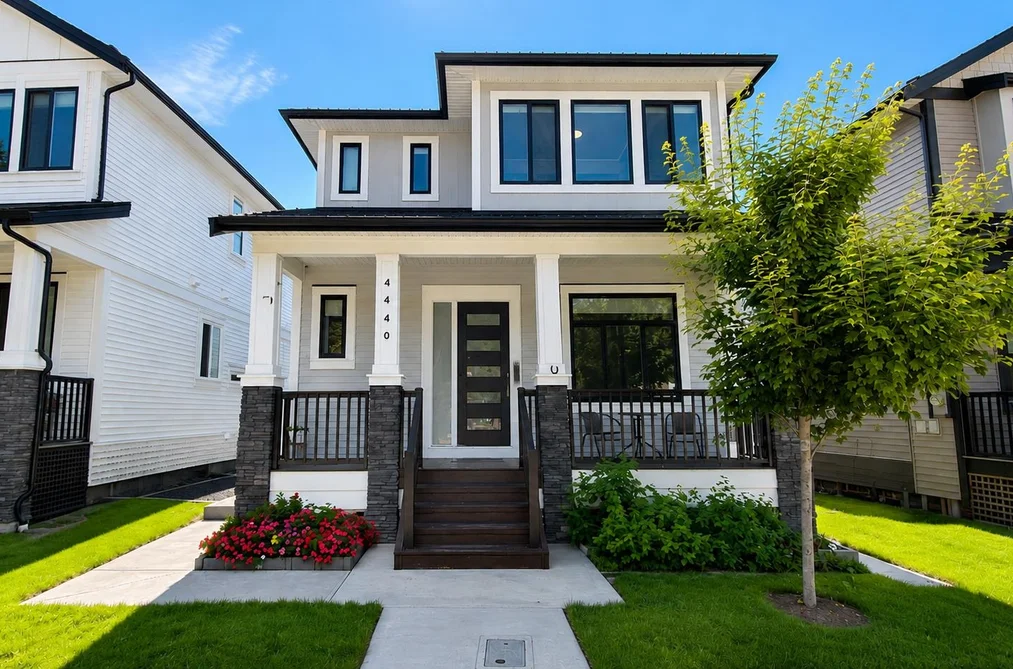
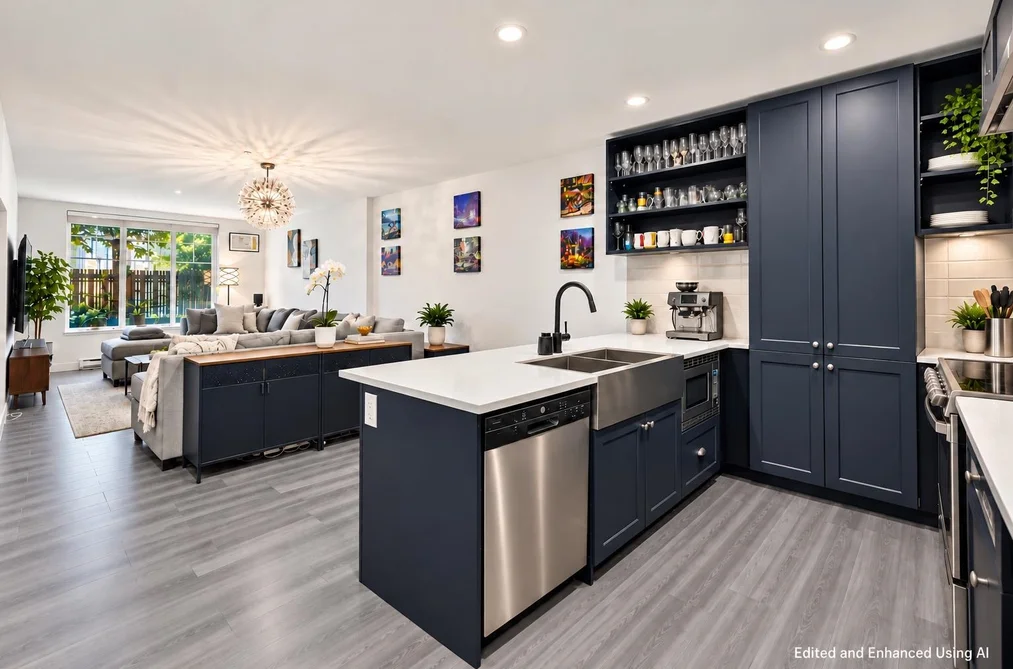
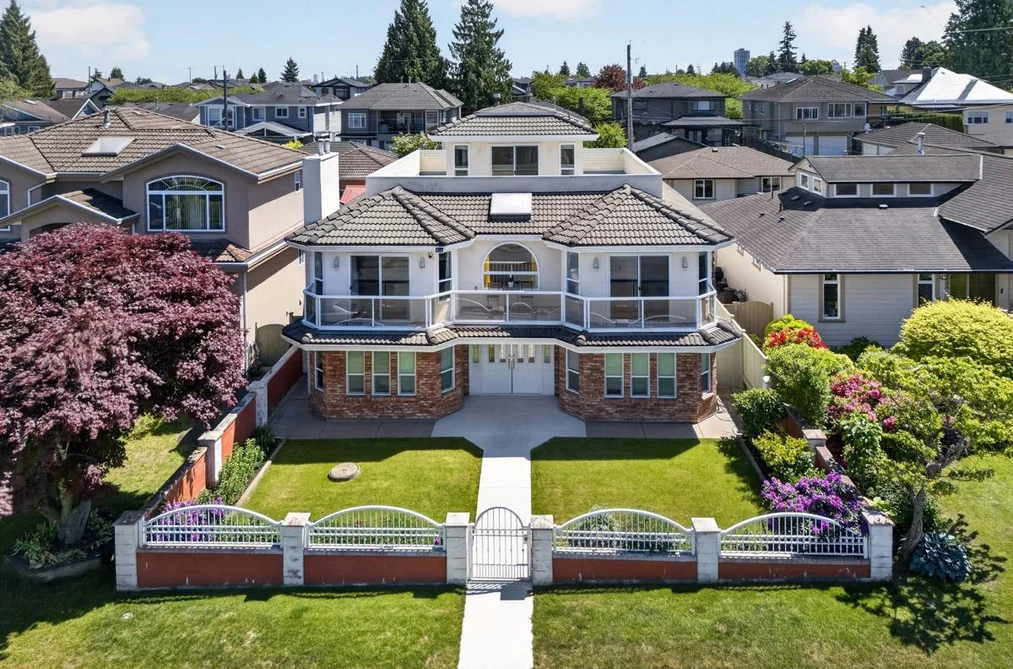
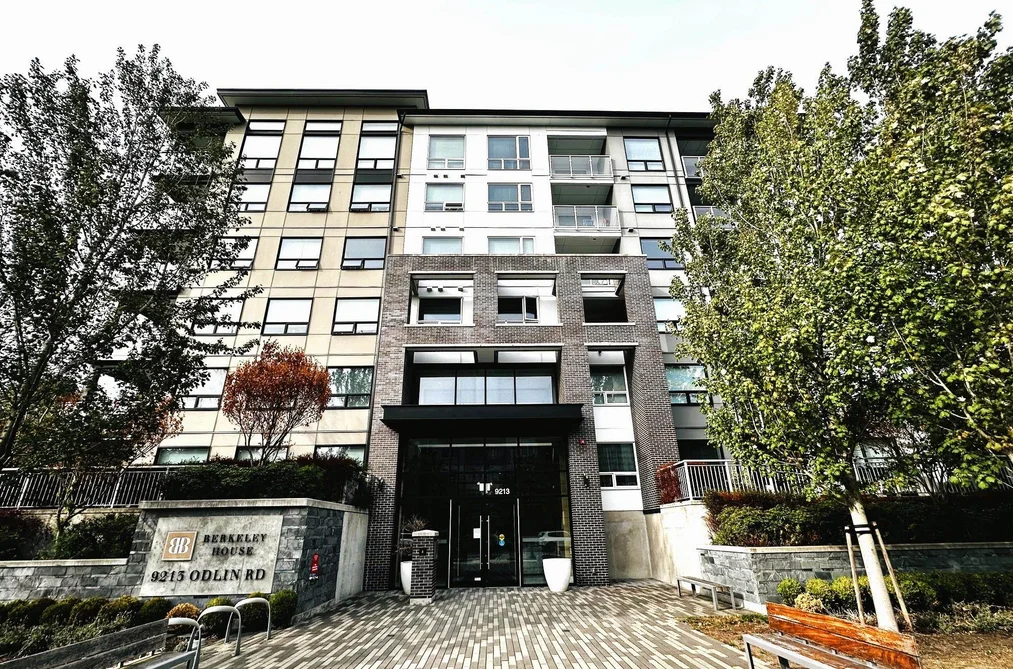
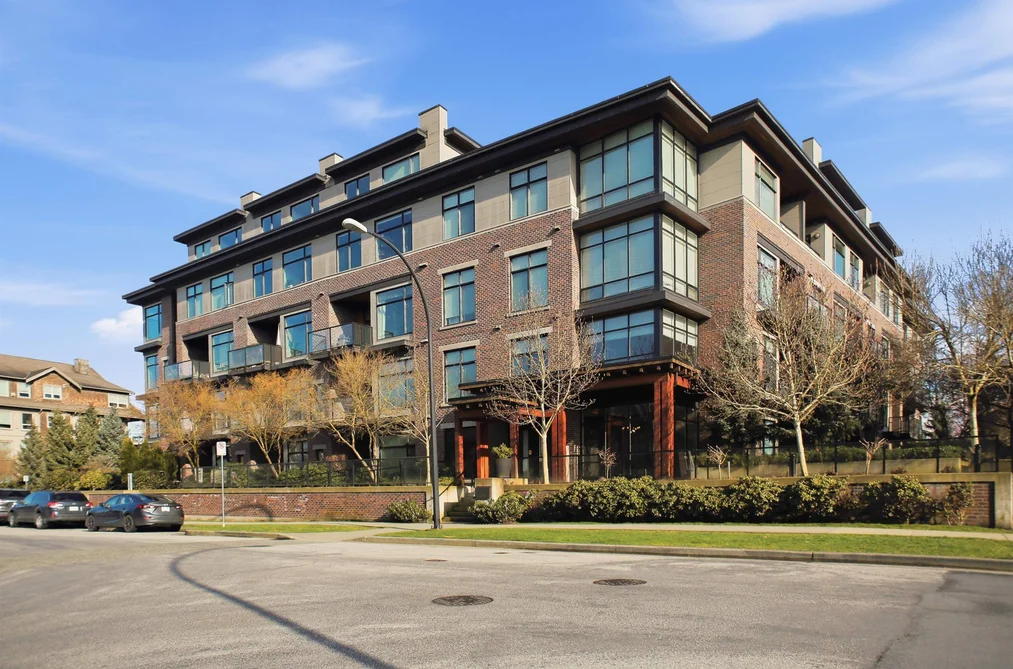
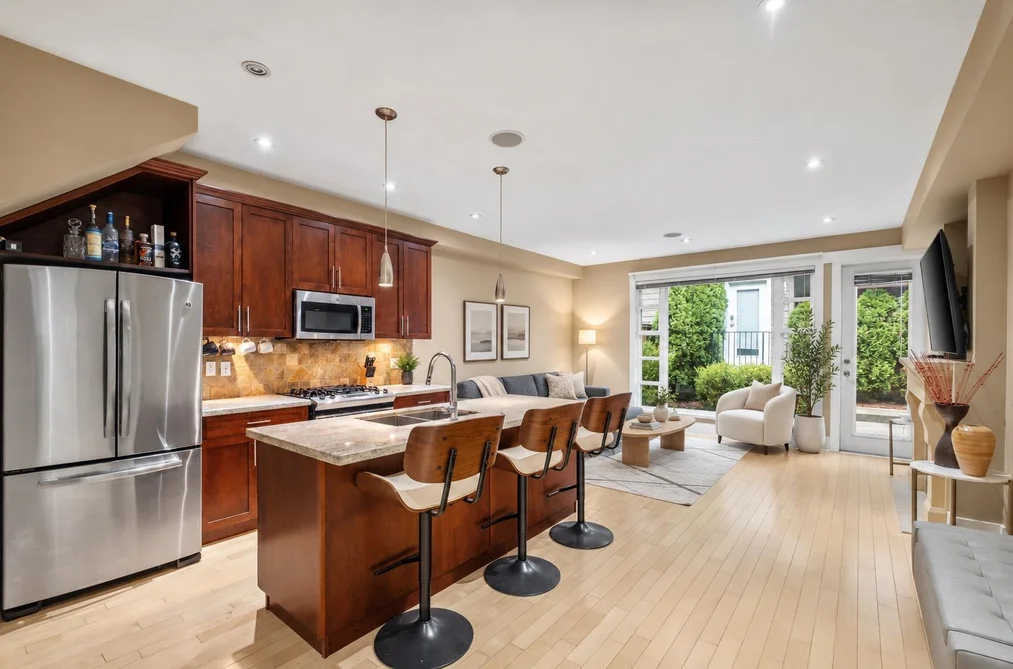
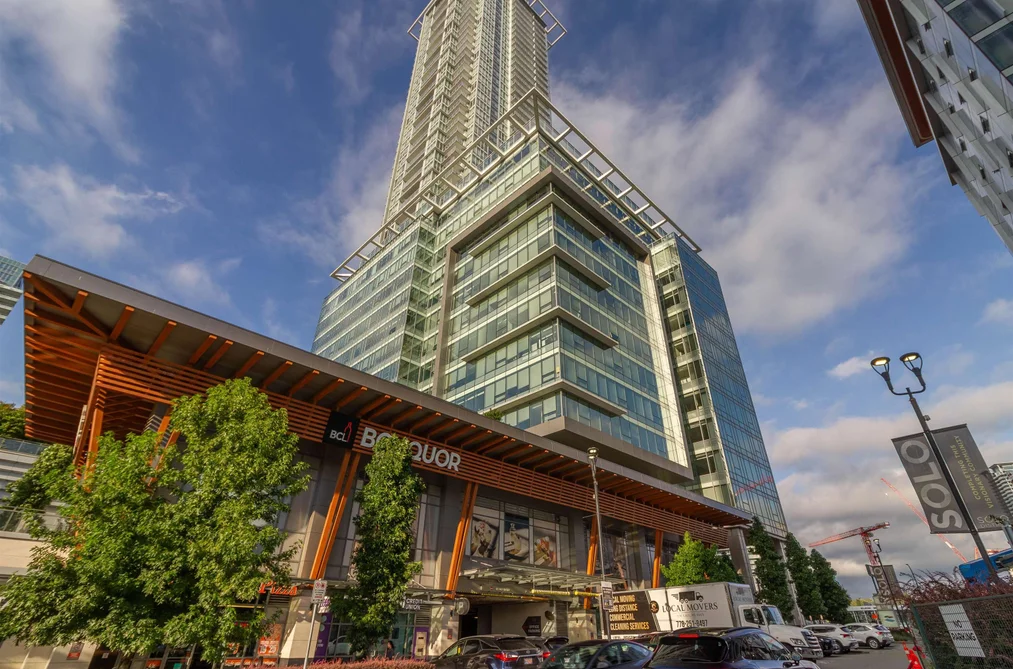
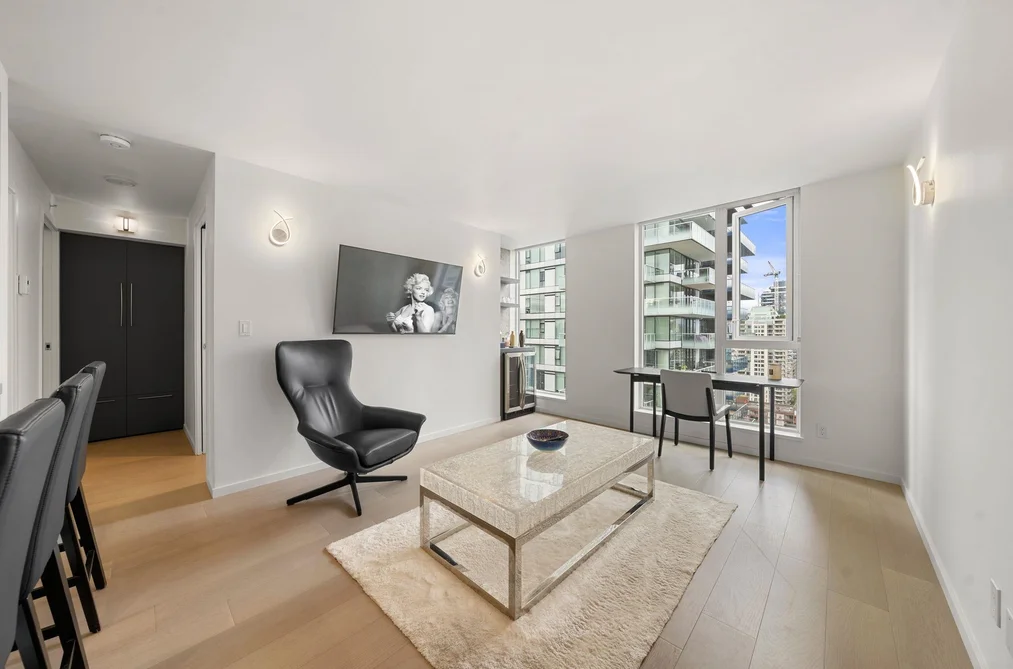
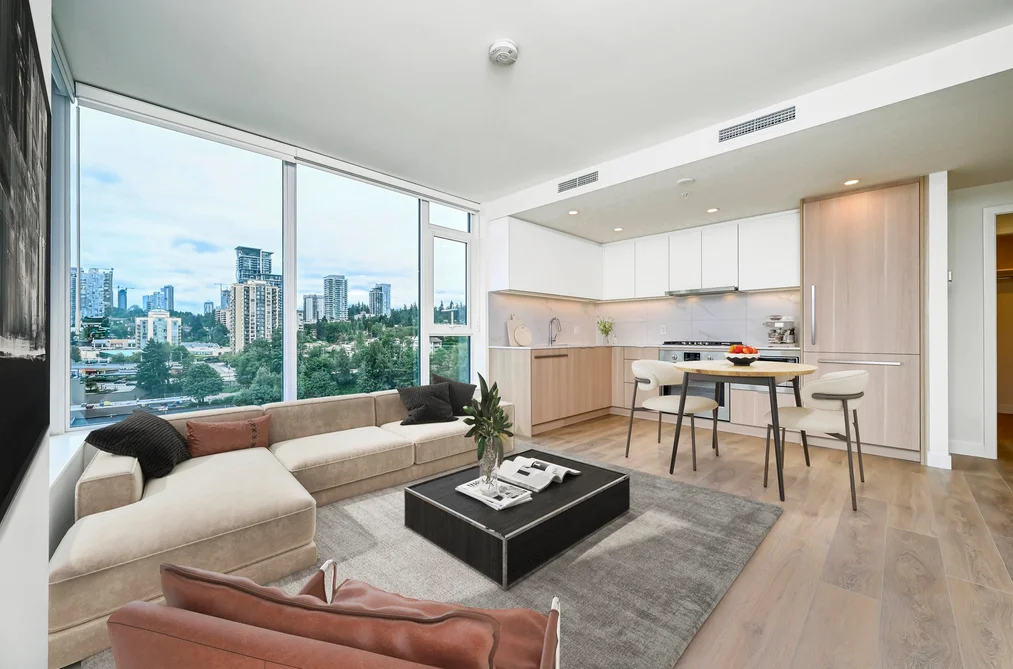
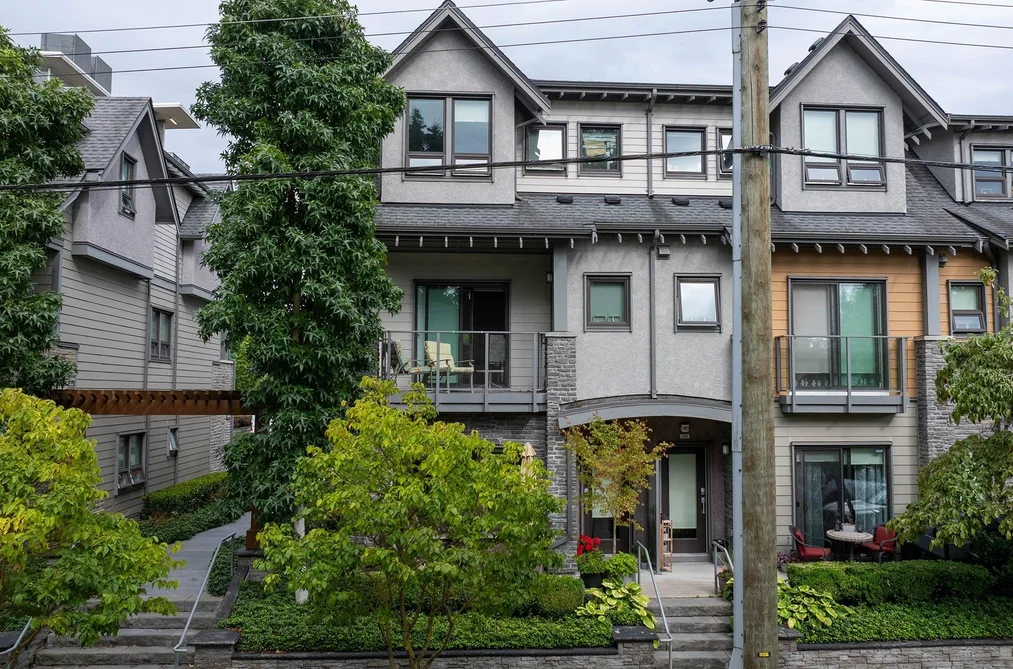


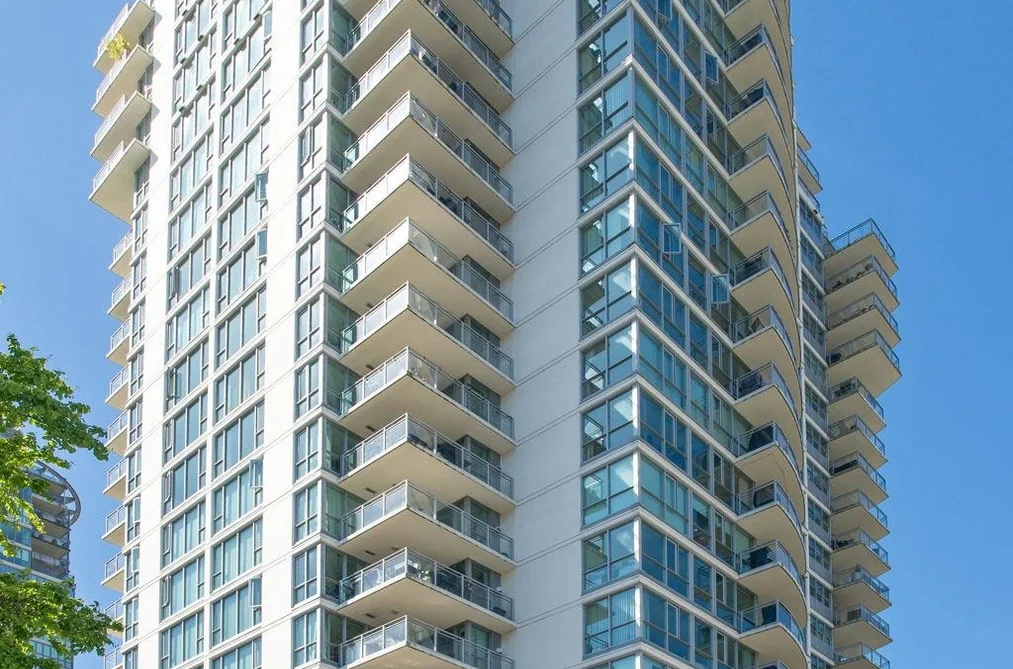
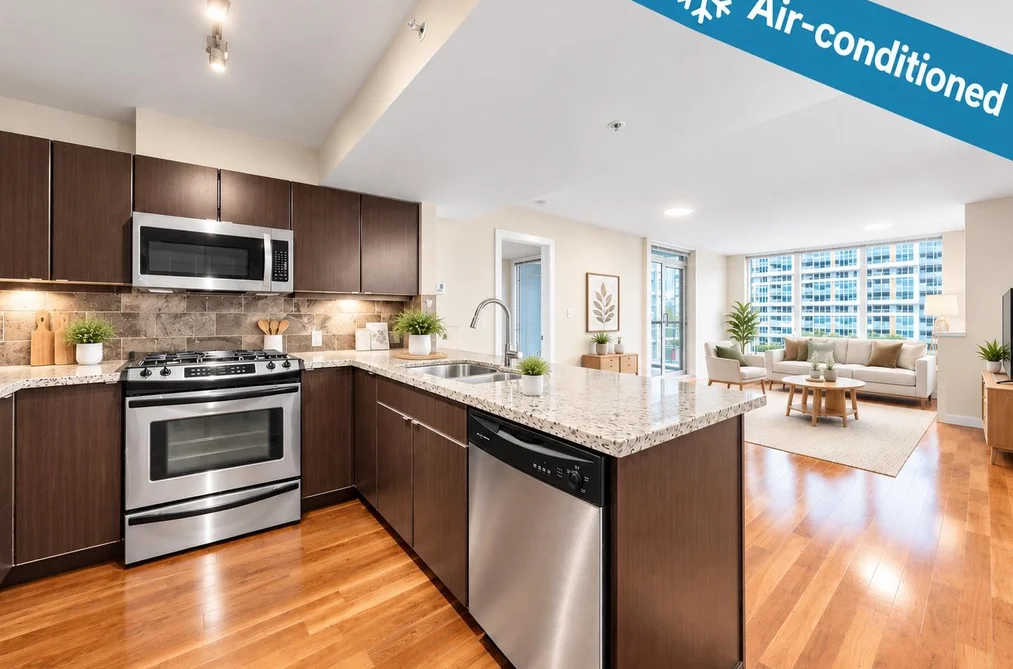
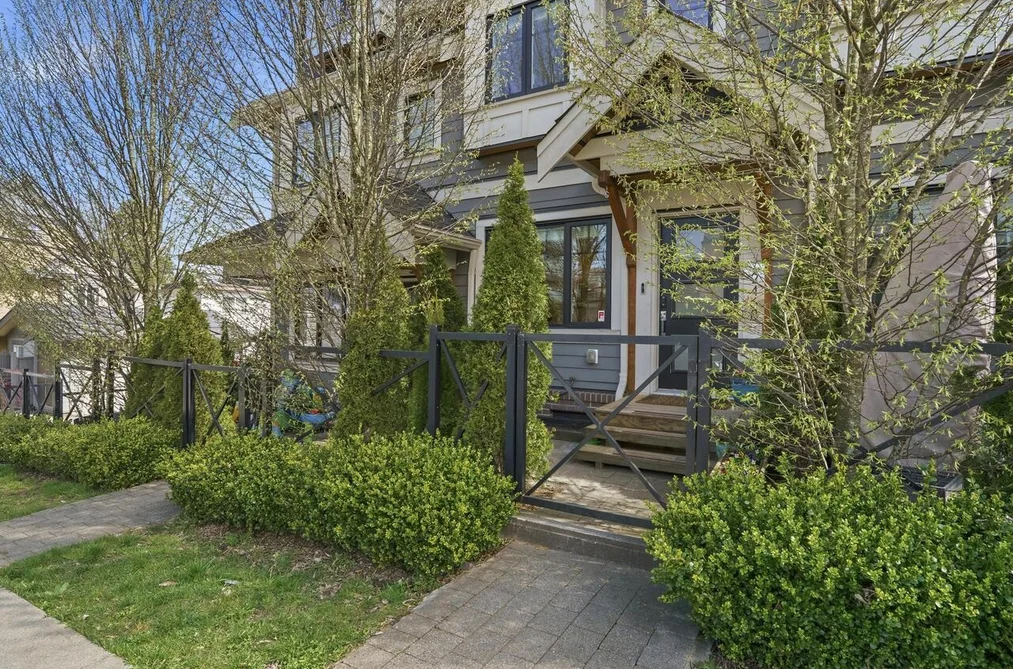
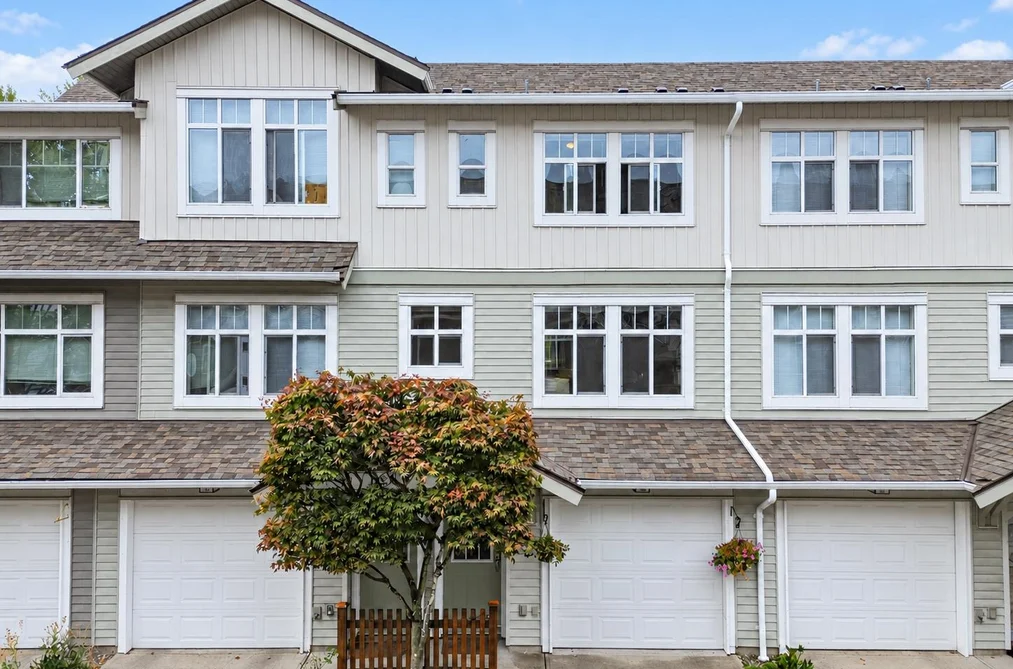
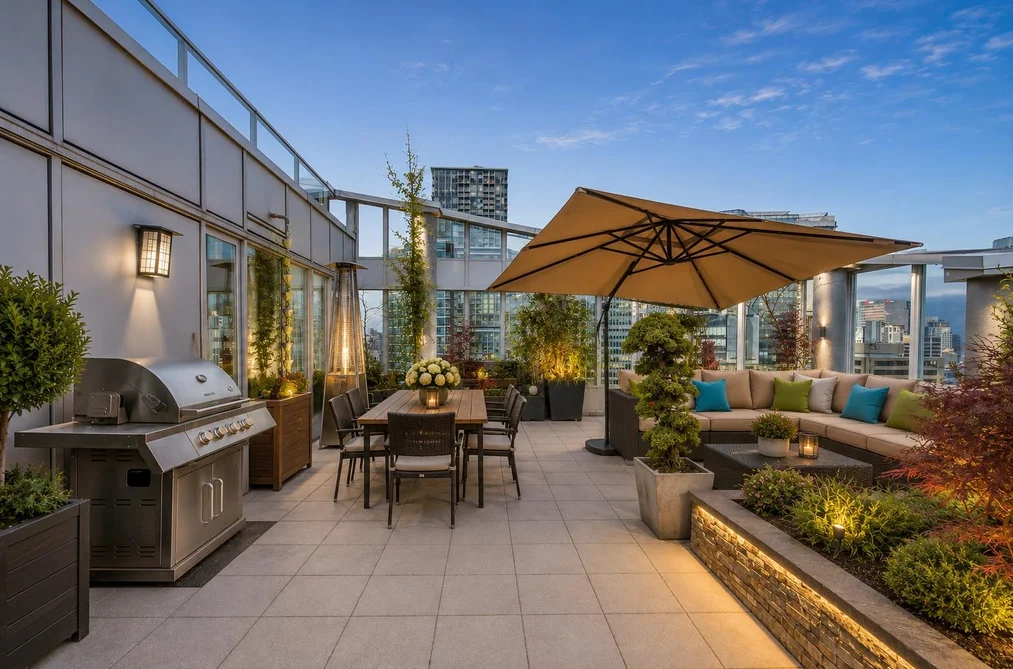
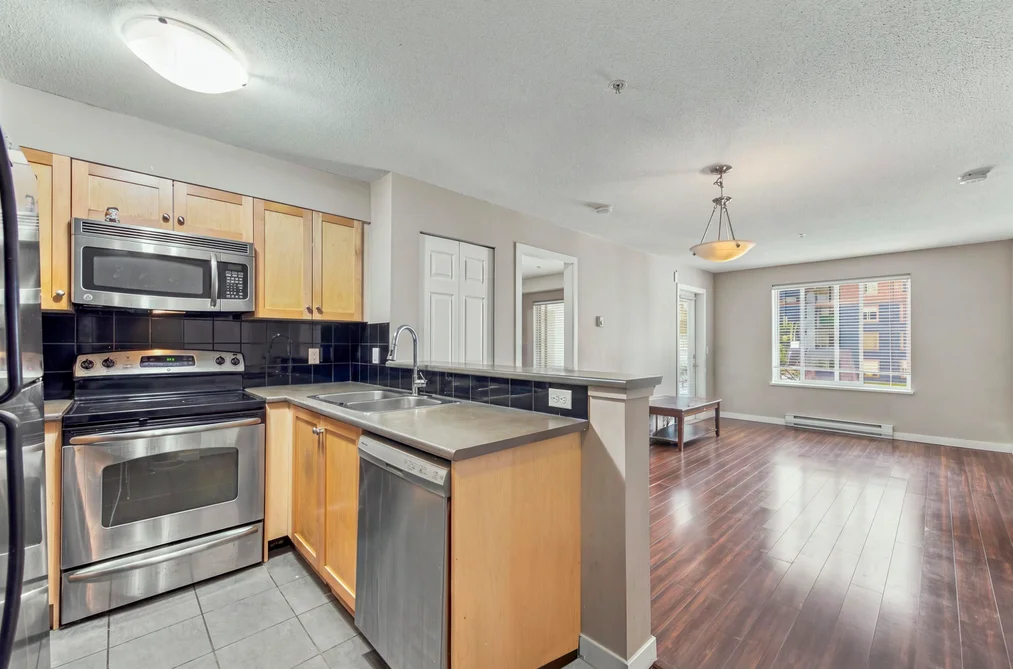
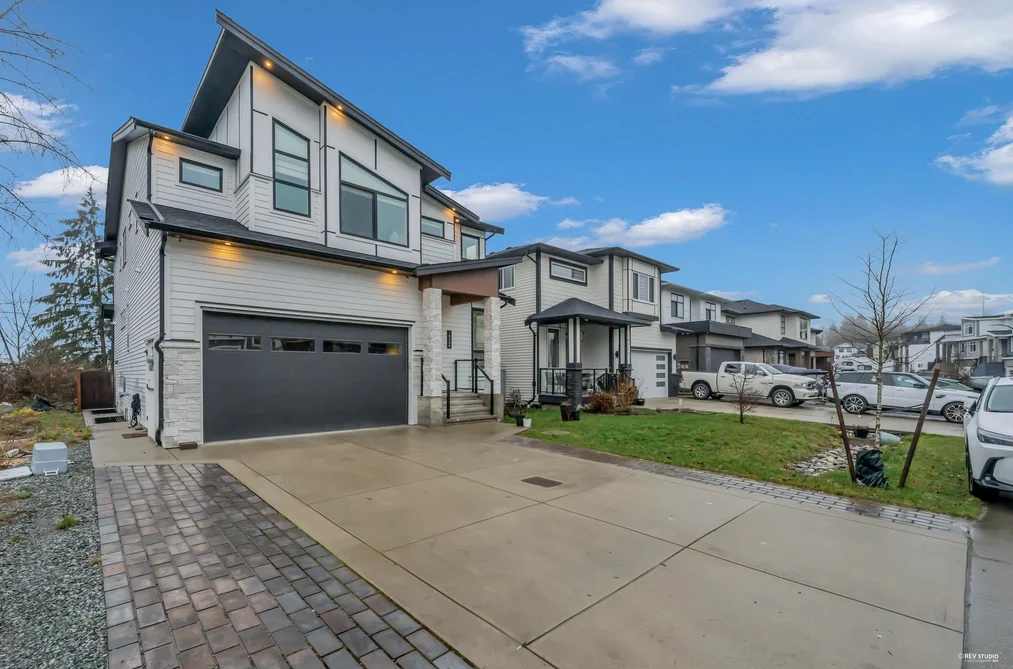
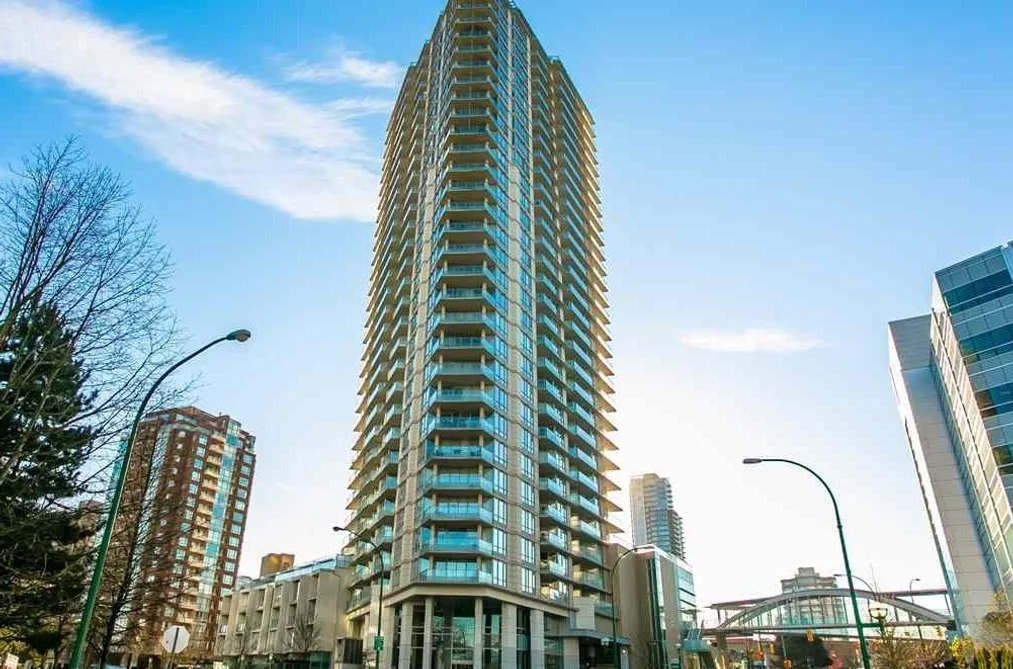
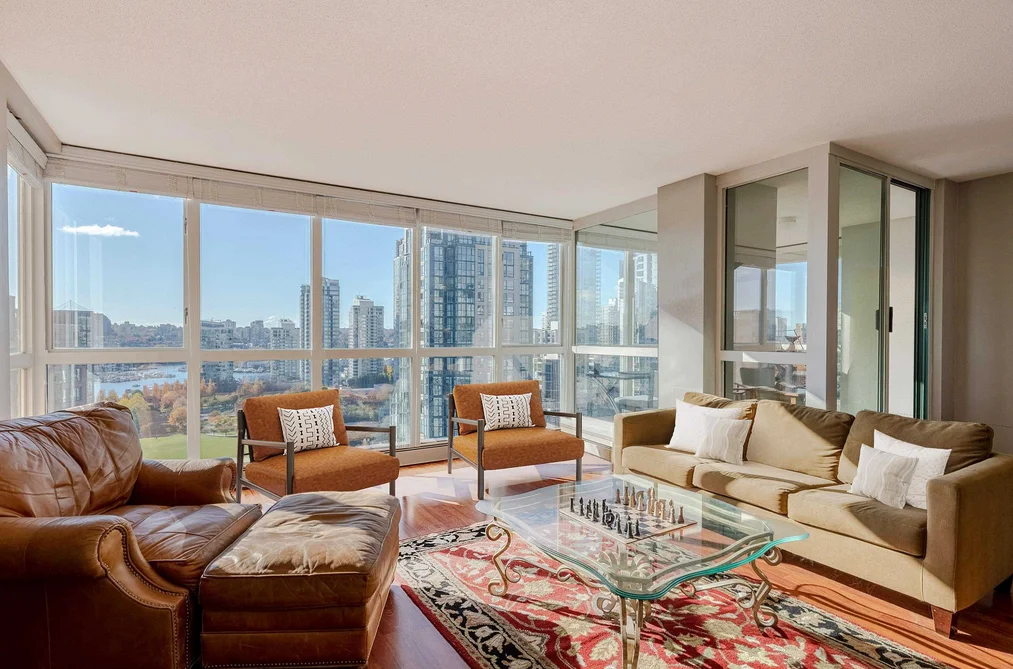
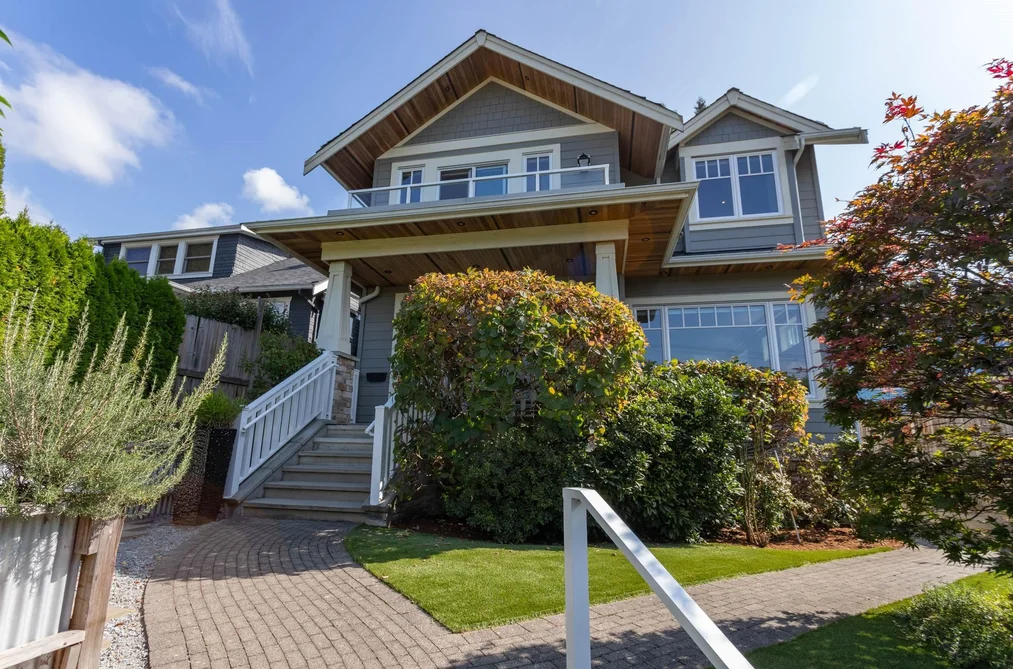
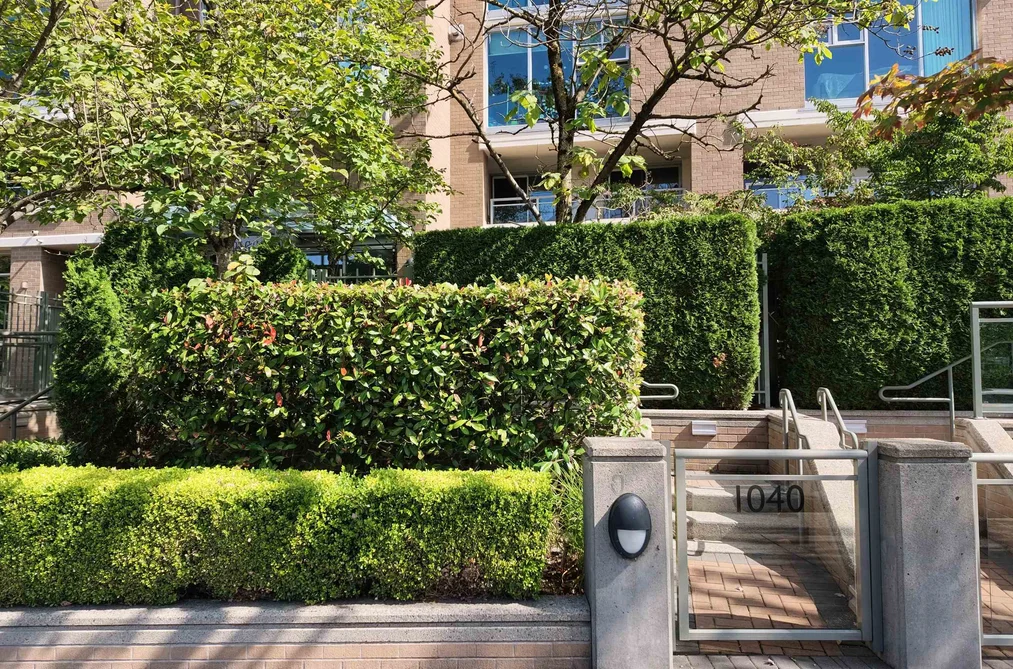
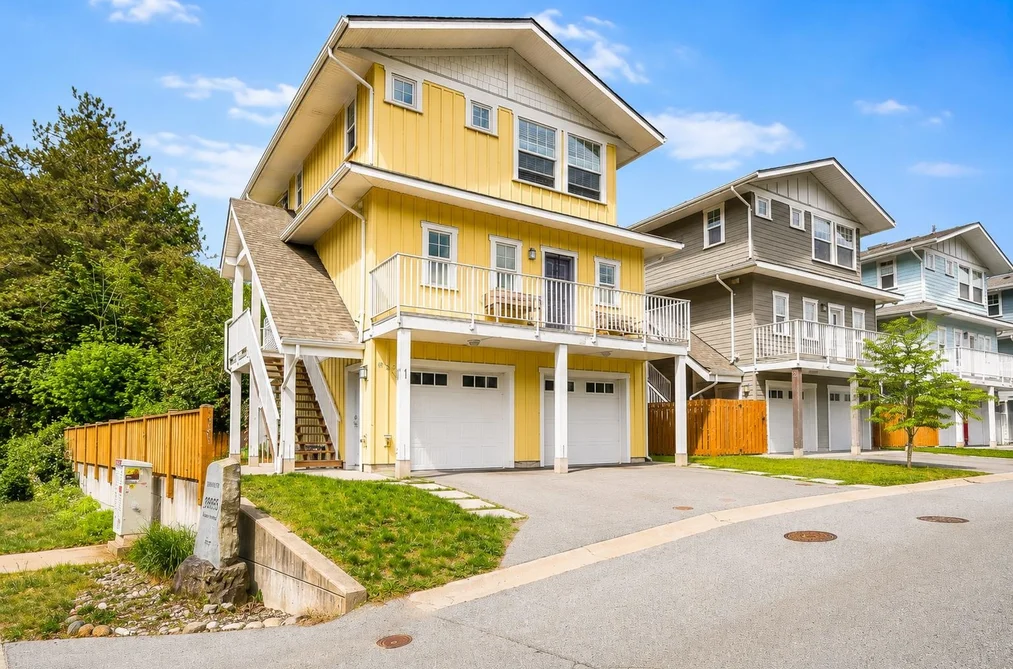
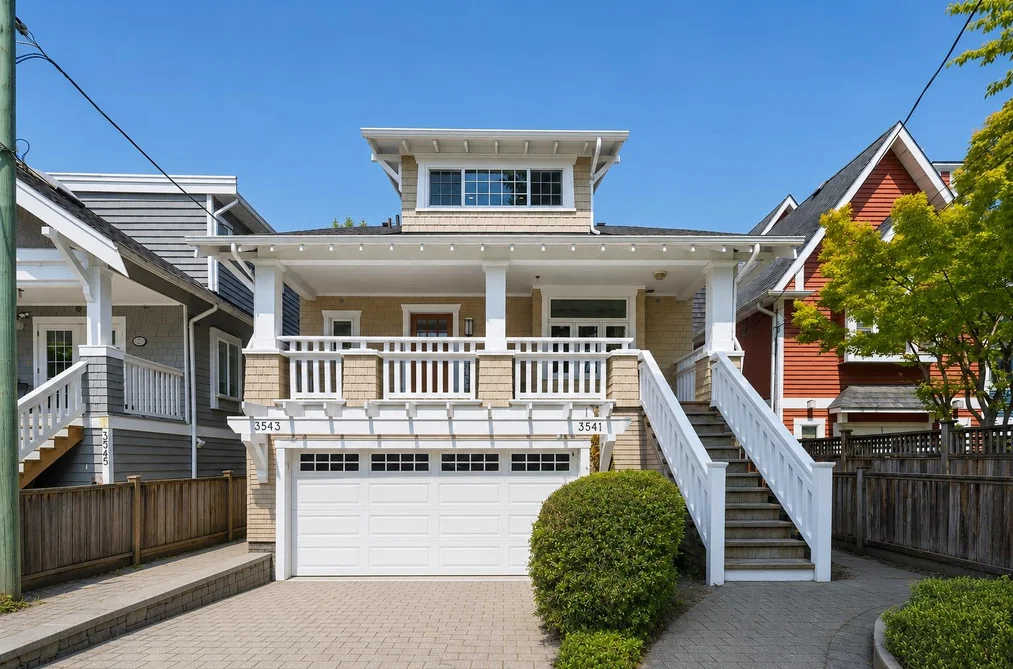
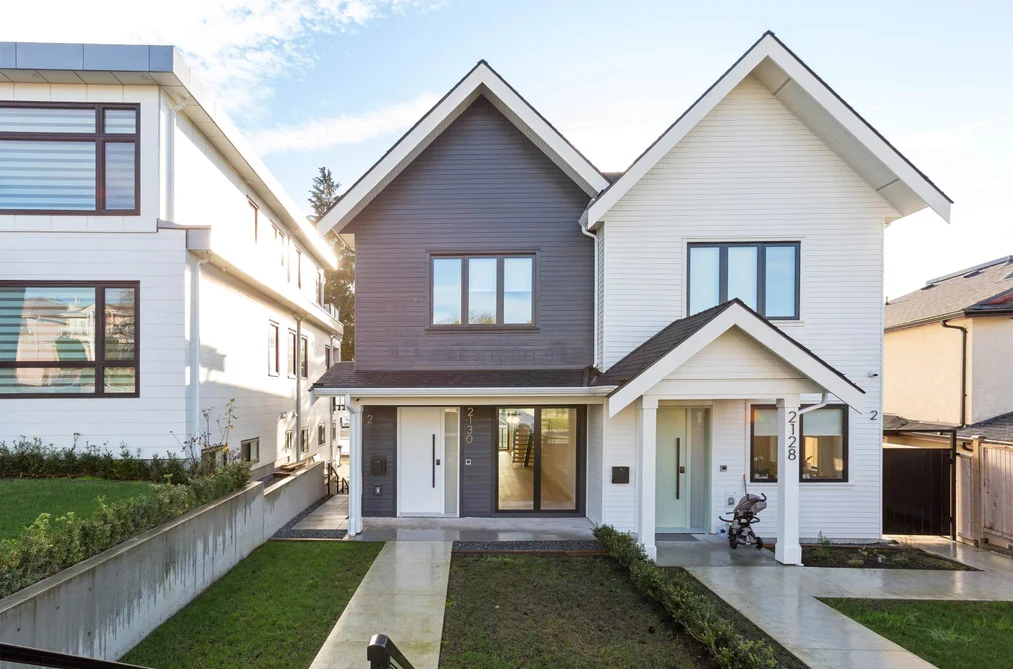
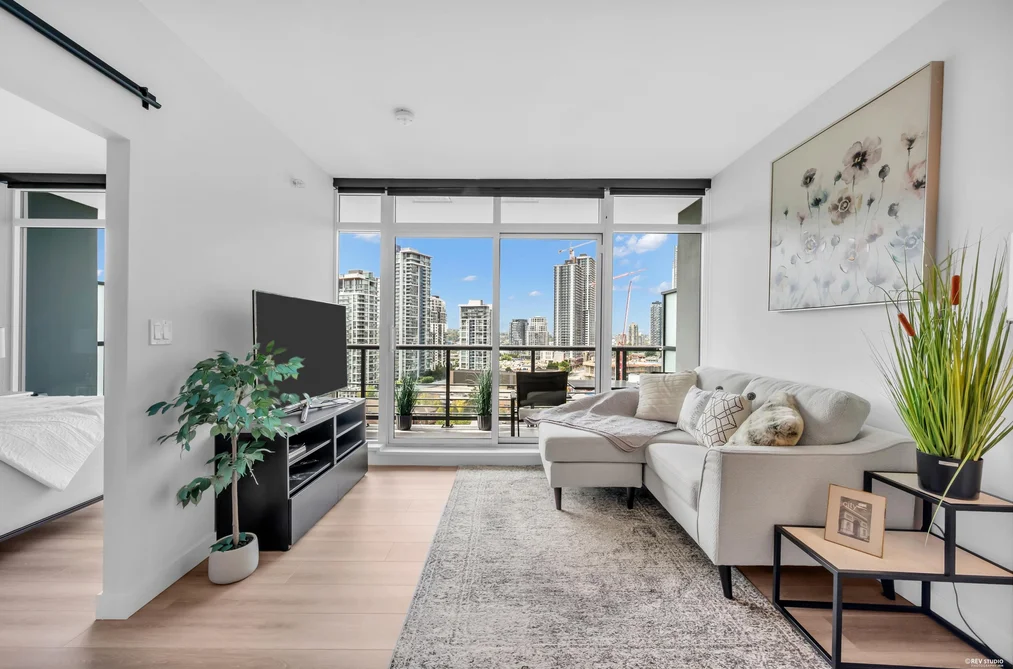
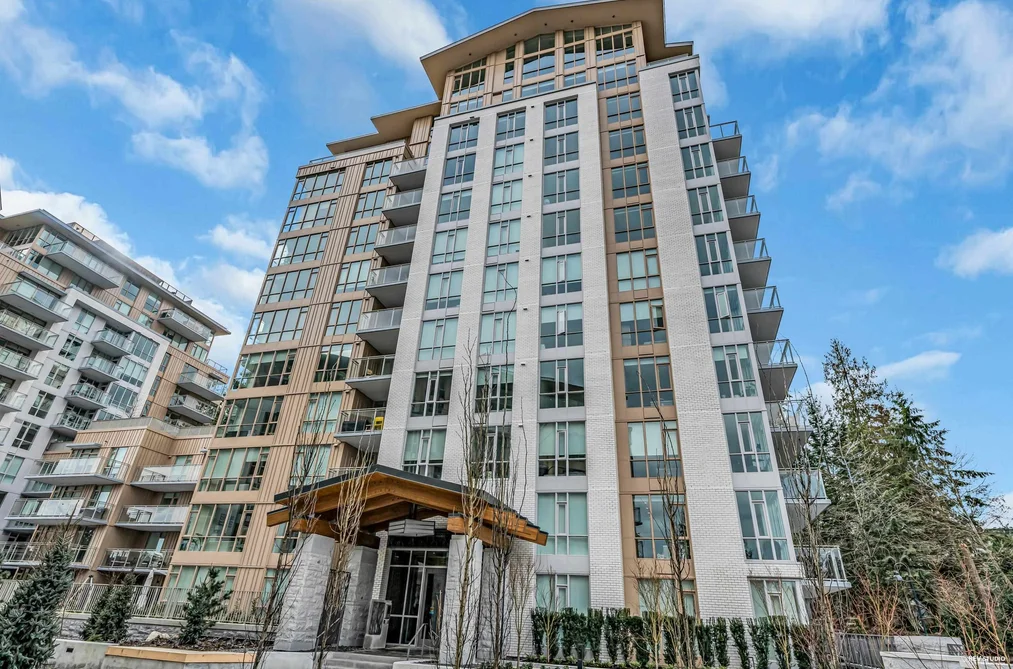
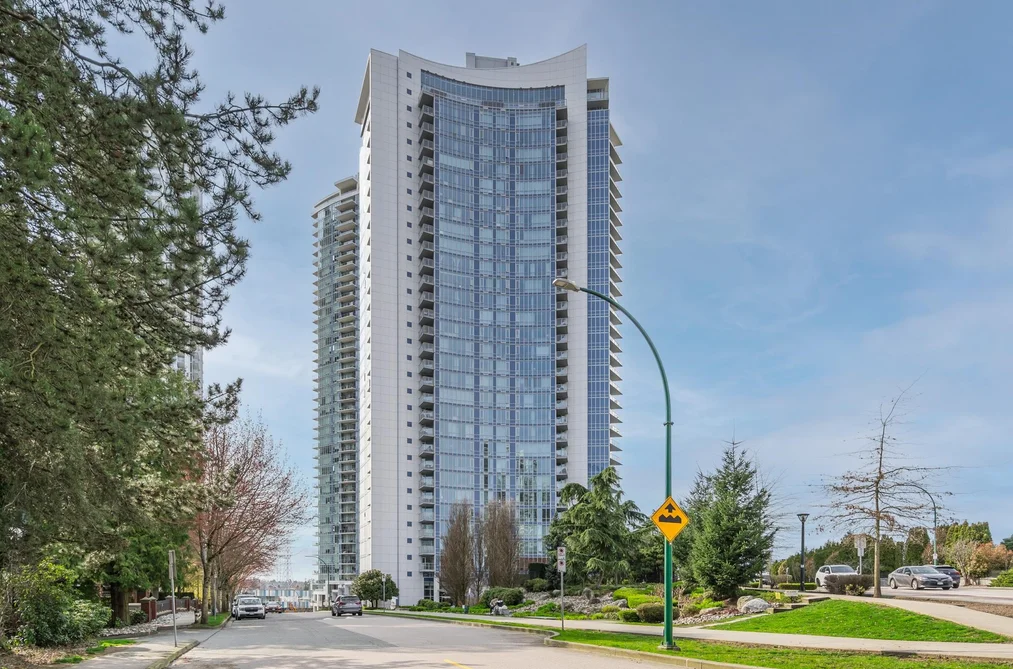
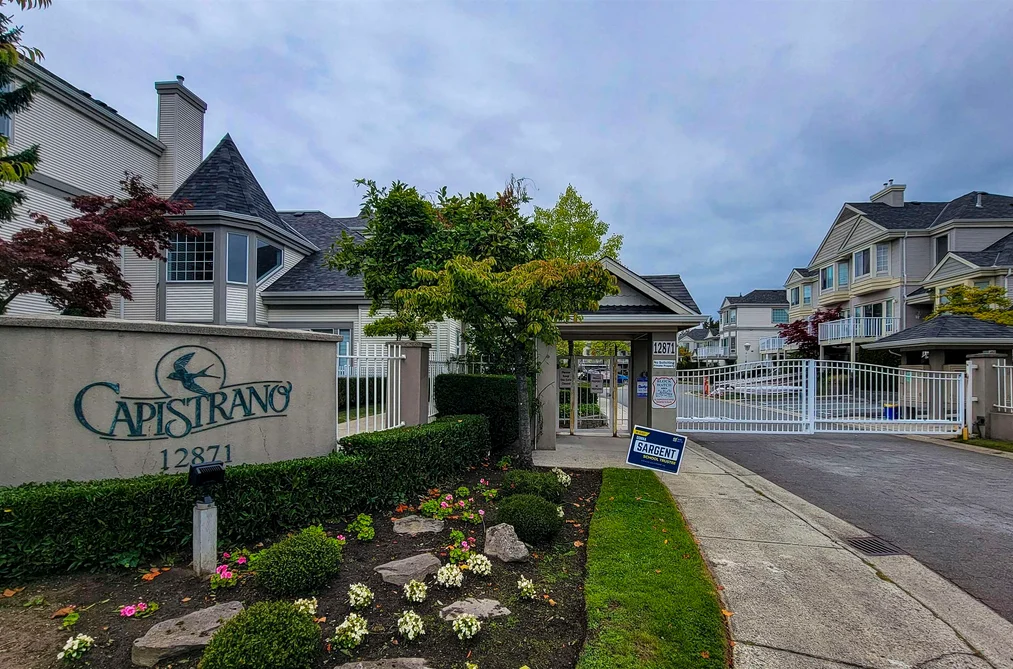
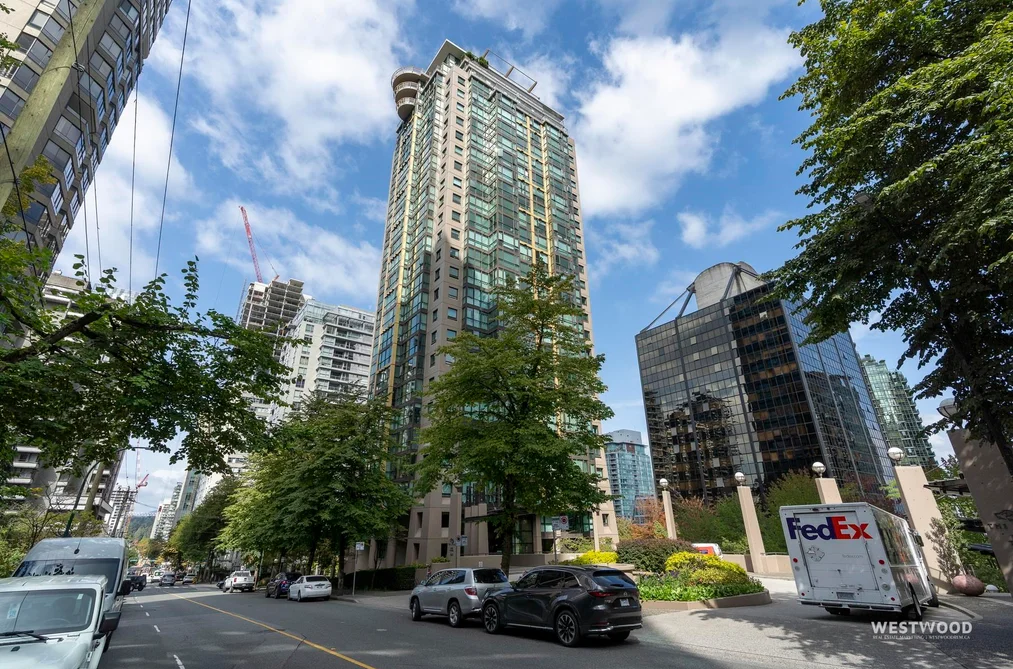
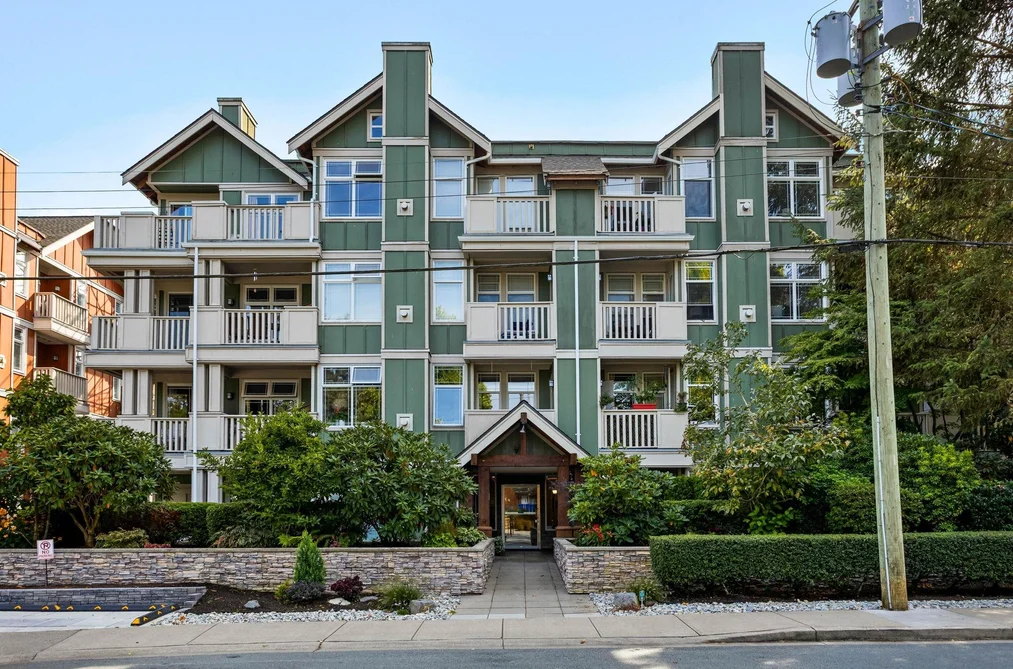
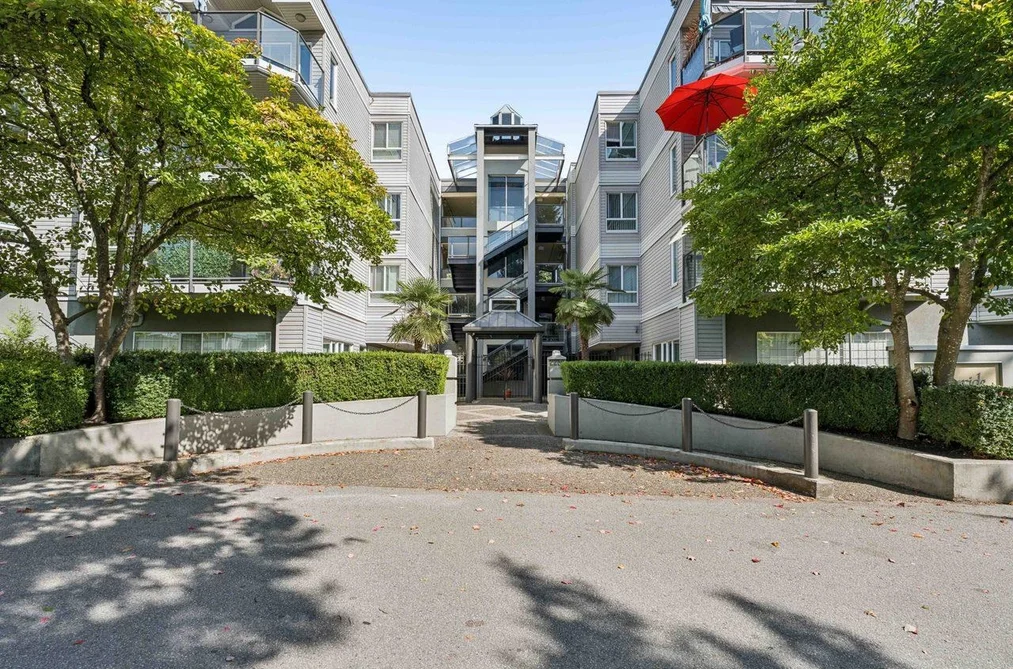
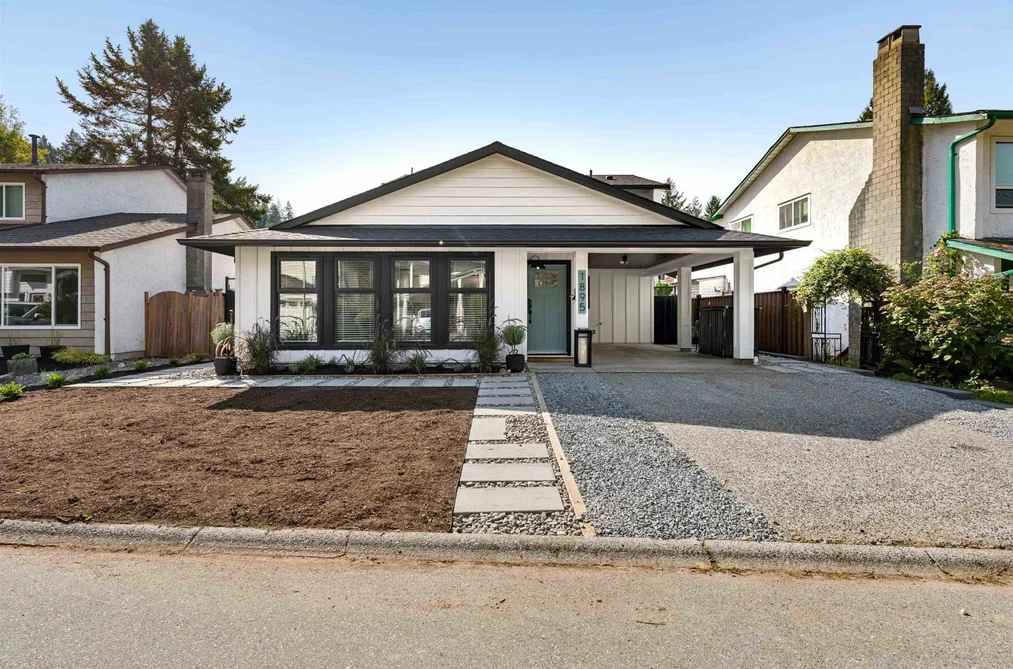
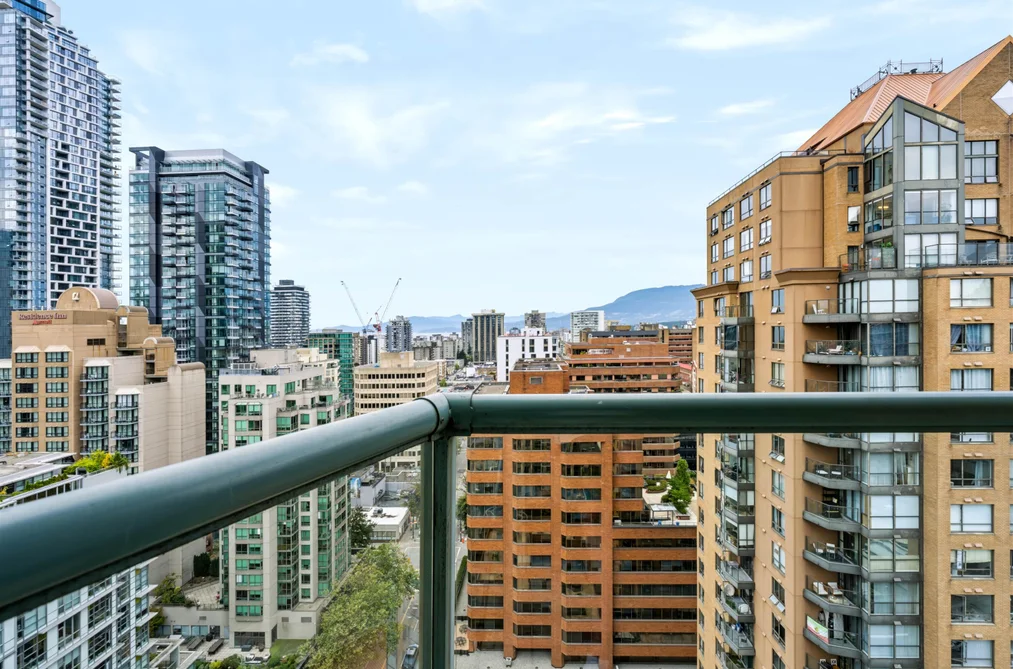
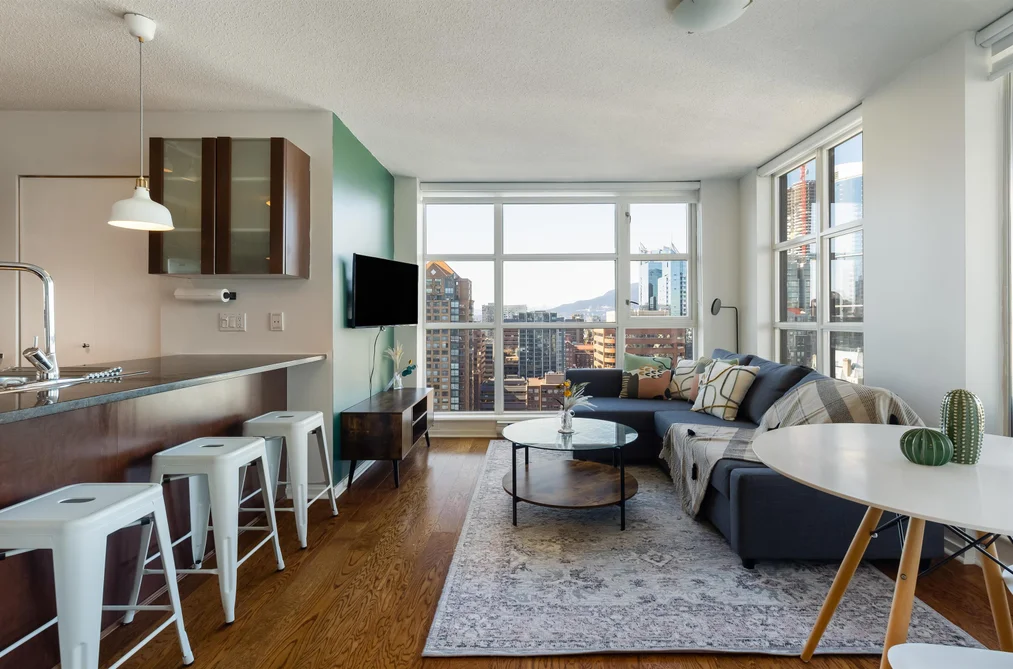
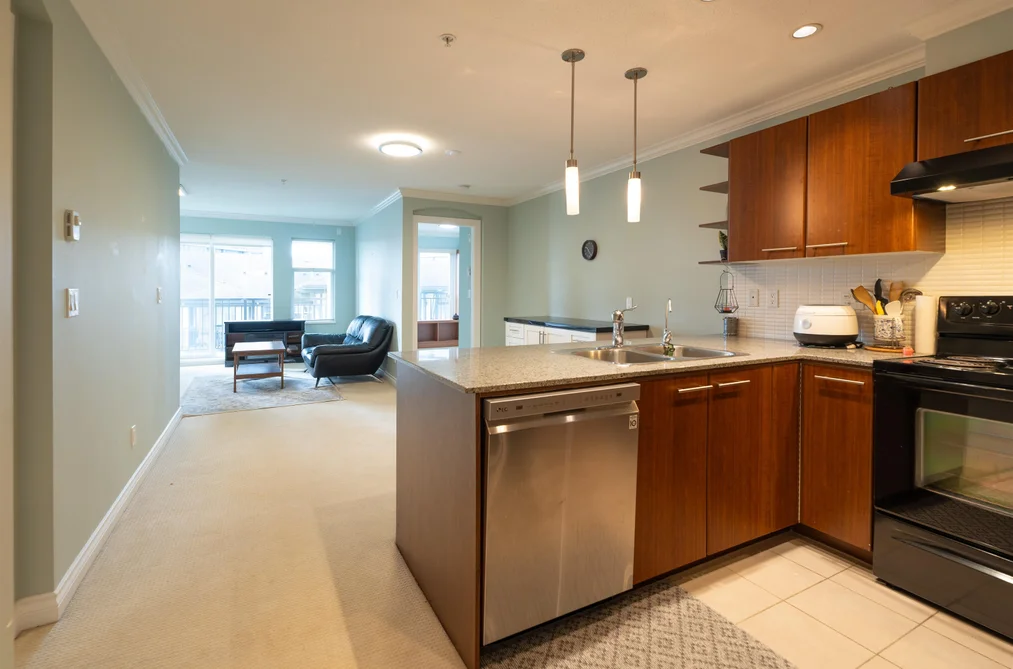
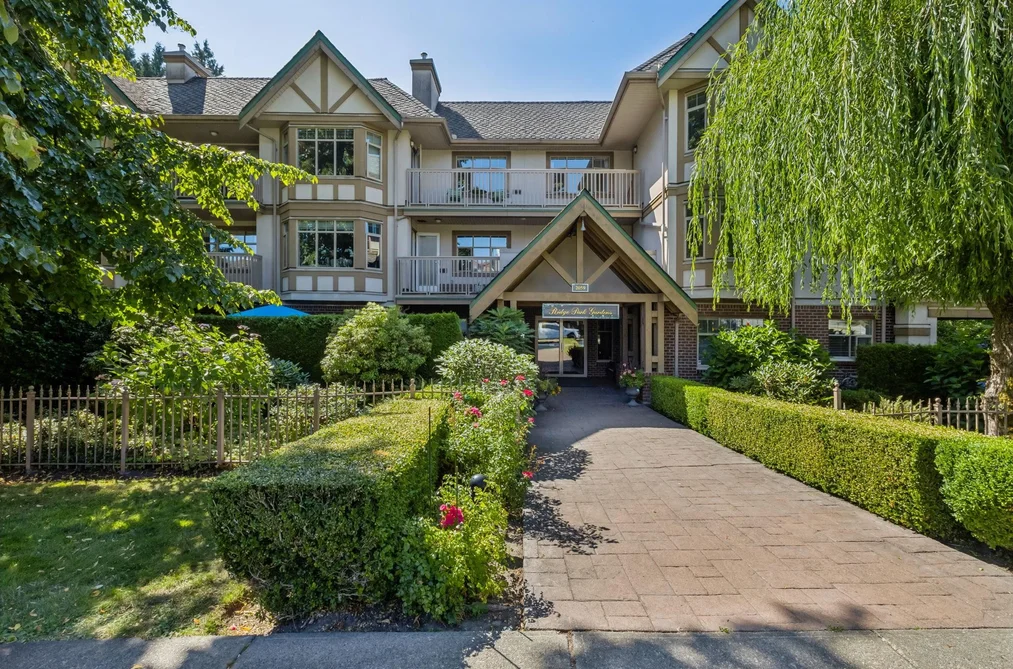
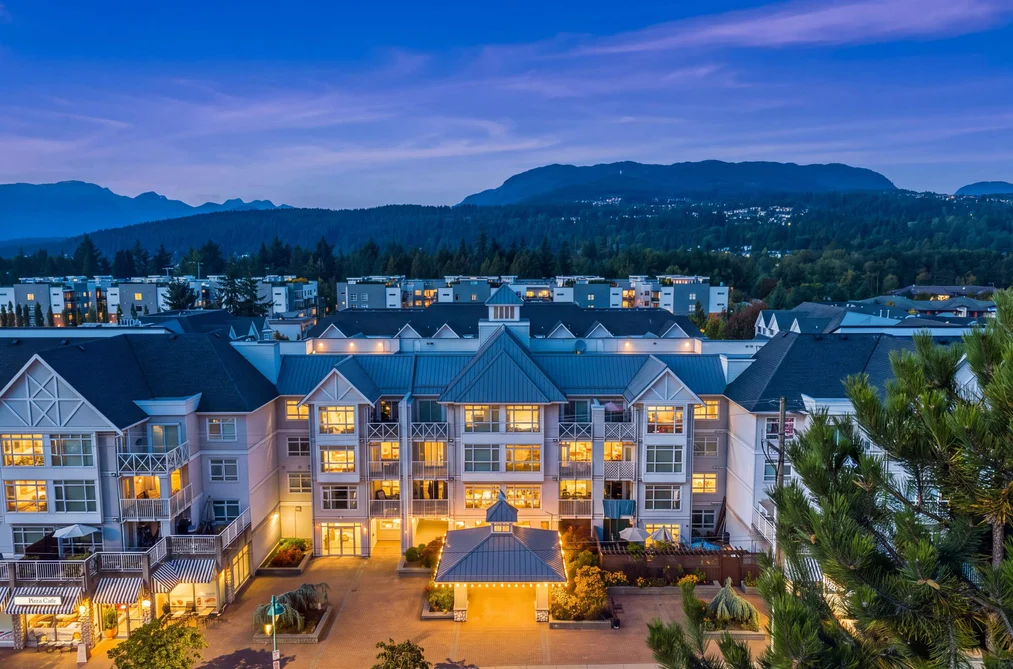
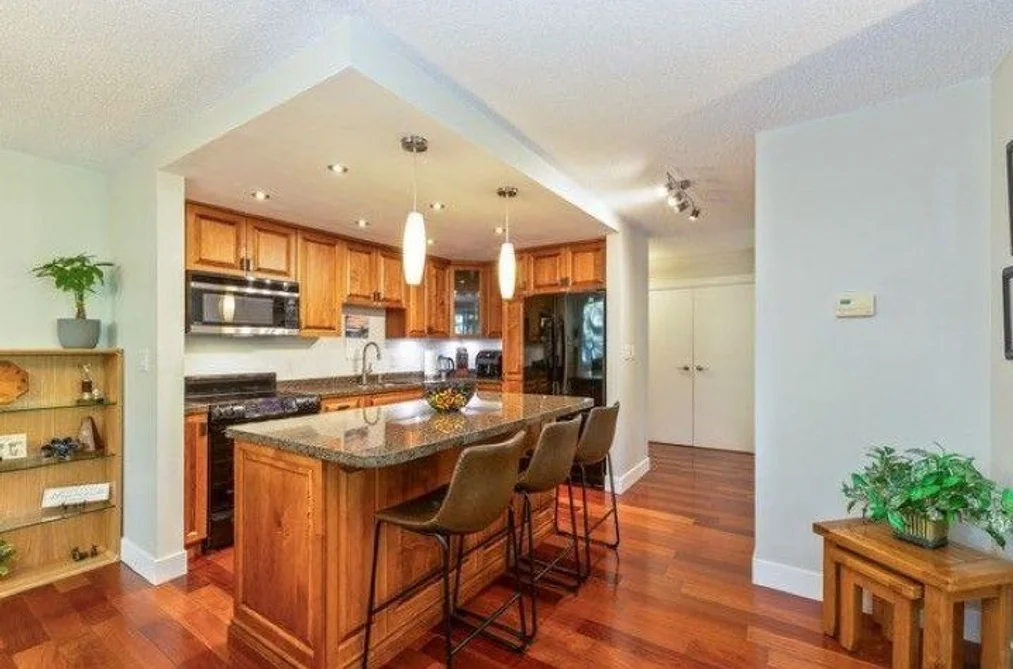
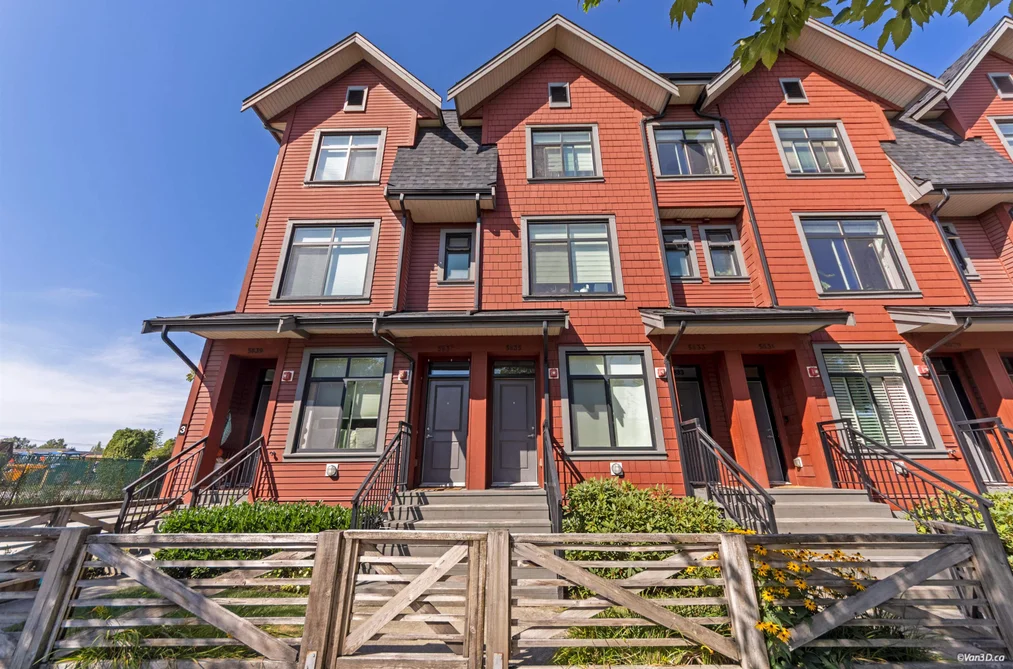
Smoke Alarm shows on thousands of Greater Vancouver listings, so check where the devices sit and whether they are interconnected before you treat a home as compliant.
The listing field only records that detection exists, not that it meets current requirements. Walk the house and note one in each sleeping room, one outside each sleeping area, and one on every level including the lower floor. Missing devices are cheap to add, but their absence often points to a renovation that skipped the permit stage, which is the more useful thing to learn.
Check how they are powered and whether they talk to each other. Hardwired units with battery backup and interconnection mean an alarm anywhere sounds everywhere, which matters most in a tall house or one with a lower-level suite. Battery-only devices scattered by a previous owner do not do that, and an inspector will say so in the report.
Where a secondary suite exists, detection is part of what makes it permitted. Interconnected alarms across both units, and in many cases a carbon monoxide device near fuel-burning equipment, are what the municipality looks for alongside fire separation and egress. Request the permit history for the suite rather than assuming the hardware on the ceiling proves anything.
In a condo, the building system matters more than the device in your unit. Ask whether the building is sprinklered, when the fire alarm system was last certified, and whether the depreciation report schedules replacement of the panel or the devices. That is a significant line item, and it lands in the strata fee or a special levy.
Then use what you find. A missing device is a small repair, but no permit for the suite, an uncertified building system or a pending alarm upgrade all belong in the conversation before subjects come off. Ask your agent to put the questions to the listing agent in writing so the answers are on record.