For Sale
3 days
- $1,399,000
- 3 bed
- 2 bath
- 1419 sqft
MLS® R3169683
•Stilhavn Real Estate Services
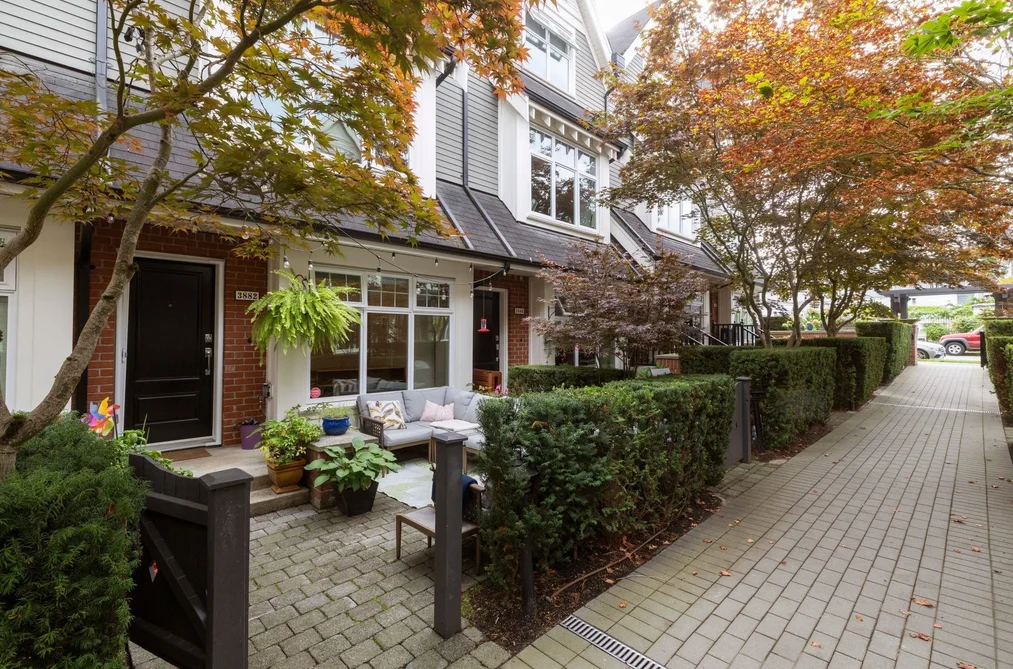
Browse Brick homes for sale in Greater Vancouver and check the mortar, the foundation and any seismic upgrades before you pay for the character brick adds.
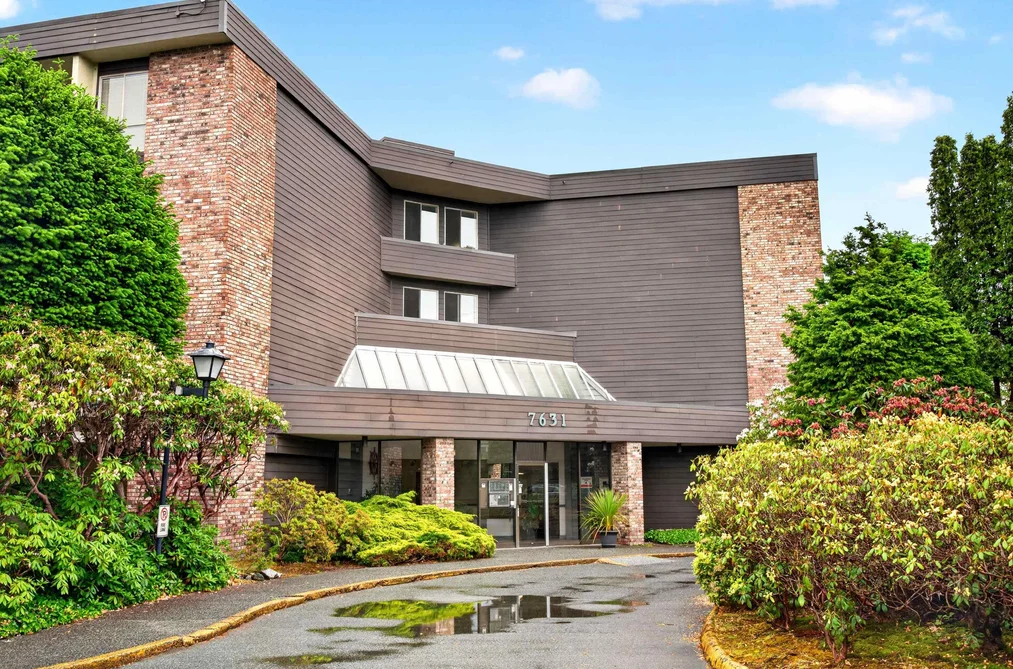
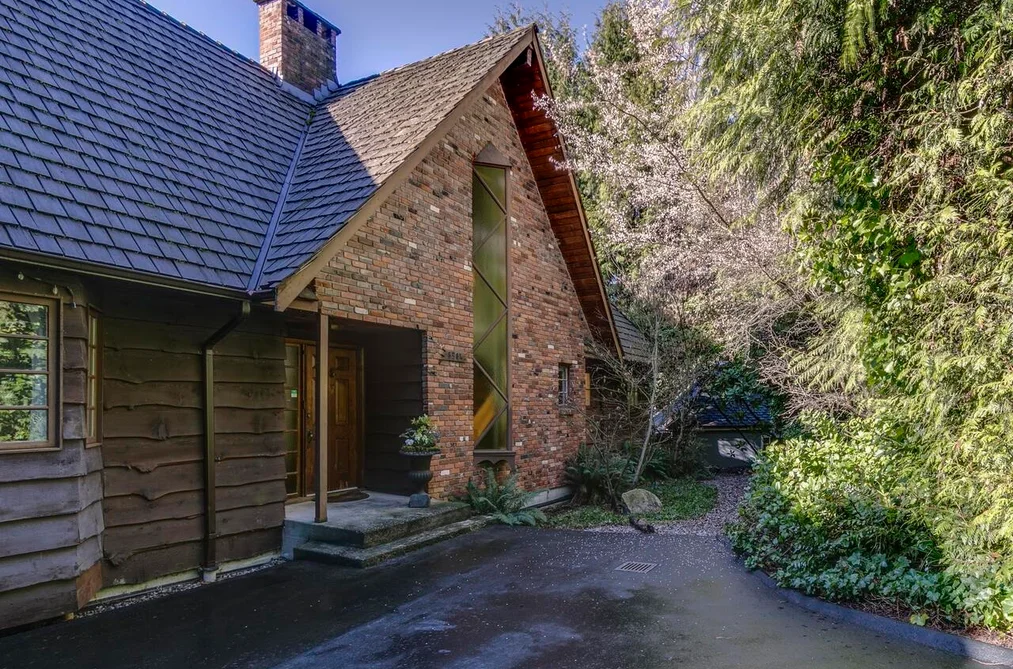
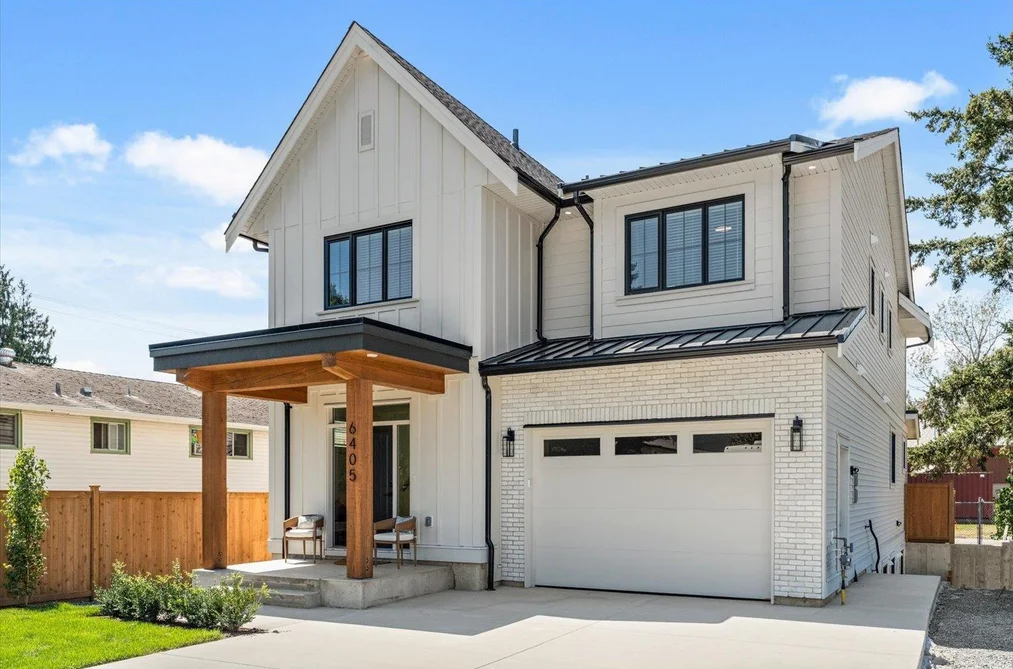
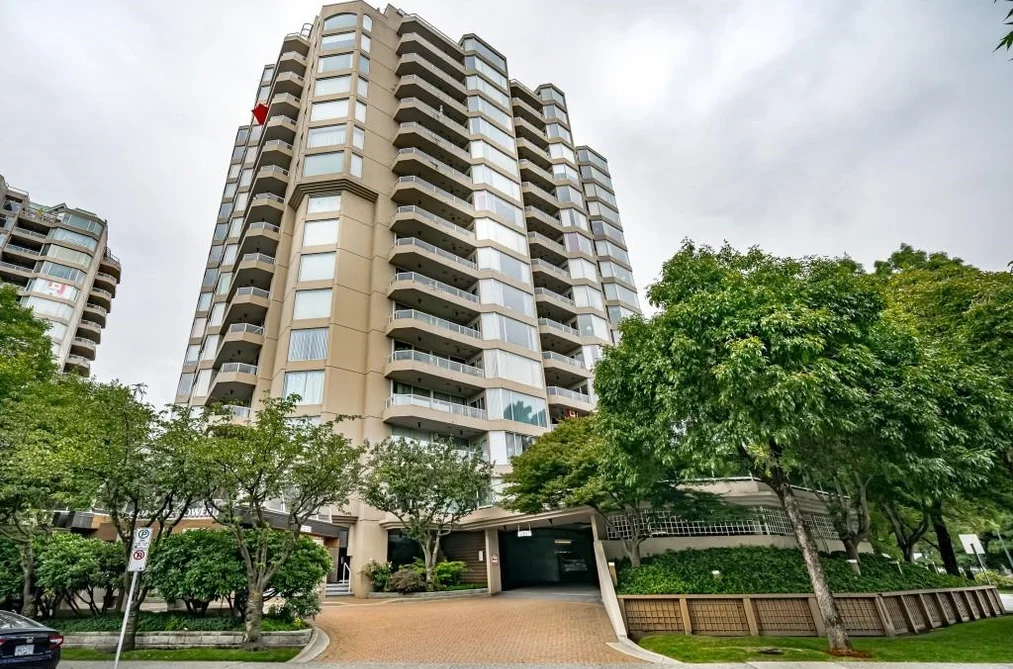
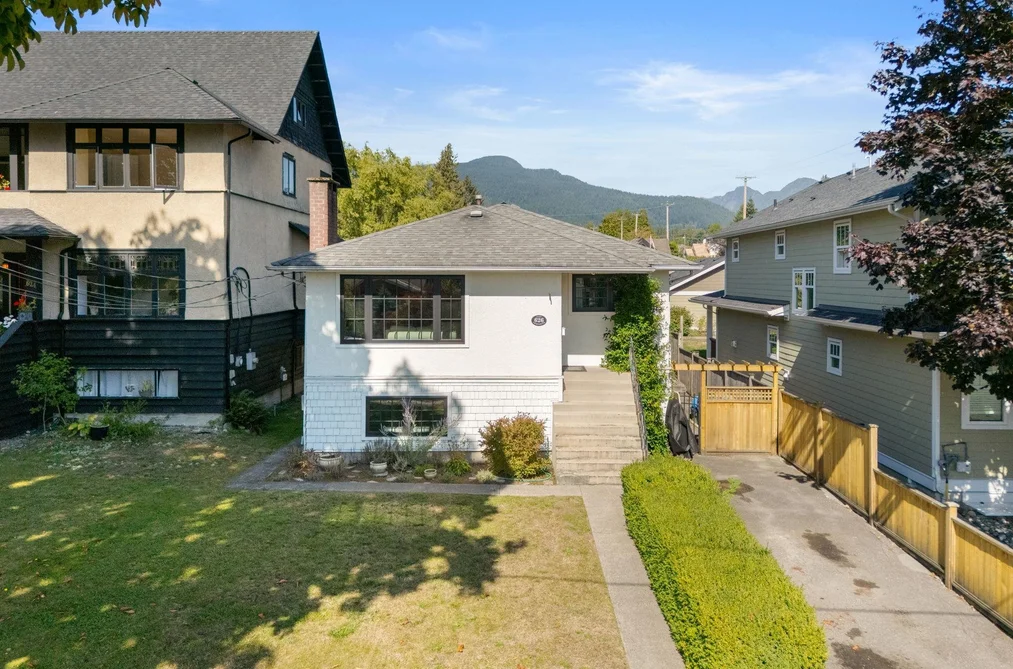
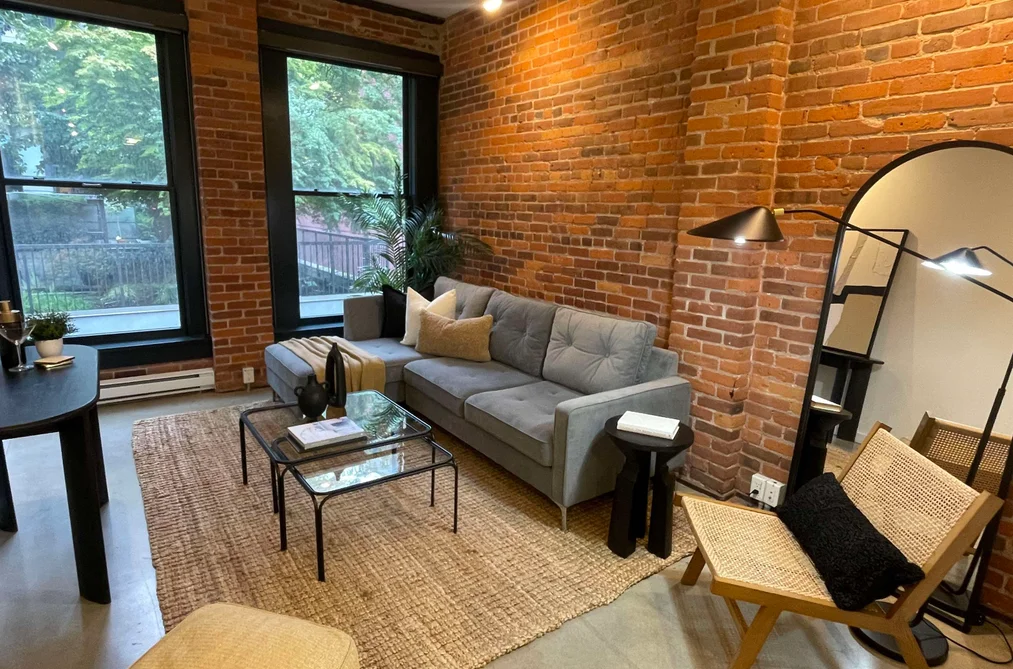
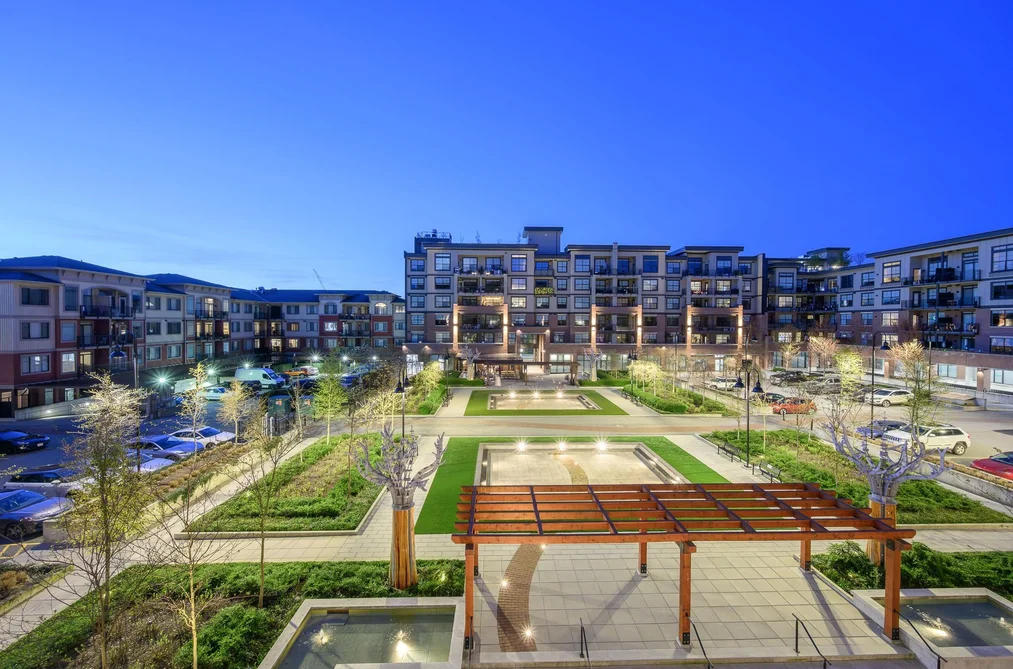
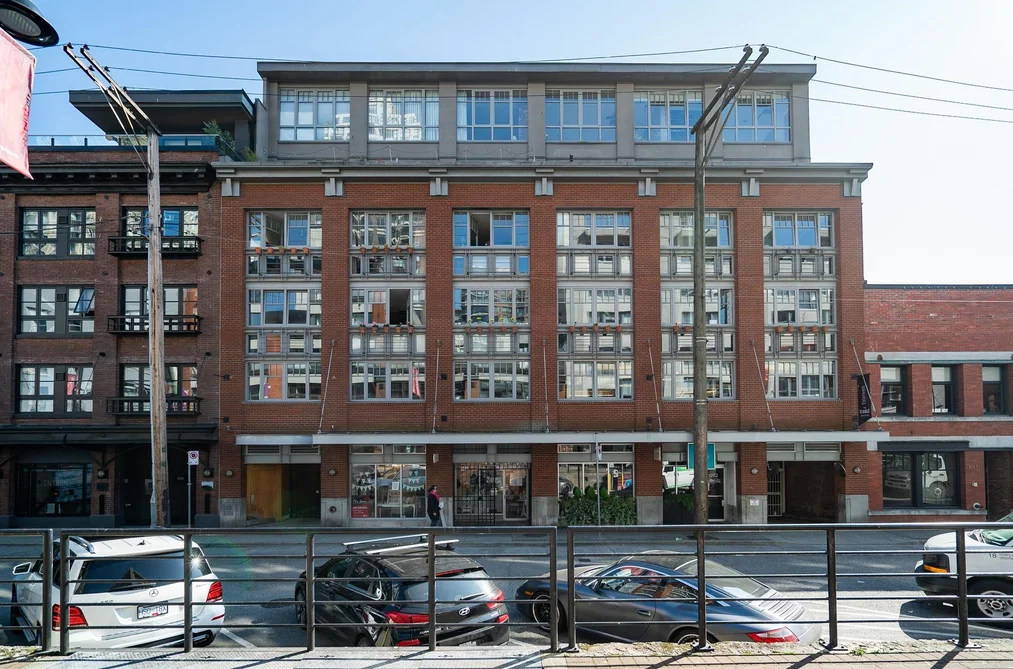
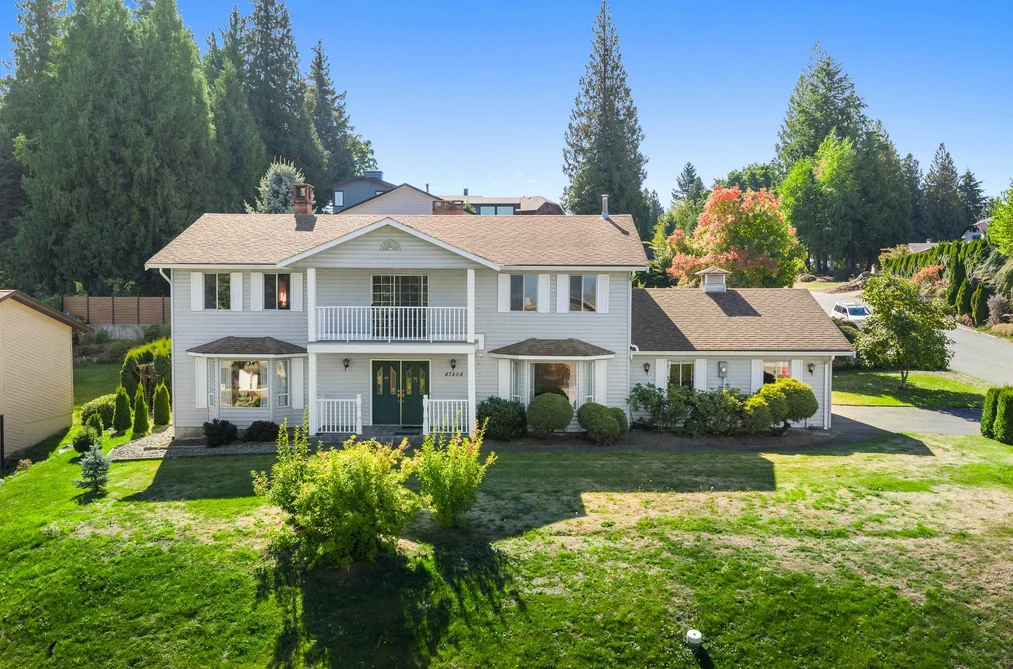
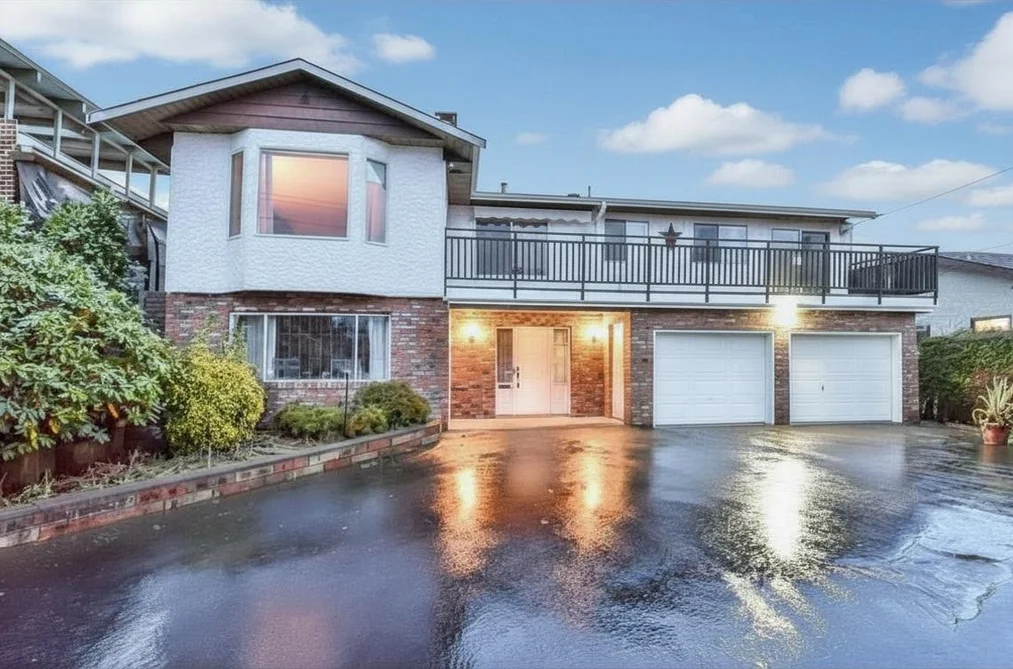
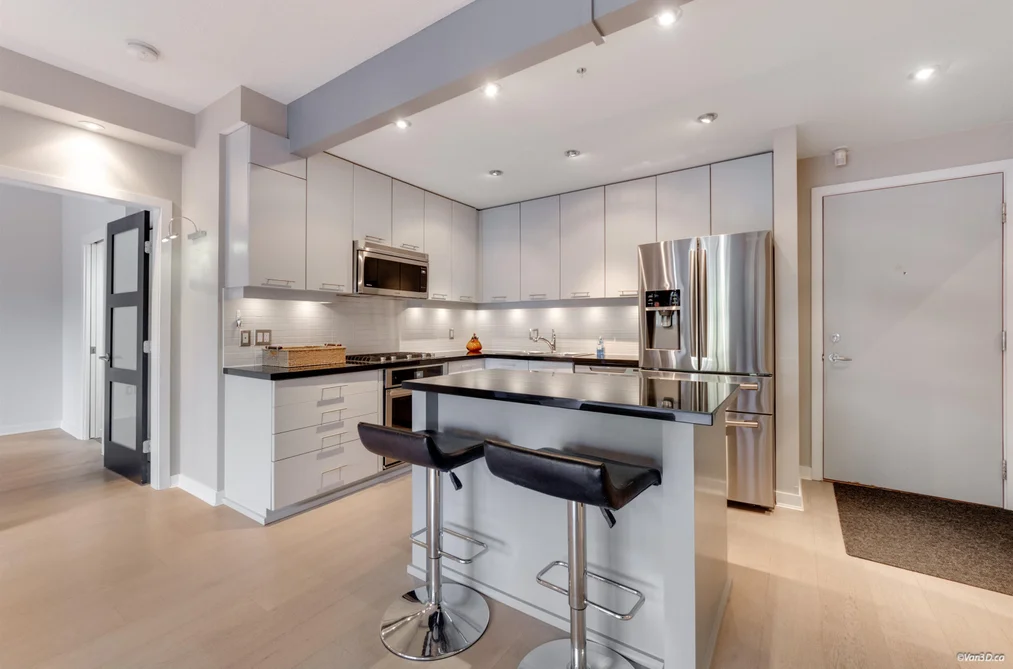
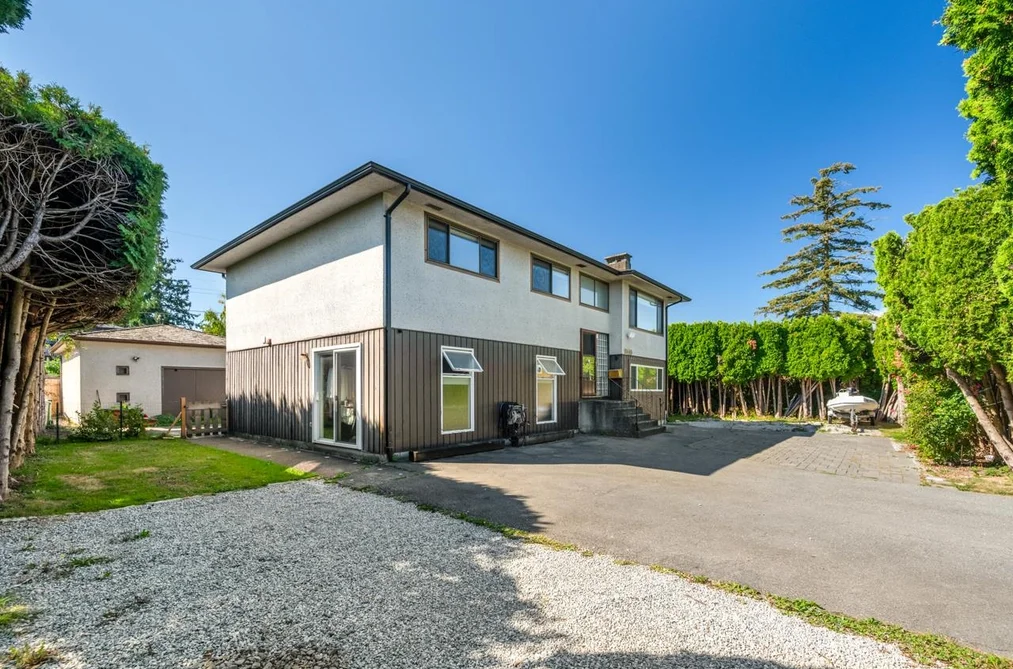
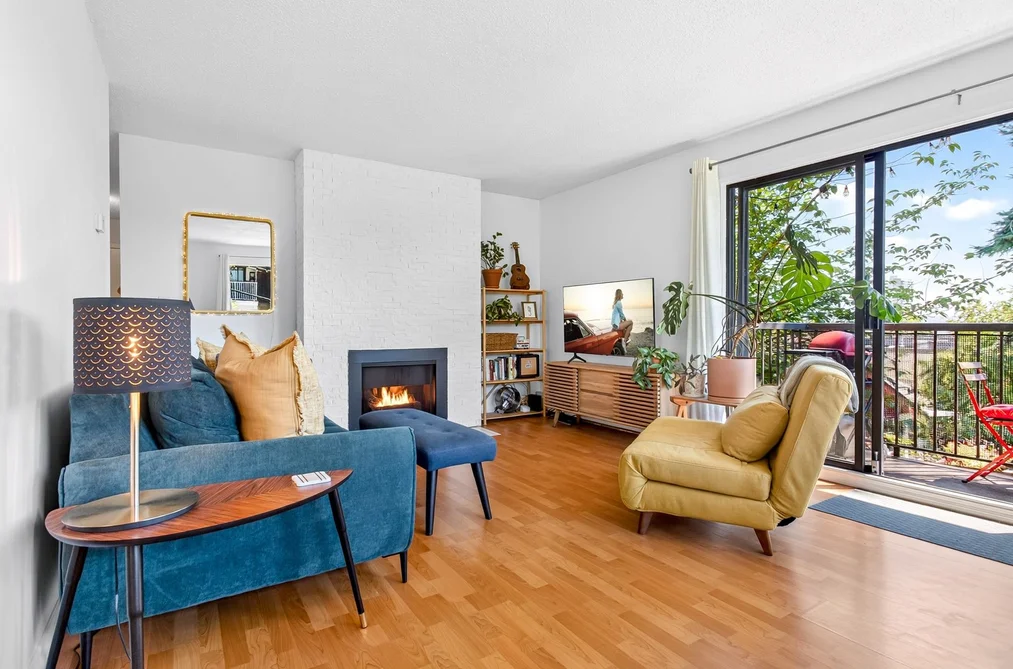
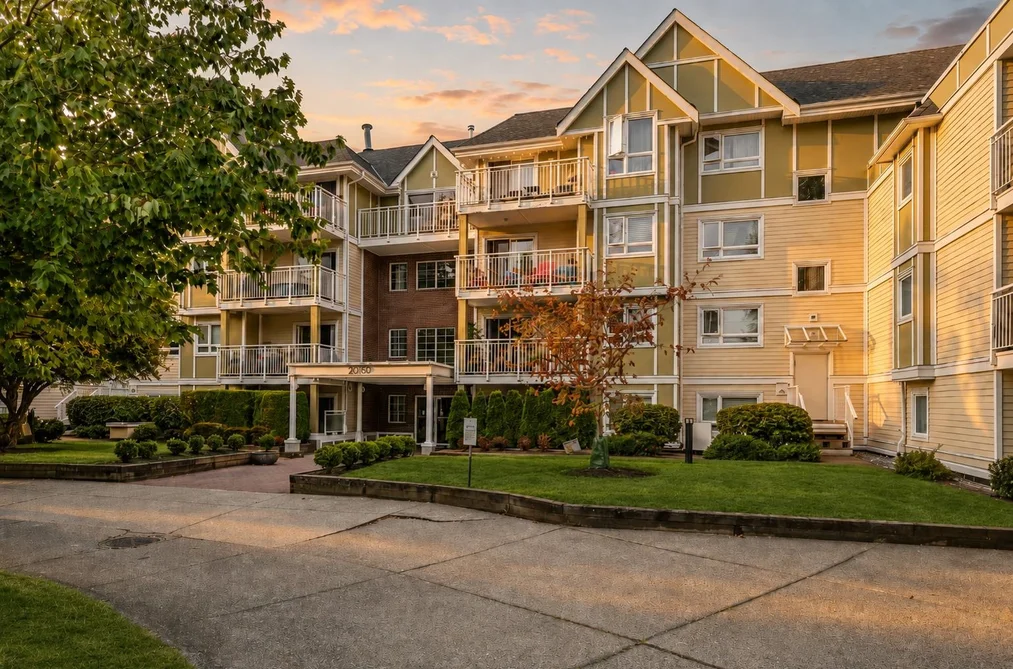
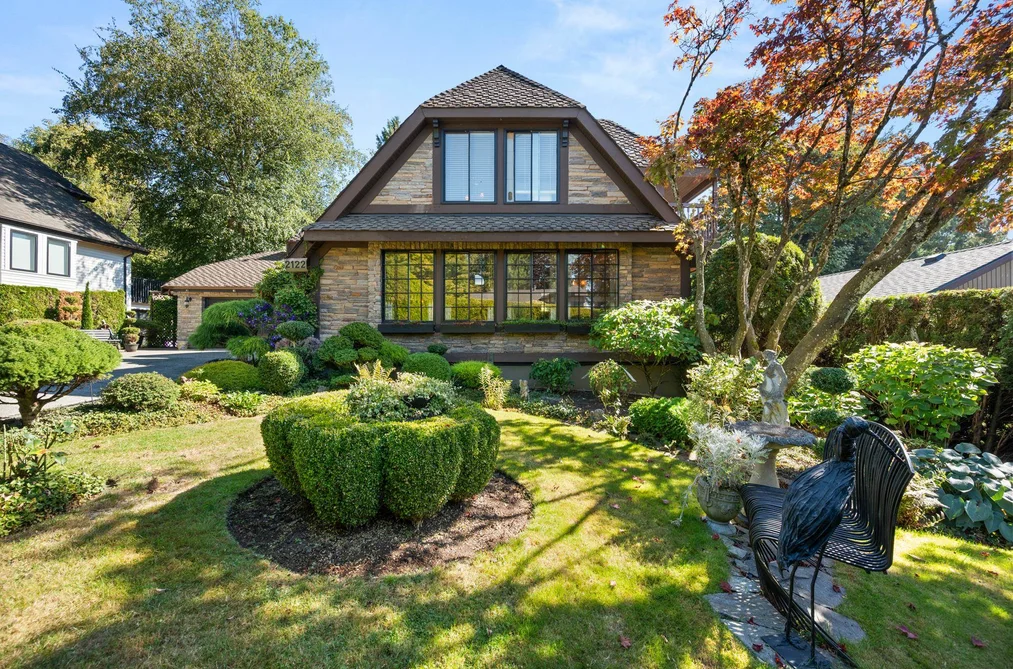
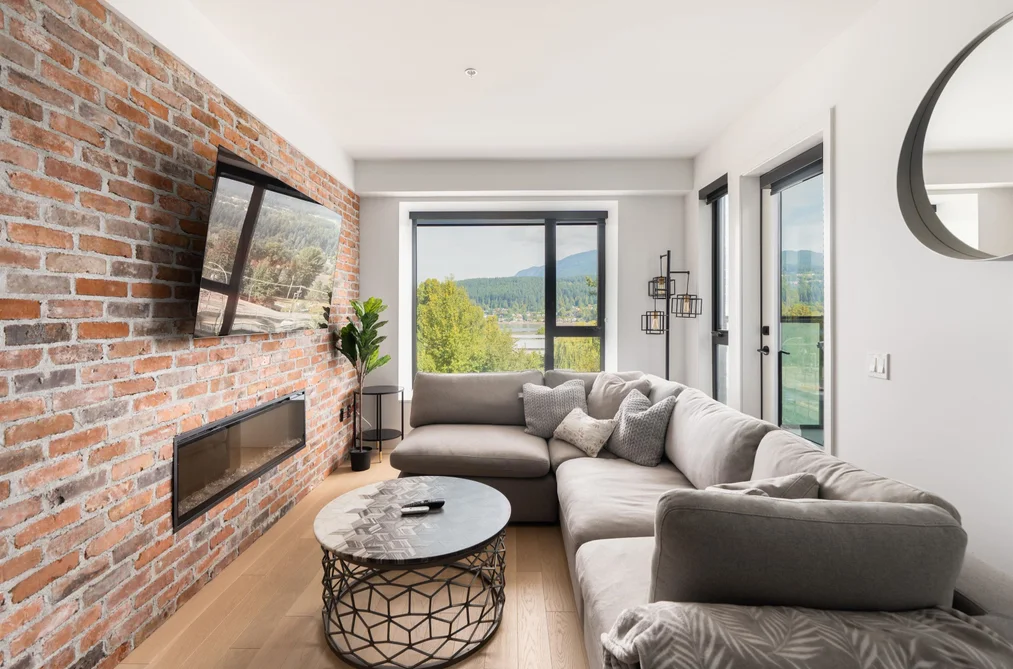
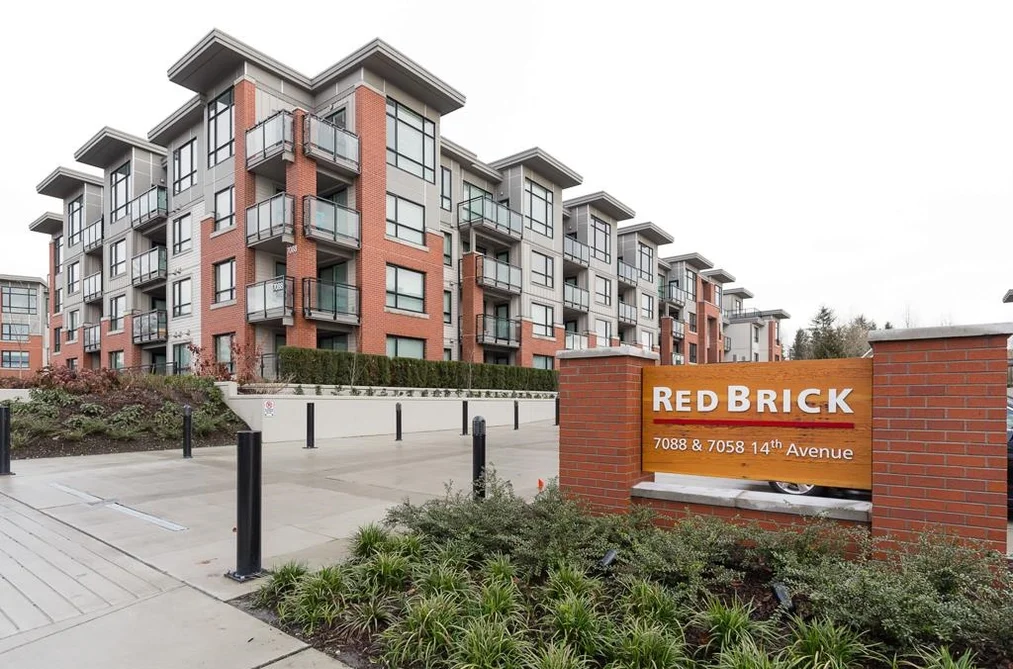
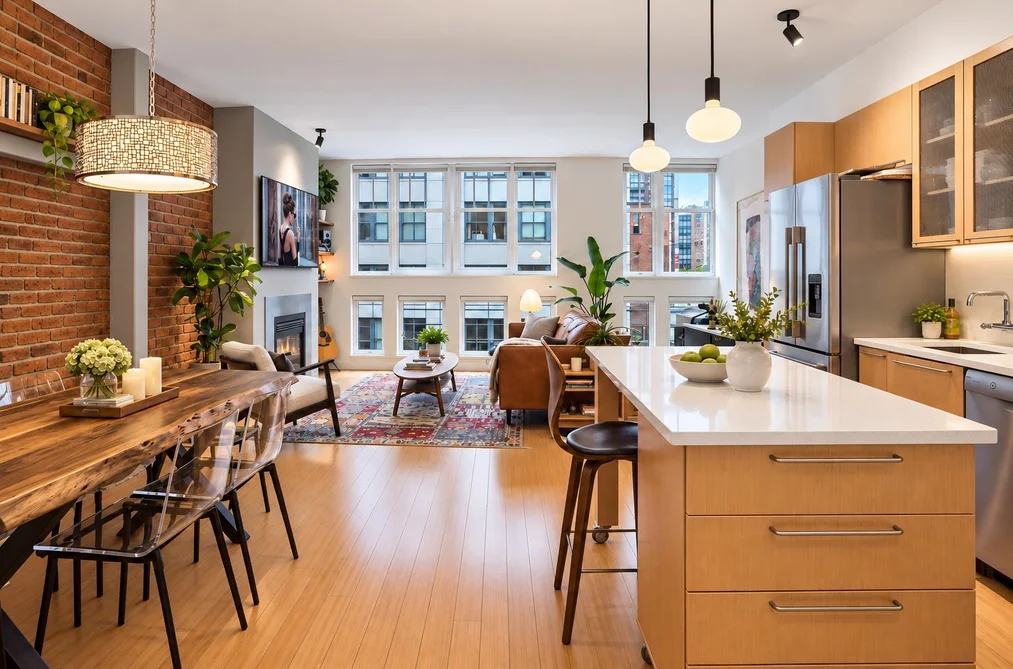
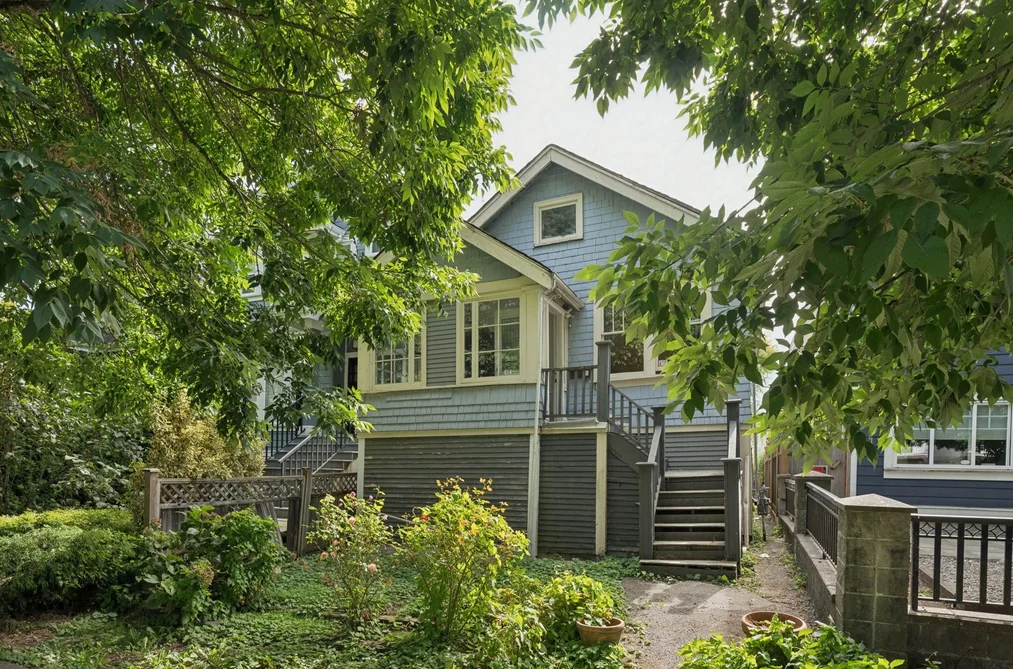
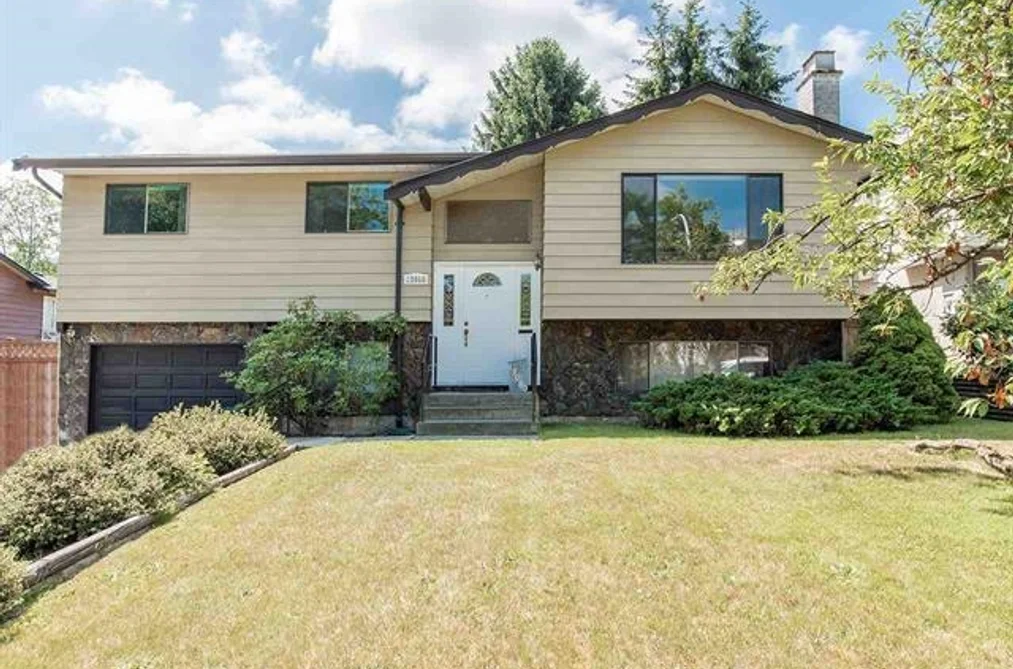
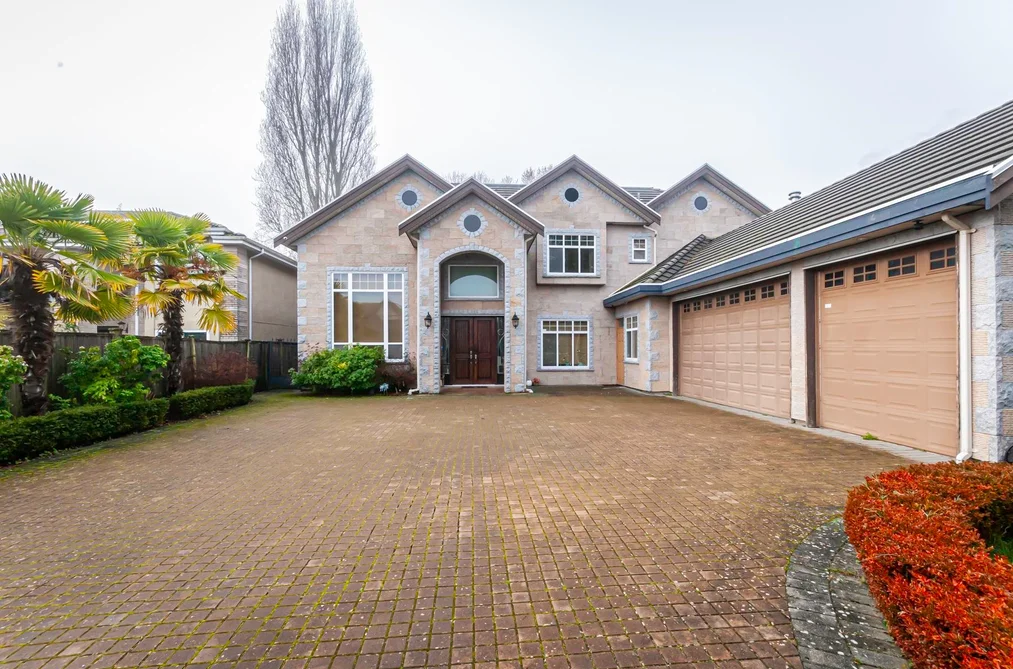
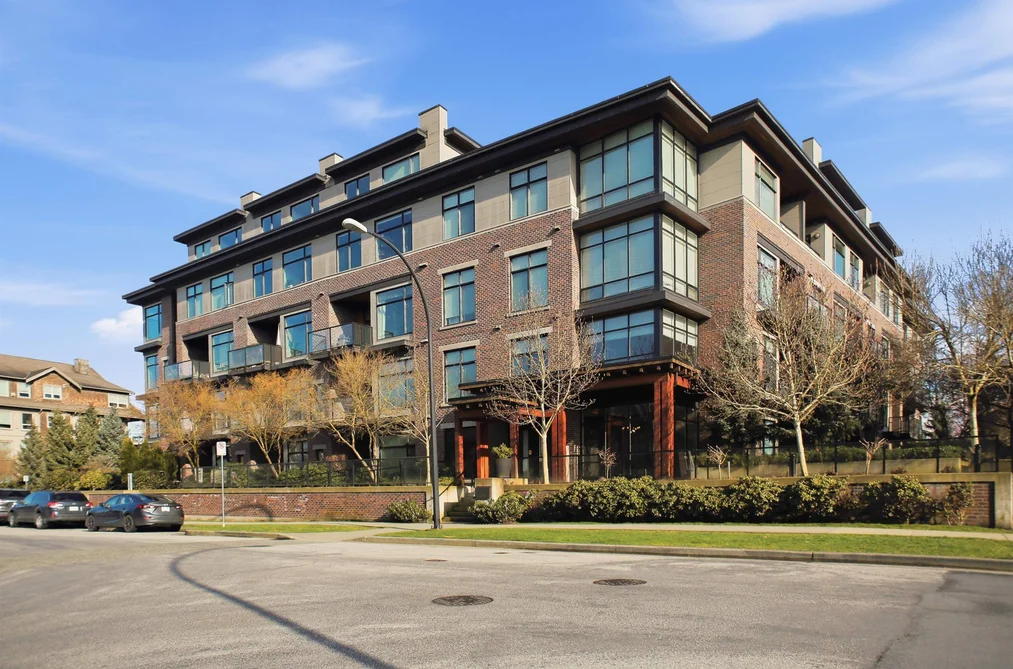
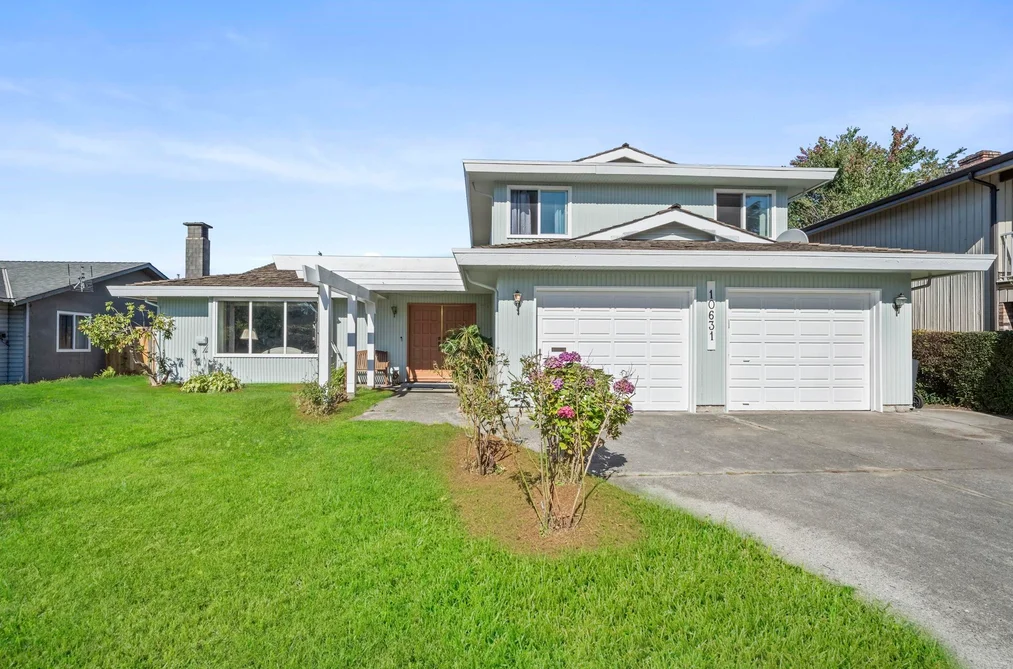
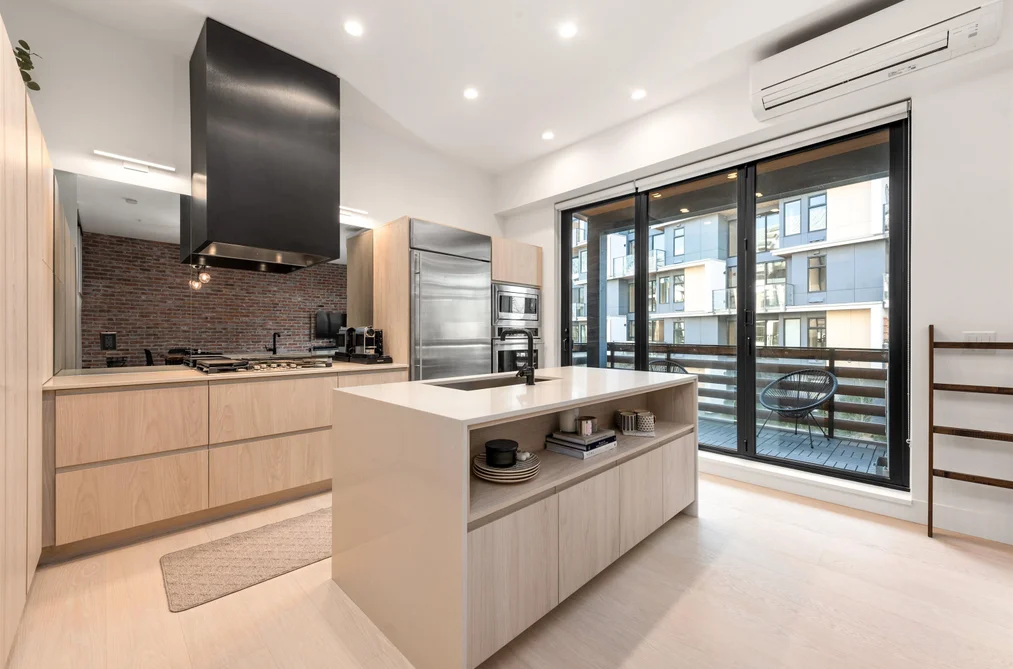
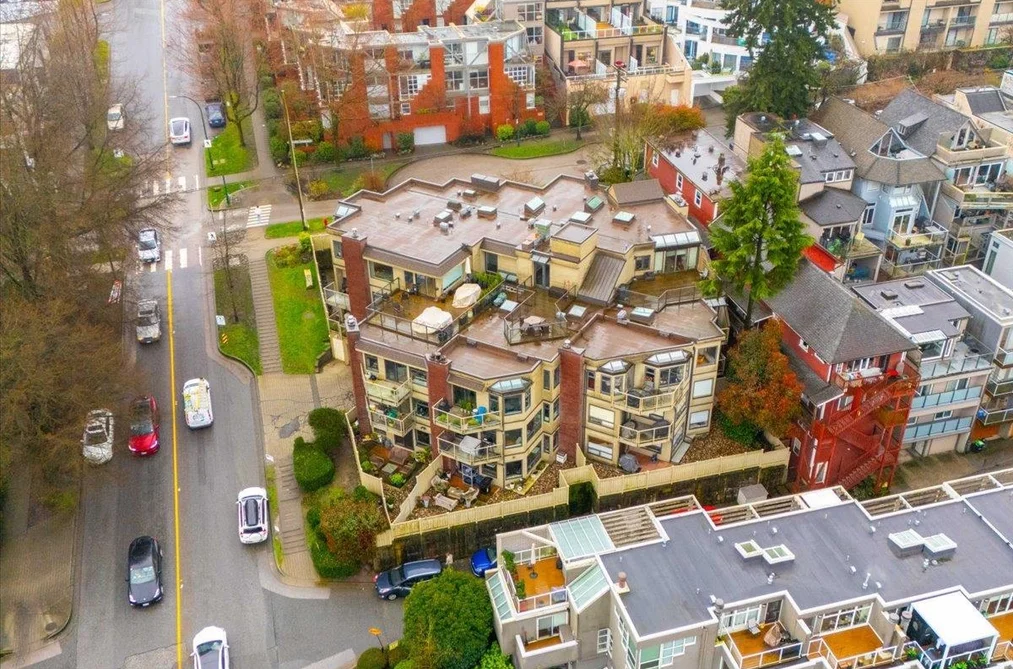
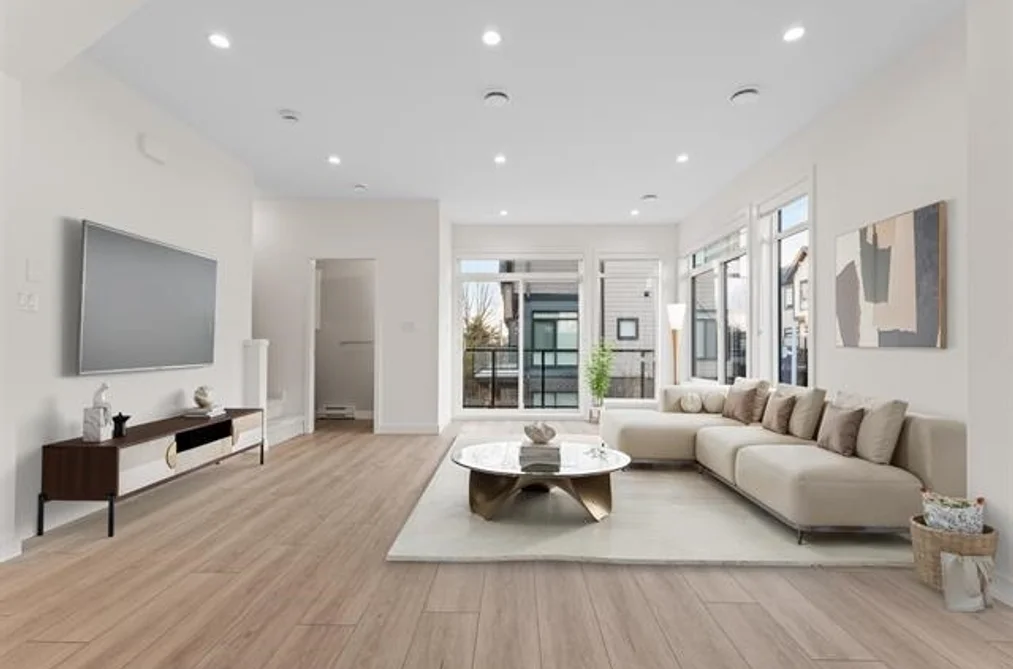
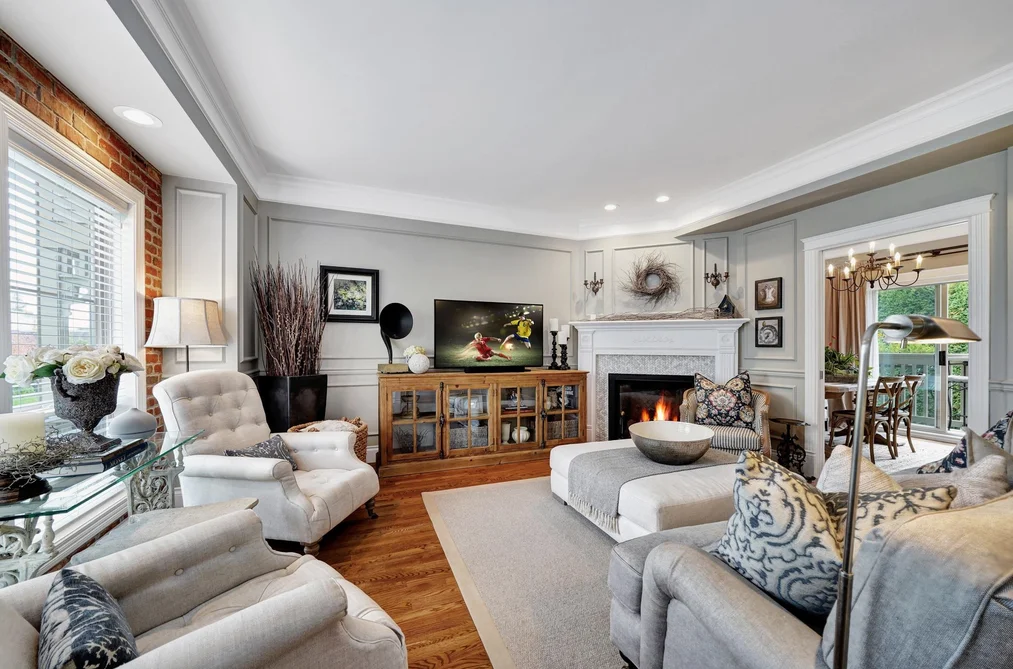
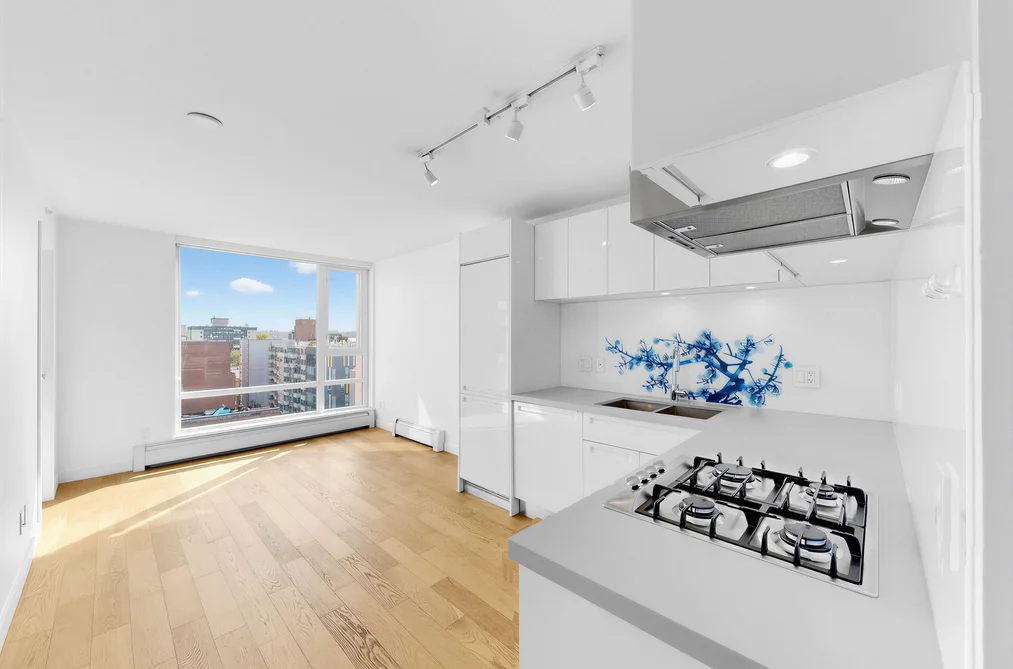
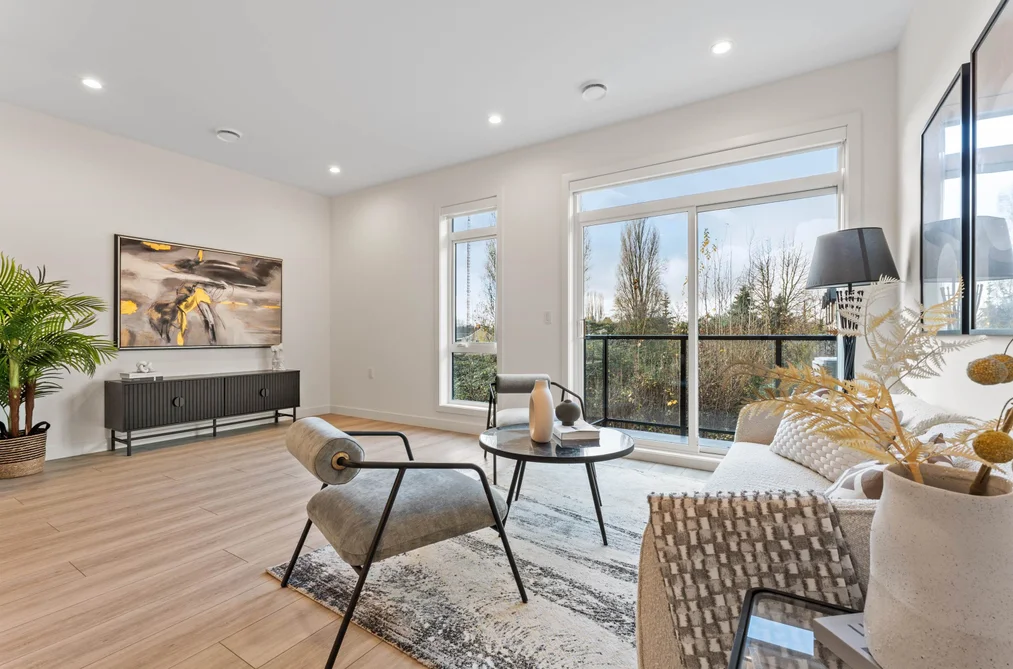
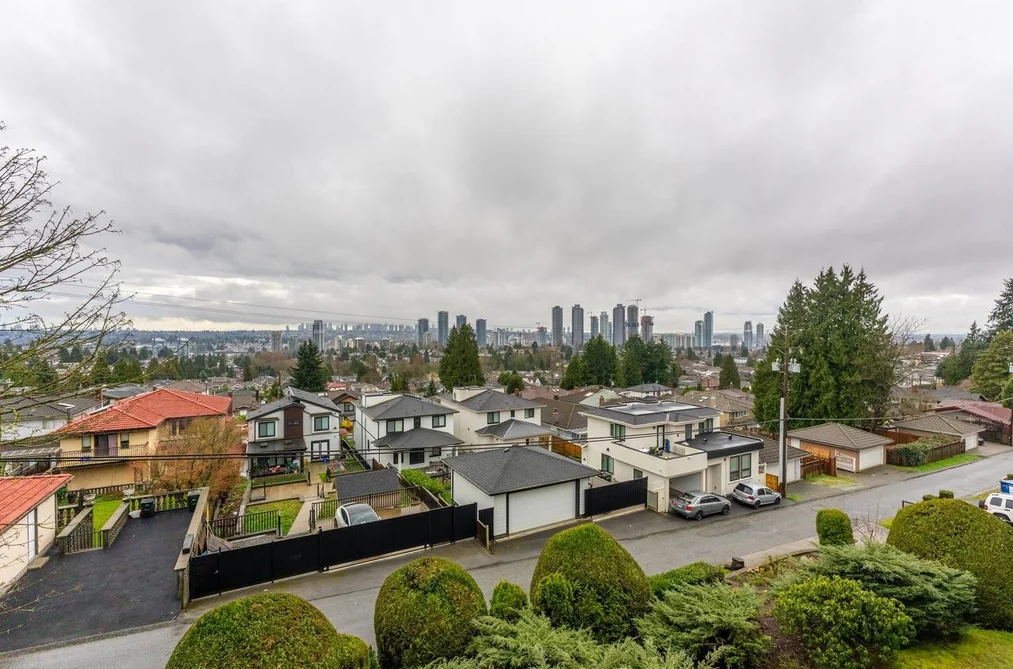
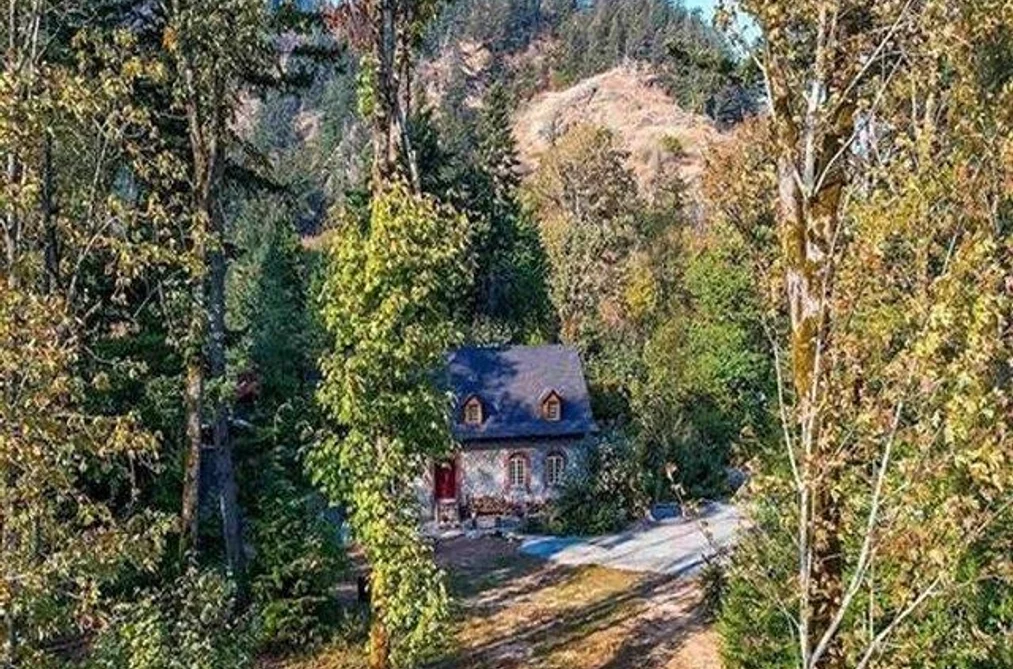
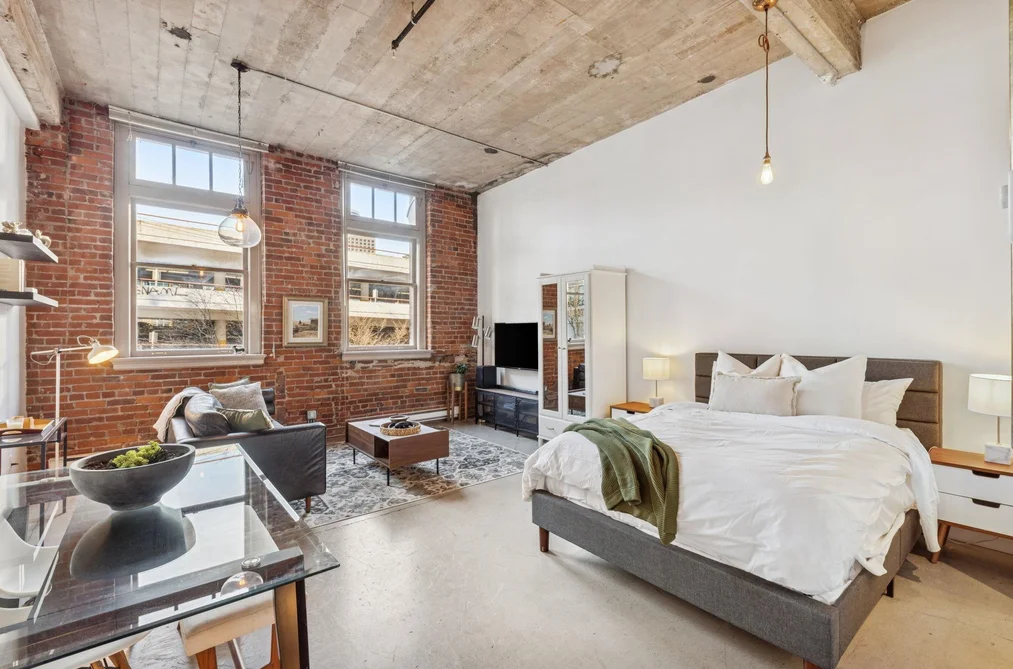
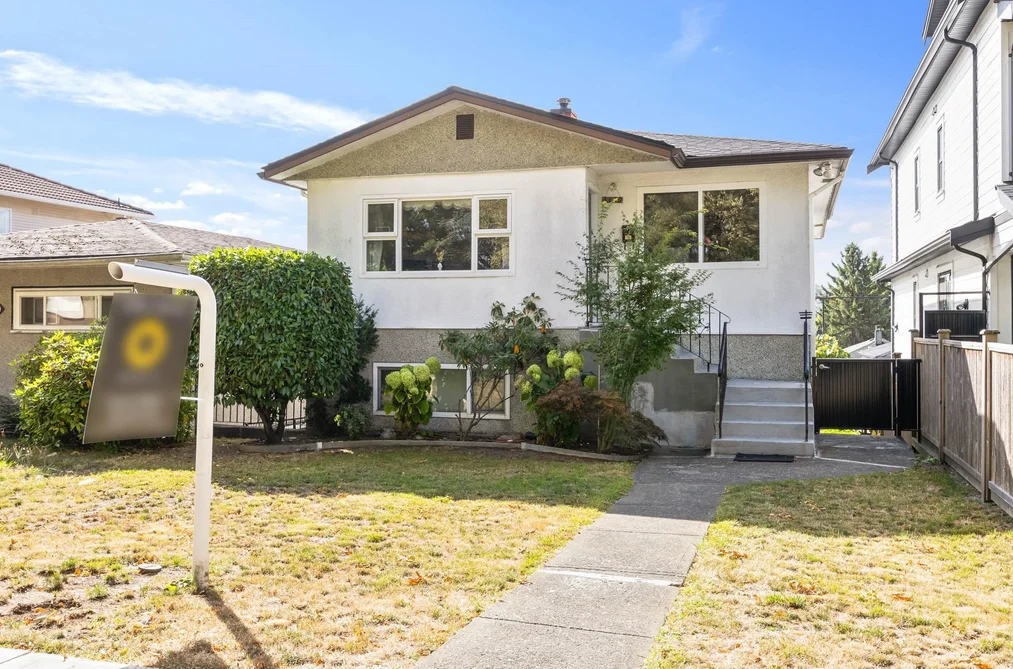
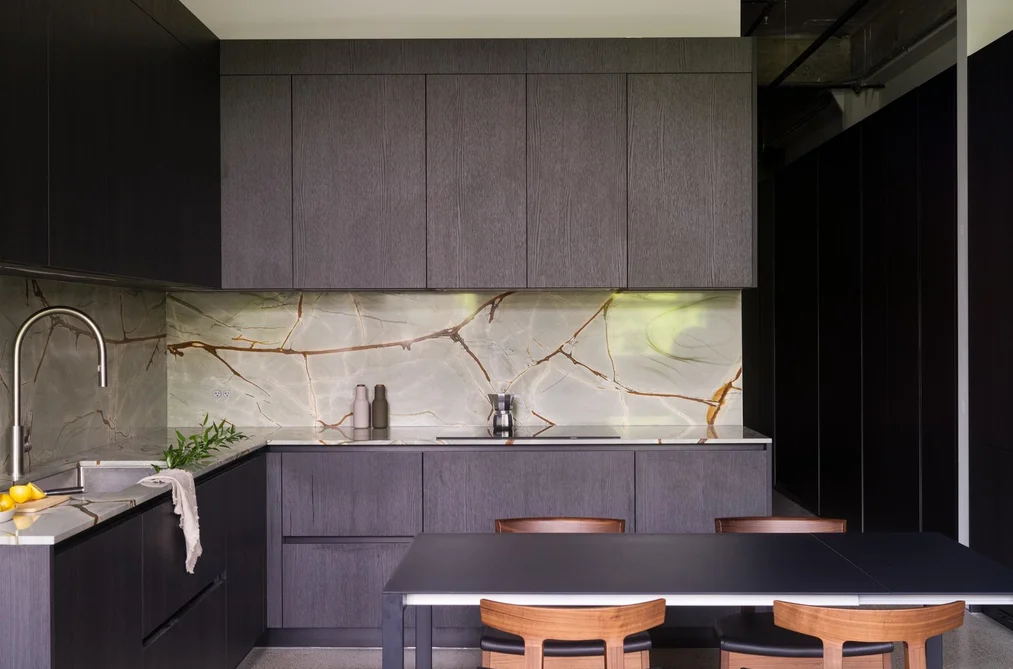
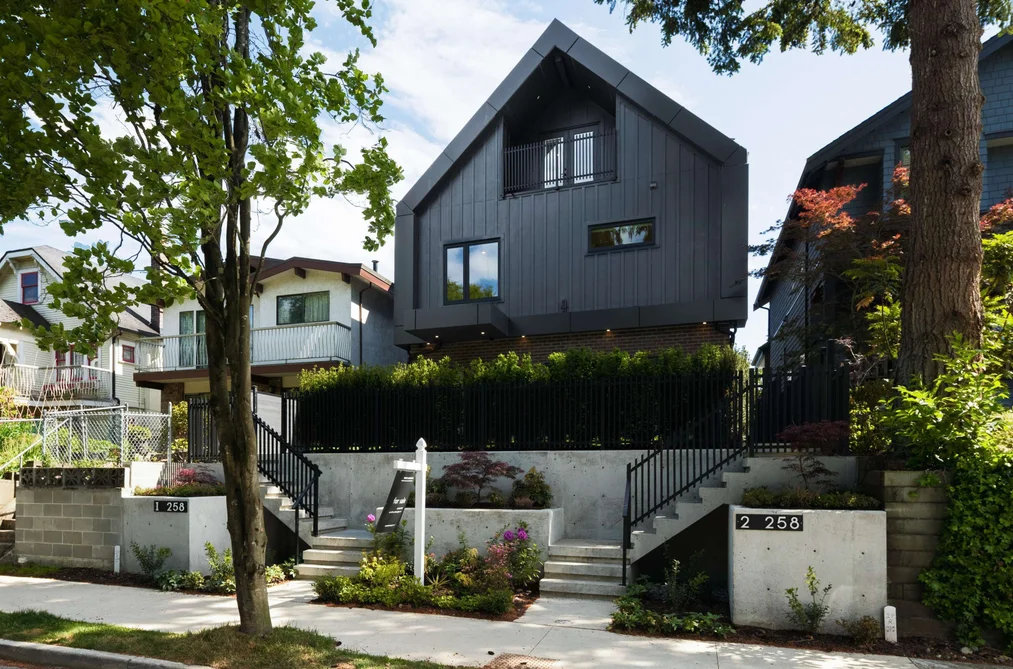
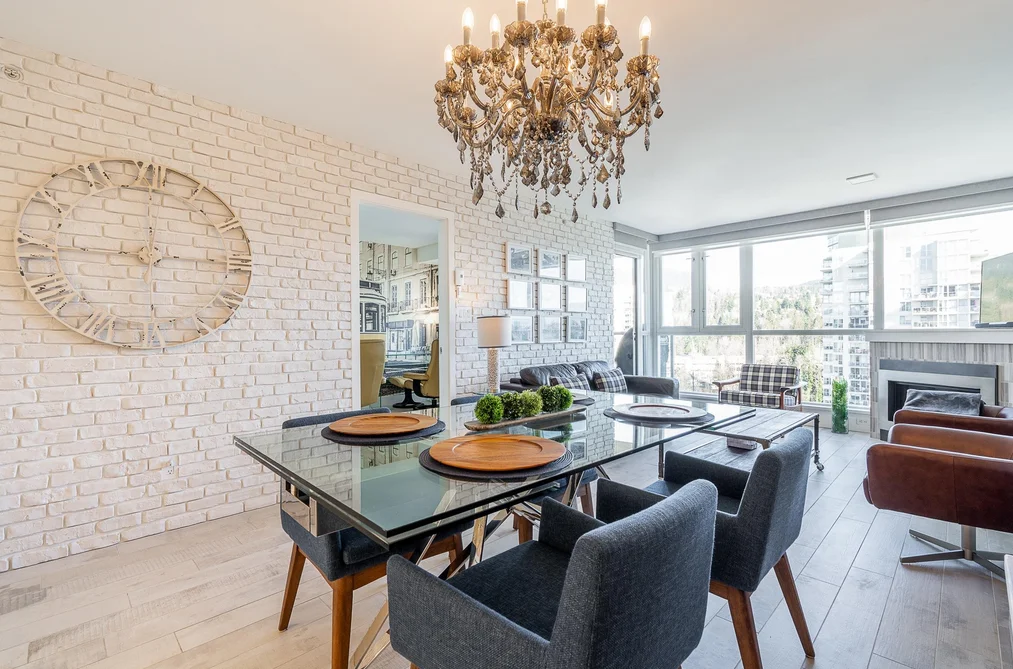
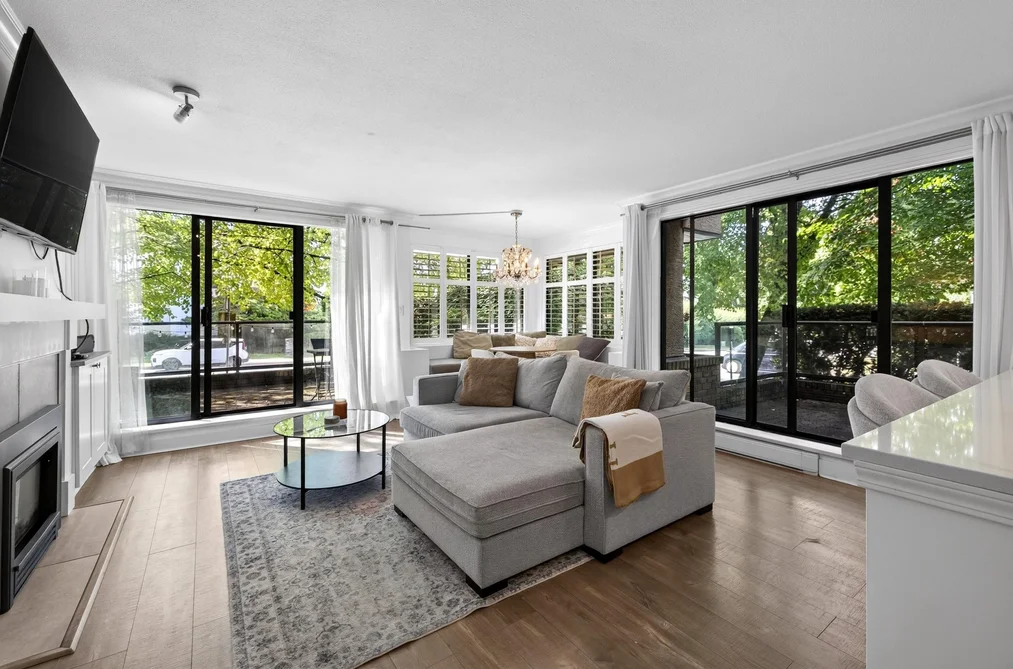
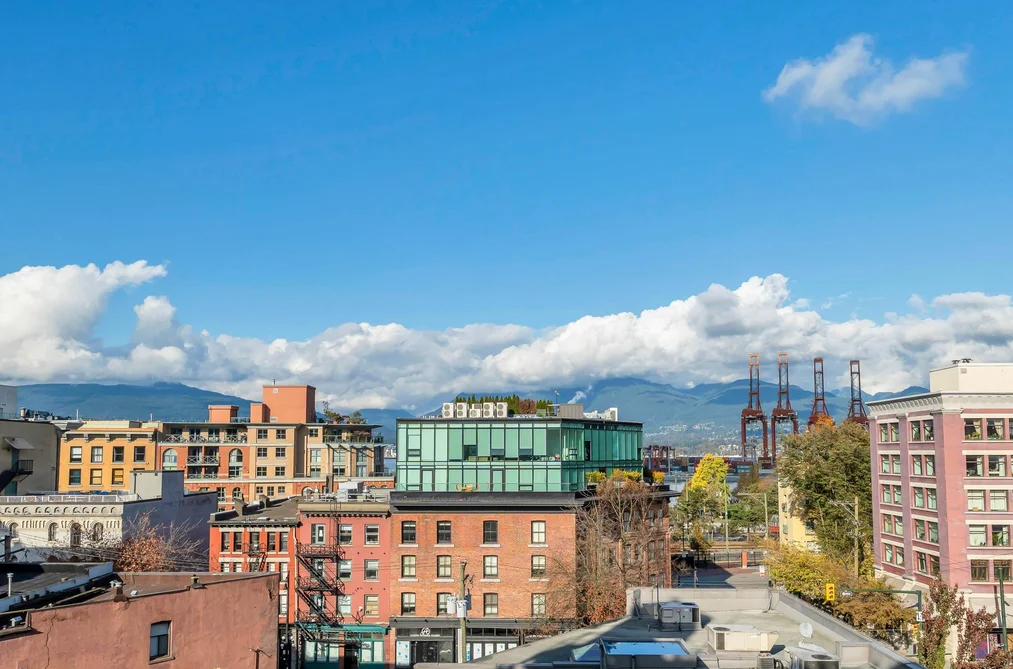
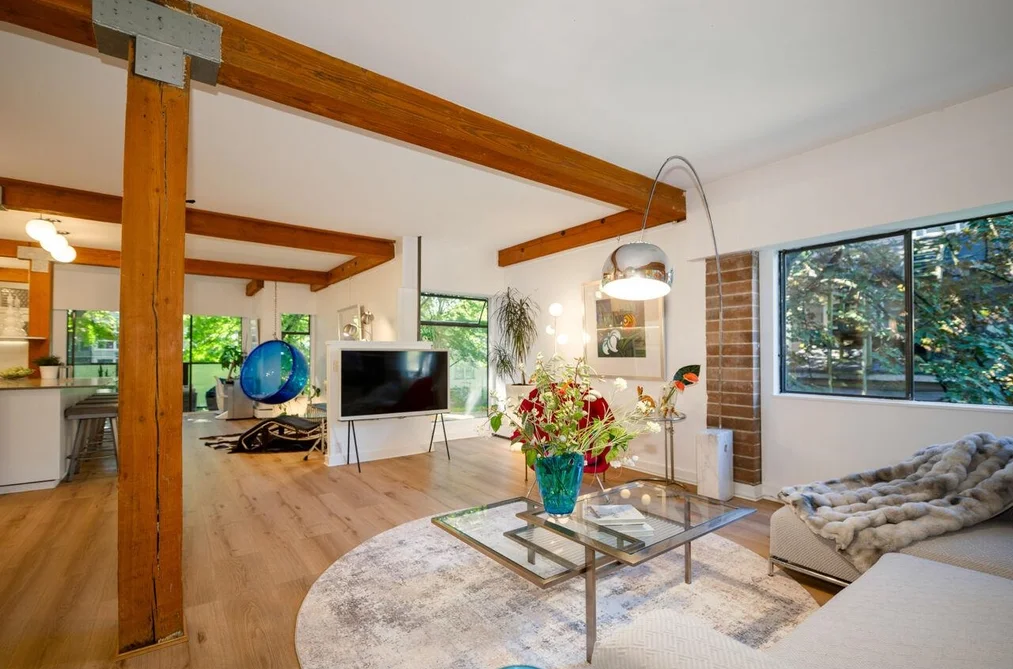
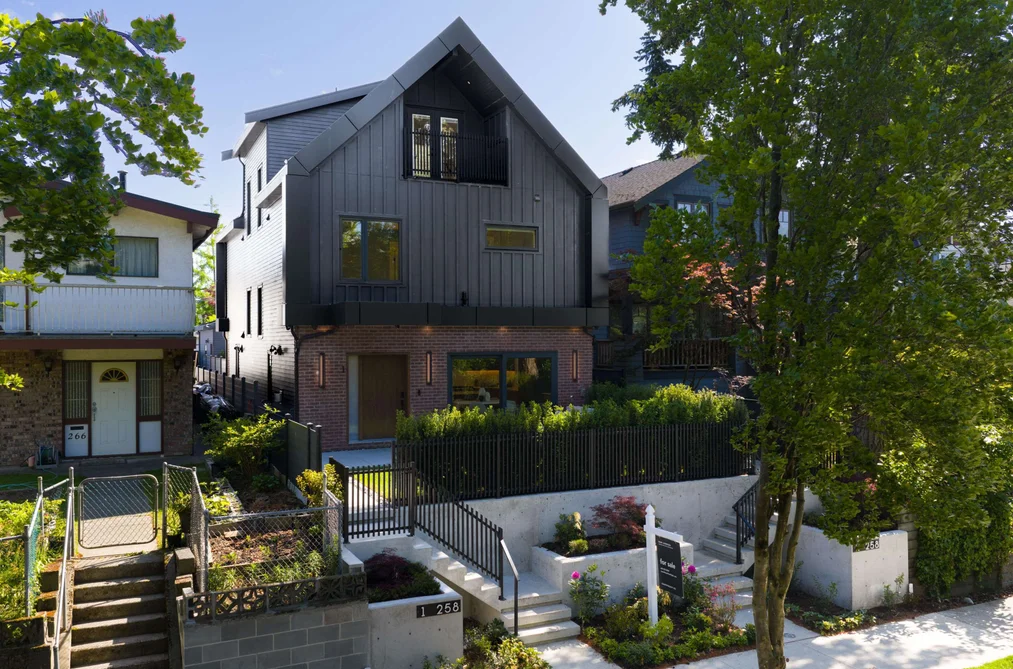
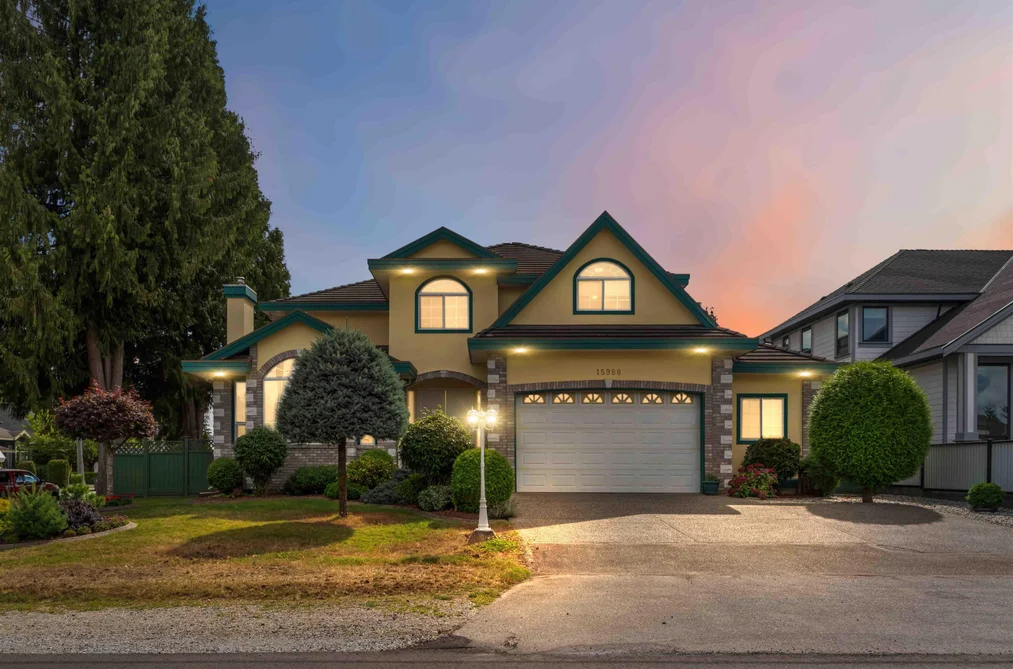
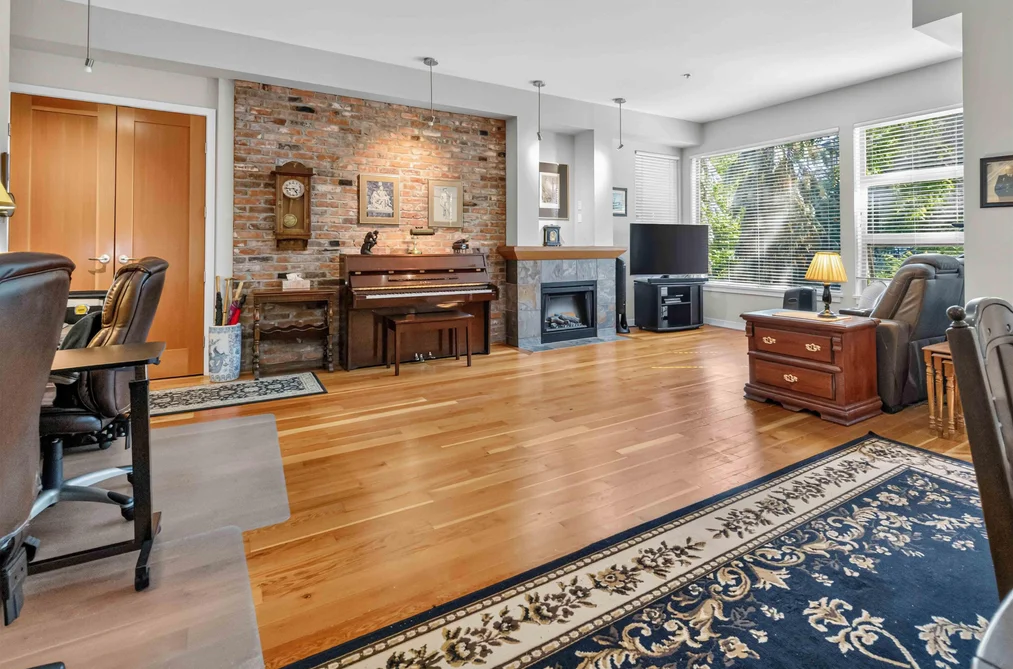
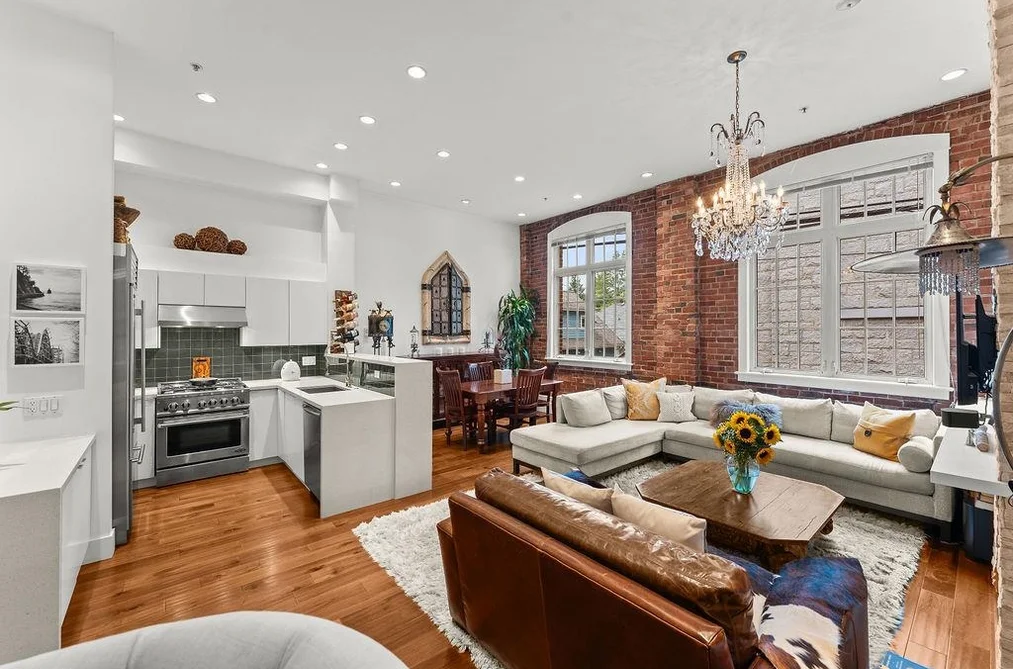
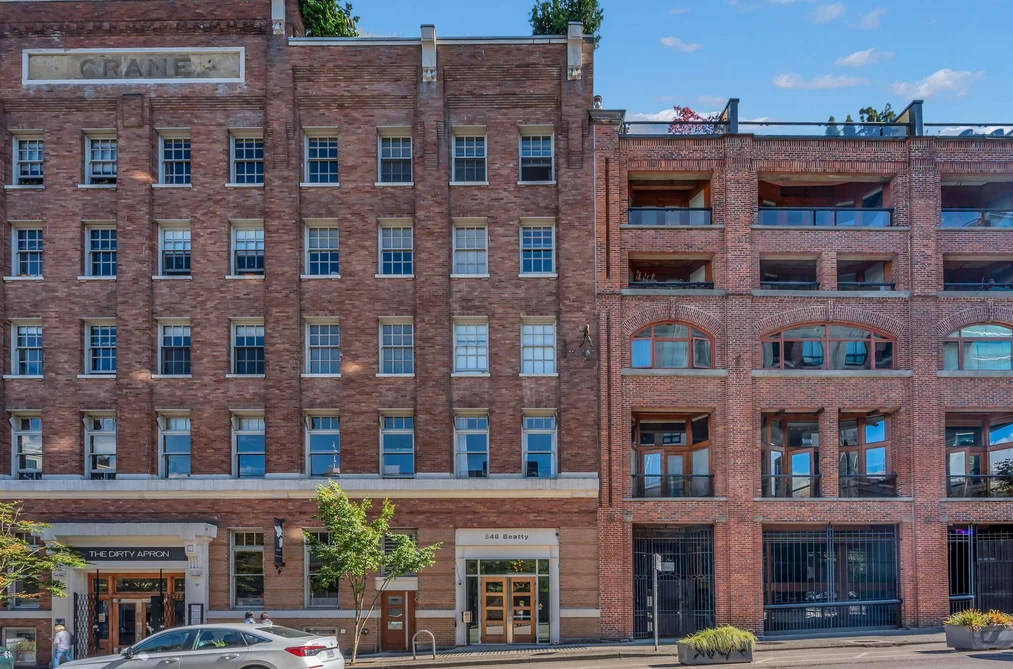
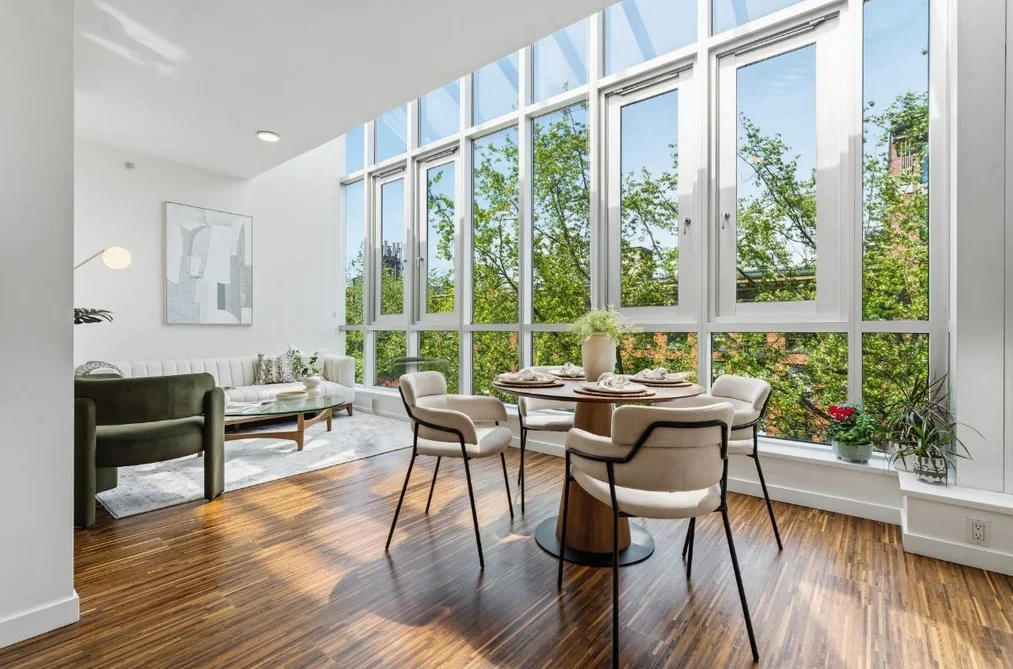
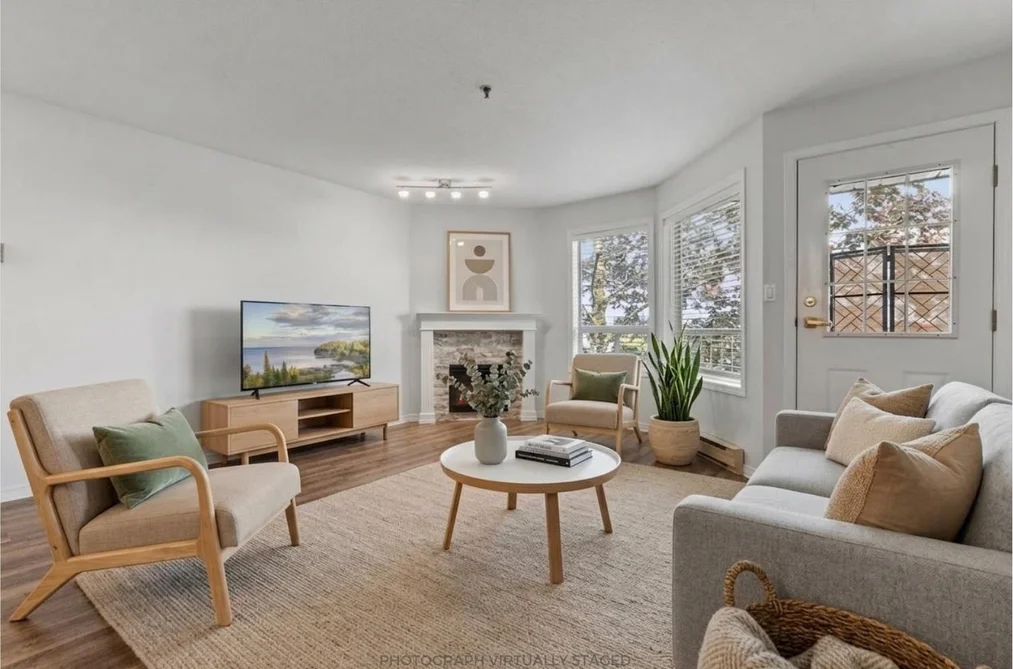
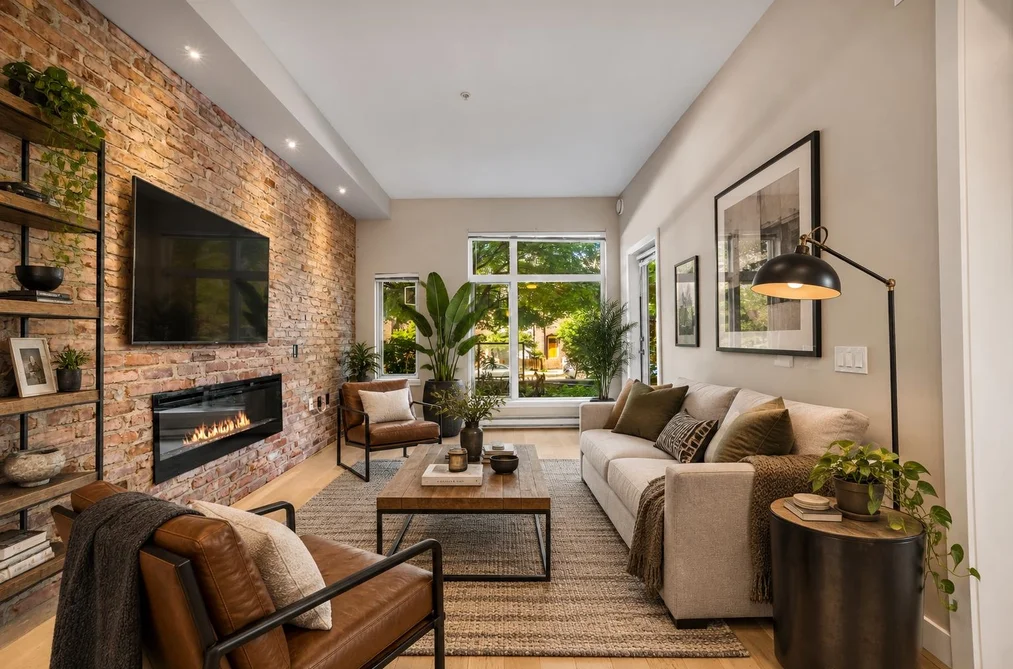
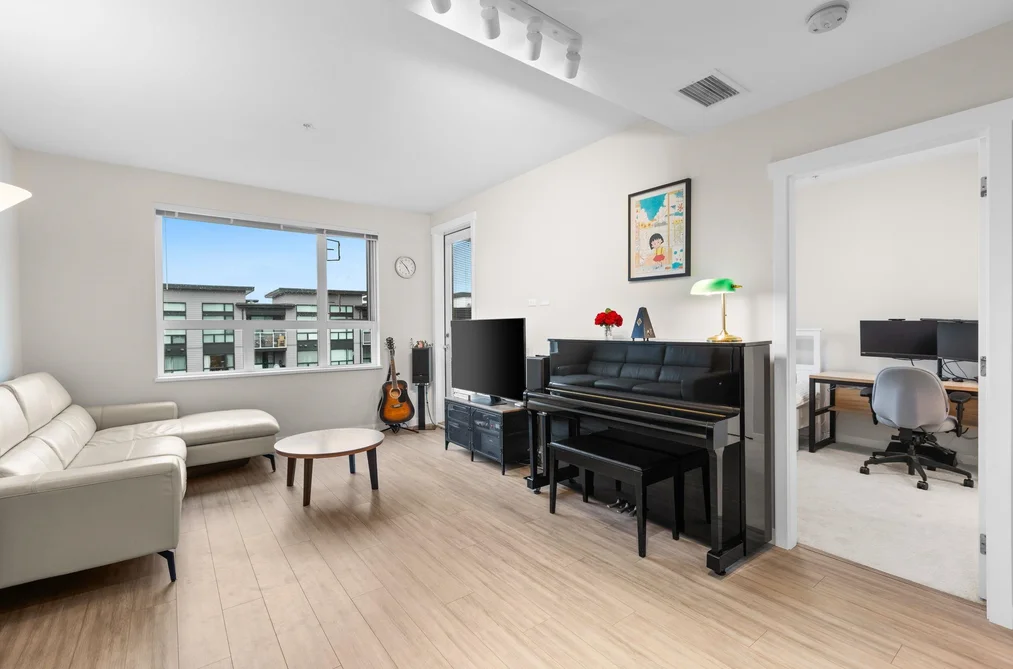
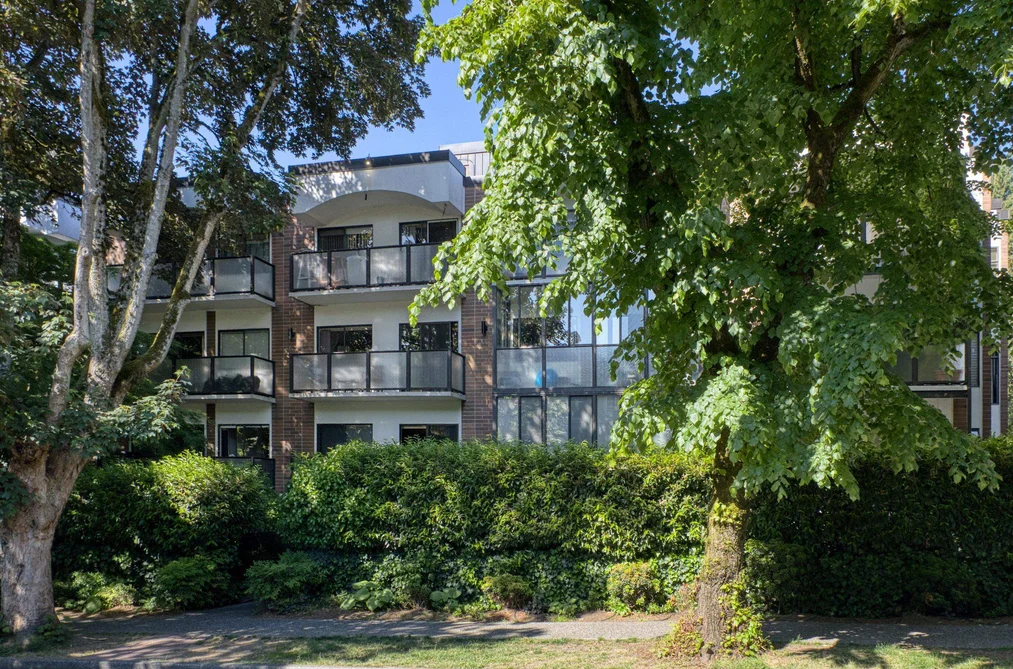
Brick listings range from a solid masonry house built decades ago to a condo with a brick veneer over a wood frame, so find out which kind of construction you are looking at before you judge the price.
The word covers two very different buildings. Solid masonry, found mostly in older houses and some heritage apartment blocks, uses brick as the structure itself. Brick veneer, far more common in newer homes and townhouses, is a single layer of brick hung on the outside of a wood or steel frame. They look alike from the street and they age, insulate and fail in completely different ways.
Ask the listing agent which it is, and ask your inspector to confirm. A veneer is mainly cladding and needs its flashing, weep holes and the air gap behind it working properly. A solid masonry wall is part of the structure, and cracking there is a structural question rather than a cosmetic one.
Mortar is the part that wears. Look at the joints for crumbling, gaps or patches of newer mortar that do not match, which usually mean earlier repairs. Repointing is normal maintenance on an older brick house and it is a real cost, so ask when it was last done and budget for it if the answer is never.
Moisture is the other issue on the coast. Brick absorbs water, and in a wet climate a wall that cannot dry out will spall, with the face of individual bricks flaking away. Check the base of the walls, the areas under windows and anywhere downspouts discharge. Then look at the foundation, because settlement shows up in brick as stepped cracking along the mortar lines.
Unreinforced masonry is the concern in older buildings in an earthquake zone. Some older brick houses and low-rise blocks have been seismically upgraded; many have not. Ask whether any upgrade has been done, what it involved and whether it was permitted, because it affects insurance, financing and what the building is worth to the next buyer.
For a condo or townhouse in a newer building with a brick exterior, the question is simpler: read the strata minutes, budget, contingency reserve fund and depreciation report for any envelope work planned on the cladding.
Brick is durable, fire-resistant and holds its looks for generations when it is maintained, which is why it carries a premium in the Vancouver real estate market and why it features heavily in character houses and heritage properties. The trade is maintenance you cannot skip: repointing, drainage and in older homes a possible seismic upgrade. Decide whether that suits you before you pay for it.
Insulation is worth asking about too. Older solid masonry walls often have little or none, which shows in heating costs, while a well-built veneer wall can perform far better than it looks.
Supply spans the older neighbourhoods of Vancouver, West Vancouver and North Vancouver, where most of the solid masonry houses stand, and newer suburbs where brick veneer dresses up houses for sale, a townhouse row or a condo building. Each neighbourhood prices it differently, so compare within the area rather than across the region.
Browse and compare current brick homes for sale on the MLS® through Strawhomes, and watch for an open house so you can look at the mortar and the base of the walls in person. Shortlist only the listings whose construction and seismic history you have confirmed.