Assembly Opportunities Across Metro Vancouver
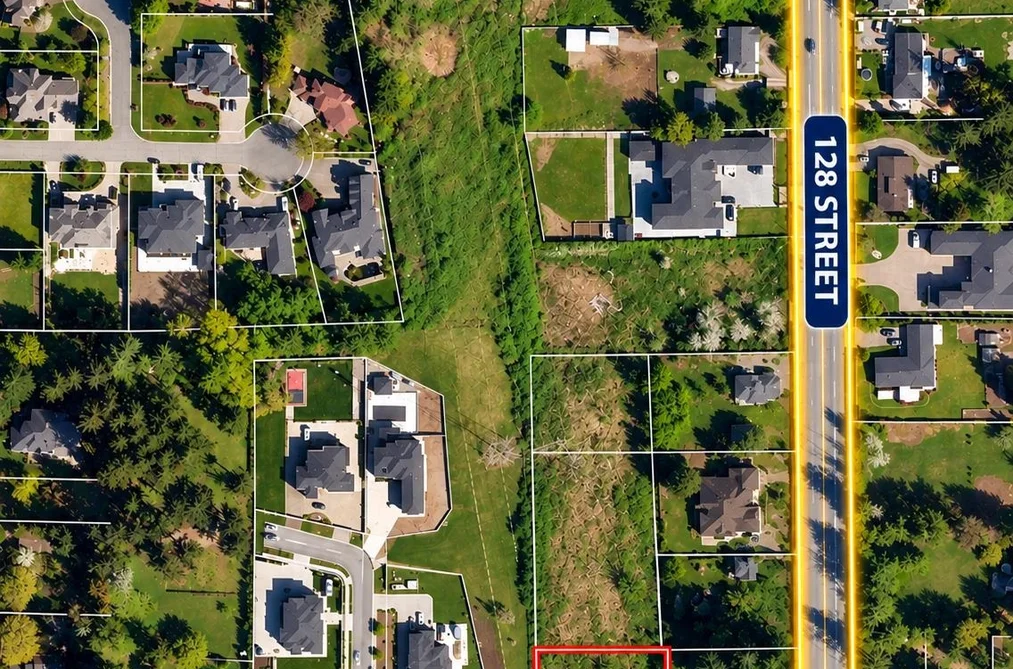
Browse houses offered as part of an Assembly in the Lower Mainland and check the community plan, the owners involved and the timing before you commit.
471 active listings
- For Sale2 days
- $2,000,000
- 3 bed
- 1 bath
- 1869 sqft
MLS® R3169886•Royal Pacific Lions Gate Realty Ltd.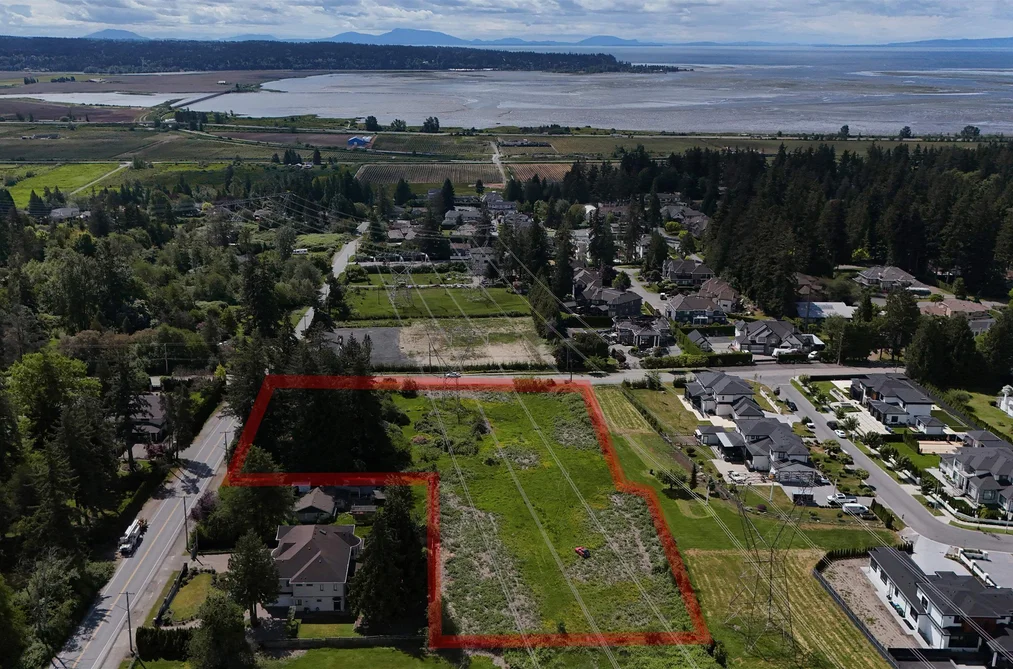
- For Sale3 days
- $2,698,000
- 4 bed
- 2 bath
- 1803 sqft
MLS® R3169686•FaithWilson Christies International Real Estate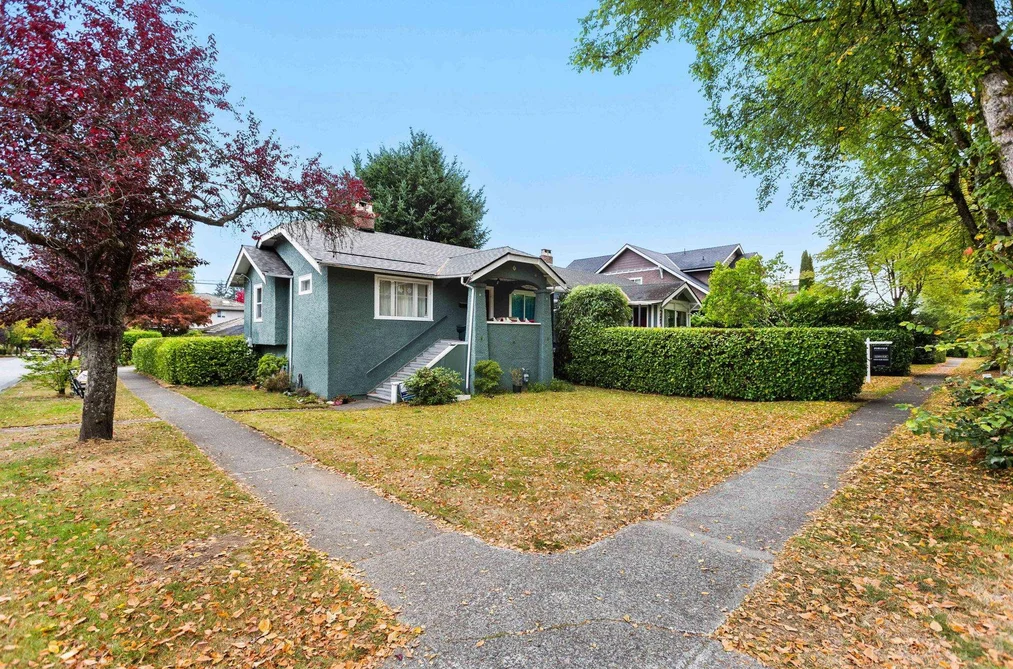
- For Sale3 days
- $2,980,000
- 4 bed
- 4 bath
- 3563 sqft
MLS® R3169770•Luxmore Realty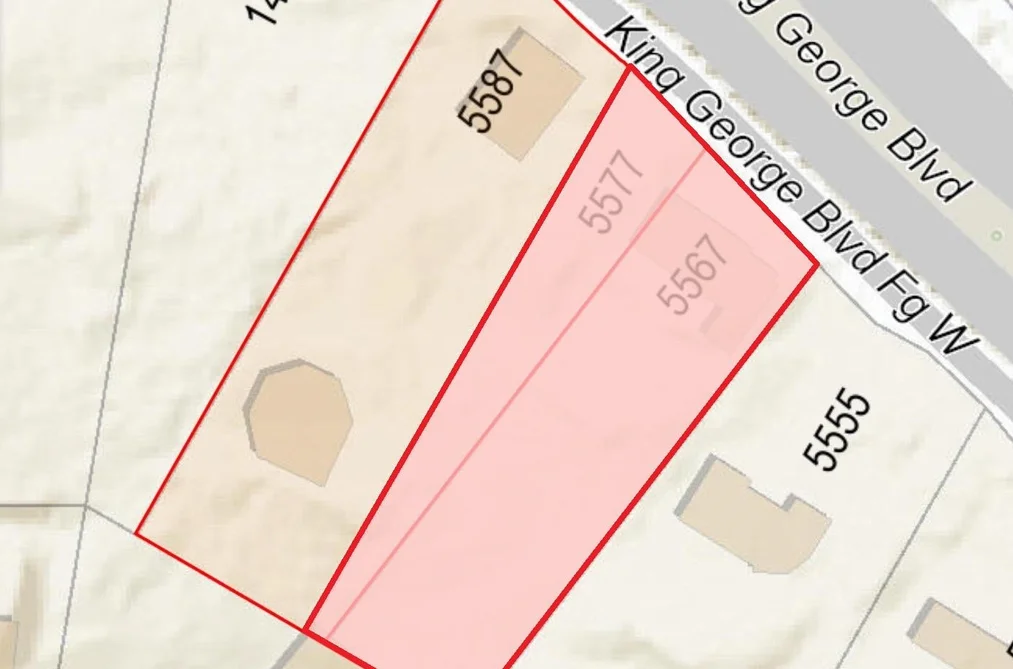
- For Sale3 days
- $2,649,000
- 3 bed
- 2 bath
- 1734 sqft
MLS® R3169682•FaithWilson Christies International Real Estate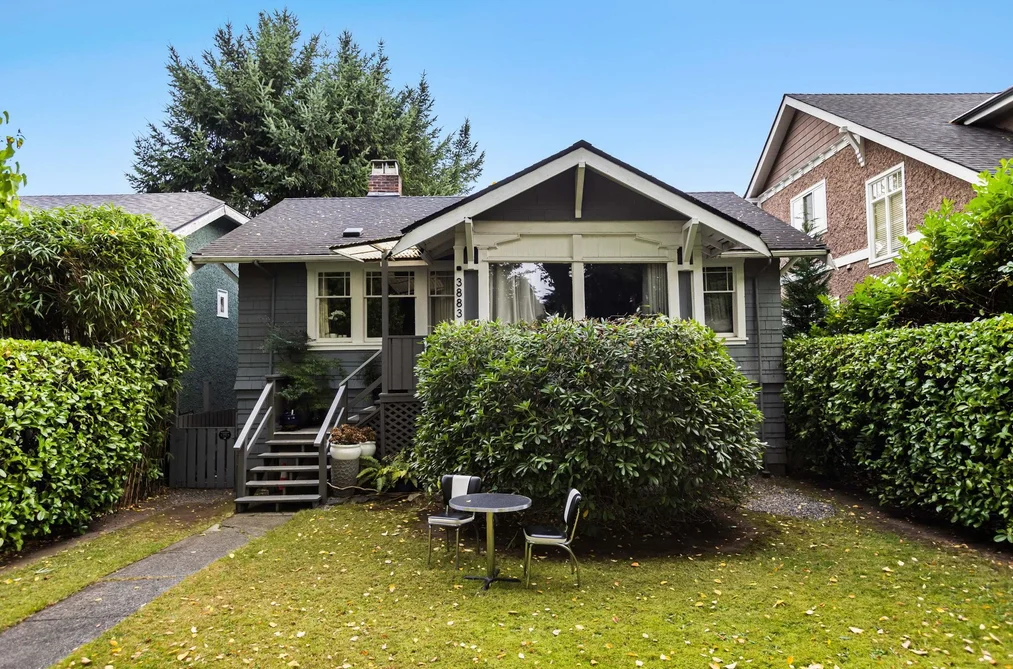
- For Sale3 days
- $2,980,000
- 3 bed
- 2 bath
- 3466 sqft
MLS® R3169757•Luxmore Realty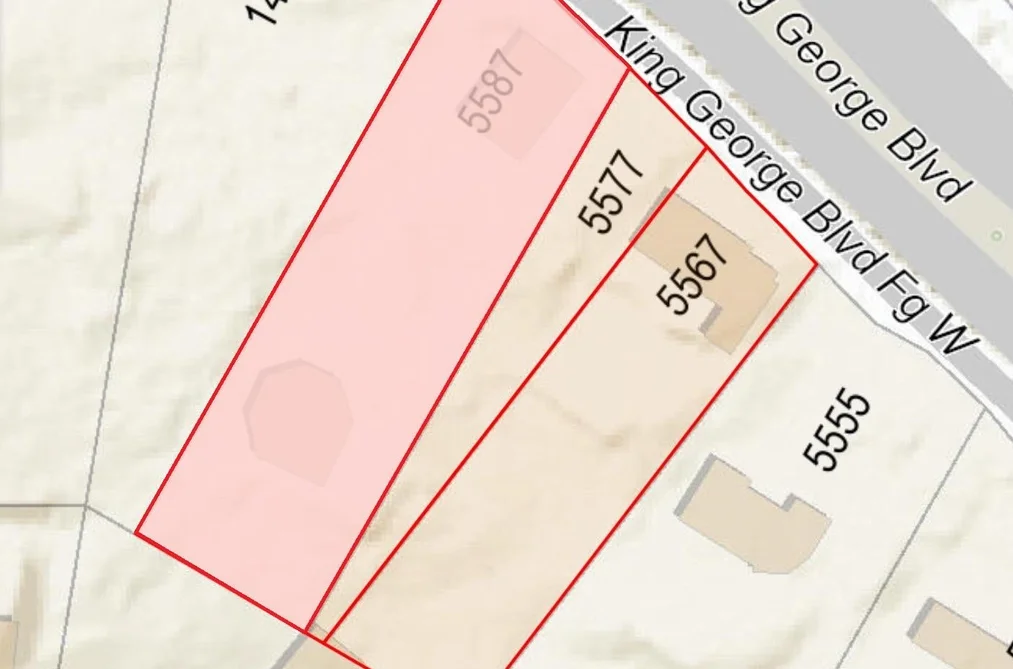
- For Sale4 days
- $5,200,000
- 5 bed
- 4 bath
- 4604 sqft
MLS® R3169233•Royal Pacific Realty Corp.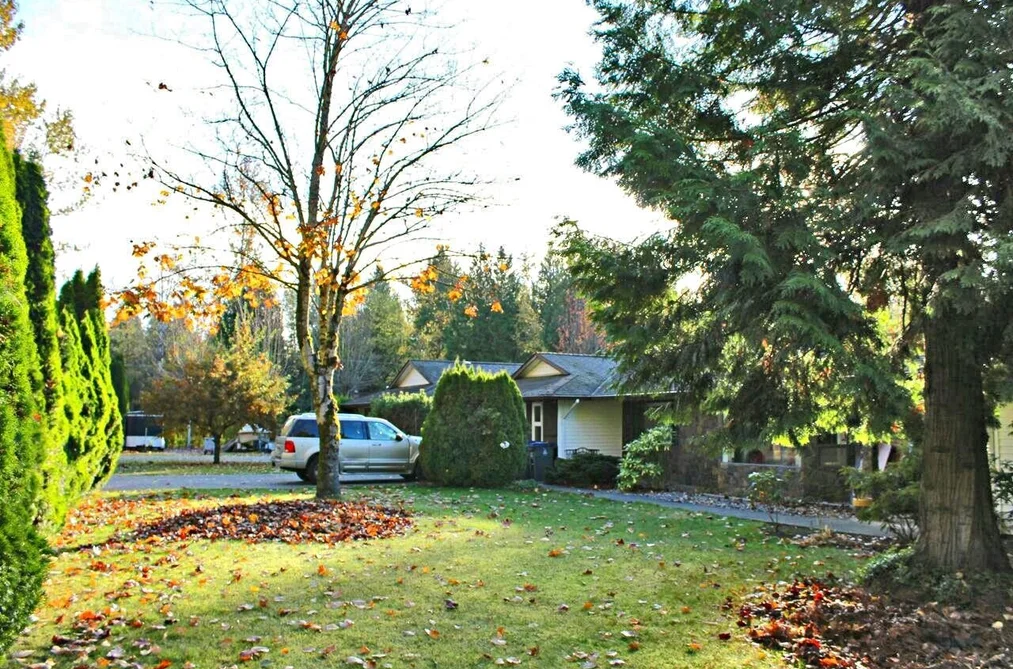
- For Sale4 days
- $1,248,000
- 3 bed
- 1 bath
- 1060 sqft
MLS® R3168790•Coldwell Banker Universe Realty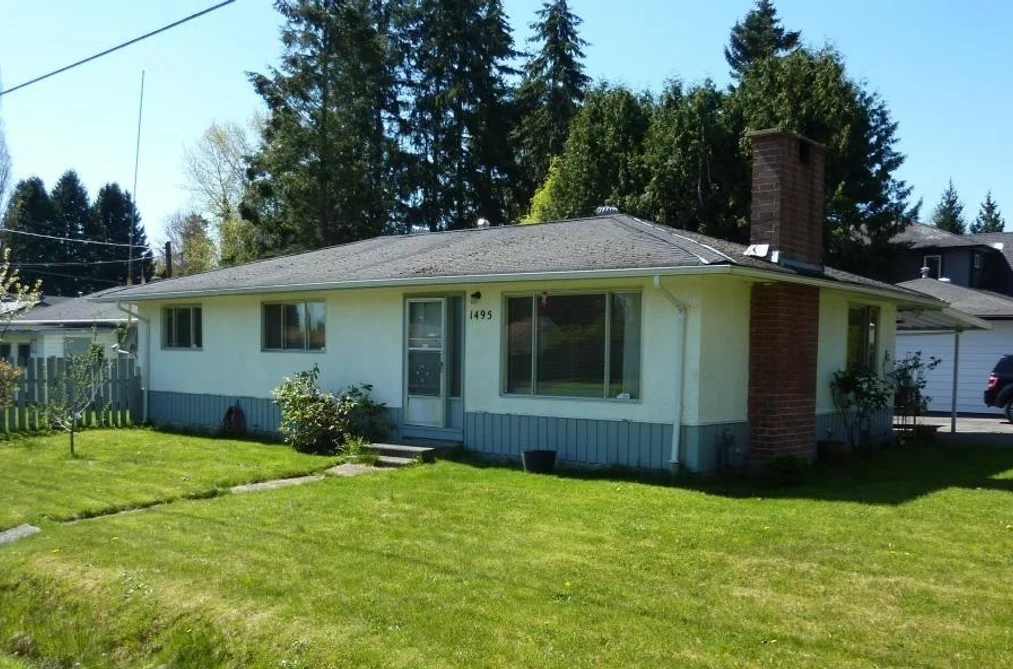
- For Sale4 days
- $1,199,000
- 3 bed
- 1 bath
- 1009 sqft
MLS® R3168873•Sutton Centre Realty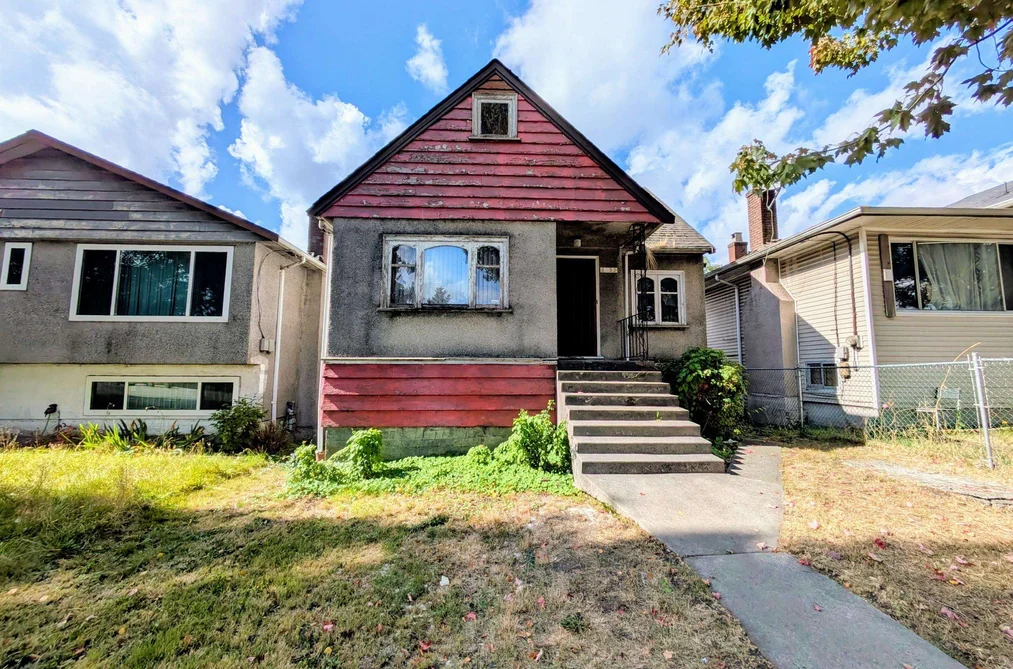
- For Sale5 days
- $1,598,000
- 4 bed
- 2 bath
- 2338 sqft
MLS® R3168316•eXp Realty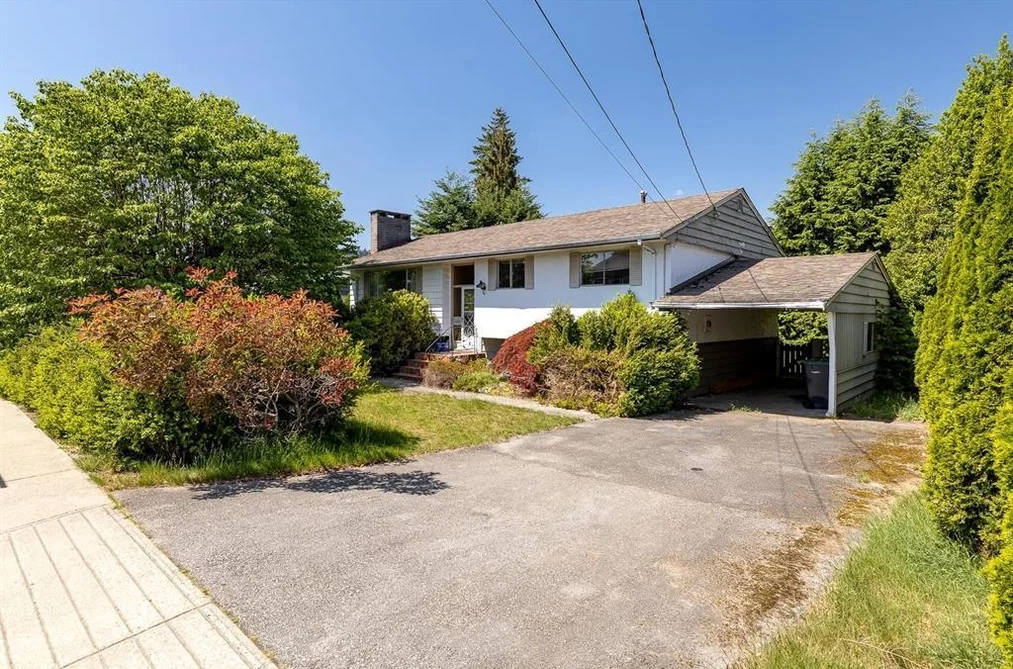
- For Sale5 days
- $1,799,800
- 4 bed
- 1 bath
- 1585 sqft
MLS® R3168502•Oakwyn Realty Ltd.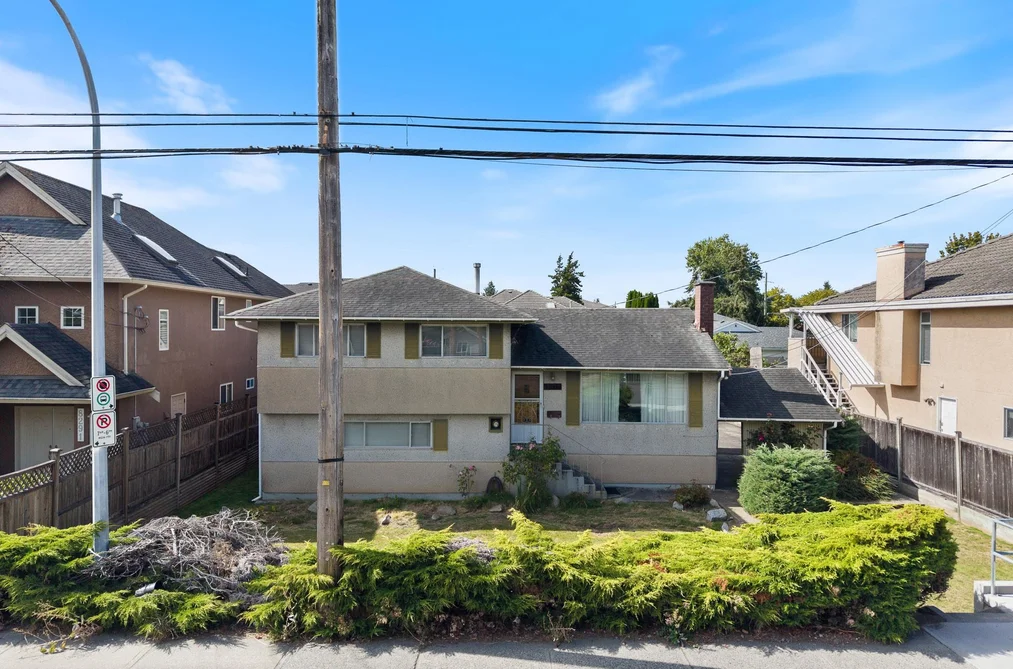
- For Sale9 days
- $1,099,999
- 3 bed
- 1 bath
- 1569 sqft
MLS® R3166840•Century 21 Creekside Realty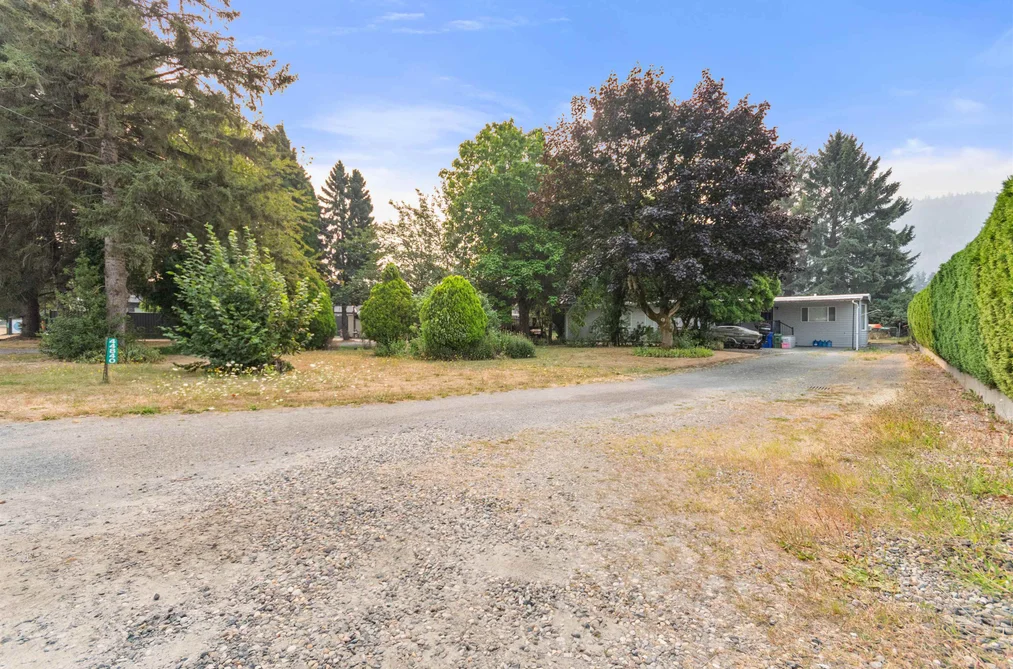
- For Sale10 days
- $1,460,000
- 5 bed
- 3 bath
- 2800 sqft
MLS® R3168777•Ohmproperty
- For Sale10 days
- $1,830,000
- 6 bed
- 2 bath
- 2400 sqft
MLS® R3167005•Interlink Realty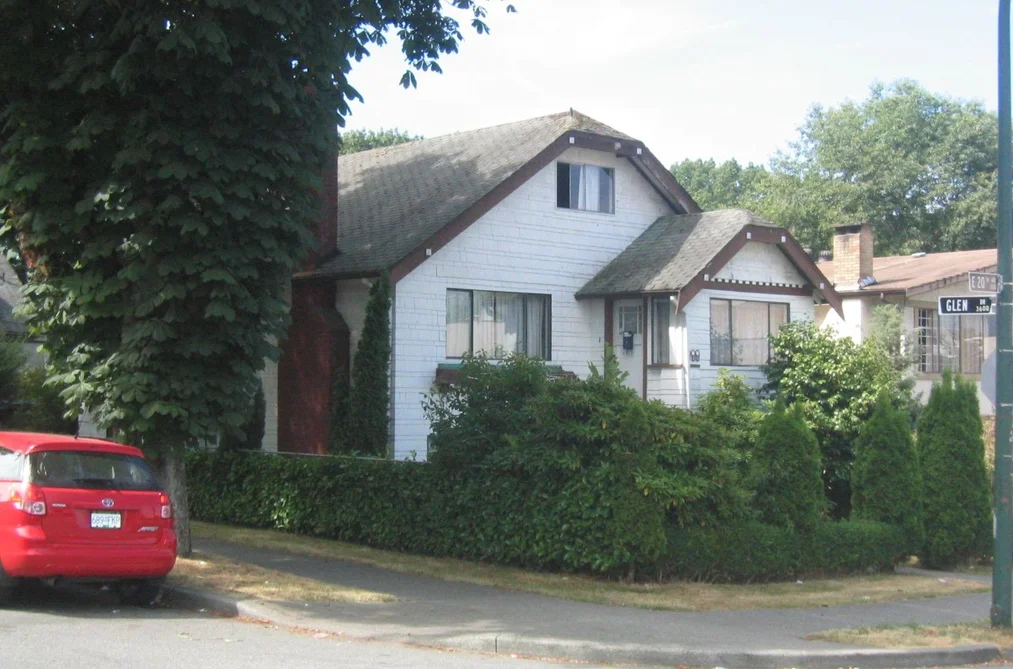
- For Sale10 days
- $1,460,000
- 5 bed
- 3 bath
- 2800 sqft
MLS® R3167029•Interlink Realty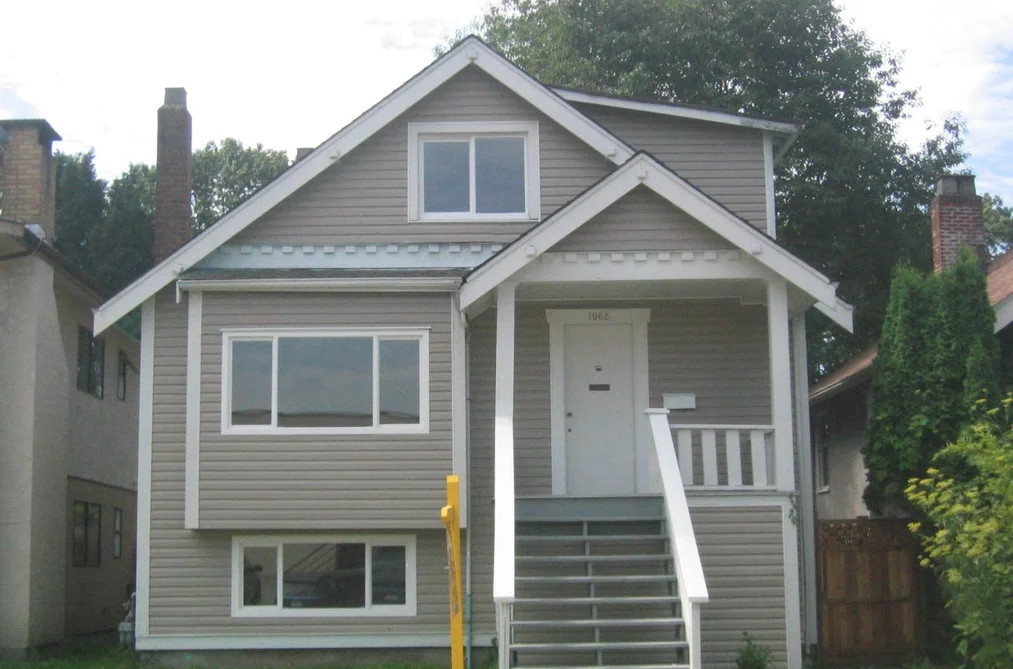
- For Sale10 days
- $1,440,000
- 4 bed
- 3 bath
- 1960 sqft
MLS® R3167054•Interlink Realty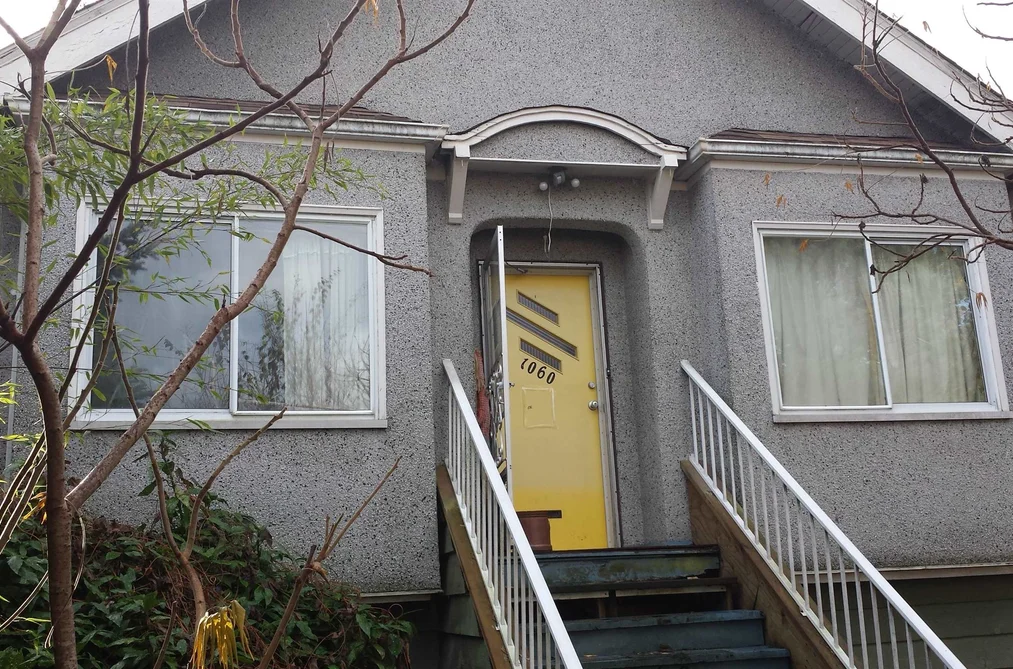
- For Sale12 days
- $2,758,000
- 10 bed
- 6 bath
- 4335 sqft
MLS® R3165578•Royal Regal Realty Ltd.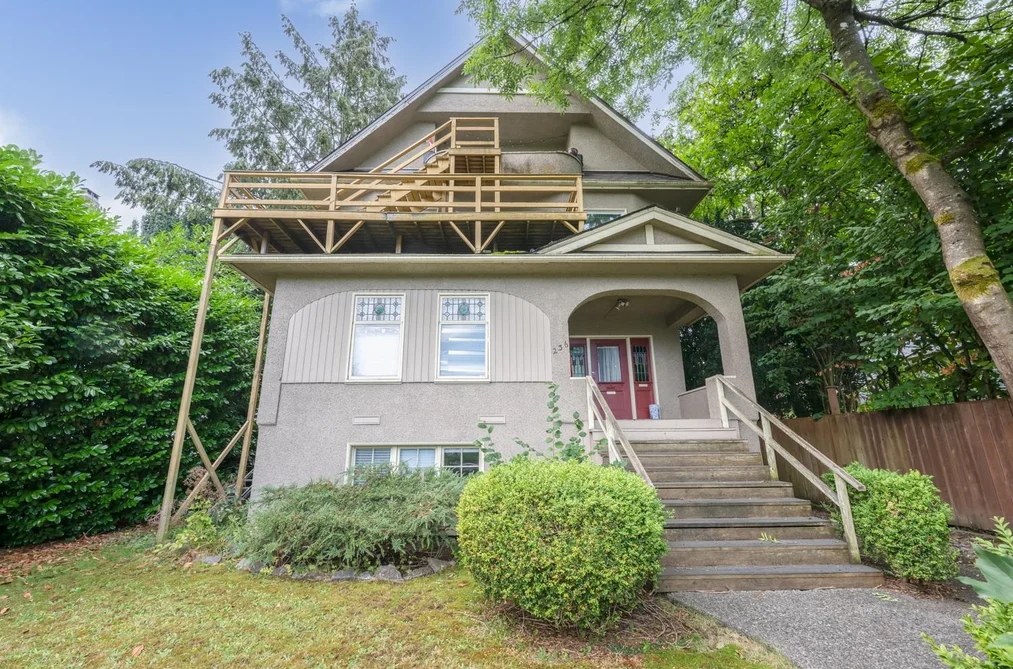
- For Sale12 days
- $2,800,000
- 6 bed
- 3 bath
- 2751 sqft
MLS® R3165401•Stonehaus Realty Corp.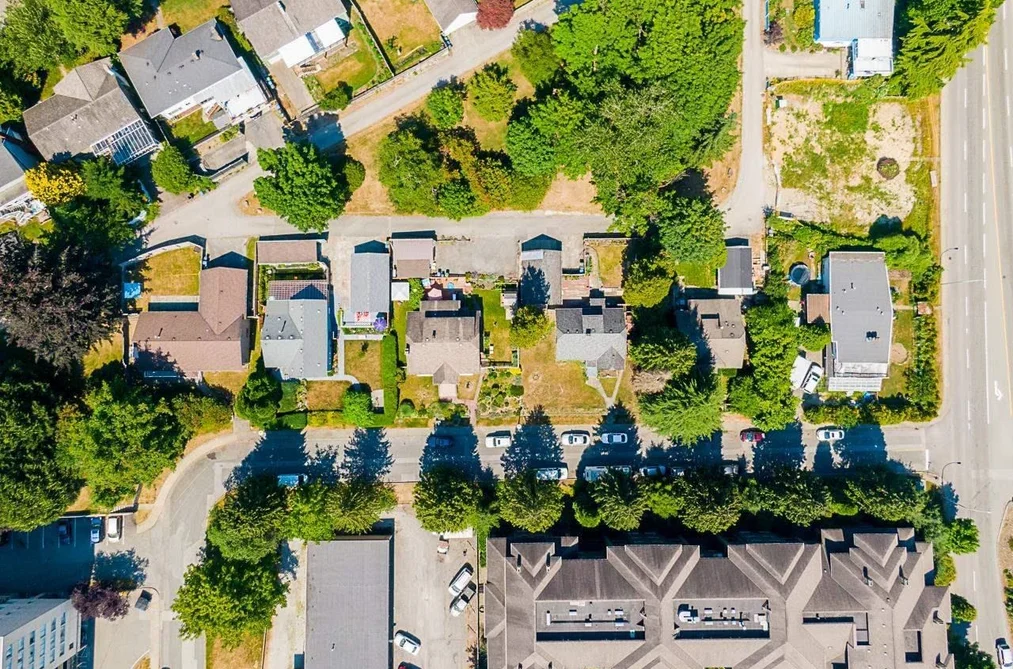
- For Sale13 days
- $3,180,000
- 4 bed
- 2 bath
- 2452 sqft
MLS® R3165073•Dexter Realty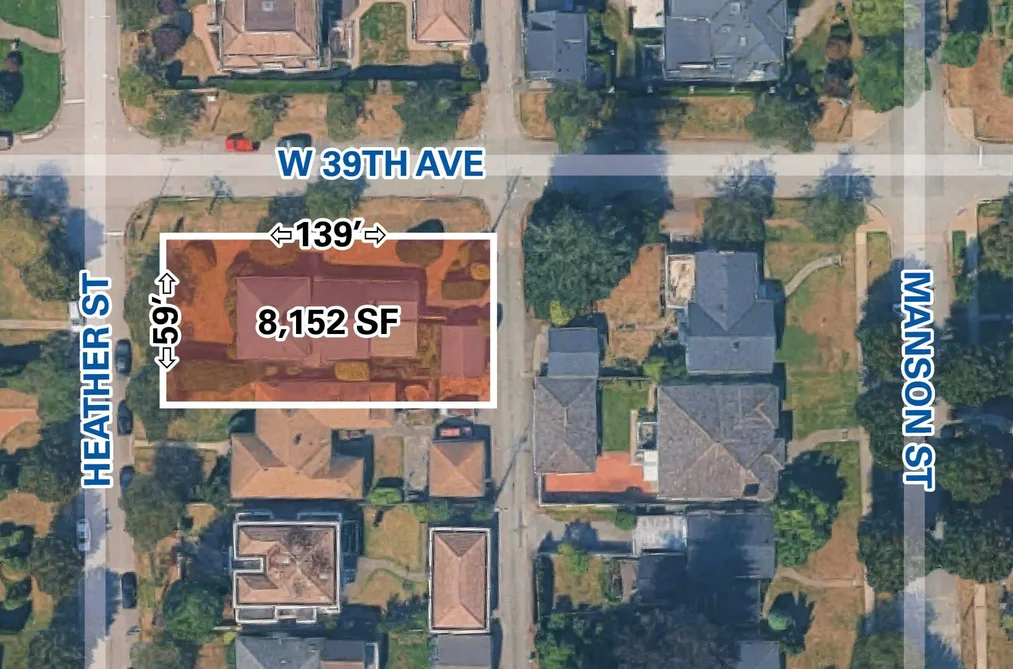
- For Sale13 days
- $1,799,900
MLS® R3165522•Royal LePage West Real Estate Services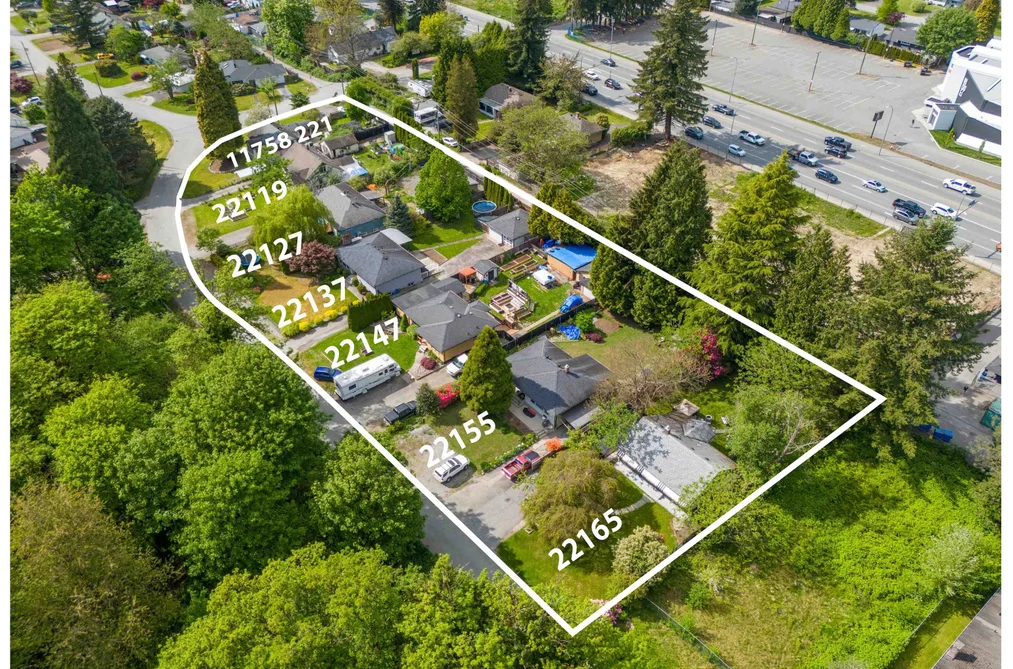
- For Sale13 days
- $1,069,900
- 2 bed
- 1 bath
- 819 sqft
MLS® R3165585•Royal LePage West Real Estate Services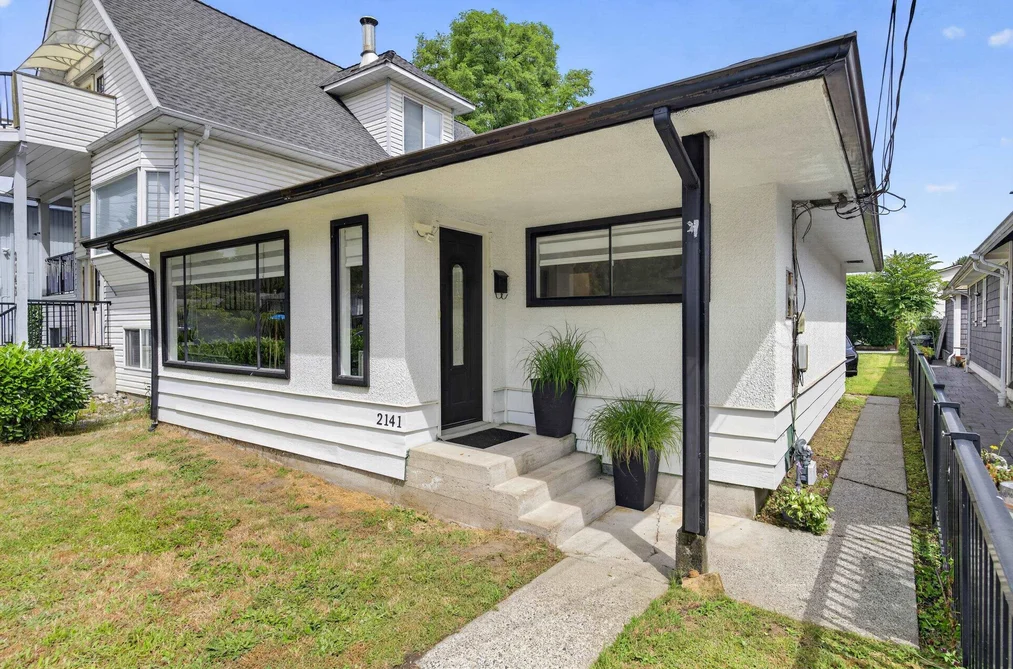
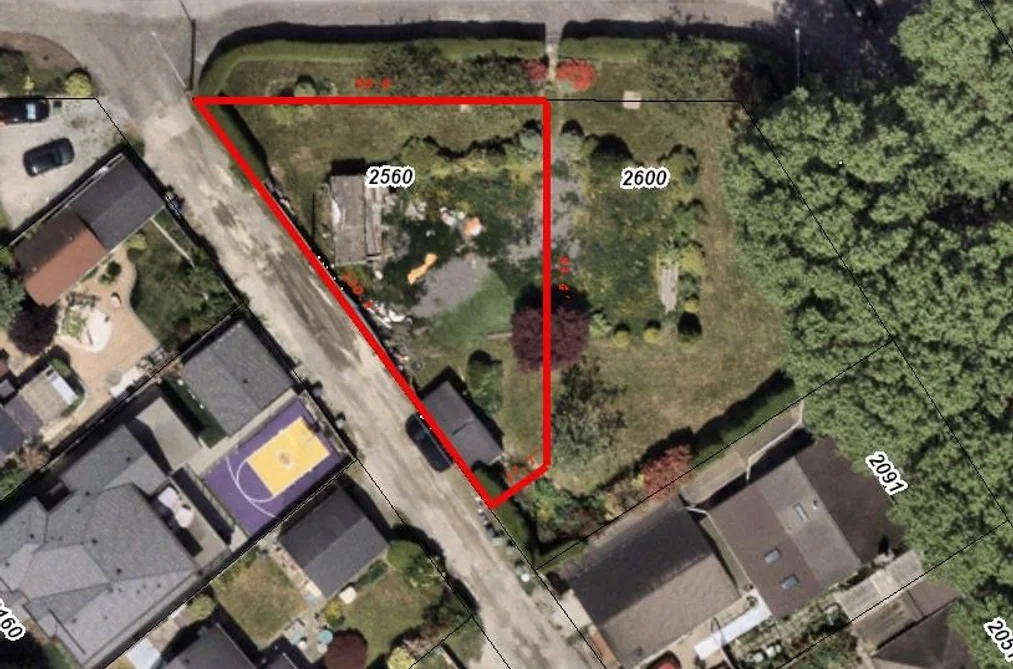
- For Sale16 days
- $6,500,000
- 6 bed
- 6 bath
- 4631 sqft
MLS® R3164648•eXp Realty
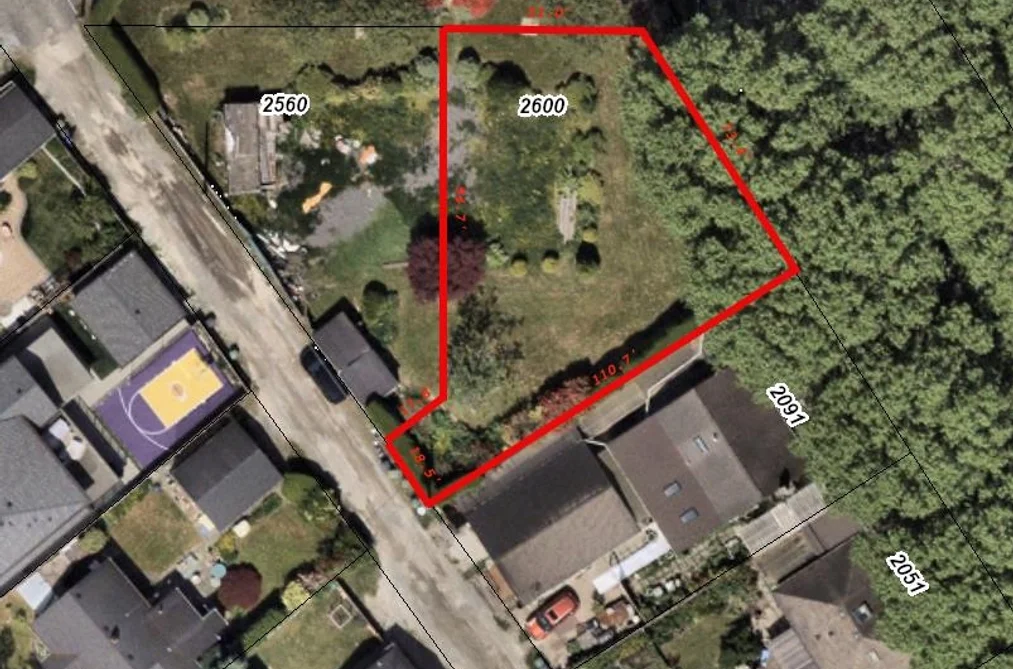
- For Sale16 days
- $2,796,000
MLS® R3164523•Rossetti Realty Ltd.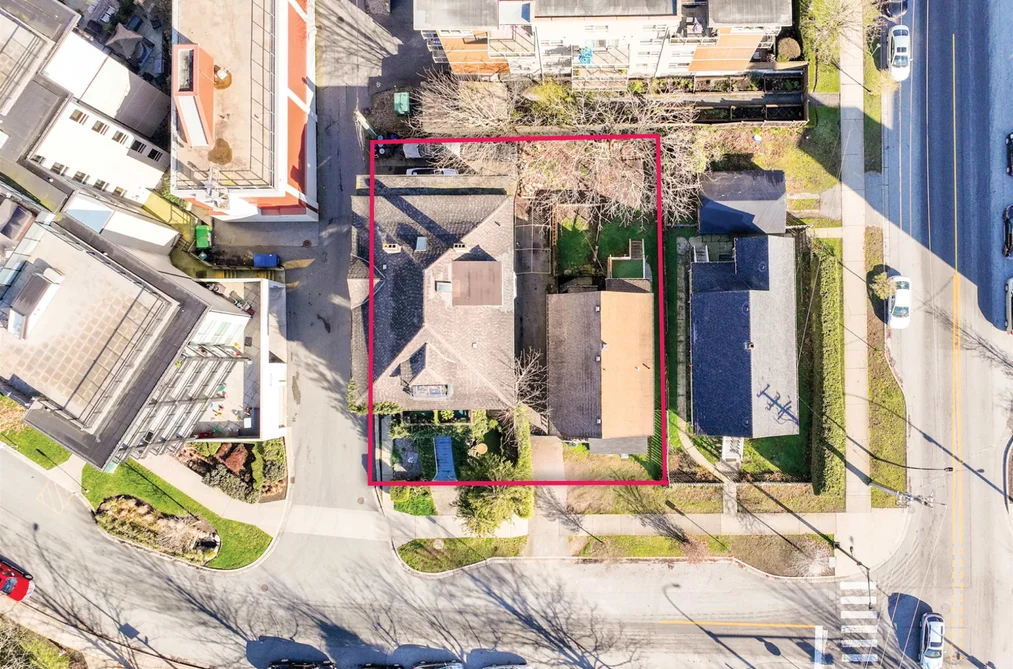
- For Sale16 days
- $6,500,000
- 6 bed
- 3 bath
- 4672 sqft
MLS® R3164647•eXp Realty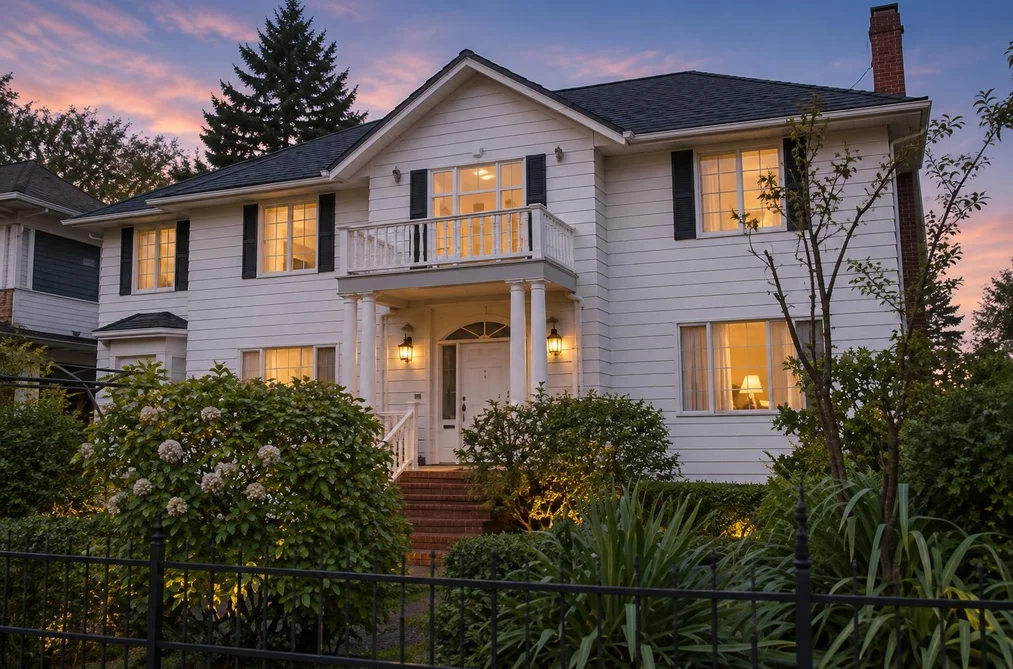
- For Sale17 days
- $1,299,900
- 2 bed
- 1 bath
- 1049 sqft
MLS® R3164539•First Stay Realty Inc.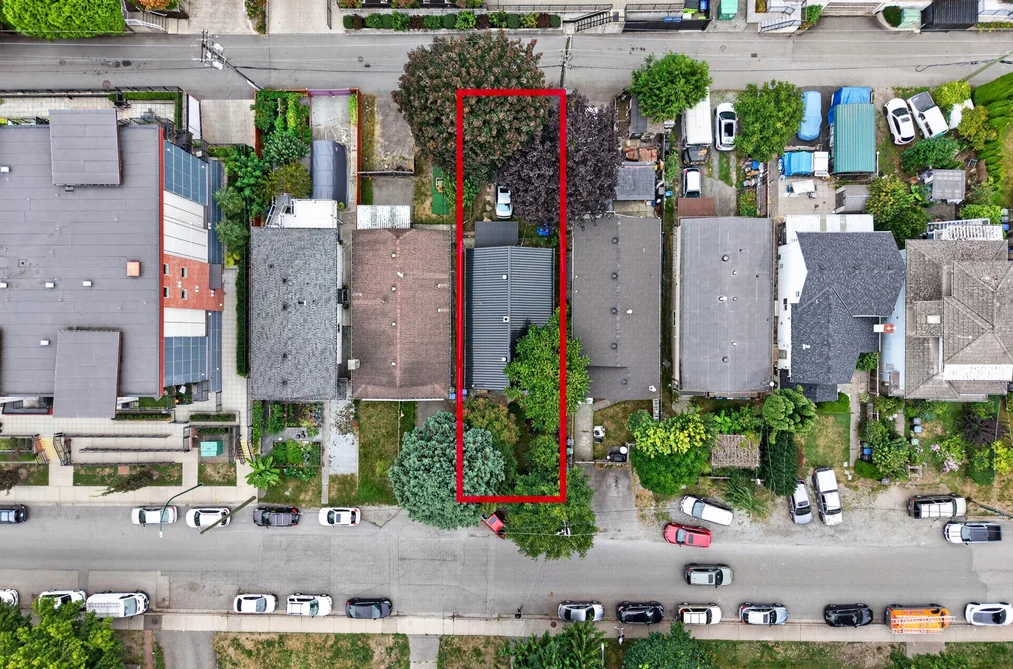
- For Sale17 days
- $1,188,000
- 1 bed
- 2 bath
- 3056 sqft
MLS® R3164513•RE/MAX Real Estate Services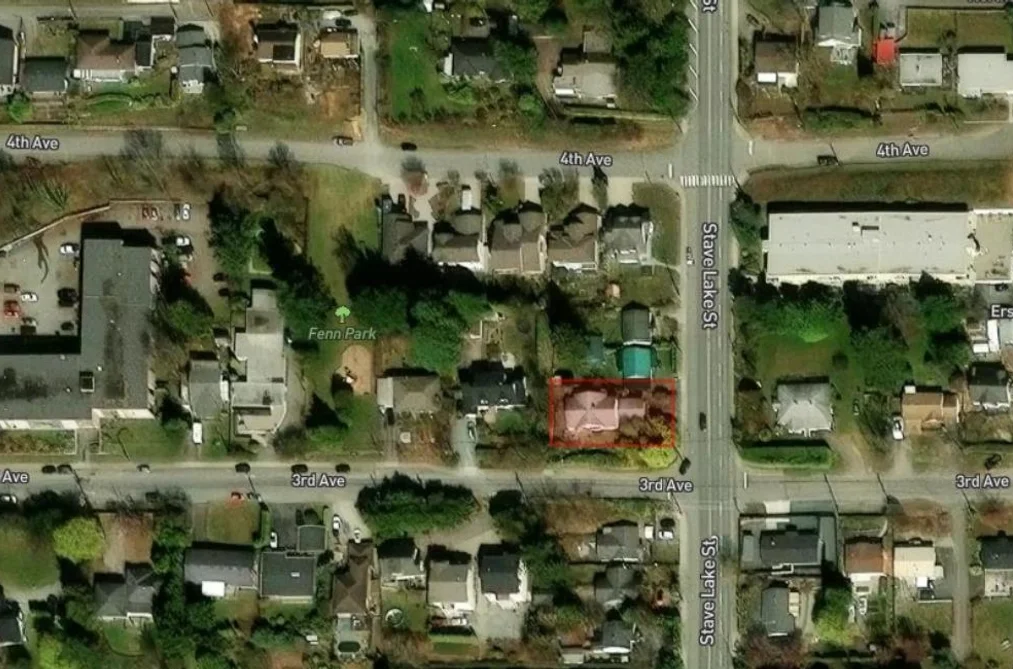
- For Sale17 days
- $1,499,000
- 3 bed
- 2 bath
- 2258 sqft
MLS® R3163924•Royal LePage - Wolstencroft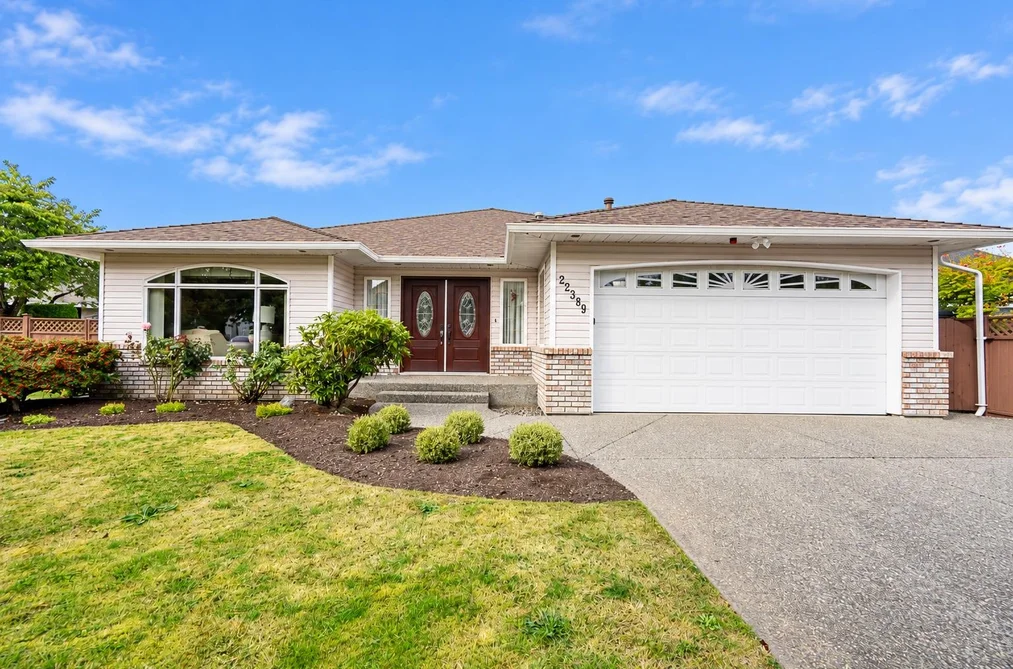
- For Sale17 days
- $1,999,968
- 4 bed
- 2 bath
- 1714 sqft
MLS® R3163885•RE/MAX Select Properties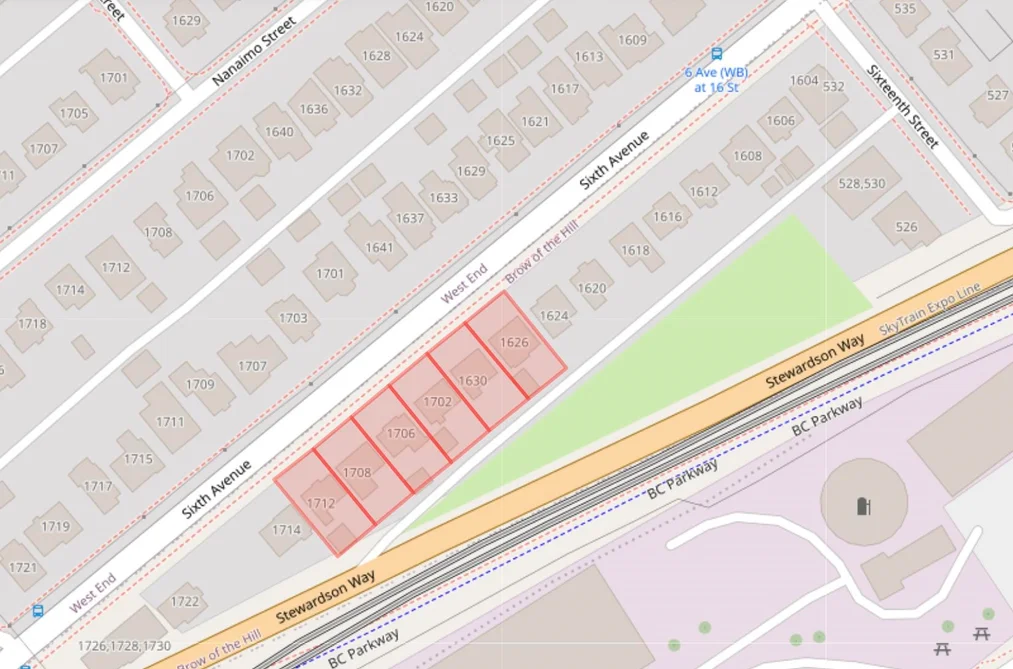
- For Sale18 days
- $749,000
- 2 bed
- 2 bath
- 980 sqft
MLS® R3163089•Sutton Group-West Coast Realty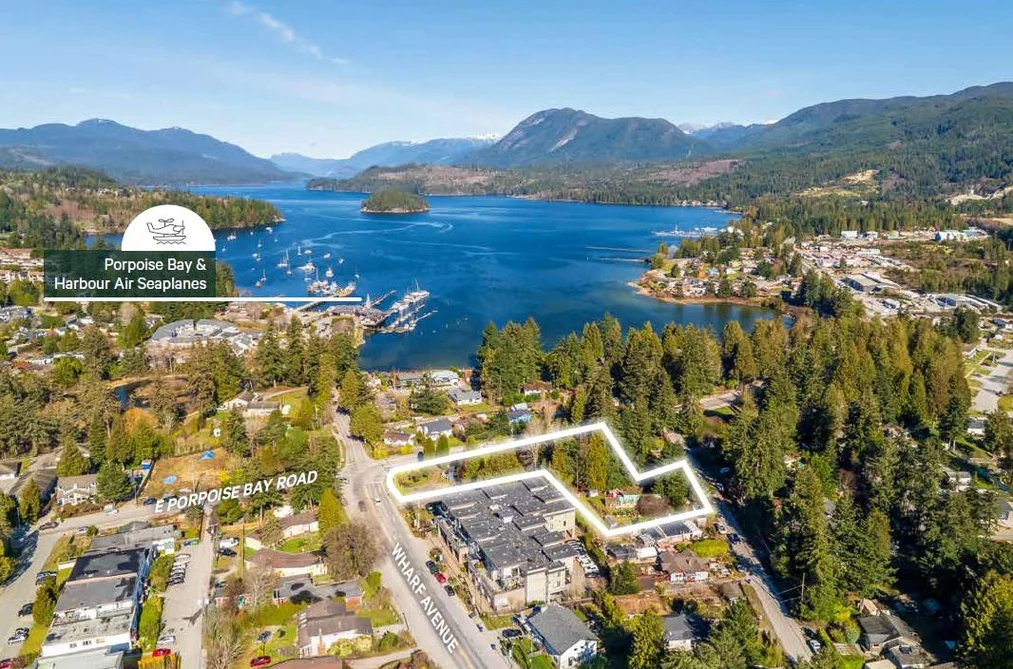
- For Sale18 days
- $1,200,000
- 800 sqft
MLS® R3162953•Royal LePage Little Oak Realty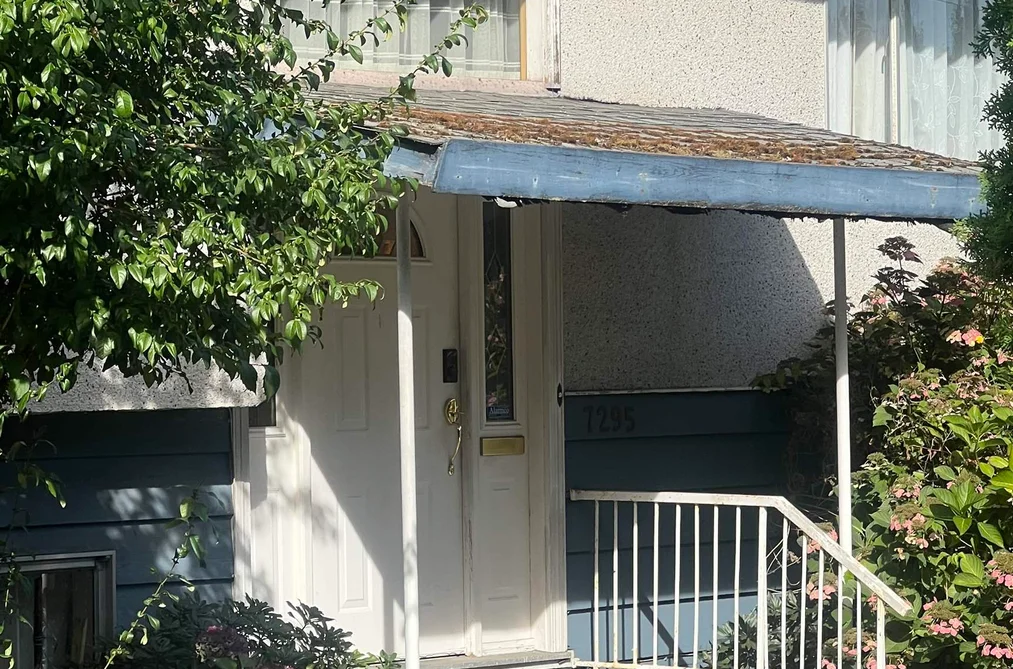
- For Sale18 days
- $749,000
- 1 bed
- 1 bath
- 640 sqft
MLS® R3163087•Sutton Group-West Coast Realty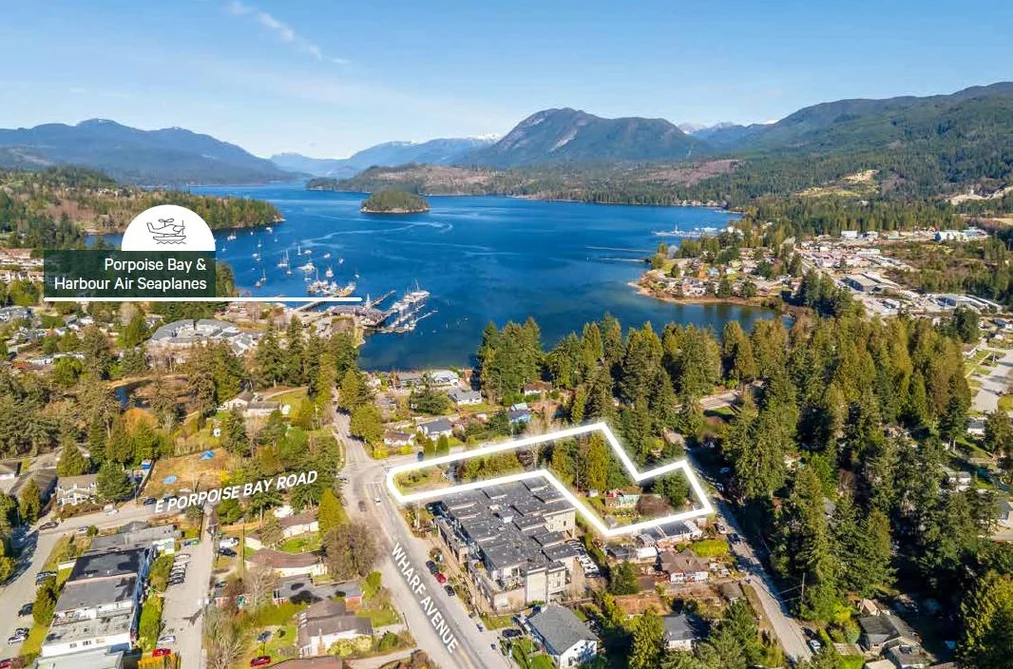
- For Sale19 days
- $1,149,000
- 2 bed
- 2 bath
- 950 sqft
MLS® R3162114•Oakwyn Realty Ltd.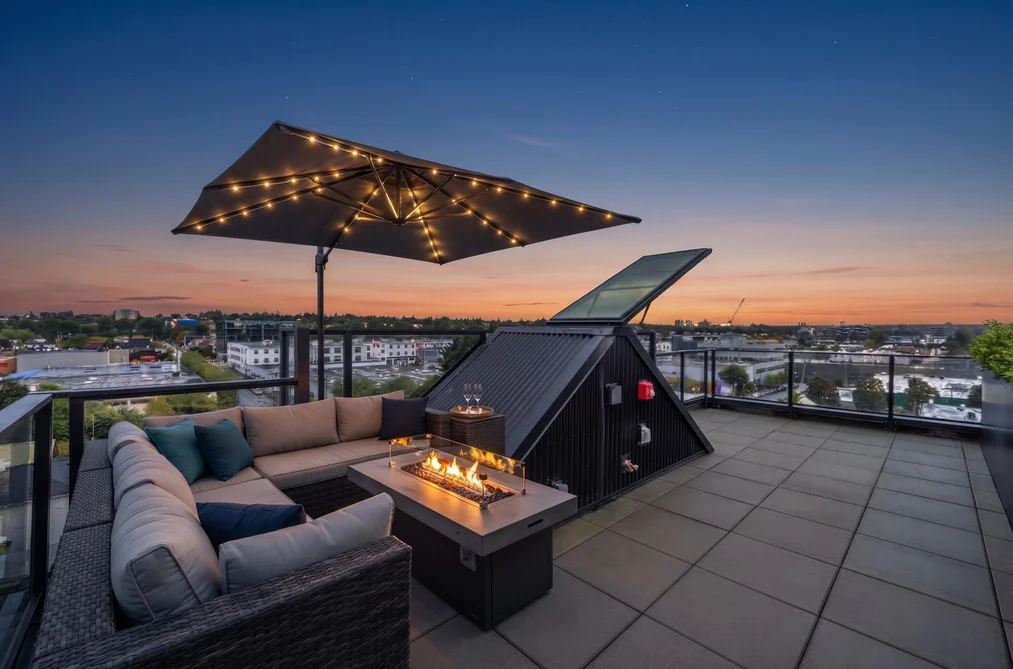
- For Sale19 days
- $849,900
- 4 bed
- 3 bath
- 2266 sqft
MLS® R3162281•Royal LePage - Wolstencroft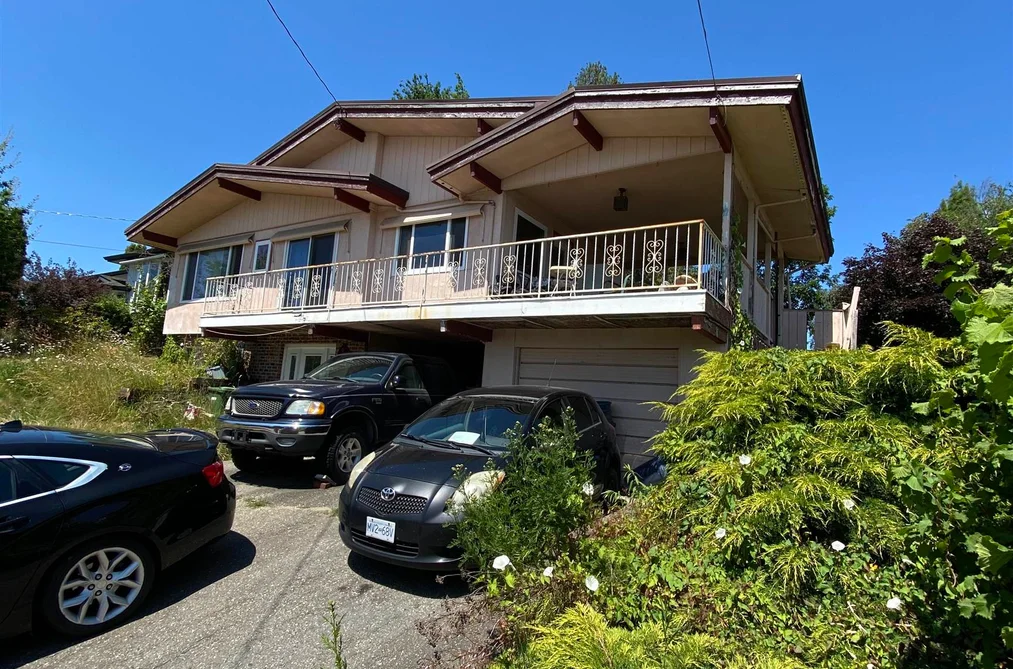
- For Sale19 days
- $998,000
- 2 bed
- 2 bath
- 950 sqft
MLS® R3162233•Oakwyn Realty Ltd.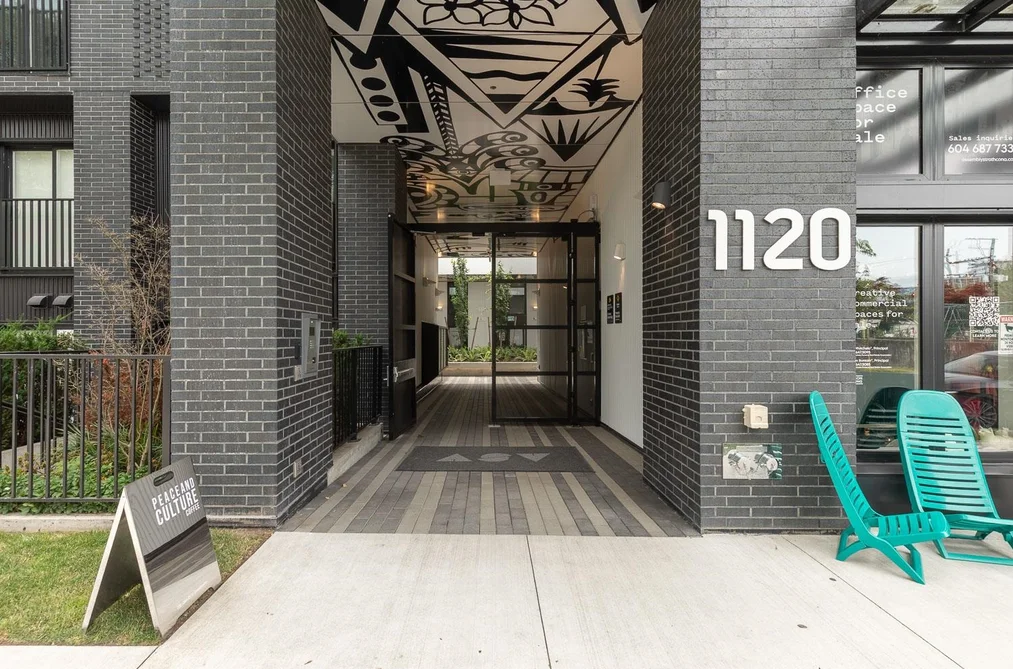
- For Sale19 days
- $359,900
- 1 bed
- 1 bath
- 655 sqft
MLS® R3162353•Stonehaus Realty Corp.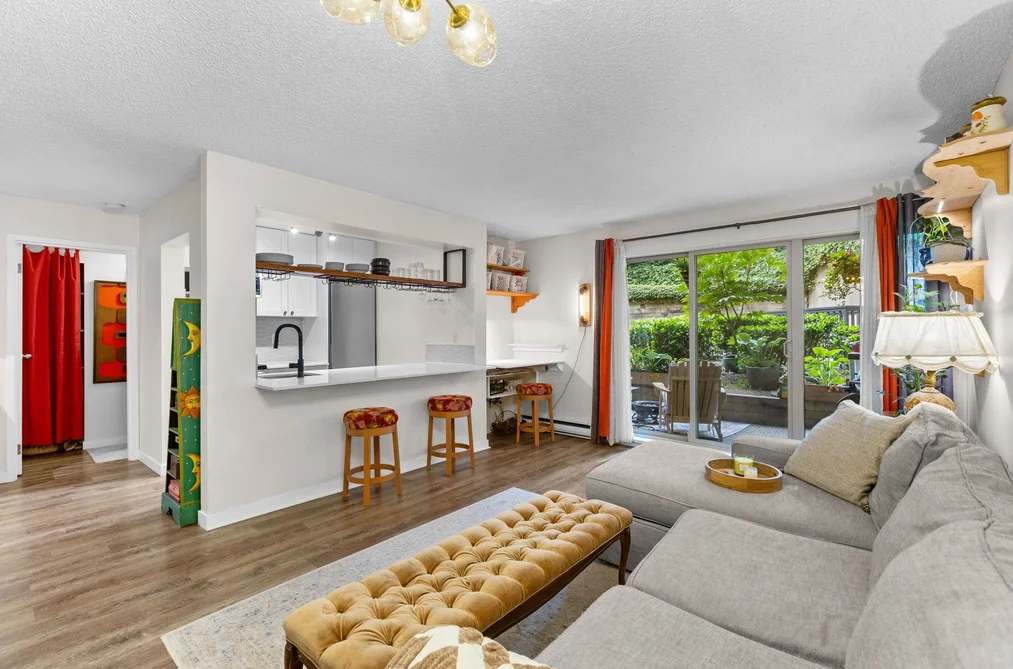
- For Sale19 days
- $1,599,000
- 3 bed
- 2 bath
- 2329 sqft
MLS® R3163579•Evermark Real Estate Services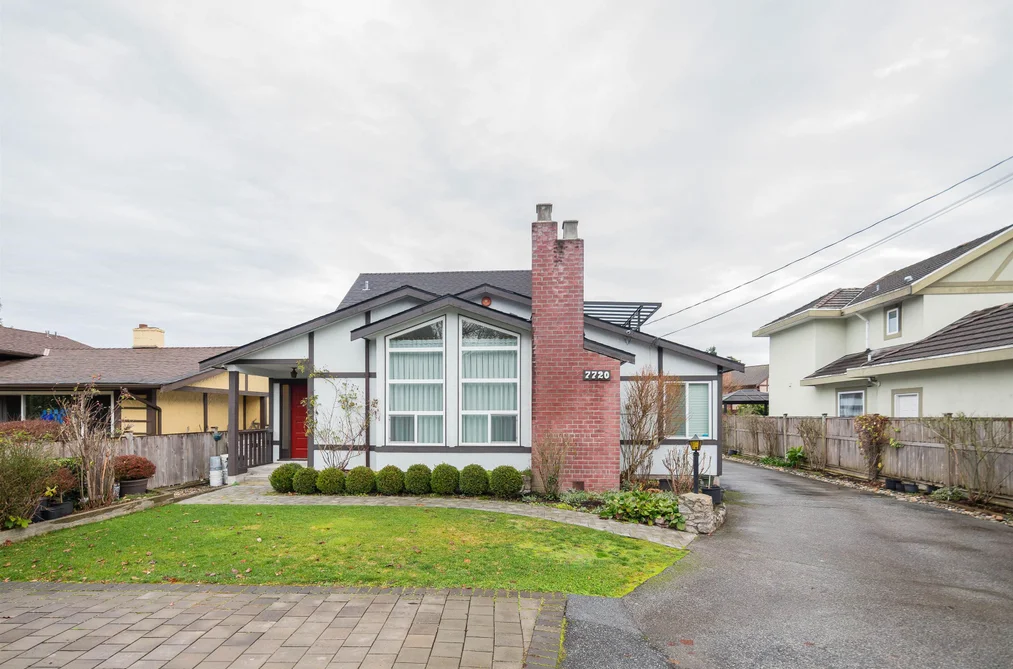
- For Sale19 days
- $1,299,900
- 2 bed
- 1 bath
- 1480 sqft
MLS® R3162481•Oakwyn Realty Ltd.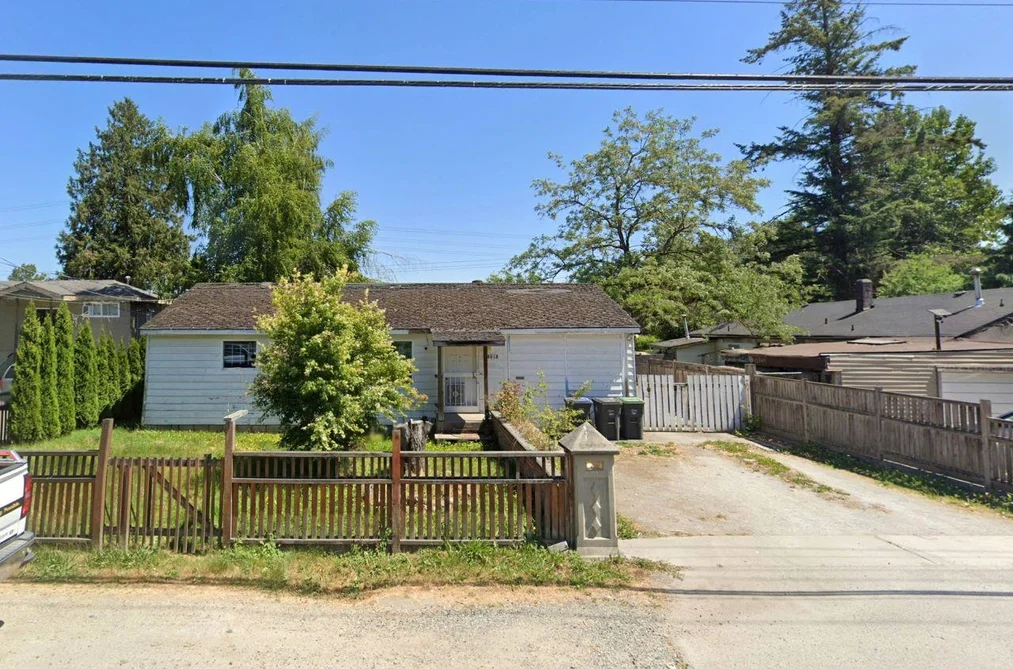
- For Sale20 days
- $1,999,900
- 2409 sqft
MLS® R3161988•The Partners Real Estate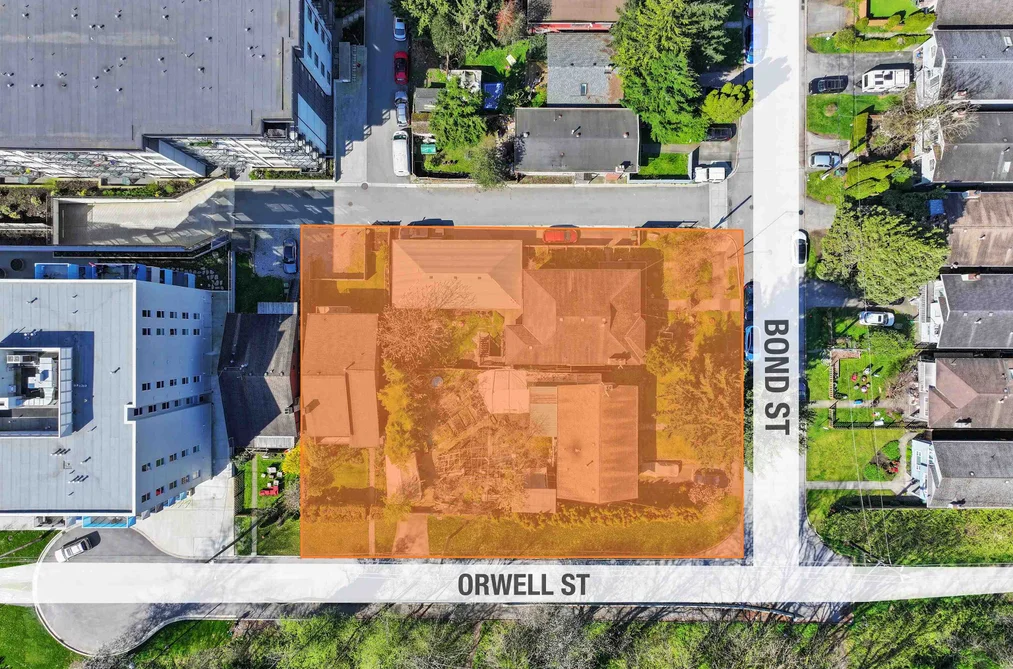
- For Sale20 days
- $1,099,000
- 4 bed
- 1 bath
- 3822 sqft
MLS® R3162994•Century 21 Coastal Realty Ltd.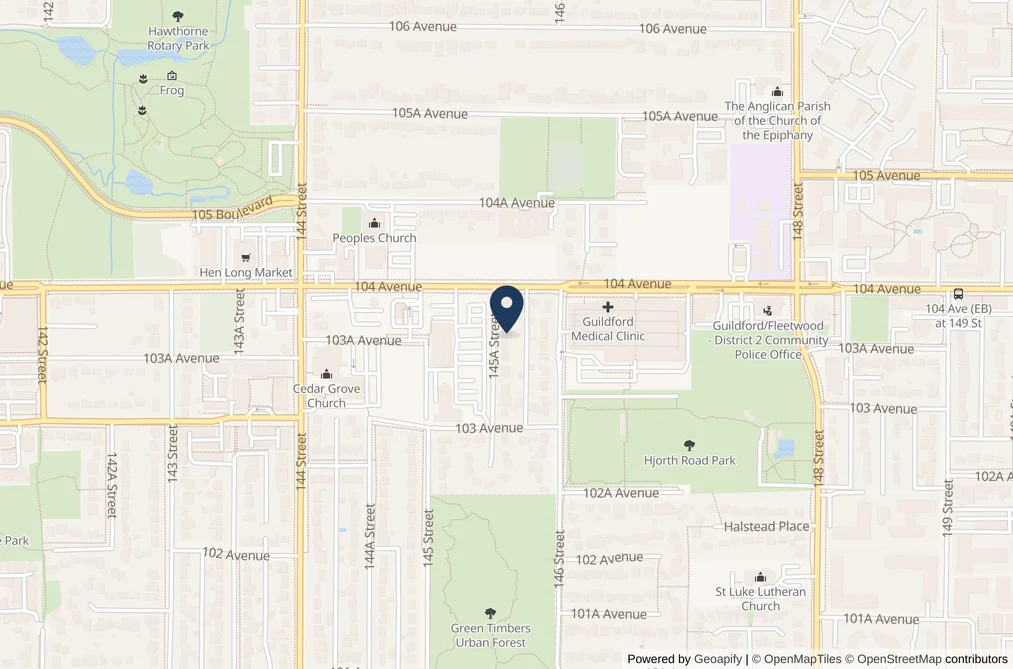
- For Sale23 days
- $1,150,000
- 4 bed
- 2 bath
- 2298 sqft
MLS® R3162717•eXp Realty of Canada, Inc.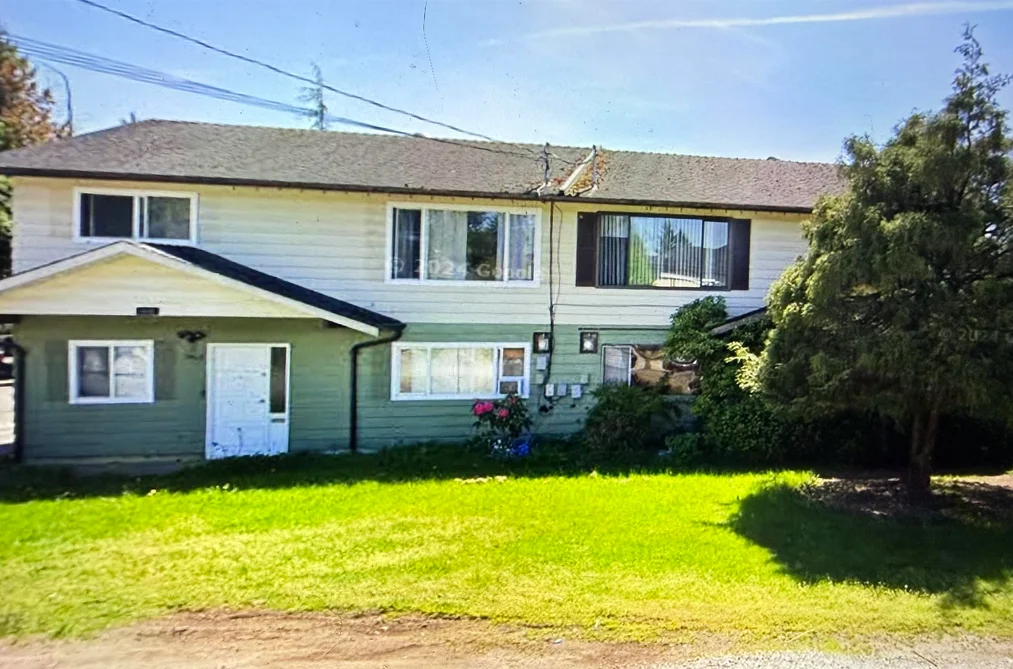
- For Sale23 days
- $3,980,000
- 3 bed
- 1 bath
- 2132 sqft
MLS® R3162624•LeHomes Realty Premier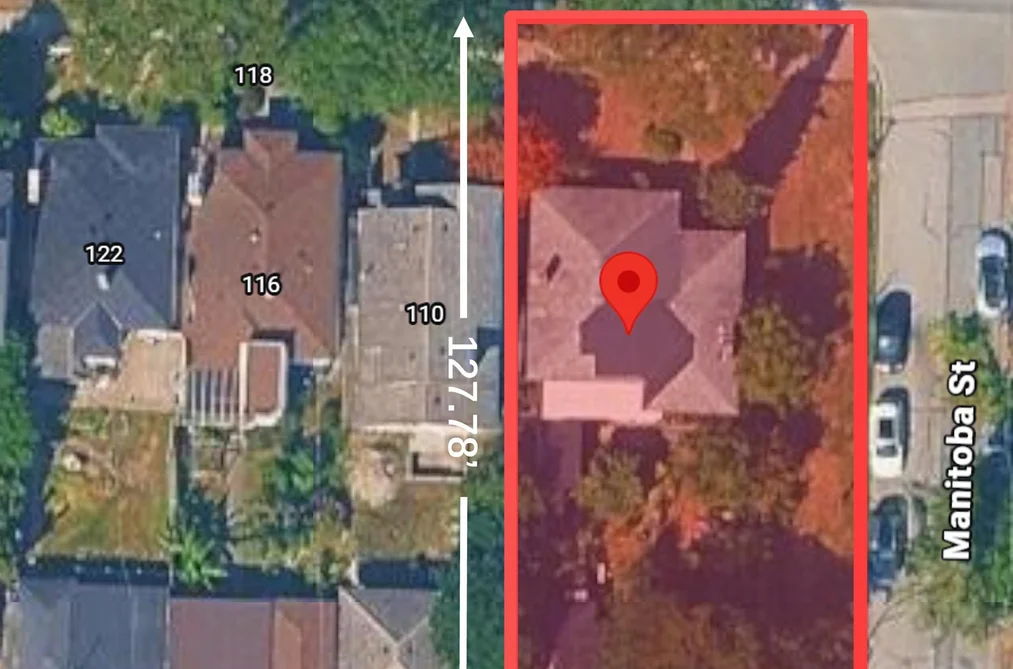
- For Sale24 days
- $3,299,000
- 4 bed
- 1 bath
- 1813 sqft
MLS® R3162535•Engel & Volkers Vancouver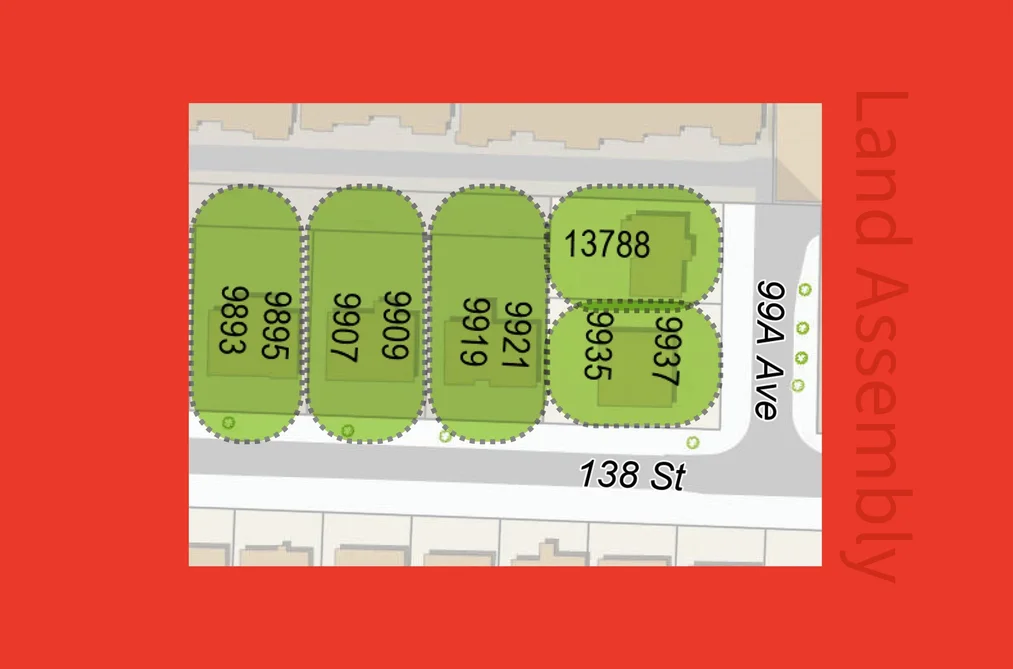
- For Sale25 days
- $1,599,999
- 5 bed
- 3 bath
- 2697 sqft
MLS® R3160818•Sutton Premier Realty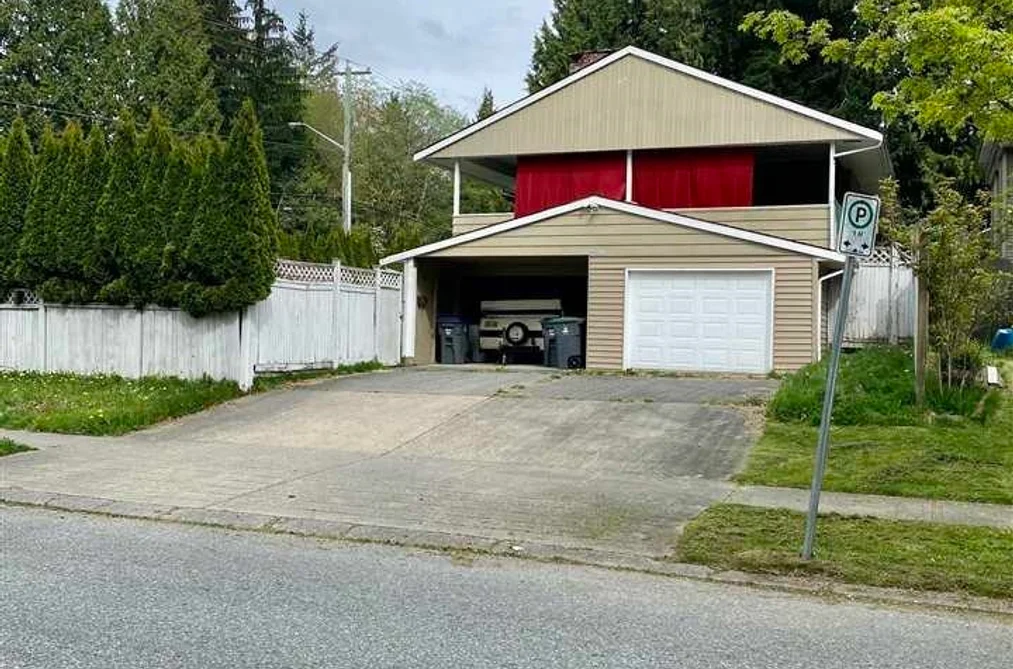
- For Sale26 days
- $1,990,000
- 5 bed
- 3 bath
- 2642 sqft
MLS® R3160701•Royal Regal Realty Ltd.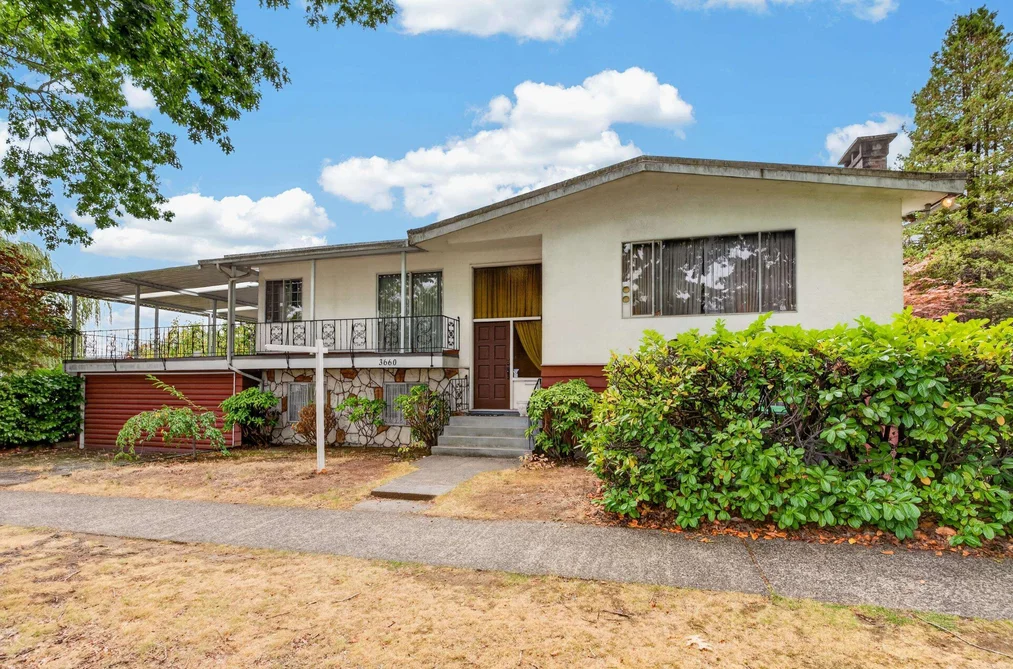
- For Sale26 days
- $1,225,000
- 6 bed
- 4 bath
- 2310 sqft
MLS® R3161193•Royal LePage Global Force Realty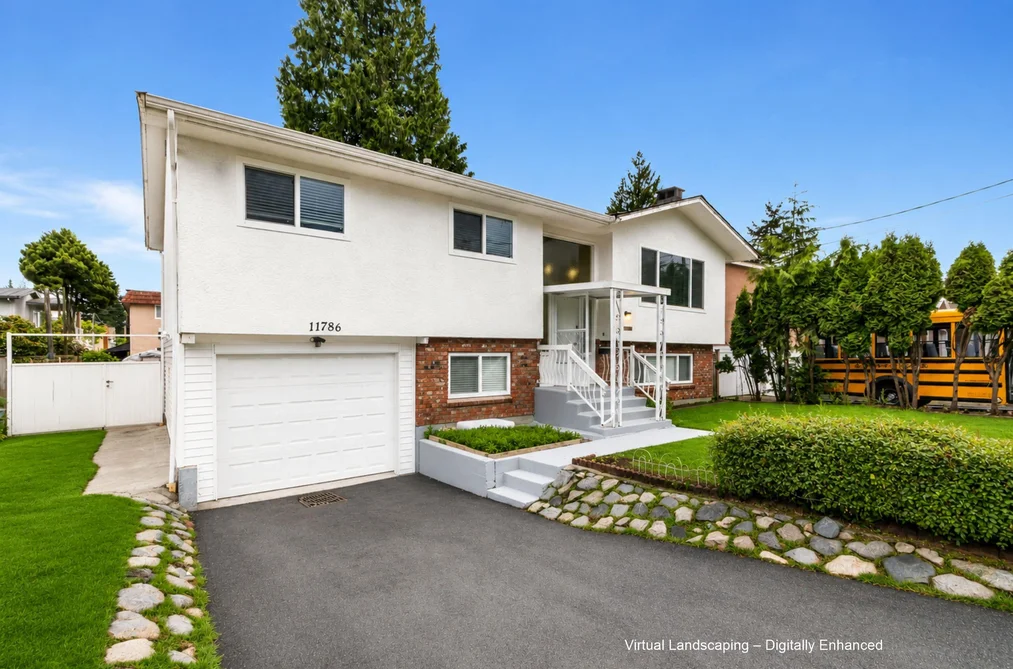
- For Sale27 days
- $999,000
- 5 bed
- 2 bath
- 1724 sqft
MLS® R3160217•RE/MAX Westcoast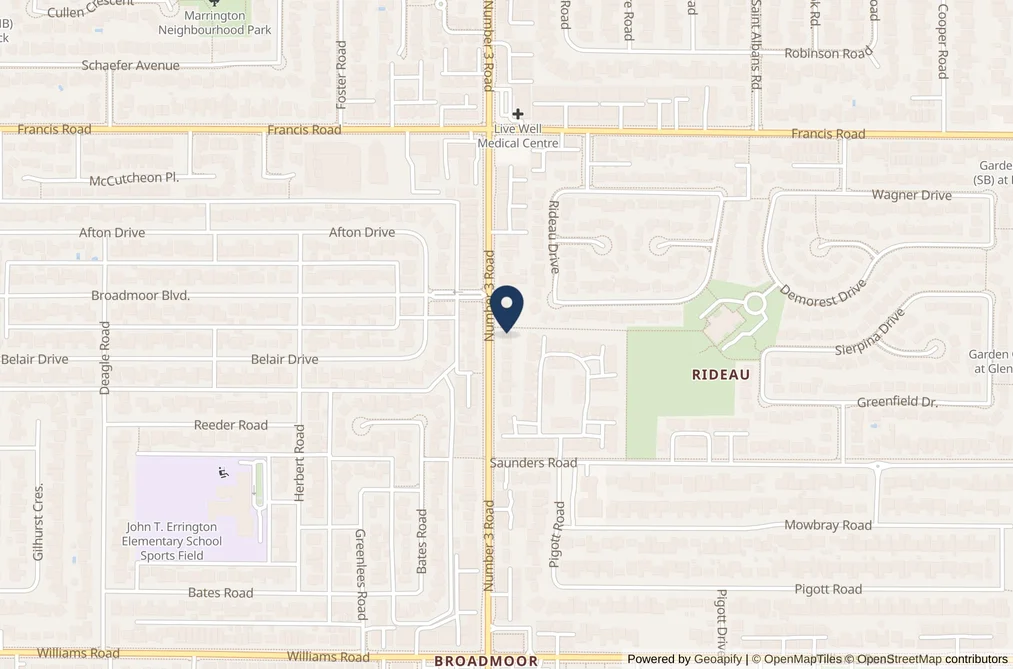
- For Sale27 days
- $13,980,000
- 1 bed
- 1 bath
- 800 sqft
MLS® R3161021•Luxmore Realty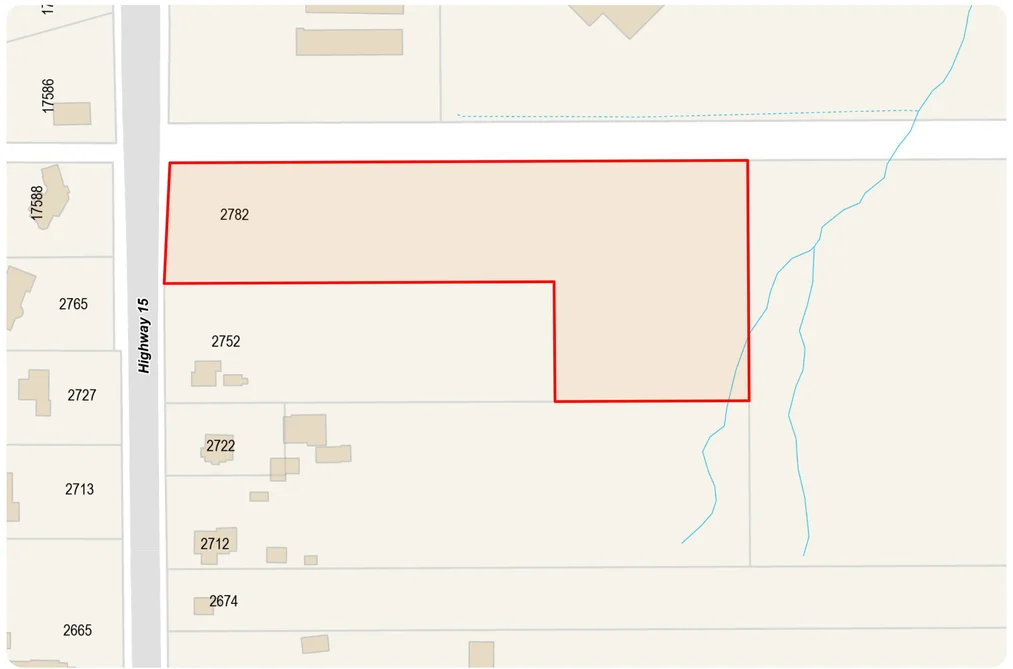
- For Sale27 days
- $1,500,000
MLS® R3160606•Royal LePage West Real Estate Services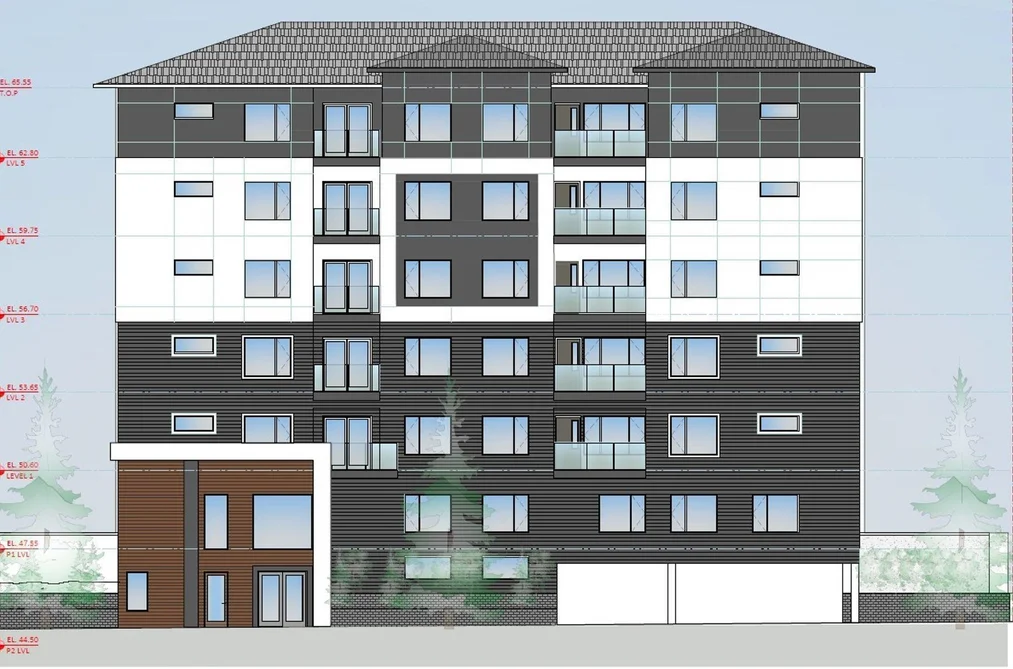
Assembly listings are neighbouring properties offered together so a buyer can combine them into one redevelopment site, so check what the community plan allows, how many owners are involved and how the sale is structured before you make an offer.
Check What the Assembly Can Become
The value of an assembly lies in what the combined parcel may be rezoned to build, not in the houses standing on it today. Start with the municipality's official community plan and any area plan that covers the block. Ask what land use and height the plan designates, whether rezoning is needed, and how long approvals typically take in that municipality.
Provincial changes have raised the density allowed near transit. Sites close to a SkyTrain station or bus exchange may fall within a transit-oriented area where higher buildings must be considered, while many other residential lots now allow several units without rezoning. Ask the planning department which rules apply to the specific parcels, and whether a townhouse, a low-rise, a mixed-use building or a tower of several storey heights is realistic.
Ask How the Assembly Sale Is Structured
An assembly usually involves several owners, each with their own title, and each must sign. Some are listed as a single package through one agent; others are marketed as a group where one lot is listed and the rest are expected to follow. Ask the listing agent who owns each parcel, whether every owner has agreed to sell, and whether the price is quoted for the whole site or per lot.
Contracts for assemblies are often conditional for longer than a normal sale, to allow for due diligence and sometimes for rezoning. Understand the deposit structure, the subject removal dates, and what happens if one owner withdraws. A real estate lawyer familiar with development sales should review the contract before you sign.
Compare Assembly Listings by Price per Buildable Area
Buyers of assemblies compare sites by the price per square foot of floor area they can build, not by the price of each house. Ask your agent to estimate the buildable area under the plan, then compare it with other development sites in the same neighbourhood. A cheaper assembly with a lower permitted density can cost more per buildable foot than a pricier site near transit.
Add the costs that sit on top of the land: development cost charges, community amenity contributions, servicing upgrades, demolition and holding costs through the approval period. Each municipality charges differently, and those charges can decide whether a site works.
Complete Due Diligence on Every Parcel
Each lot in the assembly needs its own checks: a title search for easements, covenants and rights-of-way, a survey, an environmental review for old oil tanks or contamination, and a geotechnical report. Check for tenancies in any of the houses, since tenants have protections that affect your timeline. Confirm whether any parcel carries a heritage designation or protected trees.
Weigh the Timeline Before You Commit
Redevelopment takes time. From purchase to approval can take many months or years, during which you carry the property, and markets and municipal policies can change along the way. Many buyers rent the existing single-family homes during the approval period to offset holding costs. Build a realistic schedule and budget before you remove subjects.
Browse Assembly Opportunities Across Greater Vancouver
Supply includes single-family blocks near SkyTrain in Burnaby, Coquitlam and Surrey, Vancouver neighbourhoods such as Renfrew, and parcels across the Fraser Valley. Browse and compare current listings on the MLS® through Strawhomes, filter by municipality and neighbourhood, and shortlist only the sites whose plan, owners and timing you have confirmed. Compare them against a single rezoning candidate or a holding property if you want a simpler purchase.
Frequently Asked Questions
- What is a land assembly?
- A group of neighbouring properties offered together so a buyer can combine them into one redevelopment site. Each parcel usually has its own owner and title, and the value lies in what the combined site may be rezoned to build.
- How do I know what an assembly can be rezoned to?
- Check the municipality's official community plan and any area plan covering the block, then ask the planning department which provincial and local density rules apply. Sites near SkyTrain stations often qualify for higher density.
- Can I buy just one house in an assembly?
- Sometimes, but its value may depend on the neighbouring lots. If the other owners are selling together, a single lot bought separately may be worth less to a developer. Ask the listing agent how the sale is structured.
- Why are assembly contracts conditional for so long?
- Buyers need time for due diligence across several parcels and sometimes for rezoning. Understand the deposits, subject removal dates and what happens if one owner withdraws, and have a real estate lawyer review the contract.
- What costs come on top of the land price?
- Development cost charges, community amenity contributions, servicing upgrades, demolition and holding costs through approvals. Each municipality charges differently, so ask for the current charges before you set your price.
Related Tags
- Builder(437)
- Assignment(41)
- Construction(633)
- Studio(1,215)
- Workshop(990)
- Meeting Room(262)
- Development(1,995)
- Tower(328)
- Workshop Attached(16)
- Party Room(732)
- Land(1,236)
- Inside Unit(22)
- Barn(314)
- Weekly Housekeeping(31)
- Furnished(162)
- End Unit(409)
- Community Meals(16)
- Assisted Living(33)
- Storage(10,682)
- Millwork(543)
- Row House(67)
- Clubhouse(4,931)
- Cabin(181)
- Project(293)
- Home Office(1,595)
- Ground Level Unit(862)
- Common Area(91)
- In Law Suite(22)
- Mansion(85)
- Functional(3,396)
- Social Room(38)
- Building Lot(194)
- Hotel(179)
- Hospital(497)
- Architecturally Designed(40)
- Upper Unit(35)
- Dishwasher(492)
- Theatre Room(1,052)
- Traditional(139)
- Cleared(403)
- Community Centre(990)
- Brick(139)
- Powder Room(556)
- Manufactured On Land(57)
- Subdivision(352)
- Amenities(7,032)
- New Home(682)
- Multi-Family(263)
- Recreation(2,462)
- Media Room(712)