For Sale
5 days
- $1,249,000
- 4 bed
- 4 bath
- 2479 sqft
MLS® R3163657
•Rennie & Associates Realty Ltd.
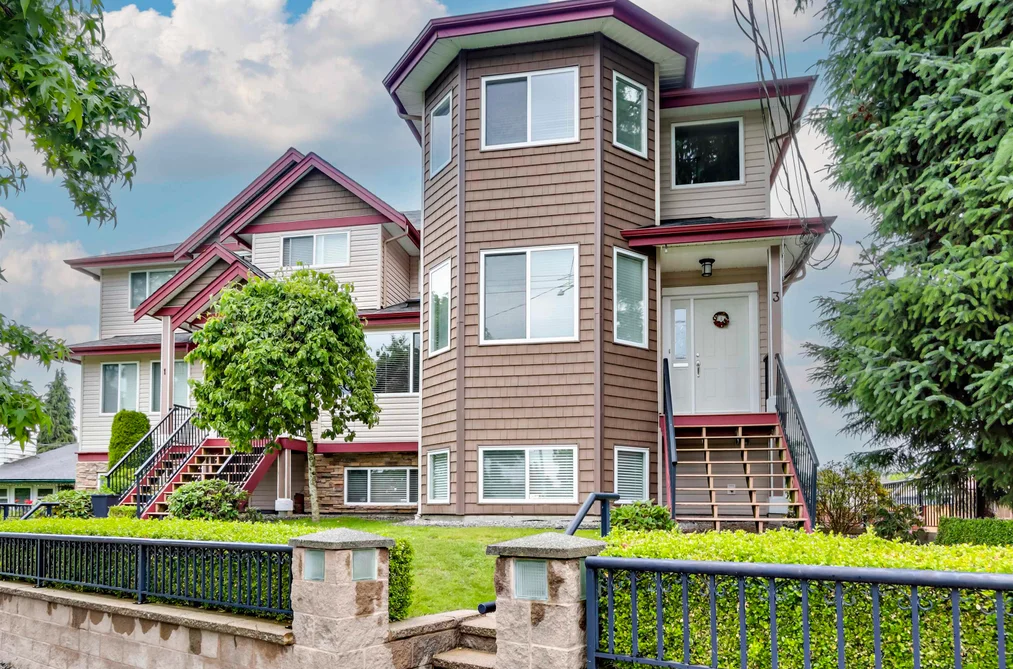
Open Sun, Sep 13, 12 p.m.
Browse homes with an in law suite for sale in Greater Vancouver and confirm the suite is legal and permitted before you make an offer on a property.
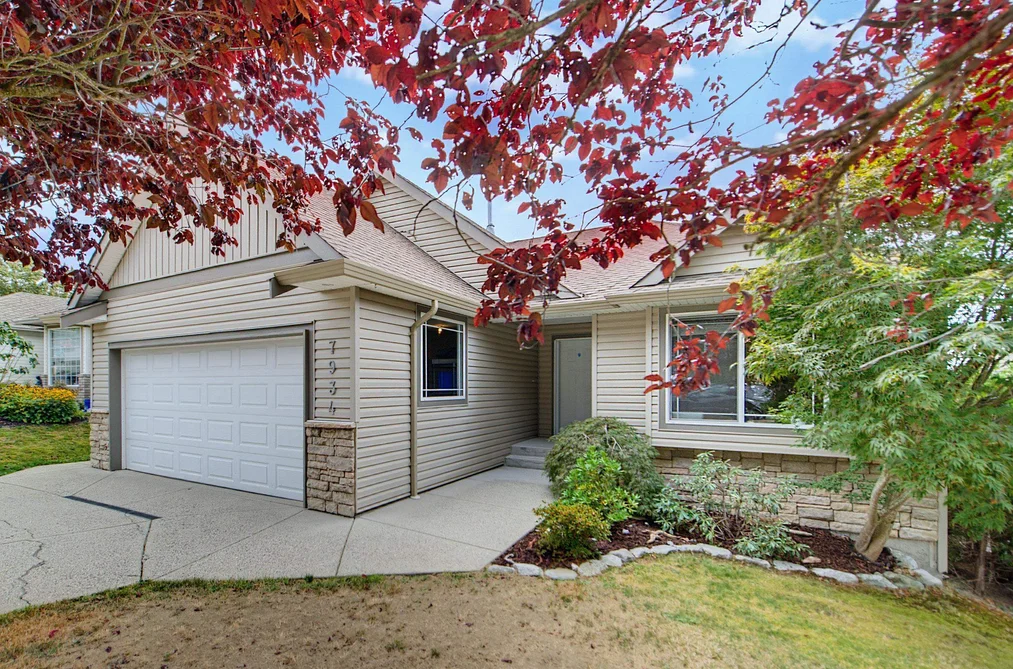
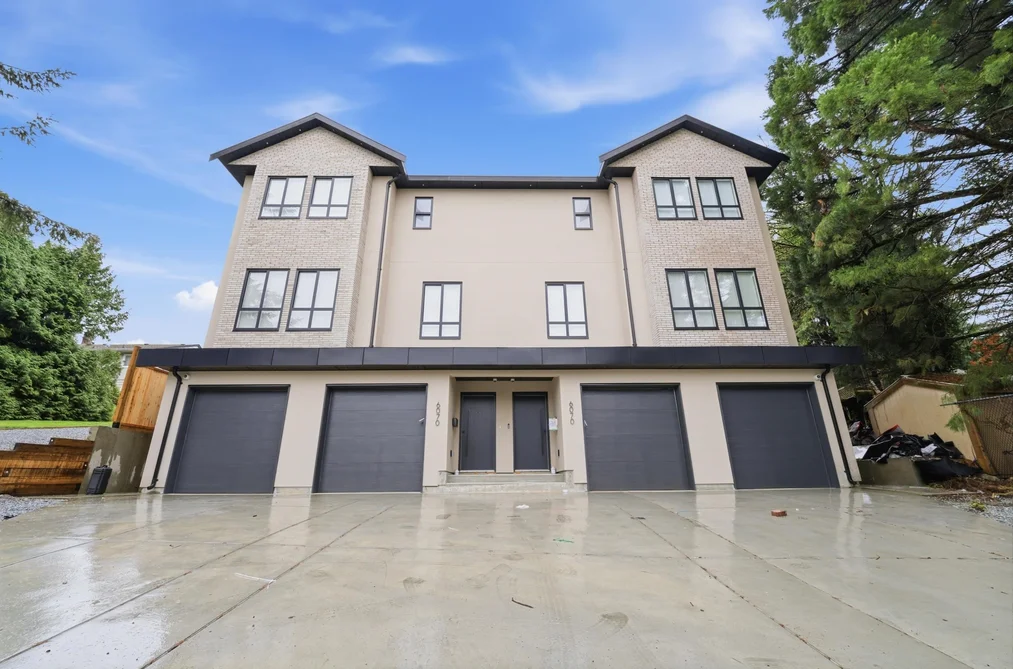
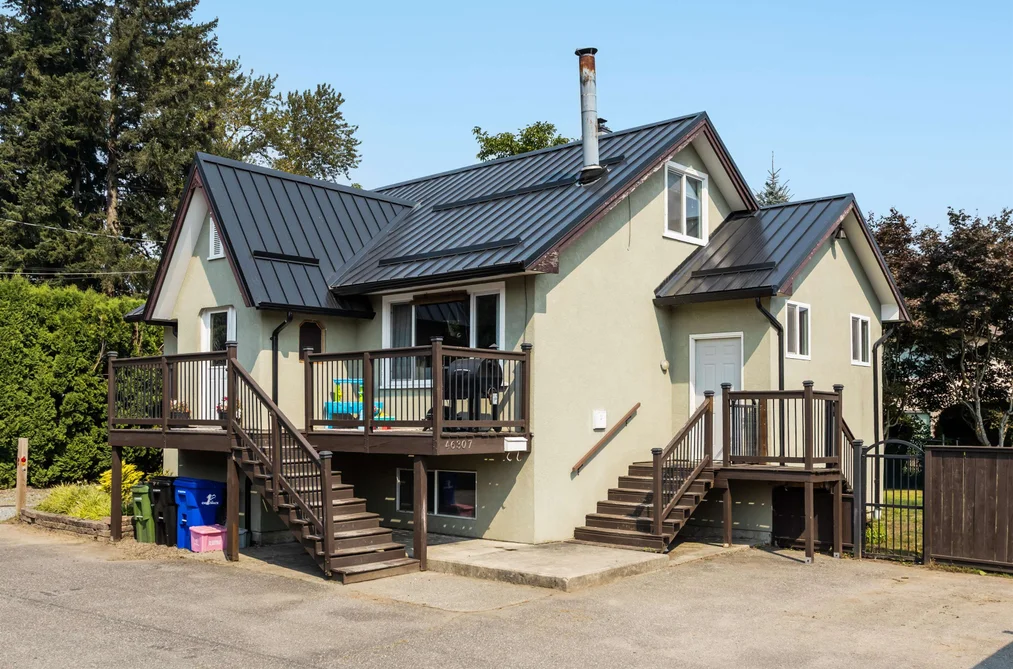
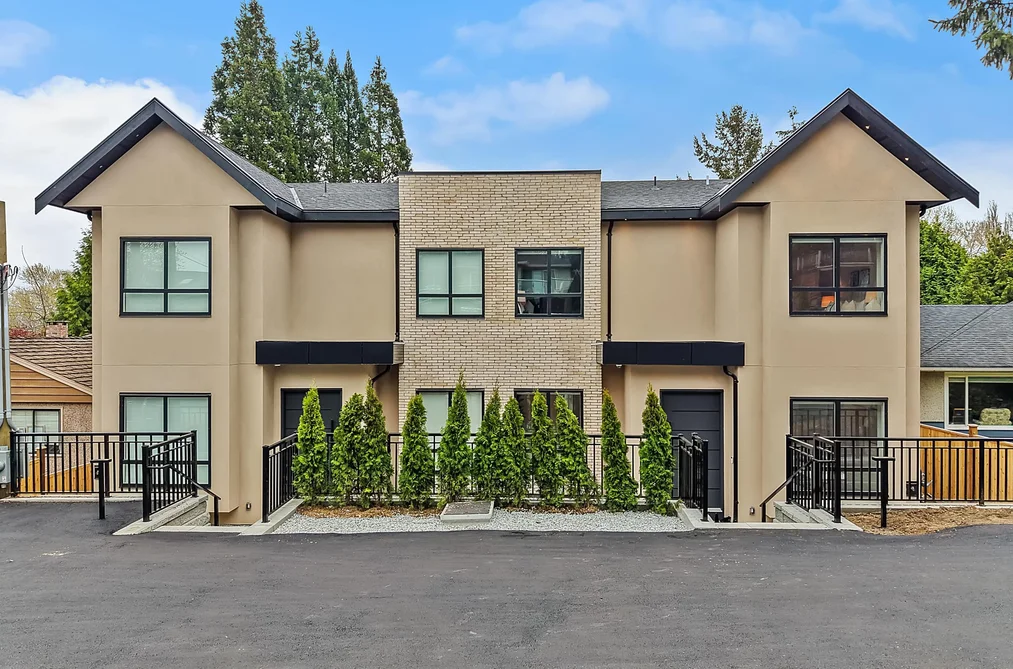
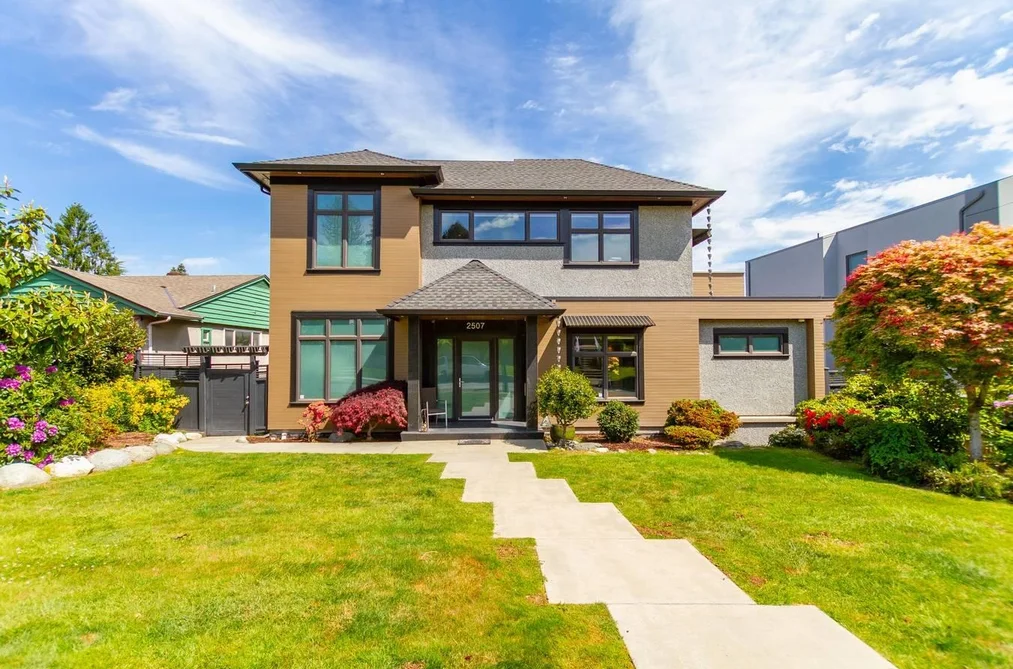
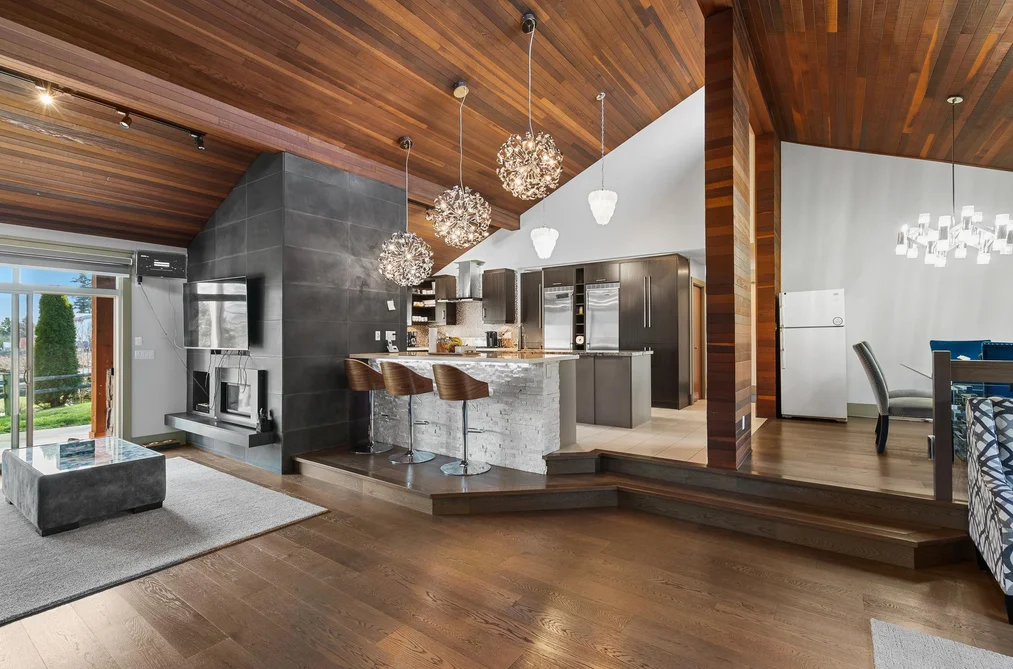
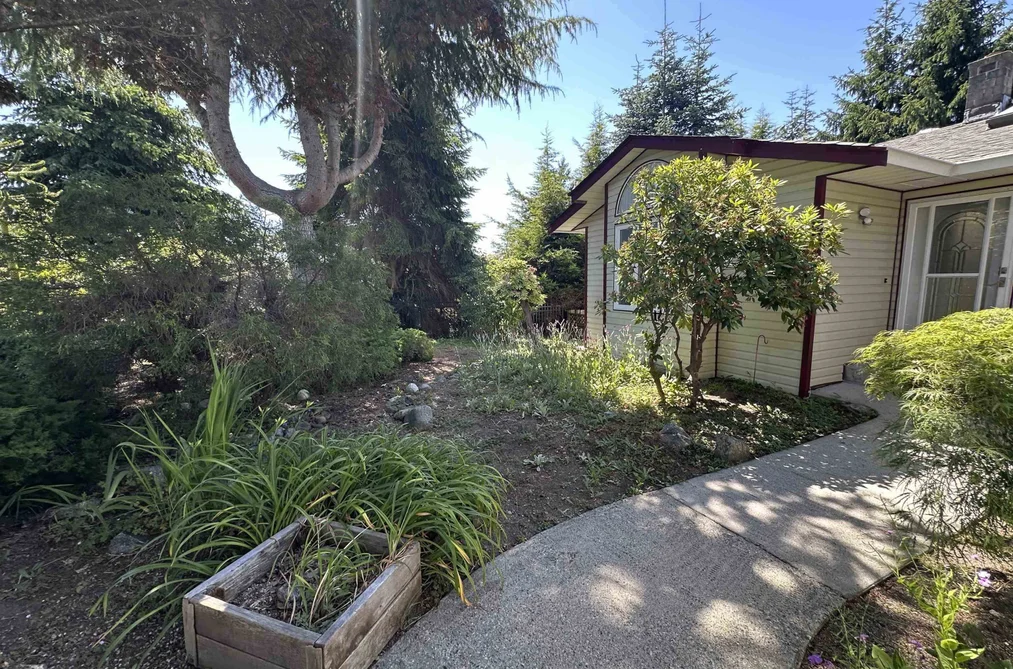
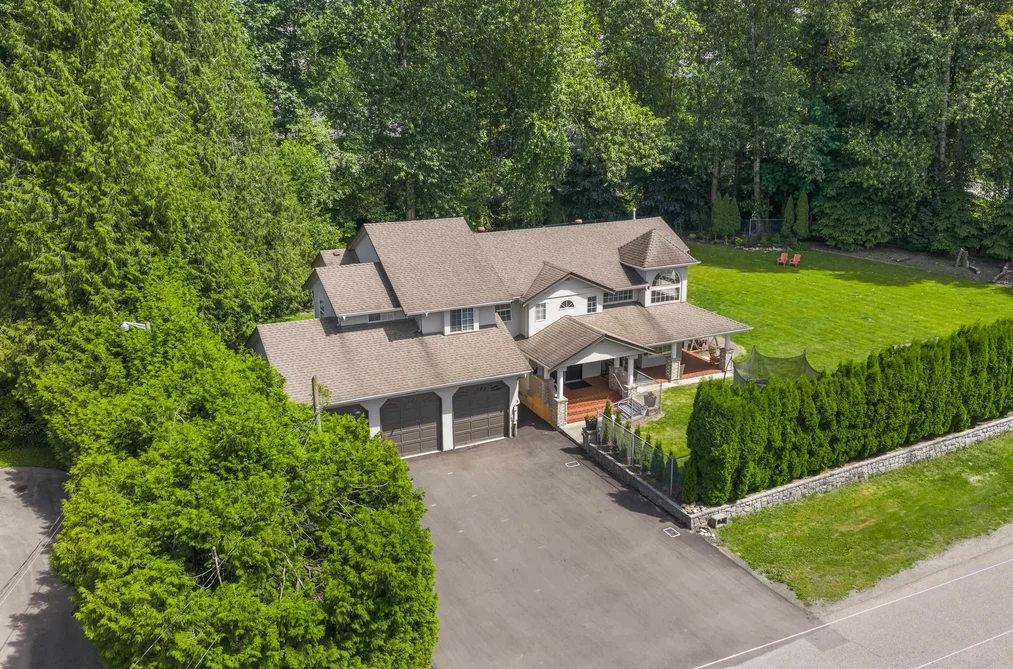
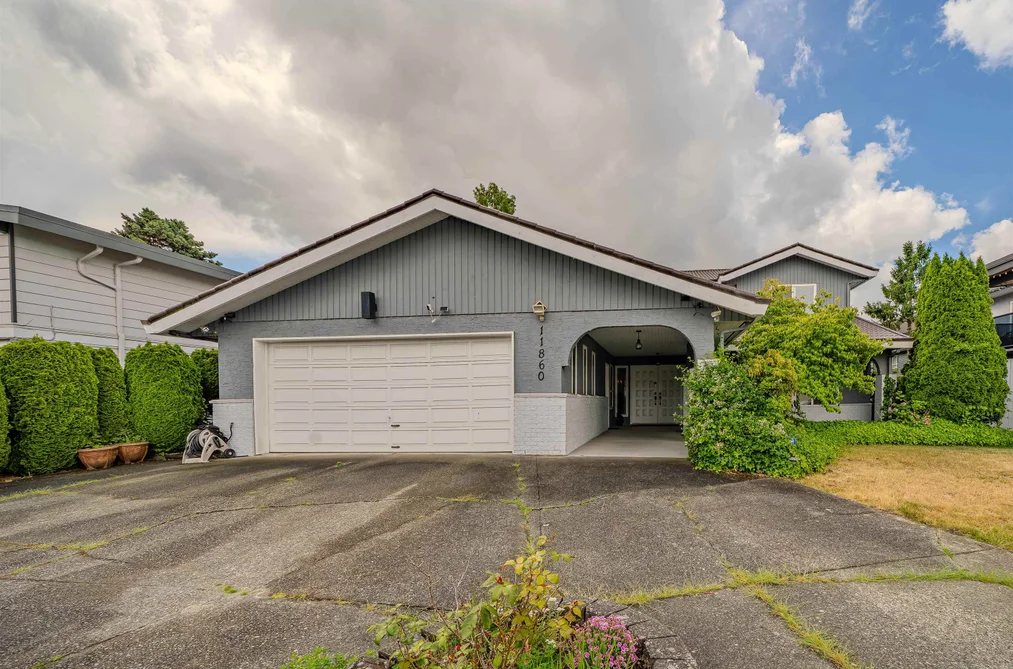
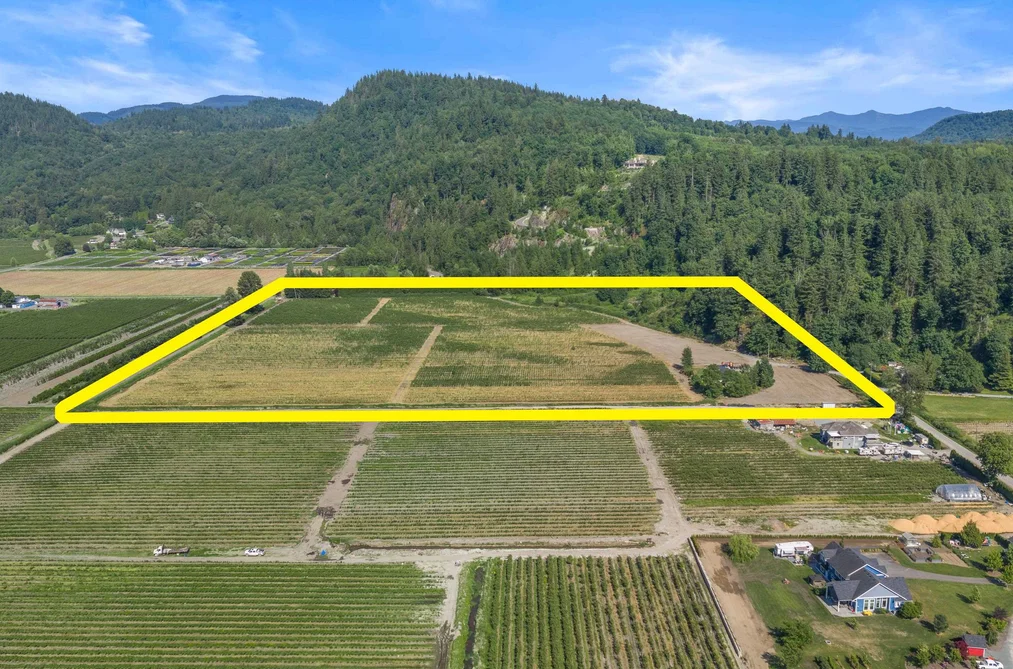
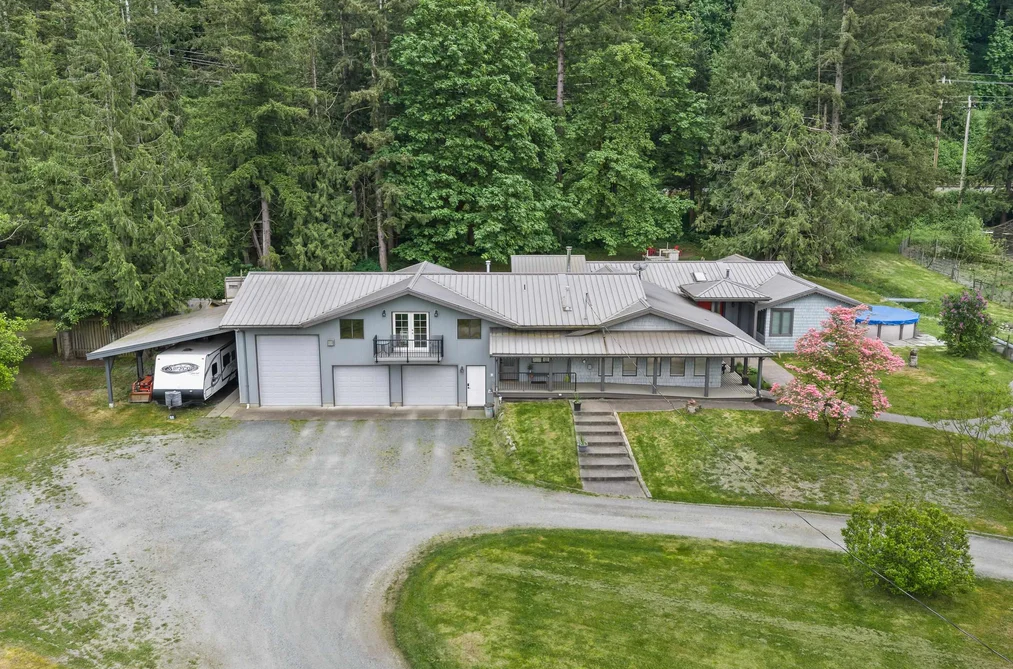
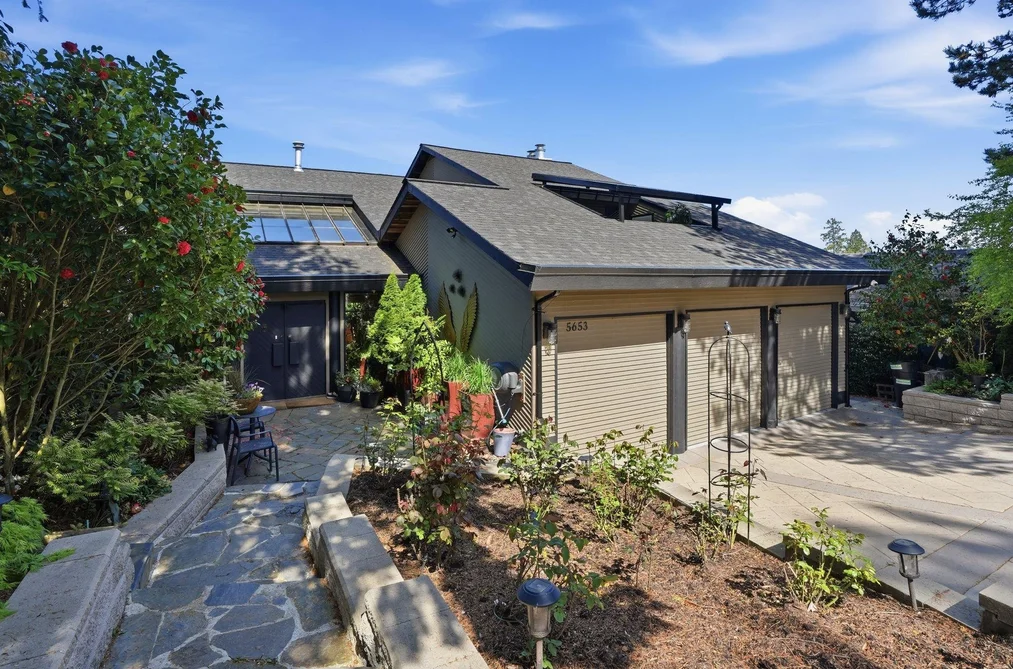
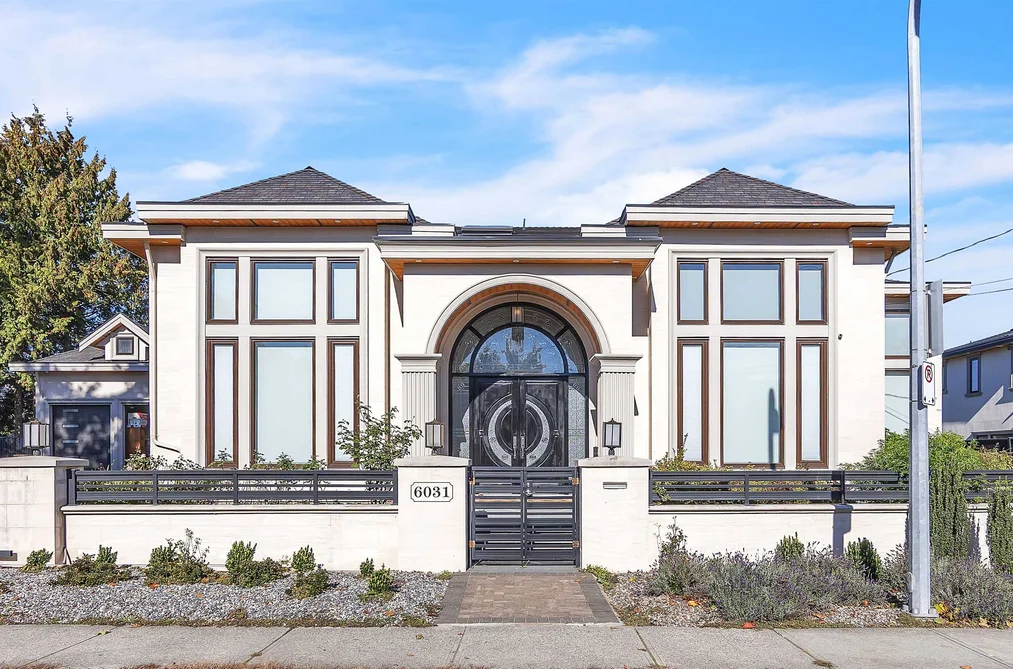
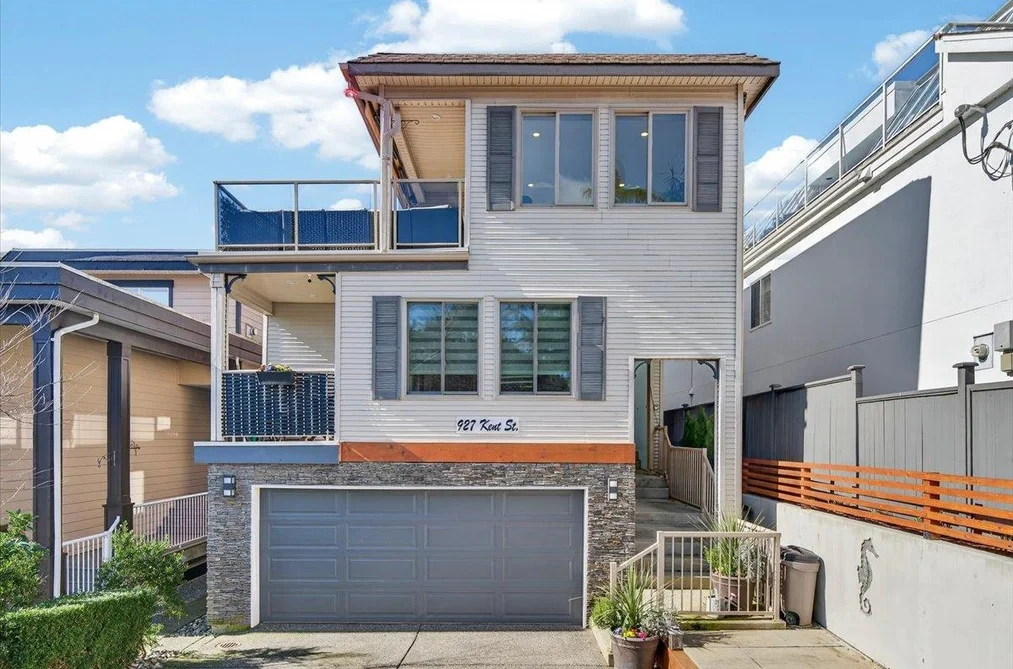
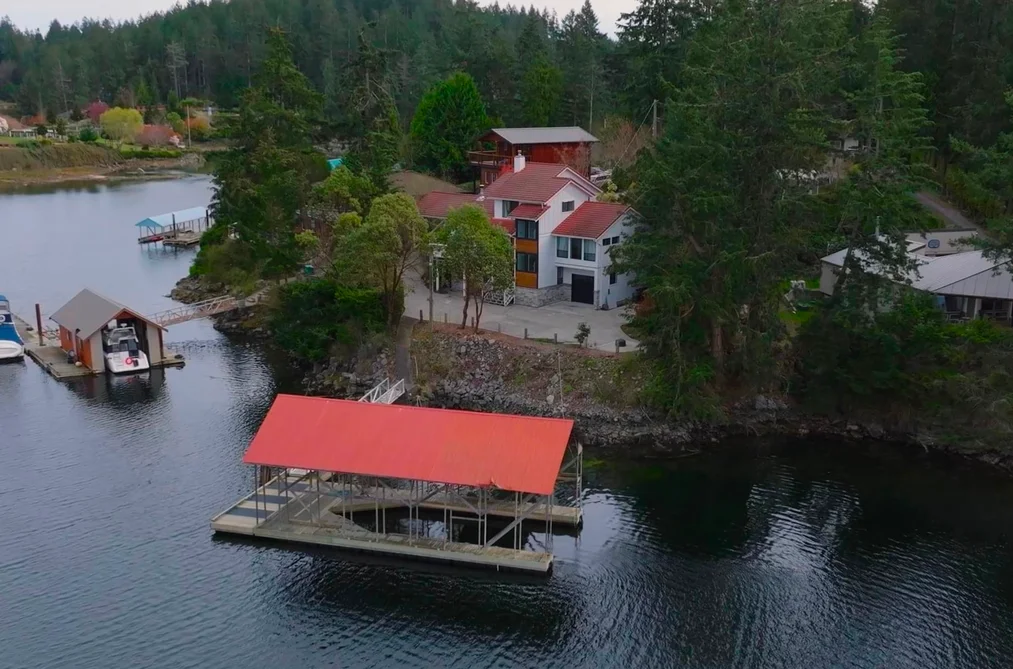
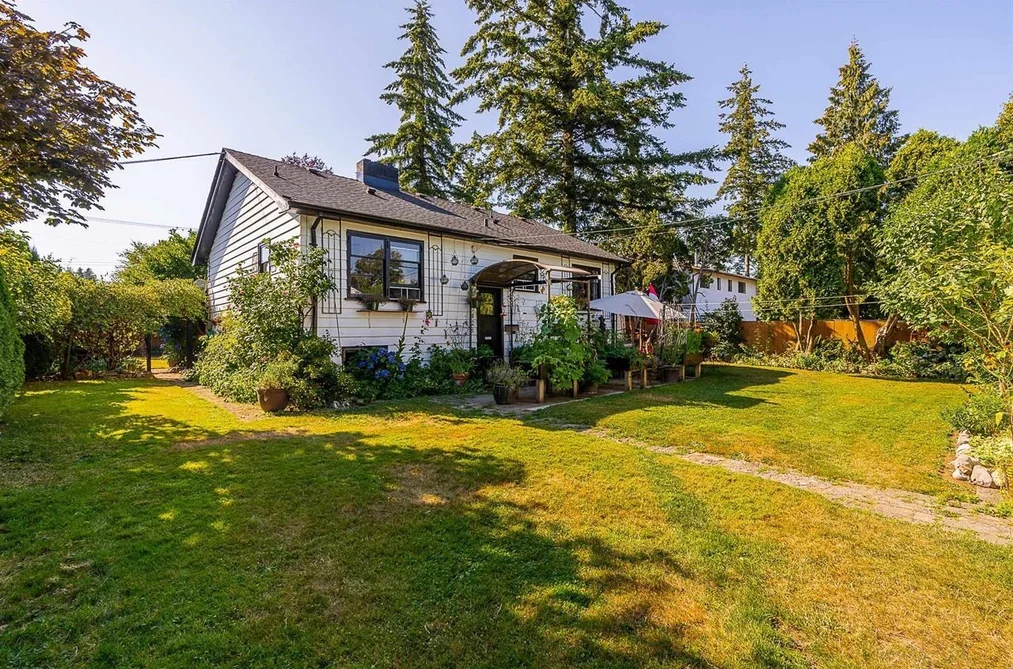
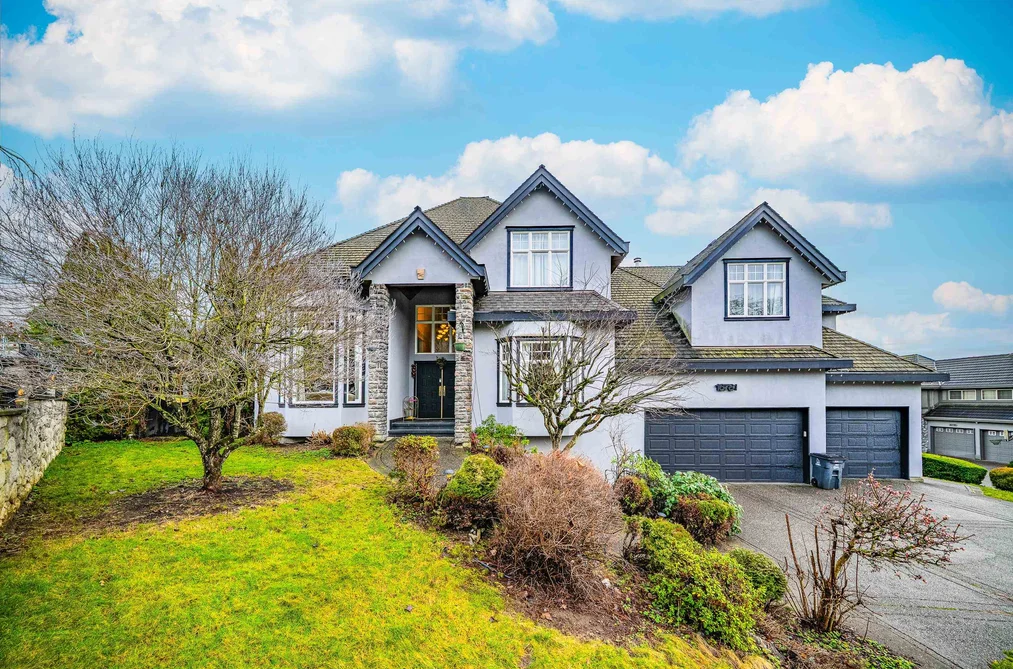
In Law Suite listings describe a home with a second self-contained living space under the same roof, so confirm with the municipality that the suite is actually permitted before you count on it.
The single most important question is whether the suite is recognised. A legal suite appears on the municipal permits, meets the building code for ceiling height, egress windows, fire separation and its own entrance, and can be declared to a lender. An unpermitted space may do none of that, however finished it looks. Ask the municipality directly rather than relying on the listing, because the answer decides both your financing and your risk.
The gap matters in money. A lender will usually count documented income from a legal suite toward what you can borrow and will discount or ignore an unpermitted one. If the municipality later requires the space to be removed, the cost falls on you as the owner, not on the person who sold it to you.
A mortgage helper is real, and it is smaller than the arithmetic first suggests. Set the expected rent against the extra utilities, the additional insurance, the wear on a second kitchen and bathroom, and the months when the space sits empty between households. Ask what the suite currently rents for and whether anyone is living there now, since a home sold with the space occupied comes with obligations that continue after closing.
Ask about metering too. Where heat, hot water and electricity run on a single service, you pay for a household whose usage you do not control, and separating the services later is expensive.
Rules differ by municipality and have been loosening across British Columbia, so a configuration that was not allowed a few years ago may be permitted now. Vancouver, Burnaby, Surrey, Richmond and the Fraser Valley communities all handle secondary suites differently, and some permit a suite and a coach house on the same lot while others do not.
Widen the search while you compare. A basement entry home, a duplex or a carriage or coach house can reach the same goal, and in some neighbourhoods those come to market far more often. Your REALTOR® can pull the zoning and the permit history for any address before you go further.
Live with the layout in your head before you buy. Look at where the suite entrance sits relative to yours, whether the outdoor space is shared, and how much sound carries through the floor. A spacious lower level with its own entrance and its own laundry is a genuinely separate home; one reached through your hallway is not, whatever the listing calls it.
Check parking against the household count rather than the driveway photograph, and ask whether the suite has any private outdoor space of its own. These details decide how comfortable the arrangement stays over years rather than months.
Ask about insurance early as well. Some policies price a home with a second self-contained unit differently, and a few will not cover the space at all unless it is permitted. Confirm it with your broker rather than discovering the condition at closing.
Browse and compare current in law suite real estate listings on Strawhomes across Greater Vancouver and the Fraser Valley, filter by area and property type, and shortlist only the homes whose permits you have confirmed. Compare them against a home with a legal suite already documented, since that is the version a lender will actually count.