For Sale
4 days
- $1,150,000
- 4 bed
- 2 bath
- 2136 sqft
MLS® R3163101
•Sutton Group-West Coast Realty (Abbotsford)
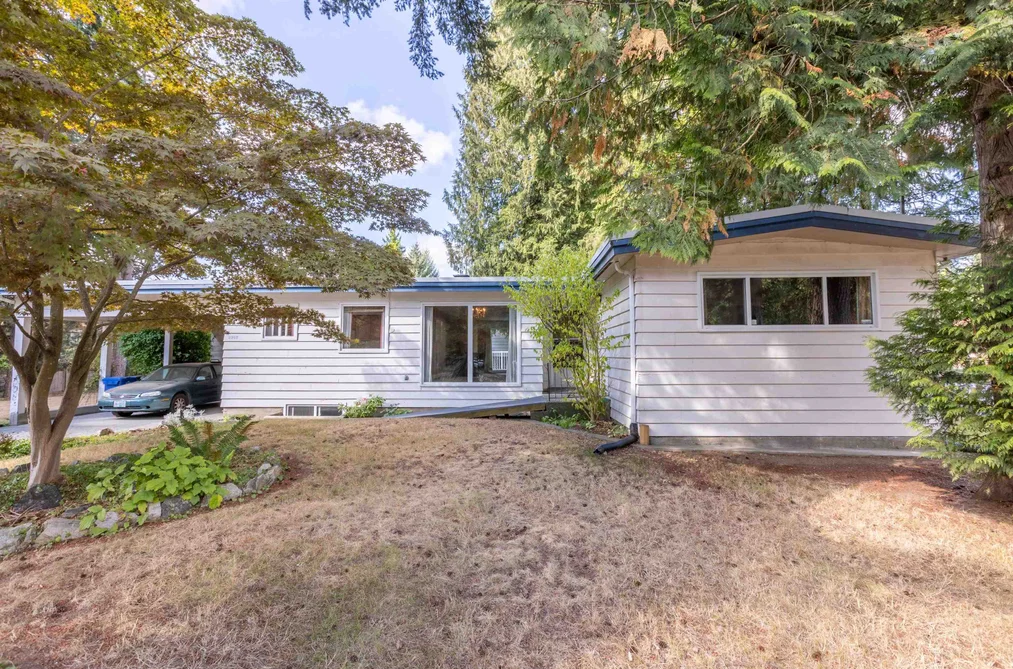
Browse Lot Subdivision opportunities for sale in the Lower Mainland and confirm with the municipality that the lot can be split before you pay for the potential.
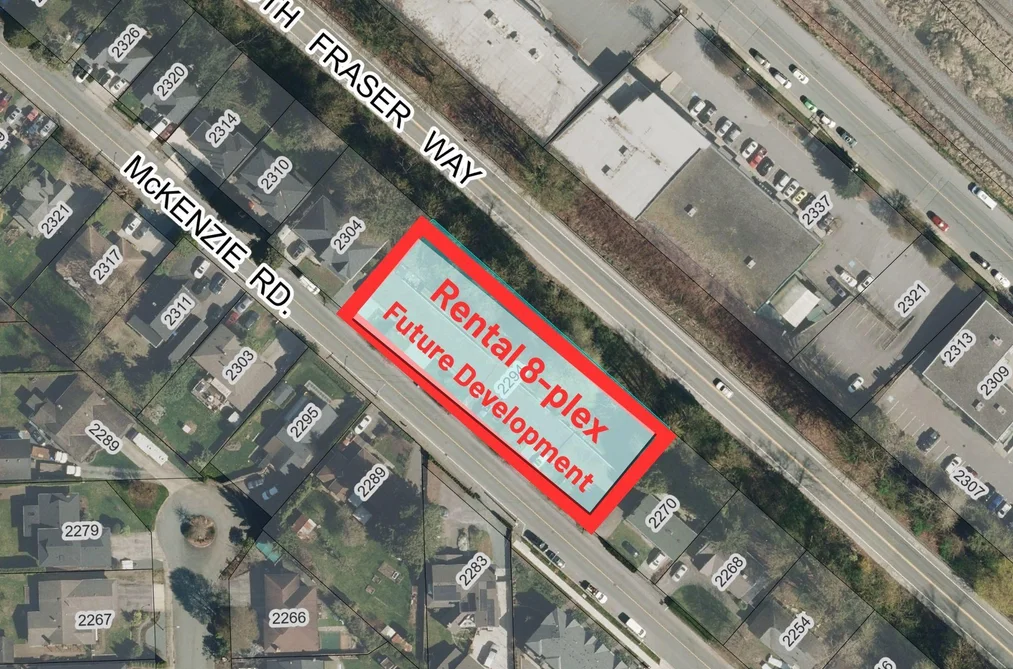
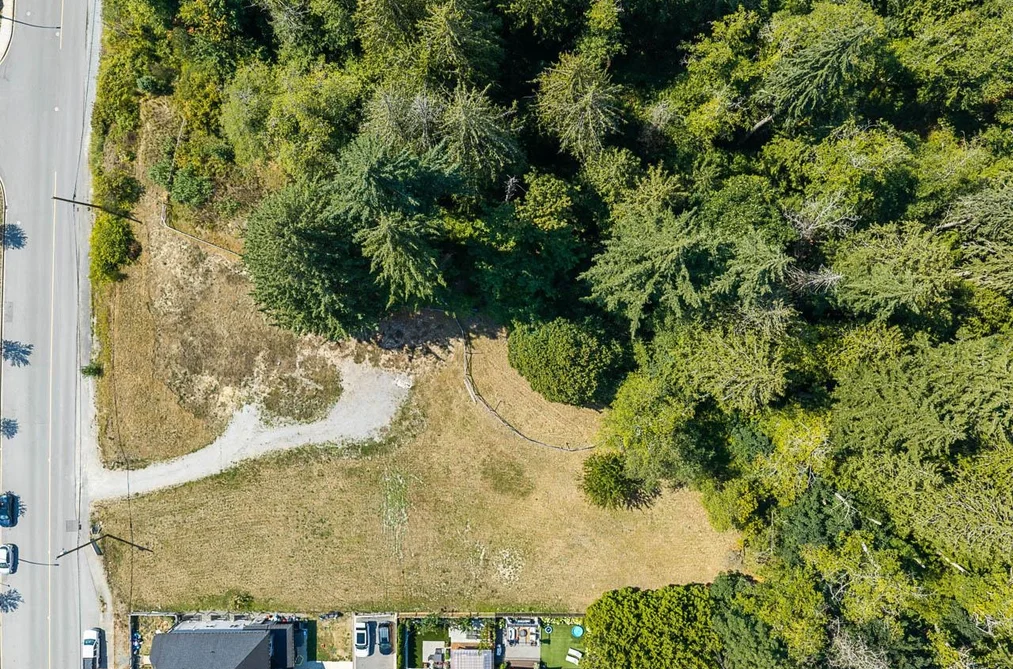
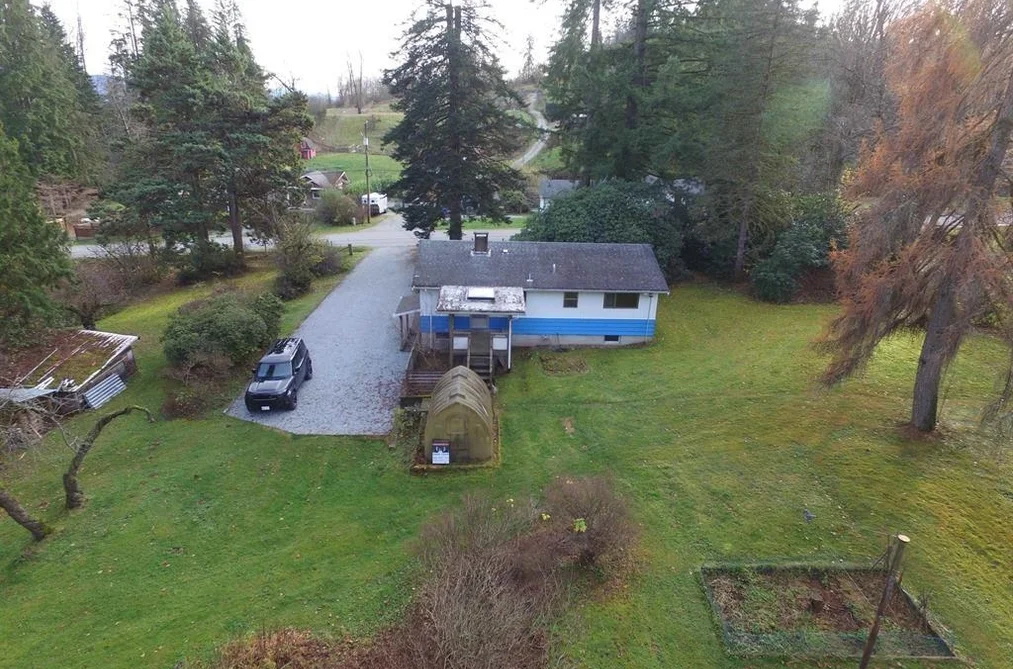
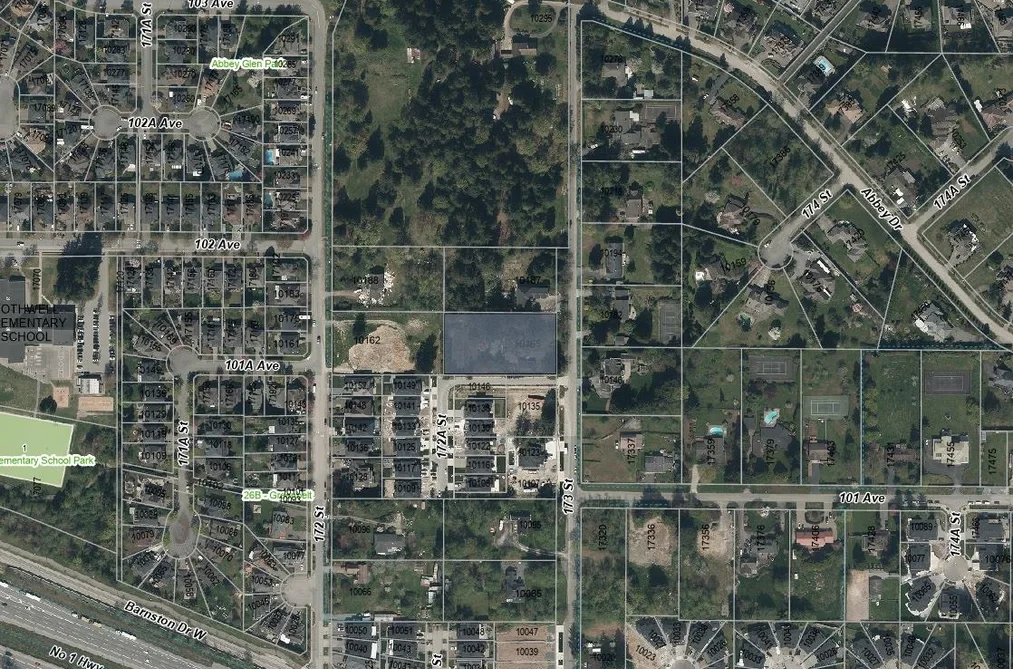
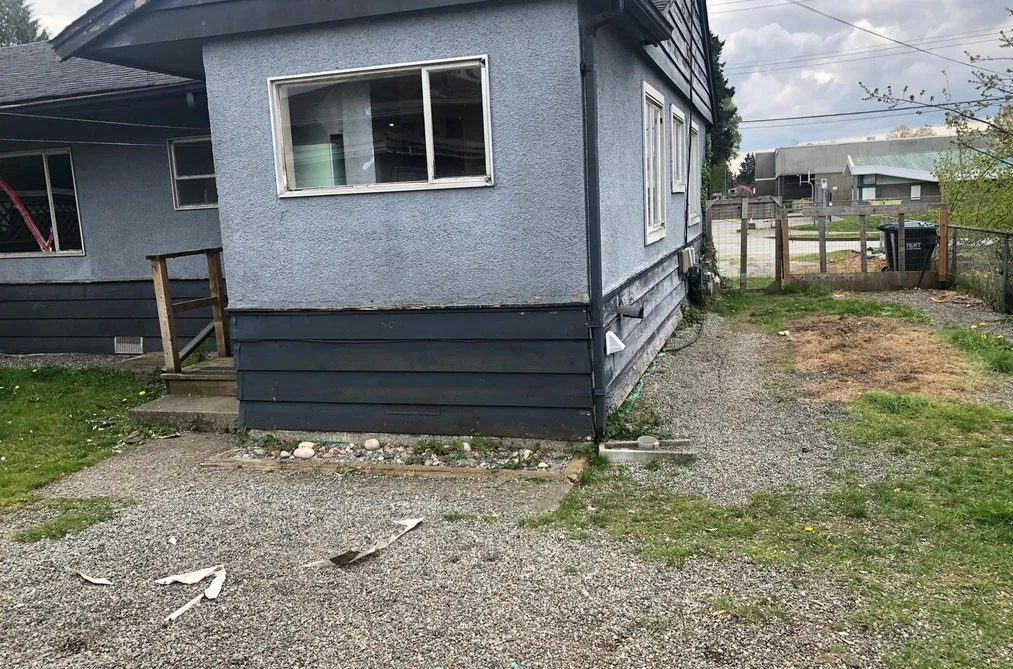
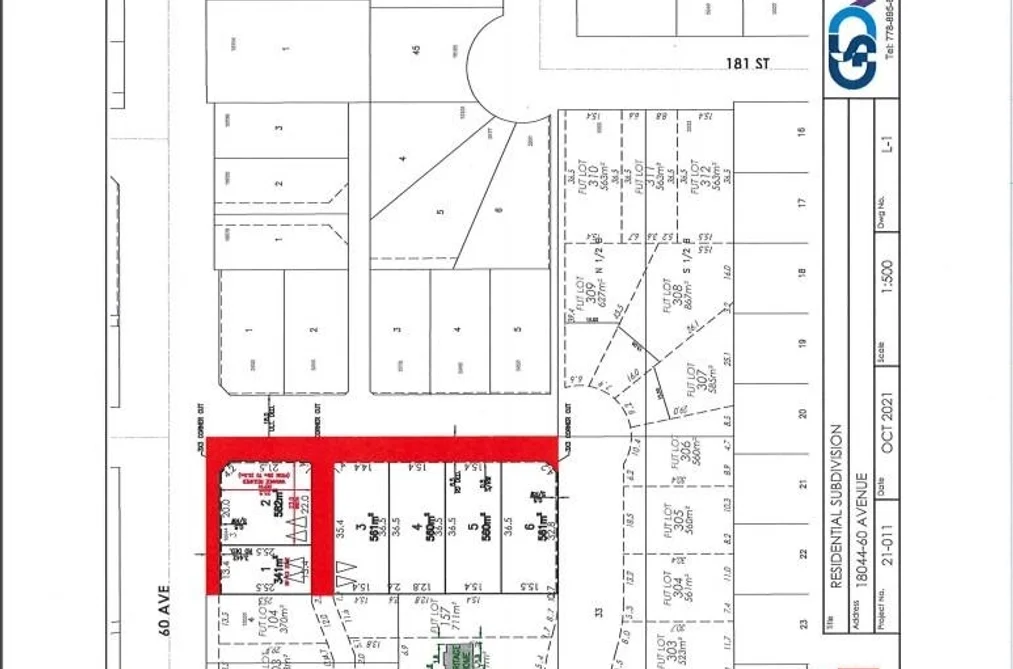
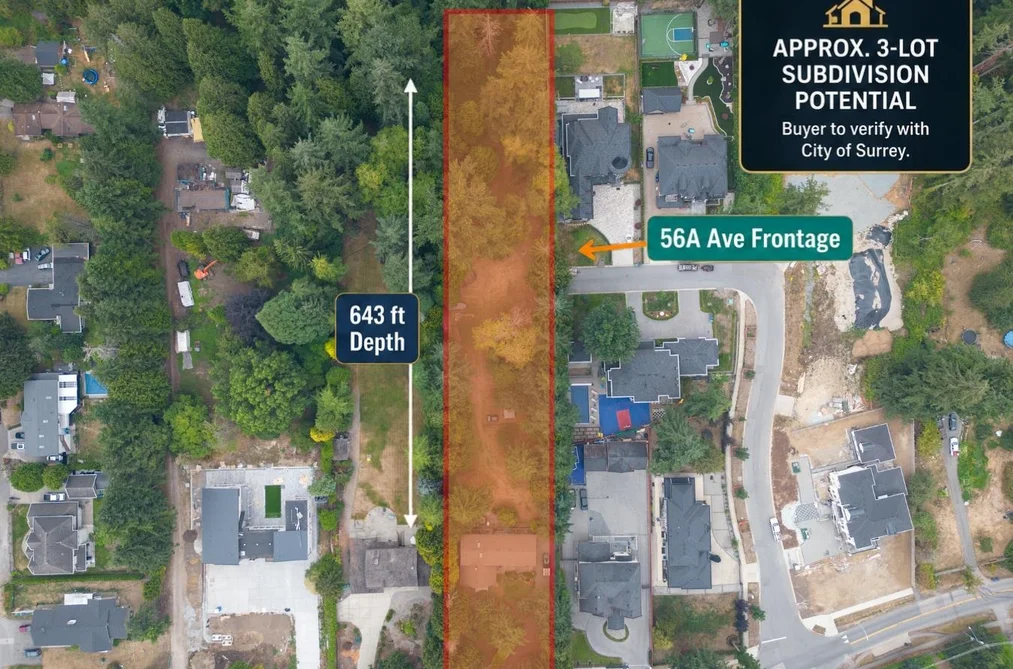
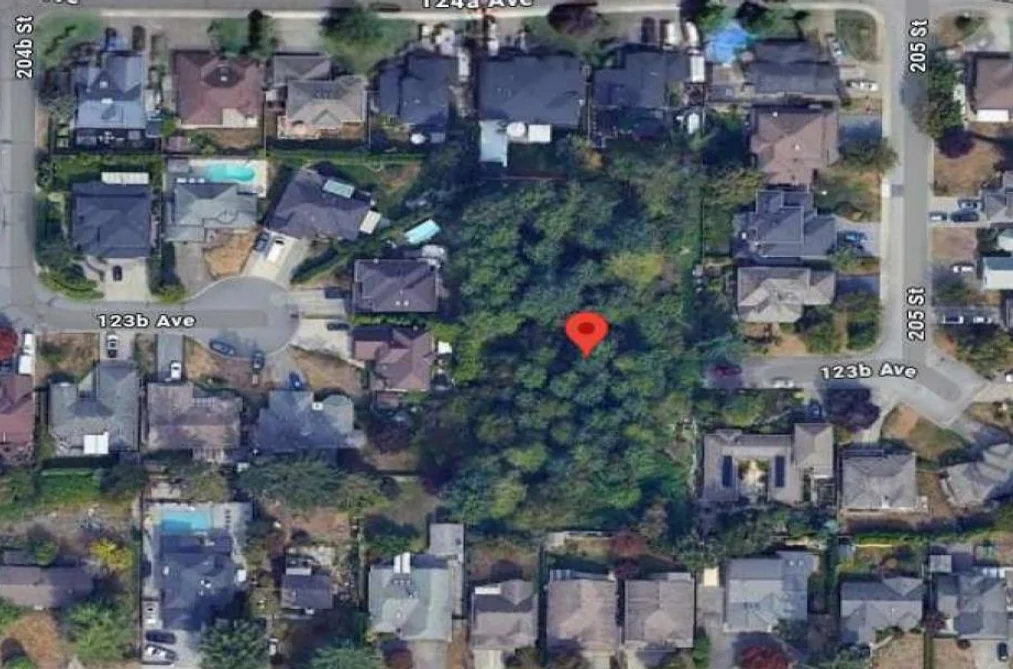
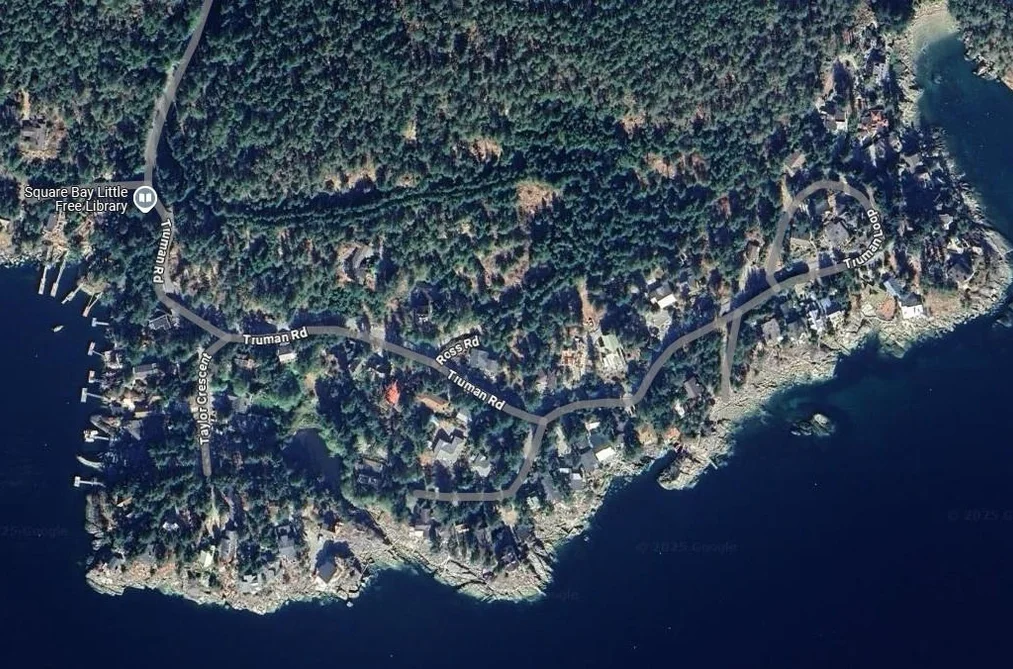
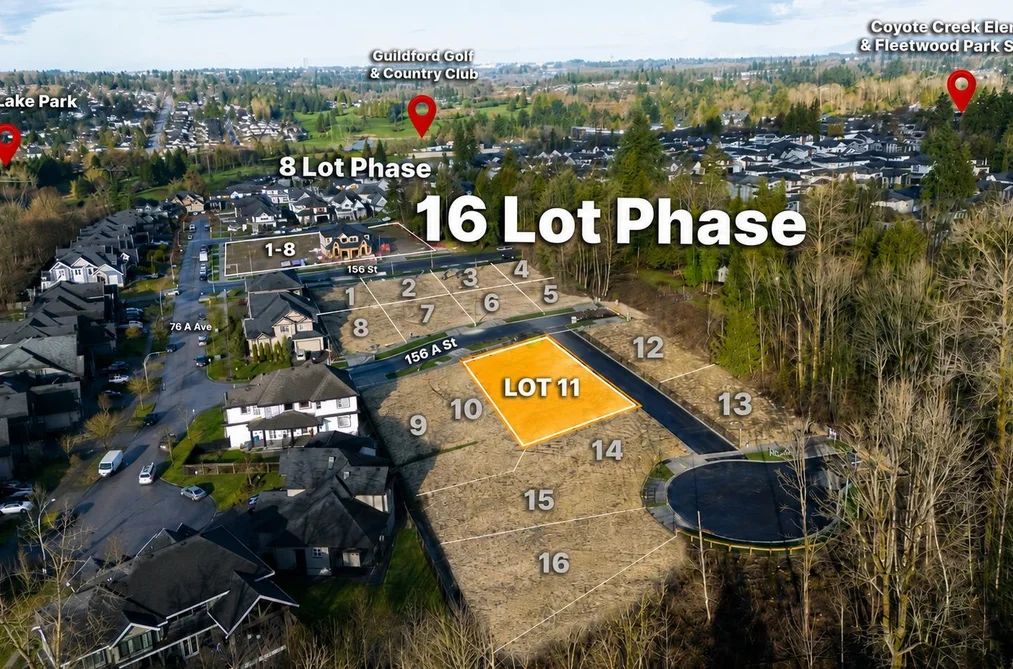
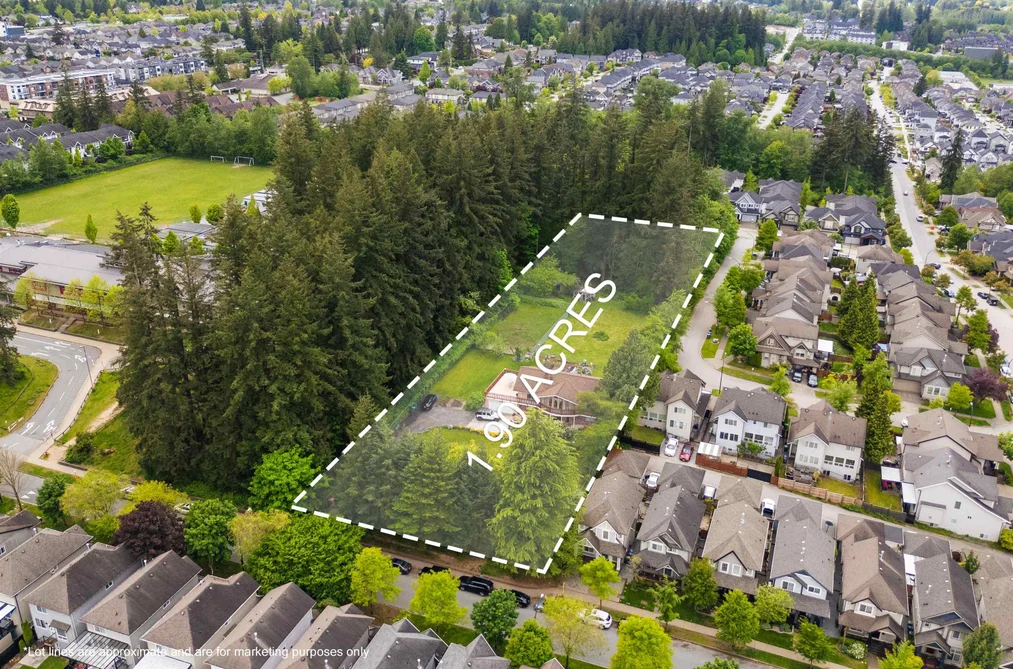
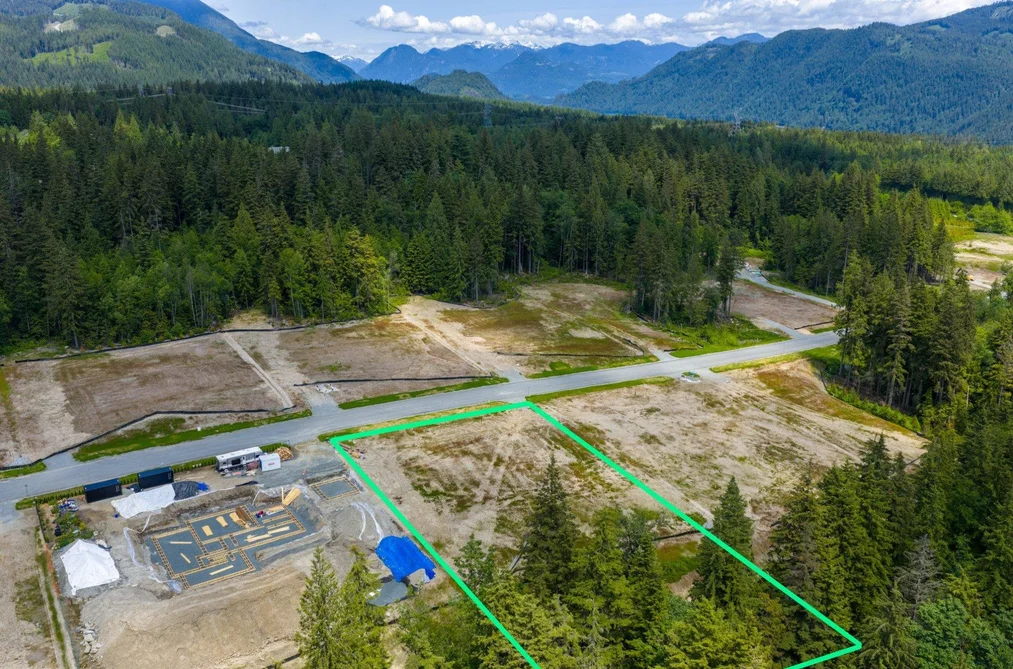
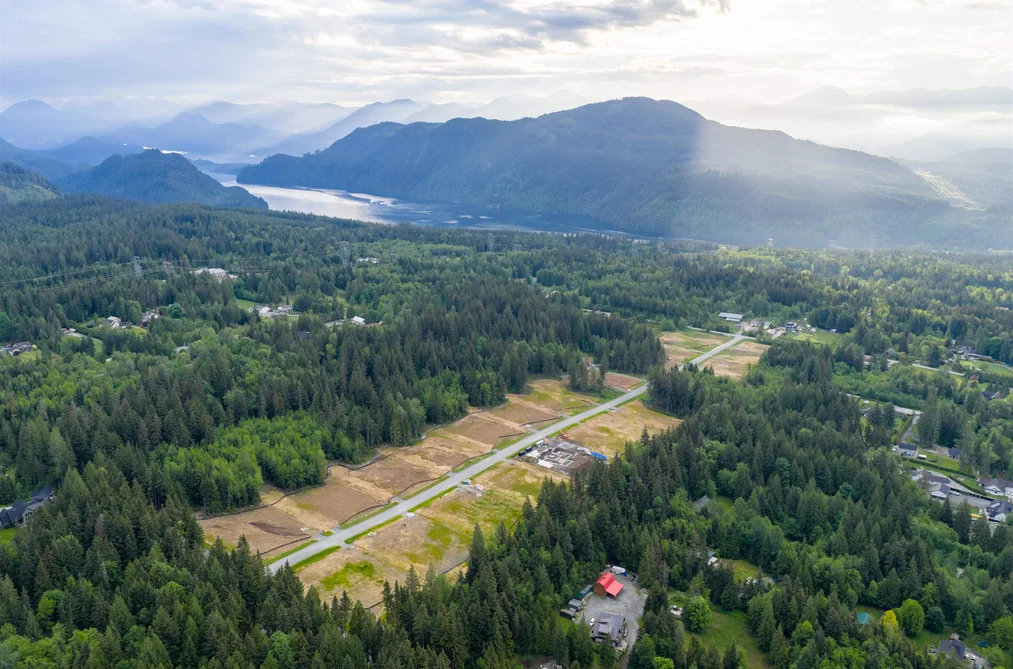
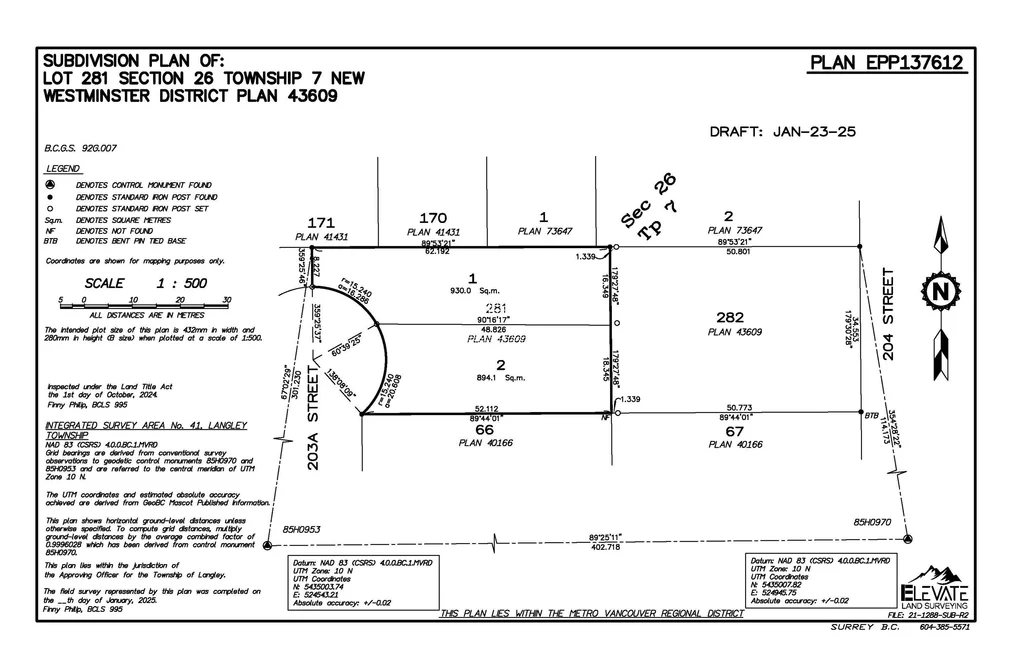
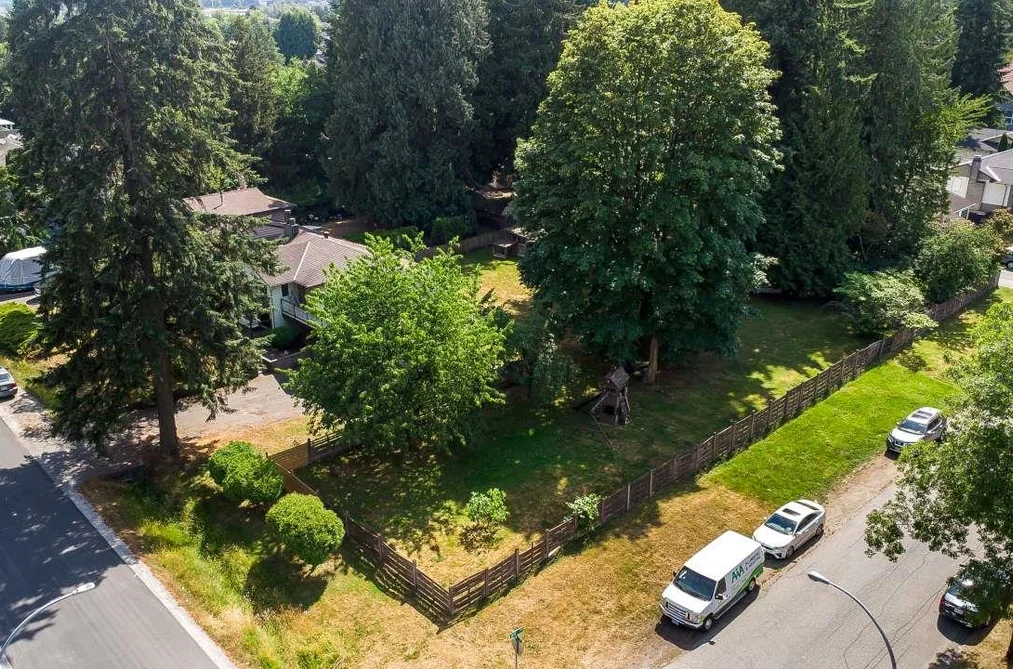
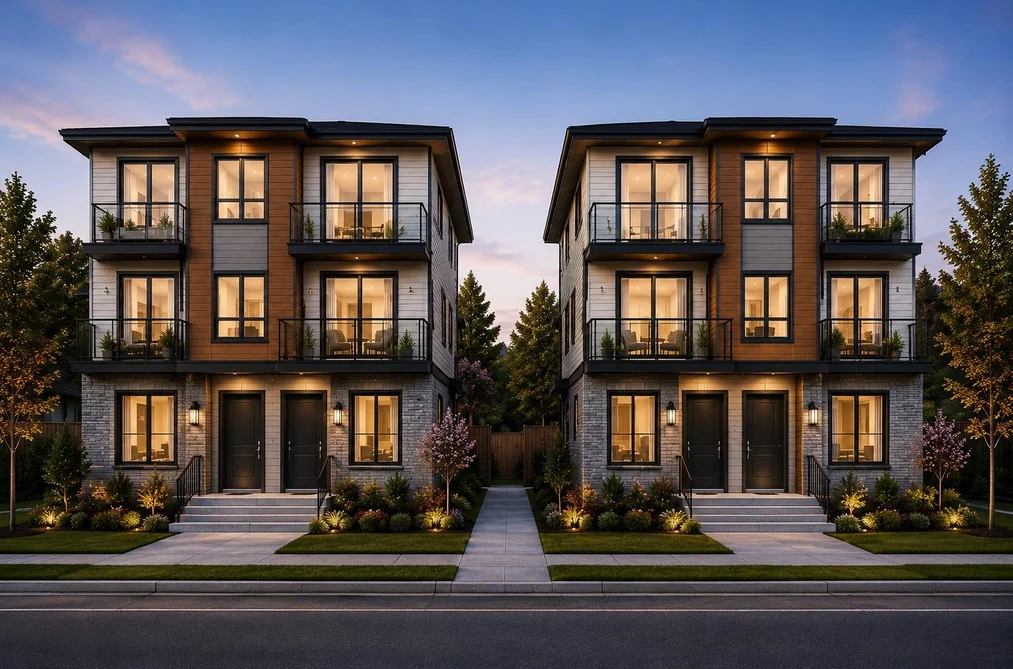
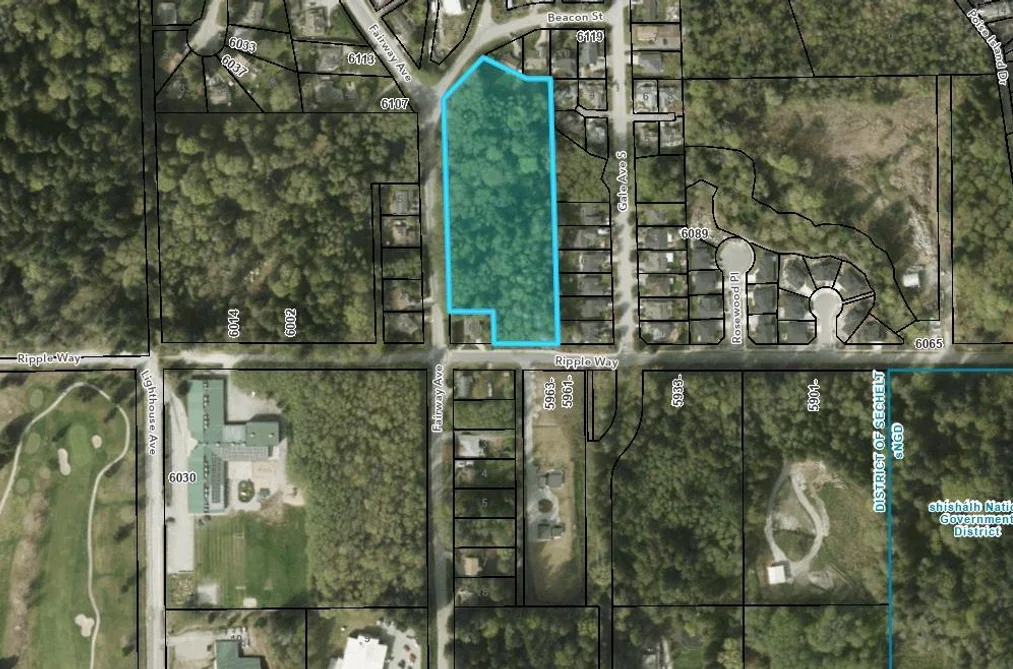
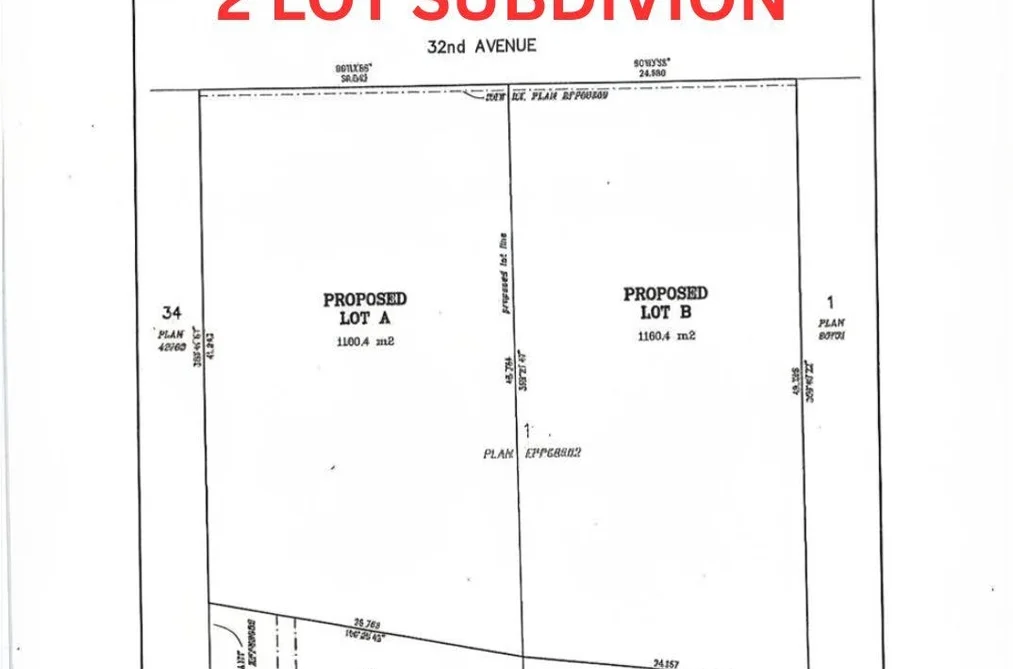
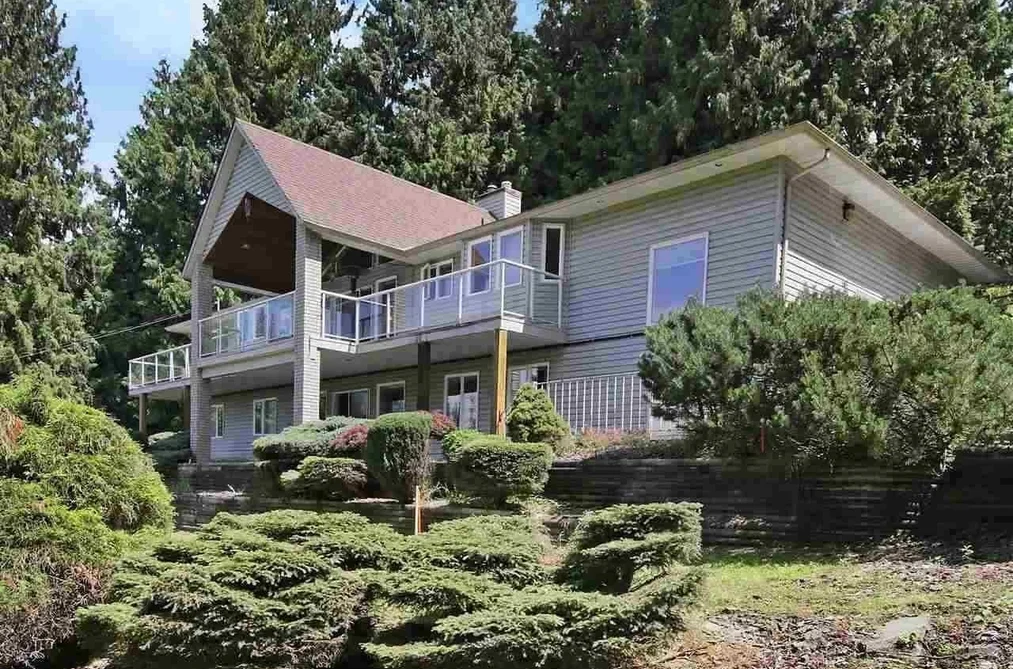
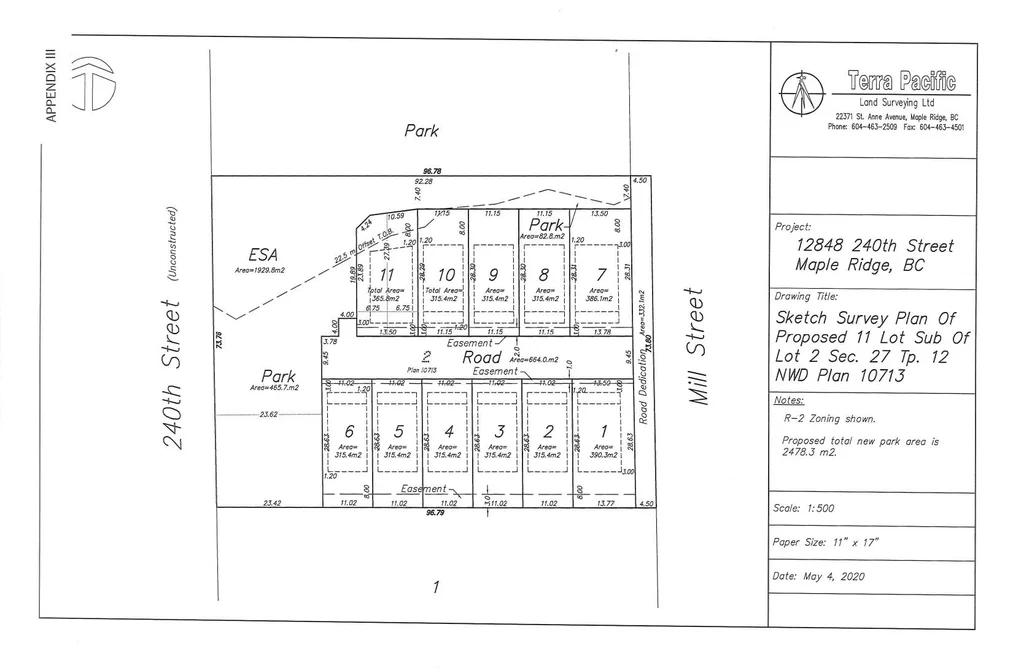
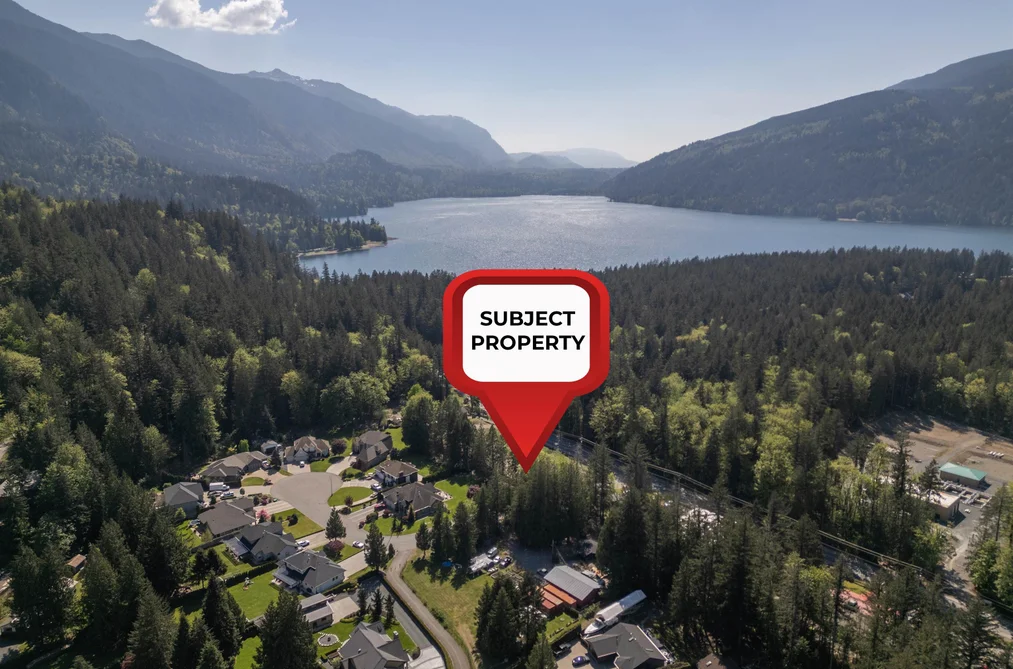
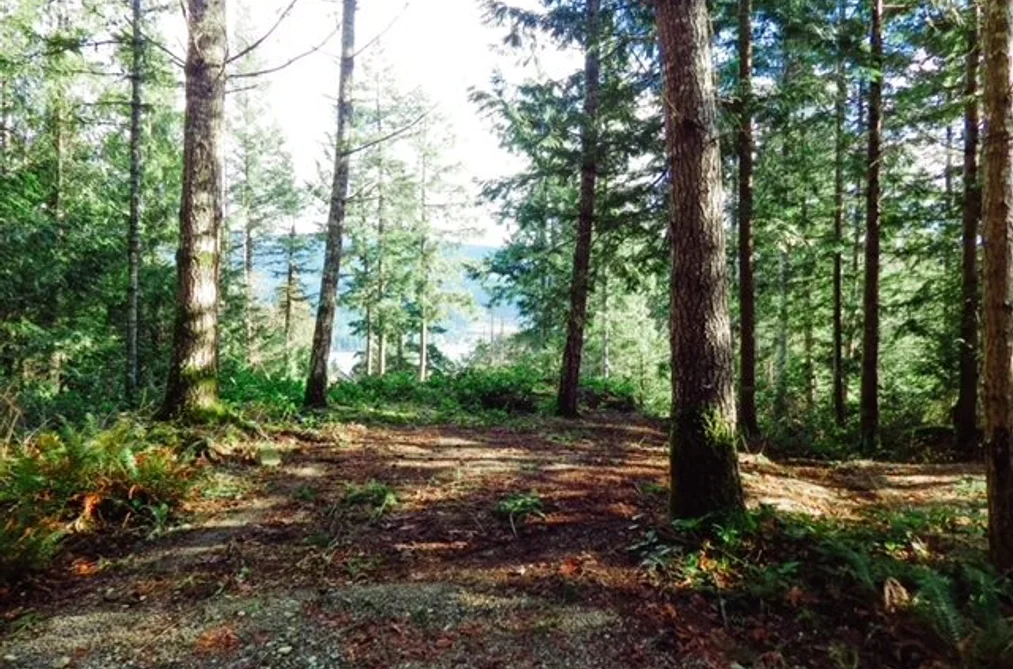
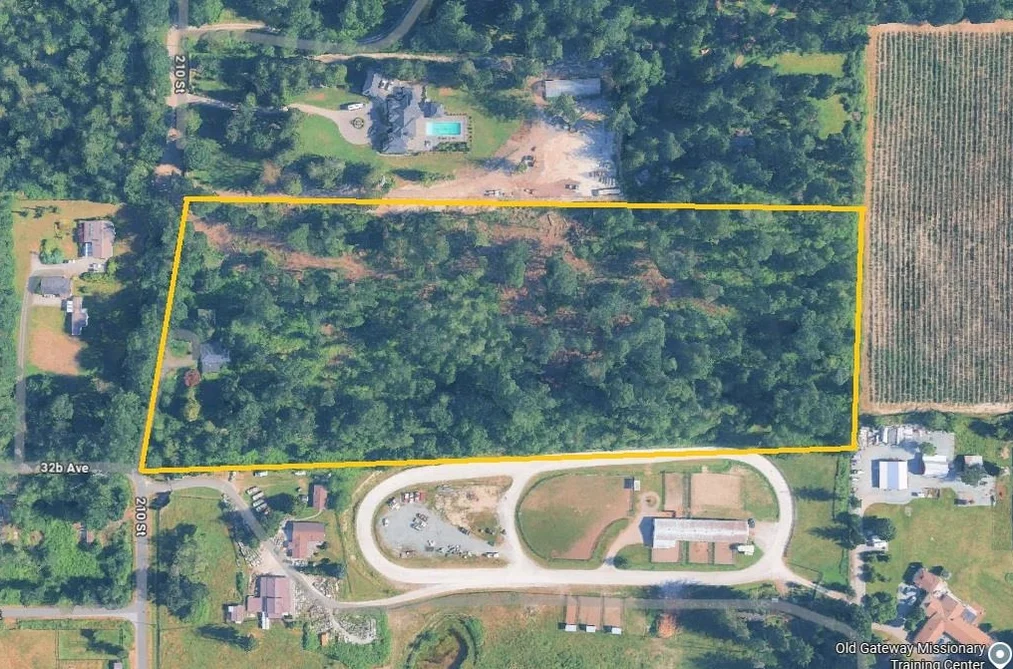
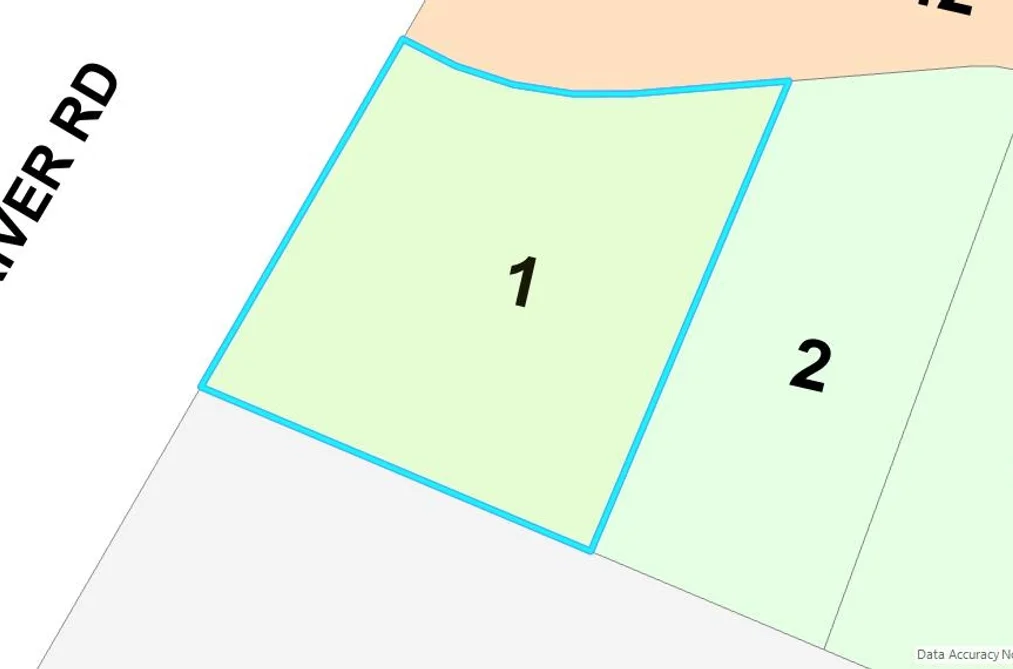
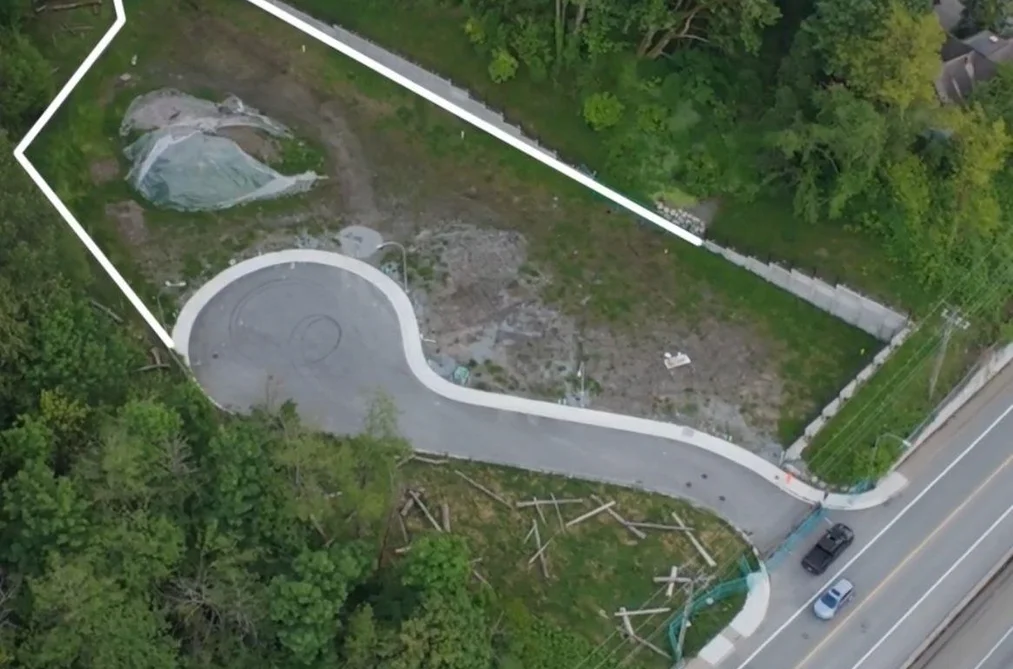
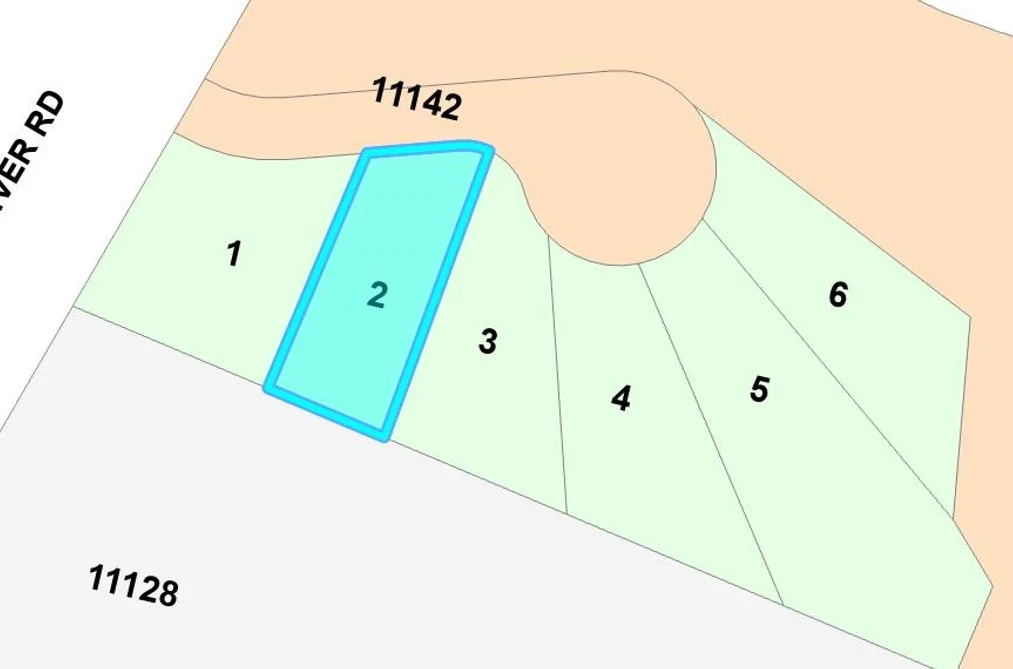

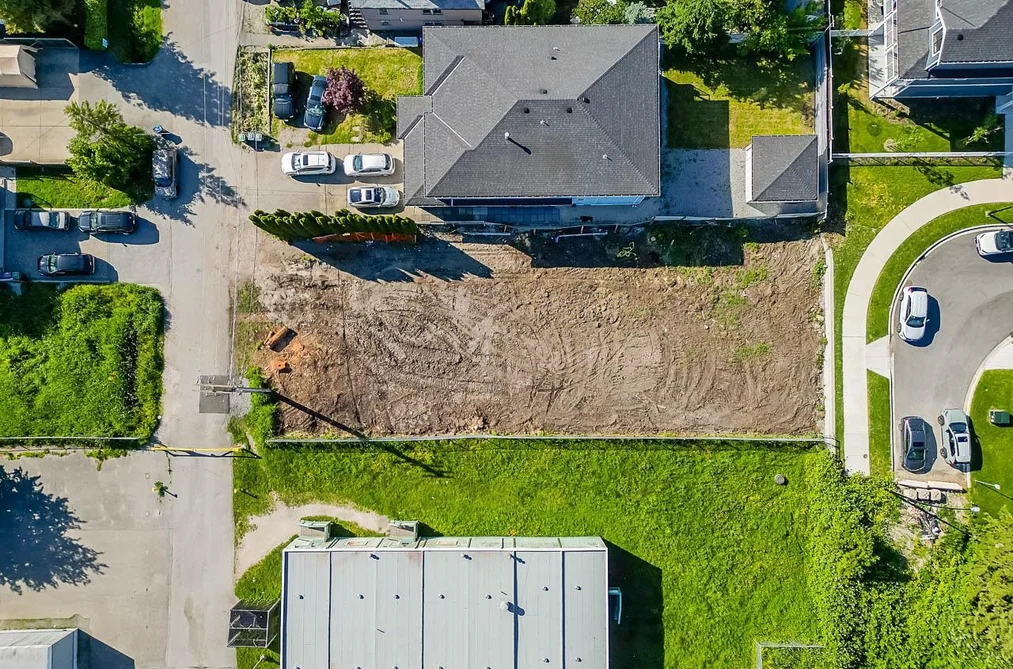
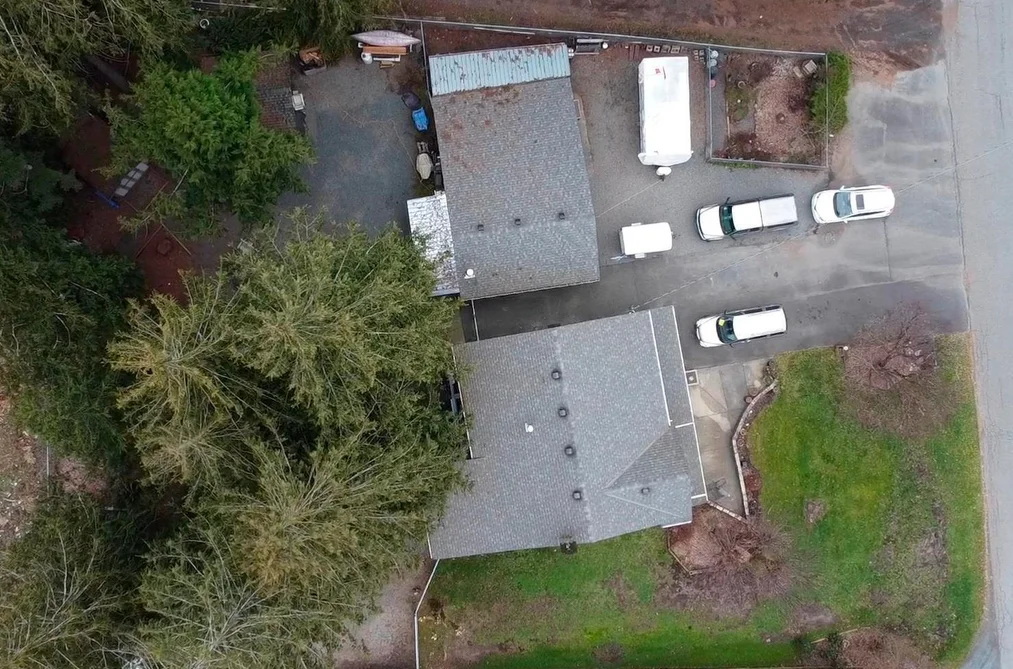
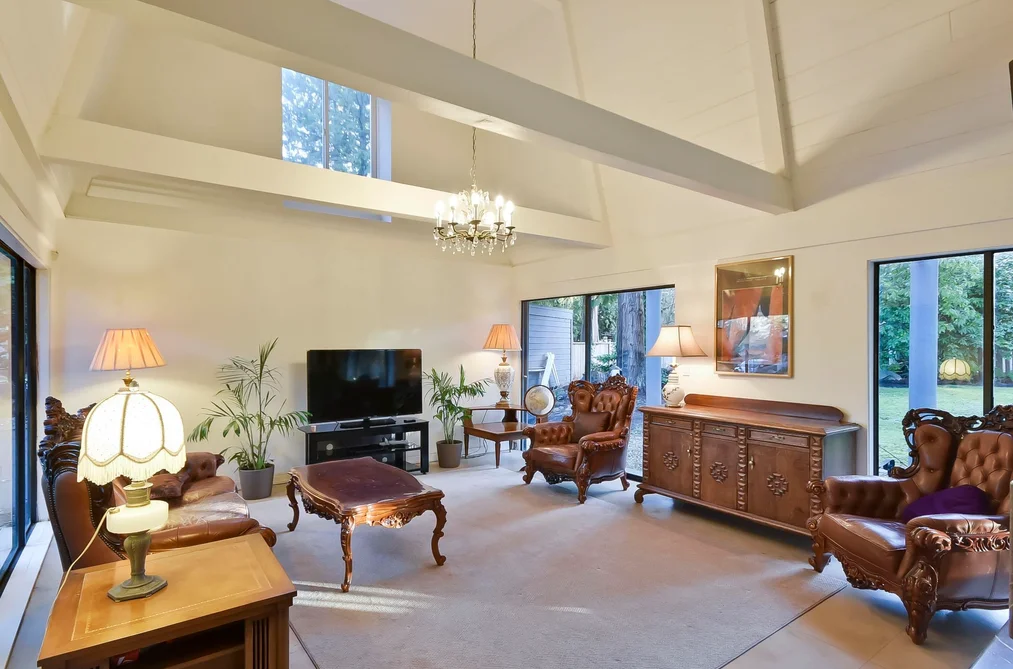
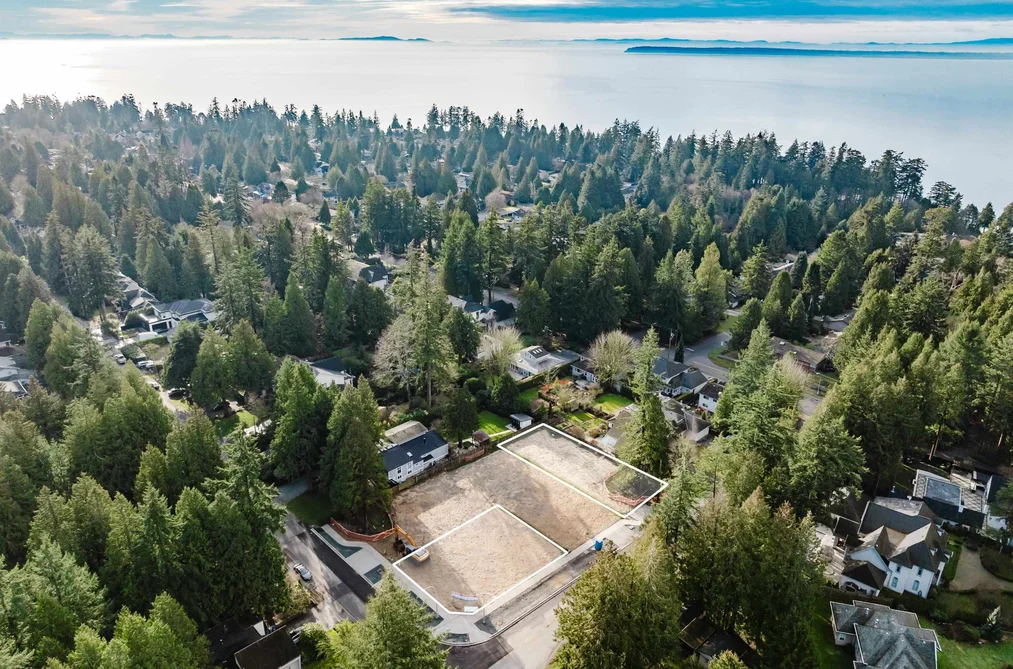
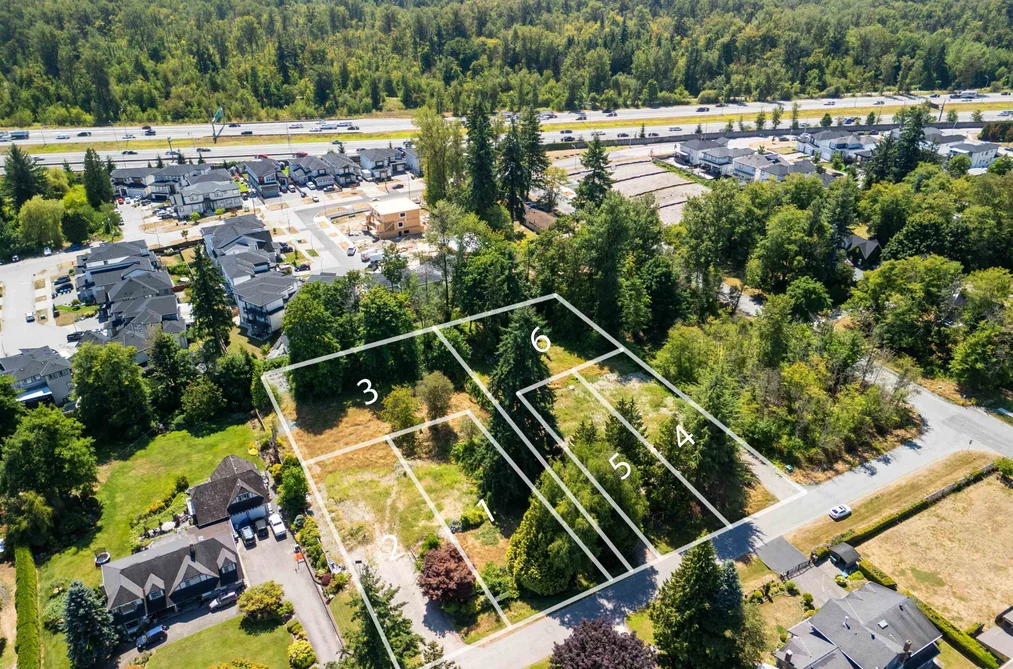


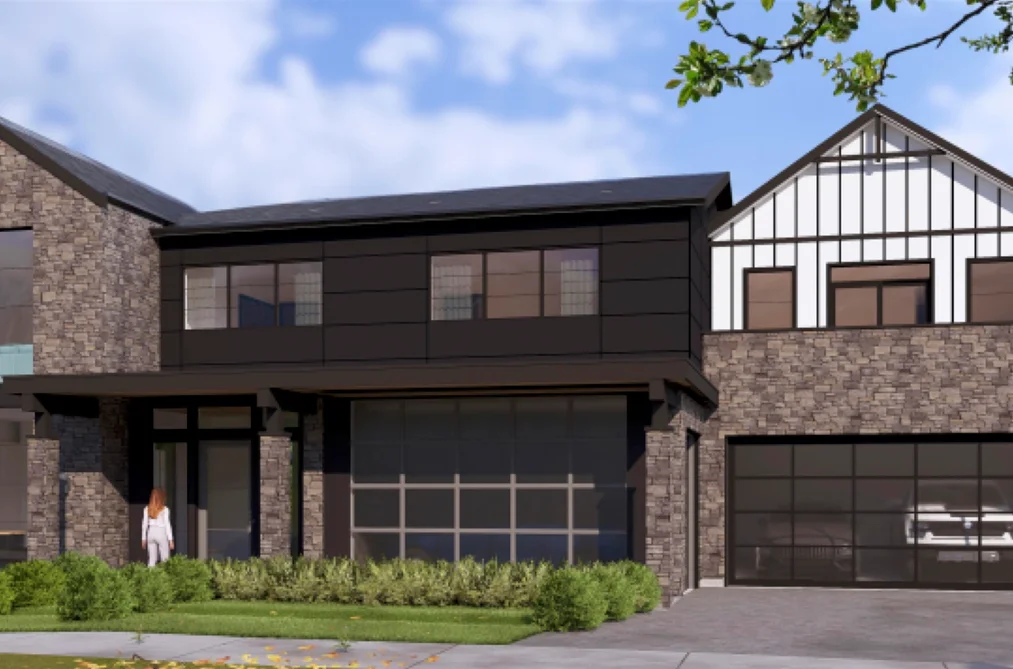
Lot Subdivision listings advertise land or a house on a lot large enough to be split into two or more parcels, so confirm with the municipality that a subdivision would actually be approved before you pay a price based on that potential.
A listing that mentions subdivision potential is making a claim about a future approval. Start with the zoning: each zone sets a minimum lot size, frontage and depth for new parcels. Ask the listing agent for the lot dimensions and survey, then compare them with the zoning bylaw. In most municipalities an approving officer decides subdivision applications, and they can require road dedication, lane widening or servicing upgrades that reduce the land left over.
Ask the planning department directly whether the lot meets the minimums and whether any area plan, covenant, heritage designation or environmental setback would stand in the way. A pre-application meeting, where offered, is worth the time before you remove subjects, and a letter from the planner summarising the discussion is worth keeping with your purchase file.
Subdividing involves a surveyor, often an engineer, application fees, development cost charges for each new lot, and the cost of servicing the new parcel with water, sewer, storm drainage and power. Demolition, tree replacement and road works may add more. The process commonly takes many months, and longer where rezoning is needed. Budget for all of it, and for carrying the property during the wait, including property tax, insurance and mortgage interest on land that is not yet producing anything.
Rules differ widely across the region. Burnaby, Coquitlam, Port Moody and New Westminster each set their own lot sizes and approval processes, and North Vancouver and West Vancouver add steep-slope and watercourse rules. In the Fraser Valley and Chilliwack larger lots are more common, but some sit in the Agricultural Land Reserve, where subdivision is heavily restricted. In Vancouver, including Kitsilano, most lots are already narrow and subdivision is rare.
Provincial changes now allow several units on many residential lots without subdividing, including townhouse and small multiplex forms. On some lots, building more units under the new zoning or a strata may return more than a fee simple subdivision. Ask a planner or builder to compare the options.
Asking prices often include subdivision potential in the value of the land. Compare the listing with other lots of similar size in the same neighbourhood that do not have that potential, and with the value of the separate lots once created. If the approval is uncertain, pay for the lot as it is today and treat the subdivision as an upside.
If you plan to live in the existing house during the process, check whether the subdivision would require its demolition or relocation, and how the new lot line would affect your yard, driveway and privacy. A new house on the neighbouring parcel can take light and outlook from the existing one, so picture the finished result before you commit to living through the process.
Supply is limited and changes quickly, with opportunities in Burnaby, Coquitlam, North Vancouver, Surrey and the Fraser Valley. Browse and compare current real estate listings on the MLS® through Strawhomes, set a home search by neighbourhood, and visit at an open house if one is held. Shortlist only the lots whose zoning and servicing you have confirmed. Compare them against already subdivided lots or an assembly for larger redevelopment.