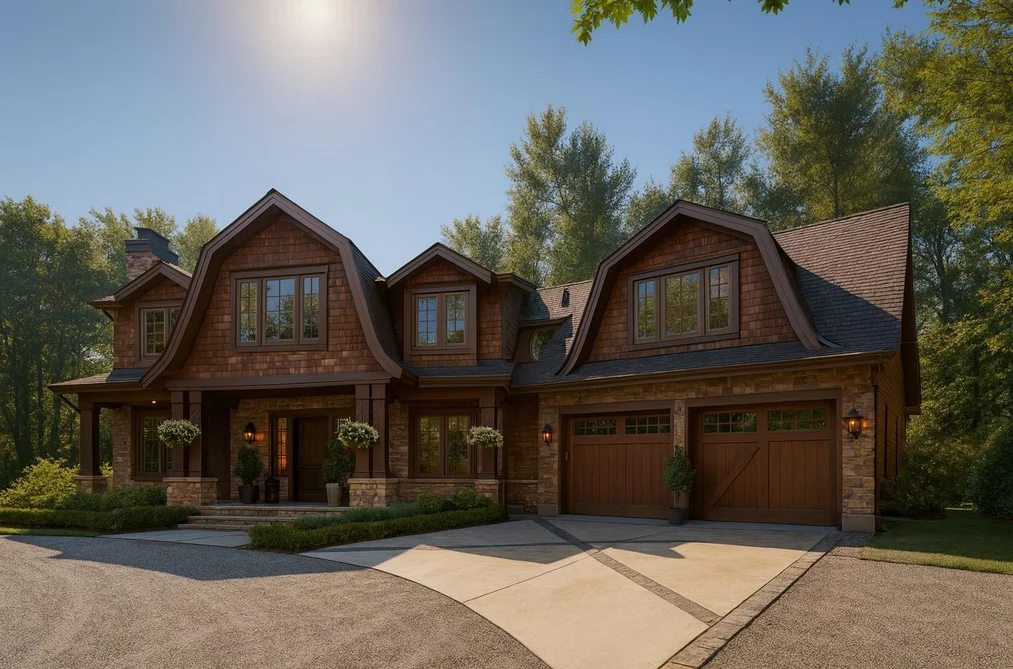
For Sale
4 days
- $1,249,000
- 3 bed
- 3 bath
- 1196 sqft
MLS® R3163918
•Rennie & Associates Realty Ltd.
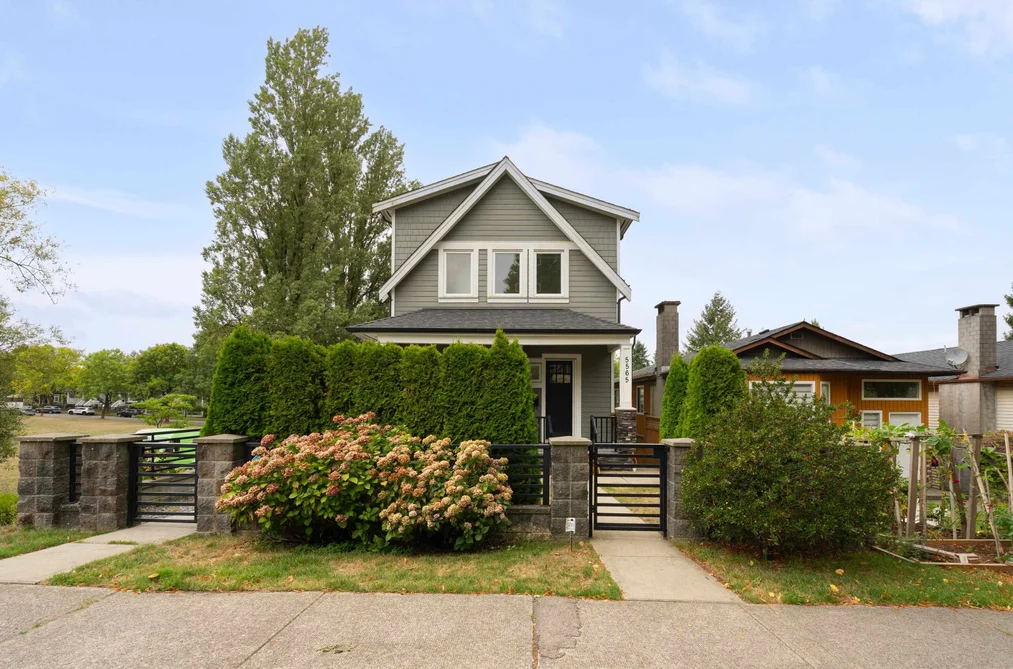
Open Sun, Sep 13, 2 p.m.
Browse Managed Forest Land for sale in British Columbia and understand the tax class, the forest management commitments and the building rules before you offer.
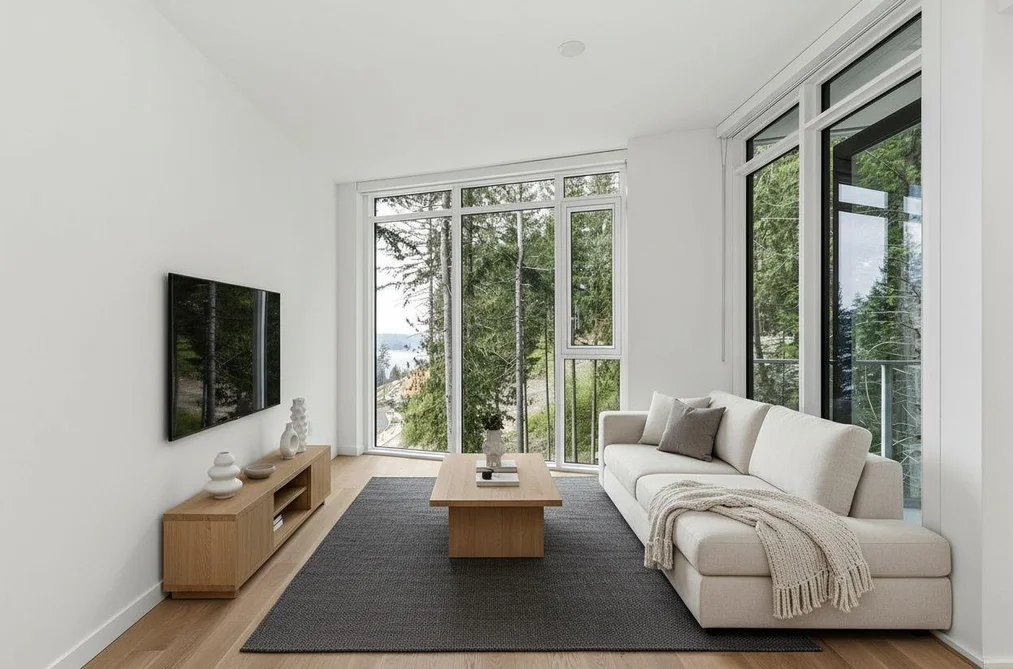
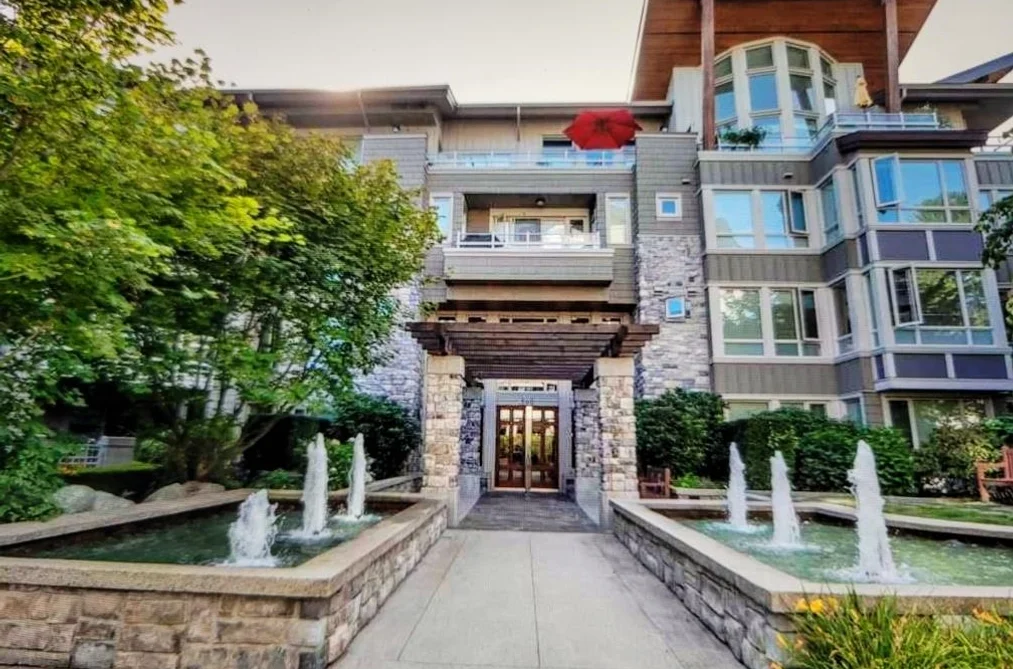
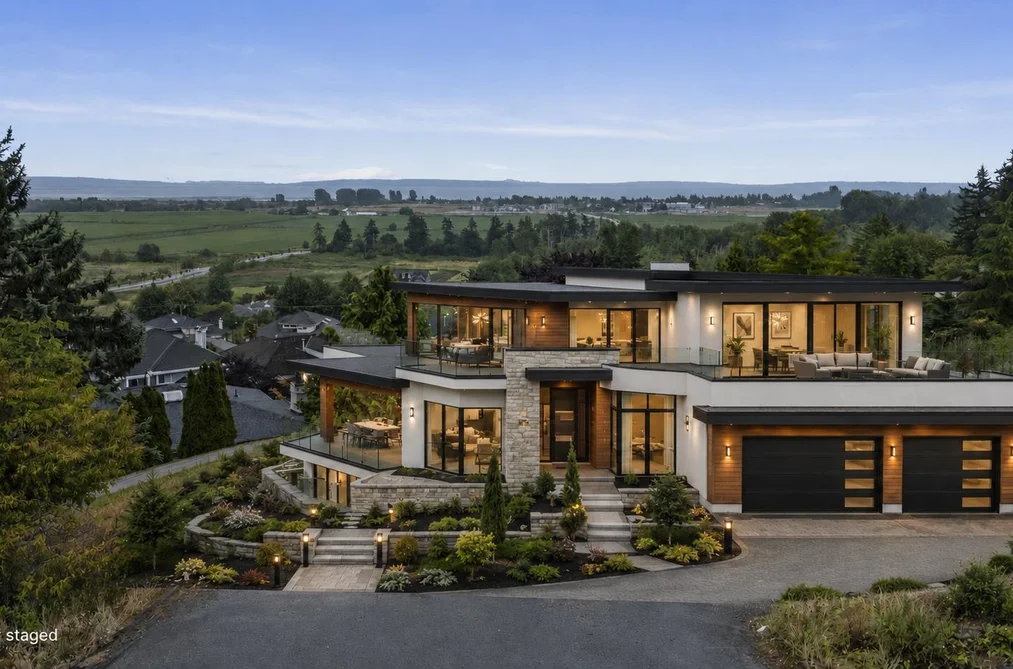
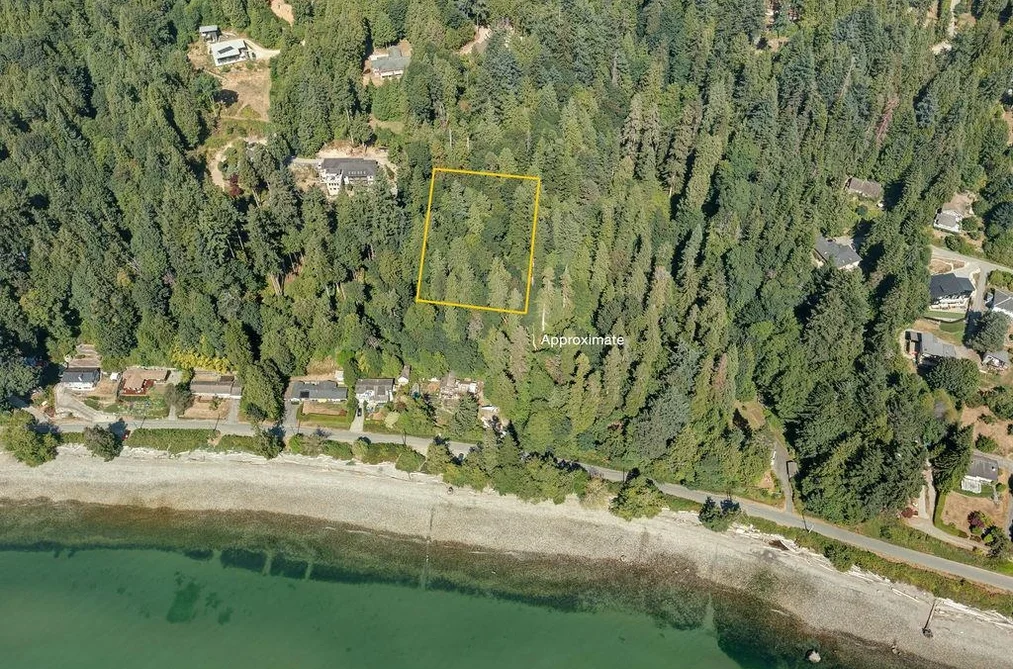
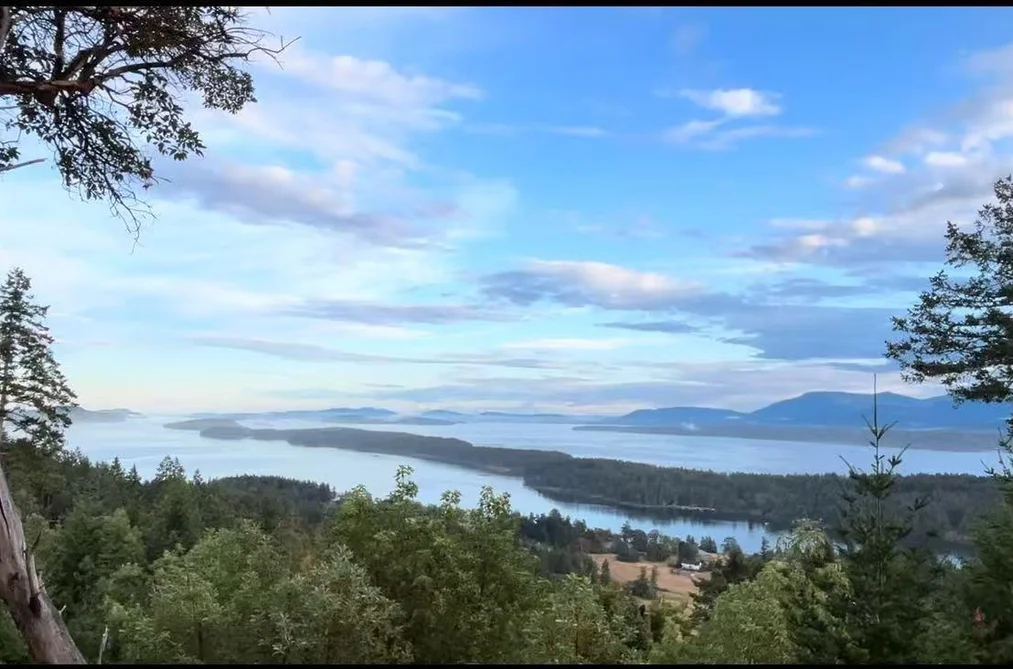
Managed Forest Land listings are rural properties classified by BC Assessment as private land managed for growing and harvesting timber, so learn what that classification requires of an owner before you buy for the privacy and the trees.
Private land in British Columbia can be assessed in the managed forest class when the owner commits to managing it for timber production under the provincial program. The class usually carries lower property tax rates than residential or rural land, which is part of its appeal. In exchange, the owner must follow a management commitment: reforesting after harvest, protecting soil and water, and meeting the standards set for private managed forest land.
Ask the listing agent whether the whole property or only part of it is in the class, and for a copy of the current management commitment. The classification does not transfer automatically on its own terms; a new owner generally has to meet the program's requirements to keep it.
Changing how the land is used can change how it is taxed. If you plan to stop managing the land for timber, subdivide it, or build beyond what the class permits, the property may be reclassified, and leaving the program can have tax consequences. Ask BC Assessment and the council that oversees private managed forest land what would apply to your plans before you remove subjects, and speak to an accountant about the timber income and costs.
These properties vary a great deal. Compare the size of the land, the age and species of the timber, the logging roads and their condition, and whether there is legal access by public road or only by easement. Ask for any timber cruise or forest inventory, which estimates the volume and value of the standing trees, and for the harvest history, including when the last harvest took place and what was replanted afterward.
Check the terrain, watercourses and any riparian areas, since streams and wetlands limit where harvesting and building can happen. Ask whether any part of the land is also in the Agricultural Land Reserve, which adds a second set of rules.
Many buyers want a home in the forest. A residence on managed forest land is usually assessed separately from the timber land, and local zoning decides whether you may build, how large, and where. Ask the regional district or municipality about zoning, building permits, septic approval and water supply, since many of these properties rely on a well. Consider the fire risk too: forested land needs clearing around buildings, and insurance may cost more.
The appeal is space and privacy, often with trails, wildlife and views across the property. The trade is distance from services, road maintenance you may share or pay for yourself, and the work of managing a forest. Visit in winter as well as summer to see the roads and the access at their worst, and ask how far the nearest fire hall, school and grocery store are.
Supply is small and concentrated on Vancouver Island, the Gulf Islands and parts of the Fraser Valley and the interior, with an estate property or a working woodlot appearing only occasionally. Browse and compare current listings on the MLS® through Strawhomes, filter by area and lot size, and shortlist only the properties whose classification, access and building rules you have confirmed. Compare them against acreage without the forest commitment or treed lots closer to town.