For Sale
2 days
- $1,949,999
- 8 bed
- 7 bath
- 2688 sqft
MLS® R3169699
•Oakwyn Realty Northwest
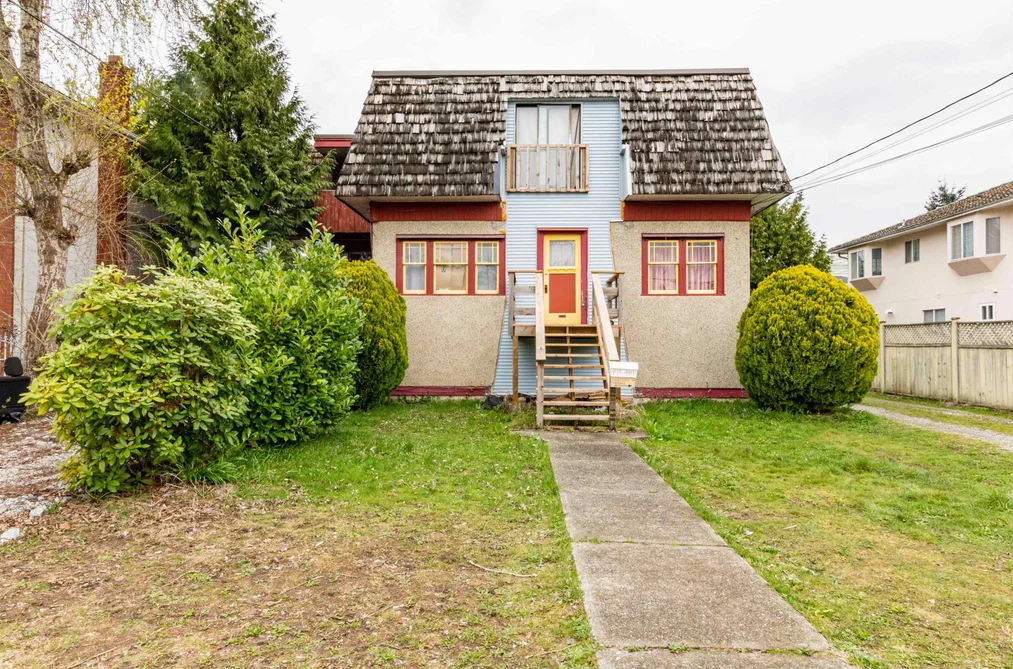
Browse Sold As Is houses for sale in the Lower Mainland and learn what the clause means, what the seller must still disclose and how to protect yourself before you offer.
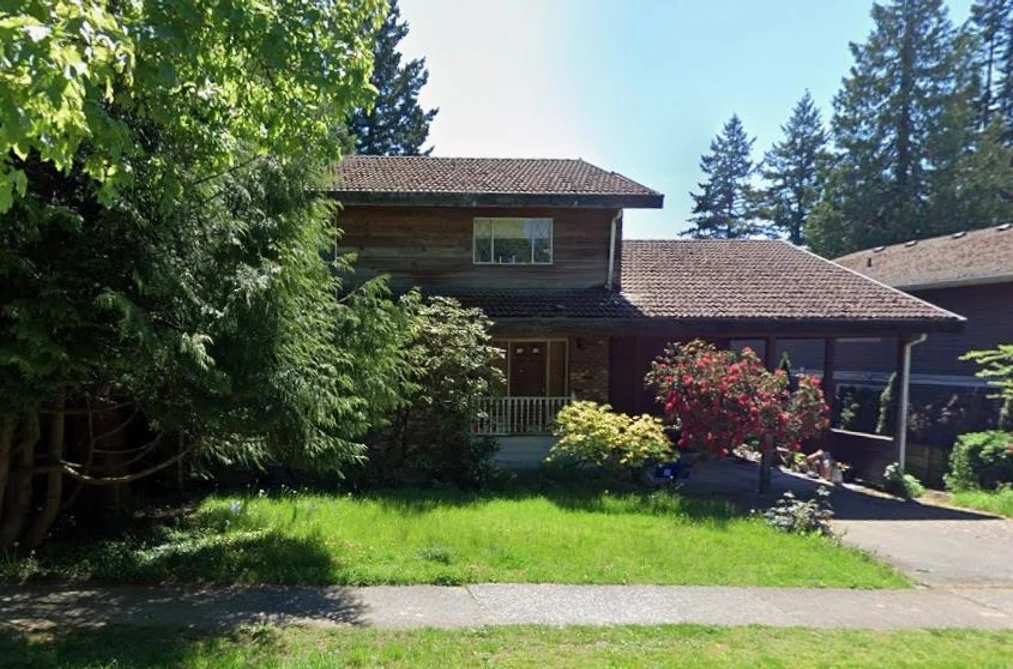
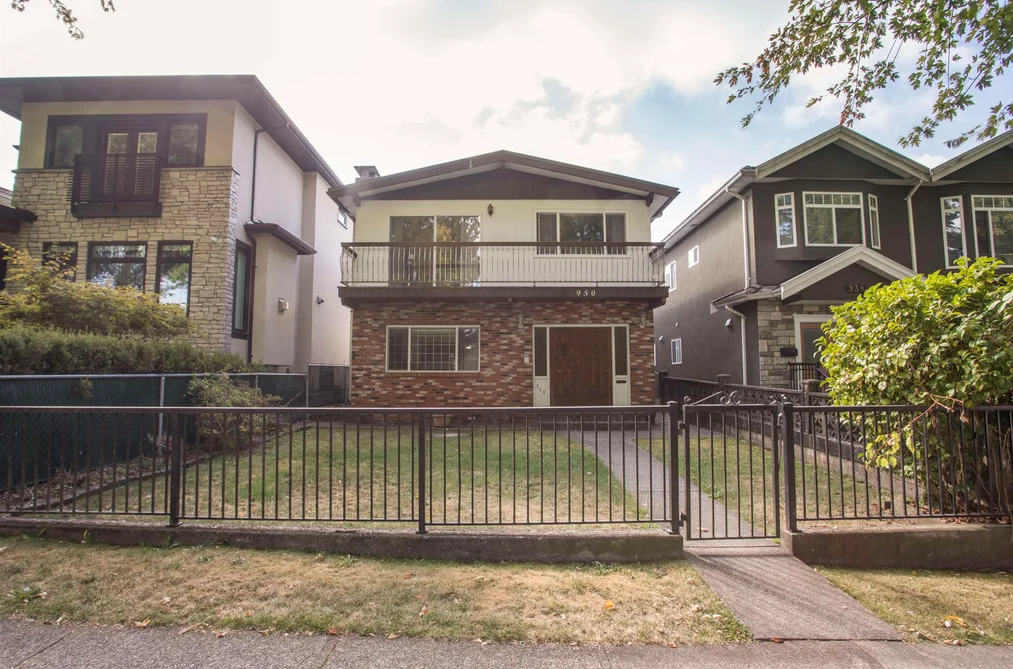
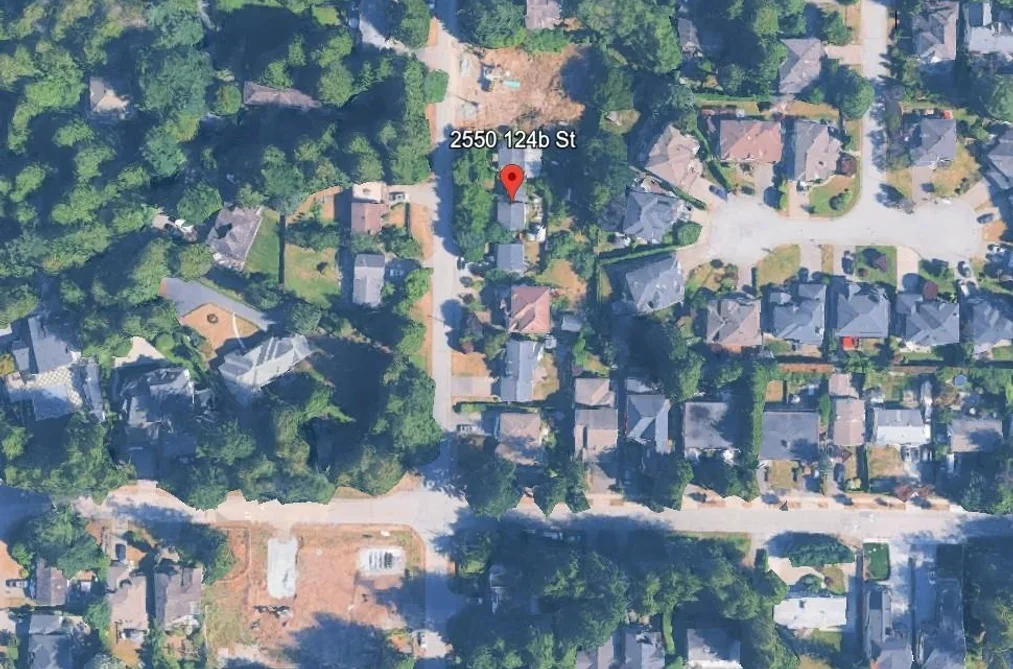
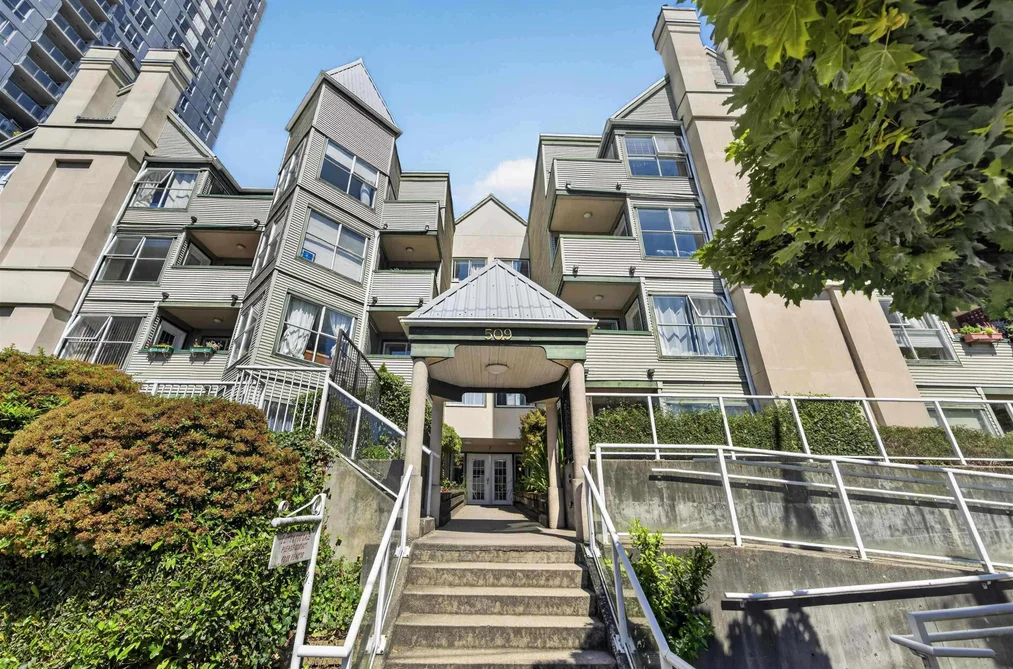
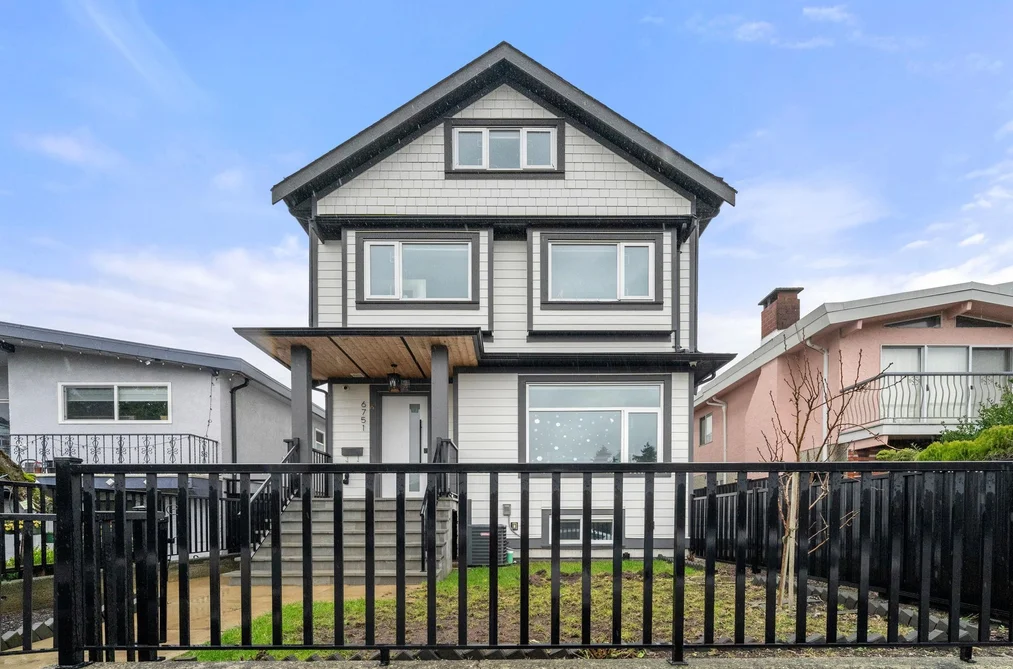
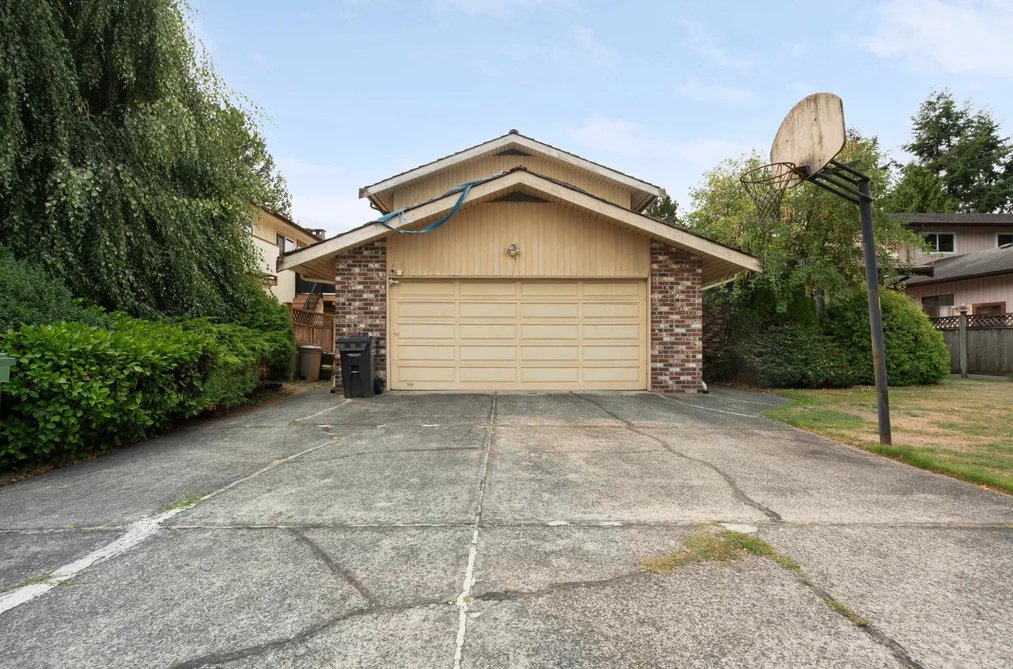
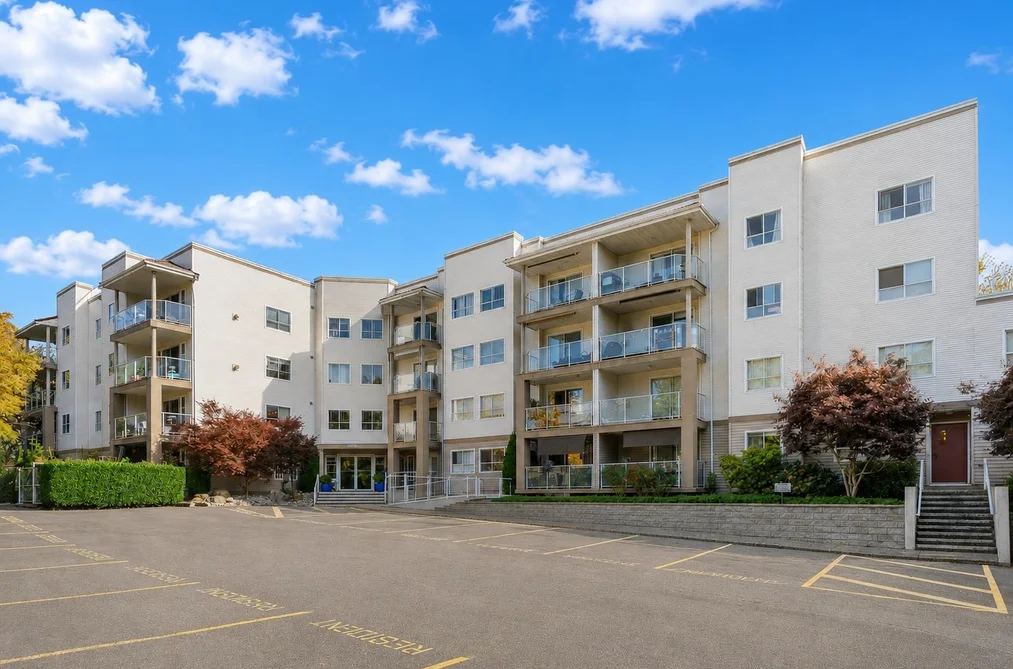
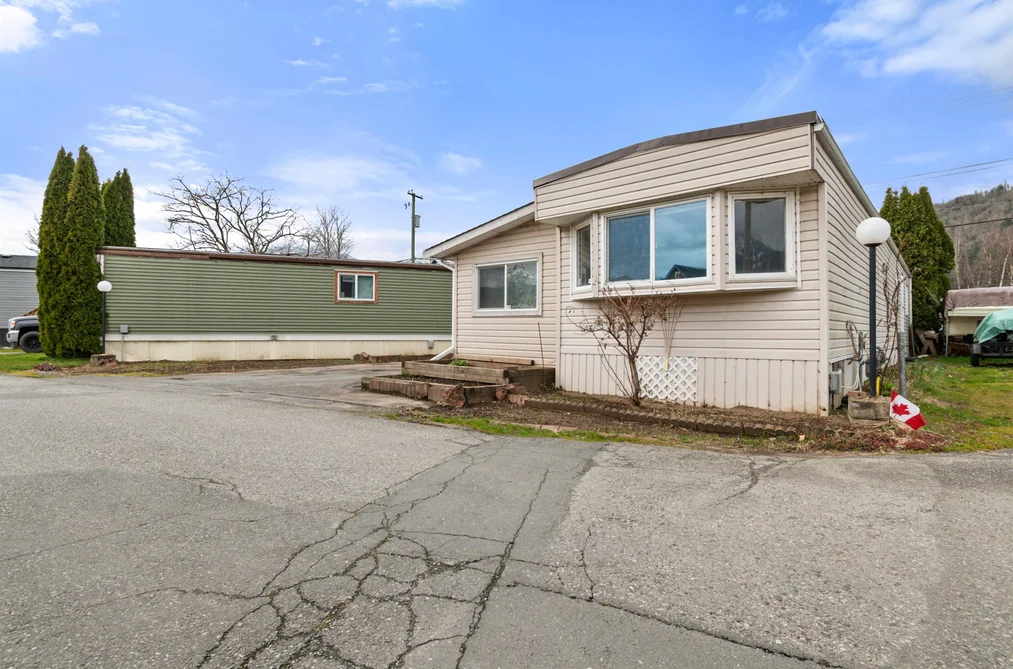
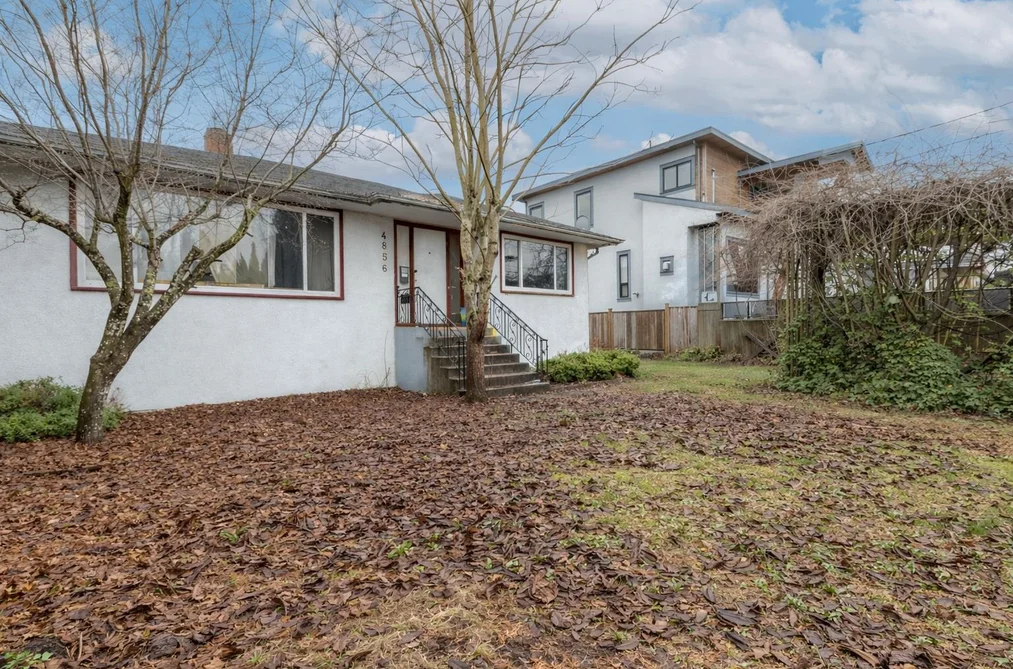
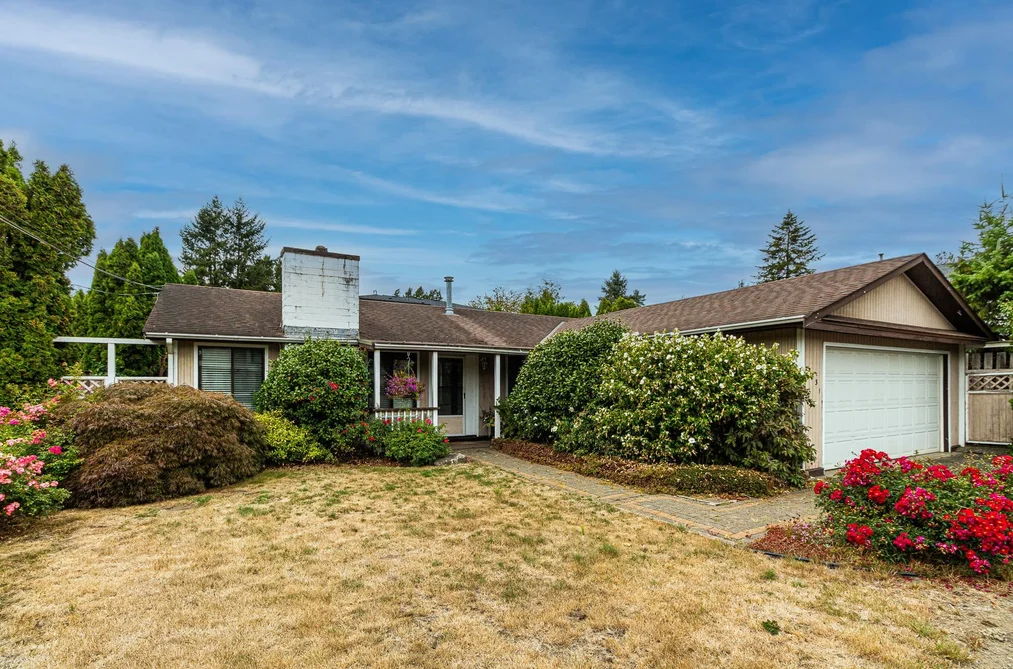
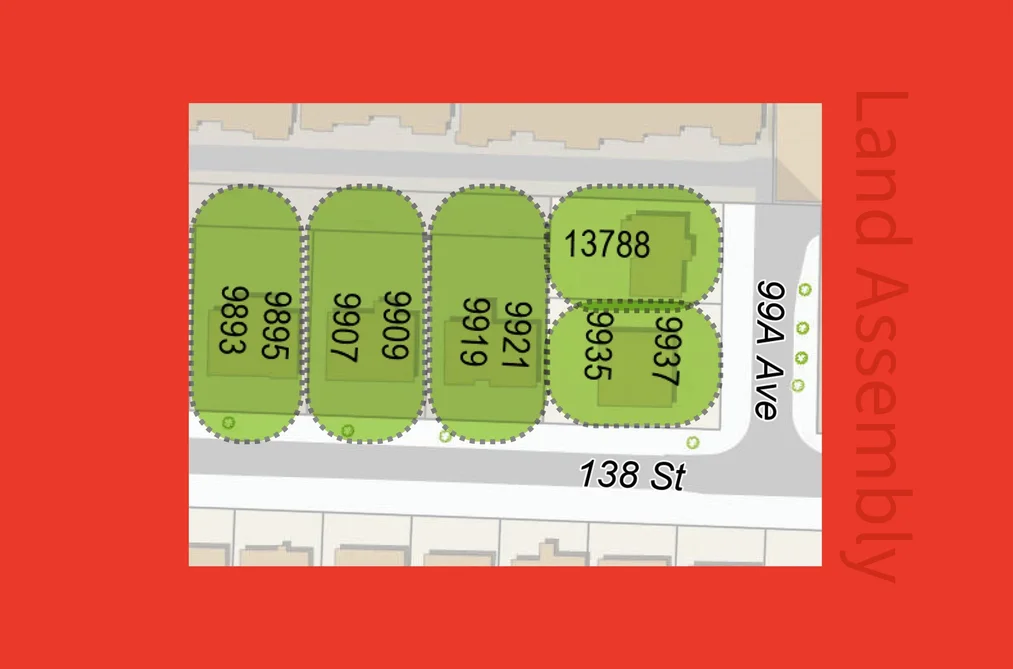
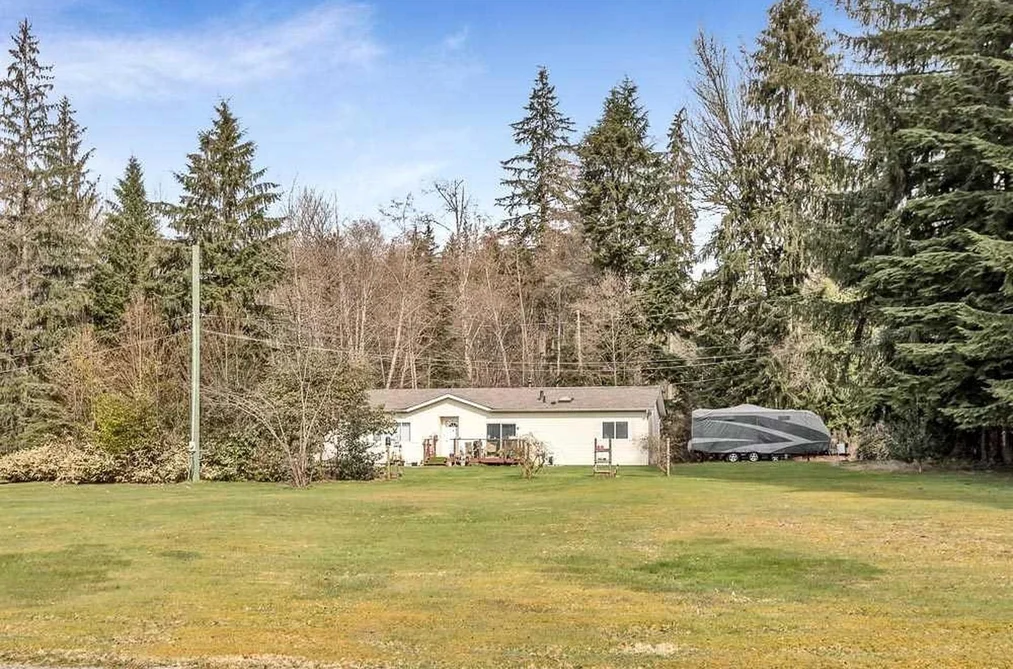
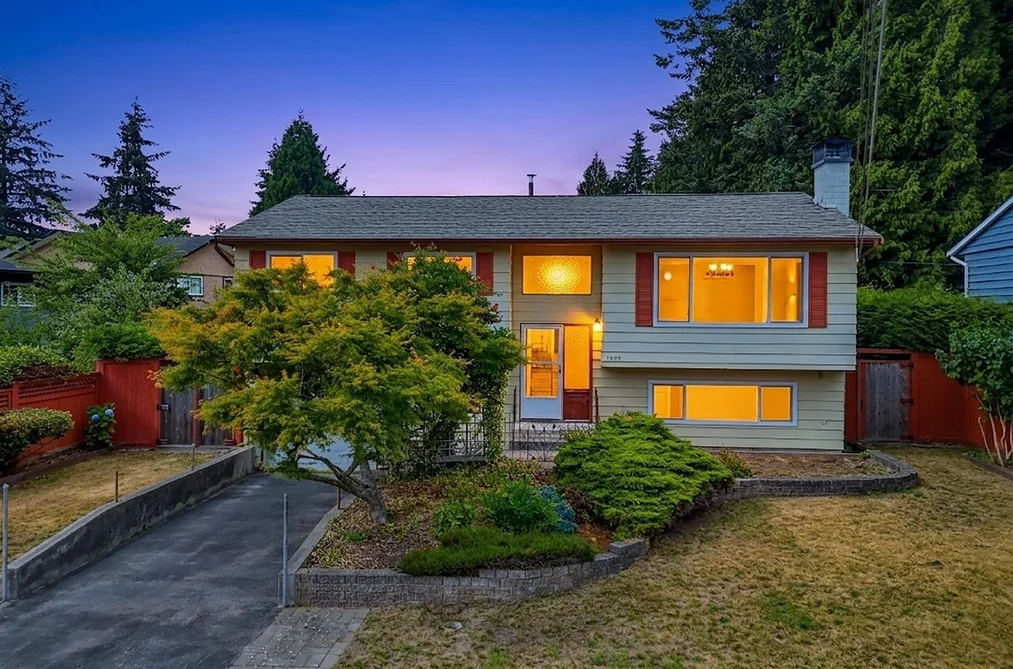
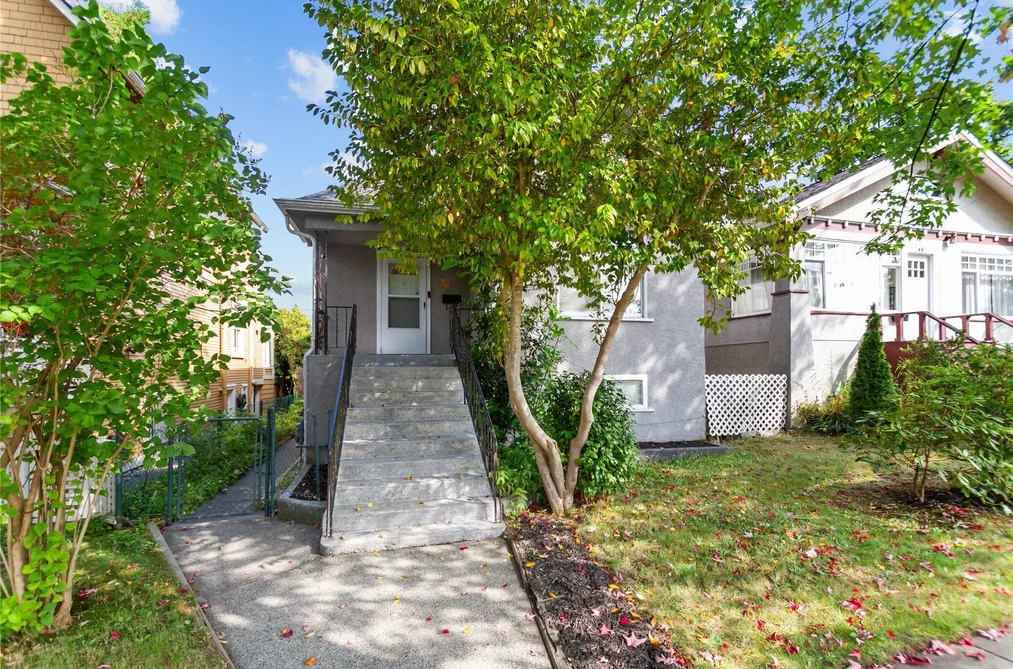
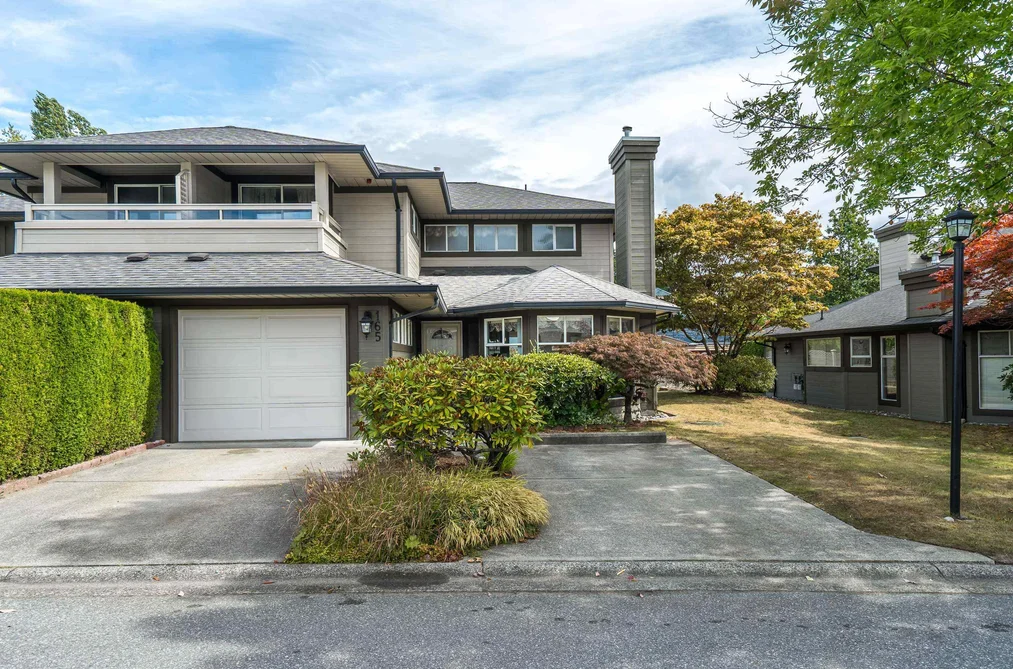
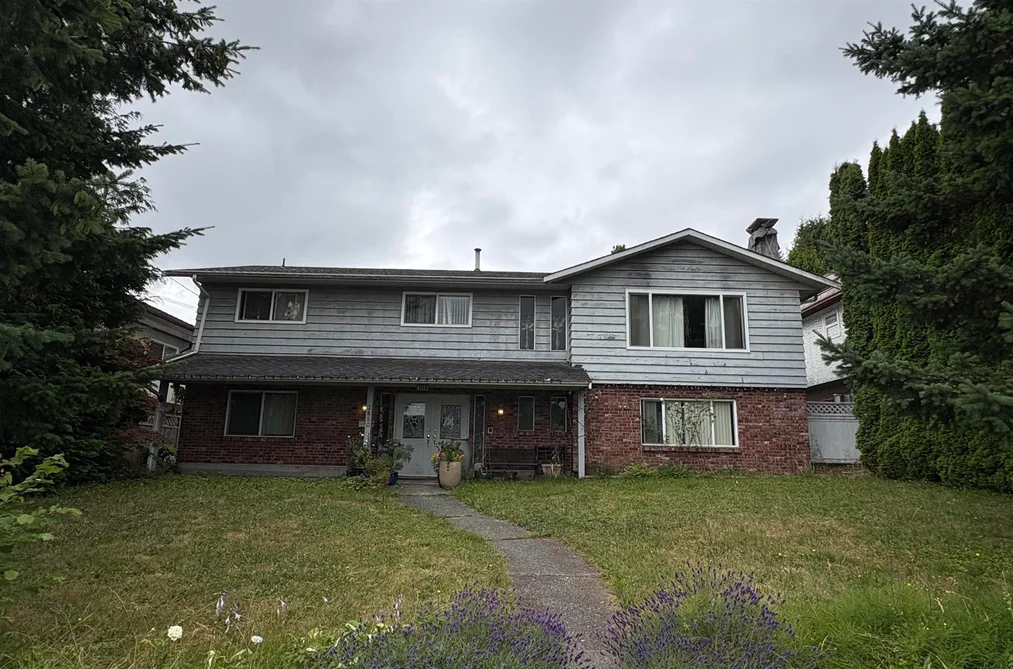
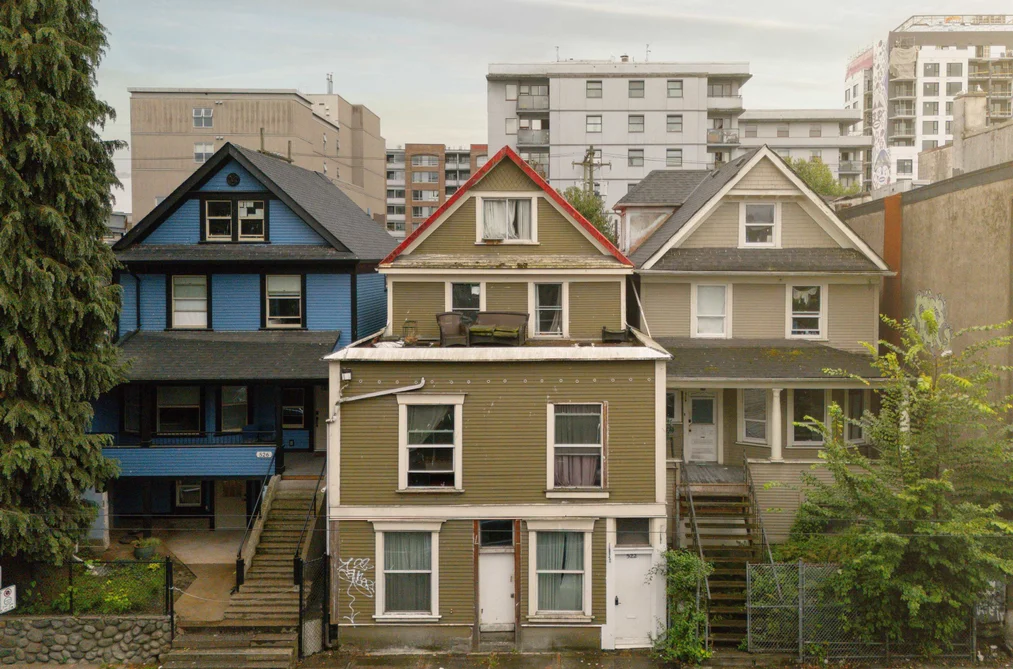
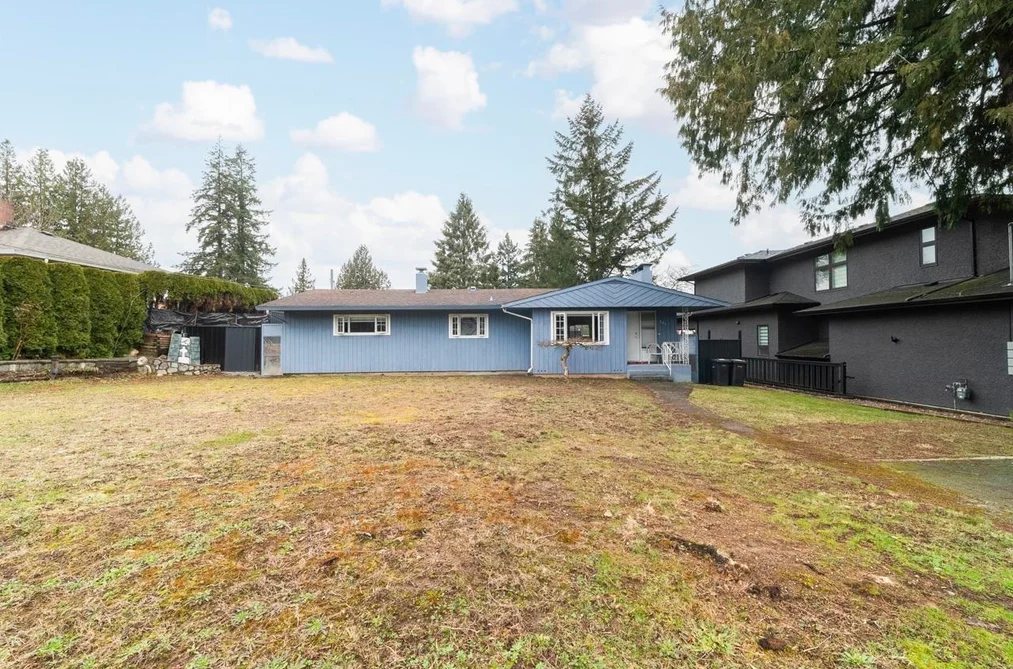
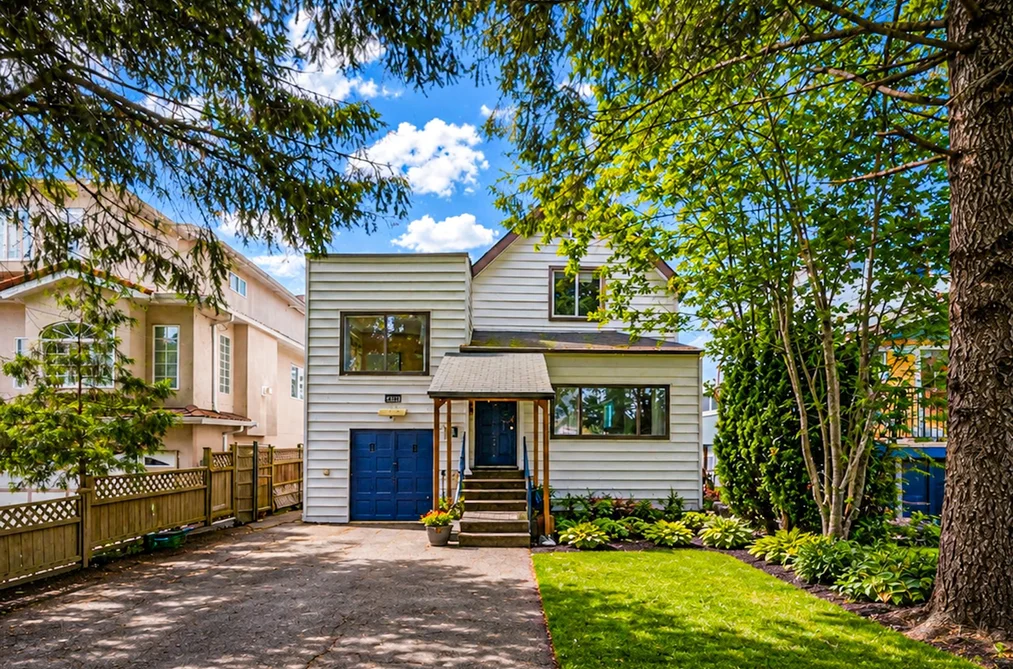
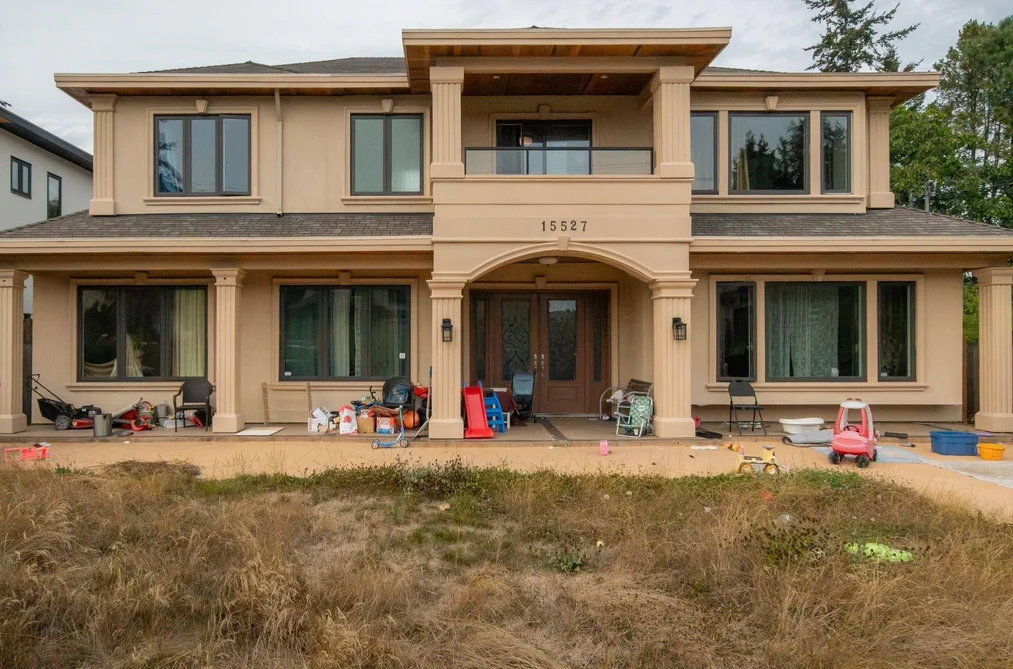
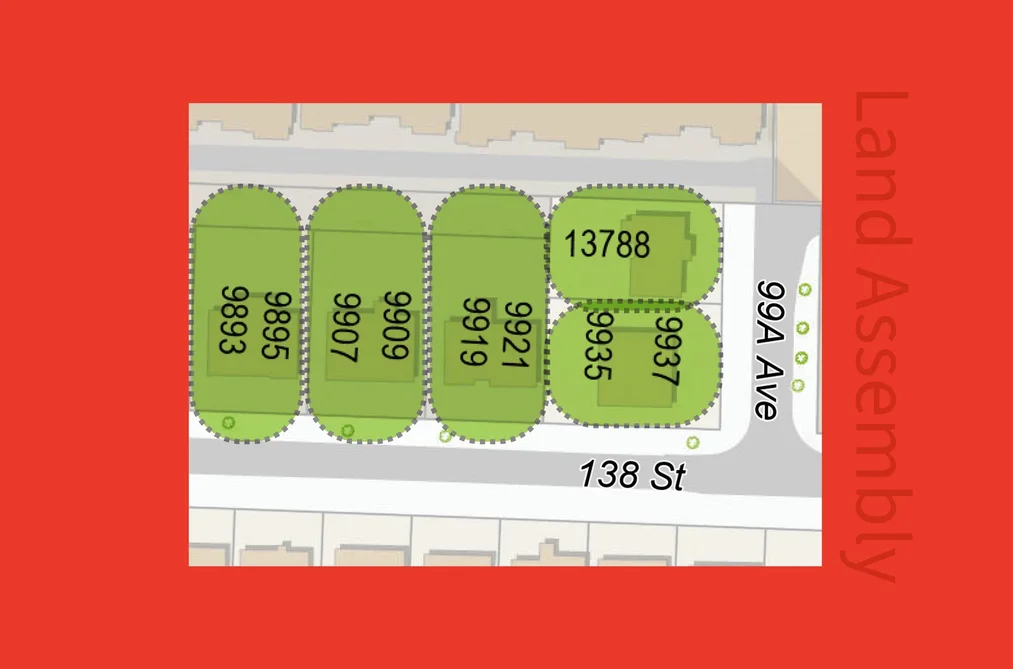


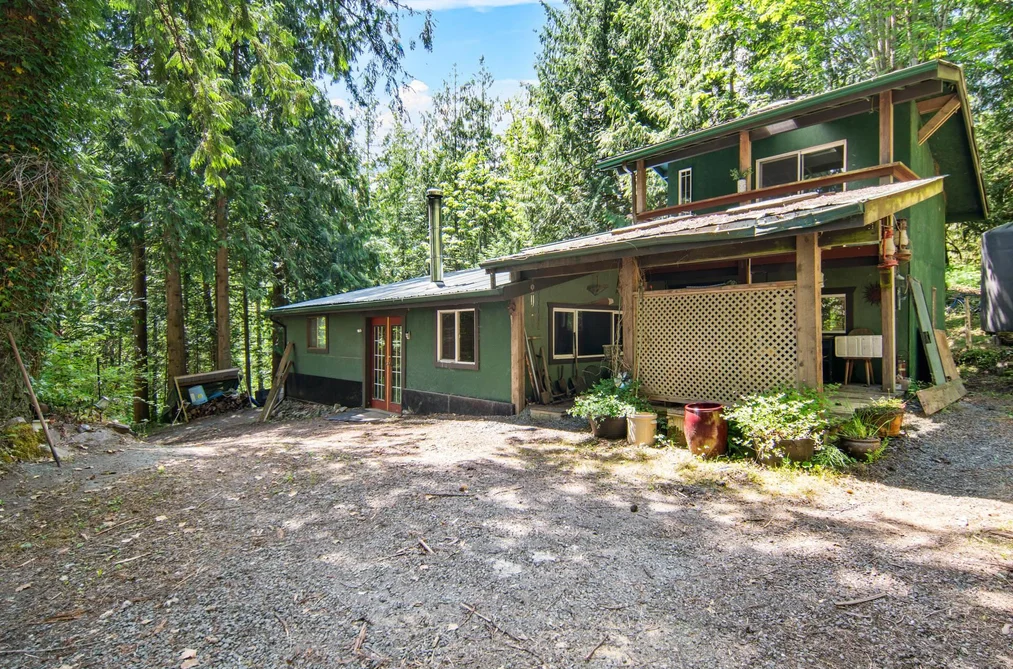
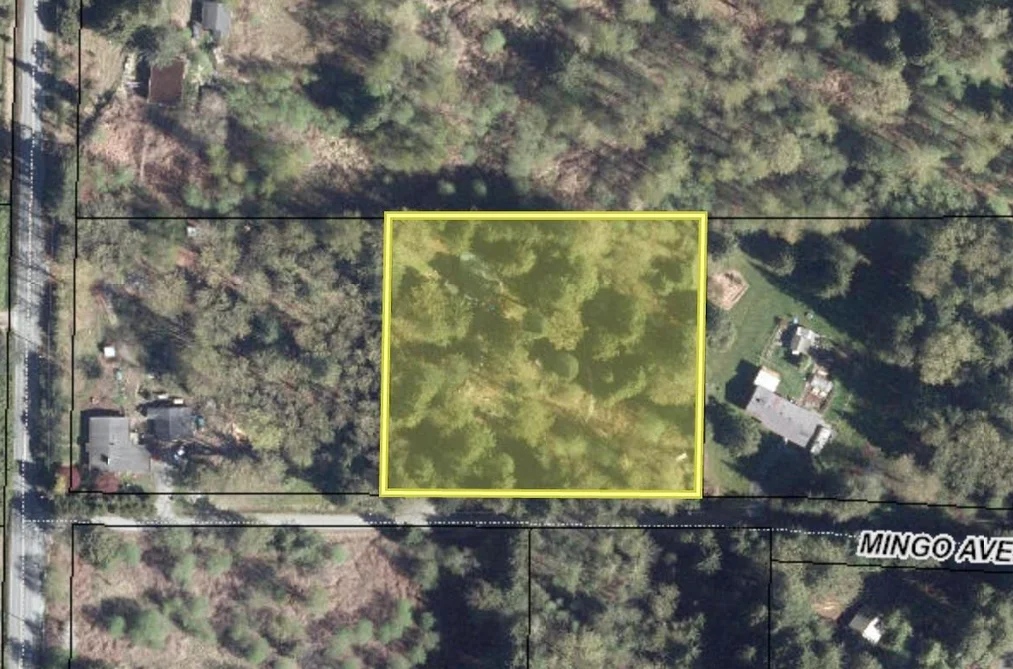
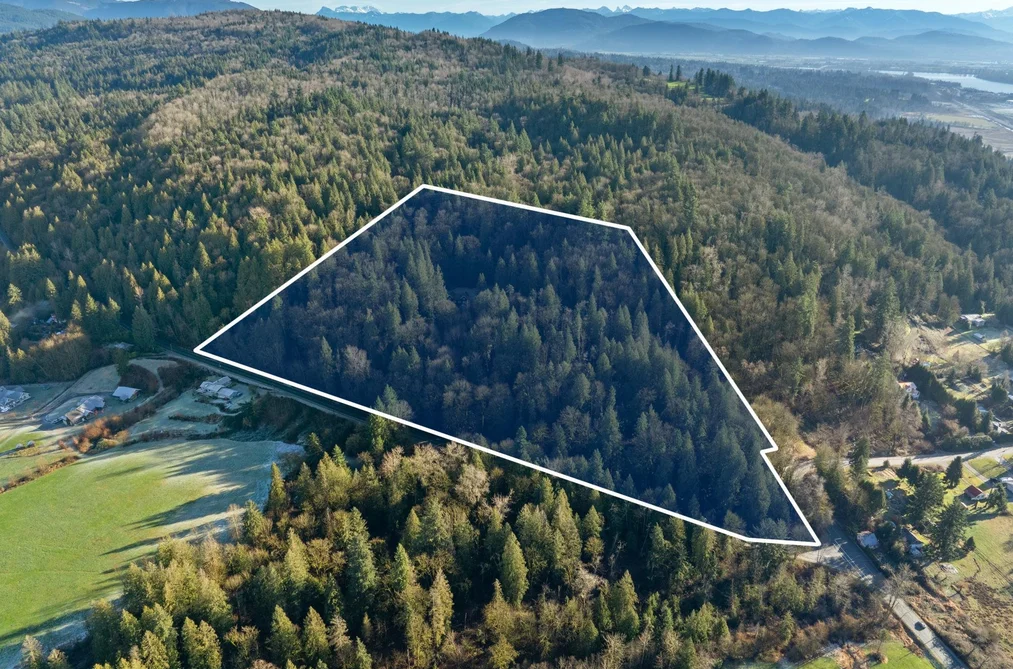
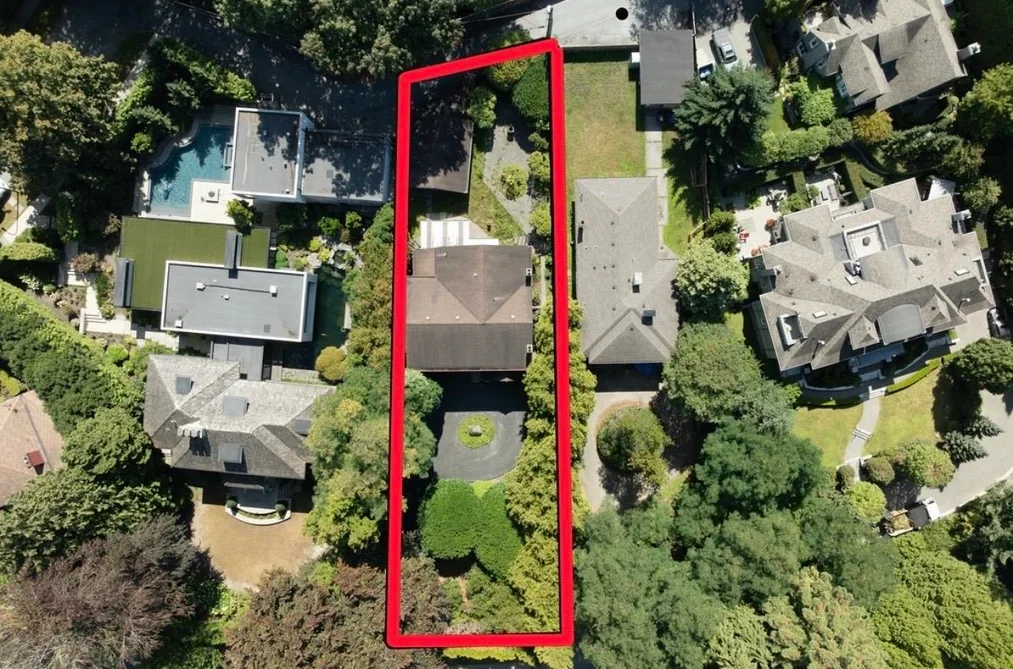
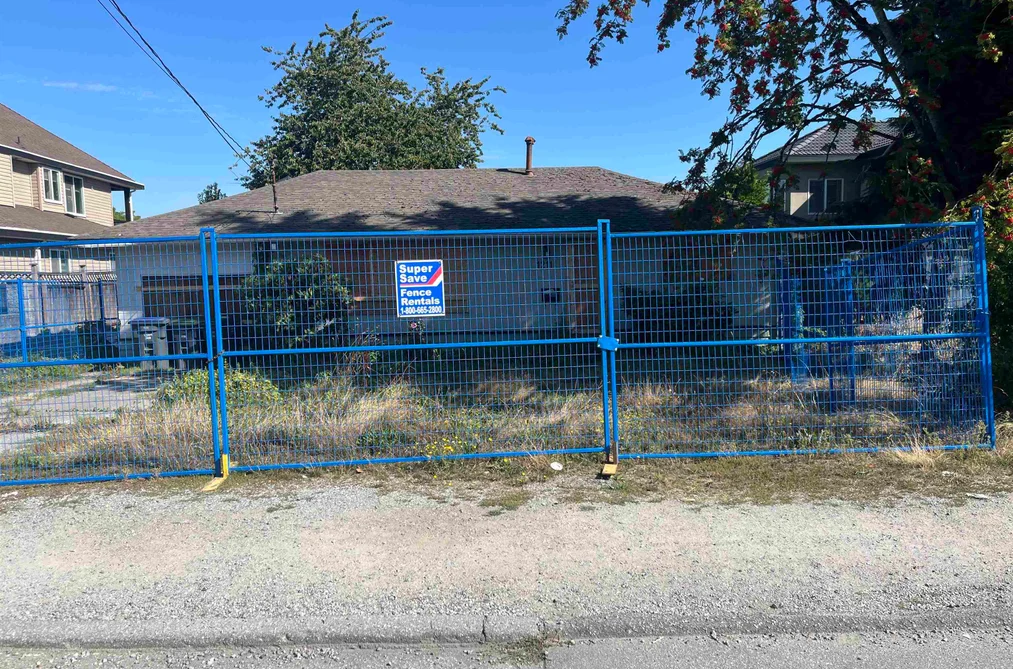
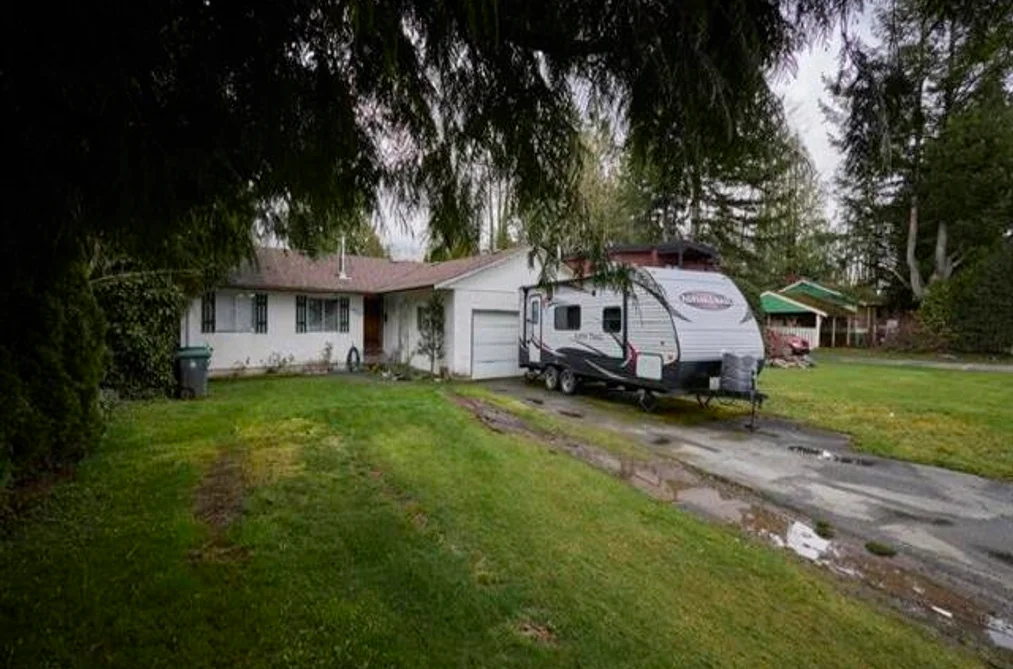
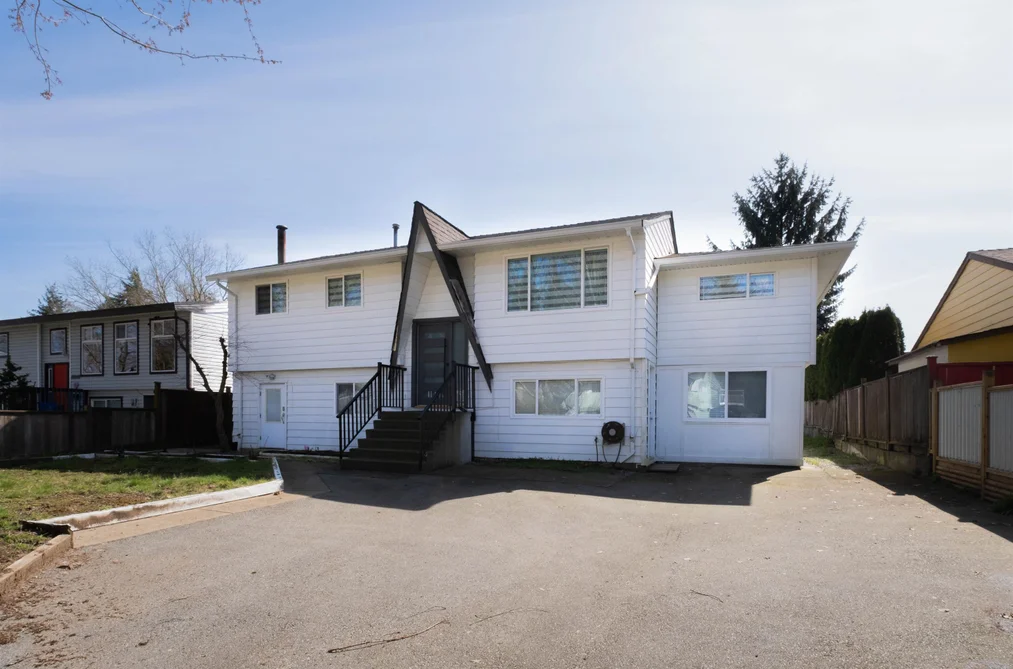
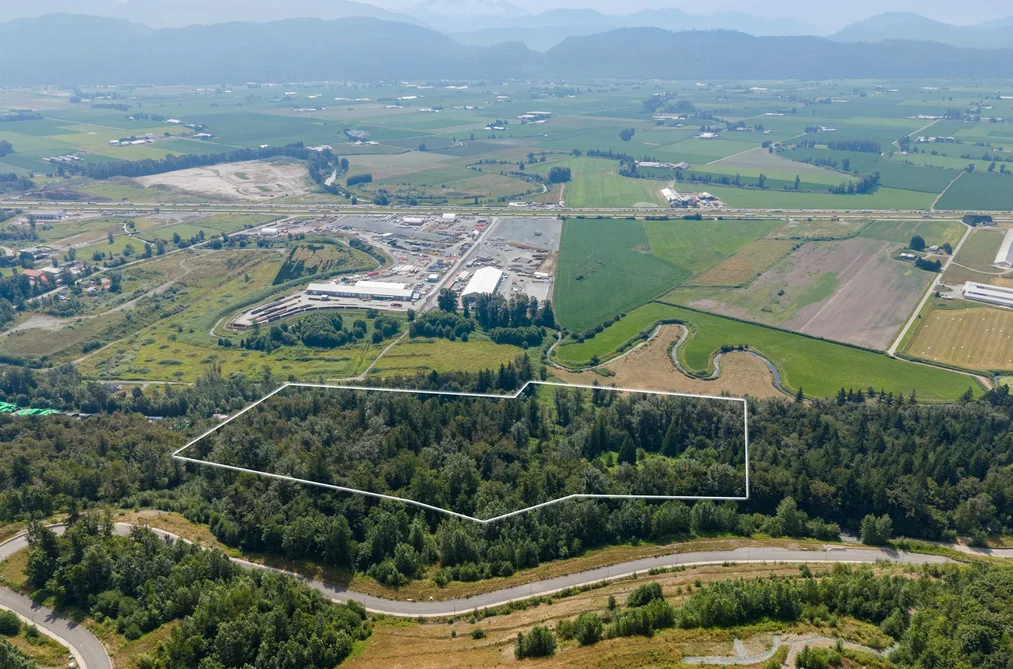
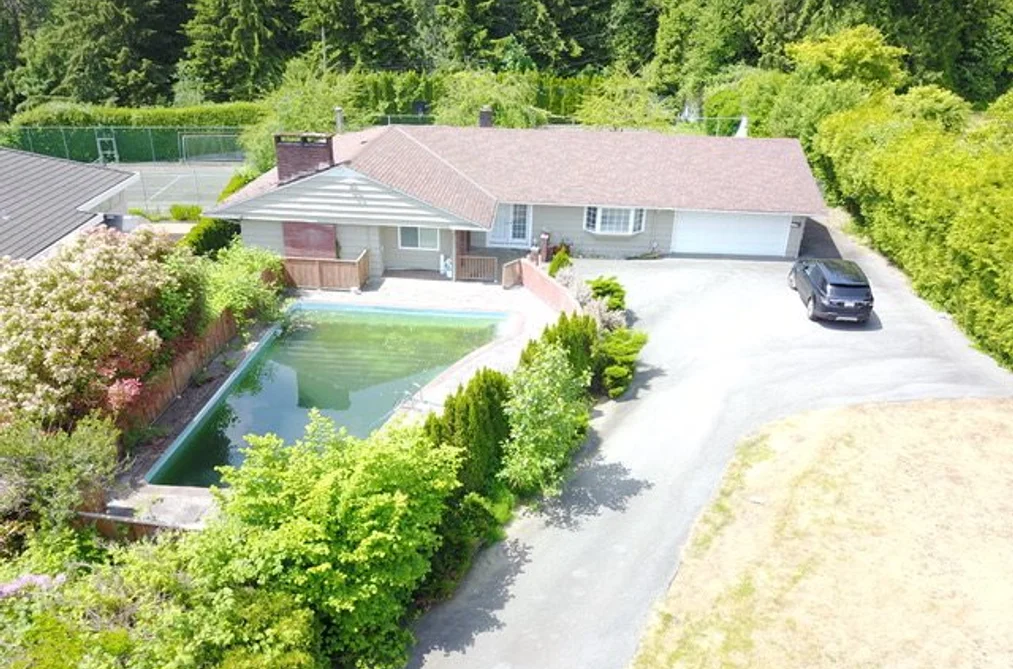
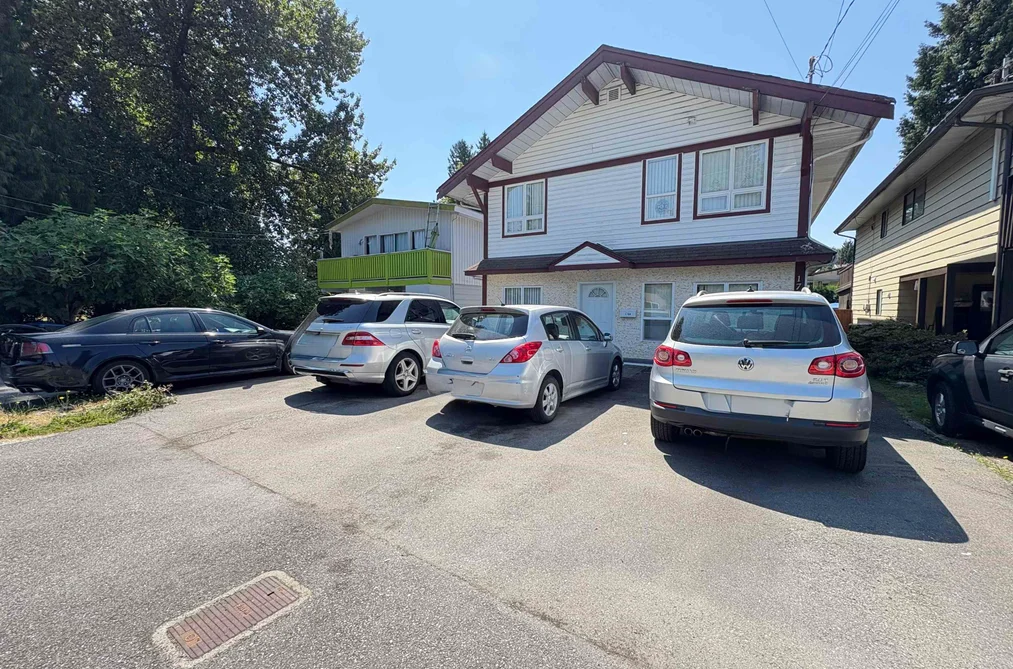
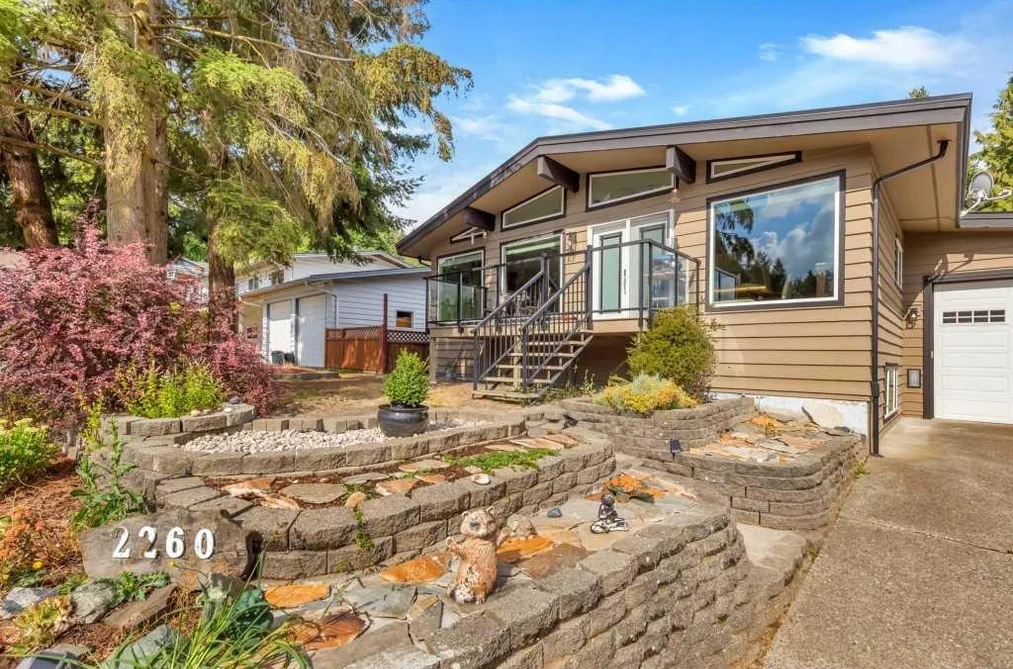
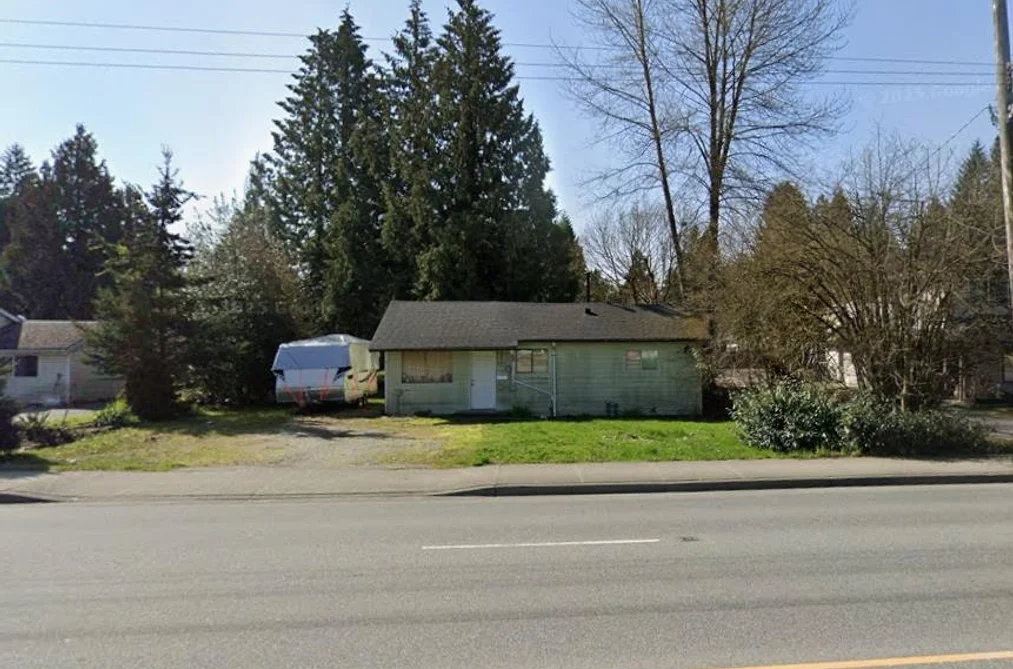
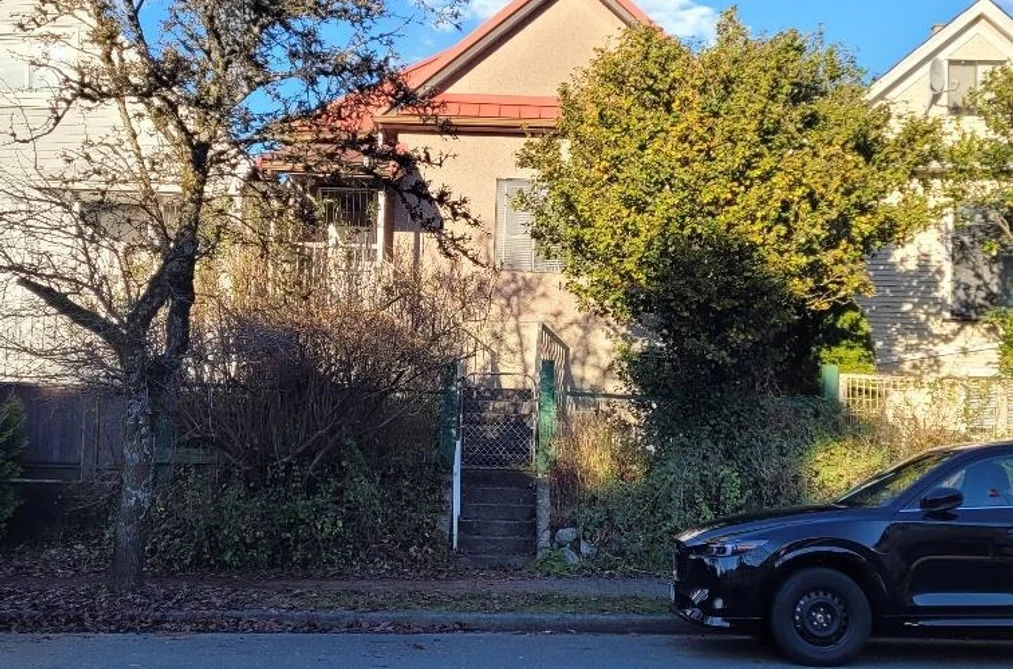
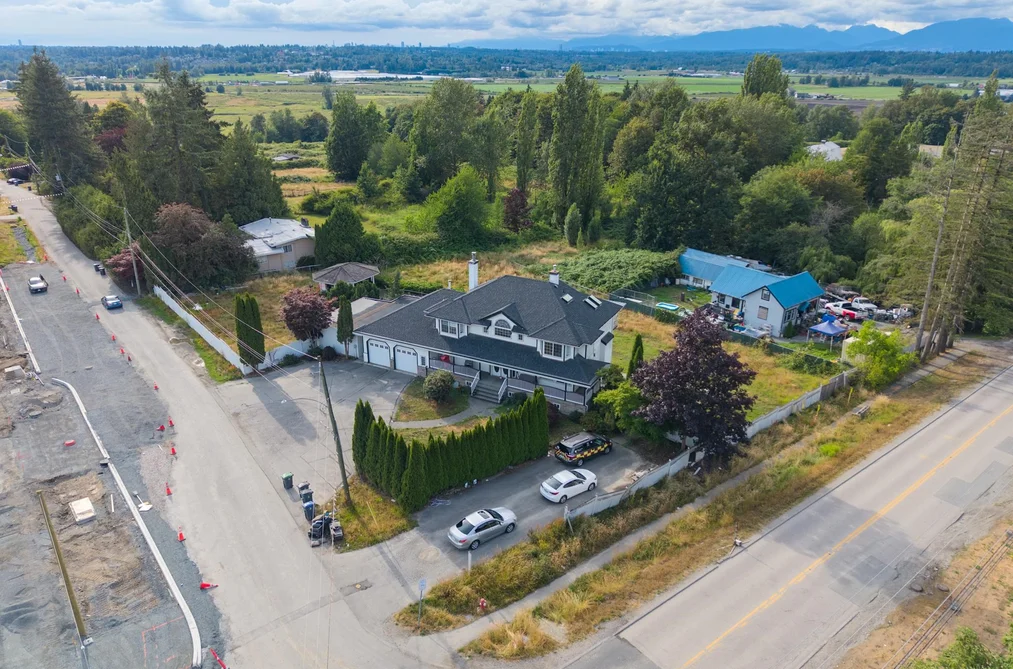
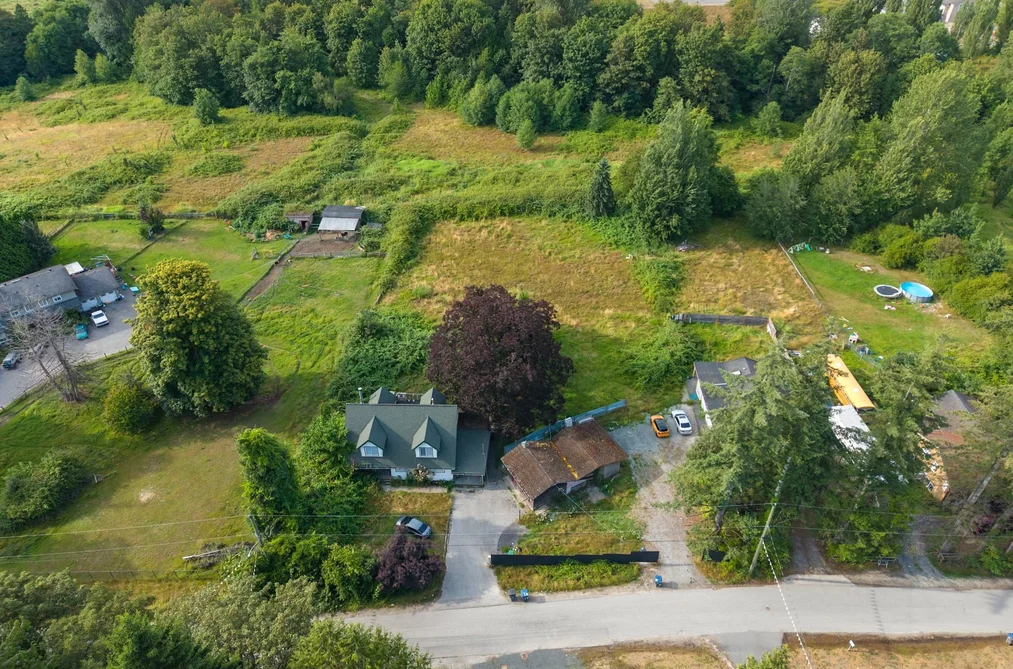
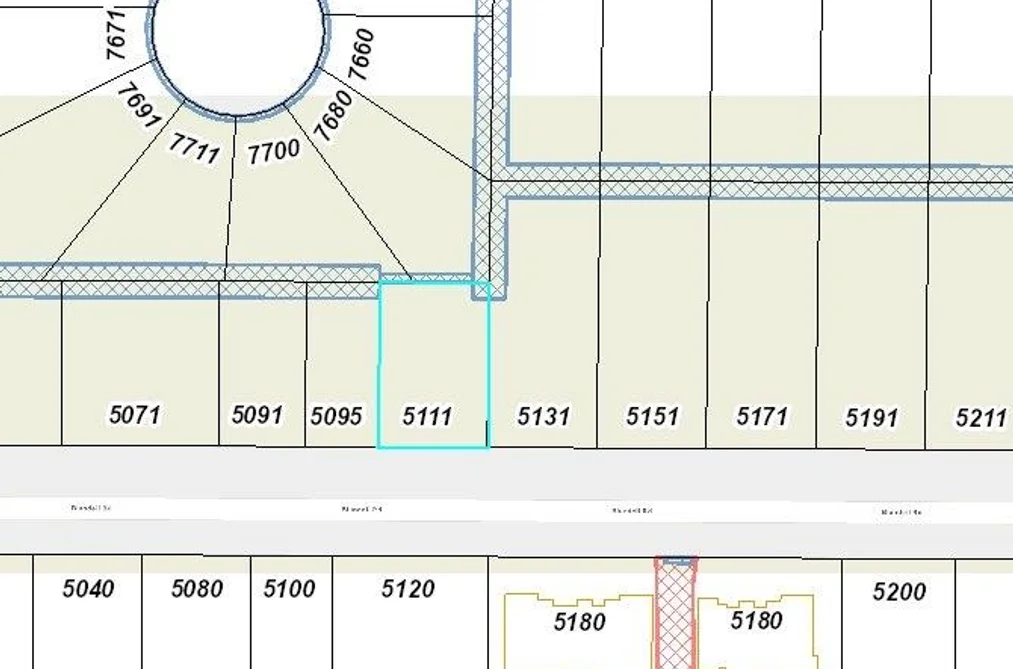
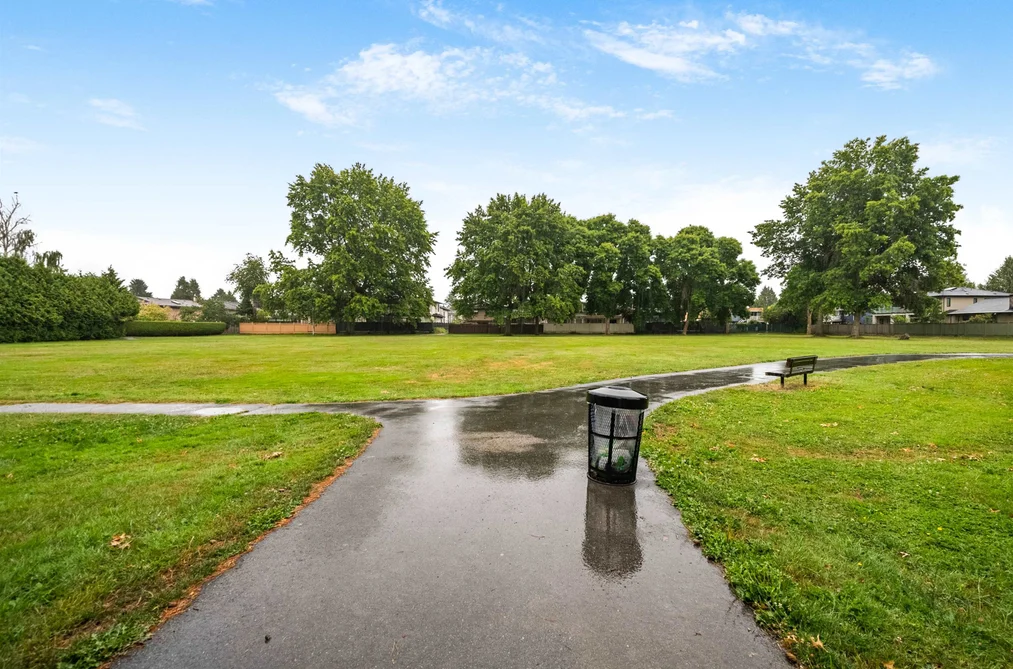
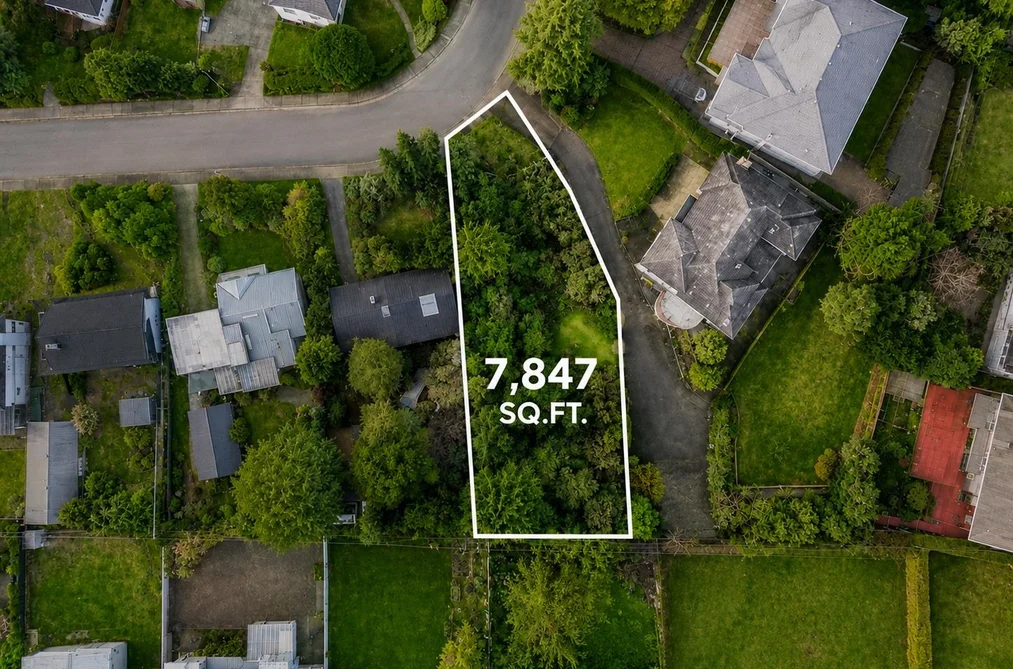
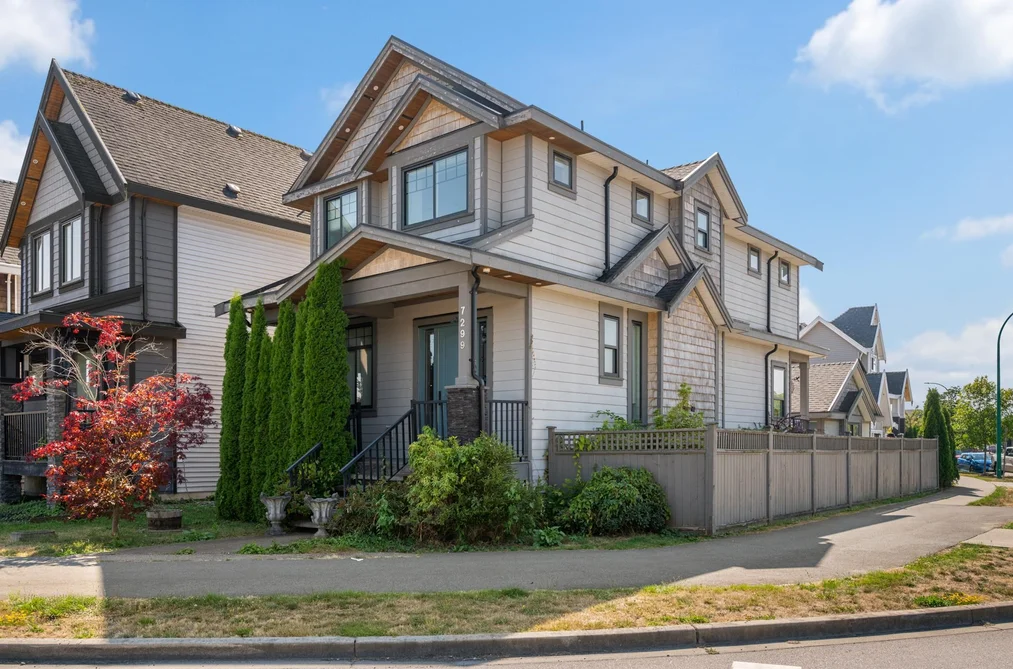
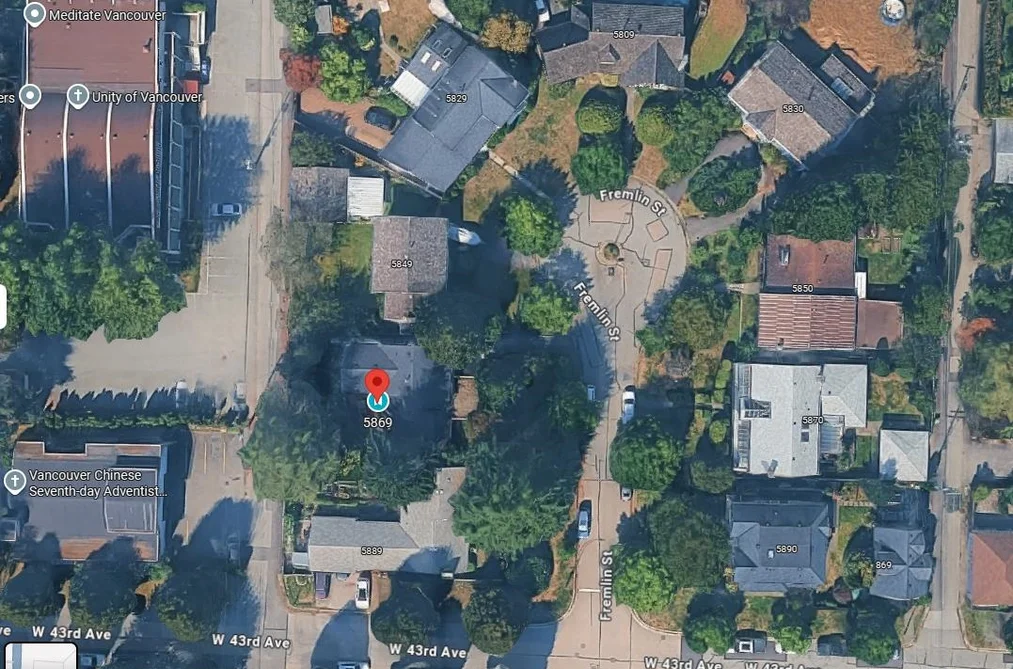
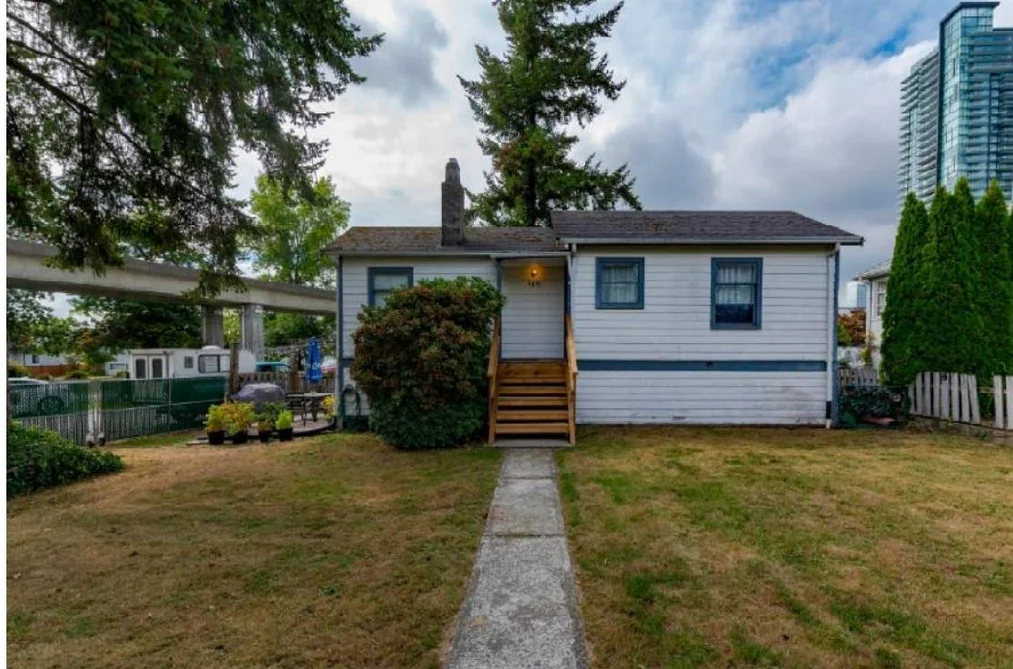
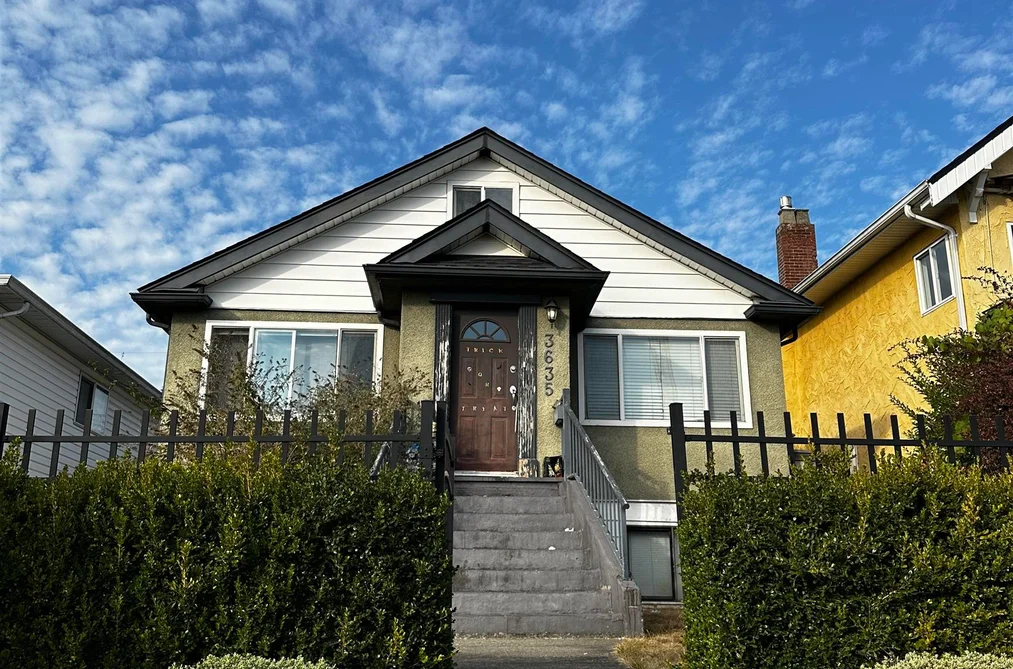
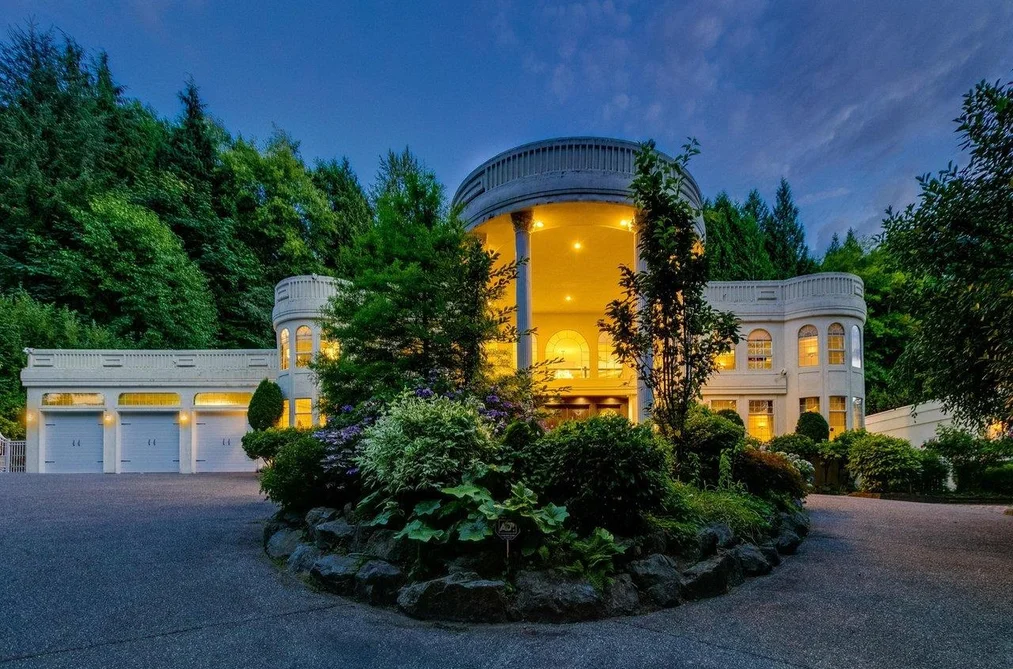
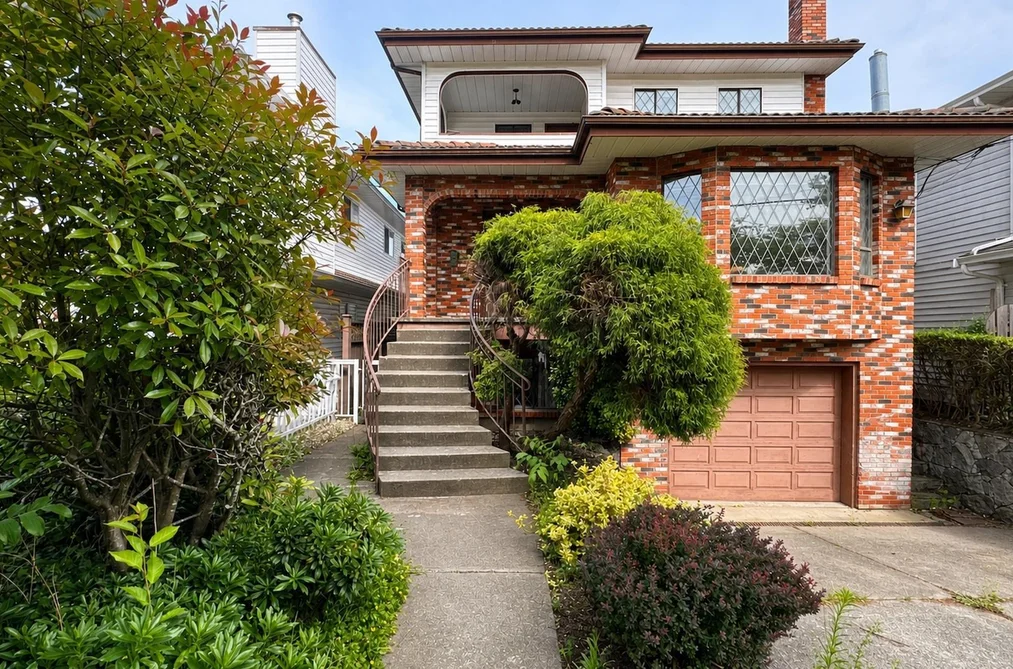
Sold As Is listings come with no promises about their condition, often an estate, a court-ordered sale or a home needing major work, so do your own investigation before you offer, because the contract will not protect you afterward.
An as-is clause states that the buyer accepts the property in its current condition and that the seller gives no warranties about it. In practice, the seller will not repair problems found after acceptance and will not compensate you for defects discovered after completion. The clause is common in estate sales, where executors never lived in the home, in foreclosures and court-ordered sales, and in homes priced for their land.
Ask the listing agent why the property is being sold this way and whether a property disclosure statement is available. Many estate and court-ordered sales do not provide one, since the seller has no personal knowledge of the home, so ask for any inspection reports, permits or receipts the family or trustee can find.
An as-is sale does not give licence to hide serious problems. British Columbia law still requires disclosure of known latent defects, hidden problems that make a home dangerous or unfit to live in and that a reasonable inspection would not reveal. Ask directly about known issues such as leaks, oil tanks, past grow operations or structural damage, and have your lawyer or notary explain your position if you learn of a problem the seller knew about.
Because the seller will not stand behind the home, your own inspection matters more than usual. Book a thorough inspection, and add specialists where the house is old or the problems are visible: a roofer, an electrician, a plumber, a drainage contractor, an oil tank scan and, where needed, an engineer. If the seller will not accept an inspection subject, arrange it before you write the offer.
Then compare the price with similar updated homes in the same neighbourhood, subtract your realistic repair budget and a contingency, and see whether the gap still makes sense. Your agent can pull recent sales of both updated homes and those sold in similar condition.
Lenders appraise the property as it is, and a home in poor condition can be harder to finance or insure. Speak to a mortgage broker before you offer and confirm insurance is available. In a court-ordered sale, your accepted offer is subject to court approval, and other buyers can bid at the hearing, so be prepared for your offer to be challenged. Ask your lawyer to explain the process, and keep your financing and deposit ready so you can respond quickly if the court invites higher offers.
Everything you find after completion is yours to fix, from a failed sewer line to a leaking roof. Line up contractors, permits and a timeline before your subjects come off, and budget for the unexpected. In older homes, test for asbestos before renovating, and check whether any unpermitted work needs to be brought up to code.
Supply is small and changes quickly, with houses in Vancouver neighbourhoods such as those near Cambie, Burnaby, Surrey and the Fraser Valley, and occasional townhouses and condos. Browse and compare current listings on the MLS® through Strawhomes, filter by neighbourhood and property type, and shortlist only the homes you have inspected thoroughly. Compare them against a foreclosure sale or a TLC home where the seller may offer more information.