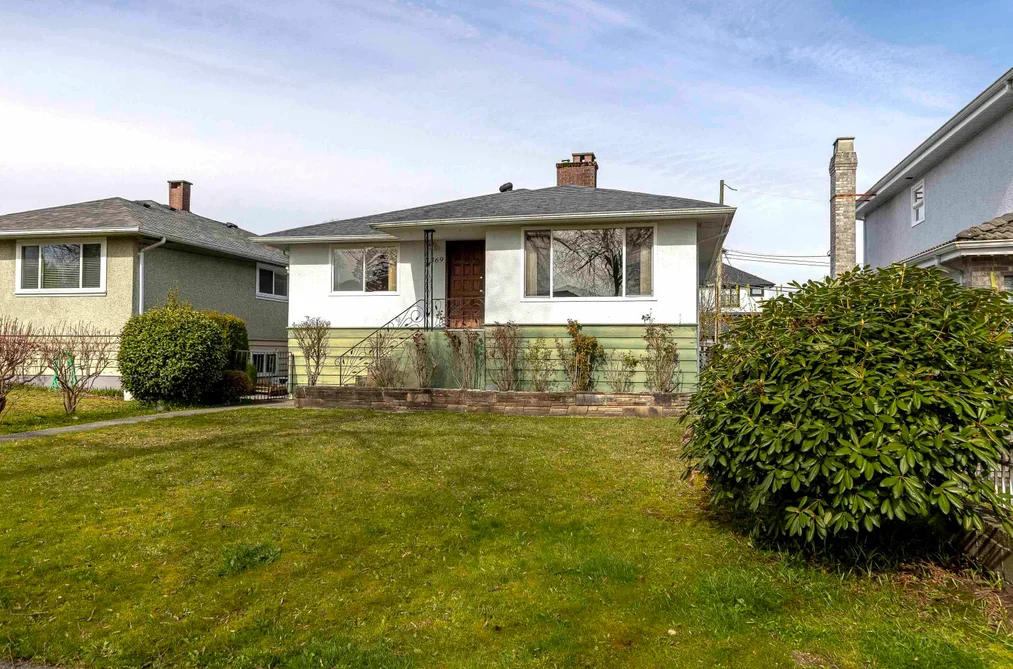
For Sale
2 days
- $735,000
- 1 bed
- 1 bath
- 530 sqft
MLS® R3169536
•Rennie & Associates Realty
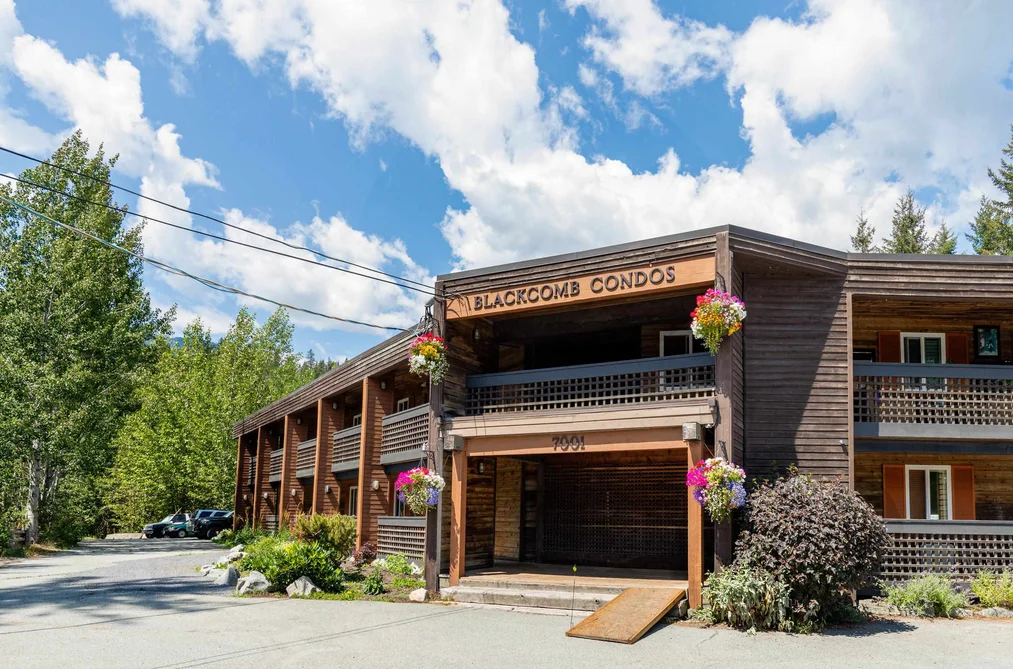
Browse Starter Home listings for sale in Greater Vancouver and learn the first-time buyer programs, costs and trade-offs before you make your first offer.
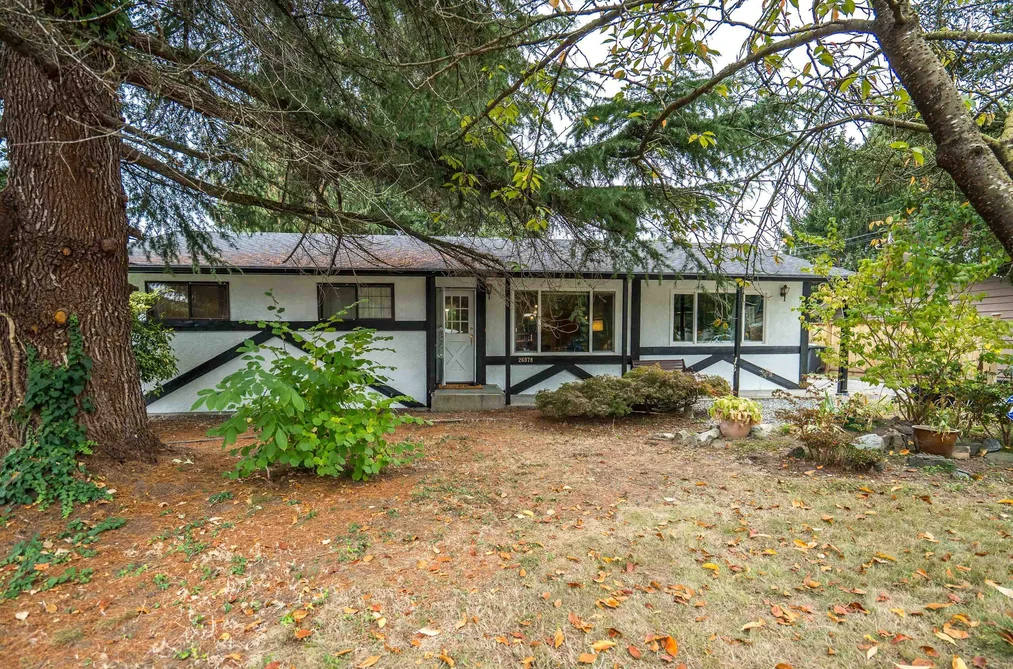
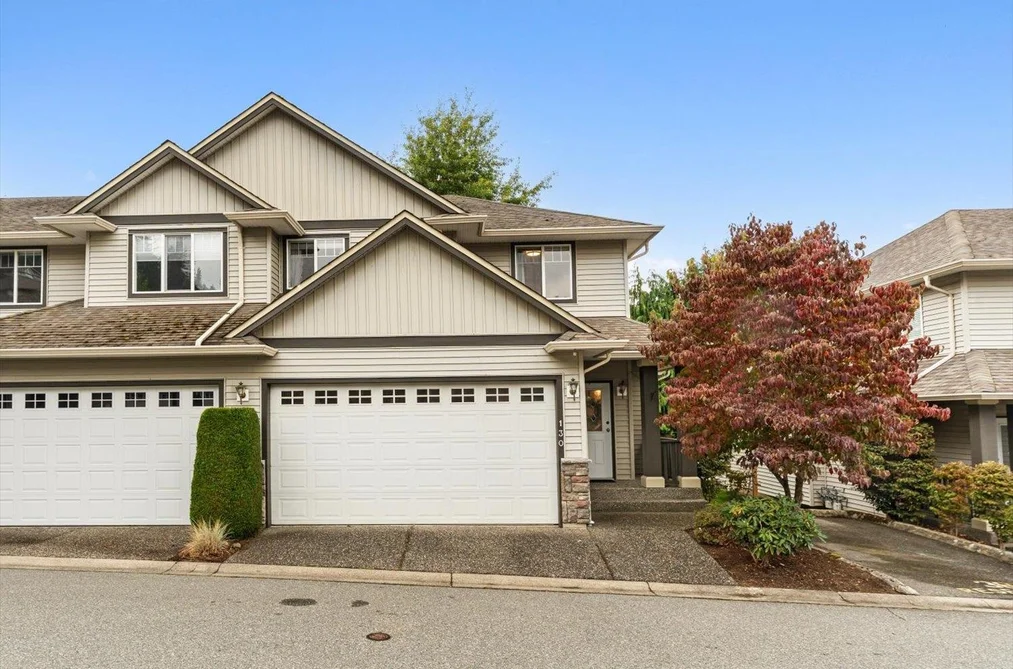
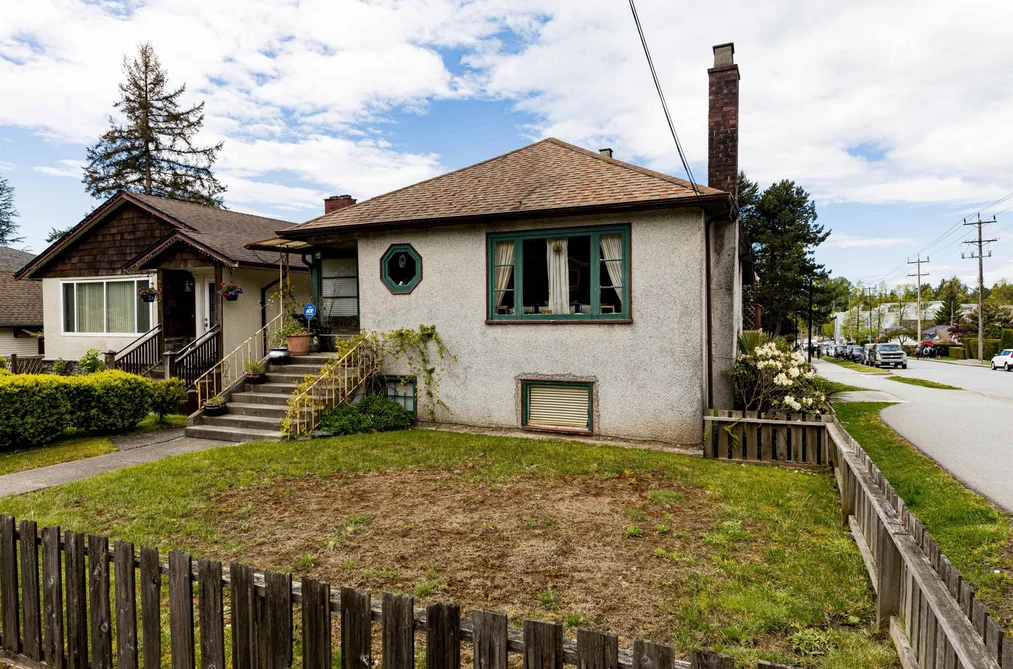
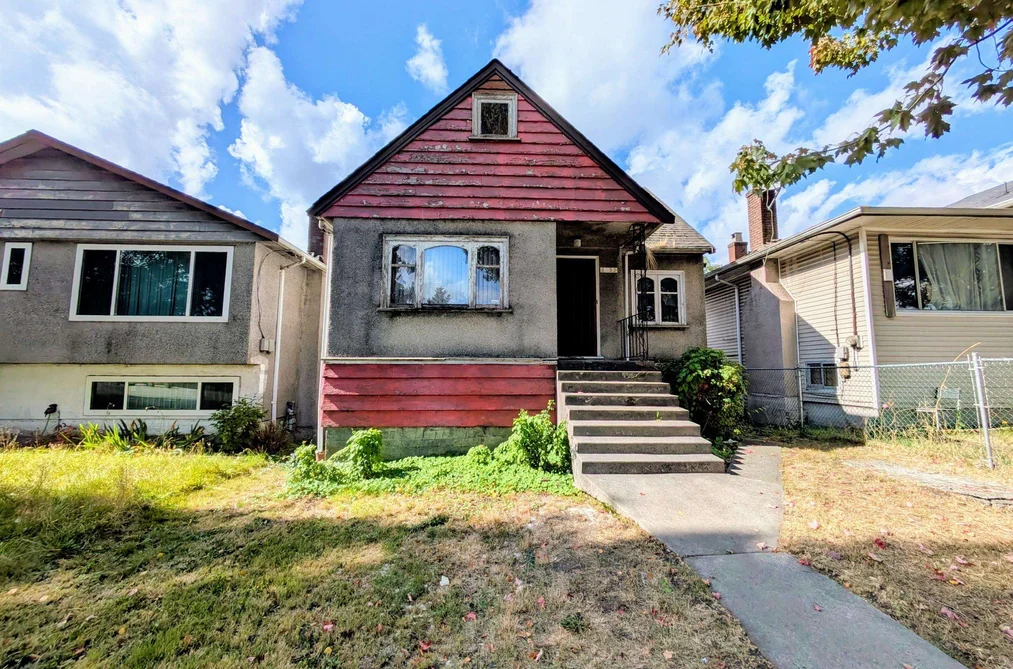
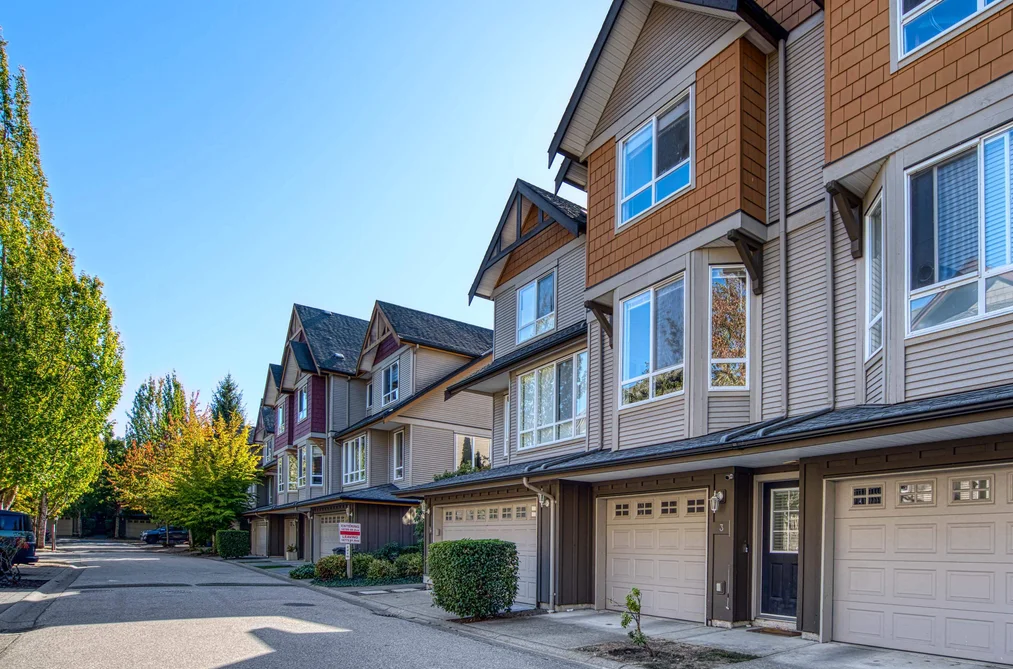
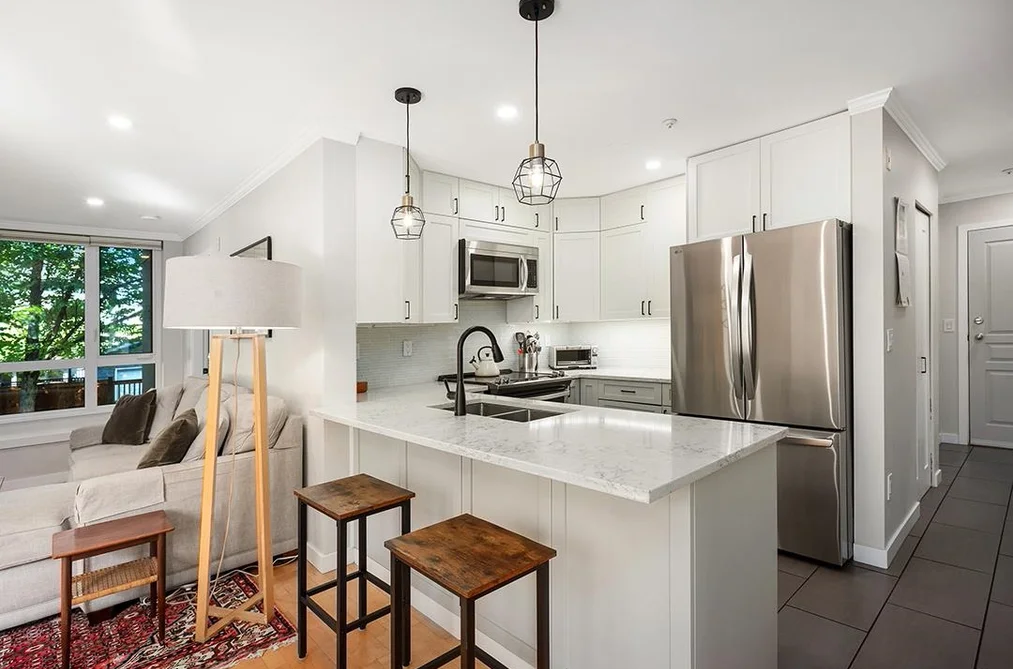
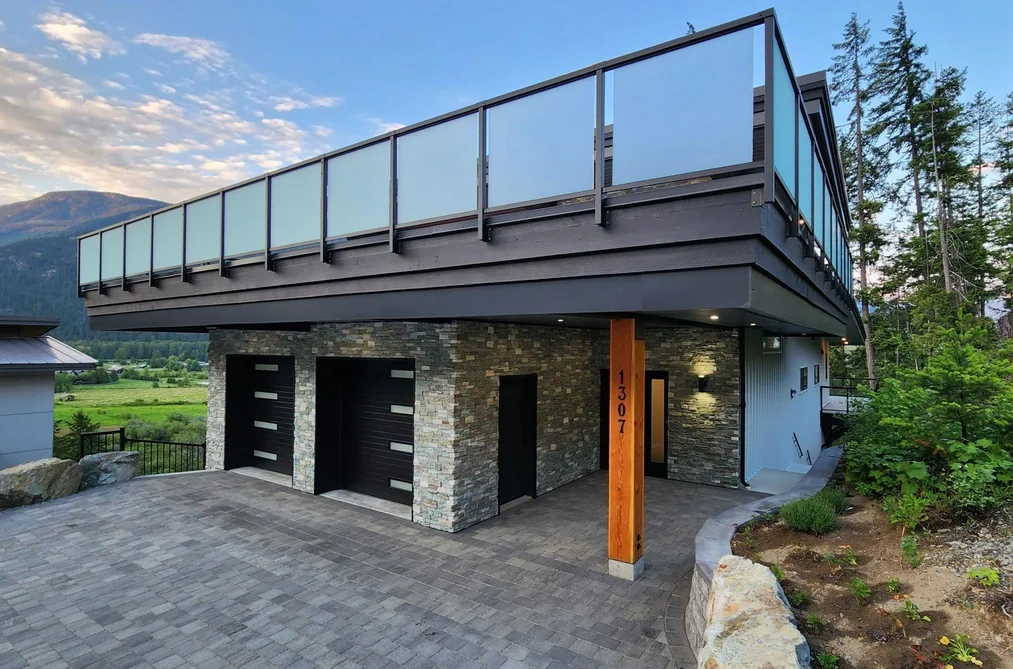
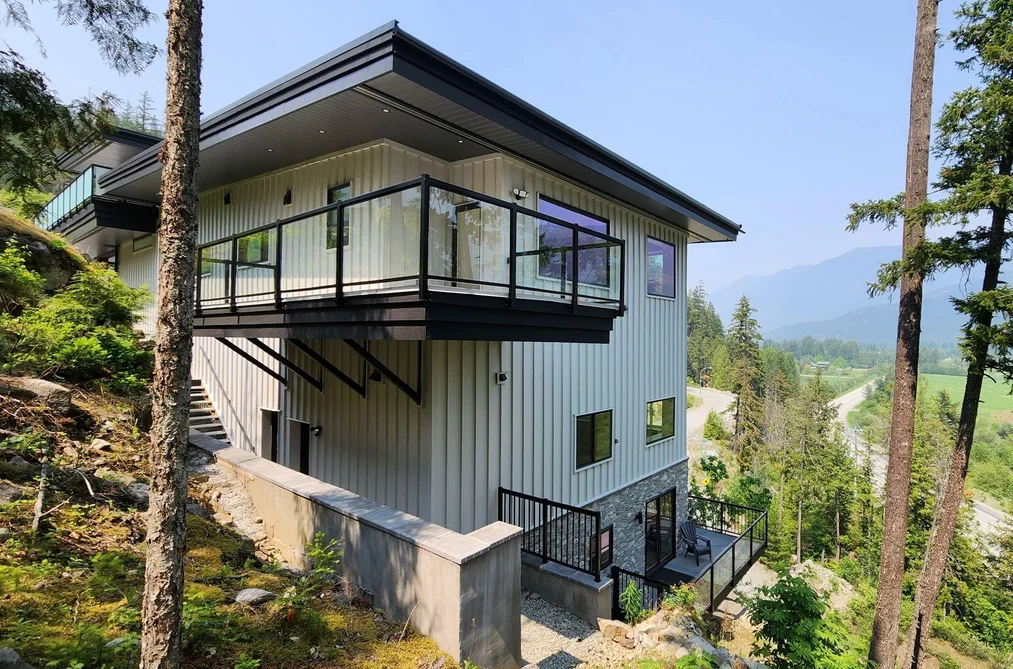
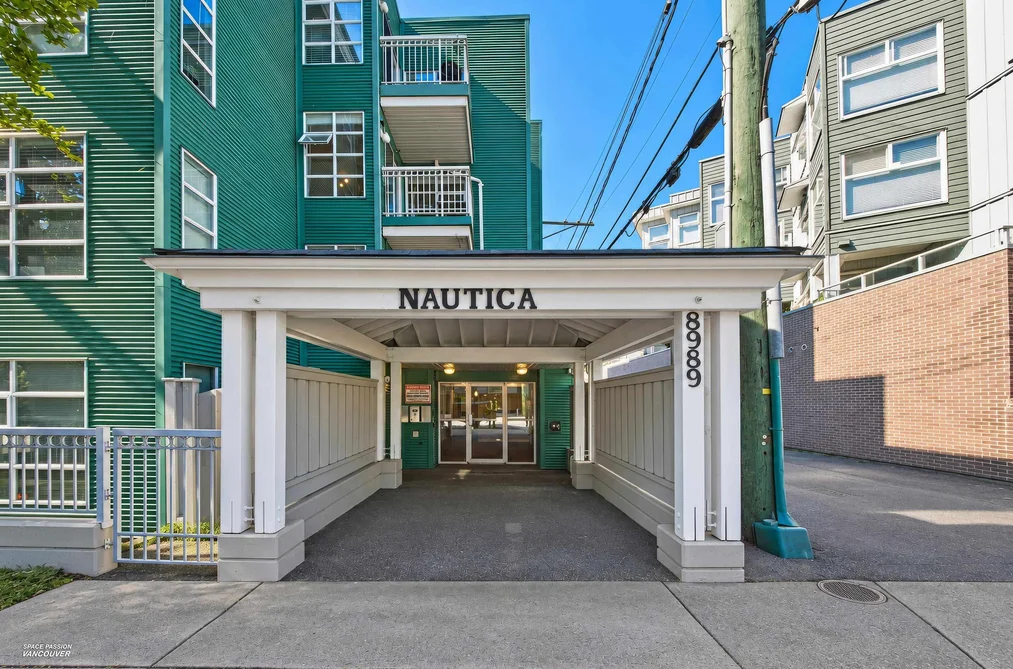
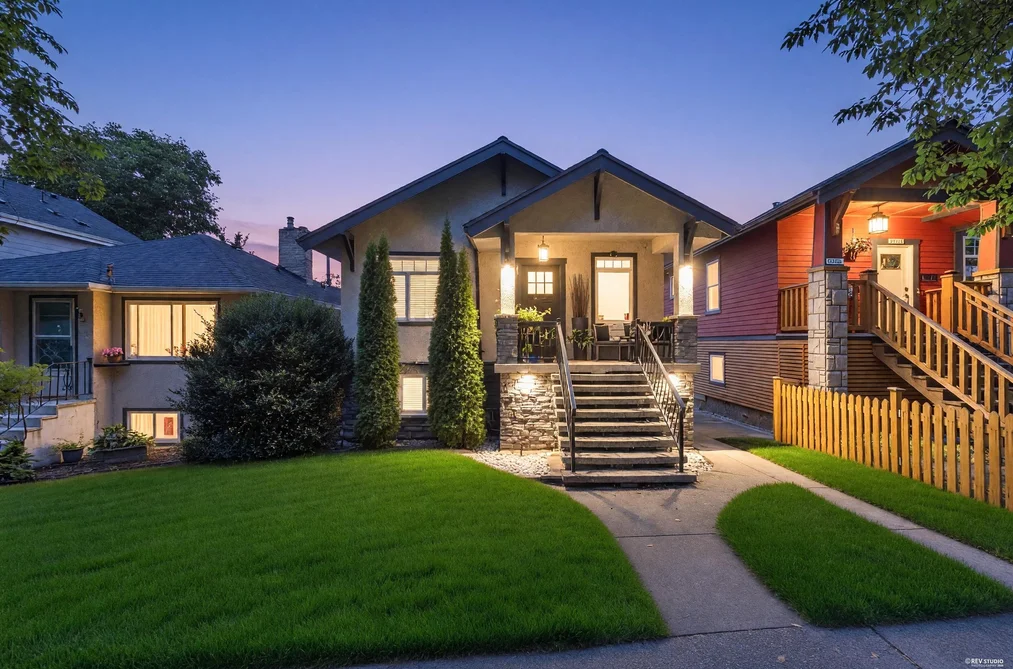
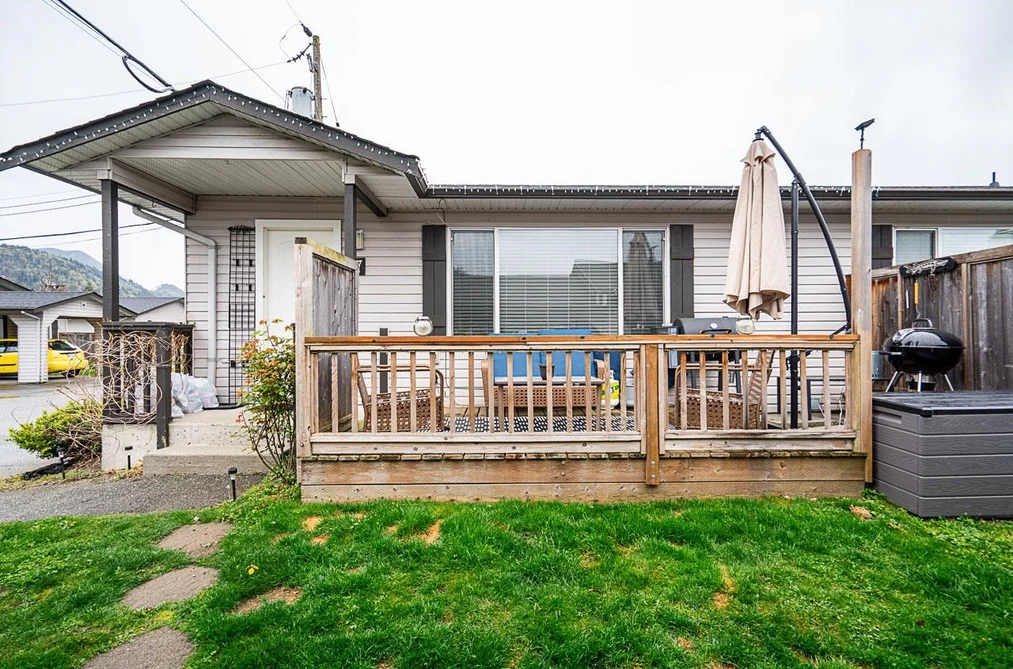
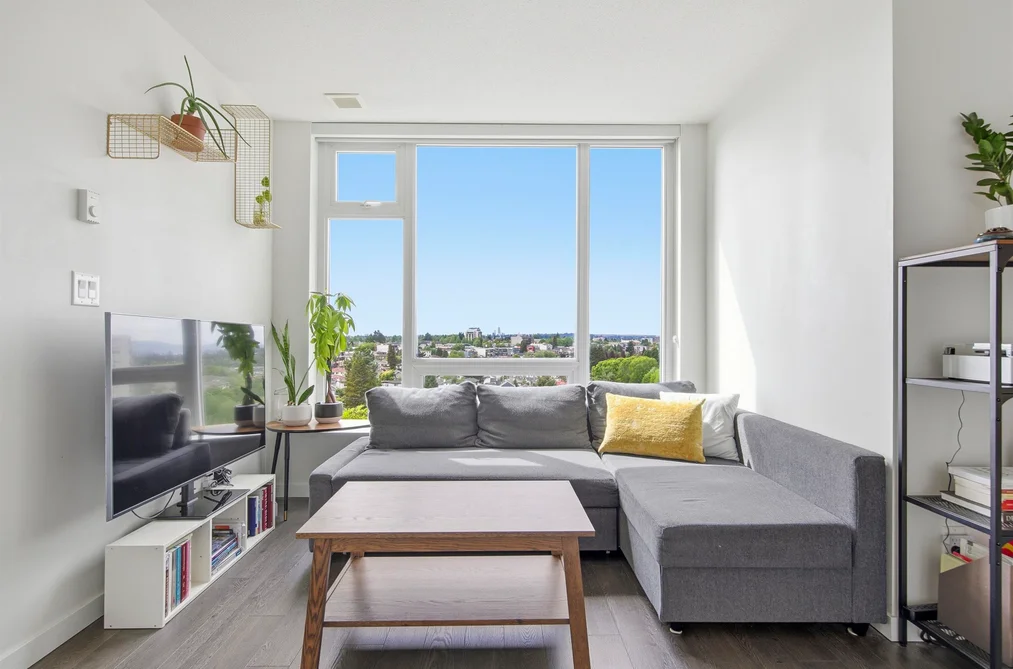
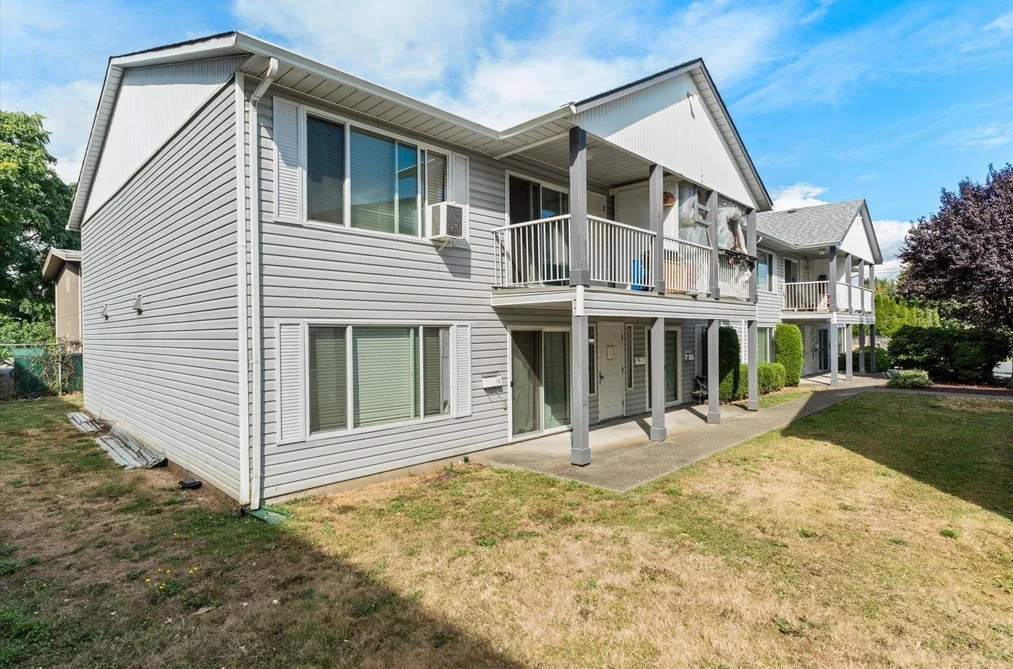
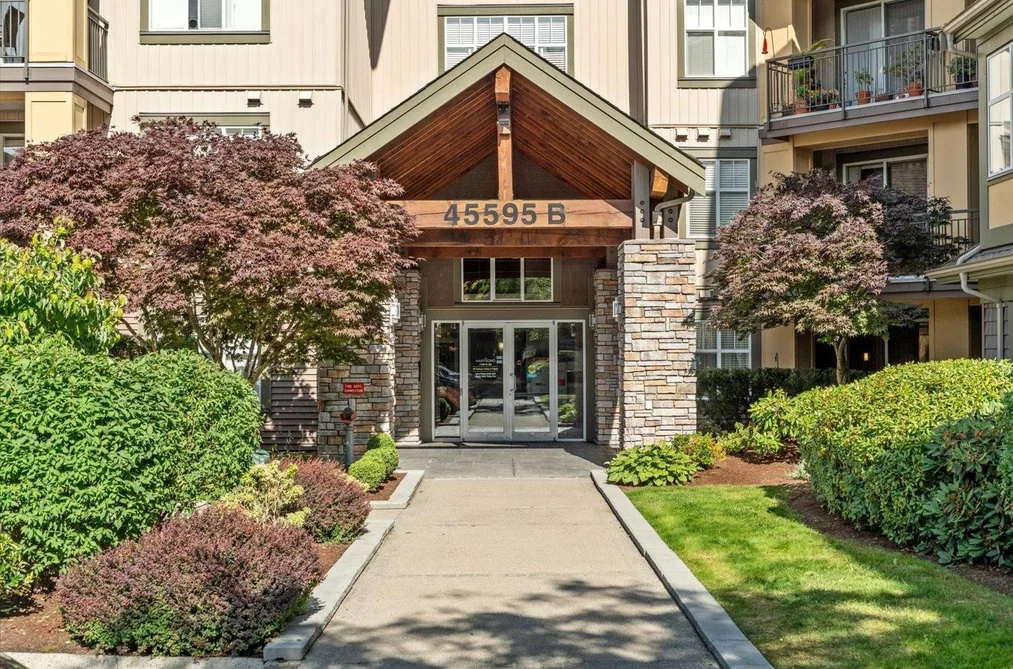
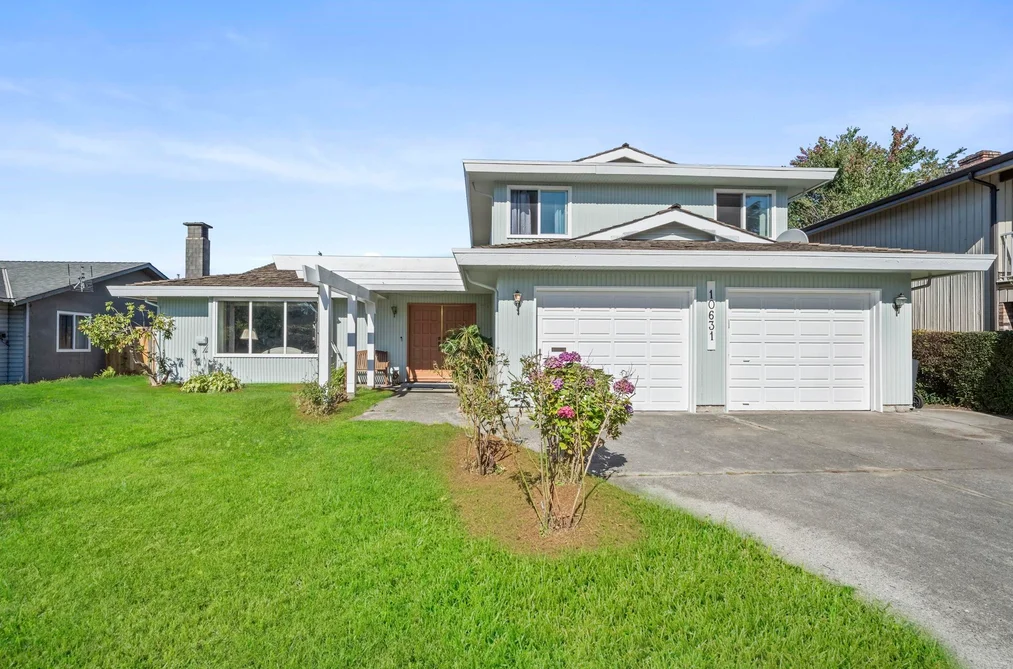
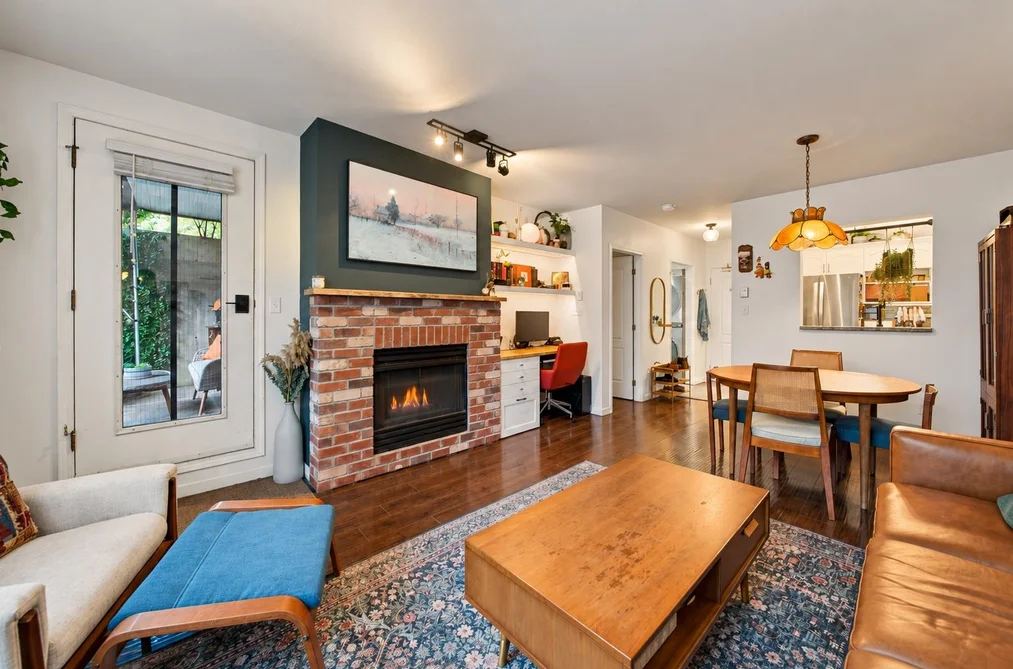
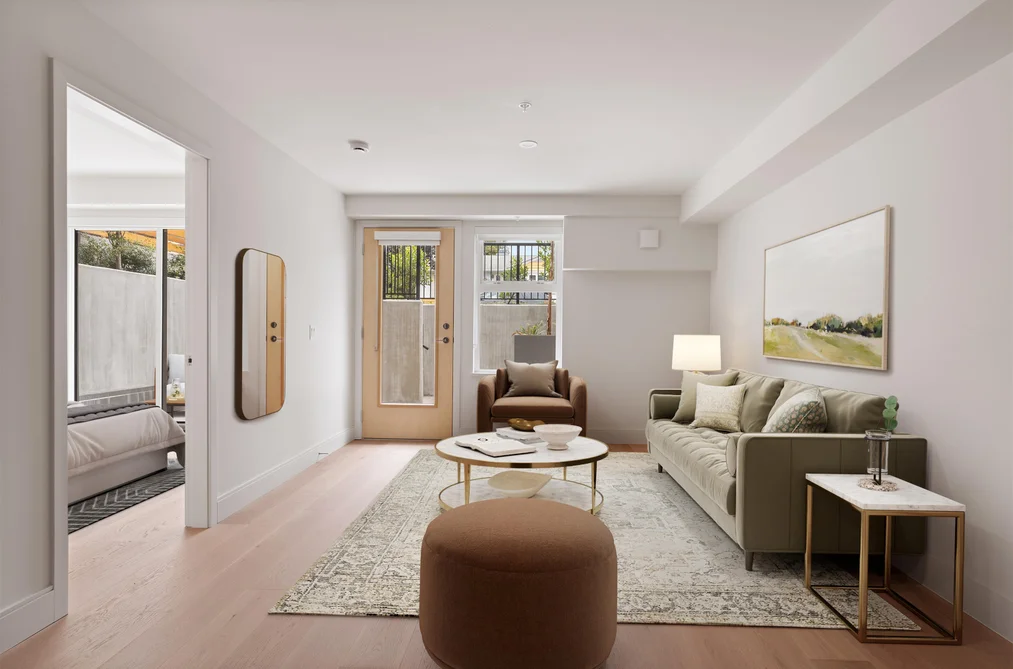
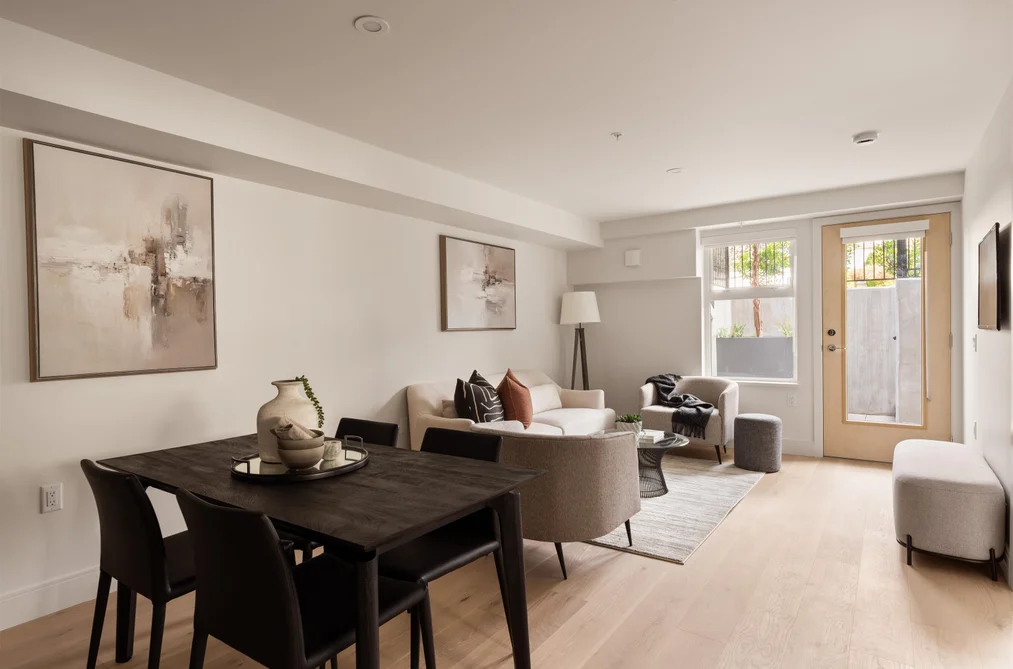
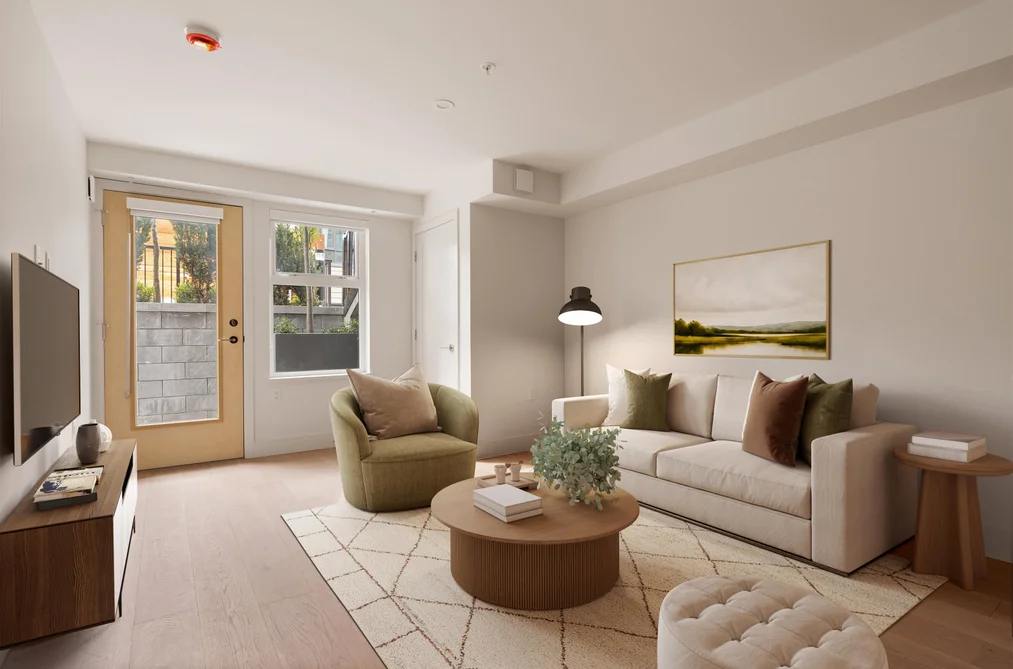
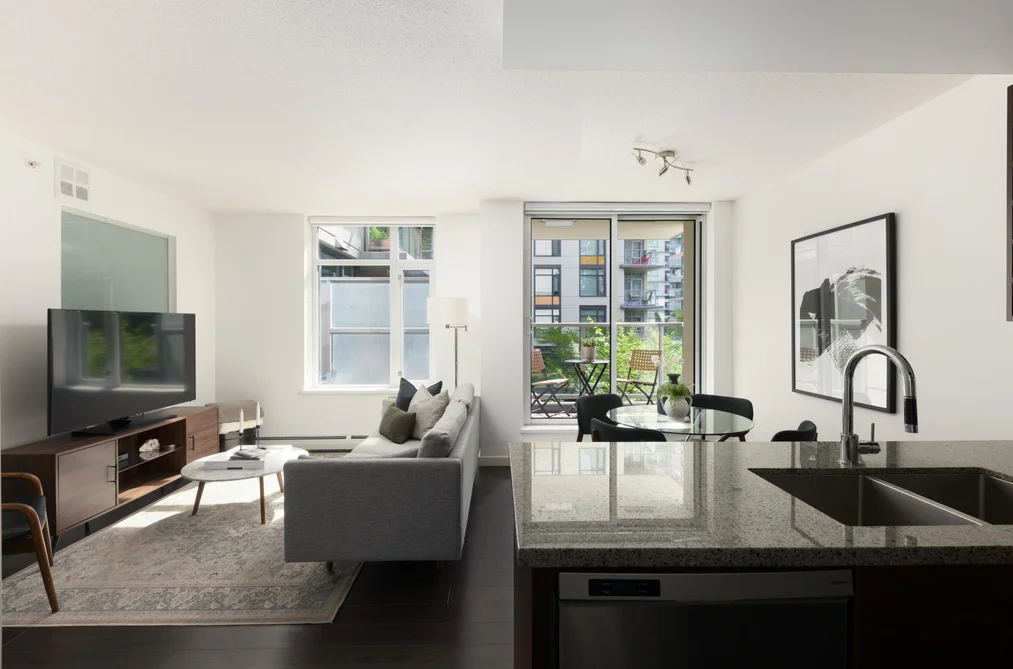
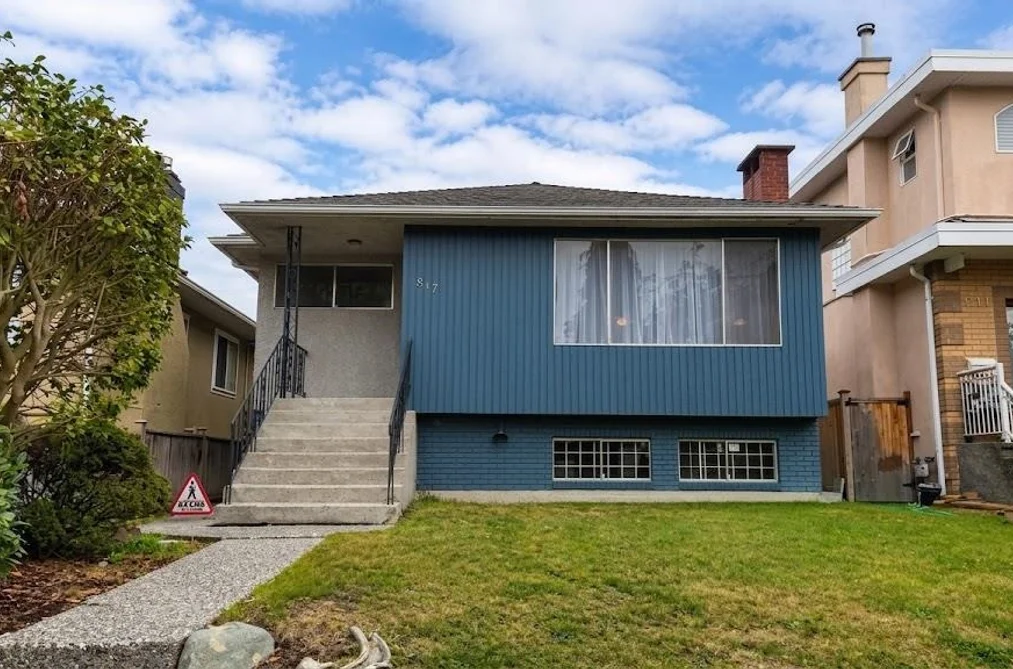
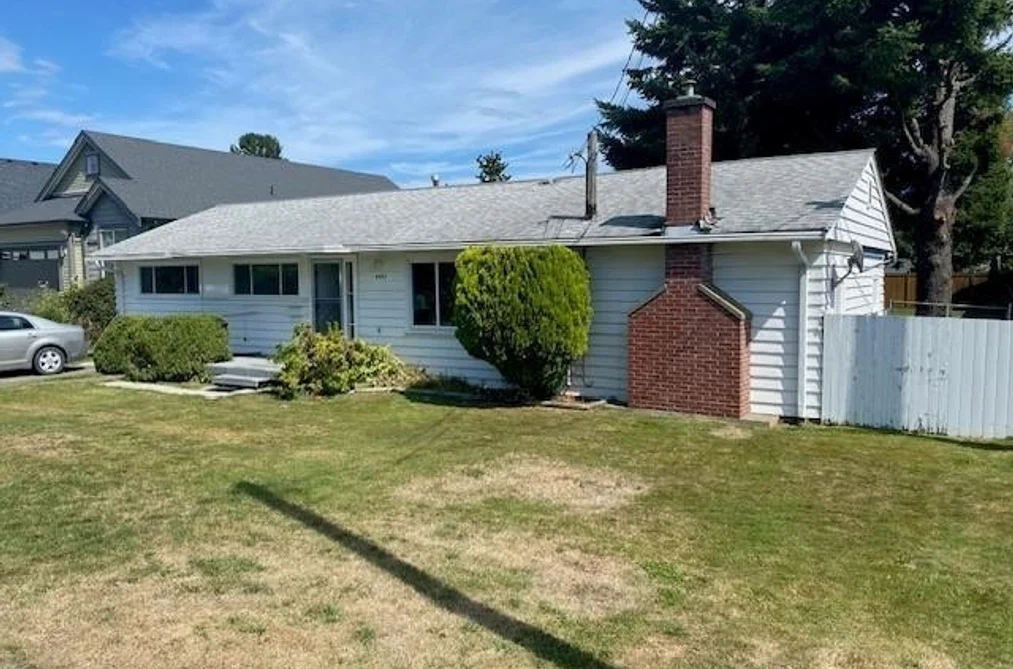
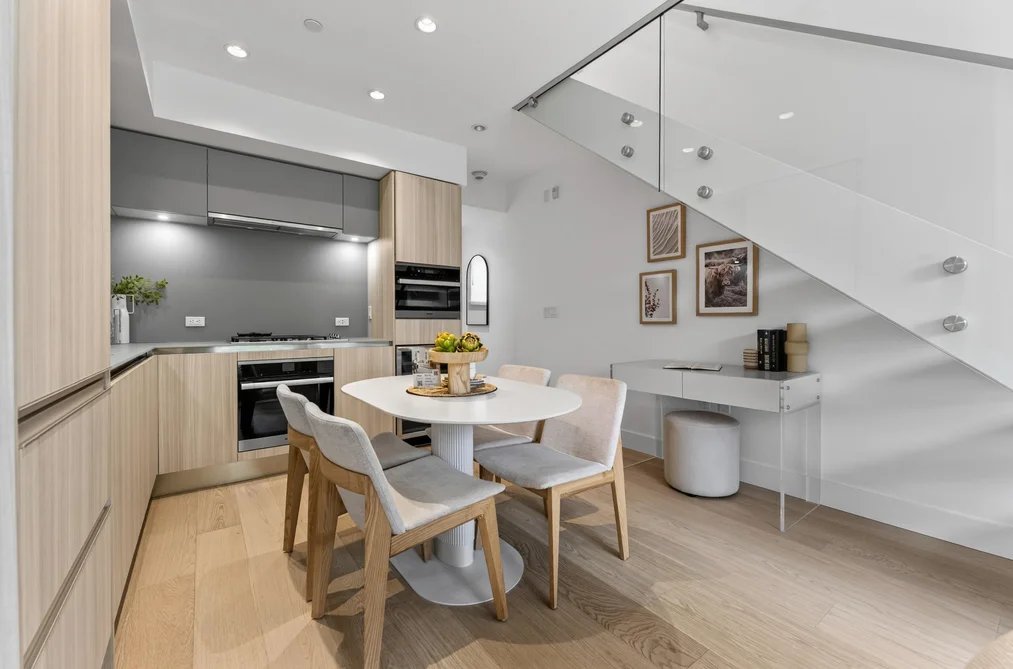
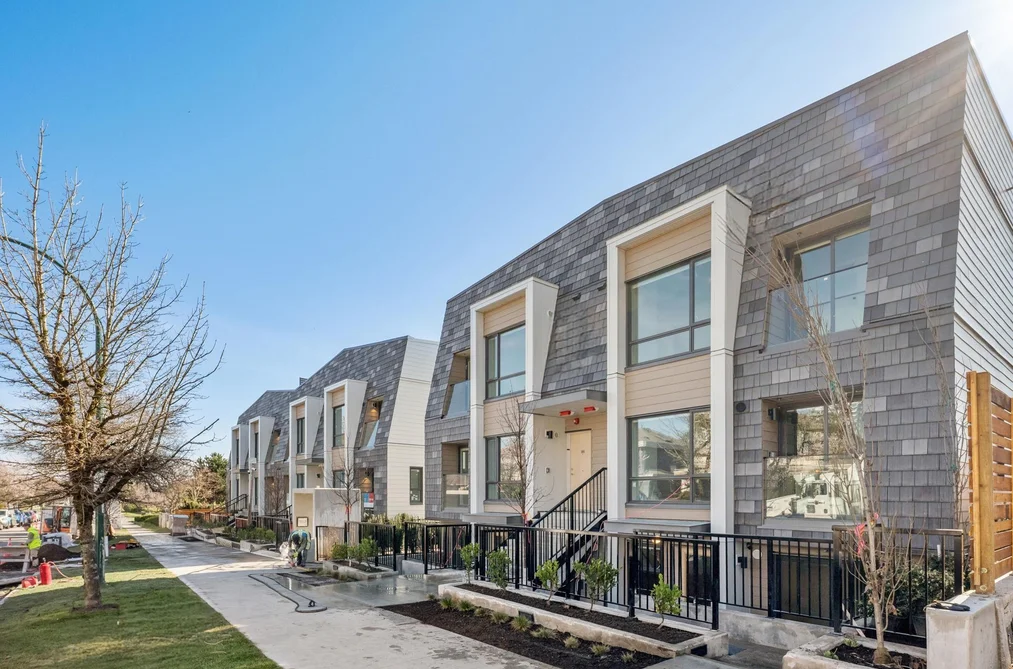

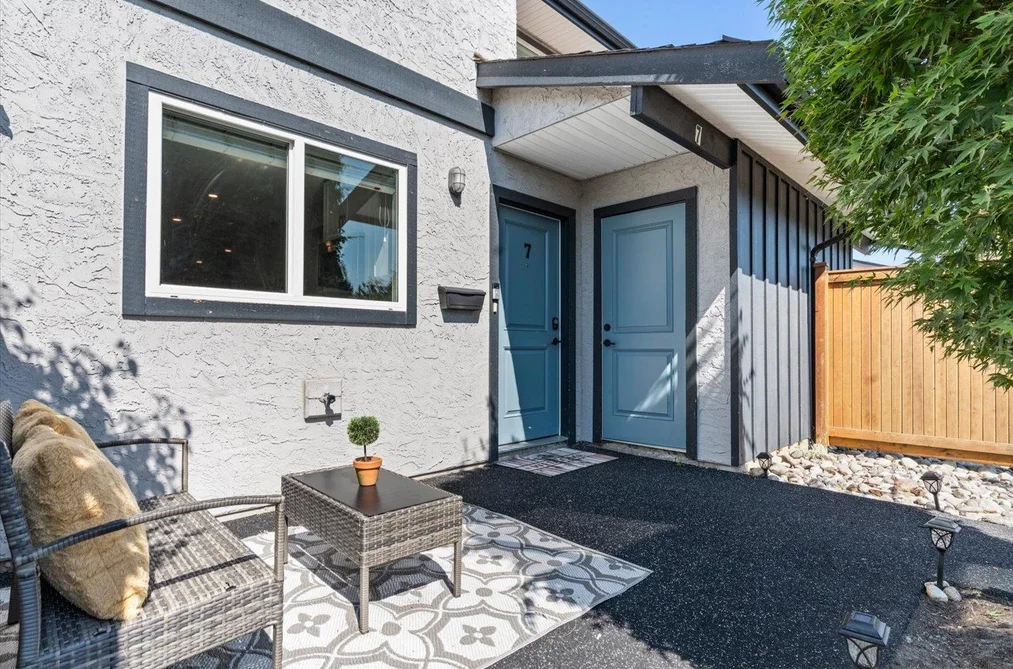
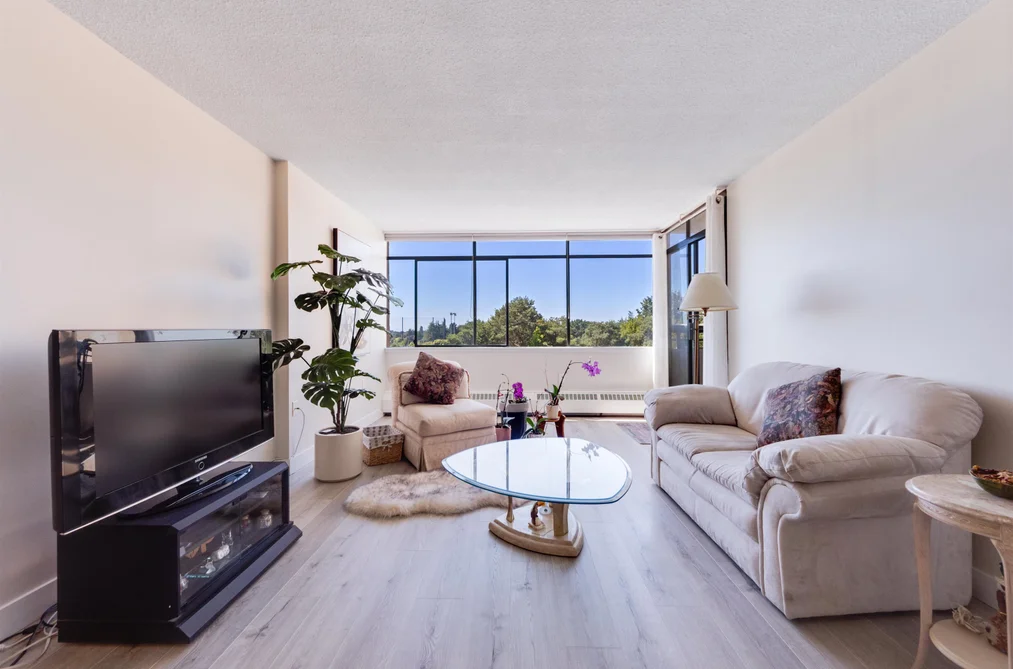
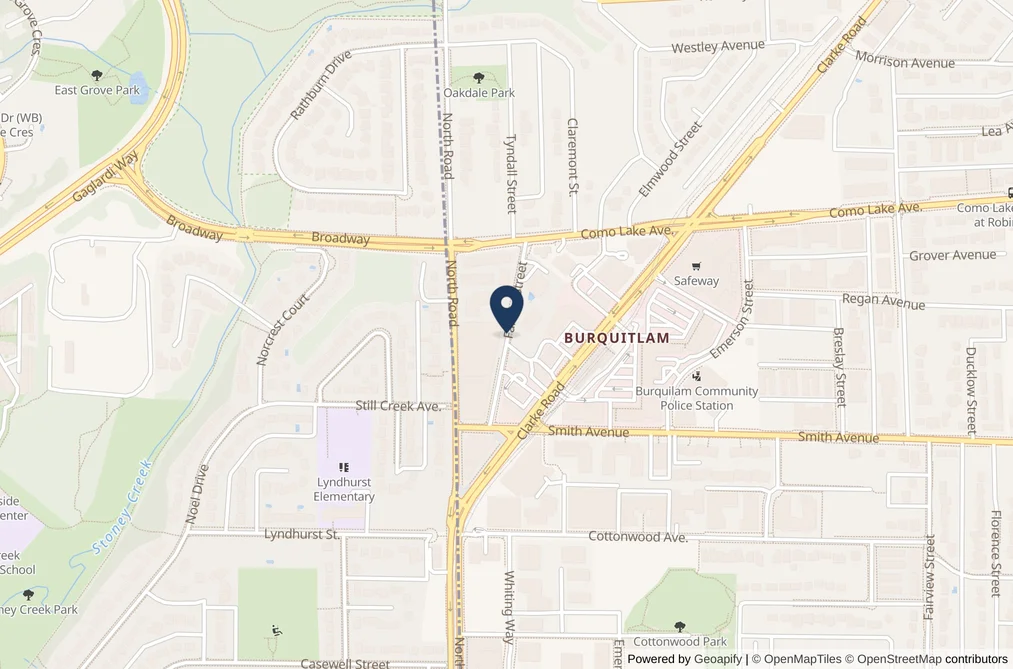
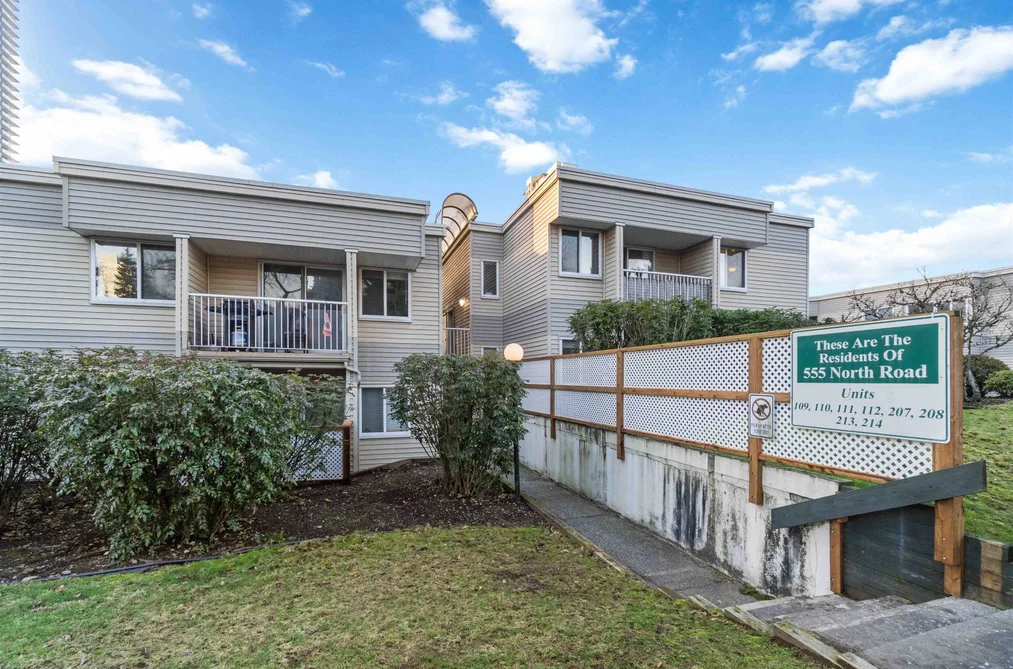
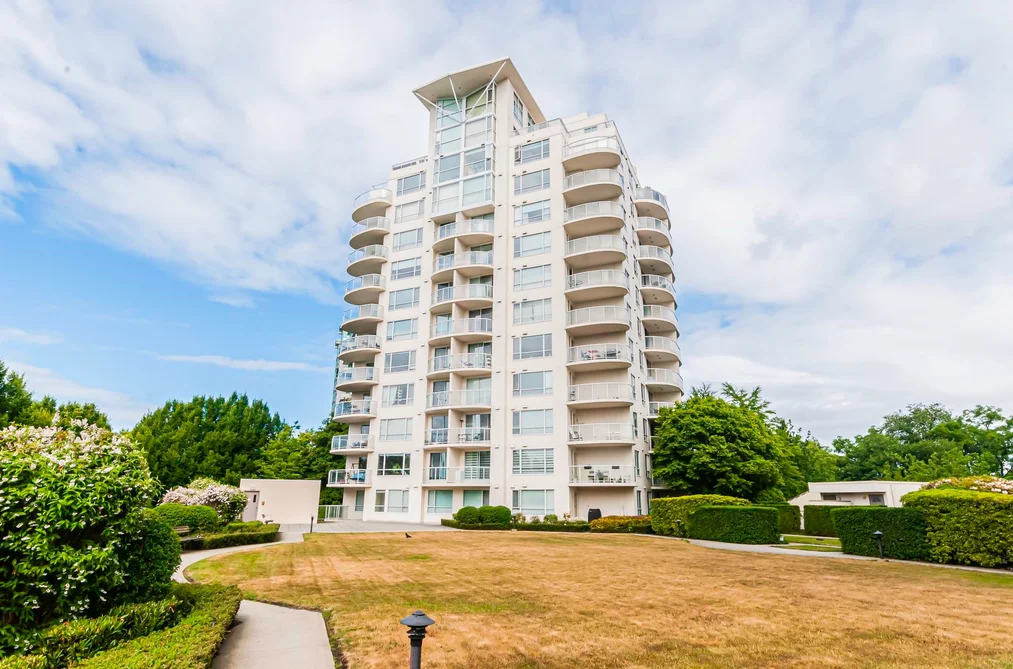
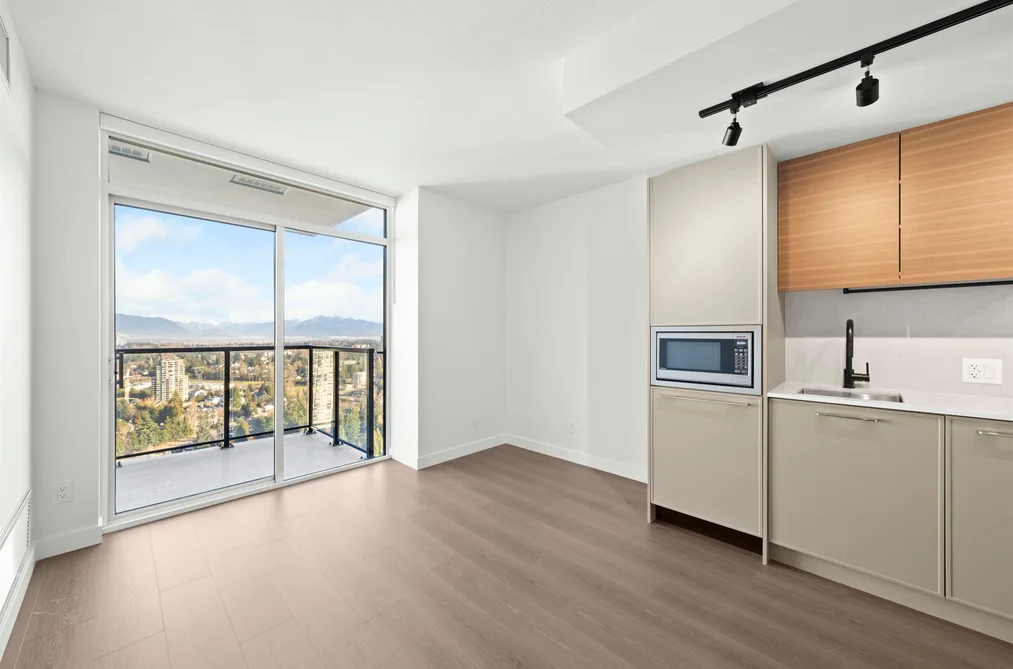
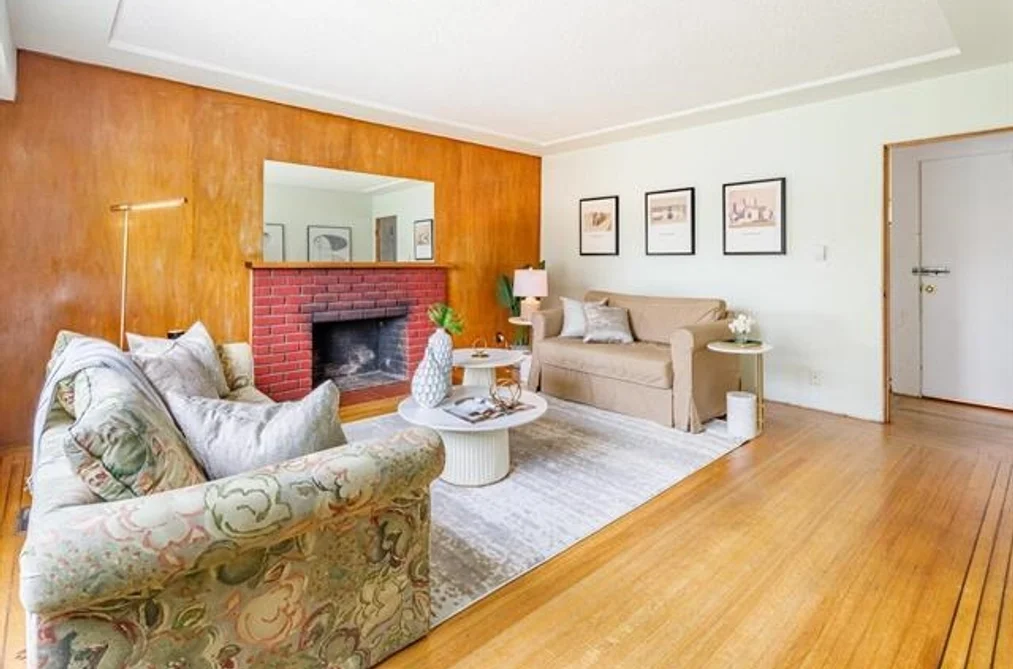
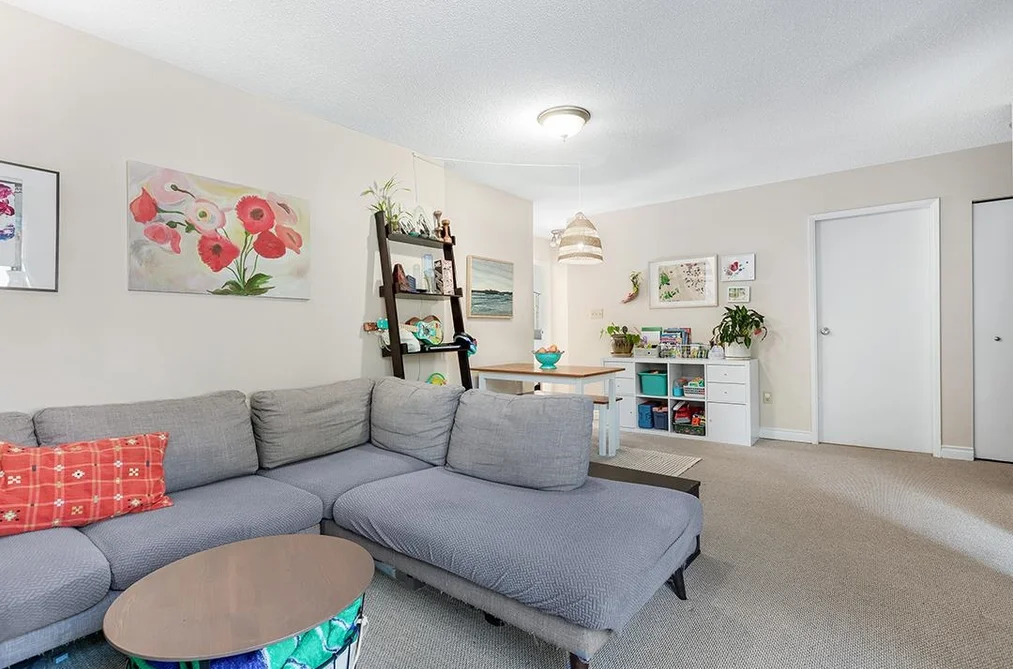
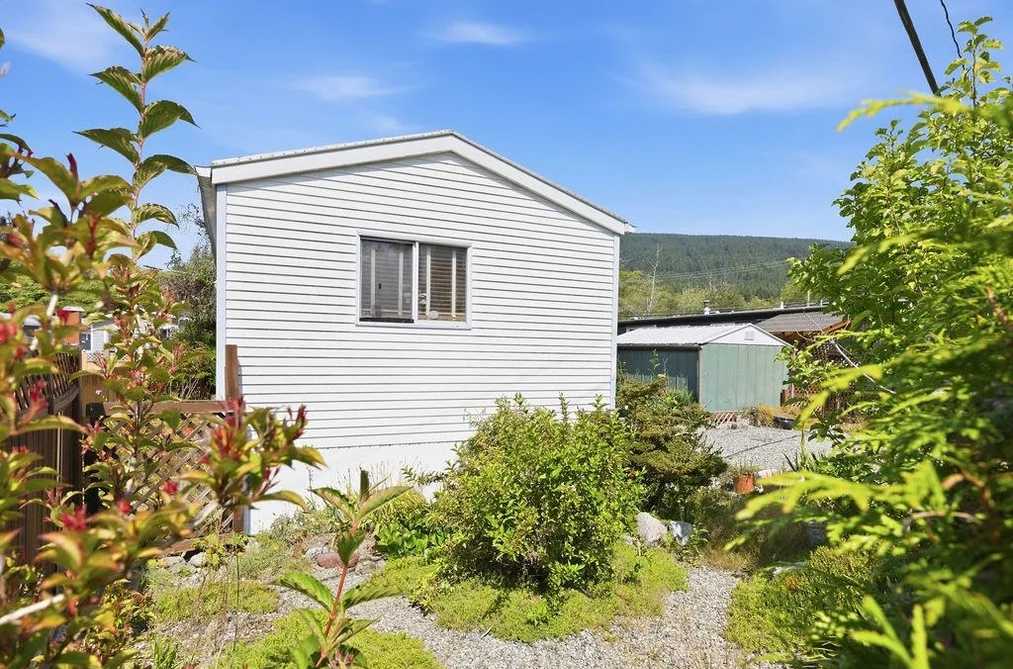
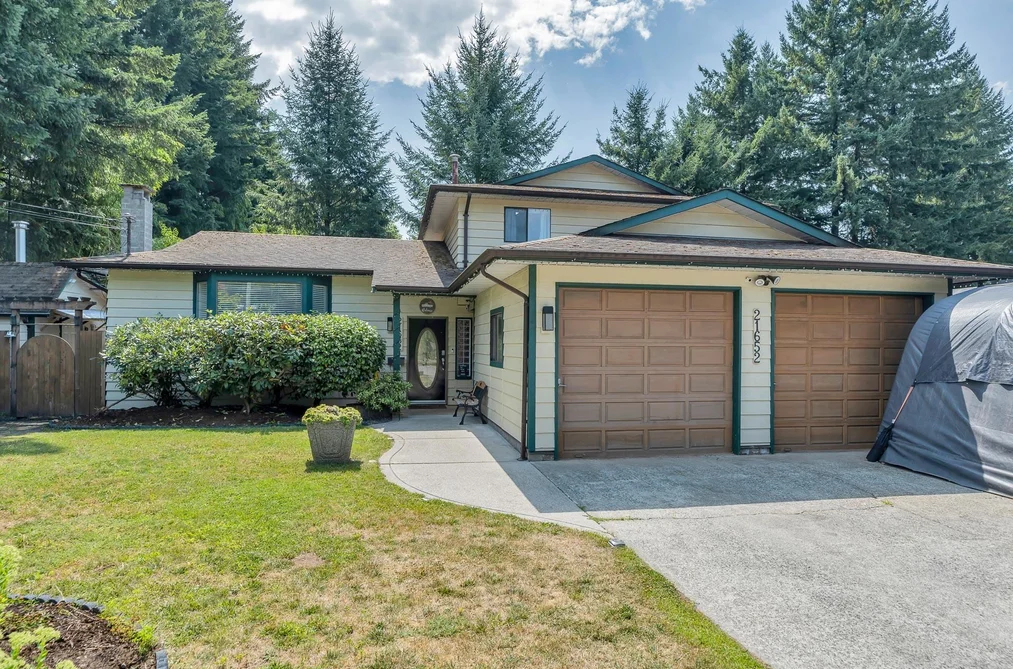
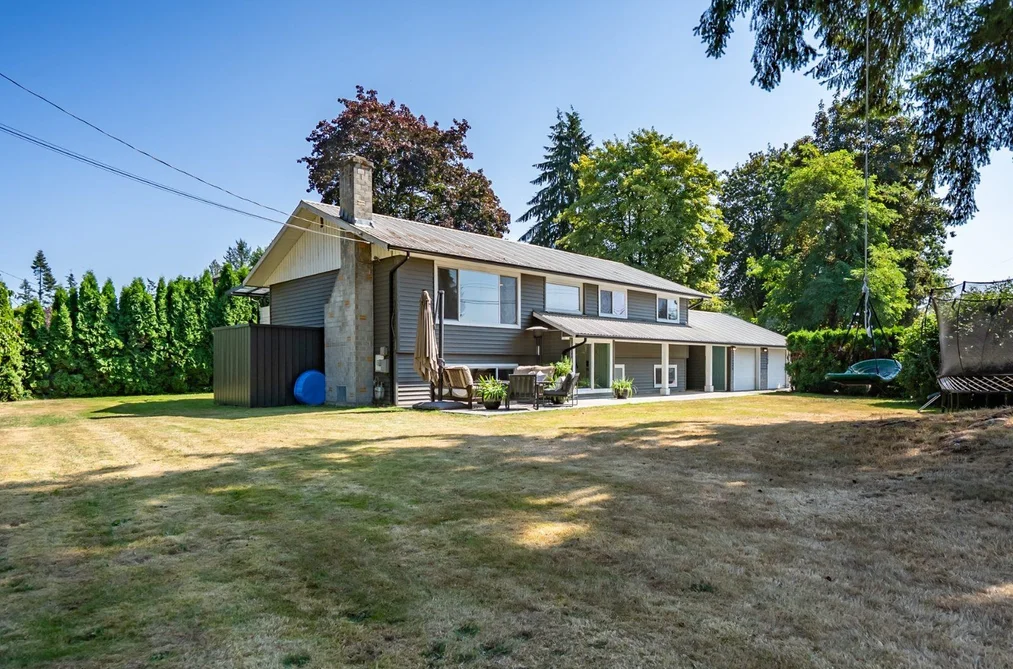
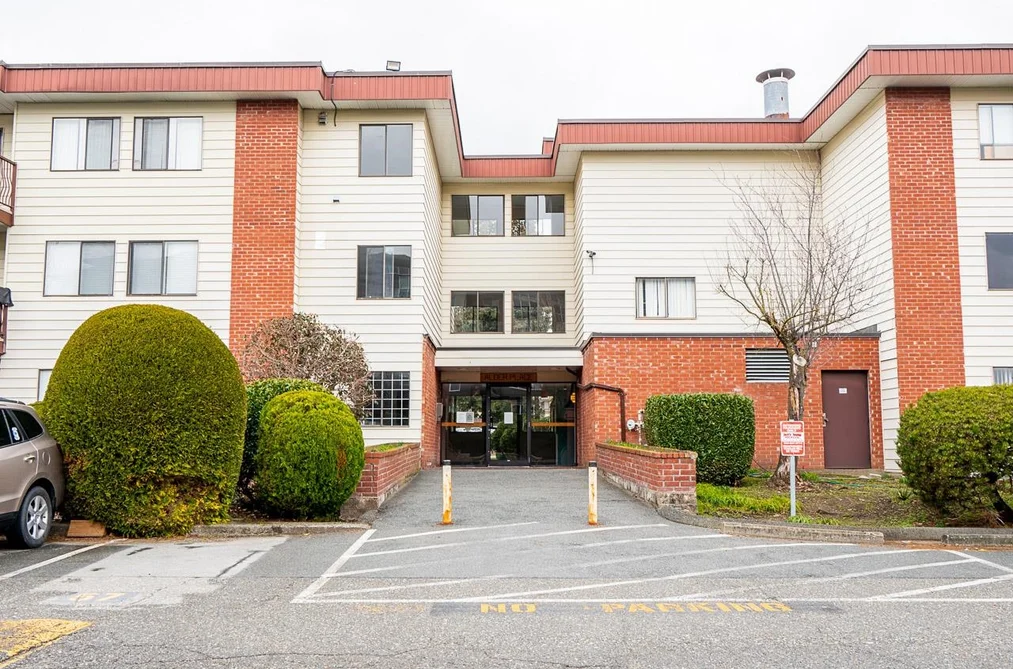
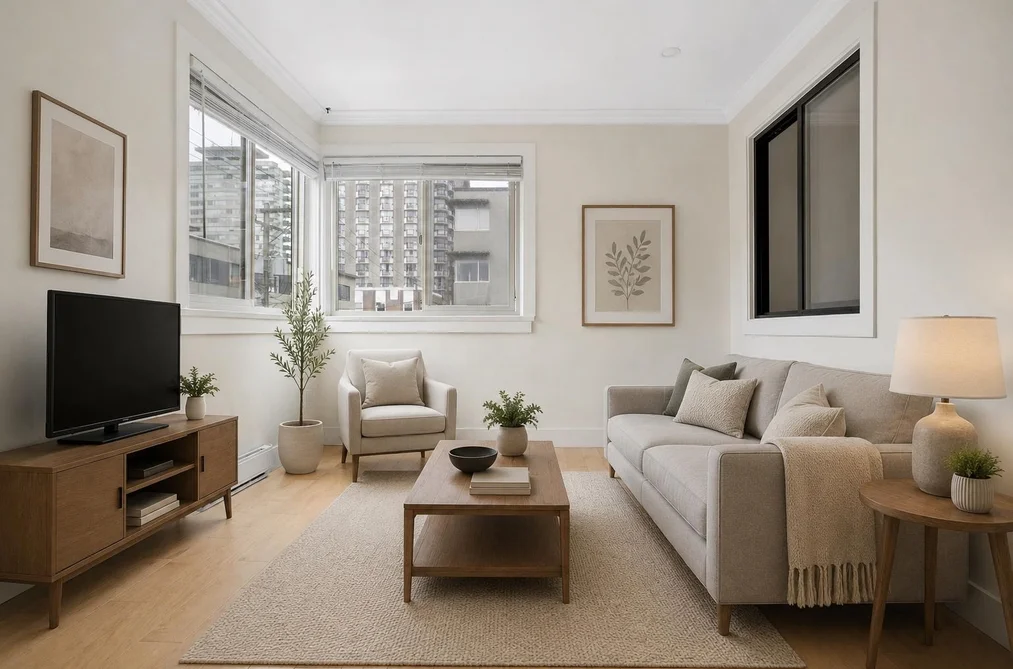
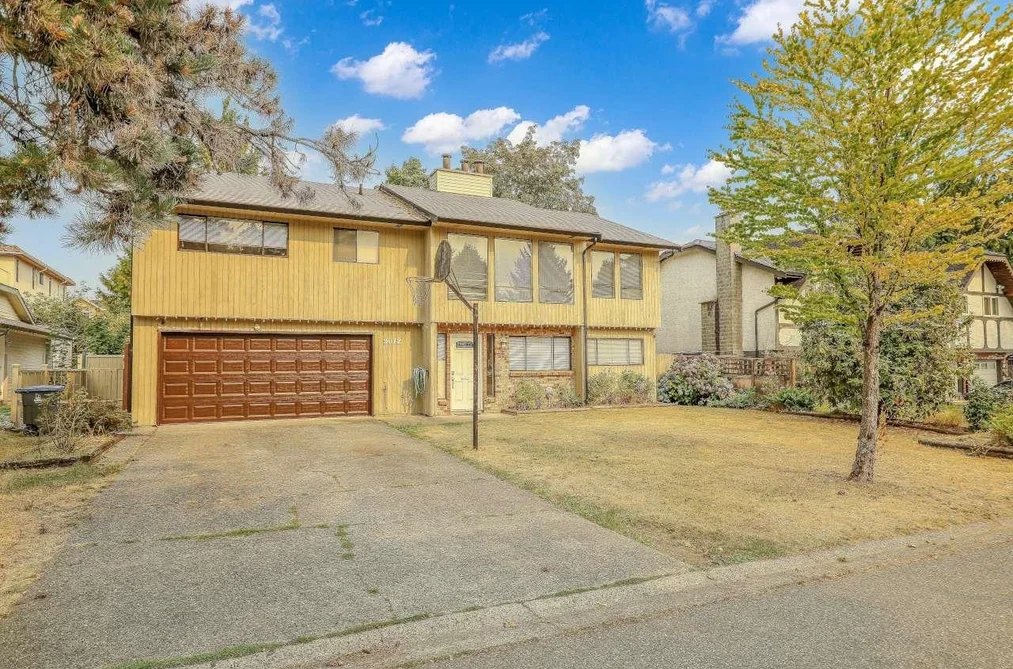
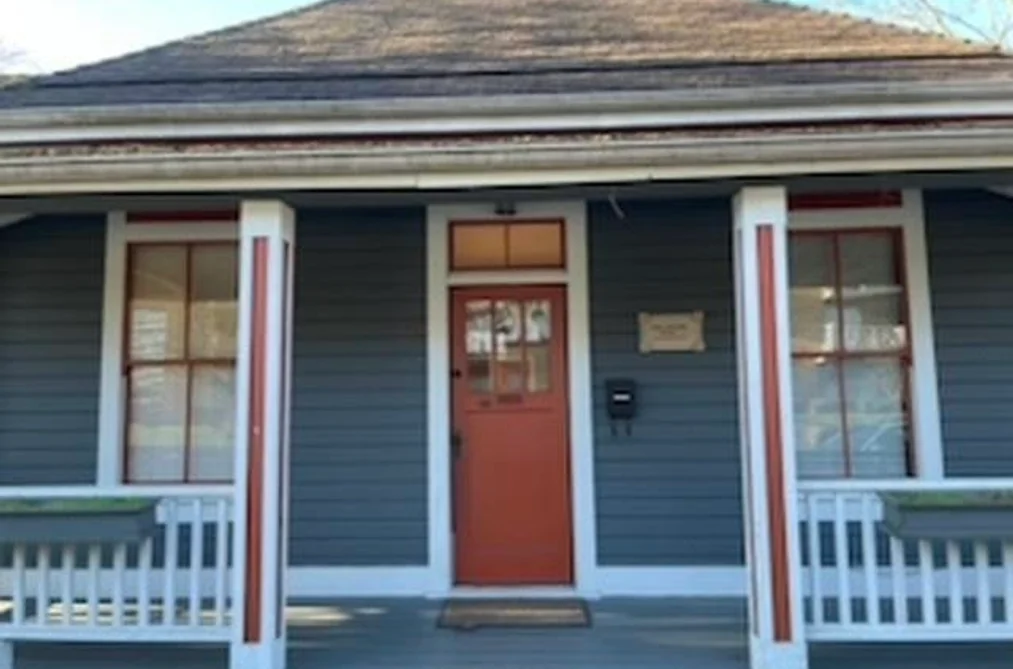
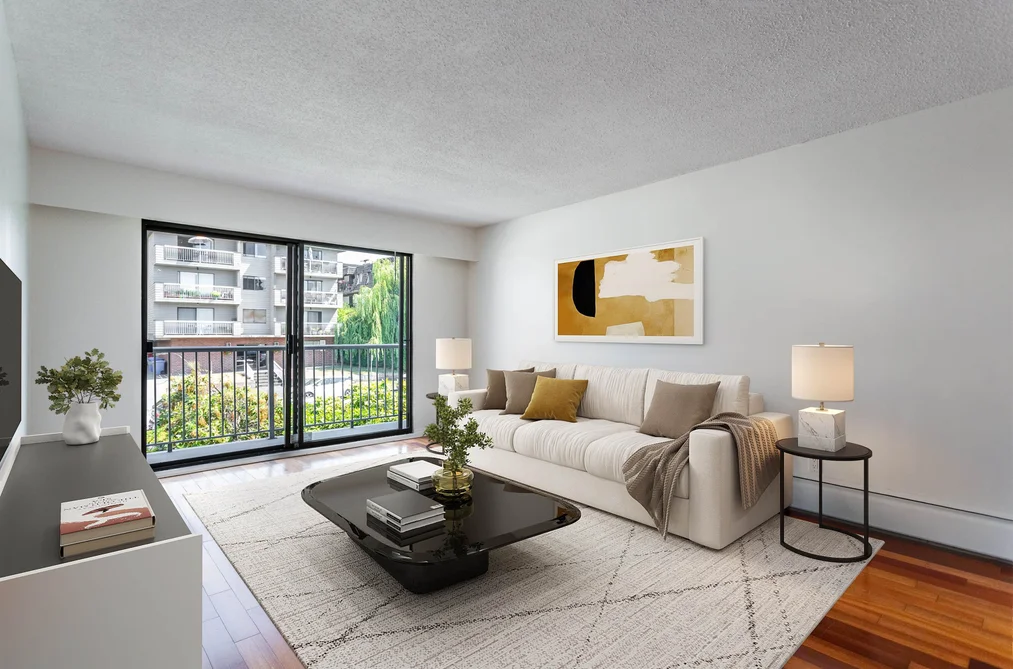
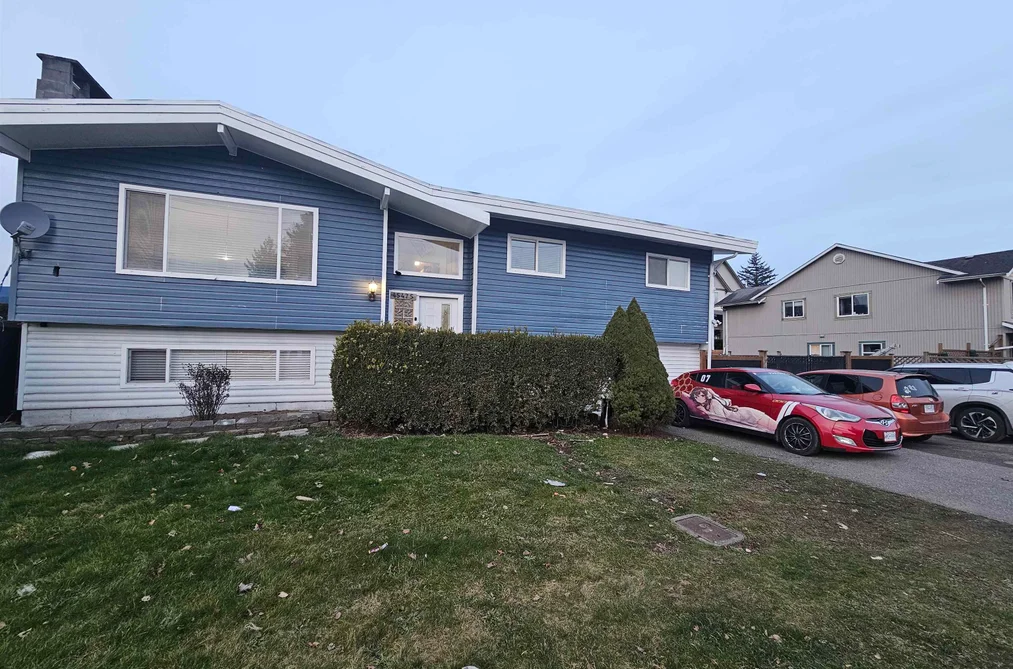
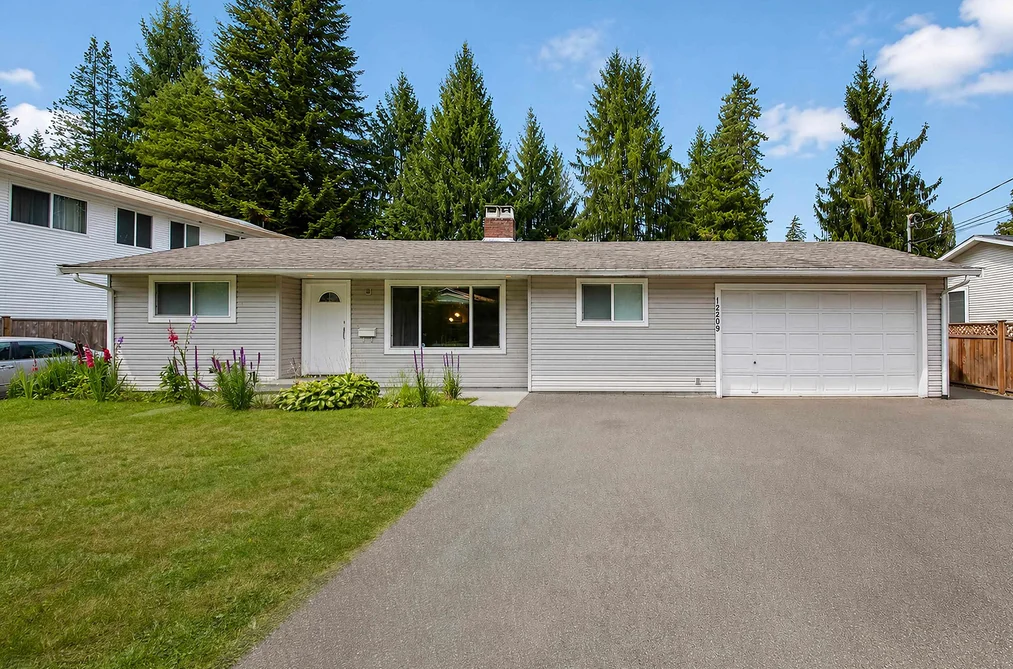
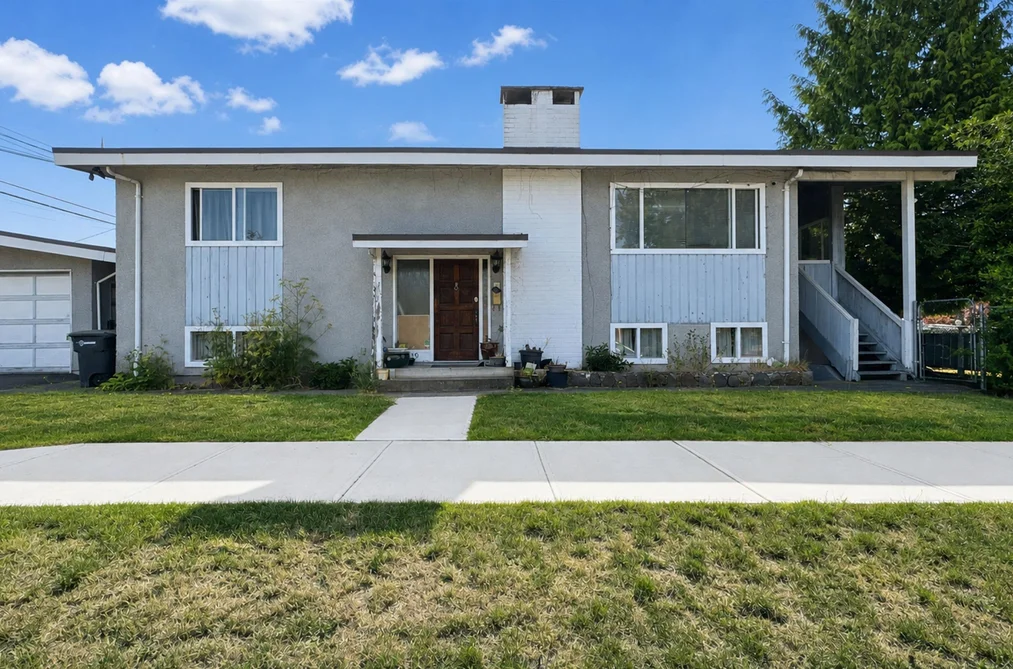
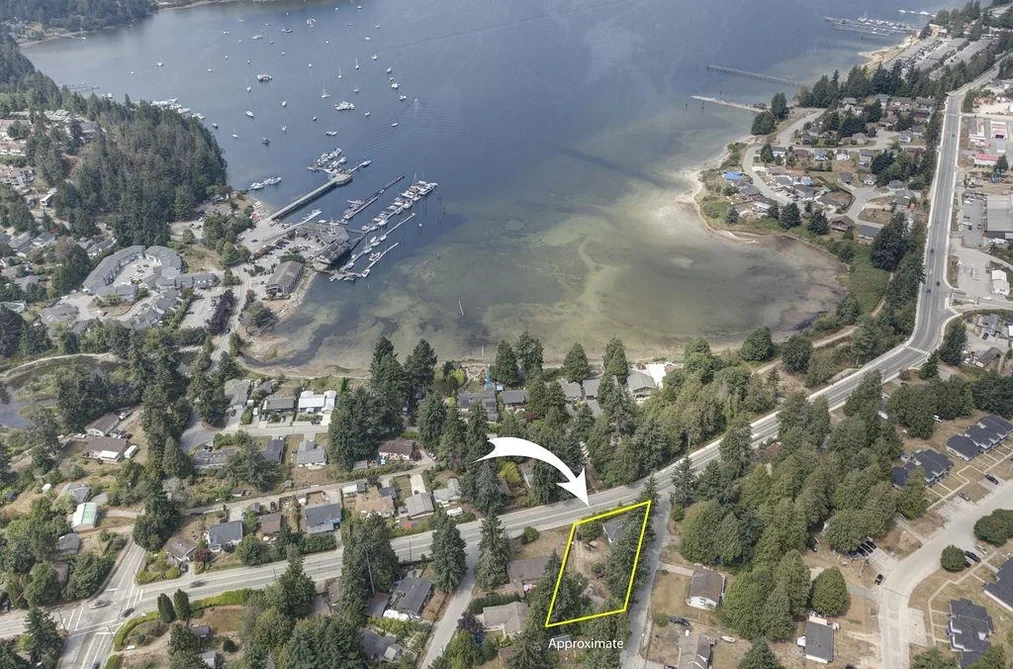
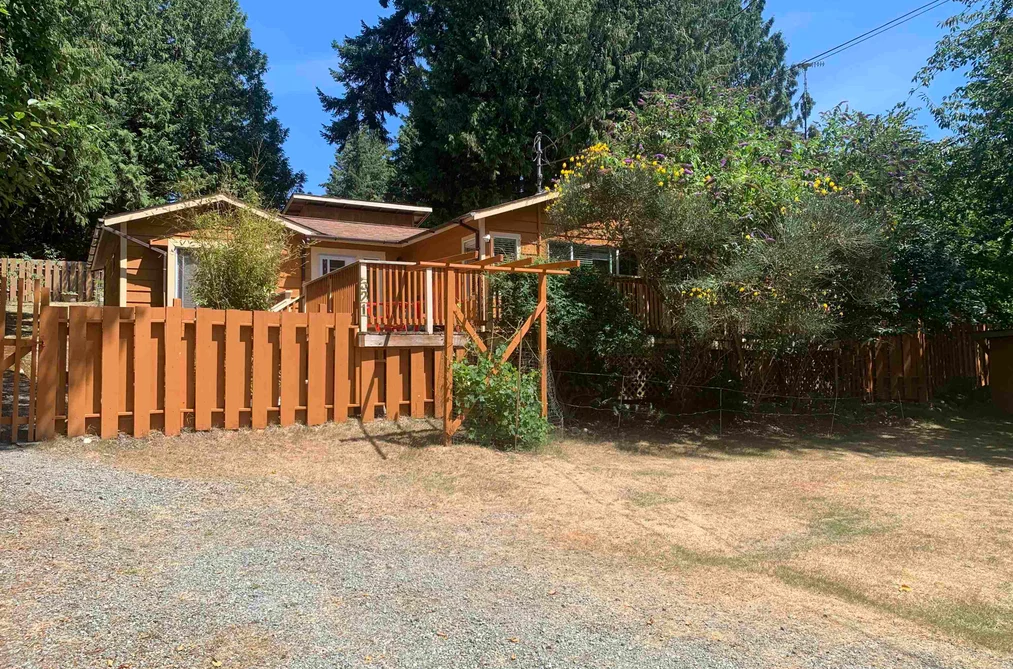
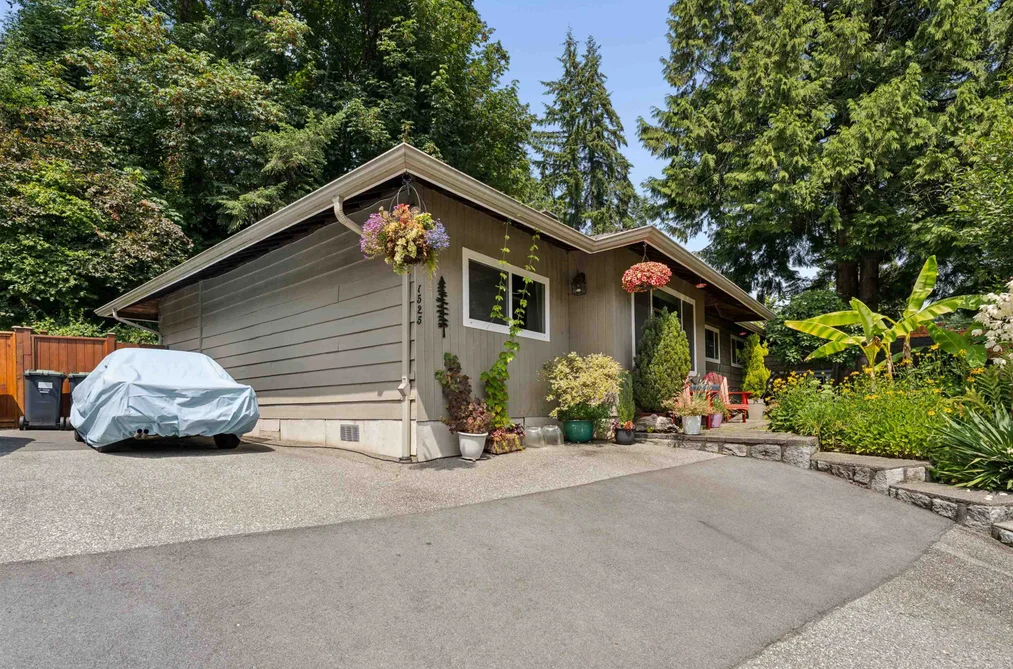
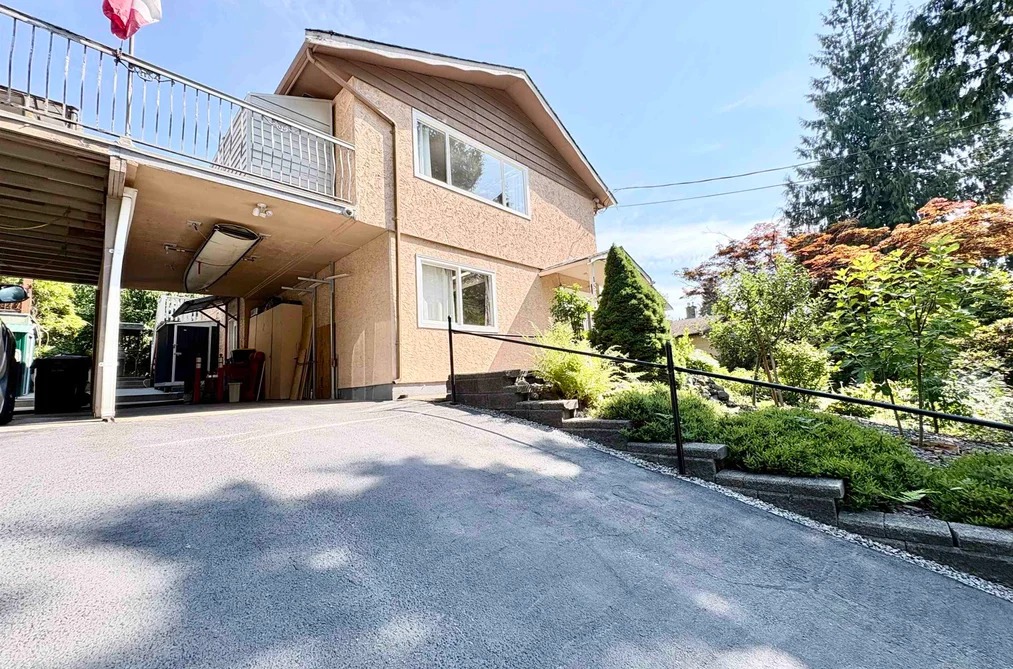
Starter Home listings are homes priced and sized for buyers entering the market, usually a condo, an older townhouse or a modest house further from downtown, so set your budget and your programs first and let them shape which listings you view.
The home buying process starts with a mortgage pre-approval, not a viewing. A mortgage broker or lender will stress test your income against a rate higher than the one you will pay, and that result sets your ceiling. Add the costs that sit on top of the price: property transfer tax, legal fees, an inspection, moving, and strata fees or property tax once you own the home.
With a down payment under twenty percent, mortgage insurance applies, which raises the total but lets you buy sooner. First-time buyers can now choose a longer amortization on an insured mortgage, which lowers the payment but increases the interest paid over time.
Several programs help first-time buyers. British Columbia offers a full or partial exemption from property transfer tax for eligible first-time buyers, subject to price limits and residency rules. Federally, a First Home Savings Account lets you save for a down payment with tax advantages, and the Home Buyers' Plan lets you borrow from your RRSP. Ask your real estate agent and your lawyer or notary which ones apply to you, and confirm the current price limits before you set your search range.
In Greater Vancouver, the starter home is most often a condo. It offers the lowest entry price, but you share a building and pay strata fees, so read the minutes, budget and depreciation report for levies ahead. An older townhouse adds space and often a small yard, with the same strata homework. A detached home is the least common first purchase near Vancouver, but in parts of Surrey, the Fraser Valley, Maple Ridge and Mission a smaller older house can come within reach.
Compare the price per square foot and the monthly cost, not just the asking price. A cheaper condo with high strata fees can cost more each month than a slightly pricier one with a lower fee.
Most first-time buyers trade one for the other. A small condo near SkyTrain in Burnaby or East Vancouver keeps your commute short, while the same budget buys more space further out in the Fraser Valley. Think about how long you plan to stay, whether you expect to need another bedroom, and how your commute and transit options will change your daily costs.
A starter home does not have to be forever. Buying something you can afford comfortably, building equity and moving up later is a common path in the Vancouver real estate market. Choose a home that will be easy to sell: a practical floor plan, a well-run building and a location near transit tend to hold their value.
In a competitive market it is tempting to waive conditions. Keep the protections that matter most for a first purchase: financing, an inspection for a house or townhouse, and a review of the strata documents for any condo or townhouse. Your realtor can advise on how the current housing market affects the strength of your offer.
Browse and compare current real estate listings on the MLS® through Strawhomes, filter by price and property type, and shortlist only the homes that fit your pre-approval with room to spare. Compare them against a studio for the lowest entry price, or a home in a low strata fee building for the lowest monthly cost.