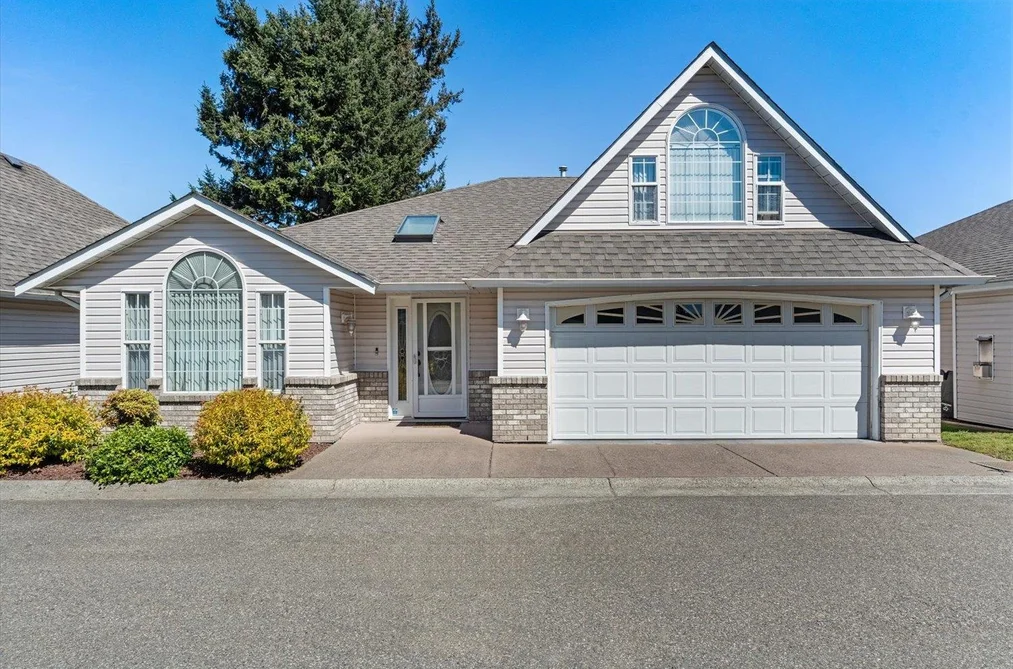
For Sale
2 days
- $414,900
- 2 bed
- 2 bath
- 1323 sqft
MLS® R3169645
•Royal LePage West Real Estate Services
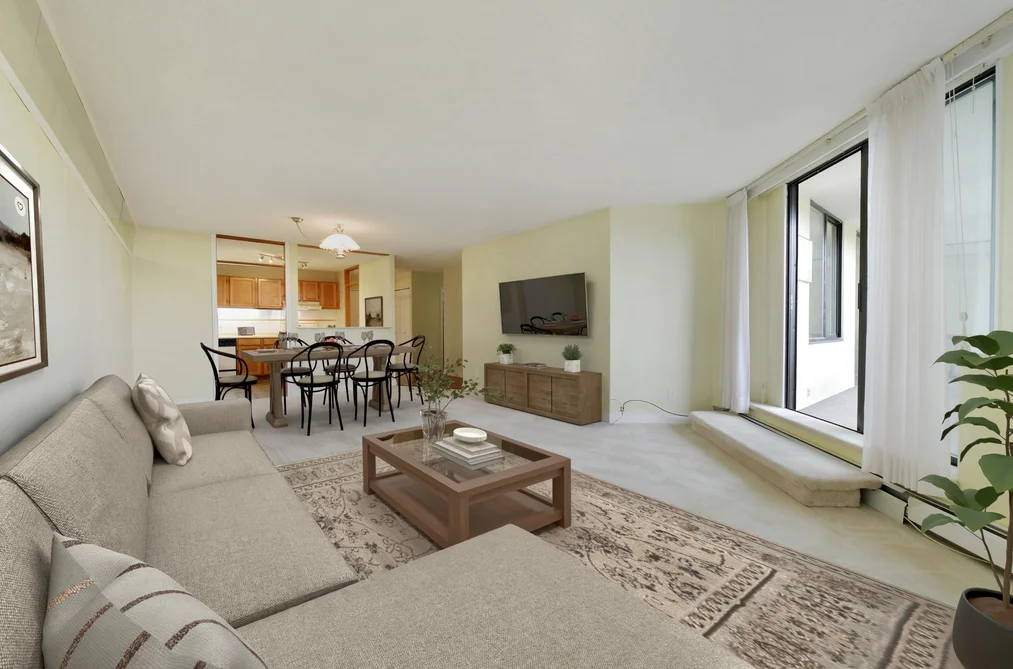
Browse Retirement Community homes in Greater Vancouver and compare age restrictions, care levels and monthly service fees before you book a tour or offer.
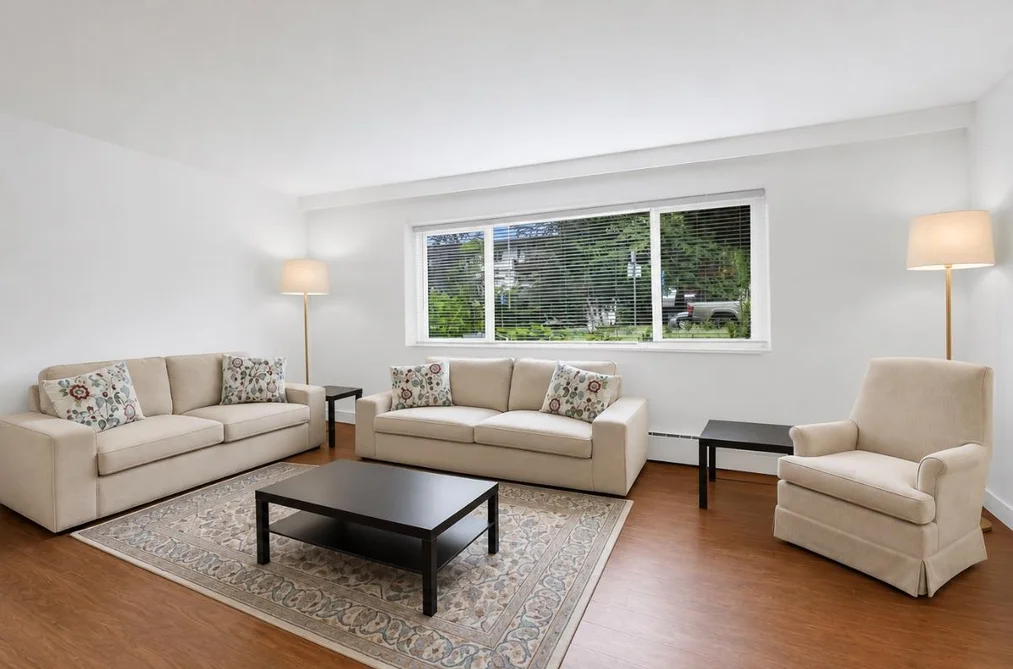
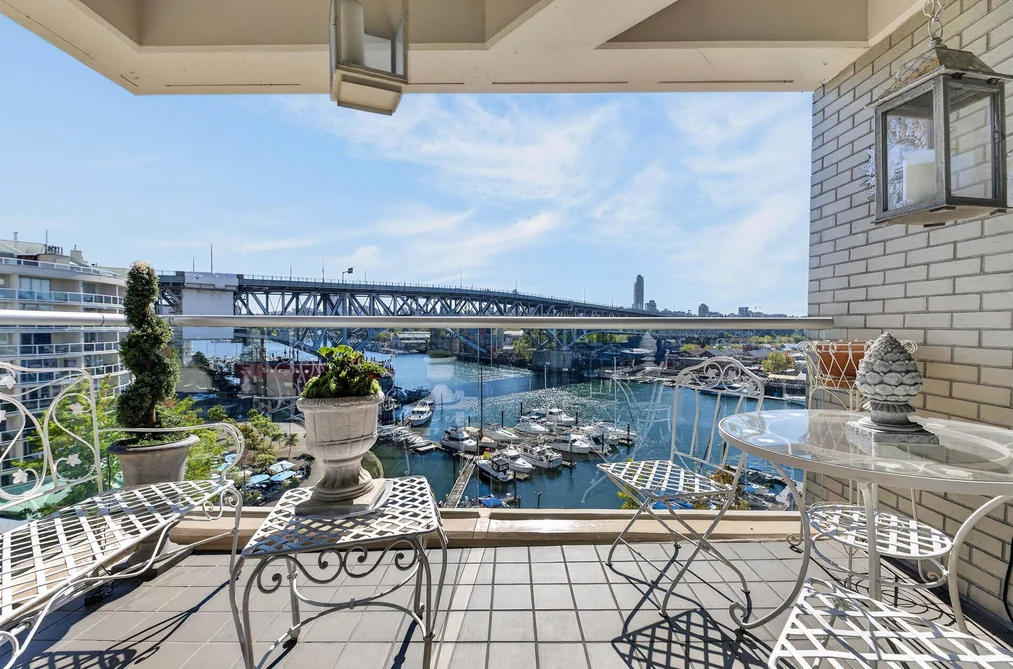
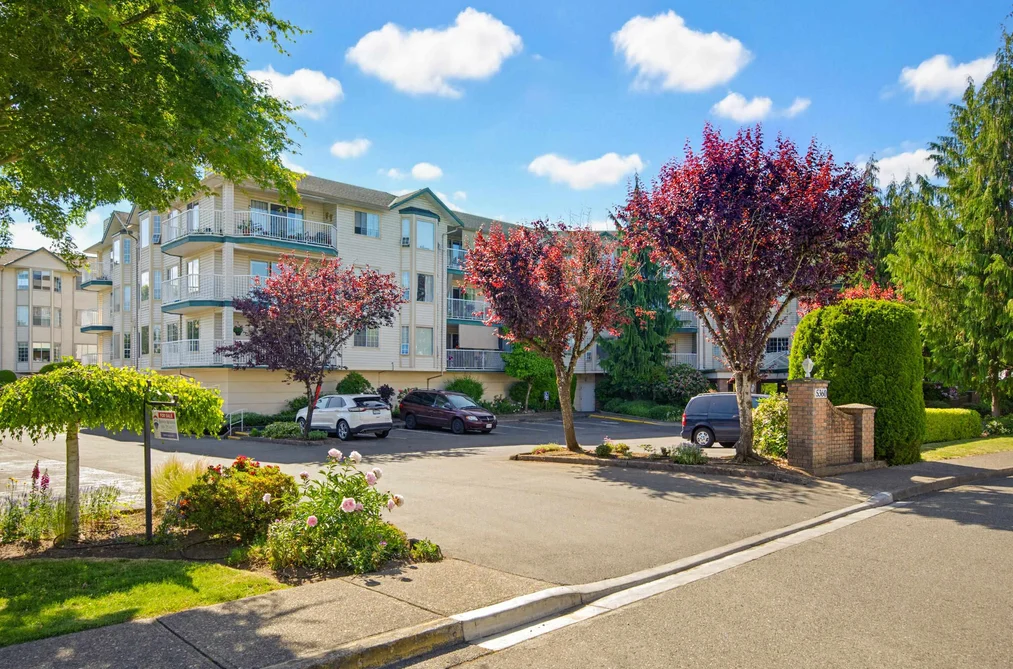
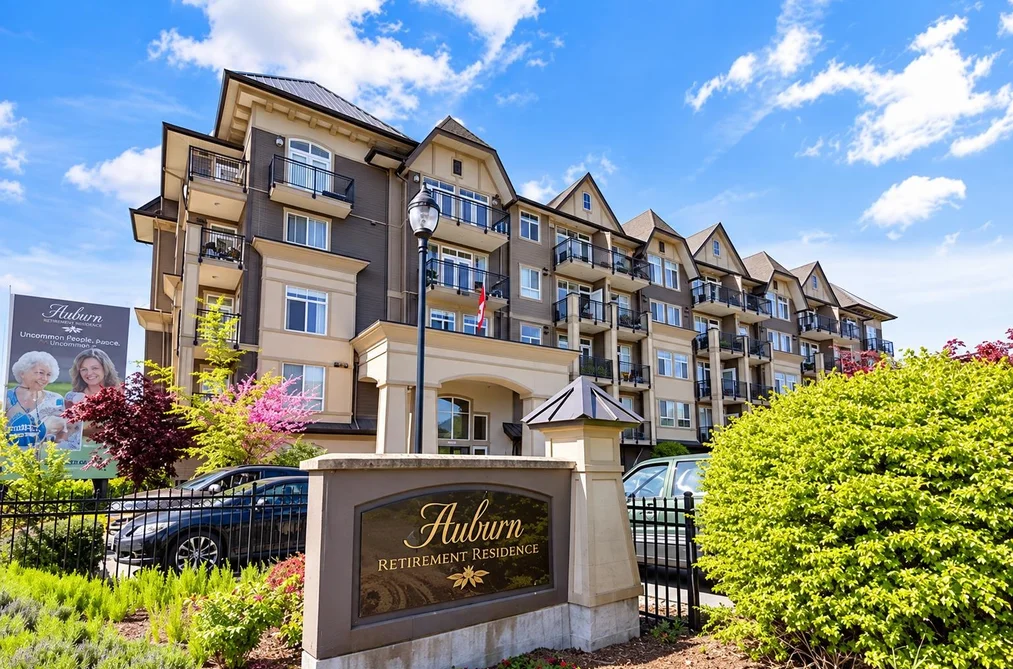
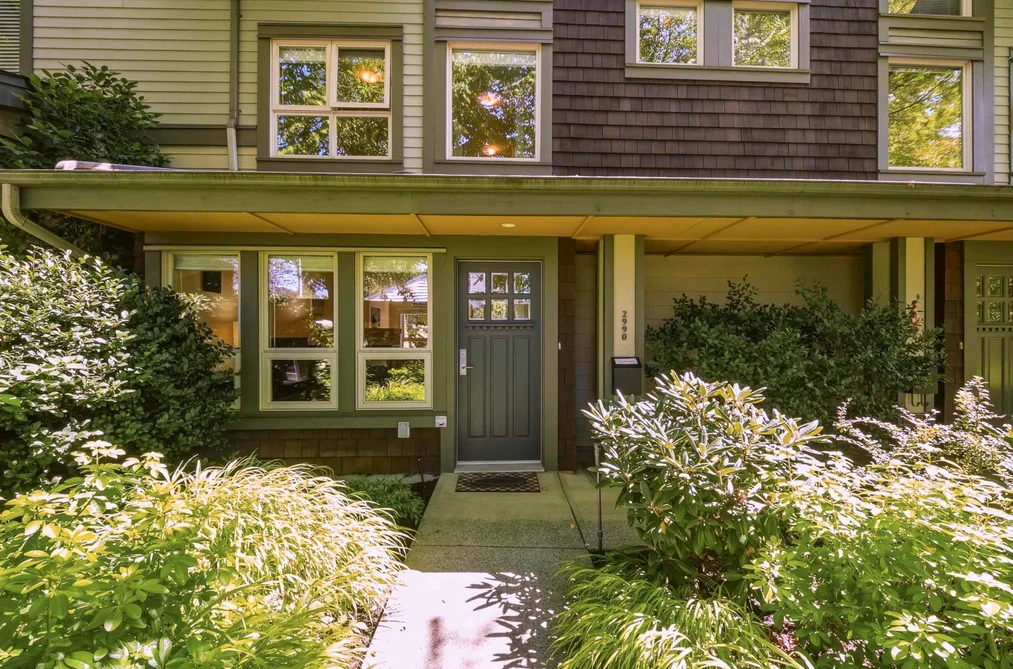
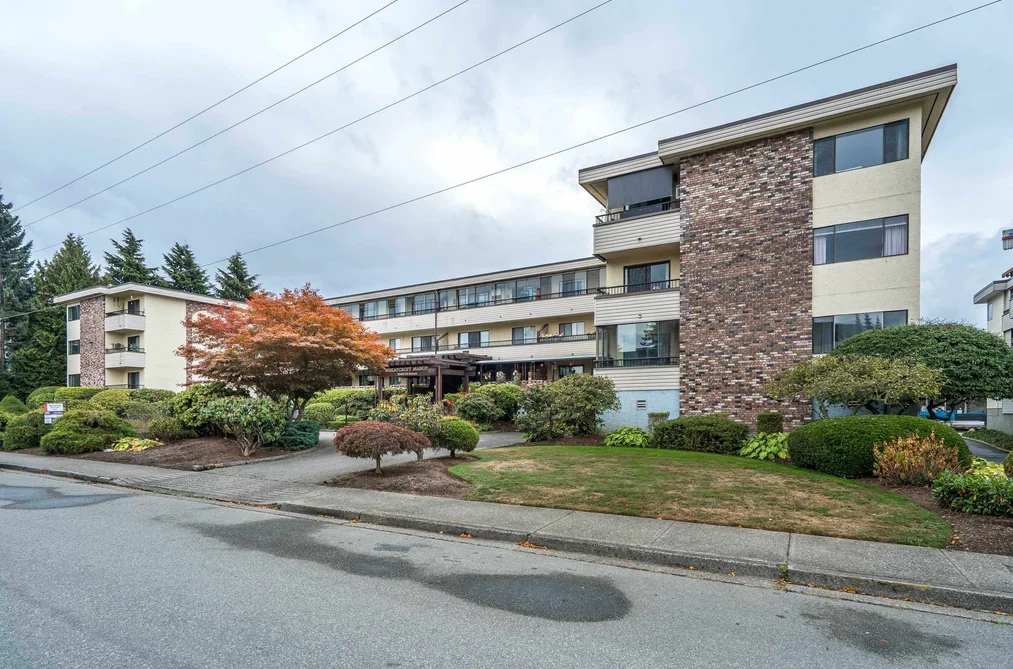
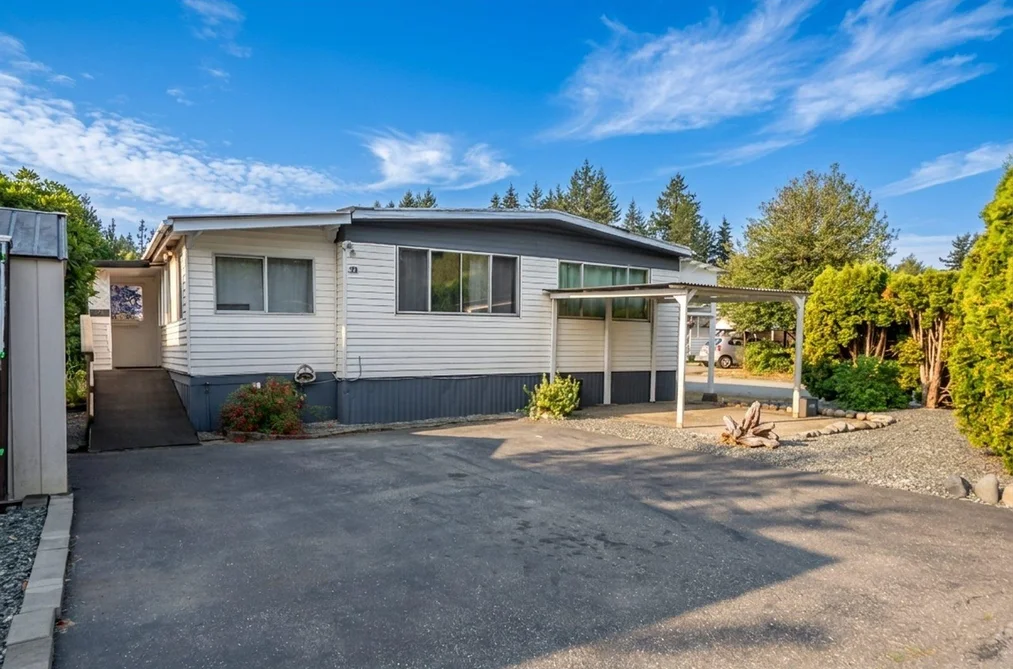
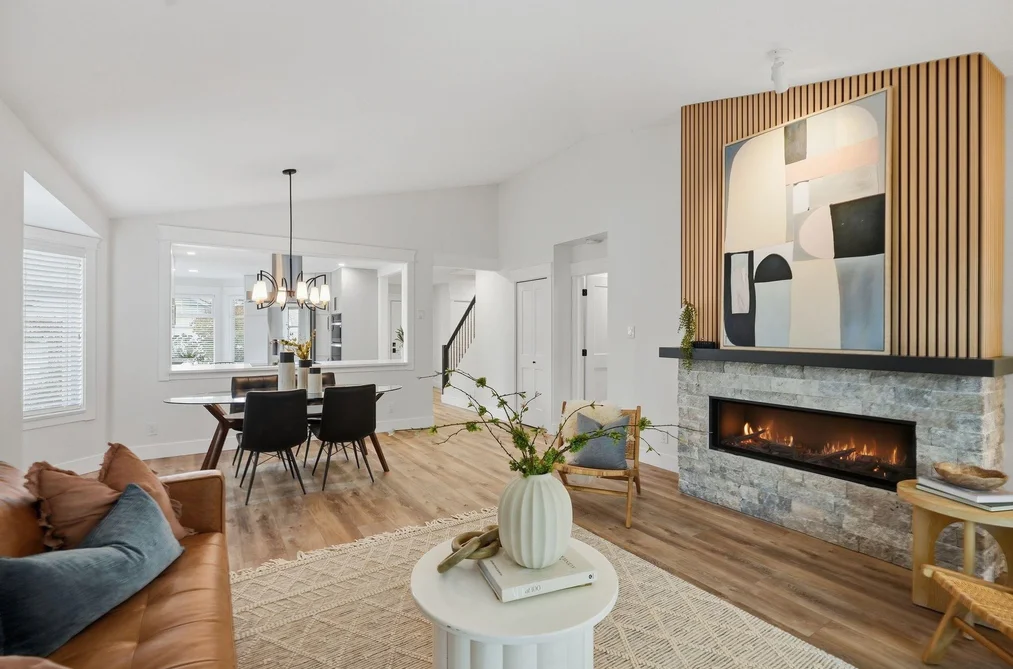
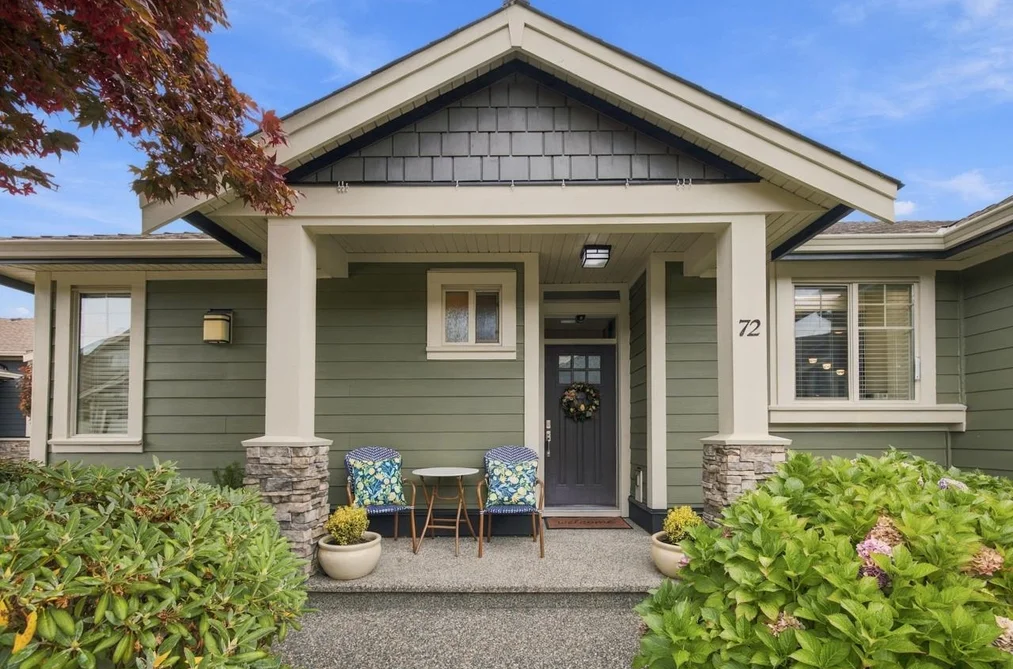
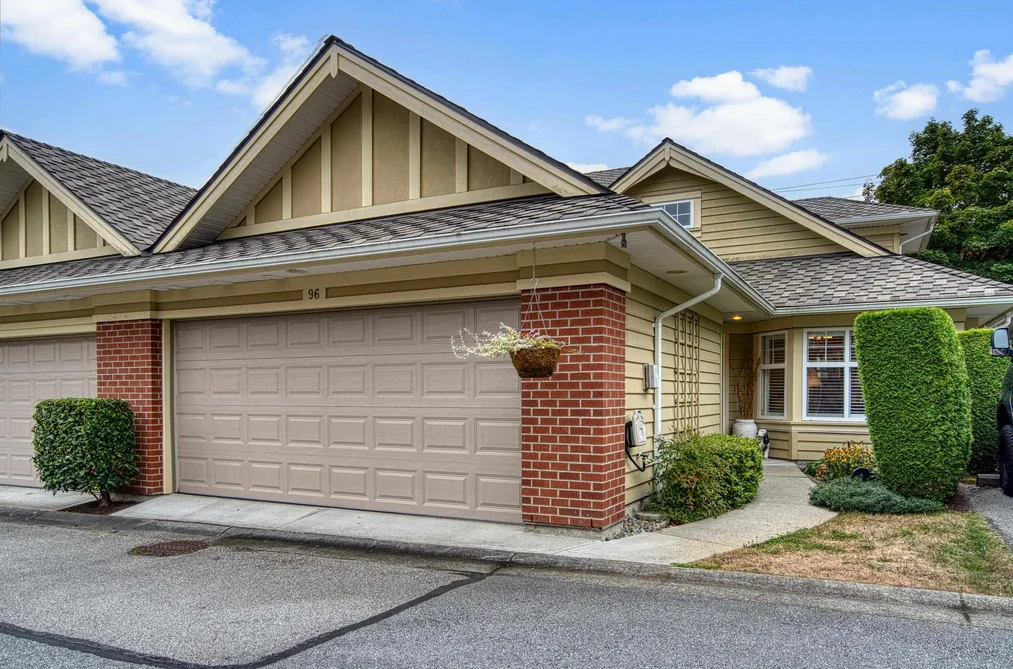
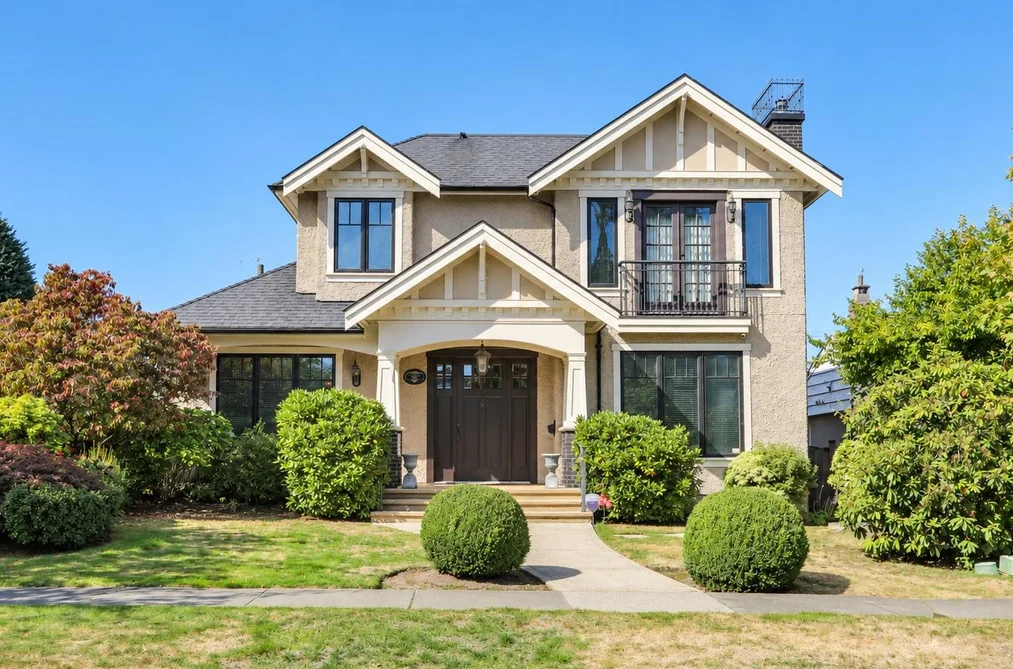
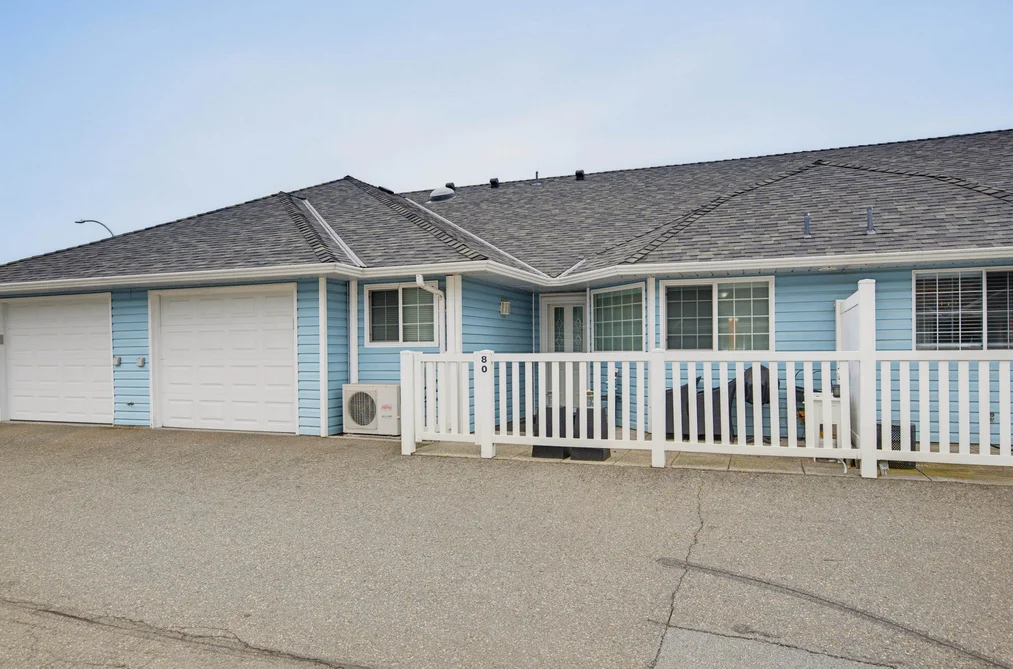
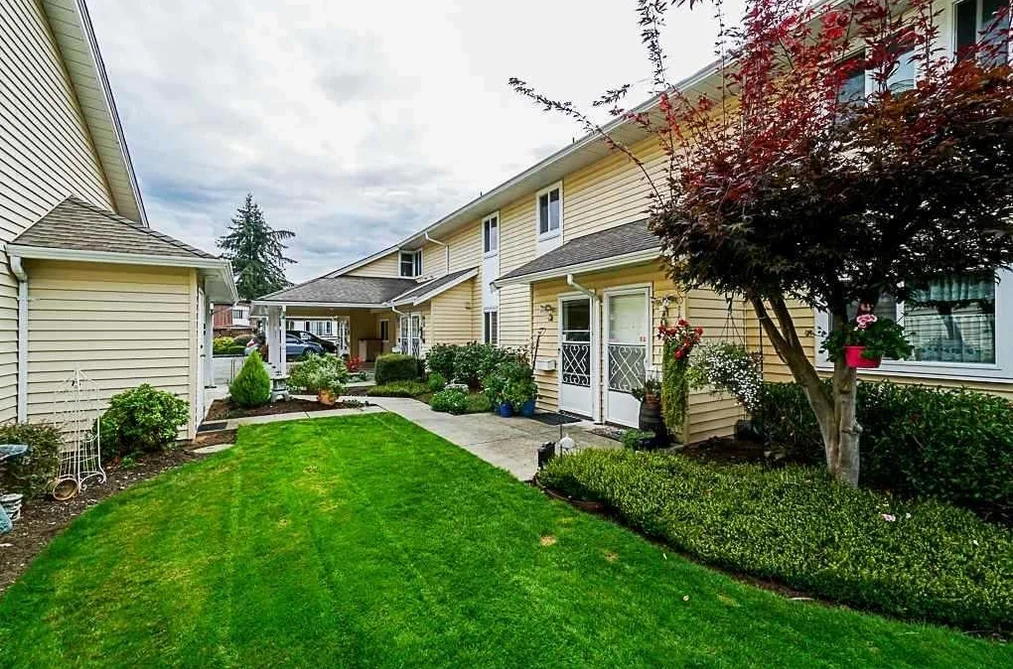
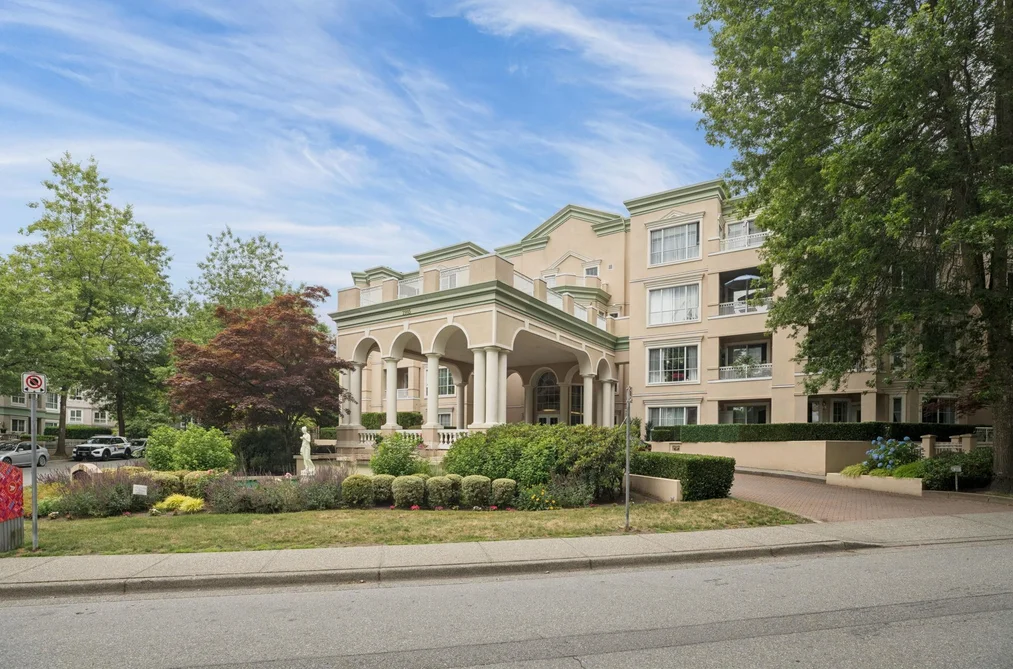
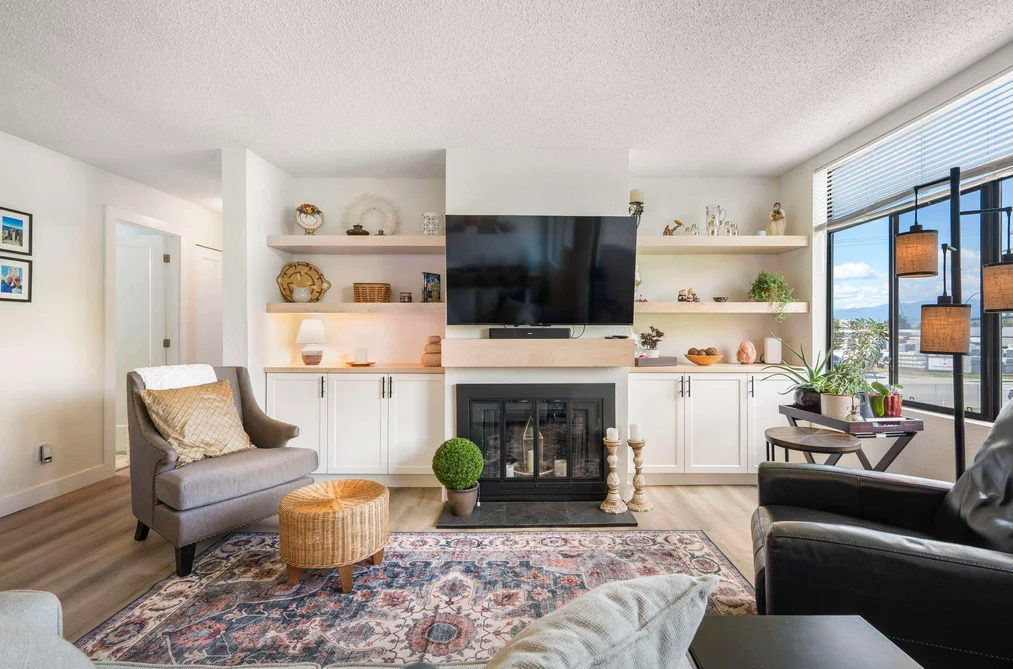
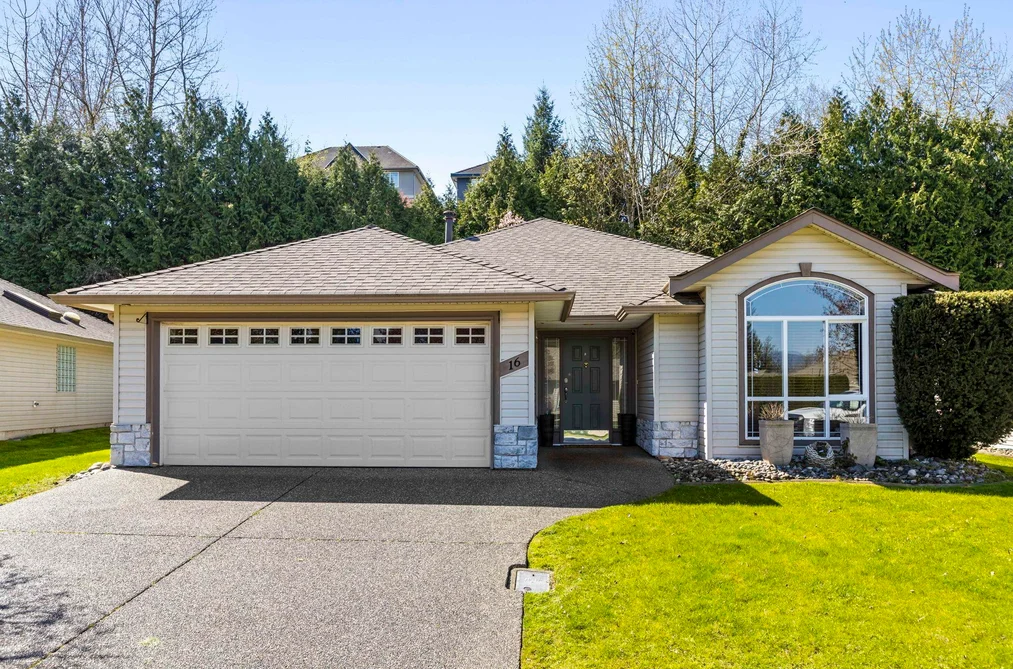
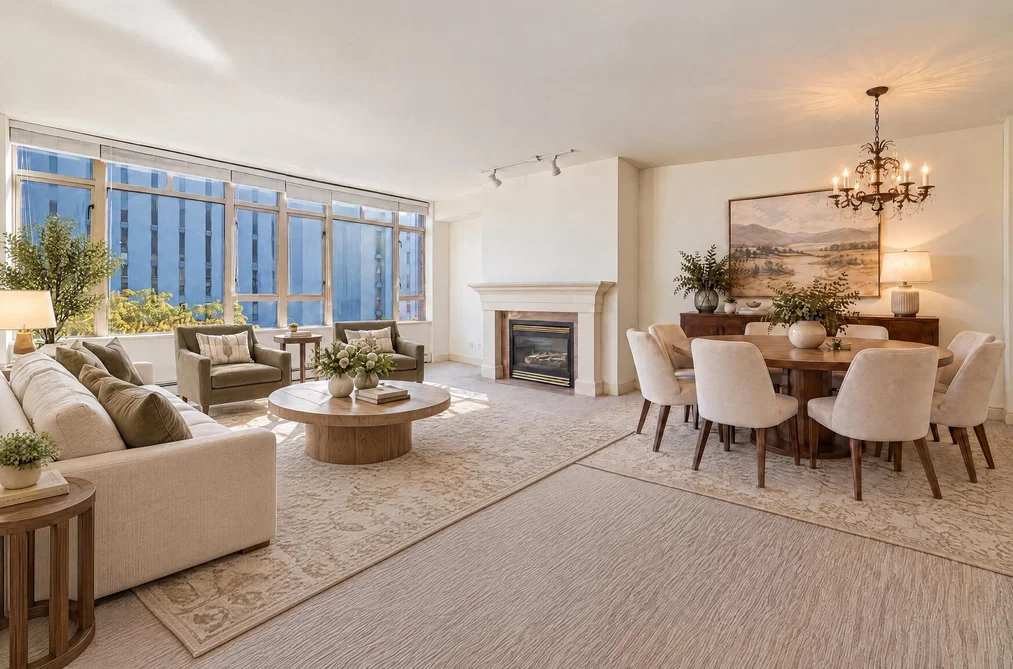
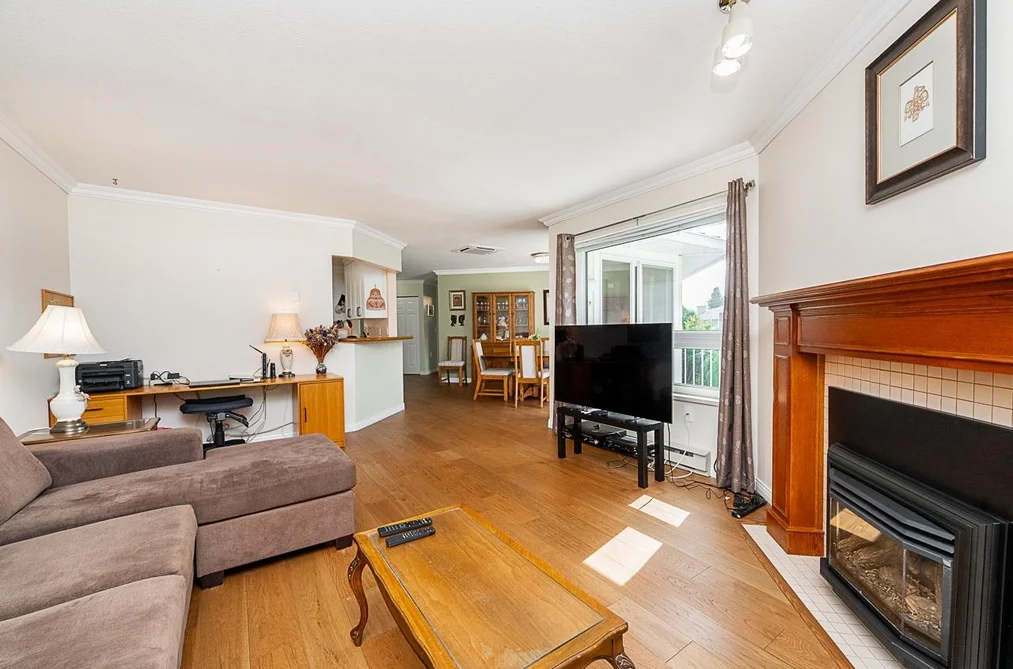
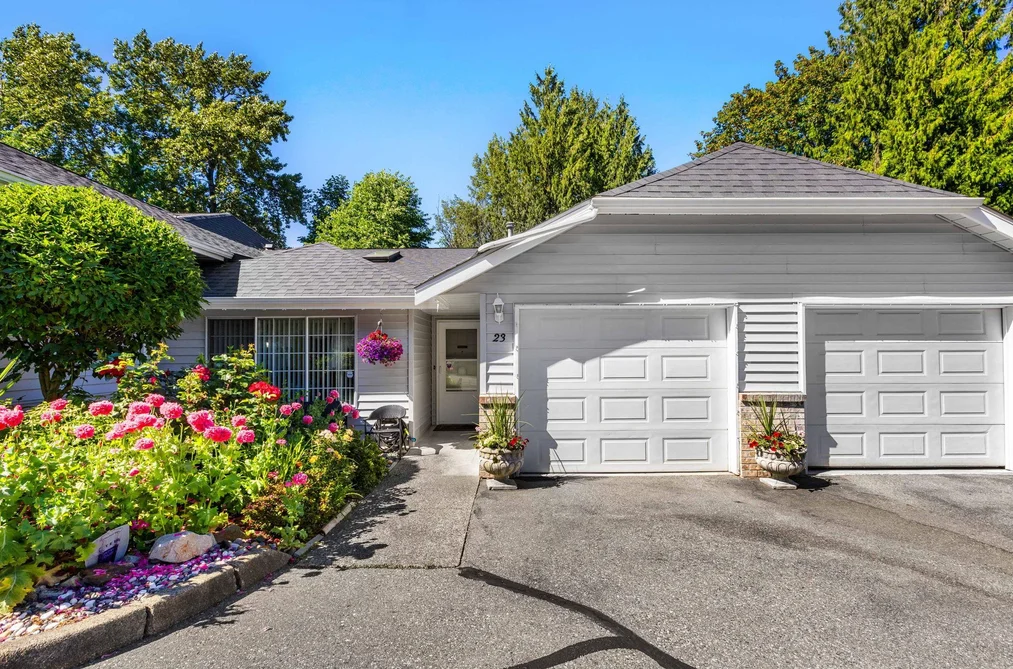
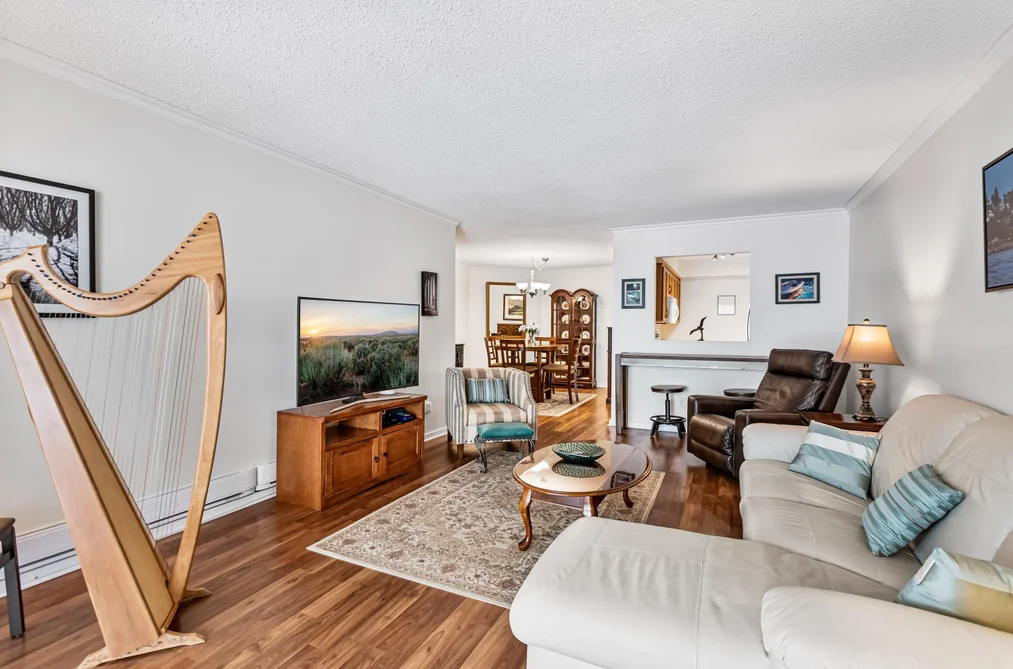
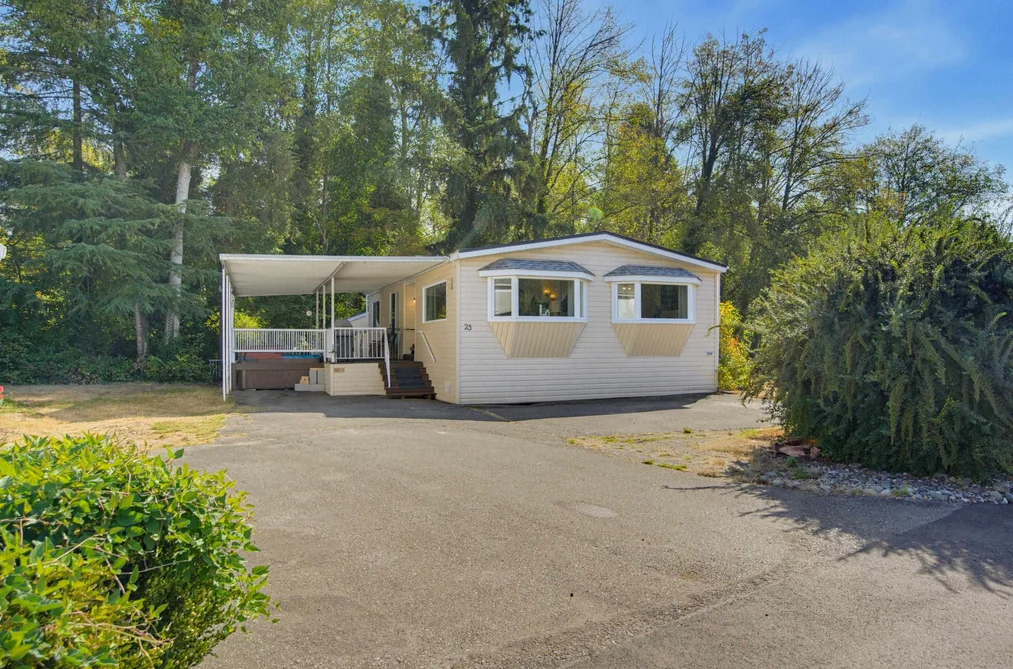
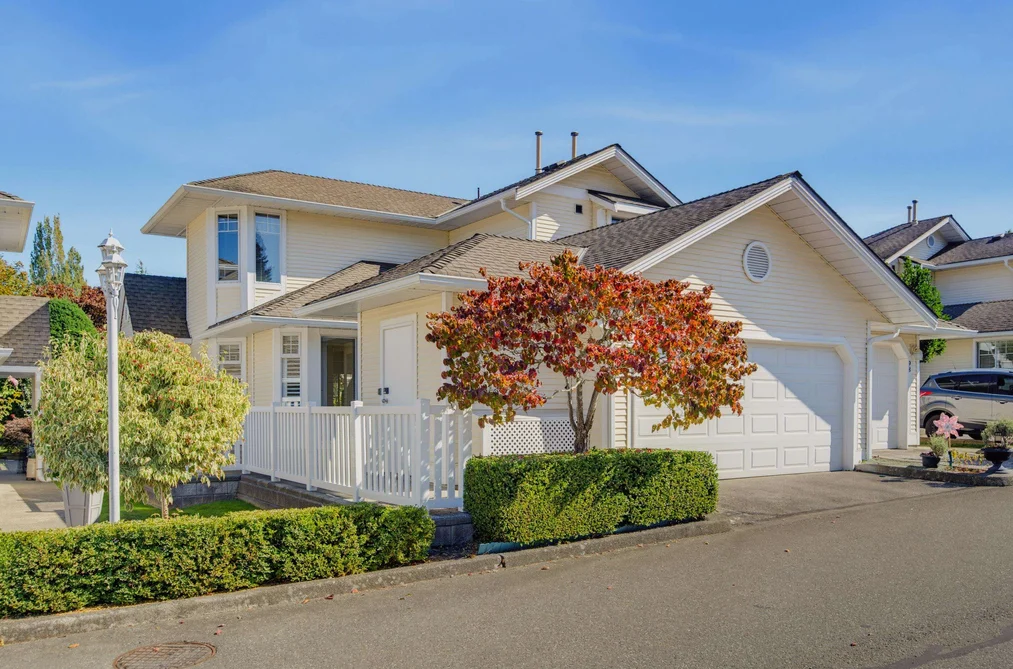
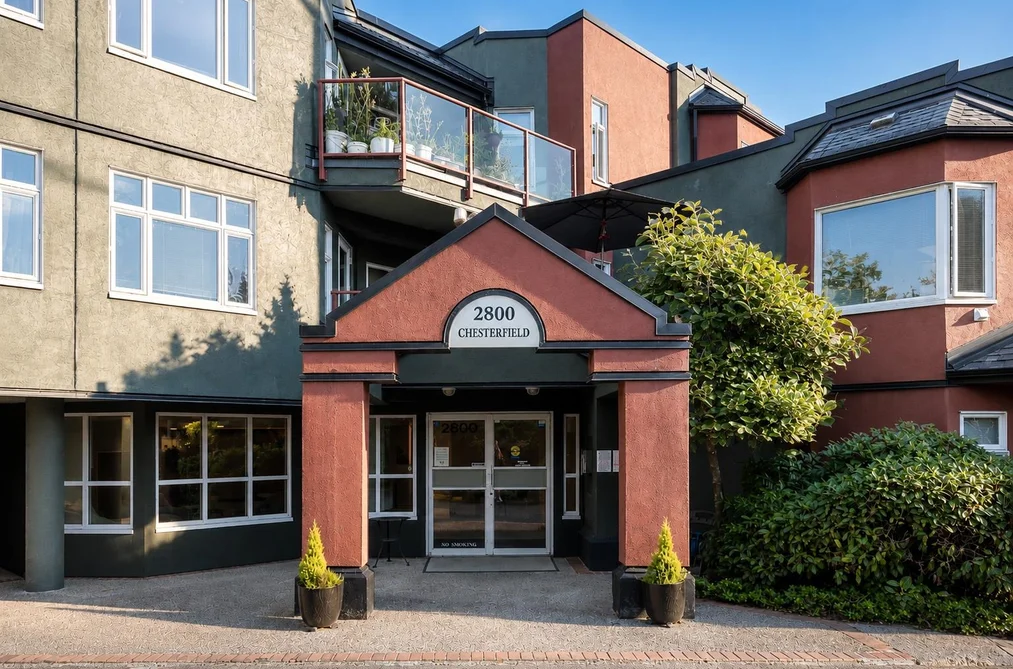
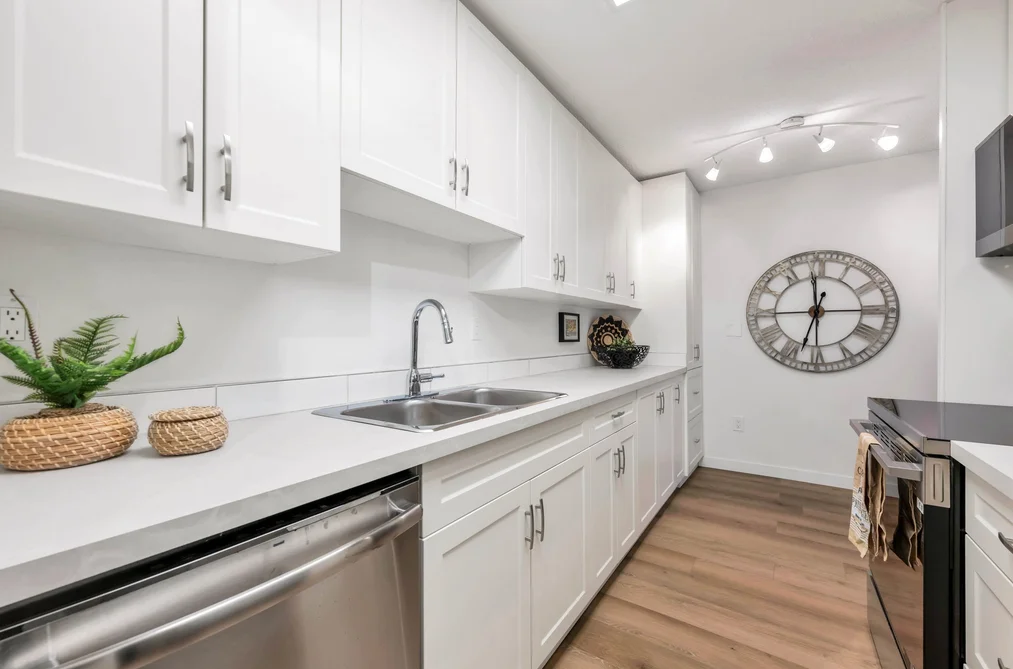
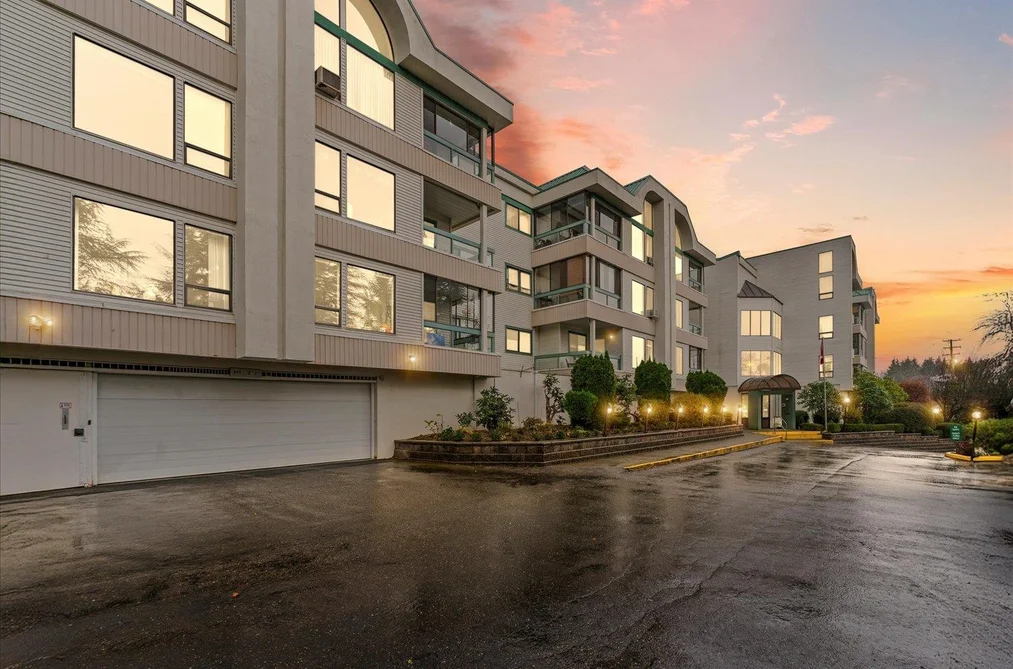
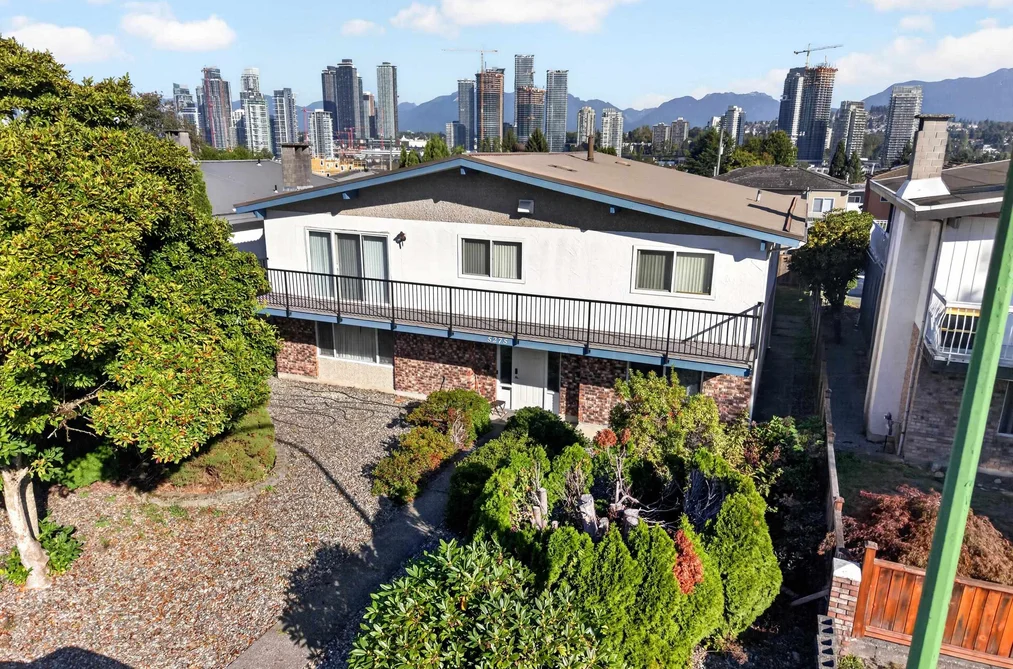
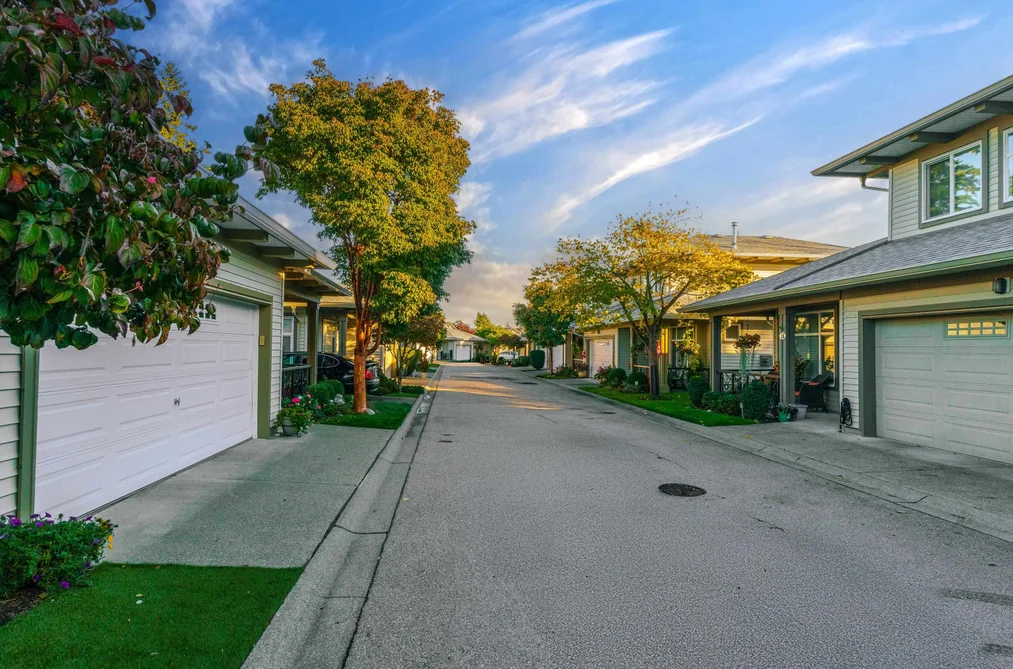
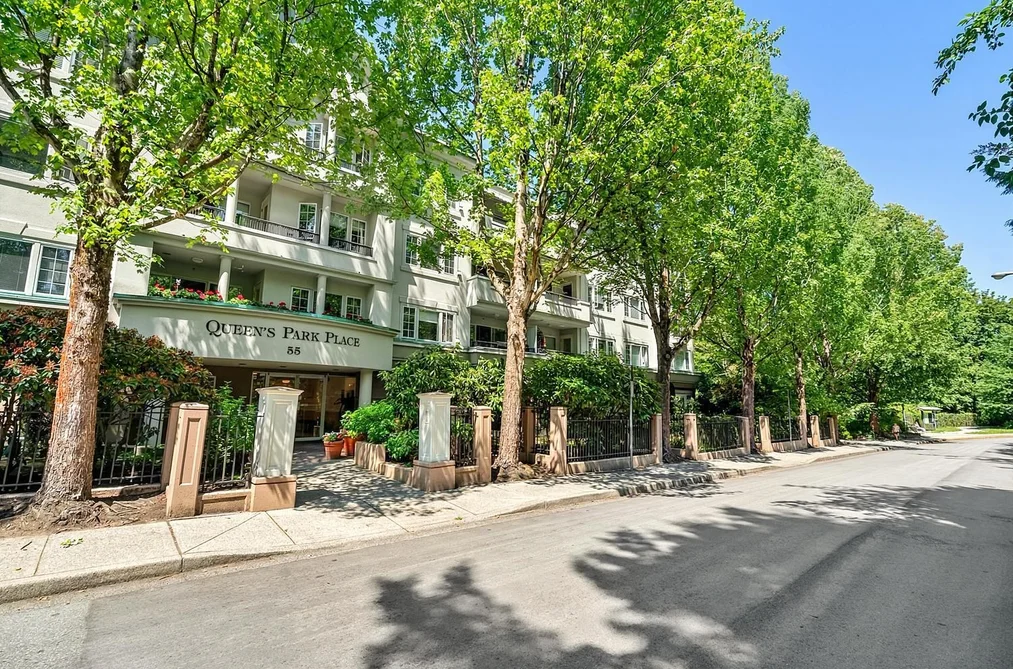
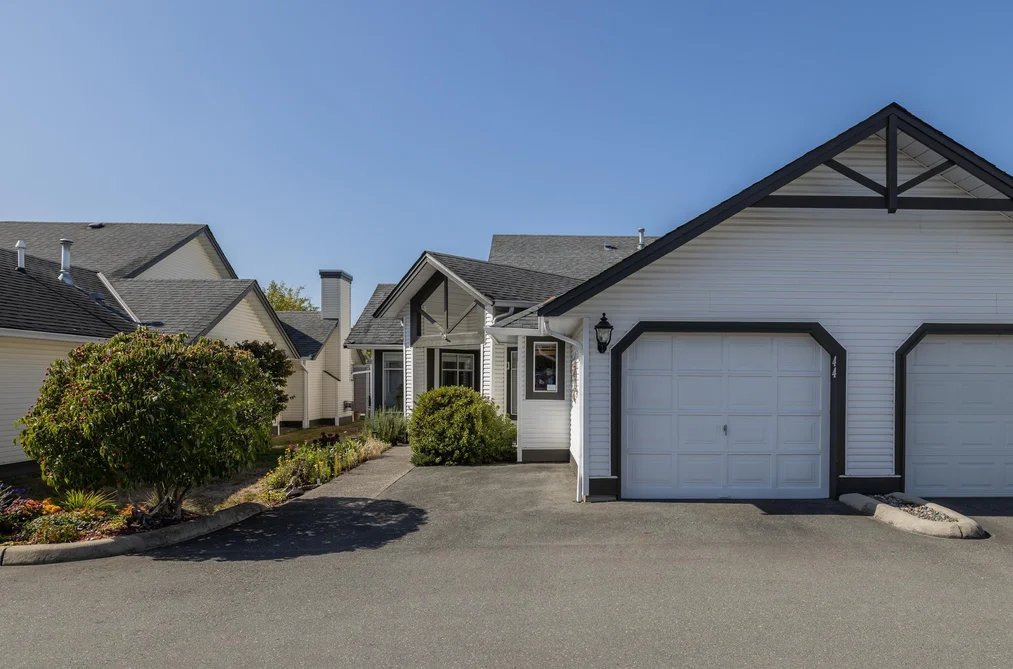
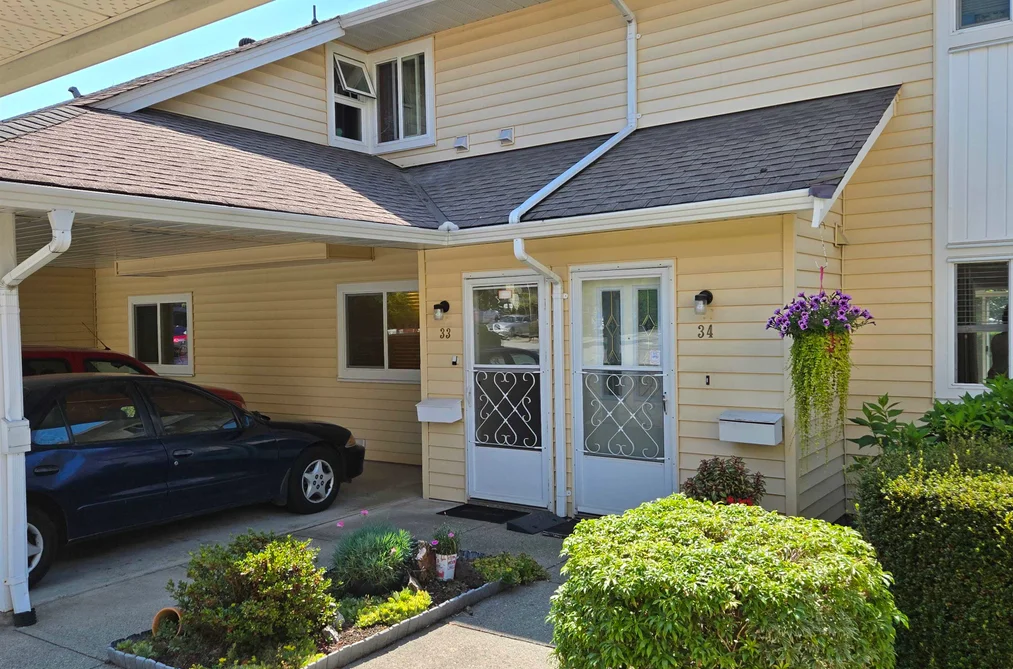
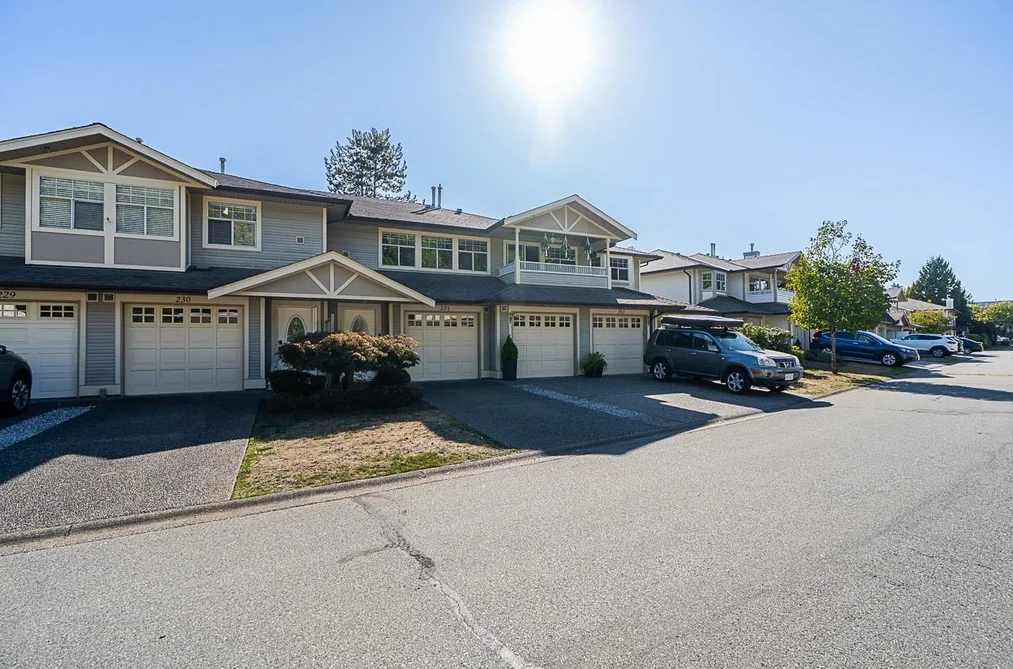

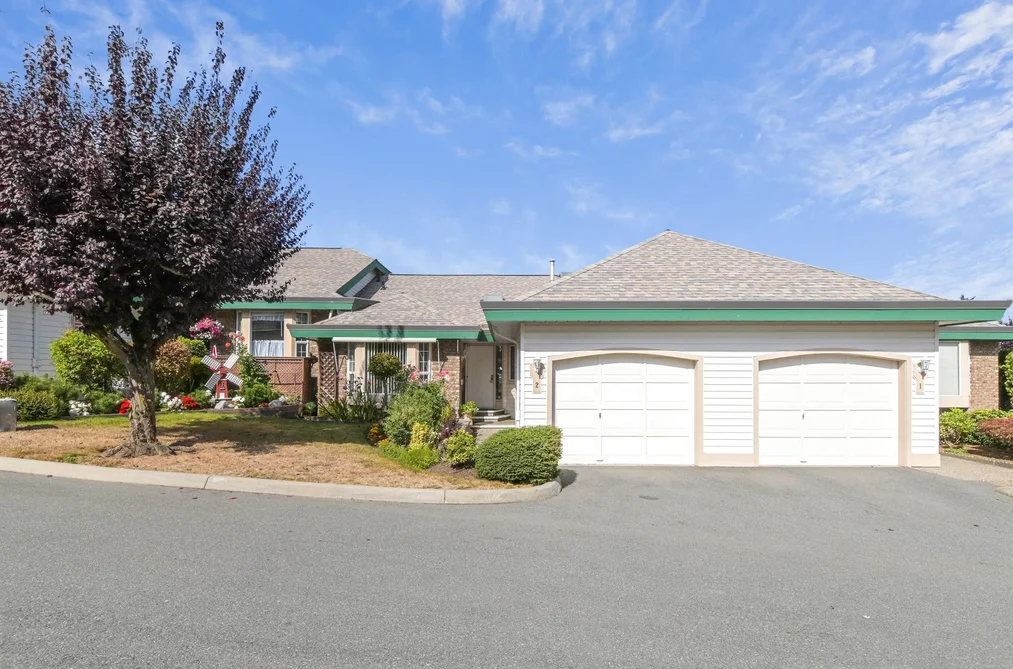
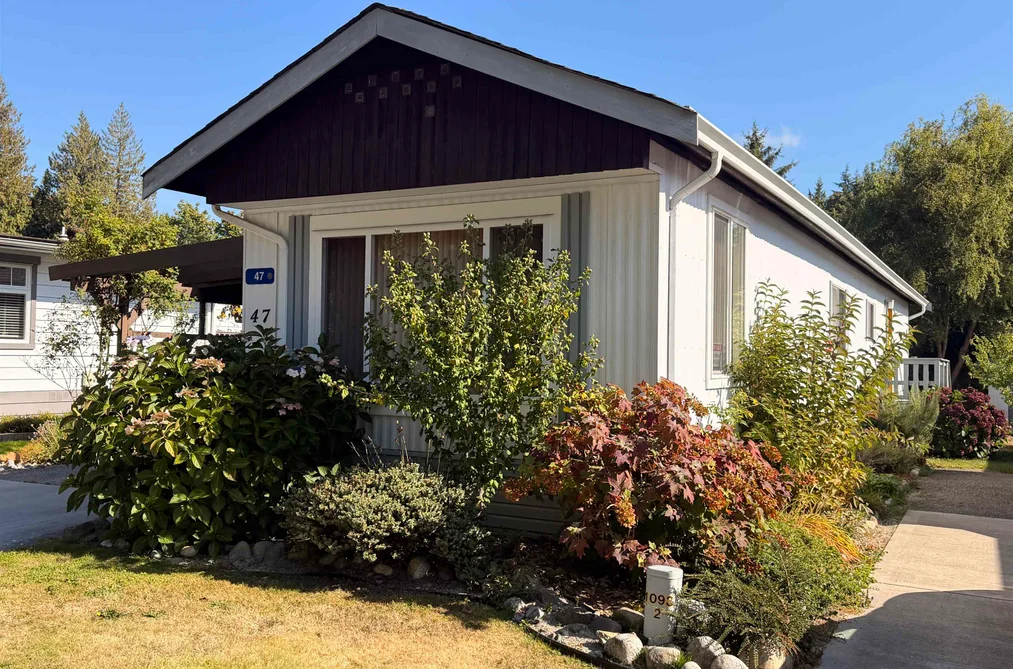
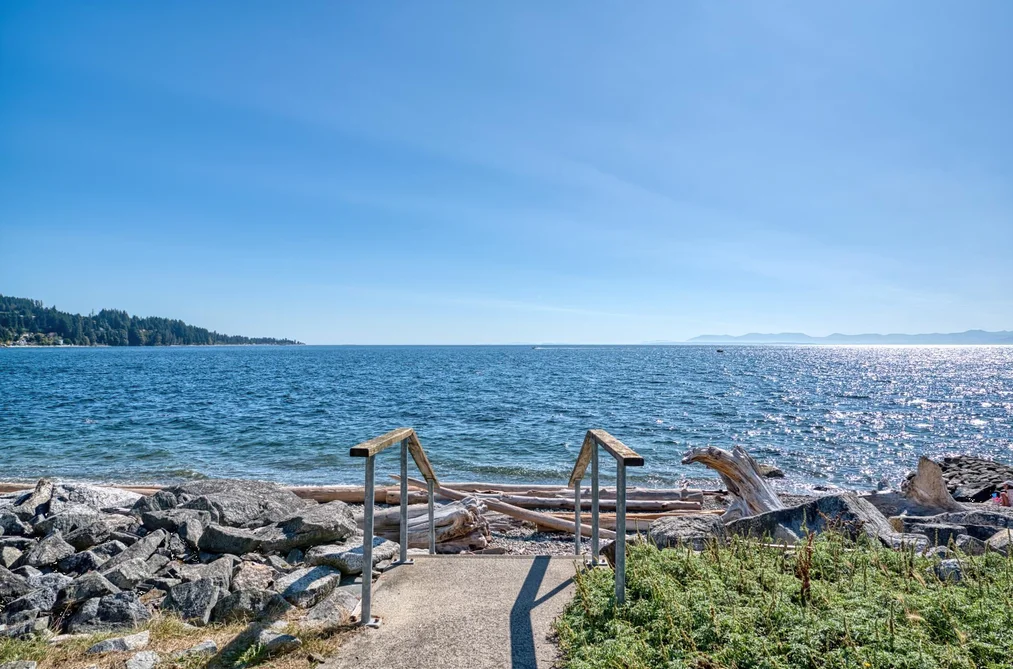
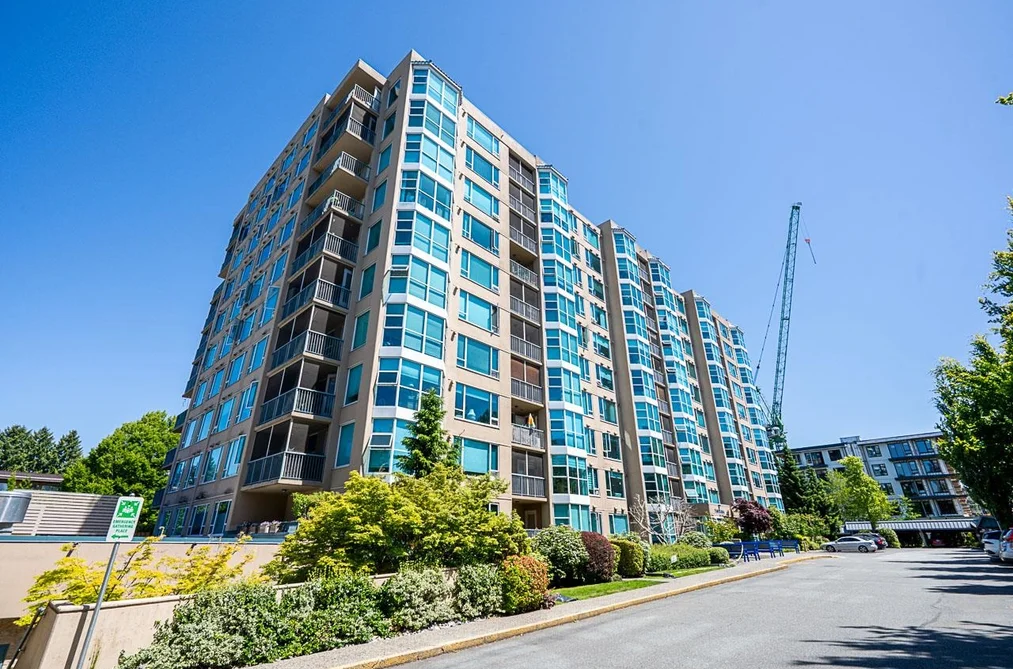
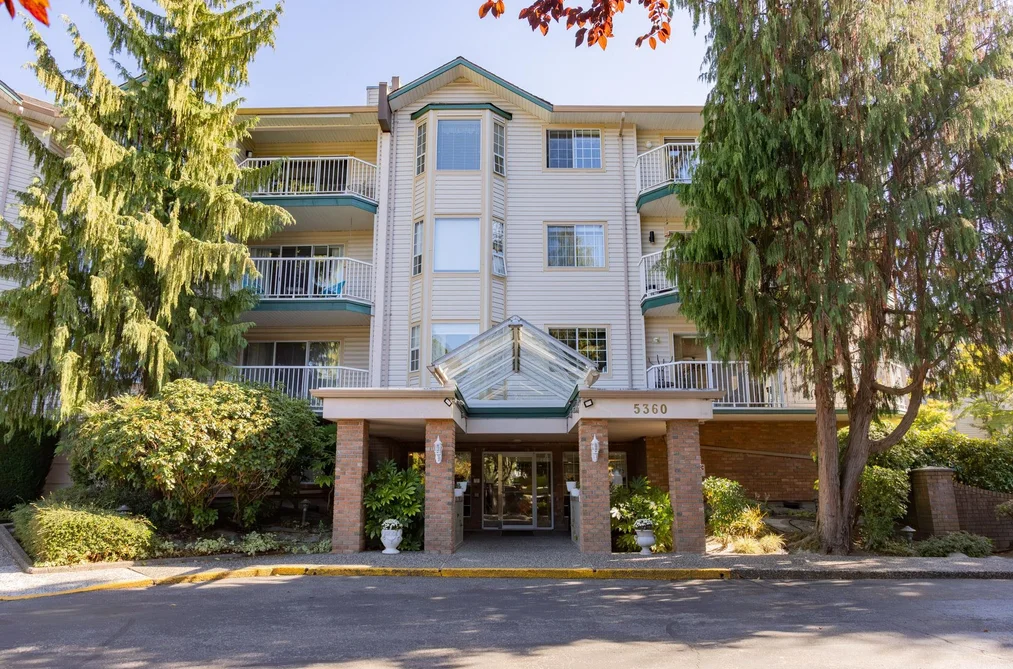
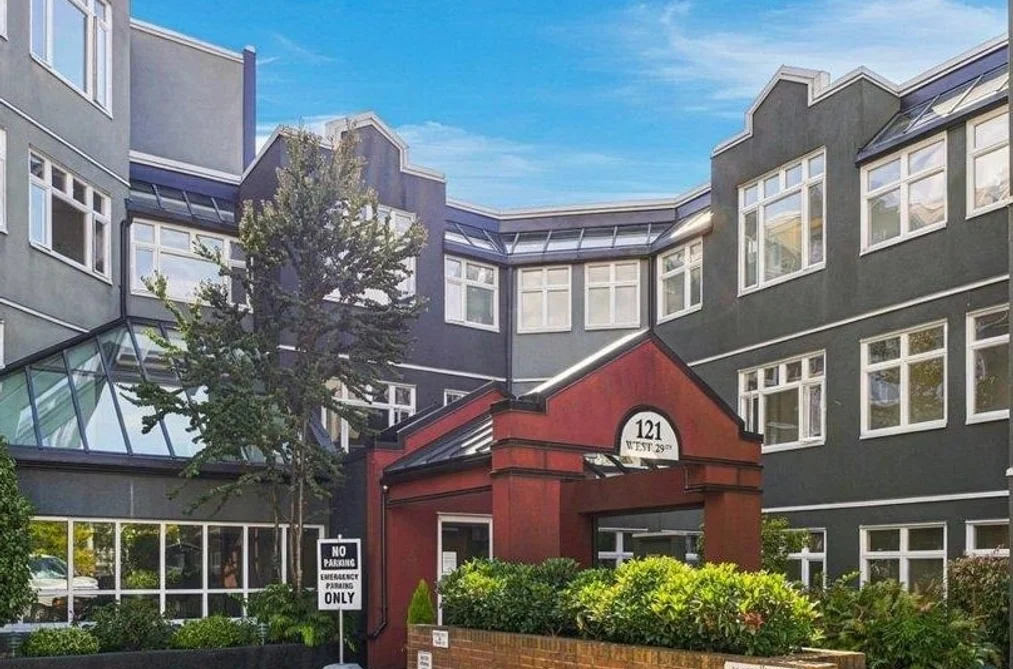
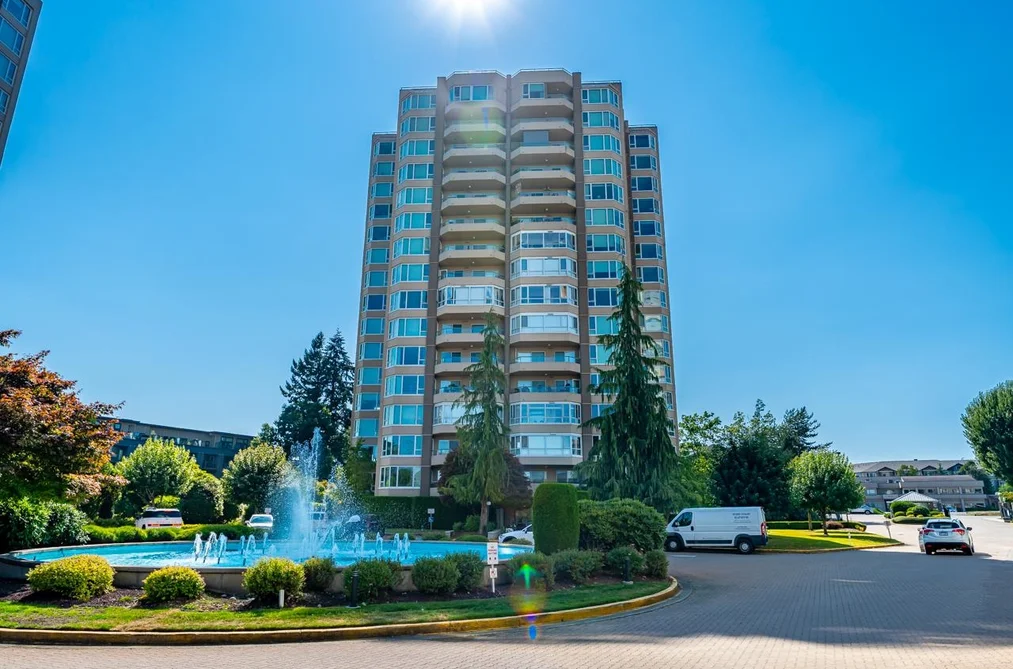
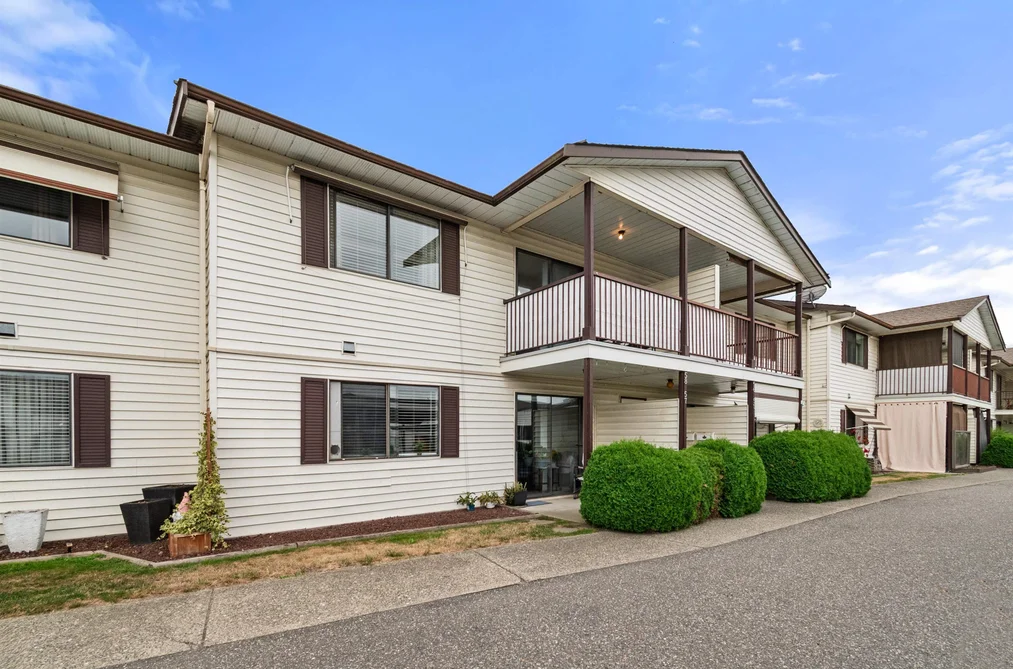
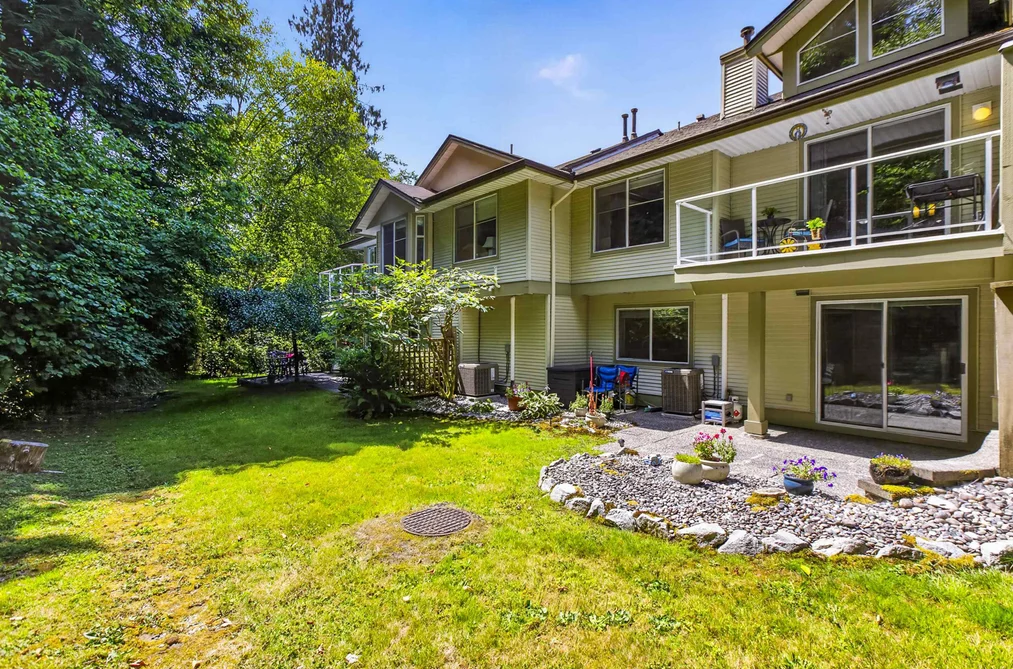
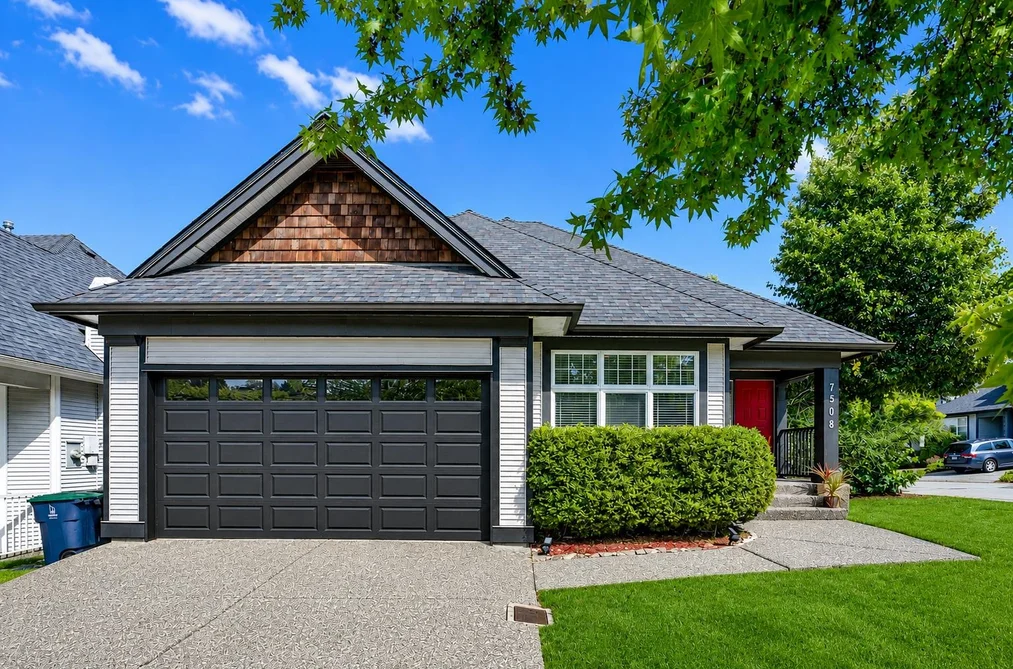
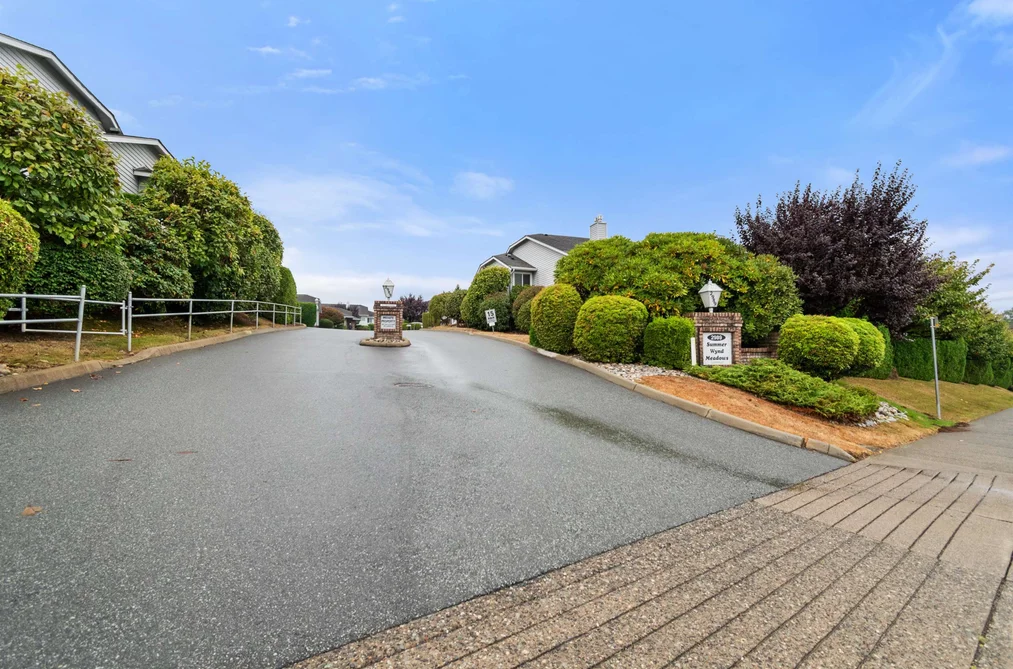
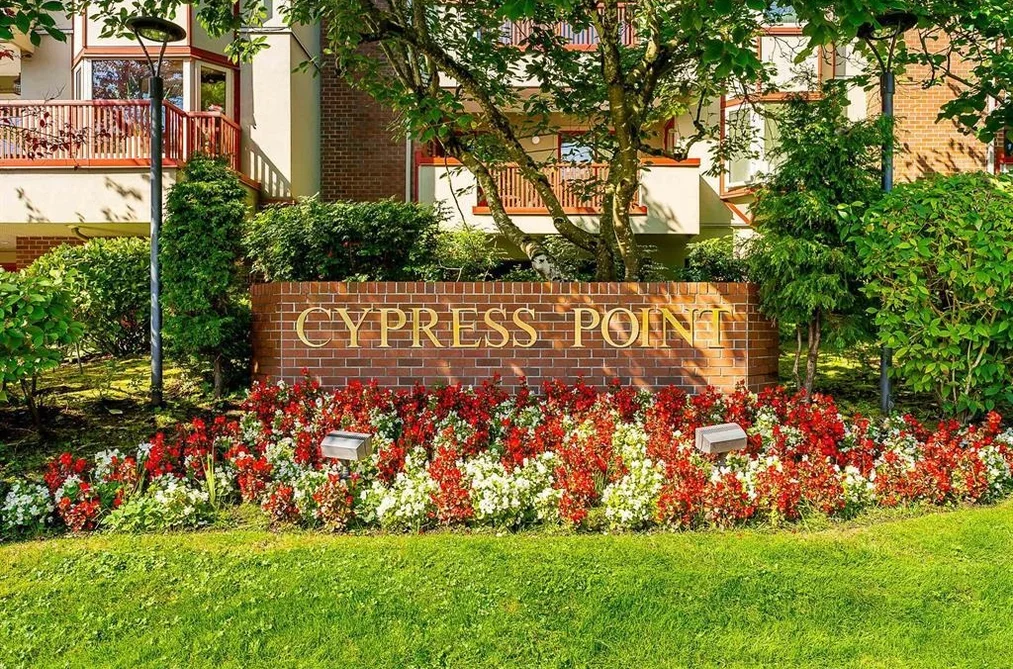
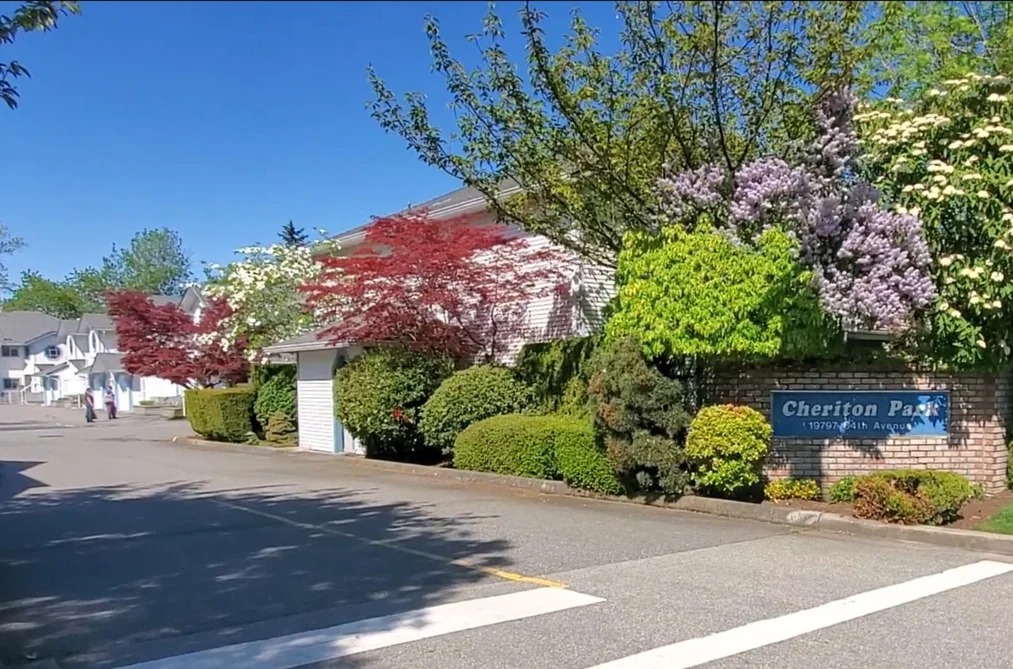
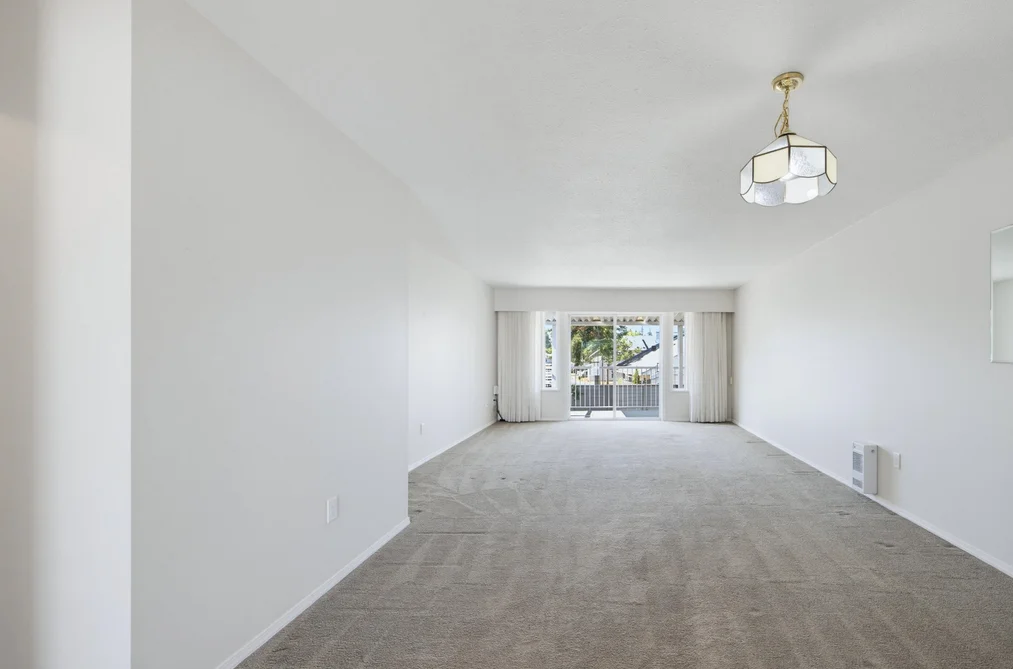
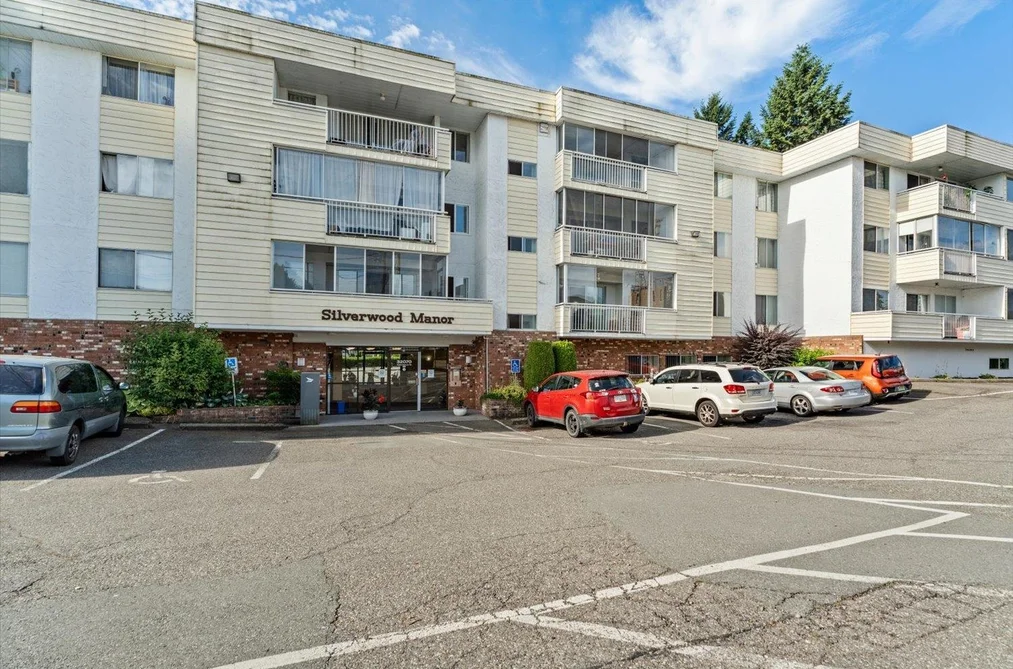
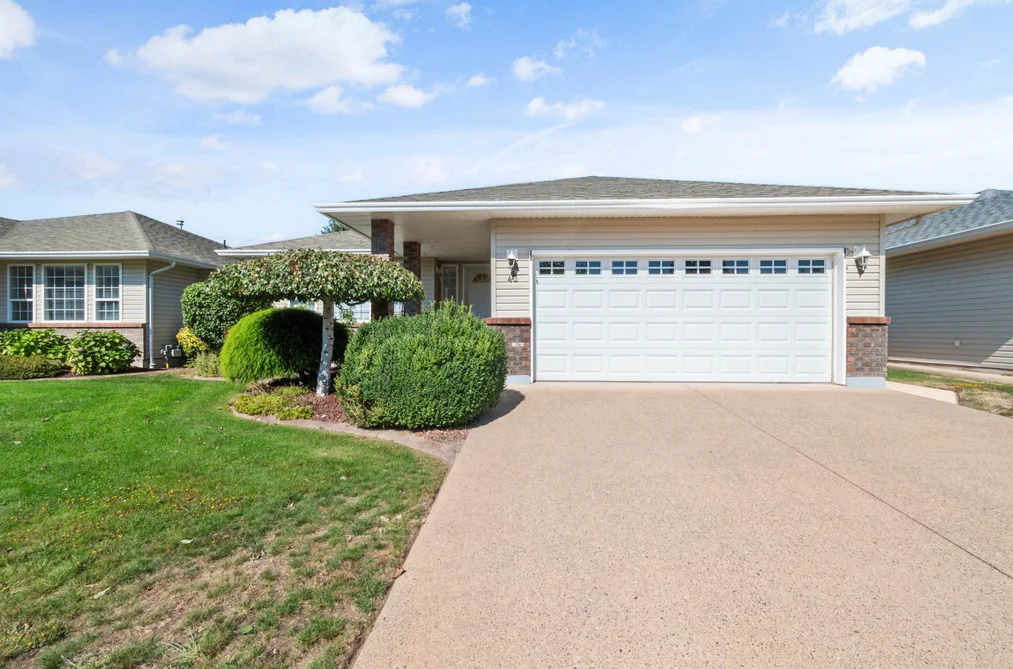
Retirement Community homes in Greater Vancouver are compared on age restriction, the level of care included, and what the monthly service fee actually covers — verify all three before you book a tour.
The label covers several different products, and confusing them is the most common mistake buyers make. An age-restricted strata is real estate you own outright, with a strata fee and no care attached. A retirement residence is typically a monthly rental with meals and services bundled. Independent living, assisted living and memory care sit on a spectrum of support, and the residence you tour may offer one, some or all of them. Establish which you are looking at before you compare prices, because the numbers are not comparable across categories.
When you find an MLS® listing in an age-restricted building, read the bylaws rather than the marketing. Confirm the minimum age, whether a younger spouse may occupy, and what happens if your circumstances change. These restrictions are enforceable and they affect resale.
Senior living in Vancouver concentrates on the west side and along transit. Granville is the anchor — Granville Gardens Retirement Residence and South Granville Park Lodge sit within a well-appointed urban community close to shops and Vancouver General Hospital. Kerrisdale and Arbutus hold further options, including Amica Arbutus Manor, and the Kerrisdale neighbourhood remains one of the most requested for its walkable centre.
Wesbrook Village near the University of British Columbia offers a newer, purpose-built setting, and Amica Lions Gate and Amica West Vancouver serve the North Shore. Across the surrounding area, Verve Senior Living, Legacy Senior Living, Courtyard Gardens and Thornebridge Gardens operate premier retirement residences with differing lifestyle options.
Location does more work here than in most property searches. Proximity to family, to a familiar neighbourhood, and to a care centre or hospital shapes daily life far more than square footage does. Walk the surrounding blocks at the time of day you would actually use them.
Ask exactly what the monthly fee includes and what is charged à la carte. Meals, housekeeping, transportation, recreation and personal support are bundled differently at every residence. A lower headline fee with everything extra can cost more than a higher all-inclusive one, so build a like-for-like comparison before you decide.
Understand how the community handles changing needs. Aging in place is the phrase everyone uses, but it means different things: some residences offer flexible support and can move you between levels of care on site, others cannot provide nursing or palliative care and would require a move. Ask what triggers a transfer, who assesses it, and what notice applies.
Where the property is owned rather than rented, request the strata documents, depreciation report and contingency reserve fund balance as you would with any purchase. An age-restricted building still faces the same roofs, elevators and envelope work as any other.
Beyond care, what you are buying is a way of living. Tour at mealtime. Look at whether residents are in the common rooms or in their suites. Ask about the recreation programme, the guest policy, and how the residence handles personalized care when someone needs more help temporarily.
Ask about staffing directly — ratios, turnover, and whether professional support is on site overnight. Reputation matters in this segment and is best assessed by talking to residents and their families rather than reading brochures. Many communities will arrange that if you ask.
Browse current Retirement Community listings across Greater Vancouver on Strawhomes, compare age-restricted strata options against residences, and shortlist by neighbourhood before you start touring.