For Sale
2 days
- $1,299,000
- 4 bed
- 4 bath
- 2097 sqft
MLS® R3169678
•Saba Realty Ltd.
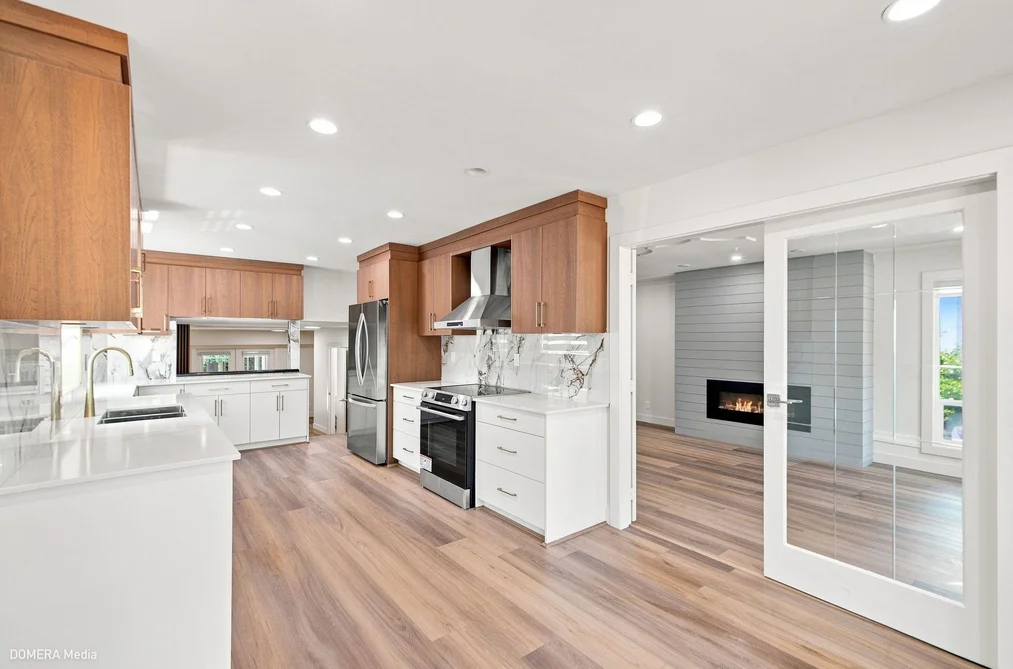
Browse houses with RV Parking for sale in the Lower Mainland and check the bylaws, the access and the pad before you plan to keep a motorhome or trailer at home.
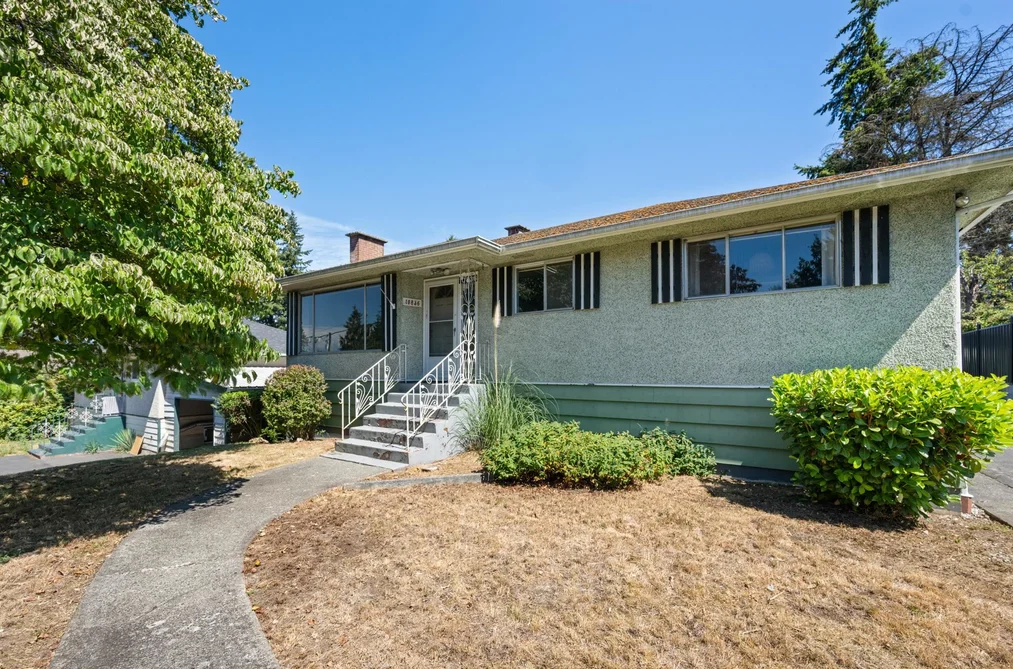
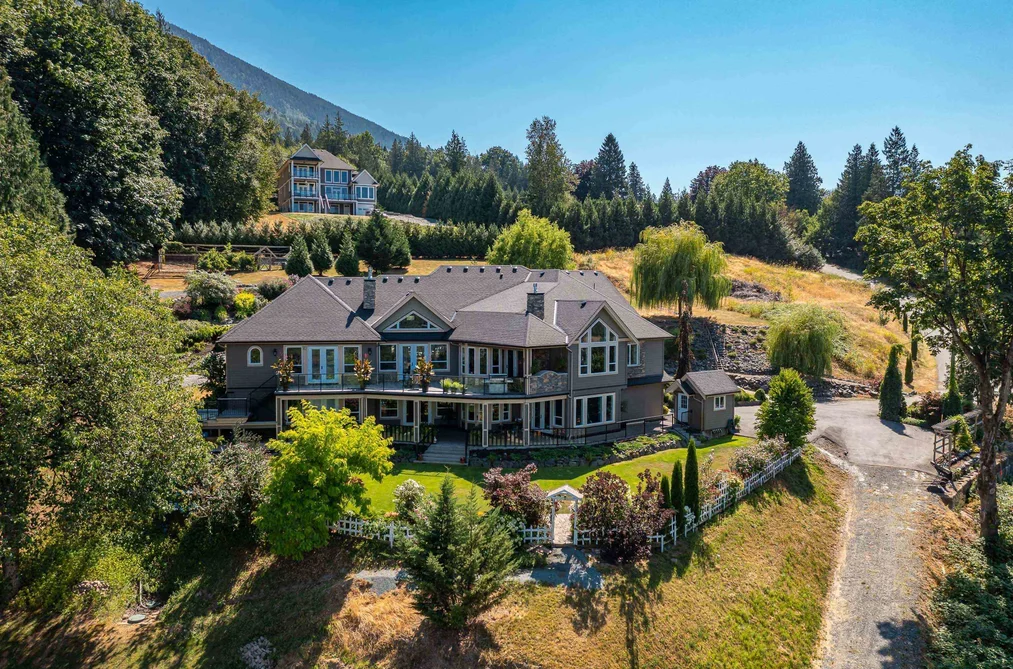
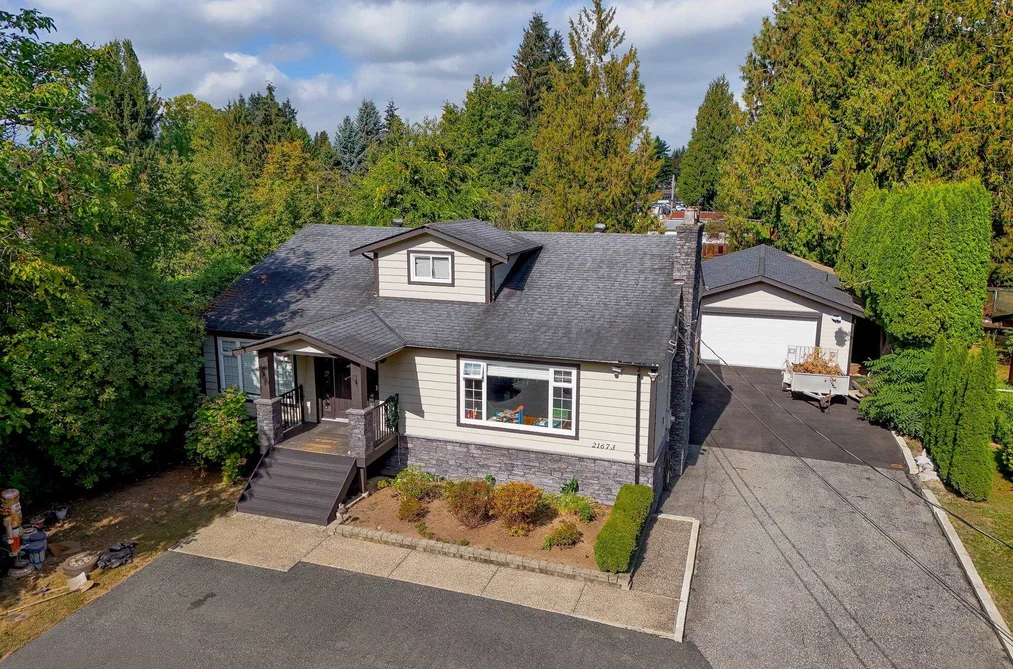
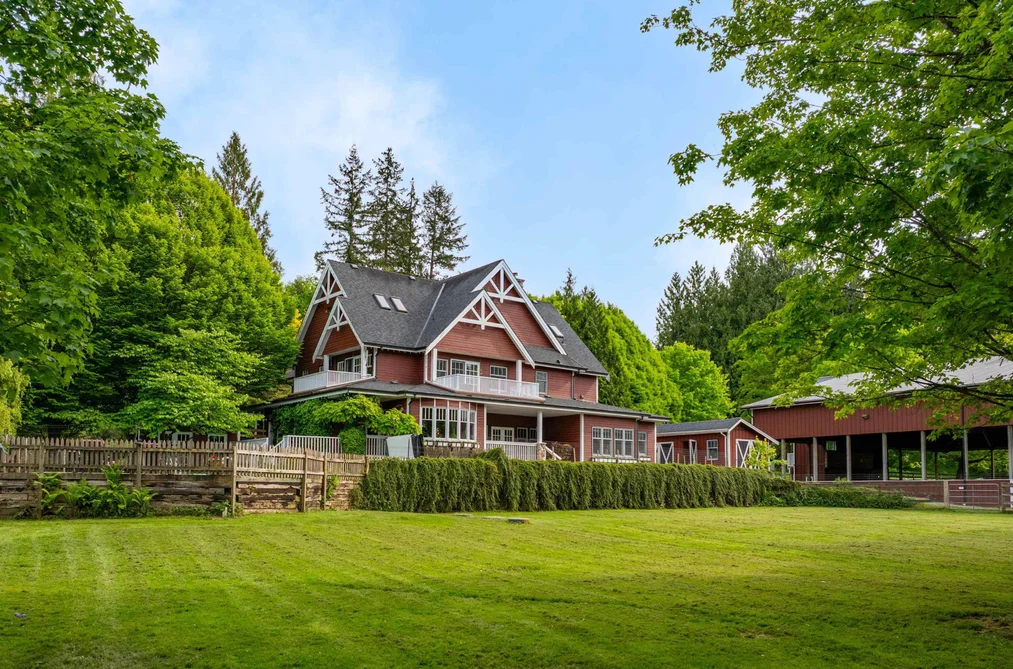
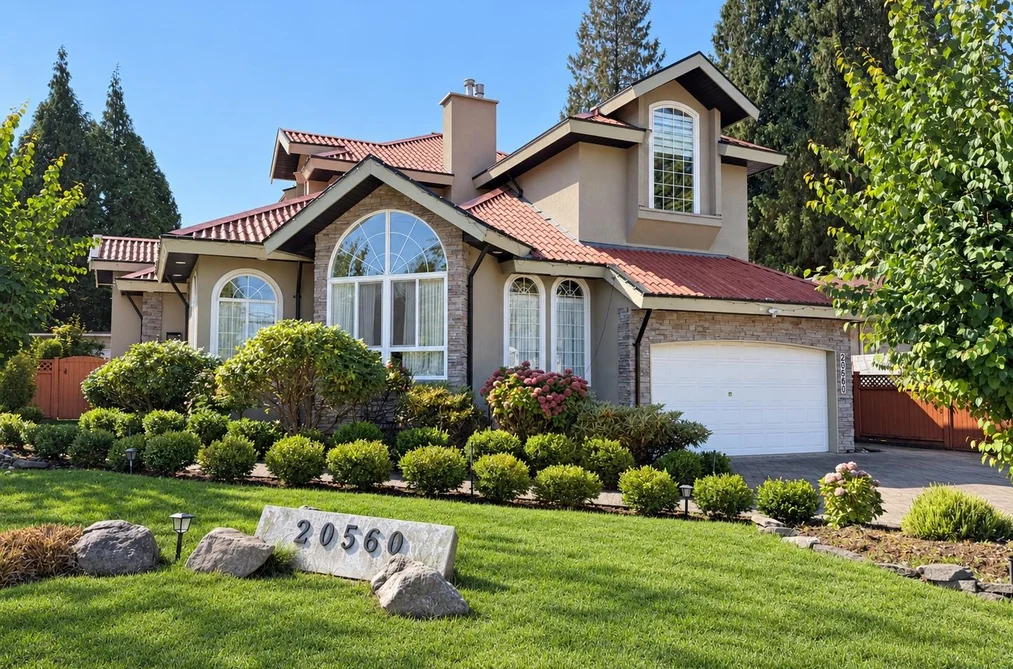
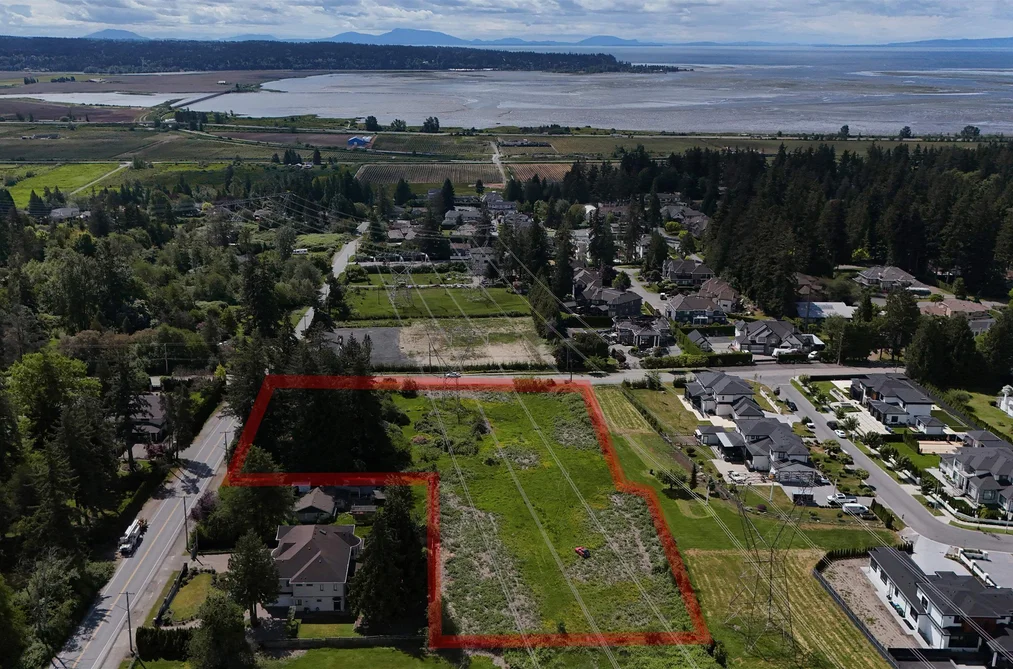
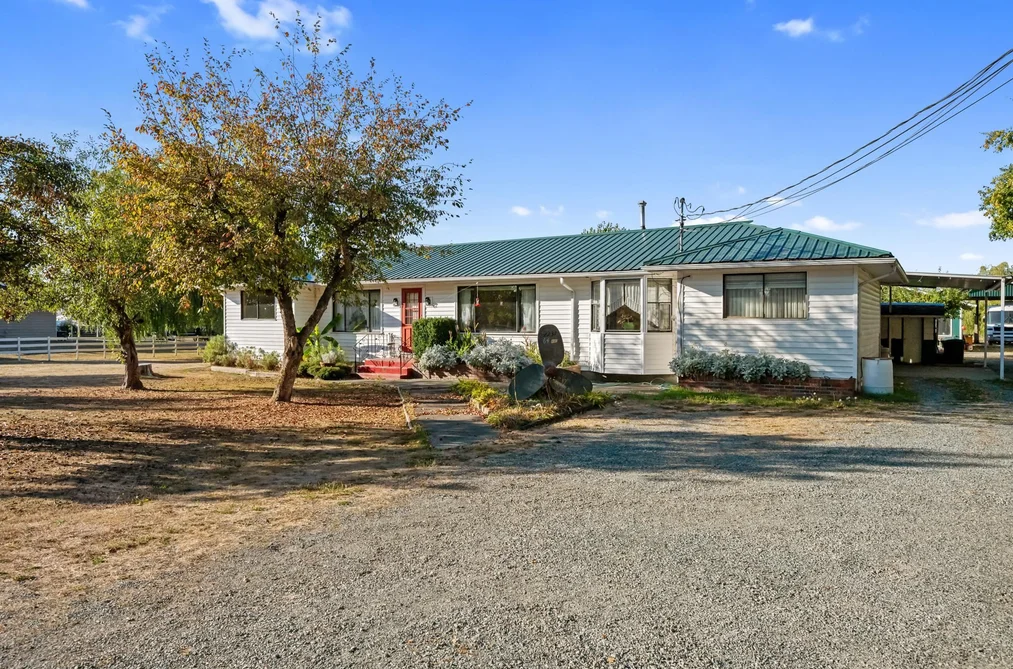
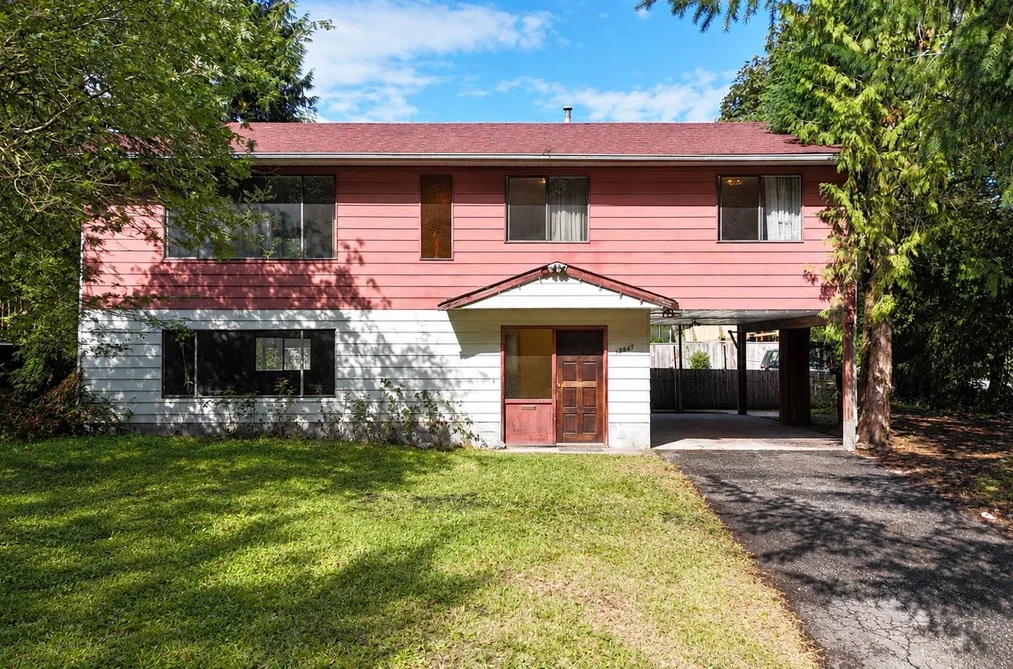
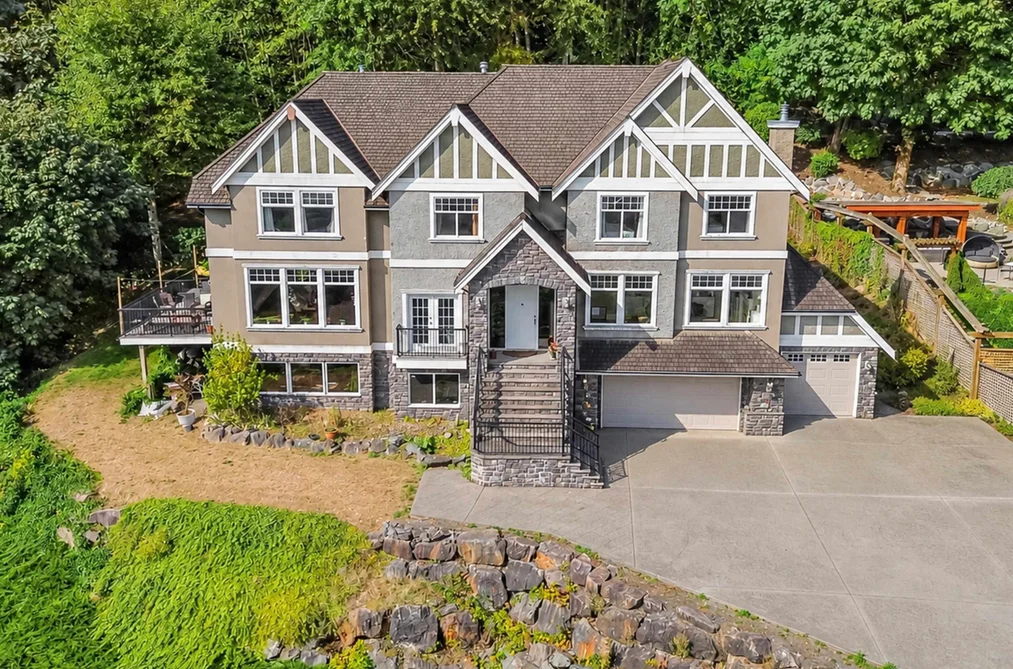
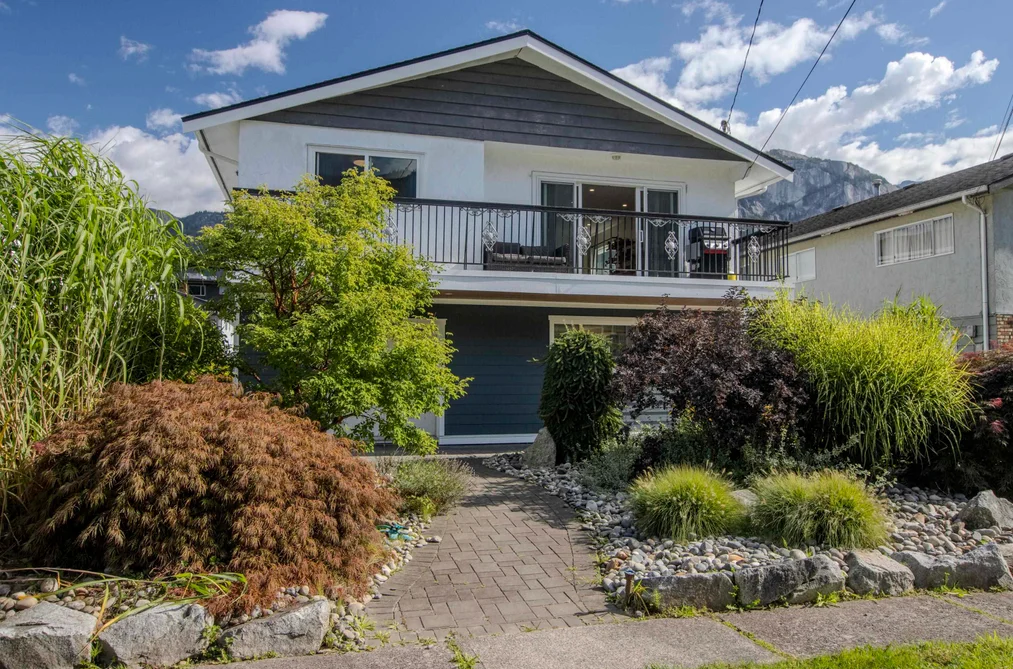
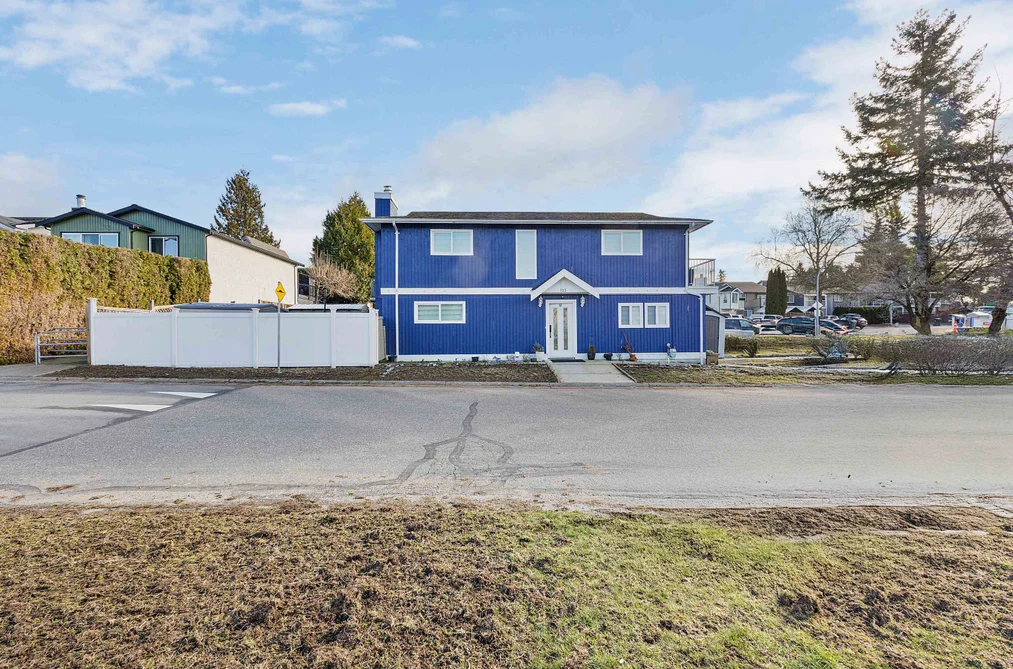
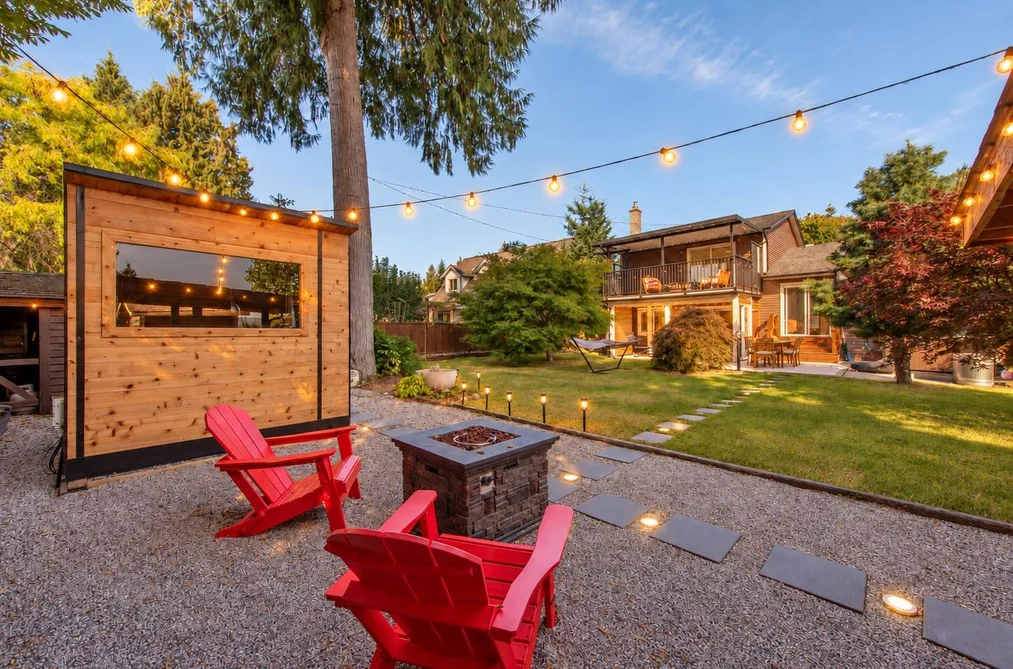
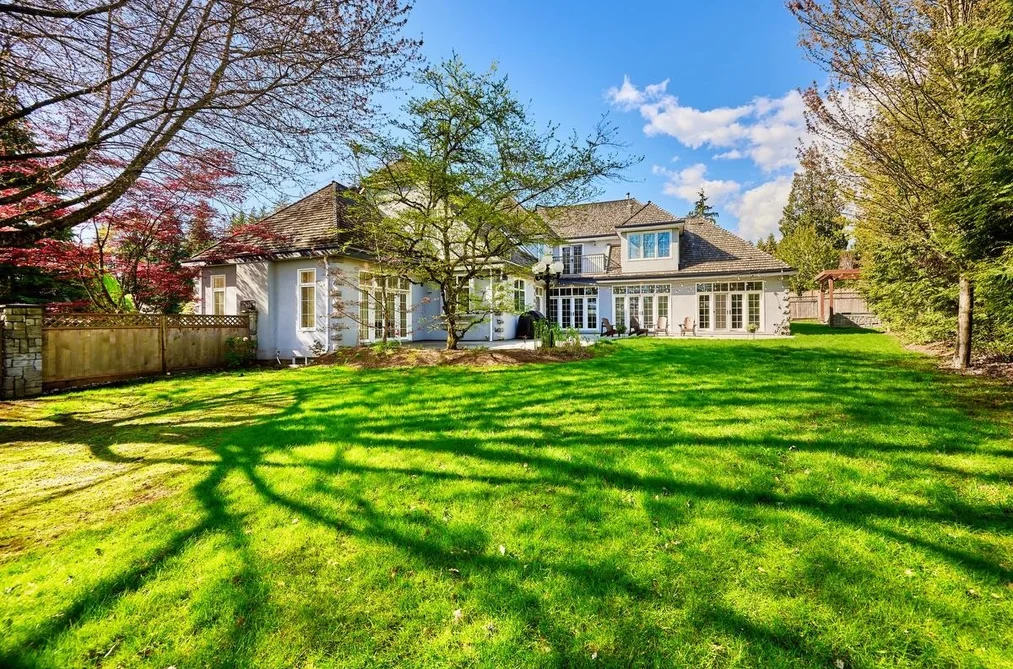
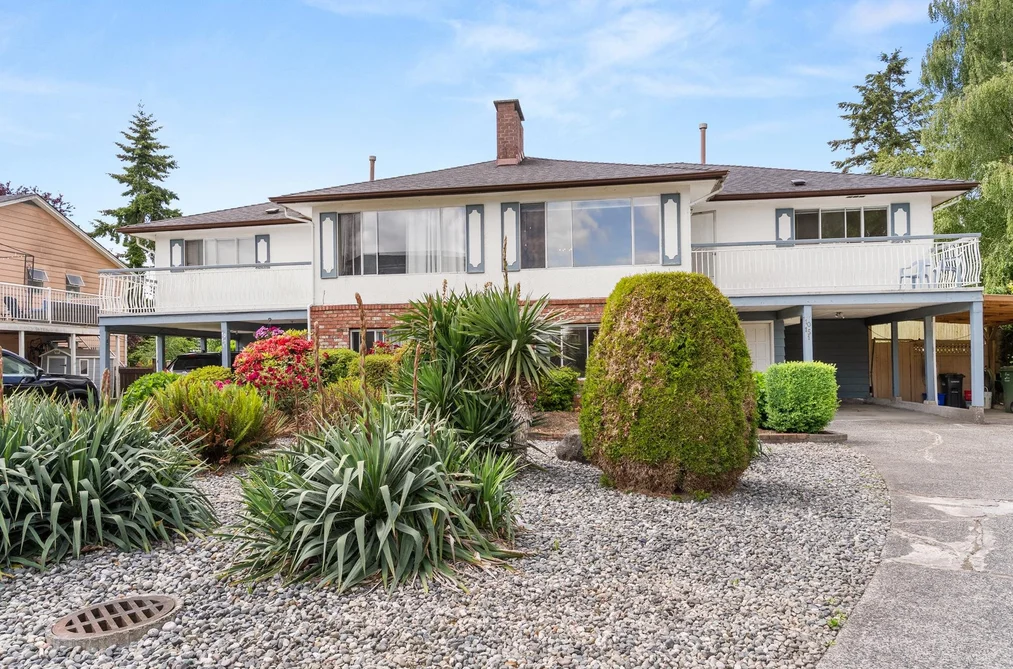
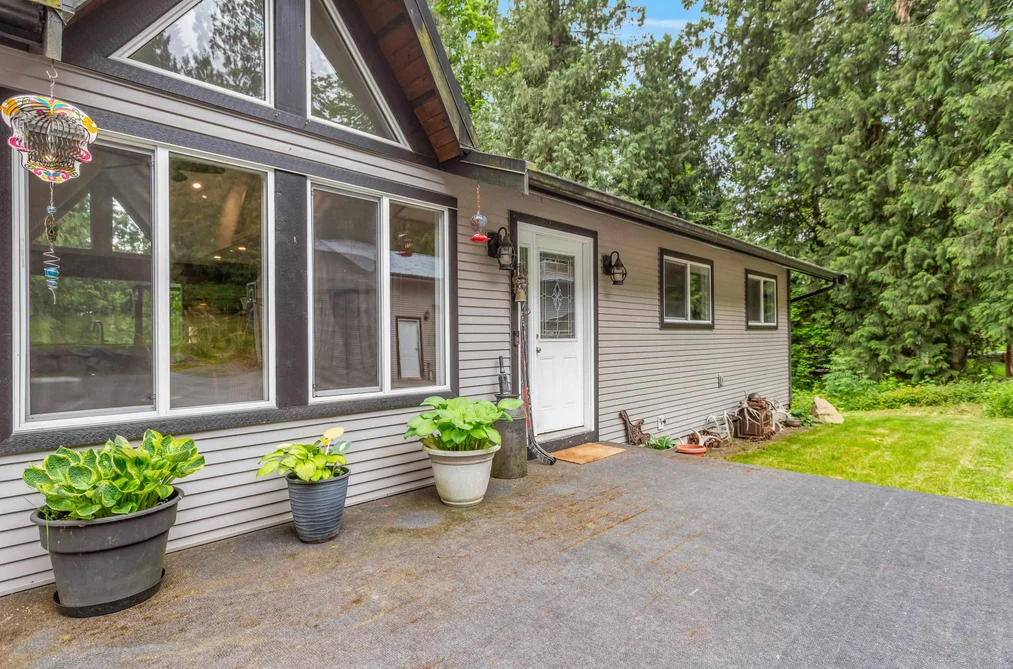
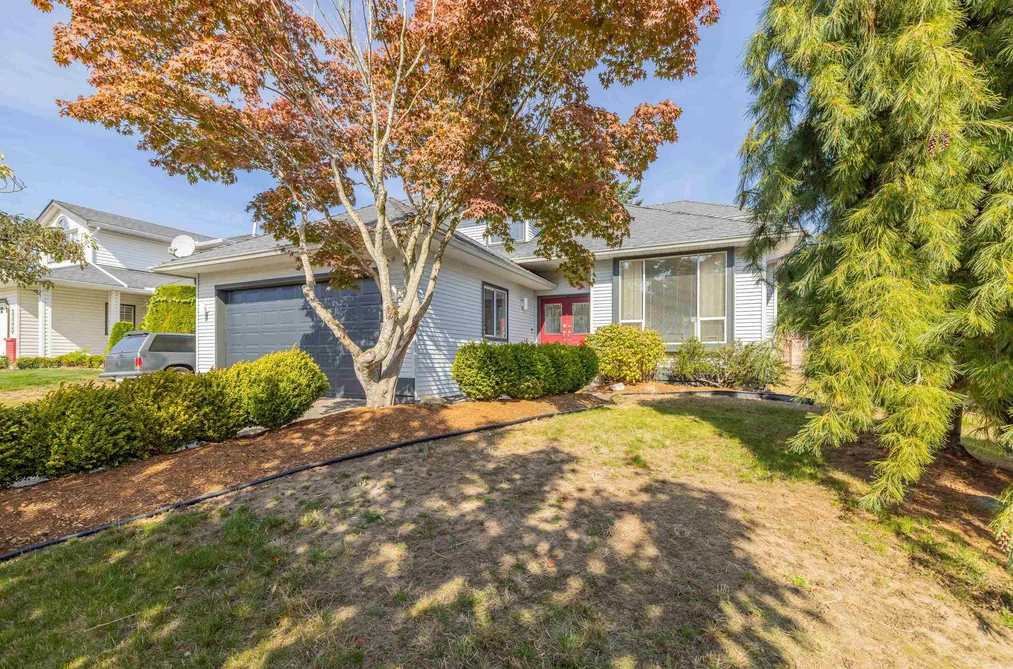
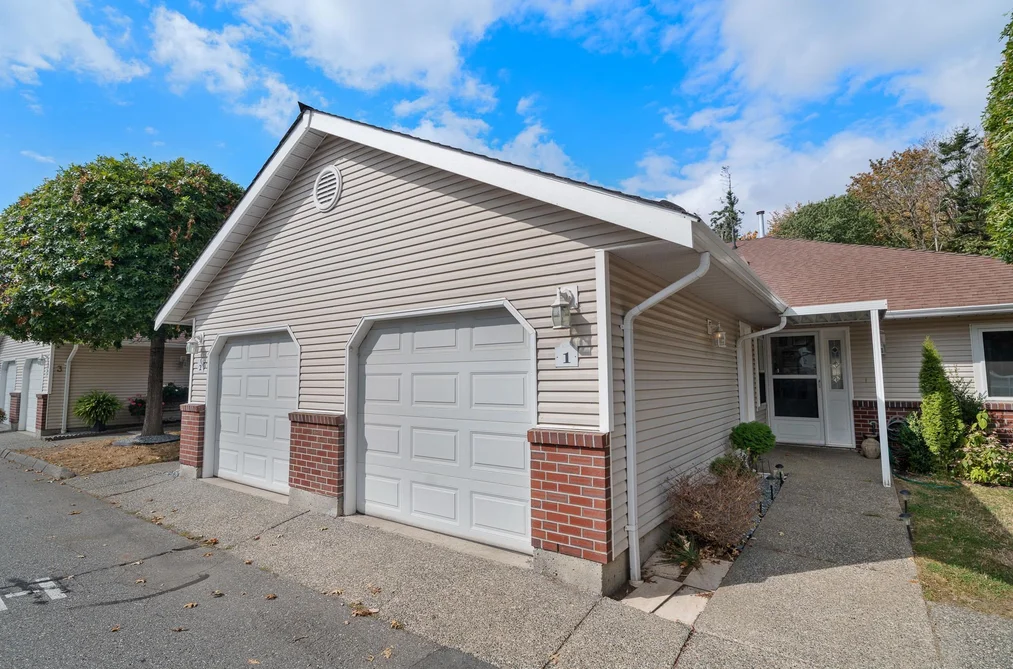

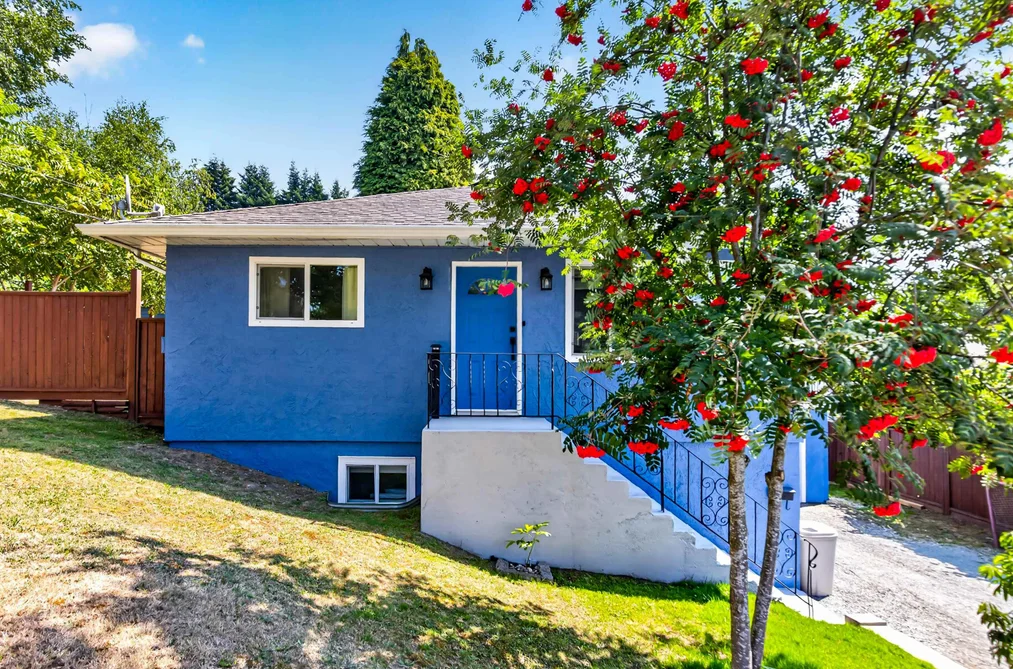
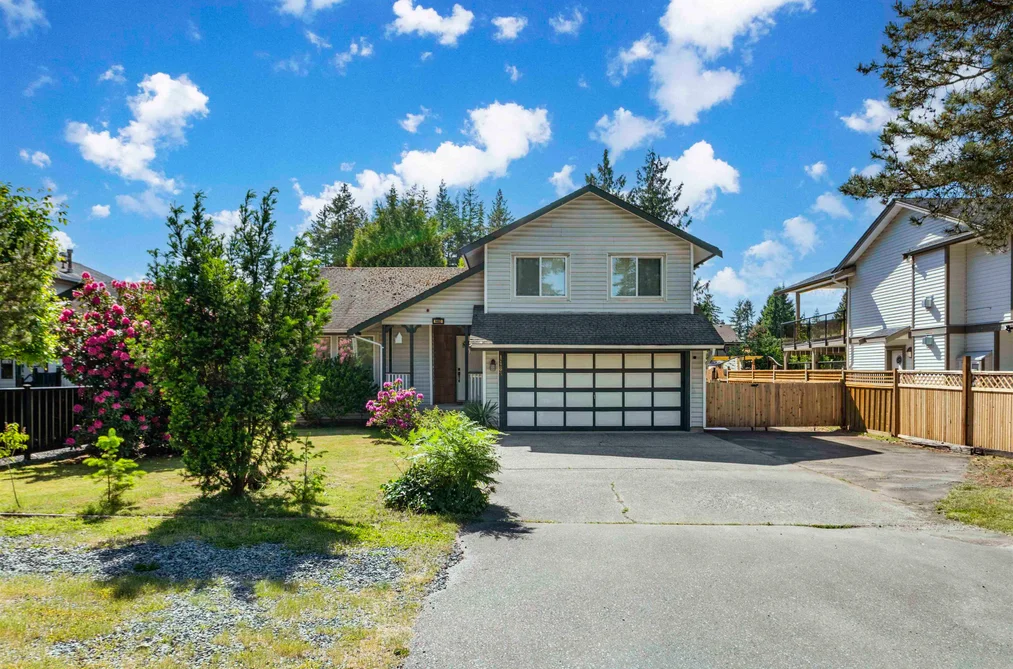
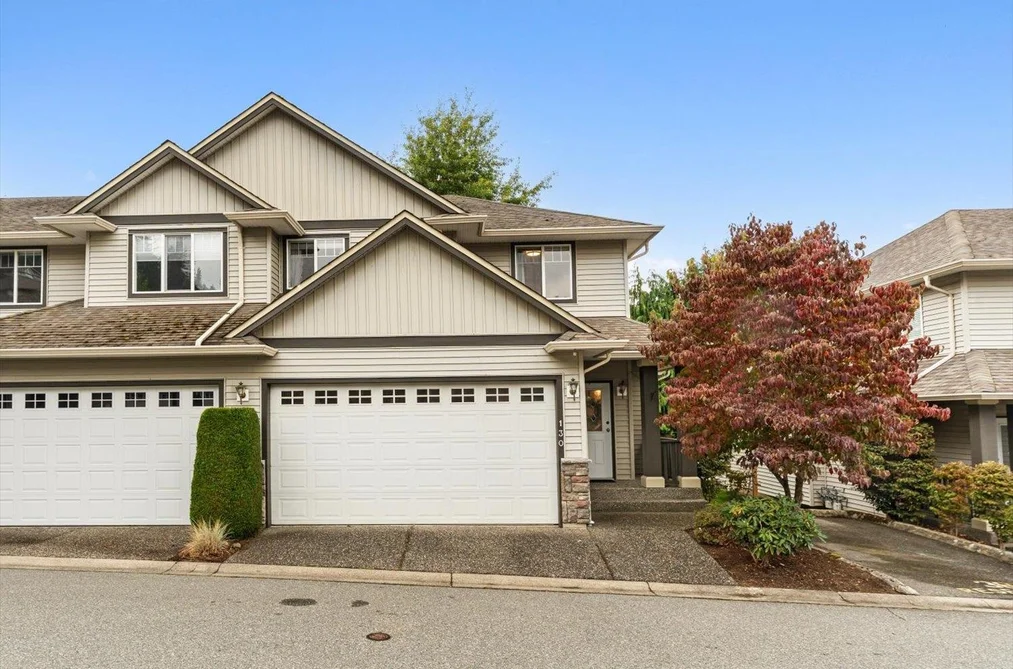
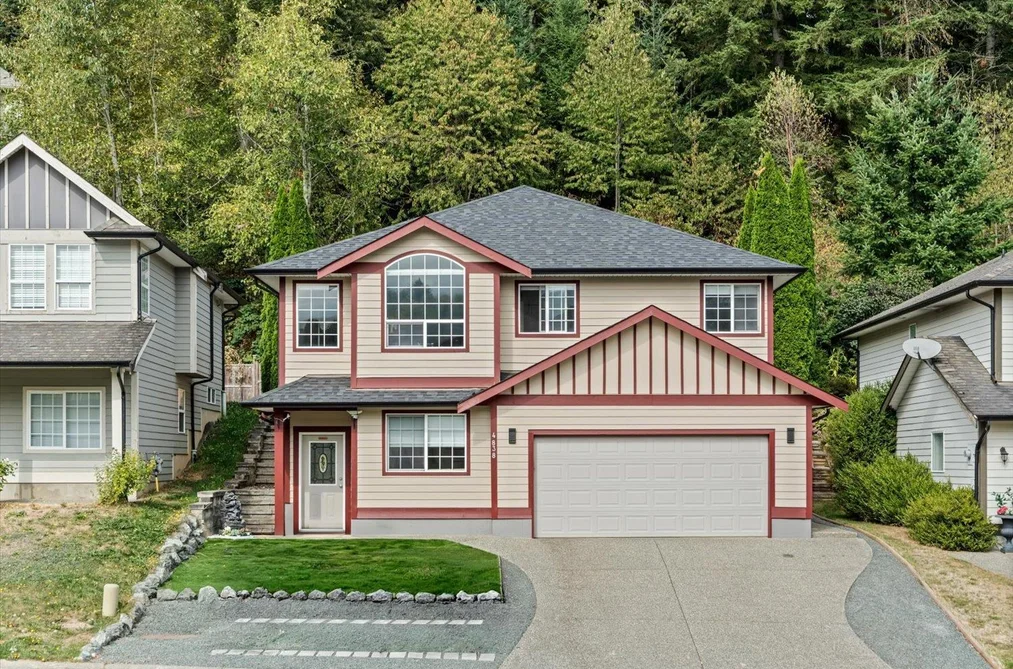
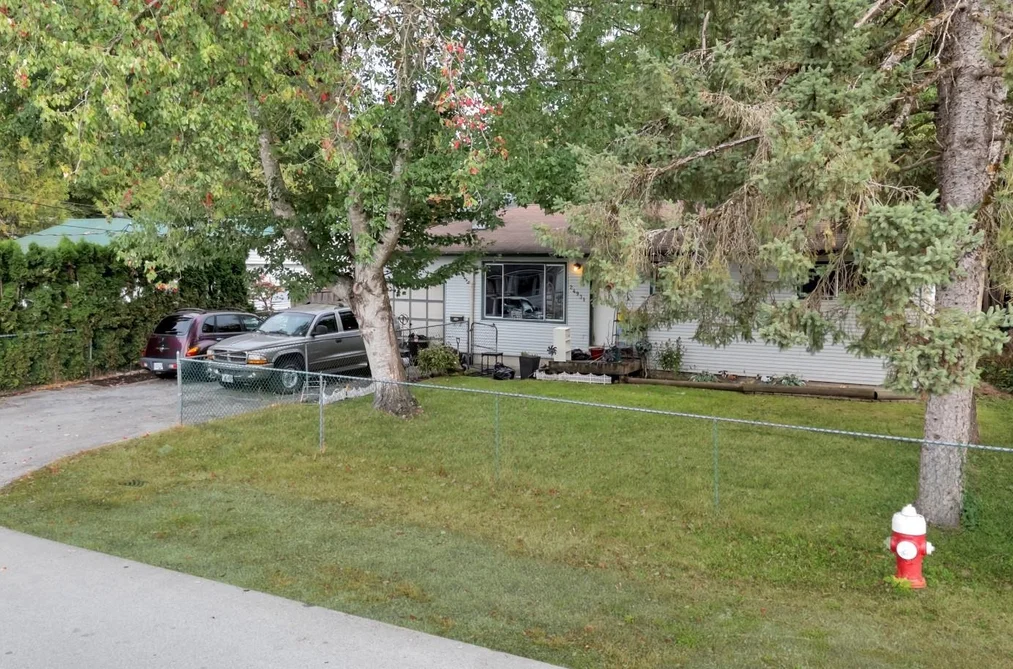
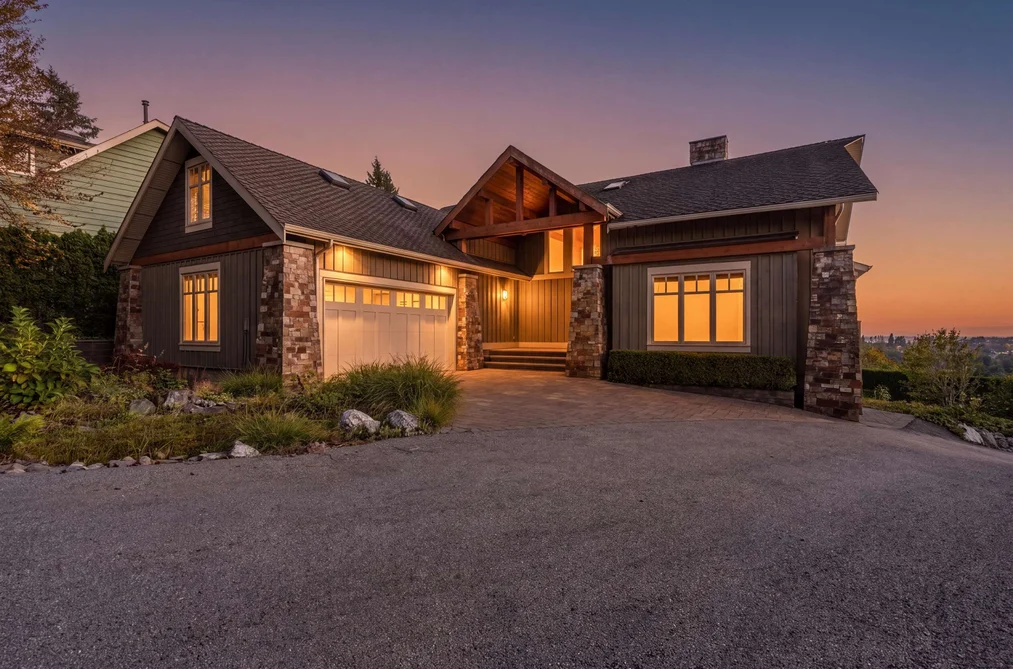
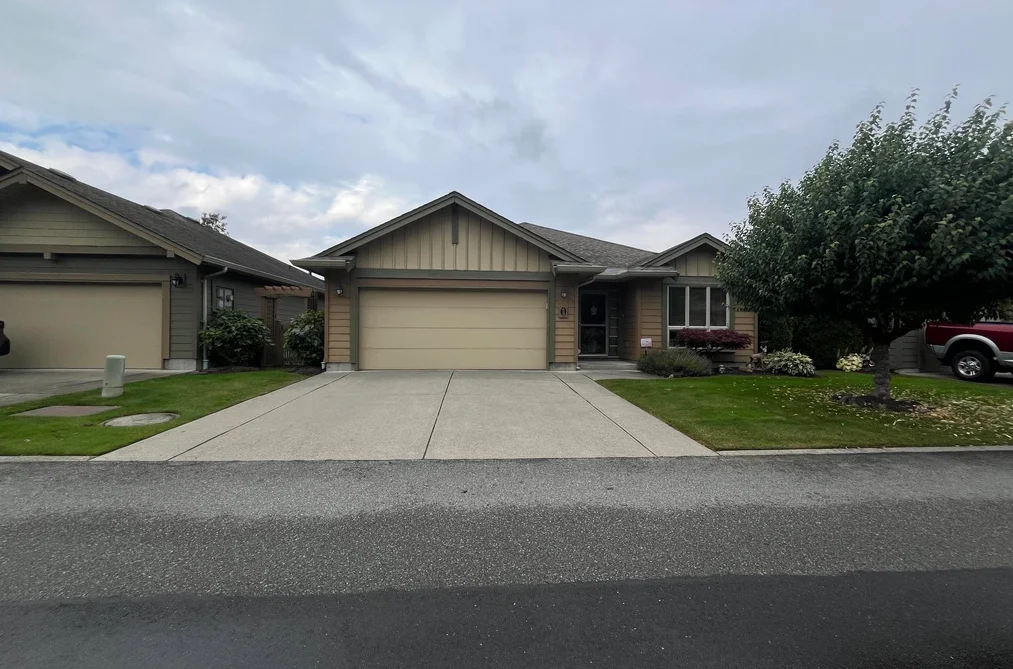
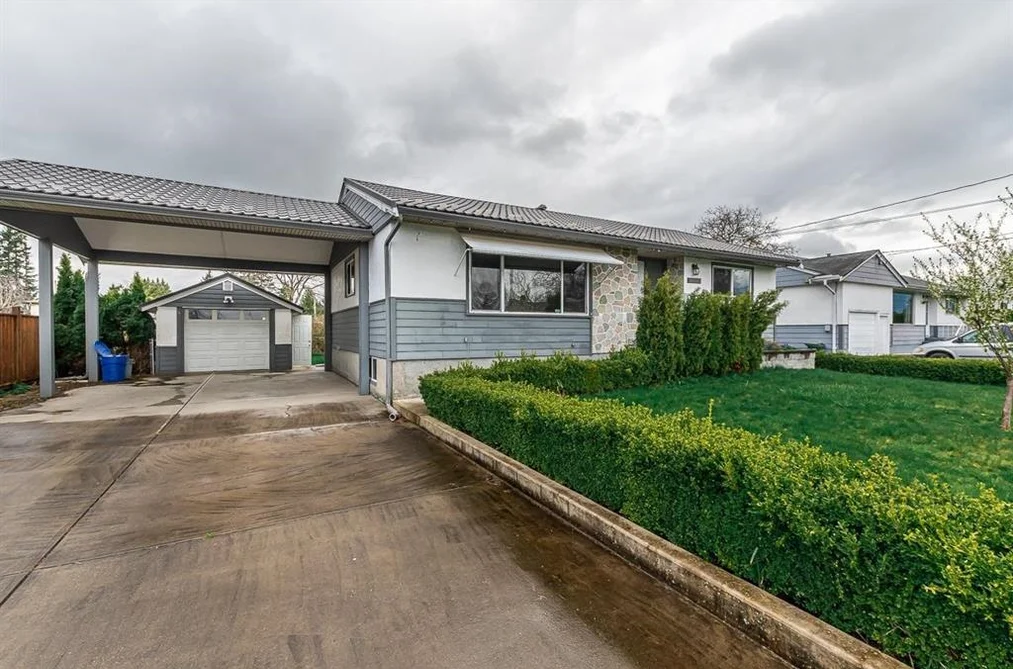
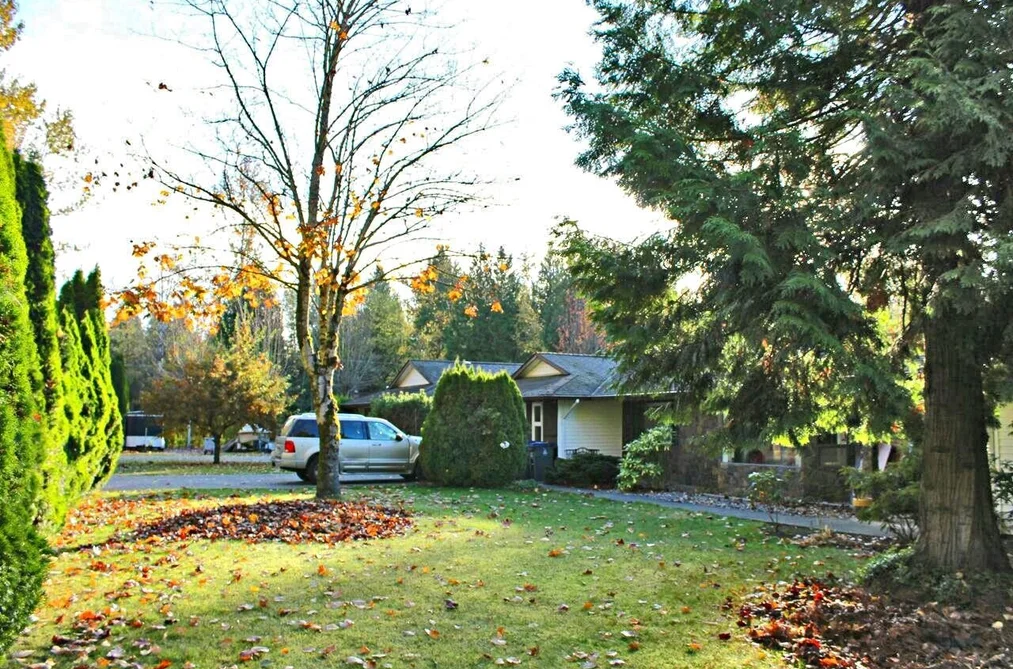
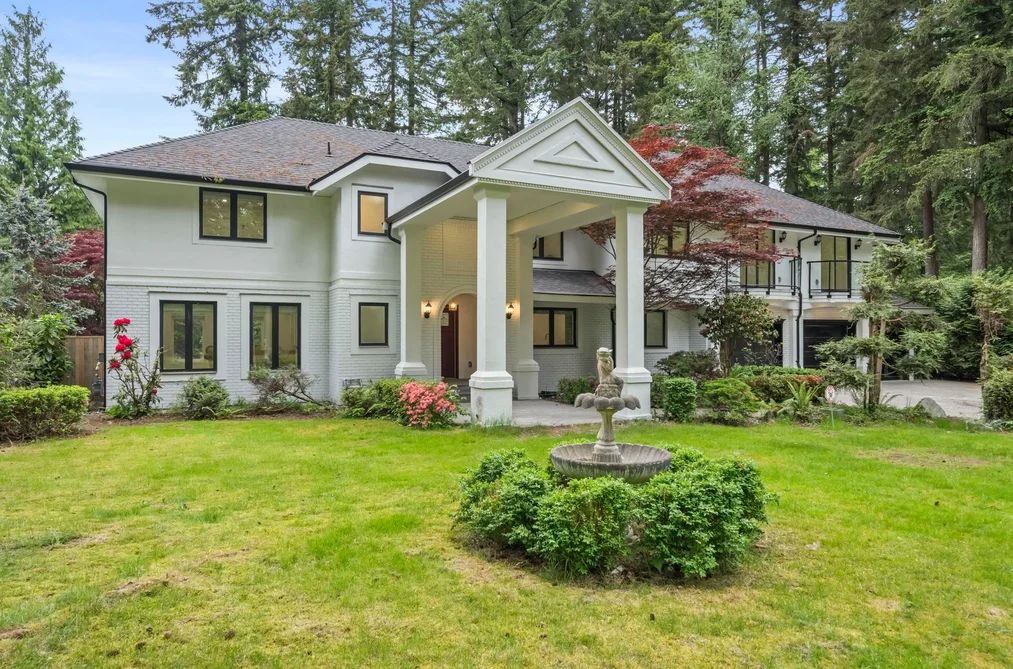
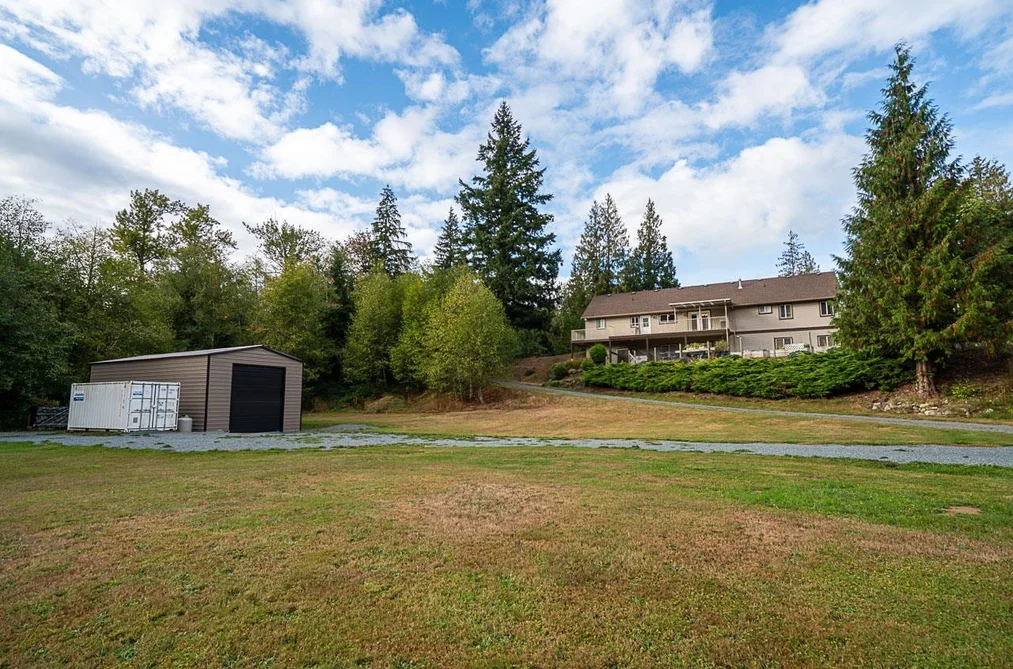
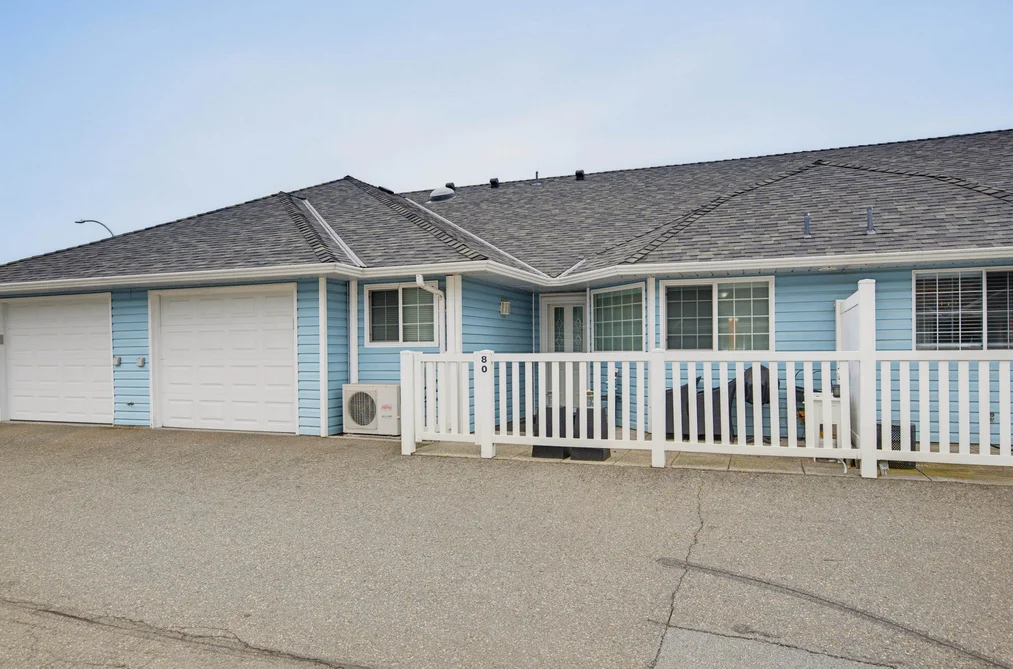
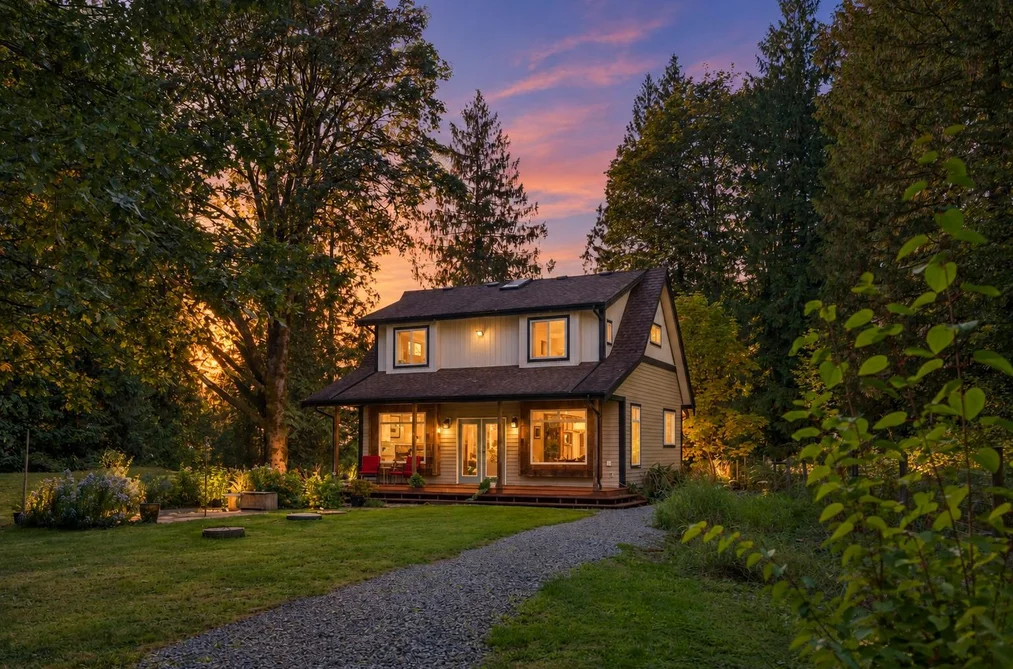
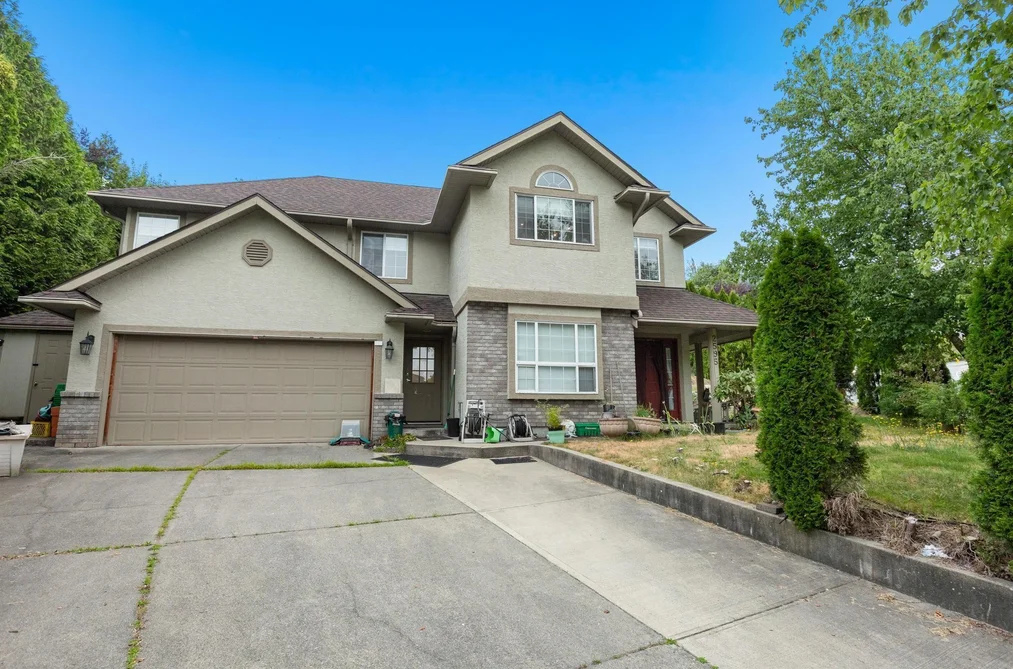
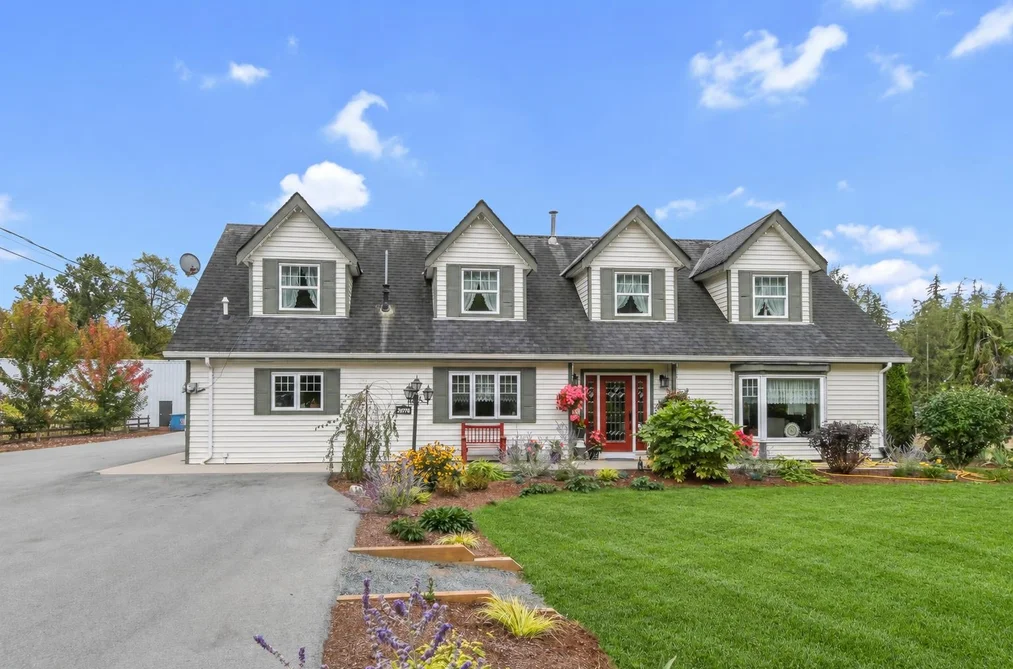
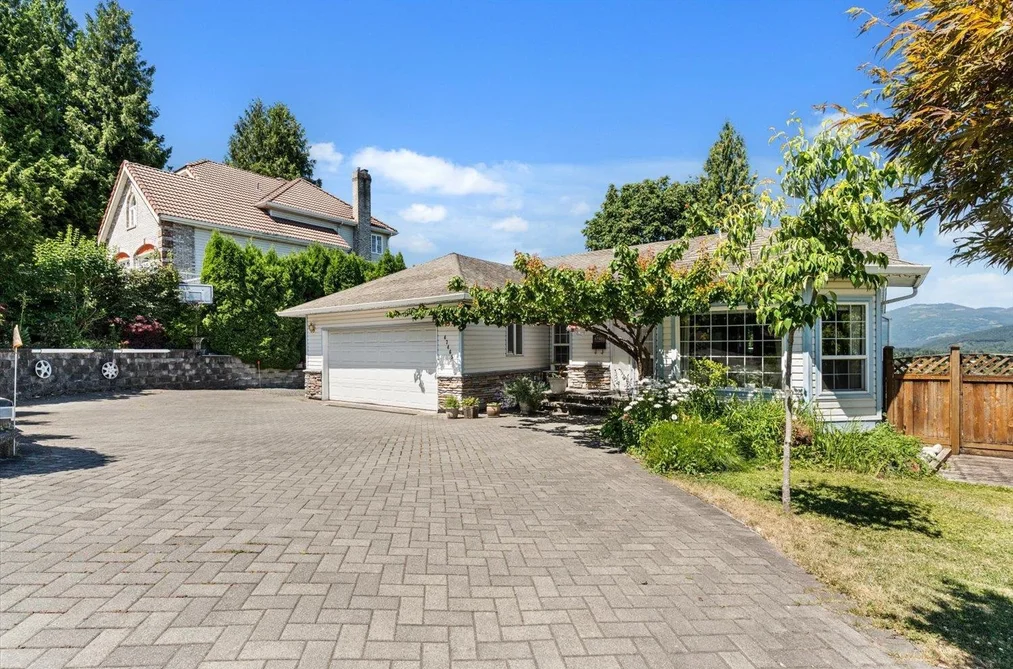
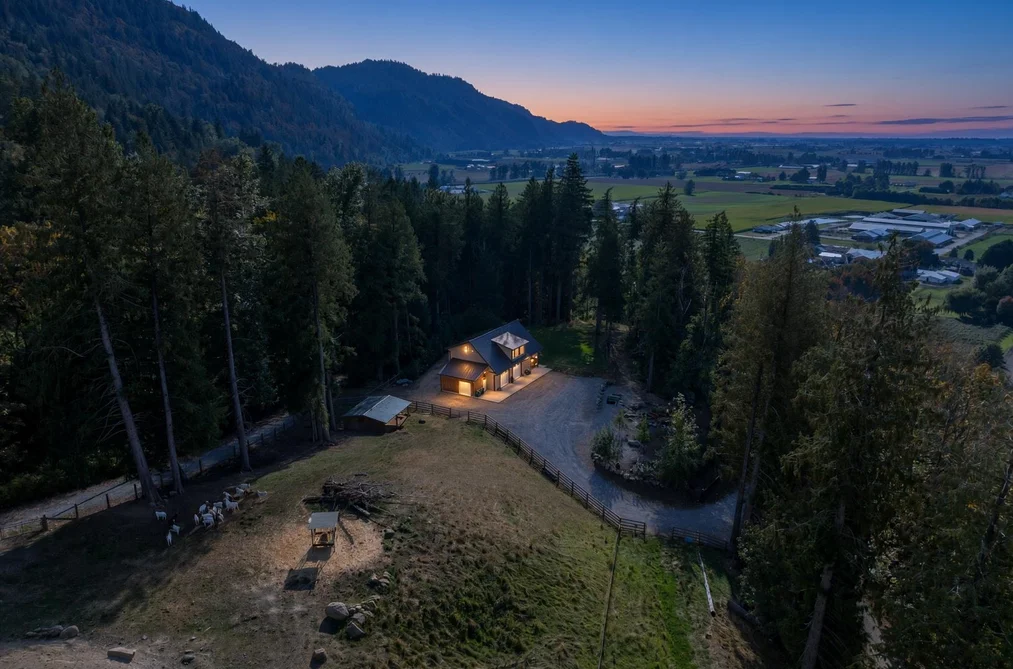
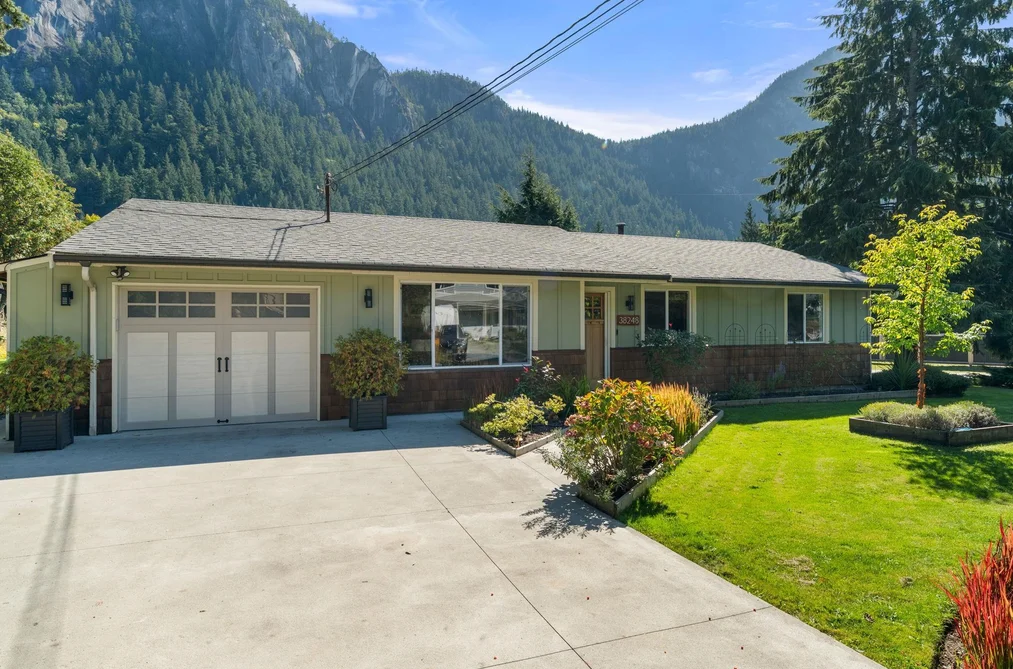
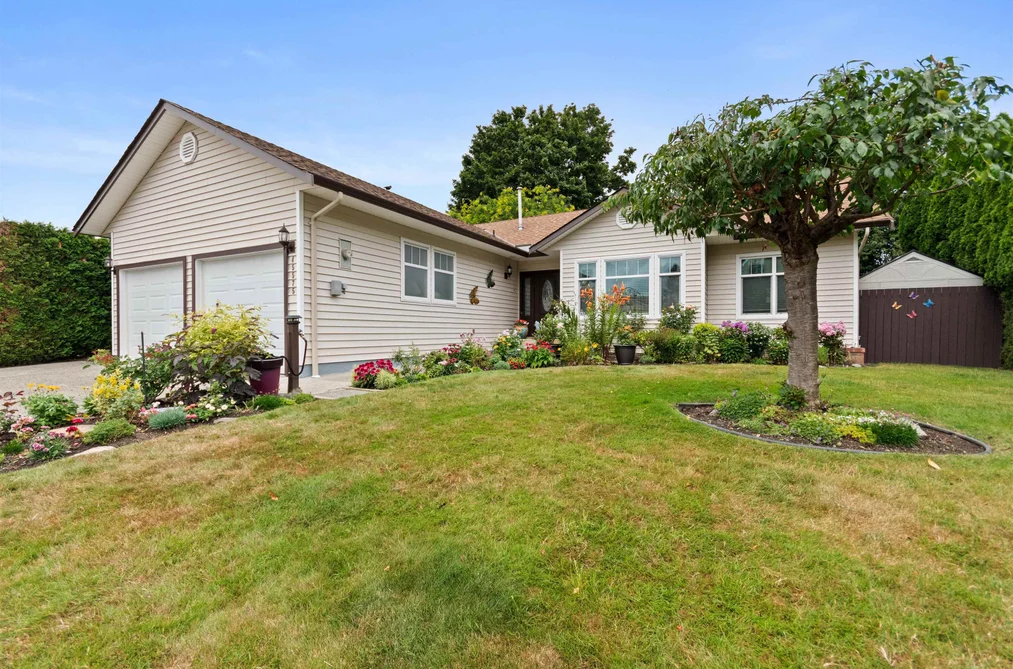
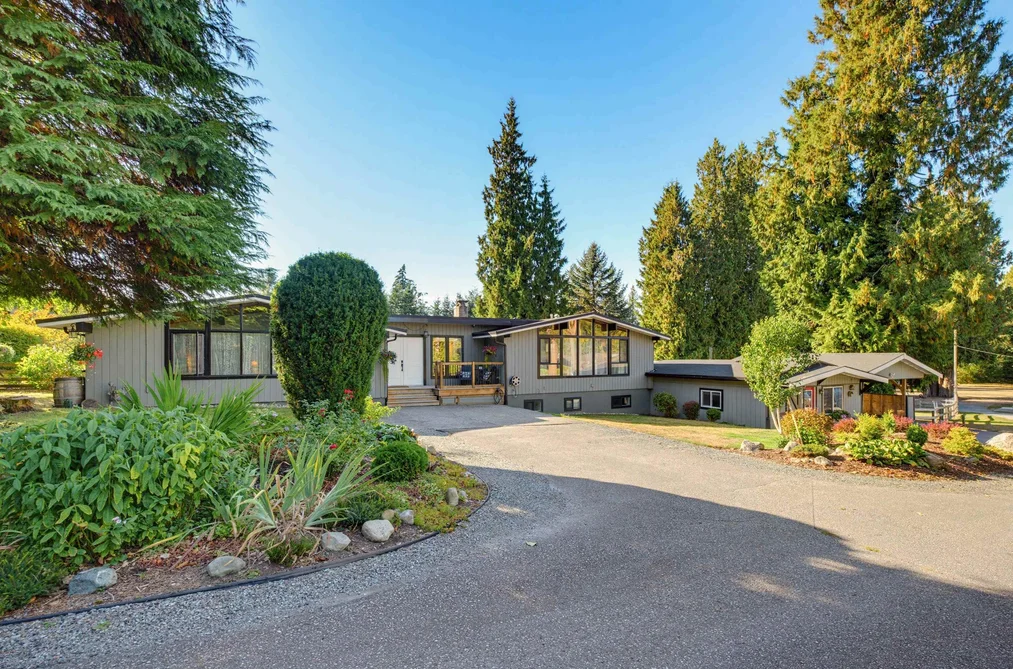
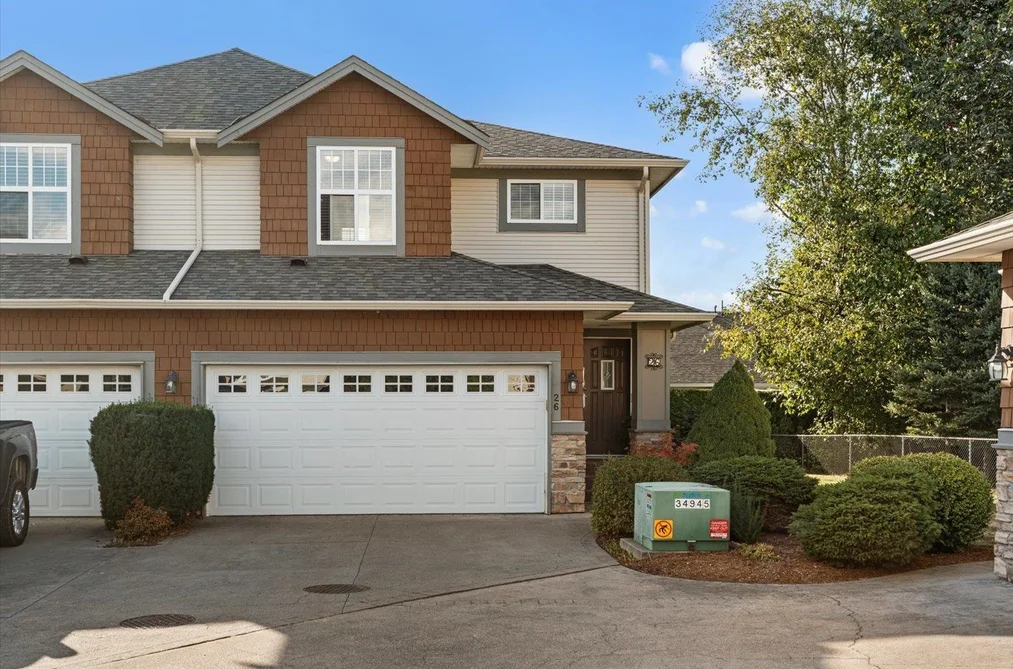
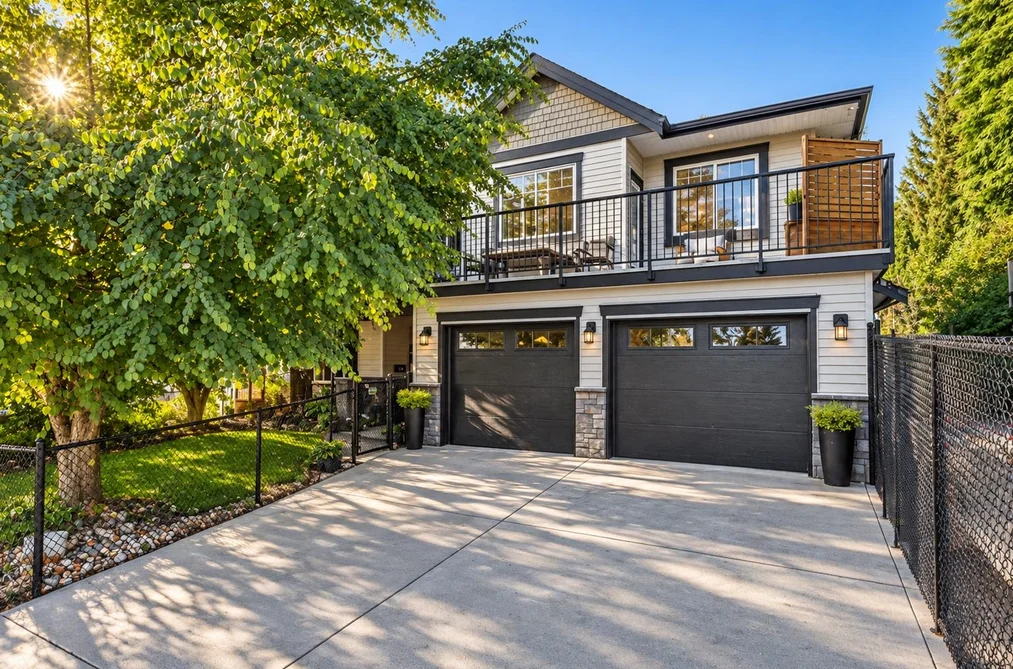
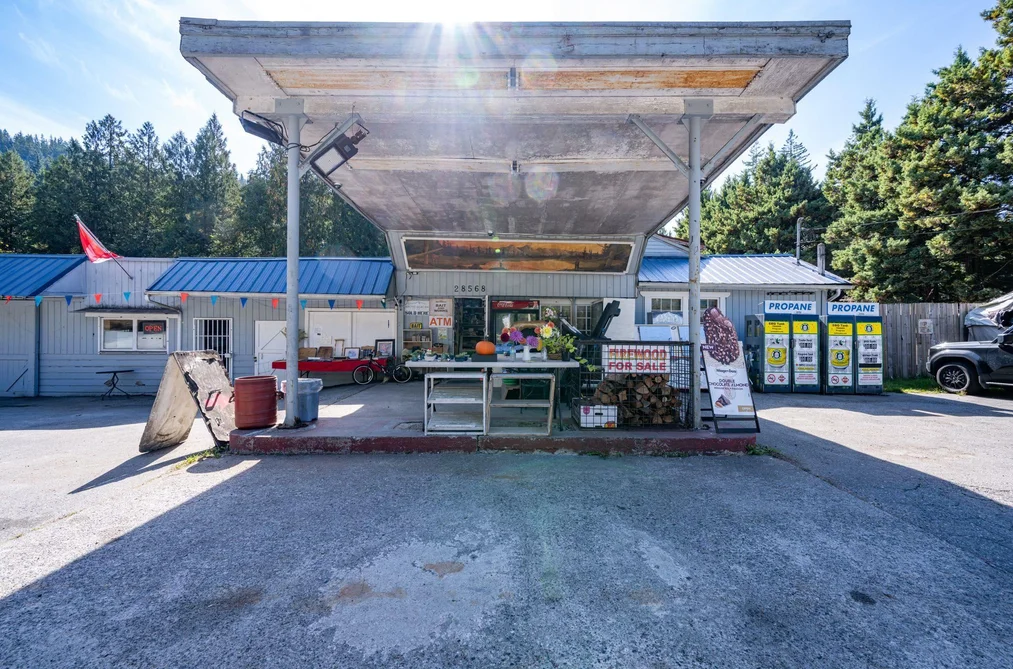
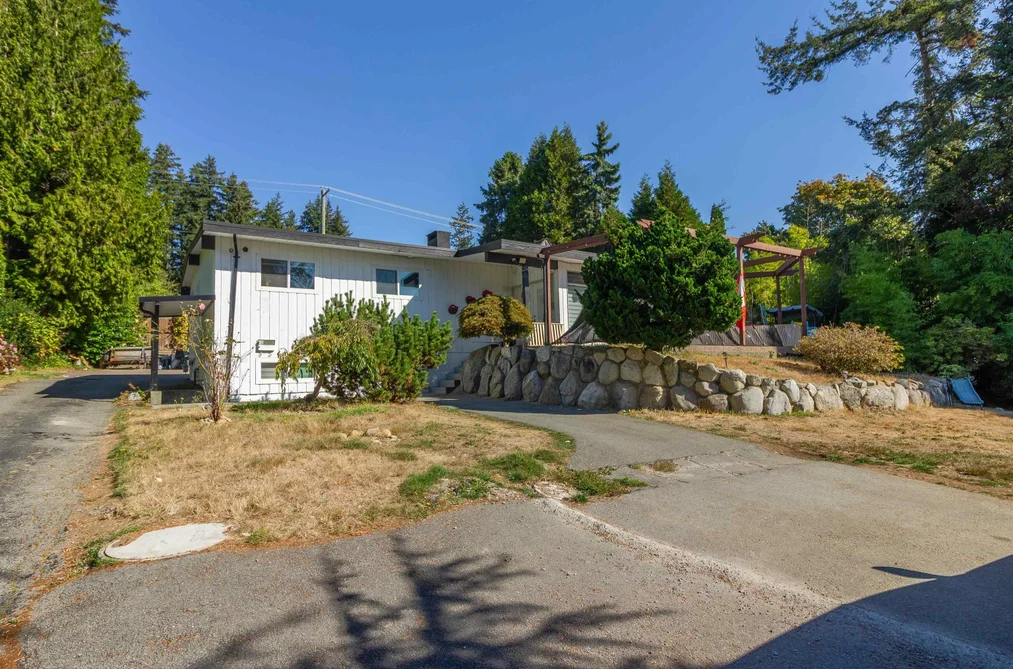
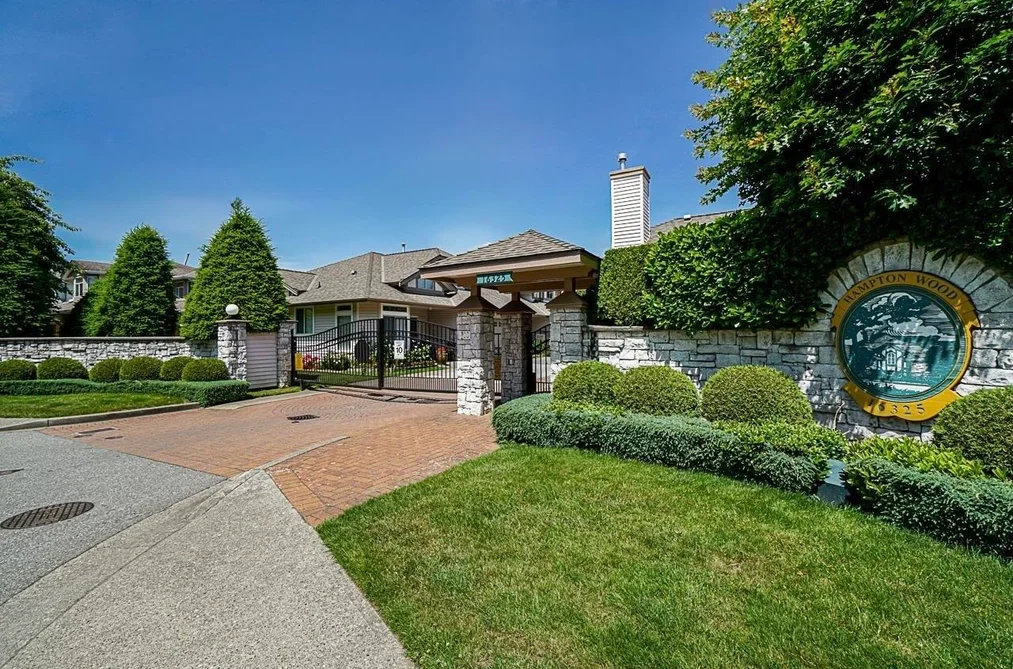
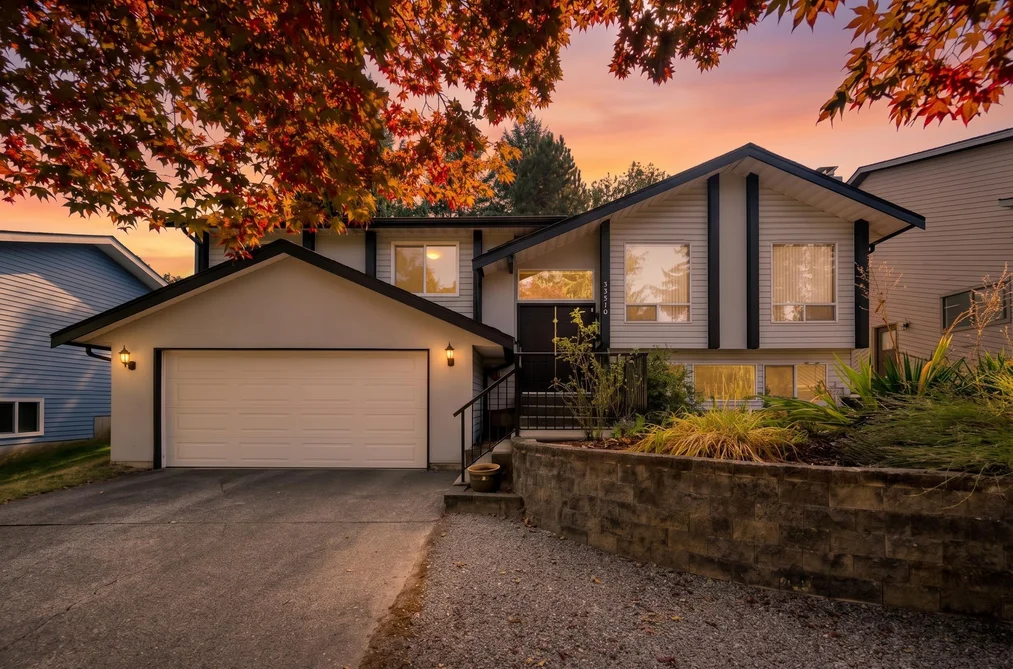
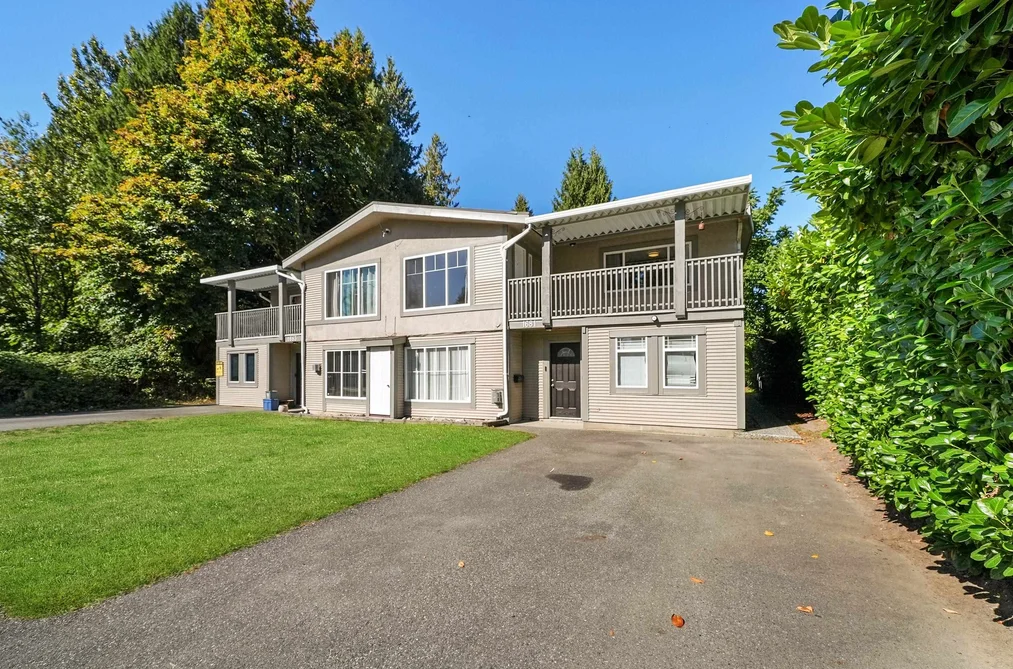
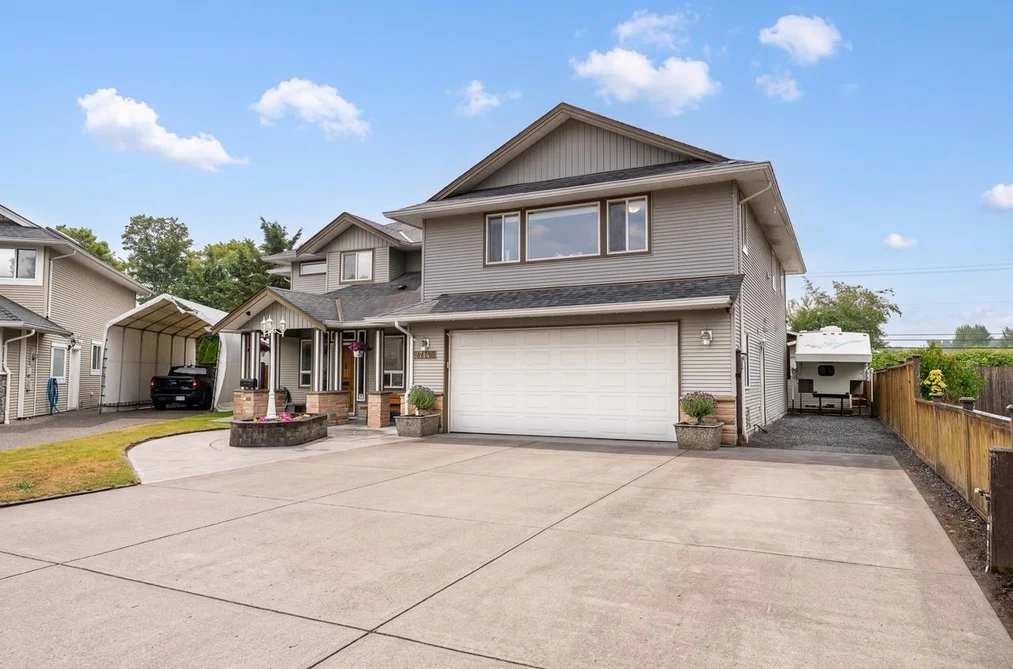
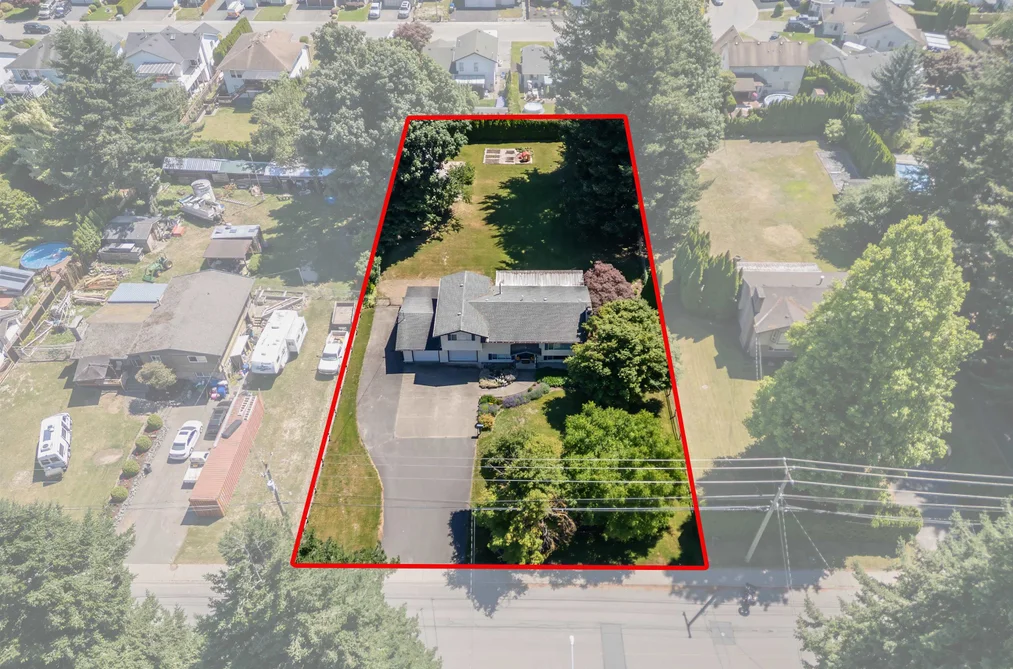
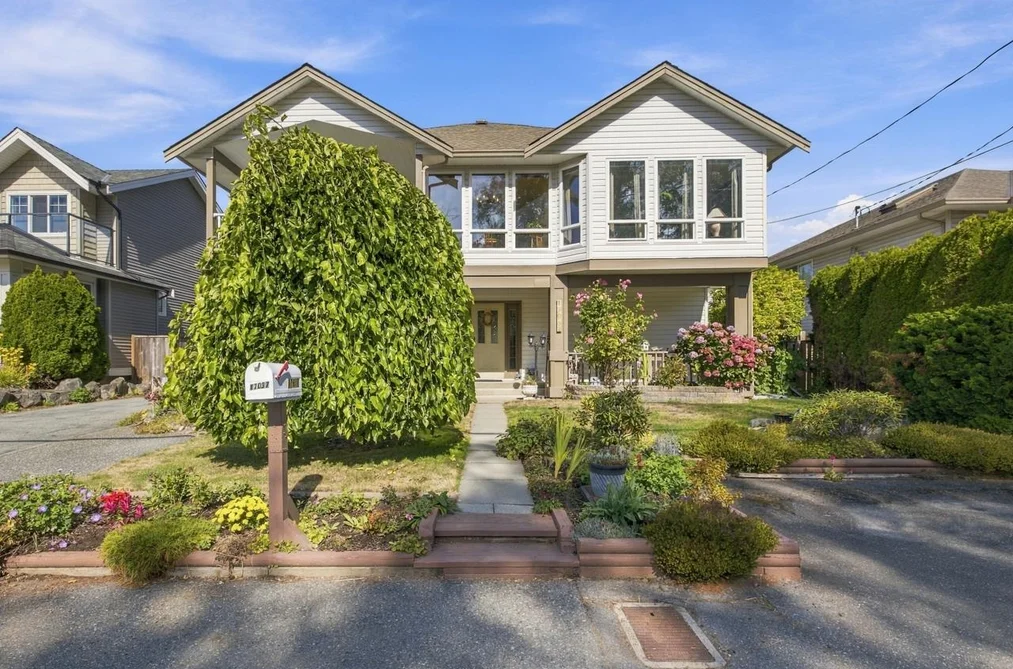
RV Parking listings describe homes with room to keep a motorhome, trailer or boat on the property, usually on a side-yard pad or in an oversized garage, so check that the space, the access and the local bylaws all allow the vehicle you own before you rely on it.
Measure the space against your vehicle, adding room to open slide-outs and walk around it. Then measure the route in: the width of the gate, the slope of the driveway, the turning radius from the street or lane, and any overhead wires or tree branches. A pad that fits a small trailer may not take a large motorhome, and a steep or narrow approach can make a spacious pad useless.
Check the surface too. A gravel or paved pad drains and carries weight; a lawn turns to mud. Ask whether the pad has power, water or a sewer connection for loading and dumping, which makes year-round use easier.
Municipalities regulate recreational vehicle parking on residential lots. Common rules limit where an RV may sit, often keeping it out of the front yard, set a maximum length, require it to be registered and insured, and prohibit living in it. Some restrict parking on the street entirely. Ask the municipality for the current rules on the specific property before you offer. Ask the current owners, too, whether neighbours have ever complained about the RV, since complaints are what usually prompt bylaw enforcement, and whether they have received any notices.
In a bare land strata or townhouse complex, the strata bylaws usually add their own restrictions, and many prohibit RVs altogether. Read them carefully.
An RV garage or covered carport protects the vehicle from rain, sun and theft and keeps it out of sight, which neighbours often prefer. Ask whether any RV garage was built with a permit, since tall accessory buildings are often limited by height and setback rules. For an open pad, check the lighting, the fencing and whether the vehicle can be seen from the street.
For boats and trailers, check the same access and bylaw questions, and whether there is room to store a tow vehicle as well.
RV parking usually comes with a larger lot, which is why these listings are most common in Surrey, Langley, Maple Ridge, Chilliwack, Abbotsford and on Vancouver Island. The extra land can also mean a bigger yard, a workshop or room for a future garden suite. Compare the house itself as you would any other: the layout, the bedrooms, the condition and the price against similar homes without RV space nearby.
For buyers who travel often or keep a recreational property, parking the RV at home saves storage fees and makes trips easier to start. Check how the RV would affect daily use of the driveway and yard, and whether the neighbours' windows face the pad. Consider winter storage as well: an RV parked outside through the wet months needs a cover, ventilation and regular checks for leaks and mould, while one kept in a garage stays in far better condition.
Supply is strongest in the suburbs and the Fraser Valley, with more on Vancouver Island for buyers looking at recreational property. Browse and compare current listings on the MLS® through Strawhomes, filter by lot size and neighbourhood, and shortlist only the homes whose space, access and bylaws suit your vehicle. Compare them against a triple garage or a detached workshop for other large vehicles and equipment.