For Sale
4 days
- $2,900,000
- 6 bed
- 3 bath
- 2747 sqft
MLS® R3168919
•Royal LePage - Wolstencroft
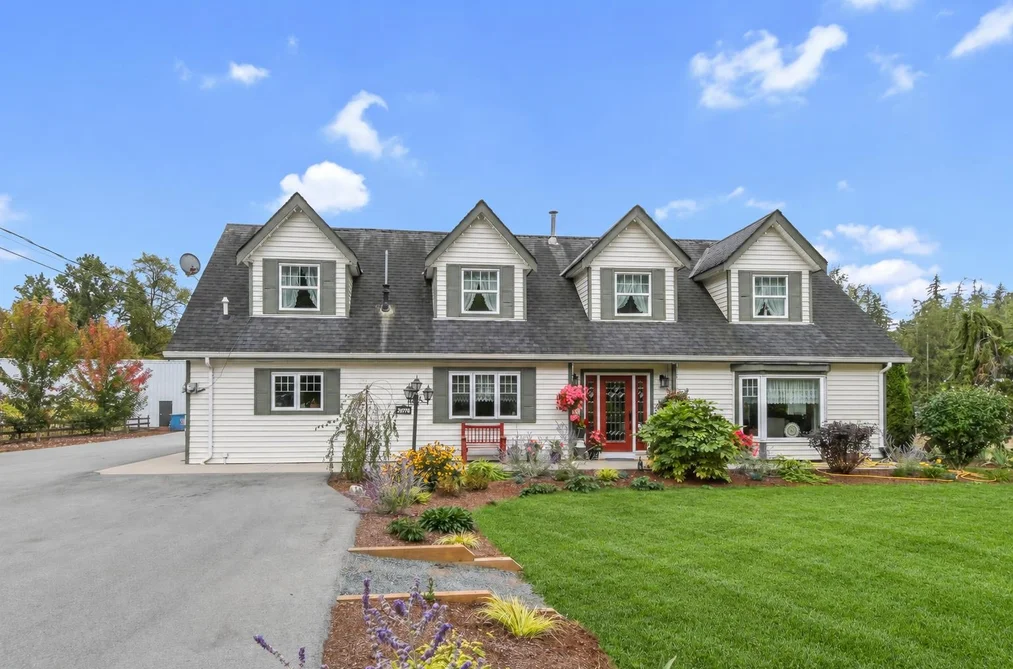
Browse Wheelchair Access homes for sale in British Columbia and check the entrance, doorways, bathroom and parking yourself before you rely on the listing.
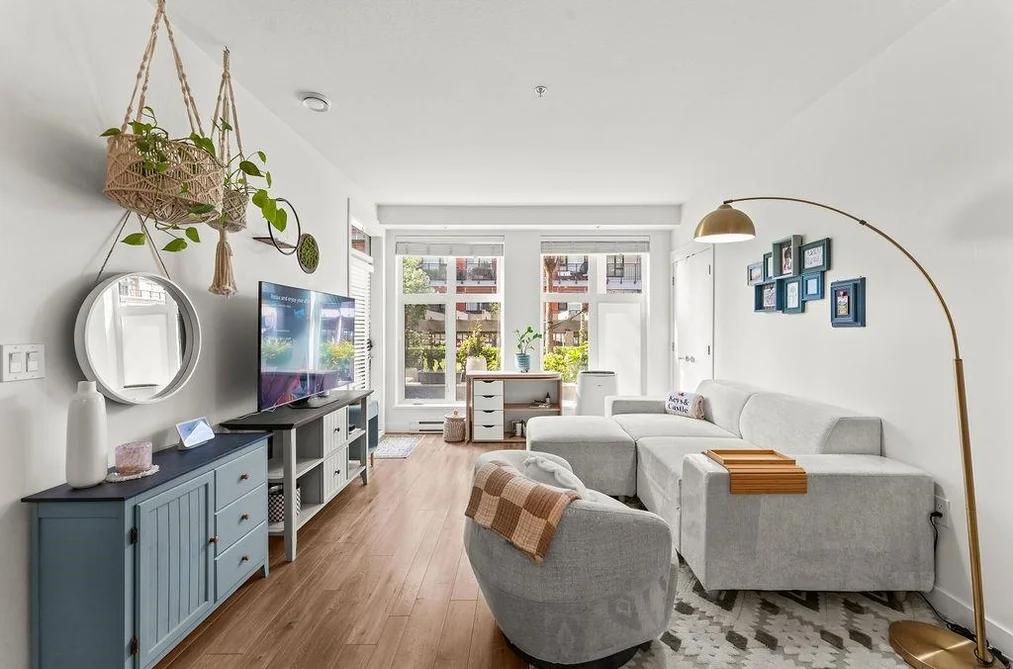
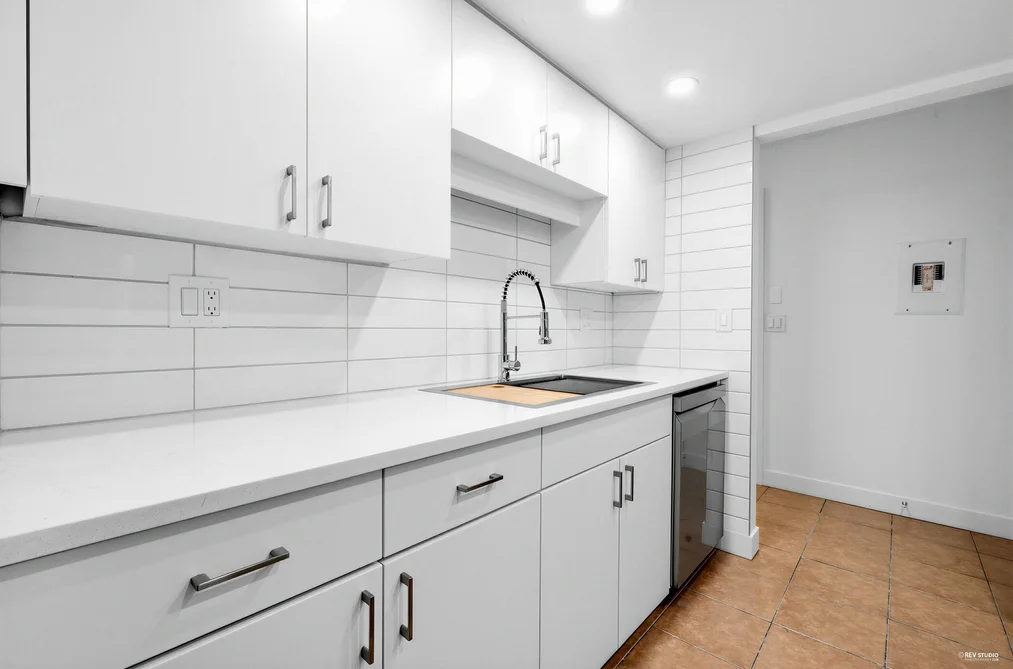
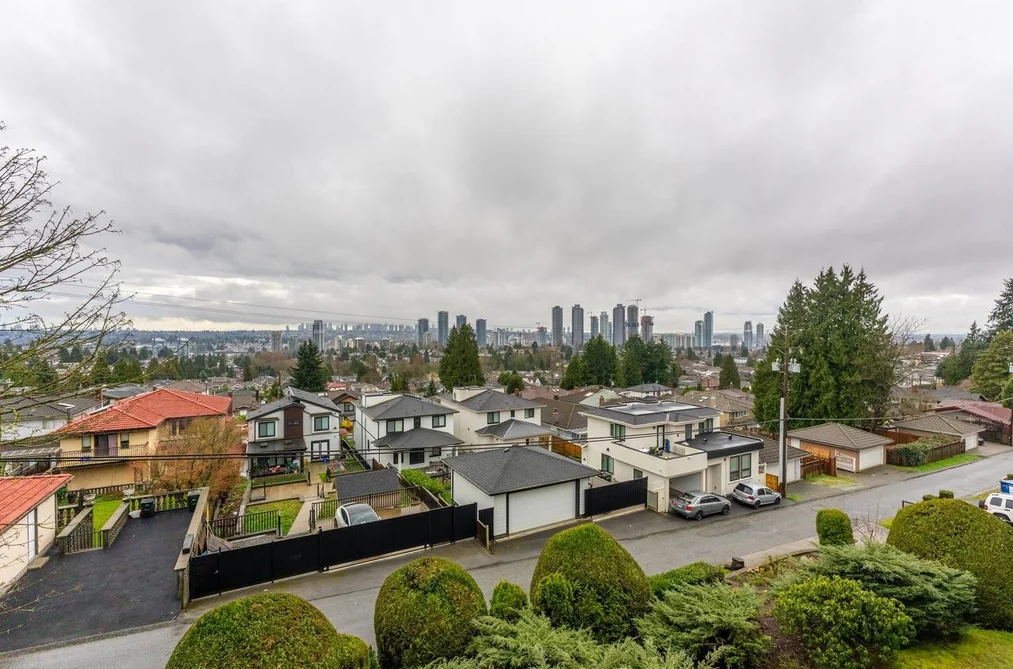
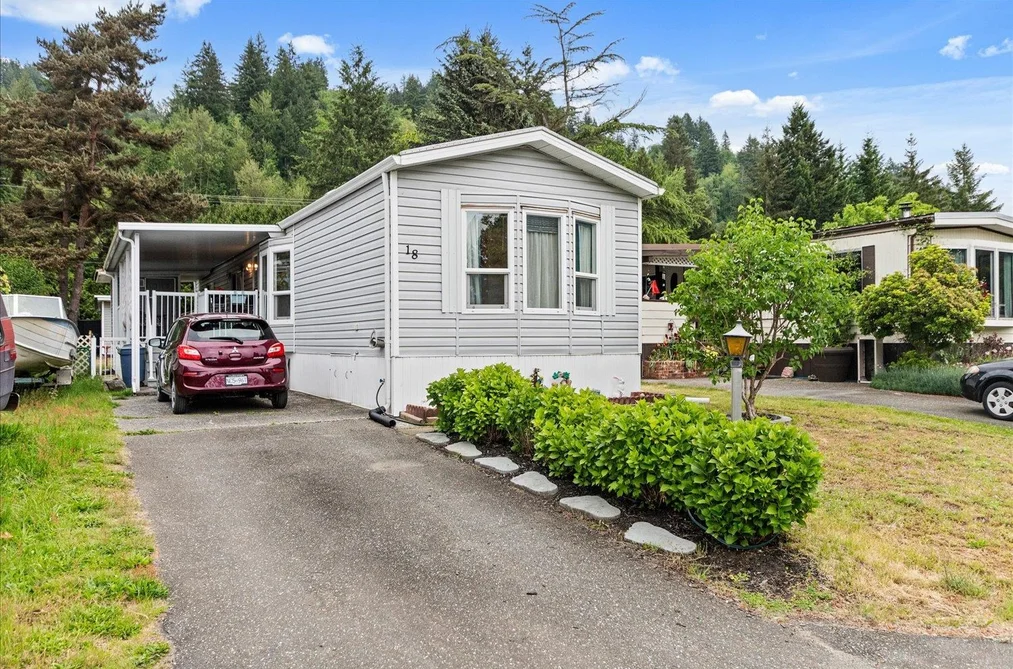
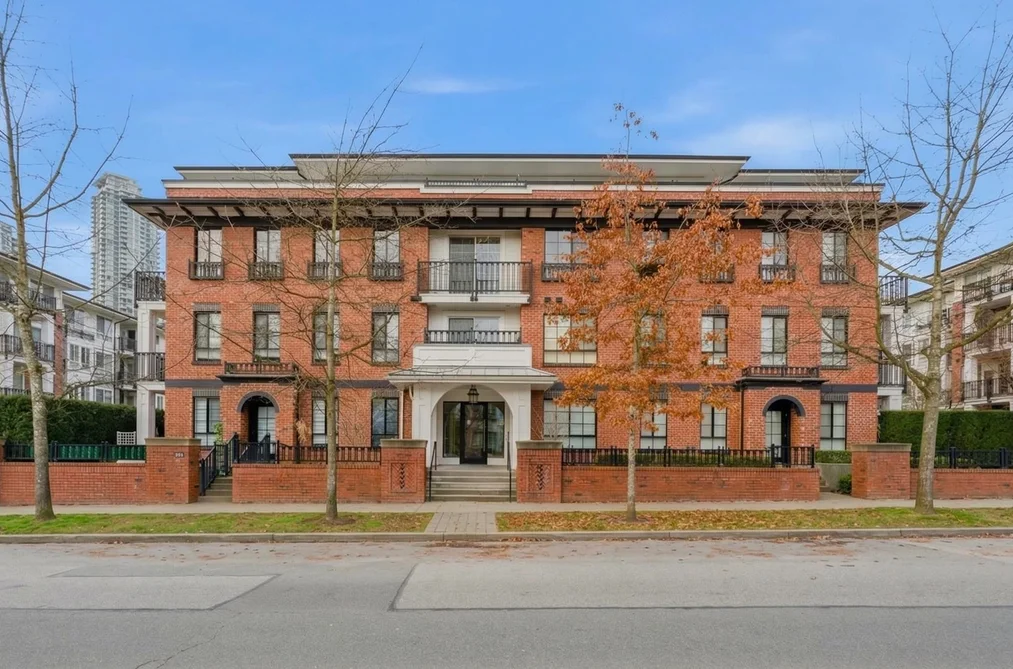
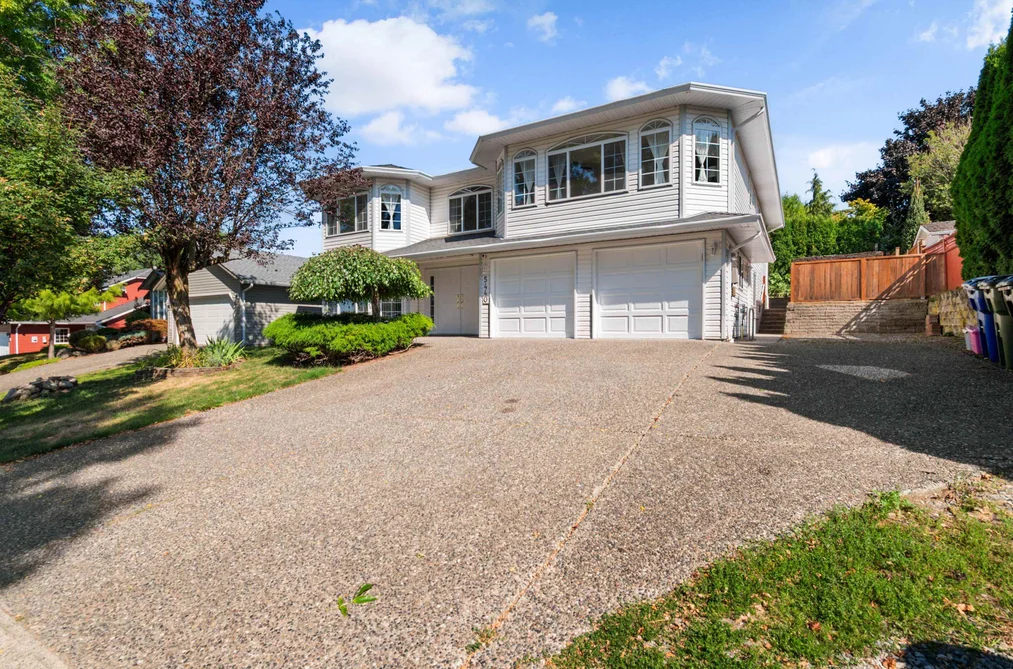
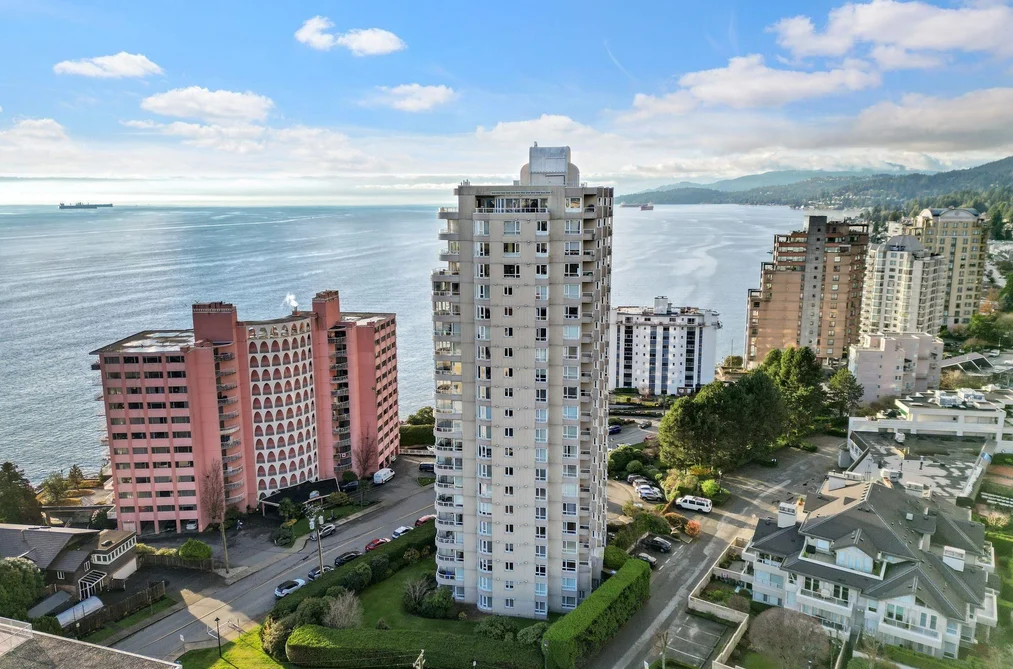
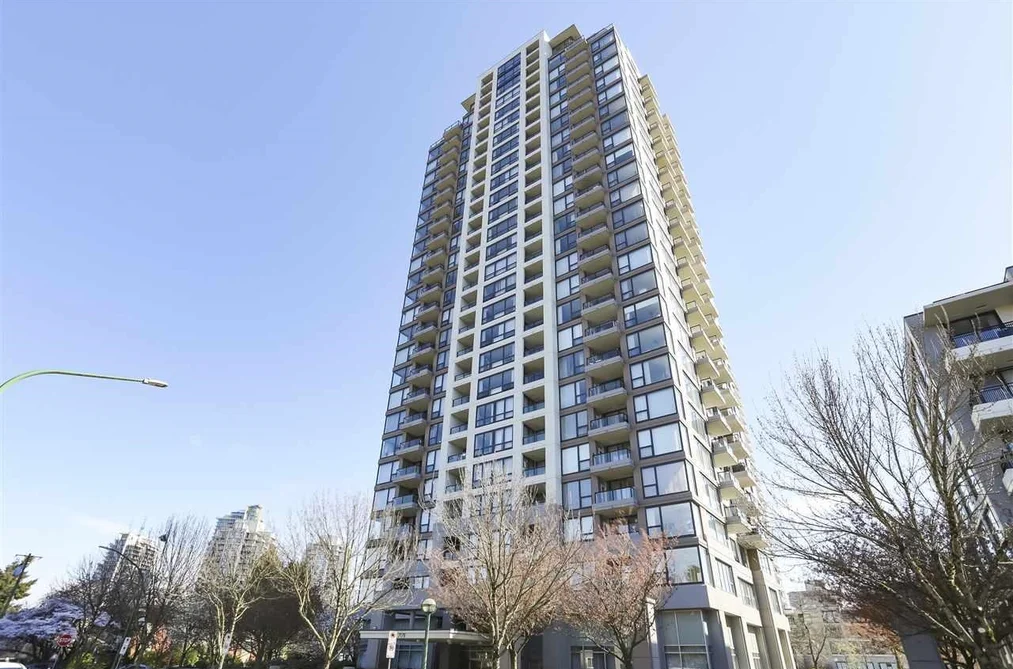
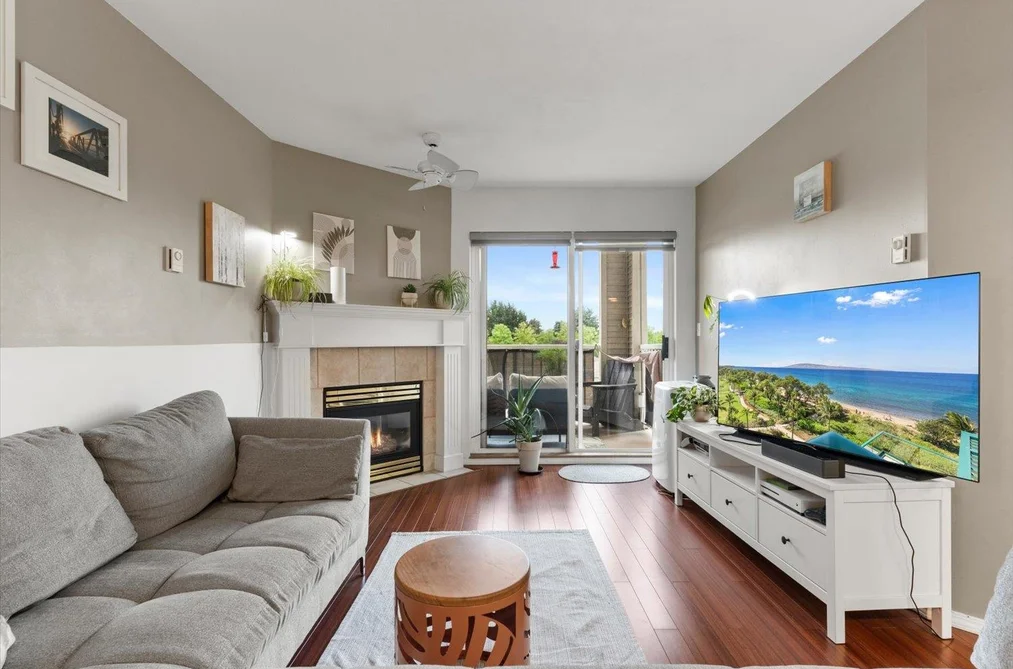

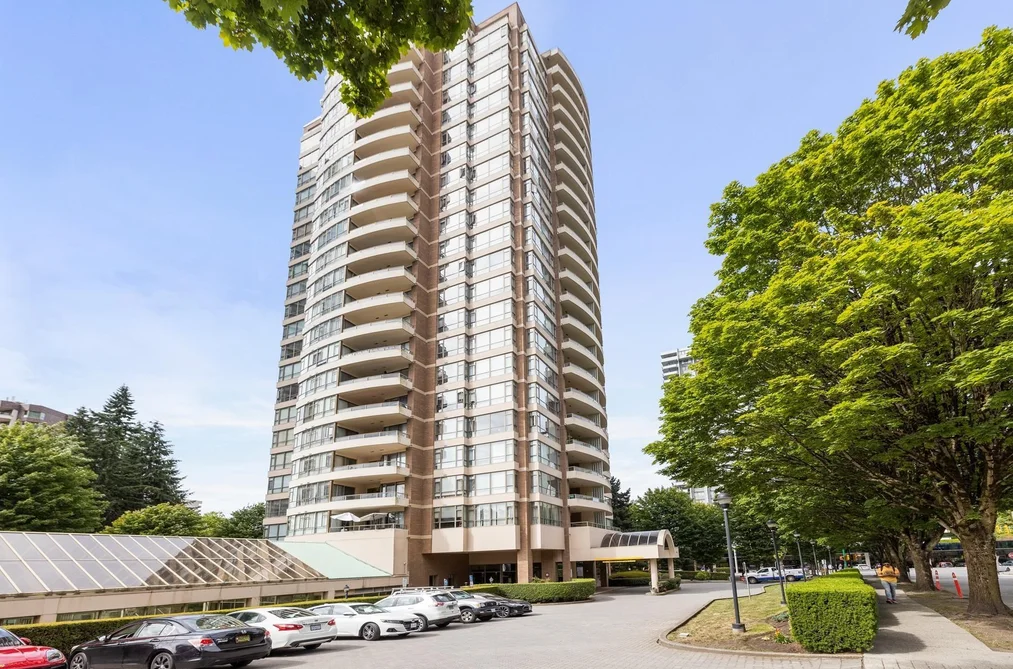
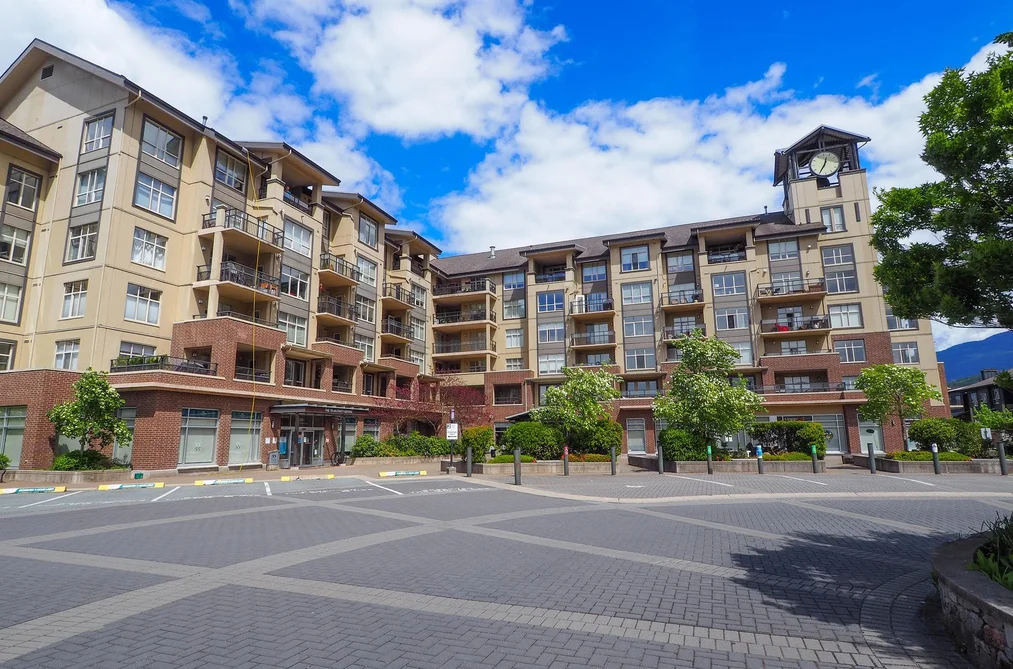
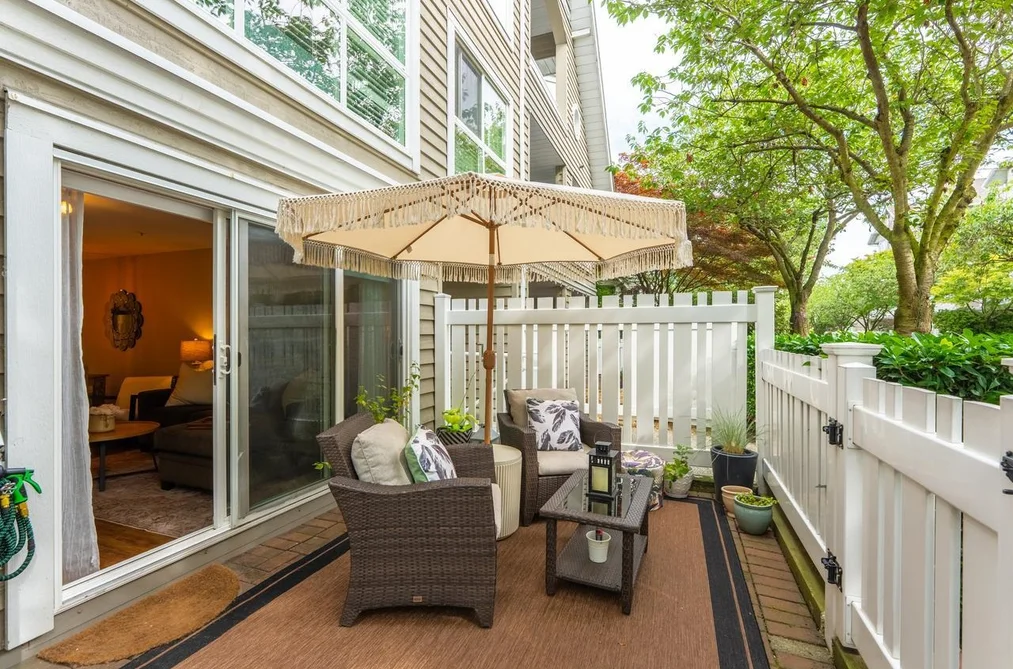
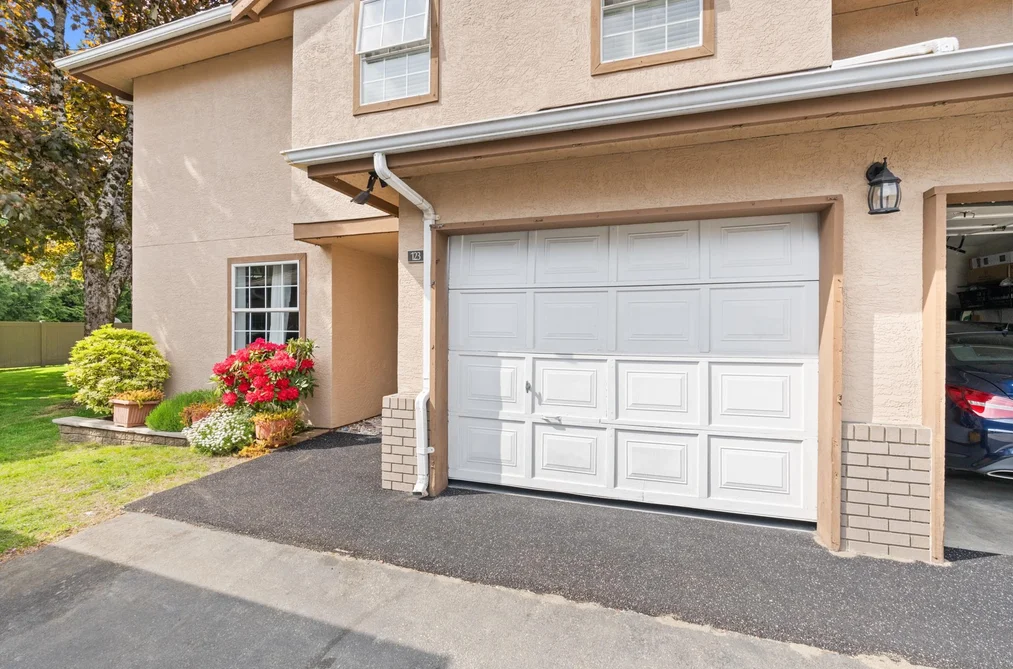
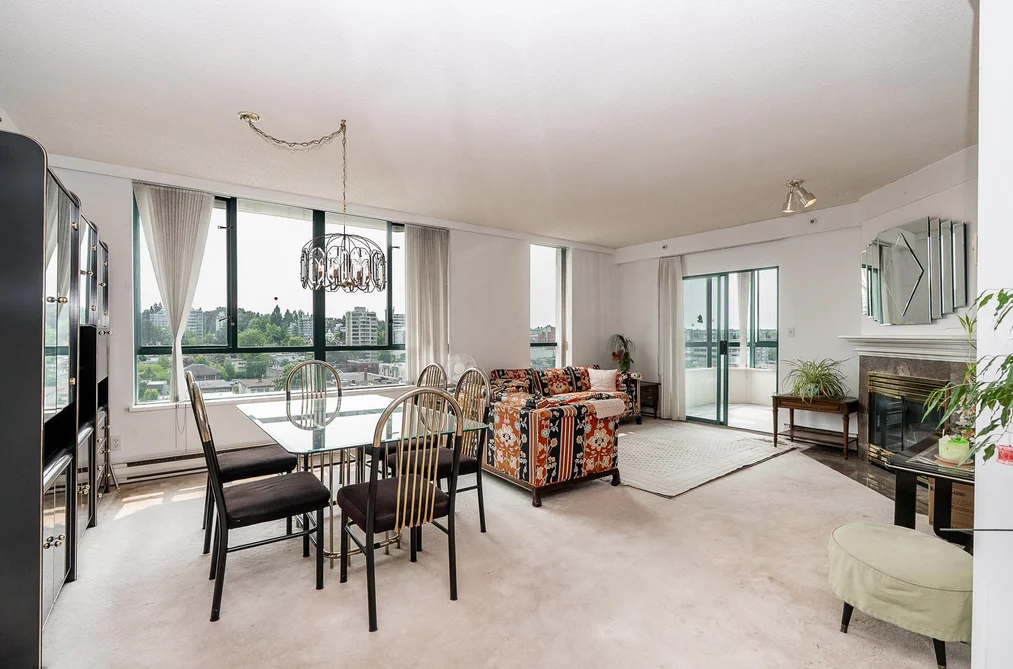
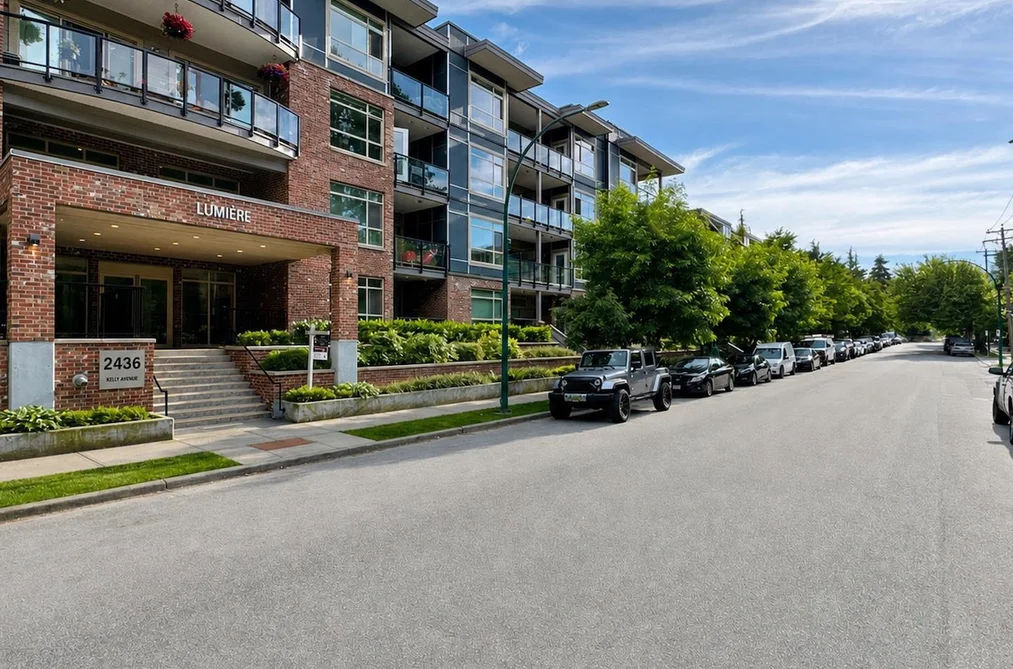
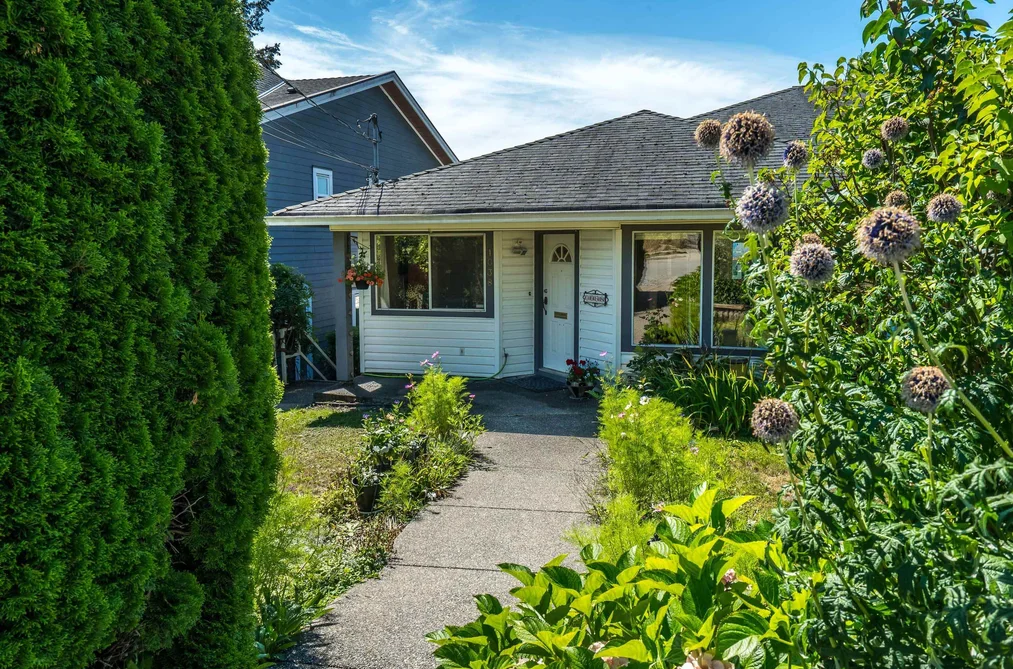
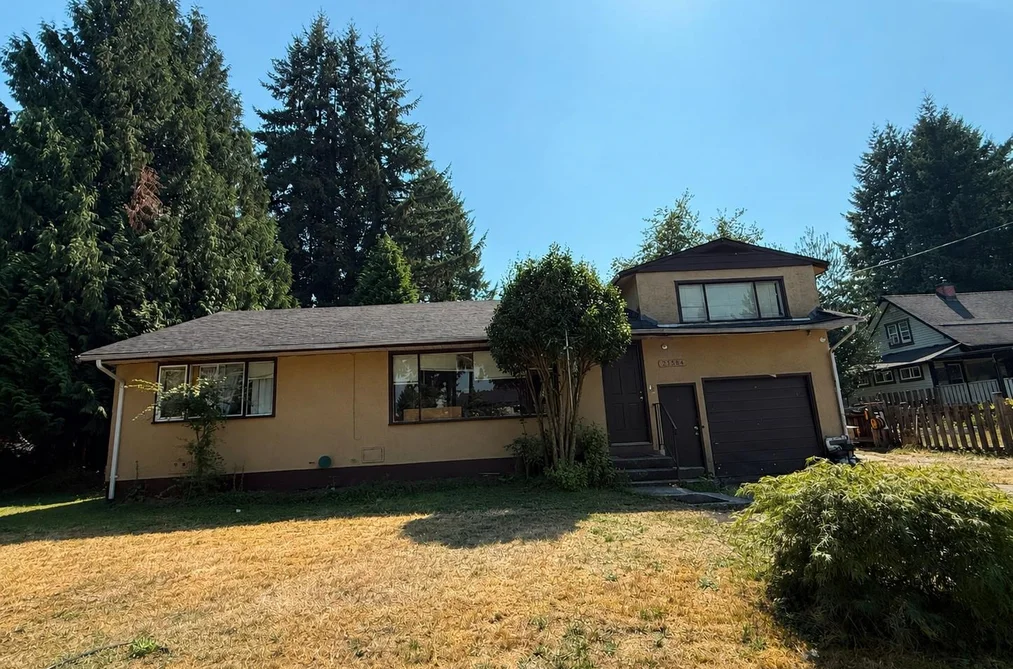
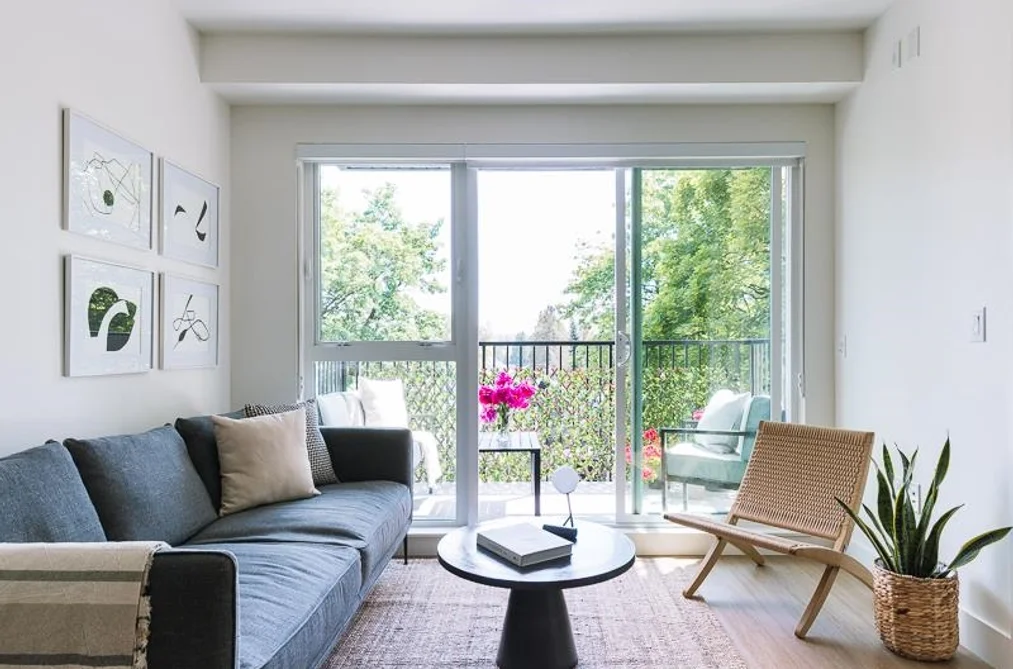
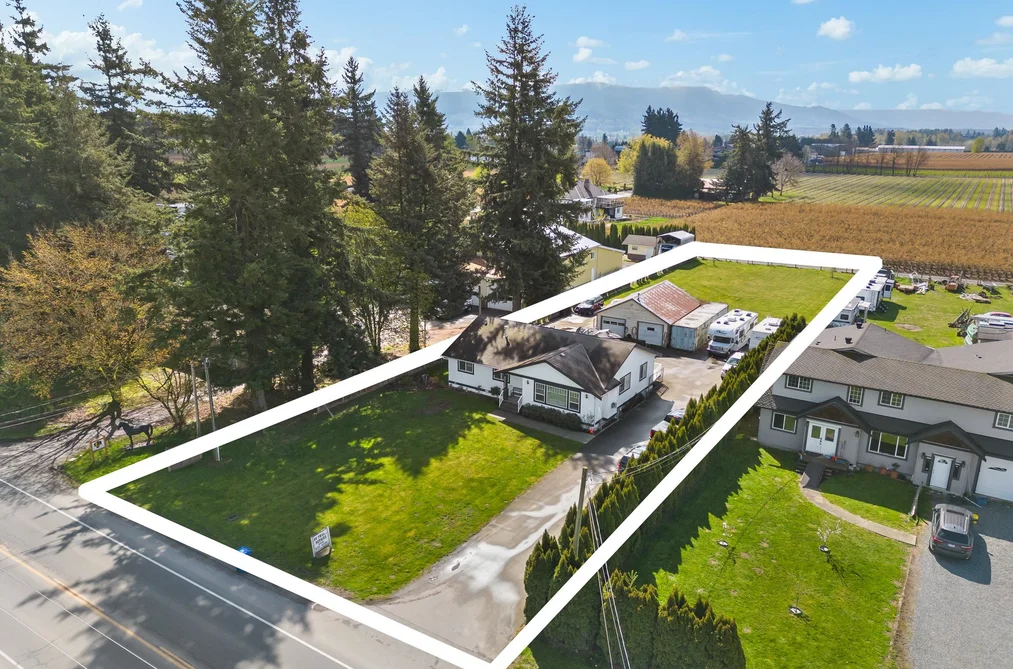
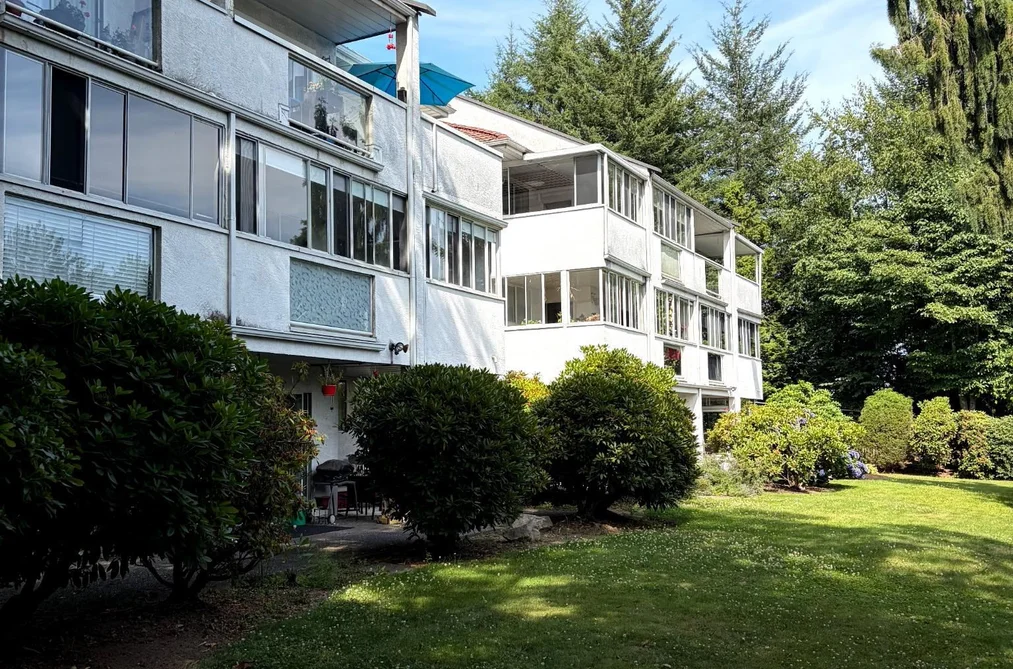
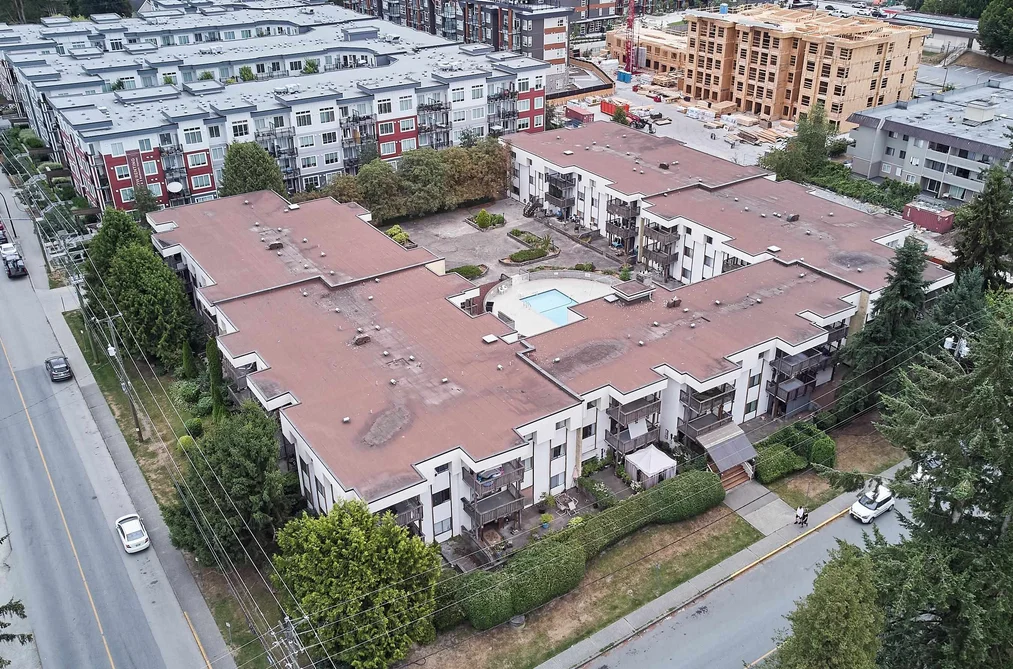
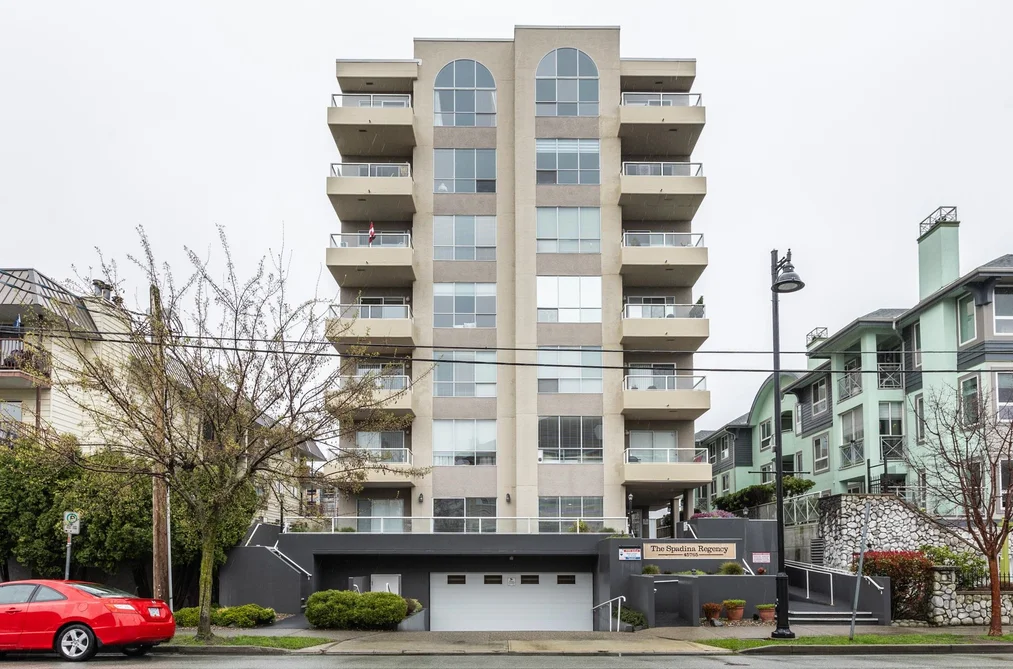
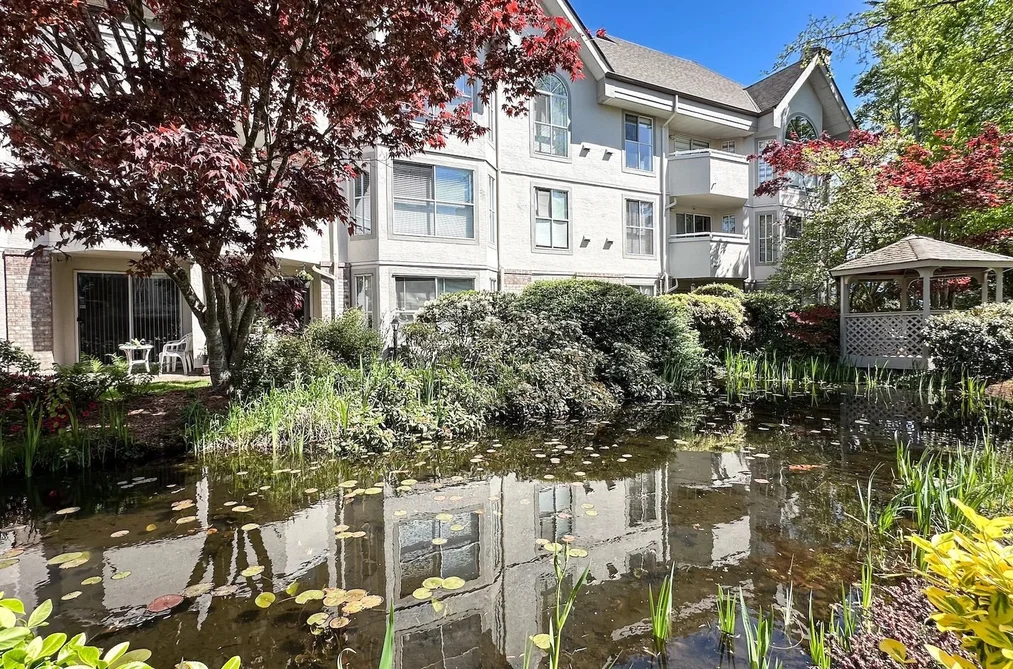
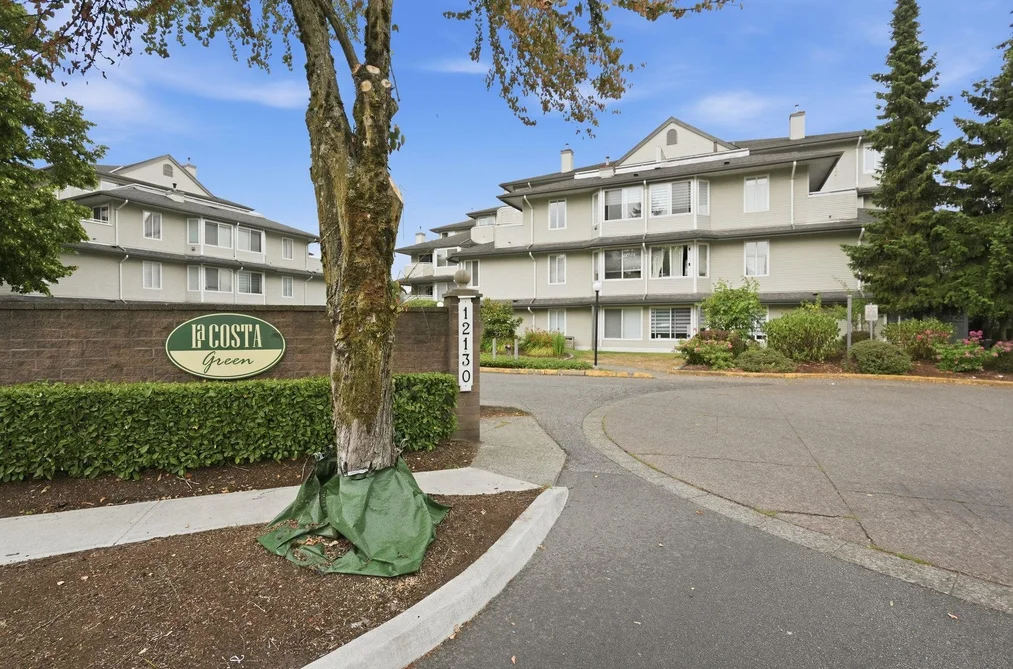
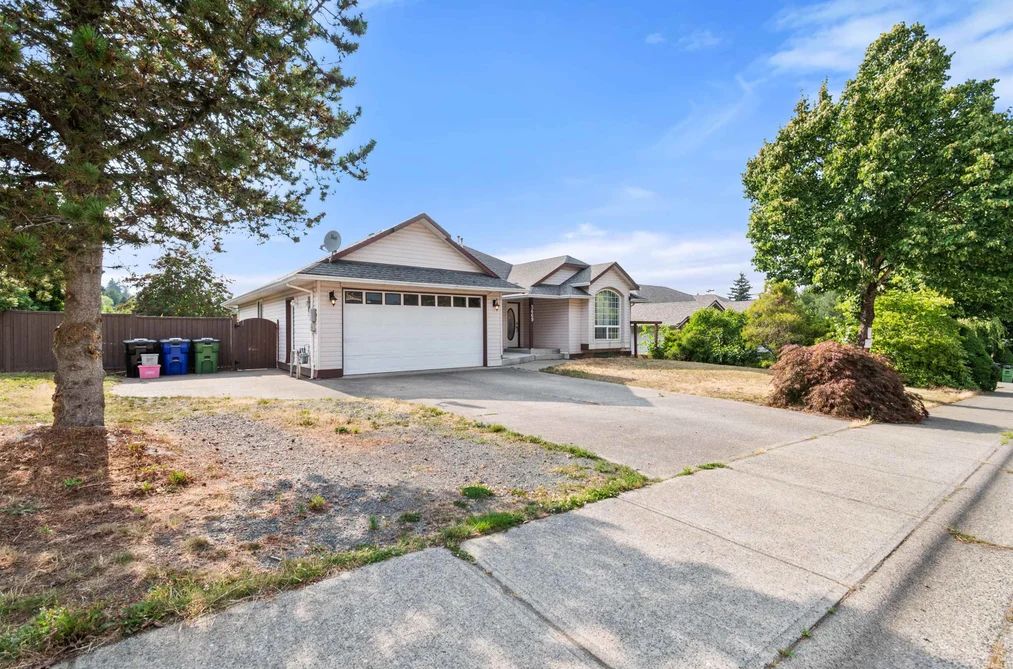
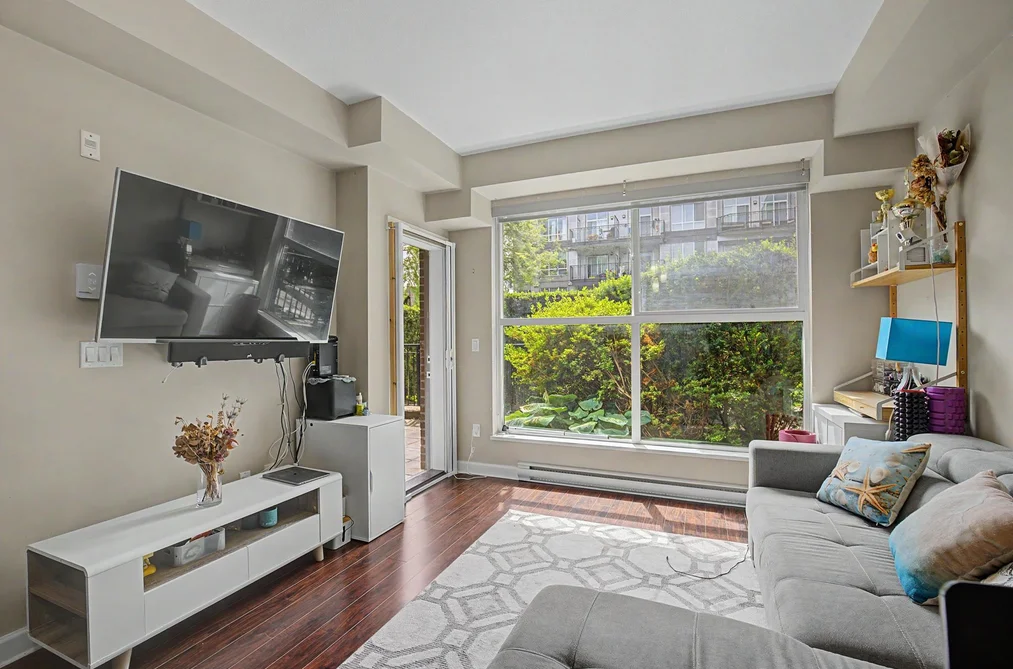
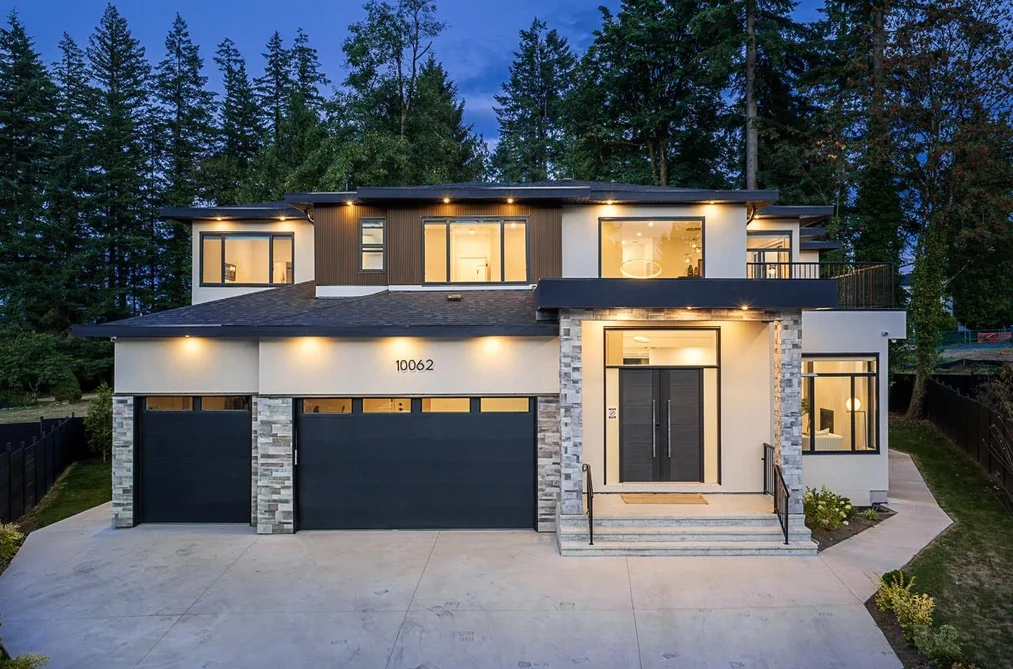
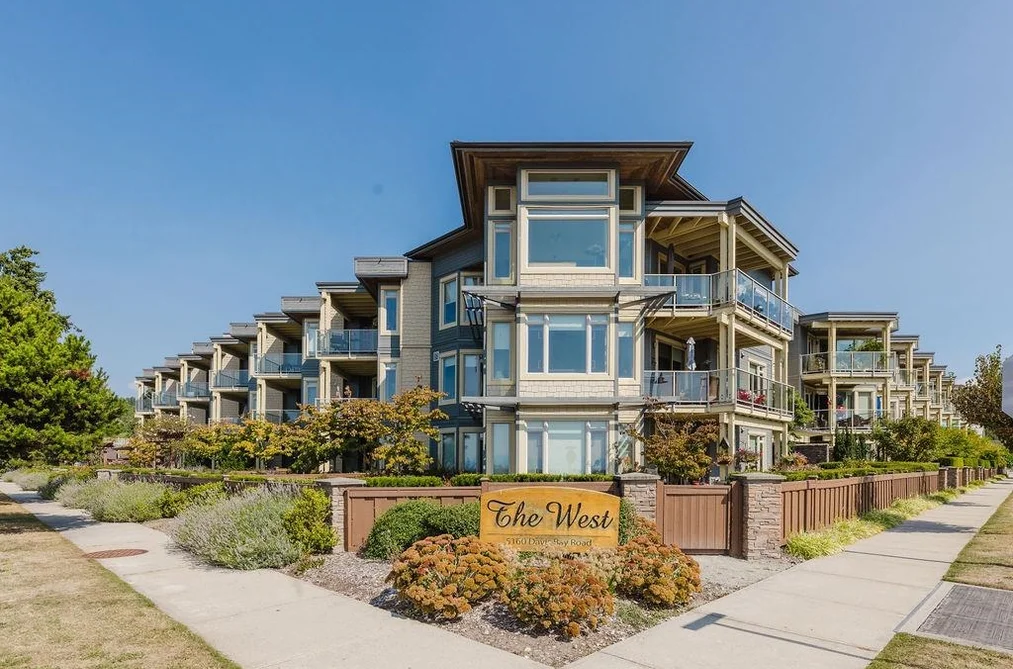
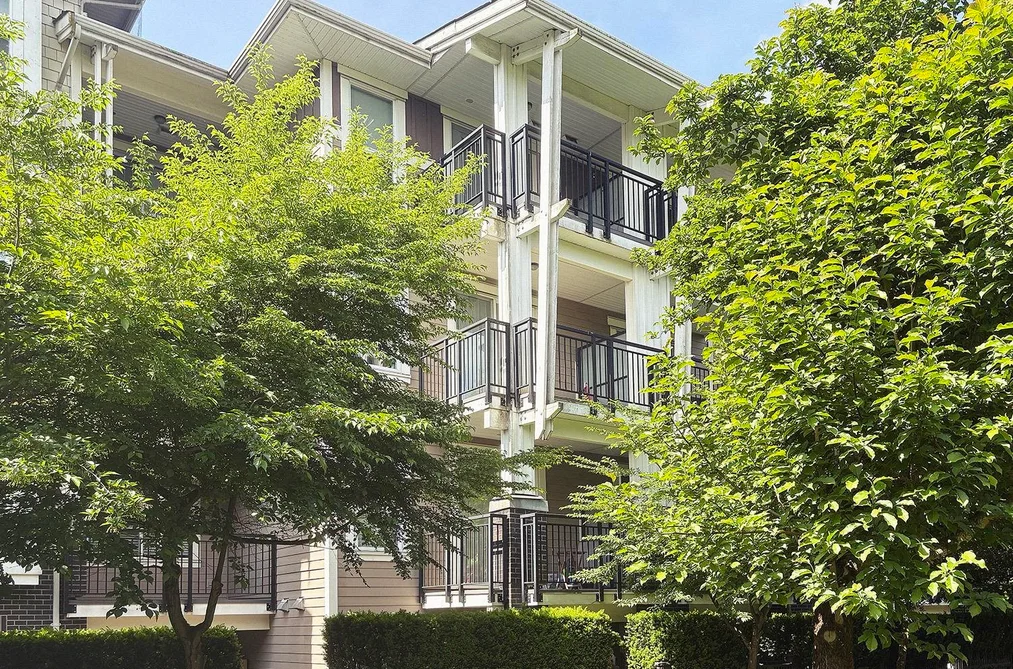
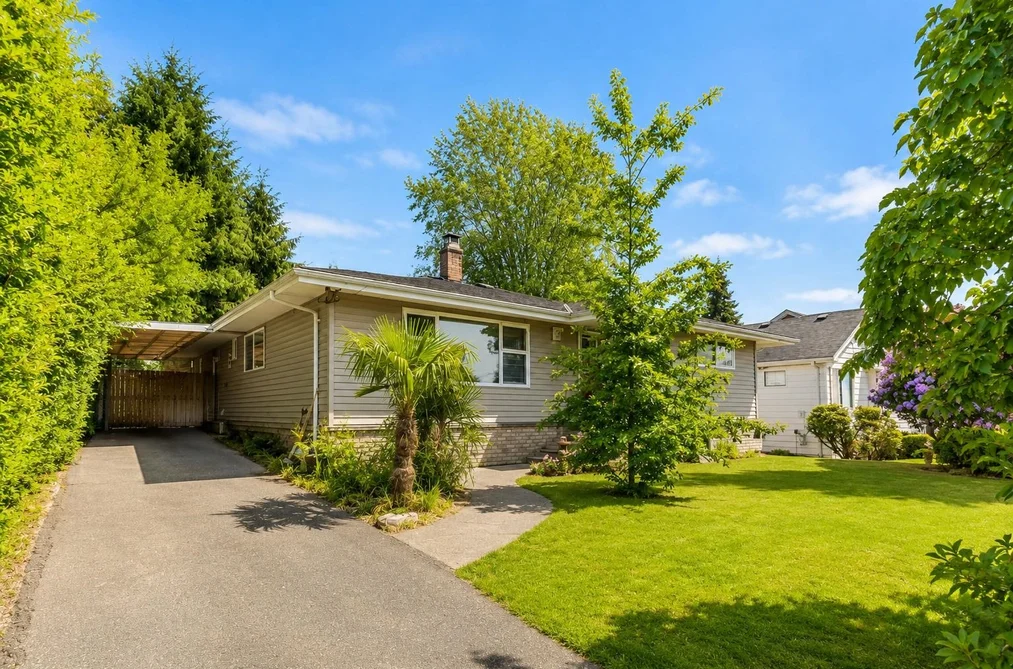
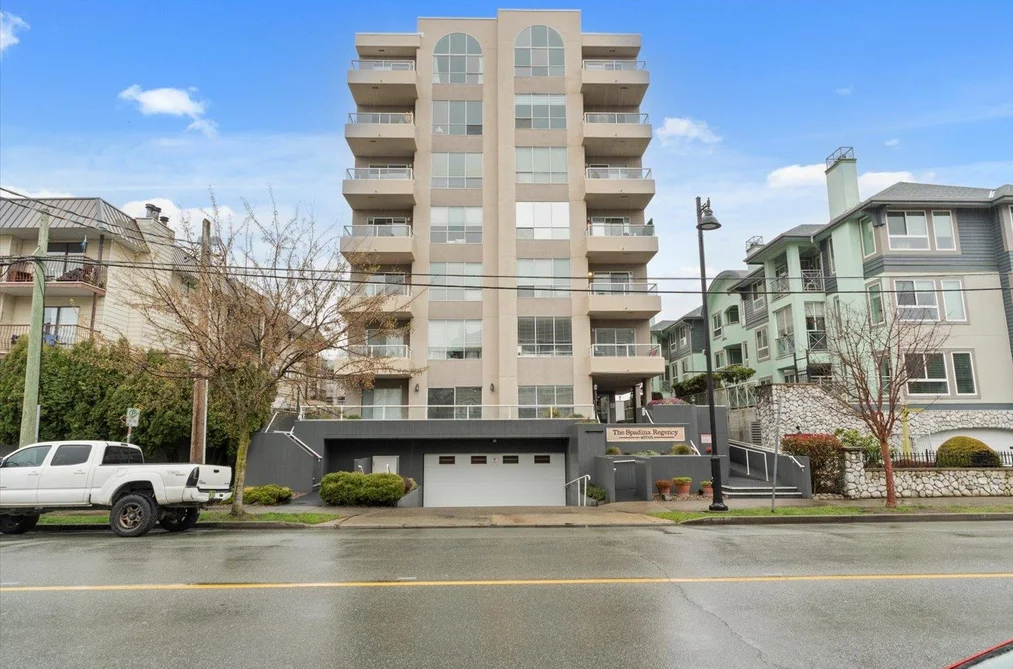
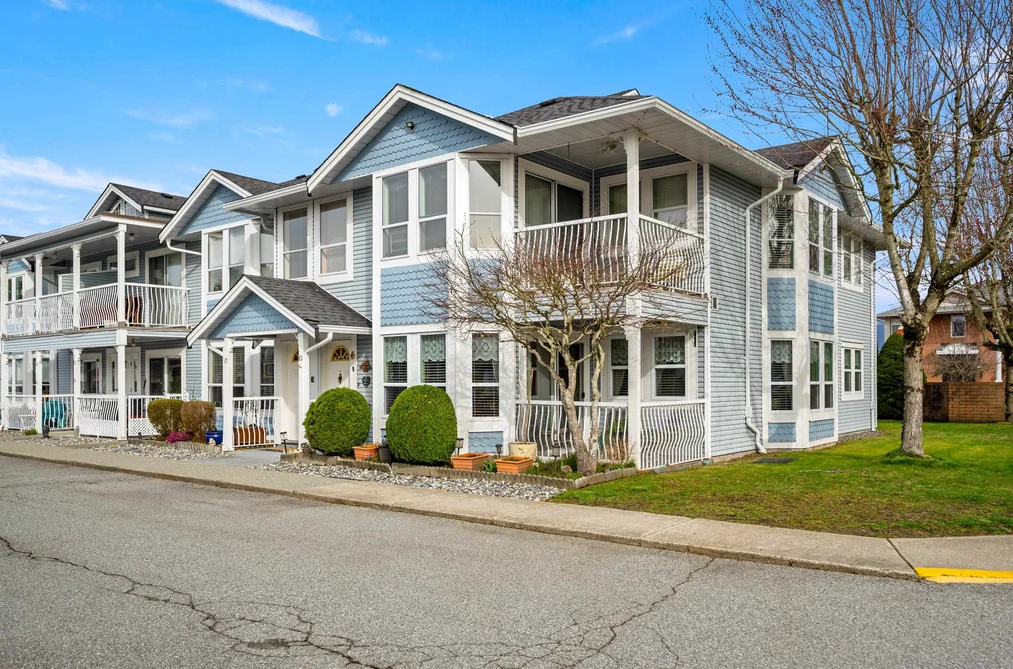
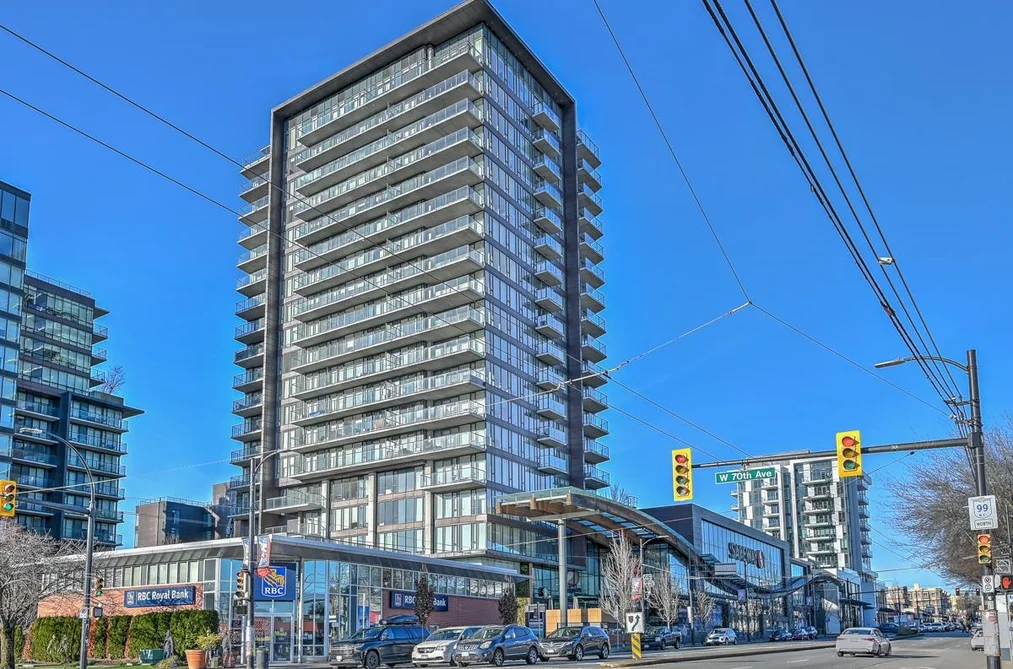
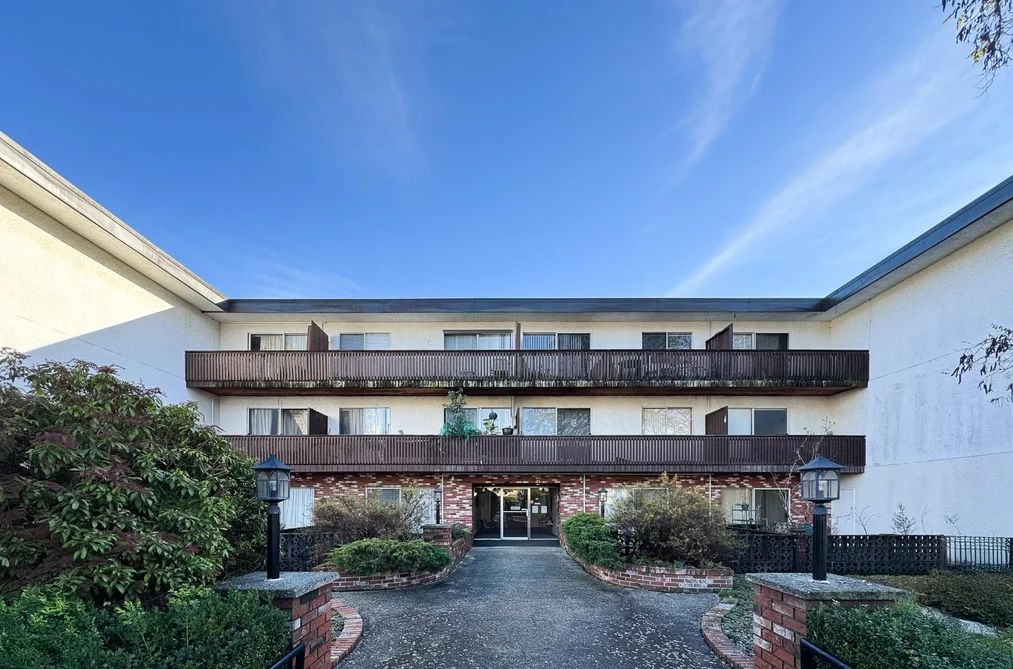
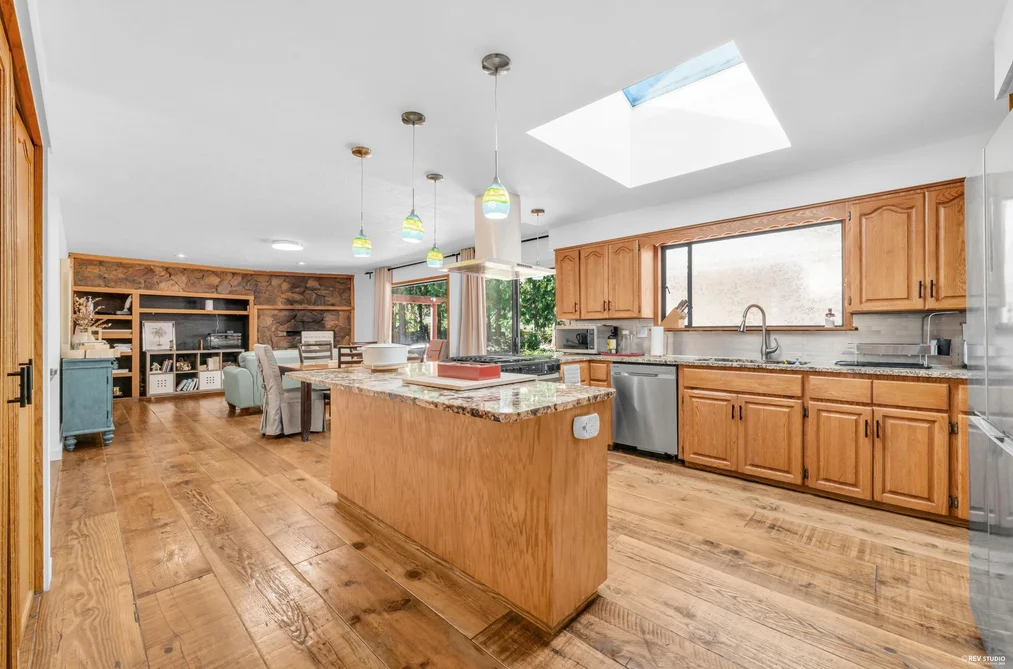
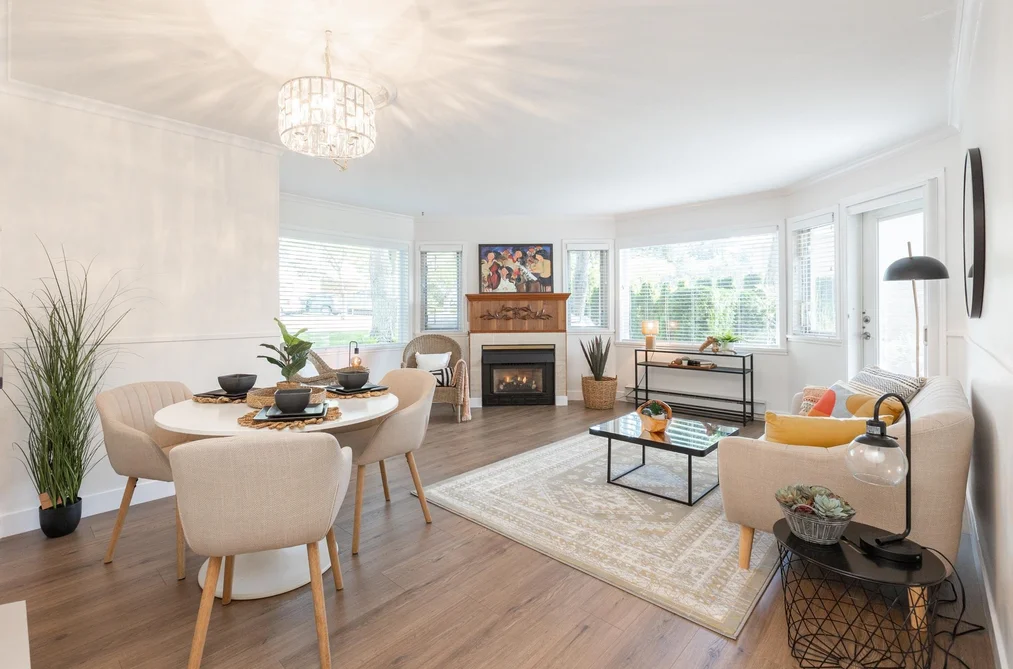
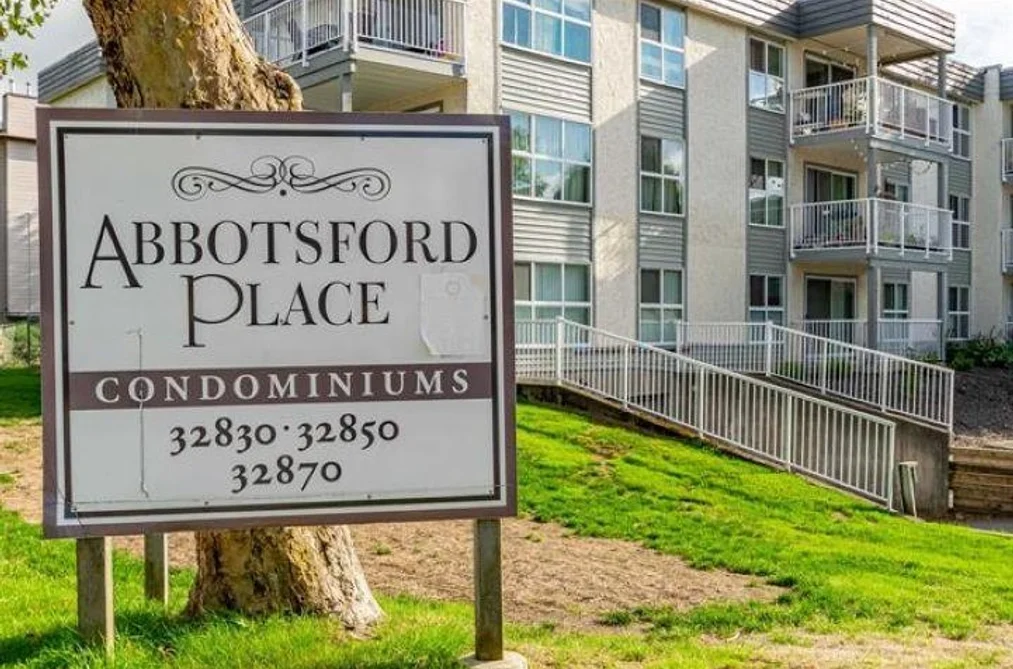
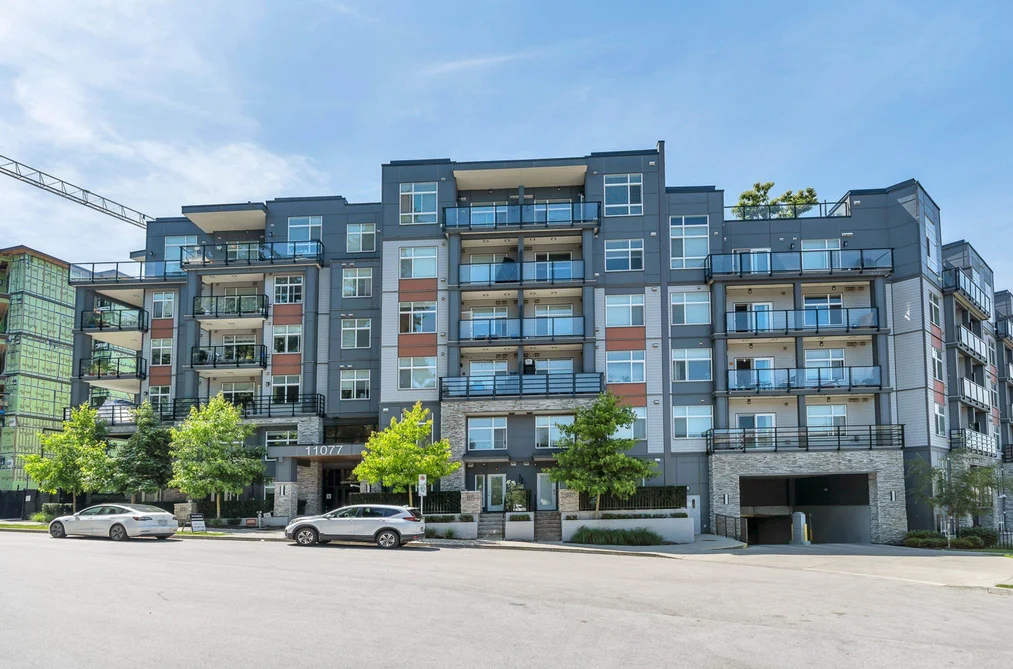
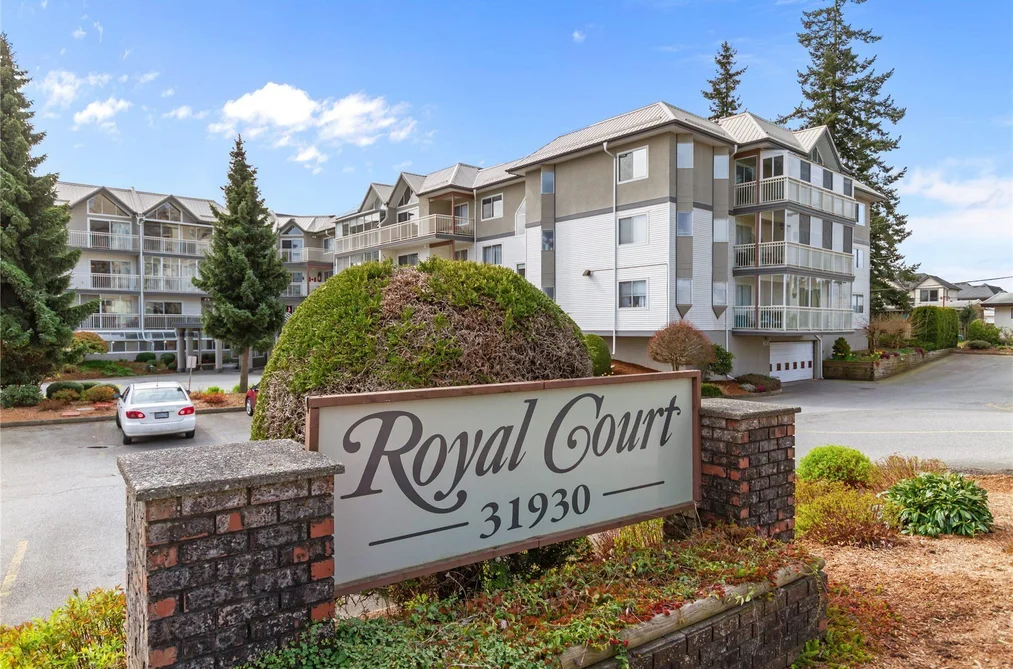
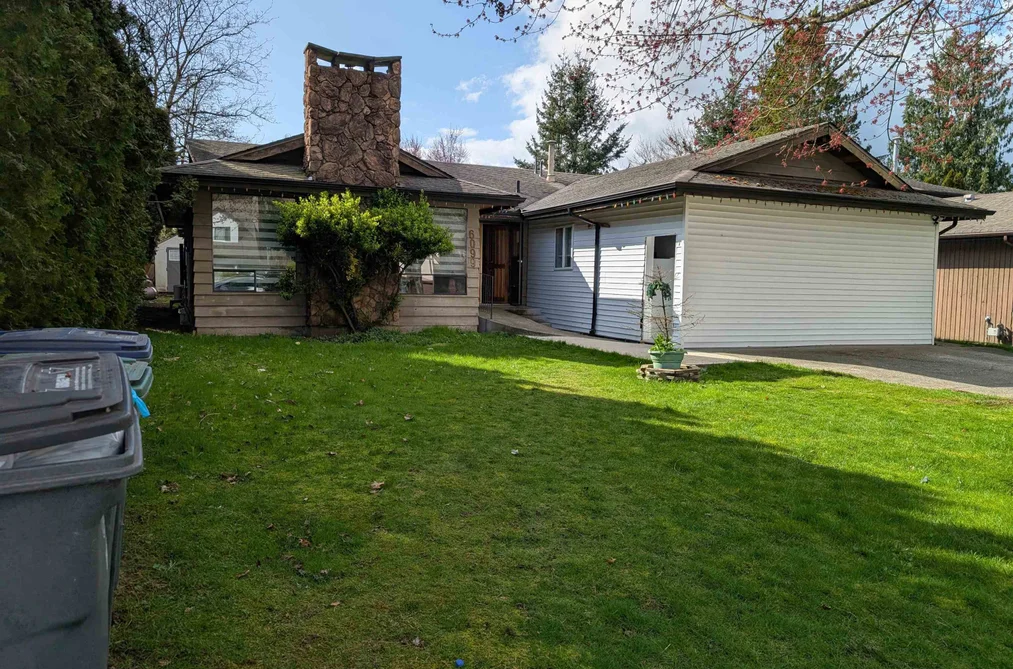
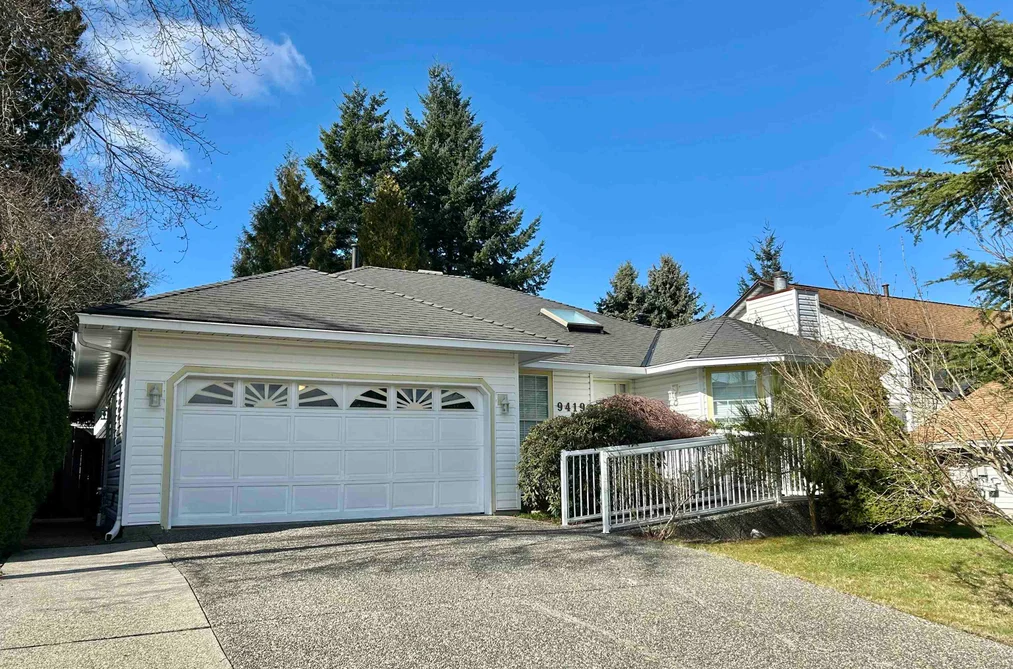
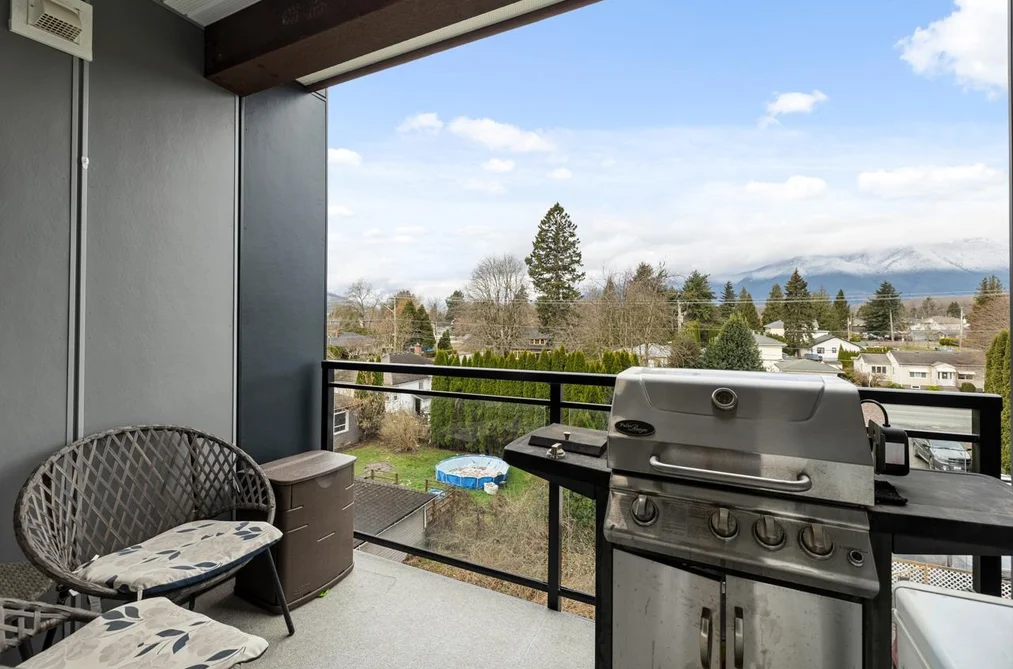
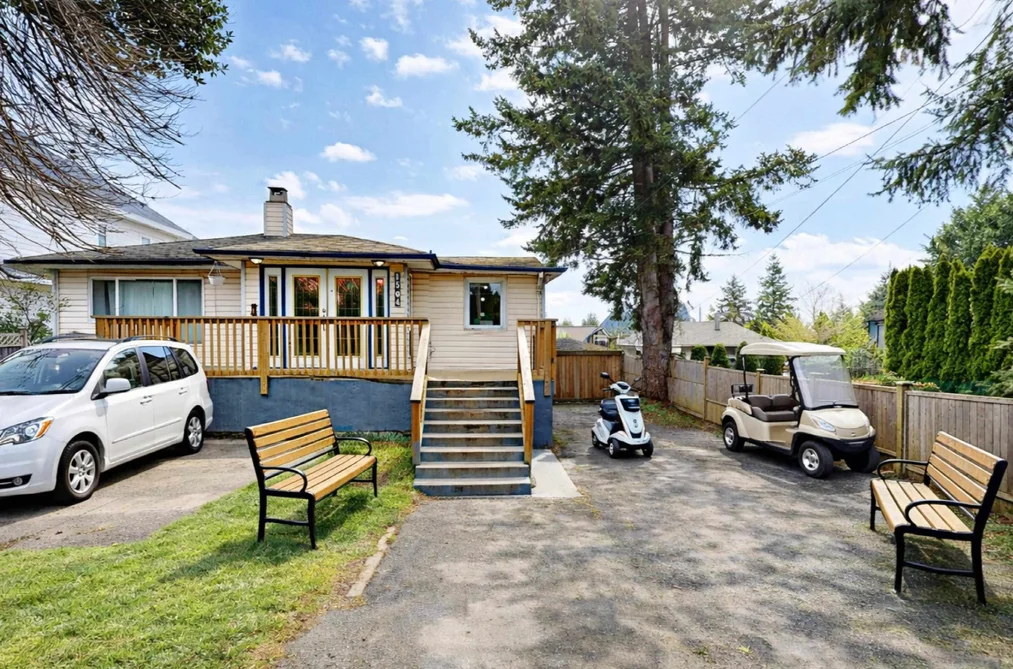
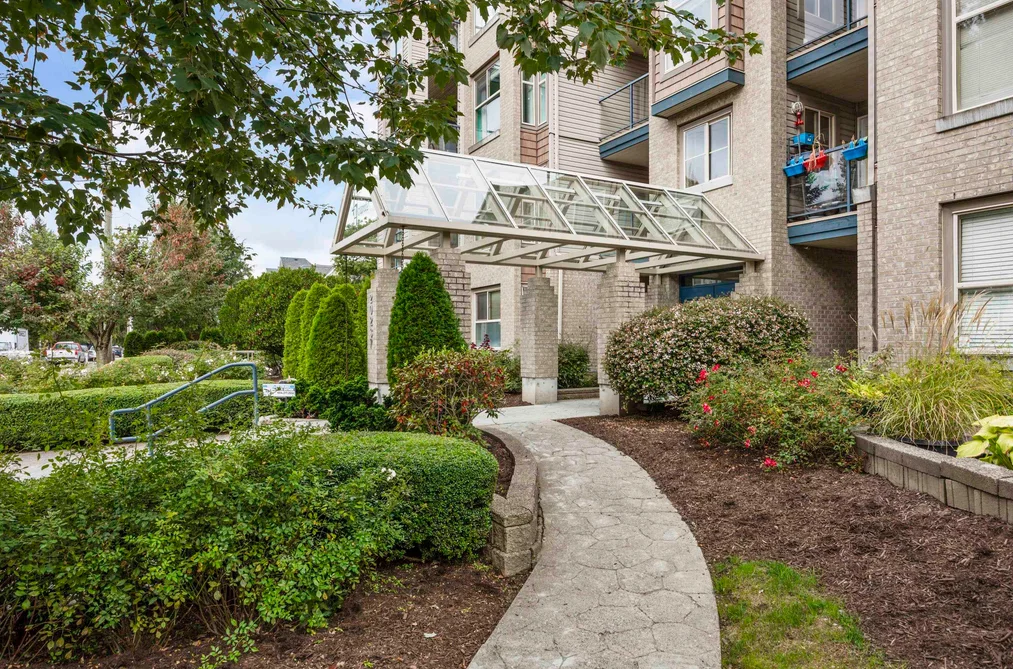
Wheelchair Access listings range from a building with a ramp at the front door to a home designed throughout for someone who uses a wheelchair, so measure and test the route from the parking to every room you need before you rely on the description.
The phrase often describes only the building: a level or ramped entrance, automatic doors and an elevator. That is essential, but it says nothing about the inside of the home. A fully accessible home also needs wide doorways, clear turning space in each room, a bathroom with a roll-in shower or accessible tub, reachable switches and controls, and a kitchen you can use from a seated position.
Ask the listing agent exactly what features the home has and whether it was built or renovated as an adaptable or accessible unit. Some municipalities require a share of new condos to be adaptable, which makes later changes easier.
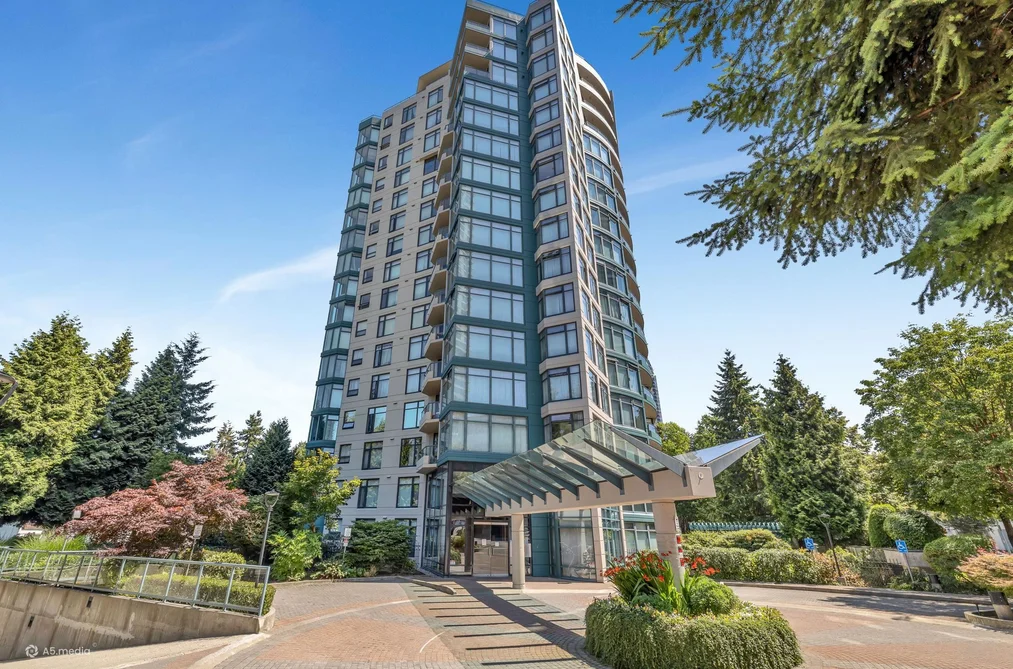
Start where you arrive. Check whether the parking stall is wide enough for a ramp or lift and close to the elevator, whether the parkade doors open automatically, and whether the route to the lobby has any steps or heavy doors. In a building, ask how many elevators serve it and what happens when one is out of service, since a single elevator under repair can leave an upper-floor resident stuck for days.
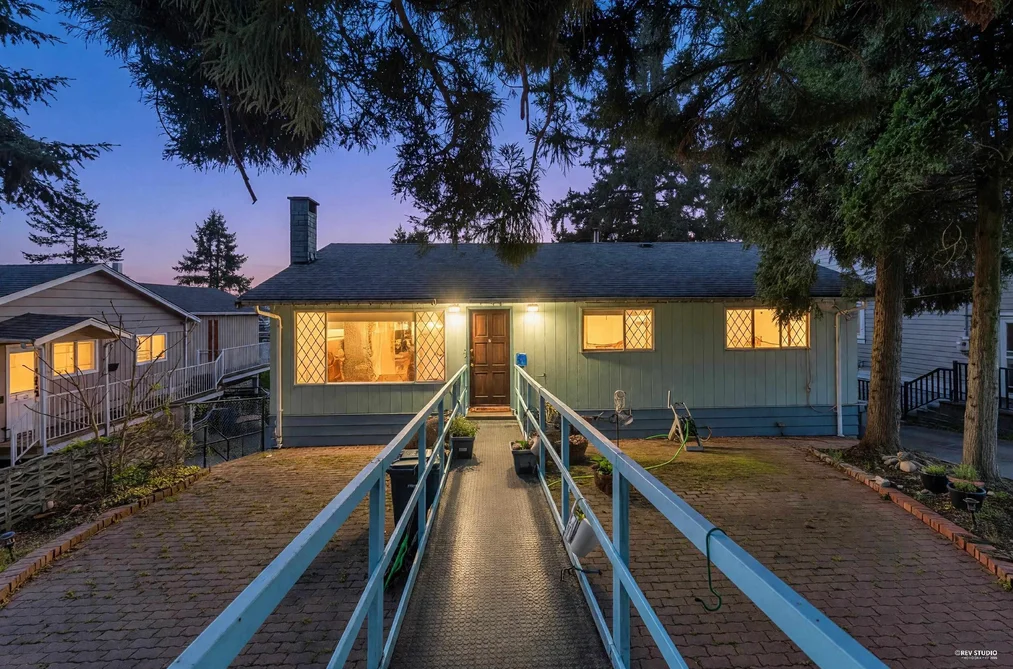
For a house, look at the slope of the driveway, the path to the entrance and whether there is a level door. Many houses have steps at every entrance, and adding a ramp takes space and may need a permit.
Bring a tape measure. Check the width of every doorway you will use, the turning space in the bathroom, bedroom and kitchen, and the height of counters, sinks and closet rods. Look at thresholds between rooms and onto the balcony or patio, since a raised sill can block a chair. Lever handles, a roll-in shower, grab bars and reachable windows all matter in daily life.
A one-level home avoids the need for a stair lift or home elevator. Where a house has several floors, ask whether an elevator is installed or whether there is space and structure to add one.
Few homes meet every need without some work. Price the changes you would make, such as widening doors, rebuilding a bathroom or lowering counters, before you offer. In a strata, most changes to walls, doors and common areas need approval, so read the bylaws and ask how the council has handled accessibility requests. Provincial and federal programs, such as the BC rebate for accessible home adaptations and the federal home accessibility tax credit, may help with the cost if you qualify.
An accessible home works best in an accessible neighbourhood. Check the sidewalks, curb cuts and slopes nearby, the distance to transit with level boarding, and access to shops, health care and community services. A building near SkyTrain with an elevator at the station is a very different daily life from a hillside house far from transit.
Supply is small and concentrated in newer condo buildings across Vancouver, Burnaby, Richmond and Surrey, with a few adapted houses across the province. Browse and compare current listings on Strawhomes, filter by area and property type, and shortlist only the homes whose design you have measured and tested in person. Compare them against buildings with an elevator or a rancher bungalow on one level.