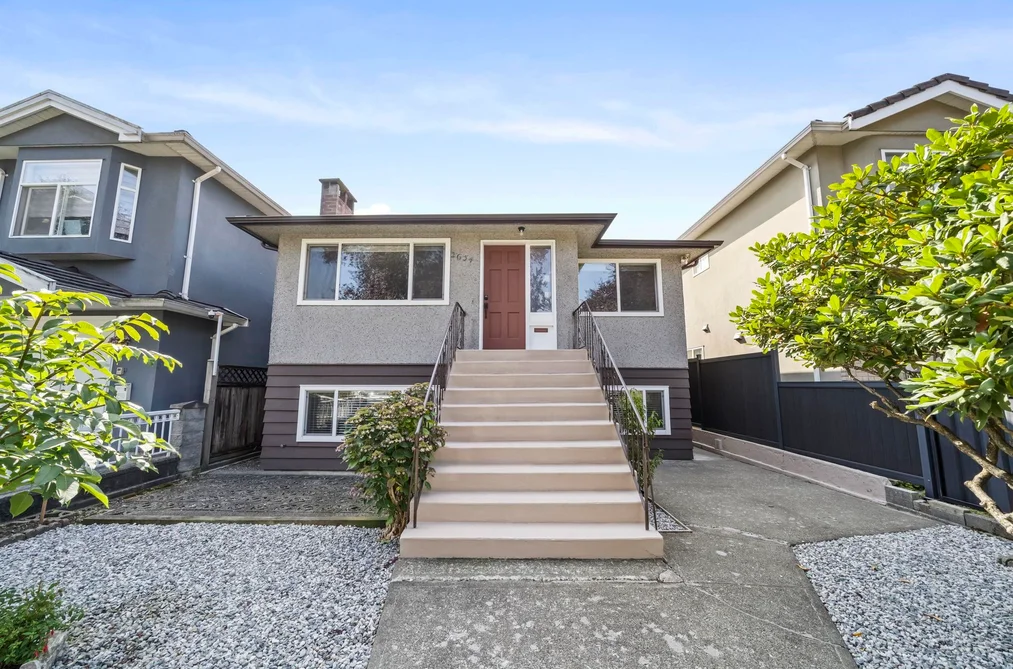
For Sale
0 days
- $1,829,900
- 7 bed
- 7 bath
- 3461 sqft
MLS® R3164957
•1NE Collective Realty Inc.

Browse Public Transit homes for sale in Greater Vancouver, time the trip you actually make and check the transit-oriented zoning nearby before you write an offer.


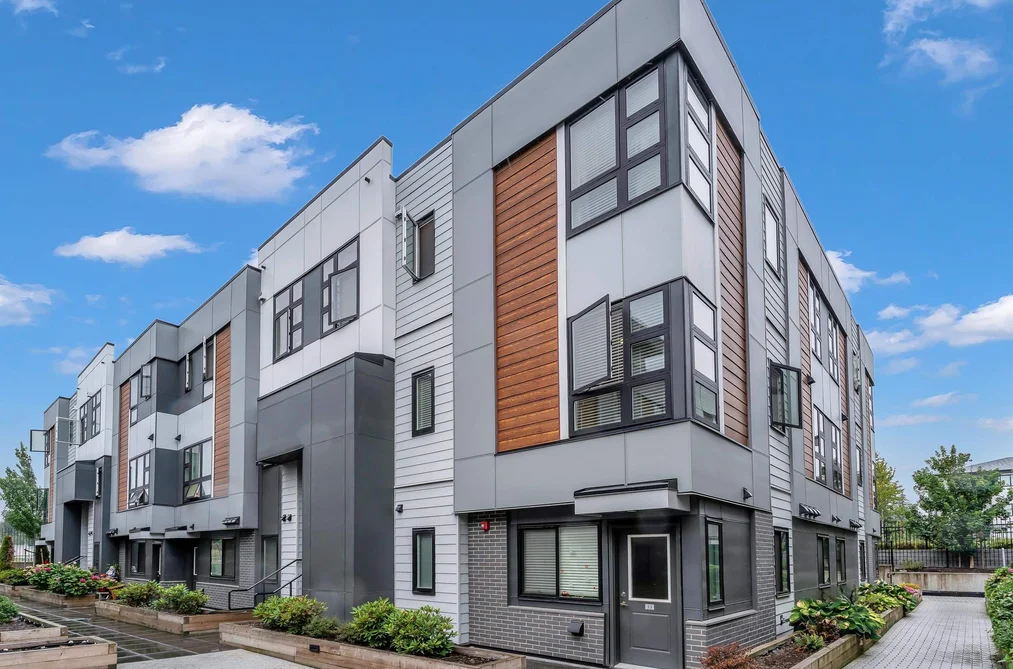
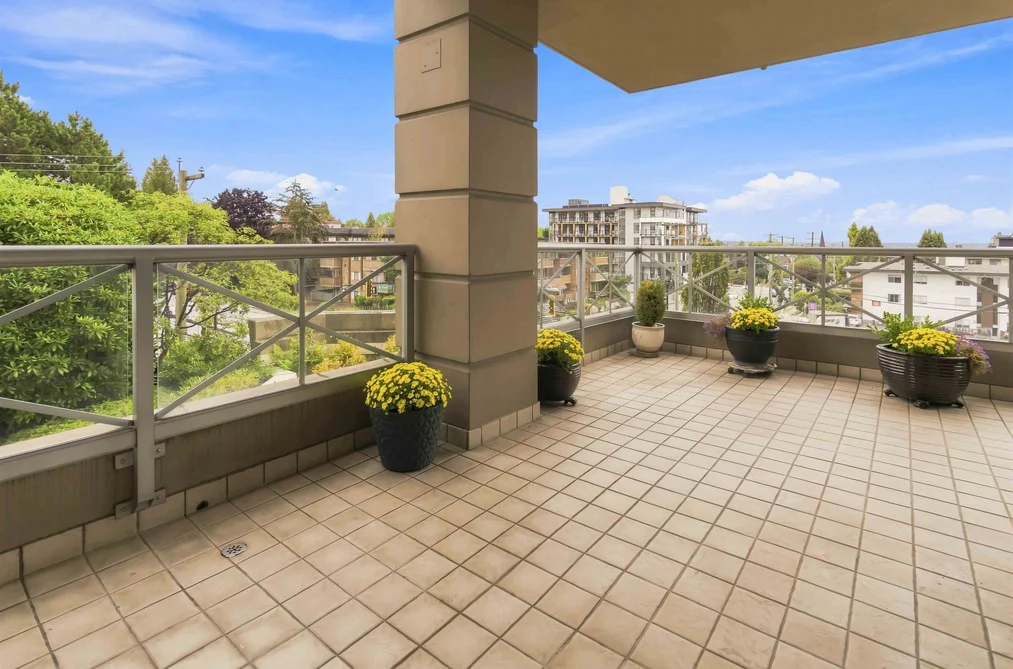
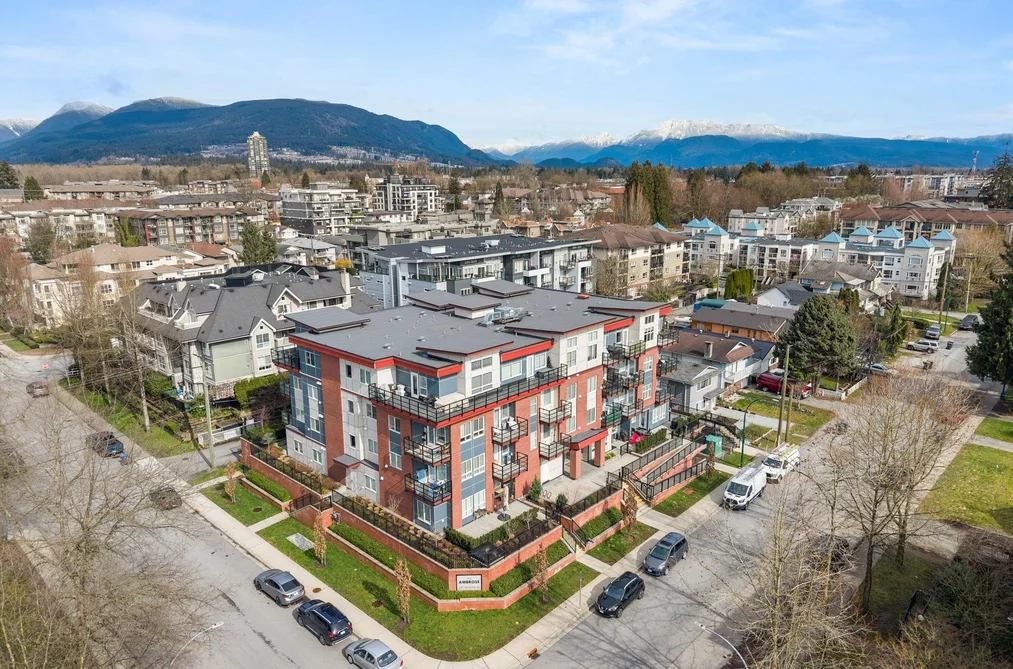
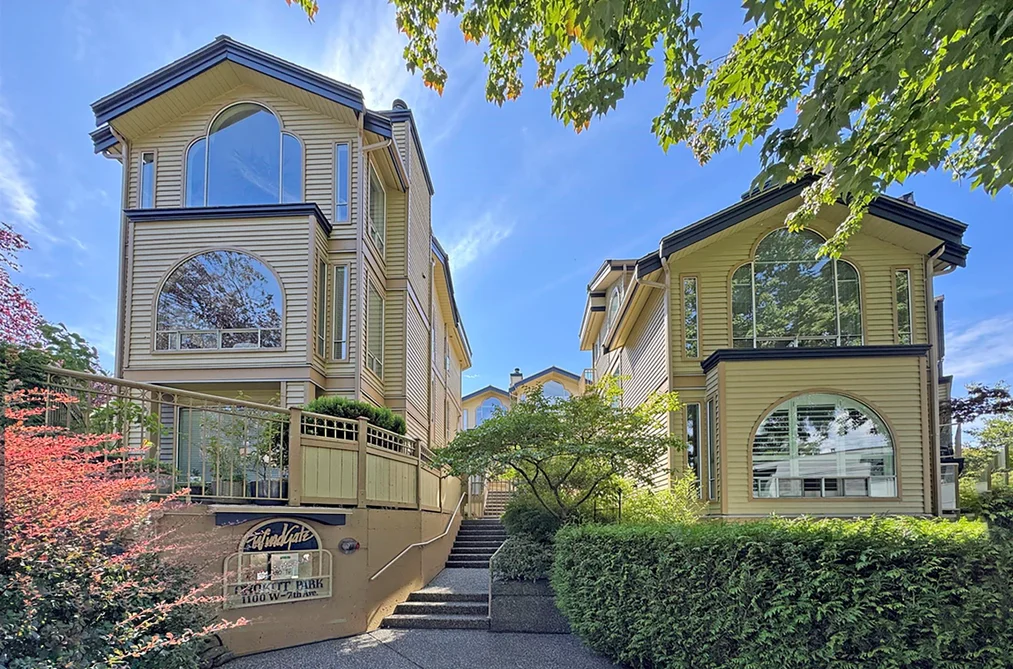


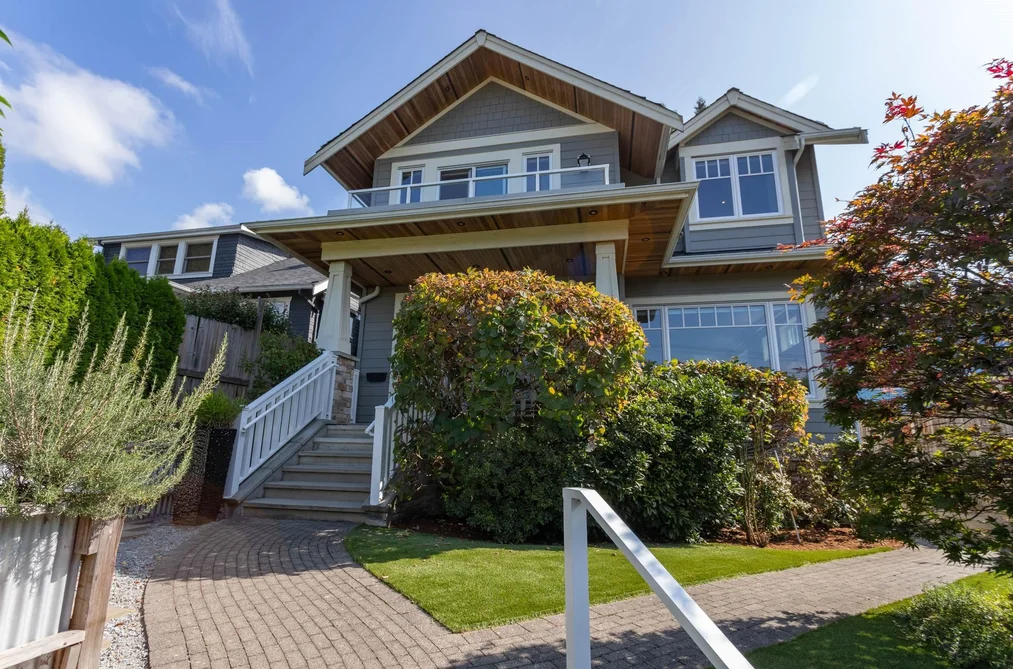
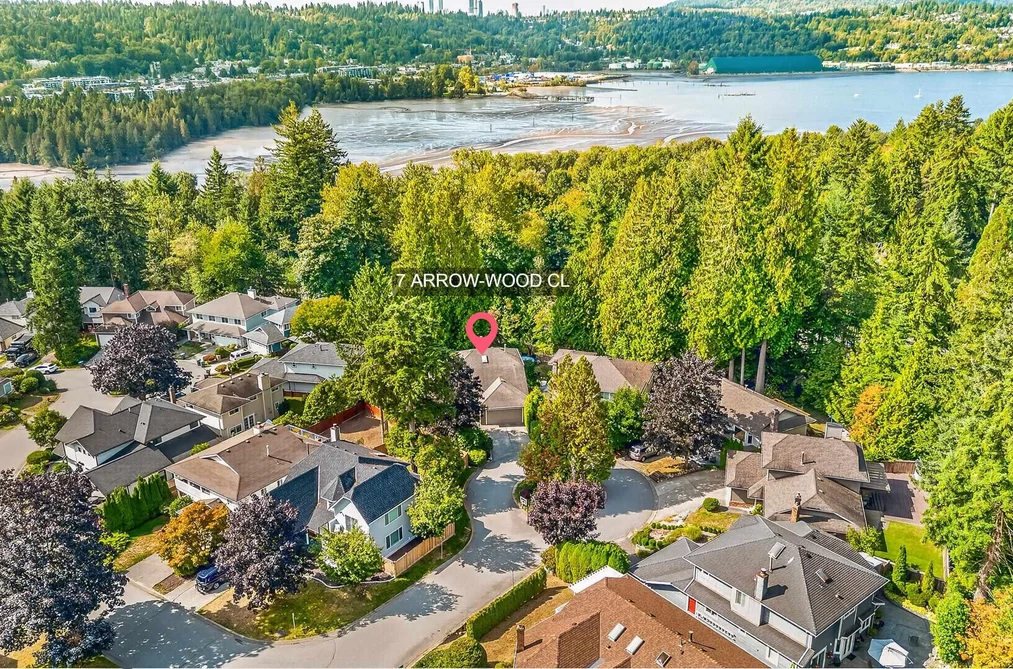
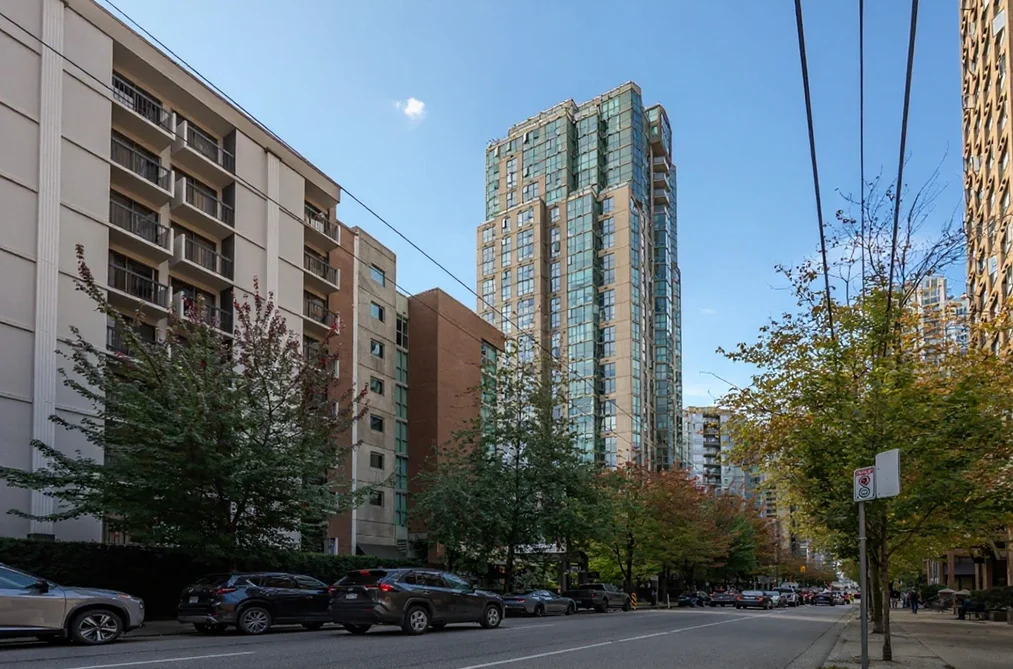

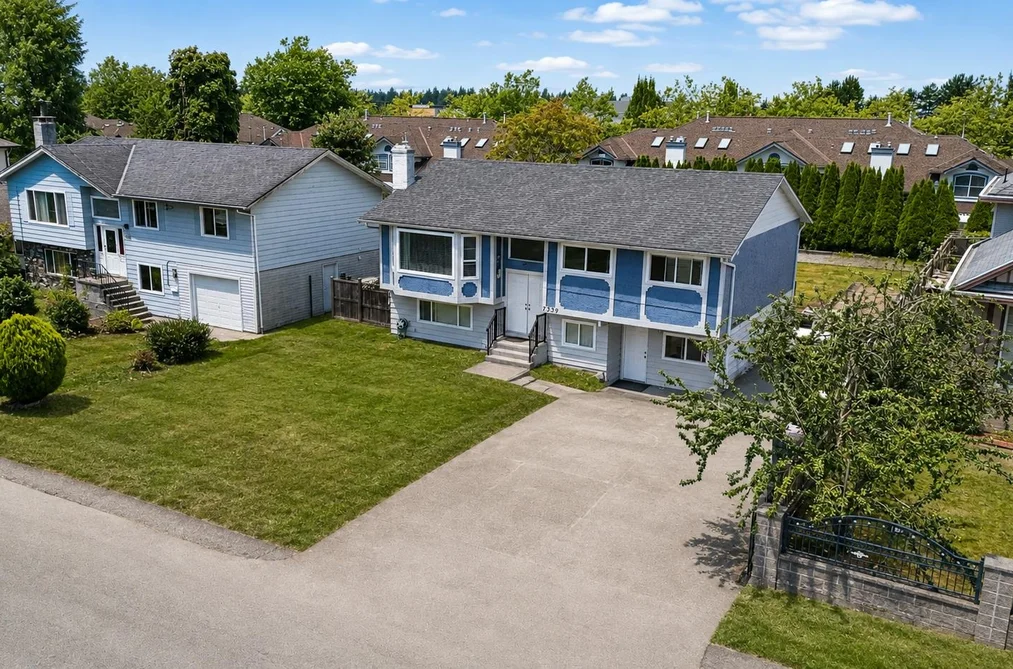




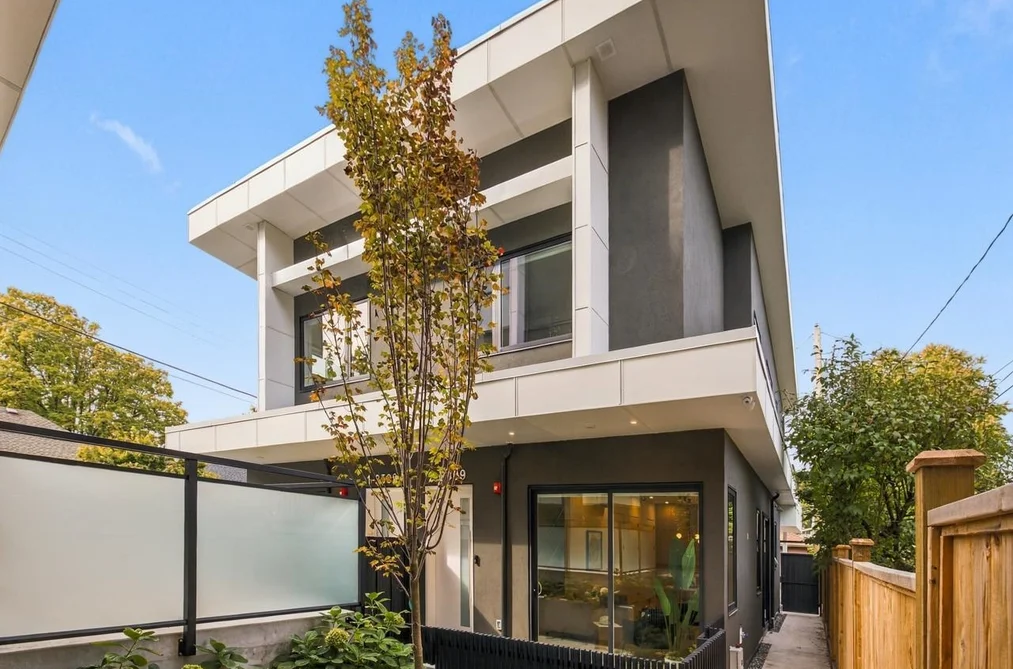

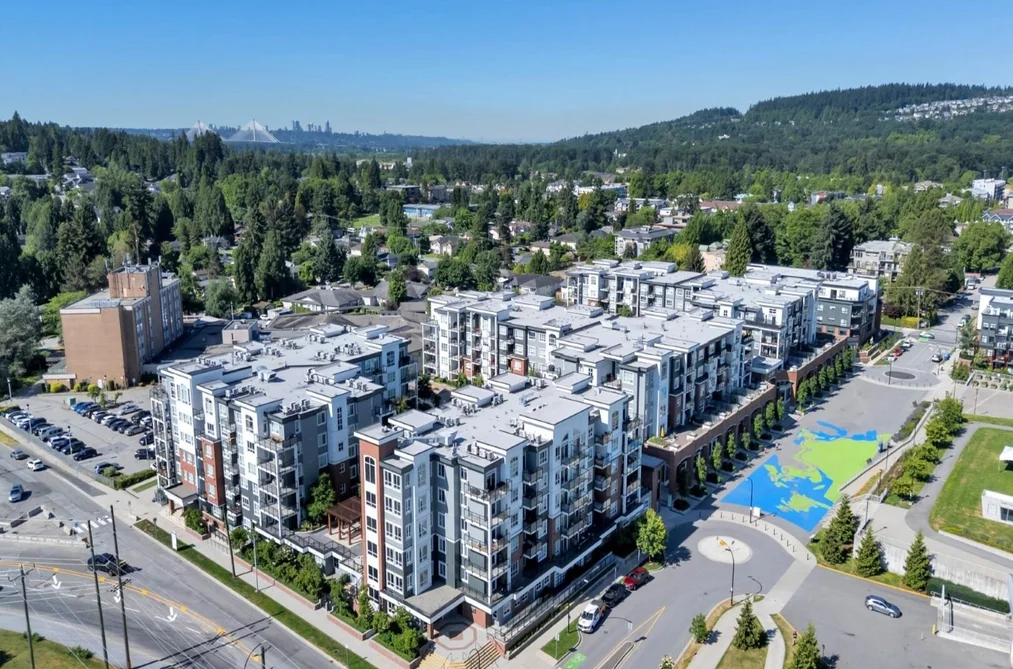

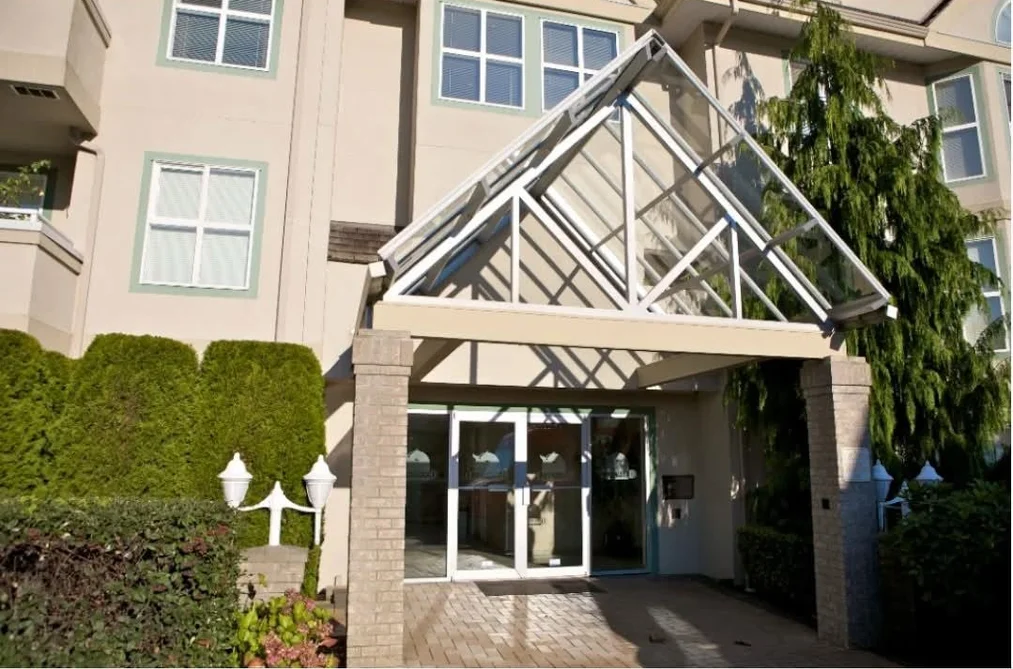
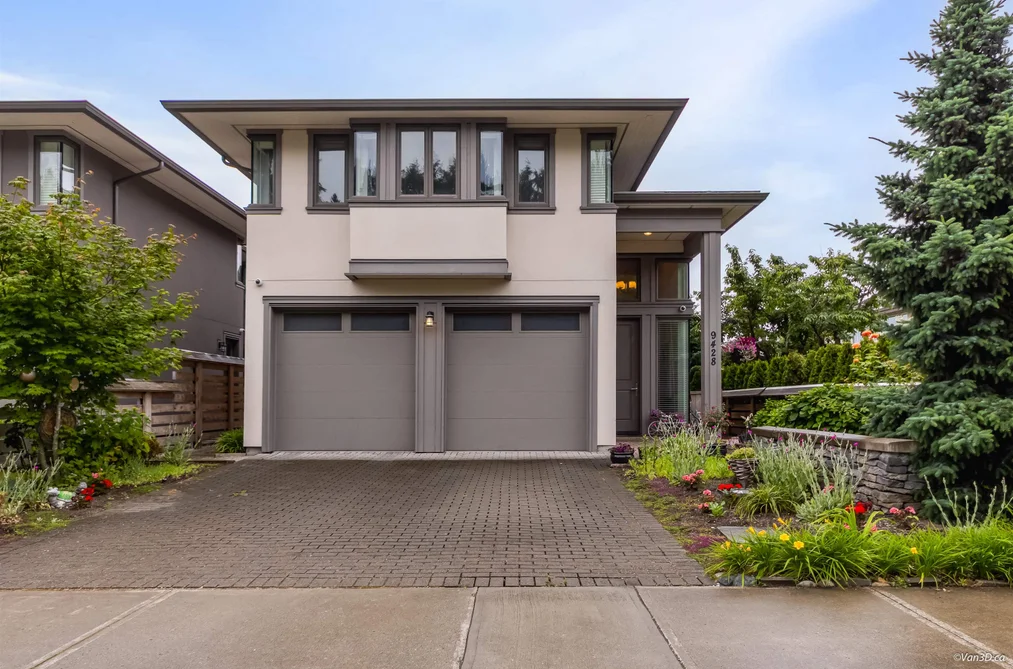
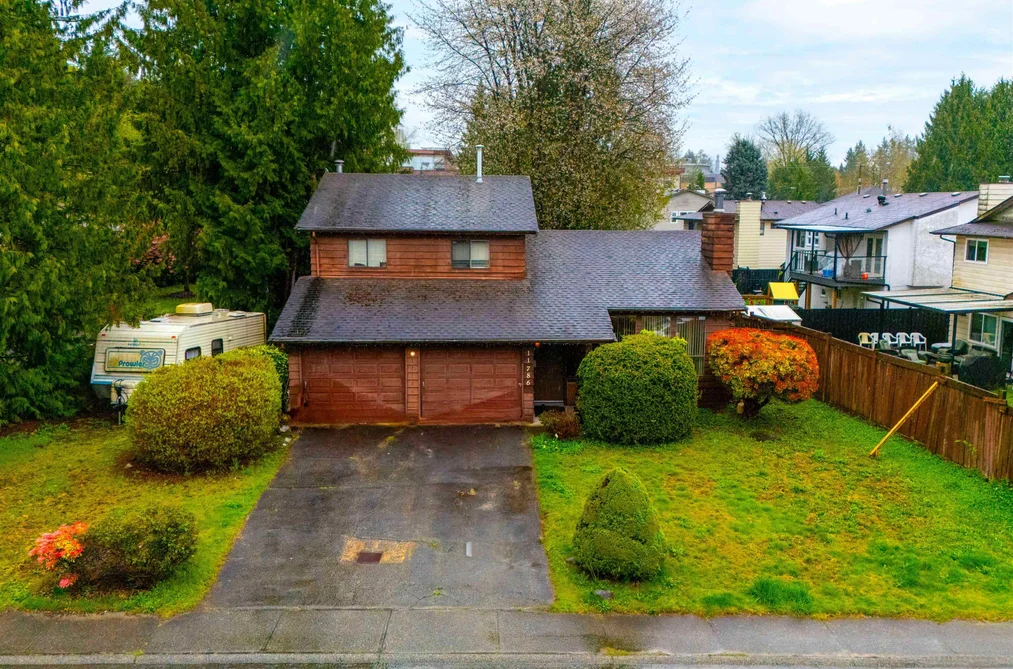

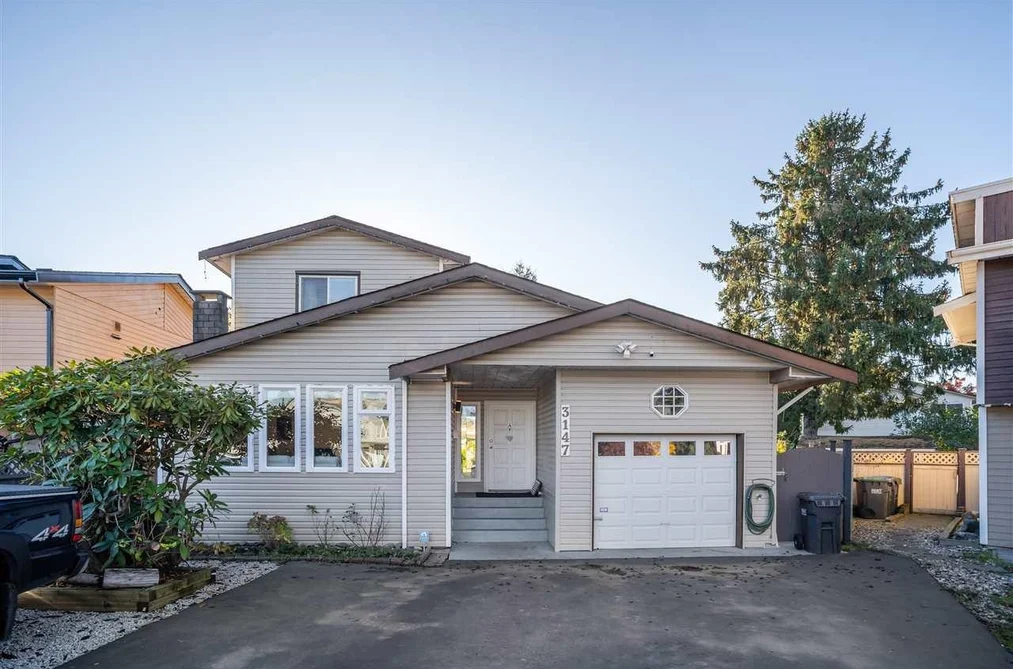
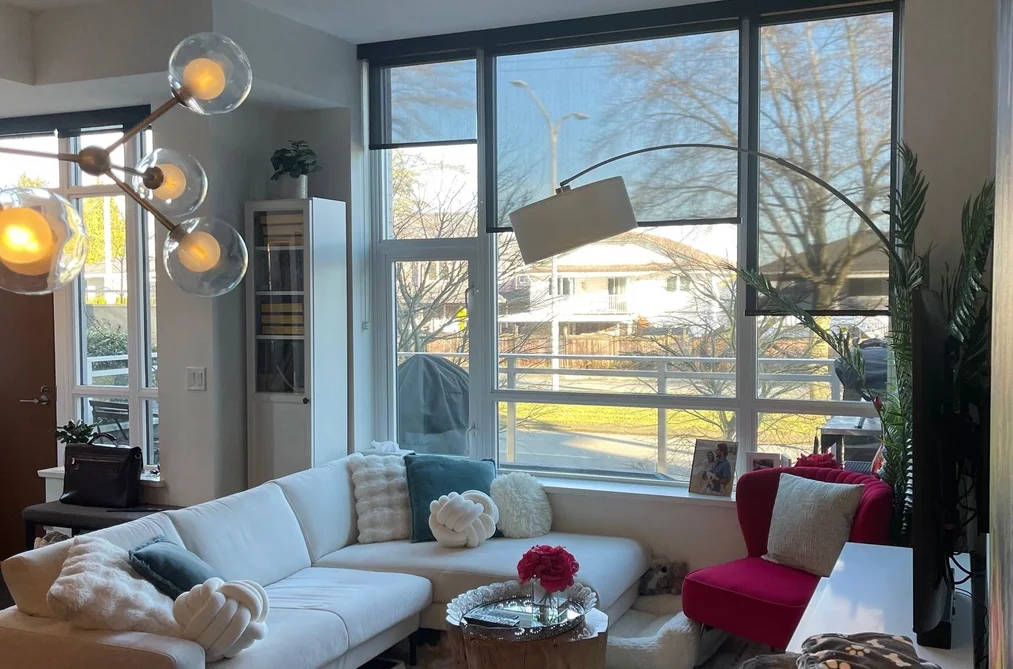
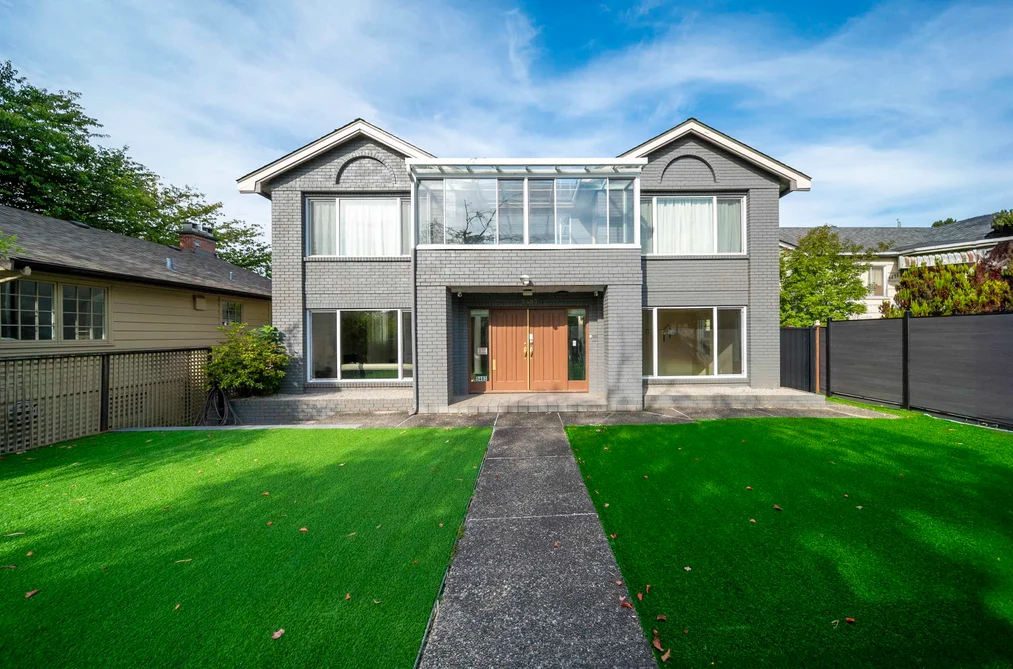
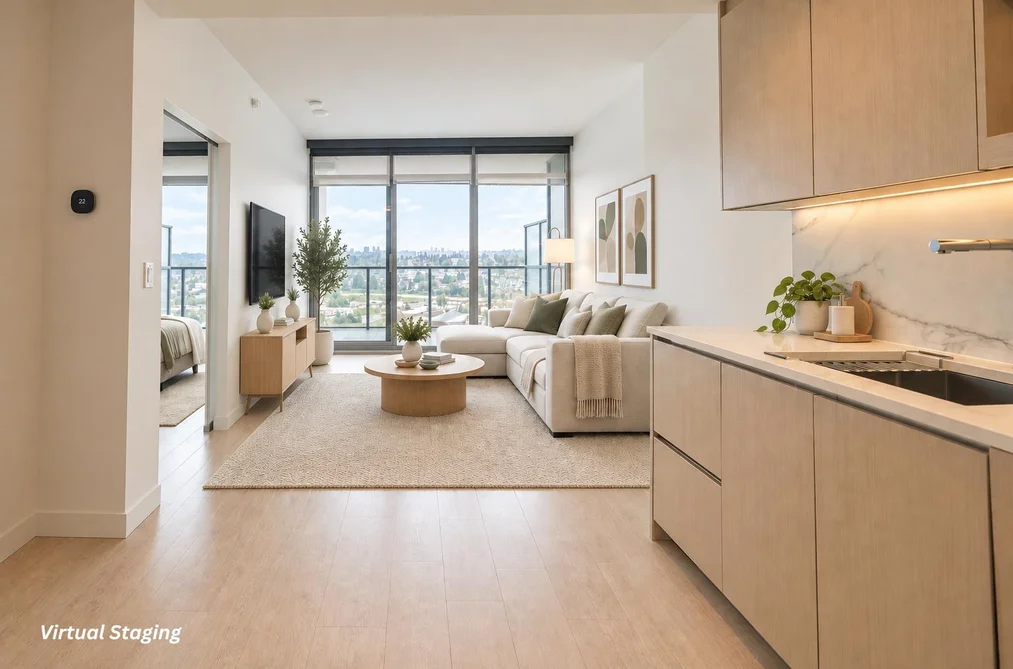
Public Transit access changes what a Greater Vancouver home costs and what can be built beside it, so check the route and the zoning together before you write an offer.
Rapid transit is not one thing. A SkyTrain station on the Expo, Millennium or Canada Line gives a frequent, weather-proof trip, a bus exchange or a RapidBus stop gives good frequency at a smaller premium, and a local route running twice an hour is near transit in name only. Ride the trip you would actually make, at the hour you would make it, before you shortlist. Across Metro Vancouver the walk to the platform matters more than the straight-line distance, so time it yourself and note whether the route crosses an arterial with a long signal.
Provincial legislation in British Columbia now requires municipalities to permit higher density within set distances of transit stations and bus exchanges. Those transit-oriented development areas override local zoning bylaws and parking requirements, so a block of houses near transit hubs today can hold apartments in a few years. Ask the municipality whether the address sits inside a designated TOD area, and read the official community plan for the neighbourhood. That cuts both ways for a buyer across B.C.: more housing options and affordable housing nearby, and a different outlook from your window.
Then price the everyday trade-offs. High-density blocks around transit carry more foot traffic and evening noise, and a unit facing an elevated guideway hears every train, so stand on the balcony before you decide. Newer buildings near transit infrastructure supply fewer stalls, so confirm whether parking is deeded, assigned or absent, and think about resale to someone who drives. Against that, transportation infrastructure spending is a durable amenity, and a home a short walk from a municipal exchange or station holds demand in a way one on a peripheral route does not.