For Sale
0 days
- $3,850,000
- 6 bed
- 5 bath
- 3268 sqft
MLS® R3164758
•eXp Realty
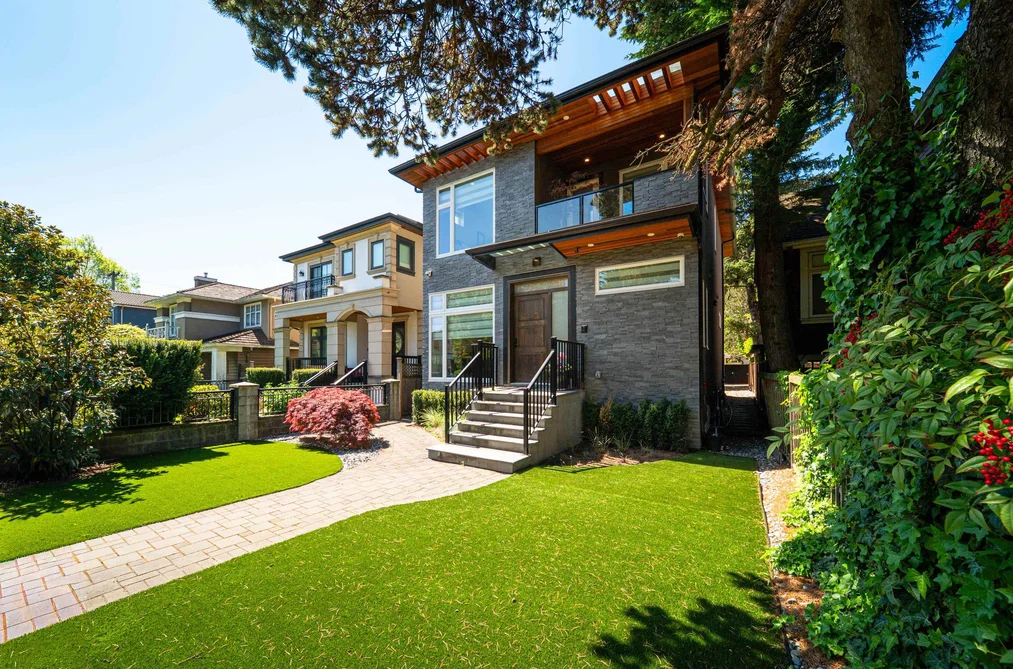
Browse Laneway homes for sale in Greater Vancouver and compare zoning, permit history and whether the unit can be stratified before you write an offer.
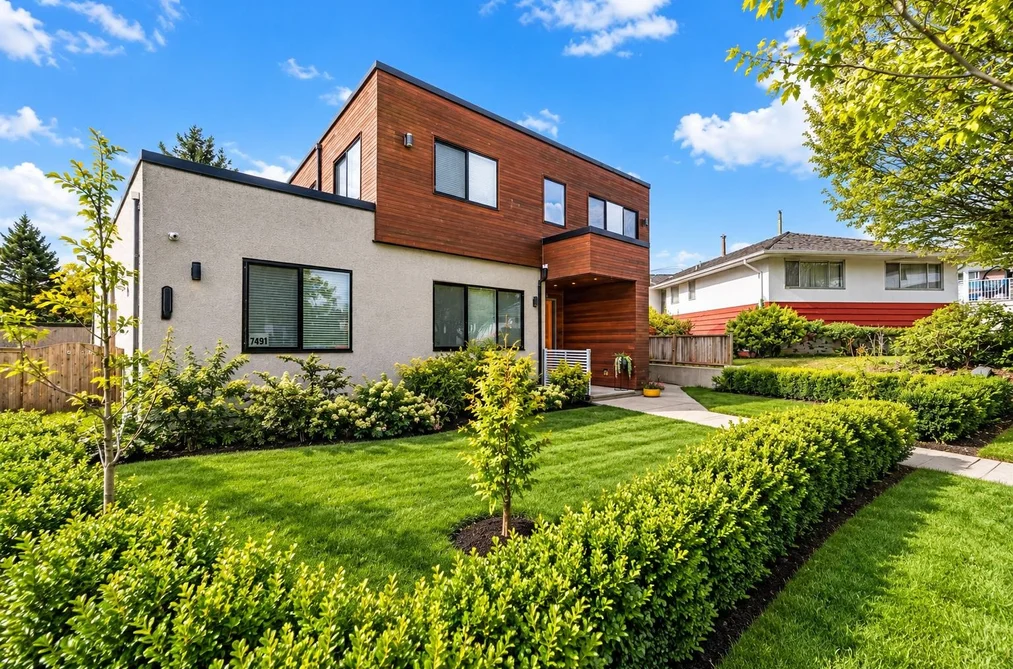
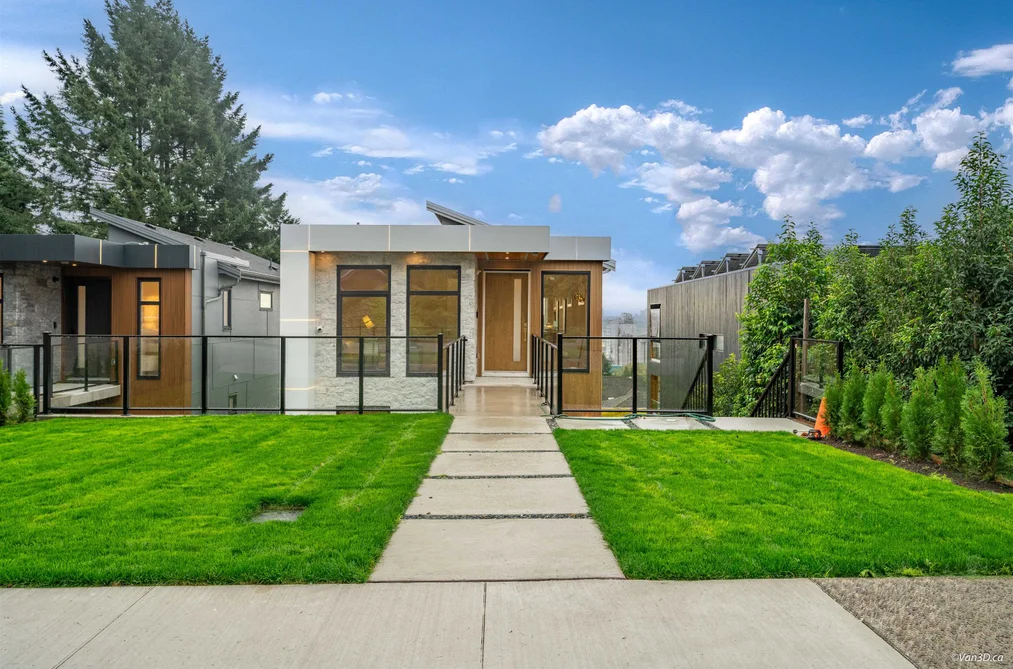
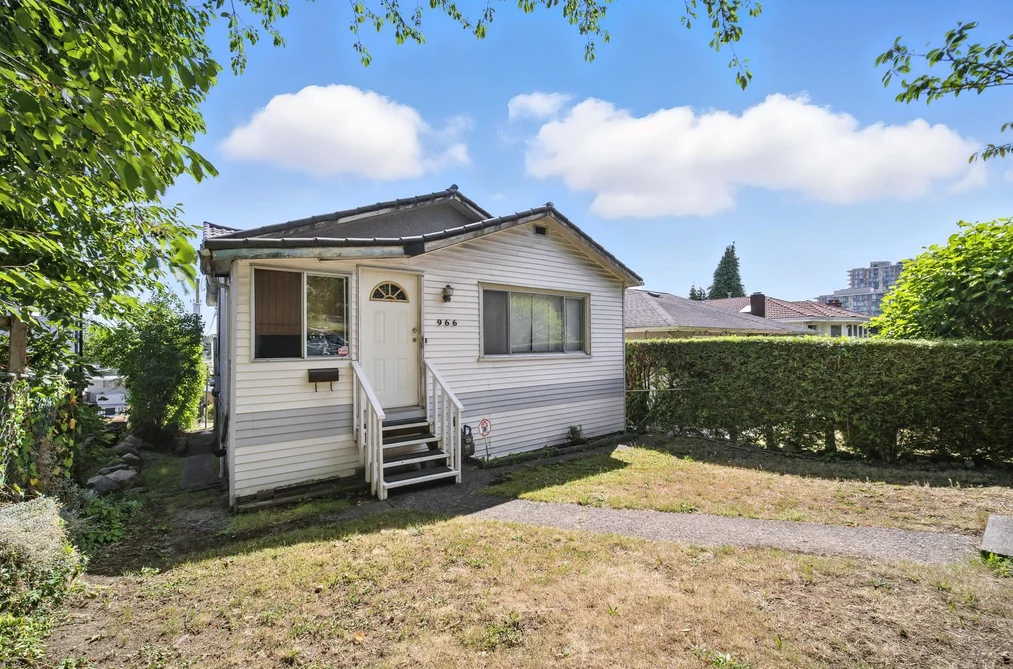
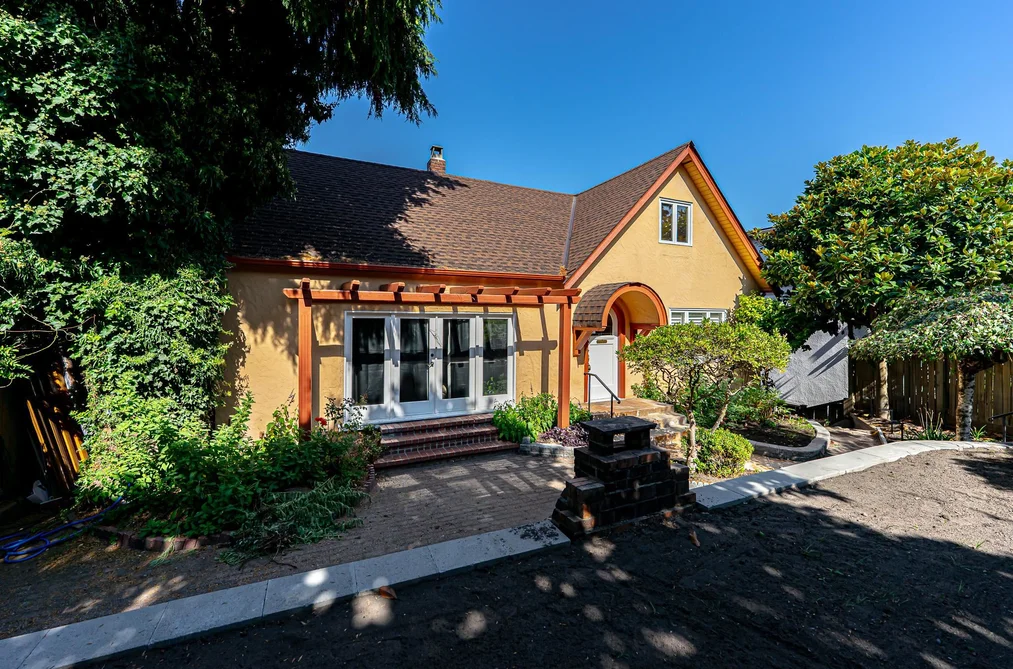

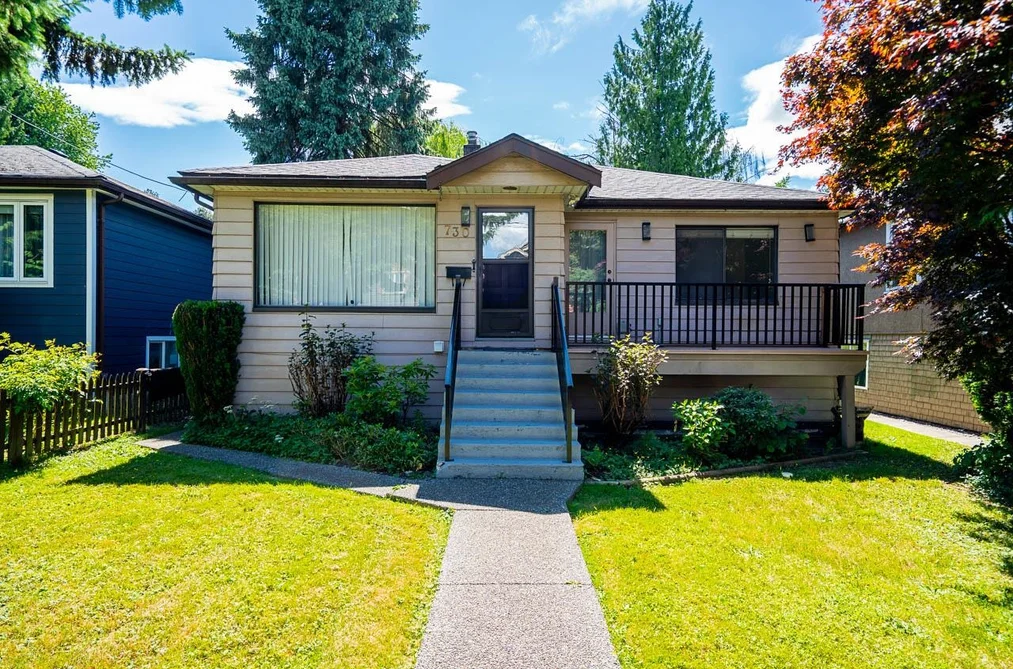
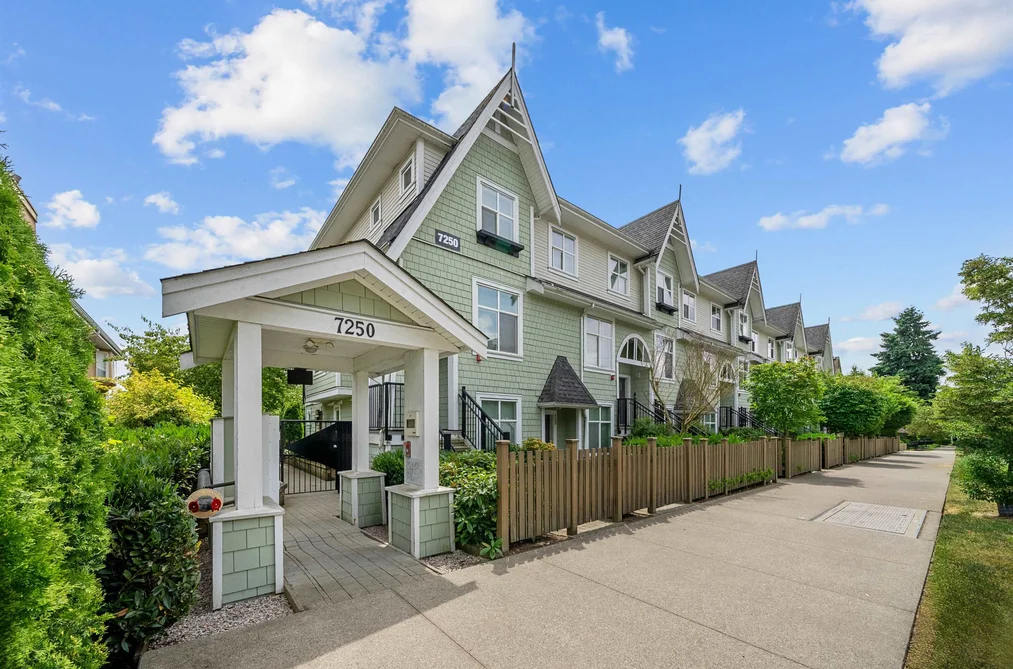
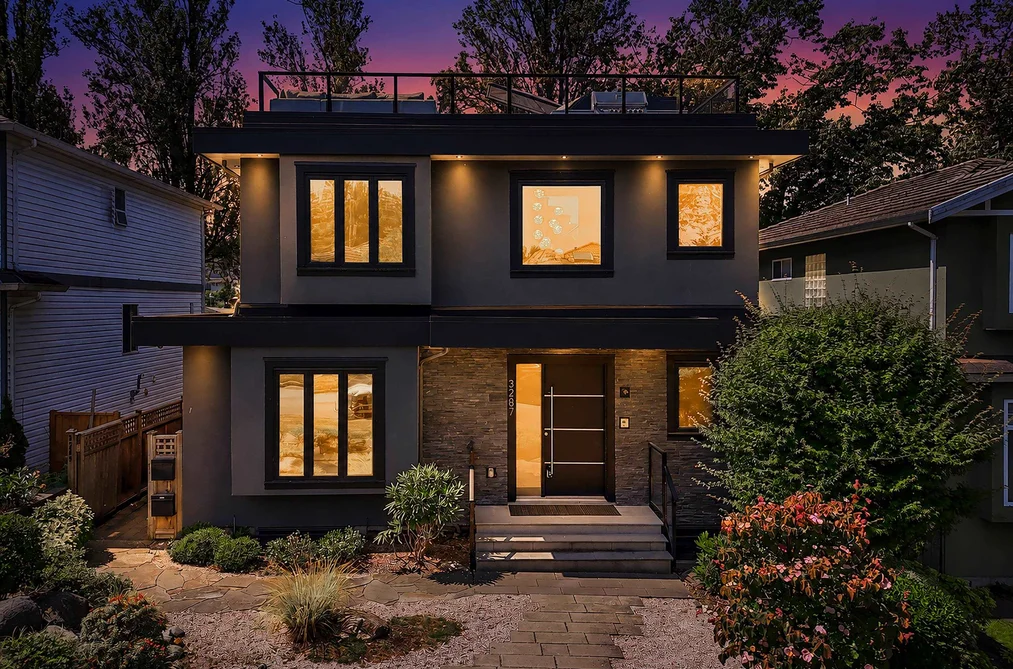
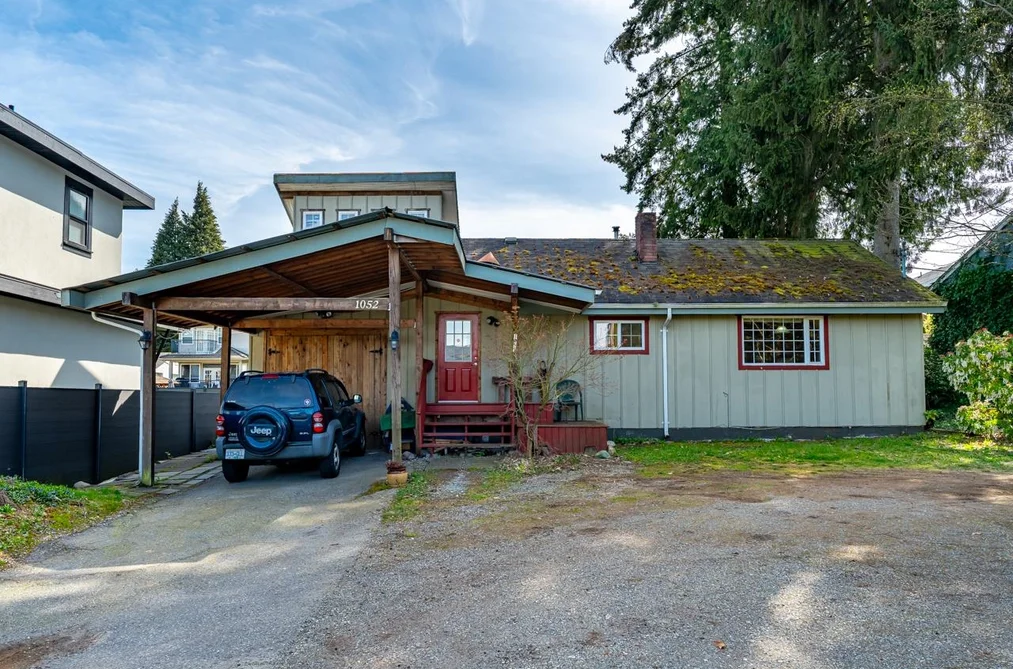
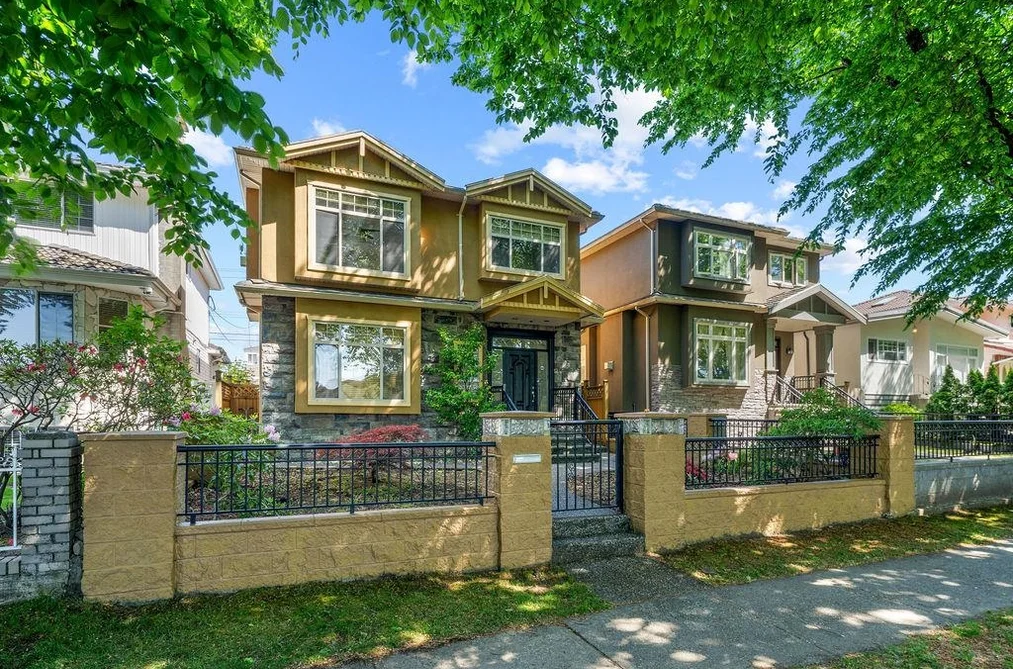
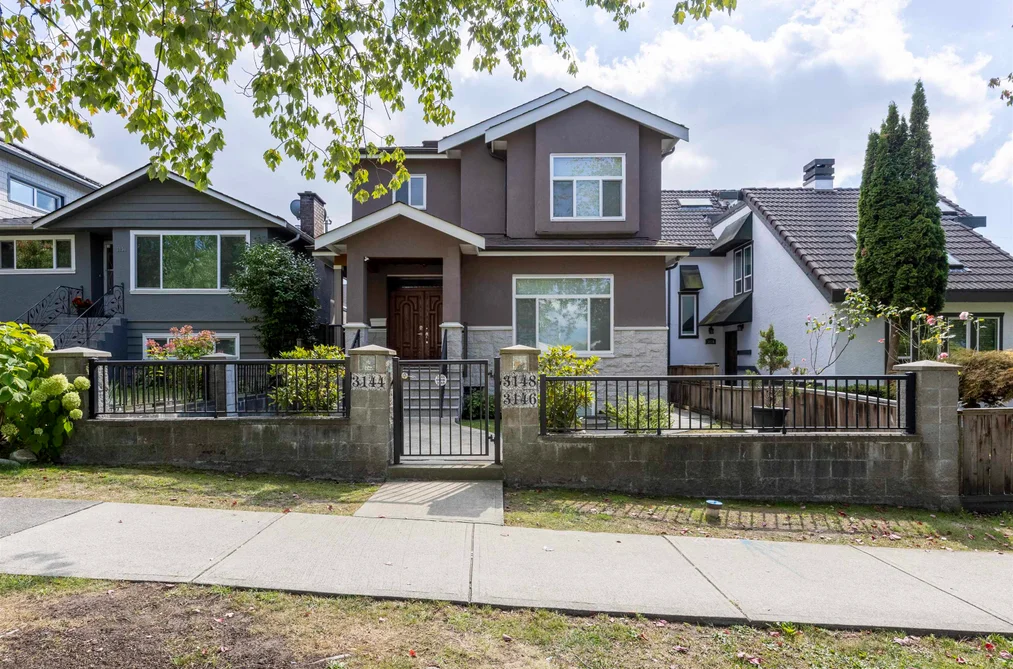
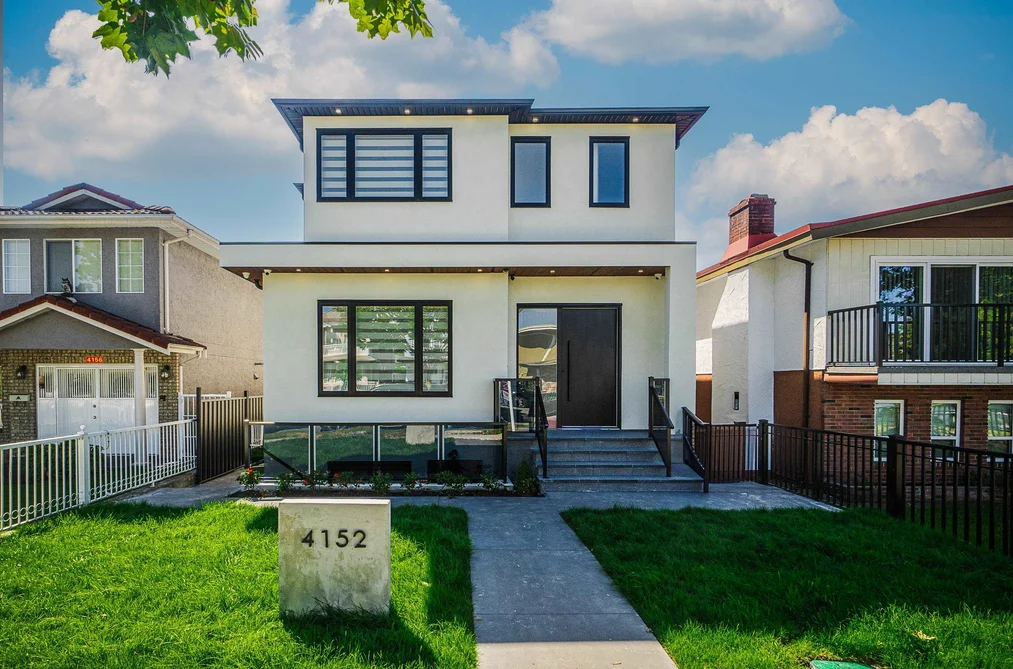
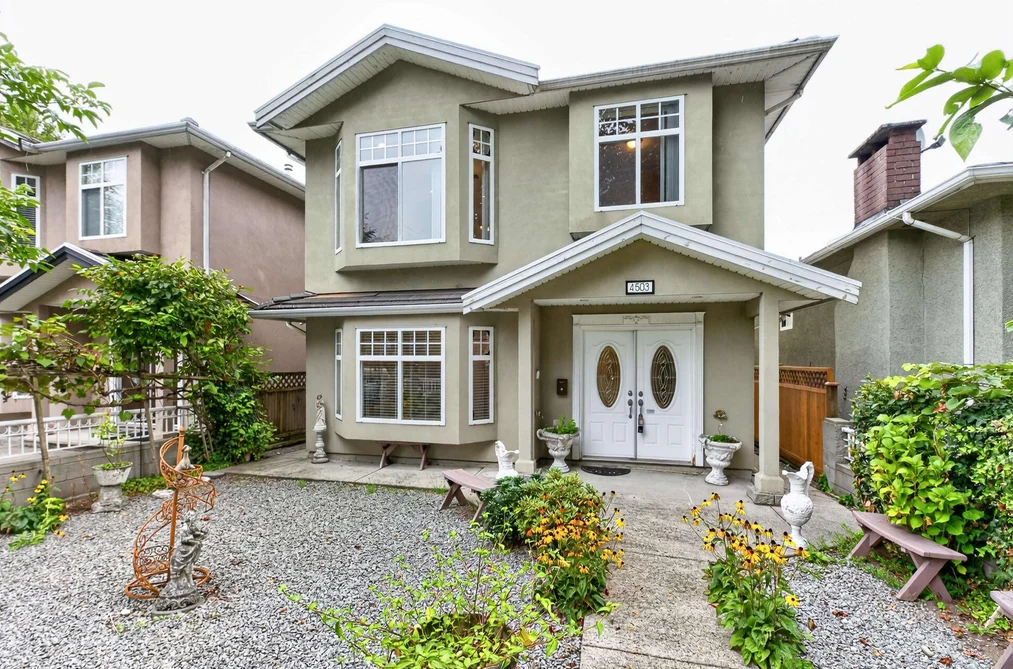
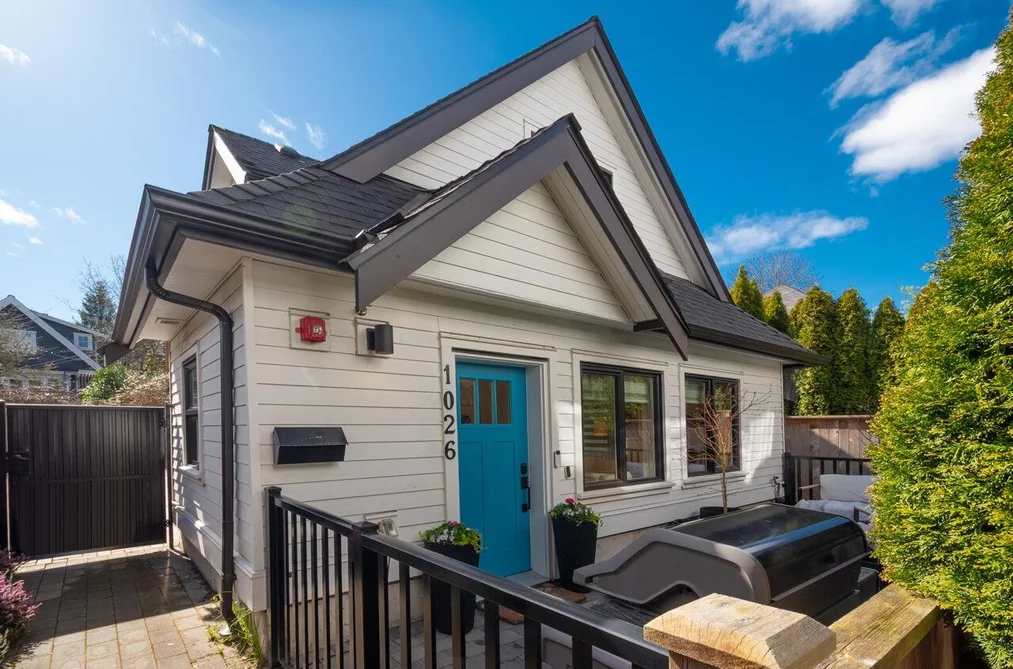
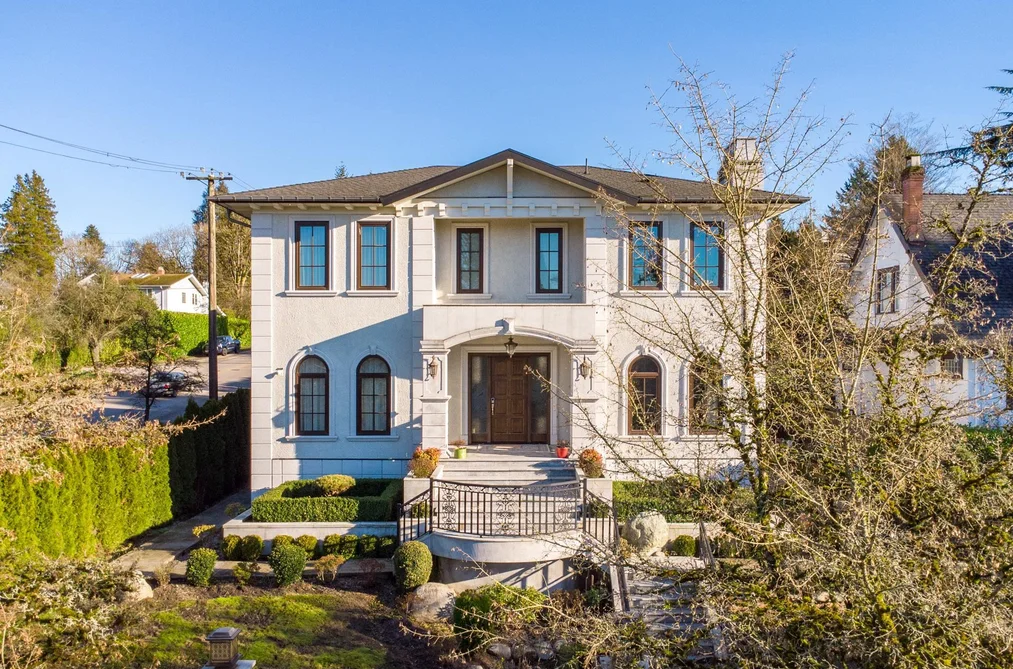
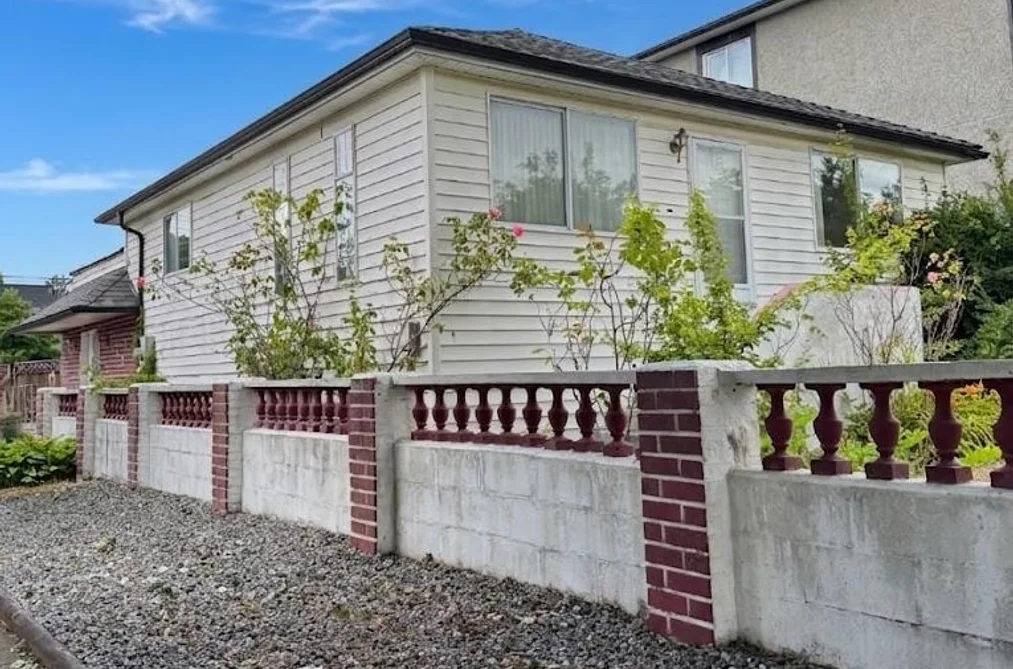
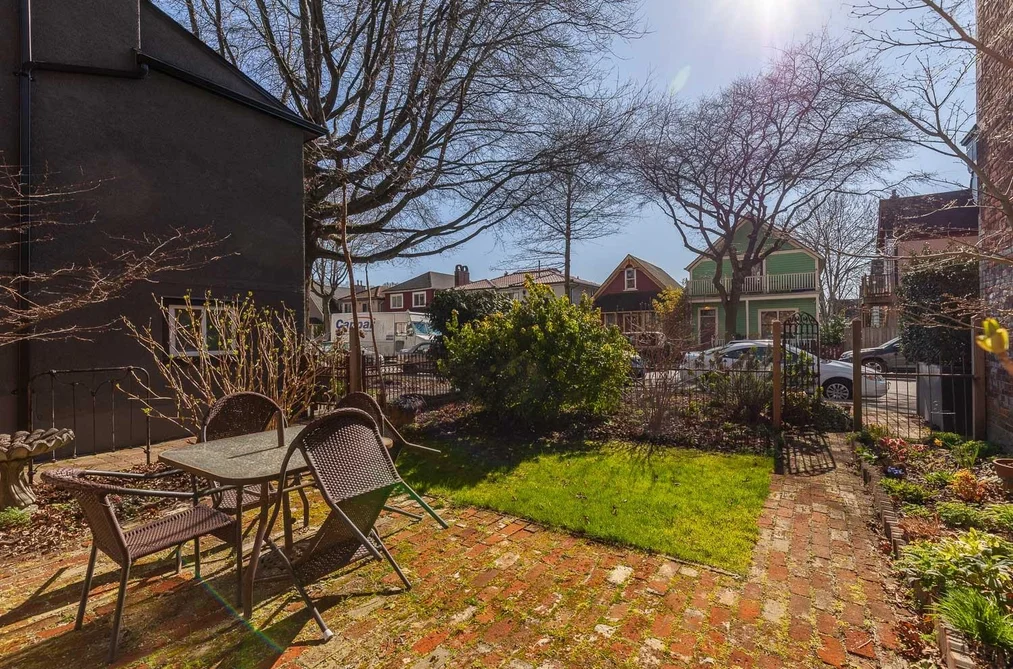
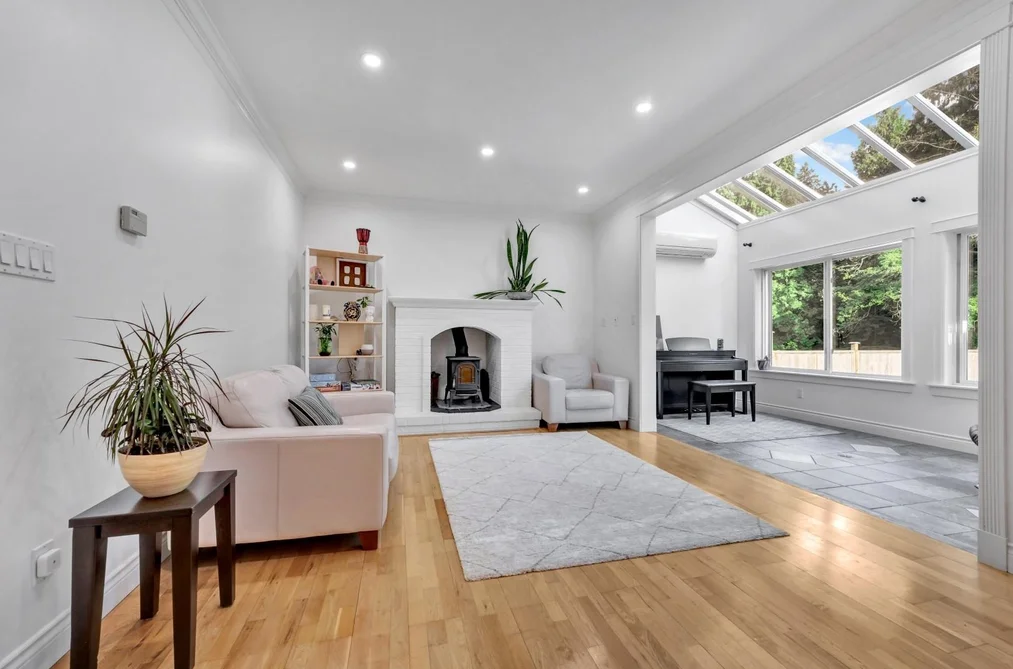
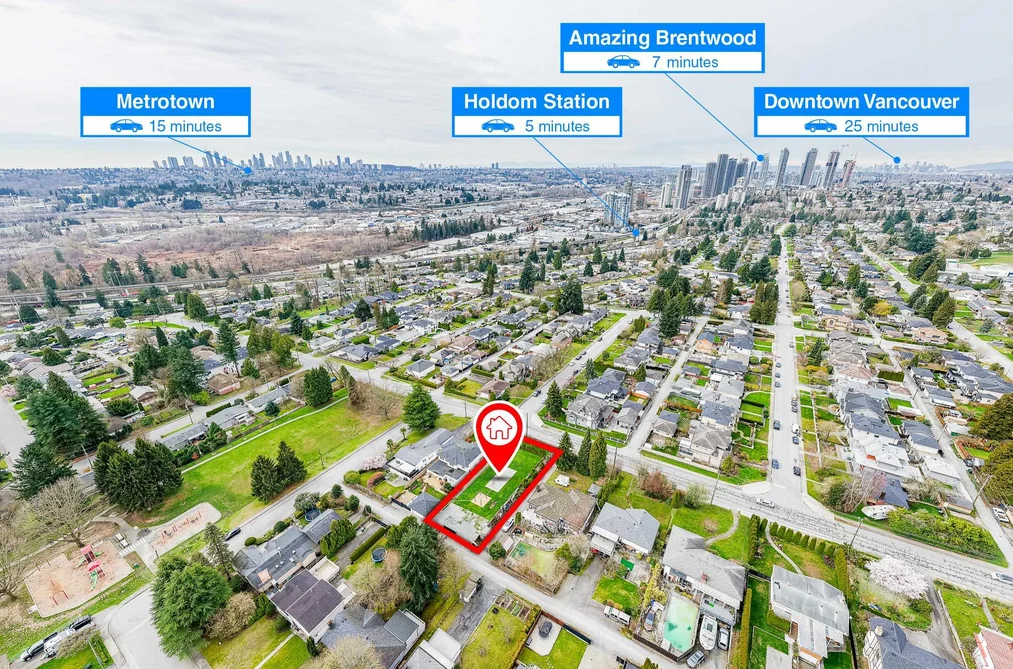
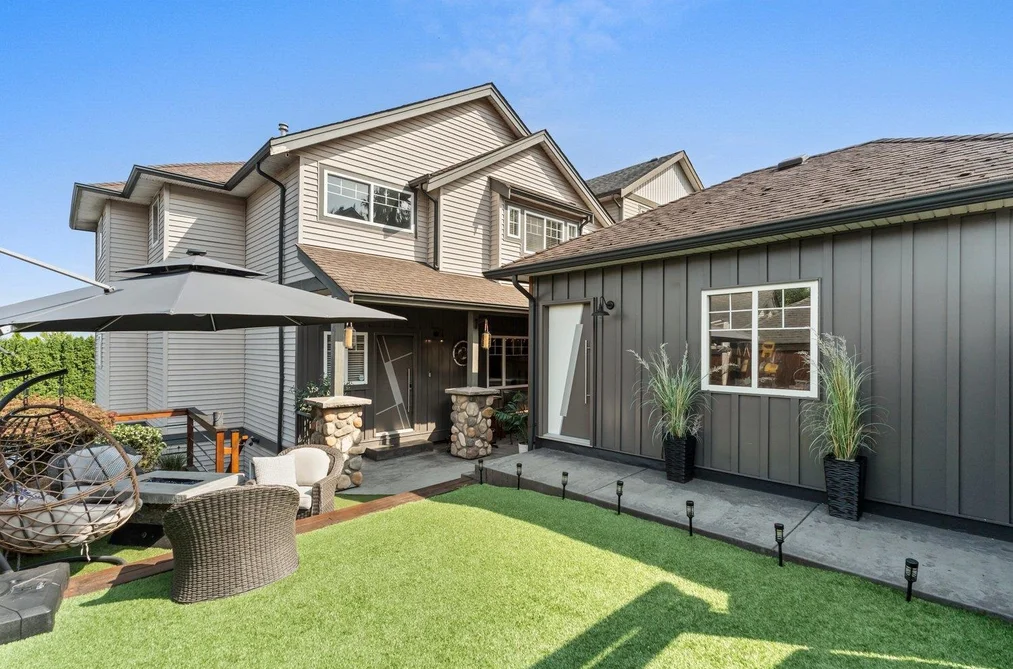
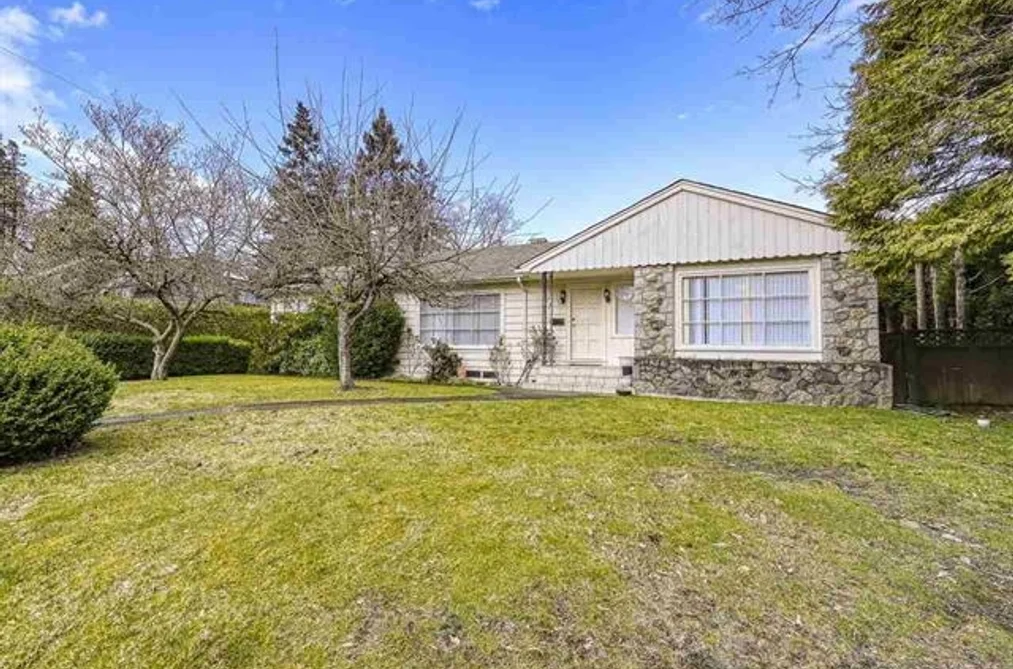
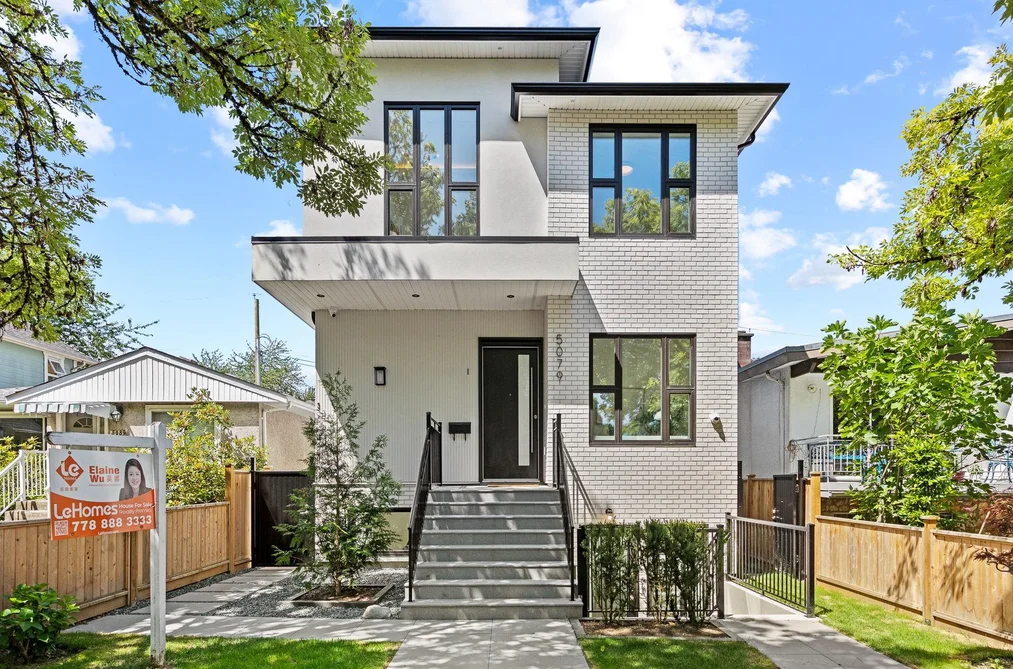
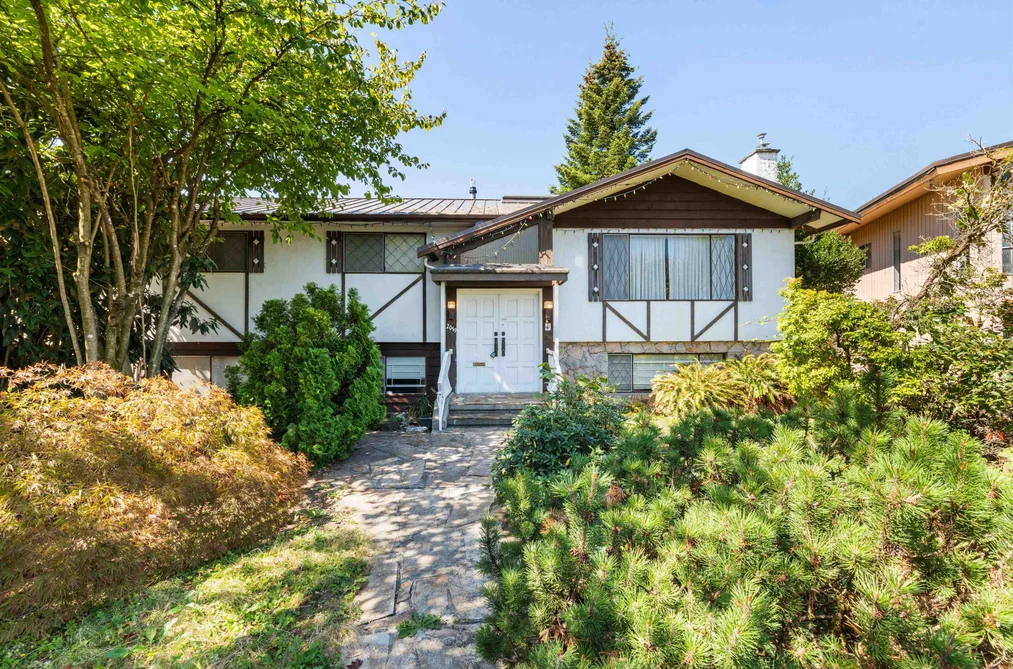
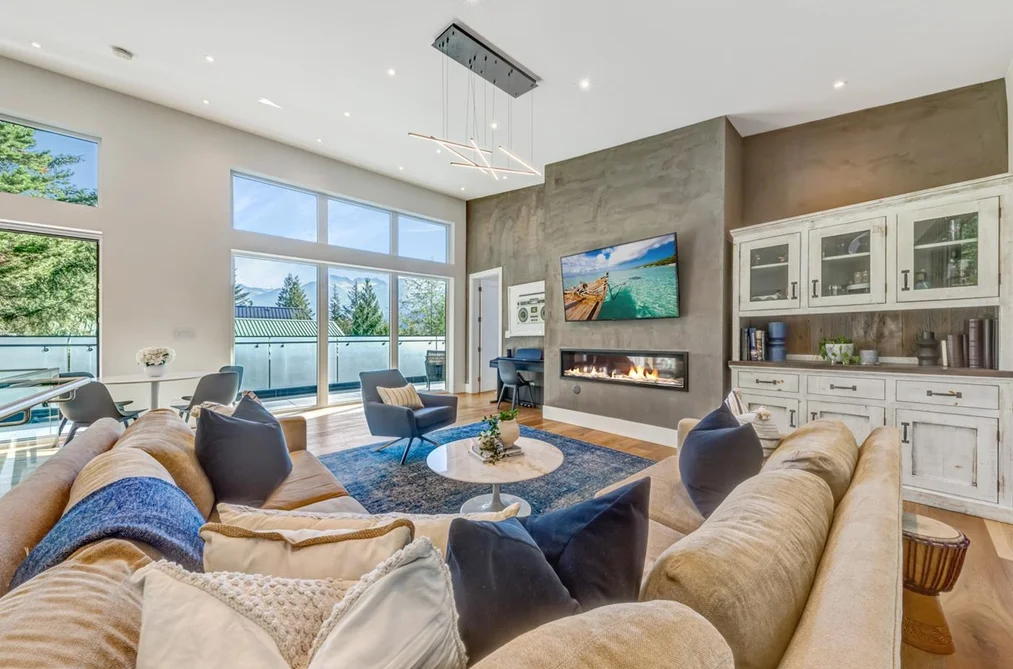
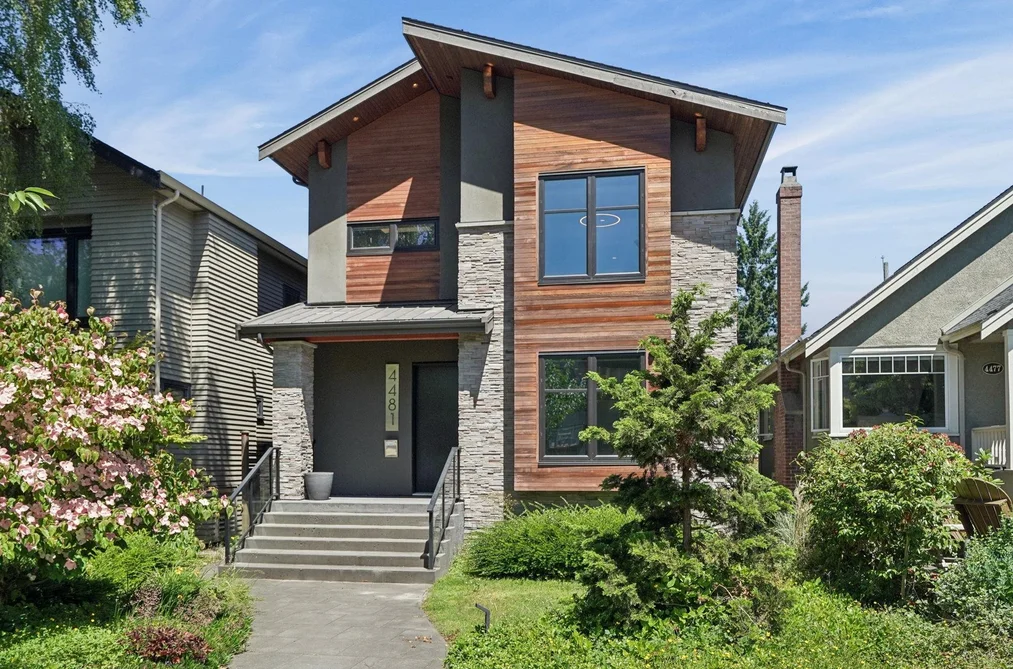
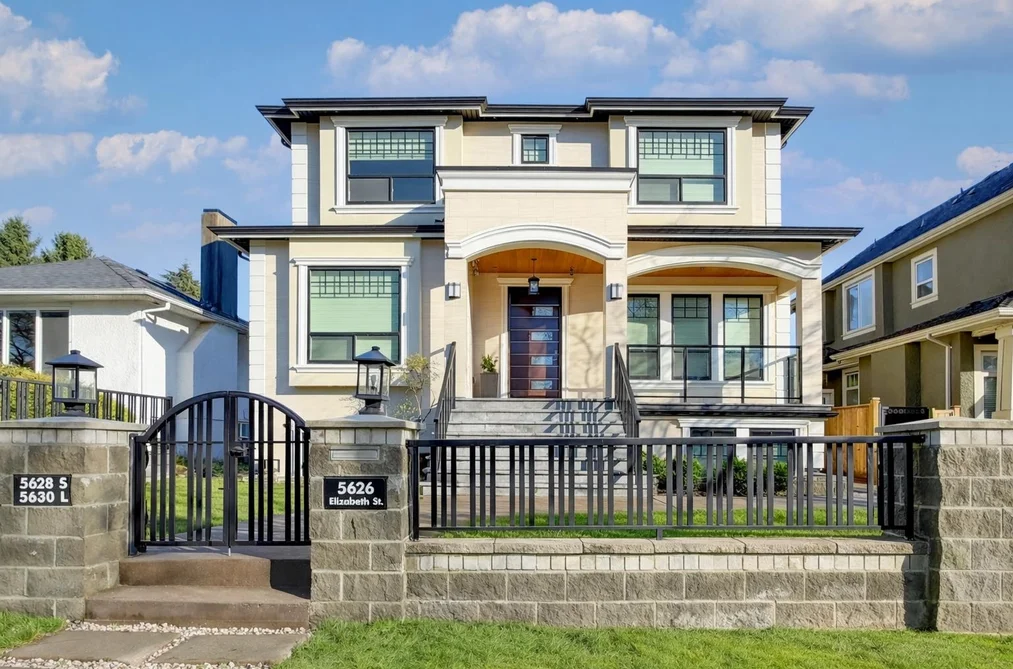
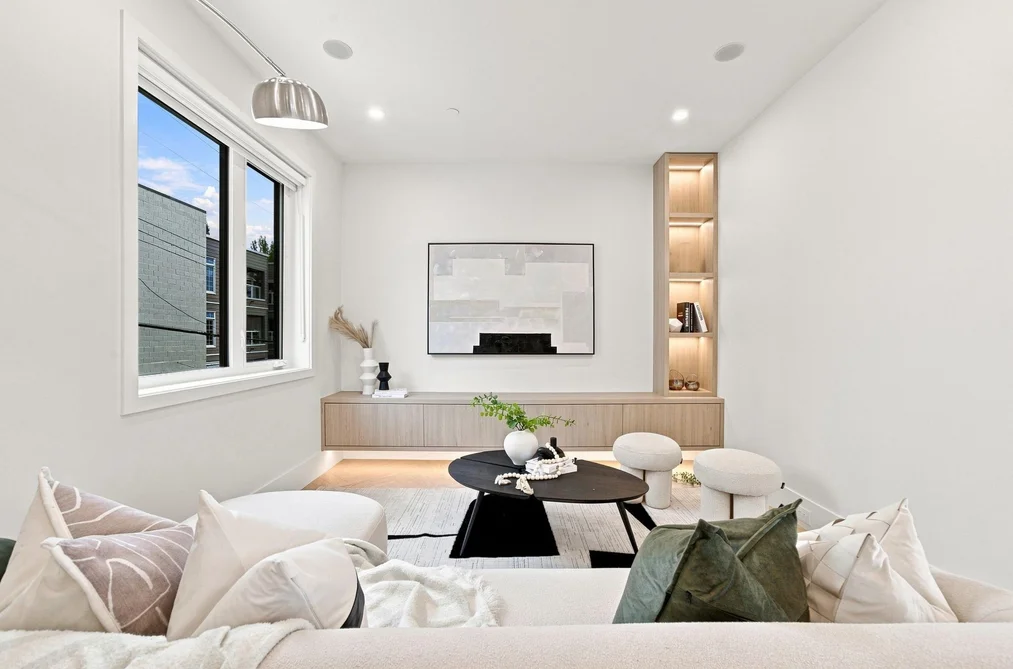
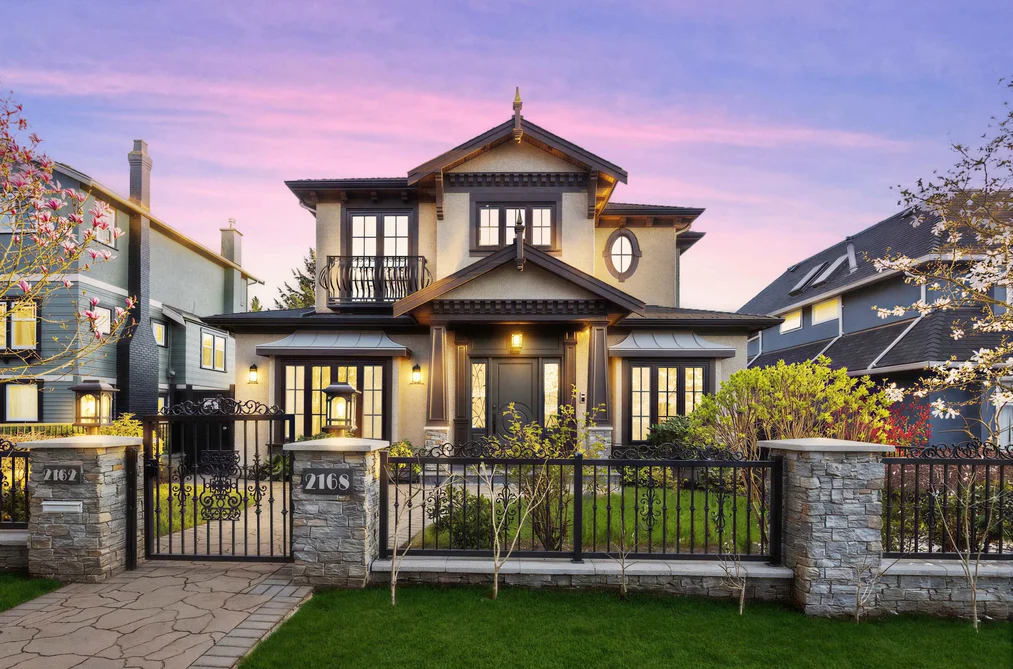
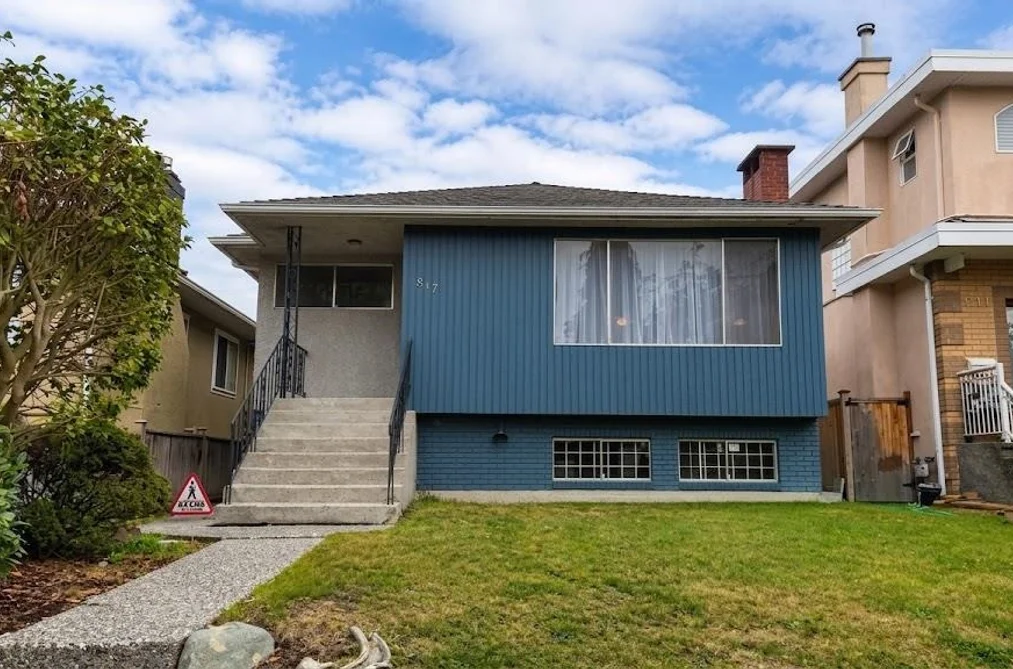
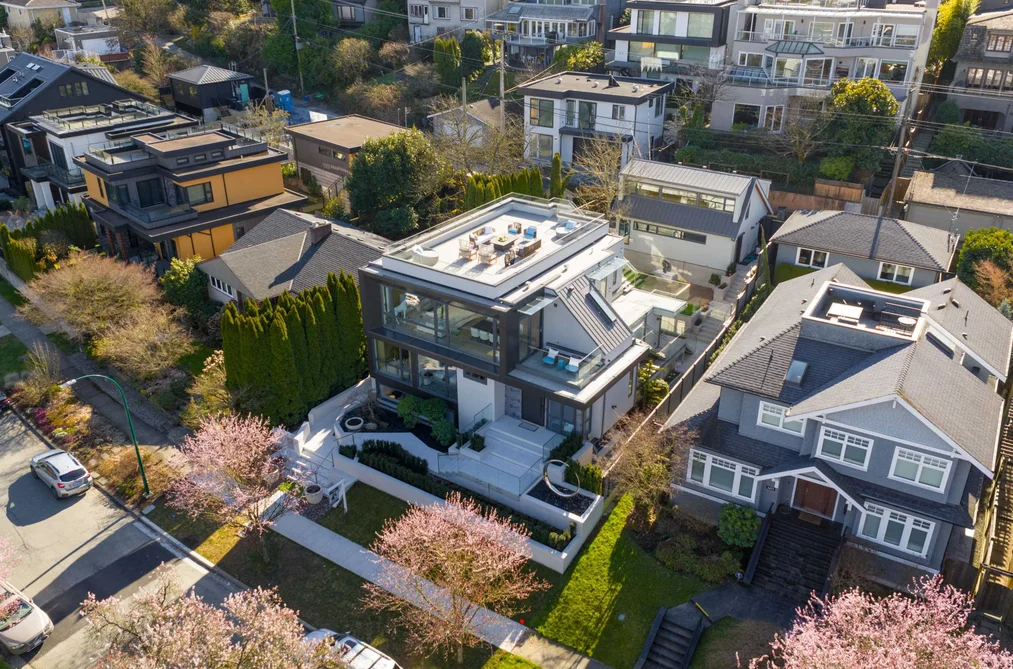
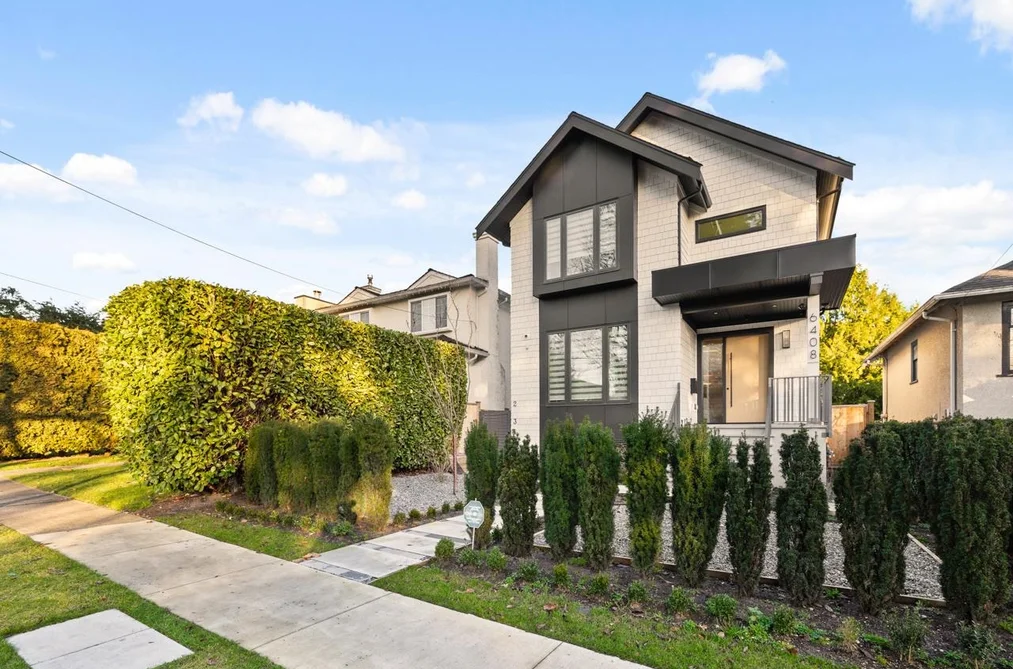
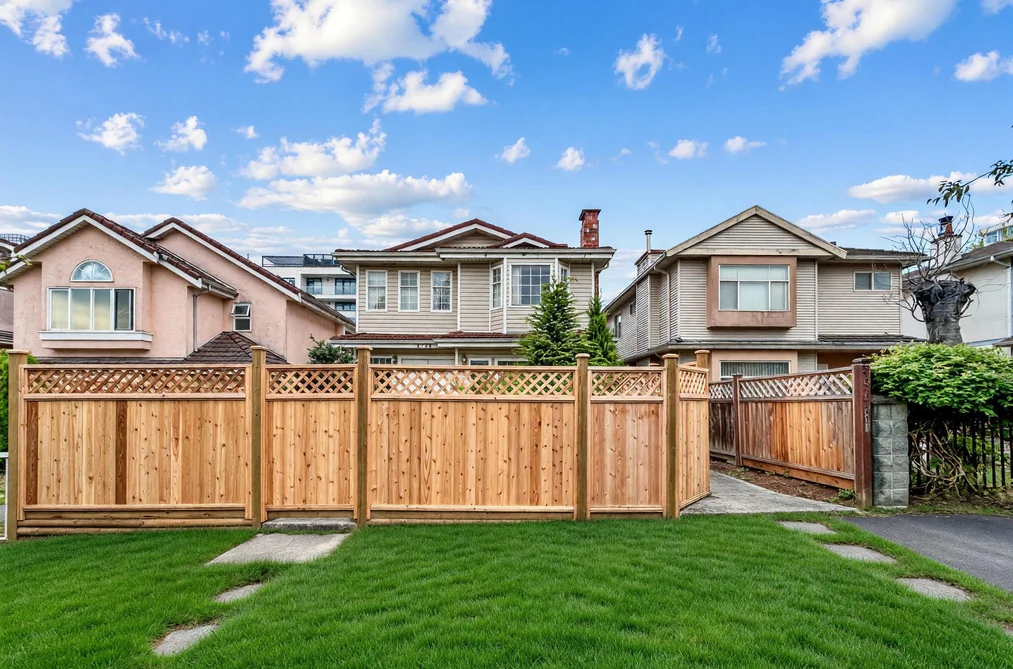
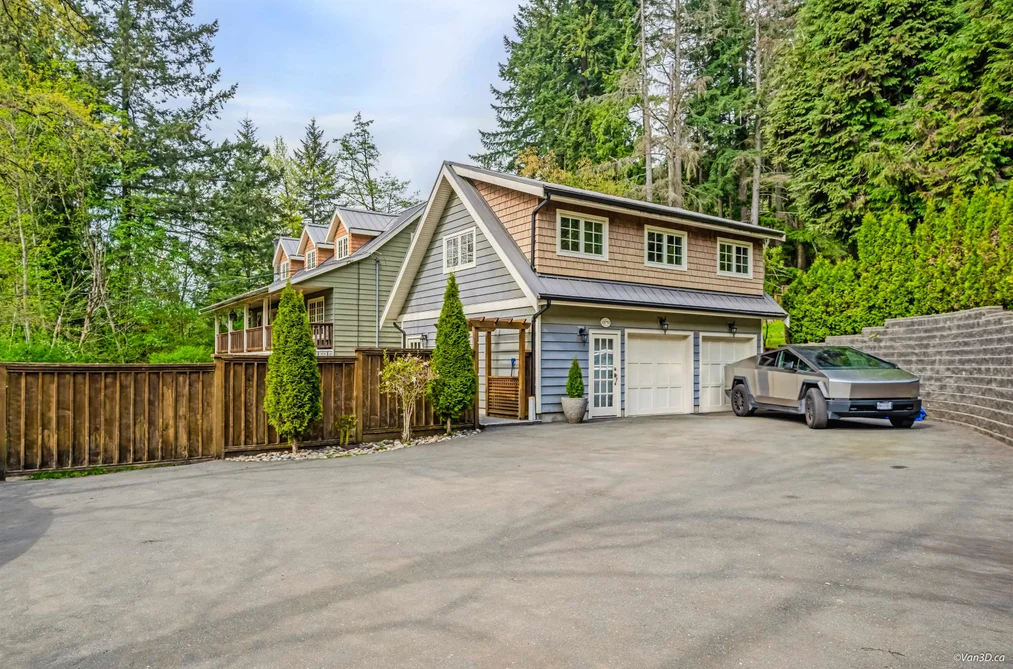
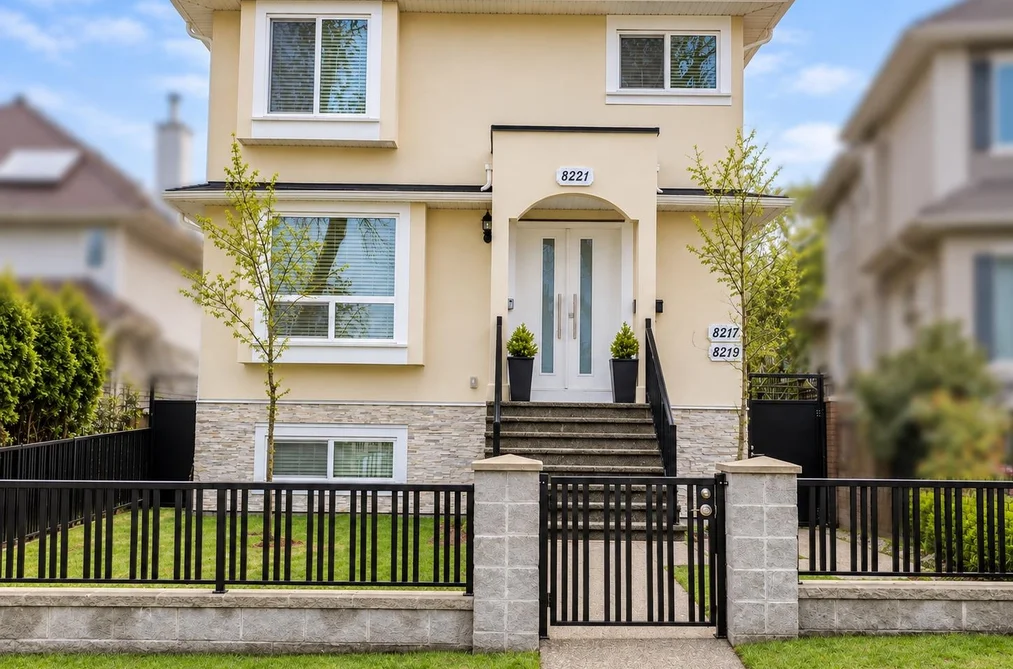
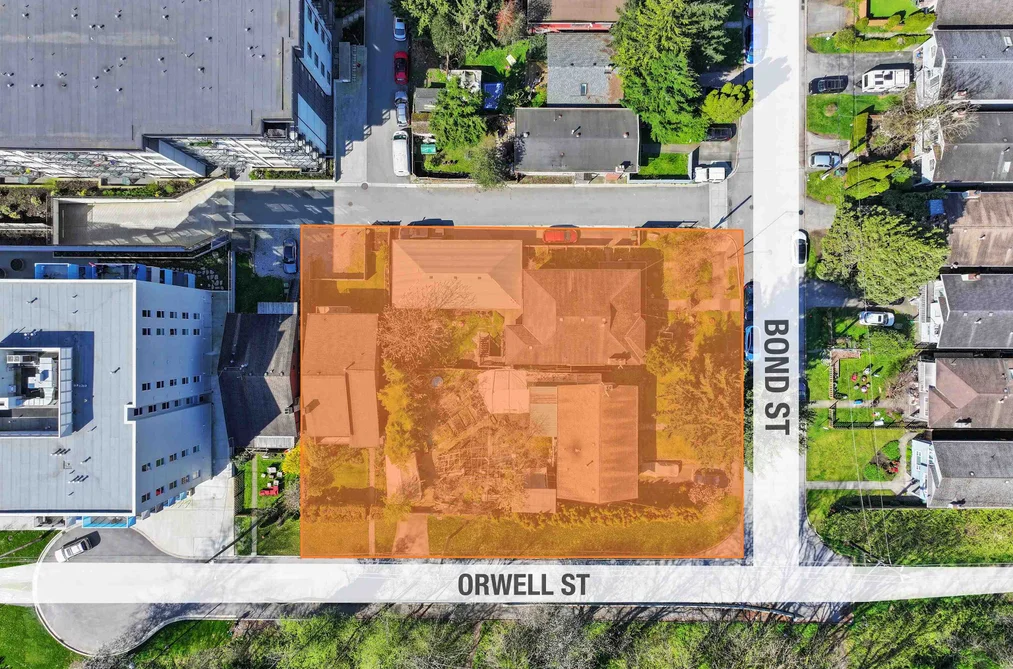
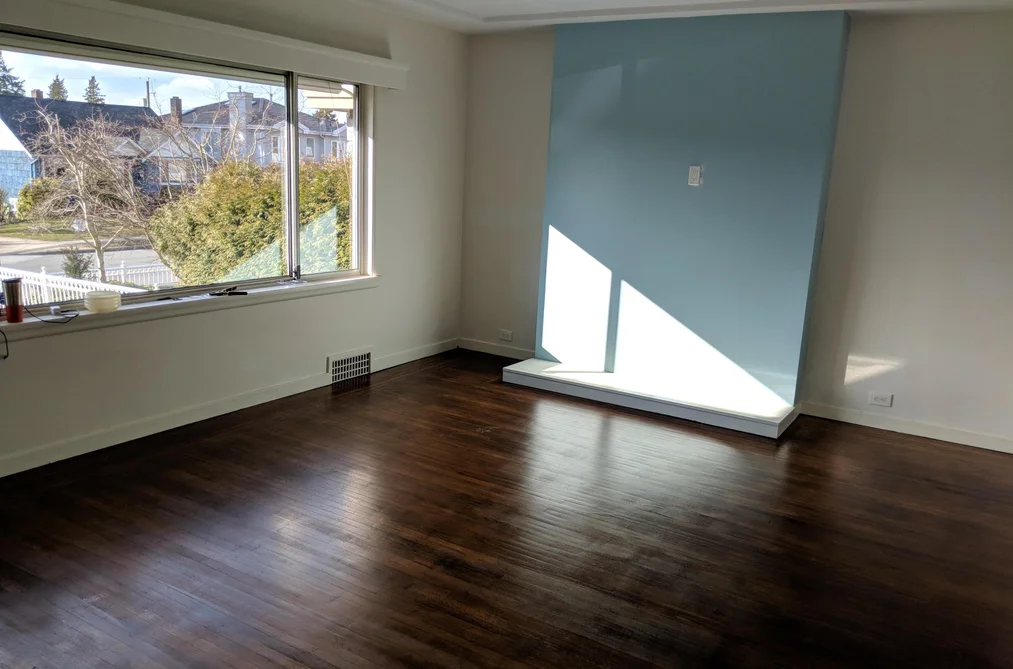
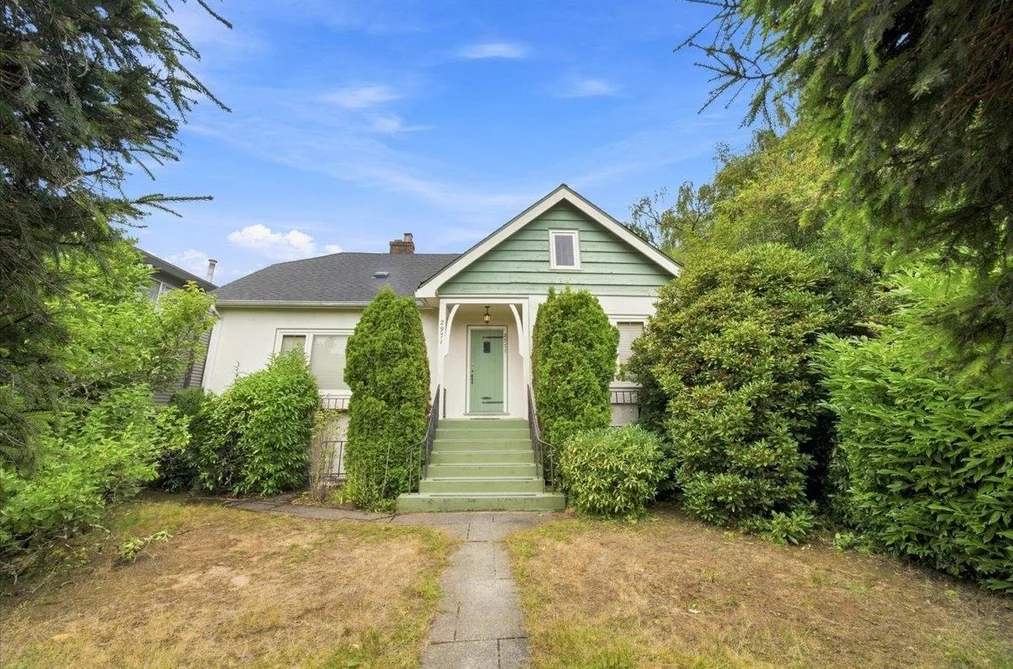
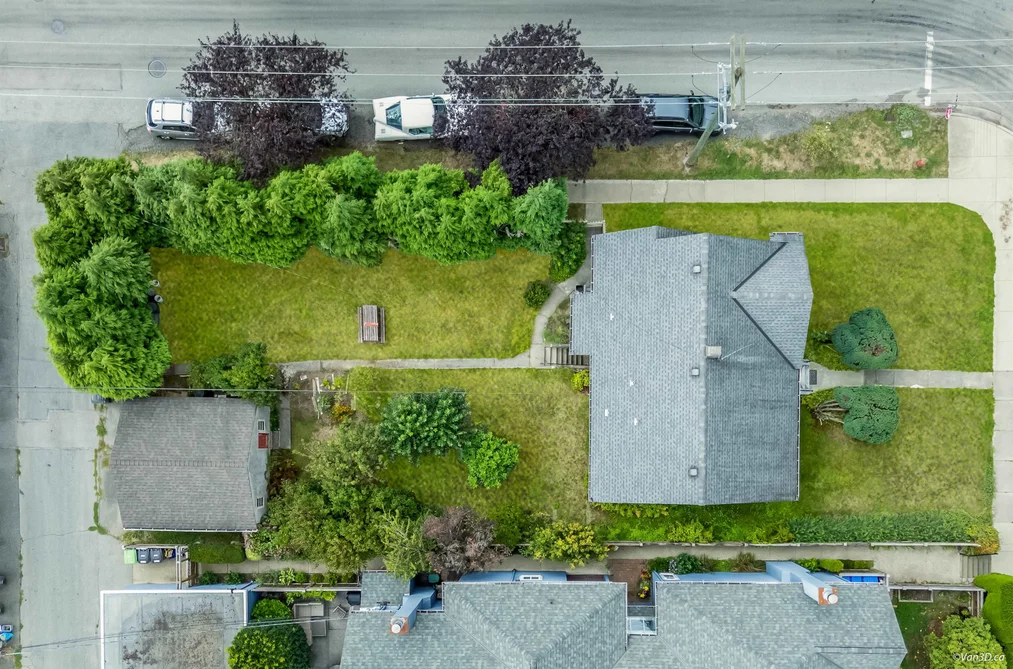
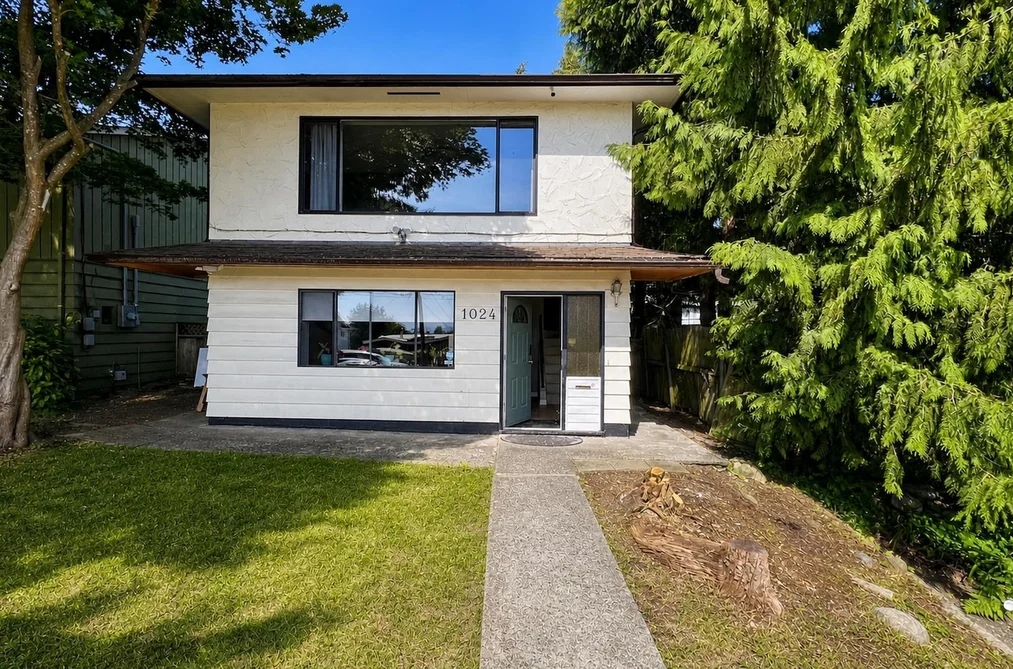
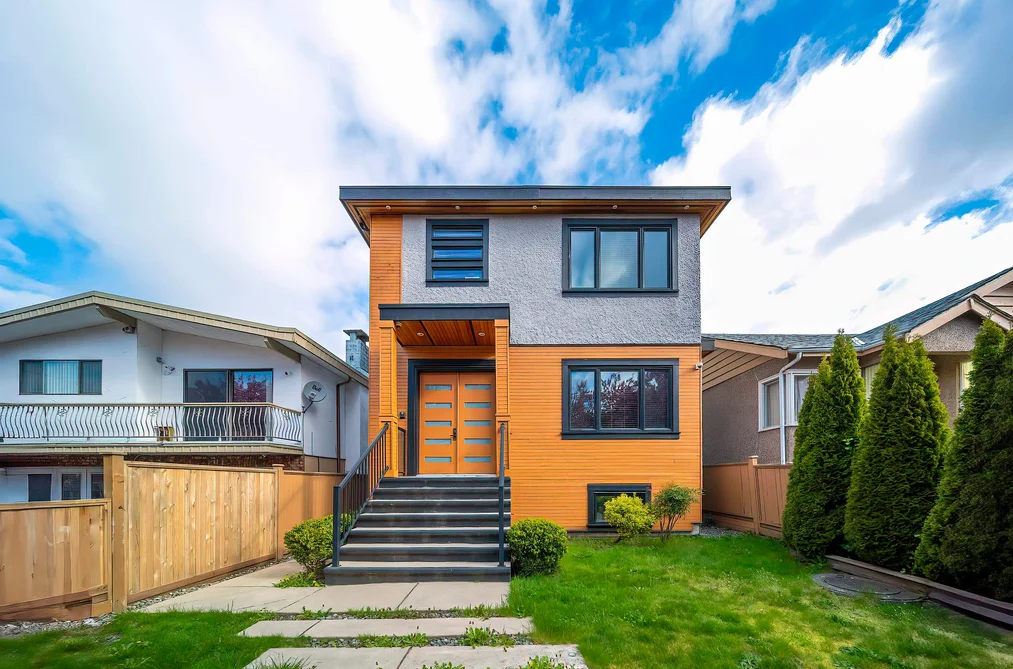
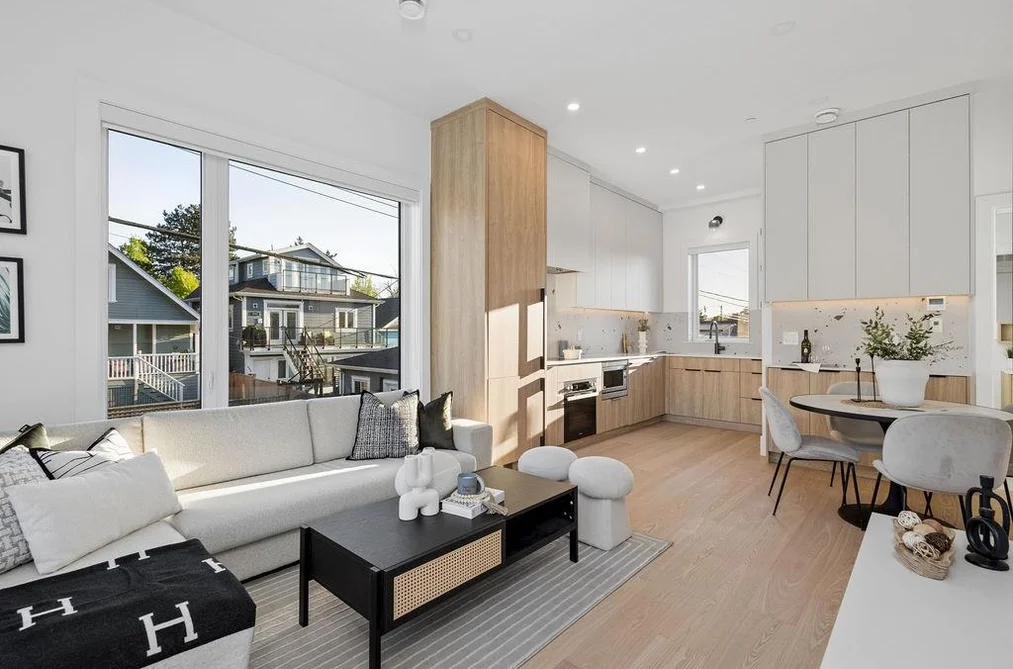
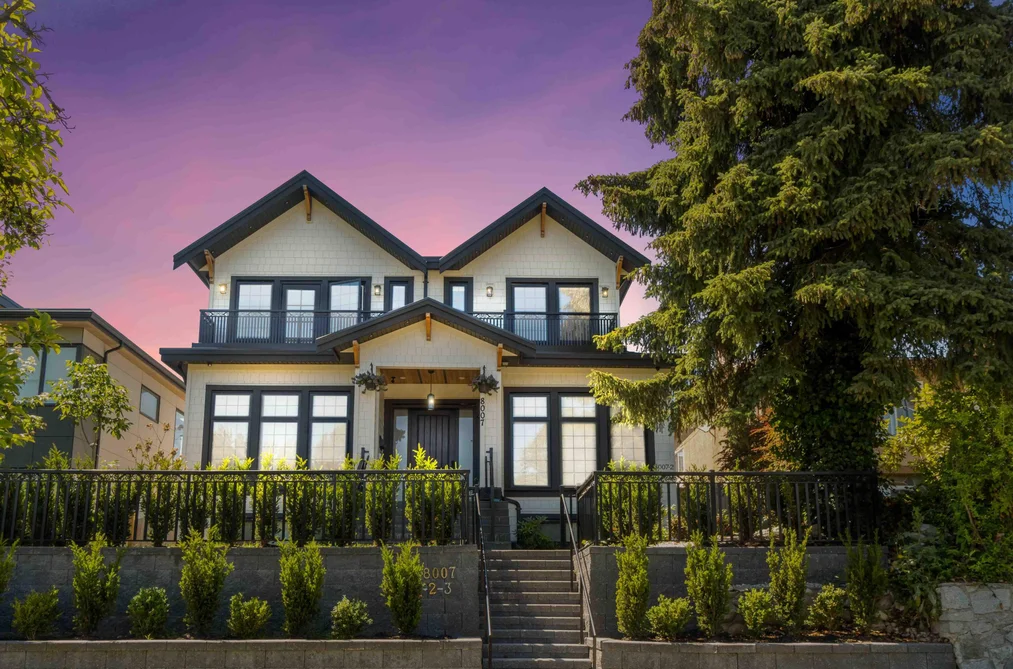
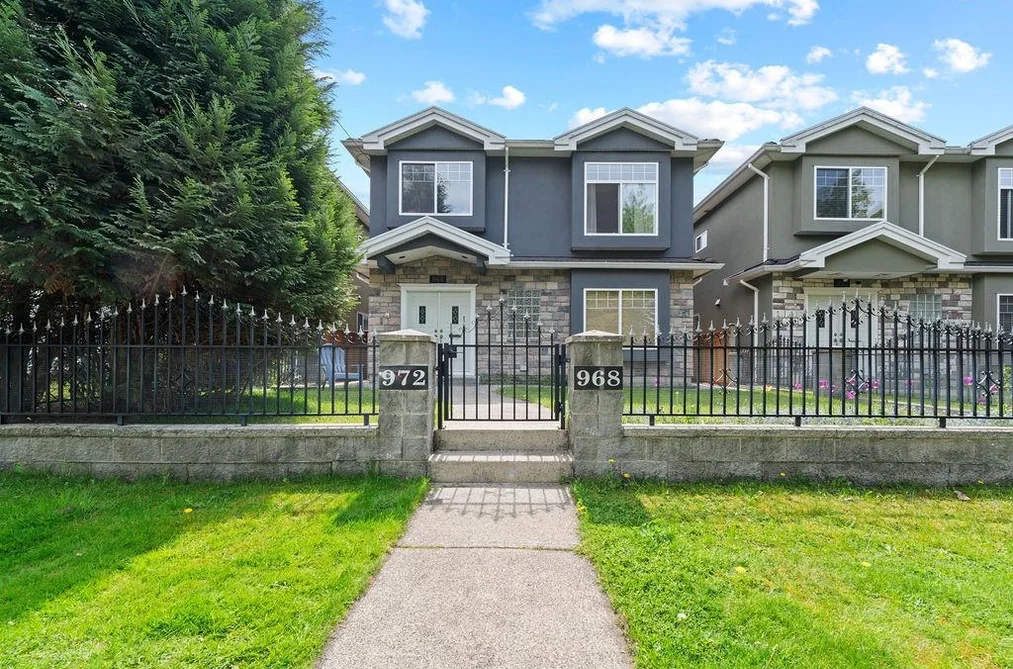
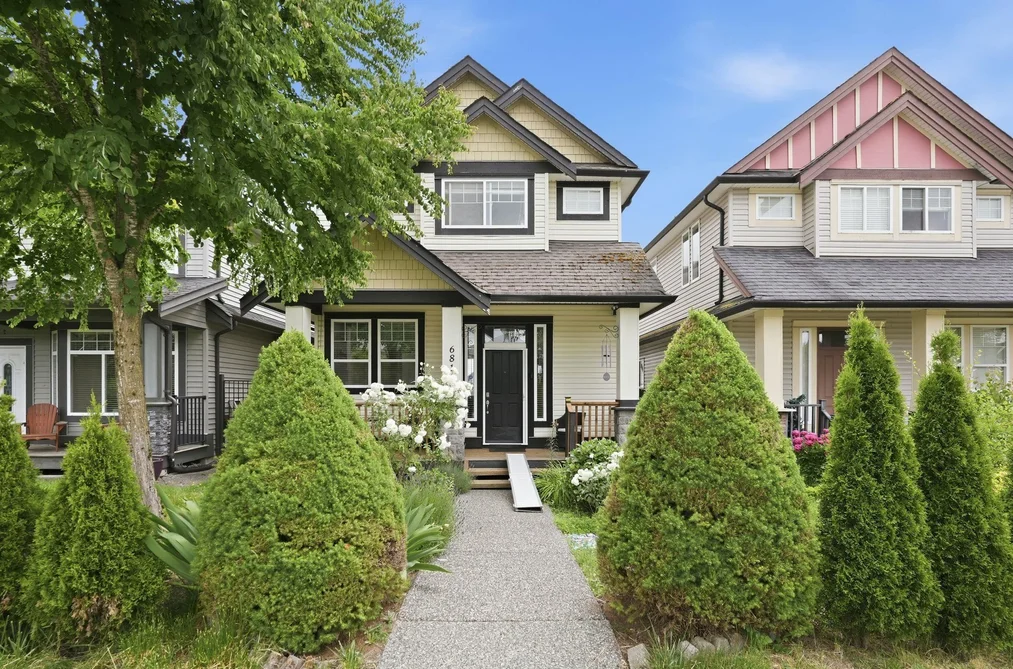
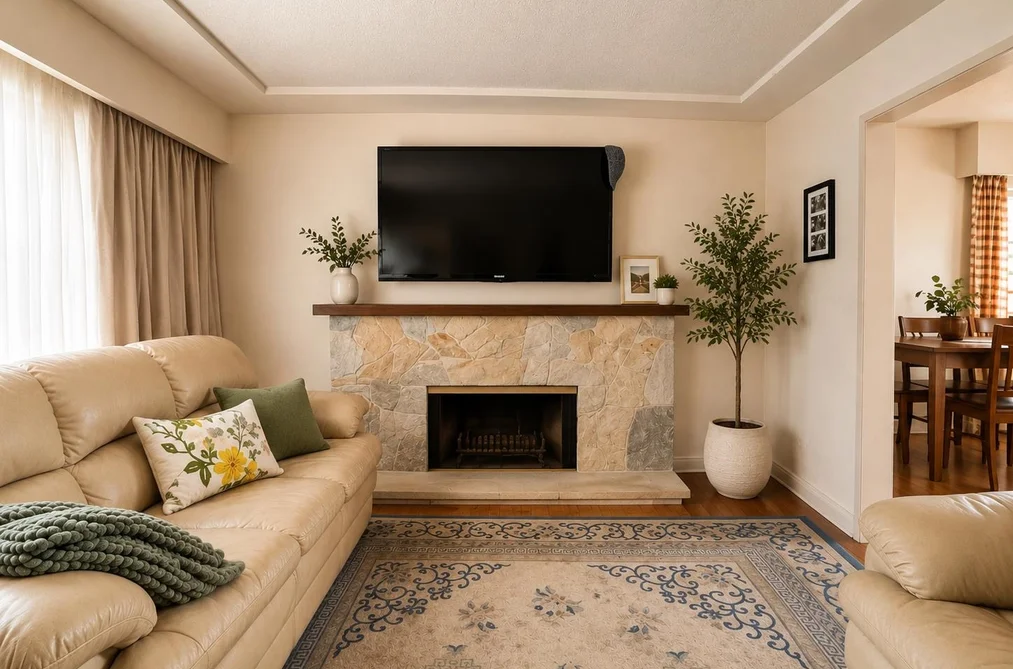
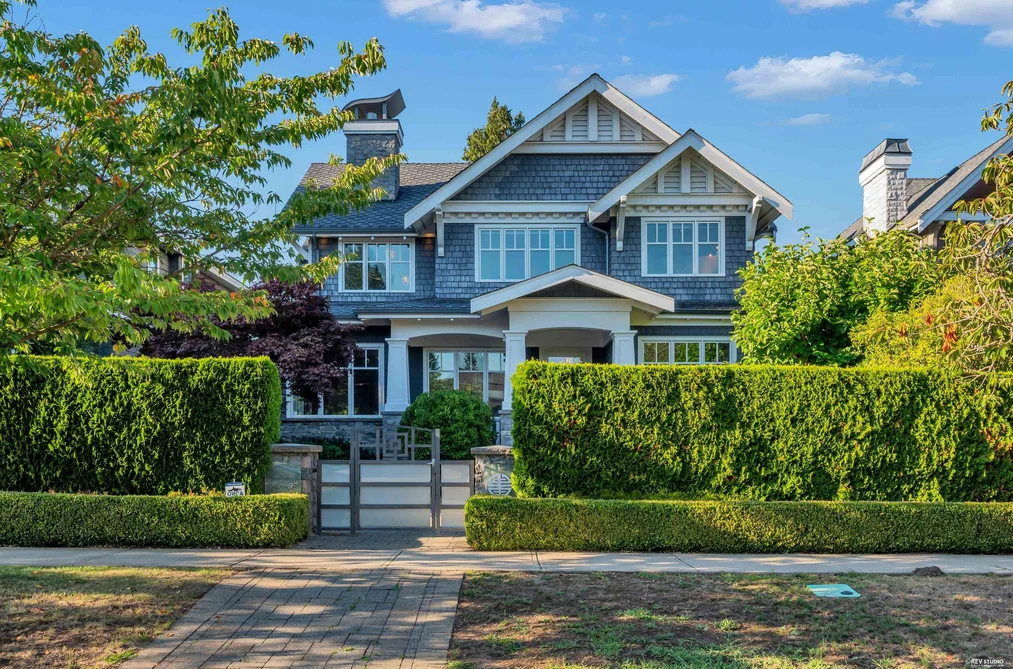
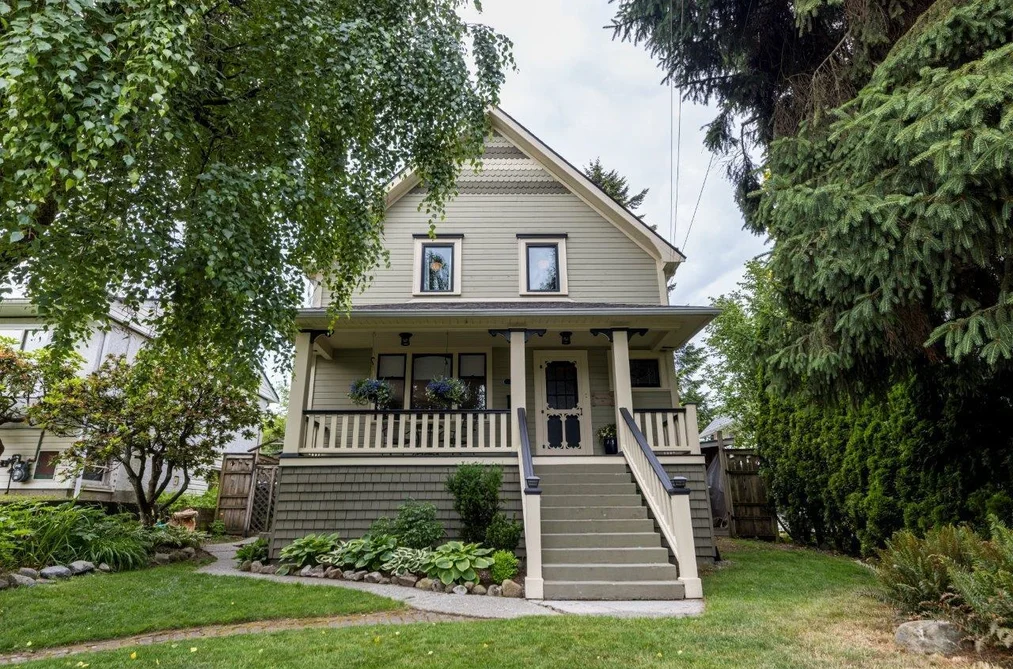
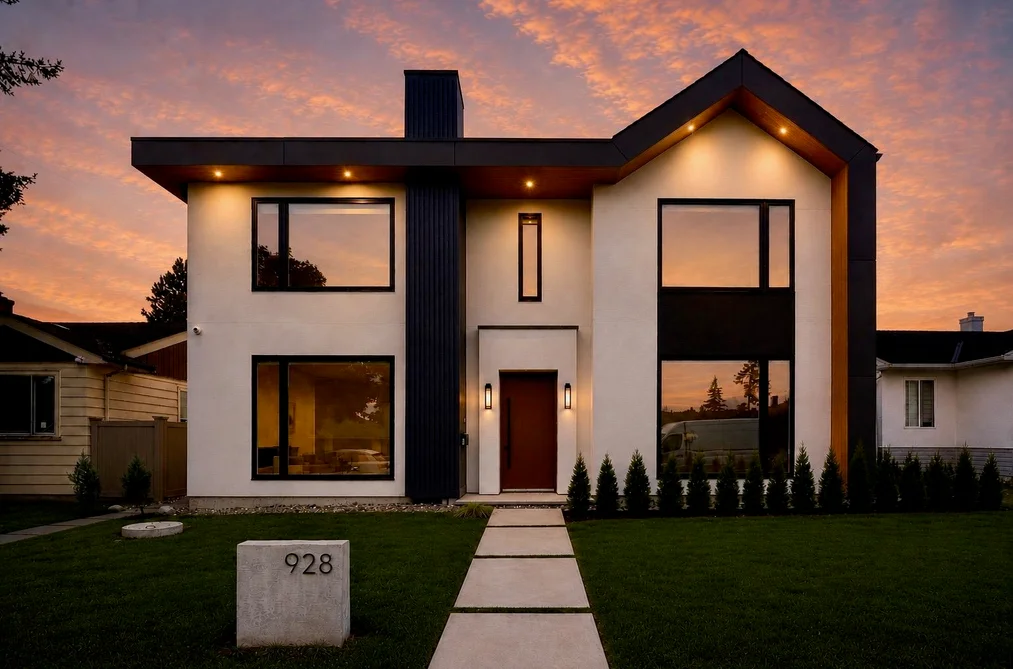
Laneway homes for sale in Greater Vancouver are compared on the zone the lot sits in, whether the second dwelling was permitted and finalled, and whether it can be stratified and sold separately — verify all three on the MLS® listing.
A laneway house is a small detached home built at the rear of a standard lot with lane access, behind the main residence. A coach house is the same idea and the terms are used interchangeably on listings. What you are buying is one property with two dwellings, so the questions that matter are documentary before they are architectural.
Ask for the permit history from the municipality and confirm the laneway or coach house has a final inspection on file. An unpermitted conversion of a garage into living space is a very different purchase from a purpose-built laneway home, and it affects your mortgage, your insurance and what you can legally rent.
Most buyers looking at a home with laneway house are solving one of two problems. The first is cost: the rental income from the rear unit offsets the mortgage on a detached home that would otherwise be out of reach. The second is family — multi-generational living where parents or adult children get self-contained additional living space without sharing a kitchen.
Either way, confirm what the rear unit actually is. Ask for its square footage, ceiling height, and whether it has its own laundry, entrance and outdoor area. Small laneway homes vary enormously in how liveable they are, and a well-designed one with good natural light and a proper floor plan rents and lives very differently from a converted loft over a garage.
Ask about the mechanical systems too. Many newer units run on a heat pump, and knowing whether the rear dwelling is separately metered for hydro tells you who pays for what once a renter is in place.
Laneway houses in Vancouver are most common in East Vancouver, where the grid of single detached lots with rear lane access suits them, and through Mount Pleasant and the surrounding neighbourhoods. Burnaway and North Vancouver have added stock as bylaws changed. Houses for sale in Vancouver with a rear unit tend to command a premium over an equivalent detached house without one.
Lot size and lane access decide what is possible. A standard lot with a paved lane behind it is the straightforward case; a lot with no lane, a narrow frontage, or a large existing footprint may not support a second dwelling at all under the floor space ratio the zone allows. If you are buying with the intention of building rather than buying one already there, get that verification from the municipality before you remove subjects, not after.
Permit processing times are the other variable buyers underestimate. Building a laneway home is not a quick project, and market trends can move while you wait. Ask your listing agent what stage any proposed plans have reached.
Financing a property with a laneway house is usually straightforward when the unit is permitted, because lenders can count a portion of the rental income toward your qualification. When it is not permitted, that income may be excluded entirely and some lenders will decline. Speak to a mortgage professional with the specific address before you write.
Confirm whether the rear unit can be stratified and sold separately. In most cases it cannot — you are buying one title with two dwellings — and buyers occasionally assume otherwise. Your lawyer should confirm this in writing.
Insurance should cover both structures and any tenancy. Tell your insurer there is a second dwelling with a renter rather than discovering the gap after a claim. If a tenant is already in place, request the lease and confirm the notice periods that carry over to you.
Browse and search current Laneway listings across Greater Vancouver on Strawhomes, filter by lot and neighbourhood, and shortlist the ones whose permits you can actually verify.