For Sale
5 days
- $409,900
- 1 bed
- 1 bath
- 803 sqft
MLS® R3168396
•Oakwyn Realty Encore
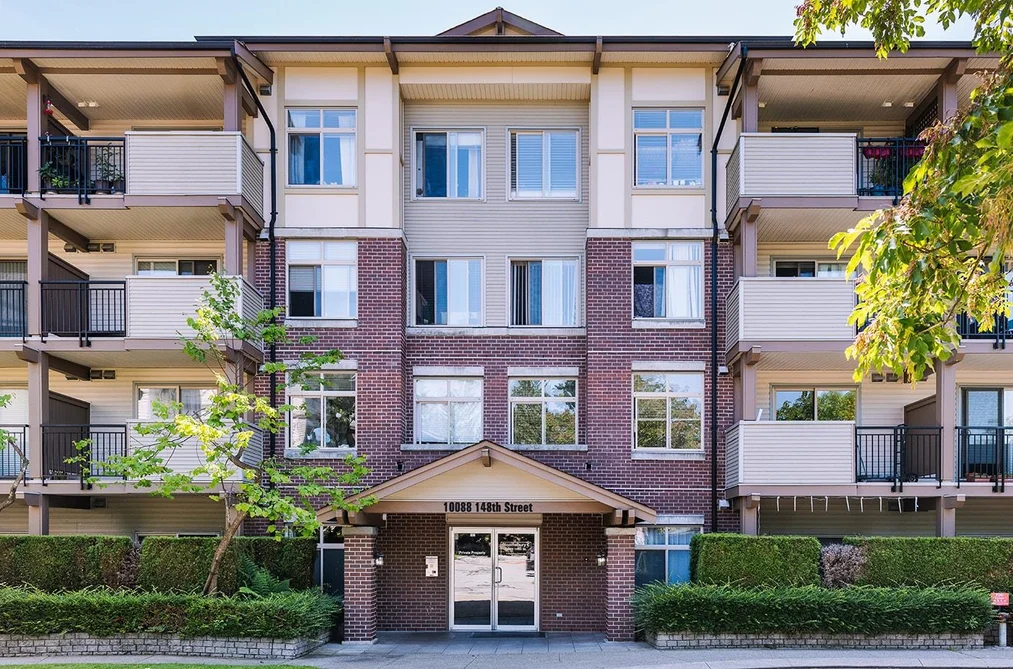
Browse homes with Over Height Ceilings for sale in British Columbia and measure the real height, the bulkheads and the windows before you pay for the claim.
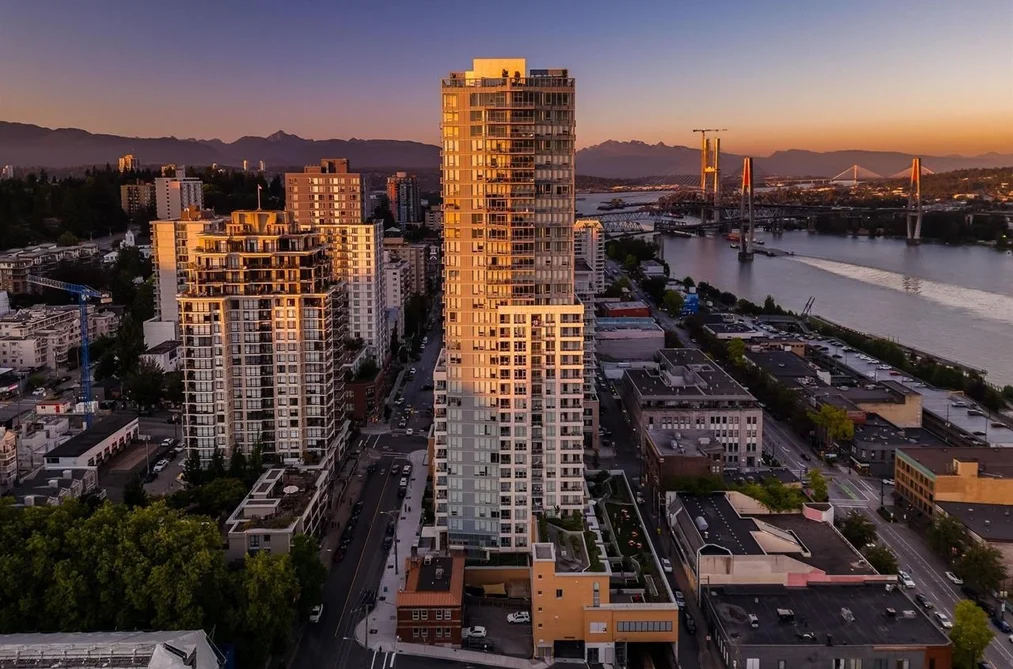
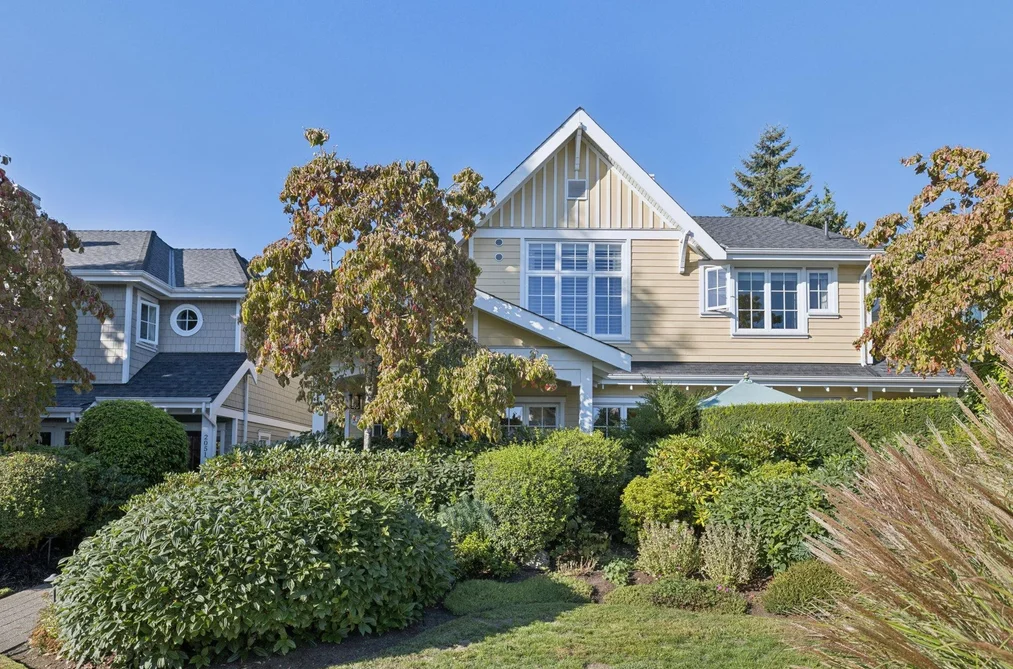

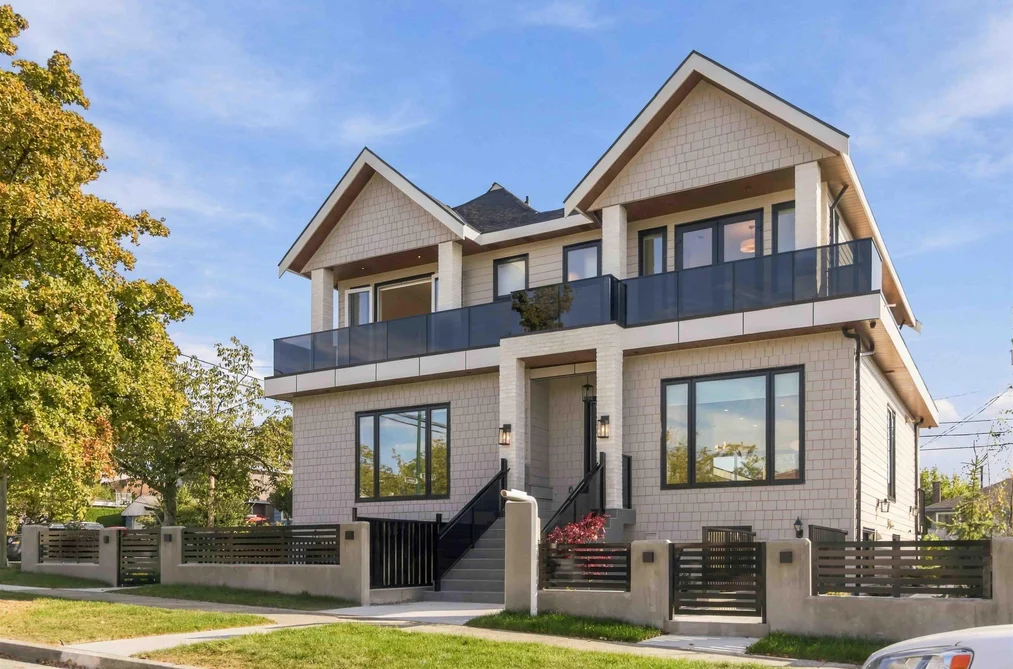
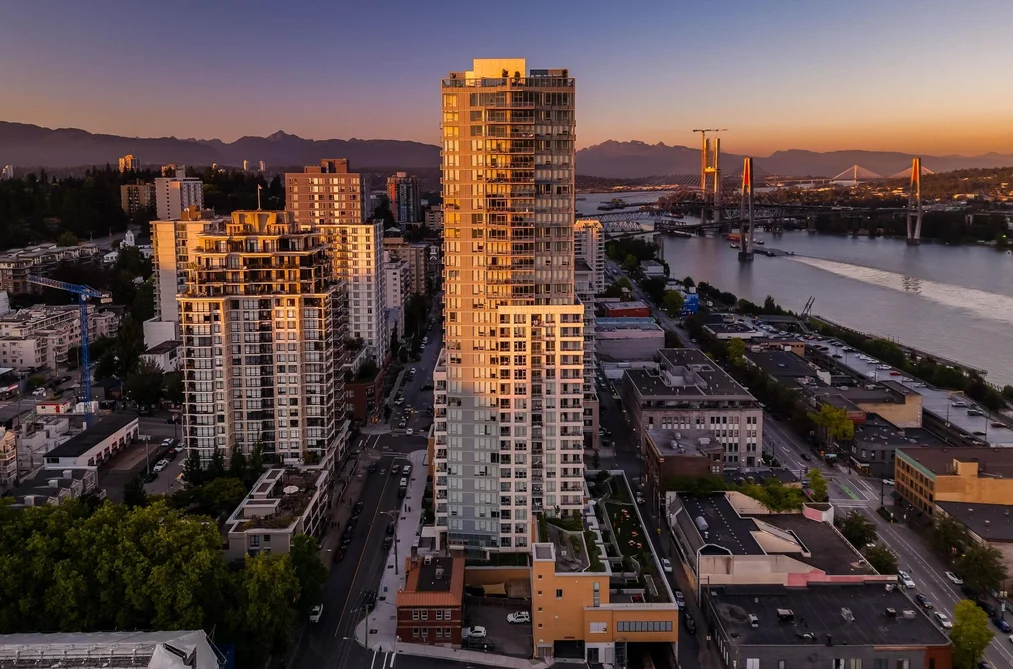
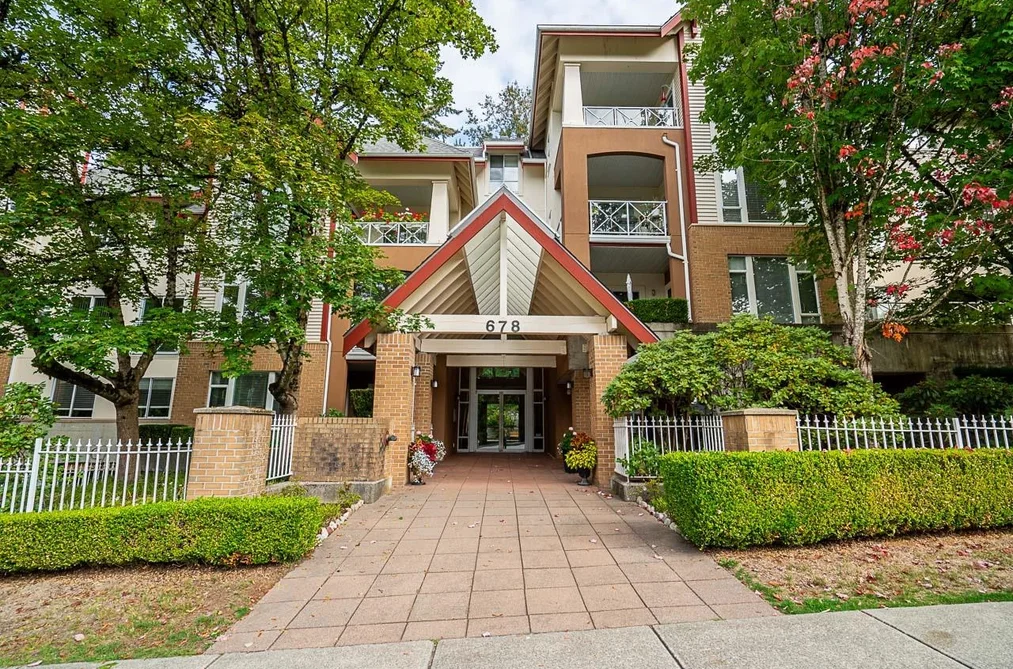
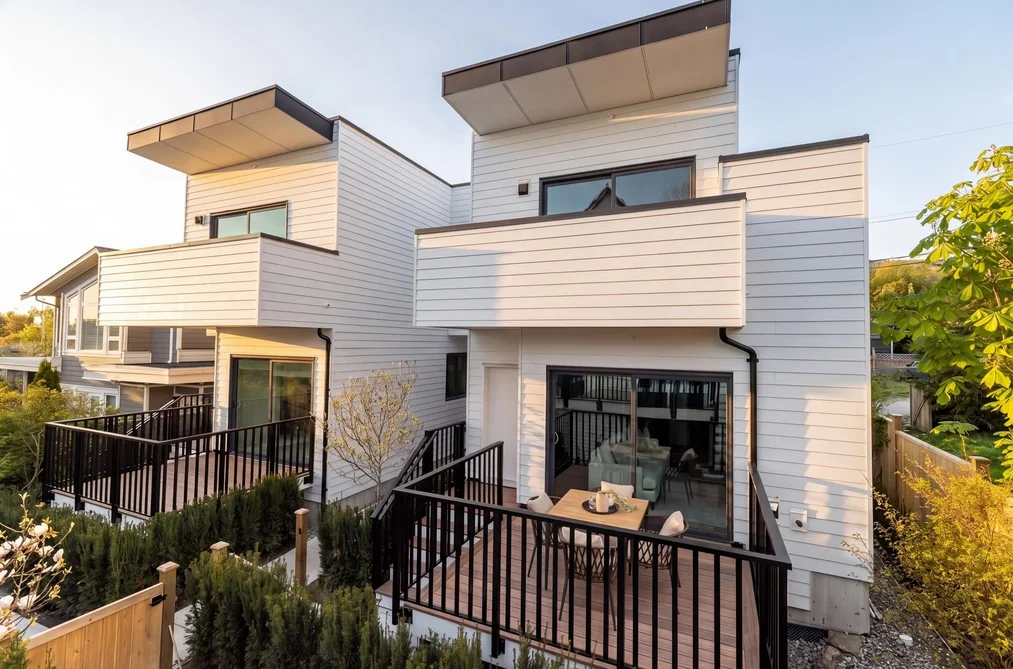
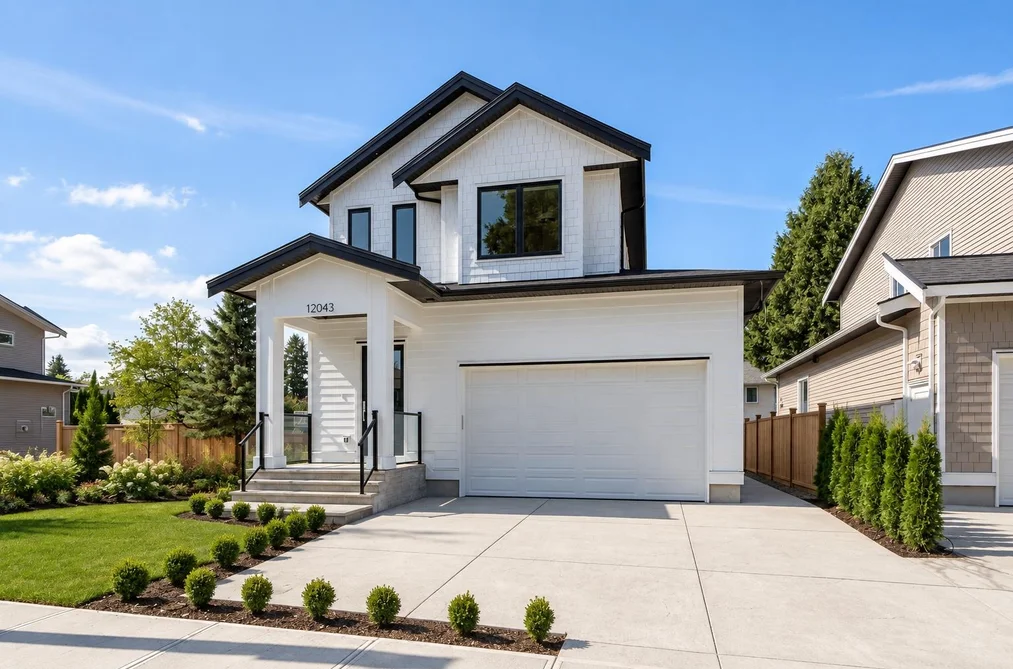
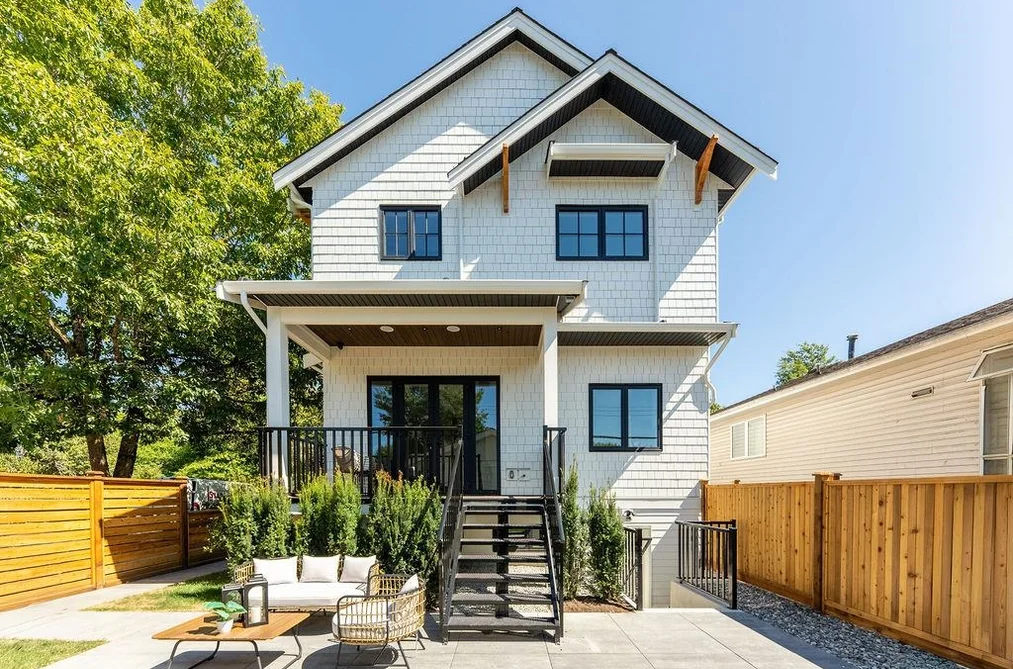
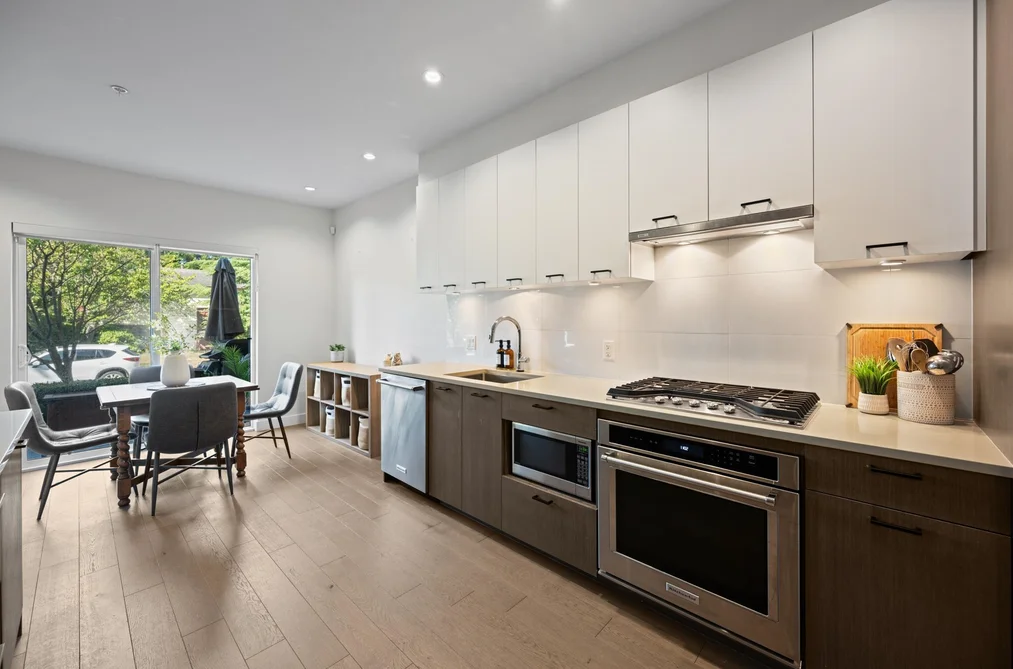
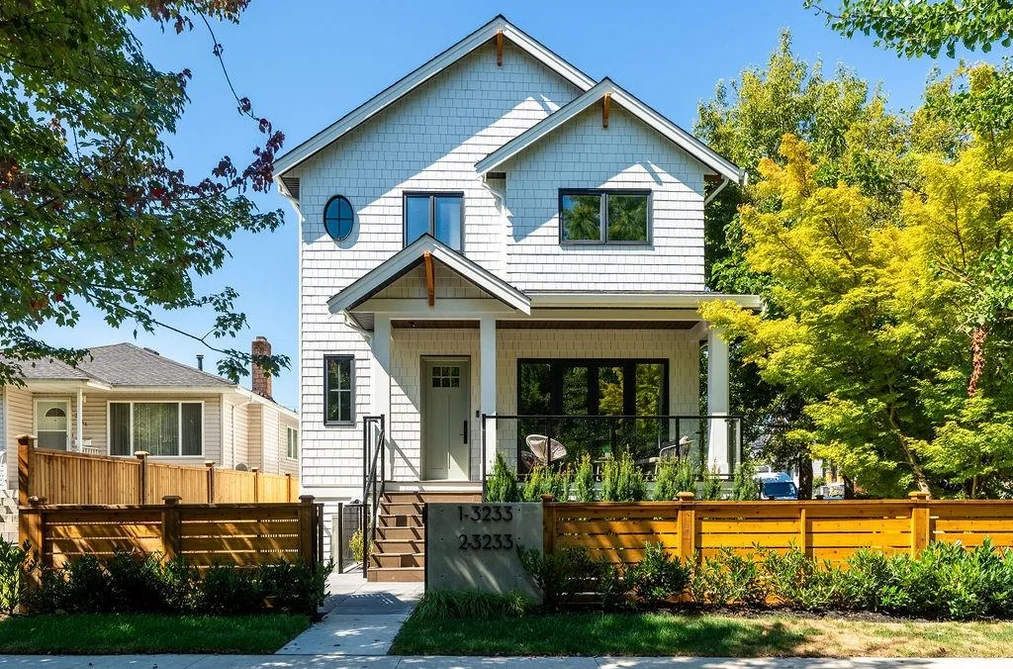
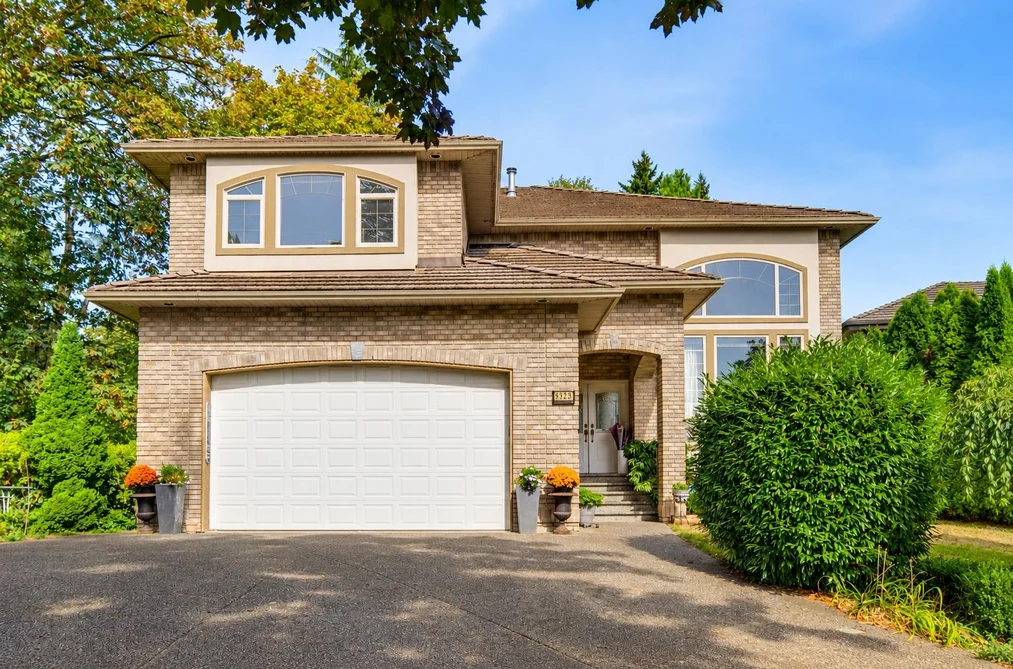
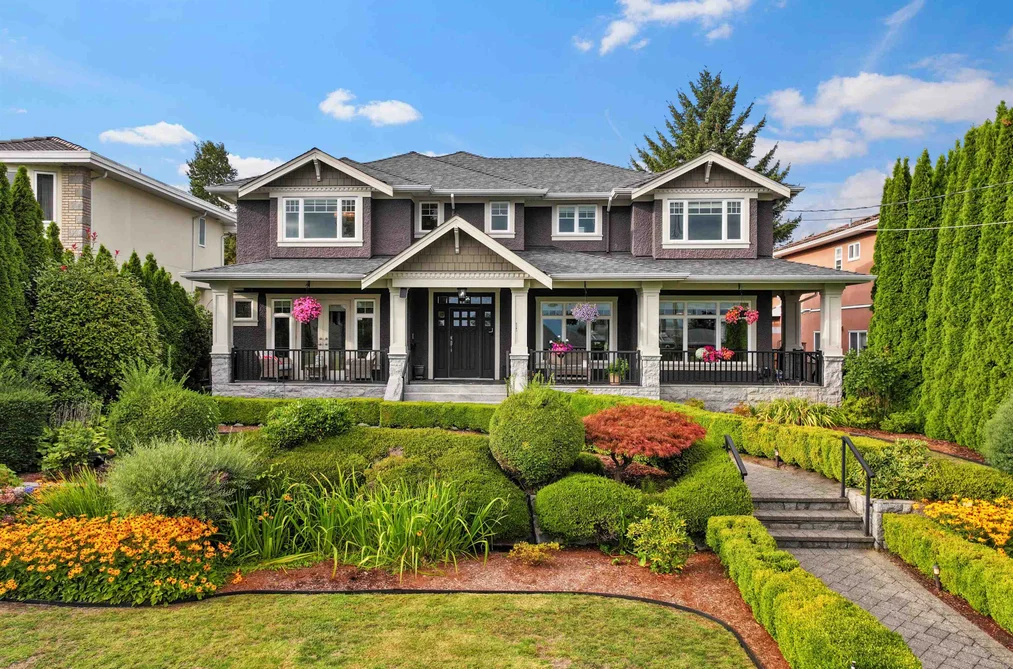
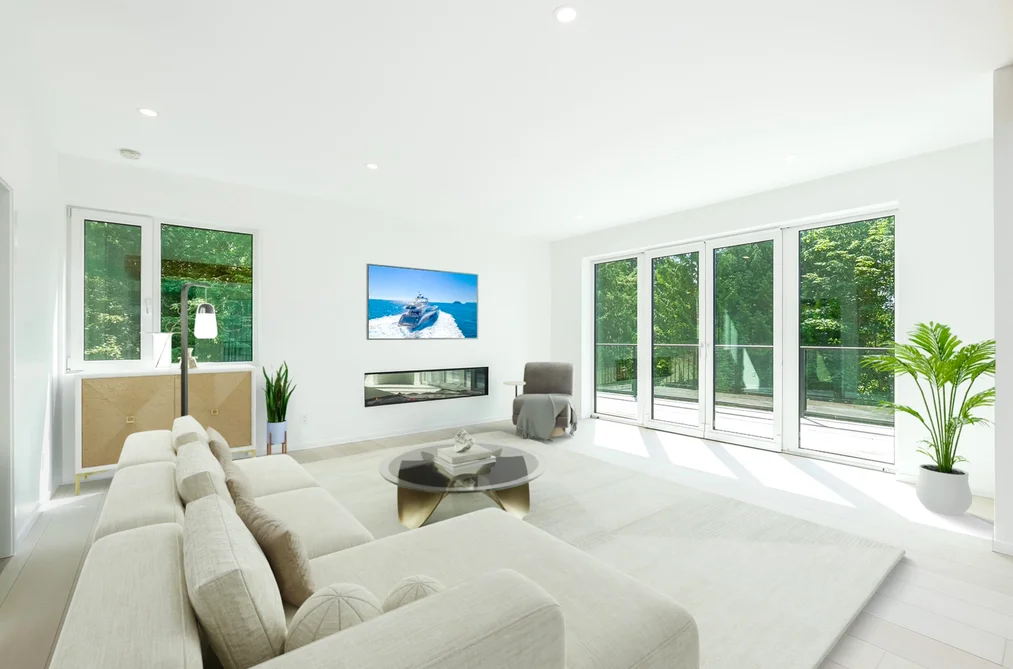
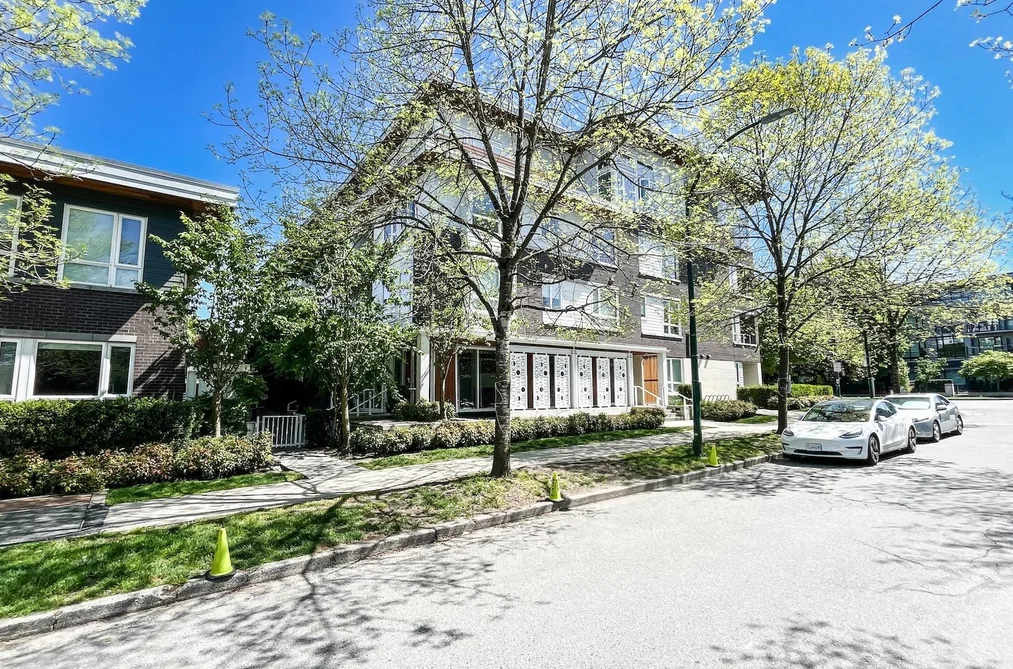
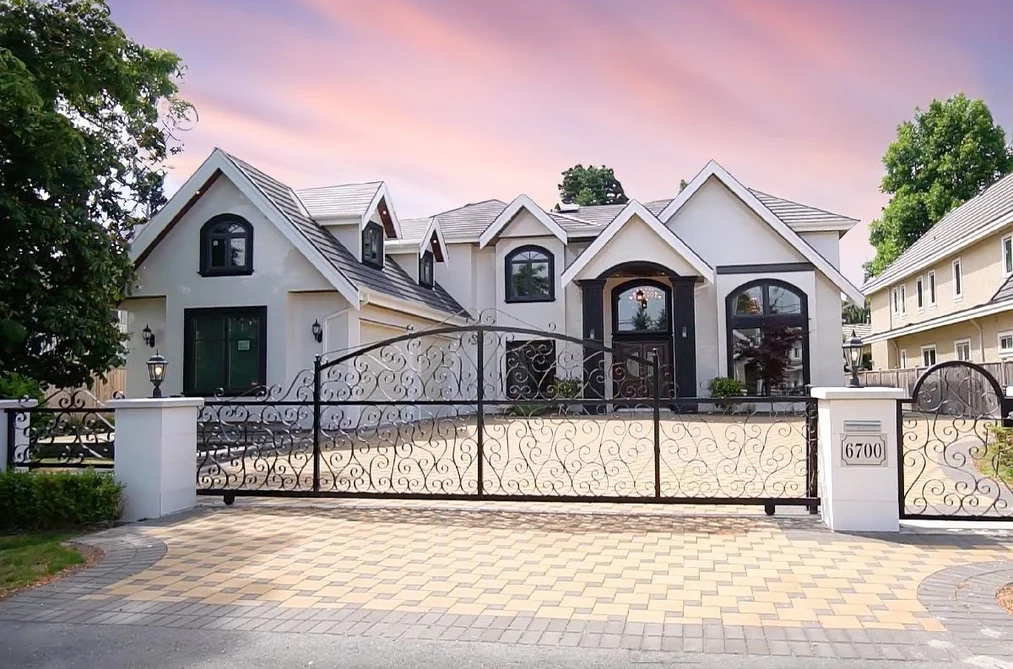
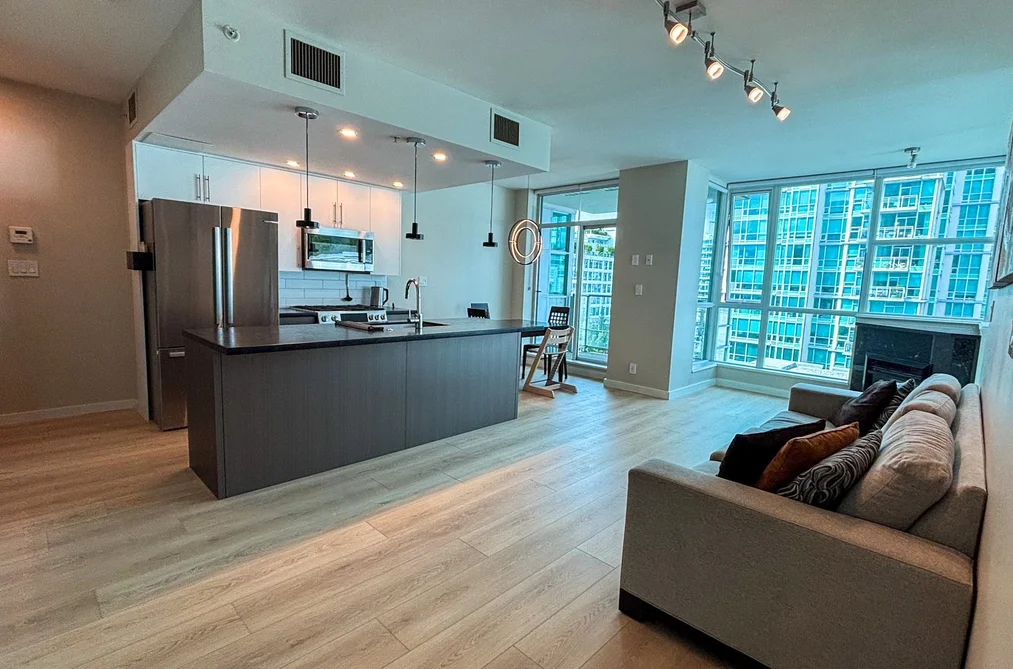
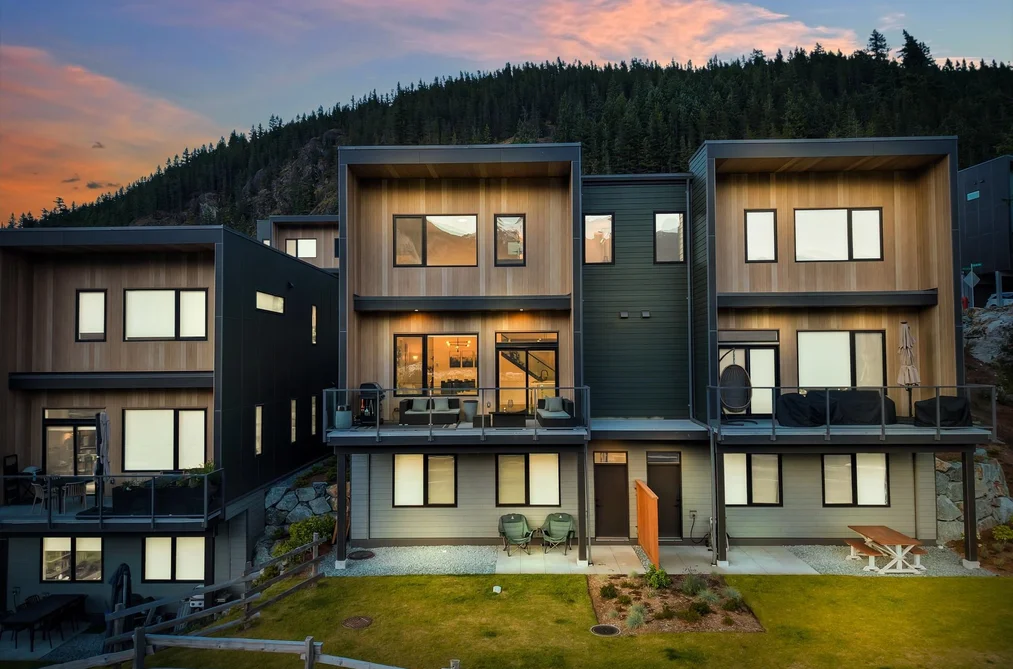
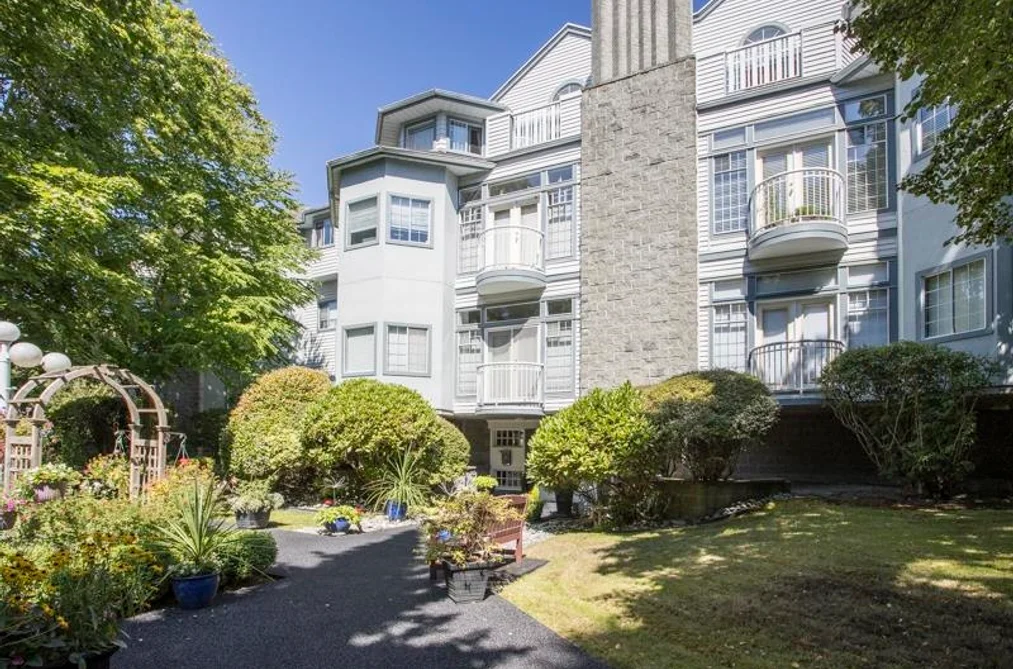
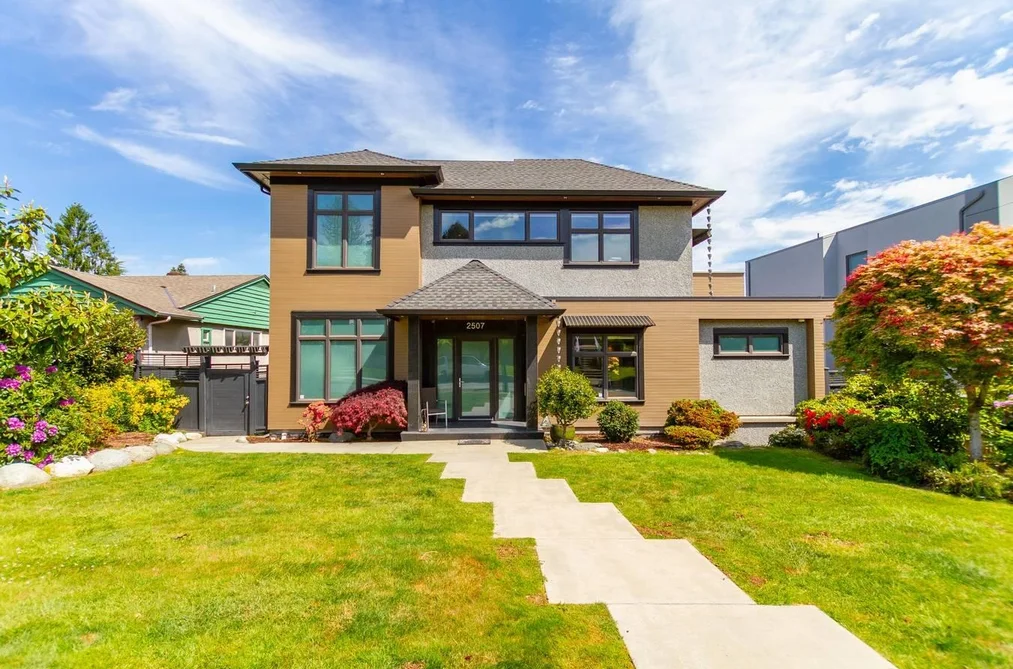
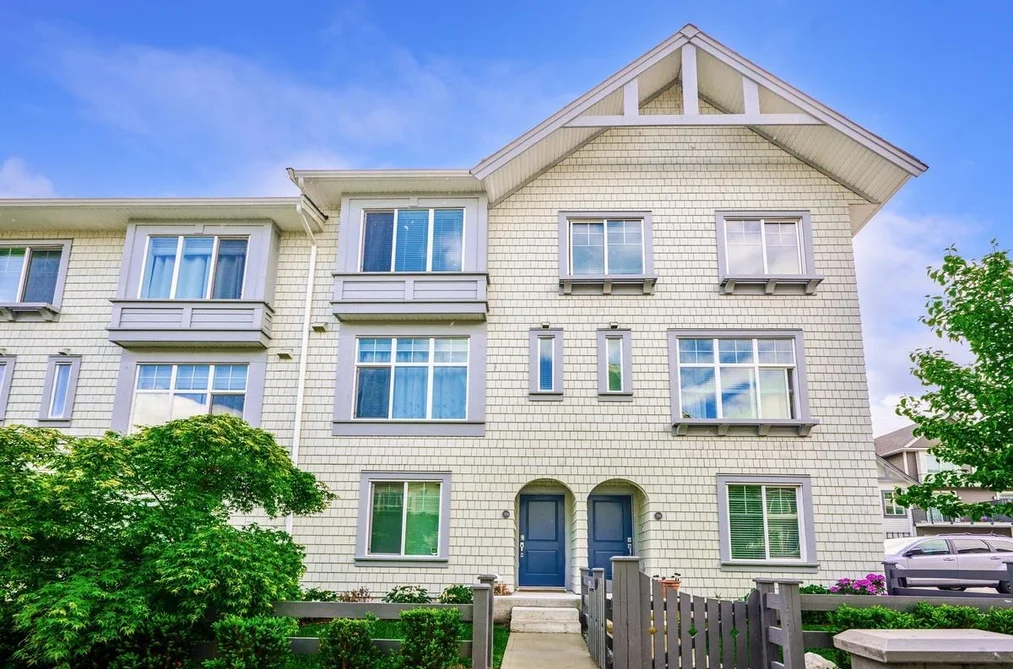
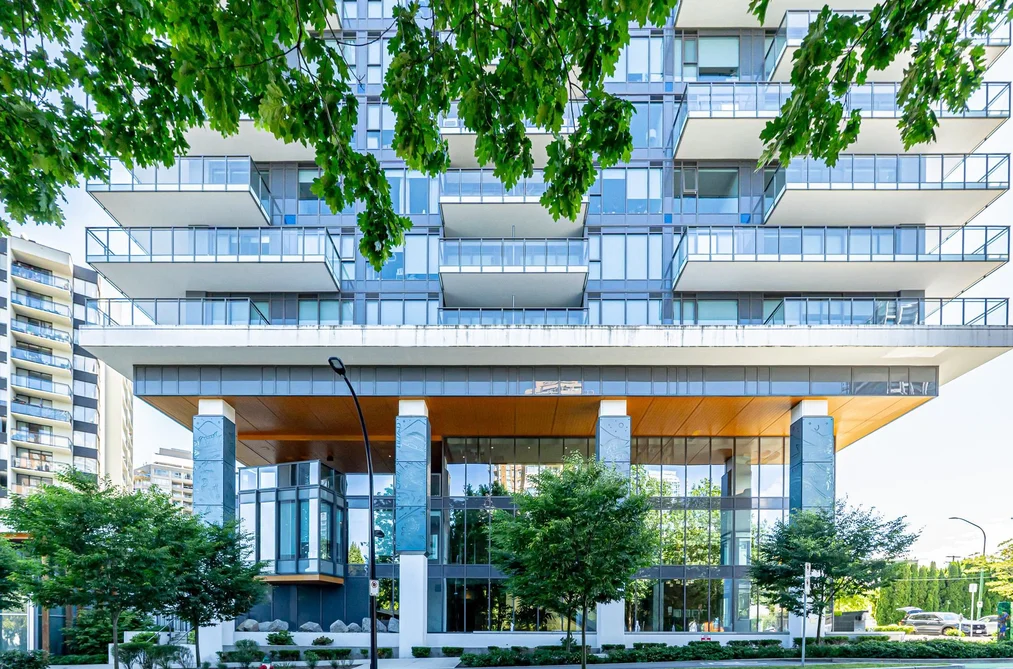
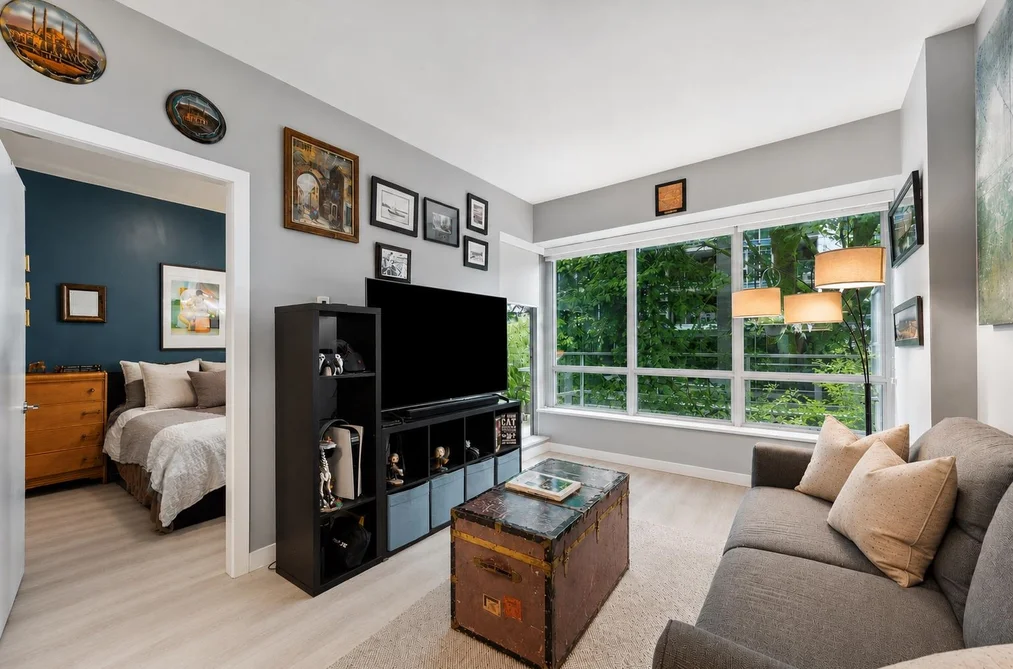
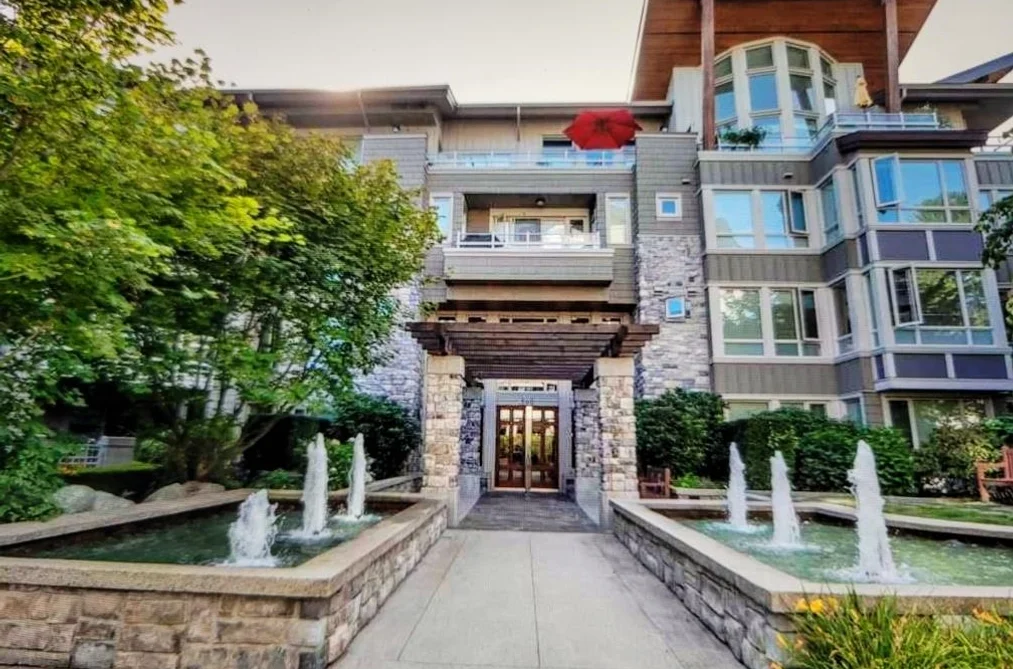
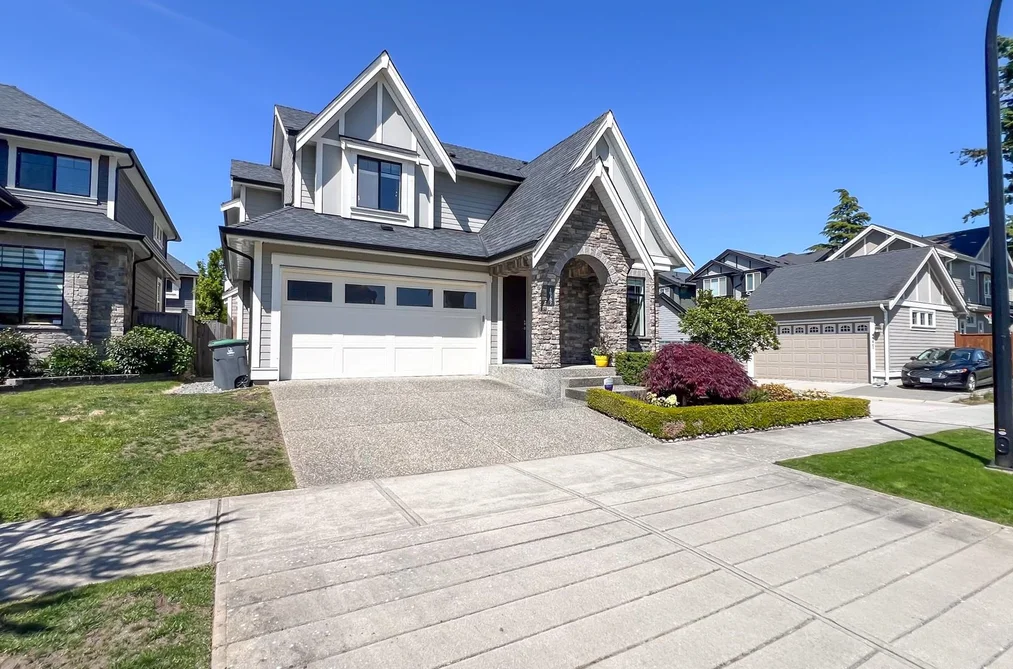
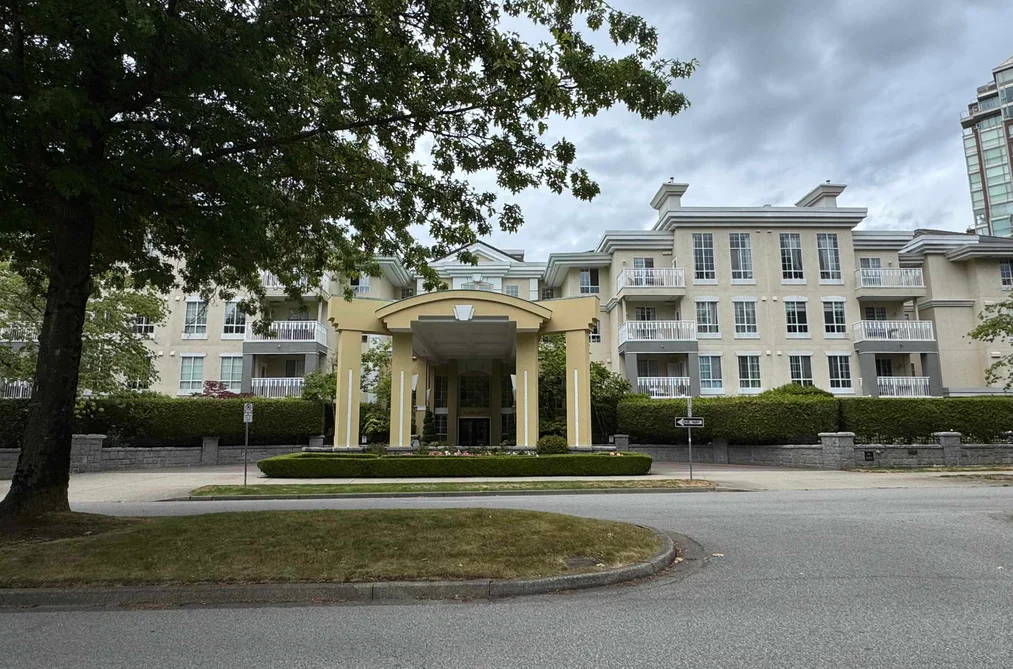
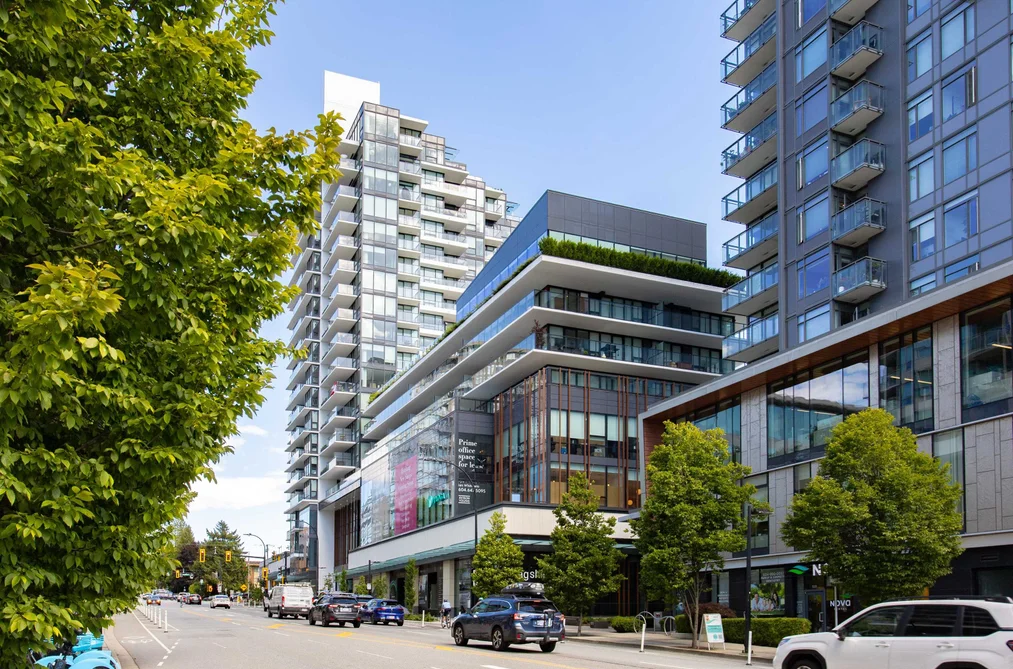
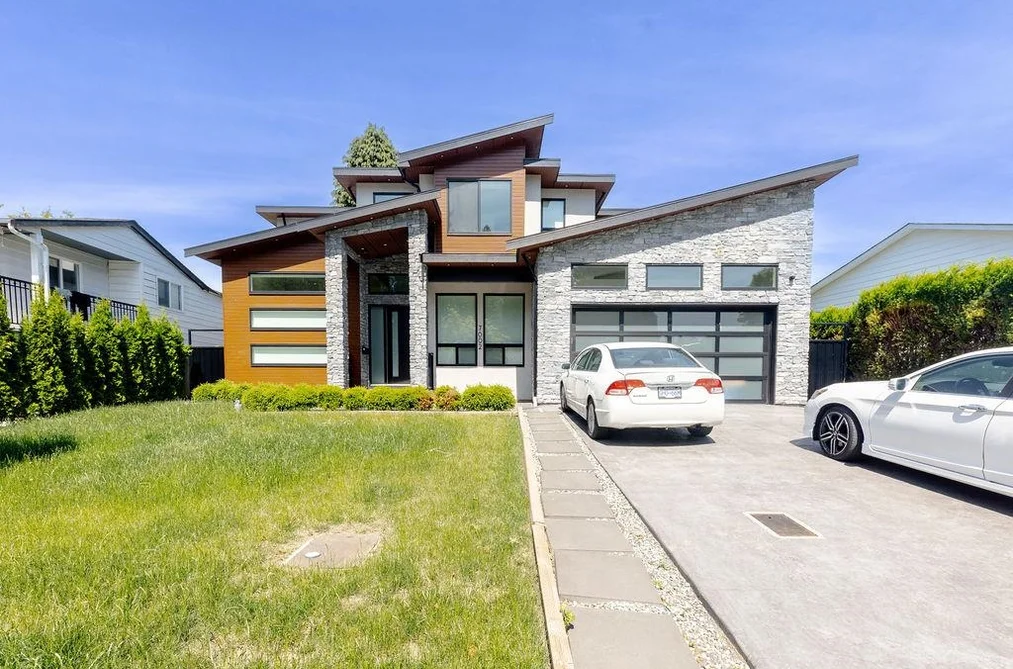
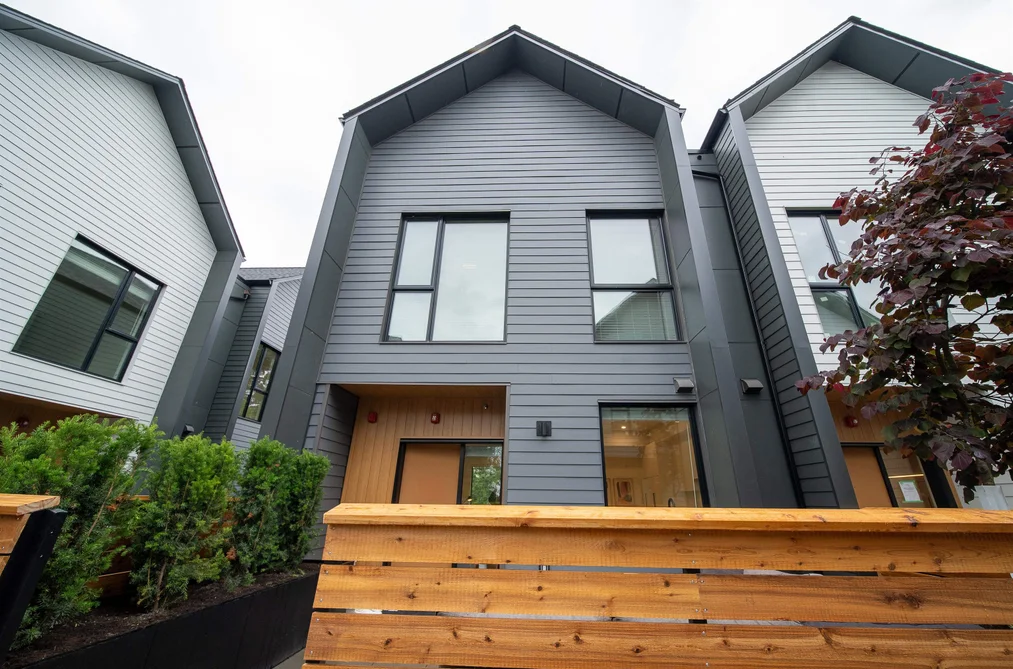
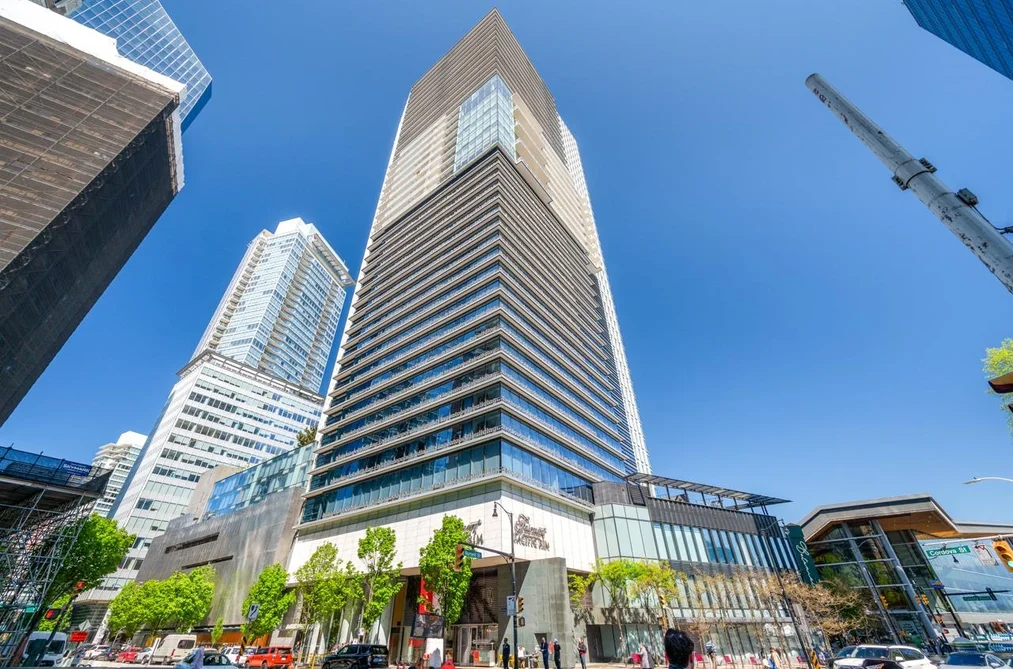
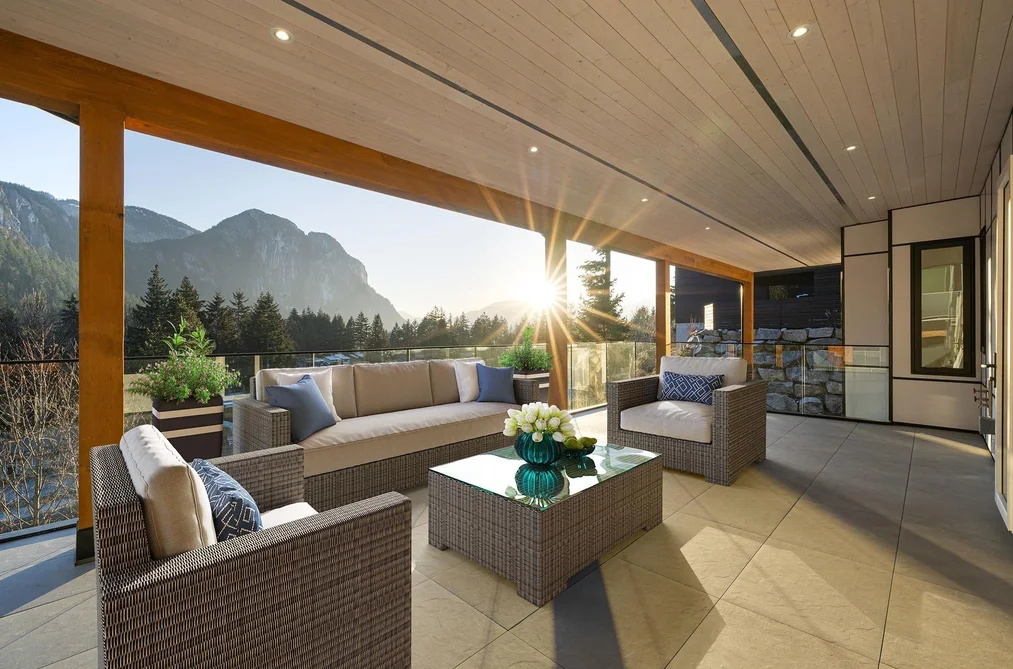
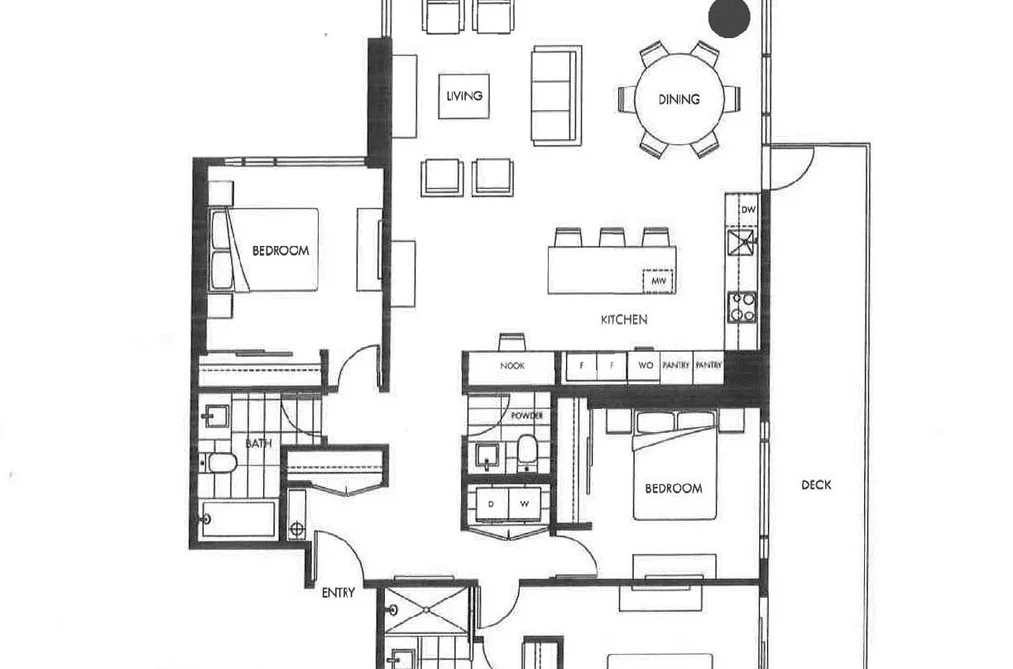
Over Height Ceilings listings describe homes with ceilings taller than the building's standard, a term used most often for condos and townhomes on select floors, so measure the finished height room by room before you pay a premium for it.
The phrase is relative. In a condo tower where most homes have a standard ceiling, the ground-level homes, the penthouses or a few select floors may have more height, and listings call those over height. In a townhouse, it may apply only to the main living level. Ask the listing agent for the actual ceiling height in each room and compare it with the floor plan.
Ask whether the figure is the finished ceiling height or a structural measurement from slab to slab, since the two can differ by a surprising amount once flooring and ceilings are installed.
Many condos run ducts, sprinkler pipes and ventilation through bulkheads, lowered sections of ceiling along hallways, kitchens and bathrooms. A home described with extra height can still have bulkheads that bring parts of the ceiling down to standard or lower. Walk each room and look up, particularly in the kitchen, entry and bathrooms, and check whether the extra height appears where you would actually feel it. Bring a laser measure to the viewing; it takes a minute per room and settles the question more reliably than the listing or the brochure.
The value of extra height comes largely through the windows. Taller windows bring more daylight deeper into the room and frame a better view. Look at whether the windows rise with the ceiling or stop at a standard height, leaving a band of wall above. A home with taller glass on a higher floor feels far more open than one where only the ceiling moved.
Consider heating and cooling too. More volume takes more energy to heat, and warm air collects near the ceiling. Ask about the heating system, whether there is air conditioning or a heat pump, and for recent utility bills.
Buyers often pay more for homes with extra height, particularly on the ground floor of a new building or in a penthouse. Compare the listing with similar homes in the same building with standard ceilings to see what the market pays. Then compare the rest of the home as you would any other: the bedrooms and bathrooms, the storage, the parking and the strata's finances. In a townhouse, check the amenity package and the fees.
Remember that ground-level homes with extra height also carry ground-level questions: privacy, security and drainage around the patio.
Request the minutes, budget, contingency reserve fund and depreciation report, and look for envelope, window and roof work. Taller windows mean more glazing to maintain, so ask about the window system and any history of leaks, and look for staining at the top of tall window frames, where water entry often shows first.
Supply is small, with condos and townhomes in Vancouver, Burnaby and Richmond and a few homes in the Fraser Valley and Chilliwack. Browse and compare current homes for sale on the MLS® through Strawhomes, filter by property types and building, and shortlist only the homes whose height you have measured yourself. Speak to a realtor about how the feature affects value, and to your broker about the mortgage. Compare them against a home with a vaulted ceiling or a loft conversion for even more volume.