For Sale
5 days
- $795,000
- 2 bed
- 2 bath
- 1364 sqft
MLS® R3163593
•Oakwyn Realty Ltd.
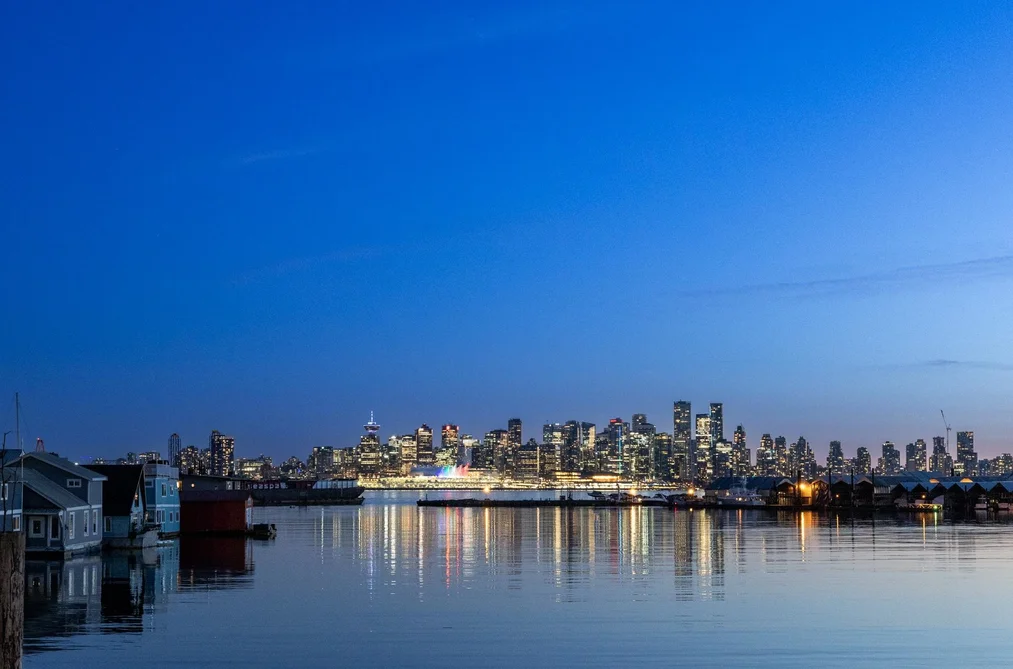
Browse Floating Home listings in Greater Vancouver and compare moorage tenure, marina fees and float condition before you book a viewing or write an offer.
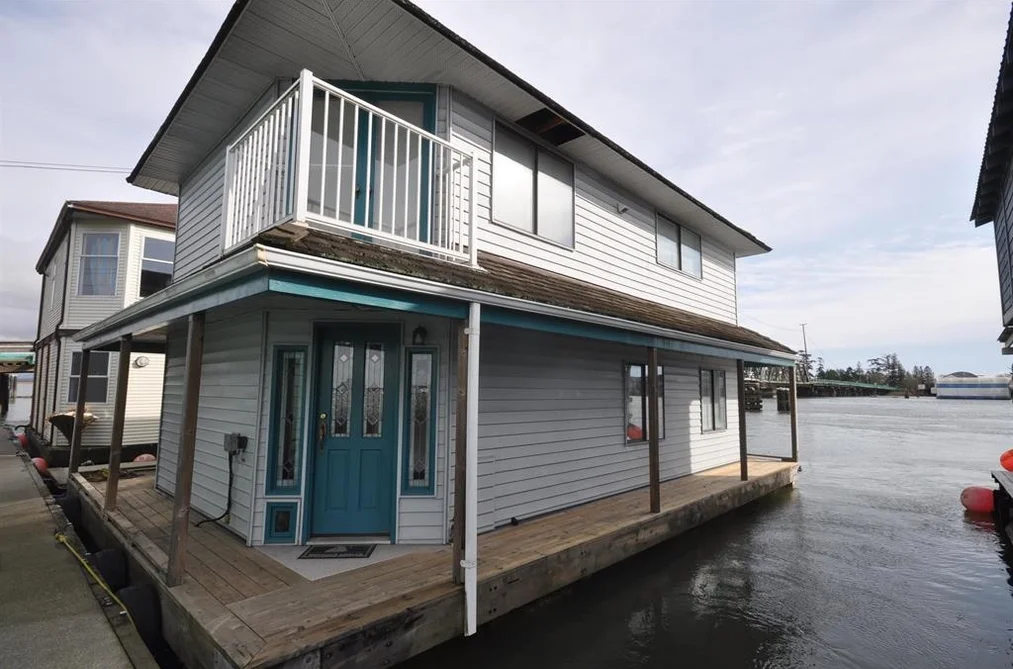

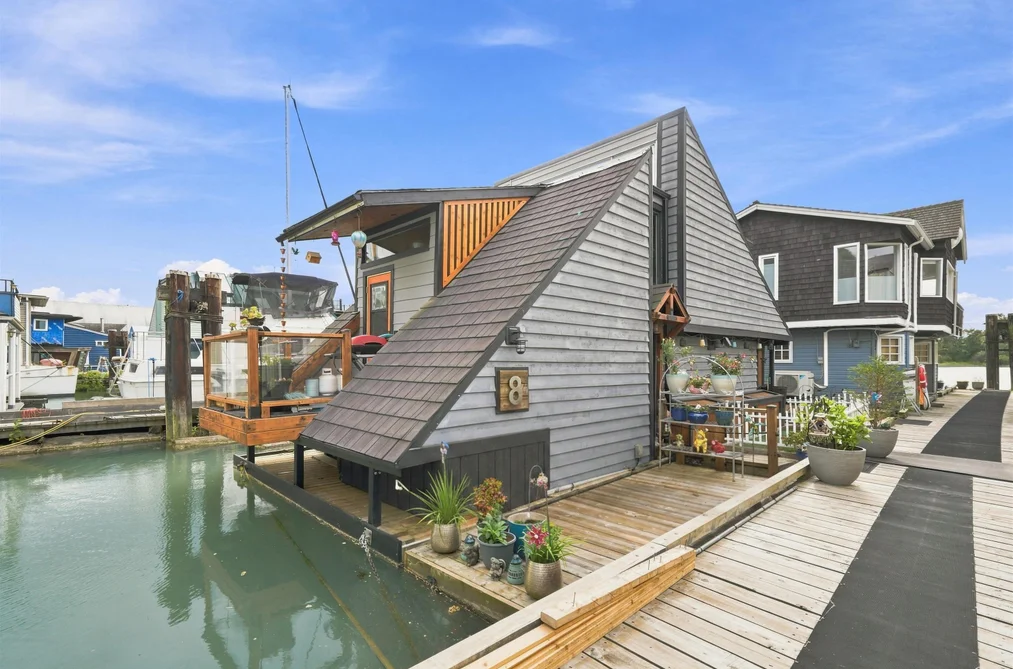

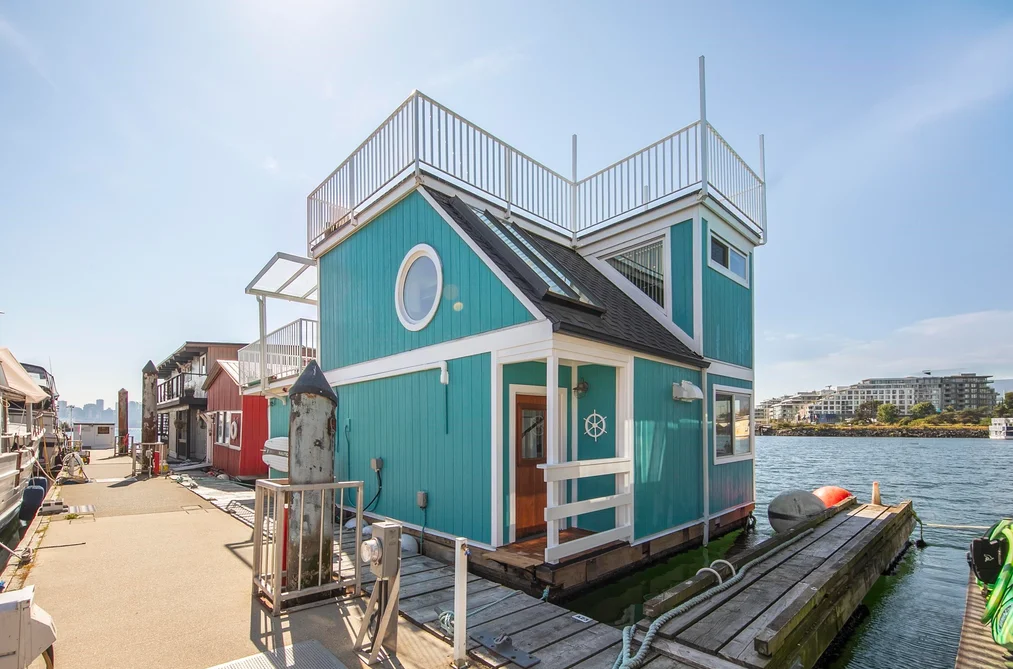
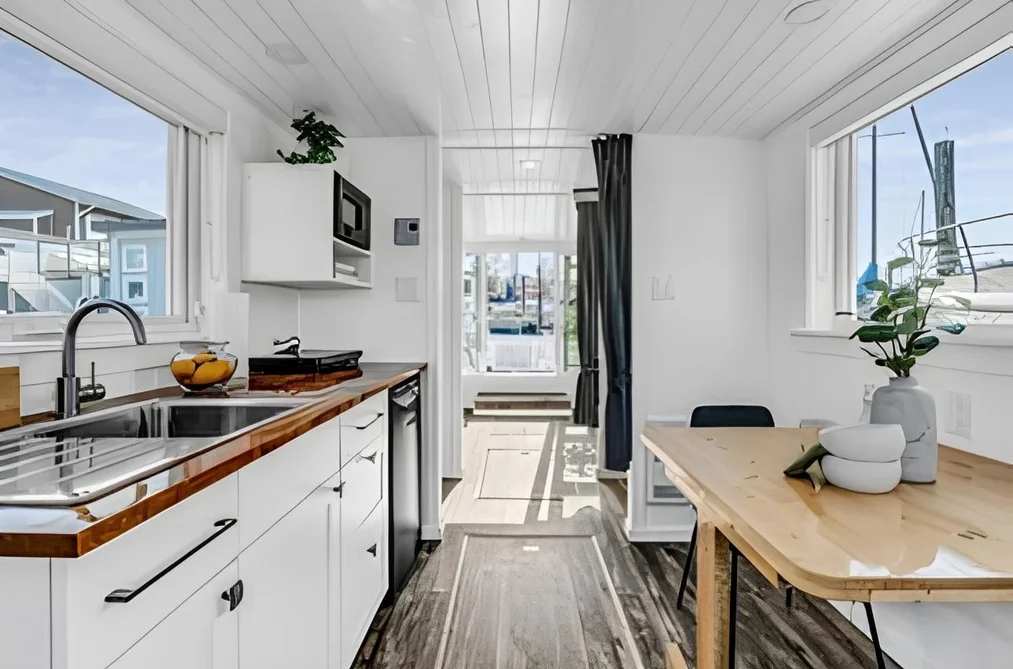
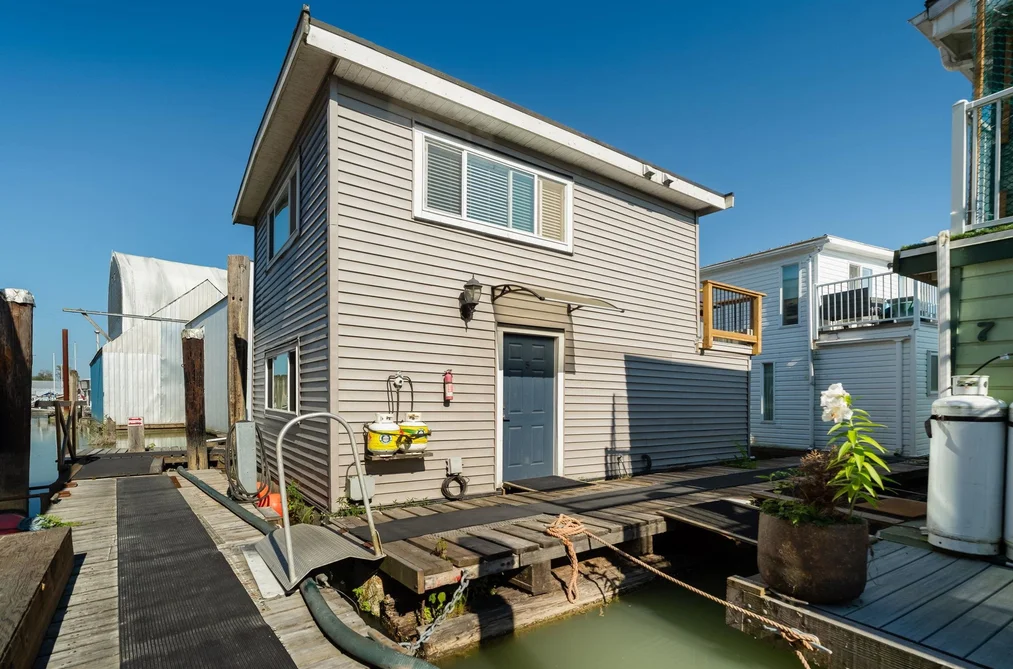
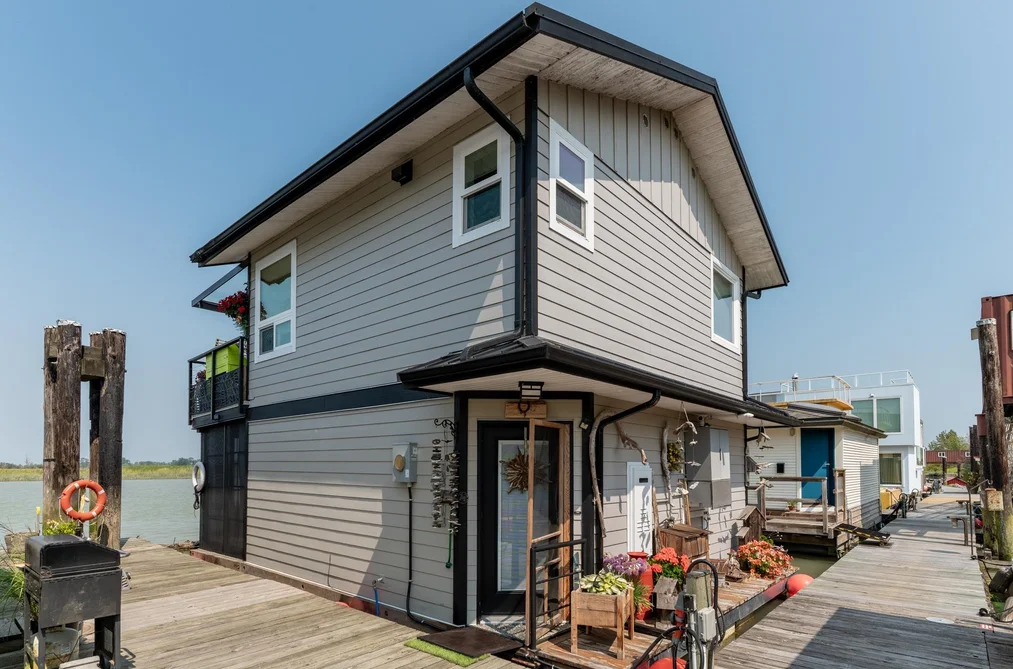
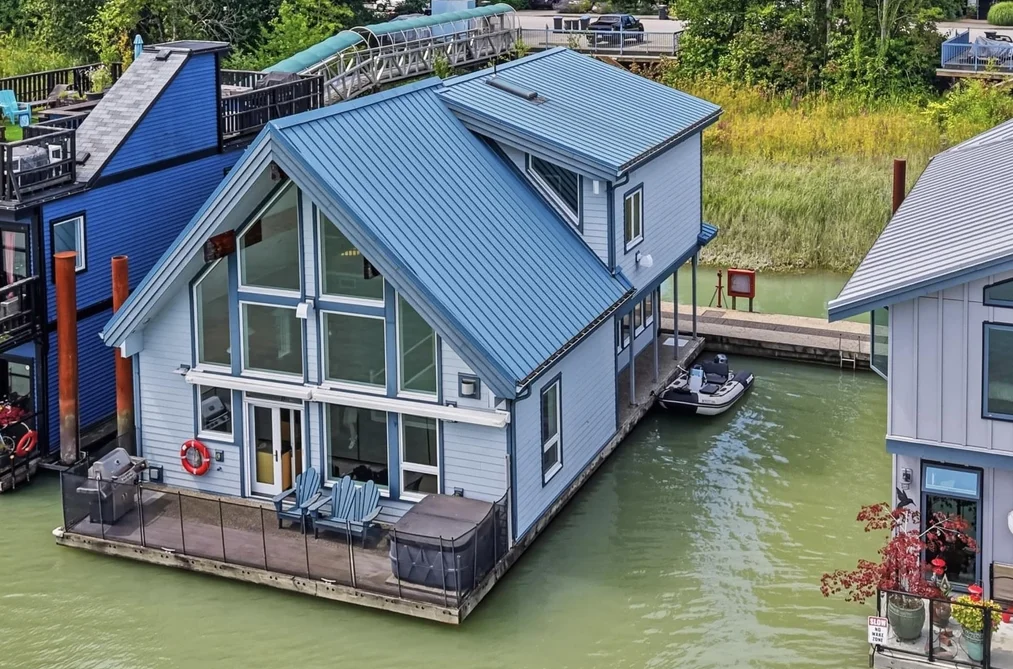
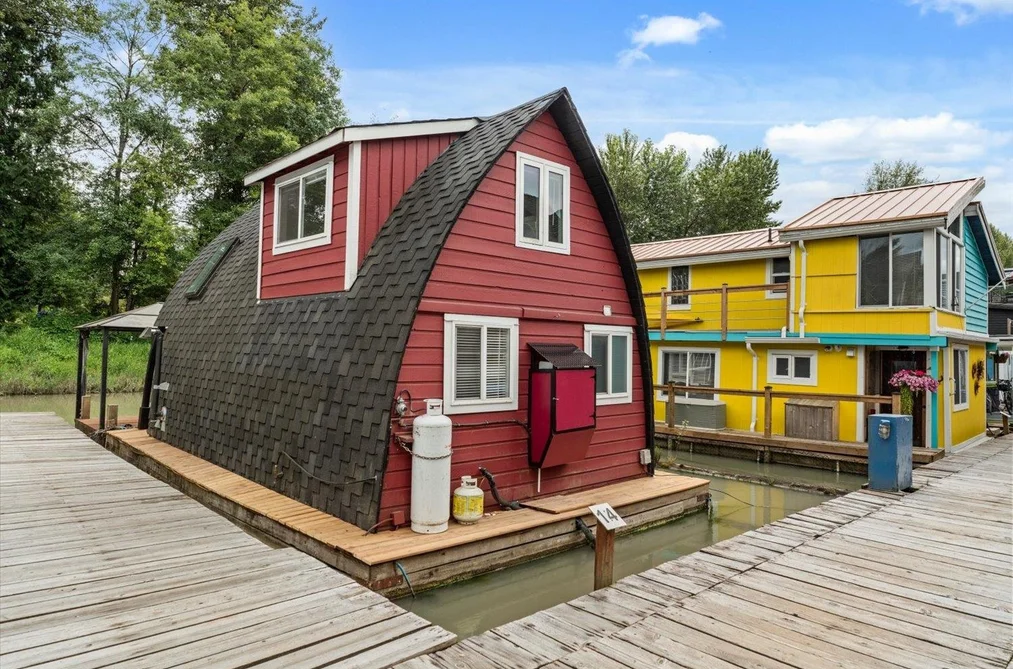
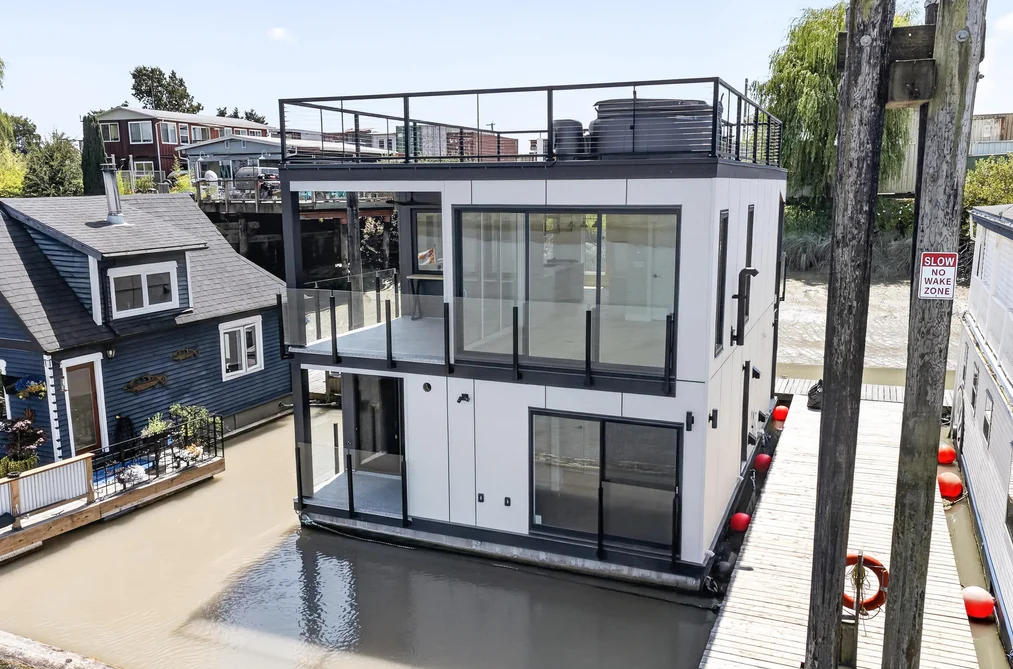
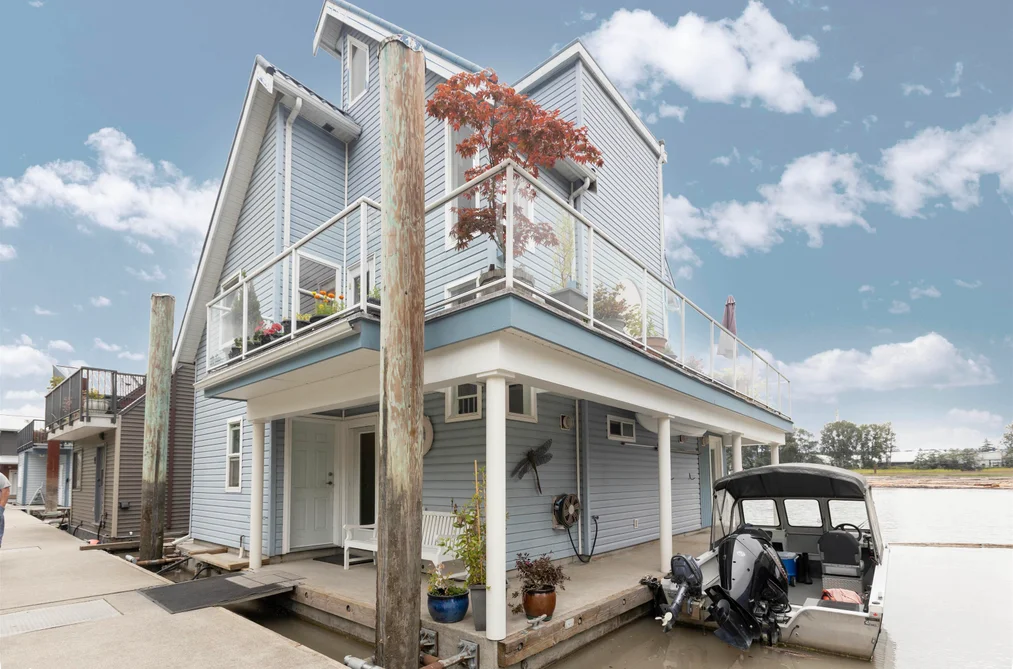
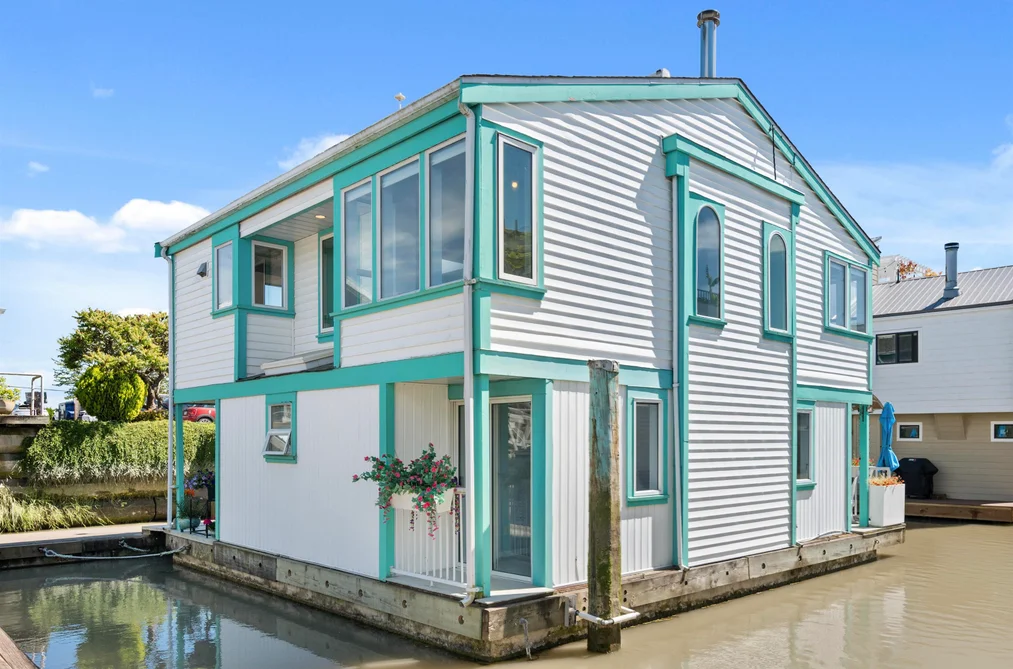
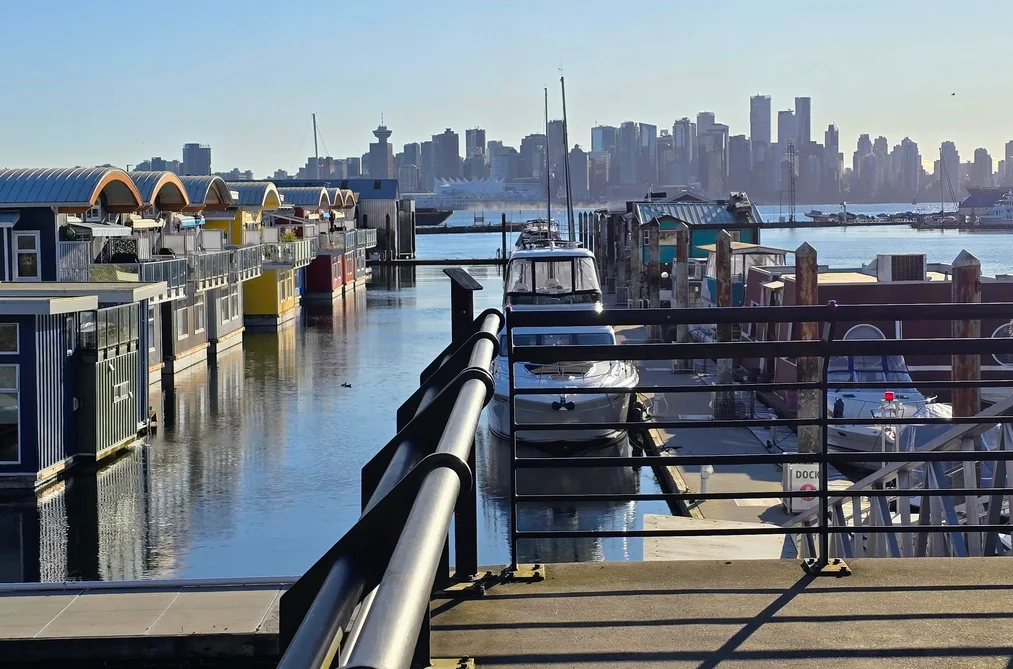
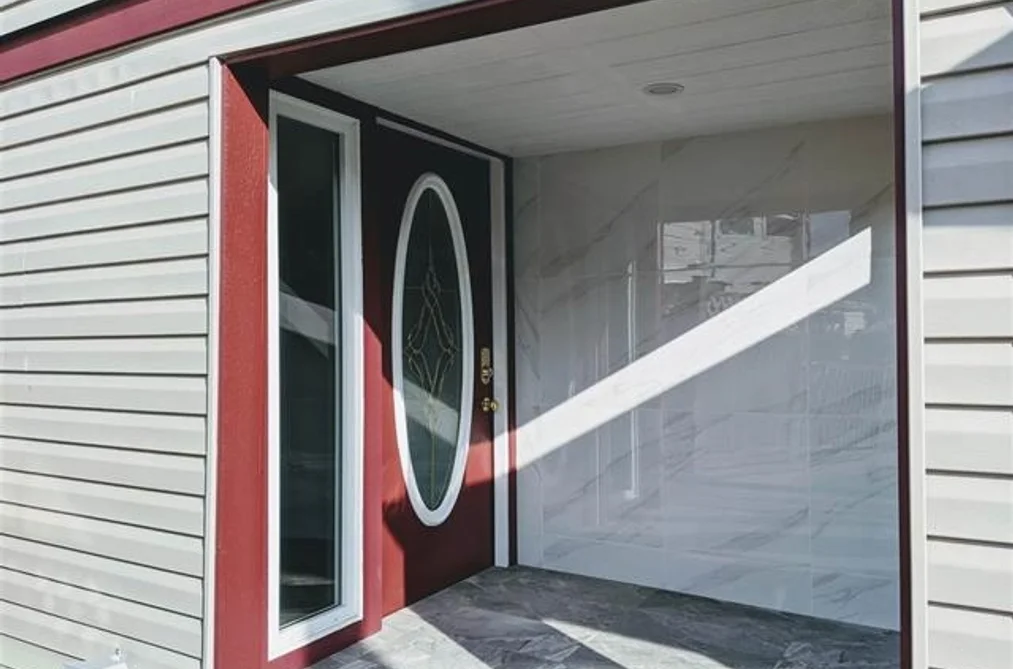
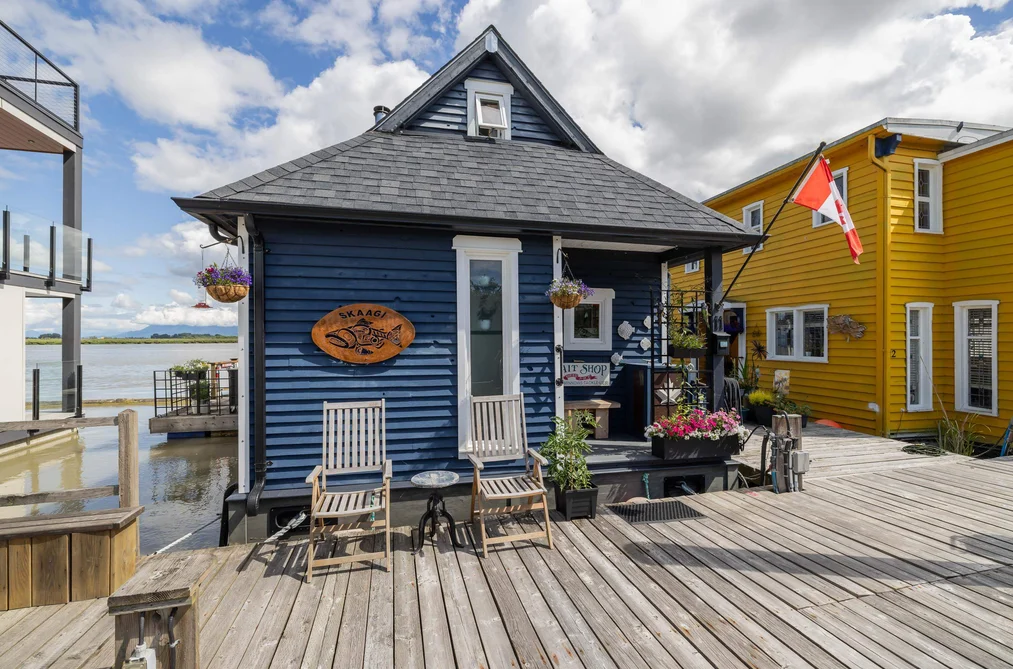
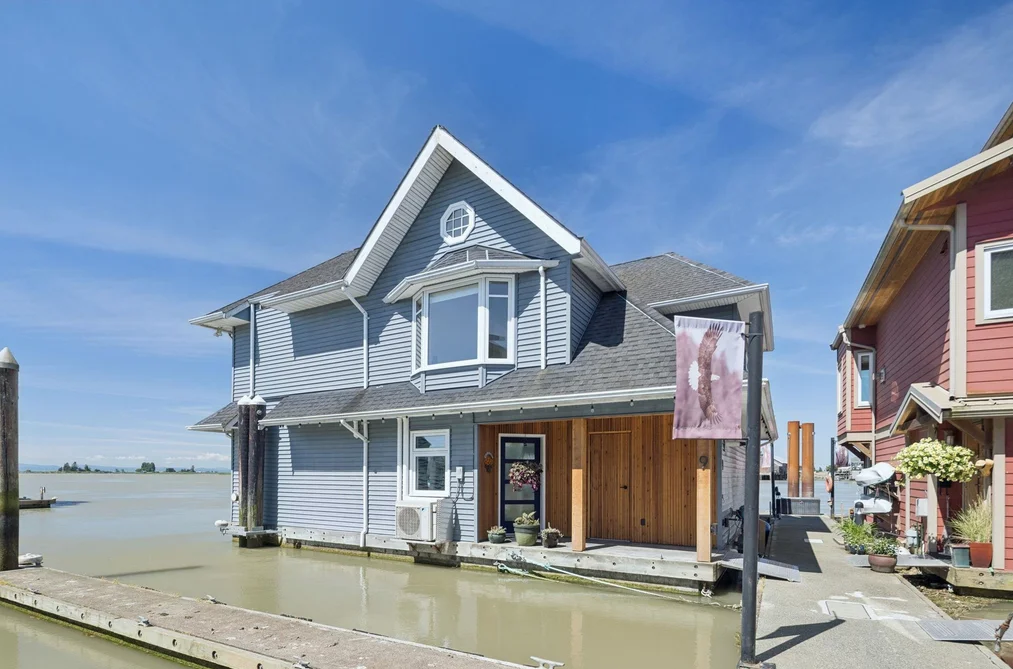
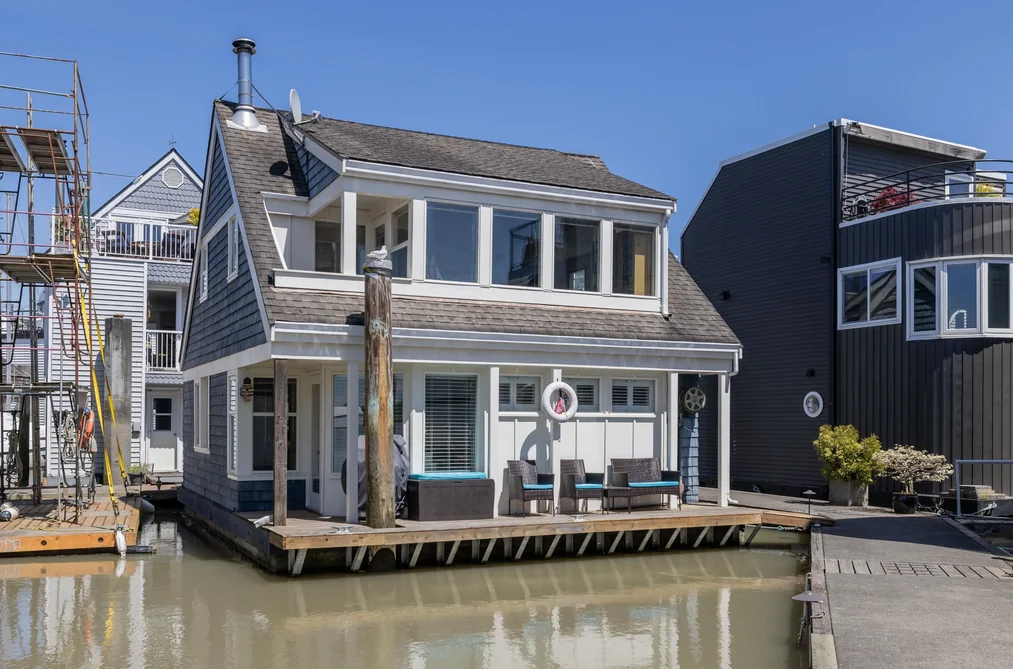
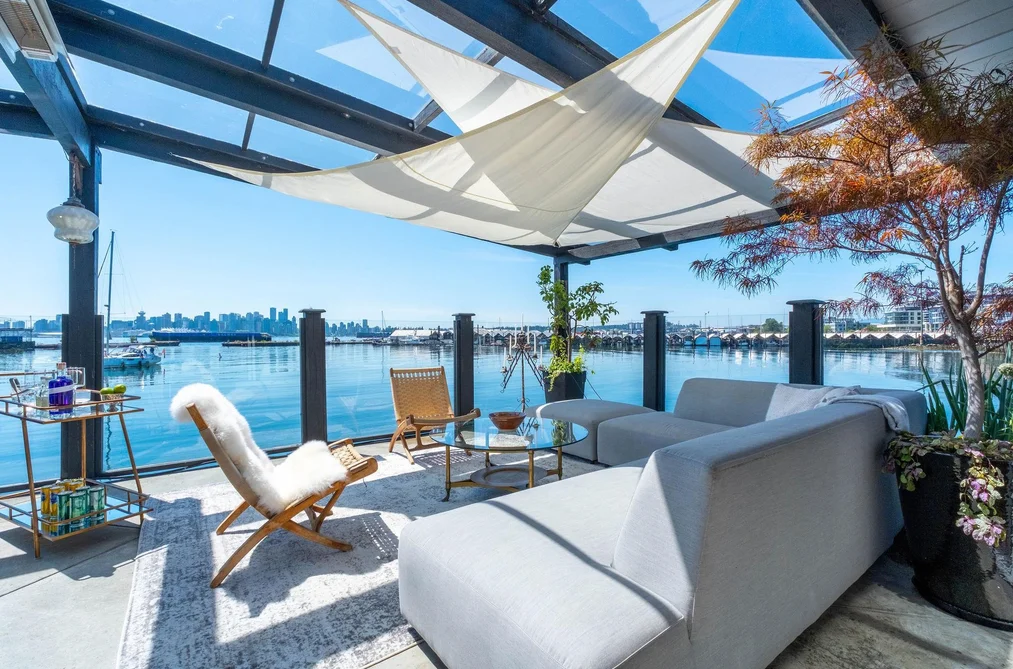
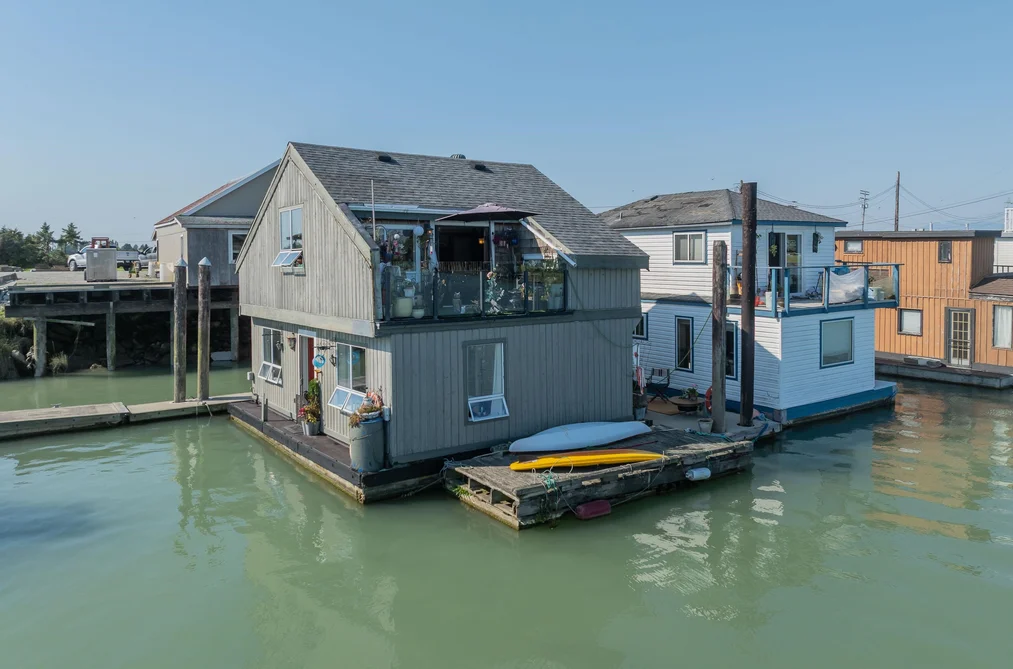
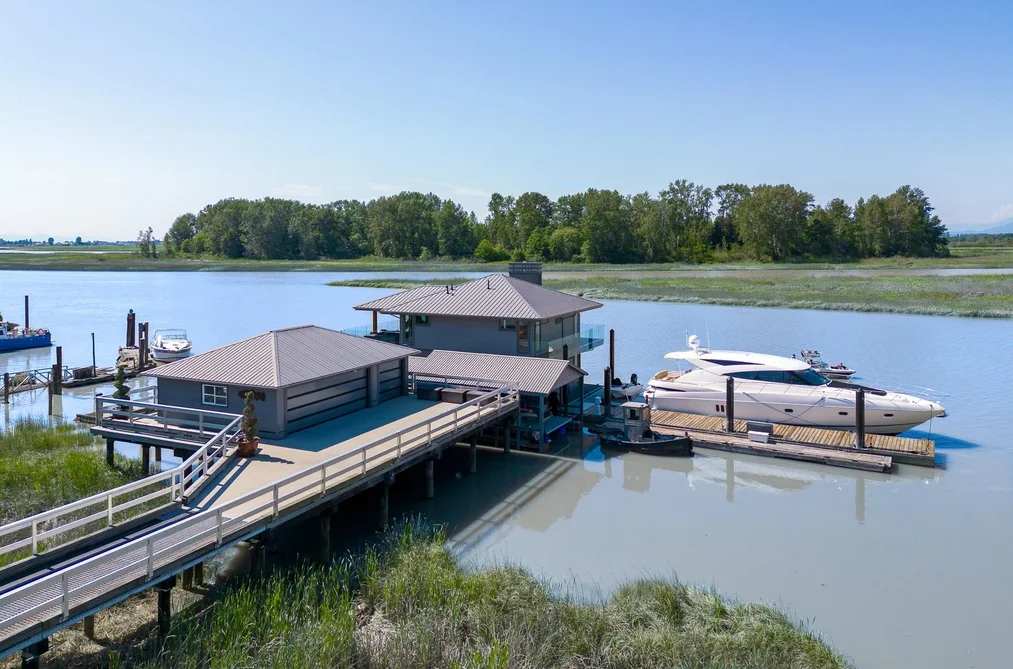
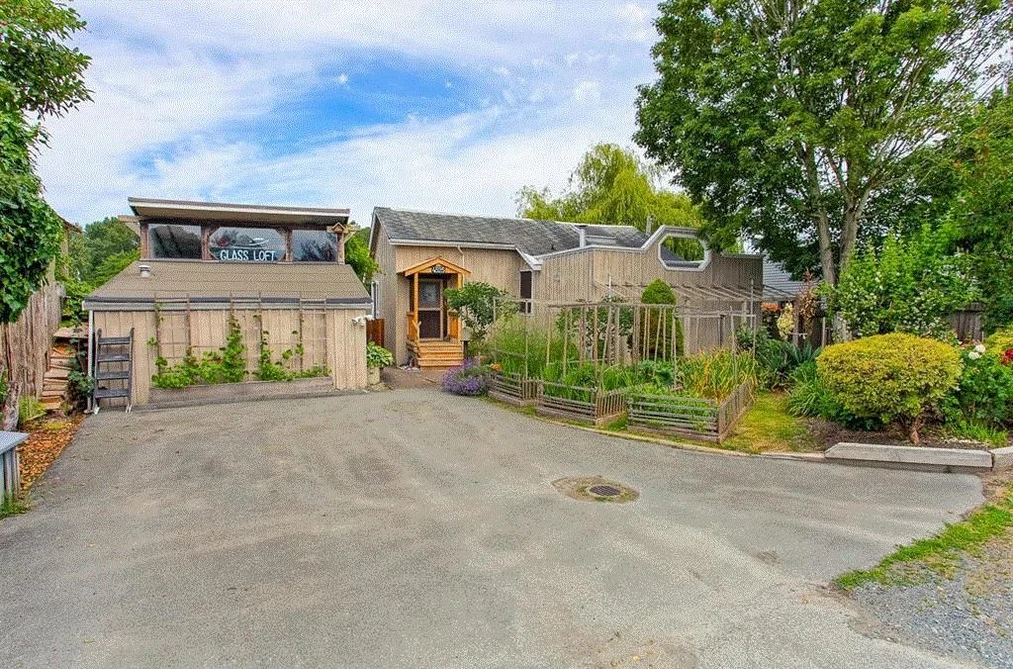
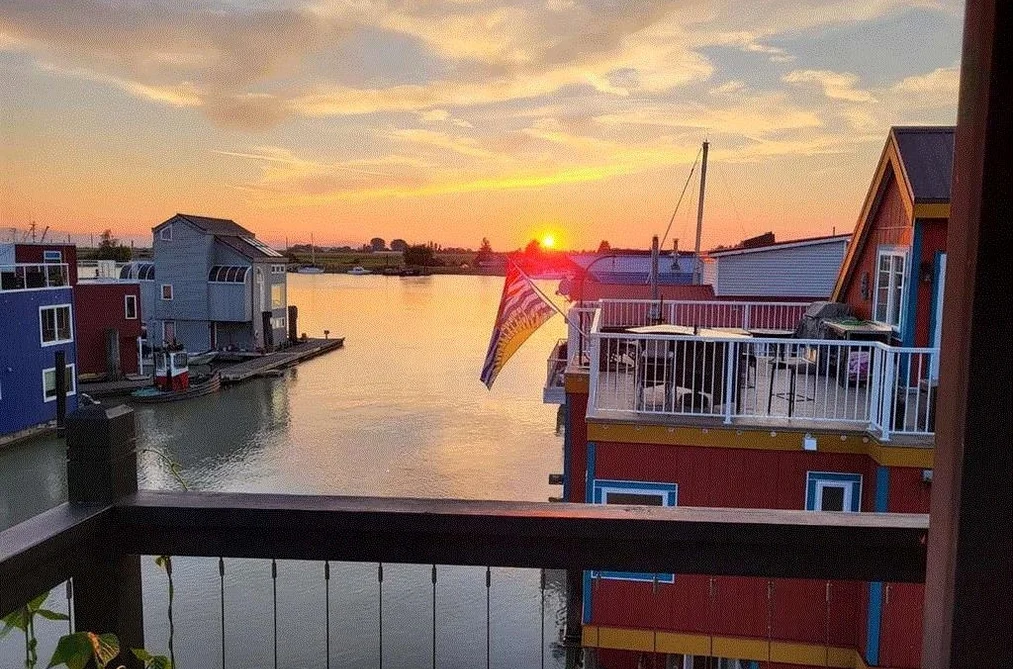
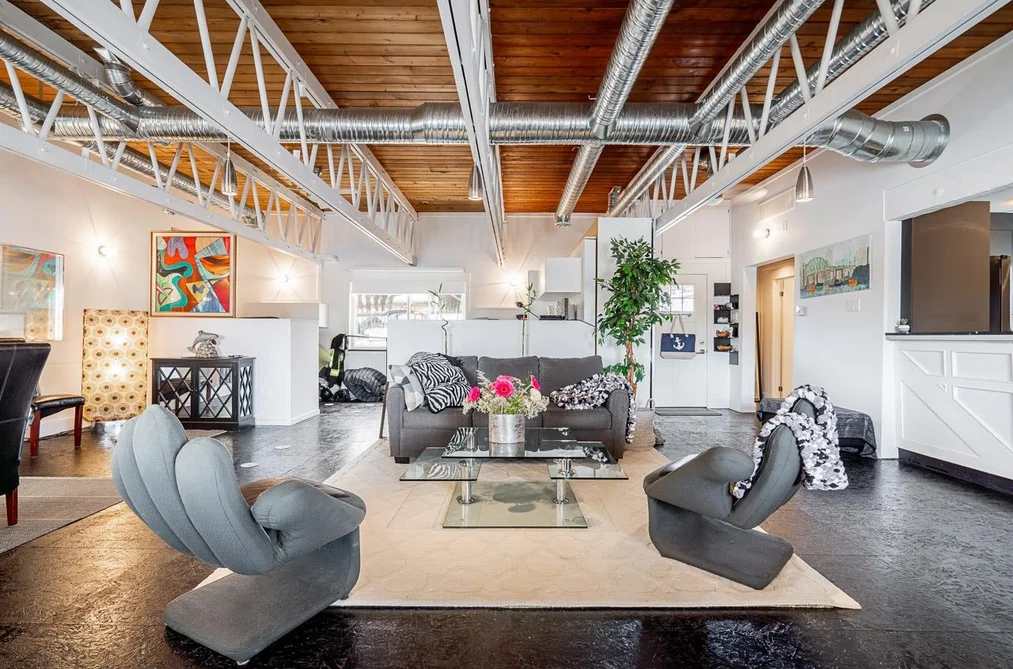
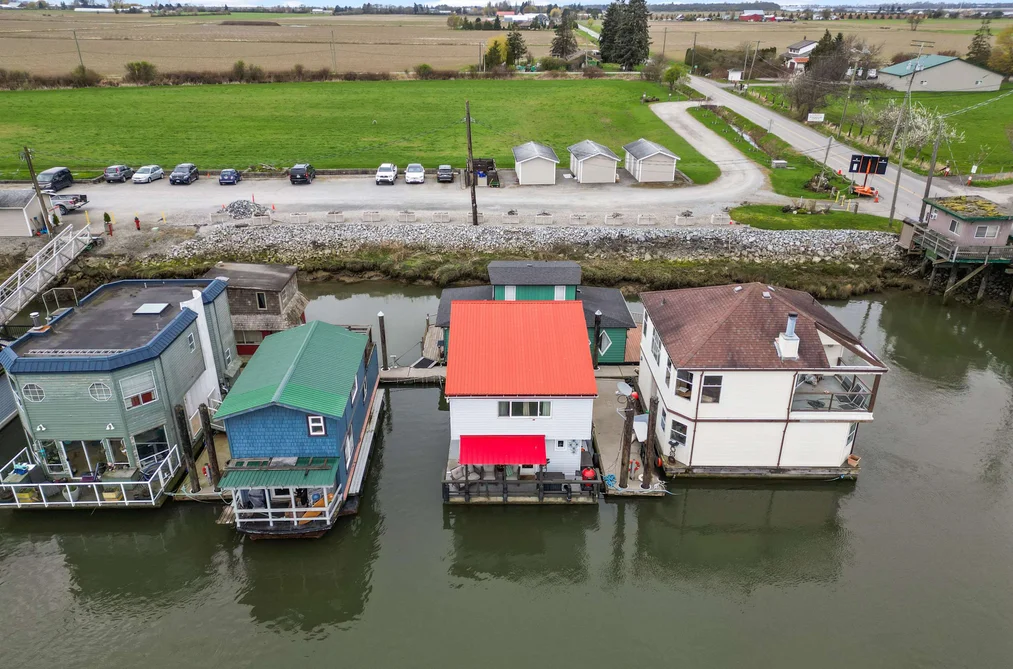
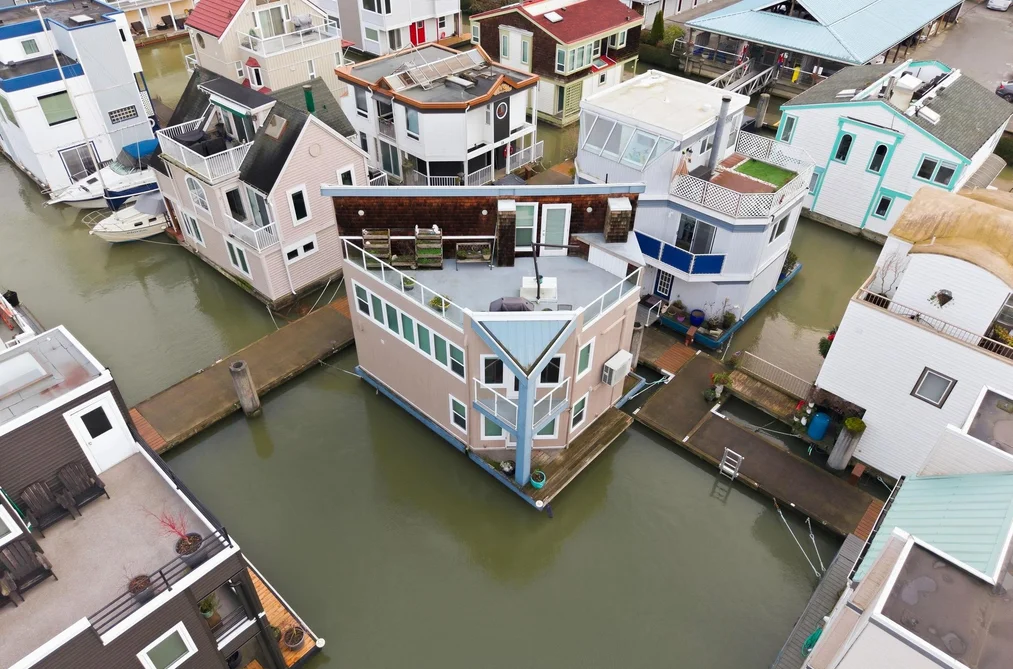
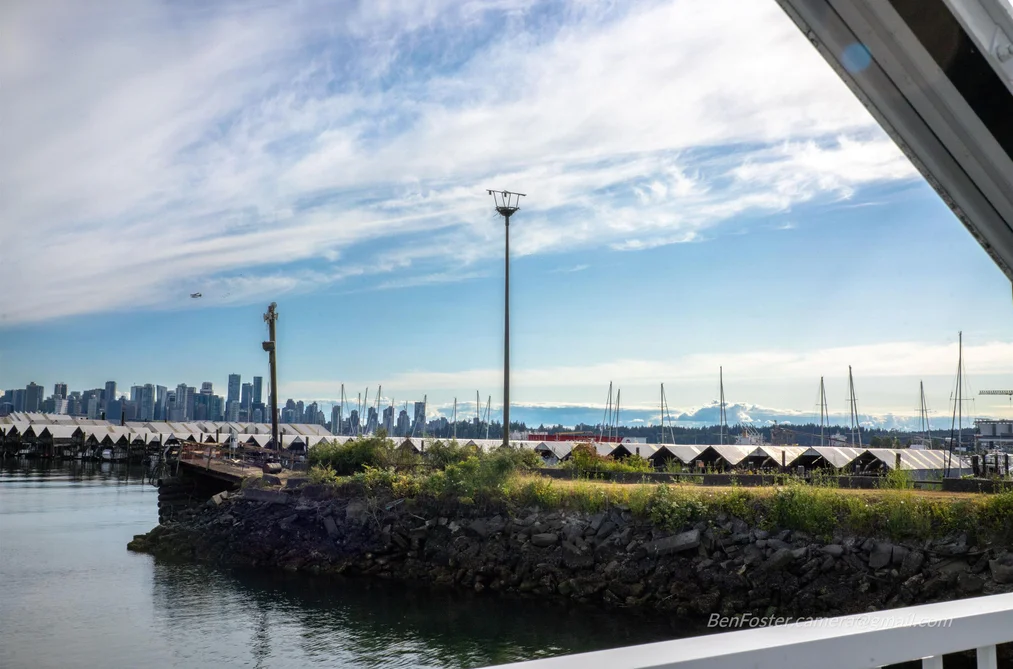
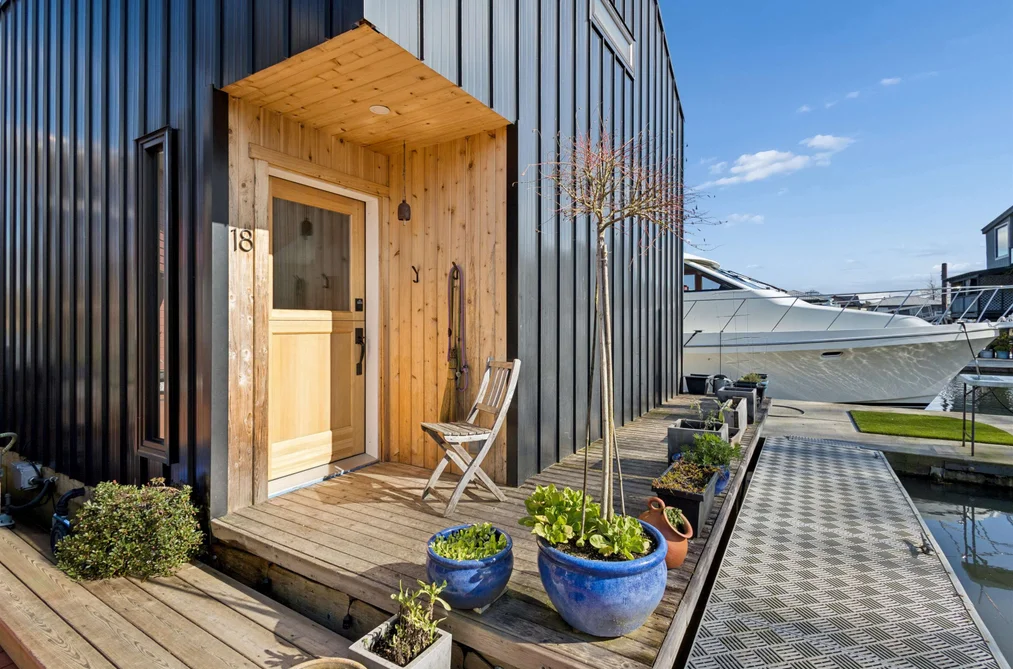
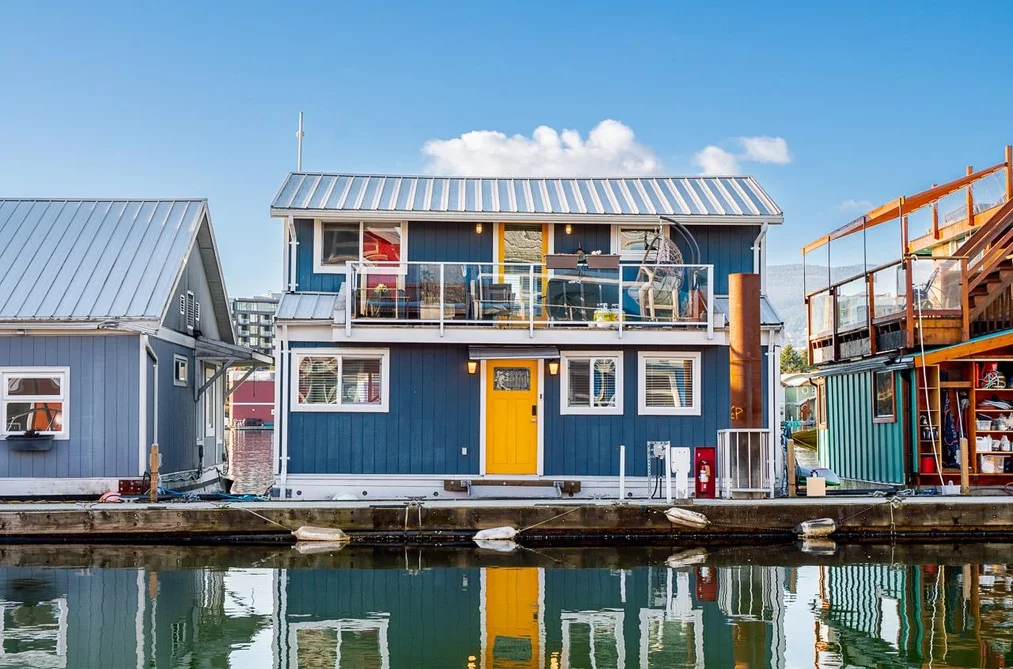

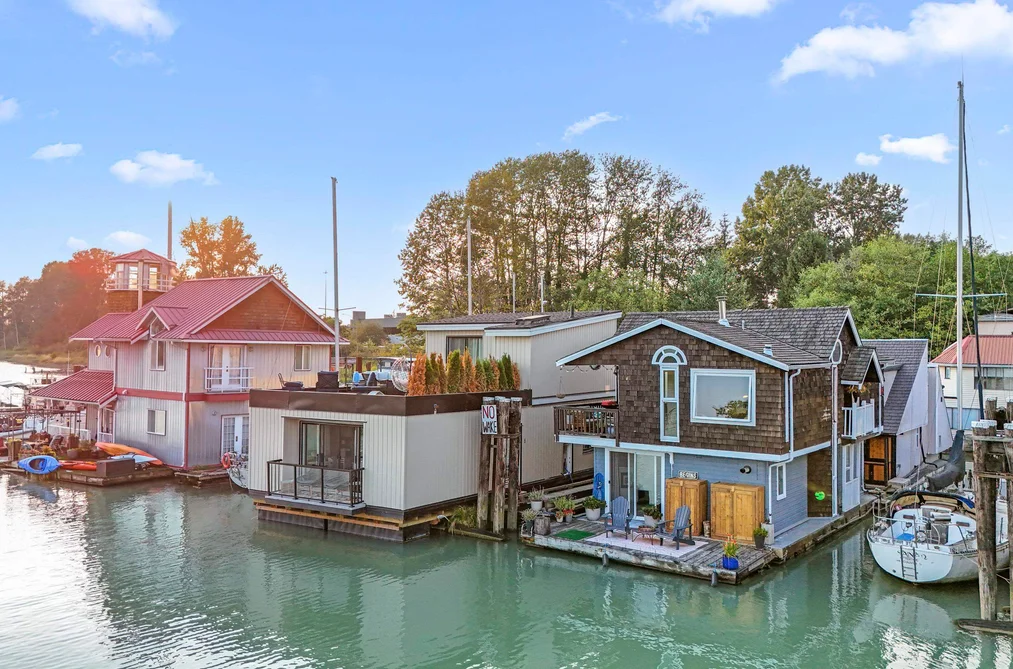
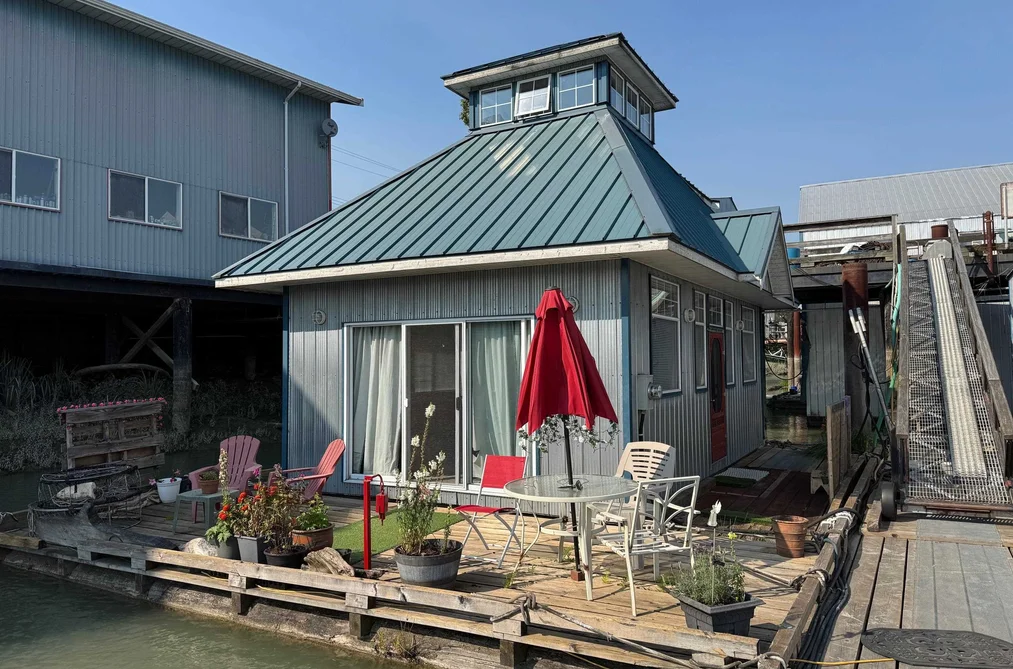
Floating Home listings in Greater Vancouver are compared on moorage tenure, monthly marina fees and the condition of the float itself — confirm all three on the MLS® listing before you book a viewing.
The single thing that separates one float home from another is not the house, it is the berth under it. You are buying the structure; the water it sits on is leased from a marina. Ask the listing agent for the moorage agreement, the current monthly fee, and how long the tenure runs. A short or assignable-at-the-marina's-discretion agreement changes what a lender will do and what your carrying cost looks like in five years.
Marina fees vary widely across the region and cover different things at each site. Some include water, sewer pump-out and parking; others bill each separately. Ask what the fee covers, when it was last raised, and whether the marina has a scheduled dock replacement coming. Those answers belong in your budget before you write, not after.
The float home community here is small and clustered. Mosquito Creek Marina in North Vancouver is the best-known concentration, sitting a short walk from Lonsdale Quay and the Lower Lonsdale waterfront, with the North Shore mountains behind it and river and harbour views in front. Real estate listings there turn over rarely, so buyers tracking that marina should set an alert rather than browse casually.
South of the Fraser, Canoe Pass Village and Westham Island near Ladner hold a second cluster, reached over the historic Westham Island bridge. Willows Reach Marina and Riversbend offer a quieter waterfront lifestyle with river views and wildlife at the door. Richmond and New Westminster carry occasional float home offers as well, and the Fraser Valley real estate boards list them when they appear.
Each waterfront community has its own character and its own rules. Some allow rentals, some do not. If rental flexibility matters to you, confirm the marina's position in writing during your subject period rather than relying on what a neighbour says is normal.
A float home sits on a concrete or timber float, and that float is the most expensive component to repair. Ask when it was last inspected, whether it has ever been hauled, and whether any freeboard loss has been recorded. A marine surveyor, not a standard home inspector, is the right person for this assessment — make that a condition of your offer.
Above the waterline, look at the same things you would in any home for sale: the roof, the windows, the hot water tank, the heating. Many of these homes have been renovated, and a well-executed renovation with vaulted ceilings, an expansive main living space and a lovely outdoor deck genuinely lifts the value. A cosmetic refresh over an ageing float does not.
Confirm how utilities reach the home. Water, power and sewer run from the dock, and the age and condition of those connections affect both comfort and cost. Ask whether the marina has upgraded its services recently or has a levy planned.
Financing is the step that surprises buyers most. A float home is not land, so a conventional mortgage may not apply in the way you expect. Some lenders treat it as chattel, some decline entirely, and terms vary by marina and by the strength of the moorage agreement. Speak to a mortgage professional who has closed one of these before you make an offer, and get the lender's position on your specific marina in writing.
Insurance follows the same pattern. You need marine and residential coverage together, and not every insurer writes it. Get a quote during your subject period rather than assuming a standard home policy transfers. The Floating Home Association of British Columbia is a useful starting point for both questions.
Property transfer tax treatment also differs from a land purchase. Confirm with your notary or lawyer what applies to your transaction so the closing cost is not a surprise.
Buyers drawn to waterfront living usually arrive expecting a cozy, spacious cabin feel and stunning views, and the good homes deliver exactly that. What the listing photos do not show is the rhythm of it: tide movement, weather on the dock, walking your groceries from the parking area, and a neighbourhood where everyone knows the moorage gossip.
Set your budget as the purchase price plus moorage, insurance, utilities and a reserve for float maintenance. Compared with a detached house on the same waterfront, the entry price is lower and the ongoing commitment is different rather than smaller. Buyers who understand that trade before they tour are the ones who end up happy.
Browse and search current Floating Home listings across Greater Vancouver on Strawhomes to see what is available now and set alerts for the marinas you are targeting.