For Sale
1 day
- $1,298,800
- 3 bed
- 3 bath
- 1284 sqft
MLS® R3164699
•Macdonald Realty
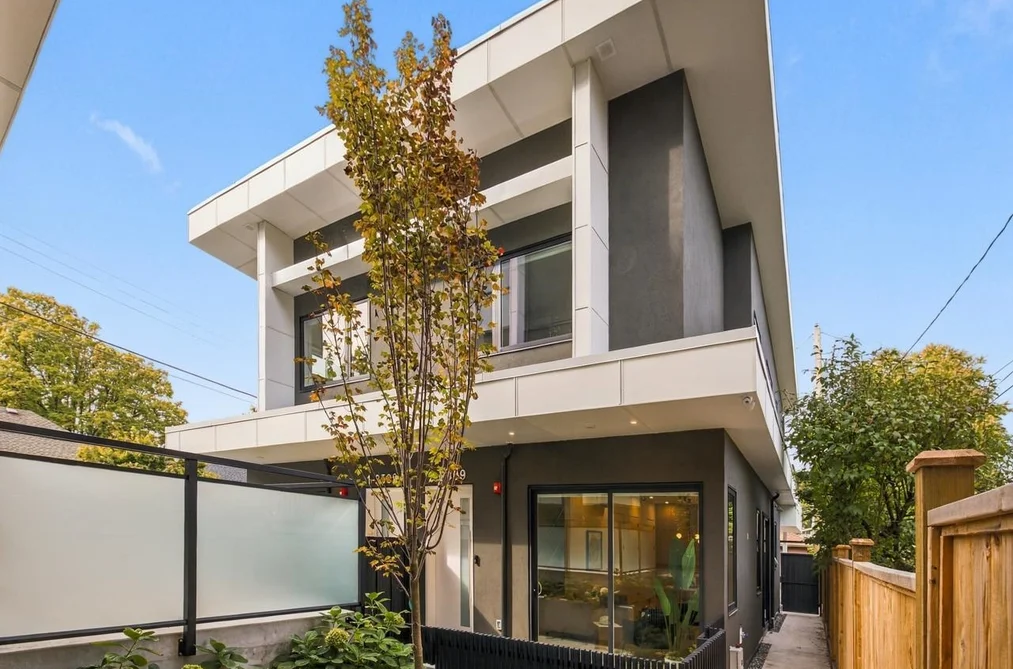
Open Sun, Sep 13, 2 p.m.
Browse half duplex homes for sale in Greater Vancouver and compare party wall agreements, strata plans and yard ownership before you write an offer.
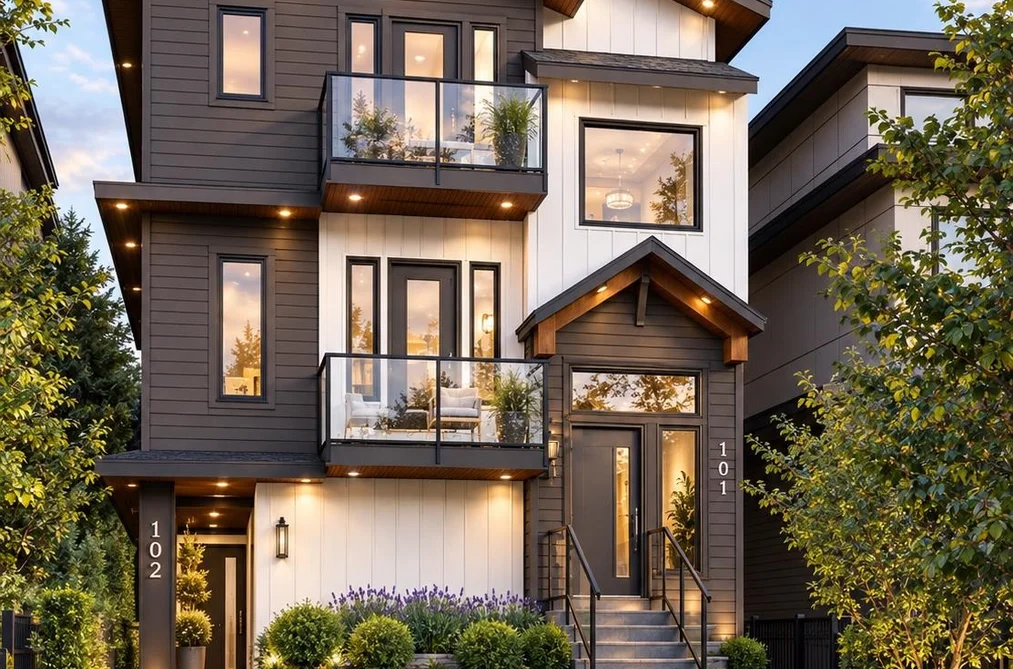
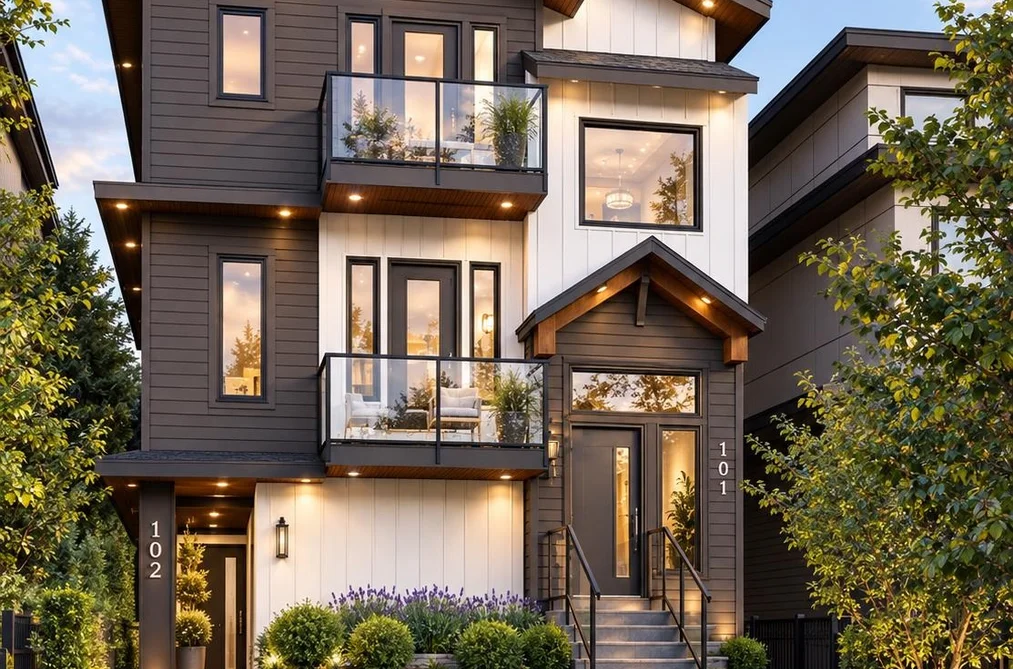
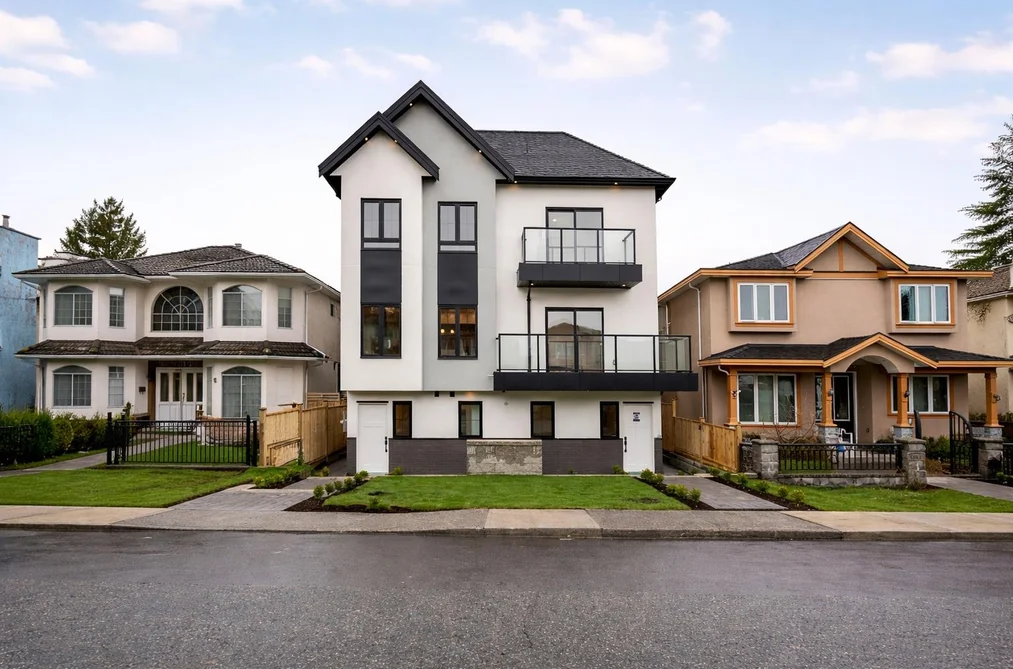
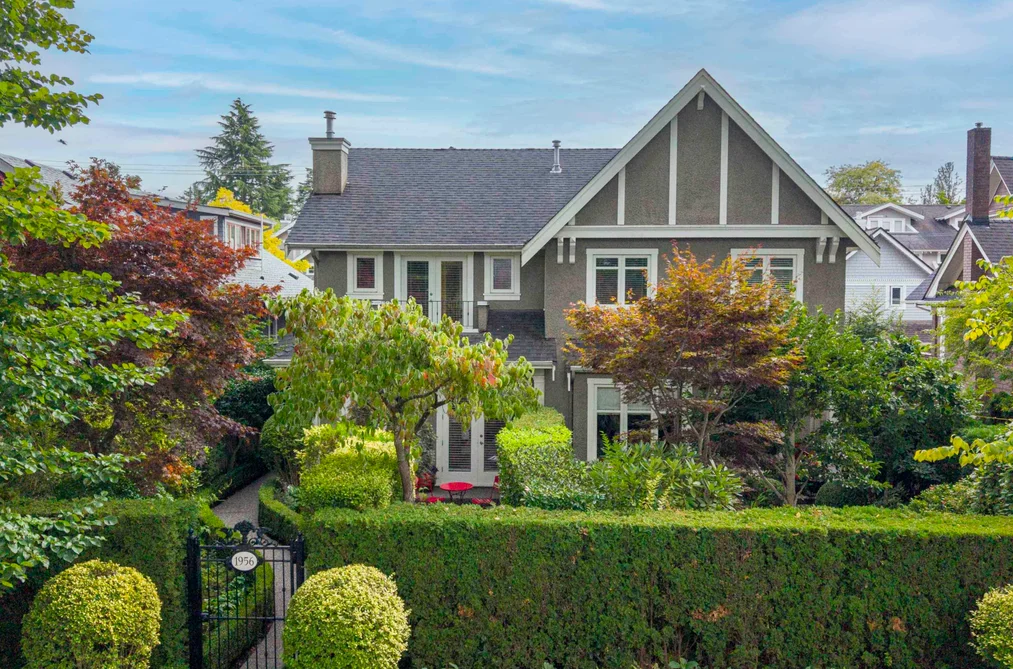
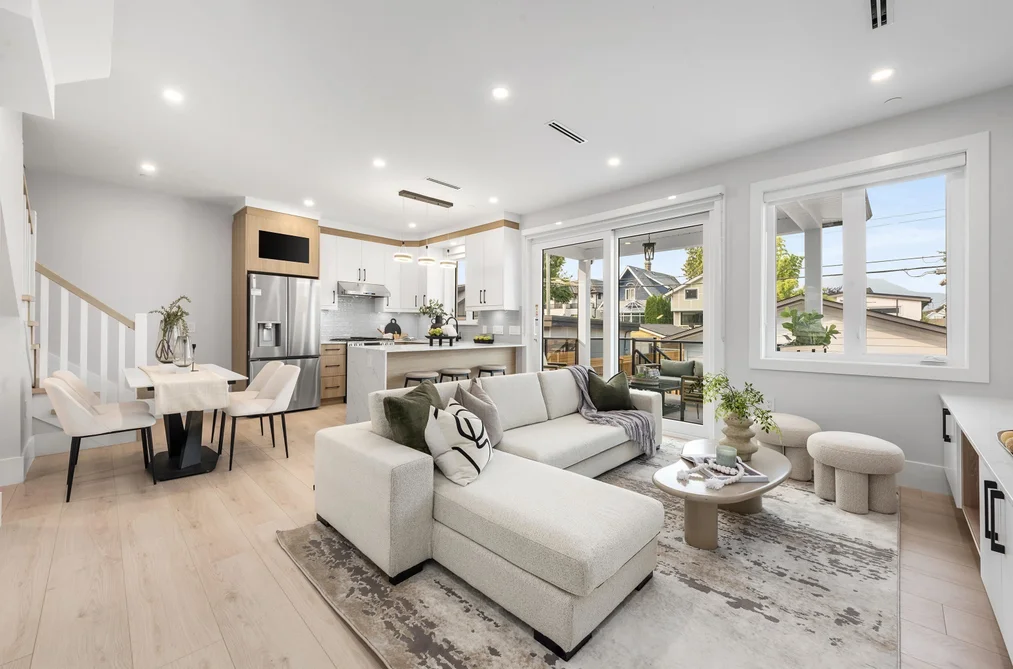
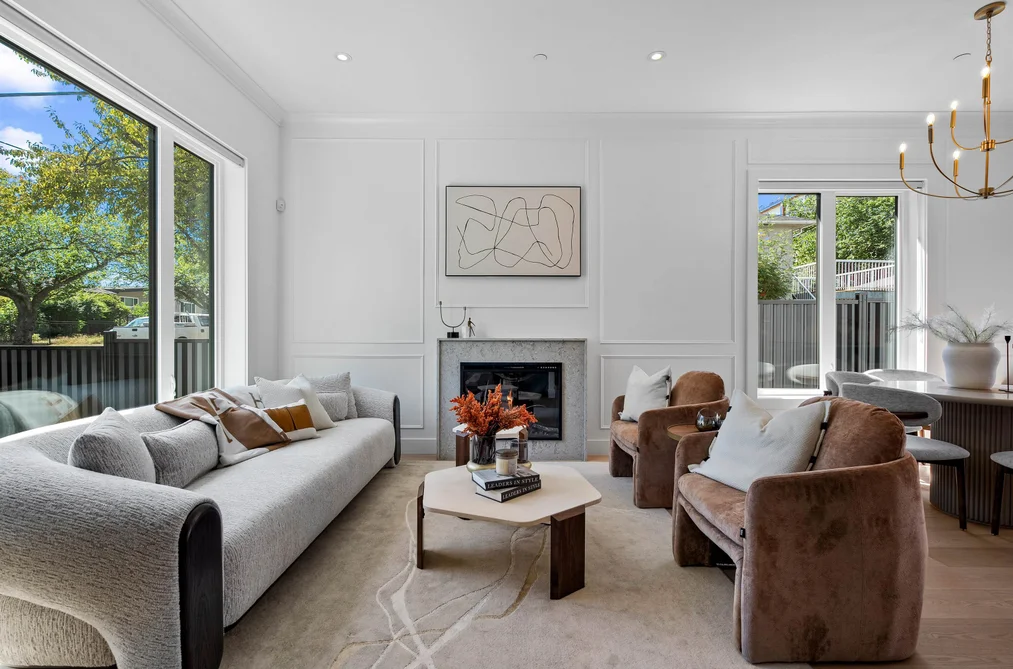
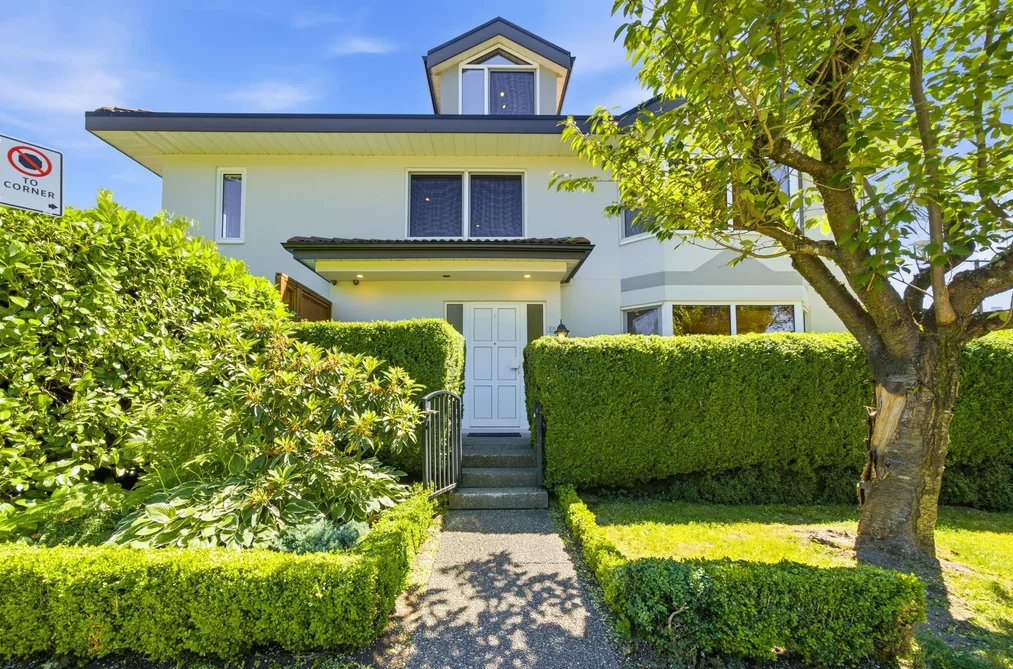
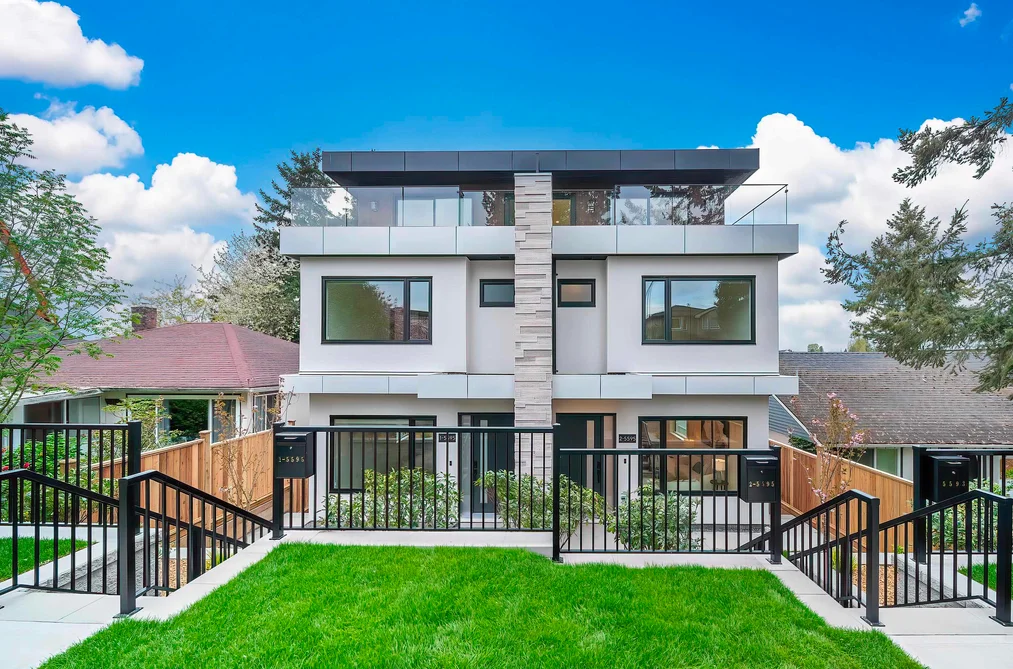

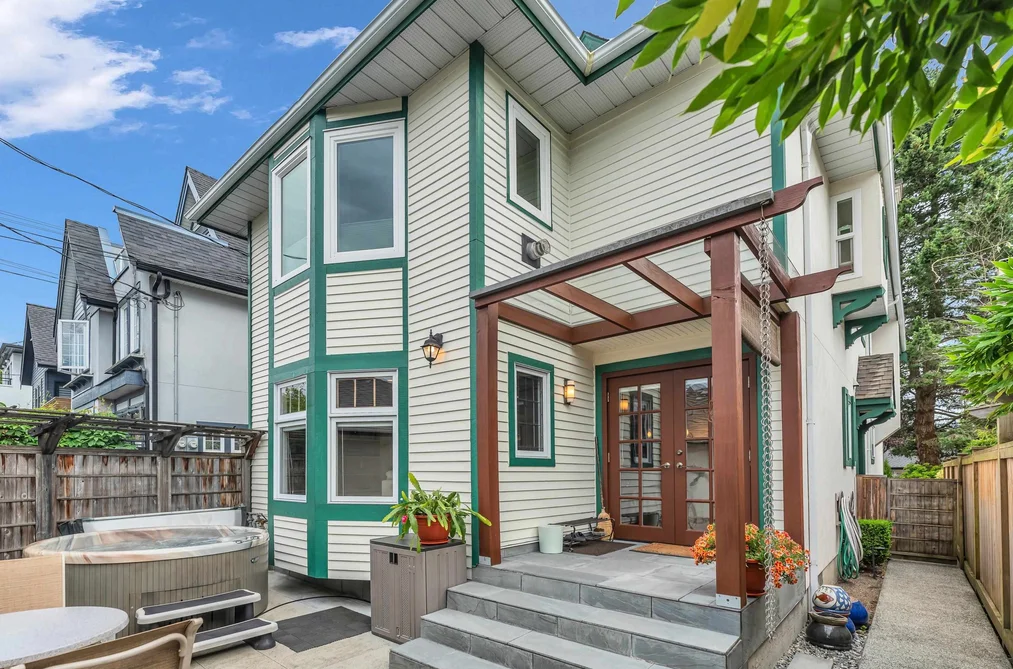
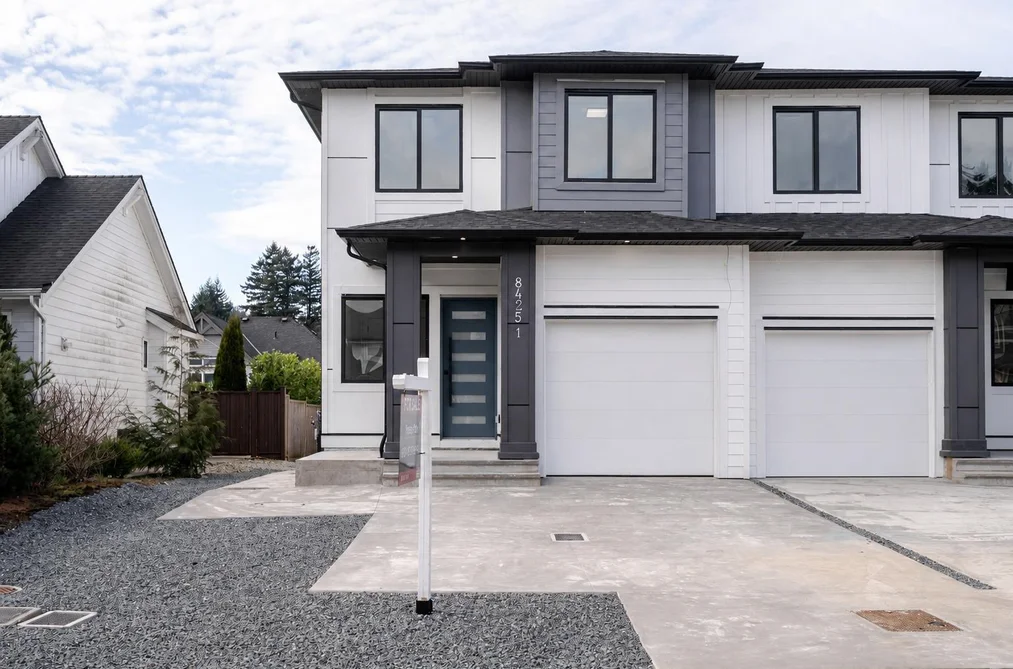
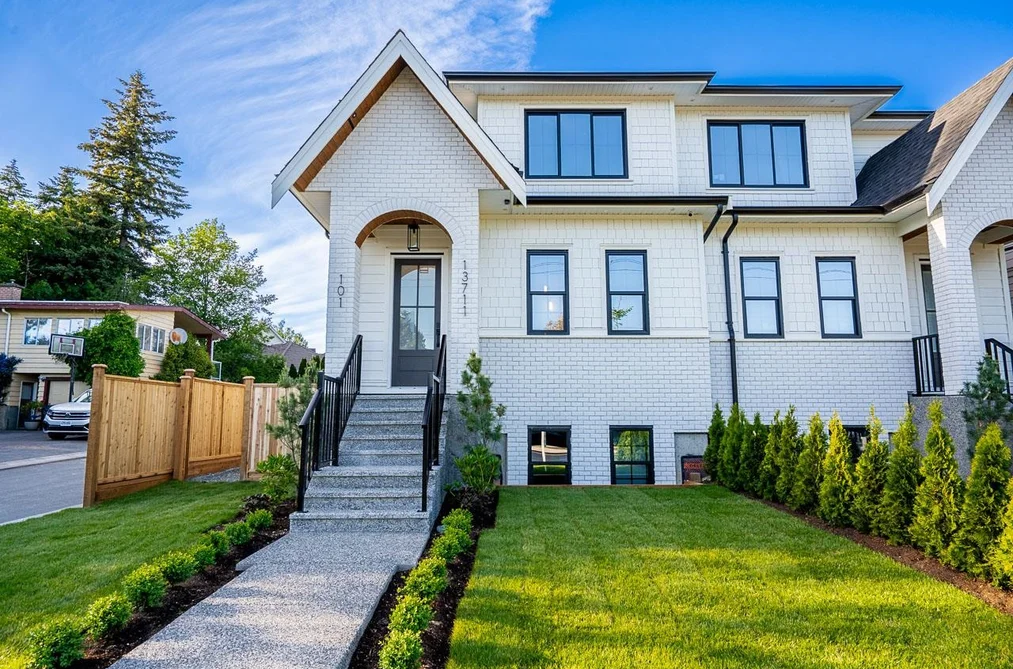
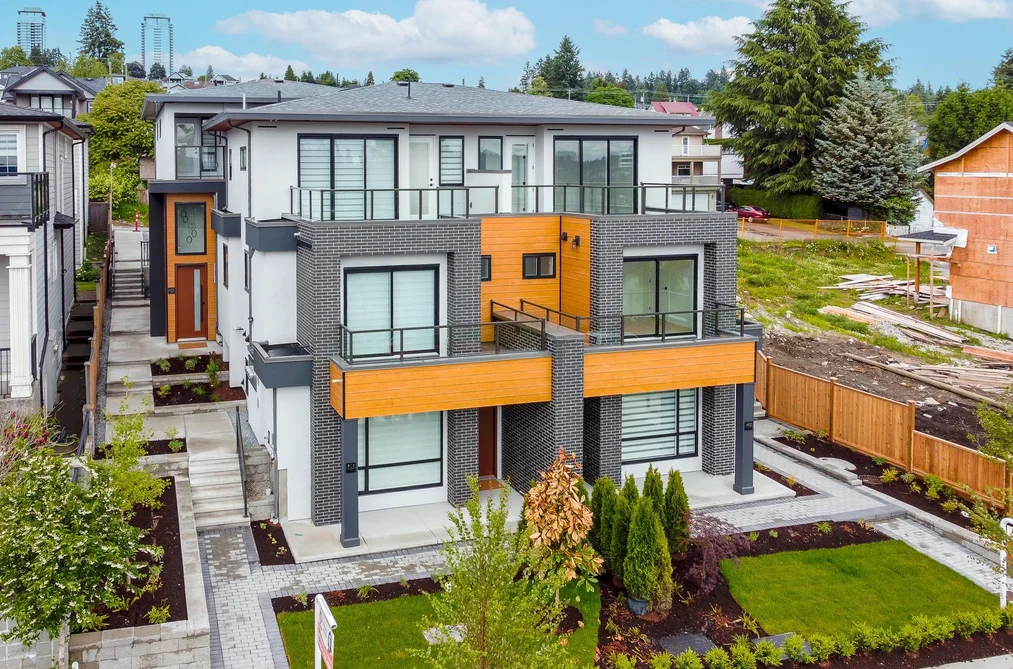
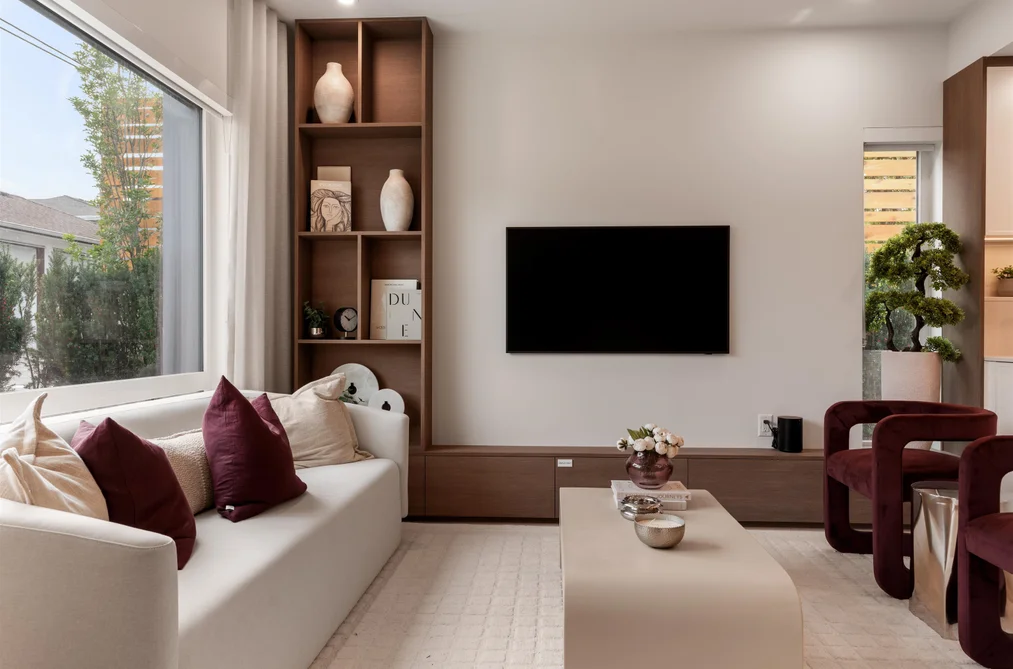
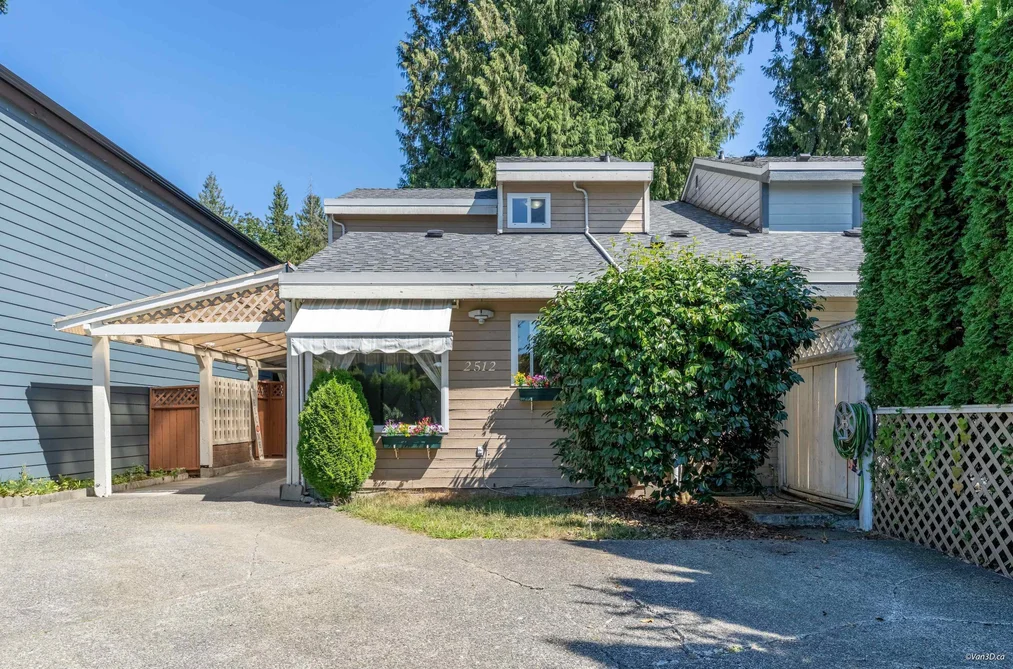
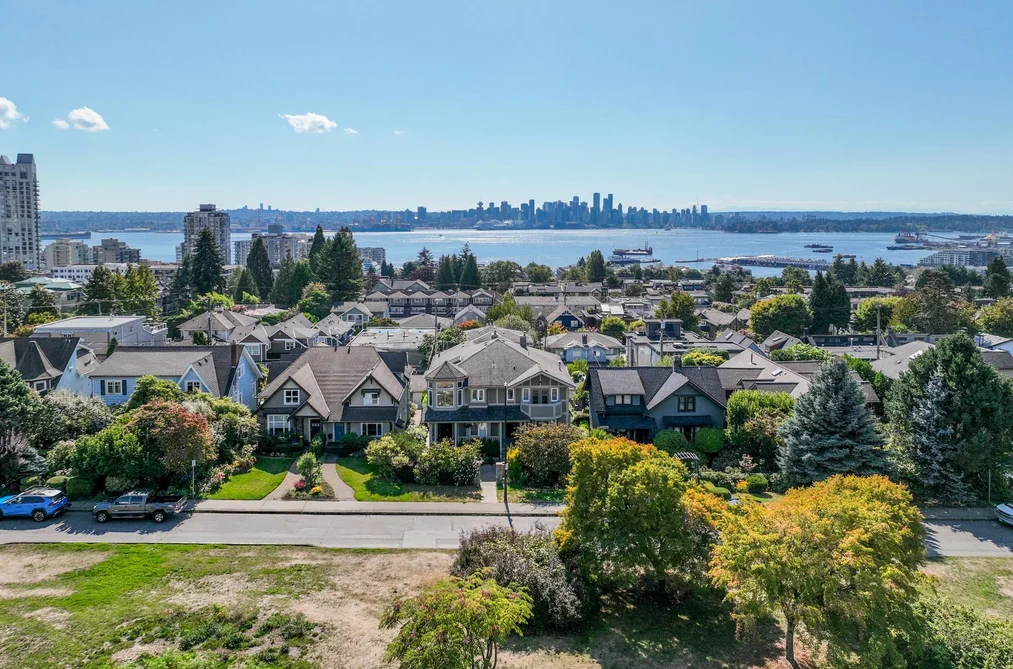
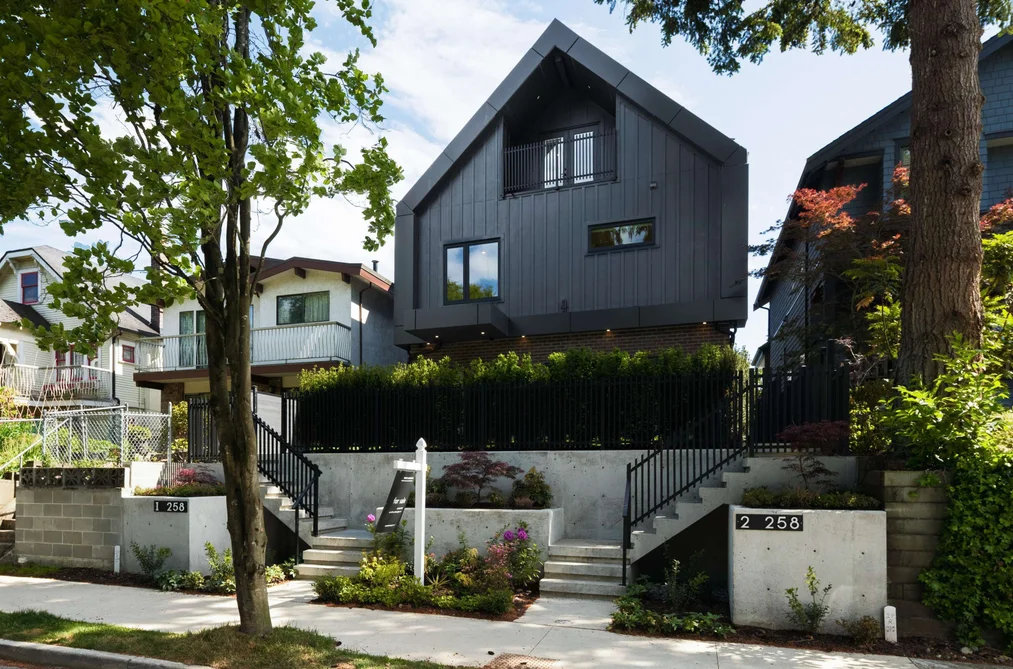

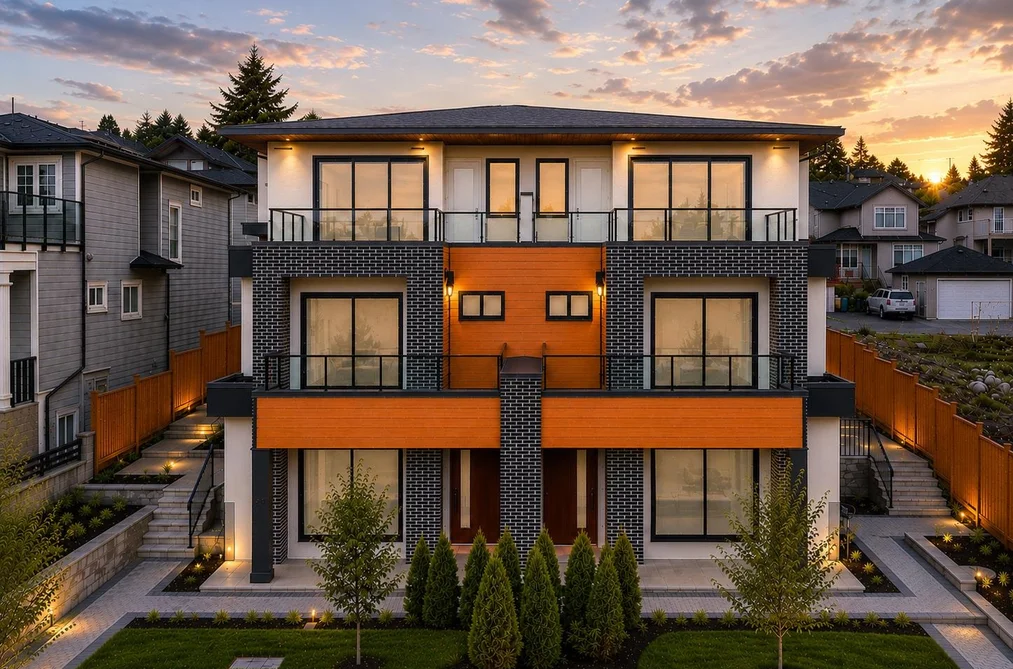
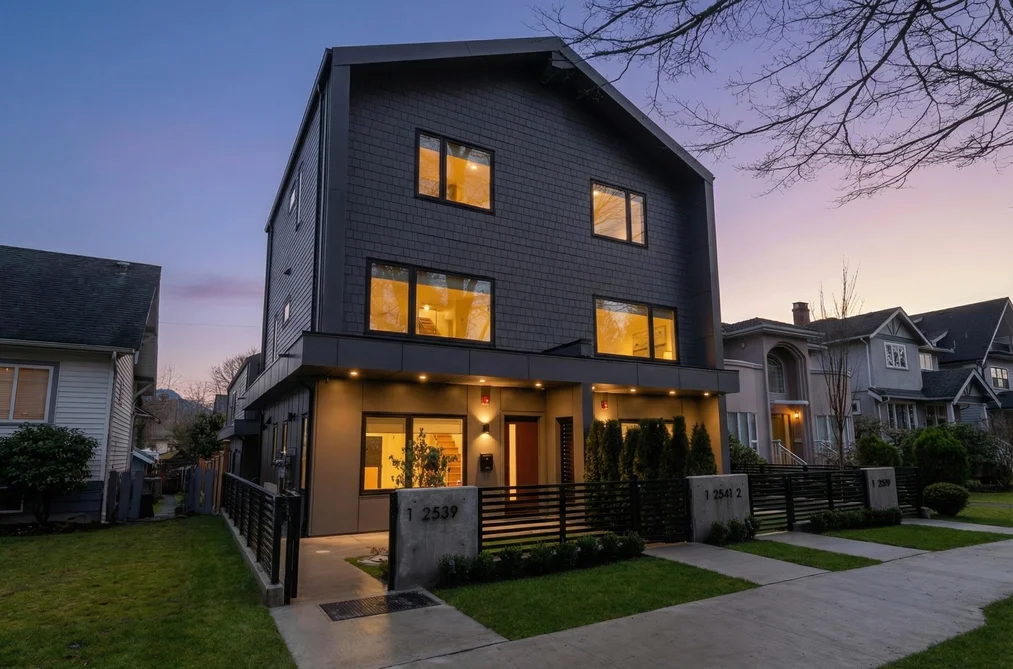
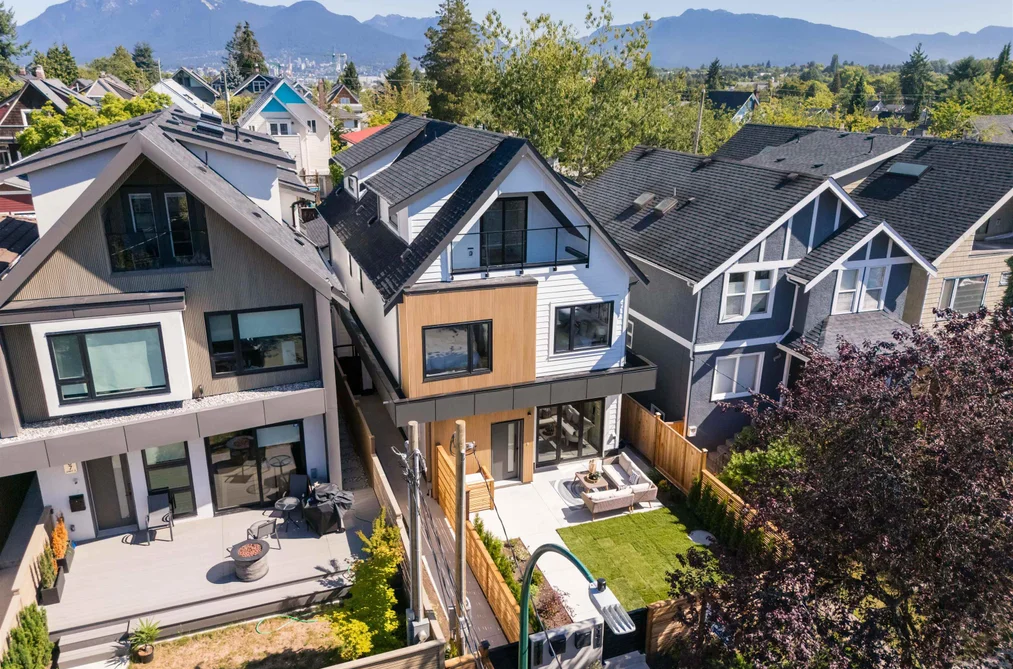
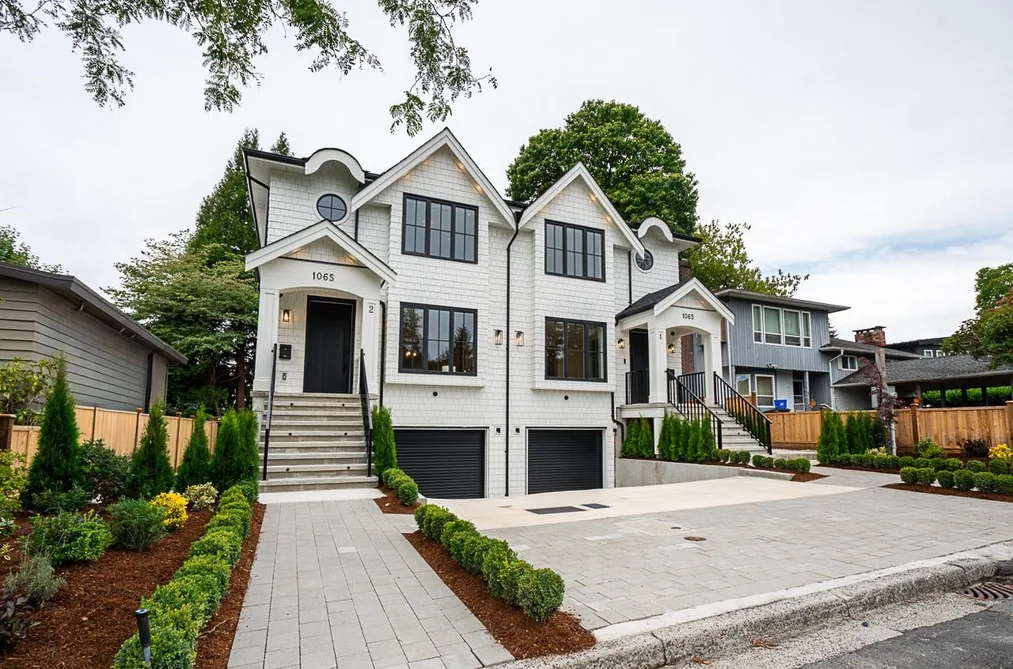
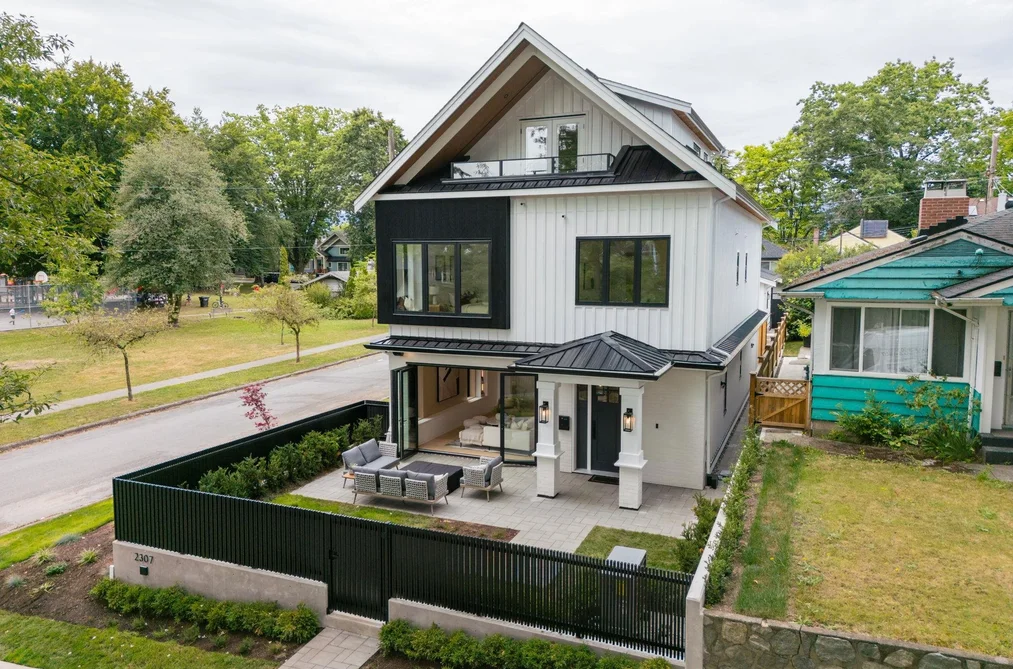
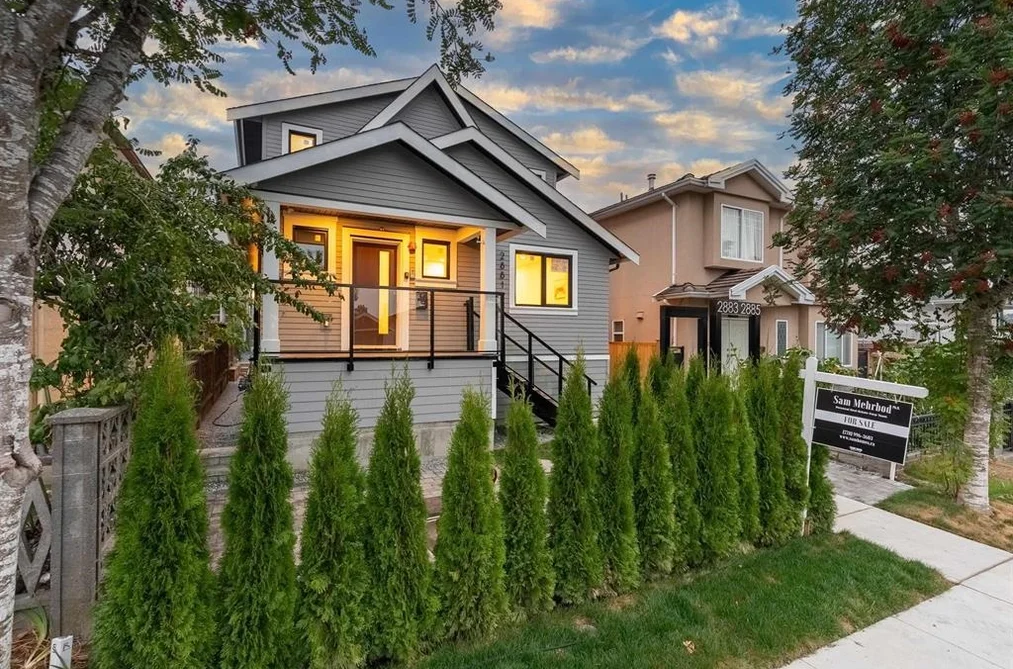
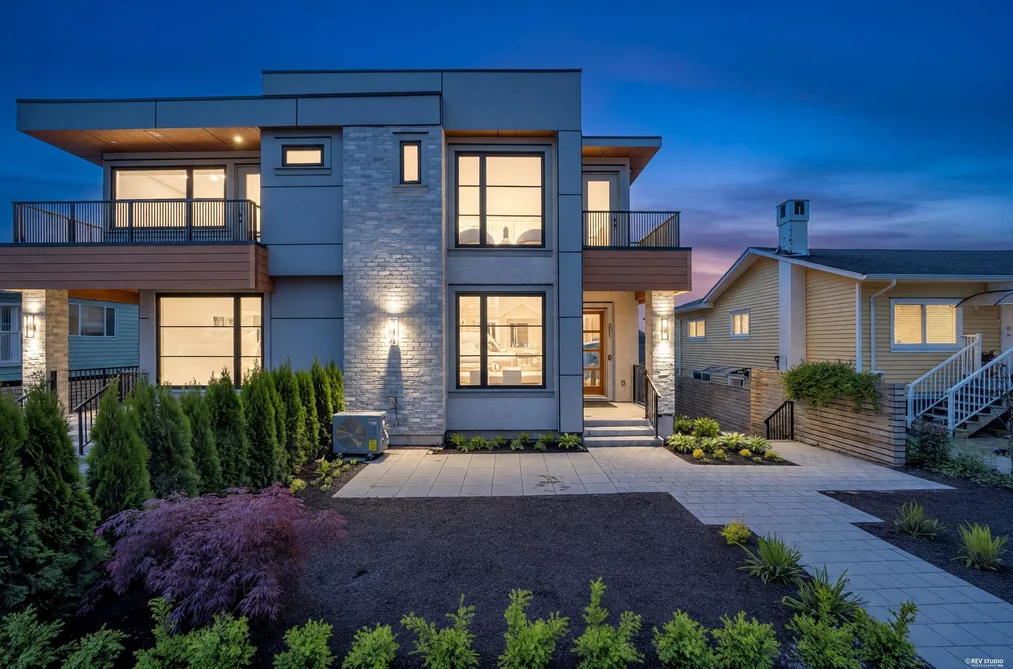
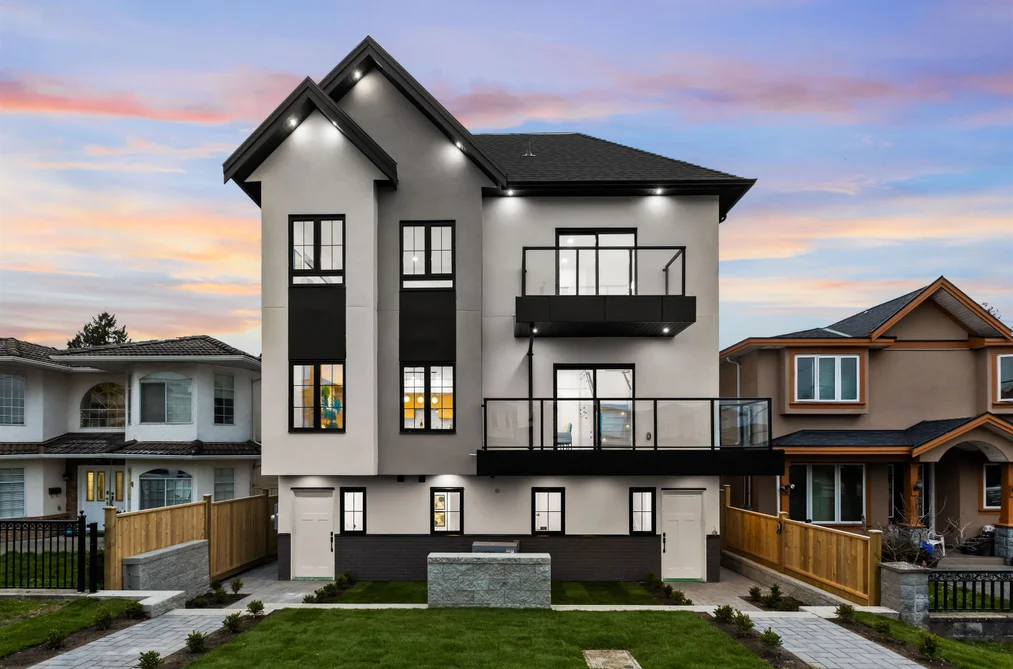
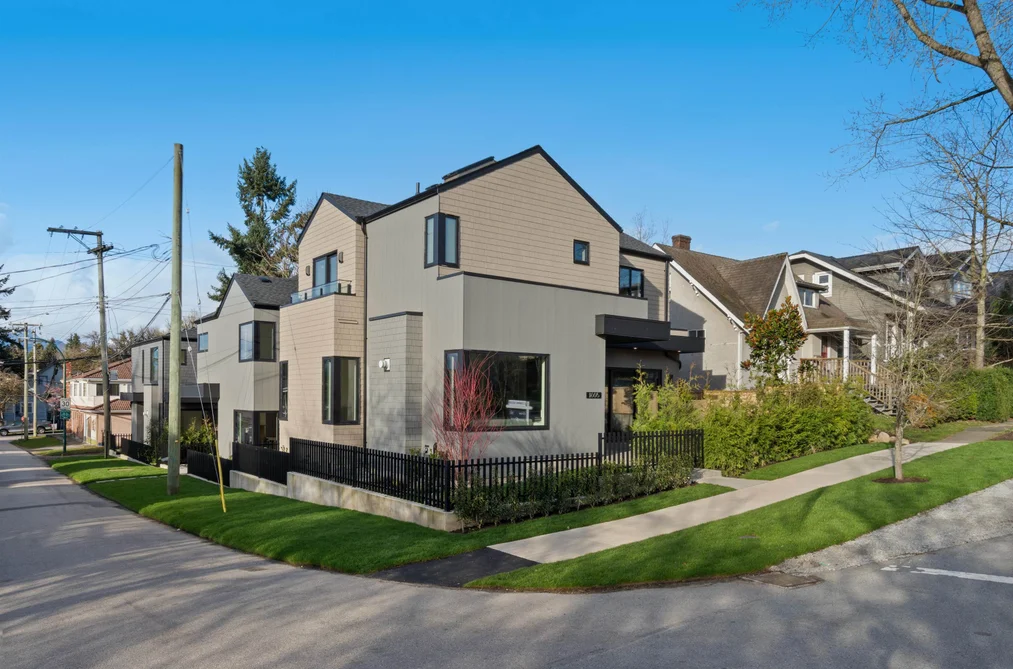
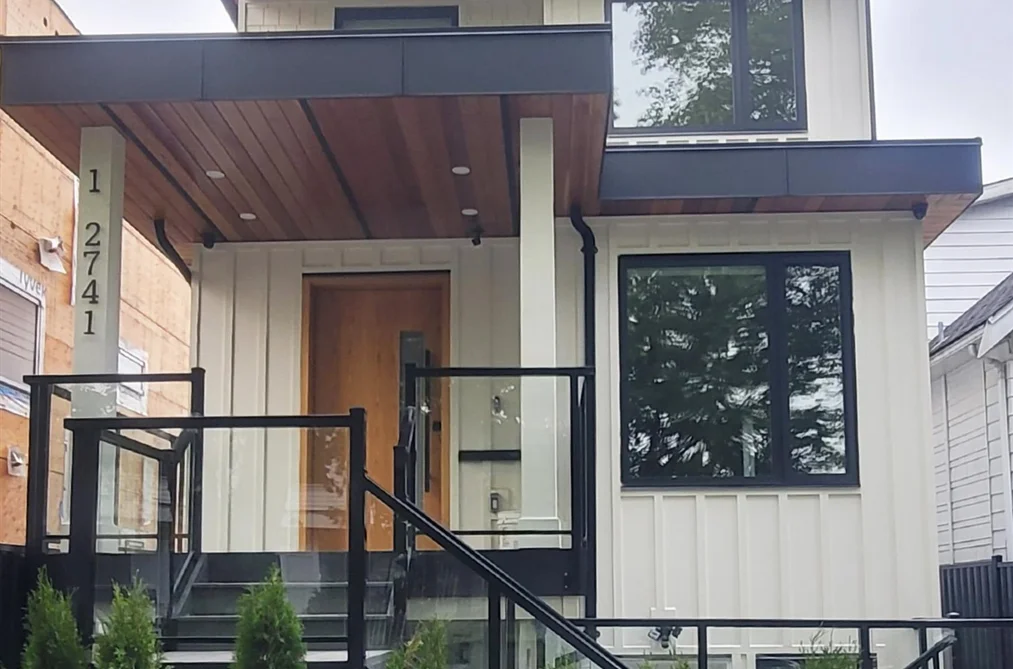
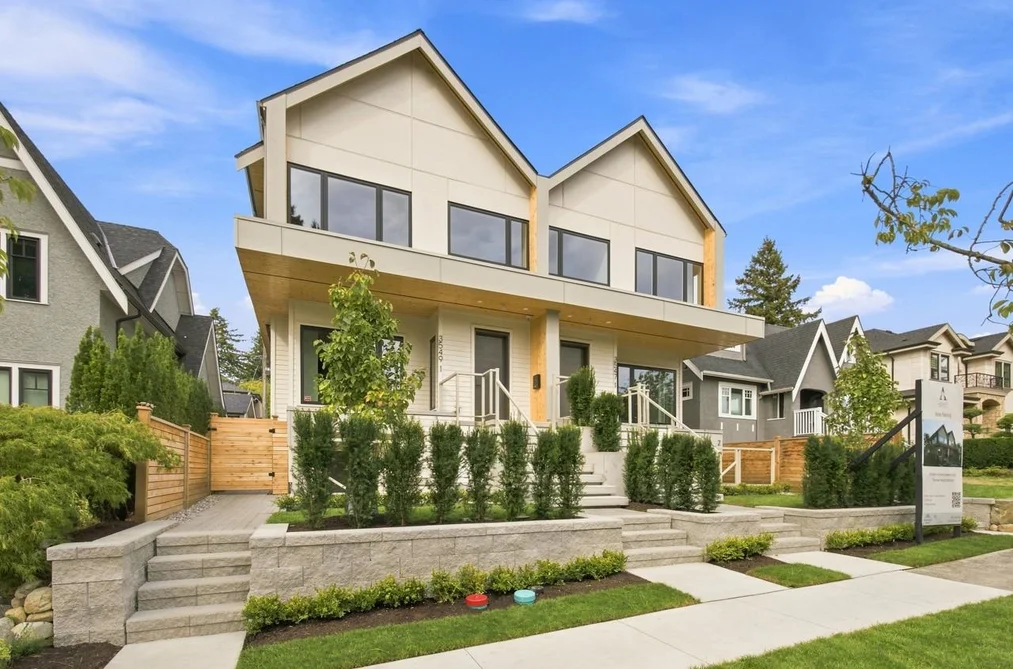
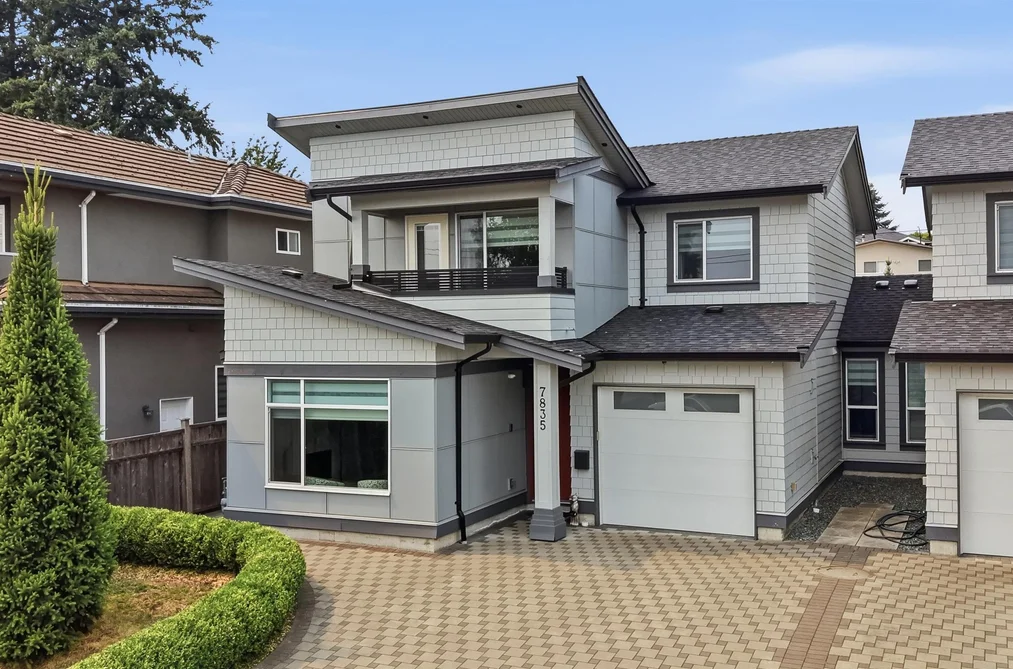
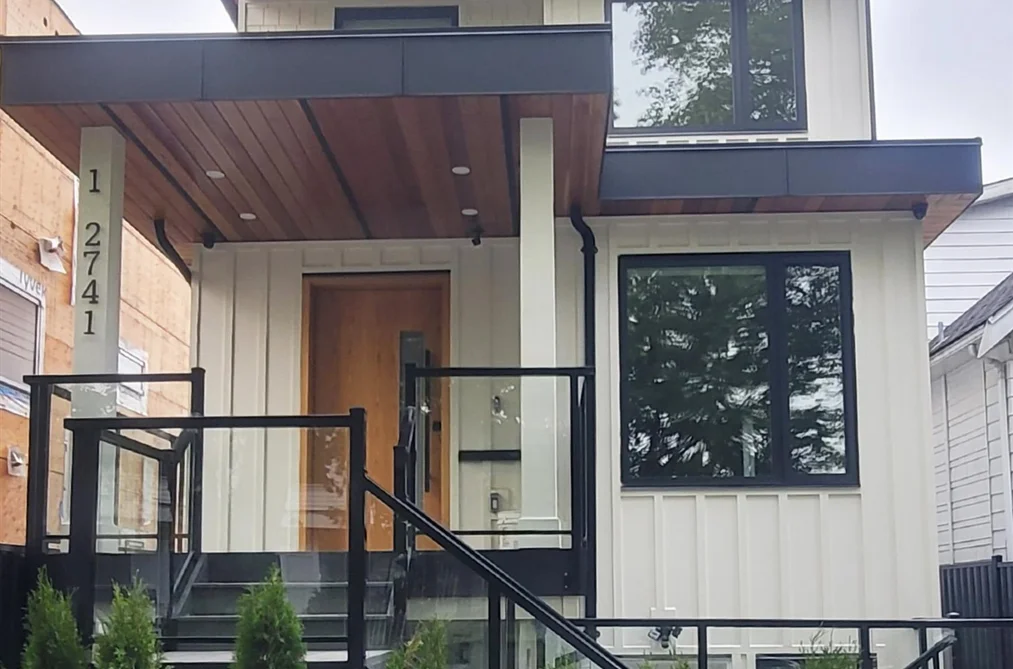
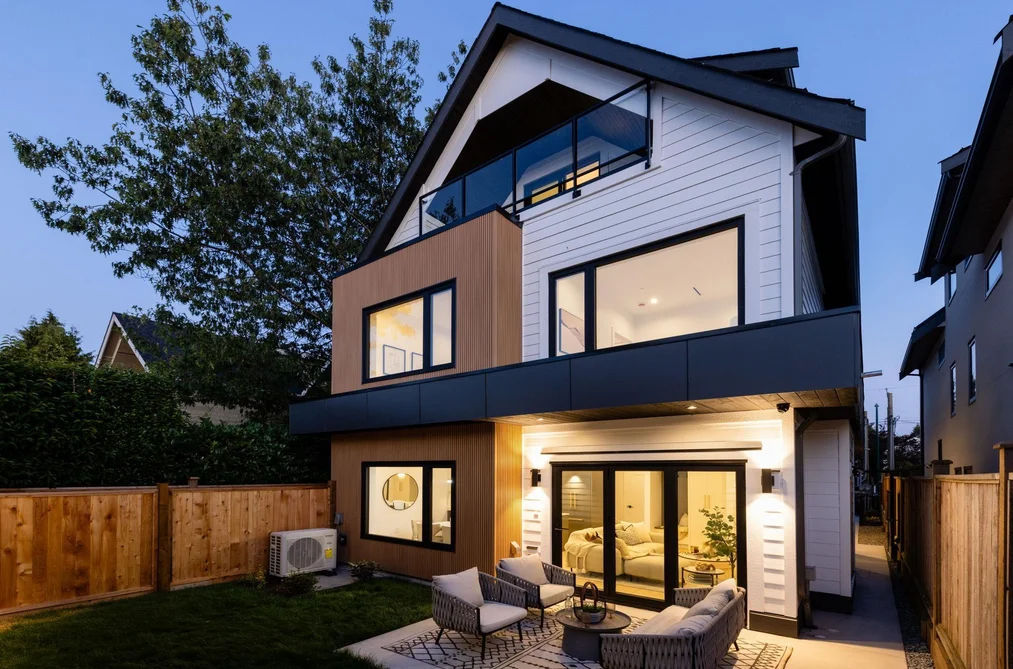
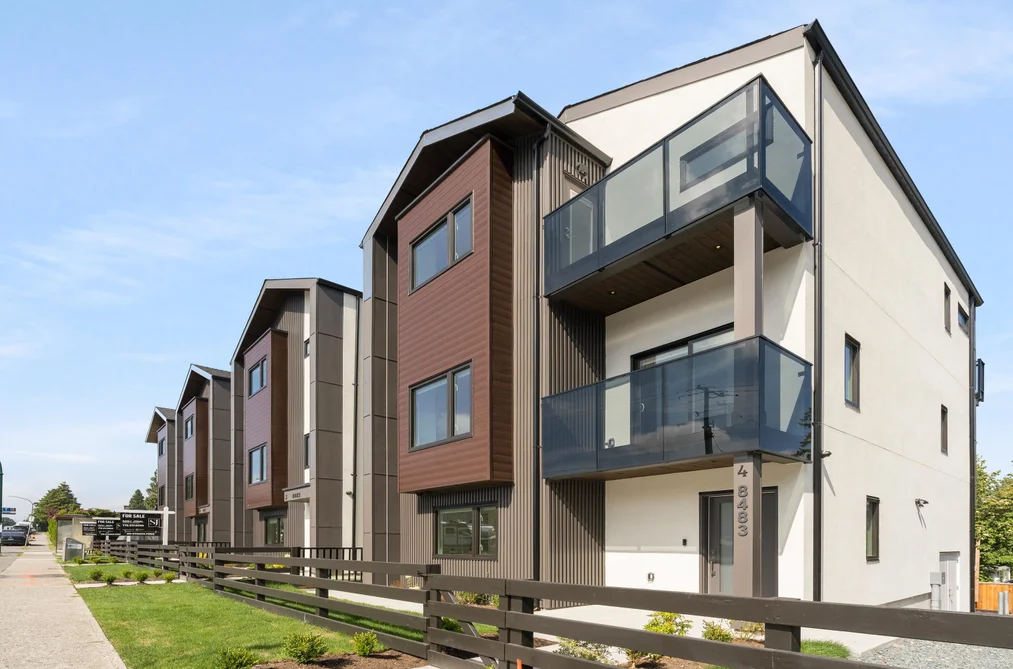
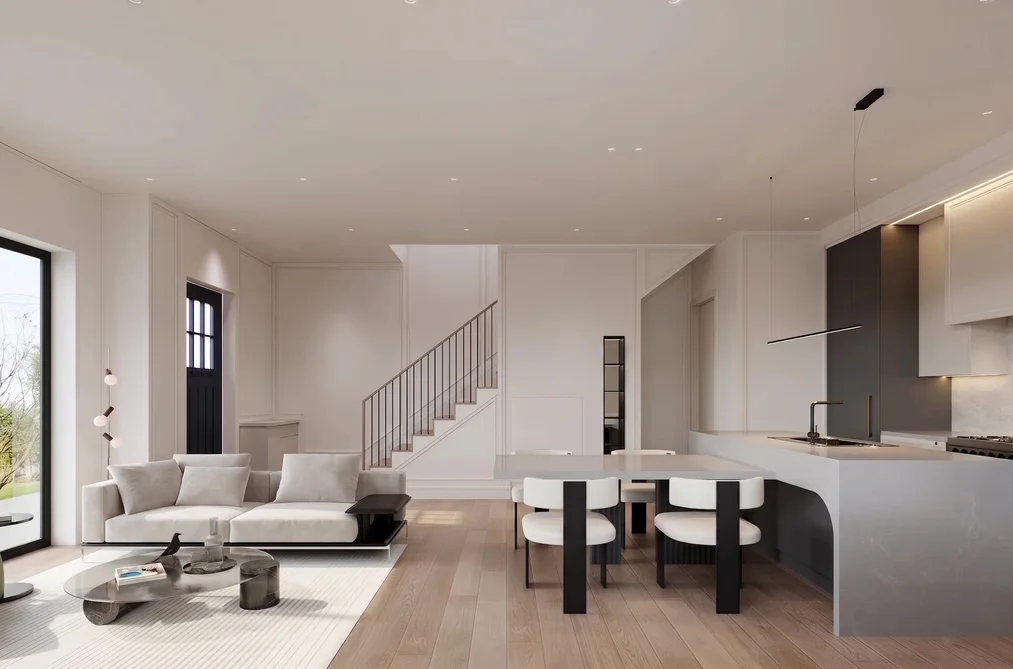
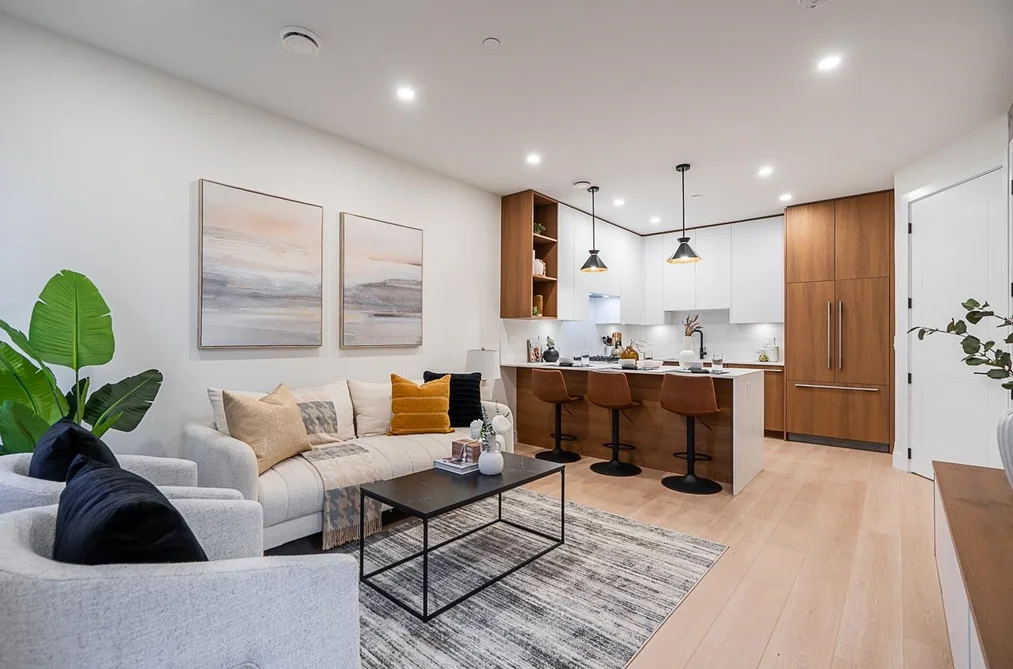
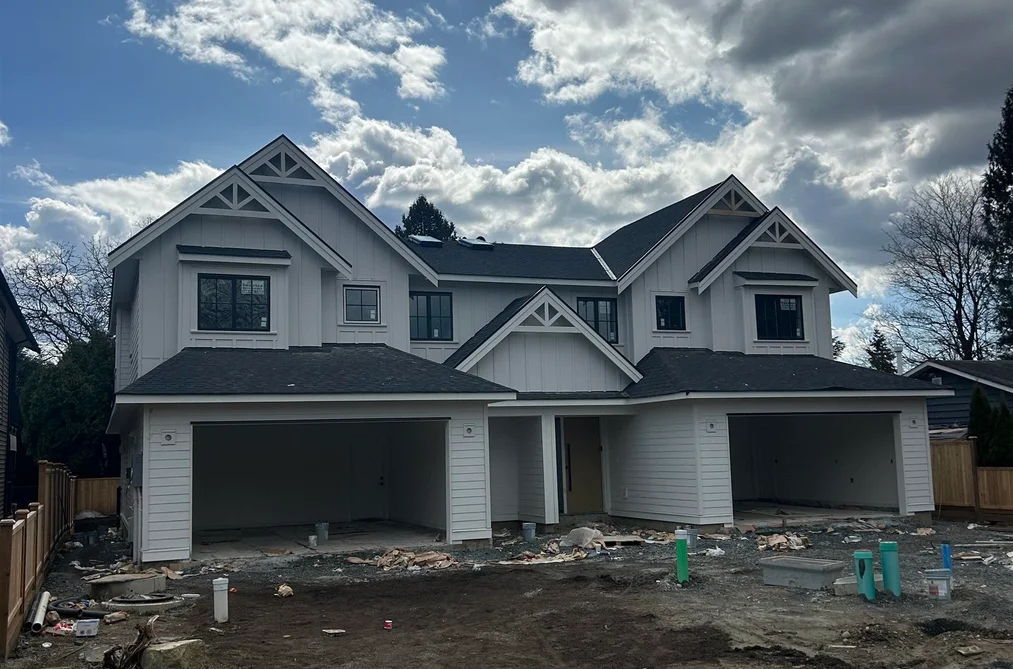
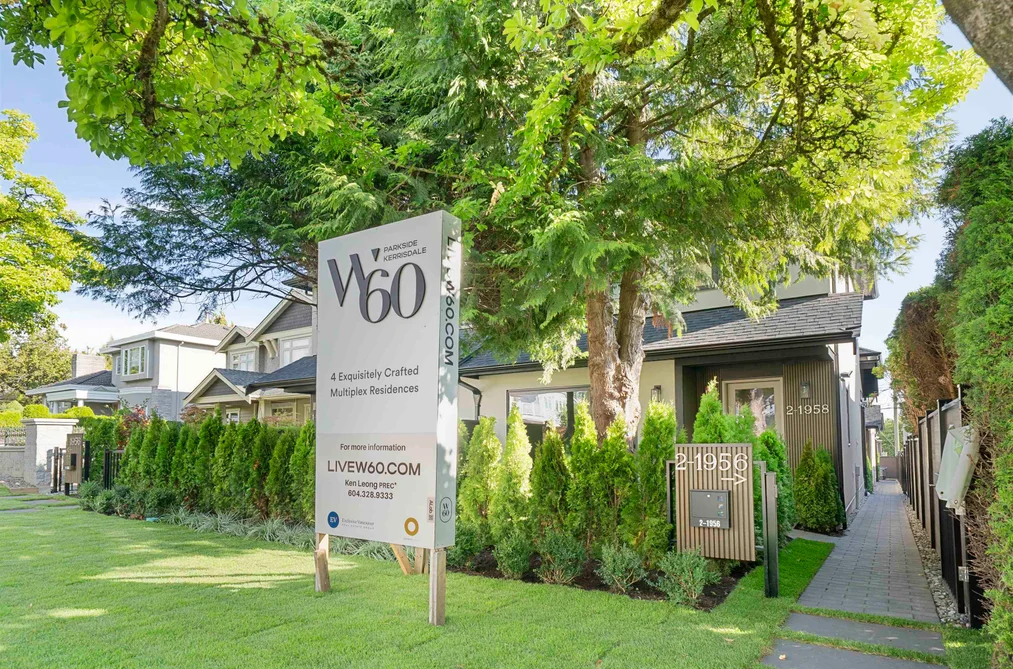
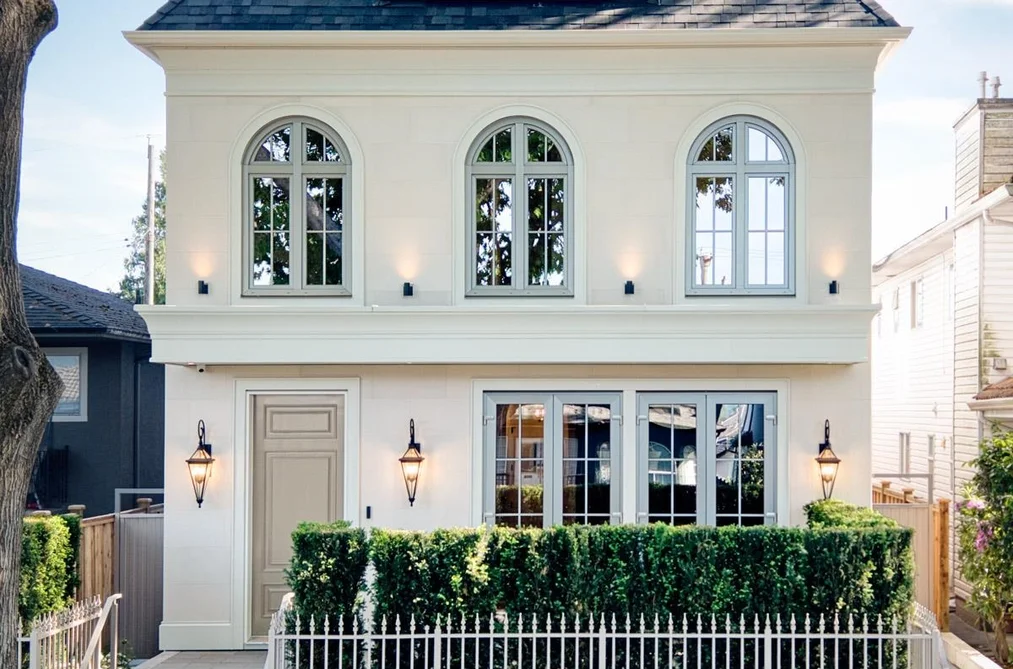
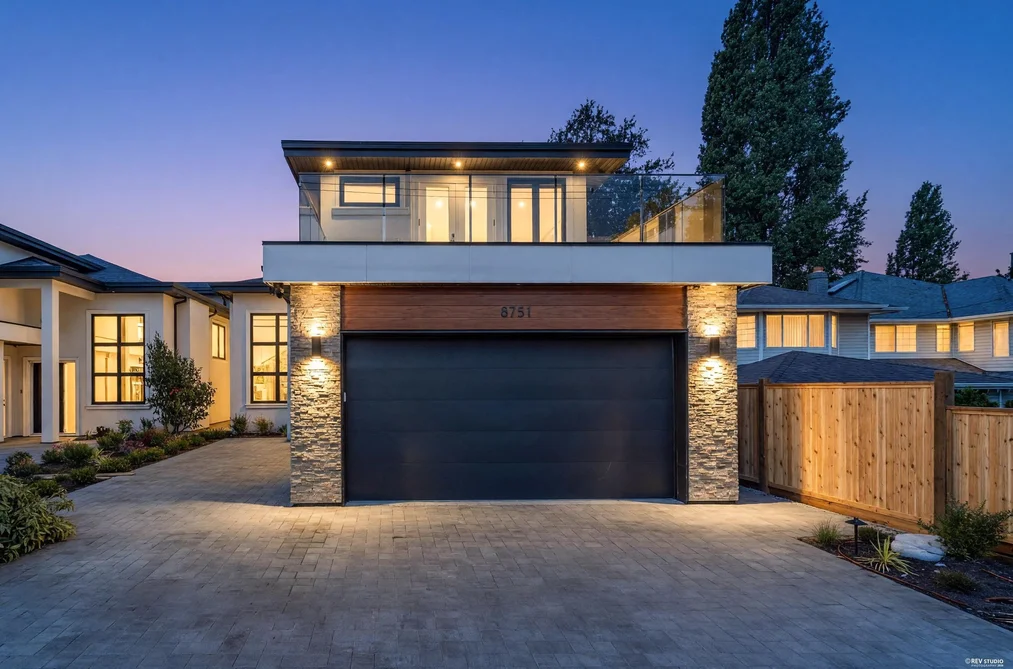
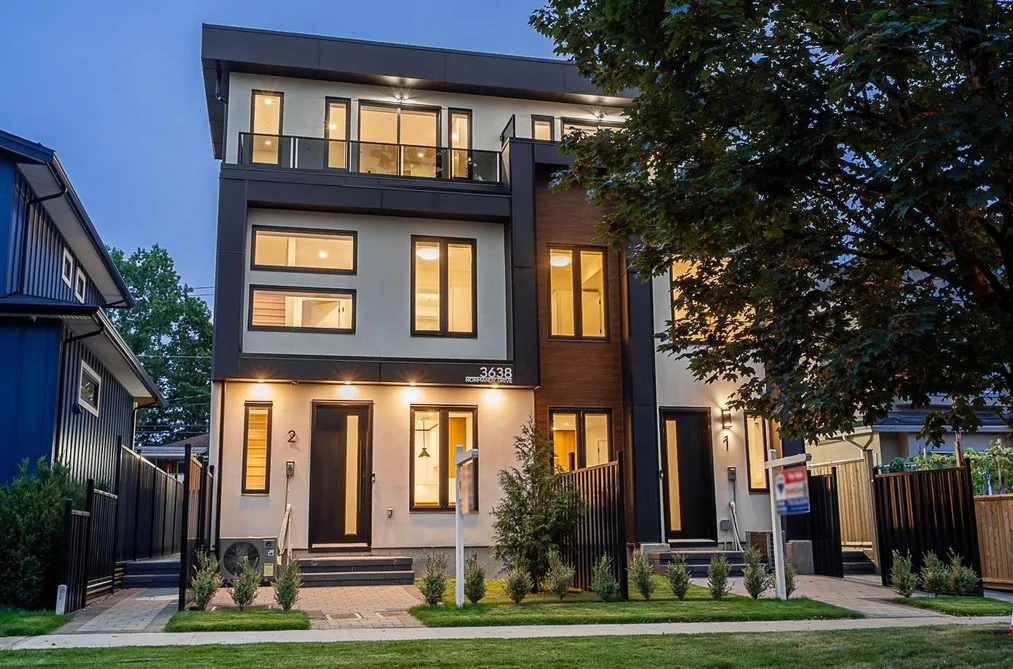
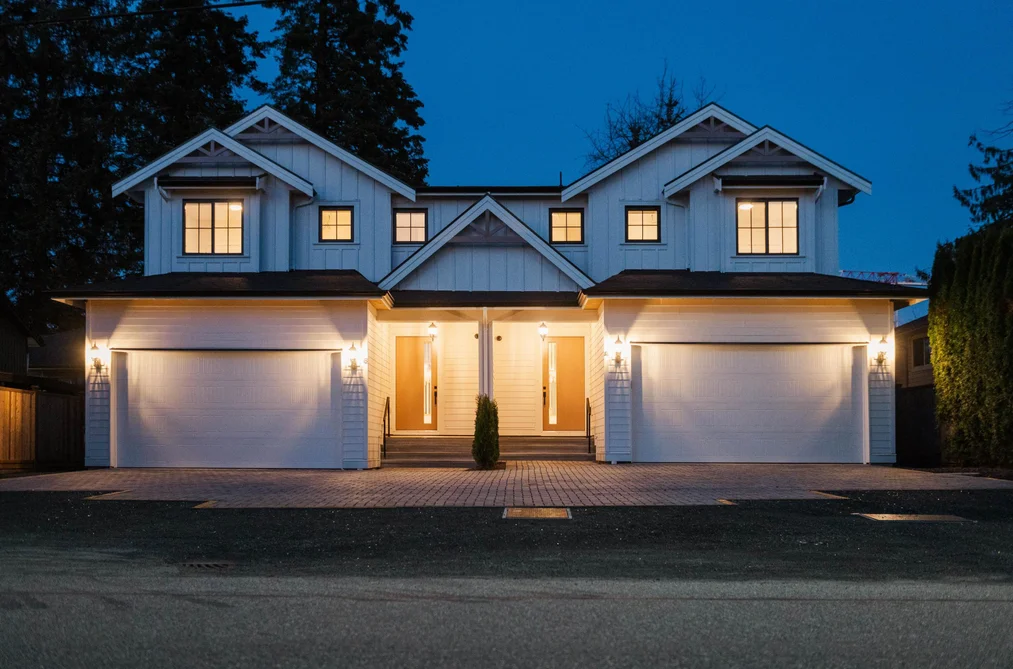
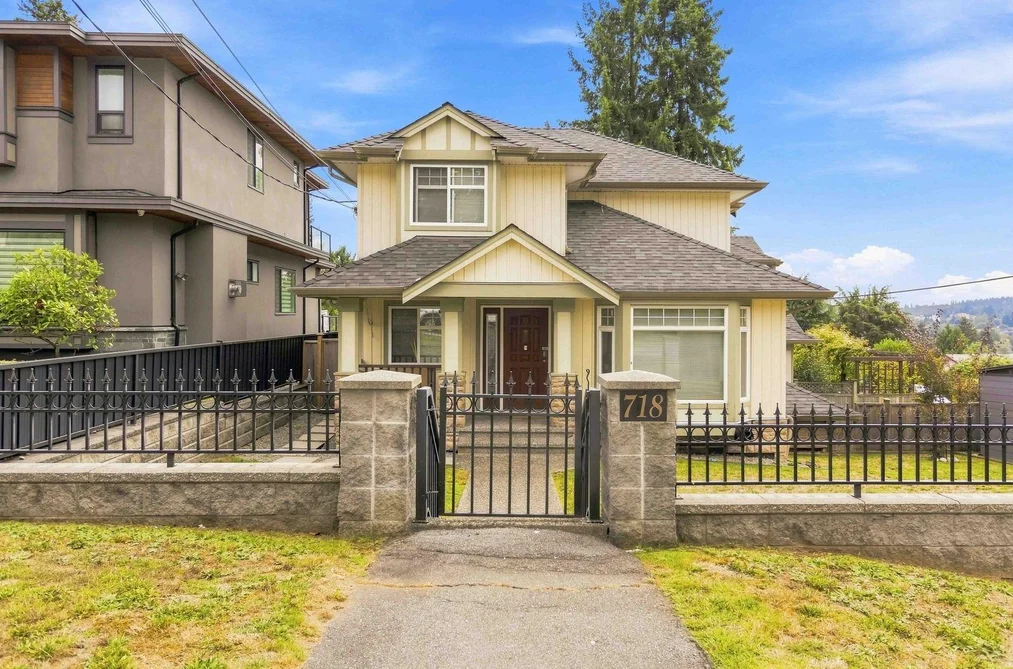
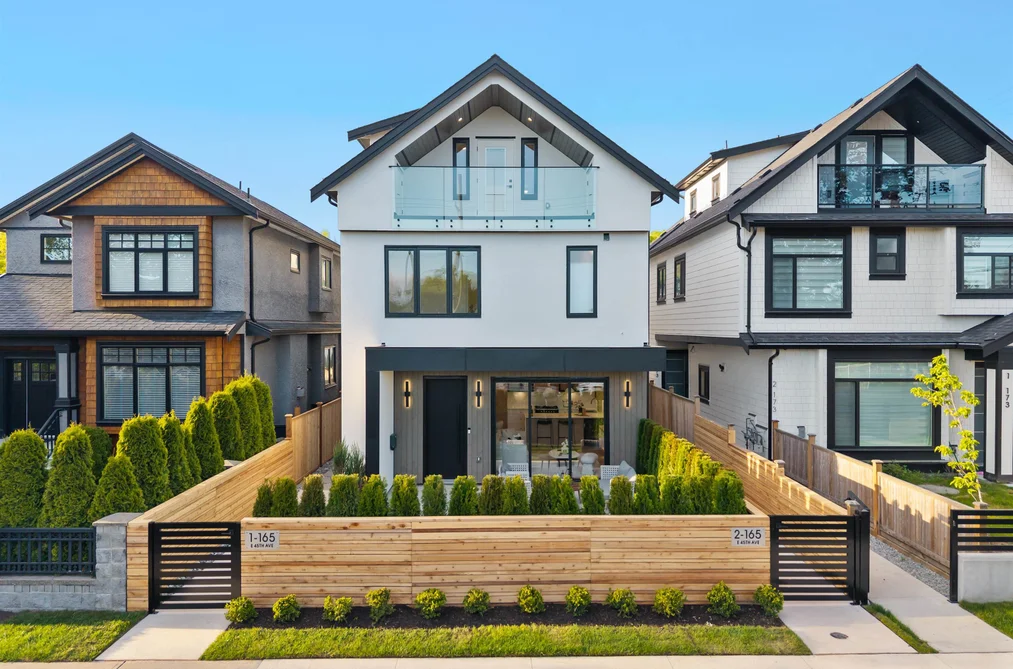
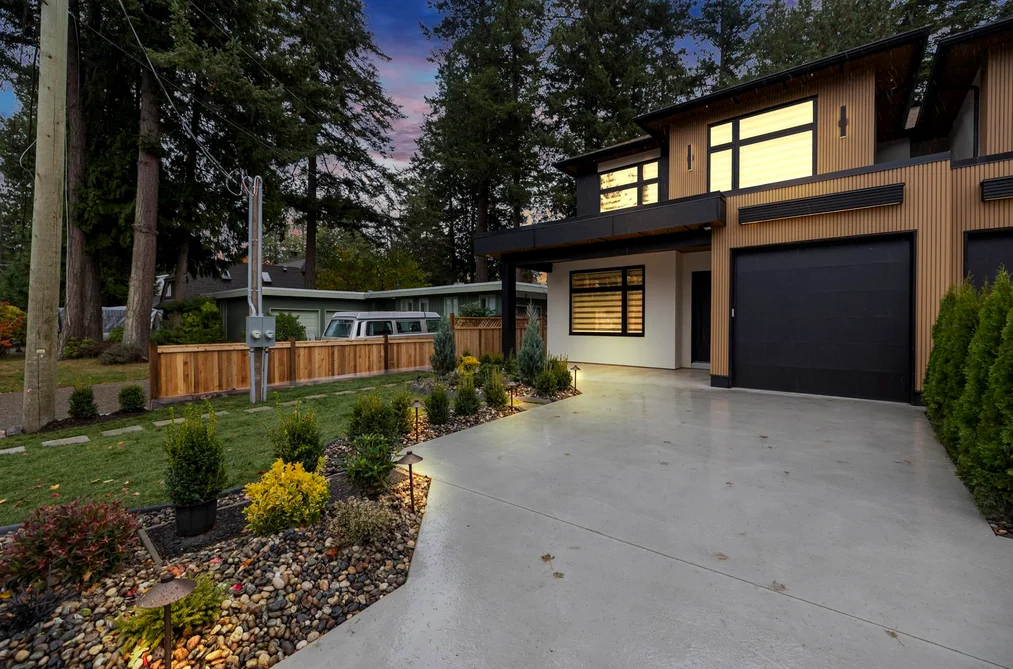
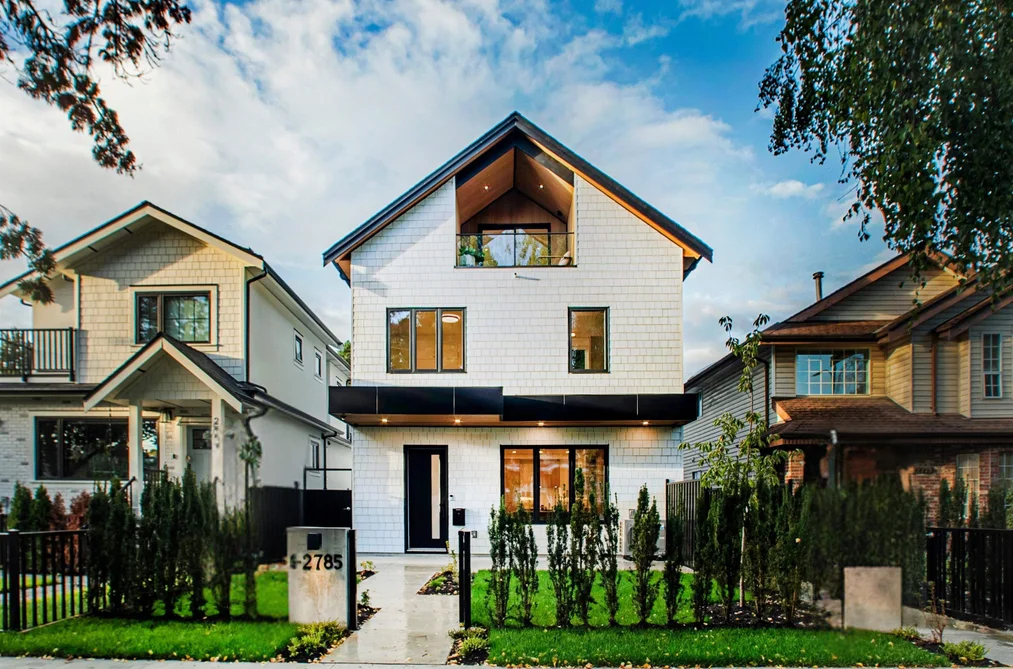
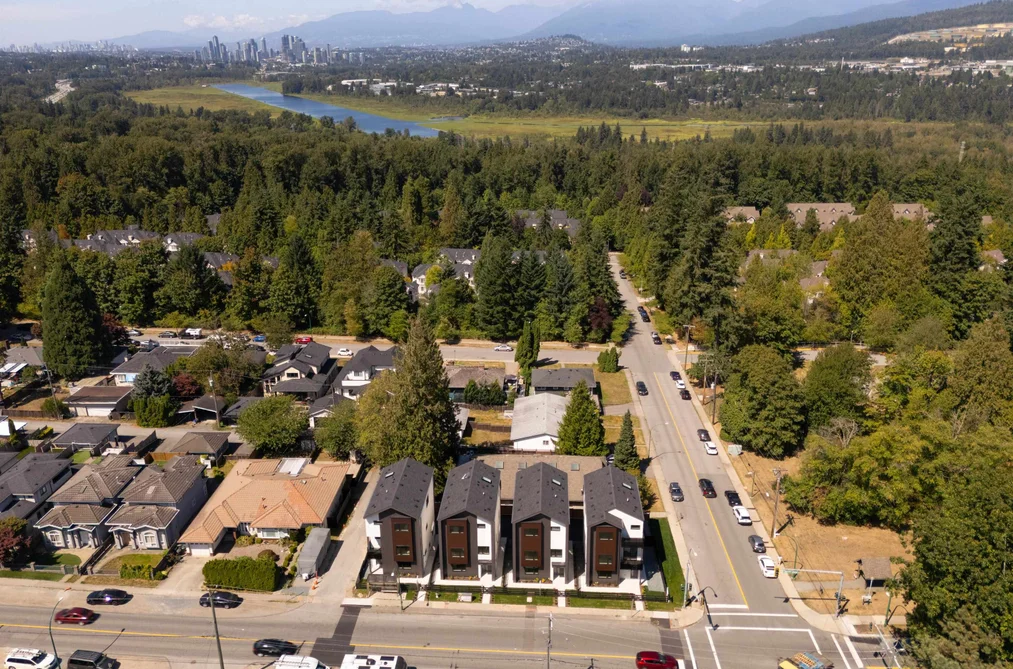
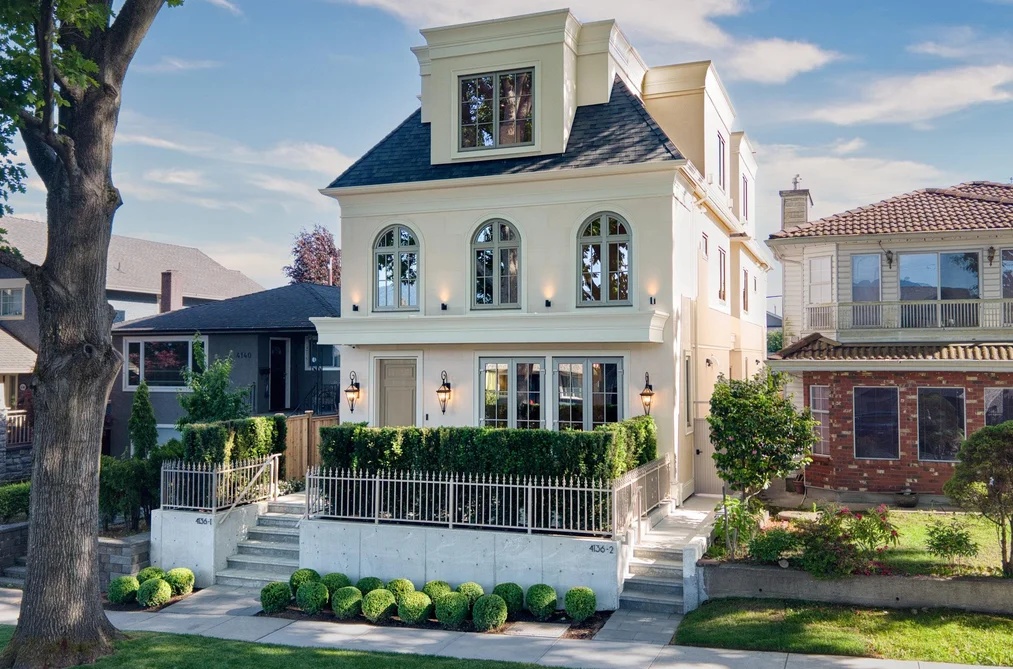
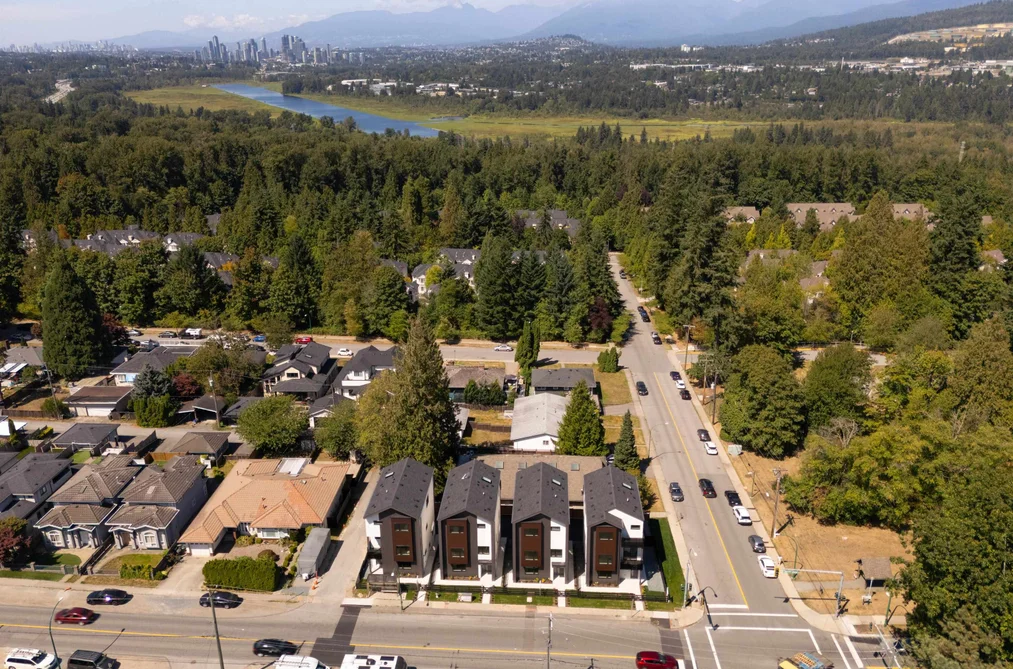
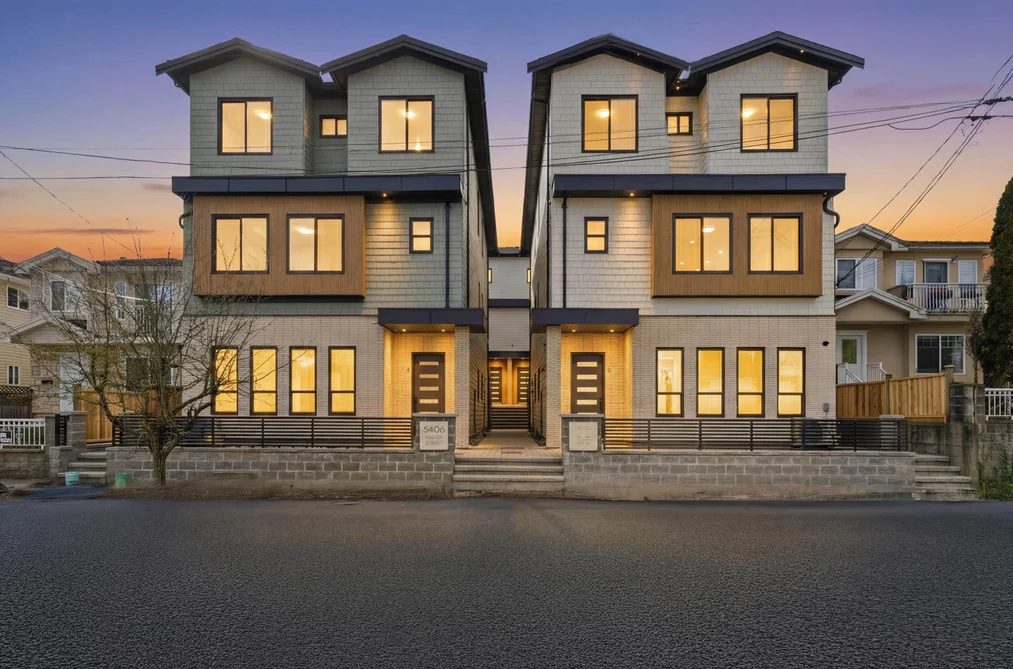
Half duplex homes for sale in Greater Vancouver are compared on strata plan type, party wall agreement terms, and which yard and roof sections you actually own — confirm all three on the MLS® listing before you book a showing.
A half duplex is one unit of a house with two self-contained halves, and the paperwork behind it varies far more than the buildings do. Some are registered under a strata plan with two lots and a contingency reserve fund; others are held jointly as a concurrent estate with no strata corporation at all. That single distinction changes your mortgage, your insurance, and who pays when the roof needs replacing. Ask your real estate agent or realty brokerage which structure applies before you tour, because it decides what questions matter for the rest of your search.
Compare the exterior split too. Side-by-side units usually give each household its own entrance, garage, outdoor space and yard, while front-back layouts often share a driveway or a single parking area. Walk the property line on the MLS® listings photos and confirm what is private and what is common property.
Buying a duplex draws two distinct households in Greater Vancouver: first-time buyers priced out of a detached house who still want ground-floor access and a yard, and down-sizers who want less maintenance than a detached home without moving into a condo. Both are buying the same thing — more space than an apartment, less upkeep than a single dwelling, at a purchase price between the two.
Geographically the housing stock concentrates in East Vancouver and Burnaby, where older lots were split decades ago, and across the Fraser Valley in Surrey, Langley and Abbotsford, where newer side-by-side duplex homes for sale are still being built. Vancouver BC listings tend to be conversions of existing houses; Fraser Valley stock is more often purpose-built, which usually means a cleaner strata plan and a documented party wall agreement.
Zone matters as much as neighbourhood. A multi-family home on a lot zoned for higher density carries different long-term options than one where the two units are the permitted maximum — and on some lots a triplex is permitted where a duplex stands today. Pull the zoning designation for the address rather than assuming it from the street.
Budget past the mortgage. Where a strata plan exists you will pay strata fees, and you should read what they cover — in a two-unit strata they are often minimal, which sounds attractive until you learn the contingency reserve fund holds almost nothing against a shared roof. Request the strata property act disclosure documents and the reserve fund balance during your subject period.
Where no strata corporation exists, the party wall agreement is the document that governs cost sharing on the wall, the roof and the exterior. If there is no registered agreement, you and your neighbour have no agreed mechanism for splitting a repair, and lenders and insurers both treat that as added risk. Have a lawyer review whatever agreement is on title before you remove subjects.
Insurance works differently as well. Ask your insurer whether the policy covers your unit only or the whole structure, because a half duplex claim can involve both households. Any shared amenity — a driveway, a fence line, a drainage run — should be named in writing rather than assumed. Confirm the cost before you finalize your offer rather than after.
Request the strata plan and read where the boundary line falls. It rarely follows the party wall exactly — one unit often owns a strip of the other's apparent yard, or a shared drainage run sits under a driveway that looks private. Confirm the two separate lot boundaries against what you saw on the tour.
Check the roof as one system, not two halves. A half duplex roof is usually continuous, so its age and condition affect both units and any replacement requires cooperation from your neighbour. Ask the listing agent for the roof age and any repair history, and have your inspector assess the whole structure rather than only your side.
Finally, confirm whether a suite exists and whether it is permitted. A half duplex with a legal suite gives you rental income toward your mortgage qualification, but only if the municipality has it on file. Request the permit history and ask your mortgage professional how much of that rental income your lender will actually count.