For Sale
2 days
- $390,000
- 1 bed
- 1 bath
- 502 sqft
MLS® R3169613
•Easy List Realty
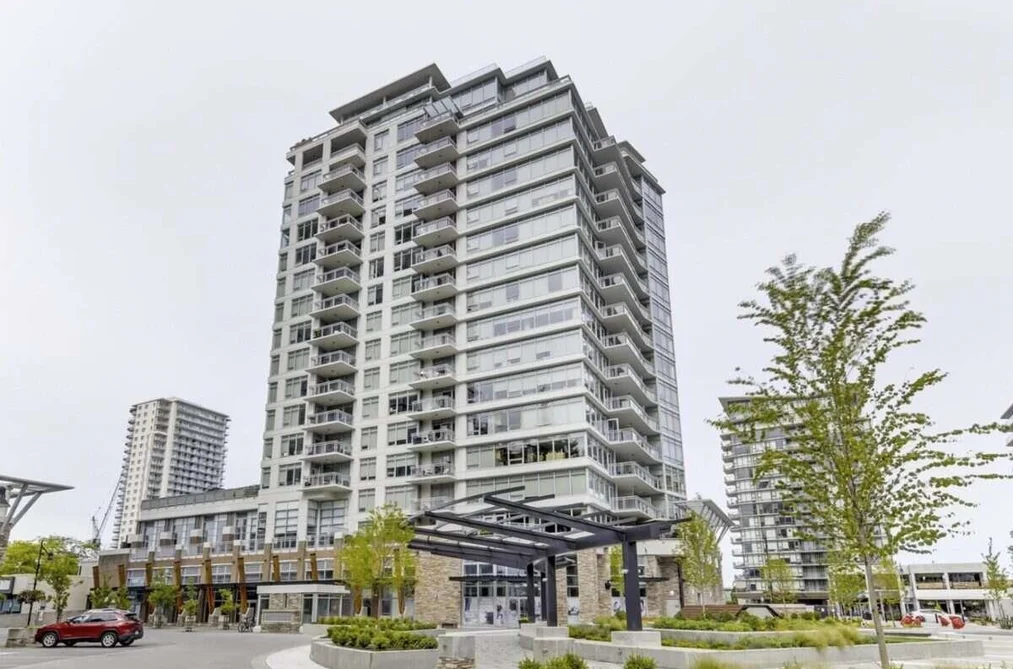
Browse Concrete homes for sale in Greater Vancouver and learn how concrete construction changes sound, fire safety, renovations and strata costs before you offer.
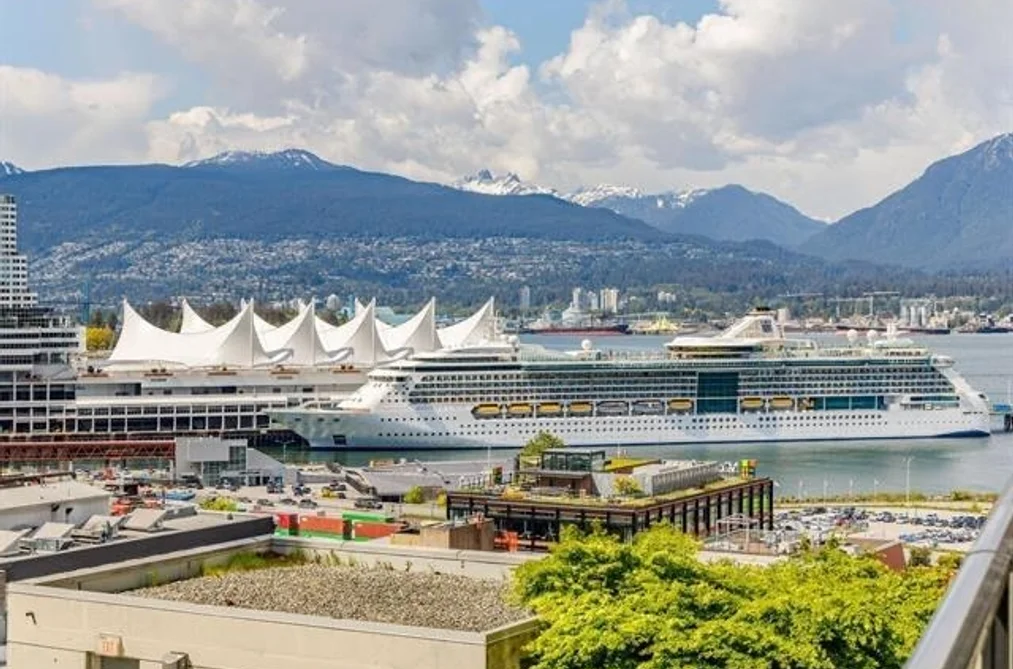
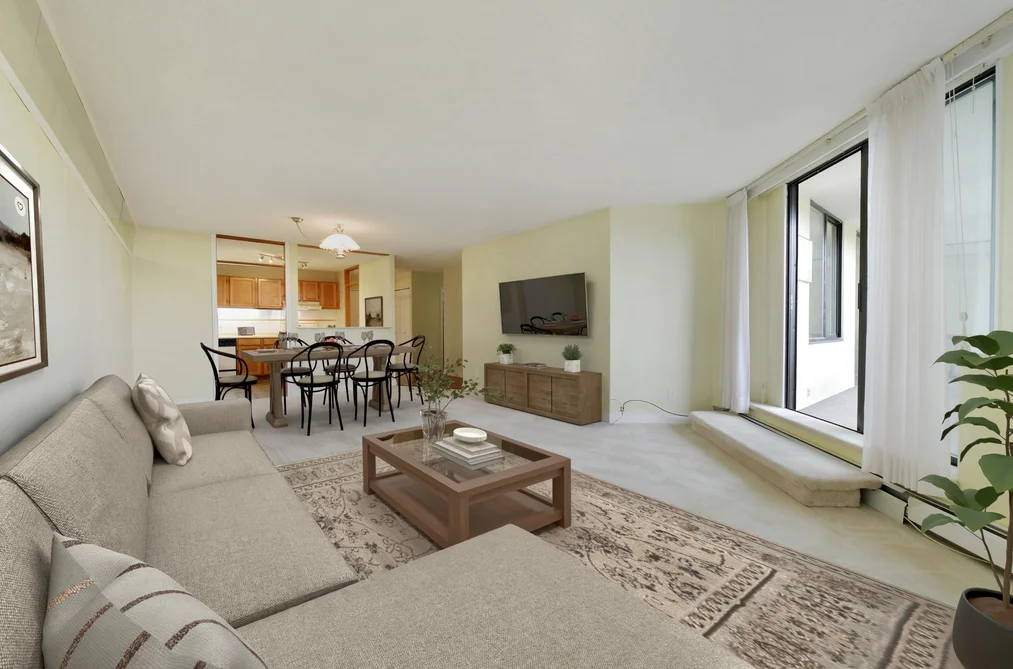
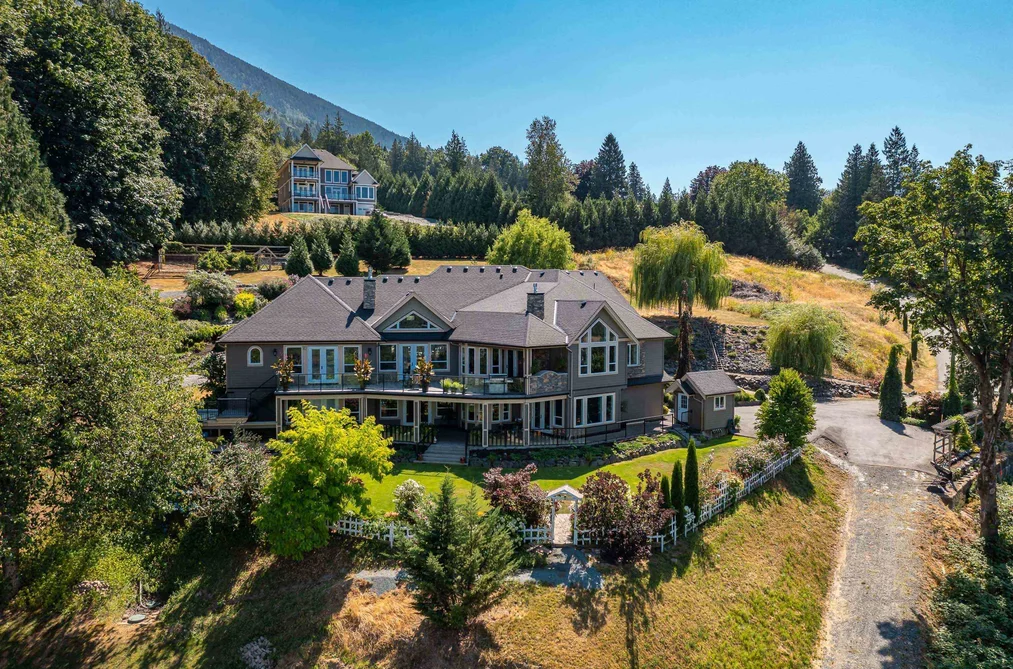
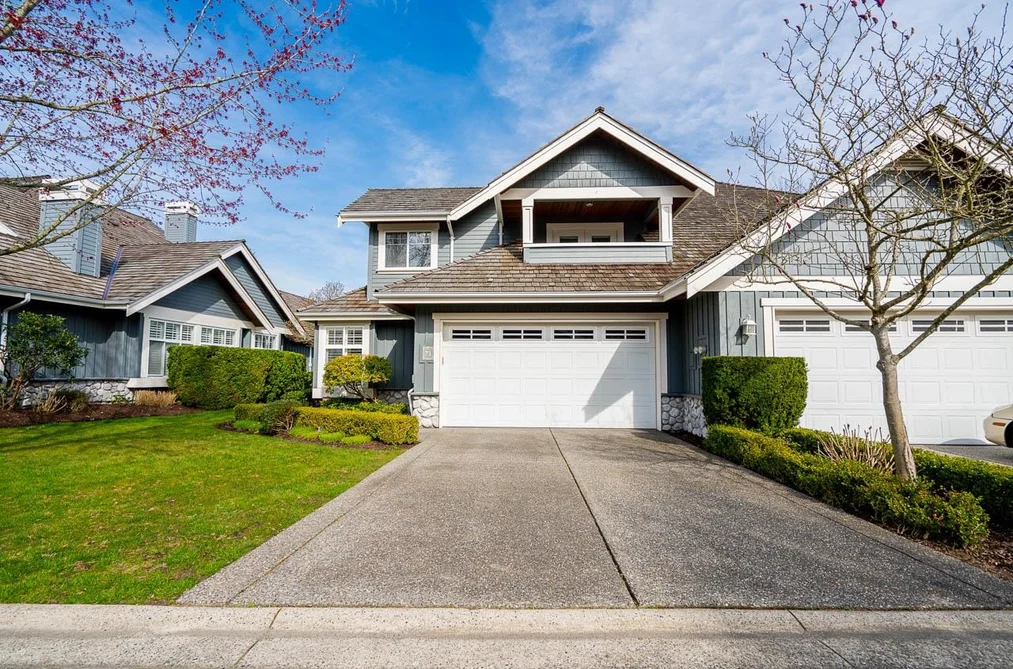
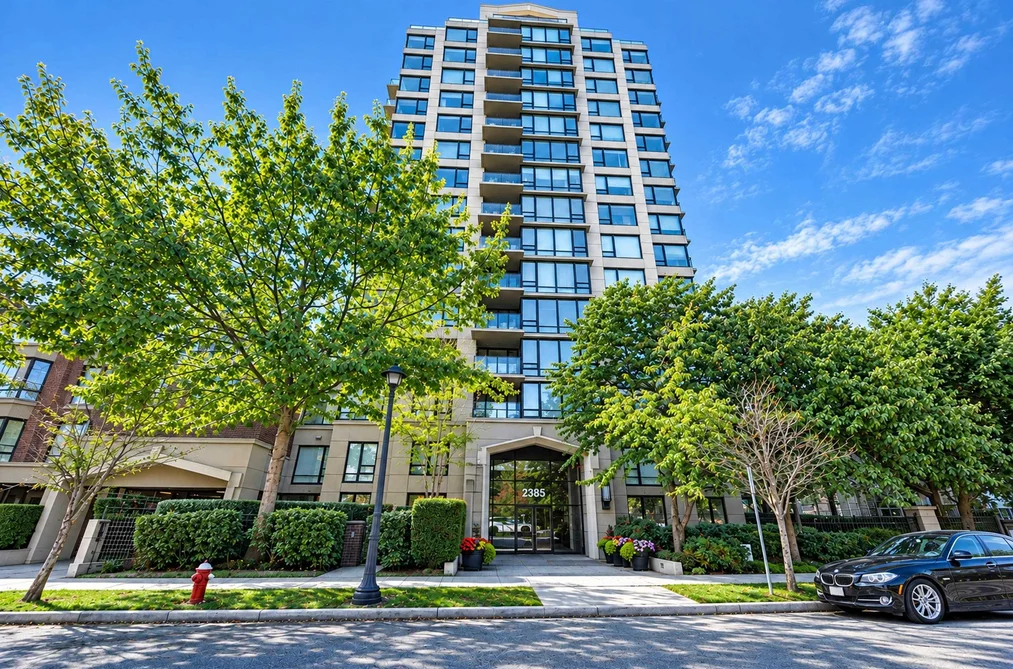
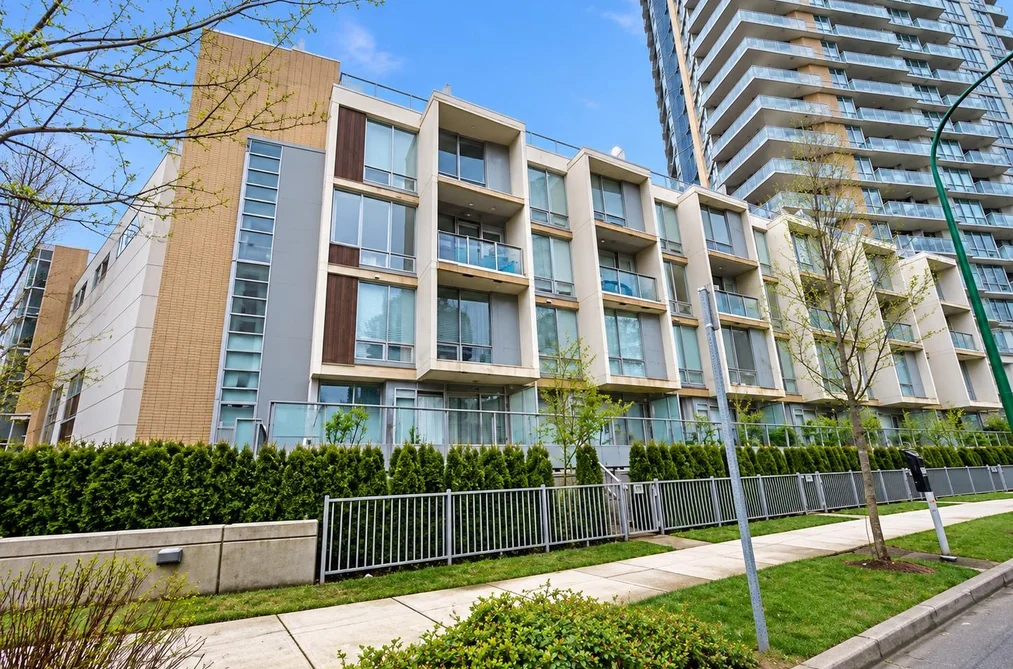
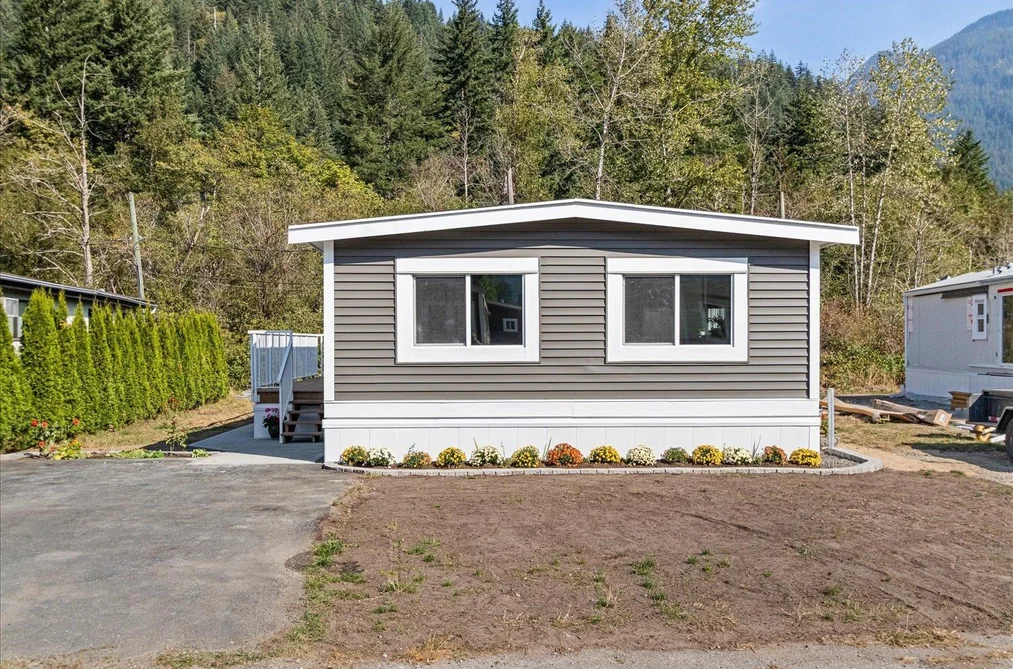
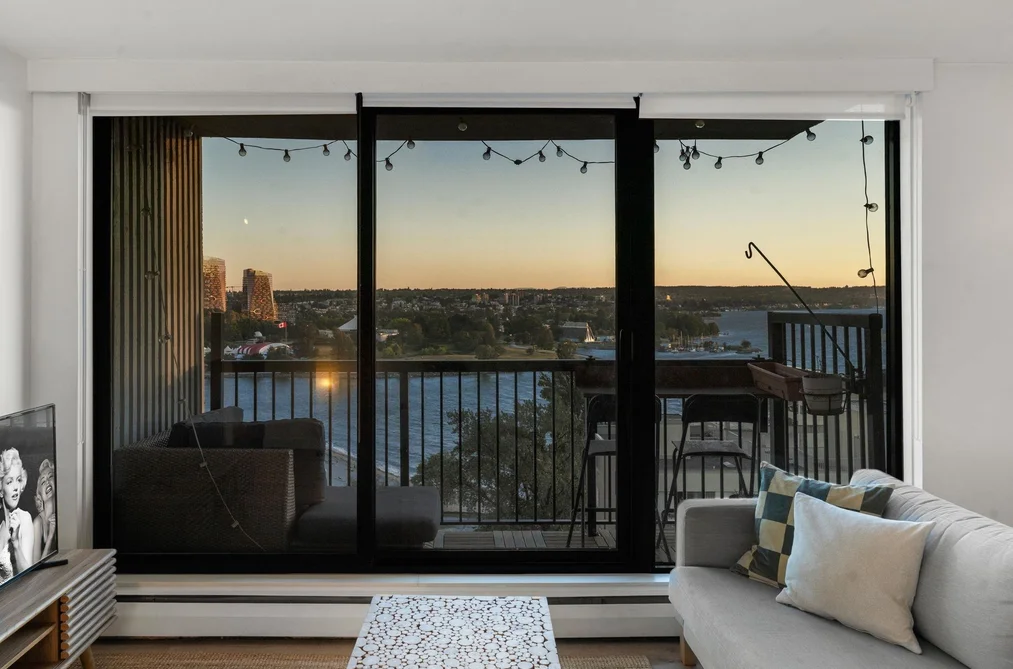
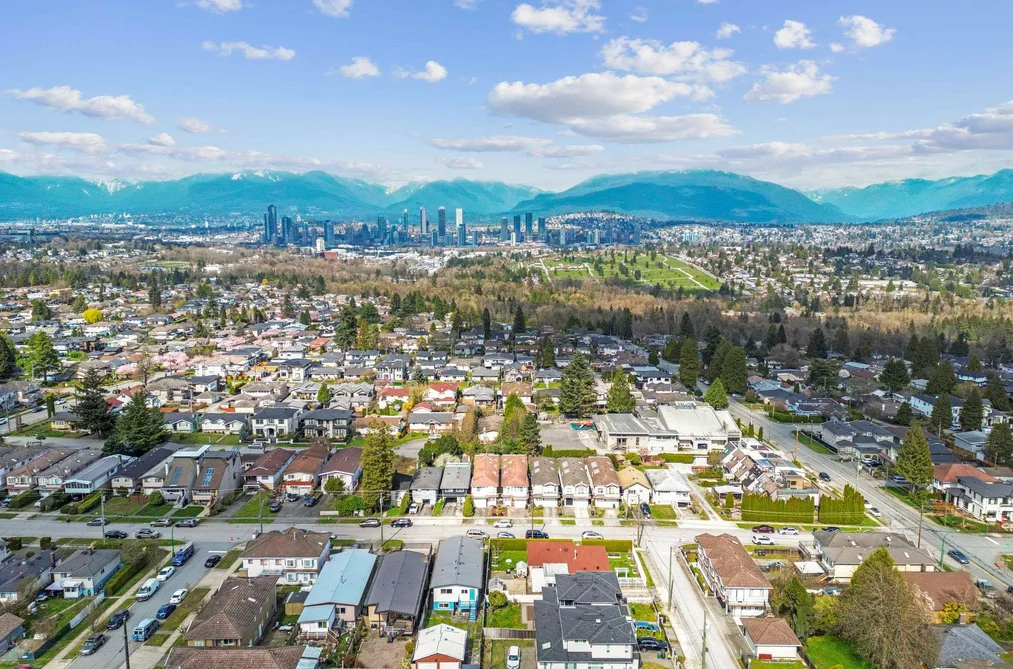
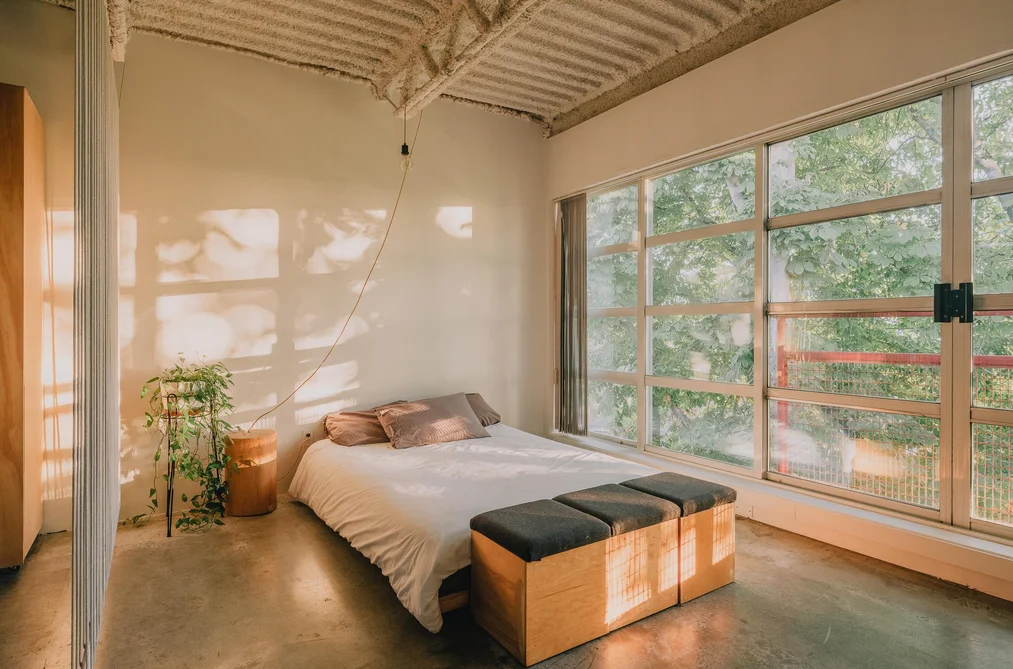
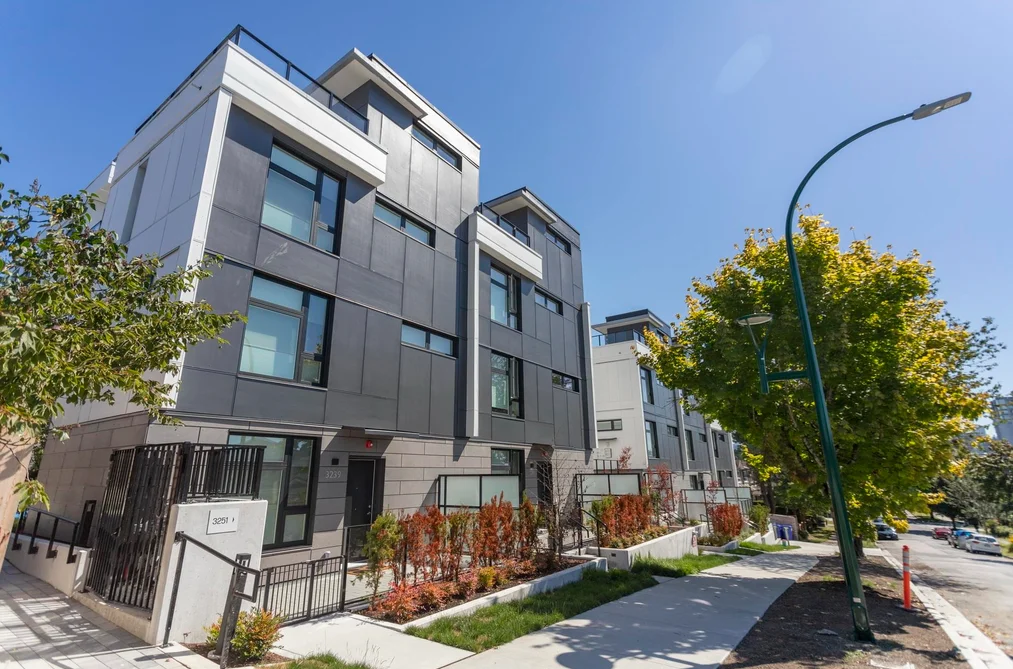
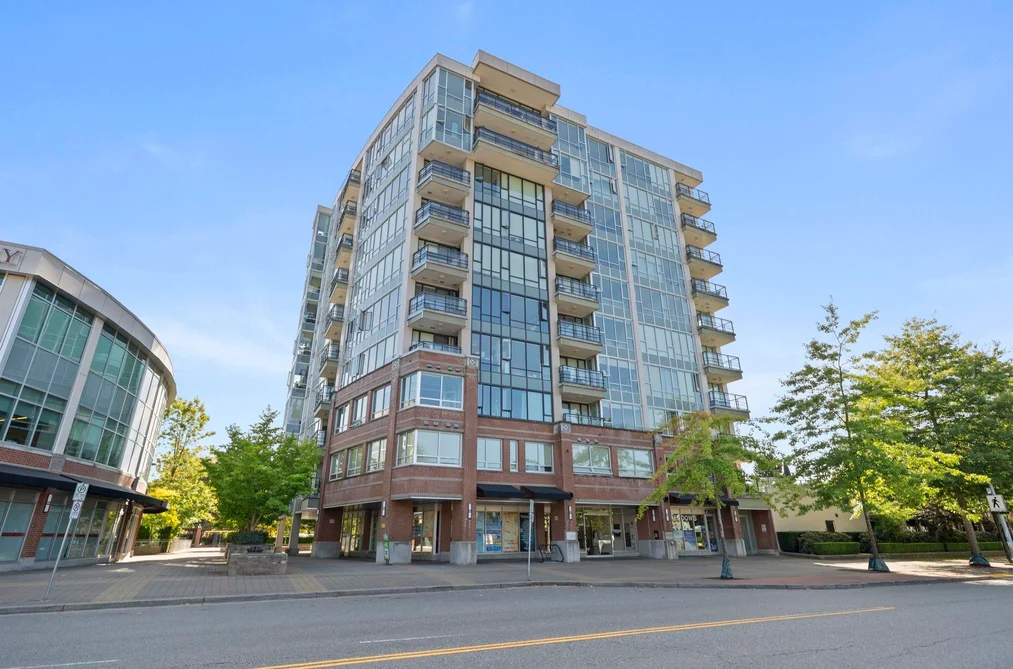
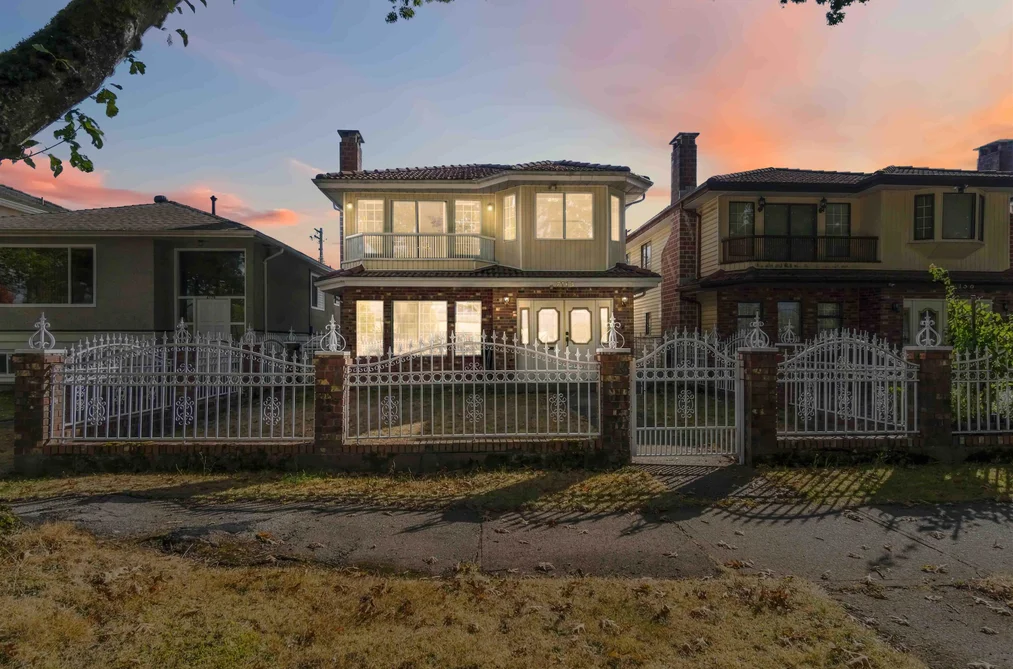
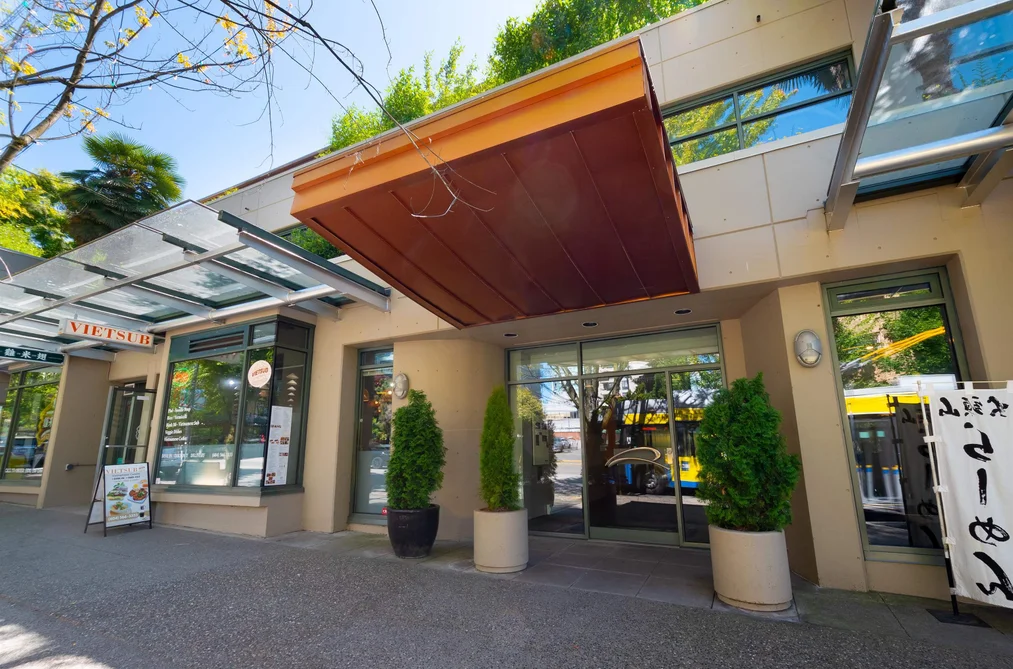
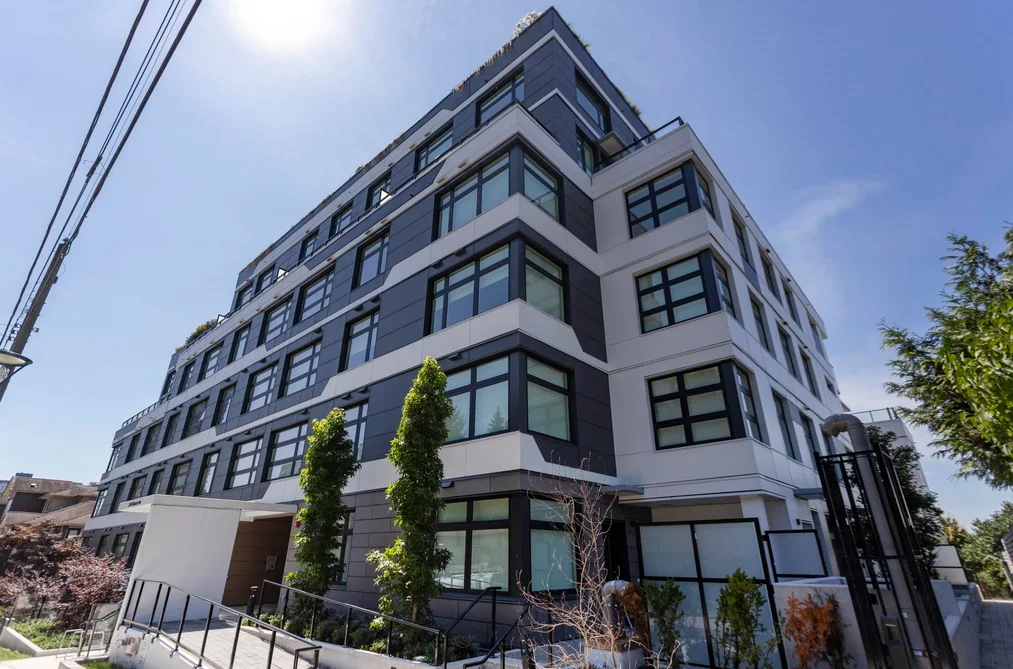
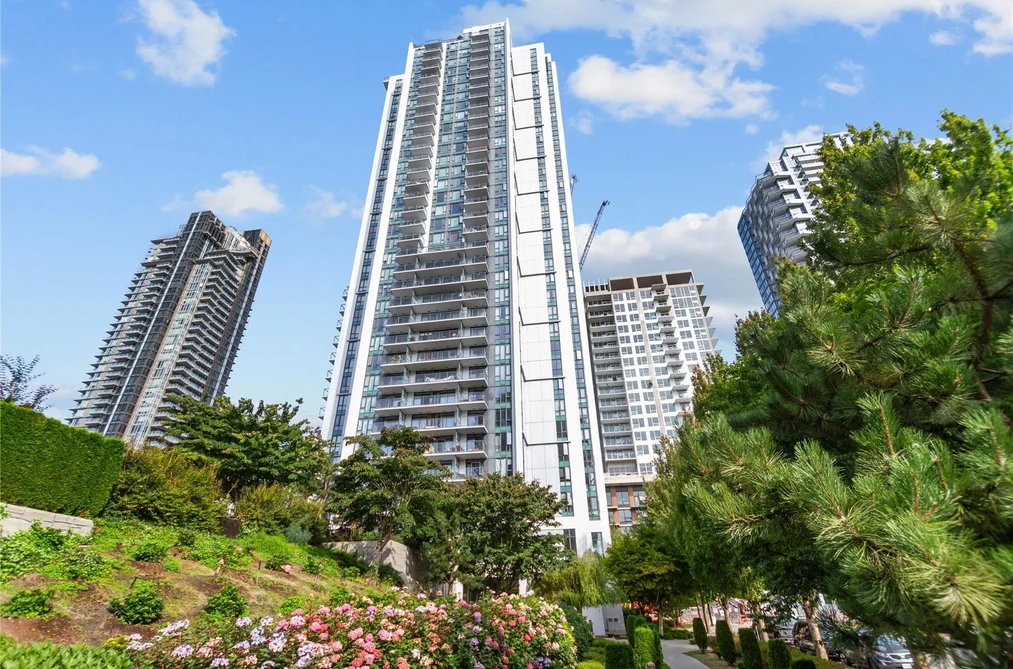
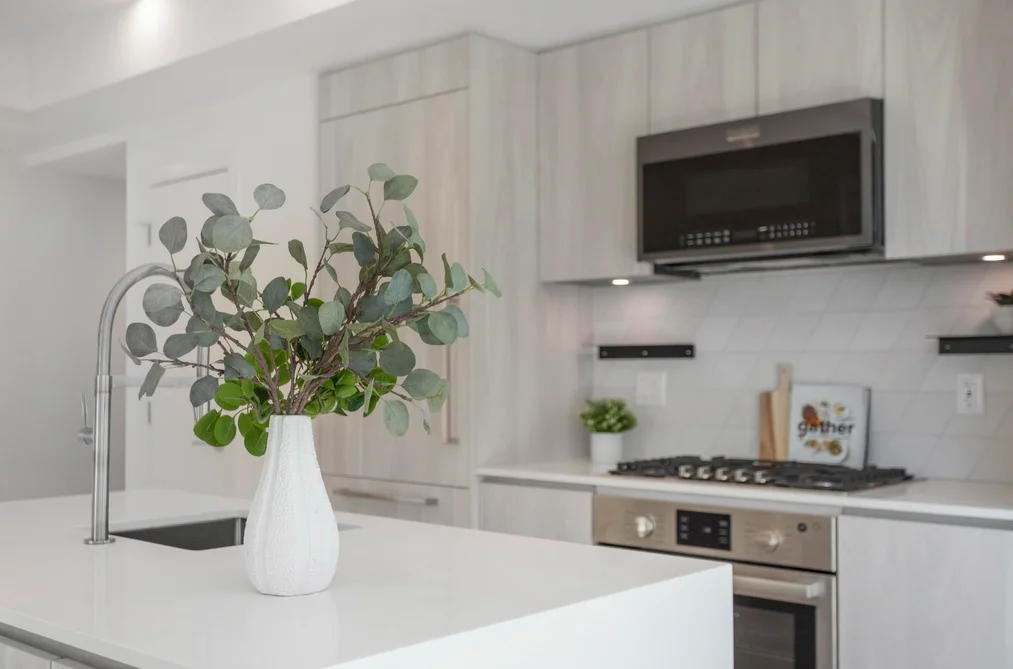
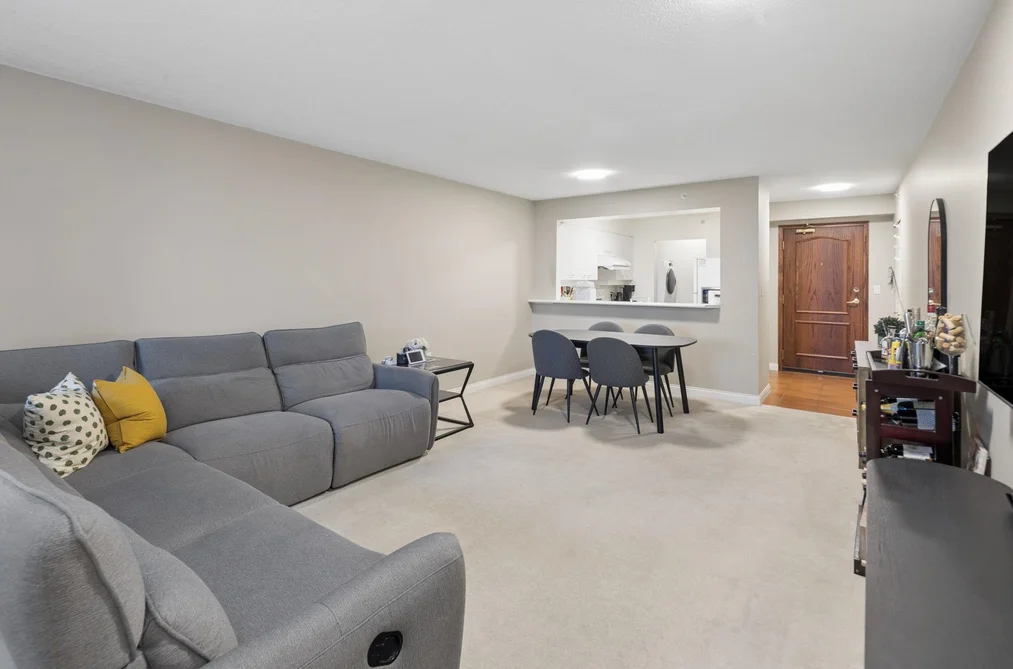

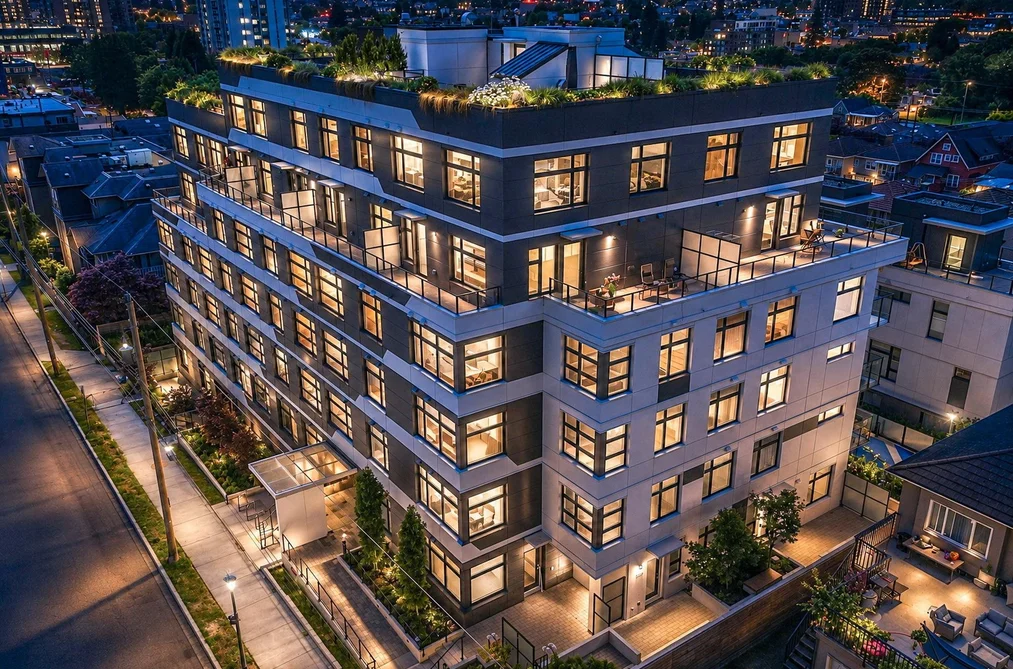
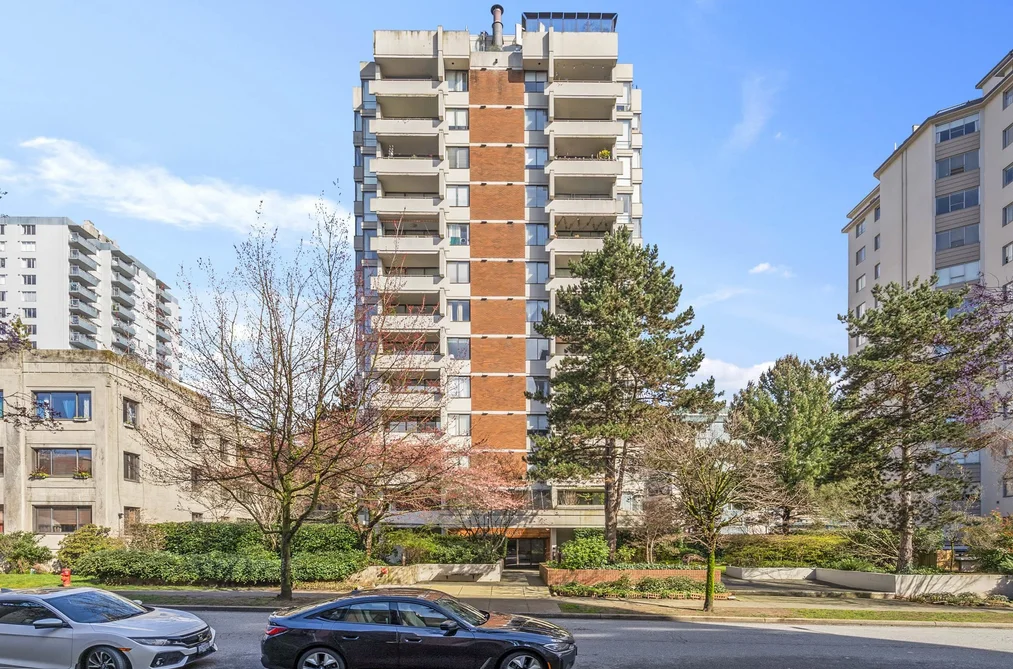

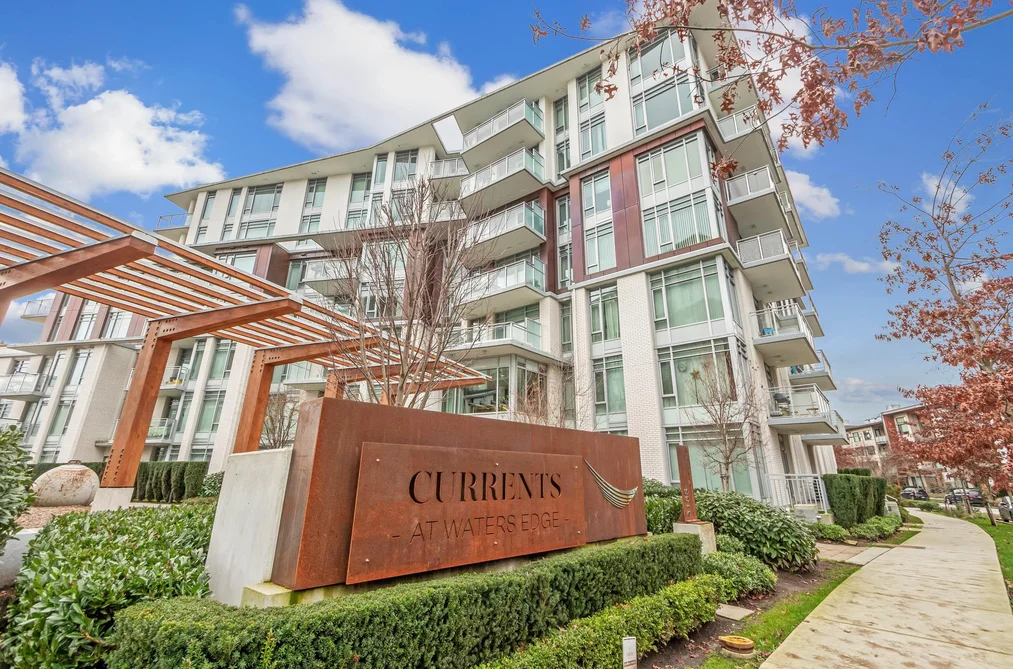
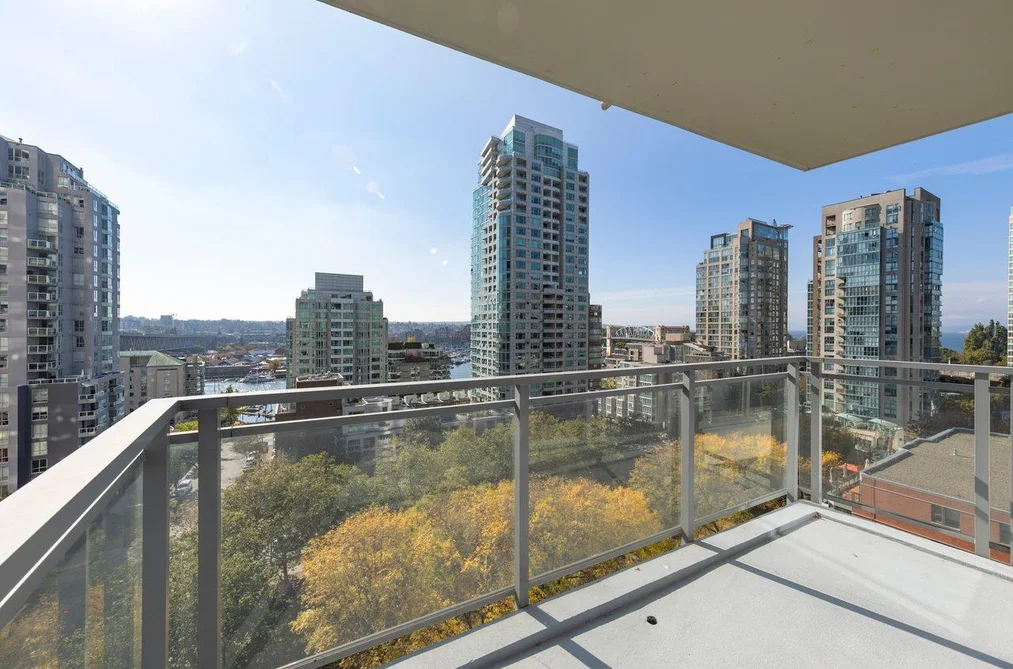
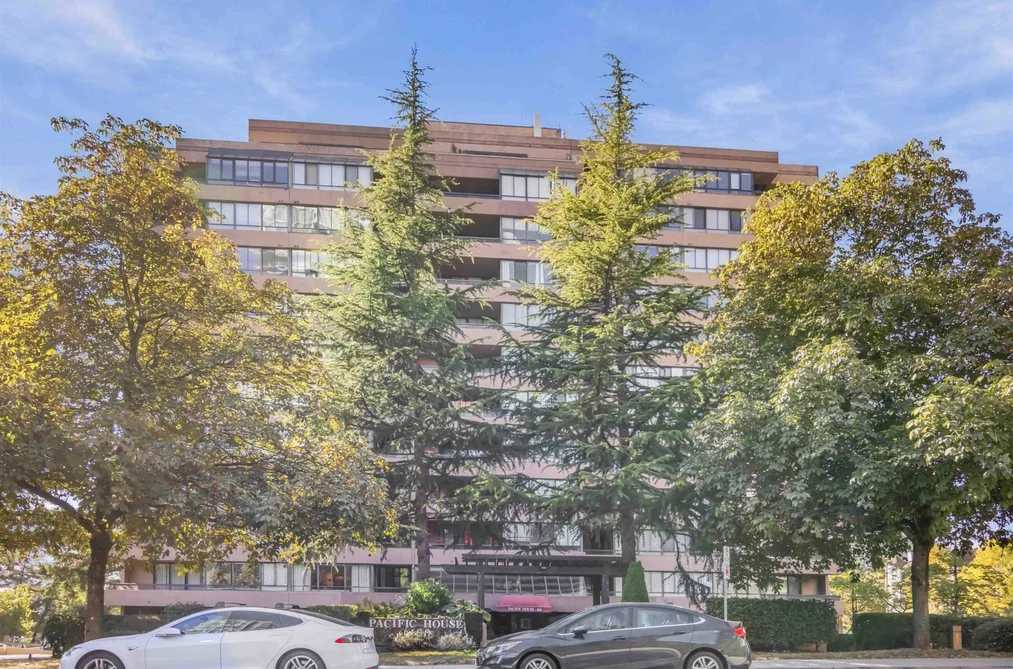
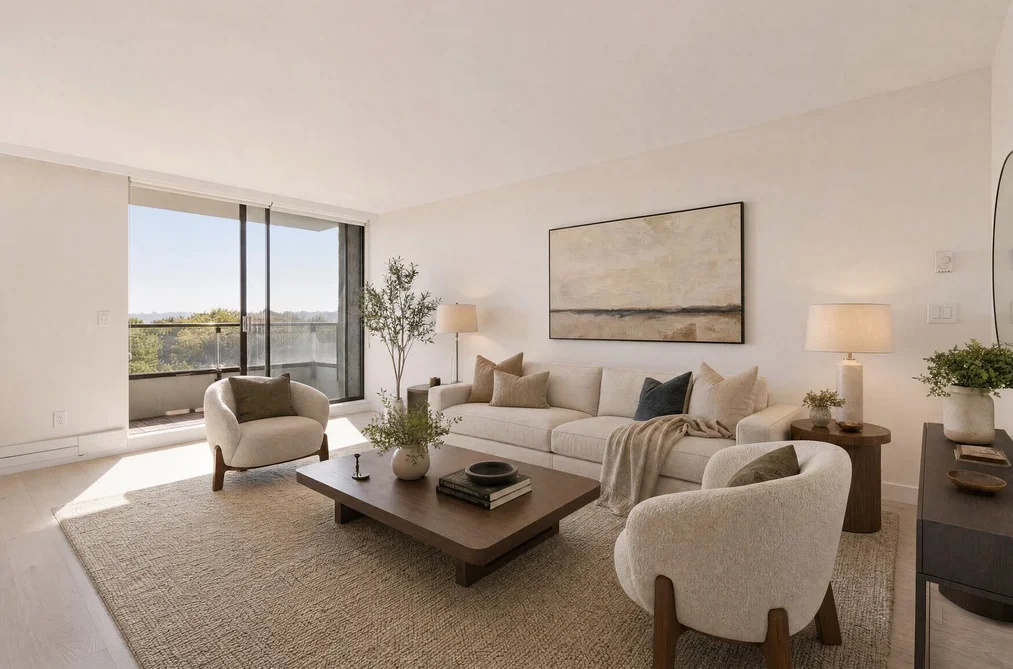
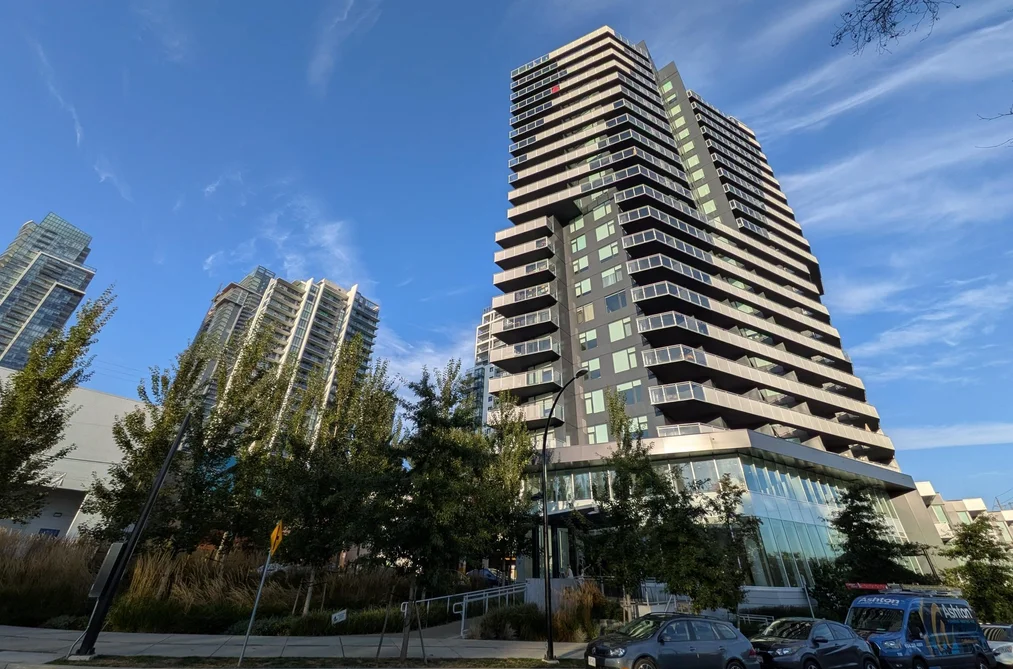
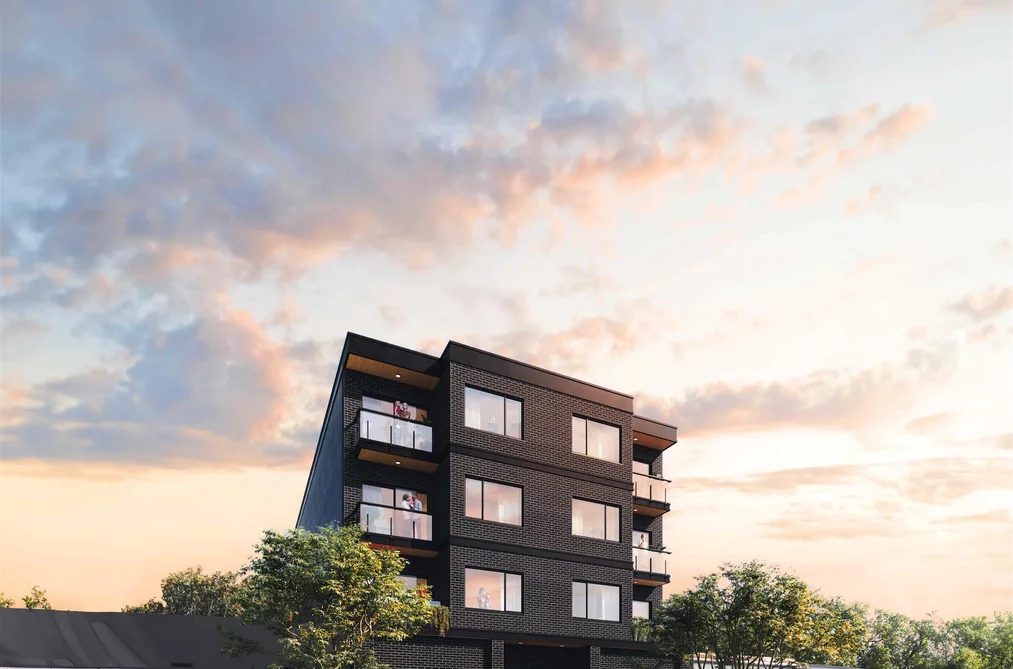

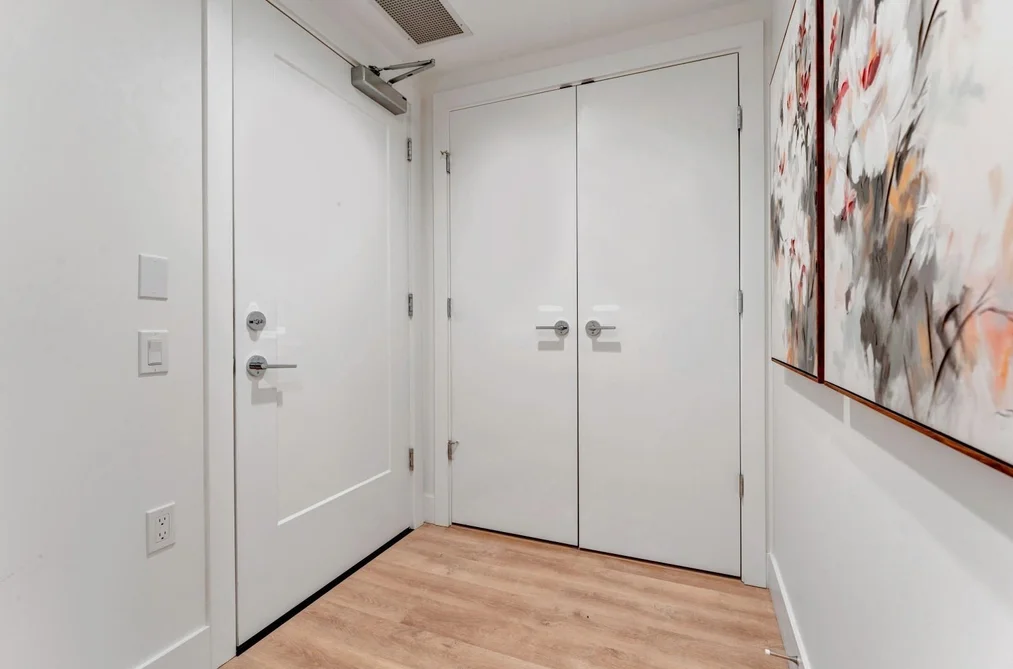
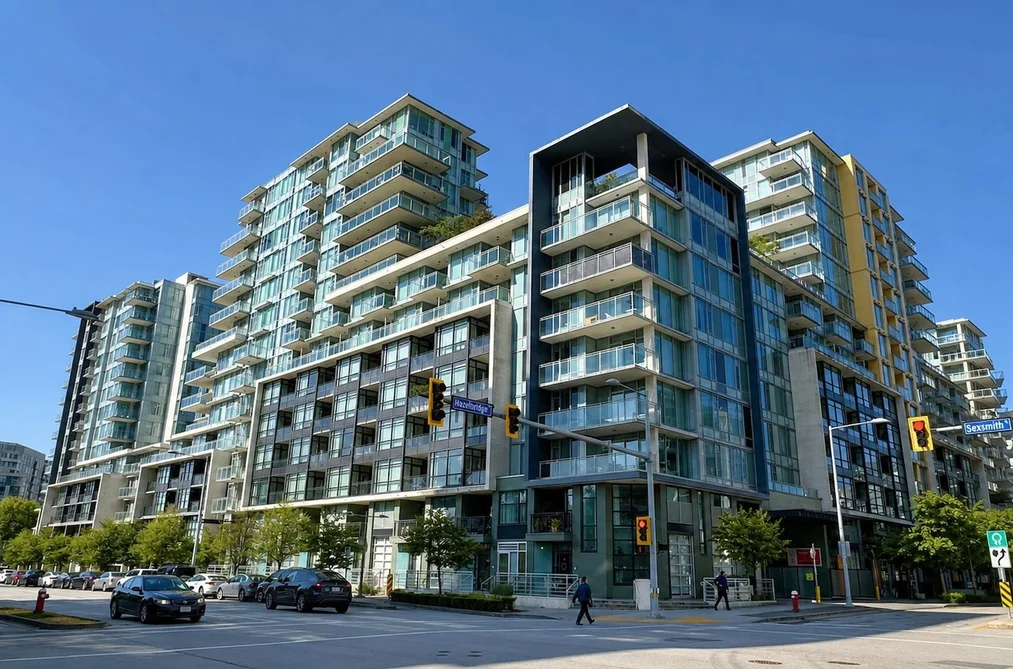
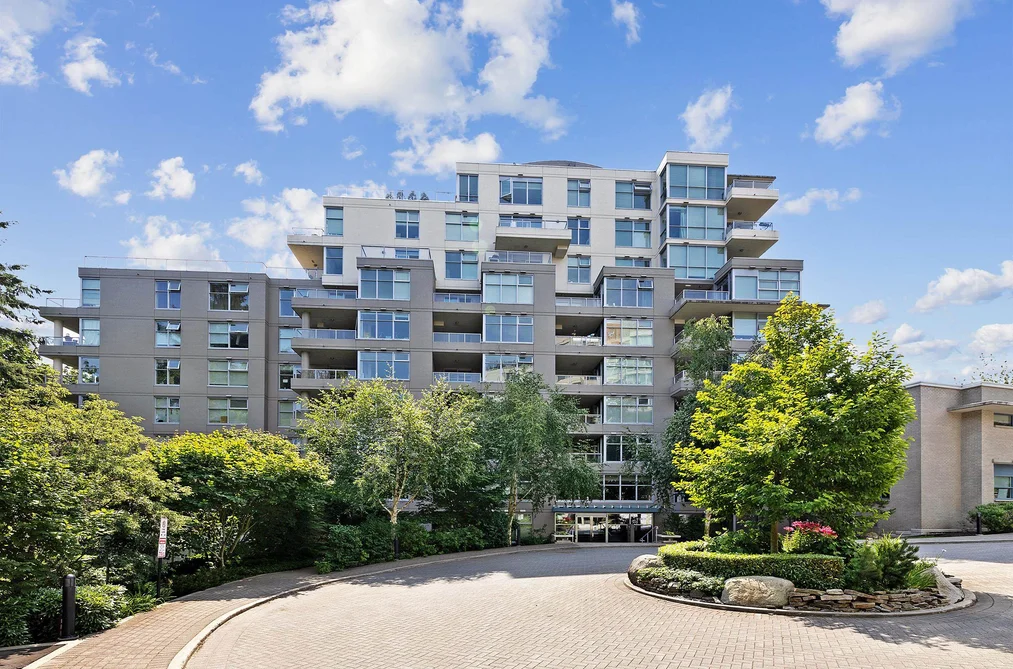
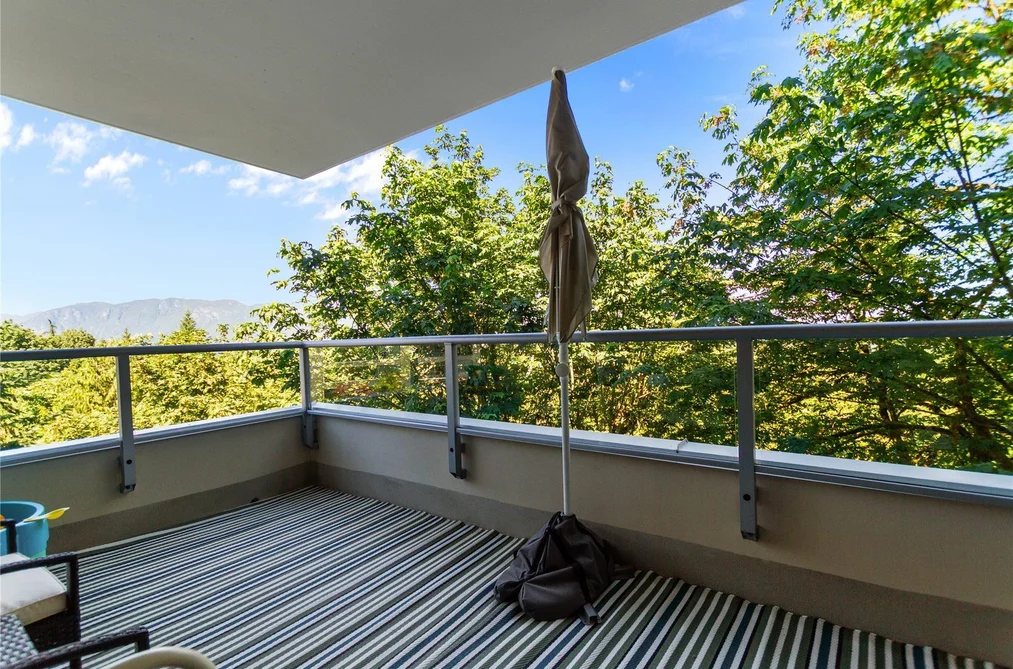
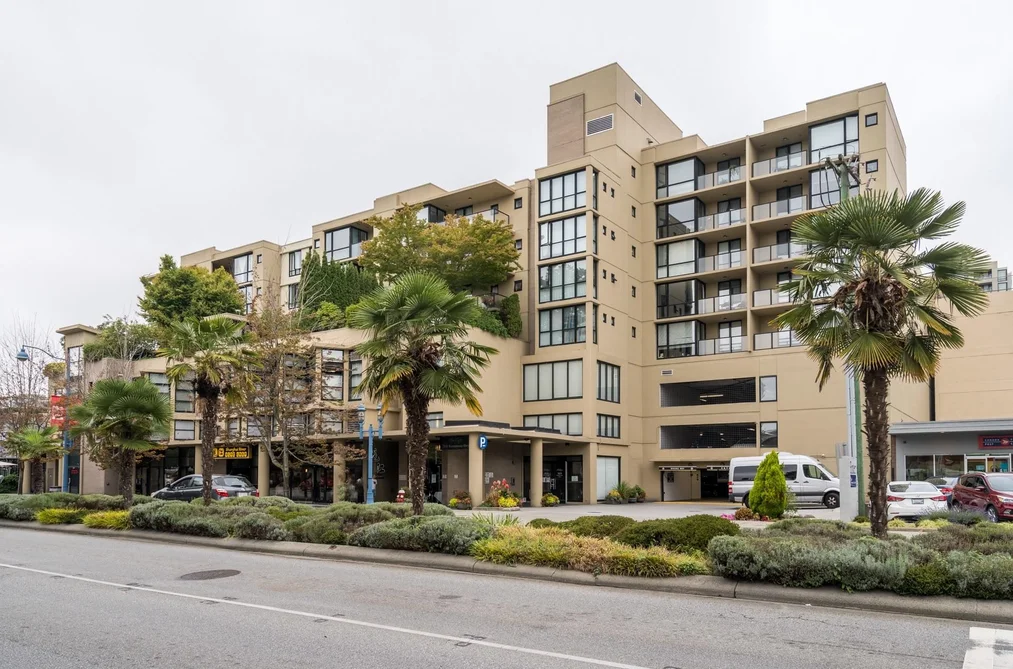
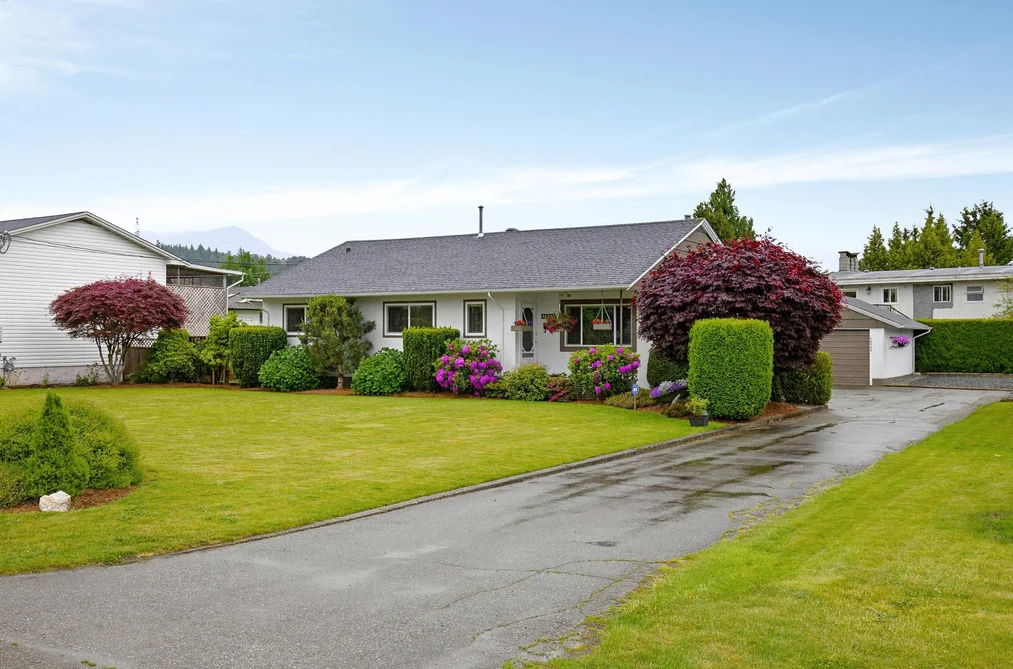
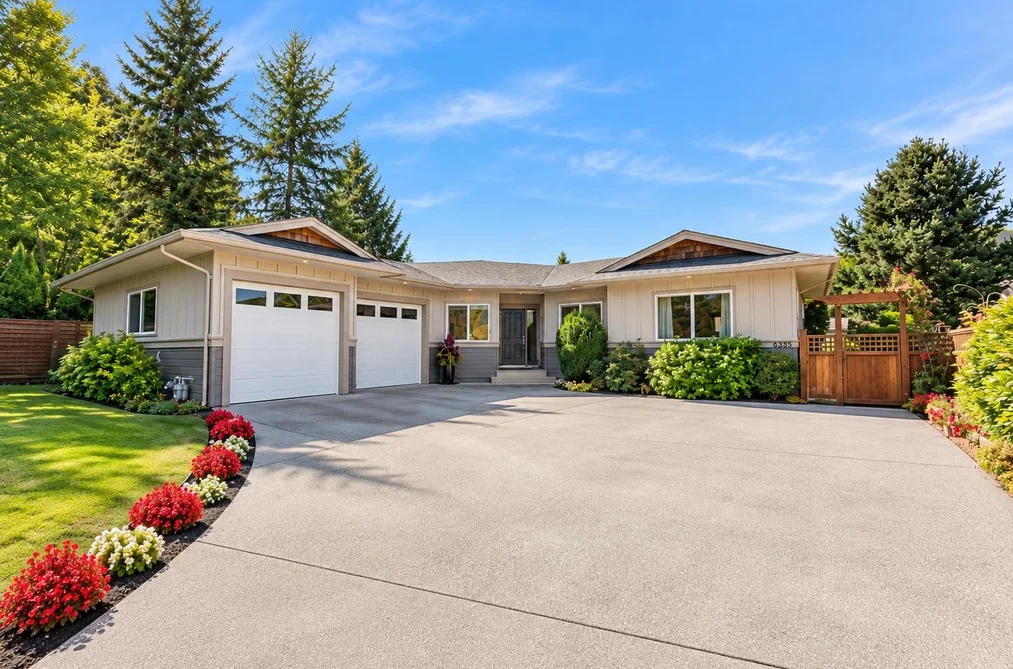
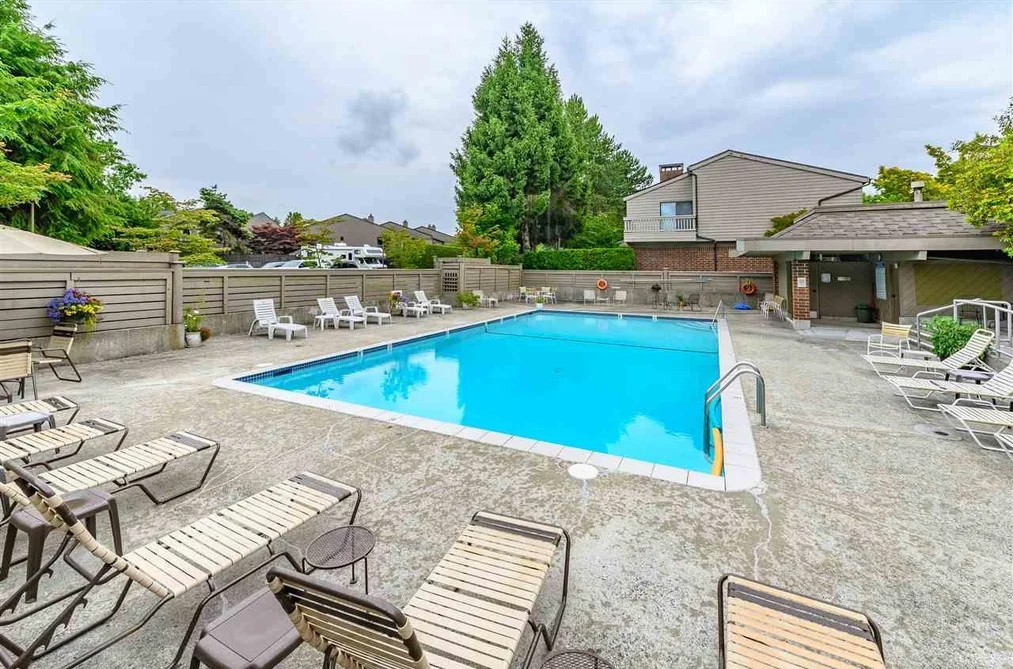
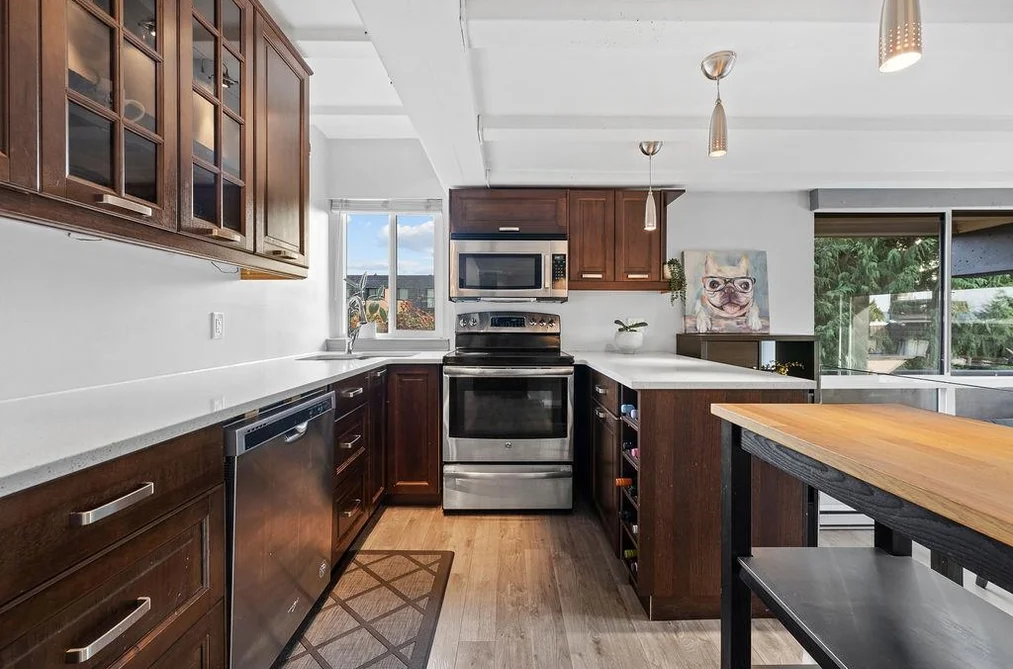
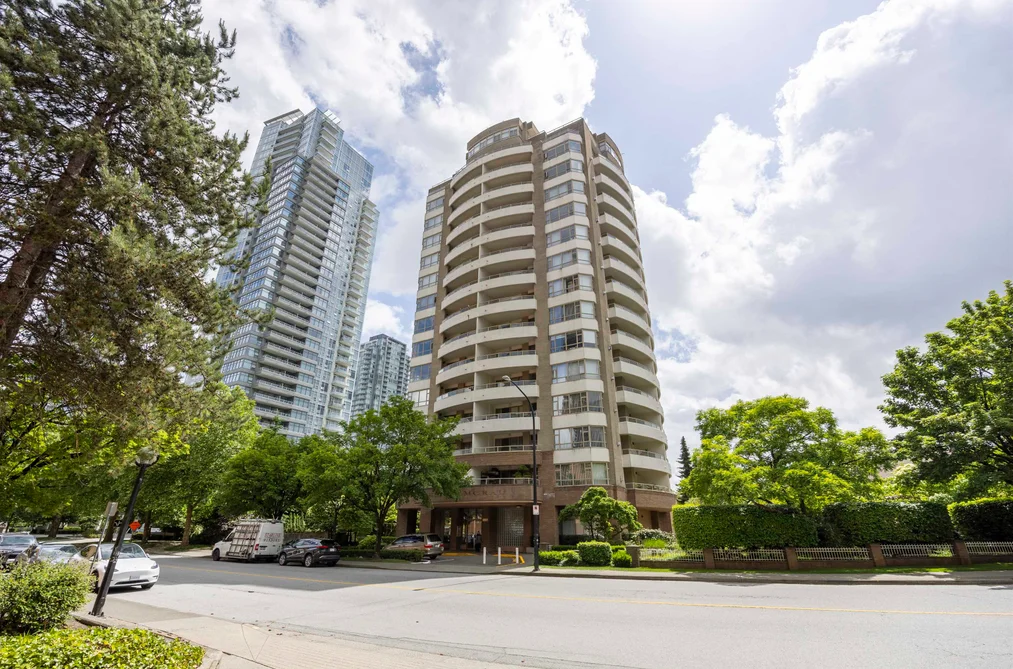
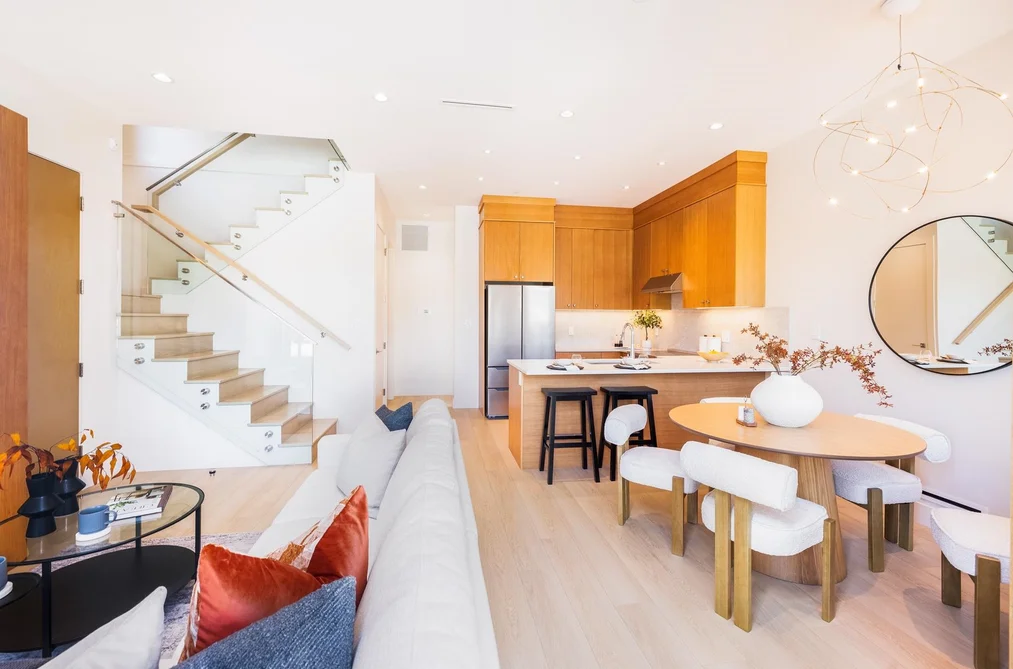
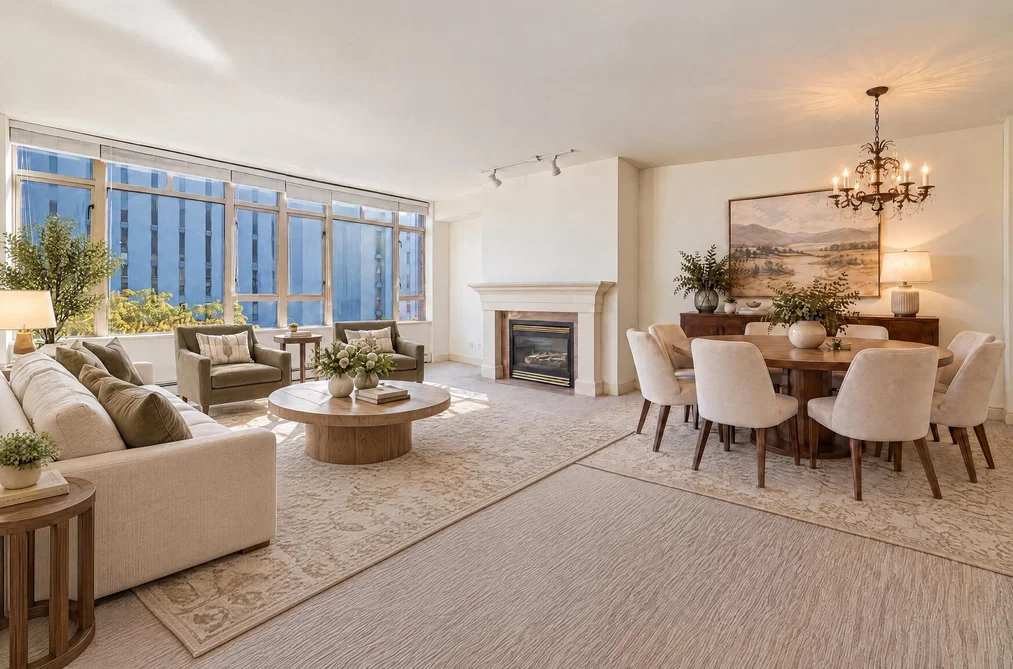
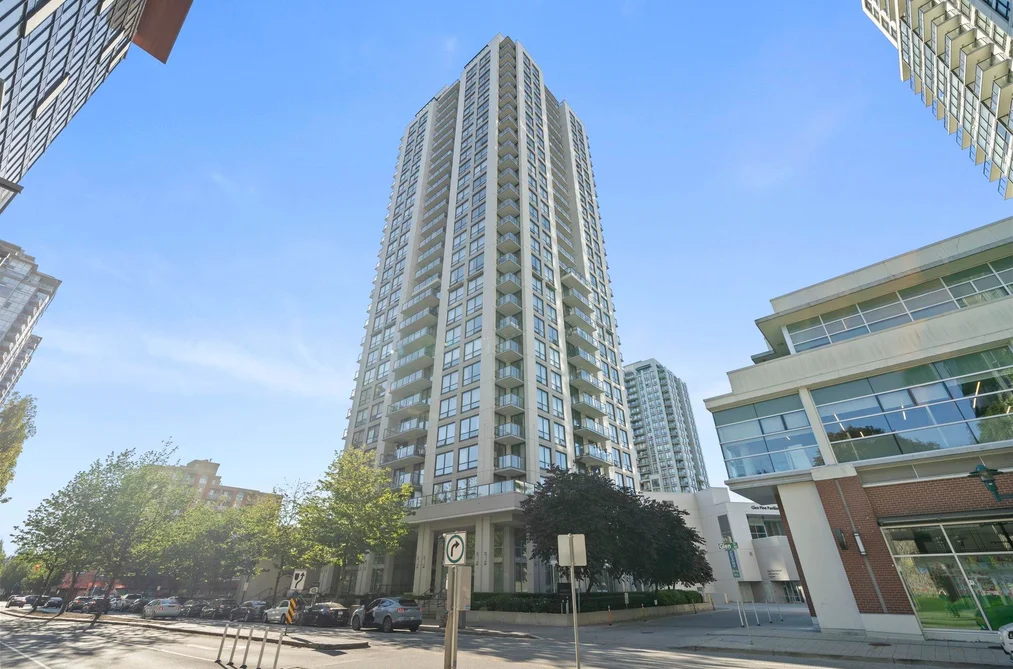
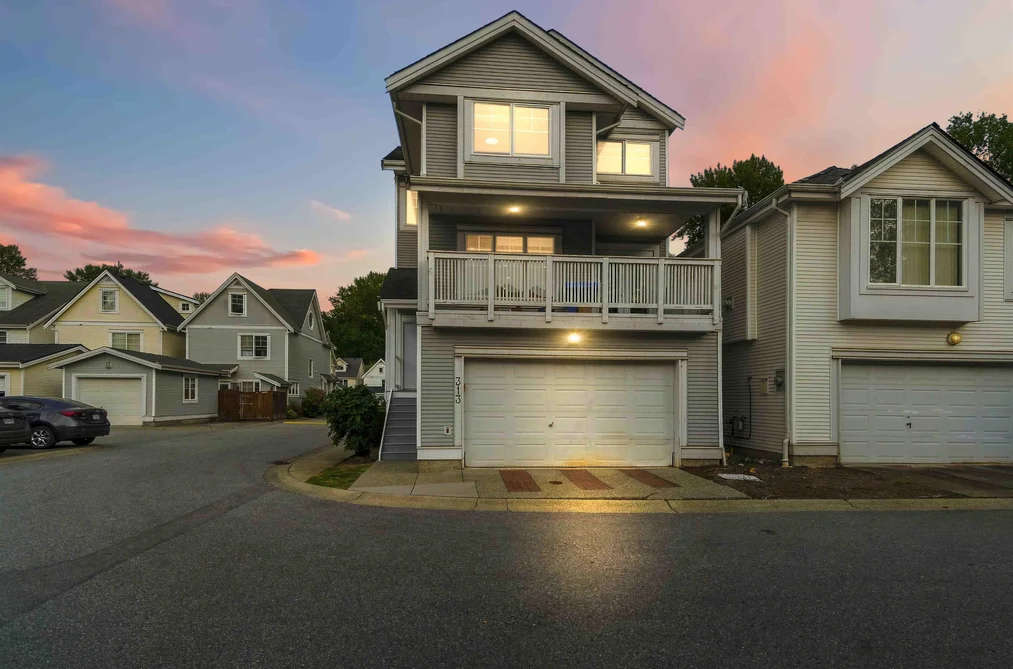
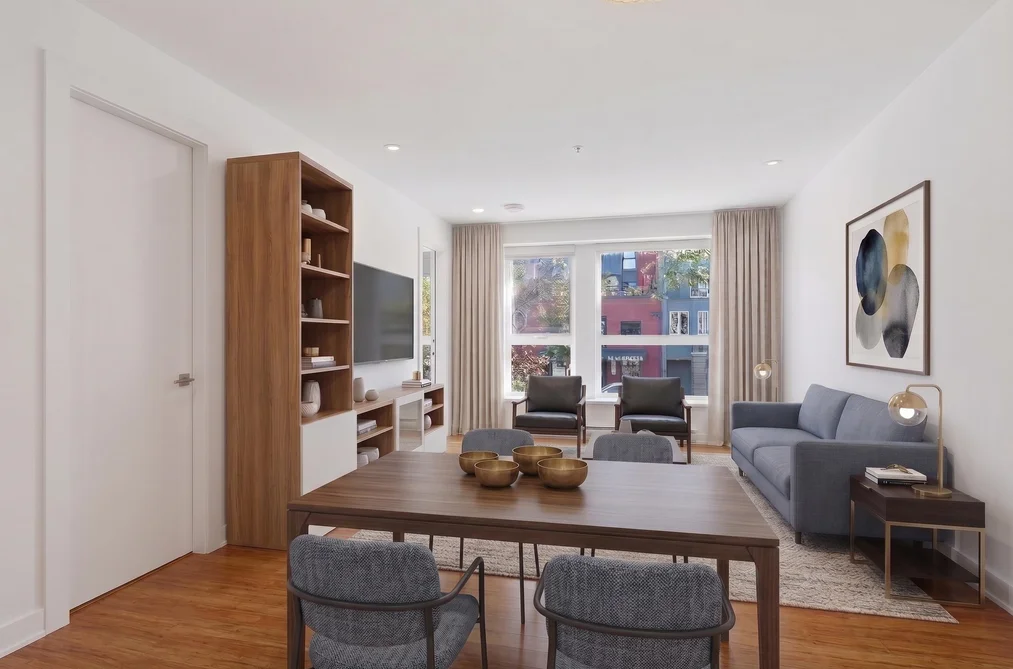
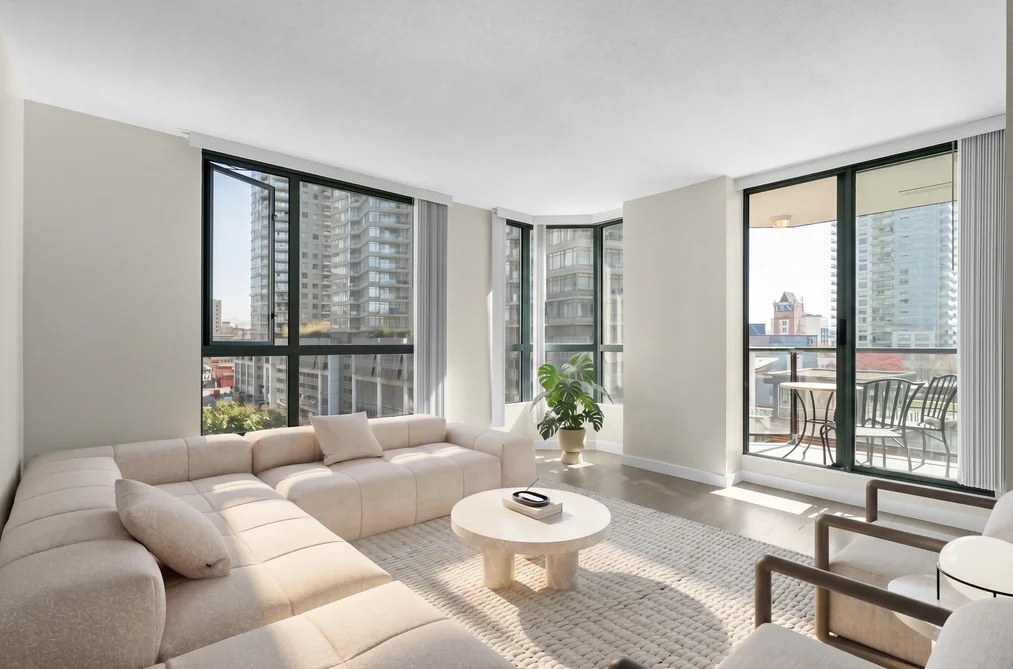
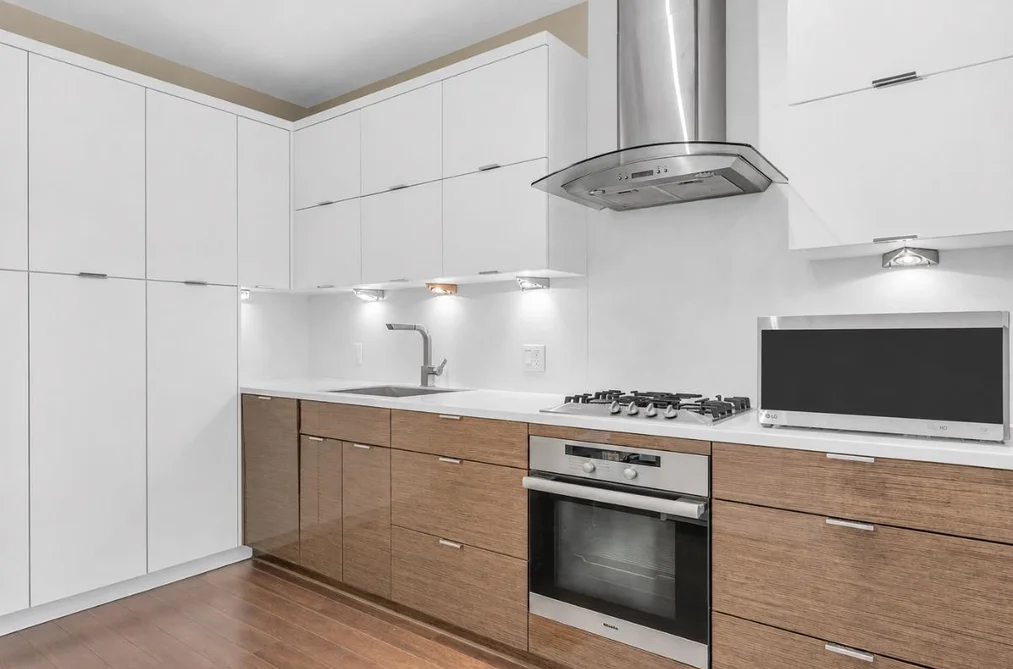
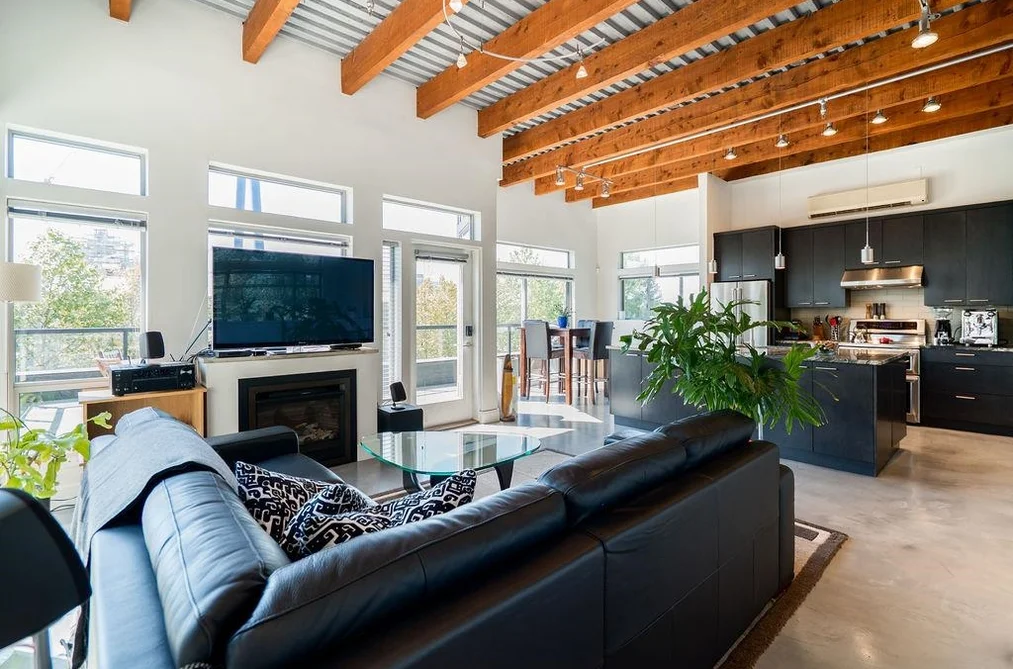
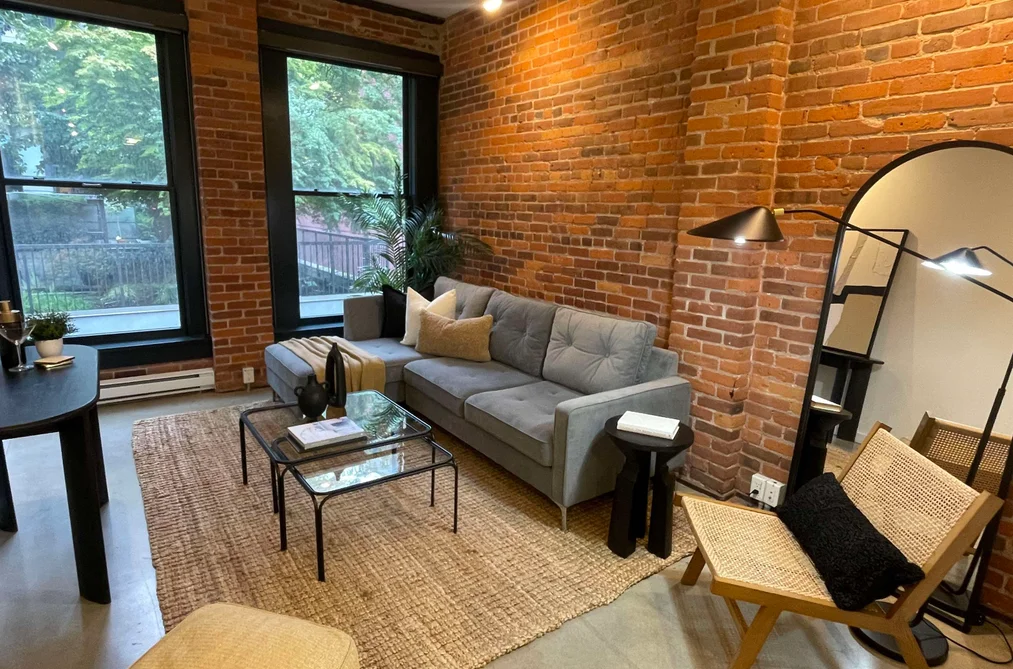
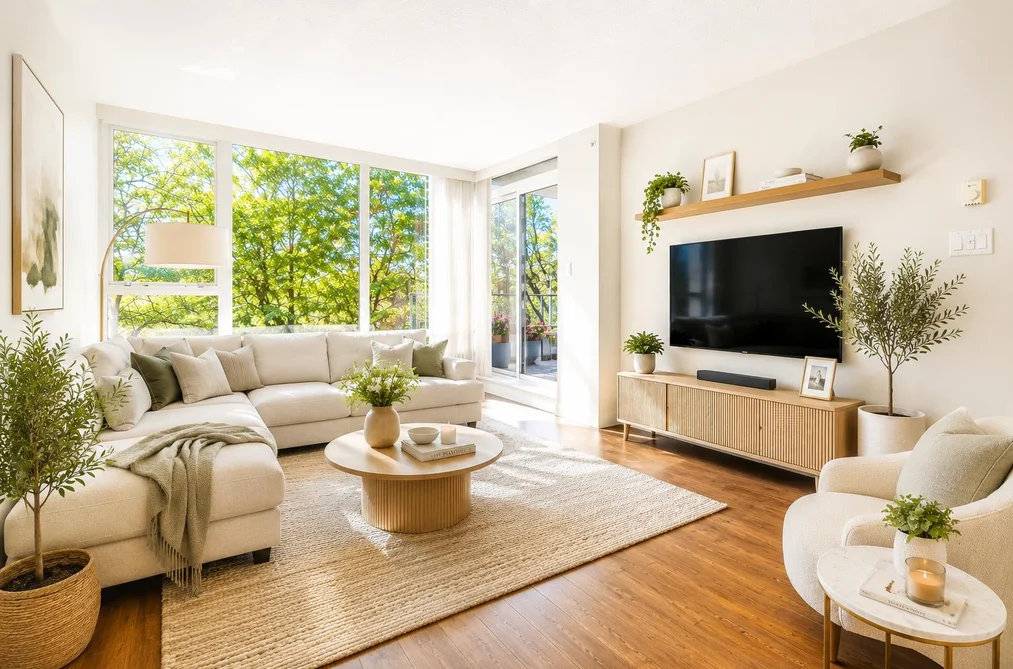
Concrete listings describe homes whose structure is built from concrete rather than wood, most often a condo in a high-rise or mid-rise tower, so confirm what the word refers to in each listing before you pay for the qualities concrete construction brings.
Listings use the word in different ways. In most listings it means a concrete building: the floors, columns and walls are poured concrete, as in nearly every tower in the region. In others it refers only to a concrete foundation, a driveway or a patio. Ask the listing agent whether the whole structure is concrete, and check the building's description on the strata documents or the developer's disclosure statement.
The distinction matters because the BC Building Code allows wood-frame construction for low-rise and mid-rise buildings, so a four or six storey condo is often wood frame even when it sits beside concrete towers. Buyers who want concrete for sound and durability should confirm it rather than assume it.
Sound is the main reason buyers look for a concrete condo. Concrete floors transfer much less footfall and voice noise between units than wood frame, though noise can still travel through plumbing risers, ventilation and poorly isolated floors. Visit when the neighbours are home and ask the owners about noise from above.
Concrete also does not burn, which improves fire resistance and can affect insurance. Ask for the strata insurance summary and the deductibles, since high-rise premiums reflect other risks such as water damage.
A concrete structure lasts a long time, but the envelope around it does not. Many towers use window wall or curtain wall systems whose seals, glazing and flashing need replacement over the life of the building. Read the depreciation report and the strata minutes for window, membrane and envelope work, and check whether the building has a rainscreen assembly or has been remediated.
Condensation is common in concrete buildings with large glass areas, particularly in winter. Look for water staining at window sills and ask how the building's ventilation handles humidity.
Concrete brings trade-offs for owners who like to renovate. Many towers use post-tensioned slabs with steel cables inside, and drilling into them without scanning can be dangerous and expensive, so strata approval and an engineer are needed before changing floors or ceilings. Interior walls between suites and around columns cannot be moved. The floor plan you buy is largely the one you keep.
On the other side, a well-maintained concrete building can serve for many decades, and buyers often pay more for it. Compare the price per square foot against similar wood-frame buildings nearby to see what the market pays for concrete in that neighbourhood.
A smaller number of detached homes use insulated concrete forms or concrete walls for the structure. They offer strong insulation, sound control and durability, and they are sometimes offered as custom builds by a home builder. Ask for the construction drawings, the warranty and the builder's record, since fewer trades work on them. Concrete also appears in modular home and factory-built housing across Canada, where precast panels are assembled on site. A new home built this way can cost more than wood frame, so it is rarely the most affordable choice in BC; compare its pricing against similar homes for sale nearby before you pay for the construction method.
Supply is concentrated in the towers of downtown Vancouver, Burnaby, Richmond, Coquitlam and North Vancouver, with concrete mid-rises across the suburbs. Browse and compare current listings on the MLS® through Strawhomes, filter by building and neighbourhood, and shortlist only the homes whose construction and strata records you have confirmed. Compare them against a high-rise with a longer maintenance record or a boutique building with fewer units.