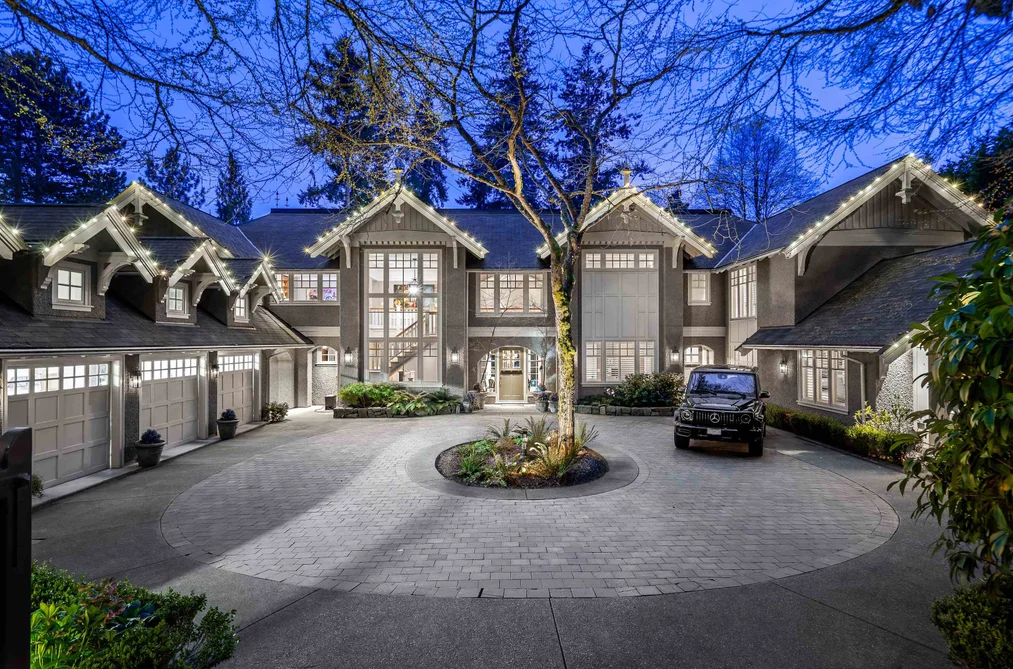
For Sale
2 days
- $7,898,000
MLS® R3164623
•The Partners Real Estate

Browse homes for sale with a pool in Greater Vancouver, British Columbia, and check the equipment, fencing, permits and running costs before you make an offer.


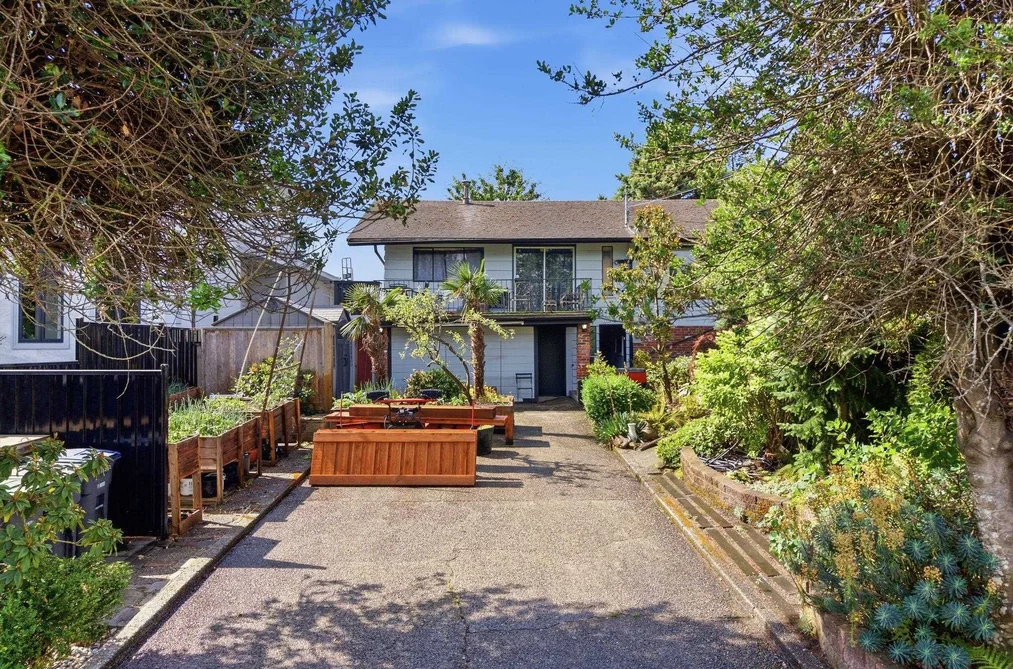


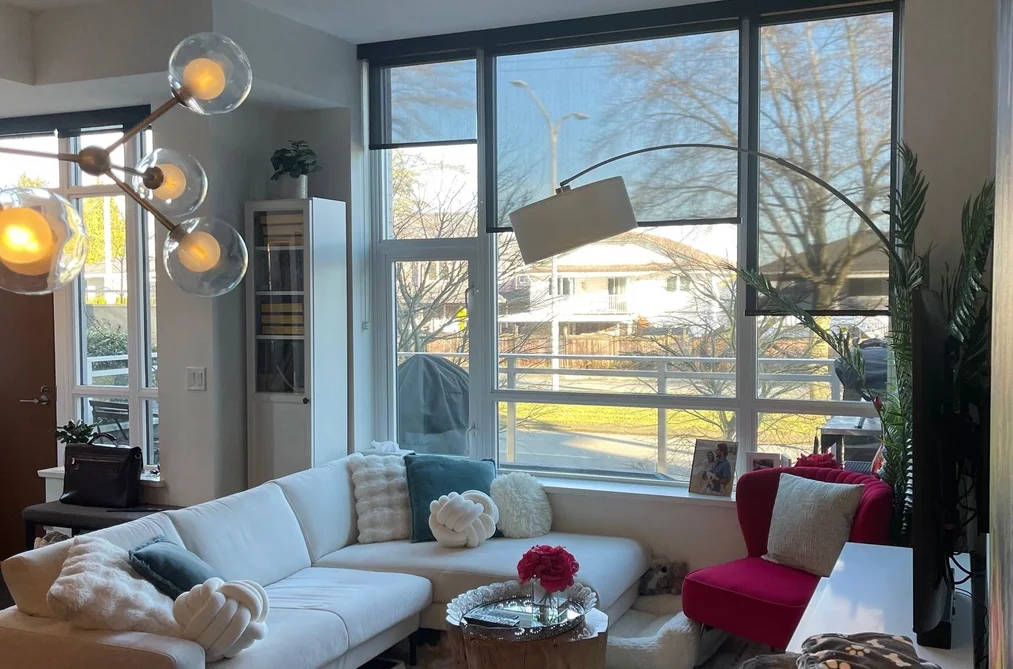
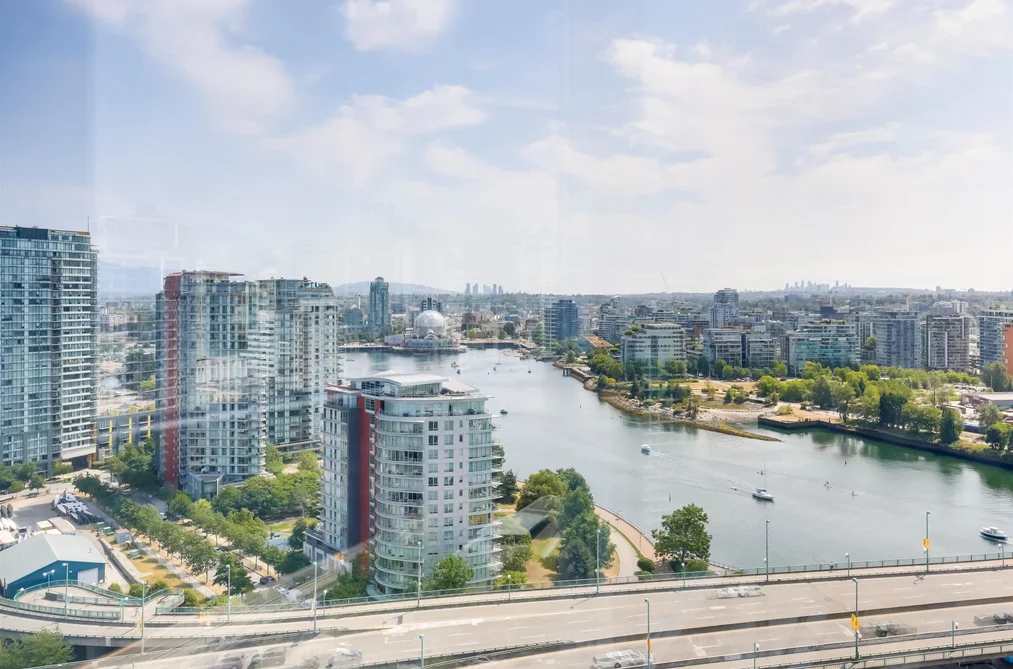
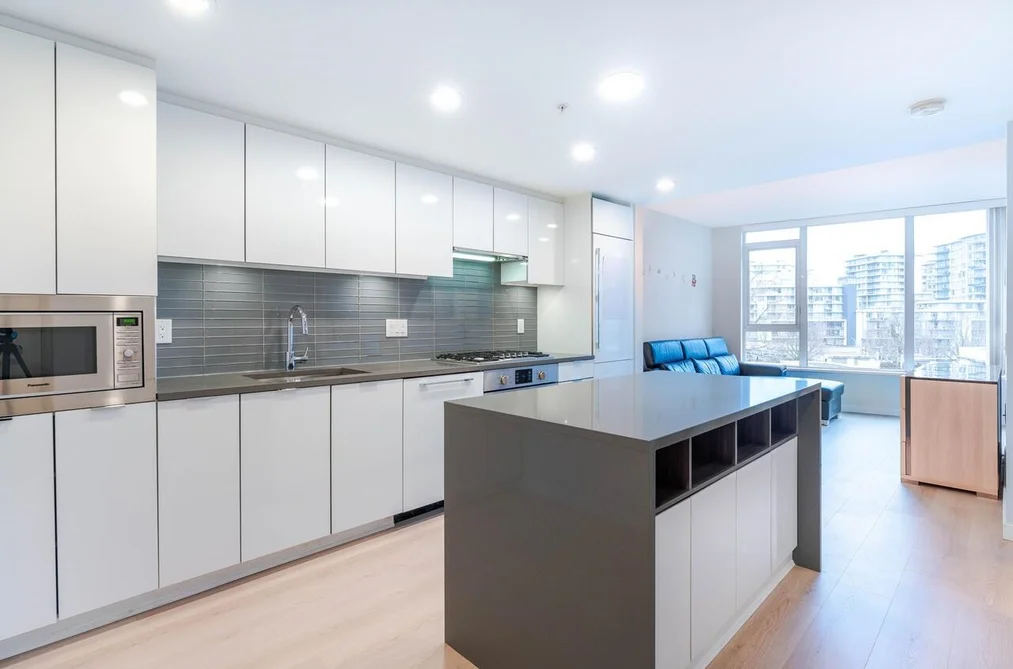
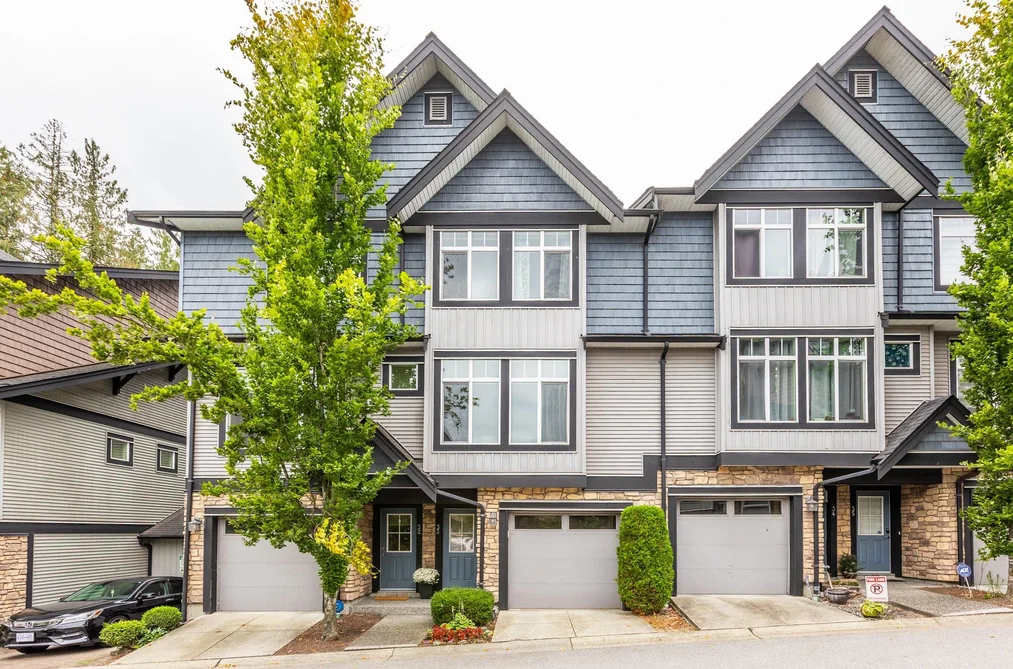
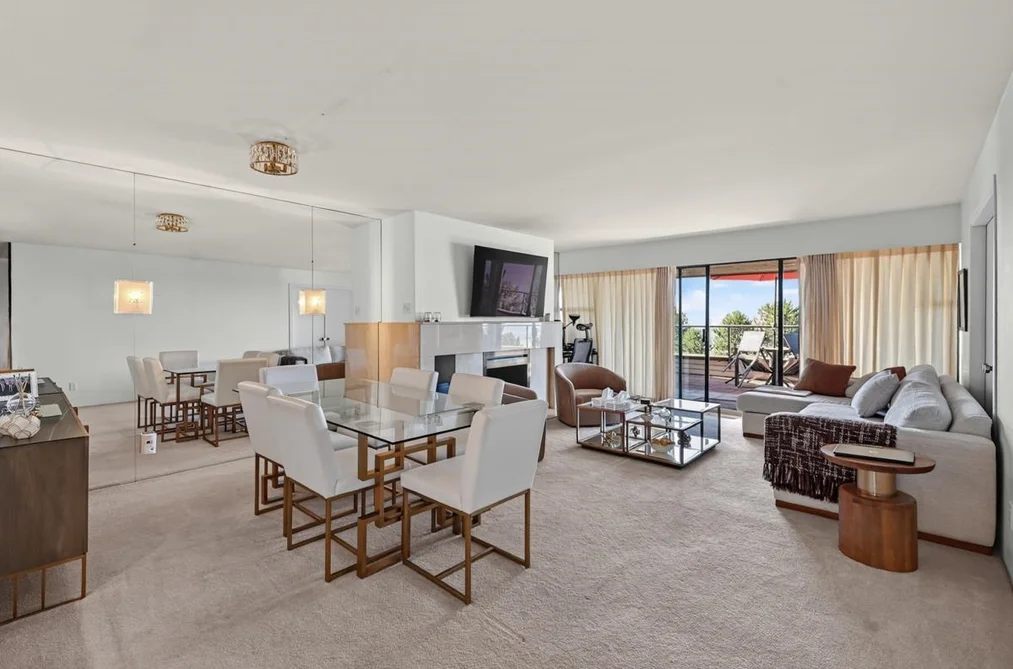
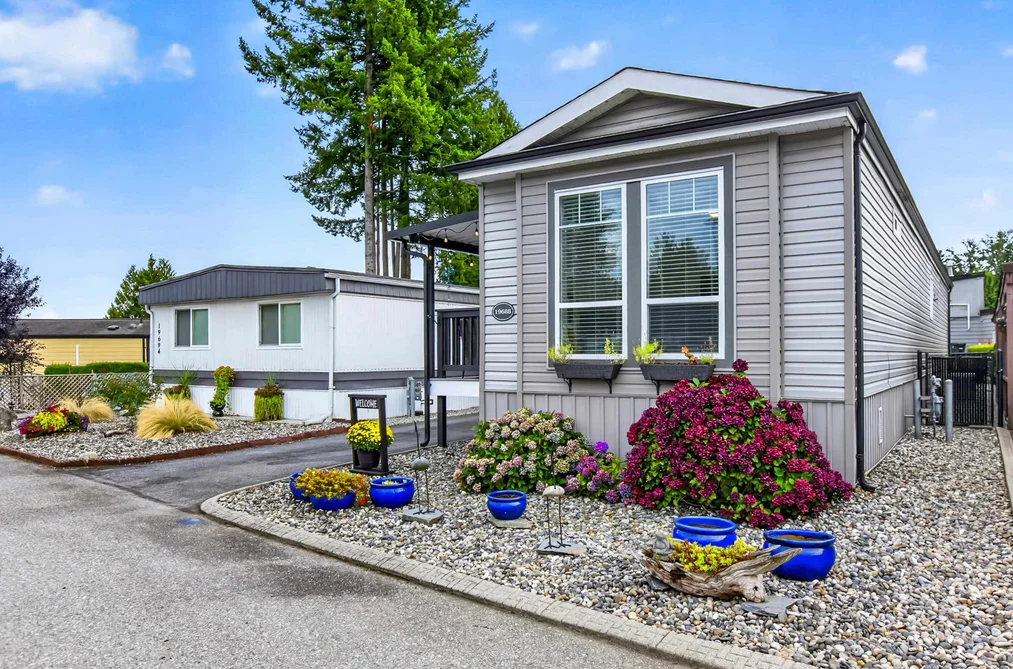
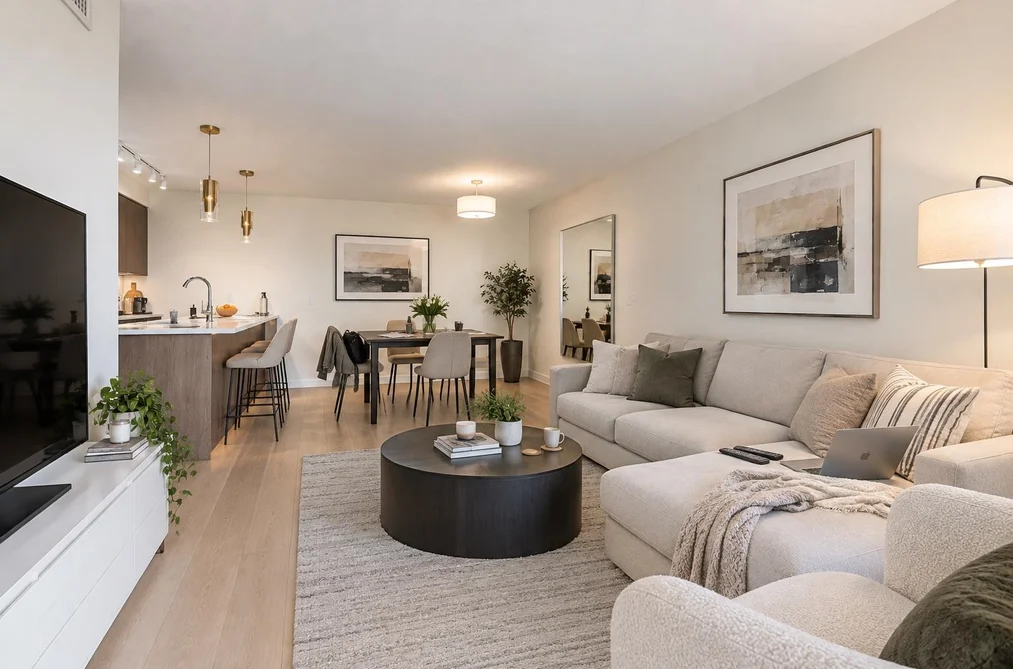


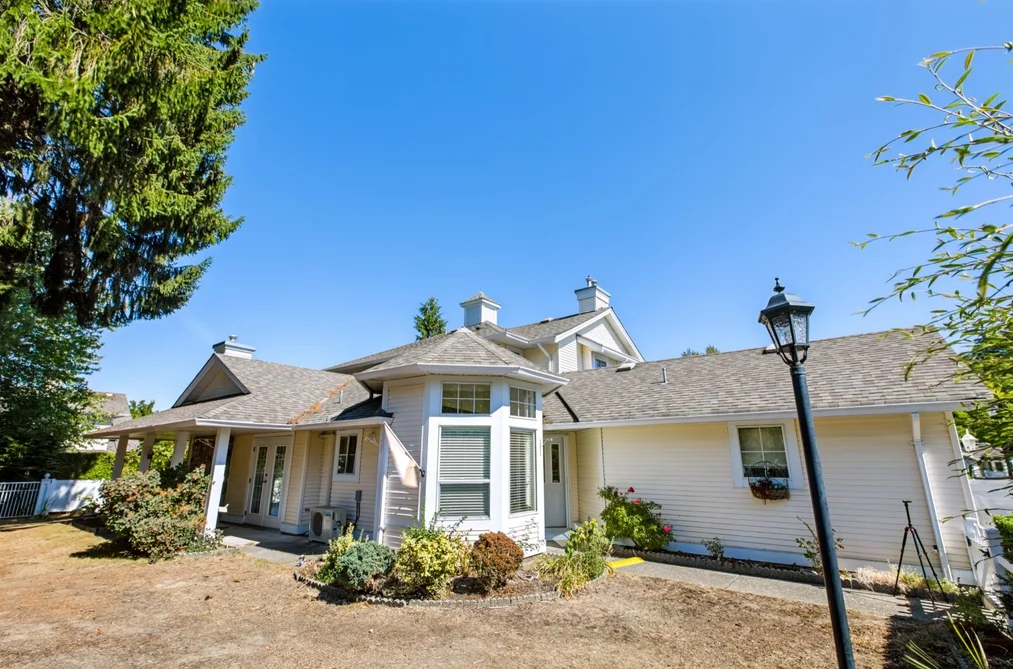
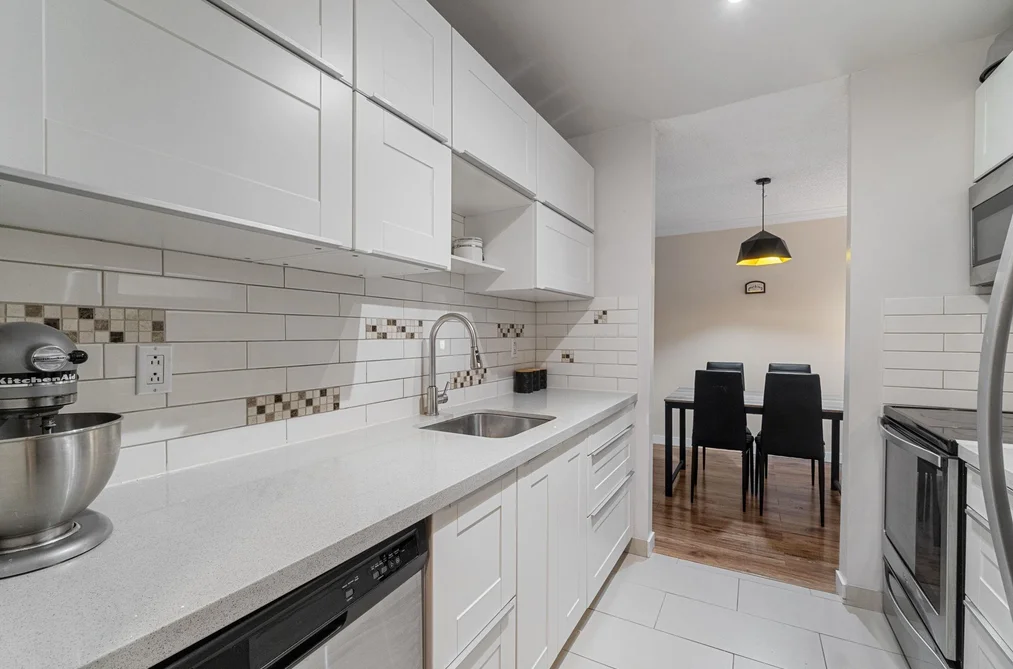
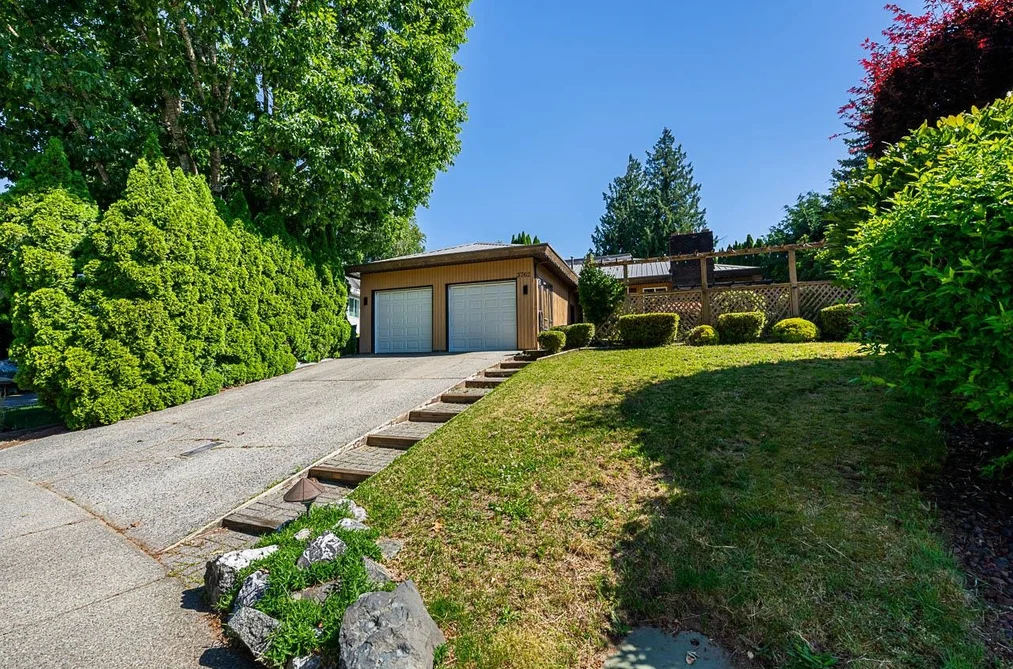
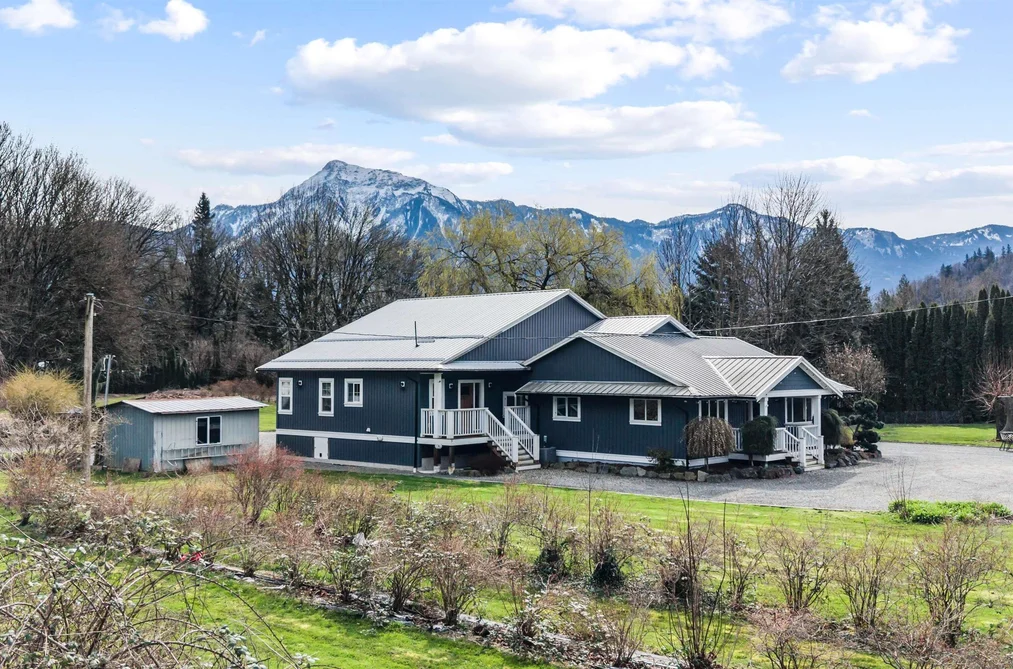
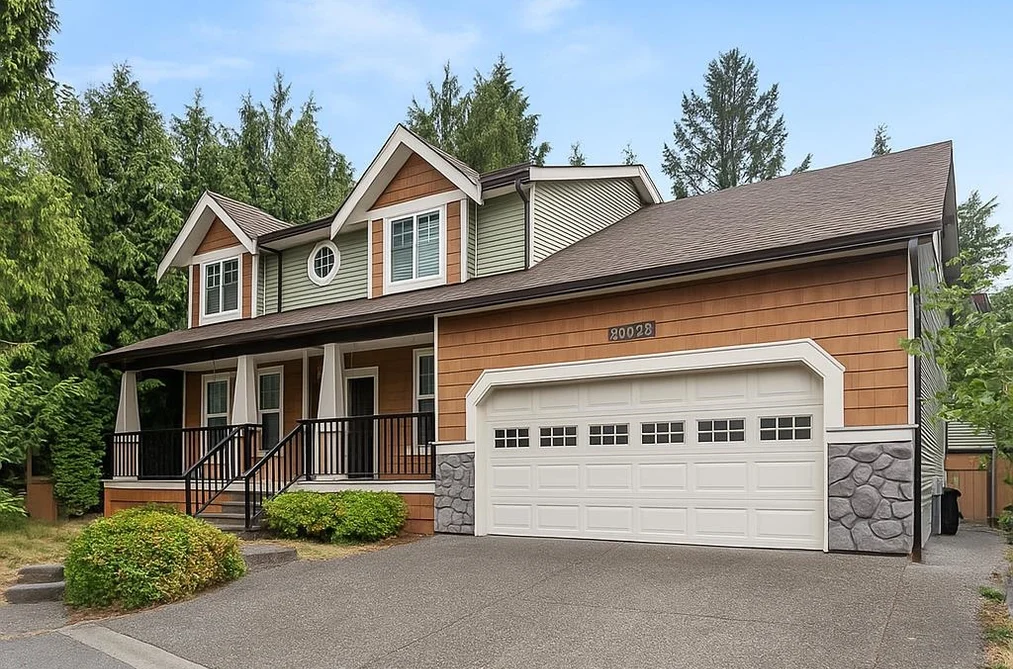
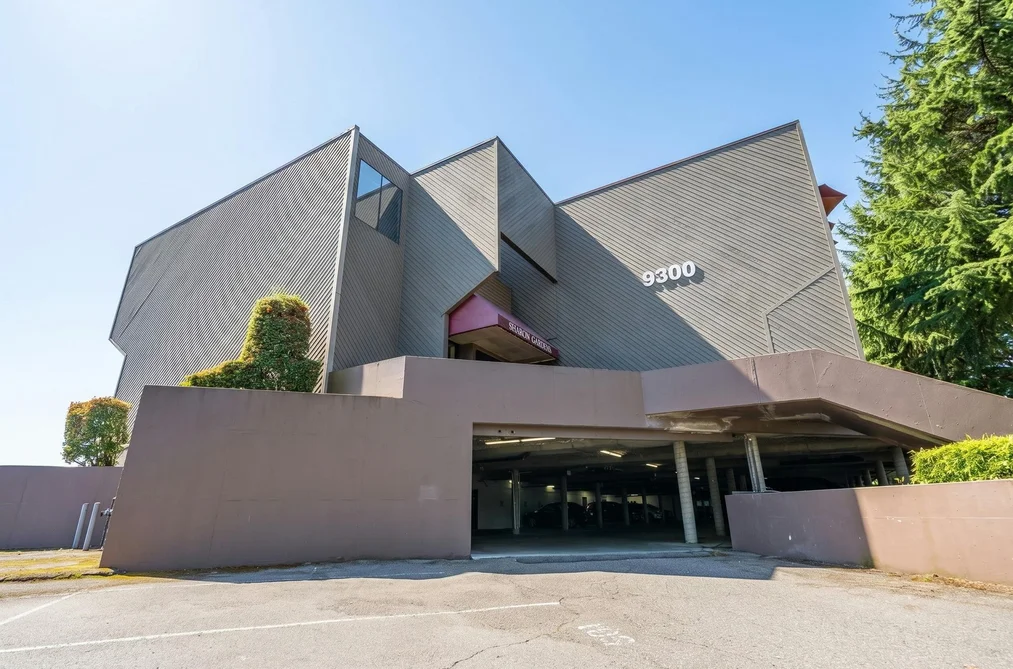
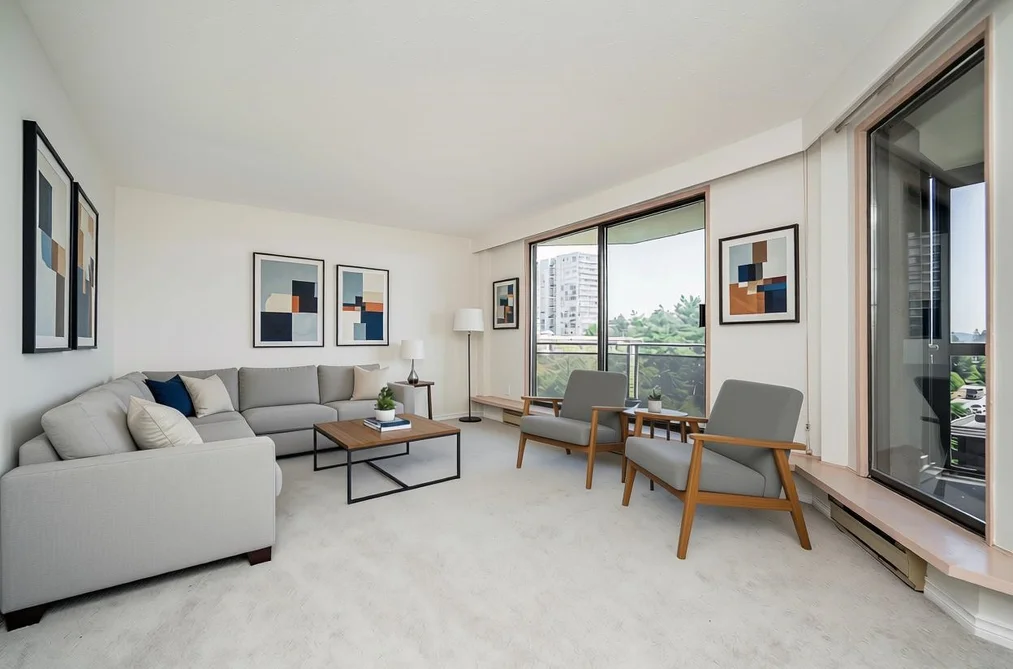
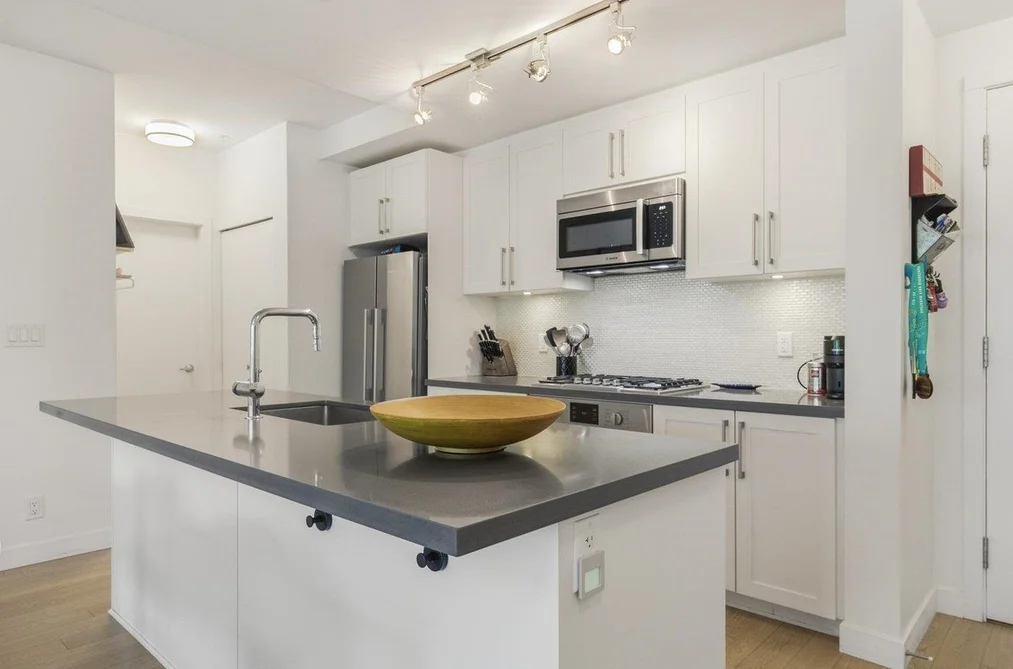
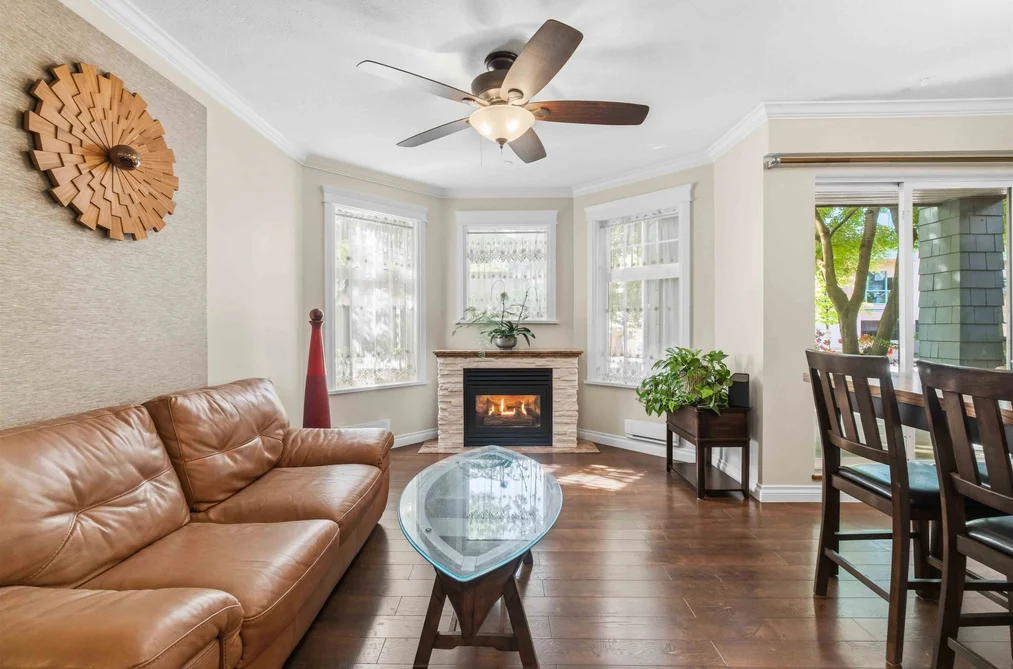
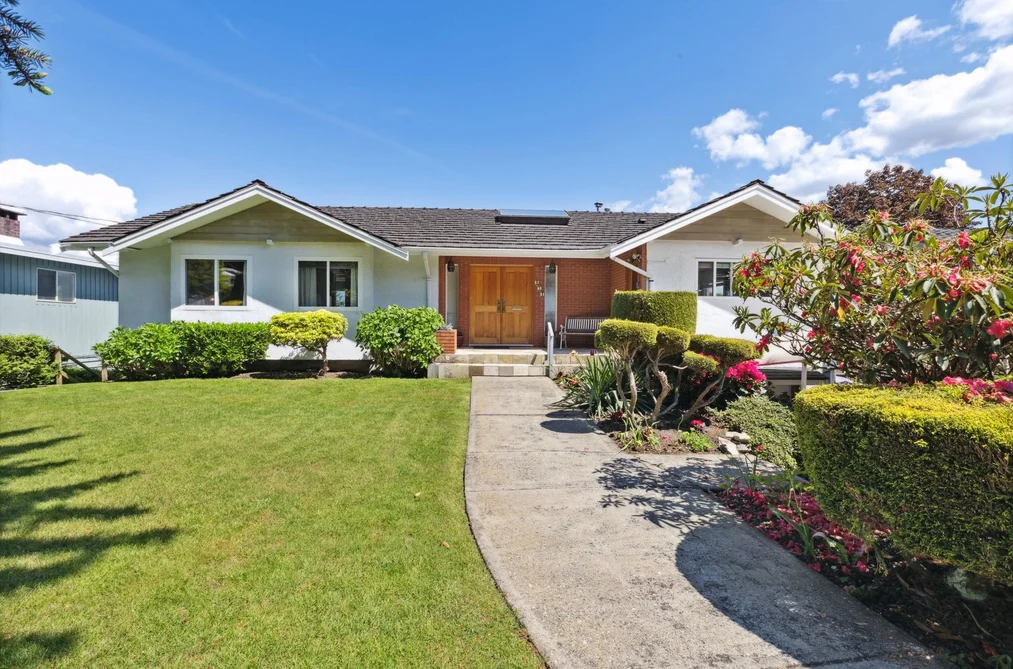
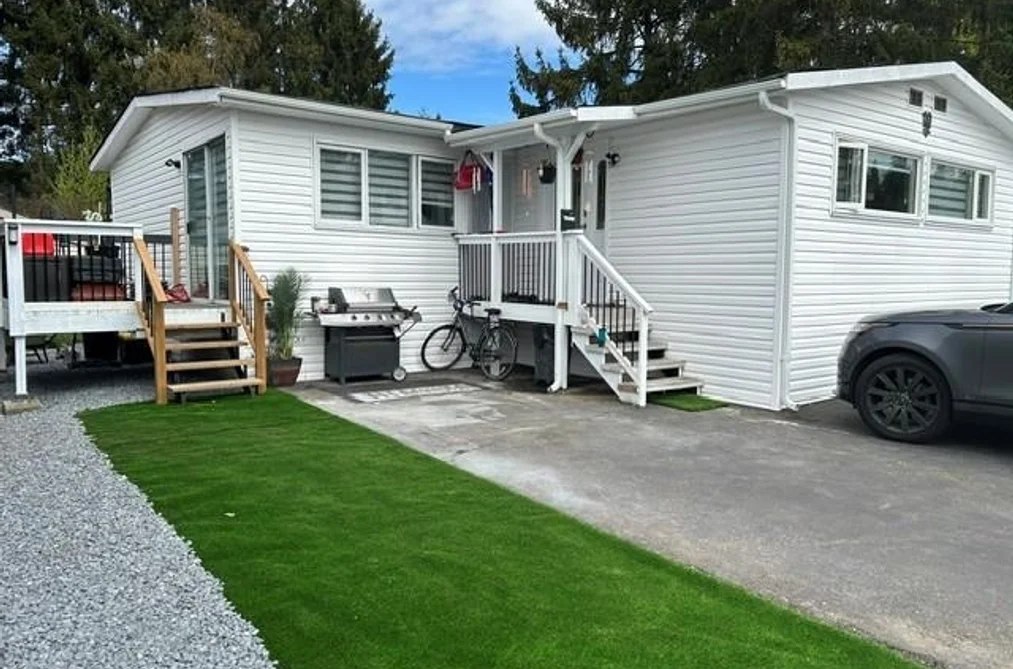
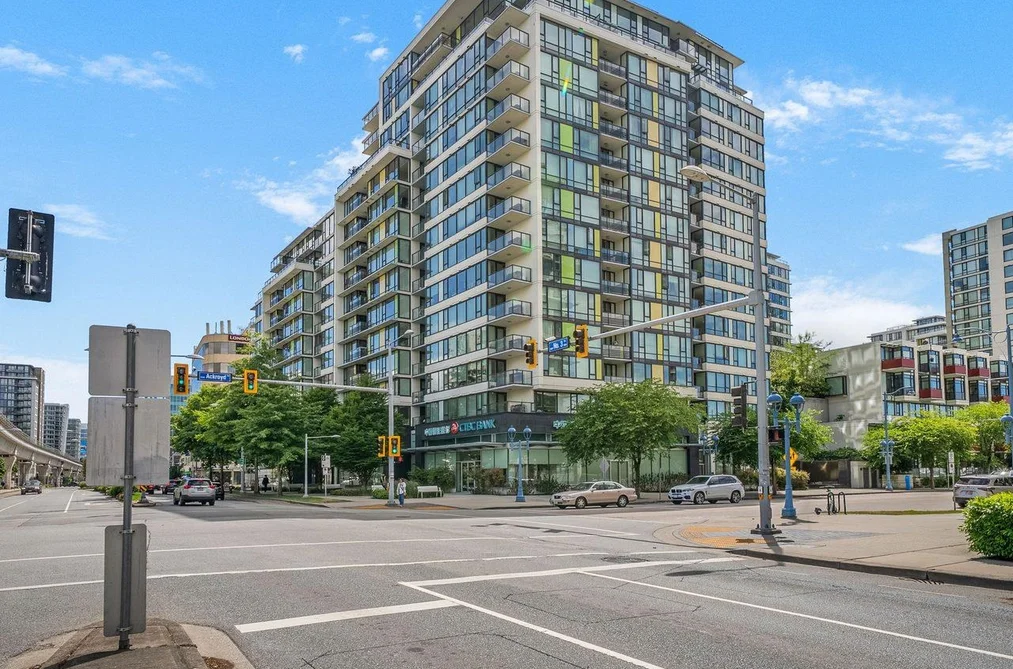
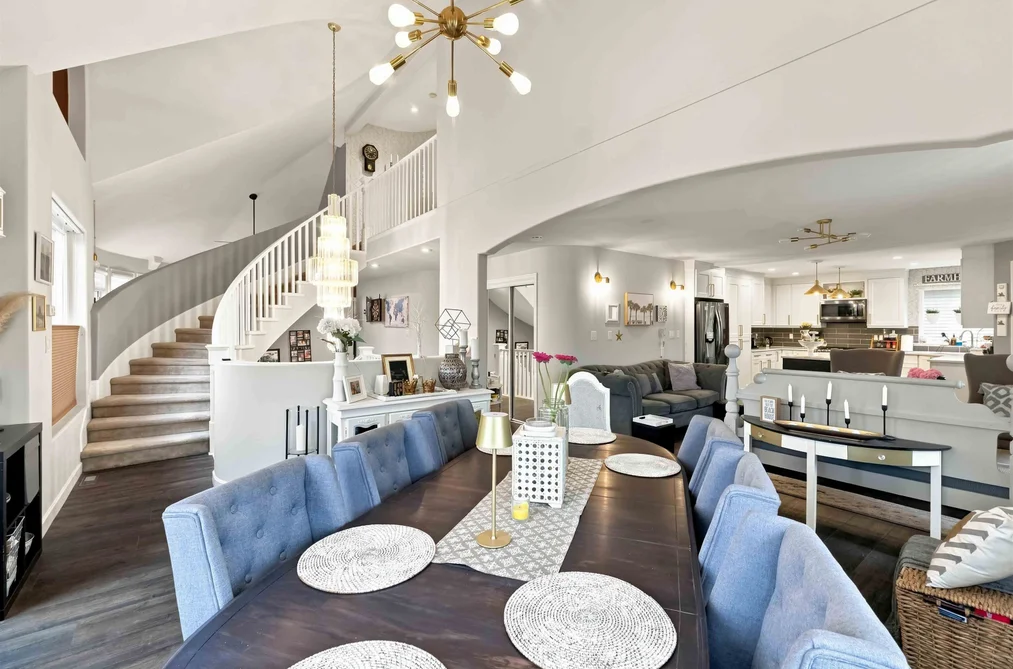
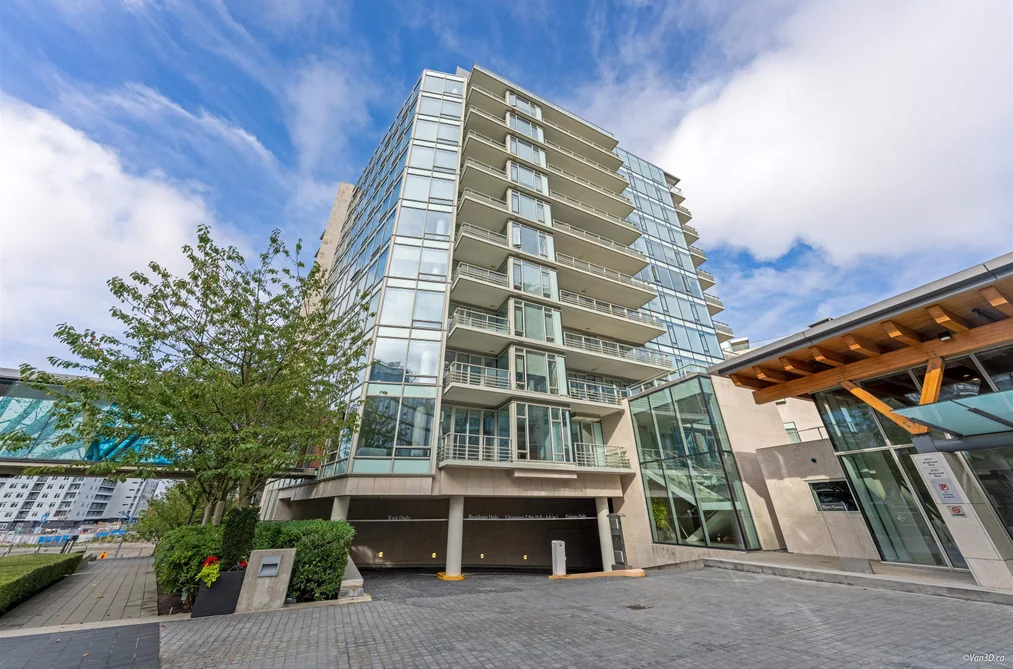
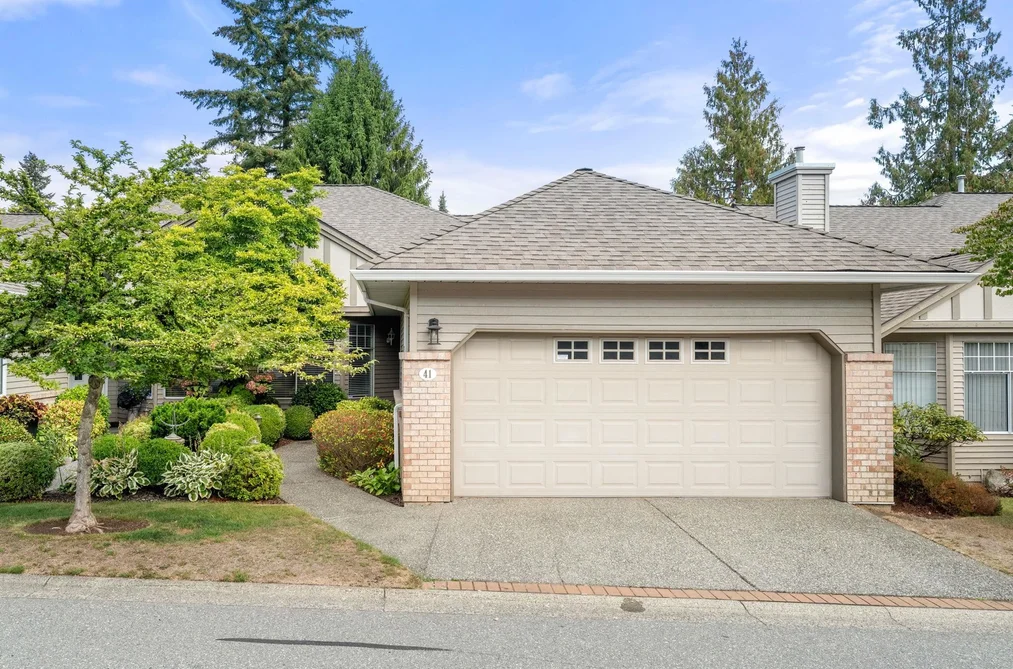
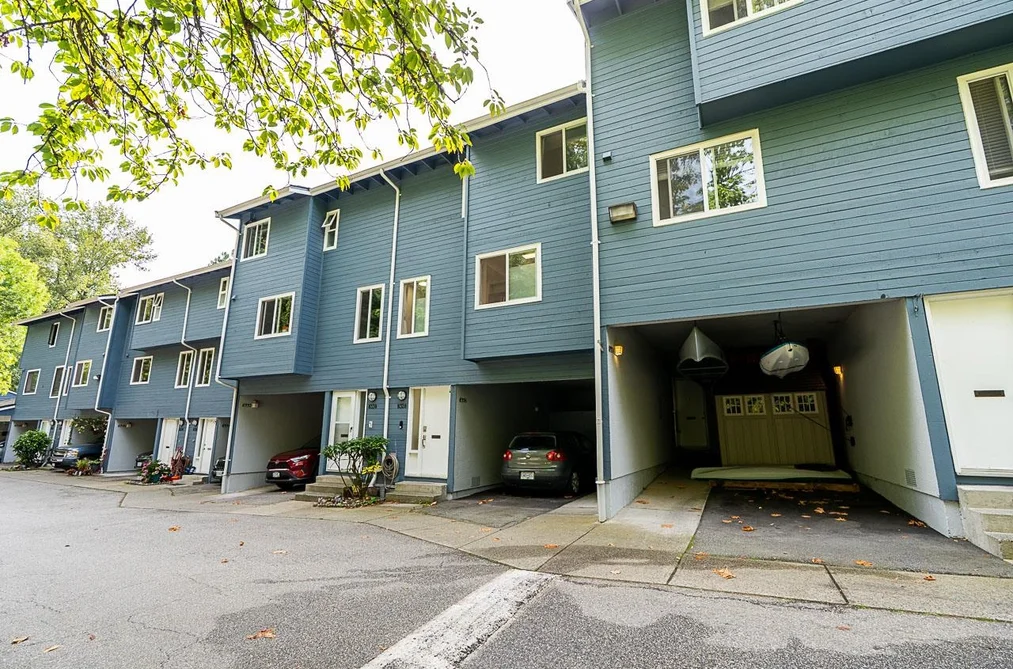
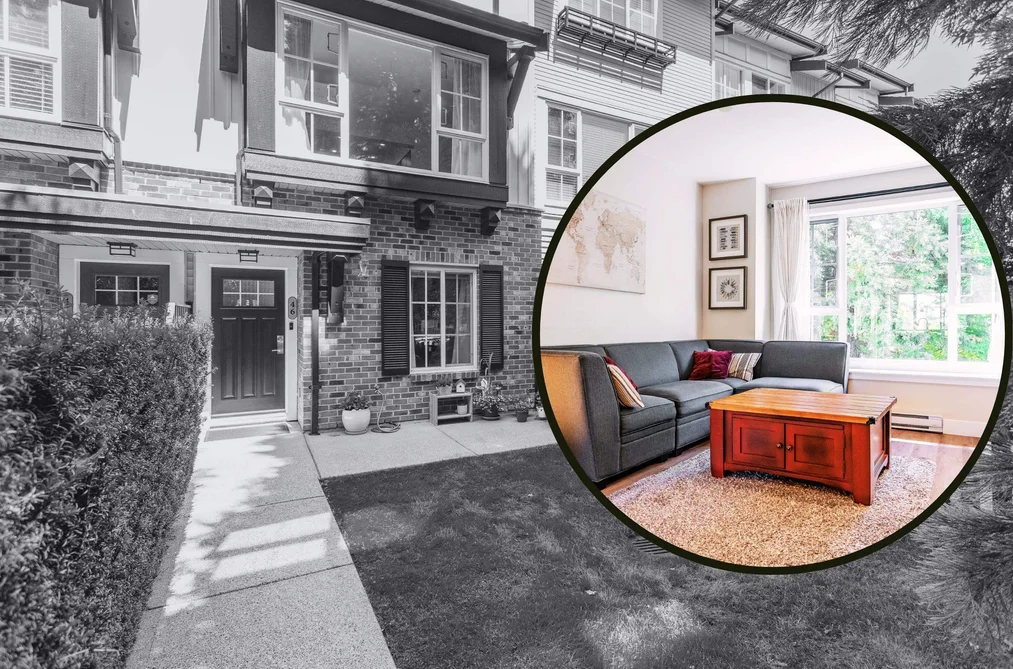
Pool ownership in Greater Vancouver costs more than the listing photograph suggests, so check the equipment, the fencing and the annual running cost before you write an offer.
Start with age and equipment. Ask when the shell was built, when it was last resurfaced, and the age of the pump, filter, heater and cover, because those items fail on their own schedule and a heater is a large item by itself. Ask for service records, and have a professional inspect it separately from the house inspection.
Then check compliance. Fencing, self-closing gates and, in some municipalities, an alarm are required, and the City of Vancouver and the surrounding municipalities each set their own rules. Ask whether the installation was permitted, and whether the electrical bonding of the equipment was inspected, since that is a common gap on older backyard installations.
Running costs in this climate are packed into a short season. Heating, chemicals, water, opening and closing, and either your own labour or a service contract all recur every year, and a heated outdoor installation in the Fraser Valley runs a longer season than one on the North Shore. Ask the current owner for actual annual figures rather than an estimate.
Insurance and safety follow. Tell your broker before subjects come off, because the quote changes and some insurers require particular fencing and cover arrangements. If children will live in the house, price the safety hardware you want rather than the minimum a bylaw allows.
Then weigh what it does to the property. A well-kept installation adds appeal and a real estate premium in a hot summer market; a tired one narrows the group of buyers and hands the next owner a removal cost. Look at how much backyard is left, what the view from the house is, and whether you would still want it in a wet November before you decide what a home like this is worth to you.