What is a Property Easement in Canada? A Complete Guide
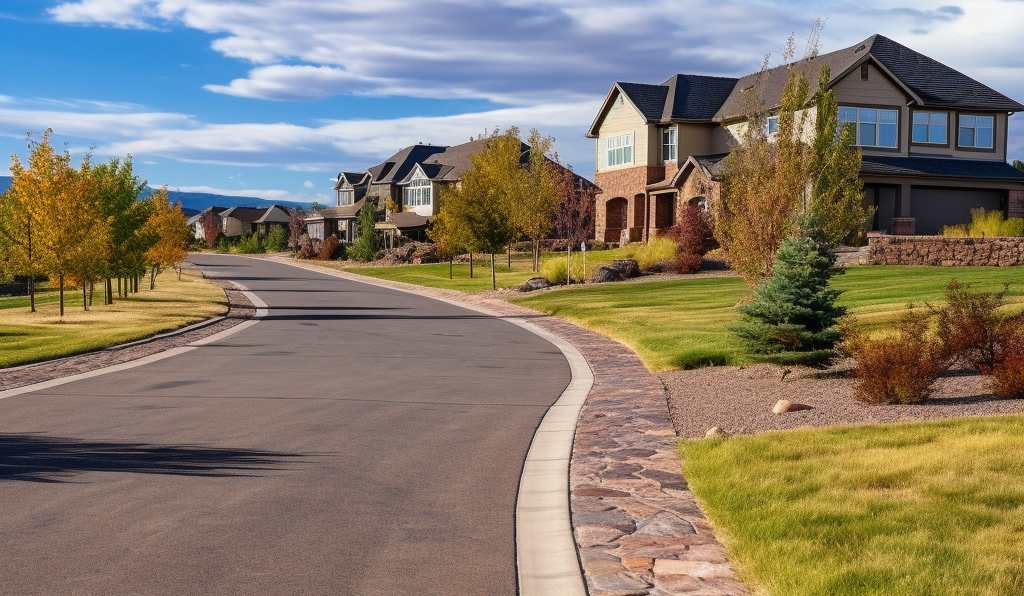
As a homeowner in Canada, it’s important to understand what an easement is and how it can impact your property rights. An easement is a legal right that allows someone to use your land for a specific purpose.
Key Takeaways
- An easement gives someone the right to use your property in a certain way, but you still retain ownership
- The most common type is a right-of-way easement, allowing access through your property
- Easements are registered on property titles and stay with the land when sold
- Utility companies often have easements to access lines that cross properties
- Conservation easements protect land from development
- Easements can provide benefits but also limit how you use your property
Read More:
- What Typically Comes With a House When You Purchase It?
- 11 Surprising Ways Vacant Land Can Fuel Your Dreams
- What is Title Insurance in BC Canada?
- Do I Need An Owner’s Title Insurance For New Construction?
- Do I Need a Realtor to Buy a Home? Buy a House Without …
As a real estate agent for over 10 years, I’ve helped numerous clients navigate the complexities of easements. It’s so important for homeowners to understand easements to avoid conflicts down the road.
An easement does not give the right of ownership, only usage for a specific purpose. The property owner still retains full ownership , they are simply allowing access or use in a defined way.
What is an Easement On A Title?
At its core, an easement gives a third party the right to use your land for a particular reason, without transferring ownership. There are a few key characteristics of easements in Canada: Easements can be either permanent or temporary, depending on the agreement between the landowner and the third party. They can also impact property value, so it’s important to understand any existing easements when learning how to buy a house .
In some cases, easements may be transferred with the property when it is sold, affecting future owners.
- They are registered on property titles, so will show up during a title search
- They “run with the land”, meaning they stay in place when the property is sold to a new owner
- The owner still retains full ownership, just subject to the easement
Easements can be granted to neighbors, utility companies, government entities, and more. The usage must conform to the original intended purpose.
For example , you may grant an easement to your neighbor to use part of your driveway to access their garage. This gives them the right of access without owning that portion of your land. This is especially an issue after the Aboriginal Title & Fee Simple Land Cowichan Tribes in B.C.
Common Types of Easements
There are a few main categories of easements commonly seen:
Right-of-Way
This allows someone to travel through or access your property without trespassing. It’s the most common type of easement.
For instance , neighbors may have mutual easements to use shared driveways. Or a utility company could access power lines crossing your backyard.
Utility & Service Easements
These allow utility companies to run and maintain infrastructure like power, gas, water, and sewer lines. The easement gives them to access to lines on private property .
For example , you’ll see green electric boxes in front yards, which the utility accesses under an easement.
Conservation Easements
Some landowners place voluntary conservation easements to protect land from development . A conservation group becomes the easement holder, restricting future development rights.
In BC, organizations like the Land Conservancy hold conservation easements on ecologically sensitive properties. These easements help protect vital ecosystems while allowing landowners to retain ownership of their properties. By collaborating with conservation groups, individuals looking to make a positive impact through buying vacant land in British Columbia can ensure that their investments contribute to the preservation of local biodiversity.
This approach not only benefits the environment but also fosters a sense of community stewardship among residents.
Spotting Easements on Property Titles
Since easements encumber the usage of land, they must be registered on property titles. When buying a home, your lawyer will review the title for any easements.
Look in the legal description for language referencing easements. It may say the land is “subject to” an easement describing its location and usage.
Any corresponding legal instruments will also be listed , giving details on the easement holders and limitations.
For example , the title could state: “Subject to a right-of-way easement for access along the western boundary as set out in instrument 1234567”.
Benefits and Drawbacks of Property Easements
Easements can provide advantages but also limit what you can do on your land:
Benefits
- Access rights without trespassing issues
- Utility services without disruption
- Preservation of green space
Drawbacks
- Limitations on structures like pools or additions
- Loss of privacy from access rights
- Responsibility for maintenance costs
That’s why it’s so important to understand any easements before purchasing a property. They stay attached to the land, so you’ll inherit any benefits and drawbacks as the new owner.
Creating and Removing Easements
There are a few main ways easements can be created:
- Written agreement between the involved parties
- Prescriptive easements through long-term uncontested use
- Court order granting an easement
Ending an easement is very difficult, given the property rights involved. Methods include:
- Cancellation by written agreement
- A court order terminating the easement
- If the same entity owns the dominant and servient tenements
For example , if a neighbor holds a right-of-way easement over your driveway, the only way to remove it would be convincing them to a cancellation agreement .
Real-Life Example as a Realtor
As a realtor, I’ll never forget helping a young couple purchase their first home. It was their dream home until we uncovered an undisclosed easement during the title review. They were heartbroken, unsure if they should proceed with the purchase or walk away.
I guided them through their options, ensuring they understood what happens on closing day and how the easement might affect their future plans. In the end, they decided to move forward, confident in their choice and grateful for the transparency throughout the process.
The 15-foot drainage easement along the backyard forced them back to the negotiating table with the sellers . We successfully got the purchase price lowered by $18,000 to offset the limitation on their property rights.
It reinforced the importance of fully understanding easements before any real estate transaction. Failing to review titles with an eagle eye can lead to trouble down the road!
As a homeowner, be sure to educate yourself on any easements affecting your property. Understanding the implications will help you avoid headaches! With the right knowledge, easements don’t need to be feared.
Did you know that according to a survey by Richard Morrison, over 80% of homeowners struggle to understand the easement rights and limitations on their own land? As a realtor for 15 years, I’ve found easement education to be crucial yet sorely lacking. Don’t let your property rights get trampled – get informed!
Q: What is an easement in Canada?
A: An easement in Canada is a legal agreement that grants a person or entity the right to use another property for a specific purpose. It is registered on the title of the property, and can be found through the land titles office or online property registry. This means that while the property owner retains ownership, they must allow the easement holder to use the land as specified in the agreement.
Easements can impact property value and usage, so reviewing them is crucial when purchasing real estate. Buyers should work with a real estate professional and ensure that a buyer’s agent agreement in BC is in place to receive expert guidance on such legal matters.
Q: How does an easement on a property work?
A: An easement on a property gives another person or entity the right to use part of your land without trespassing. This could include access rights to access your property, or the right to use your land for specific activities such as building a road. The terms of the easement are registered on your title and any existing easements may be found by searching at your local land registry office or online.
Q: What happens when I sell my home with easements?
A: When selling a home with an existing easement, this must be disclosed to potential buyers. The buyer should then conduct their own due diligence to understand what rights are granted by the existing easement, and whether it has any effect on how they can use or develop their new property.
Q: How do I find out if my property has an easement?
A: You can find out if your property has an existing easement by searching at your local land registry office or online. Your title will contain a property description, which includes any one or more registered easements that affect it.
Q: Can I place an easement on my own property?
A: Yes, you can place an easement on your own property. To do so, you must contact the local land titles office or online property registry and register it in accordance with relevant laws.
Q: What kinds of activities does an easement provide for?
A: An easement provides someone with rights to use another’s land for specific activities such as creating pathways across land without trespassing, constructing buildings , creating access points such as roads etc.
How Does Understanding Property Easements Help Explain the High Housing Costs in Canada?
Understanding property easements is crucial for grasping the complexities of land use in Canada. These legal rights can restrict property development, influencing supply and ultimately driving up housing costs. Therefore, understanding canadian housing requires a comprehensive look at how these regulations affect availability and affordability in the market.
Conclusion
An easement is a legal right that allows the use of a specific piece of land owned by another person. This right is registered on your property through Canada’s Land Titles system and may be placed on one or more properties, including yours. The owner of the servient property (the property with the easement) grants an easement providing that an easement exists to benefit another property or properties.
It is important to ensure that the easement is properly recorded so that future owners may enjoy the benefits of the easement even if the property is sold.
When a land title is registered in the Land Titles System, any easements will continue if the property changes hands. Easements are beneficial for both parties. They allow for access to resources or services, and they provide assurance that certain activities can take place on a specific piece of land without interfering with the enjoyment of another neighbouring property owner who owns it.

Let's Chat! Looking for a REALTOR® who can exceed your expectations? Look no further than Richard Morrison! His mission is to serve without limit & provide solutions that cater to your core needs.
• 20+ Years of Experience
• Medallion Member
• RE/MAX Hall of Fame

Latest Properties Added
| Property | Size | Price | Date Listed |
|---|---|---|---|
| 141 27th Street, North Vancouver | 1,651 sqft | $1,899,000 | Sep 13, 2026 |
| 2-2509 Kitchener Street, Vancouver | 1,284 sqft | $1,298,800 | Sep 12, 2026 |
| 1406-938 Smithe Street, Vancouver | 761 sqft | $799,000 | Sep 11, 2026 |
| 2802-1033 Marinaside Crescent, Vancouver | 583 sqft | $639,000 | Sep 11, 2026 |
| 386 45th Avenue, Vancouver | 1,762 sqft | $2,199,900 | Sep 10, 2026 |
| 207-378 45th Avenue, Vancouver | 1,329 sqft | $1,478,900 | Sep 10, 2026 |
| 108-378 45th Avenue, Vancouver | 745 sqft | $879,900 | Sep 10, 2026 |
| 1-1958 60th Avenue, Vancouver | 1,463 sqft | $1,899,900 | Sep 9, 2026 |
| 2-1956 60th Avenue, Vancouver | 1,463 sqft | $1,899,900 | Sep 9, 2026 |
| 1-1956 60th Avenue, Vancouver | 1,463 sqft | $1,899,900 | Sep 9, 2026 |
| 6222 Logan Lane, Vancouver | 1,622 sqft | $1,250,000 | Sep 7, 2026 |
| 4339 Granville Street, Vancouver | 4,672 sqft | $6,500,000 | Sep 11, 2026 |
Start your search with Richard Morrison, Top Award Winning Vancouver Realtor
Contact Richard Morrison Top Vancouver Realtor today to find a Vancouver houses for sale and Vancouver condos for sale. Also check out Burnaby houses for sale or maybe Burnaby condos for sale. If you prefer North Shore, take a look at our listings in North Vancouver houses for sale and North Vancouver condos for sale.