How Does Fractional Ownership Real Estate Work in Canada? Pros & Cons
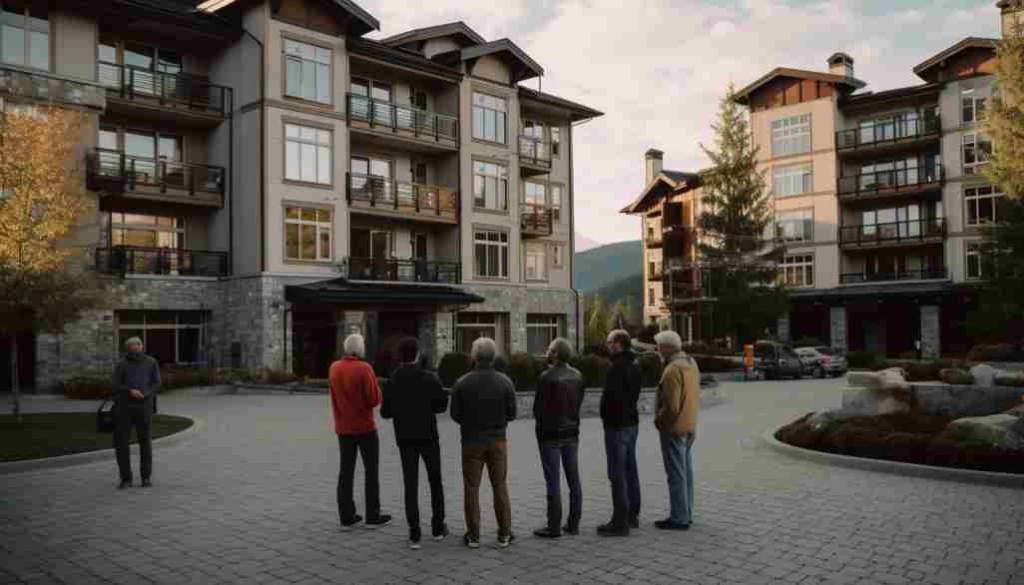
Fractional ownership allows multiple investors to purchase shares of a property, providing affordable access to real estate that may otherwise be unattainable. Though fractional ownership offers benefits like shared costs and flexible usage, limitations like resale restrictions and consensus decision-making should be considered. Overall, fractional ownership opens up real estate investment opportunities with the tradeoffs of shared ownership.
Have you ever gone in with friends on a pizza because no one person could eat the whole thing? That’s the basic idea behind fractional ownership real estate. It allows a group of investors to split the cost and usage rights of a property.
While traditional real estate investing requires you purchase 100% of a property, fractional models let you buy just a portion of a home, condo or vacation property.
Key Takeaway
Fractional ownership real estate is a type of ownership arrangement where multiple individuals share the ownership and use of a property. Each owner has a percentage of ownership, typically represented by a fractional interest, and is entitled to use the property for a certain period of time each year.
What is Fractional Ownership Real Estate in Canada?
Fractional ownership allows multiple investors to purchase percentages or “shares” of a property. The overall cost is divided between the co-owners based on the share size each person buys.
For example, a $1 million cottage could be split into four 25% shares. This allows 4 co-owners to each purchase a 25% stake for $250,000 instead of needing $1 million to buy it outright themselves.
In exchange for their upfront investment, owners obtain fractional ownership interest and usage rights based on their share percentage. They also take on responsibilities like maintenance costs and property taxes based on their fractional stake.
While any property can be purchased through fractional ownership, it’s most common for vacation homes and resort-style condos. Groups of investors collectively buy into an expensive vacation property that would be unattainable for a single buyer.
Fractional ownership properties are overseen by property management companies. They facilitate the purchase of shares, coordinate usage schedules between owners, and handle ongoing maintenance and upkeep.
How Fractional Ownership Differs from Timeshares
Fractional ownership is sometimes confused with timeshares, though key differences exist:
- Ownership – Fractional owners receive a deed and ownership stake in the property. Timeshare owners purchase right of usage for a fixed period of time but don’t obtain actual ownership rights.
- Schedule – Fractional owners split usage based on share percentage, allowing more flexible schedules. Timeshares lock owners into fixed annual time slots like 1 week.
- Resale – Fractional ownership shares can be resold just like traditional property. Timeshares have almost no resale value.
- Decision-Making – Fractional owners have input on property based on their stake percentage. Timeshare owners have no decision-making power.
While similar on the surface, fractional ownership provides actual real estate ownership, investment potential and flexible use schedules compared to timeshares.
How Does Fractional Ownership Real Estate Work?
Fractional real estate functions through the following process:
- A property management company purchases a property and divides it into fractional ownership shares.
- Shares are marketed to investors interested in fractional ownership of that property.
- Investors purchase their desired number of shares based on the price per share. This provides access and usage rights based on share percentage owned.
- Ongoing costs like property taxes and maintenance are divided between owners based on share percentage.
- A usage schedule is coordinated between owners based on respective share amounts. Larger share holders typically get priority for peak periods.
- The property management company handles administrative tasks like collecting fees, scheduling, maintenance, etc.
- If desired, owners can resell their fractional share on the open real estate market. The share percentage transfers to the new owner.
In essence, fractional ownership allows a group of investors to collectively share purchase and usage of a property, facilitated by a management company.
Pros of Fractional Ownership Real Estate
Increased Access
- Fractional ownership opens up real estate opportunities not otherwise affordable for sole ownership. Sharing purchase costs makes high-end properties accessible.
Investment Potential
- As with traditional real estate, fractional shares can gain equity as property values rise. Owners benefit from appreciation over time.
Reduced Maintenance
- Property upkeep and bills are shared between multiple owners, reducing the individual burden. Management companies also oversee tasks.
Flexible Usage
- Based on share percentage, owners get annual usage allotments. Larger shareholders often get scheduling priority, allowing customization.
Transferable
- Fractional ownership shares can be resold, gifted, or inherited like traditional property. The share percentage transfers to the new owner.
Cons of Fractional Ownership Real Estate
Limited Locations
- Most fractional properties are vacation homes or resort condos. Options are limited compared to traditional real estate.
Resale Restrictions
- Reselling fractional shares may be restricted or complicated compared to selling a whole property. Approvals or concessions may be required.
Group Decision-Making
- Obtaining consensus from multiple fractional owners can be difficult for property modifications, rentals, etc.
Inflexible Usage
- Swapping time between properties or owners may be restricted based on management agreement terms.
Upfront Costs
- Beyond the fractional purchase price, ongoing fees for maintenance, management, etc. apply. These ongoing costs must be factored in.
Key Considerations for Fractional Ownership Real Estate
Investing in fractional real estate requires weighing several factors:
Financial Costs
- Carefully calculate the upfront share purchase price plus ongoing maintenance fees, property taxes, management costs and any additional charges. HST/GST applies to maintenance fees for Canadian properties.
Local Real Estate Market
- Research recent sales and trends for the property location. As with traditional real estate, fractional shares gain value if the overall market value increases.
Ownership Agreement Terms
- Review the fractional ownership contract terms closely regarding schedule flexibility, rental permissions, resale clauses, fee increases, etc. Involve a real estate lawyer for guidance.
Tax Implications
- While profitable resale of fractional shares is taxed as a capital gain in Canada, the property likely won’t qualify as a principal residence for capital gains exemption. Consult an accountant on tax impacts.
How does fractional ownership real estate work in Canada?
A: Fractional ownership real estate in Canada involves multiple individuals purchasing ownership interests in a property, such as a second home or vacation rental . Each co-owner has specific usage rights and shares the costs and responsibilities associated with the property.
What are the benefits of fractional ownership?
A: Fractional ownership offers several advantages, such as the ability to own a second home at a fraction of the cost. It provides more flexibility and affordability compared to sole ownership, allowing individuals to enjoy vacation homes without the full financial burden.
Who are the co-owners in fractional ownership real estate?
A: The co-owners in fractional ownership real estate are individuals who share ownership interests in a property. They form an owner group and collectively make decisions regarding the usage, maintenance, and management of the property.
What are usage rights in fractional ownership?
A: Usage rights in fractional ownership refer to the specific periods of time each co-owner can use the home . Typically, a schedule is created where each owner gets a certain number of weeks or months to use the property each year.
How is co-ownership different from sole ownership?
A: Co-ownership involves multiple individuals sharing ownership and usage of a property, while sole ownership refers to one person owning a property entirely. Co-ownership allows for shared costs, responsibilities, and usage, making it more affordable and flexible.
What are the ownership interests in fractional ownership real estate?
A: Ownership interests in fractional ownership real estate represent the percentage of ownership each co-owner has in the property. They determine the portion of costs, profits, and decision-making power that each individual holds.
Can I rent out my fractional ownership vacation home?
A: Yes, in most cases, fractional ownership allows for renting out the vacation home when you are not using it. This can help offset the costs and generate additional income.
What is the difference between fractional ownership and timeshare ownership?
A: Fractional ownership involves shared ownership of a property with other co-owners, providing more significant ownership rights and the potential for appreciation in value. Timeshare ownership typically offers the right to use a property for a specific period each year.
Are there property managers for fractional ownership?
A: Yes, property managers are often hired to oversee and manage the maintenance, reservations, and day-to-day operations of fractional ownership properties. They help ensure that the property is well-maintained and provide assistance to co-owners and renters.
What are fractional ownership vacation homes?
A: Fractional ownership vacation homes are properties that are co-owned by multiple individuals who each have usage rights during certain periods. These homes are usually located in desirable vacation destinations and offer a more affordable way to enjoy a second home.
Frequently Asked Questions
Can I get a mortgage for fractional ownership?
Yes, financing is available but will require seeking out specialized lenders familiar with fractional ownership mortgages . Traditional banks likely won’t offer these types of loans .
What percentage of a property can I buy through fractional ownership?
Typical share percentages are 12.5%, 25% or 50%, though the division of ownership percentages will depend on each individual property. Discuss share availability with the property management company.
Can I rent out my fractional ownership share?
It depends on the property management agreement. Some forbid rentals while others allow owners to rent unused time either privately or via a rental pool. Rental income would need to be reported.
What legal rights do fractional owners have in Canada?
Owners hold title for their share percentage and have associated legal rights like reselling ownership interest. Provincial laws apply like the 10-day Ontario cooling off period. Consult a real estate lawyer on specifics.
How does fractional ownership differ from timeshare?
A: While fractional ownership and timeshare both involve shared ownership of a vacation property, there are some key differences. Timeshare typically involves purchasing the right to use a property for a specific time period every year, while fractional ownership grants owners an actual ownership interest in the property.
What are the pros and cons of fractional ownership?
A: The pros of fractional ownership include: shared costs and expenses, access to high-end properties , potential rental income, and the ability to experience various vacation destinations. The cons include: limited usage rights, potential conflicts among co-owners, and the need to reach consensus on property management and decision-making.
How is fractional ownership in real estate different from shared ownership?
A: Fractional ownership in real estate typically refers to the shared ownership of a vacation home or property, where each owner has a percentage of ownership and usage rights. Shared ownership, on the other hand, can refer to any type of property ownership where multiple individuals share the ownership and use of a property, such as co-ownership of a primary residence.
How does fractional ownership work for rental properties?
A: In a fractional ownership arrangement, the owners may choose to rent out the property when they are not using it. The rental income is typically shared among the owners based on their ownership interests. The specifics of rental arrangements and income distribution are typically outlined in the fractional ownership agreement.
What is a fractional ownership agreement?
A: A fractional ownership agreement is a legally binding document that outlines the terms and conditions of the shared ownership arrangement. It typically includes details about ownership interests, usage rights, property management responsibilities, decision-making processes, and dispute resolution procedures.
What are the benefits of fractional ownership of a vacation home?
A: The benefits of fractional ownership of a vacation home include: shared costs and expenses, access to a high-quality property without the full financial burden of whole ownership, the ability to use the property during desired times and in desired locations, and the potential for rental income when the property is not in use.
What is a fractional interest?
A: A fractional interest refers to the percentage of ownership that an individual has in a property under a fractional ownership arrangement. It is typically represented by a fractional number, such as 1/4, indicating that the owner has a 25% ownership interest in the property.
What Are the Pros and Cons of Selling Your House For Sale By Owner Compared to Fractional Ownership in Canada?
Pros and cons of selling your house fsbo in Canada: Selling your house FSBO can potentially save you money on agent commissions, giving you more control over the sale process. However, it also means shouldering the responsibility of marketing, negotiations, and legalities. On the other hand, fractional ownership allows you to sell only a portion of your property, reducing the financial burden, but may involve more complex agreements and potential conflicts among co-owners.
Consider your preferences, resources, and desired level of involvement before making a decision.
What is a private residence club?
A: A private residence club is a type of fractional ownership arrangement where individuals purchase an ownership interest in a luxury vacation property. The club typically provides amenities and services similar to those of a high-end hotel or resort, and owners have the flexibility to use the property for a certain period of time each year.
How Might Holdbacks Affect Fractional Ownership Real Estate Transactions in Canada?
Understanding real estate holdbacks is crucial in fractional ownership transactions in Canada. These financial instruments can impact cash flow and ownership structure. Buyers should be aware that holdbacks may influence property valuations and distribution of profits, requiring thorough due diligence to ensure fair investments and minimize potential disputes.
How Are the Renting and Owning Aspects Similar in Fractional Ownership Real Estate and Rent to Own?
Fractional ownership and rent-to-own models both aim to make property accessible. By sharing costs in fractional ownership, multiple individuals benefit from the same asset, akin to how rent-to-own allows tenants to invest gradually. A key component in both is understanding rent to own process , ensuring a smooth transition from renting to ownership.
The Bottom Line
For the right investor, fractional ownership can provide affordable entry to luxurious vacation properties or investment real estate. But shared ownership also comes with limitations on decision-making, usage, resale and financing. By weighing the pros and cons against your needs and resources, you can decide if fractional real estate ownership makes sense in Canada.
Sources:
https://www.cbc.ca/news/real-estate-fractional-investing-1.6070504

Let's Chat! Looking for a REALTOR® who can exceed your expectations? Look no further than Richard Morrison! His mission is to serve without limit & provide solutions that cater to your core needs.
• 20+ Years of Experience
• Medallion Member
• RE/MAX Hall of Fame

Latest Properties Added
| Property | Size | Price | Date Listed |
|---|---|---|---|
| 141 27th Street, North Vancouver | 1,651 sqft | $1,899,000 | Sep 13, 2026 |
| 2-2509 Kitchener Street, Vancouver | 1,284 sqft | $1,298,800 | Sep 12, 2026 |
| 1406-938 Smithe Street, Vancouver | 761 sqft | $799,000 | Sep 11, 2026 |
| 2802-1033 Marinaside Crescent, Vancouver | 583 sqft | $639,000 | Sep 11, 2026 |
| 386 45th Avenue, Vancouver | 1,762 sqft | $2,199,900 | Sep 10, 2026 |
| 207-378 45th Avenue, Vancouver | 1,329 sqft | $1,478,900 | Sep 10, 2026 |
| 108-378 45th Avenue, Vancouver | 745 sqft | $879,900 | Sep 10, 2026 |
| 1-1958 60th Avenue, Vancouver | 1,463 sqft | $1,899,900 | Sep 9, 2026 |
| 2-1956 60th Avenue, Vancouver | 1,463 sqft | $1,899,900 | Sep 9, 2026 |
| 1-1956 60th Avenue, Vancouver | 1,463 sqft | $1,899,900 | Sep 9, 2026 |
| 6222 Logan Lane, Vancouver | 1,622 sqft | $1,250,000 | Sep 7, 2026 |
| 4339 Granville Street, Vancouver | 4,672 sqft | $6,500,000 | Sep 11, 2026 |
Start your search with Richard Morrison, Top Award Winning Vancouver Realtor
Contact Richard Morrison Top Vancouver Realtor today to find a Vancouver houses for sale and Vancouver condos for sale. Also check out Burnaby houses for sale or maybe Burnaby condos for sale. If you prefer North Shore, take a look at our listings in North Vancouver houses for sale and North Vancouver condos for sale.