The Top 12 Most Expensive Cities in Canada: A Closer Look
Canada is known for its stunning landscapes, friendly people, and high quality of life. But that high standard of living comes at a cost in some cities. Housing, childcare, groceries and other expenses can take a big bite out of your paycheck in Canada’s most expensive urban areas.
Key Takeaways:
- Vancouver and Toronto top the list of most expensive cities in Canada, with average home prices over $1 million.
- West coast cities like Victoria, Kelowna and Calgary also rank among the priciest places to live.
- Ottawa, Montreal and other major urban centres have seen sharp rises in living costs.
- Smaller cities are not immune to ballooning home prices, with Nanaimo topping the national cost of living index.
Real estate plays a starring role in determining where your dollar goes furthest in Canada. But cost of living depends on more than just home prices. Here are the dozen urban areas in Canada with the highest cost of living overall:
1. Vancouver, British Columbia
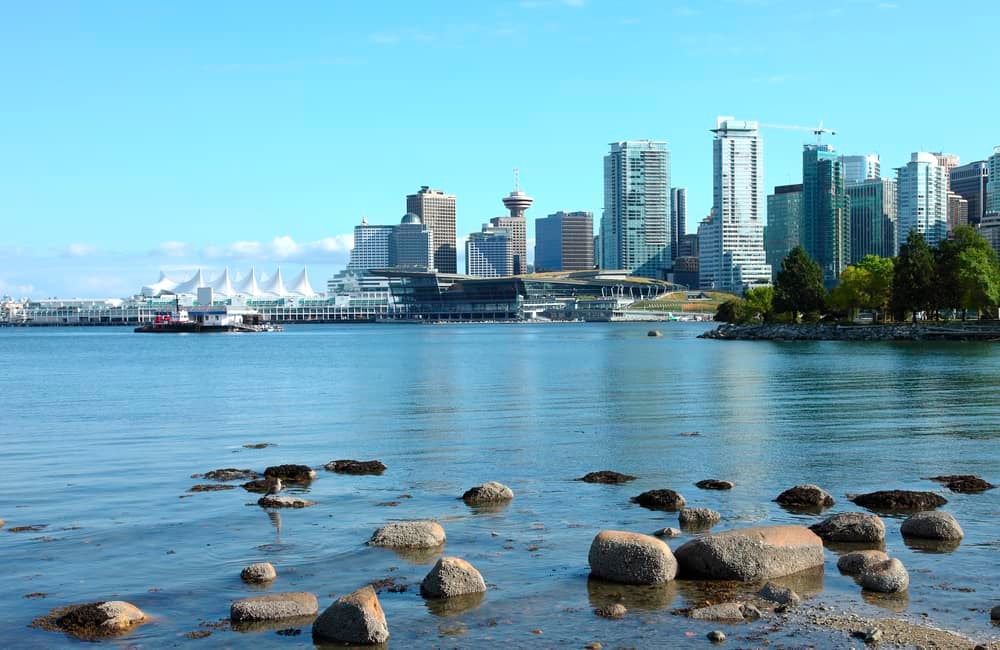
This cosmopolitan port city consistently ranks as one of the most expensive places to live in Canada. Key factors include:
- Average home price: $1.3 million
- Typical 1-bedroom rent: $2,500
- Cost of living for one person: $2,298 per month
Limited land supply coupled with strong demand fuels Vancouver’s sky-high real estate market . Housing costs have risen by double digits annually for over a decade. Good luck finding a detached home for under $2 million.
2. Toronto, Ontario
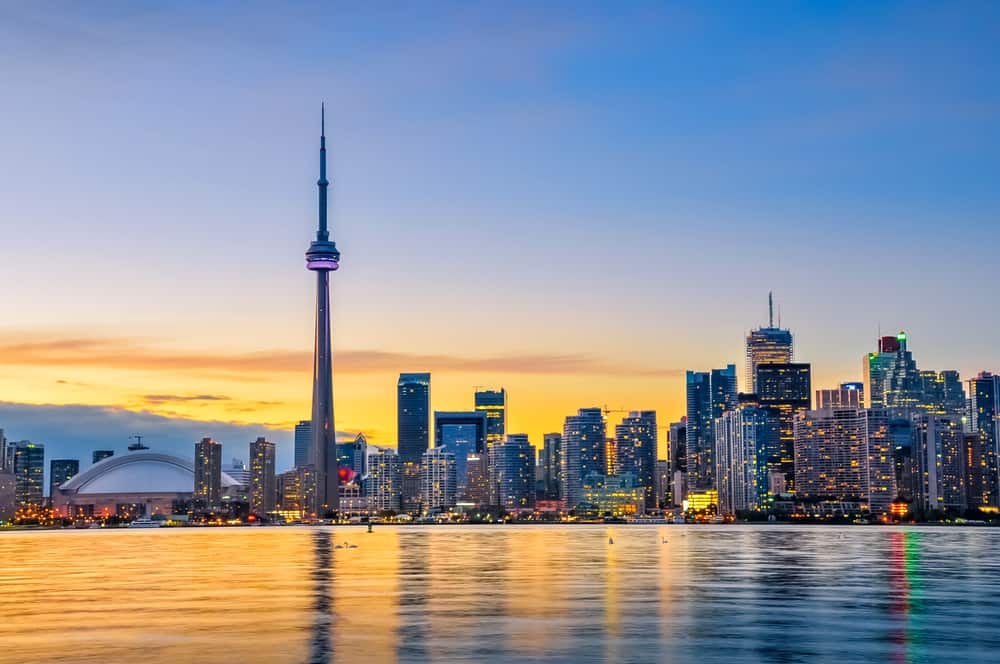
Canada’s largest city gives Vancouver a run for its money when it comes to steep housing costs:
- Average home price: $1.35 million
- Typical 1-bedroom rent: $2,279
- Cost of living for one person: $2,286 per month
With over 6 million residents in the metro area, demand for housing chronically outstrips supply in Toronto. Detached homes commonly top $2 million in desirable neighborhoods. Condo living is increasingly the norm for first-time buyers.
3. Victoria, British Columbia
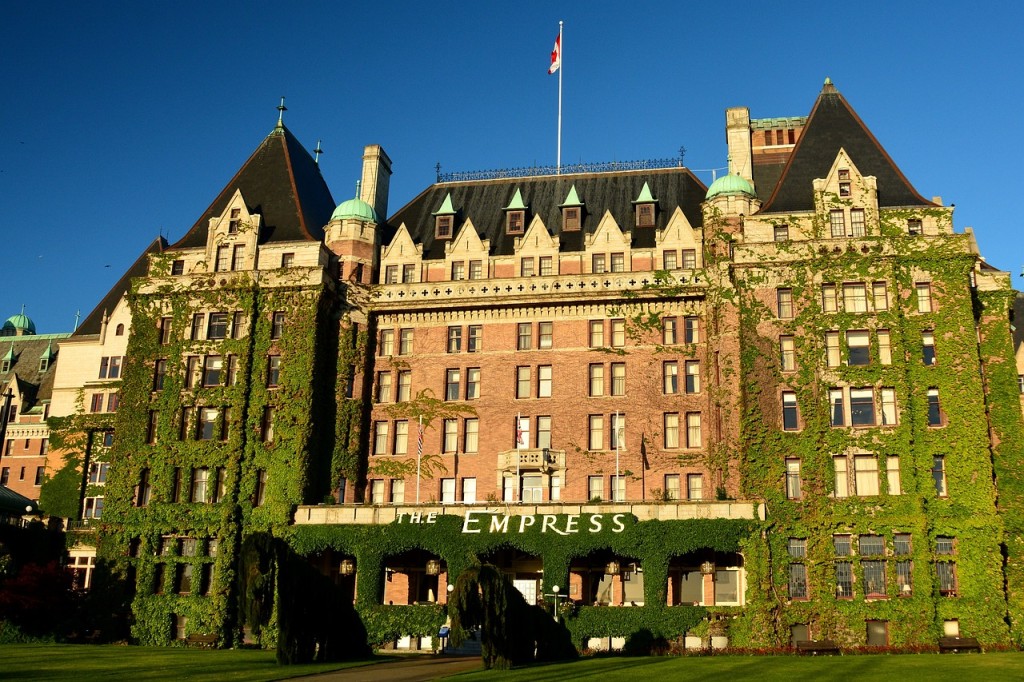
B.C.’s charming capital has become almost as costly as its mainland metropolis:
- Average home price: $1 million
- Typical 1-bedroom rent: $1,220
- Cost of living for one person: $1,906 per month
Limited space for new construction coupled with Vancouverites’ migration to Vancouver Island has led to dizzying price appreciation. And you thought million-dollar oceanfront views were exclusive to Vancouver and Toronto!
4. Nanaimo, British Columbia
This Vancouver Island hub tops Canada’s cost of living index thanks to factors like:
- Average home price: $944,950
- Typical cost of living for family of 4: $5,752 per month
p>With its mild climate and oceanside setting, Nanaimo boasts an enviable quality of life. Drawbacks include long drives to reach urban amenities and fewer high-paying job options. /p>
h2>5. Calgary, Alberta/h2>
figure>img width="1024" height="683" src="https://www.strawhomes.com/wp-content/uploads/2022/07/calgary-1024x683.jpeg" alt="calgary">/figure>
p>Corporate headquarters and oil fortunes propel home prices in Cowtown: /p>
ul>
li>Average home price: $520,000/li>
li>Typical 1-bedroom rent: $1,300/li>
li>Cost of living for one person: $1,893 per month/li>
/ul>
p>Though cheaper than coastal cities, housing costs in Calgary still run well above national averages . The city’s boom and bust economy has impacted real estate prices over the years. /p>
h2>6. Ottawa, Ontario/h2>
p>Housing demand in the nation’s capital keeps pushing prices upward: /p>
ul>
li>Average home price: $623,500/li>
li>Typical 1-bedroom rent: $1,441/li>
li>Cost of living for one person: $1,948 per month/li>
/ul>
p>High incomes from stable government jobs enable more home buyers in Ottawa. But supply shortages relative to the city’s population growth put upward pressure on prices. /p>
h2>7. Montreal, Quebec/h2>
p>While more affordable than Toronto or Vancouver, Canada’s second largest metro is catching up: /p>
ul>
li>Average home price: $501,000/li>
li>Typical 1-bedroom rent: $1,200/li>
li>Cost of living for one person: $1,196 per month/li>
/ul>
p>Home prices in Montreal remain well below larger Canadian cities for now. But its cultural attractions and relative affordability are drawing more residents, pushing up housing demand. /p>
h2>8. Halifax, Nova Scotia/h2>
p>Rising migration is putting pressure on Nova Scotia’s largest urban area: /p>
ul>
li>Average home price: $528,000/li>
li>Typical 1-bedroom rent: $1,200/li>
li>Cost of living for one person: $1,643 per month/li>
/ul>
p>Halifax offers big city amenities paired with small town charm. Offering a slower pace of life and cheaper housing than bigger cities, it’s become a magnet for remote workers and retirees. /p>
h2>9. Hamilton, Ontario/h2>
p>This industrial hub suffers from its proximity to high-priced Toronto: /p>
ul>
li>Average home price: $830,900/li>
li>Typical 1-bedroom rent: $1,500/li>
li>Cost of living for one person: $1,717 per month/li>
/ul>
p>Many Hamilton residents work in Toronto, which hikes incomes. But the spillover effect from Toronto’s blistering housing market makes Hamilton less affordable. /p>
h2>10. St. John’s, Newfoundland/h2>
p>Harsh winters are offset by relatively low housing costs: /p>
ul>
li>Average home price: $371,000/li>
li>Typical 1-bedroom rent: $1,000/li>
li>Cost of living for one person: $1,461 per month/li>
/ul>
p>High living expenses and transportation costs land St. John’s on the list of priciest cities. But chilly weather and isolation temper demand, keeping real estate prices modest by national standards. /p>
h2>11. Kelowna, British Columbia/h2>
p>A hot climate and recreational appeal make this inland BC city surprisingly costly: /p>
ul>
li>Average home price: $900,000/li>
li>Typical 1-bedroom rent: $1,400/li>
li>Cost of living for one person: $1,536 per month/li>
/ul>
p>Kelowna offers a compromise for those seeking warm weather, lakeside living and mountain scenery without Vancouver-level real estate prices. But supply shortages and building costs still push prices well above average. /p>
h2>12. Guelph, Ontario/h2>
p>Growing demand makes housing a stretch in this mid-sized Ontario city: /p>
ul>
li>Average home price: $900,000/li>
li>Typical cost of living for family of 4: $5,269 per month/li>
/ul>
p>While Guelph is more affordable than the Toronto area, its relative proximity has led to spillover demand, with high home prices but average wages. /p>
h1>Why Real Estate Rules the Roost/h1>
p>Housing hogged the spotlight in our ranking of the most expensive cities in Canada. The main factors driving high home prices across the country include: /p>
ul>
li>Limited land for new construction -Geography limits where new homes can be built in cities like Vancouver, Victoria and Kelowna. Urban density policies also constrain new housing in cities like Toronto. Tight supply amid rising demand equals higher prices./li>
li>Spillover demand from big cities – Exurban areas located near major urban centres like Toronto and Vancouver see demand from commuters and migrants hoping for cheaper housing. Popular destinations include Hamilton, Guelph and Nanaimo./li>
li>Speculation – Low interest rates and bullish sentiment in recent years spurred real estate speculation, especially for single family homes in desirable areas. Investors hoping for big price gains bid up values./li>
li>Migration from other provinces – Cities like Halifax and Kelowna have seen an influx of remote workers and retirees moving from more expensive provinces. Growing populations strain local housing stocks./li>
/ul>
p>The net result is that buying a home in Canada’s largest cities requires seven-figure prices. Even many mid-sized cities are hitting the $500,000 to $750,000 range for average home prices. Million-dollar listings are becoming common even in smaller scenic locales. /p>
p>Rising home values have also pulled up rental rates. Apartment rents closely track the trajectory of real estate appreciation in most cities. Average monthly rents now run $2,000+ for a 1-bedroom unit in Canada’s most sought after urban areas. /p>
h1>Beyond Real Estate: Cost of Living Reality Checks/h1>
p>Housing may be the poster child, but several other costs factor into overall affordability: /p>
p>
Groceries – Canada’s supermarket bills are rising with inflation, especially in remote areas where transport drives up prices. Meat, produce and dairy are costly necessities. /p>
p>
Childcare – Daycare spots remain scarce in many cities, with fees ranging from $1,000 – $2,000 per month per child at licensed facilities. /p>
p>
Income taxes – Canadians pay more taxes than Americans, especially in provinces like Ontario and Nova Scotia. Government services aren’t free. /p>
p>
Gasoline – Canada’s vast geography makes driving a must, and long cold winters lower fuel efficiency. Gas prices whipsaw, but remain high. /p>
p>
Electricity – Heating bills bite hard in cold northern cities used to minus 20 Celsius temps. Summers also bring air conditioning costs. /p>
p>
Internet/Cell Phone – Oligopolies control these vital services, with high fees compared to other countries. Rural broadband access remains limited. /p>
p>
Insurance – From healthcare to home to auto, Canadians pay more than Americans for their coverage safety net. /p>
p>
Imported Goods – Global supply chain issues and a weak Canadian dollar have driven up costs for anything from bananas to big screen TVs. /p>
p>Add it all up, and Canada’s reputation for an affordable, middle-class lifestyle has faced challenges in recent years. Housing costs present the most daunting hurdle for most people hoping to buy their first home or move up to a larger house. Rising interest rates and stagnant wages have further strained household budgets, making it even more difficult for families to achieve homeownership. /p>p>As a result, many Canadians are forced to reconsider their living arrangements or delay purchasing a home altogether. Addressing the issue of housing affordability in Canada has become a pressing concern for policymakers and prospective buyers alike. /p>
p>But day-to-day costs of living can also take a bigger bite of your household budget, especially in cities with climates demanding more heating and cooling costs. Taxes also nip away at take home pay, so gross income doesn’t reflect discretionary money. /p>
p>Still, Canada fares well compared to other advanced nations overall. But the gap has narrowed, removing one reason why Canada claimed bragging rights for offering a more affordable urban lifestyle compared to global peers. /p>
h1>Cost of Living Varies Widely Within Provinces/h1>
p>Our ranking focused on the cities themselves. But there can be big variances in cost of living between different areas within the same province or region: /p>
p>
British Columbia – Prices drop significantly outside the Lower Mainland around Vancouver . But some Vancouverites are driving up costs in interior BC locales like Kelowna or retiring to Victoria. /p>
p>
Ontario – Toronto skews Ontario pricing data. Ottawa, Hamilton, London and Windsor offer much lower costs away from the GTA. Northern Ontario remains very affordable. /p>
p>
Alberta – Calgary is pricey by national standards, but Edmonton and smaller centres like Lethbridge and Red Deer offer value . /p>
p>
Quebec – Montreal is climbing the cost ladder, but Quebec City, Gatineau and Sherbrooke are quite affordable. Rural towns offer cheap housing . /p>
p>
Atlantic Canada – Halifax is having a moment, but cities like Moncton, Fredericton, Charlottetown and St. John (New Brunswick) offer a lower cost east coast lifestyle. /p>
p>The takeaway is that Canada still provides reasonably priced living options outside of the major metro areas like Toronto and Vancouver . You may sacrifice urban amenities, but gain affordability. /p>
h1>The Best Cities for Cost-Conscious Canadians/h1>
p>If Canada’s priciest cities seem out of reach, take heart. Plenty of urban centres rank among the most affordable places to live in Canada:
/p>
p>
Quebec City, Quebec – Quebec’s capital offers sophisticated European charm and low costs. /p>
p>
Gatineau, Quebec – Low rents and prices just across the river from Ottawa appeal. /p>
p>
Kingston, Ontario – A student vibe plus lakefront beauty make this a value gem. /p>
p>
Moncton, New Brunswick – Decent wages and housing under $200,000 power affordability. /p>
p>
St. John’s, Newfoundland – Ocean vistas and East Coast hospitality at a bargain . /p>
p>
Regina, Saskatchewan – Prairie city perks at small town pricing. /p>
p>
Winnipeg, Manitoba – Arts and culture with midwestern price tags. /p>
p>
Lethbridge, Alberta – A sunny Southern Alberta escape from big city costs. /p>
p>
Thunder Bay, Ontario – Outdoor adventures on a modest budget. /p>
p>
Saguenay, Quebec – Scenic splendor in Quebec’s remote north for less. /p>
p>No matter your priorities, somewhere in Canada likely offers the lifestyle you want at a price you can afford. Seek out cities with universities, regional hospitals or government offices to obtain good wages without paying a premium price tag. /p>
p>Or embrace small town living where you can snag a waterfront cottage or acreage at a fraction of big city home prices. Just be ready to drive farther to find shopping malls and trendy cafes. /p>
h2>Frequently Asked Questions/h2>
h2>Q: What is the title of this FAQ?/h2>
p>A: The Top 12 Most Expensive Cities in Canada /p>
h2>Q: What are some synonyms for “expensive city”?/h2>
p>A: Some synonyms for “expensive city” include “expensive cities to live in Canada”, “cities to live in Canada”, and “places to live”. /p>
h2>Q: Which cities are included in the list of the most expensive cities in Canada?/h2>
p>A: The list includes 12 cities in Canada. /p>
h2>Q: Does the list include any cities outside of Canada?/h2>
p>A: No, the list only includes cities within Canada. /p>
h2>Q: Why is this list significant?/h2>
p>A: This list is significant because it ranks cities according to their cost of living, providing valuable information for individuals looking to relocate or plan their finances. /p>
h2>Q: Who conducts the cost of living survey for this list?/h2>
p>A: Mercer Canada conducts the cost of living survey for this list. /p>
h2>Q: How often is this list updated?/h2>
p>A: This list is updated annually. /p>
h2>Q: Which city has been ranked as the most expensive for the second year in a row?/h2>
p>A: The city that has been ranked as the most expensive for the second year in a row is Vancouver. /p>
h2>Q: How many cities are included in the cost of living survey conducted by Mercer Canada?/h2>
p>A: Mercer Canada’s cost of living survey includes 227 cities across five continents. /p>
h2>Q: Is Toronto on the list of the most expensive cities in Canada?/h2>
p>A: Yes, Toronto ranks among the top 10 most expensive cities in Canada. /p>
h2>How Do the Most Overvalued Canadian Housing Markets Compare to the Most Expensive Cities?/h2>p>In examining the landscape of urban real estate, the most overvalued canadian housing markets often reveal striking similarities to the world’s most expensive cities. High demand, limited supply, and foreign investment inflate prices, making affordability a growing concern. Understanding these dynamics is essential for potential buyers and investors alike. /p>h2>Conclusion/h2>
p>Housing costs take center stage in Canada’s most expensive cities, with Toronto and Vancouver topping $1 million for average homes. Rapid price appreciation has also impacted smaller cities in Ontario, British Columbia and across the Maritimes. /p>
p>But stretching your dollar depends on more than just mortgages and rent. Taxes, childcare, gas and groceries also eat away at incomes. And while Canada remains an affordable choice compared to other developed countries, the gap has narrowed in recent years. /p>
p>
Bargain hunters can find value in Quebec, Manitoba, Saskatchewan and smaller Ontario cities. Or embrace rural living or small towns to gain affordability with some trade-offs. With careful planning, you can still carve out a high quality of life in Canada on a moderate budget. /p>
p>According to a recent survey conducted by Mercer Canada, Canada continues to have cities that make the list of the most expensive places in the world to live in. In 2023, Vancouver, a city in north America, claimed the title of the most expensive Canadian city and ranked as the 90th most expensive city on the list. /p>
p>Despite domestic inflationary pressures, the overall quality of living and the high cost of housing in Vancouver contribute to its position as the least affordable city in the country. On the other hand, compared to last year, the cost of living in Canada has slightly decreased, making some cities more affordable. /p>
p>However, it is important to note that for individuals who want to work and live in the best places in Canada , the cost of living remains a significant factor. A career at Mercer Canada said in a statement that although Vancouver is the most expensive city in Canada, it is still the second most expensive city on the list of 400 cities surveyed, showcasing its high cost of living compared to other international cities. /p>
p>Sources: /p>
p>
https://www.numbeo.com/cost-of-living/in/Vancouver br>https://www.numbeo.com/cost-of-living/in/Toronto /p>p>
/p>

Let's Chat! Looking for a REALTOR® who can exceed your expectations? Look no further than Richard Morrison! His mission is to serve without limit & provide solutions that cater to your core needs.
• 20+ Years of Experience
• Medallion Member
• RE/MAX Hall of Fame

Latest Properties Added
| Property | Size | Price | Date Listed |
|---|---|---|---|
| 141 27th Street, North Vancouver | 1,651 sqft | $1,899,000 | Sep 13, 2026 |
| 2-2509 Kitchener Street, Vancouver | 1,284 sqft | $1,298,800 | Sep 12, 2026 |
| 1406-938 Smithe Street, Vancouver | 761 sqft | $799,000 | Sep 11, 2026 |
| 2802-1033 Marinaside Crescent, Vancouver | 583 sqft | $639,000 | Sep 11, 2026 |
| 386 45th Avenue, Vancouver | 1,762 sqft | $2,199,900 | Sep 10, 2026 |
| 207-378 45th Avenue, Vancouver | 1,329 sqft | $1,478,900 | Sep 10, 2026 |
| 108-378 45th Avenue, Vancouver | 745 sqft | $879,900 | Sep 10, 2026 |
| 1-1958 60th Avenue, Vancouver | 1,463 sqft | $1,899,900 | Sep 9, 2026 |
| 2-1956 60th Avenue, Vancouver | 1,463 sqft | $1,899,900 | Sep 9, 2026 |
| 1-1956 60th Avenue, Vancouver | 1,463 sqft | $1,899,900 | Sep 9, 2026 |
| 6222 Logan Lane, Vancouver | 1,622 sqft | $1,250,000 | Sep 7, 2026 |
| 4339 Granville Street, Vancouver | 4,672 sqft | $6,500,000 | Sep 11, 2026 |
Start your search with Richard Morrison, Top Award Winning Vancouver Realtor
Contact Richard Morrison Top Vancouver Realtor today to find a Vancouver houses for sale and Vancouver condos for sale. Also check out Burnaby houses for sale or maybe Burnaby condos for sale. If you prefer North Shore, take a look at our listings in North Vancouver houses for sale and North Vancouver condos for sale.