Are Log Homes in BC Canada More Expensive to Insure?
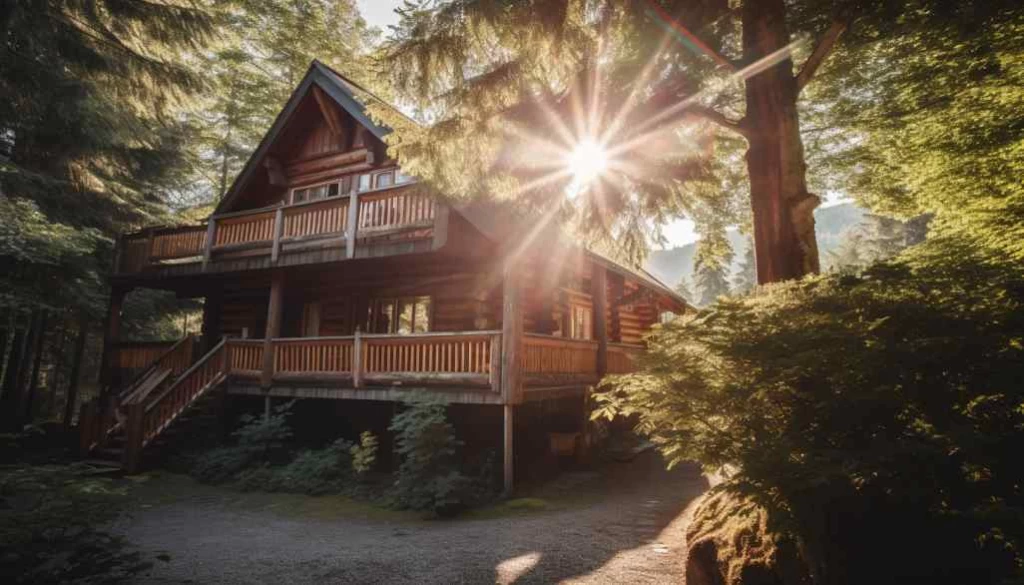
Are log homes in BC Canada more expensive to insure? Log cabins are becoming an increasingly popular choice for Canadians looking for a beautiful, rustic home. But is the cost of insurance worth it?
In this article, we’ll explore the pros and cons of insuring a log cabin in Canada.
I’ll look at how much coverage you need based on where your cabin is located, what kind of risks come with owning a log home, and whether or not it’s economically viable to pay for all that extra protection. I’ll also talk about some tips and tricks to help reduce the average closing costs for seller so you can get the most out of your investment.
Quick Answer
- Yes, log homes in BC, Canada are typically more expensive to insure than traditional homes
- The exact cost of insurance will depend on several factors, including the cost of building the home and the materials used
- Although log cabins are often thought to be at a higher risk of fire damage, they are actually at less risk than traditional homes
- However, log houses can burn faster than homes made of other materials, which can contribute to higher insurance rates
- If you are looking for log home insurance in BC, you can get a quote from Square One for about $75/month
If you’re interested in learning more about insuring log homes in Canada and finding ways to save money while still protecting yourself from financial losses, then keep reading! I’ve got all the information you need right here through my research.
Factors That Impact Home Insurance Premiums
Canadian log home insurance costs depend on several factors. Weather, fire, and theft protection are examples. Weather damage is one of the biggest risks of owning a log home in Canada, so make sure you have enough coverage for storms and other natural disasters.
Fire protection is necessary to protect your property from financial loss. In high-crime areas , theft protection is also important. These factors affect Canadian log property insurance rates.
So while log property may have higher insurance costs than traditional houses , making sure you have enough coverage for all the risks of living in such a unique structure can lower those costs. Knowing your coverage needs and shopping around for competitive quotes can lower premiums!
Different Types of Insurance Coverage for Log Houses
After discussing the factors affecting Canadian log home insurance costs, let’s look at the policies available to protect your log residence. Due to their unique construction and design, log homes require special coverage. Log property insurance options are plentiful.
Homeowner’s insurance and specialty log house insurance covers. Standard homeowners ‘ policies don’t cover custom-built log structures.
Specialty log home insurance offers higher liability limits, additional living expenses during repairs, and replacement cost value (RCV) in the event of a fire or vandalism. If your property is prone to flooding, consider other features like flood insurance.
Compare quotes from multiple providers before choosing a provider because premiums vary by coverage type and amount.
Ask questions if you don’t understand a policy—it could save you money! With the right policy, your log home is protected from unexpected losses.
Factors That Impact the Cost of Constructing Log Homes
Many factors affect log house building costs. Climate and location affect construction costs more than material or labour prices. Consider this:
- Material Costs: Wood type depends on climate, availability, and quality. Costs must include treating logs before construction.
- Labour Costs: Log building requires specialized skills and knowledge, so labour costs may vary by location.
- Climate: Different climates require different materials and labour treatments, including insulation from extreme temperatures. This ensures your home lasts and stays intact.
- Location: Permit fees may vary. Building in certain locations may require zoning permits and other legal fees.br>br>These all affect the cost of building a log home in Canada, but it doesn’t have to be expensive! Planning and research can help you build your dream log property within budget and to your specifications.
Log Home Maintenance Costs: What to Expect
Log home maintenance is crucial. If neglected, property maintenance can be costly . However, budgeting and planning can make property maintenance affordable !
A table of log home maintenance costs follows:
Logs need special care to last for years. Check your logs, siding, walls, and ceilings regularly. Check for rot, insect damage, and air leaks in caulking around doors and windows.
Pressure-washing or using a wood cleaner annually is also important. This keeps logs looking great year after year!
Maintenance costs may seem high, but they’re usually lower than brick or stone. Regular maintenance preserves your investment’s value over time, making it worth it!
Frequently Asked Questions
Q: Are log homes in BC Canada more expensive to insure?
A: Log properties in BC Canada can be more expensive to insure compared to conventional homes . This is mainly because log properties are perceived to have a higher risk of fire and fire damage. Insurance companies may also consider other factors such as the location of the log residence and the availability of fire hydrants and fire departments in the area.
Additionally, some insurers may require specialized coverage for log homes, which can further increase costs. Homebuyers should also factor in the minimum down payment in BC when purchasing a log property, as financing requirements may differ from conventional homes. Understanding these factors can help buyers make informed decisions and plan for potential expenses.
Q: What is log cabin insurance?
A: Log cabin insurance refers to an insurance policy that is specifically designed to cover log cabins. It provides coverage for the structure of the log cabin, as well as personal property and liability protection. Log cabin insurance may include coverage for fire, vandalism, natural disasters, and other perils that can damage or destroy a log residence.
Q: How is log cabin insurance different from homeowners insurance?
A: Log cabin insurance is a type of homeowner’s insurance that is tailored for log residence While it provides many of the same coverages as traditional homeowners insurance, log cabin insurance takes into account the unique risks and characteristics of log residences. This can include specialized coverage for log and timber construction, as well as coverage for damage caused by wood-boring insects such as termites.
Q: Does a log cabin cost more to insure?
A: Yes, log cabins generally cost more to insure compared to conventional homes. The higher cost is primarily due to the perceived increased risk of fire and fire damage associated with log construction. Additionally, log cabins may be located in remote or rural areas which can also contribute to higher insurance premiums.
Find out what to expect on closing day for more details
Q: How can I insure my log residence?
A: To insure your log residence, you can contact an insurance agent who specializes in log residence insurance. They can help you assess your insurance needs and provide you with a quote. It is important to provide accurate information about your log property including its size, value, location, and any additional features or upgrades.
This will ensure you get the coverage you need at the right price.
Q: Can I get log cabin insurance if my log cabin is a second home or a seasonal cabin?
A: Yes, you can get log cabin insurance even if your log cabin is a second home or a seasonal cabin. There are insurance policies specifically designed for these types of properties. Seasonal cabin insurance provides coverage for cabins that are only occupied during certain times of the year , while second home insurance covers properties that are not your primary residence.
These policies typically offer flexible coverage options tailored to the unique needs of second homes and seasonal cabins.
Q: Does insurance cover log real estate for all types of perils?
A: Insurance coverage for log real estate can vary from one policy to another. However, most log real estate insurance policies provide coverage for a wide range of perils including fire, vandalism, theft, windstorm, hail, and certain types of water damage . It’s important to review your policy and understand what perils are covered and if there are any exclusions or limitations.
Q: Can I make a claim on my log cabin insurance if my log cabin is damaged?
A: Yes, if your log cabin is damaged, you can make a claim on your log cabin insurance policy. Contact your insurance company as soon as possible to report the damage and start the claims process. They will guide you through the necessary steps and documentation required to process your claim and compensate you for the damages.
Q: How can I get a log cabin insurance quote in 5 minutes?
A: To get a log cabin insurance quote in 5 minutes, you can use online insurance platforms or contact insurance companies that offer online quote services. These platforms and companies typically have user-friendly interfaces where you can input your information and receive a quote almost instantly. However, keep in mind that the accuracy of the quote will depend on the accuracy of the information you provide.
Q: What factors can affect the cost of log cabin insurance?
A: Several factors can affect the cost of log cabin insurance. These can include the location of the home, the age and condition of the home , the value of the home and its contents, the type and amount of coverage, the deductible, and any additional endorsements or riders added to the policy. Insurance companies may also consider external factors such as the proximity to a fire hydrant and a fire department, as well as the overall fire risk in the area.
What Kind Of Materials Are Used To Build homes?
They have become increasingly popular over recent years due to their rustic charm and durability; plus they’re much easier on the environment than traditional builds! With so many different materials available for building, it can be difficult to decide which one is best for you.
Wood logs are typically the most common option as they provide an authentic look that will last for years, but other materials like timber or cedar logs can also be used depending on budget and design preferences. Log siding is another great choice if you’re looking for a more modern feel with less maintenance required.
Is There A Difference In The Cost Of Insurance For Houses In Different Parts Of Canada?
The answer is yes – depending on where your house is located and how much coverage you need, the rate of your premium can vary significantly.
Here are four key points to keep in mind when researching house insurance cost:
- Look at multiple types of policies and compare prices between them.
- Consider factors such as property value, location, and risk level before making a decision.
- Check out reviews from other homeowners who’ve purchased similar policies to get an idea of customer satisfaction with certain companies.
- Ask around to see if any friends or family members have experience with specific insurers so they can give you their advice on the matter too!
Are They More Susceptible To Fire Damage Than Other Types Of Homes?
When it comes to protecting them from fire damage, prevention is key. Fireproofing your logs and ensuring proper ventilation for combustion appliances such as wood stoves can go a long way towards reducing the risk of fires starting in or around your home.
Additionally, investing in high-quality smoke detectors and sprinkler systems can provide additional protection against potential disasters. It’s also important to ensure that you are taking all necessary steps to protect your property with adequate insurance coverage.
Fire safety should never be taken lightly – no matter what type of house you own!
Are Log Homes in BC Canada Subject to Higher Insurance Costs Compared to Condos with Strata Fees?
Log homes in BC Canada may face higher insurance costs due to their unique construction and fire susceptibility. In contrast, condos often include strata fees that cover insurance as part of condo maintenance costs . Potential buyers should weigh these factors when deciding between the two types of housing.
Conclusion
In conclusion, log homes are a unique and beautiful way to create a home in Canada. They can be more expensive than building with other materials due to their increased energy efficiency and the quality of the construction materials used. Insurance forthem is not necessarily higher than other types of homes but it may depend on where you live in Canada as well as what kind of coverage you need.
They are typically very durable and fire resistant so they may actually have lower insurance premiums than many other types of homes.
When I was planning my own dreamproperty, I was amazed at how quickly the costs added up when factoring in things like insulation, windows, doors, and roofing
But then again that’s why I wanted one – because I knew it would last me much longer than any traditional frame structure could. Plus, I couldn’t help but feel proud knowing that my ancestors had built similar structures hundreds of years ago!
So if you’re looking to build your own special place in this world and don’t mind spending a bit more on an incredibly unique style of living space, then consider investing in a one – just make sure to get all the facts about insurance before signing on the dotted line!
Sources: br>https://www.koho.ca/learn/is-home-insurance-legal-requirement-canada/ br>https://www.trulogsiding.com/log-home-pros-cons/

Let's Chat! Looking for a REALTOR® who can exceed your expectations? Look no further than Richard Morrison! His mission is to serve without limit & provide solutions that cater to your core needs.
• 20+ Years of Experience
• Medallion Member
• RE/MAX Hall of Fame

Latest Properties Added
| Property | Size | Price | Date Listed |
|---|---|---|---|
| 141 27th Street, North Vancouver | 1,651 sqft | $1,899,000 | Sep 13, 2026 |
| 2-2509 Kitchener Street, Vancouver | 1,284 sqft | $1,298,800 | Sep 12, 2026 |
| 1406-938 Smithe Street, Vancouver | 761 sqft | $799,000 | Sep 11, 2026 |
| 2802-1033 Marinaside Crescent, Vancouver | 583 sqft | $639,000 | Sep 11, 2026 |
| 386 45th Avenue, Vancouver | 1,762 sqft | $2,199,900 | Sep 10, 2026 |
| 207-378 45th Avenue, Vancouver | 1,329 sqft | $1,478,900 | Sep 10, 2026 |
| 108-378 45th Avenue, Vancouver | 745 sqft | $879,900 | Sep 10, 2026 |
| 1-1958 60th Avenue, Vancouver | 1,463 sqft | $1,899,900 | Sep 9, 2026 |
| 2-1956 60th Avenue, Vancouver | 1,463 sqft | $1,899,900 | Sep 9, 2026 |
| 1-1956 60th Avenue, Vancouver | 1,463 sqft | $1,899,900 | Sep 9, 2026 |
| 6222 Logan Lane, Vancouver | 1,622 sqft | $1,250,000 | Sep 7, 2026 |
| 4339 Granville Street, Vancouver | 4,672 sqft | $6,500,000 | Sep 11, 2026 |
Start your search with Richard Morrison, Top Award Winning Vancouver Realtor
Contact Richard Morrison Top Vancouver Realtor today to find a Vancouver houses for sale and Vancouver condos for sale. Also check out Burnaby houses for sale or maybe Burnaby condos for sale. If you prefer North Shore, take a look at our listings in North Vancouver houses for sale and North Vancouver condos for sale.