The Pros and Cons of Living and Investing in a Mobile Home Park
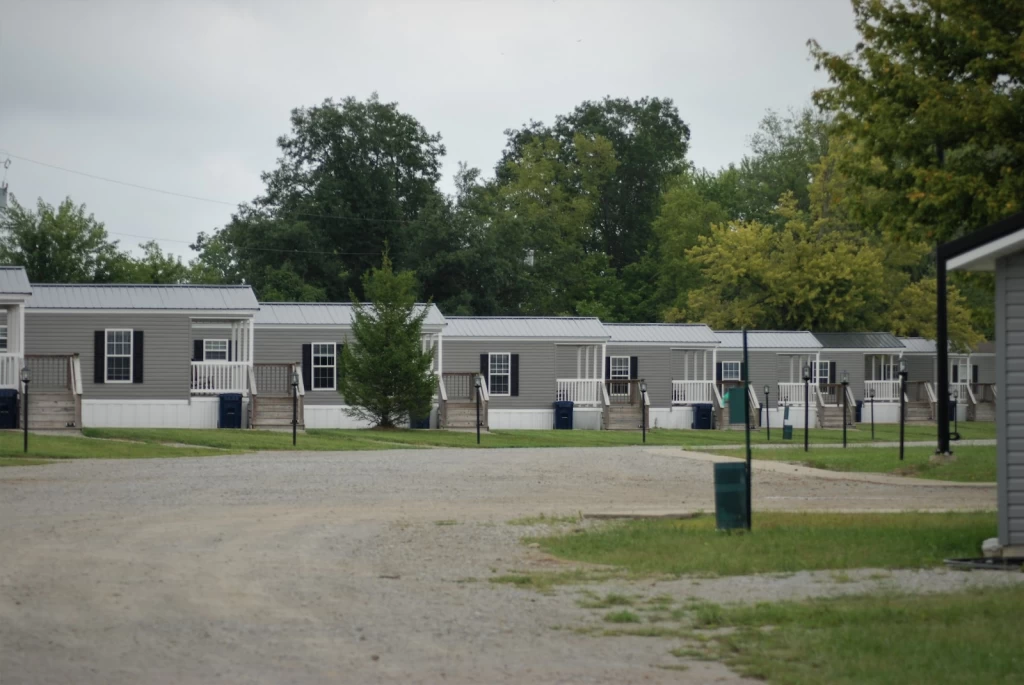
When I first started working with clients exploring affordable housing options in BC, I thought manufactured homes were simply “trailers” with limited value. But after helping dozens of families successfully purchase mobile homes in parks across the Okanagan, Vancouver, and Kelowna, I realized the truth about mobile home park living in British Columbia is far more nuanced than most people imagine. If you’re struggling with Vancouver’s astronomical real estate prices and wondering whether a mobile home park might be your path to homeownership, you’re not alone.
Mobile home parks in BC offer an affordable entry point into the real estate market, with homes typically costing 40-60% less than traditional single-family houses. However, buyers must carefully consider pad rent, land ownership restrictions, and resale challenges before making this significant investment decision.
Understanding Manufactured Home Communities: What You’re Actually Buying
Let me clear up some confusion right away. When you purchase a mobile home in British Columbia, you’re buying the physical structure – the manufactured home itself – but not the land it sits on. Think of it like buying a condo where you own your unit but share common spaces, except in this case, you’re renting the land (called a “pad”) from the park owner.
Modern manufactured homes have come a long way from their trailer park origins. Today’s models must meet rigorous CSA standards and are built in controlled factory environments, which actually results in more consistent quality than some site-built homes. Many homes in established parks throughout Kelowna and West Kelowna feature permanent foundations, pitched roofs, and architectural details you’d find in traditional residential properties.
The manufactured home market in BC operates under specific provincial regulations designed to protect both tenants and landlords. The Residential Tenancy Act governs most aspects of mobile home park living, from rent increases to dispute resolution. Understanding these protections is crucial before you make informed decisions about purchasing.
The Financial Pros: Why Buyers Choose Mobile Home Park Living
Dramatically Lower Purchase Prices
The most compelling advantage? Affordability. While the average single-family home in Metro Vancouver exceeds $1.8 million, you can find well-maintained manufactured homes in quality parks for $200,000-$500,000. This dramatic price difference makes homeownership accessible to first-time buyers who’ve been priced out of conventional markets.
I recently helped a young couple purchase a beautiful 3-bedroom manufactured home in a West Kelowna park for $285,000. Compare that to the $850,000 they would’ve paid for a comparable townhouse, and you’ll understand why demand for affordable housing options in mobile home parks continues growing.
Reduced Down Payment Requirements
Many parks in Kelowna and West offer financing options that require lower down payments than traditional mortgages. While minimum down payment requirements for conventional homes in BC can be steep, some manufactured home purchases qualify for alternative financing with as little as 10% down.
Lower Property Taxes and Utility Costs
Since you don’t own the land, property tax assessments are significantly lower than single-family homes. Many parks also include services like water and sewer, snow removal, and common area maintenance in your pad fees, which can actually reduce your overall housing costs compared to traditional homeownership where you’d handle these separately.
Investment Potential with Strategic Purchase
Contrary to popular belief, mobile homes can hold their value over time – especially newer models in well-managed parks with reasonable pad rent. I’ve seen clients in established Vancouver-area parks experience modest appreciation, particularly when they’ve invested in upgrades and renovations that modernize their homes.
The Cons: Disadvantages You Must Consider
Monthly Pad Rent: The Ongoing Cost Nobody Escapes
Here’s the hard truth that catches many first-time buyers off-guard: pad rent is forever. Unlike a mortgage that eventually ends, you’ll pay monthly rent for the land as long as you own the home. In British Columbia, pad fees typically range from $400-$800 monthly, though some parks near Vancouver charge over $1,000.
What makes this particularly challenging is that park owners can increase pad rent with proper notice – typically three months’ notice under BC tenancy laws. While increases are subject to a yearly limit tied to inflation, these cumulative increases can significantly impact your long-term affordability. I’ve watched clients’ pad rent increase by $150-$200 over just five years.
Financing Challenges That Limit Your Options
Let’s talk about the elephant in the room: getting a traditional mortgage for a manufactured home is harder than buying a house through conventional channels. Many major banks treat manufactured homes differently than stick-built properties, often requiring:
- Larger down payments (15-20% instead of 5-10%)
- Higher interest rates (sometimes 0.5-1% above standard rates)
- Shorter amortization periods (20-25 years instead of 30)
Some lenders won’t finance manufactured homes at all, particularly older models built before 1980. This reality means you’ll need to work with specialized lenders or credit unions familiar with the manufactured home market in British Columbia.
Resale Complexity and Market Limitations
When I list a mobile home for clients, I’m always upfront: your buyer pool is smaller than traditional real estate. The financing challenges I mentioned above directly impact resale, as potential buyers face the same hurdles you did. Homes in parks with high pad rent or strict age restrictions typically sit on the market longer and may require price adjustments.
Additionally, the manufactured home registry in BC requires proper transfer documentation, adding another layer to the sales process that doesn’t exist with traditional properties.
Park Rules Can Restrict Your Freedom
Living in a mobile home park means following community rules established by the park owner. These park rules in place can include:
- Age restrictions (some parks are 55+, limiting your buyer pool when selling)
- Pet limitations (size, breed, and number restrictions)
- Rental prohibitions (many parks don’t allow you to rent out your home)
- Exterior modification approvals (you can’t just paint your home any color)
- Guest parking and visitation rules
I’ve had clients struggle with these restrictions, particularly when life circumstances changed and they wanted to rent out their property but park rules prohibited it.
Land Lease Vulnerability
Here’s something that keeps me up at night for my mobile home clients: you don’t control the land. In rare but devastating cases, park owners can close parks for redevelopment. While British Columbia has protections requiring 12 months’ notice and compensation, being forced to move or sell under pressure is traumatic and financially damaging.
The rented land situation means you’re building equity in an asset that requires someone else’s land to have value. It’s a fundamental vulnerability that doesn’t exist with traditional single-family homes or condos.
Making Smart Purchase Decisions: Critical Factors Every Buyer Should Evaluate
Investigate the Park’s Financial Health and Management
Before you fall in love with a home, investigate the park itself. Request to see:
- Current pad rent and history of increases over the past 5-10 years
- Park owner’s reputation and management style
- Whether tenants have been able to establish a park committee (a good sign of owner cooperation)
- Occupancy rates (high vacancy might indicate problems)
- Planned improvements or potential rent increases
Well-managed parks with stable ownership are worth their weight in gold. Conversely, parks with frequent ownership changes or deferred maintenance spell trouble.
Understand the Age and Condition Implications
The age of the manufactured home dramatically affects both financing and insurance. Homes built before 1980 often:
- Can’t qualify for conventional financing
- May not meet current safety standards without upgrades
- Face higher insurance premiums or coverage limitations
- Have reduced appeal to future buyers
Newer homes (post-2000) built to modern CSA standards typically perform better in resale and financing scenarios. When comparing property types, age matters more for manufactured homes than traditional construction.
Calculate Total Cost of Ownership Accurately
Don’t just compare the purchase price. Calculate your true monthly costs:
- Mortgage payment (if financing)
- Pad rent
- Utilities not included in pad fees
- Home insurance (often higher than traditional homes)
- Maintenance reserves
- Property taxes
Add these up and compare against renting alternatives or other housing options in your price range. Sometimes a small condo with strata fees offers better long-term value.
Inspect Thoroughly – This Is Non-Negotiable
I cannot stress this enough: hire a qualified home inspector experienced with manufactured homes. These structures have unique systems and potential issues like:
- Underbelly access and moisture problems
- Tie-down system integrity
- Pier and foundation settlement
- Roof condition (many older homes have flat or low-slope roofs prone to leaks)
- HVAC systems specific to manufactured housing
The home inspection process might reveal deal-breakers or give you negotiating leverage. Never skip this step, even if the seller claims the home is perfect.
Research Exit Strategies Before You Buy
Here’s advice I give every mobile home buyer: plan your exit before you enter. Ask yourself:
- How long do I realistically plan to live here? (Break-even typically requires 5-7 years)
- What’s the demographic trend in this park? (Aging population might limit future buyers)
- Are comparable homes selling, or sitting on the market?
- What’s my backup plan if I need to sell quickly?
Having realistic expectations about resale will prevent disappointment down the road.
The Investment Perspective: When Mobile Home Parks Make Financial Sense
Ideal Buyer Profiles
Mobile home park living works exceptionally well for:
- First-time buyers priced out of traditional markets who prioritize homeownership over land ownership
- Retirees and downsizers looking to reduce housing costs and maintenance responsibilities
- Single professionals seeking affordable entry points in expensive markets like Vancouver or the Okanagan
- Investors (where park rules allow) generating rental income in communities with strong demand
Strategic Renovation Can Build Equity
Unlike renting, owning your manufactured home means upgrades directly benefit you. I’ve seen clients dramatically improve their home’s value with strategic renovation projects:
- Kitchen and bathroom updates (highest ROI)
- New flooring and paint (affordable impact)
- Energy-efficient windows and insulation (reduces costs, increases appeal)
- Deck or patio additions (expands livable space)
These improvements make your home more competitive when it’s time to sell, though remember you’re still limited by the pad rent factor.
Market Timing and Selection Matter Enormously
Just like traditional real estate, buying smart in the manufactured home market requires understanding whether you’re in a sellers or buyers market. I’ve negotiated significant savings for buyers who purchased during slower seasons or from motivated sellers facing life transitions.
Navigating the Legal Landscape: Your Rights and Protections in BC
The Residential Tenancy Act provides specific protections for manufactured home owners in BC parks:
- Rent Increases: Limited to once per 12 months with proper notice
- Dispute Resolution: Access to the Residential Tenancy Branch for enforceable decisions
- Security of Tenure: Park owners can’t arbitrarily evict you as long as you follow park rules
- Closure Compensation: If a park closes, owners must provide year’s rent or compensation
Understanding these protections is part of making informed decisions about mobile home ownership. The contract of purchase and sale for a manufactured home includes unique provisions not found in traditional real estate transactions.
Regional Considerations: Mobile Home Parks Across British Columbia
Metro Vancouver
Parks in Vancouver and surrounding areas offer proximity to urban amenities but come with higher pad rent ($700-$1,200 monthly). The trade-off is access to employment centers and services. However, Vancouver’s housing affordability crisis means even mobile homes here can exceed $400,000 for newer models.
Okanagan Region
Kelowna and West Kelowna feature numerous well-established parks with more moderate pad rent ($500-$800). The climate is favorable, maintenance costs are reasonable, and the lifestyle appeals to retirees and families alike. This region offers some of the best value propositions for manufactured home living in BC.
Other BC Markets
Smaller communities throughout British Columbia often have affordable mobile home options with even lower pad rent, though you’ll trade off access to services and potential employment opportunities.
Frequently Asked Questions: Mobile Home Parks in BC
Can I get a mortgage for a mobile home in a park?
Yes, but with limitations. You’ll typically need 15-20% down, face higher interest rates, and work with specialized lenders or credit unions. Homes built before 1980 rarely qualify for traditional financing. The process differs significantly from conventional mortgage applications.
How much does pad rent typically increase each year?
BC regulations tie increases to inflation metrics, typically resulting in 2-4% annual increases. However, past increases don’t guarantee future patterns, and some parks have raised rent more aggressively when changing ownership.
What happens if the park owner wants to close the park?
You’re entitled to 12 months’ notice and compensation (typically one year’s rent). You’ll need to either move your home to another park (expensive and sometimes structurally impossible) or sell under time pressure. This is one of the greatest risks of investing in real estate alternatives like mobile homes.
Do mobile homes appreciate in value?
Unlike traditional real estate that typically appreciates with land value, manufactured homes often depreciate like vehicles – except in well-managed parks with low pad rent where homes may hold value or appreciate modestly. Location, age, condition, and market demand all factor into value over time.
Can I rent out my mobile home in a park?
This depends entirely on park rules. Many parks prohibit rentals to maintain community standards and demographics. Check park regulations before purchasing if rental income is part of your strategy. This differs significantly from traditional rental property opportunities.
What closing costs should I expect when buying a manufactured home?
Expect closing costs including legal fees ($800-$1,500), home inspection ($400-$600), land transfer tax (if applicable), insurance setup, and manufactured home registry fees. Budget 2-3% of purchase price for transaction costs.
Are there age restrictions in mobile home parks?
Some parks designate themselves as 55+ or adult-only communities. These age restrictions can limit your buyer pool when selling but often create quieter, more established communities. Verify restrictions before purchasing, as they significantly impact future marketability.
How does park living compare to condo ownership?
Both involve monthly fees (pad rent vs. strata fees) and community living with rules. However, condo ownership includes owning your portion of the land and typically offers better appreciation potential. Mobile homes offer lower entry costs but face financing and resale challenges condos don’t encounter.
The Bottom Line: Is Mobile Home Park Living Right for You?
After 15 years helping buyers navigate British Columbia’s real estate market, I’ll tell you this: mobile home parks can be an excellent solution for the right buyer with realistic expectations. If you prioritize homeownership affordability over land ownership, can accept ongoing pad rent, and plan to stay long-term in a well-managed park, this housing option deserves serious consideration.
However, don’t romanticize the decision. The financing challenges, resale limitations, and pad rent realities are significant factors that make manufactured homes fundamentally different from traditional home ownership types in Canada.
My advice? Work with a real estate agent experienced in manufactured homes, run the numbers conservatively, inspect thoroughly, and visit the park multiple times at different times of day. Talk to current residents about their experiences. Review park financials and management history.
The demand for affordable housing options in British Columbia isn’t disappearing, and mobile home parks serve an important function in our housing ecosystem. Whether they’re right for your specific situation depends on your financial goals, lifestyle preferences, and long-term plans.
As Canadian real estate continues evolving, the question “will houses ever be affordable again?” drives more buyers to explore alternatives like manufactured homes. Just make sure you’re entering this market with eyes wide open, understanding both the genuine advantages and the very real limitations.
The key to success with mobile home park living? Treat it like any major real estate decision – research thoroughly, calculate realistically, and choose strategically. Do that, and a manufactured home in a quality BC park might just be the affordable entry point into homeownership you’ve been searching for.

Let's Chat! Looking for a REALTOR® who can exceed your expectations? Look no further than Richard Morrison! His mission is to serve without limit & provide solutions that cater to your core needs.
• 20+ Years of Experience
• Medallion Member
• RE/MAX Hall of Fame

Latest Properties Added
| Property | Size | Price | Date Listed |
|---|---|---|---|
| 141 27th Street, North Vancouver | 1,651 sqft | $1,899,000 | Sep 13, 2026 |
| 2-2509 Kitchener Street, Vancouver | 1,284 sqft | $1,298,800 | Sep 12, 2026 |
| 1406-938 Smithe Street, Vancouver | 761 sqft | $799,000 | Sep 11, 2026 |
| 2802-1033 Marinaside Crescent, Vancouver | 583 sqft | $639,000 | Sep 11, 2026 |
| 386 45th Avenue, Vancouver | 1,762 sqft | $2,199,900 | Sep 10, 2026 |
| 207-378 45th Avenue, Vancouver | 1,329 sqft | $1,478,900 | Sep 10, 2026 |
| 108-378 45th Avenue, Vancouver | 745 sqft | $879,900 | Sep 10, 2026 |
| 1-1958 60th Avenue, Vancouver | 1,463 sqft | $1,899,900 | Sep 9, 2026 |
| 2-1956 60th Avenue, Vancouver | 1,463 sqft | $1,899,900 | Sep 9, 2026 |
| 1-1956 60th Avenue, Vancouver | 1,463 sqft | $1,899,900 | Sep 9, 2026 |
| 6222 Logan Lane, Vancouver | 1,622 sqft | $1,250,000 | Sep 7, 2026 |
| 4339 Granville Street, Vancouver | 4,672 sqft | $6,500,000 | Sep 11, 2026 |
Start your search with Richard Morrison, Top Award Winning Vancouver Realtor
Contact Richard Morrison Top Vancouver Realtor today to find a Vancouver houses for sale and Vancouver condos for sale. Also check out Burnaby houses for sale or maybe Burnaby condos for sale. If you prefer North Shore, take a look at our listings in North Vancouver houses for sale and North Vancouver condos for sale.