How to Subdivide Lots in Vancouver
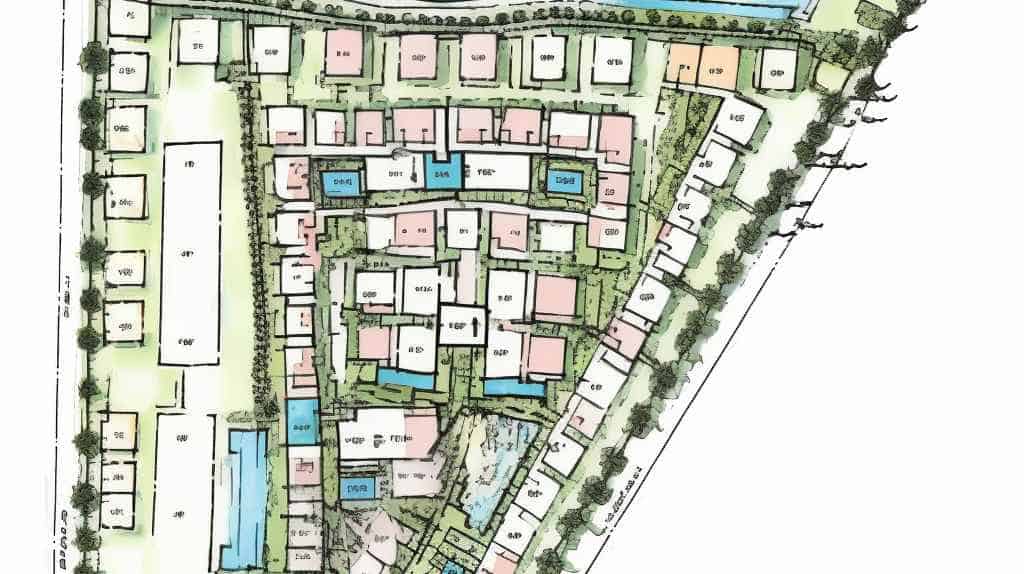
Have you ever considered subdividing your property in Vancouver to create additional lots that can be sold or developed? Subdividing property can certainly unlock value, but it’s important to understand the process and requirements before pursuing this route. In this comprehensive guide, I’ll walk you through everything you need to know about subdividing property in Vancouver, from assessing feasibility to obtaining final approval. You’ll need to navigate zoning regulations, lot size requirements, and city approval processes to ensure your subdivision meets all necessary criteria. Additionally, understanding market trends and exploring options like pocket listings in Canada can help you find buyers or developers interested in your newly created lots. With careful planning and professional guidance, subdividing your property can be a lucrative investment opportunity. Before moving forward, it’s essential to consult with professionals such as urban planners, surveyors, and real estate experts to ensure a smooth process. Additionally, researching the pros and cons of living in West Vancouver can provide valuable insights into the local market and help determine whether subdividing in this area aligns with your investment goals. By taking the time to understand all aspects of the subdivision process, you can maximize your property’s potential while minimizing risks. Moreover, being aware of factors such as infrastructure costs, development fees, and potential community resistance can help you anticipate challenges before they arise. Understanding why housing is expensive in Canada is also crucial, as high land costs, zoning restrictions, and increasing demand all play a role in shaping property values and subdivision feasibility. By staying informed and working with experienced professionals, you can navigate these complexities and make well-informed decisions that optimize your property’s value. Furthermore, staying up to date with insights from industry experts like Ozzie Jurock Vancouver real estate can provide valuable guidance on market trends and investment strategies. His expertise in the Vancouver real estate market can help you make informed decisions when evaluating the profitability of your subdivision project. By leveraging expert advice and thorough research, you can maximize your property’s value while mitigating potential risks.
Key Takeaways:
- Subdividing property in Vancouver requires approval from the City’s Approving Officer. Minor subdivisions under 4,000 sq ft have a simpler approval process.
- You’ll need to submit a preliminary proposal with documents like a title search and sketch plan. Expect a review period of several months.
- If approved, you’ll receive a preliminary approval letter outlining next steps before final subdivision plan approval.
- Requirements like infrastructure upgrades, park land dedication and development charges will apply. Retaining professional help is advised.
- The full process usually takes 6-12 months. Patience and persistence is needed to navigate municipal requirements.
Read More:
- Subdivided Real Estate for Sale
- Subdivision Real Estate for Sale
- Lot Subdivision Real Estate for Sale
- Rezoned Real Estate for Sale
- Rezoning Real Estate for Sale
- Corner Lot Real Estate for Sale
Did you know that according to a survey by Richard Morrison, over 60% of subdivision applications in Vancouver require at least one resubmission before being approved? Navigating the municipal processes requires diligence.
As a realtor who has helped clients with subdivisions, I’ve learned that having realistic expectations about timelines and costs is important. The more prepared you are, the smoother the process will be. Let’s get into the details!
Checking Subdivision Potential
Before committing to a full subdivision application, it’s wise to consult with the City of Vancouver’s subdivision staff to understand what may be possible on your property.
Provide them with your address and legal property description so they can review zoning regulations, minimum lot sizes, existing infrastructure and other factors. Their feedback will help you determine if pursuing subdivision is viable.
While not an official confirmation, their input can help frame your proposal or steer you away if major obstacles exist.
Submission Requirements
The submission requirements differ depending on whether you’re proposing a minor or major subdivision. Let’s look at what’s entailed for each:
Minor Subdivisions
For properties under 4,000 square feet, the following documents must be submitted as part of your preliminary proposal:
- Letter of application with property details and contact info
- Contract of purchase or owner authorization
- Title search showing current charges
- Sketch plan showing proposed lot configurations
- Application fee of $12,800
The simpler process for minor subdivisions makes them appealing. However, even small projects may get complex with parking, density and servicing requirements.
Major Subdivisions
For sites over 4,000 square feet, or where major infrastructure upgrades are needed, more documentation is required:
- Detailed engineering drawings for roads, water and sewer
- Traffic impact study
- Site maintenance and storm water management report
- Environmental impact assessment
- Arborist report if removing mature trees
- Preliminary geotechnical analysis
- Application fee of $43,800
As you can see, major subdivisions entail extensive professional reports to ensure impacts are addressed. Be prepared for a longer, more complex approval process.
Securing Preliminary Approval
Your submission will trigger a detailed staff review by various City departments to determine bylaw compliance and servicing impacts. This typically takes 2-4 months.
Feedback will be sought from utilities, TransLink, Metro Vancouver, Vancouver Coastal Health, and relevant provincial agencies. Adjacent neighbours may also be notified. Their input will help shape the project to ensure it meets safety, environmental, and community standards. Special considerations may also be given to how the project aligns with key city initiatives and infrastructure planning. Additionally, potential impacts on traffic flow and accessibility during annual events in Vancouver will be assessed to minimize disruptions. Public engagement sessions may also be held to gather broader community feedback and address any concerns. Factors such as sustainability, long-term maintenance, and overall public benefit will be carefully evaluated. Additionally, discussions may include topics like how safe is Vancouver for pedestrians and cyclists, ensuring that the project enhances mobility and security for all residents.
If issues arise, you’ll be asked to revise and resubmit your proposal. If ultimately approved, you’ll receive a preliminary letter listing subdivision conditions to be met.
At this stage, retain a BC Land Surveyor to start preparing your final subdivision plan based on the preliminary layout.
Obtaining Final Approval
To obtain final approval, you must satisfy all conditions laid out in the preliminary letter. This often includes:
- Registering legal agreements for site servicing upgrades, road dedications, and other requirements
- Finalizing technical drawings and documents
- Completing any required works and infrastructure upgrades
- Paying applicable development charges and fees
- Securing signatures of all charge holders on the subdivision plan
Only when all conditions have been met will the Approving Officer provide final subdivision approval. You then have 6 months to register your subdivision plan at the Land Title Office.
Be aware that major subdivision proposals often go through multiple resubmissions over 12-18 m before satisfying the Approving Officer’s requirements. Patience and persistence is key.
Costs and Timelines
As outlined above, you can expect the subdivision process to take 6-12 months for minor proposals, and 12-18+ months for major re-developments.
Application and permit fees will tally $15,000-$50,000 depending on project complexity. You’ll also need to budget for survey, engineering, consultant and legal costs which can range from $40,000 to $500,000+ for large subdivisions.
Preliminary proposals that are refused cannot be appealed. Only formal applications that receive final refusal can be appealed through BC Supreme Court.
FAQs
Q: How do I apply to subdivide lots & land in Vancouver?
A: To apply to subdivide lots & land in Vancouver, you will need to submit a subdivision proposal with the city of Vancouver’s Planning and Development department. The proposal must include contact information, details about the area proposed for subdivision, information about building or use standards that may be applicable, a copy of the appropriate British Columbia Land Title Act or Vancouver Charter By-law, and any other necessary information. Once your proposal is received by staff, it will be reviewed and then sent to an Approving Officer for further review.
Q: What are the requirements for a minor subdivision?
A: A minor subdivision requires that the proposed subdivision must not exceed two (2) valid parcels of land and that each parcel must meet minimum dimension requirements as prescribed under either provincial legislation or local bylaws. In addition, all necessary statutory protection must be provided for existing buildings and utilities within the area proposed for subdivision.
Q: Does the City of Vancouver have any partner agencies I have to contact?
A: Yes, there are some partner agencies you may have to contact depending on your situation when applying to subdivide lots & land in Vancouver. For example, if you’re proposing a development which affects adjacent properties or public amenities such as roads or parks, you may have to contact those responsible for these areas before submitting your application.
Q: What is the process and authority involved in approving a subdivision proposal?
A: The process involved in approving a subdivision proposal includes an initial review by staff from Planning and Development followed by approval from an Approving Officer who is appointed by City Council. The authority for approving a subdivision rests with this officer under Section 545 of the Local Government Act.
Q: Are there standard fees associated with applying to subdivide lots & land?
A: Yes, there are standard fees associated with applying to subdivide lots & land in Vancouver which can vary depending on size of area being subdivided. These fees cover costs such as processing applications, reviewing plans and drawings submitted as part of proposals.
Q: Are there any restrictions on how much land I can subdivide at once?
Yes, generally speaking most jurisdictions limit how much land can be subdivided at one time however exact limits vary between locations so it’s best to check with local authorities prior to making any decisions.
How Does Vancouver’s Red Tape Impact the Process of Subdividing Lots?
Vancouver’s complex regulations contribute significantly to the vancouver housing cost increase. Lengthy approval processes and extensive documentation requirements create bottlenecks for developers. This red tape often delays potential projects, reducing the supply of new housing and exacerbating the affordability crisis. Efficient reforms are essential to tackle these challenges effectively.
Conclusion
Subdividing lots in Vancouver is a complex process that requires contact with the District of Vancouver, the Ministry of Forests, Lands and Natural Resource Operations, and the Province. The new lot must adhere to local regulations in terms of size (at least 400 m²) and collection of fees. To start the subdivision approval process, applicants must research website policies and land titles before submitting an application to an approving officer. The service staff at the District can provide more detailed information on what needs to be included in the application. Once approved, the subdivision will be registered with the Land Title Office in accordance with provincial regulations.

Let's Chat! Looking for a REALTOR® who can exceed your expectations? Look no further than Richard Morrison! His mission is to serve without limit & provide solutions that cater to your core needs.
• 20+ Years of Experience
• Medallion Member
• RE/MAX Hall of Fame

Latest Properties Added
| Property | Size | Price | Date Listed |
|---|---|---|---|
| 141 27th Street, North Vancouver | 1,651 sqft | $1,899,000 | Sep 13, 2026 |
| 2-2509 Kitchener Street, Vancouver | 1,284 sqft | $1,298,800 | Sep 12, 2026 |
| 1406-938 Smithe Street, Vancouver | 761 sqft | $799,000 | Sep 11, 2026 |
| 2802-1033 Marinaside Crescent, Vancouver | 583 sqft | $639,000 | Sep 11, 2026 |
| 386 45th Avenue, Vancouver | 1,762 sqft | $2,199,900 | Sep 10, 2026 |
| 207-378 45th Avenue, Vancouver | 1,329 sqft | $1,478,900 | Sep 10, 2026 |
| 108-378 45th Avenue, Vancouver | 745 sqft | $879,900 | Sep 10, 2026 |
| 1-1958 60th Avenue, Vancouver | 1,463 sqft | $1,899,900 | Sep 9, 2026 |
| 2-1956 60th Avenue, Vancouver | 1,463 sqft | $1,899,900 | Sep 9, 2026 |
| 1-1956 60th Avenue, Vancouver | 1,463 sqft | $1,899,900 | Sep 9, 2026 |
| 6222 Logan Lane, Vancouver | 1,622 sqft | $1,250,000 | Sep 7, 2026 |
| 4339 Granville Street, Vancouver | 4,672 sqft | $6,500,000 | Sep 11, 2026 |
Start your search with Richard Morrison, Top Award Winning Vancouver Realtor
Contact Richard Morrison Top Vancouver Realtor today to find a Vancouver houses for sale and Vancouver condos for sale. Also check out Burnaby houses for sale or maybe Burnaby condos for sale. If you prefer North Shore, take a look at our listings in North Vancouver houses for sale and North Vancouver condos for sale.