Vancouver Real Estate: Investment Properties and Market Overview
When I first stepped into Vancouver’s real estate investment scene back in 2003, I thought the market was already at its peak. Fast forward to today, and I’ve watched countless clients build substantial wealth portfolios in this dynamic city—despite initial skepticism about affordability and market volatility. If you’re considering investing in Vancouver real estate, you’re probably wondering whether now is the right time and how to navigate one of Canada’s most expensive yet potentially lucrative property markets.
Today, real estate investment in Vancouver focuses on long-term appreciation, rental demand, and location quality. Investors target condos, laneway homes, and multi-family properties near transit and employment hubs. Success depends on cash flow analysis, financing costs, taxes, and strict local regulations, including the Empty Homes Tax, BC Speculation Tax, and rental bylaws.
The truth about real estate investment in Vancouver is far more nuanced than most people imagine. Yes, entry costs are high. But with strategic planning, thorough market research, and understanding of local dynamics, Vancouver continues to offer compelling opportunities for both first-time investors and seasoned portfolios looking to diversify.
Understanding Vancouver’s Real Estate Investment Climate
The Vancouver real estate market has always been a topic of intense debate among investors. The housing market in Greater Vancouver faces unique challenges—limited housing supply, high demand, and complex market dynamics that separate successful investments from costly mistakes.
Vancouver’s real estate market offers diverse property types for consideration. From downtown Vancouver condos to residential property in emerging neighborhoods, understanding what investment property in Vancouver suits your goals is crucial for your real estate journey. The commercial real estate market also presents opportunities, though commercial real estate investment requires different expertise than residential property.
Why Smart Investors Still Choose Vancouver Real Estate
Several factors make Vancouver uniquely positioned for real estate investment. The city’s geographic constraints—bounded by mountains and ocean—create natural supply limitations that support property values over time. British Columbia’s stable political environment, robust economy, and continuous immigration create sustained demand.
The rental market offers relatively strong rental income potential compared to ownership costs in many neighborhoods. While buying a house in Vancouver BC requires significant capital, understanding the rental market offers insights into cash flow potential. Areas with strong rental demand near transit, universities, and employment centers help offset mortgage payments effectively.
Property Types for Your Investment Real Estate Portfolio
Not all Vancouver investment properties are created equal. Your strategy should align with your capital, risk tolerance, and investment goals.
Condos: The Gateway for First-Time Investors
Condominiums represent the most accessible entry point for real estate investors. The Vancouver condo market provides options across various price points, allowing investors to enter with less capital while still benefiting from property appreciation.
However, are condos a good investment in BC? Downtown Vancouver condos near SkyTrain stations often command premium rents from young professionals. The best places to buy condo in Vancouver include areas along the Millennium Line and neighborhoods experiencing revitalization.
Before purchasing, scrutinize strata documents carefully. Understanding what is included in a condo maintenance fee helps evaluate whether monthly costs are reasonable. High property taxes and maintenance fees can erode rental income quickly.
Townhouses and Residential Property Options
Townhouses offer a compelling middle option—more space than condos, typically lower strata fees, yet more affordable than detached homes. The pros and cons of buying a townhouse include better privacy than apartments, but shared walls with neighbors.
From an investment perspective, townhouses in family-friendly neighborhoods like Burnaby, Coquitlam, or Surrey attract longer-term tenants. These property types in the Vancouver property market often see steady appreciation and lower vacancy rates compared to smaller condos.
Older Homes and Detached Houses
Detached houses represent the premium tier of Vancouver investment properties. While entry costs are substantially higher, older homes offer unique advantages: greater control over renovations, potential for secondary suites to increase rental income, and historically strong property appreciation.
The key is targeting neighborhoods before they peak. The best neighborhoods in Vancouver for families often provide excellent investment opportunities as families seek stable, long-term rental properties.
Financial Insights for Investing in Vancouver
Let’s talk honestly about the financial commitment required for Vancouver real estate investment. Understanding costs prevents unpleasant surprises and helps you plan your investment journey effectively.
Initial Capital and Mortgage Requirements
For investment properties, expect to put down at least 20% as a minimum down payment—the standard requirement for rental property financing in Canada. Higher interest rates in recent years have made mortgage qualification more stringent, but well-capitalized buyers continue driving market activity.
Closing costs of buying a home in BC typically add 1.5-3% of the purchase price. These include legal fees, property transfer tax, home inspection, and insurance. Budget accordingly for taxes and fees beyond your down payment.
Some investors explore how to buy rental property with no money down in Canada, which typically involves equity partnerships or using existing home equity—approaches that carry additional complexity.
Understanding Cash Flow and ROI
Monthly expenses extend beyond your mortgage payment. Property taxes in Vancouver vary by municipality across the Greater Vancouver area. For condos, add monthly strata fees that can significantly impact cash flow.
Professional property management costs typically run 8-10% of monthly rent. A property management company handles tenant screening, maintenance, and rent collection—valuable services for investors managing multiple properties or living outside Vancouver.
Calculating rental property cash flow analysis accurately means accounting for vacancy rates, maintenance, and occasional tenant issues. Understanding how to calculate ROI from properties requires factoring rental income, appreciation, mortgage paydown, and tax benefits minus all expenses.
Top Areas for Vancouver Real Estate Investment
Location drives everything in investing in real estate—especially in Vancouver’s diverse market. Each neighborhood offers distinct characteristics, tenant profiles, and investment potential.
Downtown Core and Vancouver House Markets
The downtown core commands the highest rents but also the steepest property prices. This area attracts young professionals and international students who value proximity to work and entertainment. The Vancouver home market here stays competitive, with low vacancy rates supporting strong rental demand.
East Vancouver and Emerging Neighborhoods
East Vancouver has transformed into a sought-after community. Areas along Commercial Drive and Main Street have seen substantial appreciation while offering better entry prices. These neighborhoods attract young families and creative professionals seeking Vancouver character at accessible prices. Staying informed about market trends in these areas helps identify opportunities before prices peak.
Burnaby, New Westminster, and Suburban Markets
Moving beyond Vancouver’s boundaries opens opportunities in top cities to buy rental properties in BC. Burnaby’s Metrotown area offers excellent SkyTrain connectivity with better price-to-rent ratios. New Westminster’s revitalization has sparked renewed interest from both homebuyers and investors.
Surrey, Richmond, and Greater Vancouver
Surrey represents Vancouver’s fastest-growing suburb with significant infrastructure investment. Property prices here remain substantially lower than Vancouver proper, allowing investors to acquire larger properties. Richmond BC and other Greater Vancouver municipalities each offer unique advantages depending on your investment strategy and target tenant.
Understanding the pros and cons of living in Richmond BC, Burnaby BC, and Surrey BC helps identify which markets align with your goals.
Navigating the Vancouver Real Estate Market & Rental Property Successfully
The Vancouver market requires sophisticated understanding of both opportunities and risks. Let’s explore what makes a successful investment in this competitive environment.
Market Research and Investment Goals
Thorough market research separates successful investors from those who struggle. The Vancouver real estate market report provides valuable market insights into pricing trends, inventory levels, and neighborhood dynamics. Canadian Real Estate Association data helps benchmark performance across regions.
Define clear investment goals before shopping. Are you building long-term wealth through appreciation and mortgage paydown? Seeking immediate rental income? Planning to flip properties? Your goals determine which property types and neighborhoods make sense.
Understanding Market Volatility and Timing
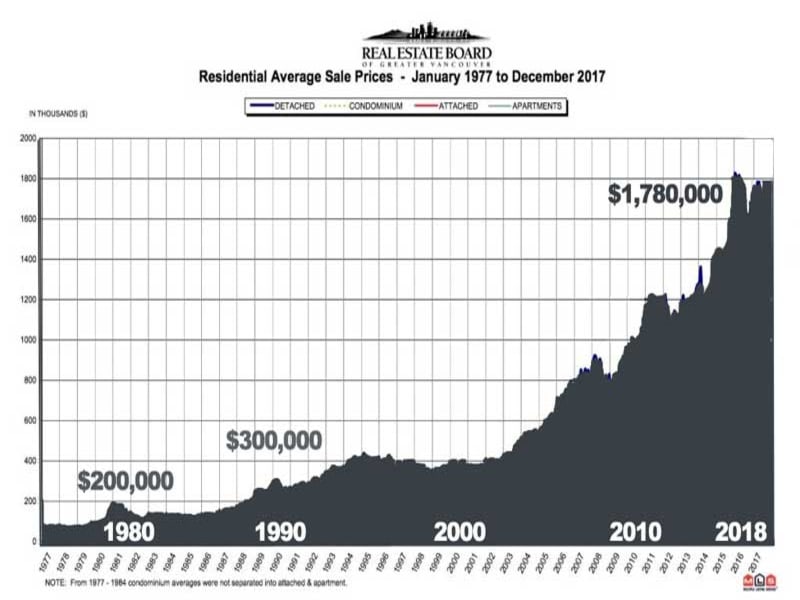
Real estate market offers cycles—growth, peak, correction, and recovery. The Vancouver housing market correction in recent years demonstrated market volatility even in strong markets. Rising interest rates affect affordability and can pressure property values downward temporarily.
Rather than trying to time the market perfectly, focus on properties that make financial sense at current conditions. Understanding whether you’re in a sellers market vs buyers market affects negotiation strategy but shouldn’t fundamentally alter investment criteria.
Monitor market activity through months of inventory, days on market, and sale price trends. A balanced market provides more negotiation opportunities than extreme seller’s markets where competition drives property prices higher.
The Role of Property Owners and Managers
Being a property owner involves responsibilities beyond collecting rent. Tenant relations, maintenance, legal compliance, and financial management all demand attention. Many investors underestimate the time commitment required.
Working with a property manager reduces your burden while ensuring professional handling of tenant issues. For investors with multiple properties or those living outside British Columbia, professional management often proves essential for maintaining rental property quality and tenant satisfaction.
Market Report: Greatest Risks of Investing in Real Estate
Real estate investment isn’t guaranteed profit. Understanding the greatest risks of investing in real estate helps you prepare and protect your investment.
Market Corrections and Economic Factors
Vancouver’s real estate prices have historically appreciated over long timeframes, but short-term volatility can be substantial. Market corrections, as seen during various periods, can result in temporary value declines of 10-15%.
Higher interest rates increase carrying costs and may pressure prices downward. Understanding how rising interest rates affect the housing market helps you prepare for different economic scenarios. Having adequate reserves protects you through market cycles.
Tenant Issues and Vacancy Risk
Problem tenants represent one of the most stressful aspects of owning a rental property. Late payments, property damage, and difficult evictions can turn smart investments sour. BC’s Residential Tenancy Act strongly protects tenants, making evictions challenging even with legitimate cause.
Even with quality tenants, vacancy between tenancies creates gaps in rental income. The rental market’s vacancy rate influences how quickly you can place new tenants. Areas with strong rental demand and low vacancy rates minimize this risk.
Policy Changes and Regulatory Risk
Government intervention significantly impacts Vancouver real estate. Foreign buyer restrictions, speculation taxes, and rent control policies all affect investor economics. Tax policies can change with new governments, potentially impacting your investment journey and returns.
Understanding current regulations while anticipating potential changes helps you make informed decisions. Working with experienced real estate advisors who stay current on policy developments provides valuable guidance.
Alternative Investment Strategies
Traditional buy-and-hold rental properties aren’t your only option for investing in the Vancouver real estate market.
House Flipping in Vancouver
How to flip a house involves purchasing undervalued properties, renovating them, and reselling for profit. The pros and cons of flipping houses in BC Canada include potentially faster returns but significant renovation risks.
Market volatility during renovation periods can eliminate profit margins. Transaction costs—realtor commissions, legal fees, property transfer tax—substantially reduce returns. This strategy requires construction expertise and strong market knowledge.
Short-Term Rentals and Airbnb
The pros and cons of Airbnb as an investment strategy have shifted dramatically. While short-term rentals can generate higher revenue than traditional tenancies, Vancouver’s strict regulations now severely limit this option. Current rules generally restrict short-term rentals to principal residences, with limited exceptions and substantial penalties for violations.
Passive Real Estate Investing
Passive real estate investing includes REITs, syndications, and crowdfunding platforms. These approaches provide real estate exposure as an asset class without property management responsibilities, often with lower minimum investments than buying property directly.
Pre-Rental Properties
Buying a pre-rental property means purchasing investment properties before completion with tenants already in place. This strategy can provide immediate rental income but requires careful evaluation of rental agreements and property condition.
Building Your Real Estate Investment Portfolio
Successful real estate investing in Vancouver requires a systematic approach for your investment real estate portfolio.
Getting Started: First-Time Investors
For first-time investors, start with thorough education. Understanding the Vancouver rental market, property types, and financial requirements prevents costly mistakes. The best investment decisions come from informed analysis, not emotional reactions.
Build your investment team: knowledgeable realtor, mortgage broker, real estate lawyer, accountant, and property inspector. These professionals guide you through the buying process and ongoing management.
Growing Your Portfolio: Long-Term Investment Strategy
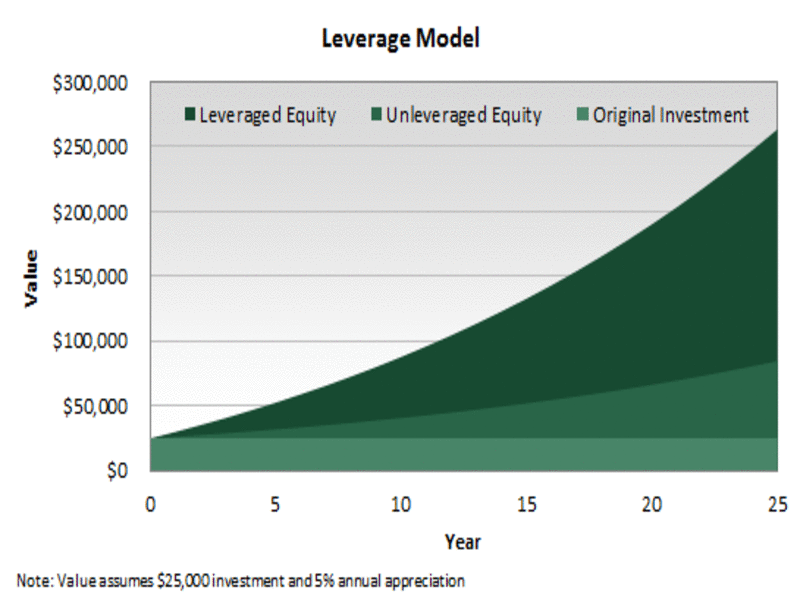
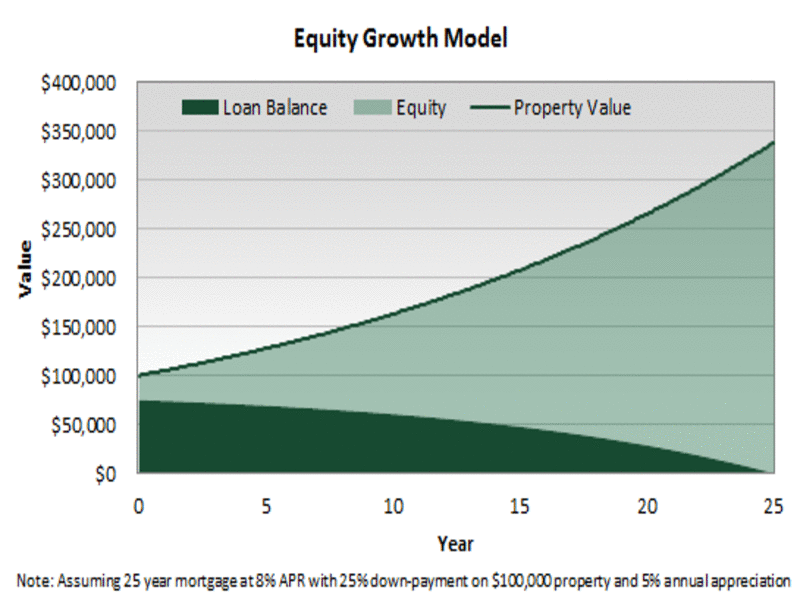
Think of real estate as a long-term investment, not a get-rich-quick scheme. The most successful investment journeys involve patient accumulation over years or decades. Property values compound through appreciation, mortgage paydown, and rental income growth.
Many investors scale by purchasing a first property, letting it build equity, then leveraging that equity for additional acquisitions. This approach compounds returns across multiple assets while spreading risk. Data shows what percentage of homebuyers in metro Vancouver are investors varies by market conditions.
Smart Investment Decisions for Market Success
Making a smart investment requires balancing opportunity with risk. Don’t overleverage across too many properties simultaneously. Maintain adequate cash reserves equivalent to 6-12 months of property expenses as buffer against unexpected costs.
Stay informed about market trends through regular market reports and networking with other real estate investors. Market insights from local sources help you identify emerging opportunities before they become obvious to everyone.
Final Thoughts: Your Vancouver Investment Journey Begins Now
Real estate investment in Vancouver isn’t easy, and it’s certainly not cheap. But for those willing to do market research, manage the challenges, and maintain a long-term investment perspective, it remains one of the most proven wealth-building strategies available.
Vancouver’s unique combination of geographic constraints, continuous immigration, strong economy, and housing supply limitations creates fundamental conditions that have supported property appreciation for generations. While short-term market fluctuations create uncertainty, long-term trends favor patient, disciplined investors.
In conclusion, Vancouver has many opportunities for those looking for the best returns on their investment. Whether you’re interested in residential home prices or exploring Vancouver commercial real estate, now is the time to buy real estate in this thriving market.
Real estate in Vancouver remains a great investment for both local and international buyers. If you like Vancouver and want to start your Vancouver real estate journey, contact Richard Morrison today to get started with expert guidance and personalized investment strategies.

Let's Chat! Looking for a REALTOR® who can exceed your expectations? Look no further than Richard Morrison! His mission is to serve without limit & provide solutions that cater to your core needs.
• 20+ Years of Experience
• Medallion Member
• RE/MAX Hall of Fame

Latest Properties Added
| Property | Size | Price | Date Listed |
|---|---|---|---|
| 141 27th Street, North Vancouver | 1,651 sqft | $1,899,000 | Sep 13, 2026 |
| 2-2509 Kitchener Street, Vancouver | 1,284 sqft | $1,298,800 | Sep 12, 2026 |
| 1406-938 Smithe Street, Vancouver | 761 sqft | $799,000 | Sep 11, 2026 |
| 2802-1033 Marinaside Crescent, Vancouver | 583 sqft | $639,000 | Sep 11, 2026 |
| 386 45th Avenue, Vancouver | 1,762 sqft | $2,199,900 | Sep 10, 2026 |
| 207-378 45th Avenue, Vancouver | 1,329 sqft | $1,478,900 | Sep 10, 2026 |
| 108-378 45th Avenue, Vancouver | 745 sqft | $879,900 | Sep 10, 2026 |
| 1-1958 60th Avenue, Vancouver | 1,463 sqft | $1,899,900 | Sep 9, 2026 |
| 2-1956 60th Avenue, Vancouver | 1,463 sqft | $1,899,900 | Sep 9, 2026 |
| 1-1956 60th Avenue, Vancouver | 1,463 sqft | $1,899,900 | Sep 9, 2026 |
| 6222 Logan Lane, Vancouver | 1,622 sqft | $1,250,000 | Sep 7, 2026 |
| 4339 Granville Street, Vancouver | 4,672 sqft | $6,500,000 | Sep 11, 2026 |
Start your search with Richard Morrison, Top Award Winning Vancouver Realtor
Contact Richard Morrison Top Vancouver Realtor today to find a Vancouver houses for sale and Vancouver condos for sale. Also check out Burnaby houses for sale or maybe Burnaby condos for sale. If you prefer North Shore, take a look at our listings in North Vancouver houses for sale and North Vancouver condos for sale.