Rent-to-Own Homes in BC: Pros & Cons of Rent to Own
br>When I first started working with clients struggling to break into BC’s housing market, I thought rent-to-own arrangements were just a creative financing gimmick. But after helping dozens of families navigate these agreements over the past decade, I realized the truth about rent-to-own homes is far more nuanced than most people imagine.
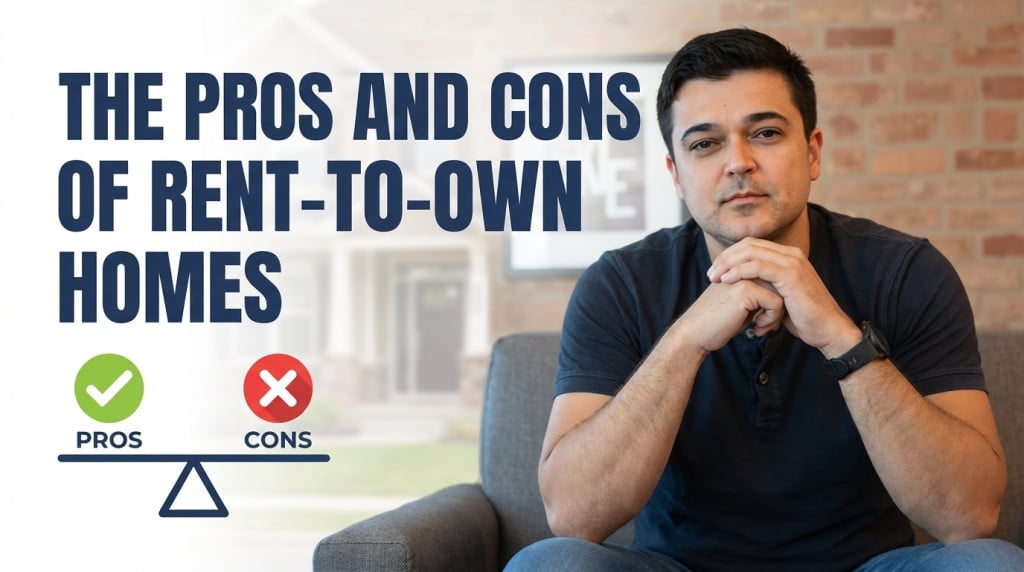
The main difference between the pros and cons of rent-to-own homes in BC is accessibility versus financial risk. Rent-to-own programs help buyers with limited credit secure a future purchase price and build savings, but they often involve higher monthly payments, non-refundable option fees, and the risk of losing deposits if mortgage qualification fails.
If you’re struggling with saving for a down payment while home prices in British Columbia continue climbing, you’re not alone – and more importantly, there’s a proven path to home ownership that might actually work for your situation.
Rent-to-own homes offer British Columbians an alternative path to homeownership by allowing tenants to rent a property with the option to purchase it at a predetermined price after a specified lease term, typically ranging from 1-3 years. This arrangement lets you live in a home while building equity through rent credits, though it comes with both significant advantages and serious risks that every prospective buyer needs to understand before signing.
What Is a Rent-to-Own Agreement?
A rent-to-own arrangement is essentially a hybrid between renting and buying. You’re living in the home, paying monthly rent, and a portion of your monthly rent goes toward the eventual purchase price – but you’re not locked into buying just yet.
Here’s how rent to own homes typically works: You enter into a rent-to-own contract in BC, Canada with either a landlord or a specialized rent-to-own company. This rent-to-own agreement includes two main components: a standard lease agreement covering your rental period, and an option to purchase the home at an agreed price when the lease ends.
During the lease term, you’ll pay more than traditional rental rates. Why? Because that extra amount becomes your rent credit – money that accumulates toward your down payment. It’s essentially forced savings, which works brilliantly for people who struggle to save for a down payment each month.
The purchase price is typically locked in at the beginning of the contract. So if home prices increase during the lease period, you’ve scored yourself a deal. But here’s the catch – if the real estate market takes a downturn, you might end up committed to buying a home worth less than your agreed purchase price of the home.
The Major Pros of Rent-to-Own Homes in BC
Building Equity While You Rent
One of the biggest benefits of rent-to-own is that you’re not just throwing money away on rent. A portion of your monthly rent payment goes directly toward building your down payment for purchasing a home. I’ve seen clients accumulate $15,000 to $30,000 in rent credits over a three-year lease term – money they wouldn’t have saved otherwise.
This is particularly powerful in expensive markets like Toronto or Vancouver, where traditional renters watch their monthly payments disappear while home prices climb further out of reach. With a rent-to-own arrangement, every rent payment brings you closer to owning a home. The portion of your rent that goes toward the purchase helps you buy the property at the end of the lease term.
Time to Improve Your Credit Score
Let’s be honest – many Canadians considering rent-to-own can’t qualify for a mortgage right now. Maybe your credit score took a hit during a rough financial period. Or you’re new to Canada and haven’t built sufficient credit history yet.
A rent-to-own situation gives you time to save – typically one to three years – to repair your credit, build a stronger financial profile, and position yourself to qualify for a mortgage when the lease period ends. I’ve watched clients raise their credit scores from 580 to 720 during their rental term. That’s the difference between mortgage rejection and approval for home buyers.
Locking in Today’s Price in a Rising Market
This is where rent-to-own can really shine. When you sign your rent-to-own agreement, the purchase price of the home is typically fixed. If home prices in Canada continue their upward trajectory, you’re essentially buying tomorrow’s home at today’s price.
Consider this: If you lock in a $500,000 purchase price today, and the value of the home increases by 5% annually, that same property could be worth $578,813 in three years. You’ve just gained nearly $80,000 in equity before you even technically own the home.
Test Drive Your Future Home and Path to Homeownership Without Large Capital
Renting before buying gives you something traditional home buyers never get – the chance to truly experience living in the home before committing hundreds of thousands of dollars. This test period can save you from buyer’s remorse.
Traditional home purchases in Canada typically require at least 5-20% down, depending on the property value. Rent-to-own programs usually require a smaller upfront option fee – typically 1-5% of the purchase price. So instead of needing $25,000+ immediately, you might only need $5,000-$10,000 to get into your future home through a rent-to-own agreement.
The Significant Cons of Rent-to-Own Homes
Higher Monthly Payments and Risk of Losing Everything
Your monthly rent in a rent-to-own arrangement will be substantially higher than traditional rental rates for comparable properties. I typically see rent-to-own payments running 15-30% above market rent. If market rent for a similar home is $2,000, you might pay $2,500-$2,600 in a rent-to-own situation. That extra $500-$600 monthly adds up to $6,000-$7,200 annually.
This is the nightmare scenario: If you can’t qualify for a mortgage at the end of the lease term, or if you decide not to buy the home, you typically lose your option fee and all accumulated rent credits. You’ve paid $2,500 monthly for three years instead of the $2,000 market rate. That extra $500 monthly totals $18,000 in rent credits, plus your initial $7,500 option fee. You’ve invested $25,500 toward this purchase. But if you can’t close the deal when entering into a rent-to-own agreement ends, that money disappears.
I’ve seen this devastate families who genuinely believed they’d be able to purchase the home but encountered unexpected job loss or couldn’t improve their credit enough. This is one of the biggest mistakes first-time home buyers make.
The Property Might Not Appraise
Here’s a risk that catches many rent-to-own tenants off guard: Even if you’re ready to buy at the end of the rental period, the lender might not agree with your purchase price.
Remember that price you locked in three years ago? Lenders will order an independent home inspection and appraisal to determine property value. If the property value has declined, or if the appraiser determines the value of the property is worth less than your agreed purchase price, the lender won’t finance the full amount during this real estate transaction.
You’d need to either come up with the difference in cash, renegotiate with the landlord (who has no obligation to reduce the price of the home), or walk away – losing all your accumulated investment in the rent-to-own contract.
Limited Flexibility and Maintenance Responsibilities
Life changes. With a traditional rental agreement, you give notice and move on. With a rent-to-own lease, you’re essentially locked in. Breaking a rent-to-own lease early typically means forfeiting your option fee and rent credits – potentially tens of thousands of dollars.
Here’s something that surprises many tenants: You might be responsible for maintenance, repairs, and need home insurance during the rental period, even though you don’t legally own the property yet. Many rent-to-own contracts shift typical landlord responsibilities to the tenant. That broken furnace? Your problem. The roof that needs repair? Your expense.
This means you’re taking on homeowner costs and risks without actually owning the home. If the deal falls through, you’ve paid for improvements that only benefited someone else’s property.
Predatory Rent-to-Own Companies
Not all rent-to-own programs are created equal. Some rent-to-own companies operate with contracts designed to make it nearly impossible for you to successfully purchase the property.
I’ve reviewed agreements with unreasonable terms: exorbitant option fees, inflated purchase prices, and clauses that allow the landlord to cancel the rent-to-own situation for minor infractions. Working with a reputable real estate agent and having a lawyer review your rent-to-own contract before signing is absolutely essential when you work with a real estate professional.
Key Considerations Before Entering a Rent-to-Own Agreement
Understand Every Detail of Your Contract
Rent-to-own contracts are complex legal documents with significant financial implications. Before you sign anything, understand:
- What portion of the monthly rent becomes rent credit
- Whether your option to purchase is exclusive or non-exclusive
- What happens if you can’t secure financing at the end
- Who pays for maintenance, repairs, home insurance, and property taxes
- Whether the purchase price can be adjusted
- What conditions could allow the landlord to terminate the agreement
- How the property value will be determined at purchase time
Spend the money to have a real estate lawyer review the contract. This $500-$1,000 investment could save you from losing tens of thousands later when deciding to buy the home.
Run the Numbers Honestly
Get real about your finances. Don’t just hope you’ll be mortgage-ready – create an actual plan. Meet with a mortgage broker early. Find out exactly what you need to qualify: what credit score, what income documentation, what debt-to-income ratio. Then calculate whether the timeline for buying a house in BC gives you realistic opportunity to meet those requirements for the home purchase.
Calculate the true cost. Add up all your monthly rent payments over the lease term, including the option fee and higher rent. Compare that to what you’d pay in traditional rent plus what you could save independently. Sometimes the math reveals that rent-to-own work isn’t the most efficient path for purchasing a home.
Investigate the Property and Consider Alternatives
Before entering into a rent-to-own arrangement:
- Get a professional home inspection to identify any issues with the home
- Research comparable home prices to ensure your purchase price is fair
- Check property value trends in the area
- Verify that the person offering the rent-to-own actually owns the property
Explore alternatives before committing:
- First-time homebuyer programs: Many provinces offer down payment assistance or special mortgage programs
- RRSP Home Buyers’ Plan: Withdraw up to $35,000 ($60,000 for couples) tax-free for a down payment
- Family assistance: Through buying jointly with parents
- High-ratio mortgages with no down payment: With mortgage insurance, explore special programs
- Credit repair focus: Aggressively focusing on credit improvement for 1-2 years might produce better results
The question isn’t whether rent-to-own can work – it’s whether it’s the best strategy for buying a home in your situation.
Who Should Consider Rent-to-Own?
You’re a good candidate if:
- Your income is stable and sufficient for future mortgage payments
- You have a clear plan to improve your credit score
- You’re committed to staying in the area during the duration of the contract
- You’ve found a specific rent-to-own home you love and can’t qualify for a mortgage yet
- You struggle with saving money and need forced equity building
- You understand the pros and cons of rent-to-own
You should avoid rent-to-own if:
- Your income is unstable
- You have no concrete plan to address credit issues
- You might need to relocate
- The contract terms seem unclear
- You haven’t had a lawyer review the lease-purchase agreement
Making Rent-to-Own Work: Practical Steps
1. Work With Professionals
Assemble a team:
- A real estate agent experienced with rent-to-own transactions
- A real estate lawyer to review contracts
- A mortgage broker to assess your qualification path
These professionals can save you from expensive mistakes and help ensure you’re able to purchase the home at the end of the lease term.
2. Create a Financial Plan and Document Everything
Map out exactly how you’ll become mortgage-ready:
- What’s your target credit score?
- What debts need to be paid off?
- How much additional down payment will you need beyond rent credits?
- What’s your budget for the rental period?
Keep meticulous records:
- Every rent payment showing what portion is rent credit
- All communication with the landlord or rent-to-own company
- Records of maintenance or repairs you’ve paid for
- Documentation of the property’s condition throughout the lease period
Meet with your mortgage broker every 6-12 months to assess progress and ensure you can buy the property when the time to save ends.
The Current Rent-to-Own Landscape in Canada
The rent-to-own market in Canada has evolved significantly as housing affordability challenges have intensified. In markets like Toronto, Vancouver, Calgary, and Montreal, rent-to-own properties have become increasingly popular among buyers priced out of traditional purchases.
However, the market remains largely unregulated compared to traditional real estate transactions. Some legitimate rent-to-own programs provide valuable services, while others operate with questionable ethics. Recent years have seen changes in how lenders view rent to own agreements. Some major banks are more willing to consider rent credits as part of down payments, while others remain skeptical.
Real Estate Market Considerations
The success of a rent-to-own arrangement is heavily influenced by the real estate market conditions. In a rising market, locking in your purchase price early can be brilliant. In a declining market, you might find yourself committed to buying a home at above-market value.
Canada’s real estate market has shown remarkable regional variation. Before entering a rent-to-own program, research:
- Historical price trends in your specific neighborhood
- Economic factors affecting the local market
- Development plans that might impact the value of the home
- Supply and demand dynamics
Remember: you’re making a multi-year commitment based partly on assumptions about future home at an agreed price. Make sure those assumptions are grounded in research.
Frequently Asked Questions
How much does a rent-to-own home cost upfront?
Typically, you’ll pay an option fee of 1-5% of the purchase price – so $5,000-$25,000 on a $500,000 home. This is less than a traditional down payment on a condo but still substantial.
Can I negotiate the terms?
Absolutely. Everything is negotiable: the purchase price of the home, the length of the lease term, what portion of your monthly rent becomes credit, and who’s responsible for maintenance during renting the home.
What happens if I can’t get a mortgage?
Typically, you’ll lose your option fee and rent credits, and you’ll need to move out at the end of the rental term. This is why financial planning is critical for the rent-to-own experience.
Do I need home insurance during the rental period?
Often yes – many rent-to-own contracts require tenants to carry home insurance even though they don’t technically own the property yet during the rental agreement.
Can the landlord sell to someone else during my lease?
If you have an exclusive option to purchase the home (which you should), the landlord cannot sell to someone else during your lease period when considering rent-to-own.
The Bottom Line: Is Rent-to-Own Right for You?
After working with countless clients through rent-to-own arrangements, I’ve learned this: it’s not a magic solution, but it can be a legitimate path to homeownership for the right person in the right situation.
The pros of rent-to-own – building equity while renting, time to improve credit, locked-in pricing, and reduced immediate capital requirements – are genuinely valuable for buyers who can’t access traditional financing but have a realistic path to mortgage qualification within the rental term.
The cons of rent-to-own – higher costs, significant financial risk, reduced flexibility, and potential for predatory practices – are serious enough that you need to proceed with eyes wide open and professional guidance at every step.
The reality? Rent-to-own works beautifully for about 30-40% of people who enter these agreements to purchase the property. For the rest, it results in financial loss. Your job is to honestly assess which group you’re likely to be in before committing to pay rent toward eventual ownership.
If you’re considering rent-to-own, ask yourself: Am I choosing this because it genuinely solves a temporary obstacle to homeownership, or am I hoping it will magically solve financial problems I haven’t addressed? If it’s the former, with proper planning and professional help, rent-to-own might be your path to live in a home you’ll eventually own. If it’s the latter, you’re probably setting yourself up for disappointment.
The dream of home ownership in Canada is still achievable – but it requires honest assessment, realistic planning, and sometimes creative approaches. Just make sure you understand exactly what you’re signing up for before taking that first step on the home down the road.
For those exploring alternative paths, consider reading about buying a house without a realtor or selling your home and renting it back as other creative strategies to navigate Canada’s challenging housing market. These options to purchase a home might better suit your dream home journey.

Let's Chat! Looking for a REALTOR® who can exceed your expectations? Look no further than Richard Morrison! His mission is to serve without limit & provide solutions that cater to your core needs.
• 20+ Years of Experience
• Medallion Member
• RE/MAX Hall of Fame

Latest Properties Added
| Property | Size | Price | Date Listed |
|---|---|---|---|
| 2-2509 Kitchener Street, Vancouver | 1,284 sqft | $1,298,800 | Sep 12, 2026 |
| 1406-938 Smithe Street, Vancouver | 761 sqft | $799,000 | Sep 11, 2026 |
| 2802-1033 Marinaside Crescent, Vancouver | 583 sqft | $639,000 | Sep 11, 2026 |
| 386 45th Avenue, Vancouver | 1,762 sqft | $2,199,900 | Sep 10, 2026 |
| 207-378 45th Avenue, Vancouver | 1,329 sqft | $1,478,900 | Sep 10, 2026 |
| 108-378 45th Avenue, Vancouver | 745 sqft | $879,900 | Sep 10, 2026 |
| 1-1958 60th Avenue, Vancouver | 1,463 sqft | $1,899,900 | Sep 9, 2026 |
| 2-1956 60th Avenue, Vancouver | 1,463 sqft | $1,899,900 | Sep 9, 2026 |
| 1-1956 60th Avenue, Vancouver | 1,463 sqft | $1,899,900 | Sep 9, 2026 |
| 6222 Logan Lane, Vancouver | 1,622 sqft | $1,250,000 | Sep 7, 2026 |
| 4339 Granville Street, Vancouver | 4,672 sqft | $6,500,000 | Sep 11, 2026 |
| 104-5281 Oakmount Crescent, Burnaby | 839 sqft | $598,000 | Sep 11, 2026 |
Start your search with Richard Morrison, Top Award Winning Vancouver Realtor
Contact Richard Morrison Top Vancouver Realtor today to find a Vancouver houses for sale and Vancouver condos for sale. Also check out Burnaby houses for sale or maybe Burnaby condos for sale. If you prefer North Shore, take a look at our listings in North Vancouver houses for sale and North Vancouver condos for sale.