Pros & Cons of Living in White Rock, BC: Is it Right for You?

When I first drove down Marine Drive toward White Rock fifteen years ago, I thought the stunning ocean views were reserved only for the ultra-wealthy. But after helping hundreds of families navigate the Fraser Valley real estate market, I’ve discovered the truth about living in this beachside community is far more nuanced than most people imagine.
The main difference between the pros and cons of living in White Rock, BC is seaside lifestyle versus housing cost and commute. White Rock offers ocean views, a walkable beach community, mild climate, and a relaxed pace of life. However, residents face higher home prices than Surrey, limited transit, and longer commutes to Vancouver.
White Rock, BC sits as a small city of roughly 20,000 residents along the Semiahmoo Bay waterfront, adjacent to South Surrey and just 45 kilometers from downtown Vancouver. This charming coastal enclave has earned its reputation as one of the most desirable postal codes in British Columbia, but like any real estate decision, choosing to live here comes with distinct advantages and trade-offs that deserve careful consideration.
The Pros and Cons Of Living: Why Home Buyers Fall in Love with White Rock
Breathtaking Ocean Views and Beach Access
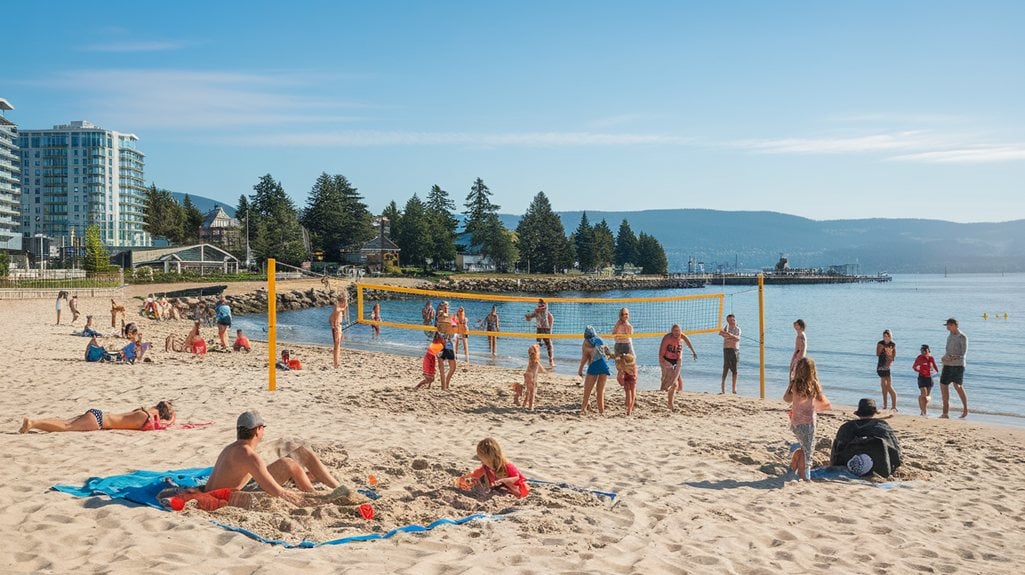
Let’s start with what everyone notices first—the views. White Rock boasts some of the most spectacular waterfront scenery in the entire Fraser Valley, and unlike many coastal communities where you need a multi-million dollar mansion to enjoy ocean access, White Rock’s famous promenade is completely public and stretches nearly two kilometers along the beach.
The iconic White Rock pier extends 470 meters into Semiahmoo Bay, making it one of the longest piers in Canada. During my years working as a realtor in Surrey and White Rock, I’ve seen clients who weren’t even considering waterfront properties suddenly become enamored after a single walk along this beachside community. The marine atmosphere creates a unique living experience that’s genuinely rare in British Columbia.
What’s particularly special? You don’t have to own a waterfront home to enjoy daily beach access. Many detached homes and condos within a 10-minute walk of the promenade offer residents an oceanside lifestyle without the astronomical waterfront premium. This accessibility is what makes White Rock’s real estate market unique compared to other coastal areas in BC.
A Walkable, Pedestrian-Friendly Downtown Core
White Rock’s downtown area along Marine Drive has cultivated vibrant community vibes that appeal especially to retirees, young professionals, and families seeking small-city charm. The compact downtown features dozens of independent restaurants, art galleries, boutique shops, and cafes—all easily accessible on foot.
Unlike sprawling suburban developments in neighboring Surrey or Langley, White Rock’s layout encourages walking and cycling. Most residents can accomplish daily errands without getting in their car, which creates a more connected, European-style urban experience. The Tour de White Rock cycling event each year celebrates this bike-friendly culture and draws thousands of participants.
Exceptional Climate: BC’s “Sunny Side”
Here’s something that surprises many newcomers to the Fraser Valley: White Rock receives significantly less rainfall than Vancouver and even parts of South Surrey. The city enjoys approximately 2,050 hours of sunshine annually—about 10% more than downtown Vancouver.
While the rest of Metro Vancouver gets drenched during those infamous November-to-March grey periods, White Rock often benefits from rain shadows created by the coastal mountains. This microclimate means more comfortable outdoor living, lower heating costs, and better mental health during those long Pacific Northwest winters. For anyone who’s experienced seasonal affective disorder in Vancouver, that extra sunshine isn’t just a nice perk—it’s genuinely life-changing.
Top-Rated Schools and Family Amenities
White Rock shares its school district (Surrey School District 36) with South Surrey, providing access to some of the highest-performing public schools in British Columbia. Semiahmoo Secondary School consistently ranks among the top high schools provincially, and several elementary schools offer French immersion programs.
The abundance of parks, recreational facilities, and family-oriented events (like the annual Sand Sculpting Competition) creates an environment where kids can actually be kids. The city’s small size means shorter commutes to activities, less traffic stress, and genuine community connections that larger cities often lack.
Between White Rock proper and the adjacent South Surrey neighborhoods, families enjoy access to extensive amenities including recreation centers, libraries, sports complexes, and arts and culture venues. This combination of small-city safety with big-city conveniences is precisely what draws many home buyers to the area.
Strong Sense of Community and Safety
White Rock maintains one of the lowest crime rates in the Fraser Valley. According to recent statistics, the city’s crime severity index sits well below provincial averages, making it one of the safest places to live in BC. This safety factor becomes especially important for families with children and retirees who prioritize peace of mind.
The tight-knit community creates a neighborhood atmosphere where residents actually know their neighbors—increasingly rare in today’s urban environments. Local business owners recognize regular customers, community events draw significant participation, and there’s a genuine pride of place that permeates the city. These intangible community vibes significantly enhance quality of life beyond what statistics alone can capture.
The Cons: Significant Drawbacks to Consider
Premium Pricing: White Rock Commands Higher Costs
Let’s address the elephant in the room: White Rock is expensive. Not just a little expensive—significantly more costly than comparable communities throughout the Fraser Valley. As of early 2026, the average price for a detached home in White Rock hovers around $1.8-2.4 million, while similar properties in nearby Coquitlam or New Westminster might sell for $1.2-1.6 million.
Even condos and townhouses carry substantial premiums. A two-bedroom condo within walking distance of the beach typically starts around $650,000-850,000—pricing that could secure a much larger townhouse or even a detached home in communities just 20 minutes away. The cost of living in White Rock reflects its desirability, but it also creates significant barriers for first-time home buyers and young families.
According to data from the Fraser Valley Real Estate Board, White Rock properties appreciate slightly faster than Fraser Valley averages, which helps explain the premium. However, whether that appreciation justifies the initial higher investment depends entirely on your financial situation and long-term plans.
Further Reading:
Limited Housing Inventory and Competitive Market
White Rock’s small geographic footprint (only 5.16 square kilometers) means limited space for new development. Unlike sprawling suburbs that can continuously expand, White Rock faces natural constraints—ocean on one side, established neighborhoods on the other.
This scarcity creates intensely competitive real estate dynamics. Desirable properties often receive multiple offers, sometimes selling above asking price even during slower market periods. The president of the Fraser Valley Real Estate Board recently noted that White Rock maintains consistently lower inventory levels compared to surrounding municipalities, making it a perpetual seller’s market.
For home buyers accustomed to having negotiating leverage, White Rock’s market can feel frustrating. Subject-free offers are common, renovations often need to be overlooked, and the pressure to make quick decisions can lead to costly mistakes. Having worked with numerous clients in this market, I always recommend first-time home buyers partner with experienced local real estate agents who understand these unique challenges.
Traffic Congestion and Limited Highway Access
White Rock’s scenic beauty comes with geographic isolation. The city has essentially two main routes in and out—Marine Drive along the waterfront and King George Boulevard heading north toward Surrey. During peak commute hours, summer weekends, and special events, both routes can become severely congested.
Commuters heading to downtown Vancouver face 60-90 minute drives during rush hour, depending on exactly where in White Rock you’re starting from. Even reaching the Surrey Central SkyTrain station—the closest rapid transit connection—requires a 20-30 minute drive or bus ride. This transit gap becomes a significant quality-of-life issue for anyone working in Vancouver or relying on public transportation.
The border with Washington State sits just minutes away, which creates additional traffic challenges. U.S. shoppers flock to the Peace Arch crossing, creating weekend backups that ripple through White Rock’s residential streets. Living near Marine Drive means accepting that your quiet beachside community becomes a tourist destination on sunny weekends, with the parking and traffic headaches that entails.
Few Employment Opportunities Within City Limits
White Rock’s economy centers primarily on retail, hospitality, and service industries catering to residents and tourists. If you work in technology, finance, professional services, or most other office-based careers, you’ll almost certainly be commuting elsewhere—likely Surrey, Burnaby, or Vancouver.
This employment reality means most working residents face regular commutes, increasing both transportation costs and time away from home. The lack of a diverse local job market also creates vulnerabilities during economic downturns when specialized industries contract.
Retirees and remote workers find this less problematic, which partially explains White Rock’s demographics skewing older. But for career-focused professionals or families with two working parents, the employment limitations deserve serious consideration when evaluating the overall lifestyle trade-offs.
Older Infrastructure and Aging Building Stock
Much of White Rock’s housing inventory was built between the 1960s and 1990s. While many homes have been renovated, buyers should expect to encounter older electrical systems, plumbing, and building envelopes that may require significant investment.
Waterfront properties face additional challenges. Salt air accelerates corrosion and deterioration of building materials, increasing maintenance costs substantially. Even properties a few blocks from the ocean experience these effects to a lesser degree. Smart buyers budget an extra 15-25% beyond standard maintenance costs for coastal properties—an expense that can come as an unwelcome surprise.
For those considering condos, the prevalence of older strata buildings means potential special assessments for roof replacements, exterior envelope repairs, and building system upgrades. I’ve seen too many clients purchase what seemed like an affordable White Rock condo only to face $30,000-50,000 special levies within their first few years of ownership. Understanding what’s included in condo maintenance fees and reviewing strata documentation becomes absolutely critical in this market.
Move to White Rock BC: Is White Rock Right for Your Situation?
Who Thrives in White Rock?
Based on my experience helping hundreds of clients evaluate communities throughout the Fraser Valley, White Rock works exceptionally well for:
Retirees and Semi-Retired Individuals: The relaxed pace, walkability, medical amenities, and scenic beauty align perfectly with retirement lifestyles. Many clients in their 60s and 70s sell larger homes in Burnaby or Richmond to downsize into White Rock condos or townhouses.
Remote Workers: If you only need to commute occasionally, White Rock’s quality-of-life benefits far outweigh the commute challenges. The ability to walk to the beach during lunch breaks or enjoy evening strolls along the promenade creates work-life balance that’s nearly impossible in traditional suburbs.
Families Prioritizing Schools and Safety: Despite higher costs, many families conclude that top-rated schools, safe neighborhoods, and outdoor access justify the premium. The investment in their children’s education and upbringing outweighs financial constraints.
Empty Nesters Seeking Lifestyle Upgrade: Couples whose children have moved out often find White Rock offers the coastal lifestyle they’ve always wanted without the isolation of more remote BC communities.
Who Should Think Twice?
White Rock may not be ideal for:
First-Time Buyers with Limited Budgets: The premium pricing often forces first-timers into very small condos or compromises on condition. Other Fraser Valley communities offer better entry points with more square footage and appreciation potential. Consider exploring alternatives for first-time buyers before stretching your budget beyond comfort.
Daily Vancouver Commuters: That 90-minute rush hour commute becomes soul-crushing over time. Unless you genuinely embrace the trade-off, you’ll likely regret the decision within a year or two.
Young Professionals Seeking Career Advancement: The limited local job market and social scene might feel confining compared to more urban environments. Many young professionals find themselves moving to Vancouver or Burnaby within 3-5 years as career opportunities expand.
Investors Seeking Maximum Returns: While White Rock appreciates steadily, the premium pricing means lower cap rates for rental properties compared to emerging markets elsewhere in the Fraser Valley. Real estate investment strategies often yield better returns in less expensive communities with higher growth trajectories.
Alternative Communities to Consider to South Surrey
If you’re attracted to White Rock’s coastal lifestyle but hesitant about the costs or trade-offs, consider these alternatives:
South Surrey: Technically adjacent to White Rock, South Surrey offers many of the same benefits (safety, schools, proximity to amenities) at 15-25% lower prices. You’re further from the beach, but many properties still sit within a 10-minute drive. The comparison between Surrey areas reveals significant value opportunities.
Tsawwassen: Another coastal community with beach access, Tsawwassen offers more affordable detached homes and a similar small-town feel. The ferry terminal creates some unique challenges, but overall costs run 20-30% below White Rock.
Steveston (Richmond): This historic fishing village provides waterfront charm with better transit connections and more diverse employment options. While not identical to White Rock, the community vibes and heritage atmosphere offer similar lifestyle benefits. Review the pros and cons of Richmond to see if it aligns with your priorities.
Understanding the Real Estate Market Dynamics
White Rock’s market operates somewhat differently than the broader Fraser Valley. Properties here tend to be more resilient during downturns, experiencing smaller price corrections but also more modest gains during hot markets. This stability appeals to conservative buyers seeking predictable long-term appreciation.
The demographic trends suggest continued demand strength. As Metro Vancouver’s population ages and more workers embrace remote flexibility, White Rock’s appeal to retirees and lifestyle-focused buyers should remain robust. Some analysts predict White Rock could become the most desirable postal code in BC by 2030, particularly as waterfront becomes increasingly scarce throughout the region.
However, that desirability assumes continued stability in interest rates and economic conditions. Higher borrowing costs disproportionately impact expensive markets like White Rock, as qualifying for $2 million+ mortgages becomes increasingly challenging. Buyers should carefully evaluate their financial resilience against various economic scenarios rather than assuming perpetual appreciation.
Practical Tips for Prospective White Rock Buyers
If you’ve decided White Rock aligns with your lifestyle and budget, here are insider recommendations:
1. Time Your Purchase Strategically: White Rock’s market typically sees reduced competition November through February when weather dampens the area’s appeal. You’ll face fewer competing offers and potentially secure better pricing.
2. Expand Your Property Type Options: If detached homes exceed your budget, don’t dismiss townhouses or duplexes. These property types often offer better value per square foot while maintaining ownership benefits.
3. Investigate Strata Health Thoroughly: For condos and townhouses, hire an independent strata inspector to review financial statements, depreciation reports, and minutes. This $500-800 investment can save you tens of thousands in unexpected special assessments.
4. Factor In All Coastal Ownership Costs: Budget for higher insurance premiums (wind and water damage), increased maintenance (salt air effects), and potentially higher property taxes. True cost of living includes these often-overlooked expenses.
5. Work with Local Specialists: White Rock’s unique market dynamics demand an experienced real estate agent who specializes in the area. Generalists from Surrey or Vancouver often miss nuanced pricing factors that impact negotiations significantly. Understanding how to hire the right realtor becomes especially important in premium markets.
Final Thoughts: Weighing Lifestyle Against Investment
After fifteen years helping clients navigate this decision, I’ve learned that choosing White Rock ultimately comes down to values. Are you prioritizing financial optimization or lifestyle enhancement? There’s no wrong answer—just different priorities that lead to different conclusions.
After weighing the top 5 pros and cons of these neighboring communities, understanding the pros and cons to living in each area becomes clearer. Whether you’re drawn to White Rock beach and its serene beach and promenade, or prefer the urban energy of downtown Surrey with diverse dining options, the choice between Surrey or White Rock depends on your lifestyle priorities.
Exploring the cons to living in White Rock versus Surrey’s advantages, or considering Rock and its real estate market trends, requires local expertise. Living here means enjoying unique leisure activities like the Tour de White Rock while navigating the rock real estate landscape.
Ready to make your decision? Contact Richard Morrison today for personalized guidance on finding your perfect home in either community!
Frequently Asked Questions About Living in White Rock
Q: How does White Rock compare to other Fraser Valley communities for families?
White Rock excels for families prioritizing safety, schools, and outdoor activities, but other Fraser Valley areas offer better value and employment opportunities. The trade-off between premium lifestyle and financial efficiency varies by family circumstances.
Q: Is White Rock a good investment for rental properties?
White Rock’s premium pricing typically yields lower rental returns (3-4% gross) compared to emerging Fraser Valley markets (5-7% gross). Long-term appreciation remains solid, but investors seeking cash flow should explore alternative rental property markets.
Q: What’s the realistic commute time to downtown Vancouver from White Rock?
Budget 60-90 minutes during rush hour via Highway 99. Outside peak times, 45-55 minutes is typical. Remote workers or flexible schedules significantly improve the commute equation. Understanding the reality of Vancouver commutes helps set appropriate expectations.
Q: Are there affordable housing options in White Rock for first-time buyers?
Limited options exist below $600,000, typically older condos requiring renovations. Most first-time buyers find better value in South Surrey or other Fraser Valley communities, then upgrading to White Rock later in their housing journey. Explore first-time buyer strategies to maximize your initial purchase.
Q: How does White Rock’s climate actually compare to Vancouver?
White Rock receives approximately 10% more sunshine and 15-20% less rainfall annually than downtown Vancouver—a noticeable difference that genuinely impacts quality of life during winter months. The microclimate advantage is real, not just marketing hype.

Let's Chat! Looking for a REALTOR® who can exceed your expectations? Look no further than Richard Morrison! His mission is to serve without limit & provide solutions that cater to your core needs.
• 20+ Years of Experience
• Medallion Member
• RE/MAX Hall of Fame

Latest Properties Added
| Property | Size | Price | Date Listed |
|---|---|---|---|
| 141 27th Street, North Vancouver | 1,651 sqft | $1,899,000 | Sep 13, 2026 |
| 2-2509 Kitchener Street, Vancouver | 1,284 sqft | $1,298,800 | Sep 12, 2026 |
| 1406-938 Smithe Street, Vancouver | 761 sqft | $799,000 | Sep 11, 2026 |
| 2802-1033 Marinaside Crescent, Vancouver | 583 sqft | $639,000 | Sep 11, 2026 |
| 386 45th Avenue, Vancouver | 1,762 sqft | $2,199,900 | Sep 10, 2026 |
| 207-378 45th Avenue, Vancouver | 1,329 sqft | $1,478,900 | Sep 10, 2026 |
| 108-378 45th Avenue, Vancouver | 745 sqft | $879,900 | Sep 10, 2026 |
| 1-1958 60th Avenue, Vancouver | 1,463 sqft | $1,899,900 | Sep 9, 2026 |
| 2-1956 60th Avenue, Vancouver | 1,463 sqft | $1,899,900 | Sep 9, 2026 |
| 1-1956 60th Avenue, Vancouver | 1,463 sqft | $1,899,900 | Sep 9, 2026 |
| 6222 Logan Lane, Vancouver | 1,622 sqft | $1,250,000 | Sep 7, 2026 |
| 4339 Granville Street, Vancouver | 4,672 sqft | $6,500,000 | Sep 11, 2026 |
Start your search with Richard Morrison, Top Award Winning Vancouver Realtor
Contact Richard Morrison Top Vancouver Realtor today to find a Vancouver houses for sale and Vancouver condos for sale. Also check out Burnaby houses for sale or maybe Burnaby condos for sale. If you prefer North Shore, take a look at our listings in North Vancouver houses for sale and North Vancouver condos for sale.