Pros and Cons of Living in New Westminster BC
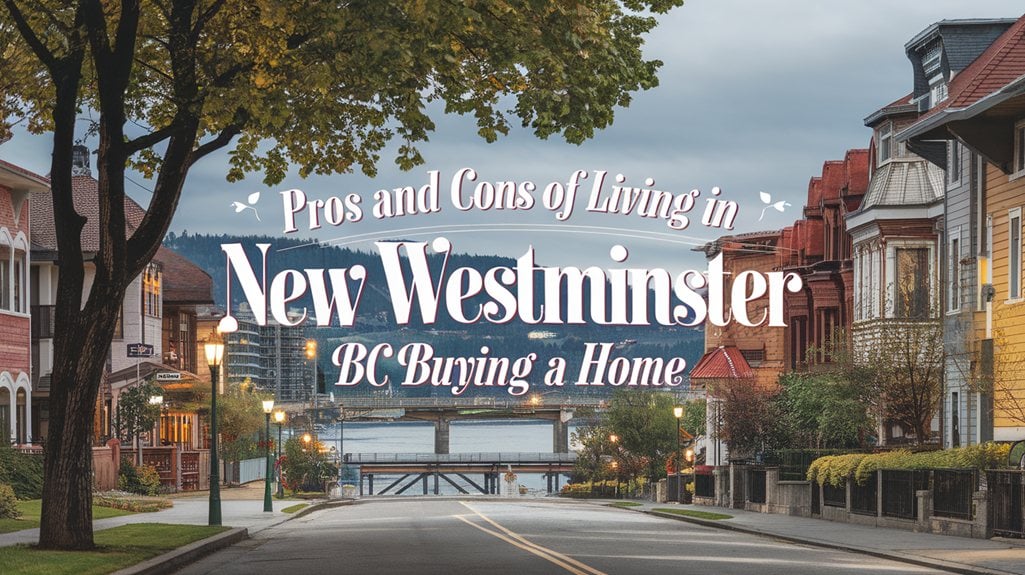
When I first drove through New Westminster a decade ago as a realtor, I thought it was just another Vancouver suburb. But after helping dozens of families relocate to this Royal City over the years, I’ve realized the truth about New Westminster is far more compelling than most people imagine. If you’re considering a move to Metro Vancouver and want a genuine community feel without sacrificing urban conveniences, you’re about to discover why this historic city might be your perfect match.
Sitting along the Fraser River between Vancouver and Surrey, New Westminster offers something increasingly rare in the Lower Mainland: authentic neighborhood character at a slightly more accessible price point. But like any city, it comes with trade-offs you’ll want to understand before committing to a mortgage.
Understanding New Westminster’s Unique Character in Metro Vancouver
New Westminster holds the distinction of being British Columbia’s oldest city, incorporated way back in 1860. That heritage isn’t just a historical footnote—it shapes everything from the stunning Victorian architecture you’ll find in Queen’s Park to the tight-knit community vibe that surprises newcomers.
The city spans roughly 15.3 square kilometers, making it one of the smallest municipalities in Metro Vancouver by area. Don’t let that fool you, though. With around 80,000 residents, New West packs considerable density and diversity into its compact footprint. You’ll find distinct neighborhoods ranging from the upscale heritage homes of Queen’s Park to the modern high-rises sprouting along the waterfront.
What really sets New Westminster apart? It’s one of the few places in the region where you can still grab coffee at a locally-owned café, walk to a SkyTrain station, and actually afford to buy property—though “afford” is relative in this market.
The Advantages: Why Residents Love Living in New West
Transit Connectivity That Actually Works
Here’s where New Westminster genuinely shines: it’s served by five SkyTrain stations spanning two lines (Expo and Millennium). That’s not just good—it’s exceptional for a city of this size. Whether you’re commuting to downtown Vancouver, Burnaby’s tech corridor, or Surrey’s expanding business district, you’ve got options.
From New Westminster Station downtown, you can reach Vancouver’s waterfront in roughly 25 minutes. Columbia Station connects you to Coquitlam and the Tri-Cities within 20 minutes. This transit accessibility is a massive advantage compared to living in areas like Richmond or Surrey, where you might rely more heavily on buses or longer SkyTrain commutes.
For first-time buyers evaluating where to purchase in Metro Vancouver, this transit hub status should weigh heavily in your decision-making process.
Real Estate That Won’t Completely Break the Bank
Let’s be honest—nothing in Metro Vancouver is cheap anymore. But New Westminster offers relatively better value than Vancouver proper or North Shore communities. As of early 2026, you might find New Westminster condos starting around $400,000 to $550,000, townhomes in the $700,000 to $900,000 range, and detached homes from $1.1 million upward.
Compare that to the million-dollar starter condos in downtown Vancouver, and suddenly New West looks more manageable. Many of my clients who were first-time home buyers found they could actually get a two-bedroom condo here versus a bachelor suite elsewhere in the region.
The pros and cons of condo ownership definitely apply here, with many waterfront developments offering modern amenities at lower entry points than comparable Vancouver buildings.
Walkability and Complete Amenities
New Westminster scores impressively on walkability indices. The downtown core, particularly around Columbia Street, offers a legitimate main street experience with local boutiques, restaurants, grocery stores, and services—all within walking distance for many residents.
Westminster Pier Park deserves special mention. This 2.7-kilometer waterfront trail isn’t just pretty; it’s functional. Residents use it daily for commuting, exercise, and recreation. The playground, spray park, and festival space make it a genuine community hub rather than just another park.
The Anvil Centre serves as the city’s modern community facility, housing everything from theatre performances to fitness programs. You won’t need to trek to Vancouver for cultural amenities or fitness options—though you certainly can if you want more variety.
Heritage Character and Community Spirit
Unlike some newer suburbs that feel sterile and cookie-cutter, New Westminster’s established neighborhoods have genuine personality. The Queen’s Park area showcases beautifully preserved heritage homes from the Victorian and Edwardian eras. Walking these tree-lined streets feels worlds away from the glass-tower forests of downtown Vancouver.
This historic character attracts residents who value community connection over flashy newness. The city hosts regular events like the Hyack Festival and farmers markets that actually bring neighbors together—something increasingly rare in larger Metro Vancouver cities.
Central Location in the Lower Mainland
Geographically, New West sits at a strategic junction. You’re roughly equidistant from Vancouver, Burnaby, Surrey, and the Fraser Valley communities. This central positioning offers flexibility whether you’re commuting for work, visiting family across the region, or accessing outdoor recreation.
The Pattullo Bridge (currently being replaced) and various highway connections make car travel relatively straightforward to surrounding areas. You’re not trapped at one end of the transit line like you might be in certain parts of Coquitlam or Port Coquitlam.
The Drawbacks: What You Should Know Before Moving
Traffic Congestion and Bridge Dependencies
Here’s the reality that hits many new residents harder than expected: New Westminster’s bridges create significant bottlenecks. The city’s river-bound geography means limited crossing points, and during rush hour, those choke points get ugly.
The Pattullo Bridge has been a notorious traffic nightmare for years (though the replacement project aims to address this). If you’re commuting to Surrey or Langley, you’ll become intimately familiar with bridge delays. Similarly, heading west toward Vancouver during peak hours can test your patience.
While public transit helps, not everyone’s commute aligns with SkyTrain routes. If you’re driving to destinations not served by rapid transit, you’ll face the same traffic snarls plaguing the entire Metro Vancouver region.
Crime and Safety Perceptions
Let’s address the elephant in the room: New Westminster has struggled with crime perception issues, particularly around the downtown core. While the city has made considerable progress with community policing and urban renewal, certain areas still experience property crime rates above regional averages.
The Sapperton neighborhood and parts of downtown near the SkyTrain stations have seen everything from bike thefts to more serious incidents. This doesn’t mean the entire city is unsafe—many neighborhoods like Queen’s Park, Connaught Heights, and Moody Park are genuinely quiet and secure. But it’s important to research specific neighborhoods before committing to a purchase.
If you’re comparing New Westminster to other Metro Vancouver options, you’ll want to dig into crime statistics by neighborhood rather than judging the entire city by blanket generalizations.
Limited Detached Home Inventory
The city’s small geographic footprint and established neighborhoods mean detached homes rarely hit the market. When they do, competition can be fierce, and prices reflect that scarcity. Most available inventory skews heavily toward condos and townhomes.
For buyers dreaming of a backyard and garage, this limited supply can be frustrating. You might find yourself weighing the pros and cons of townhouse living versus holding out for a New Westminster Homes that may never materialize in your price range.
Understanding what’s included in condo maintenance fees becomes essential here, since condo or townhouse ownership will likely be your reality in New Westminster.
Aging Infrastructure in Some Areas
As BC’s oldest city, New West features some genuinely old infrastructure. Certain neighborhoods deal with aging sewer systems, narrow streets not designed for modern traffic volumes, and older buildings that may require significant maintenance.
While heritage character charms many buyers, it also means potential renovation costs and infrastructure limitations. If you’re considering an older building or heritage home, factor in closing costs plus potential repair expenses when calculating affordability.
School Options May Require Research
New Westminster’s school district offers solid public education, but the city’s compact size means fewer school options compared to larger municipalities like Burnaby. Families with specific educational needs or preferences might find the selection limited.
While the district includes several well-regarded elementary and secondary schools, you’ll want to research catchment areas carefully. Some neighborhoods feed into more popular schools than others, which can affect both home prices and your family’s daily logistics.
Breaking Down Livability: What the Data Actually Shows
Real estate agents love throwing around the term “livability,” but what does it actually mean for New Westminster? Let’s look at concrete factors:
Transportation Score: 8/10 – Exceptional transit access with five SkyTrain stations, but traffic congestion knocks this down from perfect.
Housing Affordability: 6/10 – Better than Vancouver proper, but still expensive by national standards. You’re looking at significant investment for entry-level properties.
Walkability: 7/10 – Downtown and waterfront areas excel, but some neighborhoods remain car-dependent.
Safety: 6/10 – Improving but still mixed depending on specific location.
Amenities: 7/10 – Solid restaurant scene, local shops, and community facilities, though not as extensive as larger cities.
Community Character: 8/10 – Genuine neighborhood feel and active community engagement.
Neighborhood Breakdown: Where Should You Actually Live?
Queen’s Park
This is New Westminster’s most prestigious neighborhood, featuring stunning heritage homes, mature trees, and the namesake park. Expect premium pricing but excellent schools and genuine quiet-street living. Perfect for families with larger budgets seeking character homes.
Downtown/Columbia Street
Urban living at its finest in New West. High-rise condos, walkable amenities, and direct SkyTrain access. Younger professionals and downsizers love this area for its convenience, though noise and safety concerns exist in certain pockets.
Sapperton
Increasingly popular with young families, Sapperton offers a mix of older homes and newer New Westminster townhouses developments. The neighborhood’s breweries and community vibe attract a hip demographic, though it’s slightly removed from the main SkyTrain stations.
Uptown
Perched on the hill above downtown, Uptown provides more affordable housing options with good highway access. It’s quieter than downtown but requires more car dependence for daily errands.
West End/Connaught Heights
These western neighborhoods offer a suburban feel within city limits. Larger lots, detached homes, and family-oriented amenities define these areas. Pricing reflects the desirability, though you might find better value than Queen’s Park.
The Real Estate Market: What Buyers Should Expect
As a realtor who’s worked this market for years, I can tell you New Westminster attracts specific buyer profiles: first-time buyers priced out of Vancouver, families seeking community character, and investors eyeing transit-oriented development potential.
The condo market dominates available inventory, particularly in downtown and waterfront areas. These range from older low-rises built in the 1980s to sleek new towers with river views. Townhome developments have sprouted in Sapperton and other infill locations, offering middle-ground options between condos and detached homes.
Detached homes represent the most competitive segment. When a well-maintained house in Queen’s Park or Connaught Heights hits the market, expect multiple offers and quick sales. Buyers in this category often face deciding whether to buy or continue renting, given the financial commitment required.
For those new to the BC market, understanding how to make an offer and working with a knowledgeable buyer’s agent becomes essential. Some buyers even consider purchasing without a realtor, though I’d caution against this in competitive markets.
Transportation Deep Dive: Getting Around and Getting Out
SkyTrain Stations
- New Westminster Station: Downtown hub serving the Expo Line
- Columbia Station: Connects to both Expo and Millennium Lines
- Sapperton Station: Serves eastern neighborhoods on Millennium Line
- Braid Station: Industrial area access on Millennium Line
- 22nd Street Station: Connects to Burnaby on Expo Line
This five-station coverage is exceptional. Most residents live within walking distance or a short bus ride from rapid transit. That access translates to legitimate car-free living for many professionals working in downtown Vancouver or Burnaby.
Bus Network
TransLink operates extensive bus routes throughout the city, connecting neighborhoods to SkyTrain stations and surrounding municipalities. Routes to Burnaby, Surrey, and Vancouver run frequently, though service quality varies by specific route and time of day.
Cycling Infrastructure
The waterfront trail system provides excellent recreational cycling, and the city has expanded bike lanes in recent years. However, the hilly terrain in some neighborhoods makes cycling less practical for daily commuting compared to flatter municipalities like Richmond.
Driving Considerations
Highway 1 borders the city to the north, providing access to the Fraser Valley and Vancouver. However, highway congestion during rush hours can be brutal. The Pattullo Bridge replacement (expected completion around 2024) should improve Surrey connections, but construction has created additional headaches in the interim.
Parking in downtown areas can be challenging and expensive, similar to other urban centers. If you’re moving from a car-dependent suburb, adjust your expectations accordingly.
Schools and Education: What Families Need to Know
New Westminster School District (SD40) operates 13 elementary schools, one middle school, and two secondary schools, plus alternative programs. The district has strong reputations for inclusion and innovative programming.
Popular Schools Include:
- Lord Kelvin Elementary (Queen’s Park neighborhood)
- Herbert Spencer Elementary (West End)
- New Westminster Secondary School (comprehensive program downtown)
- Lord Tweedsmuir Secondary (Uptown location)
Many families specifically choose neighborhoods based on school catchments, which can drive up property values in certain areas. If education is a priority, research catchment boundaries before making an offer—they occasionally shift based on enrollment pressures.
The city’s proximity to post-secondary institutions adds value for families with older children. Douglas College maintains a campus in New Westminster, while Simon Fraser University, BCIT, and University of British Columbia are all accessible via transit.
Cost of Living: The Real Numbers
Beyond housing prices, what does daily life actually cost in New Westminster? Here’s a realistic breakdown:
Groceries: On par with Metro Vancouver averages, roughly 15-20% higher than Canadian averages. Expect to pay $100-150 weekly for basic groceries for two people.
Dining Out: Local restaurants offer better value than downtown Vancouver. Casual dining runs $15-25 per person, mid-range restaurants $30-50 per person.
Utilities: Hydro (electricity) costs vary by unit size but average $50-100 monthly. Gas heating adds another $30-70 monthly depending on season. Internet and phone services run $80-150 monthly for decent packages.
Transportation: Monthly transit passes cost $107.50 for adult two-zone travel (covering New West to Vancouver). Vehicle ownership adds insurance (ICBC premiums vary widely), gas, parking, and maintenance costs.
Strata Fees: For condos and townhomes, expect monthly fees ranging from $200-500+ depending on building age, amenities, and size. These cover building maintenance, insurance, and shared amenities.
For young professionals evaluating where to live in BC, New Westminster offers moderate cost-of-living advantages compared to Vancouver proper, but you’re not getting Prairie-province pricing.
Making the Decision: Is New Westminster Right for You?
After working with hundreds of clients in this market, I’ve noticed New Westminster appeals most to:
Ideal Candidates:
- First-time buyers seeking transit access without Vancouver price tags
- Families valuing community character over cookie-cutter suburbs
- Professionals commuting to multiple Metro Vancouver locations
- Downsizers wanting urban amenities without downtown chaos
- Investors targeting transit-oriented development potential
Less Ideal For:
- Buyers requiring large yards and detached-home layouts
- Those uncomfortable with urban density and traffic
- Families needing extensive school choice options
- Anyone seeking brand-new, master-planned community feel
The city isn’t perfect. Traffic frustrates, crime concerns exist in pockets, and housing prices still strain budgets. But for the right buyer, New Westminster delivers an increasingly rare combination: genuine community character, excellent transit access, and relative affordability in one of Canada’s most expensive regions.
Frequently Asked Questions About Living in New Westminster
Is New Westminster safe for families?
Safety varies by neighborhood. Queen’s Park, Connaught Heights, and Moody Park areas maintain low crime rates suitable for families. Downtown areas near SkyTrain stations experience higher property crime rates. Research specific addresses and visit neighborhoods at different times before deciding.
How much does a condo cost in New Westminster?
As of 2024, one-bedroom condos start around $400,000-$500,000, two-bedrooms range from $550,000-$750,000, and three-bedrooms typically exceed $700,000. Waterfront and newer buildings command premium pricing.
Can you live in New Westminster without a car?
Yes, particularly if you live near SkyTrain stations and work along transit corridors. Downtown residents frequently go car-free. However, households with children or jobs outside transit routes find vehicle ownership more practical.
What’s the commute time to downtown Vancouver?
From New Westminster Station, expect 25-30 minutes to Vancouver’s Waterfront Station via SkyTrain during normal hours. Add 5-10 minutes during peak periods. Driving typically takes 25-40 minutes depending on traffic and parking.
Are there good restaurants in New Westminster?
The dining scene has improved dramatically. Columbia Street features diverse options from Vietnamese to Italian to craft breweries. While not matching Vancouver’s selection, the local restaurant scene satisfies most residents without requiring trips to other cities.
Final Thoughts: Weighing Your Options Across Metro Vancouver
Every Metro Vancouver municipality offers trade-offs. New Westminster’s historic character, transit connectivity, and moderate pricing come with traffic challenges, limited housing stock, and neighborhood-by-neighborhood variability.
Compare your options thoroughly. Look at Burnaby’s high-rise density, Surrey’s suburban sprawl, or Coquitlam’s newer developments. Each serves different lifestyles and priorities.
If you’re thinking of moving to Vancouver or already living in Vancouver BC, understanding the realty market is crucial. The real estate team led by Richard Morrison has served New Westminster for the last several years, helping countless families move to Vancouver, Canada. With excellent nearby amenities including health care facilities, clinic services, and beautiful properties along the river, this area offers exceptional living opportunities.
Contact Richard Morrison today to discover your perfect home and make your Vancouver dreams a reality

Let's Chat! Looking for a REALTOR® who can exceed your expectations? Look no further than Richard Morrison! His mission is to serve without limit & provide solutions that cater to your core needs.
• 20+ Years of Experience
• Medallion Member
• RE/MAX Hall of Fame

Latest Properties Added
| Property | Size | Price | Date Listed |
|---|---|---|---|
| 141 27th Street, North Vancouver | 1,651 sqft | $1,899,000 | Sep 13, 2026 |
| 2-2509 Kitchener Street, Vancouver | 1,284 sqft | $1,298,800 | Sep 12, 2026 |
| 1406-938 Smithe Street, Vancouver | 761 sqft | $799,000 | Sep 11, 2026 |
| 2802-1033 Marinaside Crescent, Vancouver | 583 sqft | $639,000 | Sep 11, 2026 |
| 386 45th Avenue, Vancouver | 1,762 sqft | $2,199,900 | Sep 10, 2026 |
| 207-378 45th Avenue, Vancouver | 1,329 sqft | $1,478,900 | Sep 10, 2026 |
| 108-378 45th Avenue, Vancouver | 745 sqft | $879,900 | Sep 10, 2026 |
| 1-1958 60th Avenue, Vancouver | 1,463 sqft | $1,899,900 | Sep 9, 2026 |
| 2-1956 60th Avenue, Vancouver | 1,463 sqft | $1,899,900 | Sep 9, 2026 |
| 1-1956 60th Avenue, Vancouver | 1,463 sqft | $1,899,900 | Sep 9, 2026 |
| 6222 Logan Lane, Vancouver | 1,622 sqft | $1,250,000 | Sep 7, 2026 |
| 4339 Granville Street, Vancouver | 4,672 sqft | $6,500,000 | Sep 11, 2026 |
Start your search with Richard Morrison, Top Award Winning Vancouver Realtor
Contact Richard Morrison Top Vancouver Realtor today to find a Vancouver houses for sale and Vancouver condos for sale. Also check out Burnaby houses for sale or maybe Burnaby condos for sale. If you prefer North Shore, take a look at our listings in North Vancouver houses for sale and North Vancouver condos for sale.