Pros and Cons of Buying Waterfront Property in Canada
Have you ever stood at the edge of a lake at sunset and thought, “What if I could wake up to this every single day?” You’re not imagining something impossible. You are imangining possibilities.
The main difference between the pros and cons of buying waterfront property is lifestyle value versus risk and cost. Waterfront homes offer scenic views, strong resale demand, and direct water access, but they also require higher insurance, elevated maintenance from moisture and erosion, and stricter building regulations.
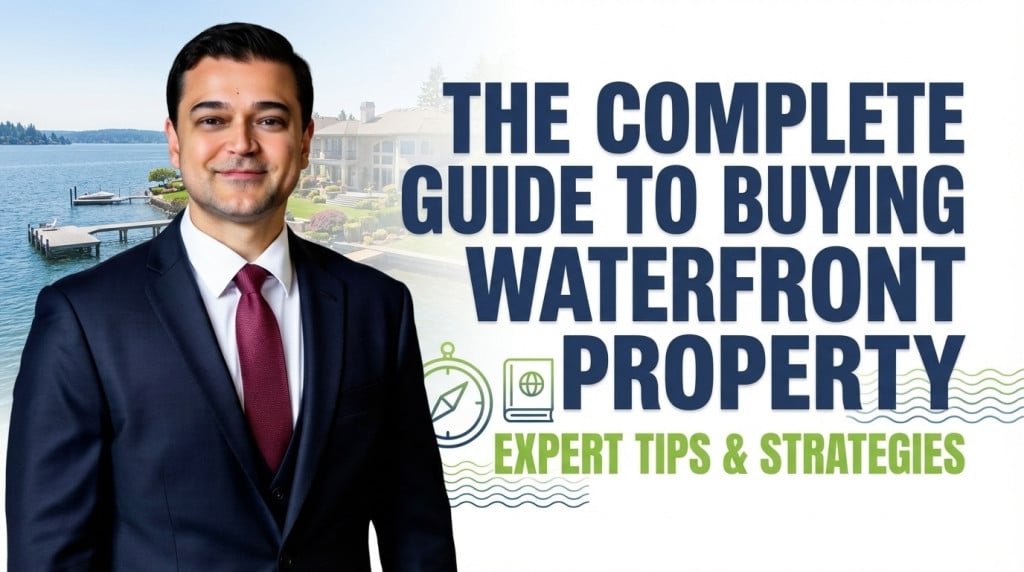
But after helping dozens of clients navigate waterfront real estate purchases over the years, I’ve learned that living on the water is more complex than those picture-perfect Instagram shots suggest. The reality? Buying a waterfront home involves a delicate balance between breathtaking beauty and practical challenges that can catch unprepared buyers off guard.
If you’re considering buying a waterfront property, you’re making one of the most significant real estate decisions of your life. Whether it’s an oceanfront estate, a lakefront home, or a modest house on the water, the pros and cons of buying waterfront property deserve careful consideration. This comprehensive guide will walk you through everything you need to know about purchasing a waterfront property—from the financial implications to the lifestyle changes that come with waterfront living.
Understanding Waterfront Real Estate: What Makes It Different?
Waterfront properties represent a unique category in real estate. Unlike landlocked homes, these residences sit directly on the water—whether that’s an ocean, lake, river, or other waterway. The defining characteristic isn’t just proximity; it’s about having your personal property extend to the shoreline, giving you direct access to a body of water.
Living near the water fundamentally changes your daily experience. When you buy a home near water, you’re not just purchasing square footage and bedrooms. You’re investing in a lifestyle centered around the coastal or lakefront experience. From morning coffee watching boats drift by to evening strolls along your private shoreline, waterfront homeowners enjoy privileges that come at a premium.
Quick Answer: Is Buying Waterfront Property Right for You?
Pros: Waterfront homes offer stunning views, excellent appreciation potential, high demand for resale, easy access to fishing or boating, and a serene sense of calm that inland properties can’t match.
Cons: These homes come at a premium price, require more maintenance, face higher insurance costs, deal with erosion and rising water levels, and need careful consideration of humidity and weather-related upkeep. Costs can add up quickly.
The key is weighing the pros and cons carefully before taking the plunge into waterfront real estate.
EXPLORE: SEE OUR WATERFRONT HOMES FOR SALE
The Upside: Major Benefits of Buying a Waterfront Home
Stunning Views and Natural Beauty
Let’s start with the obvious—waterfront properties deliver views that simply can’t be replicated. Without a water view, even the most beautifully landscaped property lacks that ever-changing natural canvas. The water itself transforms throughout the day: calm and glassy at sunrise, sparkling under midday sun, ablaze with color at sunset.
When you’re buying a house on the water, every window becomes a work of art. These vistas aren’t just aesthetically pleasing; studies show that living near water reduces stress and improves mental health. That serene sense of calm you feel near the water isn’t just psychological—it’s a tangible health benefit that waterfront homeowners enjoy daily.
Strong Appreciation and Investment Potential
Here’s where waterfront real estate gets interesting from a financial perspective. Waterfront homes typically appreciate faster than comparable inland properties. Why? Simple supply and demand. They’re not making any more beachfront or lakefront property, but demand continues climbing.
Properties located directly on the water in desirable waterfront communities often see value over time that significantly outpaces the general market. If you’re buying or selling in waterfront neighborhoods near popular amenities—think marinas, yacht clubs, or public beaches—your home on the water becomes an even stronger investment.
Waterfront homes are great investments, particularly in areas experiencing growth. Your investment will appreciate due to rising housing prices and consistent high demand for waterside living. This makes waterfront real estate one of the most compelling real estate investments available today.
Lifestyle and Recreation at Your Doorstep
The recreational benefits of owning a waterfront home extend far beyond the view. Whether you’re into fishing or boating, swimming, kayaking, or simply relaxing waterside with a good book, you’ll never need to plan elaborate outings. Step off your dock and you’re already there.
For families, waterfront living provides endless opportunities for outdoor activities. Kids can learn to fish from your own property, practice water safety in a controlled environment, and develop a lifelong connection to nature. Families seeking more outdoor activities find waterfront properties ideal for creating lasting memories.
If you plan to rent your waterfront property as a vacation home or second home, the waterfront location dramatically increases your rental potential. Vacationers actively seek beach or lakefront rentals, willing to pay premium rates for that time to enjoy the water you live beside.
High Demand and Competitive Market Position
Waterfront homes also benefit from consistently high demand. Even during market downturns, quality waterfront properties tend to hold their value better than inland alternatives. When you’re ready to sell, you’ll likely face less time on market and attract serious buyers who understand the value proposition.
New waterfront inventory is extremely limited—especially properties with private beaches, established docks, or significant water frontage. This scarcity keeps your property competitive regardless of broader market trends.
The Downside: Important Challenges of Waterfront Property Ownership
Premium Pricing and Additional Costs
Let’s address the elephant in the room: waterfront homes come at a premium. Expect to pay 20-100% more than comparable properties just a few blocks inland. But the sticker price is only the beginning—costs can add up quickly once you factor in ongoing expenses.
Property taxes on waterfront locations typically run higher than similar homes without water access. Insurance costs also spike dramatically, particularly for oceanfront properties in hurricane-prone areas or homes in flood zones. Don’t be surprised if your homeowners insurance quotes come in 2-3 times higher than you’d pay inland.
Maintenance and Upkeep Challenges
Maintaining a waterfront property requires more than the standard home maintenance routine. Salt air accelerates corrosion on coastal properties. Humidity promotes mold and mildew. Your outdoor furniture, water toys like jet skis, and even your home’s exterior materials all face accelerated wear.
When considering buying a waterfront property, budget for:
- Regular dock maintenance and repairs
- Seawall or bulkhead inspections
- Boat lift servicing
- Specialized exterior materials that withstand salt and moisture
- More frequent painting and refinishing
- Winterization for seasonal properties
Maintenance costs can add between $1,010 to $4,080 annually—and that’s just baseline upkeep. Major repairs after storms or from erosion can easily reach five figures.
Environmental Concerns: Erosion and Rising Water Levels
Perhaps the most important consideration when owning a waterfront home involves long-term environmental factors. Erosion gradually claims shoreline, potentially affecting your property boundaries and structural stability. Depending on your waterway, you might lose inches or even feet of land per year.
Rising water levels present an increasingly serious concern. Climate change affects coastal and lakefront properties differently, but the trend is clear: water levels are rising in many regions. What seems like safe elevation today might become problematic in 10-20 years.
Smart buyers investigate:
- Historical erosion rates for the specific shoreline
- Whether the property is at high tide or low tide elevation
- Local regulations about erosion control and shoreline modifications
- Projected water level changes for the specific body of water
- Whether the property is truly personal property or borders public property
Weather, Humidity, and Environmental Exposure
Living on the water means living with the water’s effects. Humidity stays higher year-round, which isn’t just about comfort—it affects everything from your HVAC systems to your furniture. Mold and mildew become constant adversaries requiring vigilance.
Waterfront house locations also face greater weather exposure. Storms hit harder without inland barriers to soften their impact. Wind damage, flooding, and temperature fluctuations all intensify at the waterfront. Even properties not in official flood zones face risks during major weather events.
Maximizing Your Investment: Key Factors That Determine Waterfront Property Value
Not all waterfront real estate is created equal. Understanding what drives value helps you make smarter purchasing decisions.
Location and Proximity to Amenities
The specific waterfront neighborhood and waterfront communities matter enormously. Properties near popular beaches, established marinas, quality restaurants, and shopping retain and build value more consistently. Access to transportation networks and major cities also impacts your property’s long-term appreciation.
Water Access and Views
How you access the water makes a difference. A property with a private dock allowing year-round boat access commands higher prices than one requiring a public boat launch. Similarly, unobstructed water views are worth more than properties where vegetation or development blocks sightlines.
Consider whether you can see to distant shores, islands, or open water. The expanse of your view directly correlates to property value.
Activities and Recreation Opportunities
Properties supporting diverse water activities—fishing or boating, swimming, sailing, water skiing—appeal to more buyers than waterfront homes on non-navigable waterways or restricted-use water bodies. When you buy a waterfront property, assess what activities the waterway actually supports.
A “waterfront” label doesn’t guarantee usability. Some properties sit on narrow canals, seasonal streams, or protected wetlands where activities are limited. Before purchasing a waterfront property, verify what you can actually do on that water.
Infrastructure and Development Potential
Check local zoning regulations and development plans. Are roads, utilities, and sewers adequate? Is significant development planned nearby that might affect views or tranquility? Understanding the growth trajectory helps you anticipate future property values.
Financial Considerations When Buying a Waterfront Property
Setting a Realistic Budget
When planning your waterfront real estate purchase, look beyond the purchase price. Your budget needs to accommodate:
Upfront costs:
- Higher down payment (often 20-30% for waterfront properties)
- Enhanced home inspection focusing on water-related issues
- Title insurance specifically addressing waterfront boundaries
- Pre-move costs or improvements to address deferred maintenance
Ongoing expenses:
- Elevated property taxes
- Premium homeowners insurance and flood insurance
- Higher utility costs (HVAC works harder in humid environments)
- Regular maintenance and repairs
- Dock and seawall upkeep
- Landscaping and erosion control
Financing Your Waterfront Purchase
Shopping for competitive rates becomes even more critical with waterfront properties. Some lenders consider waterfront locations higher risk, which can affect your mortgage terms and rates. Work with lenders experienced in waterfront real estate who understand how to properly value these unique properties.
If you’re considering the property as a second home or vacation home, financing terms may differ from primary residences. Clarify your intended use with lenders upfront.
Understanding Insurance Requirements
Standard homeowners insurance often excludes flood coverage. If you’re buying a house in a designated flood zone, you’ll need separate flood insurance—and it isn’t cheap. Even homes outside flood zones should consider flood coverage given changing weather patterns and rising water levels.
Insurance costs for waterfront properties in Canada typically exceed inland properties by 30-70%. Factor this into your annual budget to avoid surprises. Work with insurance specialists familiar with coastal and lakefront coverage to ensure adequate protection without overpaying.
Essential Due Diligence Before Buying a Waterfront Home
Professional Inspections and Assessments
Never skip the inspection when buying a waterfront property. You’ll need inspectors with specific waterfront expertise who can identify:
- Foundation issues related to water proximity
- Dock and seawall conditions
- Erosion concerns and shoreline stability
- Water quality issues
- Septic systems (if applicable) near the water table
- Damage from previous flooding
Get a professional inspection before committing. It’s important to keep in mind that waterfront properties hide unique problems that standard home inspections might miss.
Research Local Regulations and Restrictions
Waterfront property ownership comes with regulatory complexity that landlocked properties avoid. Research:
- Building setback requirements from the water
- Restrictions on dock construction or modification
- Environmental protections affecting shoreline modifications
- Rules governing vegetation removal
- Seasonal restrictions on activities
- Requirements for erosion control structures
Understanding these regulations before you buy prevents costly surprises when you plan improvements or modifications.
Assess Long-Term Environmental Risks
Climate change isn’t a distant abstraction for waterfront homeowners—it’s a present reality affecting property values and usability. Investigate:
- Historical flooding patterns
- Projected sea-level or lake-level changes
- Storm frequency and intensity trends
- Beach nourishment programs (for oceanfront properties)
- Municipal plans for coastal protection
Consider vacant land purchases in BC with similar considerations—environmental factors profoundly impact development potential and long-term value.
Making the Decision: Is Waterfront Property Right for Your Lifestyle?
Honest Self-Assessment
Before taking the plunge, ask yourself hard questions:
Time commitment: How much time do you plan to use the property? If it’s a vacation home you’ll visit monthly, is the premium worth it compared to renting?
Maintenance tolerance: Are you prepared for constant upkeep? Do you have resources for professional property management if you can’t handle it yourself?
Financial cushion: Can you absorb unexpected major expenses—like a $25,000 seawall repair—without financial stress?
Environmental acceptance: Can you embrace the downsides—humidity, storms, erosion—as part of the waterfront lifestyle, or will they become sources of frustration?
Aligning with Long-Term Goals
Think beyond the immediate purchase. Where do you see yourself in 10-20 years? Will waterfront living still fit your lifestyle as you age? If you plan to rent the property for income, have you researched rental demand and analyzed whether revenue will cover your costs?
Questions to ask when buying a condo apply equally to waterfront properties—clarify your long-term vision before committing.
Working with Knowledgeable Professionals
Waterfront real estate requires specialized expertise. Your real estate agent should have specific experience with waterfront properties in your target area. They’ll understand local market dynamics, environmental concerns, and property values that generalists might miss.
Look for agents who can guide you through waterfront-specific considerations and connect you with inspectors, insurance providers, and contractors experienced with homes on the water.
Practical Tips for Waterfront Property Success
1. Research the Area Thoroughly
Before purchasing a waterfront property, immerse yourself in local knowledge. Visit at different times—weekday versus weekend, different seasons if possible. Talk to waterfront homeowners in the area. Check crime rates, weather patterns, and nearby amenities.
Investigate whether the waterfront community offers the atmosphere and lifestyle you’re seeking. Some waterfront neighborhoods are tranquil and private; others buzz with activity and tourists.
2. Understand Your Water Access Rights
Confirm exactly what you’re buying. Do you own to the water’s edge, or is there public property between your lot line and the water? Can you build or modify your dock, or are there protected wetlands limiting your options?
Understanding the distinction between private and public property rights prevents devastating surprises after purchase.
3. Plan for Flood Protection
Even if you’re not in a designated flood zone, have a plan. Where will you store valuable items during storm warnings? Do you need to install barriers or pumps? How will you handle evacuation if necessary?
Waterfront homeowners without preparation plans often face preventable losses during severe weather events.
4. Budget for Proper Maintenance
Maintaining a waterfront property requires consistent investment. Establish a maintenance fund separate from your emergency fund. Plan regular inspections of water-facing structures, erosion control measures, and building envelope integrity.
Deferred maintenance compounds quickly at the waterfront. Small issues become major problems faster than with inland homes.
5. Embrace the Waterfront Lifestyle
Once you’ve completed your purchase and addressed the practical concerns, it’s time to enjoy what waterfront living offers. Take advantage of early morning walks along the shoreline. Use that boat you keep at your dock. Host gatherings that showcase your stunning views and unique setting.
Waterfront living offers benefits that make the challenges worthwhile—but only if you actually engage with the lifestyle rather than treating it as simply an expensive address.
Special Considerations for Canadian Waterfront Properties
Regional Variations in Waterfront Markets
Canadian waterfront real estate spans diverse markets from British Columbia’s coastal properties to Ontario’s cottage country and Maritime oceanfront homes. Each region presents unique considerations.
Vancouver’s biggest developers have extensive involvement with waterfront property in Canada, particularly in developing luxury waterfront communities. Understanding local market dynamics helps you assess whether you’re paying fair value for your waterfront property.
Insurance Considerations in Canada
The Insurance Bureau of Canada has commended government investment in flood protection, but home insurance for waterfront property in Canada typically costs more than properties located further inland. Water damage remains the most frequent cause of insurance claims, particularly in provinces like Ontario.
When buying a waterfront location in Canada, carefully calculate these insurance expenses as part of your total ownership cost.
Climate and Regional Weather Patterns
Canadian waterfront properties face unique climate challenges. Winter weather affects lakefront and river properties through ice damage and freeze-thaw cycles. Coastal properties face storm systems off the Pacific or Atlantic. Understanding regional weather patterns helps you prepare for seasonal maintenance and protection measures.
Frequently Asked Questions About Buying Waterfront Property
What are the pros and cons of buying waterfront property?
The pros of buying a waterfront property include breathtaking views, strong appreciation potential, easy access to water activities, the peaceful experience of living on the water, and high resale demand. The cons include premium pricing, higher insurance and maintenance costs, environmental risks like erosion and rising water levels, humidity-related challenges, and the potential for weather-related damage.
What should I consider before buying a waterfront property?
Before buying a waterfront property, consider the financial implications beyond the purchase price, including insurance, taxes, and maintenance. Evaluate environmental risks like flooding and erosion. Determine how you plan to use the property—primary residence, vacation home, or rental. Assess the property’s actual water access and what activities the waterway supports. Finally, research local regulations affecting waterfront property ownership.
Are waterfront homes more expensive to insure?
Yes, homeowners insurance for waterfront homes typically costs 30-70% more than similar inland properties. Factors driving higher costs include flood risk, storm exposure, and higher property values. Many waterfront properties require separate flood insurance beyond standard homeowners coverage. Working with insurance specialists familiar with waterfront properties helps ensure adequate coverage at competitive rates.
How much maintenance does a waterfront property require?
Waterfront homeowners in Canada spend an average of $1,010 to $4,080 annually on routine maintenance—higher than comparable inland properties. Waterfront house maintenance includes dock and seawall upkeep, erosion control, dealing with humidity-related issues, more frequent exterior painting and repairs, and protection from storm damage. Major repairs from erosion or storm damage can add substantial one-time expenses.
Do waterfront properties appreciate faster than other homes?
Generally, waterfront properties appreciate faster than comparable inland homes due to limited supply and consistent high demand. Location matters significantly—properties in desirable waterfront communities with good amenities typically see stronger appreciation. However, properties facing severe erosion or environmental risks may not follow this trend. Careful due diligence helps identify properties with strong appreciation potential.
What are the biggest risks of owning a waterfront home?
The biggest risks include flooding from storms or rising water levels, erosion gradually claiming shoreline, hurricane or severe storm damage (particularly for oceanfront properties), environmental regulations limiting property modifications, higher ongoing costs than anticipated, and climate change impacts affecting long-term property usability and value.
Can I build a dock on my waterfront property?
This depends entirely on local regulations, environmental protections, and your specific property rights. Many waterfront properties face restrictions on dock construction due to protected wetlands, navigational concerns, or environmental protections. Before buying a waterfront property, verify your rights to build or modify water access structures.
Is waterfront property a good investment?
Waterfront real estate can be an excellent investment due to appreciation potential, rental income opportunities, and strong demand. However, success depends on location, property condition, environmental risks, and your ability to manage higher costs. Properties in established waterfront communities with good amenities and controlled environmental risks typically perform best as investments.
What’s the difference between waterfront, waterside, and water view properties?
Properties directly on the water with immediate access represent true waterfront homes. “Waterside” typically means near the water but not necessarily with direct access. “Water view” properties can see water but may be several properties back from the shoreline. These distinctions significantly affect pricing and lifestyle benefits.
Should I buy a waterfront property as a vacation home?
Waterfront locations make excellent vacation homes if you’ll use them enough to justify the premium cost and ongoing maintenance. Consider whether you plan to rent when you’re not using it—rental income can offset costs. However, vacation homes require either diligent personal maintenance or property management services, adding to total expenses.
What Are the Specific Pros and Cons of Buying Waterfront Property in Port Moody?
Buying waterfront property in Port Moody offers stunning views and access to outdoor activities, making it a highly desirable investment. However, potential buyers must consider the pros and cons of Port Moody, including higher insurance costs, maintenance challenges, and the impact of climate change on waterfront living. Balancing these factors is essential.
Conclusion: Making Your Waterfront Dream a Reality
Owning a waterfront home represents something truly special. The combination of natural beauty, recreational opportunities, and the simple joy of living near the water creates a lifestyle that countless people aspire to. When I watch clients enjoy their first sunset from their new waterfront deck, I see why people dream of this lifestyle despite the challenges.
But dreams need solid foundations. The difference between waterfront ownership that brings joy versus regret comes down to preparation, realistic expectations, and careful evaluation of both the pros and cons of buying waterfront property.
Yes, you’ll pay more upfront. Yes, maintenance requires more time and money. And yes, you’ll face environmental considerations that inland homeowners never think about. But if you’ve done your homework, set appropriate budgets, and honestly assessed whether waterfront living fits your lifestyle, these challenges become manageable trade-offs for something genuinely remarkable.
The key lies in weighing the pros and cons specific to your situation. Work with experienced professionals who understand waterfront real estate. Research properties thoroughly, including environmental history and future risks. Budget realistically for both purchase and ongoing ownership. And be honest about whether you’ll truly embrace the waterfront lifestyle or whether you’re simply attracted to the romantic ideal.
For the right buyer, owning a waterfront home delivers rewards that transcend financial considerations. The sense of calm watching waves lap the shoreline, the connection to nature that comes with living on the water, the memories created with family and friends in such a stunning setting—these intangible benefits make waterfront properties uniquely valuable to those who appreciate them.
If you’re considering taking the plunge into waterfront property ownership, take your time. Visit properties at different times and in various weather conditions. Talk honestly with waterfront homeowners about their experiences—both positive and challenging. Run the numbers multiple times to ensure you can comfortably afford not just the purchase but the ongoing reality of waterfront living.
When you find the right property and you’ve completed thorough due diligence, trust your instincts. Life’s too short to let perfect opportunities pass while overanalyzing. But make that leap with eyes wide open, fully aware of both the tremendous upsides and the real challenges that come with calling a waterfront location home.
Welcome to waterfront living. When done right, it’s absolutely worth it.

Let's Chat! Looking for a REALTOR® who can exceed your expectations? Look no further than Richard Morrison! His mission is to serve without limit & provide solutions that cater to your core needs.
• 20+ Years of Experience
• Medallion Member
• RE/MAX Hall of Fame

Latest Properties Added
| Property | Size | Price | Date Listed |
|---|---|---|---|
| 2-2509 Kitchener Street, Vancouver | 1,284 sqft | $1,298,800 | Sep 12, 2026 |
| 1406-938 Smithe Street, Vancouver | 761 sqft | $799,000 | Sep 11, 2026 |
| 2802-1033 Marinaside Crescent, Vancouver | 583 sqft | $639,000 | Sep 11, 2026 |
| 386 45th Avenue, Vancouver | 1,762 sqft | $2,199,900 | Sep 10, 2026 |
| 207-378 45th Avenue, Vancouver | 1,329 sqft | $1,478,900 | Sep 10, 2026 |
| 108-378 45th Avenue, Vancouver | 745 sqft | $879,900 | Sep 10, 2026 |
| 1-1958 60th Avenue, Vancouver | 1,463 sqft | $1,899,900 | Sep 9, 2026 |
| 2-1956 60th Avenue, Vancouver | 1,463 sqft | $1,899,900 | Sep 9, 2026 |
| 1-1956 60th Avenue, Vancouver | 1,463 sqft | $1,899,900 | Sep 9, 2026 |
| 6222 Logan Lane, Vancouver | 1,622 sqft | $1,250,000 | Sep 7, 2026 |
| 4339 Granville Street, Vancouver | 4,672 sqft | $6,500,000 | Sep 11, 2026 |
| 104-5281 Oakmount Crescent, Burnaby | 839 sqft | $598,000 | Sep 11, 2026 |
Start your search with Richard Morrison, Top Award Winning Vancouver Realtor
Contact Richard Morrison Top Vancouver Realtor today to find a Vancouver houses for sale and Vancouver condos for sale. Also check out Burnaby houses for sale or maybe Burnaby condos for sale. If you prefer North Shore, take a look at our listings in North Vancouver houses for sale and North Vancouver condos for sale.