Understanding Property Management Cost, Services and Fees
Updated: April, 2026. br>When I first started investing in rental properties back in Vancouver, I thought hiring a property manager was just about collecting rent and handling tenant complaints. Boy, was I wrong. After dissecting dozens of property management contracts across BC and the rest of Canada, I realized the truth about property management costs is far more nuanced than most property owners imagine. If you’re struggling to understand what you’re actually paying for when you hire a property management company, you’re not alone.
The short answer? Property management fees typically range from 8-12% of monthly rental income in Canada, but what’s actually included in that cost varies wildly between firms. Understanding the breakdown of property management fees – from leasing fees to maintenance markups to hidden vacancy charges – can mean the difference between profitable rental properties and a cash-draining headache.
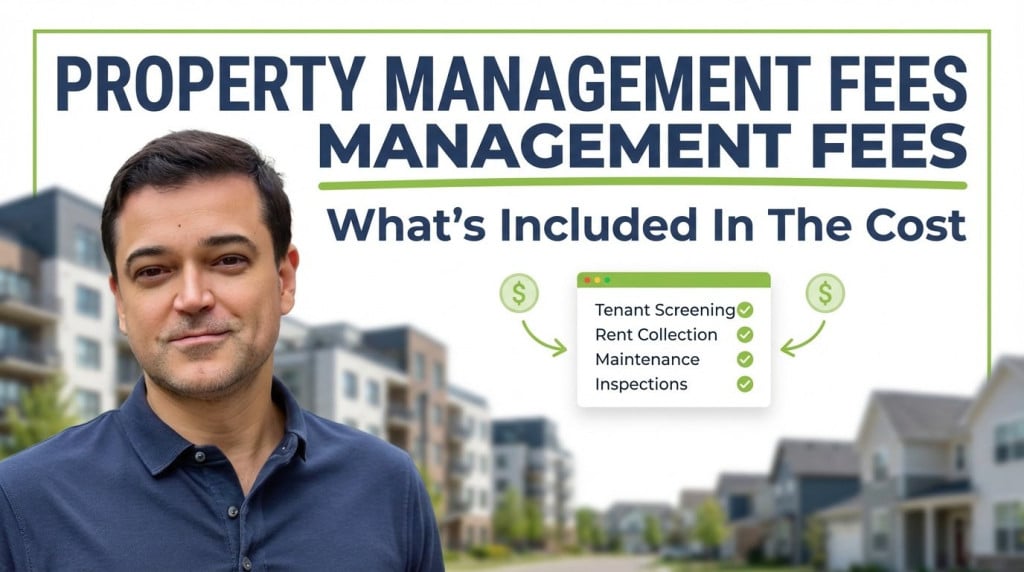
Understanding Property Management Costs: The Real Numbers
Let’s cut through the marketing fluff. Professional property management companies charge fees structured around several core components, and knowing exactly what each fee covers is essential before you sign any property management contracts.
The Monthly Management Fee: Your Baseline Cost
The monthly management fee is the bread and butter of property management business models. In Vancouver and across BC, you’ll typically see this structured in two ways:
Percentage-based fees are the most common. Here’s what I’ve observed across different property types:
- Single-family homes: 8-10% of monthly rent
- Multi-unit properties: 6-8% per unit (economies of scale kick in)
- Luxury properties: 10-12% (higher property value often means more demanding tenants)
Some property management firms are shifting toward flat fee structures instead. A flat fee might run $150-$300 per month regardless of rent collected. This can work beautifully for higher-end rentals where a percentage would become excessive, but it’s less common in the Canadian market.
What does this monthly fee actually cover? At minimum, every property management company should include:
- Rent collection and deposit management
- Monthly financial reporting to property owners
- Tenant communication and issue resolution
- Coordination of routine maintenance requests
- Regular property inspections (typically quarterly)
- Legal compliance and documentation
But here’s the catch – “should include” and “actually includes” are two different things. I’ve seen contracts where even basic property inspections carried additional charges.
Leasing Fees: The Cost of Finding Quality Tenants
This is where understanding property management fees gets interesting. The leasing fee (sometimes called tenant placement fee) compensates the management company for marketing your property, conducting property showings, screening applicants, and executing the lease.
In Canada, leasing fees typically range from 50-100% of one month’s rent. Yes, you read that right – up to a full month’s rent just for finding a tenant. Here’s the typical breakdown I’ve encountered:
- Standard leasing fee: 75% of first month’s rent (most common in Vancouver)
- Full-service placement: 100% of first month’s rent (includes enhanced marketing, professional photography, and more rigorous tenant screening)
- Reduced fee for renewals: Some companies charge 25-50% of monthly rent for lease renewal fees when existing tenants stay
Why so expensive? Because finding reliable tenants is genuinely labor-intensive. Professional property managers handle everything from listing optimization to credit checks to reference verification. A bad tenant can cost you months of lost rent and thousands in legal fees – the leasing fee is insurance against that nightmare.
Additional Fees That Companies Don’t Always Advertise Upfront
Now we’re getting into territory where many property management companies get creative with their fee structure. Understanding how property management fees work means looking beyond the headline monthly percentage.
Vacancy fees are controversial. Some property management firms charge a reduced monthly fee (maybe 5% instead of 10%) even when your property sits empty. Their argument? They’re still marketing the property and handling inquiries. My take? This practice penalizes you for something partly within their control. Look for companies that don’t charge vacancy fees or at least reduce them significantly, especially if you understand the BC speculation and vacancy tax implications.
Maintenance markups are almost universal but rarely discussed transparently. Here’s how it typically works: the property management company coordinates repairs, but they add a markup on contractor services – usually 10-20%. They frame this as a “coordination fee” or “emergency response service.” Some property owners find this reasonable (you’re paying for their established contractor relationships and oversight), while others see it as double-dipping since they’re already paying a monthly management fee.
Lease renewal fees can catch you off guard. When your tenant’s lease comes up for renewal, some management firms charge 25-50% of one month’s rent just to process the paperwork and negotiate new terms. Since tenant turnover is expensive, keeping good tenants should be in everyone’s interest – yet you’re paying extra for it.
Property inspection fees beyond the quarterly standard might cost $75-150 per visit. If you want monthly or bi-monthly inspections to ensure your property is being maintained properly, expect additional charges.
Eviction coordination fees can run $500-1,000+ if a tenant needs to be removed. This covers legal filing, tribunal attendance, and coordination with law enforcement if necessary. Given BC’s tenant-friendly regulations, this can be a lengthy, complex process that justifies the cost.
What Services Are Actually Included in Full-Service Management?
The term “full-service management” gets thrown around constantly in property management marketing, but what does it actually mean? After comparing dozens of property management contracts, here’s what comprehensive property management services should include without nickel-and-diming you with additional fees.
Tenant Screening and Placement
Professional property managers should handle the entire leasing process from start to finish. This means:
- Professional listing creation with high-quality photos
- Multi-platform marketing (MLS, Craigslist, Facebook Marketplace, Kijiji, company website)
- Scheduling and conducting property showings (including virtual tours)
- Pre-screening inquiries to filter out unqualified applicants
- Comprehensive application processing
- Credit checks, employment verification, and rental history verification
- Reference calls to previous landlords
- Lease agreement preparation and execution
- Move-in inspection documentation with photos
- Security deposit handling and documentation
The best property management companies in Vancouver use standardized screening criteria that comply with BC Human Rights regulations while still protecting your interests. They should be able to articulate exactly what landlords look for in bank statements and other financial documentation.
Rent Collection and Financial Management
This is basic table stakes, but you’d be surprised how execution quality varies:
- Automated rent collection systems (Interac transfers, online portals)
- Late payment follow-up and enforcement
- Security deposit accounting and interest calculations (where required by provincial law)
- Monthly owner statements showing income and expenses
- Year-end tax documentation
- Coordination with your accountant if needed
The property management software used makes a huge difference here. Companies using modern platforms like Buildium, AppFolio, or PropertyWare can typically provide real-time financial dashboards where you can log in anytime to check your property’s performance. Firms still using spreadsheets? Red flag.
Maintenance and Repair Coordination
This is where property managers truly earn their monthly management fee – or fall flat on their faces. Regular property inspections are essential for catching small problems before they become expensive disasters.
What should be included:
- 24/7 emergency maintenance hotline for tenants
- Network of vetted, licensed contractors for plumbing, electrical, HVAC, etc.
- Obtaining quotes for repairs over a certain threshold (usually $500-1,000)
- Scheduling and overseeing repair work
- Quality verification after work completion
- Preventative maintenance scheduling (furnace service, gutter cleaning, etc.)
- Quarterly property inspections with photo documentation
- Seasonal maintenance (yard care coordination, snow removal in relevant climates)
The quality differentiator: How the management company handles maintenance requests separates good from great. The best property management firms have systems in place to triage issues, respond to tenant emergencies within hours, and keep you informed without requiring your constant input.
I’ve seen property management agencies in BC that require owner approval for every repair over $100, creating bottlenecks and tenant frustration. Conversely, the best arrangements set clear thresholds – say, $500 – where the property manager can authorize work immediately for anything below that amount.
Legal Compliance and Documentation
BC’s Residential Tenancy Act is complex, and provincial regulations across Canada vary significantly. Professional property management companies should handle:
- Ensuring all lease terms comply with provincial tenancy laws
- Proper notice procedures for rent increases, inspections, and lease terminations
- Residential Tenancy Branch dispute filing if conflicts arise
- Security deposit returns within legally required timeframes
- Compliance with property standards and safety regulations
- Proper documentation for tax purposes
Given how landlord-tenant law has evolved (particularly in tenant-friendly jurisdictions like BC), having professional property managers who stay current with regulations has genuine value. A single procedural mistake in an eviction can cost months of lost rent. For more complex transactions like selling a tenanted property in British Columbia, expert guidance becomes even more critical.
Communication and Reporting
You shouldn’t need to chase your property manager for updates. Standard service should include:
- Monthly financial statements by the 10th of the following month
- Immediate notification of significant issues (property damage, tenant disputes, emergency repairs)
- Quarterly property inspection reports with photos
- Annual performance review and rent market analysis
- Responsive communication when you have questions (24-48 hour response time for non-emergencies)
Many property management companies now offer online portals where you can access everything from financial statements to maintenance records to inspection photos 24/7. This transparency is becoming the industry standard.
Factors Affecting Property Management Costs: Why Fees Vary
Not all rental properties are created equal, and property management fees reflect that reality. Understanding the factors influencing property management costs helps you evaluate whether a particular fee structure makes sense for your situation.
Property Type and Location
Single-family homes typically command higher percentage fees (8-10%) because they’re managed individually rather than benefiting from economies of scale. Each property requires separate attention for maintenance, inspections, and tenant relations.
Multi-unit properties usually see reduced per-unit fees. A property management firm handling a 10-unit building might charge 6-8% per unit since many tasks (inspections, contractor relationships, financial reporting) scale efficiently.
Location matters significantly. Property management in Vancouver or Toronto costs more than in smaller BC or Canadian markets. Higher property values, more competitive rental markets, and increased operational costs all affect property management fees.
Property condition impacts costs too. Older properties require more maintenance coordination, affecting the management company’s workload. Some firms charge higher fees for properties built before certain years or properties with known maintenance issues.
Management Experience and Service Level
You get what you pay for – mostly. A property management firm with decades of experience, strong contractor networks, and robust property management software systems will typically charge at the higher end of the range. But they’ll also likely minimize costly mistakes, reduce vacancy periods, and maintain your property better.
Boutique versus large firms: Smaller property management agencies might offer more personalized service and lower fees but less technological sophistication. Larger companies bring systems and resources but sometimes less responsive service. Neither is inherently better – it depends on your management needs and communication preferences.
Service Customization
Some property owners don’t need full-service management. You might want to handle tenant screening yourself but need help with maintenance coordination and rent collection. Many property management companies offer à la carte services:
- Tenant placement only: Just the leasing fee, no ongoing management
- Financial management only: Rent collection and accounting without maintenance coordination
- Maintenance coordination only: You handle tenant relations; they handle repairs
- Hybrid arrangements: You manage most things but they provide backup and emergency services
These customized arrangements can reduce your overall management cost significantly if you’re willing to stay more involved. This is especially relevant if you’re considering whether to sell your house or rent it out.
Decoding Property Management Contracts: Red Flags to Watch For
After reviewing countless property management contracts, certain provisions consistently signal potential problems. Here’s what to scrutinize before signing with any property management company.
Contract Length and Termination Clauses
Red flag: Contracts requiring 2-3 year commitments with hefty early termination fees. Reputable property management firms typically offer 6-12 month initial terms with 30-60 day notice periods for termination afterward.
What to look for: Clear termination provisions that allow you to exit the relationship if service quality declines, ideally without penalty after the initial term. Some contracts include performance standards where you can terminate without penalty if the company fails to meet specific metrics (vacancy rates, maintenance response times, etc.).
Fee Transparency and Hidden Charges
Red flag: Vague language like “additional fees may apply for services beyond standard management” without defining what’s standard versus additional.
What to look for: An explicit fee schedule attached to the contract listing every possible charge:
- Monthly management fee percentage or flat fee
- Leasing/tenant placement fee
- Lease renewal fee (if any)
- Maintenance markup percentage
- Vacancy fee policy (ideally none)
- Inspection fees beyond quarterly standard
- Eviction coordination fees
- Any other potential charges
Don’t be shy about asking for this in writing before signing. Professional property management companies will provide this transparency; sketchy ones will resist.
Maintenance Approval Thresholds and Markup Disclosure
Red flag: Requiring owner approval for repairs of any amount (creates delays and tenant frustration) or failing to disclose maintenance markups.
What to look for: Clear thresholds where the management company can authorize emergency and routine repairs without constant owner approval. Something like:
- Up to $500: Immediate authorization for emergency repairs
- $500-1,000: Authorization after phone/email notification to owner
- Over $1,000: Written approval required with multiple quotes provided
The maintenance markup should be disclosed. If they’re adding 15% to contractor bills, you have the right to know that upfront, similar to how you’d want to understand legal fees for selling a house in BC.
Performance Guarantees and Accountability
Red flag: No measurable performance standards or commitments.
What to look for: While few property management contracts include hard guarantees, the best ones outline service standards:
- Maximum vacancy days (e.g., “property will be marketed and rented within 30 days or management fee reduced”)
- Maintenance response times (e.g., “emergency requests acknowledged within 2 hours”)
- Financial reporting deadlines (e.g., “monthly statements provided by 10th of following month”)
- Inspection frequency commitments
Owner Expense Responsibility
Red flag: Contracts that make owners responsible for property management company expenses like advertising costs, background check fees, or routine office supplies.
What to look for: The management fee and leasing fee should cover the company’s operational expenses. You should only be charged for direct property expenses (repairs, utilities if owner-paid, etc.) and clearly defined services like tenant screening reports.
Property Management Budget Planning: Real-World Cost Examples
Let’s move from theory to practice. Here are realistic cost scenarios for different property types to help you create your property management budget.
Scenario 1: Single-Family Home in Vancouver
Property Details:
- 3-bedroom house in East Vancouver
- Monthly rent: $3,200
- Property age: 15 years (requires moderate maintenance)
Annual Property Management Costs:
Initial Year (with tenant placement):
- Leasing fee (75% of one month’s rent): $2,400
- Monthly management fee (10% × $3,200 × 12): $3,840
- Maintenance coordination markup (estimated $5,000 in repairs × 15%): $750
- Two extra property inspections beyond quarterly: $200
- Total first year: $7,190 (approximately 18.7% of annual rental income of $38,400)
Subsequent Years (tenant renewal):
- Lease renewal fee (25% of one month’s rent): $800
- Monthly management fee: $3,840
- Maintenance coordination markup: $750
- Total renewal year: $5,390 (approximately 14% of annual rental income)
Scenario 2: 6-Unit Multi-Family Building in BC Interior
Property Details:
- 6 units averaging $1,100/month each
- Total monthly rent: $6,600
- Newer construction (5 years old, minimal maintenance)
Annual Property Management Costs:
Initial Year:
- Leasing fees for 6 units (75% × $1,100 × 6): $4,950
- Monthly management fee (7% × $6,600 × 12): $5,544
- Reduced maintenance markup (fewer repairs): $300
- Total first year: $10,794 (approximately 13.6% of annual rental income of $79,200)
Subsequent Years (80% tenant retention):
- Leasing fees for 2 unit turnovers: $1,650
- Renewal fees for 4 continuing tenants (25% × $1,100 × 4): $1,100
- Monthly management fee: $5,544
- Maintenance markup: $300
- Total typical year: $8,594 (approximately 10.8% of annual rental income)
Note how the multi-unit property achieves lower overall percentage costs due to economies of scale, even with some tenant turnover. This is similar to how condo maintenance fees by size scale differently.
Scenario 3: Luxury Condo in Downtown Vancouver
Property Details:
- 2-bedroom luxury condo
- Monthly rent: $4,500
- Newer building with Strata/HOA covering most exterior maintenance
Annual Property Management Costs:
Initial Year:
- Leasing fee (100% for luxury property): $4,500
- Monthly management fee (12% × $4,500 × 12): $6,480
- Minimal maintenance (HOA/Strata covers most): $100
- Concierge coordination fee (luxury service add-on): $600
- Total first year: $11,680 (approximately 21.6% of annual rental income of $54,000)
Subsequent Years:
- Lease renewal fee (50%): $2,250
- Monthly management fee: $6,480
- Minimal maintenance: $100
- Concierge coordination: $600
- Total renewal year: $9,430 (approximately 17.5% of annual rental income)
Higher property management costs for luxury properties reflect the more demanding tenant expectations and specialized service requirements. Understanding what’s included in a condo maintenance fee helps differentiate HOA Strata costs from management fees.
Choosing the Right Property Management Company: Beyond Just Fees
While understanding property management costs is essential, the cheapest option rarely delivers the best value. Here’s what separates reliable property management firms from those that’ll give you headaches.
Key Evaluation Criteria
Portfolio size and experience: Property management companies with 50+ properties under management typically have established systems and contractor relationships. They’ve dealt with virtually every tenant situation and maintenance crisis. Ask how long they’ve been in business specifically in your market – Vancouver property management requires different knowledge than rural BC.
Technology and communication systems: Modern property management software makes everything smoother. When interviewing companies, ask:
- Can I access financial reports and inspection photos online 24/7?
- How do tenants submit maintenance requests?
- What property management software do you use?
- How quickly are routine owner inquiries answered?
Companies still operating primarily via phone and email are behind the curve. Look for firms using comprehensive platforms with owner and tenant portals.
Contractor network quality: Ask property management firms about their contractor relationships:
- How many plumbers/electricians/handymen do they have relationships with?
- What’s their typical response time for emergency repairs?
- Can they provide examples of how they’ve handled maintenance crises?
The best property management companies have tiered contractor networks – premium contractors for complex jobs, reliable budget options for straightforward work.
Tenant screening rigor: Vacancy rates matter less than tenant quality. Ask about their screening process:
- What credit score threshold do they use?
- How many landlord references do they check?
- What income-to-rent ratio do they require?
- How do they verify employment?
Firms with rigorous screening will have lower turnover and fewer late payments, even if initial vacancy periods are slightly longer while they find quality tenants.
Local market knowledge: Property management companies that specialize in your specific area understand rental pricing, neighborhood dynamics, and local tenant expectations. A firm that manages properties across all of BC might not have the micro-market expertise of one focused exclusively on Vancouver or Victoria, similar to understanding real estate investment in Vancouver specifically.
References and reviews: Ask for references from current clients with similar property types. Also check:
- Google reviews (look for patterns in complaints)
- Better Business Bureau ratings
- Local real estate investor group opinions
Be especially attentive to how companies respond to negative reviews – it reveals their accountability and communication style.
DIY vs. Professional Property Management: When Does It Make Sense?
Not every property owner needs to hire a property management company. Here’s an honest assessment of when professional property management companies deliver value versus when you’re better off managing yourself.
When Professional Management Makes Sense
You own multiple properties: Once you’re managing more than 2-3 rental properties, the time commitment becomes substantial. Professional property managers handle economies of scale better, and your time is better spent finding new investment opportunities, like exploring how to buy rental property with no money down in Canada.
You live far from your rental: Managing a Vancouver rental property while living in Toronto (or vice versa) is practically impossible without local boots on the ground. You can’t personally handle showings, coordinate repairs effectively, or conduct proper inspections remotely.
You have a demanding career: If you’re earning $100+ per hour in your profession, spending time coordinating plumber appointments and showing units is poor resource allocation. Pay someone $30-50/hour (effectively what management fees work out to) and focus on your higher-value work.
You lack maintenance/repair knowledge: If you can’t distinguish between a repair that costs $200 versus $2,000, contractors will take advantage. Property management firms with established relationships get better pricing and quality control.
Your rental property is complex: Multi-unit buildings, properties with commercial spaces, or rentals with unusual features benefit from professional expertise. The management experience matters more as complexity increases.
You want to scale your portfolio: If your goal is owning 10+ properties, you’ll need professional property management eventually. Starting that relationship early helps you evaluate quality before you’re desperate.
When Self-Management Makes Sense
Single property close to home: If you own one rental property near where you live and have time for management tasks, self-management saves significant money. That 10% monthly management fee compounds meaningfully over years.
You’re handy and enjoy it: Some property owners actually like the problem-solving aspect of maintenance coordination and tenant interaction. If property management is your hobby, why pay someone else?
Cash flow is extremely tight: In the early years of property ownership, when mortgage payments consume most rental income, that management fee might be the difference between positive and negative cash flow. Temporary self-management until you build equity can make sense.
You want maximum control: Some property owners can’t tolerate the communication lag inherent in working through a property manager. If you need to personally approve every decision and interact directly with tenants, professional management might frustrate you.
Simple tenant situation: If you have an exceptional long-term tenant who rarely needs anything, paying management fees for minimal actual management can feel wasteful. Consider hybrid arrangements where you handle day-to-day but have backup support available.
Hybrid Approaches
You don’t have to choose all-or-nothing. Consider these middle-ground options:
Tenant placement only: Pay the leasing fee to have professionals find and screen tenants, then manage the relationship yourself. This is particularly valuable since tenant screening requires expertise and resources (credit check systems, legal knowledge, etc.).
Maintenance coordination services: Handle tenant communication yourself but leverage a management company’s contractor network and coordination for repairs. Some firms offer this à la carte service for flat fees.
Vacation backup coverage: Self-manage normally but pay a property management company to handle issues during your vacations or busy periods. This gives you freedom without constant full fees.
Scale gradually: Start by self-managing your first property to understand the work involved, then bring on professional management when you acquire property #2 or #3. This gives you expertise to evaluate management quality.
This approach works whether you’re managing condos or townhouses.
Frequently Asked Questions About Property Management Costs
How much do property management companies charge in Canada?
Property management fees in Canada typically range from 8-12% of monthly rental income for residential properties. Single-family homes usually sit at the higher end (10-12%), while multi-unit properties benefit from economies of scale (6-8% per unit). Major markets like Vancouver and Toronto tend toward higher percentages. In addition to monthly fees, expect leasing fees of 50-100% of one month’s rent for tenant placement, plus potential additional fees for lease renewals, maintenance coordination, or specialized services. Understanding the cost of selling a house in BC can provide useful context for overall real estate costs.
What’s the difference between flat fee versus percentage-based property management?
Percentage-based fees scale with your rental income (e.g., 10% of $3,000 rent = $300/month), meaning the management company’s compensation grows as your property value and rents increase. This aligns their interests with maximizing your rental income. Flat fees charge a set monthly amount regardless of rent collected (e.g., $250/month whether you charge $2,000 or $4,000). Flat fees can benefit owners of luxury properties where percentages become excessive, but they may not incentivize management companies to maximize rental income. Percentage-based fees remain far more common in the Canadian market.
Do I pay property management fees when my property is vacant?
This varies by company. Some property management firms charge reduced fees (often 50% of the standard rate) during vacancy periods since they’re still marketing the property and handling inquiries. Other companies charge no vacancy fees, arguing that finding tenants quickly is their responsibility. A third group charges full fees regardless of occupancy. When evaluating contracts, vacancy fee policies should be a significant consideration – paying full management fees on zero rental income compounds losses during vacancy periods. The fairest arrangements either eliminate vacancy fees or reduce them substantially. This is particularly important if your property is subject to BC speculation and vacancy tax.
Are maintenance markups included in property management fees?
Most property management companies add markups of 10-20% on contractor services for maintenance and repairs. This is typically separate from and in addition to the monthly management fee. The markup compensates the company for contractor coordination, quality oversight, and maintaining the contractor network. While this might feel like double-charging since you’re already paying a management fee, it’s industry standard. Reputable companies disclose this markup in the contract. Some premium property management firms include maintenance coordination in their monthly fee without additional markup, but they usually charge higher base fees to compensate.
What does a leasing fee cover?
The leasing fee (or tenant placement fee) covers all activities required to find and place a qualified tenant: property marketing across multiple platforms, professional photography, property showings (in-person and virtual), inquiry pre-screening, application processing, comprehensive tenant screening (credit checks, employment verification, rental history, reference calls), lease agreement preparation, move-in inspection documentation, and security deposit handling. In Canada, leasing fees typically range from 50-100% of one month’s rent, reflecting the significant labor and expertise required to find quality tenants who will pay on time and maintain your property properly.
Can I negotiate property management fees?
Yes, especially if you own multiple properties or a multi-unit building. Property management companies often offer portfolio discounts when managing several properties for one owner since administrative costs scale efficiently. You might negotiate leasing fees, monthly percentages, renewal fees, or additional service charges. Areas with less negotiating room include maintenance markups (tied to contractor relationships) and tenant screening fees (actual costs passed through). The strongest negotiating position comes from being an educated buyer who understands standard fee structures and can articulate what competing firms offer. Don’t be afraid to ask – the worst they can say is no.
How do property management costs affect rental property profitability?
Property management costs typically consume 12-20% of rental income in the first year (including leasing fees) and 10-15% in subsequent years with stable tenants. For a property generating $30,000 annual rent, expect $3,000-6,000 in annual management costs. However, professional property management can enhance profitability by: reducing vacancy periods through effective marketing, maintaining property condition through regular inspections (preserving property value), minimizing costly tenant mistakes through rigorous screening, and accessing better contractor pricing for maintenance. The net impact depends on service quality – poor management adds costs without value, while excellent management often pays for itself through higher rent, lower turnover, and better property preservation. This is particularly relevant when considering passive real estate investing.
What additional fees should I watch out for in property management contracts?
Beyond the monthly management fee and leasing fee, watch for: Lease renewal fees (25-50% of monthly rent when tenants renew), vacancy fees (charging management fees even when property is empty), maintenance coordination markups (10-20% added to repair costs), inspection fees beyond quarterly standards, late payment collection fees, eviction coordination fees ($500-1,000+ for tenant removal processes), lease break fees (when tenants terminate early), advertising cost pass-throughs (you shouldn’t pay for routine marketing), administrative fees for routine paperwork, and early termination penalties if you want to end the management contract. Reputable property management firms provide detailed fee schedules in writing before you sign. Be especially cautious of vague contract language about “additional fees that may apply.”
The Bottom Line: Understanding Value Beyond Just Cost
After analyzing dozens of property management contracts and interviewing property owners across BC and Canada, here’s what I’ve learned: the cheapest property management companies rarely deliver the best outcomes.
A firm charging 8% with minimal services, slow maintenance response, poor tenant screening, and terrible communication will cost you far more than the 11% firm that keeps vacancy rates low, maintains your property proactively, and screens tenants rigorously. The difference between a good tenant who stays three years and a problematic one who leaves after six months? Thousands of dollars in turnover costs, cleaning, repairs, and lost rent.
Understanding property management costs means looking beyond the monthly percentage to evaluate the complete value proposition:
- What’s included without additional fees?
- How do they minimize costly problems before they escalate?
- What systems do they have to keep vacancy periods short?
- How do their tenant screening standards protect your investment?
- Can they demonstrate how they’ve preserved or increased property values?
The property owners who feel best about hiring a property management company are those who view the expense as purchasing expertise, systems, and peace of mind rather than just outsourcing tasks they don’t want to do. The management fee should hurt less than the time commitment, stress, and costly mistakes of self-management.
Whether you’re managing a single rental property in Vancouver or a portfolio across Canada, understanding exactly what you’re paying for – and what delivers real value versus just marketing fluff – makes the difference between an expense that erodes profitability and an investment that enhances it.
Take the time to interview multiple property management firms, compare not just fee structures but service levels and communication quality, and don’t be afraid to negotiate terms that align with your specific needs. The right property management relationship should feel like a partnership where both parties benefit from the property’s success, not a necessary evil you’re forced to tolerate.
For those considering their first investment property, understanding these costs upfront is as important as knowing first-time home buyer tips in BC or evaluating whether Airbnb is a good investment strategy.
---
Note: Property management fees and regulations vary by province and municipality across Canada. The examples provided reflect typical ranges as of 2025 but always verify current rates and legal requirements in your specific market. Consult with a local property management professional and legal advisor before making management decisions.

Let's Chat! Looking for a REALTOR® who can exceed your expectations? Look no further than Richard Morrison! His mission is to serve without limit & provide solutions that cater to your core needs.
• 20+ Years of Experience
• Medallion Member
• RE/MAX Hall of Fame

Latest Properties Added
| Property | Size | Price | Date Listed |
|---|---|---|---|
| 141 27th Street, North Vancouver | 1,651 sqft | $1,899,000 | Sep 13, 2026 |
| 2-2509 Kitchener Street, Vancouver | 1,284 sqft | $1,298,800 | Sep 12, 2026 |
| 1406-938 Smithe Street, Vancouver | 761 sqft | $799,000 | Sep 11, 2026 |
| 2802-1033 Marinaside Crescent, Vancouver | 583 sqft | $639,000 | Sep 11, 2026 |
| 386 45th Avenue, Vancouver | 1,762 sqft | $2,199,900 | Sep 10, 2026 |
| 207-378 45th Avenue, Vancouver | 1,329 sqft | $1,478,900 | Sep 10, 2026 |
| 108-378 45th Avenue, Vancouver | 745 sqft | $879,900 | Sep 10, 2026 |
| 1-1958 60th Avenue, Vancouver | 1,463 sqft | $1,899,900 | Sep 9, 2026 |
| 2-1956 60th Avenue, Vancouver | 1,463 sqft | $1,899,900 | Sep 9, 2026 |
| 1-1956 60th Avenue, Vancouver | 1,463 sqft | $1,899,900 | Sep 9, 2026 |
| 6222 Logan Lane, Vancouver | 1,622 sqft | $1,250,000 | Sep 7, 2026 |
| 4339 Granville Street, Vancouver | 4,672 sqft | $6,500,000 | Sep 11, 2026 |
Start your search with Richard Morrison, Top Award Winning Vancouver Realtor
Contact Richard Morrison Top Vancouver Realtor today to find a Vancouver houses for sale and Vancouver condos for sale. Also check out Burnaby houses for sale or maybe Burnaby condos for sale. If you prefer North Shore, take a look at our listings in North Vancouver houses for sale and North Vancouver condos for sale.